
Explore 20 free owl coloring pages with a mix of cute baby owls, simple designs for younger children, detailed pages for older colorists, and a fall-themed owl. The collection includes both easy outlines and more intricate feather patterns, so you can choose a page that matches the amount of detail you want to color.
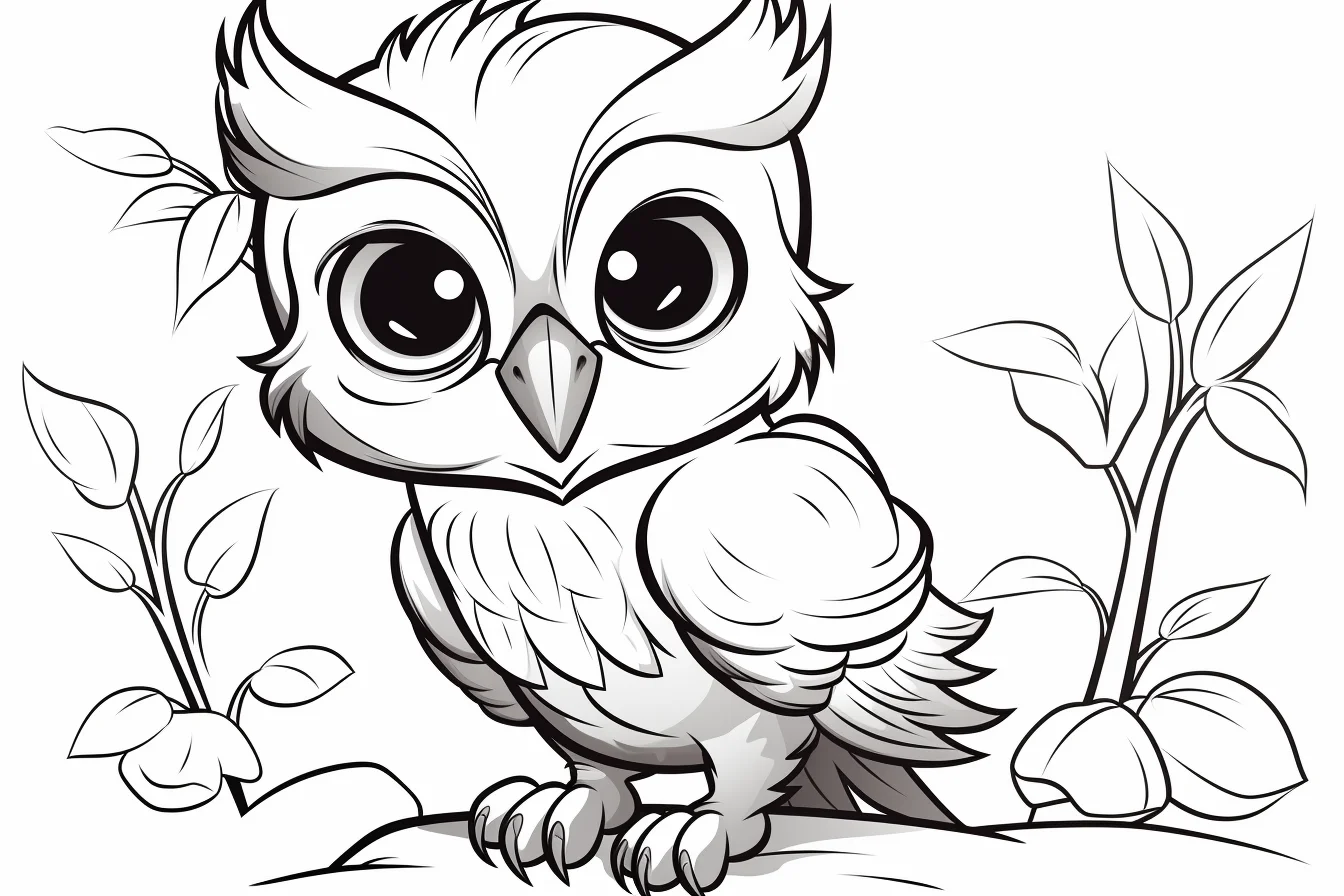
Open full-size Owl coloring sheet 1
Do a 60-second owl detail test before you print
Do not judge difficulty by how cute the owl looks. Look at the smallest spaces you actually need to color: the gaps around the eyes and beak, narrow feather rows, toes, and any leaves or decorations. If the tip of your crayon is wider than several of those spaces, choose one of the simpler owls or switch to a sharpened colored pencil.
- Find the face first. The eyes should remain the clearest high-contrast area. Plan to keep the facial disk lighter than the darkest wing or body feathers.
- Count the feather zones, not individual feathers. If you can group the drawing into face, chest, two wings and a few accents, it is manageable. If you feel compelled to choose a new color for every feather, simplify the plan before starting.
- Pick three values. Test one light, one middle and one dark version of your main color on scrap paper. If the three swatches look almost identical from arm’s length, adjust pressure or choose a darker pencil for shadows.
- Choose one practice goal. On an easy page, practice clean coverage. On a feathered page, practice stroke direction. On a detailed page, practice light and shadow. Trying to learn all three at once makes it harder to see what improved.
For younger children: ignore individual feather markings. Use one color for the chest, one for the wings and one bright color for the eyes or accessories. Large, finished color zones are better practice than struggling through every tiny feather.
How to save and print these owl coloring pages
- Choose the owl design you want to color.
- Open or save the full-size image to your device.
- Print on A4 or Letter paper and select fit-to-page in the print preview.
Crayons and broad markers work well for the simpler pages, while colored pencils are useful for feathers and smaller details.
Free printable owl coloring page collection
The first baby-owl printable appears above for a quick start. Continue here for the remaining 19 designs, moving from open kid-friendly shapes toward pages with more feather detail.
Easy owl coloring page
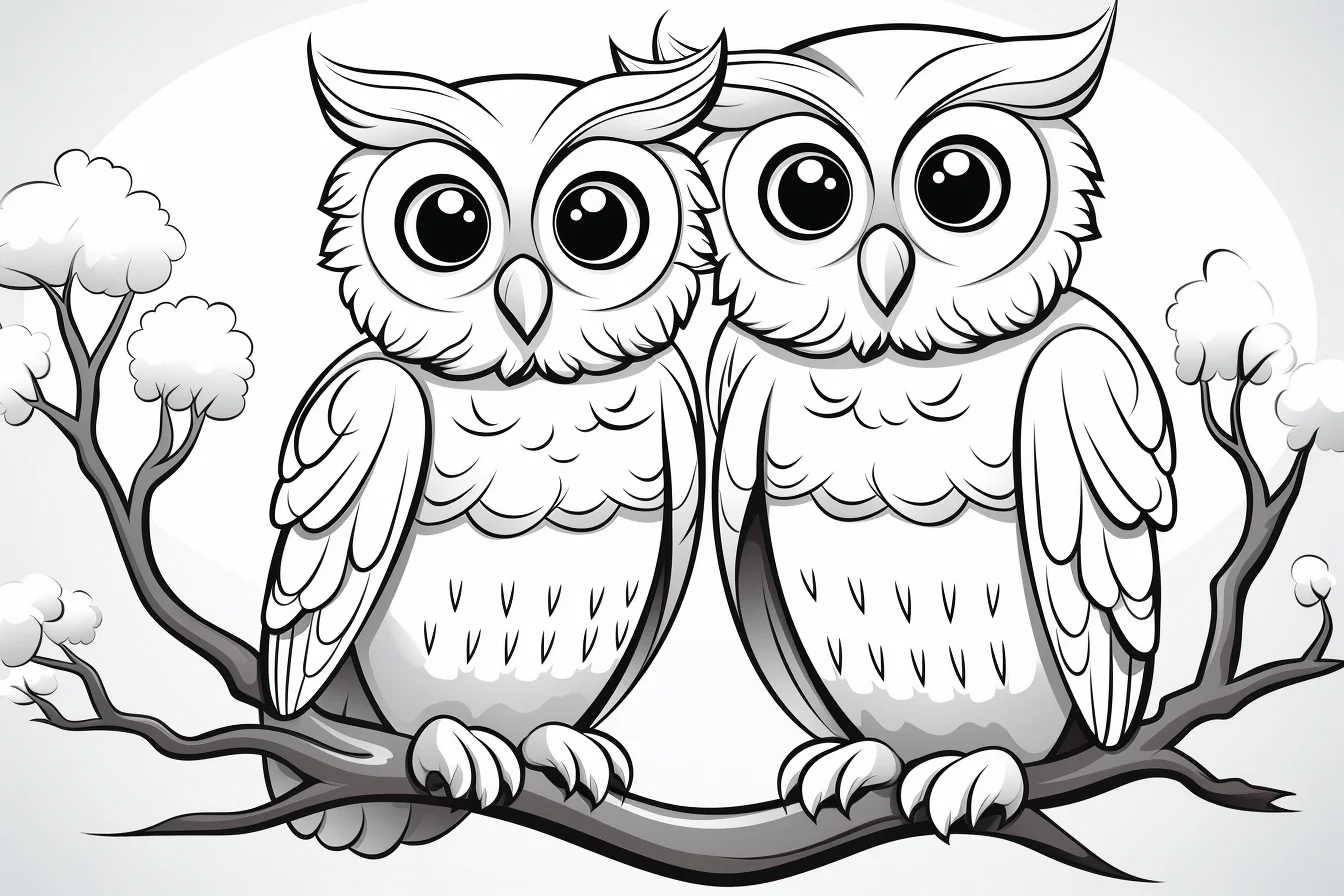
Open full-size Owl coloring sheet 2
Detailed owl coloring page
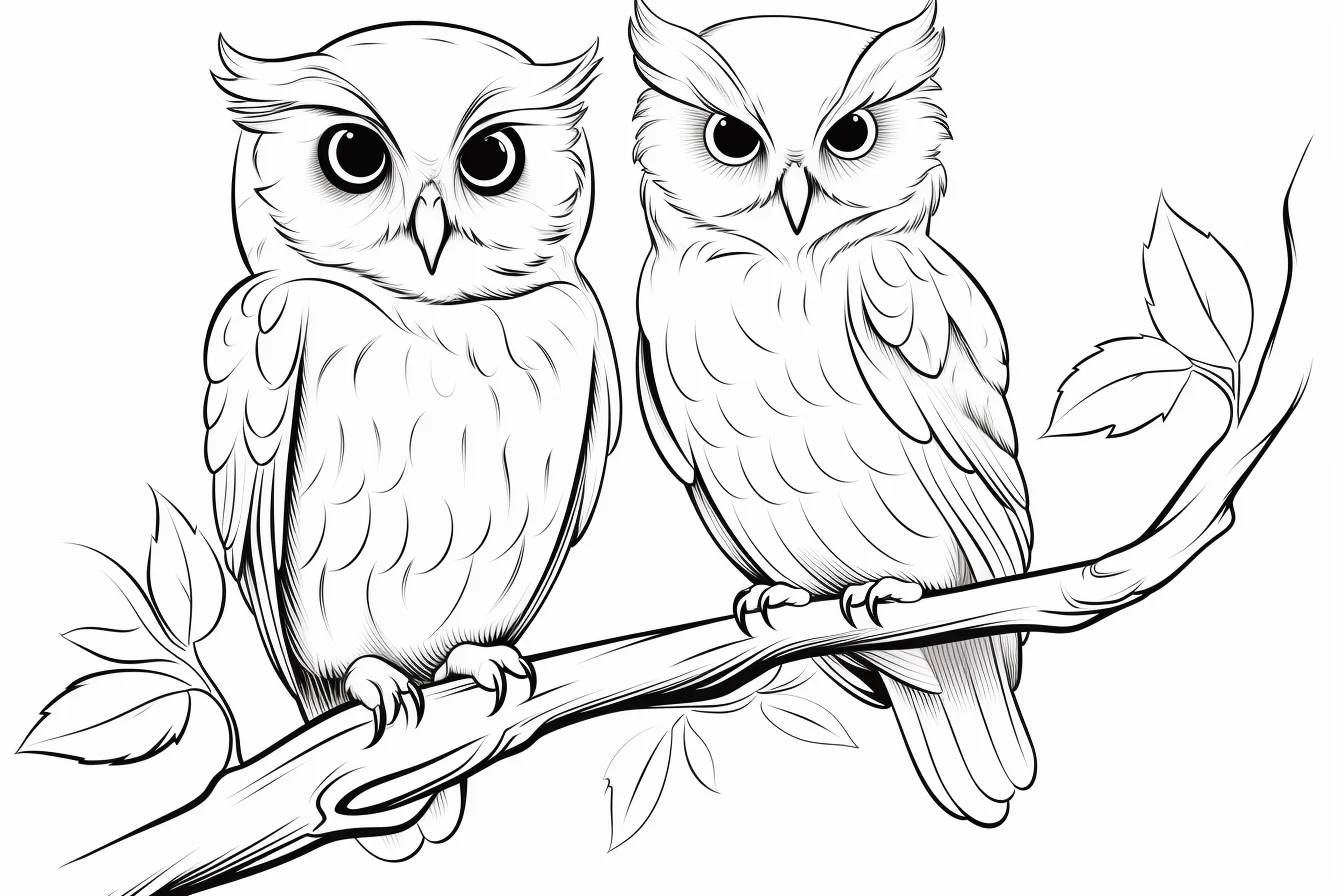
Open full-size Owl coloring sheet 3
Detailed feathers: do not try to give every feather a separate color. Block in two or three larger light/dark areas first, then add a few darker feather edges around the wings, chest and face. That keeps the pattern readable instead of turning the page into dozens of disconnected small shapes.
Easy cute owl coloring page
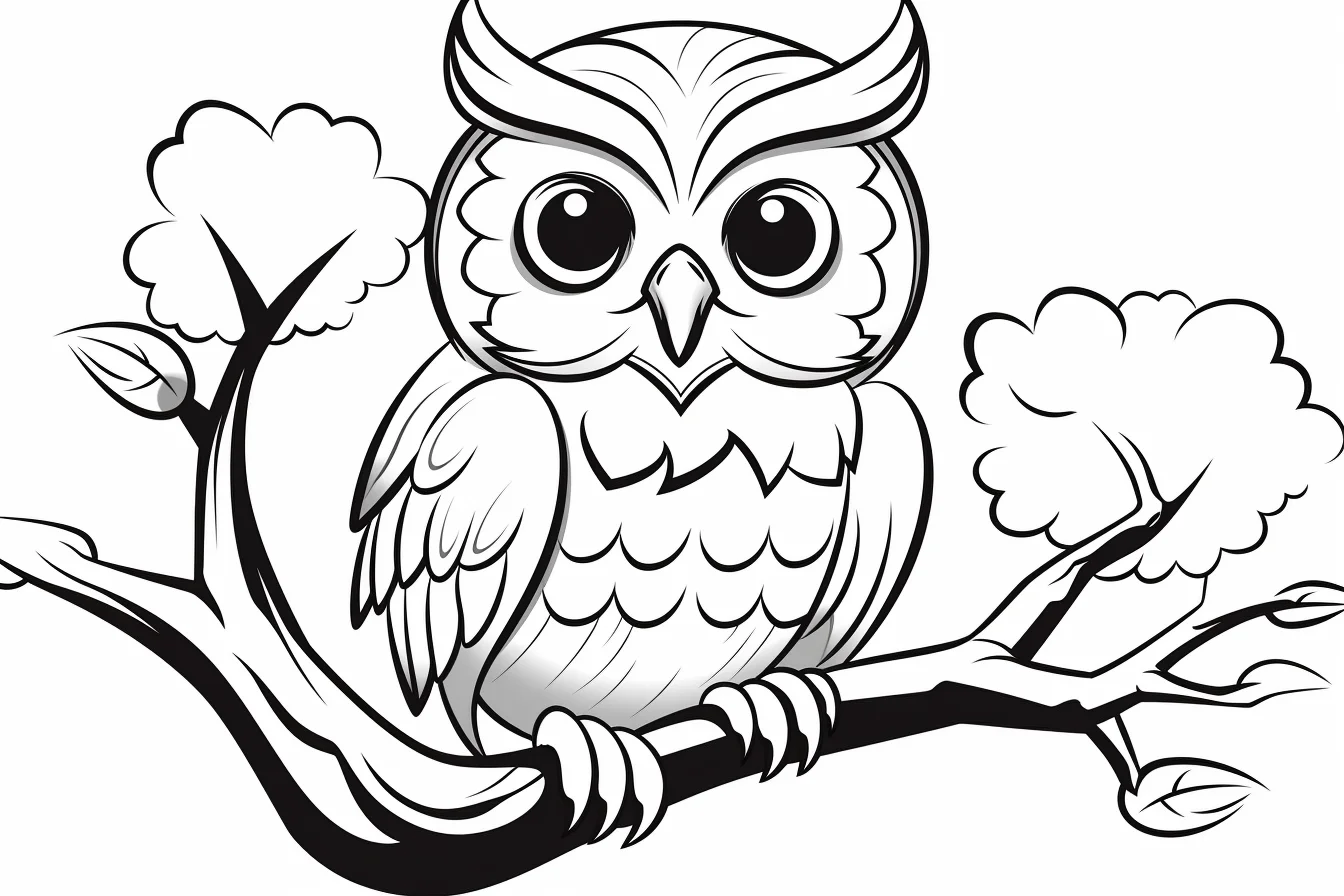
Open full-size Owl coloring sheet 4
Printable owl coloring page
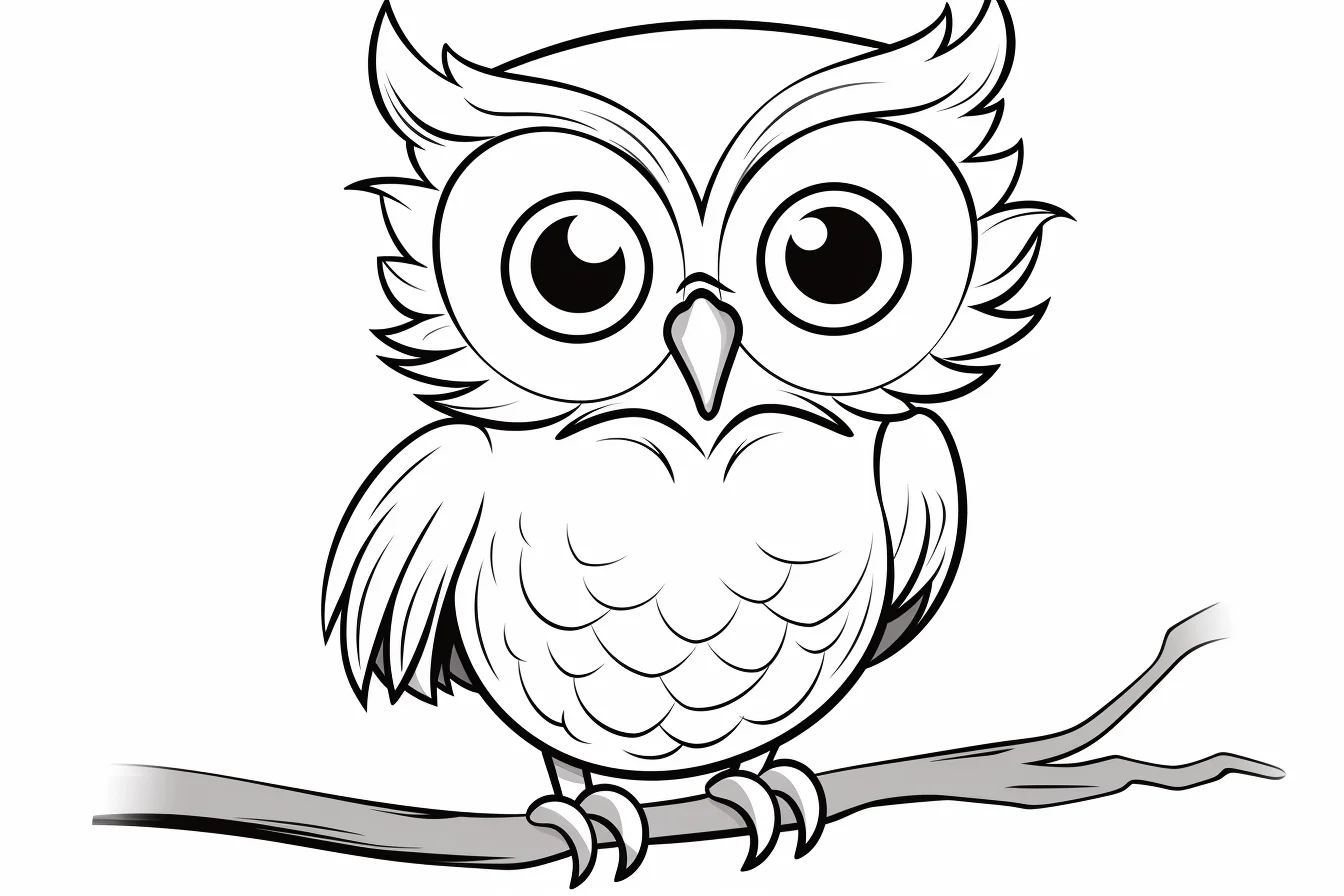
Open full-size Owl coloring sheet 5
Owl coloring page for adults
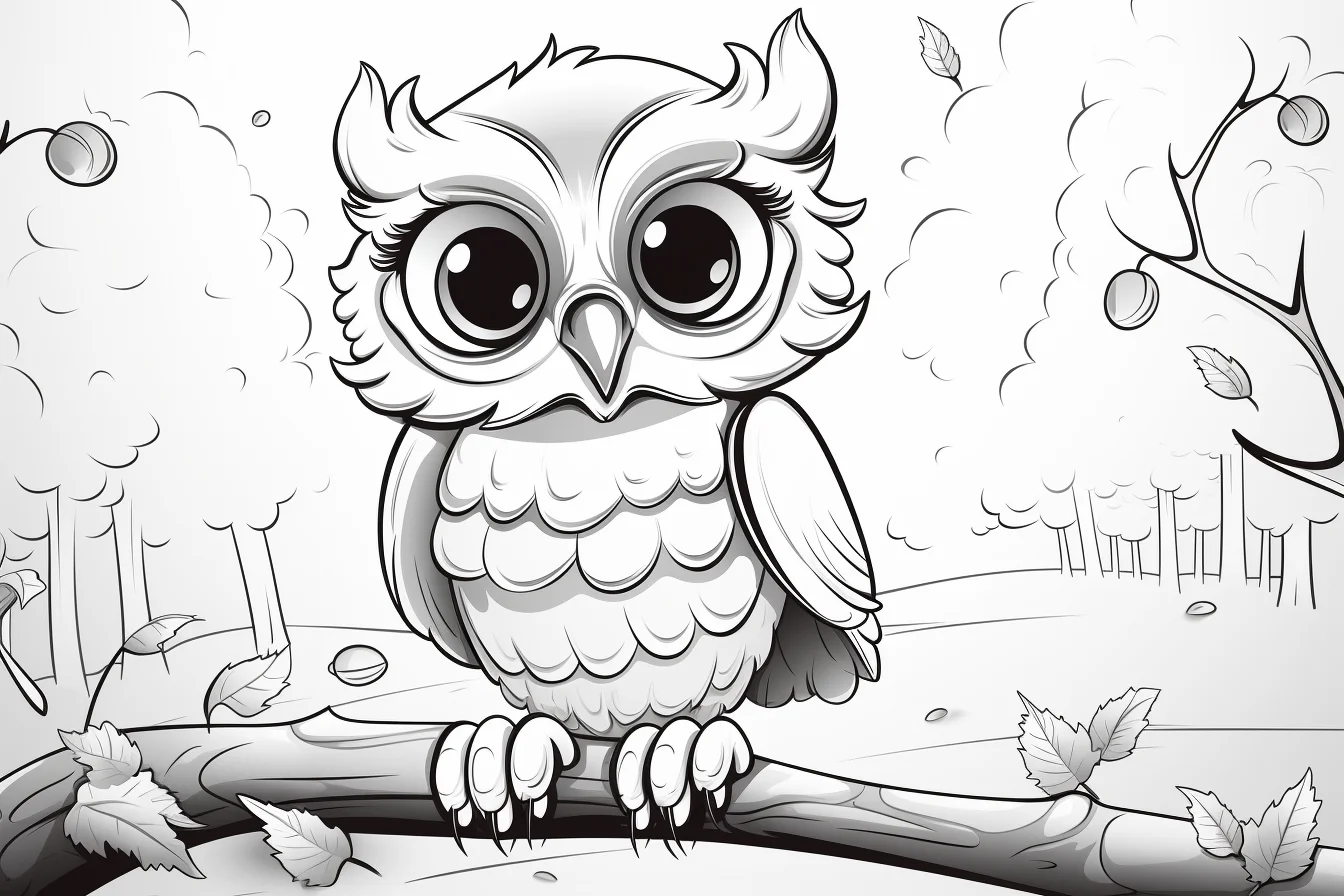
Open full-size Owl coloring sheet 6
Adult-oriented owl page: colored pencils give you more control over small plumage details. Keep the facial disk a little lighter than the outer feathers and reserve the darkest pencil for the eyes, beak and deepest wing shadows.
Adorable owl coloring page
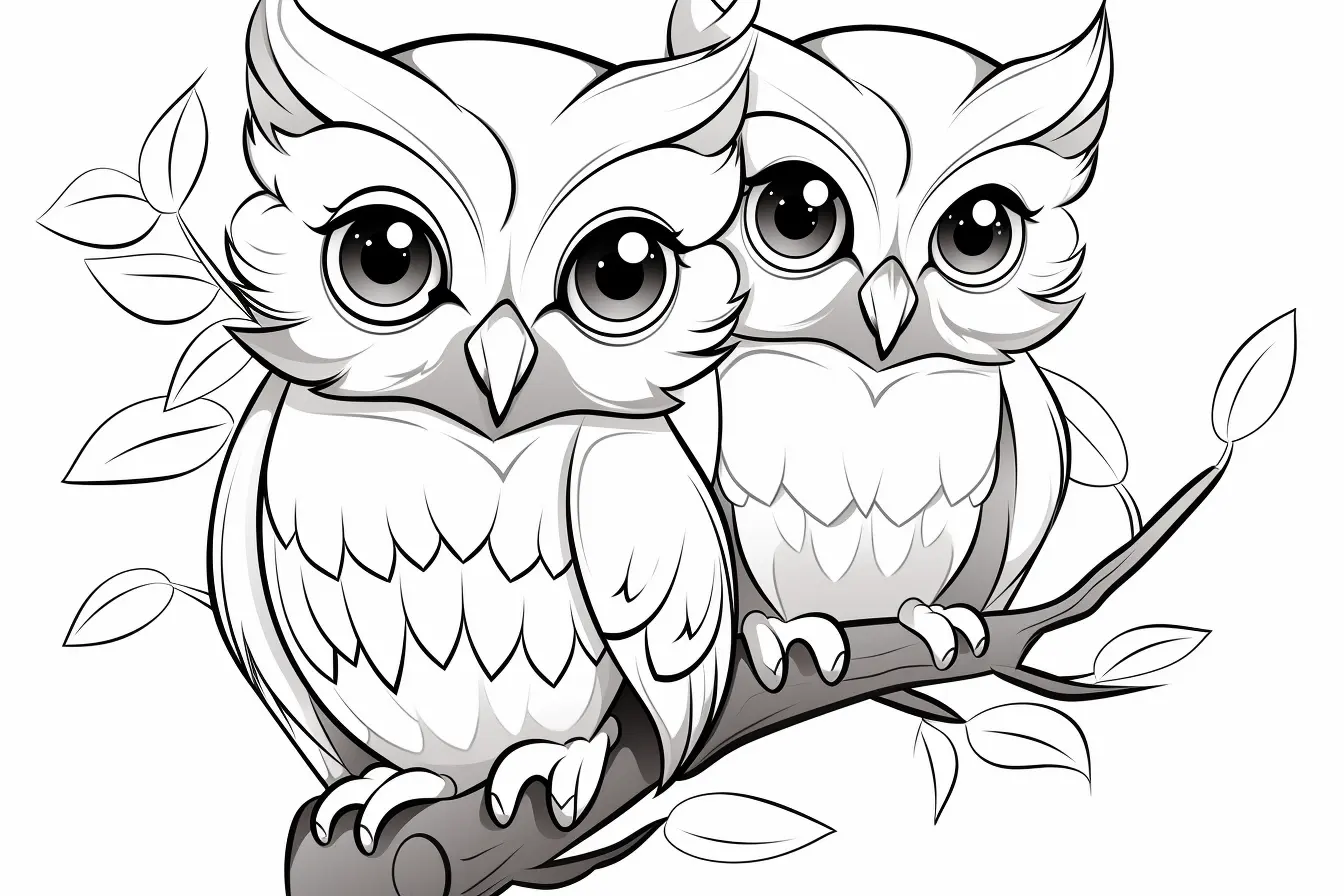
Open full-size Owl coloring sheet 7
Simple owl coloring page
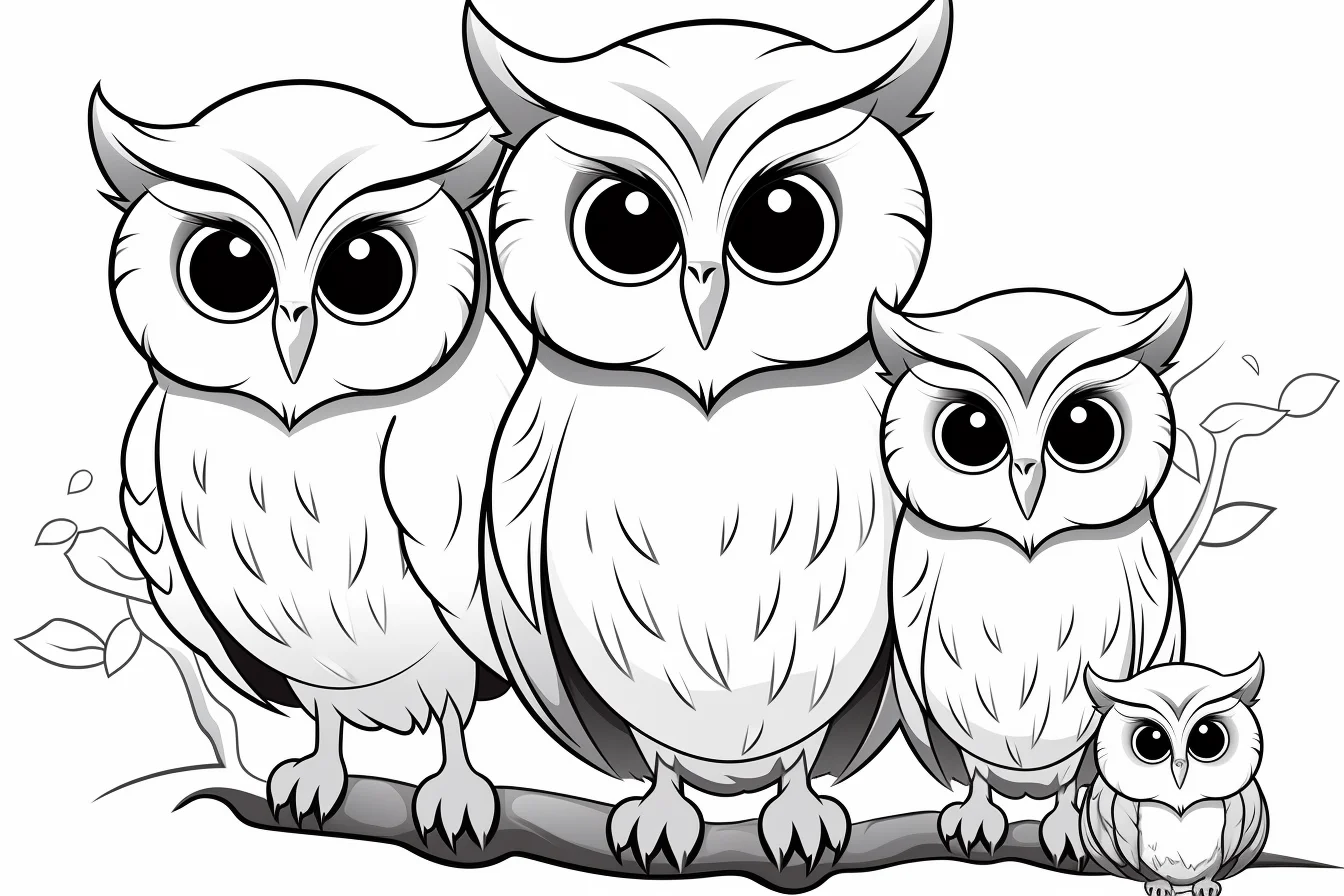
Open full-size Owl coloring sheet 8
Fall owl coloring page
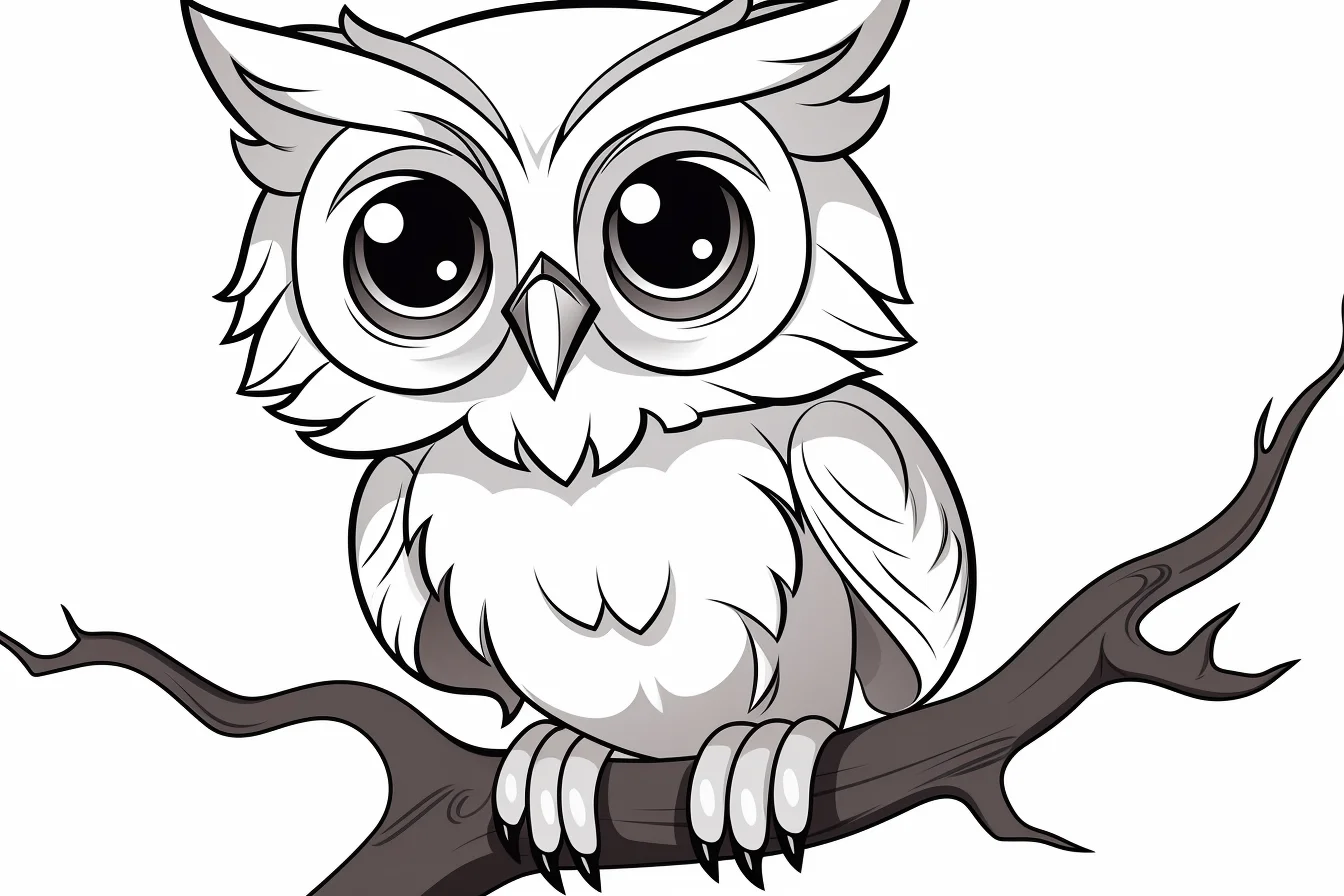
Open full-size Owl coloring sheet 9
Fall owl: warm rust, ochre, muted orange and brown work naturally with an autumn page. Keep at least one lighter cream or beige area on the owl so it does not disappear into similarly warm leaves or background details.
Cute owl coloring page
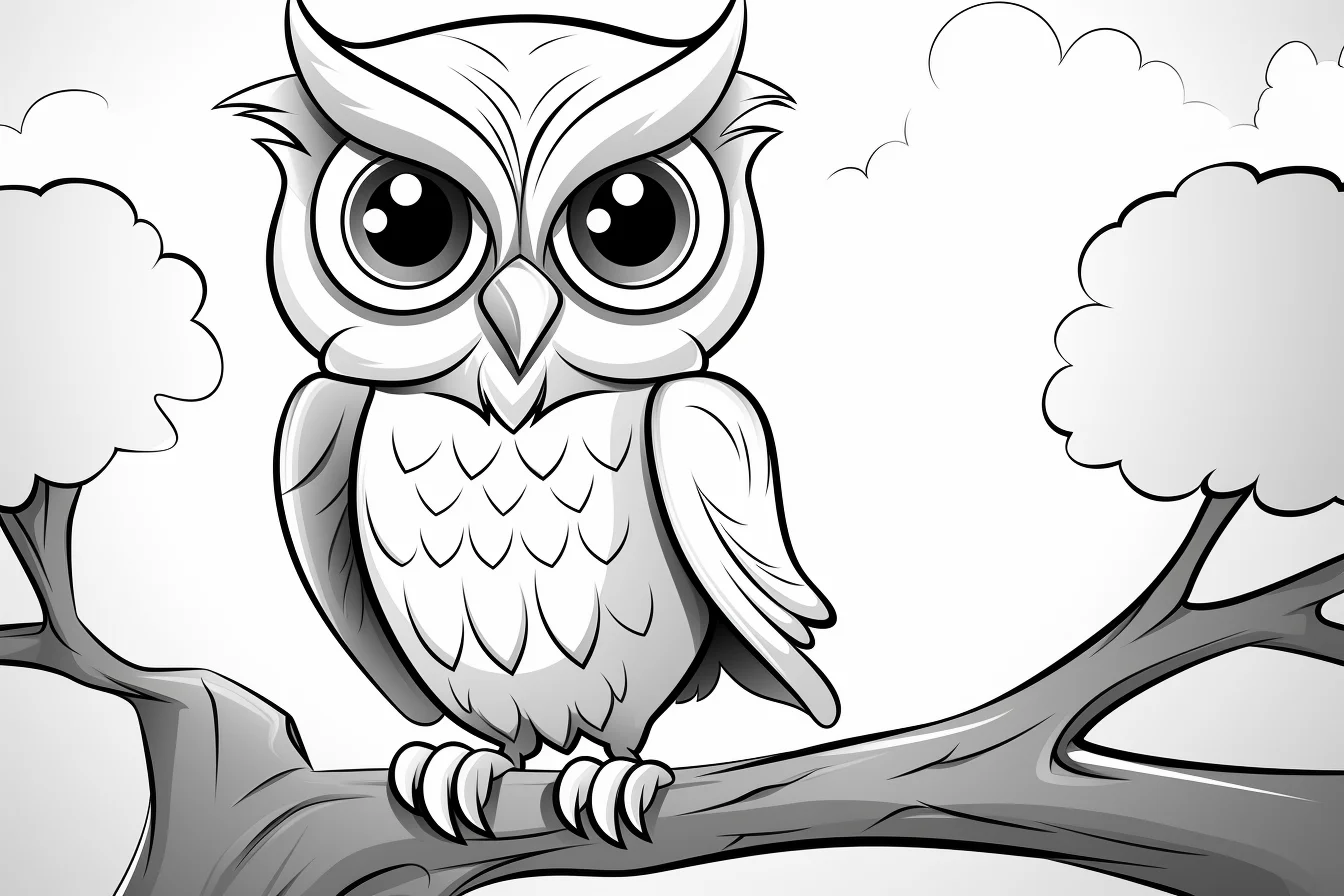
Open full-size Owl coloring sheet 10
Owl coloring page for kids
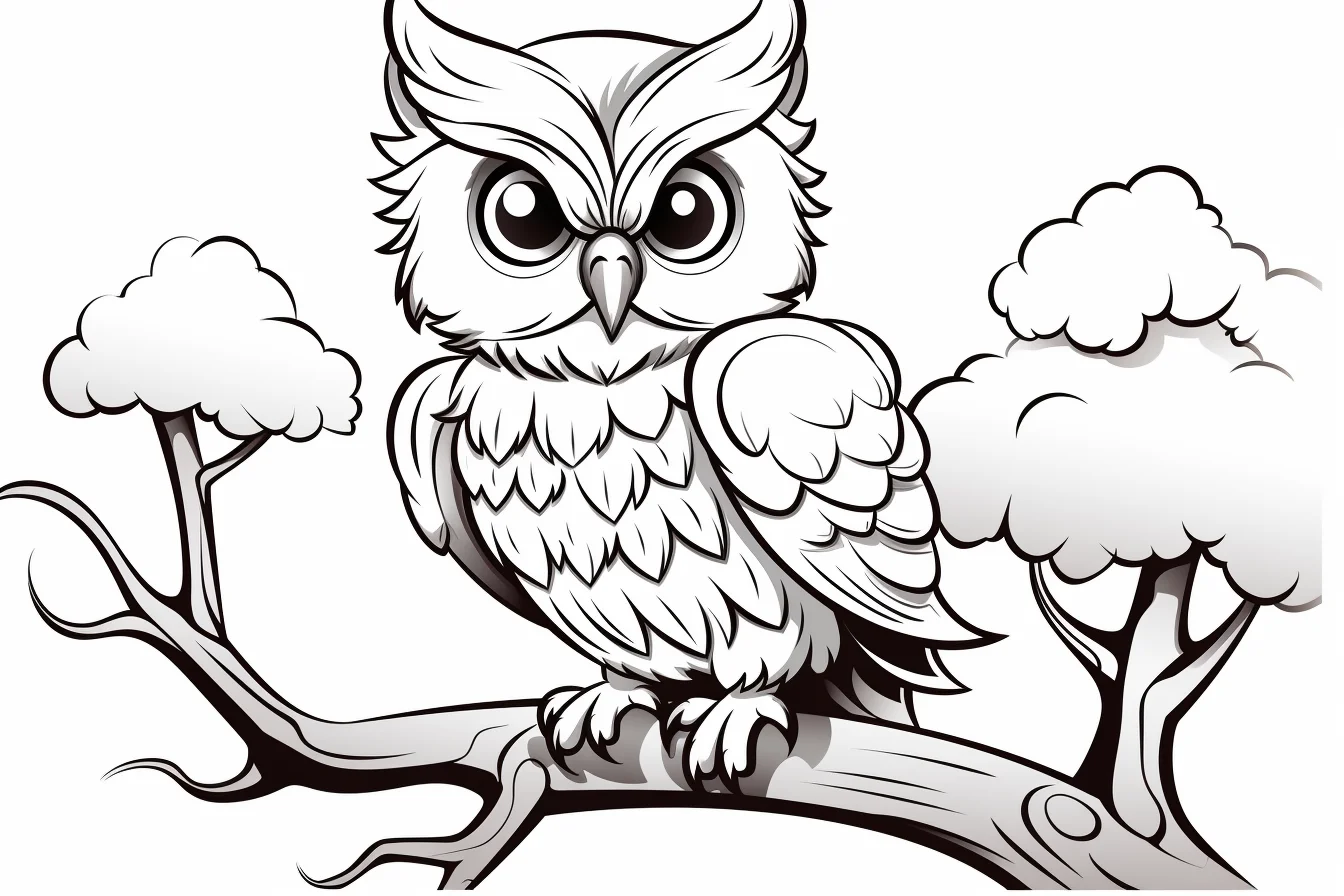
Open full-size Owl coloring sheet 11
Easy owl coloring sheet for children
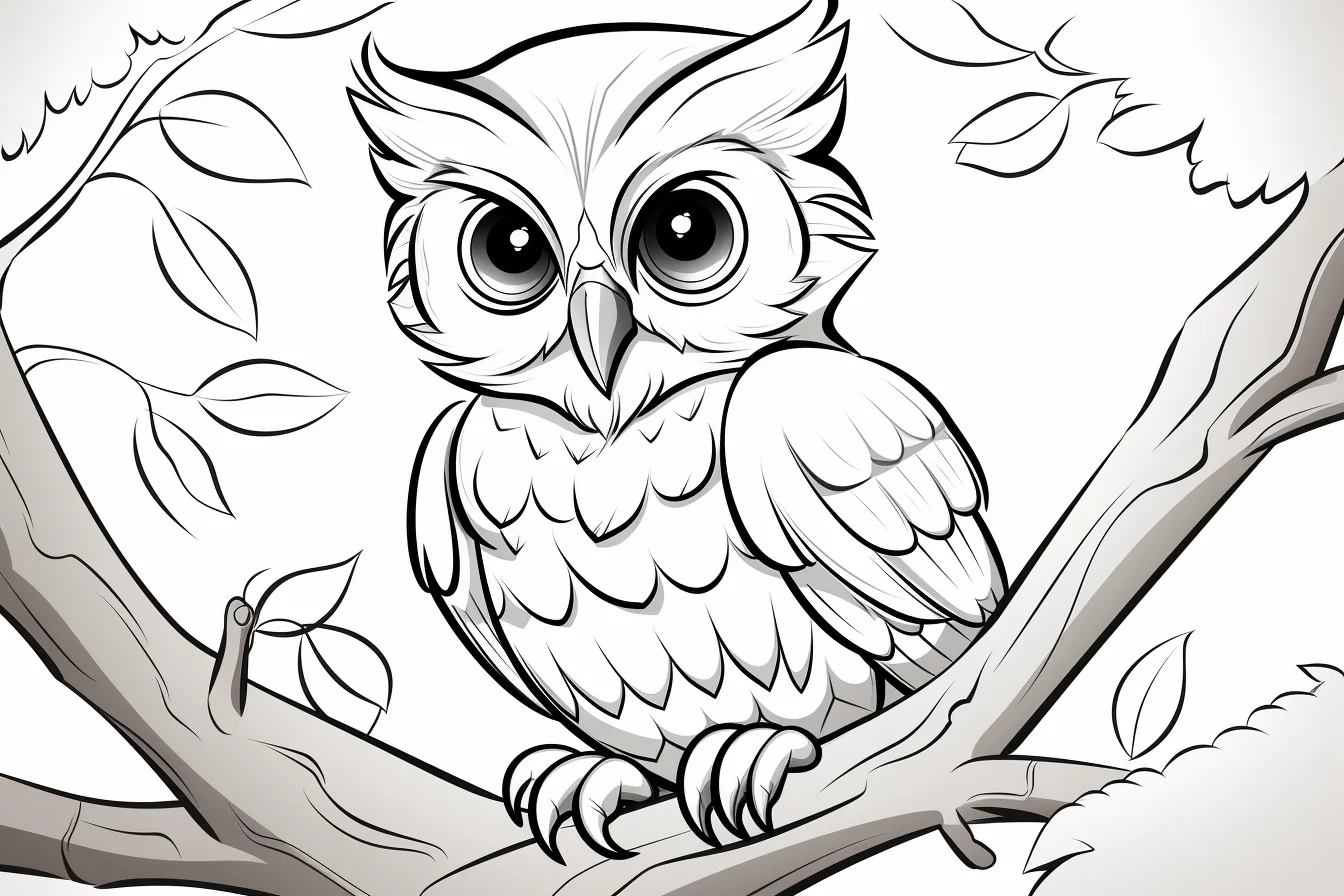
Open full-size Owl coloring sheet 12
For younger children: the simpler kid pages are easier if you treat the owl as three main zones—body, wings and face—rather than trying to make every feather different. Crayons are perfectly fine here; detail is optional.
Free owl coloring page
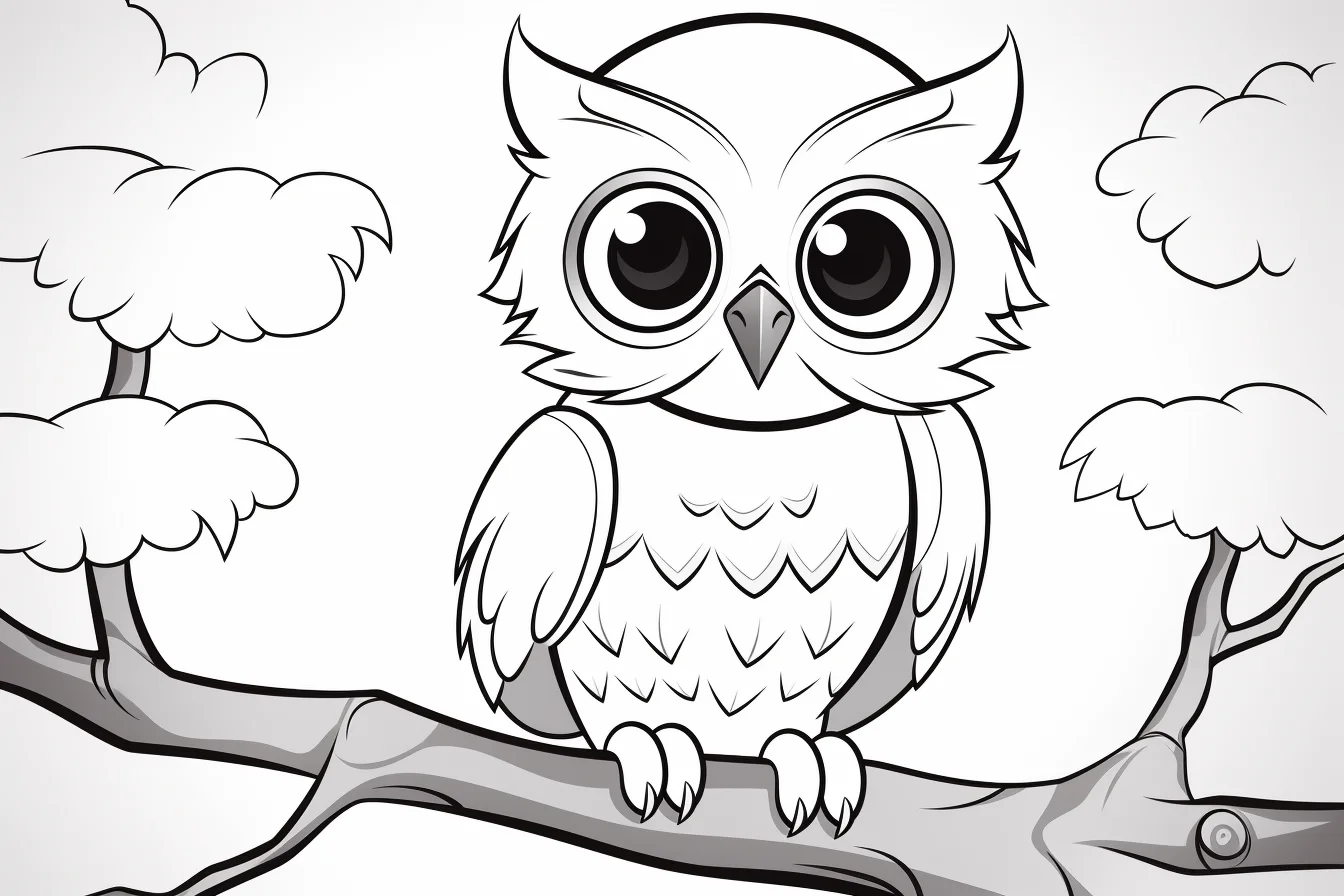
Open full-size Owl coloring sheet 13
Owl picture to color
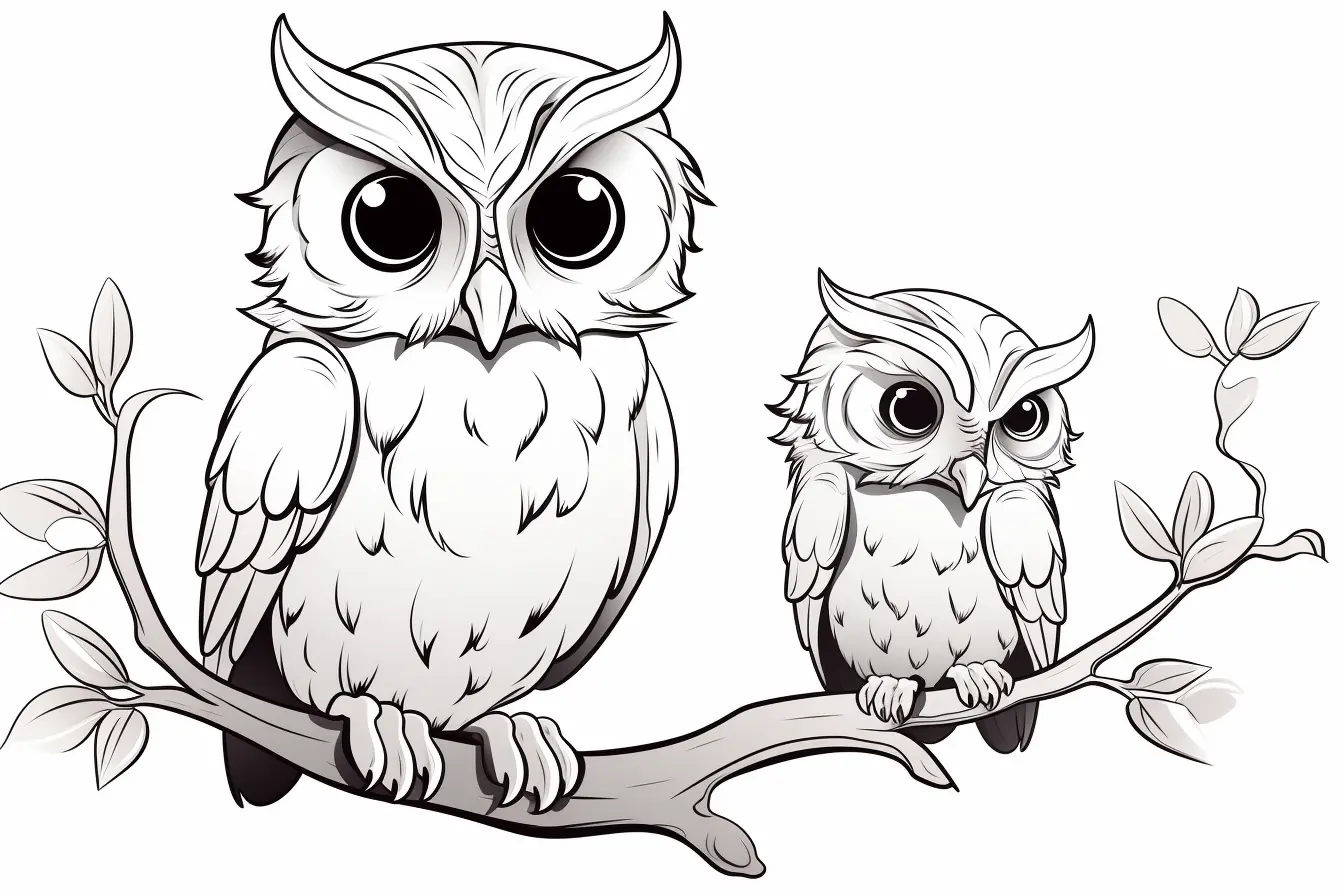
Open full-size Owl coloring sheet 14
Printable cute owl page
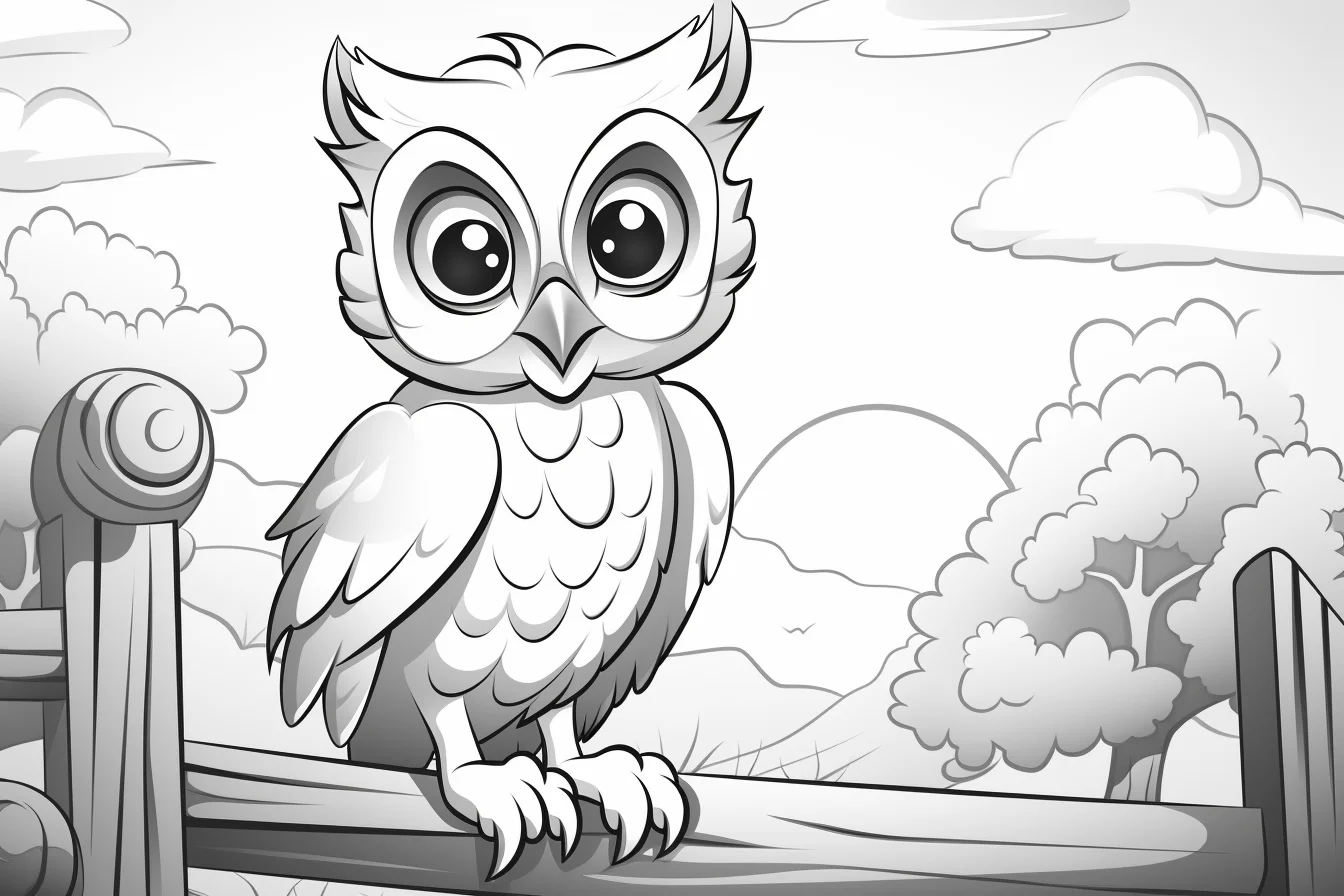
Open full-size Owl coloring sheet 15
Baby owl coloring page
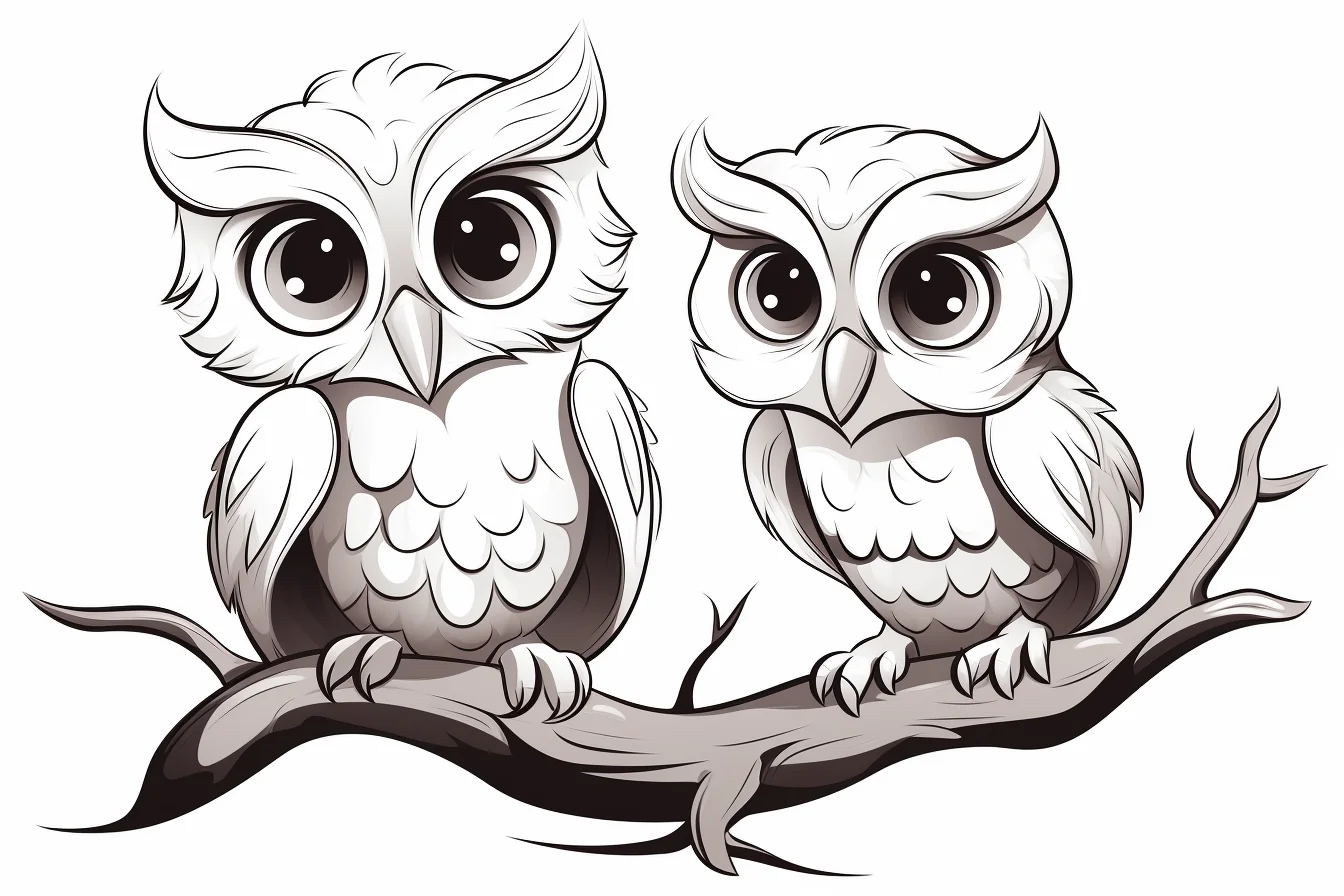
Open full-size Owl coloring sheet 16
Cute owl coloring page for adults
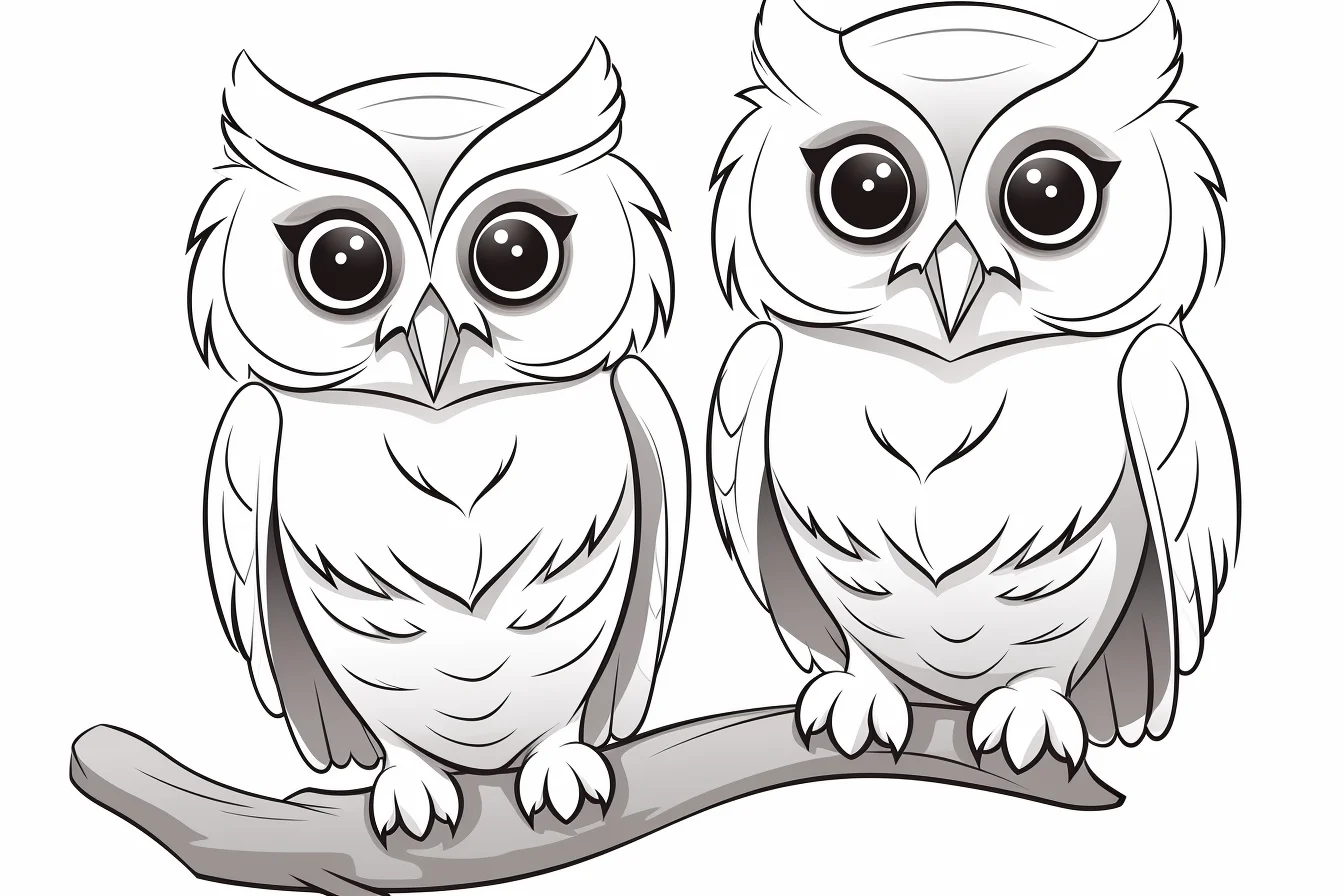
Open full-size Owl coloring sheet 17
Owl coloring page for kids and adults
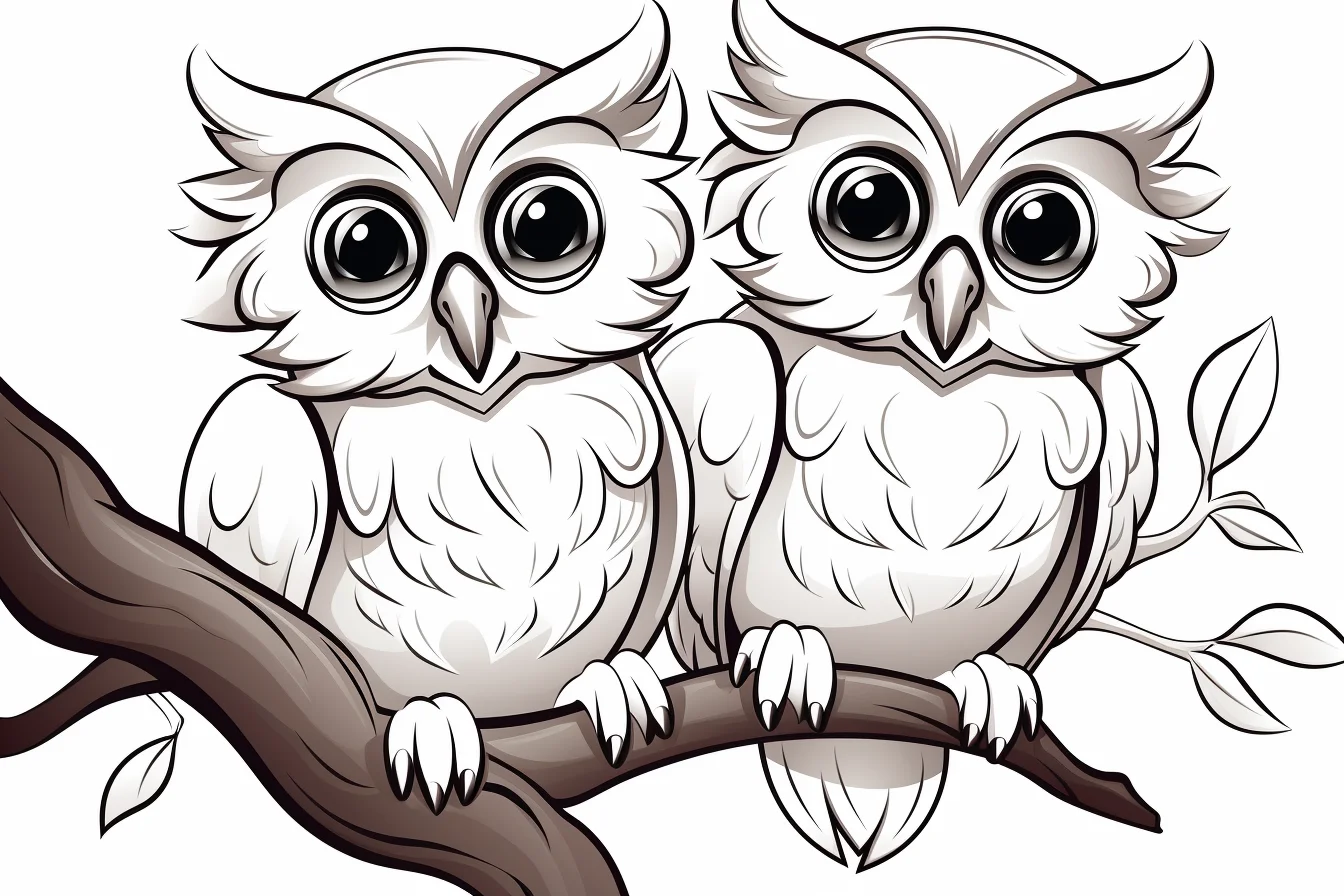
Open full-size Owl coloring sheet 18
Cute owl page for kids
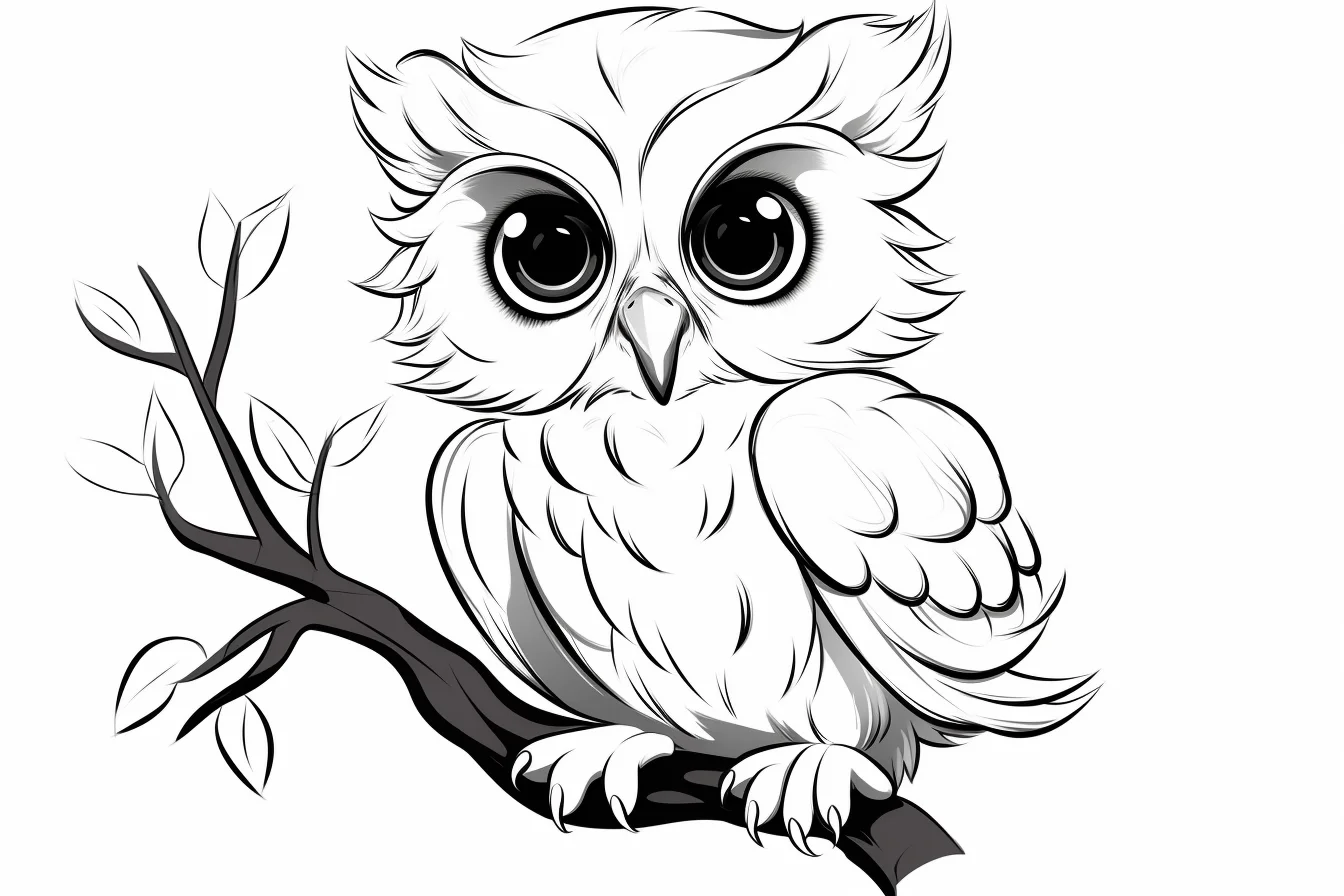
Open full-size Owl coloring sheet 19
Classic cute owl coloring page
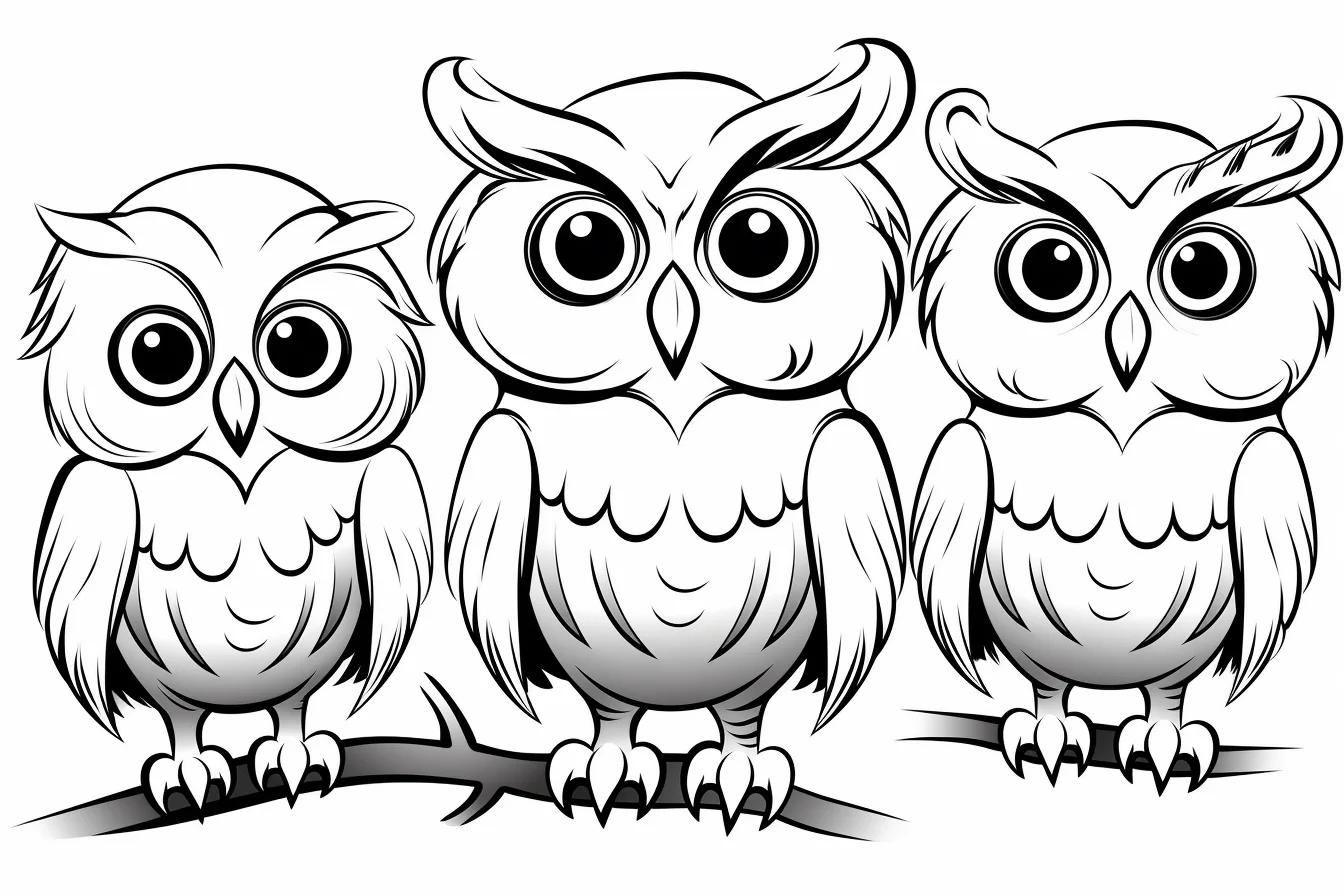
Open full-size Owl coloring sheet 20
How to color owl feathers without coloring every feather separately
An owl becomes much easier to color when you think in larger feather groups first. Choose a light, middle and dark value from the same color family. Cover the chest and face with the light value, use the middle value across the wings and upper body, then place the darkest value only beneath overlapping wing sections, around the outer facial disk and in a few feather gaps. After those large areas read clearly, add individual feather marks where you want extra texture.
For brown owls, try cream, tan and dark brown. For a cooler night palette, use pale gray, blue-gray and charcoal. Fantasy owls can use exactly the same light-to-dark method with lavender, teal or pink.
A three-page owl coloring practice
- Start with an easy owl: use three main colors and concentrate on staying inside the larger shapes. Keep the face lighter than the wings.
- Move to a page with visible feathers: repeat the same palette, but add short pencil strokes that follow the direction of the wing and chest feathers.
- Finish with a detailed owl: choose one imaginary light source. Darken the side facing away from it and the places where wings, feet or feathers overlap.
Keeping roughly the same palette across all three pages makes the exercise useful: you can see whether control, texture and shading improve without color choice becoming another variable.
Make the eyes the focal point
Owl faces are naturally dominated by the eyes, so save your strongest contrast for that area. Color the iris first, leave a tiny paper-white highlight if the drawing allows it, and make the pupil the darkest mark on the face. Keep the feathers immediately around the eyes one or two values lighter. If everything around the eyes is equally dark, the expression tends to disappear.
For a glowing-eye effect, a yellow, amber or pale green iris works best when the surrounding facial feathers are comparatively muted. You do not need to outline the entire face more heavily; contrast around the eyes is enough.
Owl coloring problems and quick fixes
| If this happens | Try this |
|---|---|
| The feathers look like disconnected patches | Use one base color across a whole feather group, then add darker marks on top instead of coloring every shape independently. |
| The owl looks flat | Darken beneath the wings, under the head and where the feet meet the body; leave the top-facing areas lighter. |
| The face gets lost | Reduce detail around the facial disk and reserve your darkest values for the pupils, beak and a few nearby shadows. |
| Brown colors look muddy | Separate adjacent brown areas with a lighter cream or tan rather than adding more dark brown. |
| Marker strokes look streaky | Fill one feather group at a time while the ink edge is still wet; use colored pencil afterward for small shadows and texture. |
| A detailed page feels overwhelming | Finish the eyes, face, wings and body as four larger zones before deciding which tiny details actually need extra color. |
Four owl palettes that are easy to control
- Woodland: cream, tan, warm brown and a small amount of dark chocolate.
- Snowy: mostly white paper with cool gray and pale blue shadows, plus dark eyes and beak.
- Autumn: ochre, rust, muted orange, brown and cream.
- Night fantasy: blue-gray body, deep navy shadows, lavender accents and yellow or amber eyes.
Colored pencils, crayons or markers?
Colored pencils are the most forgiving choice for the detailed pages because pressure can be built gradually and feather strokes can be layered over a light base. Crayons suit the simpler baby and kid-friendly owls, where large shapes matter more than fine texture. Markers give clean, bold color on open areas; place scrap paper underneath if ink may bleed through, and avoid repeatedly scrubbing over small feather sections.
A useful mixed-media approach is to fill broad areas with marker or crayon and add the darkest feather edges, eye details and small shadows with colored pencil. This keeps the page quick to finish without sacrificing the details that make the owl readable.
Owl coloring page questions
What colors should I use for a realistic owl?
You do not need to identify a species to create a convincing natural palette. Start with cream or pale gray, add tan or gray-brown across larger feather groups, and reserve a darker brown or charcoal for shadows and markings. Value contrast is more important than matching an exact species.
How do I color a mostly white owl?
Leave most of the paper white. Add pale cool-gray or blue-gray only beneath overlapping feathers, under the wings and around the lower body. A few controlled shadows make the white areas look intentional rather than unfinished.
Which owl pages are best for younger children?
Choose the designs with broad bodies, large eyes and fewer internal feather lines. Let the child treat the owl as a handful of big zones—face, body and wings—rather than expecting every small feather shape to be filled separately.
How can I make a finished owl page look more dramatic?
Choose one focal area, usually the eyes, and give it the strongest light-dark contrast. Then keep the body palette more restrained. On a night scene, a dark background can also make a lighter owl stand out, but color around the outline carefully so the silhouette stays clean.
More coloring pages to try
For more seasonal pages, browse our first day of fall coloring pages. You can also explore cute bird coloring pages, realistic animal coloring pages, or the broader cute animal coloring collection.

