
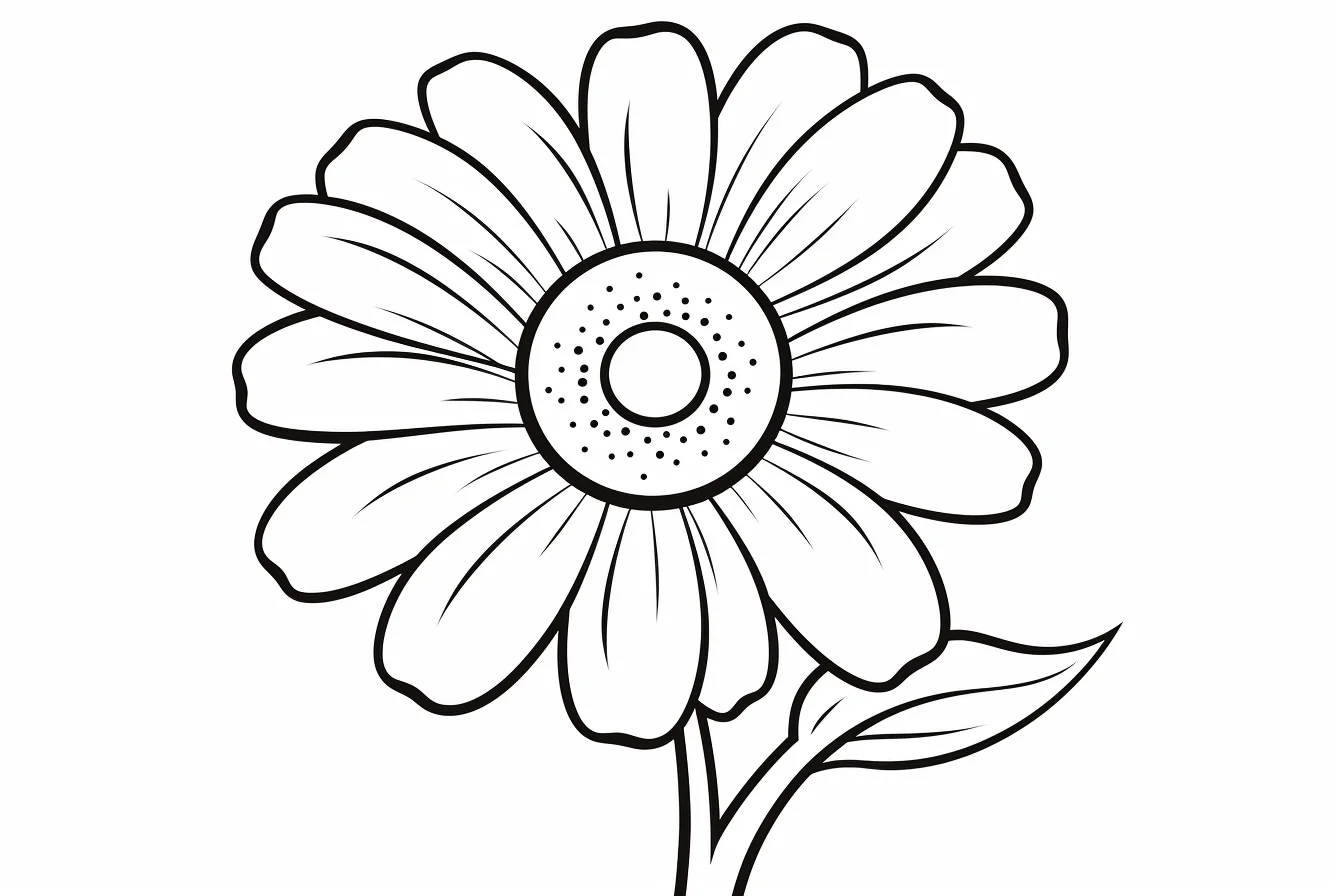
These 20 free flower coloring sheets are arranged as a real difficulty ladder rather than one mixed gallery: broad, forgiving shapes first; more petals and leaves in the middle; and tighter spaces for slower pencil or fine-marker work at the end. If you are printing for a young child, start with Sheets 1–8. If you want to practice shading and cleaner detail, work forward instead of choosing pages at random.
Open full-size Flower coloring sheet 1
A useful way to use the set: color one easy sheet with even pressure, one medium sheet with two values of the same petal color, then one detailed sheet with shadows where petals overlap. That gives you a visible progression without turning coloring into a technical exercise.
Pick a flower page by difficulty
| Level | Go to | Best for |
|---|---|---|
| Easy | Sheets 1–8 | Preschoolers, crayons, short coloring sessions |
| Medium | Sheets 9–15 | Older kids, colored pencils, mixed colors |
| Detailed | Sheets 16–20 | Adults, fine markers, slower coloring |
Print them without losing the edges
- Open the full-size image under the design you want rather than printing the small page preview.
- Choose landscape orientation. These sheets are wider than they are tall.
- Select “Fit to page” or the equivalent option in your print window so petals and borders are not clipped.
- Use the paper that matches your tools. Regular printer paper is fine for crayons and pencils. If you plan to use markers, a slightly heavier sheet helps with bleed-through.
For more printer settings, including A4 and US Letter, use our coloring-page printing guide.
Test your petal values before coloring the whole flower
You do not need twenty pencils. Before starting a medium or detailed sheet, use a scrap of the same paper and make three small marks with one petal color: barely touching the paper, normal pressure, and two or three light layers. Keep that strip beside the page. The light mark becomes your petal highlight, the middle value your main color, and the darkest mark the shadow at the petal base or where one petal passes behind another.
Then test the flower center. Put a small patch of your planned center color beside the darkest petal value. If they look almost identical when you hold the paper at arm’s length, lighten one of them. The center should read as a separate shape rather than a dark hole. Do the same with your green: a leaf touching a petal needs enough value difference that their shared edge stays easy to see.
For white or very pale flowers, reverse the exercise. Leave most of the petal as bare paper. Test a pale gray, cream, lavender or cool blue only at the base and overlap points; if the flower looks gray from a distance, you used too much shadow. On Sheets 16–20, shade one test petal completely before repeating the method across the flower. If that petal still reads clearly when you squint, your value range is working.
For children, ignore realism if it gets in the way of fun. Blue sunflowers, orange leaves, and rainbow petals are perfectly good choices. If you want realistic references instead, our realistic flower coloring pages are a better fit. For roses, tulips, sunflowers, and orchids grouped by flower type, see the flower coloring pages by type.
Map the overlaps before you shade a detailed flower
On Sheets 16–20, the hardest part is usually not choosing colors; it is deciding which petal sits in front. Before adding dark pencil, trace the outline with your eyes from the flower center outward. Each time one line disappears behind another petal, mark that overlap mentally as a shadow point. Put your darkest petal value only in those tucked-under areas and at selected petal bases. Leave the outer tips lighter.
- Color one petal completely first. Start light, deepen the base, and leave the tip pale. Use it as the reference for the rest of the flower.
- Shade the petal behind, not both sides of every line. If two neighboring petals are equally dark along their shared edge, the overlap becomes harder to read.
- Turn the page if your hand blocks the linework. A comfortable stroke direction matters more than keeping the paper upright, especially around narrow curved petals.
- Stop and squint. The flower should still separate into a center, petal mass and leaves. If it becomes one dark patch, lift pressure and leave the next few petals mostly light.
Practice drill: on a medium sheet, choose three touching petals. Shade the first from base to tip, leave the second almost flat, and shade the third only where it passes behind another shape. Compare them from arm’s length. This makes it much easier to see which kind of shading actually creates depth before you repeat the technique across a detailed page.
Easy flower coloring sheets — Sheets 1–8
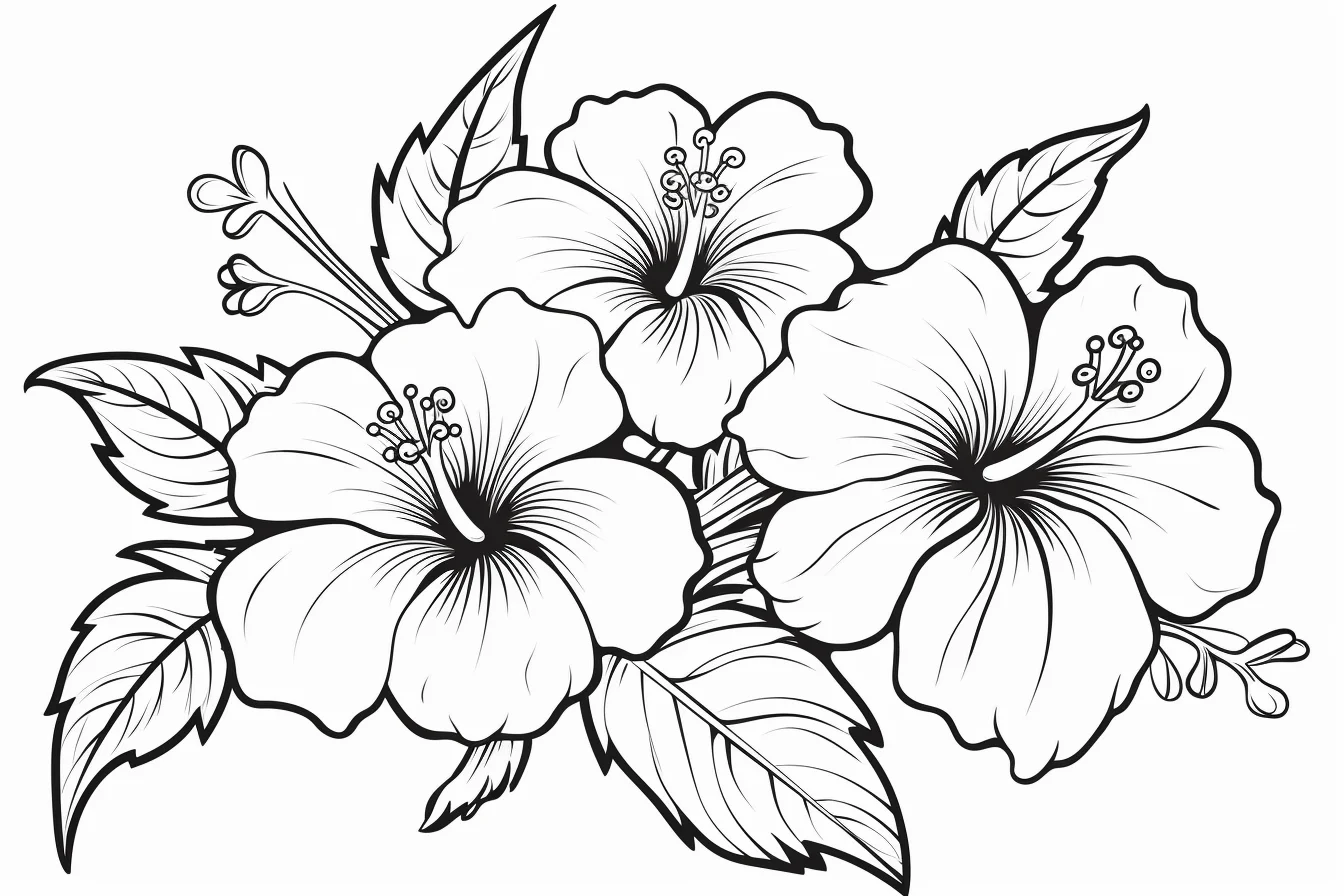
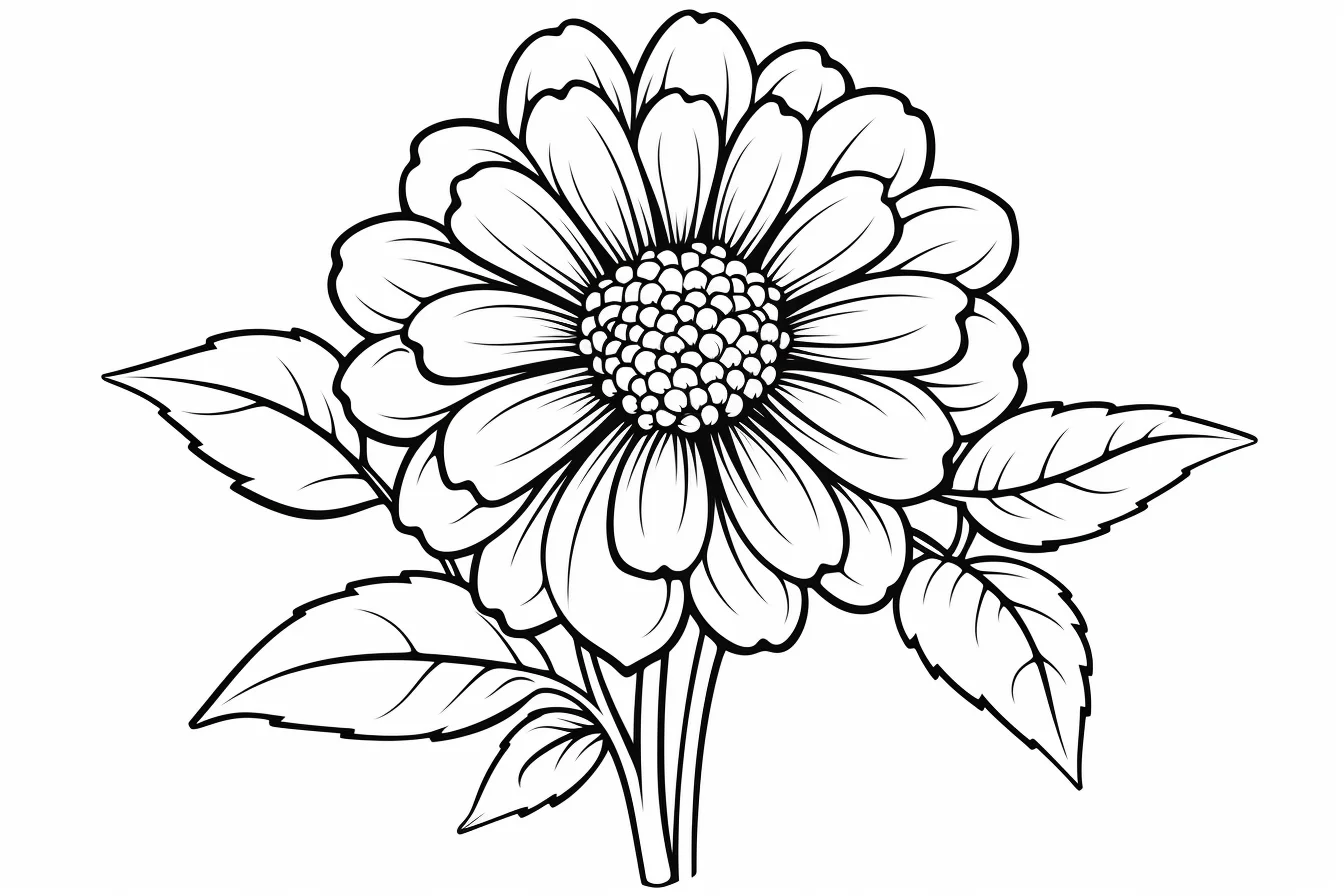
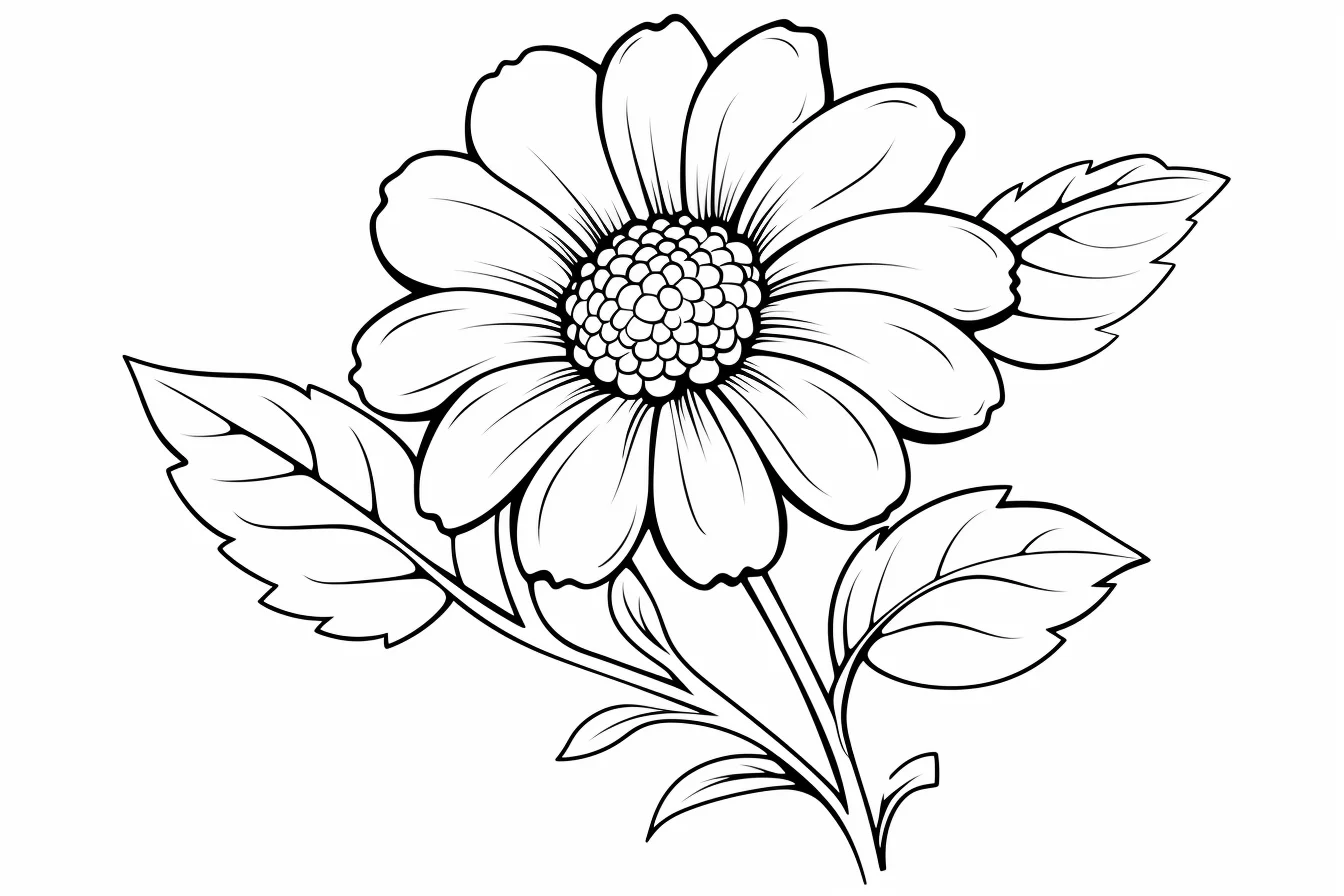
These are the pages to use with crayons, younger children or a short coloring session. The petals are larger, the outlines are clear, and there is more white space around the main shapes. Sheet 1 appears above so you can judge the easy level before printing; Sheets 2–8 continue below.
Open full-size Flower coloring sheet 2
Open full-size Flower coloring sheet 3
Open full-size Flower coloring sheet 4
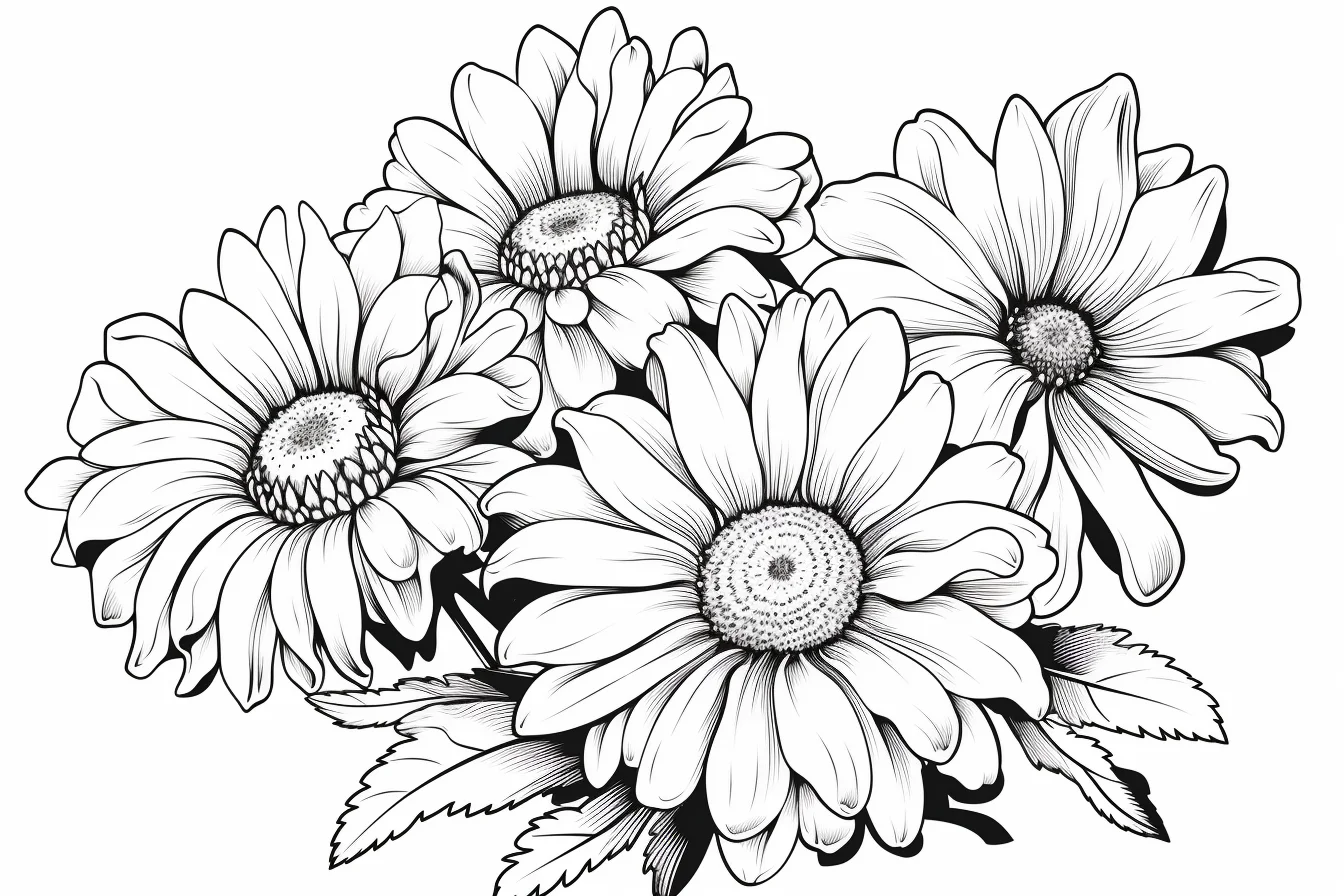
Open full-size Flower coloring sheet 5
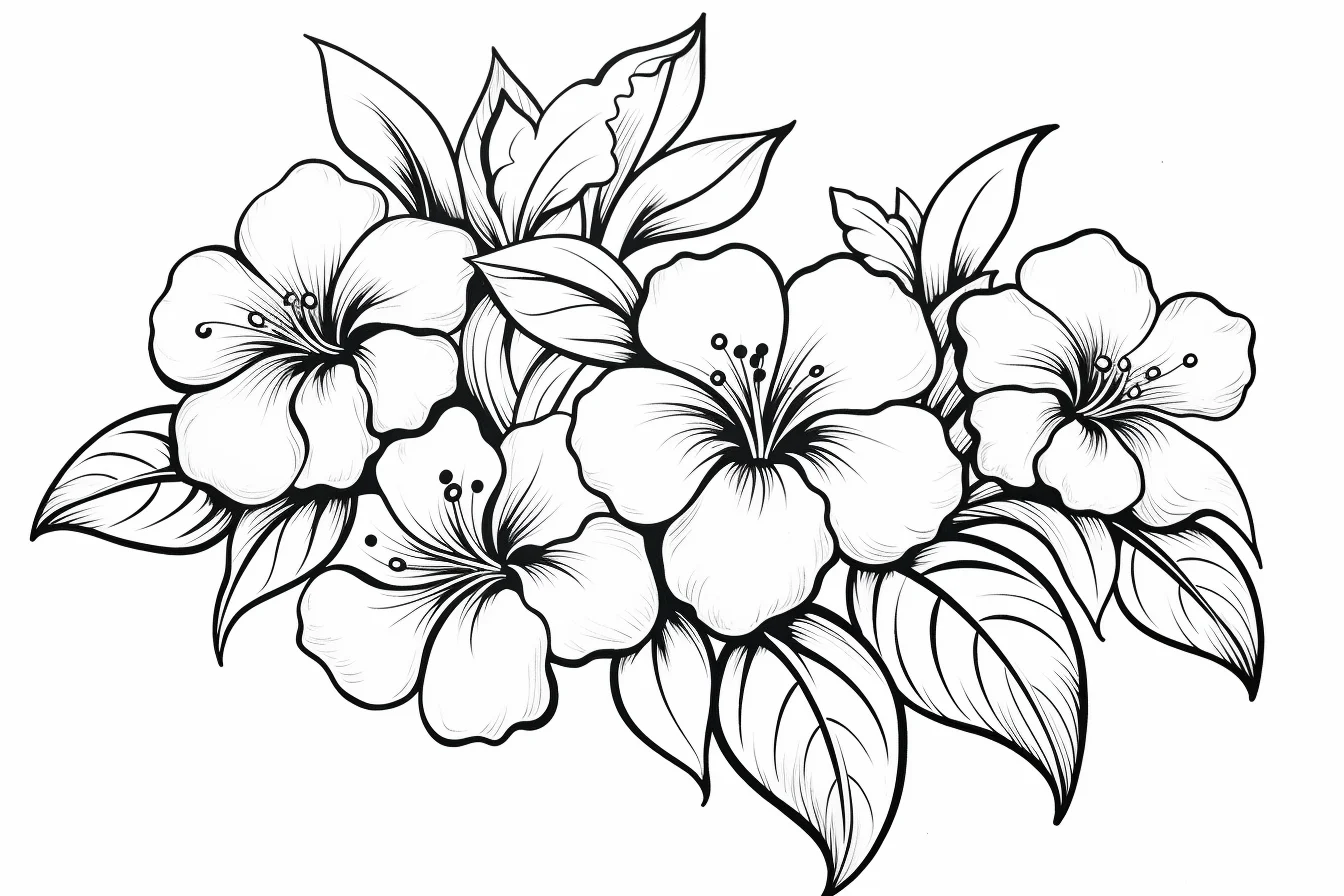
Open full-size Flower coloring sheet 6
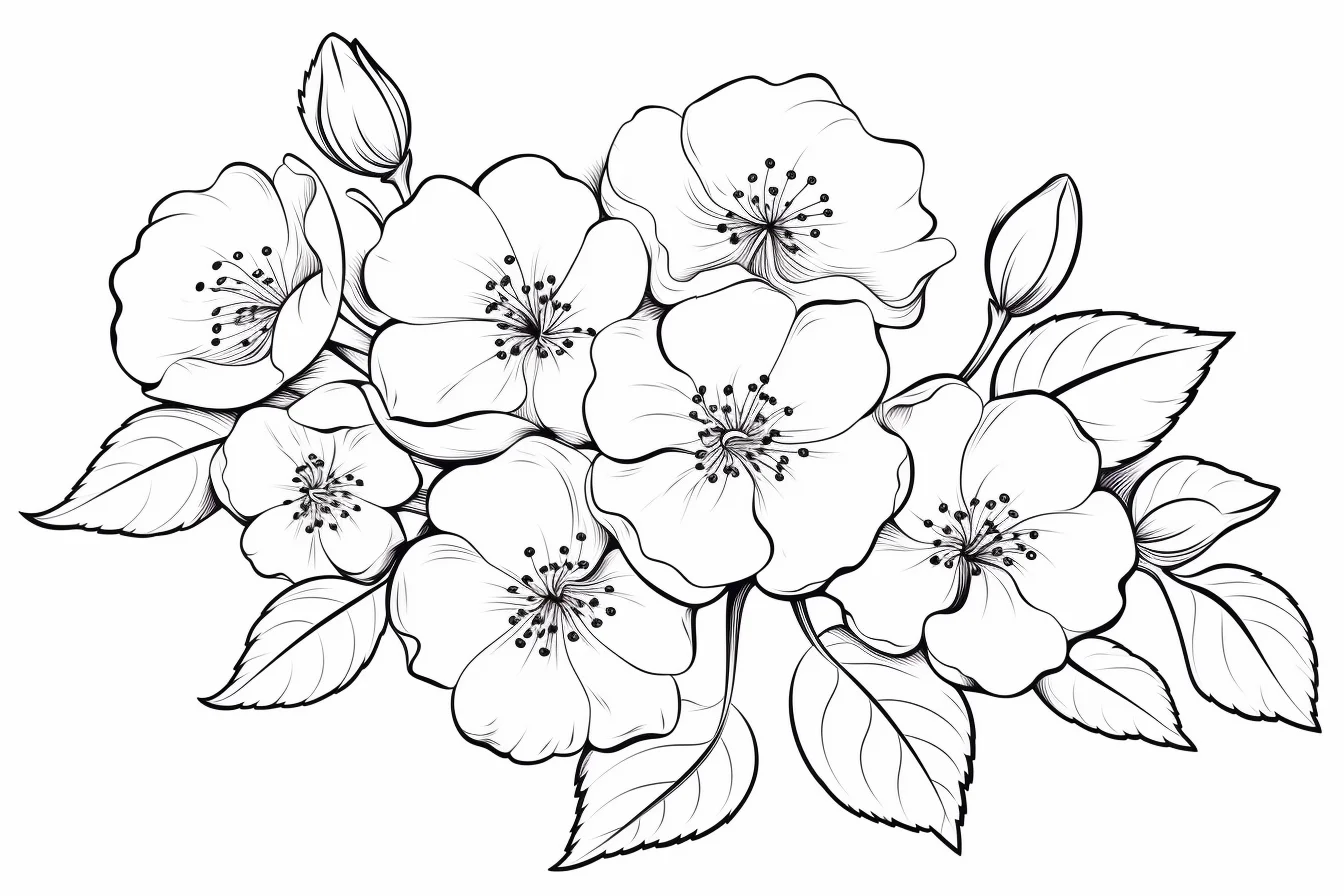
Open full-size Flower coloring sheet 7
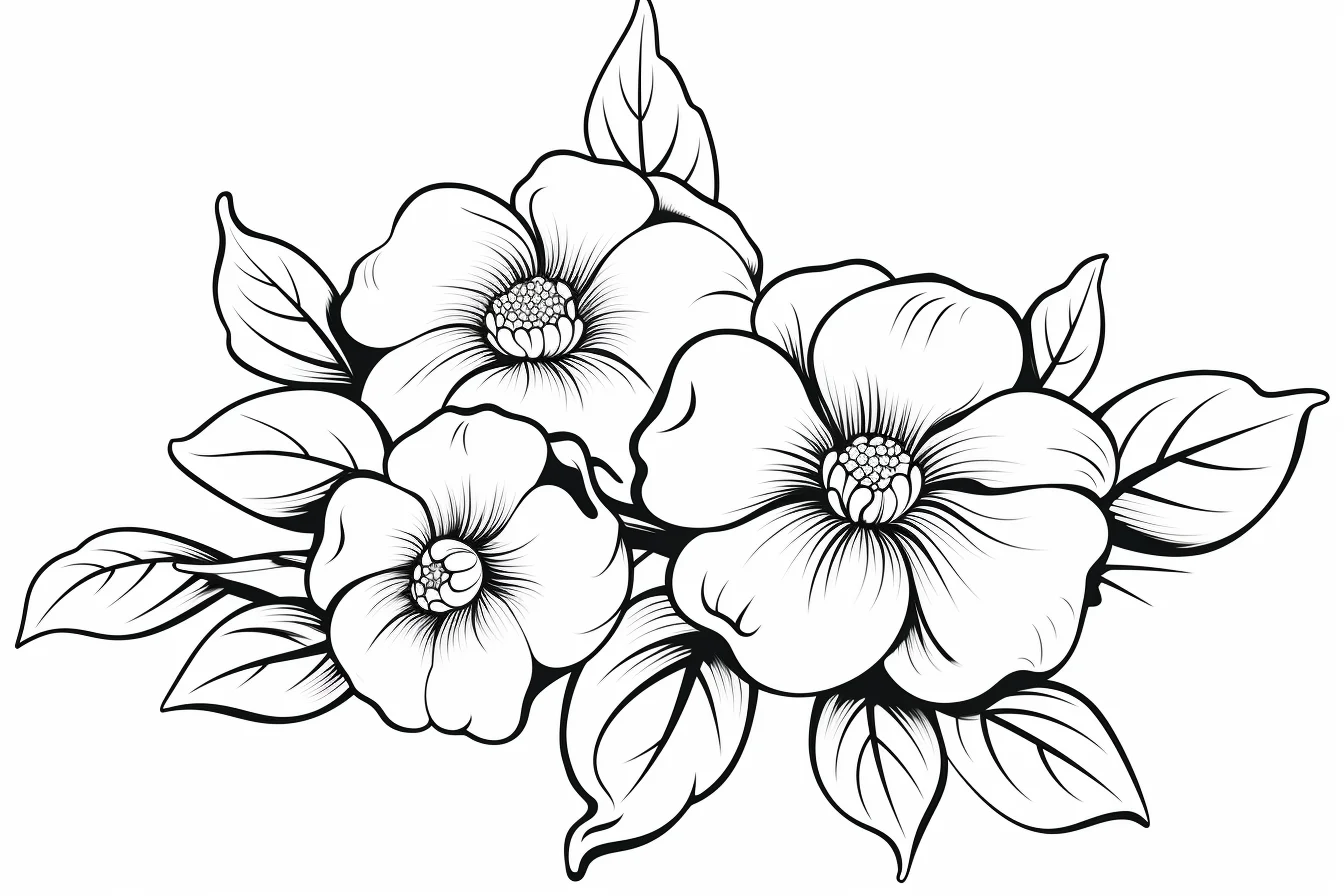
Open full-size Flower coloring sheet 8
Medium flower coloring sheets — Sheets 9–15
These are the middle ground: enough petals and leaves to make pencils worthwhile, but not so dense that every inch of the page becomes a project. Try two-tone petals or keep all the leaves in one green family and spend the extra color choices on the flowers.
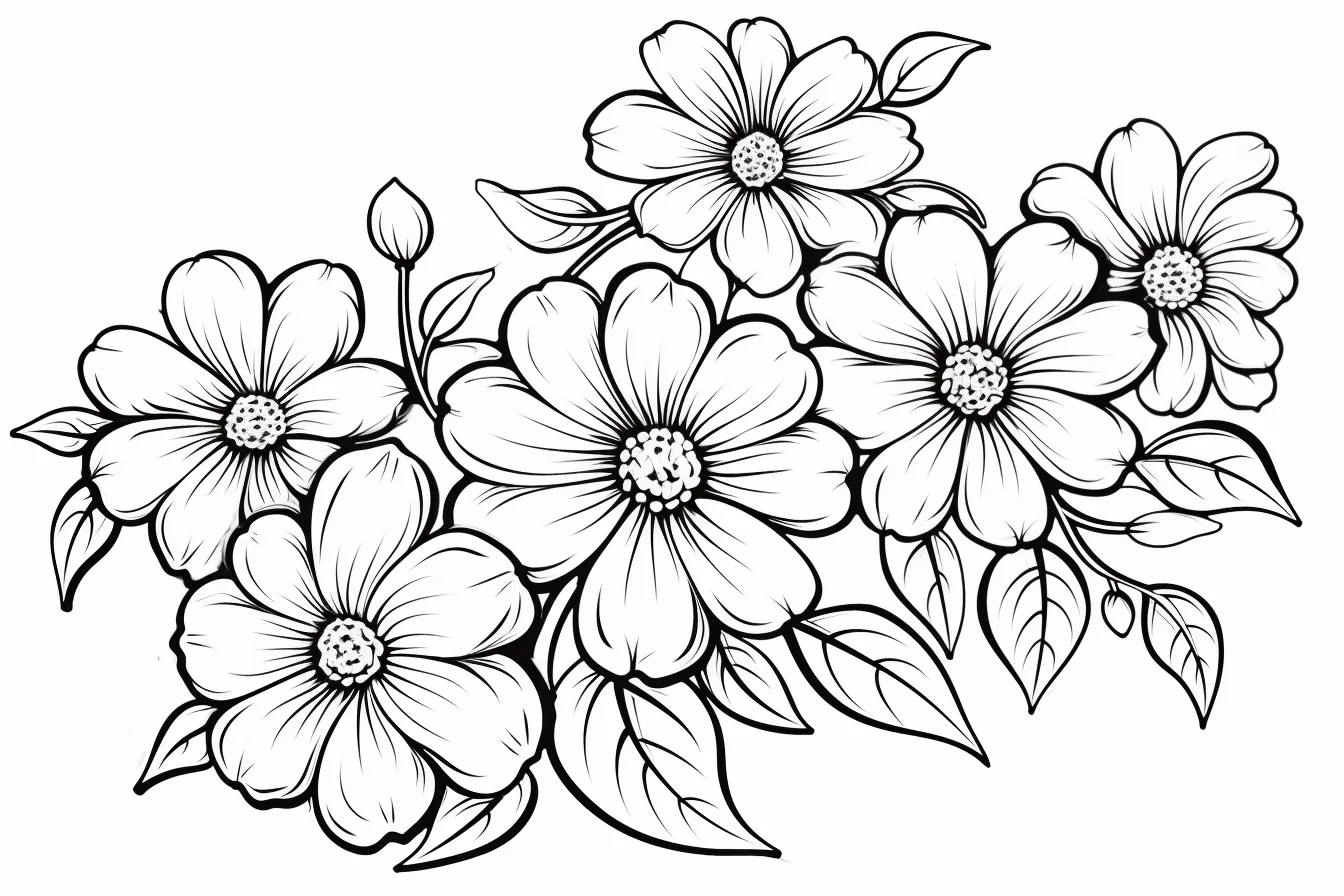
Open full-size Flower coloring sheet 9
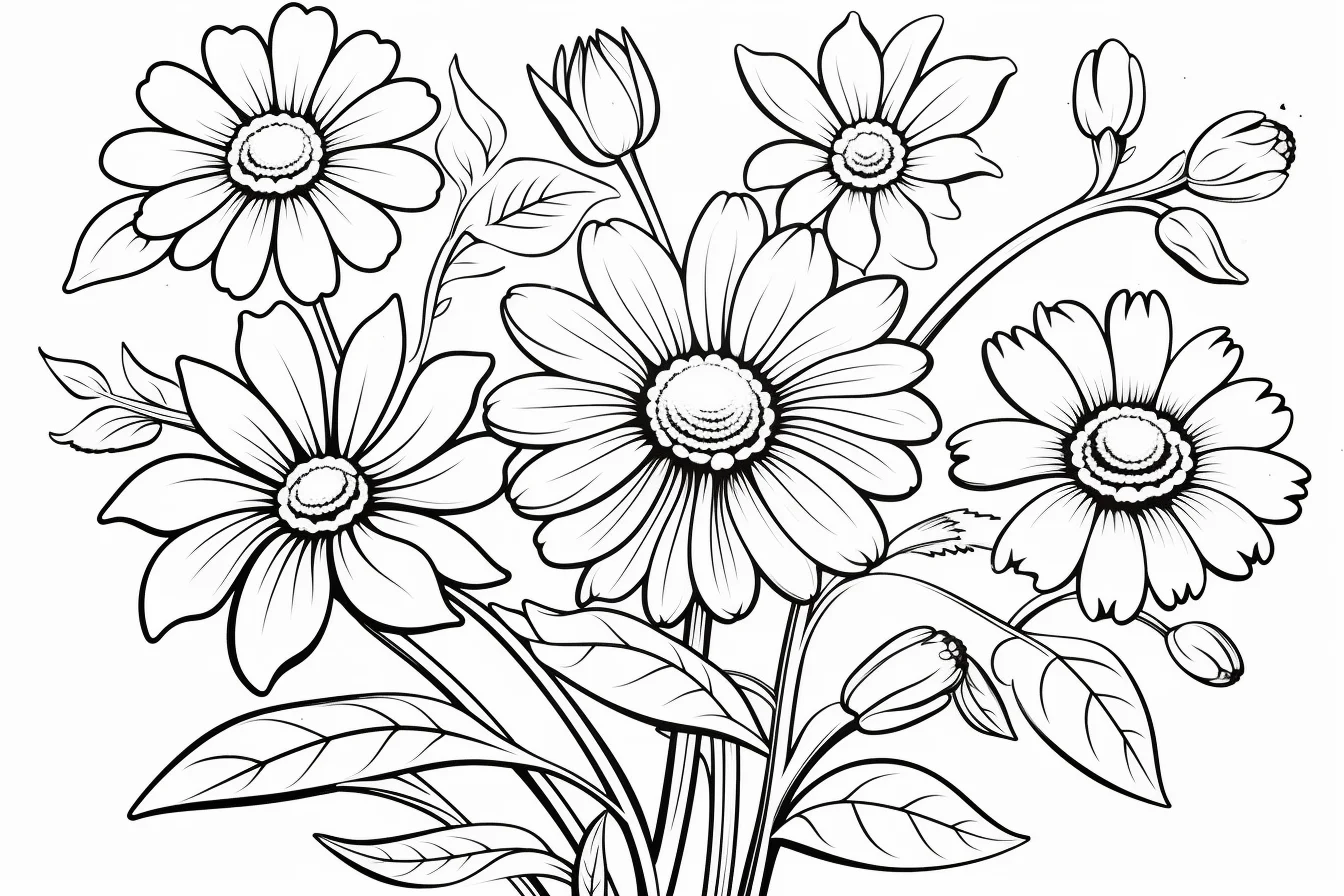
Open full-size Flower coloring sheet 10
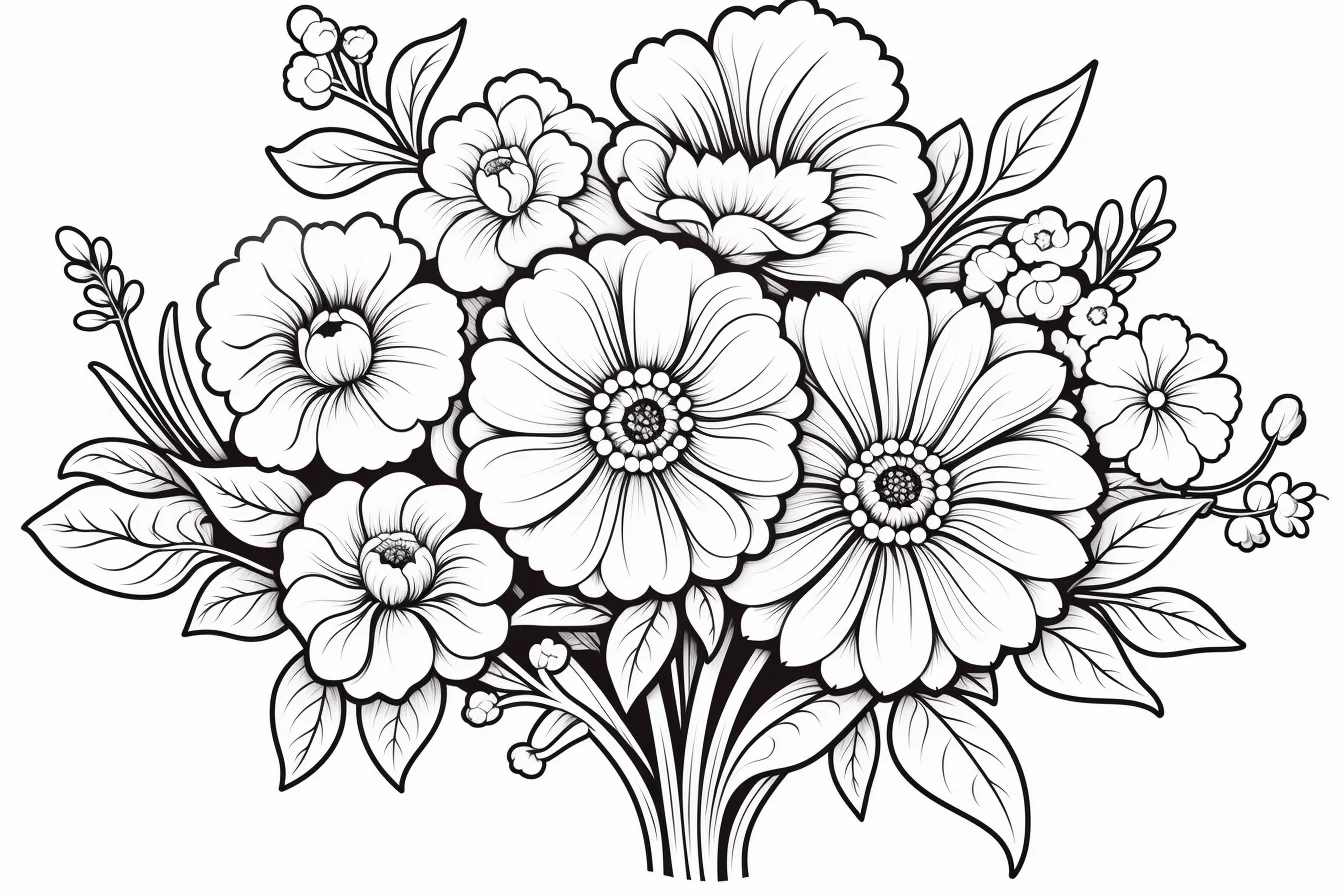
Open full-size Flower coloring sheet 11
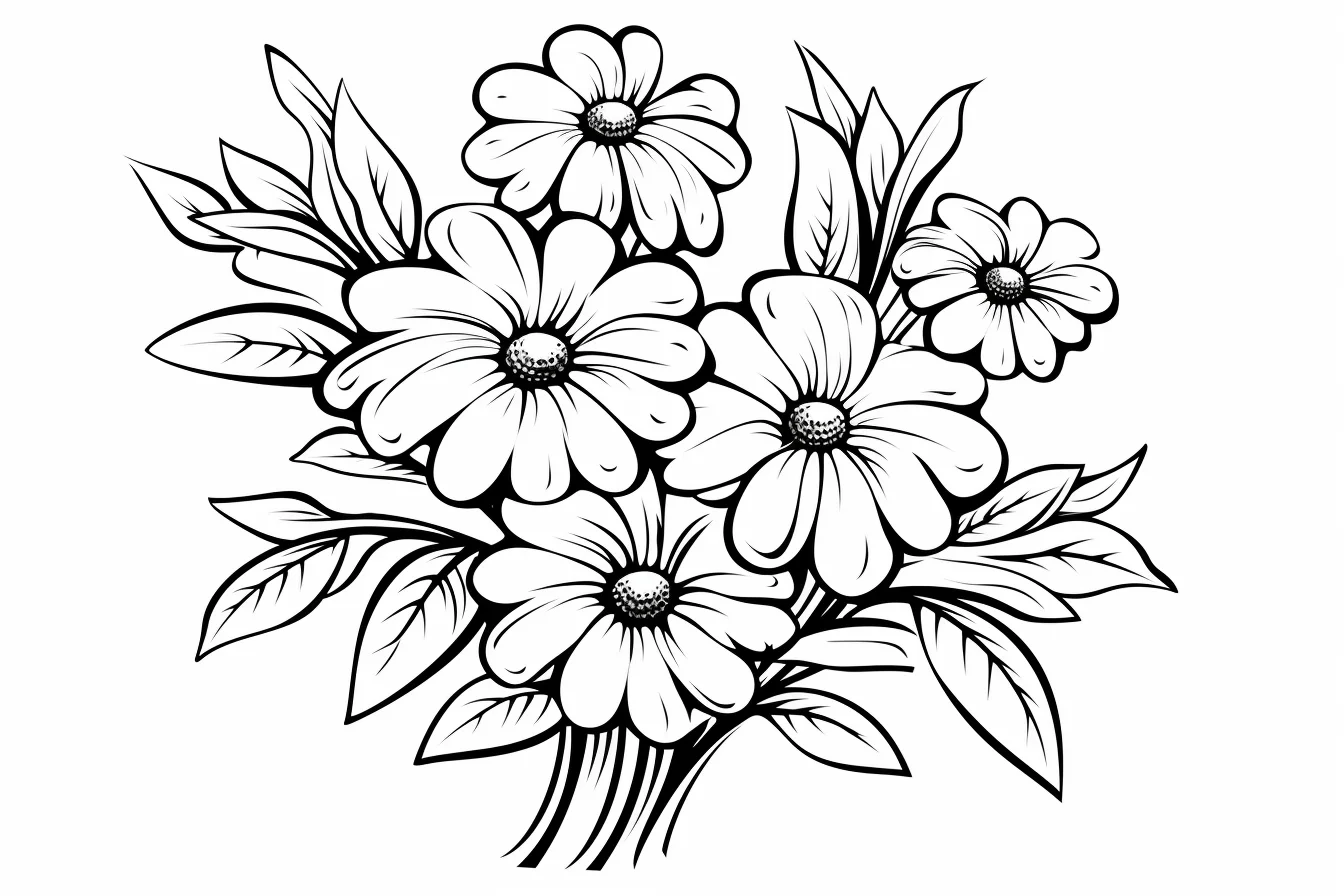
Open full-size Flower coloring sheet 12
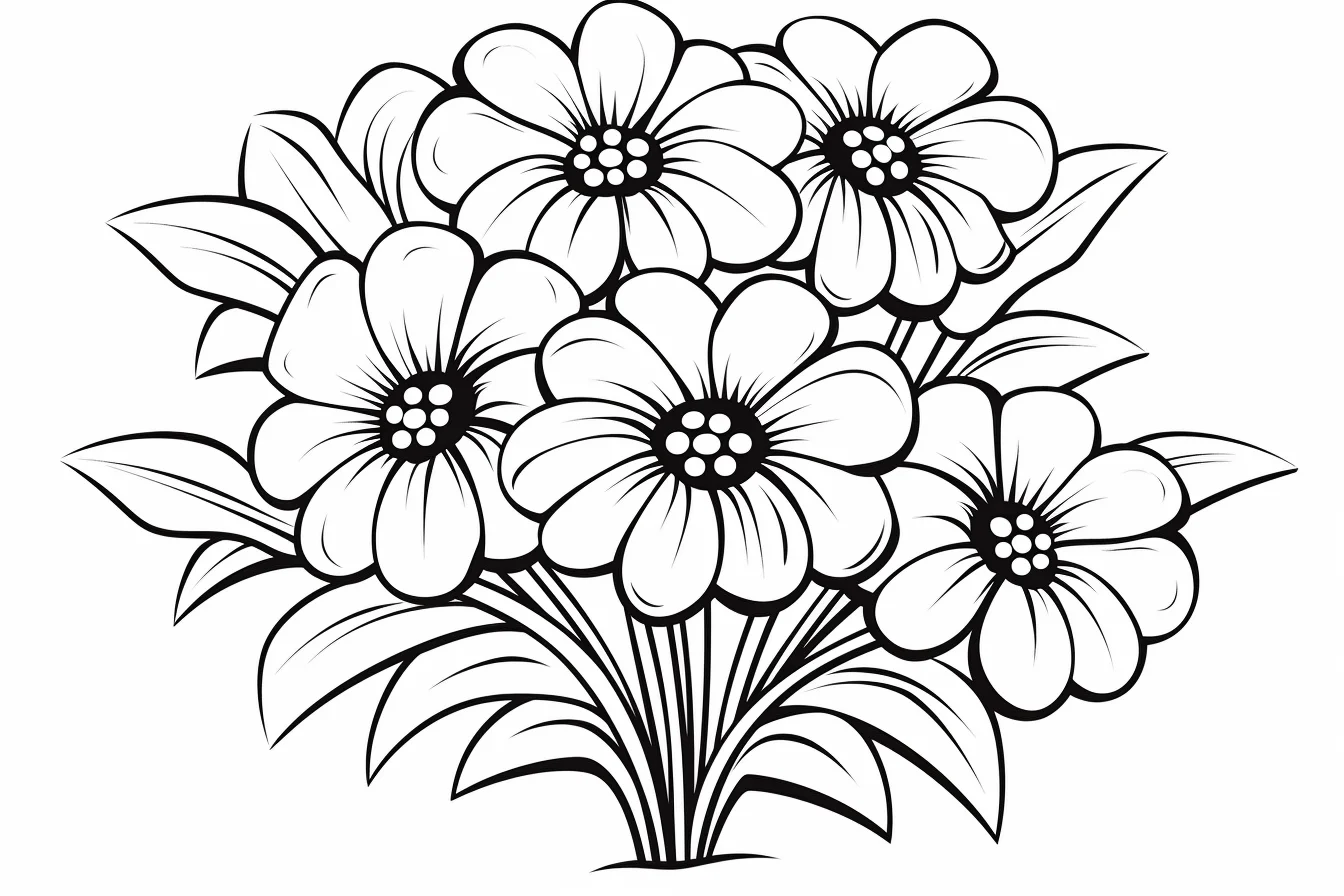
Open full-size Flower coloring sheet 13
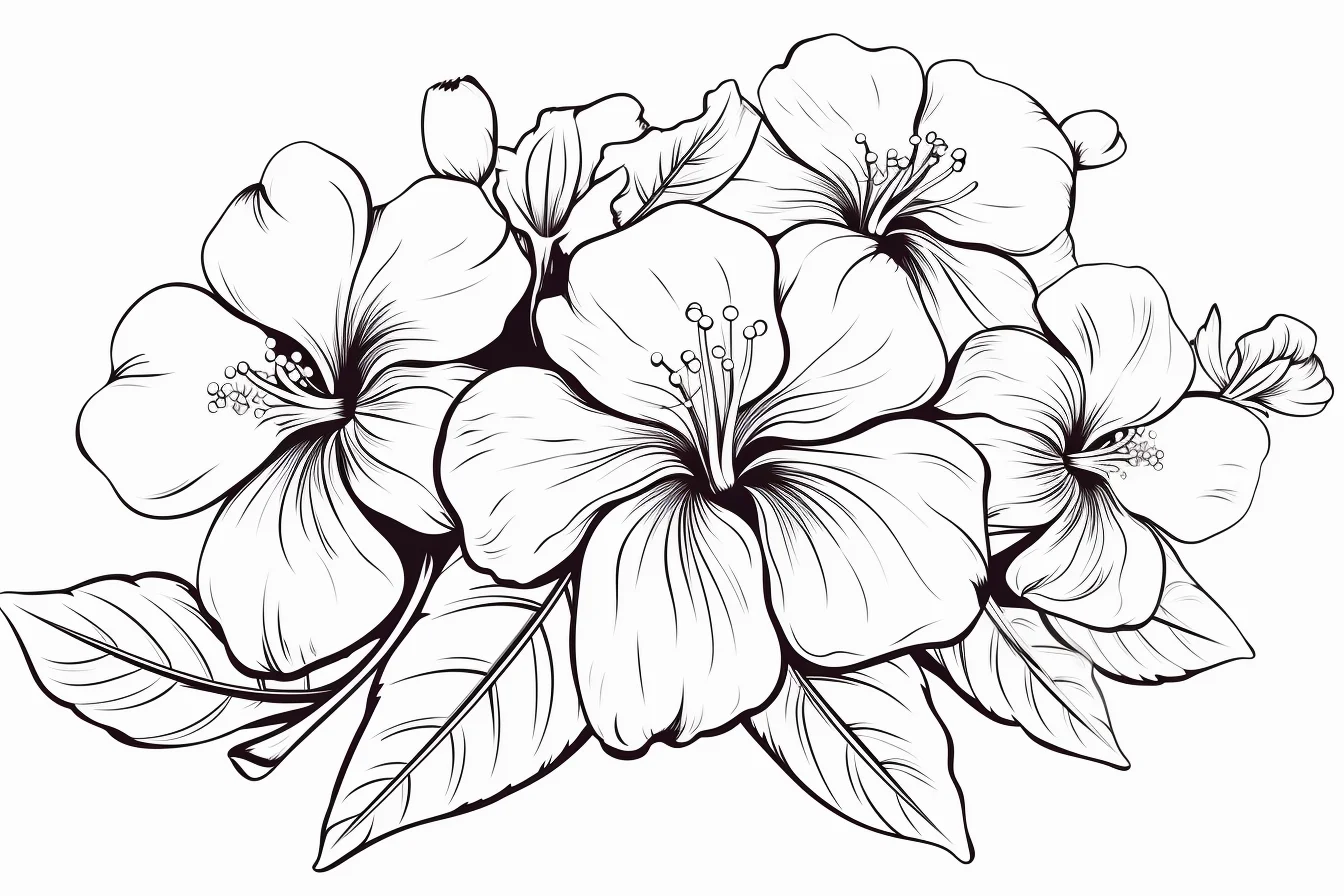
Open full-size Flower coloring sheet 14
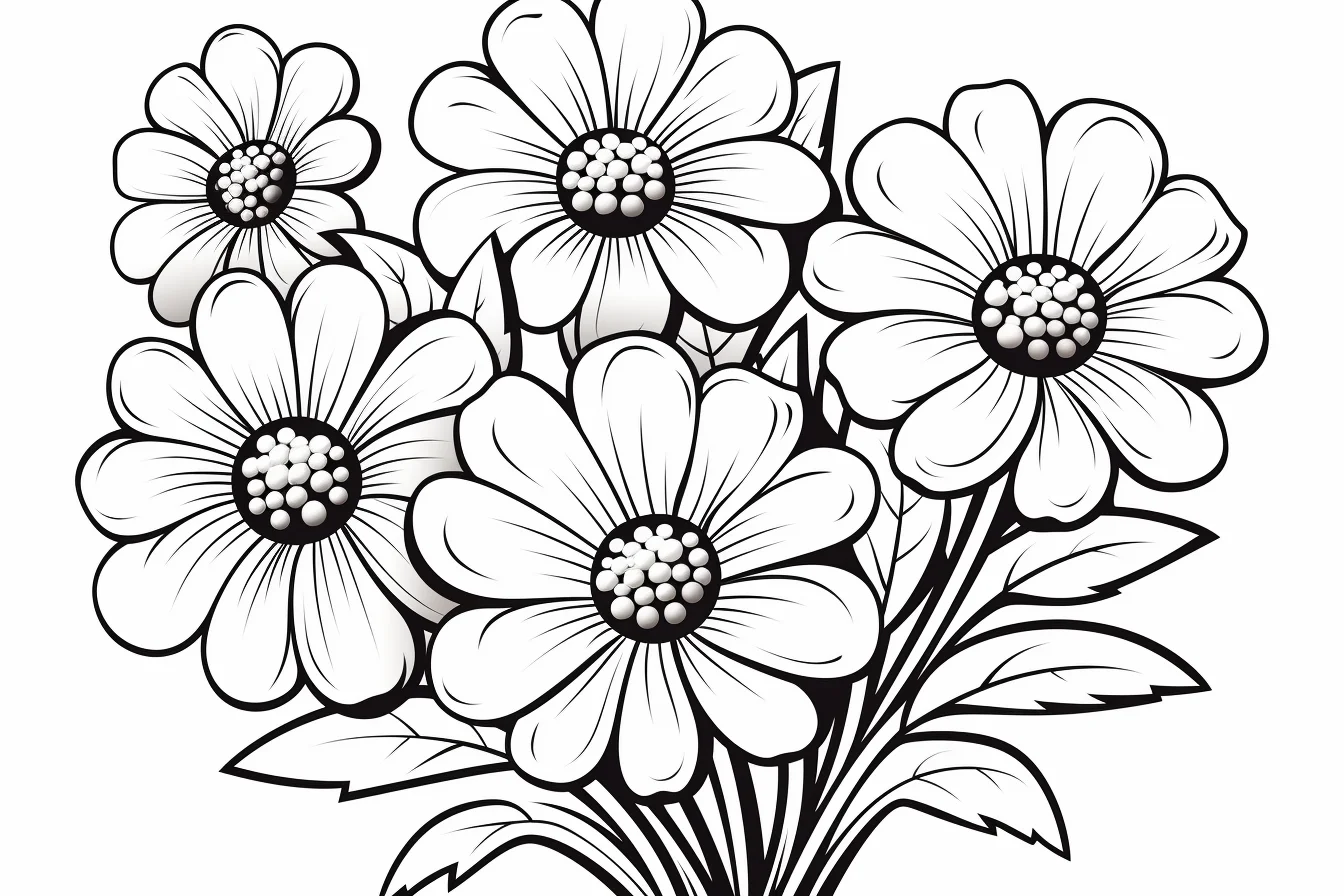
Open full-size Flower coloring sheet 15
Detailed flower coloring sheets — Sheets 16–20
This is where a sharper pencil and a slower pace pay off. Build the petal color in light layers rather than pressing hard immediately; the smaller sections are much more forgiving when you can still adjust the tone.
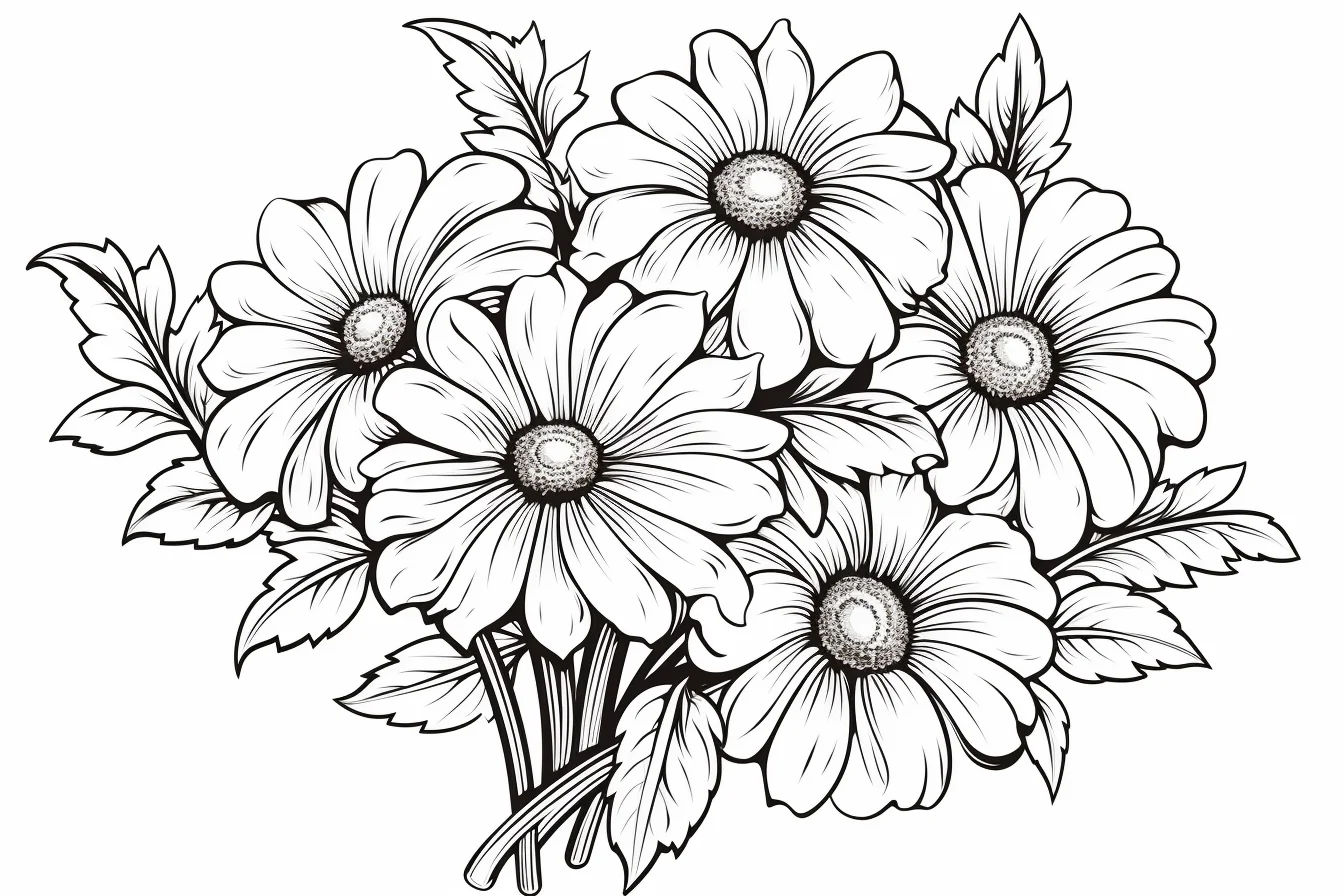
Open full-size Flower coloring sheet 16
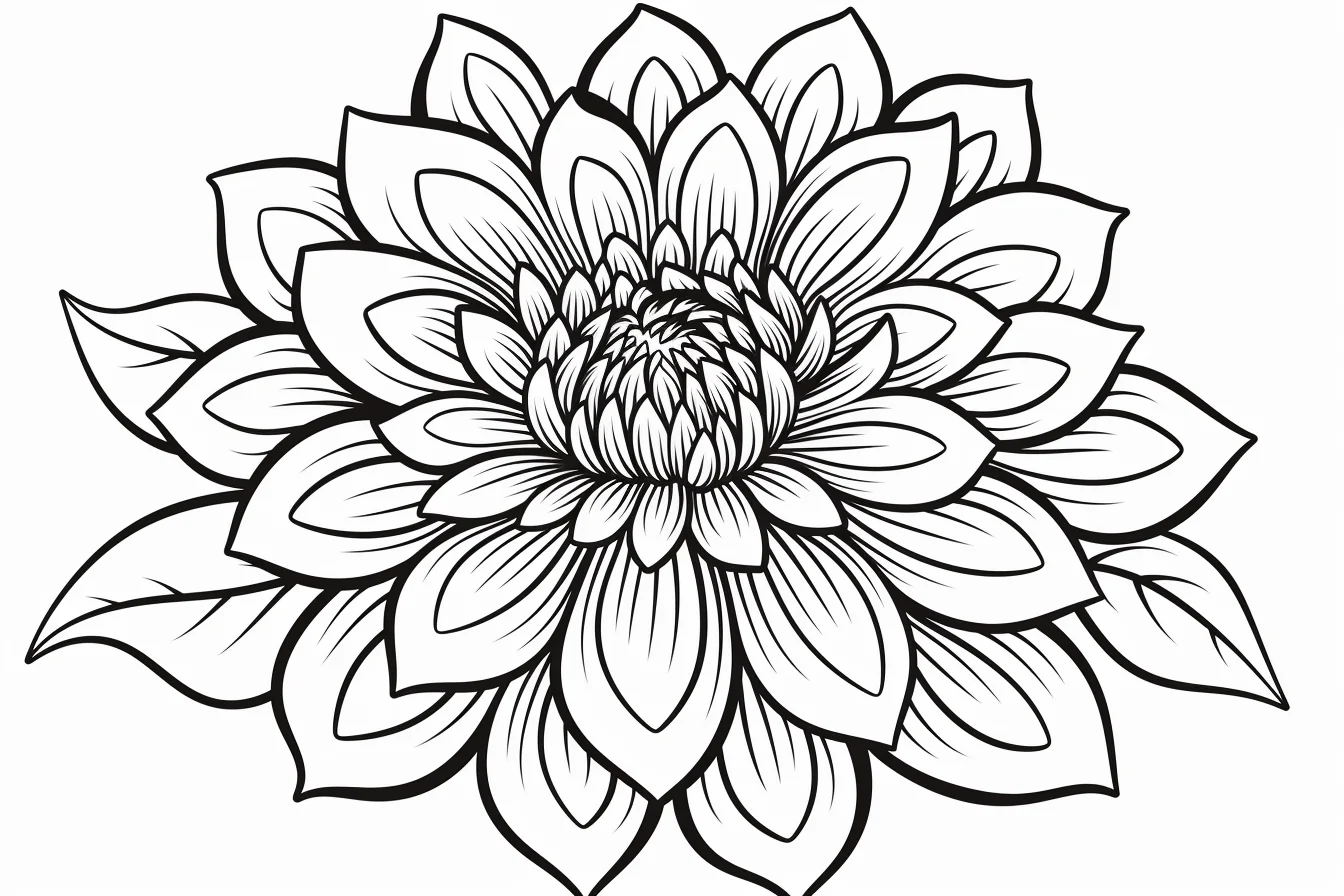
Open full-size Flower coloring sheet 17
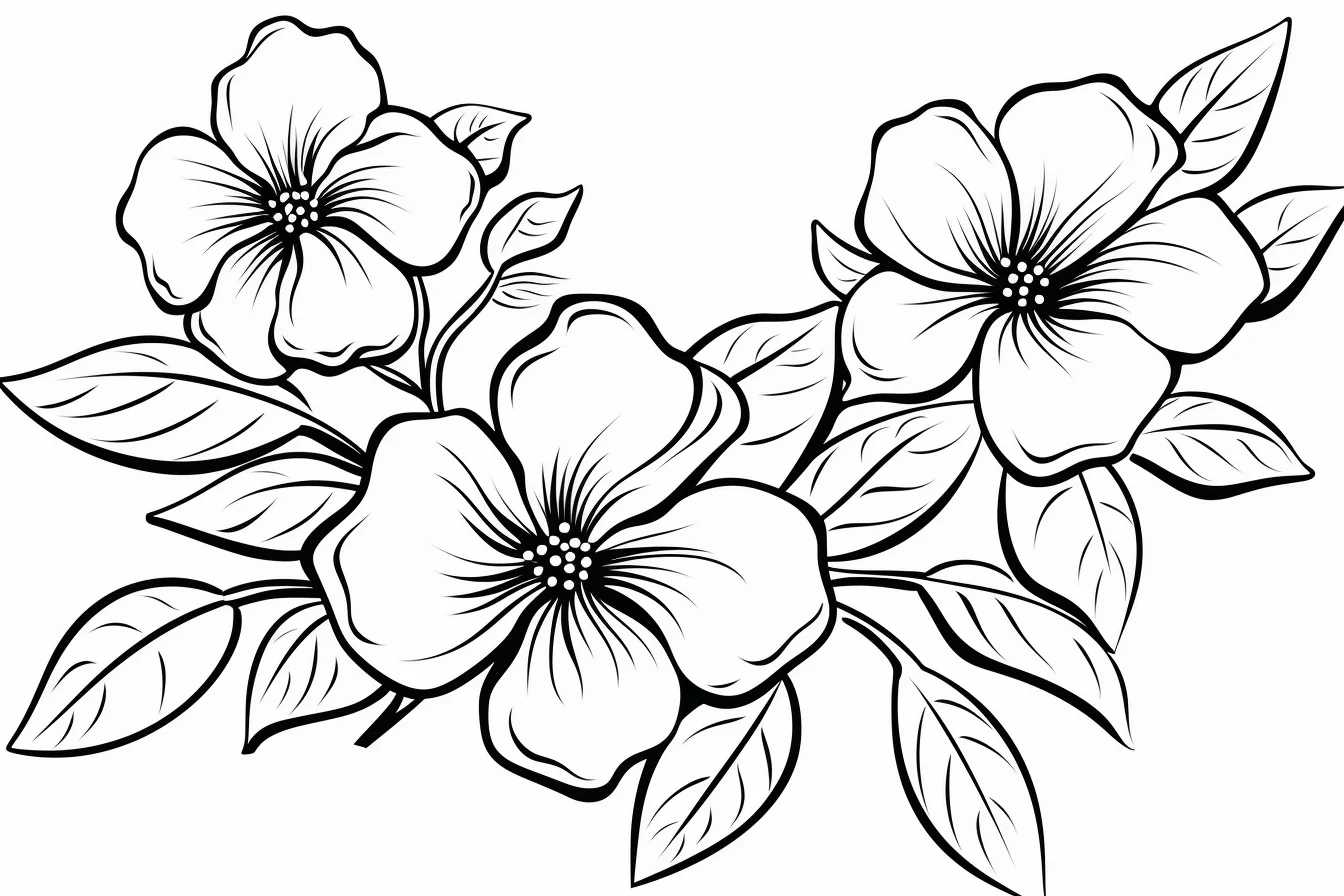
Open full-size Flower coloring sheet 18
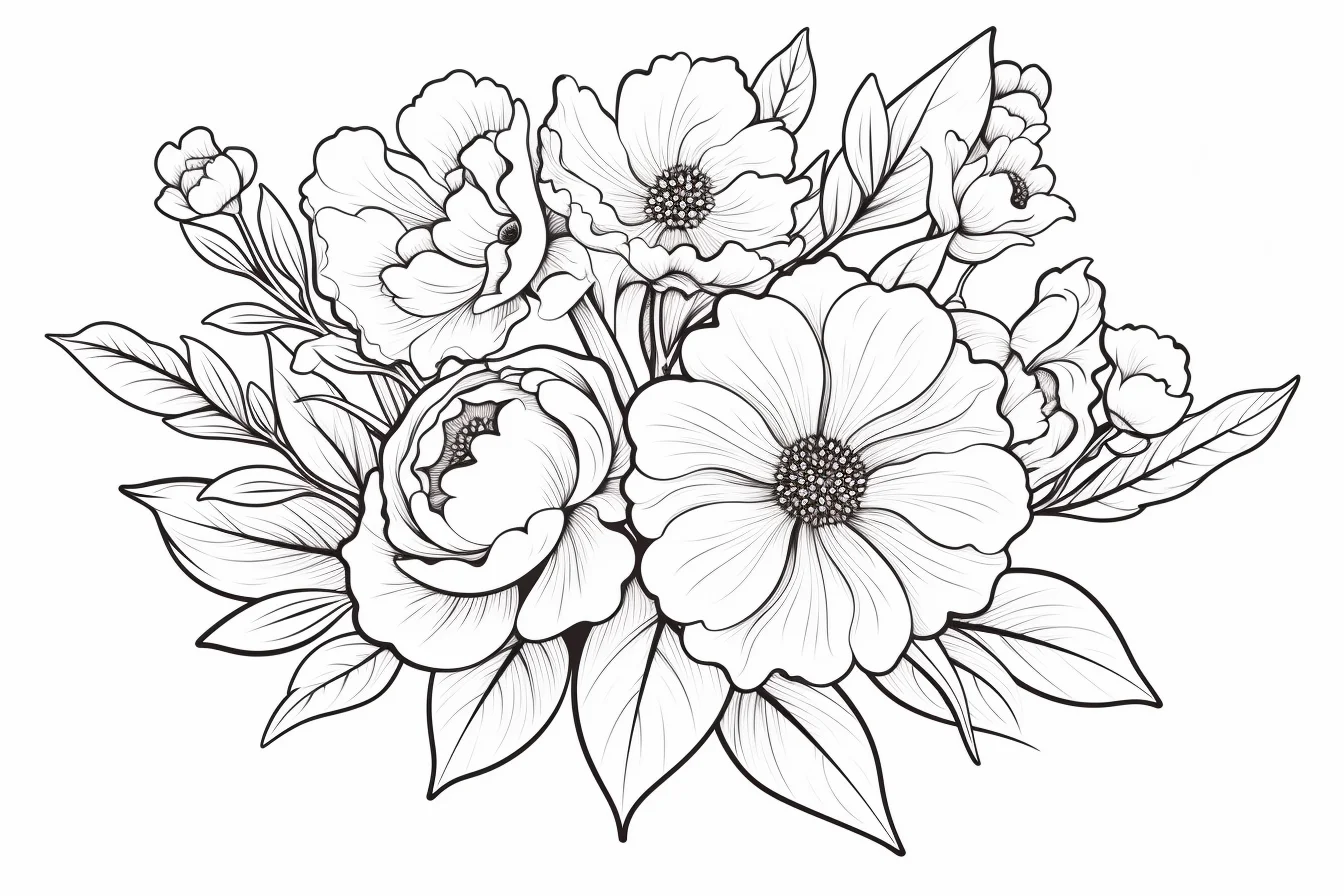
Open full-size Flower coloring sheet 19
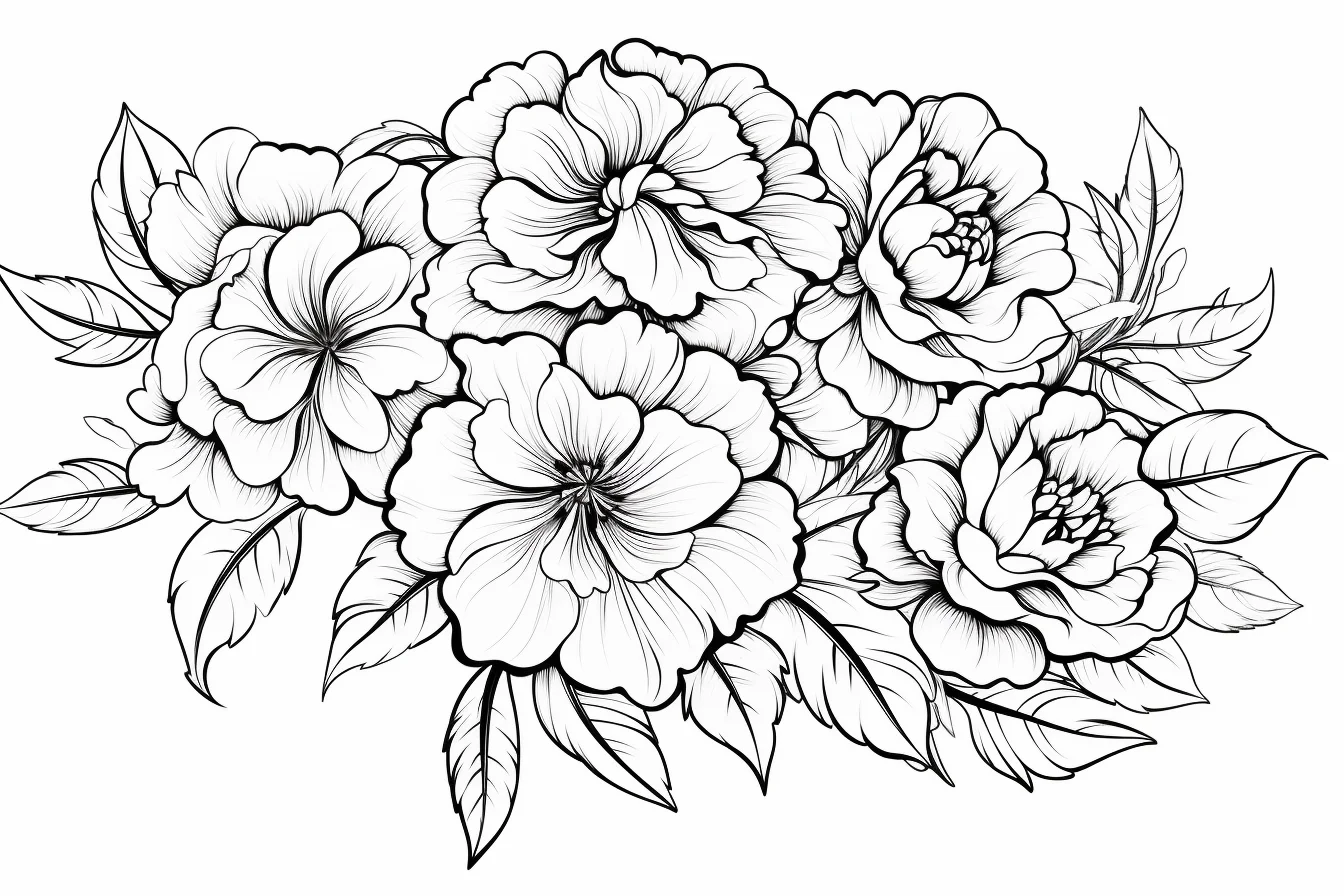
Open full-size Flower coloring sheet 20
Fix the most common coloring problems
| If you notice | Try this |
|---|---|
| Petals look flat | Keep the tips lighter and add a second pass near the center or where one petal slips behind another. |
| Every petal looks striped | Use lighter pressure and overlap short strokes. With pencils, build two or three pale layers instead of one hard layer. |
| The flower disappears into the leaves | Separate their values: pair pale petals with darker foliage, or deep petals with a lighter green. |
| The center looks like a dark dot | Leave a few tiny light gaps or use two related colors instead of filling the whole center at maximum pressure. |
| Crayon coverage looks scratchy | Color in small circles, then make a second light pass from another direction to fill the paper grain. |
| Markers bleed across small petals | Stop just short of the outline and let the ink spread to it. Use fine tips on Sheets 16–20 and put scrap paper underneath. |
A three-page practice method
- Start with an easy sheet: use one petal color and concentrate only on smooth, even coverage.
- Move to a medium sheet: choose a light and dark version of one color. Put the darker value at petal bases and overlap points.
- Finish with a detailed sheet: keep highlights uncolored at first, shade the overlaps, then add the lightest areas last. This prevents you from accidentally making every section equally dark.
If the third page feels too busy, return to a medium sheet and repeat the two-value exercise. The goal is control, not completing the hardest design as quickly as possible.
Three easy color palettes if you do not know where to start
| Palette | Try | Works well when |
|---|---|---|
| Soft garden | Pink, peach, lavender, sage green | You want a calm, light page. |
| Bright summer | Yellow, coral, turquoise, fresh green | The page has large simple petals. |
| Deep floral | Burgundy, plum, dark green, cream | You are working on one of the detailed pages. |
These are only starting points. If a child wants every petal to be a different color, that is a perfectly good fourth palette.
What to do with the page after you color it
Flower sheets are useful because they are easy to turn into something else. Cut out one finished flower and glue it onto a folded card, use several as a homemade spring garland, or let a child write a short note around the petals for a birthday or thank-you card. You can also print the same page twice and try two completely different palettes; it is surprisingly useful for seeing how much color choice changes the same drawing.
If you want a bigger mix of simple and decorative flowers next, browse our 40 flower coloring pages. For especially easy designs for younger children, use the easy cute flower coloring pages.
Questions people usually have
Which pages are easiest for preschoolers?
Sheets 1–8. They have the largest spaces and the least fiddly line work, so crayons are much easier to control.
Which pages are best for adults?
Sheets 16–20. They have smaller sections and more layered petals, which gives you room to shade, blend or use several related colors.
Can I use markers?
Yes. Use heavier paper if possible and place a scrap sheet underneath. For the detailed group, fine-tip markers are easier to control than broad ones.
Do I need realistic flower colors?
No. If realism matters to you, use a flower photo as a reference. Otherwise, treat the page as a color exercise. Purple leaves and blue petals are not a problem.

