
These 19 free duck coloring pages are arranged by difficulty rather than upload order: simple ducklings first, family scenes next, dressed-up ducks after that, and the most detailed character pages at the end.
For a preschooler, start with Sheet 1 and move downward until the shapes begin to feel too small. Older children can skip straight to the family and clothing pages. The collection is intentionally about cute duck and duckling characters for kids; for broader bird practice, use the linked baby-bird collection instead.
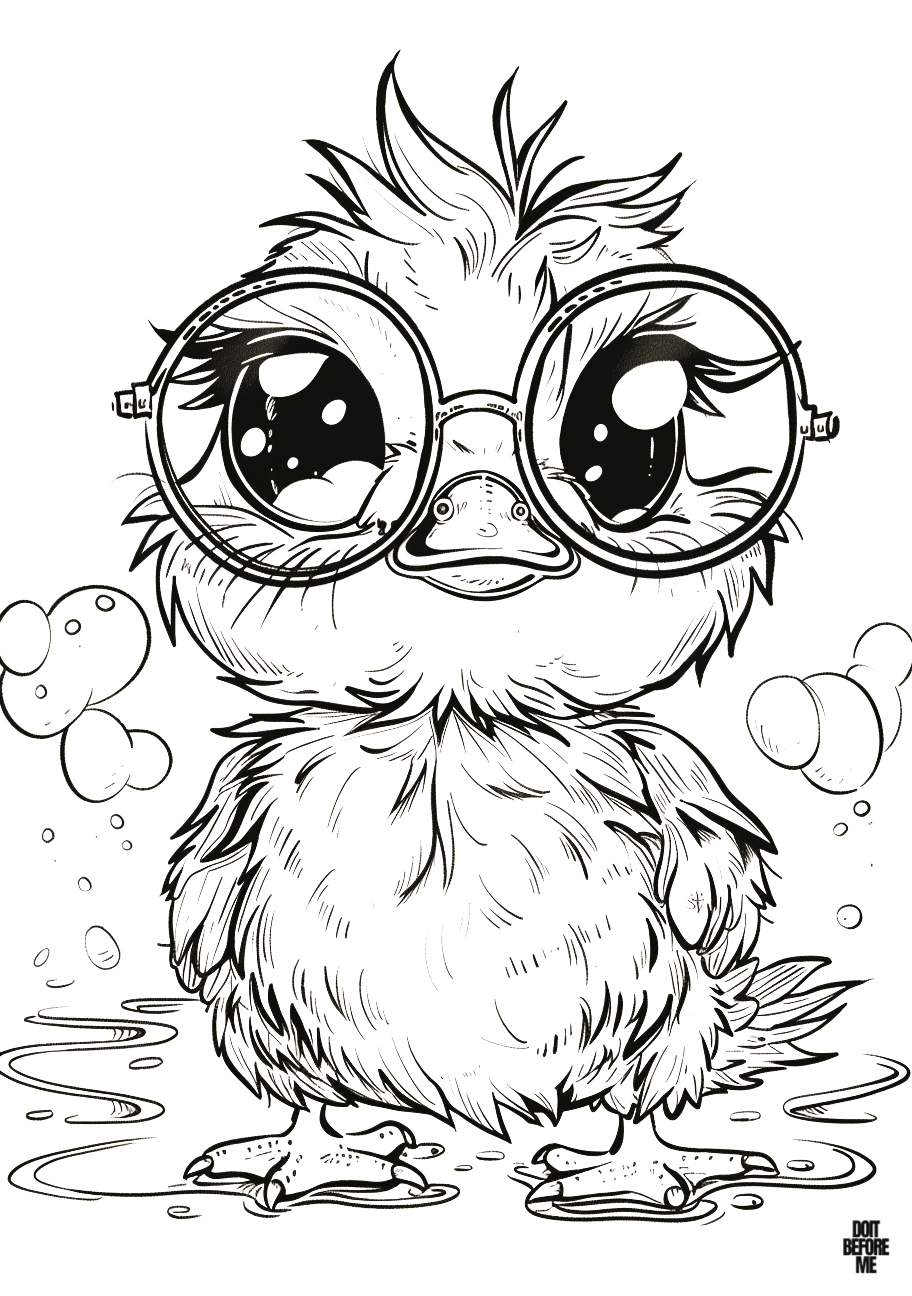
Quick start: this first sheet has large enclosed shapes, so it is a forgiving choice for crayons and younger hands. The same printable remains in its numbered place below for anyone working through the set in order.
Do a two-minute yellow-duck test before coloring
Yellow looks simple until the body turns into one flat patch. Before starting a favorite sheet, use a corner of scrap paper from the same pack and make three small yellow swatches: one with very light pressure, one with normal pressure, and one with a second layer of yellow or a touch of ochre. The middle swatch should still look clearly lighter than the shadow swatch.
- Choose the middle yellow for most of the body. Do not begin with the darkest pressure your crayon or pencil can make; you need somewhere to go when you add form.
- Reserve the palest value for the top of the head and upper back. Leaving a little paper showing through is often enough for a highlight on these cartoon ducklings.
- Test the shadow under a wing or belly. Add the darker yellow or ochre only in a narrow strip. If it reads as a brown stripe rather than a shadow, lighten it before using it on the printable.
- Check the beak beside the body color. Orange should separate from yellow at arm’s length. If the two merge, deepen the orange slightly rather than darkening the whole duck.
For pond scenes, add one blue-green swatch beside the yellow test. Squint at the pair from arm’s length: the duck should still separate immediately from the water. If both values look equally dark, lighten the water around the duck’s outline. This is especially useful on Sheets 6–11, where several small ducklings can otherwise disappear into the scene.
Choose the kind of duck page you want
| If you want… | Go to | Why |
|---|---|---|
| A very easy page | Sheets 1–5 | Large shapes and fewer tiny details. |
| A duck family | Sheets 6–11 | Mother ducks, ducklings and small scene details. |
| Funny clothes and accessories | Sheets 12–16 | Best for bright, made-up color combinations. |
| More detail | Sheets 17–19 | Smaller areas reward slower coloring with pencils. |
A quick printing setup that usually works
- Pick one page first. Start with an easy duckling for younger kids or a family scene if they enjoy more detail.
- Open the full-size image. Printing from the full image gives cleaner lines than printing a small preview from the page.
- Set the printer to Fit to page. This is the easiest fix if feet, hats, or borders are getting clipped.
- Match the paper to the tool. Ordinary printer paper is fine for crayons and pencils; use a slightly heavier sheet for markers.
You only need black-and-white printing. The whole point is to add the color by hand.
For a more detailed printer setup, including A4 and US Letter tips, see our coloring-page printing guide.
Easy duck coloring pages — Sheets 1–5
These are the pages I would hand to a younger child first. The duck is large, the page is easy to read, and the accessories are simple enough that crayons still work well.
Open full-size duck coloring sheet 1
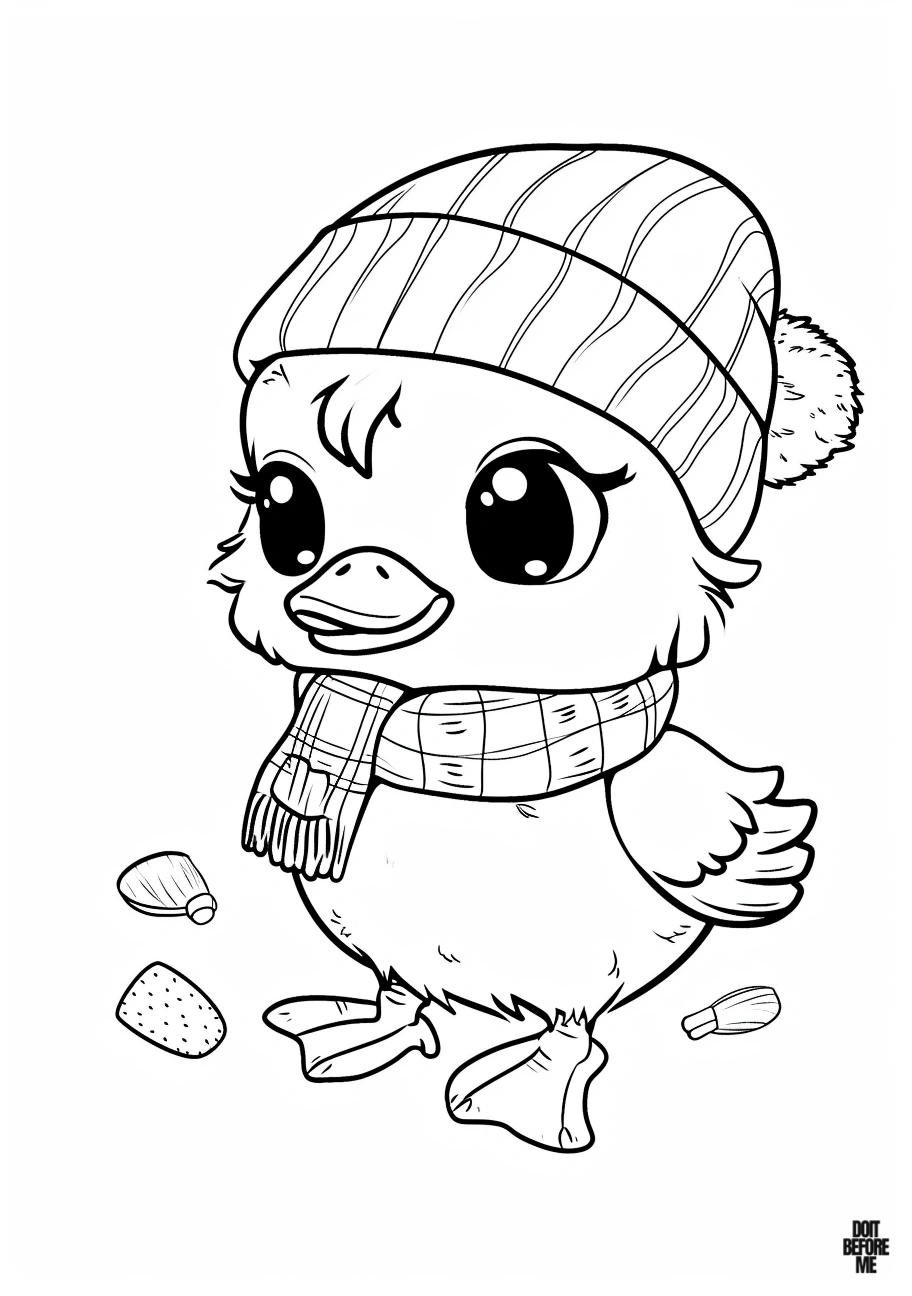
Open full-size duck coloring sheet 2
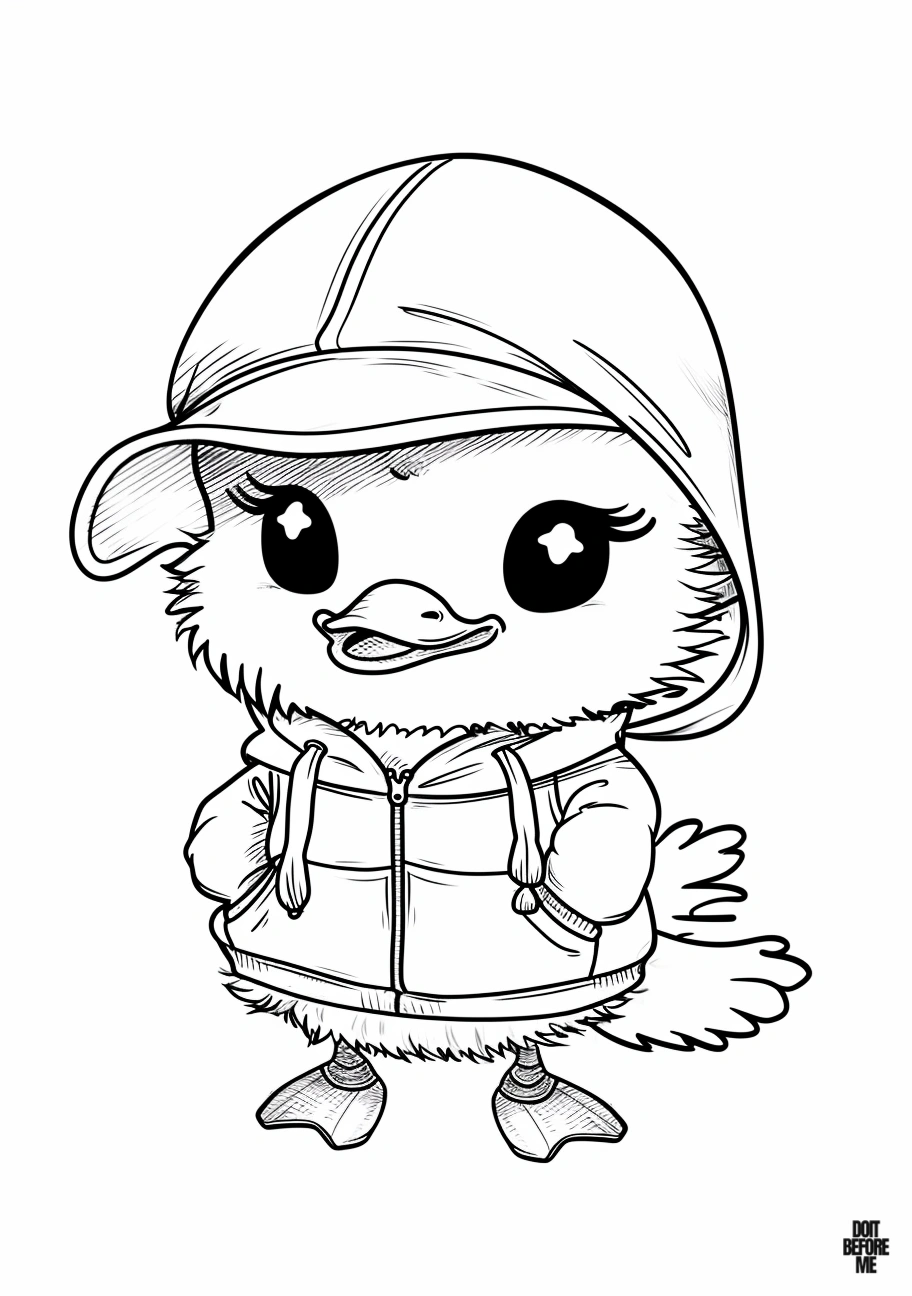
Open full-size duck coloring sheet 3
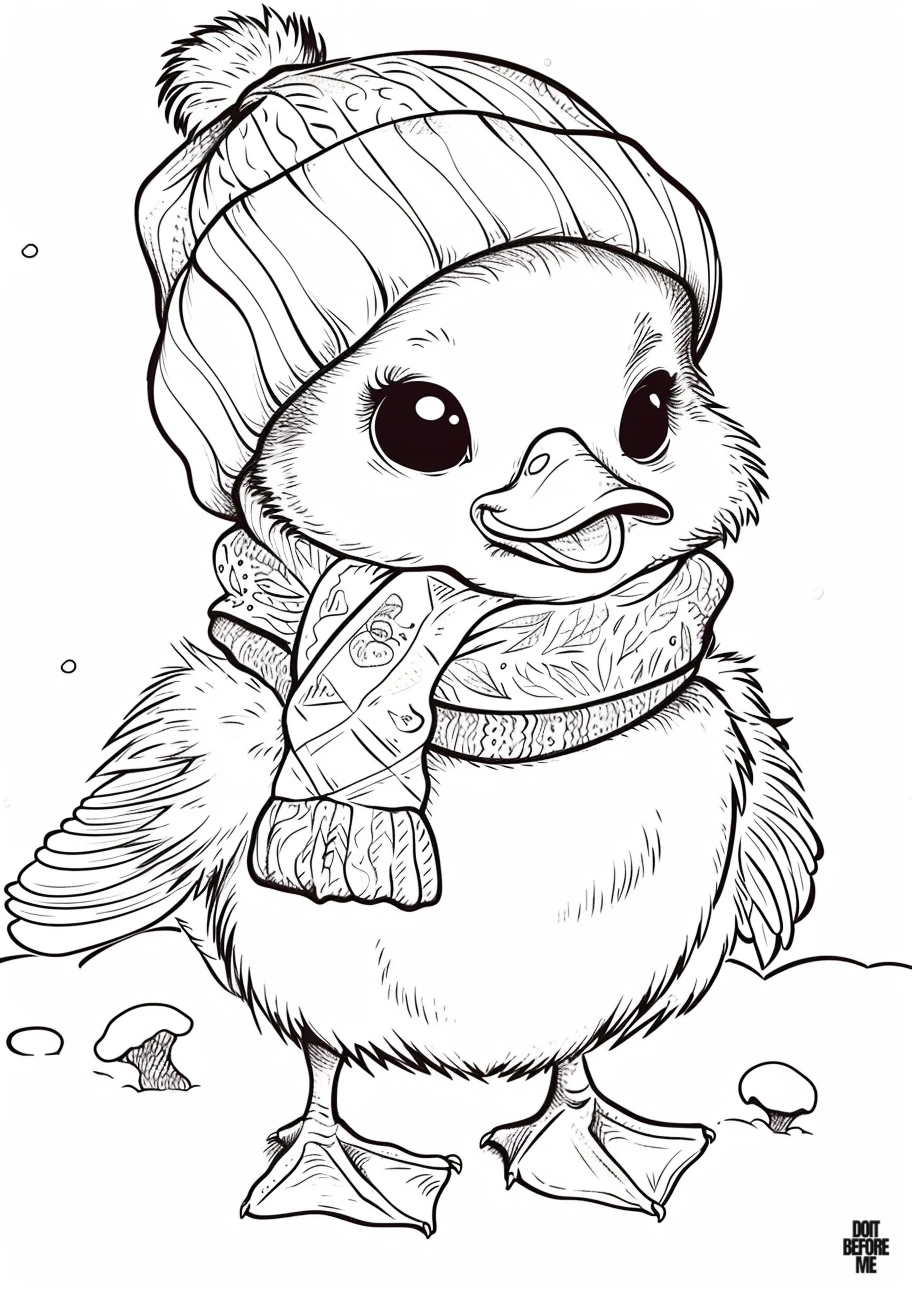
Open full-size duck coloring sheet 4
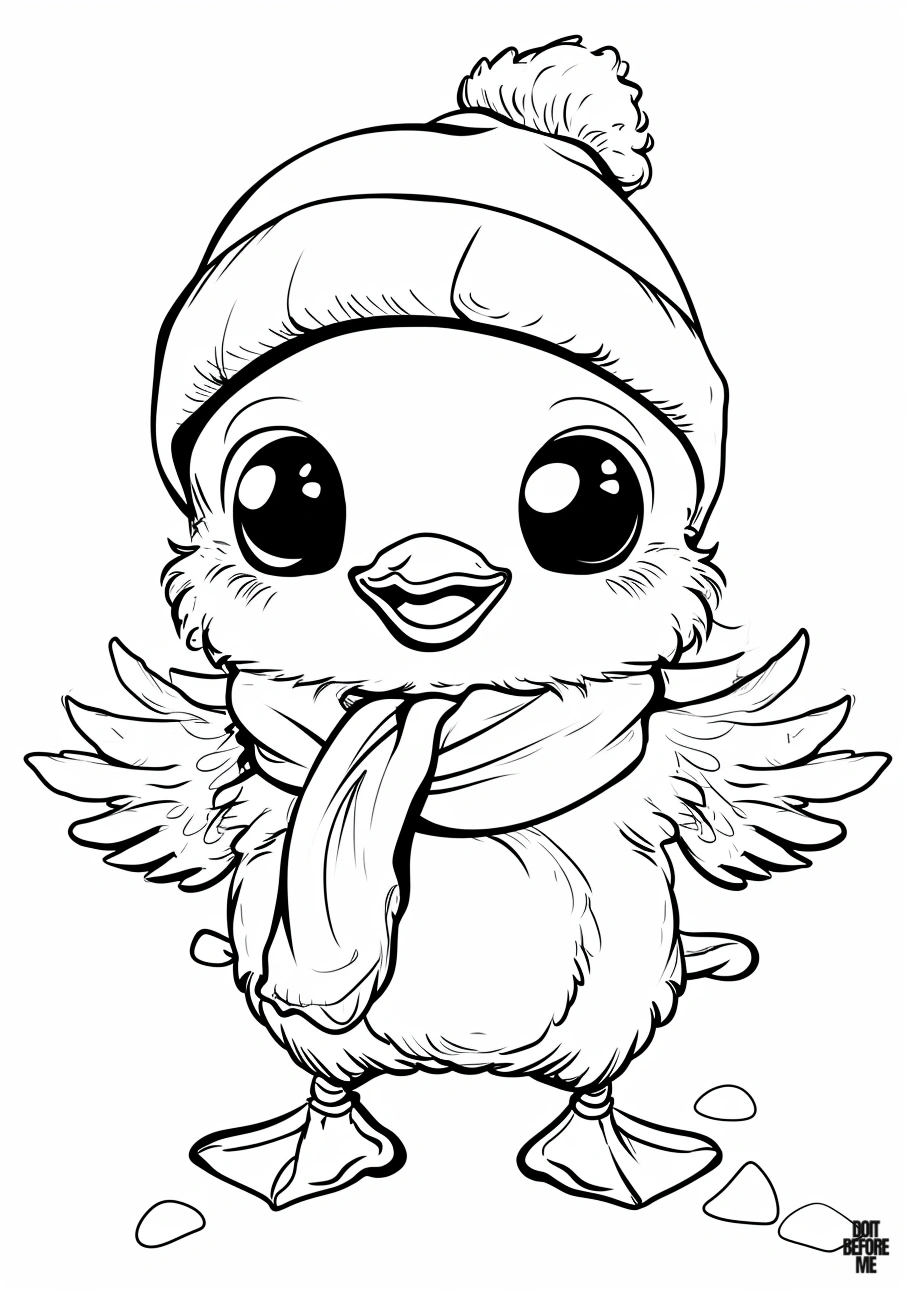
Open full-size duck coloring sheet 5
Duck family coloring pages — Sheets 6–11
These are better when a child wants a picture with a little story in it. The ducklings repeat the same basic shapes, while water, flowers and simple background details make the finished page feel fuller.
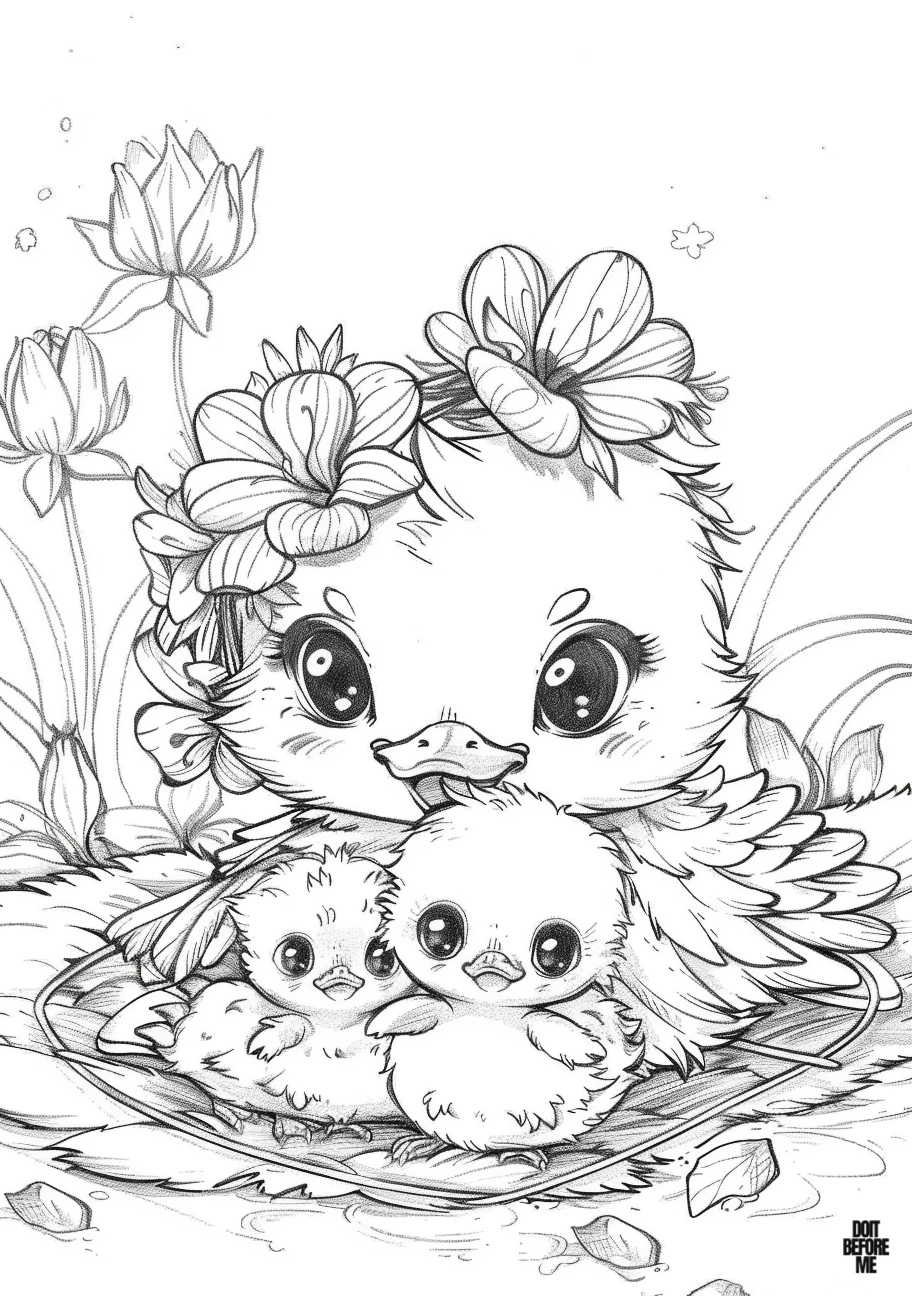
Open full-size duck coloring sheet 6
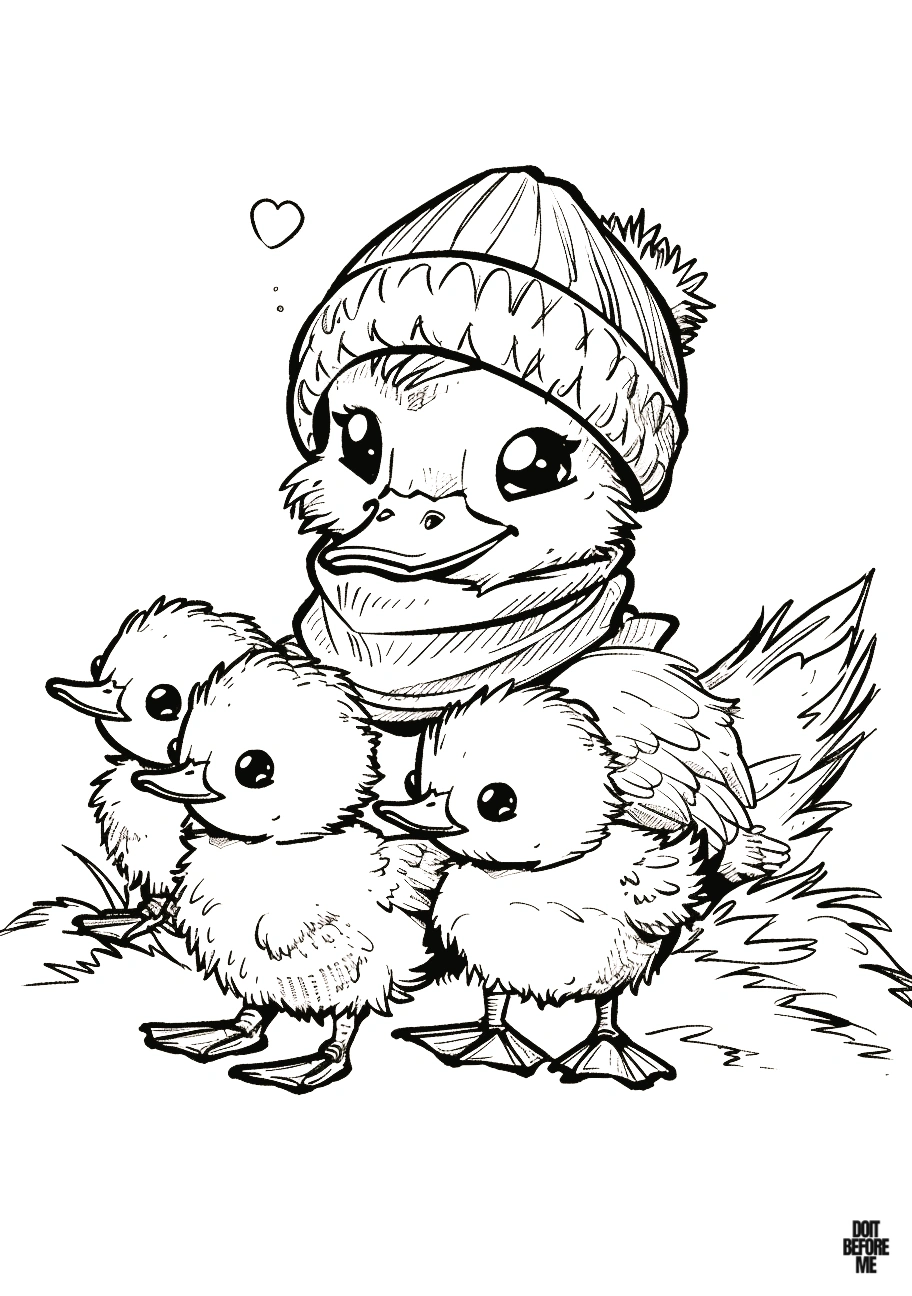
Open full-size duck coloring sheet 7
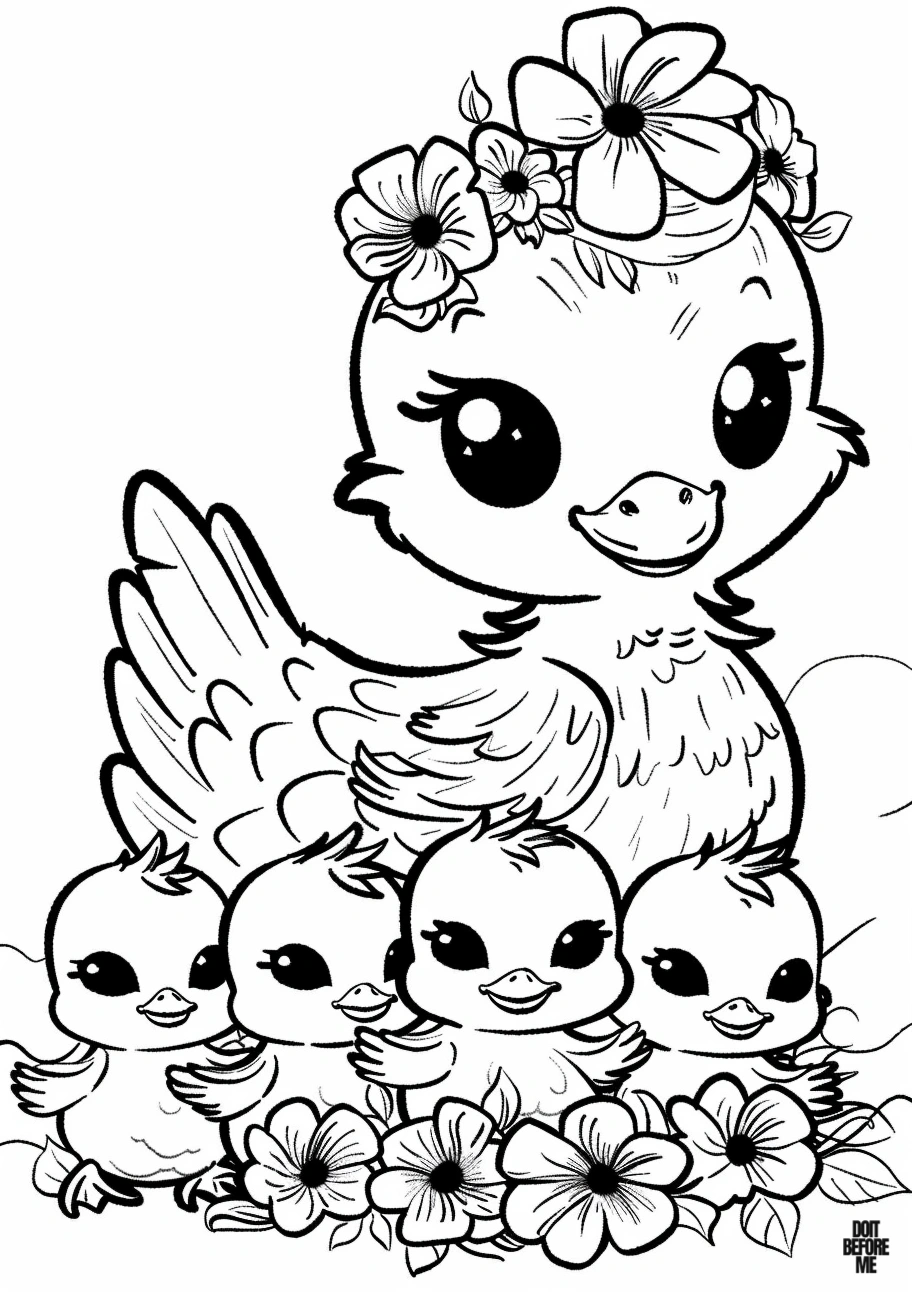
Open full-size duck coloring sheet 8
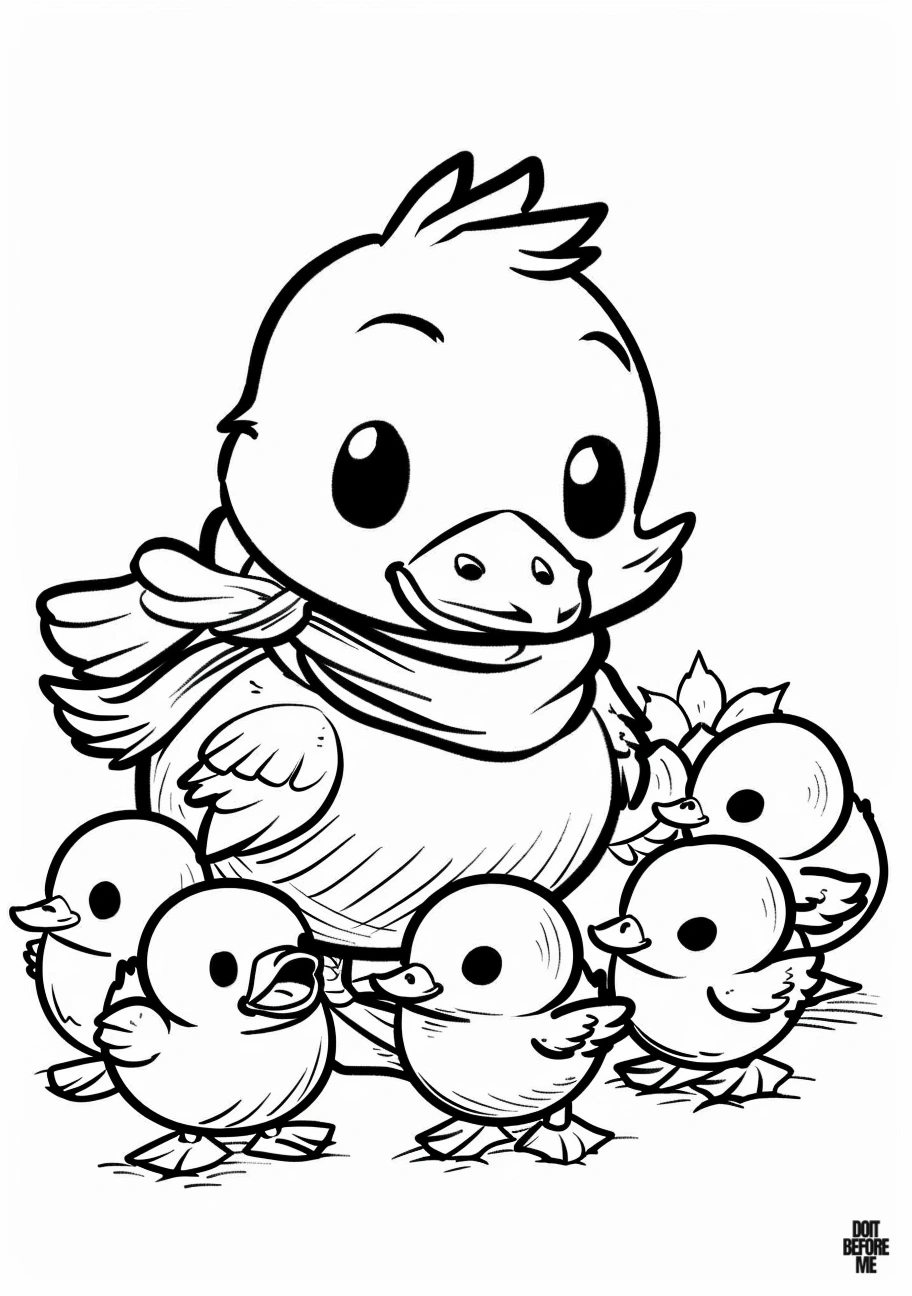
Open full-size duck coloring sheet 9
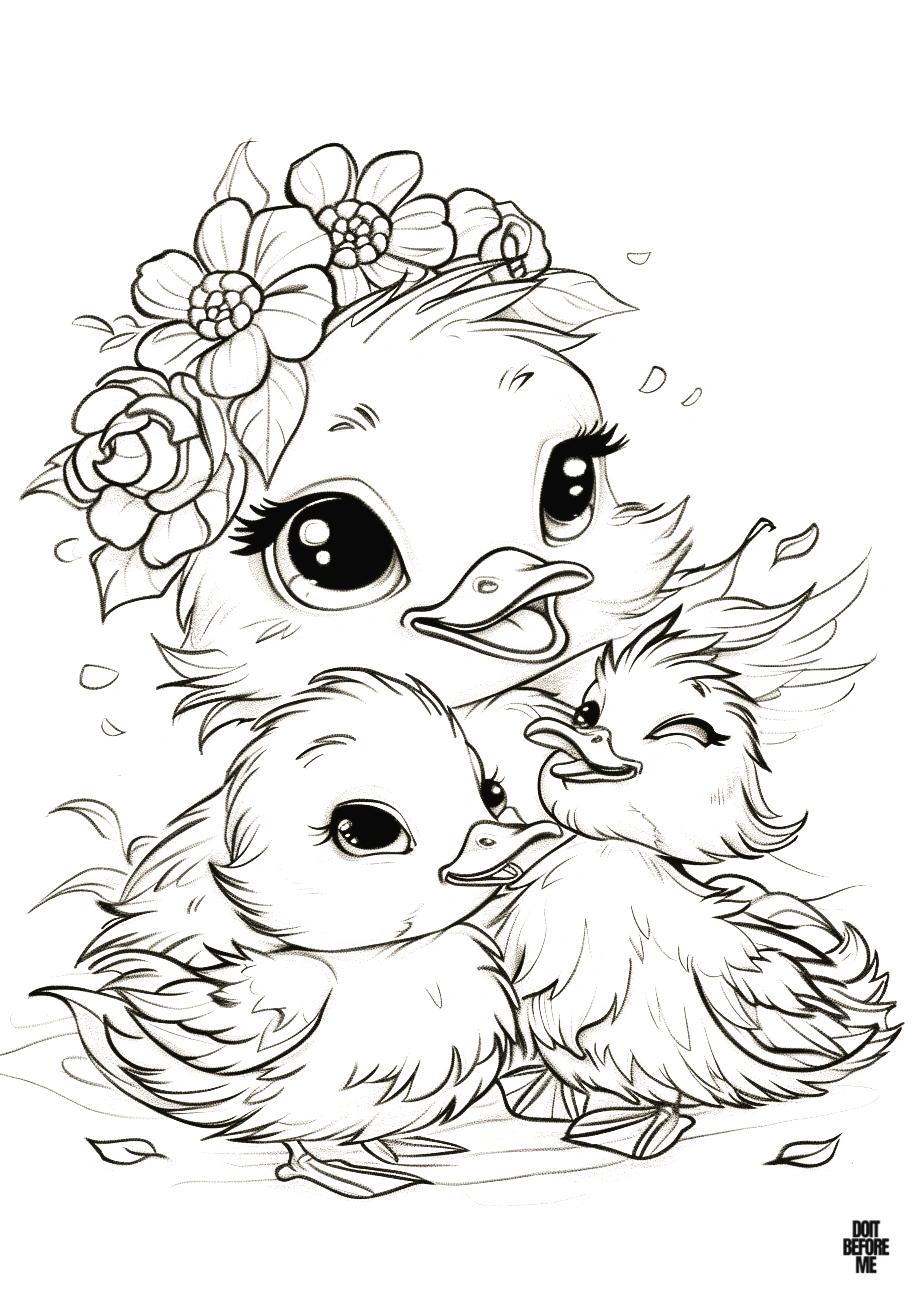
Open full-size duck coloring sheet 10
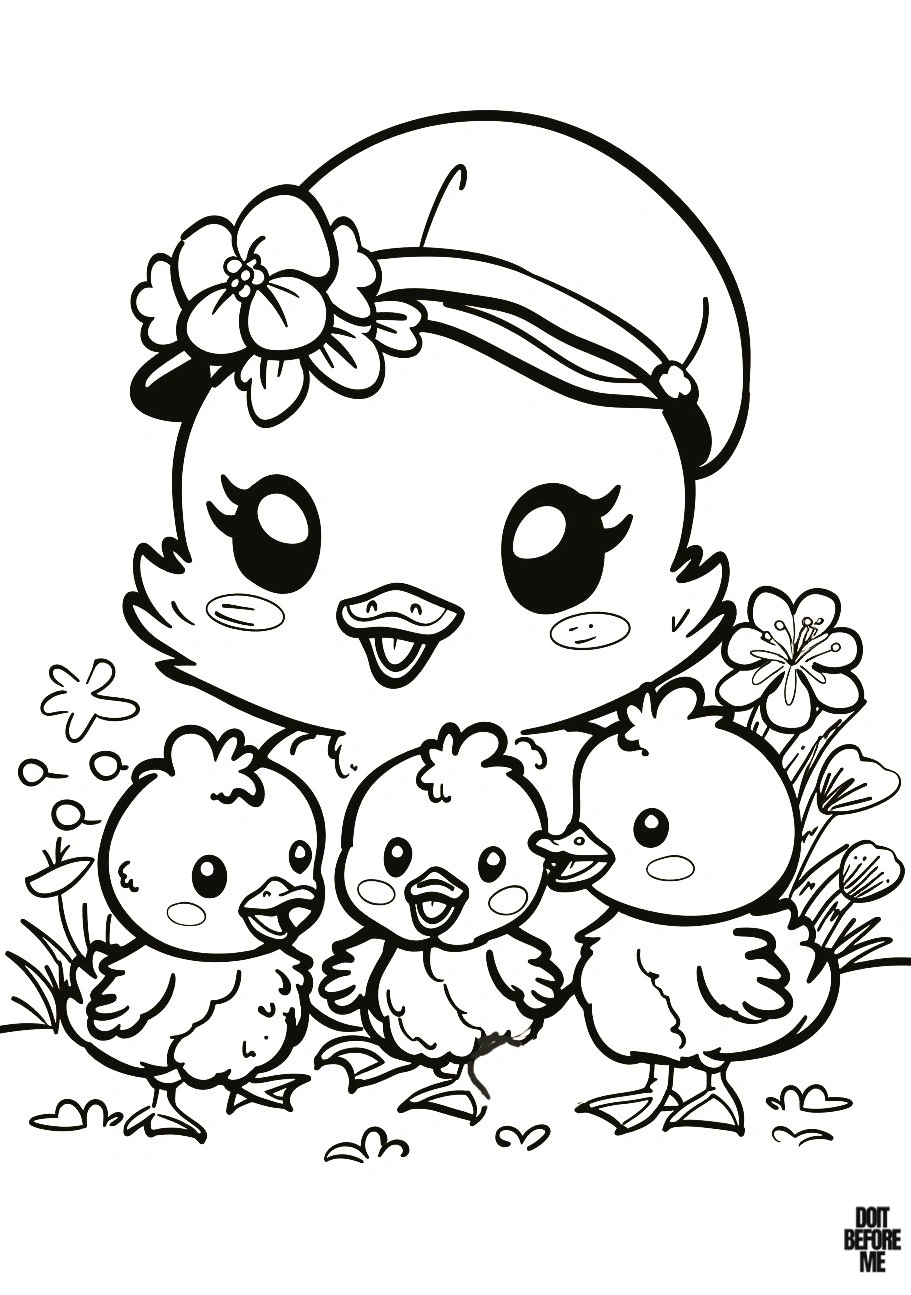
Open full-size duck coloring sheet 11
Dressed-up duck coloring pages — Sheets 12–16
This group is for children who like choosing outfits and accessories. Let the duck stay yellow, cream or brown if you want, then treat the hat, scarf, jacket or ribbon as the place for stronger colors.
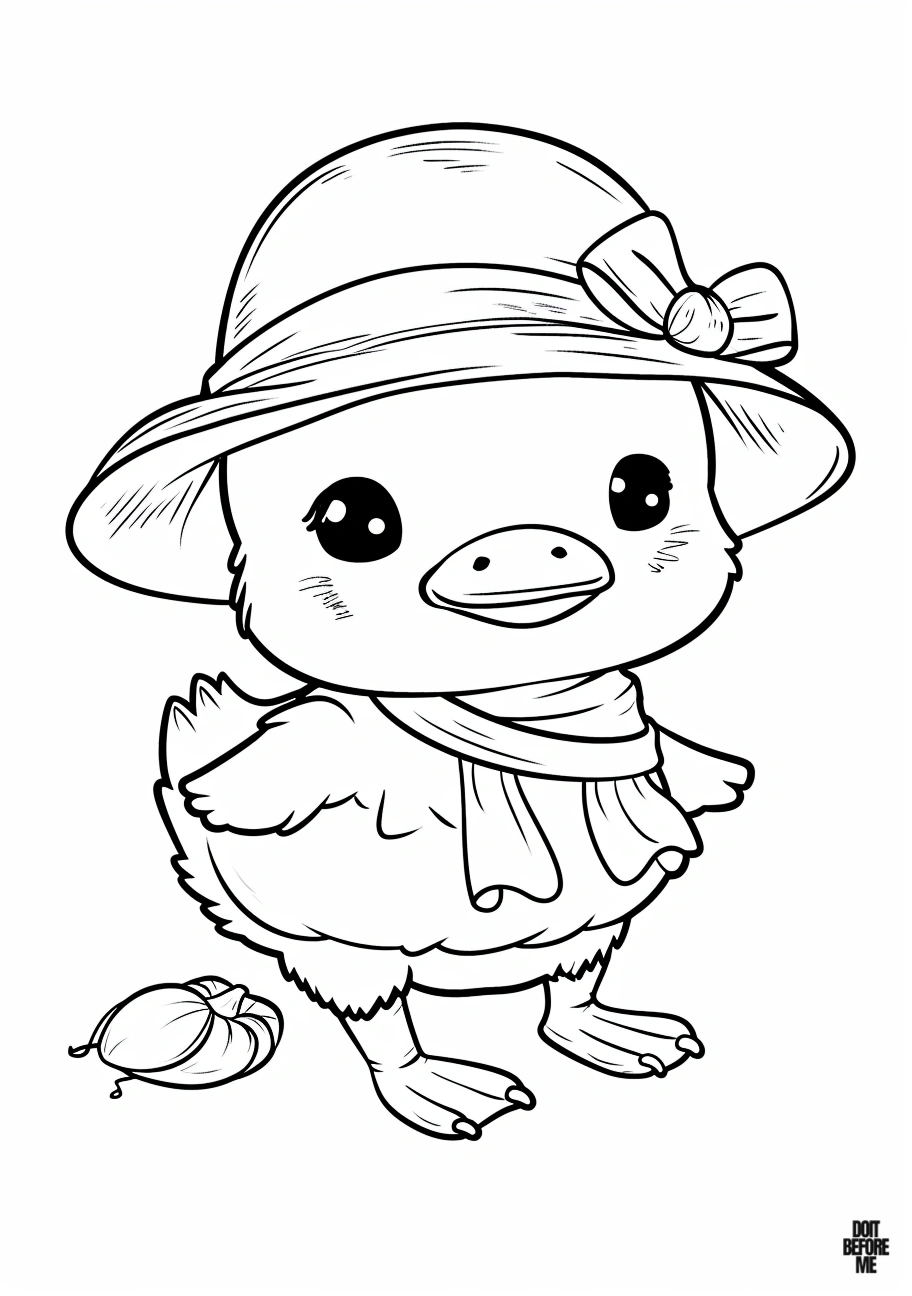
Open full-size duck coloring sheet 12
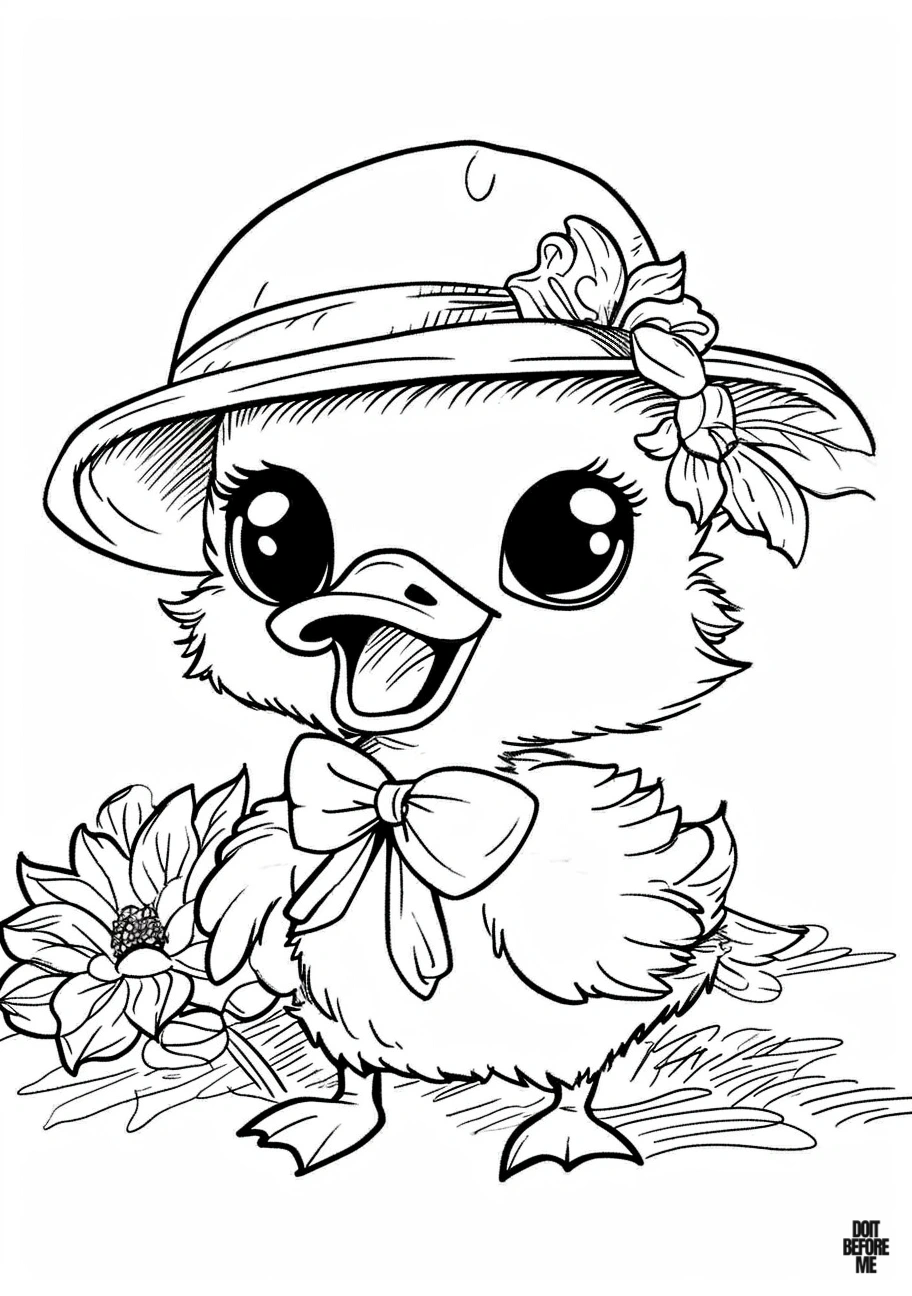
Open full-size duck coloring sheet 13
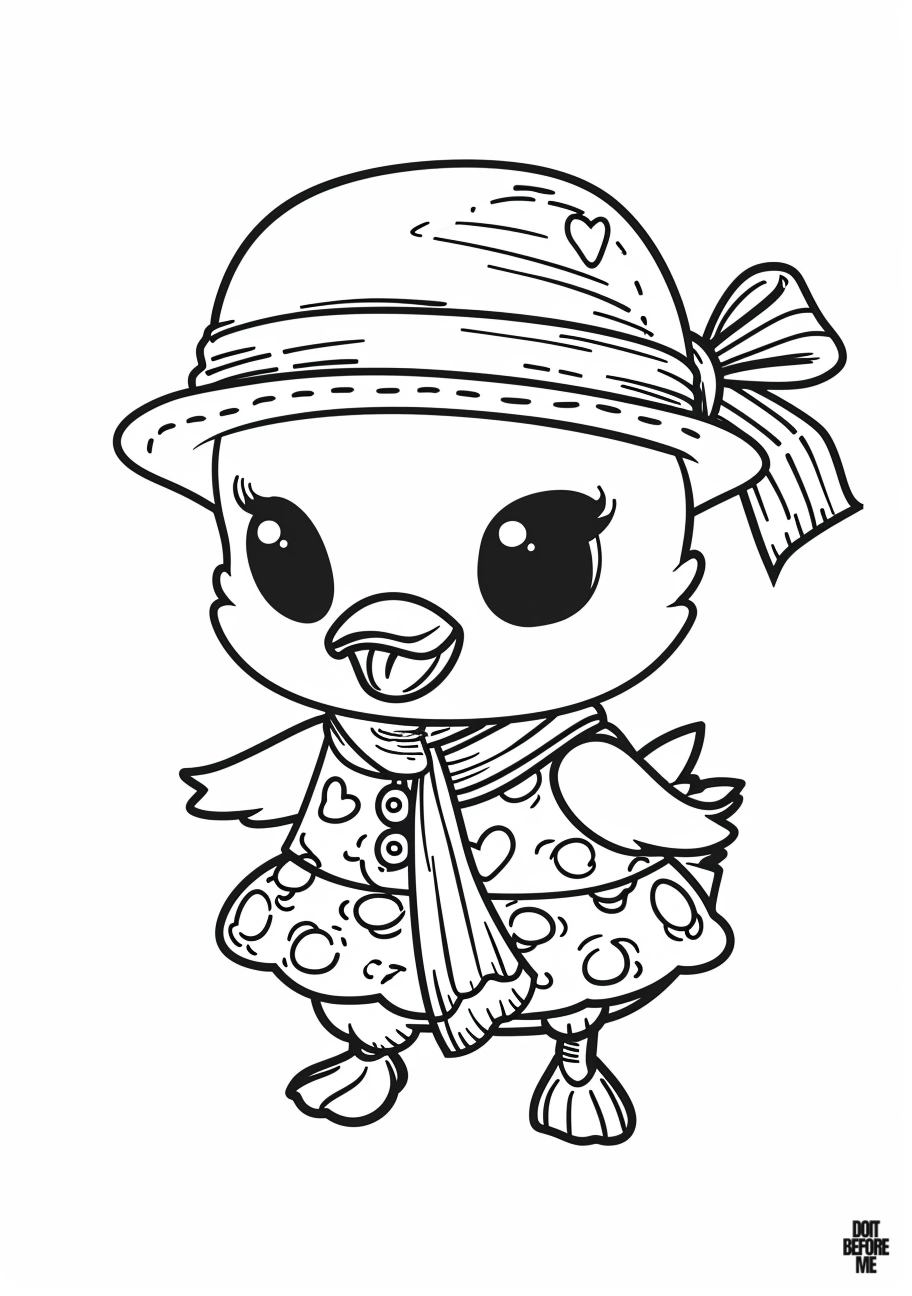
Open full-size duck coloring sheet 14
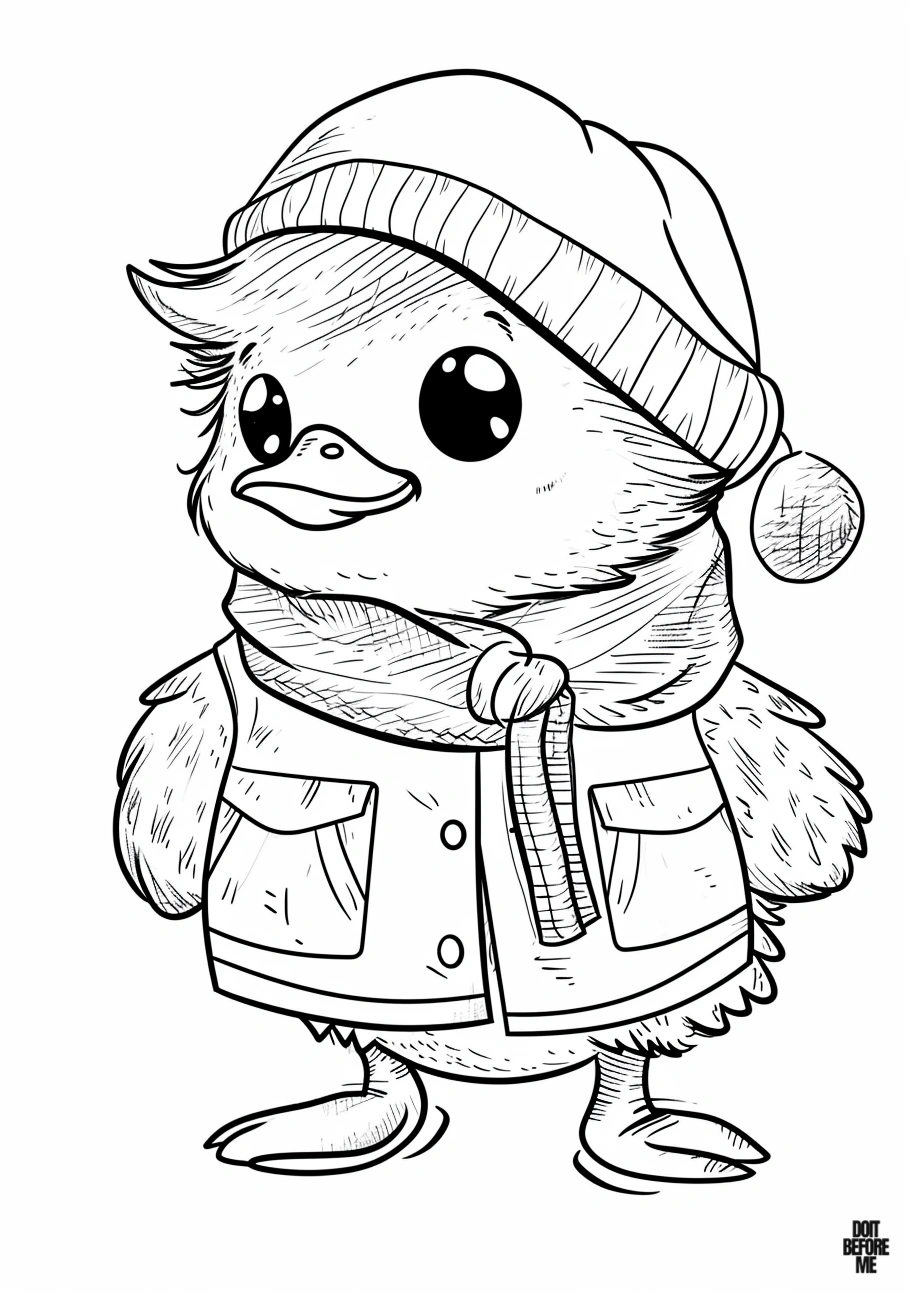
Open full-size duck coloring sheet 15
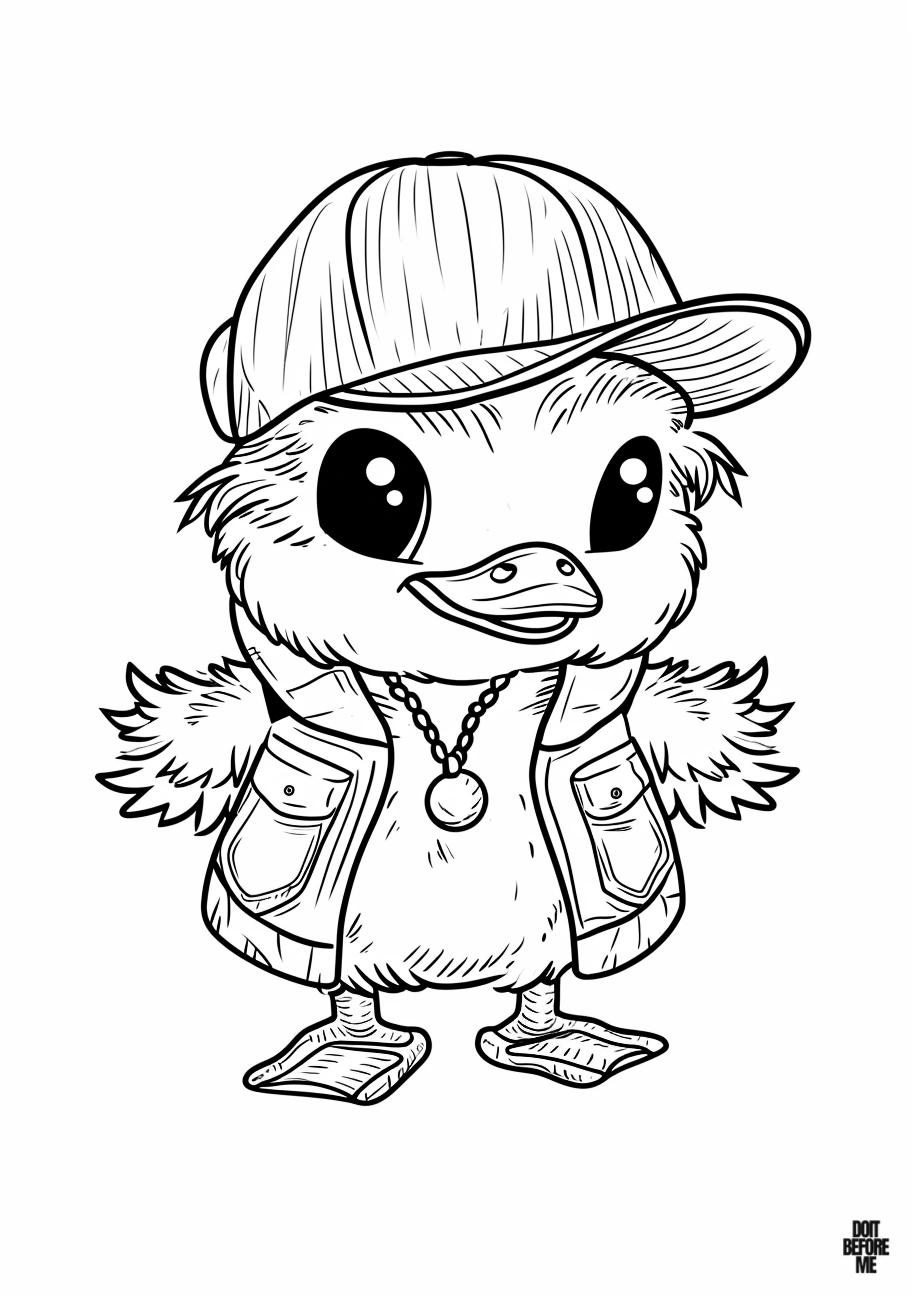
Open full-size duck coloring sheet 16
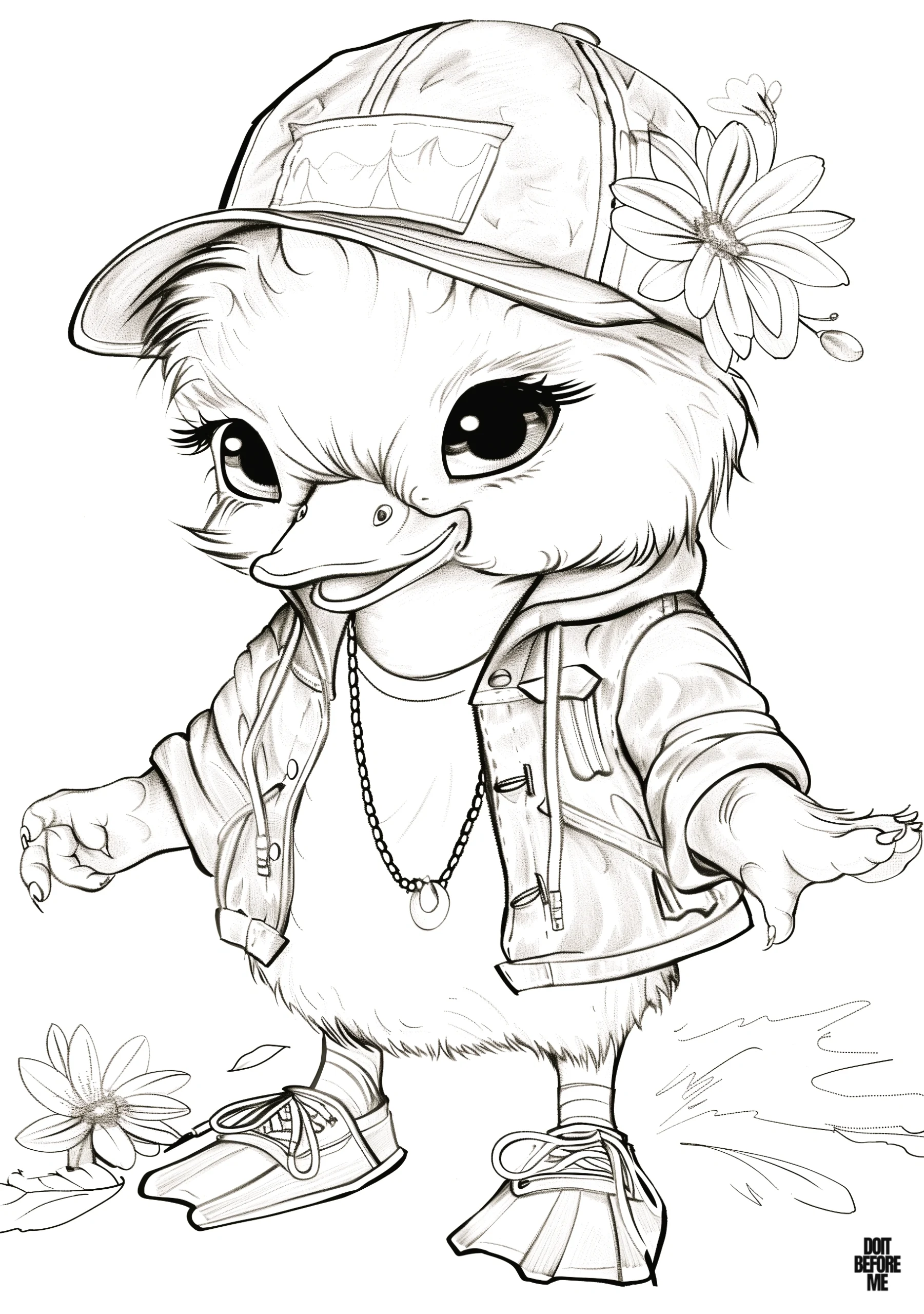
More detailed duck character pages — Sheets 17–19
These last three have the smallest decorative areas and are better for pencils or fine markers. They are good choices when someone wants a slower page rather than a quick preschool activity.
Open full-size duck coloring sheet 17
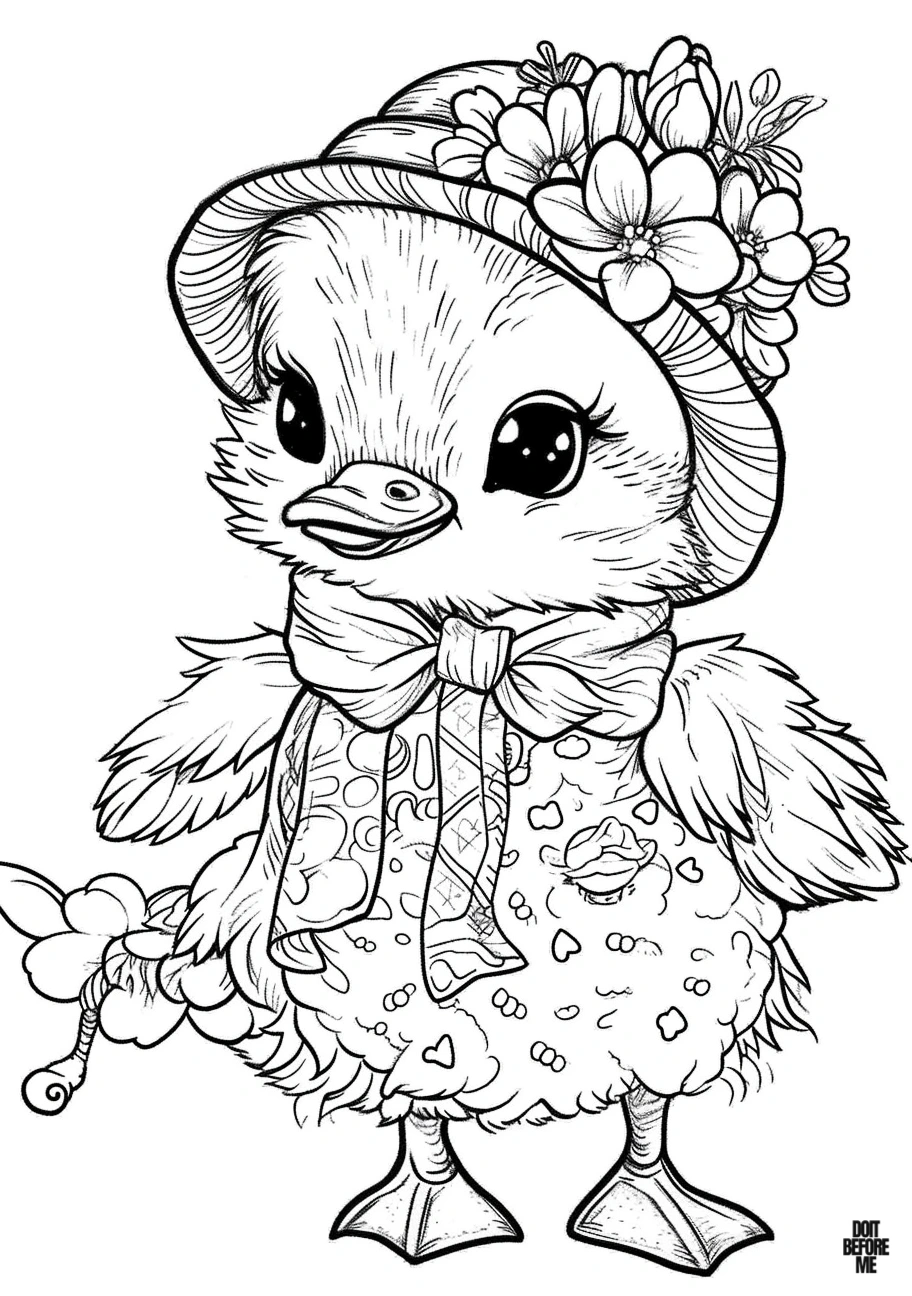
Open full-size duck coloring sheet 18
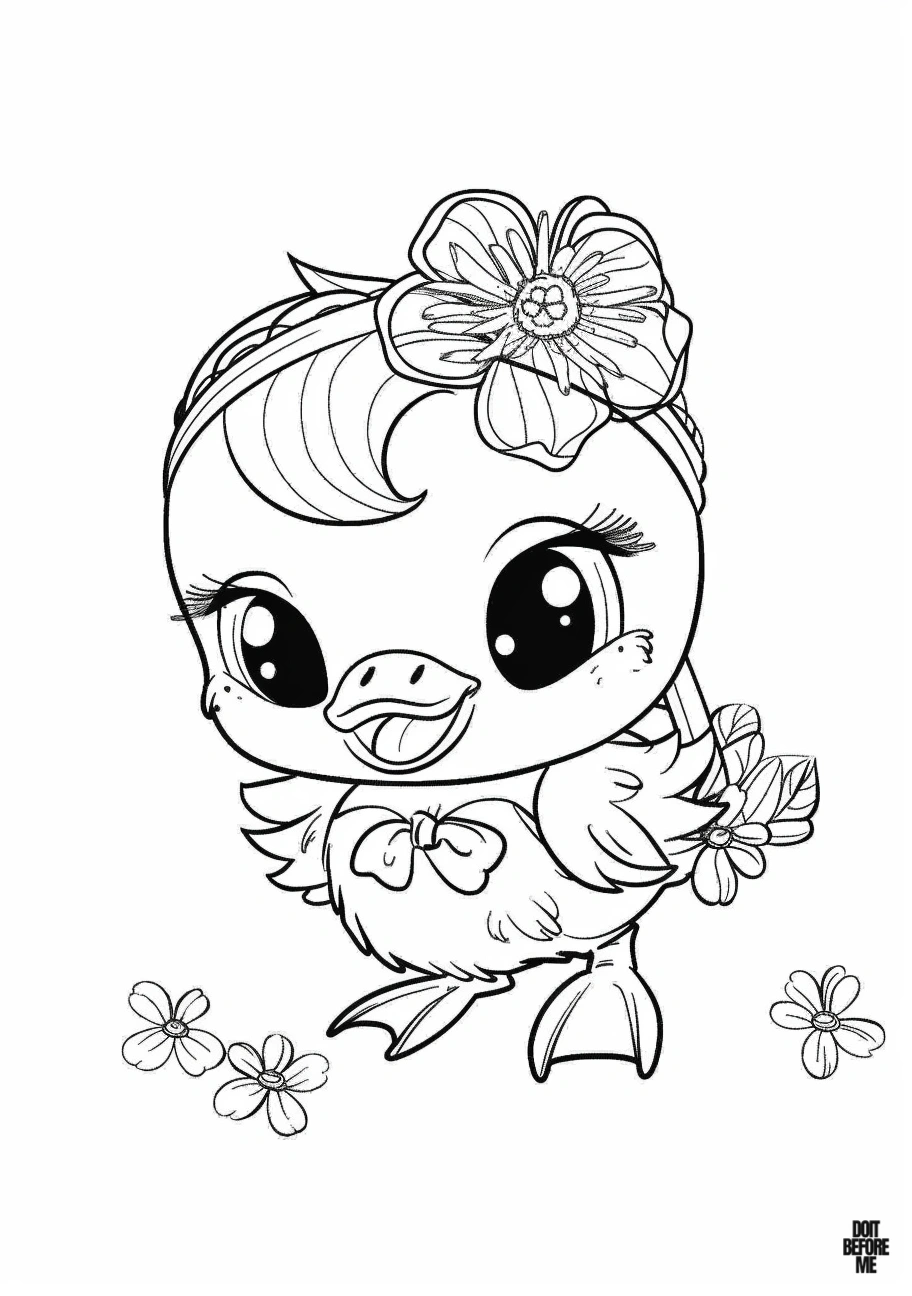
Open full-size duck coloring sheet 19
A three-page duck coloring practice
If the goal is to build control rather than simply finish a picture, print three sheets and give each one a different job:
- Sheet 1 — stay inside large shapes. Use only three or four crayons. Color the body with long strokes that follow the duck’s shape instead of scribbling back and forth.
- Sheet 6 — separate subject from scene. Keep the duck family warm (yellow, cream, tan) and the pond/background cool (blue, green). This makes the animals readable without outlining them again.
- Sheet 17 — slow down for detail. Switch to colored pencils or fine markers. Finish the smallest clothing details first, then fill the larger body areas. This reduces accidental smudging and makes it easier to keep tiny shapes clean.
Fix the most common coloring problems
| What went wrong | Try this next time |
|---|---|
| Yellow duck looks flat | Leave a small uncolored highlight and add a slightly darker yellow or ochre under the wing and belly. |
| Face is getting muddy | Color the tiny eyes and beak before filling the head. Keep dark colors away from the eye outlines. |
| Duck disappears into the pond | Use warm colors on the duck and cooler blue-green colors around it; avoid using the same yellow-green on both. |
| Crayon fill looks patchy | Use overlapping strokes in one direction with light pressure, then make a second pass rather than pressing hard immediately. |
| Clothes compete with the duck | Choose one strong clothing color and repeat it in two small accessories instead of making every item equally bright. |
| Marker bleeds through | Print on heavier paper and put scrap paper underneath. Color up to the line slowly rather than soaking the edge. |
Simple ways to use the pages after coloring
A finished coloring page does not have to go straight into a drawer. Cut out a duck and glue it to folded card for a homemade note, pin a few ducklings together as a small spring display, or ask your child to draw a pond around one of the simpler characters. For preschoolers, you can also write a large letter D beside the picture and use the page as an easy letter-and-animal activity.
If your child wants another bird next, the baby bird coloring pages are the closest match. For something with more feather detail, try the owl coloring pages. We also have a larger collection of easy coloring pages for kids when you simply need another quick printable.
Questions parents usually have
Which duck coloring pages are easiest for preschoolers?
Sheets 1–5. They have the largest shapes and the least background clutter.
Should I use crayons, pencils, or markers?
Crayons are the easiest choice for the simpler pages. Colored pencils are better around flowers, clothing, and small feather details. Markers work too, but use thicker paper or place a scrap sheet underneath if the ink tends to bleed.
What colors should a duck be?
Whatever keeps the child interested. Yellow and soft brown work nicely for ducklings, with blue or green around water scenes, but the dressed-up ducks are made for experimenting. A pink duck in a green coat is completely fine.
Do I need to print all 19?
No. A good three-page set is one from Sheets 1–5, one family scene from Sheets 6–11, and one character page from Sheets 12–16 or 17–19.

