
These 19 first-day-of-fall coloring pages are most useful when you want something seasonal without jumping straight into Halloween. The collection includes easy preschool sheets, “Welcome Fall” and first-day designs, September/autumn pages and two more involved sheets for a longer coloring session.
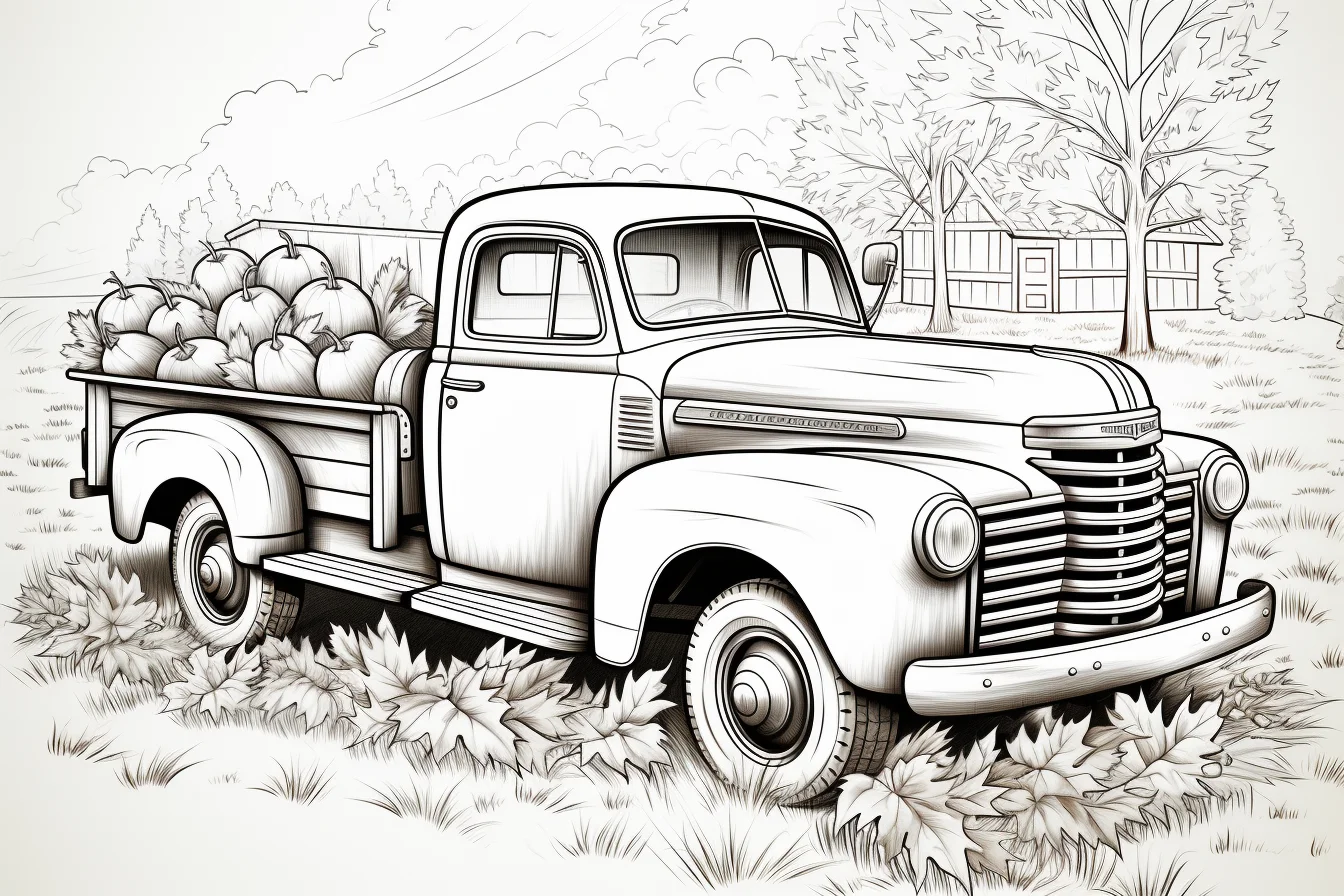
Choose a fall page by use
| Sheets | Best for | What to expect |
|---|---|---|
| 1–5 | Preschool and quick coloring | Large shapes and simpler layouts |
| 6–11 | First day of fall or classroom display | Welcome/first-day wording and seasonal motifs |
| 12–17 | General September and autumn coloring | A broader mix of fall designs |
| 18–19 | Older kids or adults | More detail and smaller sections |
A fall palette that does not turn muddy
Start with three or four colors, not ten. A warm red, golden yellow, rust orange and olive green already give enough variation for most leaf scenes. Add brown after those colors are established; using brown first can make the whole page feel darker than intended.
On a page with many leaves, repeat the same colors rather than making every leaf unique. A few repeated reds, yellows and oranges look more natural and are much quicker to finish.
Try this 90-second leaf-and-letter test first
Before coloring a full sheet, use a scrap of the same paper—or one small leaf near an edge—to test the palette. This catches the two problems that spoil these pages most often: autumn colors collapsing into one dark value and decorative leaves competing with the “Welcome Fall” lettering.
- Make three pressure swatches. With your orange or red pencil, color one patch lightly, one at medium pressure and one firmly. You need to see three clearly different values. If medium and dark look almost identical, build the dark value with a second color instead of pressing harder.
- Test a two-color leaf. Lay yellow over the whole shape, then add orange from the tip toward the center. Stop while some yellow still shows. If the transition becomes a hard stripe, lighten your pressure and overlap the colors over a wider area.
- Protect the words. On a Welcome Fall sheet, decide whether the letters will be light or dark before coloring the nearest leaves. Dark lettering needs lighter neighboring leaves; pale lettering needs at least a few darker leaves around its edges.
- Check it from arm’s length. You should notice the words or main motif first, then the individual leaves. If everything merges into one rust-brown mass, restore yellow and olive in the largest areas before adding any more brown.
For preschool sheets, simplify the same test: choose one yellow, one orange and one red crayon and make sure each is visibly different on the actual printer paper. The goal is not realistic leaf shading; it is keeping the large shapes easy to recognize and pleasant to finish.
A simple three-page classroom pack
- Print one easy sheet for a quick warm-up.
- Add one “Welcome Fall” page for the main activity or bulletin board.
- Offer one more detailed autumn page as an optional challenge.
All 19 sheets are landscape-oriented. Click the image itself to open the original file, then print in landscape mode with Fit to page on A4 or US Letter. Colored pencils are best for layered leaf color; crayons are perfectly fine on the simpler sheets.
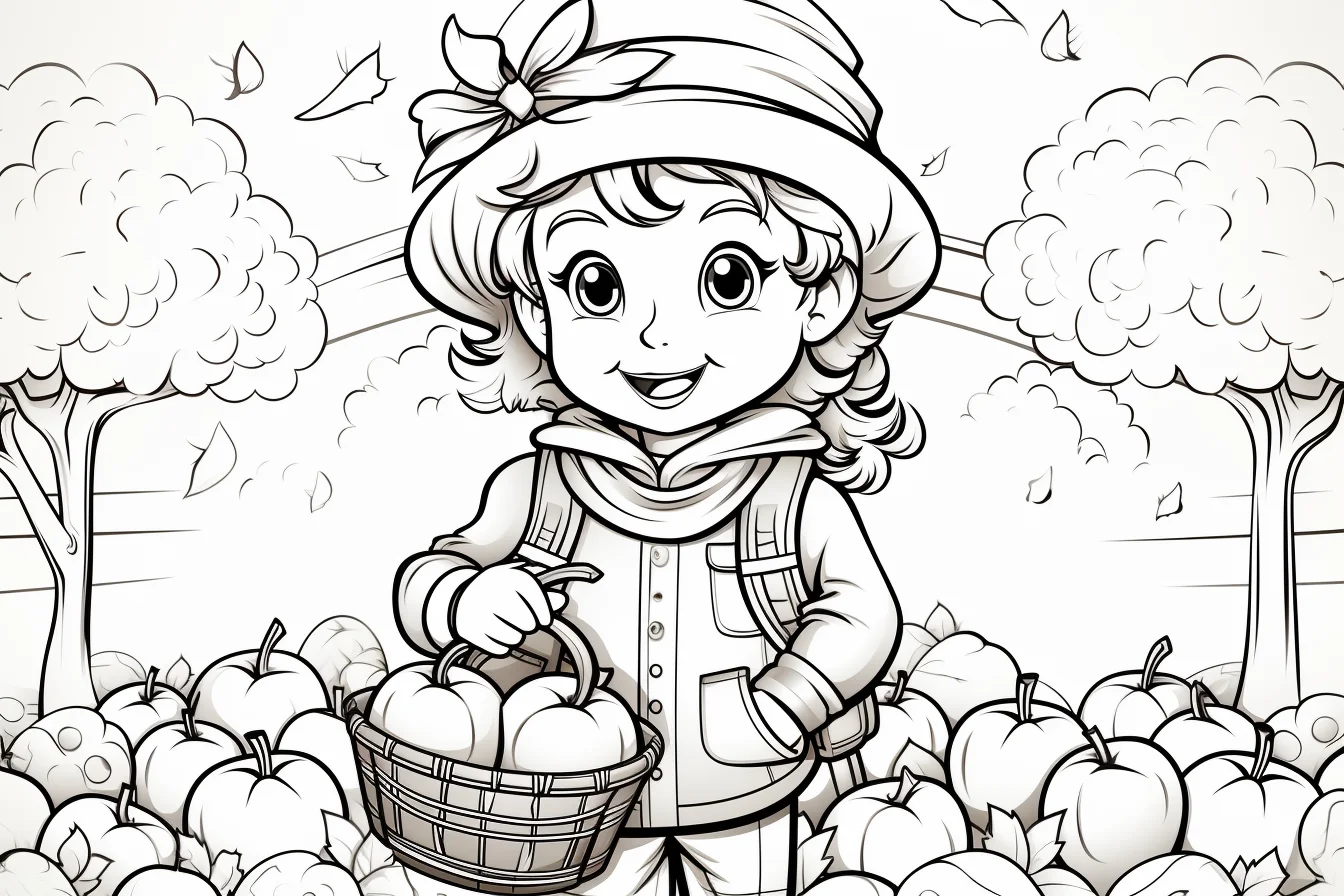
Easy and preschool fall pages — Sheets 1–5
These are the quickest autumn sheets and the best fit for crayons, short classroom sessions or younger children.
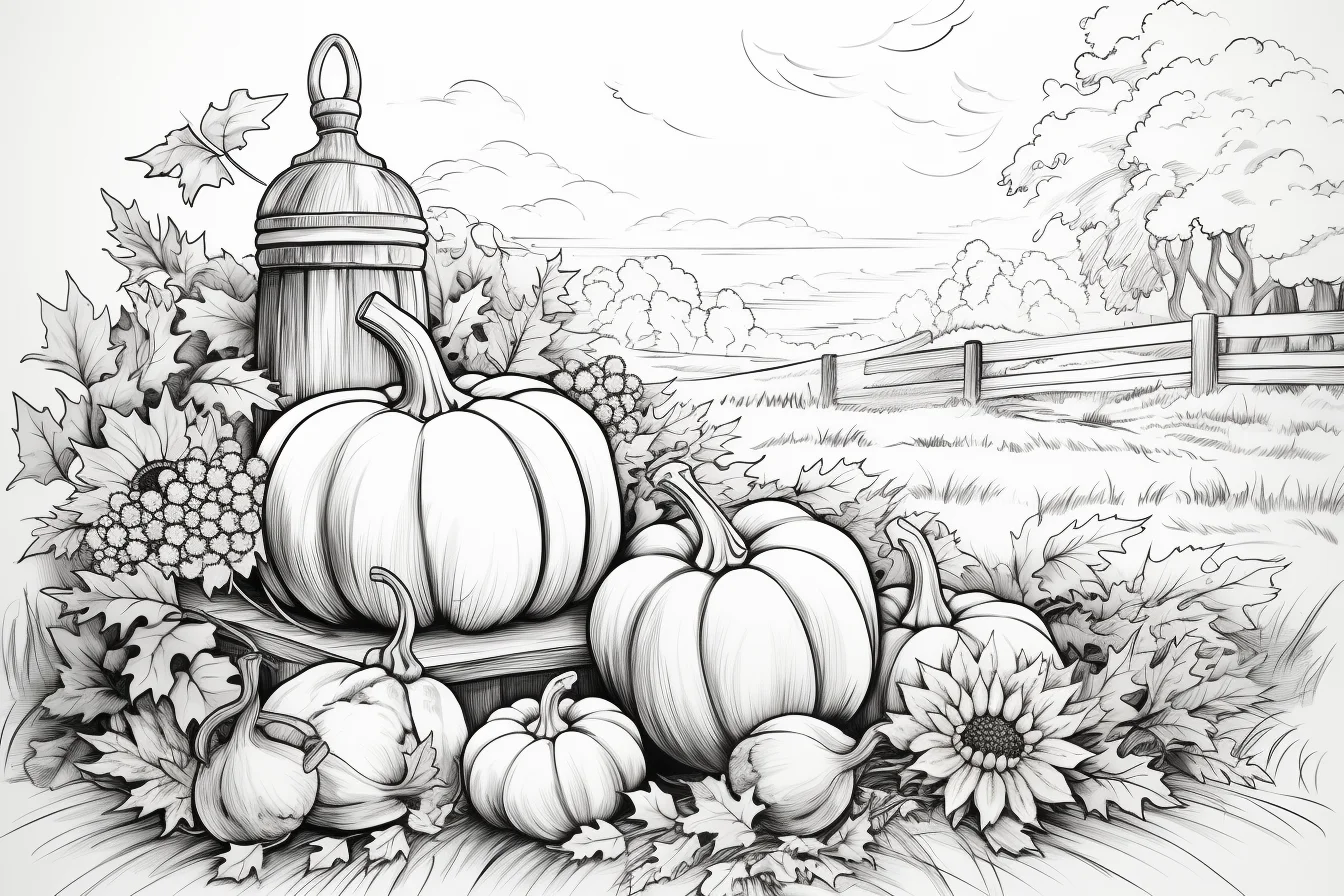
First Day and Welcome Fall pages — Sheets 6–11
Use these for a classroom display, first-day-of-autumn activity or a simple seasonal card. The words and central motifs do most of the visual work, so the surrounding color can stay fairly simple.
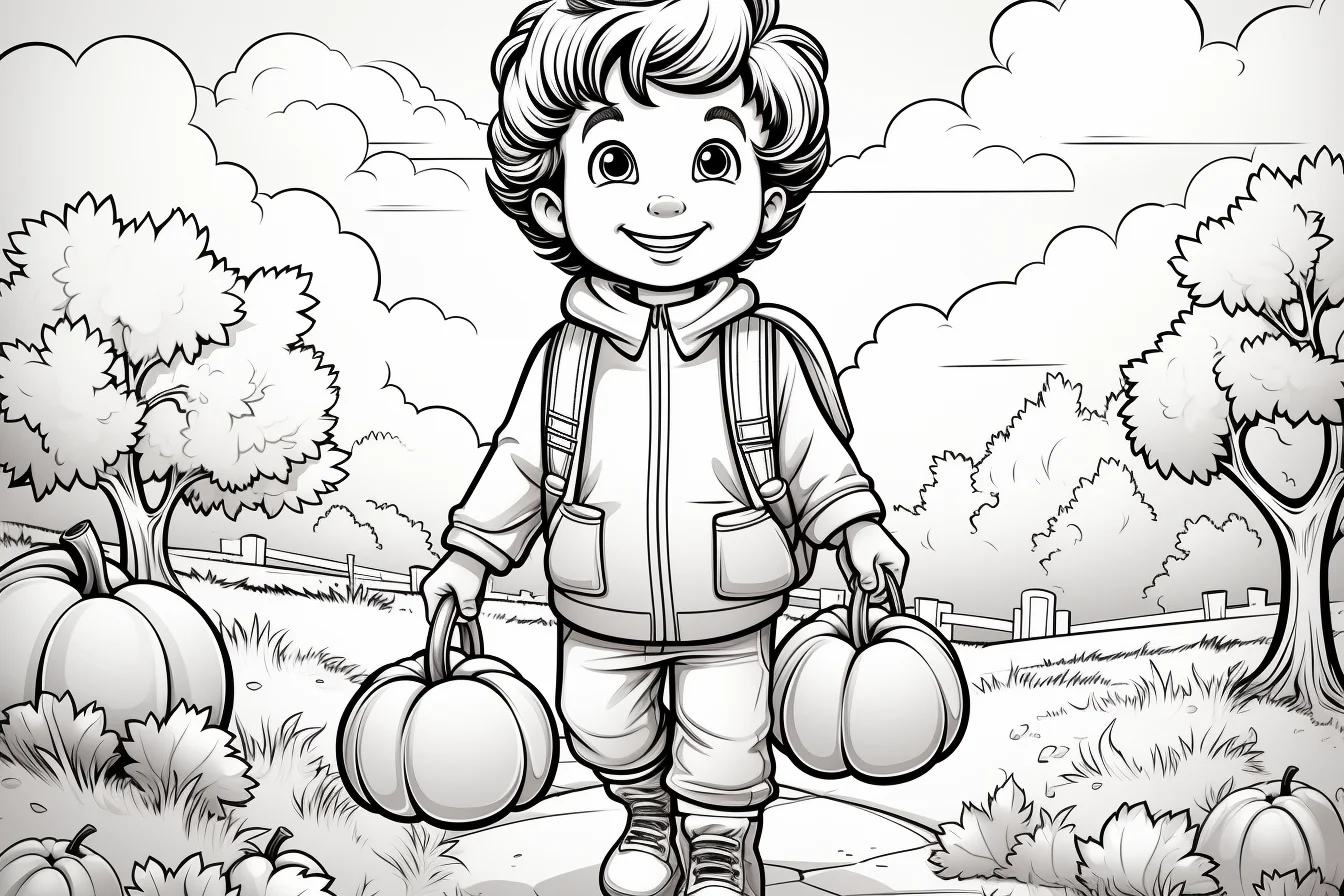
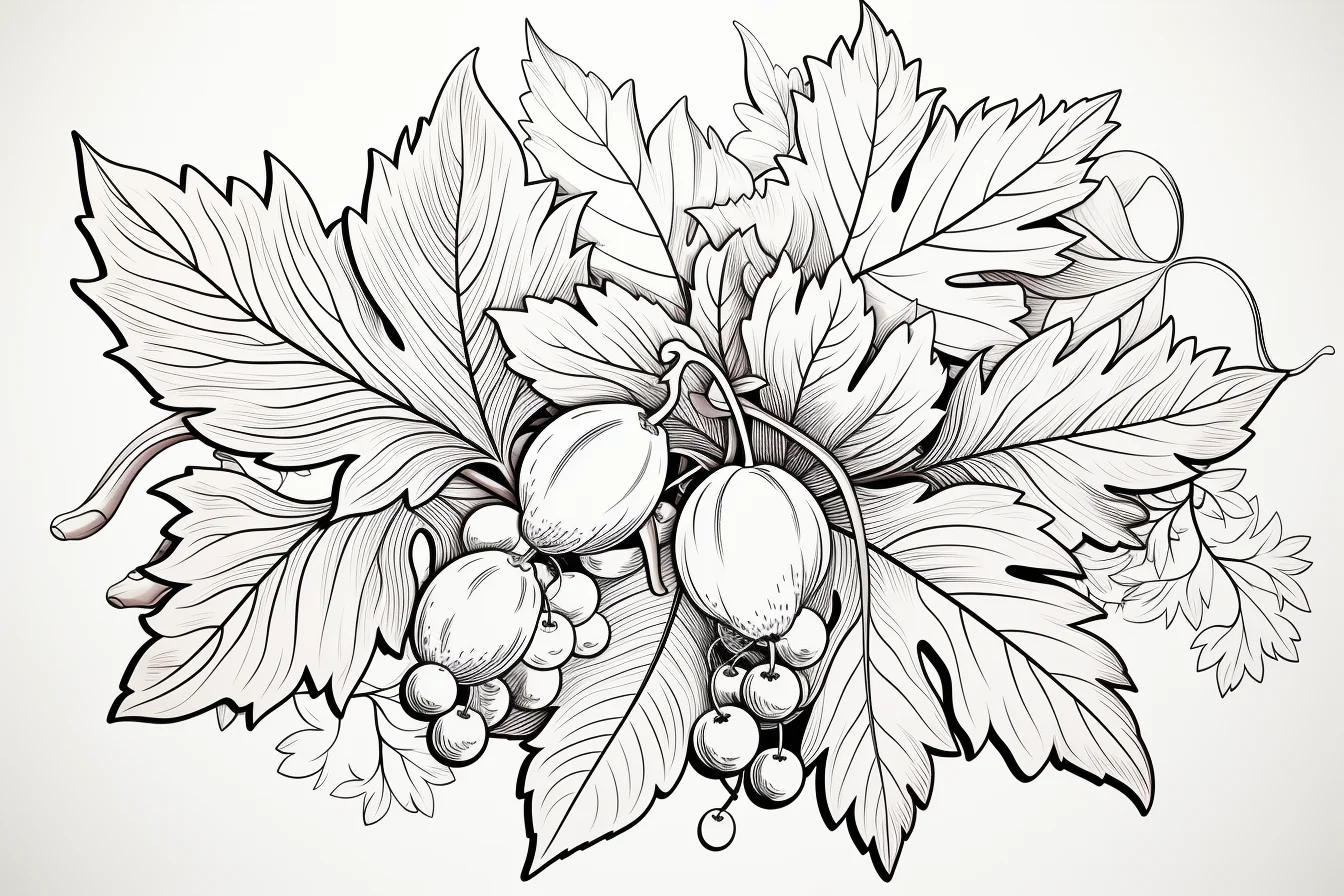
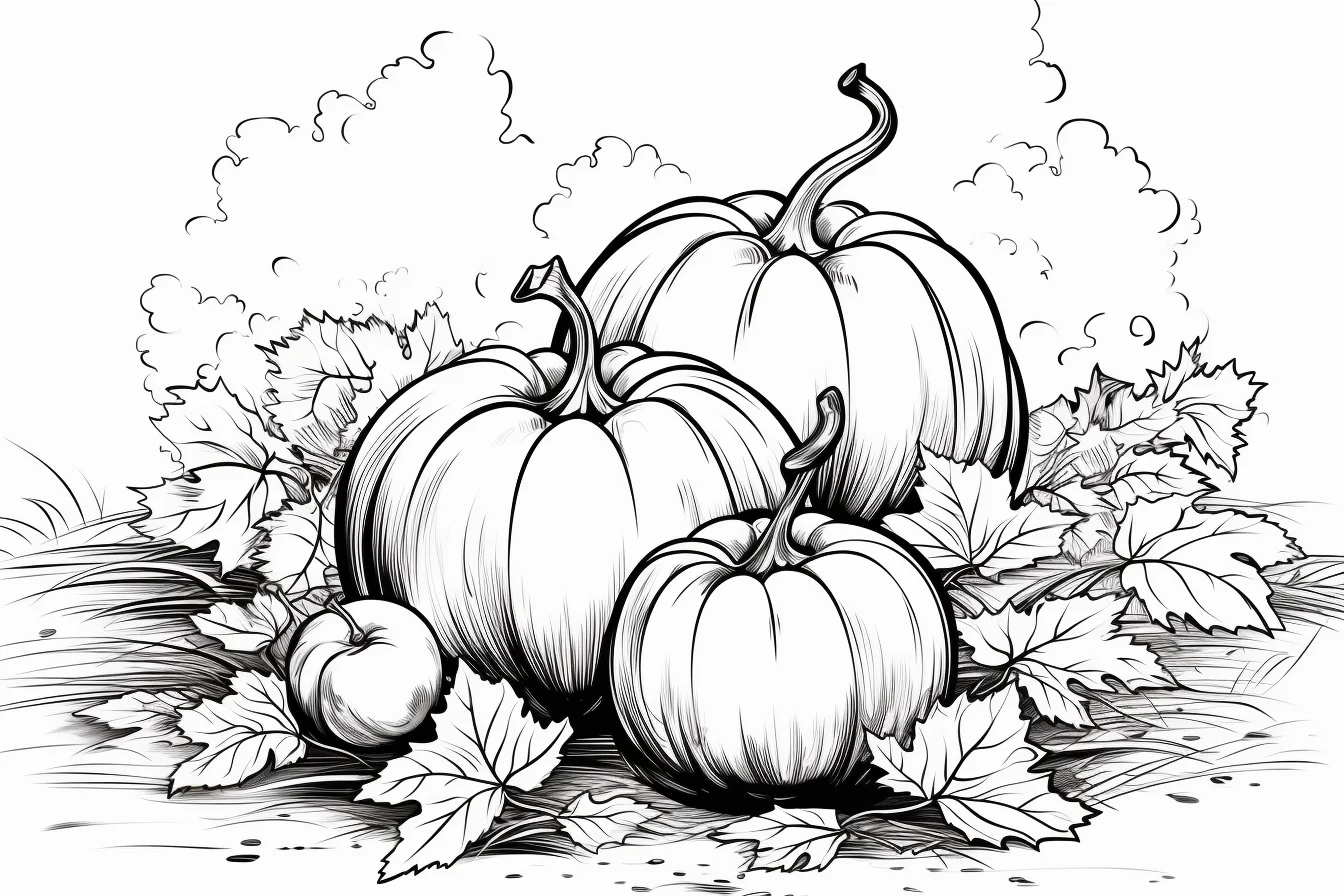

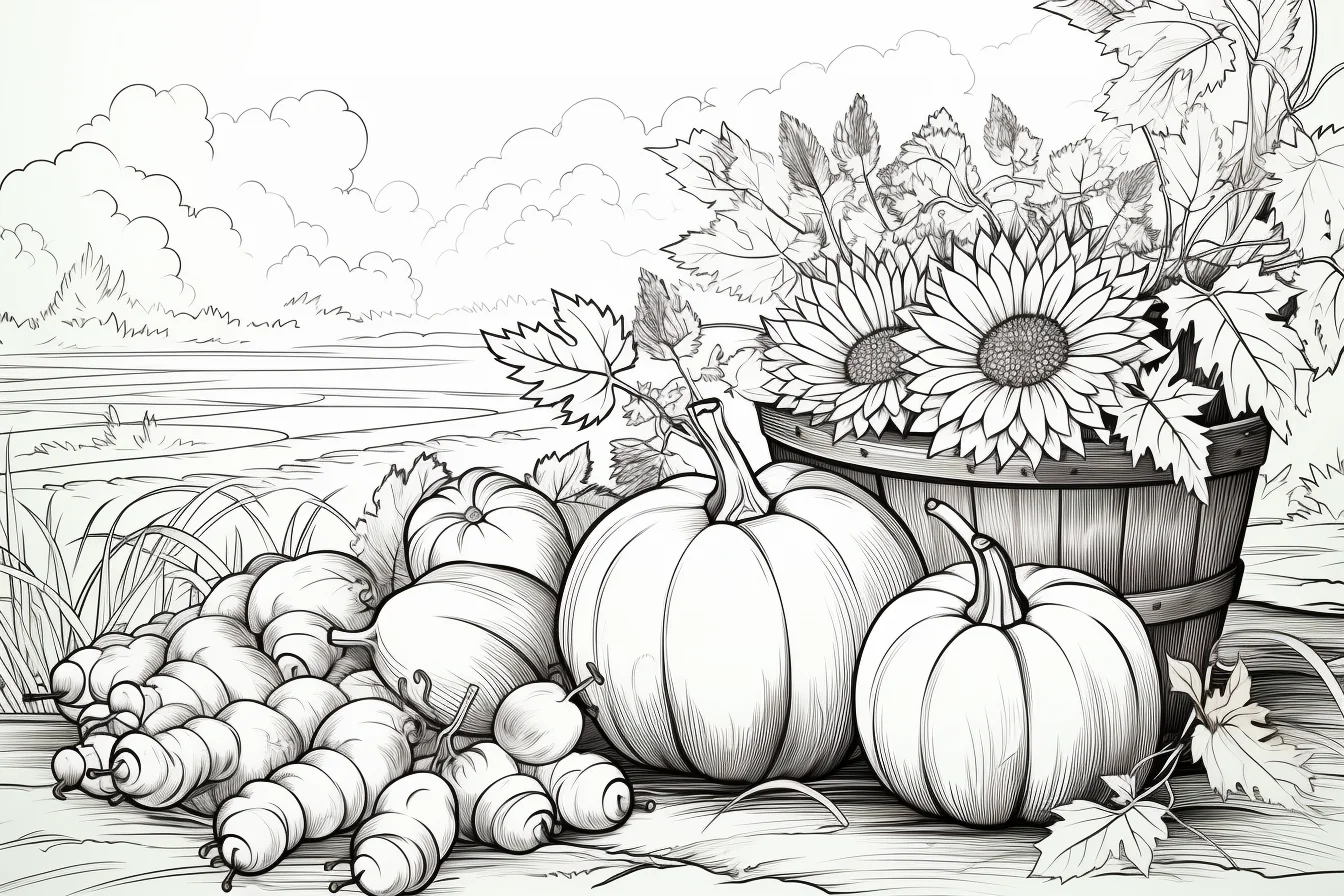
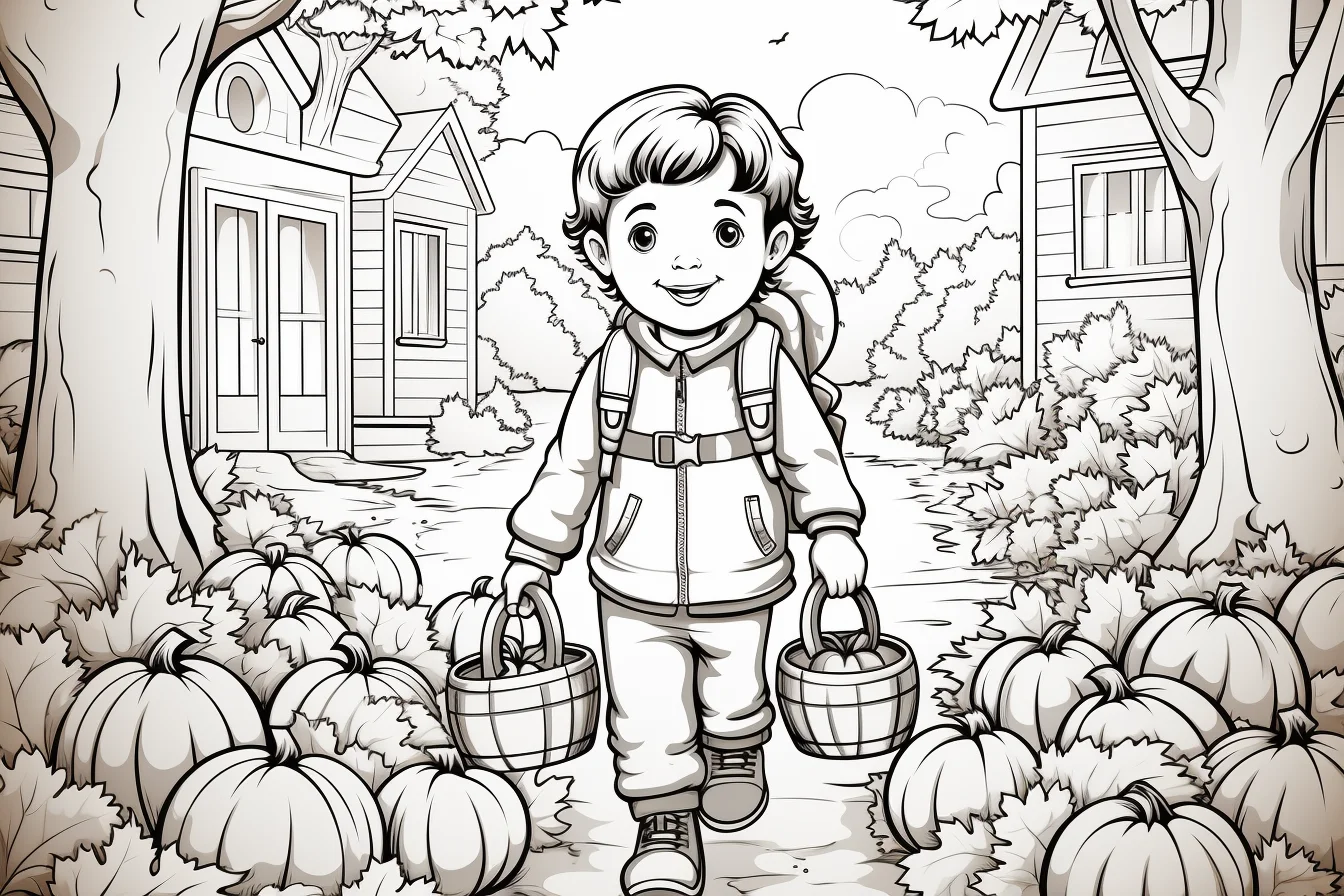
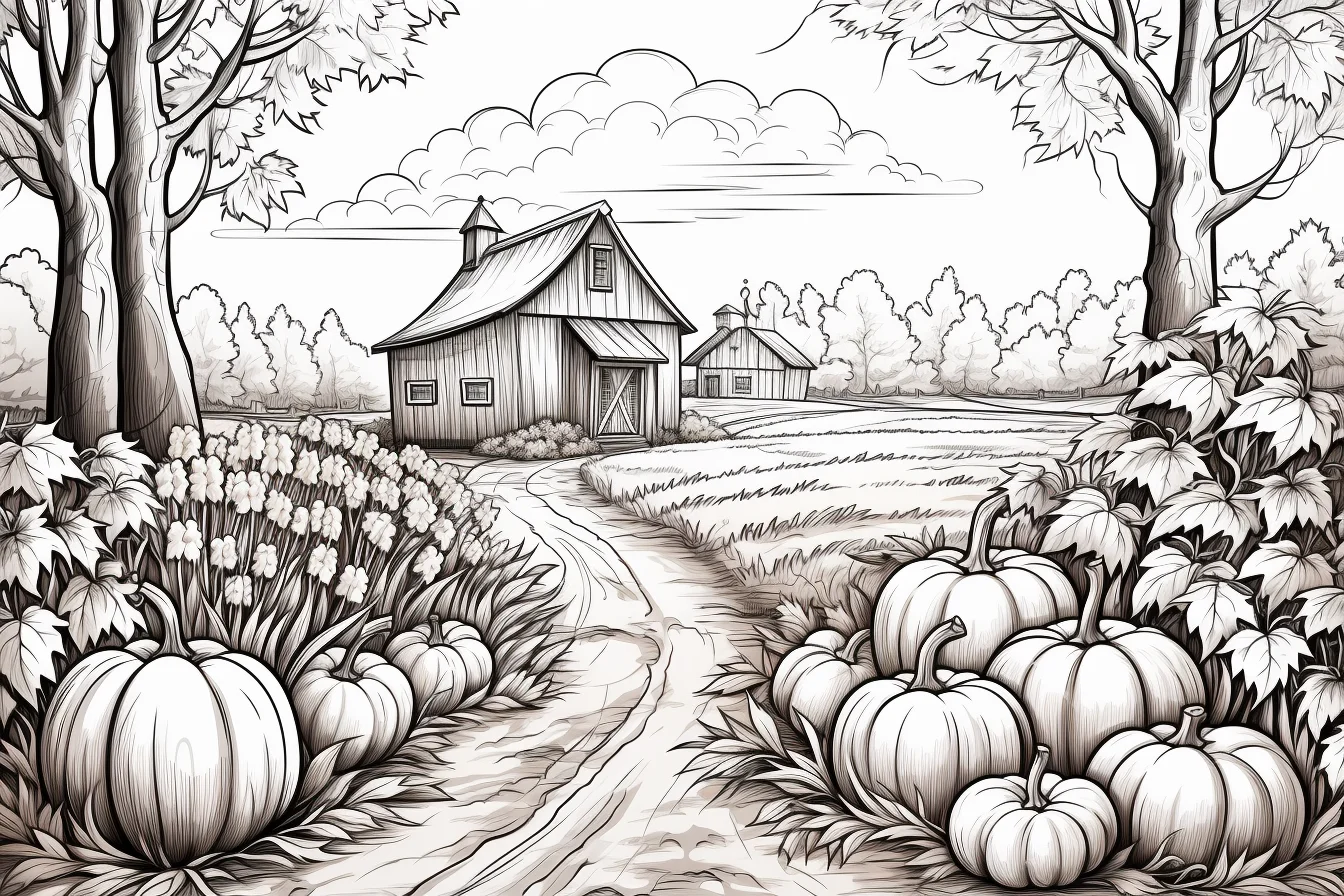
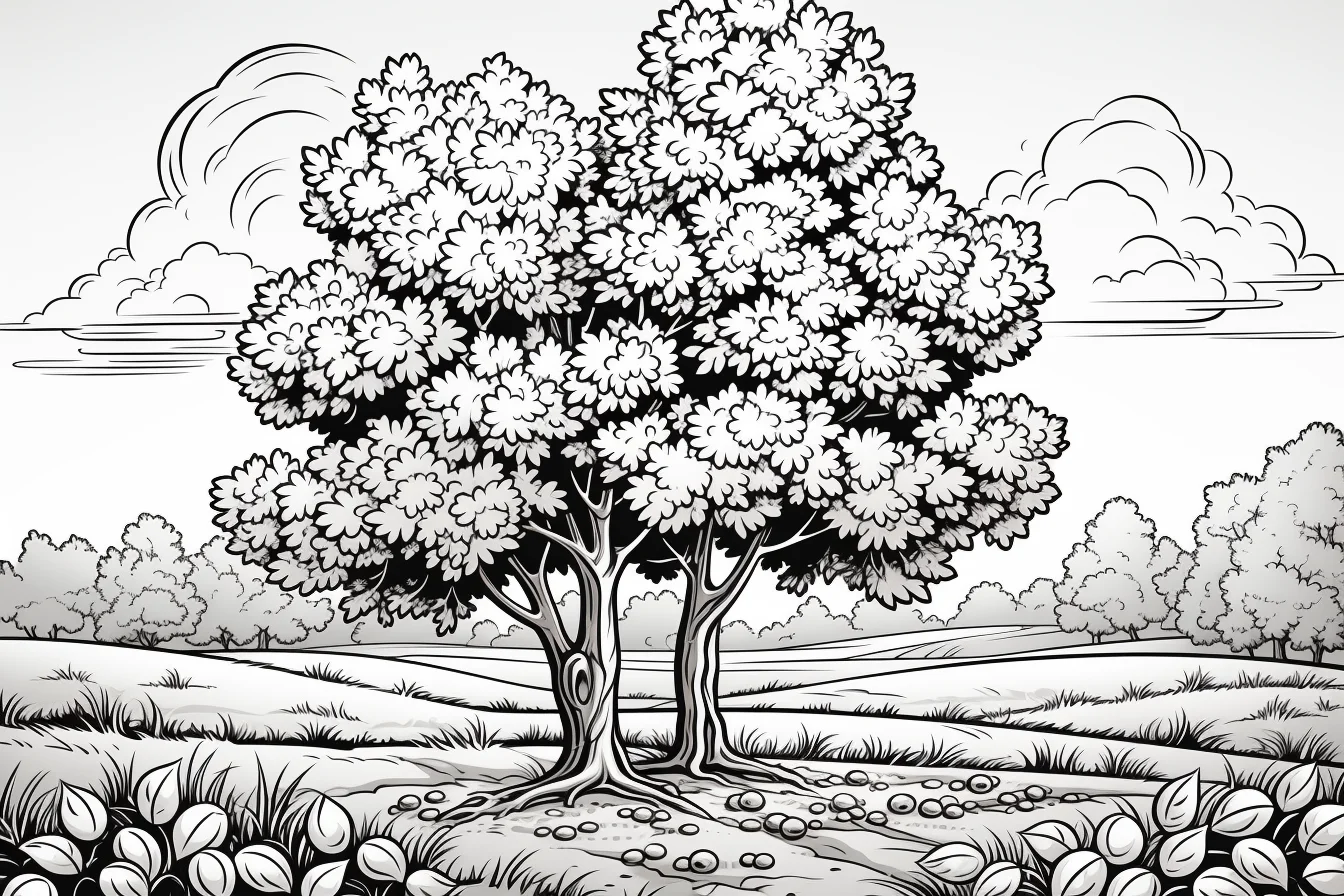
September and general autumn pages — Sheets 12–17
This group works after the first-day theme has passed. Repeat a small palette of warm leaf colors rather than trying to make every part of the page a new shade.
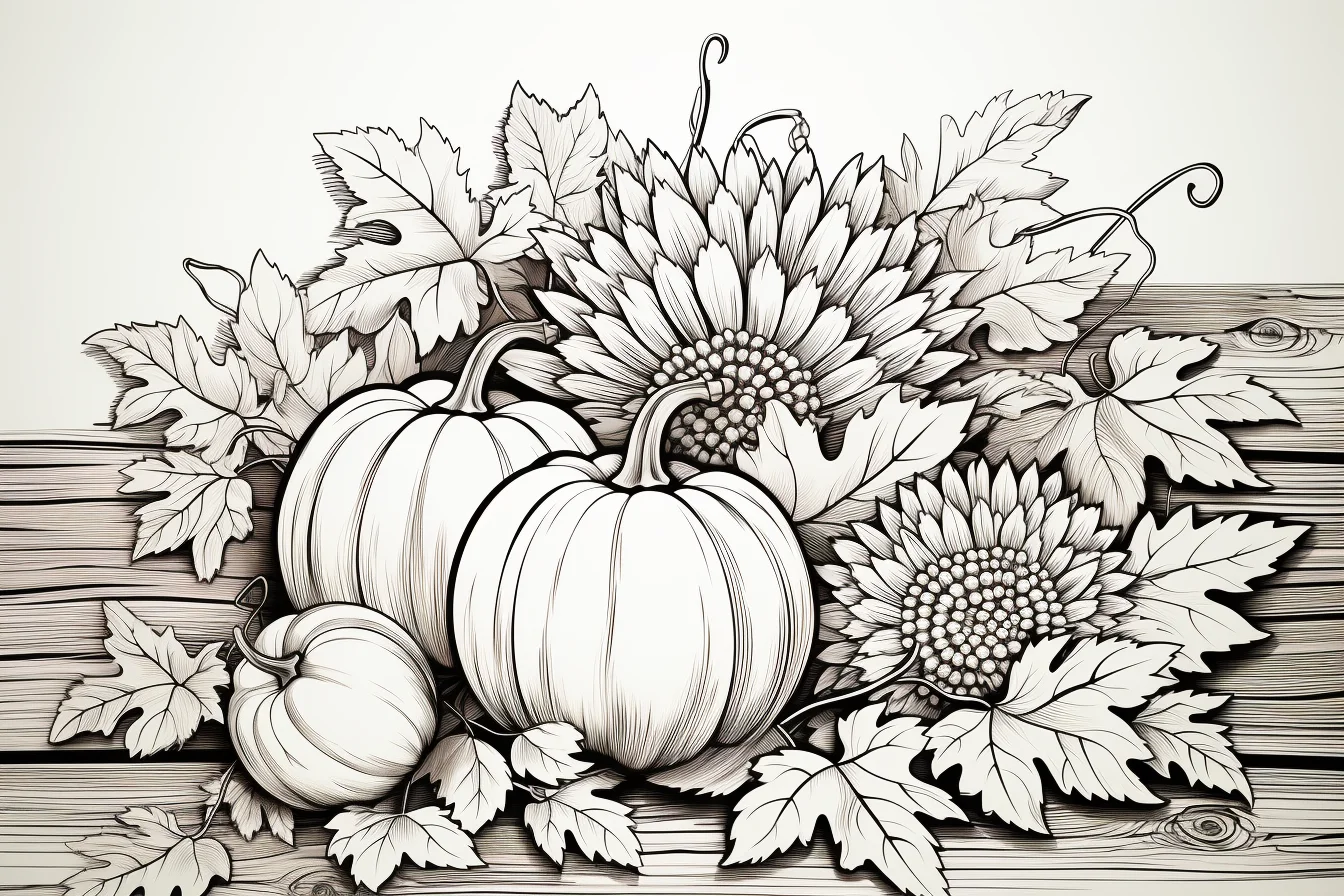
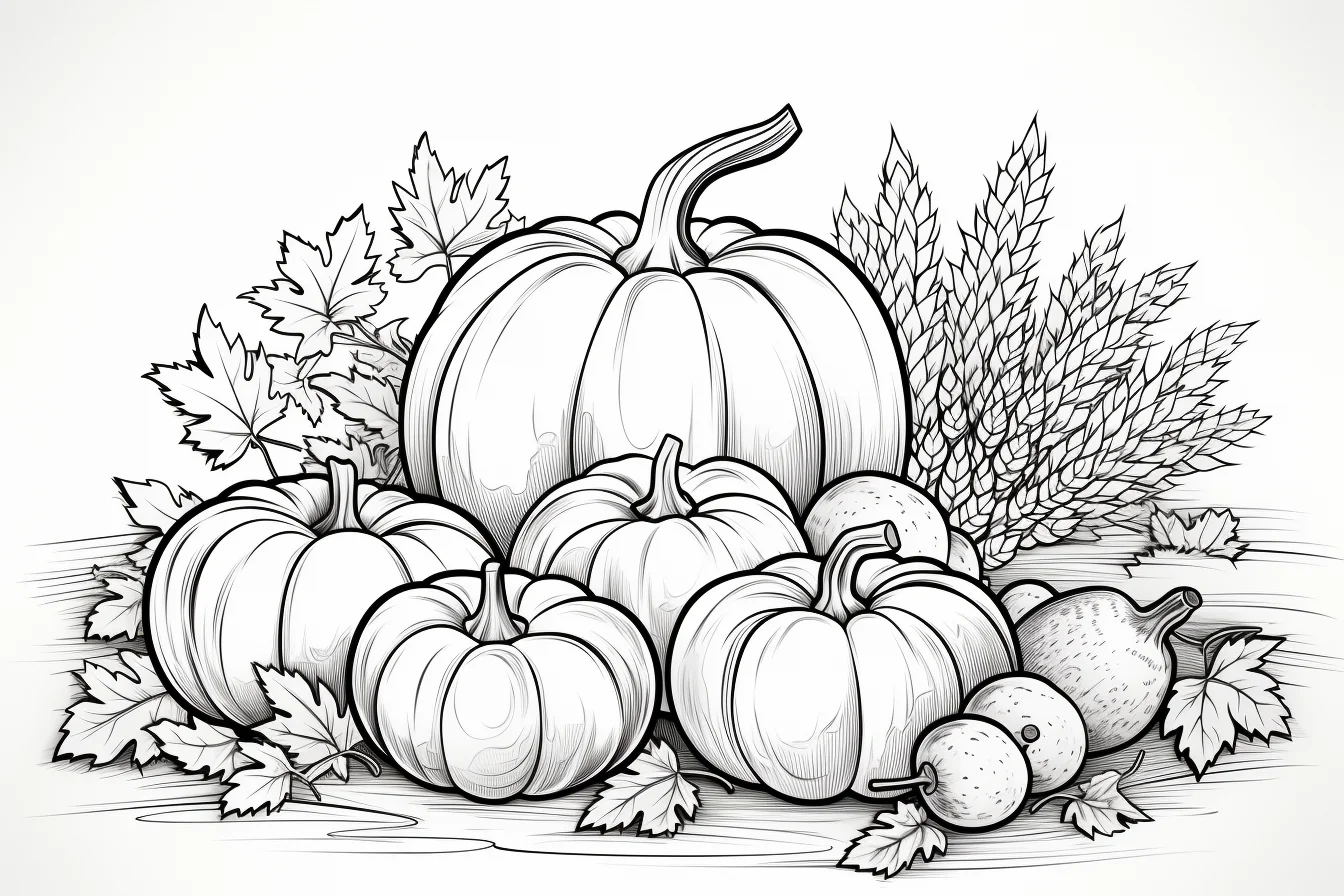

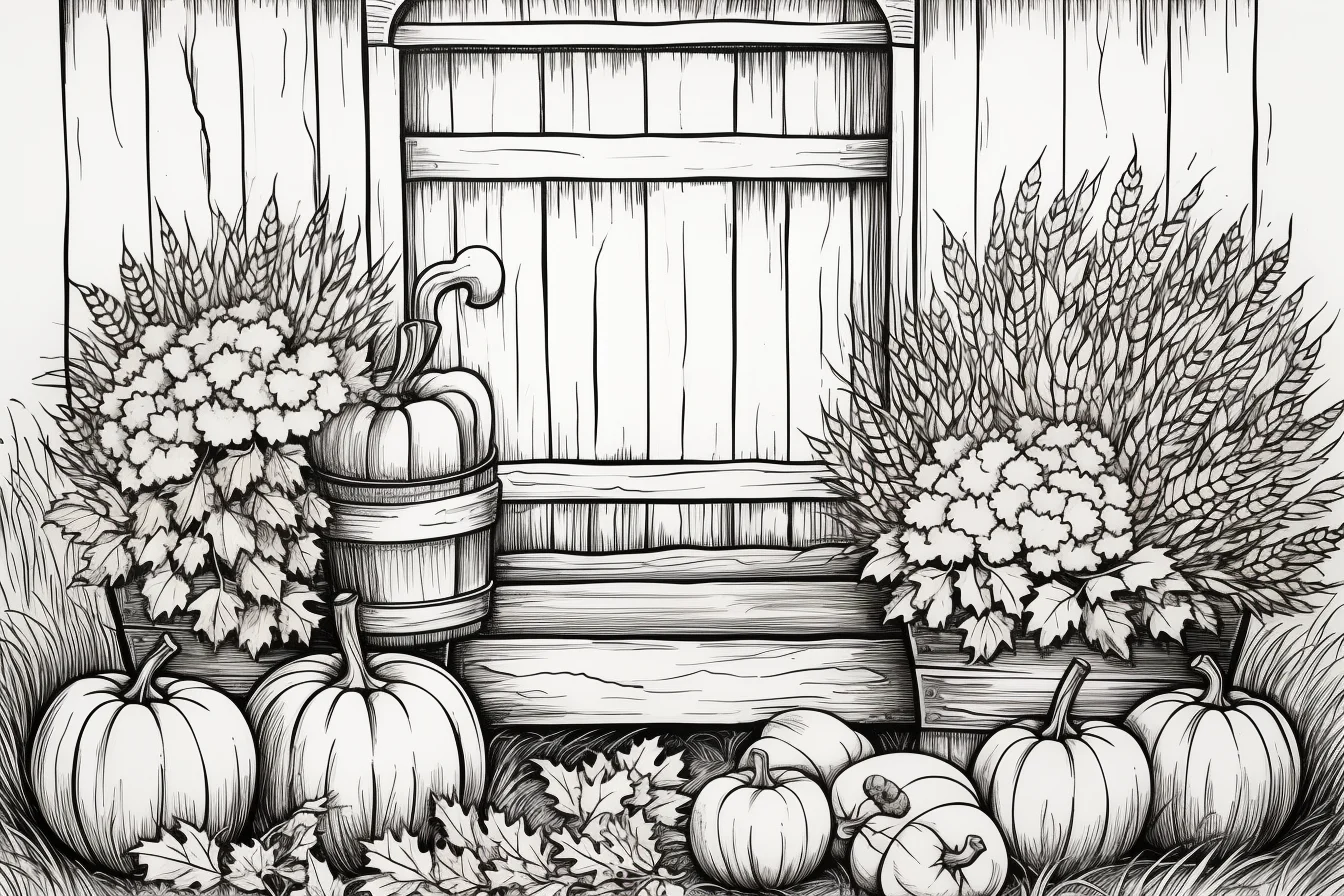
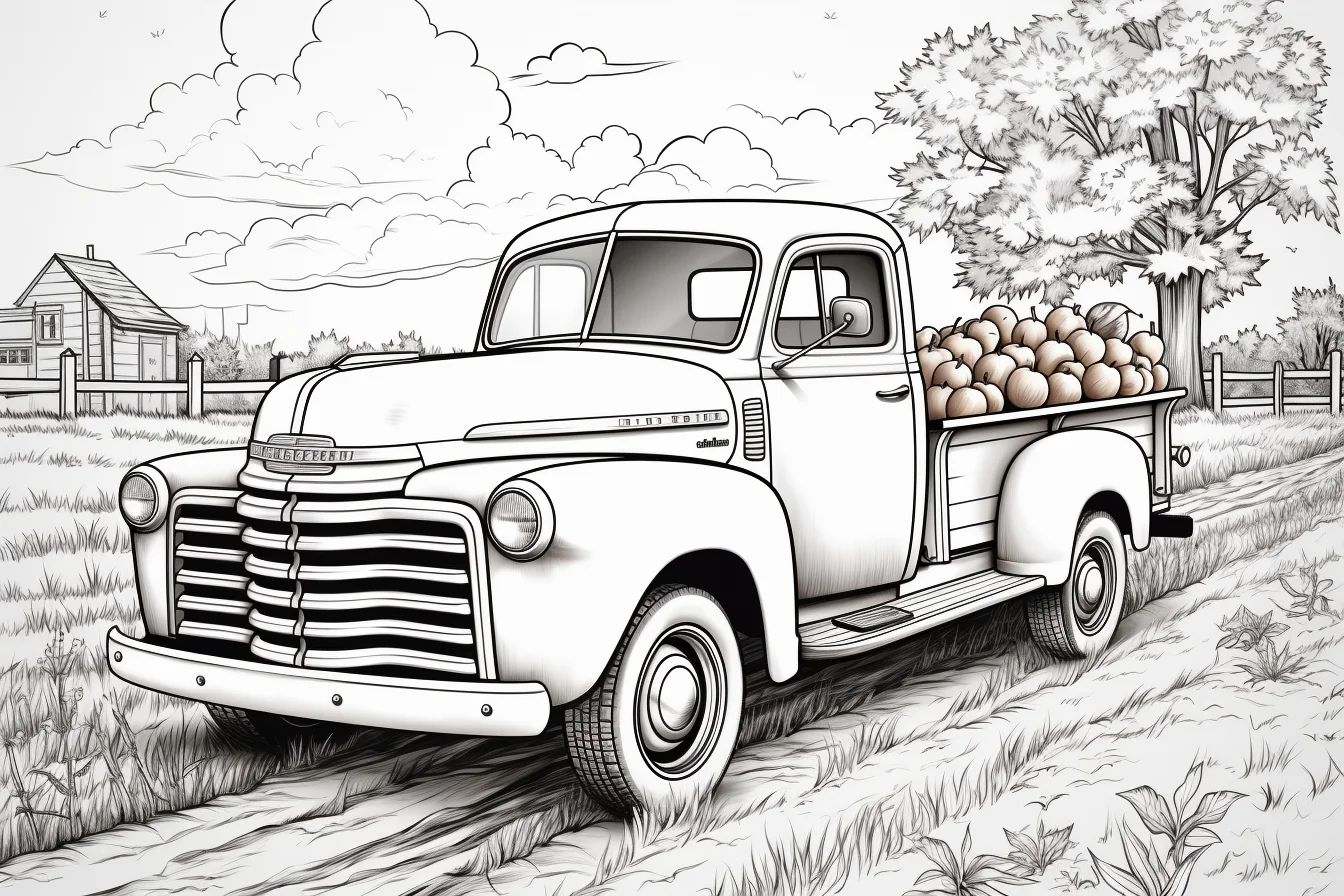
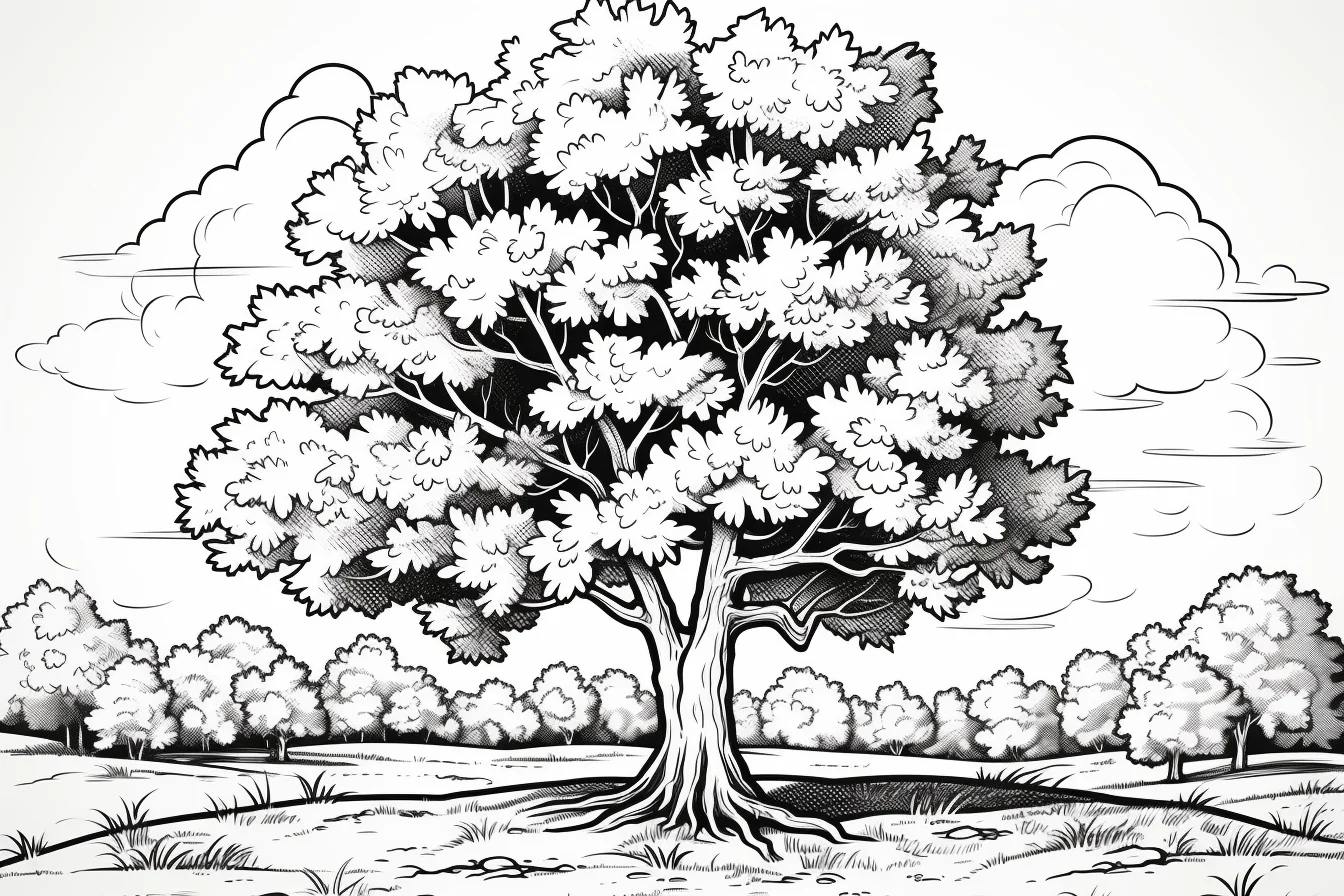
Detailed autumn pages — Sheets 18–19
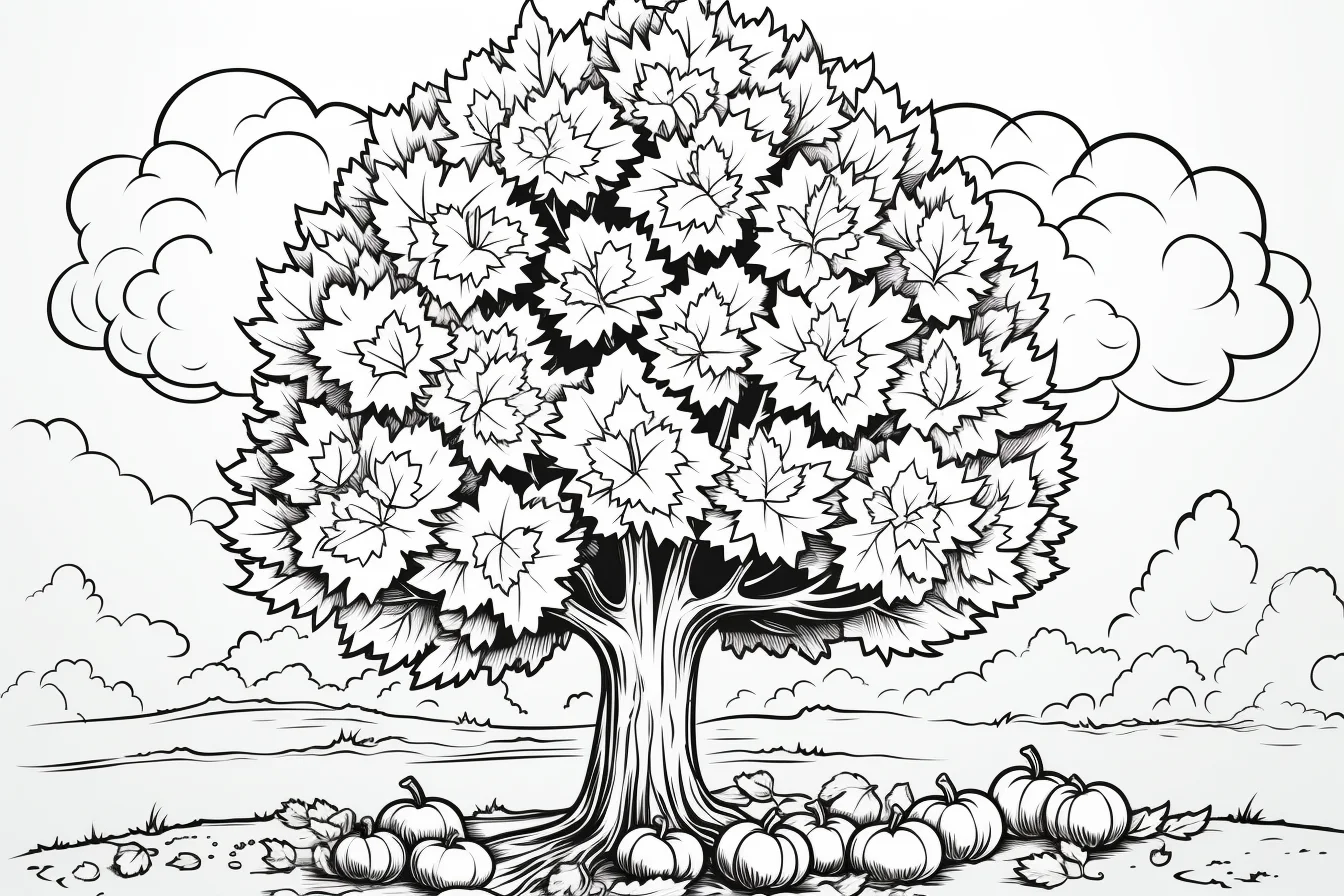
Use colored pencils here so you can vary the leaves and smaller sections without overpowering the linework.
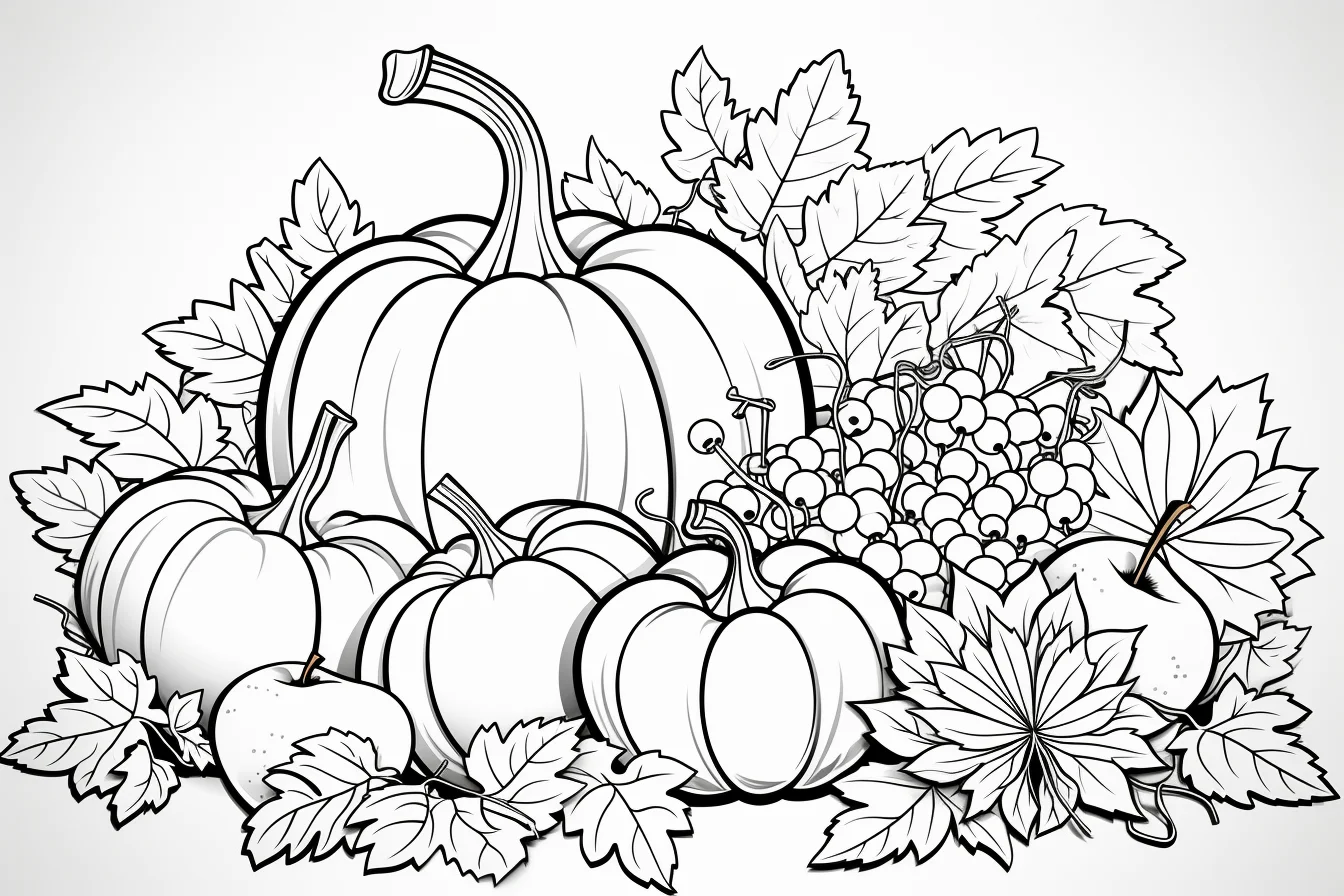
Make the leaves look layered instead of striped
For a leaf that changes from green to yellow or orange, do not divide it into hard bands. Start with the lightest color over most of the leaf, then add the warmer shade from the tip or outer edge with short, light strokes. Leave some of the first color visible through the second. Add the darkest red or brown only near a few veins, curled edges or the stem. That small dark area gives the leaf depth without turning it brown all over.
On the detailed sheets, color one leaf completely before deciding how to handle the next. If every leaf receives the same red-to-yellow gradient, the page can become repetitive. Rotate the direction of the transition: one leaf can stay mostly yellow, another mostly orange, and another can retain a patch of olive green.
A three-sheet fall coloring practice
- Practice clean coverage: choose a sheet from 1–5 and fill the large shapes evenly with crayons or pencils. Keep the palette to four autumn colors.
- Practice contrast around words: choose a Welcome Fall sheet from 6–11. Color the lettering first, then make the nearby leaves lighter or darker enough that the words remain easy to read.
- Practice layering: finish with sheet 18 or 19. Use two colors on selected leaves, working lightly first and adding the darker shade only after the base layer is even.
This progression is more useful than simply picking the busiest design: each sheet adds one specific skill while keeping the subject familiar.
If your fall colors are not working
| What you see | What usually fixes it |
|---|---|
| Everything looks brown | Stop adding brown and restore yellow or orange in the larger areas. Save dark brown for stems, veins and a few shadows. |
| The lettering disappears | Create value contrast. If the letters are dark, keep the leaves immediately around them lighter, and vice versa. |
| Red and green feel too much like Christmas | Shift bright green toward olive and bright red toward rust, brick or burgundy; add golden yellow between them. |
| Marker color looks streaky | Work one small section at a time while the ink is still wet, using overlapping strokes in the same direction. Do not repeatedly scrub a drying area. |
| The detailed sheet feels tiring | Finish one cluster of leaves at a time and leave the larger background shapes for the end. There is no advantage to completing it in one sitting. |
Useful ways to turn the printables into a fall activity
- Color hunt: pick three colors seen outside that day and try to match them on one sheet.
- Leaf comparison: place a real fallen leaf beside the printable and look for where its green, yellow, red and brown actually appear before coloring.
- Classroom display: give several people the same Welcome Fall sheet but different four-color palettes. The repeated design makes the palette choices easy to compare.
- September-to-October progression: begin with the first-day sheets, then use the general autumn designs later in the month instead of treating the whole collection as a one-day activity.
First Day of Fall coloring questions
When is the first day of fall?
For a classroom calendar, check the autumnal equinox date for the current year rather than assuming it is always September 22. The astronomical start of fall can fall on a neighboring date depending on the year and time zone.
Which pages are quickest for preschool?
Start with sheets 1–5. They have larger areas and fewer small decisions, which makes them easier to finish during a short activity. A broad crayon is usually more comfortable than a fine pencil for these designs.
Should I print these on cardstock?
Regular printer paper is enough for crayons and colored pencils. Cardstock is useful when the finished sheet will become a sign, card or classroom display. For markers, heavier paper helps, but still place scrap paper underneath if the ink is likely to bleed.
How do I keep a fall palette colorful?
Let yellow and orange occupy more area than brown. Use olive green on a few leaves that have not fully changed, then reserve deep red and brown for smaller accents. The page will still read as autumn without becoming uniformly dark.
Continue into the rest of autumn
For a slightly spookier October activity, move to the spider coloring pages. The owl coloring pages work well for a nature-focused autumn activity, while the sugar skull pages are the more detailed seasonal option. For general easy sheets, use the easy coloring pages for kids.

