
A spider coloring page can be surprisingly fiddly even when the body is simple. The reason is the legs: once the page has eight narrow shapes, web lines or a costume, a design that looked easy in the thumbnail can take much longer than expected.
This set is arranged so the difficulty does not come as a surprise. Broad preschool spiders come first, cute character pages follow, the costume and Halloween pair stay together, and the narrower legs and busier web details come last.
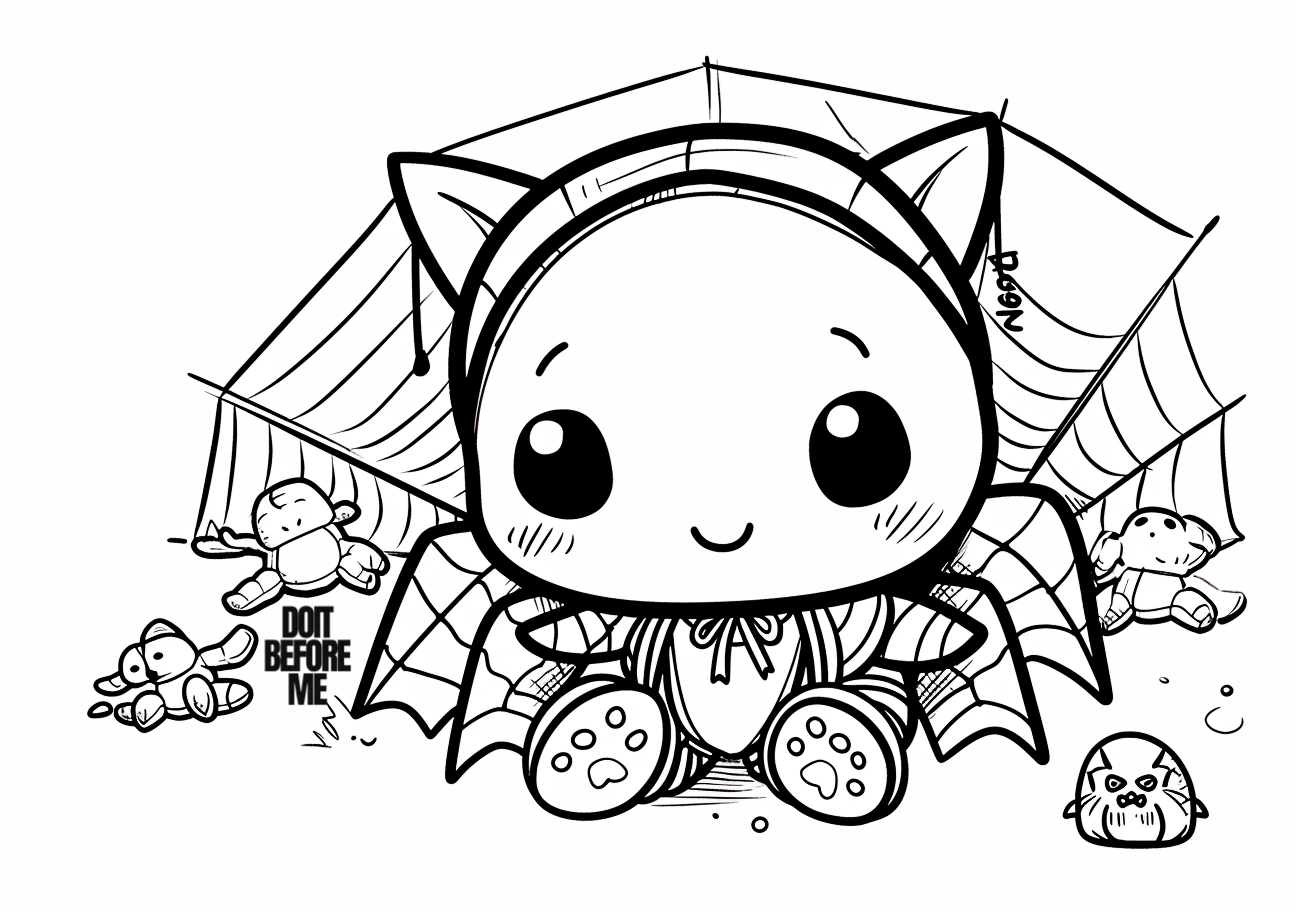
Open full-size Spider coloring sheet 1
Choose the kind of spider page you want
| If you want… | Go to | Best tools |
|---|---|---|
| A quick preschool page | Sheets 1–8 | Crayons or broad pencils |
| A cute or kawaii spider | Sheets 9–14 | Crayons or colored pencils |
| A costume or Halloween page | Sheets 15–16 | Pencils or markers |
| A slower, more detailed page | Sheets 17–21 | Colored pencils |
Do a 90-second leg-and-web test first
Before coloring the spider, make three small swatches on the edge of the same paper: light pressure, normal pressure and a firm dark layer. Use the middle value for most of the legs and reserve the darkest value for joints, the underside of the body and any leg that passes behind another shape. This keeps eight narrow legs readable without outlining every one heavily.
Then draw two thin test lines beside the swatches for the web. Squint at them from arm’s length. The web should still be visible, but it should not compete with the spider. If both merge into one dark mass, lighten the web or move the spider one full value darker. On black or very dark spiders, reverse the test: keep the body dark, leave a narrow uncolored highlight on the upper body, and make the web pale gray, light blue or another visibly lighter color.
For pages with large cartoon eyes, test the face last: the pupils should remain the darkest small marks, with a narrow lighter area around the eyes. If the face disappears before you have even started the page, reduce the body pressure rather than trying to repair it later with more dark outlines.
How to color eight legs without losing the shape
Color the body first, then move around the legs one at a time. If you want a tidy result, keep all eight legs in the same color family and use the pattern or darker shade only at the joints. Alternating every leg with a completely different color can be fun, but it also makes the silhouette harder to read.
For a web, contrast matters more than realism. A dark spider against a pale gray or blue web stays clear; a bright cartoon spider can sit on a darker purple or navy background. If the web and spider are both dark, the thin lines quickly disappear.
A simple order that keeps the page manageable
- Color the eyes and main body first.
- Choose one main leg color.
- Add darker joints, spots or stripes only after the legs are filled.
- Color the web or costume next.
- Leave small background decorations for last.
Print setup
Open the full-size image and print on A4 or Letter paper with “fit to page.” Crayons work best on the first group; pencils are easier on narrow legs and web lines. If you use markers, put a spare sheet underneath so bleed-through does not reach the next page.
A three-page spider practice sequence
If a child wants to improve rather than simply finish more sheets, use three pages for three different skills. Start with an easy sheet and aim for even coverage without worrying about shading. Next choose a page from the cute group and use one light and one dark version of the same color on the body and legs. Finish with a detailed sheet and practice keeping the spider readable against the web or background.
On the second page, treat every leg as part of one animal rather than eight separate decorations: lay down the light color on all eight legs first, then return with the darker pencil at the joints and where a leg passes behind the body. This makes the repeated shapes look intentional without requiring realistic anatomy.
Fix common spider-coloring problems
| If the page looks… | Likely cause | Try this |
|---|---|---|
| Hard to read | Every leg uses a different strong color | Repeat one main leg color and save accents for joints or spots. |
| Flat | Body and legs have one uniform value | Add a darker shade underneath the body and at leg joints. |
| Muddy around the eyes | Dark color reaches every facial detail | Leave a narrow pale area around the eyes before deepening the body. |
| Lost in the web | Spider and web have similar values | Keep one dark and the other light; contrast matters more than realistic color. |
| Scratchy with crayons | Trying to fill narrow legs with the crayon tip | Use the side for broad bodies, then lighter pressure with the tip on legs. |
| Bleeding across web lines | Wet marker is being worked repeatedly | Fill alternate areas first and let them dry before coloring adjacent spaces. |
Easy spider coloring pages — Sheets 1–8
These are the best pages for preschoolers and crayons. The body shapes are broad, the legs are easier to follow and there is less background detail to manage.
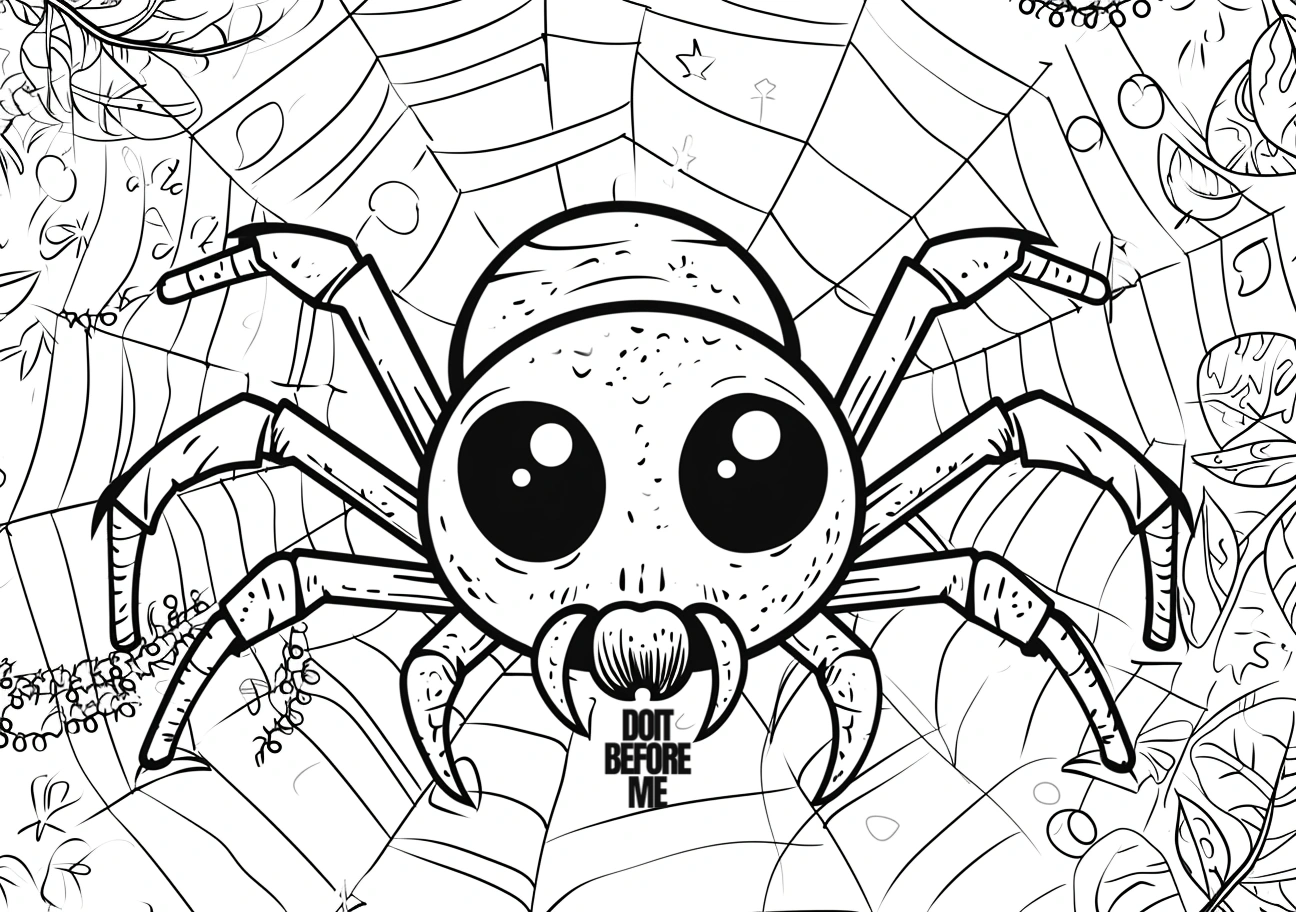
Open full-size Spider coloring sheet 2
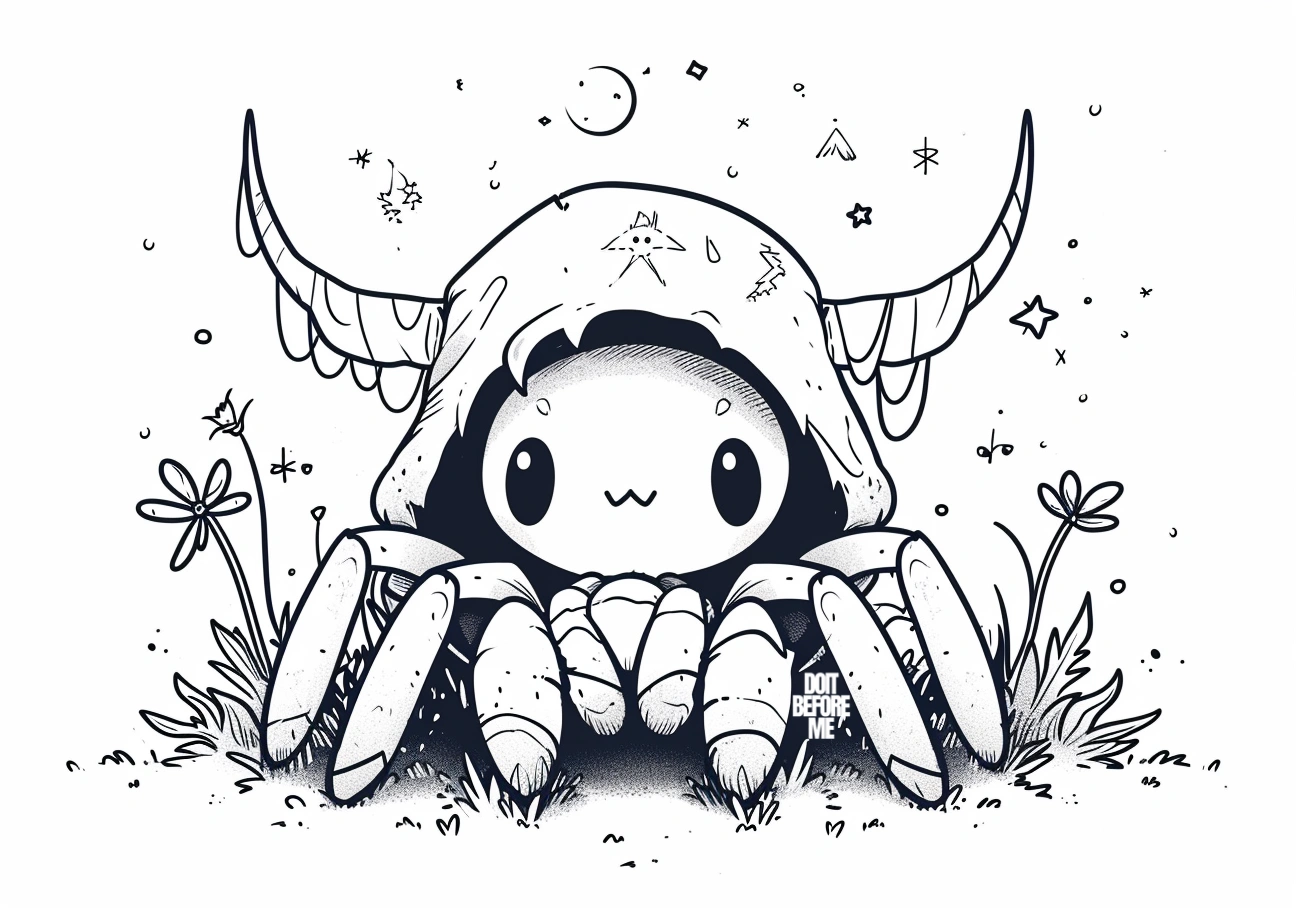
Open full-size Spider coloring sheet 3
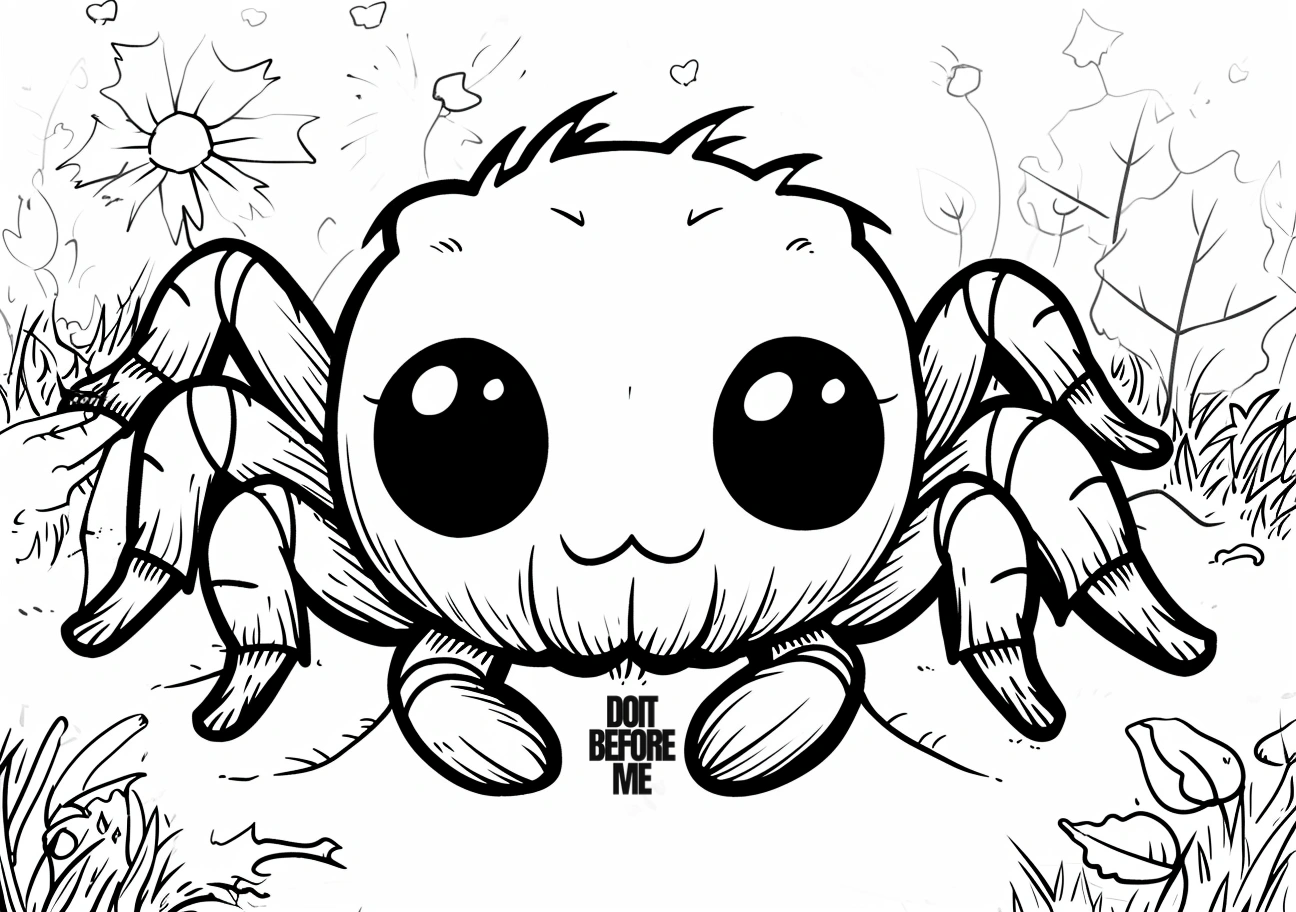
Open full-size Spider coloring sheet 4
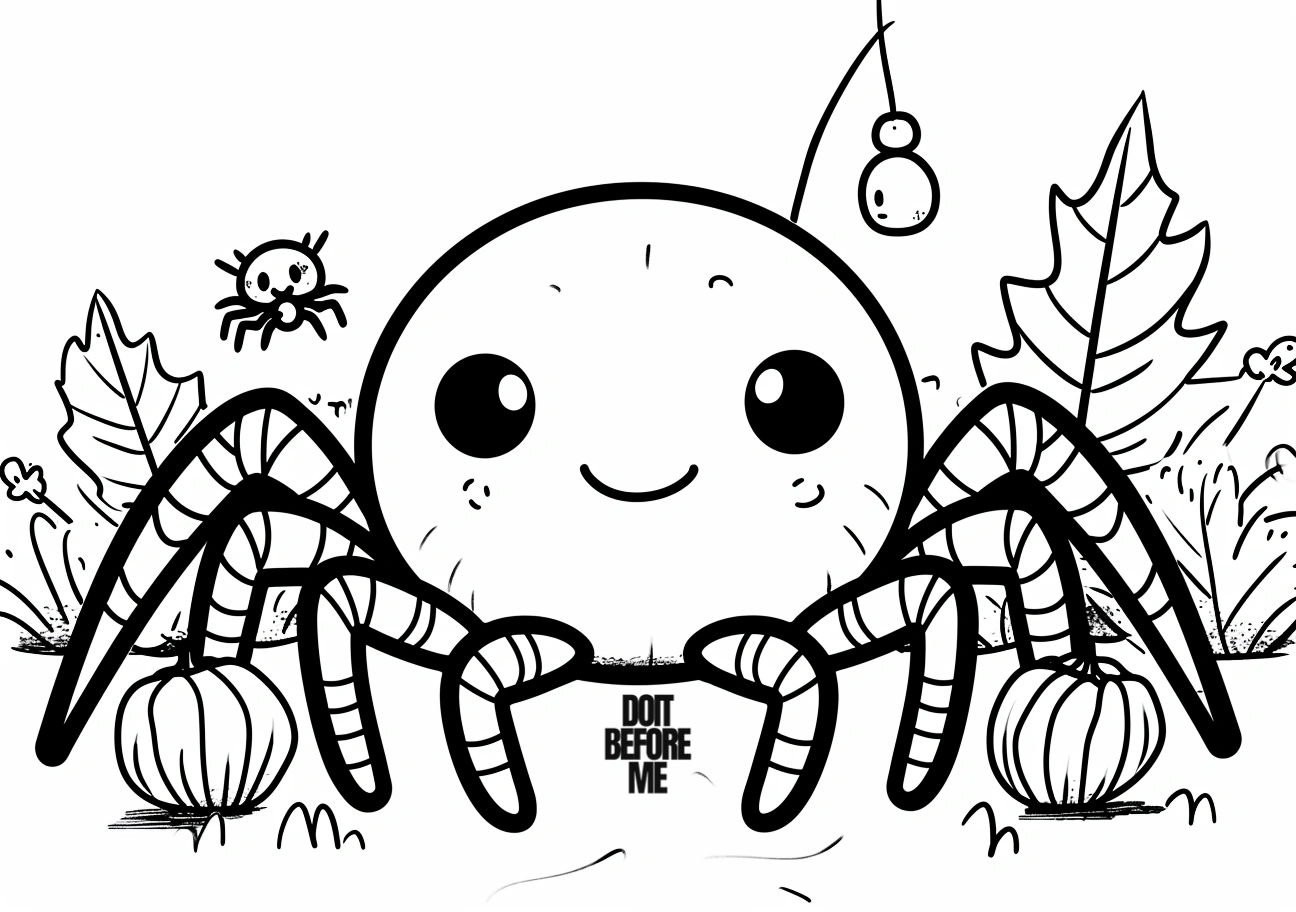
Open full-size Spider coloring sheet 5
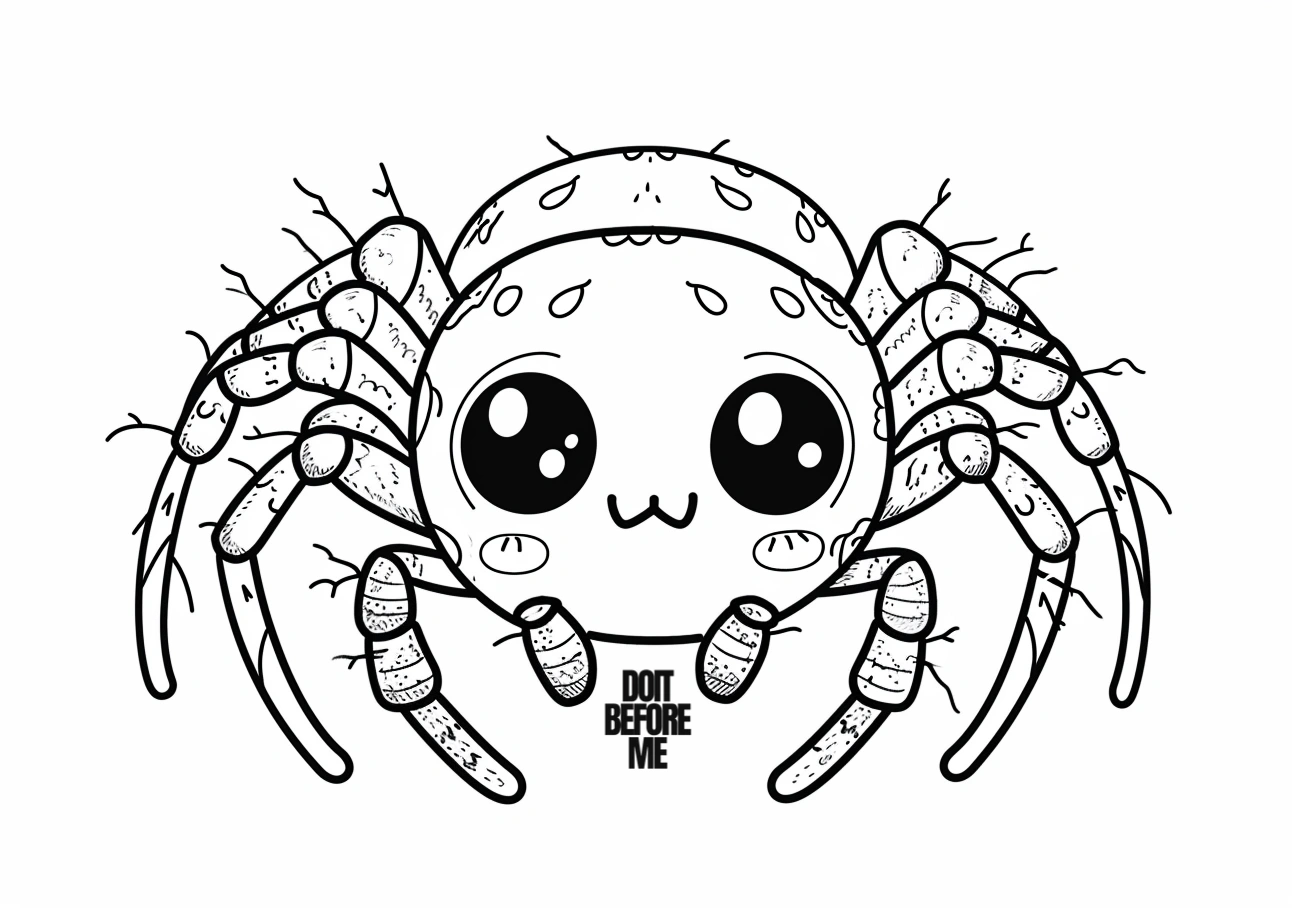
Open full-size Spider coloring sheet 6
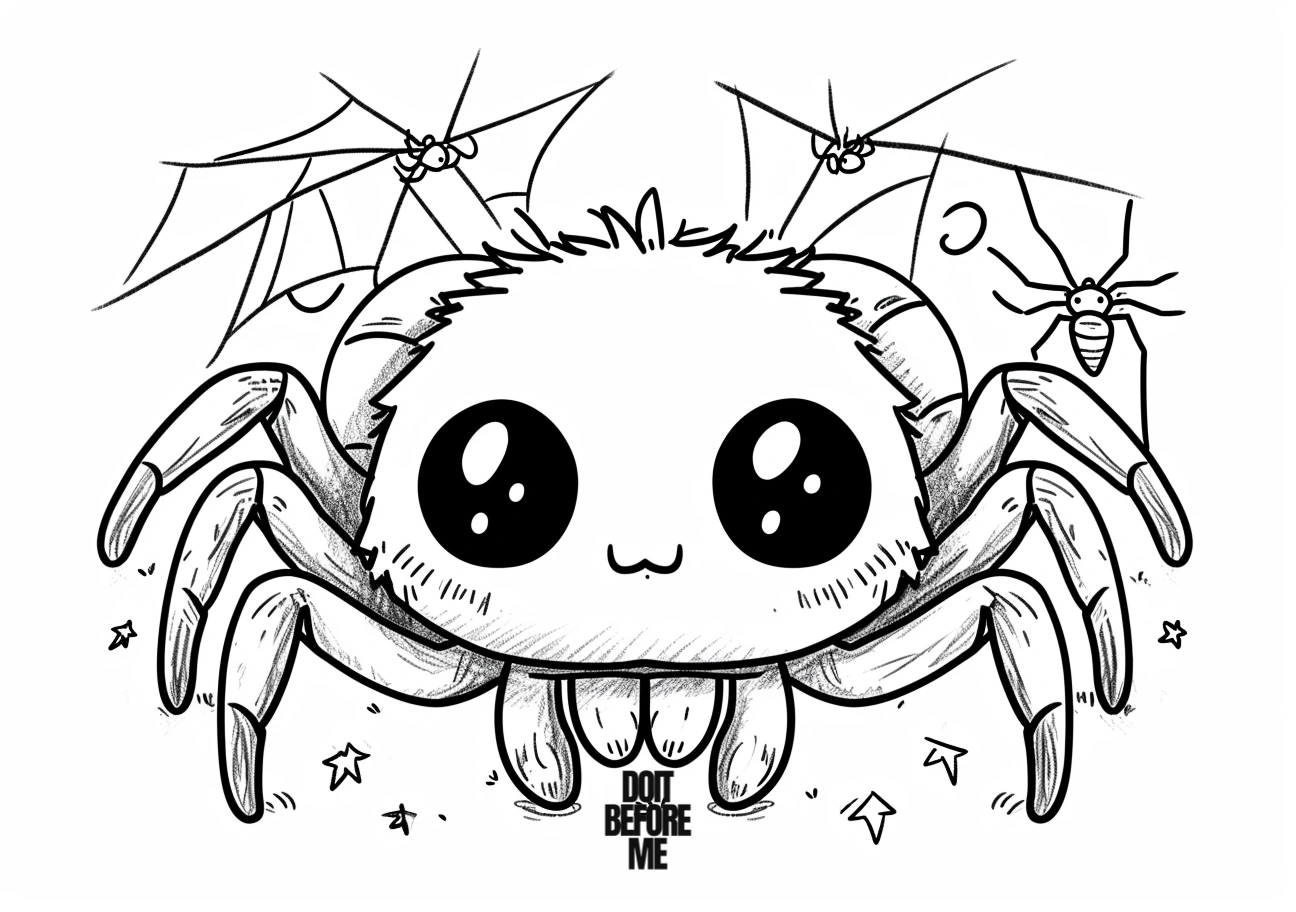
Open full-size Spider coloring sheet 7
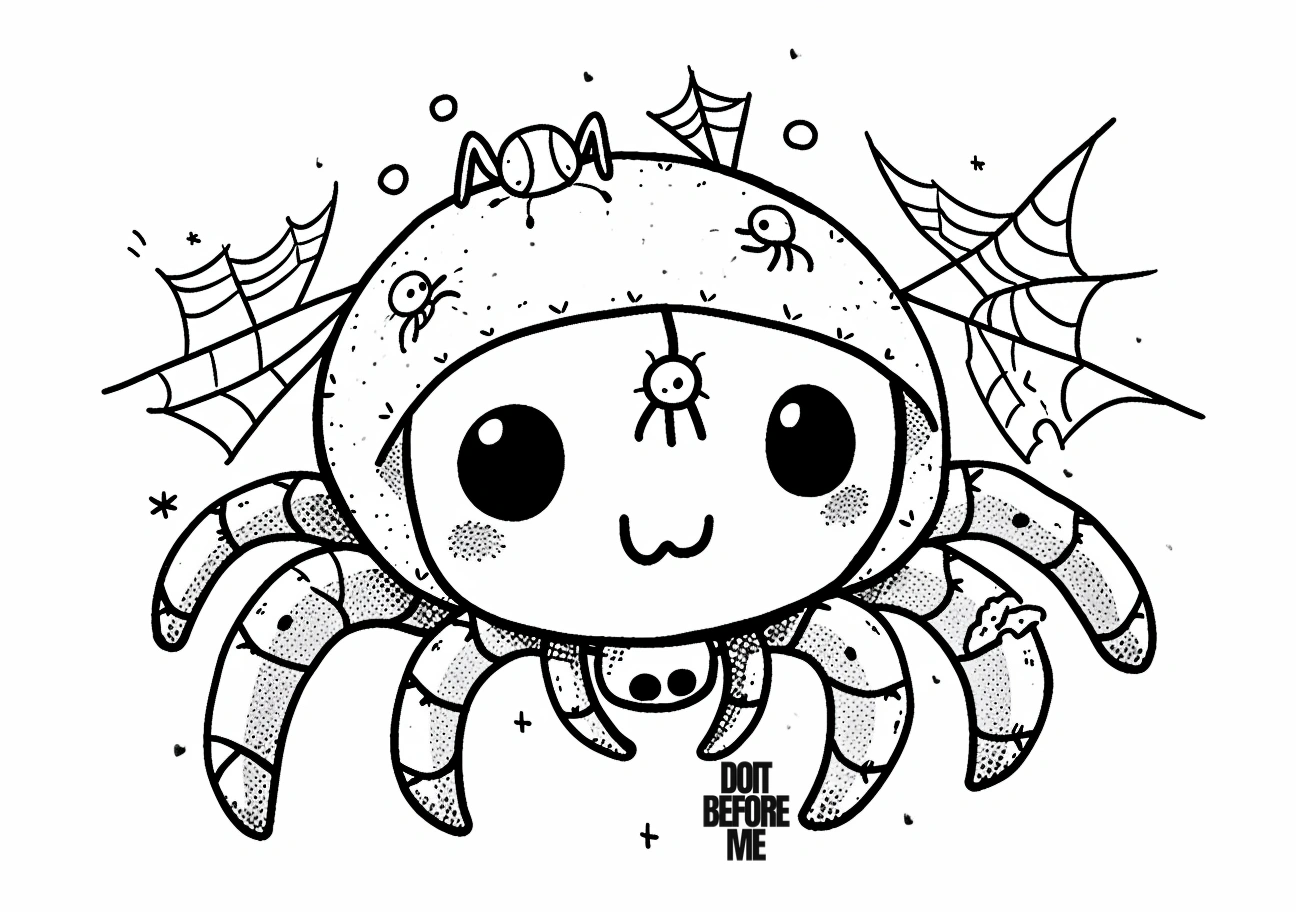
Open full-size Spider coloring sheet 8
Cute and kawaii spider pages — Sheets 9–14
These pages are better for playful palettes than strict realism. Keep the face clear and use spots, stripes or a second color on the body if you want more variety.
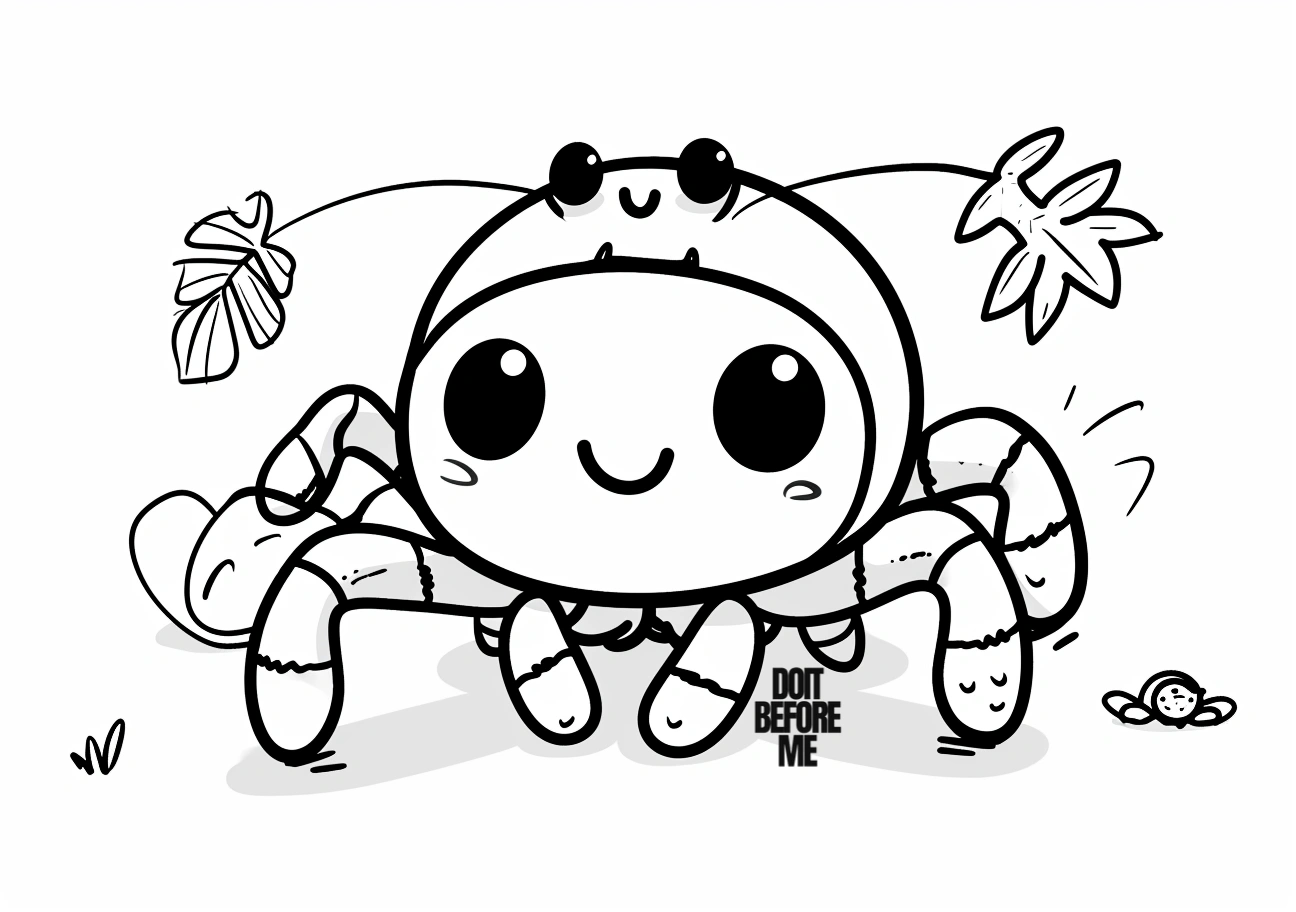
Open full-size Spider coloring sheet 9
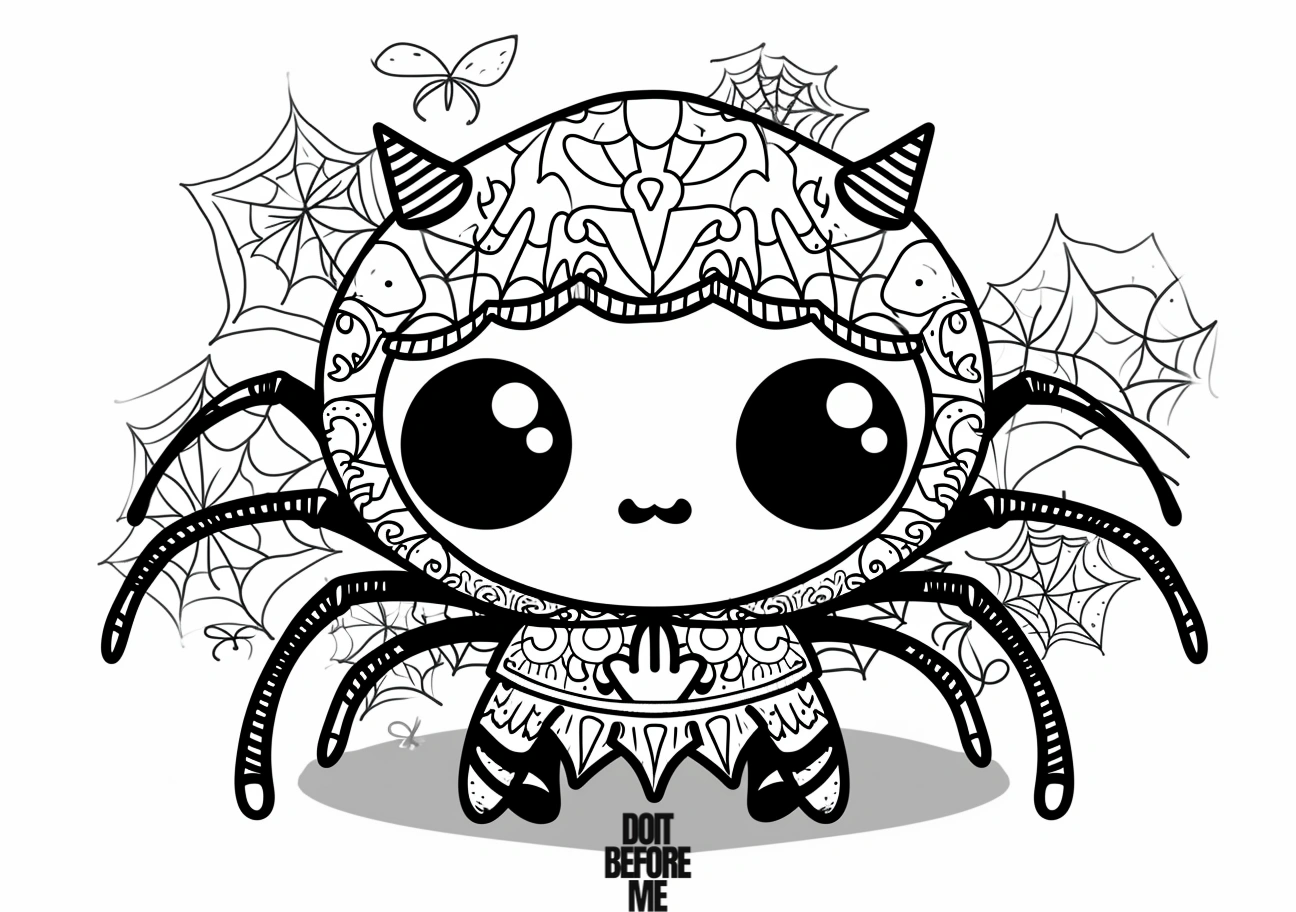
Open full-size Spider coloring sheet 10
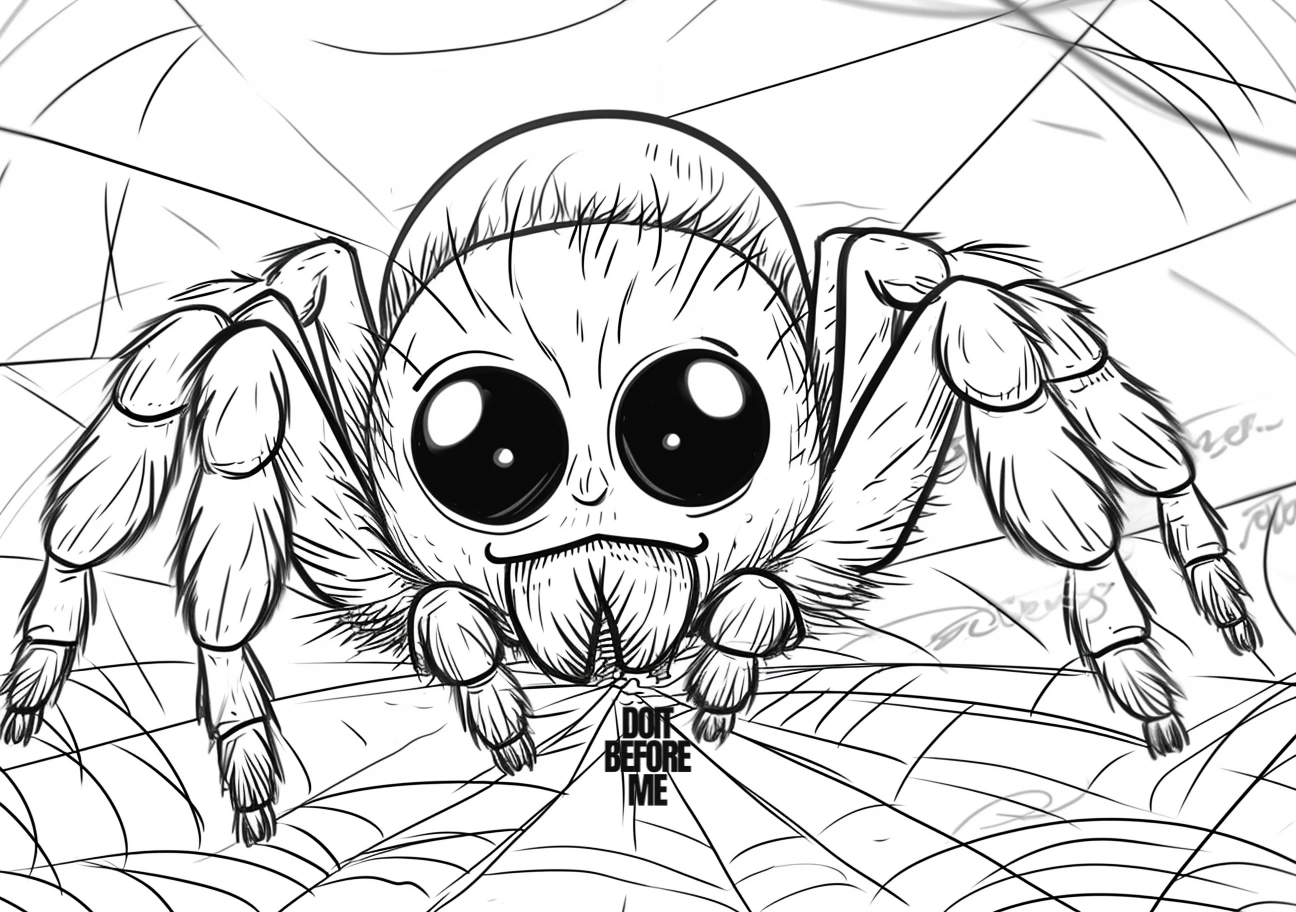
Open full-size Spider coloring sheet 11
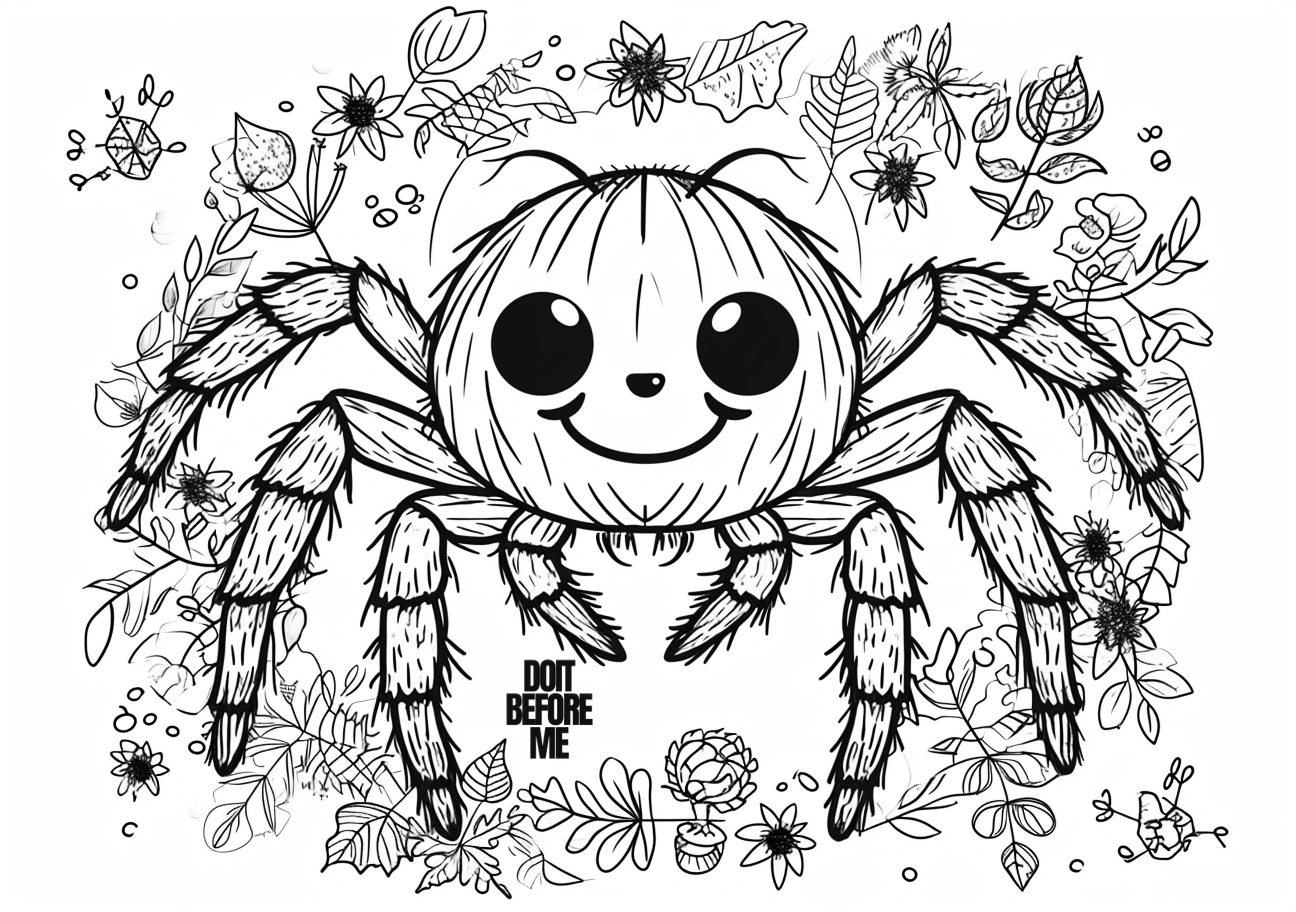
Open full-size Spider coloring sheet 12
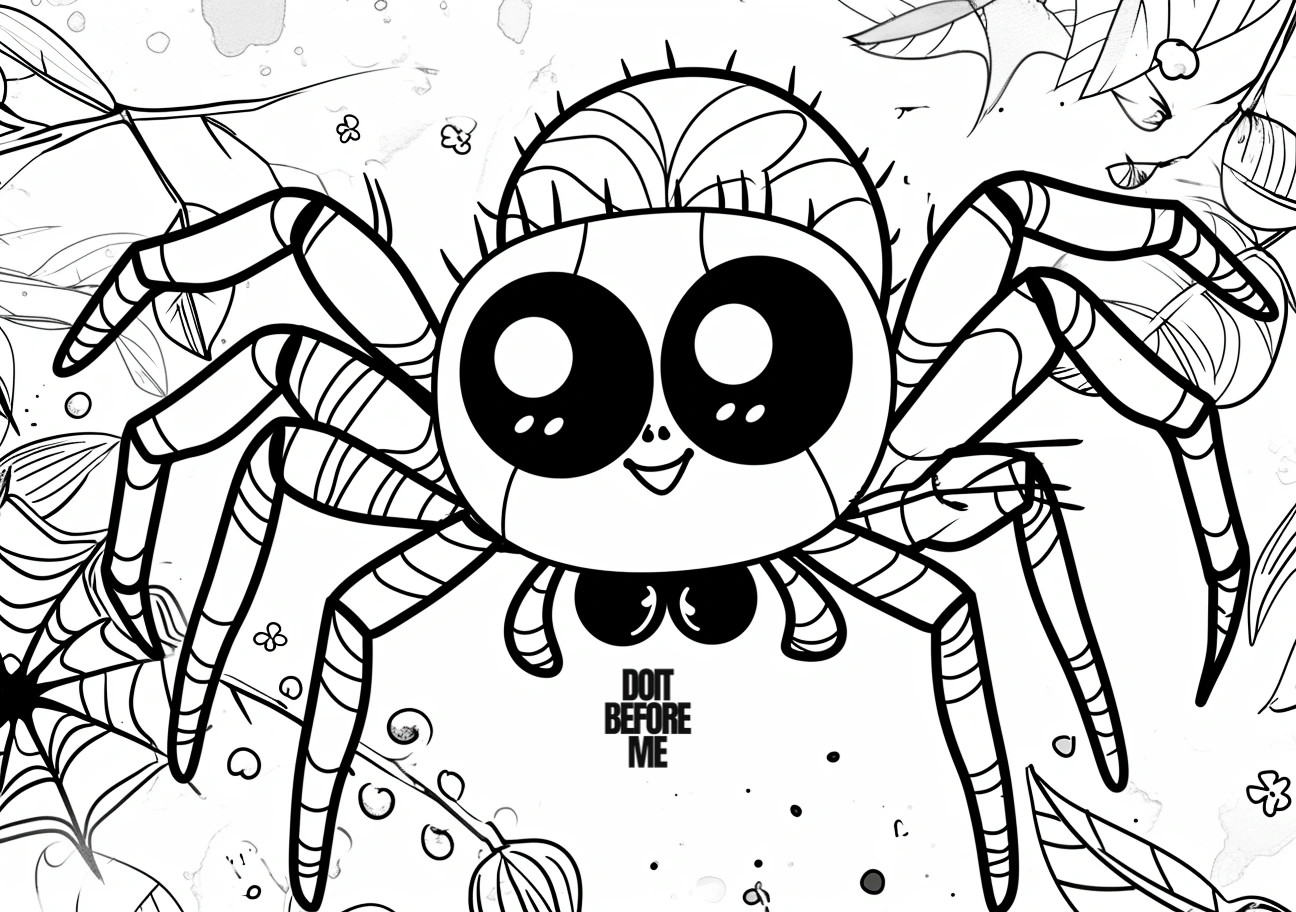
Open full-size Spider coloring sheet 13
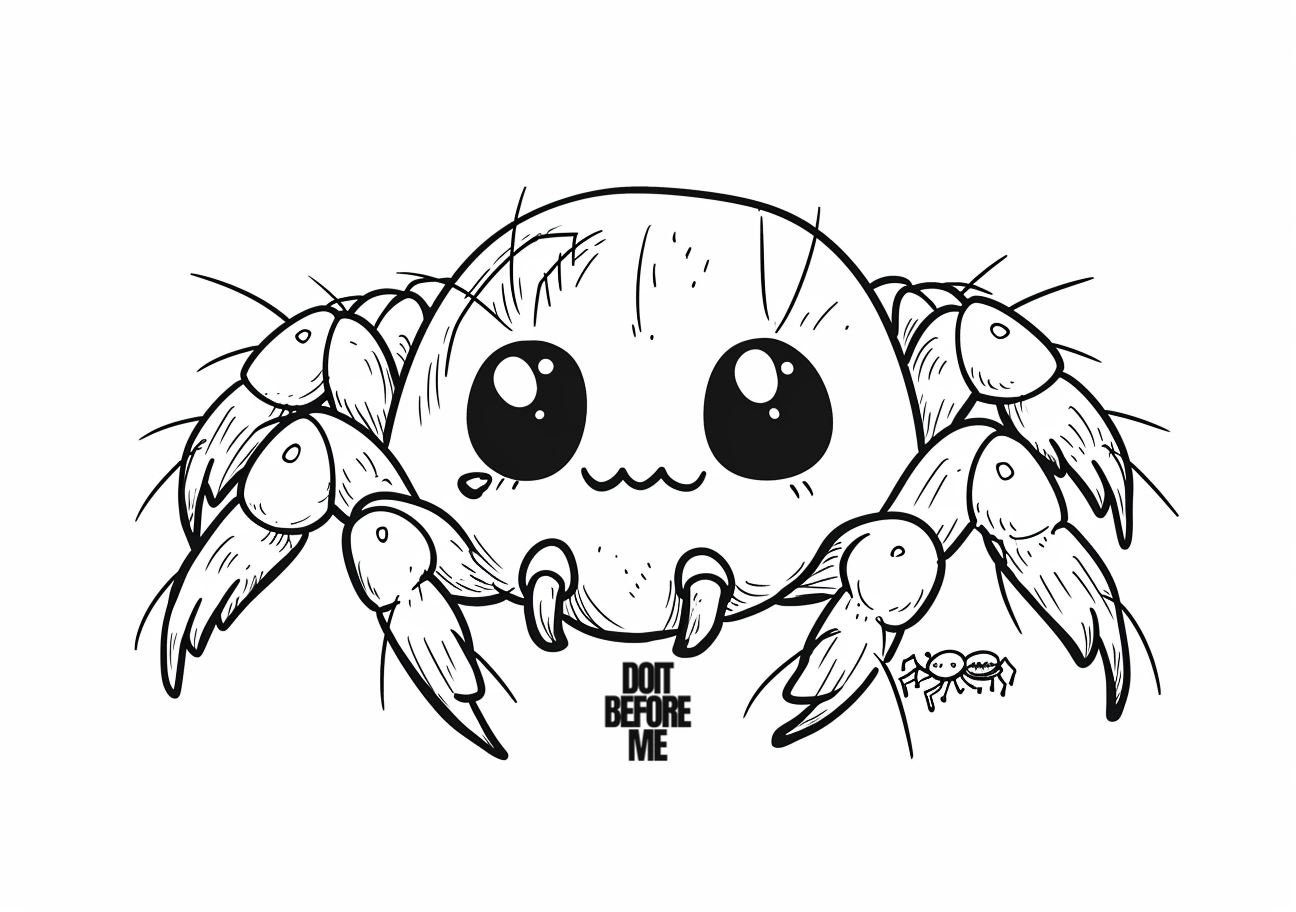
Open full-size Spider coloring sheet 14
Costume and Halloween spider pages — Sheets 15–16
These two belong together. Black, orange and purple are an obvious Halloween palette, but bright green or pink also works if you want the page to stay playful rather than spooky.
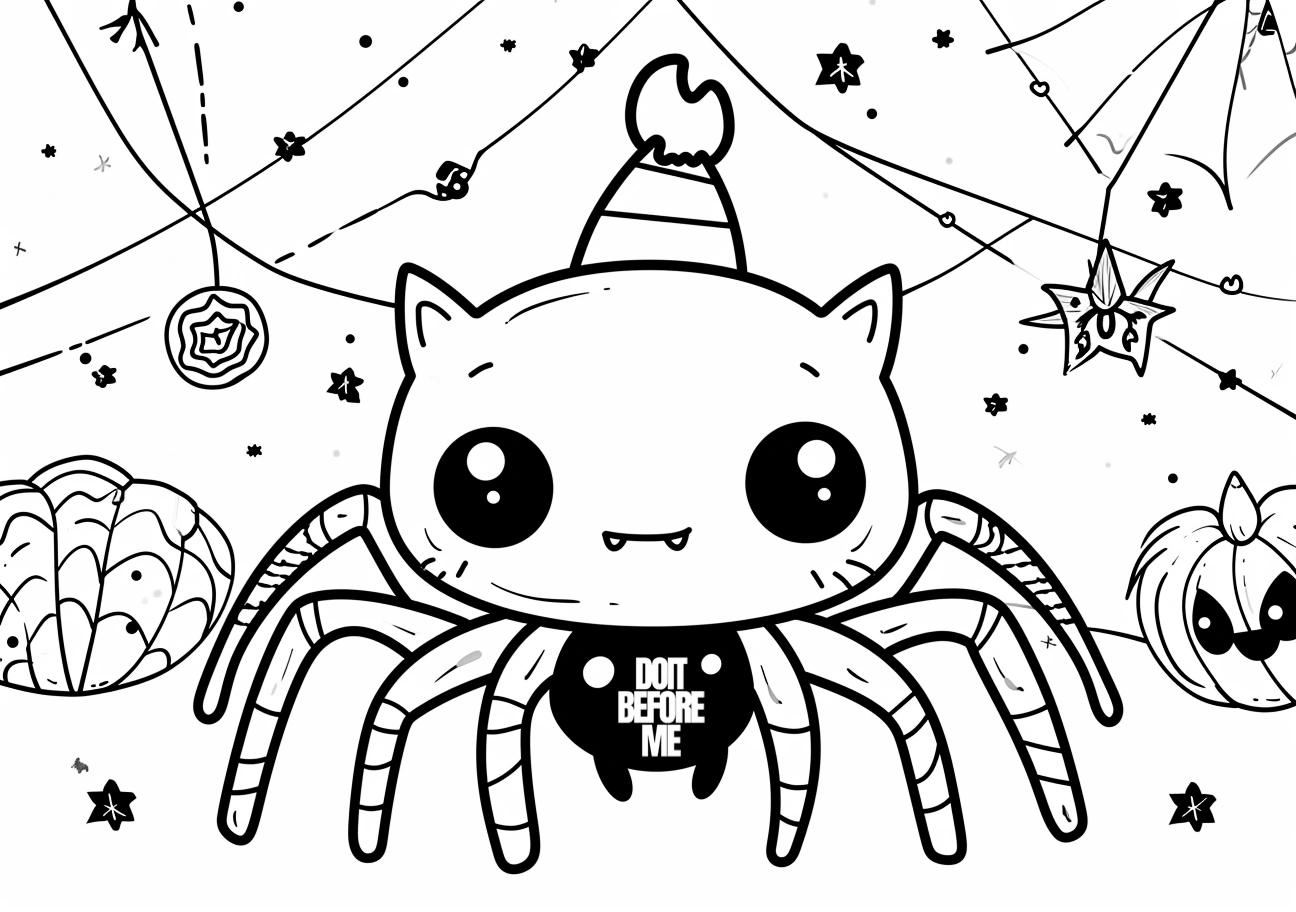
Open full-size Spider coloring sheet 15
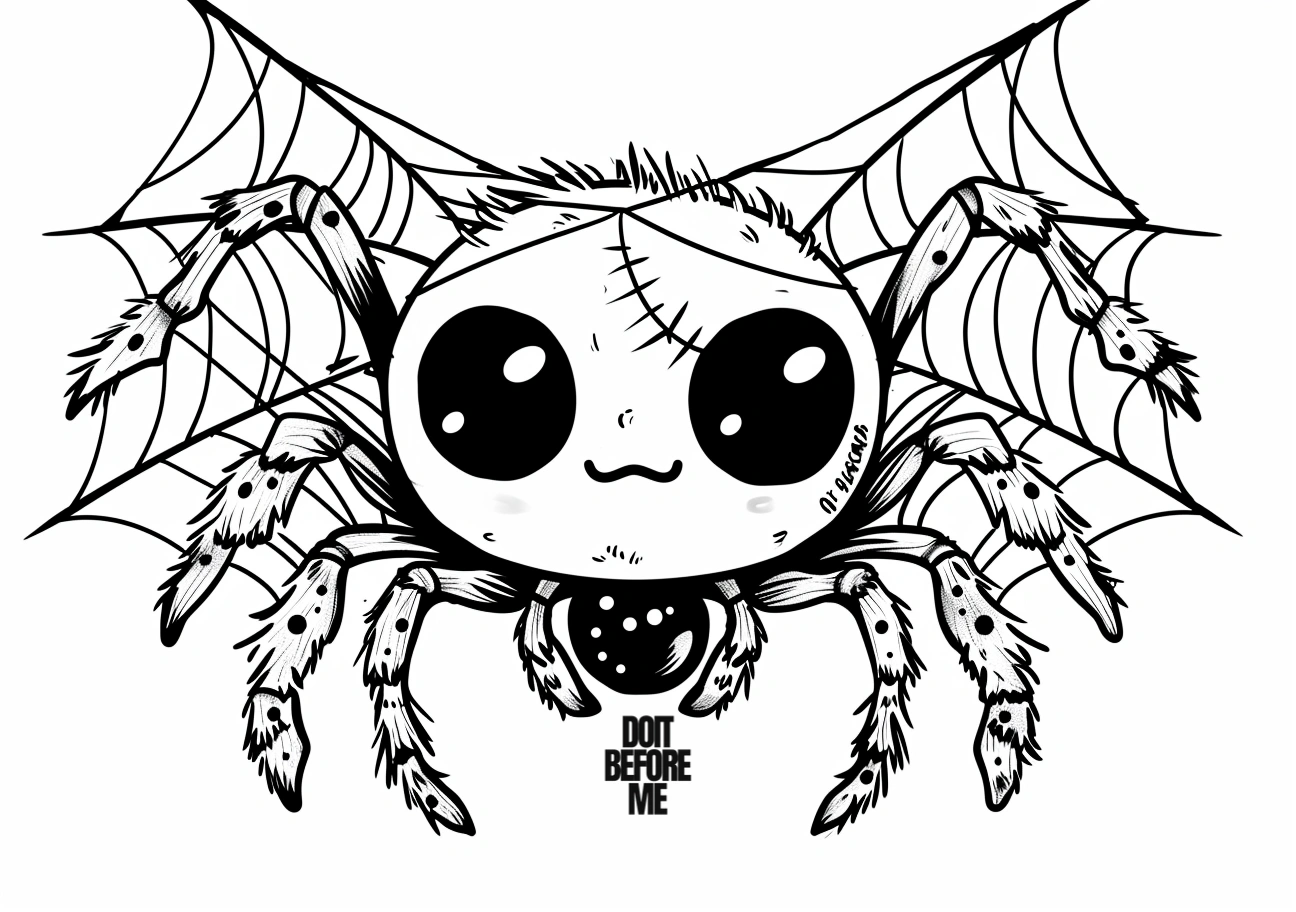
Open full-size Spider coloring sheet 16
More involved spider coloring pages — Sheets 17–21
Use pencils here if the legs, web lines or small body sections start feeling cramped with crayons. Work from the spider outward so the background never becomes more visually important than the animal.
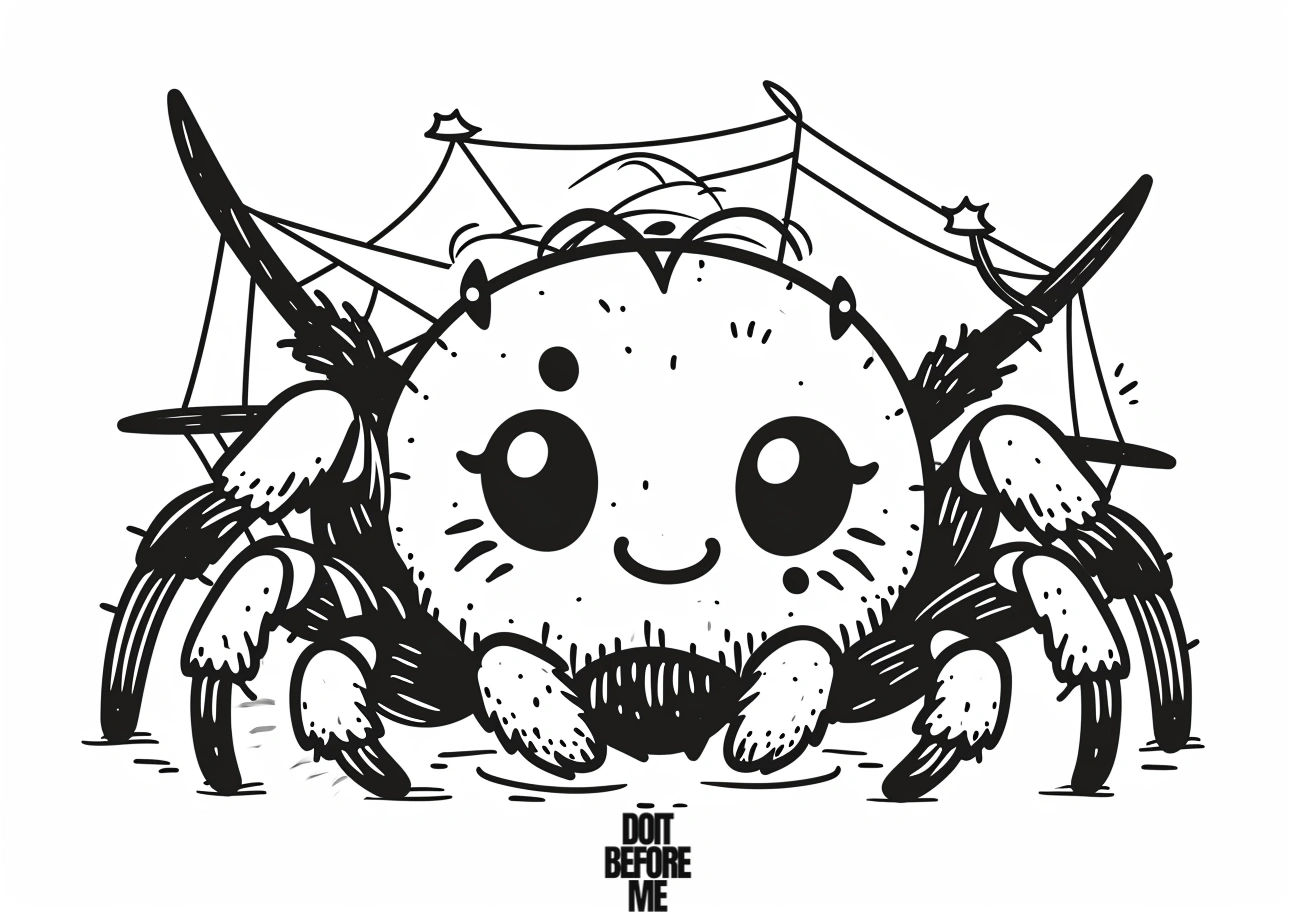
Open full-size Spider coloring sheet 17
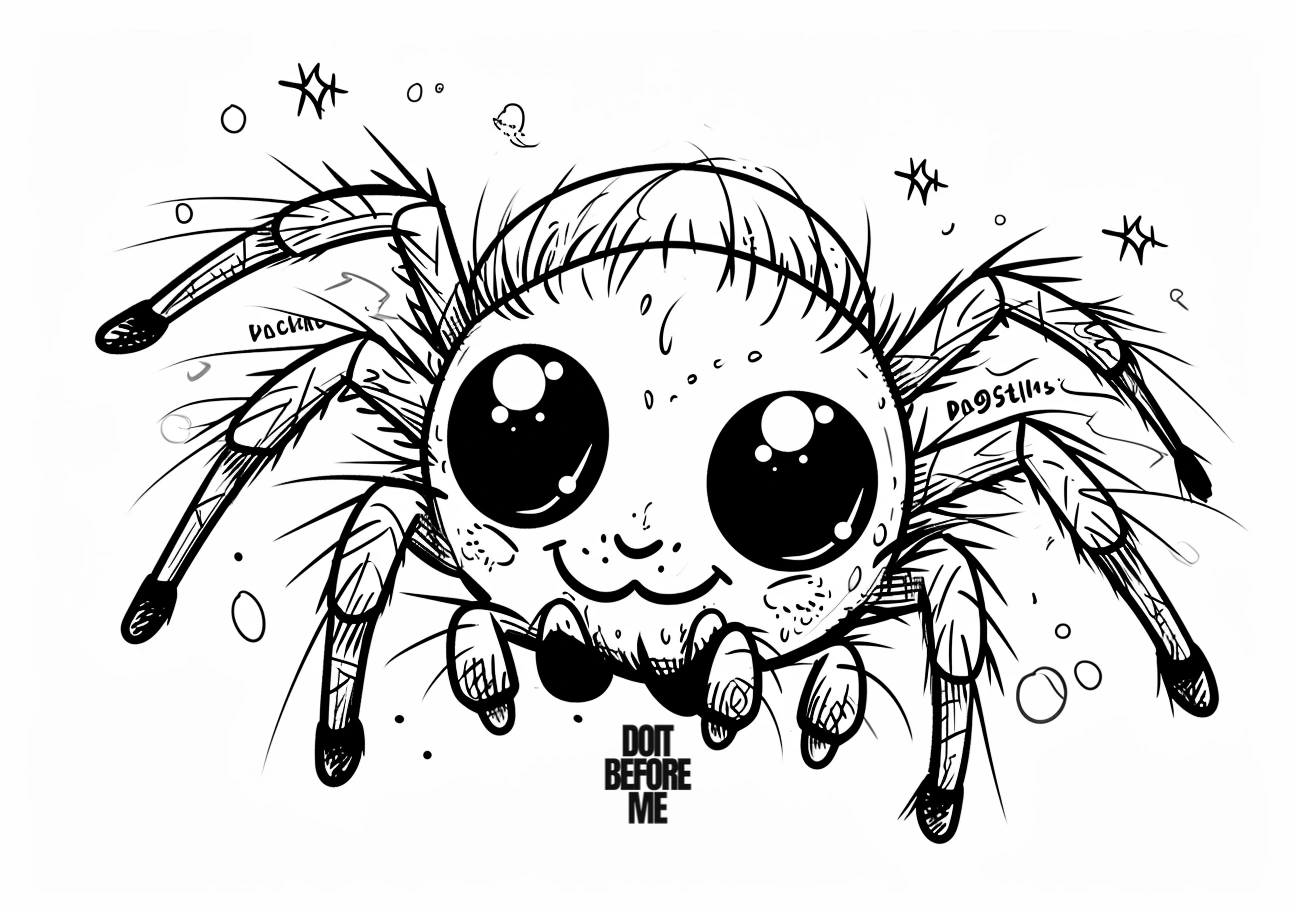
Open full-size Spider coloring sheet 18
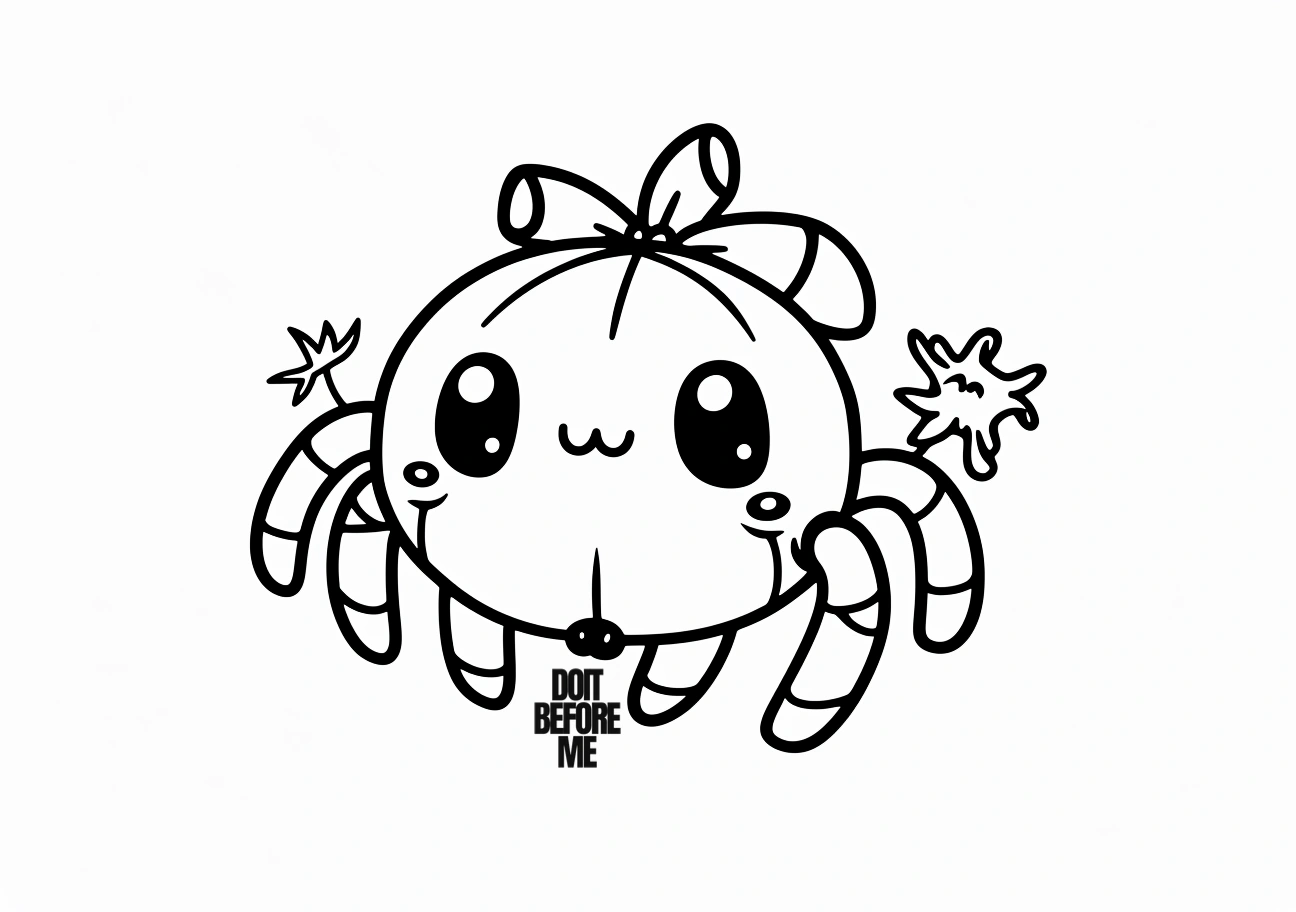
Open full-size Spider coloring sheet 19
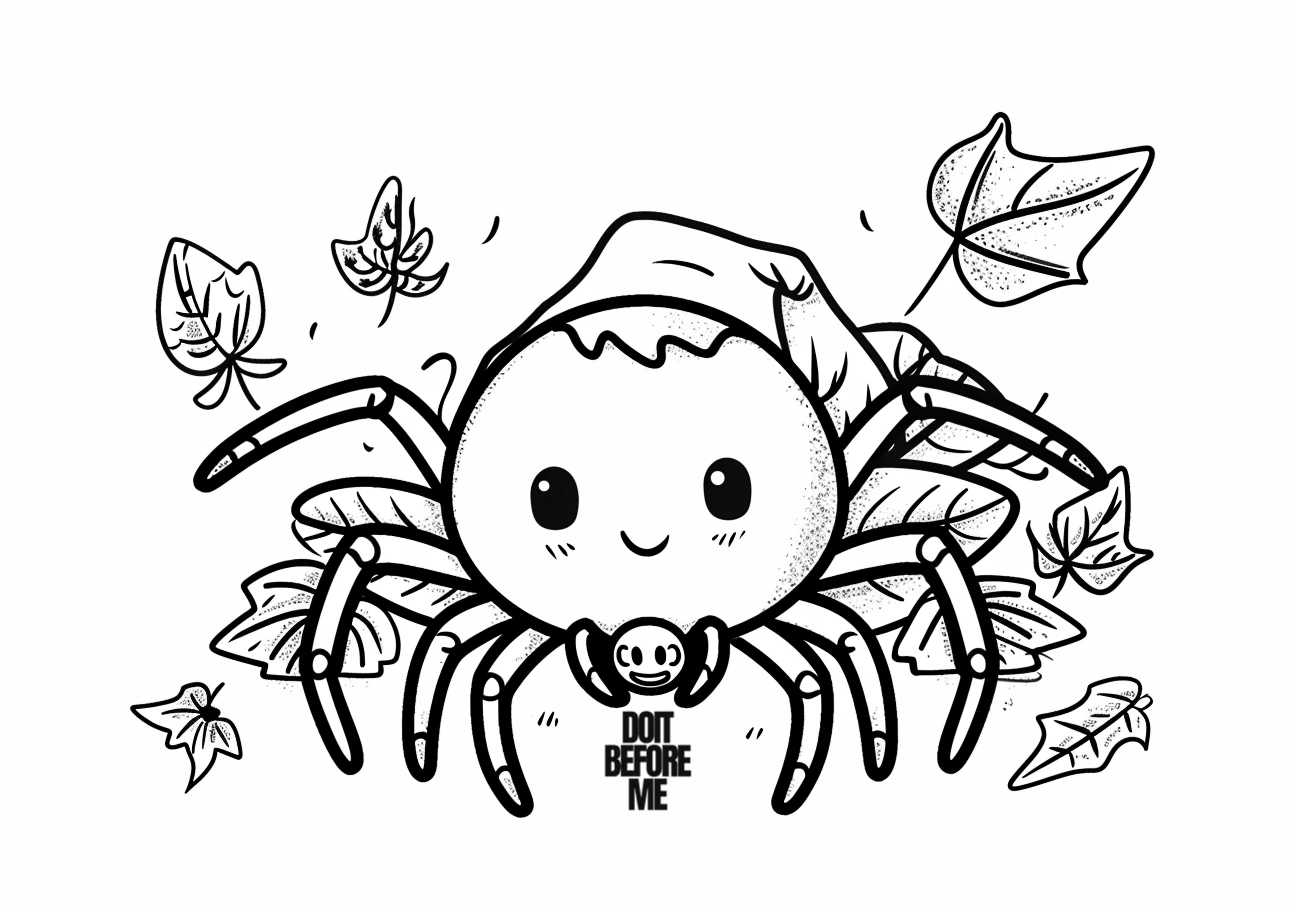
Open full-size Spider coloring sheet 20
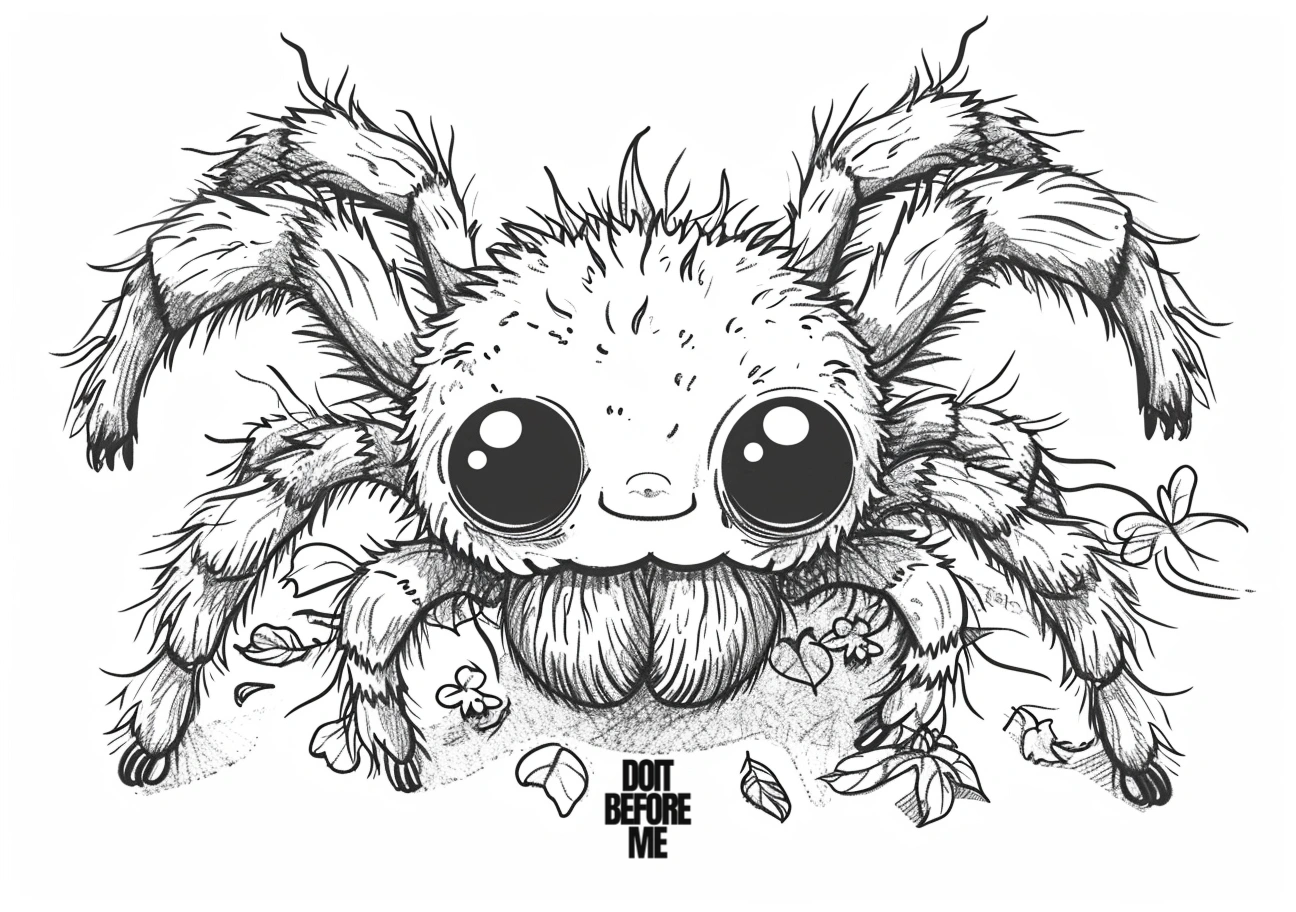
Open full-size Spider coloring sheet 21
Spider coloring questions
Which spider pages are easiest for preschoolers?
Sheets 1–8. They have the broadest body and leg shapes and the least distracting detail.
Does a spider have to be black or brown?
No. Those colors can work for a natural look, but the cute pages are better treated as characters. Red, blue, purple, orange and patterned bodies all work.
How do I keep a web visible?
Use contrast. If the spider is dark, keep the web pale. If the spider is bright, a darker background can work. Avoid coloring the spider and web with two nearly identical dark colors.
Which pages are best for Halloween?
Sheets 15–16. For another Halloween-style coloring activity, the sugar skull pages give you a much denser pattern challenge.
More pages for kids who like slightly creepy themes
The animal coloring collection includes costume-style animals, while the fall coloring pages are a softer seasonal option if you want leaves and autumn details without the Halloween theme.

