
Octopus coloring pages look simple until you reach the fifth or sixth arm and realize you still have half the animal left. The easiest sheets here use broad, open arm shapes. The harder ones add suckers, tighter curves and enough line work that pencils make more sense than crayons.
I have arranged the 19 pages in that order: easy preschool octopuses first, then cute kawaii designs, then pages made for pattern experiments, and finally three sheets for slower, more detailed coloring. If you are unsure where to begin, print Sheet 1 below: its broad arms make it easy to test a palette before committing to one of the denser designs.
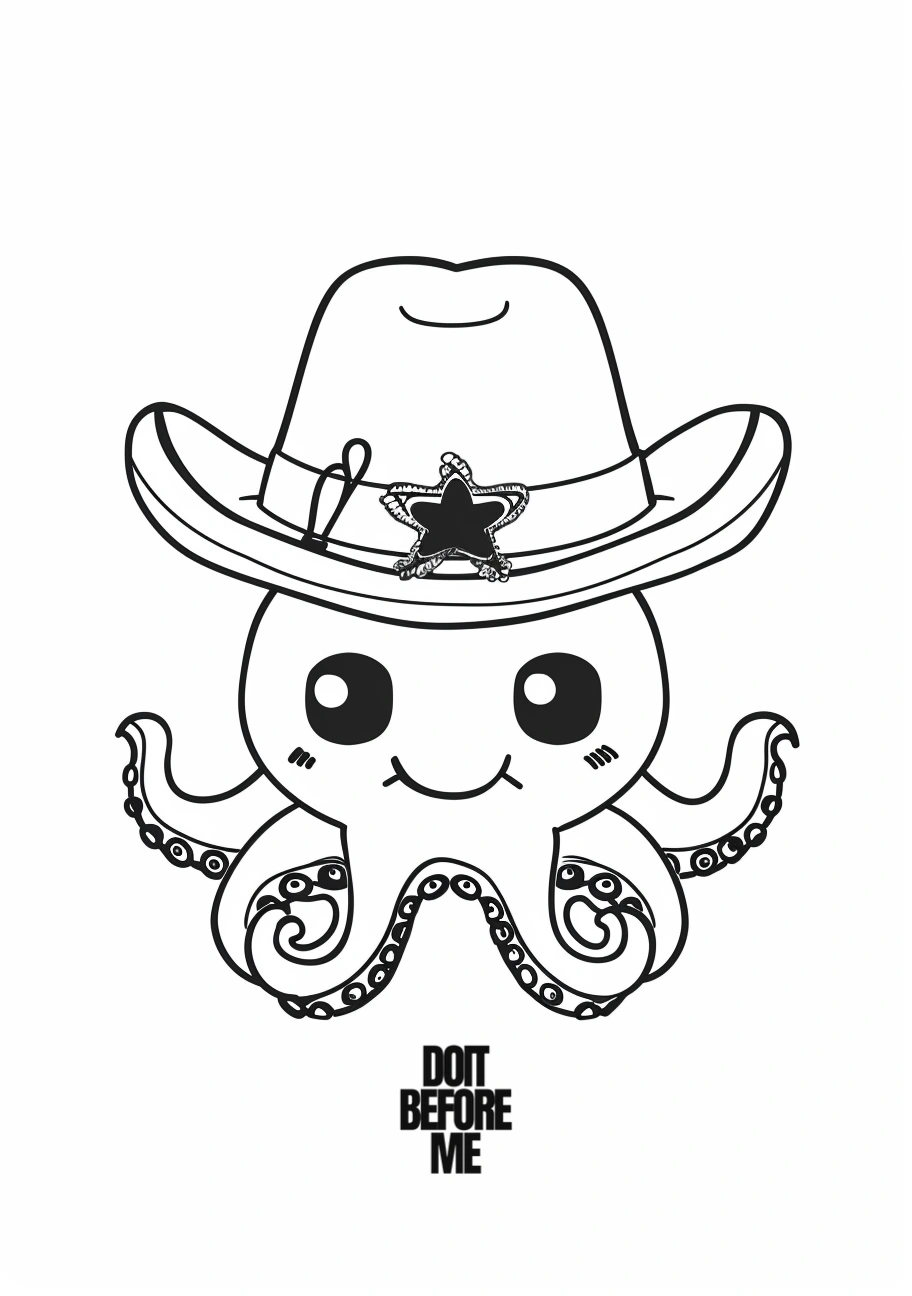
Open full-size Octopus coloring sheet 1
Choose the kind of octopus page you want
| If you want… | Go to | Best tools |
|---|---|---|
| A quick, easy octopus | Sheets 1–6 | Crayons or broad pencils |
| A cute or kawaii character | Sheets 7–11 | Crayons or colored pencils |
| Room for patterns and invented colors | Sheets 12–16 | Pencils or markers |
| More detail or realism | Sheets 17–19 | Colored pencils |
Do a 90-second arm-and-sucker test first
Before coloring all eight arms, use a scrap of the same paper and make three small swatches with your main octopus color: light pressure, normal pressure and firm pressure. The middle swatch should be your base. Draw two overlapping curved strips through it; darken only the lower strip where they cross. If you can still tell which strip passes underneath when you hold the paper at arm’s length, you have enough value separation for the real page.
Next, draw three tiny circles inside the middle swatch to stand in for suckers. Try one left white, one lightly colored and one outlined with a sharpened darker pencil. Pick the version that stays visible without becoming the strongest detail on the page. For a very dark purple, blue or red octopus, reverse the test: keep the underside one step lighter and let the sucker rims carry the darker accent.
Quick diagnostic: squint at the test. You should see the arm overlap first and the individual suckers second. If the circles dominate, soften their outlines. If the two arms merge into one shape, widen the light-to-dark gap before starting Sheet 12 or any of the detailed pages.
How to color eight arms without making the page chaotic
You do not need eight different colors. One of the cleanest approaches is to choose a base color for the whole octopus, then vary the arms with lighter and darker versions of that color. If you want patterns, use them on two or three arms rather than every arm at once.
The underside can be slightly lighter or darker than the top, depending on the look you want. The important part is contrast: if the suckers and arm edges disappear into one solid fill, switch to a lighter pencil or leave small areas of paper showing.
A simple coloring order
- Color the eyes and face first so the expression stays readable.
- Choose one main body color and make a small test swatch on scrap paper.
- Fill the broad parts of the arms lightly, following each arm from body to tip instead of jumping between sections.
- Add a darker version of the same color where arms bend, overlap or turn underneath.
- Decide whether the suckers should be lighter, darker or mostly white; keep that choice consistent.
- Finish bubbles, seaweed and other background details last so they support rather than compete with the octopus.
Three sheets to practice on in order
Start with Sheet 1 and aim only for smooth, even coverage across all eight arms. On Sheet 12, keep the same base color but add one repeated pattern to alternate arms; this teaches repetition without visual clutter. Finish with Sheet 17: use a light base layer, deepen the bends and overlaps, then restore the sucker contrast. That progression isolates one skill at a time instead of asking you to solve color, pattern and shading simultaneously.
Fix common octopus-coloring problems
| If the page looks… | Likely cause | Try this |
|---|---|---|
| Flat | Every arm has the same value | Darken only bends, overlaps and the underside; leave the top-facing areas lighter. |
| Chaotic | Every arm uses a different pattern or color | Repeat one motif on alternate arms and keep the remaining arms plain. |
| Muddy around the suckers | The underside and suckers are equally dark | Leave the suckers lighter or outline them with a sharper, darker pencil after the base layer. |
| Striped instead of shaded | Dark strokes stop abruptly | Reduce pencil pressure gradually as each shadow moves into the base color. |
| Hard to read | Octopus and background have similar values | Keep the nearest water, coral or seaweed distinctly lighter or darker than the arms beside it. |
| Blotchy with markers | Repeated passes are drying at different times | Work one small arm section at a time, keep a wet edge, and place scrap paper underneath. |
Before you print
Open the full-size image, then use A4 or Letter paper with “fit to page.” Thick crayons are best for the simplest designs; colored pencils or fine-tip markers are easier to control around suckers and narrow arm curves. If you use markers, put a spare sheet underneath.
Easy octopus coloring pages — Sheets 1–6
These are the best starting pages for younger children. The arms are broad, the outlines are easier to follow and there are fewer tiny details competing for attention.
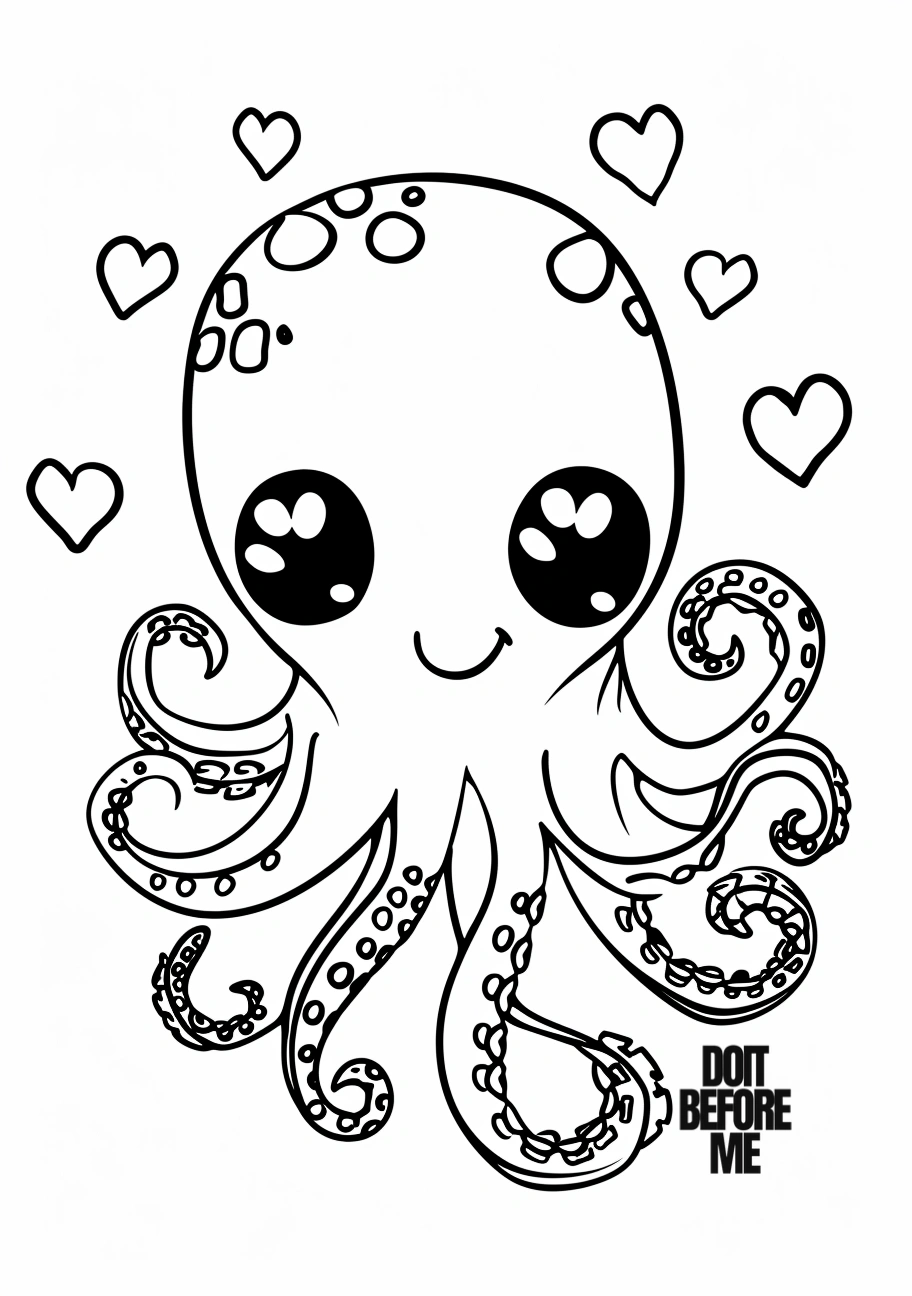
Open full-size Octopus coloring sheet 2
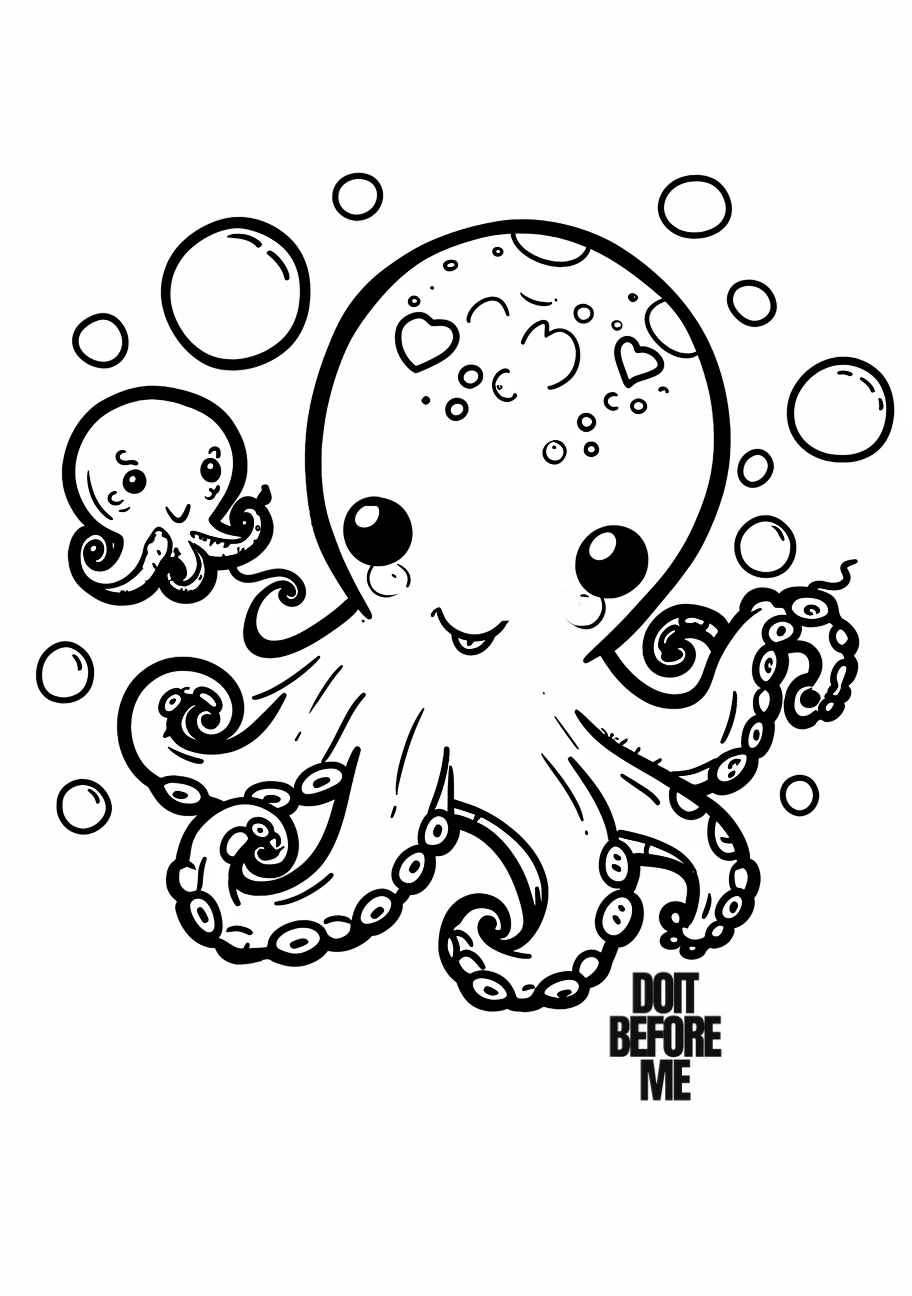
Open full-size Octopus coloring sheet 3
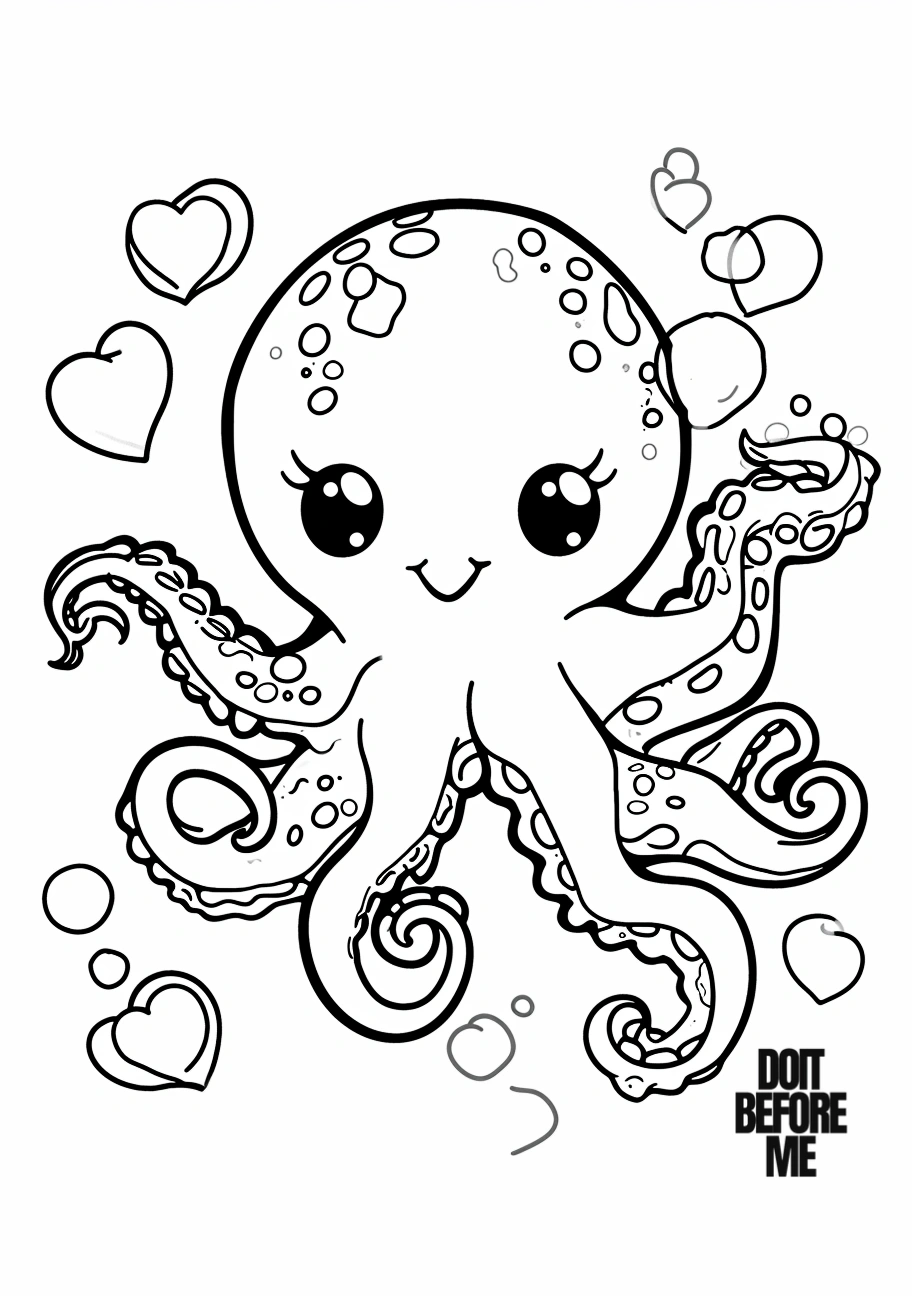
Open full-size Octopus coloring sheet 4
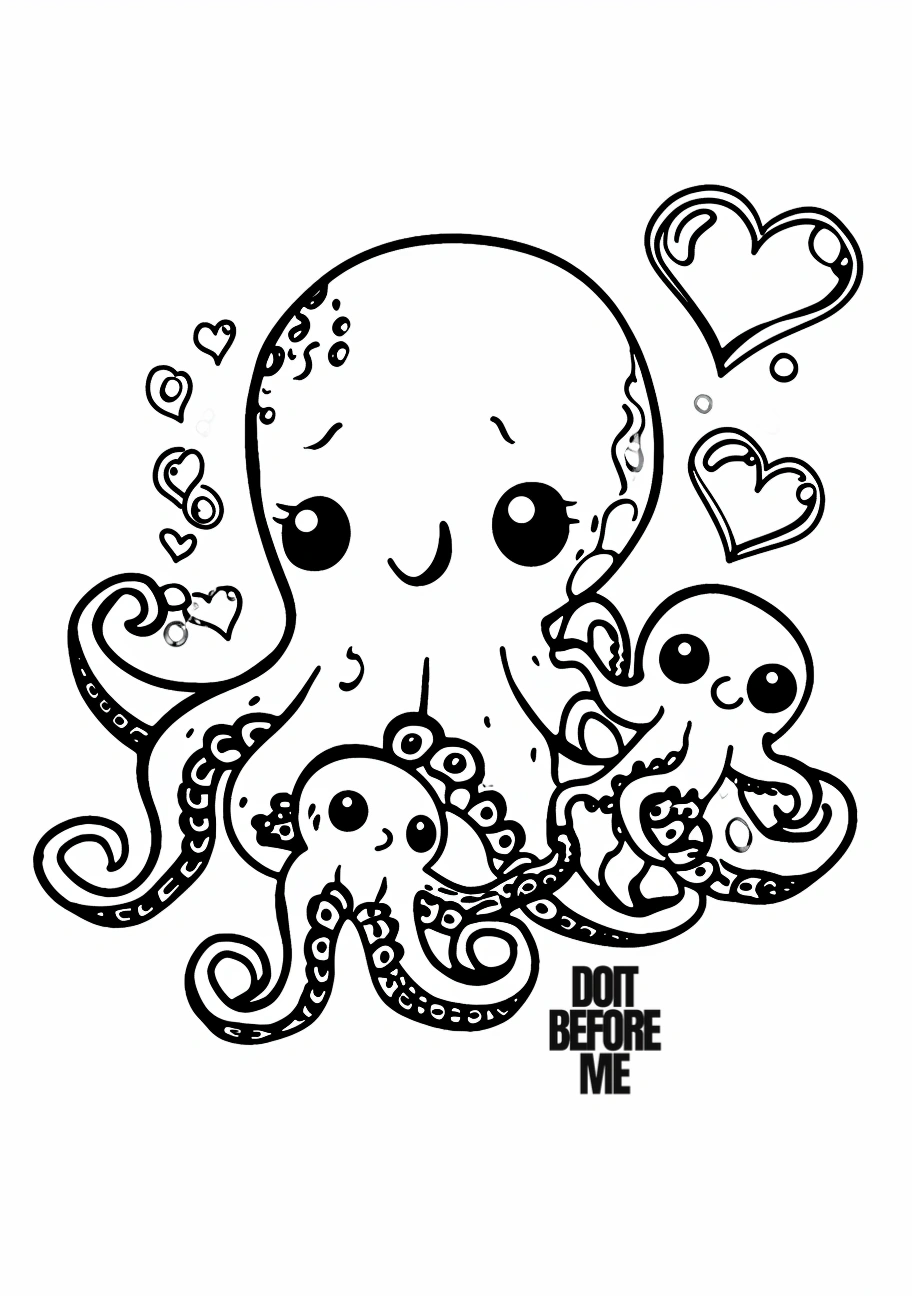
Open full-size Octopus coloring sheet 5
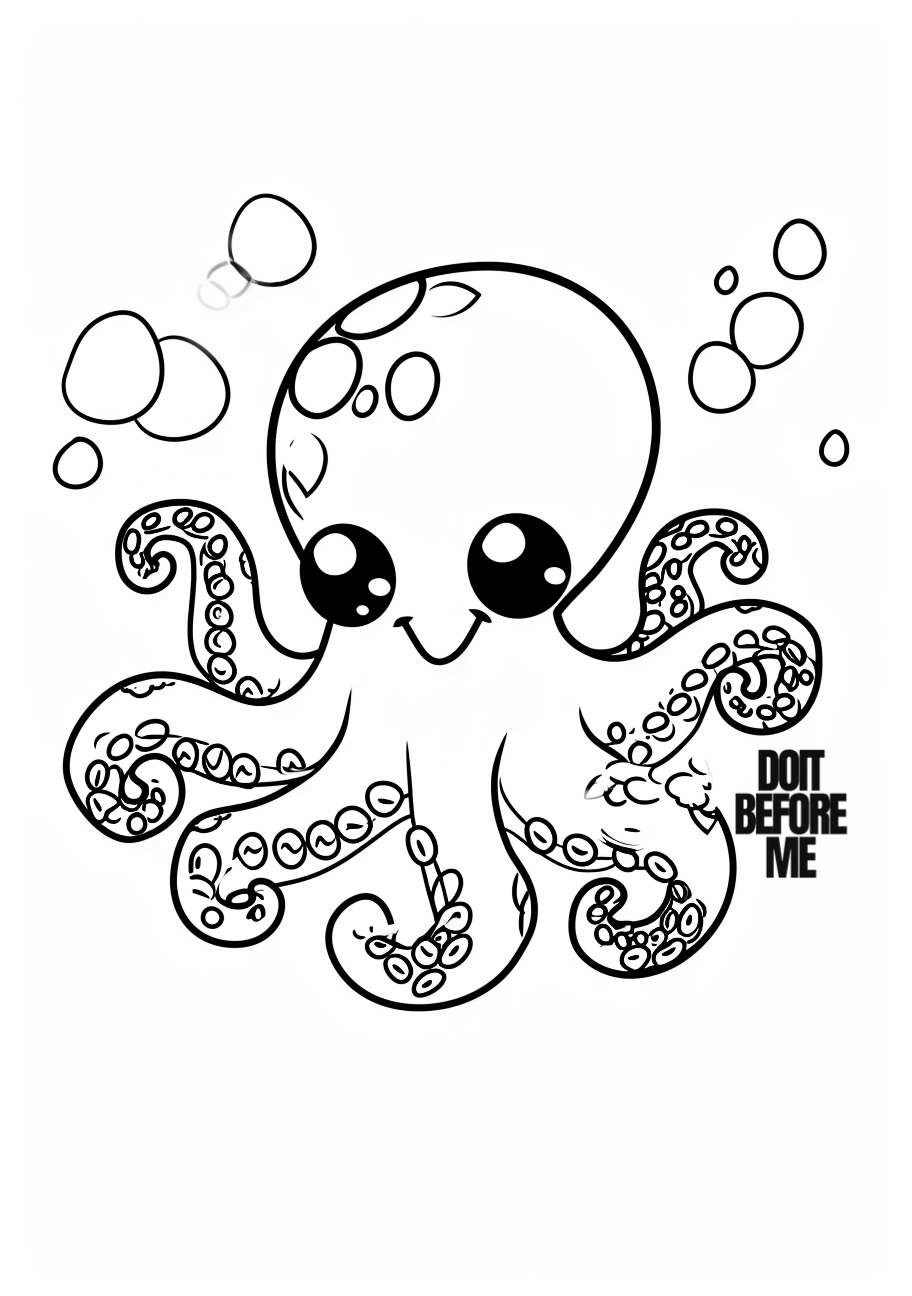
Open full-size Octopus coloring sheet 6
Cute and kawaii octopus pages — Sheets 7–11
This group is about character rather than realism. Keep the face clear, then use the arms for bright color combinations. Pink, purple, turquoise or completely invented palettes work well here.
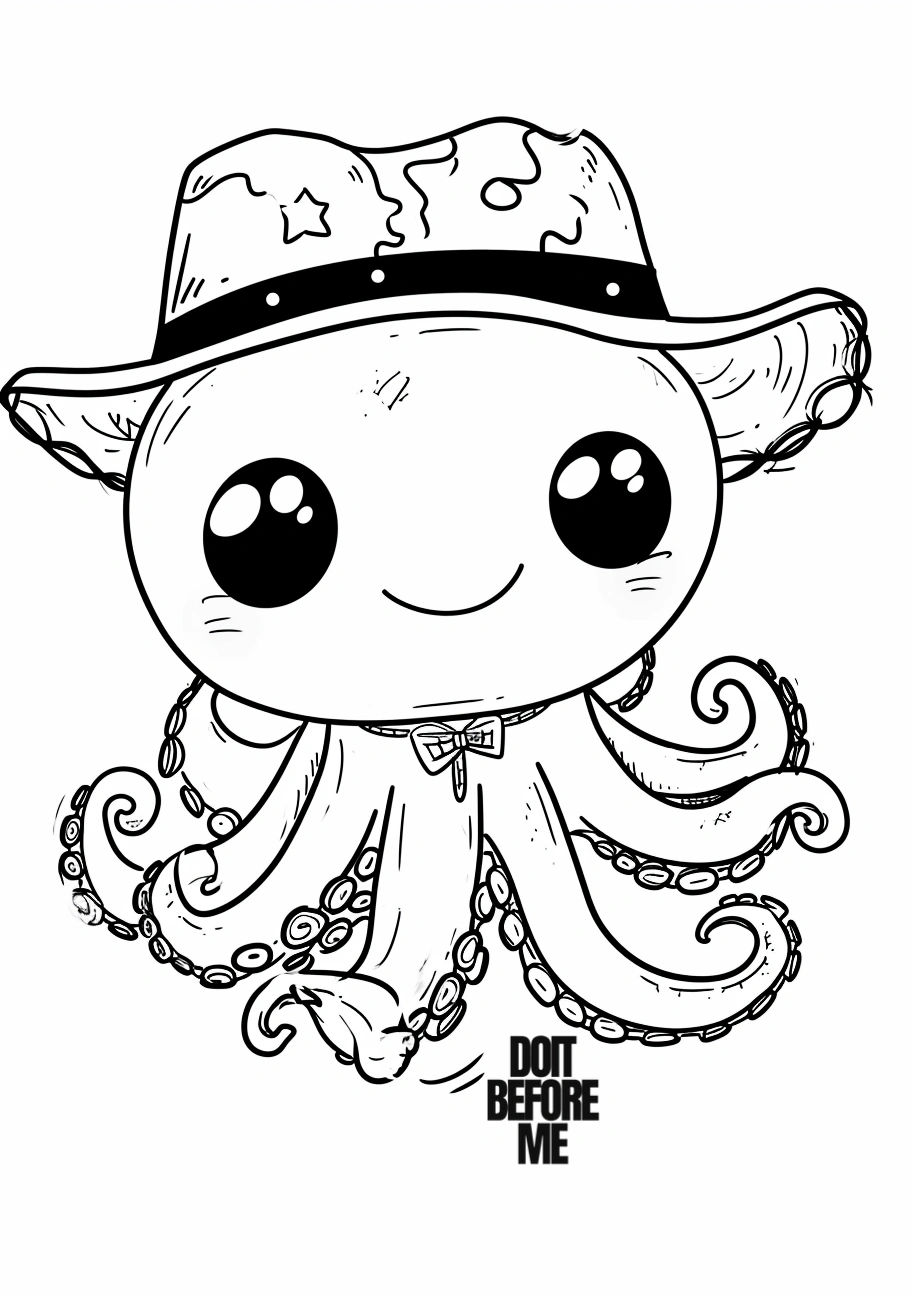
Open full-size Octopus coloring sheet 7
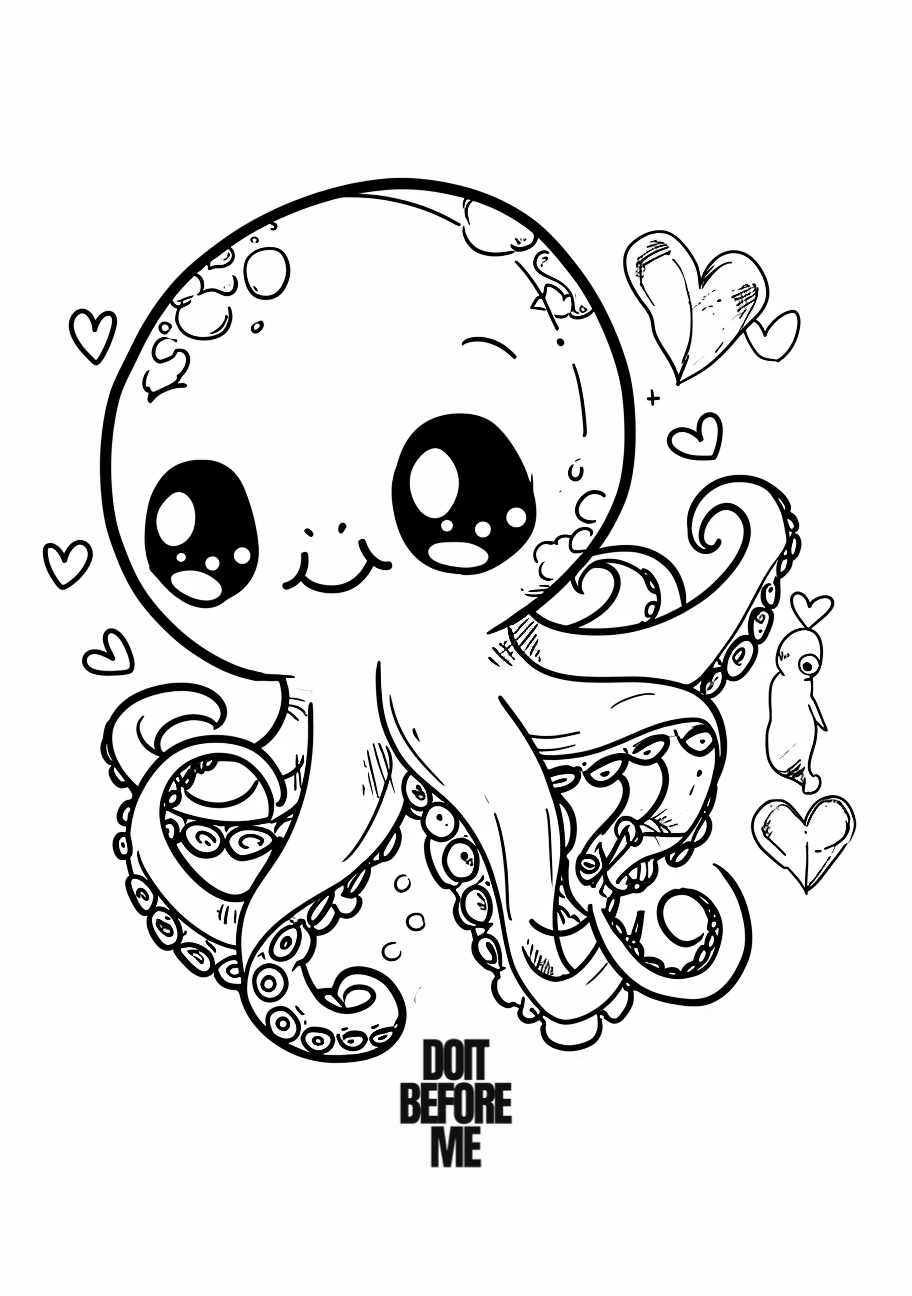
Open full-size Octopus coloring sheet 8
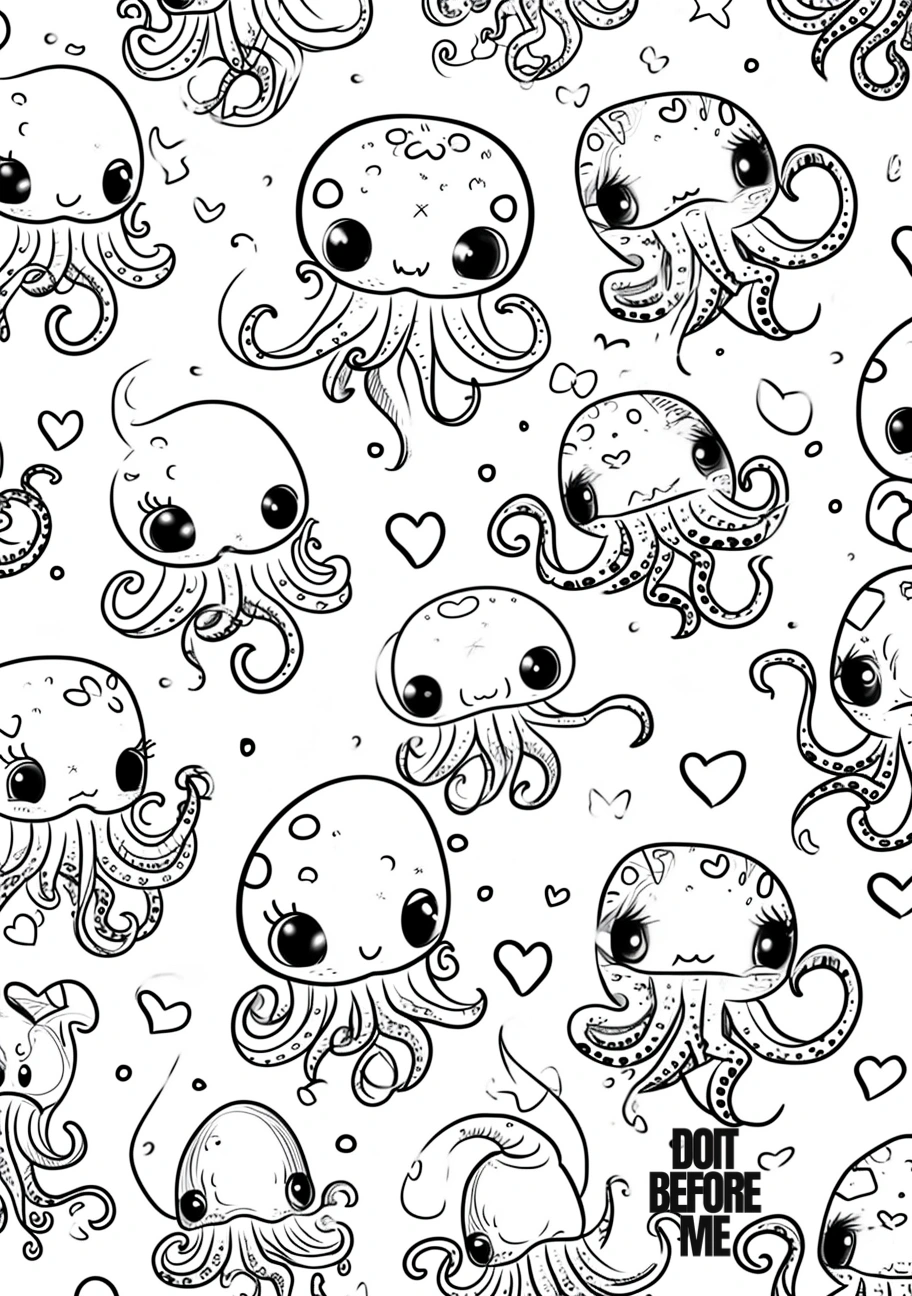
Open full-size Octopus coloring sheet 9
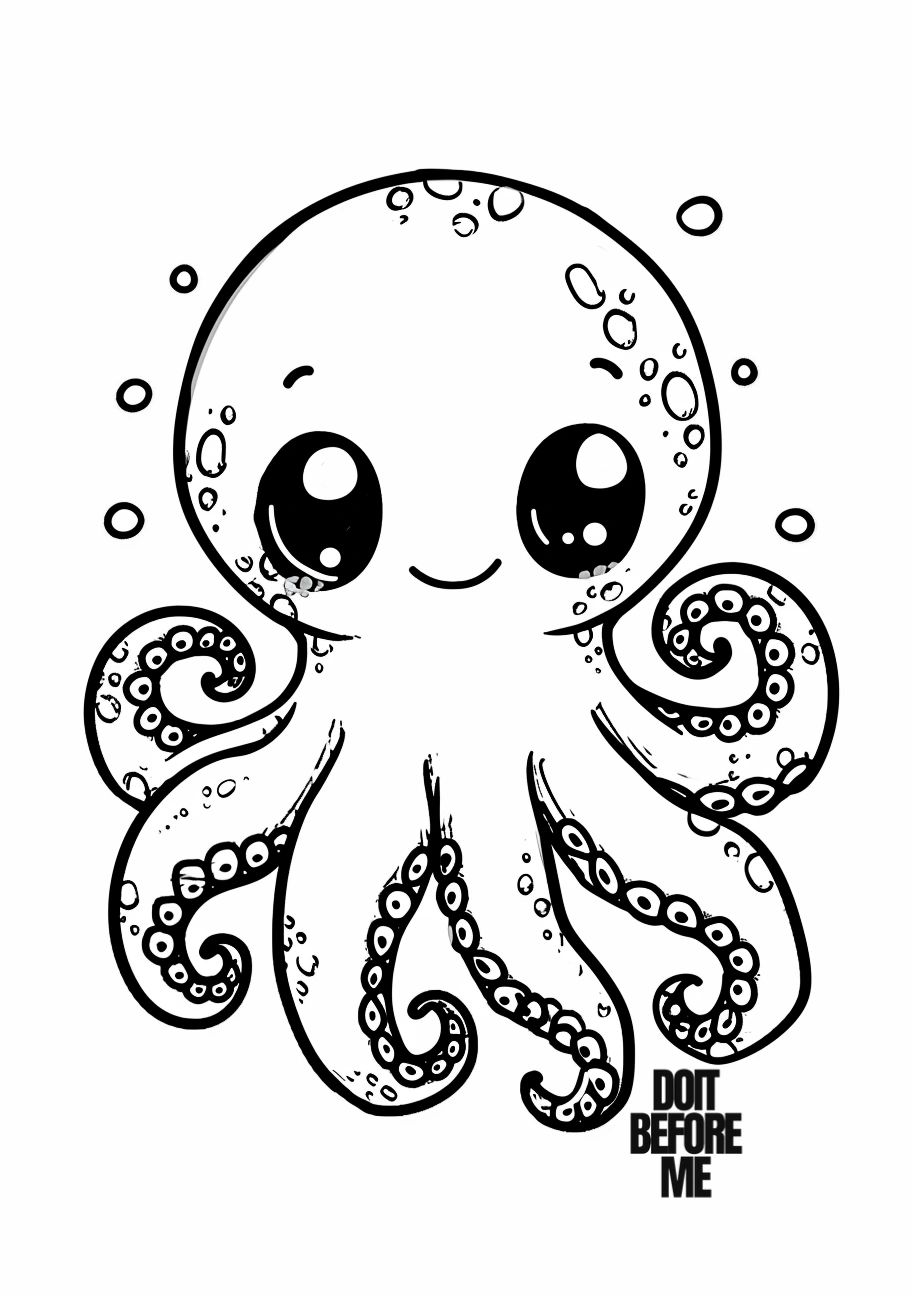
Open full-size Octopus coloring sheet 10
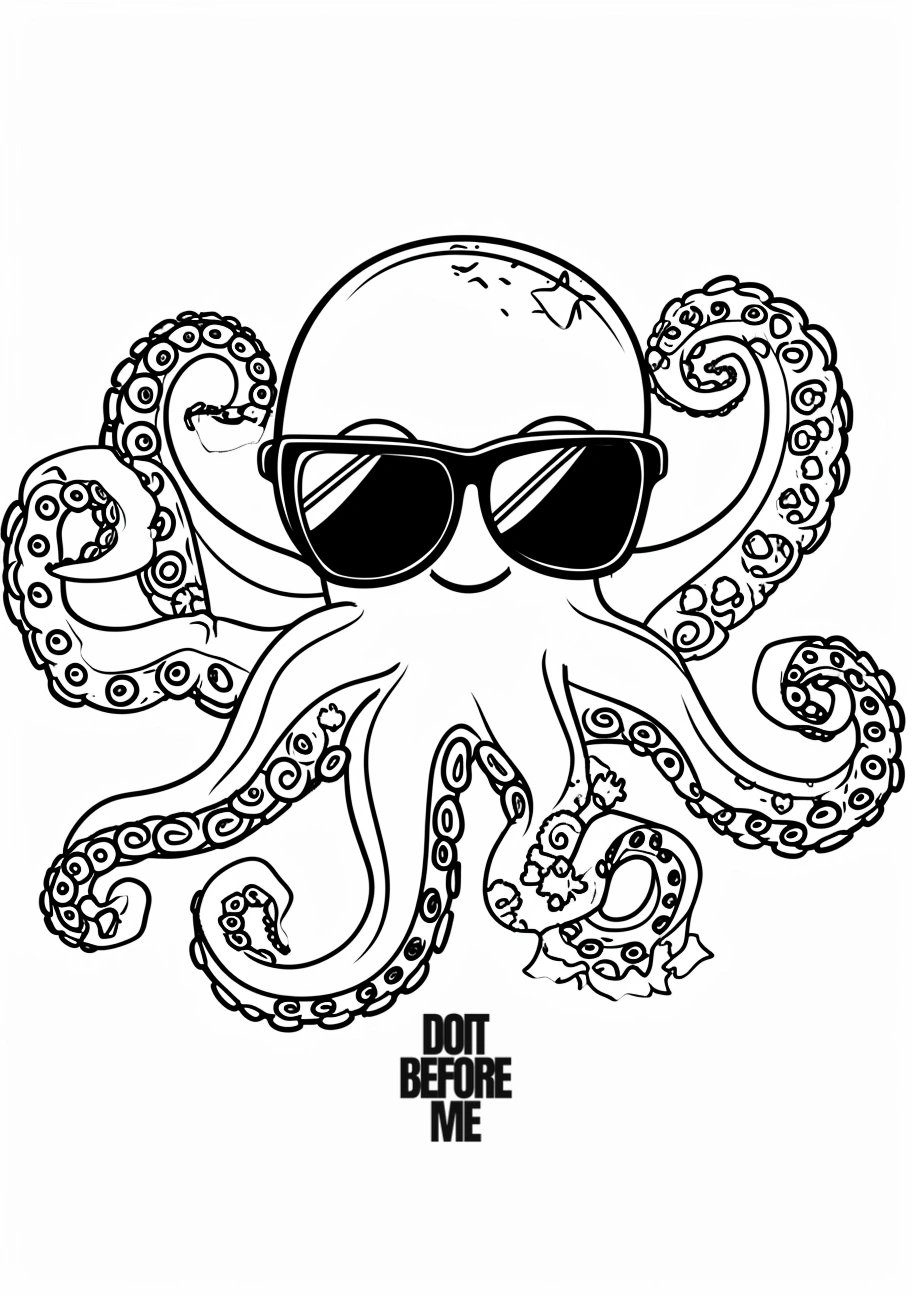
Open full-size Octopus coloring sheet 11
Octopus pages for patterns and color experiments — Sheets 12–16
These pages are a good place to try spots, stripes or a gentle gradient along the arms. Keep the pattern simple enough that the arm shape still reads; two repeating ideas usually look cleaner than eight unrelated ones.
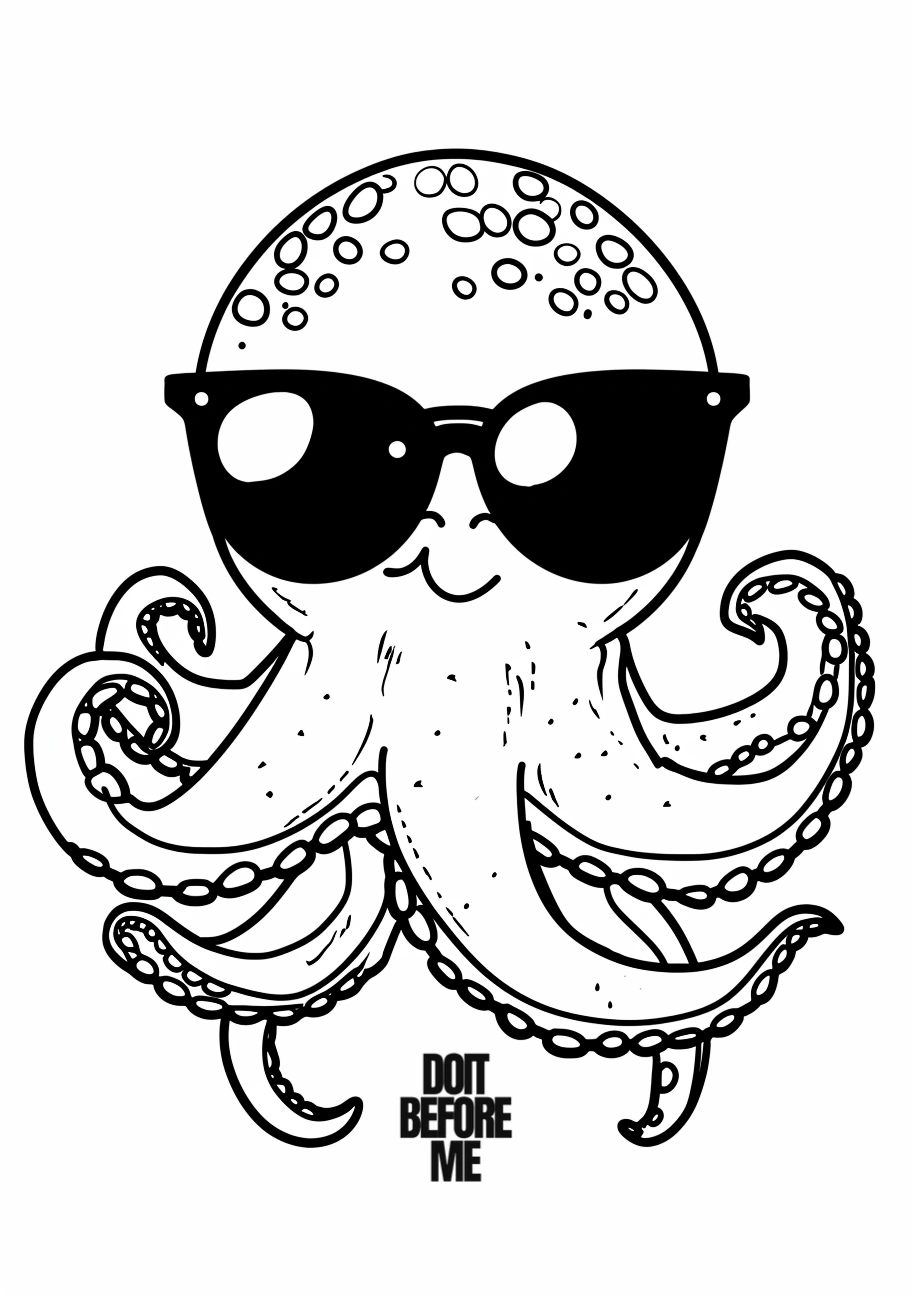
Open full-size Octopus coloring sheet 12
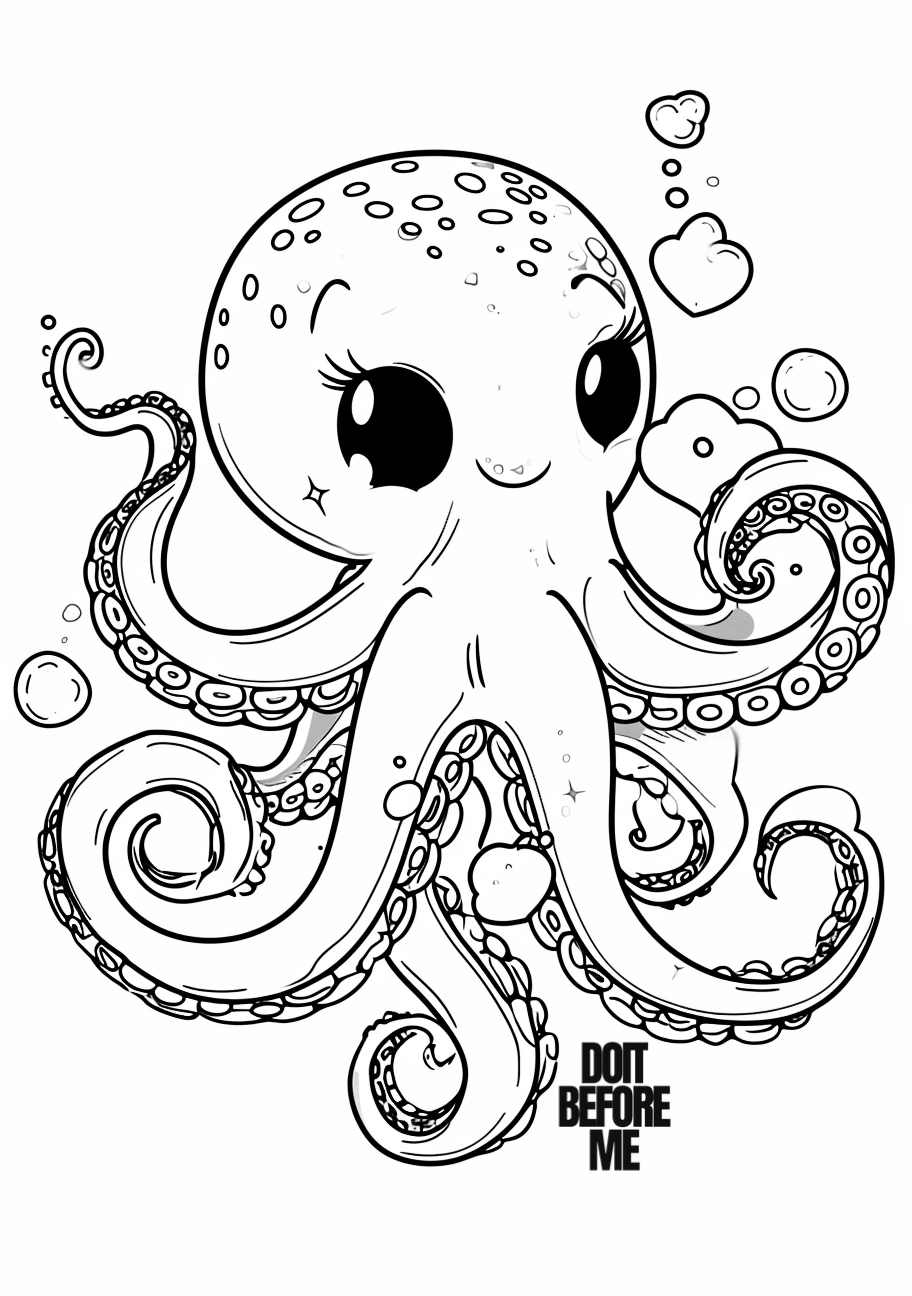
Open full-size Octopus coloring sheet 13
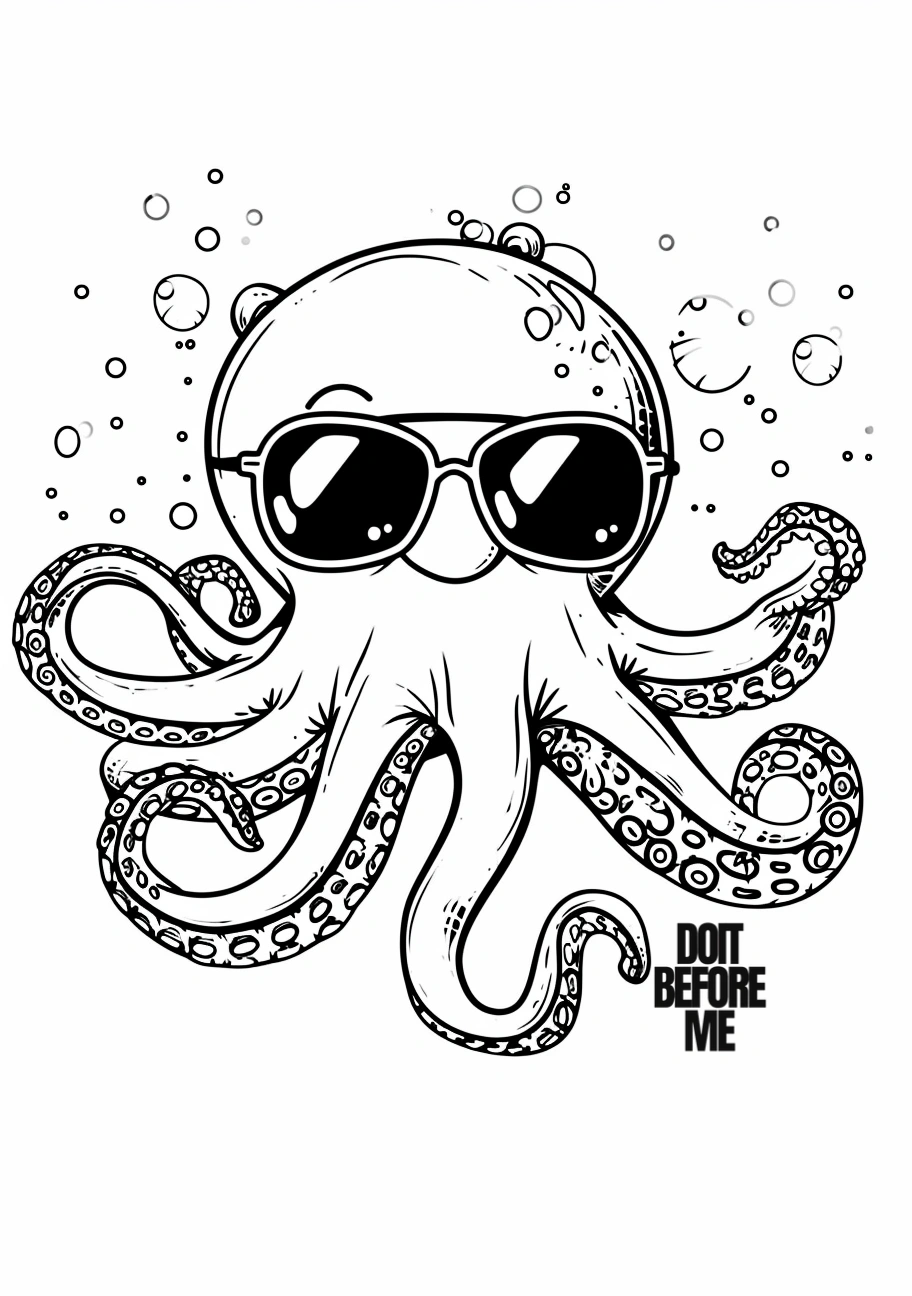
Open full-size Octopus coloring sheet 14
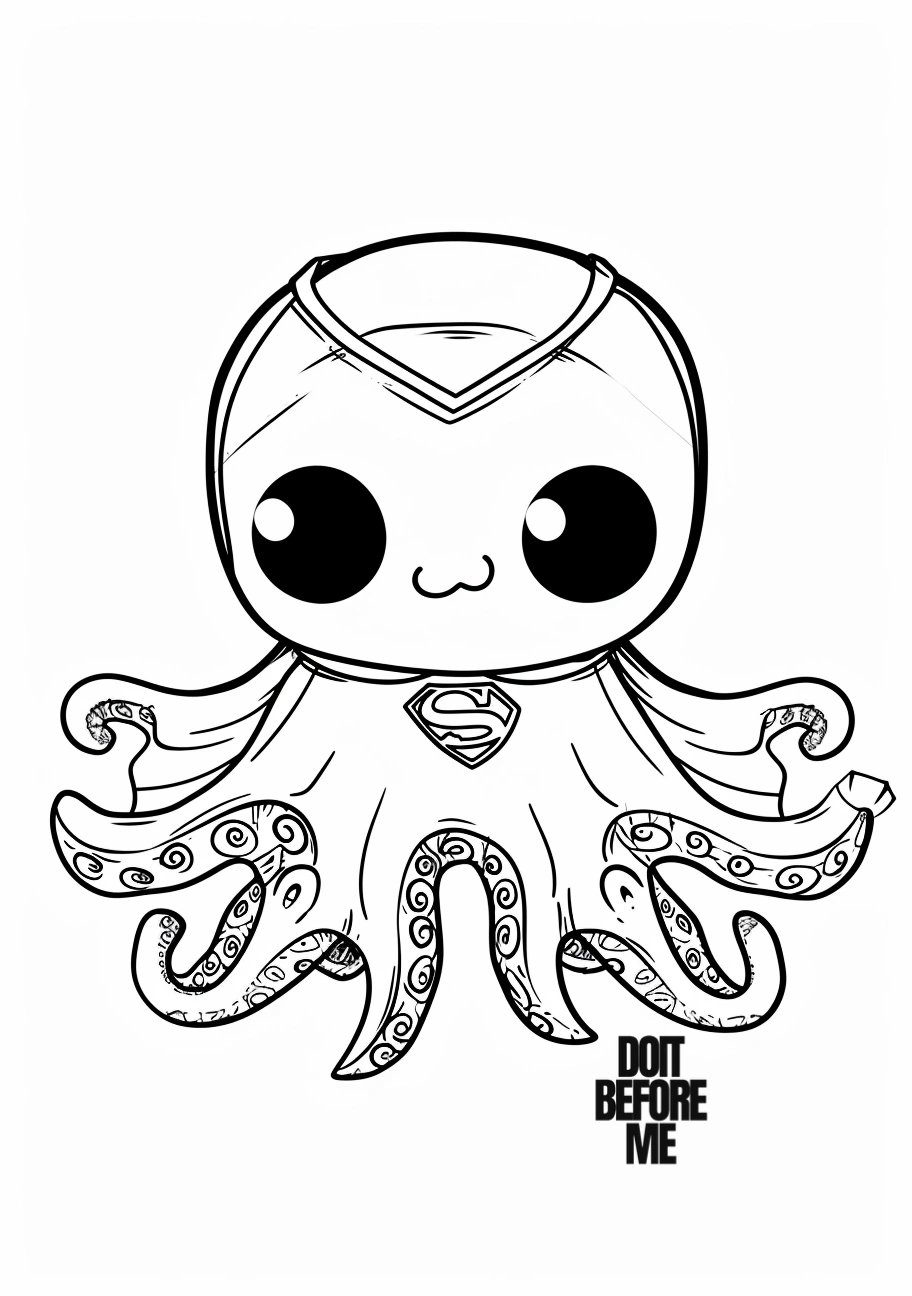
Open full-size Octopus coloring sheet 15
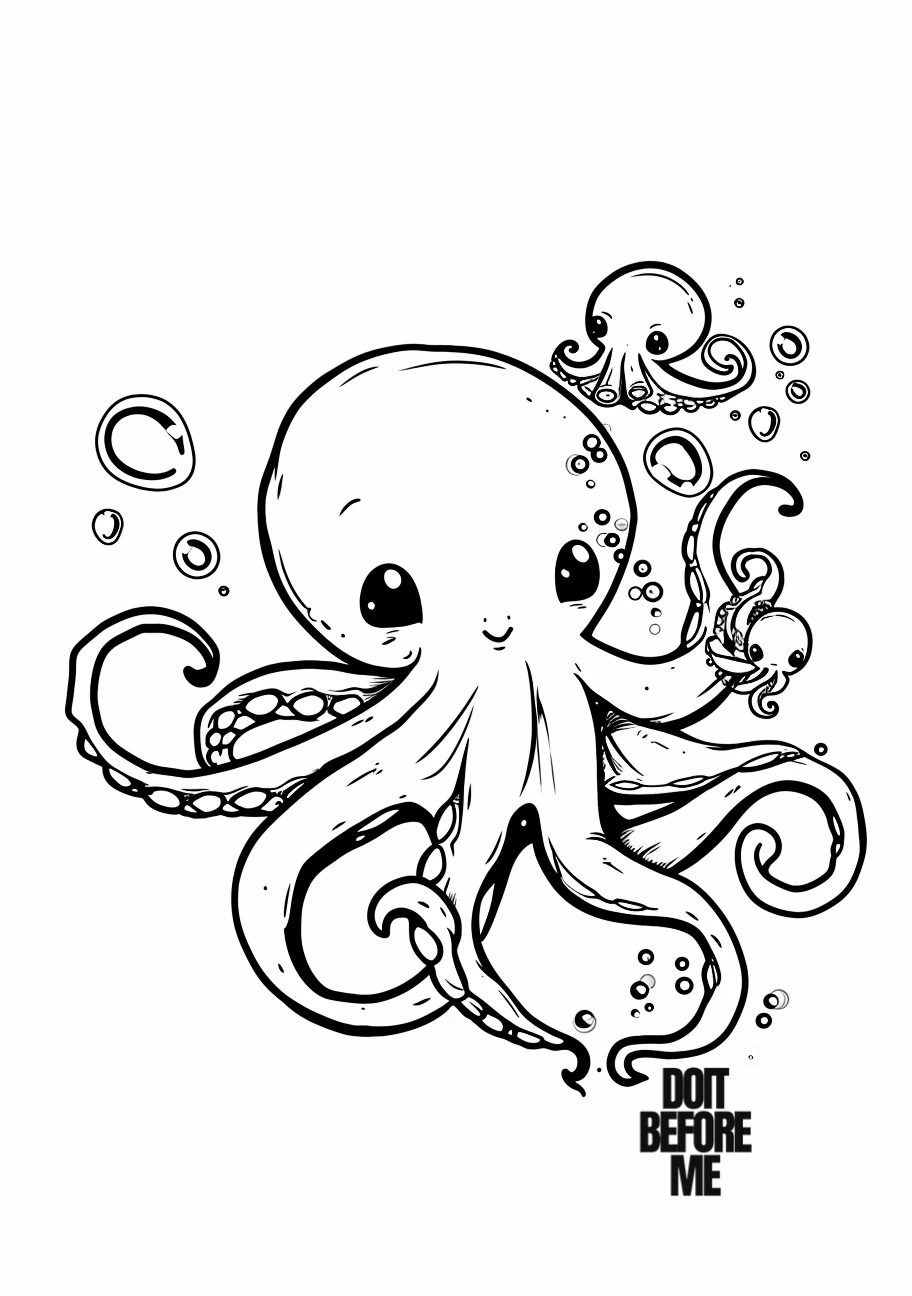
Open full-size Octopus coloring sheet 16
Detailed and realistic octopus pages — Sheets 17–19
Save these for colored pencils and a little more patience. Start with a light base, deepen the bends and undersides of the arms, and keep the suckers lighter or darker enough to stay visible.
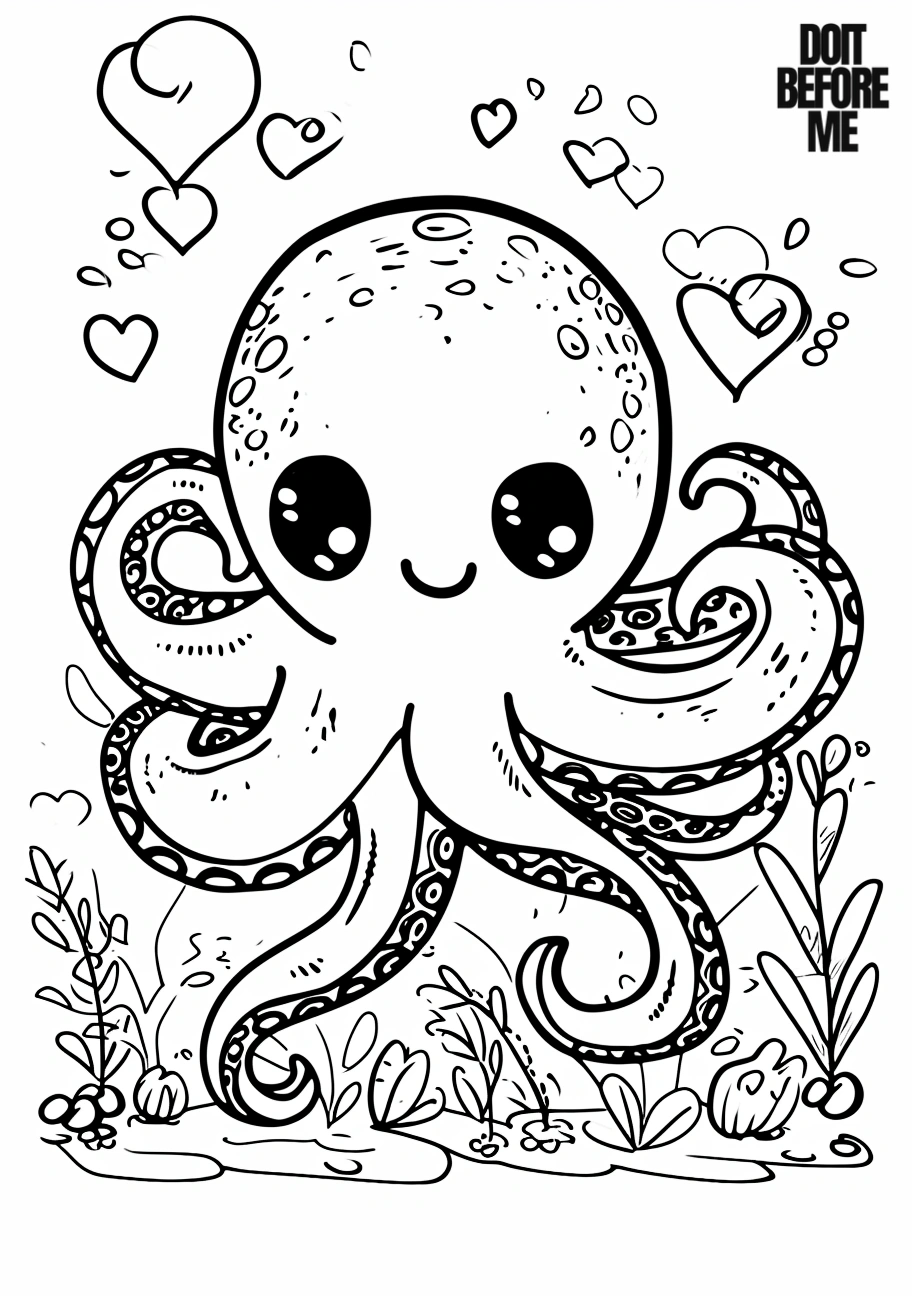
Open full-size Octopus coloring sheet 17
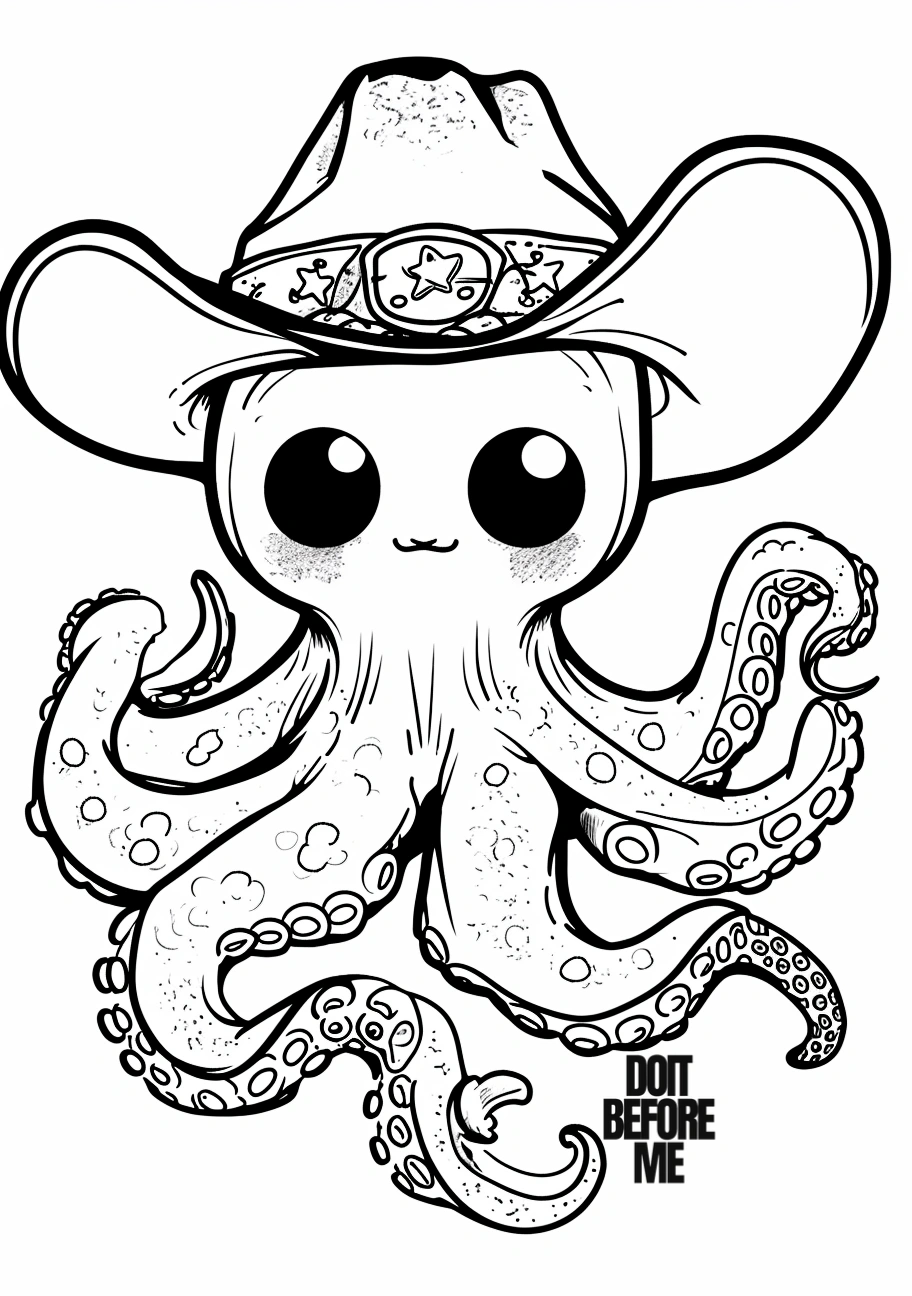
Open full-size Octopus coloring sheet 18
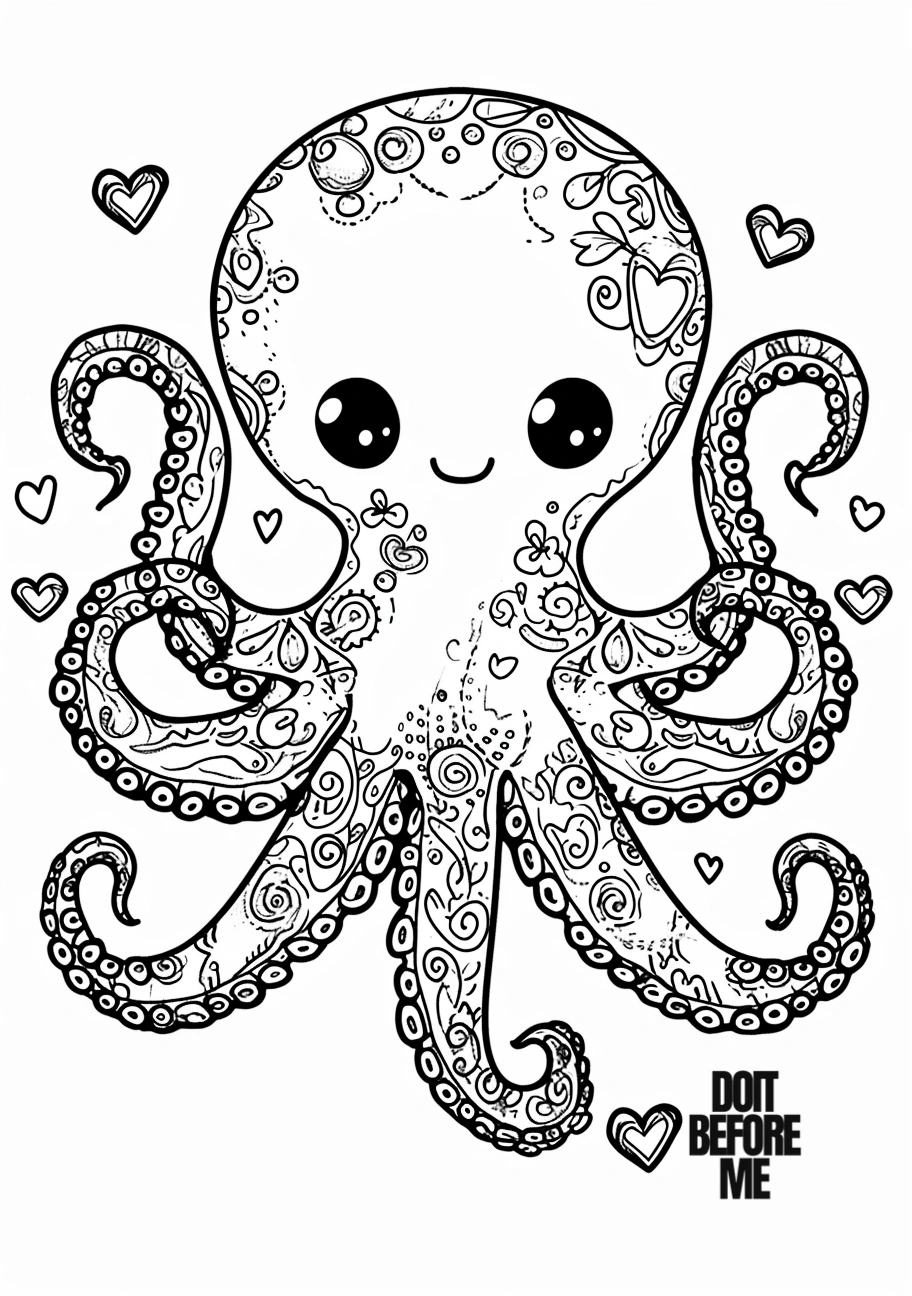
Open full-size Octopus coloring sheet 19
Three easy ways to make an octopus page more interesting
- Repeat one pattern. Put the same small dots, stripes or rings on every second arm instead of inventing a different design for all eight.
- Add a simple seafloor. A few bubbles, stones and strands of seaweed are enough. The background does not need to become another full coloring project.
- Use two related body colors. For example, coral with red shadows or lavender with deep purple bends. It gives the arms shape without making the palette complicated.
Octopus coloring questions
Which pages are easiest for preschoolers?
Sheets 1–6. They have the broadest arm shapes and the least fiddly detail.
Do all eight arms need to be the same color?
No. Keeping one main body color usually makes the page easier to read, but alternating two related colors or adding a pattern to a few arms can look good too.
How do I keep the suckers visible?
Avoid filling the entire underside with your darkest color. Use a lighter tone around the suckers or leave a small amount of white paper showing so the circles do not disappear.
Which pages are best for adults or older kids?
Sheets 17–19 are the strongest choices for slower pencil work. The arm curves and smaller details give you more room for shading.
More ocean coloring pages
For a mixed ocean set, try the sea animal coloring pages. The narwhal pages are much simpler in shape, while the orca coloring pages are useful if you want to practice strong black-and-white contrast instead of repeated arm patterns.

