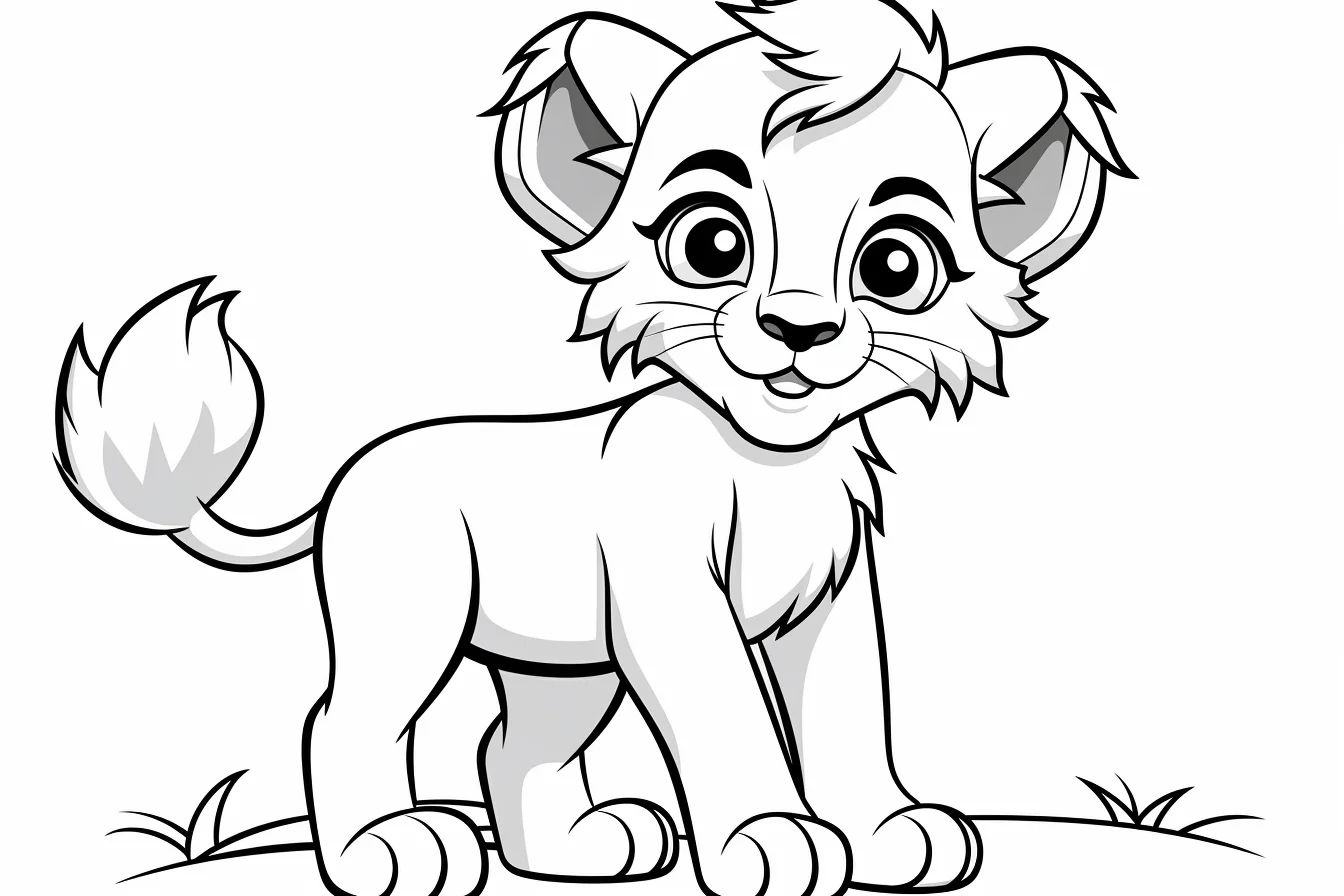
These 37 free lion coloring pages start with round-faced cubs and simple character designs, then move into adult lions, larger manes and more detailed faces. That makes the collection useful for mixed ages: a preschooler can choose a broad, open cub design while an older child or adult can practice layered pencil work on a mane.
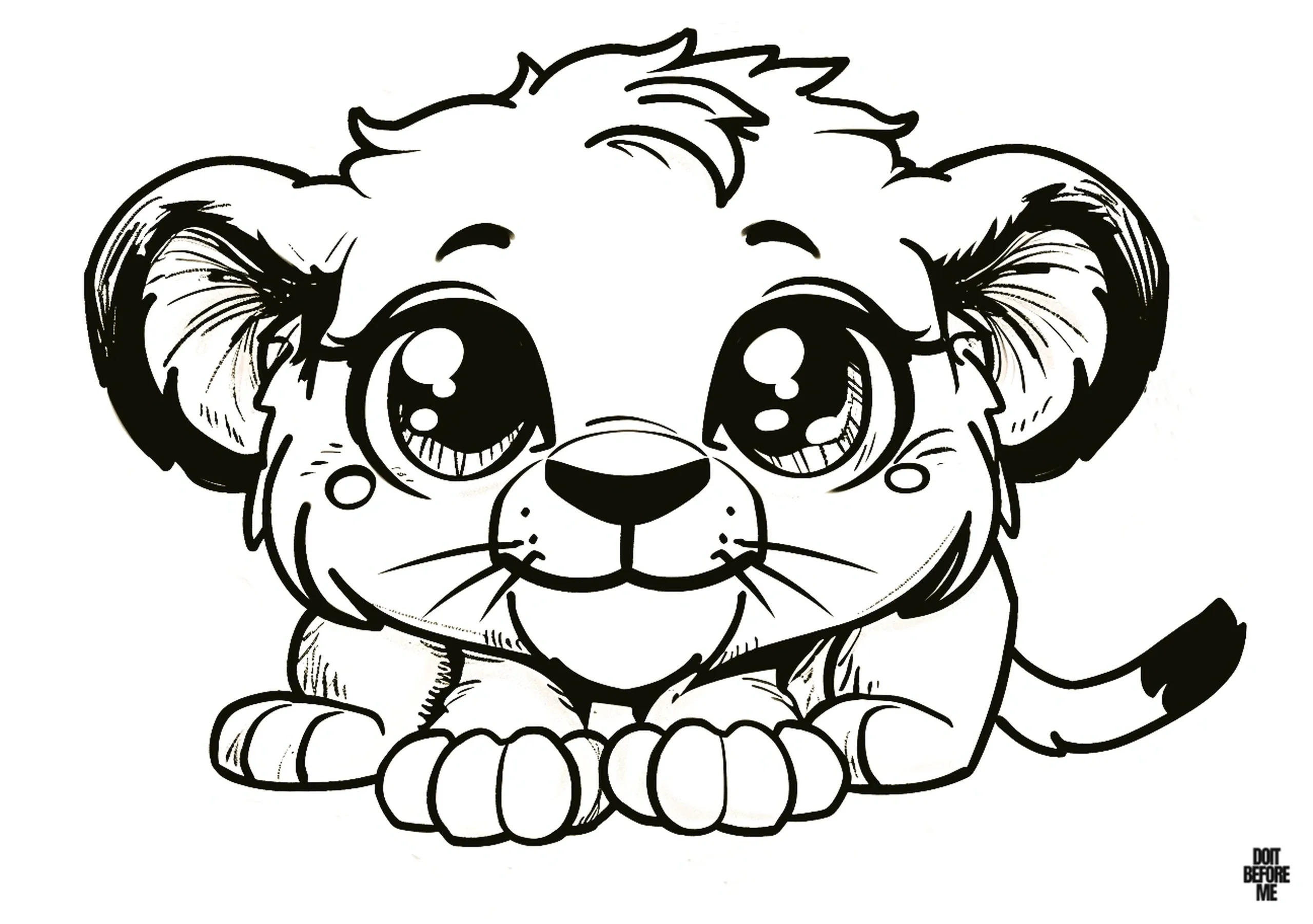
Open full-size Lion coloring sheet 1
For a natural palette, begin with warm tan or ochre for the coat, cream for the muzzle, and brown for the mane. Do not reach for the darkest brown first: keeping one lighter and one darker value in reserve makes it much easier to show the direction and volume of the mane.
Do a 90-second lion fur test before coloring
Use a scrap of the same paper you will print on. Make three small tan or ochre swatches: one with barely any pressure, one with normal pressure, and one built with two or three light layers. The middle swatch should become your main coat color. If your light and middle swatches already look almost identical, ease off the pressure now; otherwise you will have nowhere to go when you need a highlight on the muzzle or forehead.
Next, put a narrow brown swatch beside the middle coat value. For a cub, it only needs to be clearly darker—not black. For an adult lion, add a second, deeper brown and reserve it for the underside of the chin, gaps between mane clumps, and the far edge of the mane. Then step back an arm’s length and squint: the face should still read as the focal point instead of disappearing into one dark ring.
Quick diagnostic: if the muzzle vanishes, lighten the fur touching it rather than outlining the muzzle harder. If the mane looks like a helmet, keep the base lighter and place the darkest value in broken pockets between overlapping locks. On very pale lions, reverse the test: leave the paper as the highlight and test how little color you need to describe the cheek, ear base, belly, and paws.
Which lion page is easiest to color?
- Preschoolers: choose a face or cub with large open areas and very little background.
- Older kids: try the full-body lions or cubs with clothing and smaller details.
- Colored-pencil practice: adult-lion faces and manes give you more room for light-to-dark shading.
How to save and print these lion coloring pages
- Choose a lion or lion cub design from the gallery.
- Open the full-size coloring sheet using the link beneath the image.
- Print on A4 or Letter paper using “fit to page.”
For more animal printables, see the animal coloring pages, realistic animal pages and wolf coloring pages.
Three lion pages to use as a coloring practice sequence
- Start with an easy cub: use sheet 1 to practice staying inside broad shapes. Fill the coat lightly first, then make the ears, paws and shadow under the chin one step darker.
- Practice separating materials: use one of the clothed cubs, such as sheet 4 or 6. Keep the fur in two related warm colors and choose a contrasting color family for the clothing.
- Finish with a mane: move to an adult-lion sheet. Lay down a light brown base, then use short strokes that follow the direction of the mane. Deepen the underside of the chin and outer mane instead of outlining every strand.
37 lion and lion cub coloring pages
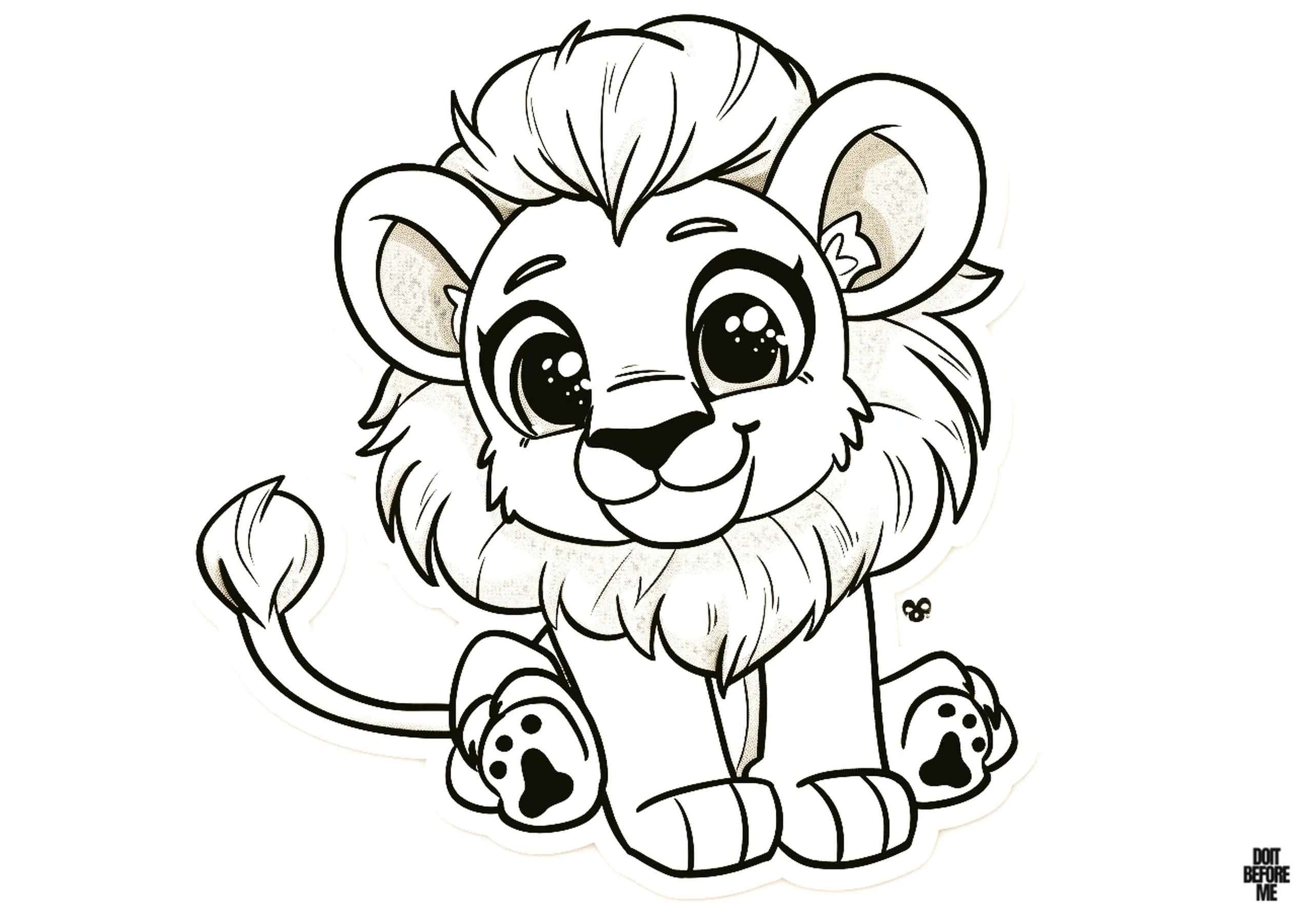
Open full-size Lion coloring sheet 2
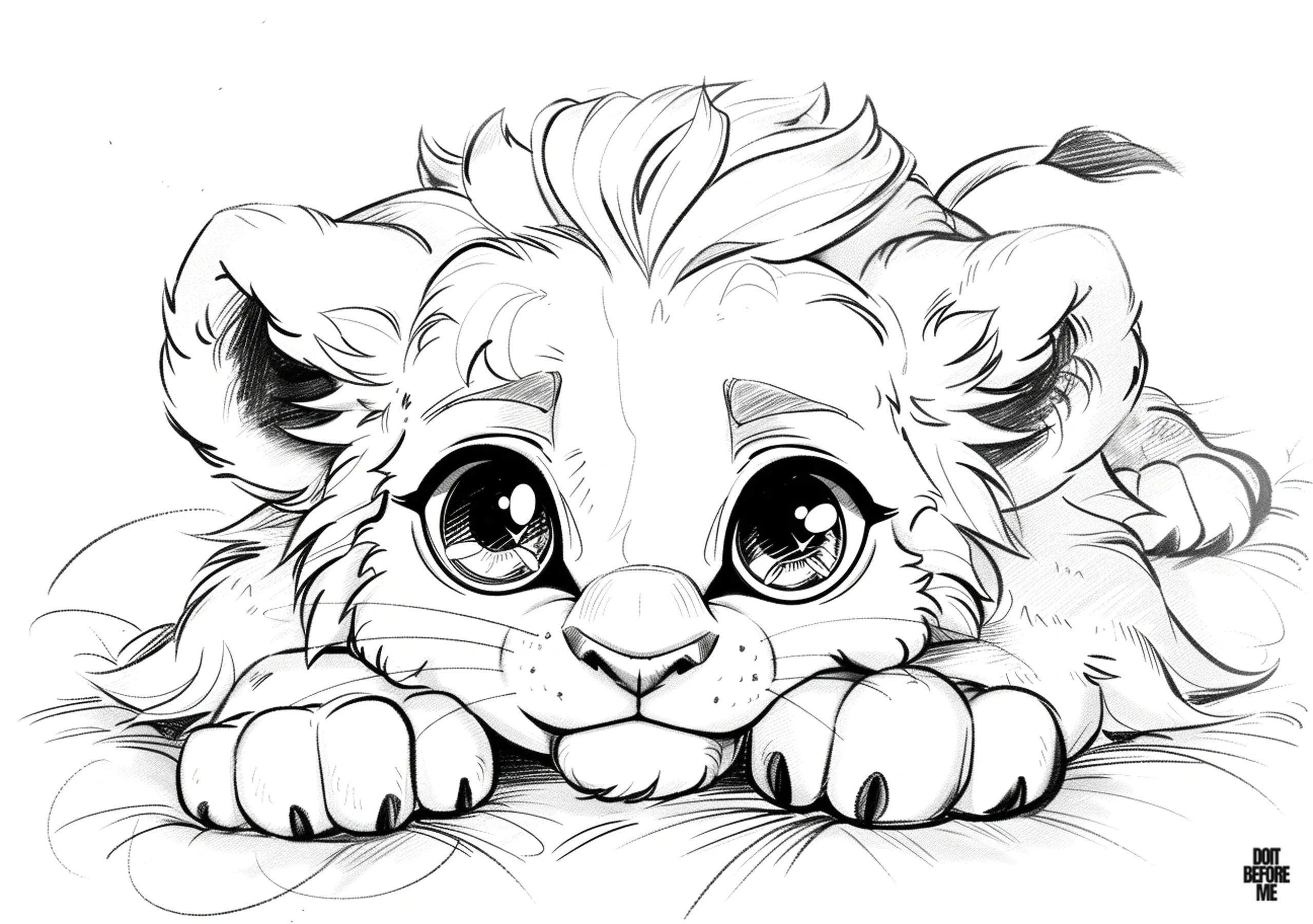
Open full-size Lion coloring sheet 3
Easy cub trio: the first three pages are mostly about large faces and simple body shapes. Keep the muzzle and inside of the ears lighter than the coat, then add a slightly darker tan around the forehead and paws if you want more depth without making the page complicated.
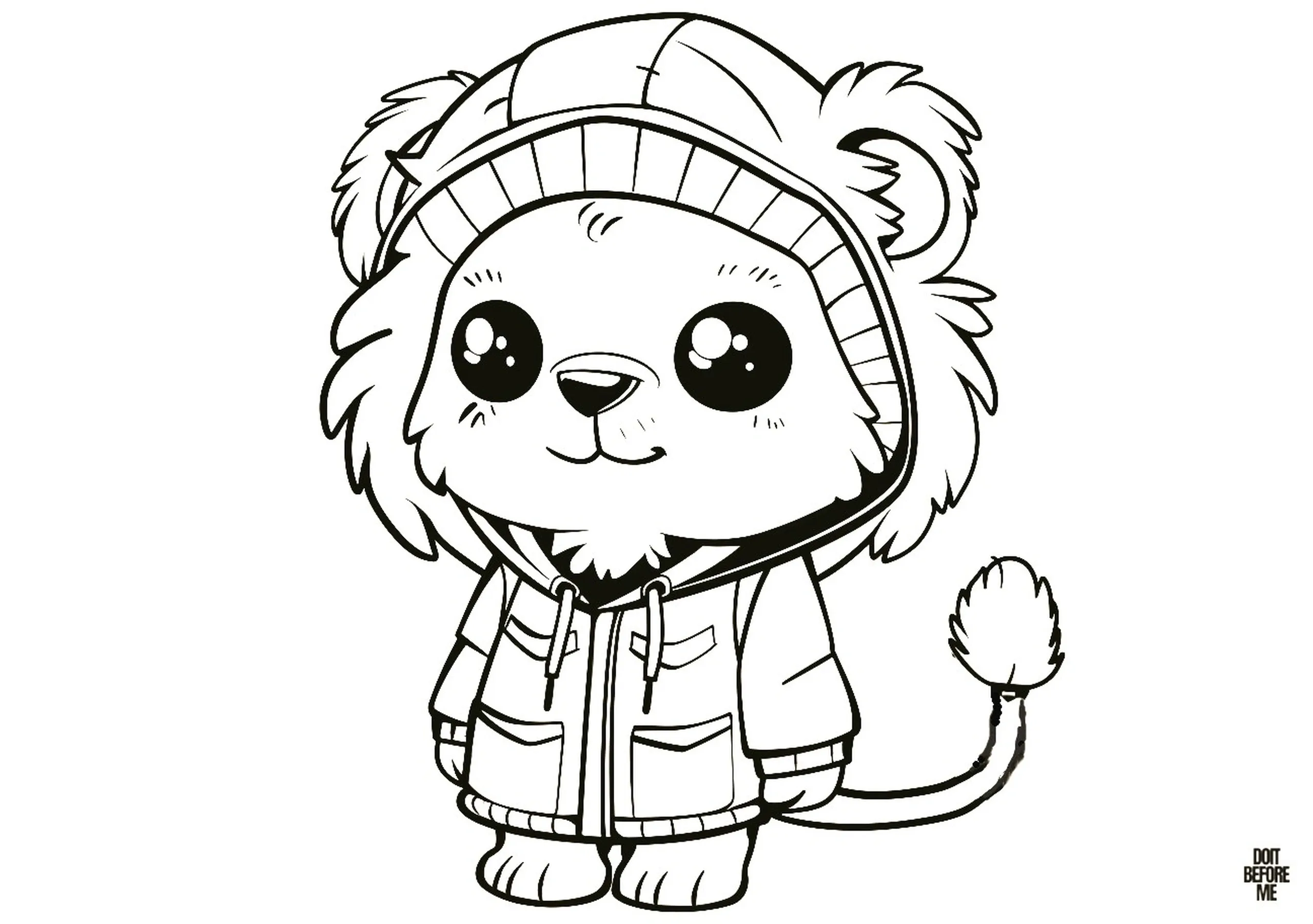
Open full-size Lion coloring sheet 4
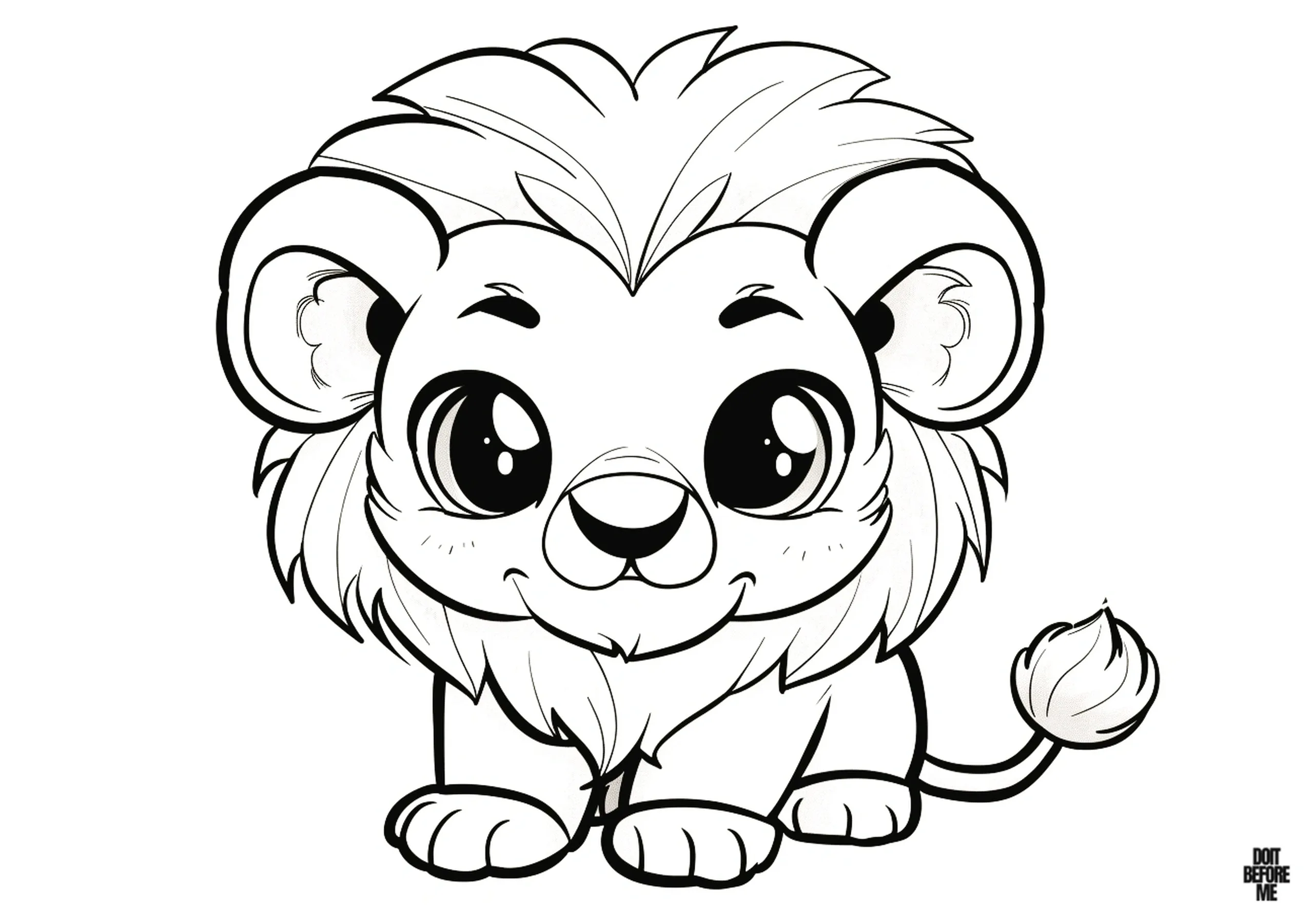
Open full-size Lion coloring sheet 5
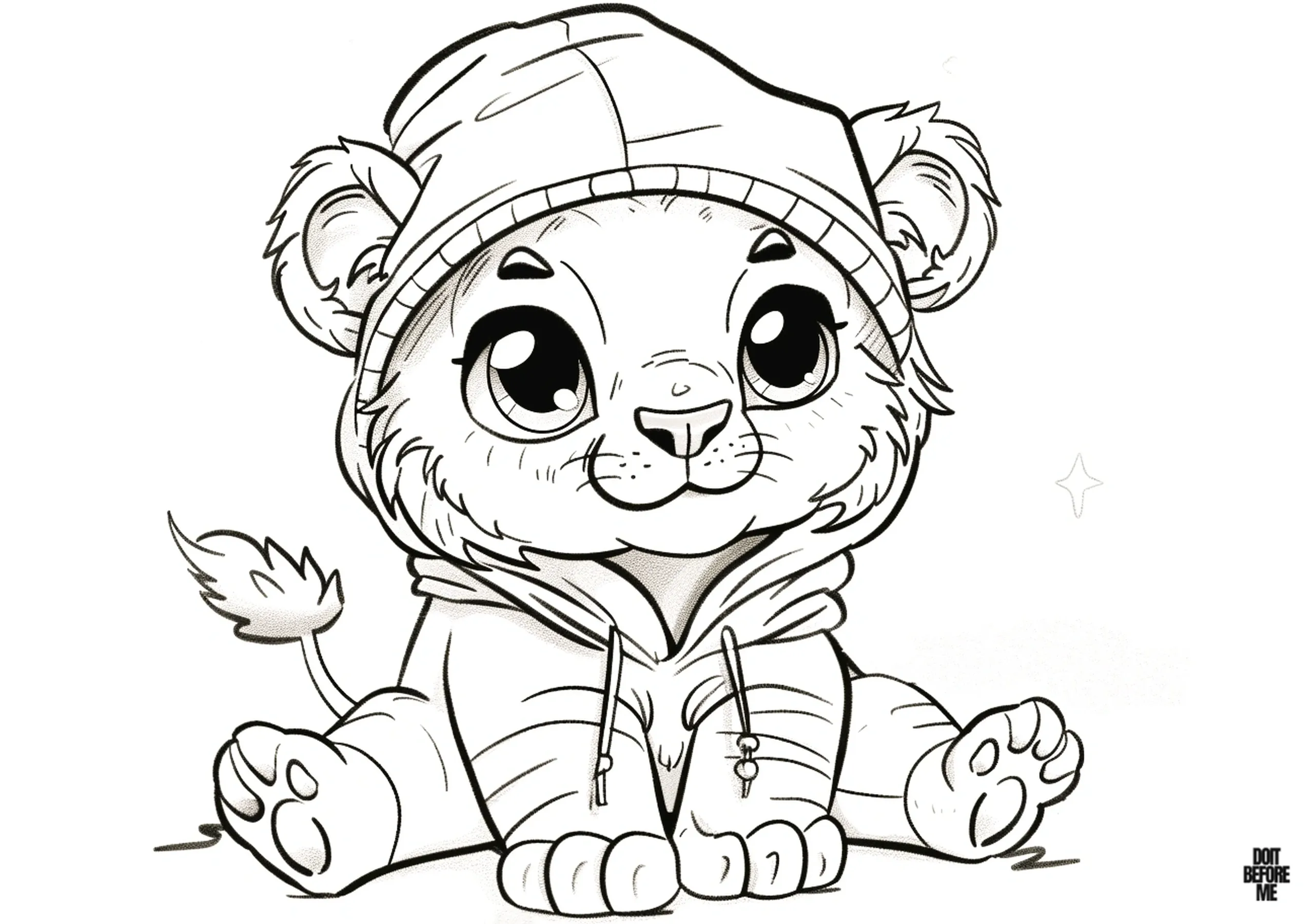
Open full-size Lion coloring sheet 6
Character-style cubs: the clothed lion pages give you more freedom than the natural-animal sheets. Treat the hoodie, outfit or accessories as a separate palette and keep the fur fairly simple so the character does not become visually crowded.
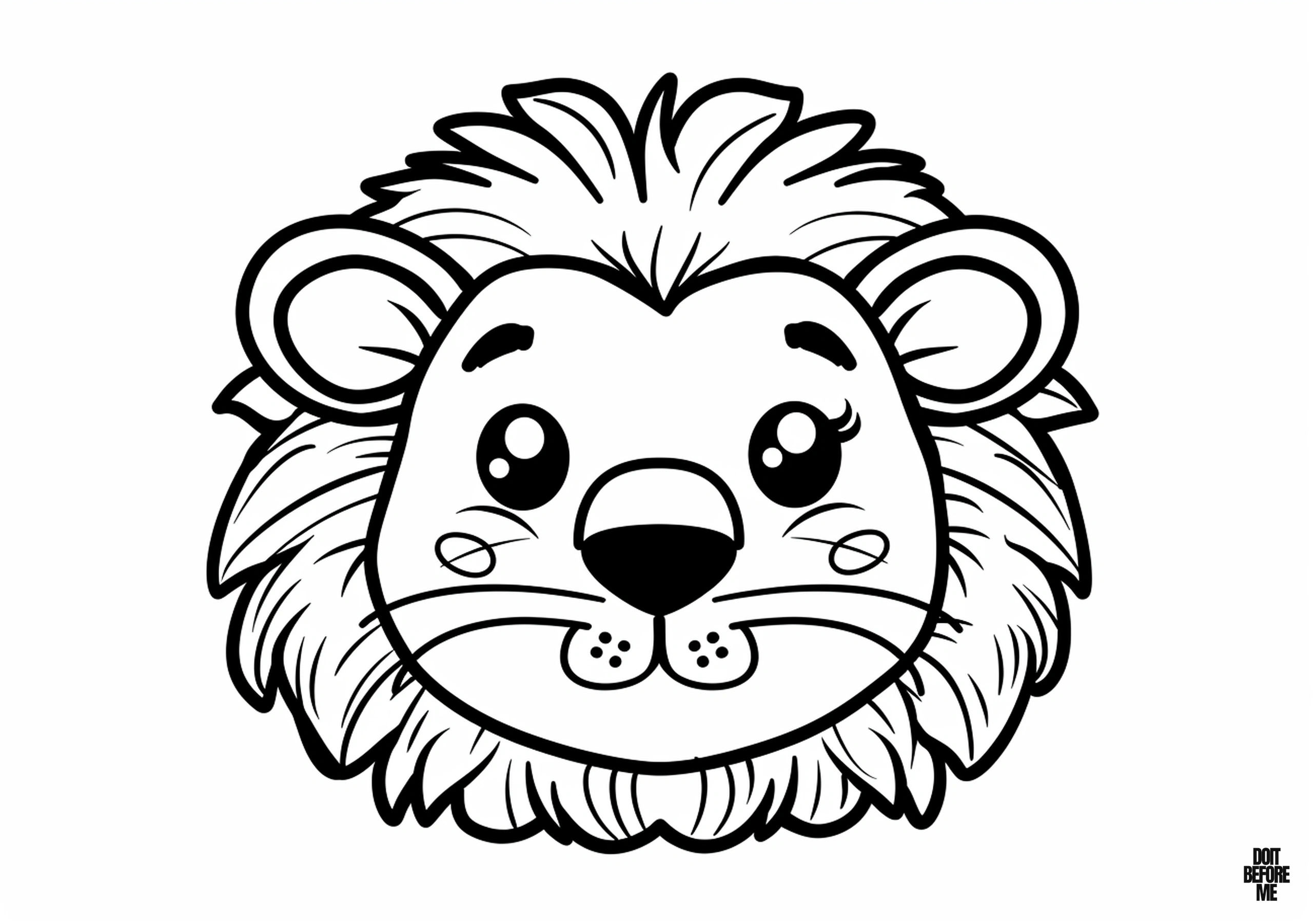
Open full-size Lion coloring sheet 7
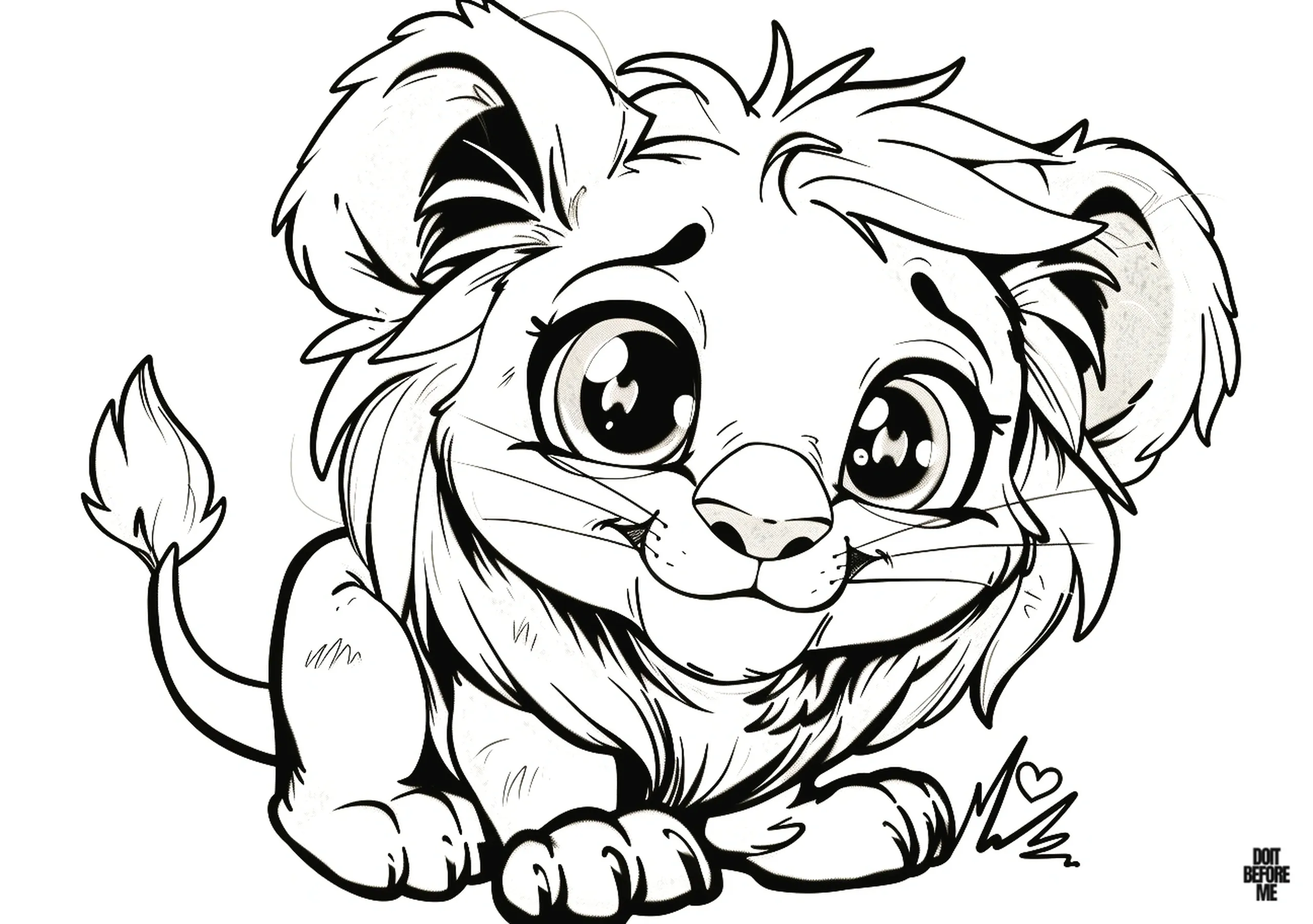
Open full-size Lion coloring sheet 8
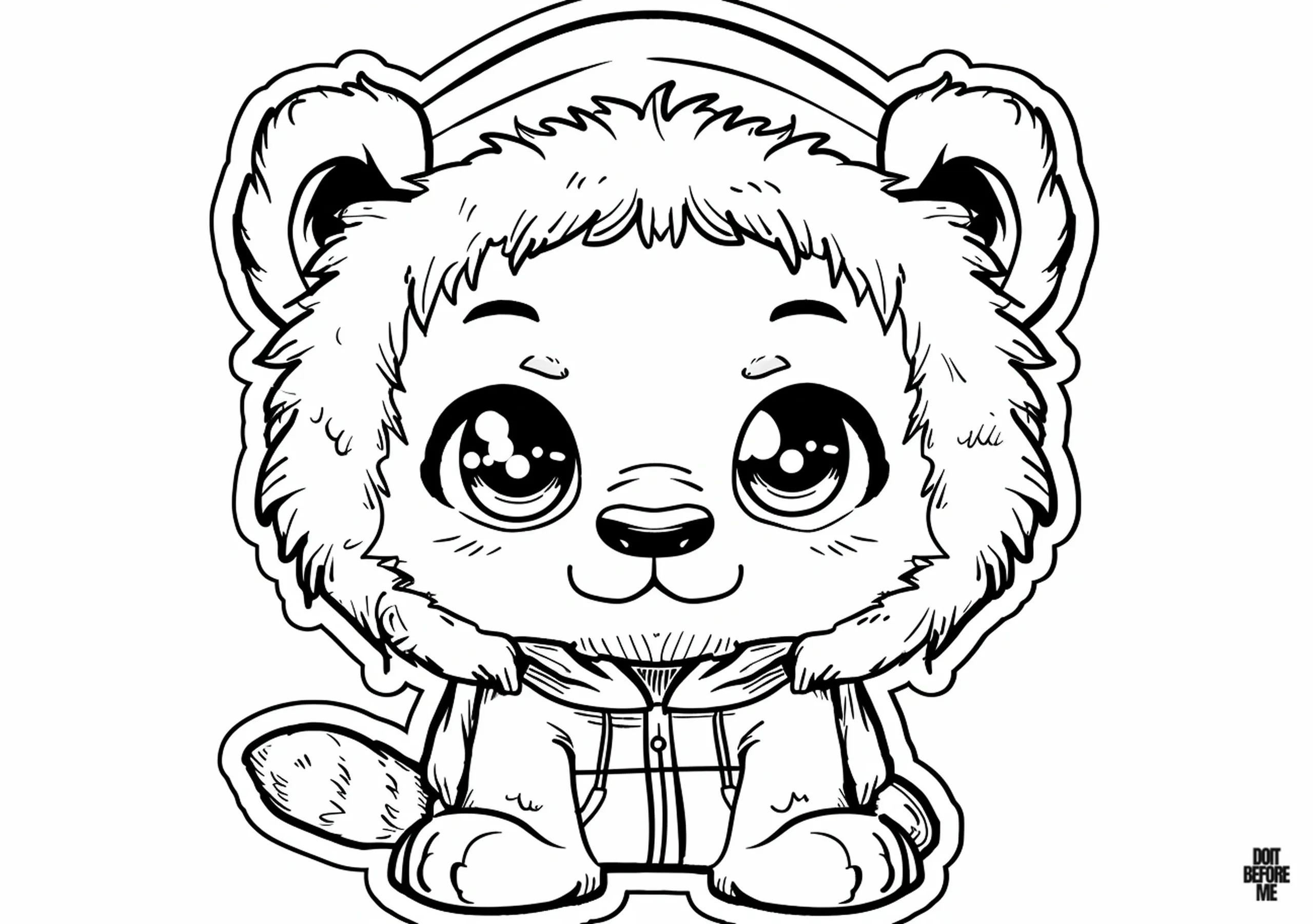
Open full-size Lion coloring sheet 9
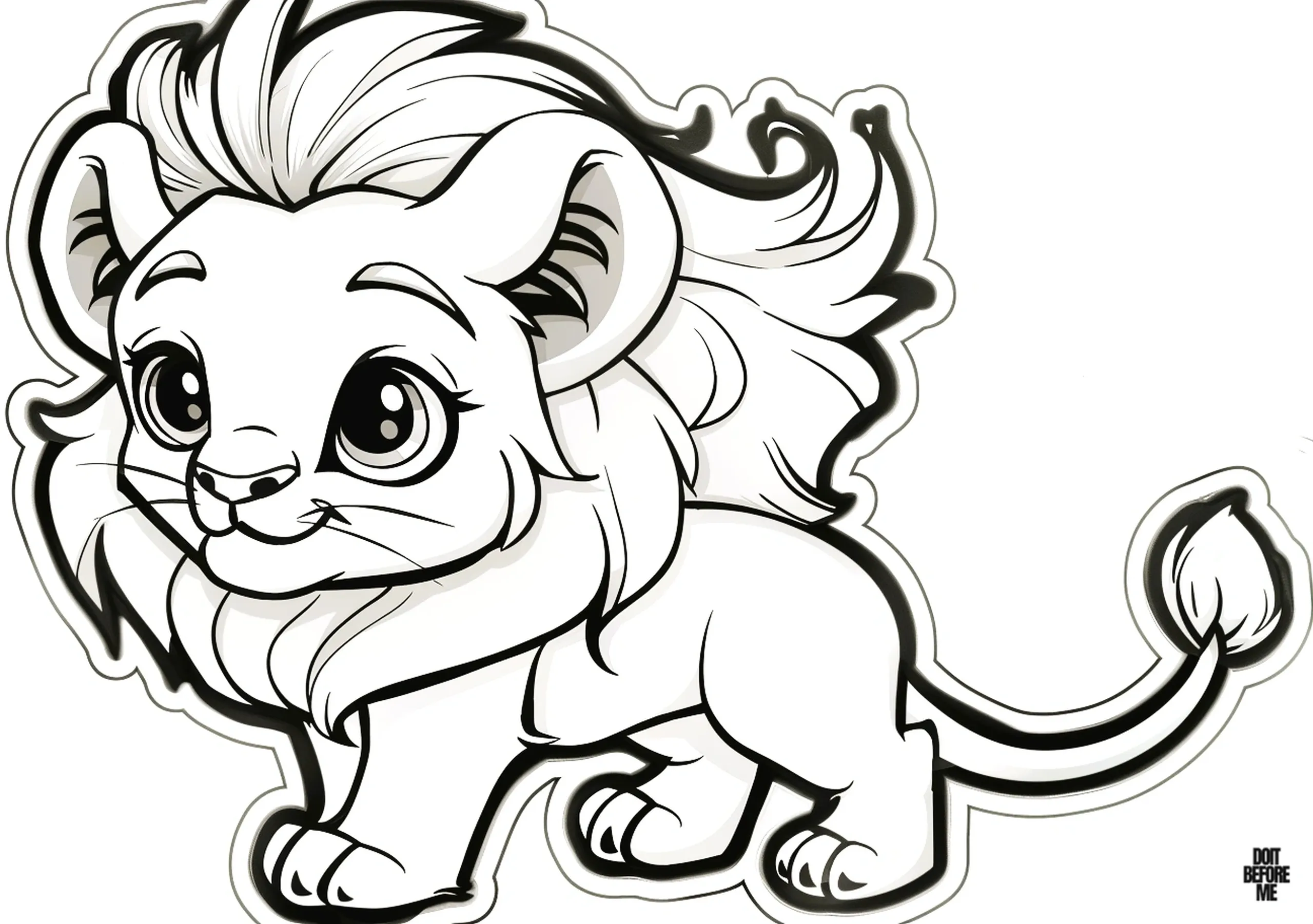
Open full-size Lion coloring sheet 10
Longer mane, more shading: on the cub with the larger mane, color the mane as several warm-brown zones rather than one flat block. Leave a lighter ring close to the face and darken the outer sections to make the head read more clearly.
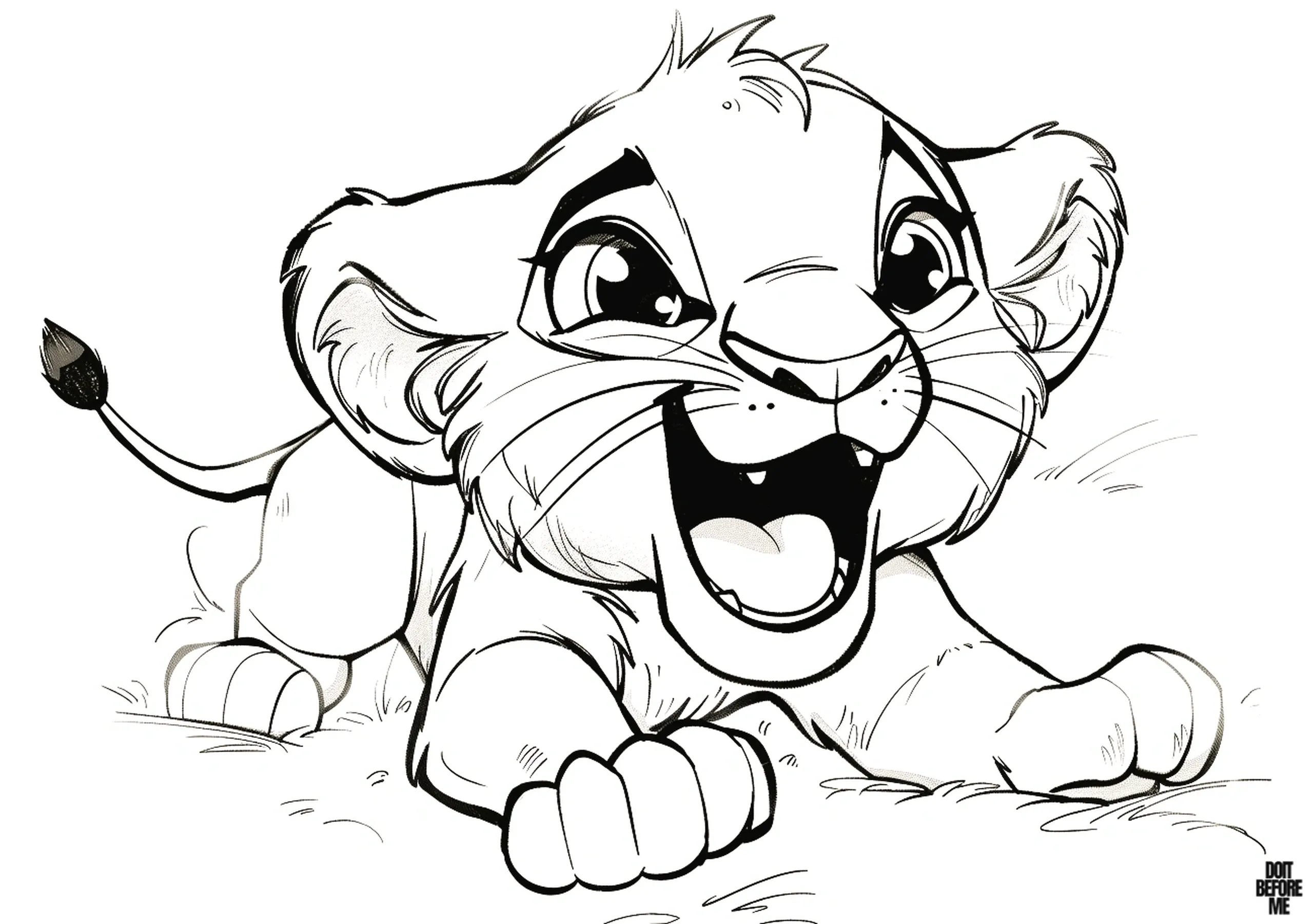
Open full-size Lion coloring sheet 11
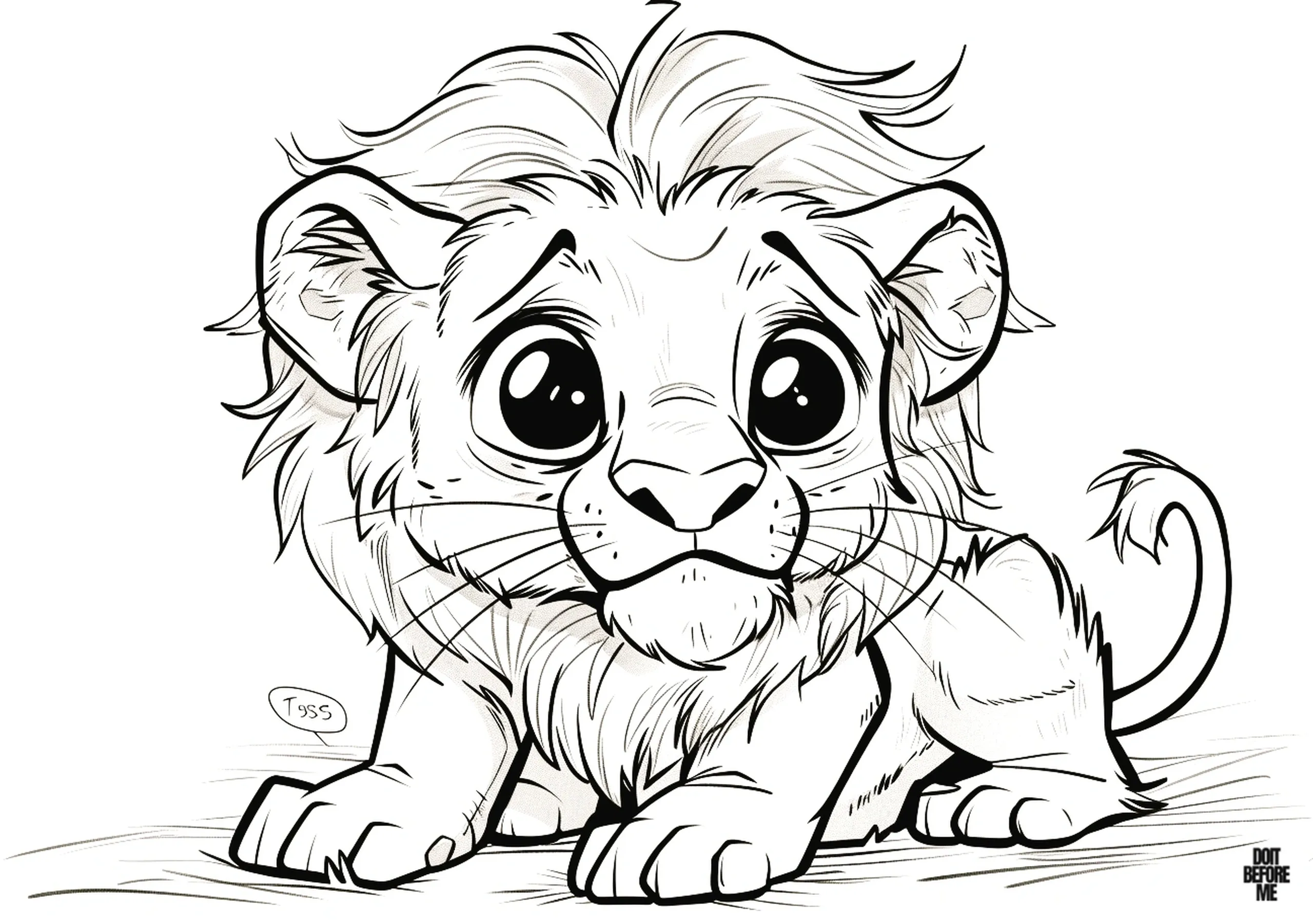
Open full-size Lion coloring sheet 12
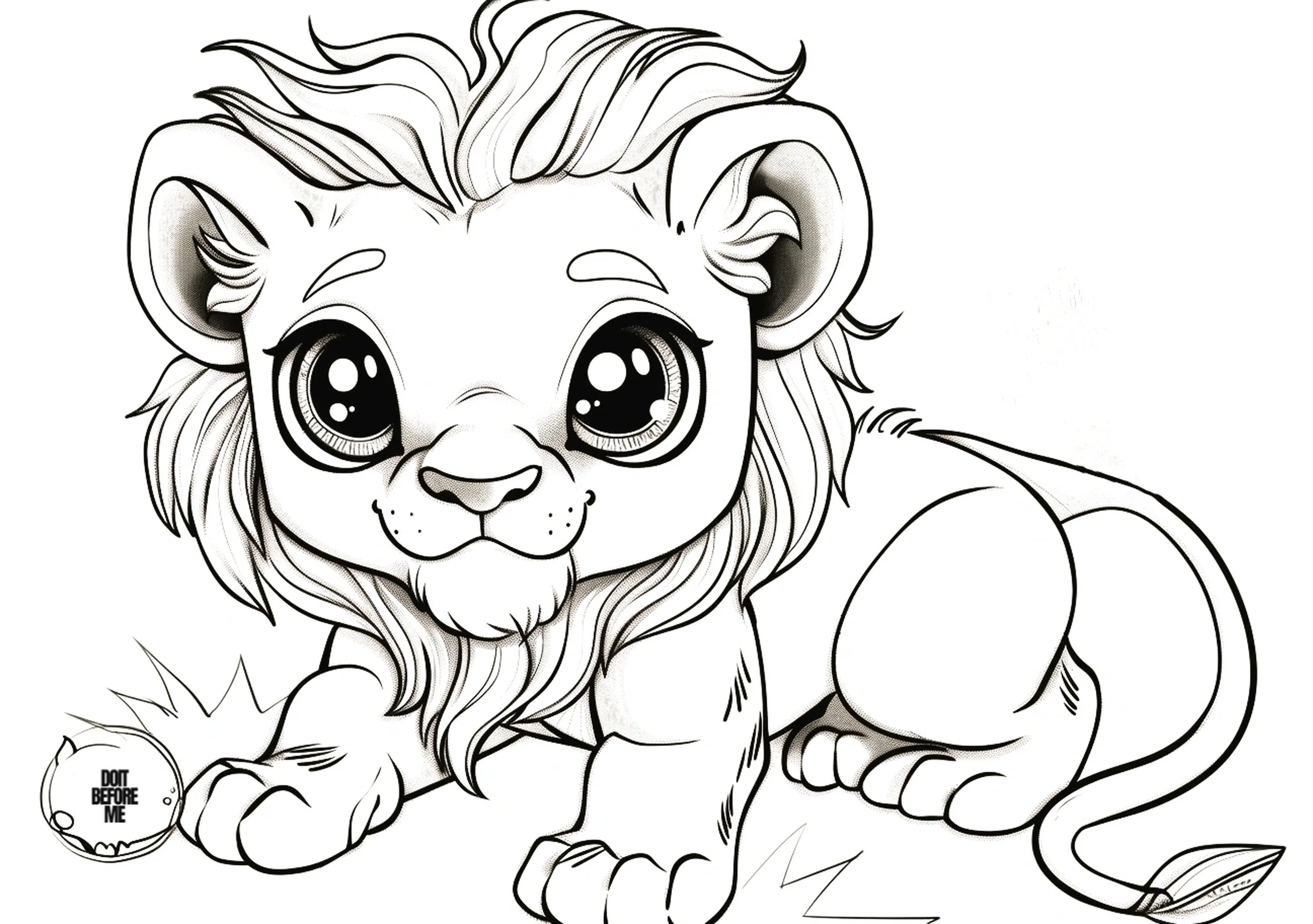
Open full-size Lion coloring sheet 13
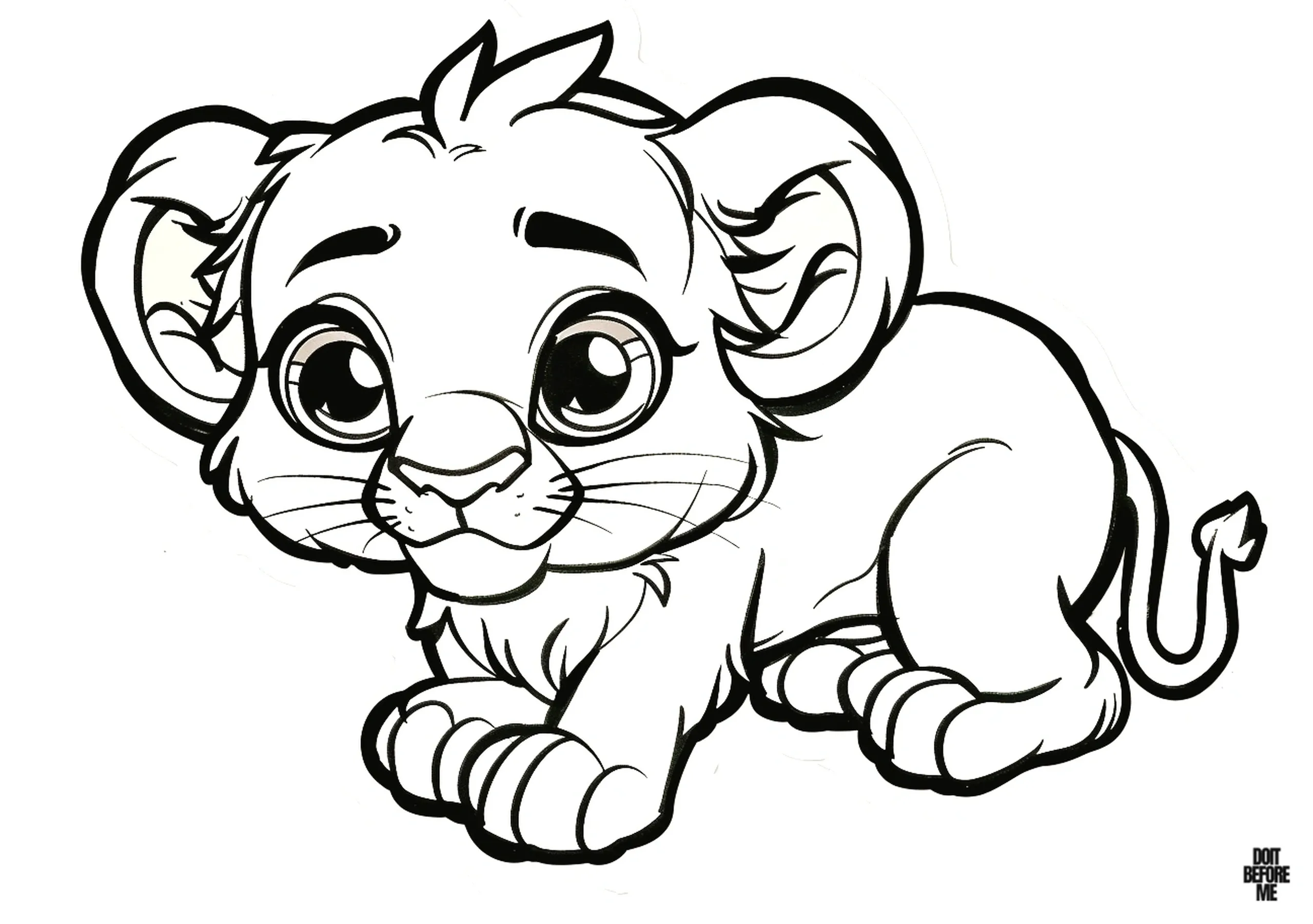
Open full-size Lion coloring sheet 14
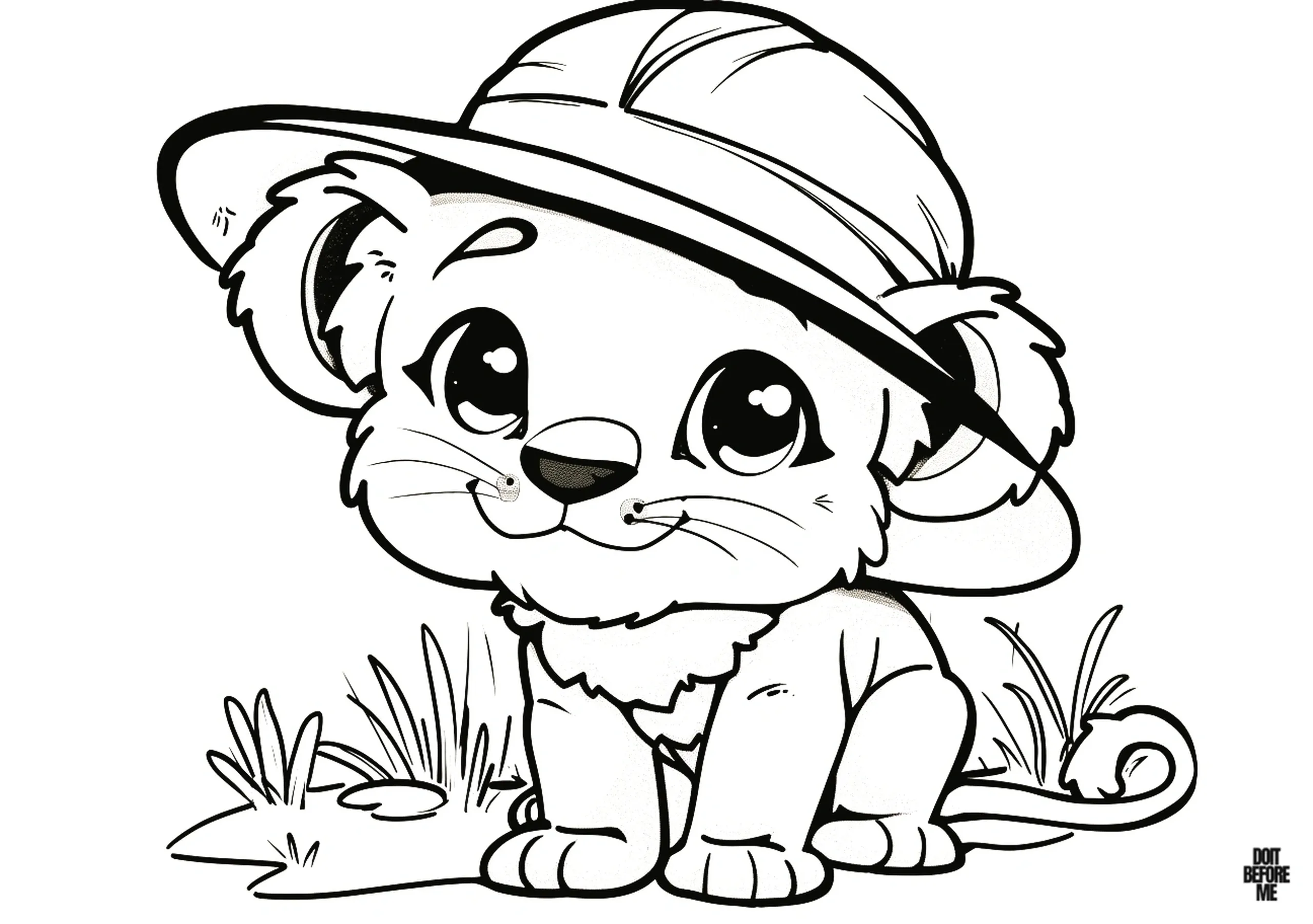
Open full-size Lion coloring sheet 15
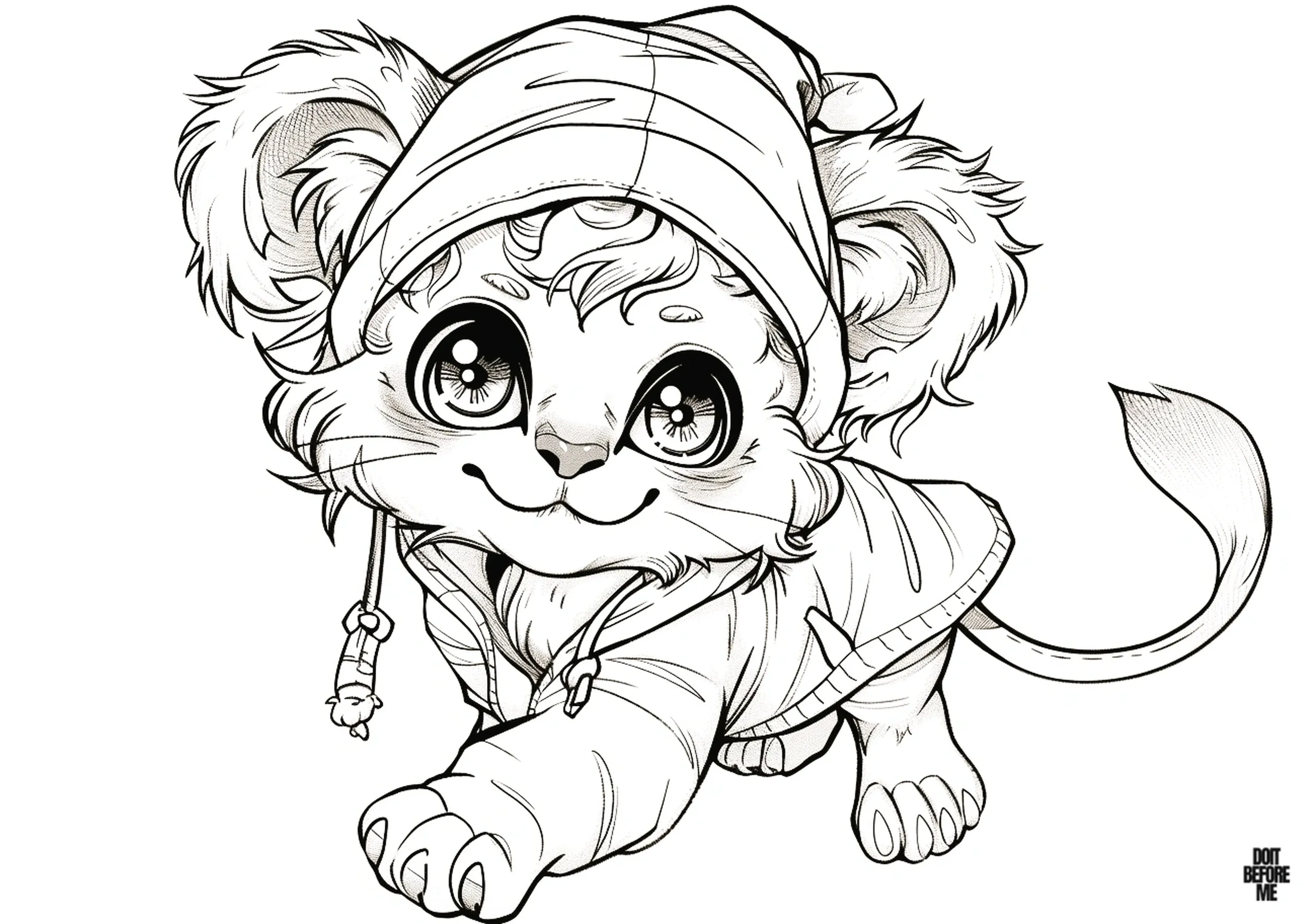
Open full-size Lion coloring sheet 16
For the sportier, more detailed cub: colored pencils are easier than crayons for separating fur, clothing and smaller facial details. Pick the clothing colors first, then keep the fur palette simpler so the outfit remains the accent.
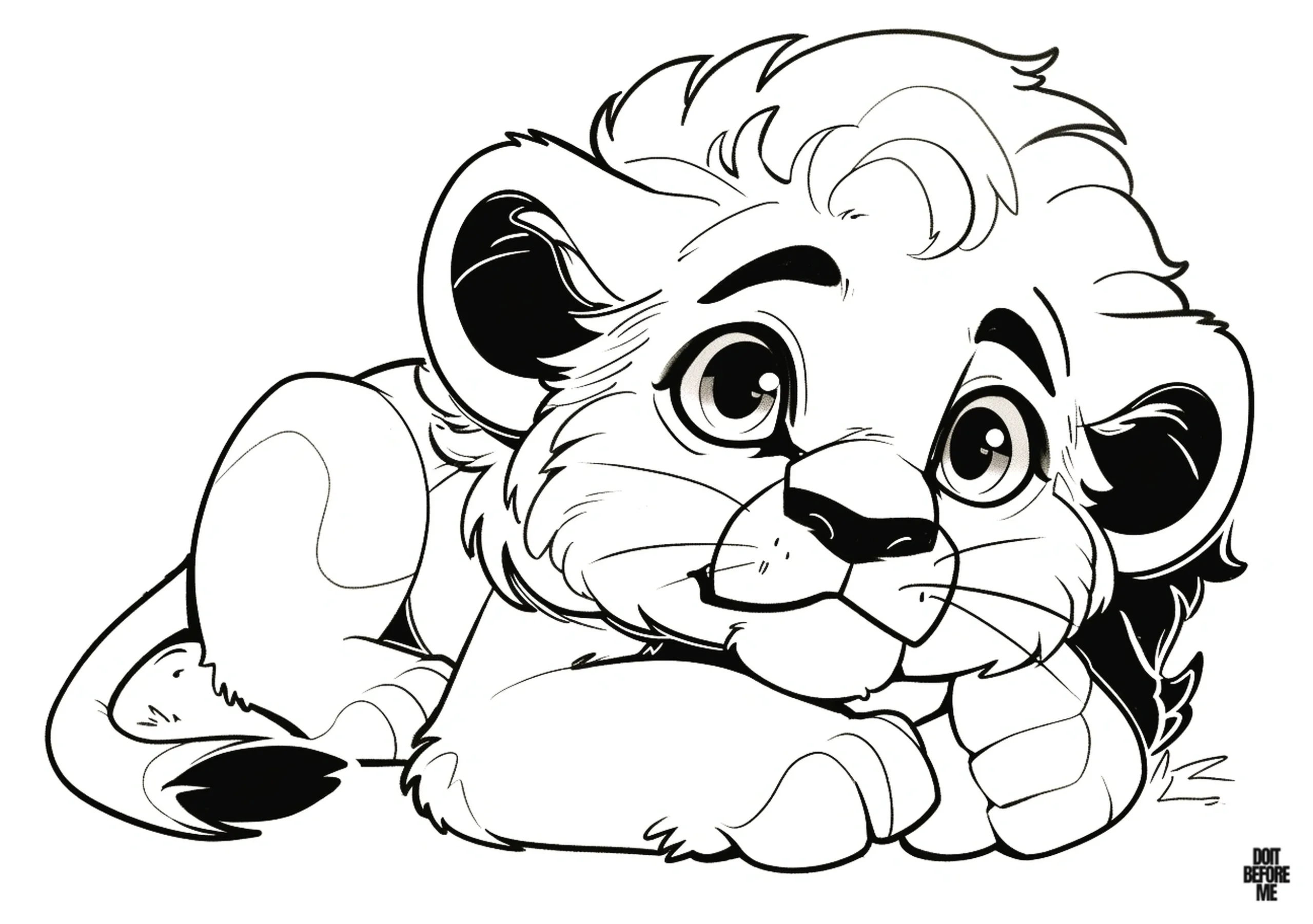
Open full-size Lion coloring sheet 17
Cub pages and adult-lion pages feel very different
The cub drawings are mostly about expression and simple shapes: round cheeks, oversized eyes, small paws and easy-to-read silhouettes. The adult-lion pages are better for texture. A mane can be colored as one flat shape, but it looks much better if you break it into several warm and dark values and leave a few lighter strands around the face.
If you are using crayons, the simpler cubs will usually look cleaner. If you are using colored pencils, the adult faces and manes give you more room to layer color and add depth.
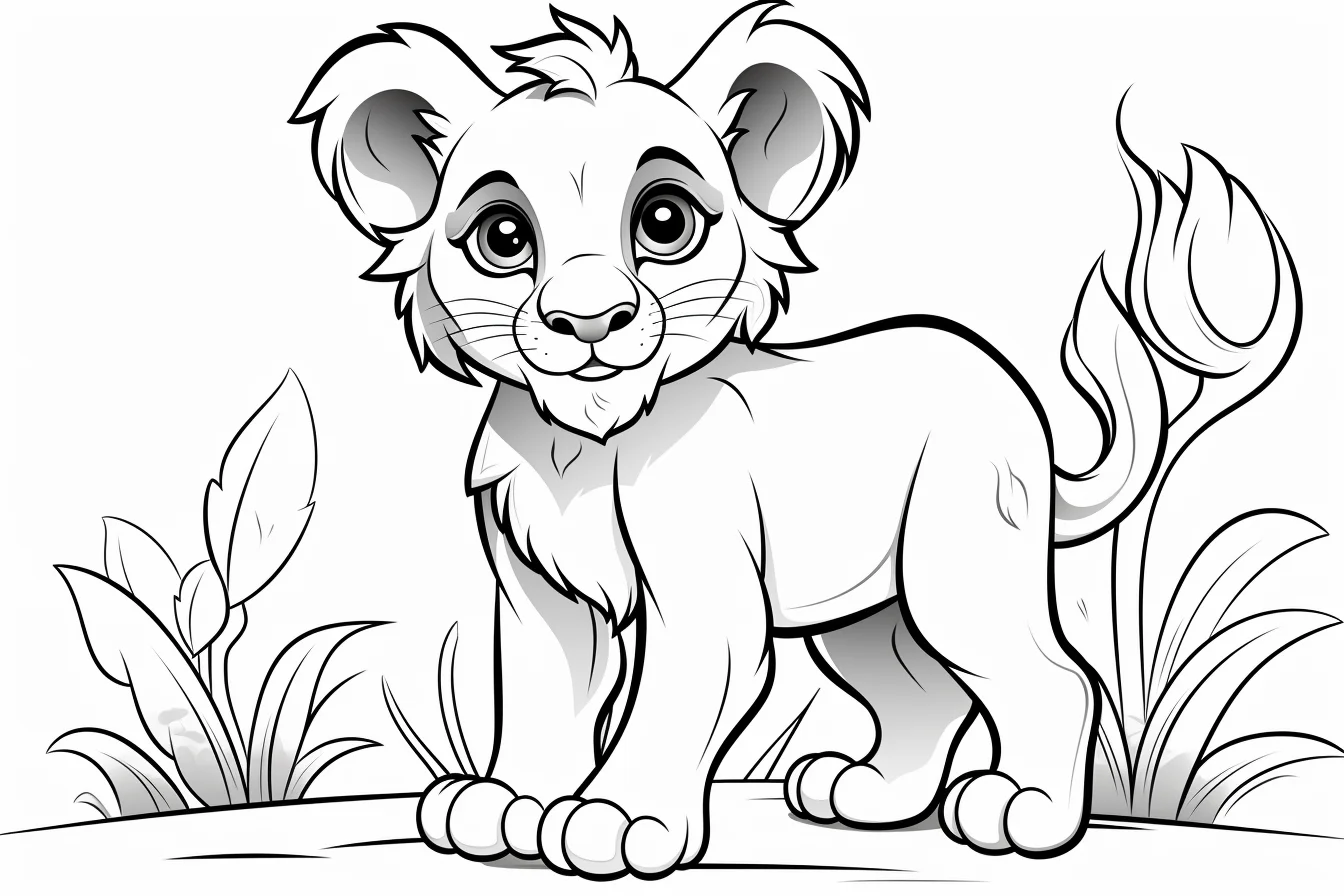
Open full-size Lion coloring sheet 18
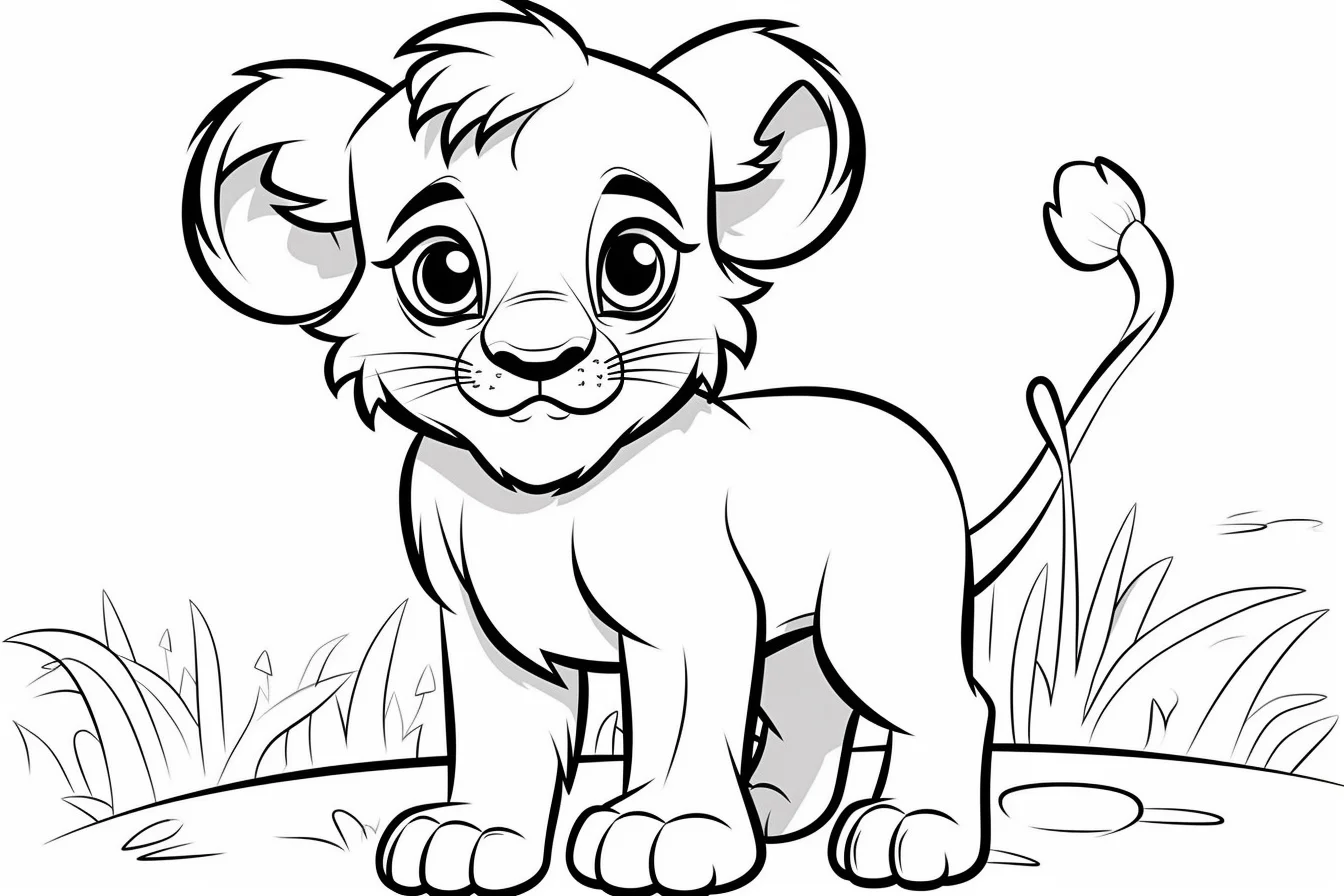
Open full-size Lion coloring sheet 19
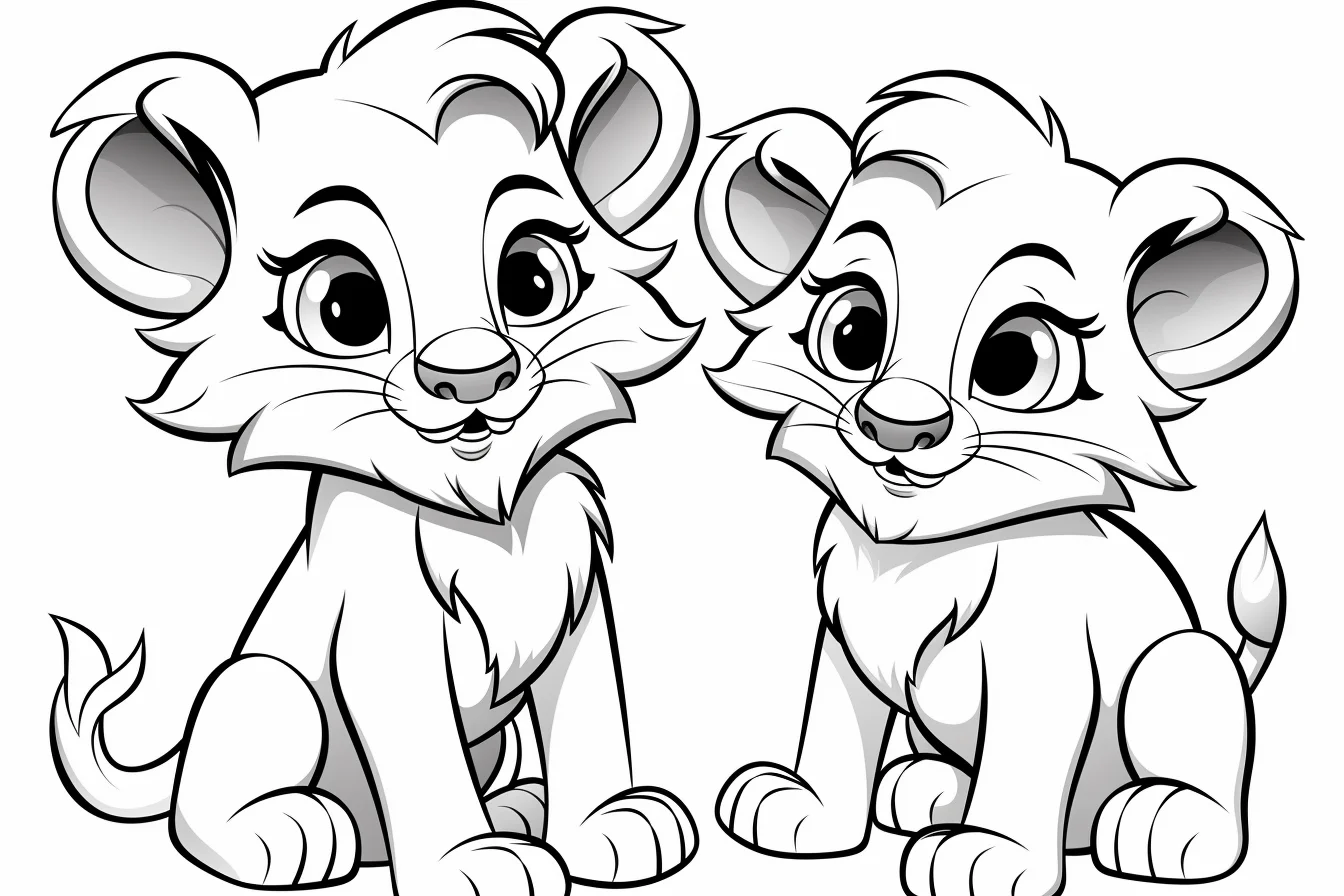
Open full-size Lion coloring sheet 20
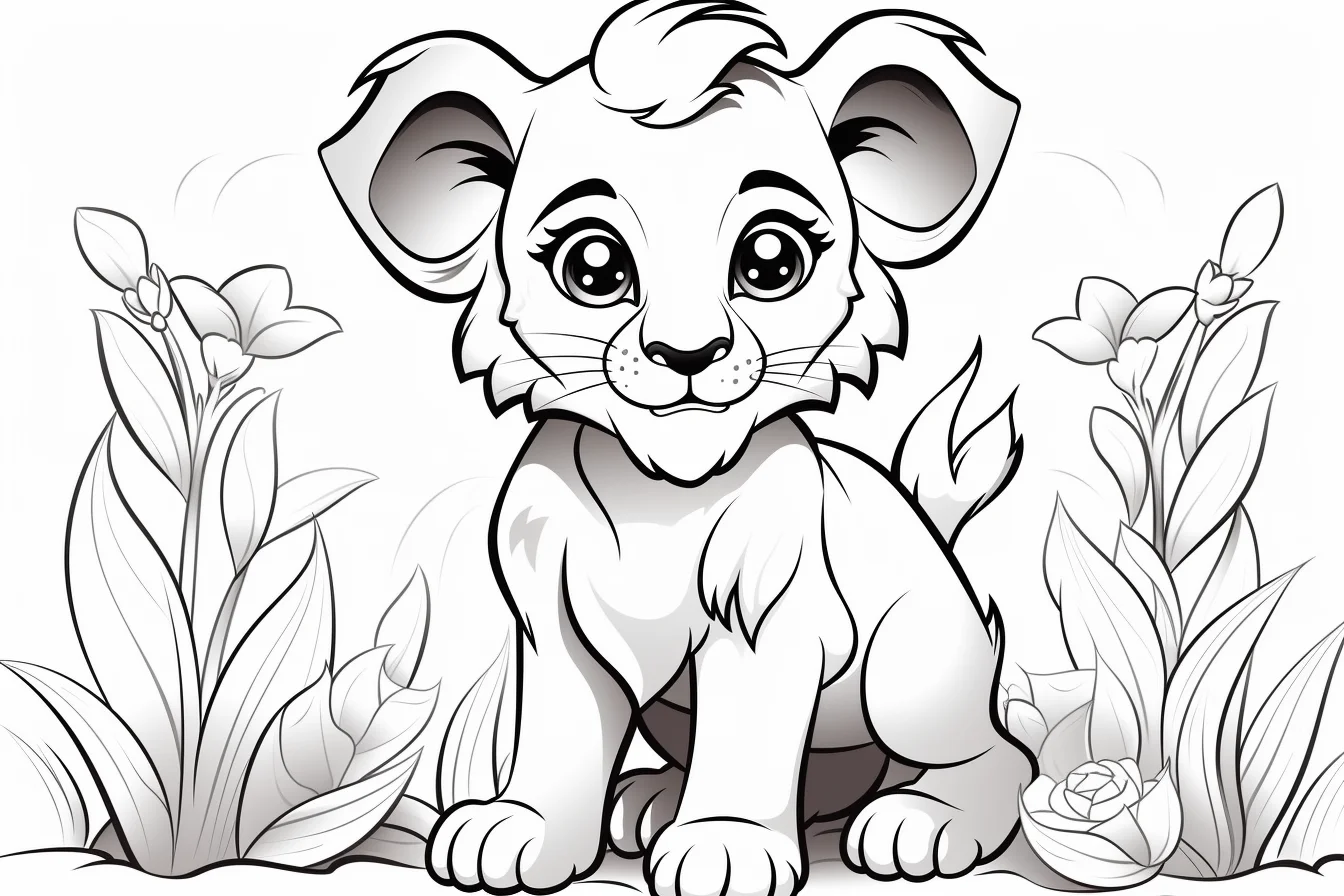
Open full-size Lion coloring sheet 21
Adult-lion section: these pages are where the mane becomes the main coloring challenge. Use a light brown base, add darker sections underneath the chin and around the outer mane, then leave a few lighter areas close to the face instead of filling every strand the same color.
If you specifically want natural anatomy and more realistic adult-lion work, use the separate realistic lion coloring pages.
Fix common lion-coloring problems
| If this happens | Try this |
|---|---|
| The mane looks like one flat brown shape | Use three values: a light base, medium sections through the main locks, and the darkest brown only under the chin and between overlapping clumps. |
| The face disappears inside the mane | Keep the fur immediately around the muzzle and eyes lighter than the outer mane. Contrast at the face matters more than adding more lines. |
| Short fur looks striped | Use light overlapping strokes rather than separate dark lines. On a cub, smooth color usually reads better than trying to draw every hair. |
| The eyes look muddy | Leave a tiny paper-white highlight and build the iris around it. Add the darkest value last rather than filling the whole eye immediately. |
| Crayon coverage looks scratchy | Turn the crayon slightly sideways for the first light layer, then add firmer directional strokes only where you want shadow. |
| Marker bleeds into the muzzle or eyes | Color up to the boundary in short passes and let adjacent areas dry before adding a second layer. Put scrap paper behind the sheet. |
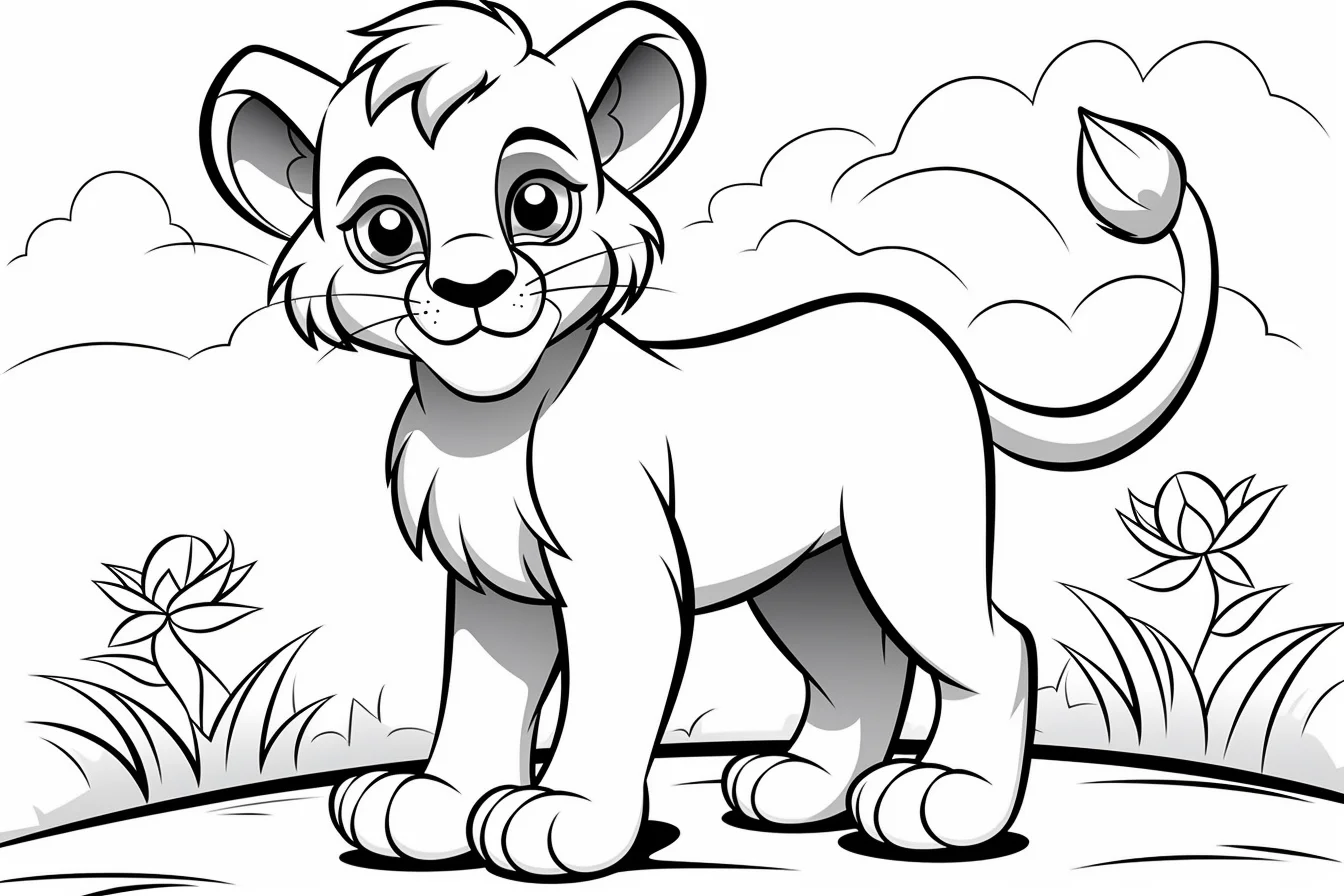
Open full-size Lion coloring sheet 22
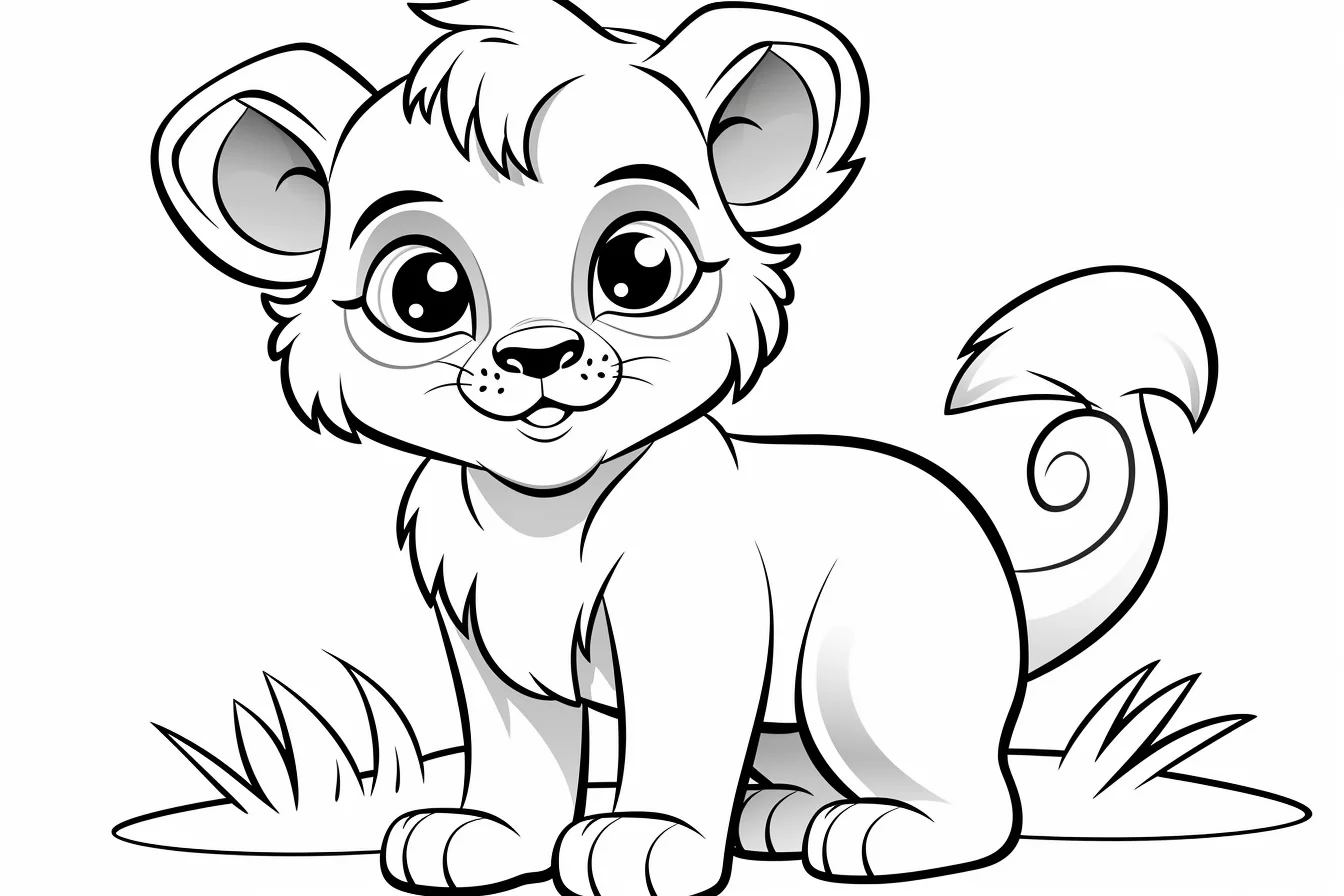
Open full-size Lion coloring sheet 23
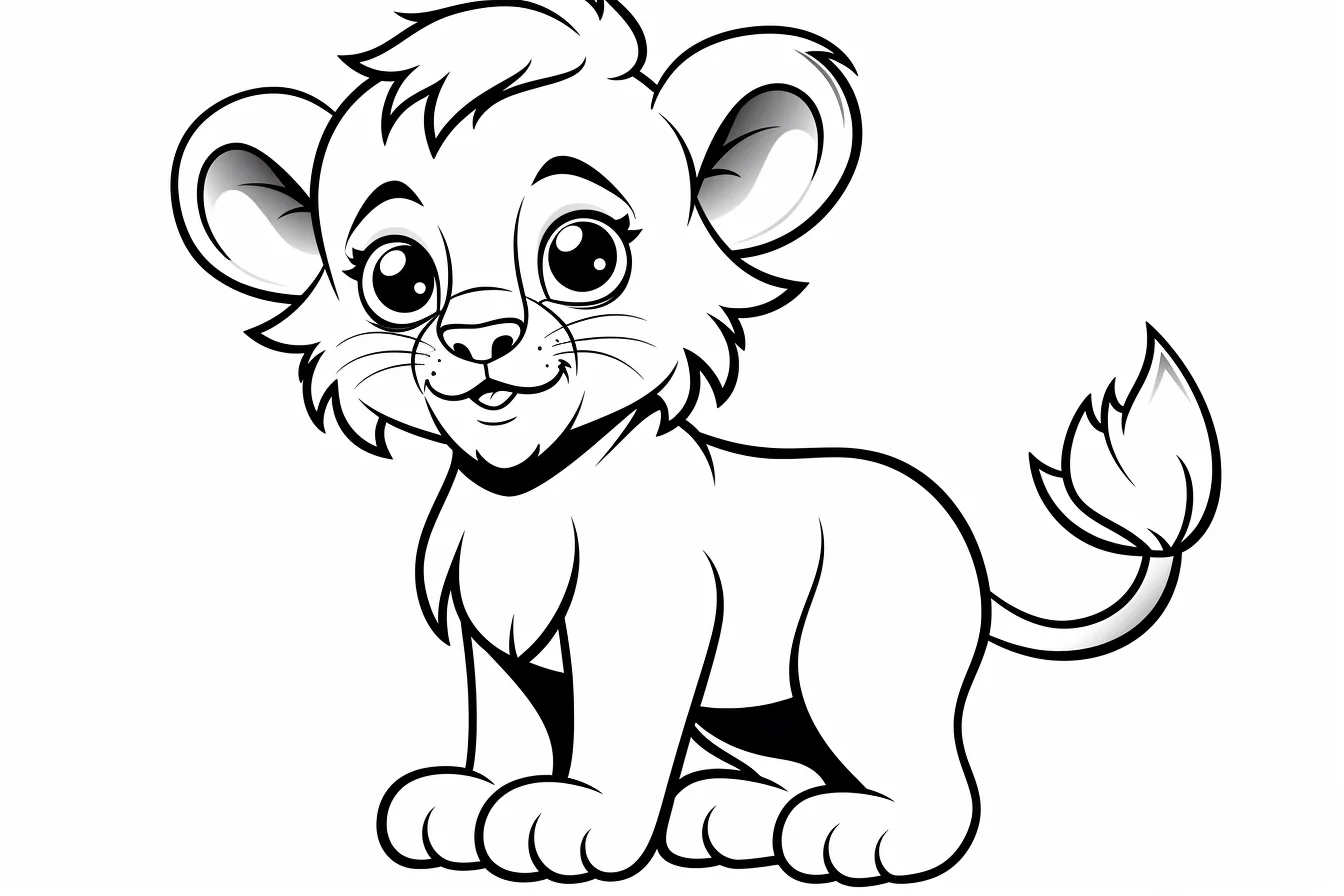
Open full-size Lion coloring sheet 24
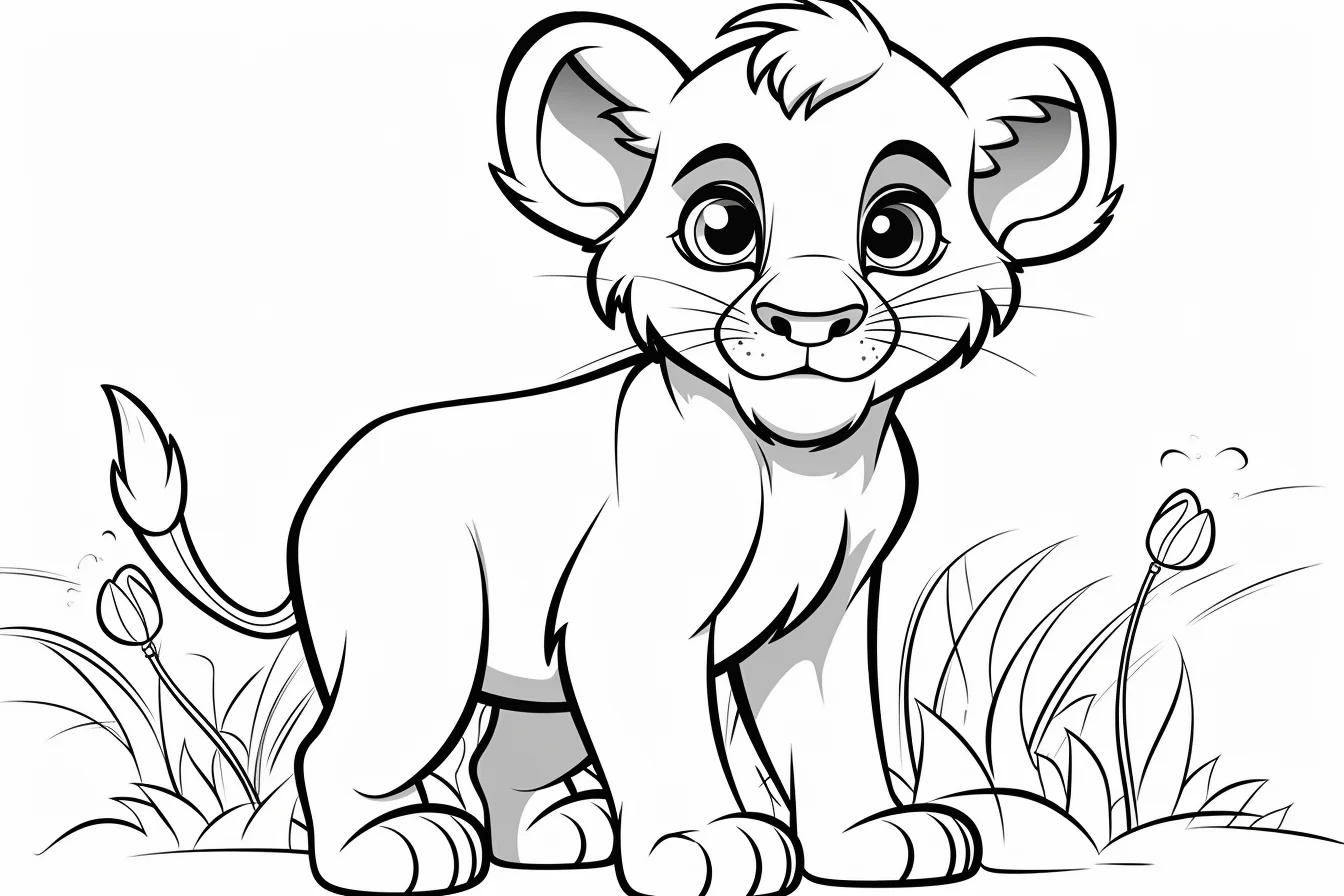
Open full-size Lion coloring sheet 25
Lion face and head pages: put your darkest values around the eyes, nose and underside of the mane rather than outlining the entire face in black. That keeps the expression readable and gives the head more depth.
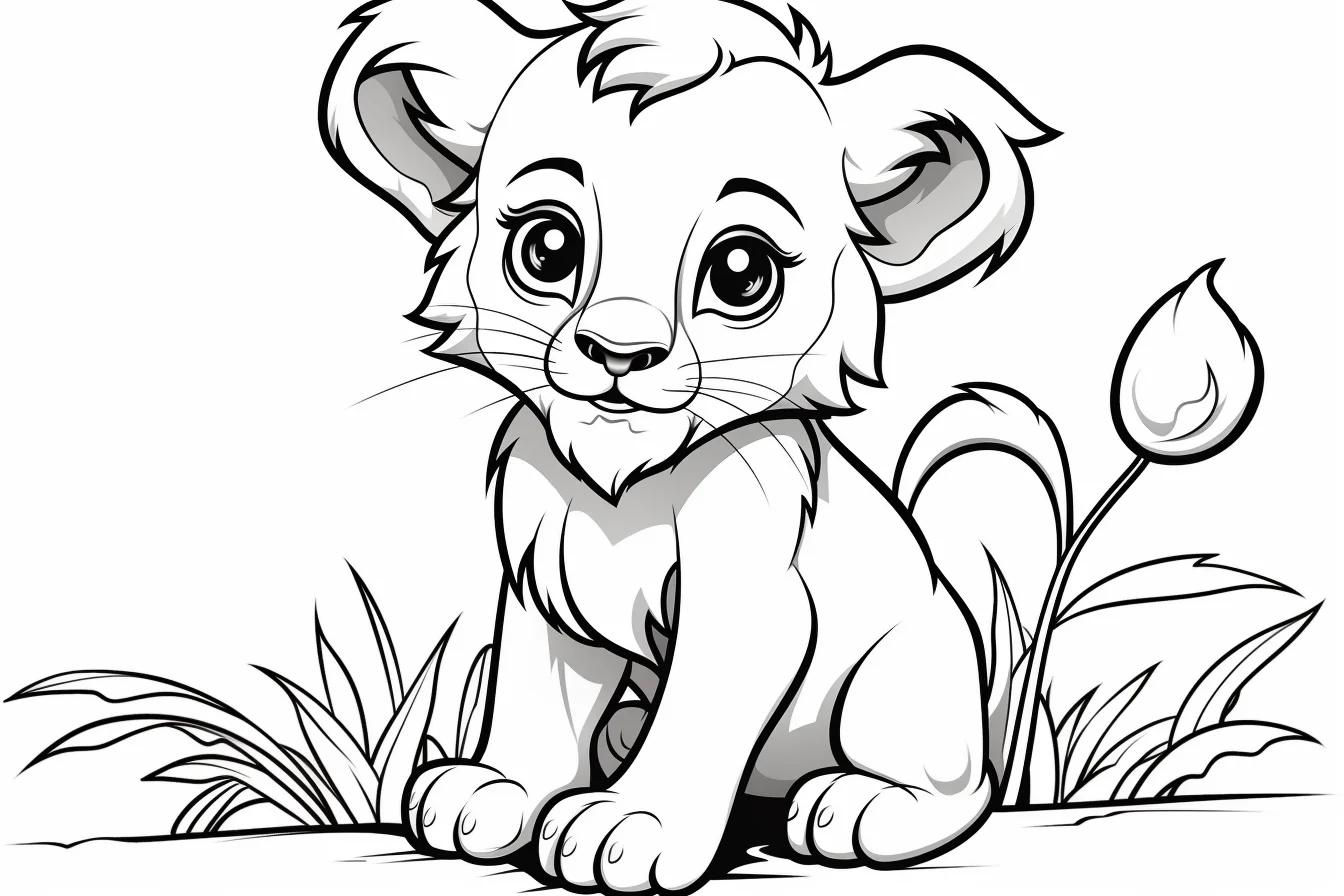
Open full-size Lion coloring sheet 26
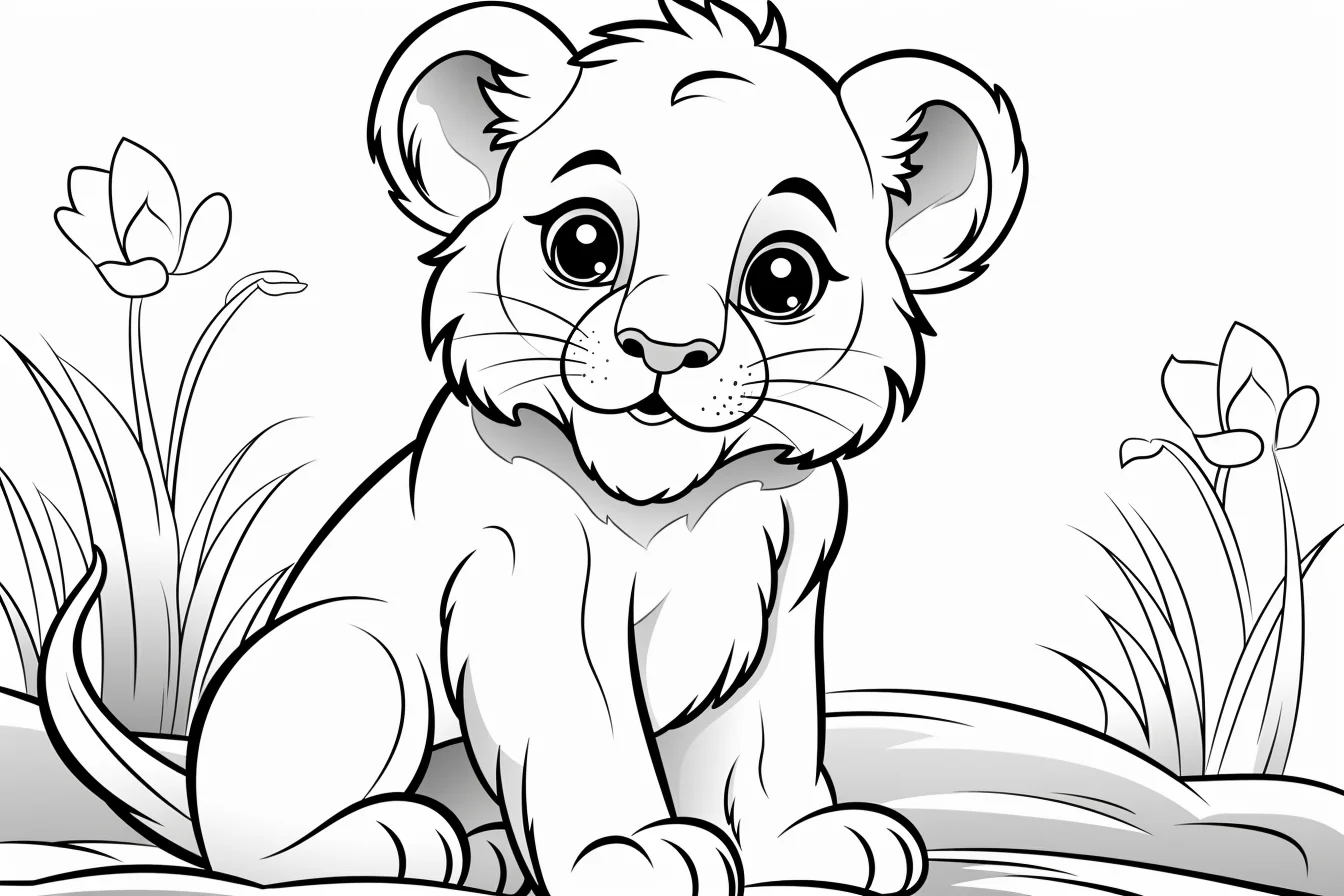
Open full-size Lion coloring sheet 27
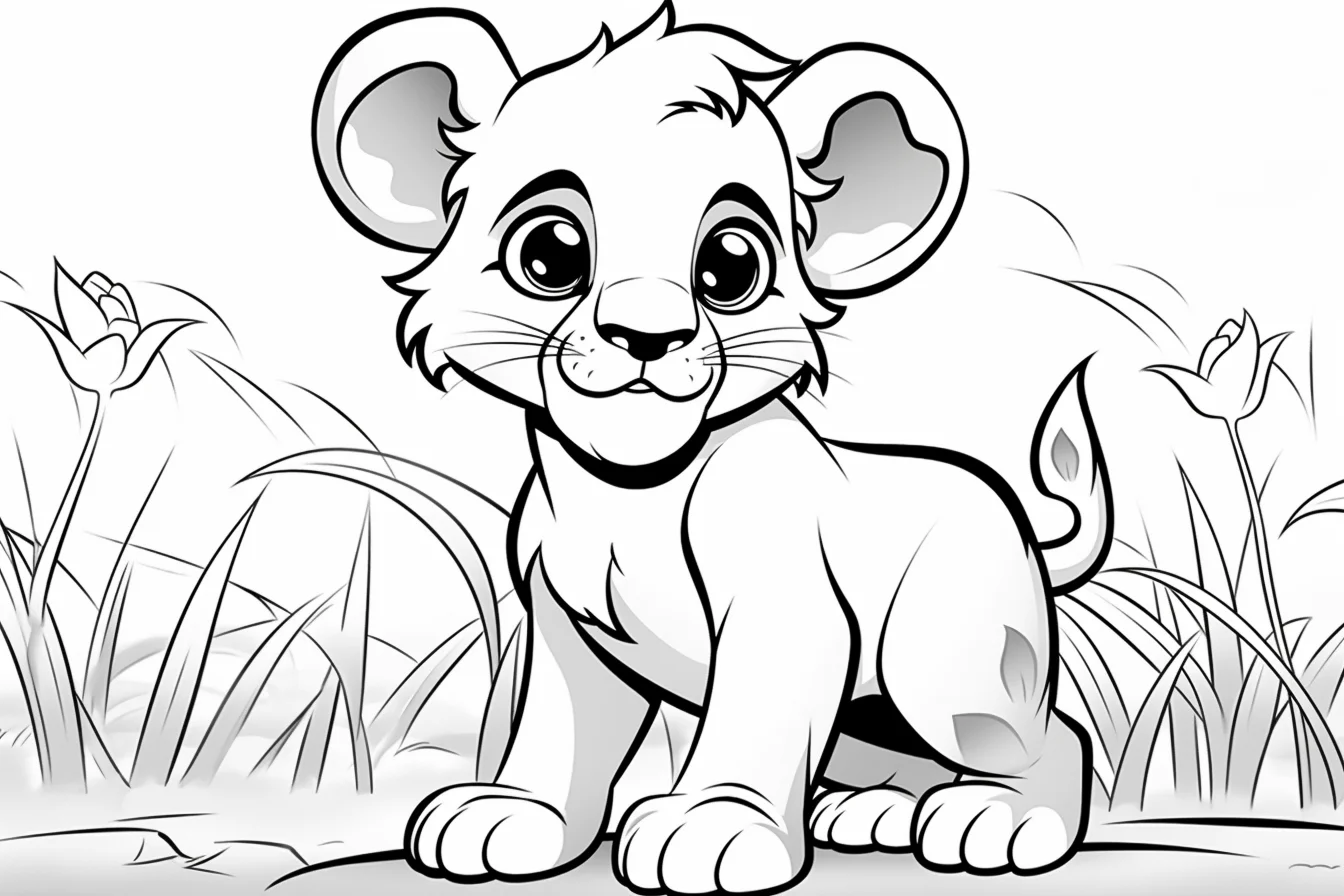
Open full-size Lion coloring sheet 28
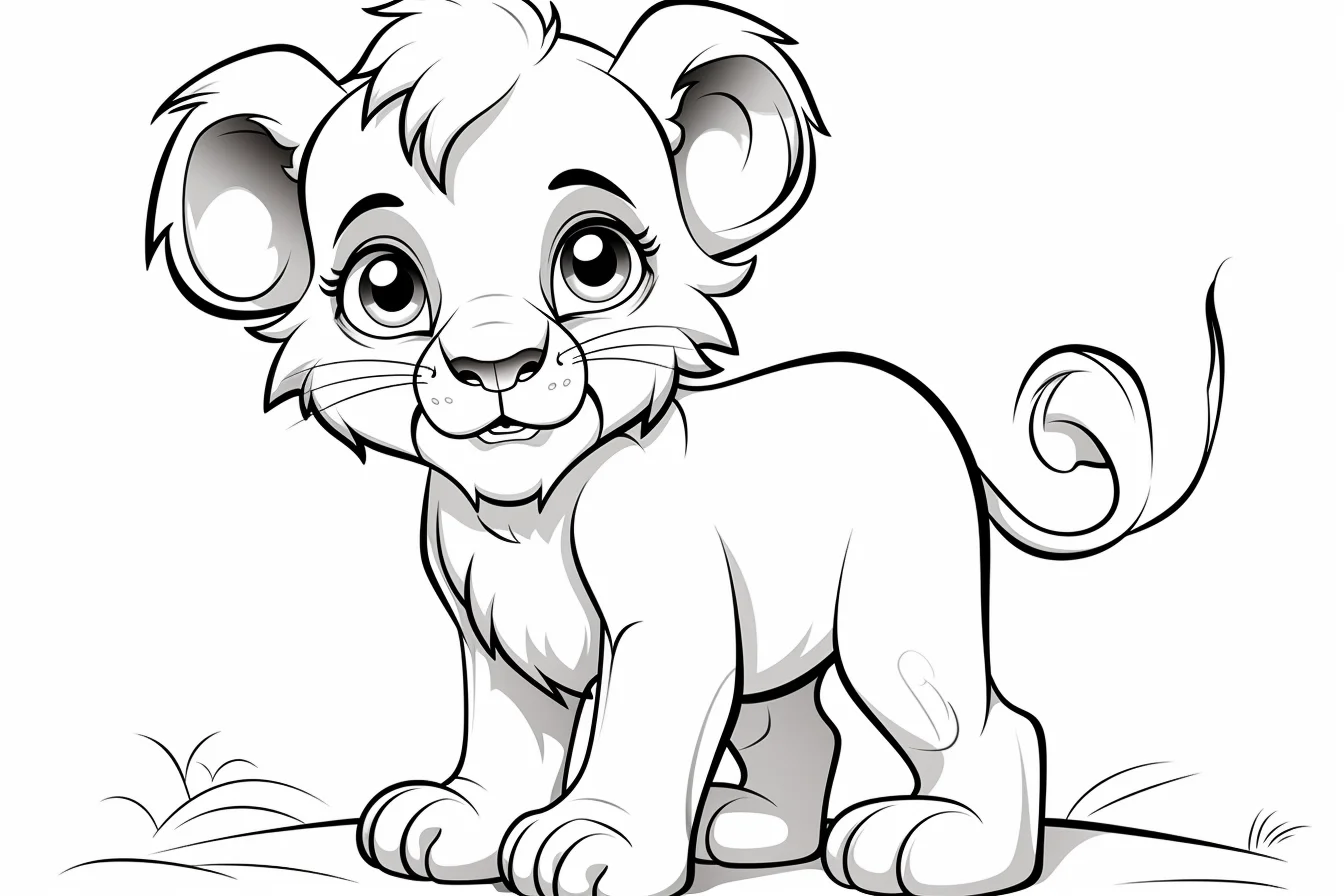
Open full-size Lion coloring sheet 29
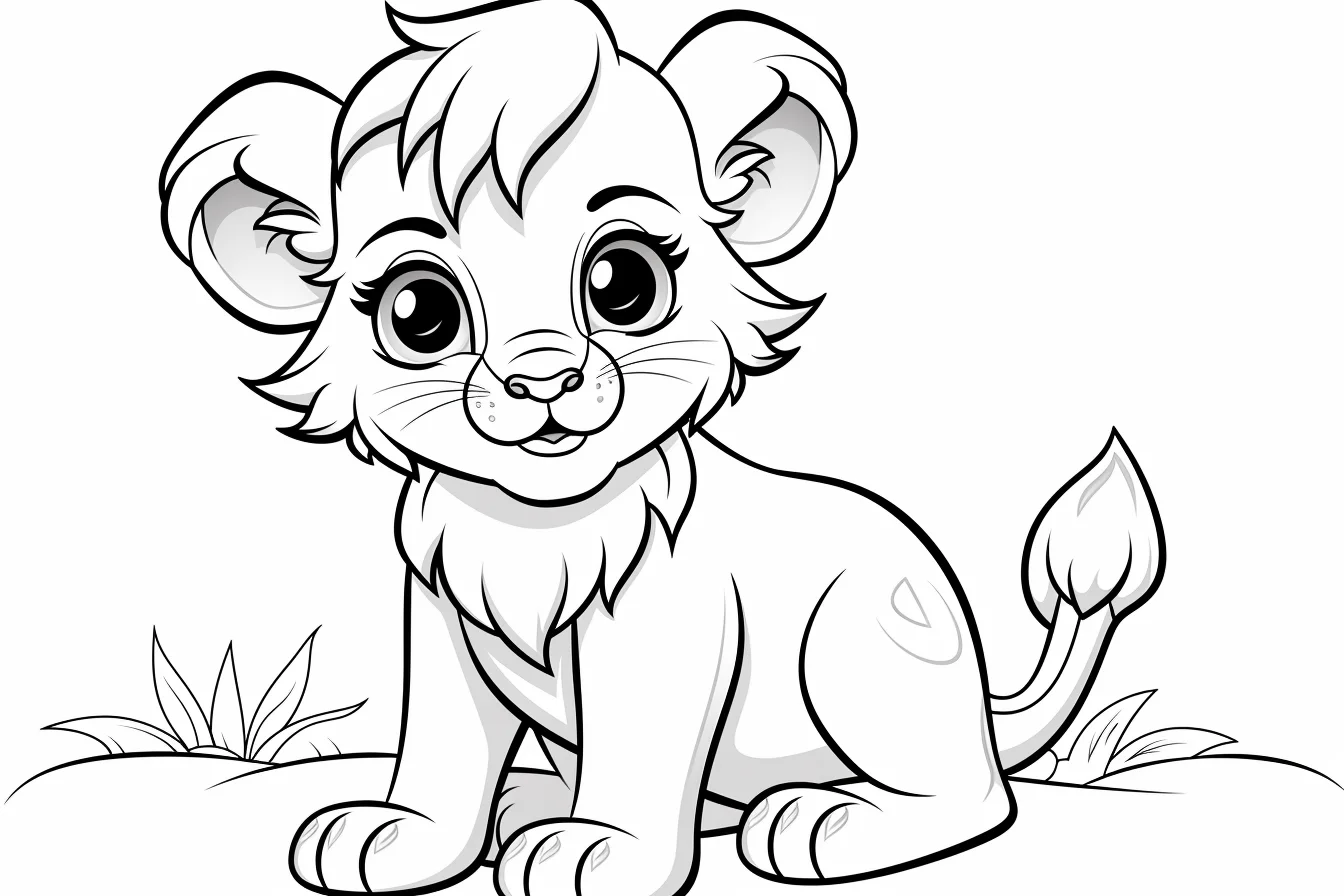
Open full-size Lion coloring sheet 30
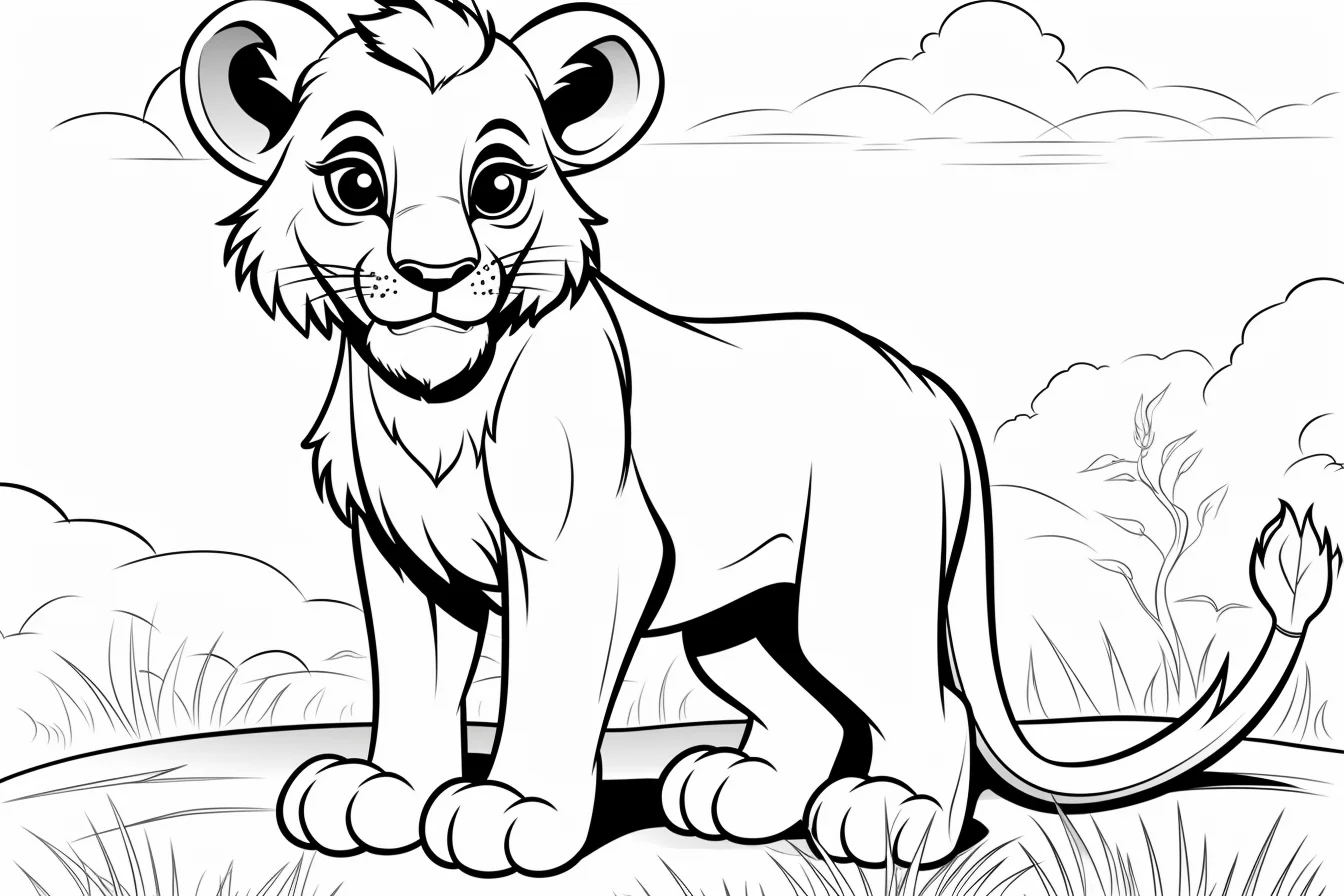
Open full-size Lion coloring sheet 31
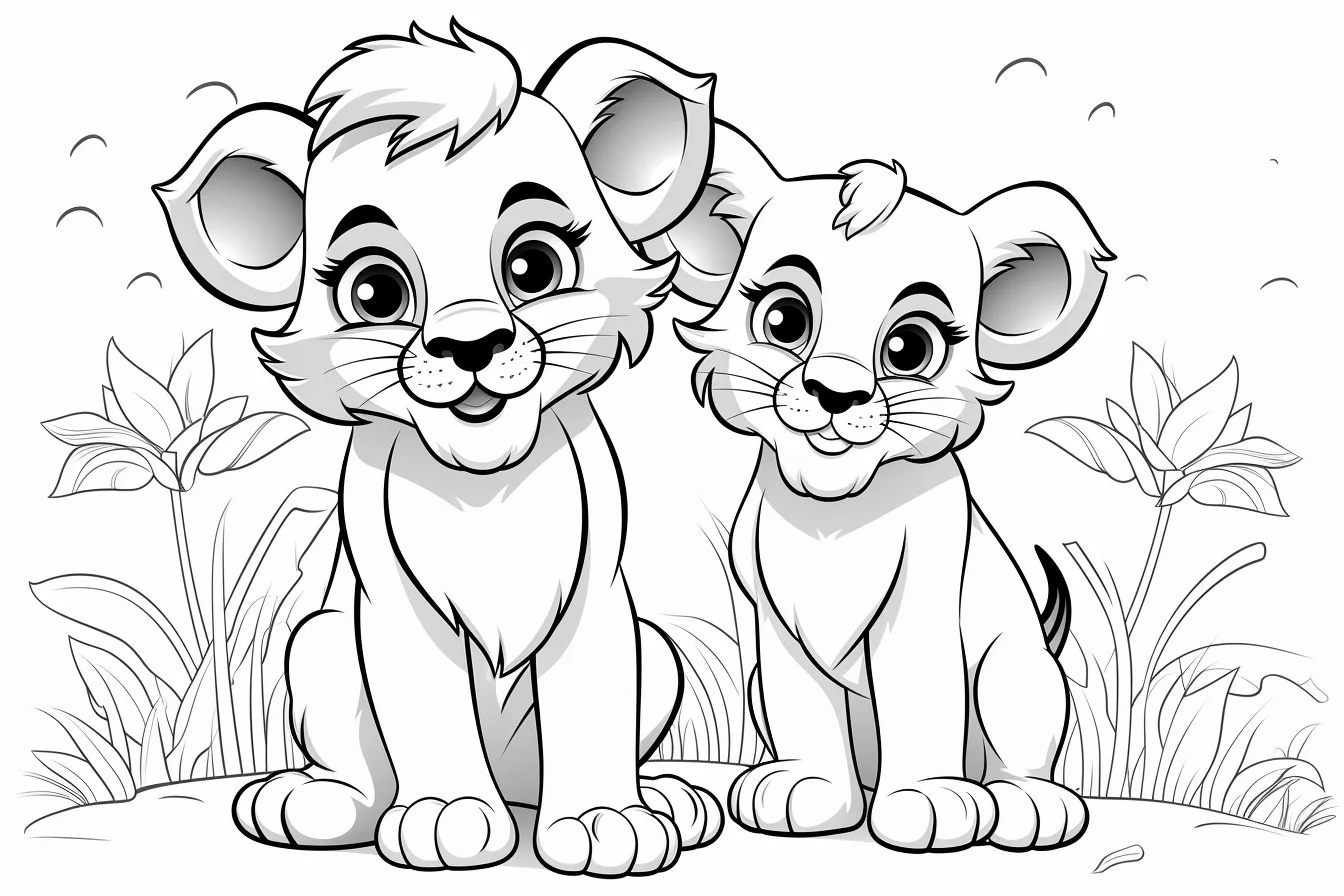
Open full-size Lion coloring sheet 32
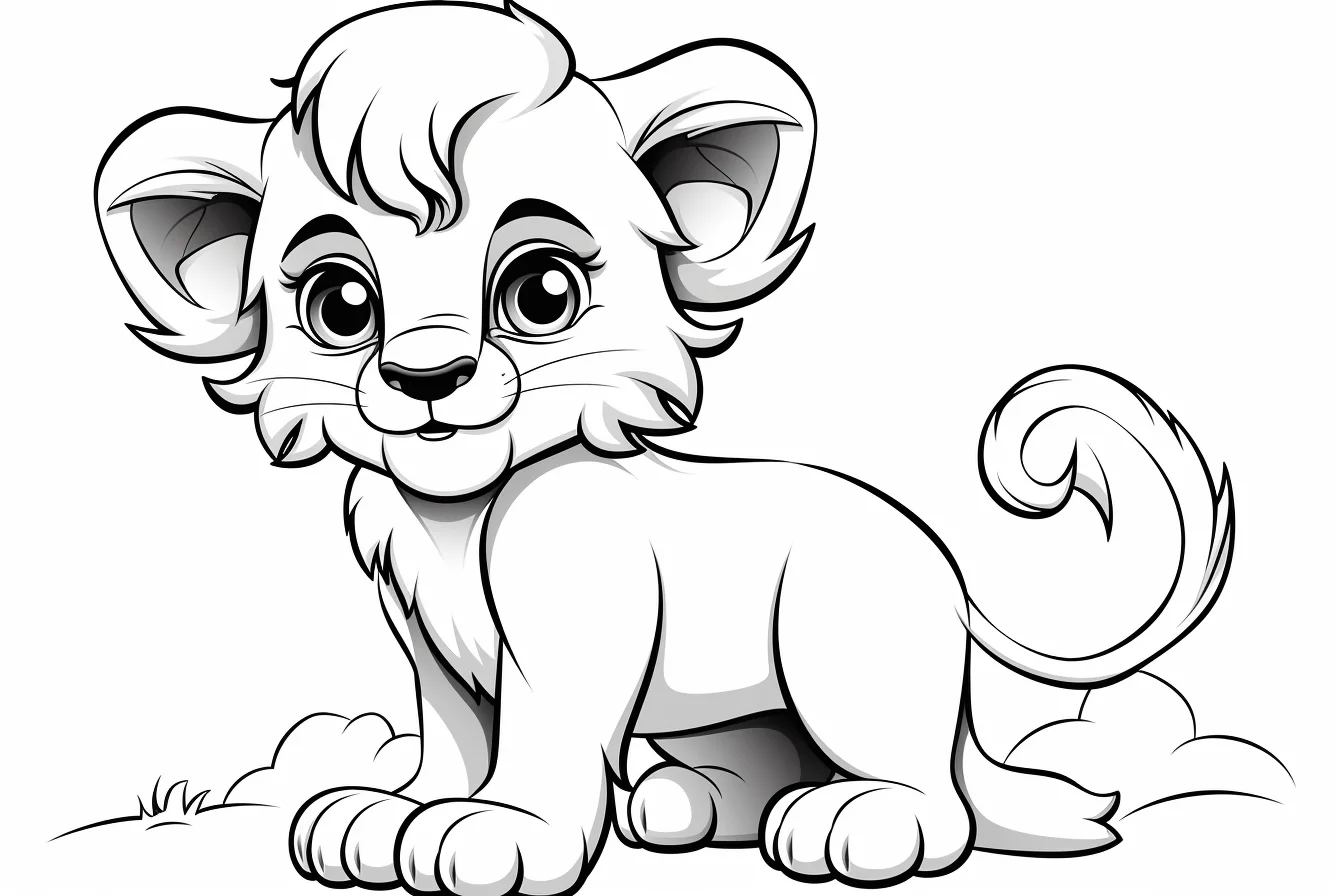
Open full-size Lion coloring sheet 33
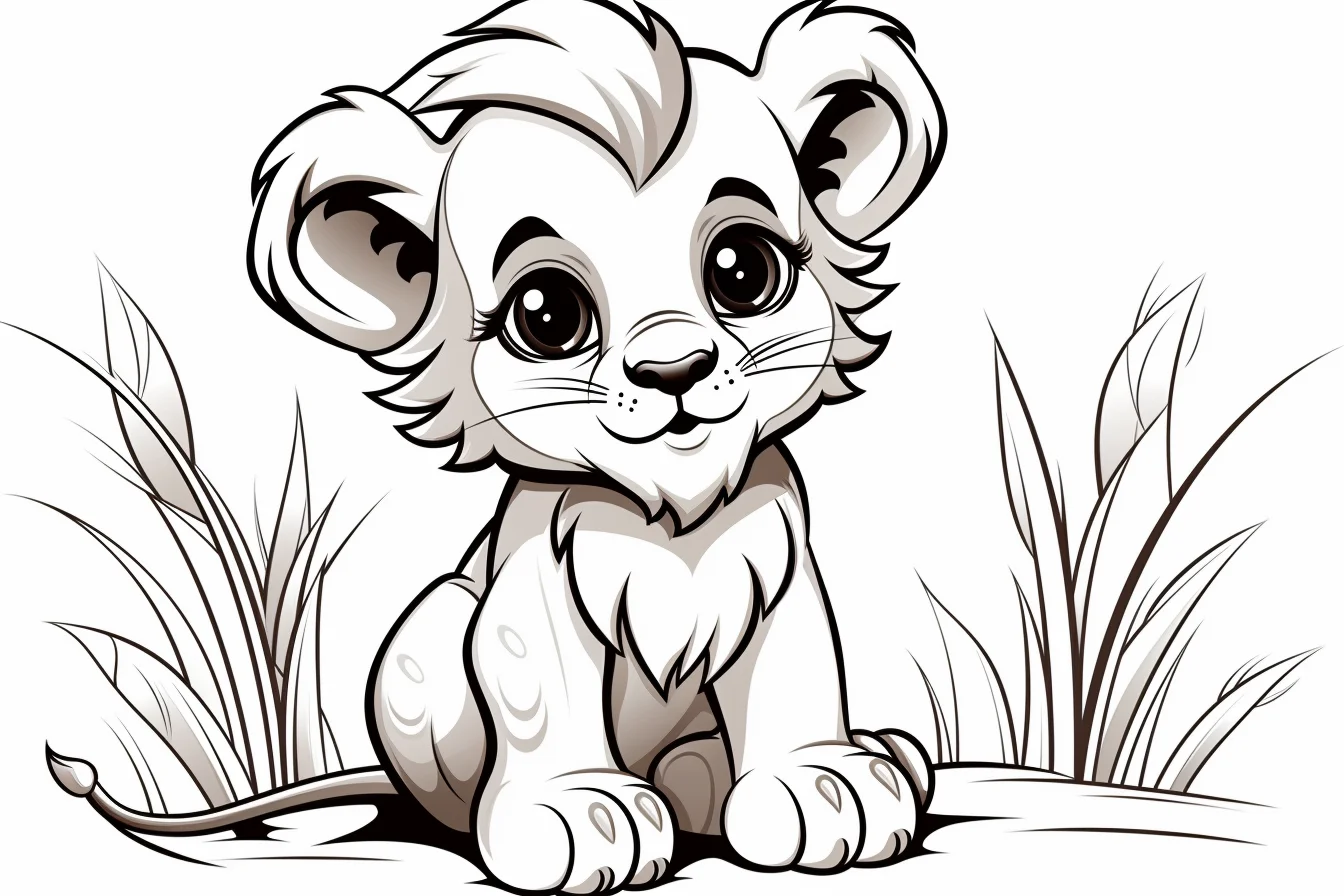
Open full-size Lion coloring sheet 34
Back to easy cubs: the final baby-lion group is a better choice if the adult manes above feel too busy. Use broad crayons or markers for the coat, then add only a few darker accents around the ears, paws and tail.
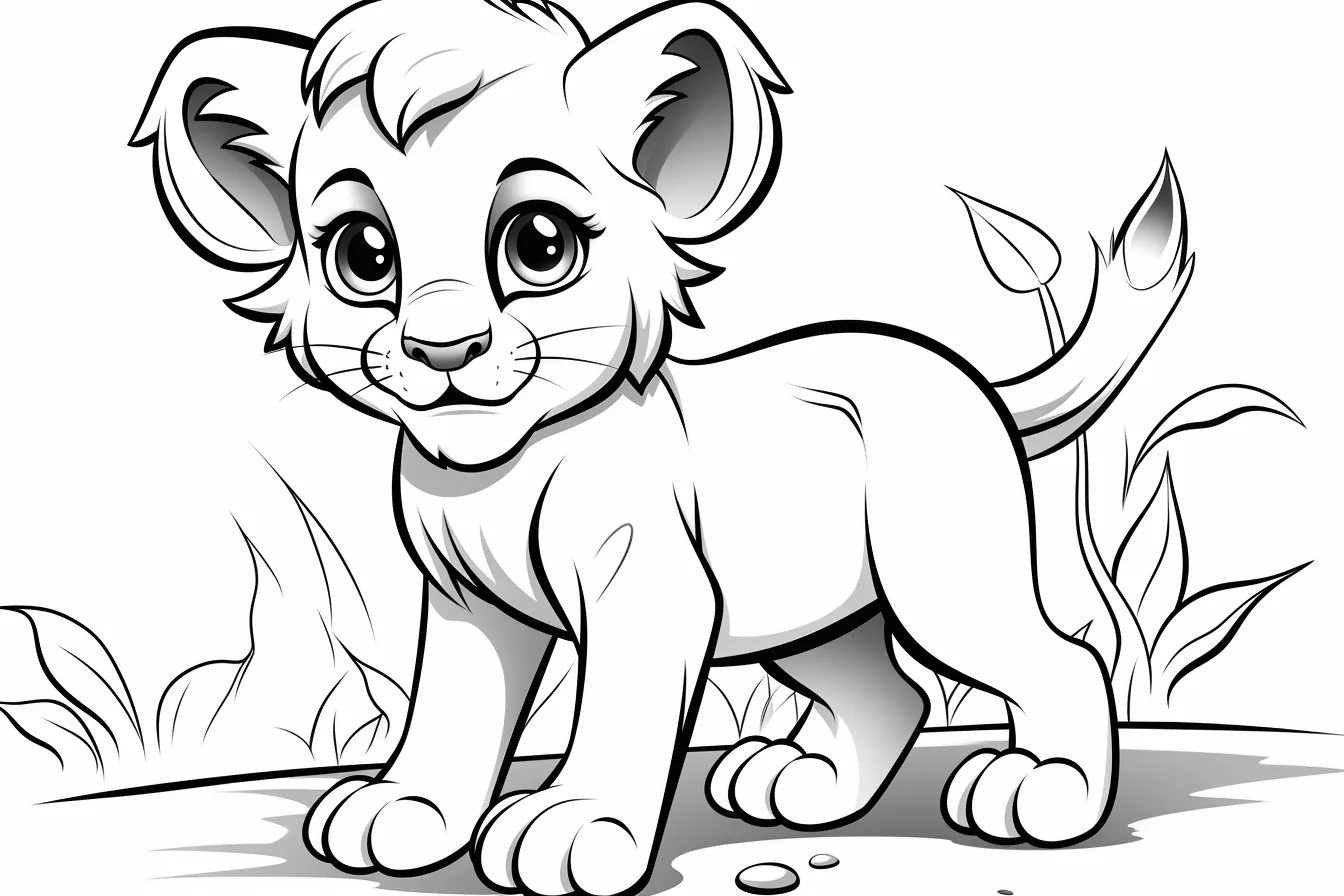
Open full-size Lion coloring sheet 35
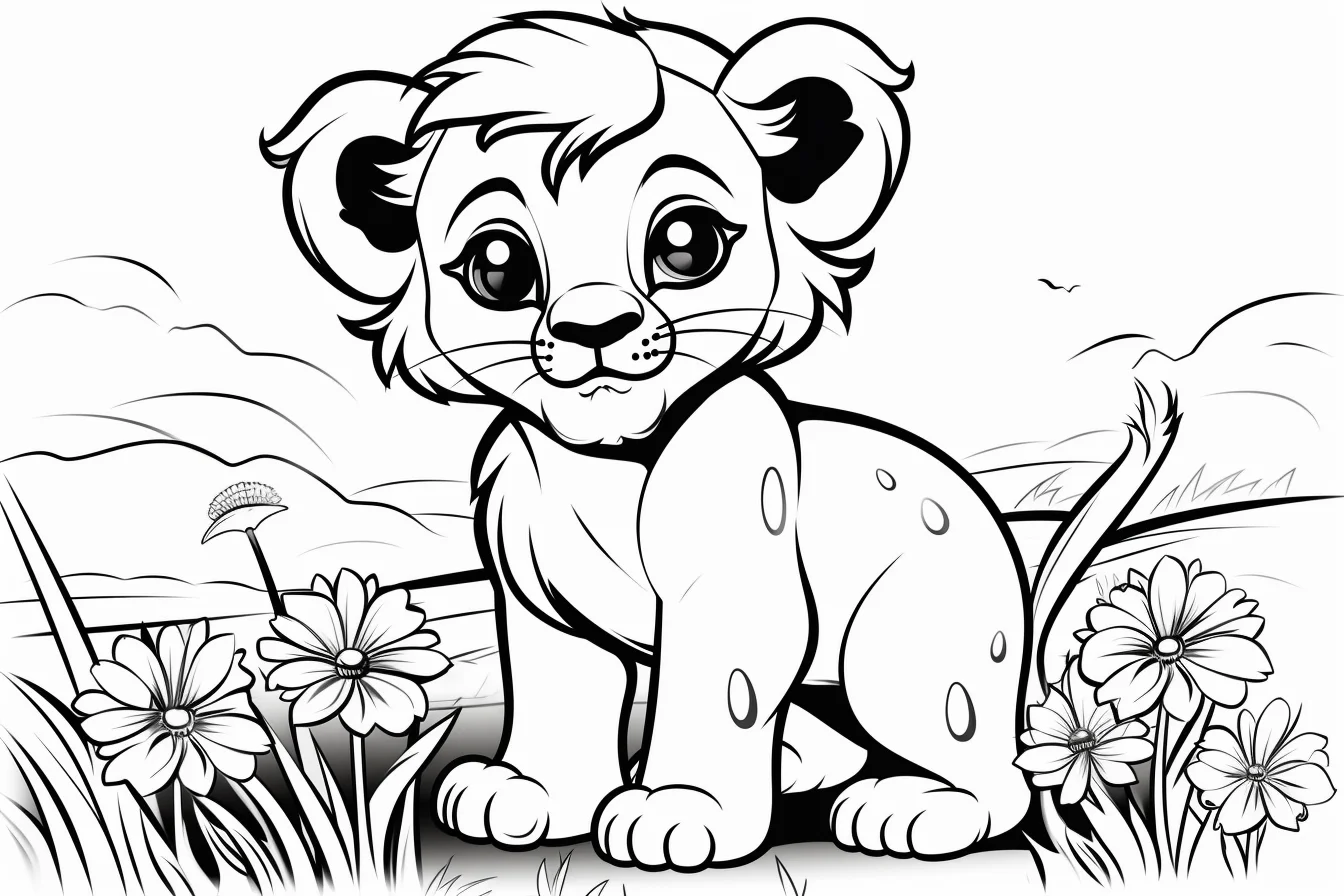
Open full-size Lion coloring sheet 36