
A teddy bear page can be a five-minute preschool activity, a homemade card, or a much slower coloring project. The gallery now follows those uses instead of mixing them together.
The easy bears come first. Heart and keepsake pages stay together, the two darker designs sit side by side rather than appearing unexpectedly in the middle of the collection, and the more involved pages finish the set.
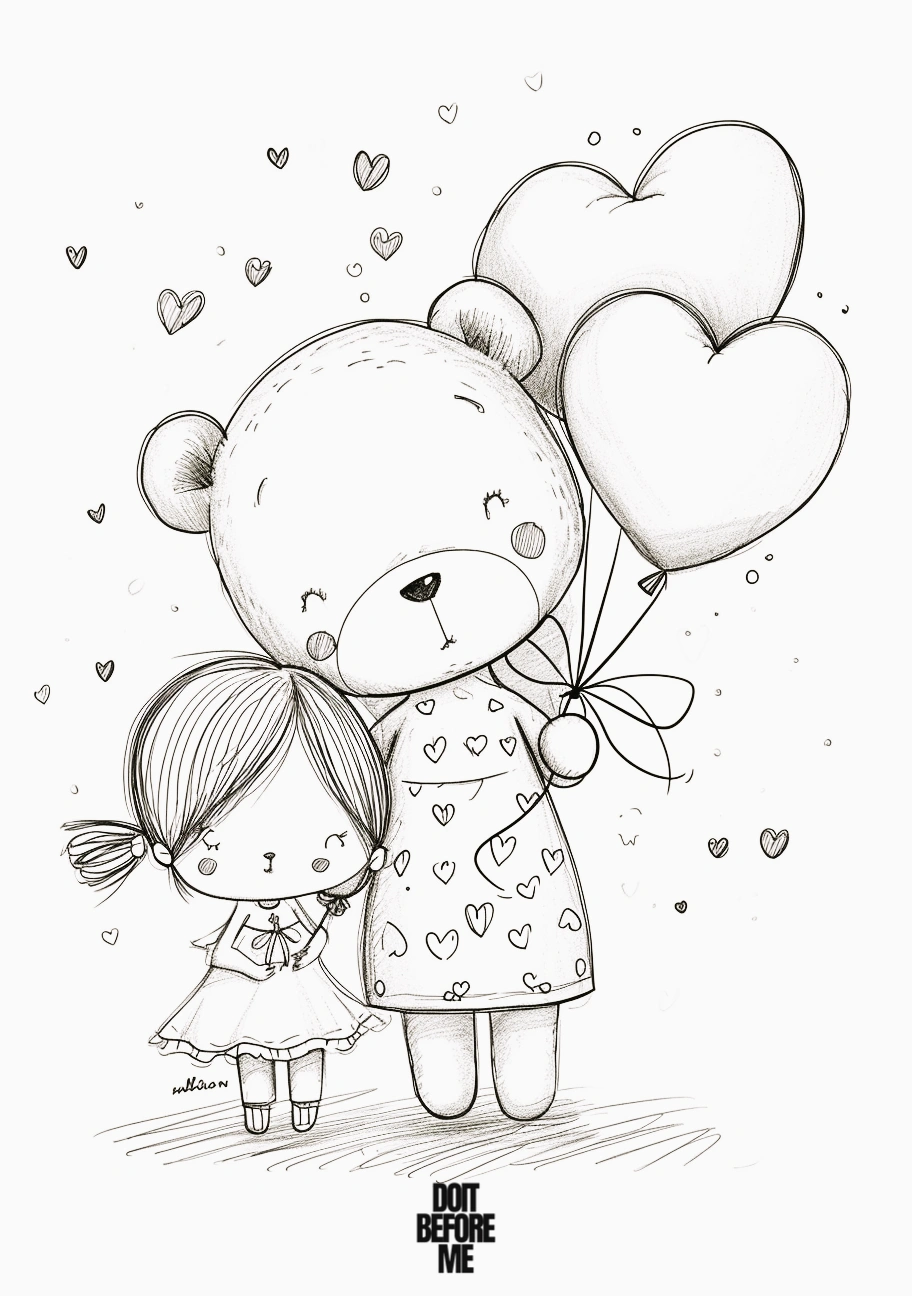
Open full-size Teddy Bear coloring sheet 1
Start here for a quick win: Sheet 1 has broad fur areas and a clear silhouette, so a child can practice even coverage without fighting tiny details.
Pick the teddy bear page by what you want to make
| If you want… | Go to | Why |
|---|---|---|
| A quick preschool activity | Sheets 1–8 | Large shapes and fewer small details |
| A homemade card or keepsake | Sheets 9–12 | Heart themes and room to personalize the finished page |
| A darker or unusual design | Sheets 13–14 | Less nursery-like and more dramatic |
| A slower or more detailed page | Sheets 15–22 | More texture, decoration or smaller sections |
How to make a teddy bear look plush instead of flat
You do not need to draw hundreds of hairs. Start with one light base color, then add a slightly darker shade under the arms, around the ears, below the chin and where the legs meet the body. Leave the center of the face and belly a little lighter. That simple light-to-dark shift is usually enough to make the bear feel soft and rounded.
For cream or white bears, use very little color. Pale gray, beige or even a faint lavender shadow can give the fur shape while keeping the page light. For brown bears, avoid using your darkest brown everywhere; save it for the deepest folds and the edges around the ears or paws.
Choose the tool based on the finish you want
- Crayons: best for the simplest bears with large open fur areas.
- Colored pencils: easiest for soft plush shading and smaller clothing details.
- Markers: useful for hearts, bows and bold outfits, but use a light hand on the fur if you want texture to remain visible.
- Gel pens: nice for tiny stars, stitching, buttons or card-like accents.
A simple order that keeps the page tidy
- Color the face and paws first.
- Add the main fur color.
- Put in darker plush shadows.
- Finish the hearts, clothes, bows and background last.
Open the full-size image before printing, then use A4 or Letter paper with “fit to page.” If you plan to turn the finished sheet into a card, leave one open area for a name or short message. For printer setup help, use the coloring-page printing guide.
Easy and classic teddy bear pages — Sheets 1–8
Start here for preschoolers or a short quiet-time activity. These bears have the cleanest shapes and leave plenty of room for crayons, names, simple backgrounds or a child’s own additions.
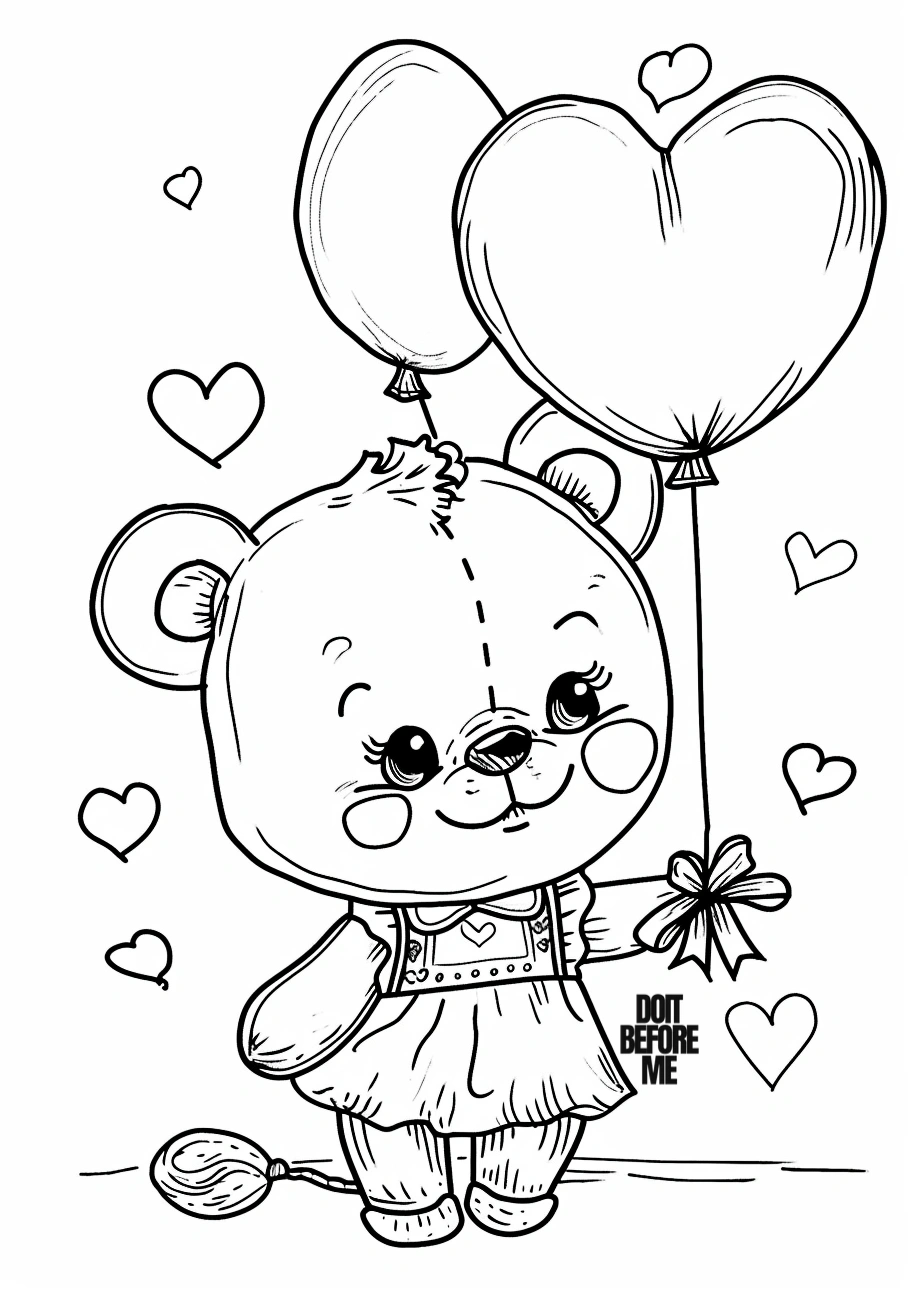
Open full-size Teddy Bear coloring sheet 2
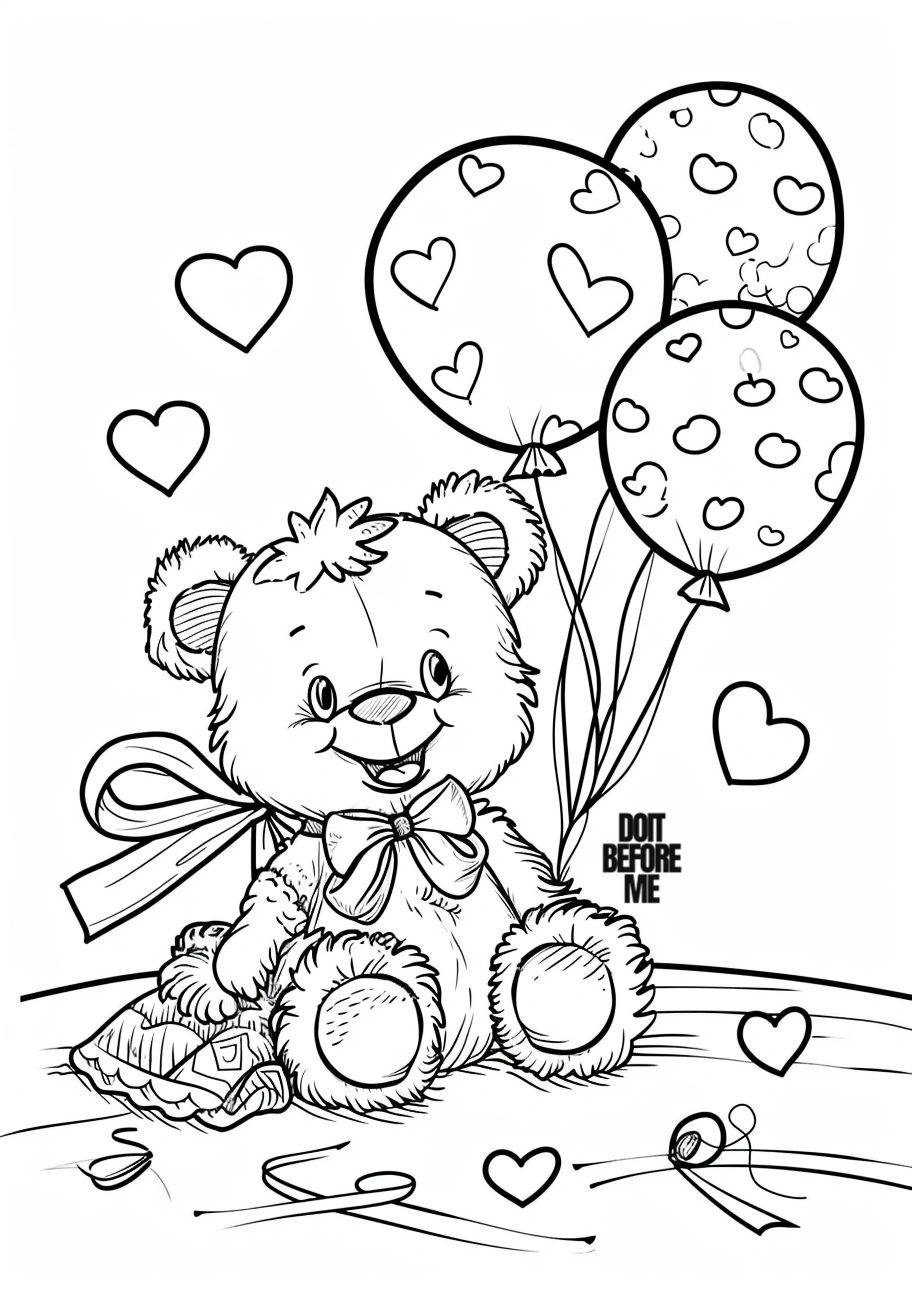
Open full-size Teddy Bear coloring sheet 3
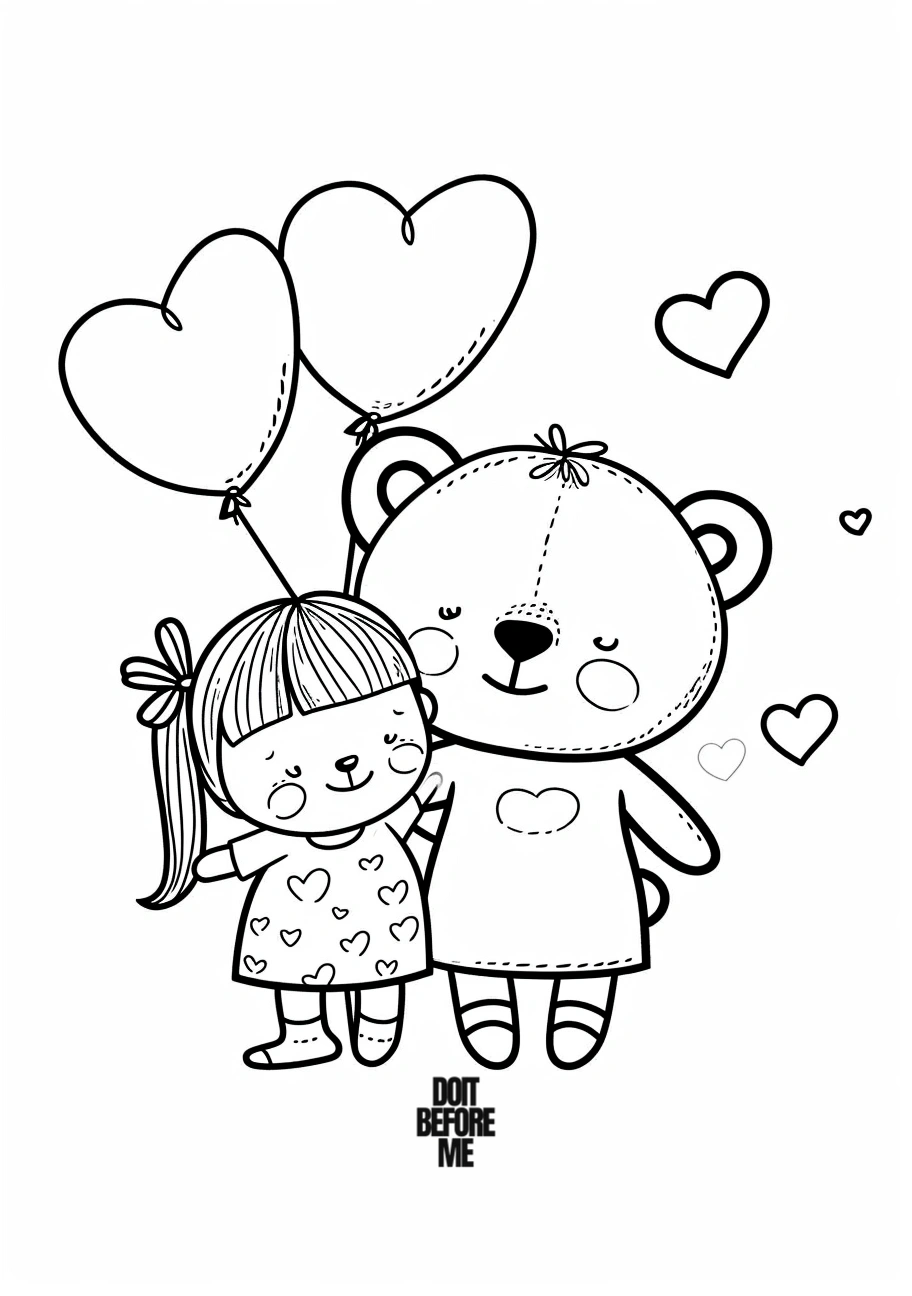
Open full-size Teddy Bear coloring sheet 4
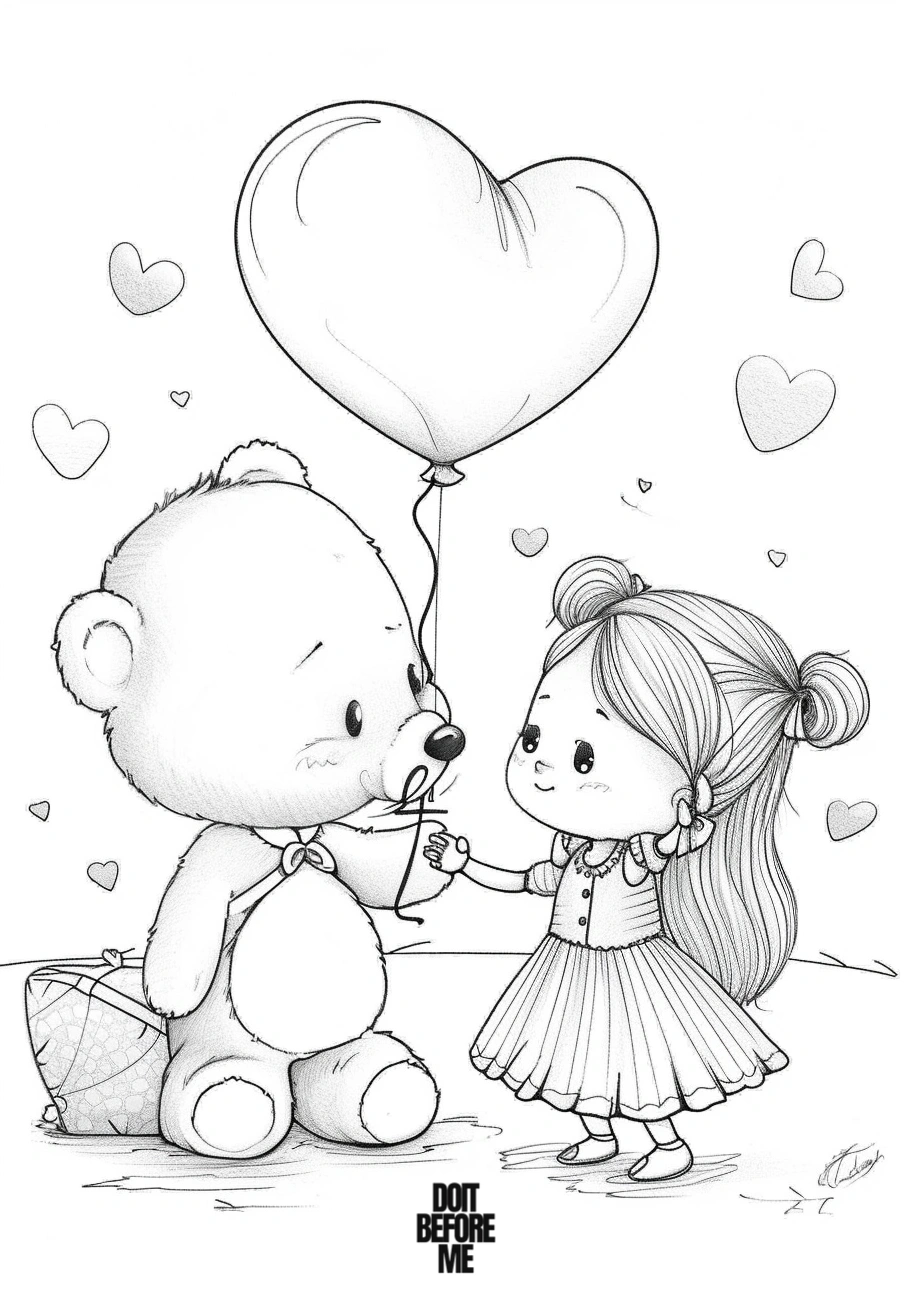
Open full-size Teddy Bear coloring sheet 5
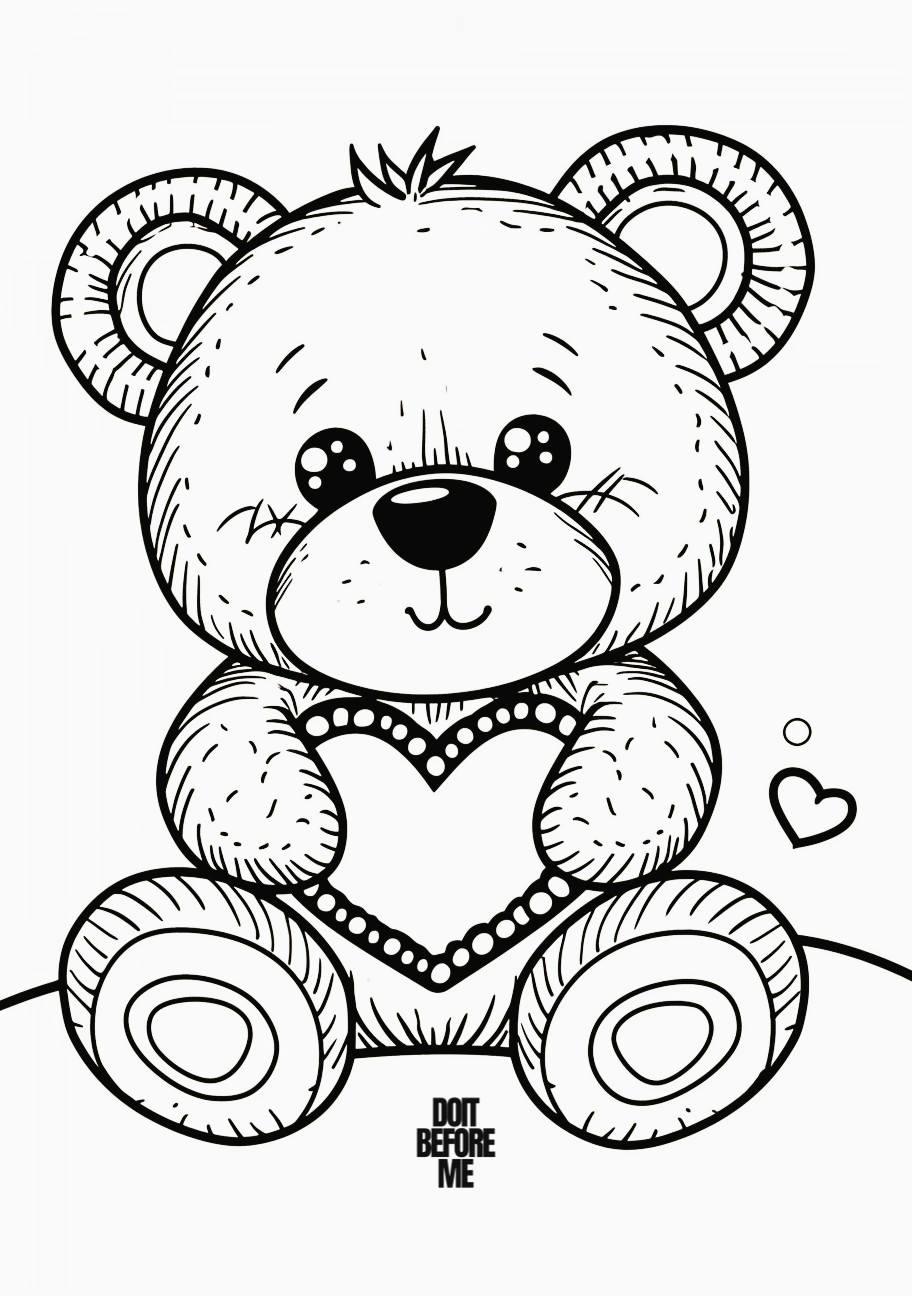
Open full-size Teddy Bear coloring sheet 6
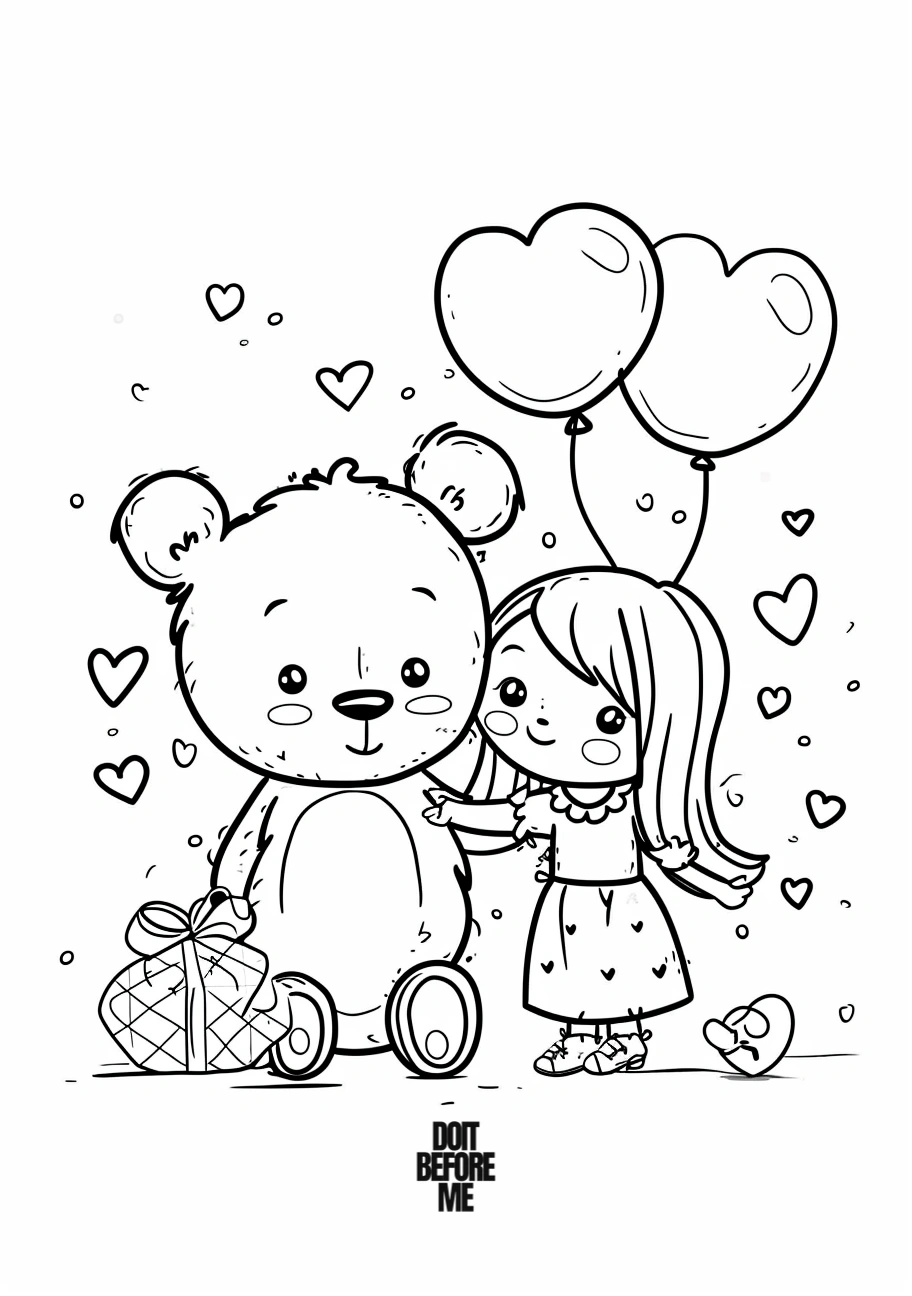
Open full-size Teddy Bear coloring sheet 7
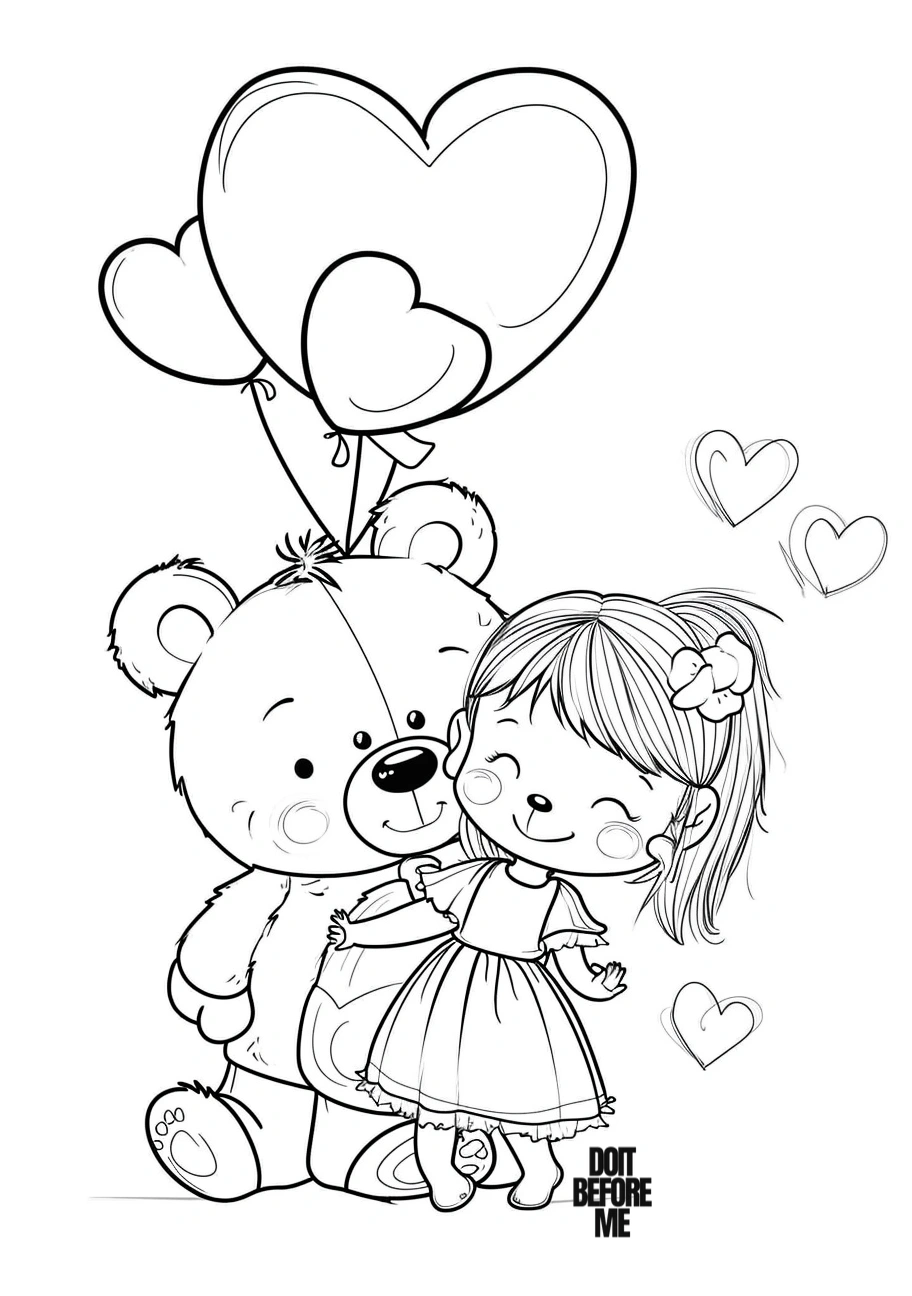
Open full-size Teddy Bear coloring sheet 8
Heart and keepsake teddy bears — Sheets 9–12
These are the pages to use for a homemade card or small keepsake. Add a name, date or short message around the bear, or print the image slightly smaller and glue the finished piece onto folded cardstock.
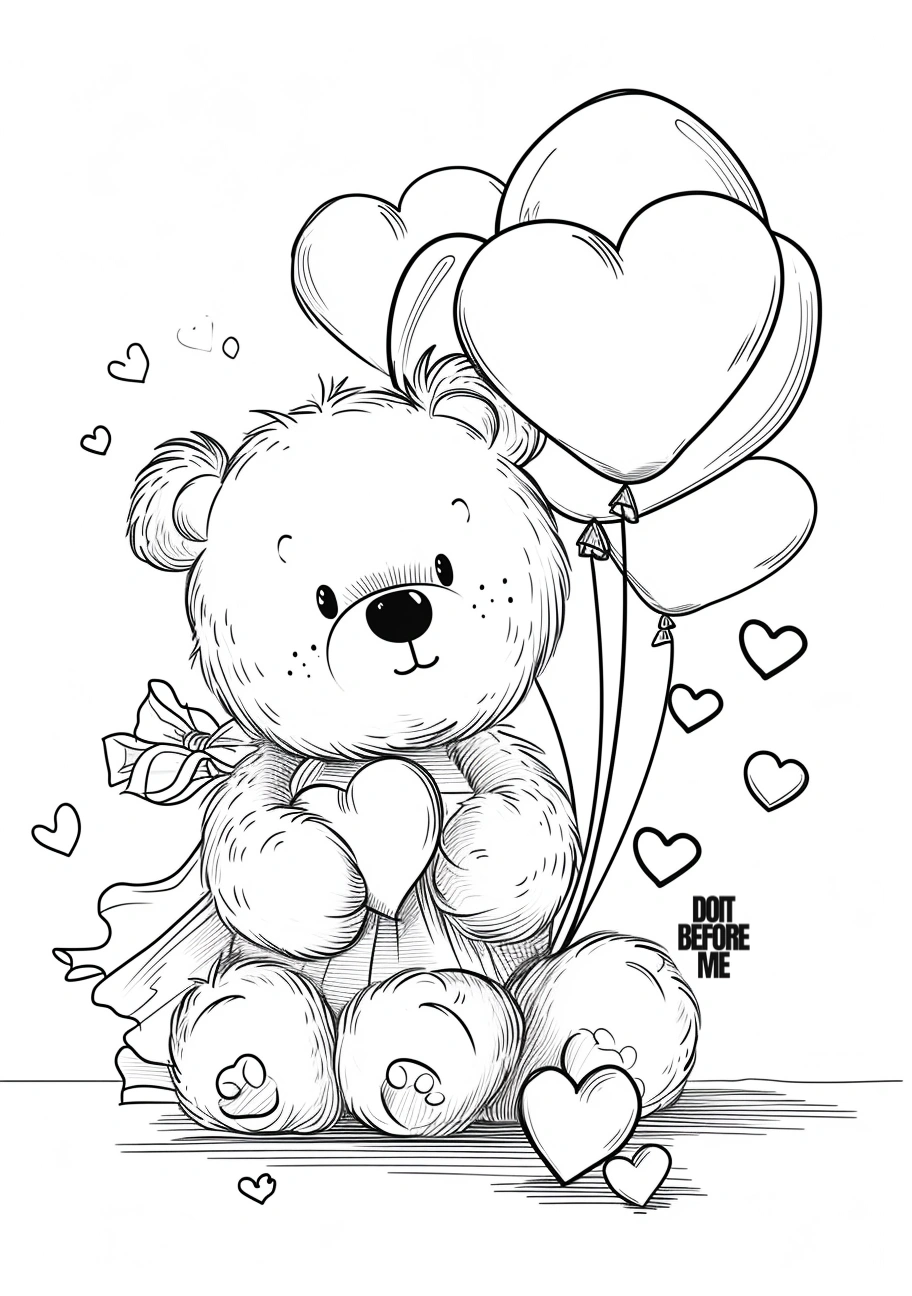
Open full-size Teddy Bear coloring sheet 9
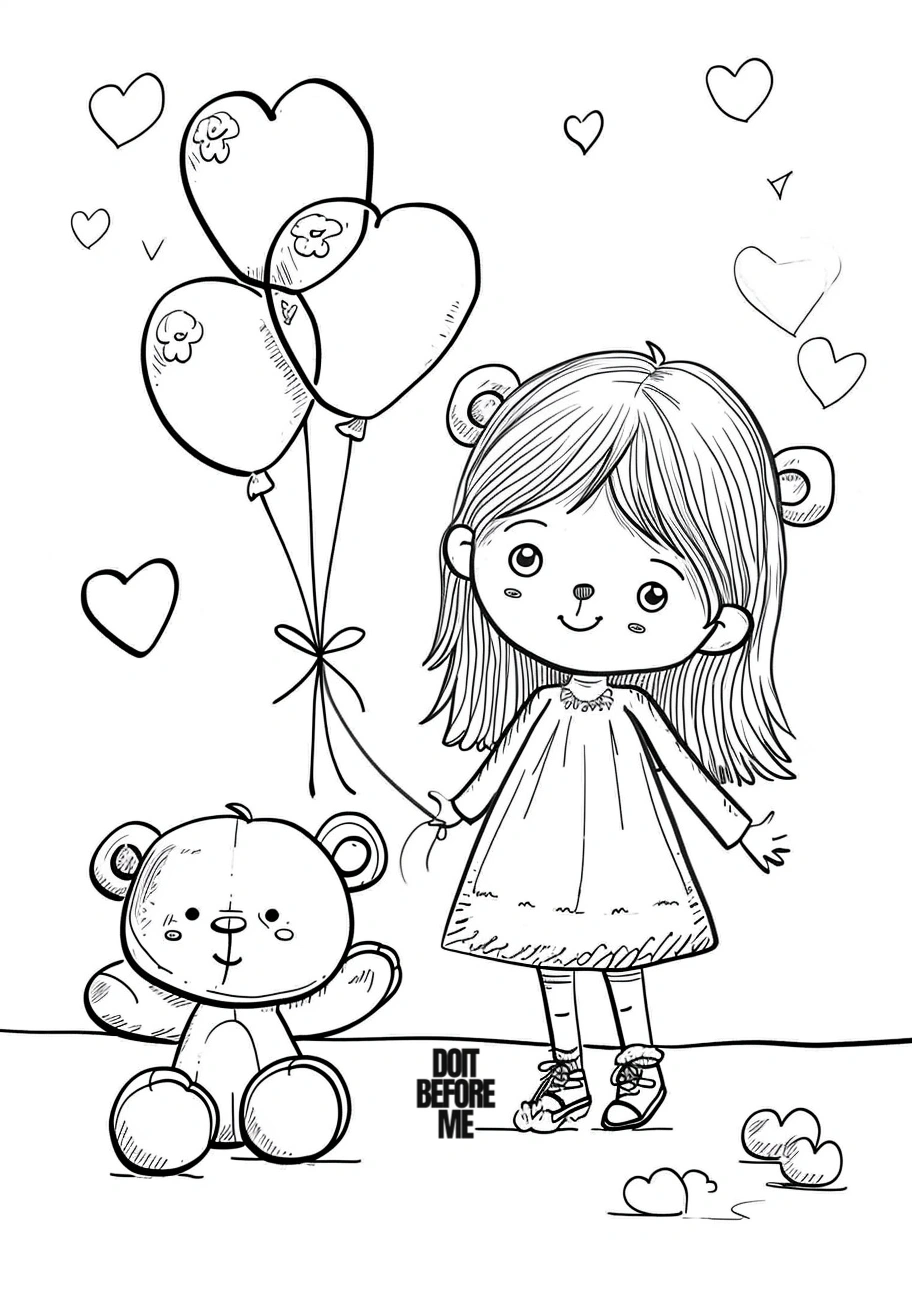
Open full-size Teddy Bear coloring sheet 10
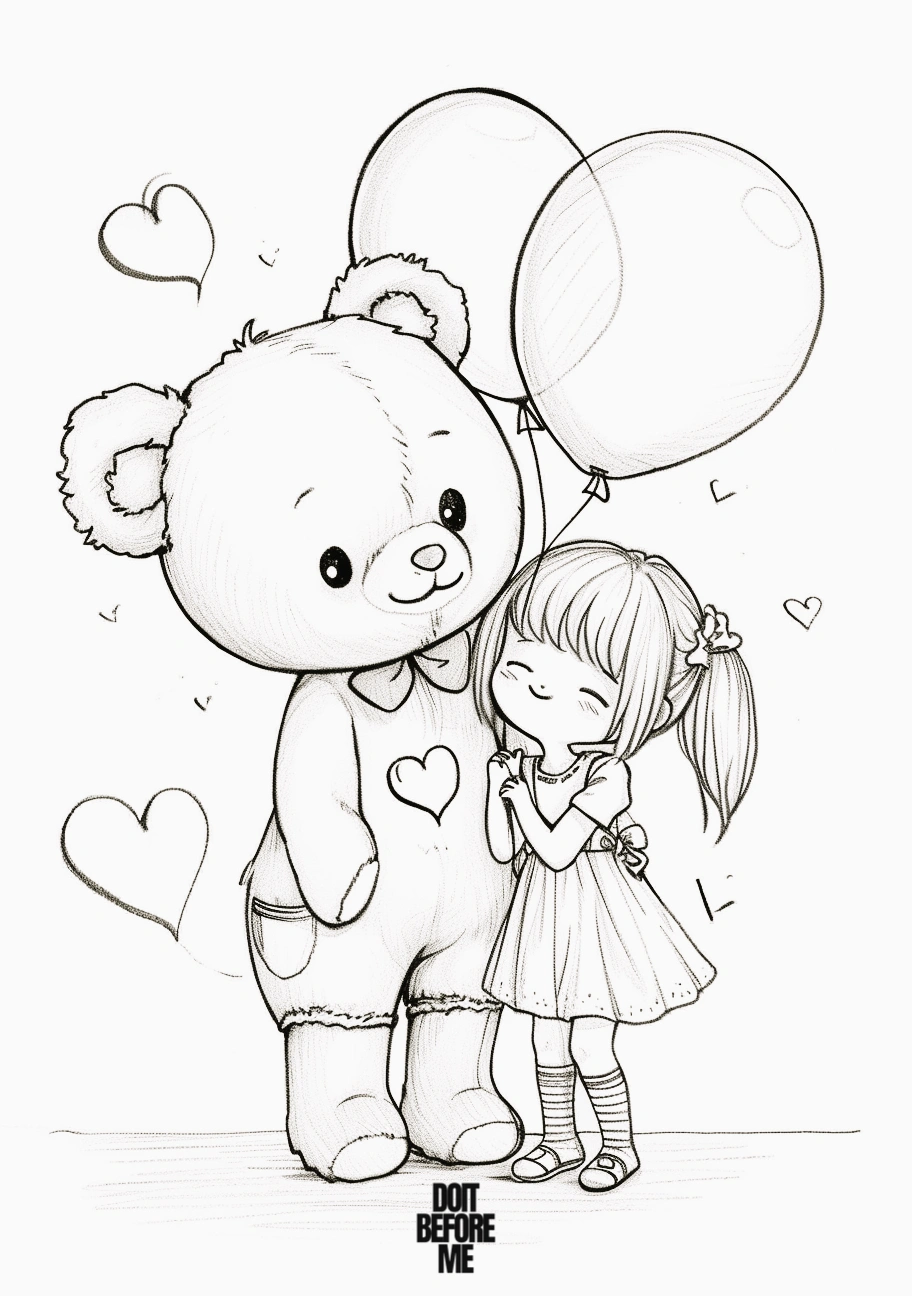
Open full-size Teddy Bear coloring sheet 11
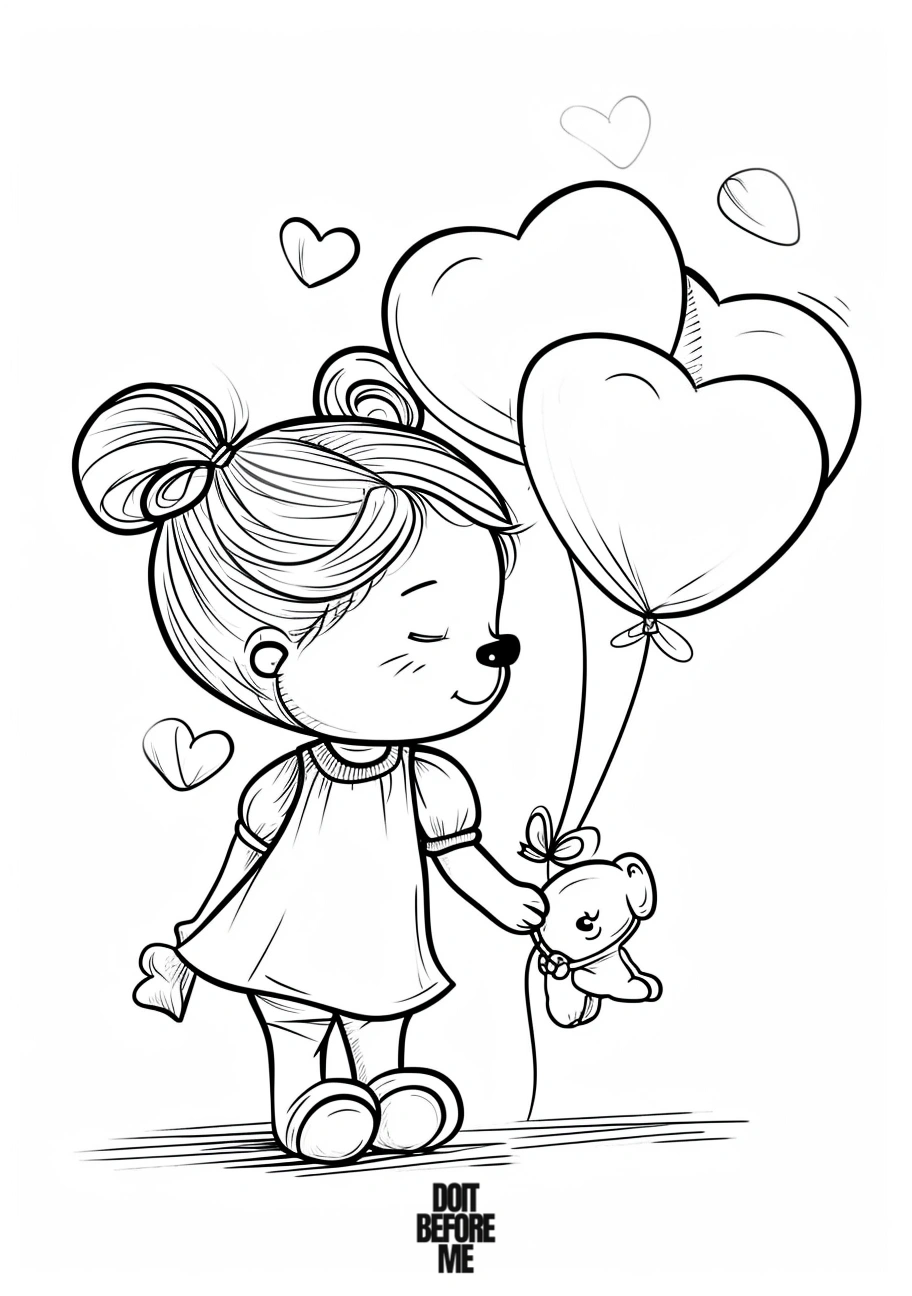
Open full-size Teddy Bear coloring sheet 12
Dark and unusual teddy bear pages — Sheets 13–14
These two do not really belong in the nursery-color group, so they are kept together. Charcoal, burgundy, dark teal or muted purple work better here than forcing every part of the bear into black. Keep small highlights much lighter so the face still reads.
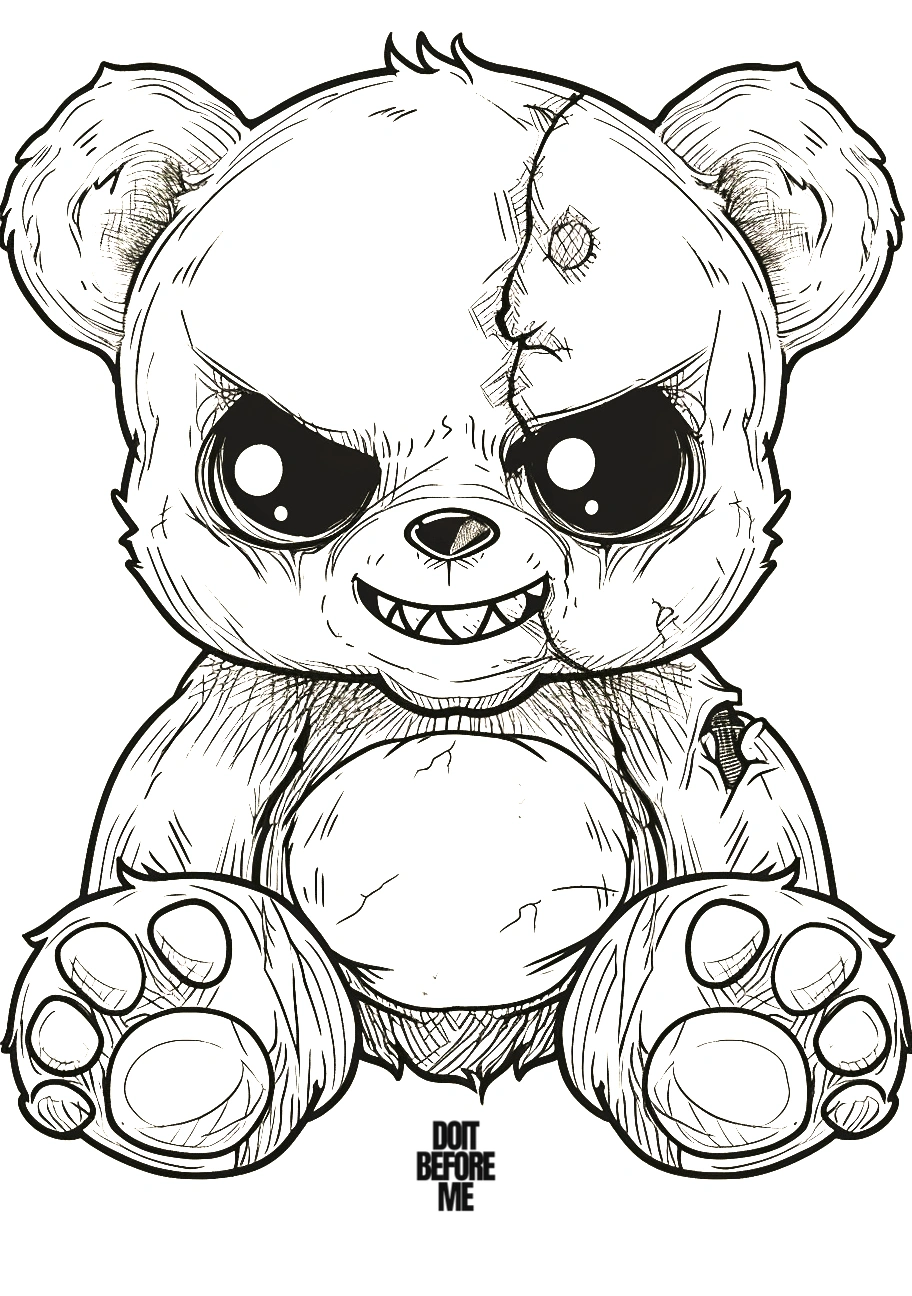
Open full-size Teddy Bear coloring sheet 13
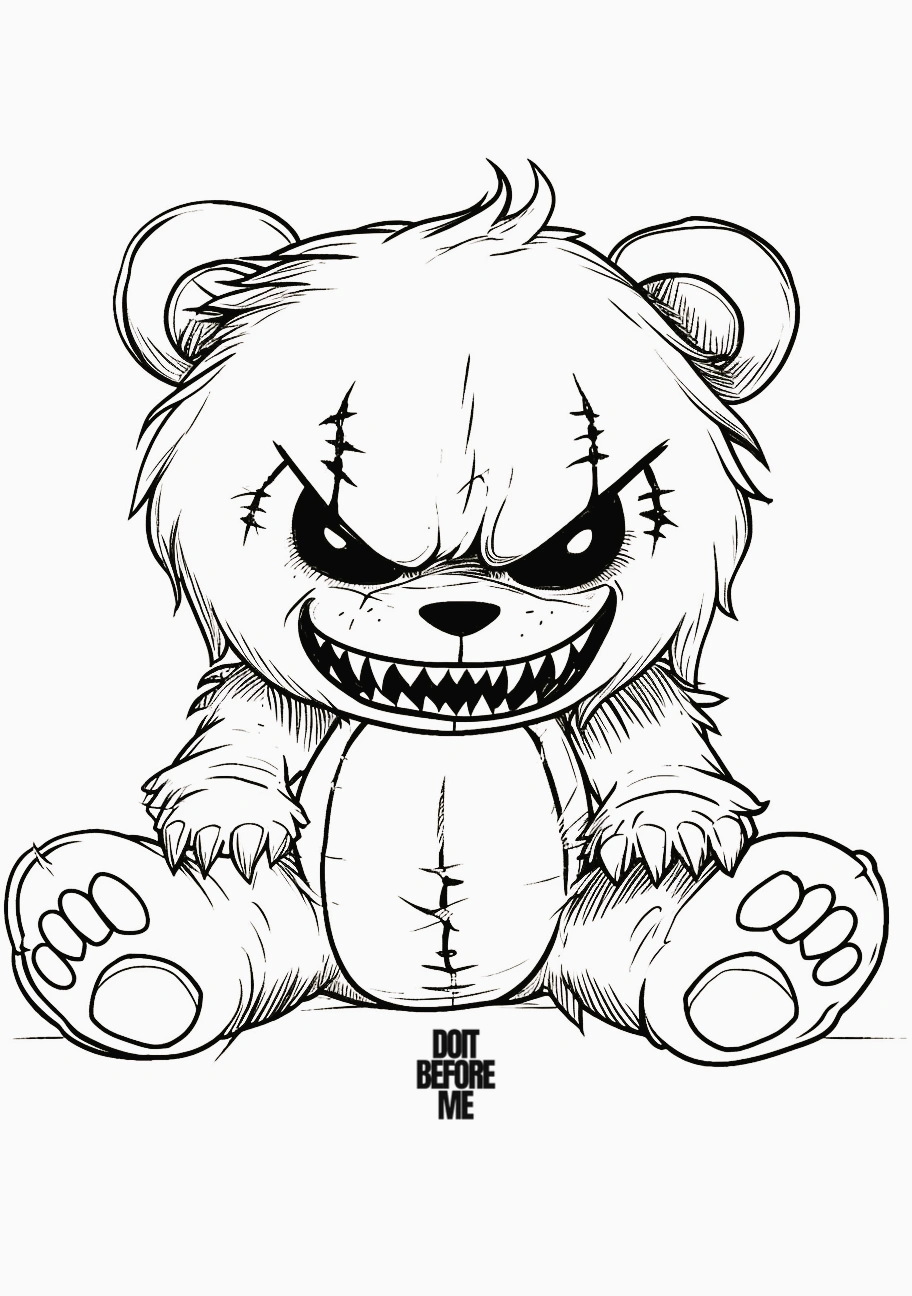
Open full-size Teddy Bear coloring sheet 14
More detailed teddy bear pages — Sheets 15–22
These are better for pencils and a slower session. Finish the bear’s main fur color first, then large accessories, and leave the smallest decorative sections until the end. A limited palette usually looks cleaner than giving every tiny shape a different color.
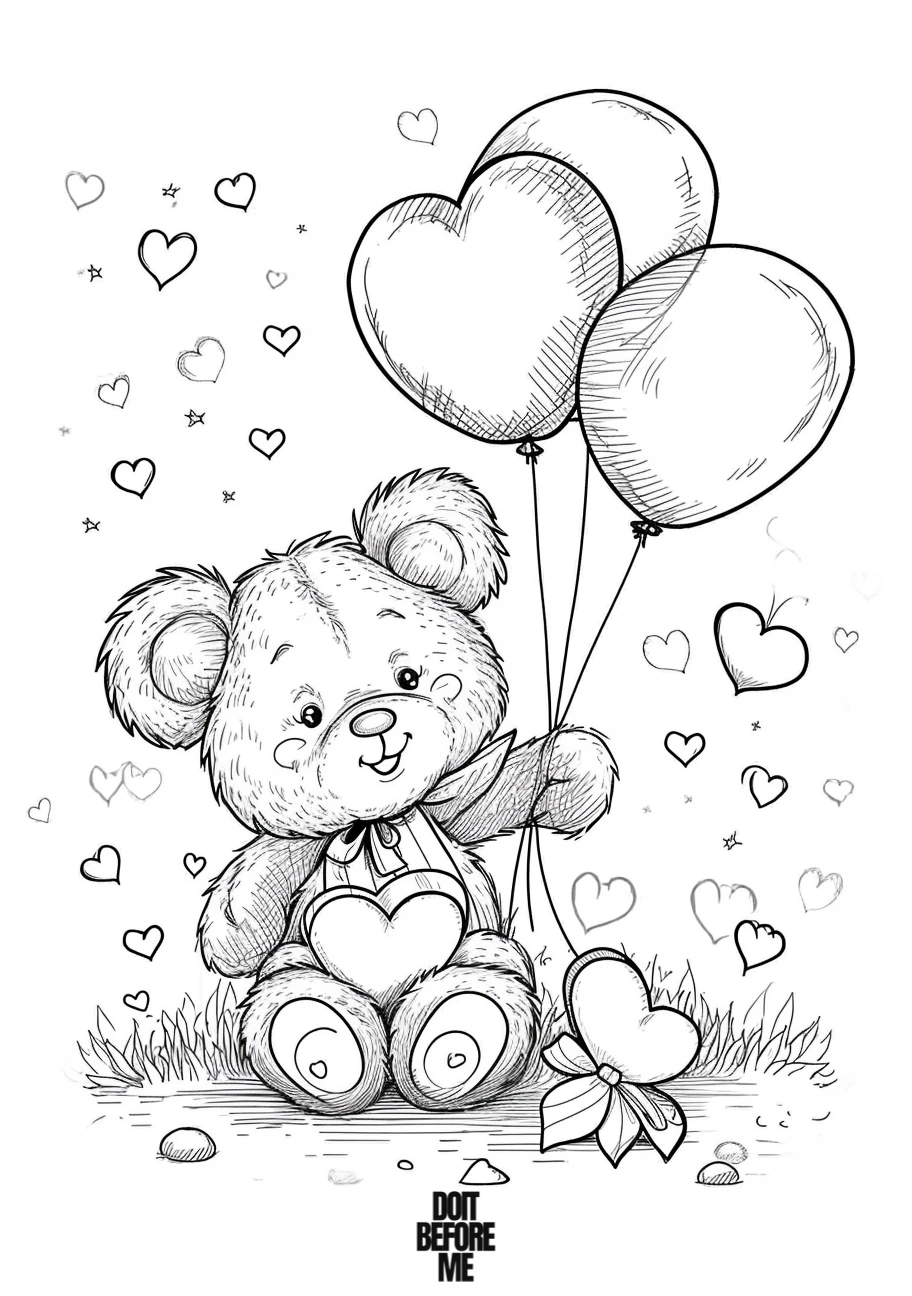
Open full-size Teddy Bear coloring sheet 15
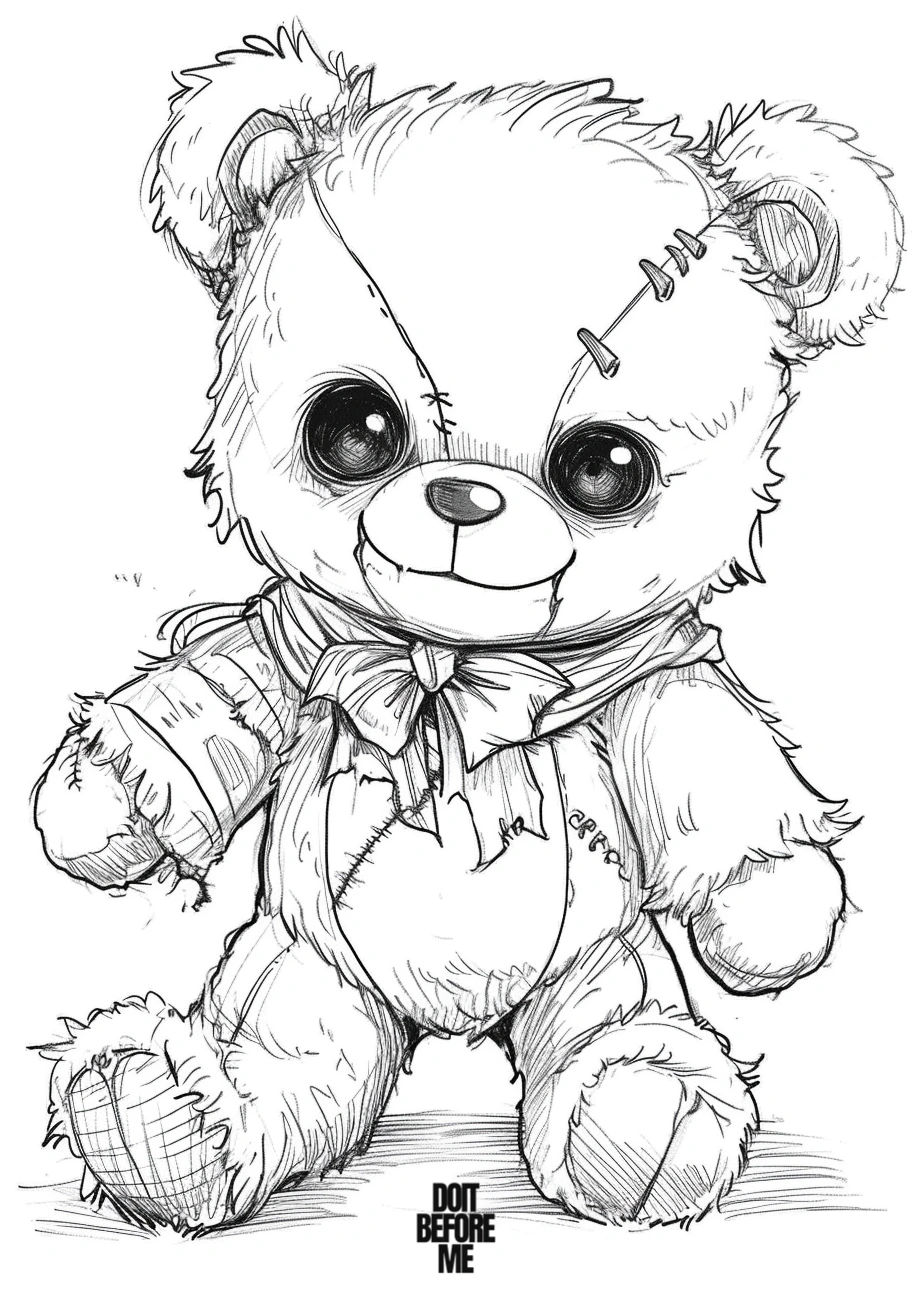
Open full-size Teddy Bear coloring sheet 16
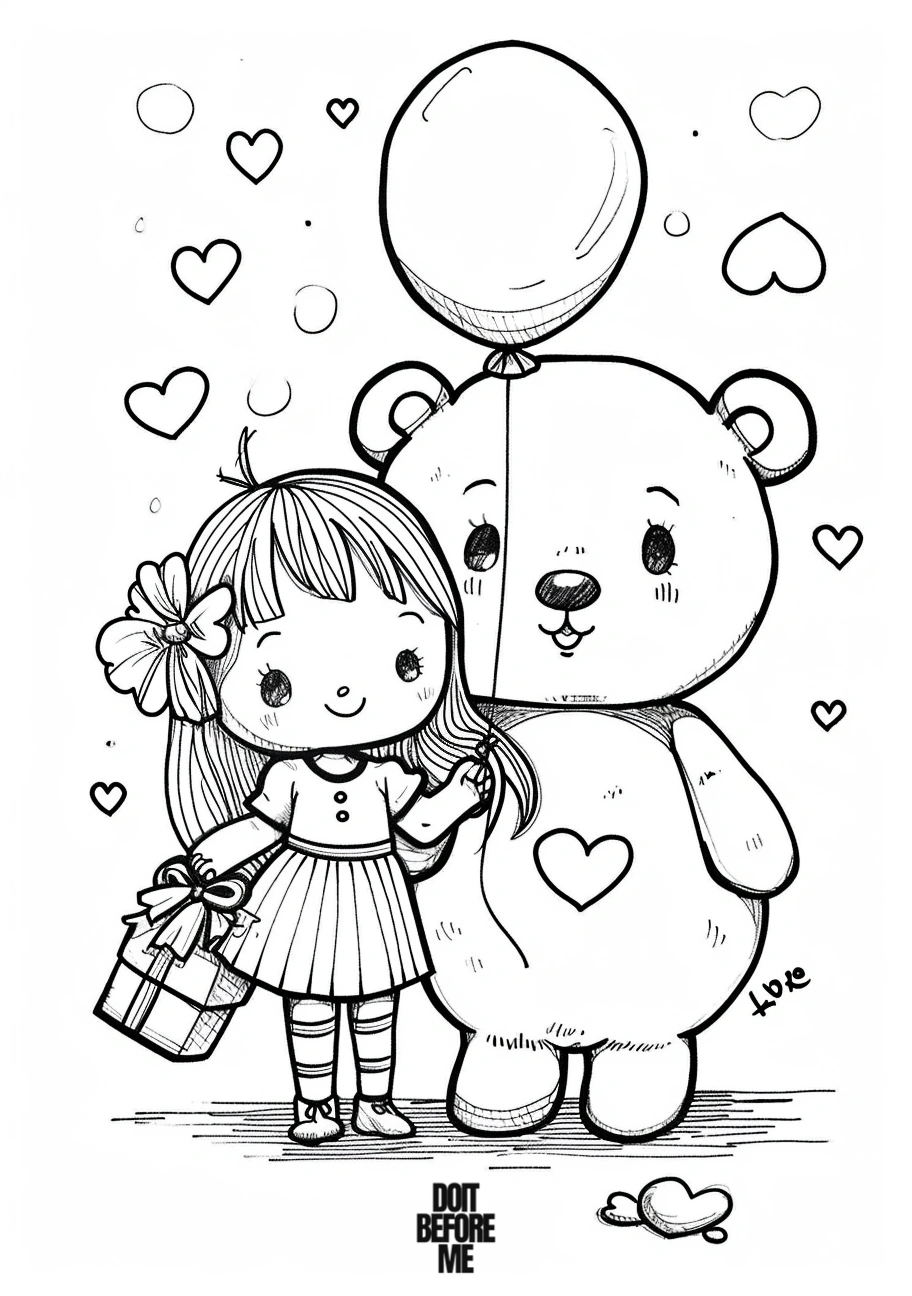
Open full-size Teddy Bear coloring sheet 17
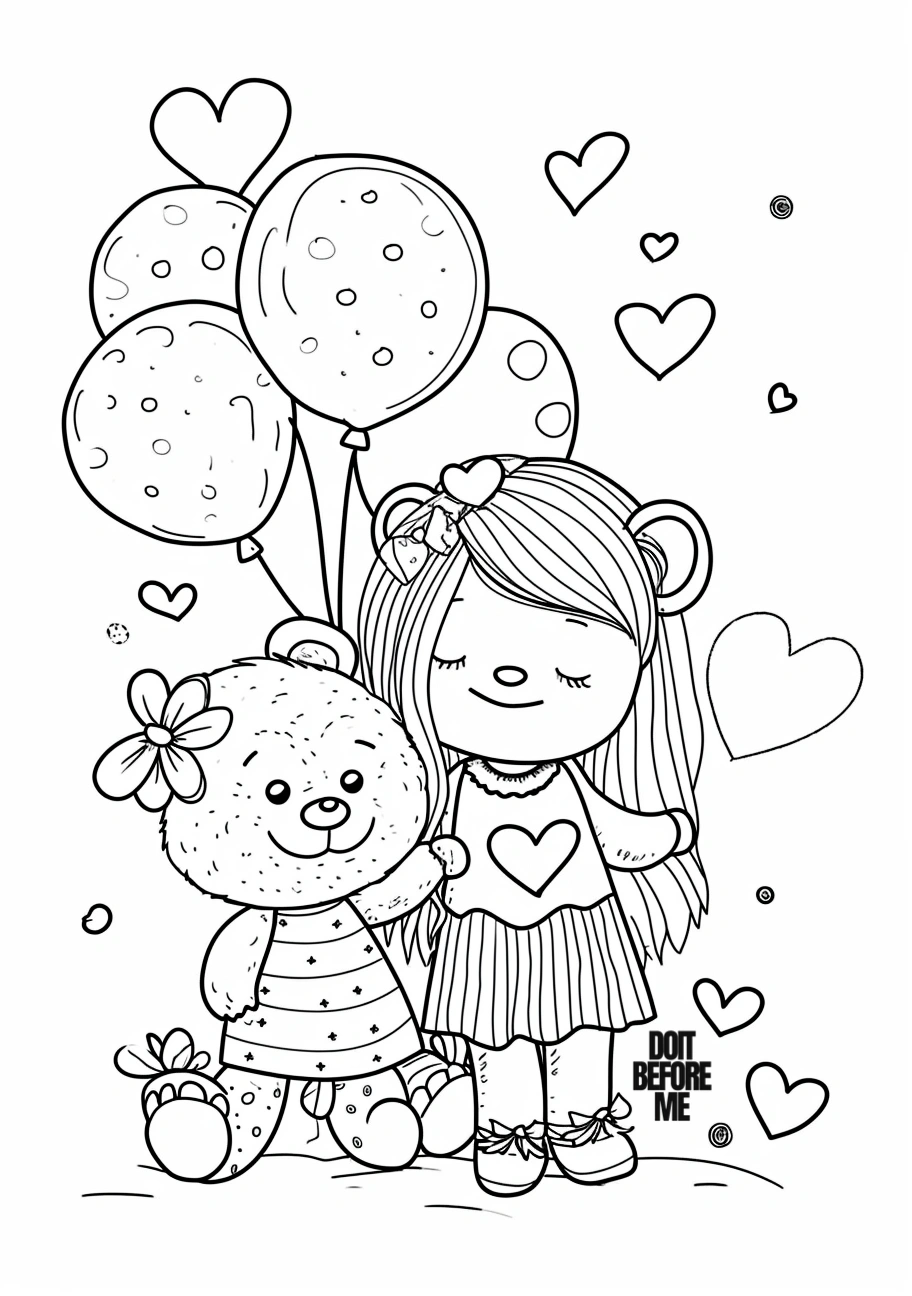
Open full-size Teddy Bear coloring sheet 18
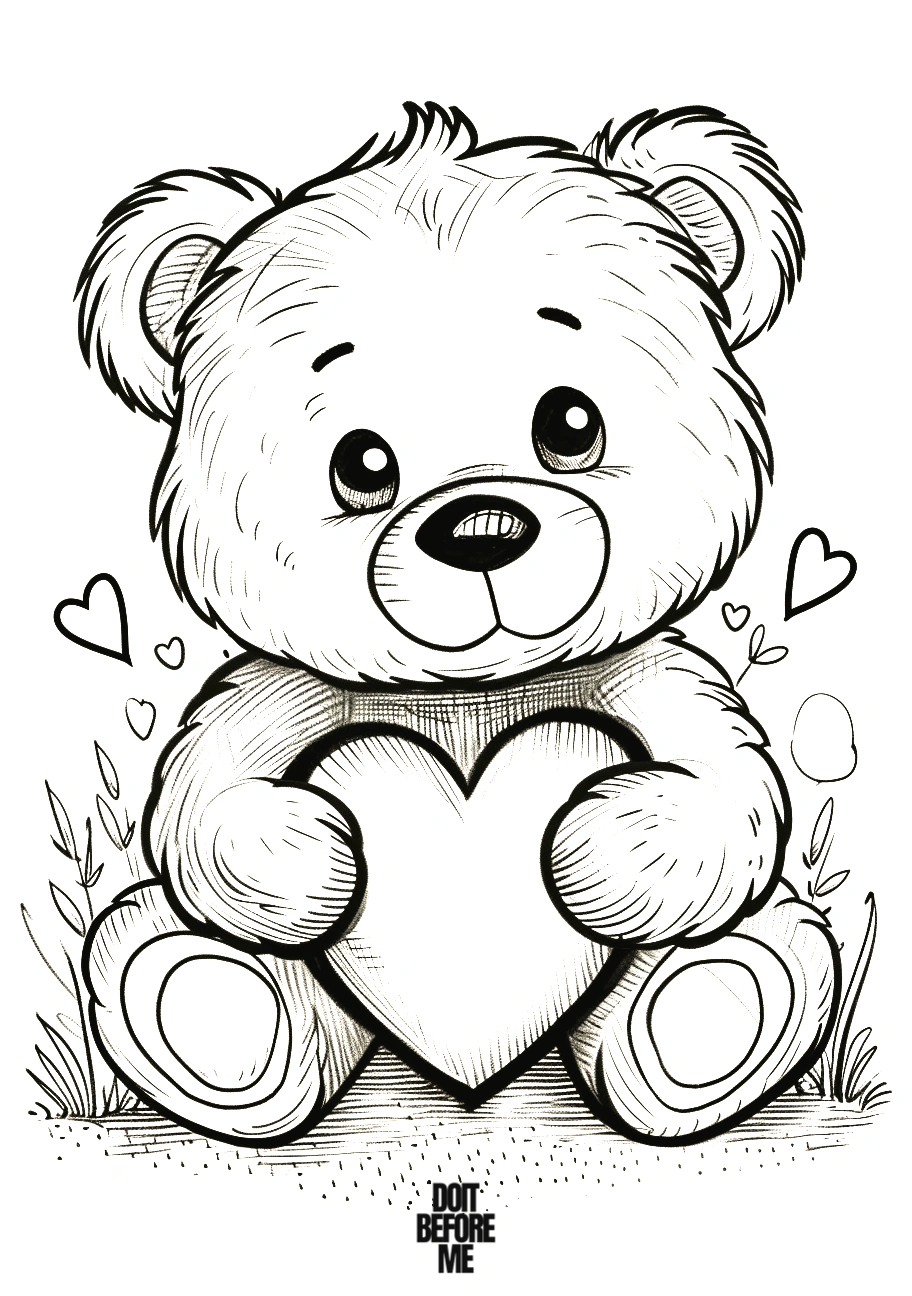
Open full-size Teddy Bear coloring sheet 19
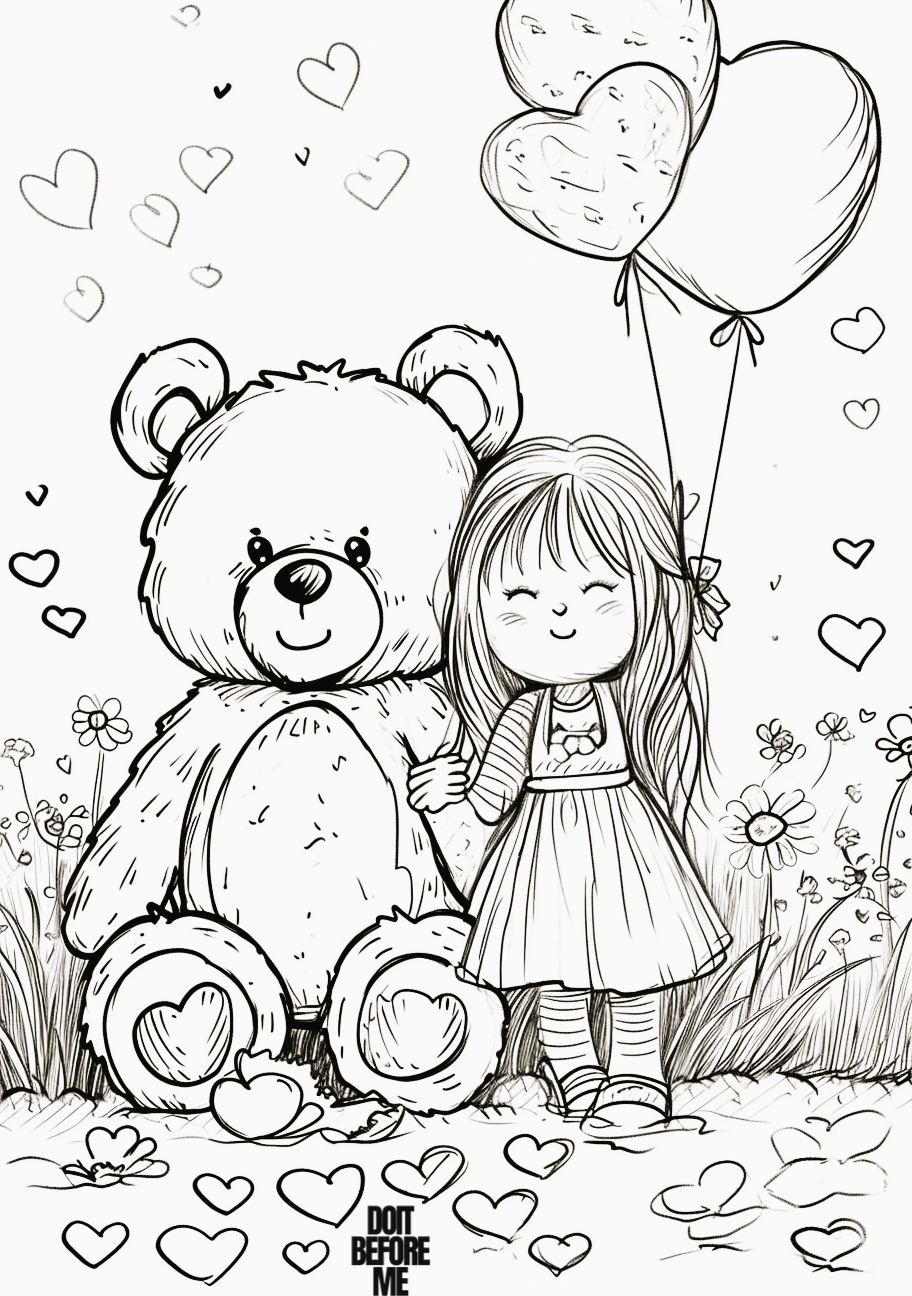
Open full-size Teddy Bear coloring sheet 20
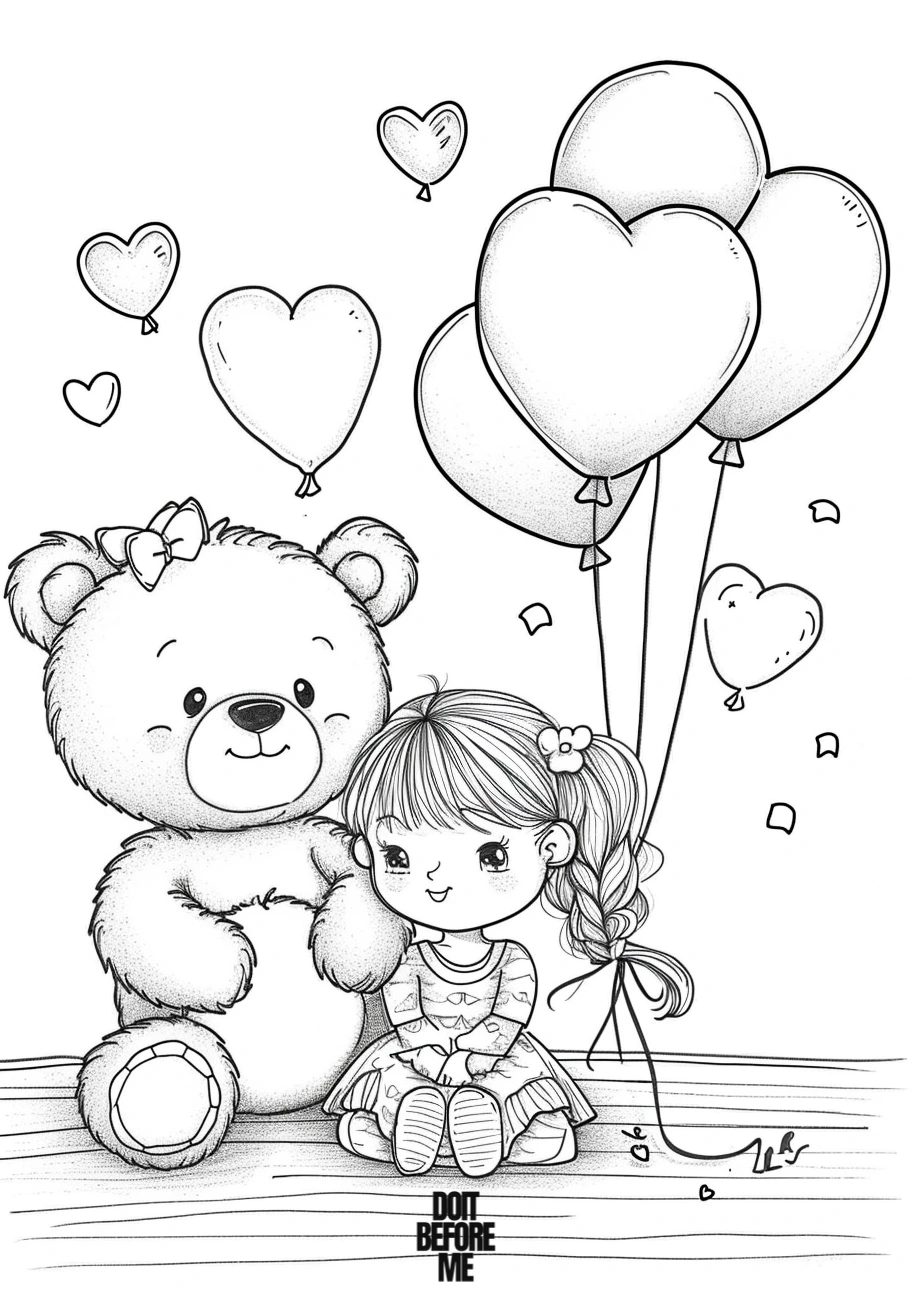
Open full-size Teddy Bear coloring sheet 21
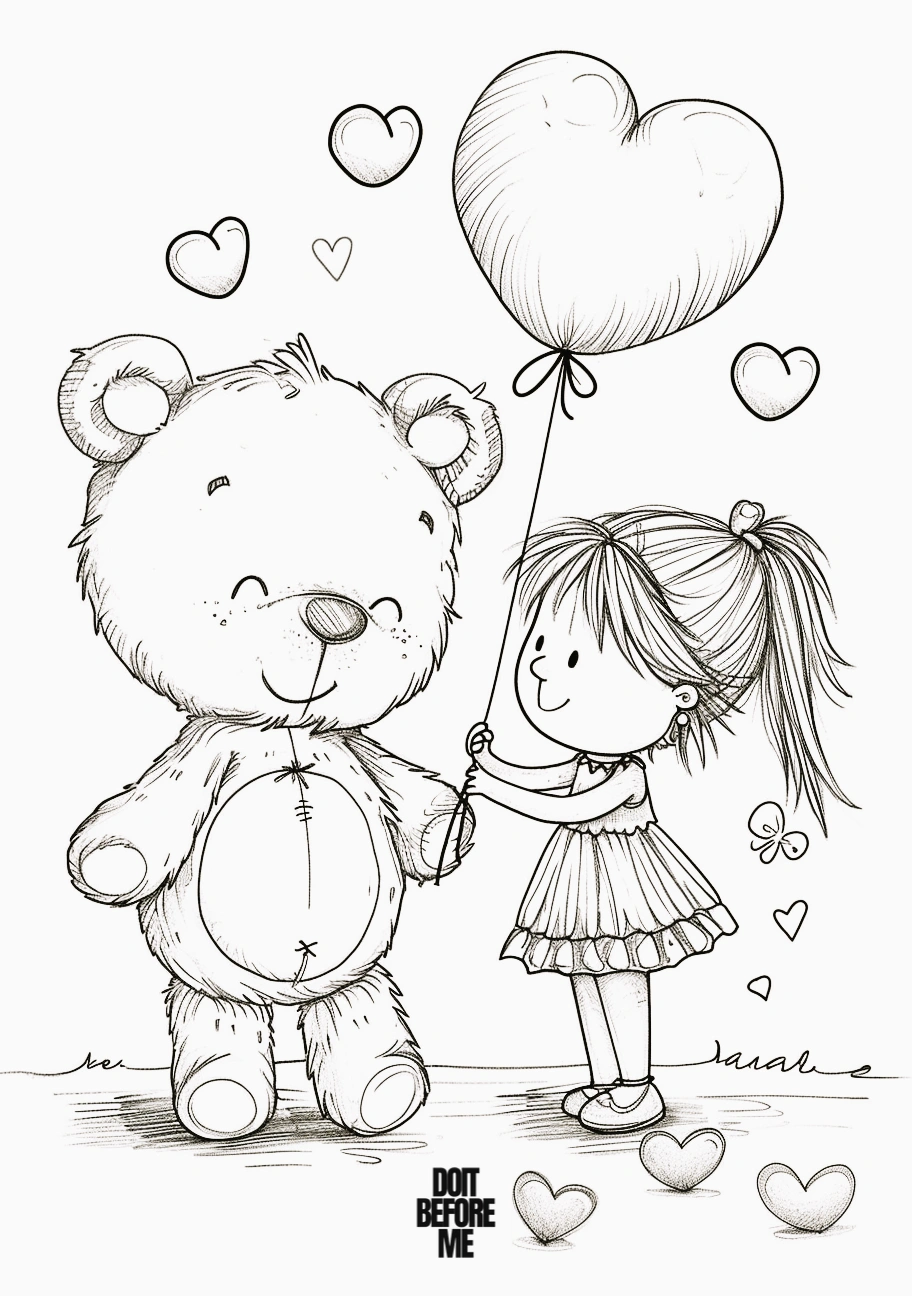
Open full-size Teddy Bear coloring sheet 22
Three teddy bear pages to practice on purpose
If you want the set to build skill instead of becoming 22 unrelated pictures, use three sheets with three different jobs:
- Sheet 1 — even coverage. Pick one light fur color and fill the large areas with overlapping strokes. Do not add shadows yet; the goal is to avoid white gaps and hard scribble marks.
- Sheet 9 — keep the focal point clear. Use a quiet tan, cream or gray-brown on the bear and reserve the strongest red, pink or purple for the heart. The bear and the message should not compete for attention.
- Sheet 15 — build plush depth. Use three values of one fur color: light over most of the bear, medium beneath the chin and limbs, and dark only in the deepest creases. Blend outward rather than drawing a dark outline around the whole body.
Diagnose a teddy bear that does not look right
| Problem | What to change |
|---|---|
| The fur looks like one flat shape | Add a medium shadow beneath the chin, arms and belly; keep the center of the muzzle and belly lighter. |
| The bear looks outlined rather than soft | Do not trace every edge with the darkest brown. Put the darkest value only where forms overlap. |
| Brown pencil looks striped | Use lighter pressure and short overlapping strokes, then rotate the page and make a second pass from another direction. |
| The face disappears into dark fur | Keep the muzzle one or two values lighter than the surrounding head and avoid dark fill immediately around the eyes. |
| Hearts and clothes overwhelm the bear | Choose one saturated accent color and repeat it sparingly; keep the remaining accessories softer or more neutral. |
| Marker coverage looks patchy | Work one small section at a time while the ink edge is still wet, and avoid repeatedly scrubbing over areas that have already dried. |
Teddy bear coloring questions
Which pages are easiest for preschoolers?
Sheets 1–8 are the safest starting point. The shapes are larger, the bears are easy to read and there are fewer small sections to stay inside.
How do I make a brown teddy bear look softer?
Use a lighter tan or brown over most of the fur, then add the darker shade only under the arms, under the chin, around the ears and near the feet. Leaving the center of the face and belly lighter makes a big difference.
Which pages work best as homemade cards?
Sheets 9–12. They are grouped together because they are the easiest pages to personalize with a name, date or short message.
What if I want something less cute?
Sheets 13–14 are the two darker designs. They work better with deeper, moodier colors than the nursery-style pages around the rest of the collection.
Can I use markers?
Yes. Put a spare sheet underneath if the marker can bleed through. Markers are especially good for hearts, bows and clothing; pencils are easier if you want soft plush shading on the fur.
More printable pages for gifts and quiet-time activities
For a birthday card, try the Happy Birthday coloring pages. If you want more easy pages for younger kids, browse the kids’ coloring collection. For another soft, rounded animal theme, the Golden Retriever puppy pages are a good next step.

