
The 31 Valentine’s Day pages cover more than one style. There are classic hearts and card designs, romantic couple scenes, roses and angels, plus a few darker skull-and-rose illustrations for people who want something less traditional.
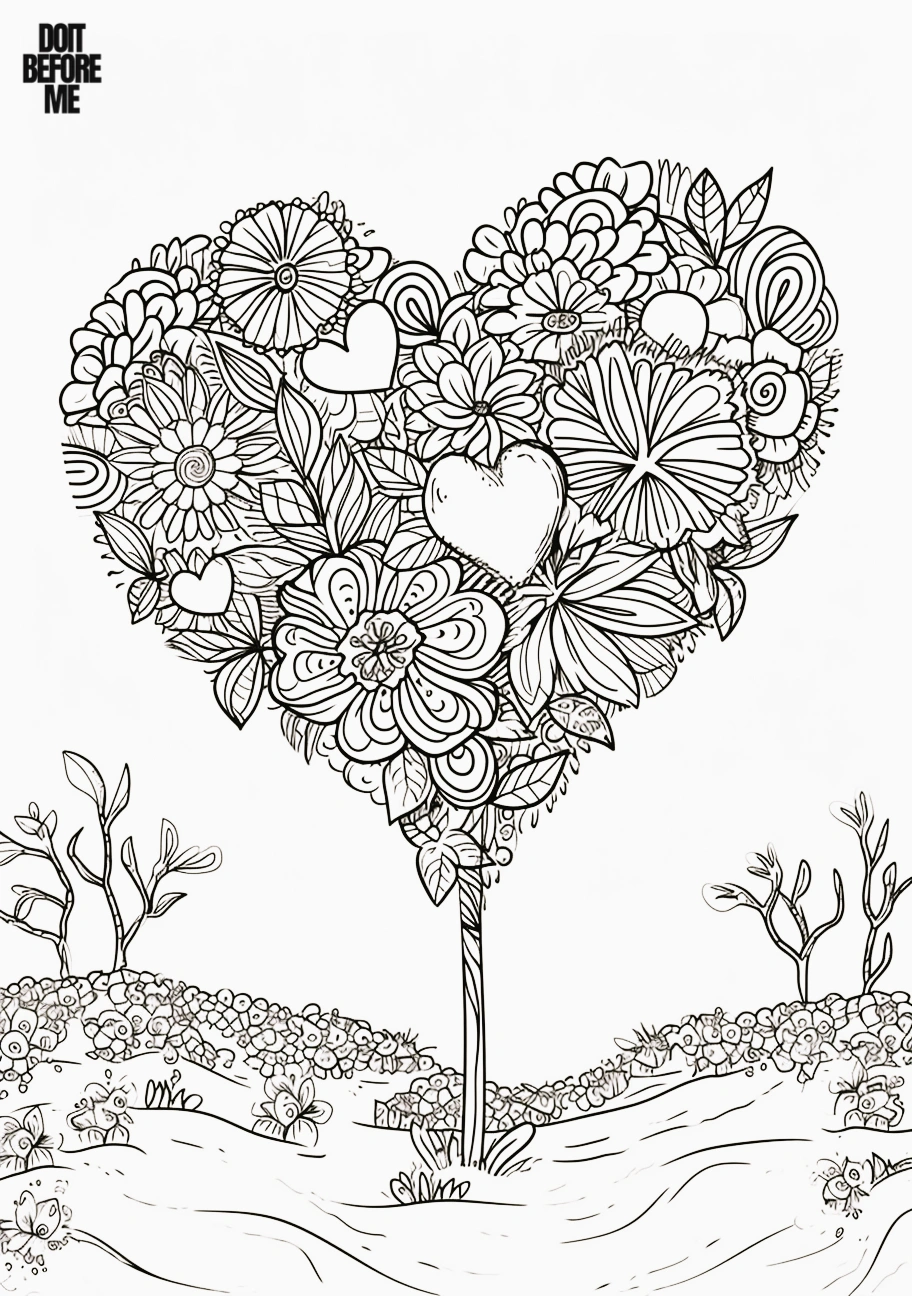
Quick start: Sheet 1 is a useful first pick when you want a recognizable Valentine design without committing to one of the denser floral or character pages. Open the image for the full-size printable.
If you plan to turn a page into a card, choose one with open space around the main design so you can add a name or short message. The dense floral and skull pages are better suited to colored pencils or fine-tip markers; the large heart designs are quicker with crayons or broad markers.
Red and pink are obvious choices, but they are not mandatory. Burgundy, black and muted rose tones work well on the darker pages, while peach, lavender, blue or cream can make the simpler heart designs feel less predictable.
Open the full-size image before printing. For paper size, orientation and marker-friendly paper tips, see our coloring-page printing guide.
Choose a Valentine coloring page by how you want to use it
- For a quick kids’ activity: start with a large heart or another page with broad enclosed spaces. Crayons and washable markers are easier here than on the intricate designs.
- For a homemade Valentine card: choose a design with blank space around the illustration, print it smaller, then fold or mount it on cardstock.
- For adults or older kids: use the floral, relationship or skull-and-rose pages where smaller sections make colored-pencil layering more satisfying.
- For classroom use: print several different designs rather than 30 copies of one sheet. Children can choose a difficulty level without everyone producing the same result.
Three easy Valentine color palettes
You do not need a large marker set. Pick a small palette before you begin so the finished page feels intentional.
- Classic: red, blush pink, white and a small amount of deep burgundy.
- Soft: peach, lavender, dusty pink and pale blue.
- Dramatic: black, wine red, muted rose and warm gray—especially useful for the skull and dense floral designs.
On a detailed page, repeat the same three or four colors in different areas instead of giving every shape a new color. Repetition makes a busy design easier to read.
Before you color: test the page in three minutes
- Circle the focal point with your eyes. Decide whether the heart, faces, roses or lettering should attract attention first. Save your strongest contrast for that area.
- Test one light and one dark version of the same color. On scrap paper, make a pale pink patch and a second patch with two or three extra layers. If they look almost identical, use a darker red or burgundy for shadows instead of pressing harder.
- Reserve one color for repetition. Pick a small accent—burgundy, lavender, gold-yellow or blue—and repeat it in three separated details. That gives a busy Valentine design a visual rhythm without turning every shape into a different color.
Fix common Valentine coloring problems
| If the page looks… | Change this |
|---|---|
| Like one large block of red or pink | Keep the main heart saturated, then use cream, pale peach or light gray around it. A neutral area makes the Valentine colors look stronger. |
| Flat even though the colors are nice | Add a darker version of the local color along one side of hearts, under overlapping petals and beneath ribbons. Keep the opposite edge lighter. |
| Too busy on a floral or skull sheet | Stop introducing new colors. Repeat the existing palette and leave a few small areas white or very pale so the eye has somewhere to rest. |
| Muddy around faces or lettering | Color the smallest important details first. Keep dark shading a little away from thin facial features and letter counters. |
| Striped after using colored pencil | Use light overlapping strokes and rotate the direction slightly on the second layer. Build darkness gradually instead of trying to fill the paper grain in one pass. |
| Uneven with marker | Work one enclosed shape at a time while the ink edge is still wet. Repeatedly coloring over a half-dry edge is what often creates bands. |
Valentine’s Day coloring sheets
Open full-size Valentine’s Day coloring sheet 1
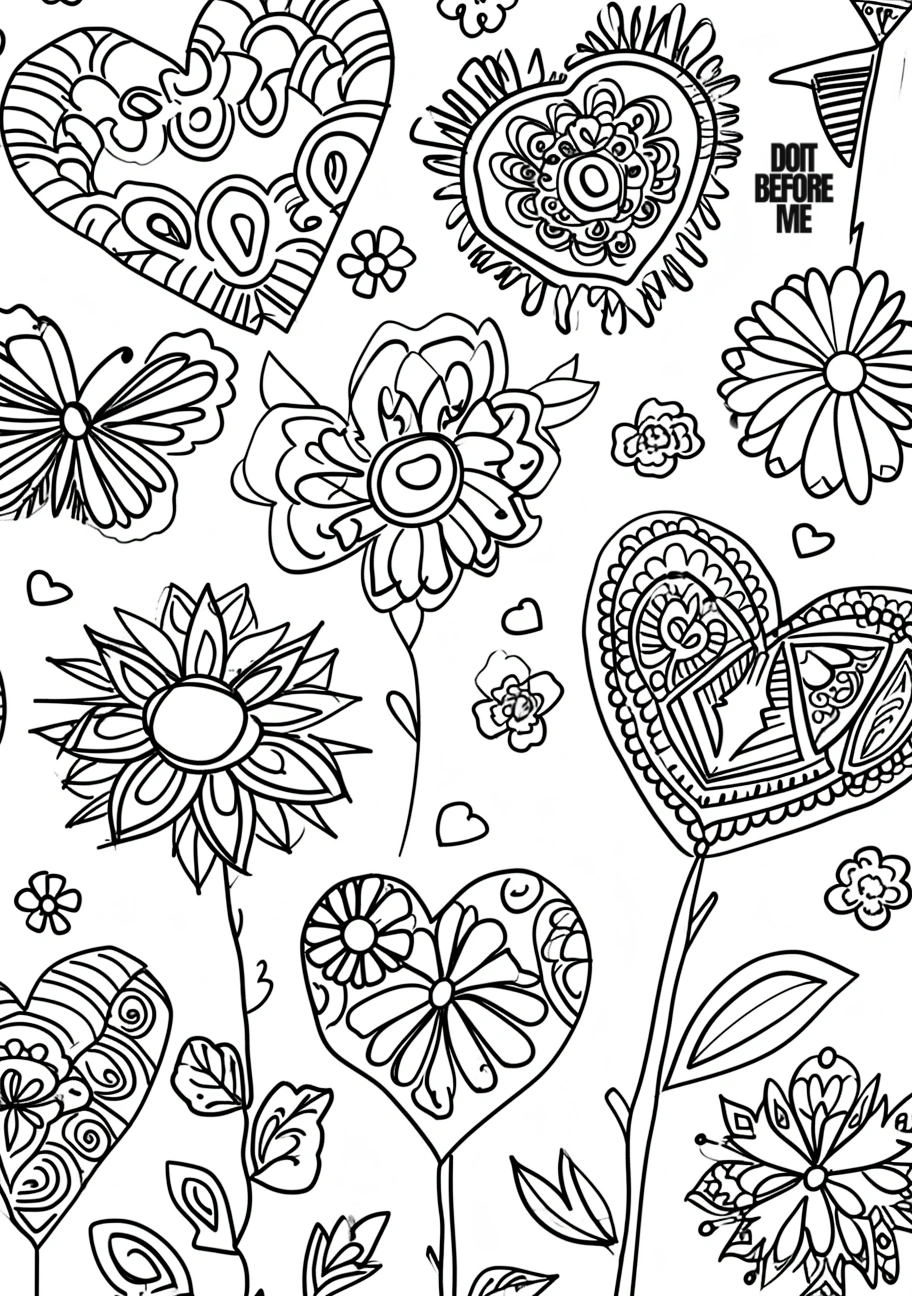
Open full-size Valentine’s Day coloring sheet 2
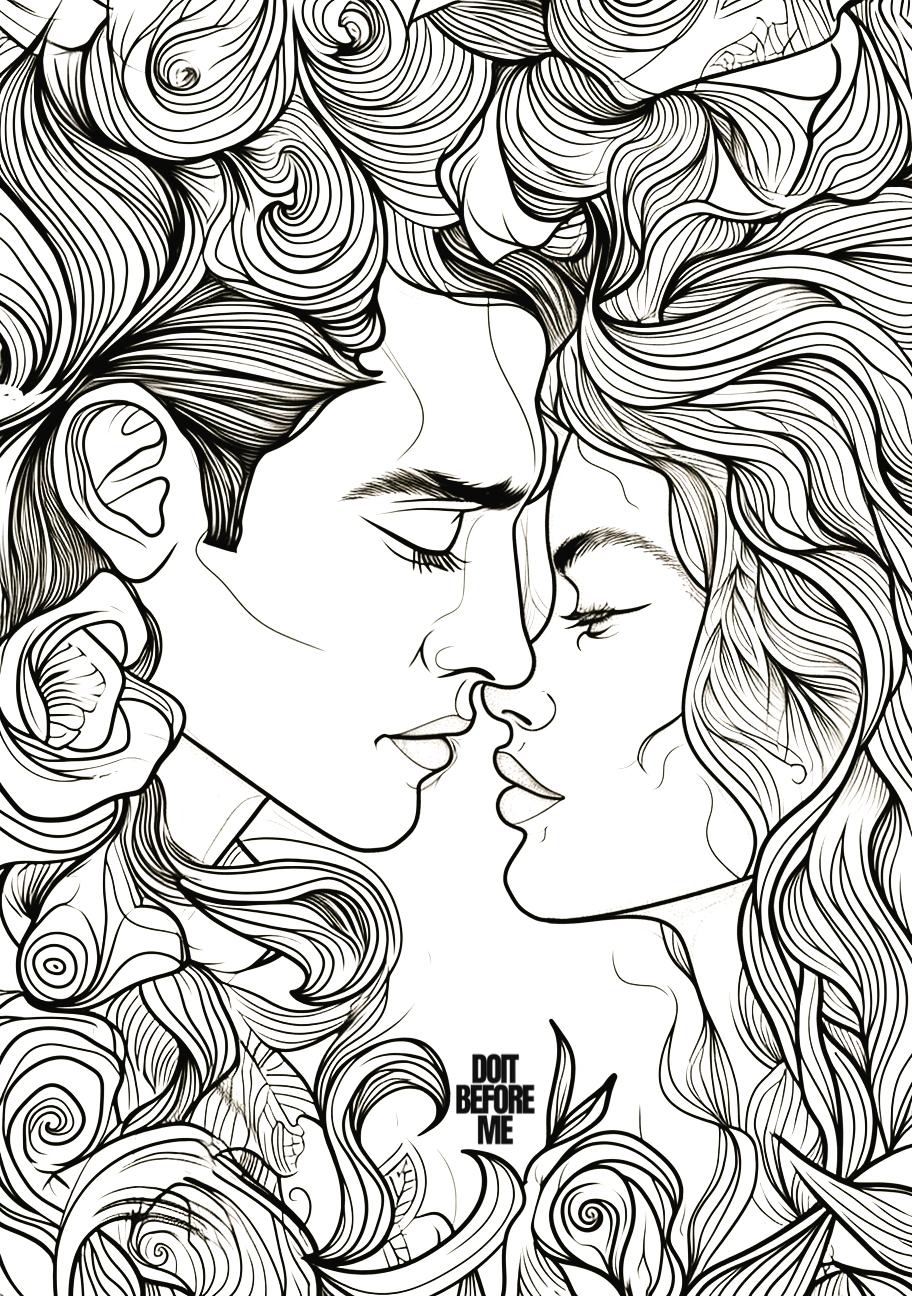
Open full-size Valentine’s Day coloring sheet 3
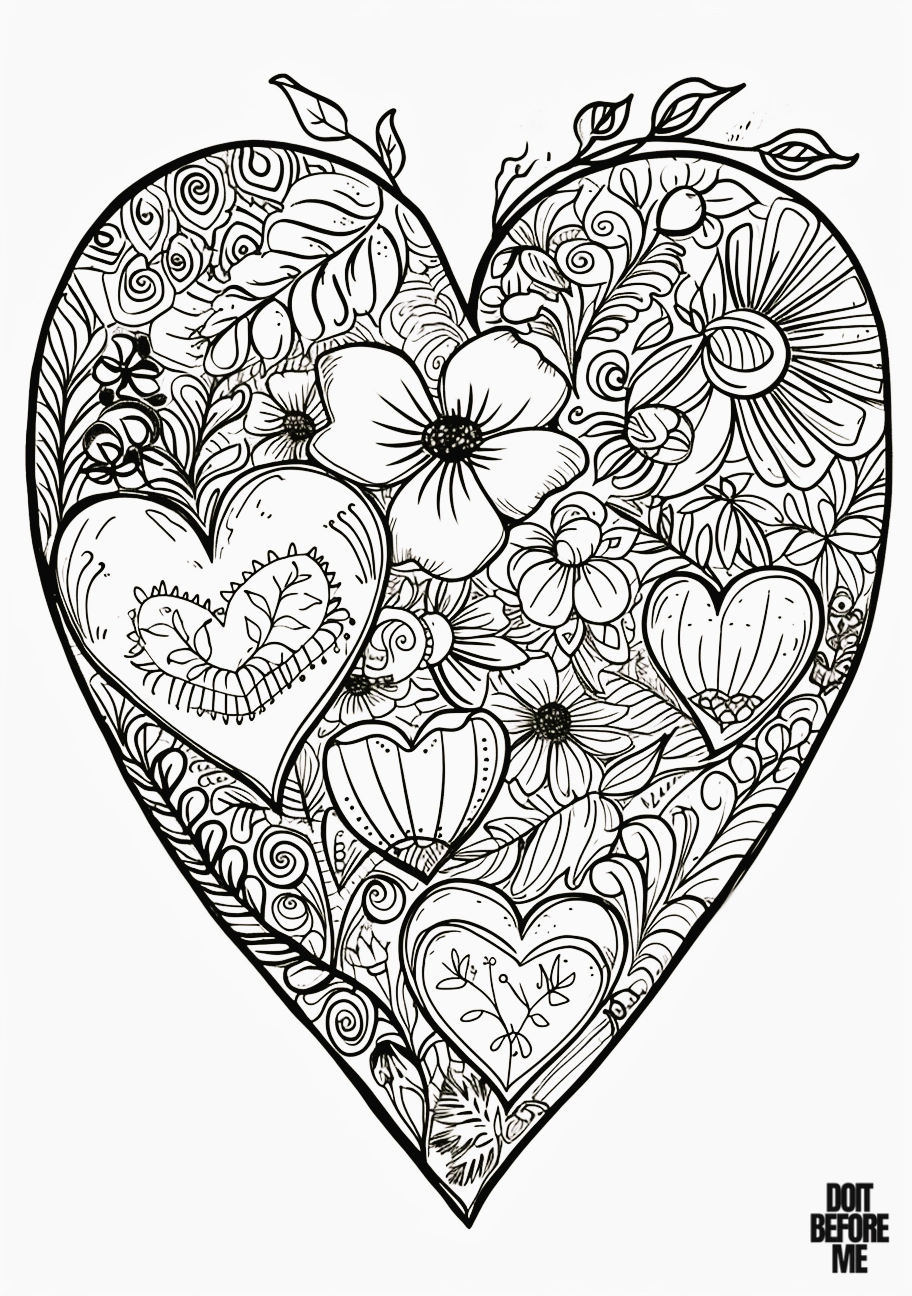
Open full-size Valentine’s Day coloring sheet 4
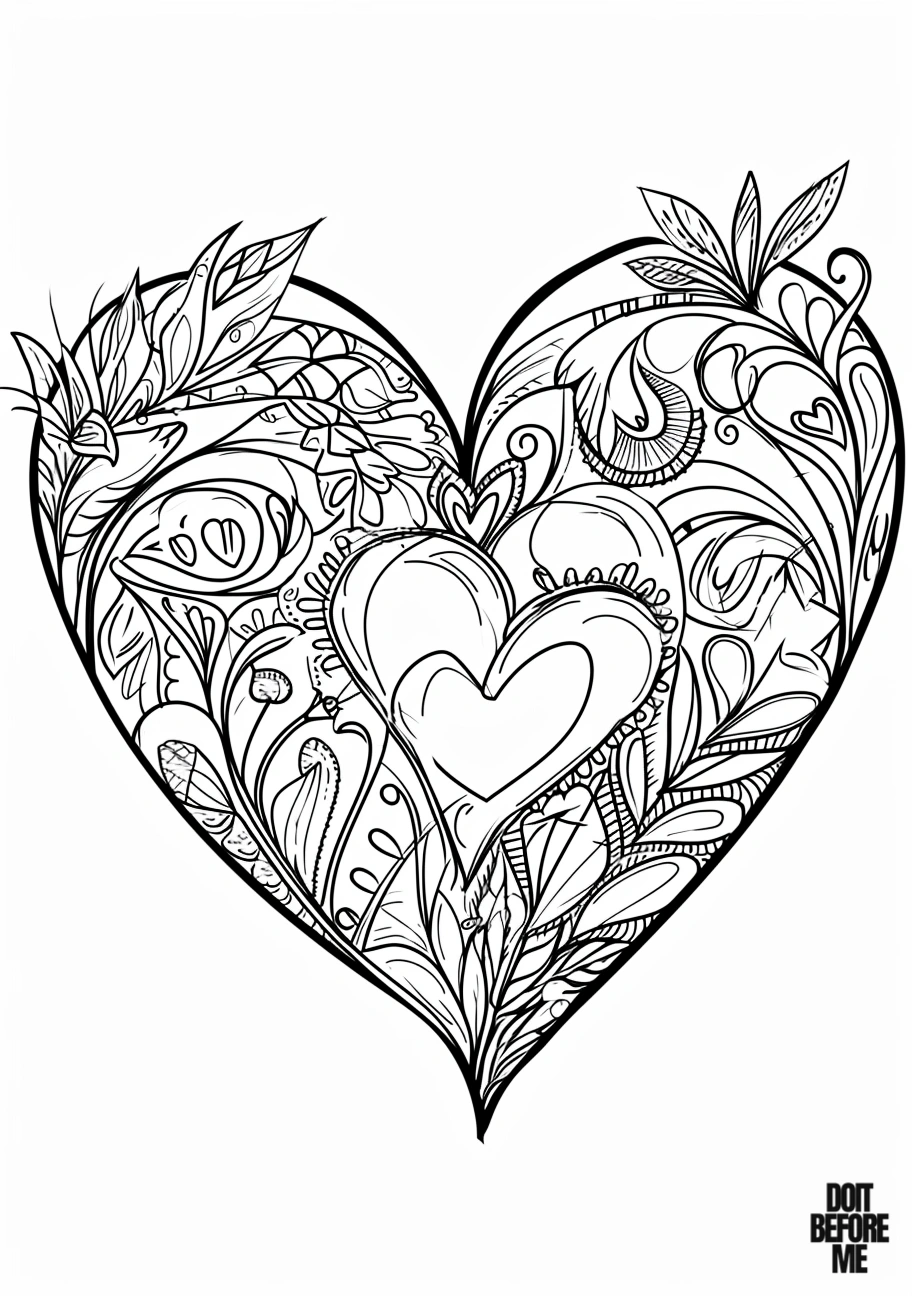
Open full-size Valentine’s Day coloring sheet 5
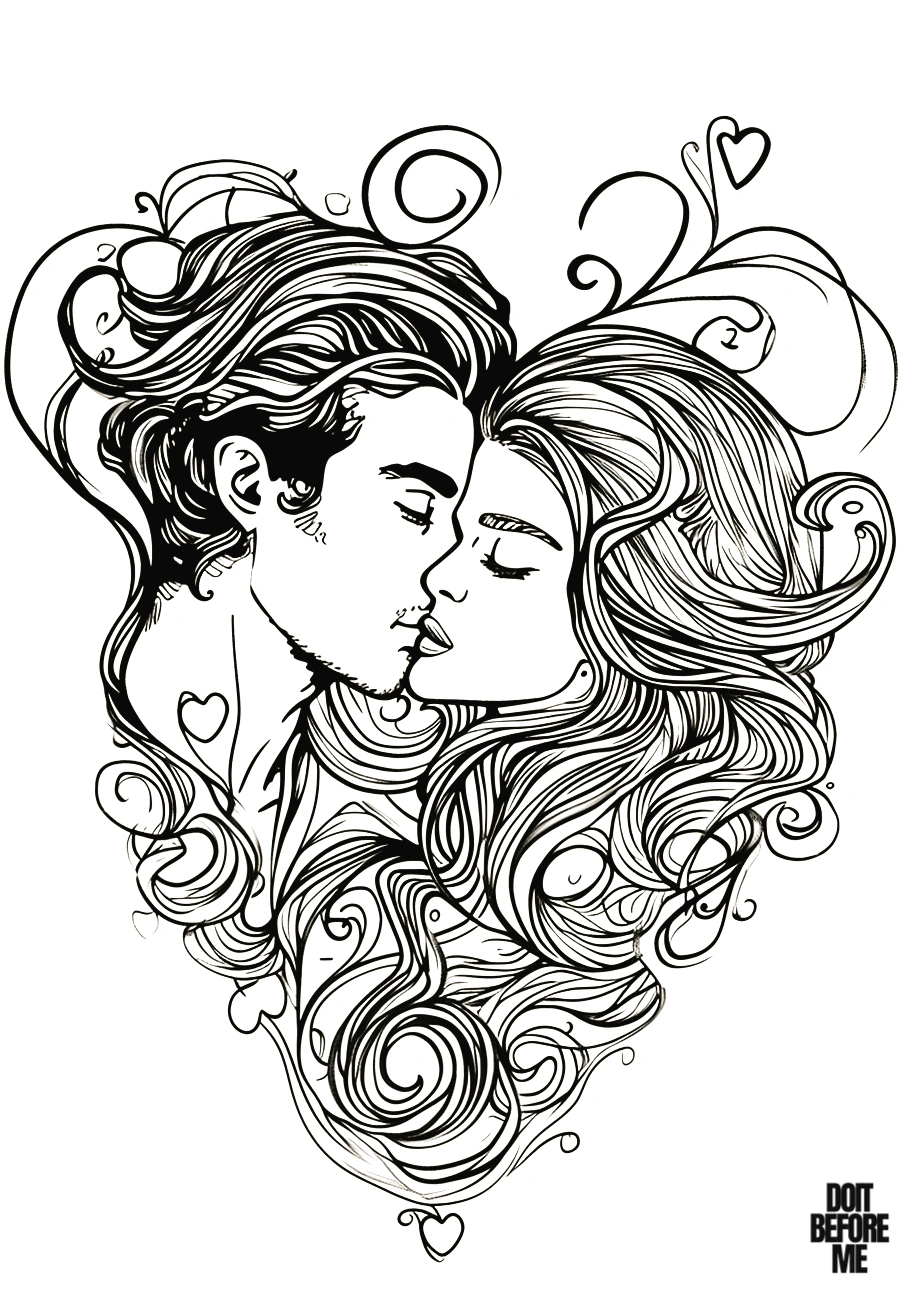
Open full-size Valentine’s Day coloring sheet 6
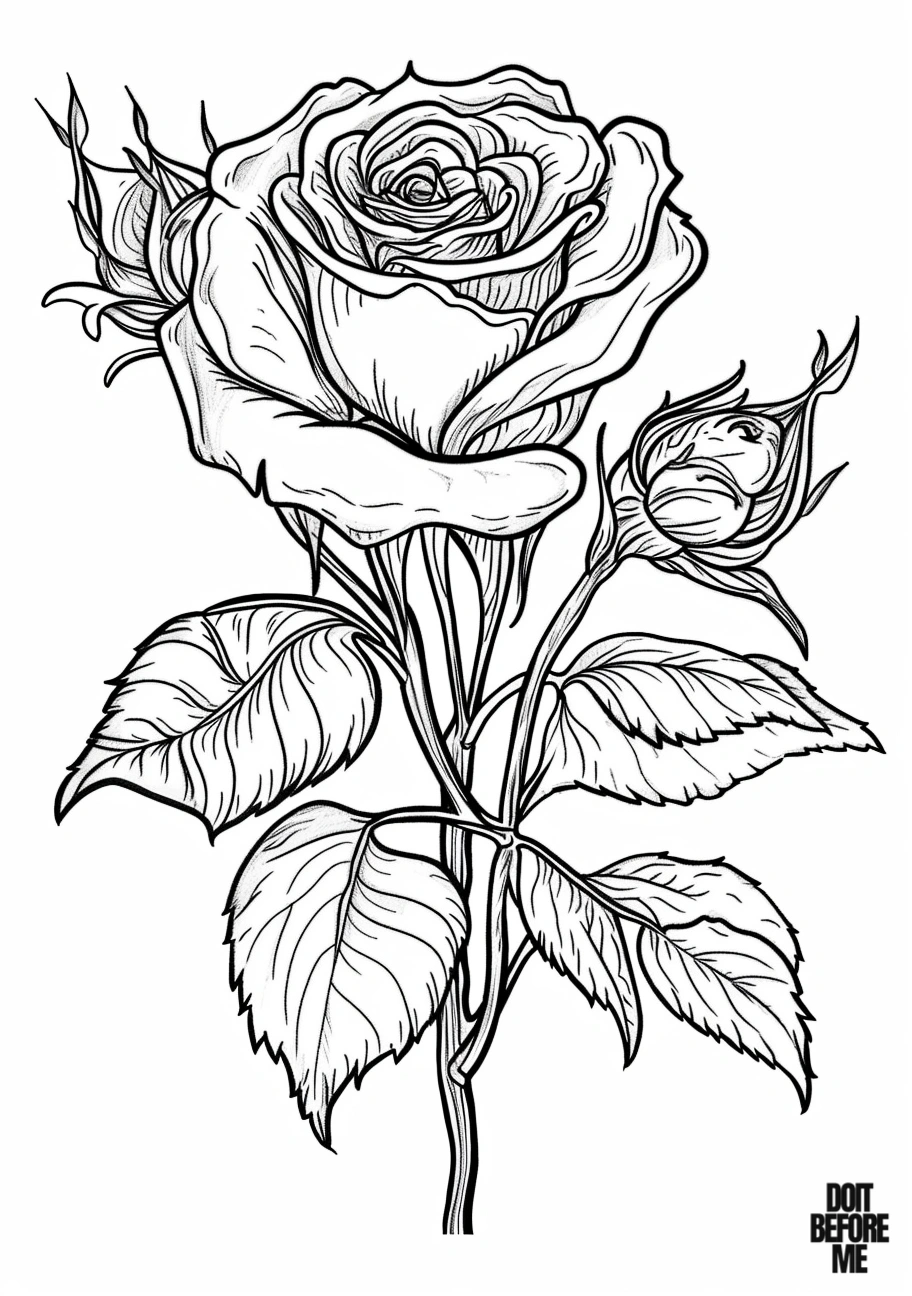
Open full-size Valentine’s Day coloring sheet 7
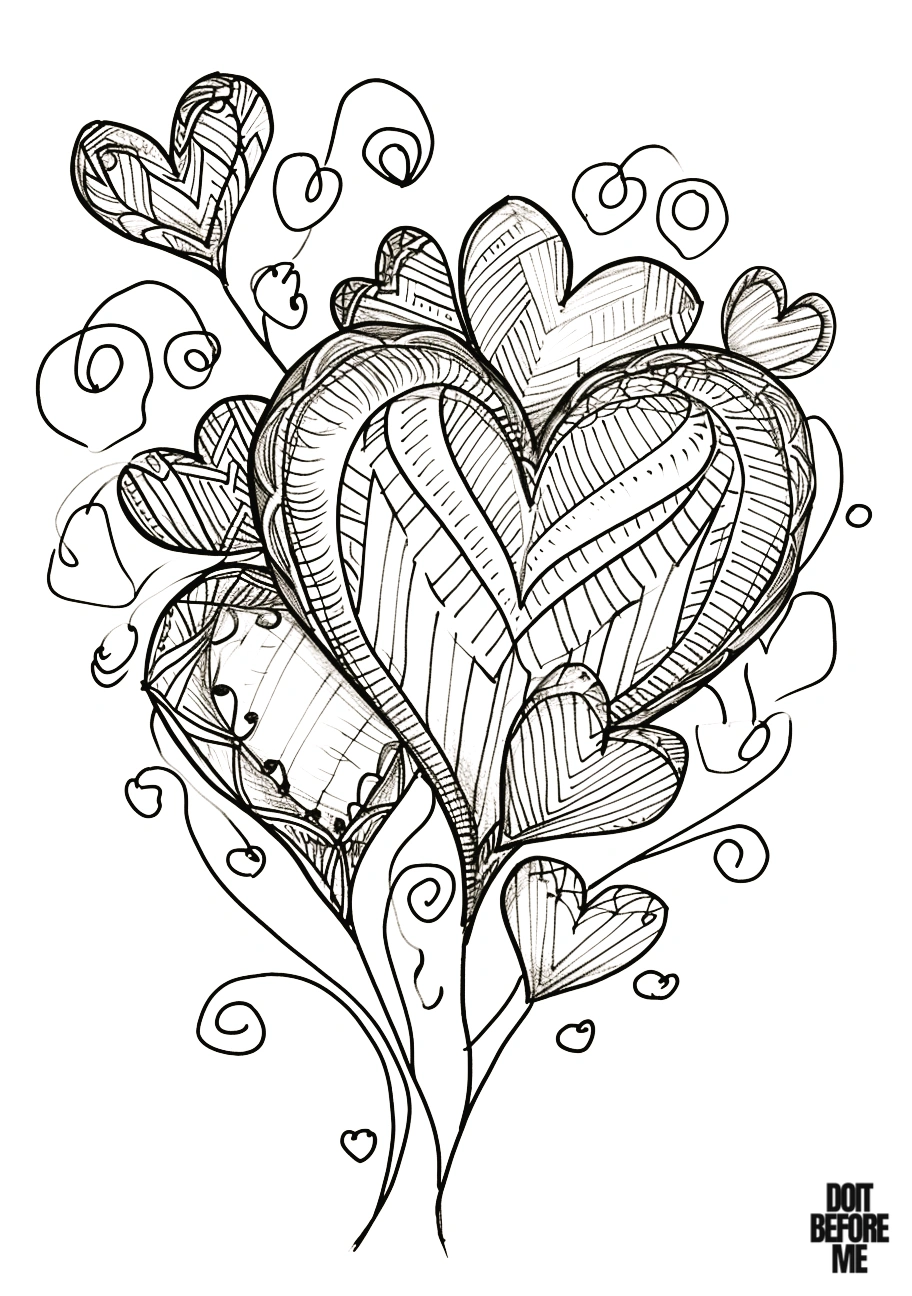
Open full-size Valentine’s Day coloring sheet 8
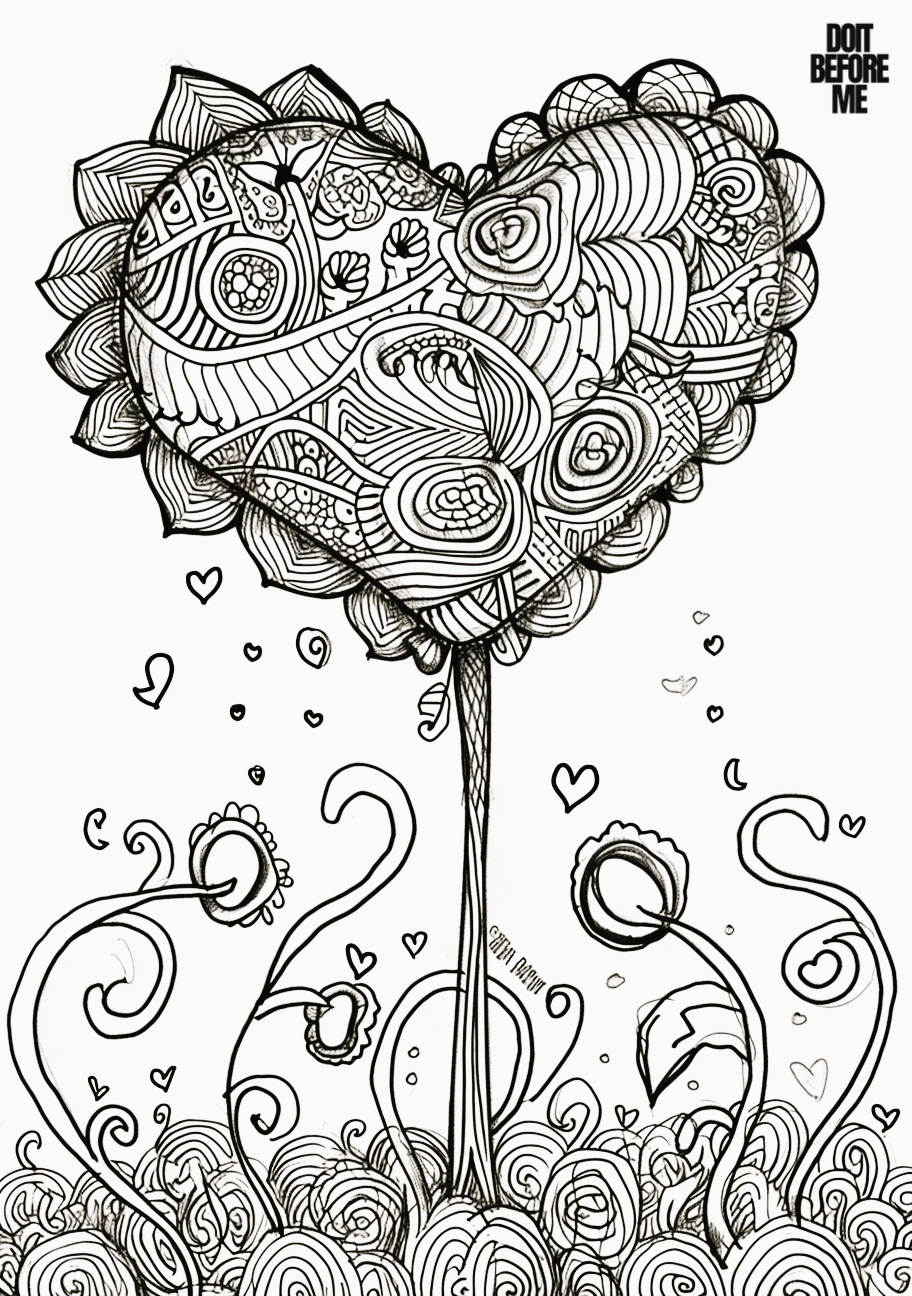
Open full-size Valentine’s Day coloring sheet 9
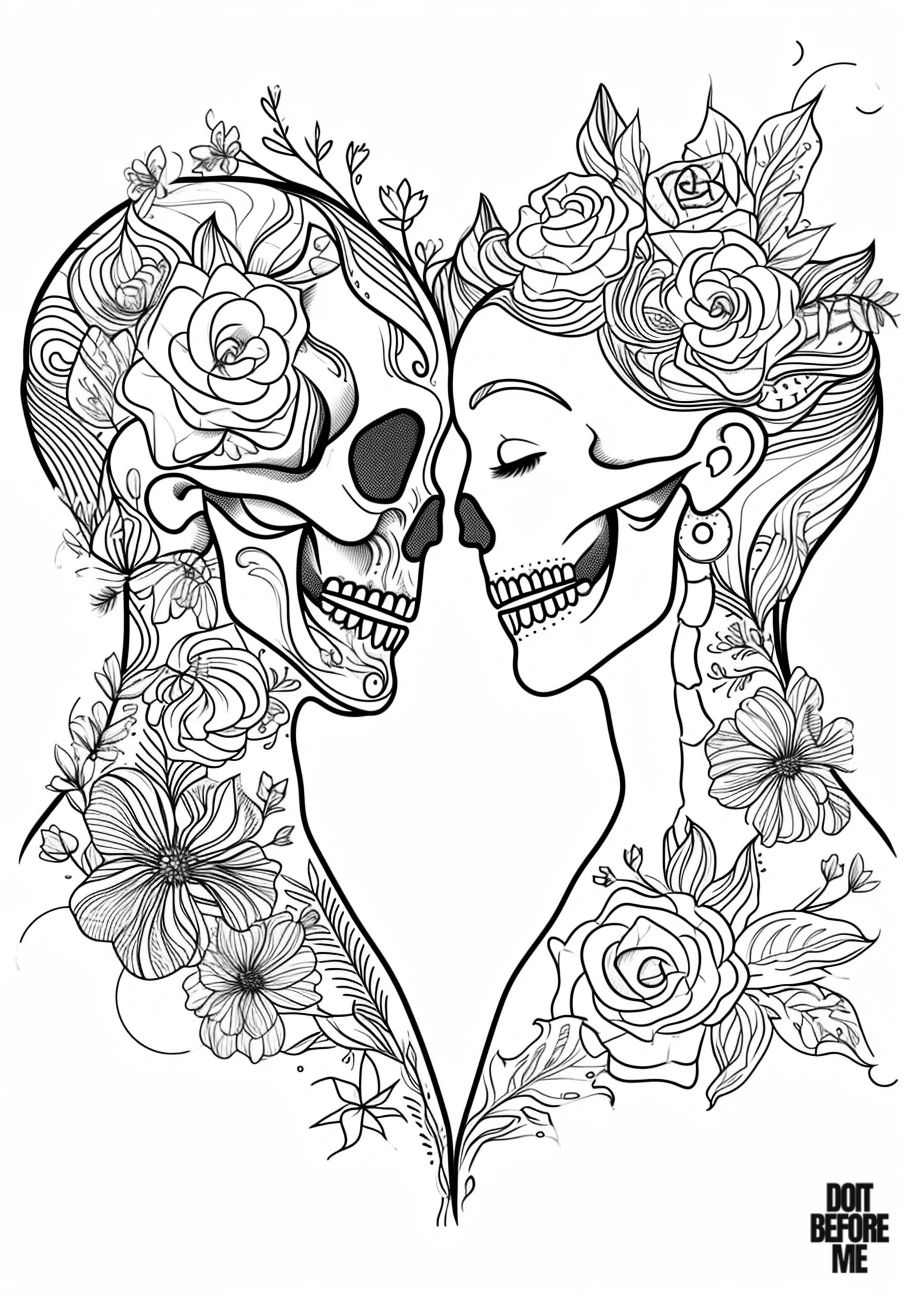
Open full-size Valentine’s Day coloring sheet 10

Open full-size Valentine’s Day coloring sheet 11
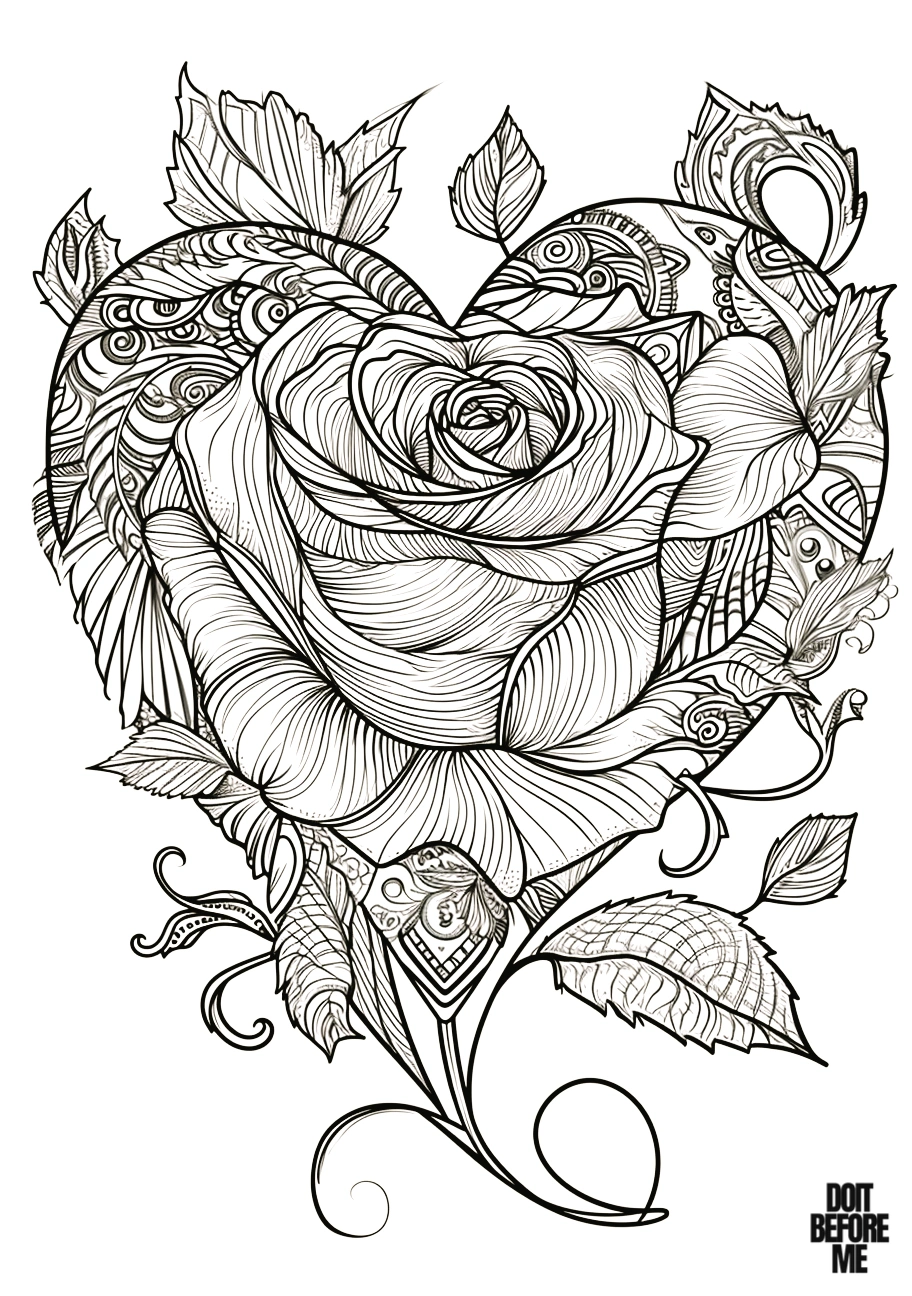
Open full-size Valentine’s Day coloring sheet 12
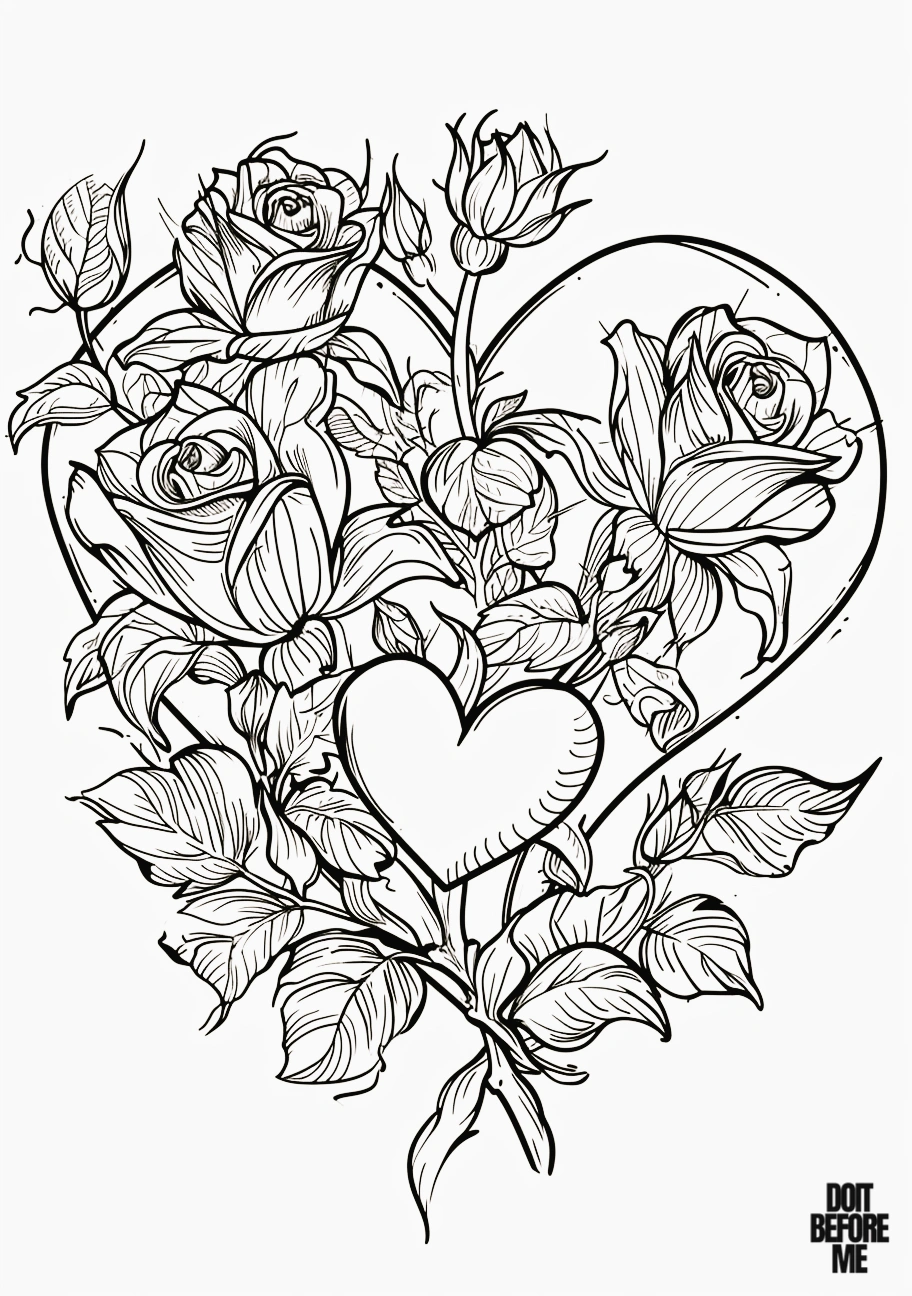
Open full-size Valentine’s Day coloring sheet 13
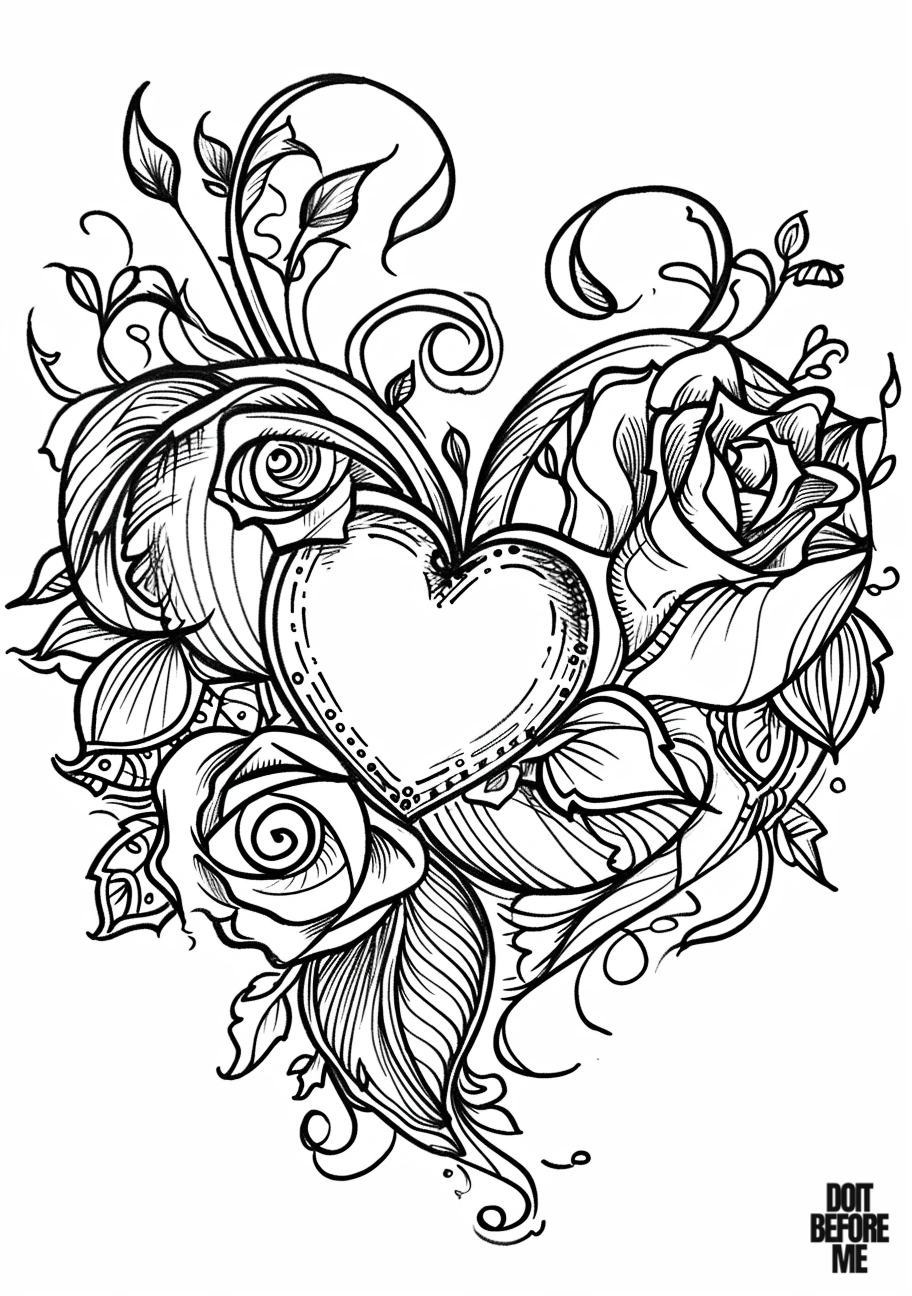
Open full-size Valentine’s Day coloring sheet 14
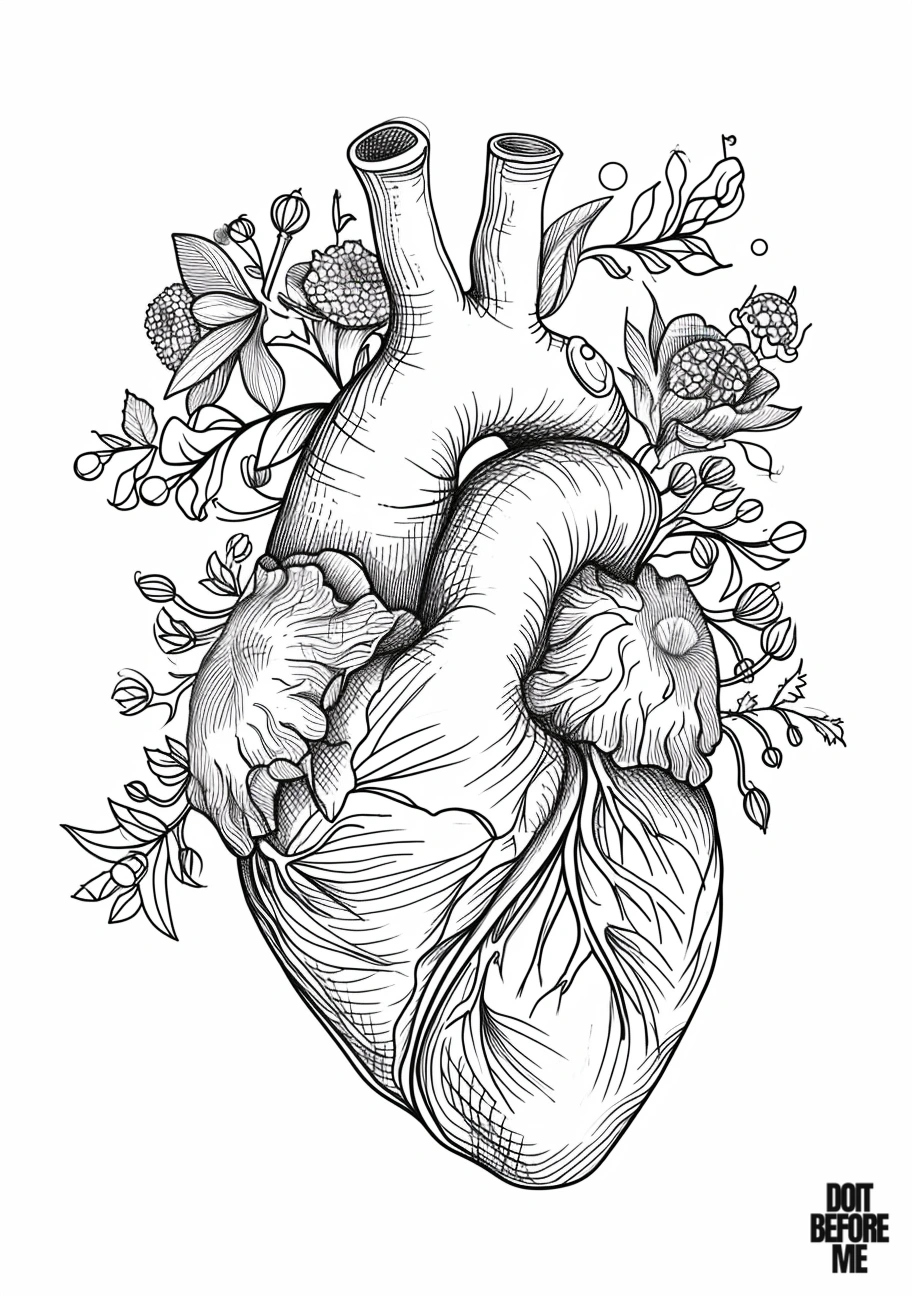
Open full-size Valentine’s Day coloring sheet 15
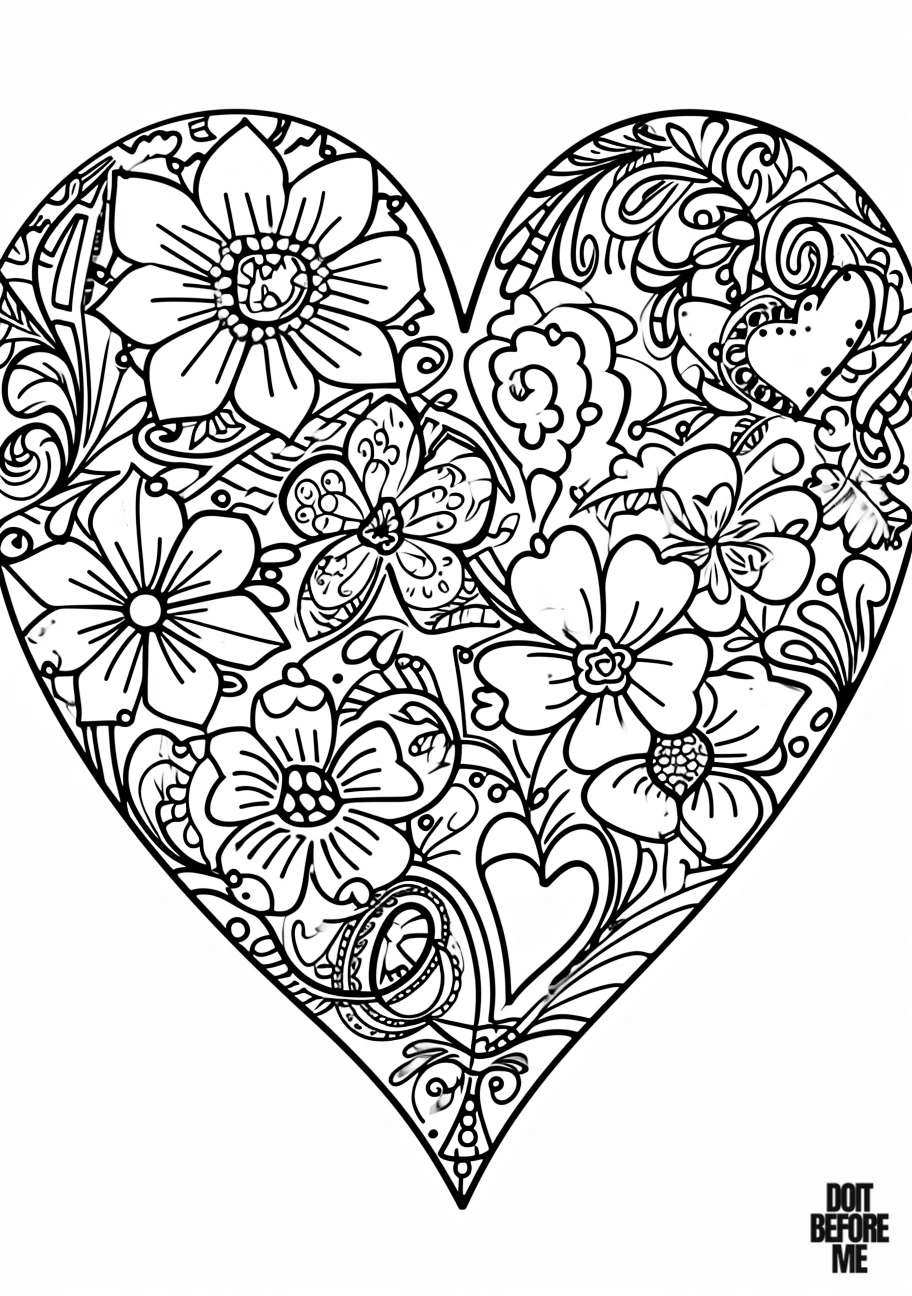
Open full-size Valentine’s Day coloring sheet 16
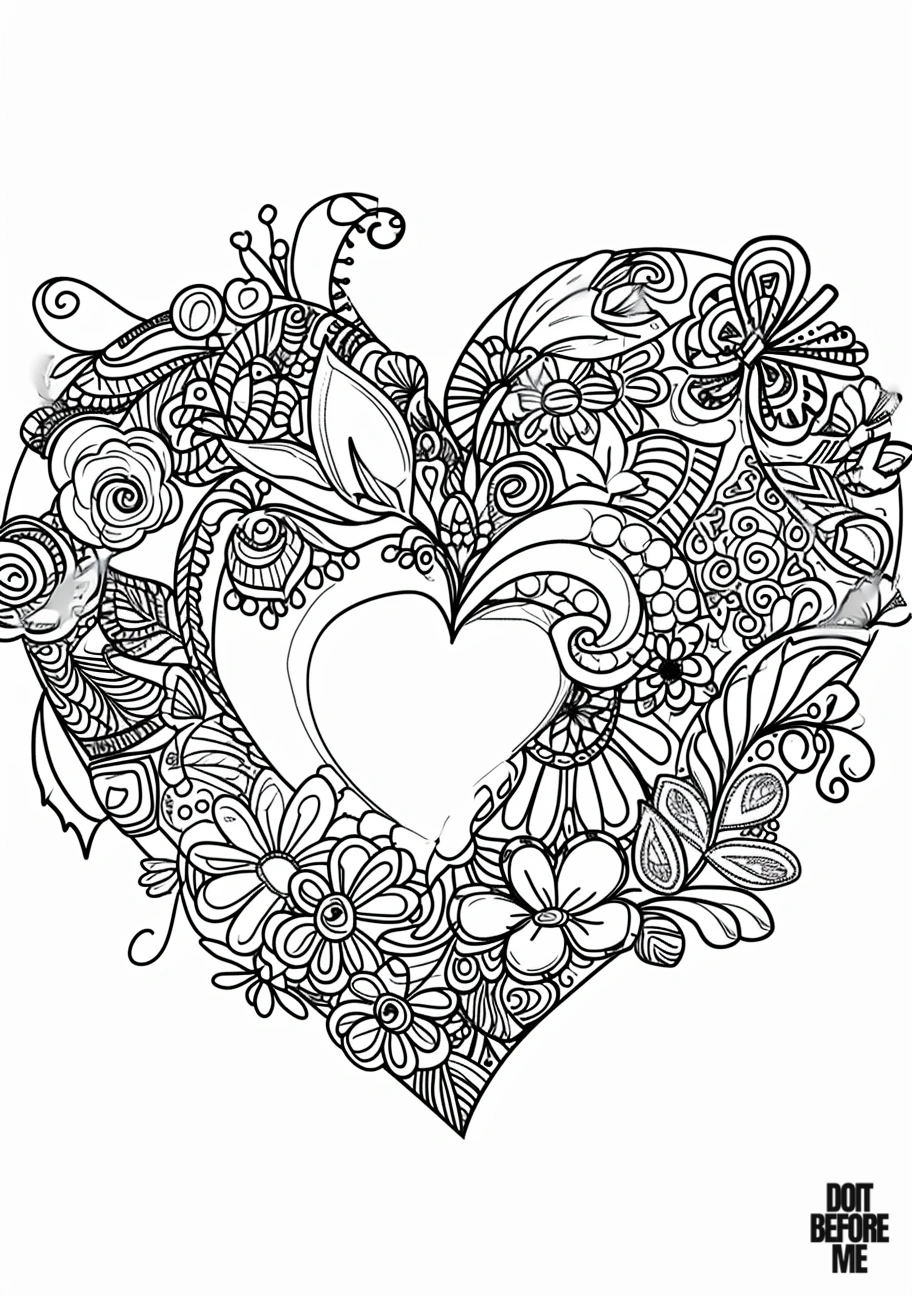
Open full-size Valentine’s Day coloring sheet 17
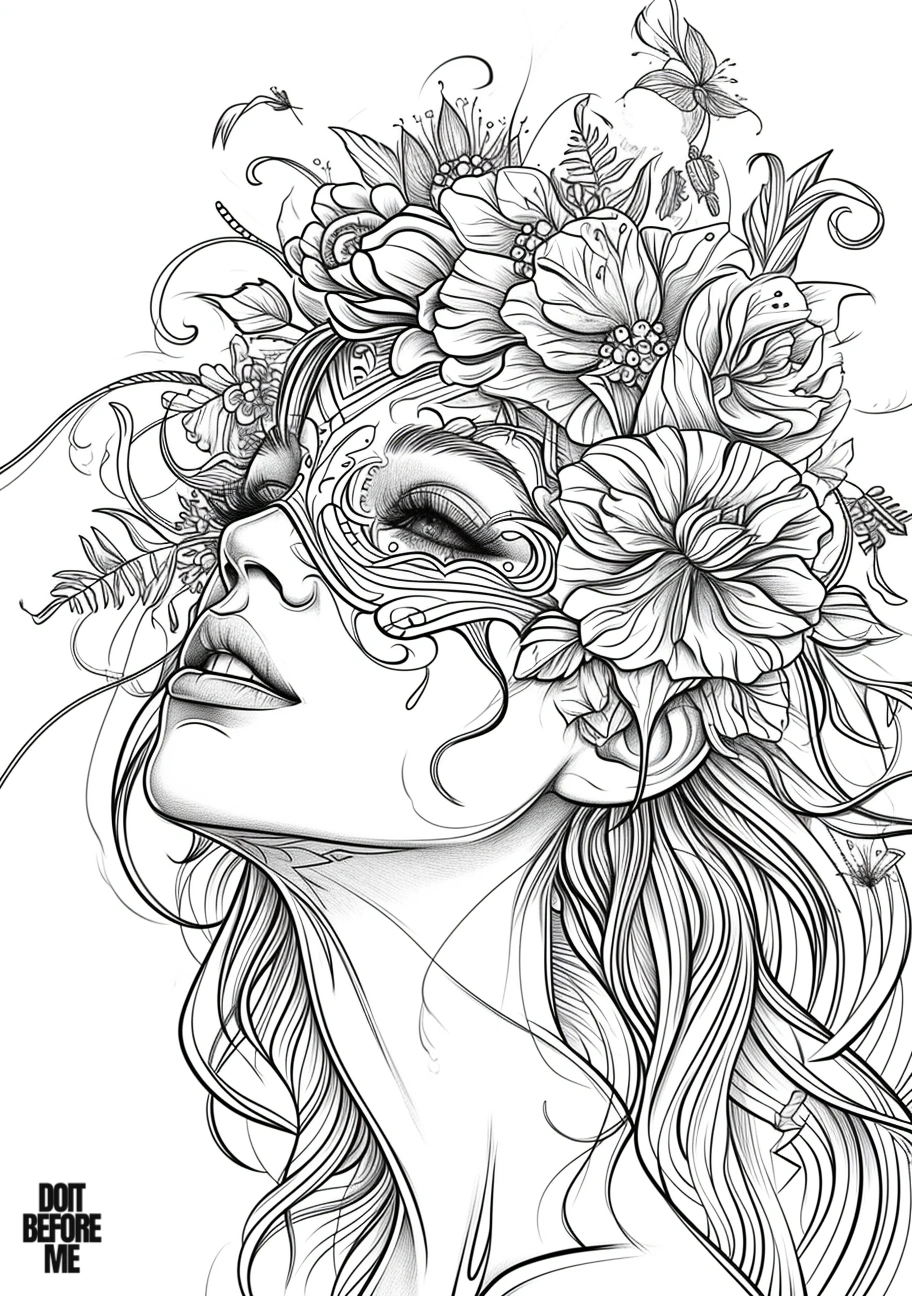
Open full-size Valentine’s Day coloring sheet 18
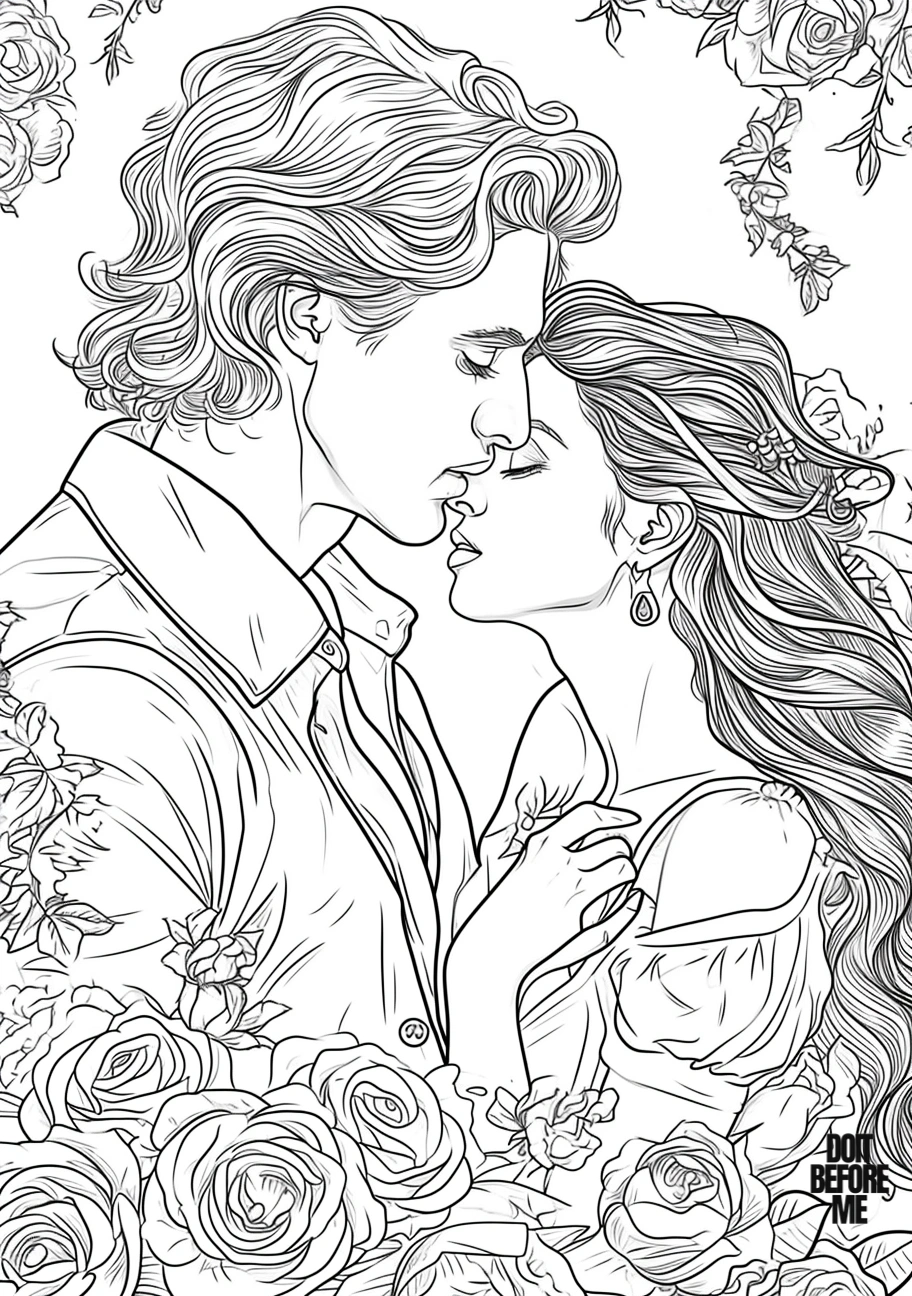
Open full-size Valentine’s Day coloring sheet 19
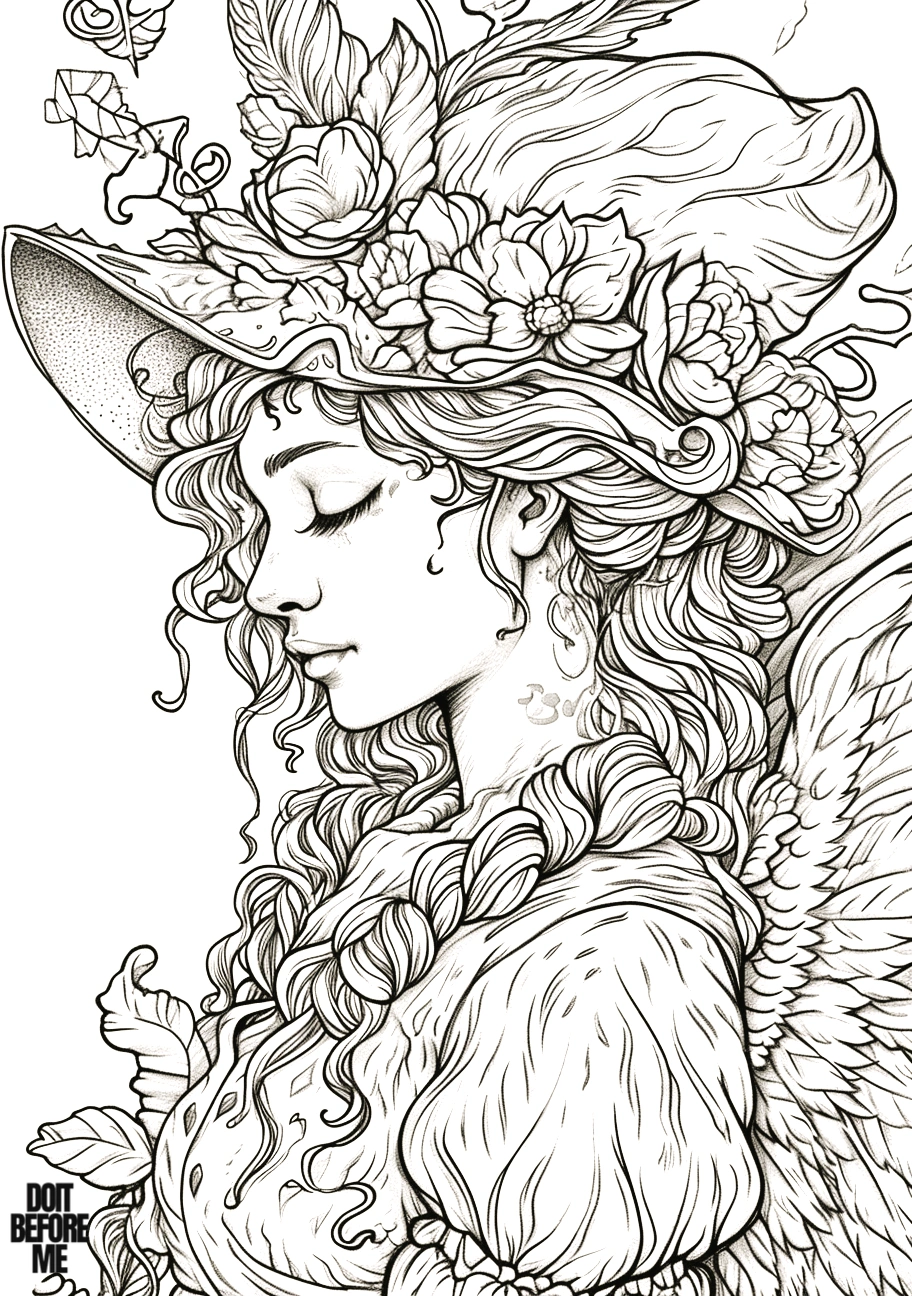
Open full-size Valentine’s Day coloring sheet 20
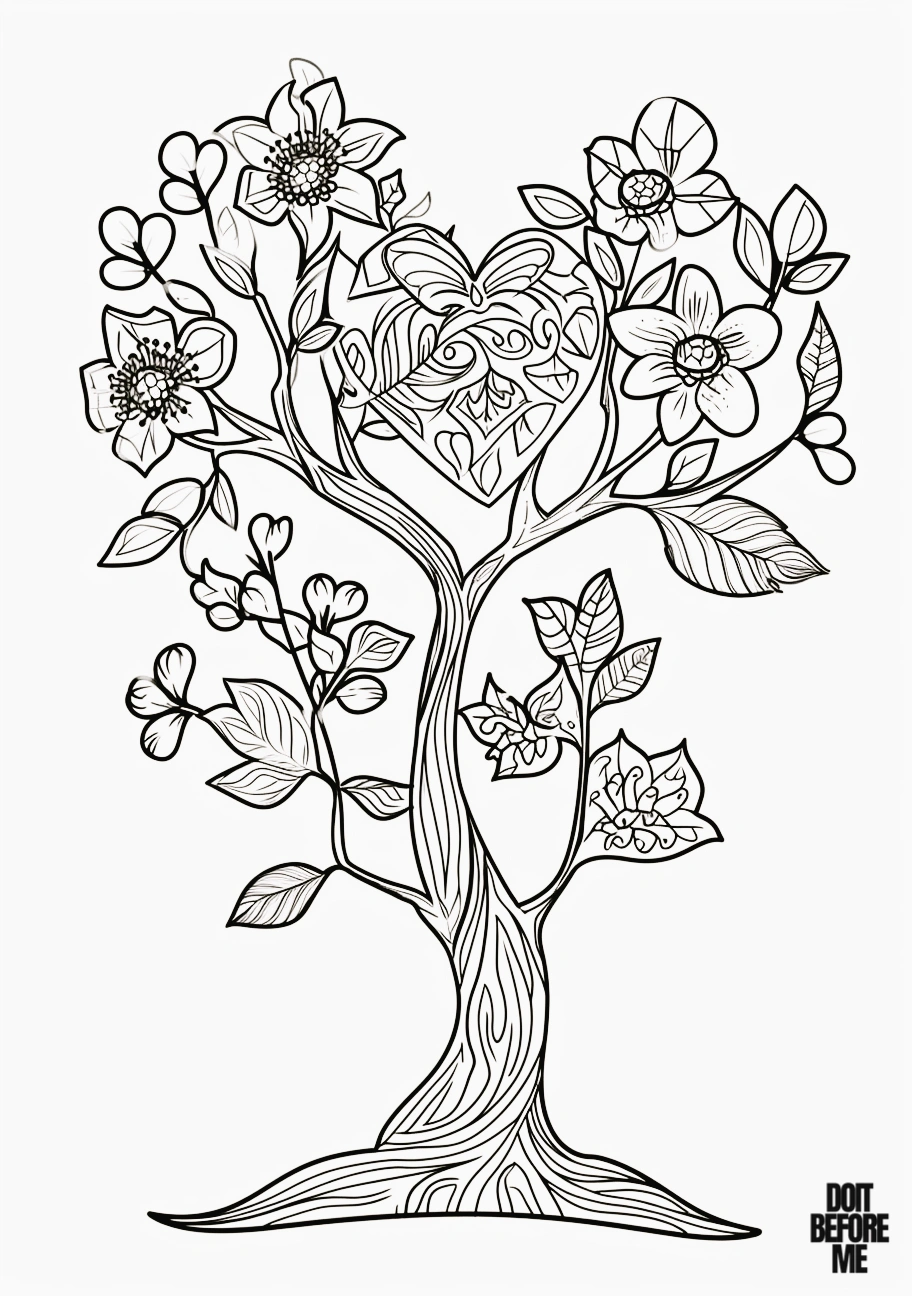
Open full-size Valentine’s Day coloring sheet 21
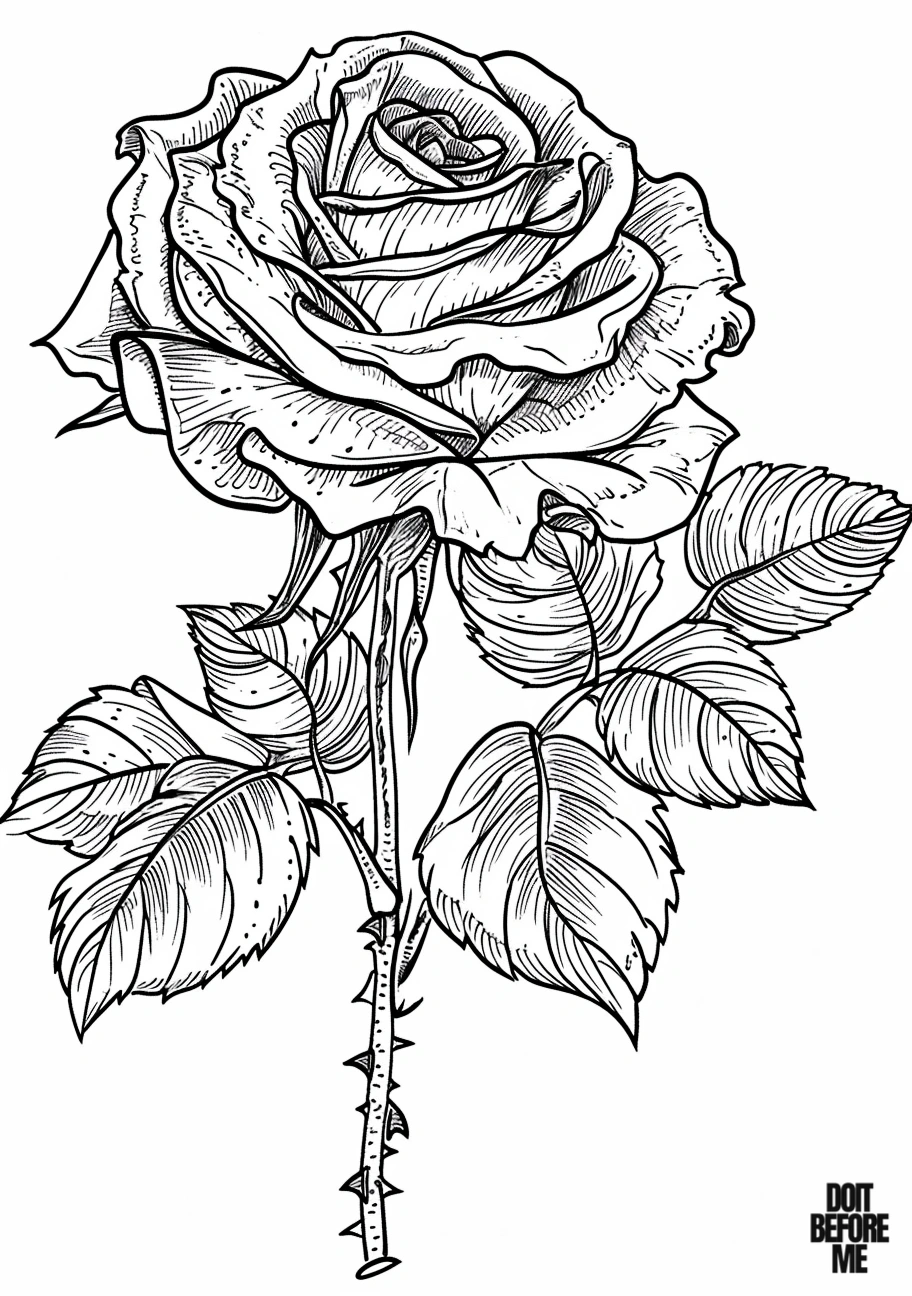
Open full-size Valentine’s Day coloring sheet 22
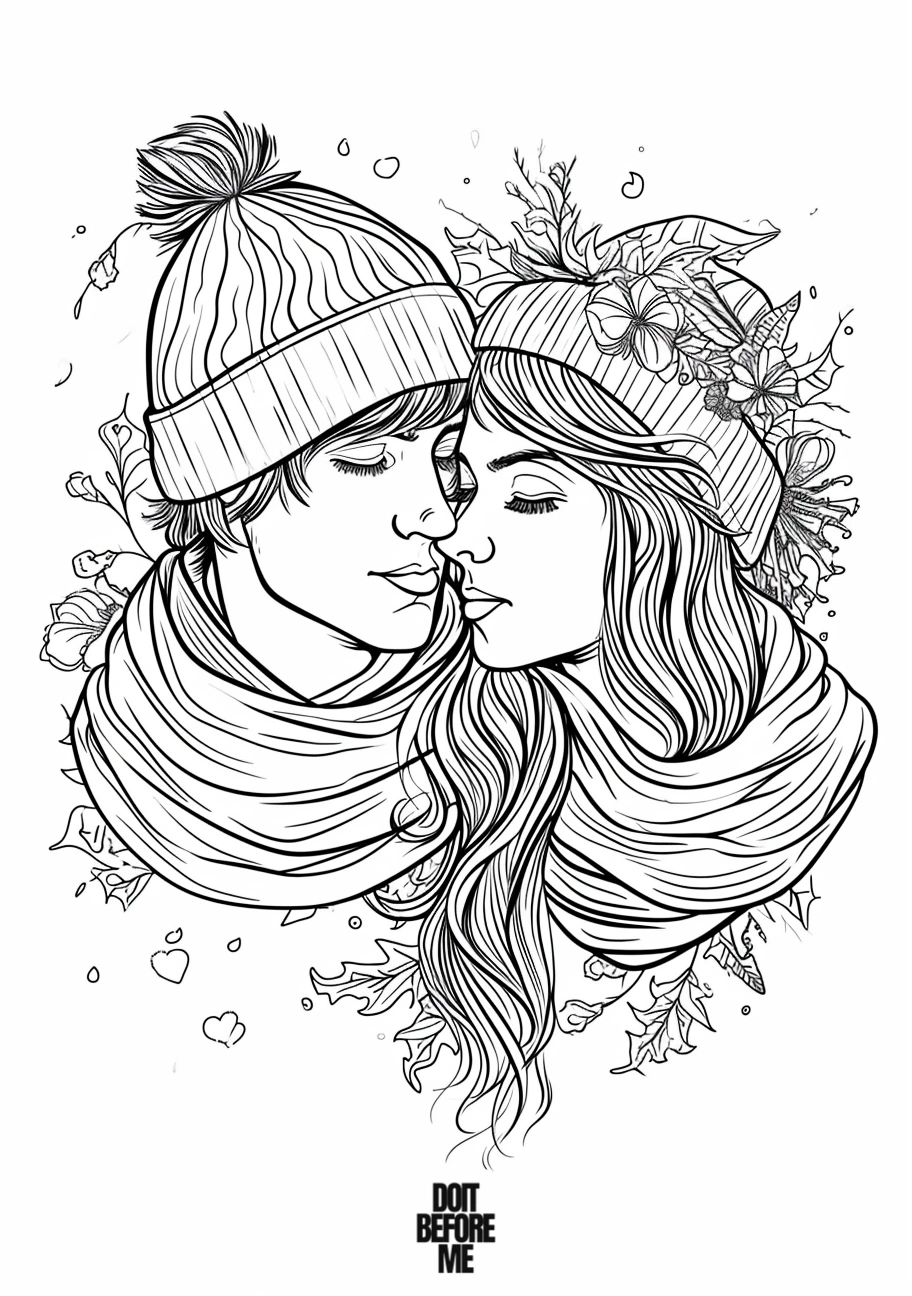
Open full-size Valentine’s Day coloring sheet 23
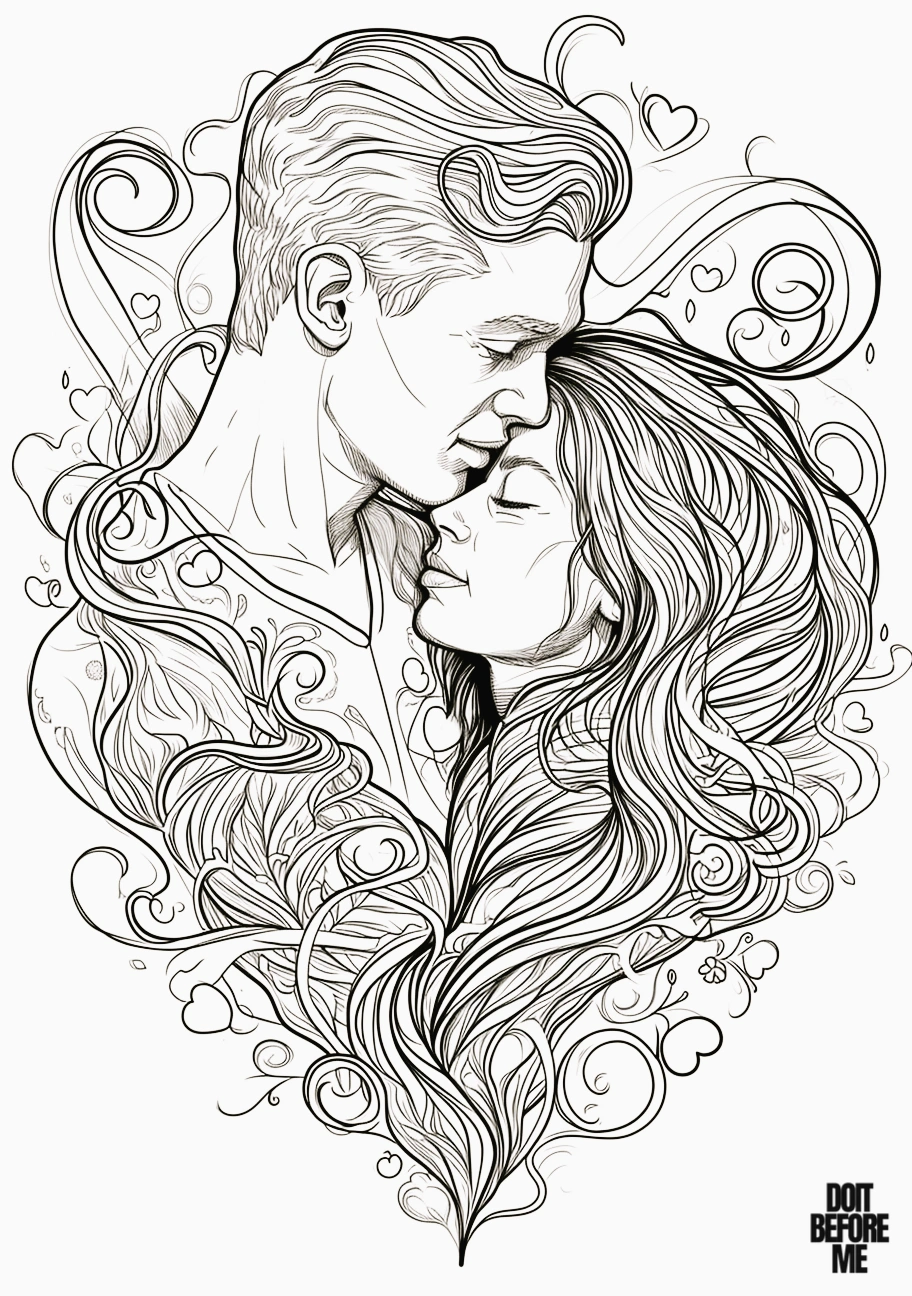
Open full-size Valentine’s Day coloring sheet 24
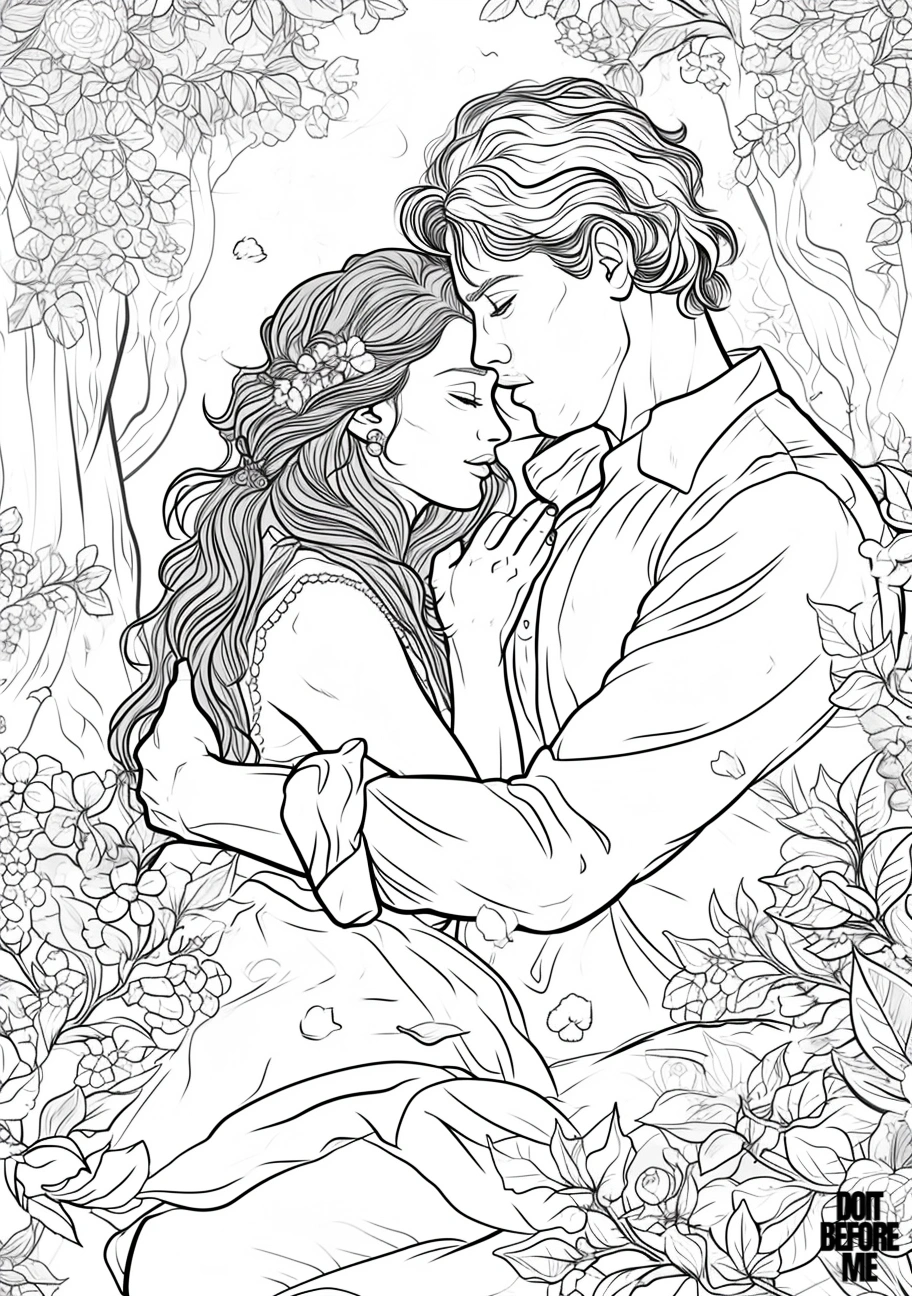
Open full-size Valentine’s Day coloring sheet 25
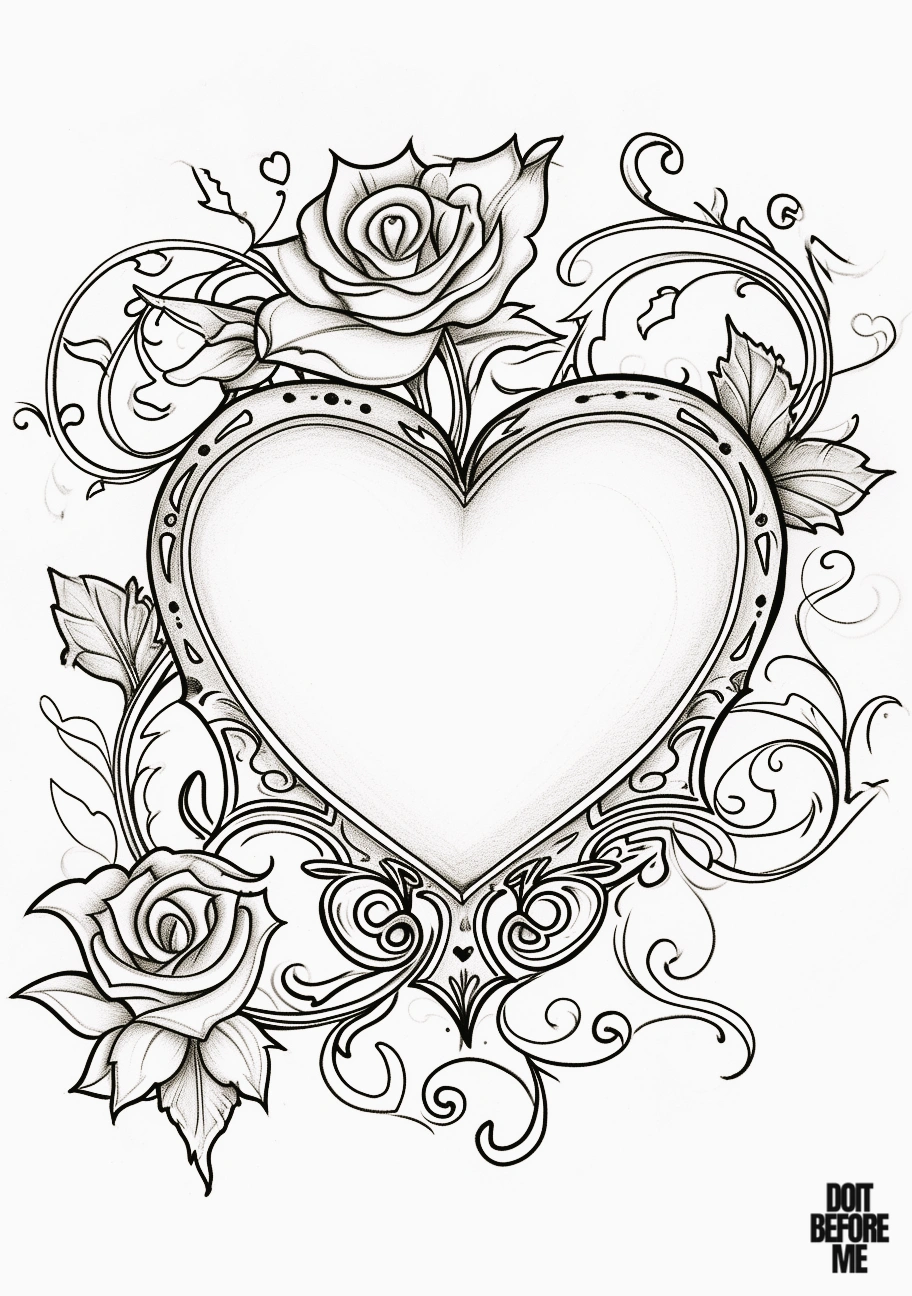
Open full-size Valentine’s Day coloring sheet 26
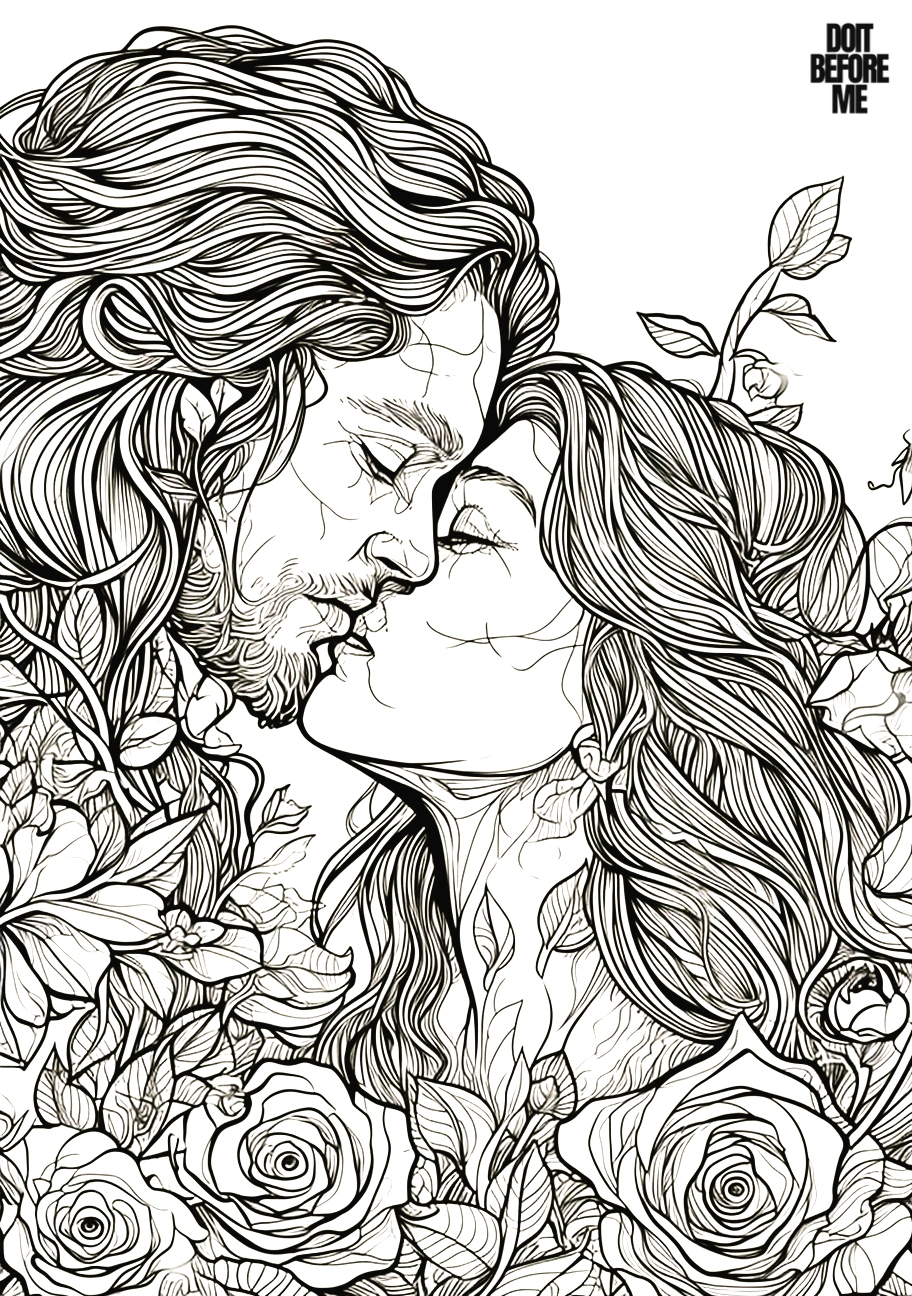
Open full-size Valentine’s Day coloring sheet 27
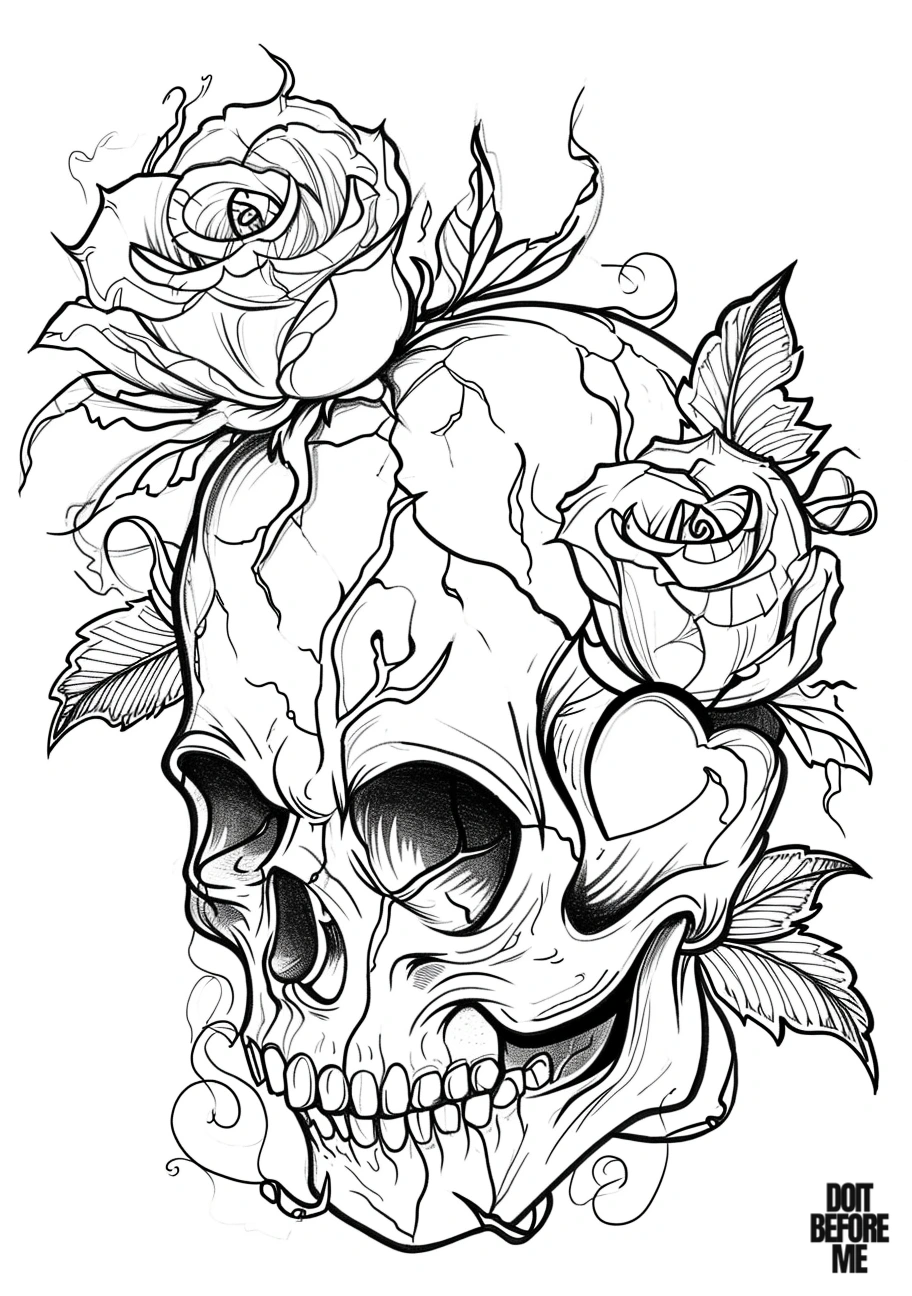
Open full-size Valentine’s Day coloring sheet 28
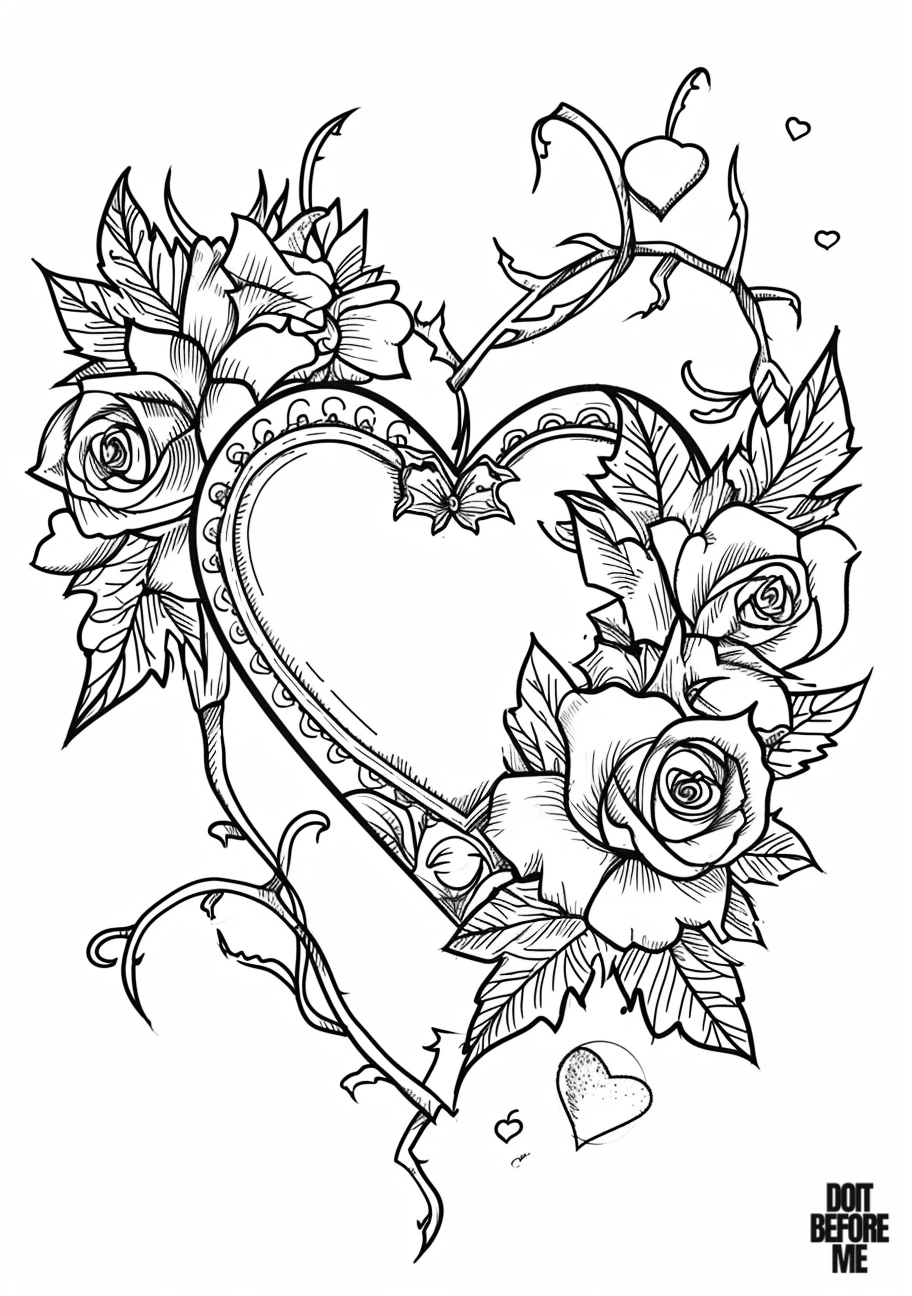
Open full-size Valentine’s Day coloring sheet 29
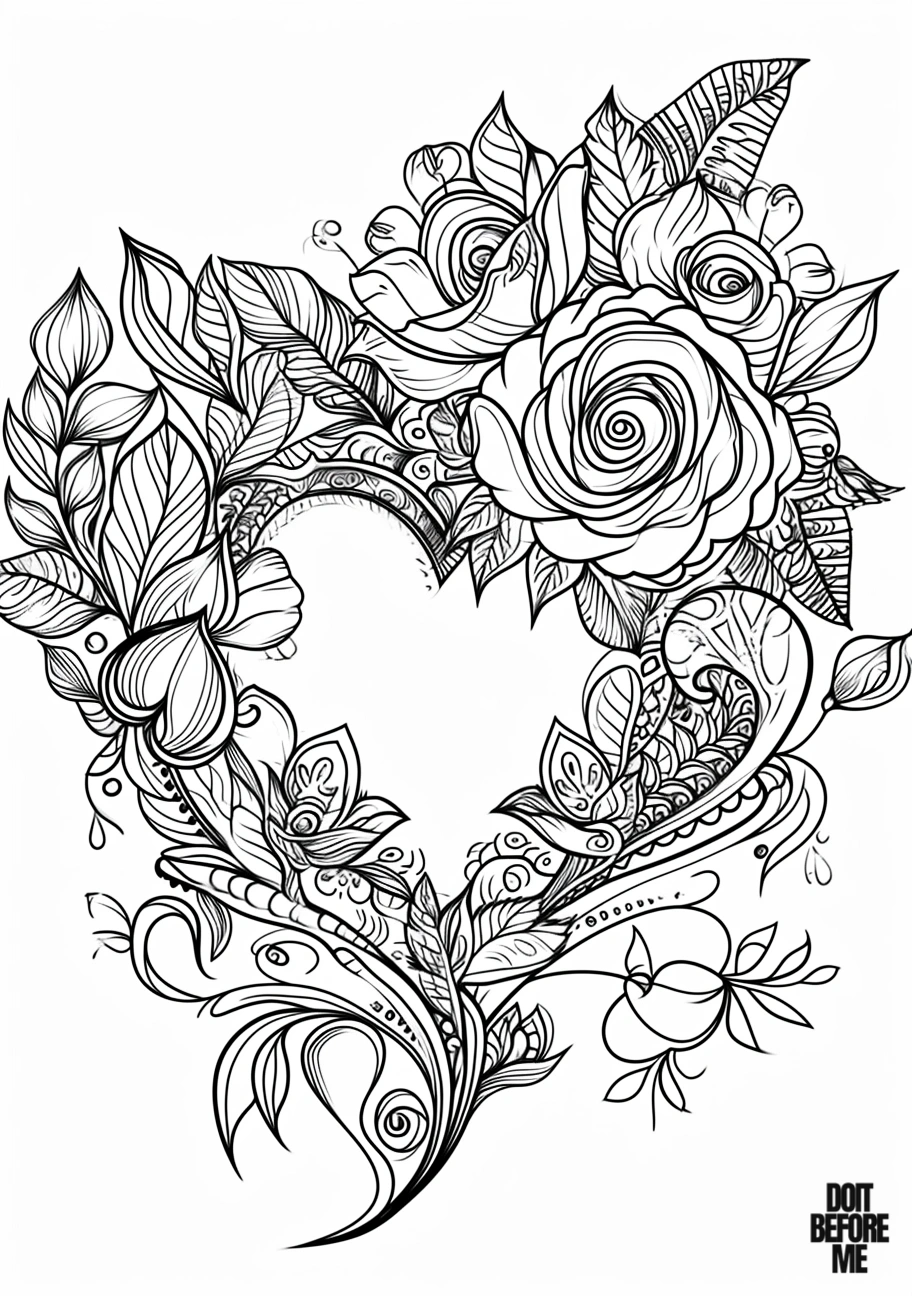
Open full-size Valentine’s Day coloring sheet 30
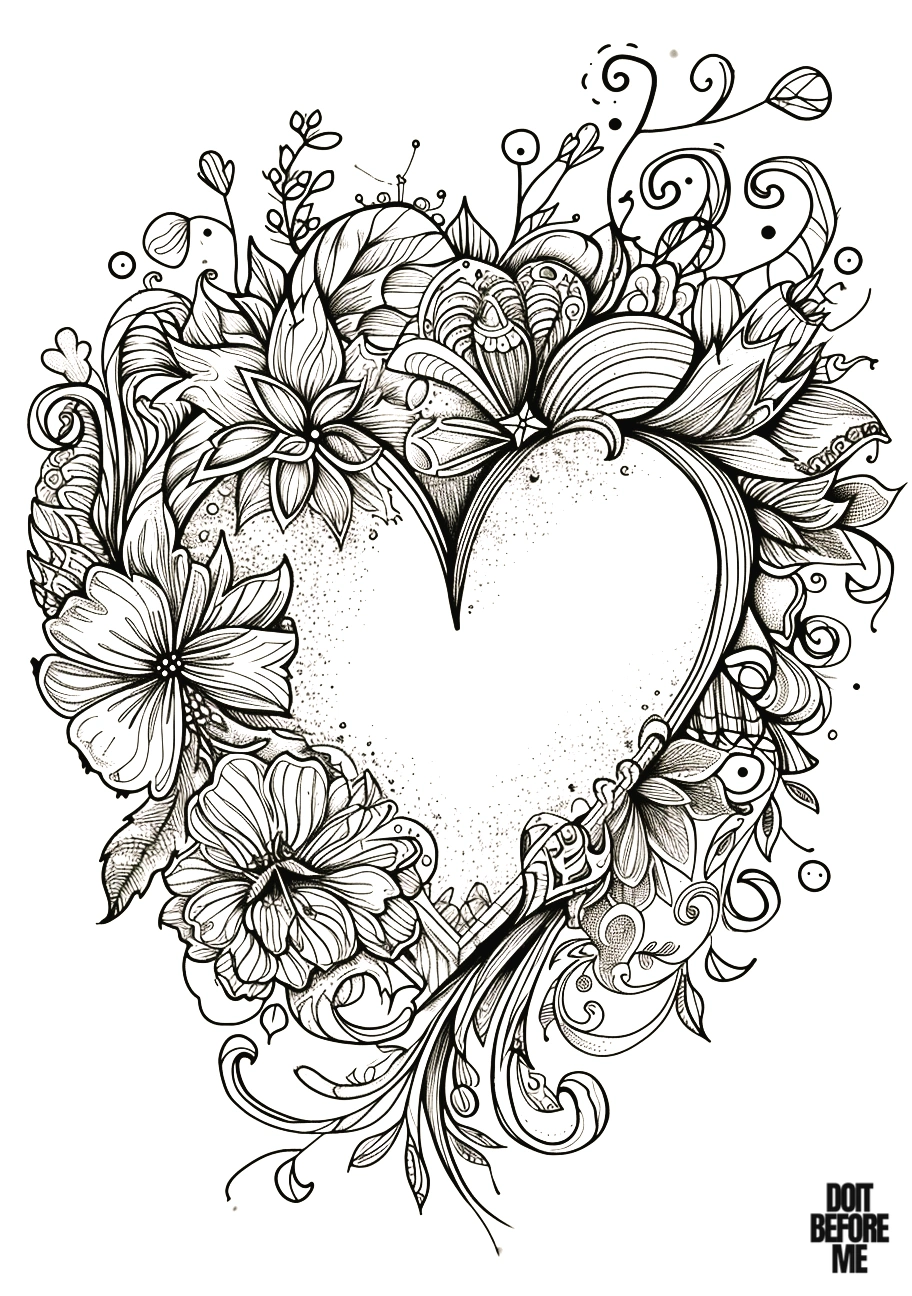
Open full-size Valentine’s Day coloring sheet 31
How to turn one of these pages into a Valentine card
- Choose an open design. Pages with one central heart, character or message leave room for a handwritten name.
- Print a test copy. Reduce the image if you want it to fit on the front of folded cardstock rather than filling an entire sheet.
- Color before mounting. It is easier to rotate a loose sheet while coloring small areas.
- Trim with a border. Leaving a narrow white margin around the finished picture usually looks cleaner than cutting directly against the line art.
- Add the personal part last. A short handwritten message, date or recipient’s name makes a printable feel like an actual card rather than a worksheet.
Which coloring tool works best?
Crayons are the easiest choice for the broad heart pages. Colored pencils give the most control on roses, feathers, hair and small decorative sections. Fine-tip markers make dense line art vivid, but print on heavier paper and place scrap paper underneath if your markers bleed.
For smoother pencil coloring, start lightly and build two or three layers rather than pressing hard immediately. On hearts and roses, a darker version of the same color near an edge can create depth without requiring advanced shading.
A simple Valentine coloring activity for kids
Ask the child to choose one page and a palette of only four colors. When the coloring is finished, have them add one personal detail that is not in the printable: a tiny pattern inside a heart, the recipient’s initials, a background of dots or stars, or a short message. The restriction keeps the activity manageable while the added detail makes the result individual.
Valentine’s Day coloring page questions
Which pages are easiest for younger children?
Choose designs with large enclosed shapes and fewer tiny decorative sections. Broad hearts and simple card-style illustrations are more forgiving with crayons and thicker markers.
Which pages are best for adults?
The detailed floral, couple and skull-themed sheets offer more small areas for pencil layering and color variation. Complexity matters more than the subject label, so choose the page whose line density suits the amount of time you want to spend.
Can I print these smaller to make cards?
Yes. Open the full-size image first, then use your printer dialog to scale it down. Print a draft on ordinary paper before using cardstock so you can check the final size and margins.
What paper should I use for markers?
A heavier, smoother sheet generally handles markers better than thin copier paper. Always test your marker because alcohol-based and very wet markers can bleed through even heavier stock. Our printing guide explains the basic setup in more detail.
More coloring pages to try
If you want another simple printable after Valentine’s Day, browse our flower coloring pages for botanical designs or the teddy bear coloring pages for a softer kid-friendly theme.

