
These 20 free sugar skull coloring pages include simple outlines, floral designs, detailed patterns and darker gothic-style options for kids, teens and adults. Choose an easier page for quick coloring or one of the more intricate designs if you want to spend more time on small shapes and decorative details.
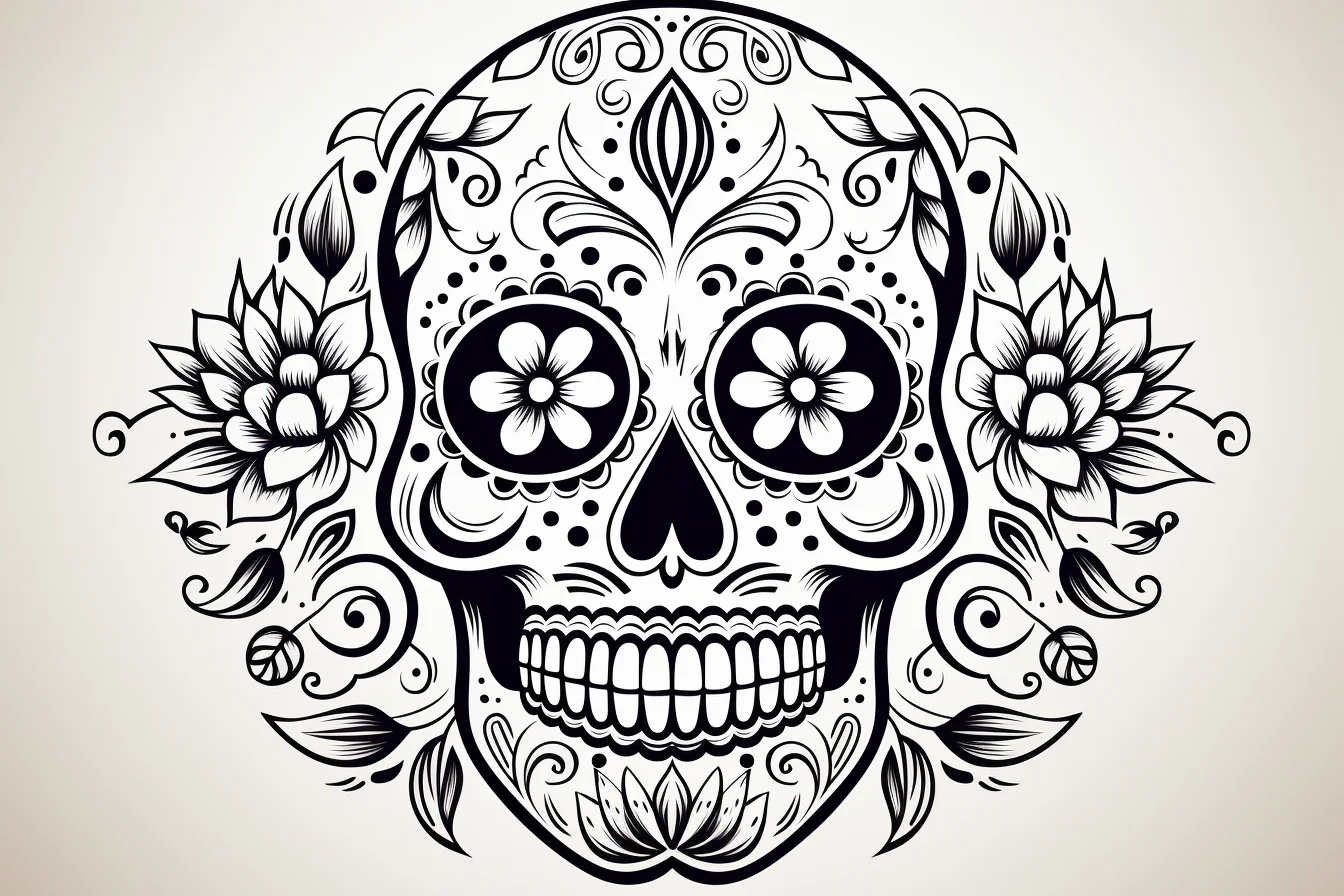
Open full-size Sugar Skull coloring sheet 1
About sugar skulls and Día de los Muertos
Sugar skulls, or calaveras de azúcar, are closely associated with Día de los Muertos, the Mexican tradition of remembering and honoring loved ones who have died. The holiday is generally observed around November 1 and 2 and is distinct from Halloween, even though both appear on the calendar at a similar time.
Decorative skull imagery also has an important place in Mexican visual culture. Artist José Guadalupe Posada became especially famous for satirical calavera illustrations such as La Calavera Catrina. You can learn more about his work through the Posada Art Foundation.
How to save and print a sugar skull coloring page
- Choose the design you want from the gallery below.
- Save the full-size image to your phone, tablet or computer.
- Open the saved image in your printing app, select A4 or Letter paper and fit the artwork to the page.
- Check the print preview before printing so none of the outer decoration is cropped.
For more seasonal printables, see our First Day of Fall coloring pages and cute spider coloring pages.
Sugar skull coloring page collection
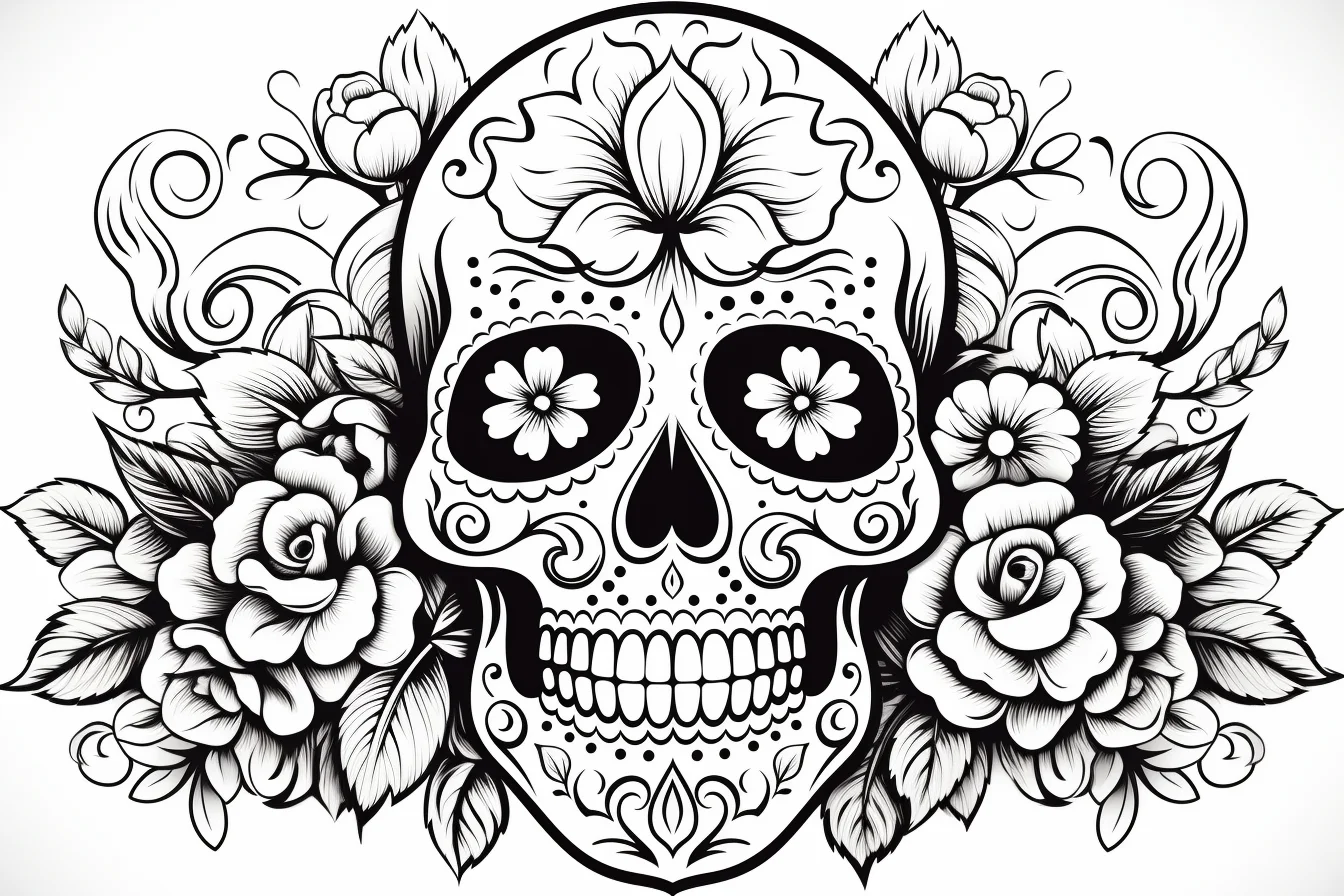
Open full-size Sugar Skull coloring sheet 2
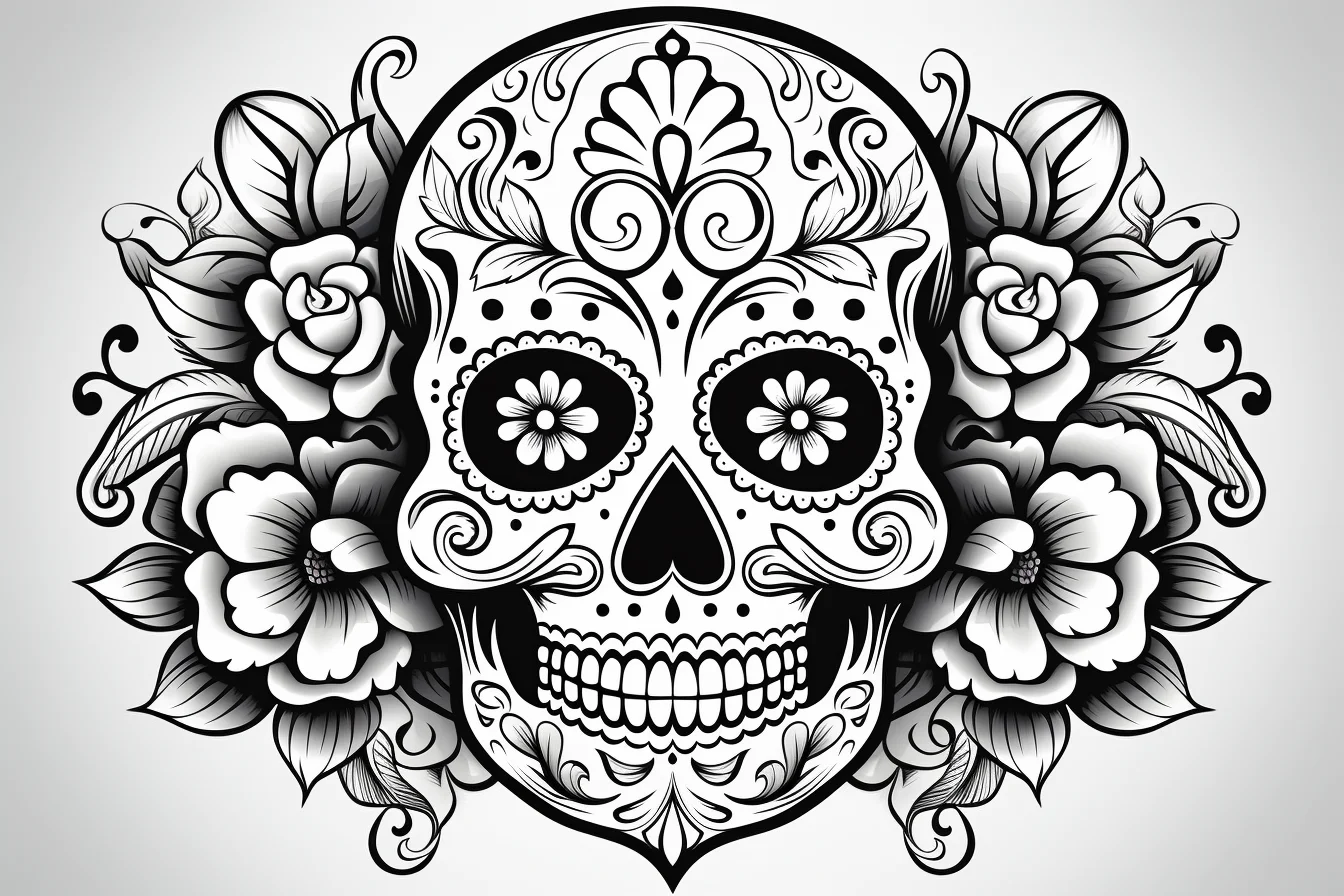
Open full-size Sugar Skull coloring sheet 3
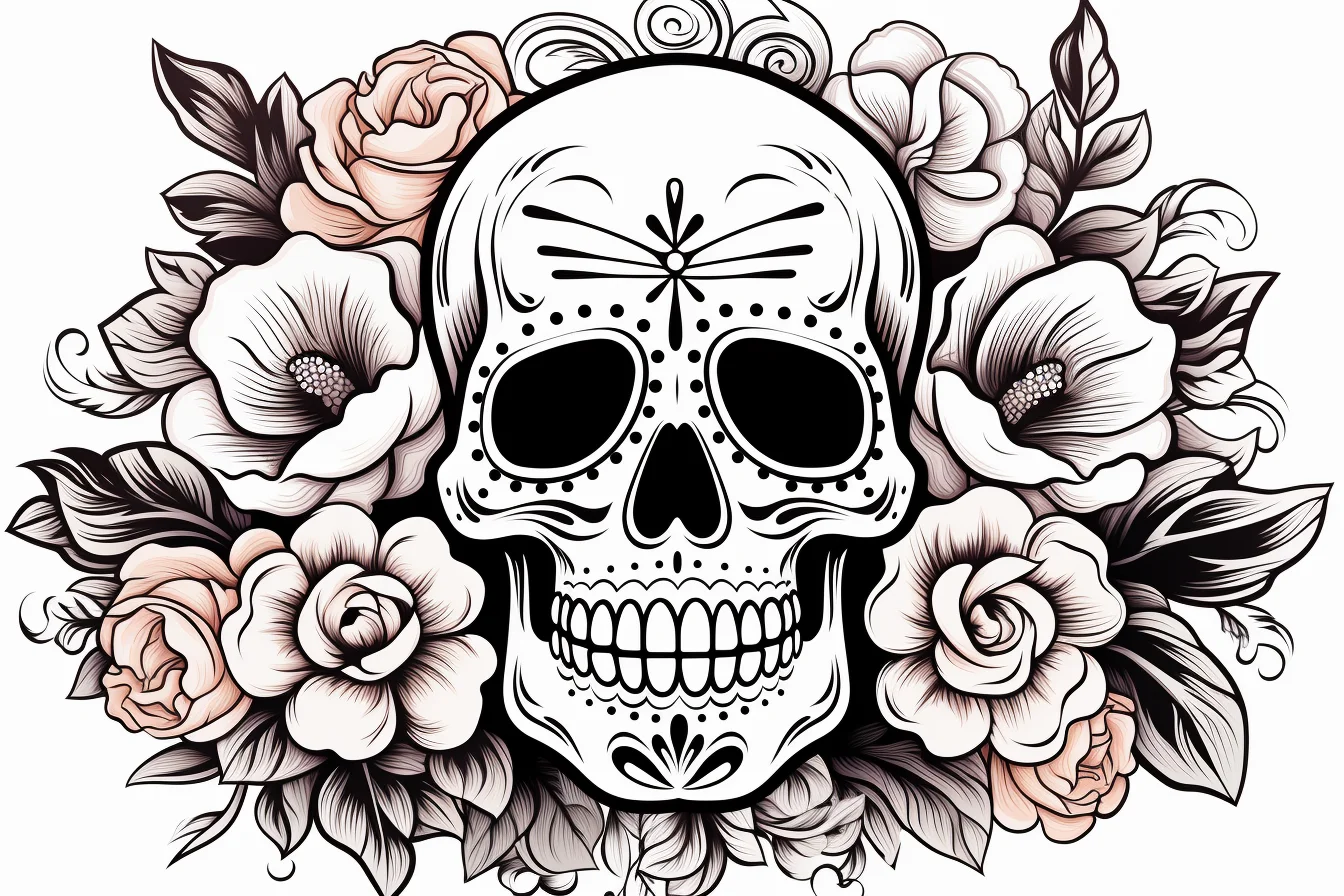
Open full-size Sugar Skull coloring sheet 4
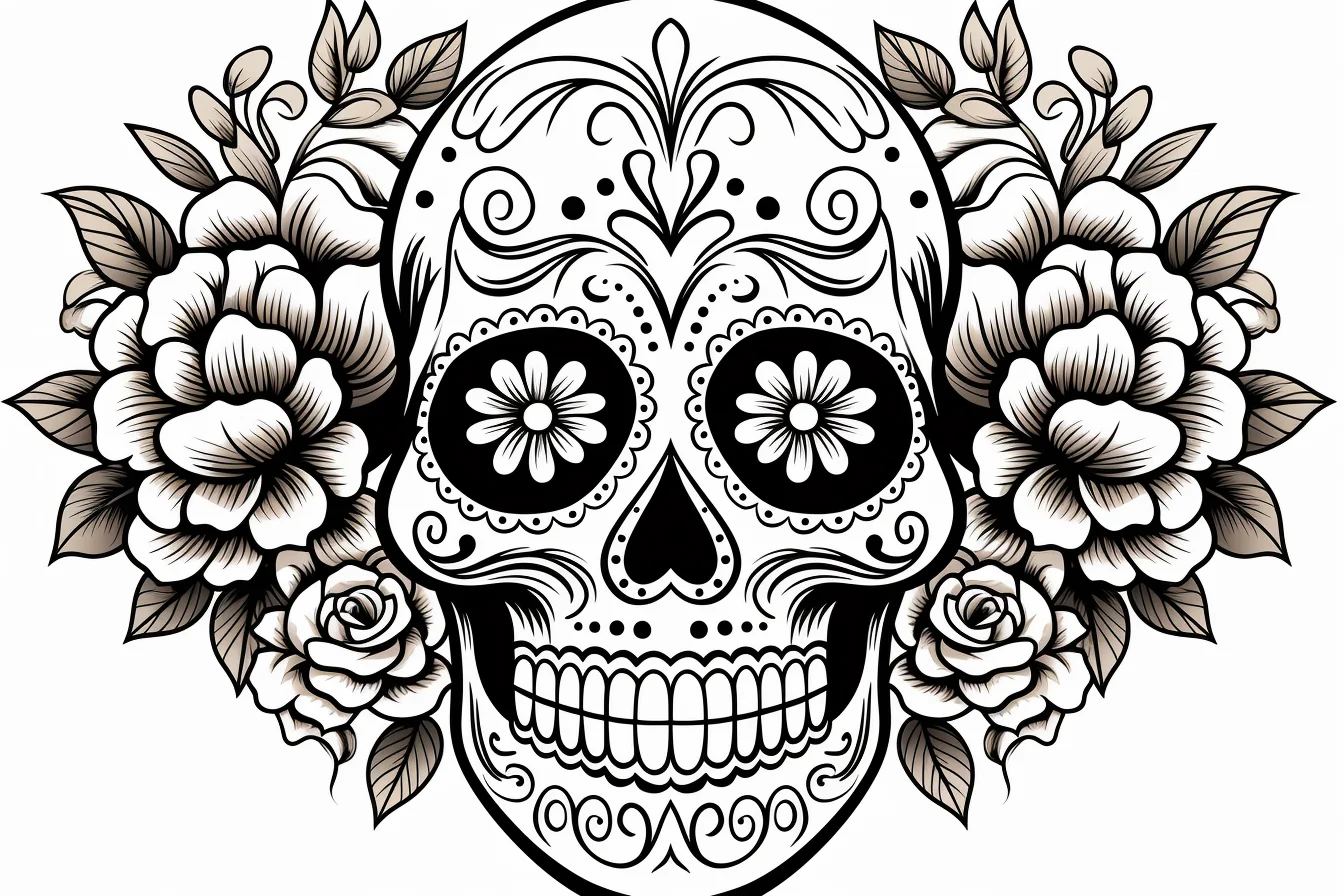
Open full-size Sugar Skull coloring sheet 5
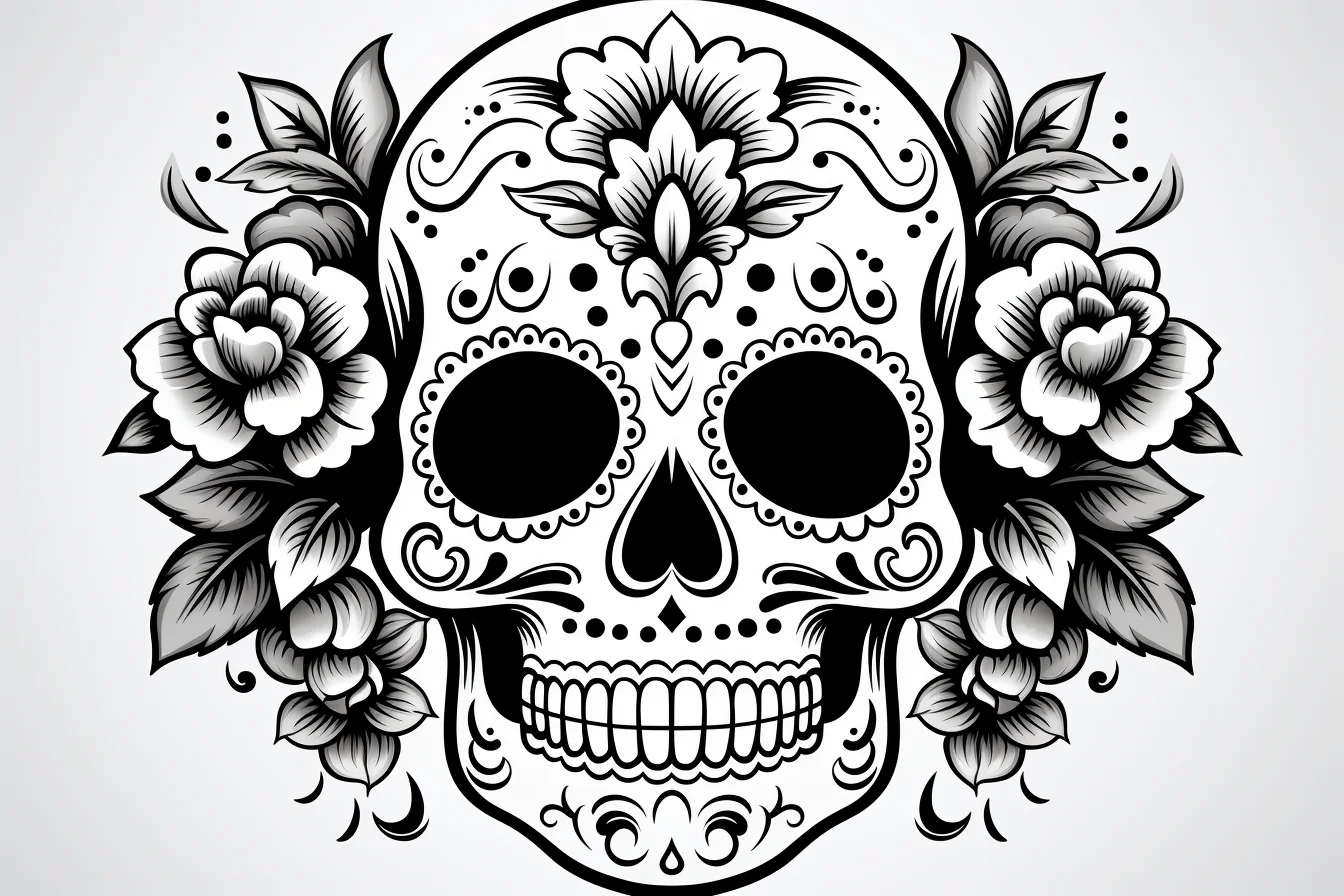
Open full-size Sugar Skull coloring sheet 6
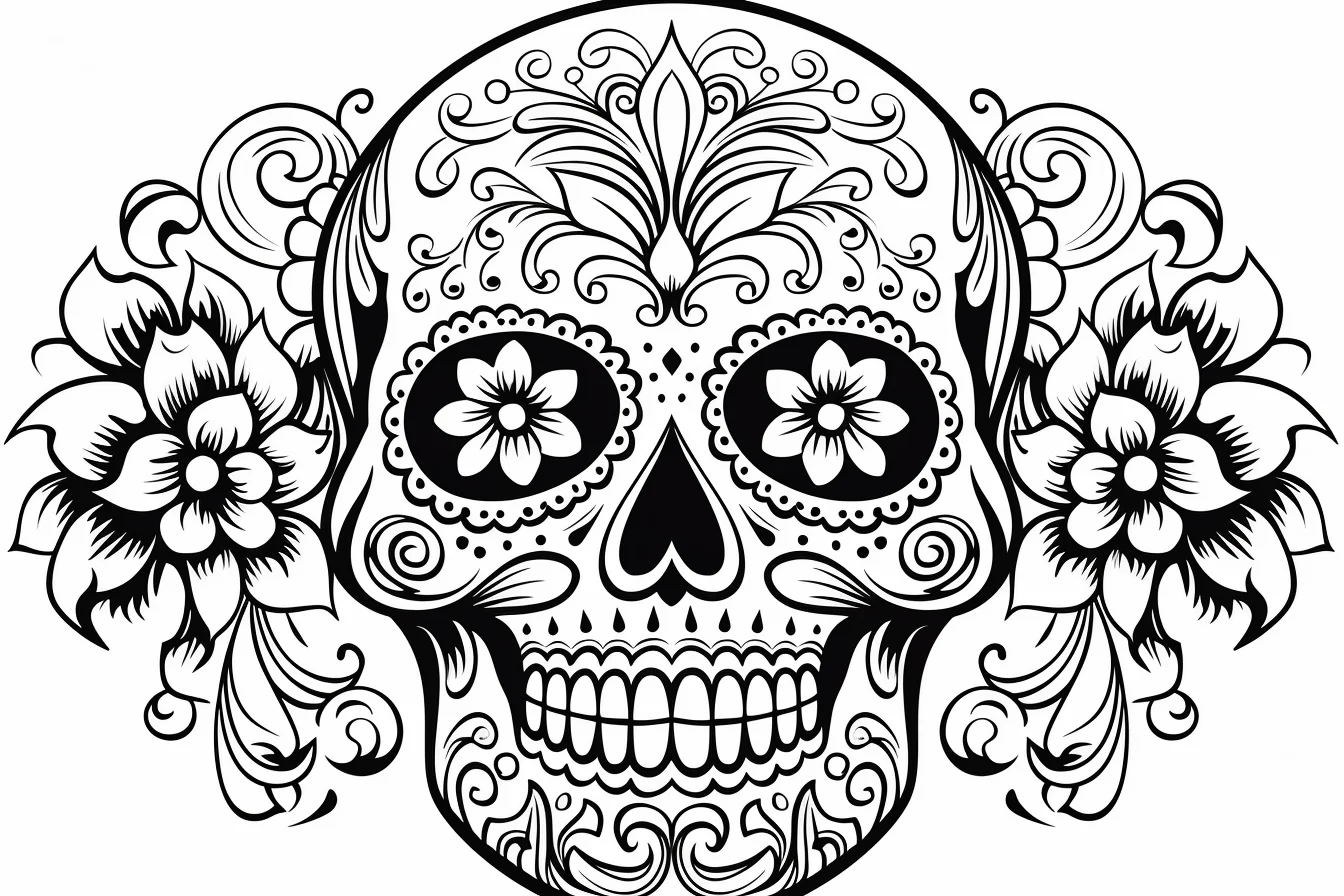
Open full-size Sugar Skull coloring sheet 7
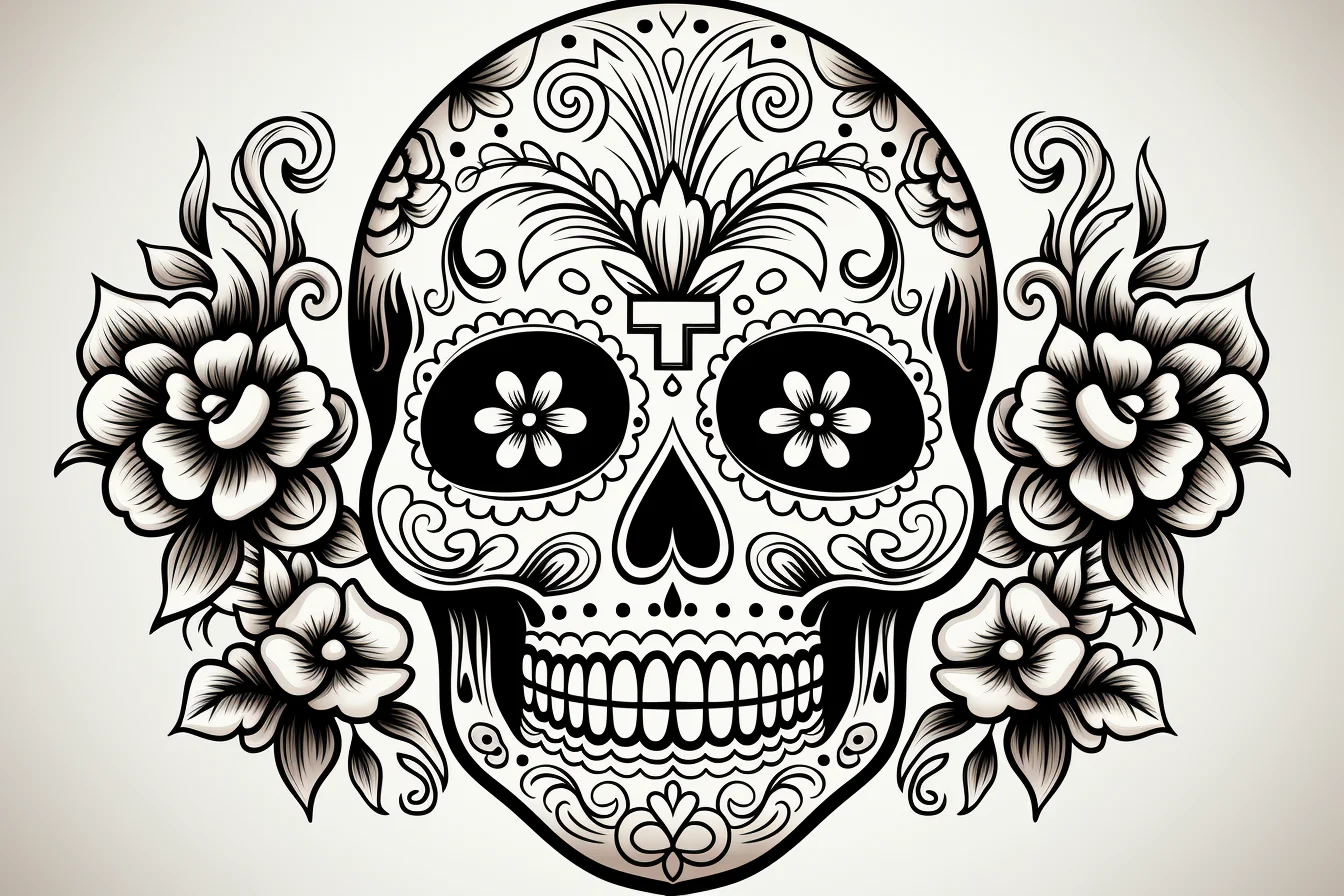
Open full-size Sugar Skull coloring sheet 8
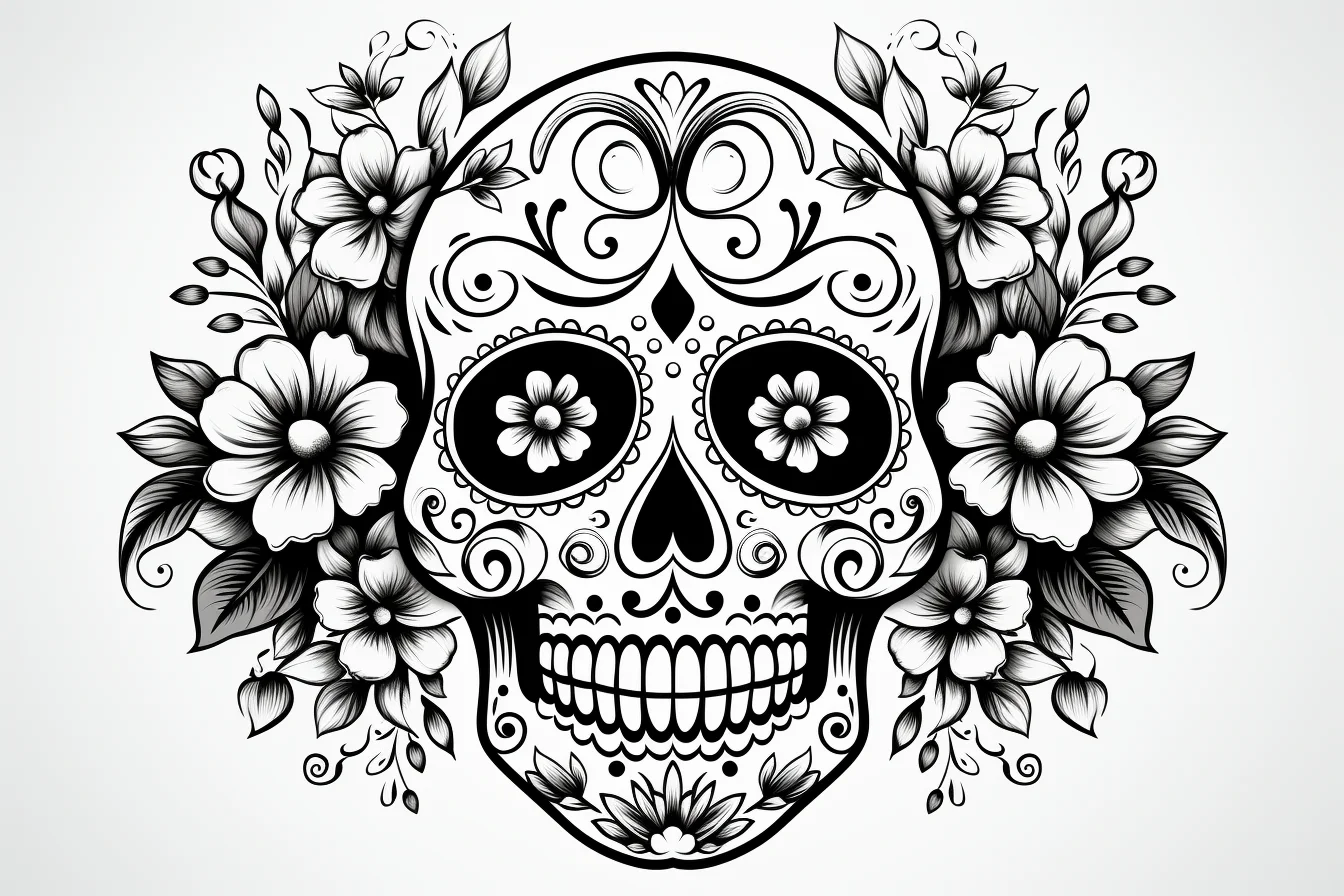
Open full-size Sugar Skull coloring sheet 9
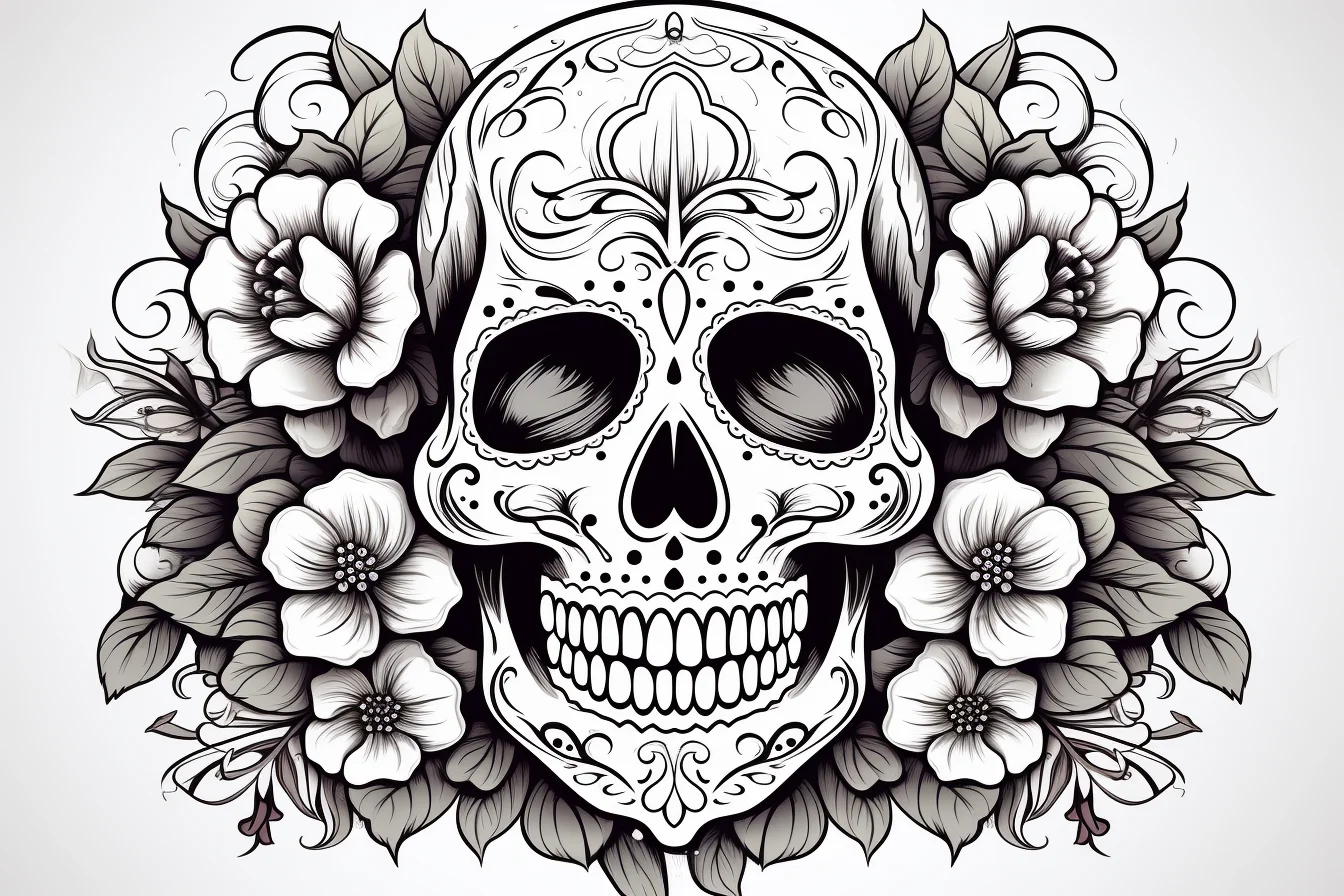
Open full-size Sugar Skull coloring sheet 10
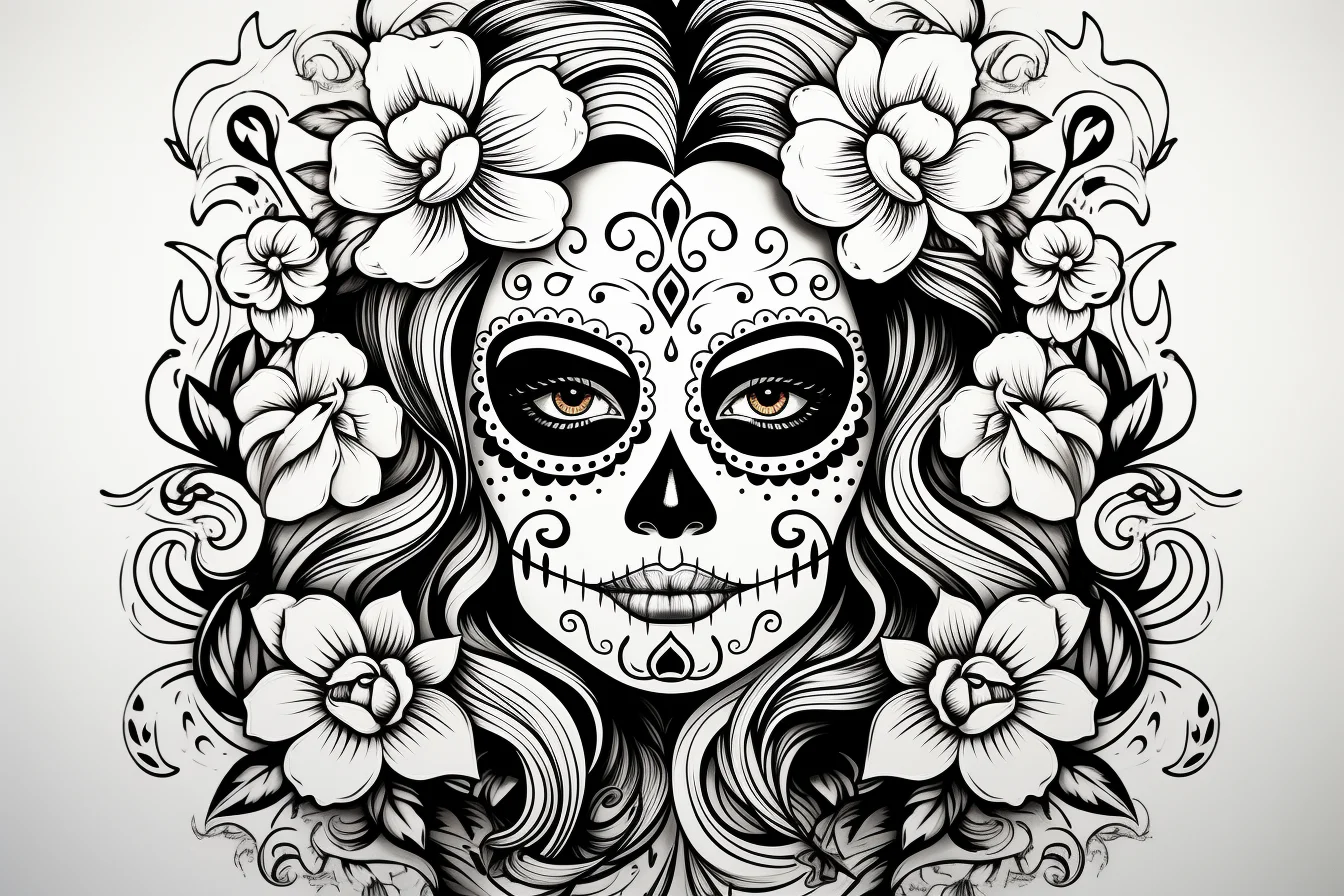
Open full-size Sugar Skull coloring sheet 11
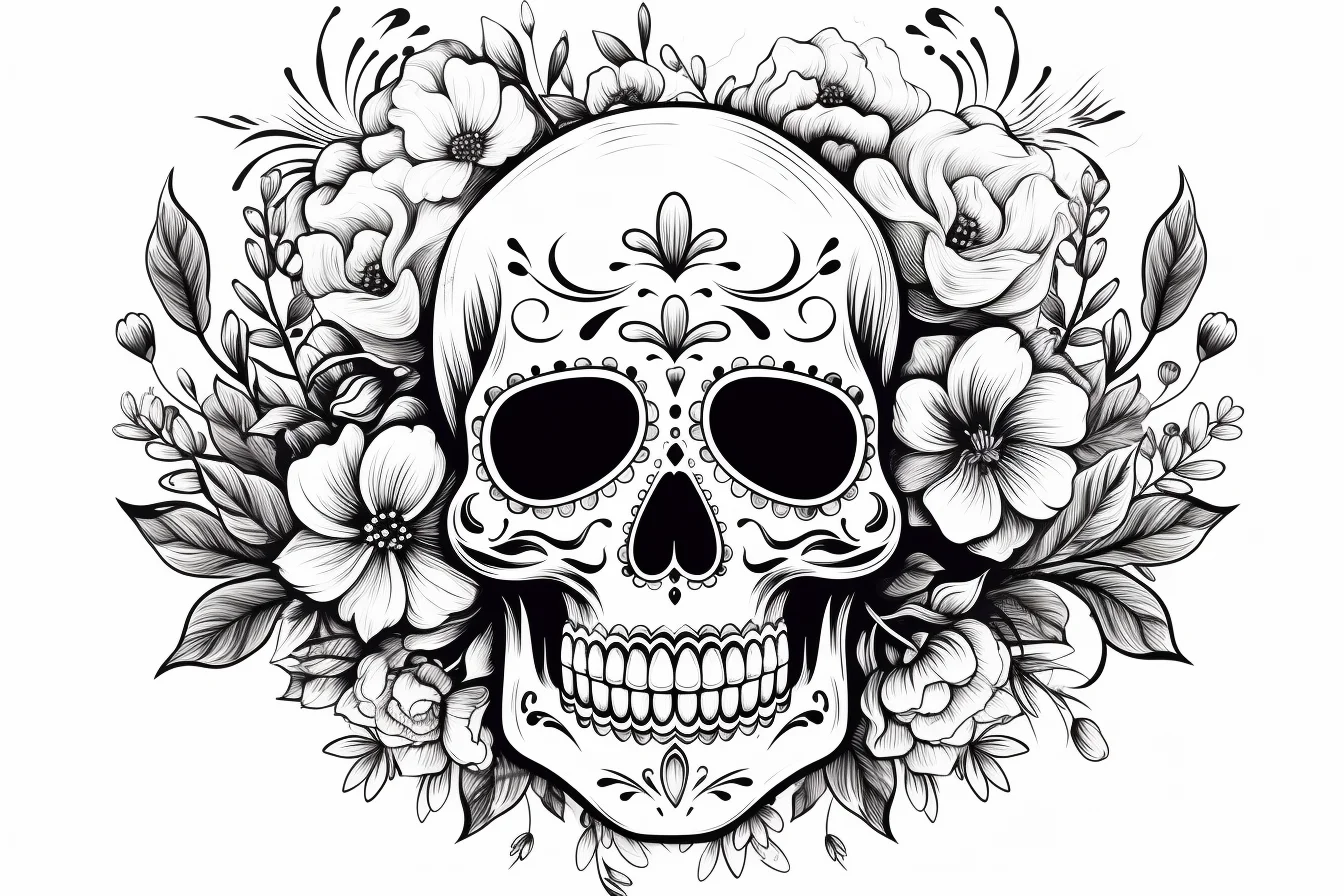
Open full-size Sugar Skull coloring sheet 12
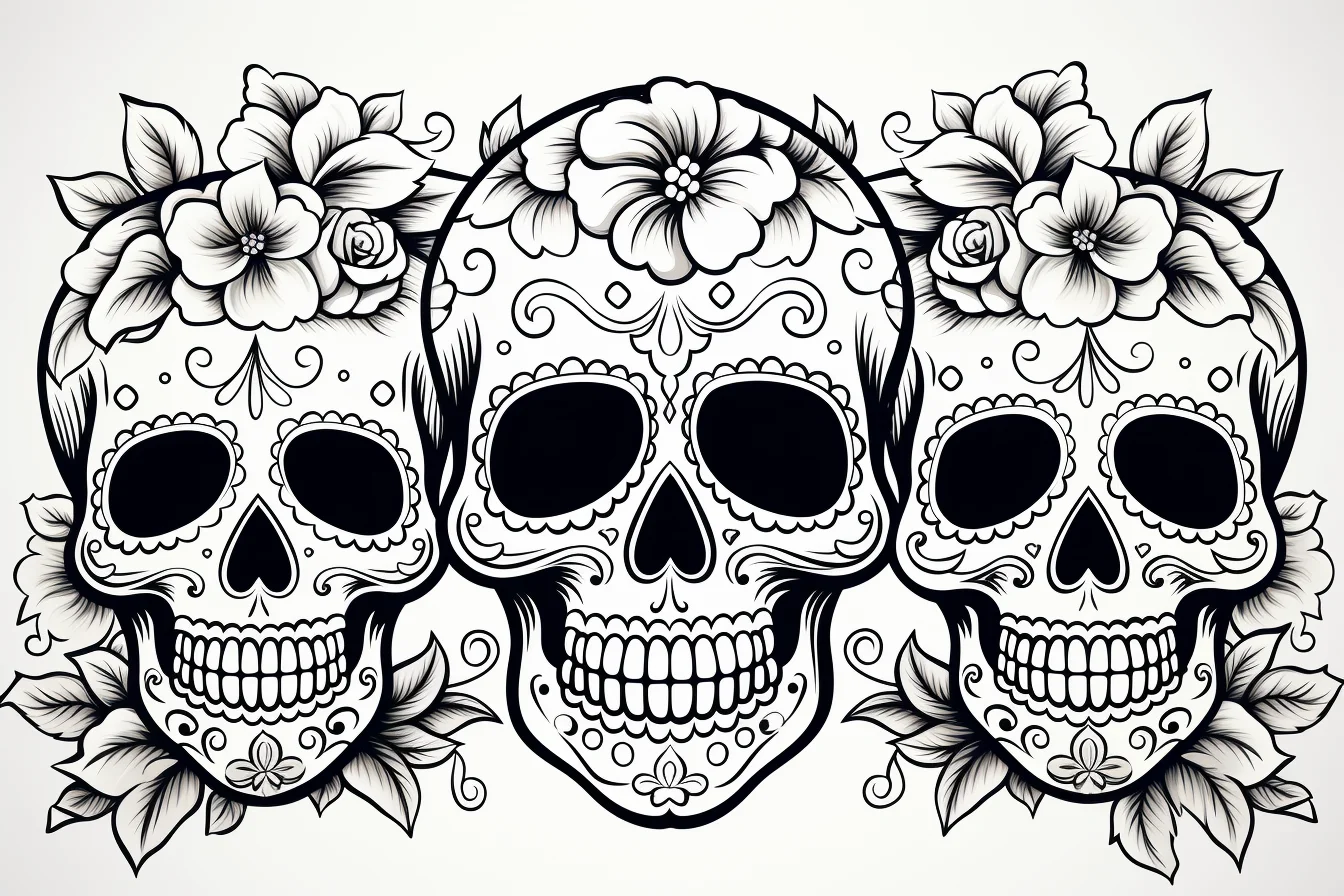
Open full-size Sugar Skull coloring sheet 13
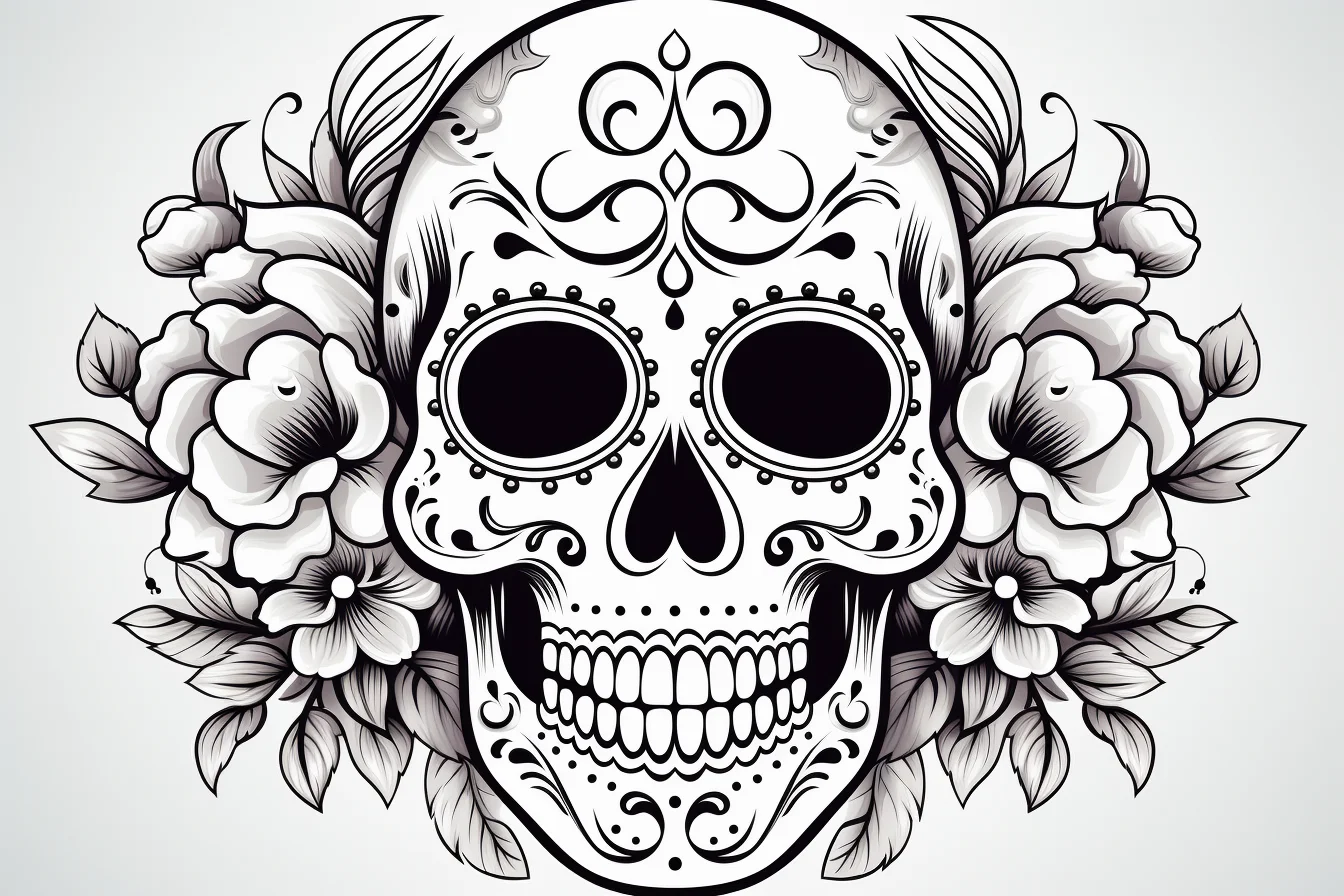
Open full-size Sugar Skull coloring sheet 14
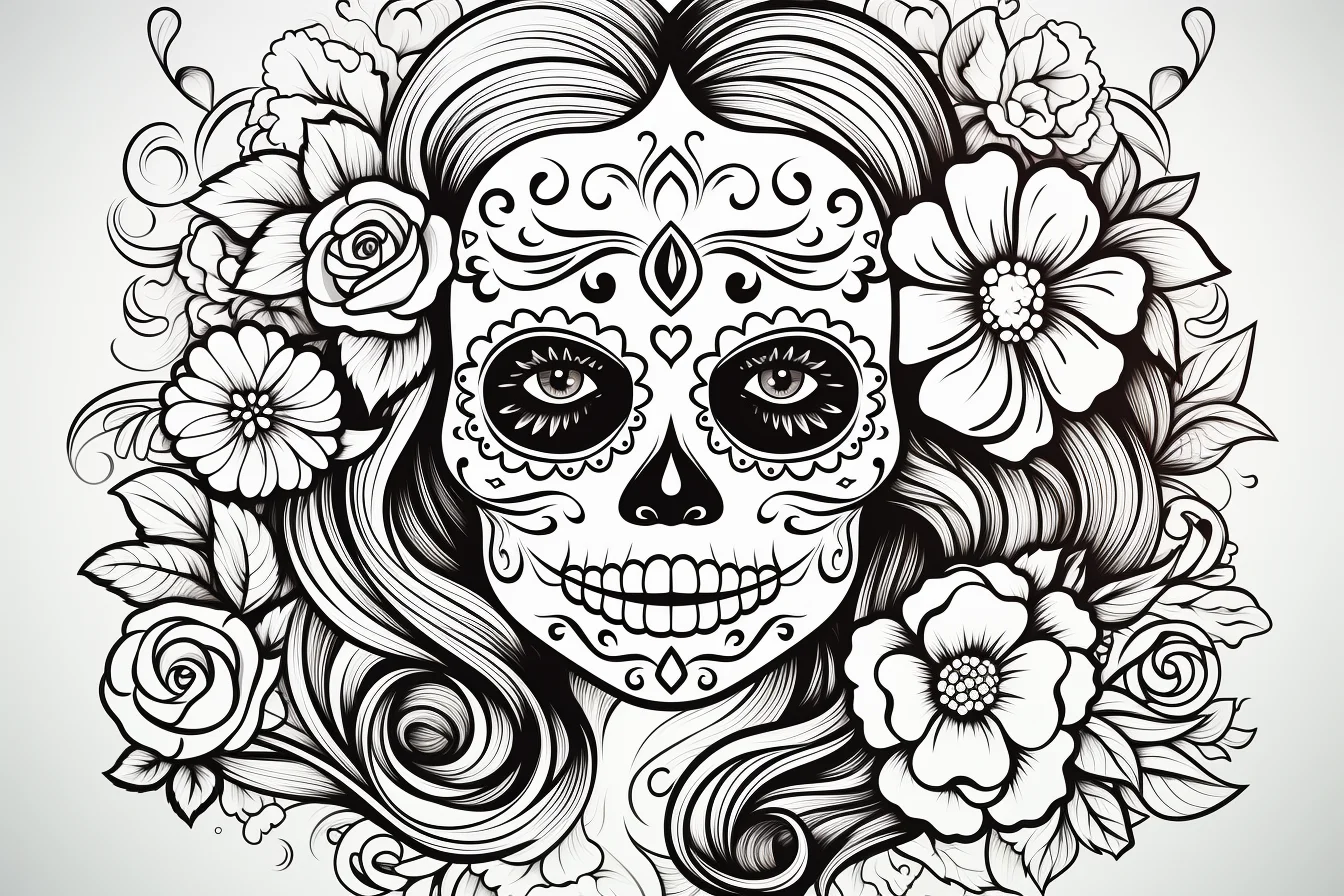
Open full-size Sugar Skull coloring sheet 15
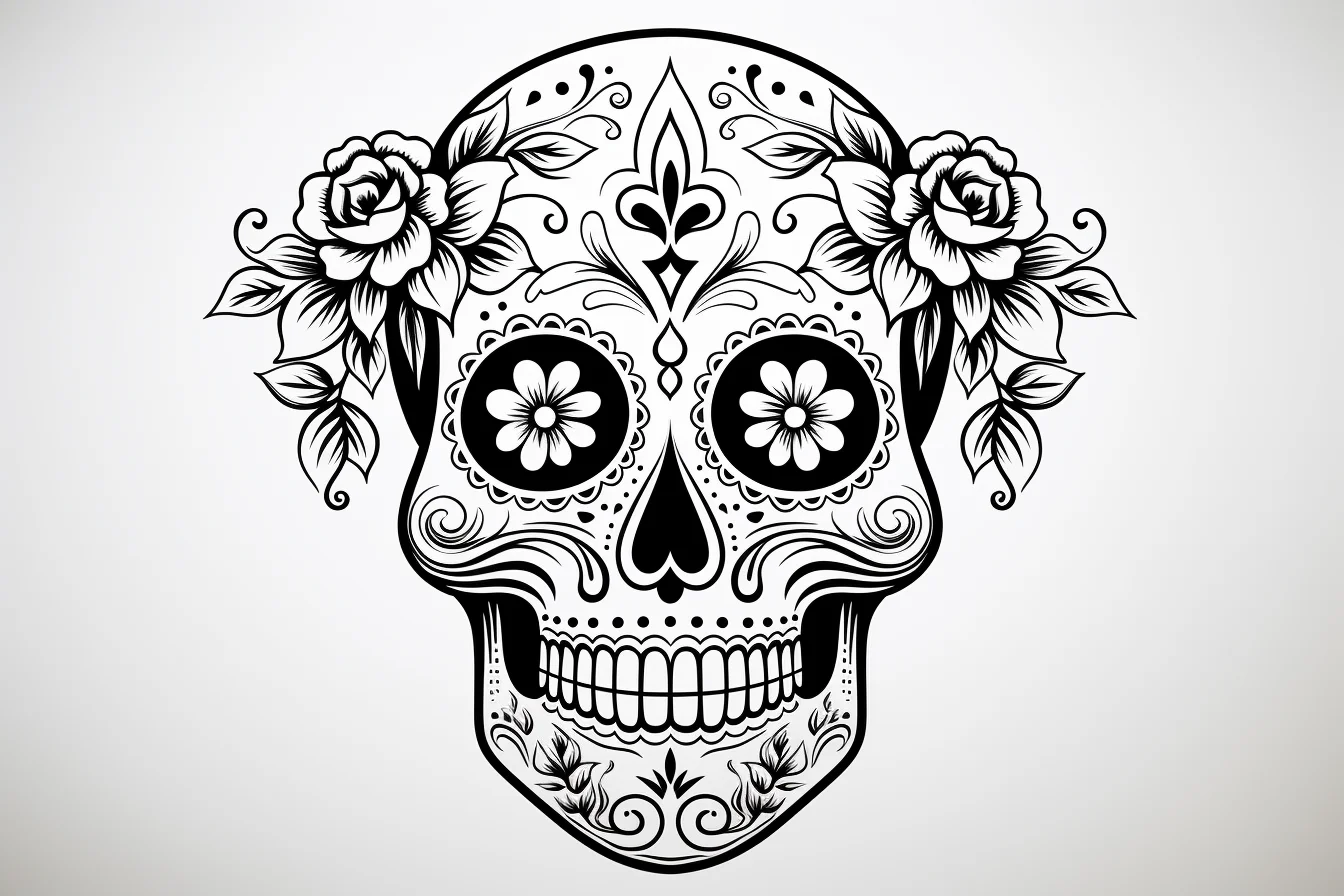
Open full-size Sugar Skull coloring sheet 16
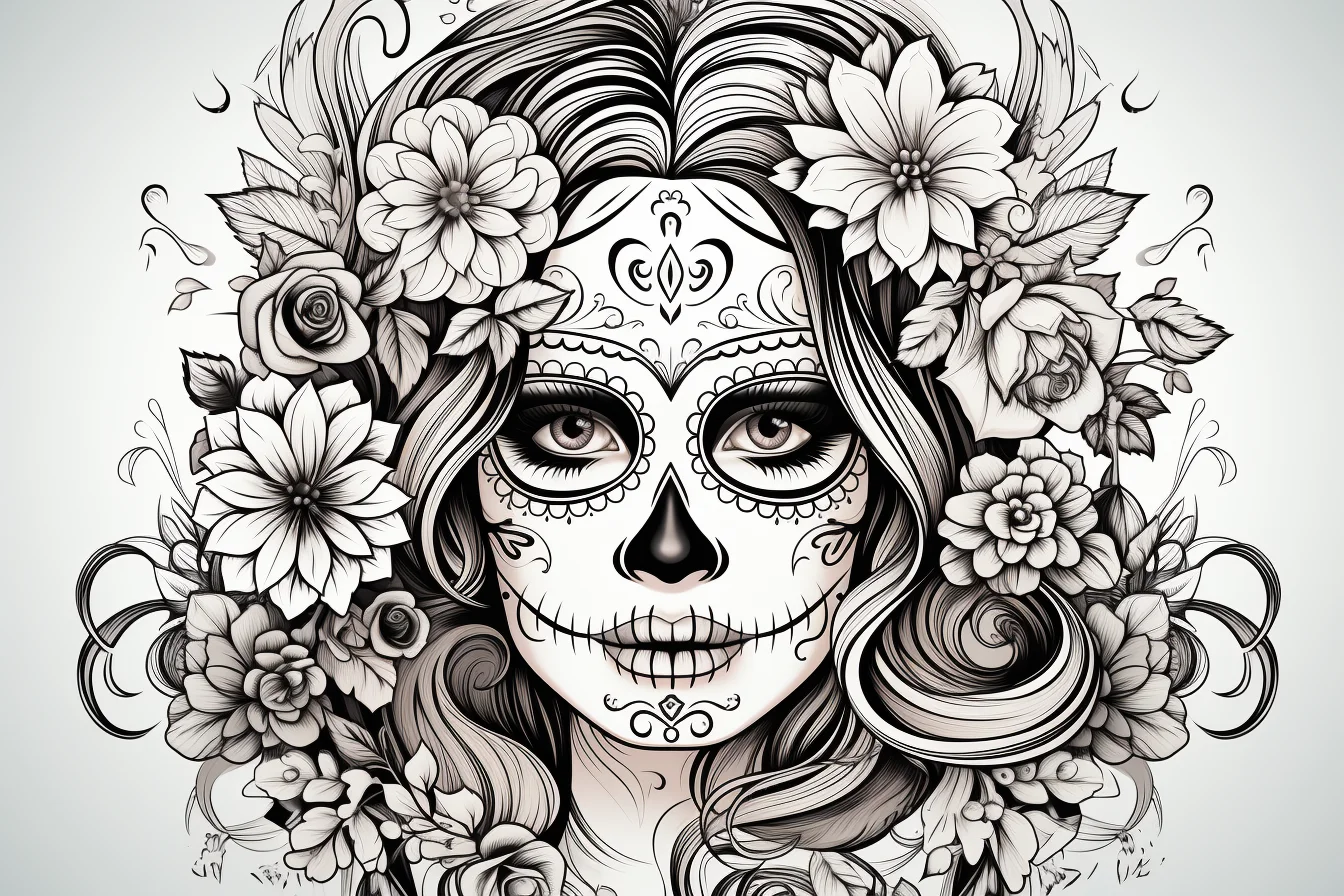
Open full-size Sugar Skull coloring sheet 17
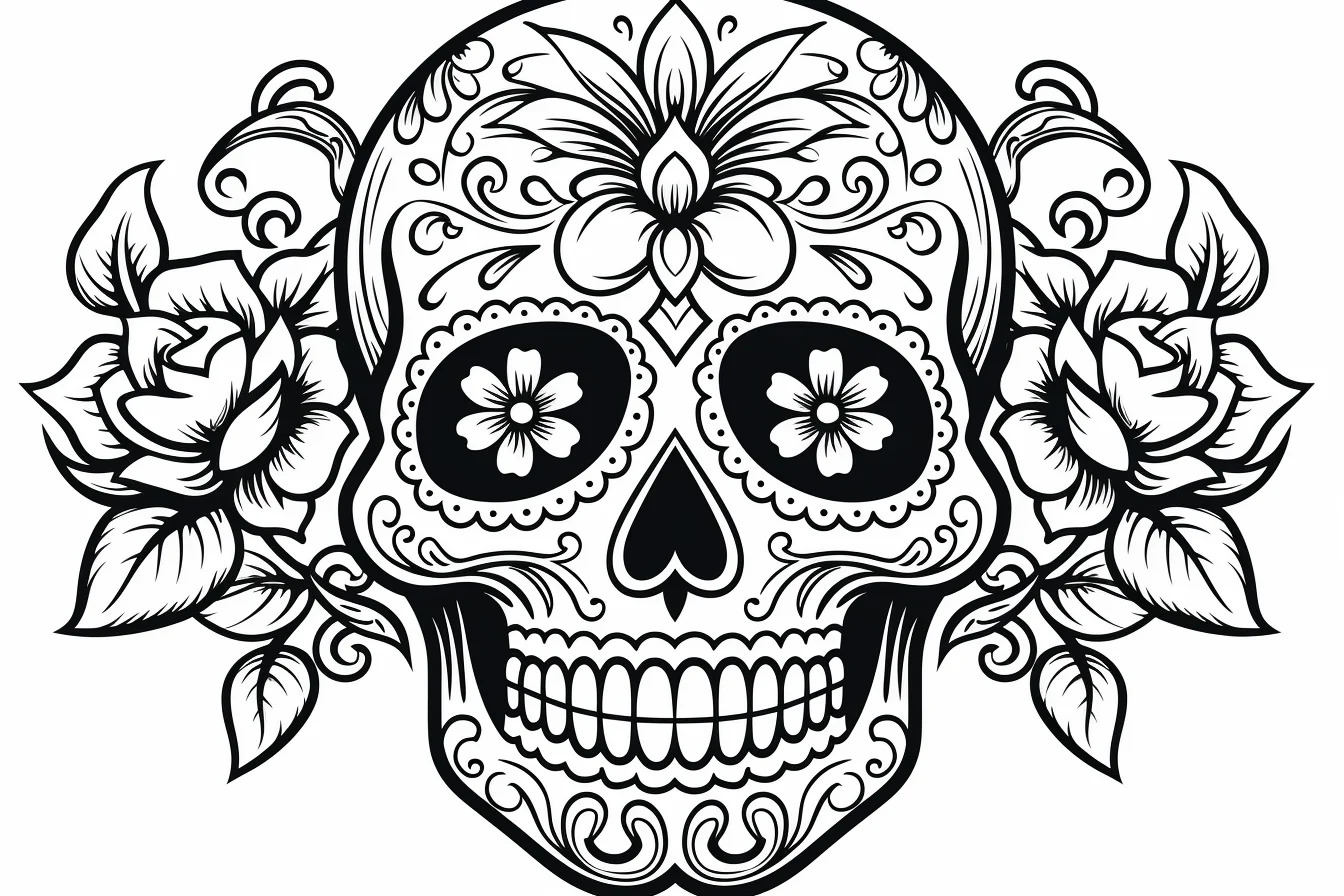
Open full-size Sugar Skull coloring sheet 18
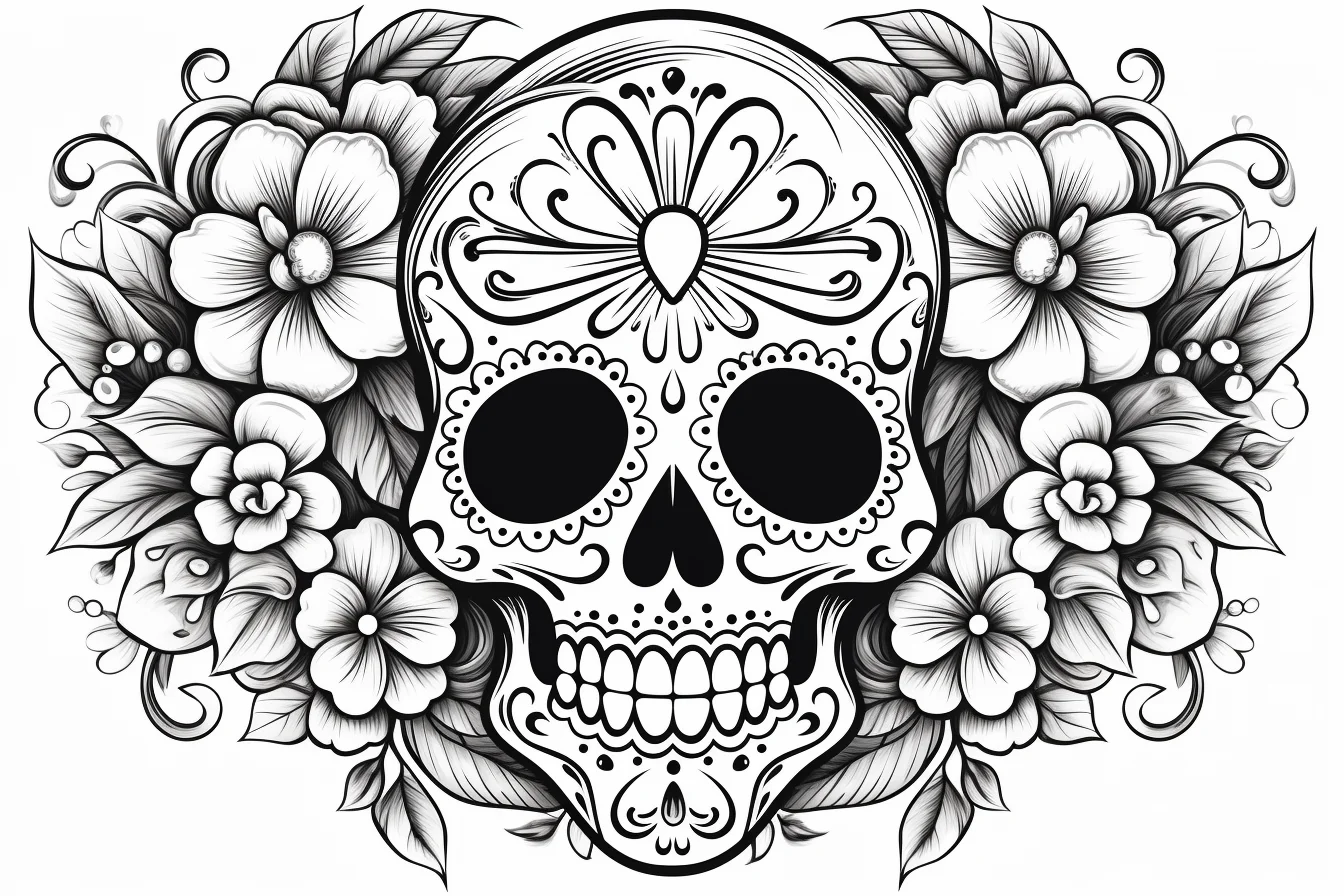
Open full-size Sugar Skull coloring sheet 19
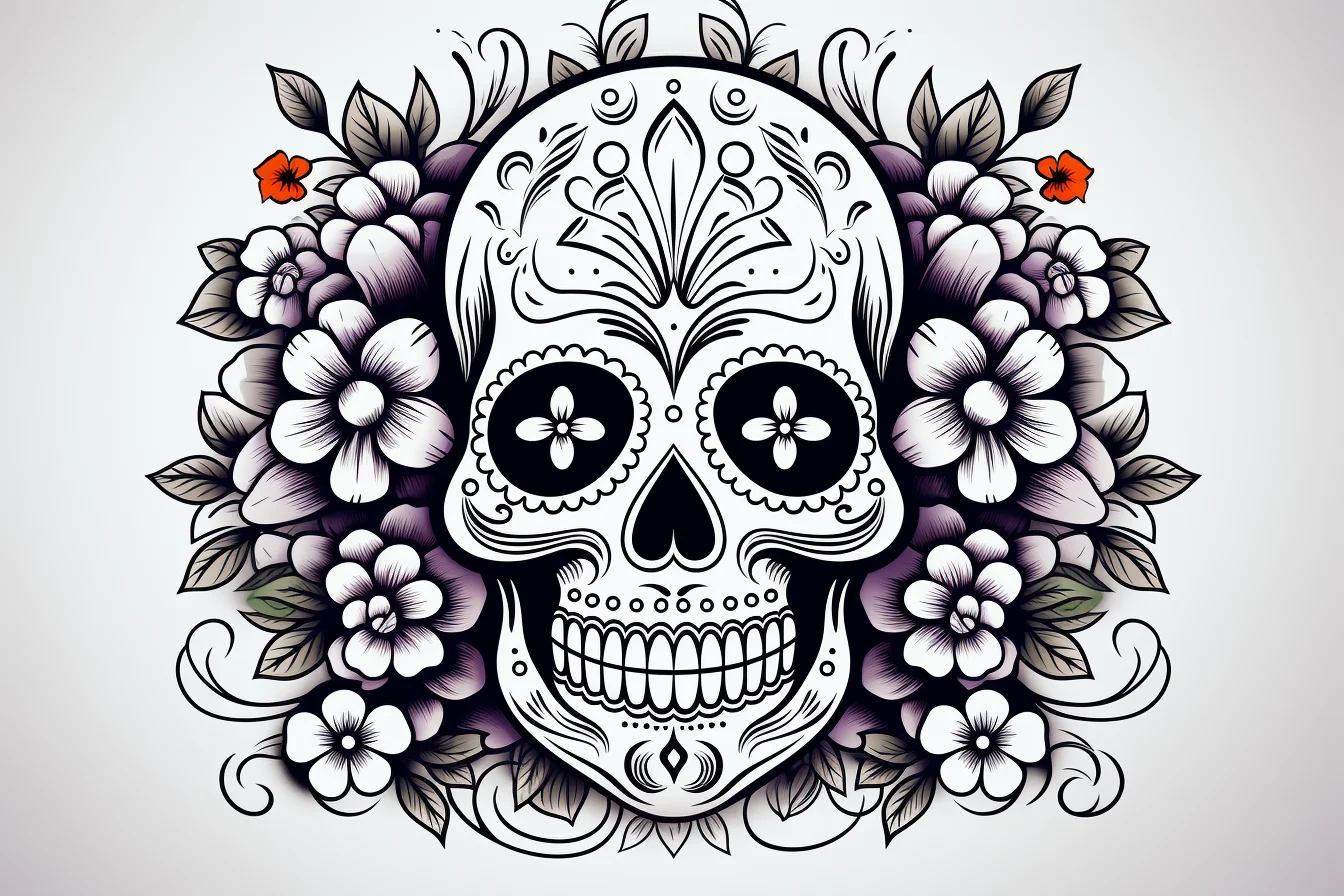
Open full-size Sugar Skull coloring sheet 20
Do a 90-second contrast test before coloring
Detailed sugar skulls can look lively in black-and-white and then turn visually flat once every compartment is filled. Before starting the face, use a scrap of the same paper to test three values of one color: light pressure, medium pressure and your darkest usable layer. You are testing value separation, not trying to make a polished swatch.
- Test the eye-socket boundary. Put your darkest value beside a light or uncolored patch. The edge should still read clearly from arm’s length; if both areas merge, reserve the dark value for the socket and lighten the surrounding petals.
- Test a flower in miniature. Make a small five-petal shape. Use medium color on the petals, dark color only near the center and leave a narrow light edge. If the petals disappear into one blob, the real page needs less dark pigment, not more colors.
- Protect the teeth and nose. Keep the teeth at least one value lighter than nearby mouth decoration. For the nose, choose either a strong dark anchor or a deliberately pale shape; a middle value often gets lost among surrounding motifs.
- Check your palette in grayscale terms. Two different bright colors can have nearly the same value. Squint at the swatches or view them from farther away. If they become indistinguishable, use them in separate areas rather than side by side.
Then color one eye surround and one forehead motif only. Set the page down and look at it from arm’s length. You should notice the skull’s eyes and main floral shapes before the tiny dots and borders. If the small decoration dominates first, simplify the next motifs and leave more paper showing. This quick checkpoint is especially useful before committing to sheets 7, 13 or the more ornamented designs later in the collection.
How to color a sugar skull without losing the pattern
The hardest part of a decorative skull is not staying inside the lines; it is keeping the face readable after dozens of small shapes have been colored. Start with the largest features—the eye sockets, nose, teeth and main flowers—before touching dots, petals and border motifs. That establishes the visual hierarchy while you can still see the whole design clearly.
- Choose one dominant color. Use it on two or three large motifs rather than everywhere.
- Add two supporting colors. Repeat them on opposite sides of the face to create rhythm without making every shape identical.
- Keep a light neutral. White, cream or a very pale tint between saturated areas gives detailed patterns breathing room.
- Finish the smallest marks last. Dots, tiny petals and tooth decorations are easier to judge after the larger color relationships are settled.
Use symmetry as a practice tool
Many sugar skull designs are approximately symmetrical, which makes them useful for deliberate color practice. Color one flower or eye surround, then repeat the same palette on its partner across the face. On the next pair, reverse the light and dark values. You get a balanced result while practicing color placement rather than simply filling spaces.
For a three-sheet exercise, begin with one of the simple skulls and restrict yourself to four colors. On the second sheet, add shading inside the flowers and around the eye sockets. For the third, choose a detailed design and keep the same four-color family, adding only one metallic or very dark accent. The increasing complexity comes from control and placement, not from collecting more colors.
Choosing tools for simple and detailed designs
| Area | Good choice | Why |
|---|---|---|
| Large forehead and cheek shapes | Crayons or broad markers | They cover open areas quickly and evenly. |
| Flowers and eye decorations | Colored pencils | You can build darker edges without flooding narrow petals. |
| Dots, teeth and tiny ornaments | Sharp pencils or fine-tip markers | The smaller point gives better control around black outlines. |
| Metallic accents | Gel pens | Best saved for a few small details rather than every motif. |
If you are using markers, test them on spare paper first and put a sheet underneath the printable. Heavy ink can bleed even when the front looks dry.
Fixing common sugar skull coloring problems
- The face looks too busy: stop introducing new colors. Repeat two colors already on the page and leave some small sections white.
- The eye sockets disappear: increase value contrast. A dark eye surround next to lighter flowers—or the reverse—restores the facial structure.
- Both sides feel mismatched: repeat a color from the left side somewhere at a similar visual weight on the right. It does not need to be perfectly mirrored.
- Small flowers turn muddy: use one base color and one darker edge instead of layering several unrelated shades in the same tiny area.
- Teeth merge together: keep them mostly light and use color only on alternating details or along the gum-side decoration.
Respecting the Día de los Muertos context
These designs can be colorful and playful, but the calavera tradition is connected to remembrance rather than simply to spooky imagery. If you are using the pages in a classroom or family activity, it is worth explaining that Día de los Muertos honors people who have died and is not a Mexican version of Halloween. That small distinction gives the artwork context without turning a coloring session into a history lesson.
Sugar skull coloring questions
Which pages are easiest to start with?
Look for large eye sockets, broad forehead shapes and fewer tiny petals or dots. The amount of decoration matters more than whether the skull itself looks simple in the thumbnail.
Do sugar skulls need to be brightly colored?
No. A limited palette can make intricate line work easier to read. Try two related colors plus one contrasting accent, or work almost entirely in pencil with a single bright flower color.
How do I print the detailed pages without cropping them?
Open the full-size image, select A4 or US Letter paper, choose “fit to page,” and inspect the preview before printing. The outer floral details should remain inside the printable area.
Are these the same as Halloween skull coloring pages?
No. Some designs have a darker aesthetic, but this collection is centered on decorative sugar-skull imagery and its Día de los Muertos context. For a more general seasonal activity, the spider coloring pages keep that search intent separate.
These pages are free to download and print for personal coloring activities.

