
This 20-page set is built around a zoo-animal theme. It works especially well before or after a zoo visit, for an animal-themed classroom activity, or when you want several familiar species without committing to one animal for the whole session.
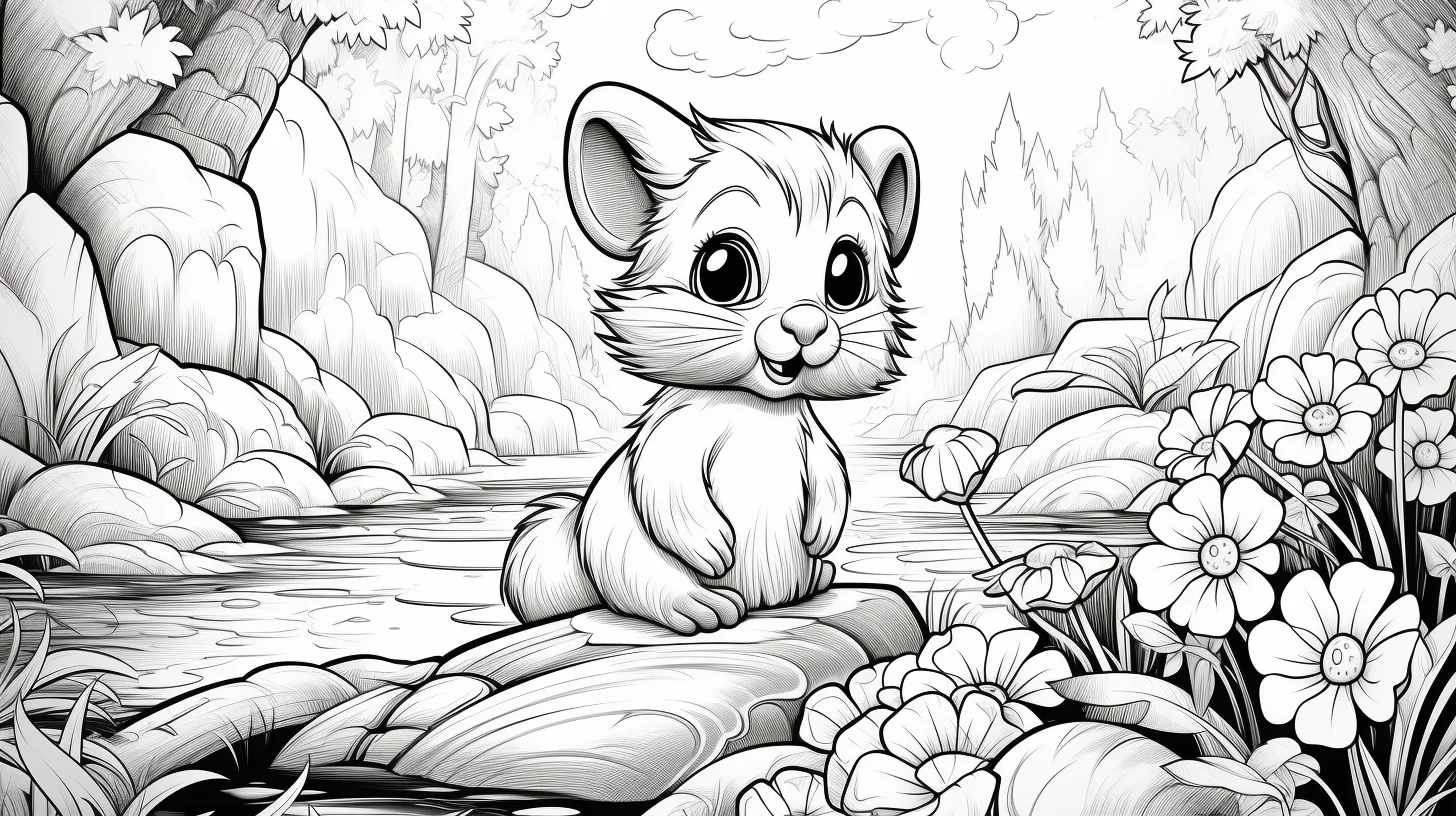
Do a one-minute animal-detail check before choosing tools
Look at the animal’s eye, feet and smallest coat or skin markings before you start. If a crayon tip can fit comfortably inside those three areas, crayons can handle the whole sheet. If the eye or markings are narrower than the crayon tip, use crayon for the large body and background shapes but switch to colored pencil for the face, paws, stripes, spots or feathers. This avoids making a simple page frustrating just because one tool is too broad.
Next, choose only three jobs for your colors: a light body/base color, a darker color for markings or shadow, and a contrasting background color. Test them in three small swatches. If the animal and background still look separate when you hold the paper at arm’s length, the combination is ready. If they merge, change the background value rather than outlining the whole animal in black.
For preschoolers, simplify the check: pick one body color and one background color that are clearly different, color the animal first, and stop there if attention is fading. Finishing the subject matters more than filling every patch of scenery.
Turn a zoo visit into a coloring activity
If you have just visited a zoo, let the child pick an animal they actually remember seeing. Before coloring, ask what stood out: the animal’s color, size, movement, enclosure or habitat. Then use that memory as the starting point instead of telling them there is one “correct” way to color the page.
If you have not visited a zoo, the same pages work as a simple choose-your-animal activity: pick the animal you would most like to see, then decide what kind of background would suit it.
- For younger children: choose a page with one large animal and little background detail.
- For older children: use a page with more fur, facial features or scenery.
- For a group: print several species and let everyone choose a different animal.
A simple three-page zoo activity
- Pick one animal the child already knows. That gives them an easy first page.
- Pick one animal they would like to see. Let them invent the colors if they do not know what it looks like.
- Pick one page with more background detail. Add grass, water, rocks or trees last so the animal stays the main focus.
If you are using these after a real zoo visit, write the animal name and one remembered detail on the back of the finished sheet. “It slept the whole time” is just as valid as a fact about diet or habitat; the point is to connect the page to the child’s experience.
Coloring tools
Crayons work well on the large open designs. Colored pencils or fine-tip markers are easier to control around eyes, fur, paws and smaller background elements. If markers are used on ordinary copy paper, put a spare sheet underneath so ink does not transfer to the table or the next page.
Choose the right animal collection
| If you want… | Use this collection |
|---|---|
| A zoo-themed activity with familiar species | Stay on this page |
| Young bears, elephants, lions and other baby wildlife | Baby wild animals |
| Animals in outdoor nature scenes | Wildlife coloring pages |
| Richer scenery with habitat detail | Animal habitat coloring pages |
| A broad farm, zoo and jungle mix | Mixed animal coloring pages |
Save and print
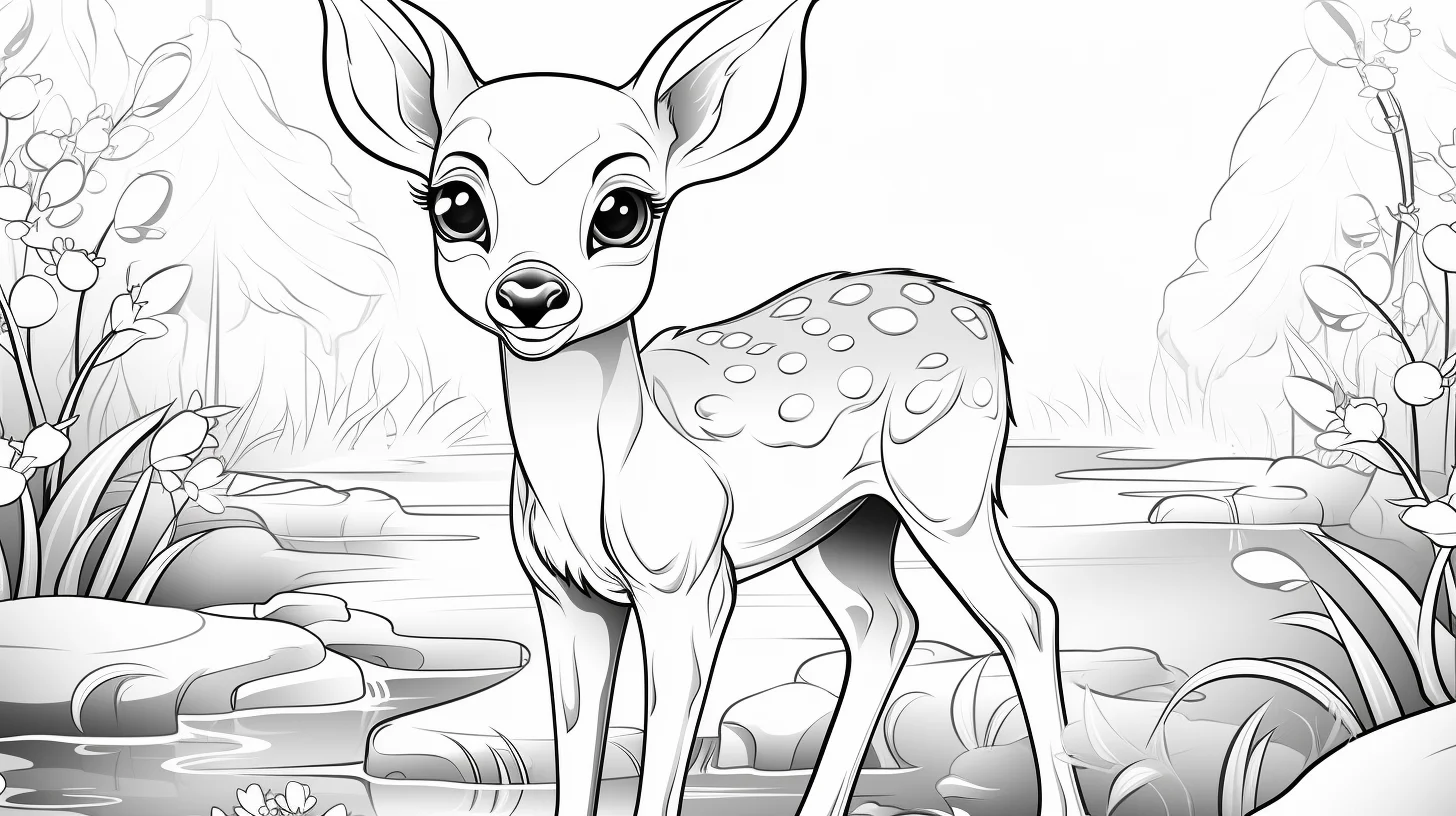
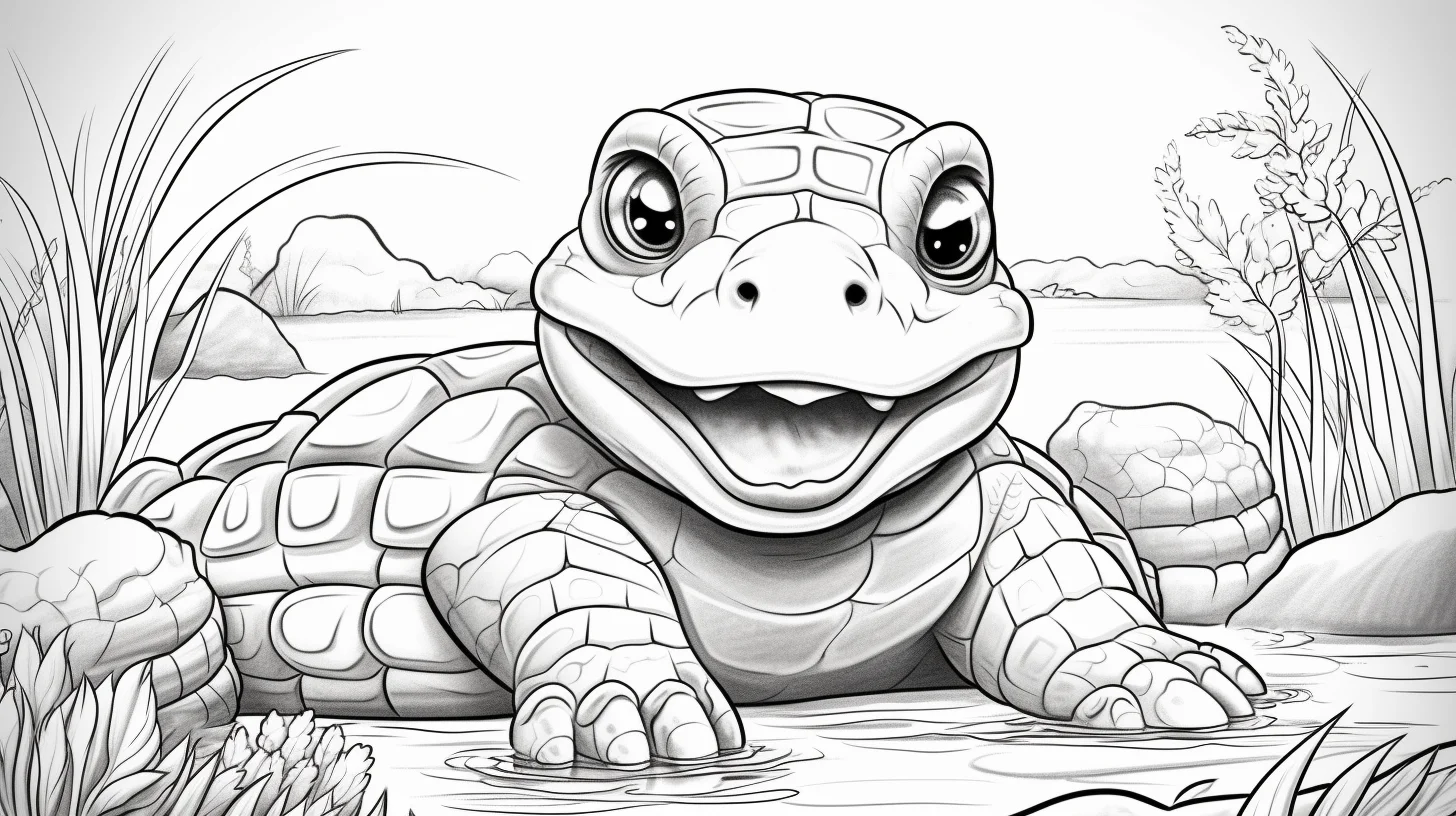
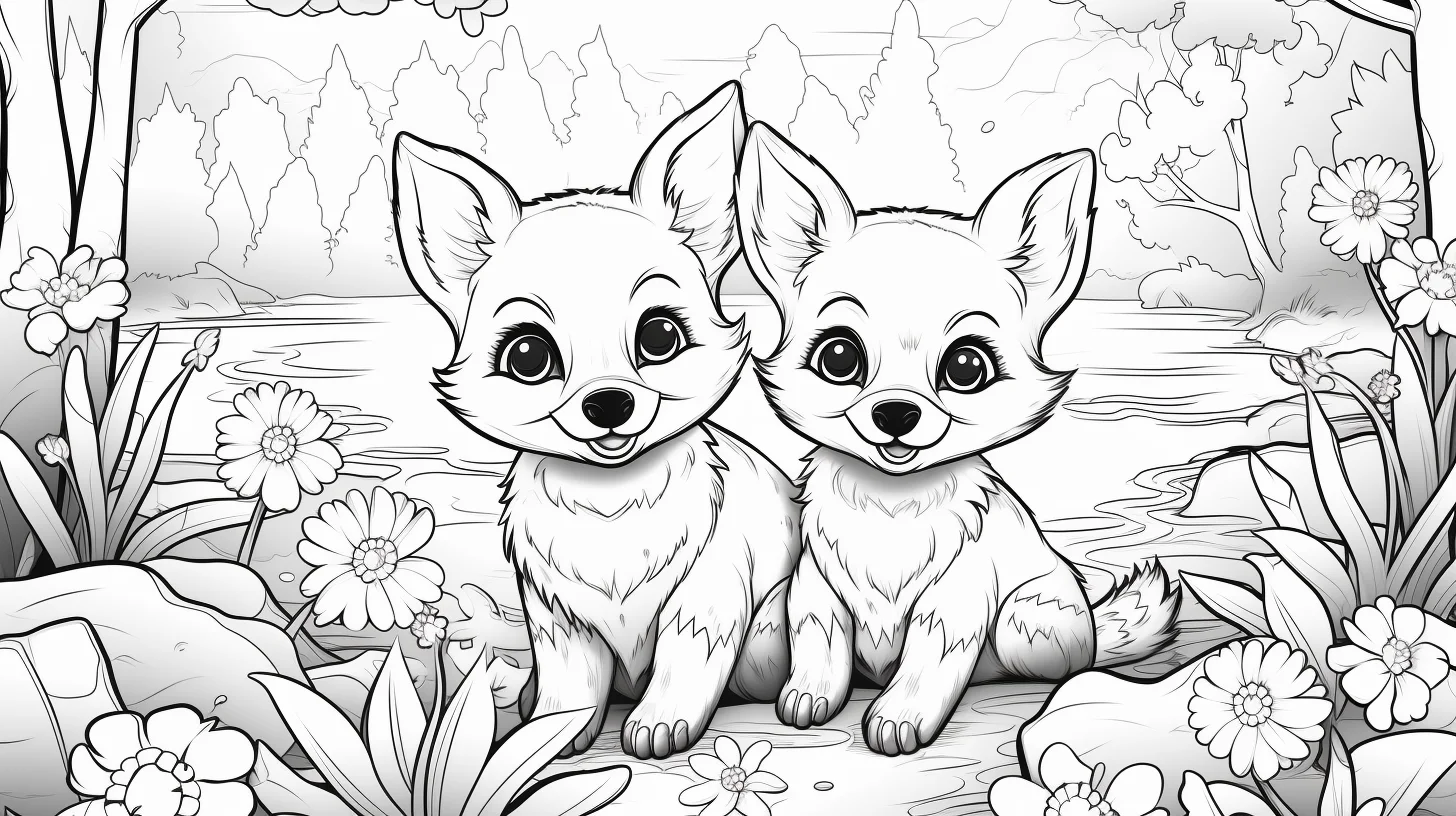
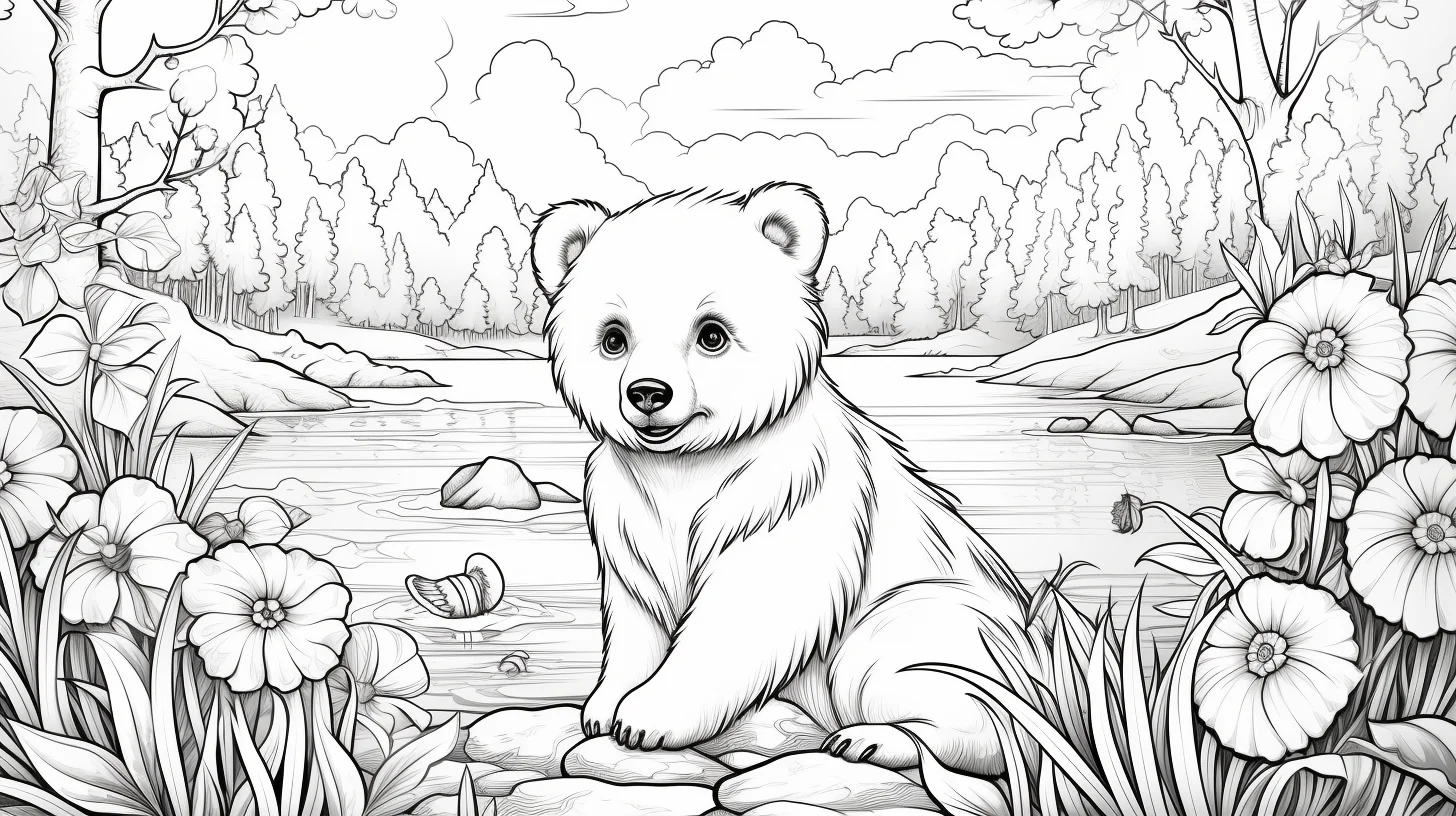
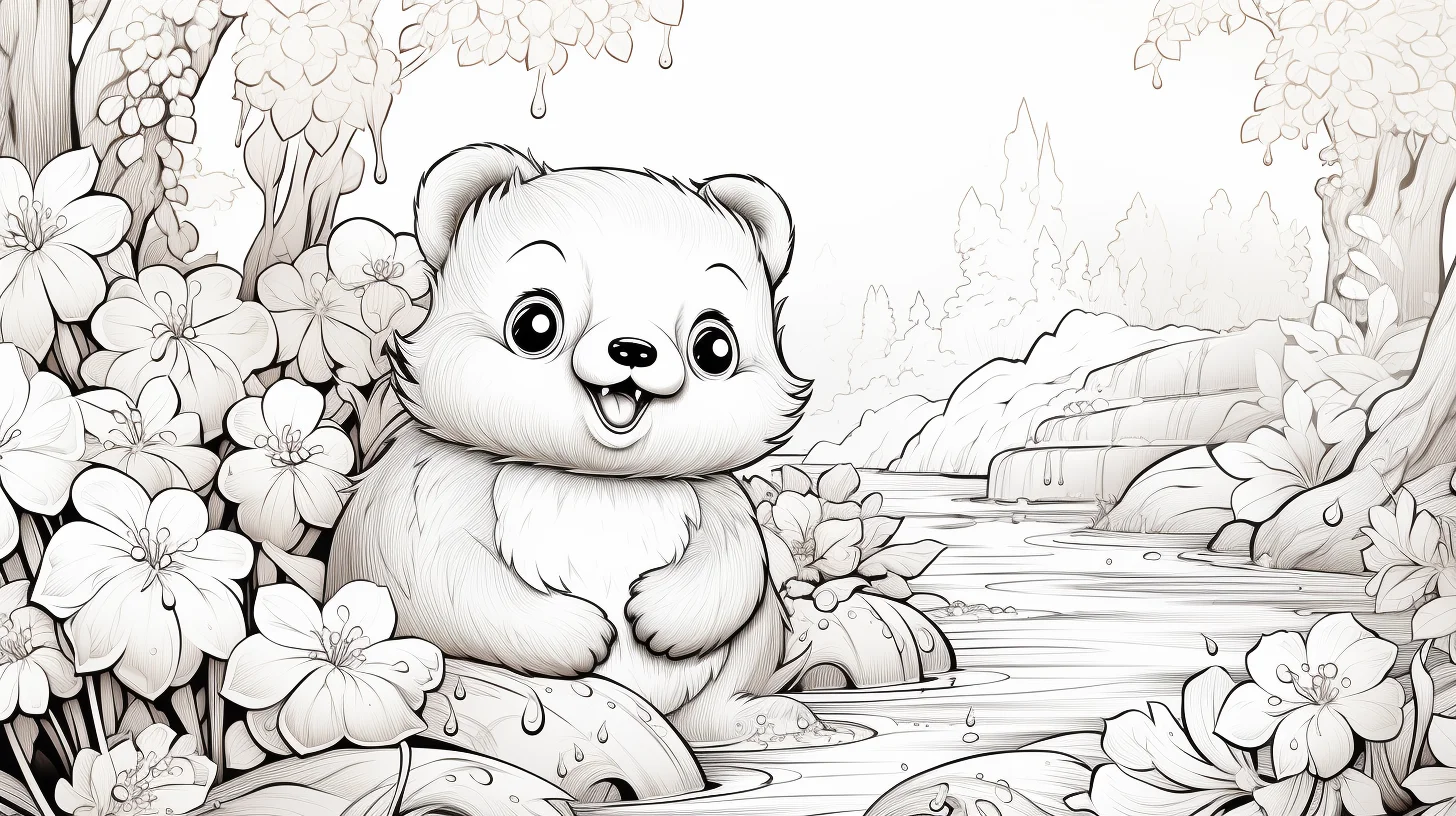
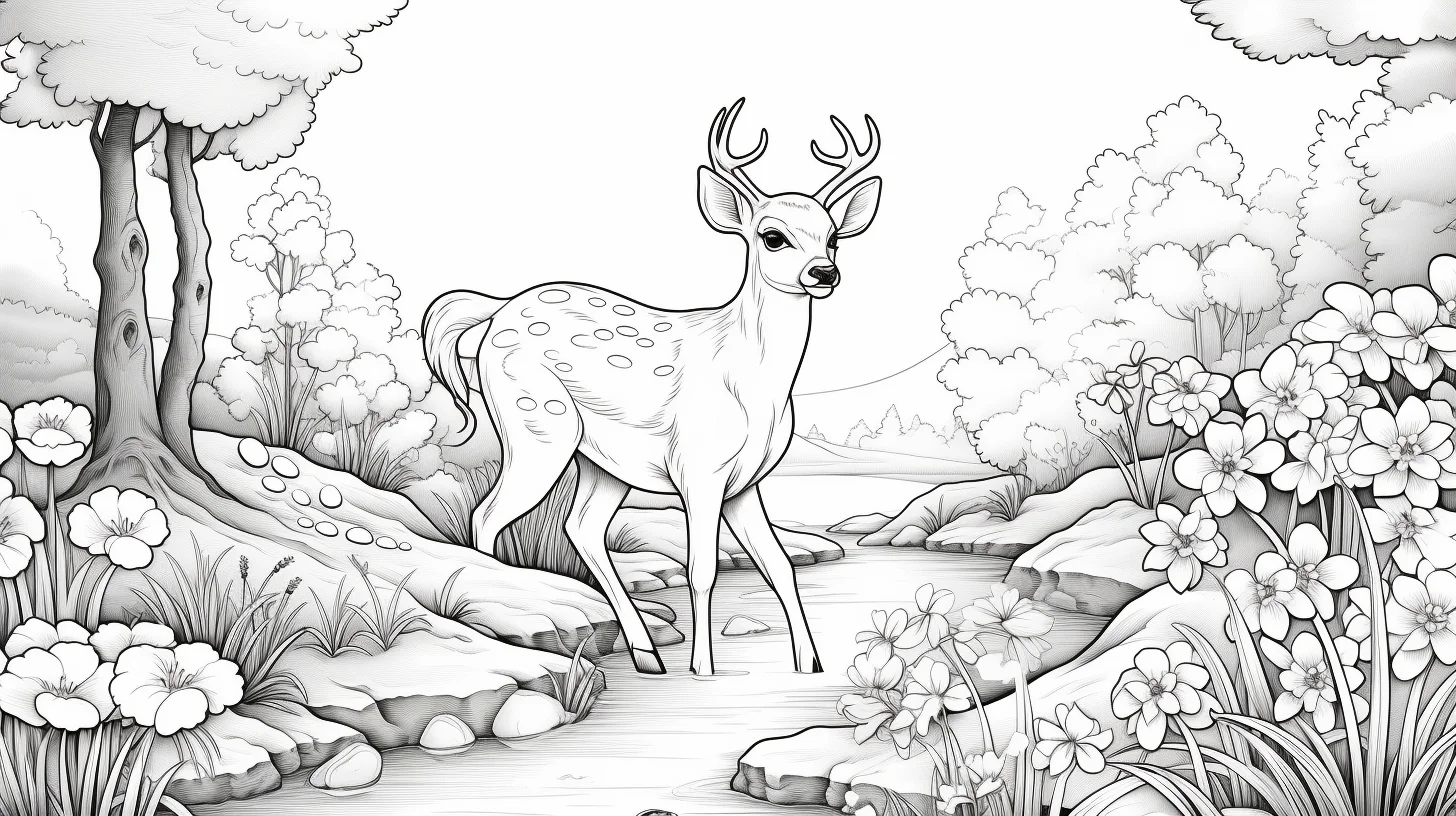
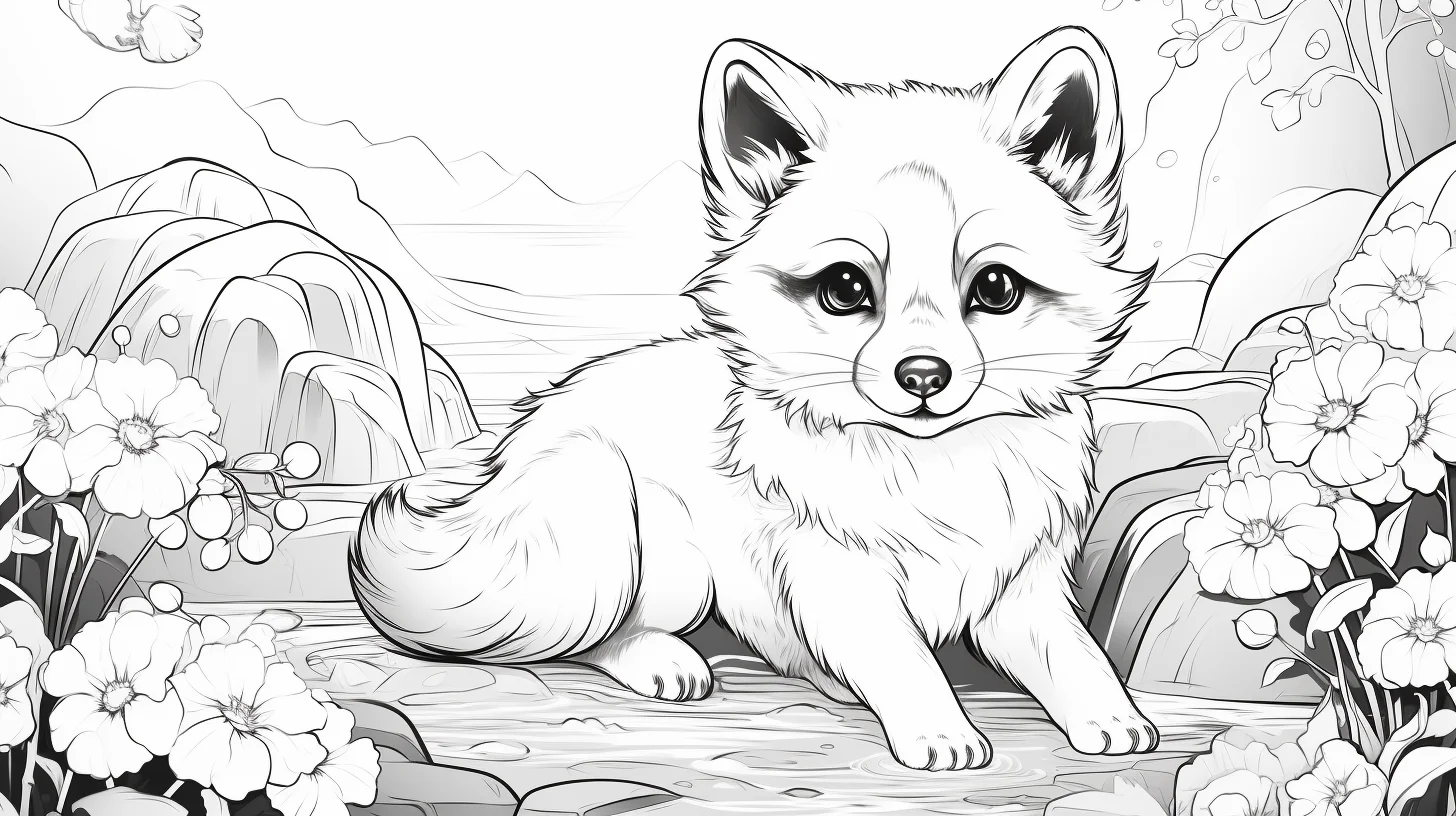
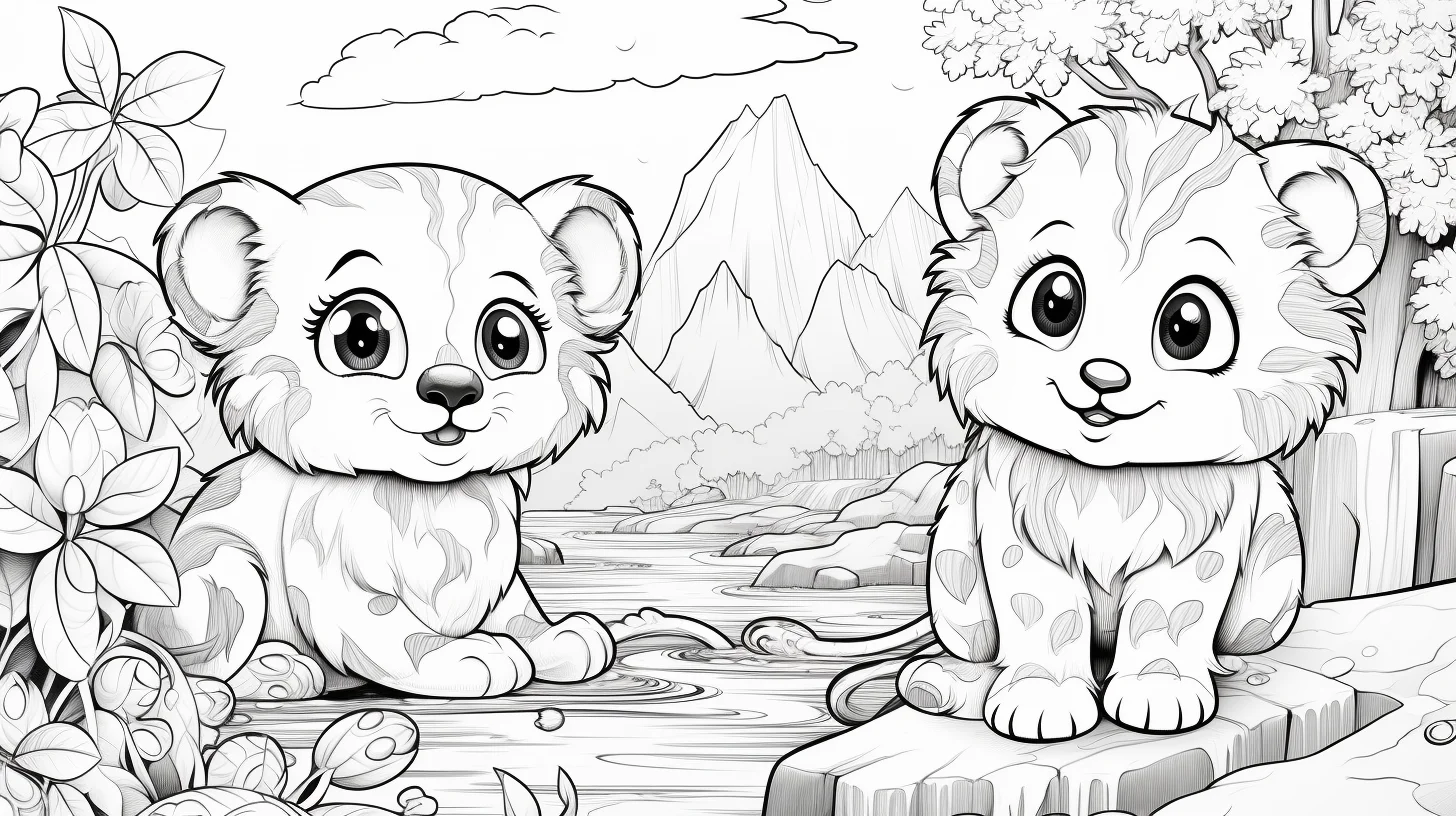
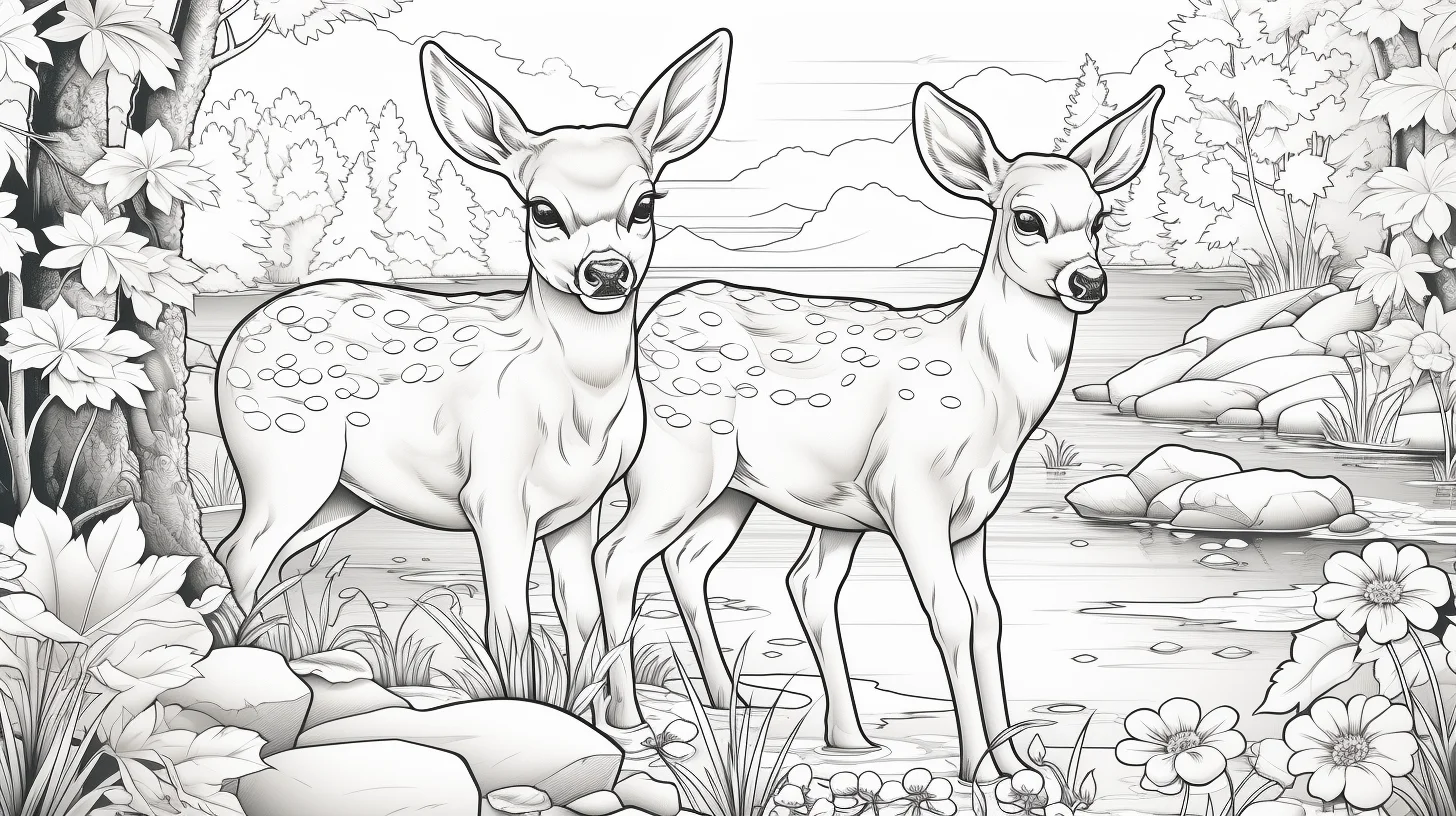
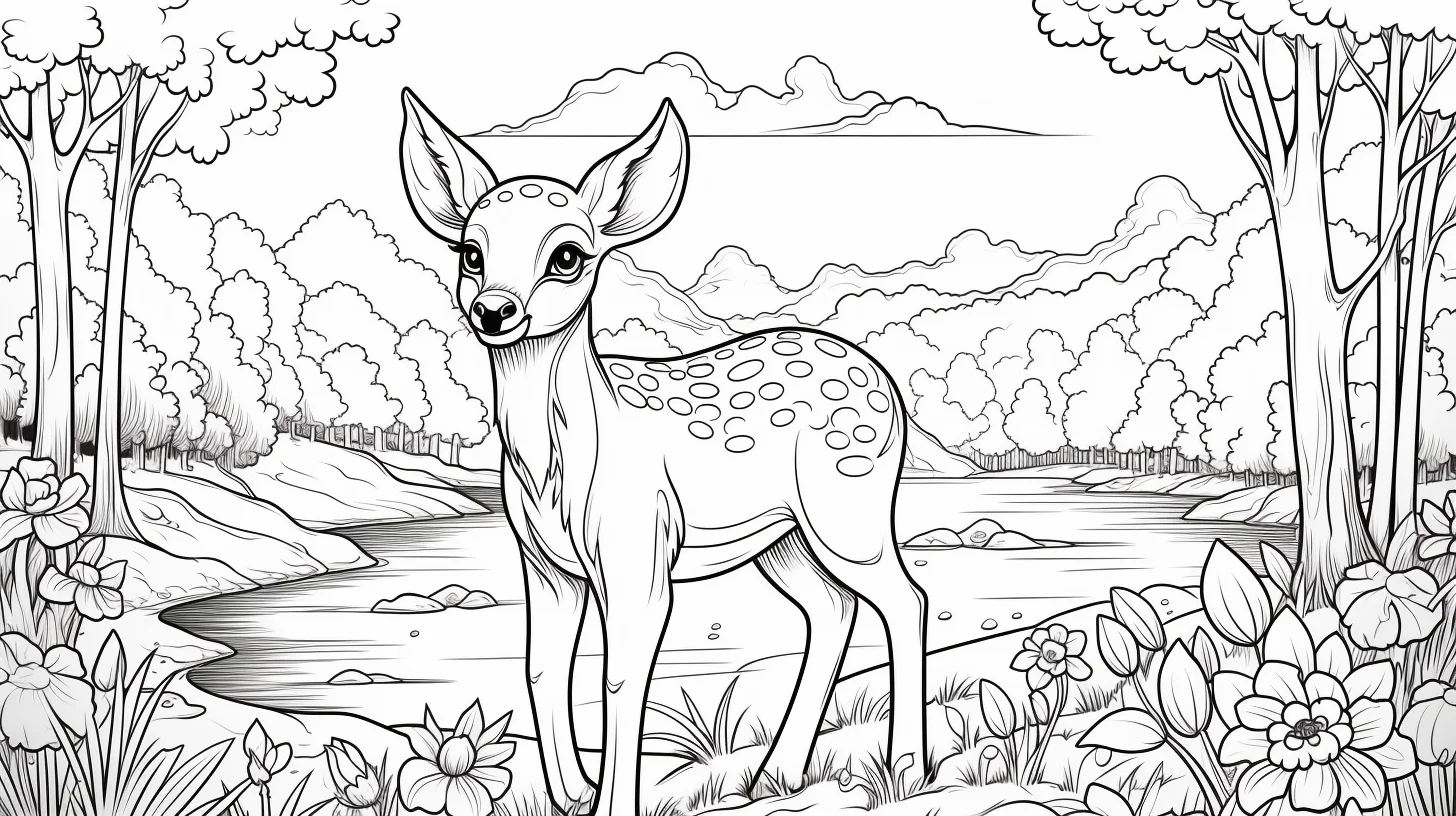
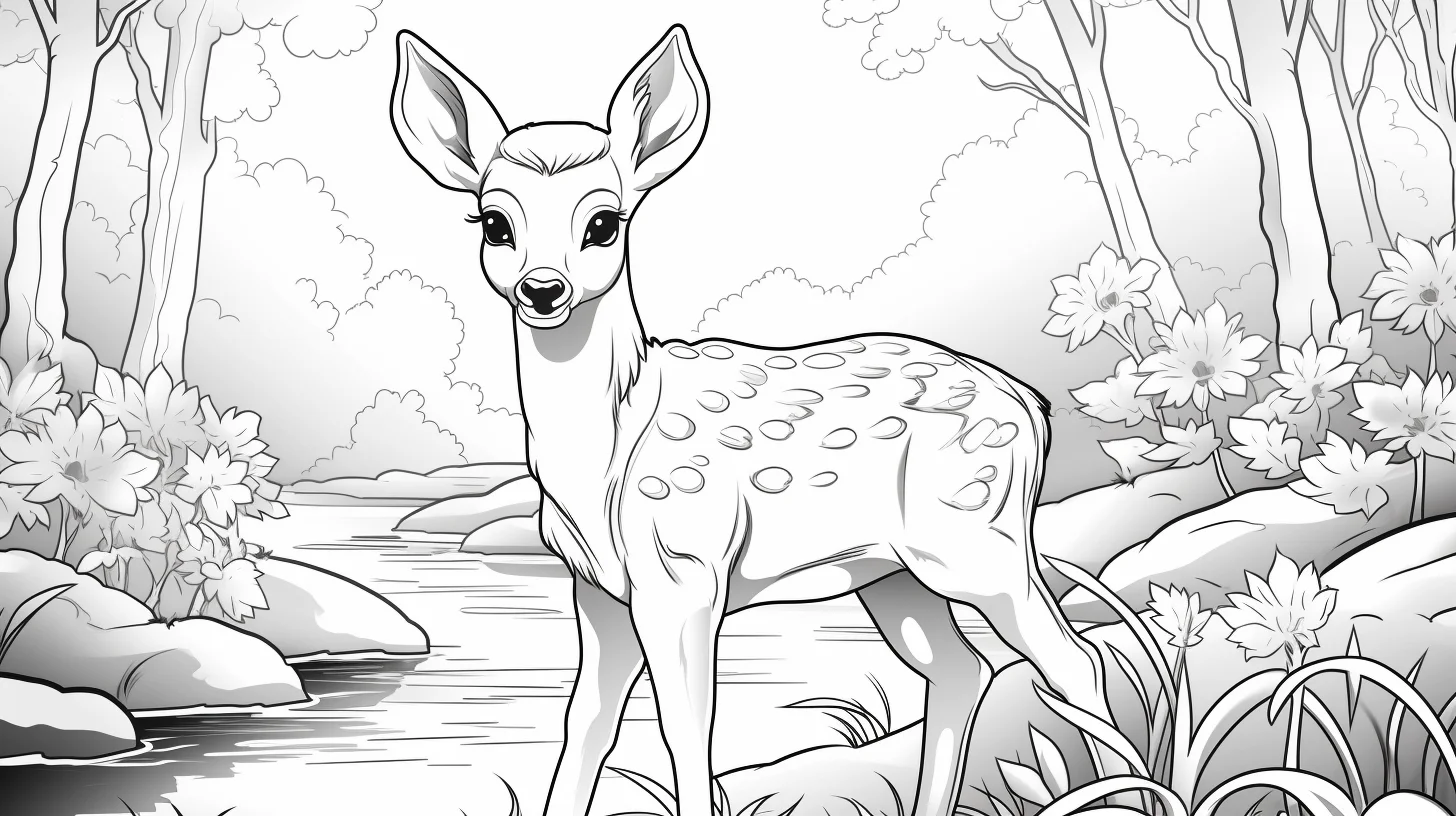
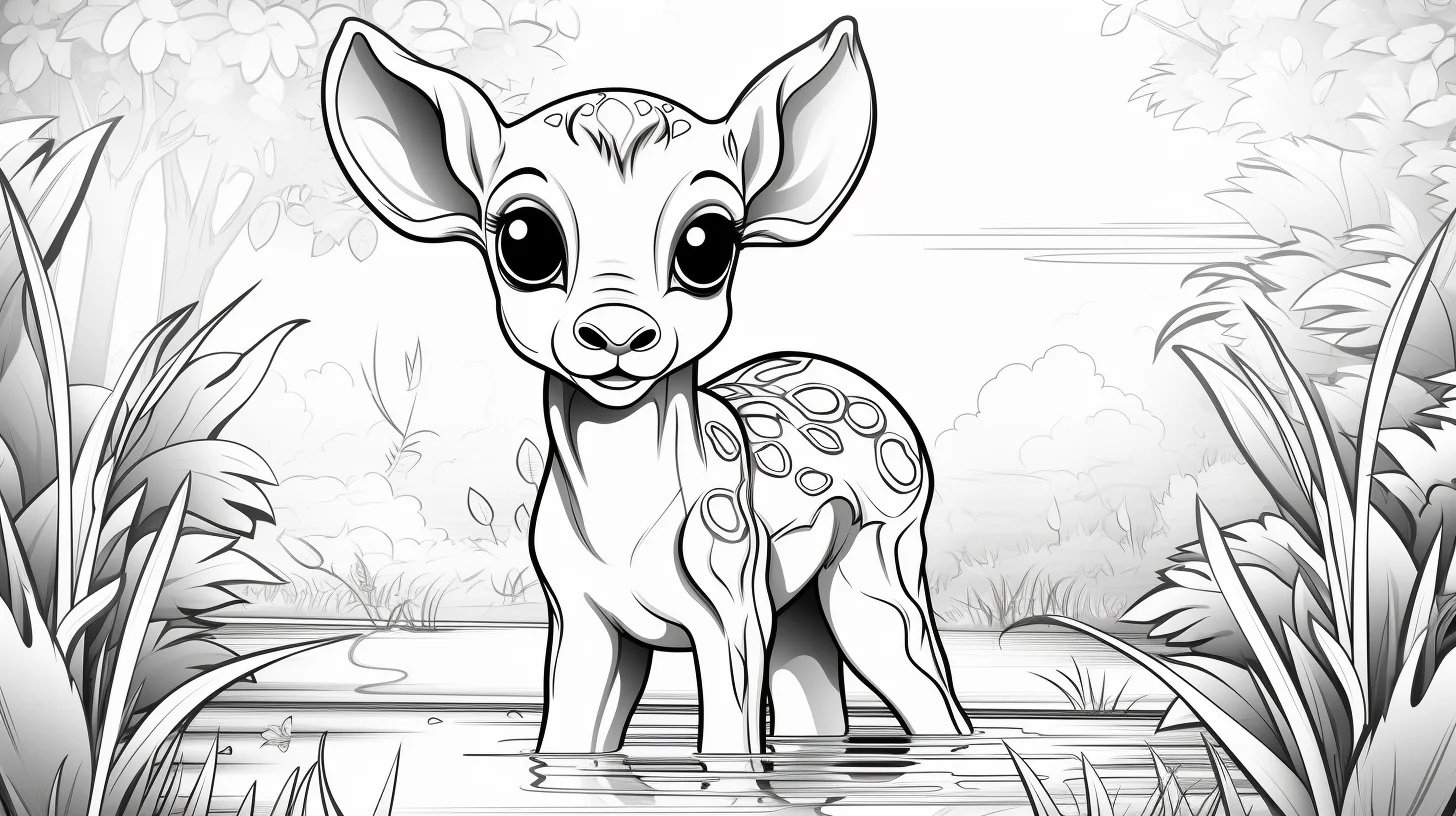
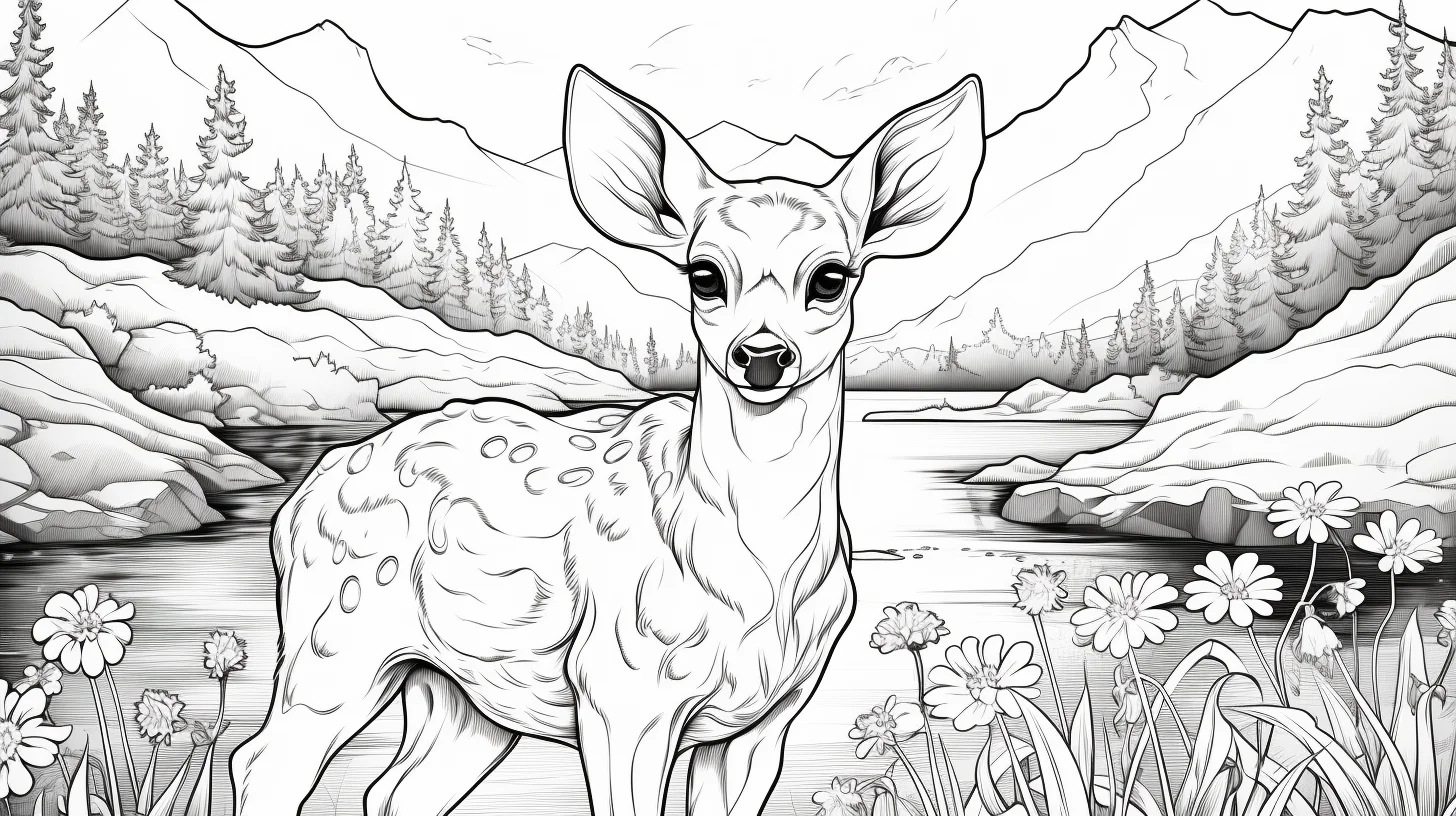
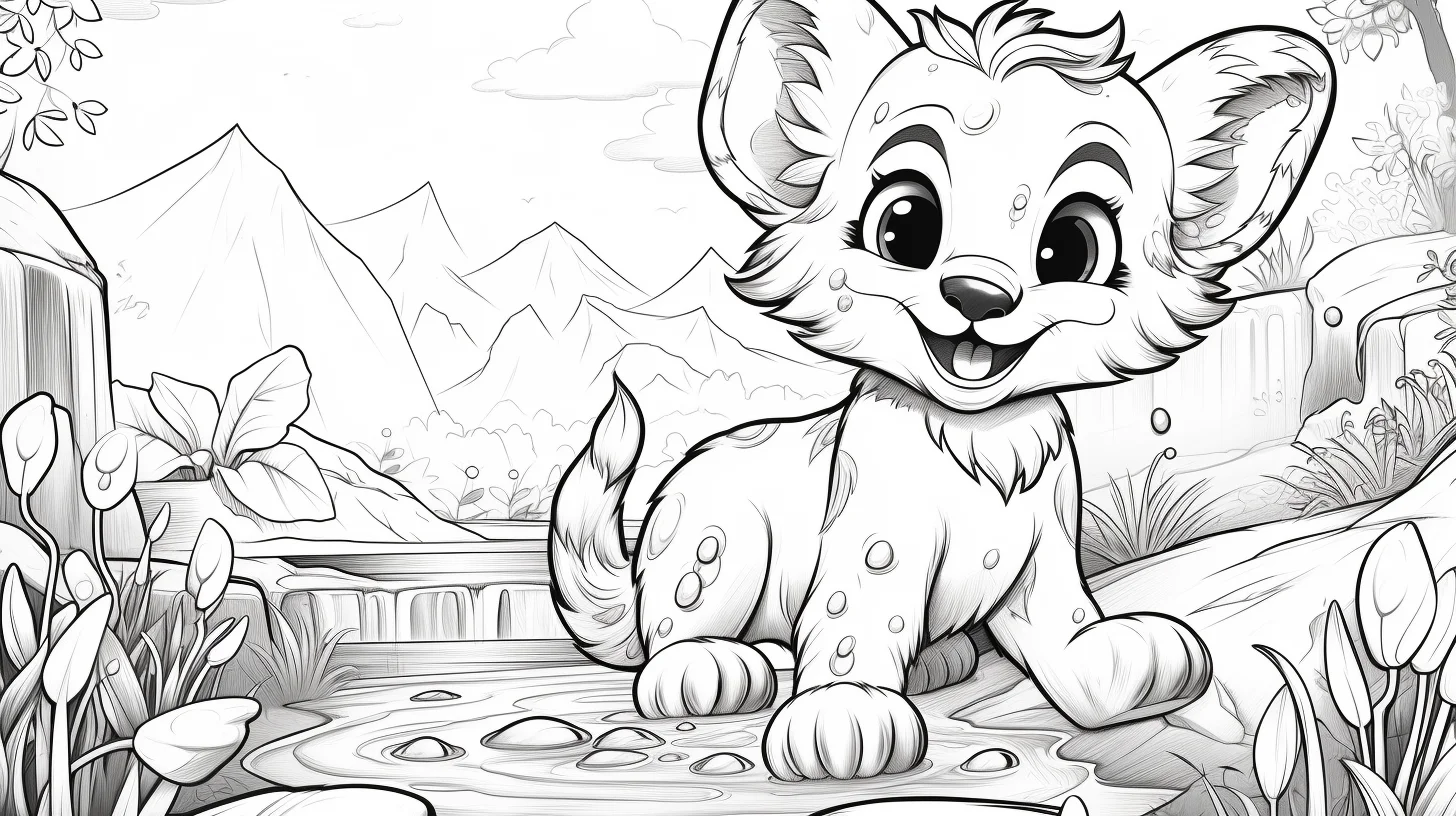
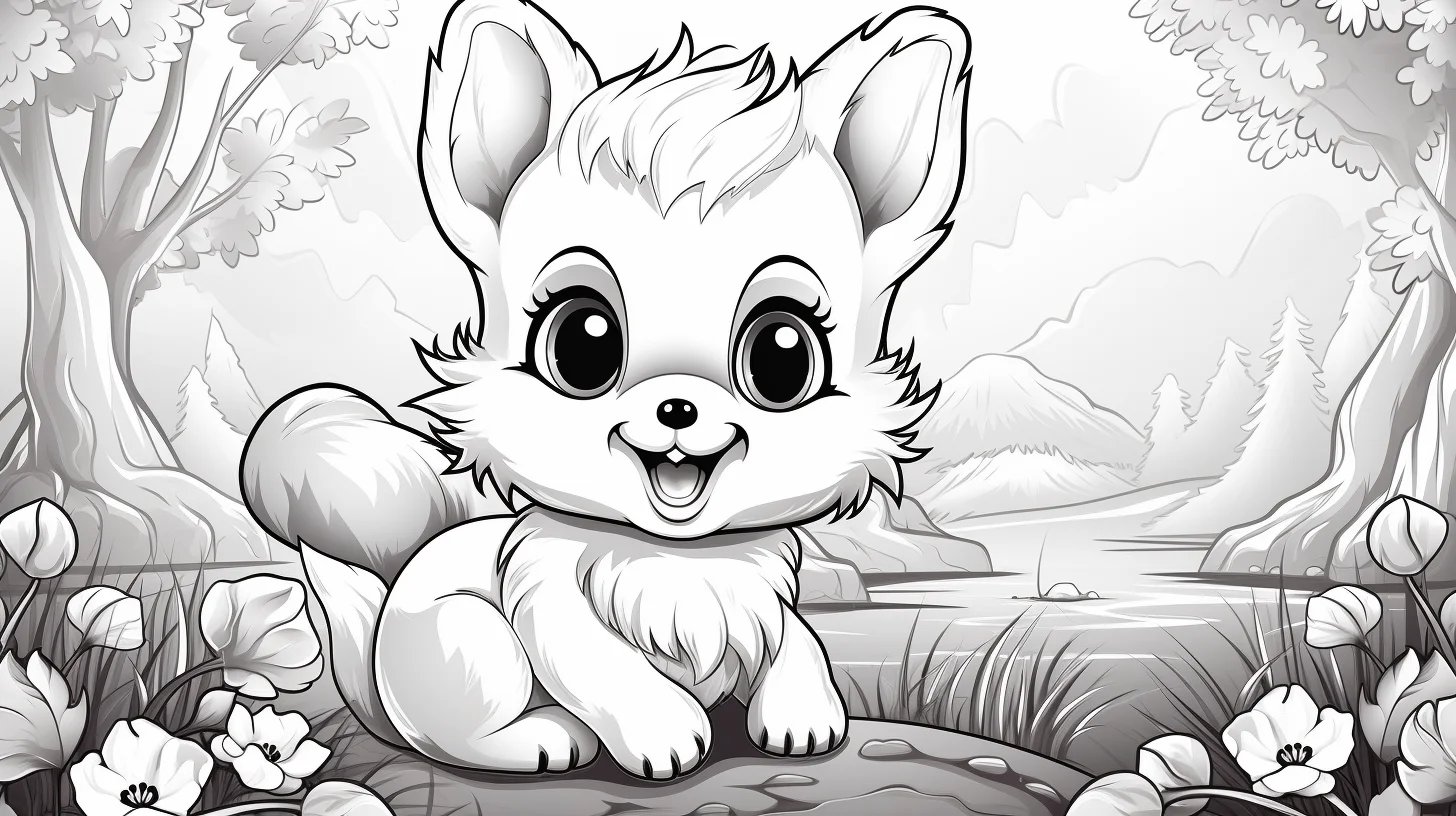
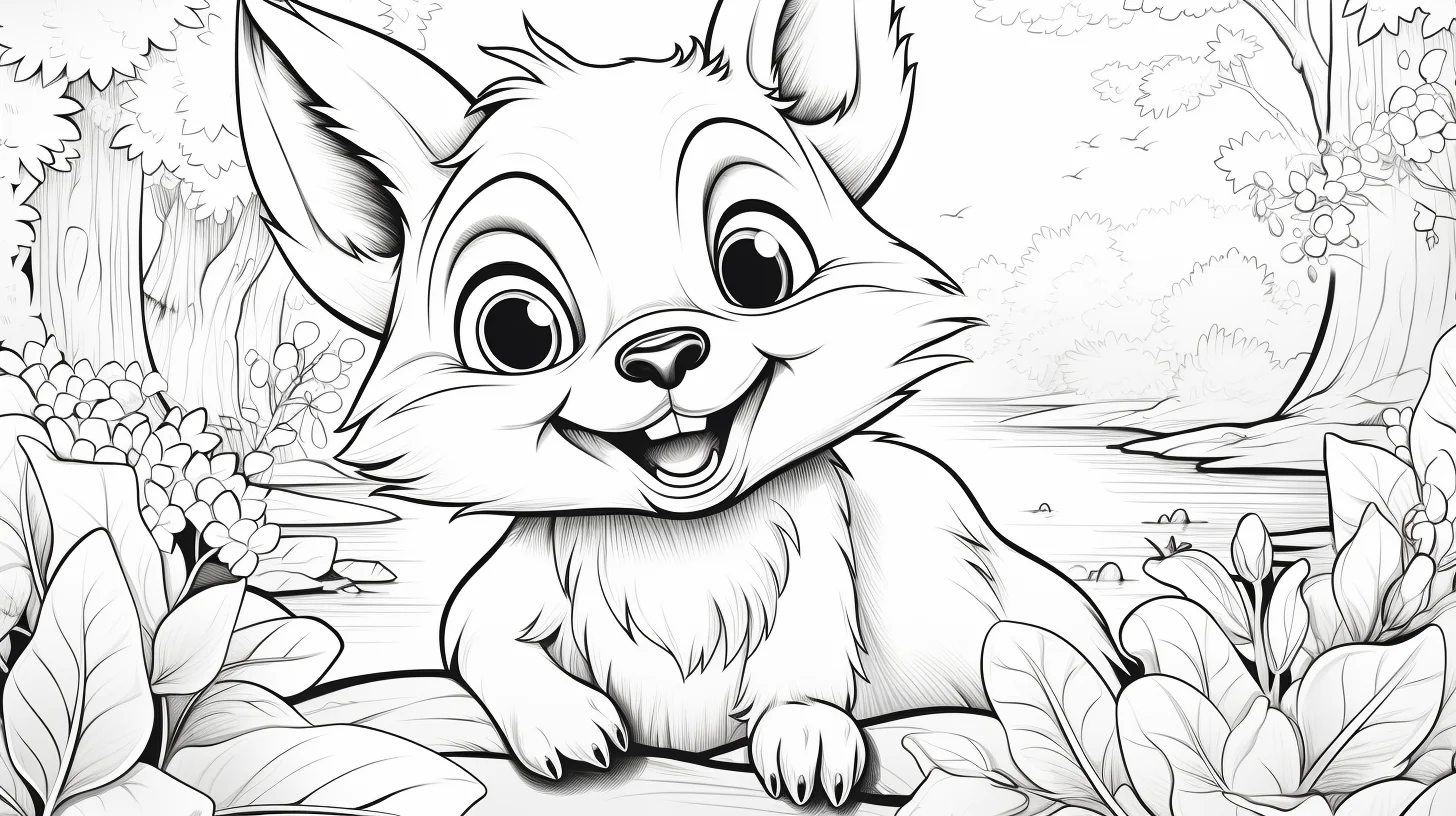
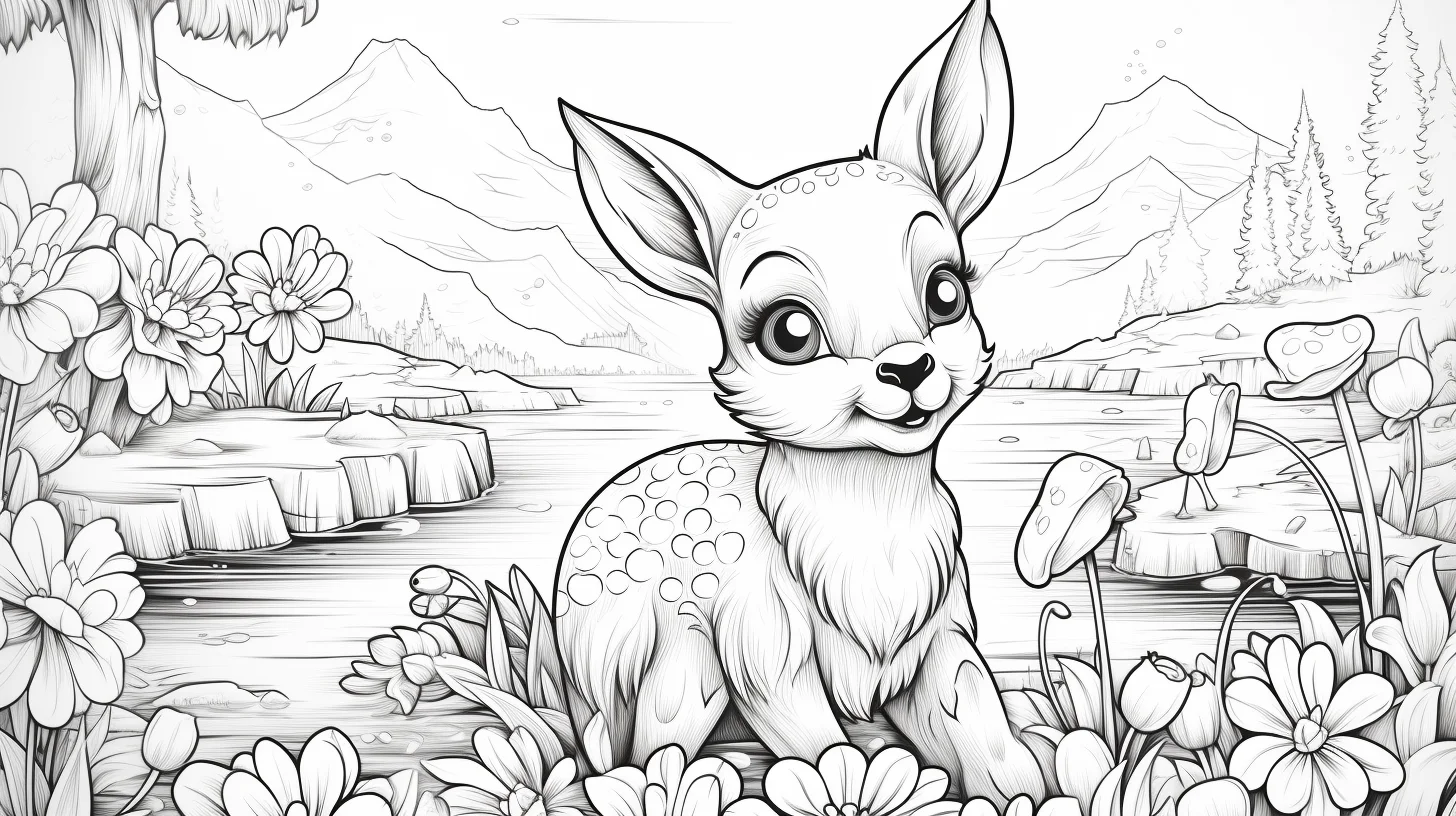
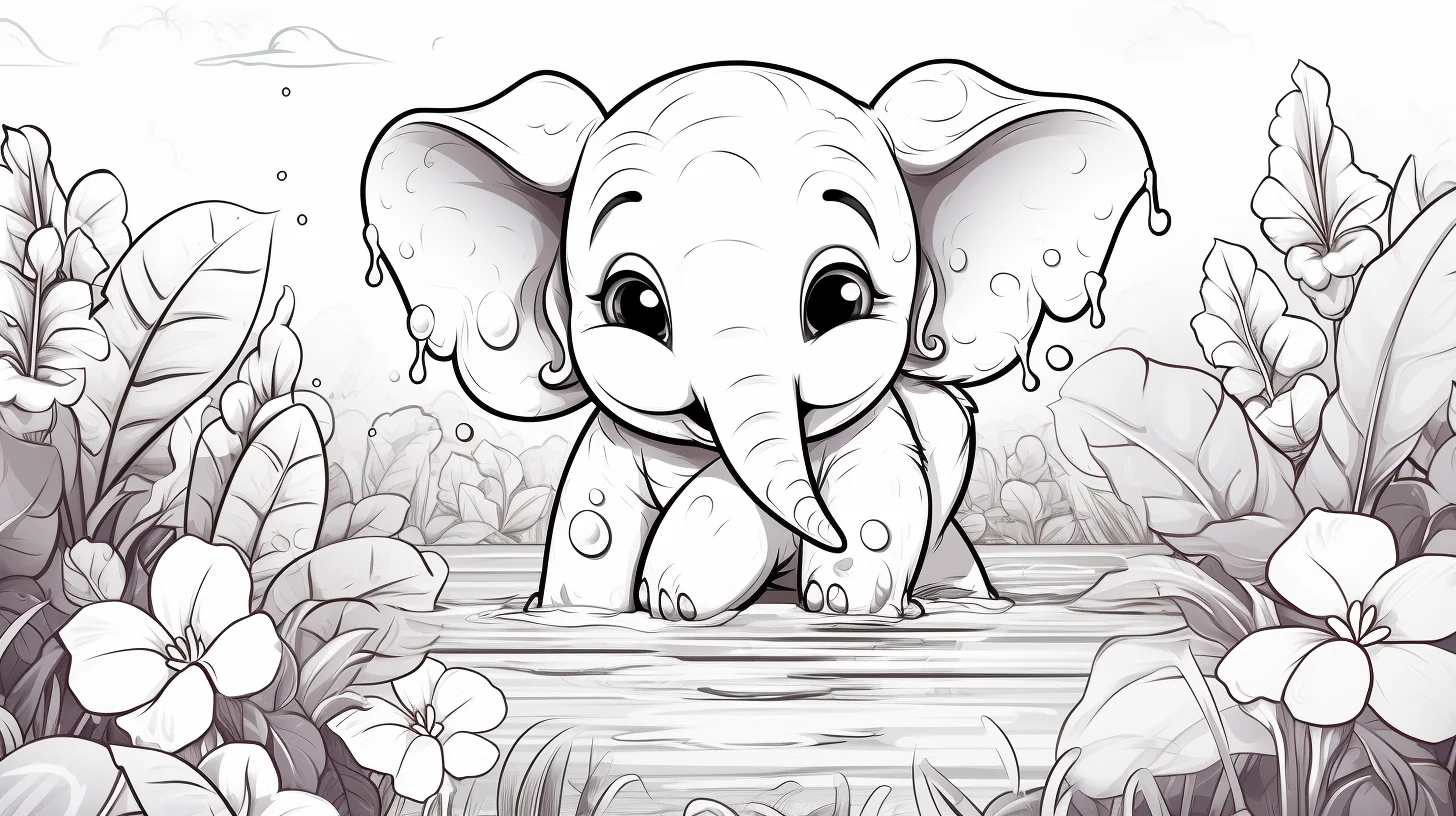
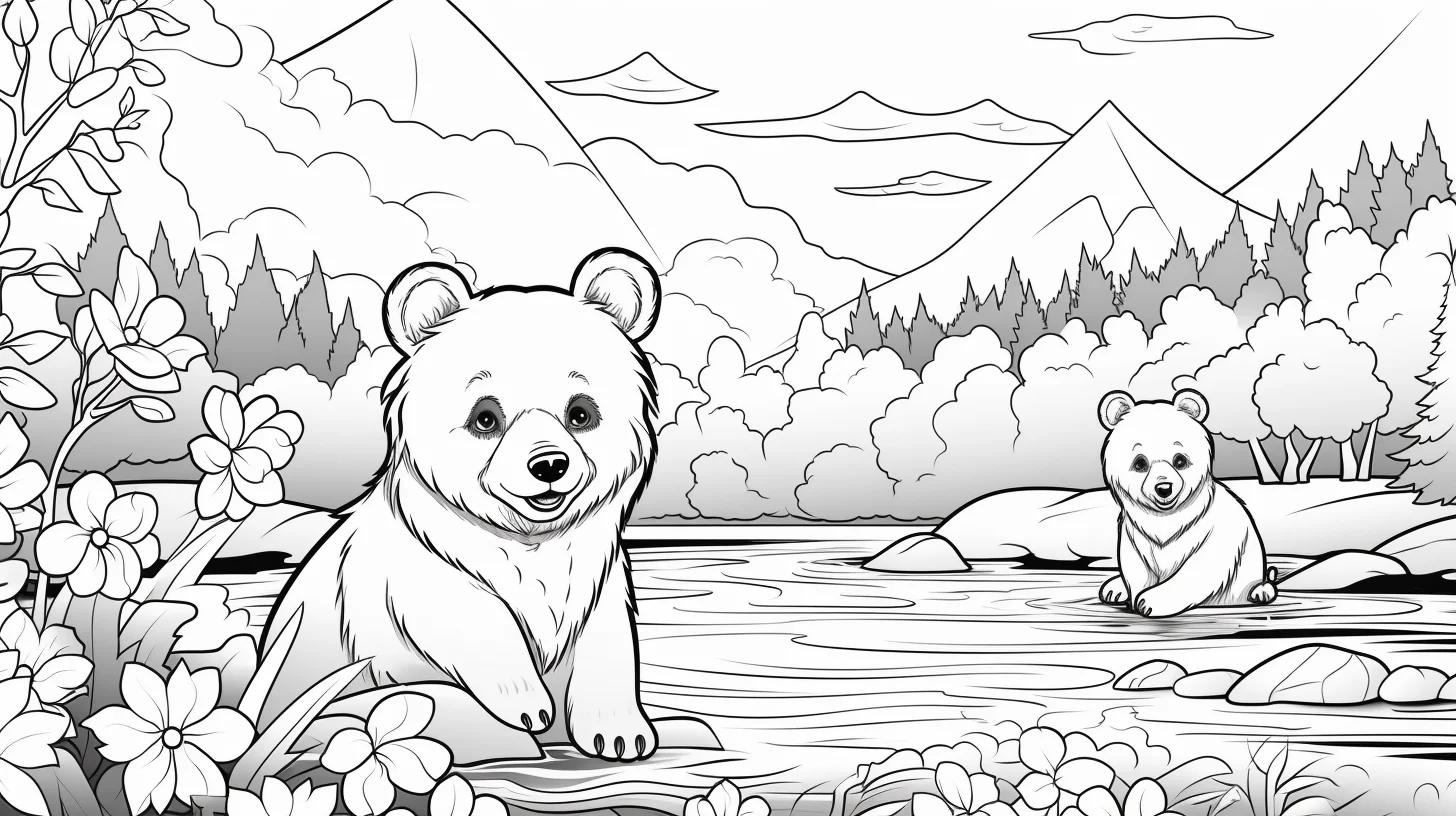
Tap or click any sheet below to open the original full-size file before saving. Most of these images are wide, so landscape orientation and “Fit to page” are usually the safest print settings on A4 or US Letter paper. If the printer cuts off paws, tails or background details, use our Print & Save Help instead of repeatedly shrinking the image.
For a classroom or group activity, print several different animals rather than multiple copies of one page. That gives children a real choice and makes the finished set more varied when displayed together.
Make three sheets teach three different skills
If a child wants to color more than one page, avoid choosing three equally detailed animals. A short progression gives each sheet a different job and makes improvement easier to notice.
- Start with shape and control. Pick a large, open animal and color the body with crayons or broad pencil strokes. The goal is simply to stay reasonably close to the outline and finish a whole shape.
- Practice markings and texture. Choose an animal with stripes, spots, feathers, scales or visible fur. Color the base first, then add the darker markings so they remain readable.
- Finish with a simple scene. Use one of the busier sheets and separate the animal from grass, rocks, water or trees. Color the animal first and keep the background slightly quieter so the subject still stands out.
How to color fur, stripes, scales and feathers
| Animal detail | Easy approach | Common mistake |
|---|---|---|
| Short fur | Use small strokes that follow the body rather than scribbling in circles | Pressing hard immediately, which leaves no room for a second layer |
| Longer fur | Leave tiny gaps between groups of strokes so the coat does not become one solid block | Drawing every hair individually |
| Stripes or spots | Color the lighter body tone first, then add the markings | Making every stripe or spot identical in size |
| Scales | Keep most scales one base color and darken selected edges | Alternating many unrelated colors until the body pattern becomes hard to read |
| Feathers | Group neighboring feathers into two or three color families | Trying to outline every feather heavily |
For a young child, these are options rather than rules. If the page becomes frustrating, return to broad color areas and let the printed linework provide the detail.
Fix common coloring problems without starting over
| If this happens… | Try this |
|---|---|
| The animal and background blend together | Make one noticeably lighter or darker. You do not need to recolor everything; strengthening the area immediately around the animal can be enough. |
| Dark pencil covers the printed details | Use lighter pressure on the next section and save the darkest color for small markings, eyes or shadow areas. |
| Marker bleeds beyond a small shape | Stop short of the outline and let the ink spread toward it. For tiny features, switch to pencil instead of forcing the marker to work. |
| White animals look unfinished | Leave most of the paper white but add a pale gray, blue or beige shadow along one side or beneath overlapping parts. |
| The child loses interest halfway through | Finish the animal and leave the scenery uncolored, or divide the background between two people. A completed subject is more satisfying than insisting every inch be filled. |
Use a reference photo without turning it into homework
A zoo photo or animal reference can answer one useful question at a time: Where are the stripes? Is the belly lighter? What color is the beak? Look for that feature, then put the reference away and keep coloring. This preserves the observational value without making the child reproduce a photograph exactly.
For a post-zoo activity, try a memory-first version: color the animal before looking at any reference, then compare it with a photo afterward. The differences can prompt better conversation than correcting the colors in advance.
Zoo animal coloring questions
What makes this different from the general animal hub?
This page is built around a zoo-style mix of familiar species. The main animal hub is broader and mixes farm, zoo and jungle subjects more freely.
Should zoo animals use realistic colors?
Only if the child wants that. A reference photo is useful for markings, but the page does not need to become a test. Remembered or invented colors are fine.
Which pages are easiest for younger kids?
Choose one large animal with little scenery. Pages with several background elements, fur lines or smaller facial details are better when the child wants a longer session.
Where should I go for animals in full nature scenes?
Use the animal habitat coloring pages. For young wild animals specifically, try the baby wild animal collection.
More animal coloring pages
Prefer a different look? Browse the cute animal coloring collection, the realistic animal pages, or the sea animal coloring pages.

