
This is the broad ocean hub: 20 printable pages ranging from very simple under-the-sea designs to whales and denser underwater scenes. It is useful when the child wants “ocean animals” but has not picked one species yet.
If the animal is already decided, use the focused collections instead: orcas, octopuses, narwhals, sea turtles or sharks. Those pages go deeper than a mixed ocean gallery can.
Choose the kind of ocean page you want
| If you want… | Go to | Best tool |
|---|---|---|
| Large, simple shapes | Sheets 1–6 | Crayons |
| Whales and open-water pages | Sheets 7–10 | Crayons or pencils |
| General underwater scenes | Sheets 11–16 | Colored pencils |
| More realistic or detailed pages | Sheets 17–20 | Pencils or fine markers |
How to stop an ocean page becoming one big blue shape
Color the main animal before the water. Then choose a water color that is clearly lighter, darker or greener than the animal. A blue-gray whale against turquoise water is easier to read than a dark-blue whale against dark-blue water.
You also do not need to fill every inch of ocean blue. Leaving pale or white areas around the animal can suggest light in the water and keeps the page from feeling heavy. Coral, shells and small sea details are good places for the brightest colors because they occupy less space.
Different bodies need different coloring approaches
- Whales and dolphins: use broad, smooth color changes rather than lots of tiny strokes.
- Octopus pages: patterns, gradients and different arm accents work better than coloring all eight arms as separate unrelated colors.
- Turtles: keep the shell pattern distinct from the flippers and head so the outline remains readable.
- Sharks and open-water animals: a lighter underside and darker top immediately gives the body more shape.
A simple order for coloring an underwater page
- Finish the main animal first. Decide its light and dark areas before choosing the water.
- Add the largest water shape. Keep it noticeably different from the animal.
- Color the big background objects. Seaweed, rocks and large coral come before tiny bubbles or shell details.
- Use the brightest colors last. Small coral, fish or decorative details are easier to balance once the rest of the page is established.
Open the full-size image before printing. These files are wide, so landscape orientation is usually the best first choice on A4 or US Letter paper. Use “Fit to page” and check the preview before printing.
20 free printable sea animal coloring pages
Easy and preschool sea animal pages — Sheets 1–6
These are the quickest places to start. The shapes are more open and the pages are easier to use with crayons or broad colored pencils.
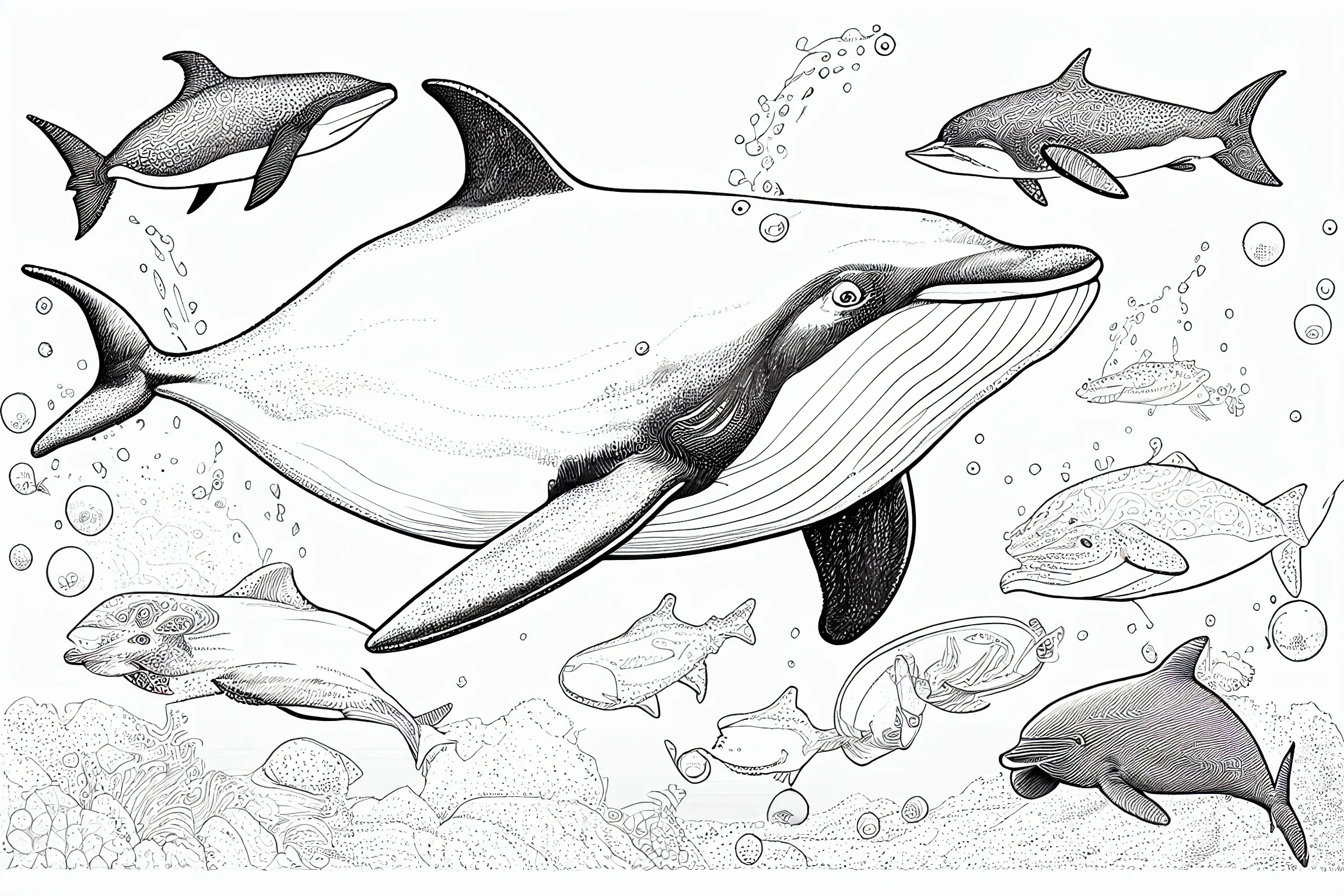
Open full-size sea animal coloring sheet 1
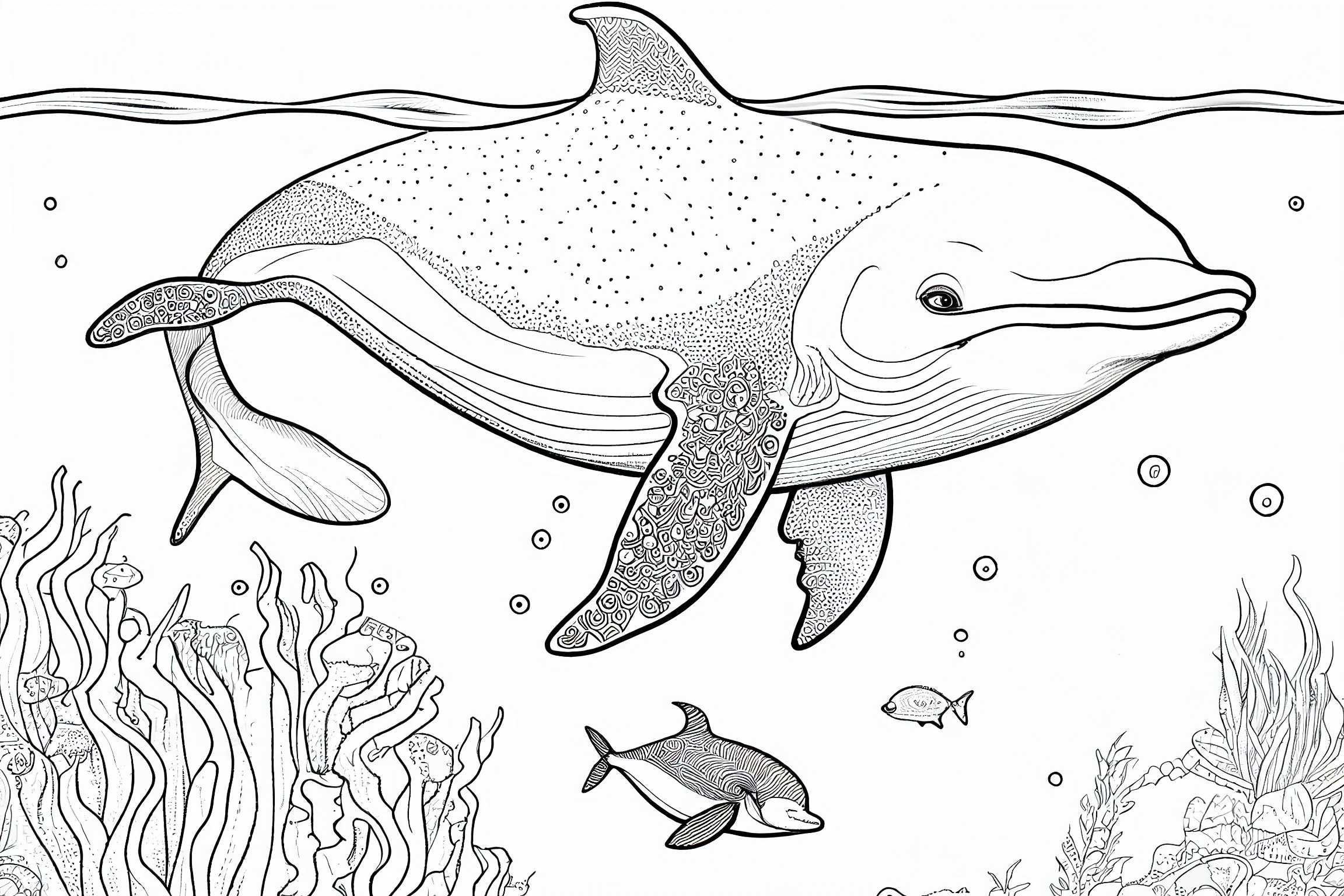
Open full-size sea animal coloring sheet 2
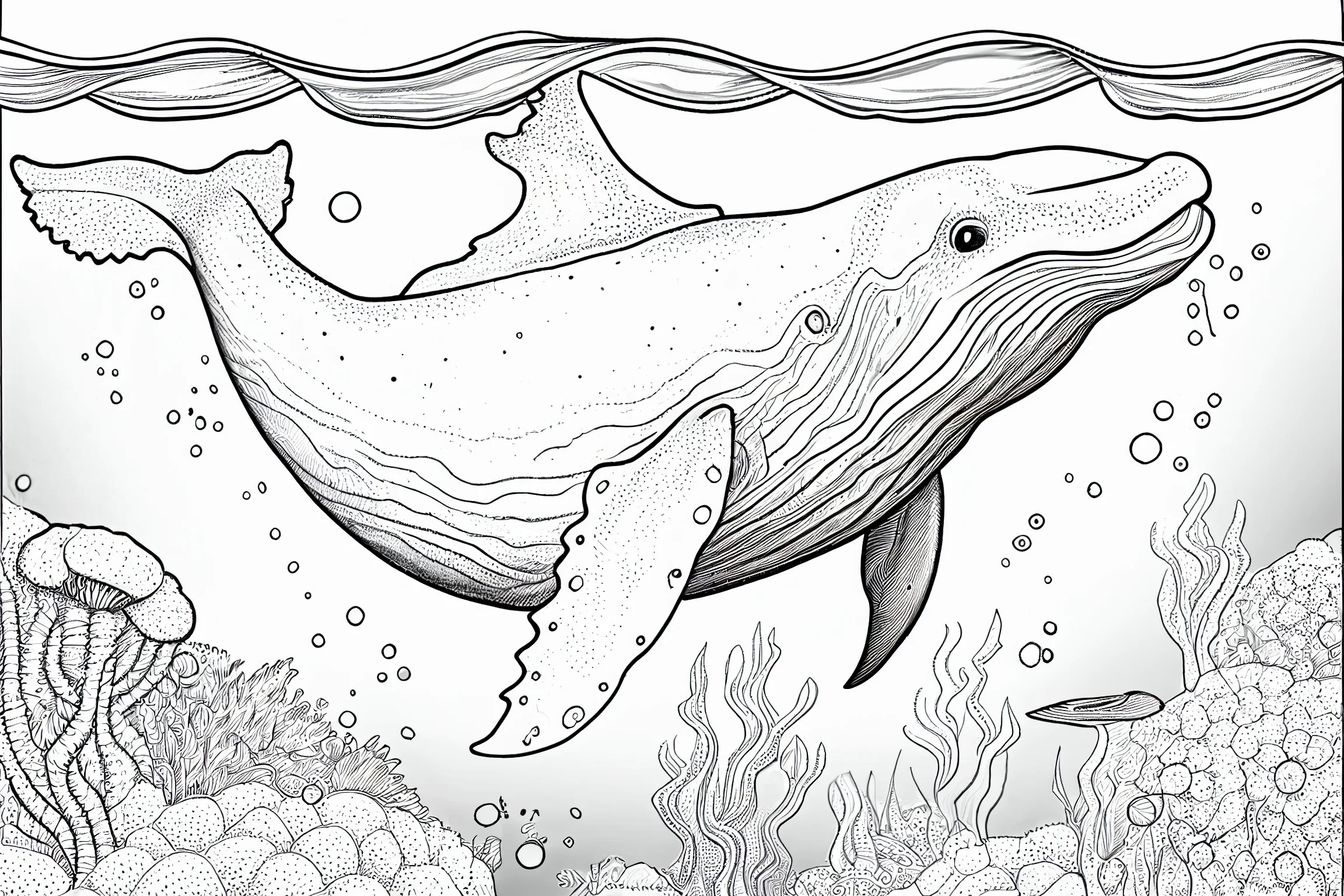
Open full-size sea animal coloring sheet 3
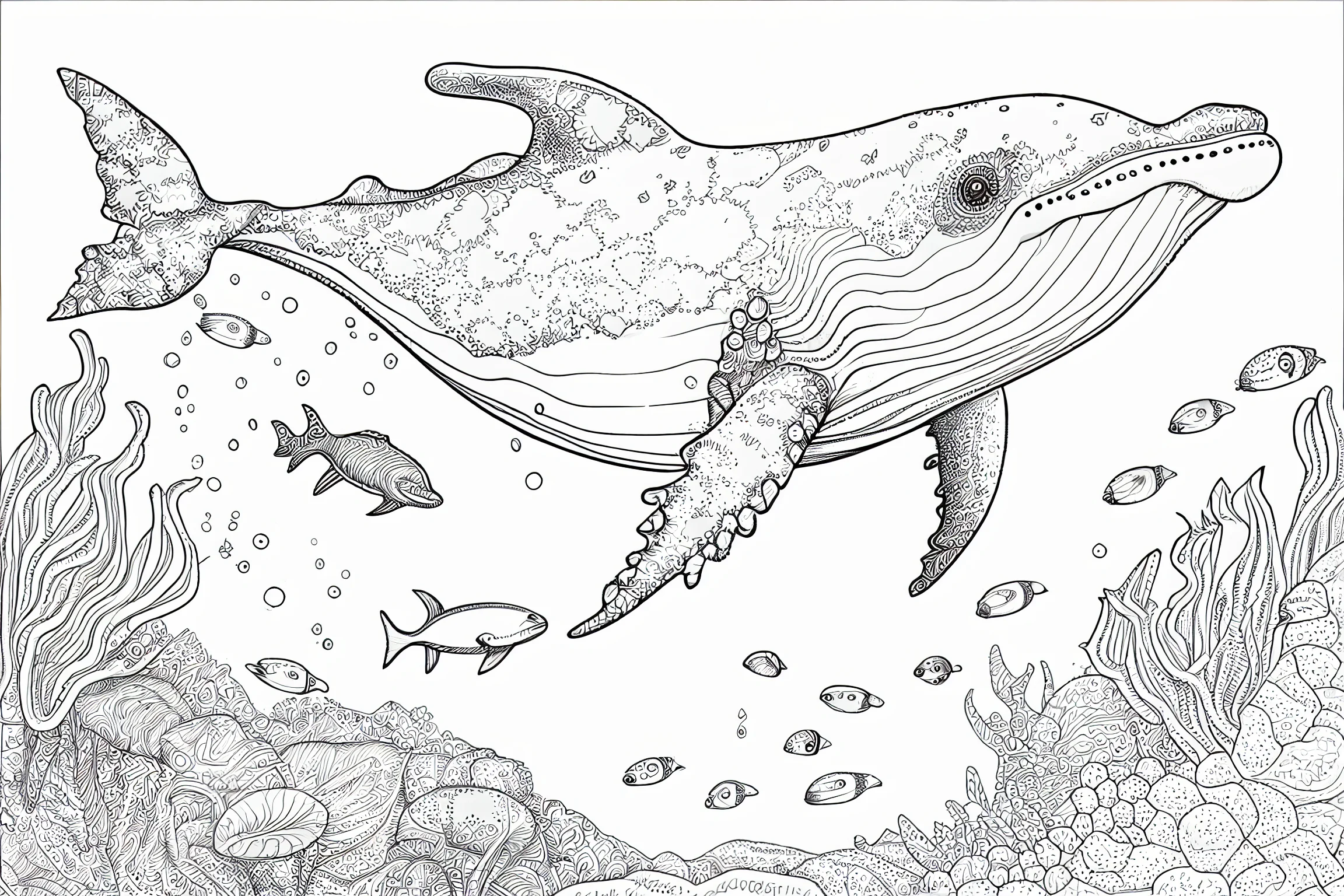
Open full-size sea animal coloring sheet 4
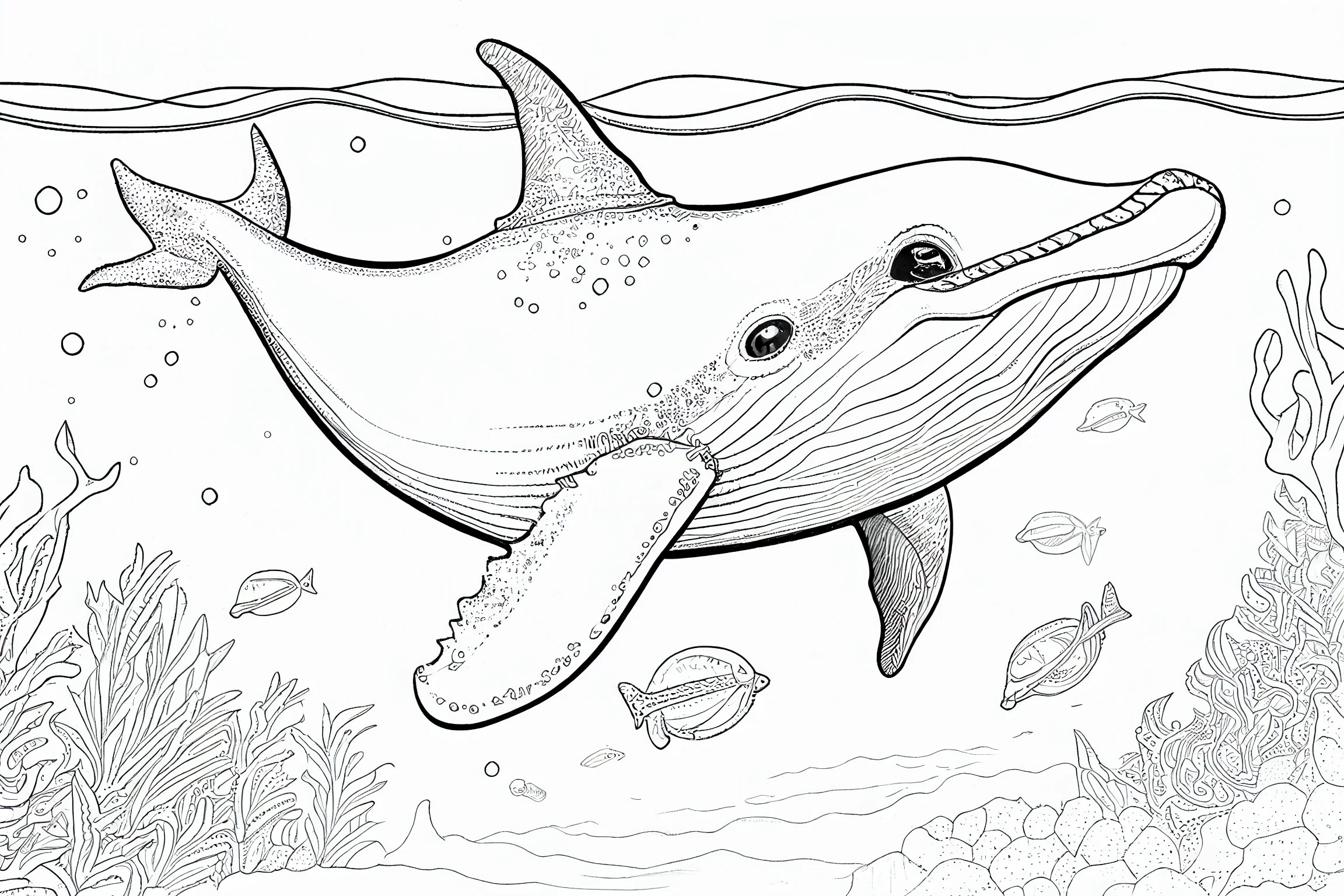
Open full-size sea animal coloring sheet 5
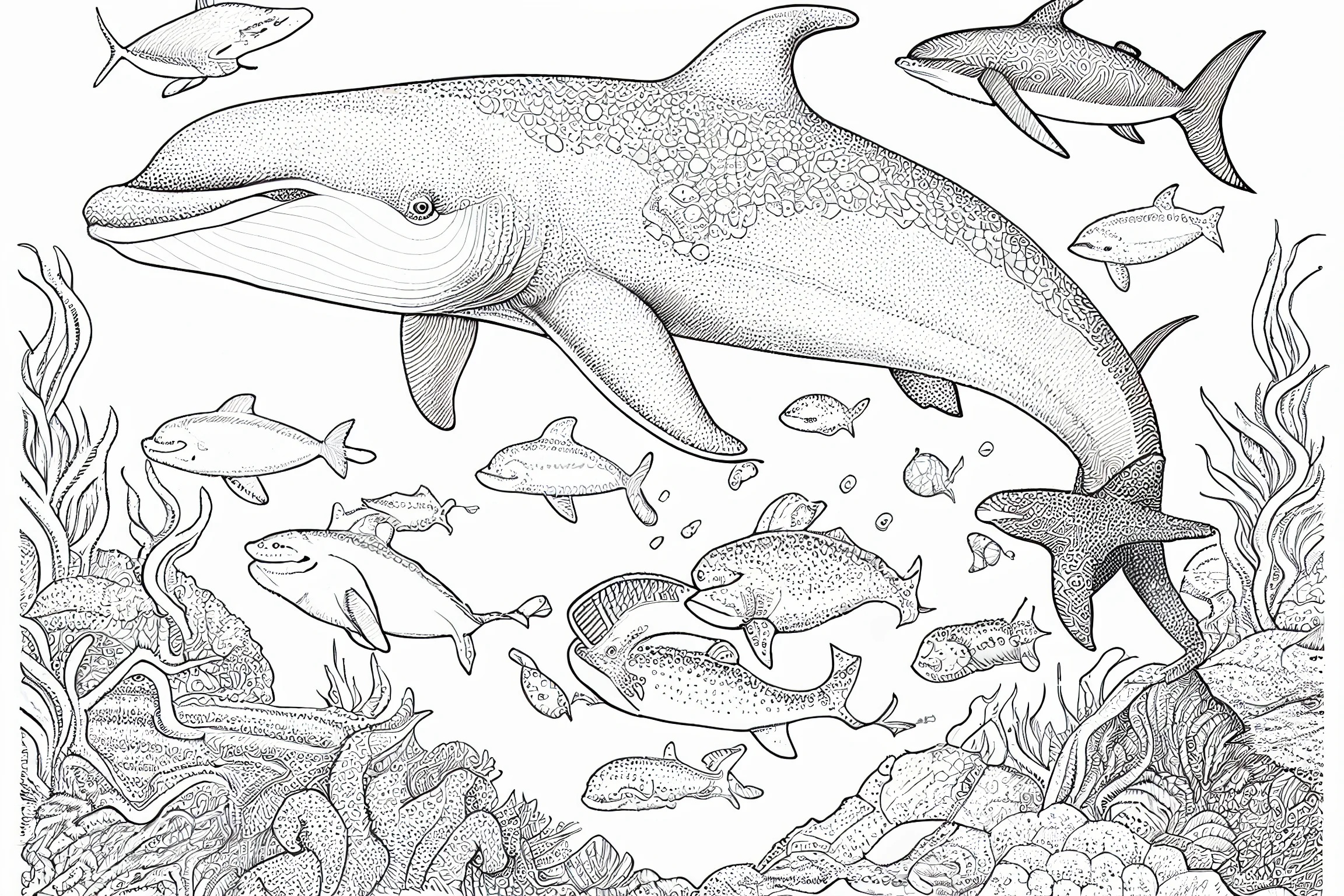
Open full-size sea animal coloring sheet 6
Whales and open-water pages — Sheets 7–10
Broad-bodied ocean animals are easiest to read when the body and water are different values. Keep the animal lighter or darker than the surrounding sea instead of changing hue alone.
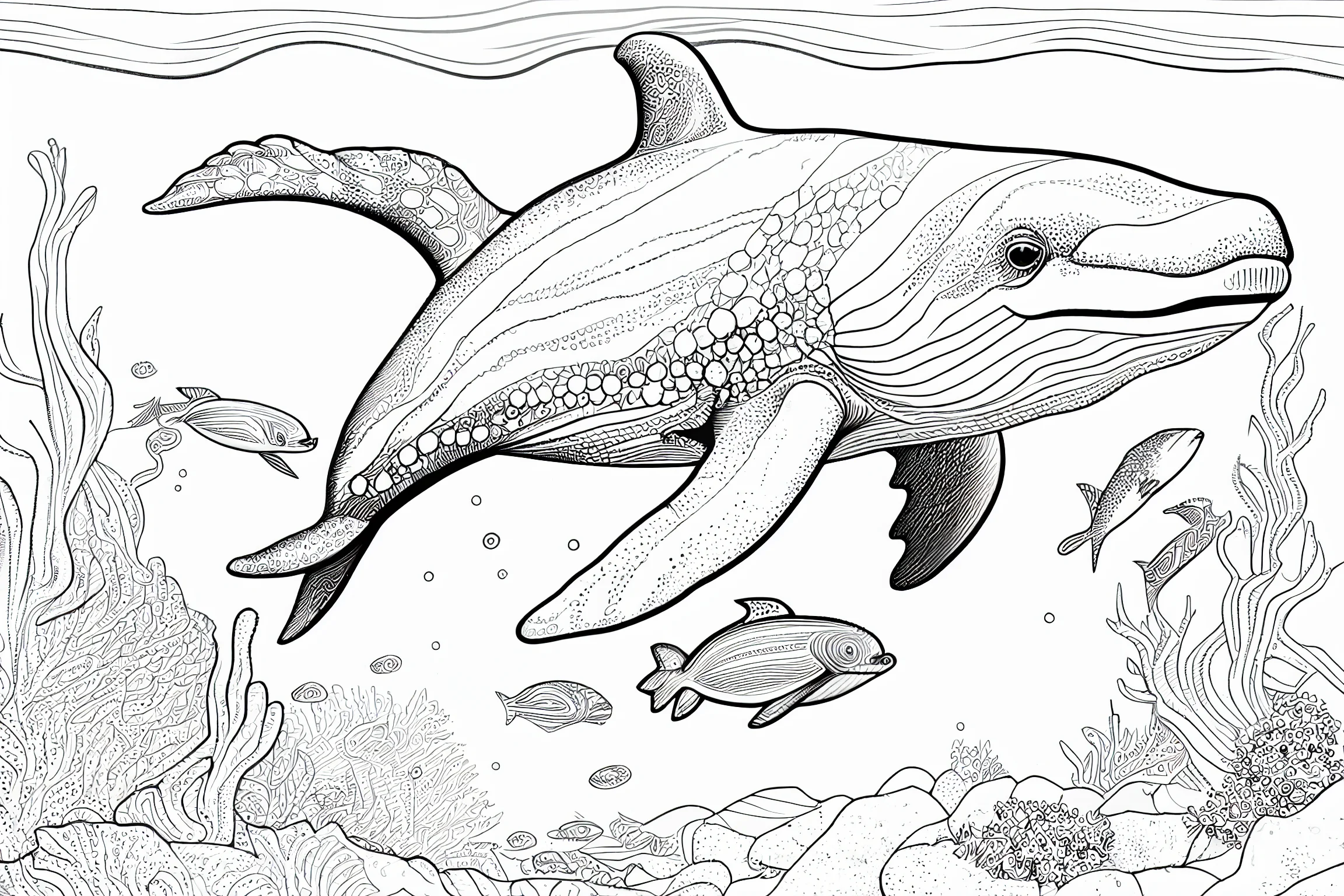
Open full-size sea animal coloring sheet 7
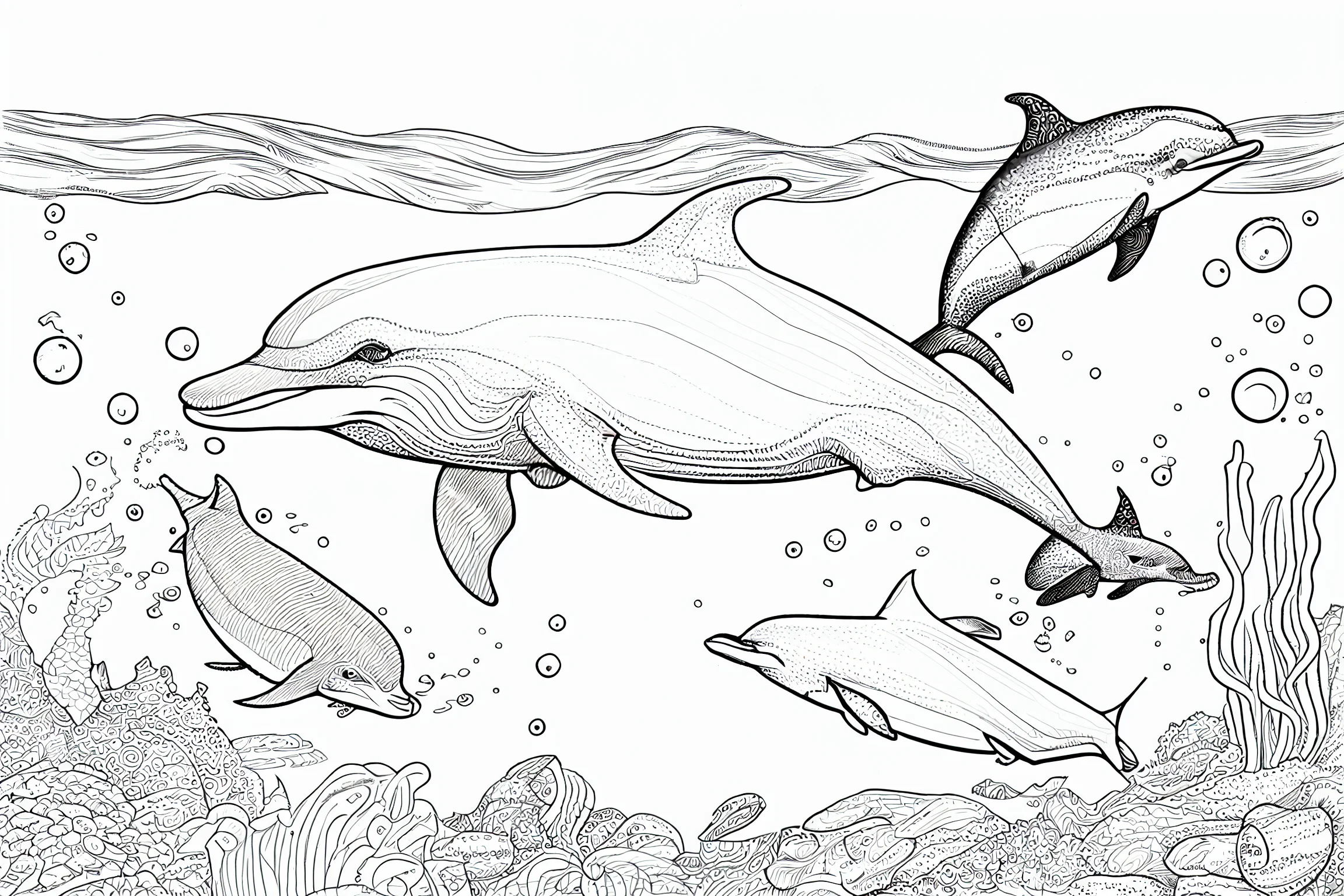
Open full-size sea animal coloring sheet 8
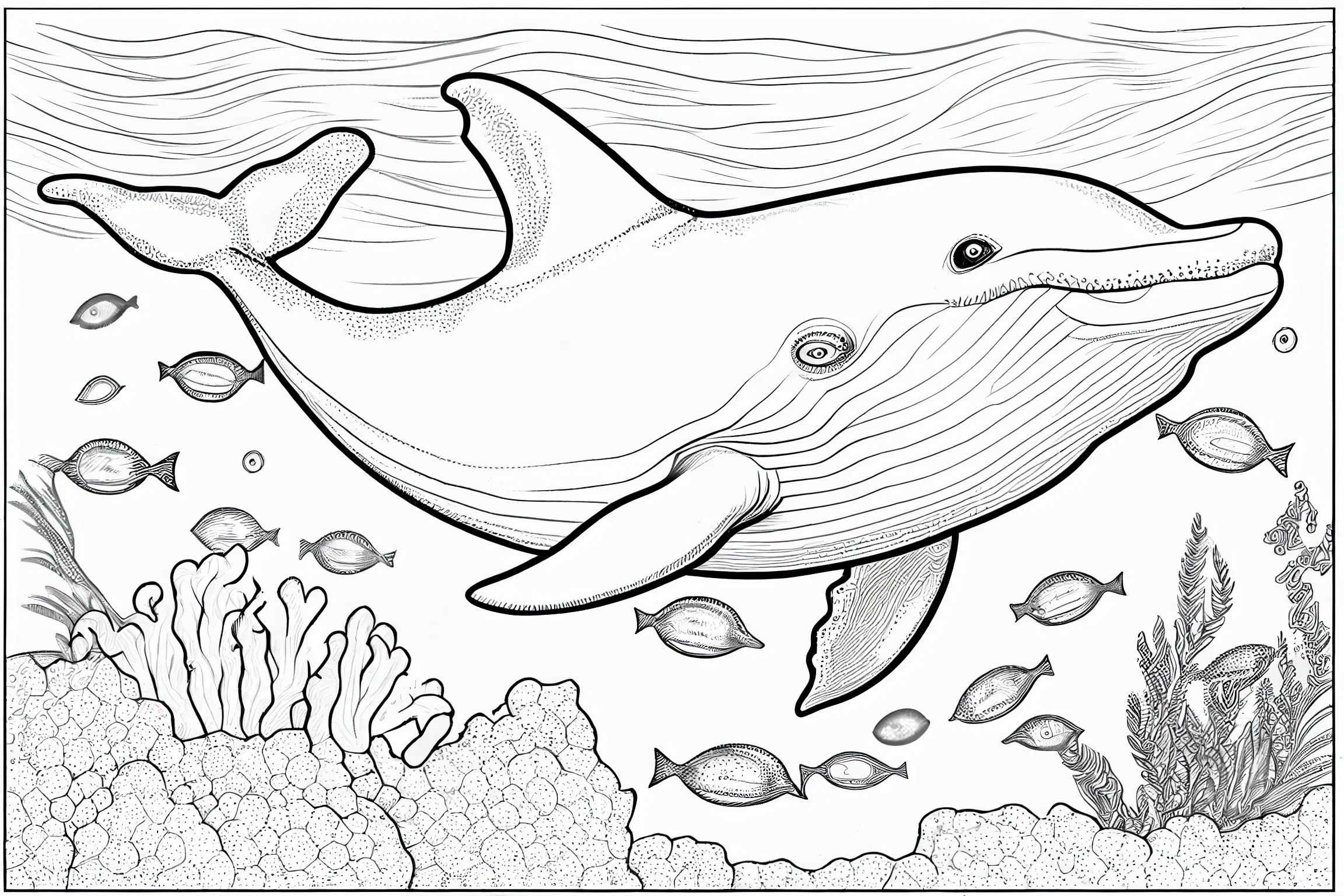
Open full-size sea animal coloring sheet 9
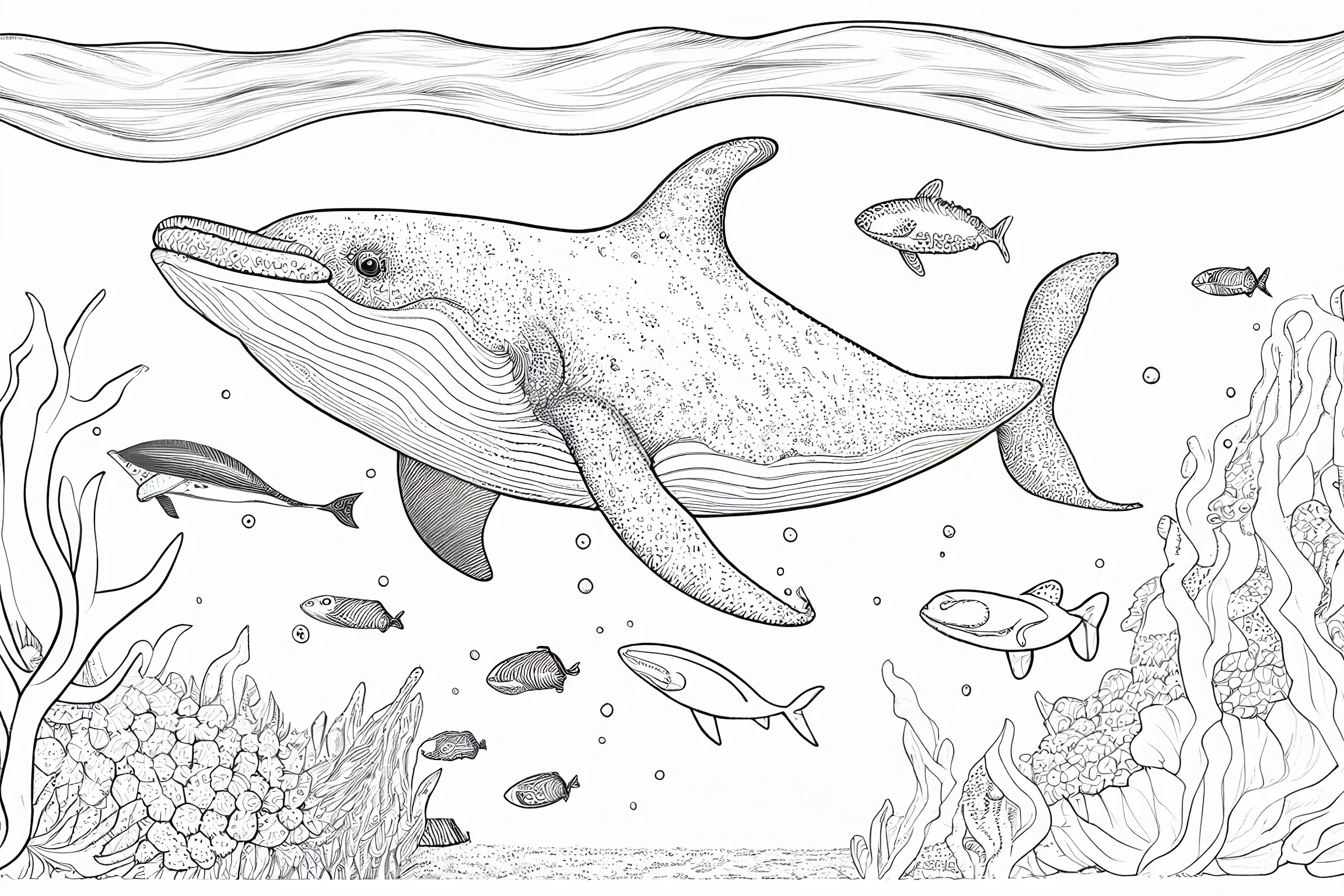
Open full-size sea animal coloring sheet 10
Underwater scenes — Sheets 11–16
These are better when you want the surroundings to be part of the activity. Color the largest animal first, then water and large plants, and leave coral or tiny details until the end.
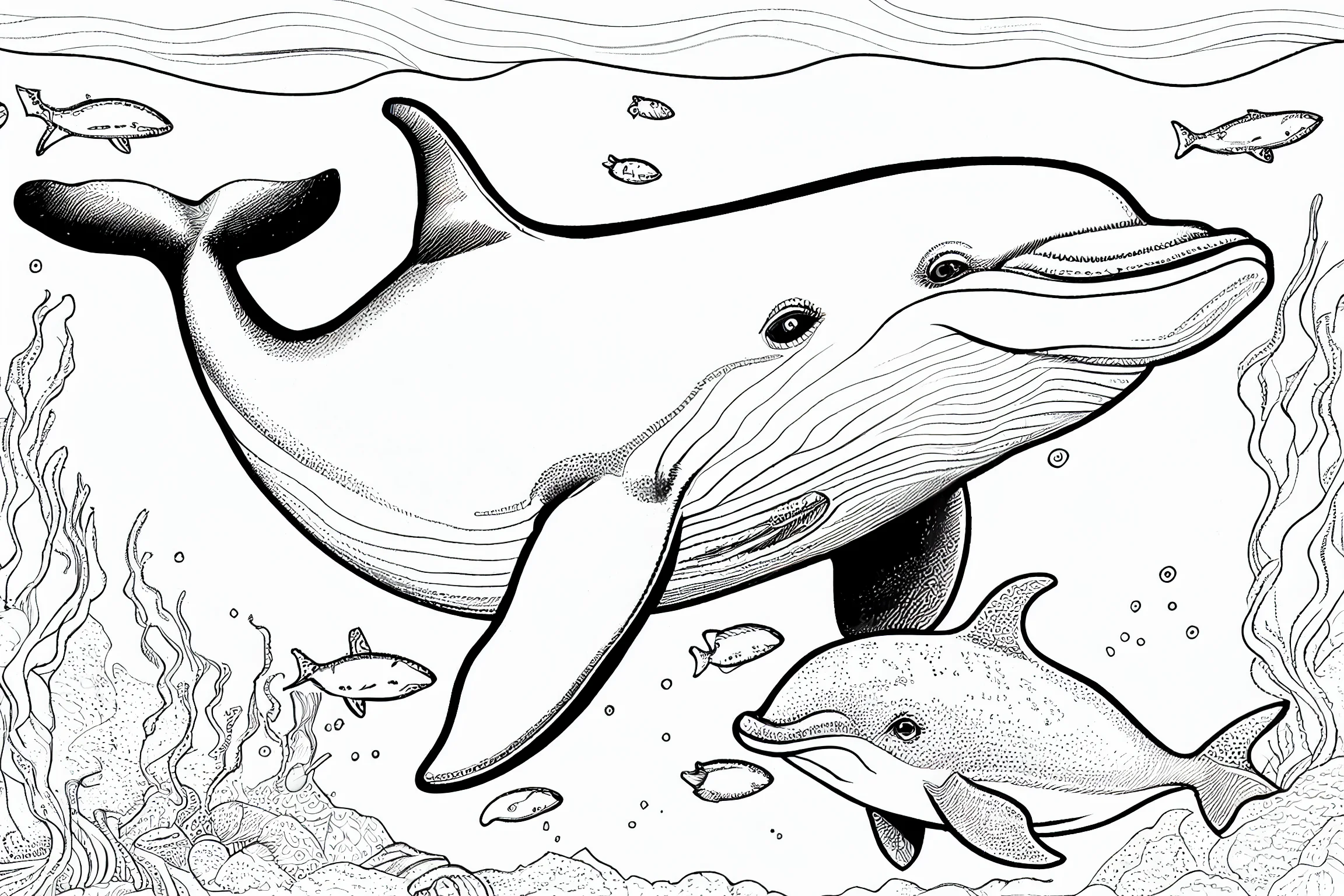
Open full-size sea animal coloring sheet 11
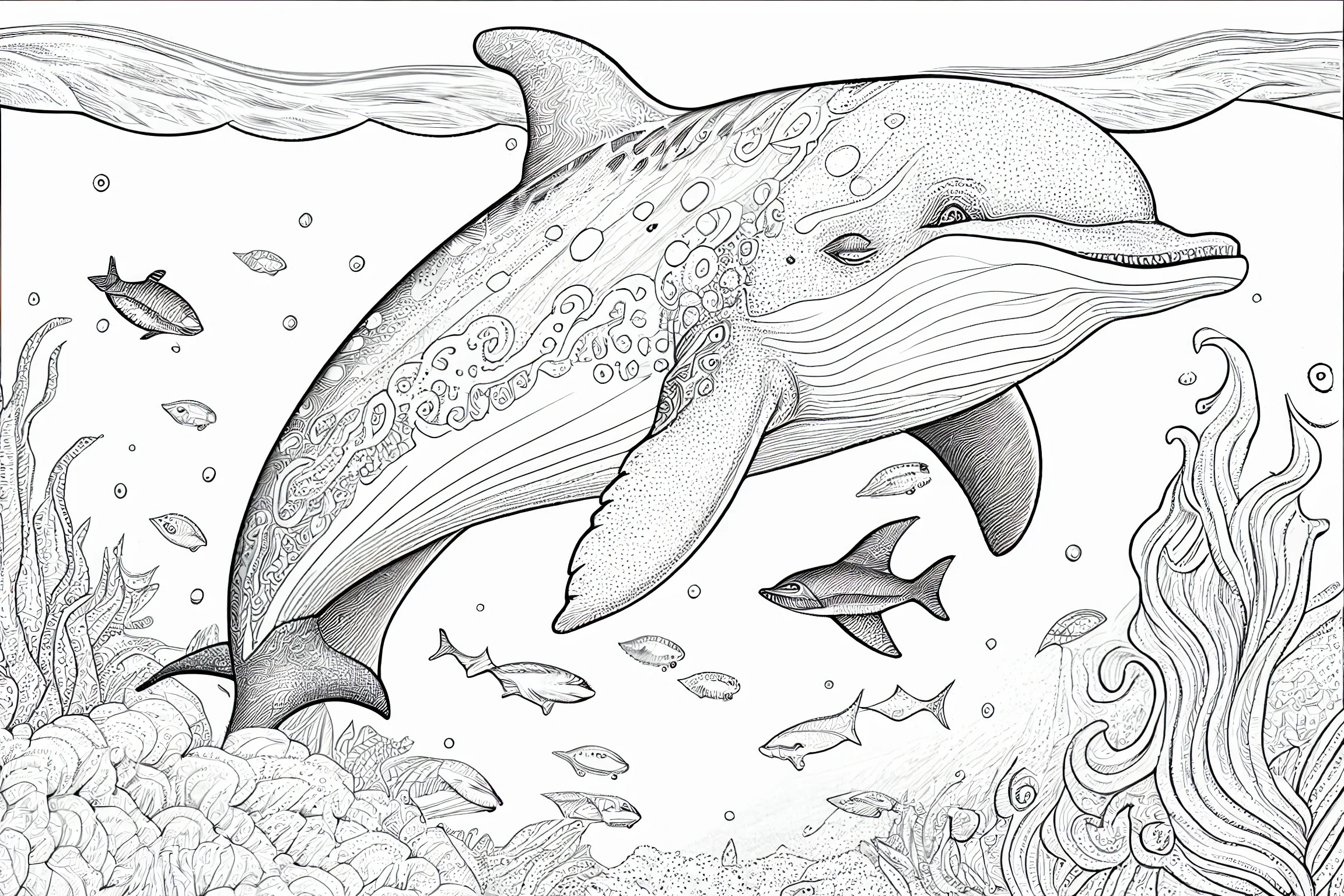
Open full-size sea animal coloring sheet 12
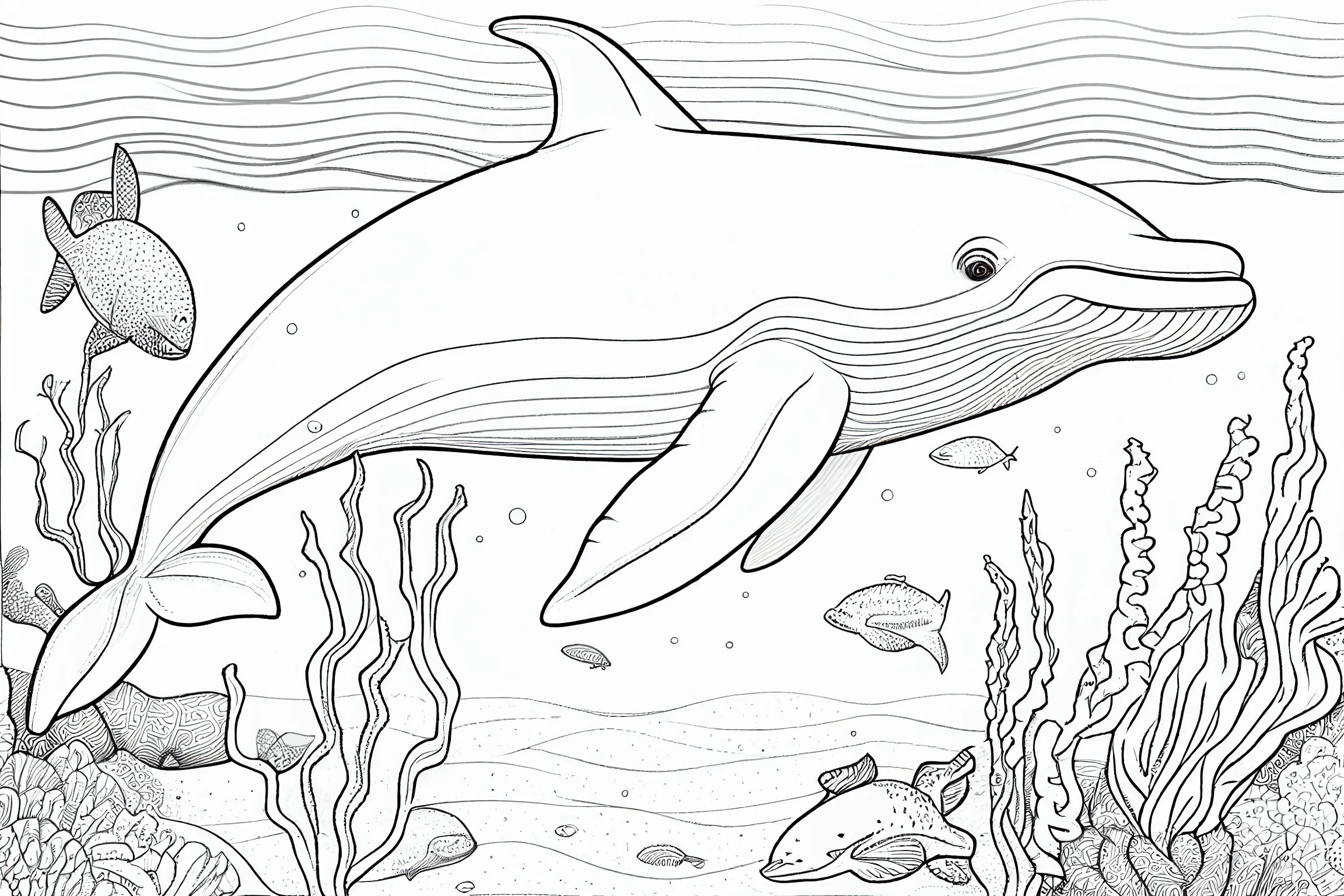
Open full-size sea animal coloring sheet 13
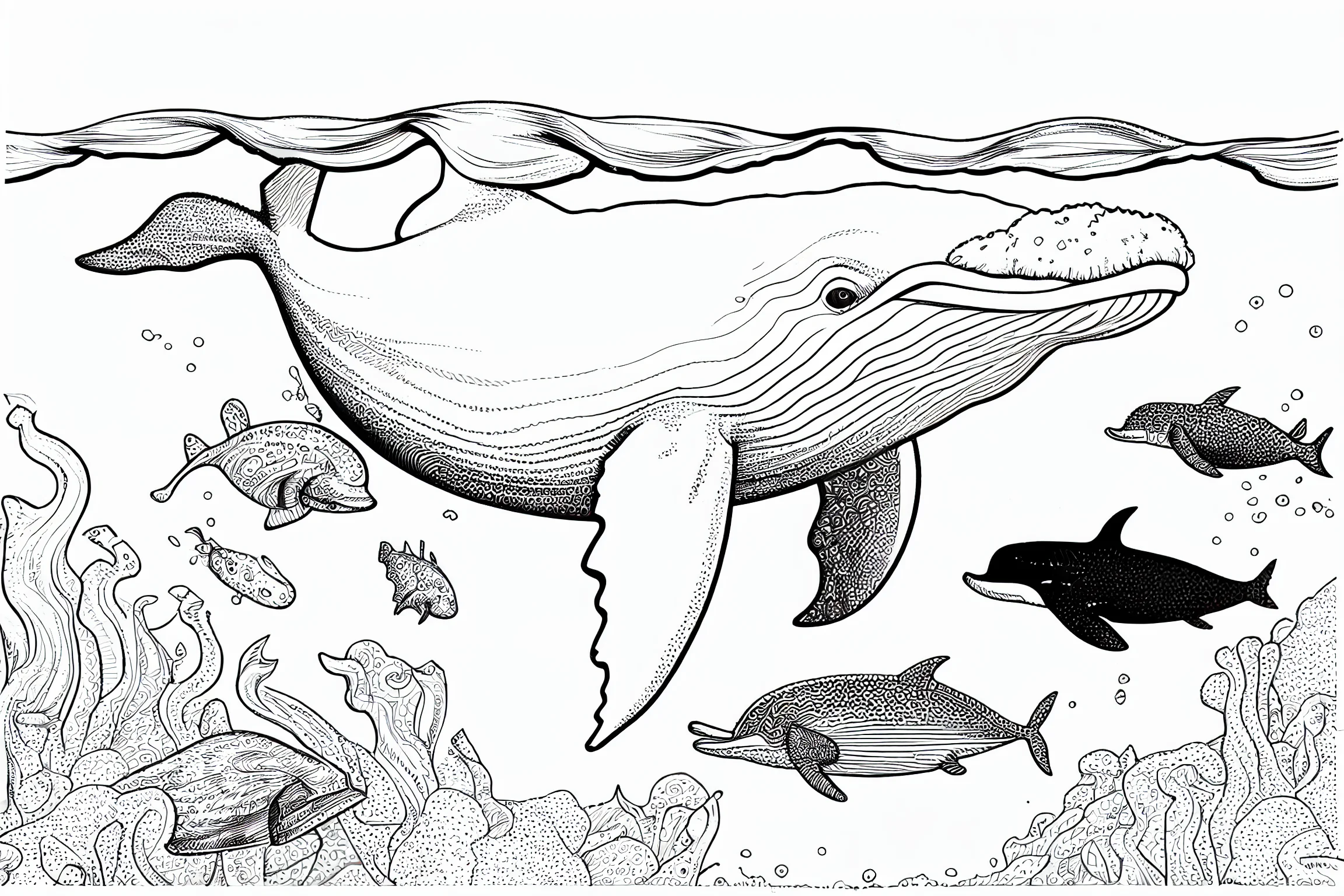
Open full-size sea animal coloring sheet 14
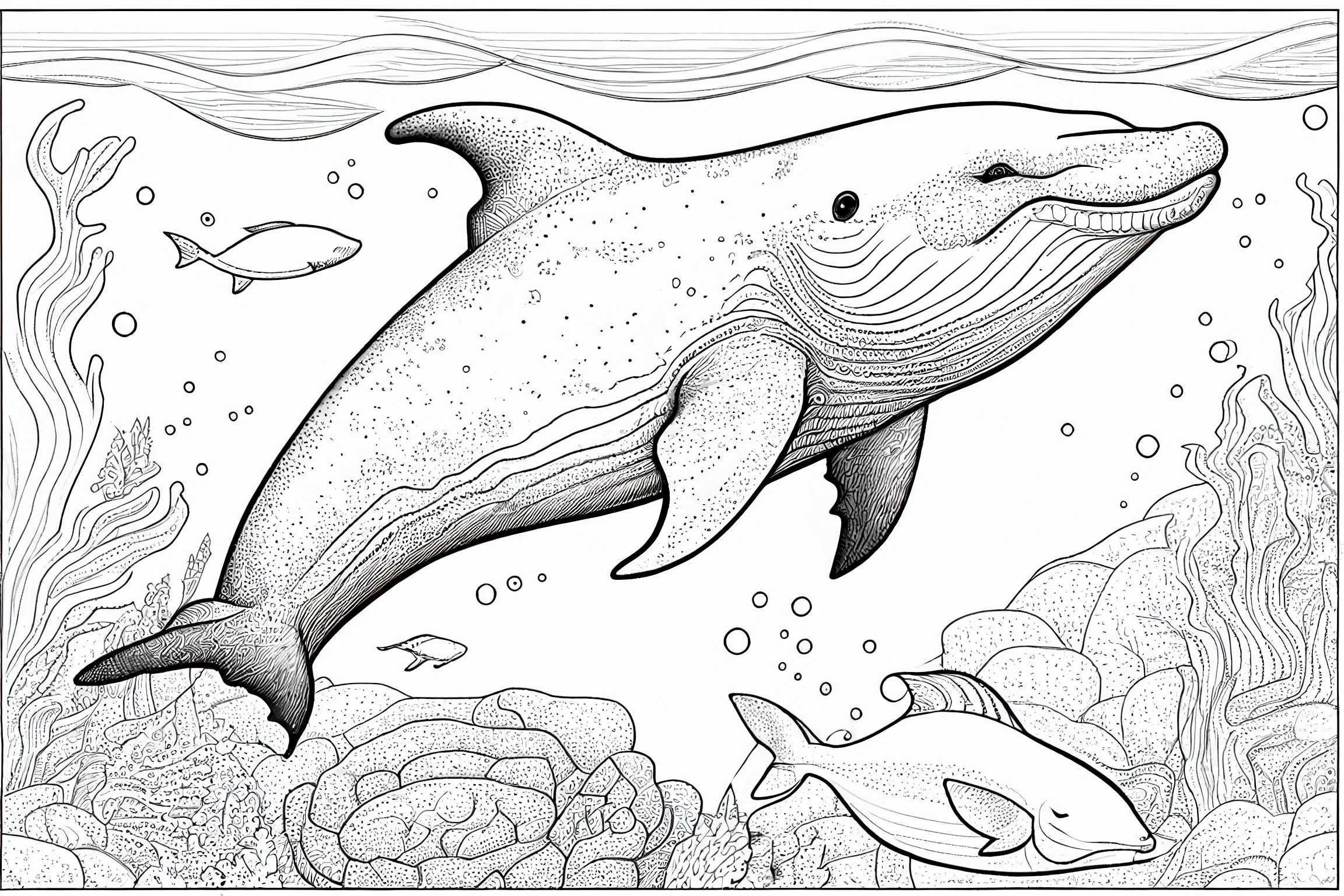
Open full-size sea animal coloring sheet 15
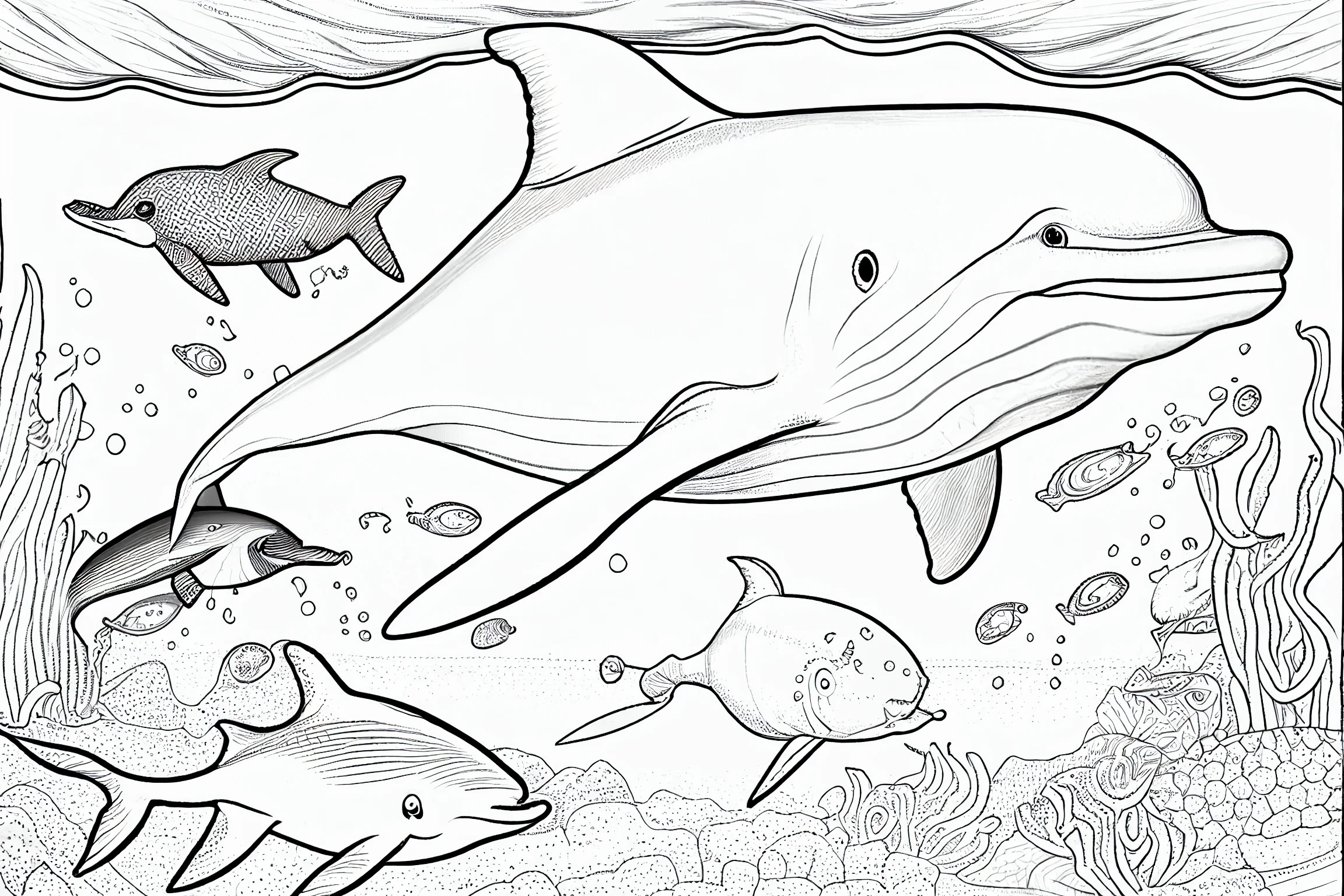
Open full-size sea animal coloring sheet 16
Detailed and realistic ocean pages — Sheets 17–20
Save these for pencils or fine markers. Instead of trying to finish every small detail immediately, establish the animal and the largest water shapes first, then work inward.
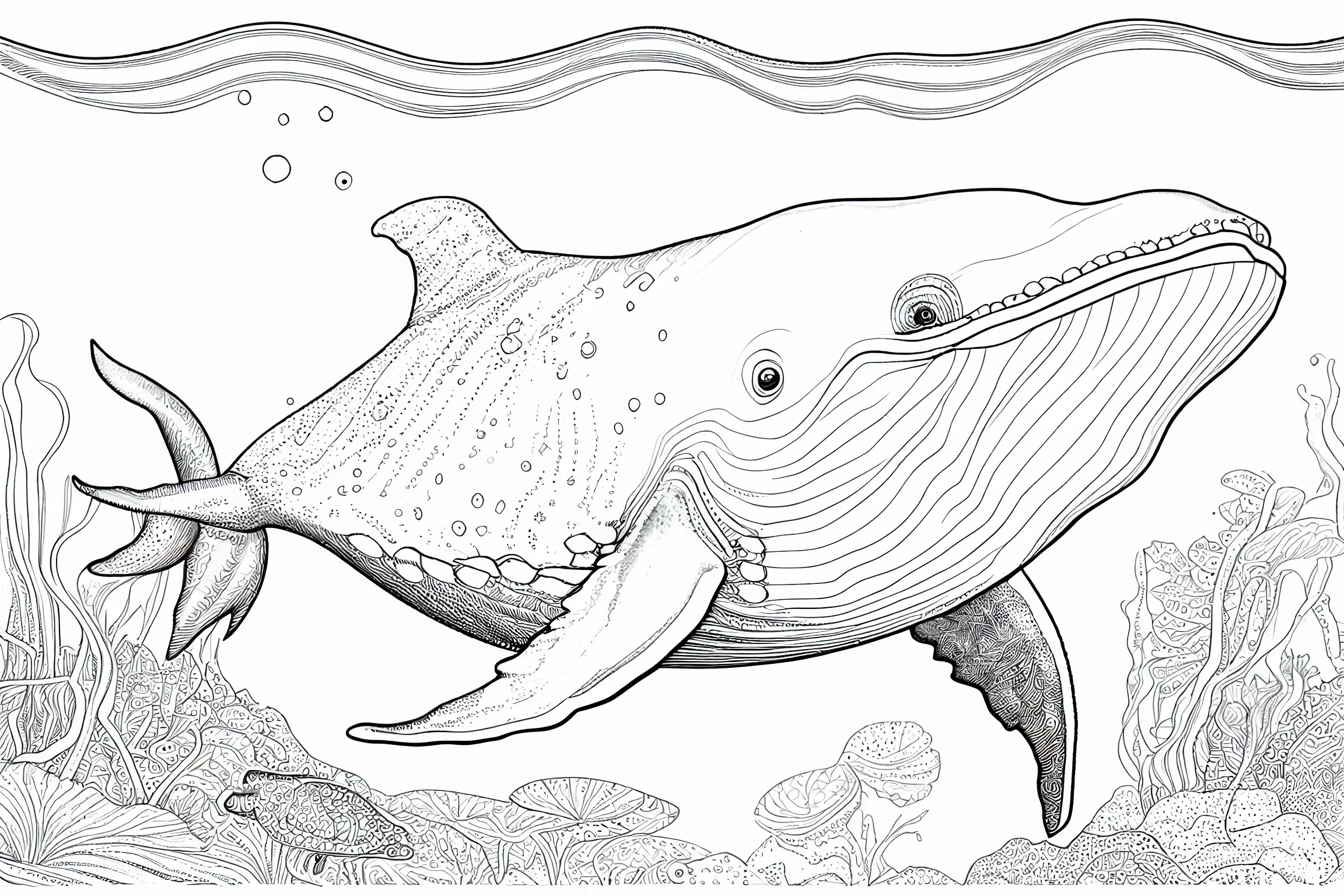
Open full-size sea animal coloring sheet 17
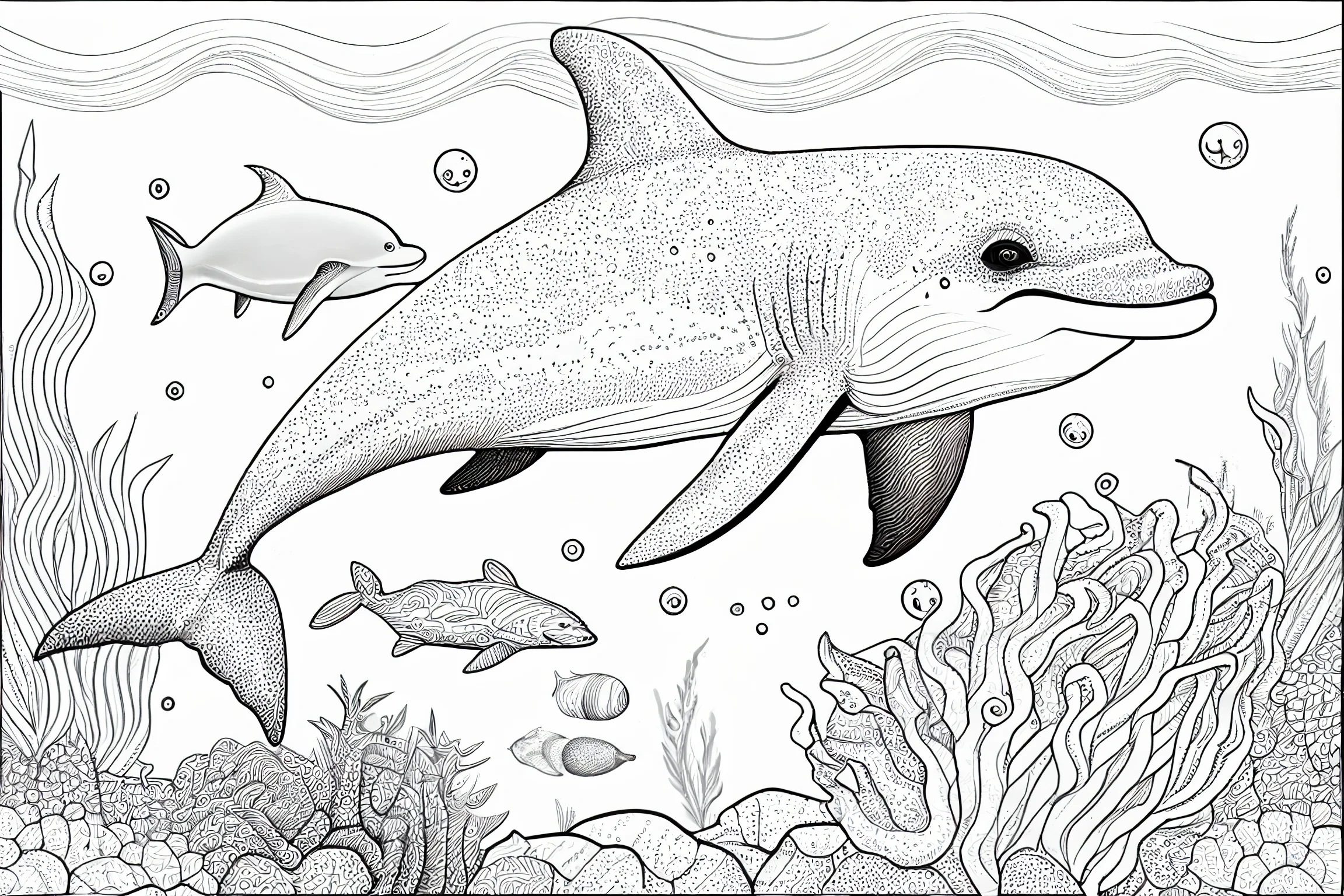
Open full-size sea animal coloring sheet 18
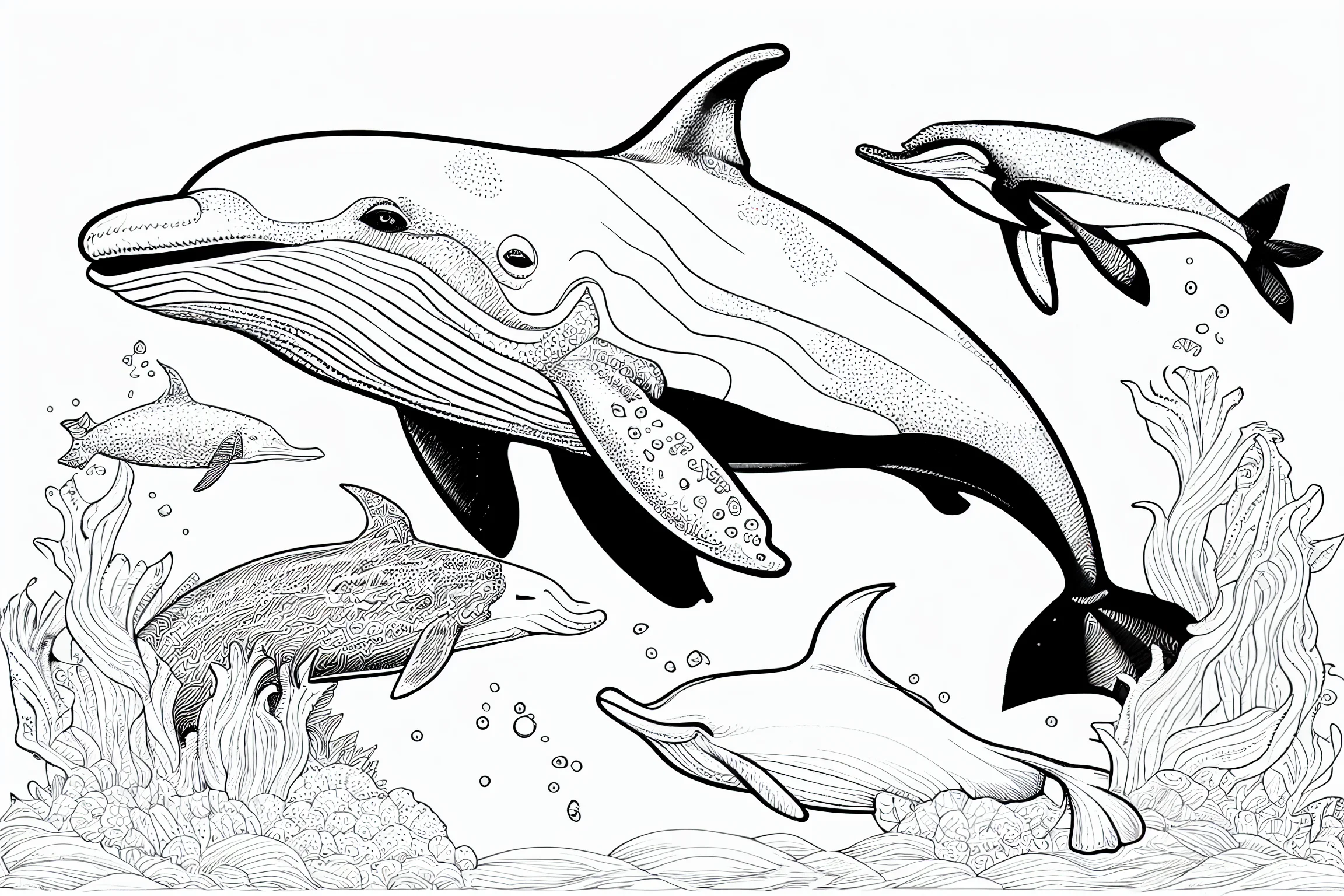
Open full-size sea animal coloring sheet 19
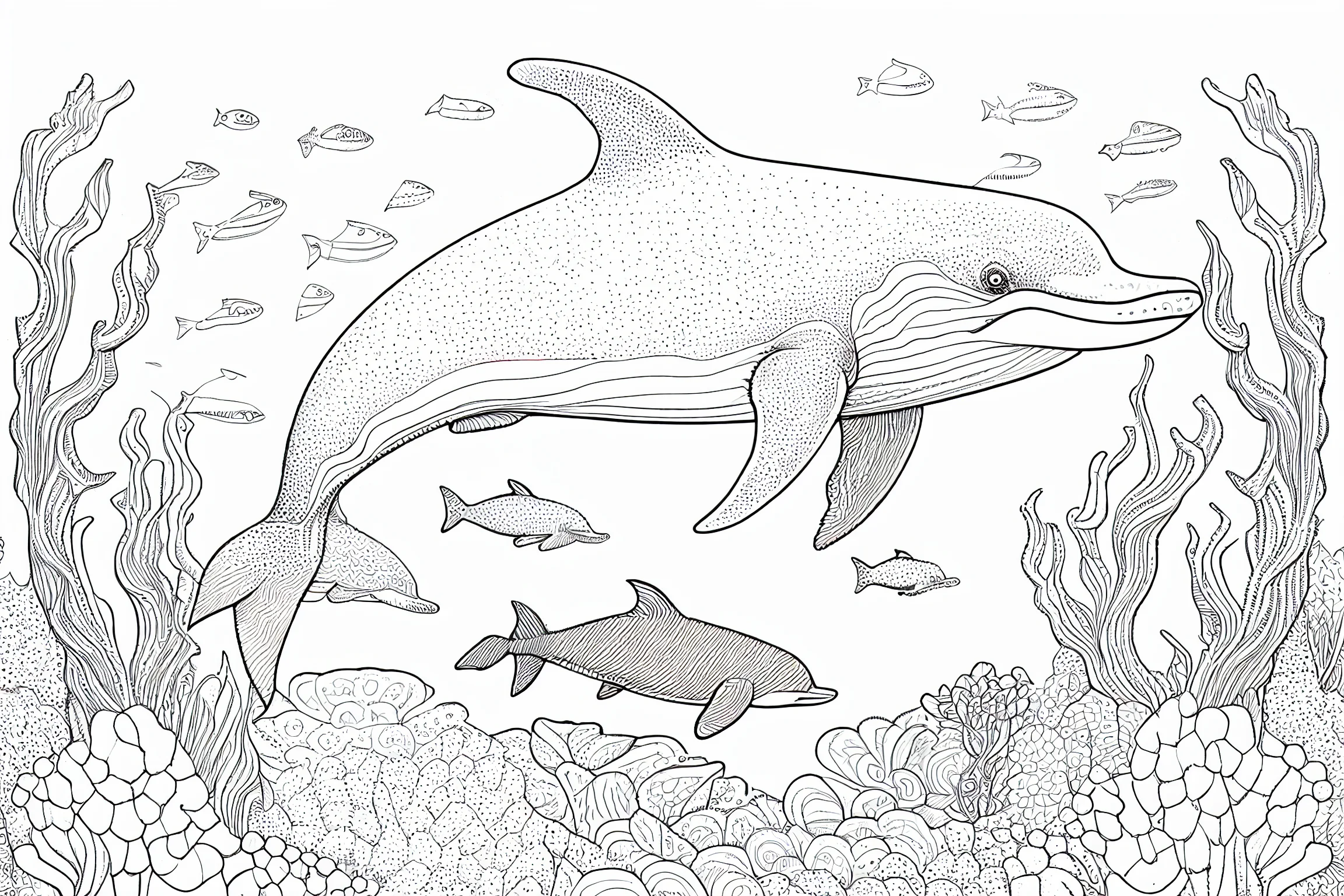
Open full-size sea animal coloring sheet 20
Sea animal coloring questions
Which pages are easiest for preschoolers?
Start with Sheets 1–6. They have the clearest, more open layouts and are the easiest group to use with crayons.
Does all the water have to be blue?
No. Blue-green, pale turquoise, gray-blue and even mostly white water can work. The important thing is that the animal does not disappear into a background with the same darkness and color.
How do I make an underwater scene look less busy?
Use fewer colors, not more. Give the main animal one color family, the water another, and repeat two or three accent colors on coral or plants. Leaving some tiny background areas white is completely fine.
Where should I go for one specific sea animal?
Try the orca pages, octopus pages, narwhal pages, sea turtle pages or shark pages. Those collections are better when the species matters more than having a mixed ocean set.

