
This is the broadest animal gallery on the site: 25 printable sheets mixing farm animals, zoo species, jungle animals, wildlife and easier child-friendly designs. If you do not yet know whether you want a lion, duck, bear, elephant or farm animal, this is the best place to browse first.
Use this page as the animal-coloring starting point
The more focused collections below exist for a reason. Rather than opening five near-identical galleries, use this table to jump directly to the type of page you actually want.
| If you want… | Best collection |
|---|---|
| A broad mix of farm, zoo and jungle animals | Stay on this page |
| Young bears, elephants, lions and other wildlife | Baby wild animal coloring pages |
| Rabbits, ducklings, foxes and a softer cute style | Cute baby animal coloring pages |
| Full scenes with trees, water, grass and habitat detail | Animal habitat coloring pages |
| More natural anatomy and markings | Realistic animal coloring pages |
| Very cute portrait-style animals | Cute animal coloring pages |
Choose by difficulty
- Easy: one large animal, thick outlines and little background detail.
- Medium: more fur, feathers, facial features or small decorative elements.
- Detailed: smaller sections, scenery or more realistic line work that benefits from colored pencils.
For crayons, start with the easy pages because broad areas are faster to fill. For colored pencils, the more detailed sheets give you room to shade fur, ears, feathers and backgrounds without covering the line work.
Before you print
Open the image you want at full size and print it using “Fit to page.” Most sheets in this gallery are landscape-oriented, so landscape mode is usually the best first choice on A4 or US Letter paper. If a sheet is cropped or spreads across several pages, see our Print & Save Help.
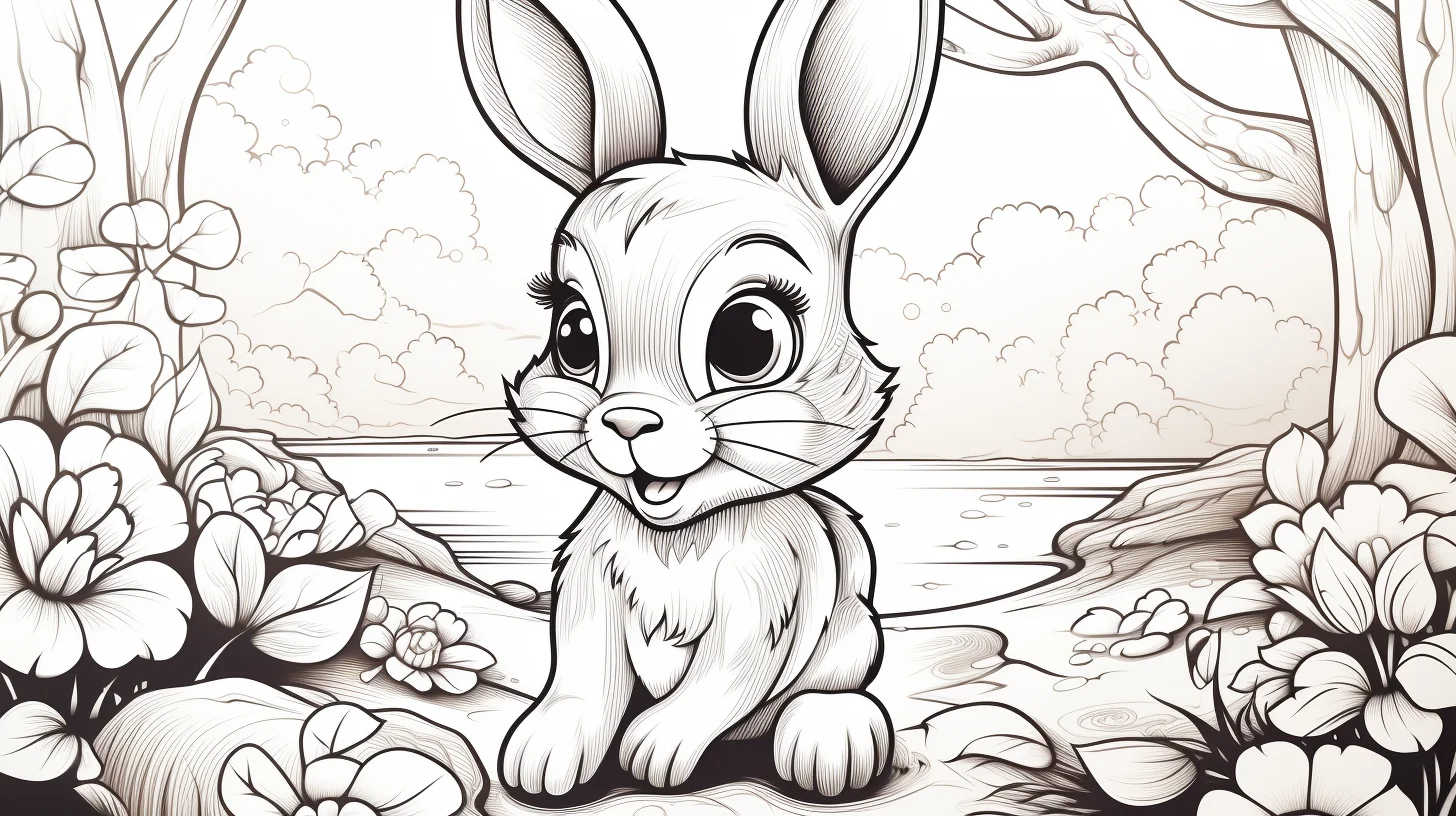
Open full-size animal collection page 1
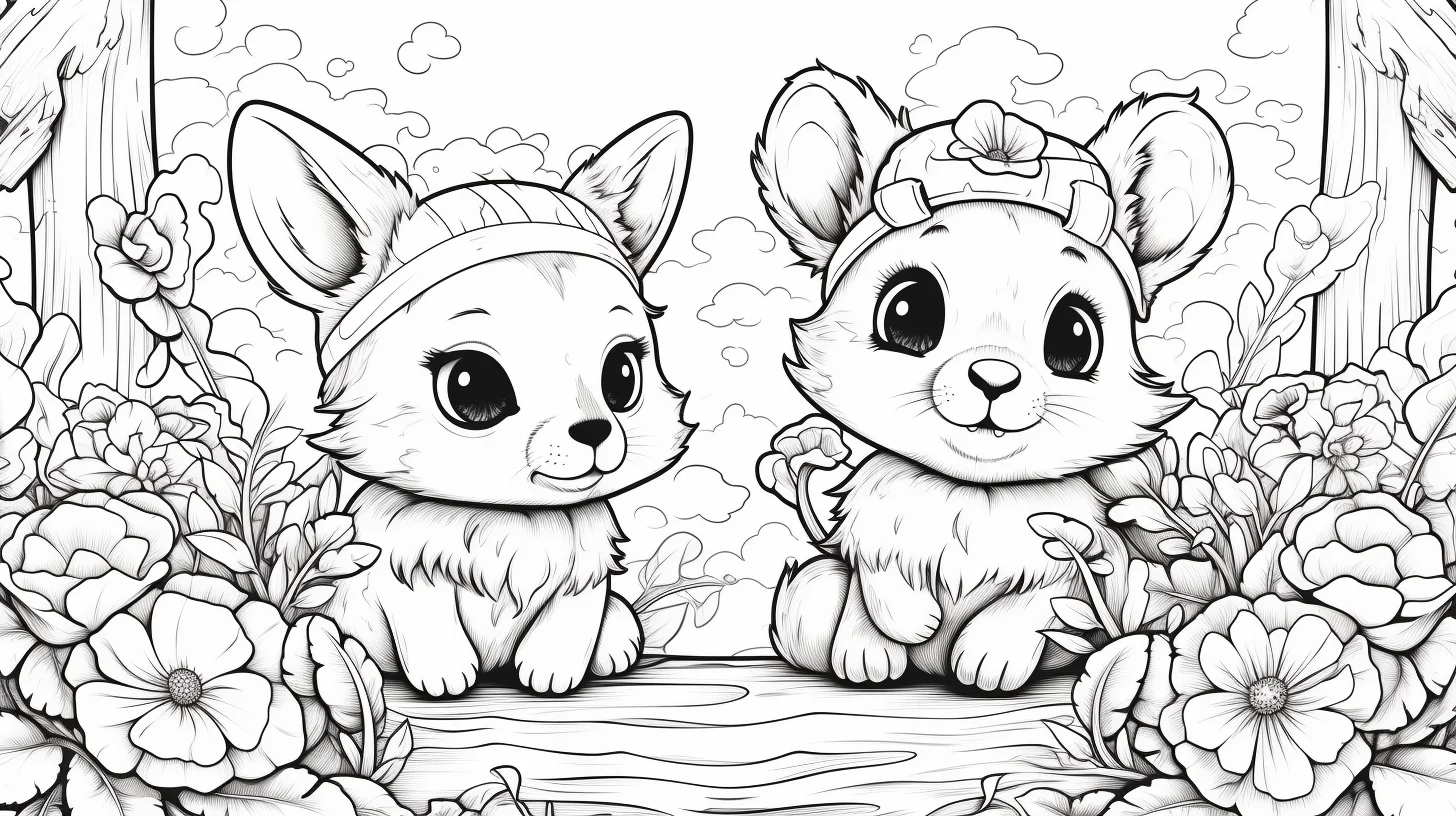
Open full-size animal collection page 2
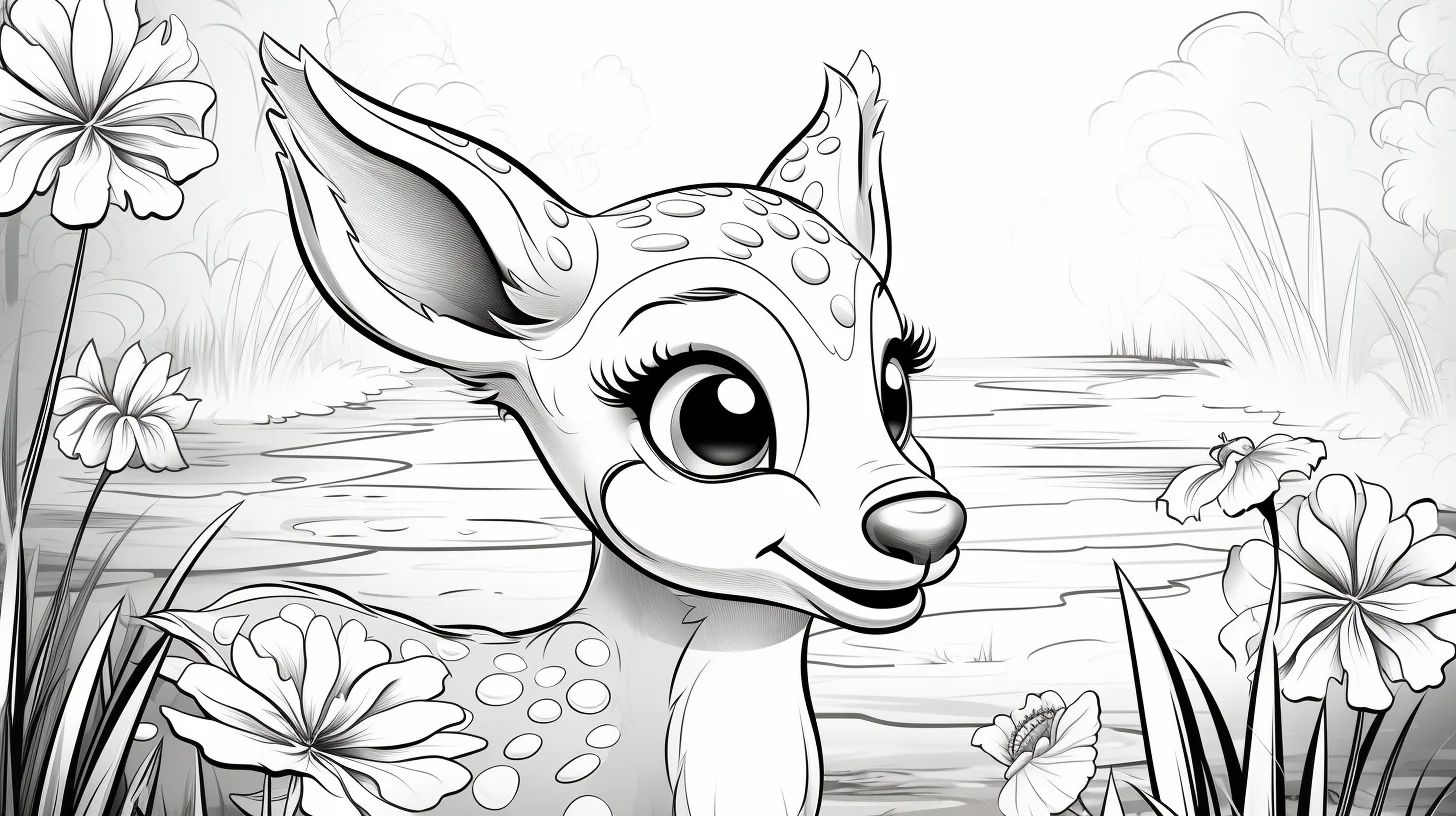
Open full-size animal collection page 3
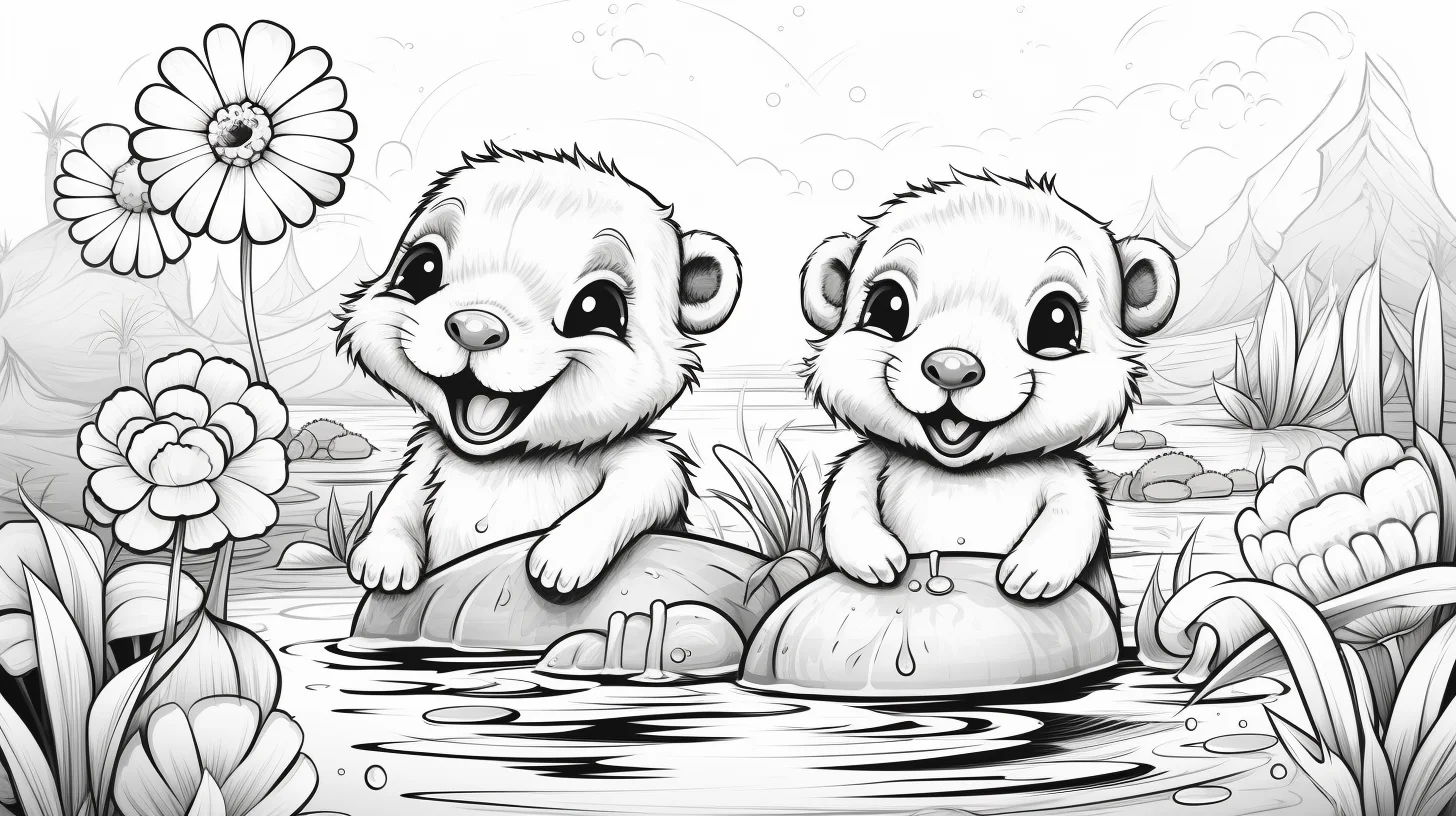
Open full-size animal collection page 4
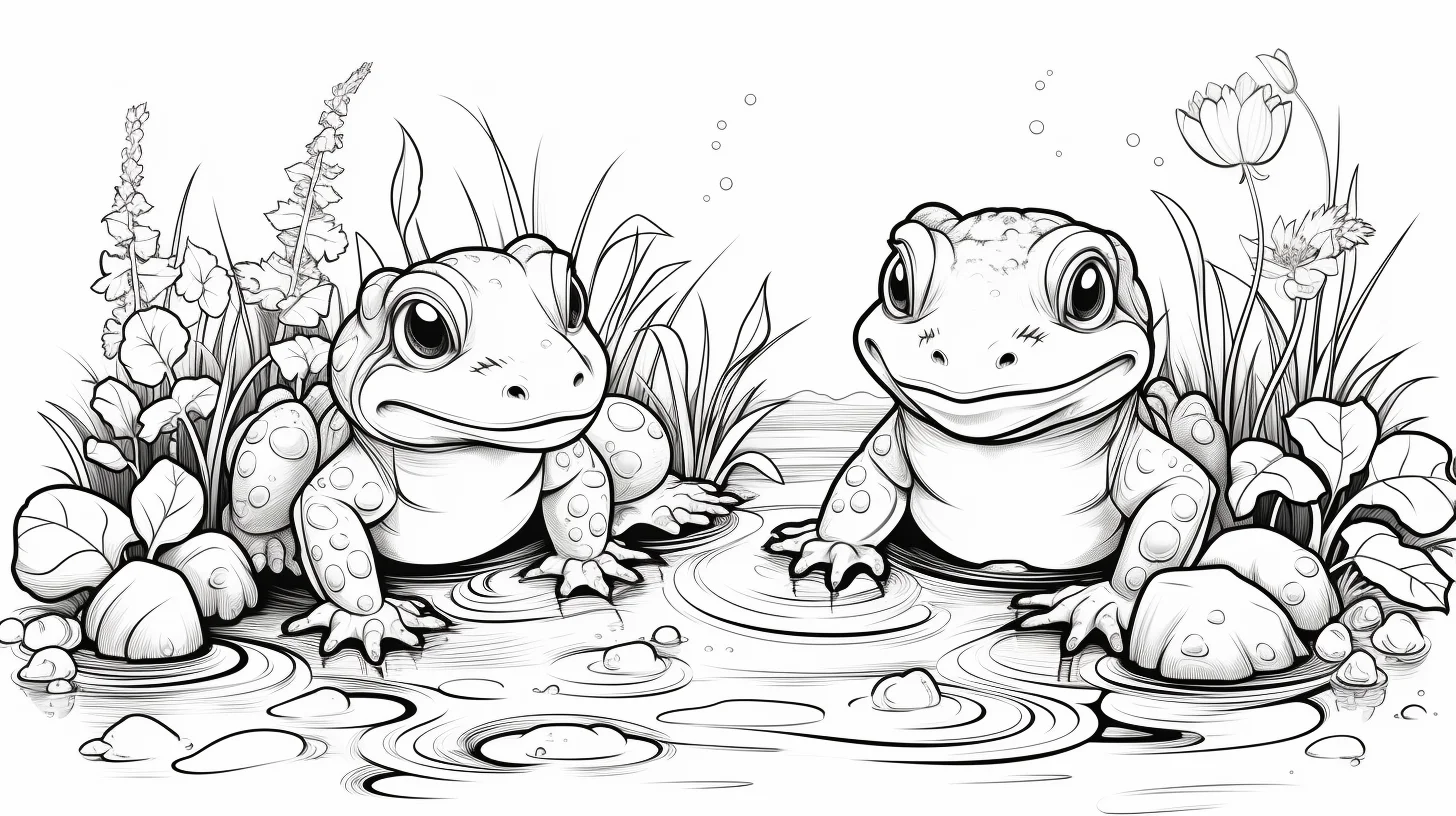
Open full-size animal collection page 5
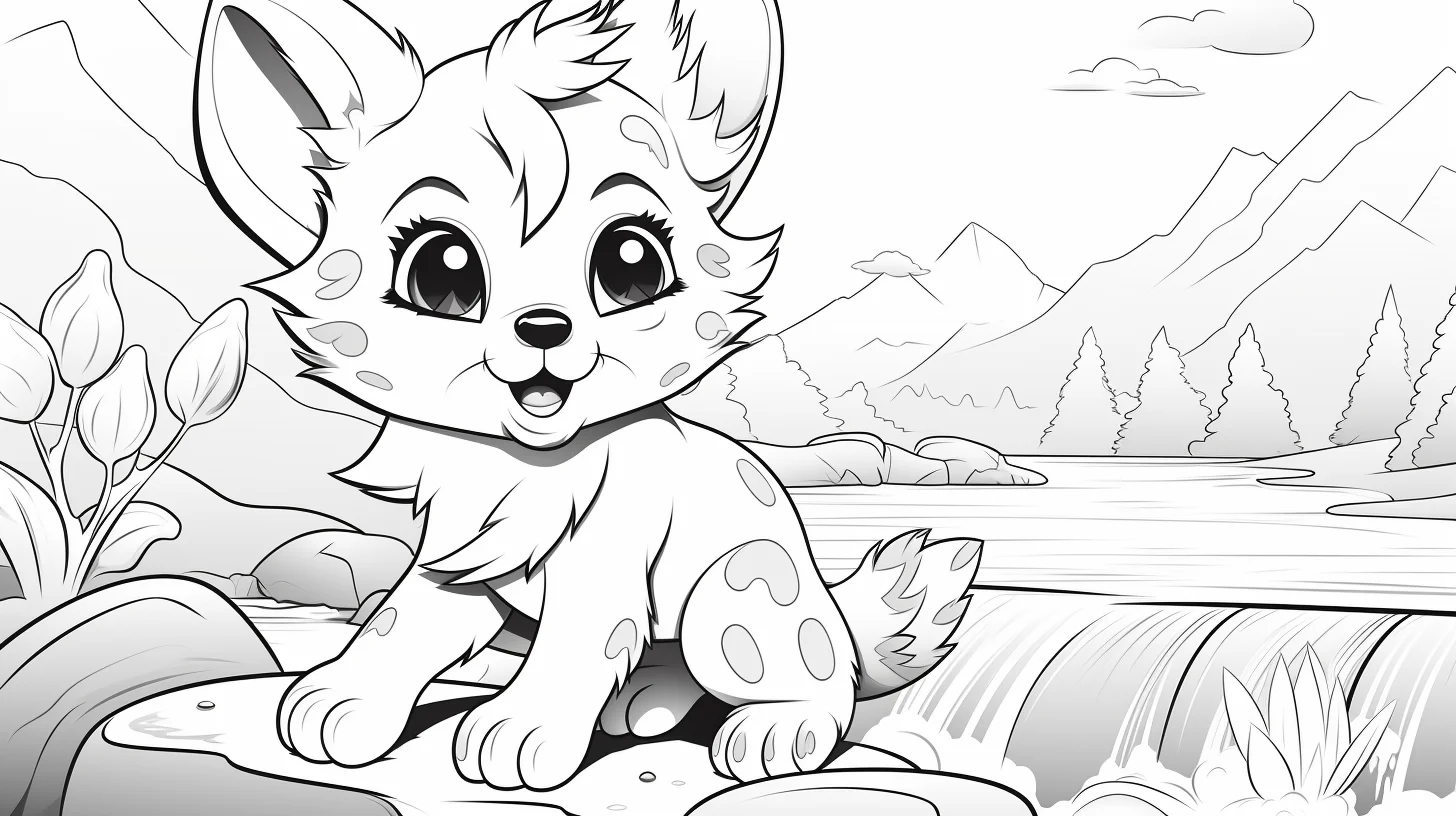
Open full-size animal collection page 6
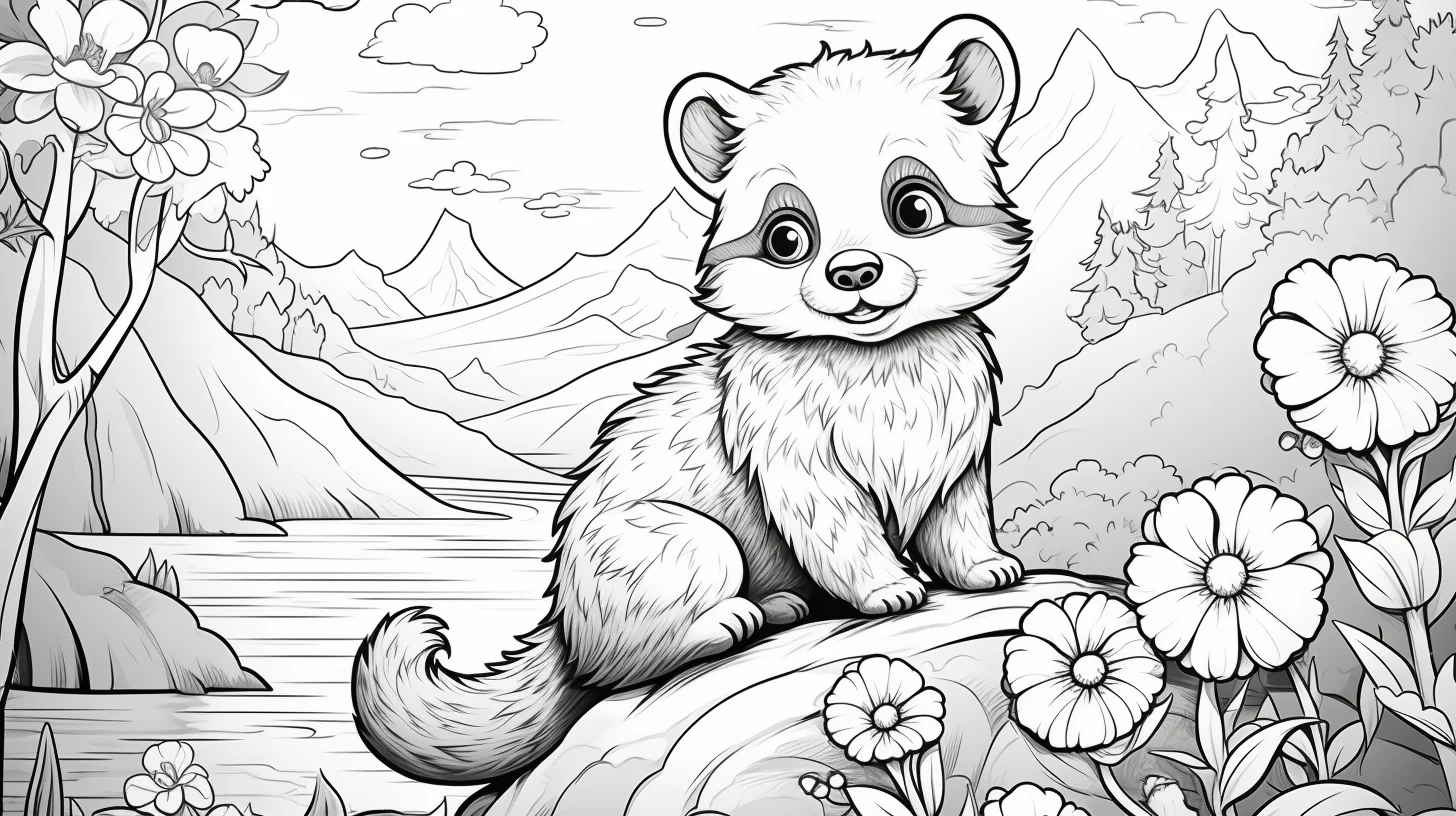
Open full-size animal collection page 7
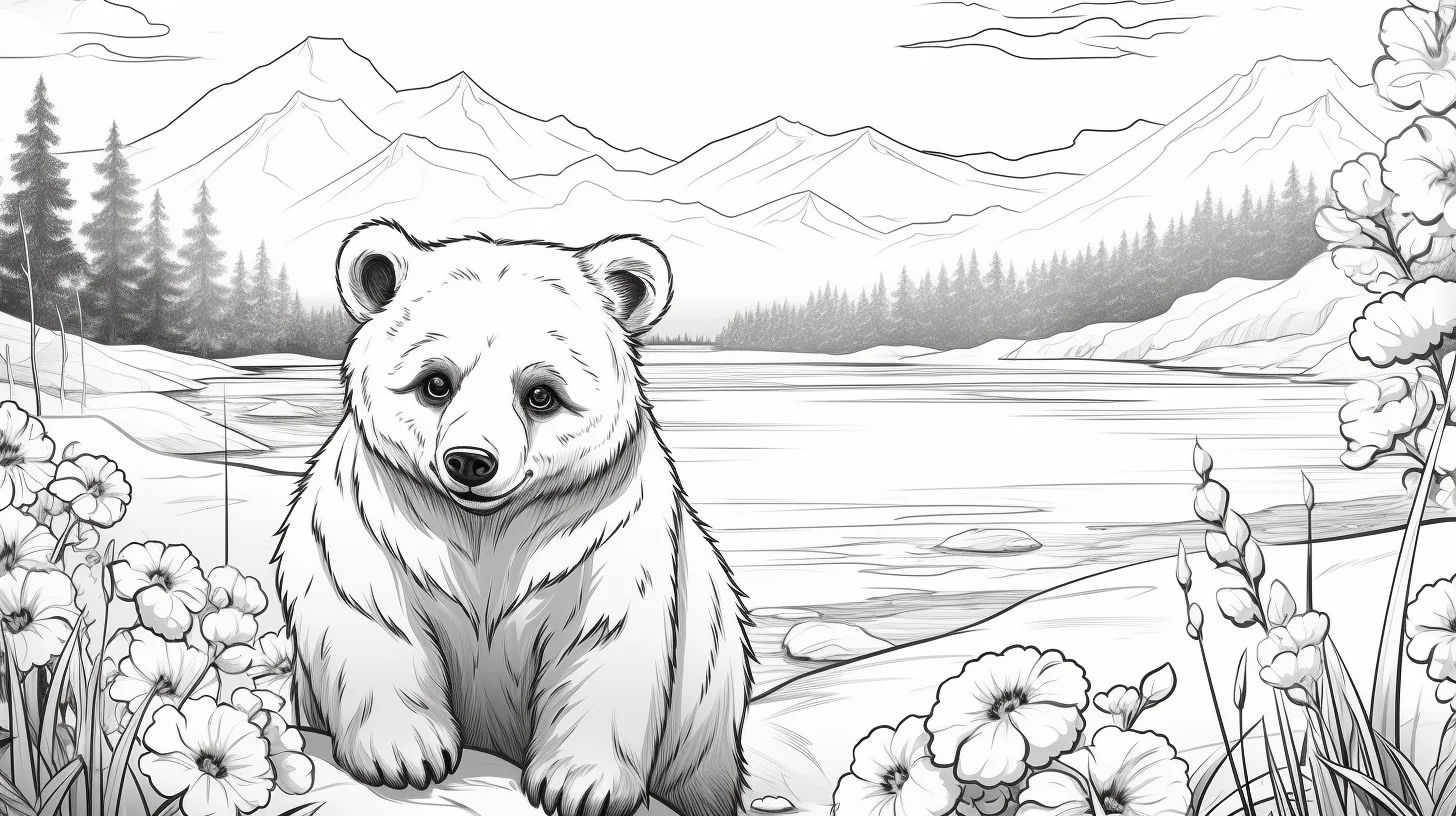
Open full-size animal collection page 8
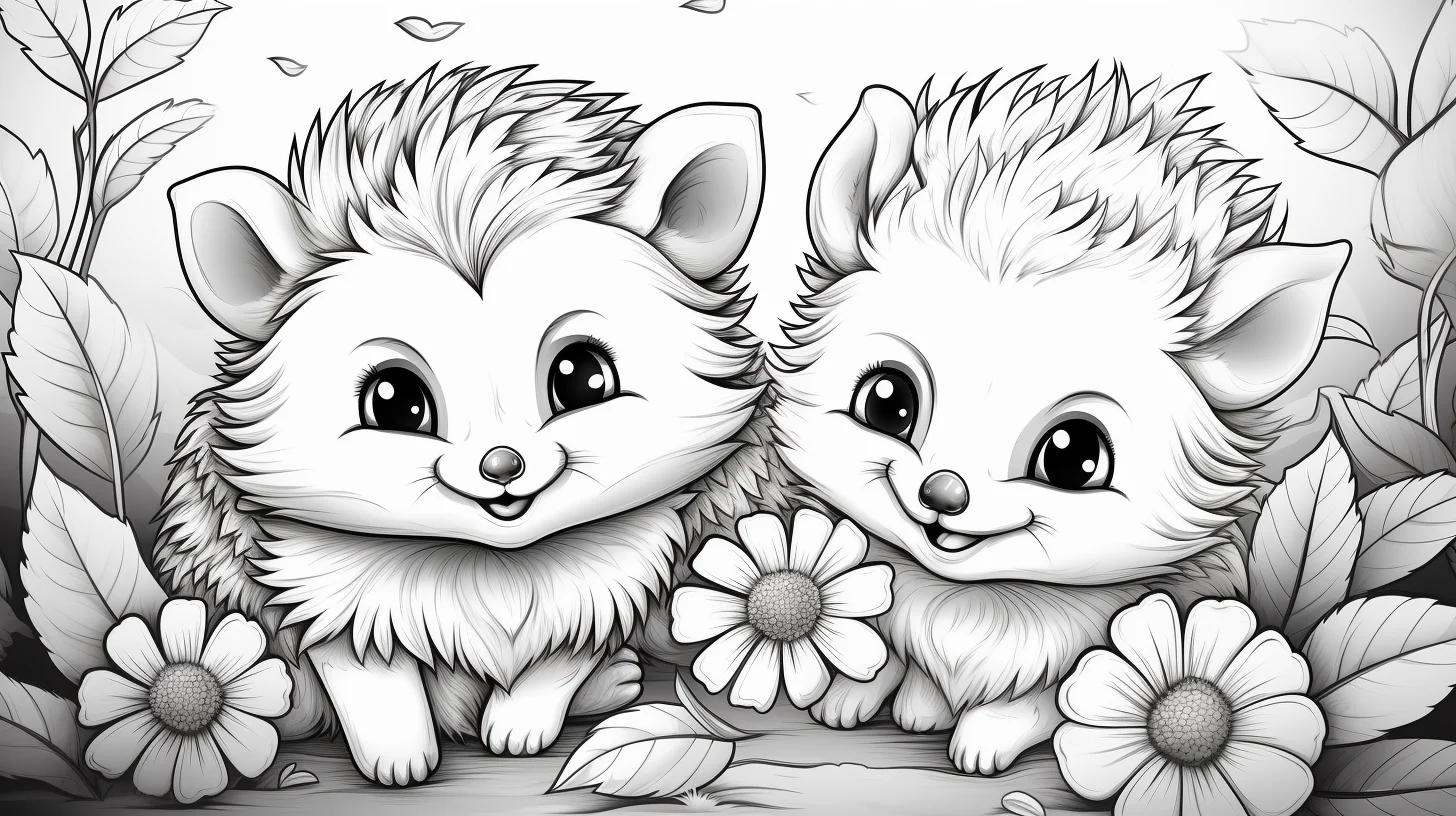
Open full-size animal collection page 9
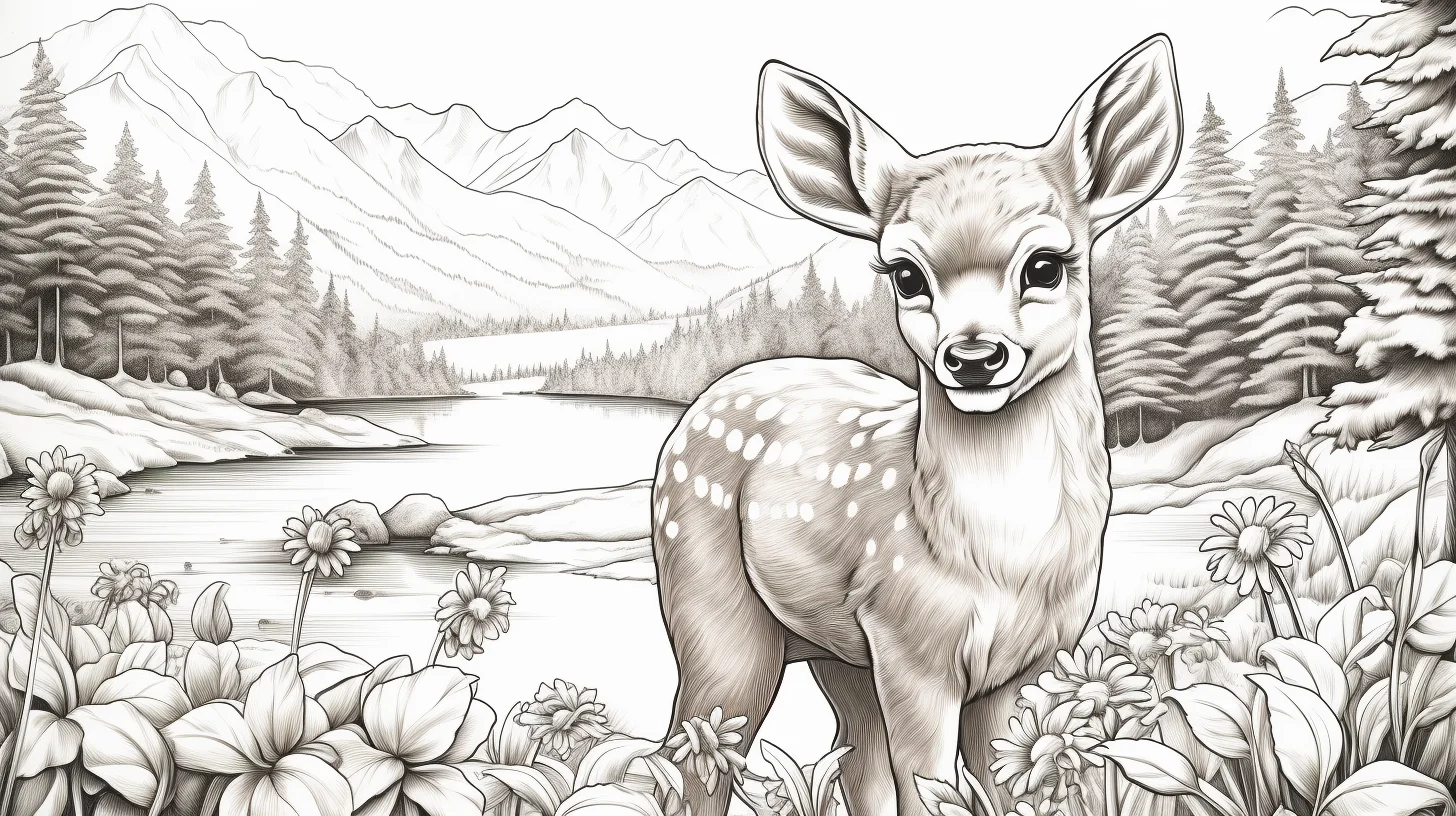
Open full-size animal collection page 10

Open full-size animal collection page 11
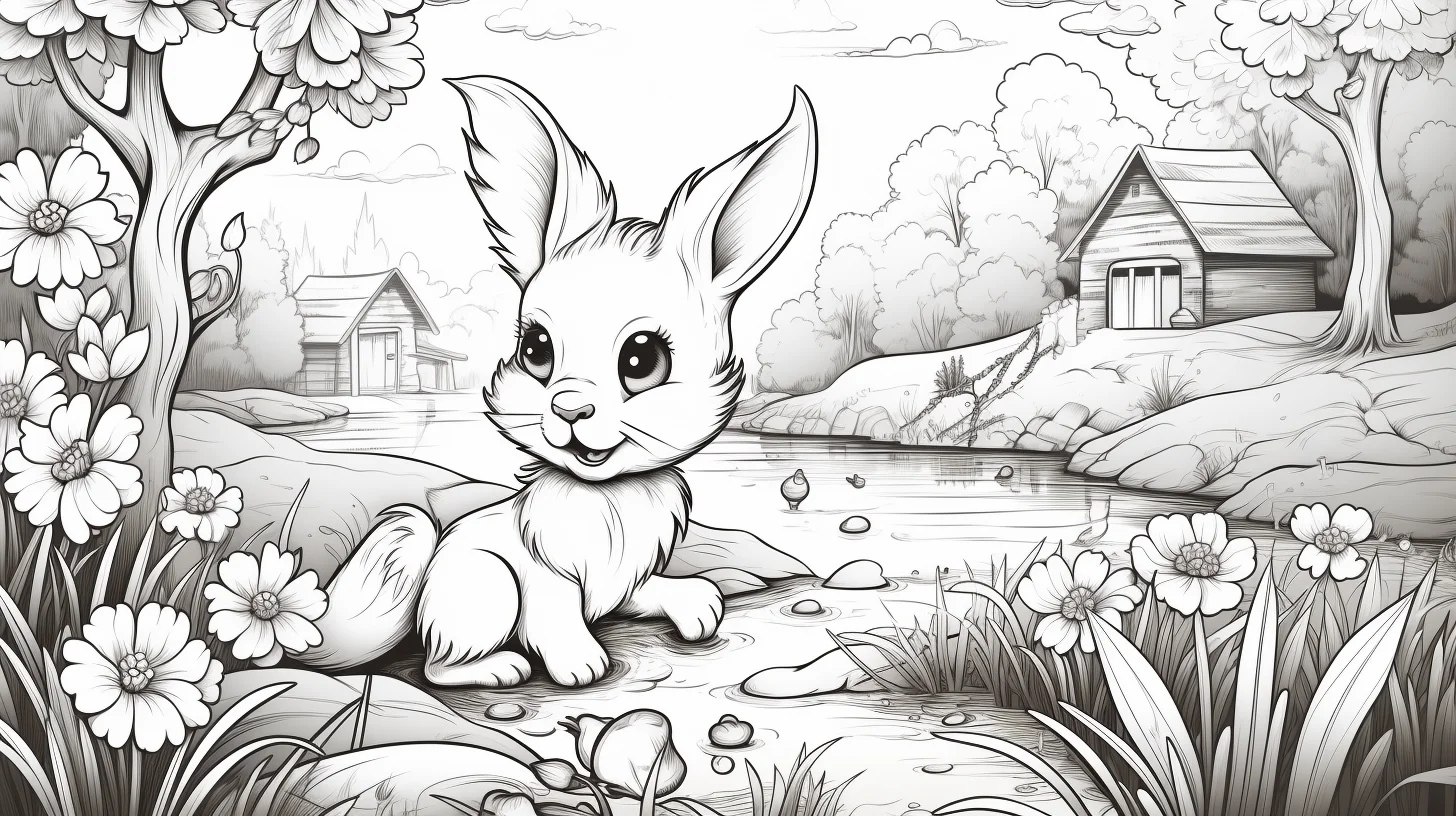
Open full-size animal collection page 12
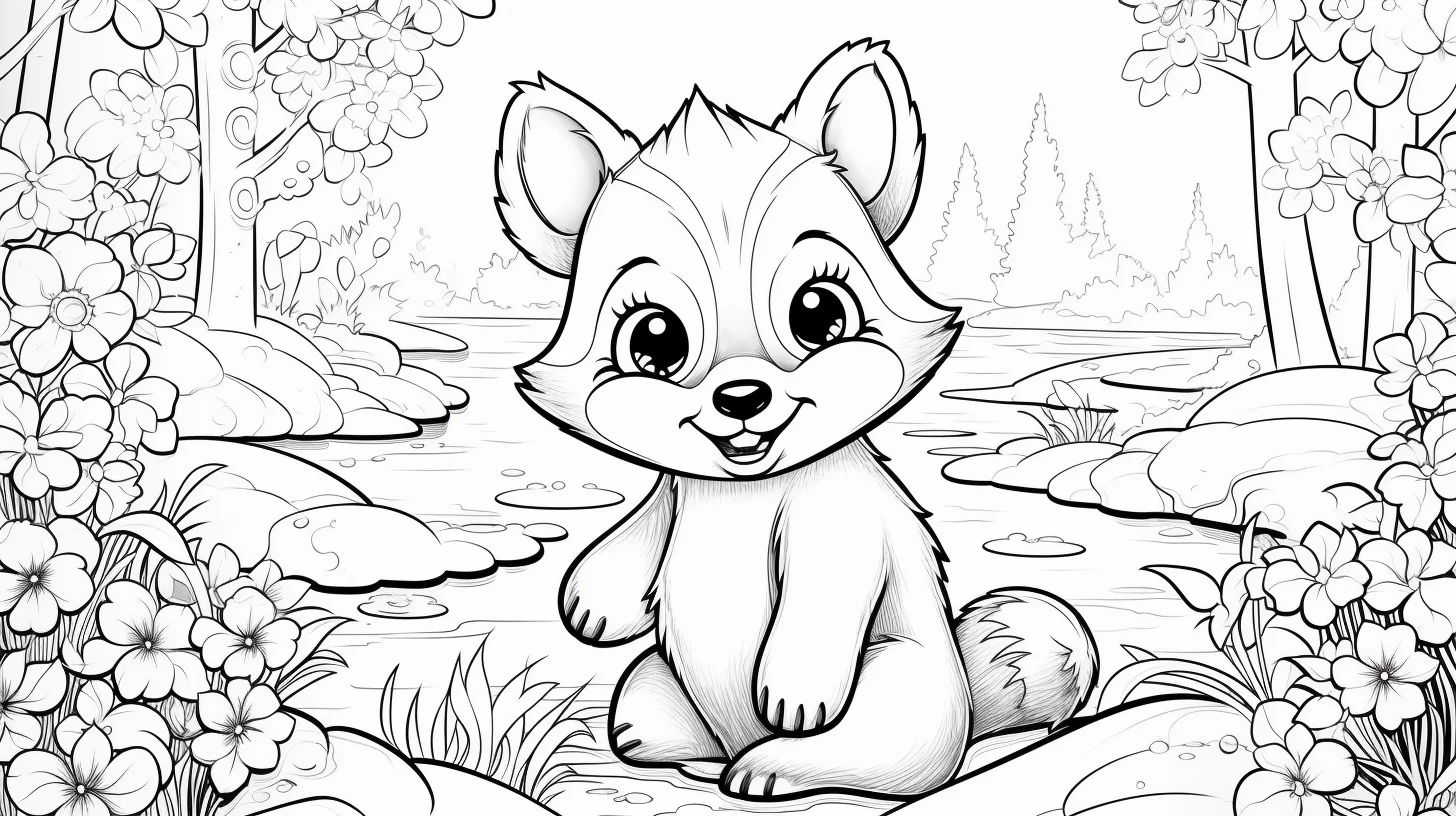
Open full-size animal collection page 13
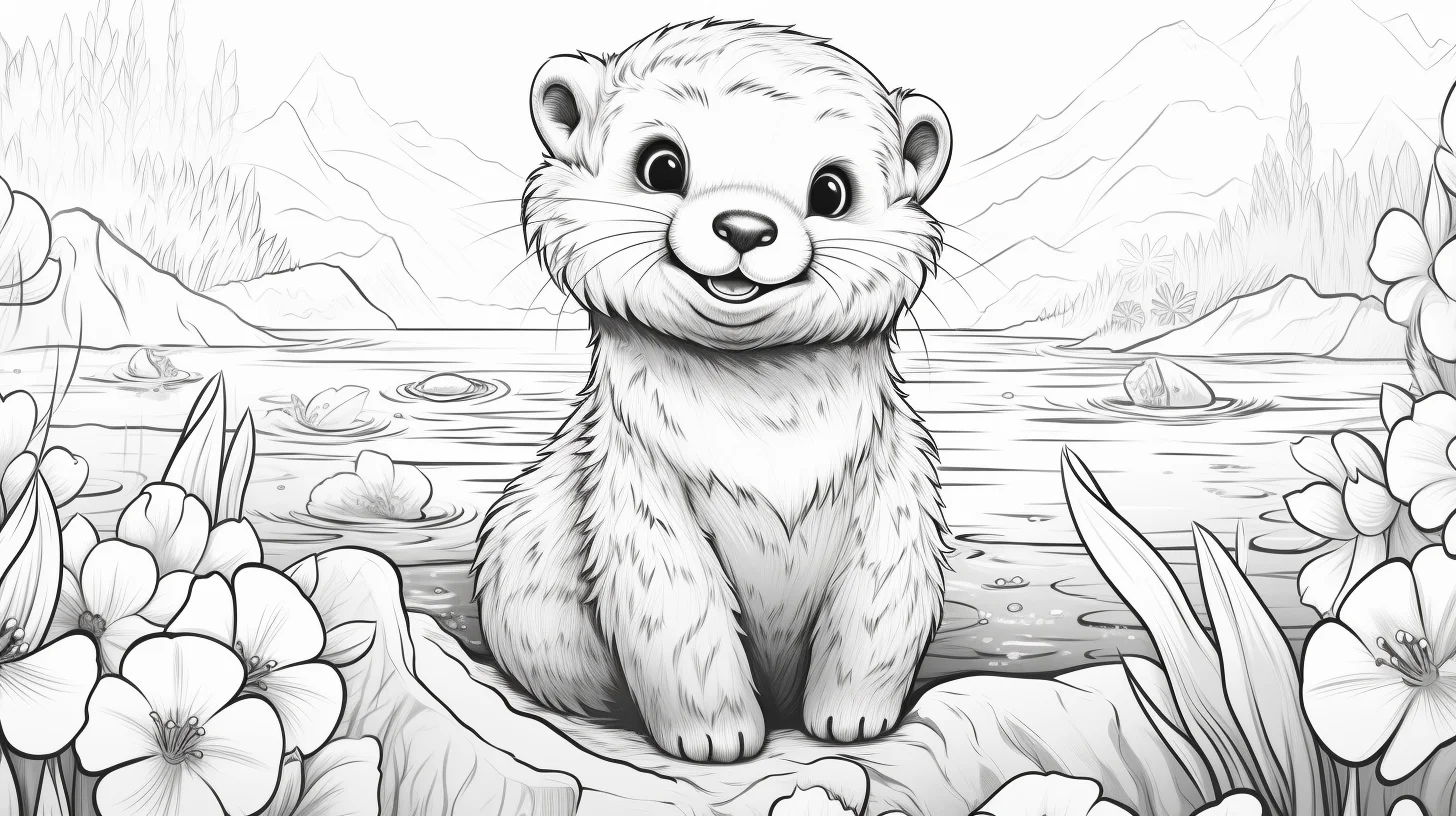
Open full-size animal collection page 14
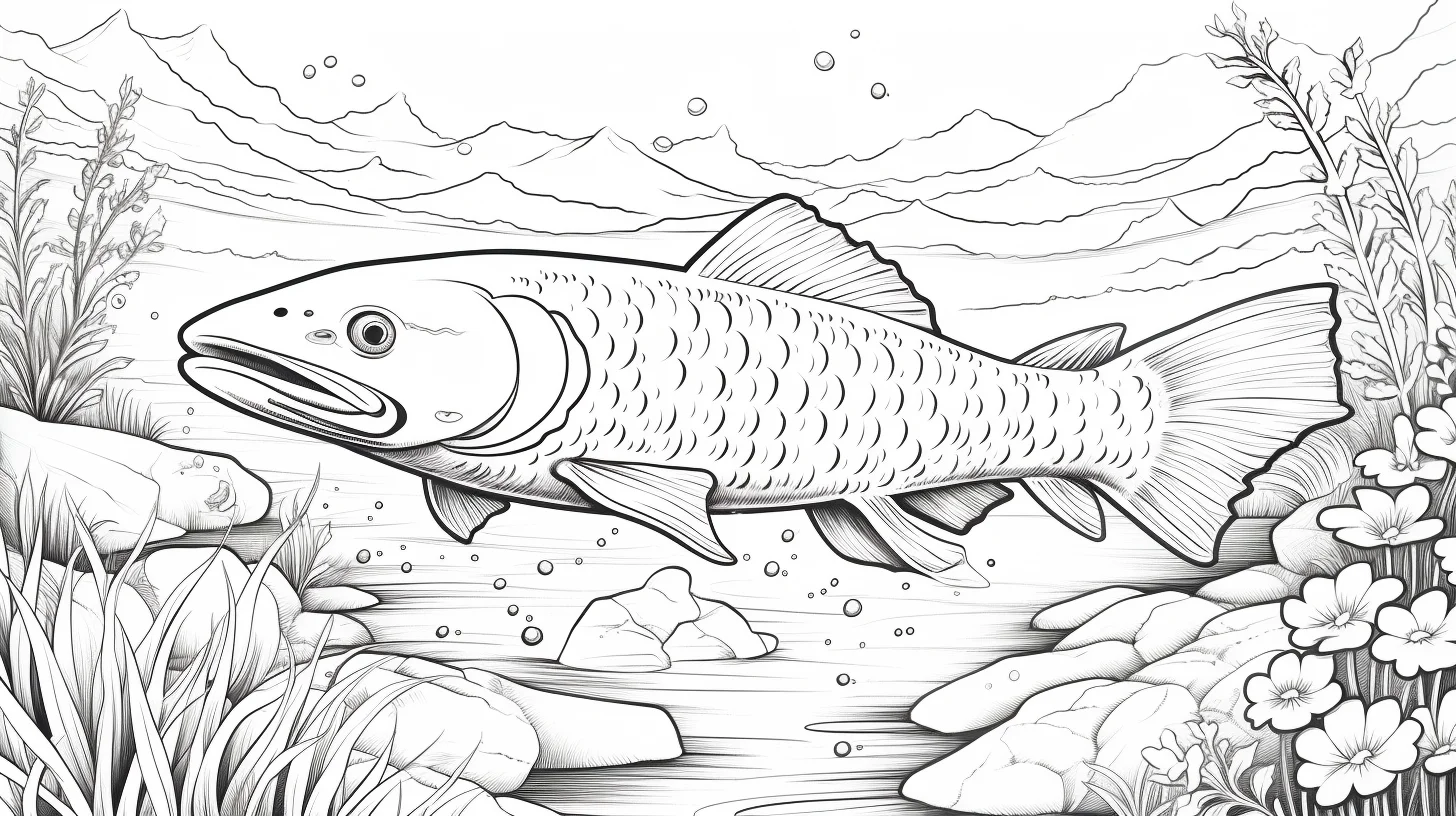
Open full-size animal collection page 15
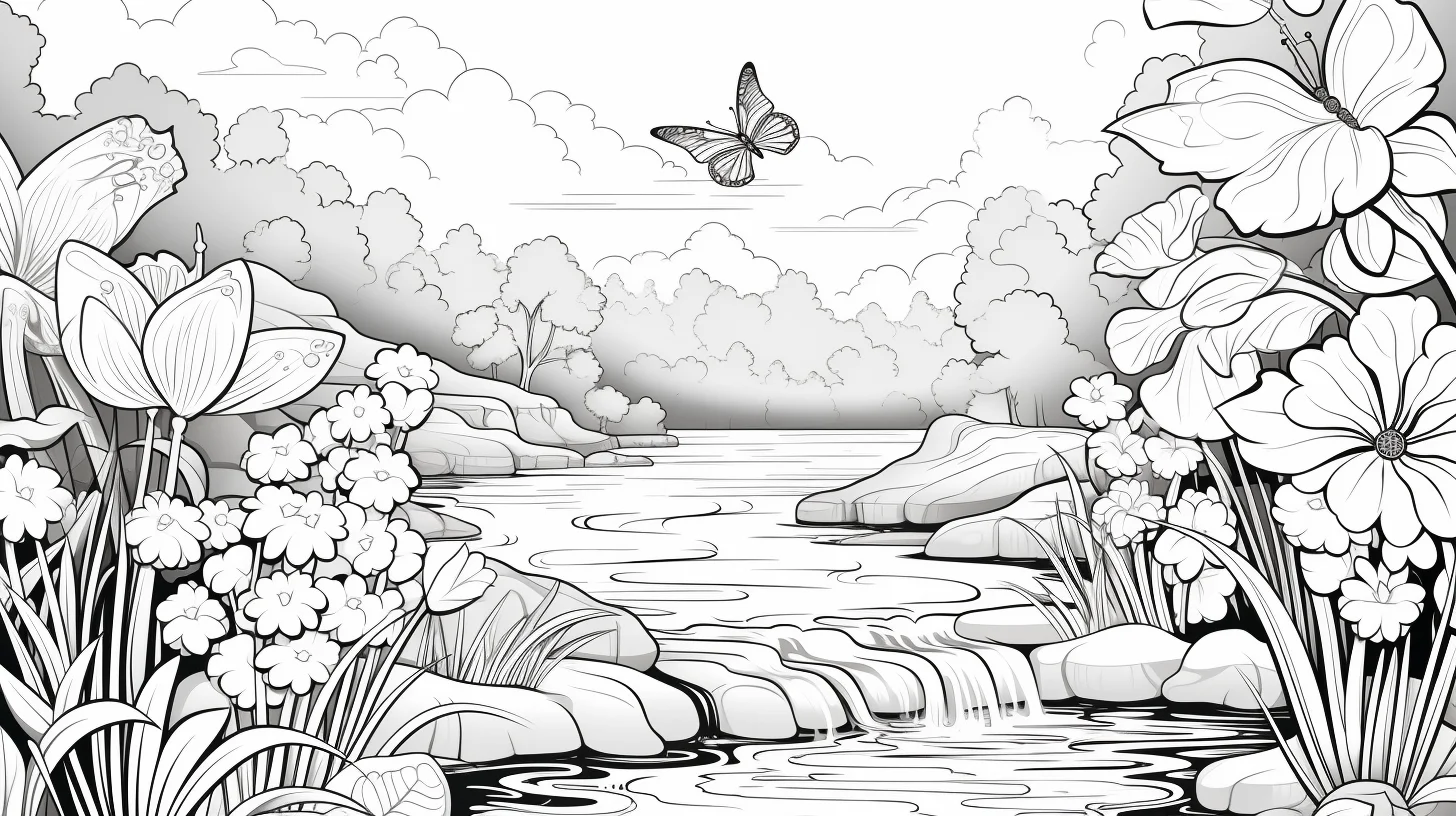
Open full-size animal collection page 16

Open full-size animal collection page 17
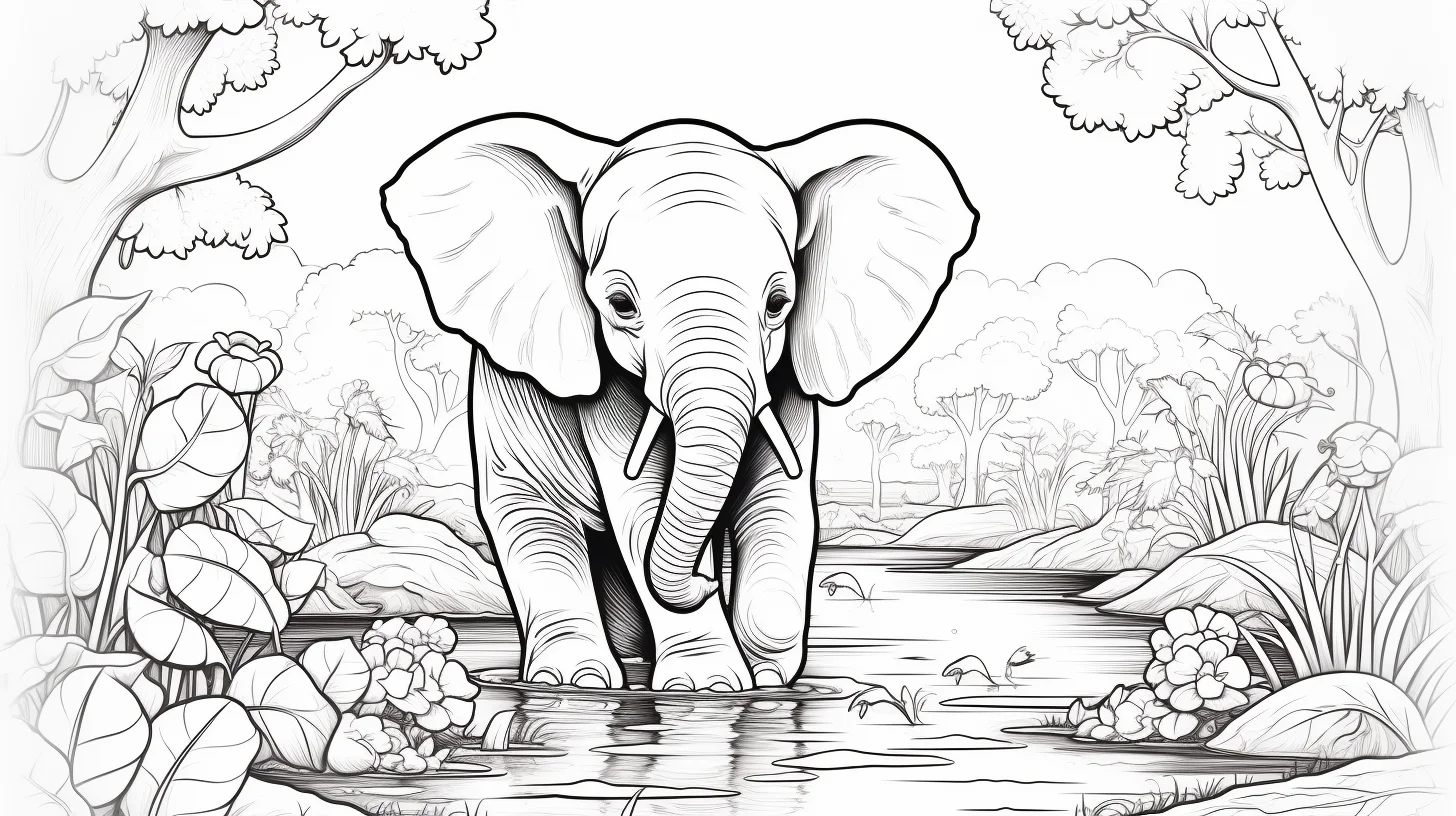
Open full-size animal collection page 18
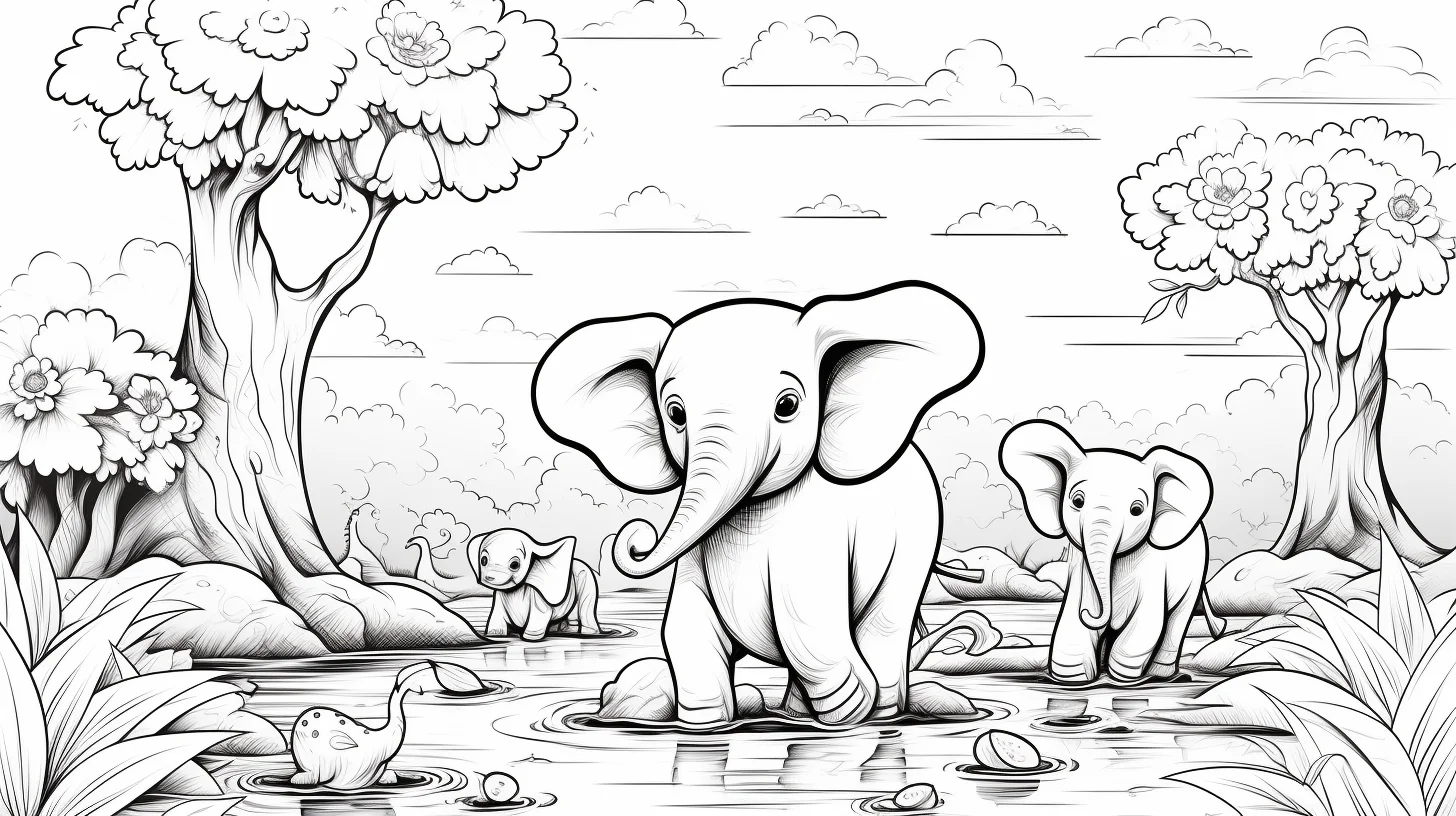
Open full-size animal collection page 19
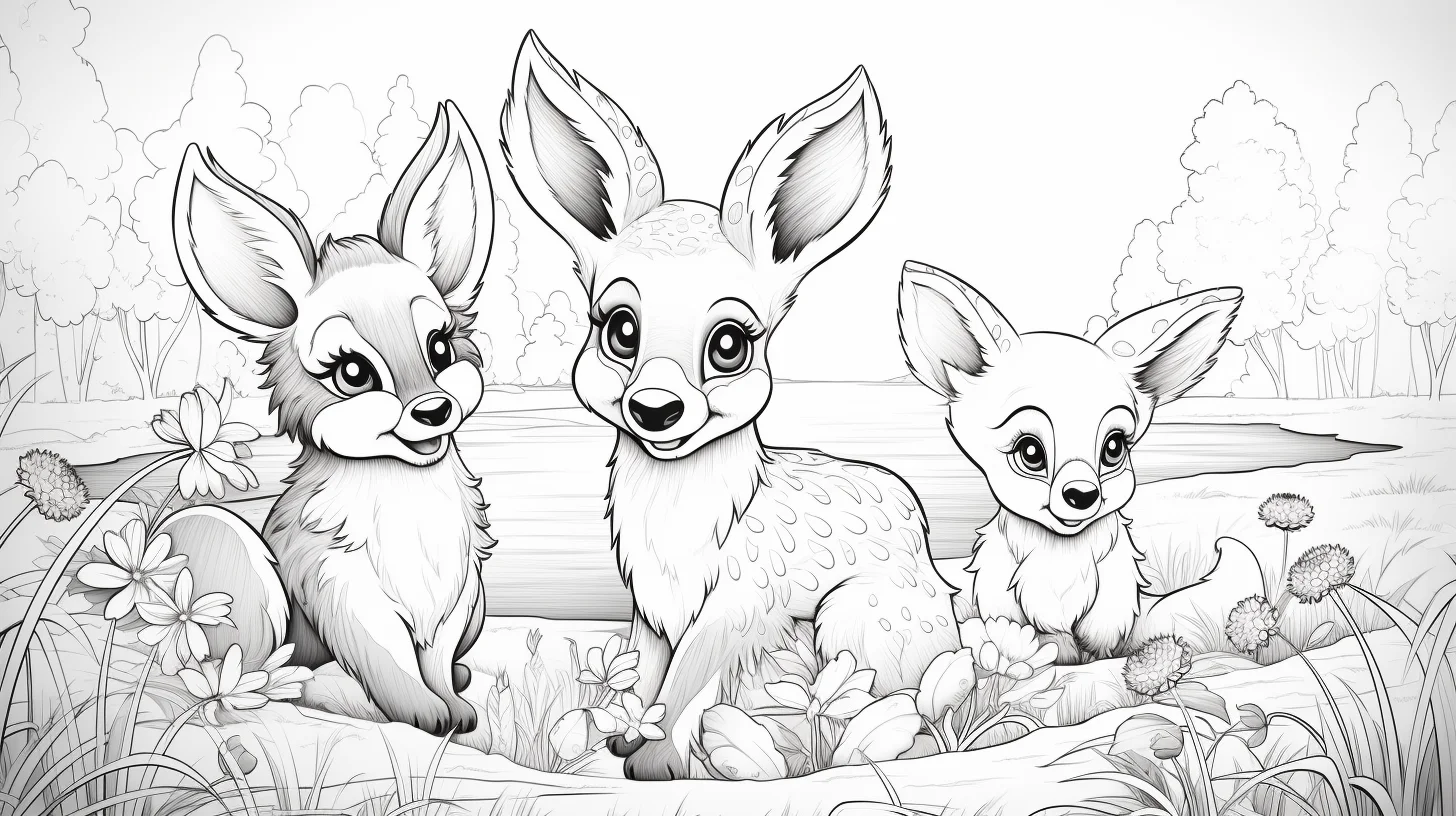
Open full-size animal collection page 20
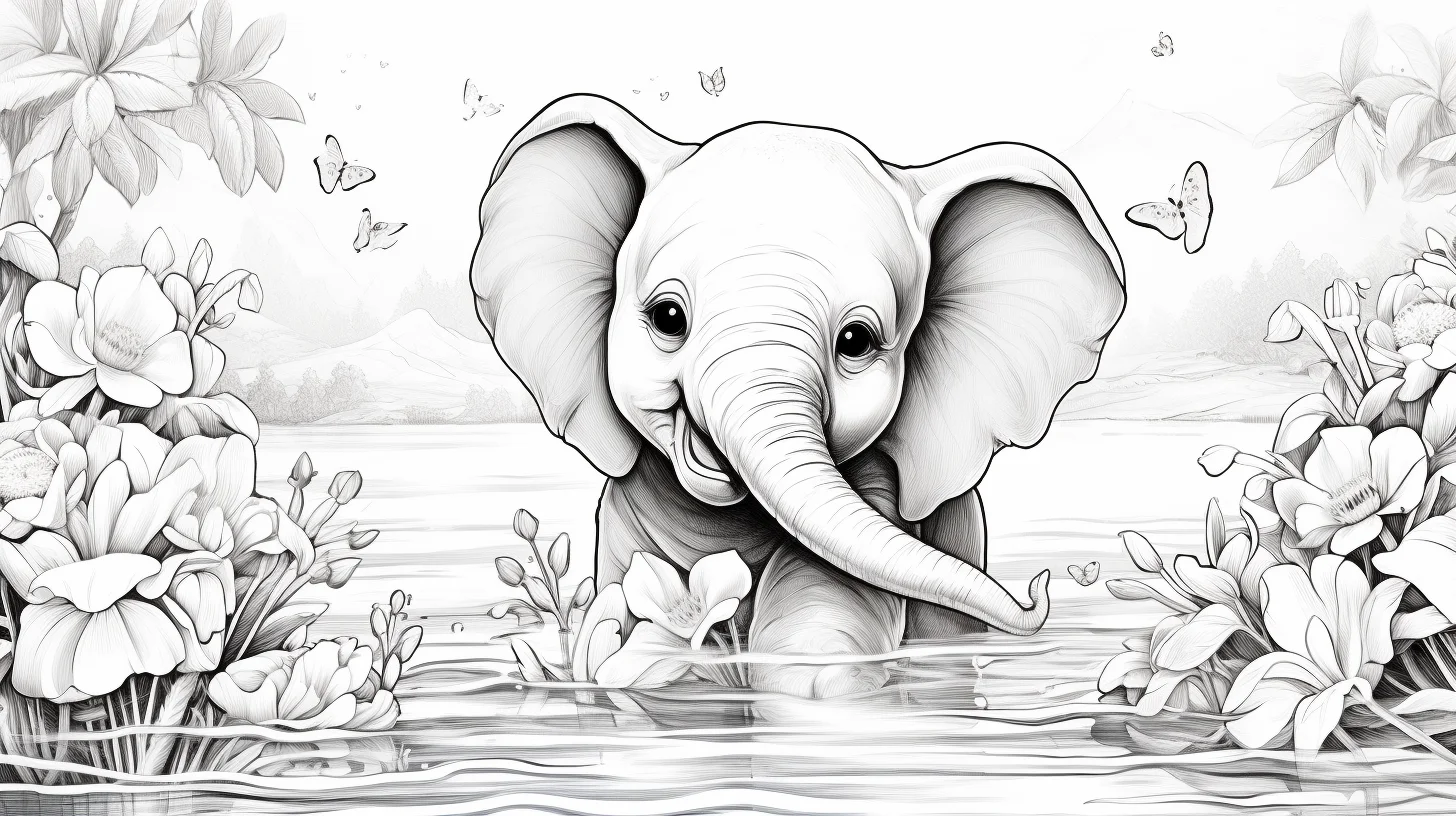
Open full-size animal collection page 21
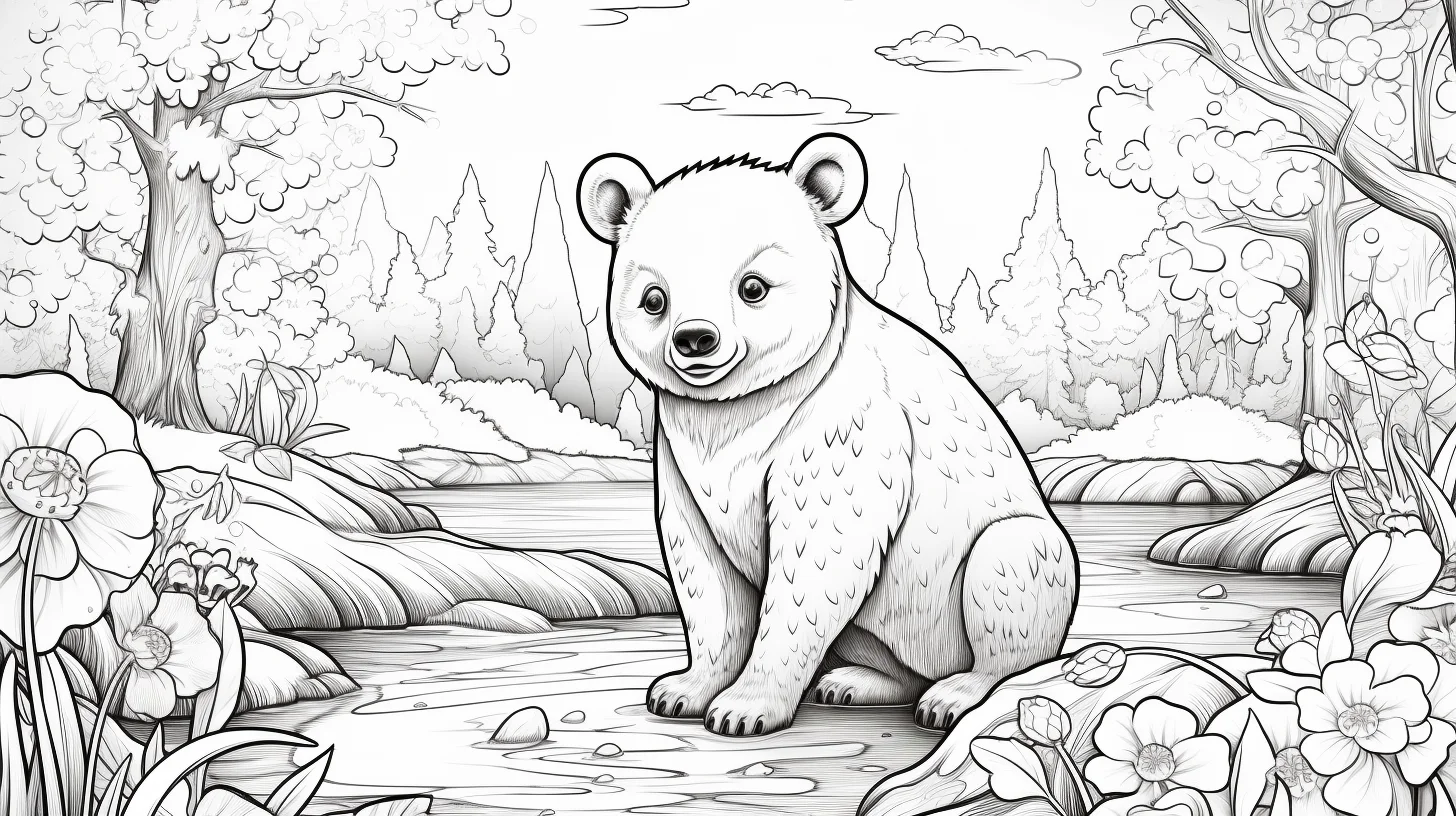
Open full-size animal collection page 22
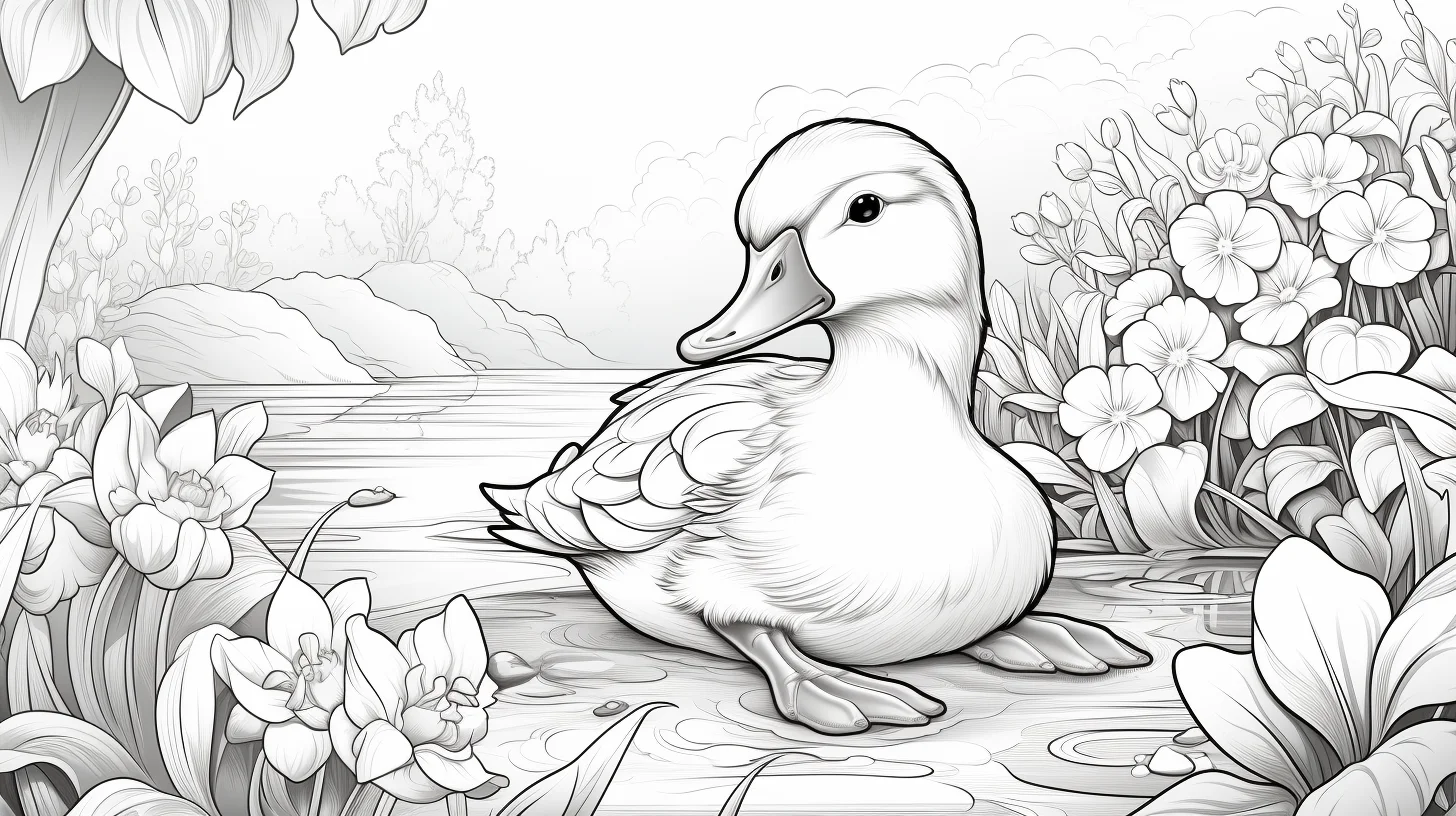
Open full-size animal collection page 23
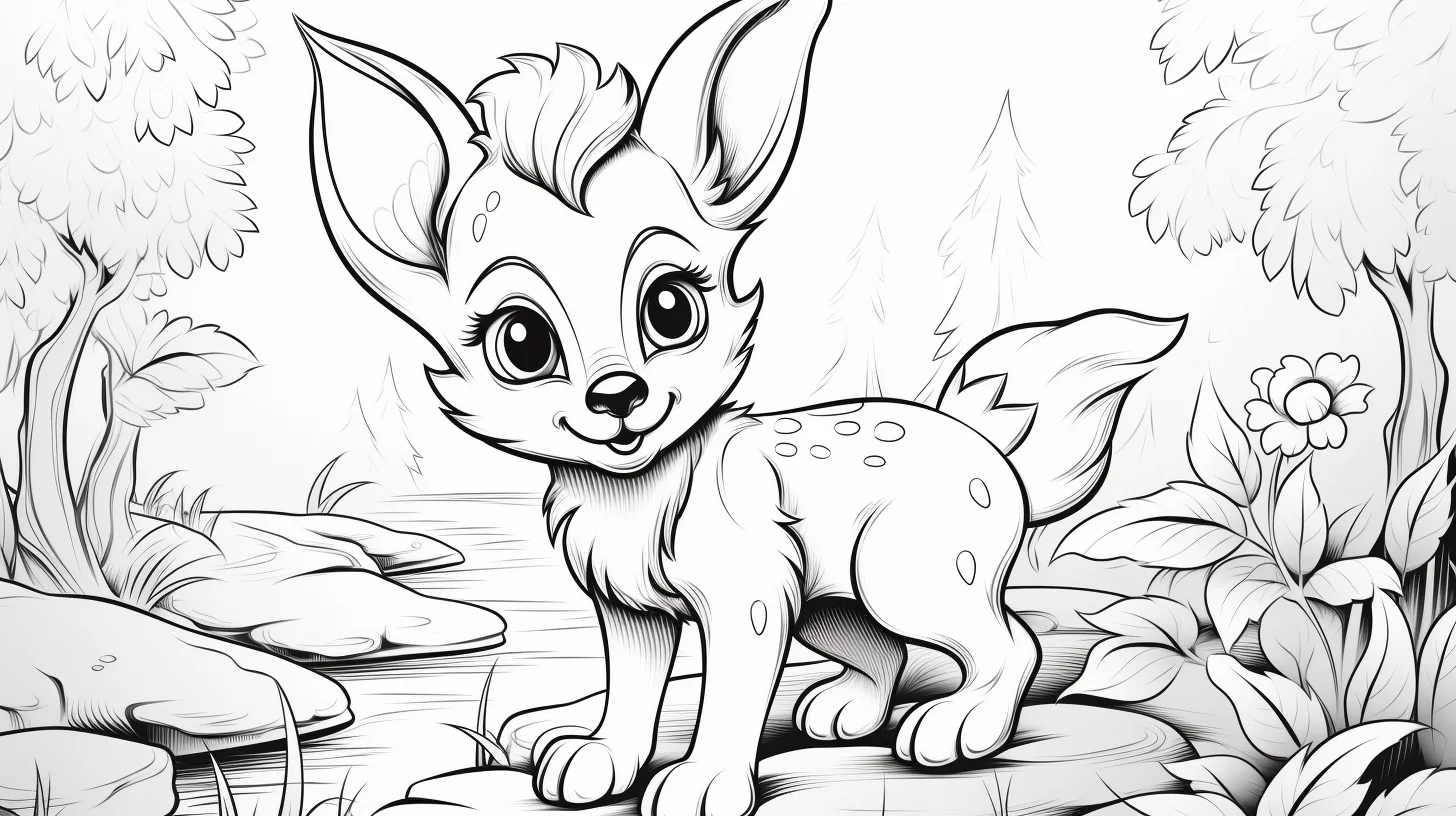
Open full-size animal collection page 24
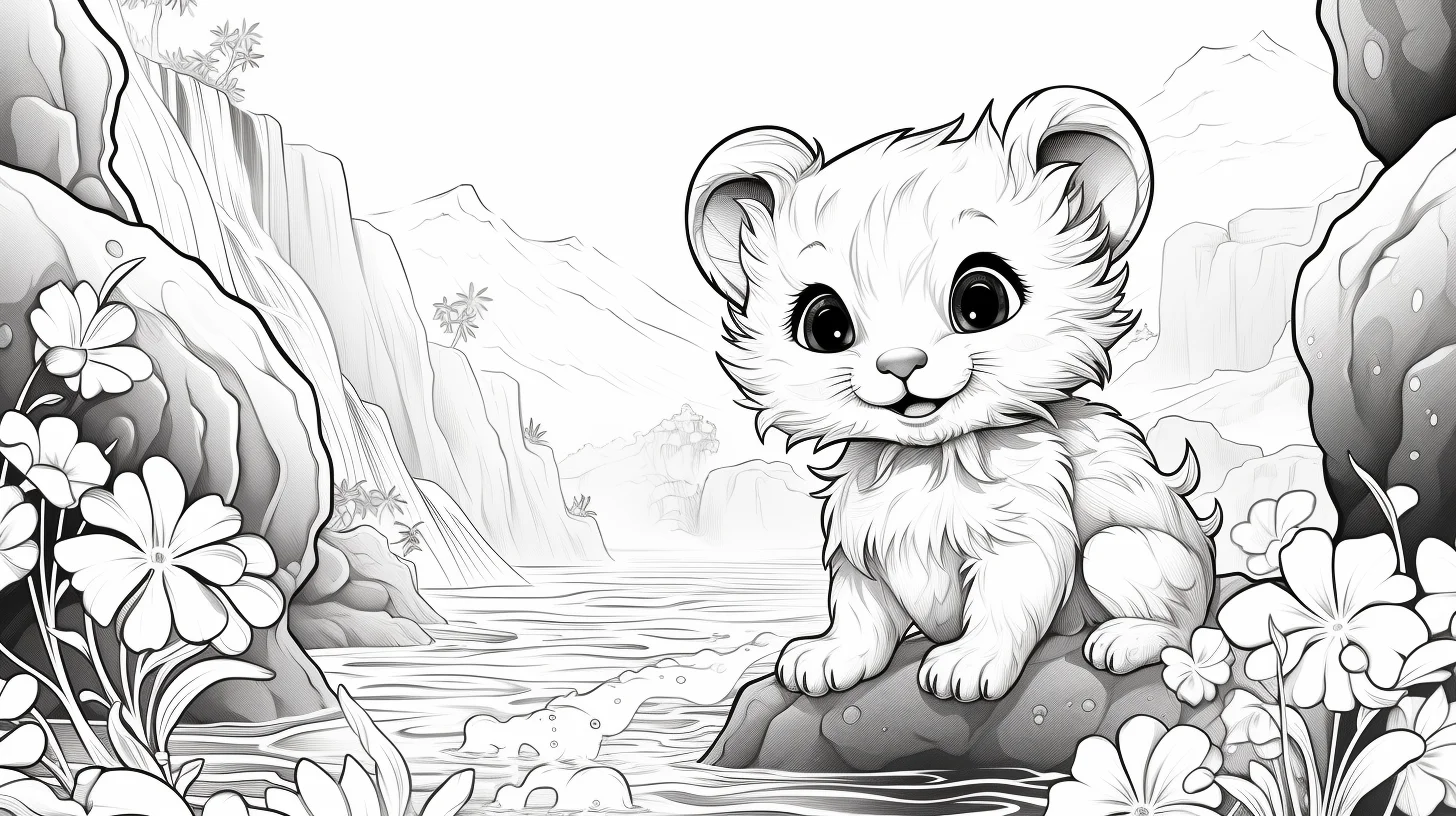
Open full-size animal collection page 25
Turn three sheets into a simple coloring progression
Because this gallery mixes several kinds of animals, it works well as a small practice set rather than just a page to scroll through. Pick three printables with noticeably different amounts of detail.
- Start with one large animal. Use three to five colors and concentrate on filling the body evenly without repeatedly going over the same area.
- Add texture on the second sheet. Choose an animal with fur, feathers, spots or a few background objects. Keep the base color light, then add darker marks only where the drawing gives you a reason to.
- Finish with a scene or detailed animal. Decide which part should attract the eye before coloring. Give the animal stronger contrast and keep less important background colors quieter.
This progression is more useful than choosing by age alone. Someone who colors carefully can move to smaller spaces; someone who prefers broad, relaxed strokes can stay with open designs regardless of age.
How to color different animal surfaces
Short fur: build the body with light, overlapping strokes rather than drawing hundreds of individual hairs. Add slightly darker color under the belly, chin, legs and places where one body part overlaps another.
Long or fluffy fur: use short tapered strokes that follow the direction the fur would grow. Leave some of the paper showing between darker strokes so the coat does not become one heavy block.
Feathers: color larger feather groups first, then add a darker edge or base to selected feathers. Trying to outline every feather with a dark color can make a bird look striped.
Spots and stripes: color the base coat before the markings. Use a lighter hand on the first pass; you can deepen the markings after you see how much contrast the page actually needs.
Horns, hooves and beaks: these small hard surfaces usually read better with cleaner edges and fewer blended colors than fur. A light-to-dark change from one side to the other is often enough to suggest shape.
A quick palette method for mixed animal pages
You do not need realistic colors for these printables, but a little hierarchy keeps a page readable. Choose one main color family for the animal, one darker value for shadows or markings, and one accent color for small features. If the printable includes grass, trees, water or flowers, repeat some background colors instead of inventing a new color for every object.
- For a natural look, start with tan, brown, gray, cream and muted greens, then add one stronger accent.
- For a playful page, use an imaginative body color but keep the eyes, nose and outline-adjacent details distinct enough to preserve the expression.
- For a busy habitat, make either the animal or the background more colorful—not both at maximum intensity.
Fix common problems before starting over
| If this happens | Try this |
|---|---|
| The animal looks flat | Add a slightly darker version of the body color beneath the chin, belly and overlapping legs instead of outlining the whole animal. |
| Fur turns into dark scribbles | Use fewer texture strokes and leave the lighter base coat visible between them. |
| Spots or stripes overpower the face | Reduce pressure on the markings near the eyes and muzzle and reserve the darkest value for a few key areas. |
| The animal disappears into the scenery | Increase contrast on the animal and repeat softer, lighter colors in the background. |
| Marker bleeds through the paper | Put scrap paper underneath, use fewer passes over the same area, or print the next sheet on heavier stock. |
| Small sections become frustrating | Switch from a broad marker or crayon to a colored pencil, or choose one of the open easy designs instead. |
Useful ways to use a mixed animal collection
- Animal sorting: print several sheets and group the animals as farm, zoo, jungle, pets or wildlife after coloring.
- Pattern practice: choose one spotted, one striped and one plain-coated animal and compare how the markings change your coloring approach.
- Color experiment: print the same favorite page twice—once with natural colors and once with an invented palette.
- Background practice: choose a sheet with scenery and color the animal first. On a second sheet, reverse the order and see which workflow feels easier.
Animal coloring page questions
Which pages are easiest for crayons?
Choose designs with one large animal, broad body sections and little scenery. Crayons are quickest when you can use the side of the tip for larger areas without constantly navigating narrow gaps.
When should I switch to colored pencils?
Pencils become especially useful when a page has narrow legs, facial details, feathers, small spots or a detailed habitat. You can also combine media: crayon for a large body area and pencil for the face and markings.
Should animal coloring pages use realistic colors?
No. Realistic palettes are useful if you want to practice markings or identify species, but imaginative color is equally suitable for a coloring activity. What matters visually is enough contrast to keep the animal’s features readable.
Where can I find a more specific animal collection?
Use this gallery when you want variety. For a narrower theme, browse the cute animal coloring pages, realistic animal coloring pages, or dog coloring pages. The category table near the top also links directly to baby-animal and habitat-focused collections.

