
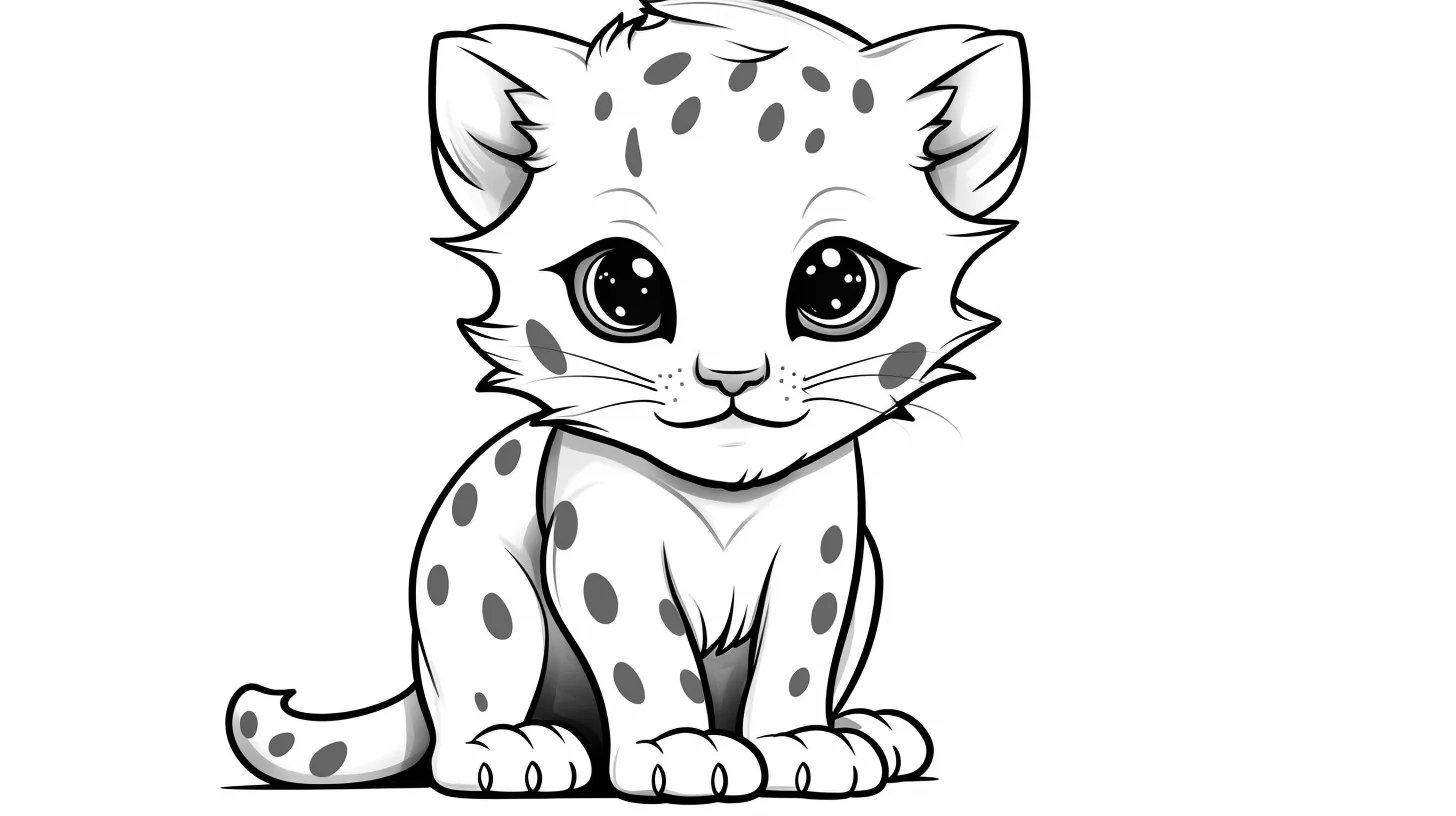
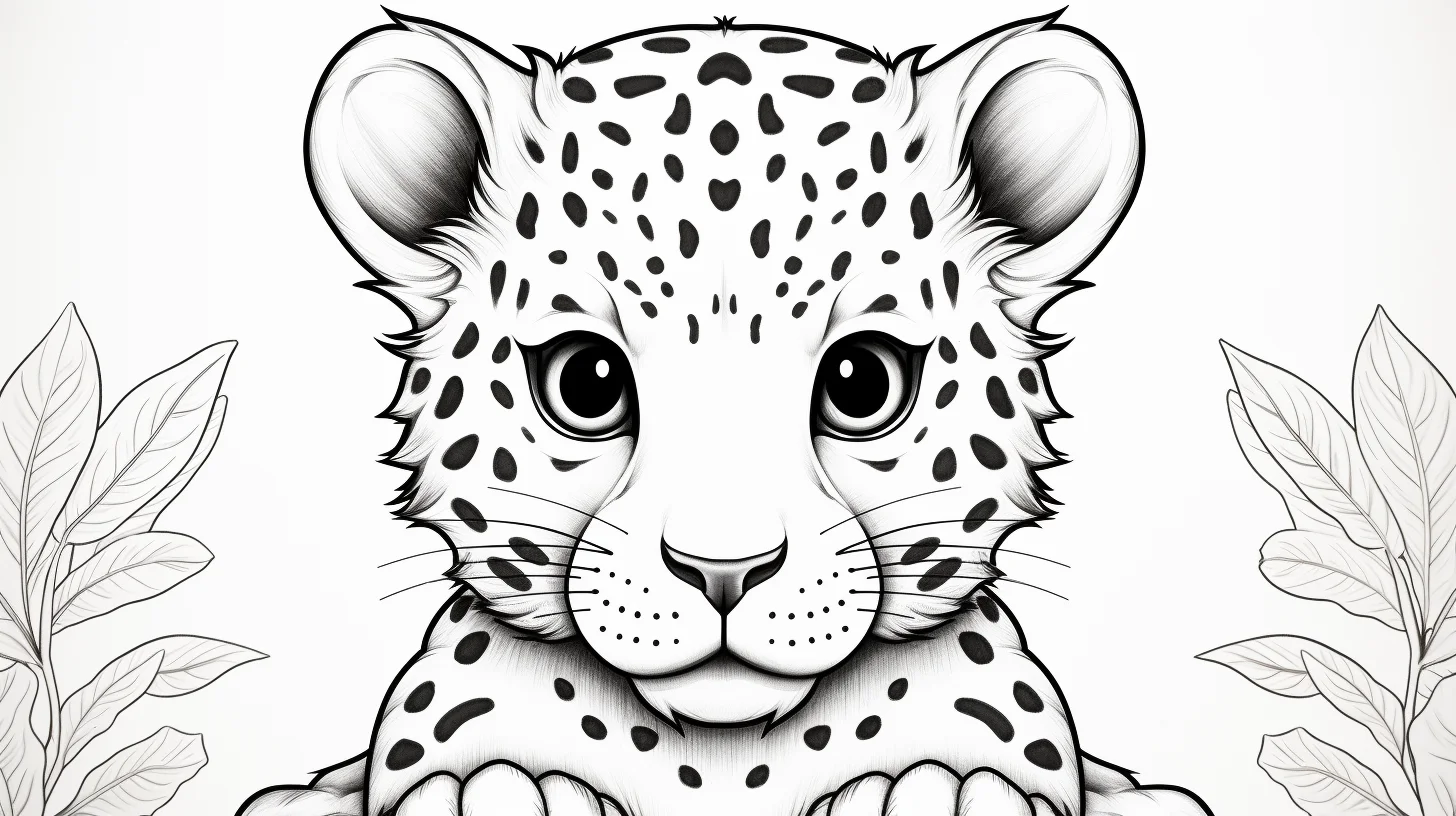
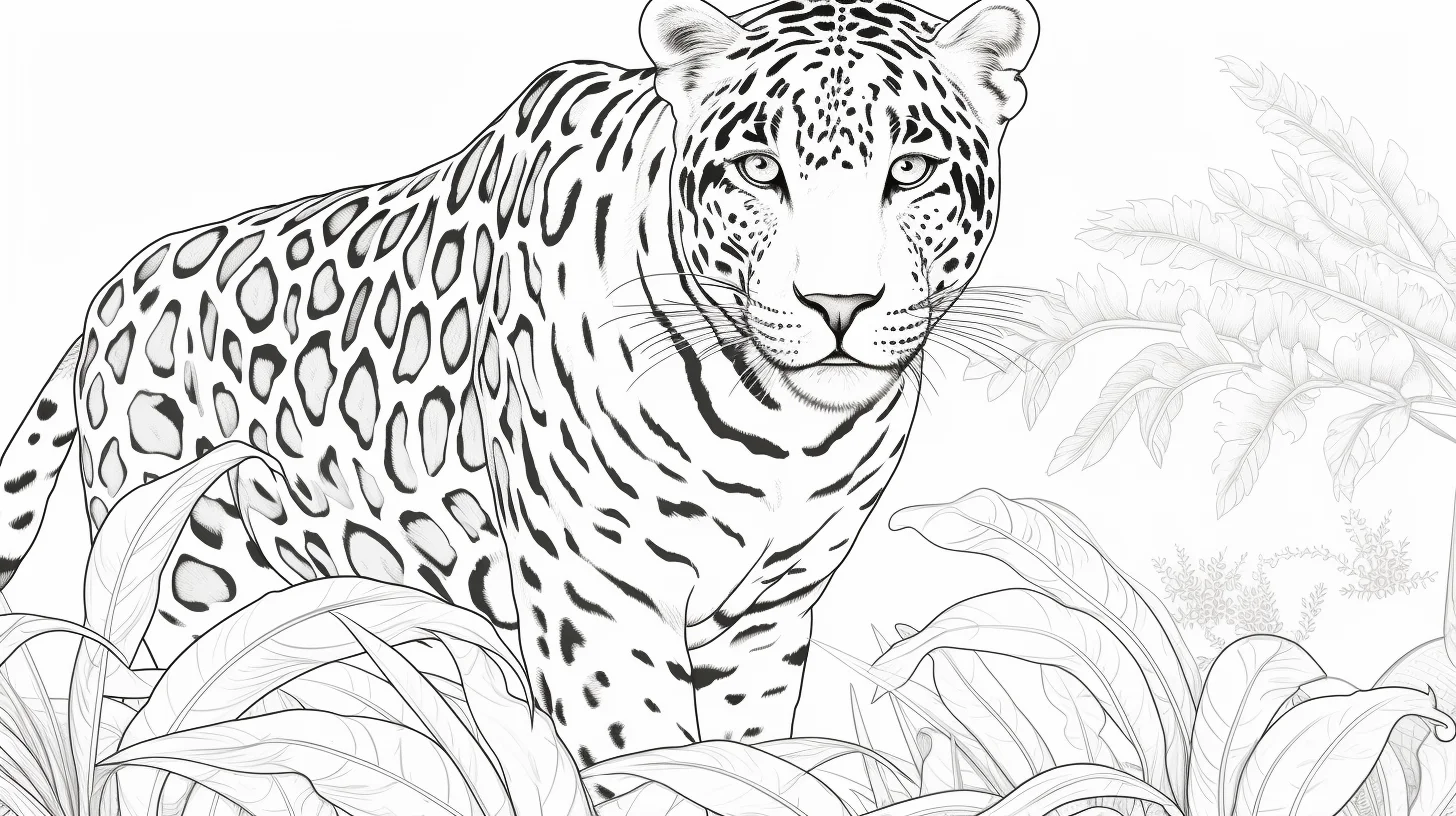
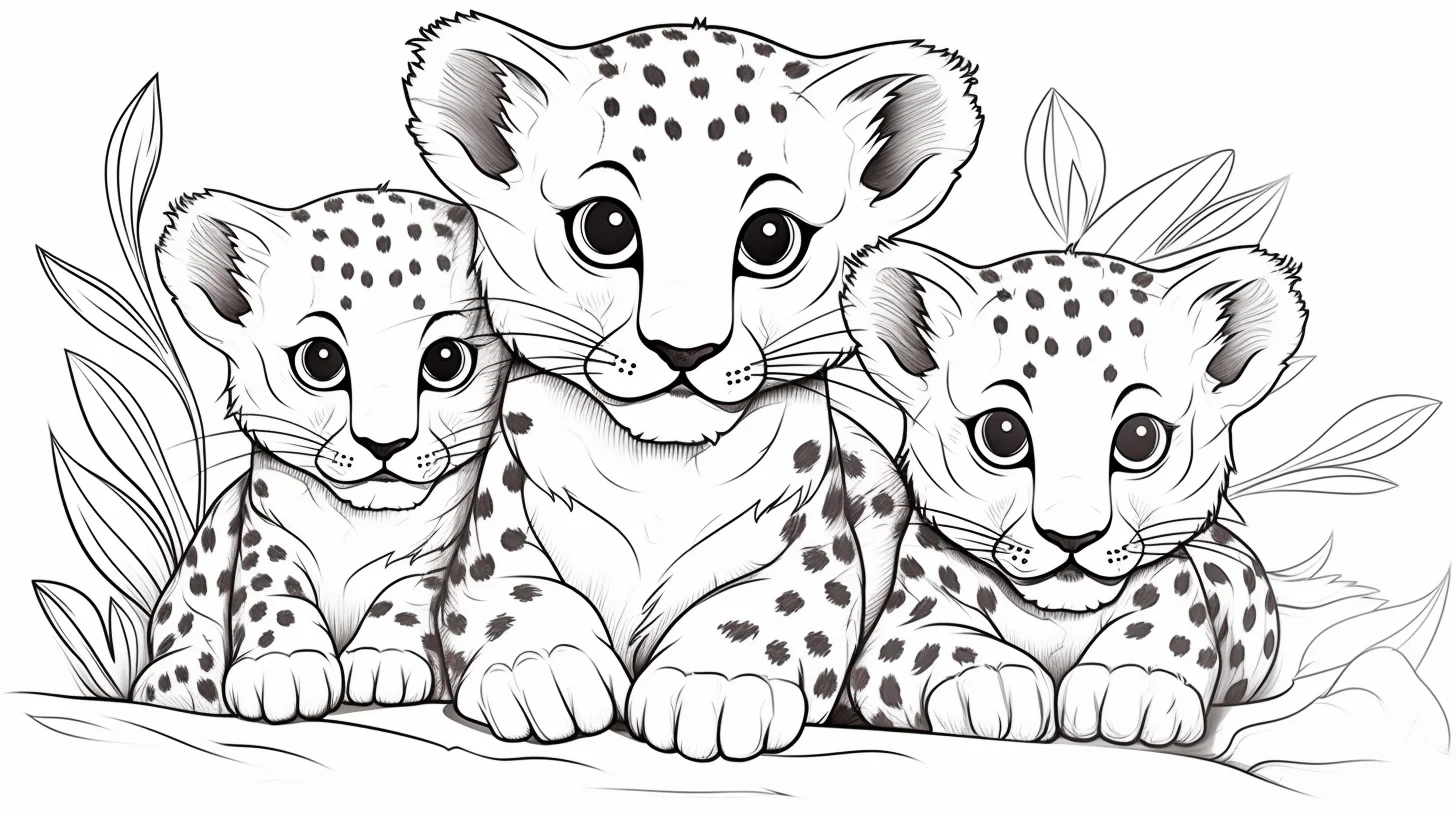
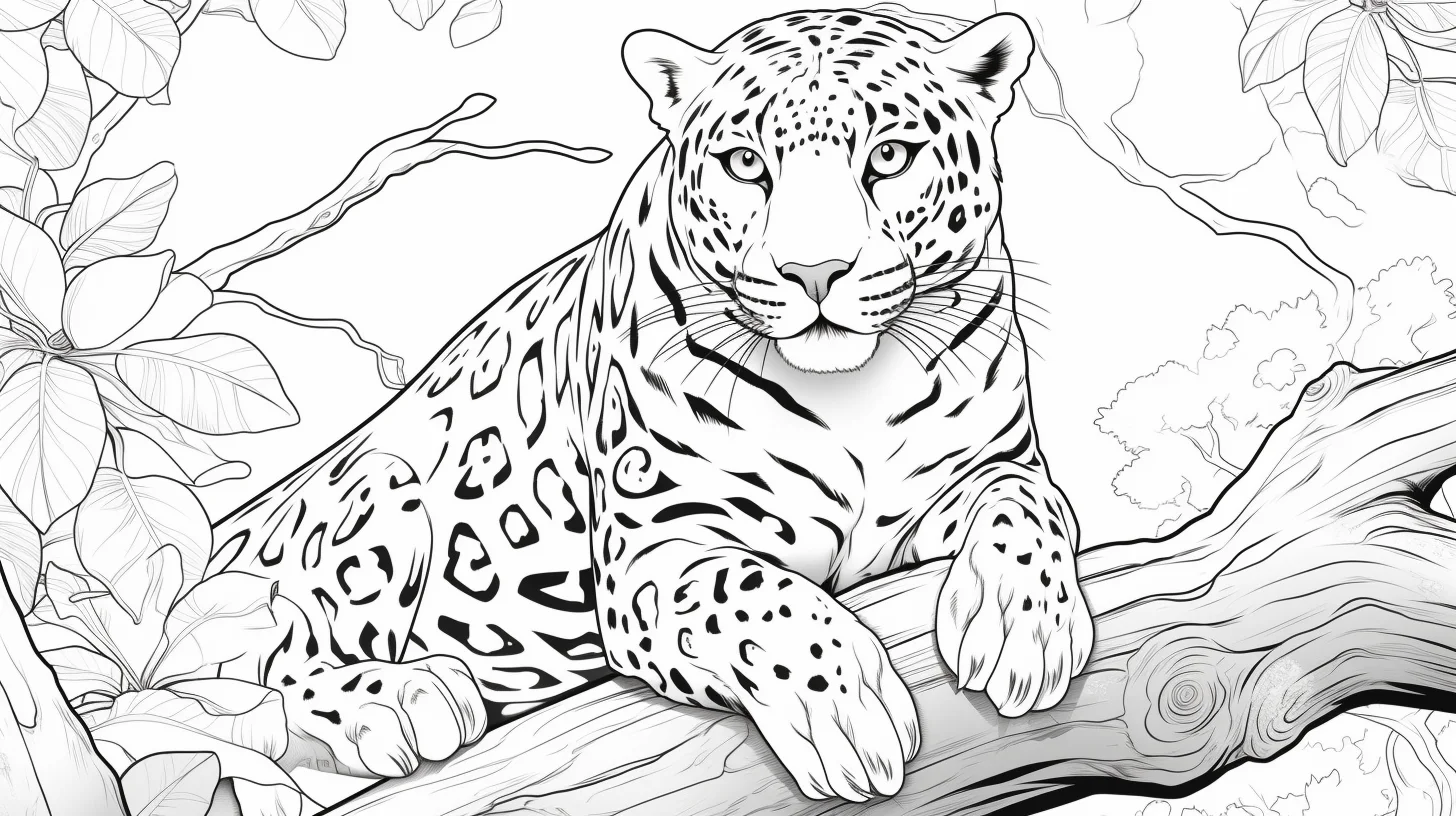
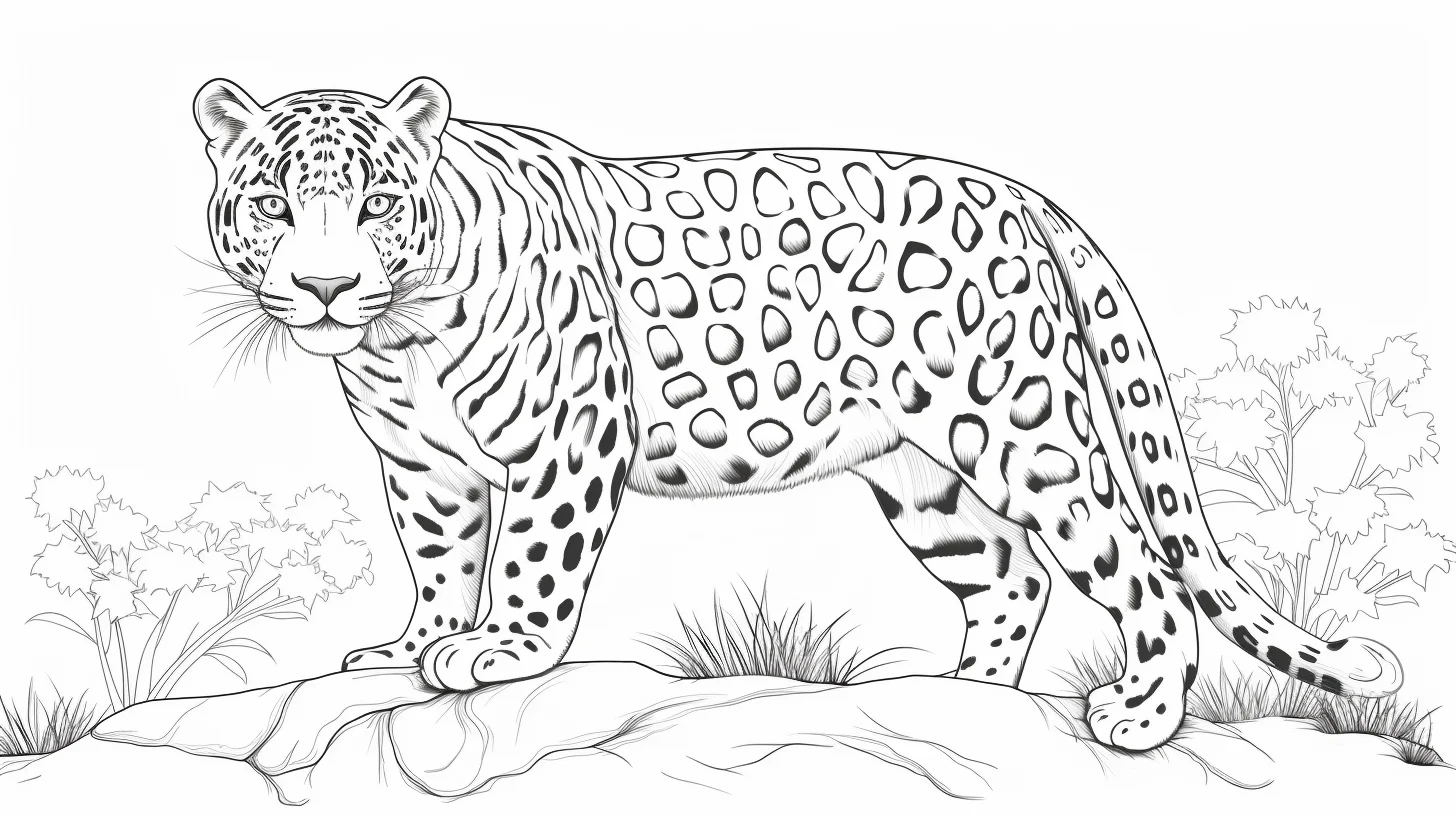
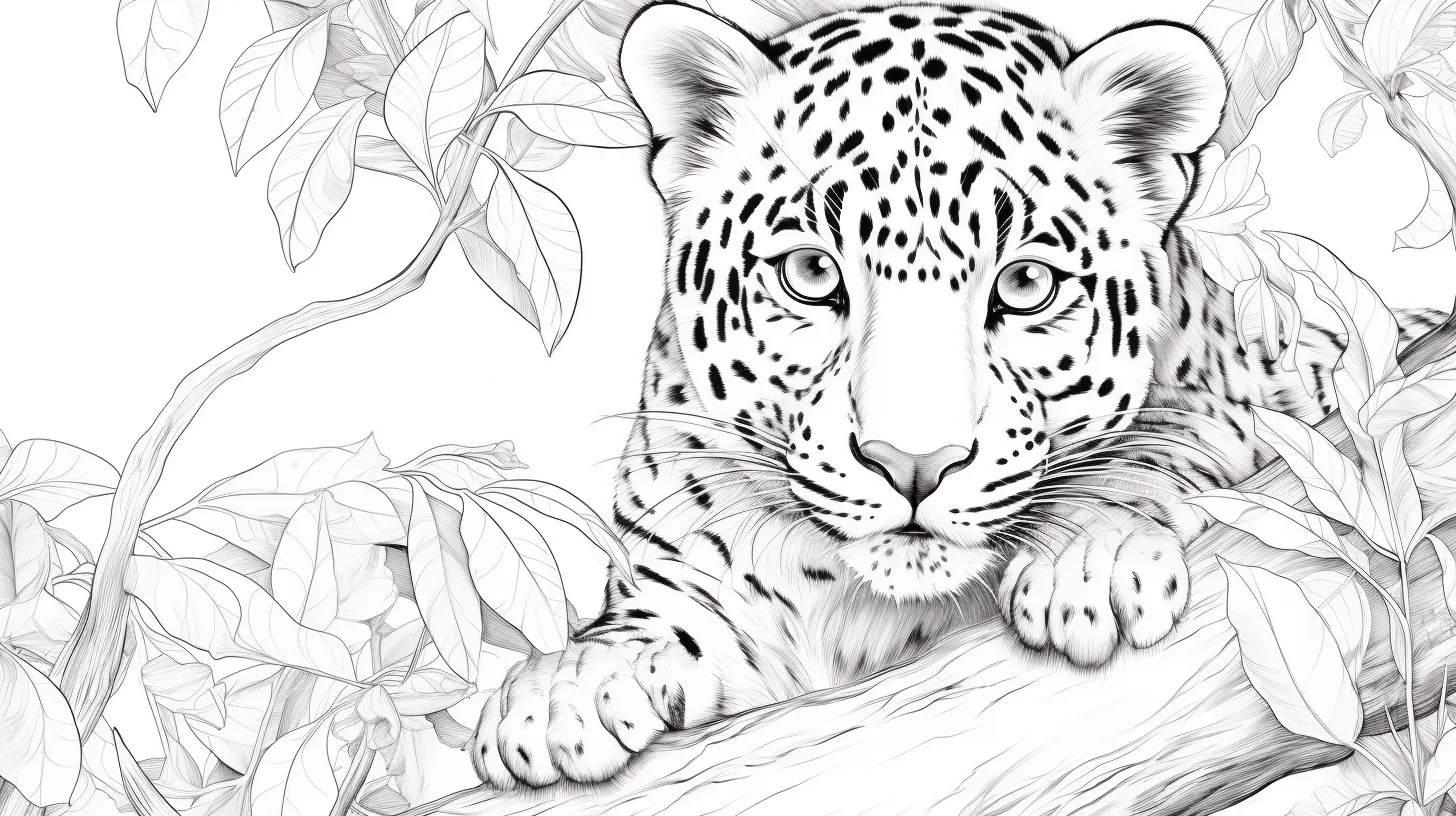
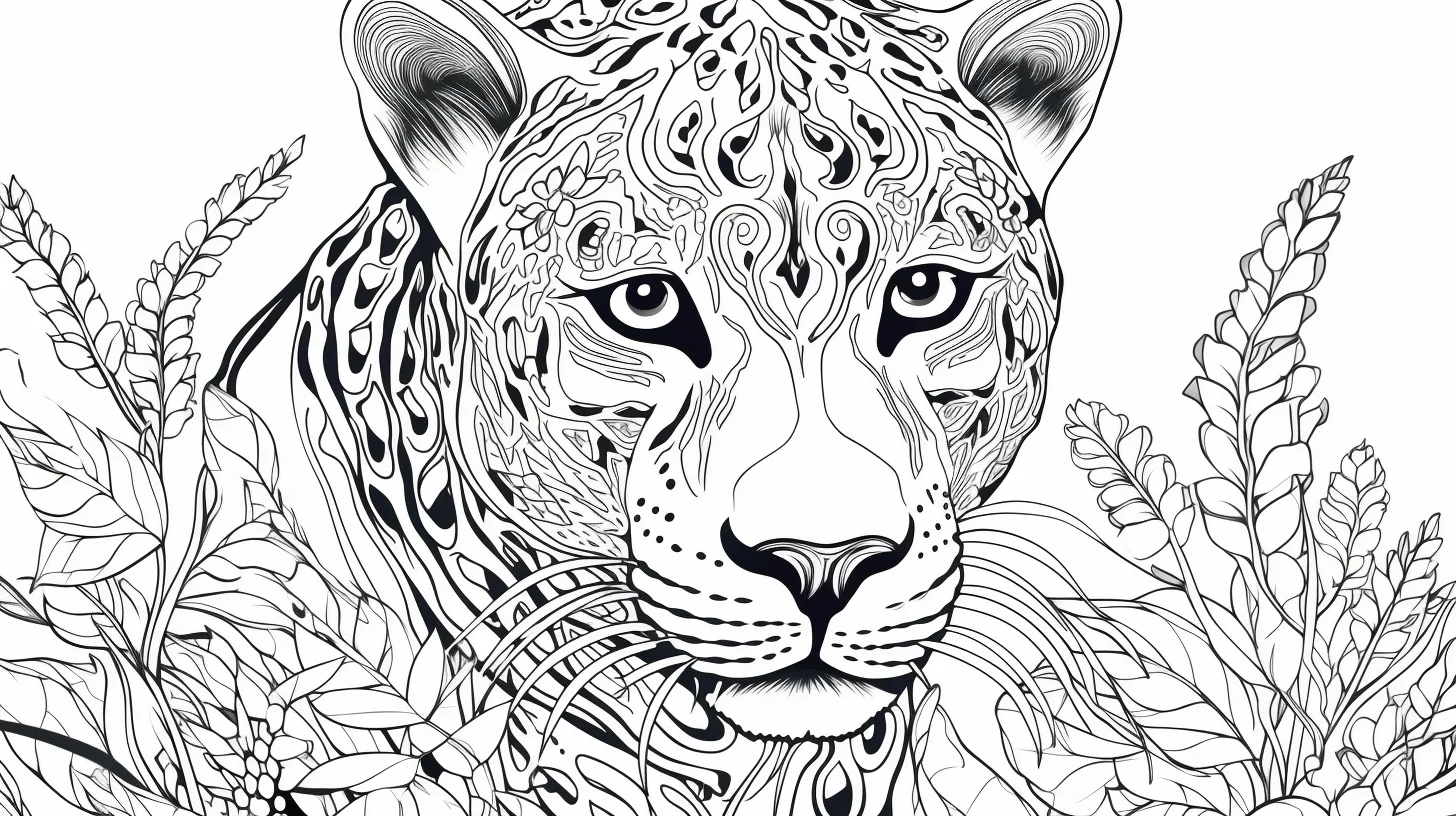
Snow leopards need a different approach from the golden leopards on our other page. Their pale coat gives you less base color to work with, so the rosettes, soft gray shading and rocky background do more of the visual work. These 28 pages range from simple cubs to detailed mountain scenes and family groups.
For a quick page, choose one of the clean outlines with little scenery. If you want something slower, the mountain and realistic designs give you room to build texture in both the fur and the rocks.
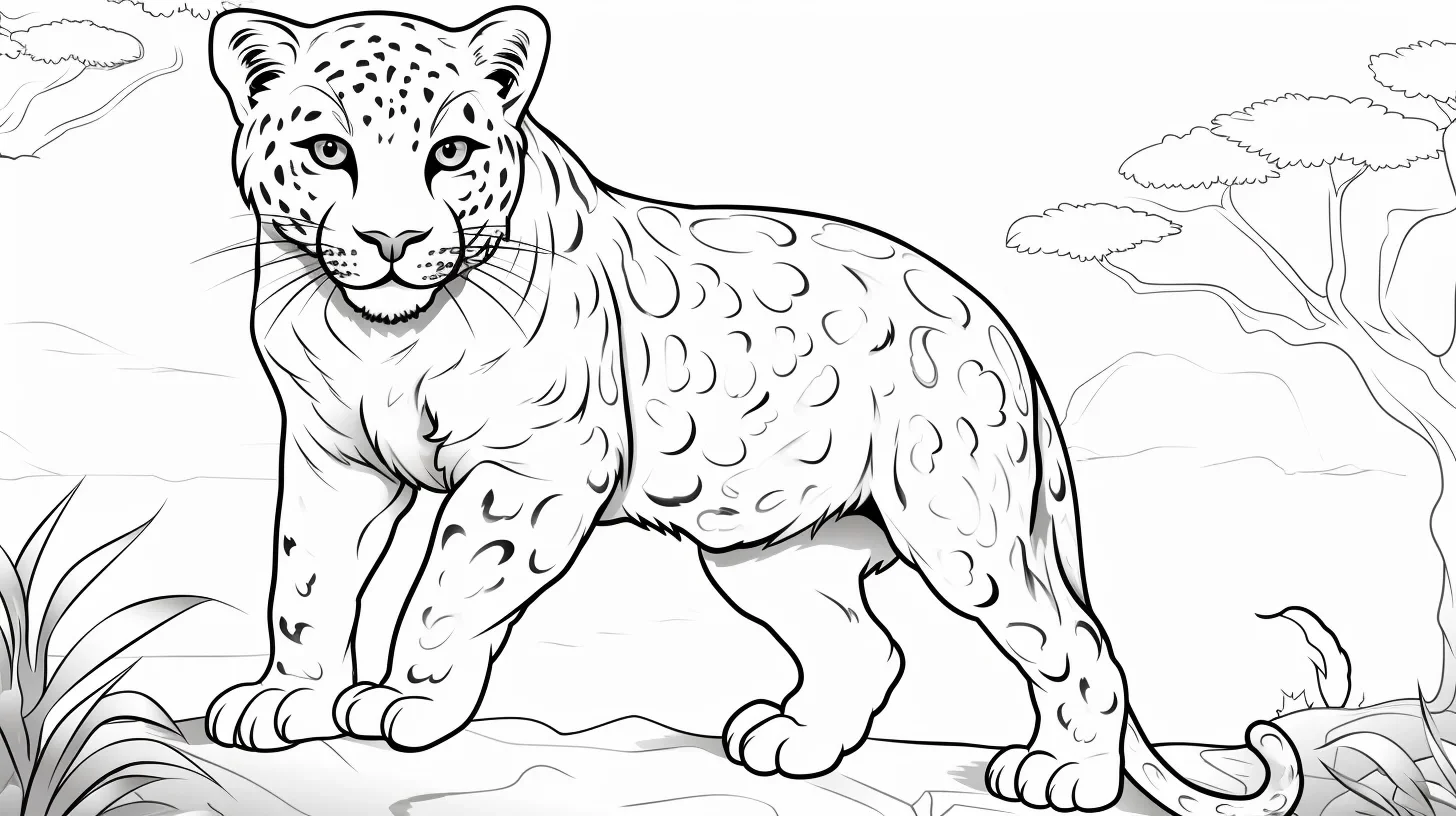
Print setup and a cooler palette
Open the full-size image, save it, and print on A4 or Letter paper using “fit to page.” Start with off-white or a very pale gray coat, then add charcoal markings and slightly darker shading beneath the body. Blue-gray or muted violet works well in the snow and shadows without turning the whole page blue.
For more detailed wildlife, see the realistic animal pages or the wolf collection. For a warmer spotted-cat palette, use the separate general leopard pages.
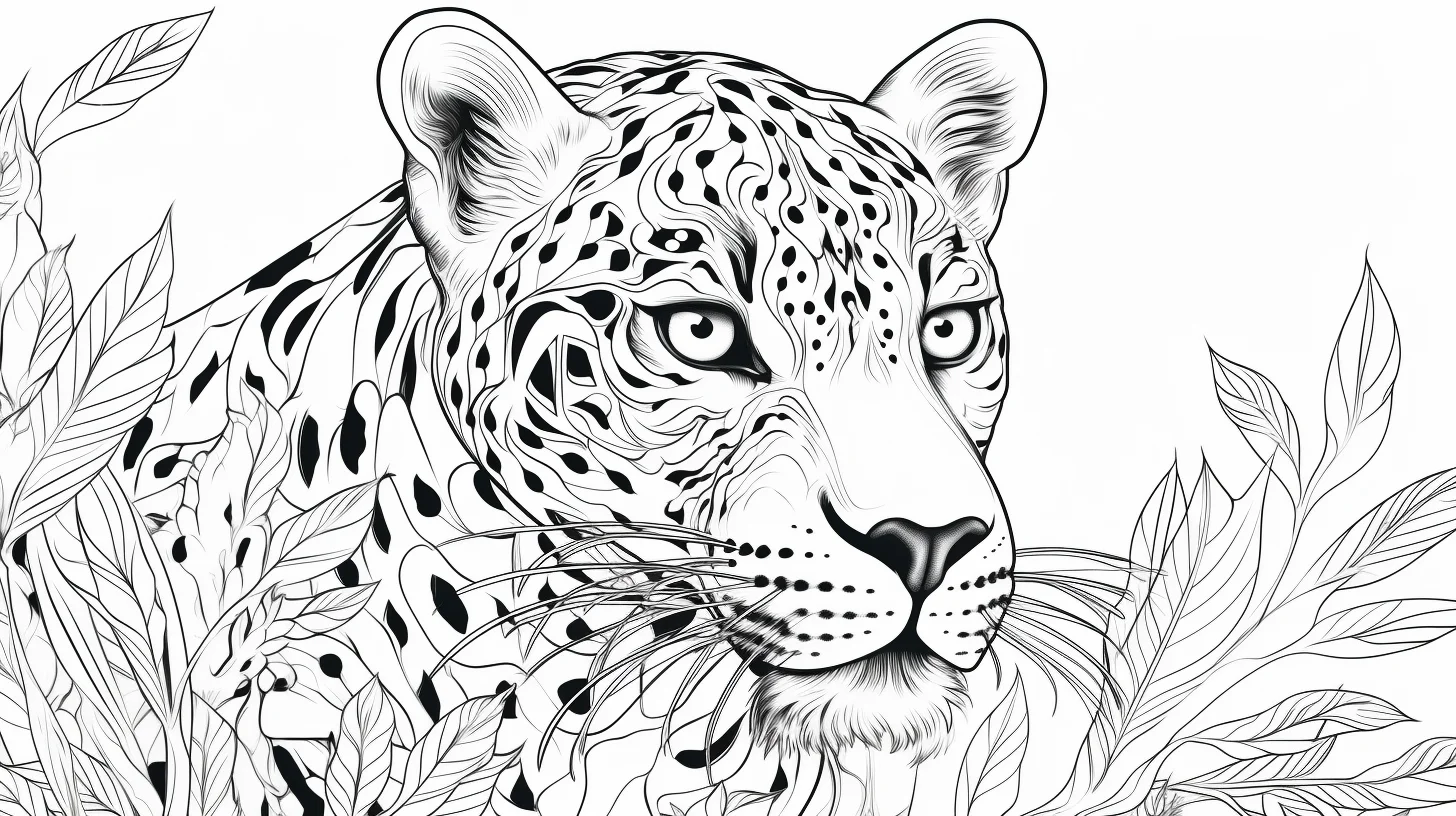
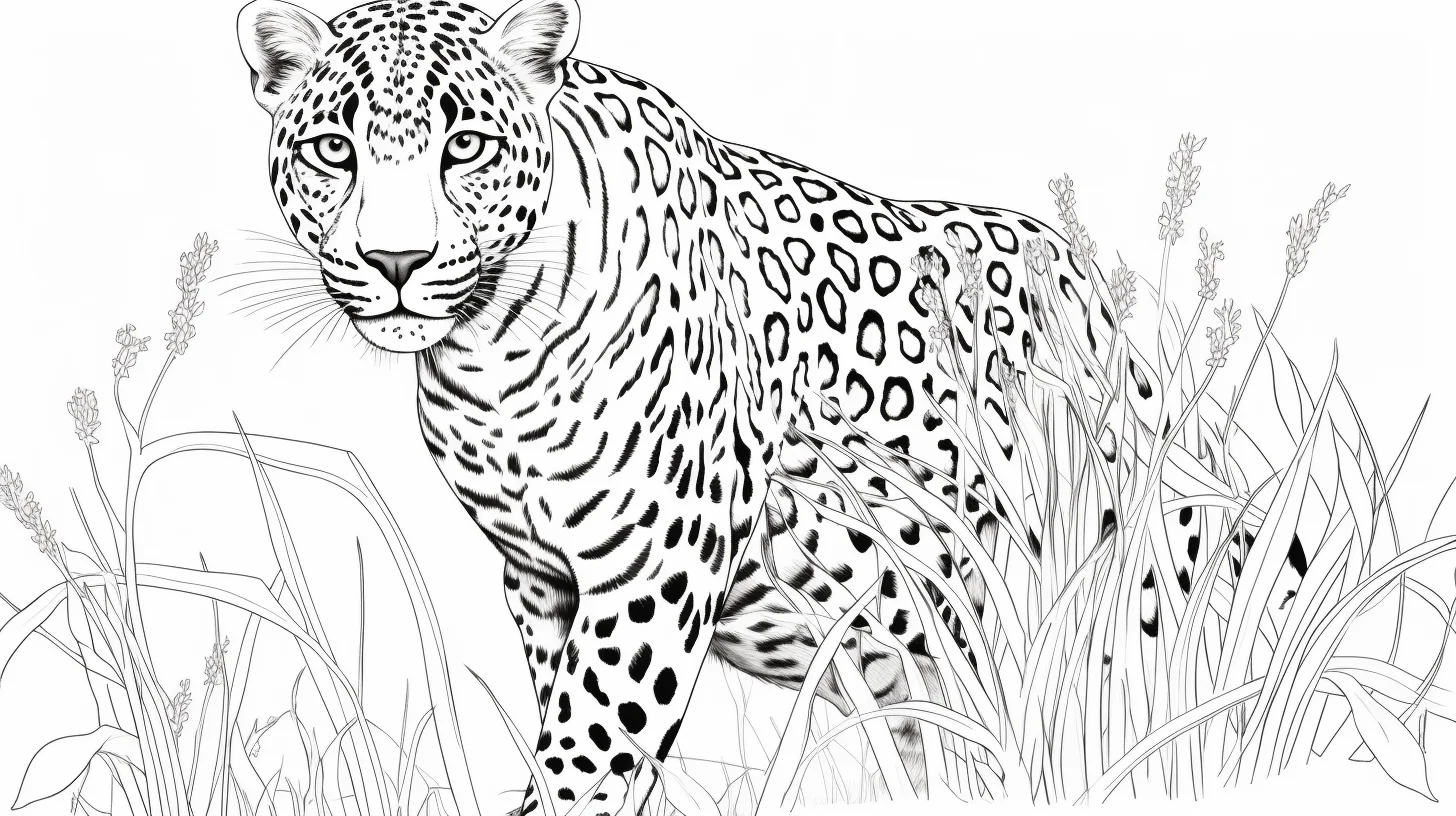
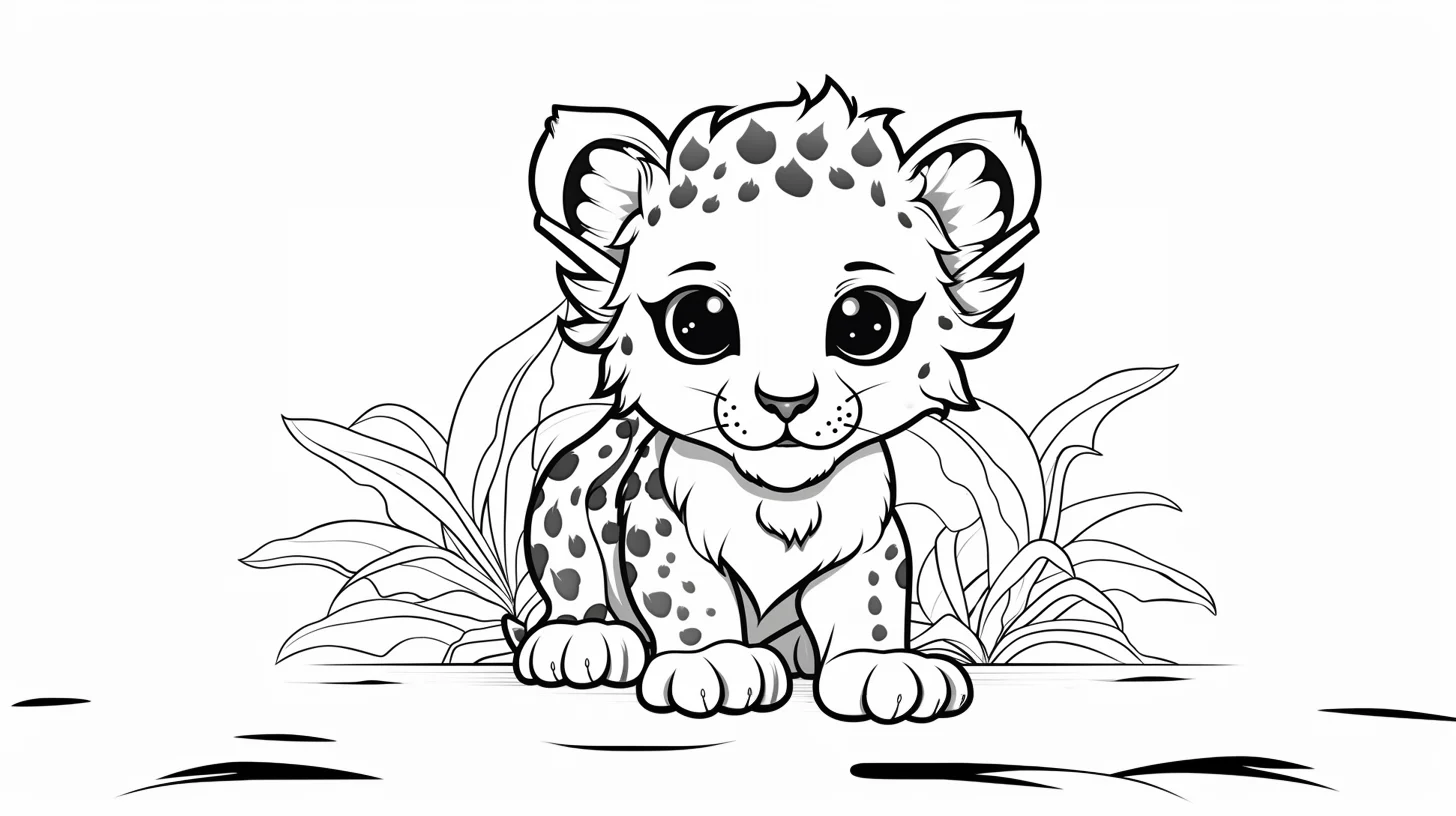
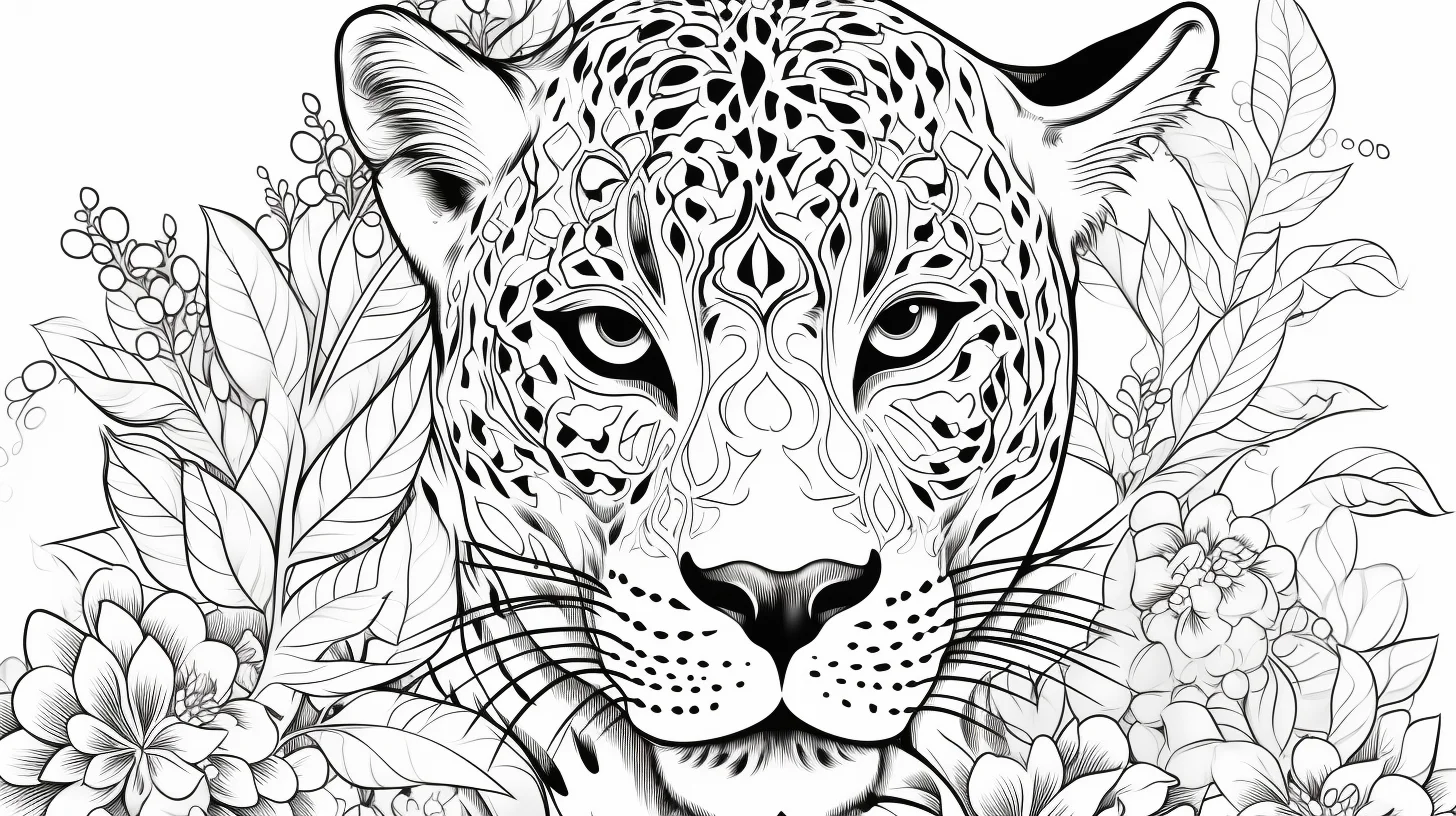
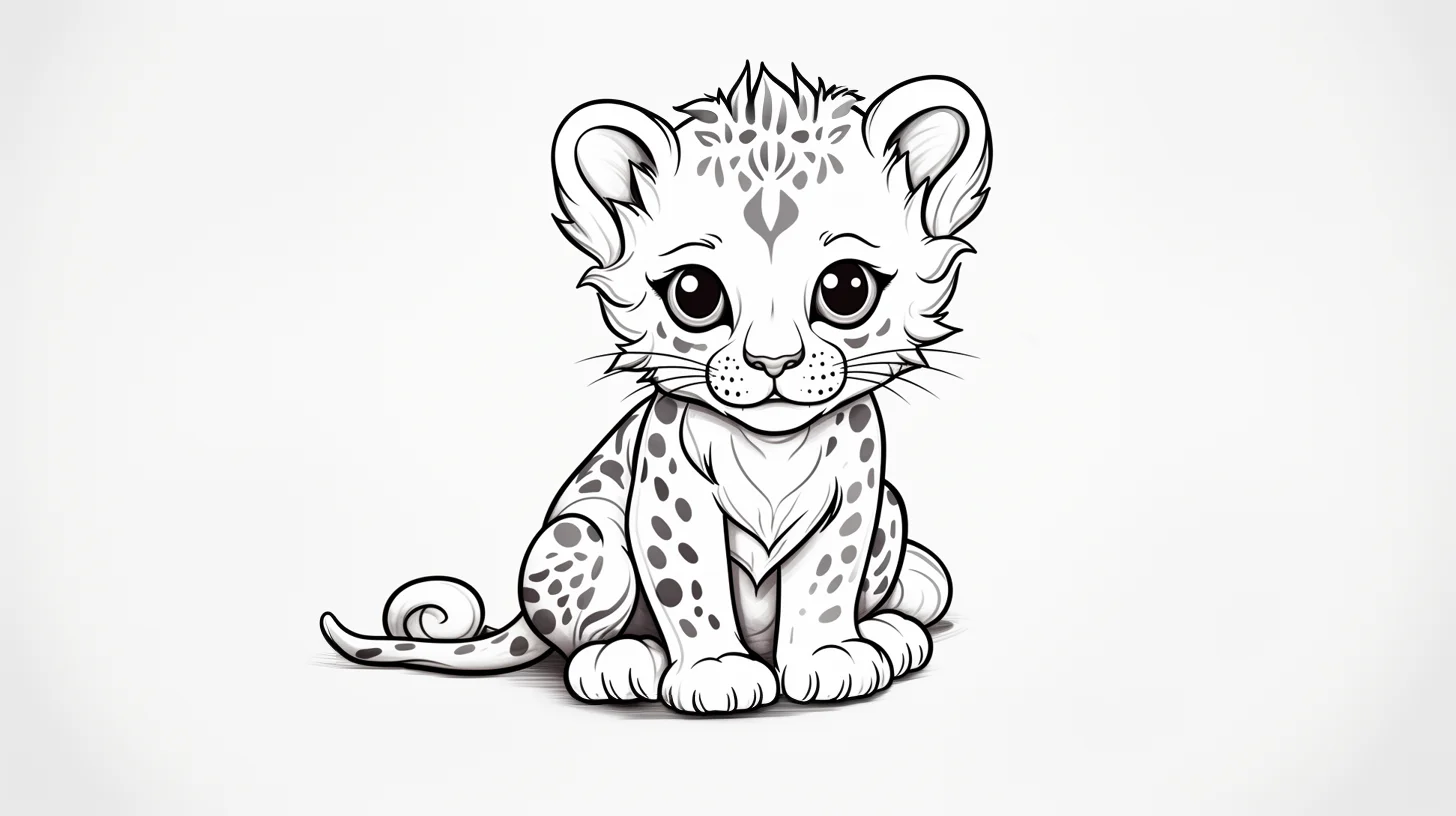
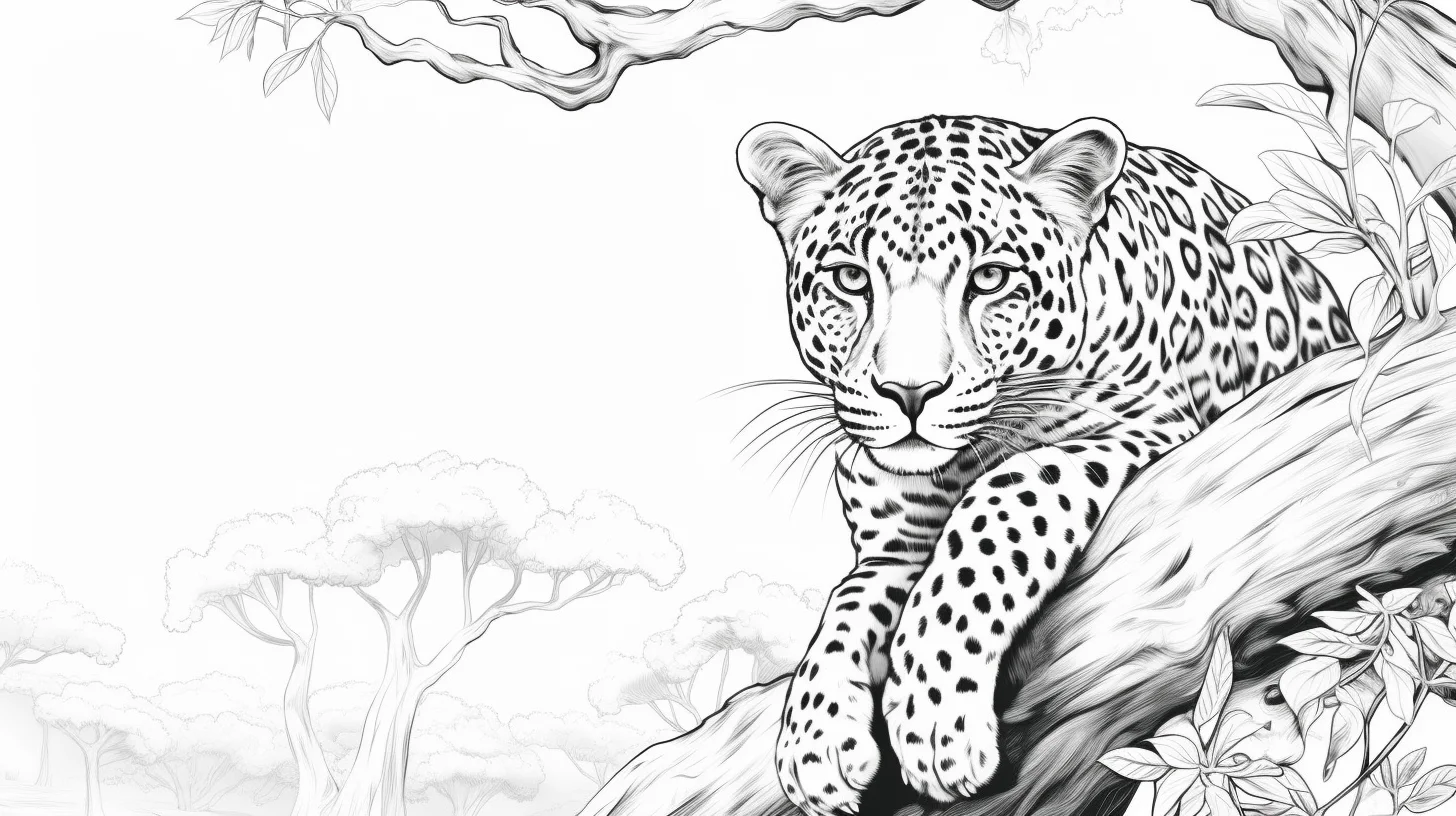
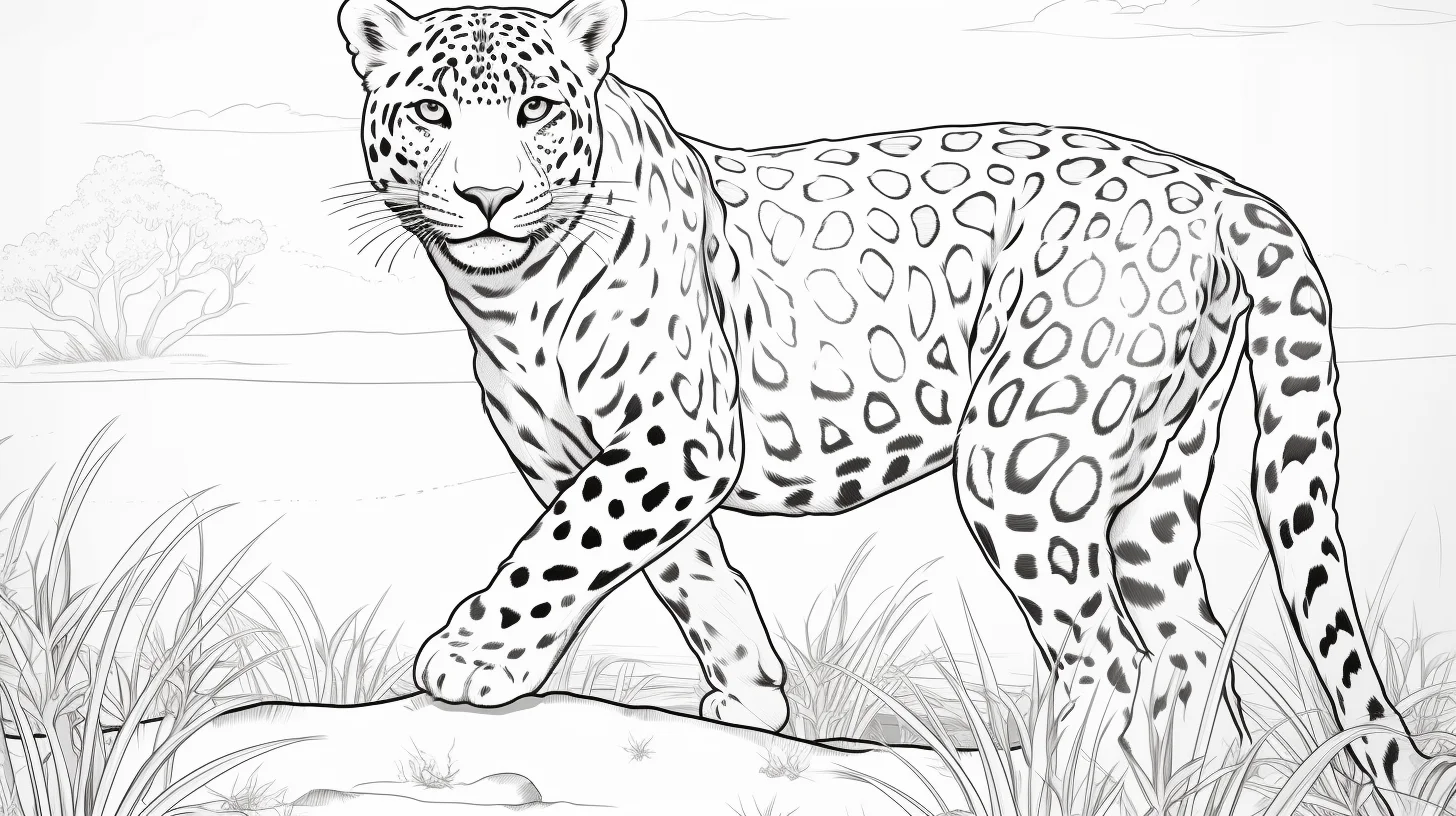
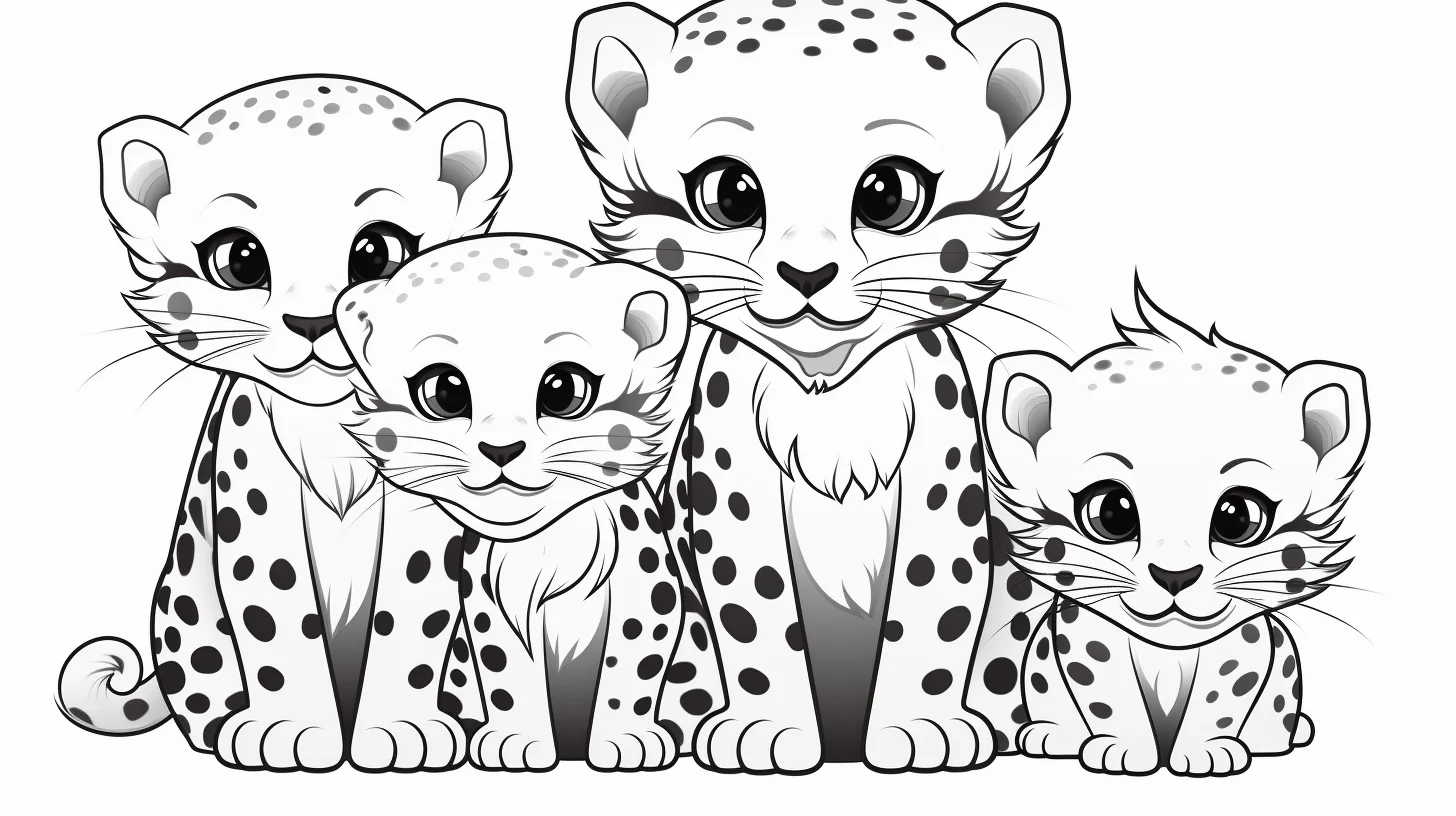
Snow leopard coloring page collection
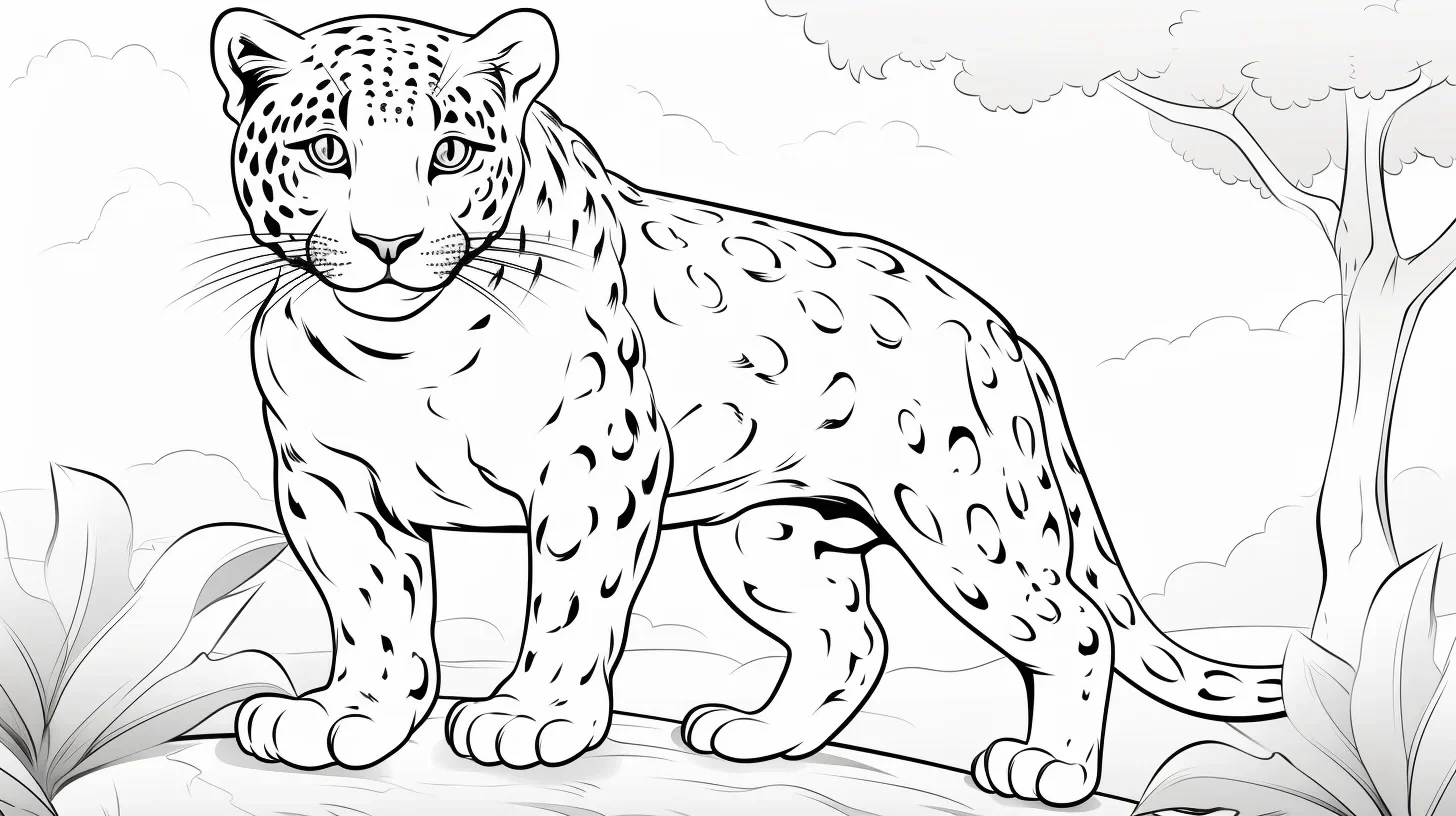
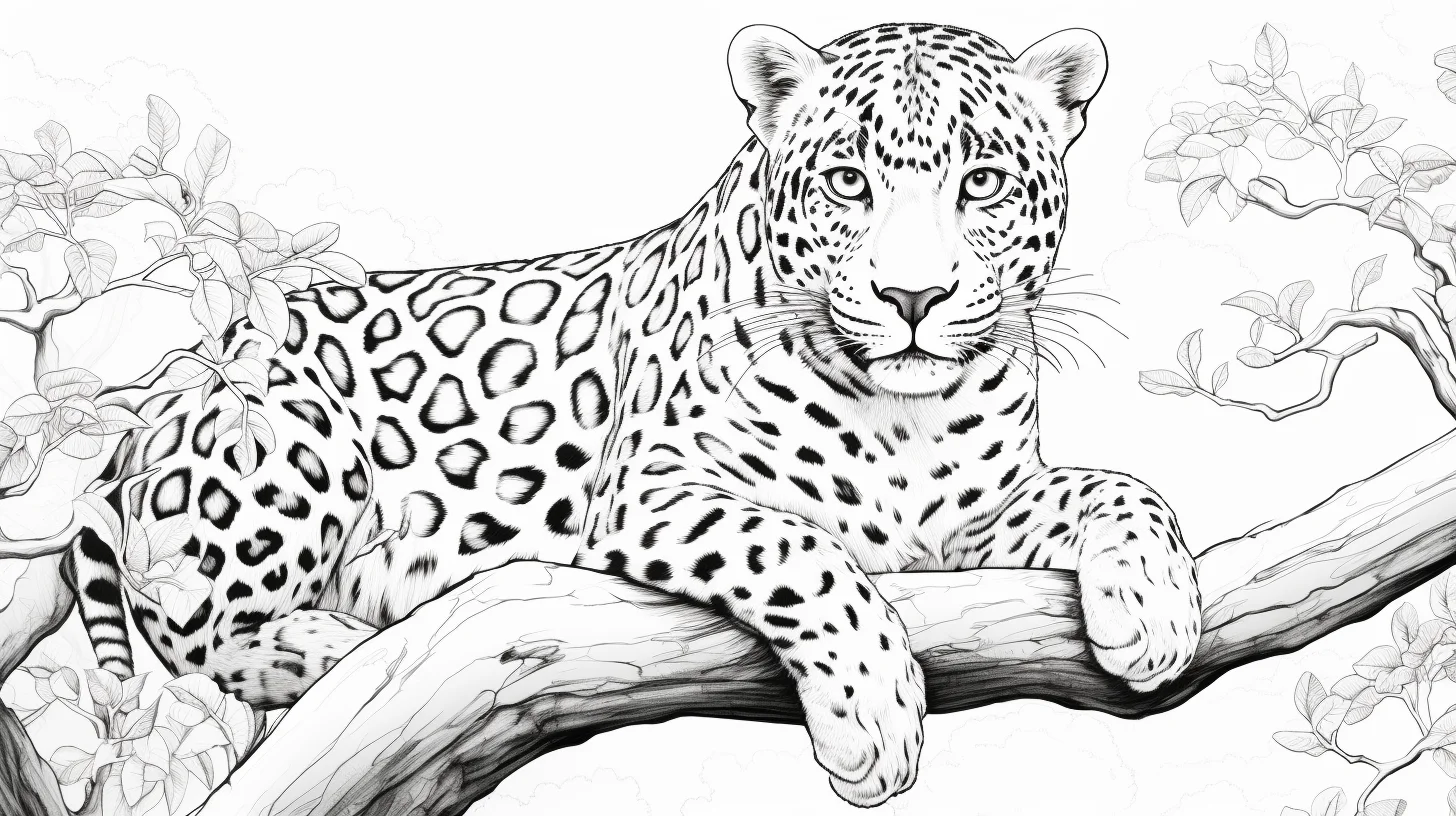
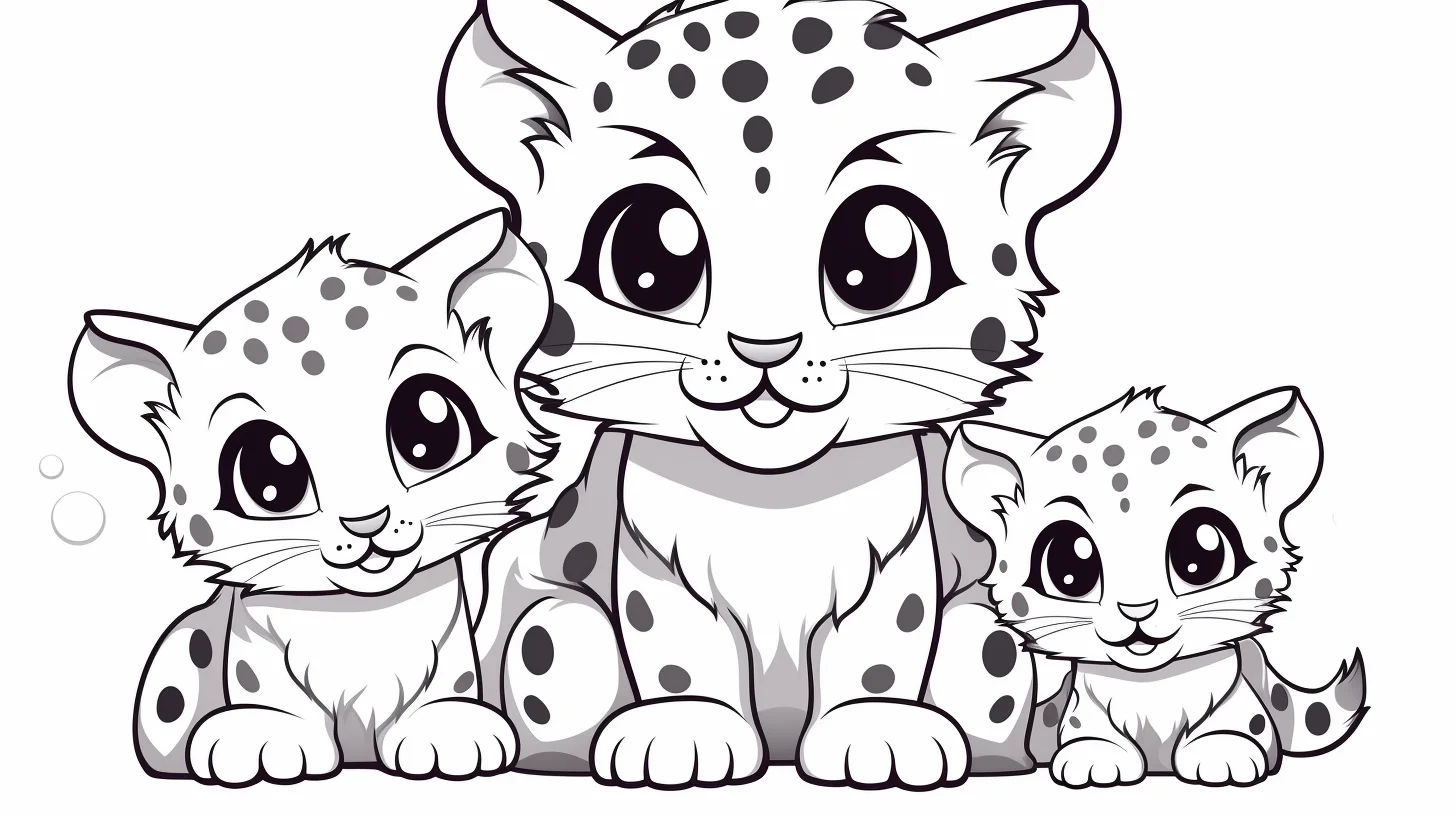
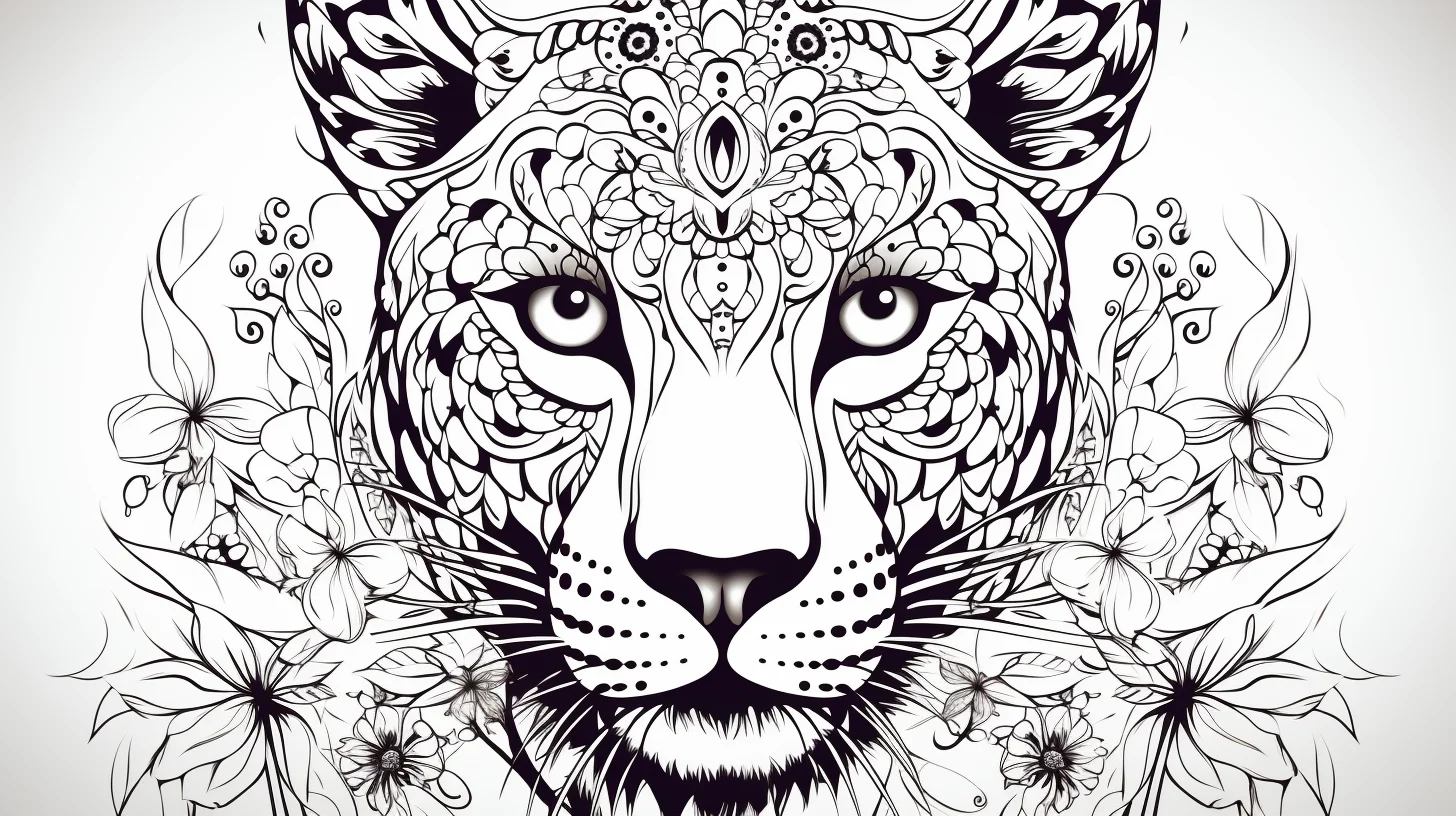
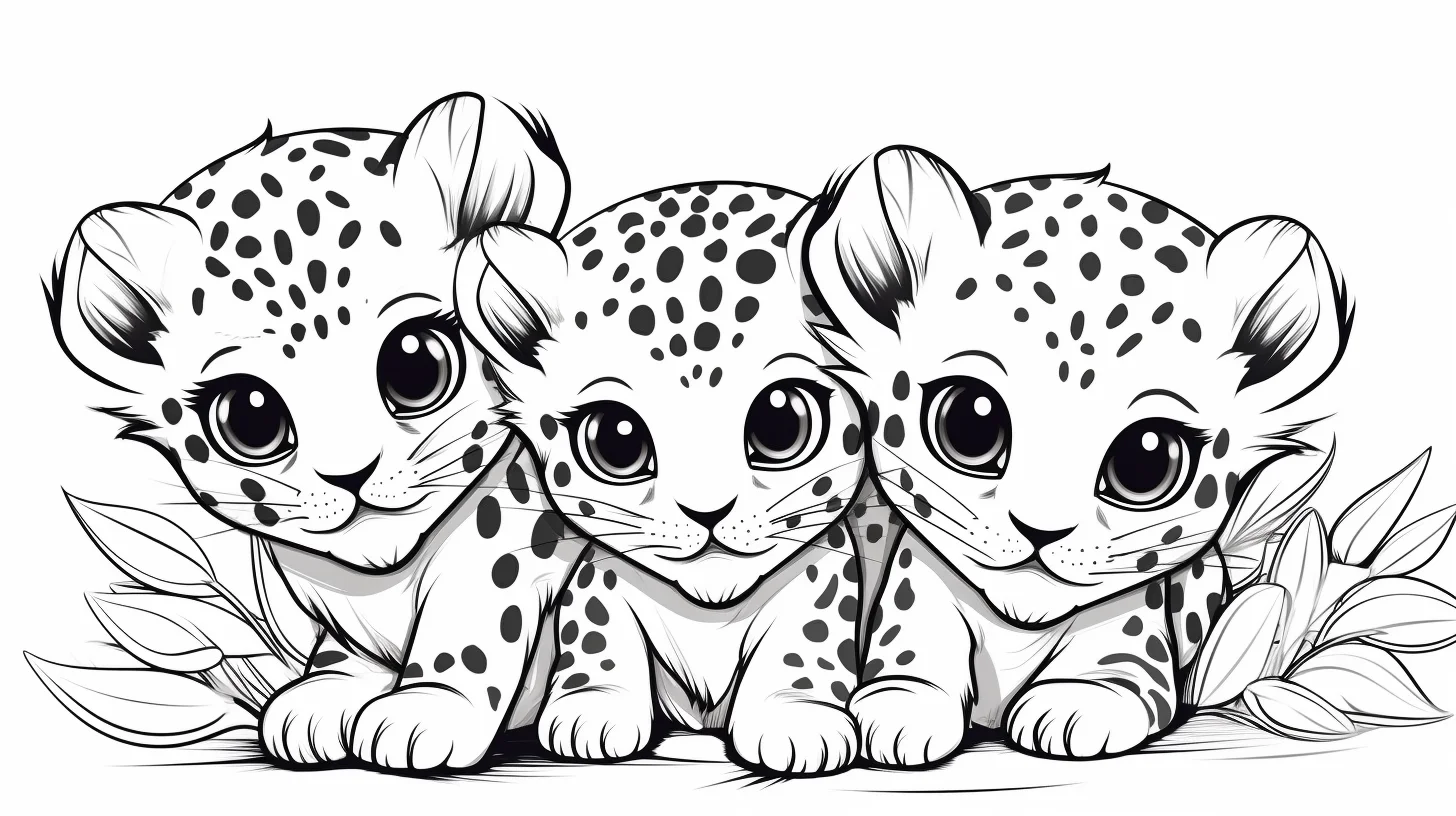
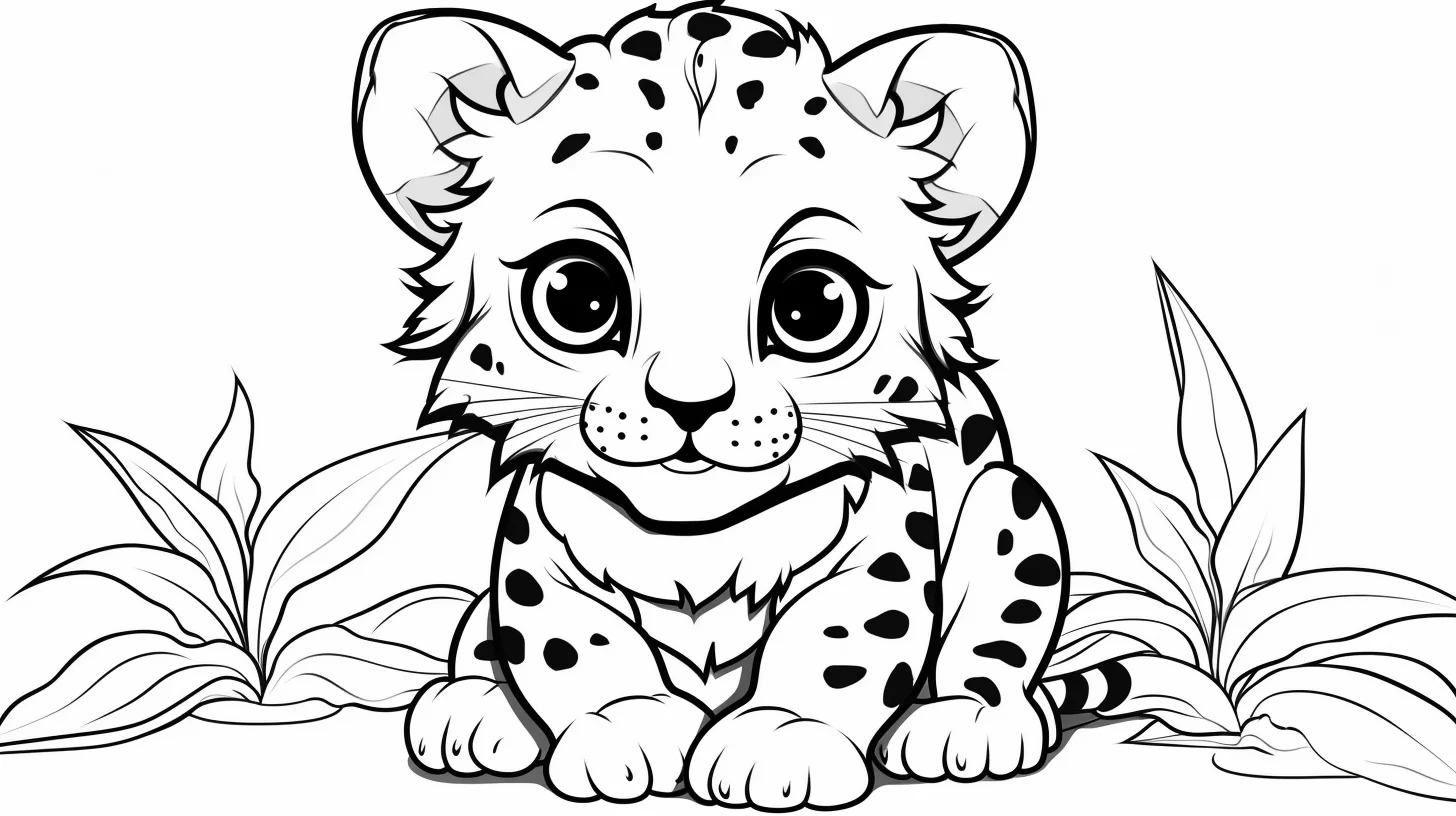
Do a 90-second pale-fur test before coloring
Snow leopard pages are easy to overwork because the paper itself is supposed to remain one of your lightest values. Before starting the animal, use a scrap of the same paper and make three small swatches with one gray pencil: barely-there pressure, light pressure, and medium pressure. Keep the first swatch close enough to white that you can still see a clear difference between it and untouched paper.
Next, draw one broken rosette across the lightest swatch and another across the medium swatch. If both rosettes read equally dark from arm’s length, the second coat value is already too heavy. The marking should stay visible without making the surrounding fur look gray.
- Face check: reserve your darkest pencil pressure for the eyes, nose and a few markings near the forehead. If every facial spot is equally dark, the expression gets lost.
- White-fur check: shade a tiny curved strip with pale blue-gray, leaving its center untouched. You should read it as white fur in shadow, not blue fur.
- Tail check: test two neighboring rosettes with different edge strength. A softer rear edge makes the tail feel rounded instead of patterned like a flat strip.
Then squint at the test from about an arm’s length away. You should notice the eyes and nose first, the rosettes second, and the pale coat last. If the coat becomes the strongest gray mass, erase or lighten it before using that pressure on the printable. This small test is especially useful on mountain scenes, where gray rocks can otherwise merge with a gray leopard.
Getting the snow leopard pattern right
The easiest way to lose the snow-leopard look is to make the markings too dark and too dense. Start with a pale coat, then build the rosettes gradually with soft charcoal or gray-brown. Leave plenty of untouched fur between them, especially around the cheeks, chest and belly.
- Use a very light base before adding any spots.
- Keep the face and underside softer than the back and tail.
- Use blue-gray or muted violet sparingly in snow and rock shadows.
- On the simpler pages, brighter or completely invented colors work just as well.
For classroom use, one simple comparison works well: put a snow leopard page next to a regular leopard or tiger page and look at how the coat patterns differ before coloring. It gives the activity a little context without turning it into a lesson plan.
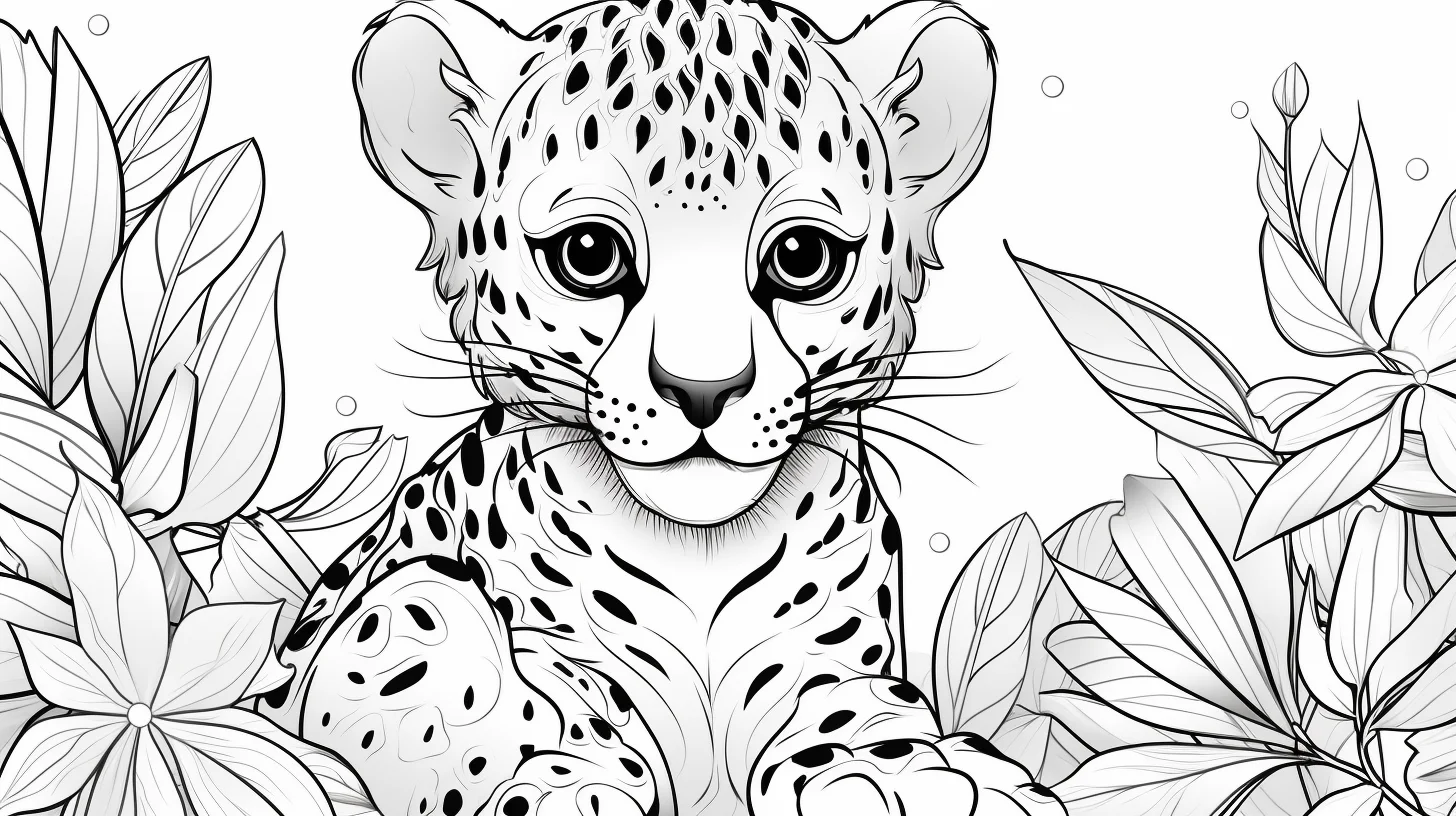
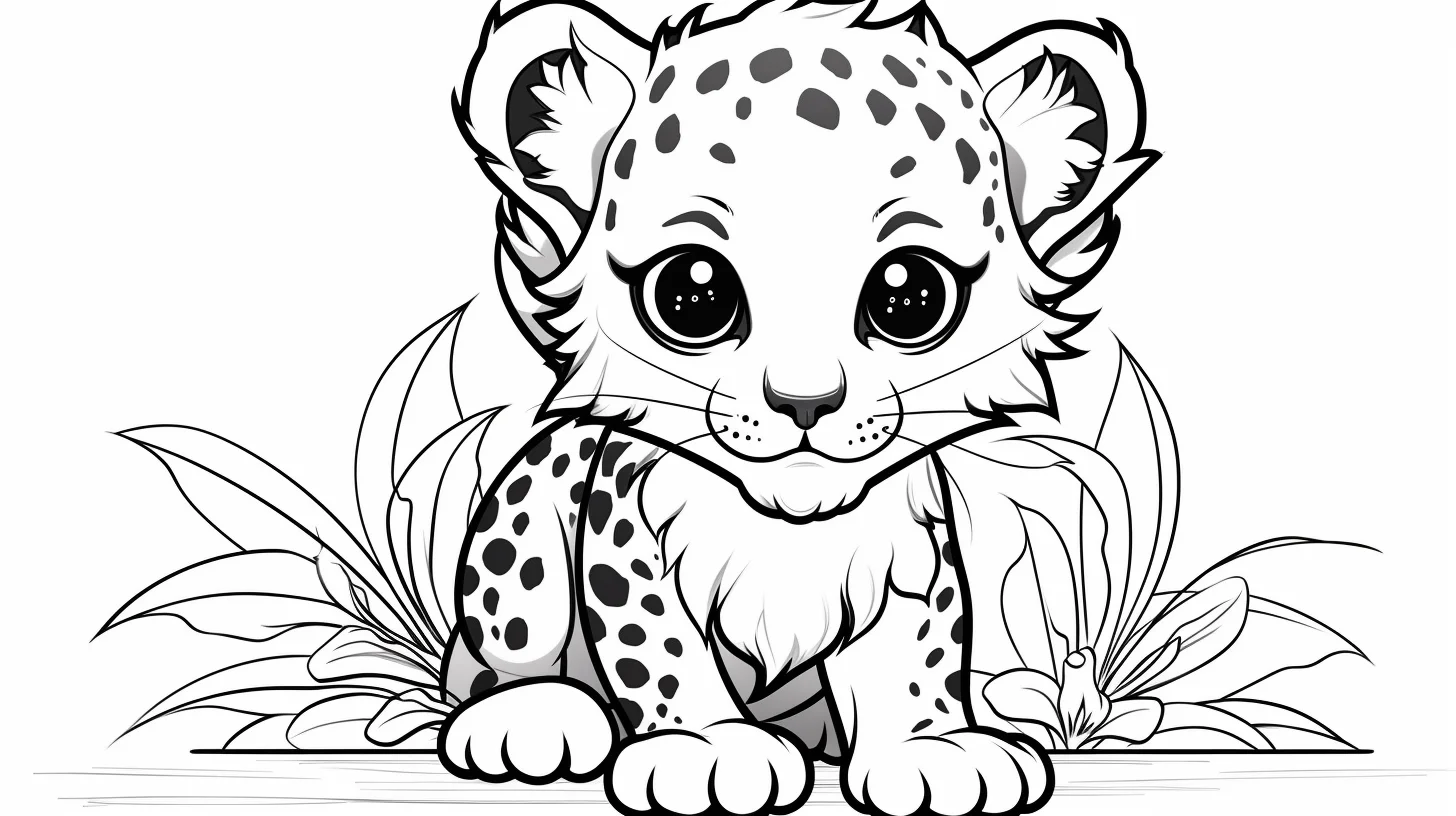
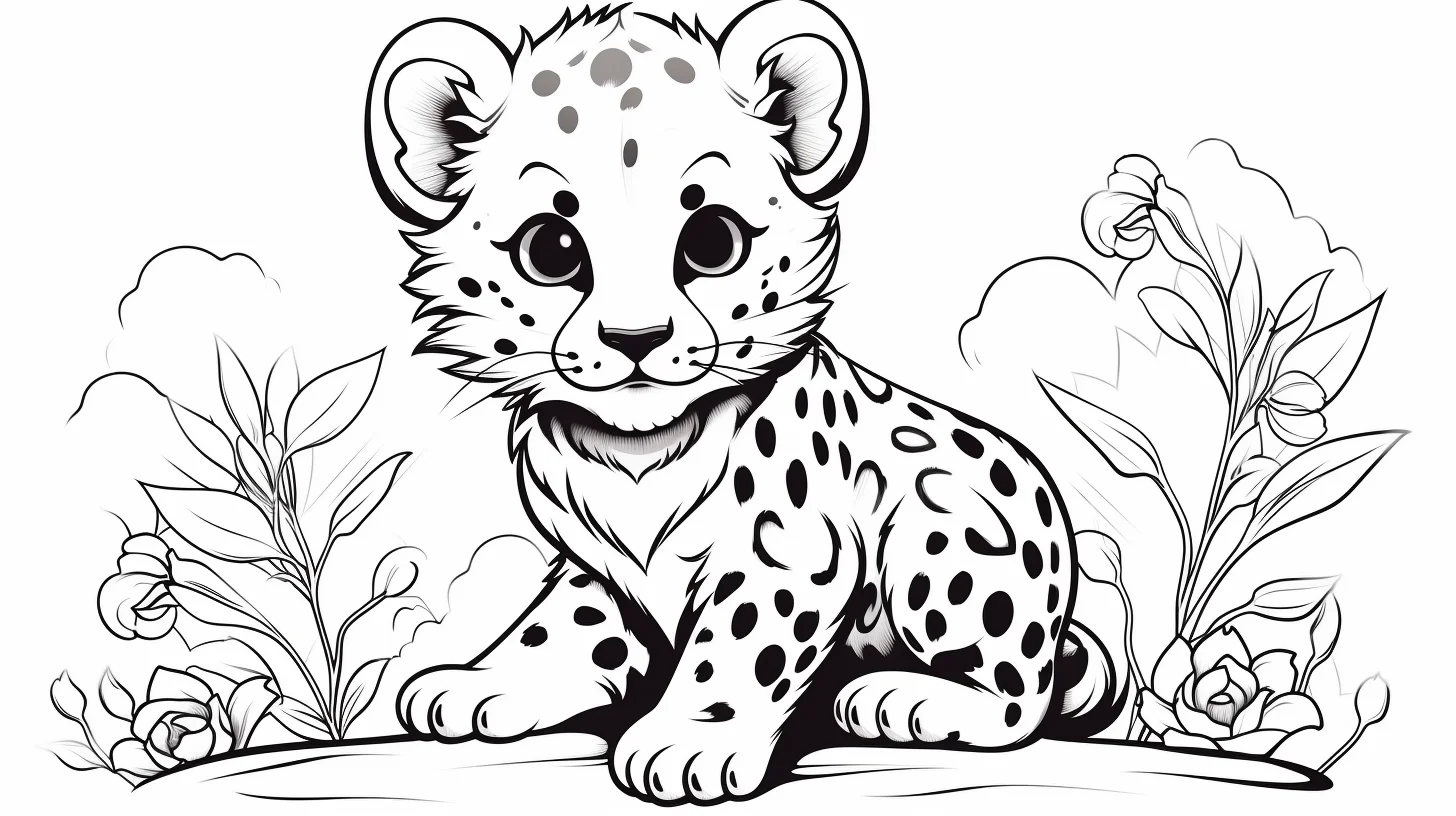
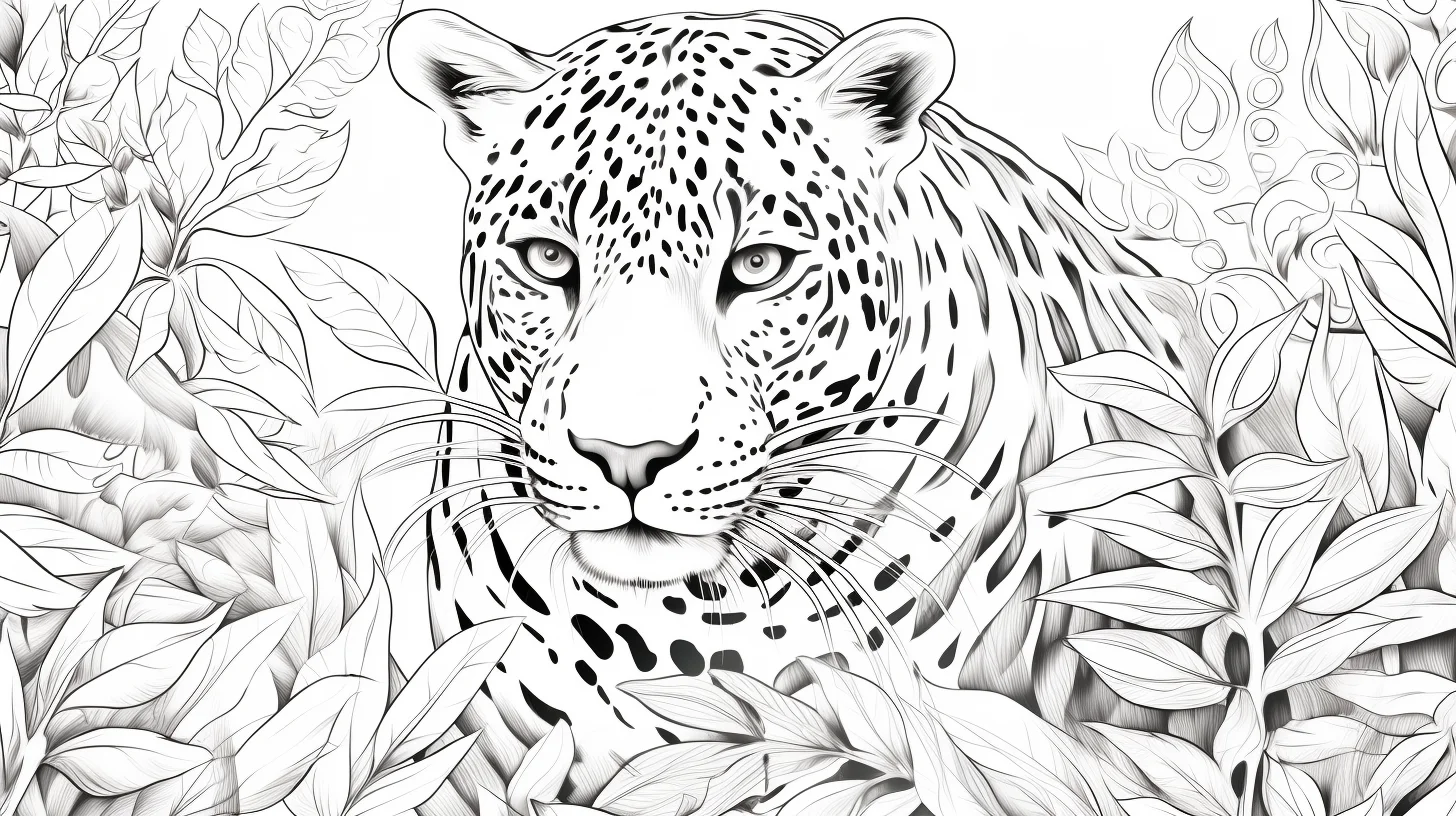
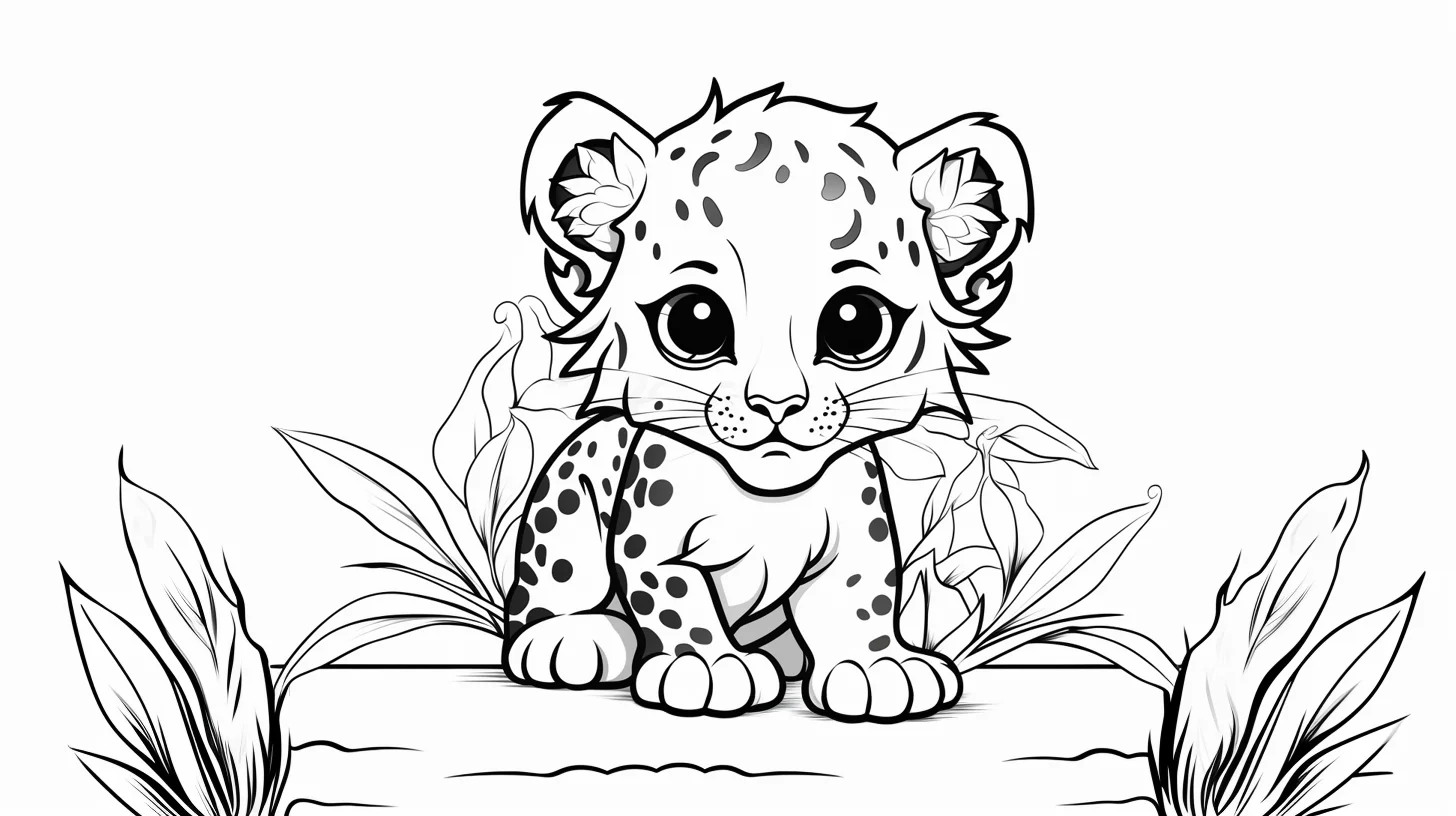
How to shade white fur without turning it gray
The paper can do most of the work on a snow leopard. Instead of filling the entire animal with gray, leave the brightest parts white and shade only where the form turns away from the light: under the chin, behind the front legs, along the belly and beneath the tail. Use light pressure and build the shadow in two or three passes. That keeps the coat pale while still giving the body shape.
For a cool mountain look, try a light blue-gray in the deepest shadows and a warmer gray-brown around the rosettes. If the animal starts looking uniformly gray, lift some color with an eraser or leave the next section untouched. White space is part of the palette here, not an unfinished area.
A simple way to build snow leopard rosettes
- Map the larger markings first. Start on the back, flanks and tail rather than the face.
- Use broken rings, not perfect circles. Snow leopard rosettes look more natural when the edges are irregular and some have a lighter center.
- Reduce the pattern toward the face and legs. Smaller spots keep those areas from becoming visually heavy.
- Soften the darkest marks. Charcoal, cool brown or dark gray usually integrates better with a pale coat than solid black everywhere.
You do not need biological precision for a coloring page. The useful principle is variation: mix larger broken rosettes with smaller spots and leave visible pale fur between them.
Choose a page by the kind of practice you want
| If you want to practice… | Look for… | Best starting tool |
|---|---|---|
| Staying inside lines | A cub or single animal with large open areas | Crayons or broad pencils |
| Coat patterns | A side view with a clear back, flank and tail | Colored pencils |
| Soft shading | A larger realistic animal with little background detail | Gray and blue-gray pencils |
| Depth and scenery | A mountain, rock or family scene | Colored pencils or fine-tip markers |
A three-step practice session
If you want to use the collection for more than a single printable, choose three sheets with increasing detail. On the first, use only a pale coat color plus one dark marking color. On the second, add light and shadow to the fur. On the third, separate the animal from the mountain background by keeping the leopard relatively warm and making the snow and rocks cooler. Repeating the same basic palette makes it easier to notice what shading and contrast actually change.
Fix common coloring problems
- The leopard disappears into the snow: darken only the outline-side shadows and a few rosettes rather than filling the whole coat.
- The spots look too busy: leave more pale fur between markings and reduce the number of marks on the face and underside.
- The rocks compete with the animal: use lower-contrast grays in the background and save the darkest values for the leopard.
- Pencil shading looks streaky: use small overlapping strokes with light pressure, then add another layer instead of pressing harder.
- Markers bleed through: print on heavier paper and place a spare sheet underneath. For the smallest rosettes, switch to pencil or a fine tip.
Snow leopard coloring questions
What colors are snow leopards?
A realistic palette is mostly off-white, pale smoky gray and soft gray-brown, with darker rosettes. You can add blue-gray or muted violet to shaded snow and rocks to separate the background from the fur.
Which pages are easiest for kids?
Choose designs with one large animal, fewer markings and little scenery. Large open areas are usually a better difficulty signal than whether the drawing looks cute or realistic.
Which pages work best for adults or detailed coloring?
Mountain scenes, family groups and drawings with more fur markings give you more opportunities for layering, texture and background contrast. Colored pencils are especially useful because you can control pressure in the small sections.
How should I print the pages?
Open the image you want at full size, use A4 or US Letter paper, and select “fit to page” in the print dialog. Check whether portrait or landscape orientation matches the artwork before printing. For more troubleshooting, use our printing guide.
Where can I find similar big-cat pages?
Use the leopard coloring pages for warmer spotted-cat palettes, or try the tiger collection if you want stripes and stronger orange-and-black contrast.

