
This gallery is specifically about young wild animals: bear cubs, baby elephants, lion cubs and other species associated with forests, savannas and wildlife habitats. It is not the best page if you want pets, farm animals or a random mix. Use it when the appeal is the wild-animal theme itself.
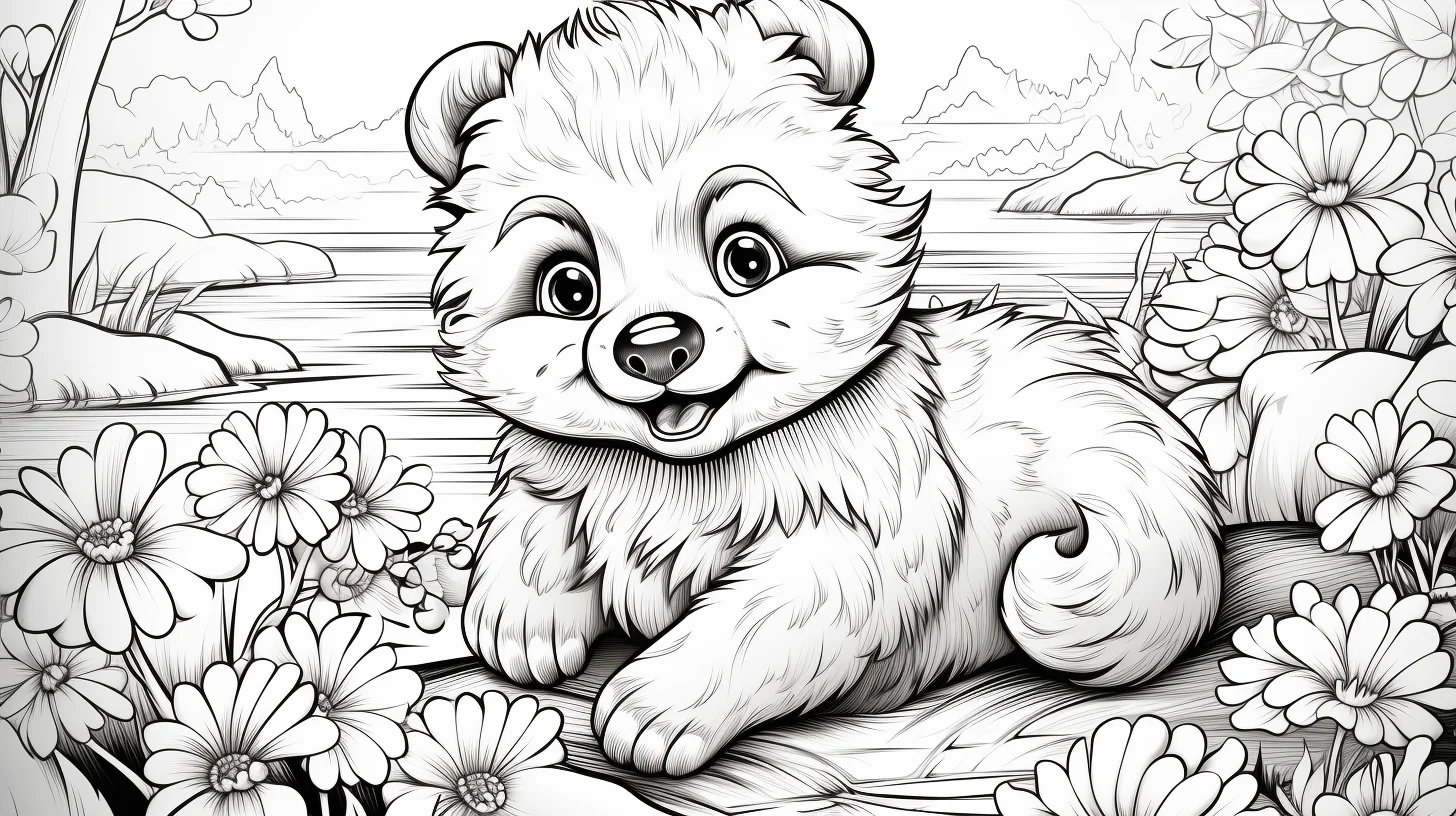
Do this 60-second detail check before you print
A page can look easy on a phone and become frustrating once a child starts coloring it. Before choosing one, look at the animal’s eyes, toes, ears and any grass or markings around the body. Those smallest spaces tell you more about the real difficulty than the animal itself.
- Compare the tool tip with the smallest spaces. If a crayon tip is almost as wide as an eye, paw detail or narrow patch of fur, choose a simpler sheet or switch to a colored pencil for those areas. Broad crayons are better for elephant bodies, skies and open ground.
- Test three values on scrap paper. Make a light, middle and dark version of the animal’s main color. If all three look nearly identical, reduce pressure for the lightest swatch before starting. Those three values are enough to make a cub or elephant feel rounded without complicated shading.
- Protect the face first. Decide where the eyes, nose and muzzle need contrast before darkening the coat. If the face is already surrounded by dark fur or markings, keep the nearby areas lighter instead of outlining the whole head in black.
- Choose one visual priority. On a page with grass, rocks or trees, either make the animal the strongest contrast or make the habitat colorful—not both. A quieter background keeps a small cub readable from across the room.
For preschoolers: skip the three-value test. Use one main animal color, one darker color for a few features, and one background color. Stopping there is often better than asking a young child to finish every blade of grass or tiny marking.
Pick a page by the kind of texture you want
| Animal type | Main coloring challenge | Good starting tools |
|---|---|---|
| Bear cubs | Soft fur and darker shadow areas | Colored pencils |
| Baby elephants | Large gray shapes without making the body look flat | Crayons or pencils |
| Lion cubs | Warm fur, face contrast and small shadow changes | Colored pencils |
| Other wild species | Markings, skin or habitat details | Pencils or mixed tools |
The easiest pages are still the ones with one large animal and very little scenery. Designs with grass, trees, rocks or more facial detail take longer because you are coloring the habitat as well as the animal.
If one species becomes the clear favorite, switch to its focused collection instead of printing another mixed sheet. The lion cub pages, baby rhino pages and baby elephant pages give you more depth without changing the subject.
Natural colors without making the page feel like homework
If you want a realistic result, use a reference photo for the main fur, skin or marking colors, but do not worry about copying every shade exactly. One base color, one lighter area and one darker shadow are usually enough. For a more imaginative page, keep the animal recognizable and change the background, sky or accent colors instead.
With elephants, for example, gray does not need to mean one flat color. A lighter belly or face and a darker shadow under the body immediately gives more depth. With lion cubs or bears, two nearby browns or tans usually look better than outlining everything heavily in black.
How to print
Tap or click any coloring page below to open the original full-size file, then save it and print on A4 or US Letter paper using “Fit to page.” Most of these pages are wide, so landscape orientation is usually the better choice. If the image crops or splits across sheets, see our Print & Save Help.
If you want rabbits, ducklings, foxes and a softer mixed-animal gallery instead, use the cute baby animal coloring pages.
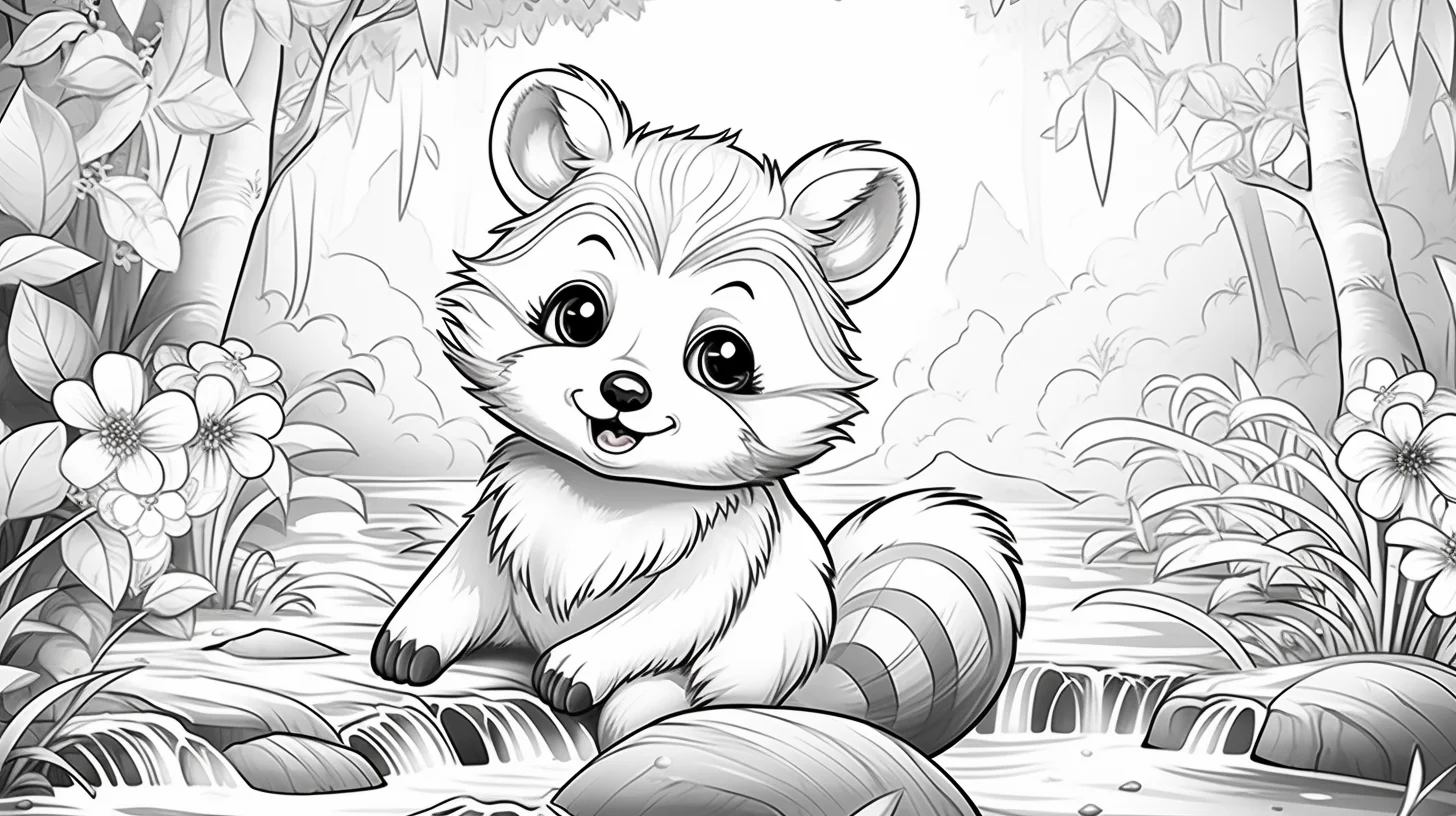
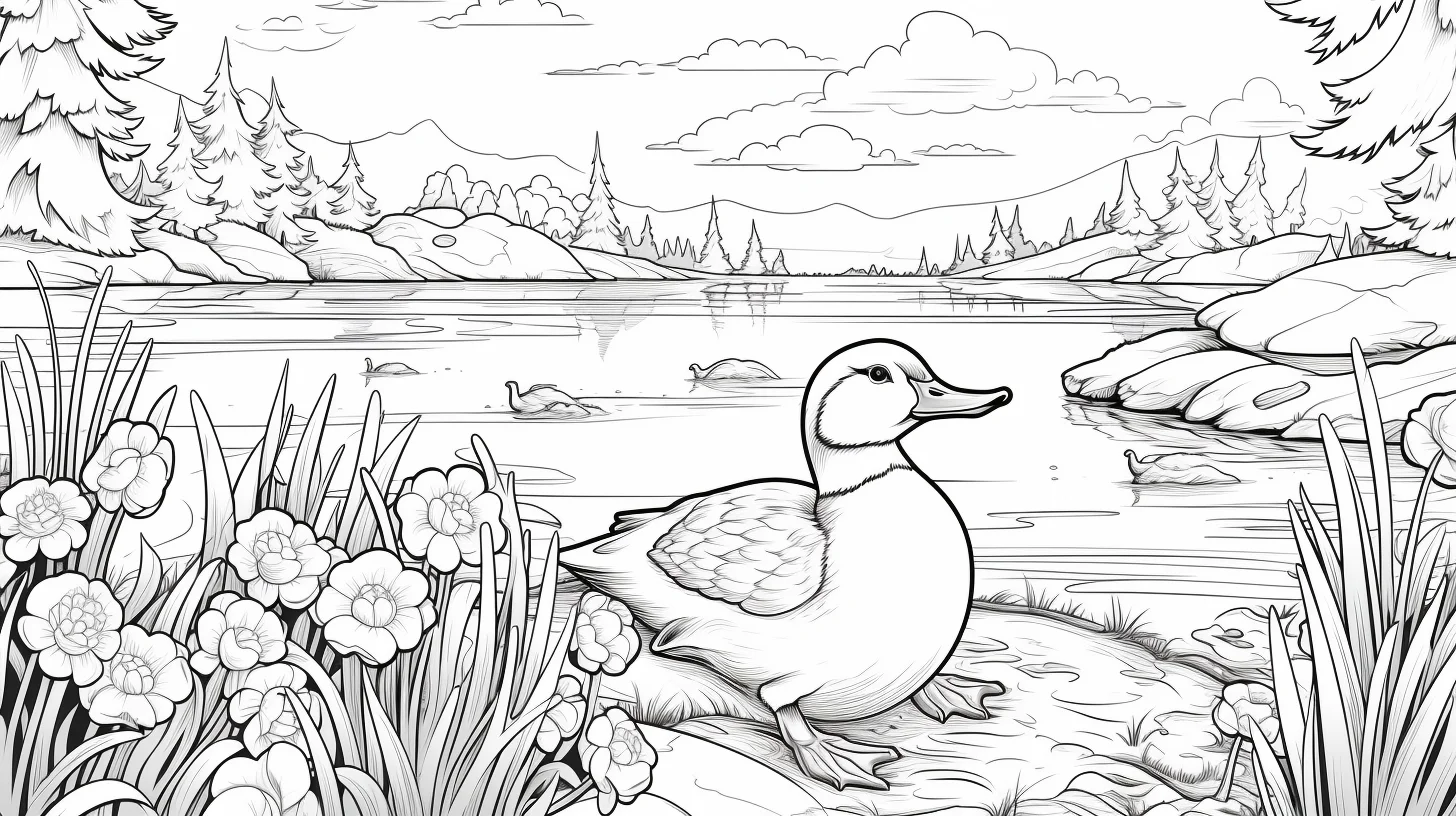
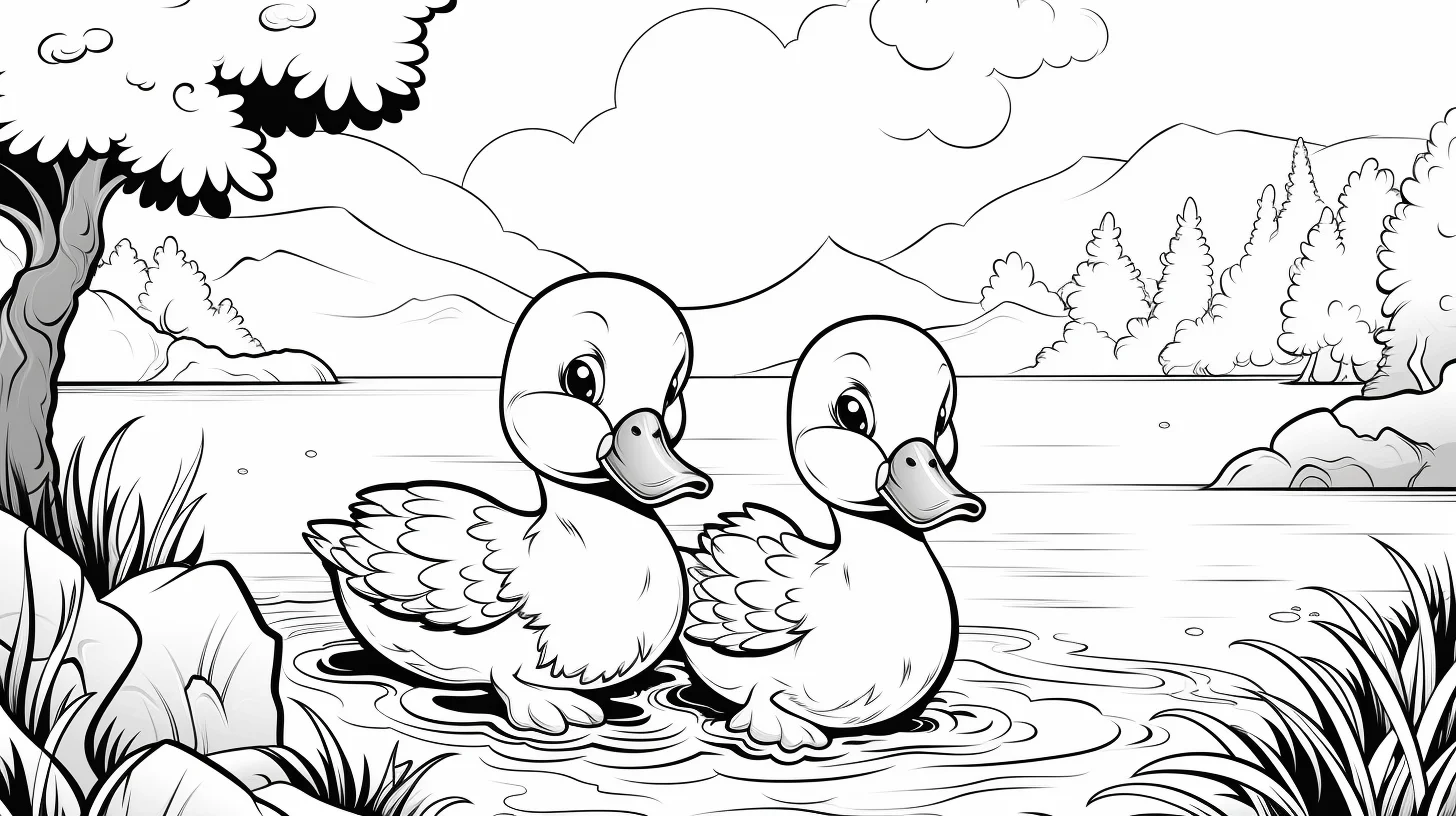
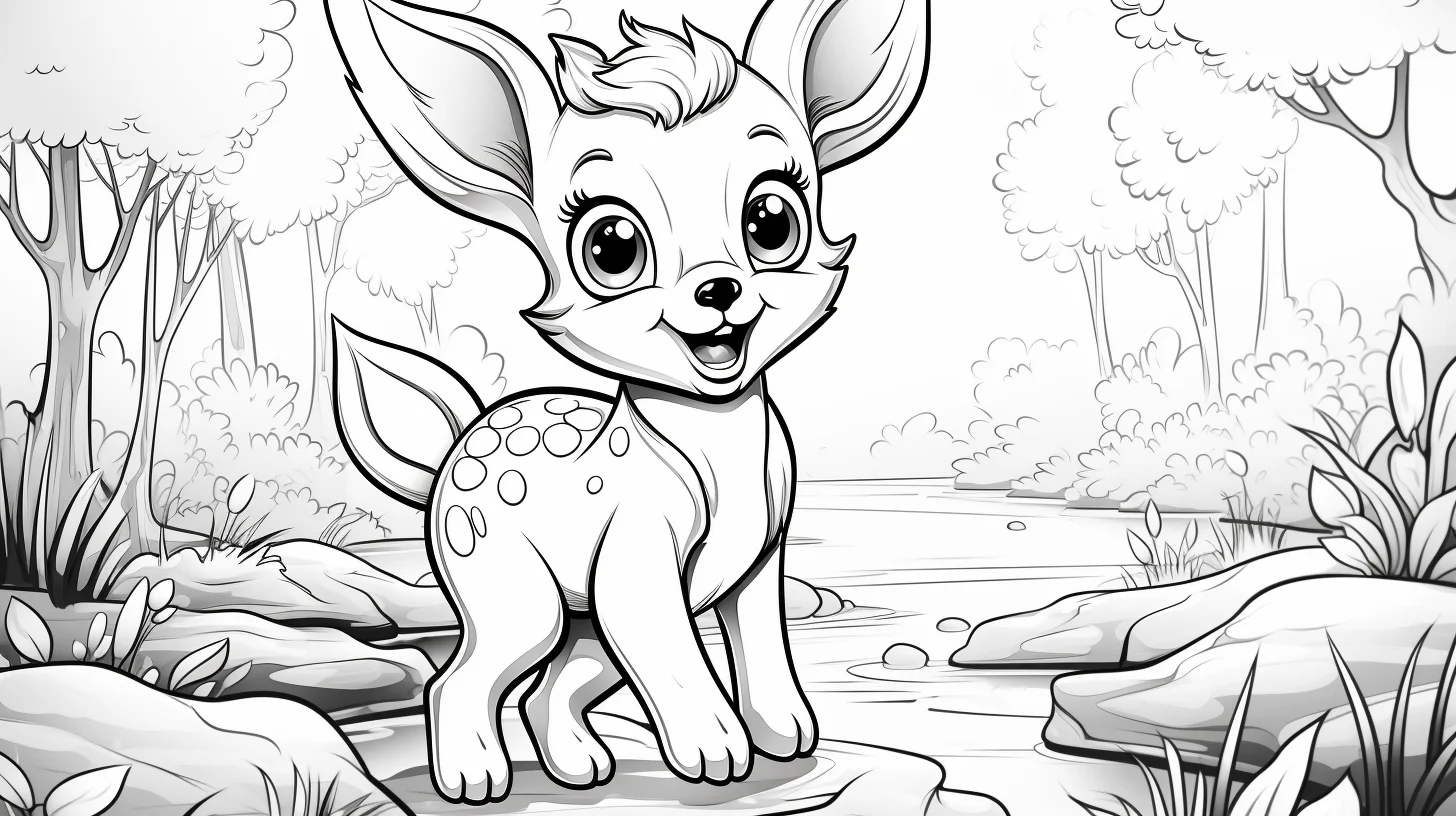
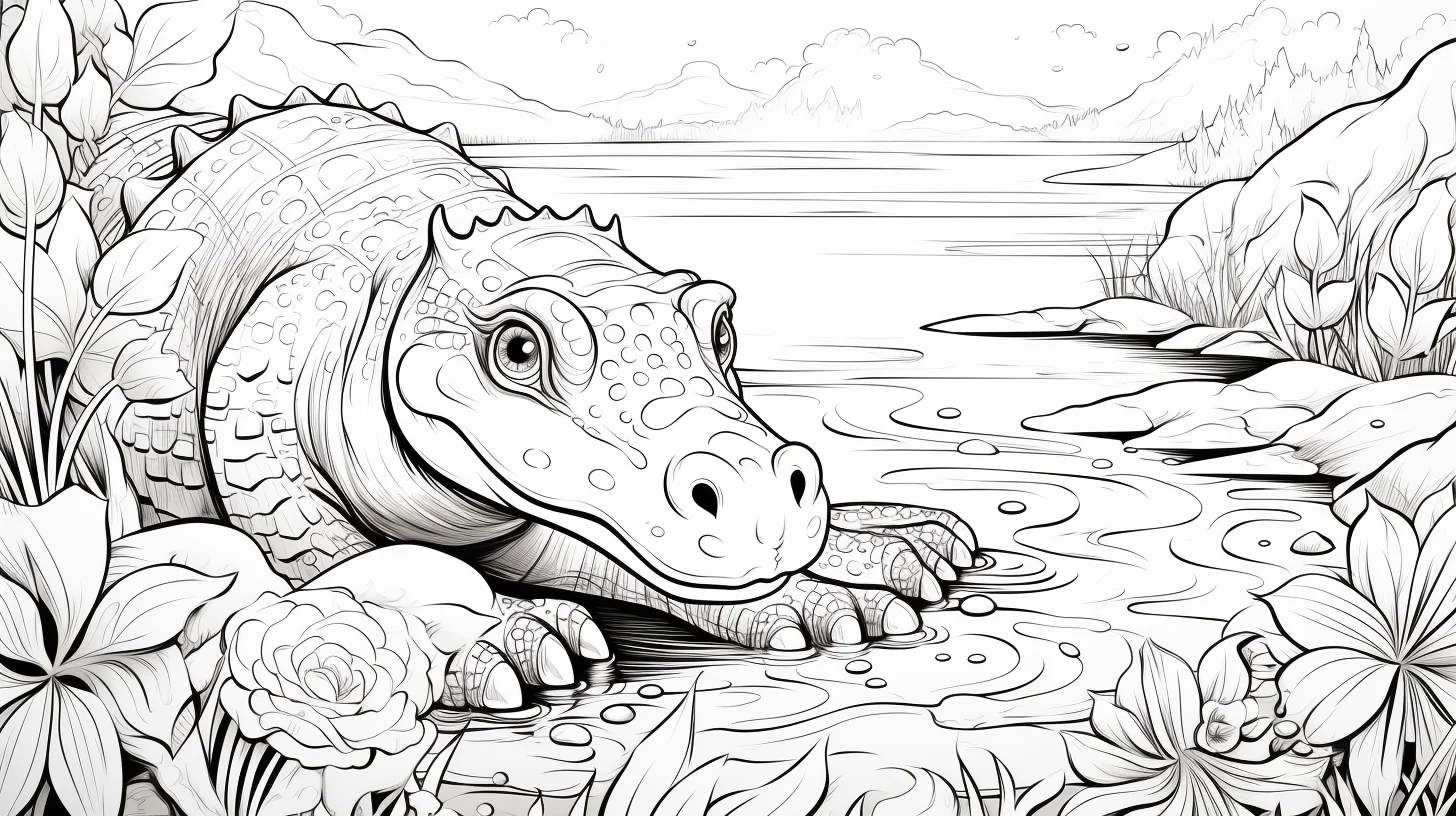
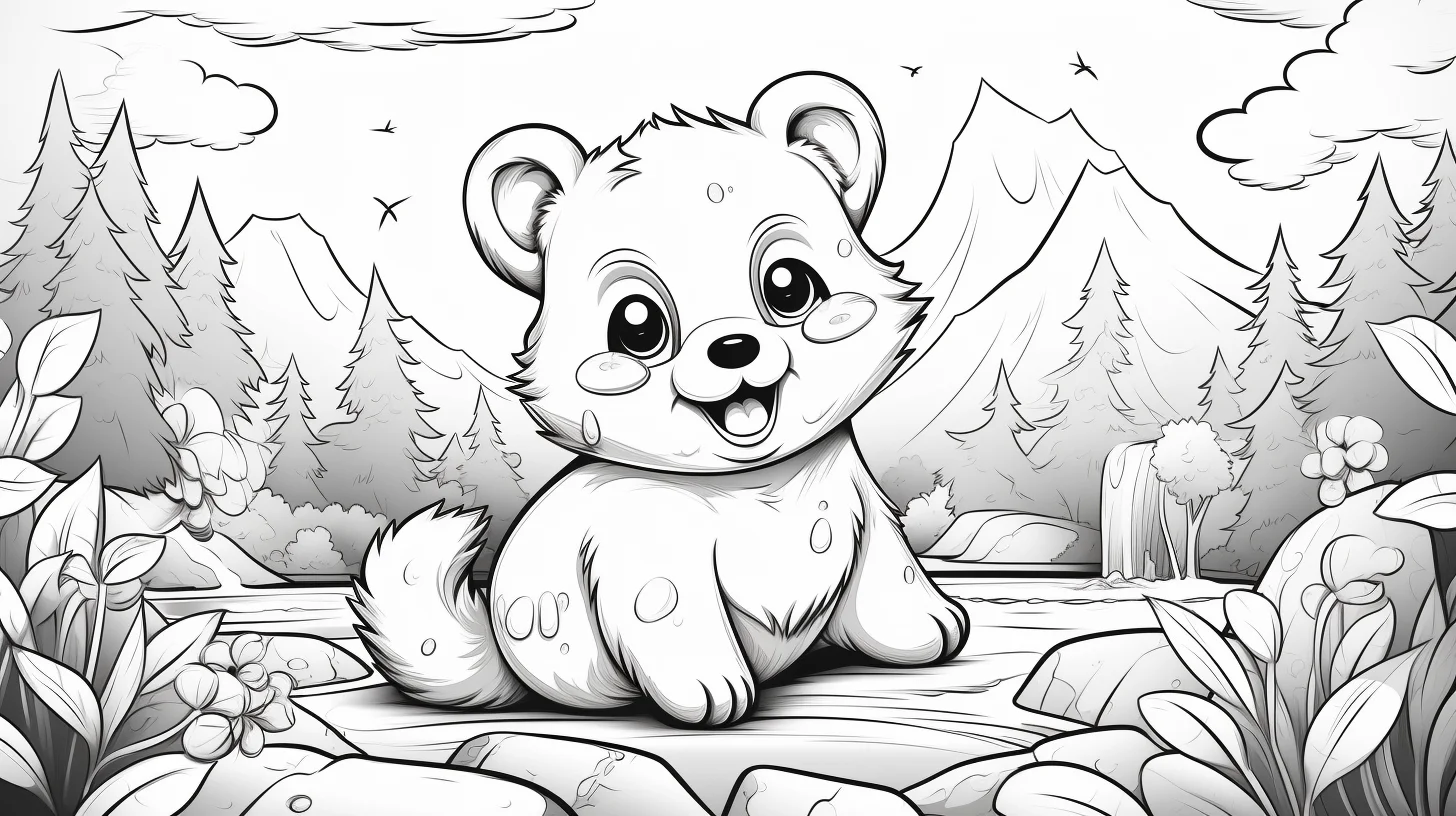
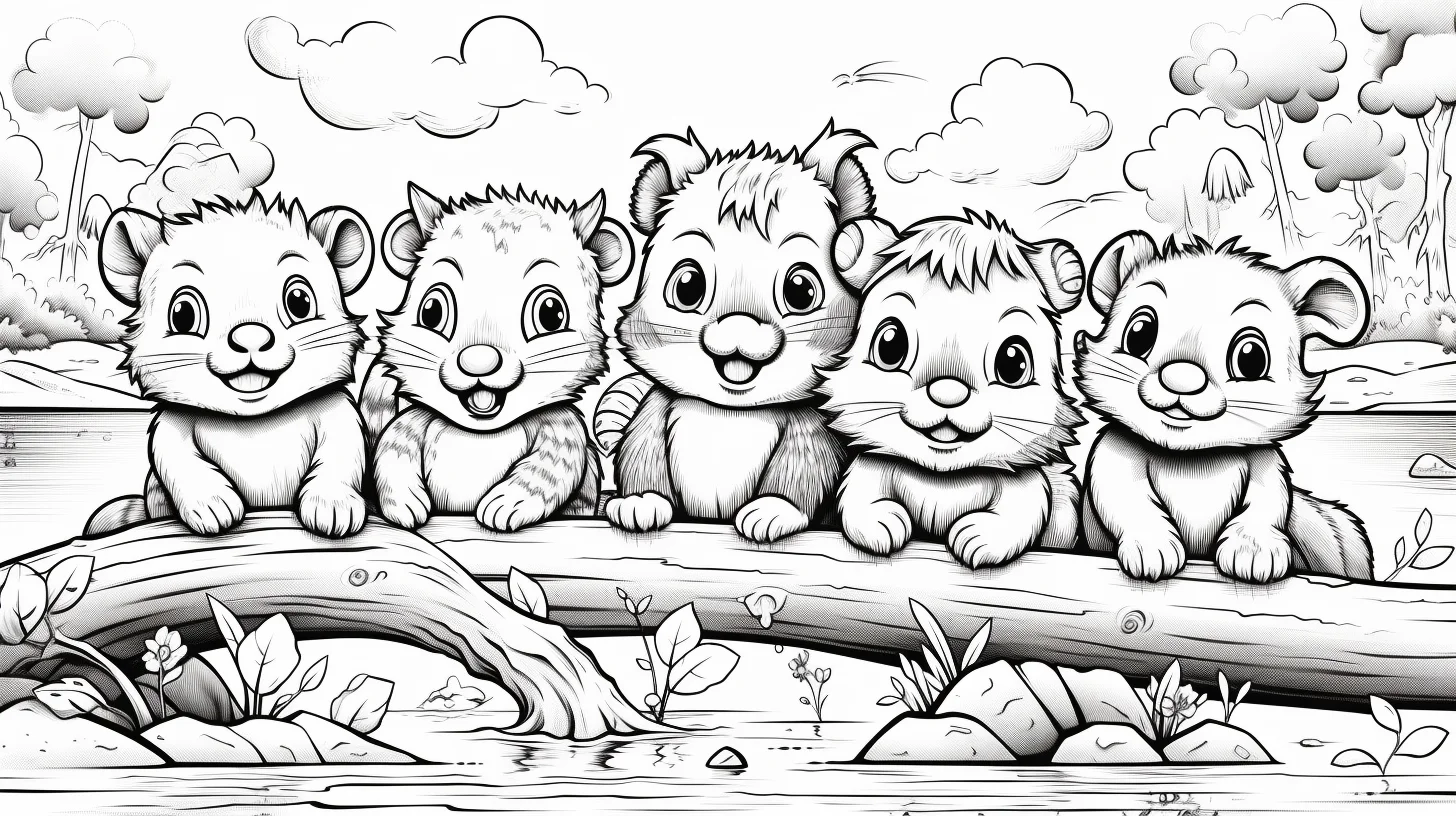
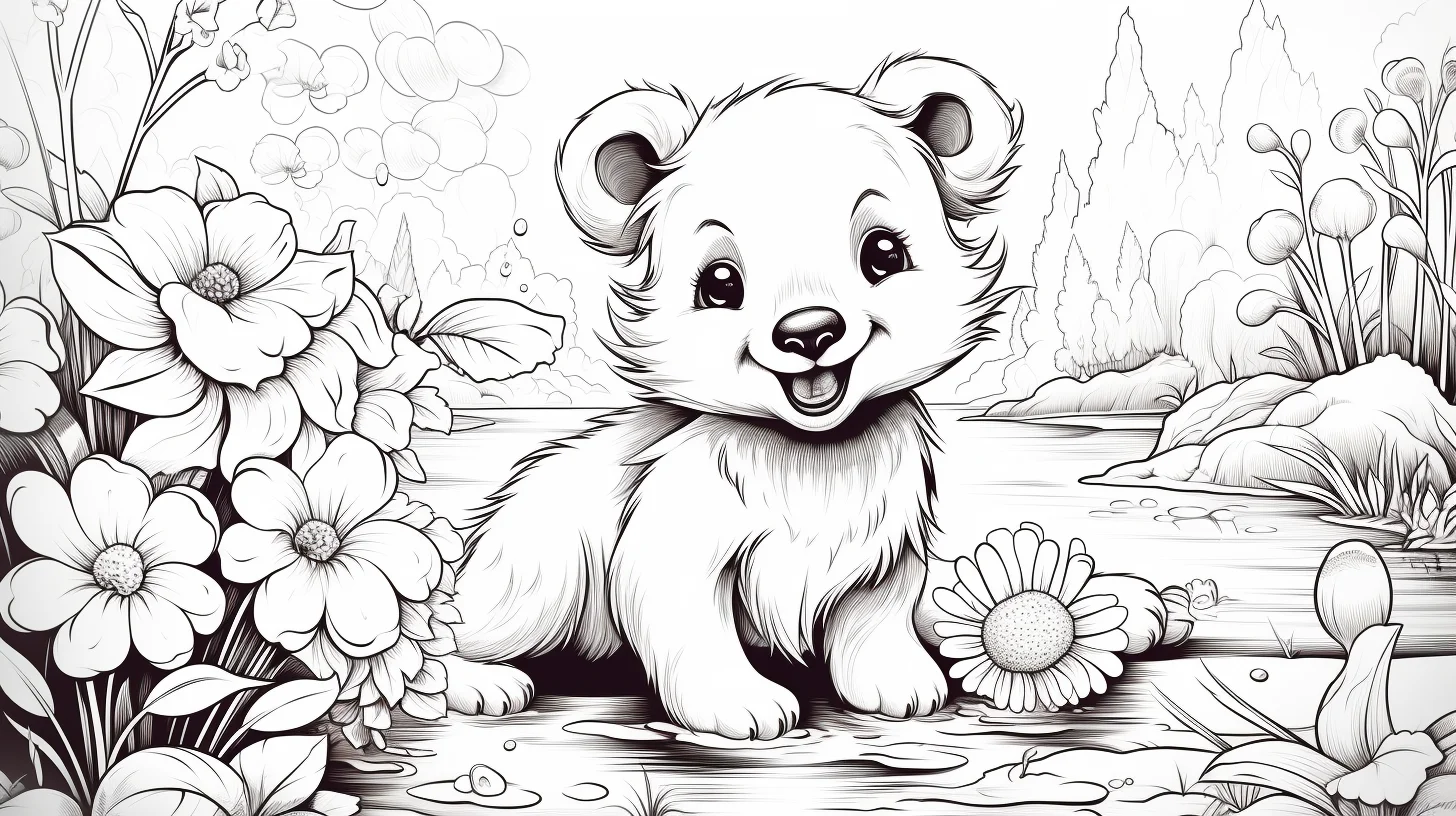
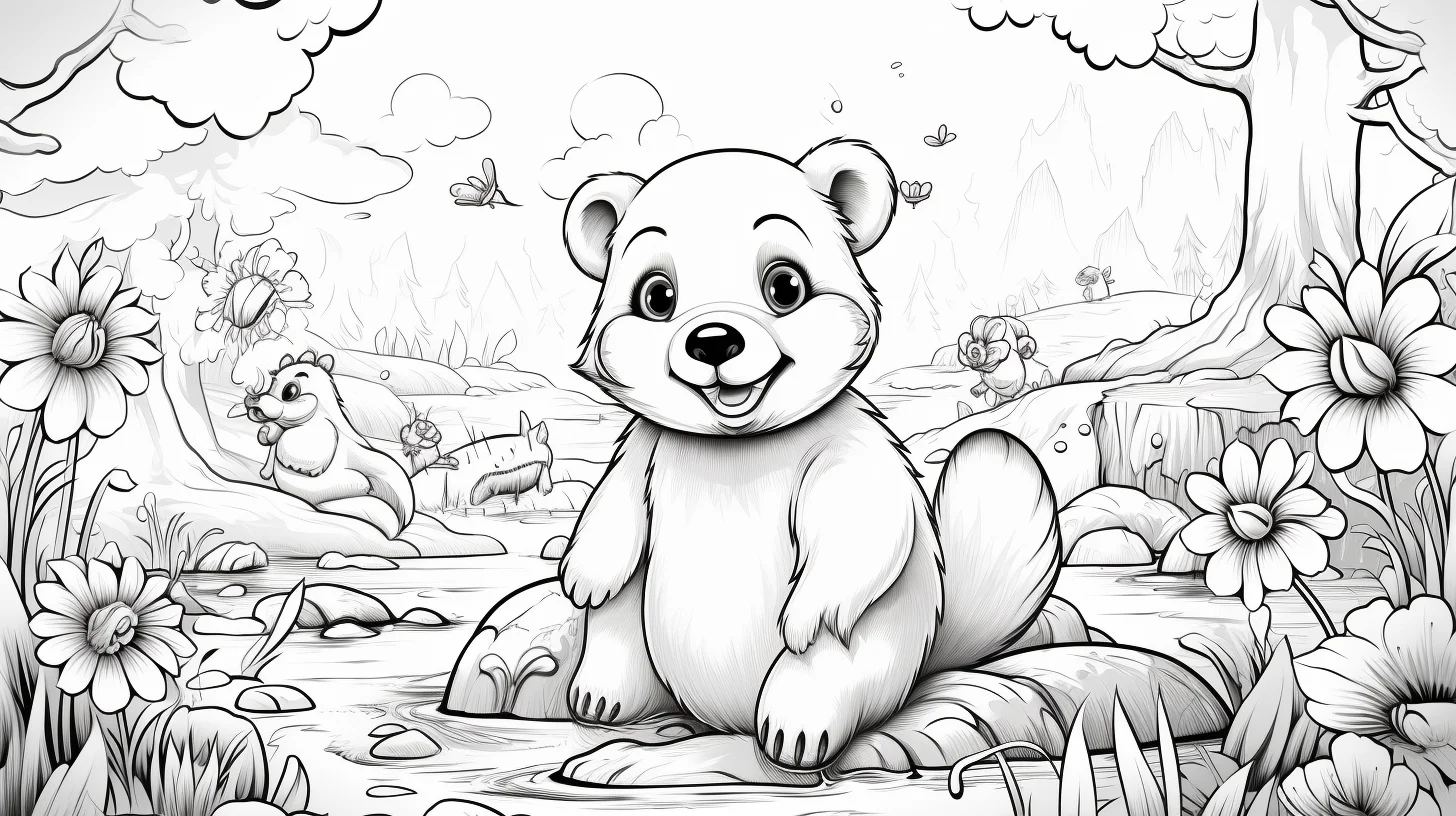
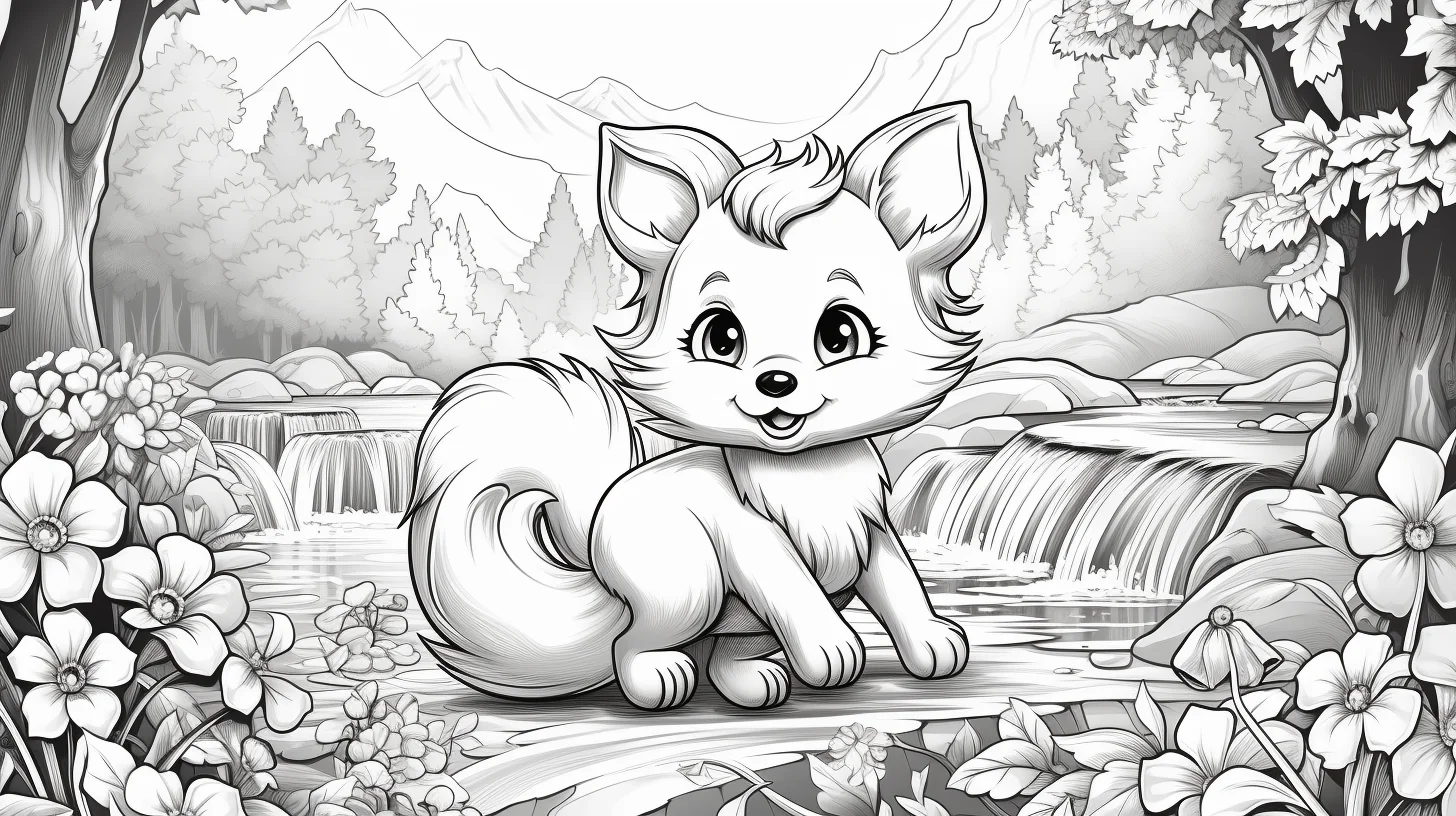
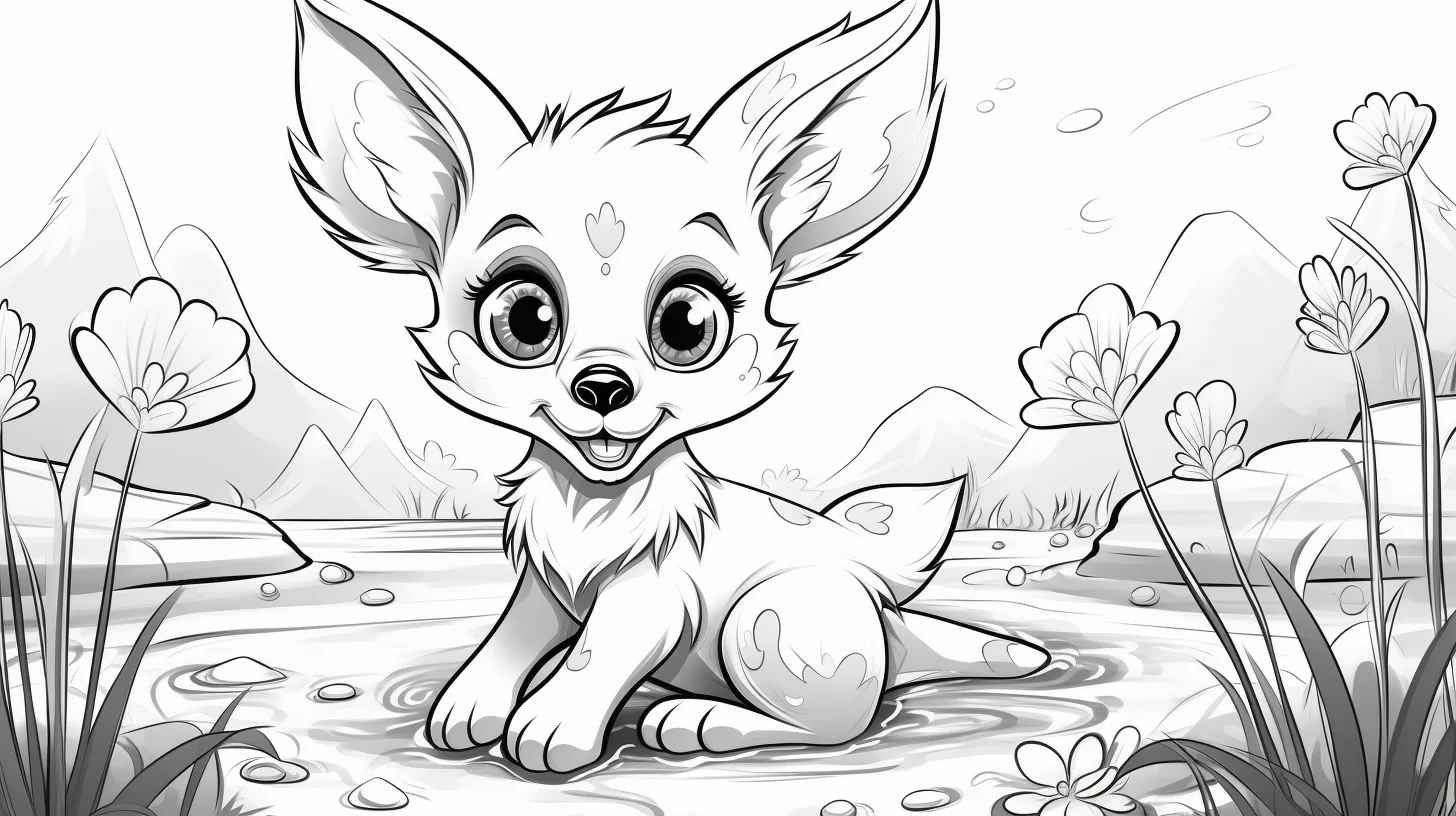
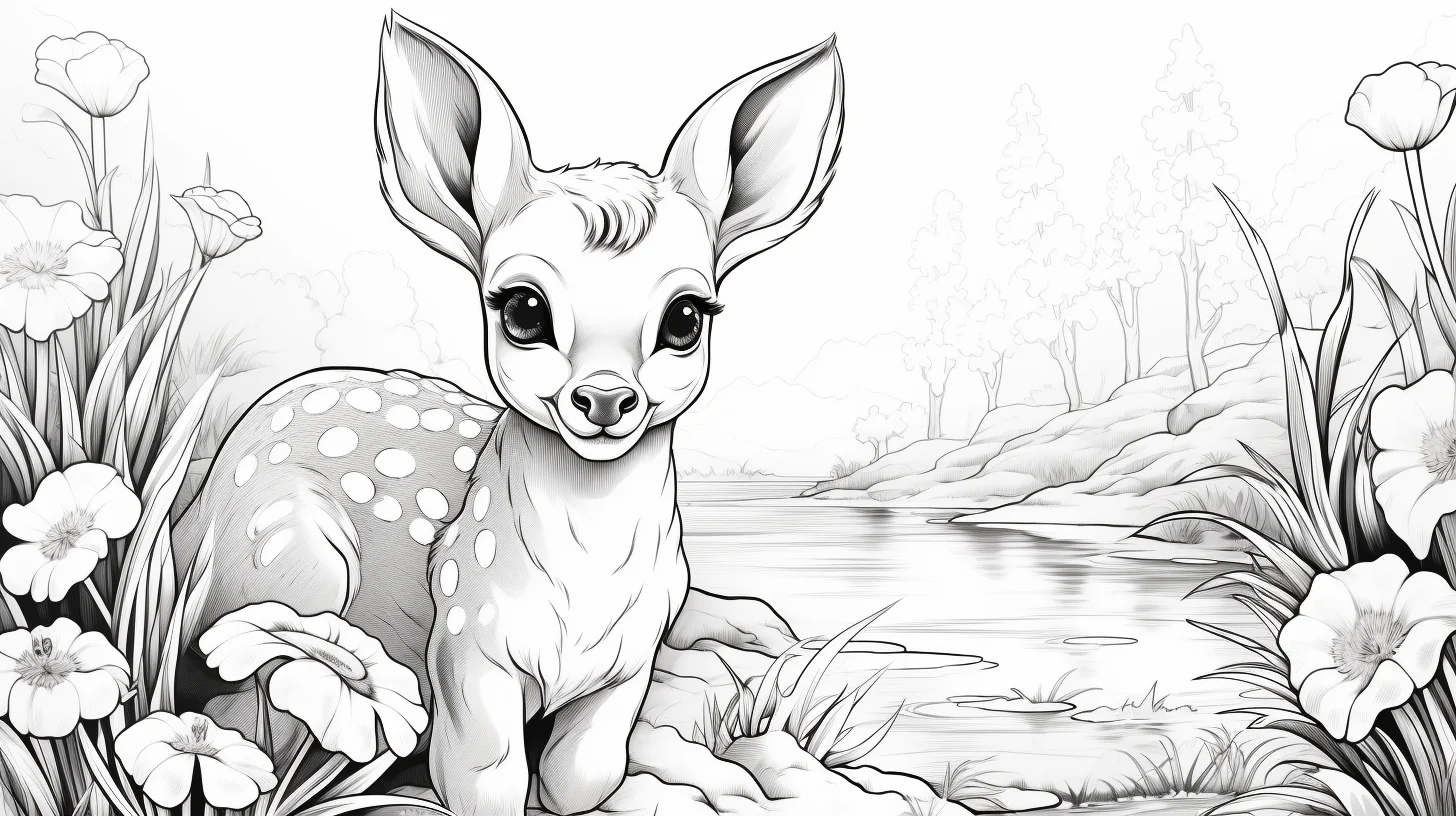
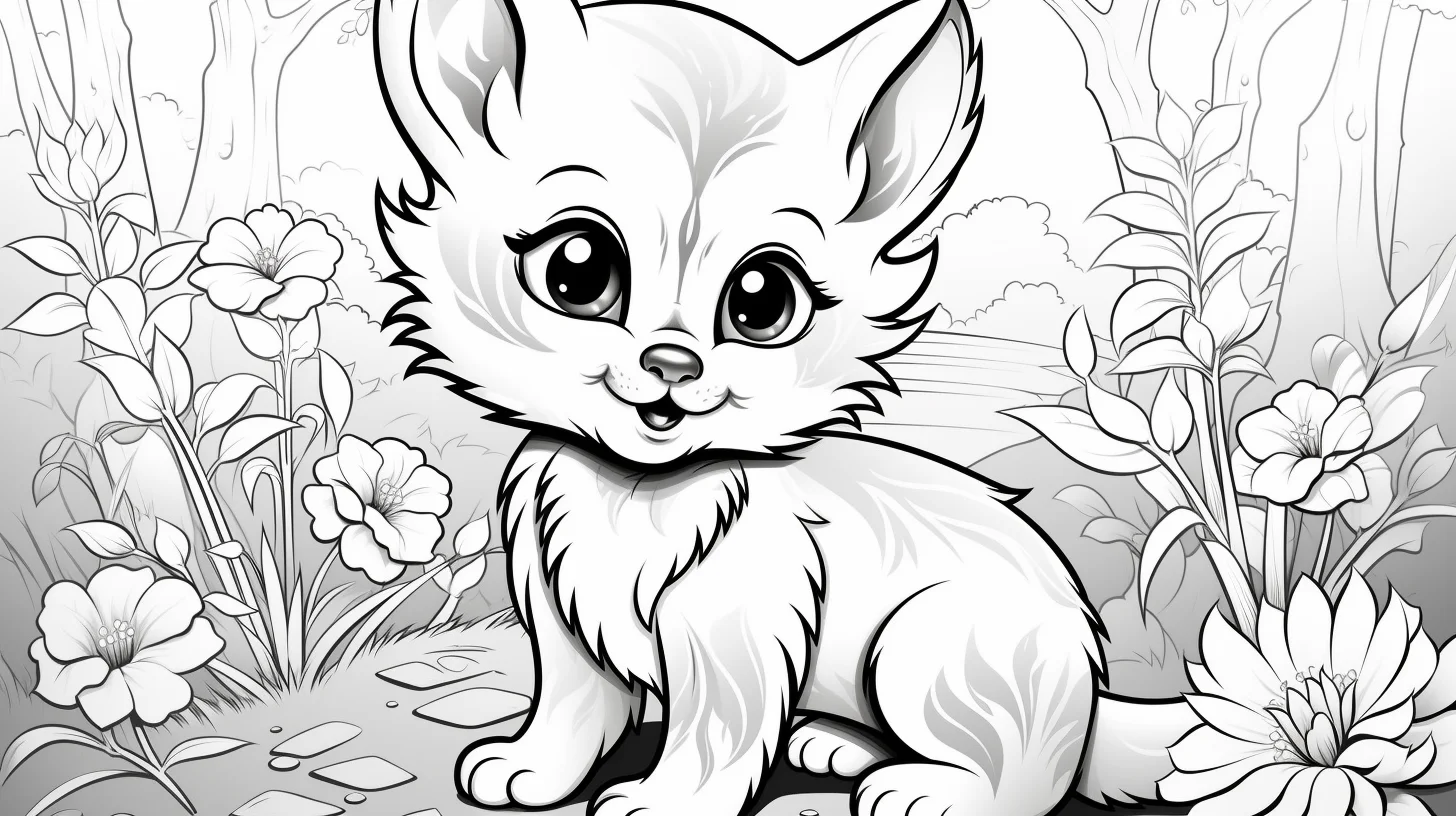
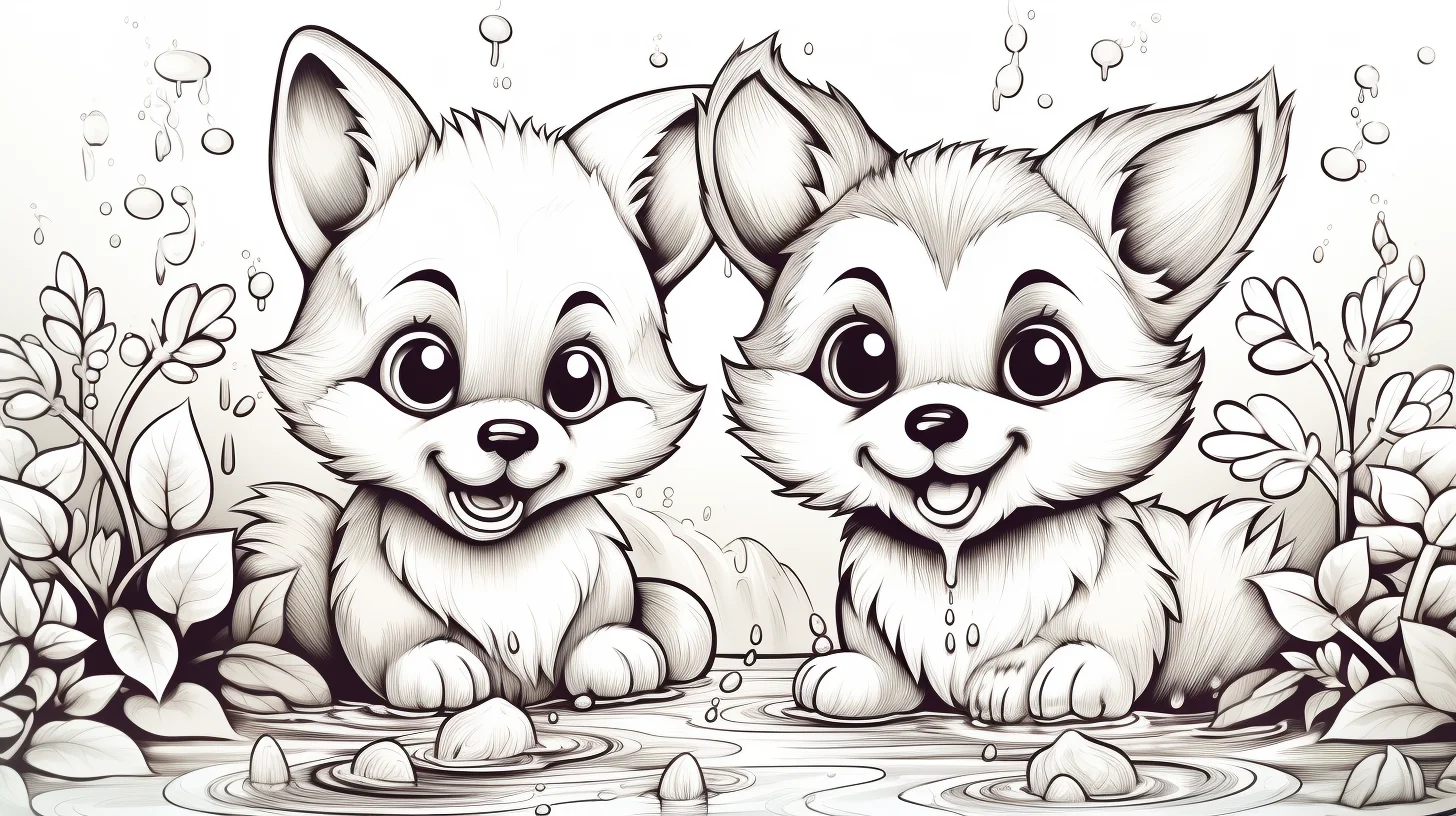
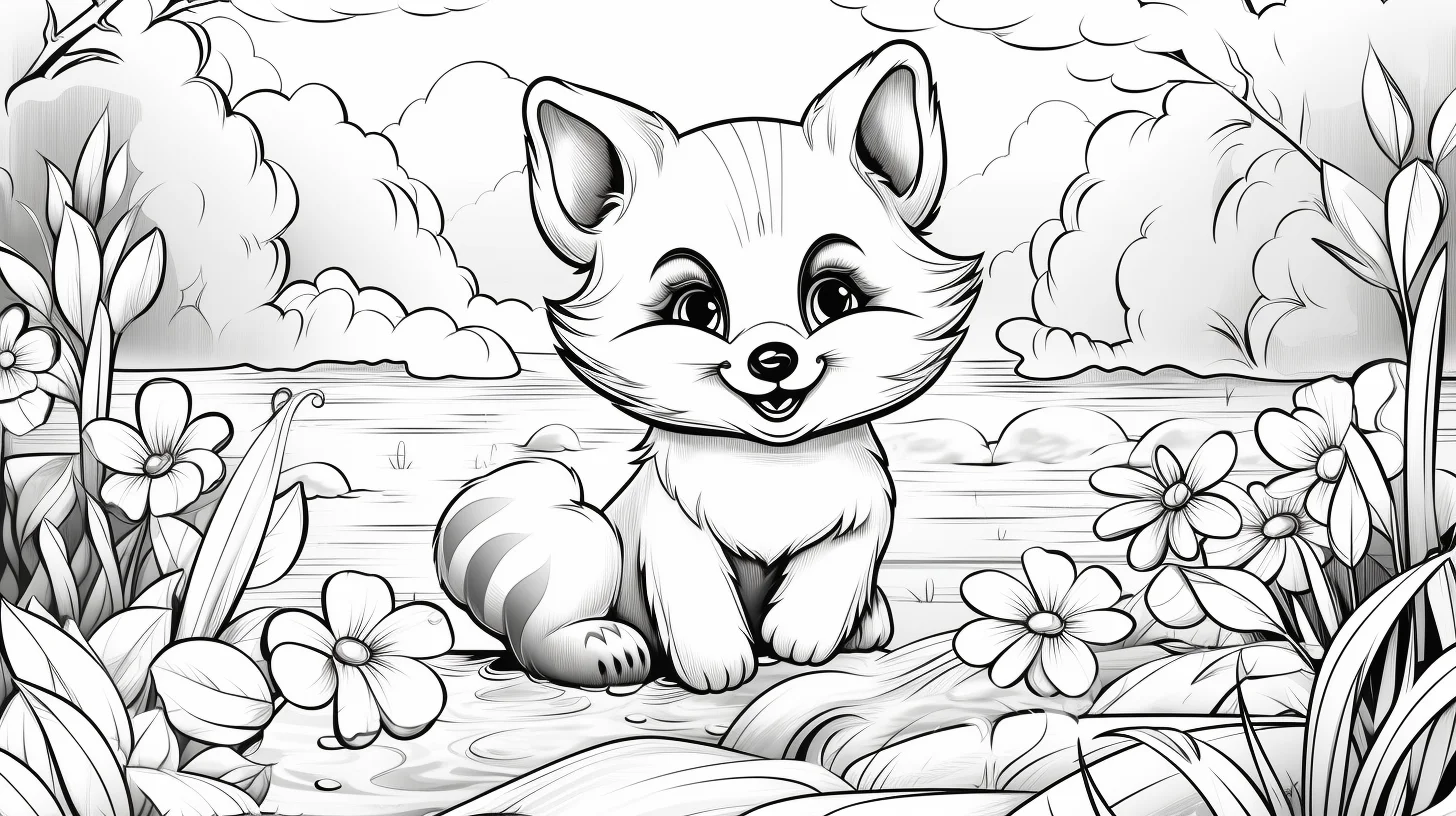
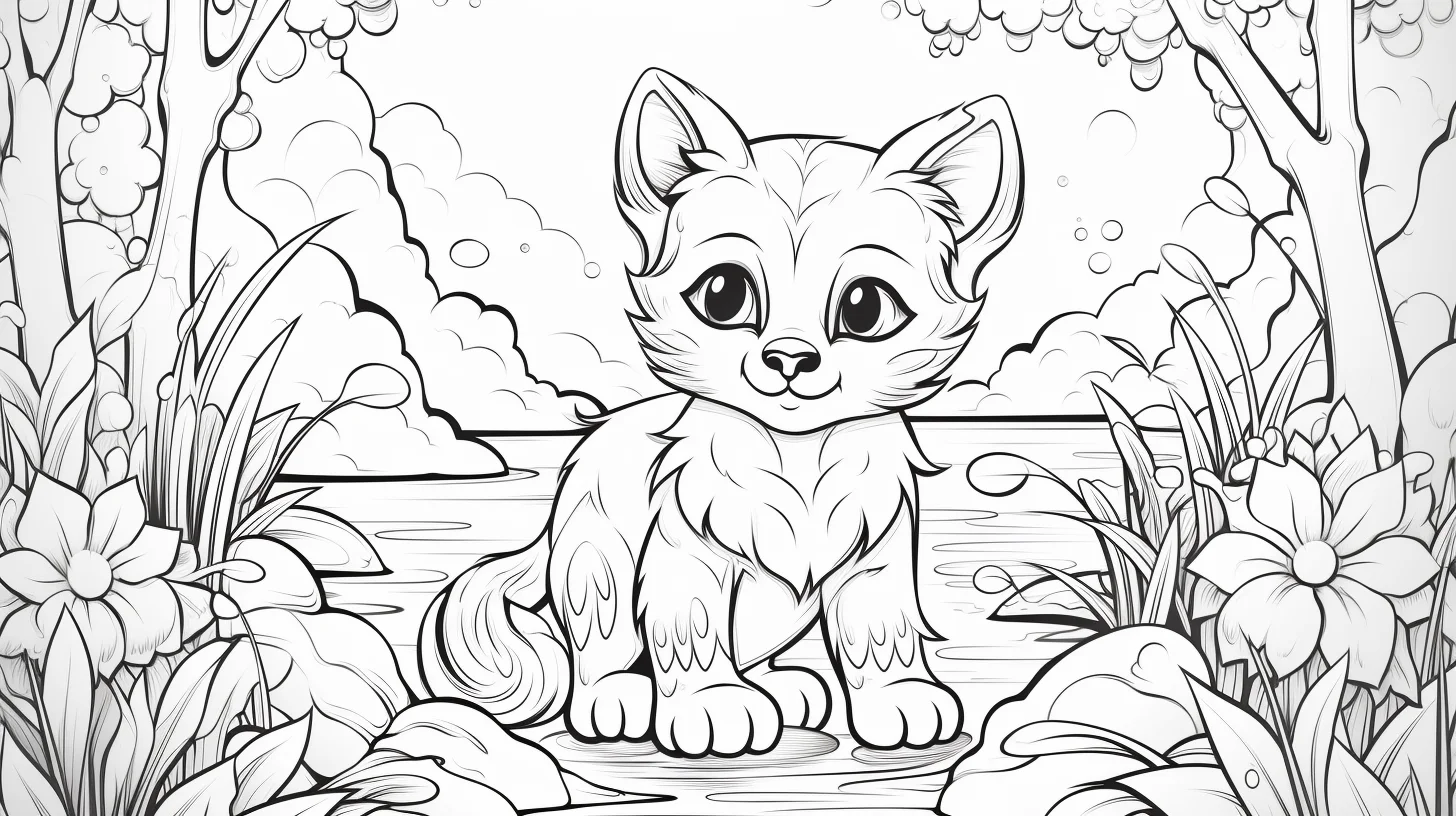
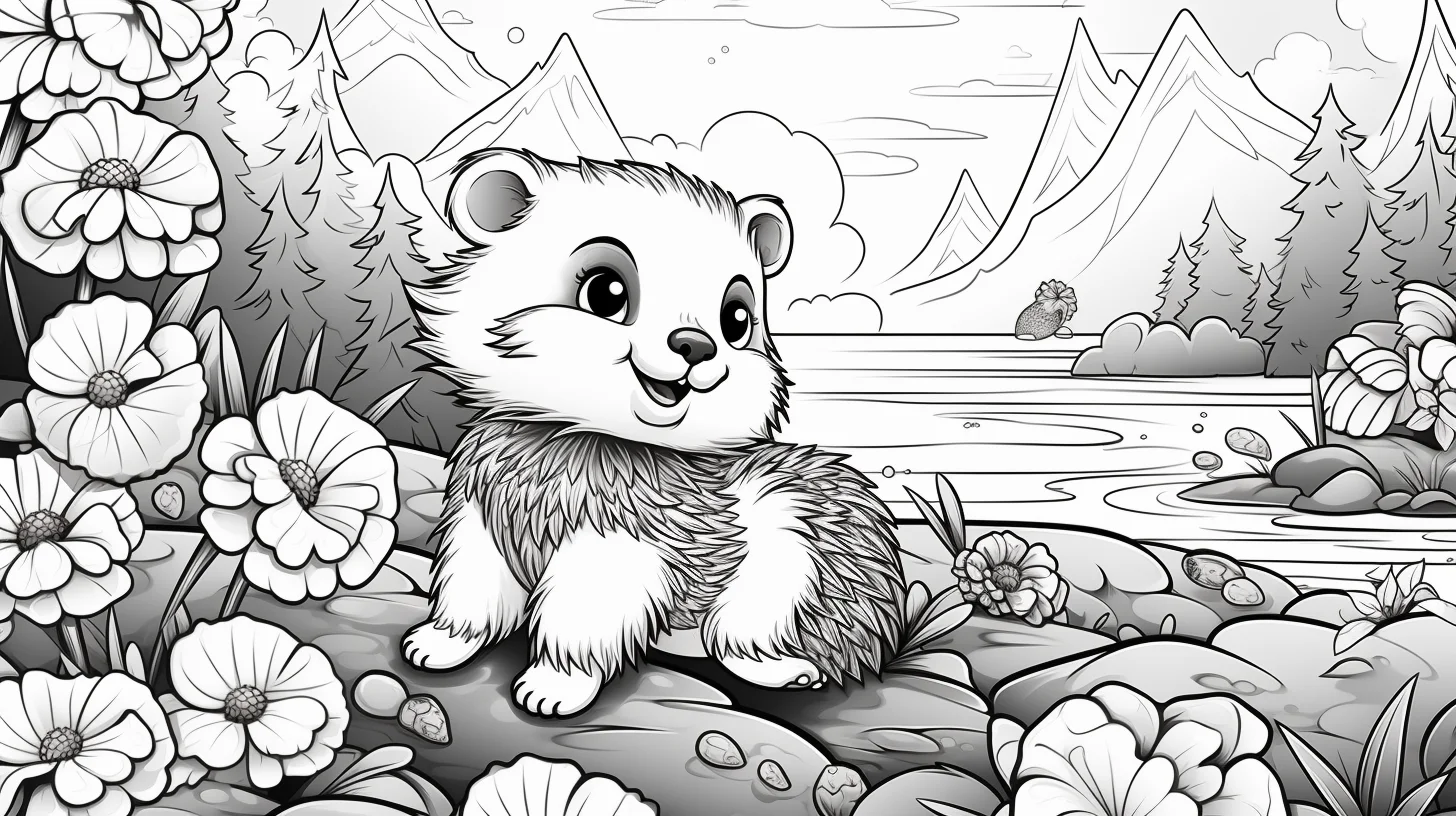
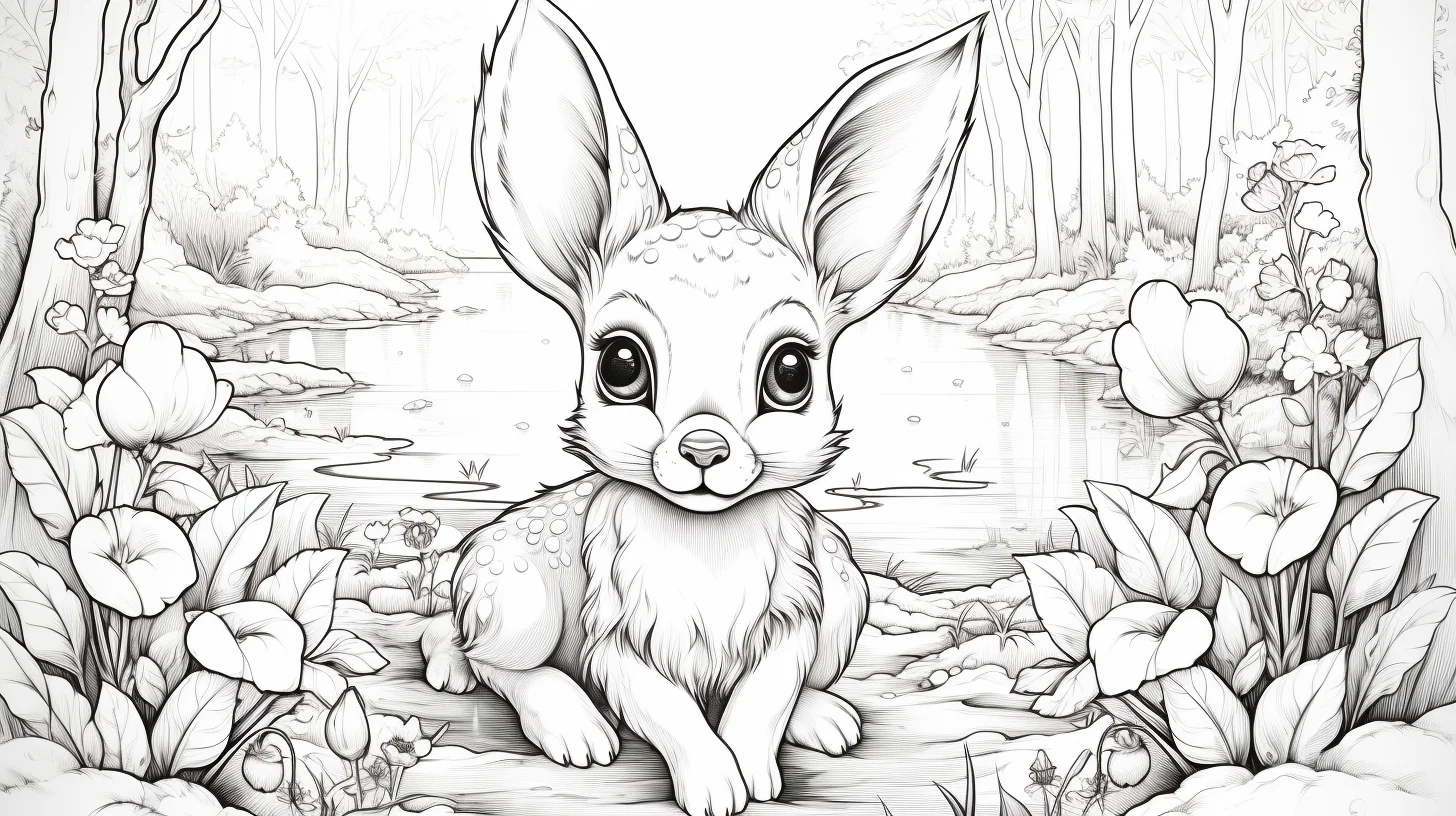
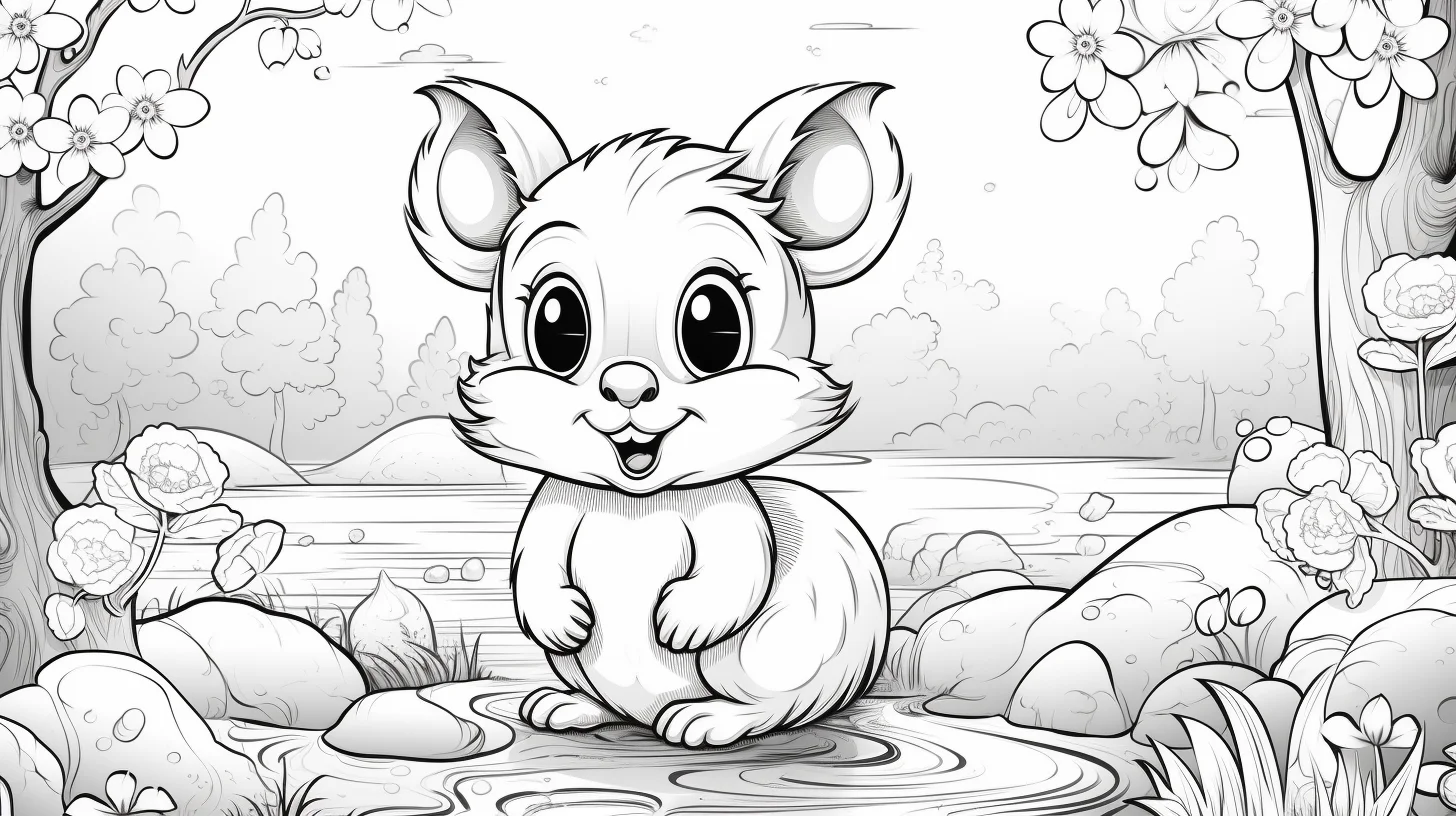
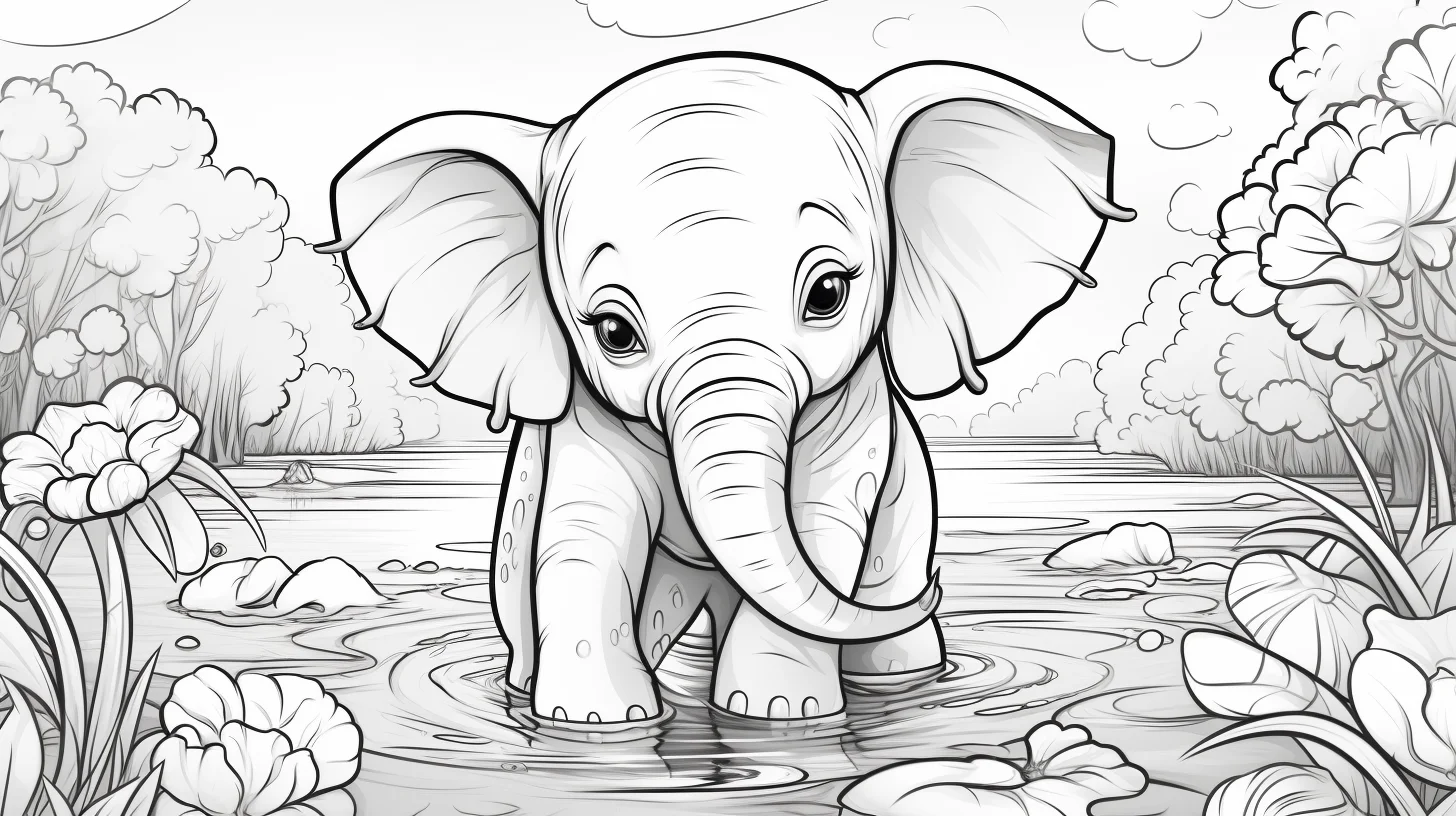
A three-page wildlife practice plan
Instead of coloring three pages the same way, use them to practise three different decisions. This makes the collection useful for learning without turning the activity into a lesson.
- Shape first: choose an elephant or another animal with broad body areas. Use one light base and one darker shade underneath the body, behind the legs and below the head. Ignore tiny texture for now.
- Texture next: choose a bear or lion cub. Put down a light base, then add short pencil strokes only where fur direction is visible—around cheeks, chest, shoulders and the outside edge of the body. Leaving some areas smooth keeps the fur from becoming scratchy.
- Animal plus habitat: choose a page with grass, rocks or trees. Finish the animal first, then make the background slightly lighter or less saturated so the animal remains the focal point.
Fur, elephant skin and markings need different treatment
Soft cub fur: build it in layers rather than drawing hundreds of individual hairs. A smooth light base establishes the coat; a middle tone describes the roundness of the body; a few darker strokes at overlaps suggest texture. Follow the direction the fur would naturally grow instead of scribbling in every direction.
Elephant skin: avoid filling the whole body with one dark gray. Start pale, deepen the underside and folds, and leave the top of the head, back and trunk lighter. If you want texture, add it selectively after the body already has shape.
Spots and stripes: color the underlying coat first. Add markings afterward and vary their darkness slightly. Perfectly identical black shapes can make an otherwise soft baby animal look stamped rather than organic.
When a baby wild animal page is not working
| What you see | Likely cause | Try this |
|---|---|---|
| The animal looks flat | One value covers the whole body | Darken only undersides, overlaps and the far side from your imagined light. |
| Fur looks scribbled | Texture strokes are equally strong everywhere | Keep most of the coat smooth and reserve visible strokes for edges and shadow transitions. |
| The face disappears | Face and surrounding fur have similar values | Strengthen the eye, nose and nearest facial shadows rather than outlining the whole head. |
| A gray elephant looks dull | Only neutral gray was used | Try a subtle warm gray or cool blue-gray shadow while keeping the main body light. |
| The habitat competes with the animal | Background colors are darker or more saturated | Reduce background contrast and save your darkest accents for the animal. |
| Marker areas look streaky | A large shape was colored in disconnected patches | Work across one body section while the edge is still wet, then add controlled pencil shading after it dries. |
Four wildlife palettes that stay coherent
- Warm savanna: sand, ochre, warm brown, muted olive and a pale blue sky.
- Forest cub: tan or brown fur with moss green, muted yellow-green and earthy gray surroundings.
- Cool elephant: pale blue-gray skin, deeper slate shadows, dusty green plants and warm beige ground.
- Storybook wildlife: keep the animal recognizable but use softer lavender, peach, teal or dusty pink in the habitat and small accents.
A limited palette is especially useful on pages with scenery. Reusing the same green in several plants and the same brown in ground details makes the scene feel connected without requiring dozens of pencils.
Baby wild animal coloring questions
What makes this different from the cute baby animal page?
This collection stays with wild species. The cute baby animal collection mixes wildlife with softer animals such as rabbits, ducklings and foxes.
Which wild animal is easiest to color?
Pages with one large elephant or other broad-bodied animal are usually easiest with crayons because there are fewer narrow shapes. Fur-heavy or habitat-heavy pages are easier with pencils.
How do I make gray animals look less flat?
Use a light gray over most of the body, then put a darker shade under the belly, behind the legs and where the head meets the neck. You do not need several grays; two values are enough to create shape.
Where should I go for more realistic wildlife?
Use the realistic animal coloring pages. If you want the surroundings to matter as much as the animal, the animal habitat pages are the better next step.
Explore more animal printables
For the broadest mixed-animal starting point, use the farm, zoo and jungle animal hub. For portrait-style cute animals, browse the cute animal coloring pages.

