
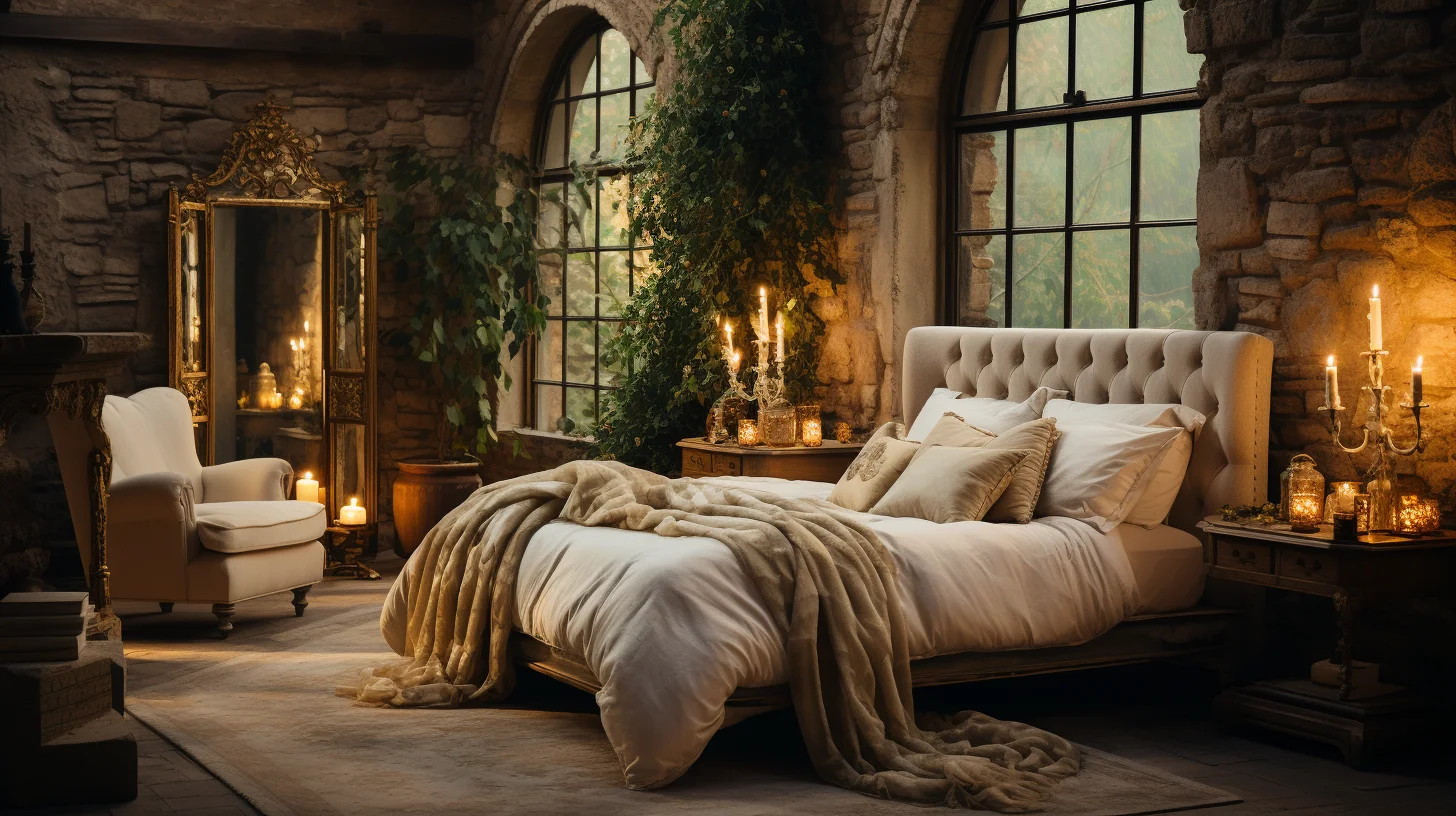
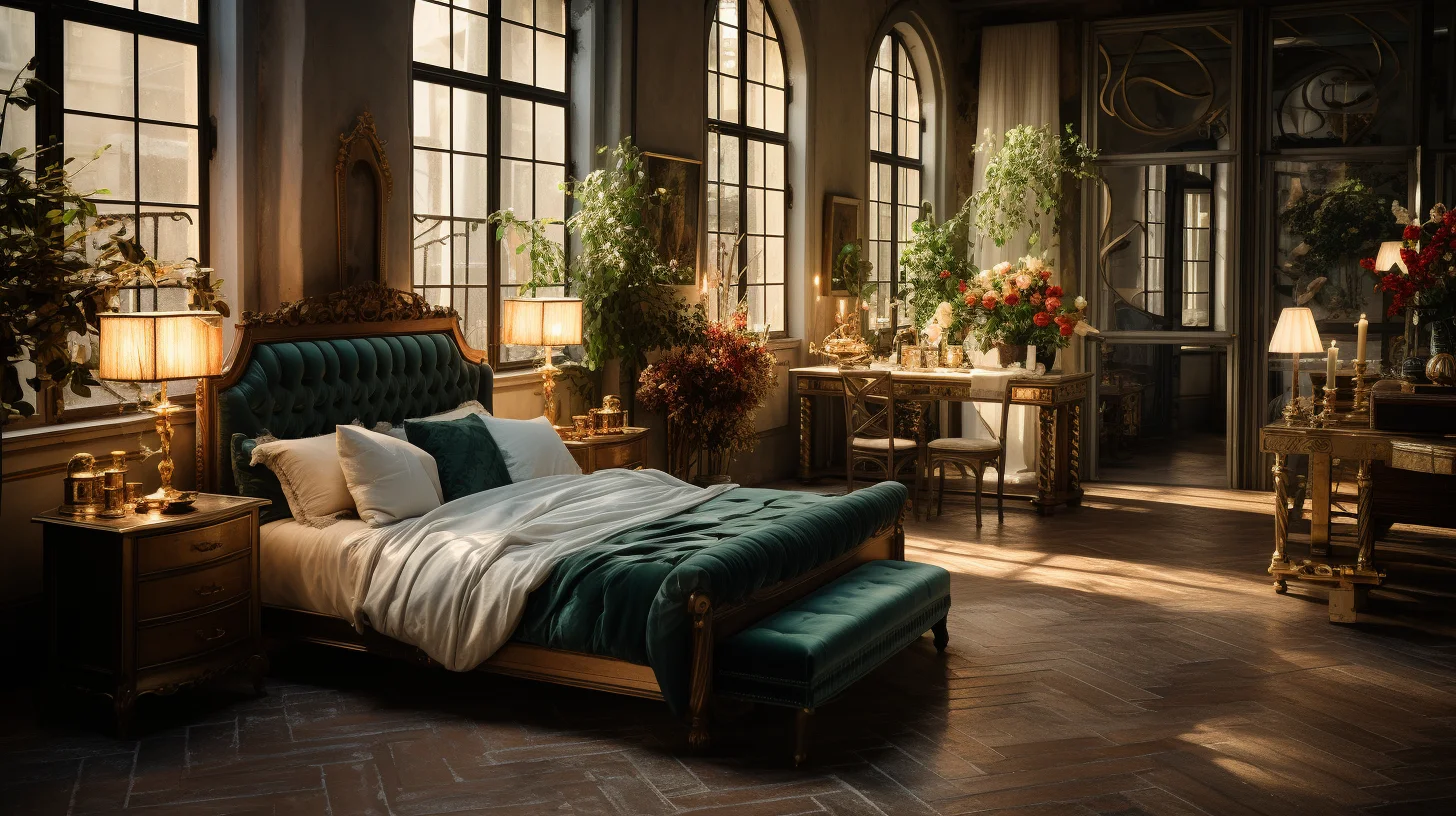
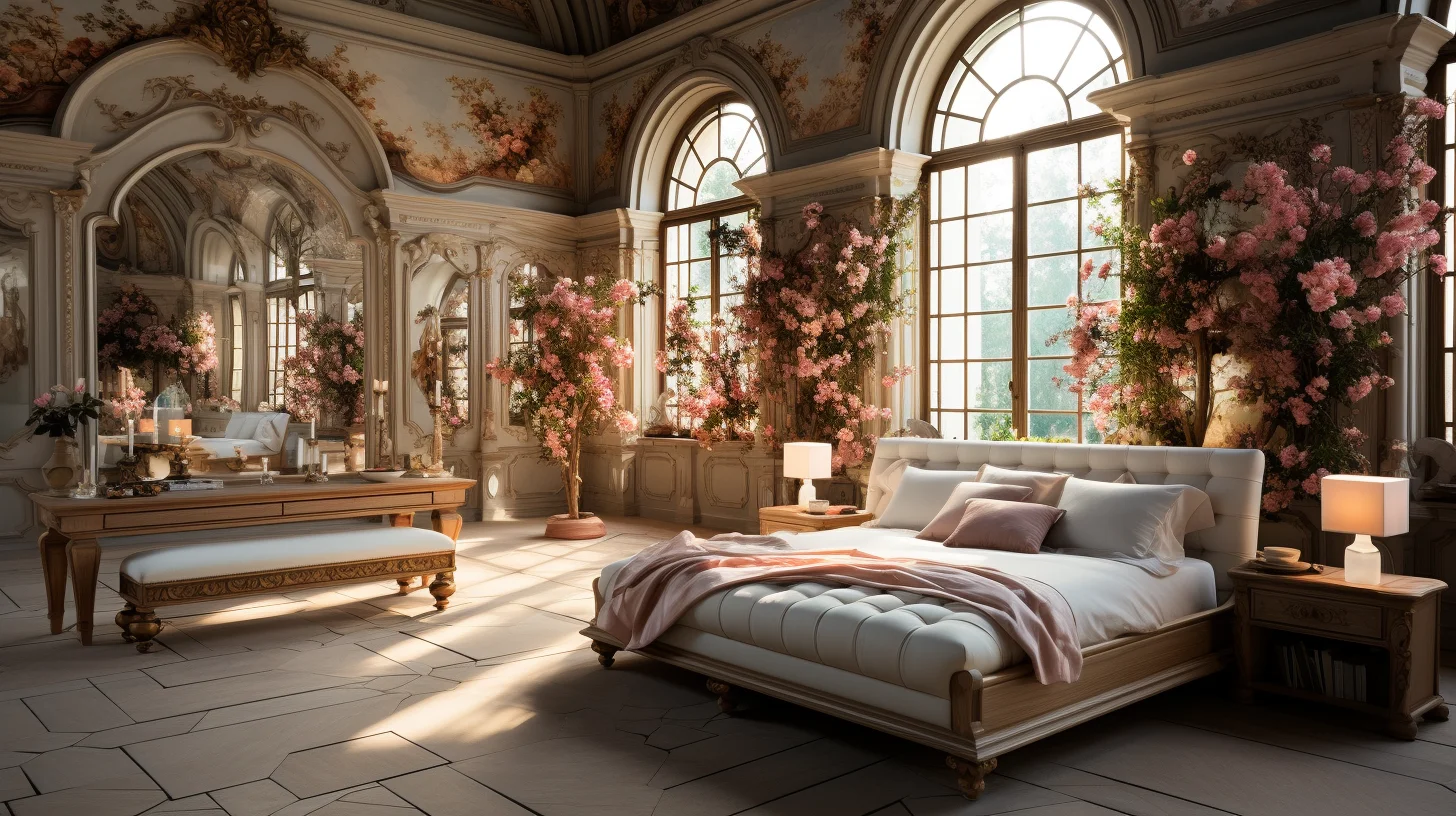
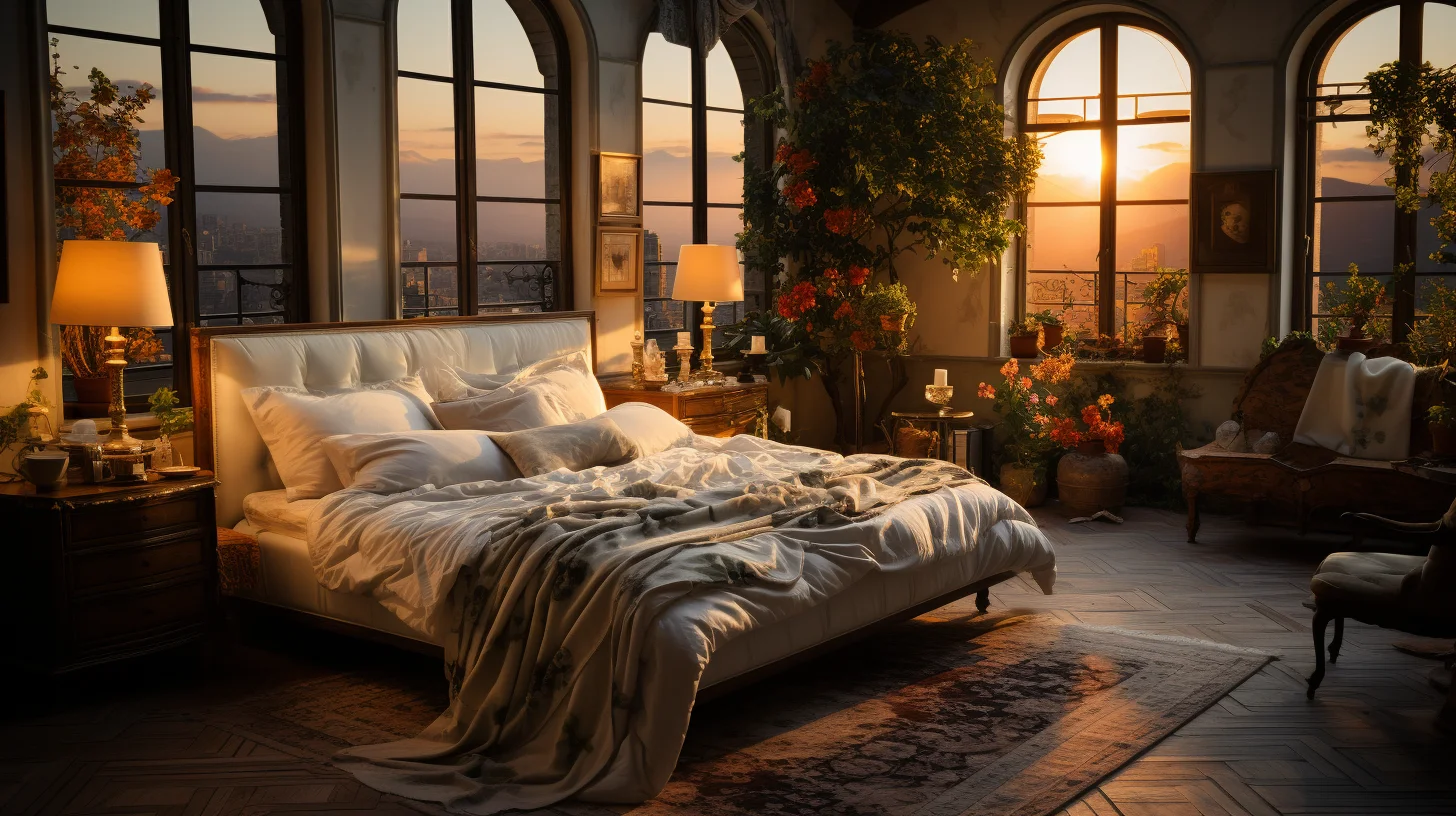
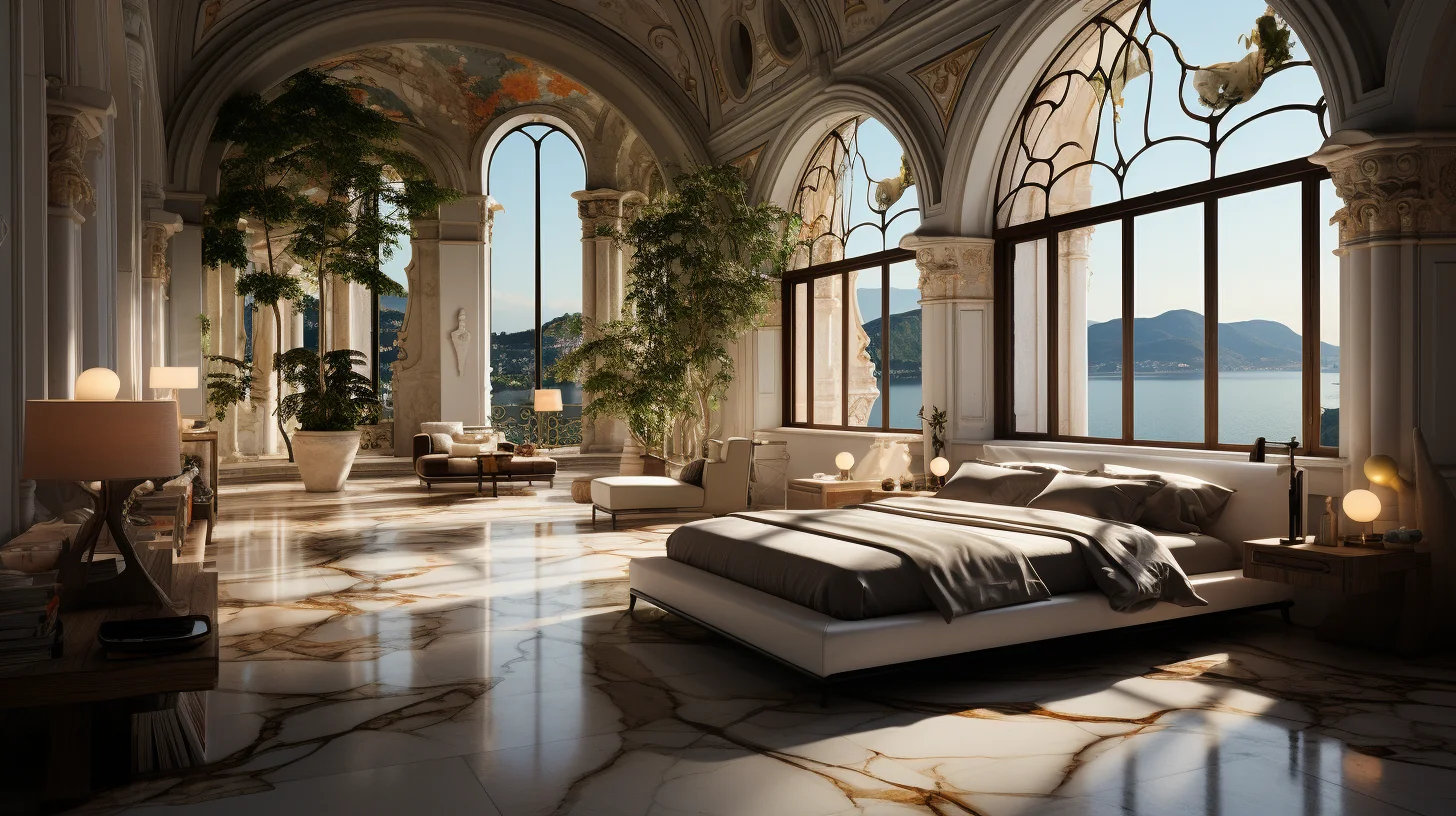
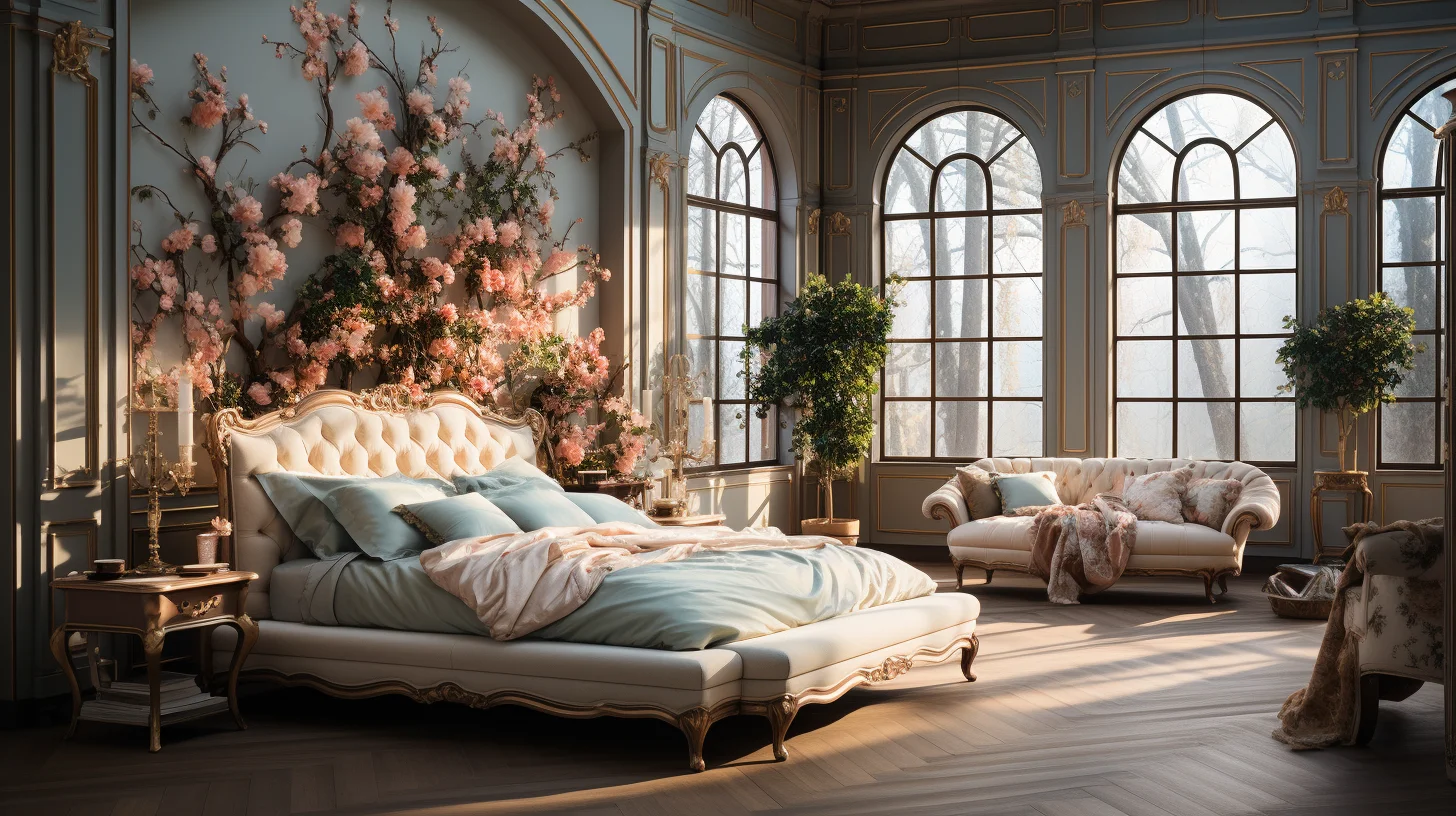
This gallery contains 22 Italian-inspired bedroom concepts in a wide landscape format. Unlike the separate modern Italian furniture gallery, this page is about mood and aesthetic direction: modern, classy, cozy, vintage, bohemian and Tuscan-influenced rooms, plus ideas that include wardrobes and simpler layouts.
Choose the Italian bedroom mood first
| Direction | What to emphasize |
|---|---|
| Modern | Clean furniture lines, controlled finishes and fewer decorative objects |
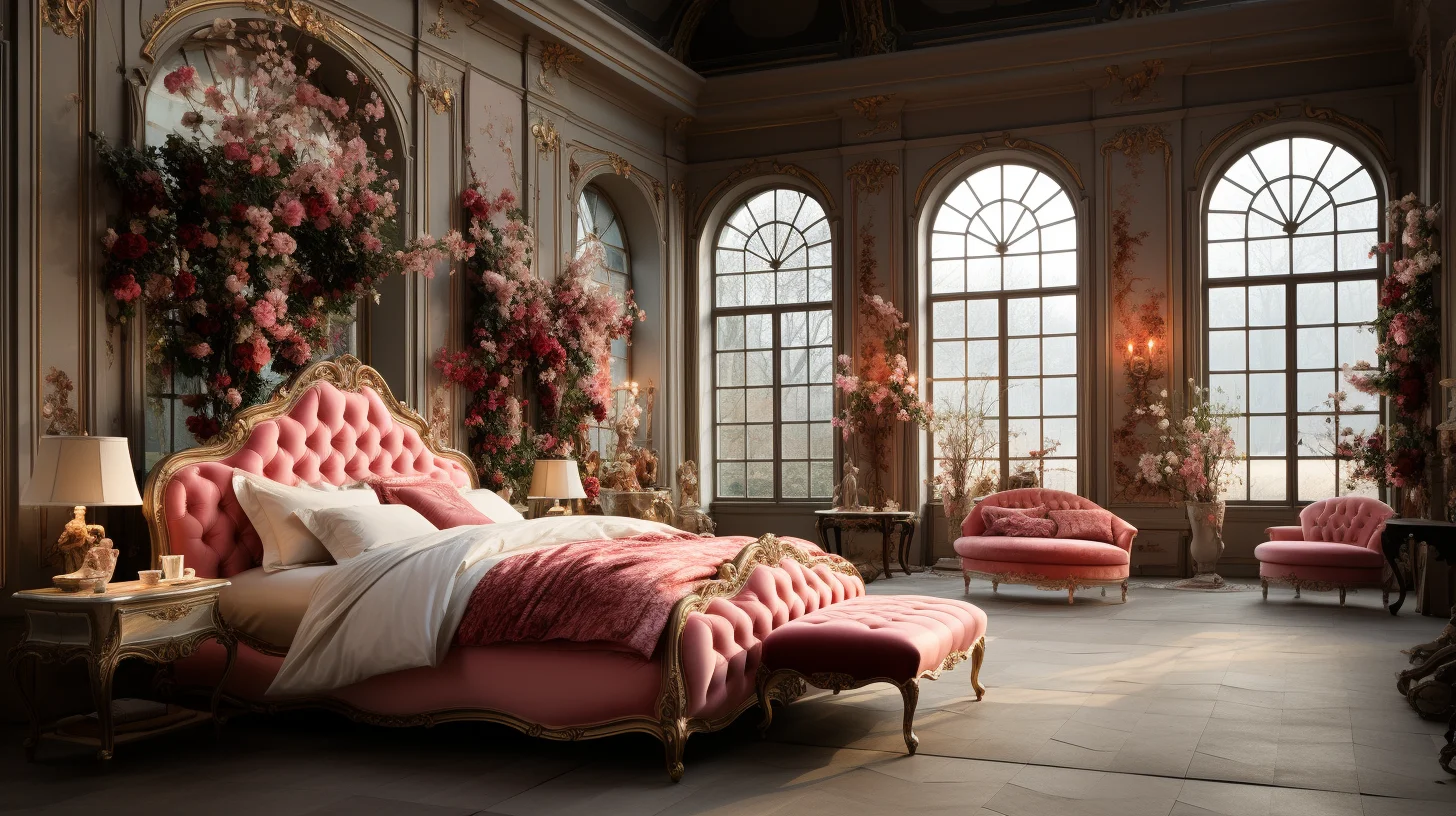
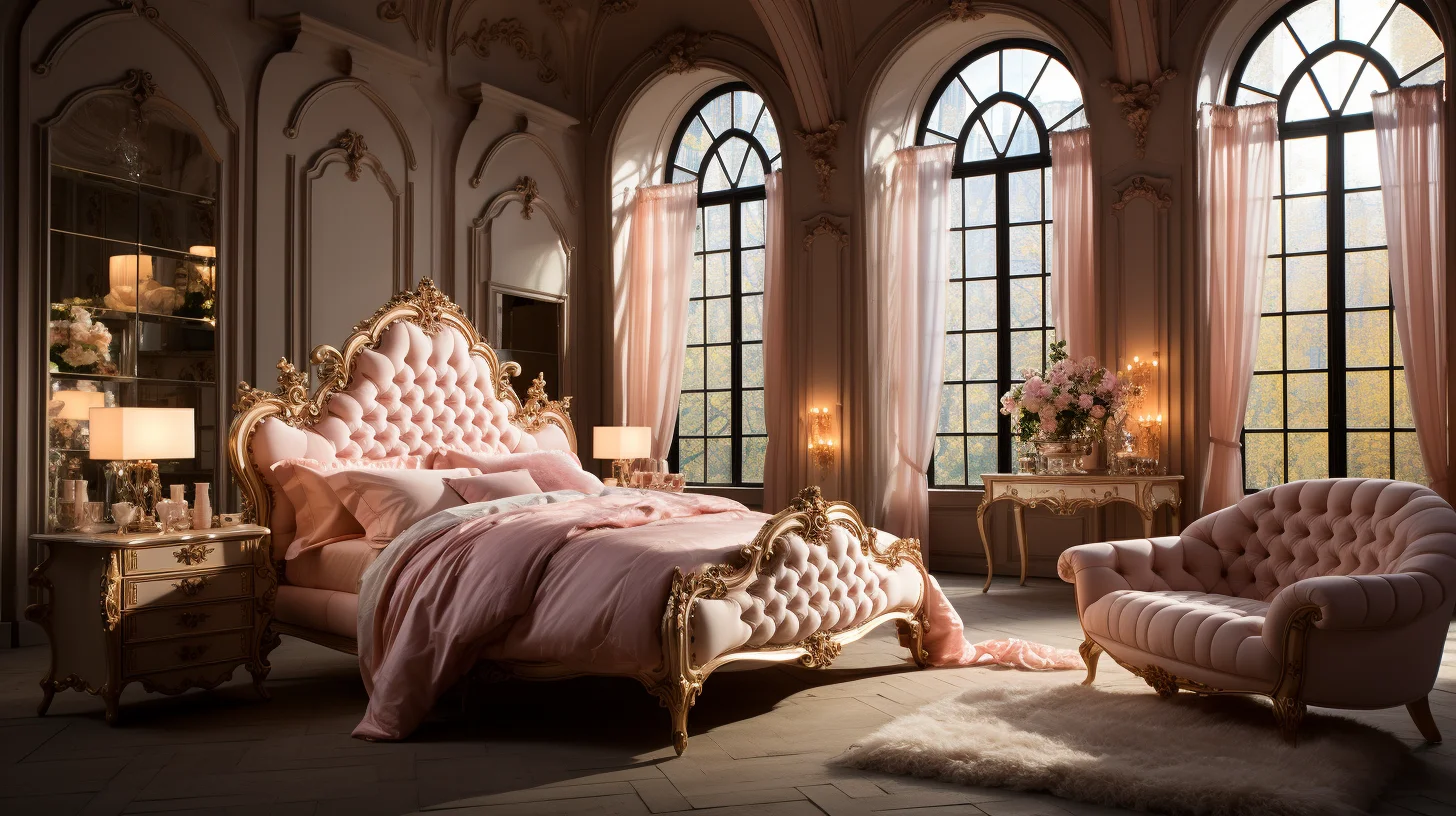
| Classy / luxury | Better materials, stronger bed proportions and carefully placed reflective accents |
| Cozy / vintage | Warmer lighting, softer textiles, wood tones and less polished matching |
| Bohemian | Texture and relaxed layering without losing the Italian furniture proportions |
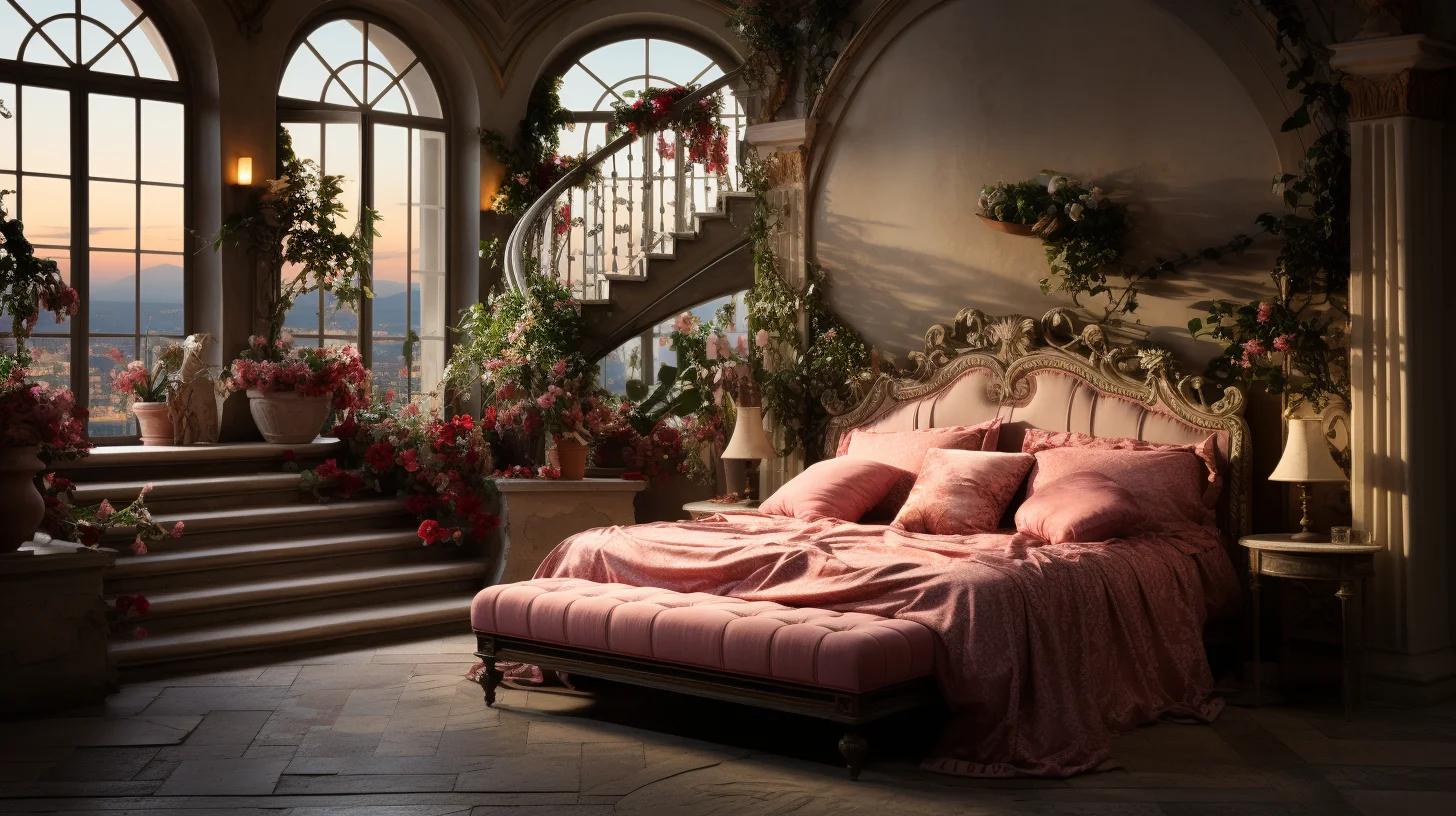
| Tuscan-inspired | Warm earth tones, darker wood and a more traditional atmosphere |
Pick one direction before borrowing details from the images. A room usually feels more coherent when the bed, major furniture and lighting agree on the same level of formality instead of mixing luxury, rustic and bohemian cues equally.
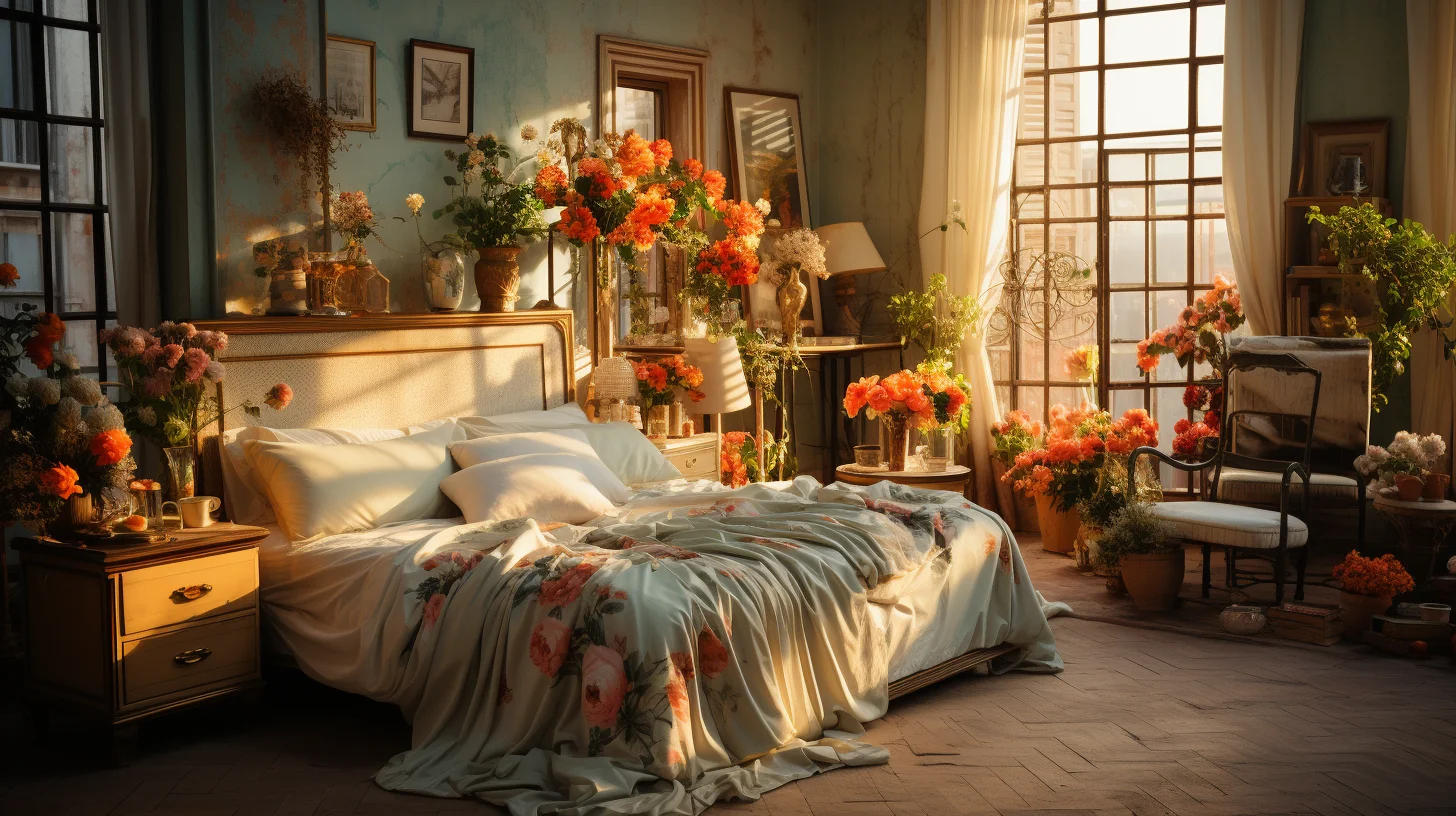
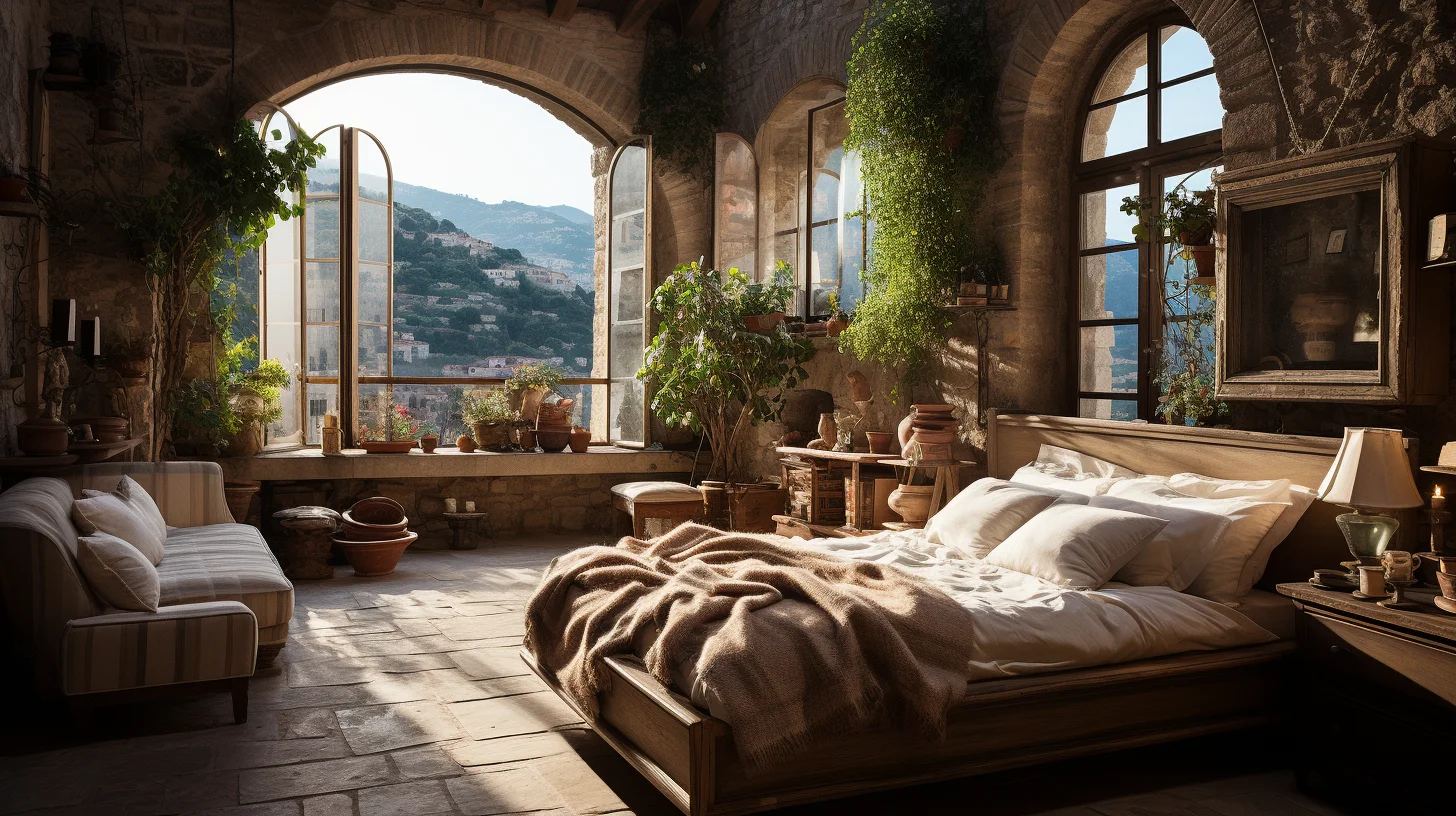
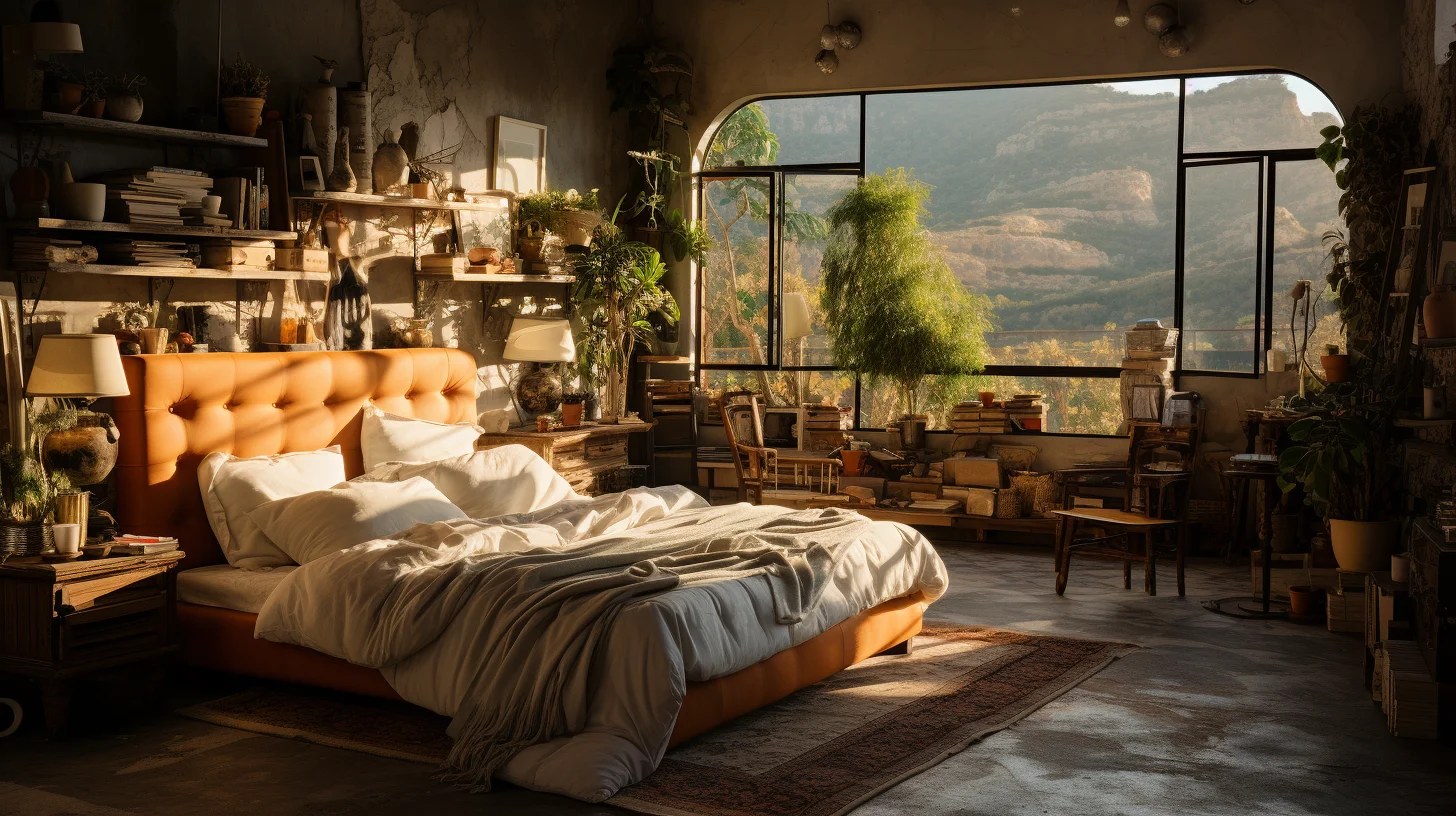
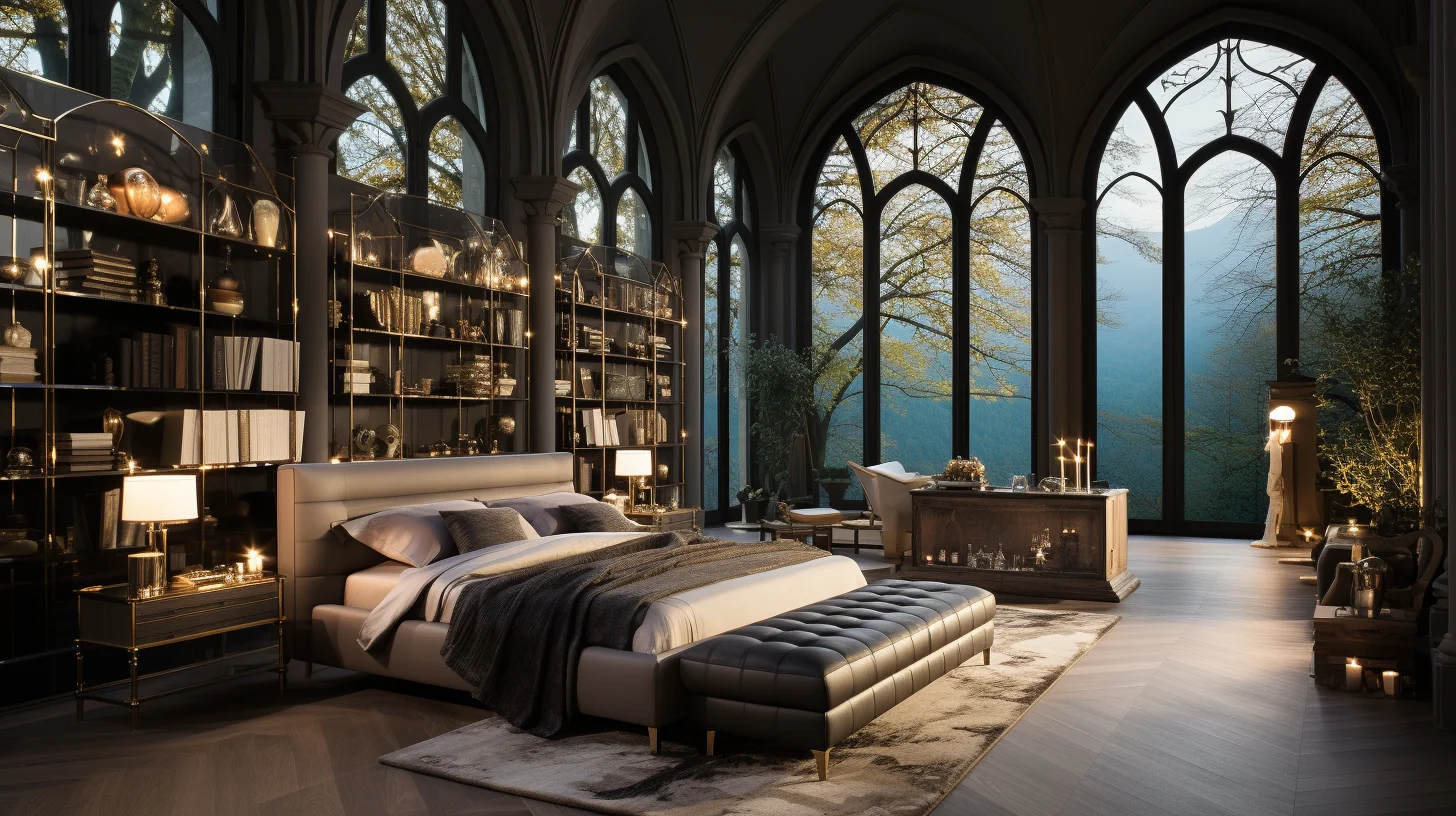
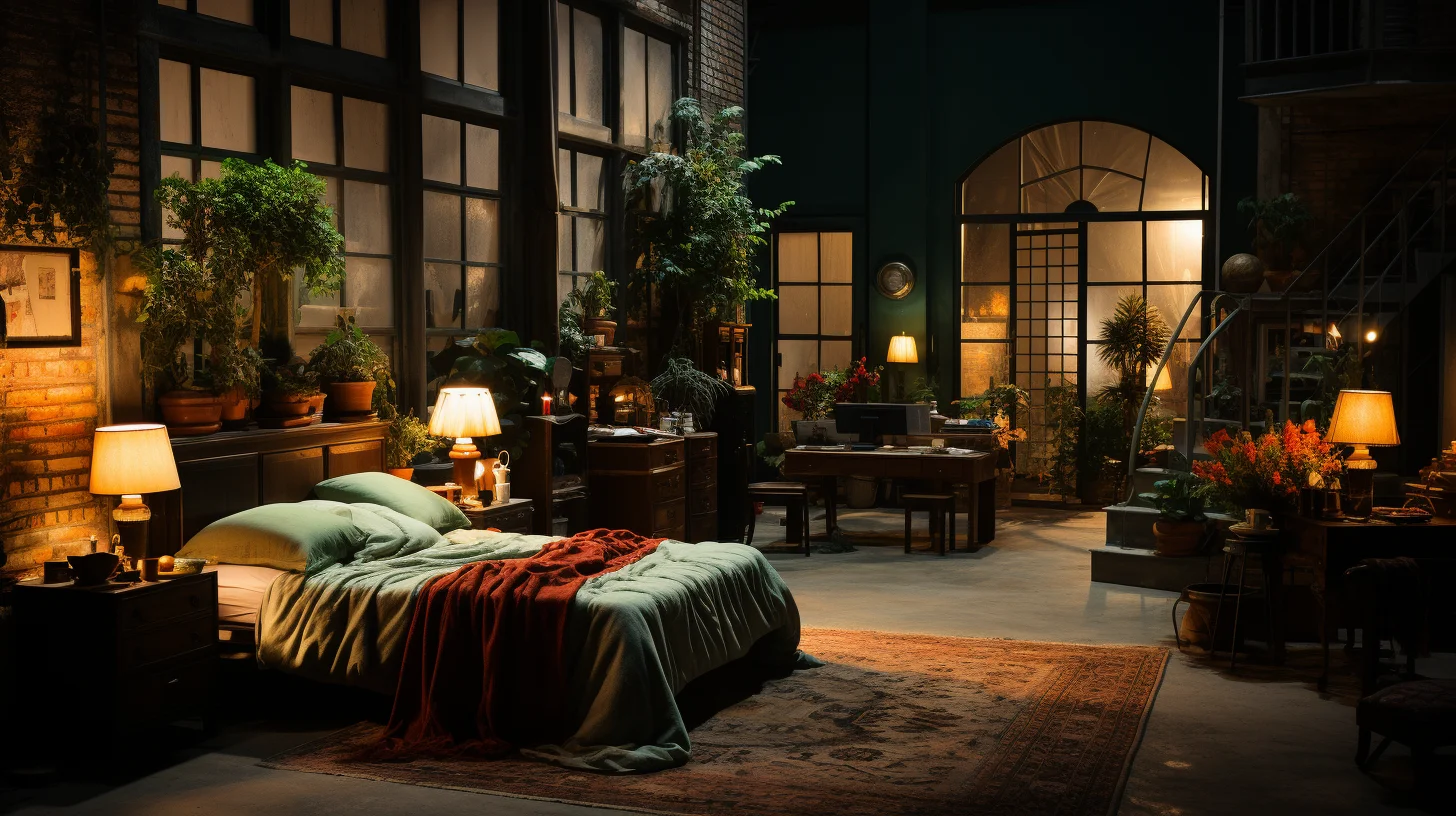
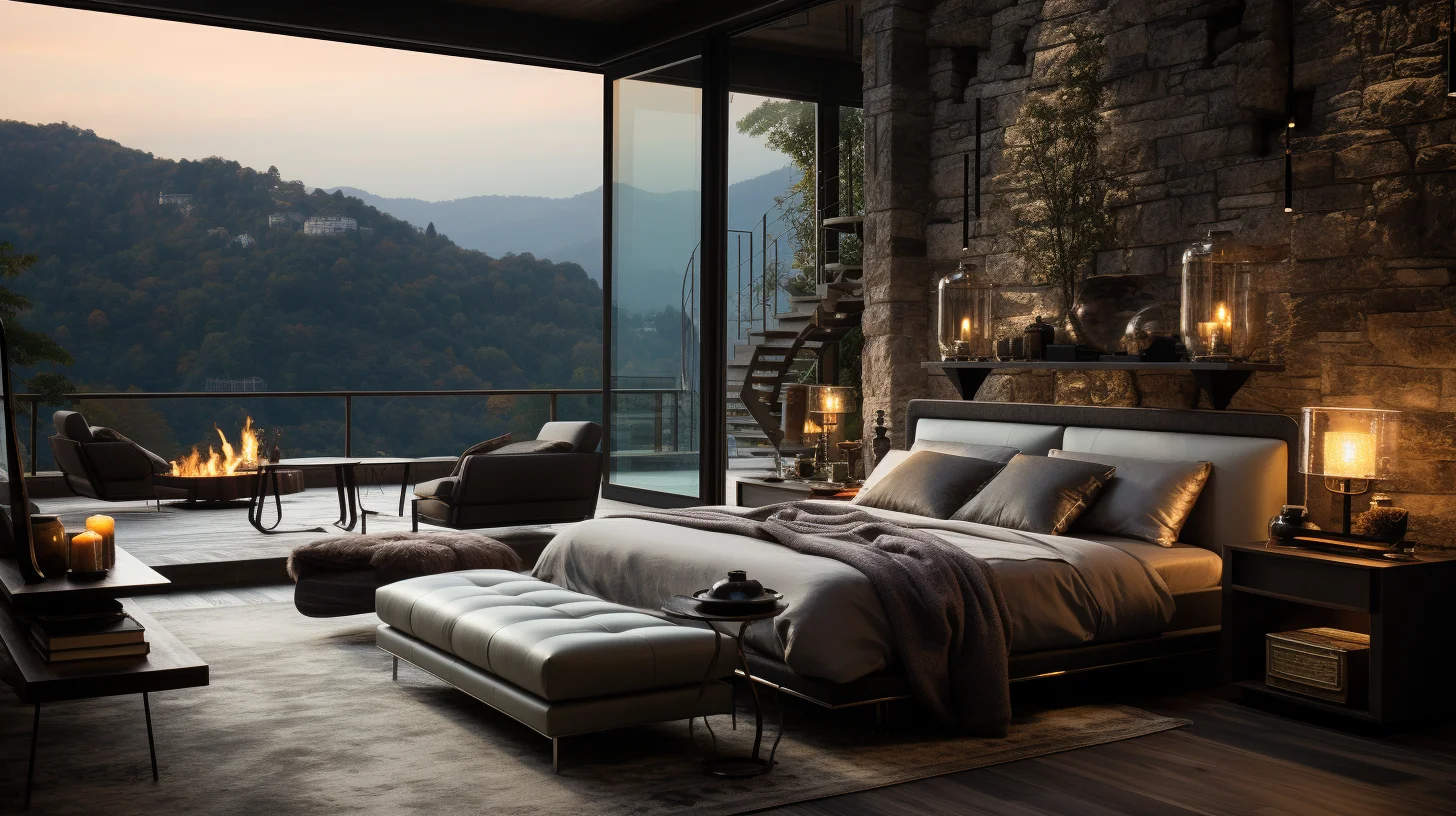
Modern Italian aesthetic: let proportion do more than decoration
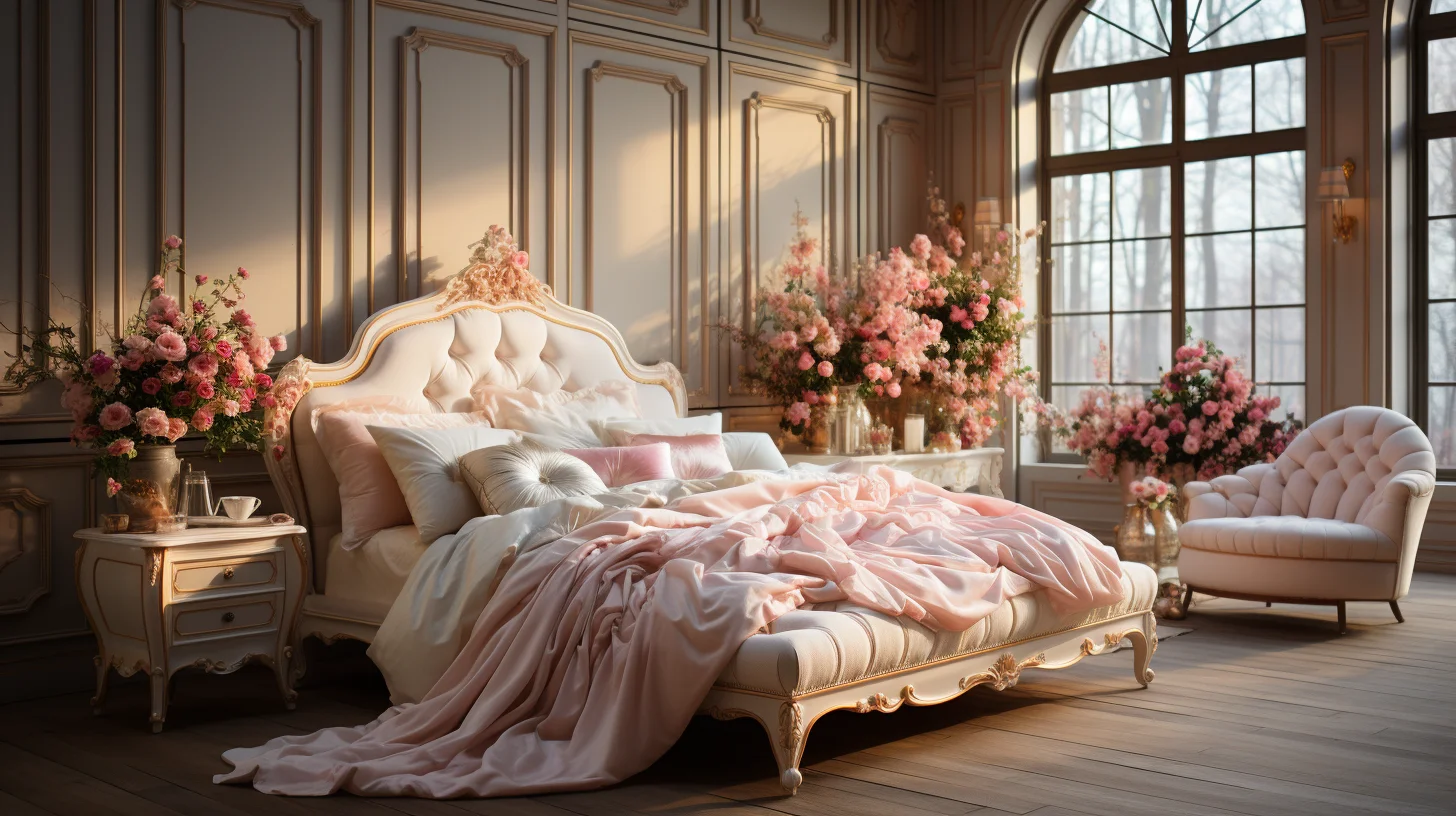
For the modern concepts, keep the strongest visual weight around the bed and major storage. A wide headboard, low bedside furniture and coordinated lighting can make the room feel intentional without adding many accessories. If the room is small, preserve the clean effect by reducing side furniture before adding extra decorative pieces.
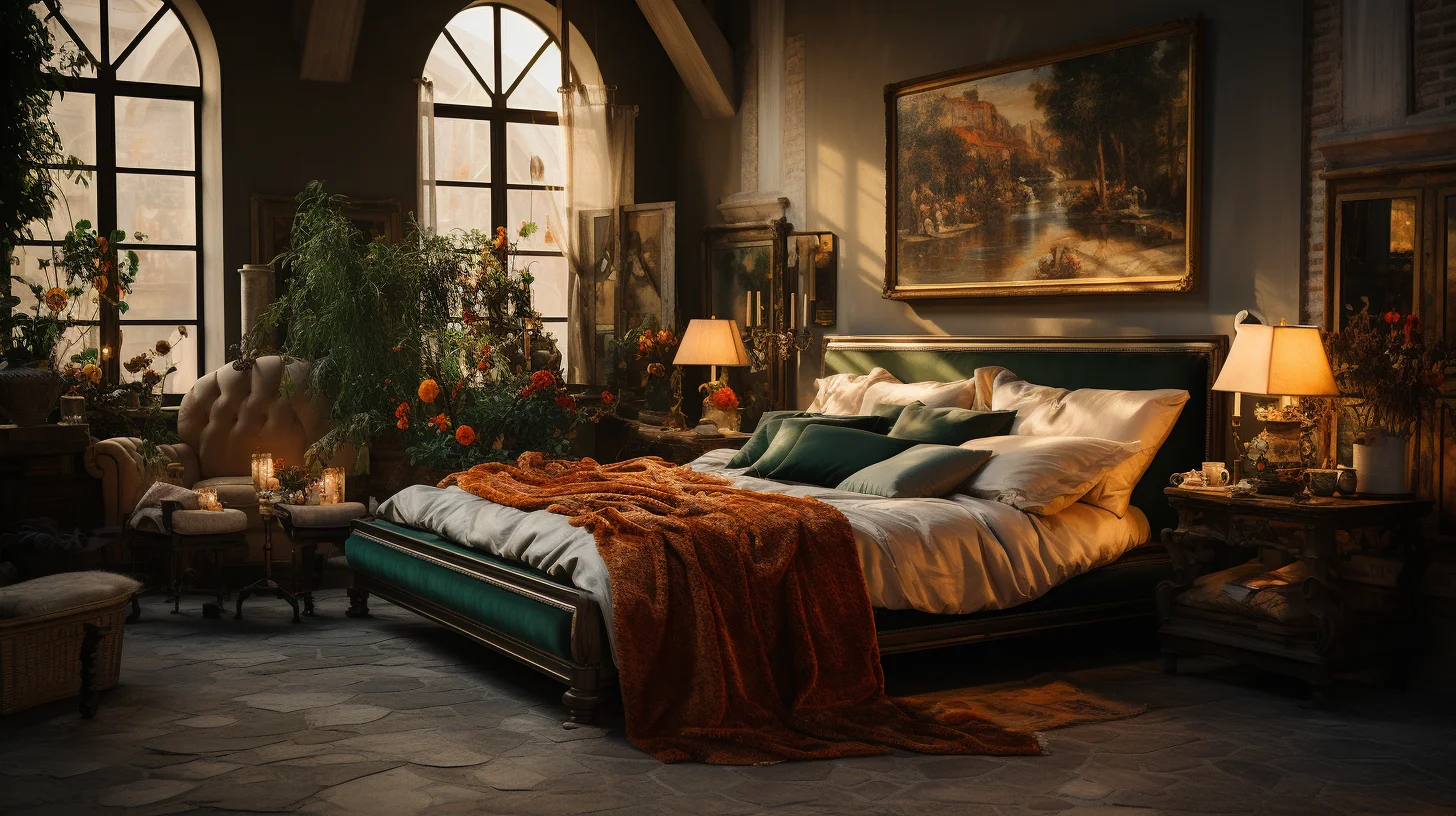
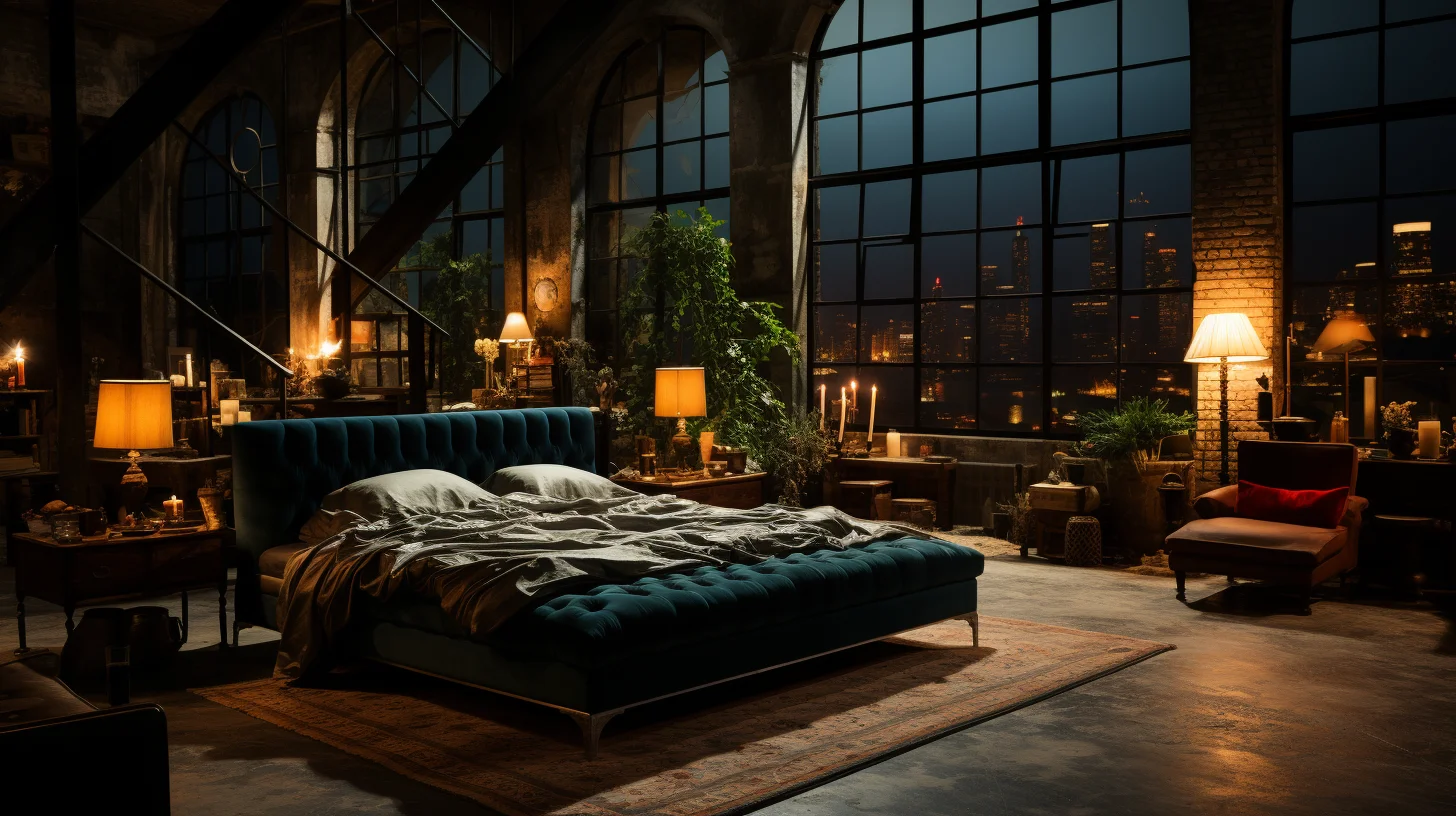
Cozy and vintage rooms can be less perfectly matched
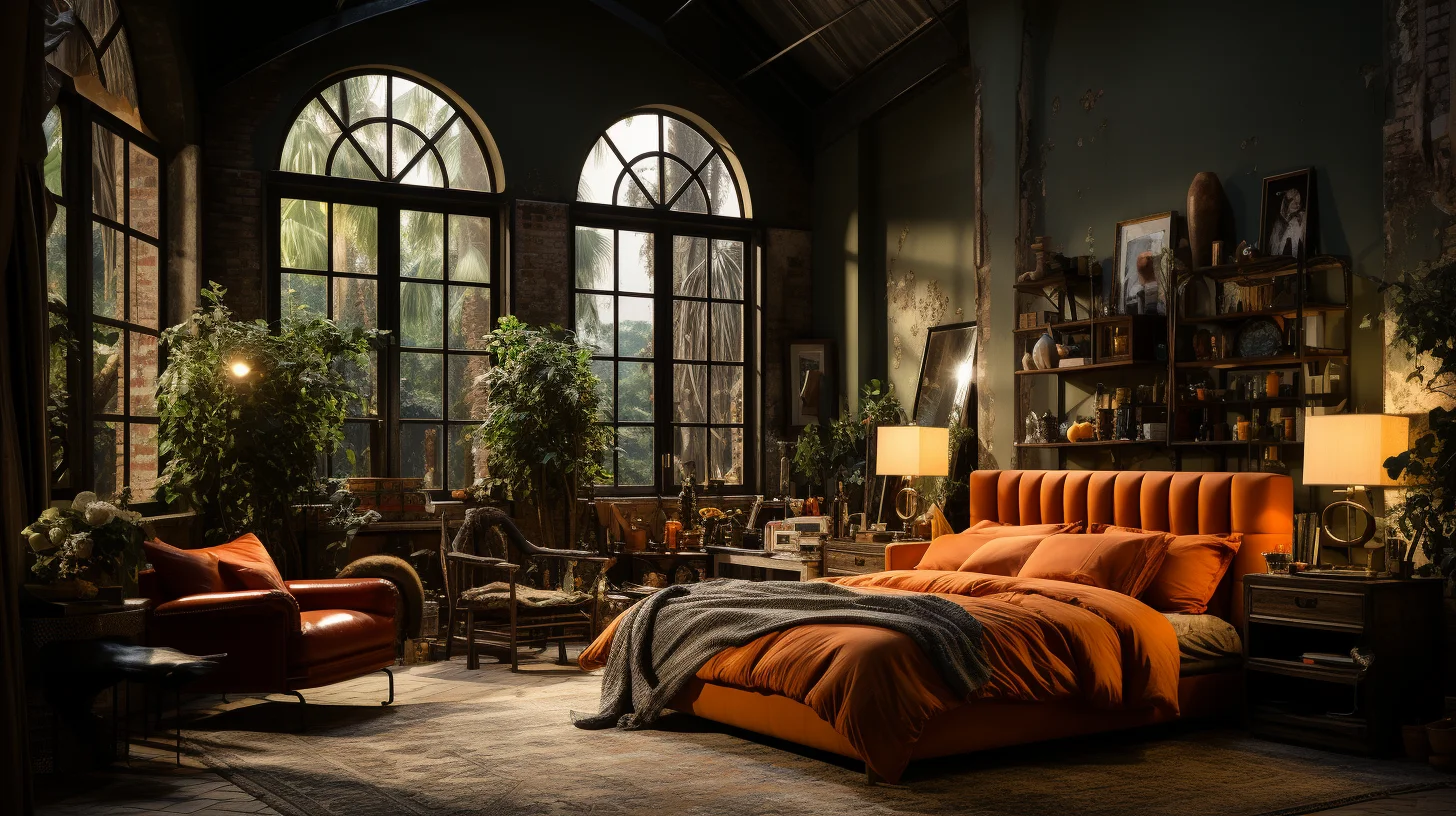
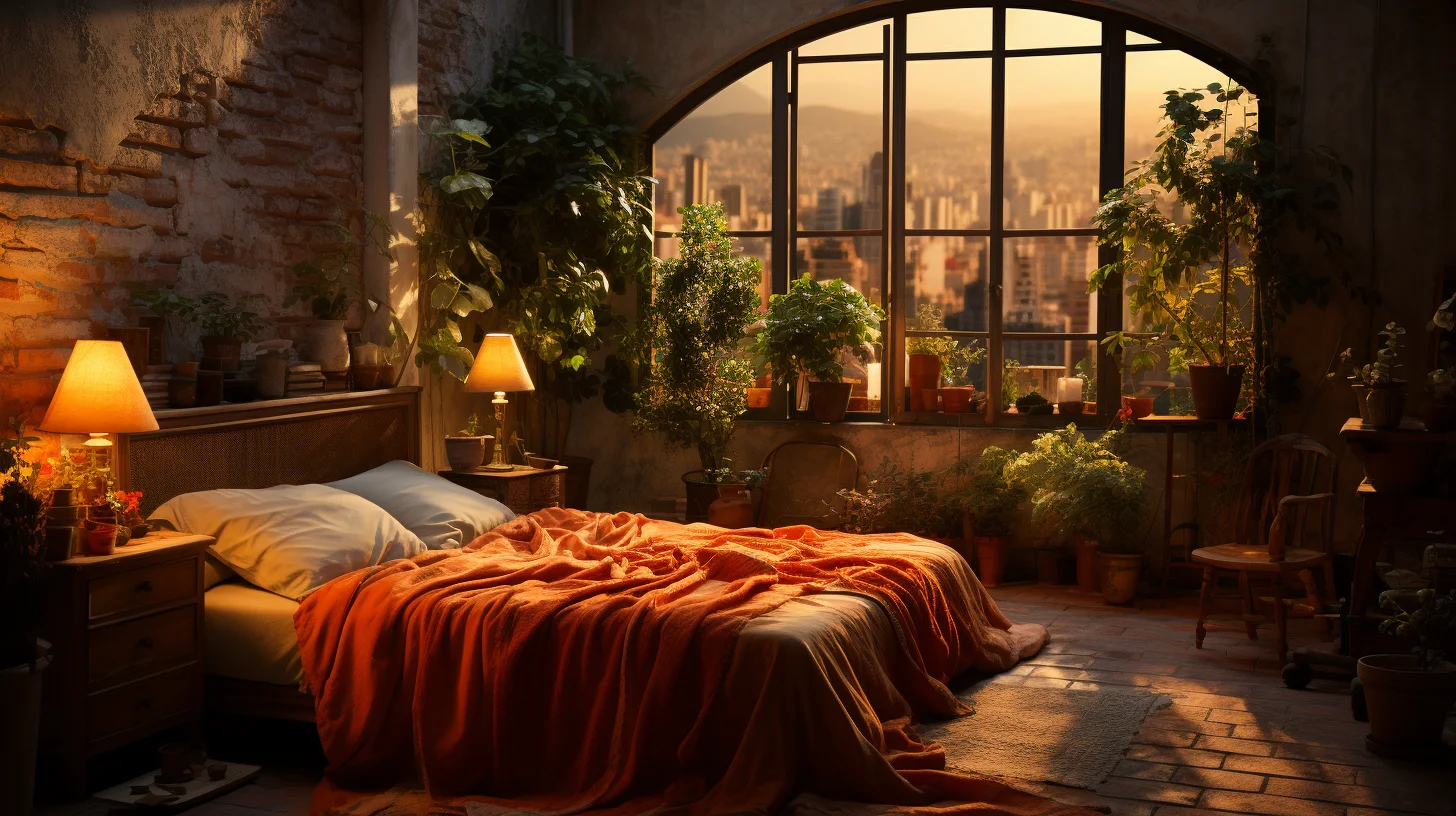
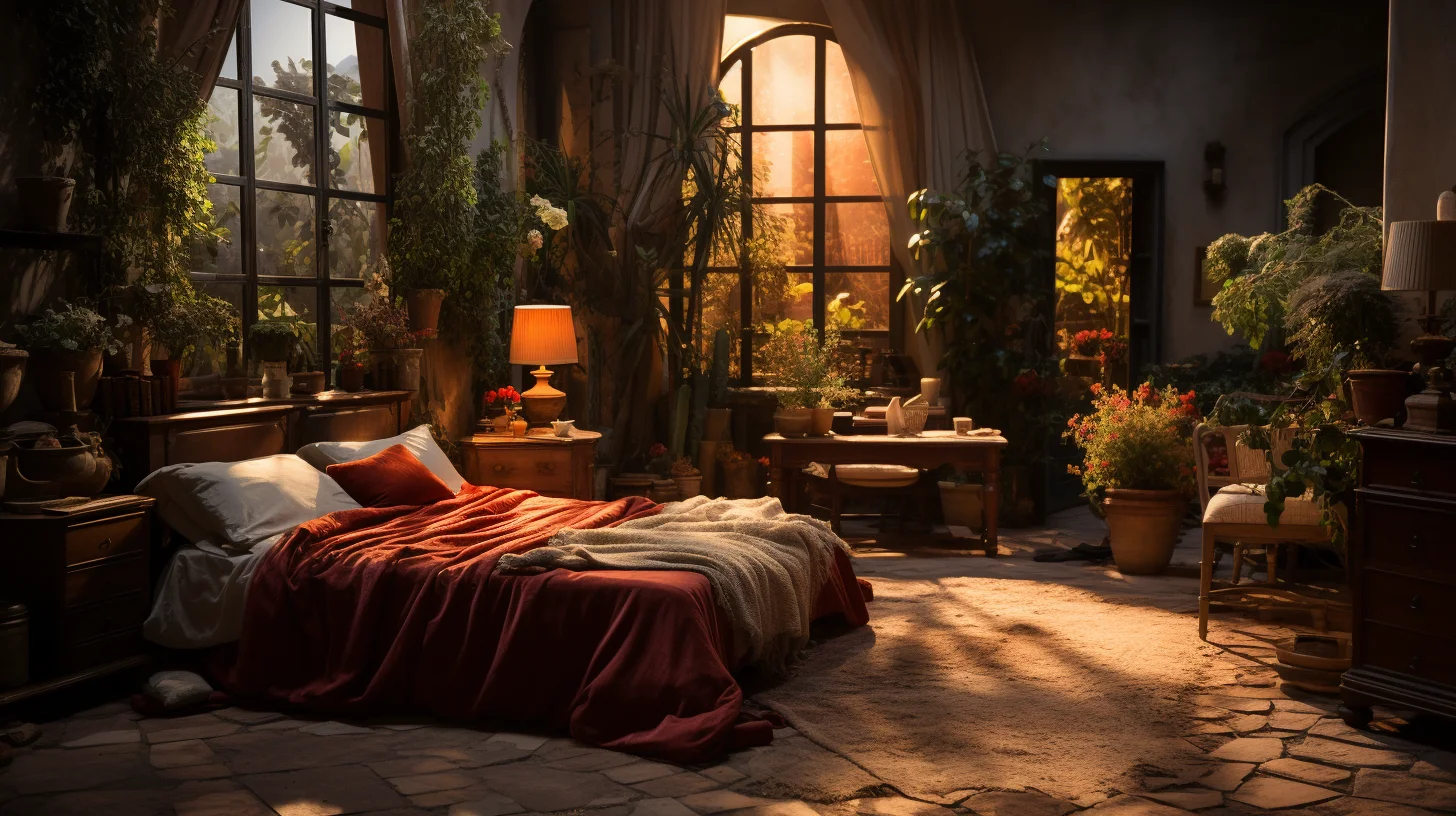
A warmer Italian-inspired bedroom does not need a complete matching set. Let wood tone, fabric color or hardware repeat across several pieces while allowing the furniture shapes to vary. Warm lamps and softer textiles can make a polished room feel more personal without pushing it all the way into rustic styling.
Bohemian crossover: loosen the textiles, not the whole layout
If you like a bohemian layer, keep the main furniture arrangement structured and introduce the relaxed character through bedding, a rug, artwork or natural-looking textures. That preserves the more composed Italian bedroom proportions while avoiding a room that feels like two unrelated styles placed together.
Wardrobes should disappear into the composition
Large wardrobes can dominate a bedroom quickly. If the storage is visually heavy, keep the bed wall quieter. If the wardrobe finish is close to the wall color, you can give the bed more contrast. Treat storage as part of the architecture rather than a separate decorative statement.
Tuscan-inspired rooms need warmth more than “theme” accessories
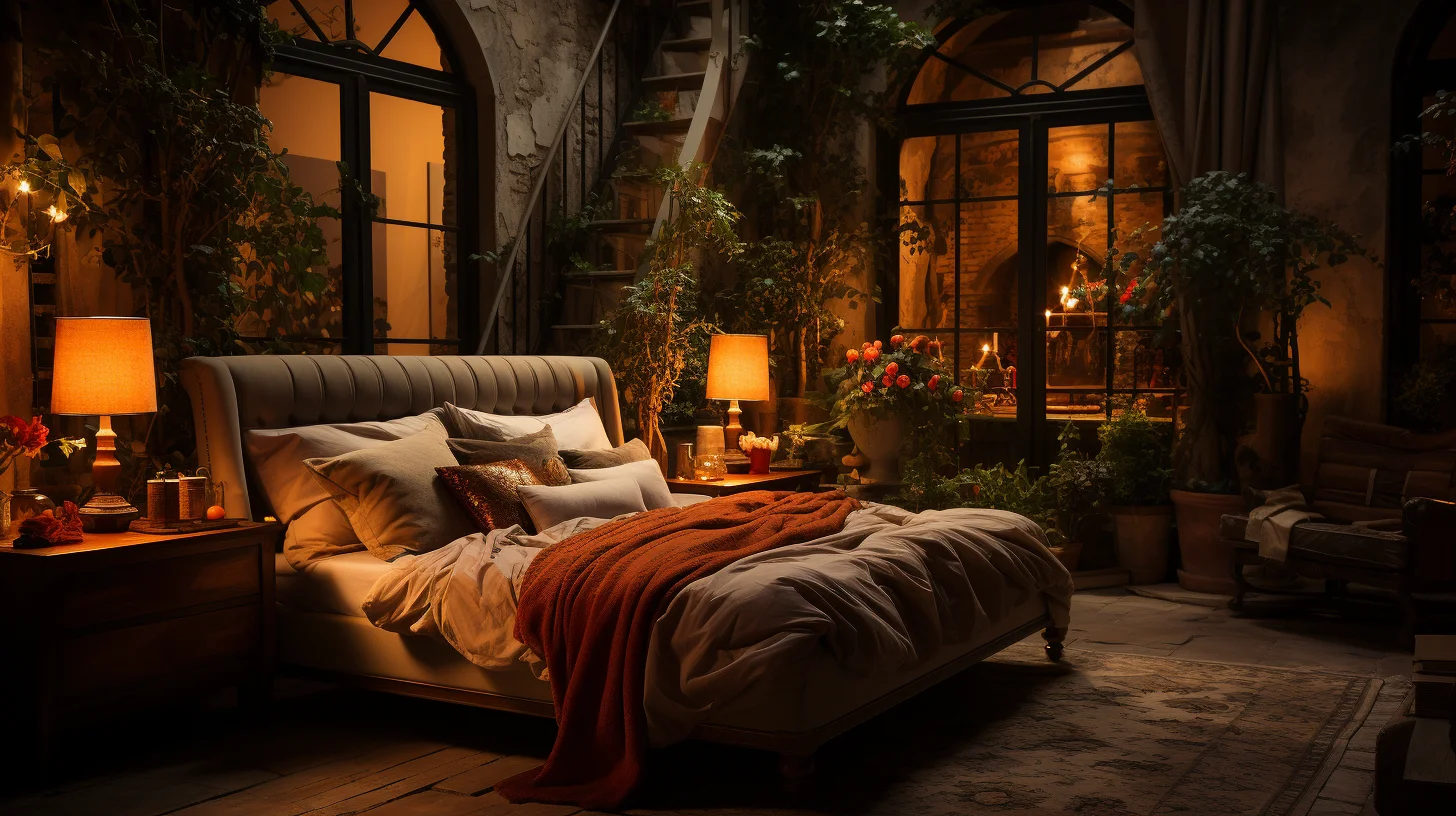
Use warmer wall or textile tones, darker wood and softer lighting to move the room in a Tuscan direction. You do not need decorative grapes, faux-stone finishes or other literal motifs. Material warmth and a more traditional furniture profile usually communicate the mood more convincingly.
Build the aesthetic from the largest decisions first
The easiest way to make these references useful is to translate the mood into decisions you can actually control. Work from the largest surfaces and most expensive pieces toward the smallest details; otherwise it is easy to buy accessories for a room whose basic proportions still feel unresolved.
- Set the bed position. Protect a comfortable route to the wardrobe, door and windows before deciding how wide the headboard or bedside tables can be.
- Choose the level of formality. A tailored upholstered bed, glossy storage and symmetrical lamps read differently from aged timber, relaxed linen and mismatched bedside pieces. Pick the direction before mixing them.
- Limit the material family. Choose a dominant wood or painted finish, one main textile direction and one restrained metal finish. Repetition creates more cohesion than adding another decorative motif.
- Plan storage as part of the room. A full-height wardrobe is a major visual surface. Decide whether it should blend into the walls or deliberately contrast before choosing smaller furniture.
- Layer the lighting. Combine useful bedside light with softer ambient light. A single bright ceiling fixture can flatten even a carefully furnished room.
- Add character last. Art, ceramics, books and textiles should make the room personal rather than carry the entire Italian-inspired concept by themselves.
Three palettes that fit different Italian-inspired moods
| Direction | Base | Wood / finish | Accent |
|---|---|---|---|
| Quiet modern | Warm white, stone or pale greige | Walnut or restrained matte lacquer | Muted black, bronze or deep brown |
| Cozy vintage | Cream, oatmeal or dusty beige | Medium-to-dark natural-looking wood | Olive, faded rust or burgundy |
| Tuscan-influenced | Warm plaster, sand or muted clay | Darker timber | Terracotta, olive or aged-looking metal |
Do not treat these as exact paint formulas. Compare samples in the bedroom at different times of day: warm woods can make a neutral wall appear cooler, while amber evening light can make beige and clay tones noticeably richer.
Diagnose an Italian-inspired bedroom that feels off
| Problem | Likely cause | Try this first |
|---|---|---|
| It looks like a furniture showroom | Every piece matches too precisely | Introduce one older-looking, textured or personal element instead of replacing the whole set |
| It feels overly luxurious | Gloss, metallic accents and statement pieces are competing | Make one finish dominant and quiet the others |
| It feels generically beige | The palette has no material contrast | Add timber, a stronger textile texture or one muted earthy accent |
| The Tuscan direction feels themed | Literal motifs are doing more work than materials | Remove themed accessories and rely on earth tones, wood and warm light |
| The room feels crowded | Furniture scale is too large for circulation | Reduce bedside or occasional furniture before shrinking the bed |
| The wardrobe overwhelms the bed | Two large focal surfaces are competing | Quiet either the wardrobe finish or the bed wall so one becomes visually dominant |
Spend on the parts that shape the room every day
If the budget is limited, prioritize the mattress, effective window covering, useful bedside lighting and storage that actually fits your belongings. After that, a strong headboard, good bedding or one substantial rug can shift the atmosphere more convincingly than several small decorative purchases.
You also do not need a complete imported furniture suite to create the mood shown here. Existing furniture can often stay if its proportions work. Repeating a compatible wood tone, simplifying hardware or changing what sits around the piece may be enough to integrate it.
For a small Italian-inspired bedroom
Scale matters more than the label on the furniture. Measure the bed wall, door swing and wardrobe clearance before buying wide bedside tables or a deep dresser. Wall-mounted lighting can release bedside space, while a wardrobe close to the wall color can reduce visual weight.
If you want a more luxurious effect in a compact room, concentrate it rather than spreading it everywhere. A well-proportioned headboard and tactile bedding can provide a stronger focal point than multiple reflective surfaces, benches and decorative chairs competing for limited floor area.
Italian bedroom aesthetic questions
Does an Italian-inspired bedroom need expensive furniture?
No. Proportion, material consistency, lighting and restraint matter before brand or price. A room with well-scaled existing furniture can feel more coherent than one filled with expensive pieces that compete with each other.
How can I make the room feel Italian without making it themed?
Work with furniture proportion, warm materials, controlled finishes and lighting rather than literal symbols. The goal is an atmosphere, not a collection of objects labelled Italian.
Can modern and vintage pieces work together?
Yes, especially when one style is clearly dominant. Connect unlike pieces through a repeated wood tone, textile color or metal finish instead of trying to make every item match.
What is the fastest way to make a plain bedroom feel warmer?
Change the lighting and textiles before adding more furniture. Warmer bedside light, fuller curtains, textured bedding or a rug can alter the room quickly without changing its layout.
Which Italian bedroom collection should you use?
- This page: use it when you are choosing between modern, cozy, vintage, bohemian and Tuscan moods.
- Modern furniture and luxury: use the modern Italian bedroom collection when beds, finishes and furniture proportions are the priority.
- Furniture sets, classic and rustic: use the Italian bedroom furniture gallery when you want more portrait-format furniture and suite ideas.
Whichever direction you choose, start with the bed, storage and lighting. Use the aesthetic label to guide materials and atmosphere rather than buying decorative objects simply because they appear “Italian.”

