
These 19 cottagecore bedroom ideas range from pale, flower-filled rooms to small cozy bedrooms and darker cottagecore spaces. The most convincing rooms do not depend on buying a pile of vintage-looking accessories. They usually repeat a few materials and colors—wood, linen or cotton, botanical motifs and warm light—while leaving enough ordinary storage and clear floor space for the bedroom to work.
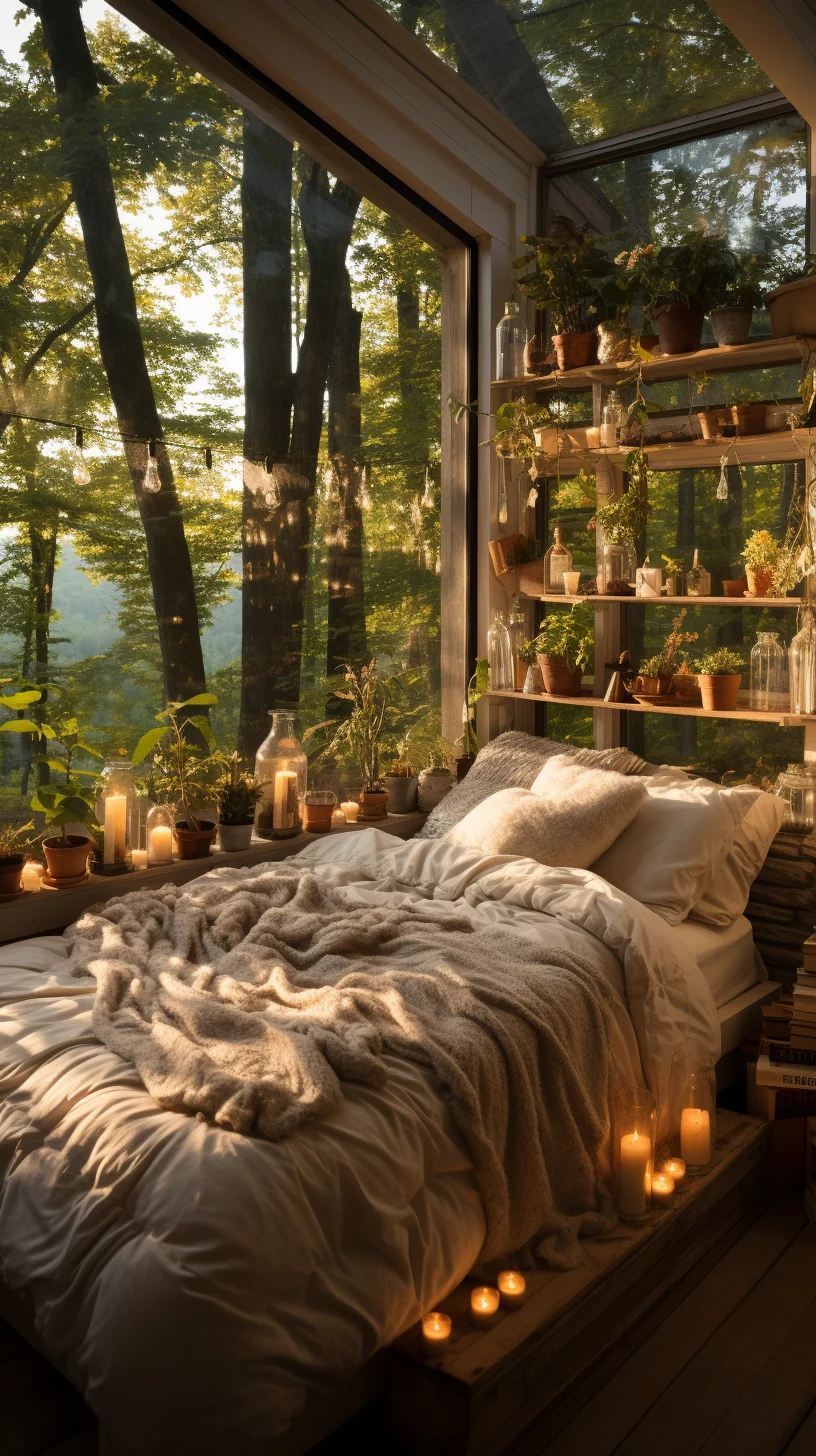
Start with the room’s base, not the accessories
| Direction | Useful starting point |
|---|---|
| Light cottagecore | Warm white, soft florals, pale wood and gentle green accents |
| Cozy small room | Layered bedding, one rug, warm lighting and vertical storage |
| Dark cottagecore | Deep green, brown or charcoal balanced with lighter textiles |
| Dark academia crossover | Darker wood, books, restrained pattern and task lighting |
Choose the bed, storage and lighting first. Then add the softer cottage layer through bedding, curtains, art, flowers or a few second-hand-looking pieces. That keeps the room functional instead of turning it into a display.
Do a 10-minute cottagecore test before you buy anything
Stand in the doorway and take one photo of the room in daylight, then another with only the lamps you normally use at night. Those two views expose most cottagecore problems faster than a shopping list will. In the daylight photo, circle the three largest fixed colors—usually the floor, walls and biggest piece of furniture. Your bedding and main textile should cooperate with those colors rather than with an inspiration photo taken in a completely different room.
- Walk the route around the bed. If a basket, stool or plant would narrow a route you use every day, do not add it just for atmosphere.
- Count the small objects already visible. If the bedside table, dresser and windowsill are all busy, add cottage character through one larger textile or wall piece instead of more ornaments.
- Check the night photo for dead corners. A dark corner usually needs a useful lamp before it needs decor. For dark cottagecore, make sure at least one pale textile remains clearly visible after sunset.
- Pick one lead pattern. Put your floral duvet, curtain or rug sample beside the existing wood and flooring. If it works there, let other patterns be quieter.
- Remove one candidate purchase. If the room still reads as cottagecore without it, you probably do not need it.
This test is especially useful in small or rented bedrooms because it separates changes that improve the room—lighting, textiles, storage and circulation—from props that only photograph well.

Small cottagecore bedrooms need fewer floor objects
A small room can still feel layered without adding a bench, extra chair, several baskets and a plant stand. Put more of the character into bedding, curtains, framed prints and wall-mounted storage. Keep the lower part of the room simpler so there is still an easy route around the bed.
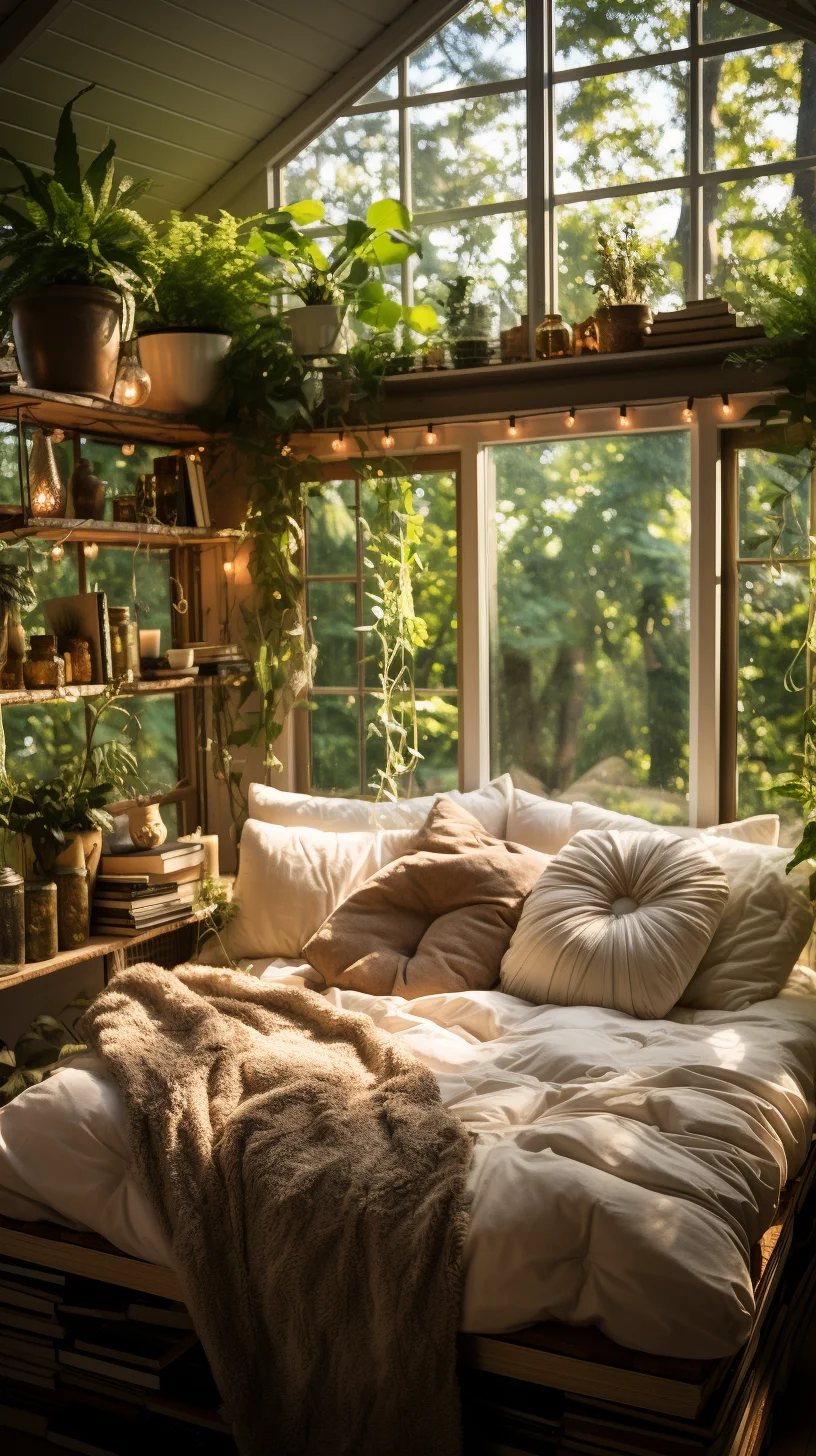
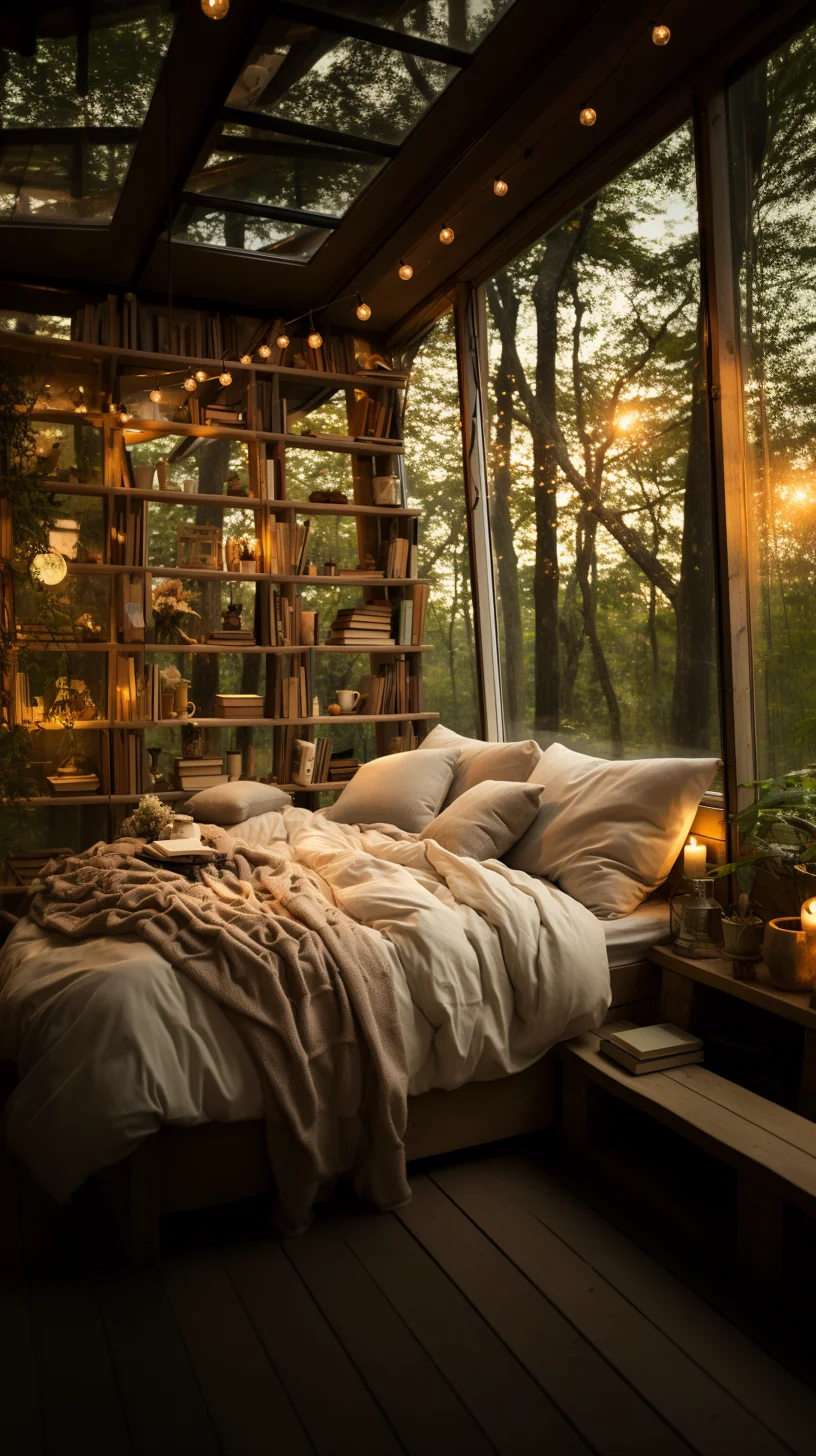
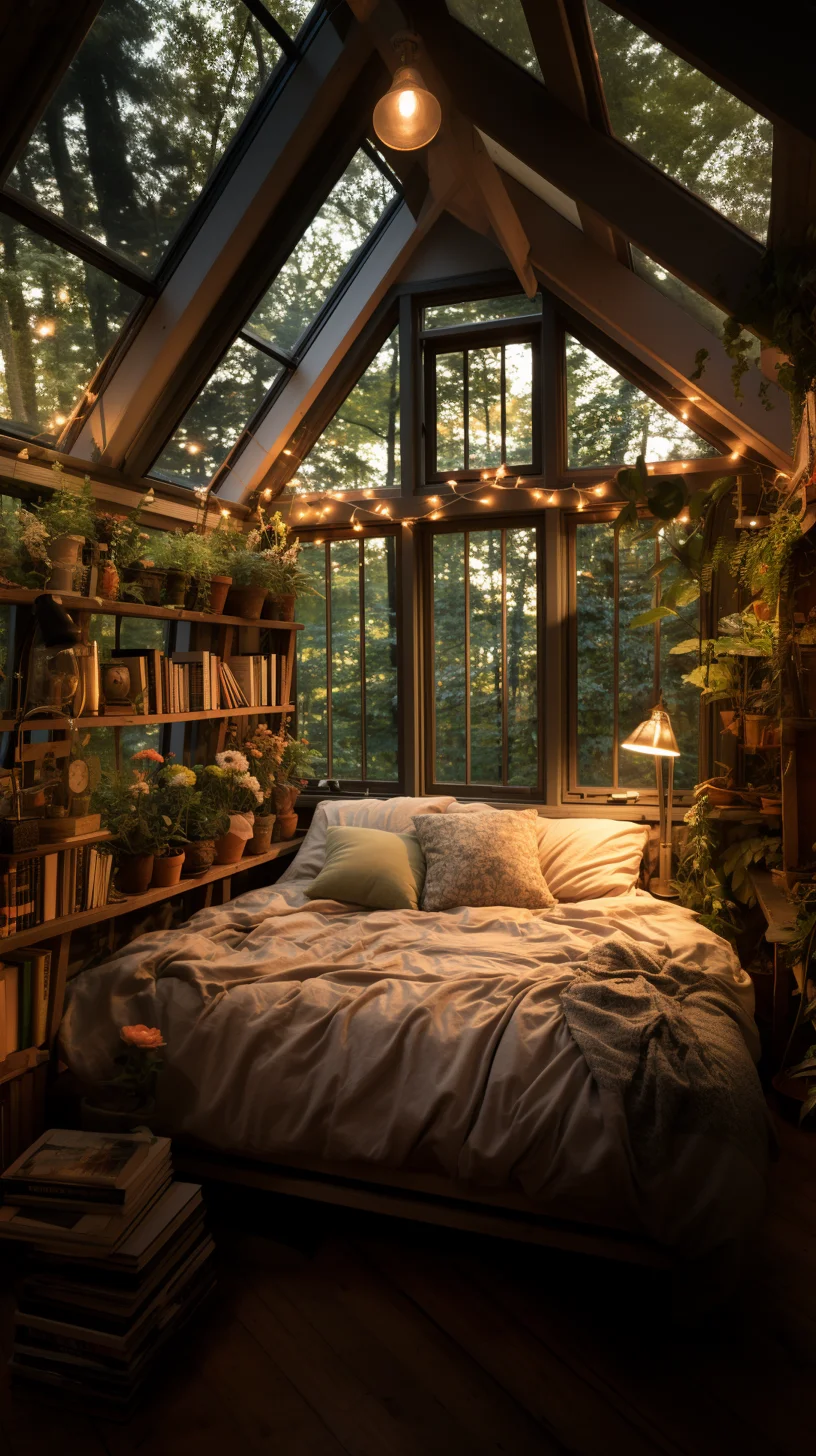
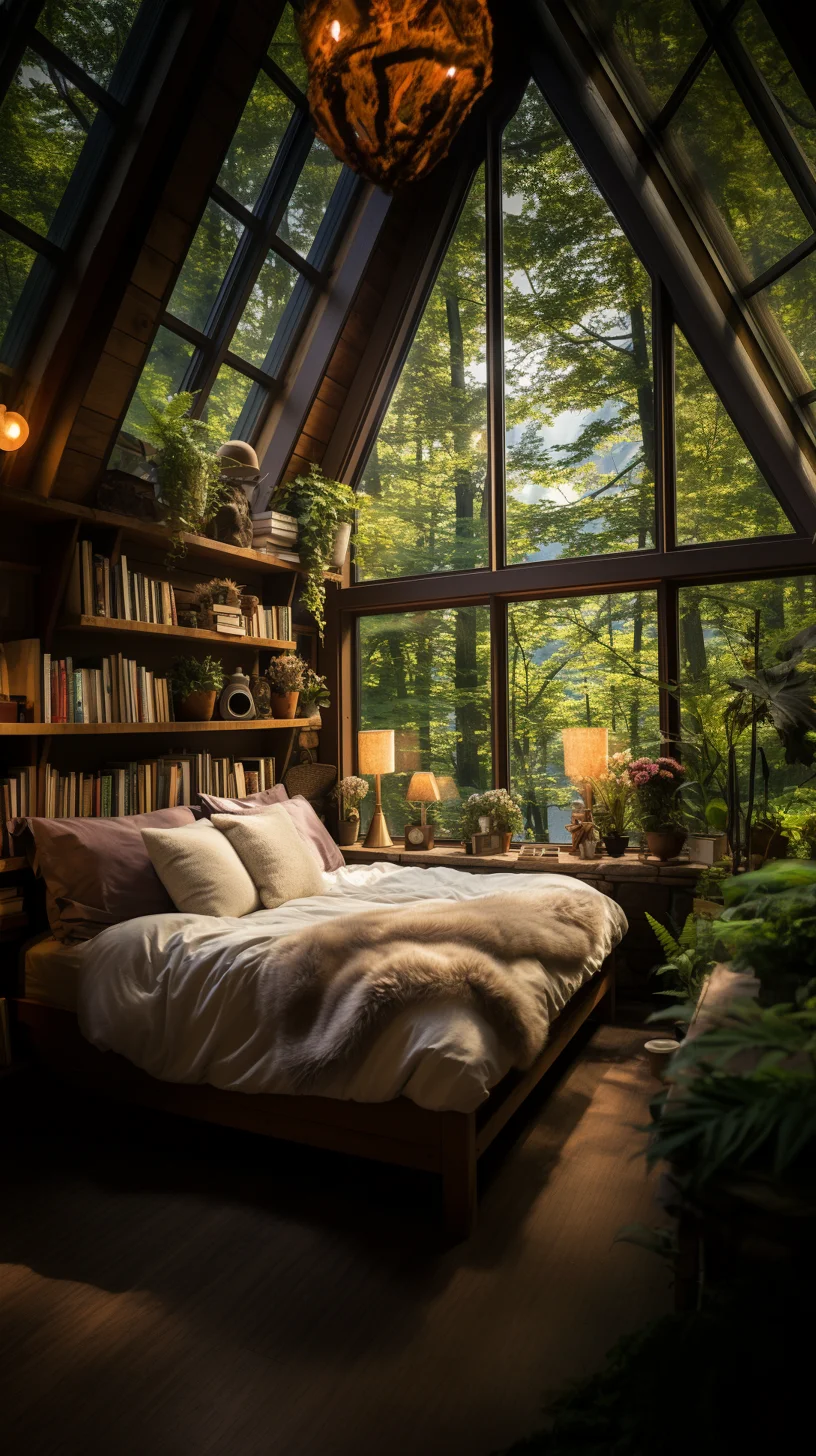
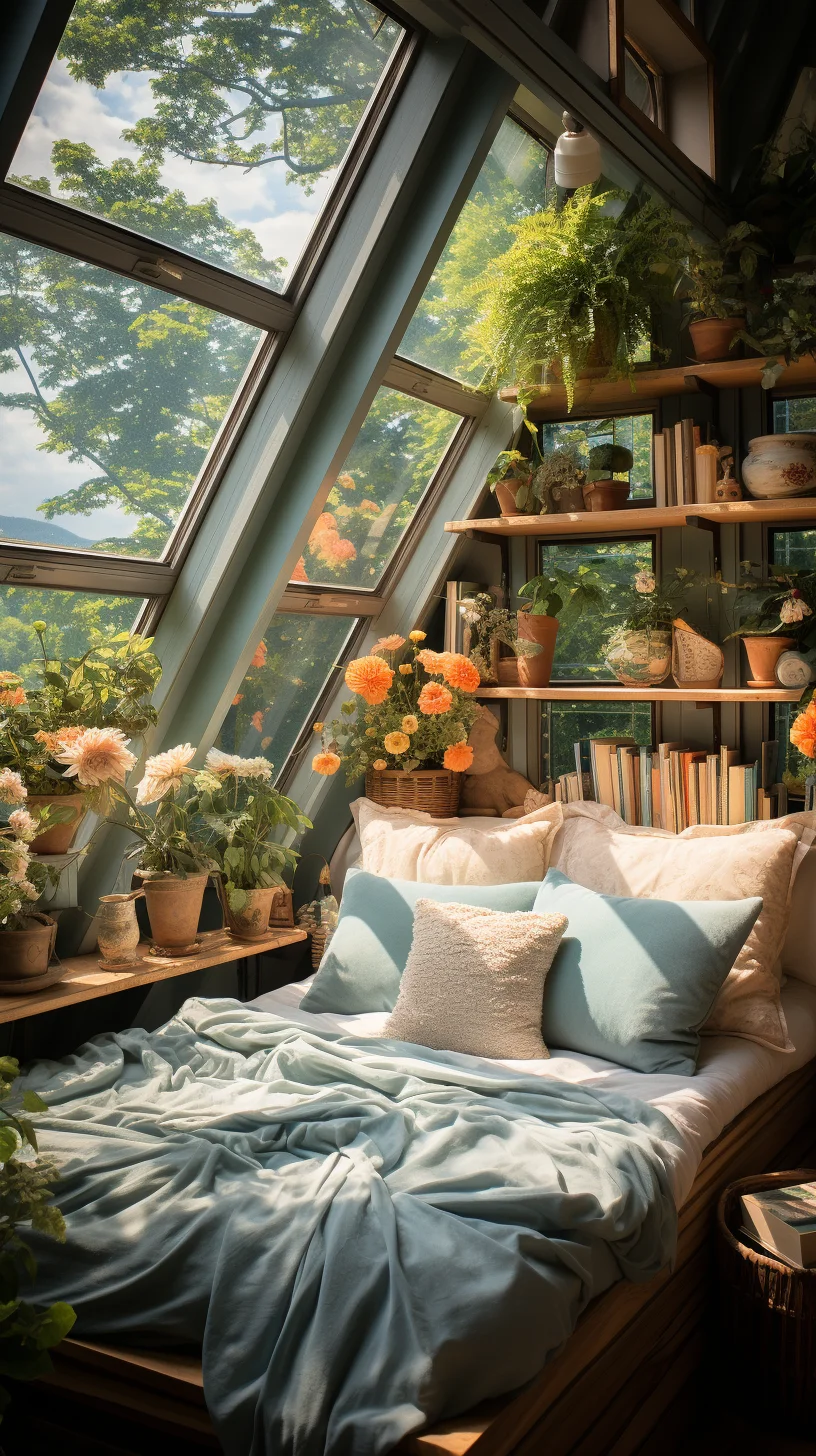
Mix patterns by scale, not by adding more themes
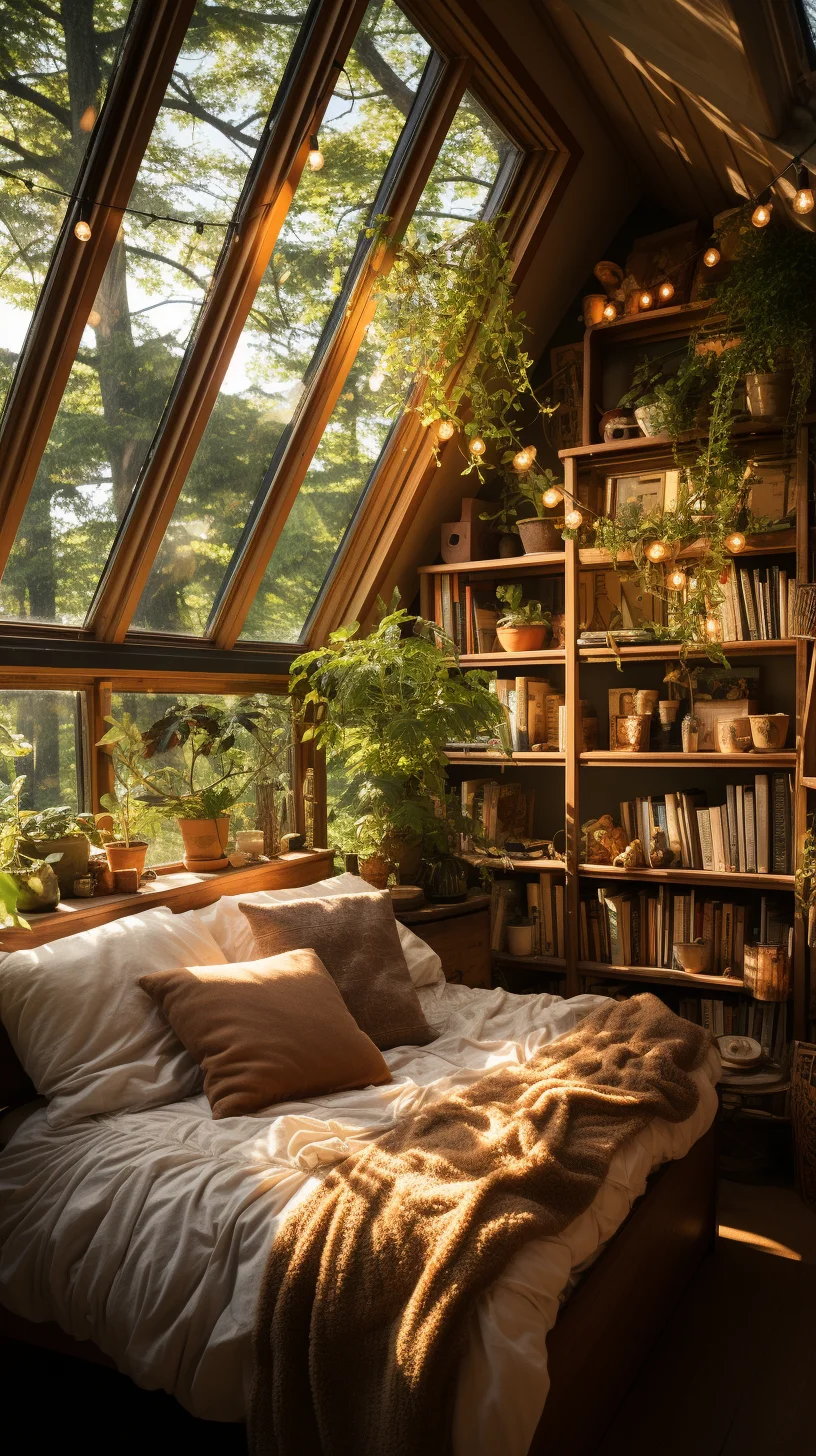
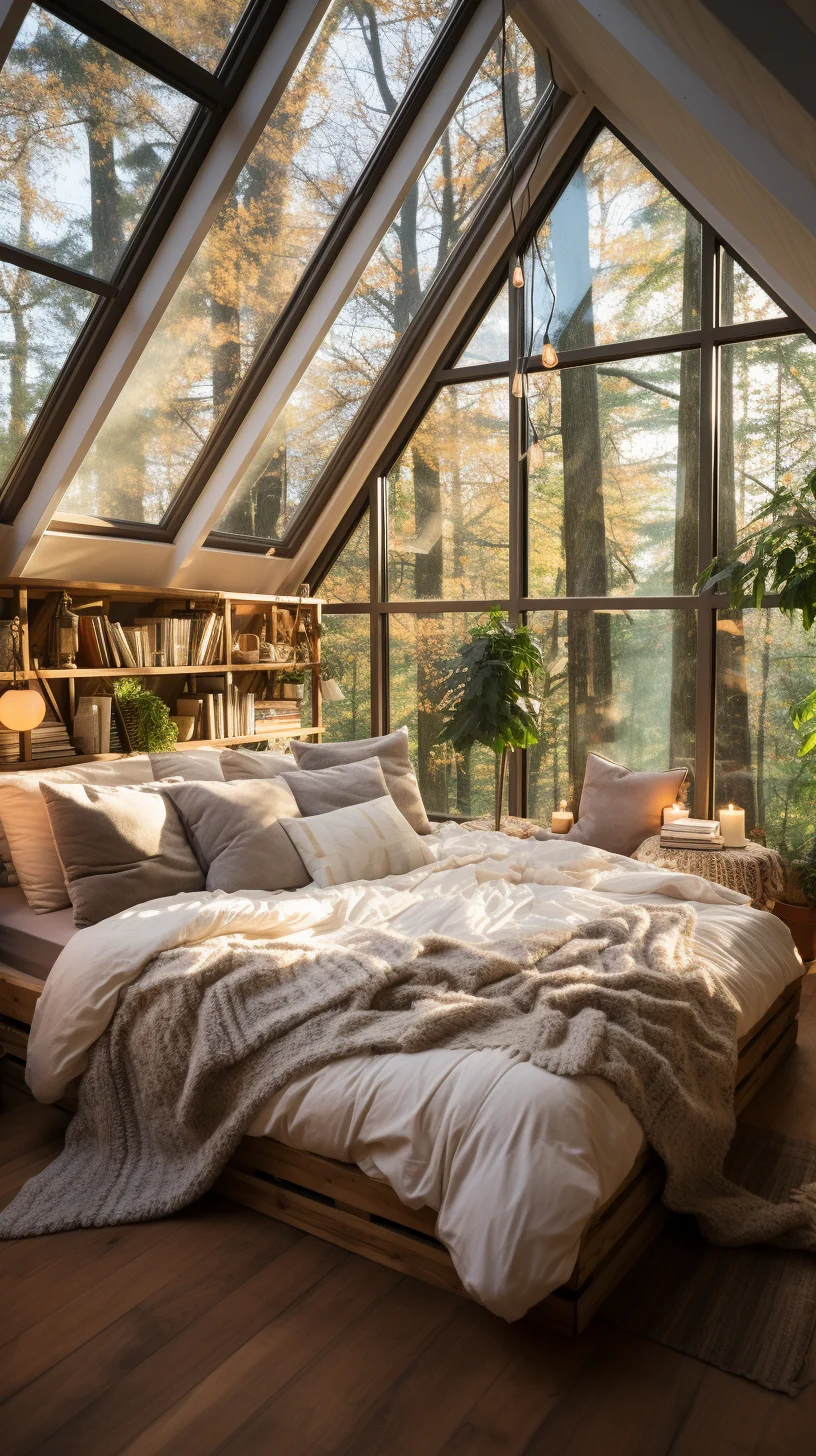
If you use floral bedding or curtains, pair them with smaller, quieter patterns elsewhere rather than introducing several equally bold prints. Keep at least one large surface plain. That gives the room a soft collected look without making every textile compete for attention.
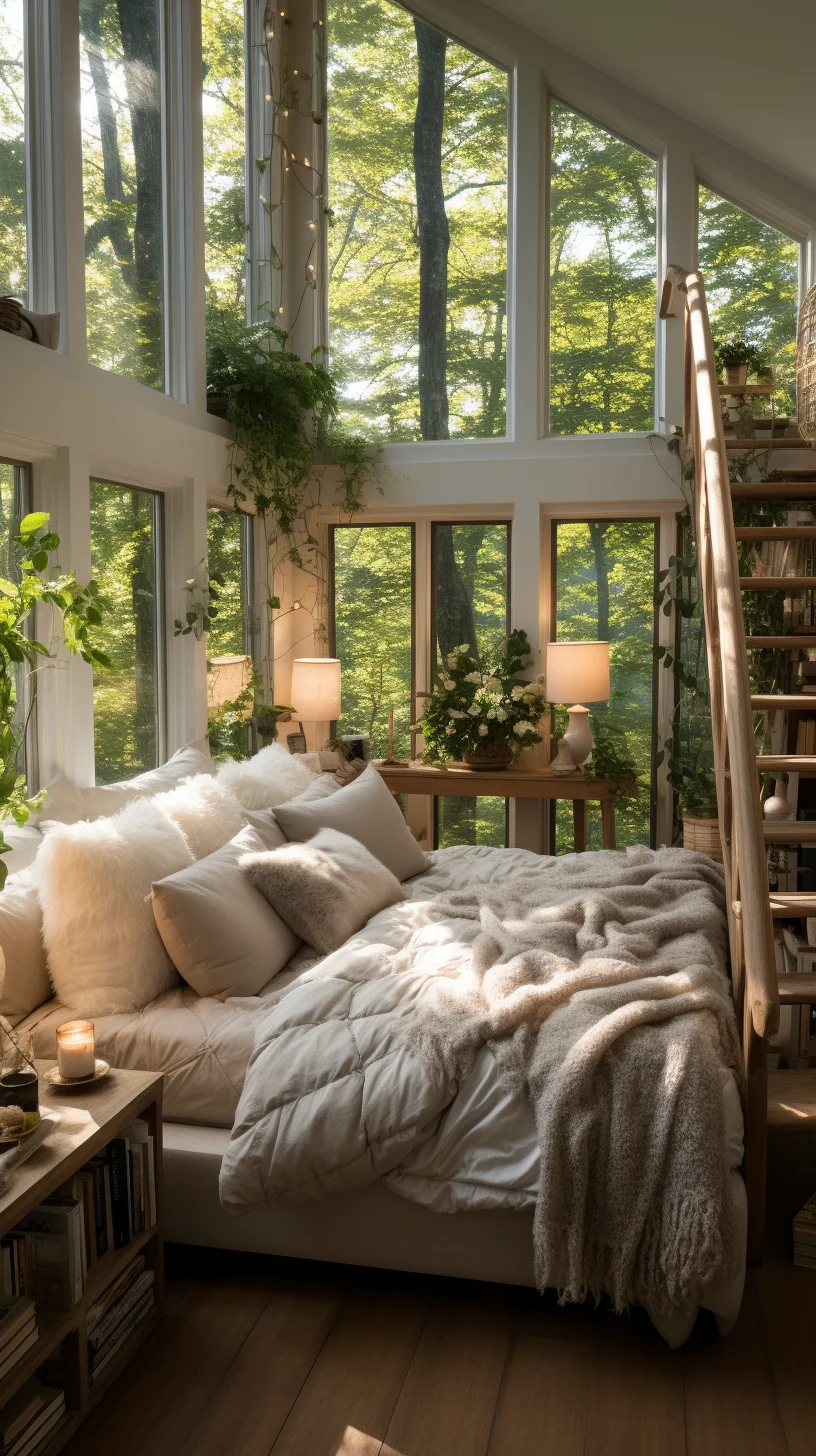
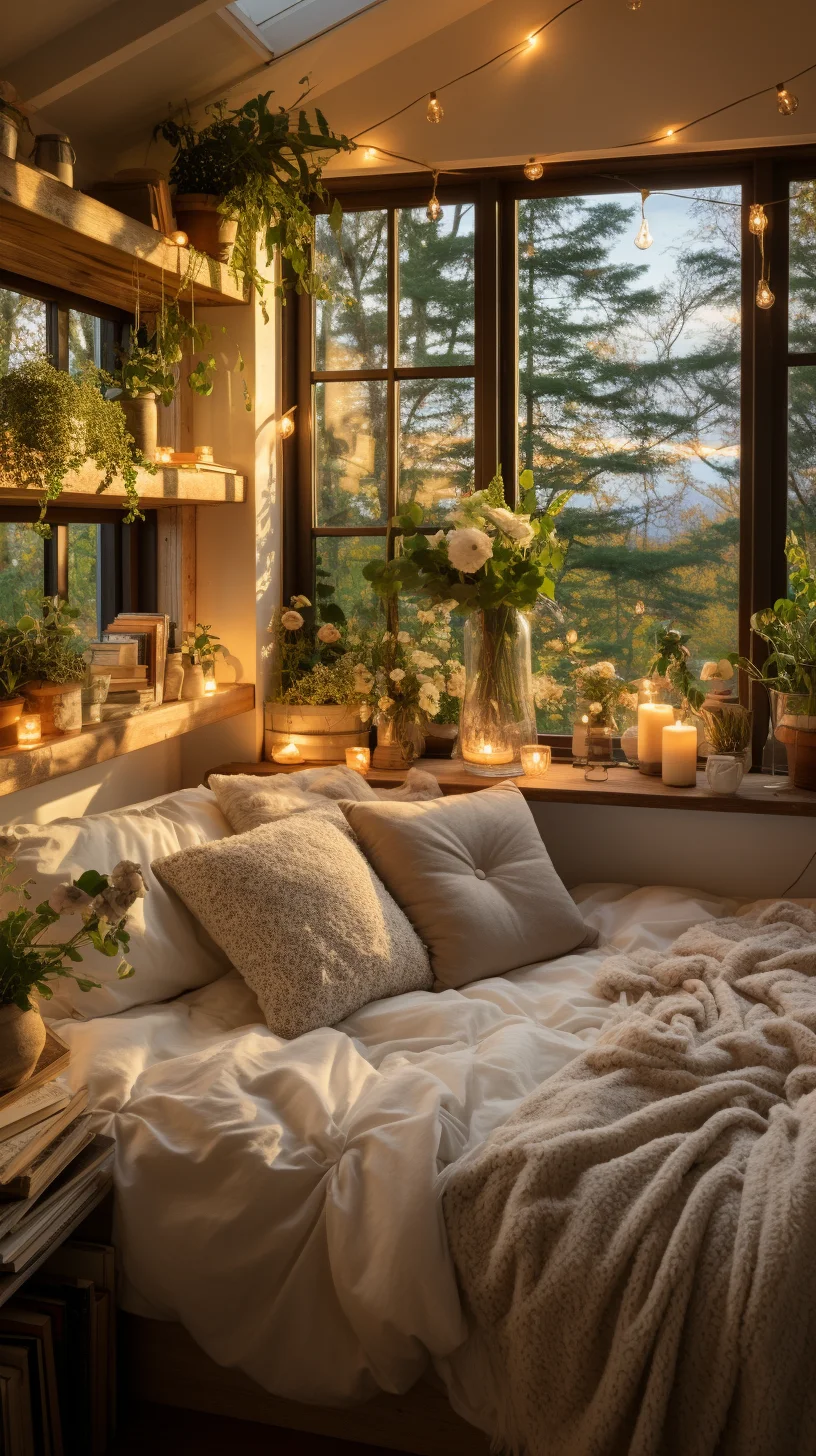
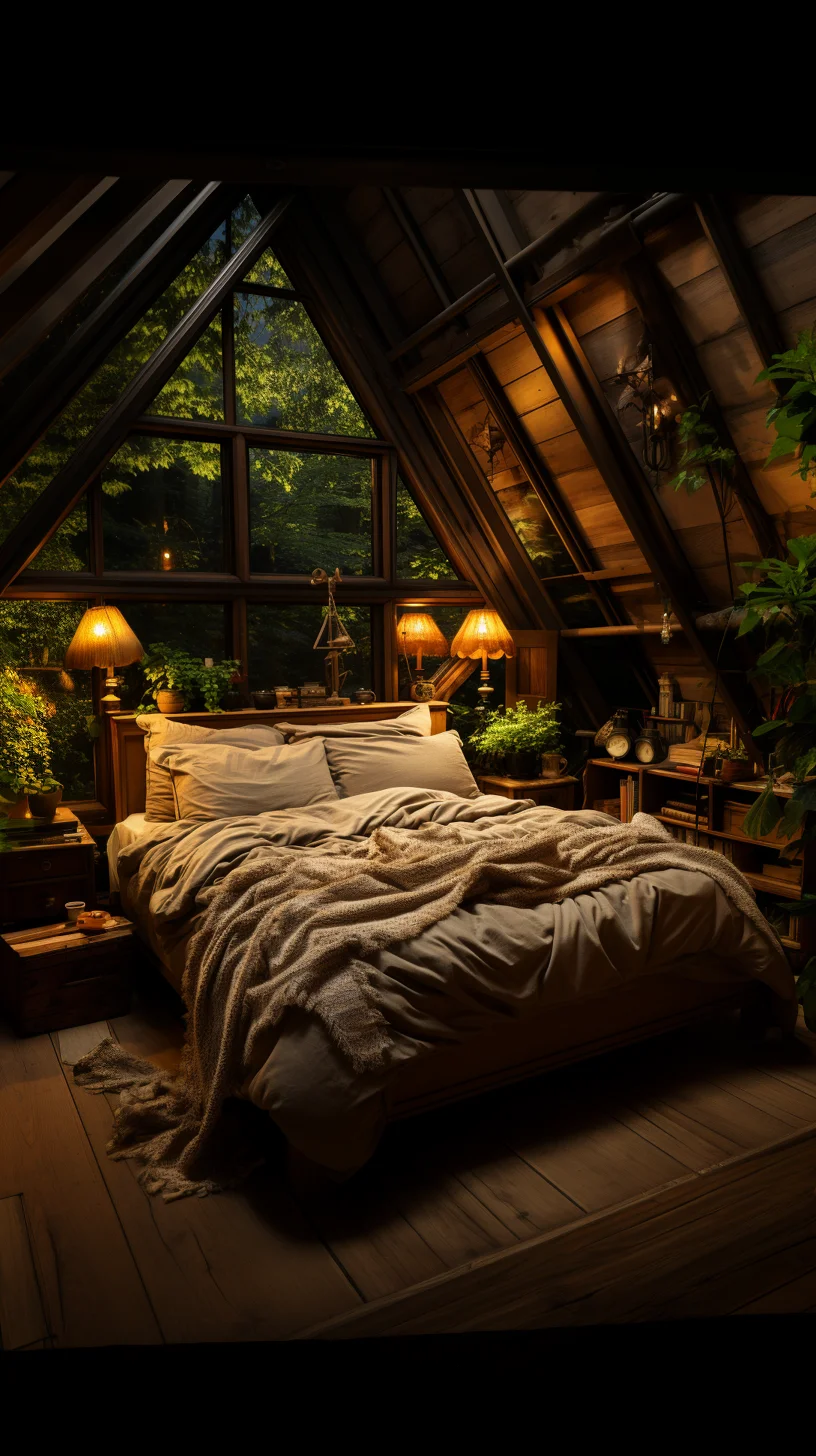
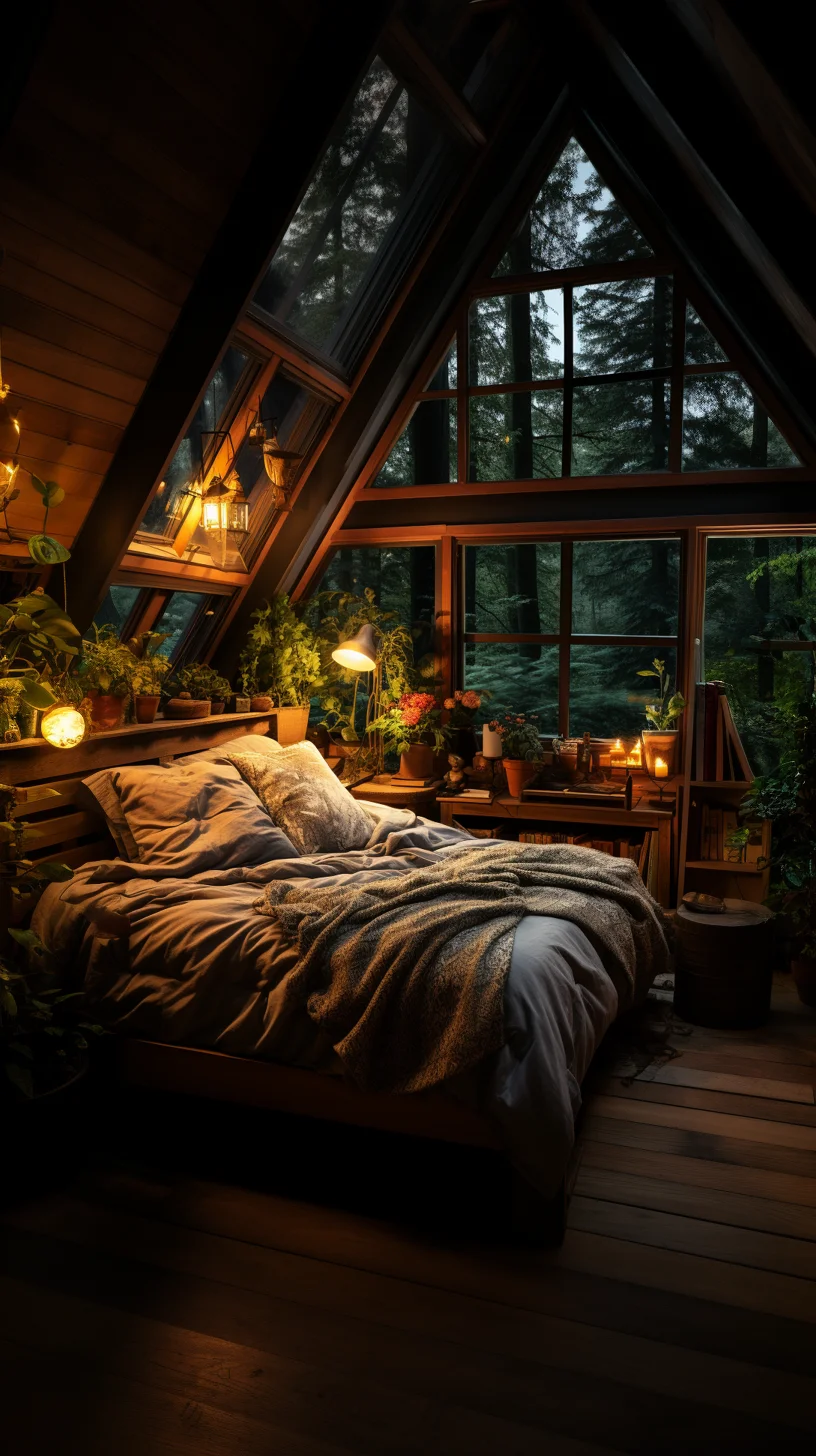
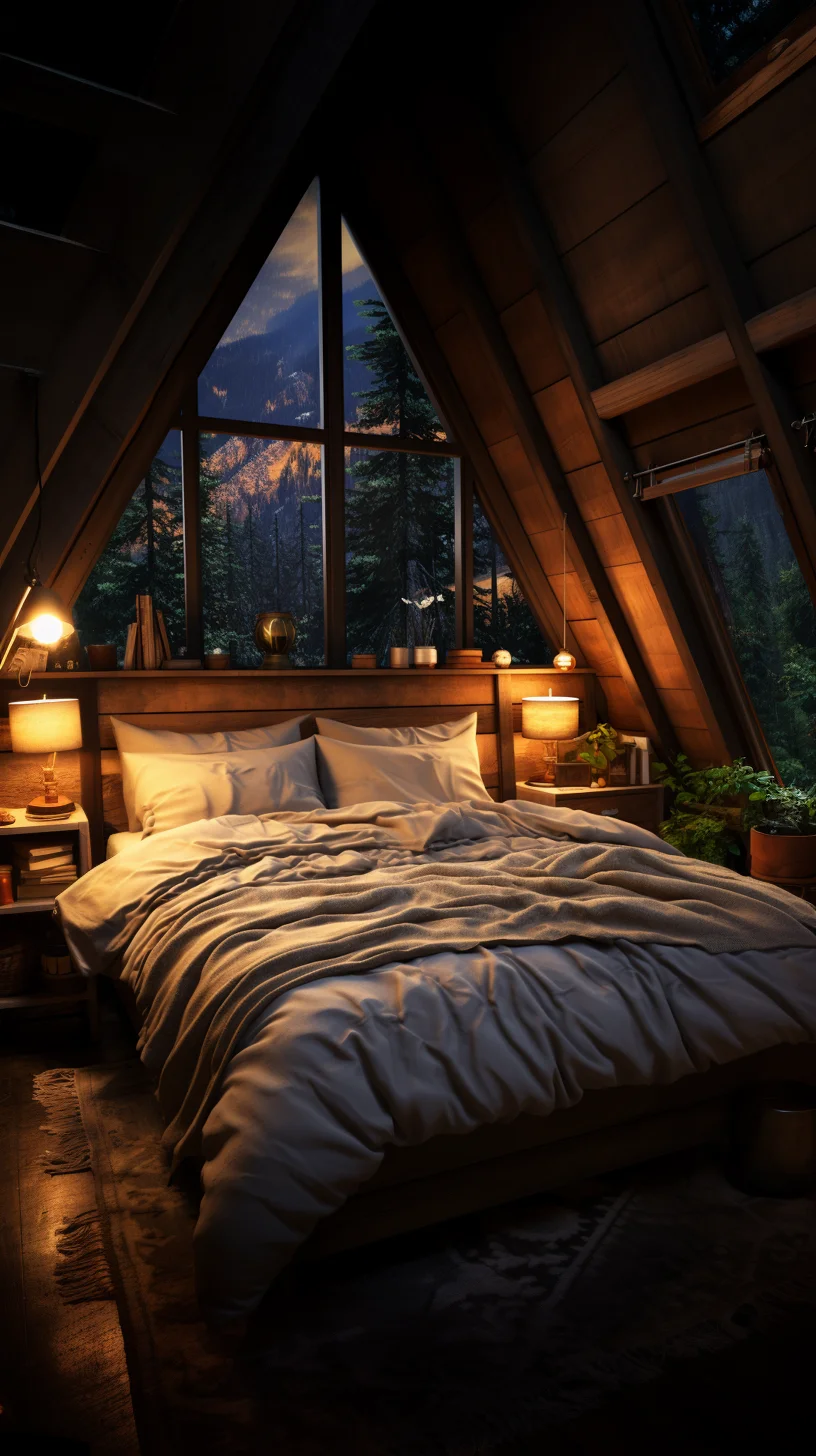
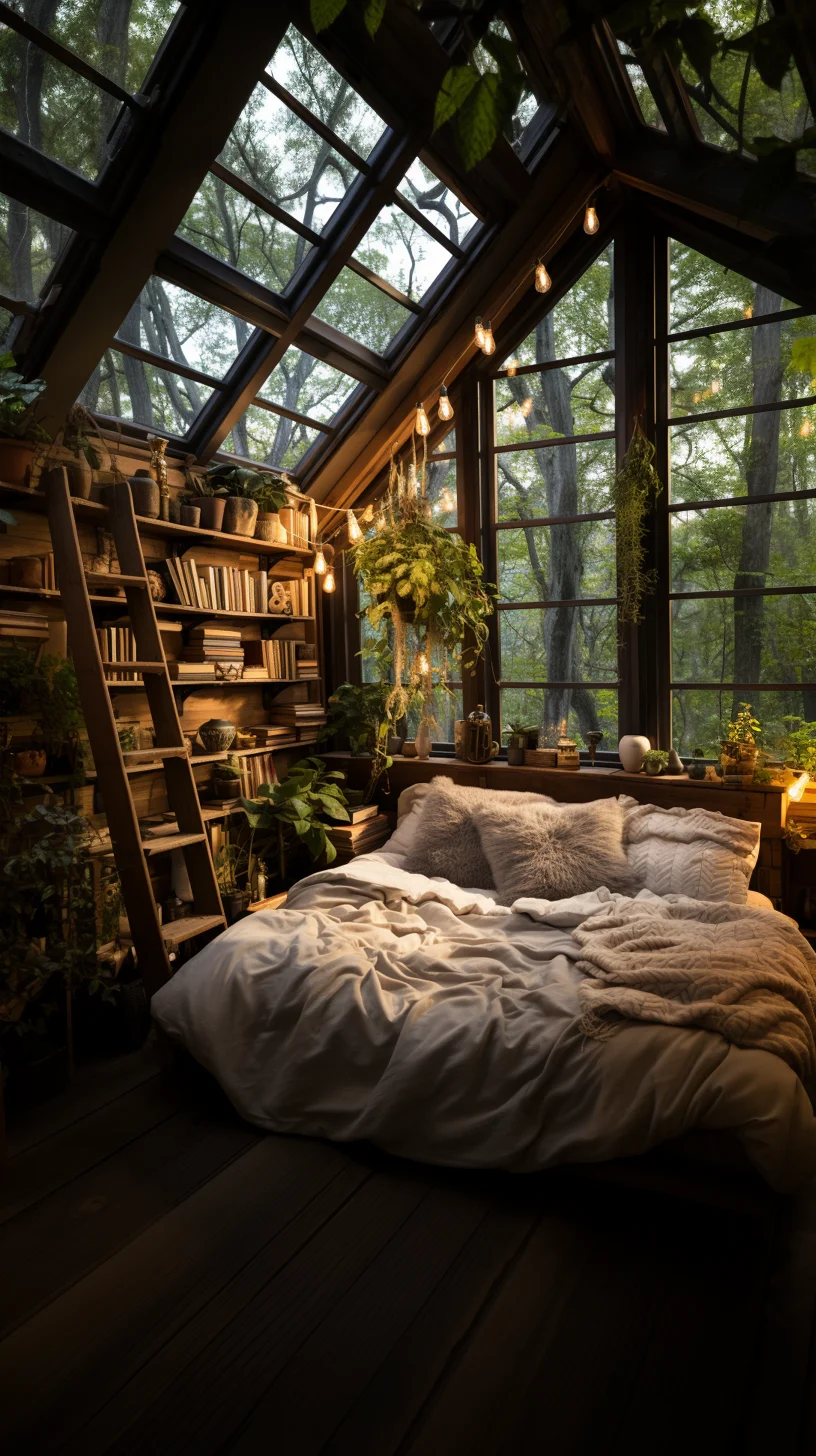
Dark cottagecore needs warm light and lighter stopping points
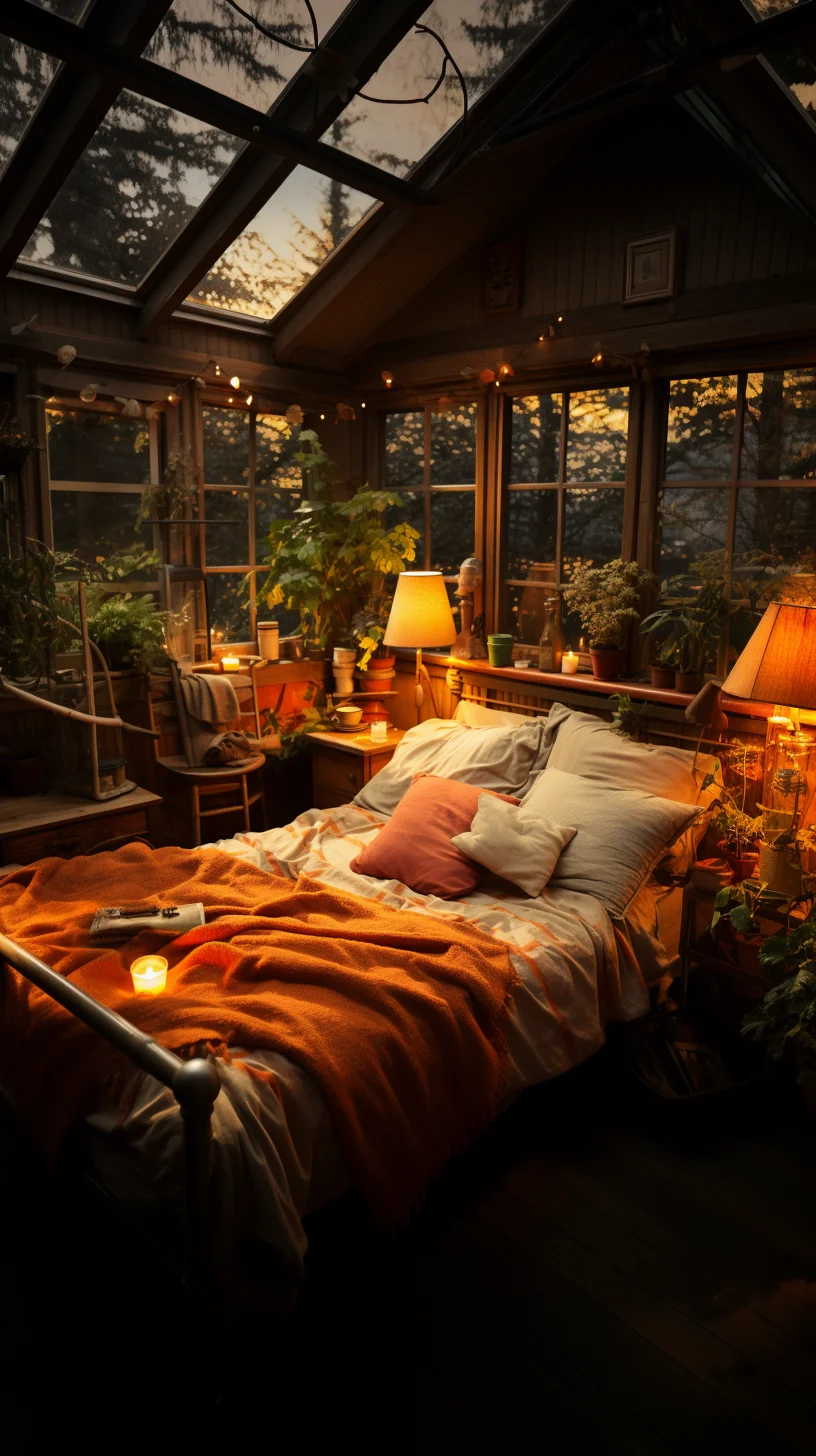
Deep green, brown or charcoal can create the darker mood, but keep bedding, curtains, a rug or part of the wall noticeably lighter. Warm bedside lighting is especially important because dark wood and dark textiles can otherwise collapse into one visual mass at night.
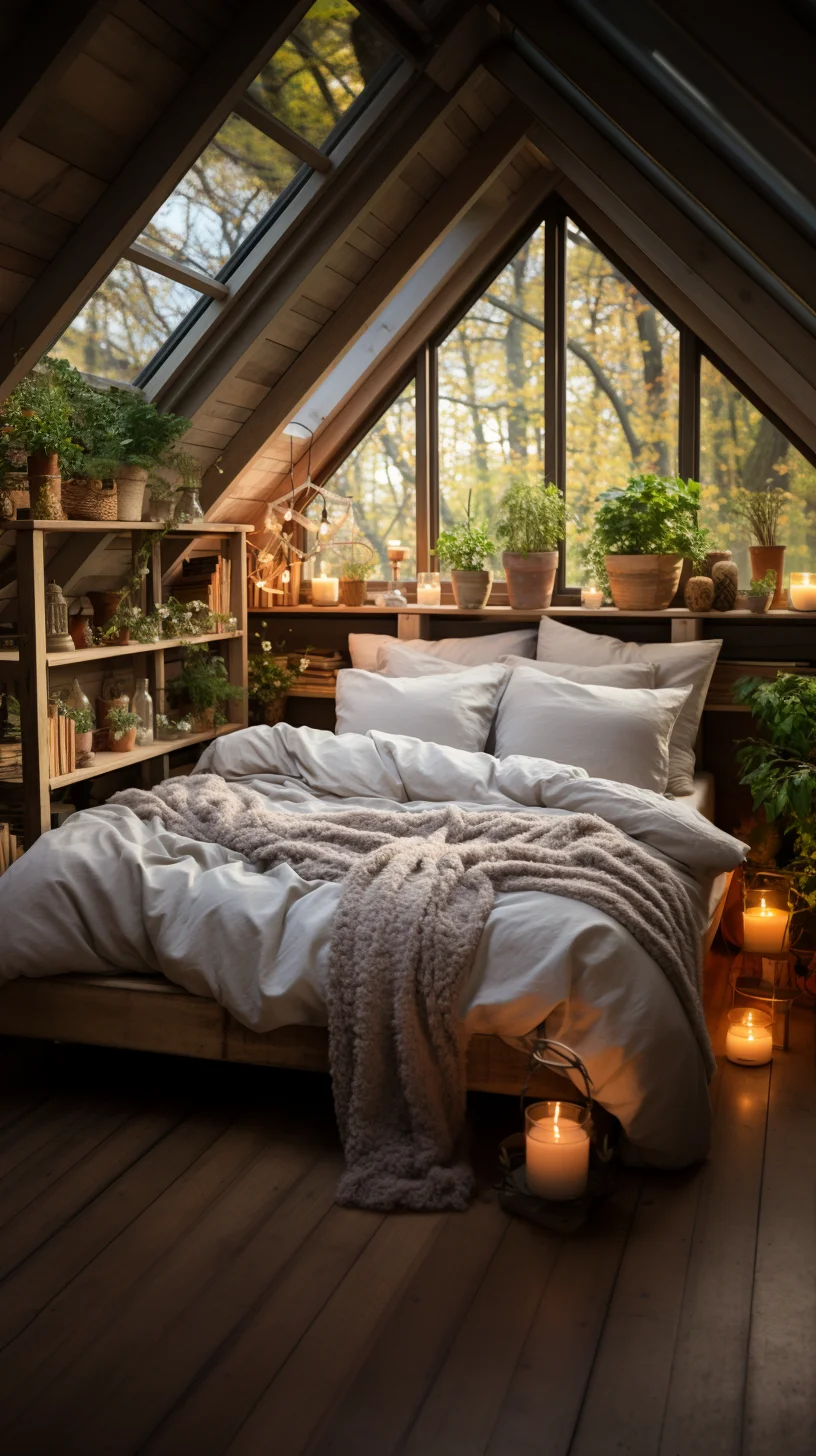
If you are borrowing from dark academia too, let books, wood and one traditional-looking lamp create that crossover rather than filling the room with props.
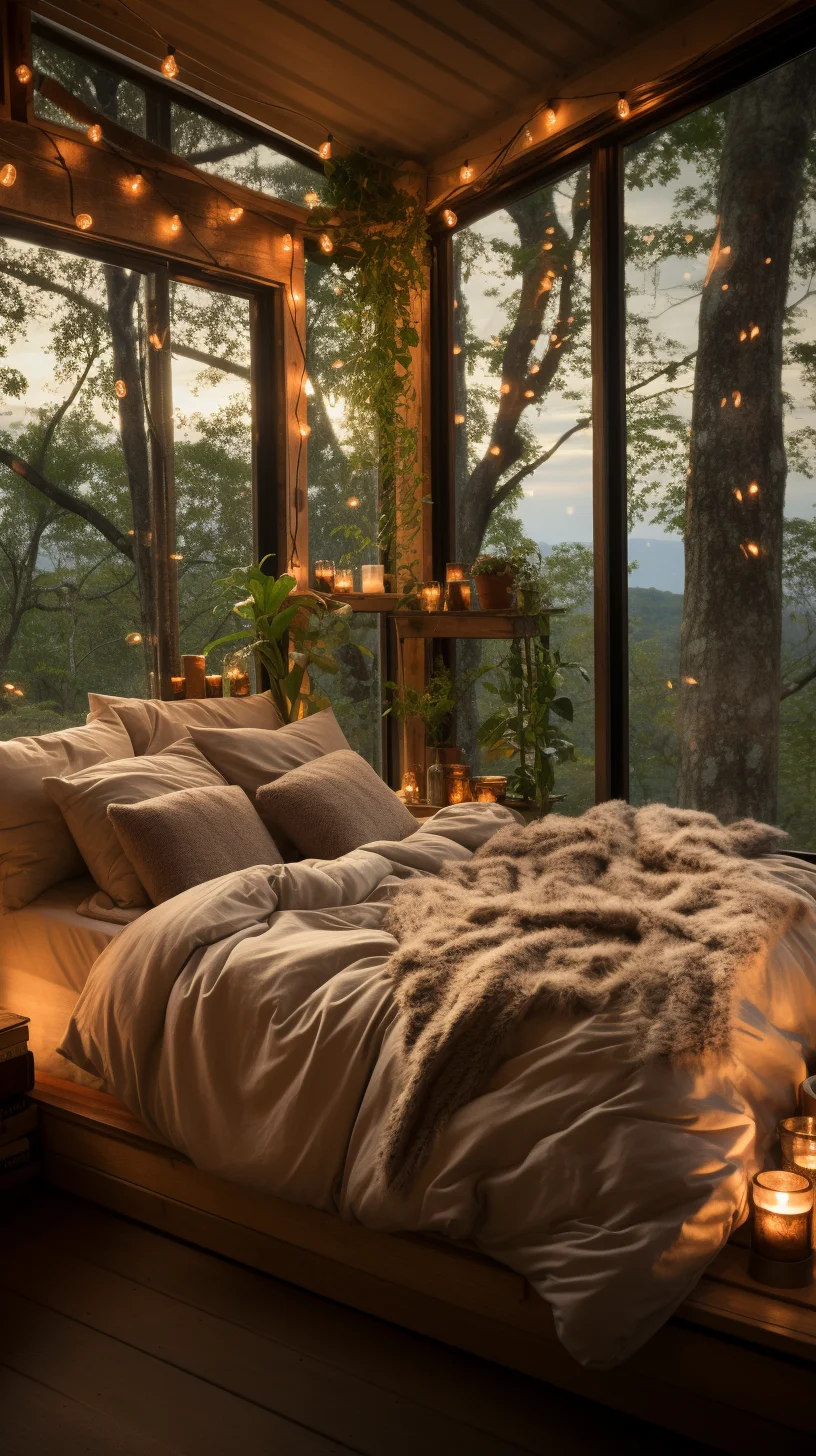
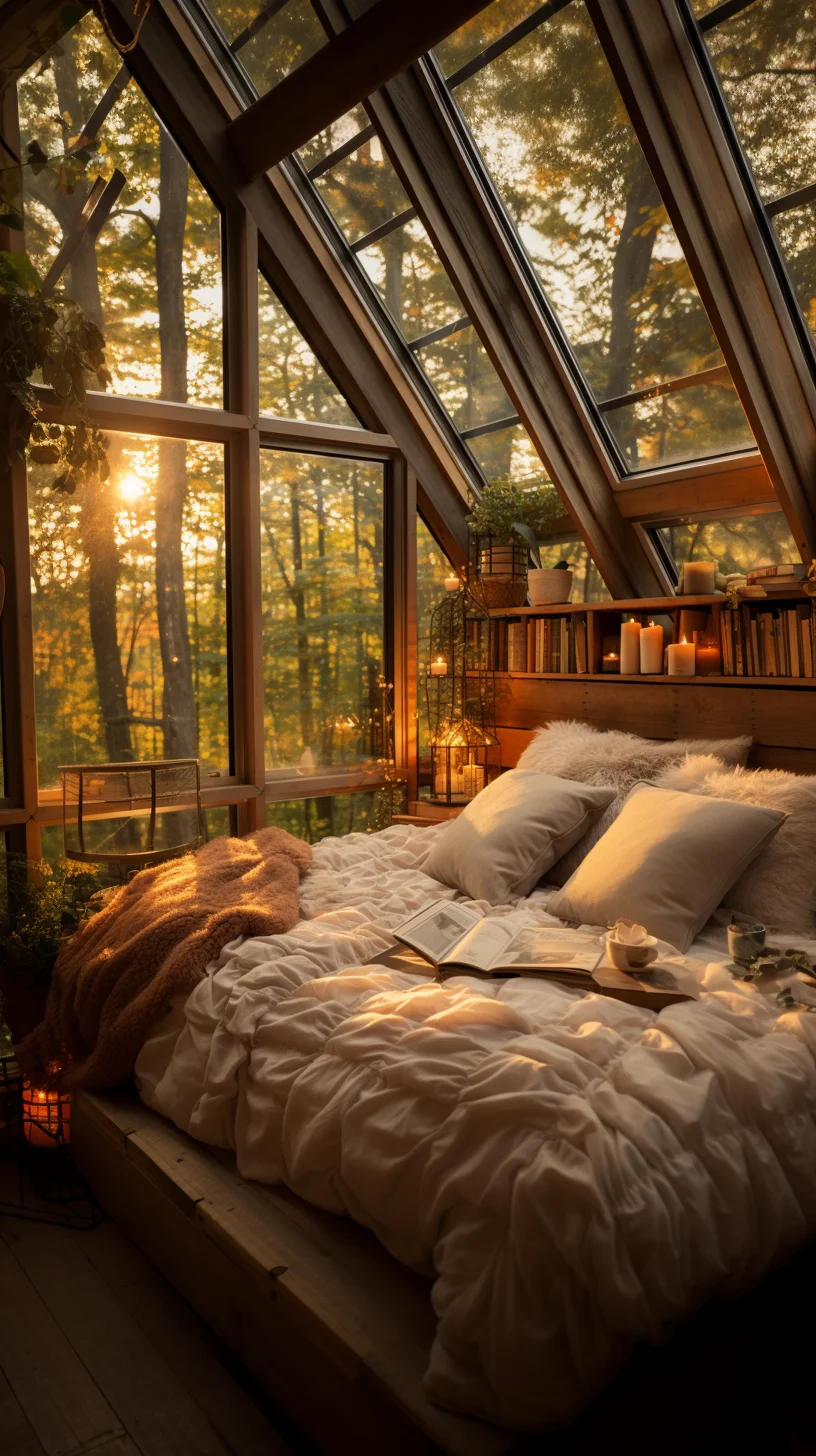
A practical order for building the room
- Photograph the room in daylight. Note the largest fixed colors: flooring, walls, wardrobe and bed frame. These should influence the palette more than an inspiration photo from a different room.
- Choose three repeating finishes. For example: warm white, medium wood and muted green. Florals can sit on top of that base without becoming a fourth competing color scheme.
- Fix function before styling. Check bedside access, clothes storage, charging, reading light and the route around the bed. A beautiful basket is not useful if it blocks a wardrobe door.
- Add the largest textile first. Bedding, curtains or a rug establishes the pattern scale. Let the other textiles be quieter.
- Add age selectively. One old-looking lamp, framed botanical print, wooden stool or genuinely second-hand piece can do more than ten small themed ornaments.
- Stop and remove one layer. If every surface has flowers, books, candles and baskets, take something away. Cottagecore should feel collected, not staged.
How to diagnose a cottagecore bedroom that feels wrong
| Problem | Likely cause | Try this first |
|---|---|---|
| It looks cluttered rather than cozy | Too many small objects at the same visual weight | Clear one bedside surface and group the remaining objects in one area |
| It feels like a costume set | Too many explicitly “vintage” props | Keep the useful pieces and replace novelty decor with ordinary wood, textiles or plants |
| The room feels beige and flat | Similar values everywhere | Add one deeper natural tone such as olive, rust, walnut or burgundy |
| A small bedroom feels crowded | Character has been added through floor furniture | Move interest upward with curtains, art, a shelf or wall-mounted light |
| Dark cottagecore feels gloomy | Dark surfaces have no contrast | Introduce pale bedding and two warm light sources at different heights |
| The patterns fight each other | Several prints have similar scale and contrast | Keep the strongest print and make the others smaller, quieter or plain |
Three cottagecore palettes that are easier to live with
Meadow: warm white walls, honey-toned wood, sage or olive, faded pink and a small amount of rust. This works well when you want recognizable cottagecore without making the room overly sweet.
Old cottage: cream, walnut, moss, muted burgundy and aged brass. Use burgundy sparingly—in a cushion, throw or print—so the room stays warm rather than heavy.
Dark woodland: deep green or charcoal, dark wood, oatmeal textiles and warm brass or amber light. The oatmeal element matters: it gives the eye somewhere to rest and keeps dark cottagecore readable after sunset.
What to spend on—and what to improvise
Spend first on the things you touch or use every day: a comfortable mattress, supportive pillows, curtains that give the privacy or darkness you need, and lighting that is pleasant enough to read by. Cottagecore character is unusually easy to add cheaply. Frames can be mixed rather than matched; jars can hold flowers; an ordinary wooden stool can become a bedside table; and second-hand furniture often suits the style better than deliberately distressed new furniture.
If you rent, build the look through reversible layers: bedding, curtains, lamps, removable art and freestanding storage. You do not need paneled walls or permanent wallpaper to make the room read as cottagecore.
Cottagecore bedroom checklist
- Make the bed, storage and lighting work before adding decorative layers.
- Use one main floral or patterned textile at a time.
- Repeat natural-looking materials instead of adding many novelty accessories.
- In small rooms, put more character on walls and textiles than on the floor.
- Balance dark wood or walls with lighter bedding and warm lamps.
- Choose second-hand or vintage-looking pieces because they are useful, not only because they fit the aesthetic.
Questions worth answering before you copy an inspiration image
Can cottagecore work in a modern bedroom?
Yes. Do not try to disguise every modern element. Keep the practical wardrobe or simple bed, then soften the room with natural-looking textiles, warm lamps, botanical art and a few wood pieces. Contrast usually looks more intentional than fake aging.
How do you make cottagecore look grown-up?
Reduce literal motifs and increase material texture. A linen-look duvet, wooden furniture, one restrained floral print and an old-style lamp usually age better than signs, slogans and many miniature decorations.
What is the easiest cottagecore change in a small bedroom?
Change one large textile before buying decor. Bedding or curtains affect far more of the visual field than a collection of small accessories. Then add a warm bedside lamp and one vertical decorative area rather than filling the floor.
For a less romantic and more natural palette, compare the earthy boho bedroom ideas. For a cleaner minimalist direction, see the Scandinavian bedroom gallery.

