
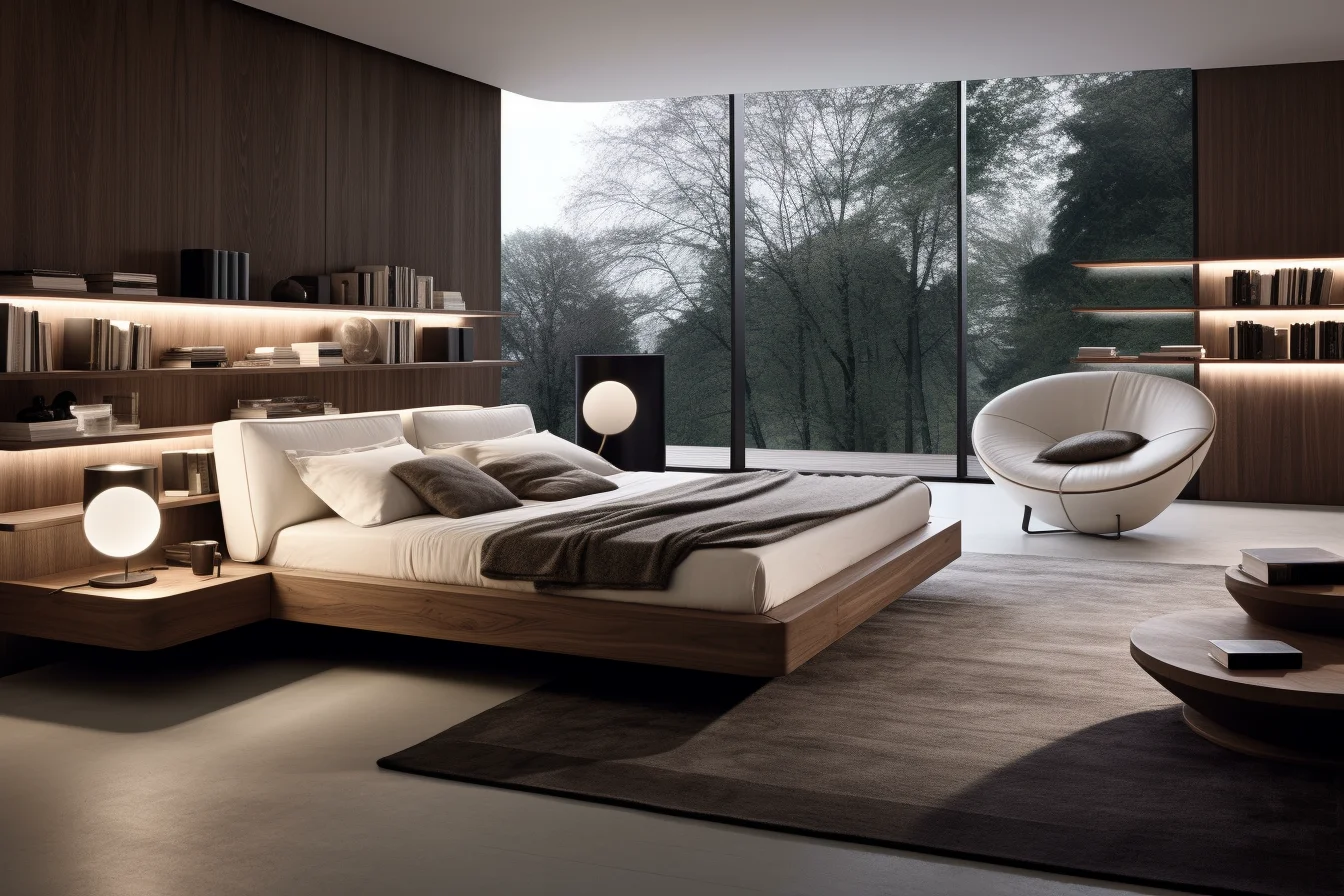
This gallery contains 12 modern Italian-inspired bedroom concepts, with an emphasis on clean furniture lines, upholstered beds, coordinated finishes and a more polished luxury look. Rather than treating “Italian” as a decorative theme, use the images to study proportion, material contrast and how a few large pieces can make a bedroom feel finished without filling it with small decor.
What to borrow from a modern Italian bedroom
| Design goal | Practical move |
|---|---|
| A more luxurious bed | Choose a substantial upholstered or structured headboard and keep the bedding comparatively restrained |
| A cleaner room | Use coordinated bedside tables and storage instead of many unrelated small pieces |
| More depth | Combine matte and reflective finishes rather than relying on one texture everywhere |
| A modern look | Keep the palette controlled and let furniture proportions create the visual impact |
The concepts below are most useful as references for scale and composition. You do not need a full matching bedroom set to get the effect; repeating one finish or shape across two or three pieces is usually enough.
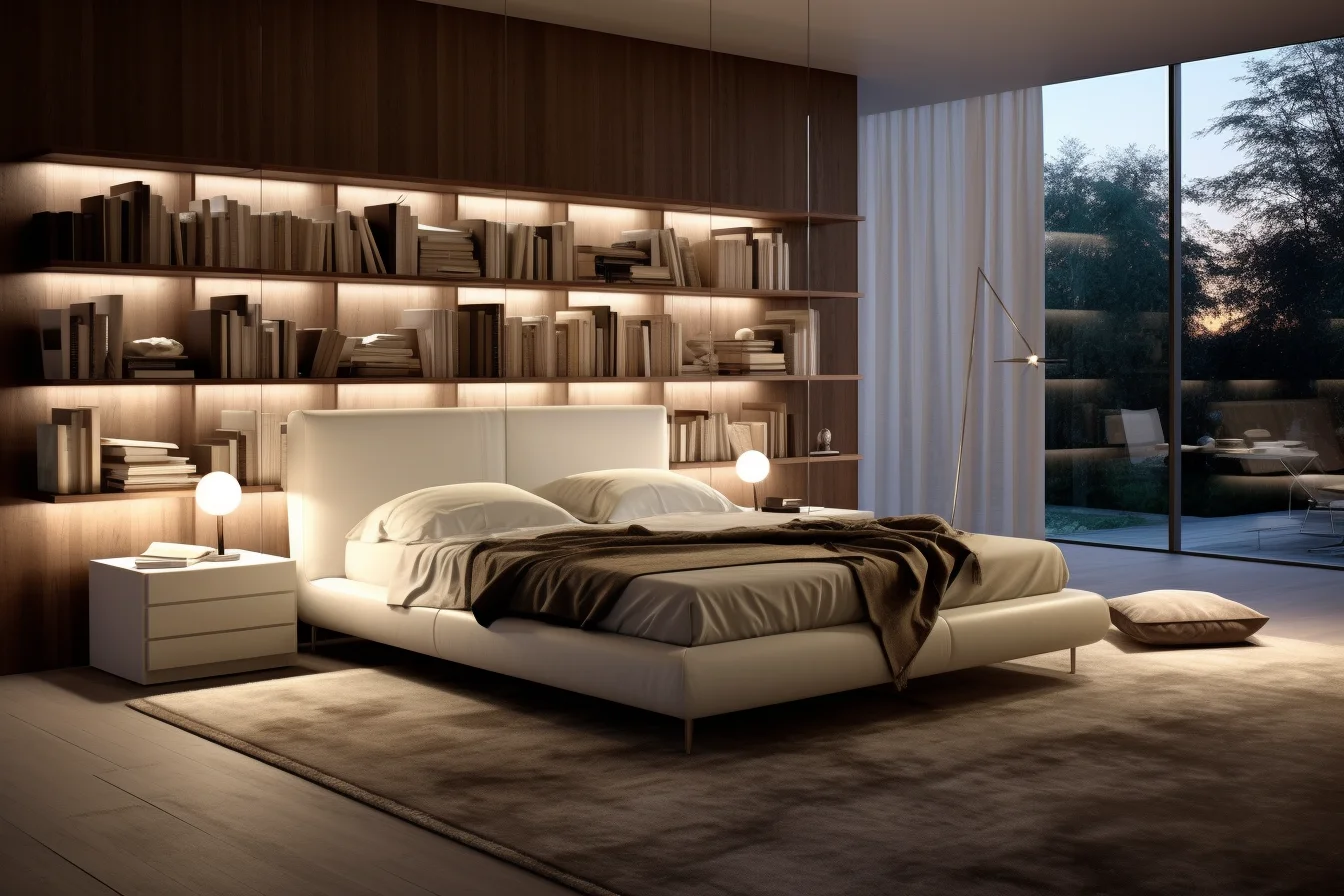

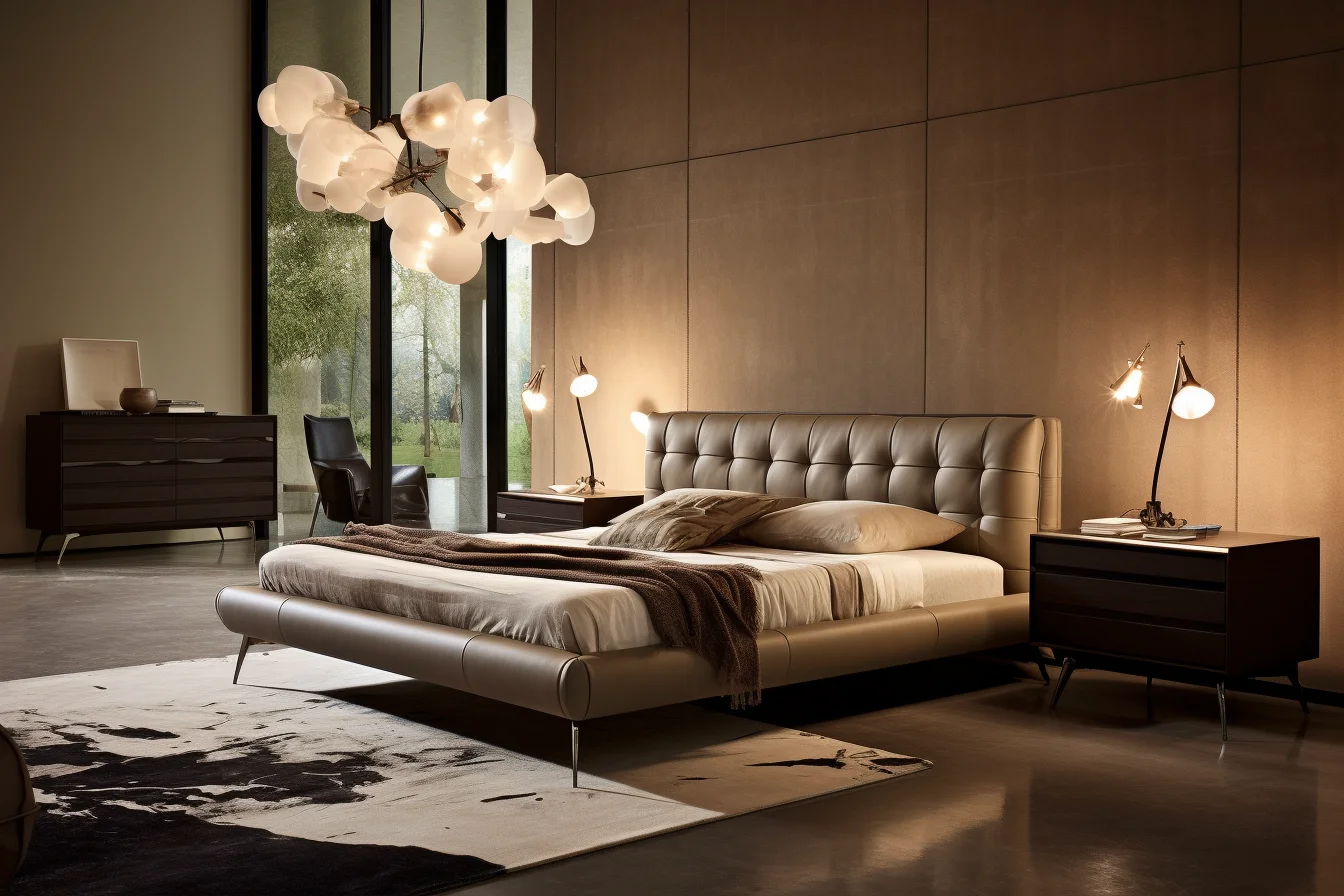


Let the bed set the scale of the room
In the more furniture-led concepts, the bed is the visual anchor. If the headboard is tall or wide, keep the bedside pieces lower and simpler so the room does not become top-heavy. In a smaller bedroom, reduce the width of the surrounding furniture before shrinking the bed visually with too many competing accessories.
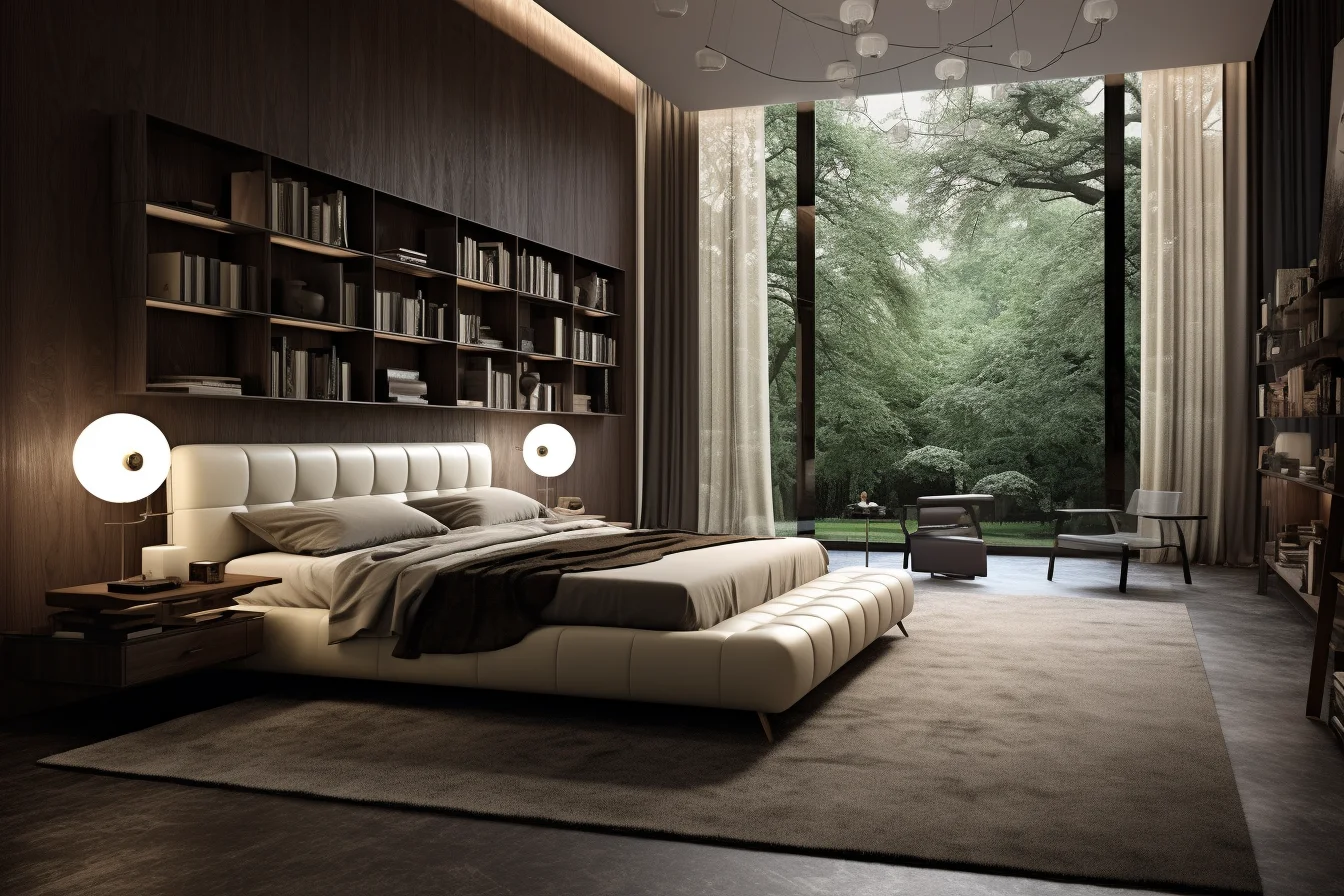

Luxury works better through materials than decoration
If you want a more expensive-looking room, prioritize the finish of the large elements: headboard fabric, bedside surfaces, lighting and curtains. Adding many metallic accessories rarely improves a room that already has weak proportions or poor lighting. One reflective surface beside matte wood or fabric usually creates more depth than several small shiny objects.
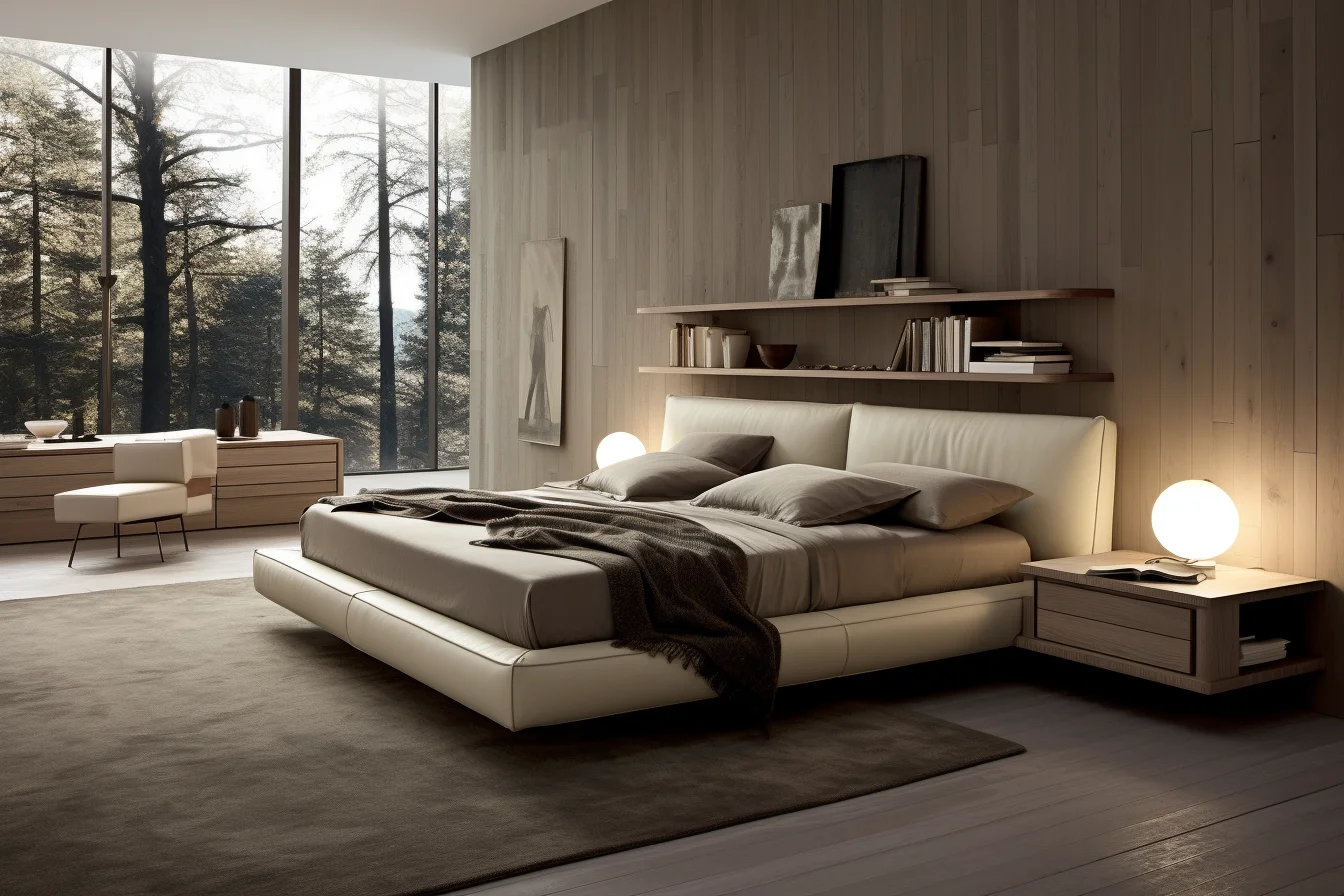
Keep the palette controlled, not necessarily neutral
A modern Italian-inspired room does not have to be beige or gray. What matters more is limiting the number of competing finishes. If the bed is upholstered in a strong color, keep the rug, curtains and bedside pieces quieter. If the furniture is neutral, you have more freedom to introduce color through textiles or artwork.



Build the room in the right order
The easiest way to lose the polished look is to buy attractive pieces independently and discover that their scales, finishes and lighting do not work together. Plan from the largest decisions downward.
- Measure the usable wall and walking space. Mark the bed width, door swing, wardrobe clearance and the route around the bed before choosing oversized furniture.
- Choose the bed and headboard first. Treat their width, height and upholstery as the room’s main proportion and material cue.
- Add bedside pieces by proportion. Their tops should sit comfortably near mattress height; very tall or bulky tables can make even an elegant bed feel cramped.
- Set a three-material limit. For example, warm wood + textured upholstery + brushed metal, or dark veneer + cream fabric + stone-look surfaces.
- Layer the lighting. Use general light for the room, softer bedside light for atmosphere and a directed source where you actually read or dress.
- Add textiles last. Curtains, bedding and a rug should connect the existing palette rather than introduce several new themes.
Three modern Italian bedroom palettes
| Direction | Base | Contrast | Best use |
|---|---|---|---|
| Warm contemporary | Ivory and warm beige | Walnut and muted bronze | A softer luxury look without heavy ornament |
| Dark tailored | Charcoal and taupe | Dark wood with a restrained metallic accent | Larger rooms or bedrooms with strong natural light |
| Light architectural | Off-white and pale greige | Medium wood and black details | Smaller rooms where visual weight needs to stay controlled |
Do not copy a palette as a shopping list. Check samples in the actual room during daylight and after dark: warm artificial light can shift gray toward beige, while cool light can make cream fabrics look flatter than expected.
Fix the problems that make a luxury room feel wrong
| Problem | Likely cause | Better move |
|---|---|---|
| The room feels like a furniture showroom | Every piece belongs to the same matching set | Repeat one finish, but vary texture or silhouette elsewhere |
| The bed overwhelms the room | Headboard, bedside tables and lamps are all visually heavy | Keep the focal bed and simplify the pieces beside it |
| The room looks expensive but cold | Too many hard, reflective surfaces | Add upholstery, curtains, a rug or another matte textile |
| The palette looks muddy | Several similar beige, gray and brown undertones conflict | Compare material samples together before purchasing |
| Small room feels crowded | Too much floor-standing furniture | Use slimmer bedside pieces and prioritize concealed storage |
| Lighting feels flat | One ceiling source is doing every job | Add lower bedside or wall lighting to create depth |
Where to spend and where to simplify
If the budget is limited, put more of it into the pieces that dominate both comfort and the visual field: the mattress, bed or headboard, window treatment and lighting. A good headboard fabric and well-fitted curtains are seen across the room; a collection of small luxury accessories is not a substitute for either.
You can simplify bedside tables, decorative objects and artwork as long as their scale is right. Even inexpensive furniture tends to look more deliberate when hardware, proportions and one repeated finish connect it to the rest of the room. Avoid buying decorative marble-look or metallic pieces simply because they read as “luxury” in isolation.
Small modern Italian bedrooms
In a compact room, preserve the same design logic but reduce visual mass. A wall-mounted or narrow bedside table exposes more floor, a headboard can provide the main statement without adding another piece of furniture, and curtains hung high can emphasize vertical space. Use one strong material contrast rather than several: for example, a warm upholstered bed against a clean pale wall with dark bedside details.
Before adding a bench, lounge chair or large dresser, test whether it compromises the walking route. An edited room with one excellent focal point generally reads as more intentional than a cramped room containing every conventional bedroom piece.
Modern Italian bedroom questions
Does everything need to be made in Italy?
No. This gallery is about a design direction—proportion, restrained materials, furniture-led composition and polished detailing—not a claim of product origin. If provenance matters for a purchase, verify the manufacturer and country of manufacture separately.
Can this style work without marble?
Yes. Upholstery, wood veneer, lacquer, metal, glass and well-chosen textiles can create the same material contrast. Stone is an option, not a requirement.
How do I make the room feel luxurious without making it flashy?
Prioritize scale, tactile materials, fitted window treatments and layered lighting. Keep decorative metallic finishes to a few repeated details instead of spreading them across every surface.
What should I change first in an existing bedroom?
Start with the visual hierarchy. Remove unnecessary small decor, identify the bed as the focal point, then assess lighting and textiles. Those changes often reveal whether new furniture is actually necessary.
Modern Italian bedroom checklist
- Choose one clear focal point, usually the bed or headboard.
- Coordinate two or three major finishes instead of matching every object exactly.
- Use lighting to separate matte, fabric and reflective surfaces.
- Keep bedside tables proportional to the bed and room width.
- In a small room, reduce accessory count before reducing comfort.
- Let large furniture create the style; use small decor as support, not the main strategy.
If you prefer a softer, more relaxed bedroom, compare this gallery with the boho bedroom ideas. For a cleaner and lighter direction, see the Scandinavian bedroom collection.

