
This portrait-format gallery contains 25 Italian-inspired bedroom concepts with a stronger emphasis on furniture, bedroom sets and suites than the site’s other Italian bedroom pages. Use it when you are comparing beds, bedside furniture, wardrobes and coordinated sets. If you are choosing the overall room mood instead—cozy, vintage, Tuscan, bohemian or modern—start with the Italian bedroom aesthetic ideas gallery.

Do a 10-minute furniture fit test before choosing a style
Italian bedroom furniture often looks lighter in a tall inspiration image than it feels at full scale. Before comparing finishes, test the largest pieces on the actual floor. Measure the bed, nightstands and wardrobe from product specifications, then mark their footprints with removable painter’s tape. Add the space needed for drawers and hinged doors in a second outline.
- Walk the route you use most: doorway to bed, bed to wardrobe, and bed to bathroom or hall. If you have to turn sideways around a corner, remove a secondary piece before shrinking the main bed.
- Open imaginary storage: stand where an open drawer or wardrobe door would end. This catches layouts that technically fit but fail in daily use.
- Test bedside reach: sit on the mattress edge and check whether the proposed nightstand position is comfortable without crowding the bed.
- Photograph the taped layout from the doorway: if the room already looks visually blocked at floor level, a tall dresser or heavy matching suite will amplify it.
Use this test to decide how much furniture the room can support. Only then choose between a coordinated classic suite, a cleaner modern arrangement or a looser rustic mix.
Start with the room, not the furniture set
Before comparing styles, draw a quick plan with the bed wall, windows, doors, radiators and wardrobe openings. Then mark the pieces you actually need. A showroom may pair a bed with two nightstands, a dresser, mirror, bench and large wardrobe; your room may work better with only three of those pieces. Treat a coordinated set as a menu, not an obligation.
- Place the bed first. Choose the wall that gives comfortable access without blocking a window or door swing.
- Protect circulation. Check the real depth of drawers and wardrobe doors when open, not only the furniture footprint.
- Choose storage by function. A tall wardrobe can be more useful than a wide dresser when floor area is limited.
- Pick one dominant finish. Wood, lacquer, upholstery or metal can lead; the other surfaces should support it.
- Add companion pieces last. Nightstands, benches and decorative cabinets should earn their space.
Decide how coordinated you want the furniture to be
| Approach | Best use |
|---|---|
| Matching set | Useful when you want a formal, consistent look and do not mind stronger visual repetition |
| Partially coordinated | Repeat one finish or detail across the bed and storage while allowing shapes to vary |
| Modern Italian | Cleaner lines, lower visual clutter and larger simple surfaces |
| Classic / traditional | Heavier furniture profiles, warmer finishes and more decorative detail |
| Rustic Italian | Less polished matching, warmer wood and a more relaxed finish |
Measure the wall width and circulation around the bed before choosing a full suite. A furniture set can look balanced in a large concept image but overwhelm a real bedroom if the bedside pieces, dresser and wardrobe all compete for the same limited floor area.
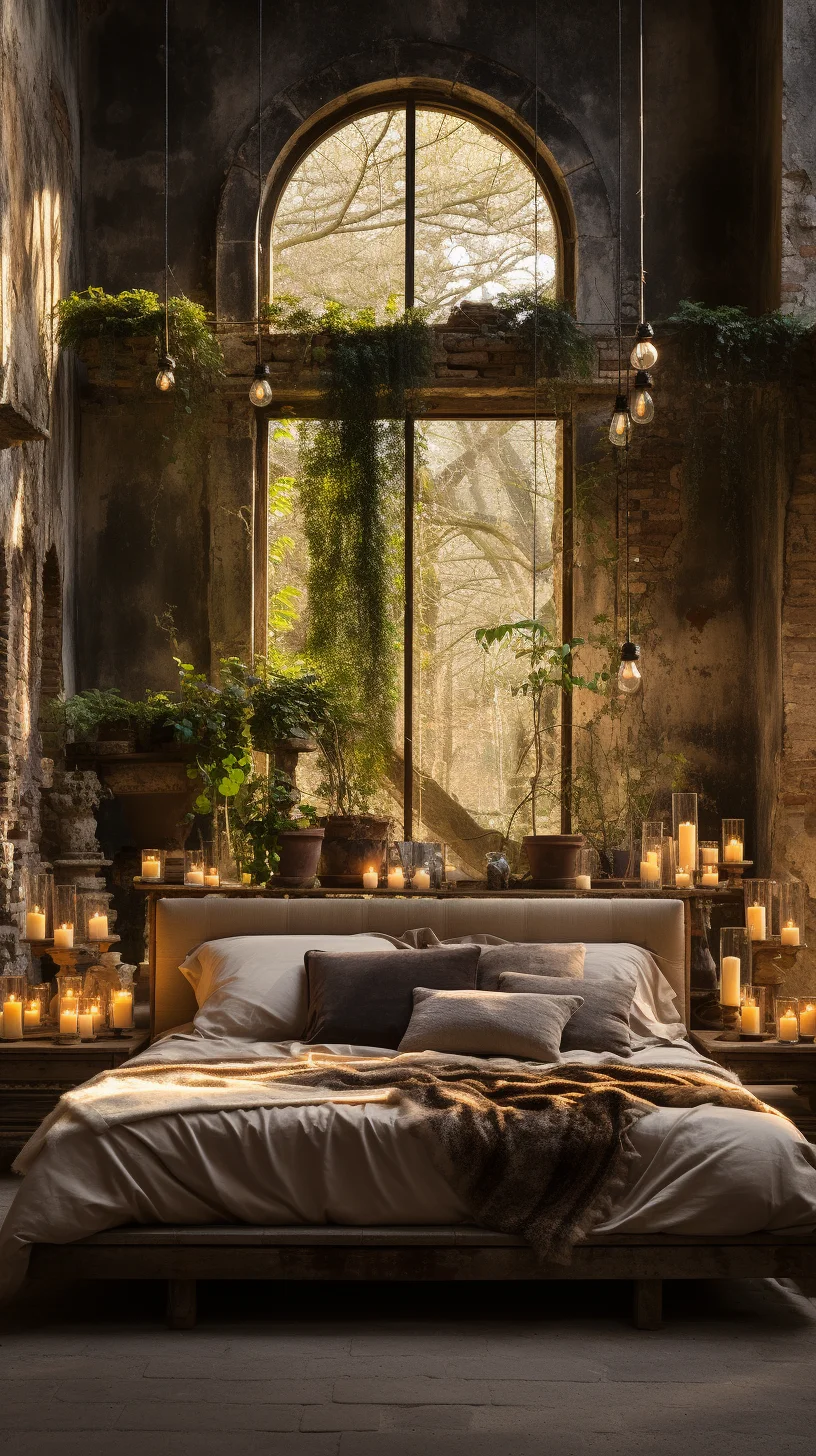

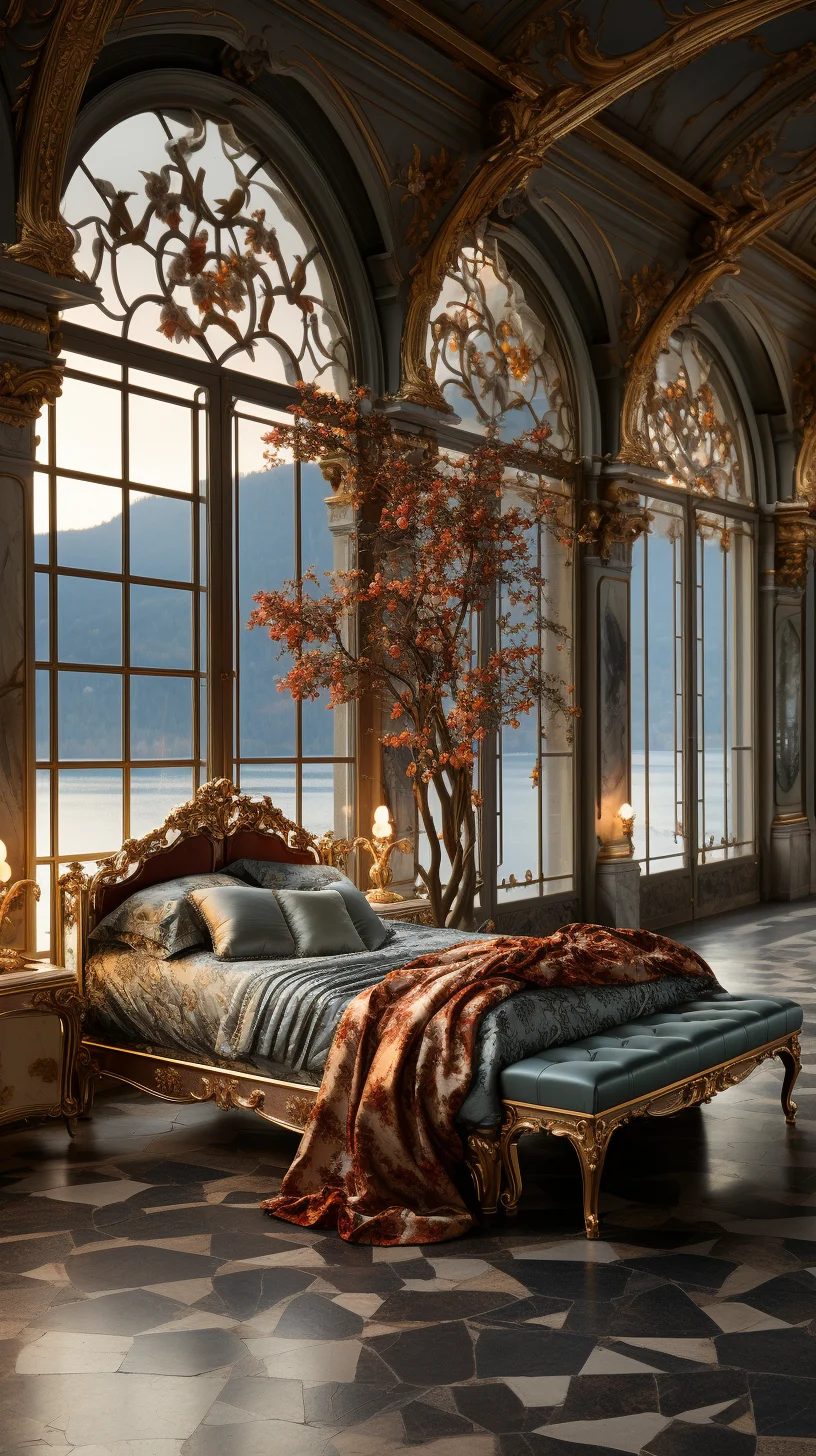
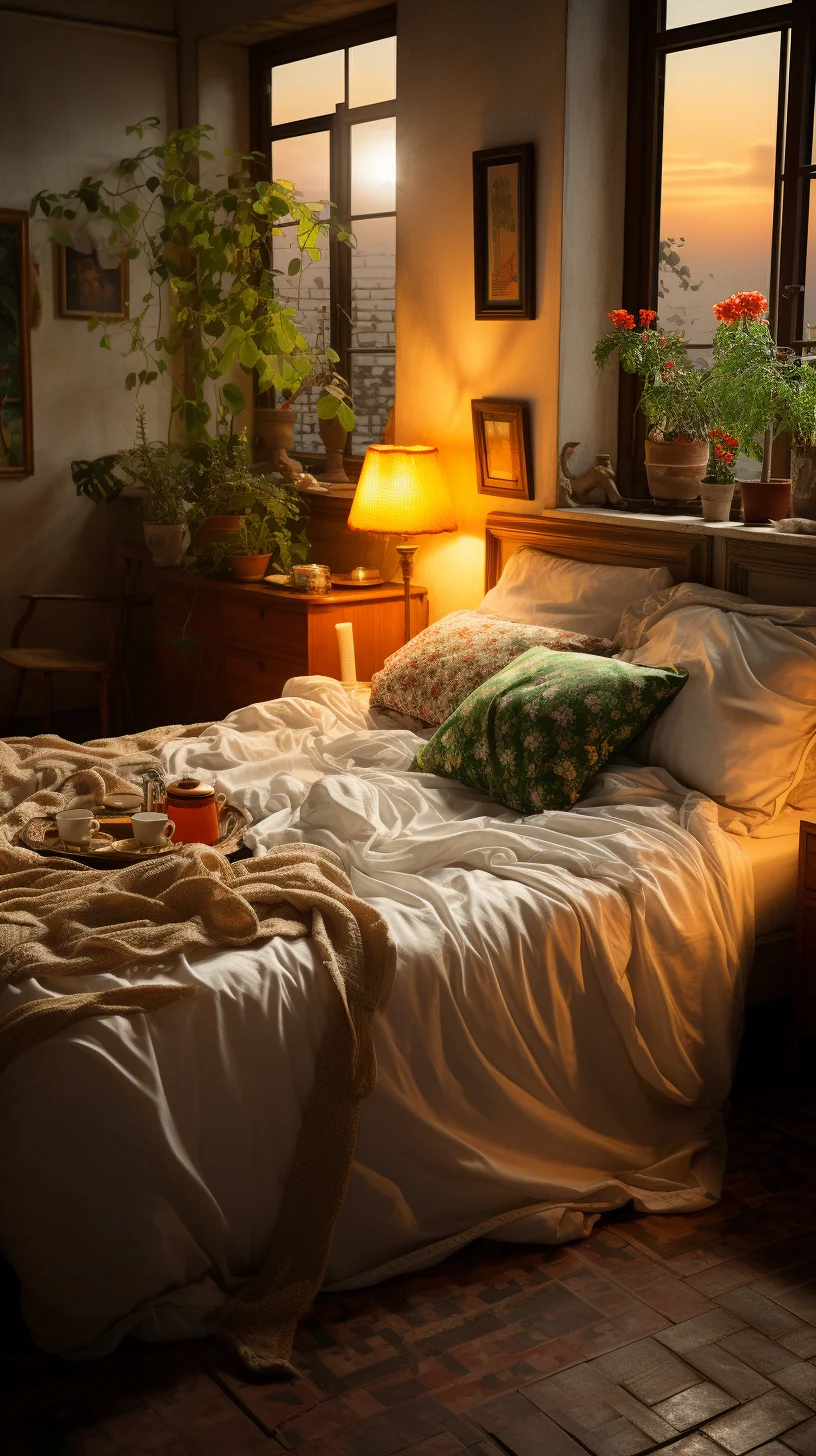

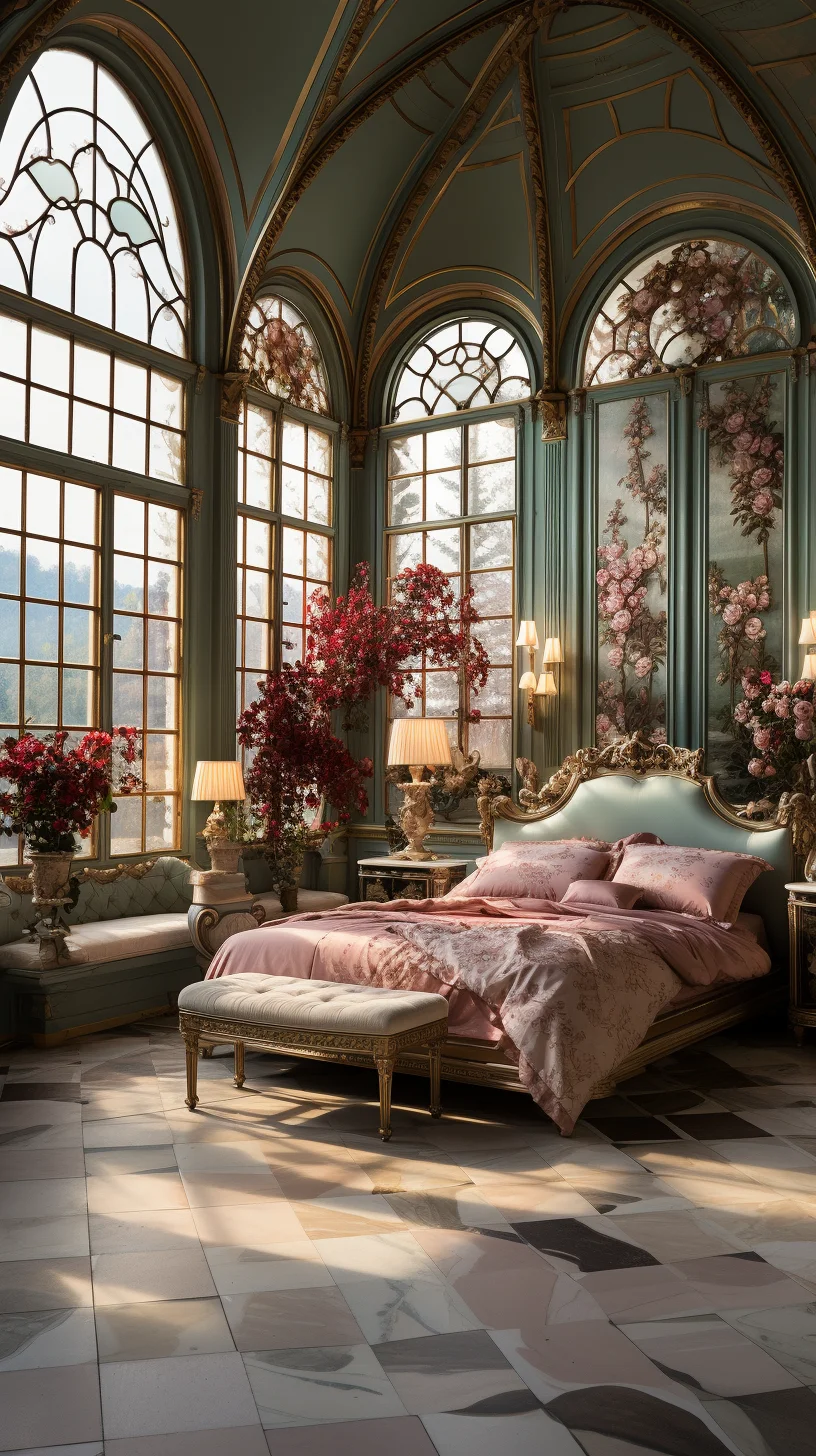
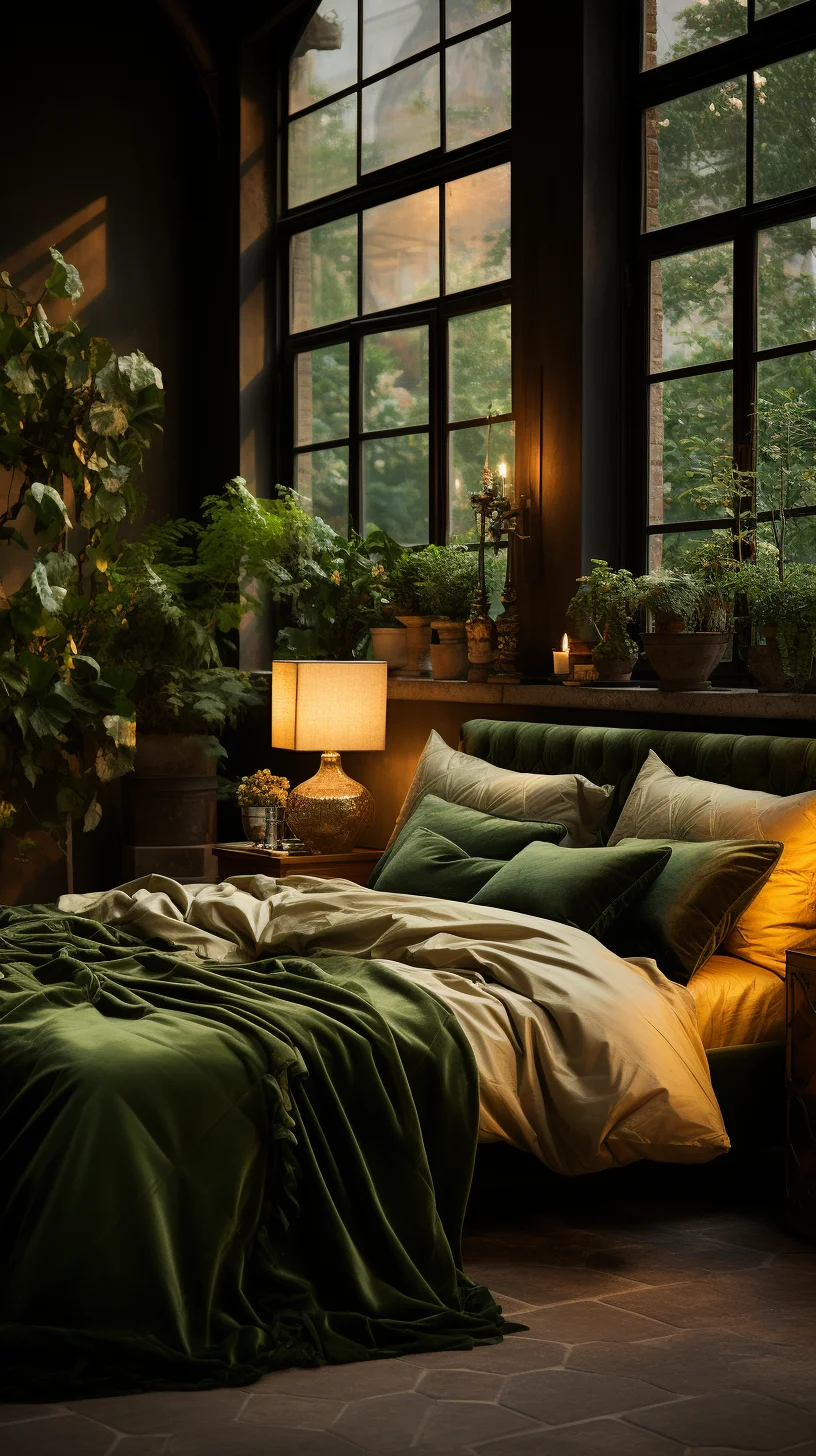
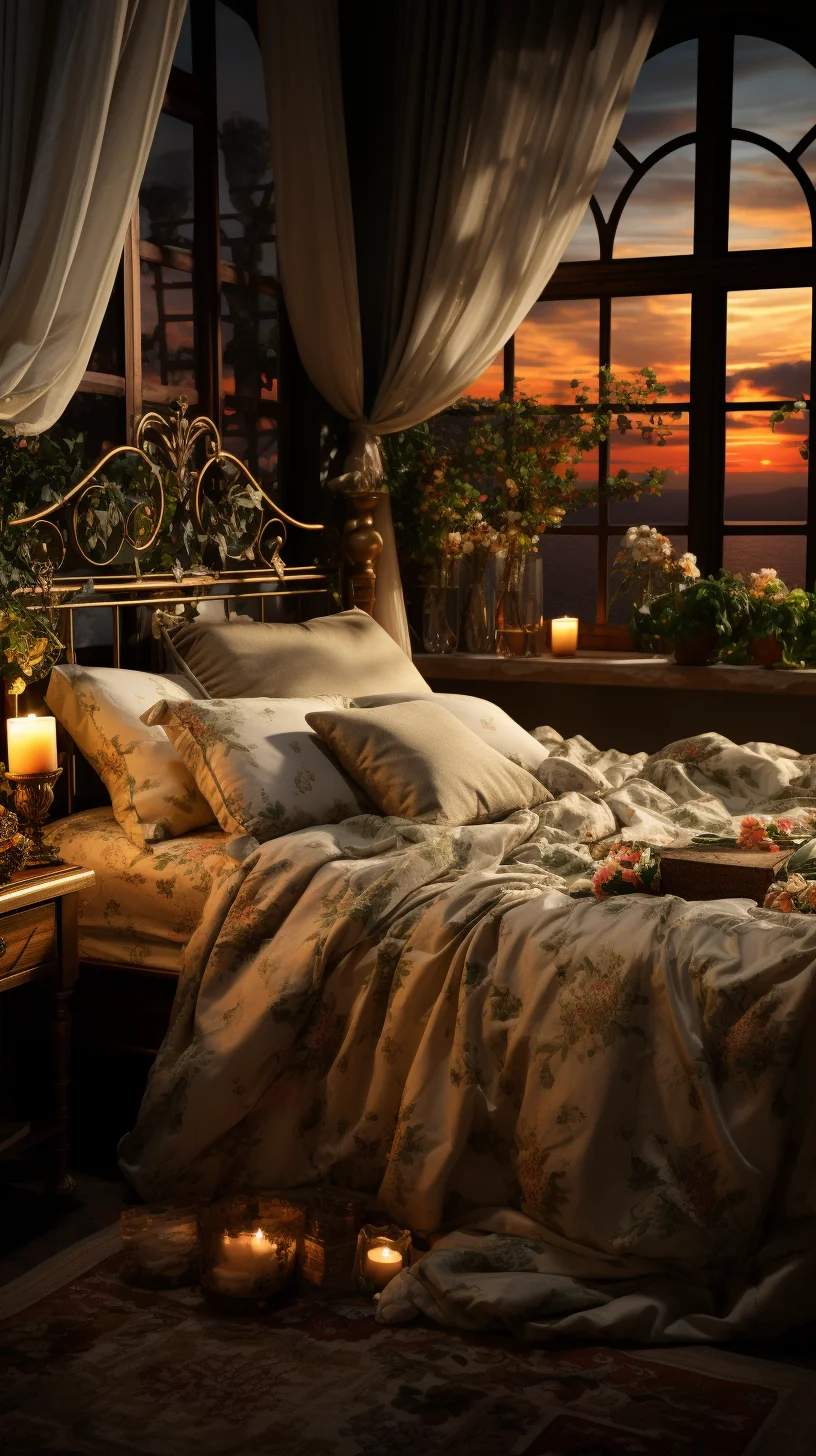

Do not let a matching set dictate the whole room
If the bed, bedside tables, dresser and wardrobe all share the same heavy finish, introduce visual relief through bedding, walls, curtains or a rug. Matching furniture is easiest to live with when the surrounding surfaces are simpler. If you prefer a less formal look, coordinate only the bed and one storage piece, then use a quieter bedside table.
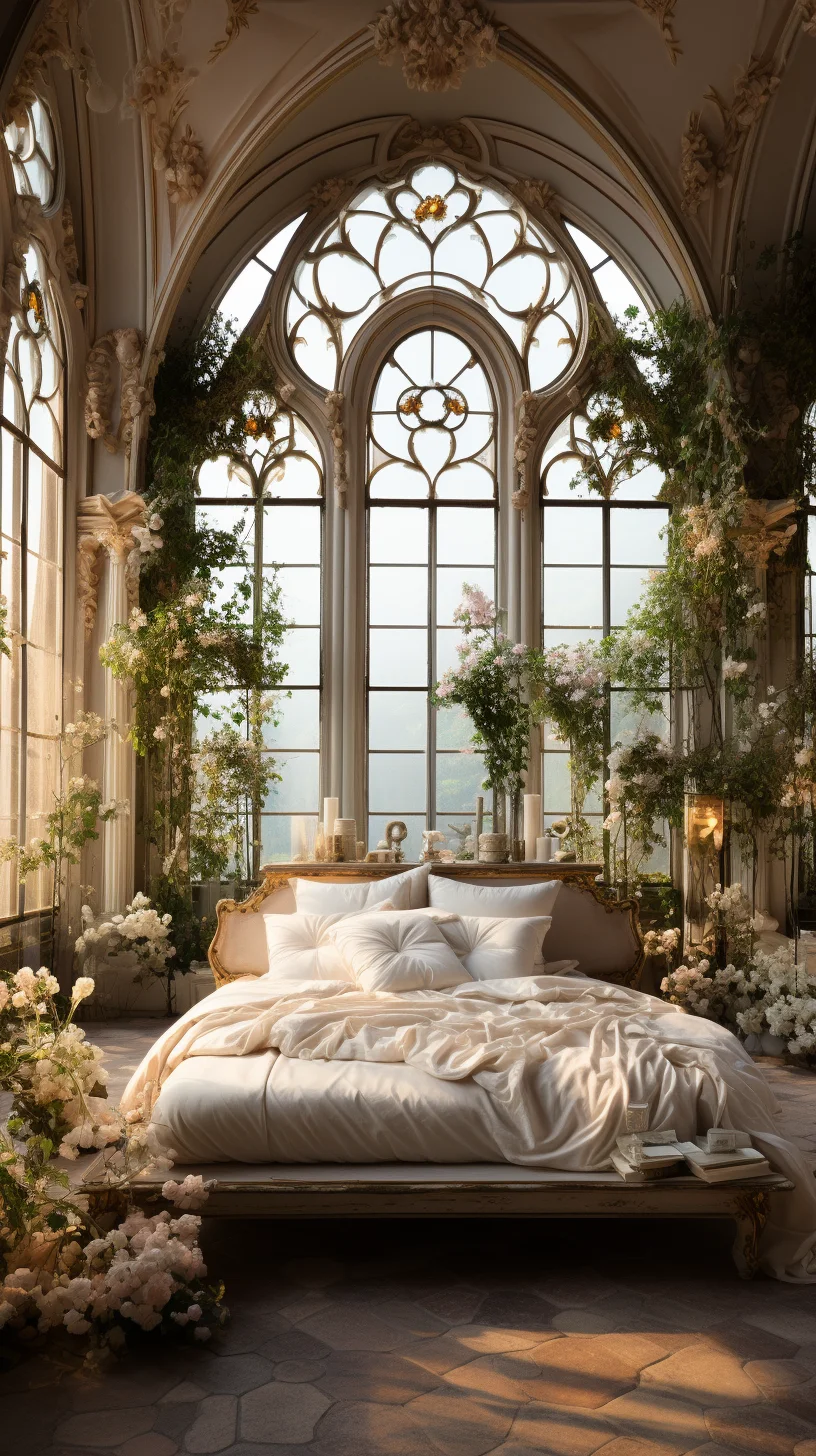
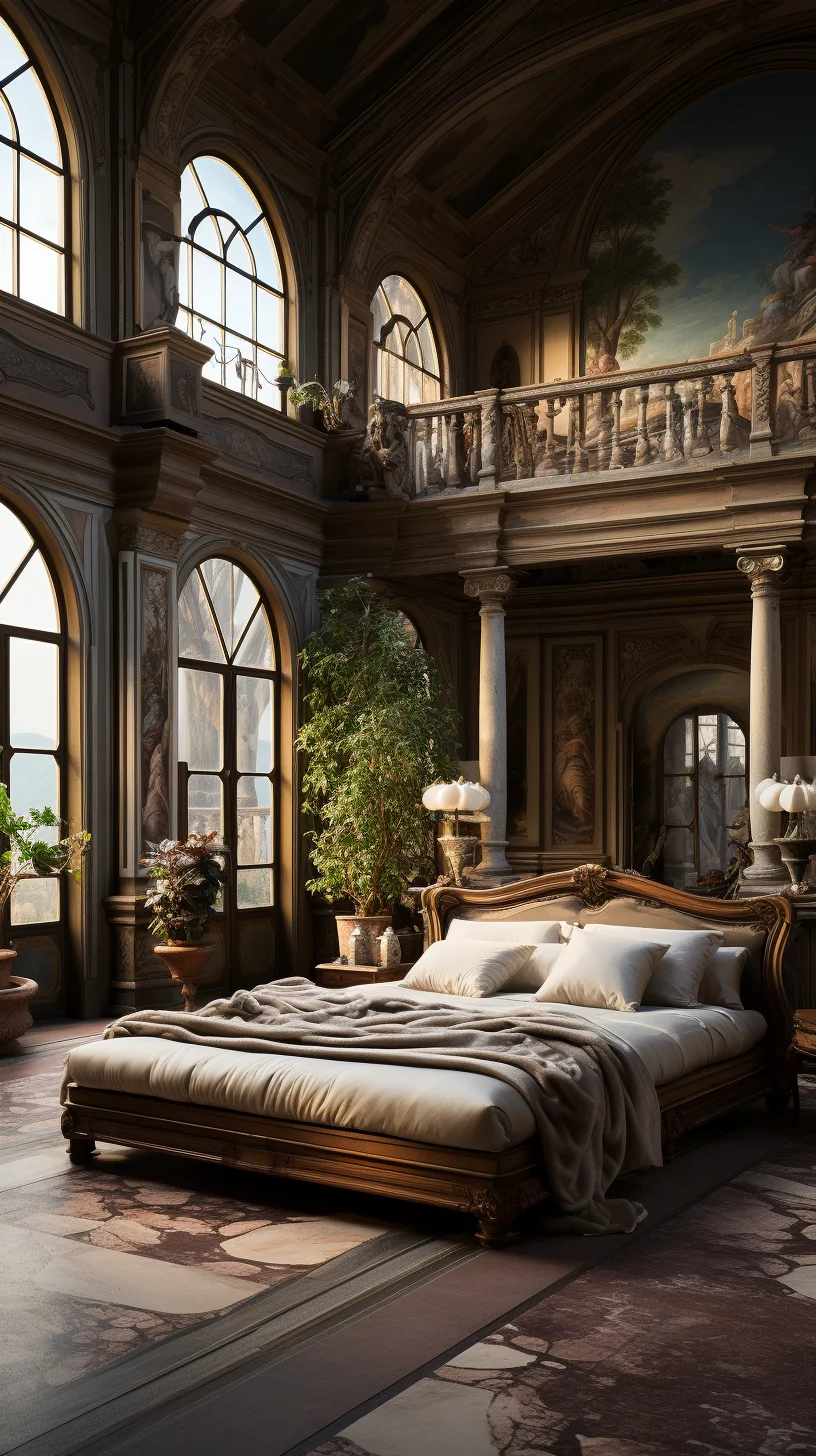
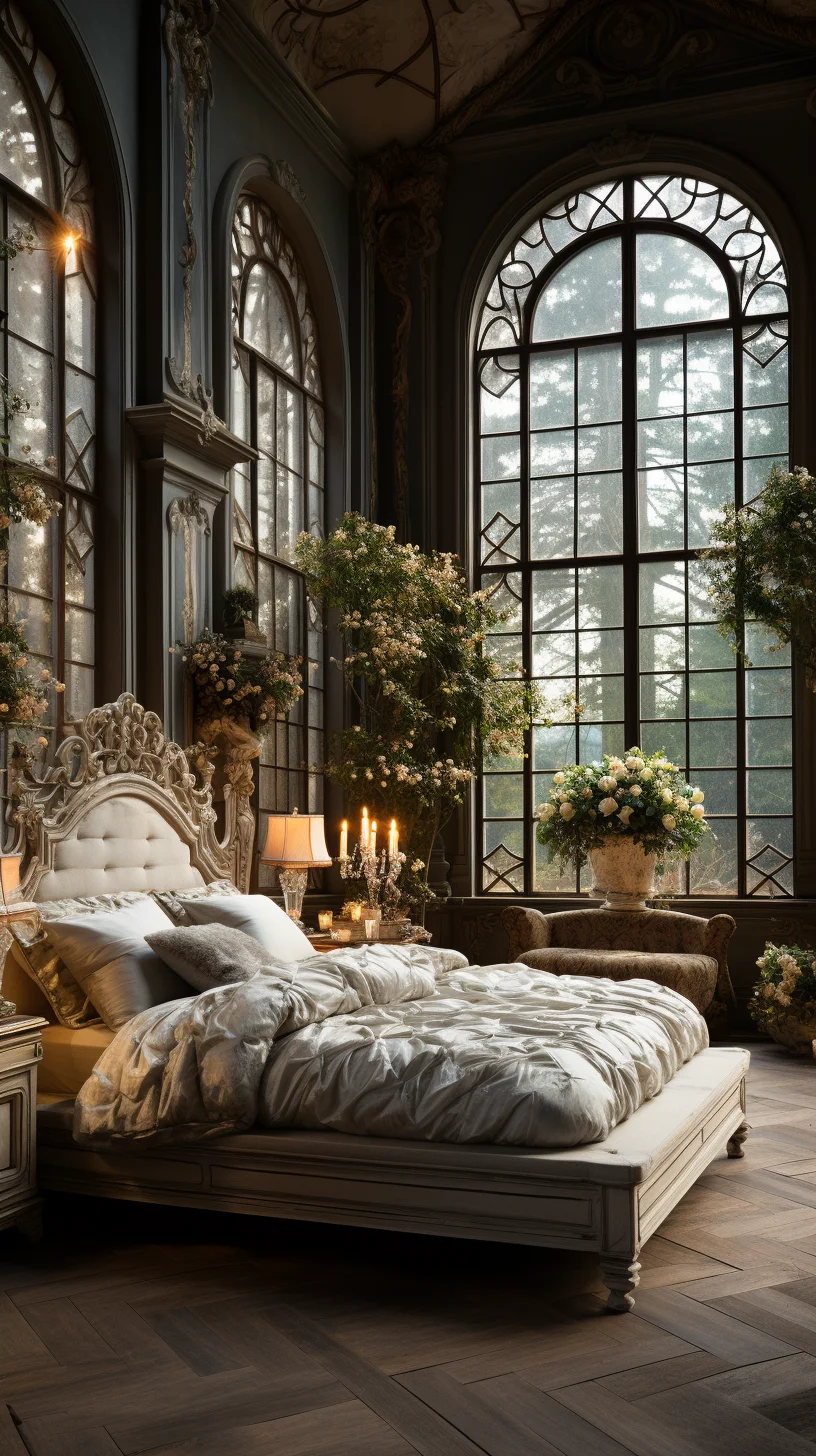
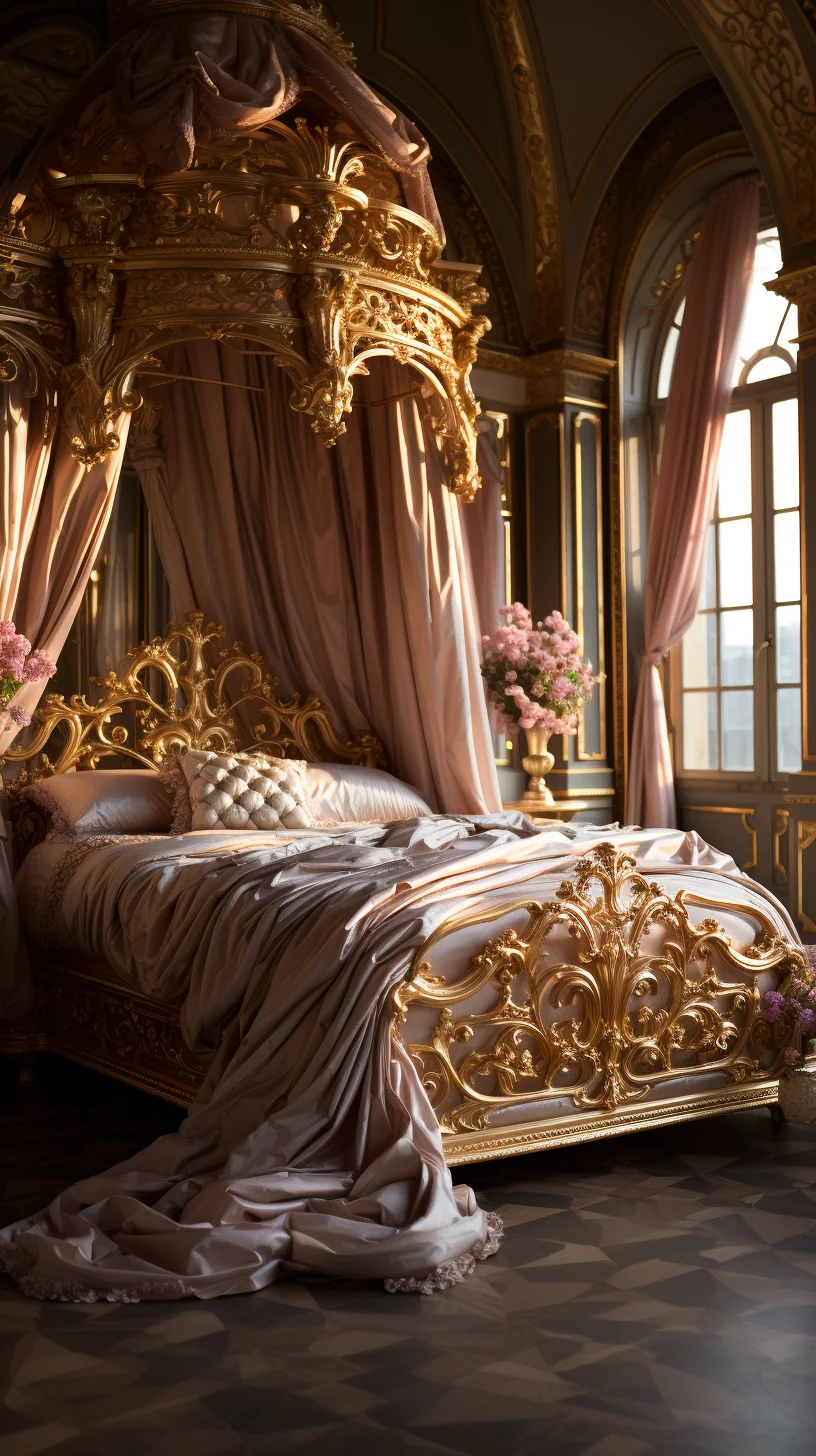
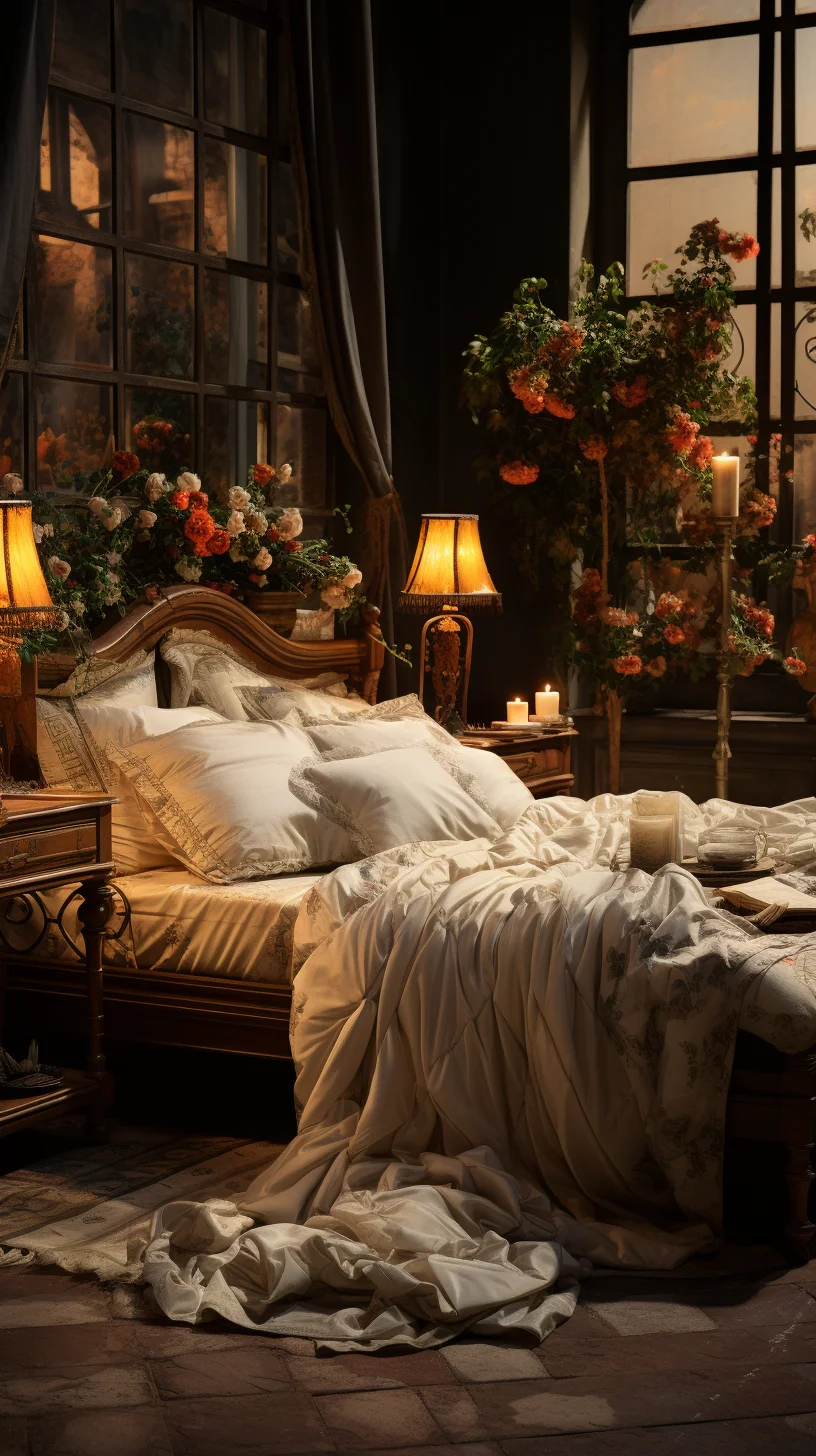

Bedroom suites only work when there is enough breathing room
Before choosing several coordinated pieces, map the doors, wardrobe access and walking space around the bed. A suite should make storage easier, not leave narrow gaps that are difficult to clean or move through. In a smaller room, use the bed as the main set piece and reduce the number of companion items.
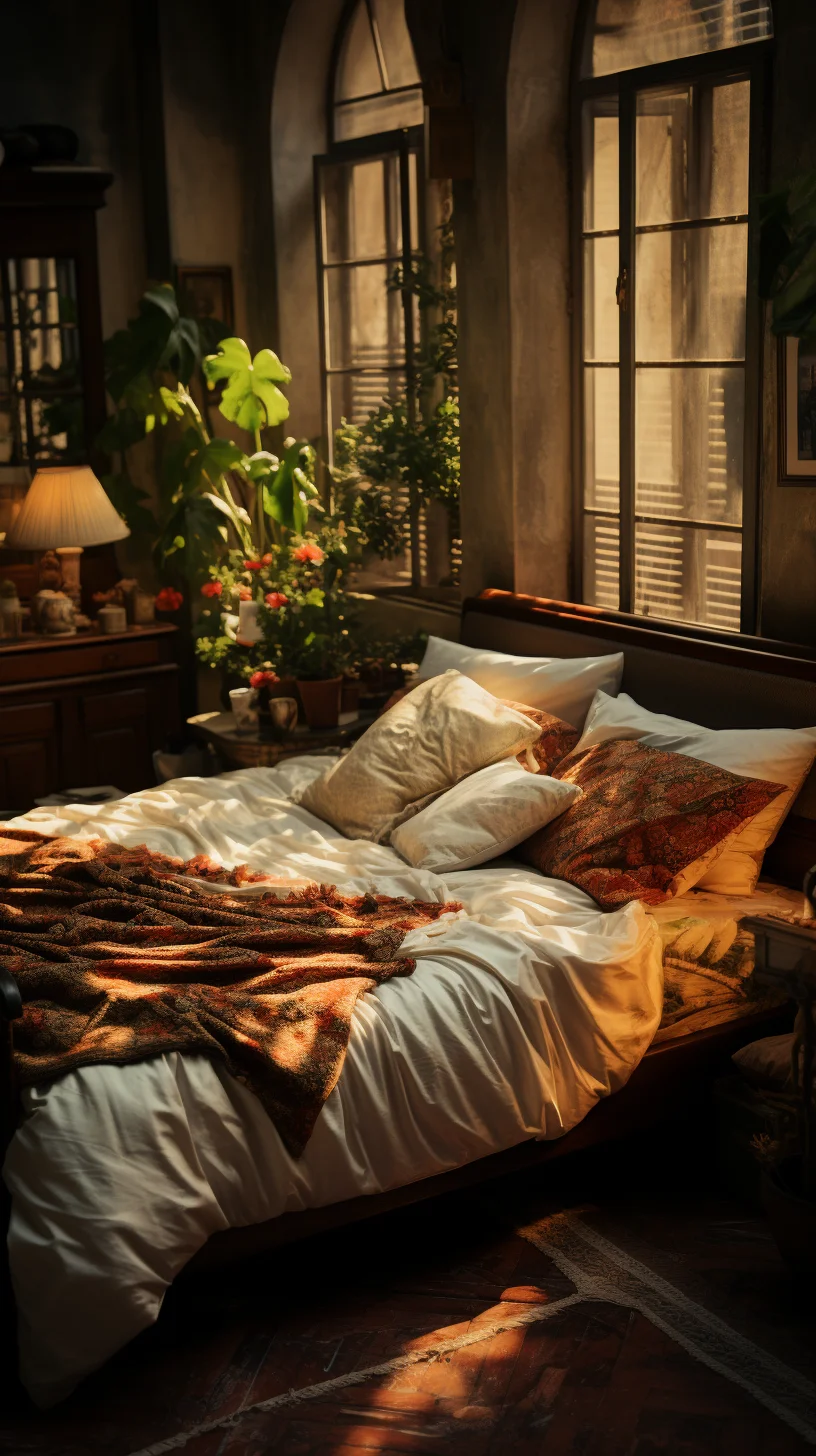
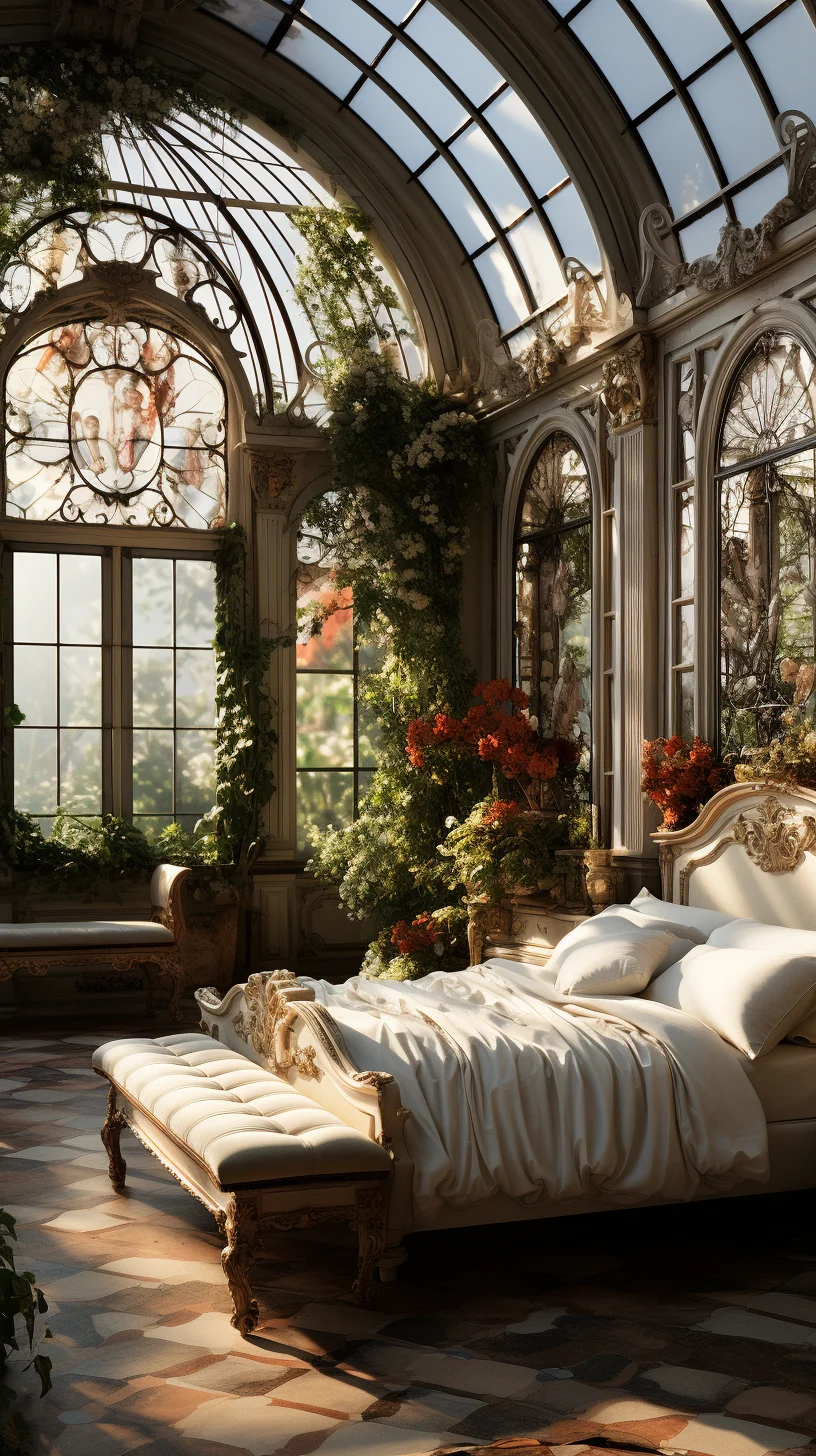
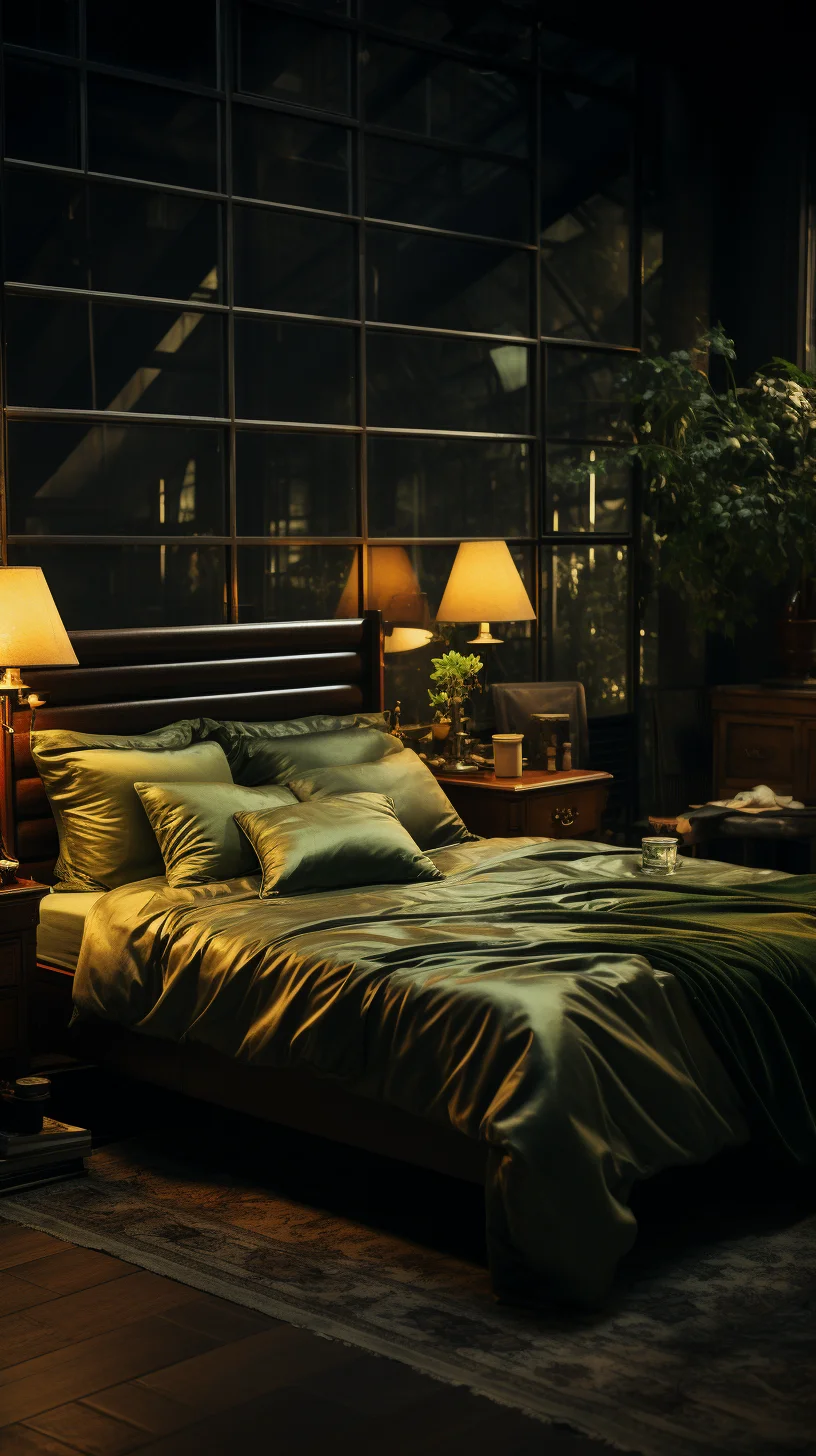
Luxury furniture should improve the room at full scale
A dramatic headboard or glossy finish can look impressive in an isolated image, but check how it interacts with windows, wardrobes and lighting in the actual room. Spend first on the pieces you touch and use every day—bed, mattress, storage and lighting—before adding decorative furniture whose main function is visual.

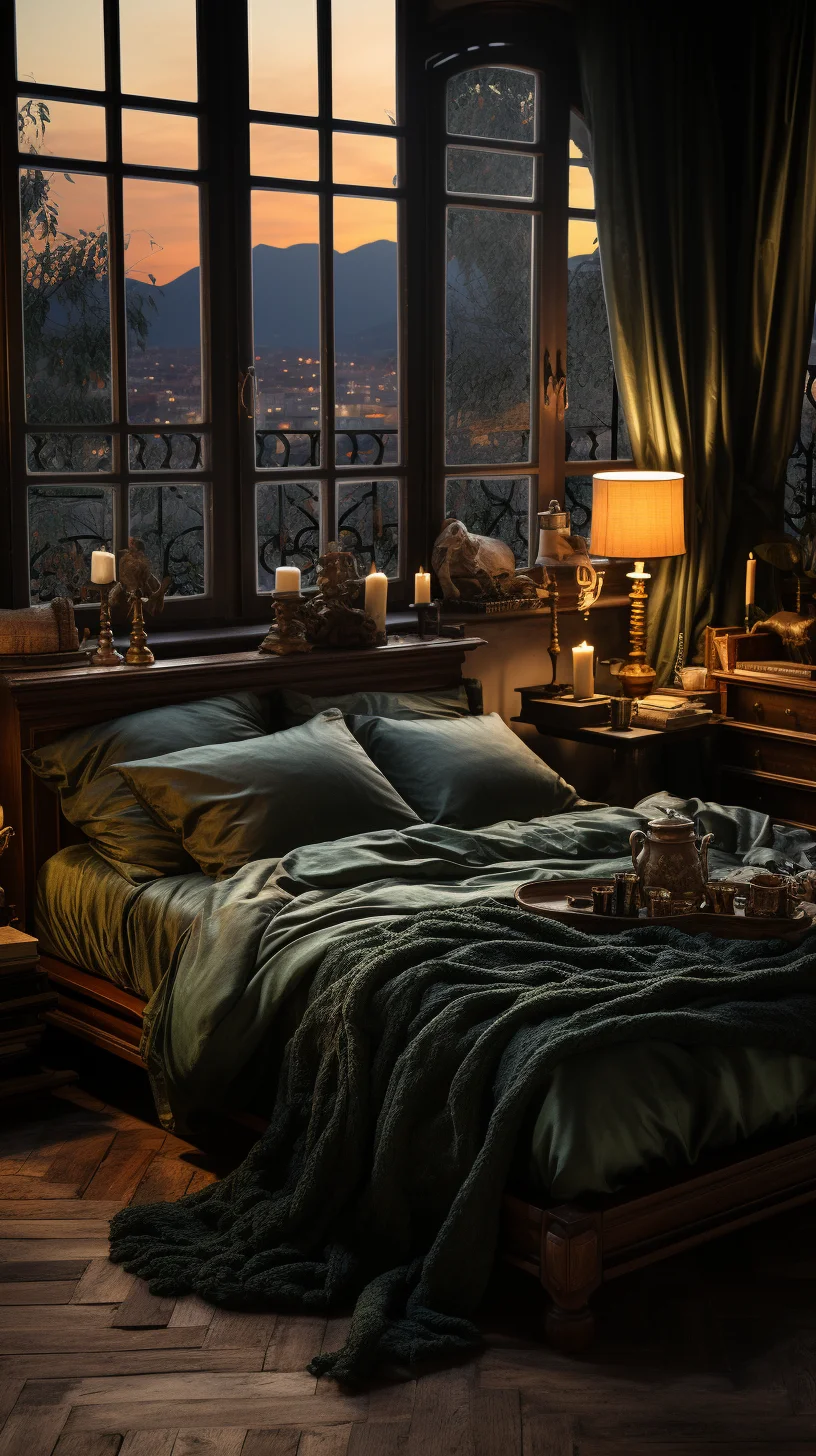
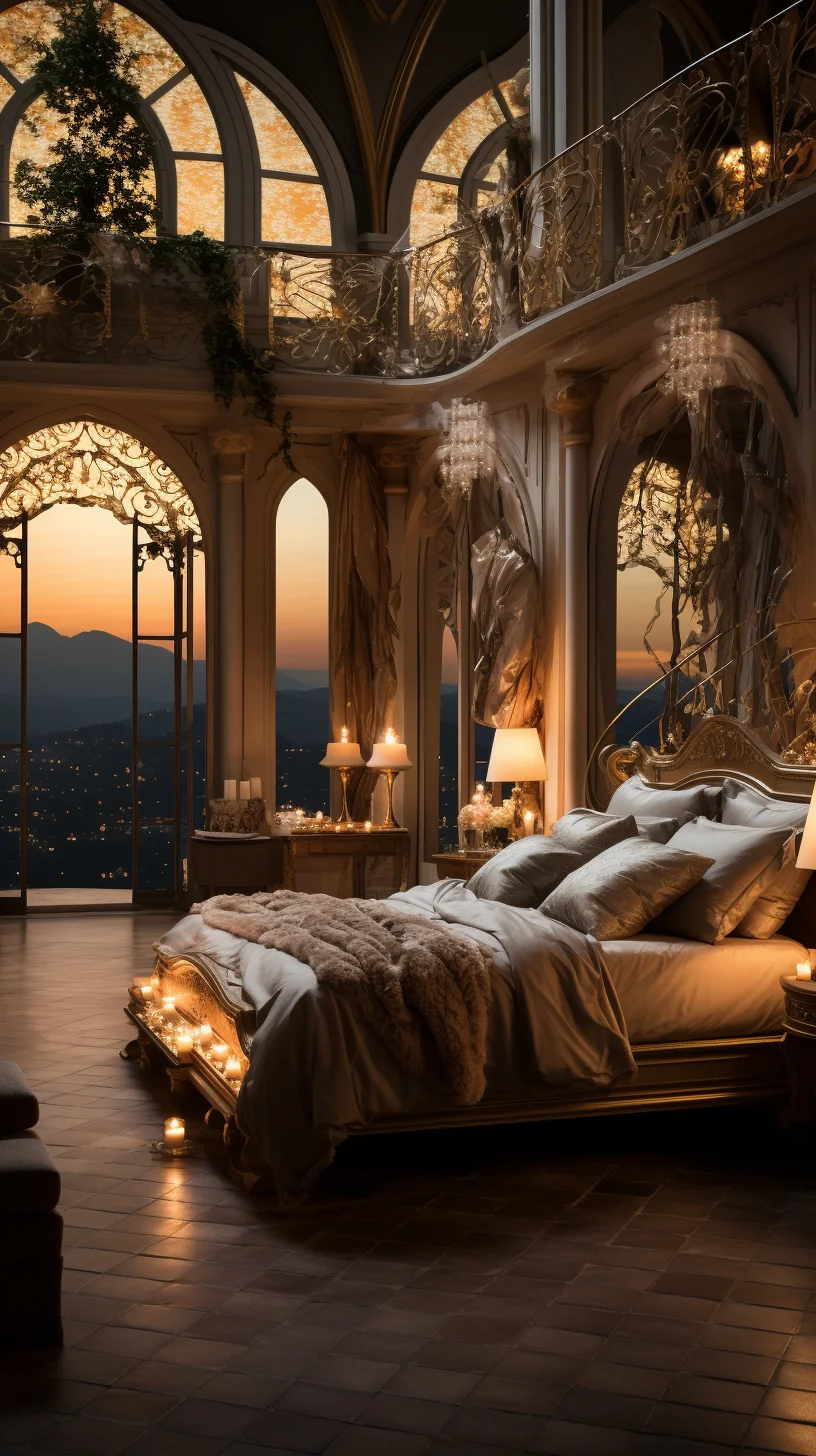
Modern Italian furniture benefits from fewer competing finishes
If the bed has a strong upholstered texture or glossy surface, keep the bedside and wardrobe finishes quieter. If the furniture is very simple, use the room’s materials—curtains, rug, lighting and wall finish—to add depth. Modern does not require everything to match; it requires the differences to look deliberate.
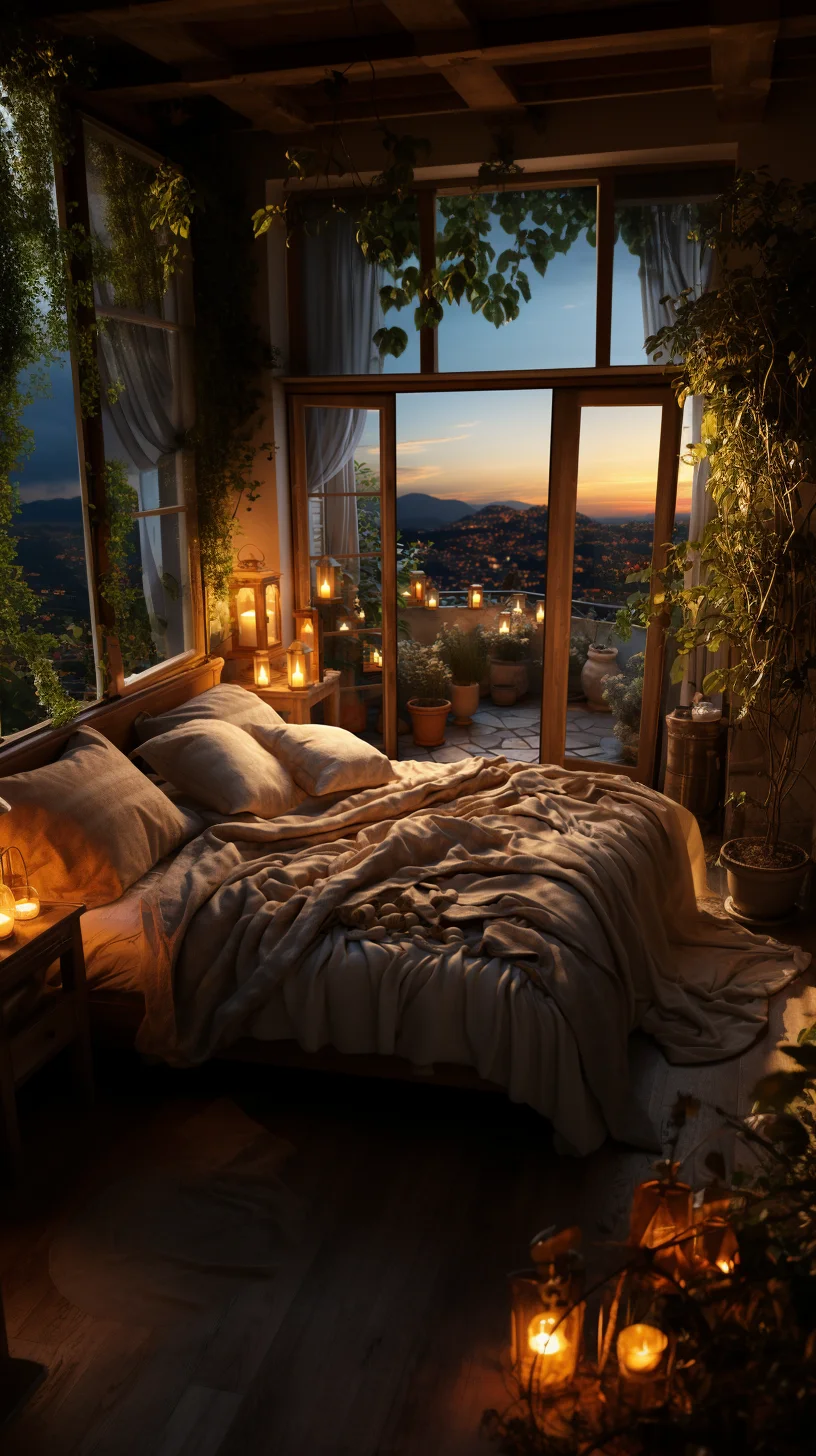
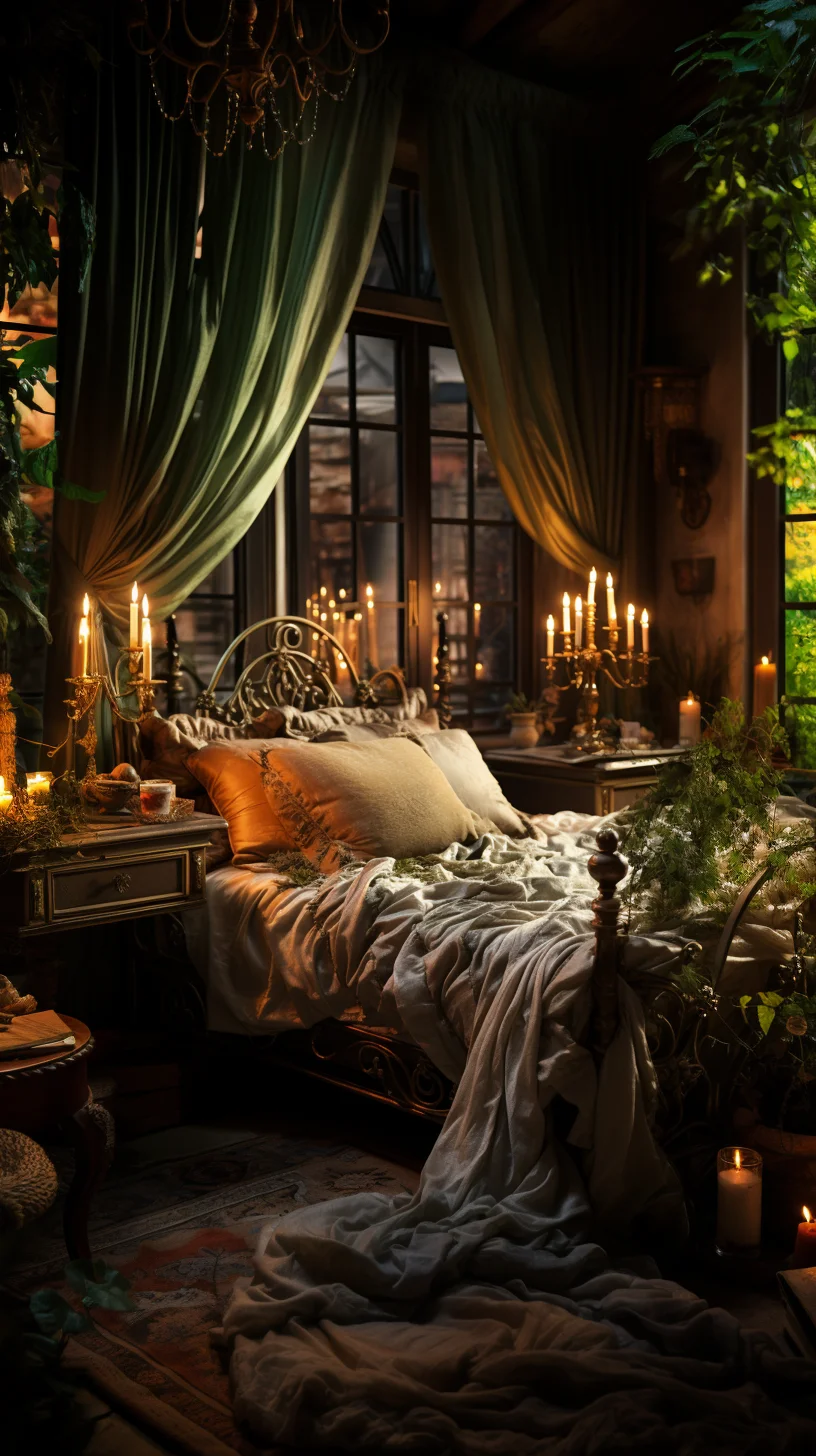
Rustic and traditional furniture should not feel artificially aged
For a warmer classic room, focus on furniture shape, wood tone and textiles rather than adding distressed finishes everywhere. One substantial traditional piece can establish the direction. Pair it with simpler supporting furniture so the room feels collected rather than like a reproduction showroom.

How to diagnose a furniture plan that feels wrong
| Problem | Likely cause | Try this first |
|---|---|---|
| The room feels crowded | Too many companion pieces or furniture that is too deep | Remove the bench or dresser before downsizing the bed automatically |
| The set looks flat | Every surface repeats the same finish | Keep the main furniture finish and introduce contrast through upholstery, bedding or a rug |
| The room feels like a showroom | Every item matches exactly | Replace one secondary piece with a simpler shape or different material |
| Storage is awkward | Furniture was chosen by appearance rather than what must be stored | List hanging, folded and bedside storage needs separately, then assign each to a piece |
| A dramatic bed overwhelms the room | The headboard, wall treatment and nearby furniture all compete | Keep the bed and simplify the surfaces immediately around it |
| The room photographs well but is inconvenient | Drawer, door and walking clearances were ignored | Mark opening zones on the floor with removable tape before buying |
Check the furniture specification, not just the product photo
Two Italian-style beds can look nearly identical online and behave very differently once assembled. Before ordering, compare the specification sheet against the room plan. Record the overall external dimensions, not only the mattress size: a padded or carved frame can add substantial width and length beyond the mattress. For wardrobes and dressers, note depth with handles plus the space needed to open doors or drawers.
| Specification to check | Why it matters in a bedroom | Warning sign |
|---|---|---|
| Frame/material description | Helps distinguish solid wood, veneer, engineered board, metal and upholstered construction | Only the finish name is given, with no construction material |
| External bed dimensions | Shows the real footprint around the mattress | Listing gives mattress size but not total frame width and length |
| Wardrobe/drawer opening | Determines whether storage can be used without blocking circulation | Depth is listed only with doors closed |
| Assembly and delivery | Large headboards and wardrobes may not pass through stairs, lifts or turns as one piece | No package dimensions or assembly information for an oversized item |
| Finish sample | Warm walnut, cool walnut and reddish walnut can read very differently beside flooring | Choosing several expensive pieces from screen color alone |
If possible, put a finish or fabric sample beside the bedroom floor in both daylight and evening light. This is especially useful when coordinating a bed with an existing wardrobe: matching the exact wood color badly is often more noticeable than choosing a deliberately different but compatible material.
Run a three-piece test before buying a complete suite
Instead of deciding from a showroom composition, evaluate the bed, one bedside table and the main storage piece first. Give each one a job: the bed establishes the style, the bedside table proves the scale beside the mattress, and the wardrobe or dresser proves that the storage plan works. If those three pieces already make the room feel complete, additional matching furniture is optional.
For each piece, score fit, function and visual weight from 1 to 3. A piece that scores 3 for appearance but 1 for circulation should not survive the shortlist. This simple test is useful when comparing an ornate classic suite with a cleaner modern Italian set because it forces the decision back onto the actual room rather than the catalogue image.
Where to spend and where to simplify
Put the largest share of the budget into the pieces that affect comfort, storage and daily handling. A solid bed frame, suitable mattress and storage that opens smoothly matter more than buying every matching accessory. If you want one conspicuously Italian-inspired statement, make it the bed or wardrobe and let inexpensive supporting pieces stay visually quiet.
For a small bedroom, vertical storage and fewer freestanding pieces usually beat a complete suite. For a larger bedroom, use empty floor area deliberately: spacing between substantial pieces often makes them look more convincing than adding another cabinet simply because there is room.
Questions to ask before ordering
- Will the largest piece fit through the route into the bedroom? Check stairs, lifts, turns and door openings as well as the room itself.
- Which pieces need to open? Include the projection of drawers, hinged doors and under-bed storage in the plan.
- Does the finish need maintenance? High-gloss surfaces, textured upholstery and detailed carving behave differently in everyday cleaning.
- Can the set survive a future change? Neutral companion pieces make it easier to change bedding, wall color or lighting without replacing the furniture.
Italian bedroom furniture checklist
- Measure the usable wall and walking space before choosing a full suite.
- Let the bed be the main furniture statement in smaller rooms.
- Coordinate finishes selectively instead of matching every piece automatically.
- Use simpler walls and textiles when the furniture is highly decorative.
- Prioritize mattress, storage and lighting before decorative companion pieces.
- Choose classic, modern or rustic as the main direction before mixing styles.
For overall room mood—cozy, vintage, Tuscan, bohemian or modern—use the Italian bedroom aesthetic gallery. For a smaller set concentrated on modern luxury beds and finishes, see the modern Italian bedroom ideas.

