
This gallery contains 26 Barbie-inspired bedroom concepts built around pink, playful and glamorous room styling. It is an independent design-inspiration collection, not an official Barbie or Mattel room guide. The images range from DIY and bedroom-set ideas to adult, bohemian, luxe and modern interpretations, so it helps to choose the level of pink and theme you actually want before copying details.
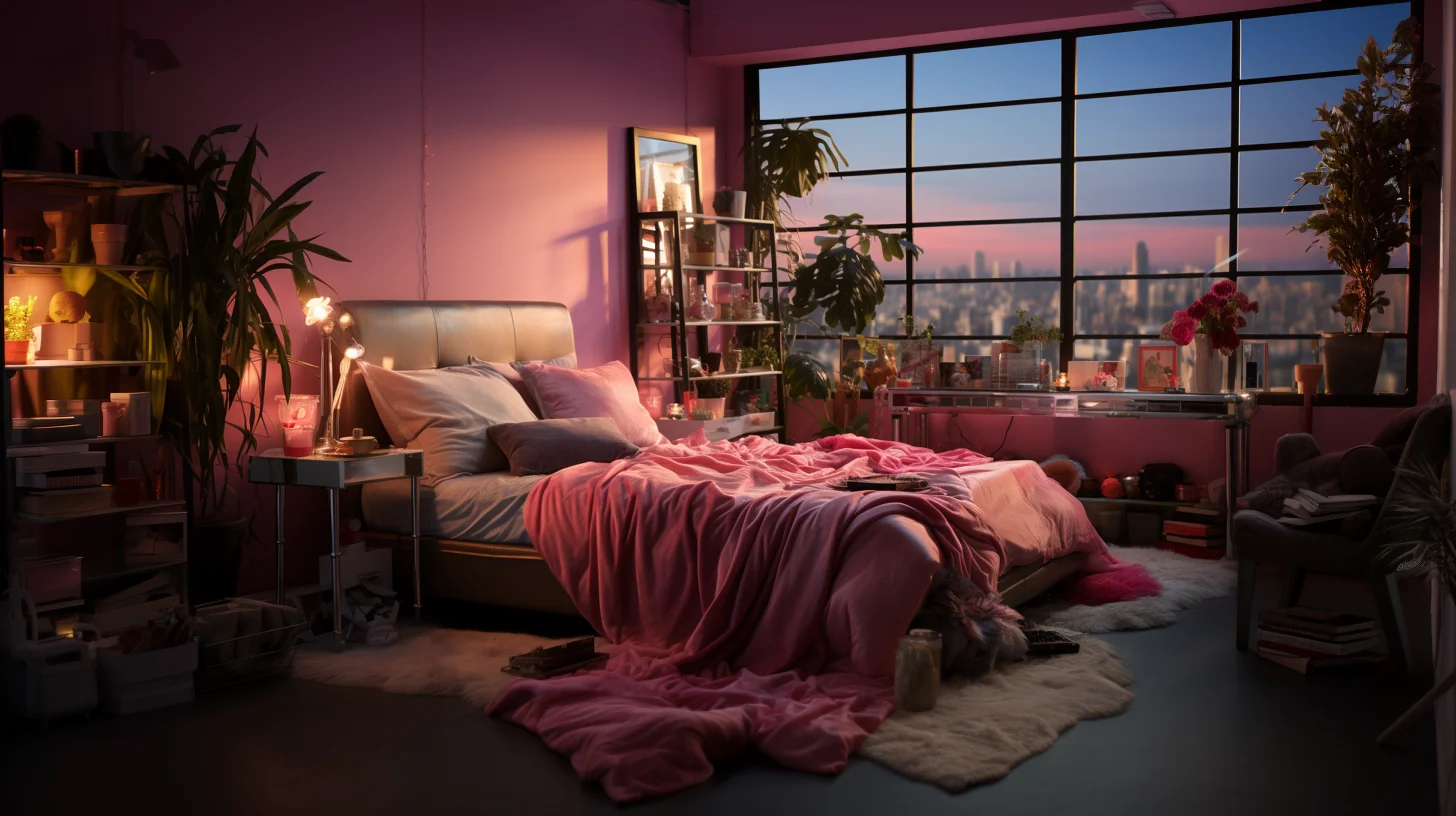
Do a 15-minute pink-room test before you shop
Reference photos can make a saturated pink room look easier to live with than it is. Before buying furniture or painting a whole wall, test the idea in the room itself. Put a pink sheet, towel or large paper sample where the strongest color would sit, then look at it once in daylight and again with your normal evening lamps on. Pink can shift noticeably under warm bulbs, and a shade that looks soft online may feel much louder across a large surface.
- Photograph the room from the doorway. This shows which surface actually dominates the first view; that is usually the best place to decide whether you want a strong pink anchor or a quieter background.
- Mark the non-negotiable clearances. Open the door, wardrobe and drawers fully. Tape the footprint of any proposed vanity, chair or wider bed on the floor and walk the route you use every day.
- Choose one permanent and one reversible layer. For example, keep the wardrobe neutral but use pink bedding, or choose a pink headboard while leaving curtains easy to change. Avoid making every expensive element theme-dependent at once.
- Test the palette with objects you already own. Put your bedding, lamp, flooring and wood tones beside the pink sample. If one item suddenly looks yellow, gray or muddy, adjust the pink temperature before buying more decor.
- Take a phone photo at night. If the bed disappears into the wall or every surface competes equally, add contrast rather than another accessory.
Useful rule: if the room still reads as pink and playful after you remove the small accessories, the design has a strong base. If the theme only works because dozens of novelty objects are scattered around, simplify the foundation before buying more.
Choose the pink-room direction first
| Style | Useful starting point |
|---|---|
| Soft / wearable pink | Neutral furniture with pink bedding, curtains, art or one accent wall |
| Modern pink | Cleaner furniture shapes with a small number of saturated pink accents |
| Luxe / glam | Deeper pink, reflective details, strong lighting and one statement furniture piece |
| Adult Barbie-inspired | Use the color story and playful shape language without turning every object into branded decor |
| Boho pink | Mix pink with natural textures, woven details and softer neutrals |
A room usually feels more intentional when pink is repeated in a few large or medium areas rather than added through dozens of tiny accessories. Start with bedding, a rug, wall color or curtains, then stop and see whether the room already has enough visual identity.
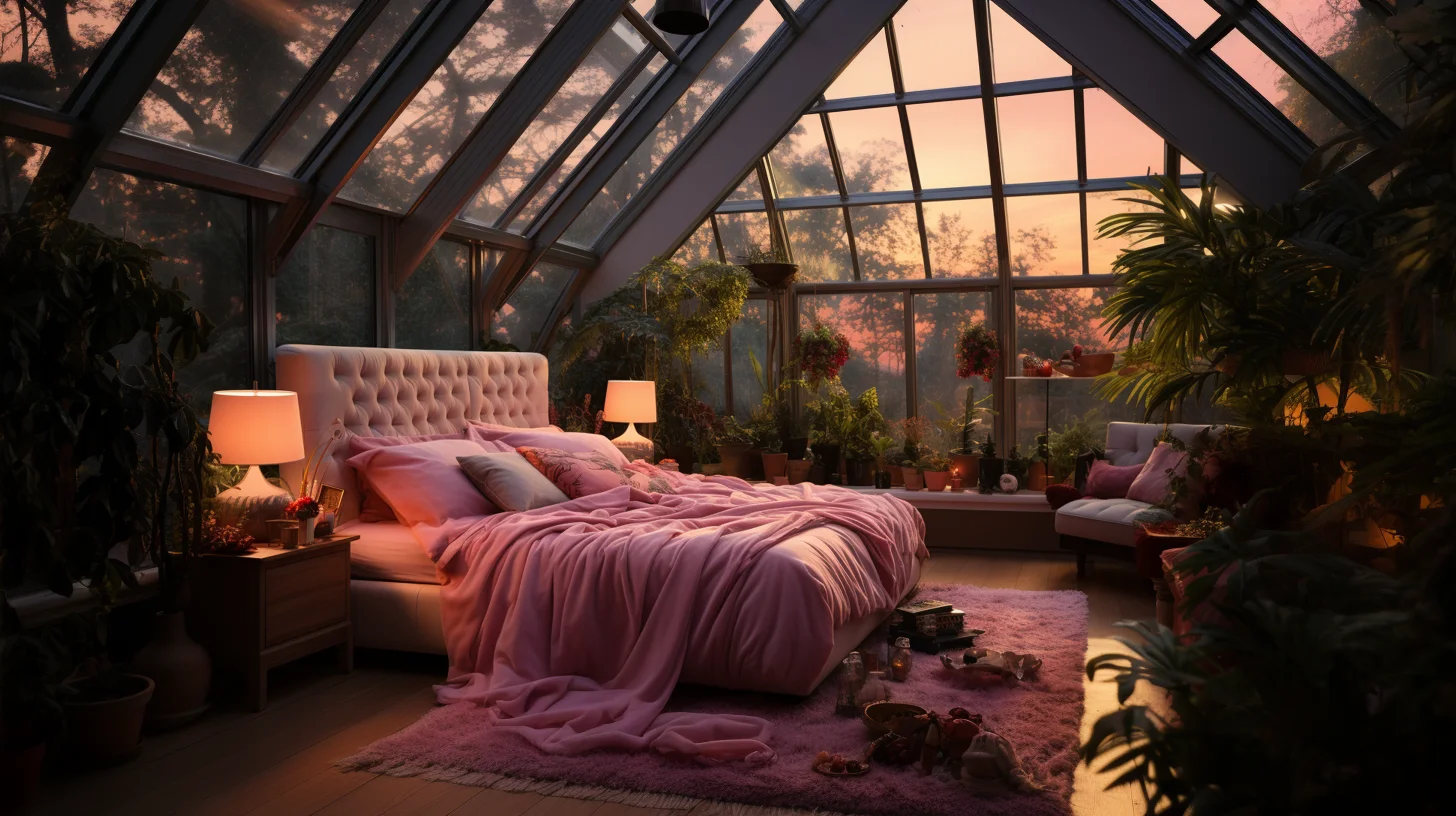

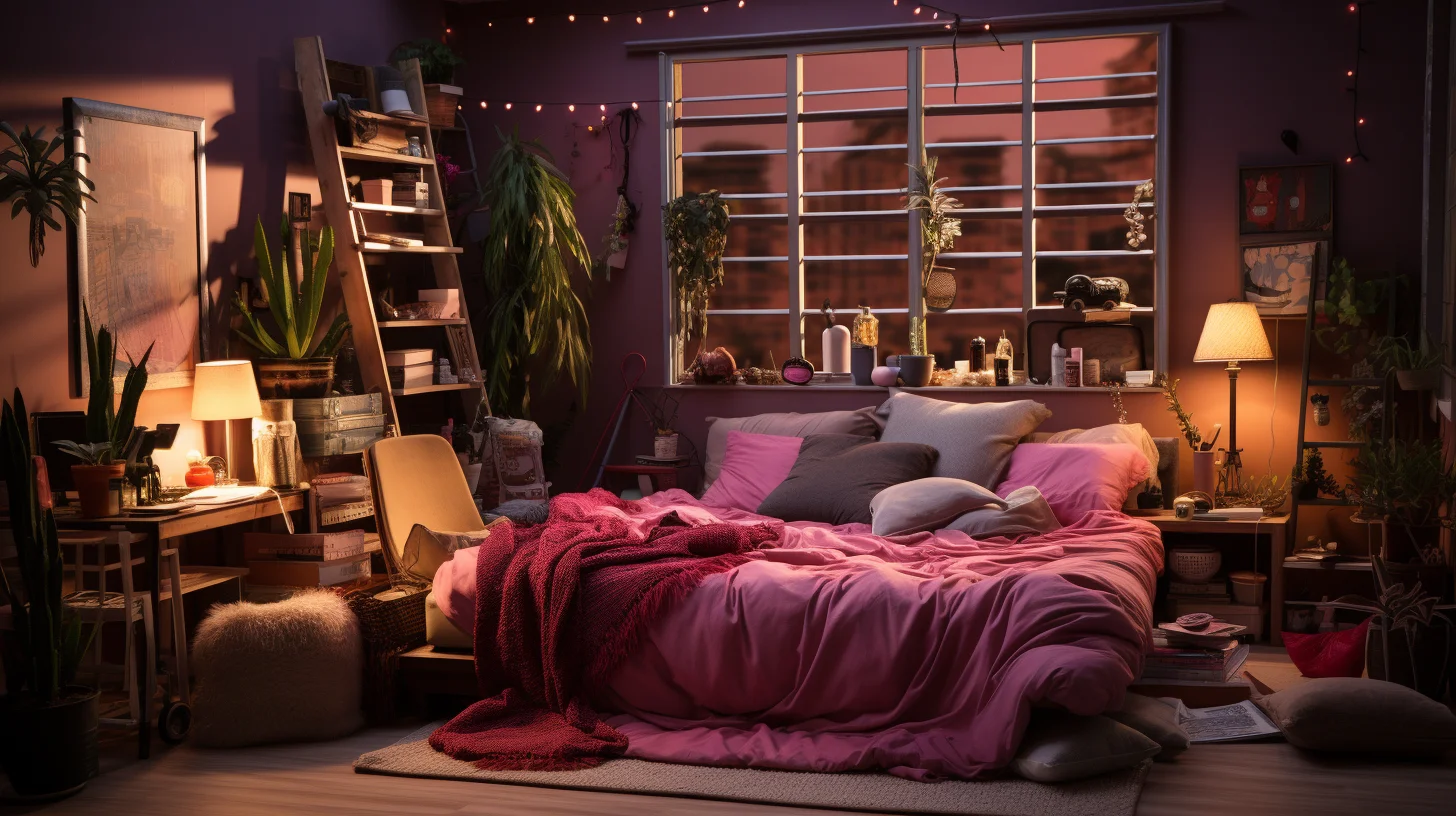
DIY the color story before replacing furniture
For a lower-cost transformation, change the high-visibility soft elements first: bedding, curtains, lampshades, framed prints and removable decor. If you already own white, cream, black or light-wood furniture, it can act as a neutral base. That is usually cheaper and more flexible than replacing every piece with pink furniture at once.
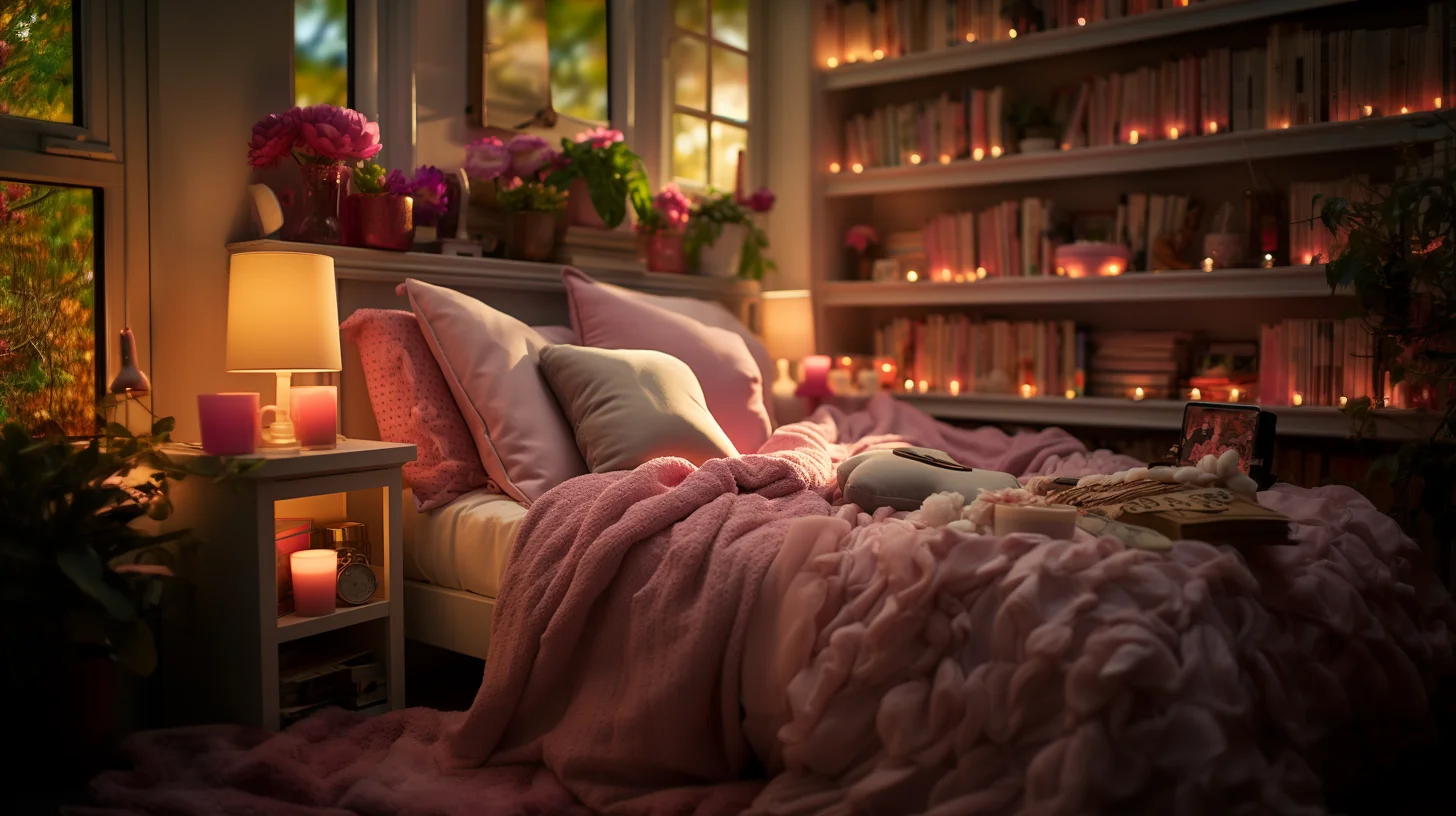
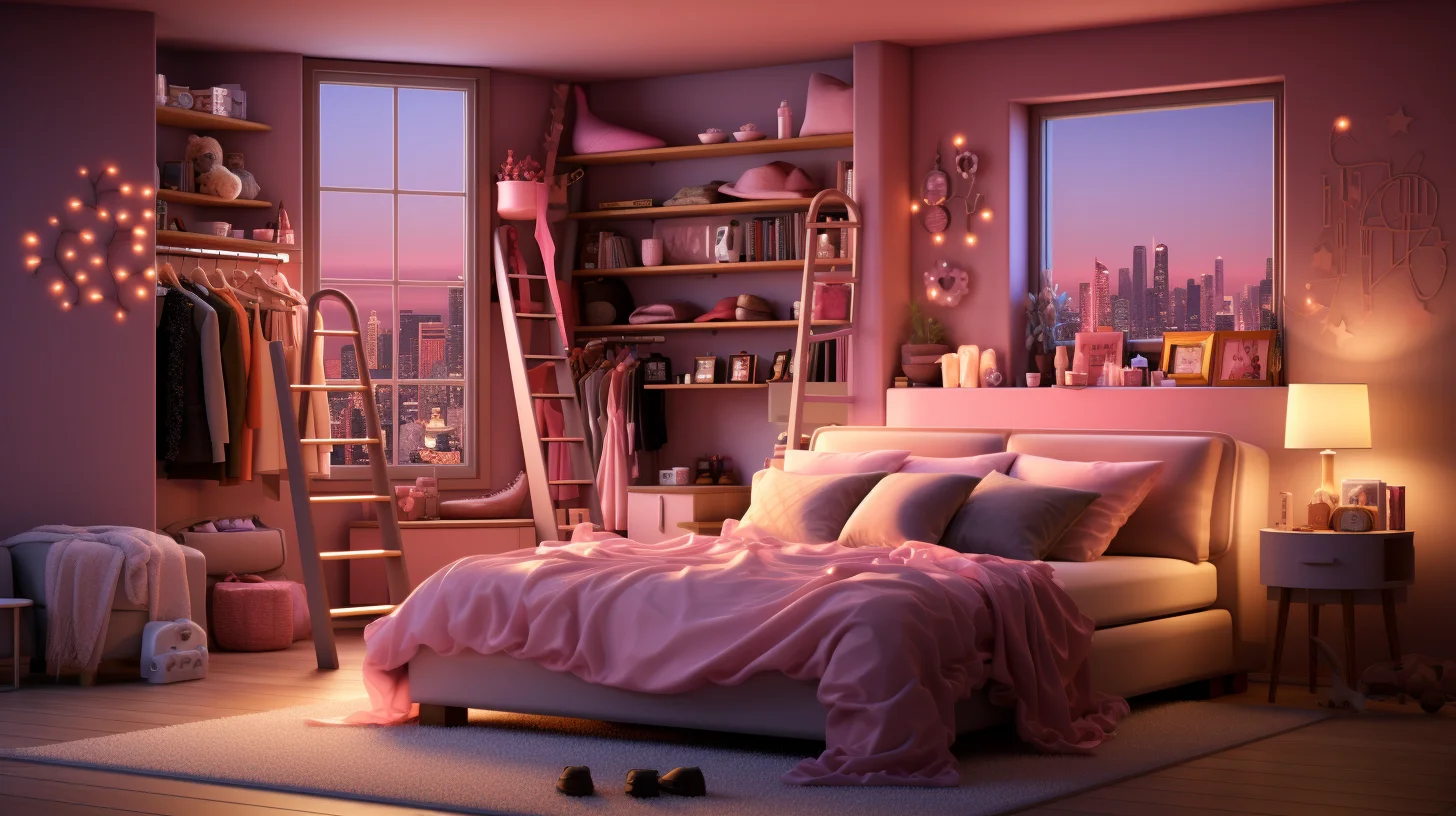
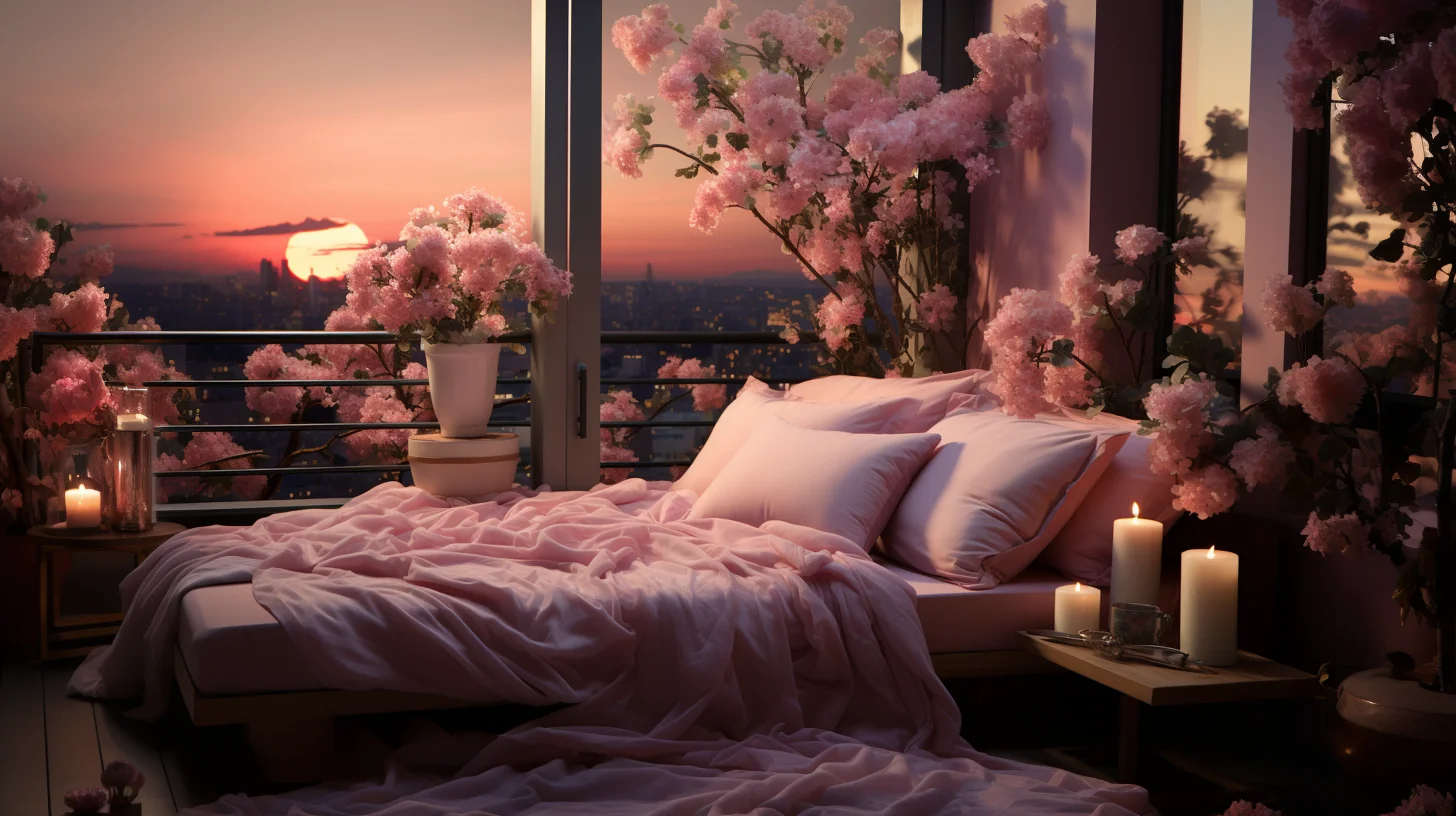

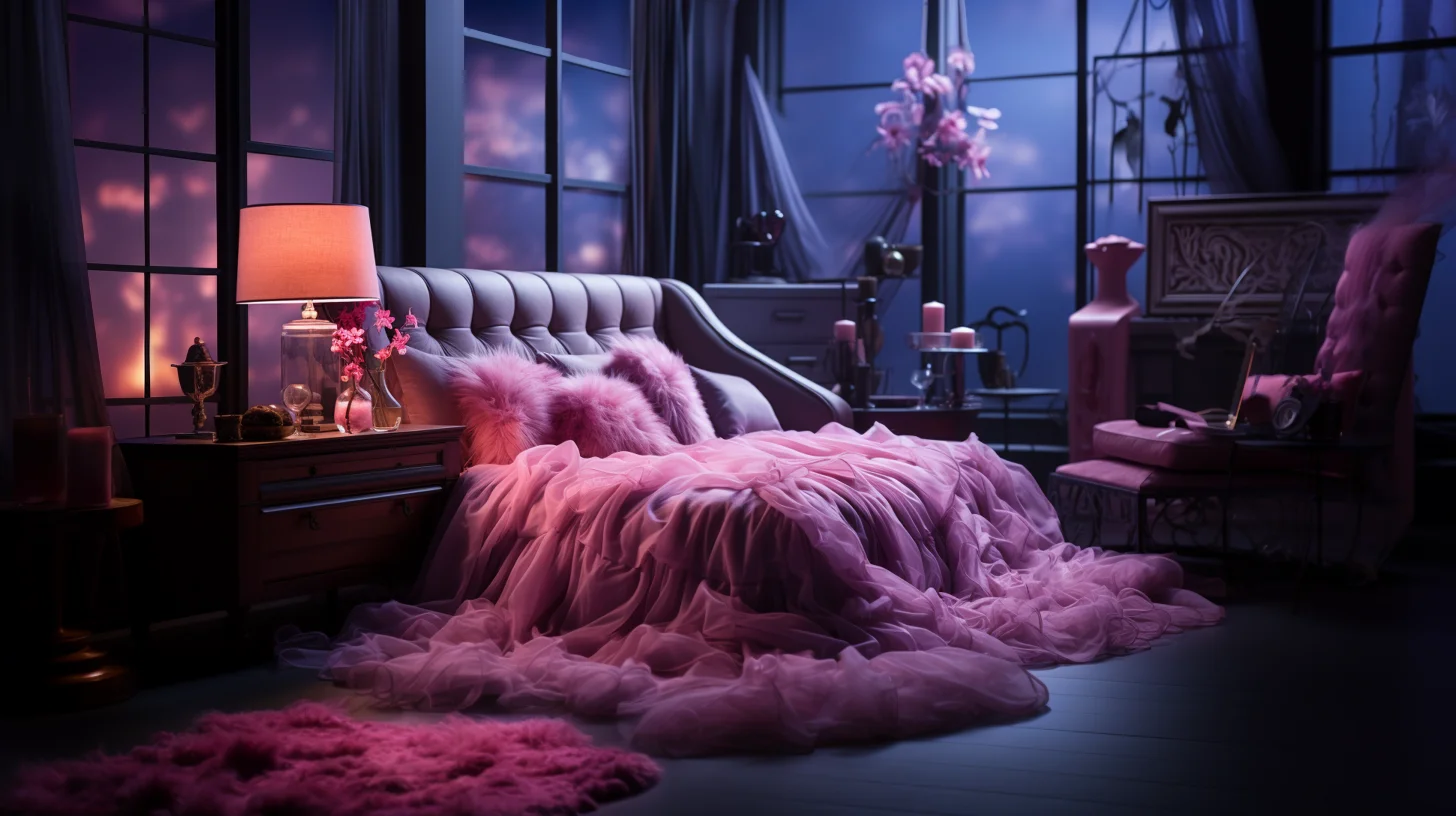
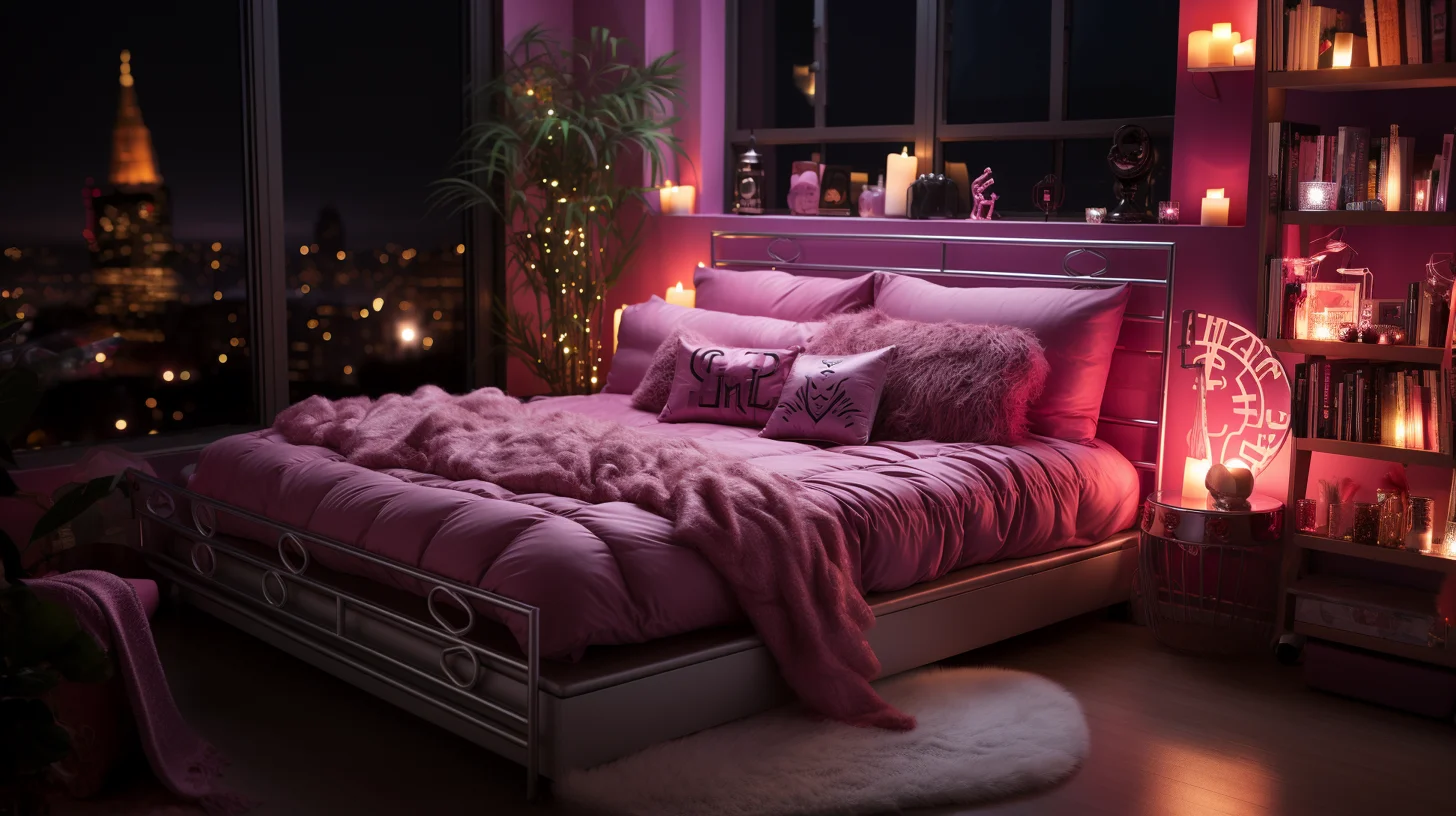
A themed furniture set can become overwhelming quickly
If the bed is already bright pink or highly decorative, keep the bedside tables and wardrobe calmer. If the furniture is neutral, you can push the color harder through textiles. The room does not need every major piece to match; one strong anchor usually makes the theme obvious.


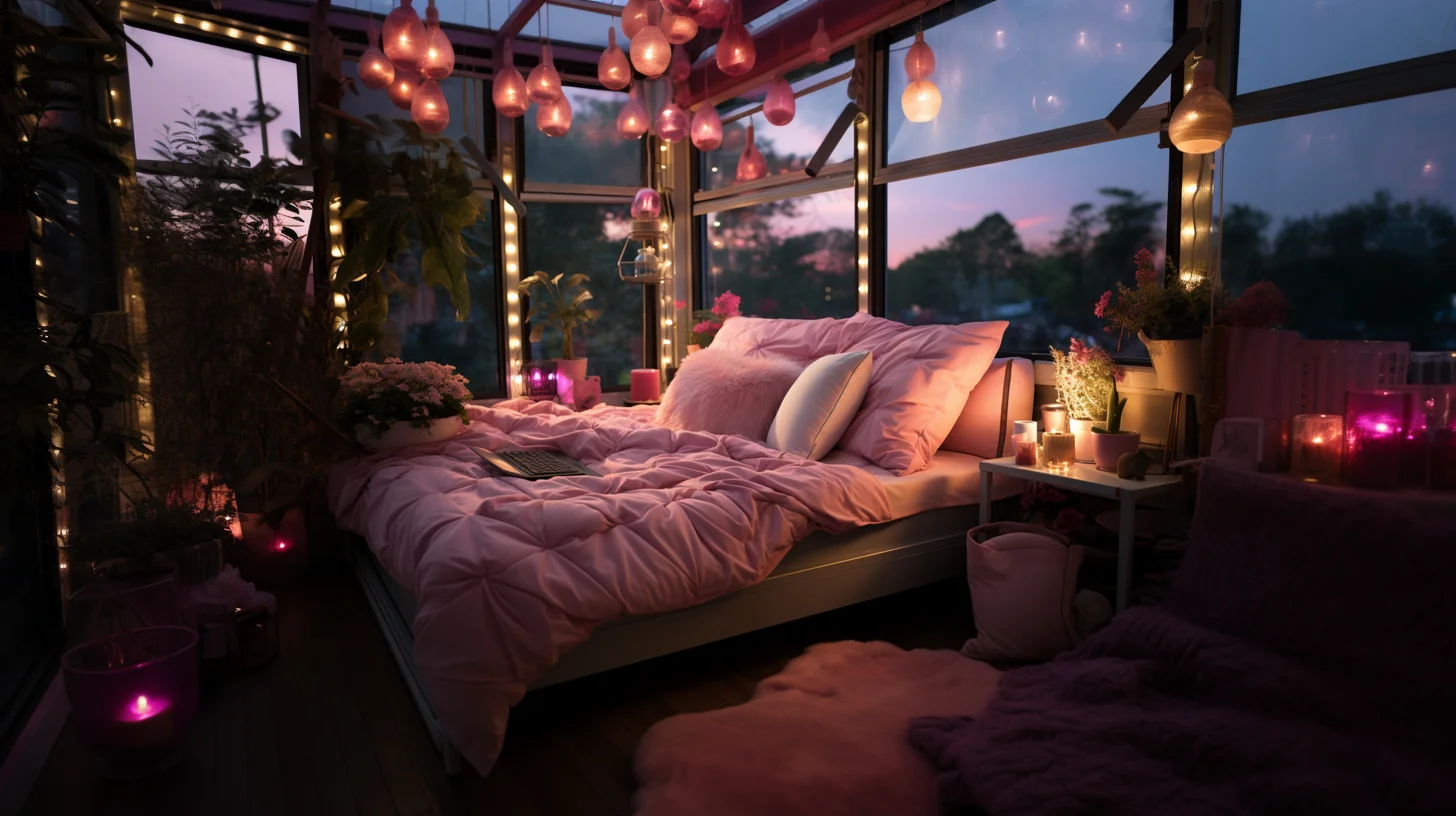

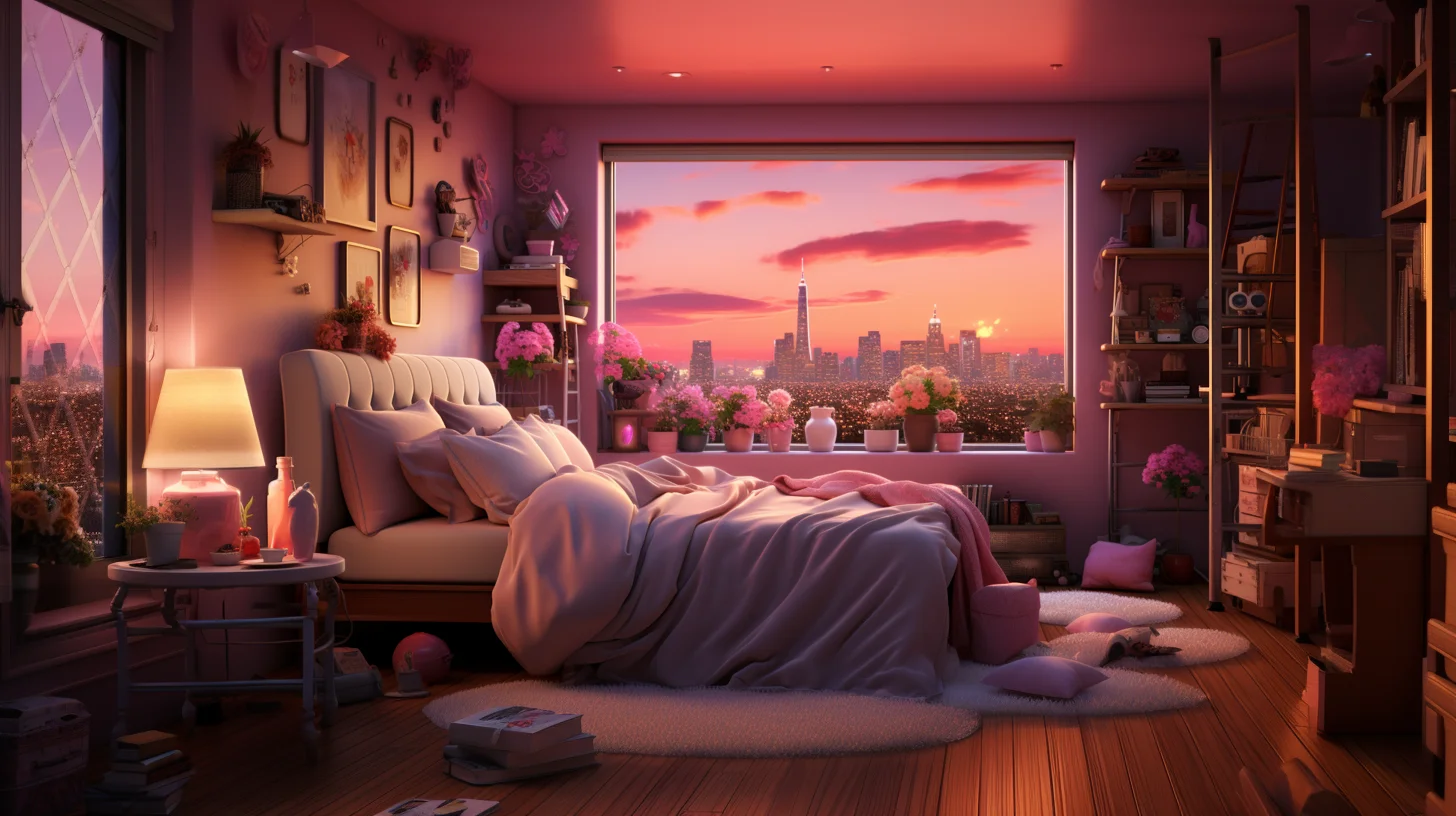
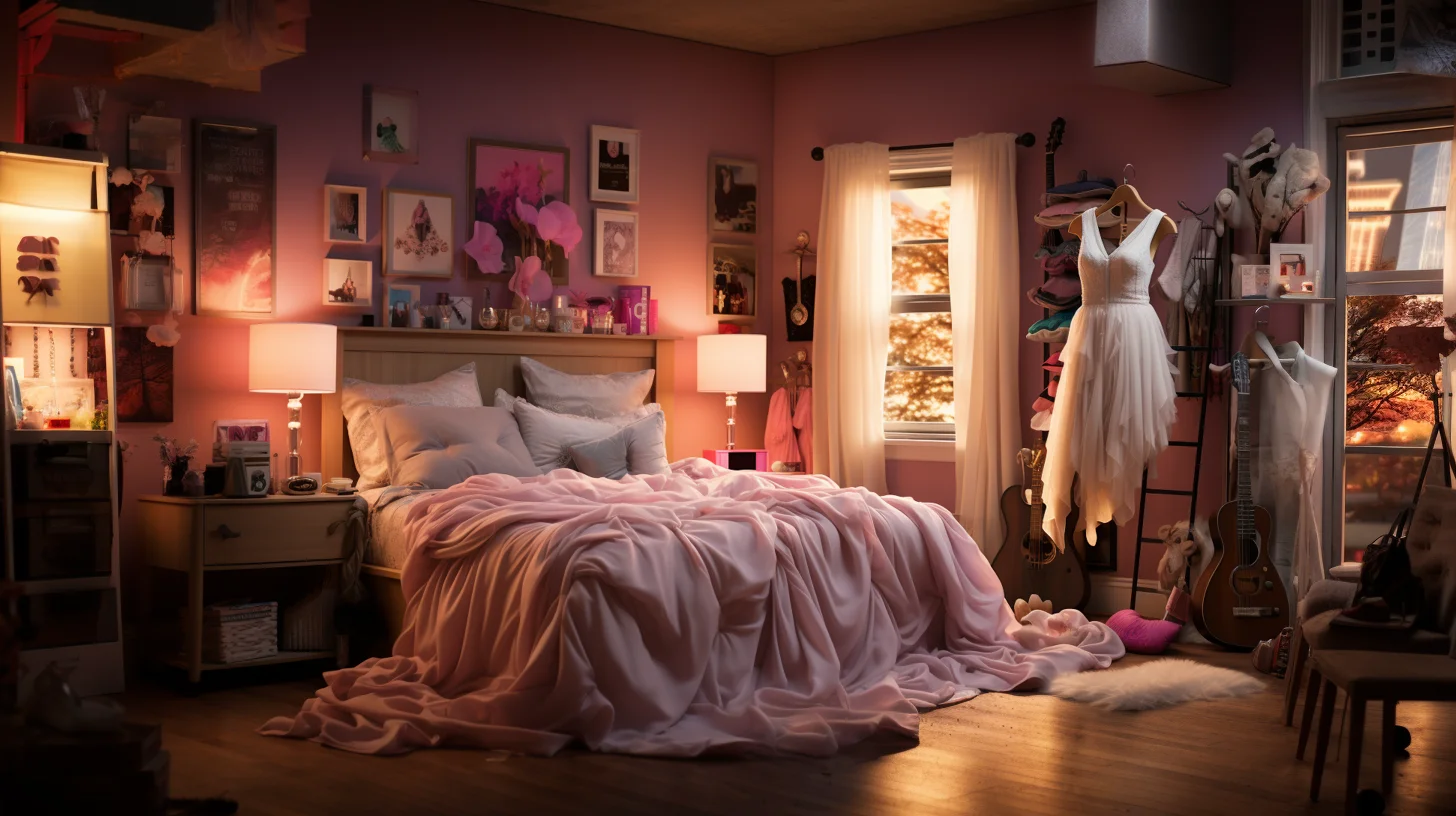
Adult and boho versions work better with less literal branding
For an adult room, use the recognizable pink-and-glam energy without requiring logos or character imagery on every surface. A boho version can soften saturated pink with cream, natural wood, woven textures and dusty rose. That keeps the room playful while making it easier to live with long term.
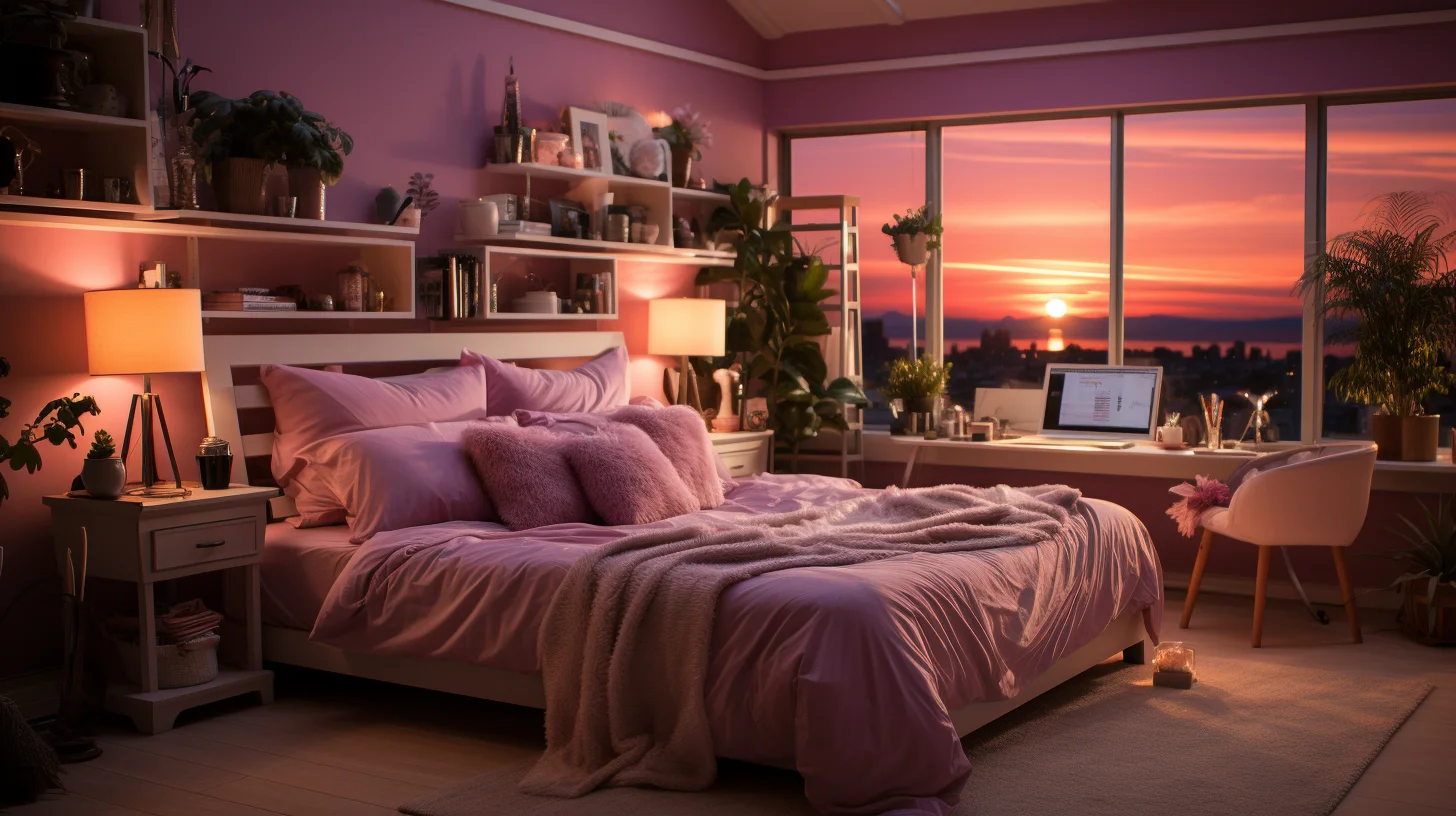
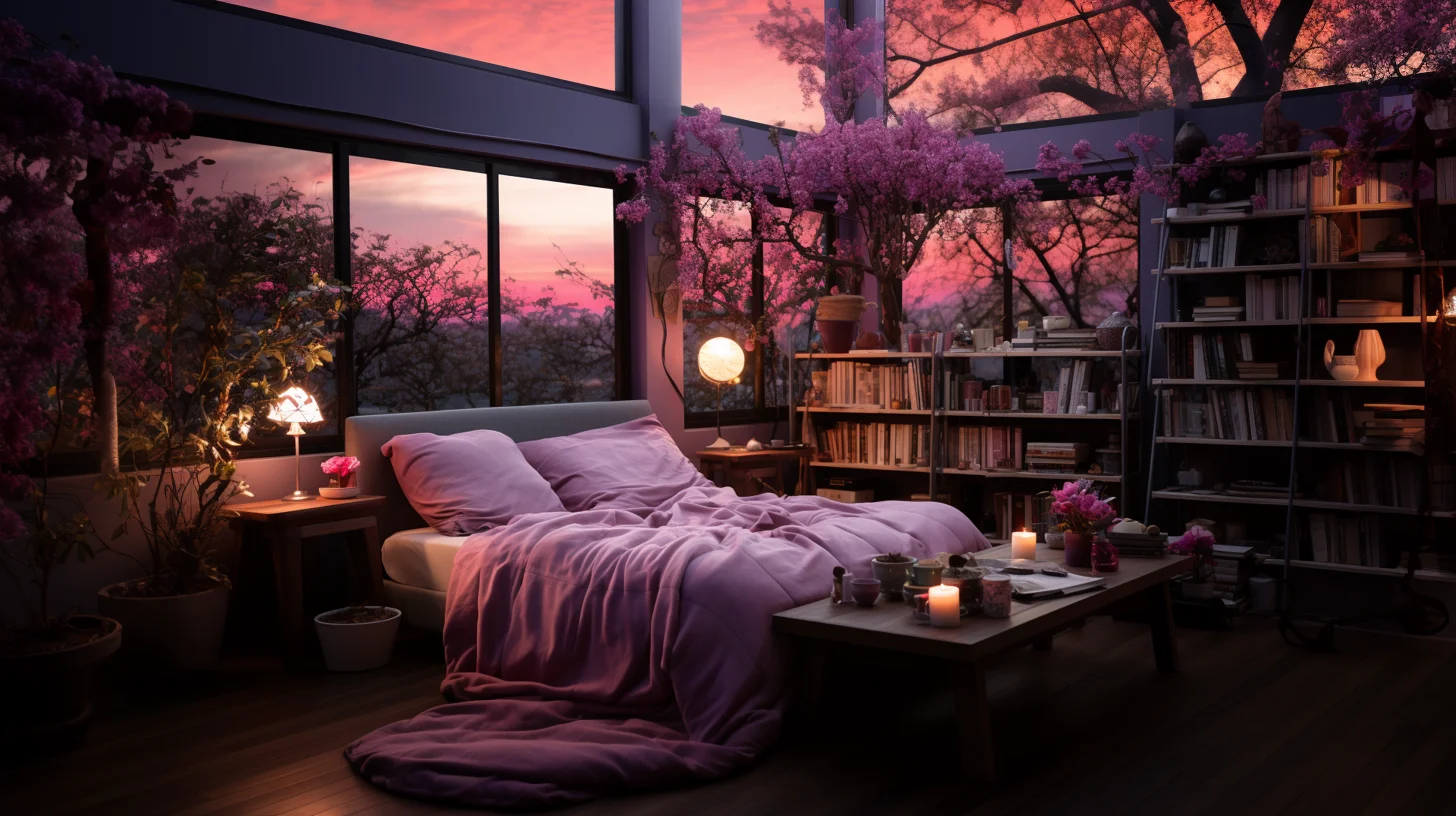

Modern and luxe pink rooms need controlled shine
Reflective finishes, metallic details and glossy surfaces can make a glam room feel brighter, but use them in a few places rather than everywhere. Pair shiny accents with matte bedding or walls so the room still has visual depth. Strong lighting around a mirror or headboard can create more impact than adding several extra decorative objects.
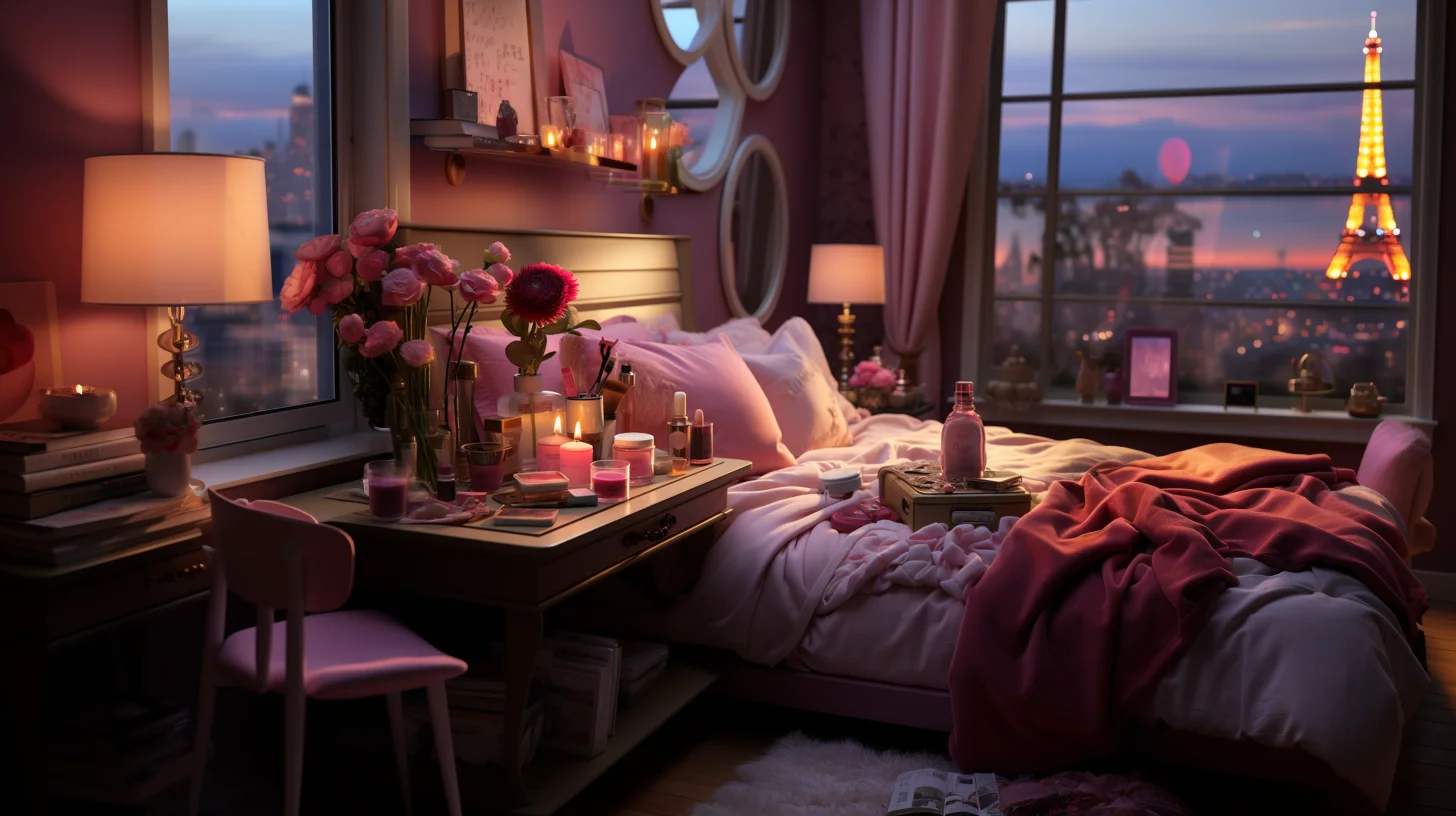
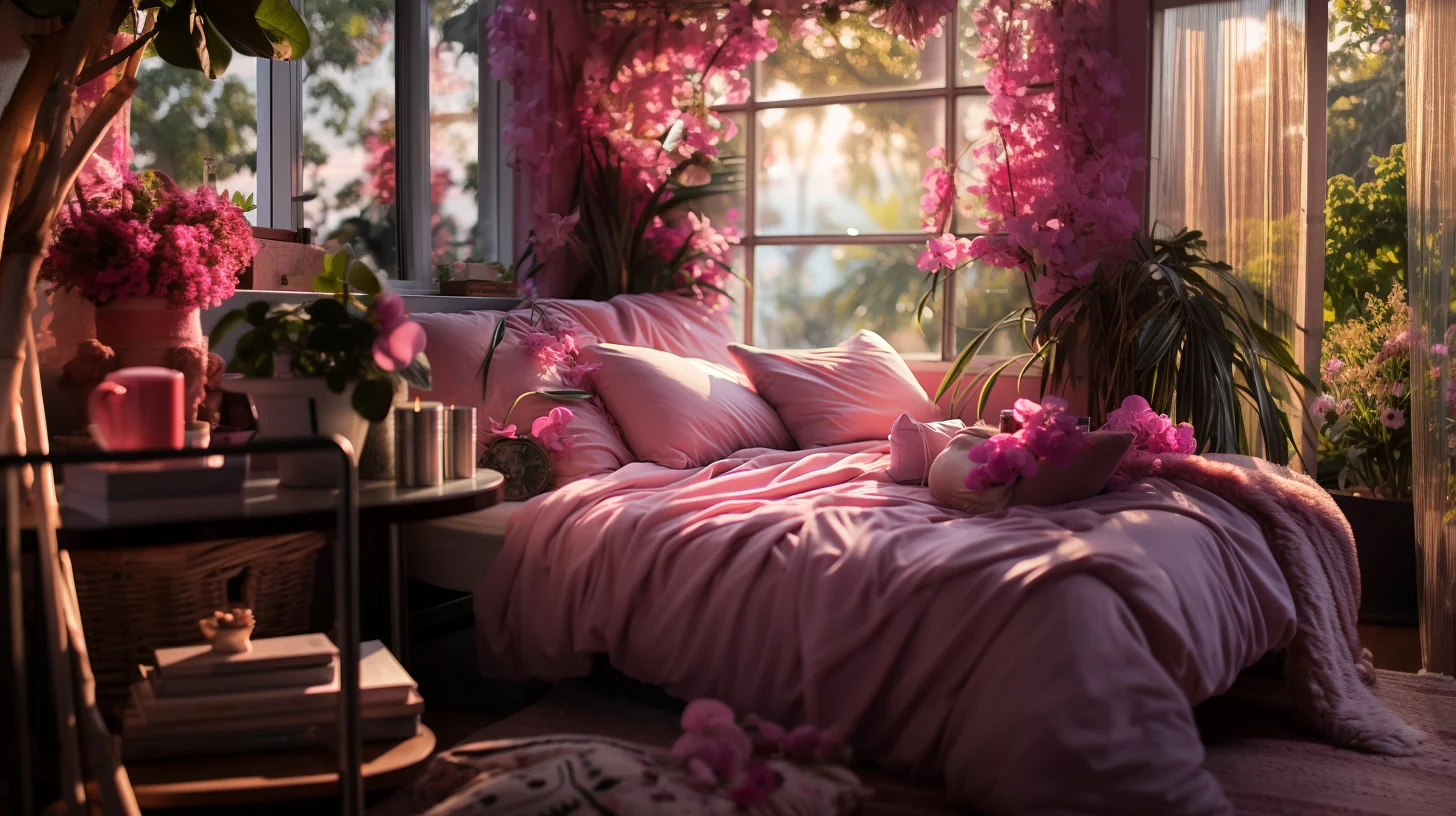


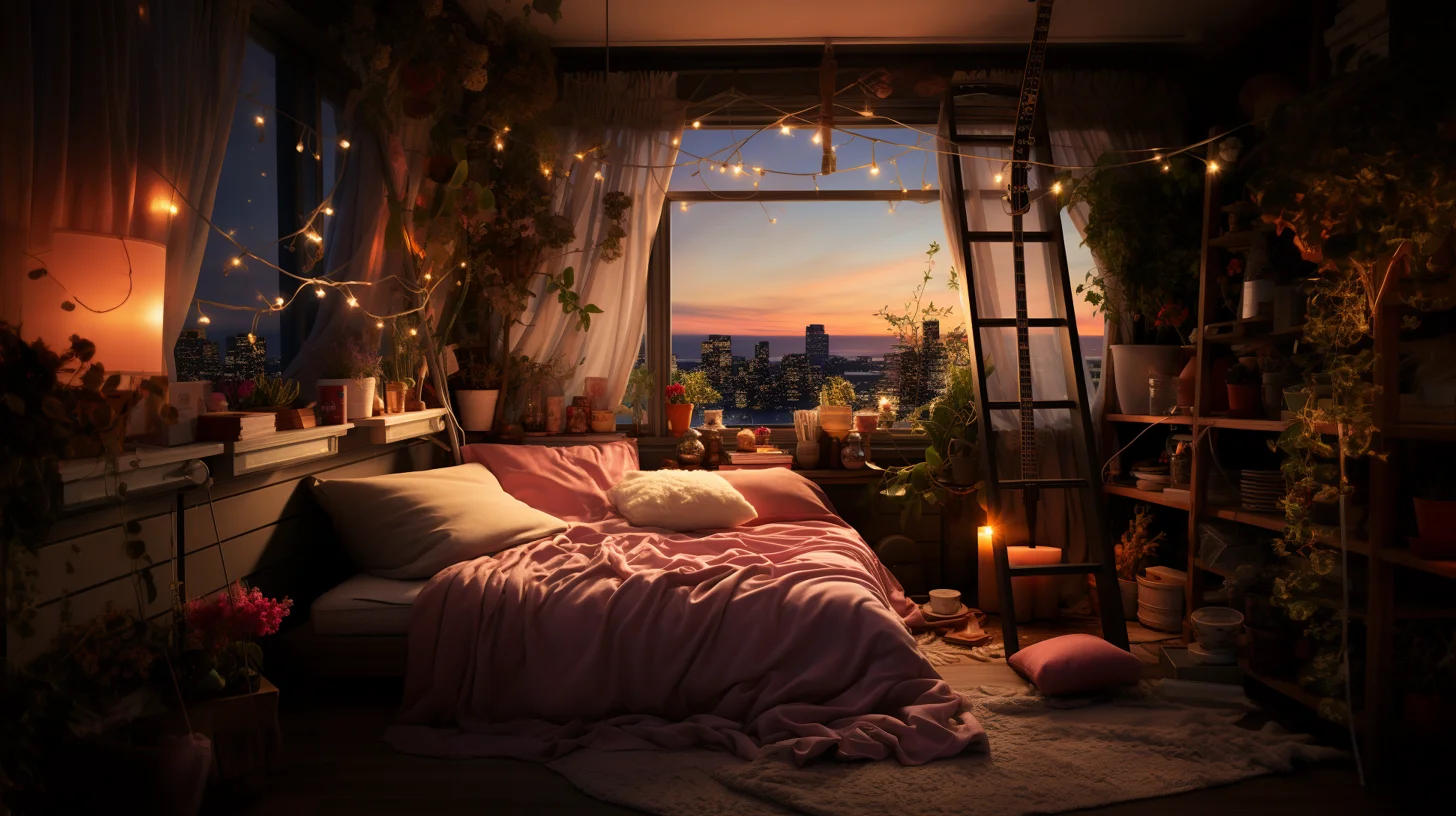

Build the room in this order
- Choose the pink temperature. Blush and dusty rose feel softer; bubblegum and hot pink create the high-energy look. Mixing all of them without a plan is usually what makes the room feel accidental.
- Pick one visual anchor. Let the bed, headboard, rug, curtains or a single wall carry the strongest pink. You can always add more after the largest surfaces are settled.
- Protect the functional layer. Before buying decor, check bedside clearance, wardrobe doors, drawers, walking space, outlets and where everyday clutter will be stored.
- Add contrast. White and cream make pink brighter; black makes it sharper; warm wood makes it less sugary; chrome or brass can push it toward glam.
- Repeat, don’t scatter. Repeat a pink tone or curved shape in two or three places instead of distributing unrelated pink objects around every surface.
- Finish with the easiest pieces to replace. Art, cushions, lamps, trays and small accessories should come last. They are where you can make the theme more literal without locking the entire room into it.
Diagnose what feels wrong before buying more decor
| If the room feels… | Likely cause | Try this first |
|---|---|---|
| Too pink | Every major surface has similar saturation | Replace one large pink area with cream, white, warm wood or another quiet neutral |
| Childish rather than playful | Too many literal themed accessories | Keep one or two playful references and shift the rest toward color, curves and texture |
| Flat | Pink appears at one value and texture | Mix pale and deeper pink with matte fabric, glass, metal or wood |
| Cheaply themed | Many small novelty pieces are competing | Remove half of the small decor and invest attention in one strong focal area |
| Dark at night | The palette depends on overhead lighting | Add bedside/task lighting and a softer ambient source at a different height |
| Cluttered | Open surfaces are doing the storage work | Use closed bedside, under-bed or wardrobe storage before adding display decor |
For a small bedroom, spend the pink strategically
A small room does not need a pale palette, but it benefits from deciding where the strongest color will stop. A saturated headboard against a quieter wall, pink bedding on a neutral bed, or one strong curtain treatment can give the room a clear identity without visually fragmenting every surface. Keep the route from the door to the bed unobstructed, choose bedside furniture that fits the actual clearance, and use vertical wall space before sacrificing floor area to decorative furniture.
If storage is tight, make functional pieces visually quiet. Under-bed drawers, a closed wardrobe and a bedside cabinet can disappear into the background while the textiles and lighting carry the theme. This is usually more effective than buying several pink storage units that become additional focal points.
Where to spend—and where to save
Spend first on things that affect comfort or are difficult to replace: a supportive mattress, usable storage, window coverage and lighting. A distinctive headboard can also be worth prioritizing if it is the room’s main visual anchor. Save on the theme layer: cushion covers, prints, trays, lampshades, removable decals and bedding can change the room dramatically without committing to expensive themed furniture.
Before ordering a large piece, tape its footprint on the floor. Open the wardrobe and room door, pull out nearby drawers, and walk around the taped area. A glamorous chair or vanity that blocks circulation will make the finished bedroom less successful no matter how well it matches the reference image.
Three controlled palettes to try
- Soft pink: blush + warm white + pale oak + a small amount of dusty rose. Good when you want the idea to survive future style changes.
- Modern graphic: hot pink + white + black + chrome. Keep the shapes cleaner and let the contrast do the work.
- Warm glam: rose pink + cream + burgundy accents + brass or warm metallic details. Use shine selectively so fabric and painted surfaces still provide depth.
Pink glam bedroom checklist
- Choose whether pink is the base color or the accent before buying decor.
- Use one strong anchor—a bed, rug, wall or curtain treatment—rather than making every large item pink.
- Keep expensive furniture flexible and put trend-driven details into textiles and accessories.
- Mix glossy elements with matte surfaces so the room does not become visually flat.
- Use neutral storage if the room already has a lot of saturated color.
- For an adult interpretation, rely more on color, shape and lighting than literal branding.
For a teen-focused room with more emphasis on study and storage, see the teen bedroom ideas. For a softer layered pink room, compare the boho bedroom gallery. For stronger nostalgic color and shape, try the retro bedroom ideas.

