
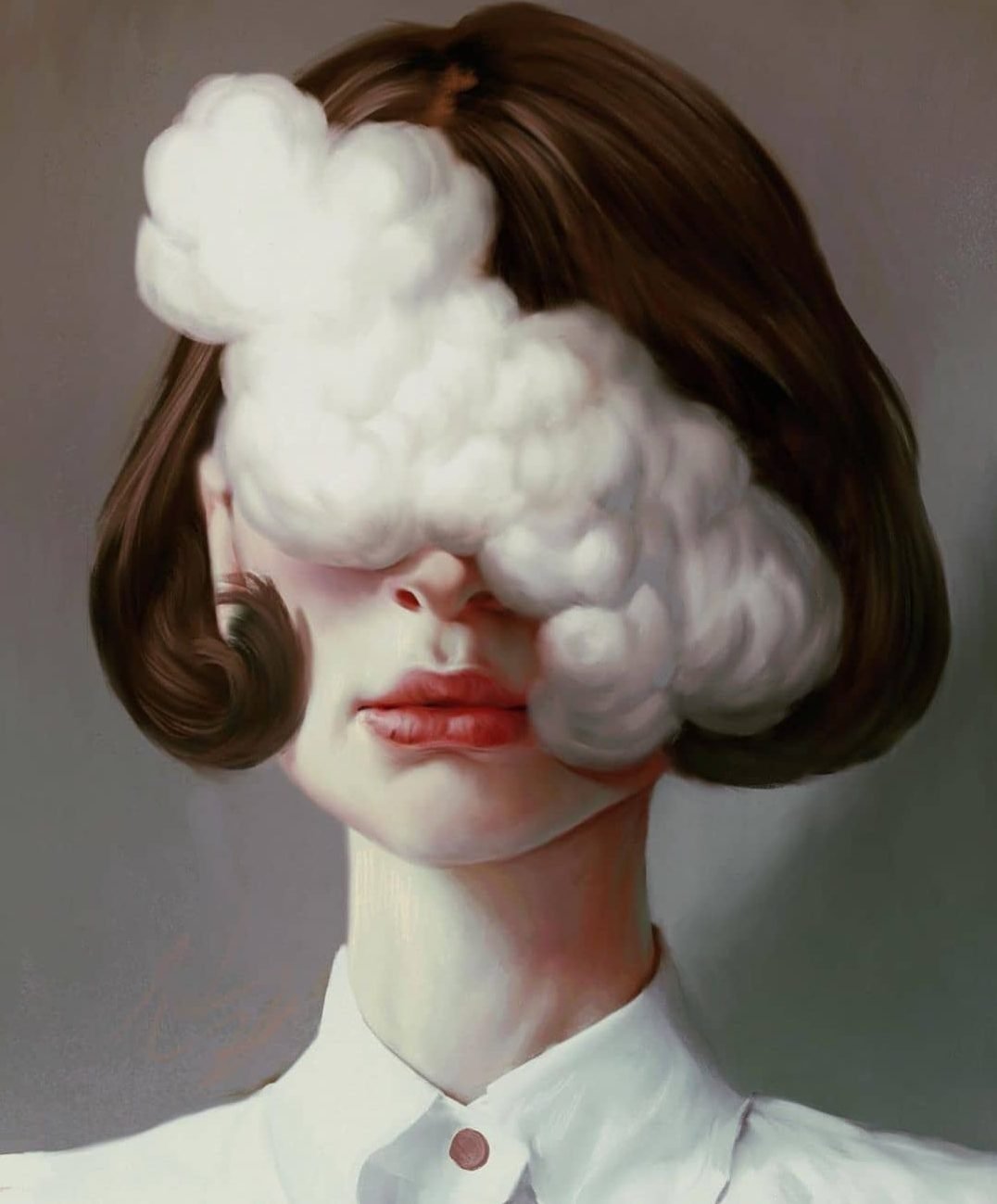
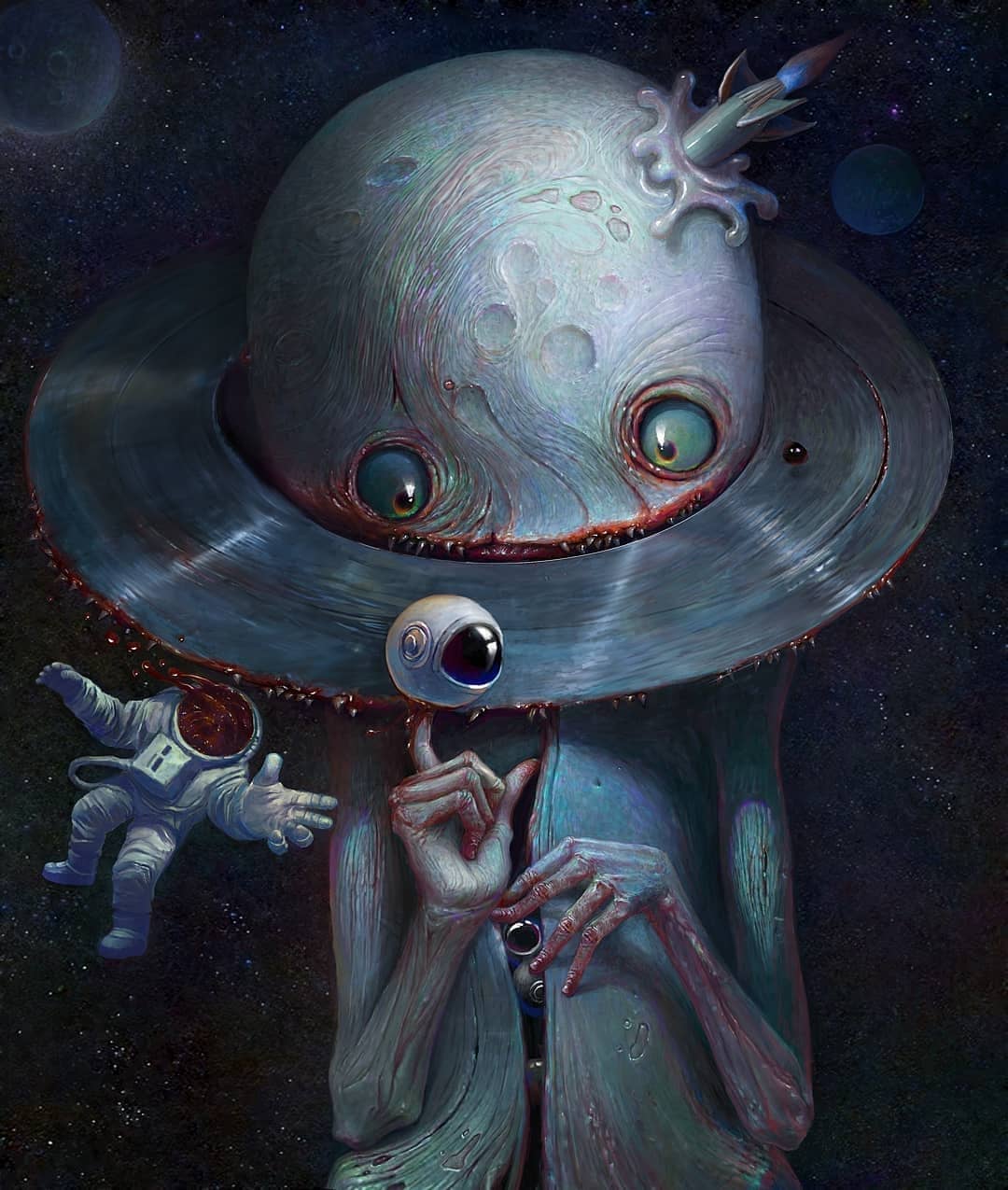
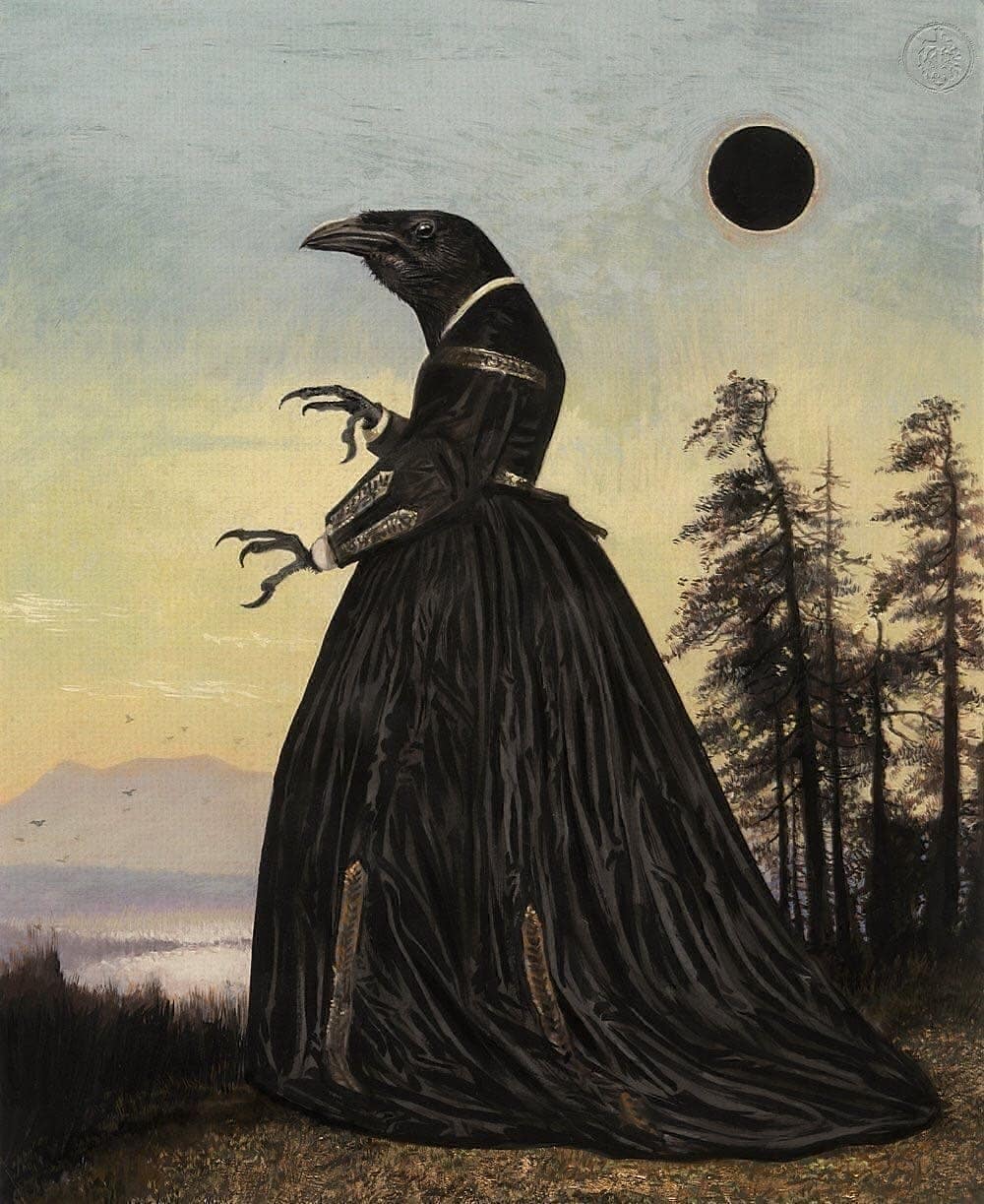
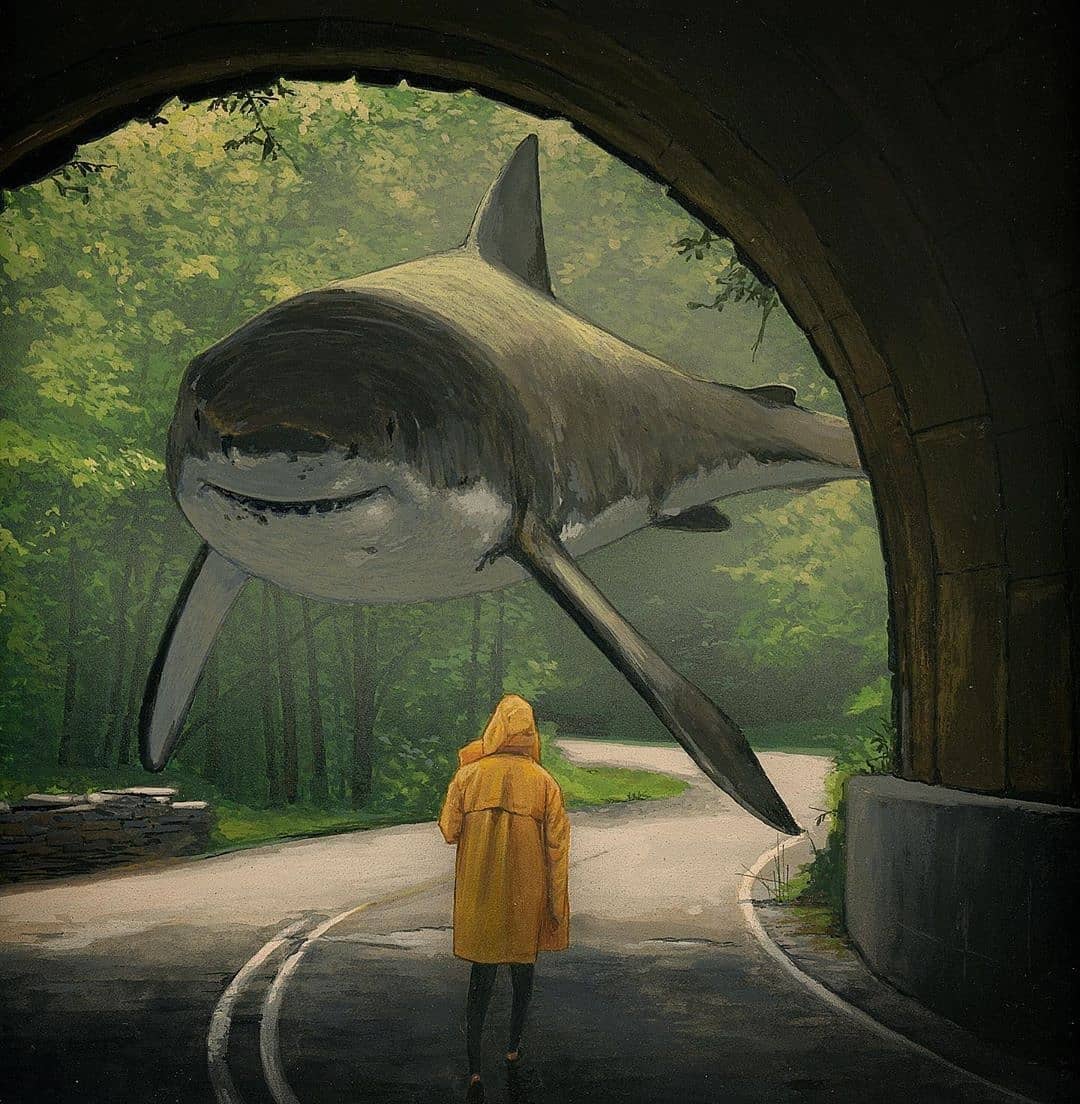
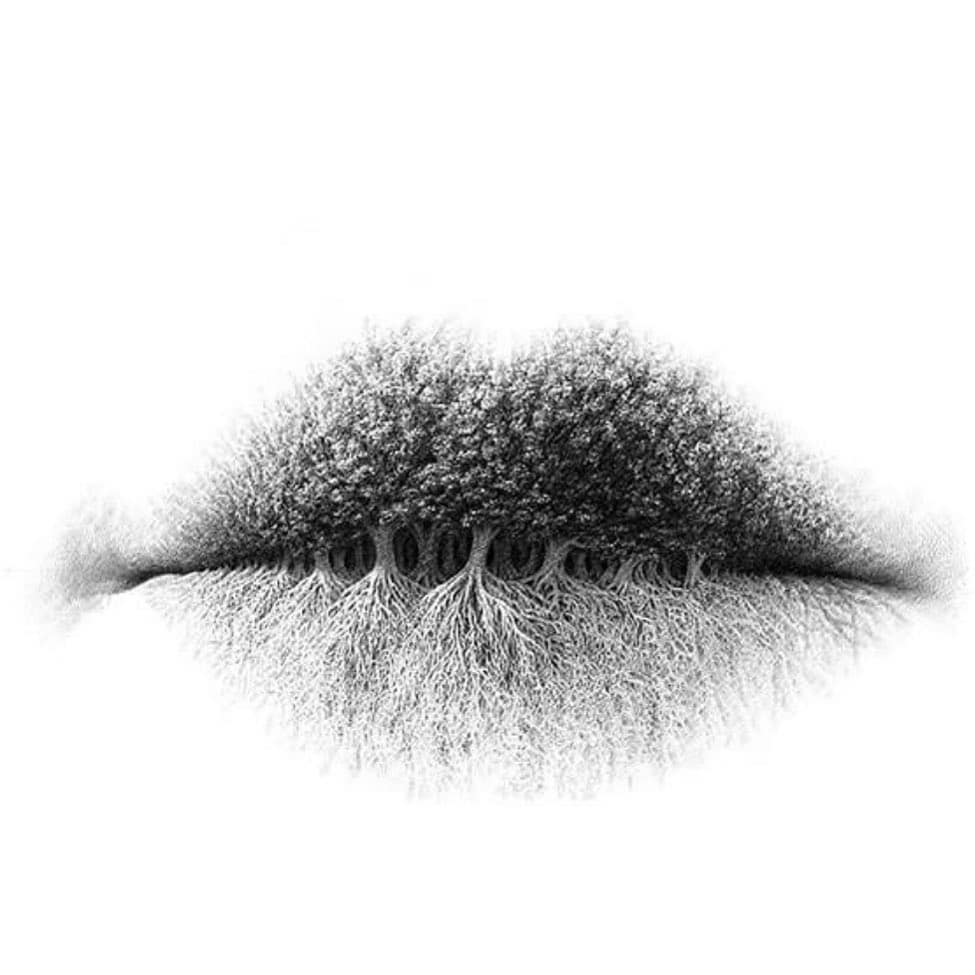
Thirty-two modern surreal and surreal-inspired works, grouped by mood and visual approach rather than by historical school. Look for the thing that breaks ordinary logic: scale, transformation, an impossible object pairing, a realistic space with one wrong element, or a scene that makes emotional sense before it makes literal sense. Click or tap any image to open the full-size artwork.
Jump to: dark surreal art · portraits & pencil · contemporary works · dreamlike works
Dark surreal art — Works 1–9
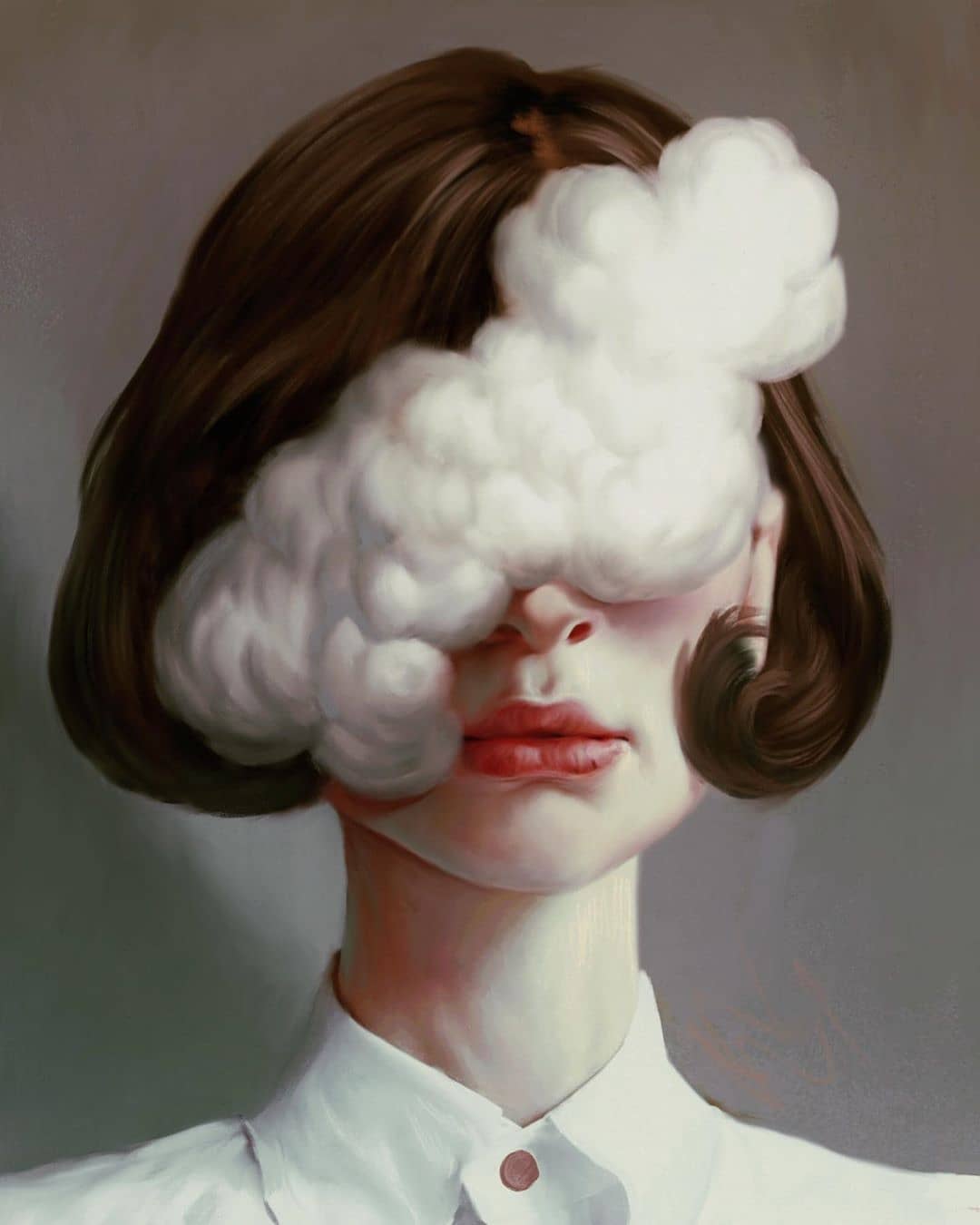
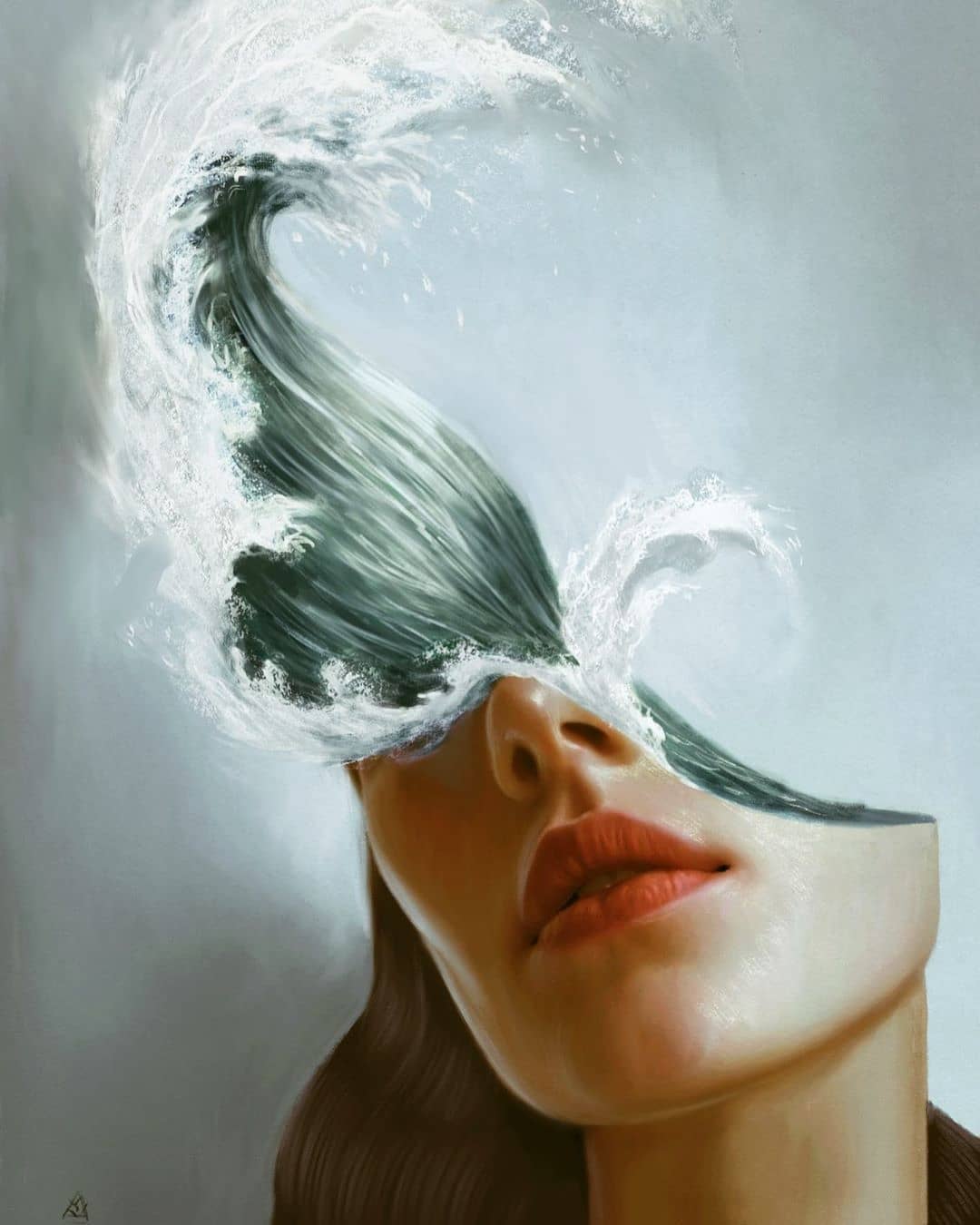
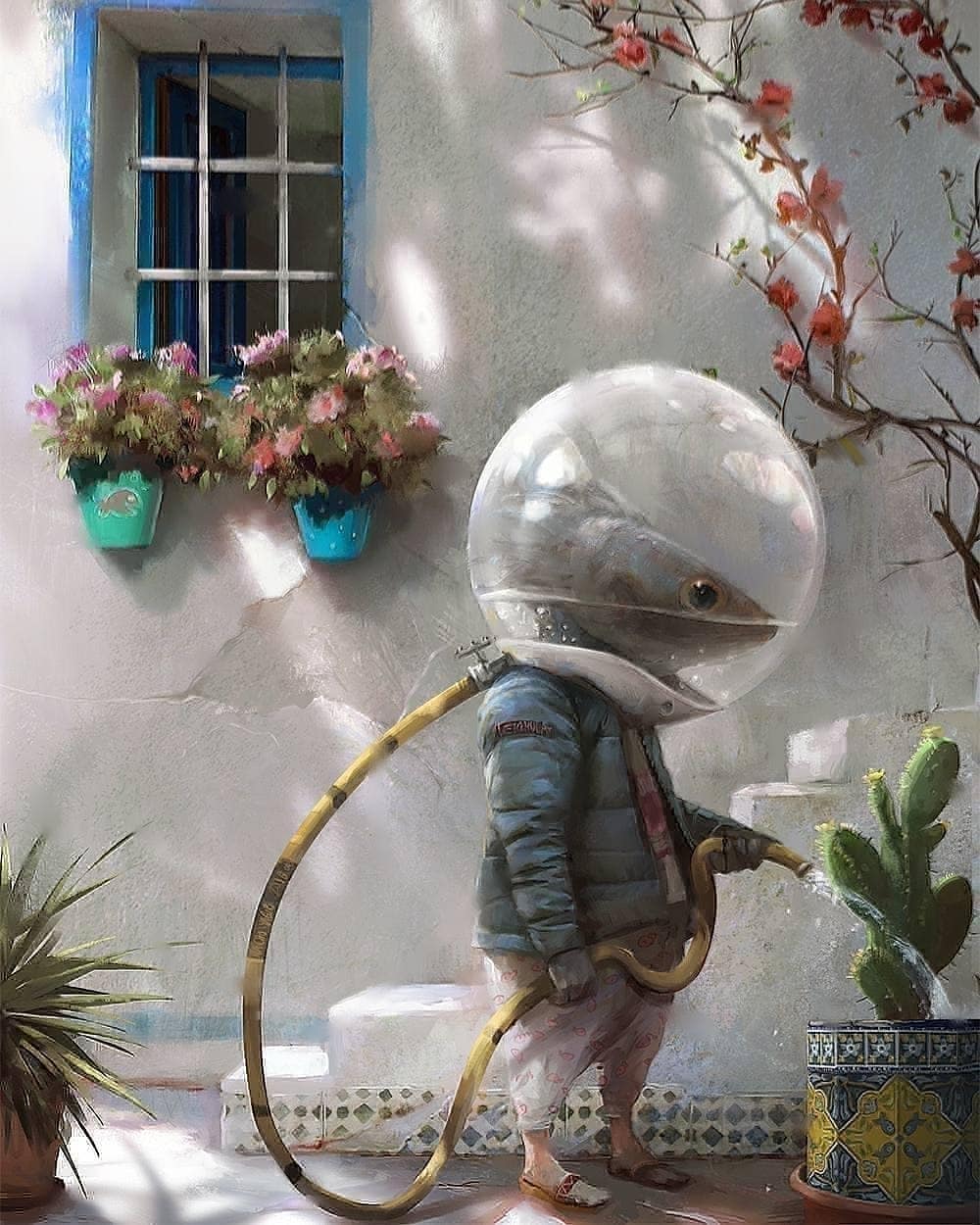
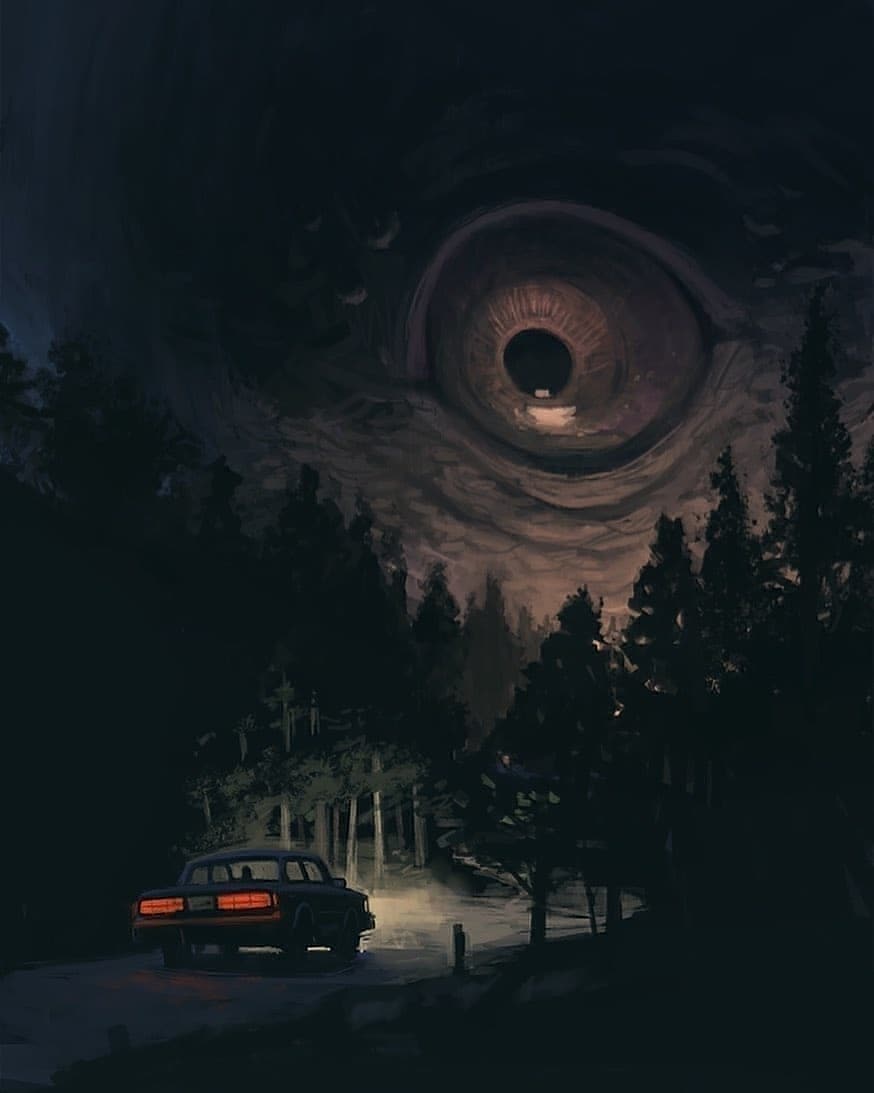
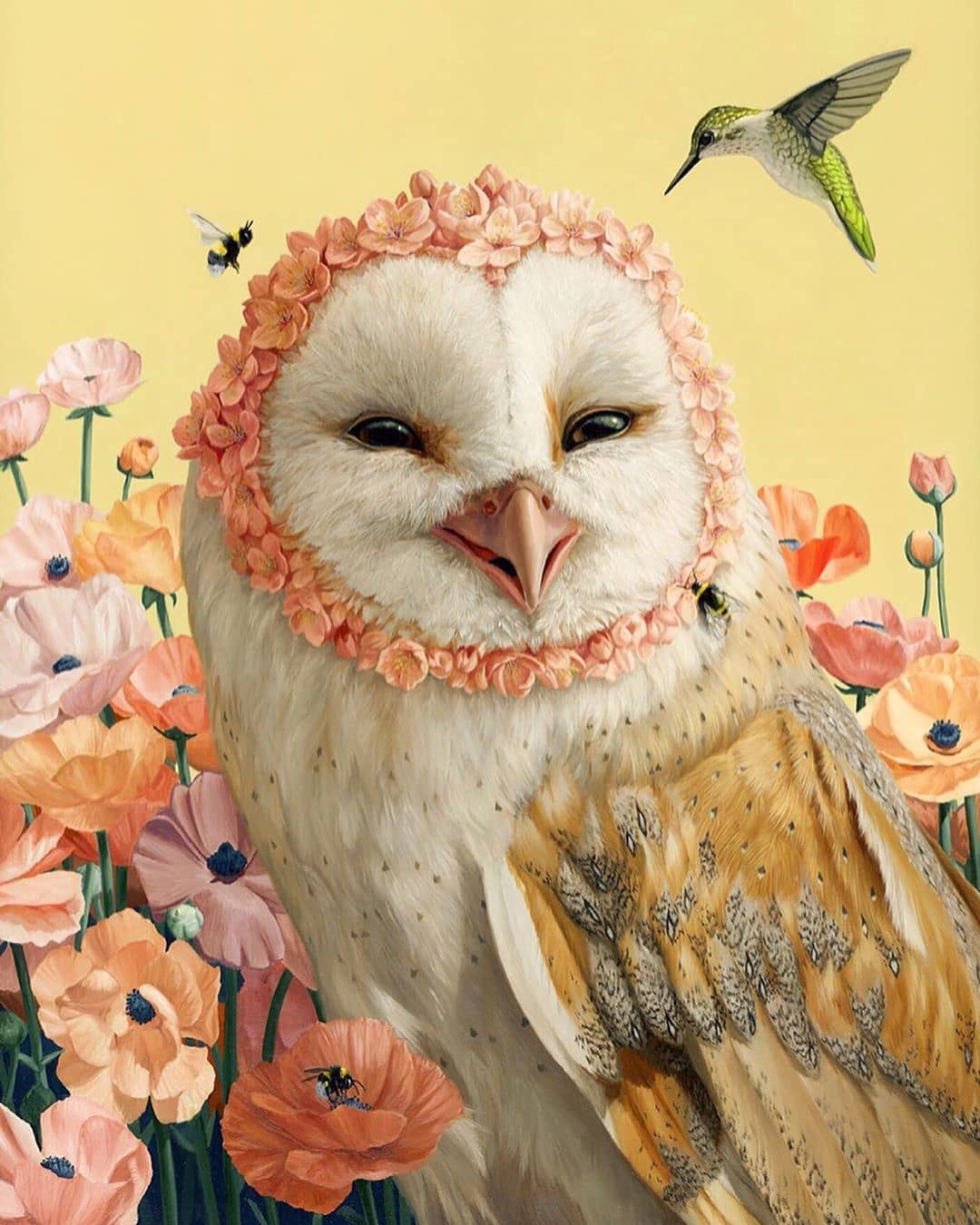
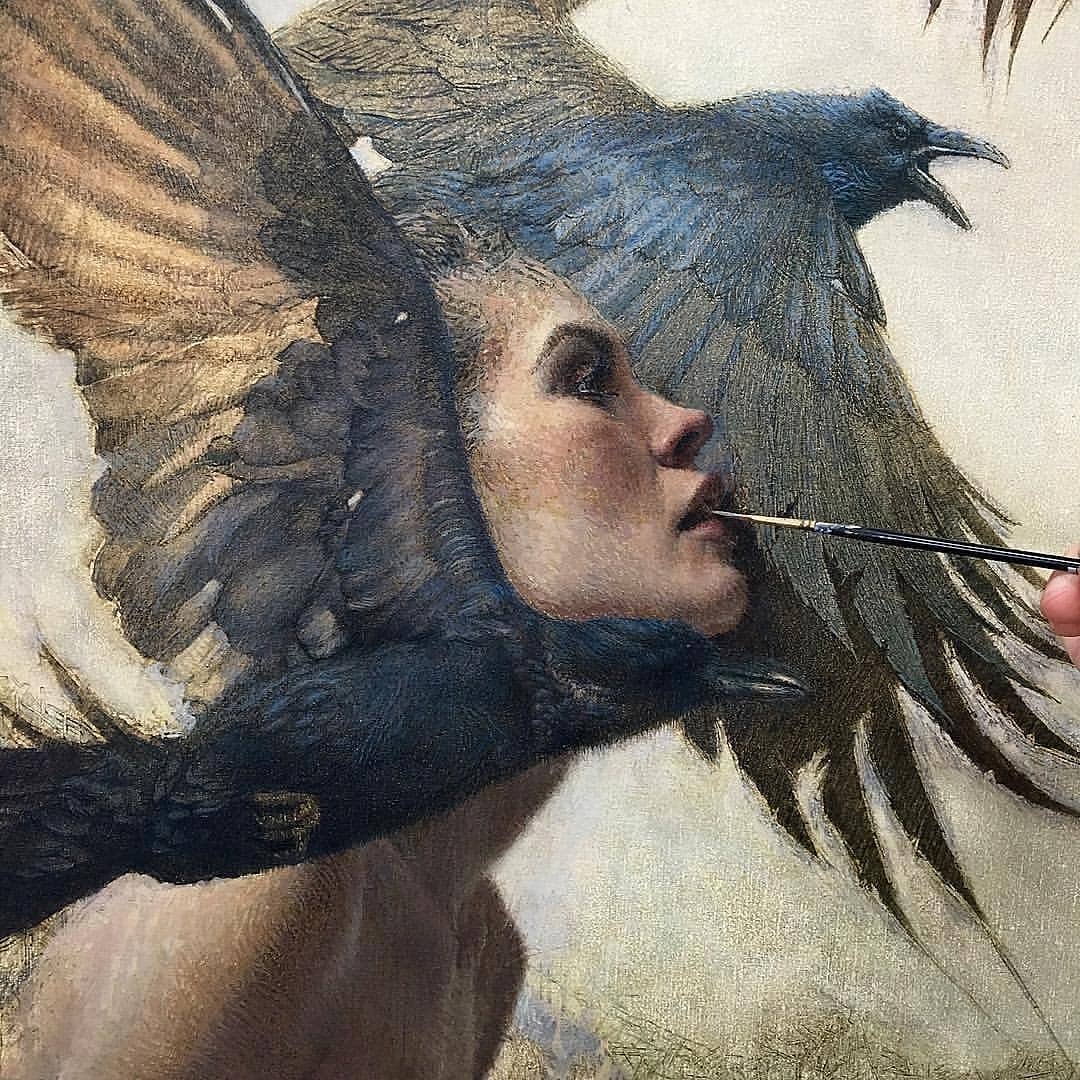
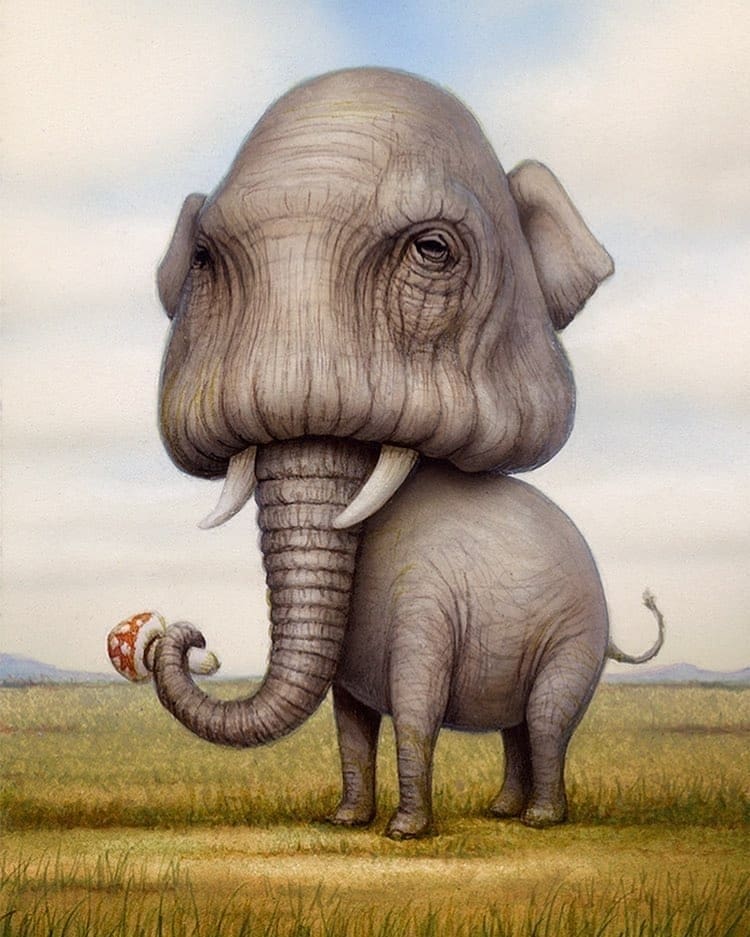
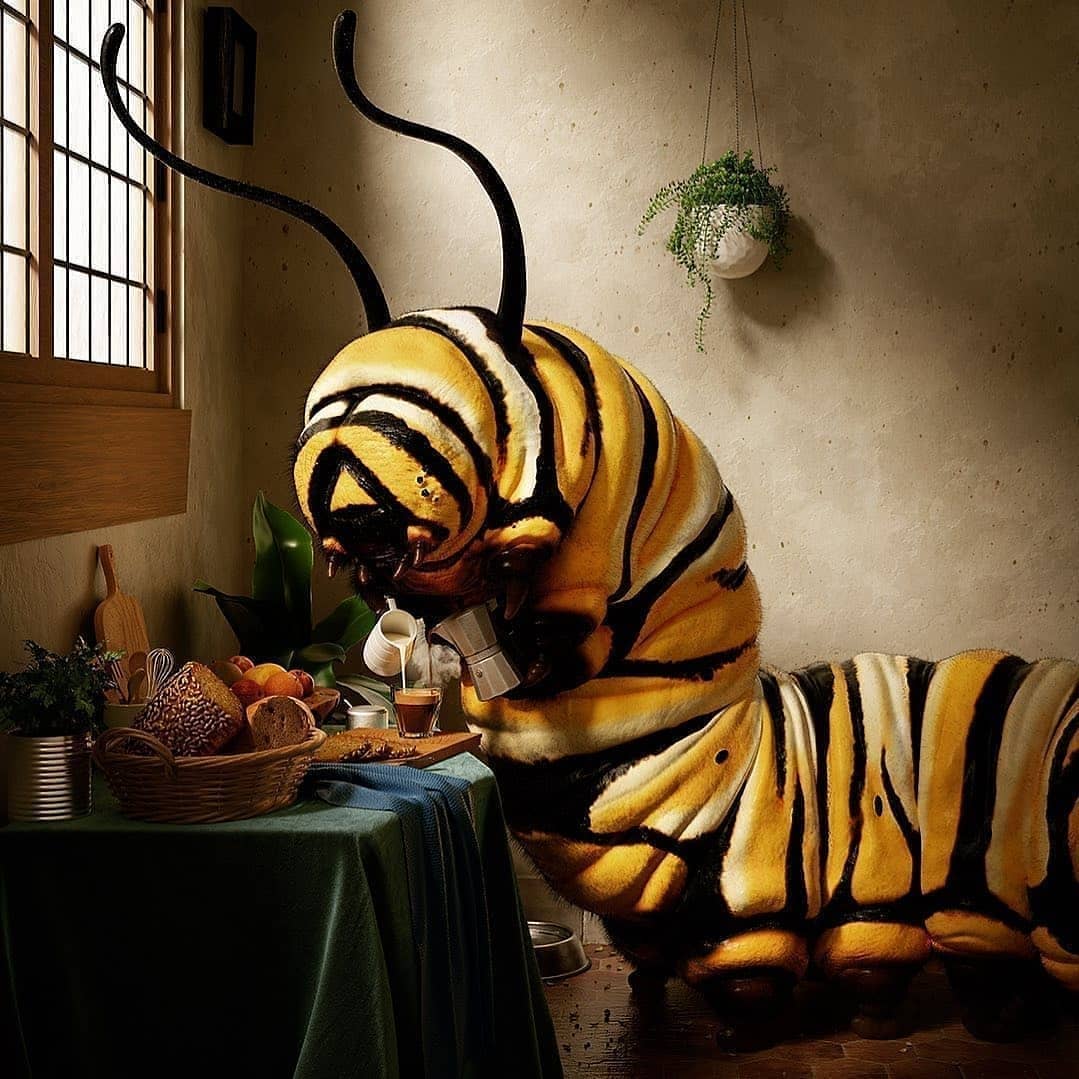
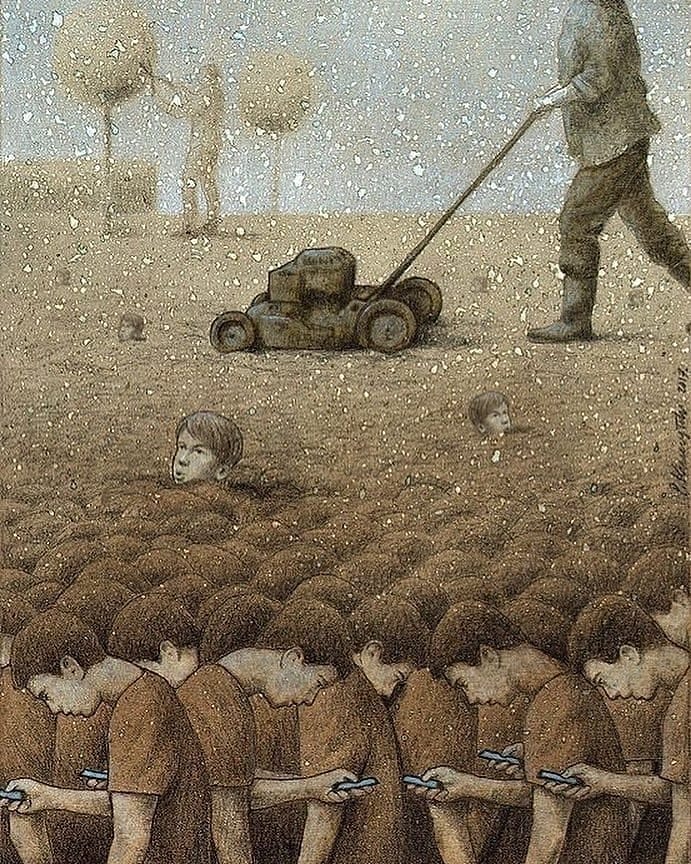
These first works lean on atmosphere as much as subject matter. Dark values, empty space and familiar forms placed in the wrong context can make an image feel unsettling without requiring an obviously impossible scene.
What makes an image feel surreal?
- Unexpected combinations: familiar objects are placed together in a way that breaks ordinary logic.
- Scale shifts: a face, animal or object becomes impossibly large or small compared with its surroundings.
- Transformation: bodies, landscapes and objects merge into one another instead of staying fixed.
- Precise rendering of impossible scenes: realistic light and perspective can make a strange idea feel temporarily believable.
- Dream logic: the scene may feel emotionally coherent even when its literal story cannot be explained.
Modern pop-surreal and digital work often borrows these devices without trying to reproduce the historical movement exactly. That is the better way to read this gallery: as contemporary visual ideas that use surreal strategies, not as examples of one uniform style.
Surreal portraits and pencil art — Works 10–14
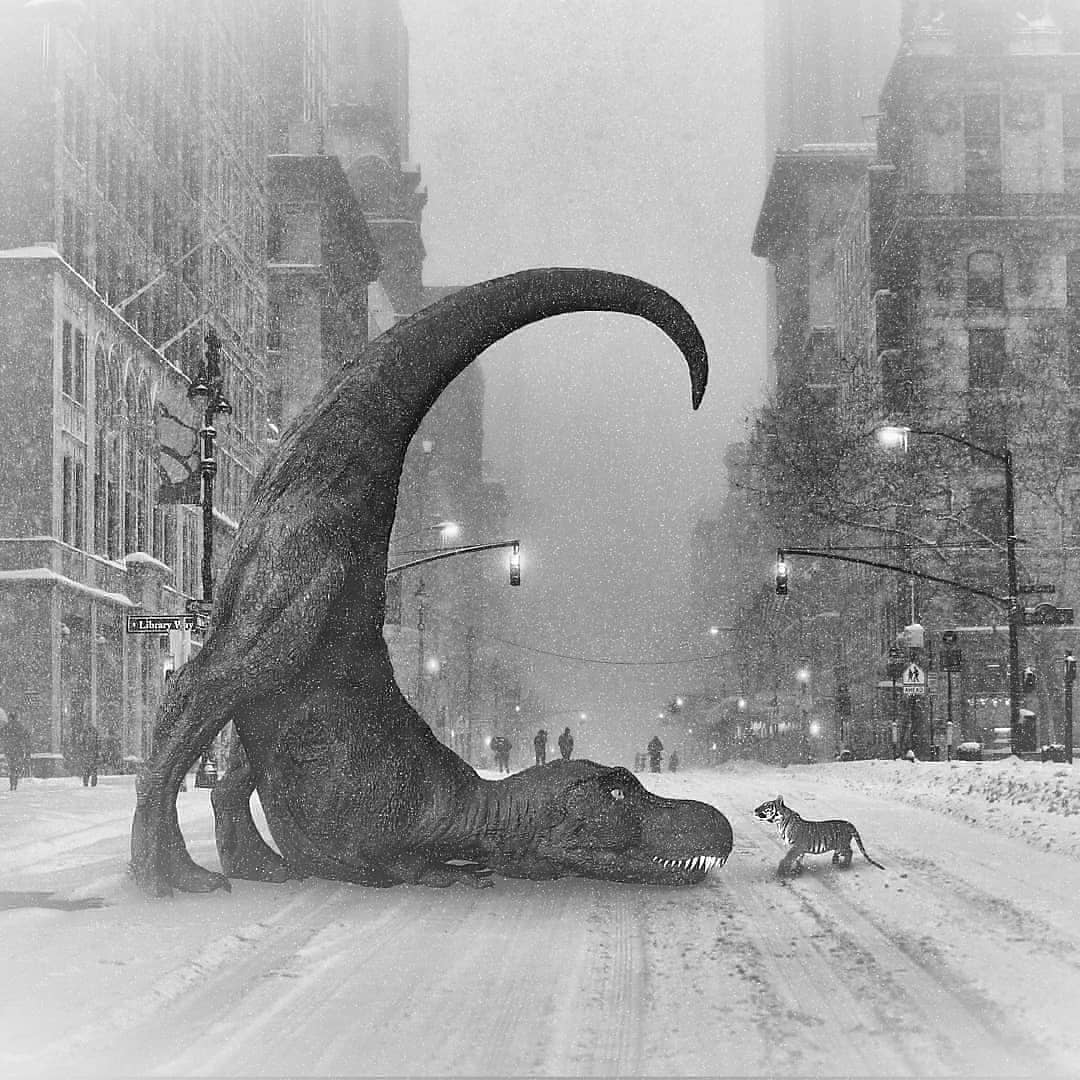
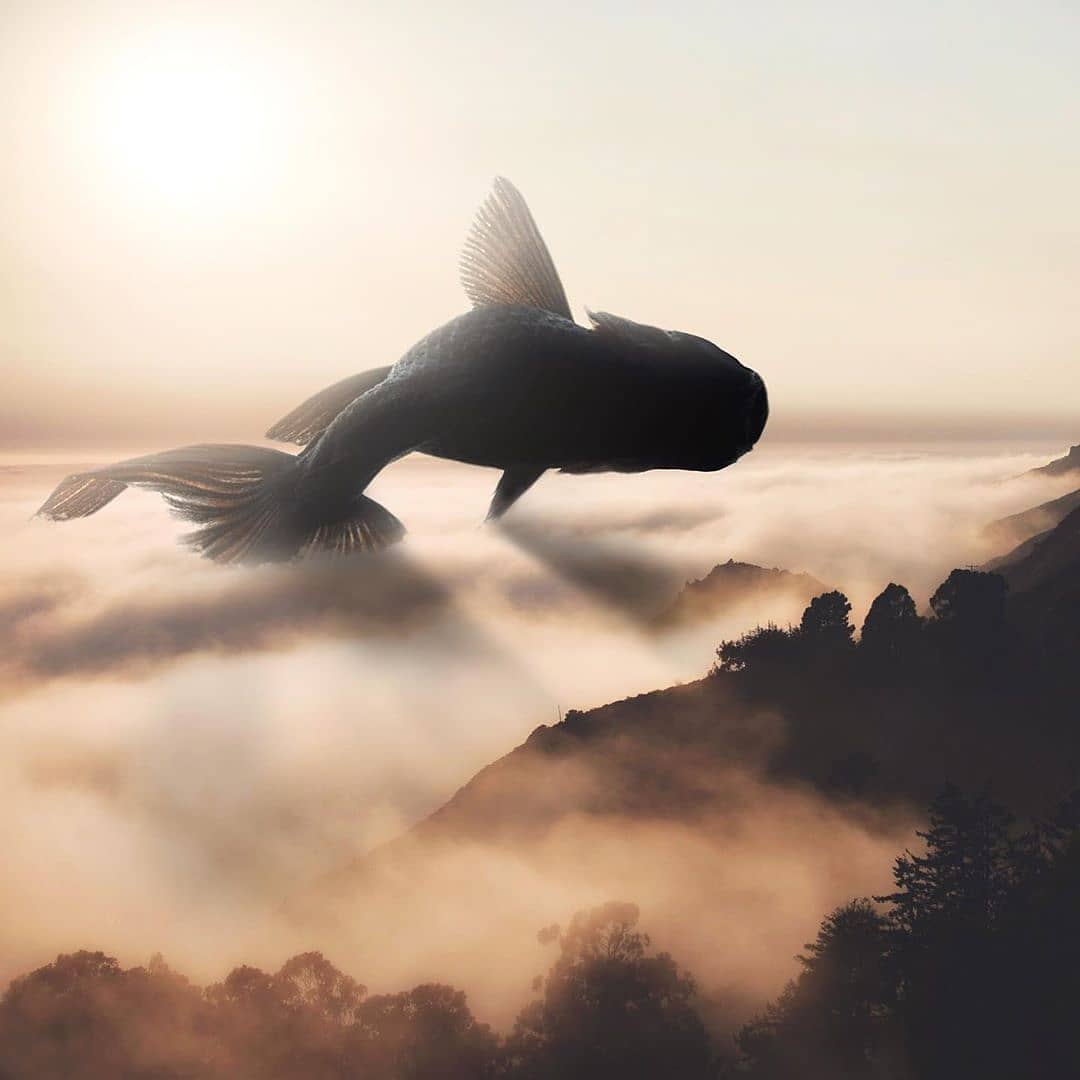
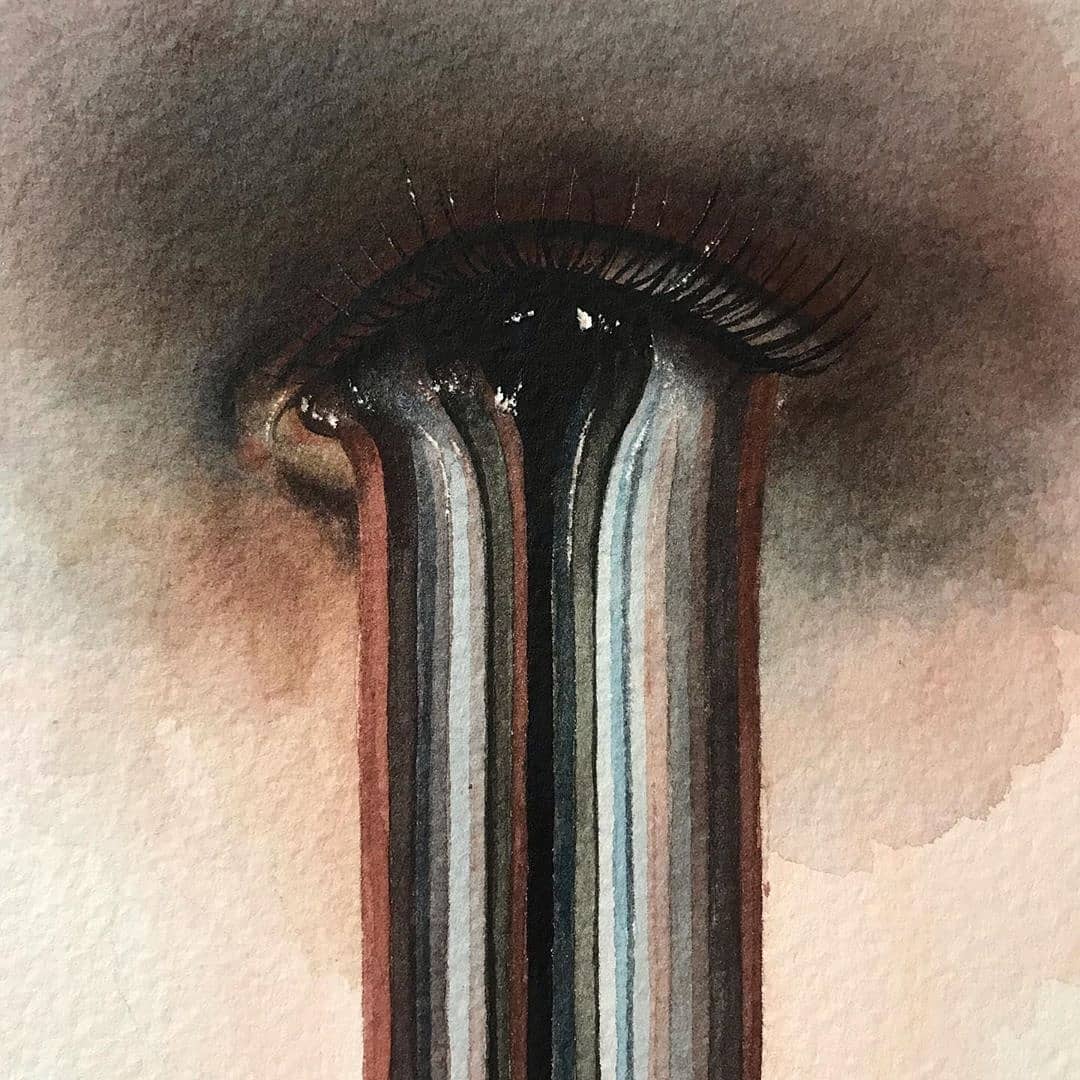
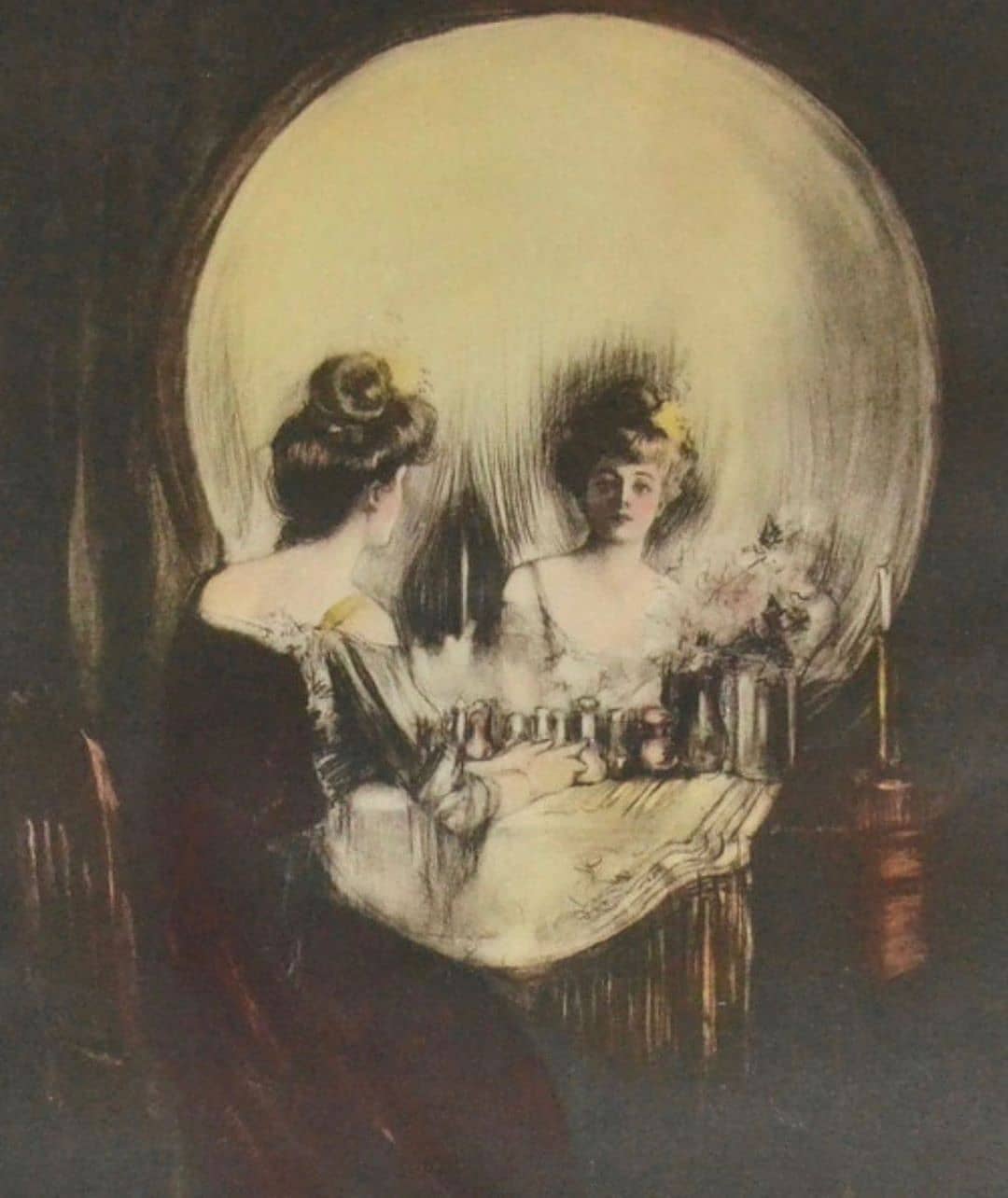
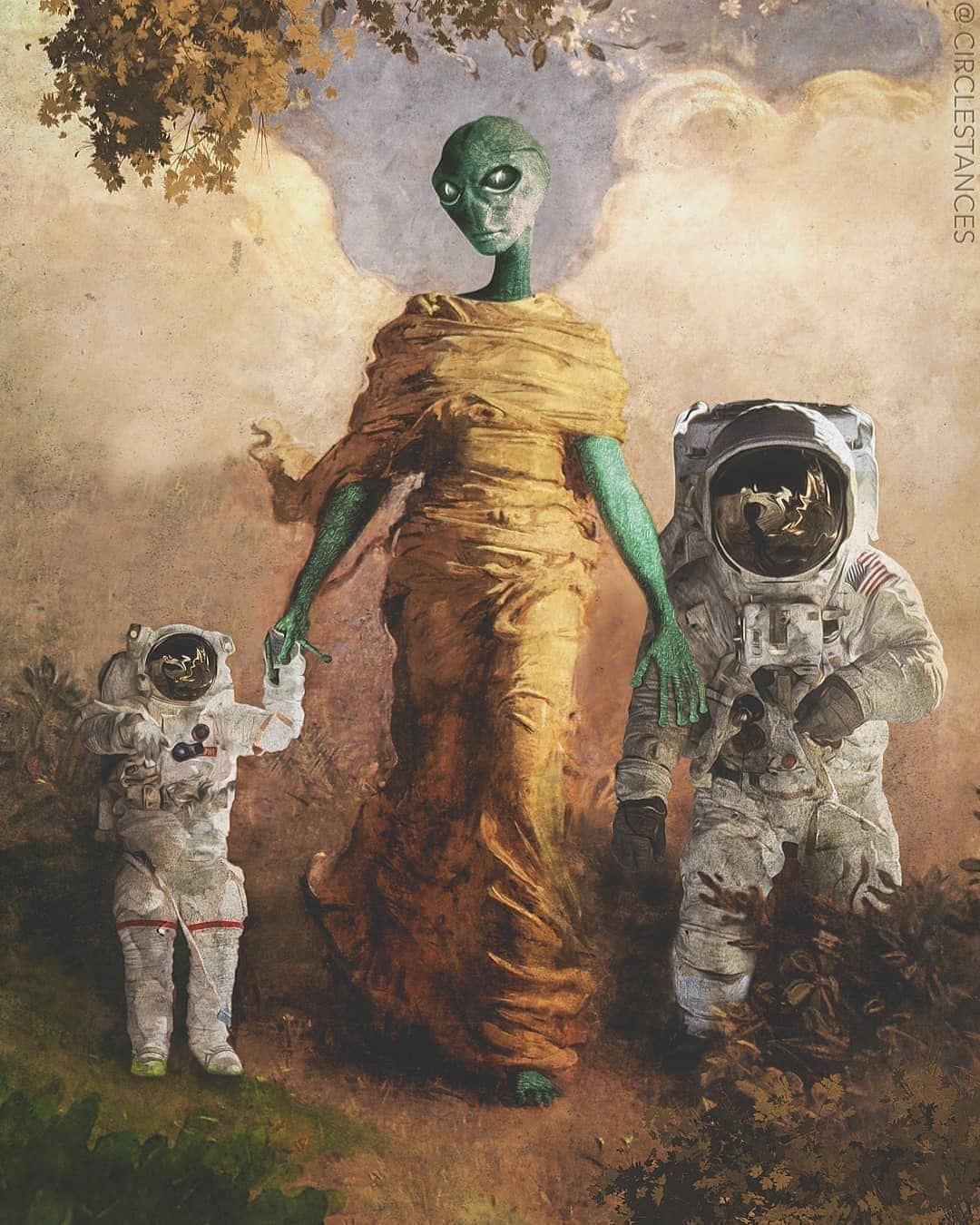
Portrait-based surreal work often stays readable because one familiar anchor—the eye, face or head—survives while something around it transforms. That contrast is usually stronger than making every part of the image equally strange.
Historical reference points
There is no single “Surrealist look.” Max Ernst experimented with collage and chance-based techniques; Joan Miró pushed toward biomorphic abstraction; René Magritte painted ordinary objects with crisp realism but placed them in conceptually impossible situations; Salvador Dalí became famous for meticulously rendered dreamlike scenes. Those differences are part of why Surrealism remains visually broad rather than reducible to melting clocks or strange landscapes.
André Breton was central to the movement’s definition and organization, but many artists associated with Surrealism had their own methods and did not fit neatly into one formula. That variety is more useful for understanding the movement than trying to name a single “father of Surrealist painting.”
Contemporary surreal art — Works 15–21
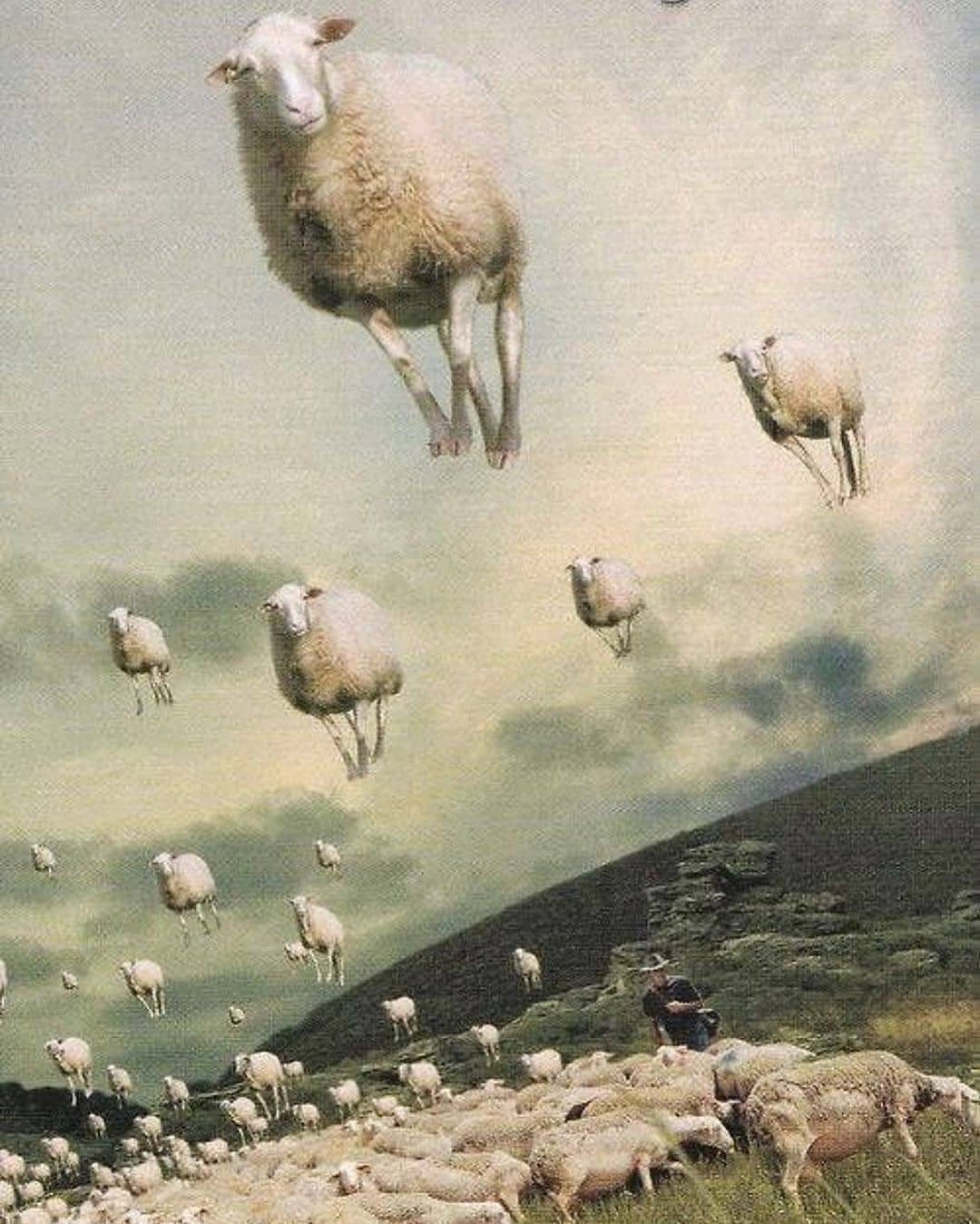
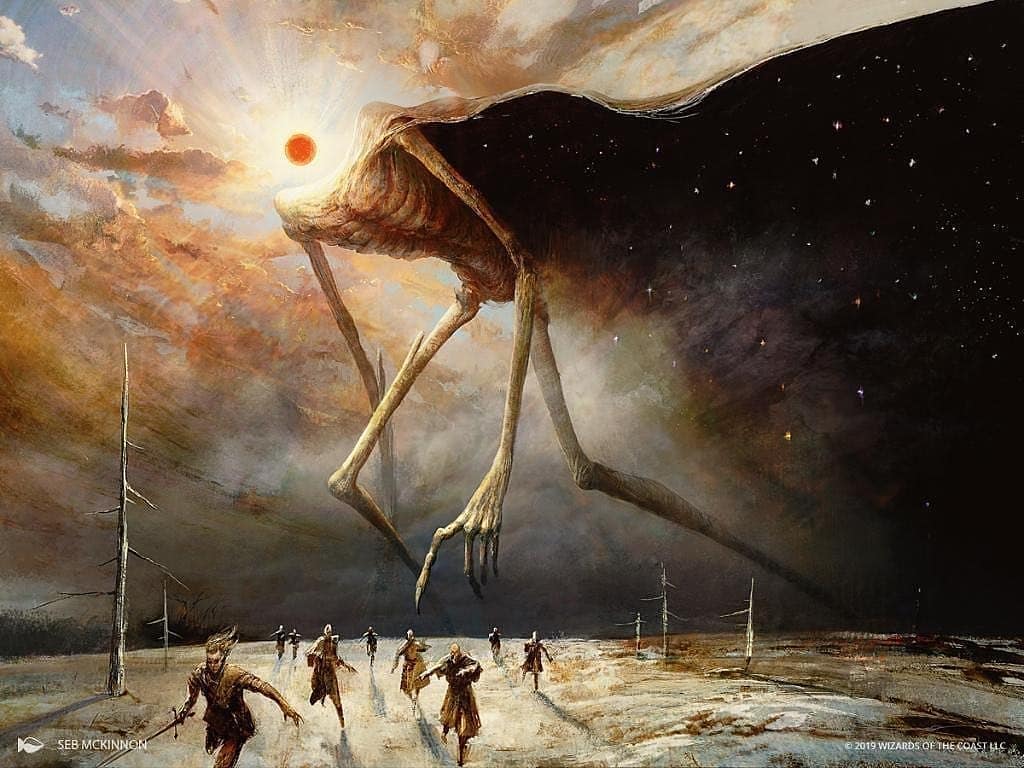
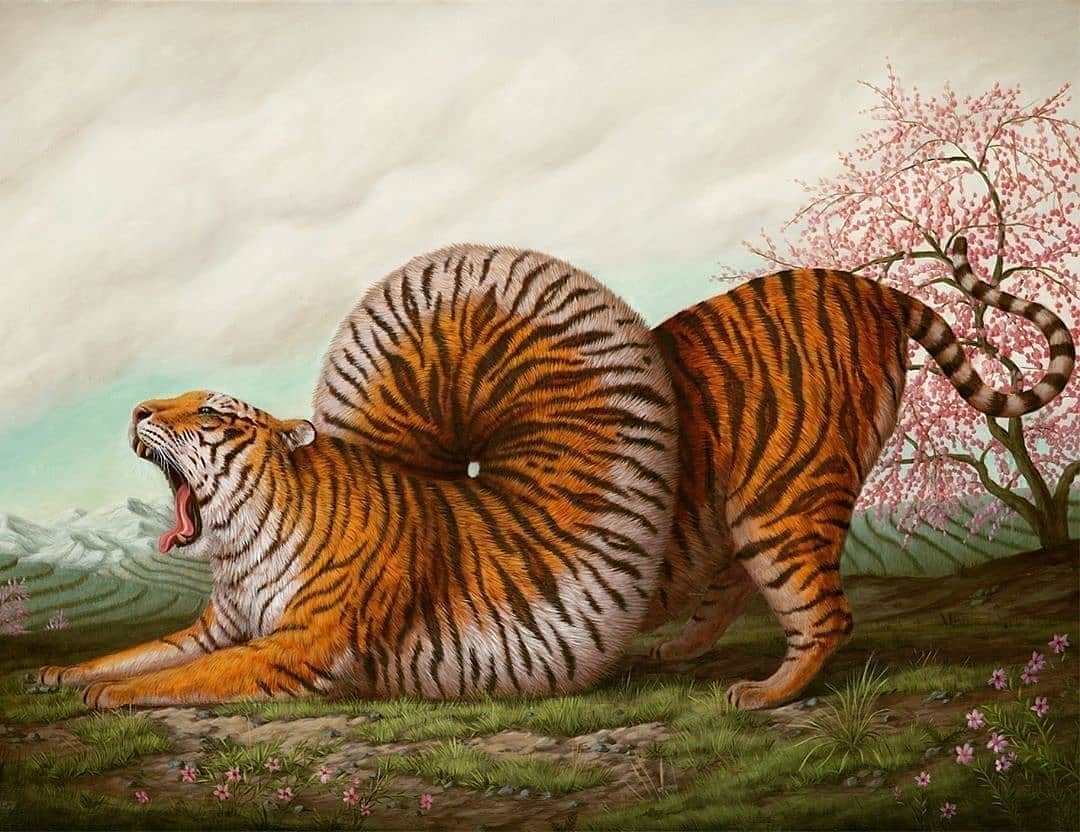
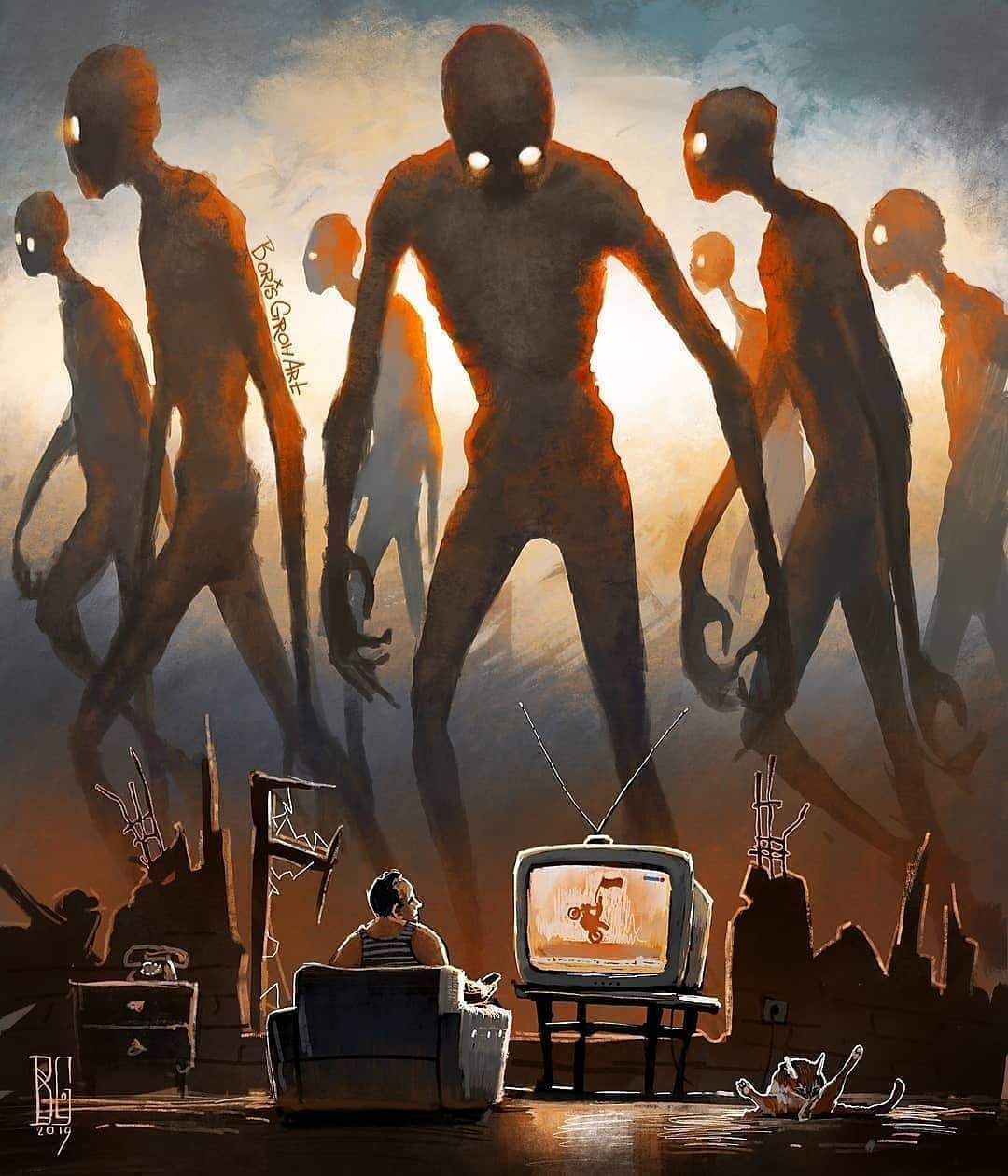
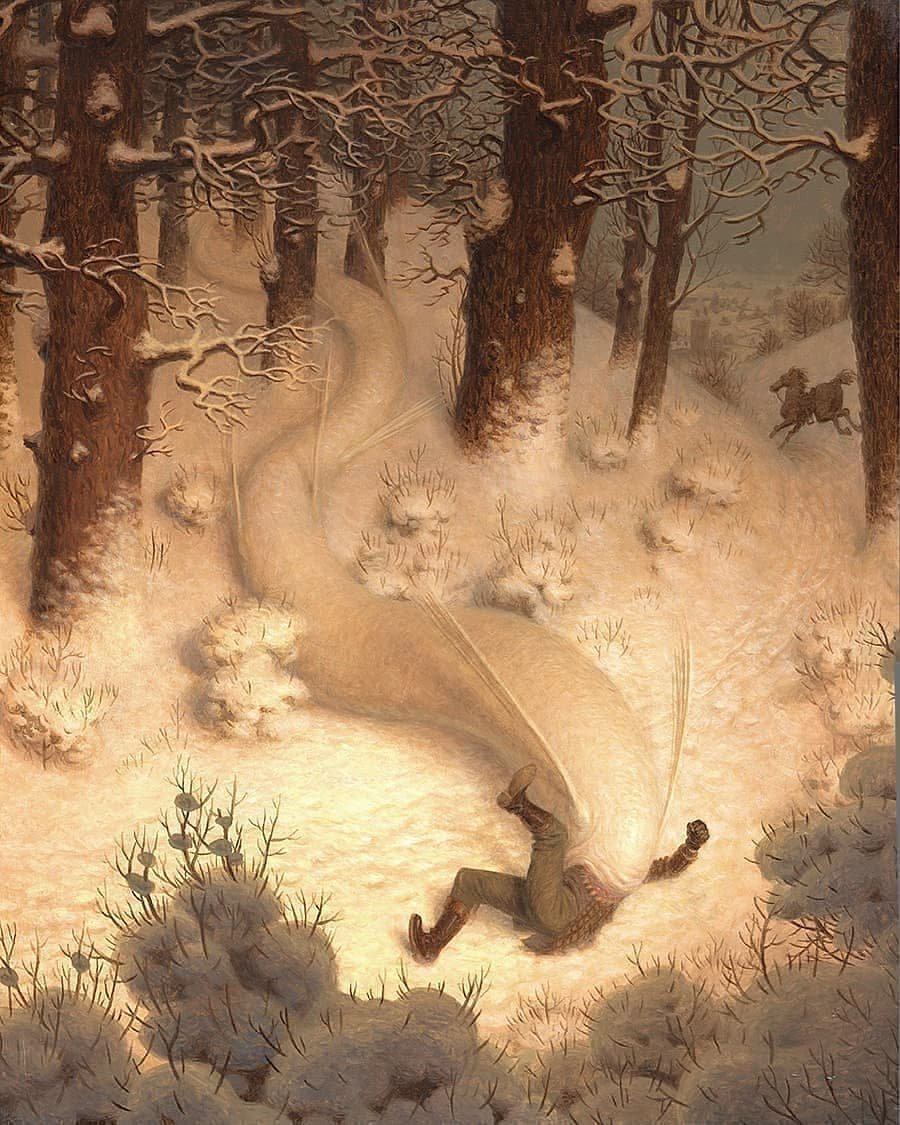
Surrealism beyond painting
Surrealist ideas also moved through photography, film, collage, objects and other media. That matters when looking at contemporary work: a modern surreal image may borrow from photography, digital compositing, illustration or pop culture rather than from oil painting alone.
The movement’s influence is also wider than the list of artists who formally belonged to it. Dream imagery, impossible spaces, visual puns and transformations now appear throughout advertising, photography, album art, fashion imagery and digital illustration. Similarity does not make every dreamlike work “Surrealist” in the historical sense, but the visual language remains easy to recognize.
If you want to practice these ideas rather than only browse them, use the 43 beginner drawing tutorials or the one-point perspective guide. Keep most of the scene believable, then break one rule—scale, gravity, object identity or space.
Dreamlike surreal art — Works 22–32
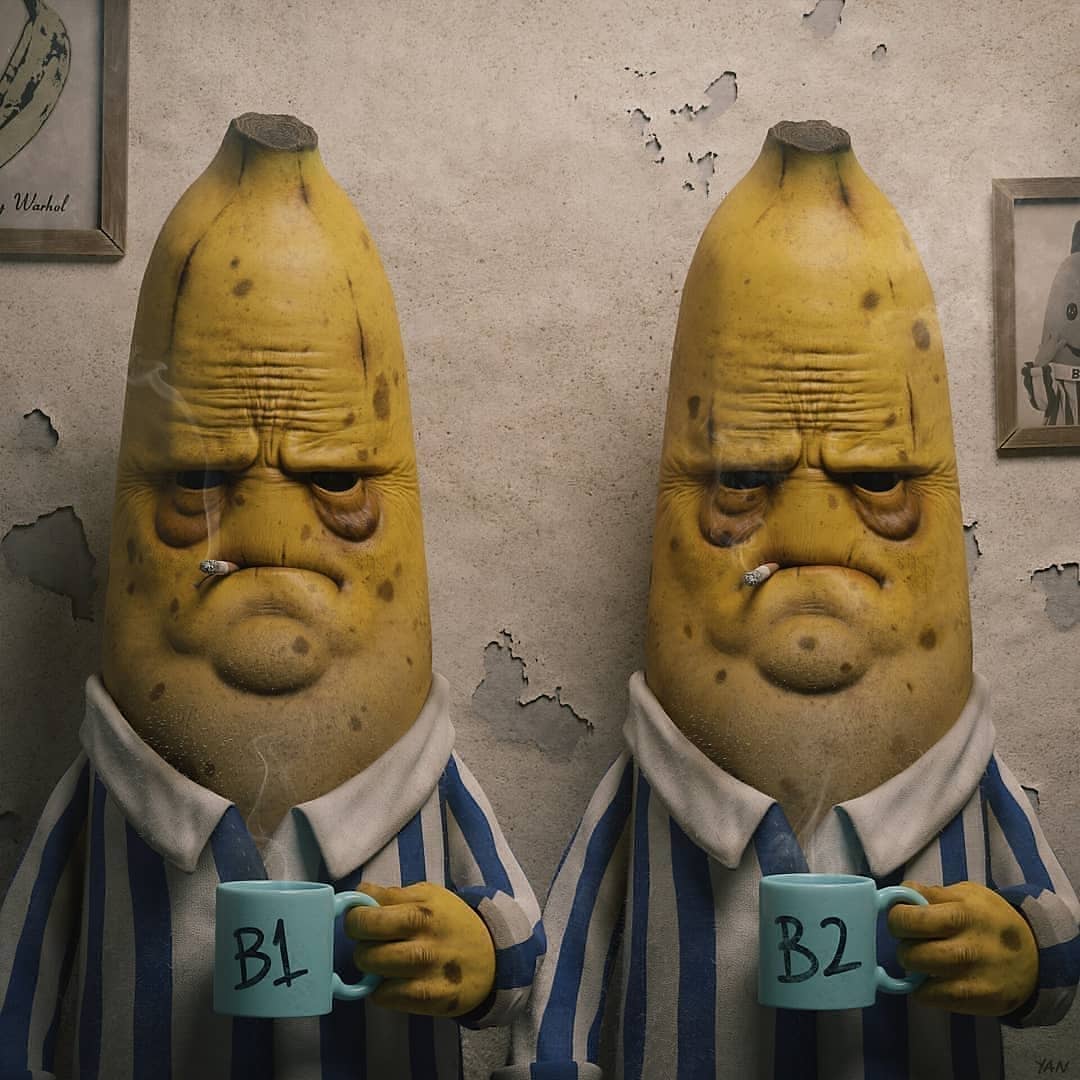

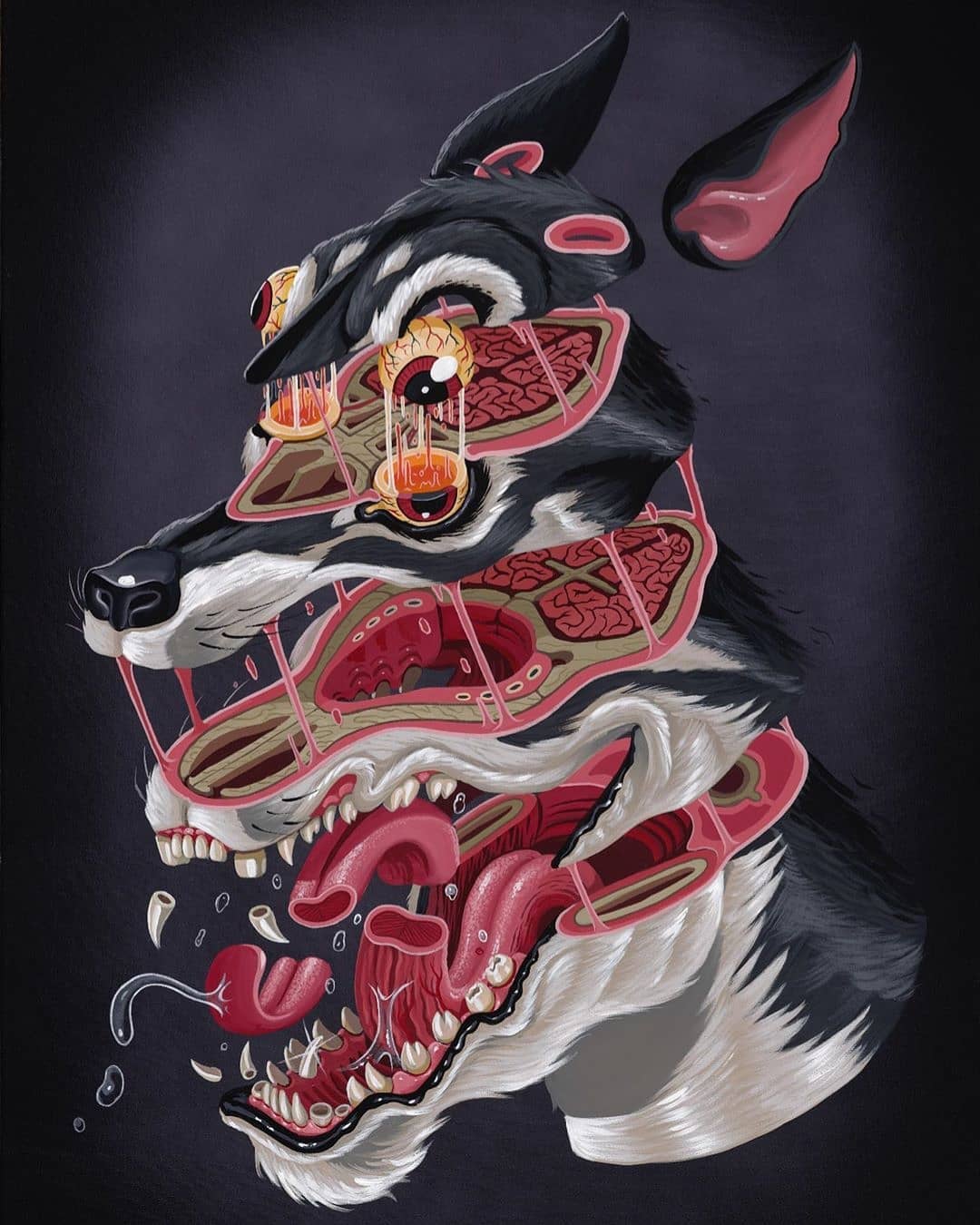
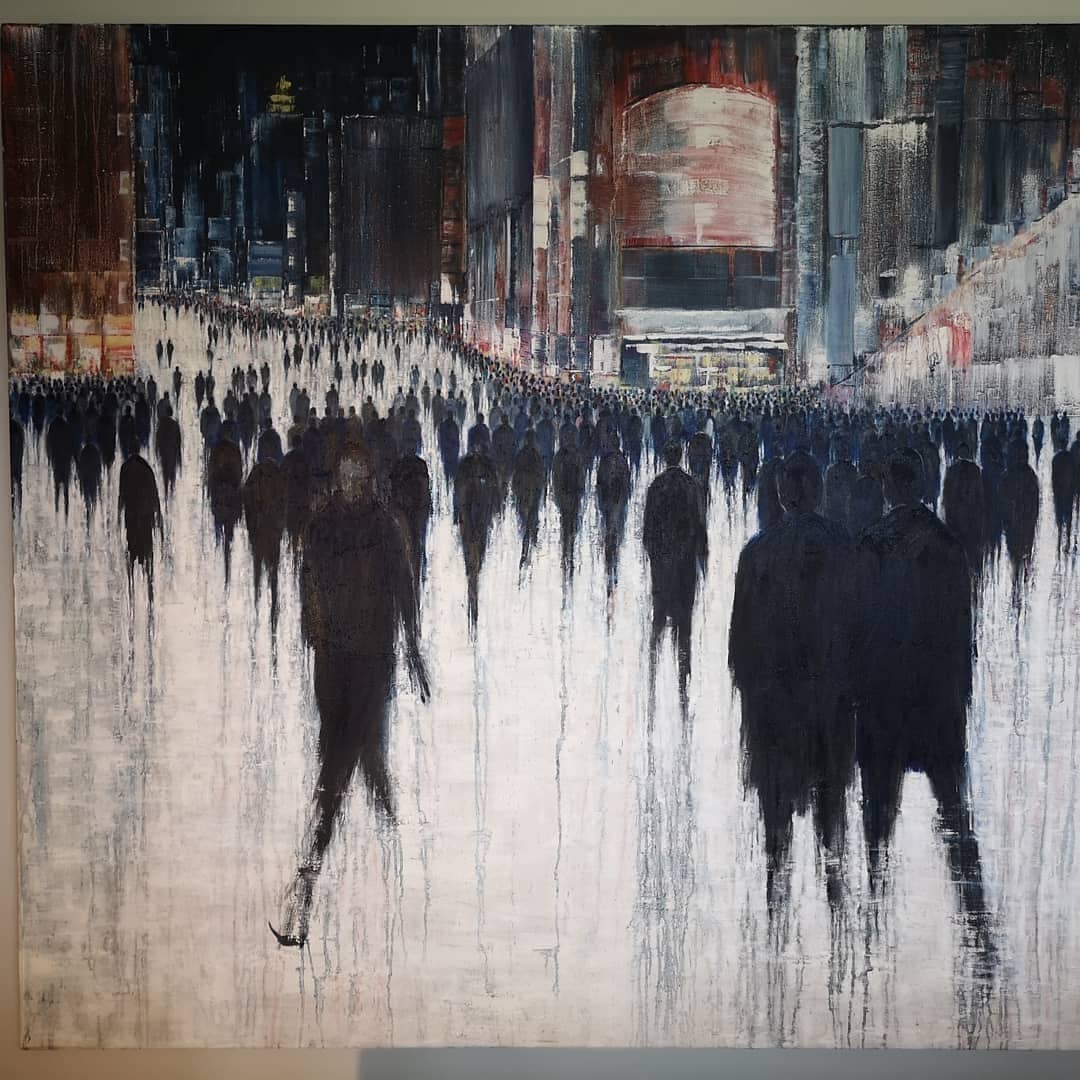
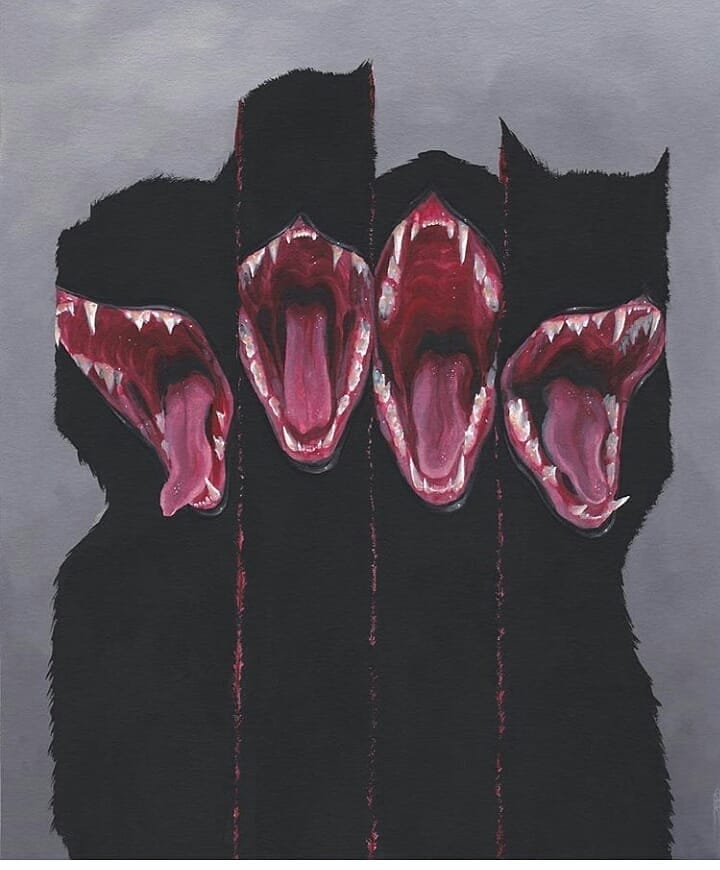
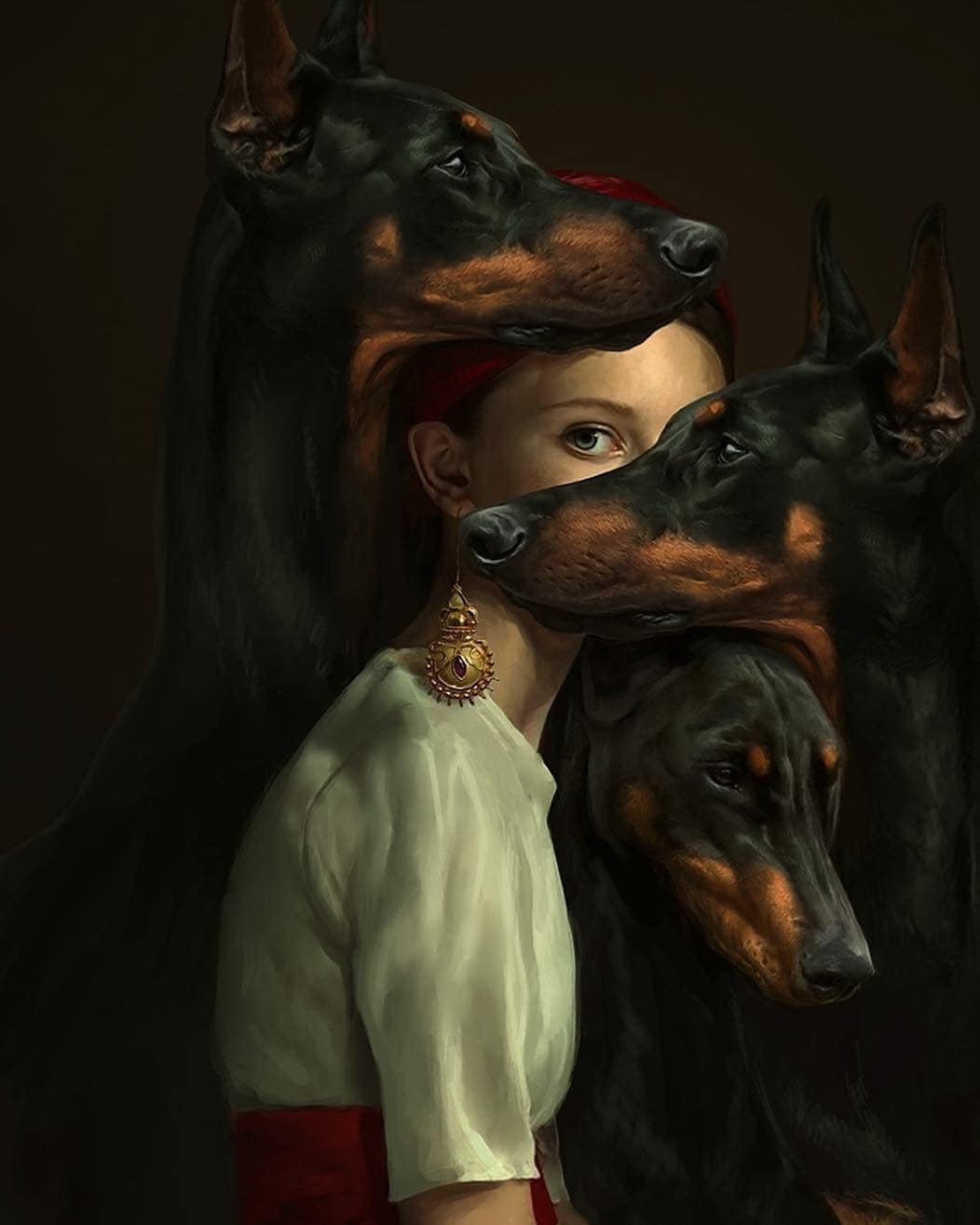
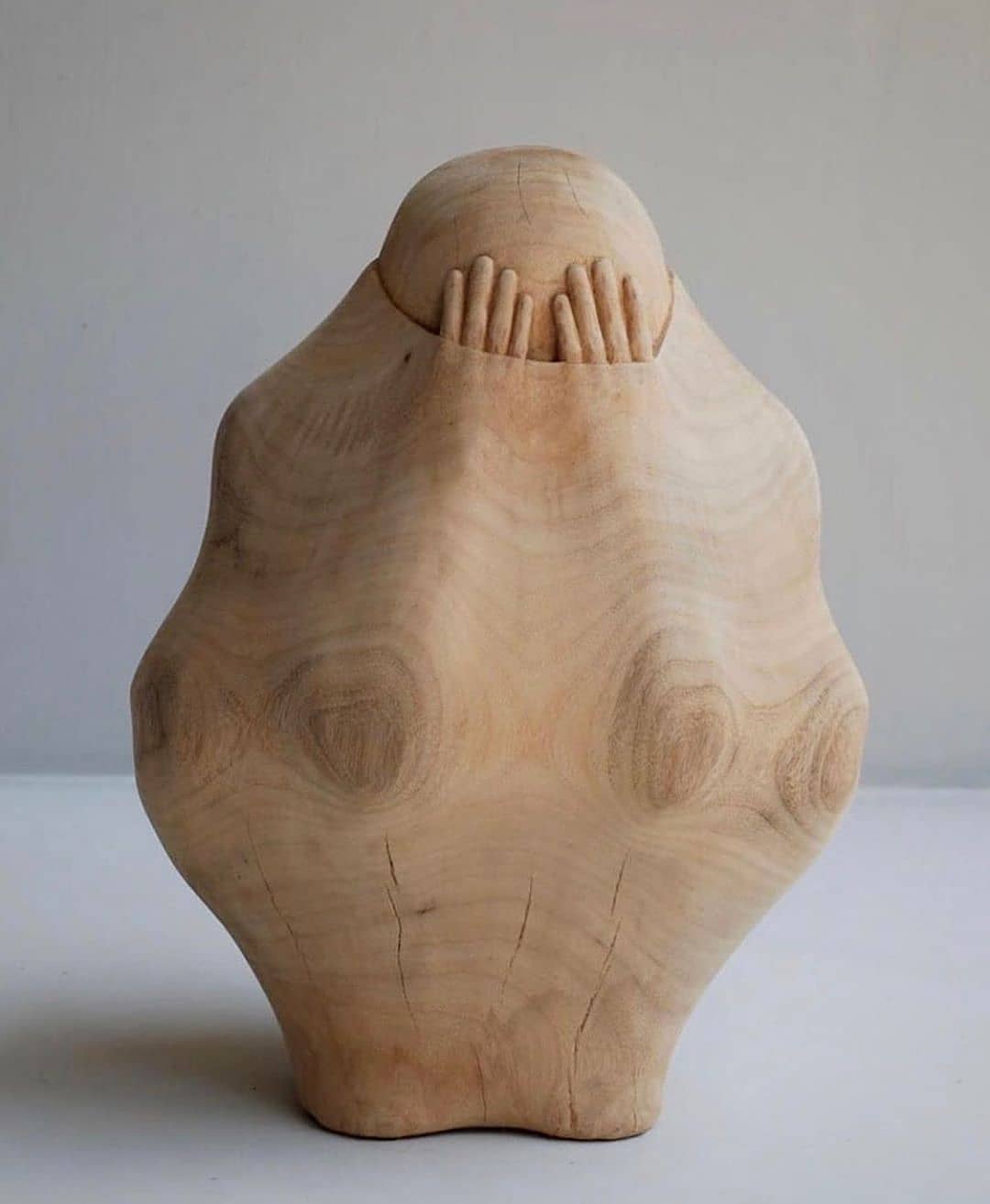
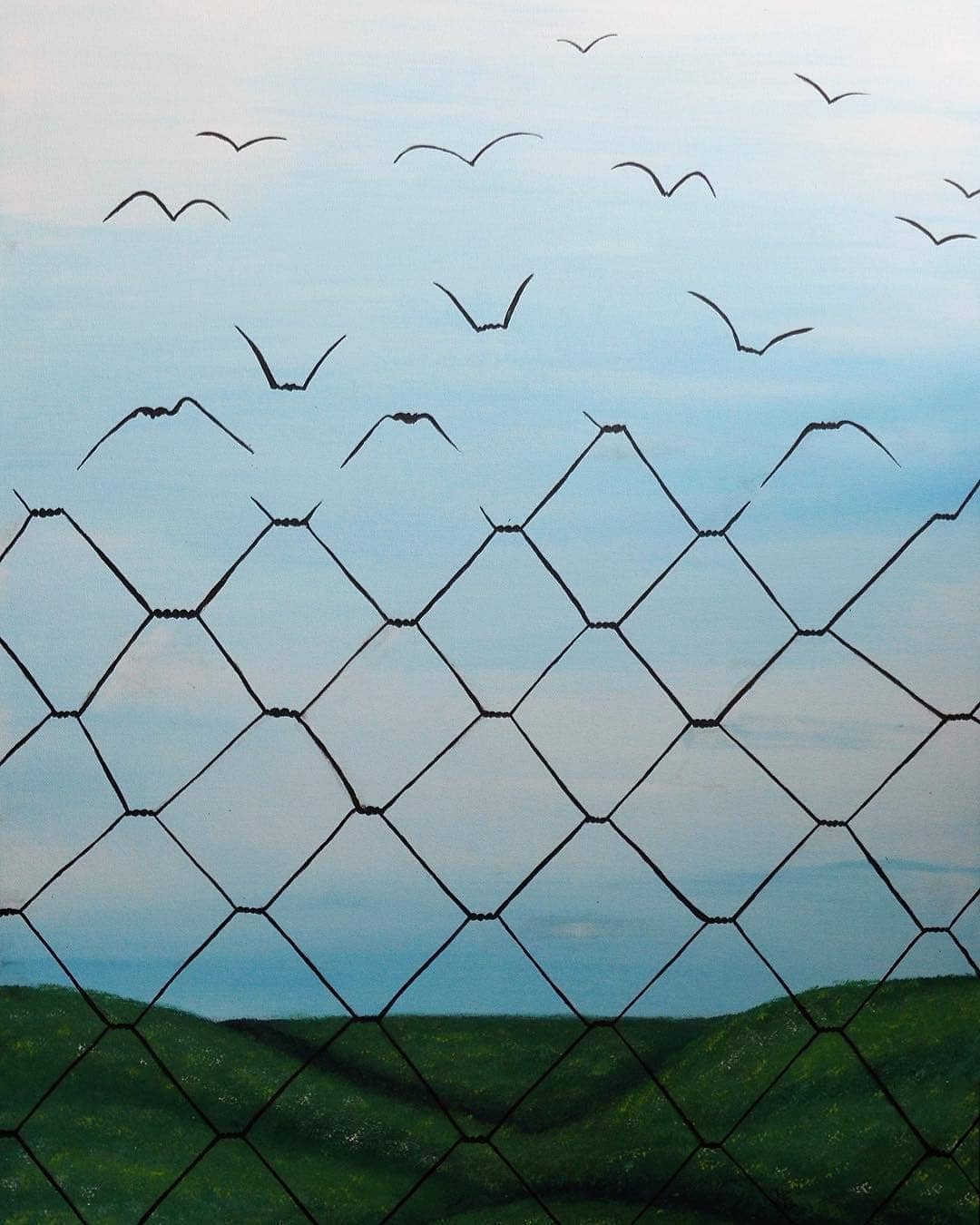
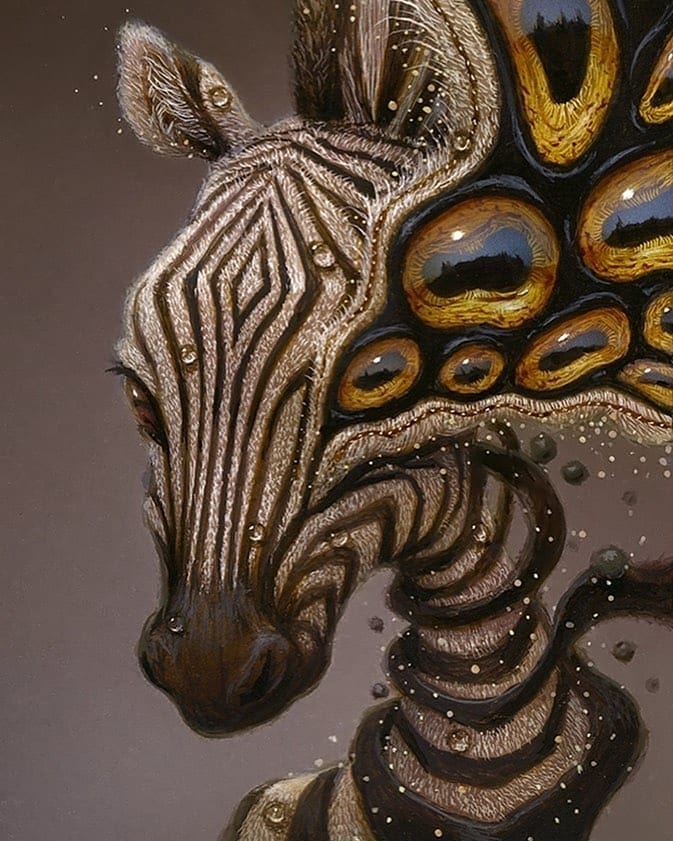
Gallery source / credit: @pop_surreal on Instagram. A credit link does not by itself establish republication or commercial-use rights for every individual image.


Hello, I was wondering who created the first painting?
Aykut Aydogdu.
Need a title and artist at the end of each artworks.
was thinking the same thing