
Twenty hamster drawing references, from round beginner sketches to kawaii characters and a more natural-looking hamster. Hamsters are compact animals, so the main challenge is keeping the cheeks, body and tiny paws readable without burying them in fur. Click or tap any image to open the full-size reference.
Jump to: starter hamsters · simple & kawaii · baby & character ideas · more easy studies
Hamster drawing starters — References 1–5
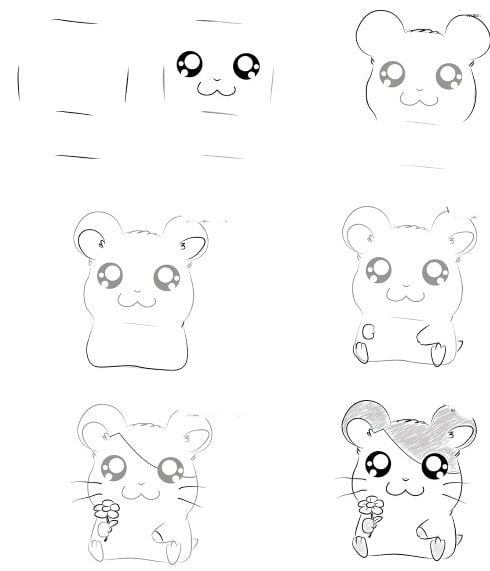
Start with the outer mass, not the fur. A hamster should feel like one compact body with a small head transition, not a head circle pasted onto a separate torso.
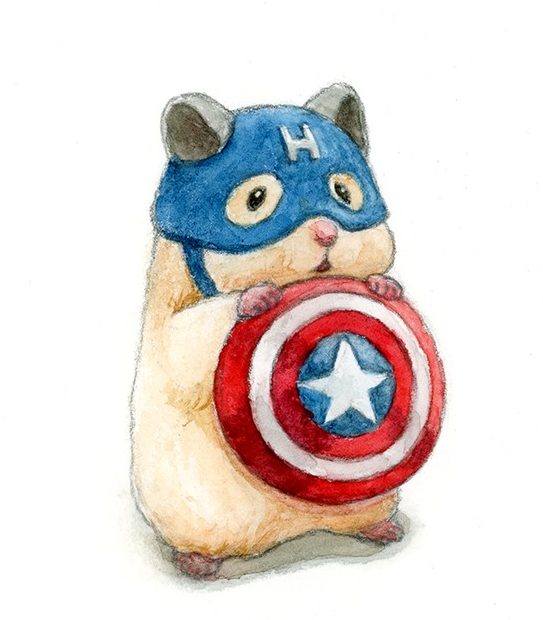
Simple and kawaii hamsters — References 6–10
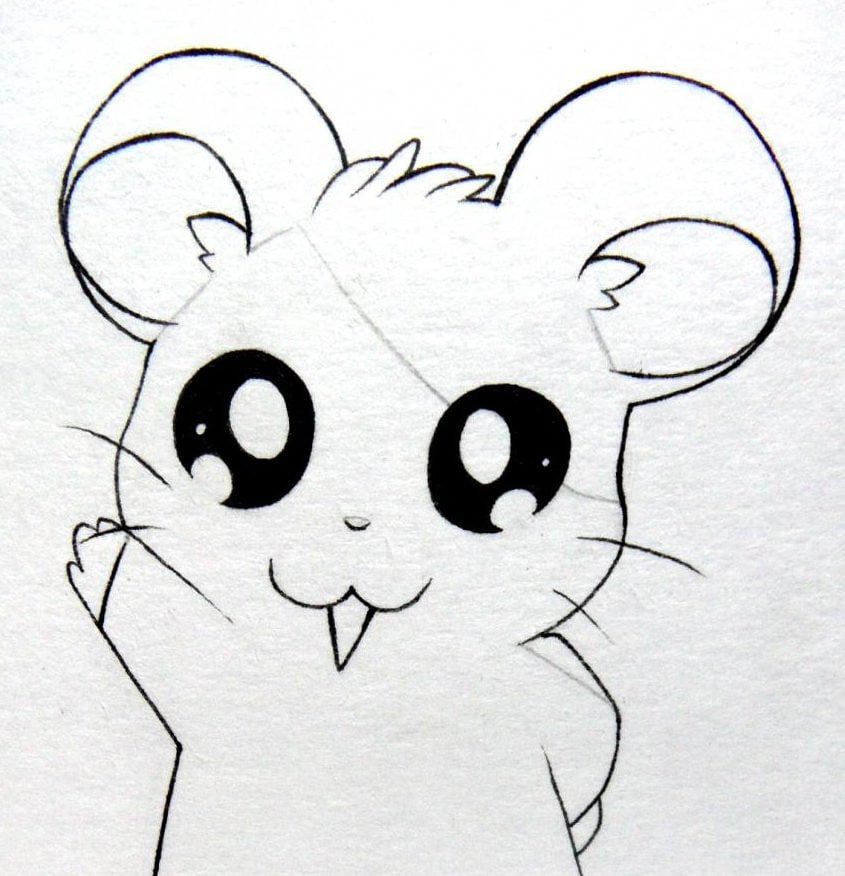
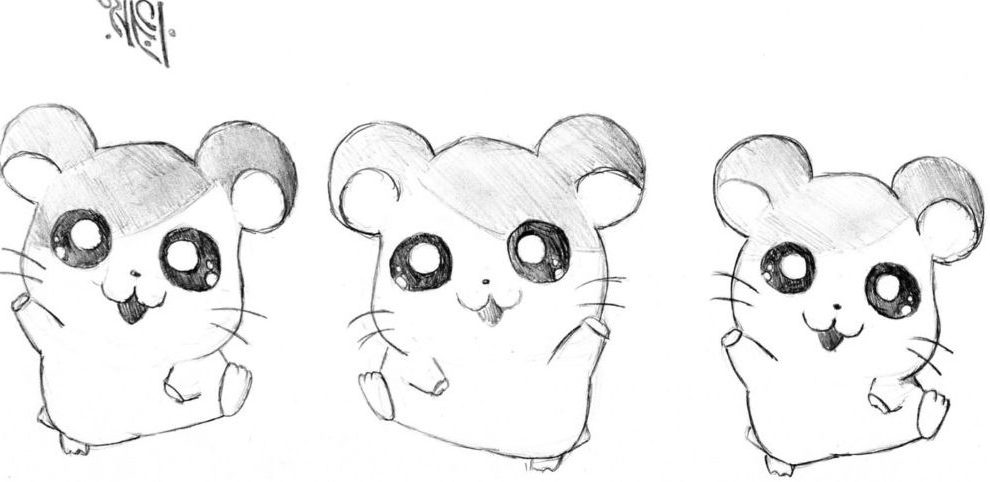
Keep the face simple: two dark eyes, a small nose and enough empty space for the cheeks. If the face already feels crowded before whiskers or fur, the features are too large or too close together.
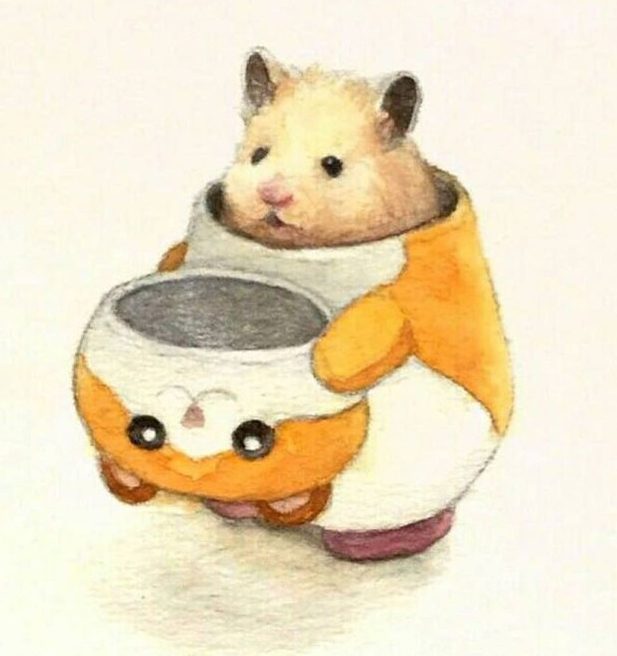
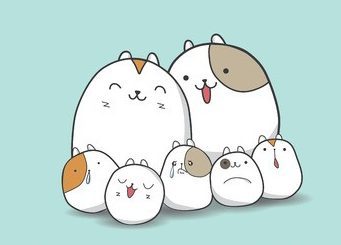
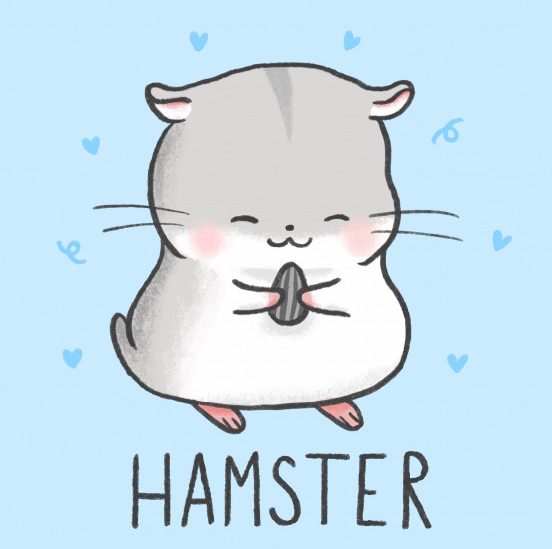

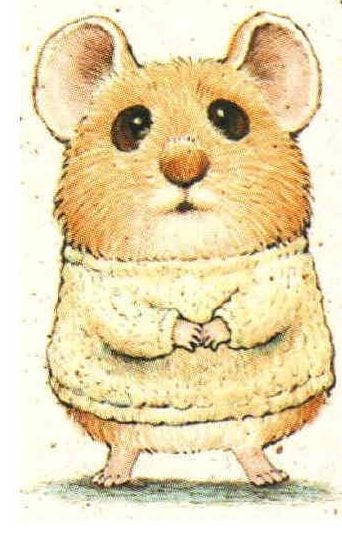
Baby and character hamsters — References 11–15
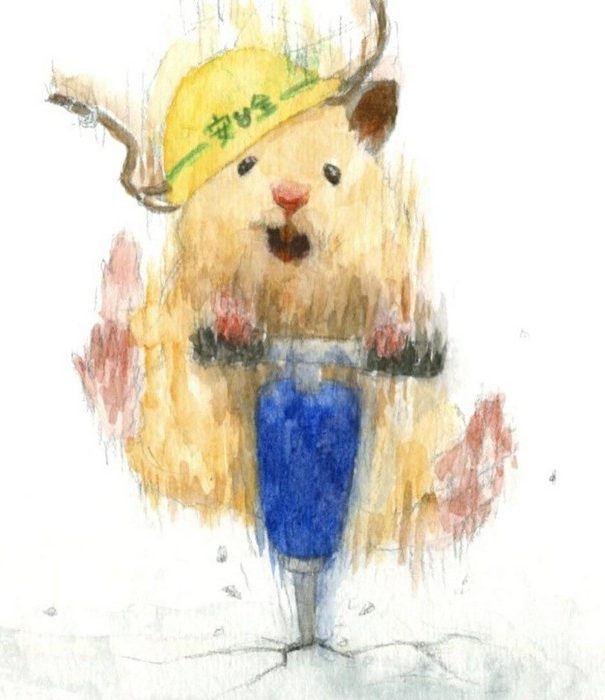
The character-style references exaggerate different things—head size, cheeks, costume or eye size. Pick one exaggeration at a time. Stacking all of them together can make the animal stop reading as a hamster.
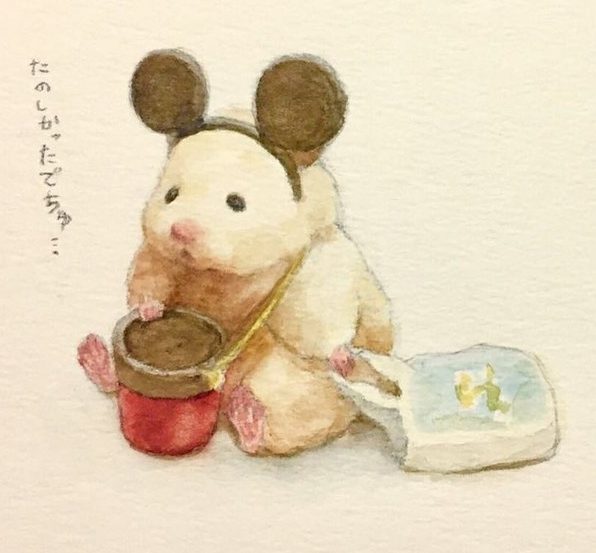
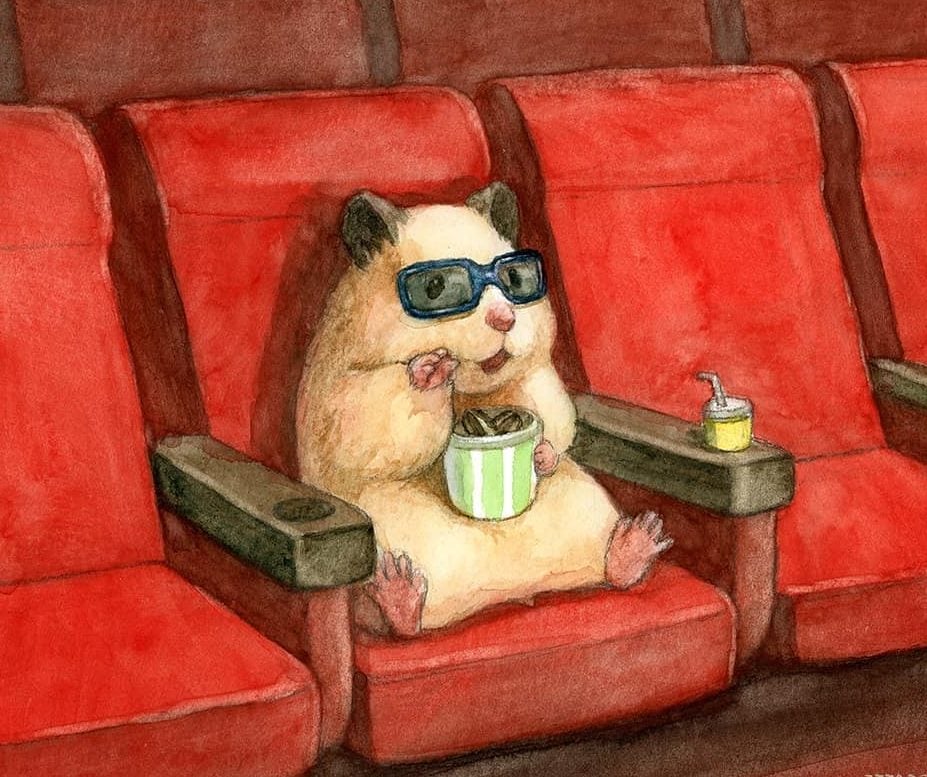
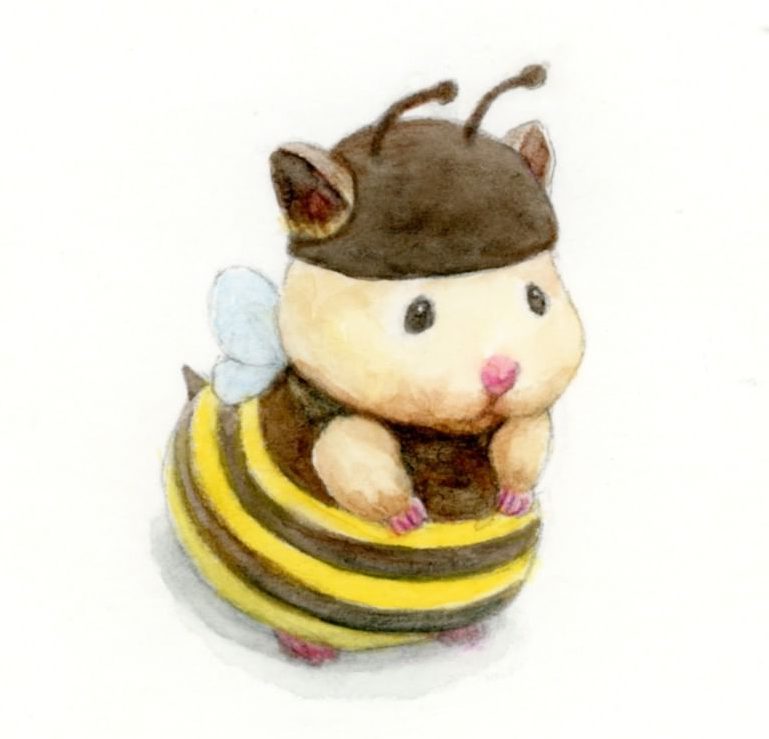

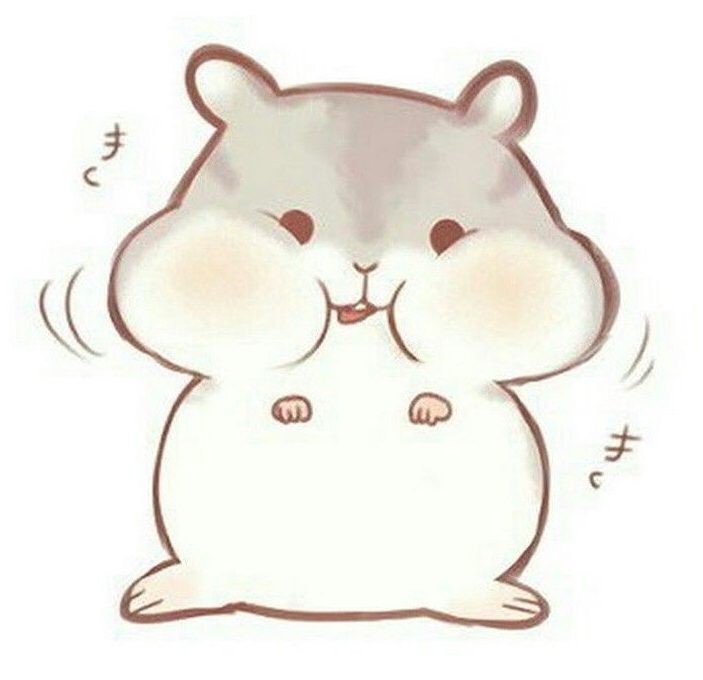
More easy hamster studies — References 16–20

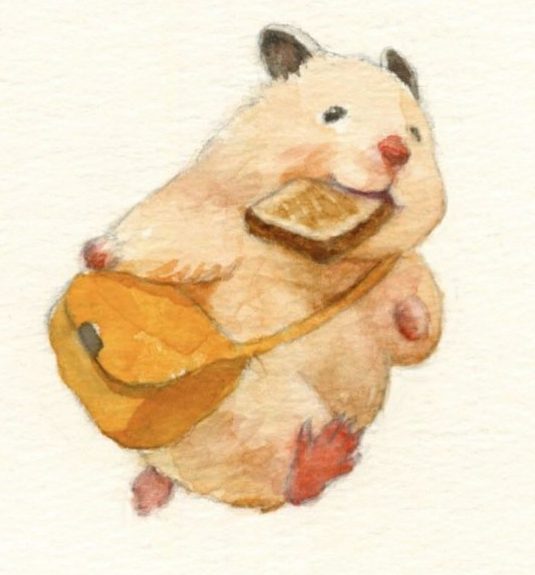
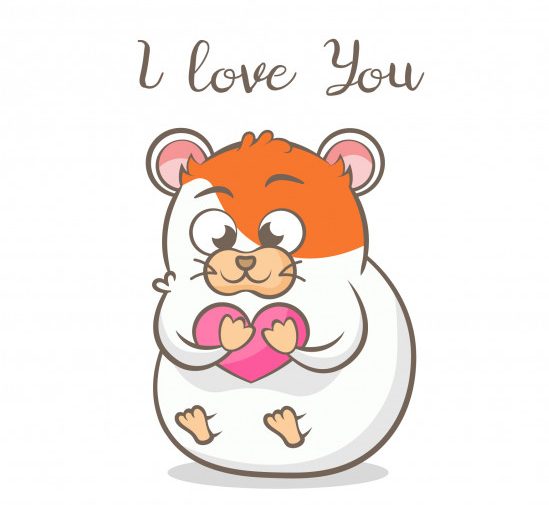
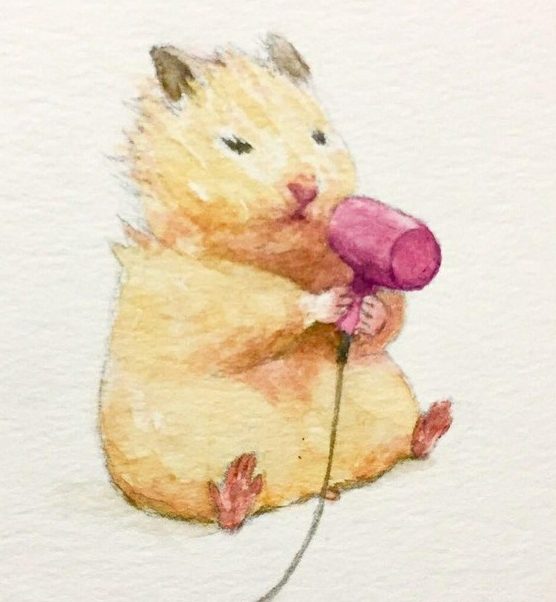
How to build a hamster drawing before adding fur
Most hamster sketches go wrong before the fur is drawn. Build the animal from three masses first: a rounded body, a smaller head shape that overlaps it, and two tiny paw shapes. Keep the construction light enough that you can adjust the silhouette without erasing grooves into the paper.
- Block the body first. Use a squat oval or bean shape. If it is too long, the animal starts to read like a mouse or rabbit.
- Overlap the head. Avoid a separate circle floating above the body. The neck transition should almost disappear beneath the cheek fur.
- Place the face low and close. Hamster eyes are small relative to the cheek mass. Leave breathing room around the nose.
- Add ears and paws as accents. They should support the silhouette, not compete with the face.
- Save fur for last. Break only selected edges with short strokes. Covering the whole outline in identical zigzags makes the drawing noisy.
Three proportion checks before you add fur
- Body: does the silhouette feel compact rather than long and rabbit-like?
- Face: is there enough cheek space around the eyes and nose?
- Paws: are they small enough to support the pose without becoming the focal point?
A useful test is to squint at the sketch. If it already reads as a hamster with no whiskers, toes or fur texture, the large shapes are doing their job.
How to make a cute hamster look intentional
Cute drawings usually exaggerate one or two features rather than everything at once. A larger head can work with tiny paws. Oversized cheeks can work with simple dot eyes. Huge eyes, huge ears, huge cheeks and a tiny body all together often turn the character into a generic kawaii animal.
Compare References 2, 7 and 14. Instead of copying the finished contour, identify what each one exaggerates. Then redraw the same basic hamster three times while changing only one variable: head size, cheek width or eye spacing. That gives you a reusable character-design method rather than a single copied picture.
Drawing a more natural hamster
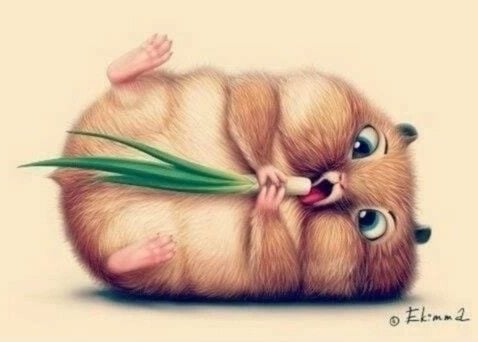
For a less cartoon-like result, use Reference 5 and pay attention to the silhouette before individual hairs. The back should form one soft arc, the belly should feel supported rather than perfectly circular, and the muzzle should project subtly from the cheek mass. Shade under the chin, belly and paws first; those contact shadows explain the form more efficiently than drawing hundreds of hairs.
Use fur strokes selectively around the cheek, chest and outer body edge. Change their direction with the form. Straight, evenly spaced strokes all around the animal flatten it.
A 10-minute hamster drawing practice
- 2 minutes: choose one reference and reduce it to body, head, ears and paws.
- 3 minutes: redraw it without tracing, checking only the large proportions.
- 2 minutes: make a second version from memory.
- 2 minutes: compare the two and mark the biggest proportion error—body length, head size, eye spacing or paw size.
- 1 minute: draw only that problem area once more.
Repeat the drill with a different reference rather than polishing one sketch for twenty minutes. Short repetitions make proportion mistakes easier to notice.
Common hamster drawing problems
- It looks like a mouse: shorten the body, soften the muzzle and increase the cheek mass.
- The face looks crowded: shrink the eyes and nose before moving them farther apart.
- The hamster looks flat: add overlap where the head meets the body and use a small shadow under the chin or paws.
- The fur looks spiky: keep most contours smooth and reserve broken strokes for a few soft edges.
- The pose feels stiff: tilt the body mass slightly before placing the head and paws.
Which reference should you start with?
If you are completely new, begin with References 1, 6 or 18 because their shapes are easy to separate. For kawaii character practice, use 2, 7 or 14. For a more natural study, use 5. The goal is not to finish all twenty in order; choose the reference that isolates the skill you want to practice.
Hamster drawing questions
What pencil should I use?
An ordinary HB pencil is enough for construction and clean line work. If you want softer shadows, add a 2B pencil after the proportions are settled.
Should I draw every strand of fur?
No. Indicate fur where it helps describe an edge or a change of direction. Smooth areas make the textured areas more convincing.
How do I draw tiny hamster paws?
Start with a small mitten-like shape. Add only the toe separations that remain visible at the final drawing size; too many dark toe lines can overpower the paw.
How can I make my own hamster character?
Keep the basic compact hamster construction, then deliberately change one feature such as cheek width, ear size, eye spacing or costume. Repeating the same base shape with controlled variations is more useful than inventing every feature at once.
More animal drawing practice
For simpler animal construction, continue with How to Draw Animals for Kids. For a broader list of subjects, use Easy Things to Draw. If you want to practice another furry pet with more varied body shapes, try the easy cat drawing tutorials.
Credits: Instagram

