
This is the larger puppy collection to use when breed matters. It includes Pomeranians, Cavalier King Charles Spaniels, French Bulldogs, Shih Tzus, Chihuahuas, Chow Chows, German Shepherds, Huskies, Golden Retrievers and a final group of mixed kawaii or seasonal puppies.
The coat should determine the coloring method. Fluffy breeds such as Pomeranians and Chow Chows look better with layered pencil strokes; short-coated breeds such as French Bulldogs and Chihuahuas need much less texture. For black-and-tan or strongly patterned dogs, establish the light markings before filling the darkest coat areas.
Jump to a puppy breed
| Breed or group | What to watch for |
|---|---|
| Mixed cute puppies | Simple outfits, kawaii scenes and seasonal designs |
| Pomeranian | Fluffy chest, neck and tail |
| Cavalier King Charles Spaniel | Long ears, blaze and feathered coat |
| French Bulldog | Large ears, short muzzle and smooth coat |
| Shih Tzu | Long facial and ear hair |
| Chihuahua | Oversized ears and compact face |
| Golden Retriever | Soft cream-to-gold coat |
| Chow Chow | Dense fluffy coat |
| German Shepherd | Strong dark/light coat pattern |
| Husky | Face mask and contrasting coat |
A four-step way to color any puppy breed
- Find the light markings first. Leave blazes, muzzles, chests and socks uncolored while you establish the main coat.
- Choose the coat method. Use broad, flatter color for short coats and layered pencil strokes for fluffy or feathered coats.
- Add the breed-defining contrast. That might be a German Shepherd saddle, Husky mask, dark French Bulldog muzzle or Pomeranian chest fluff.
- Finish the small features last. Eyes, nose, collar, flowers and background details are easier once the coat is settled.
If breed does not matter, the smaller cute puppy collection is quicker to browse. For dedicated breed galleries, see the Toy Poodle pages, Golden Retriever pages and Pug pages.
Most sheets are landscape-oriented. Click a puppy image to open the original file, then use Fit to page on A4 or US Letter.
Mixed cute puppy starters
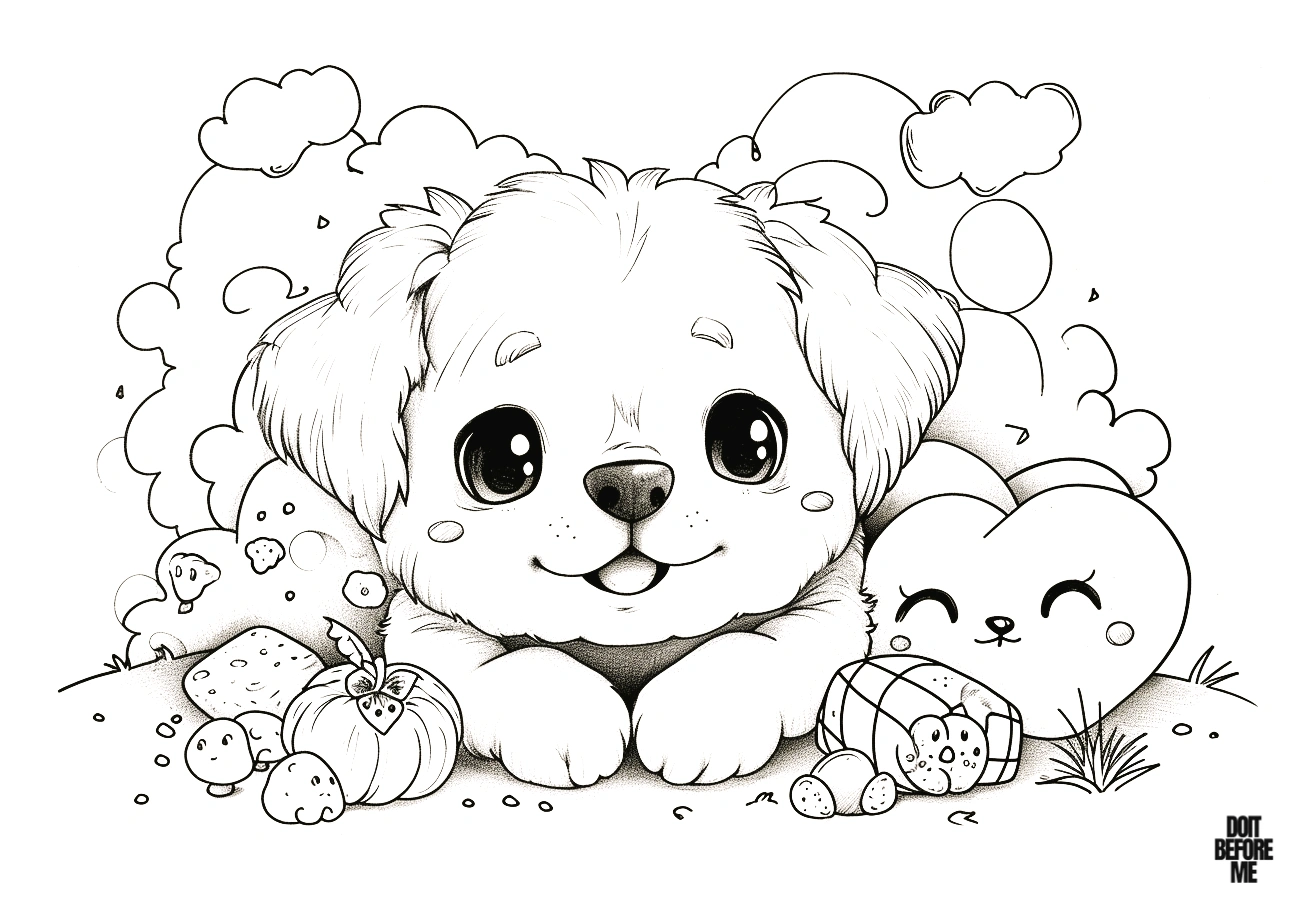
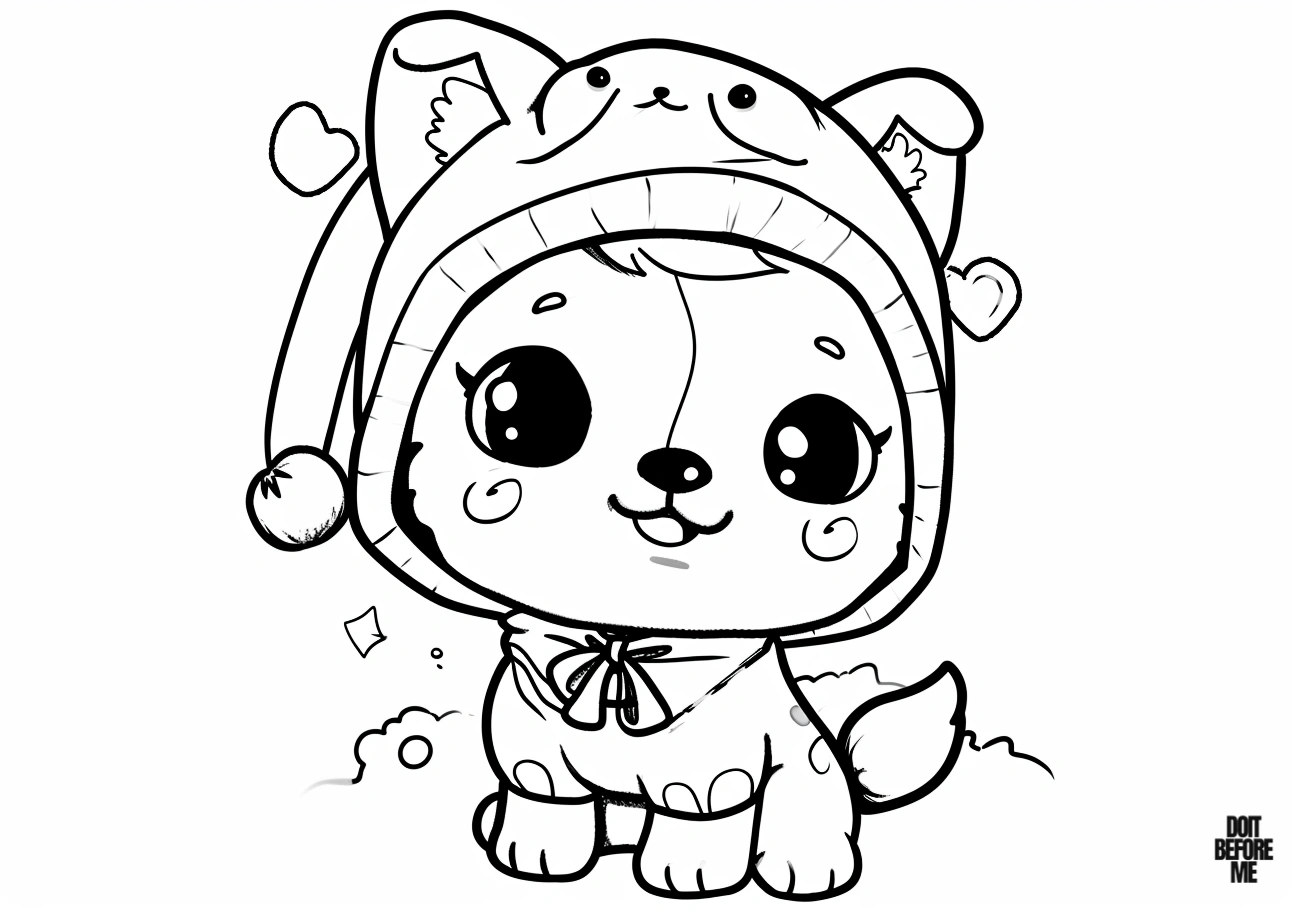
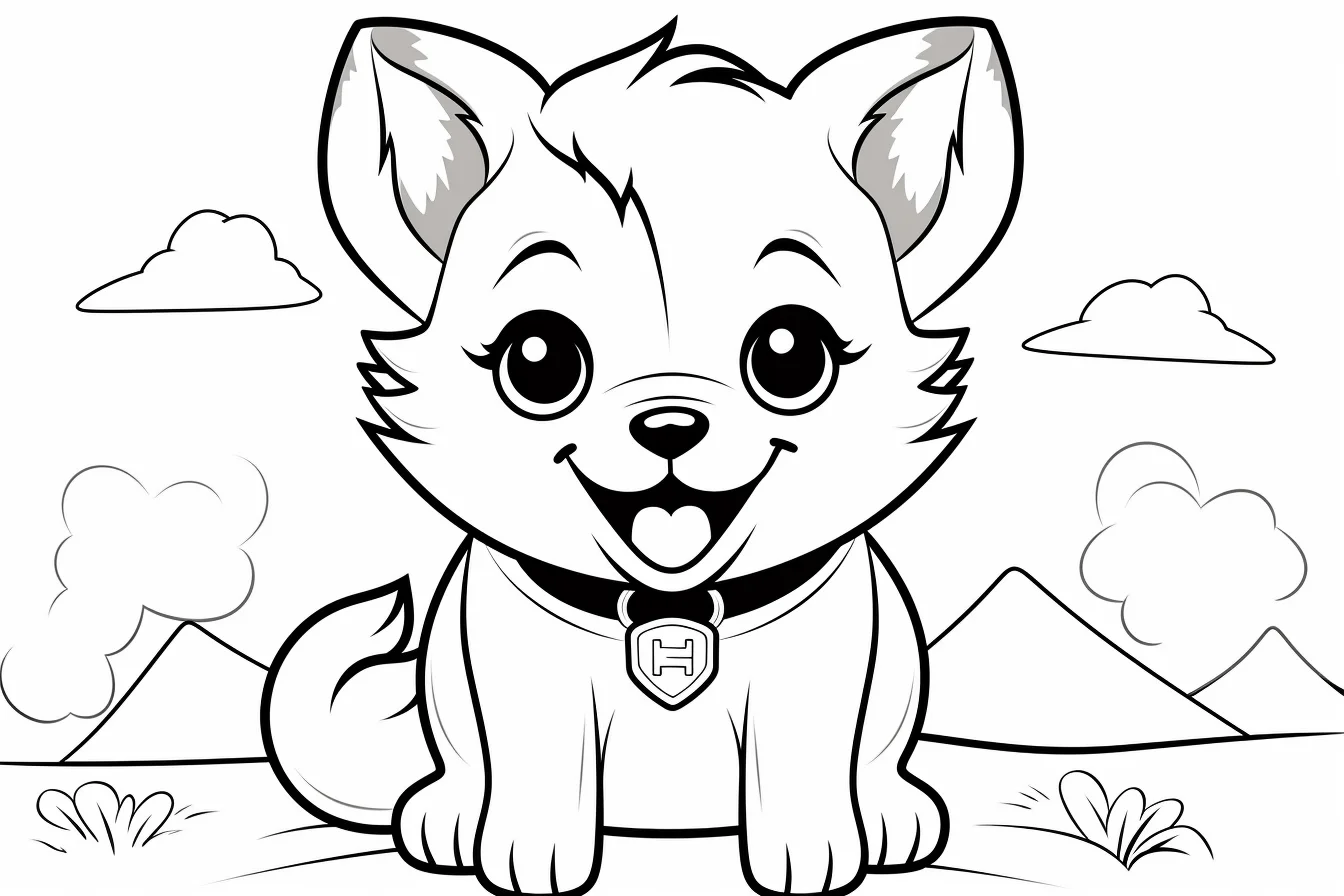
These five pages are the general starter set rather than strict breed references. Use them when the overall cute puppy look matters more than exact coat or head shape.
Breed-specific puppy coloring pages
Pomeranian puppy coloring pages
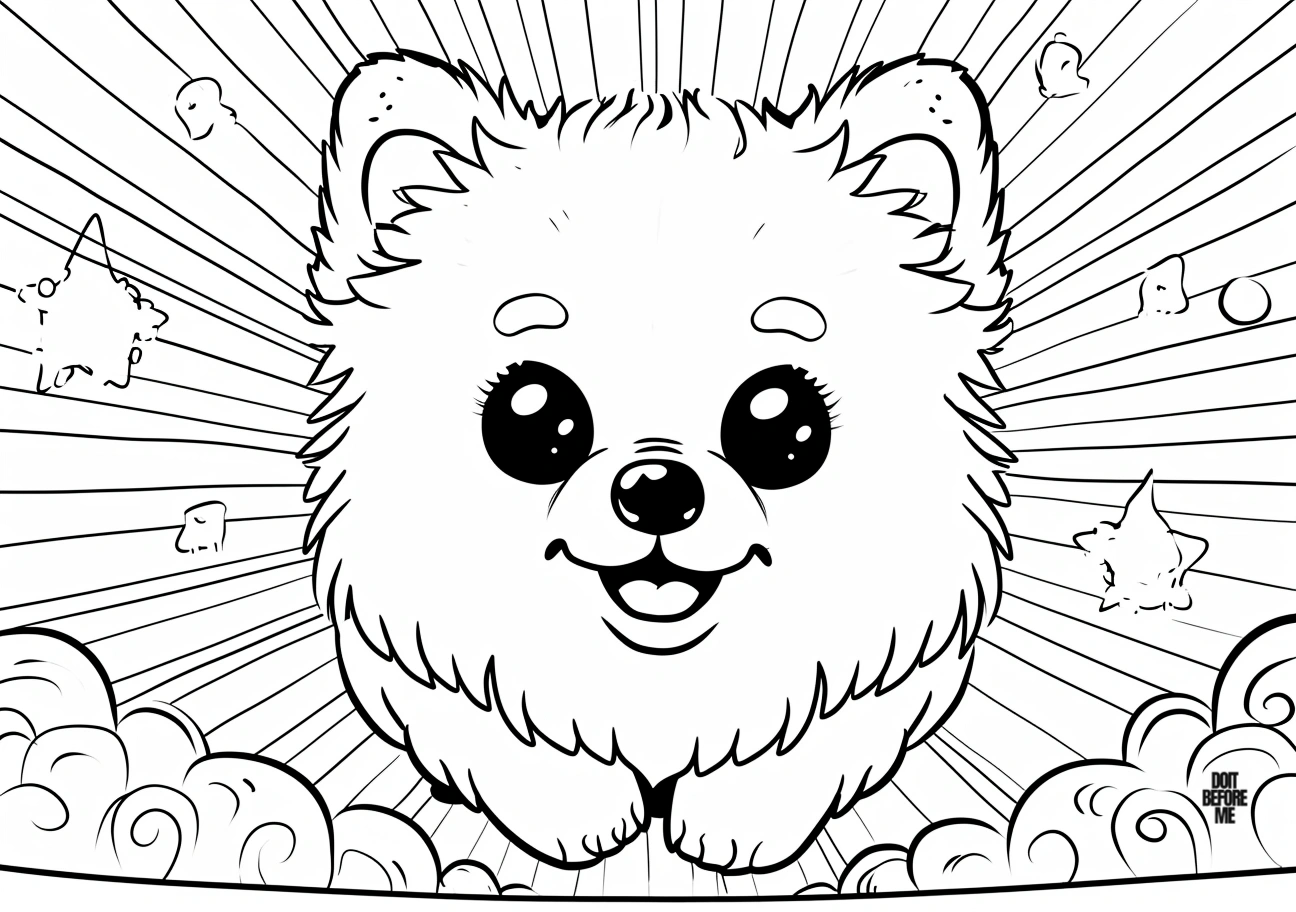
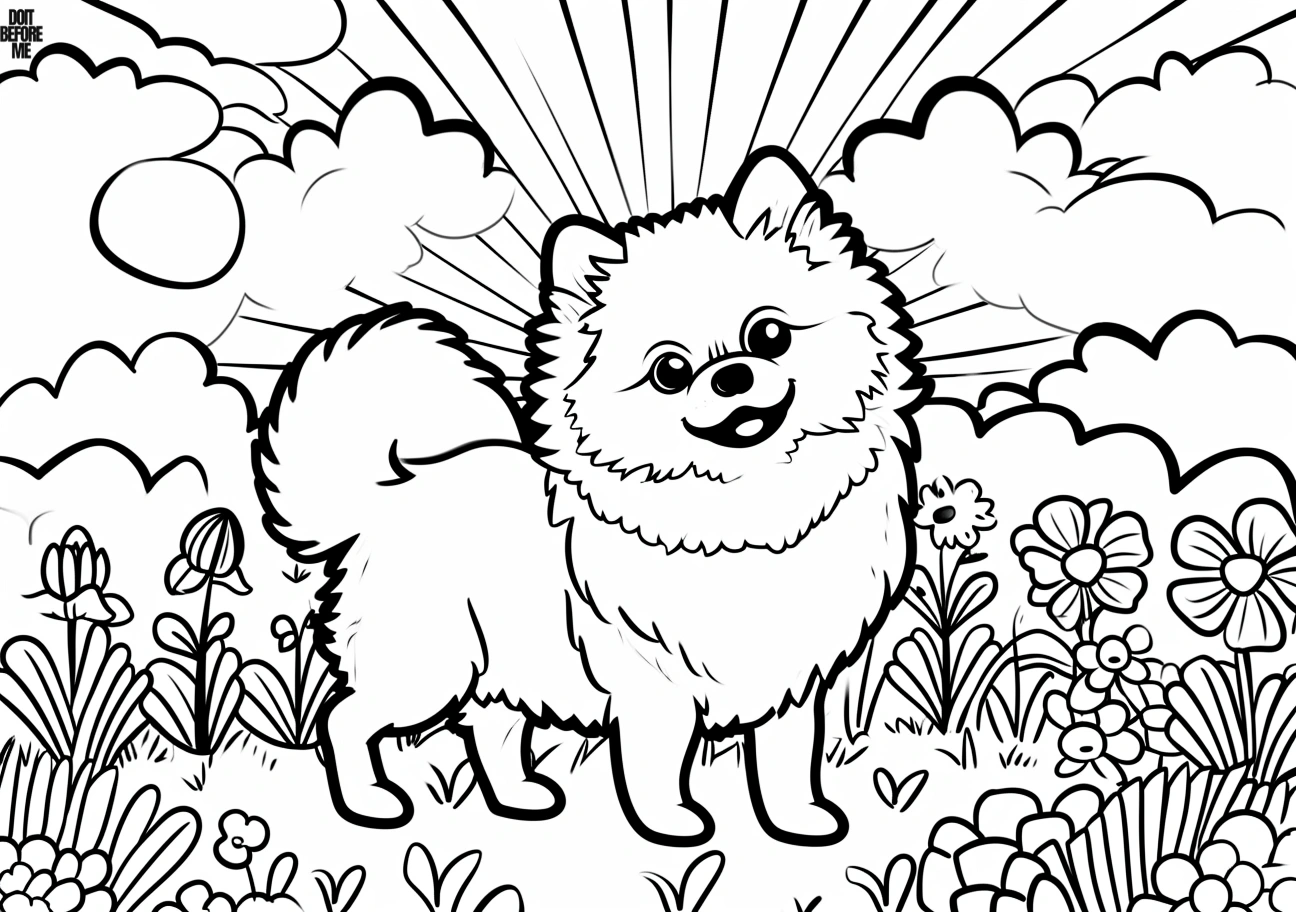
Use short pencil strokes around the chest, neck and tail to suggest the fluffy coat without filling it as one solid shape. Keep the face slightly cleaner so the eyes and muzzle do not disappear into the fur.
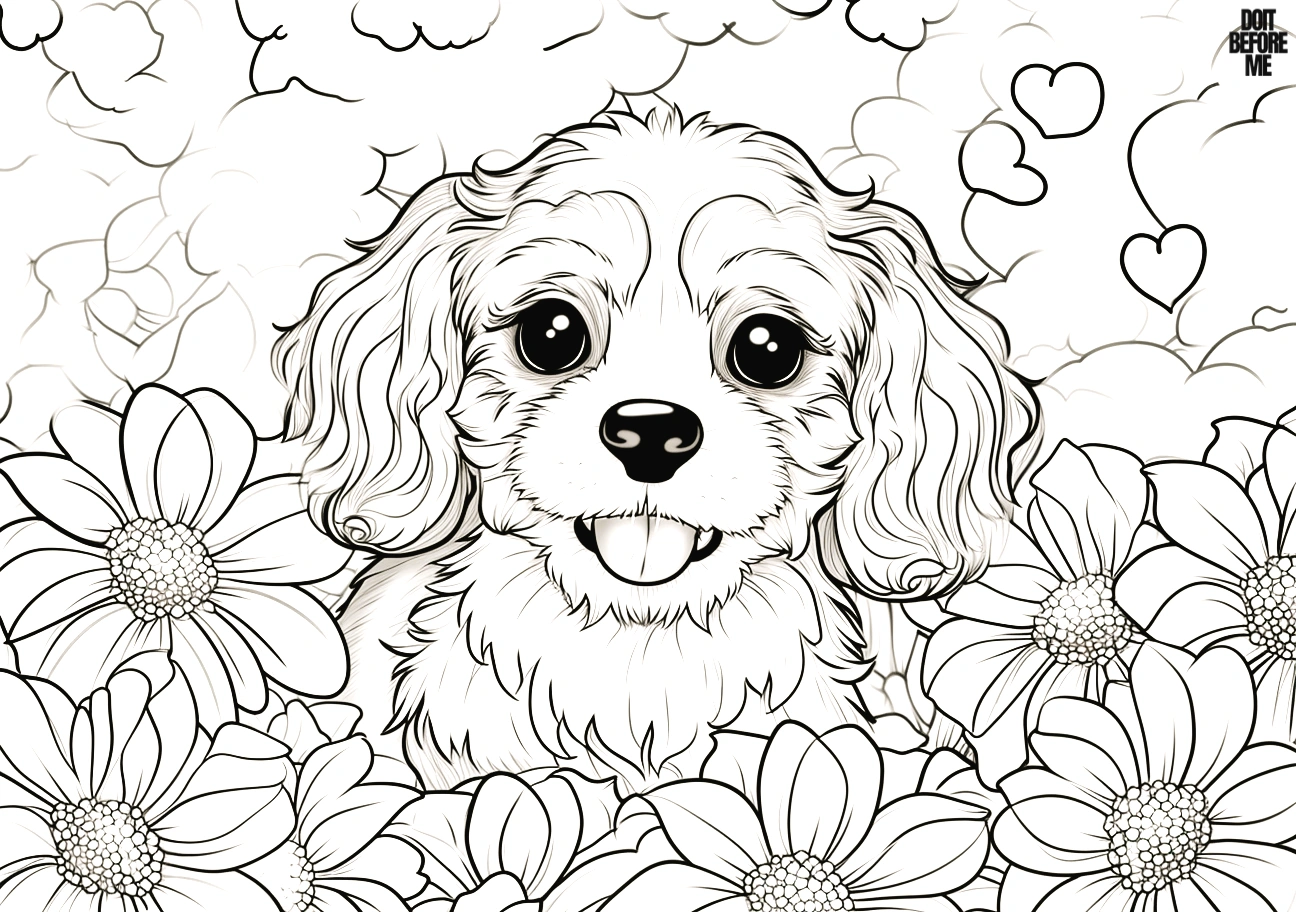
Cavalier King Charles Spaniel puppy coloring pages
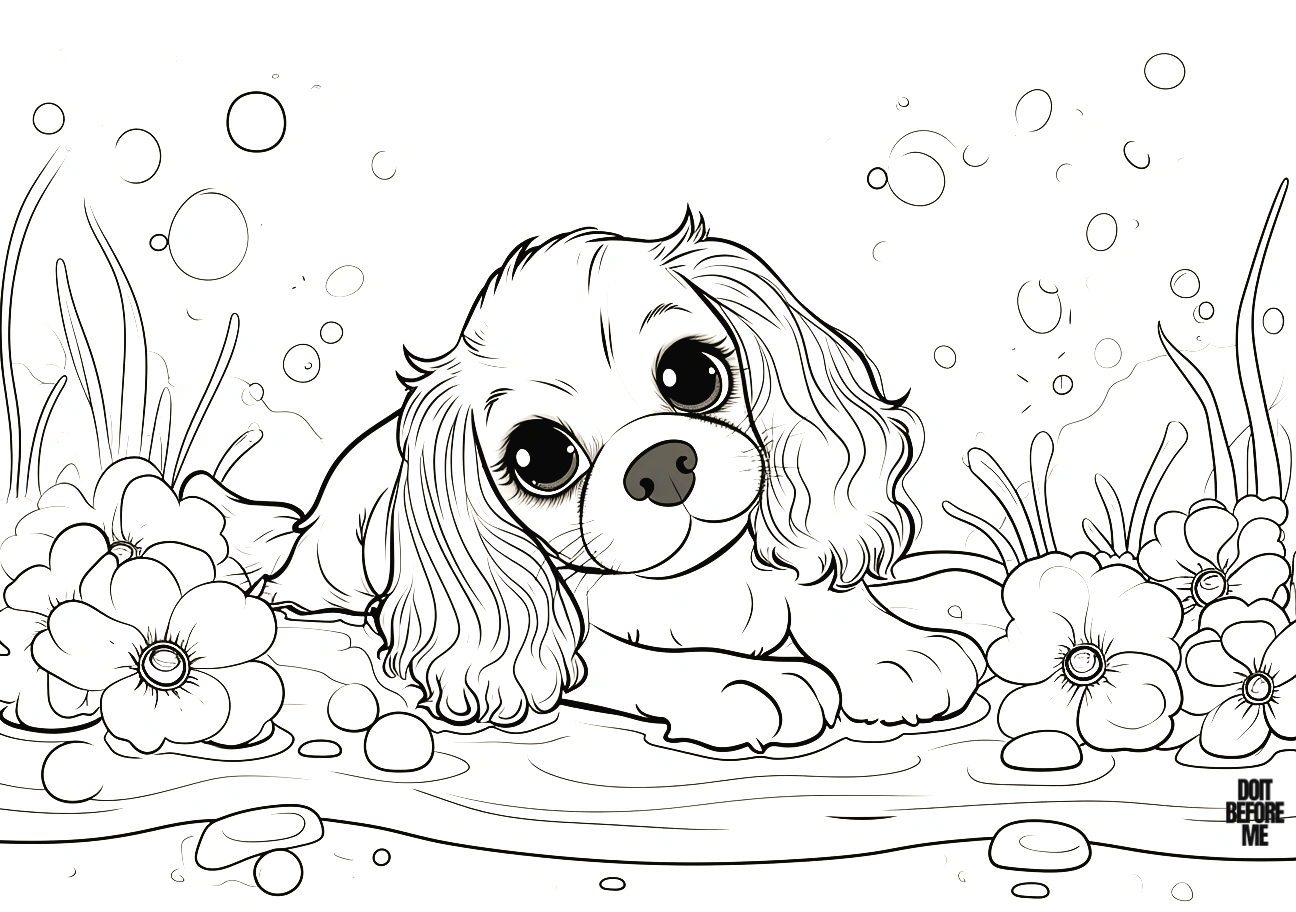
Keep the muzzle and blaze lighter than the ears, then build soft feathering around the chest and sides with layered pencil strokes. The long ears carry much of the breed’s look, so give them a slightly deeper tone than the face.
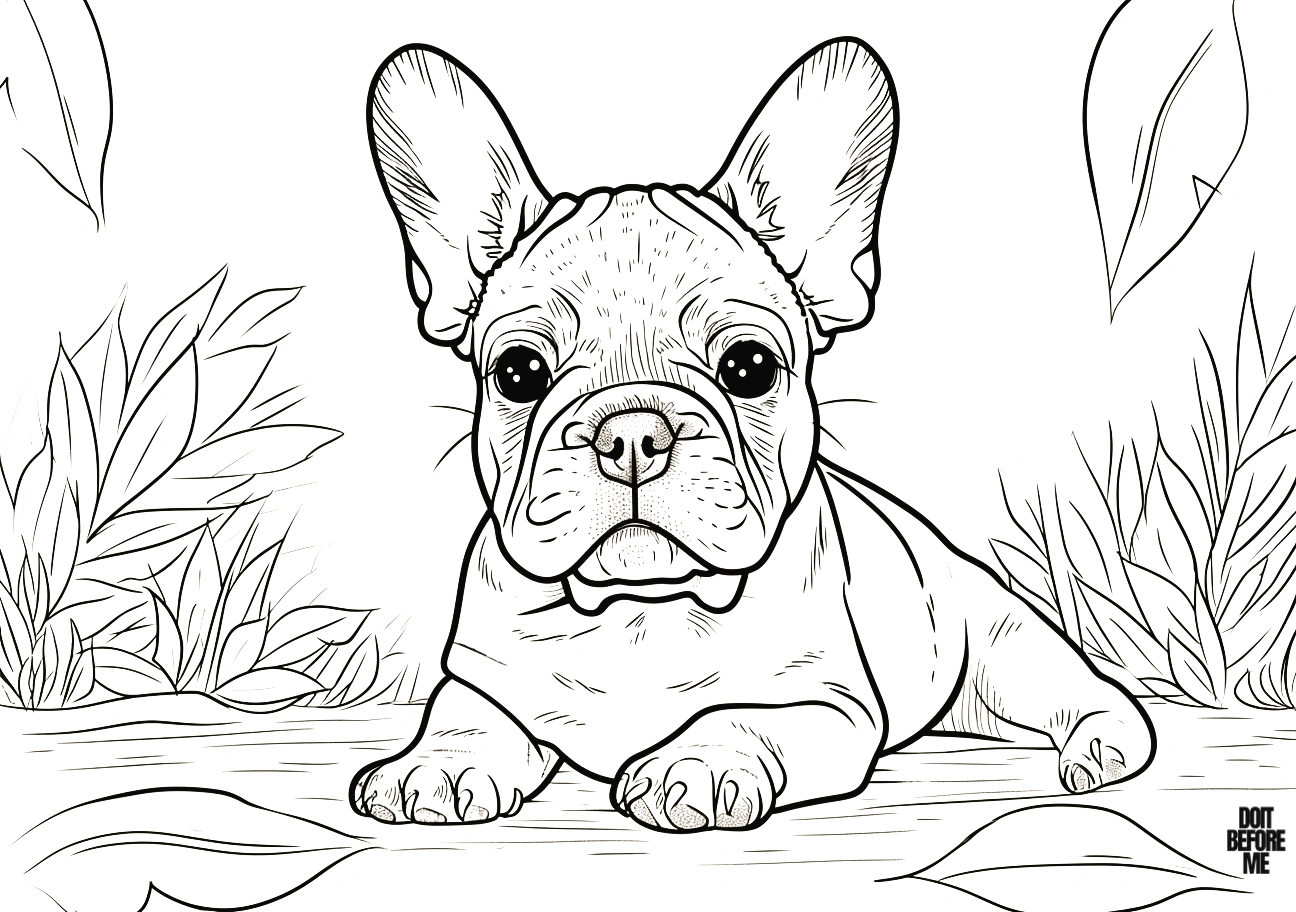
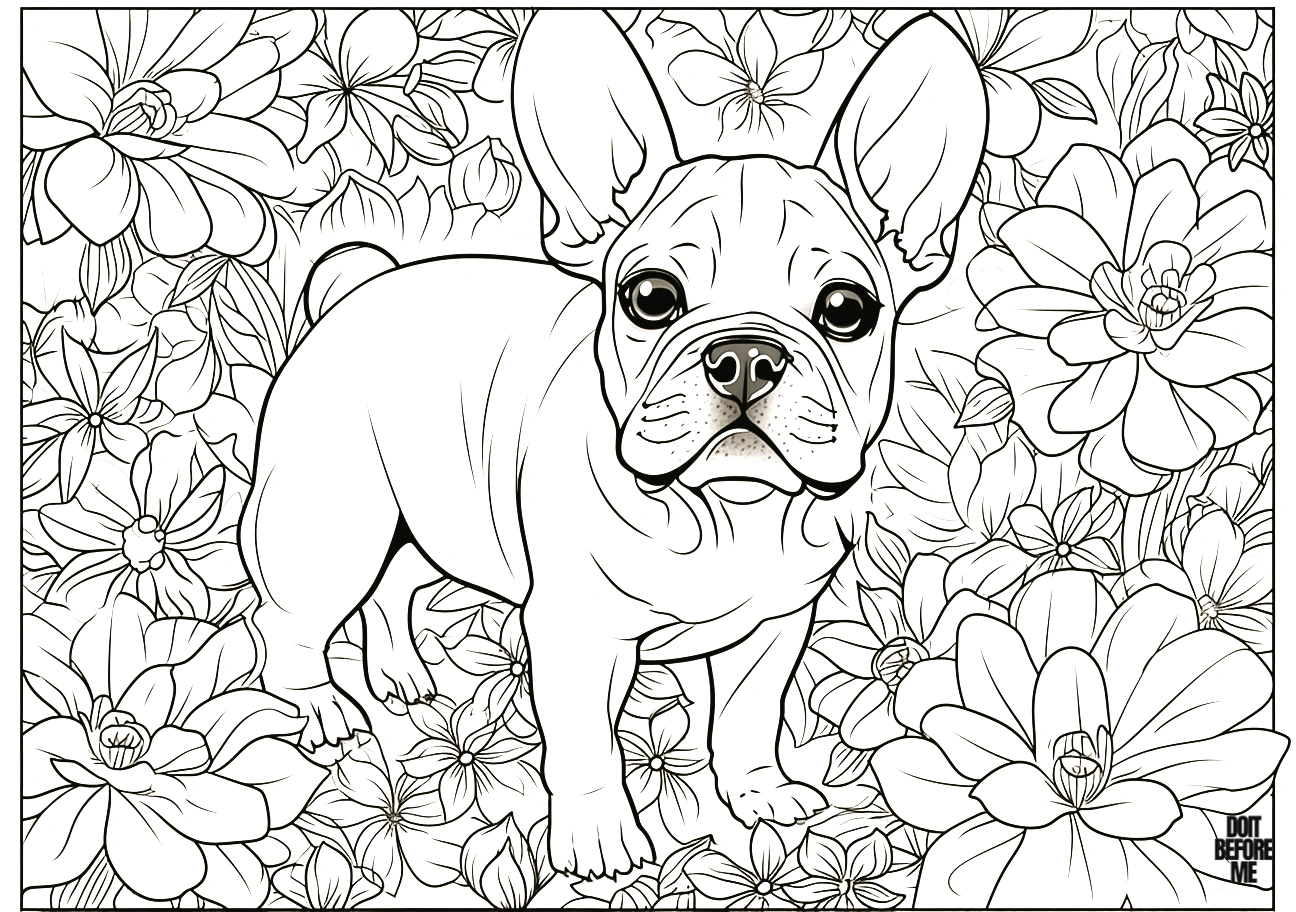
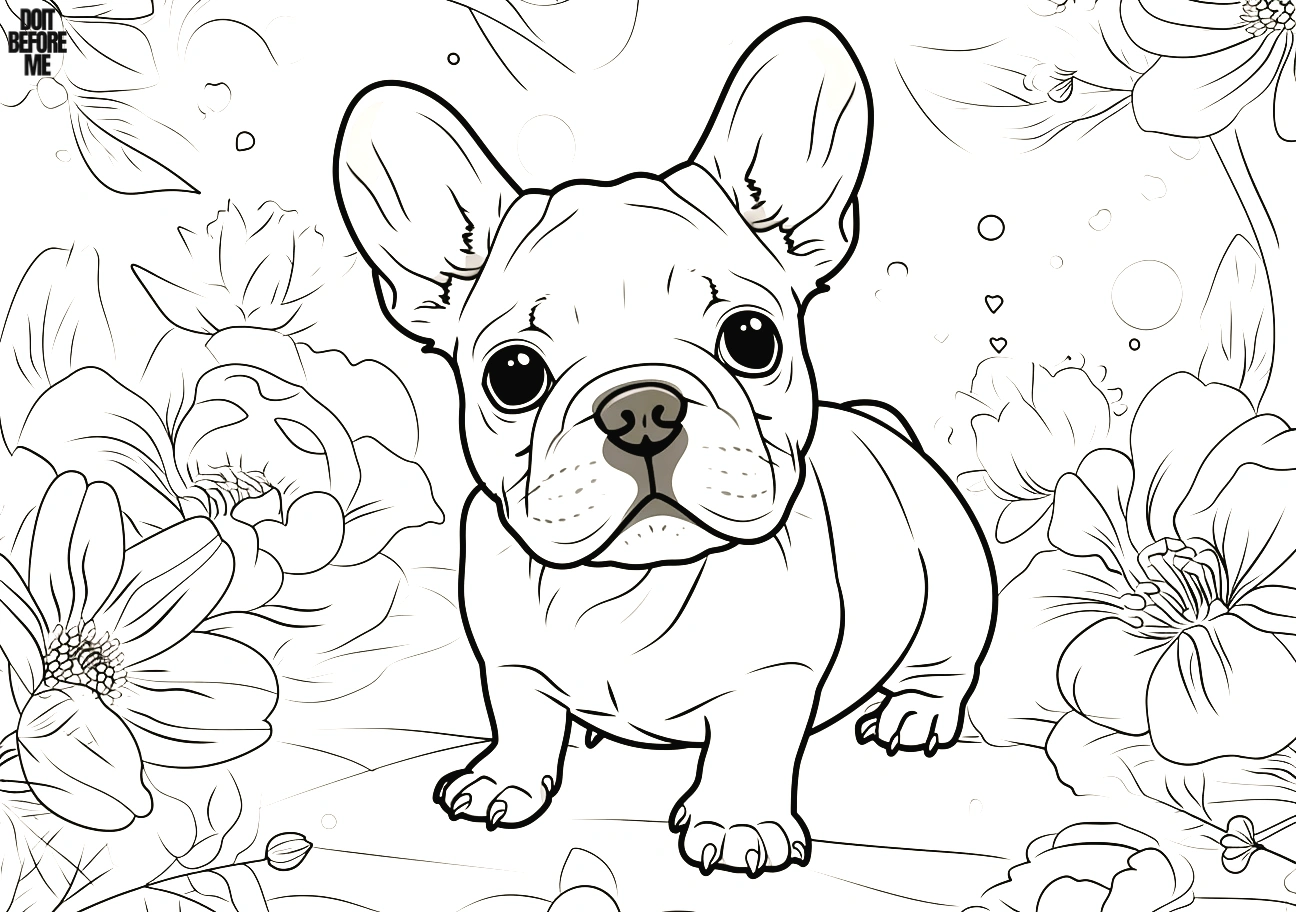
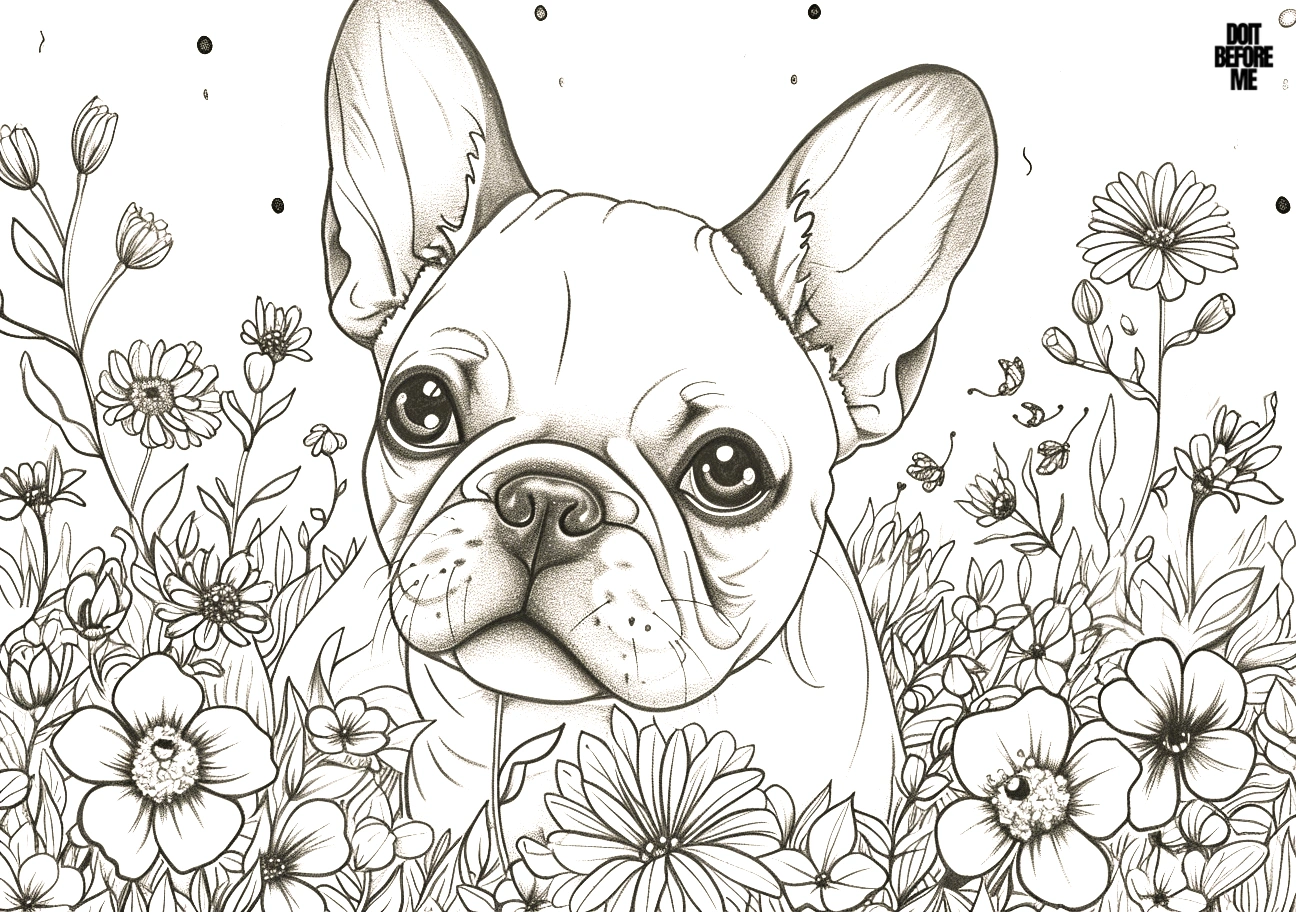
French Bulldog puppy coloring pages
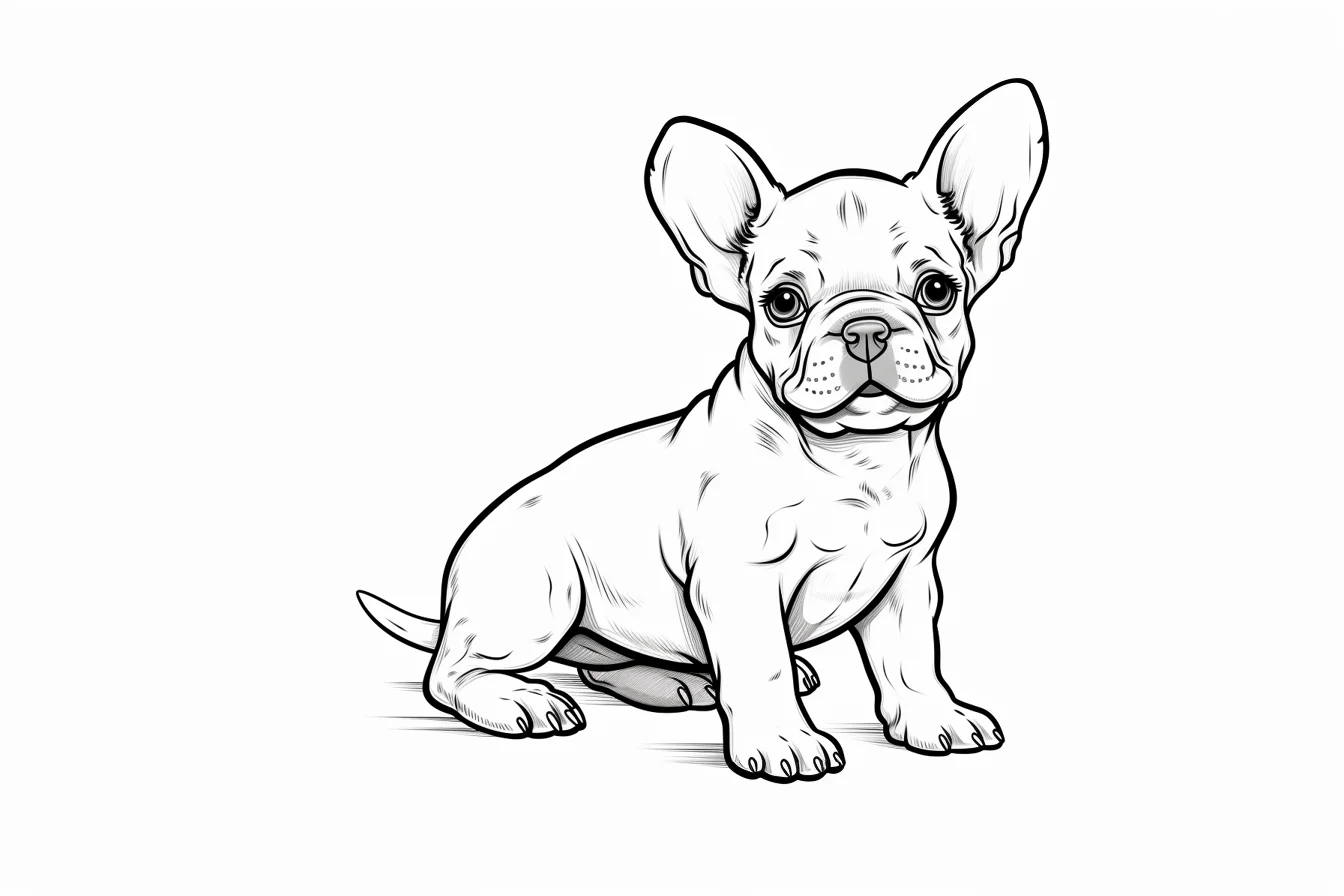
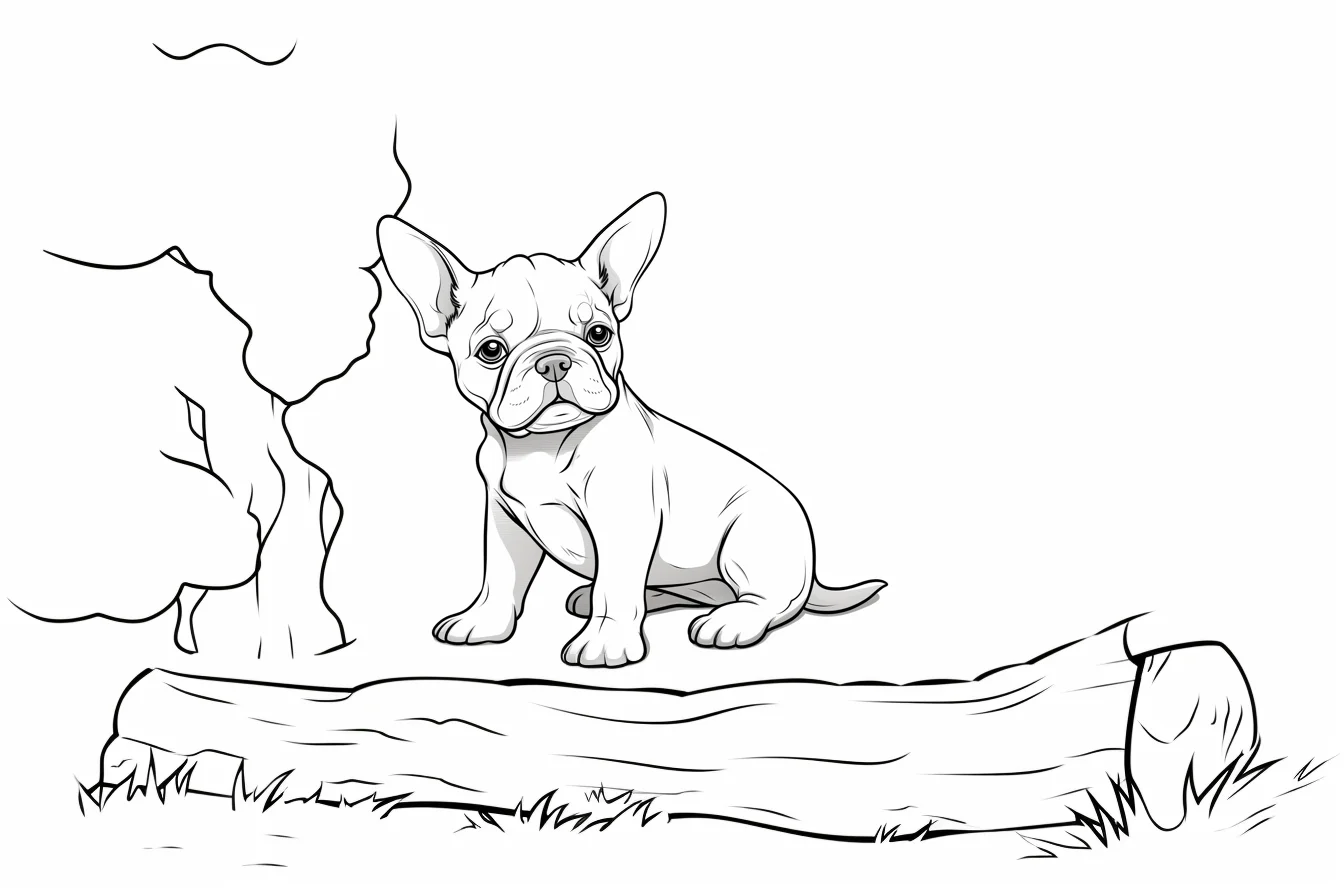
The large upright ears and short muzzle carry most of the likeness. Use flatter shading on the short coat rather than lots of fur strokes, and keep the muzzle or facial mask slightly darker than the cheeks and forehead.
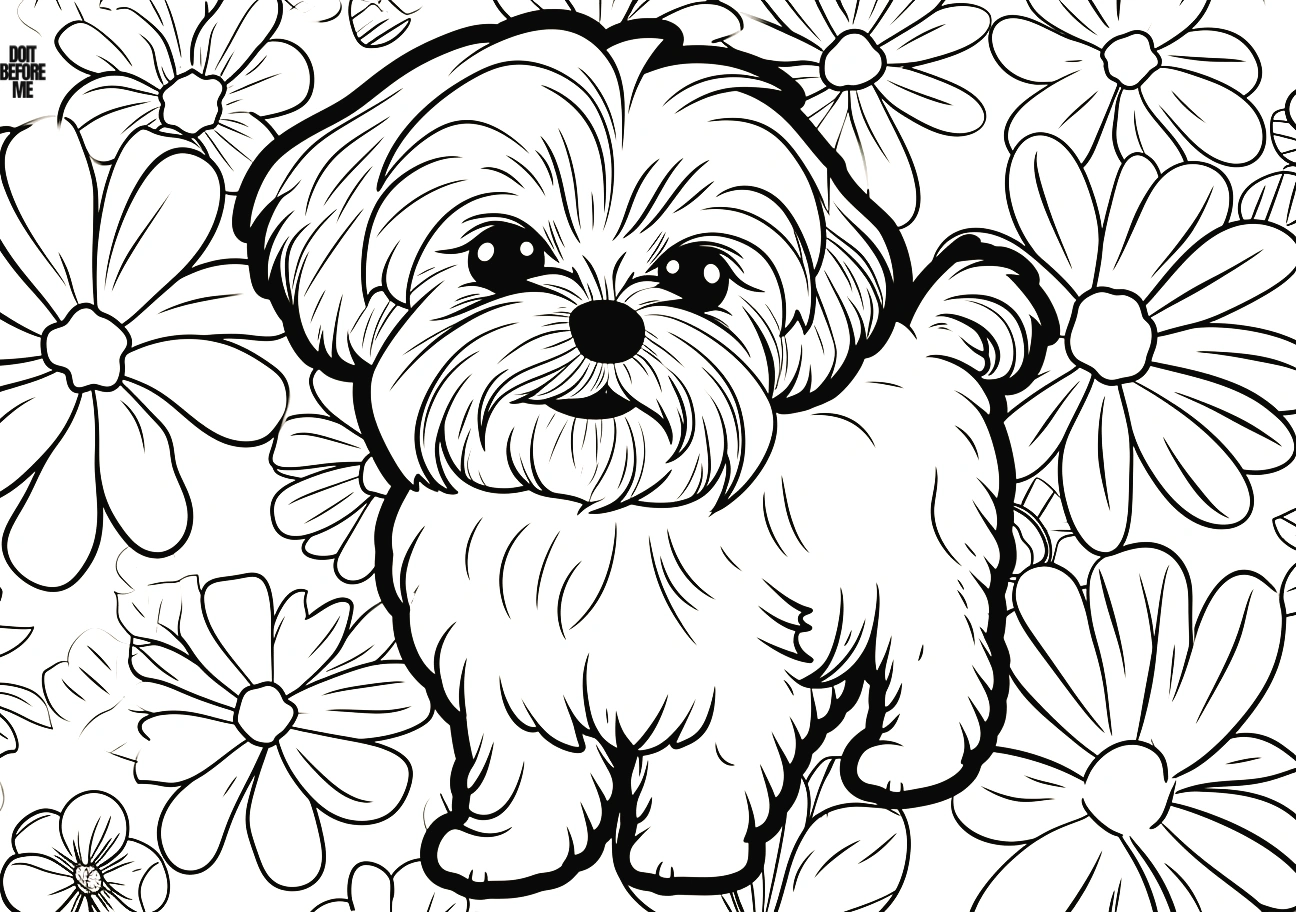
Shih Tzu puppy coloring page
Separate the long facial and ear hair into a few larger locks before adding fine strands; otherwise the coat can turn into visual noise. Keep a lighter area around the eyes and muzzle so the expression does not disappear into the long coat.
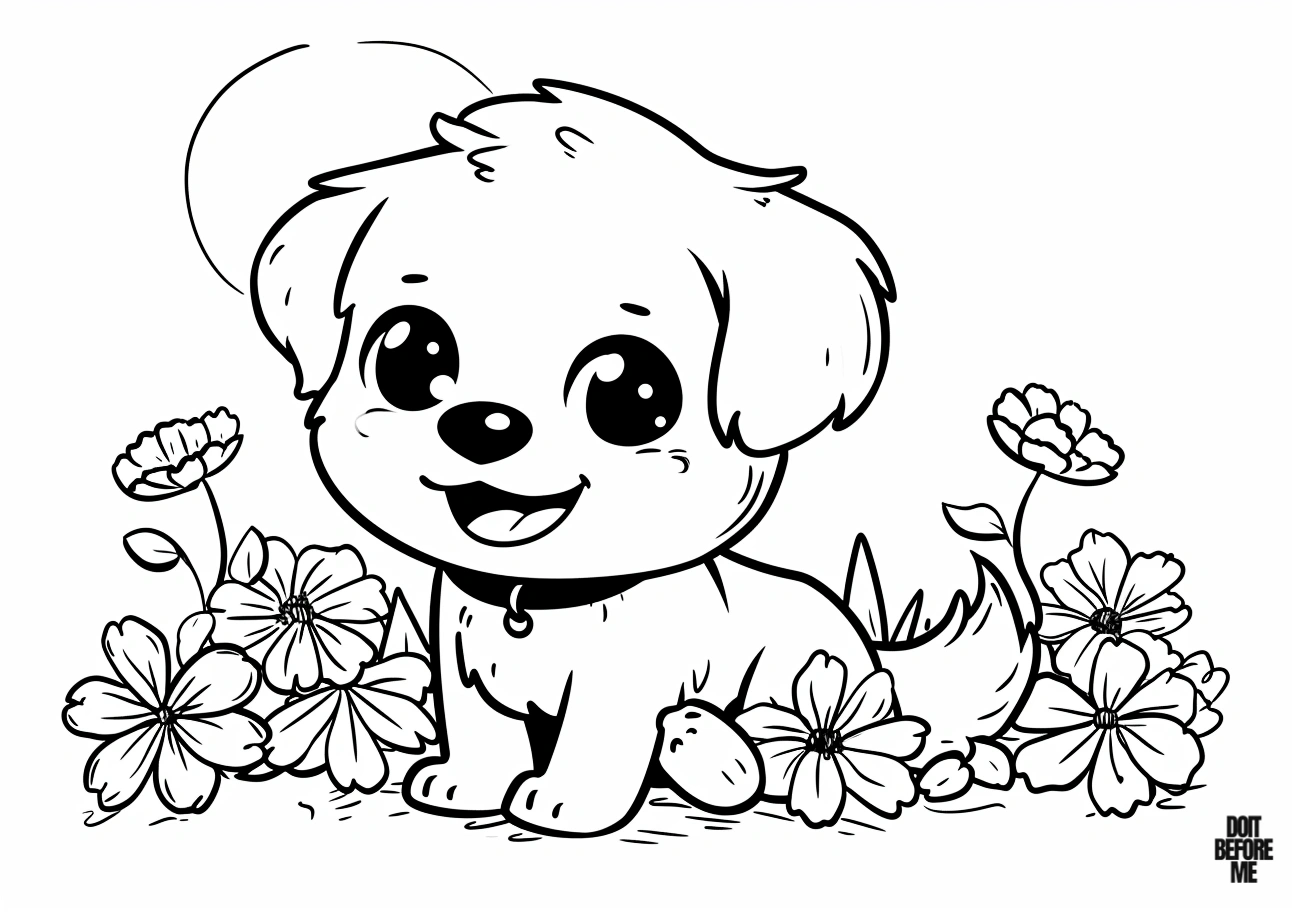
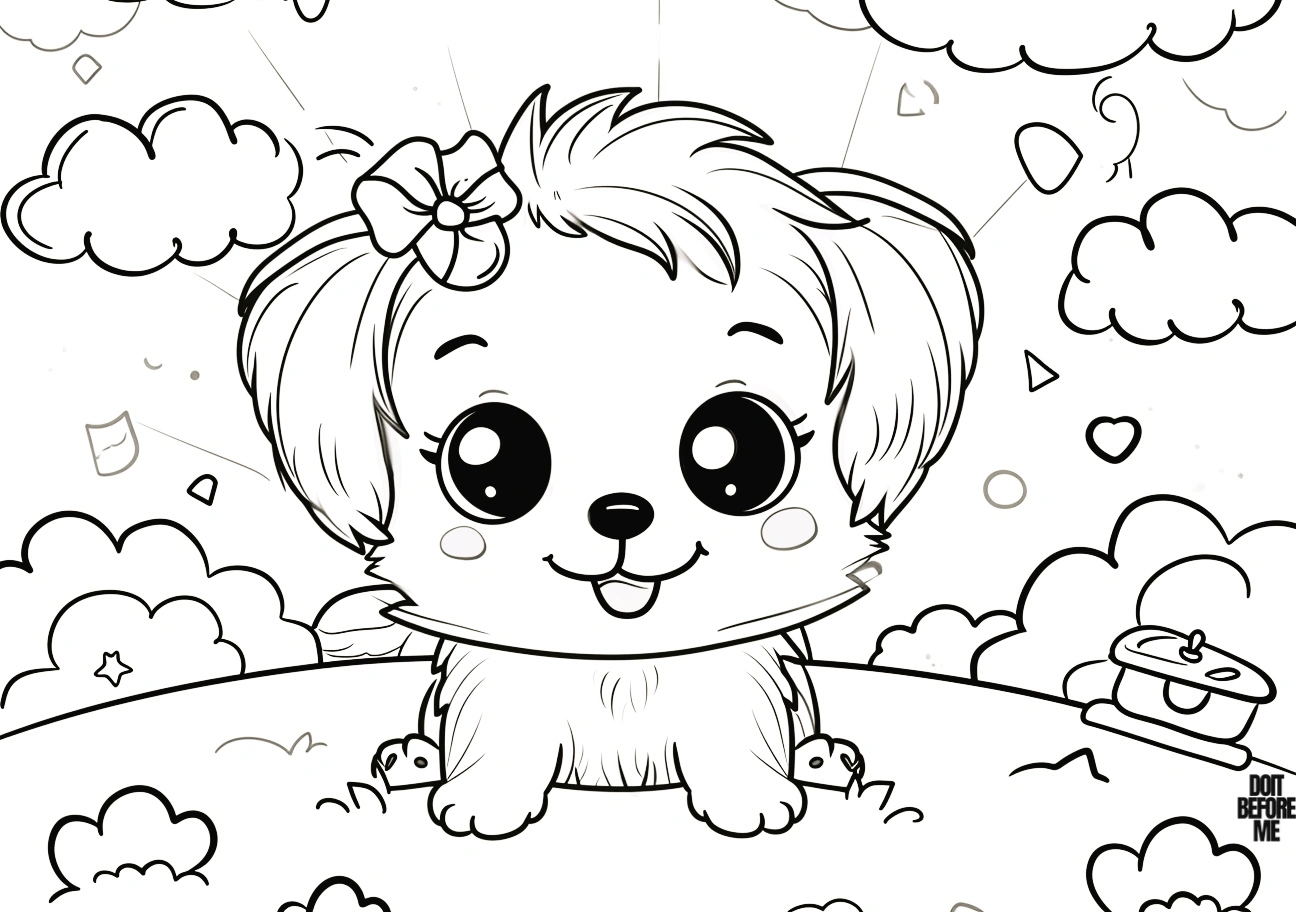
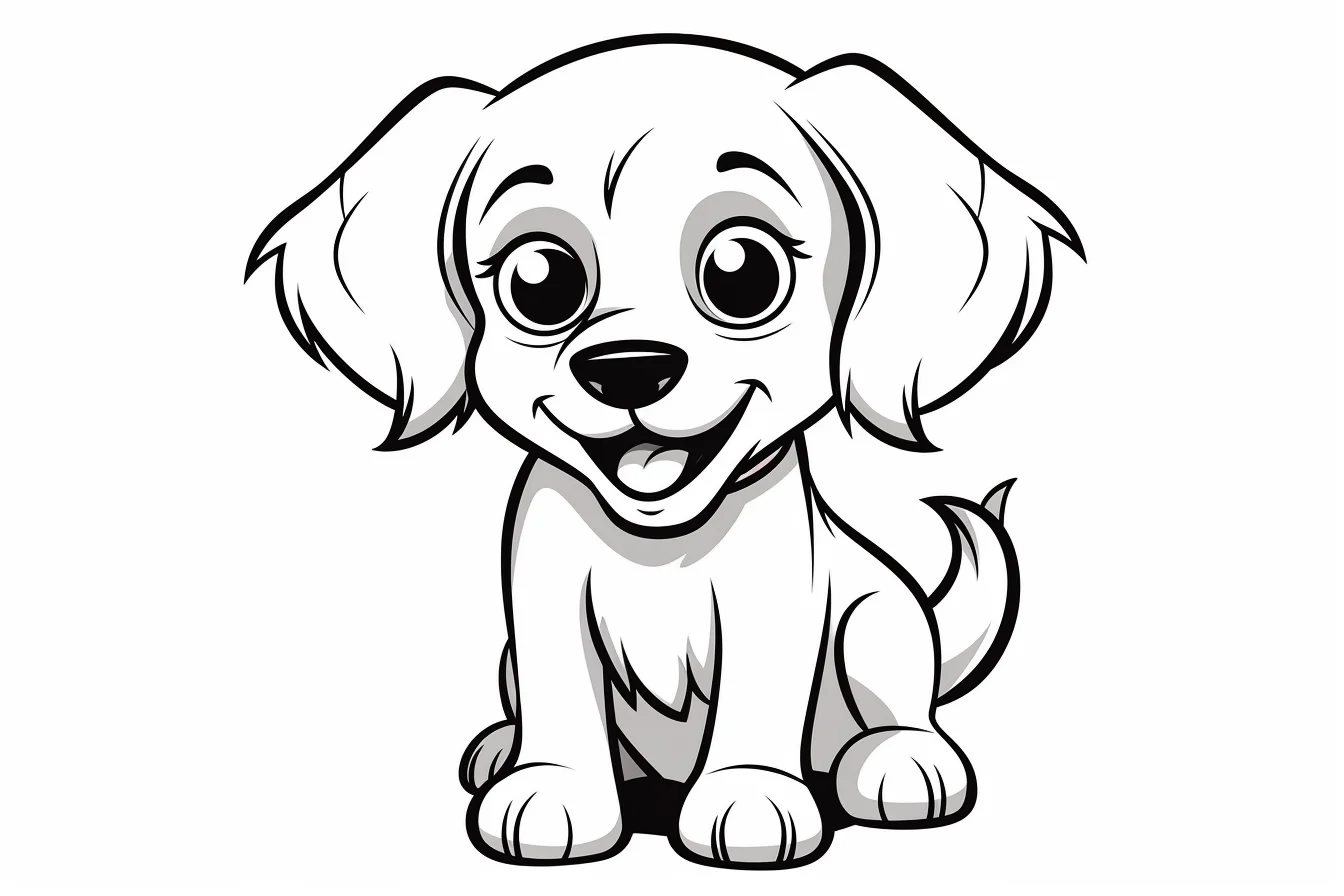
More cute and seasonal puppy pages
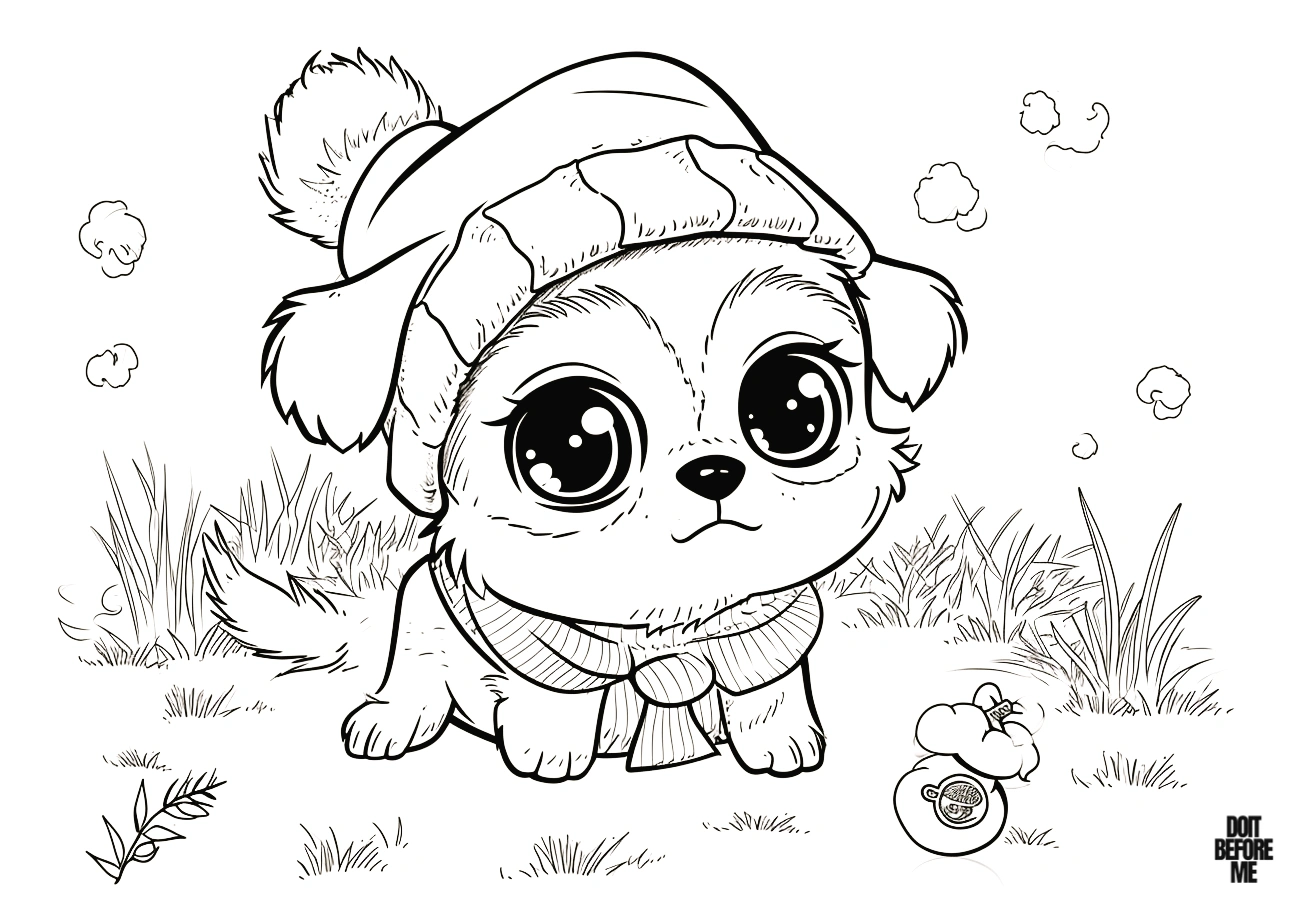
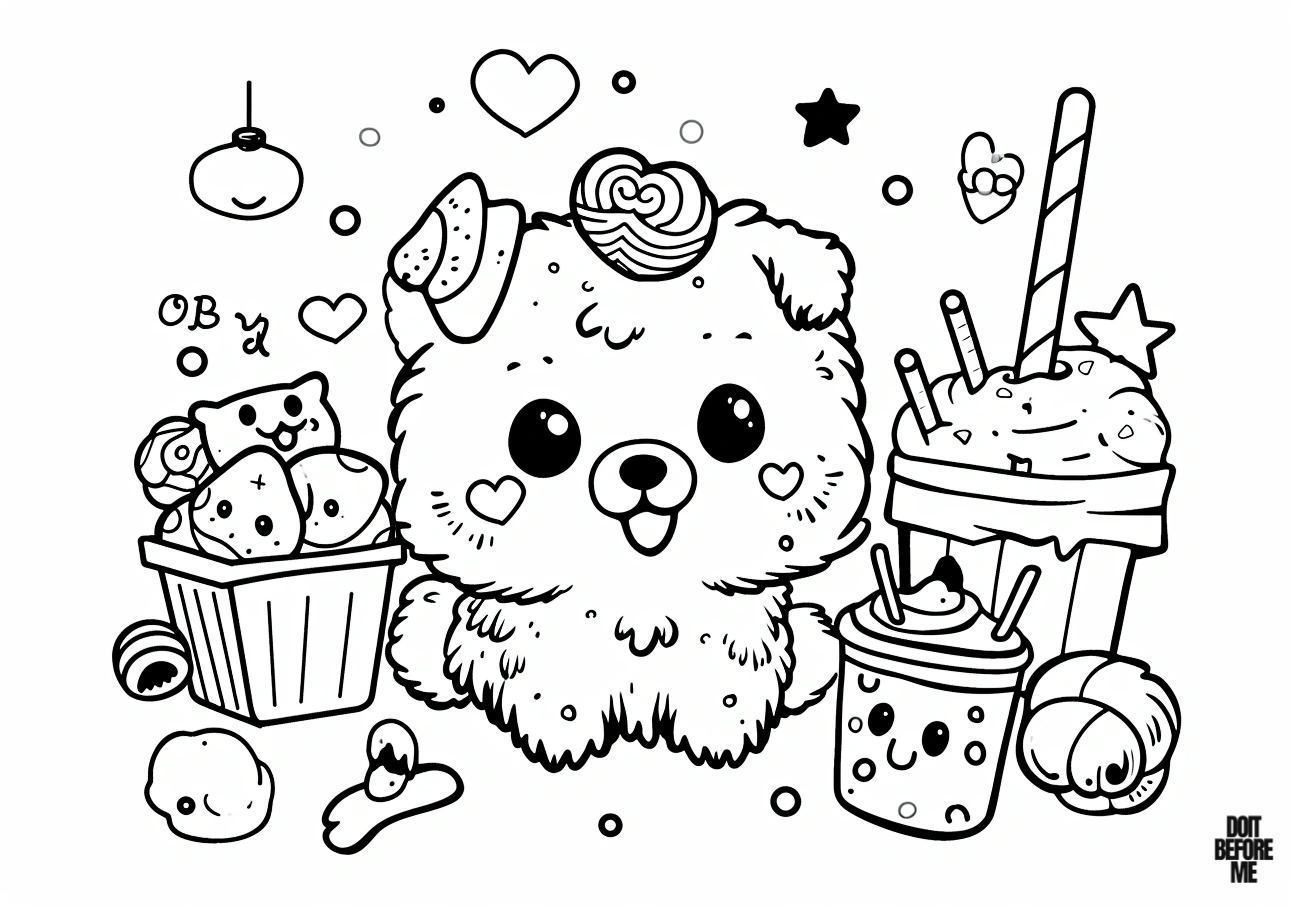
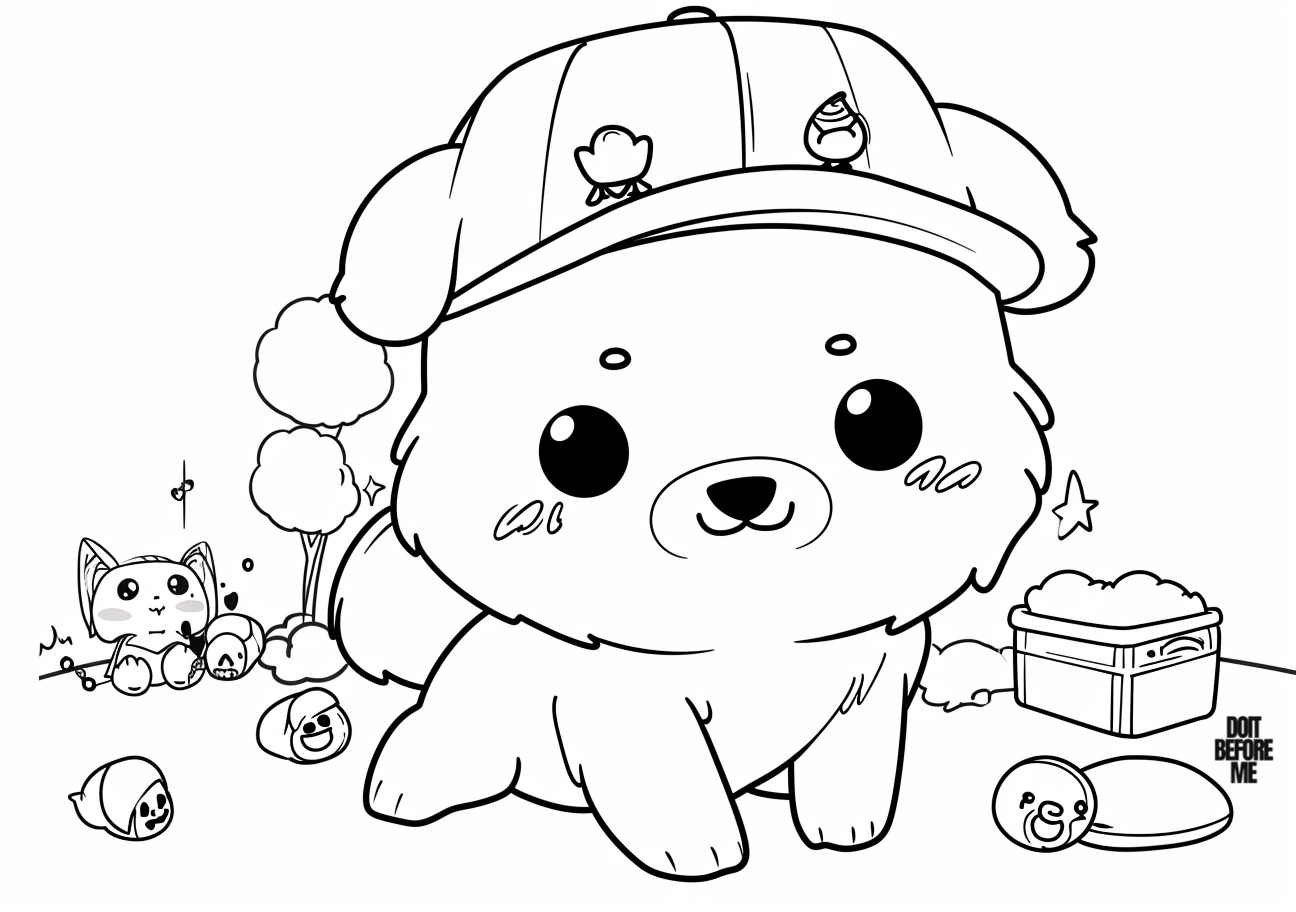
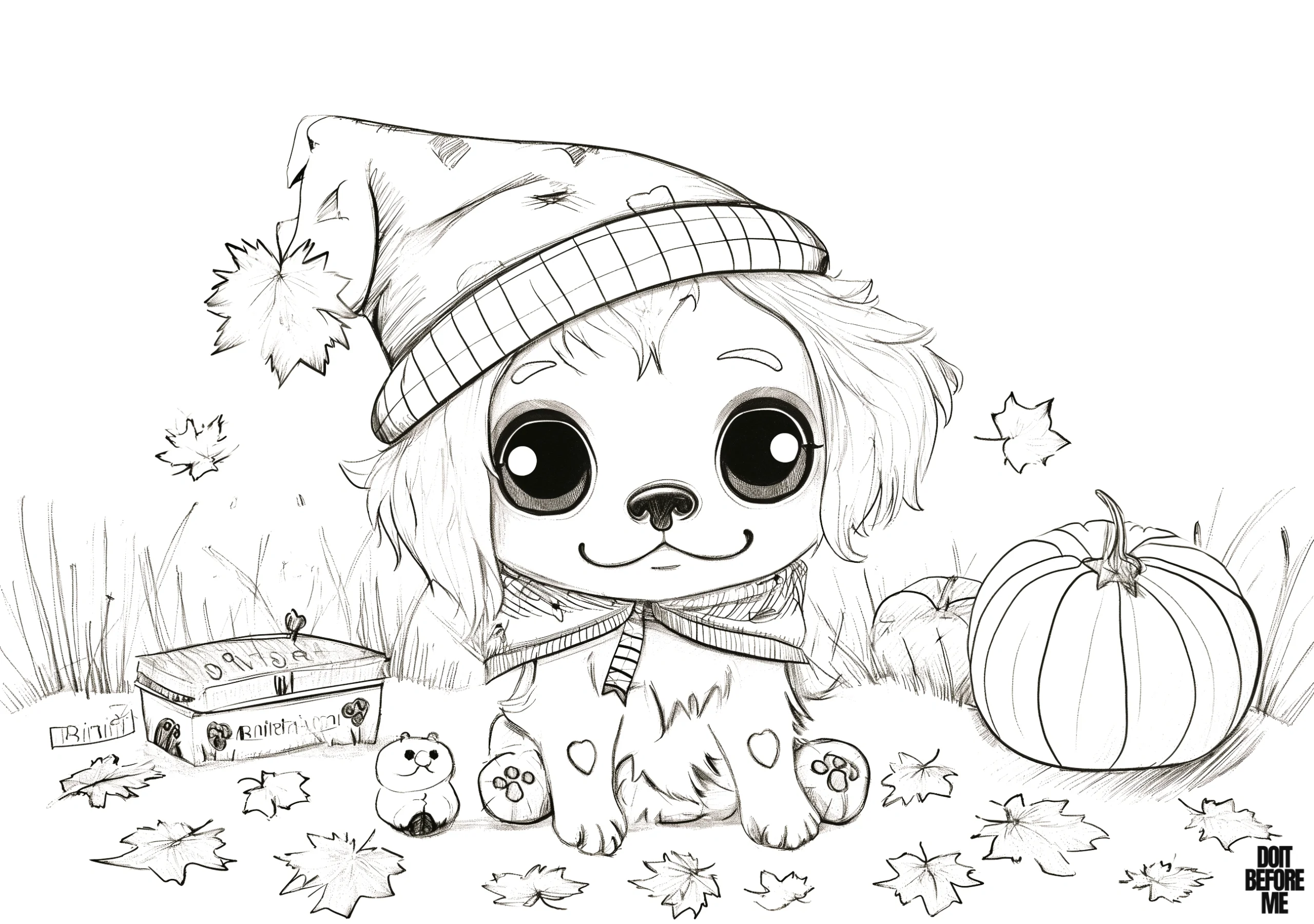
These three designs are not reliable breed references, so I am keeping them in the mixed section rather than labeling them as Golden Retrievers. They are better choices when the scene, costume or overall cute style matters more than breed accuracy.
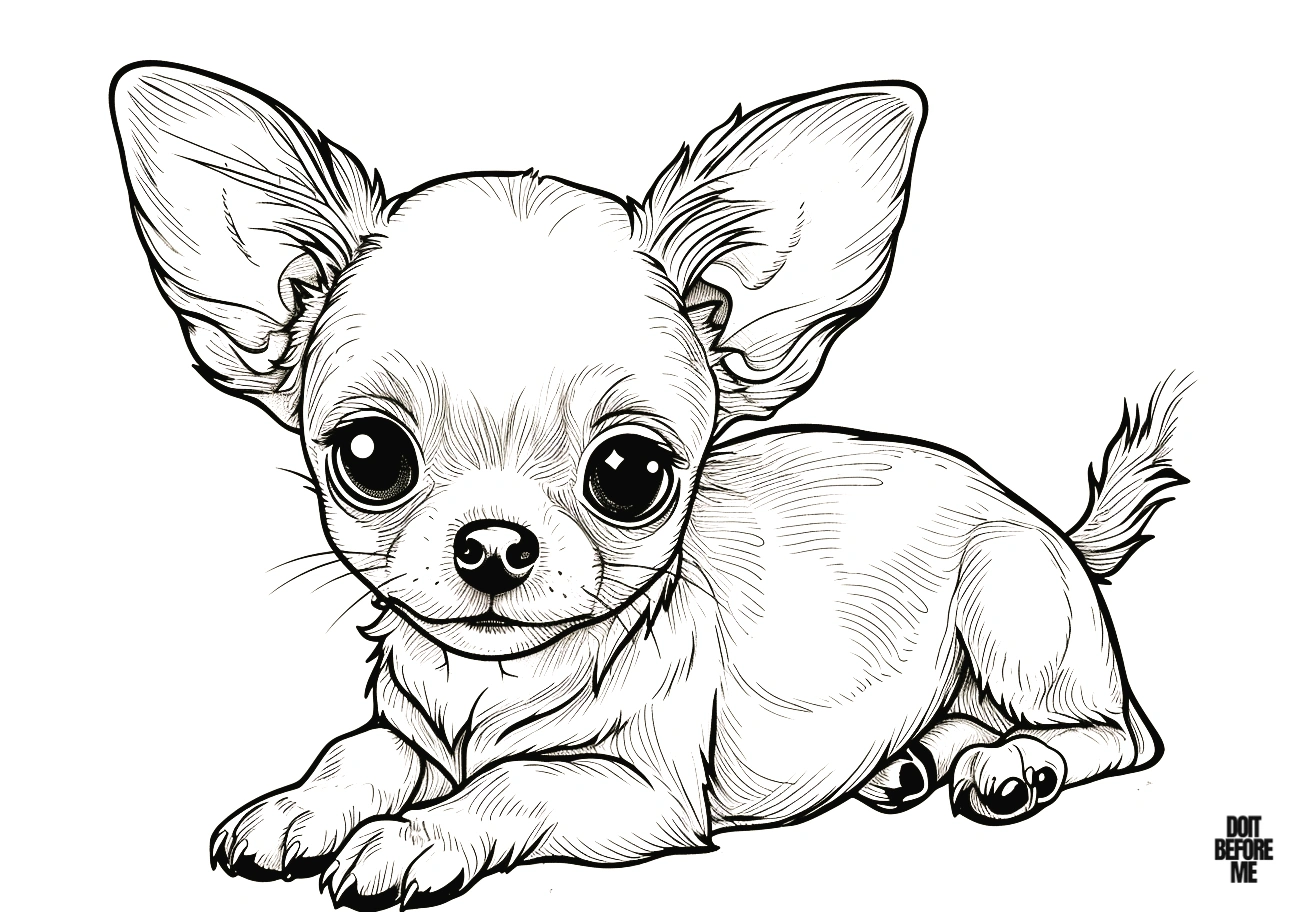
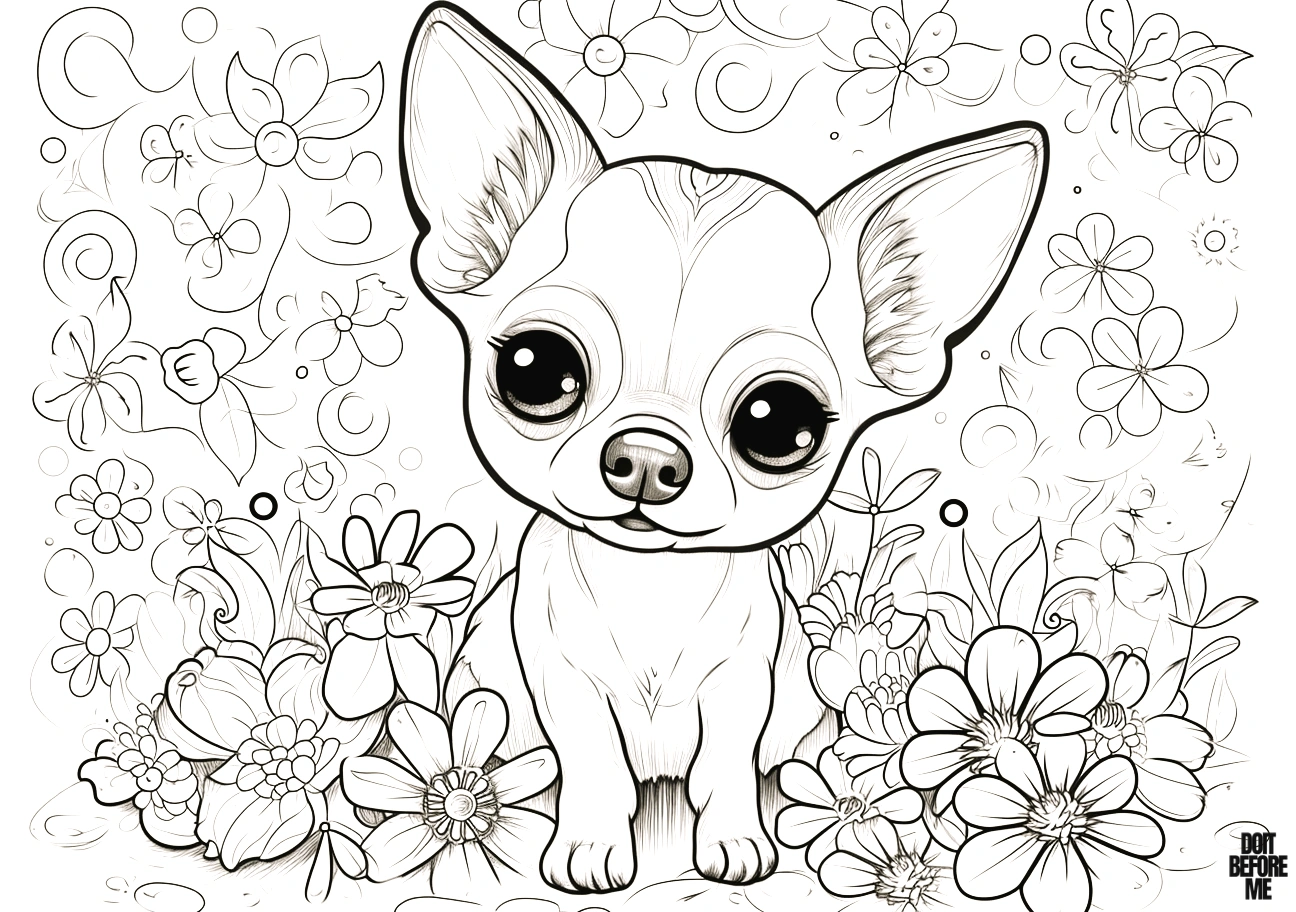
Chihuahua puppy coloring pages
The oversized ears and compact head shape do most of the visual work. Keep the face markings simple and avoid over-shading the small muzzle; a little contrast around the ears and eyes is usually enough.
Pug puppies are in their own collection
This 41-page hub does not have a clean standalone Pug group, so I am not labeling generic puppies as Pugs. Use the dedicated Pug puppy coloring pages instead; that collection is organized from simple pages through fantasy and more detailed designs.
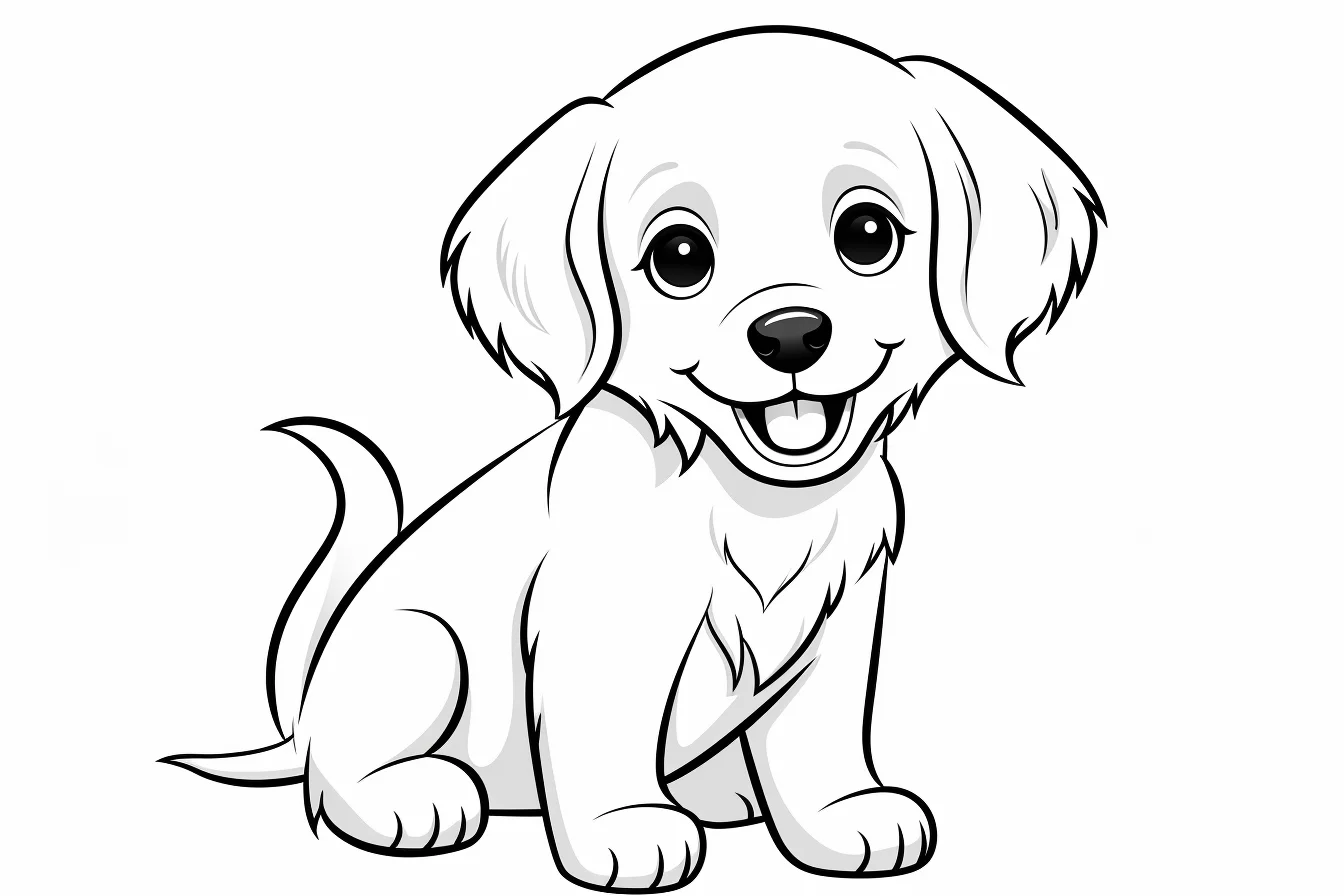
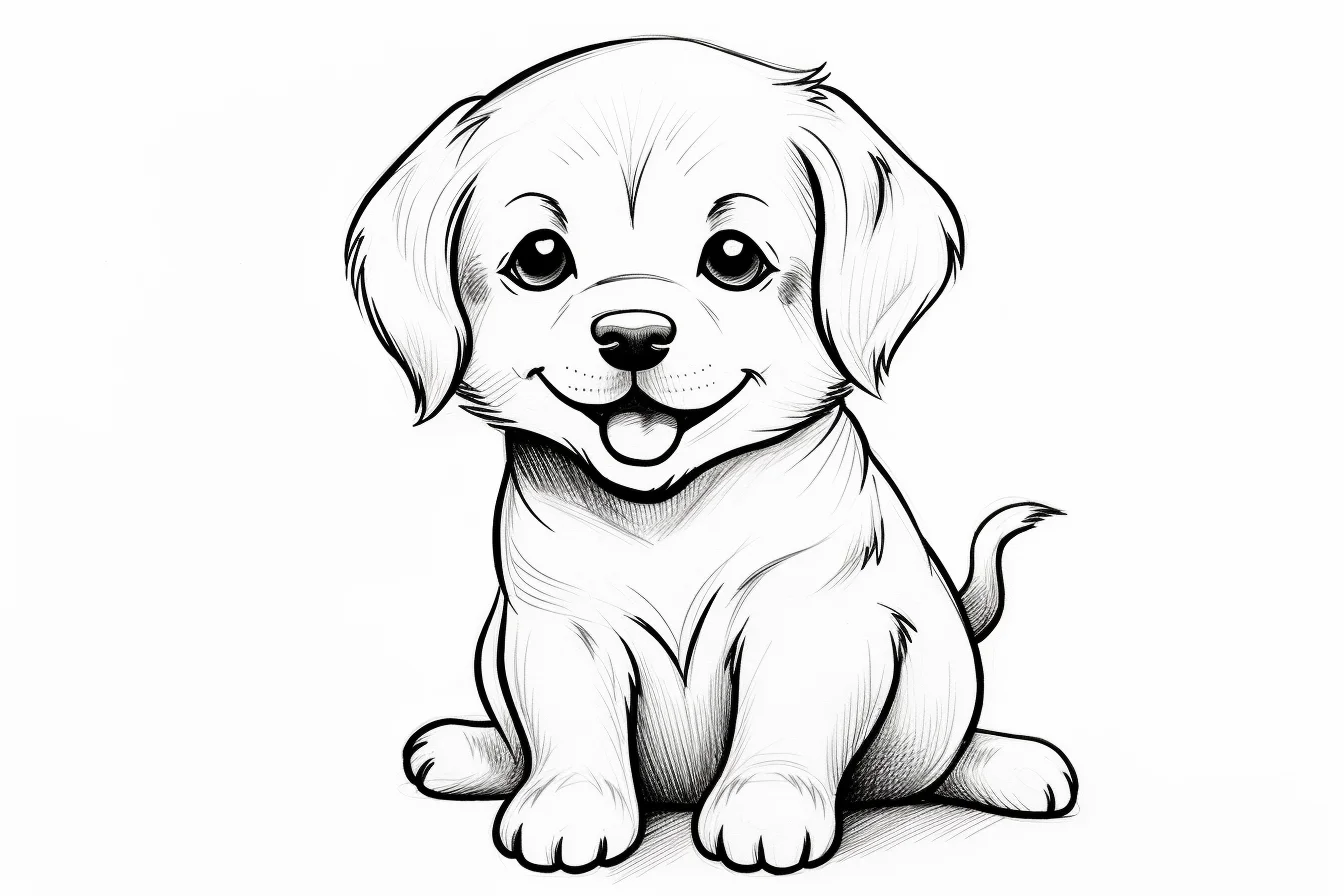
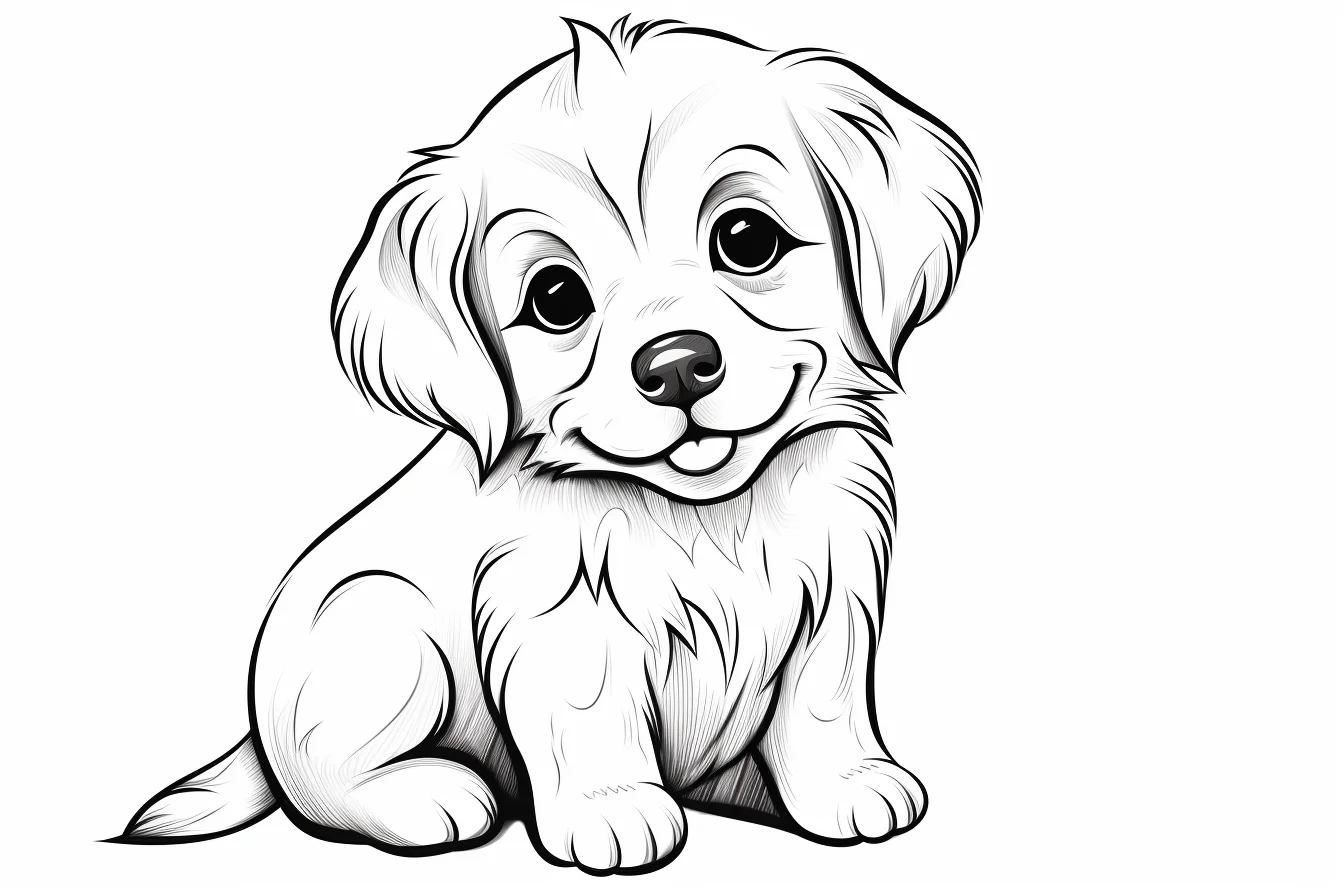
Golden Retriever puppy coloring pages
Start with a pale cream or light gold base and layer slightly darker strokes around the ears, back and tail. The dedicated Golden Retriever coloring page collection has more options if this is the breed you want most.
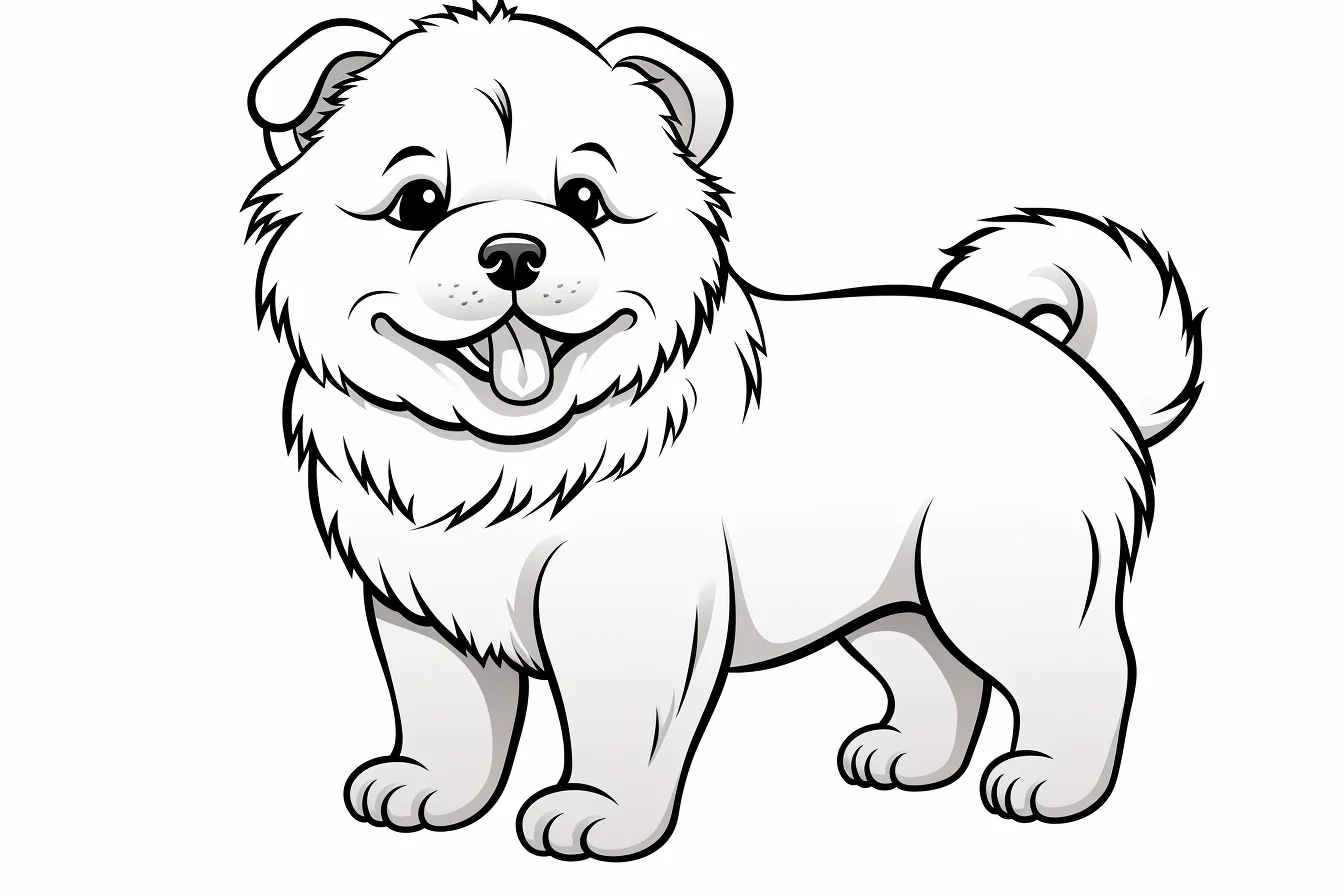
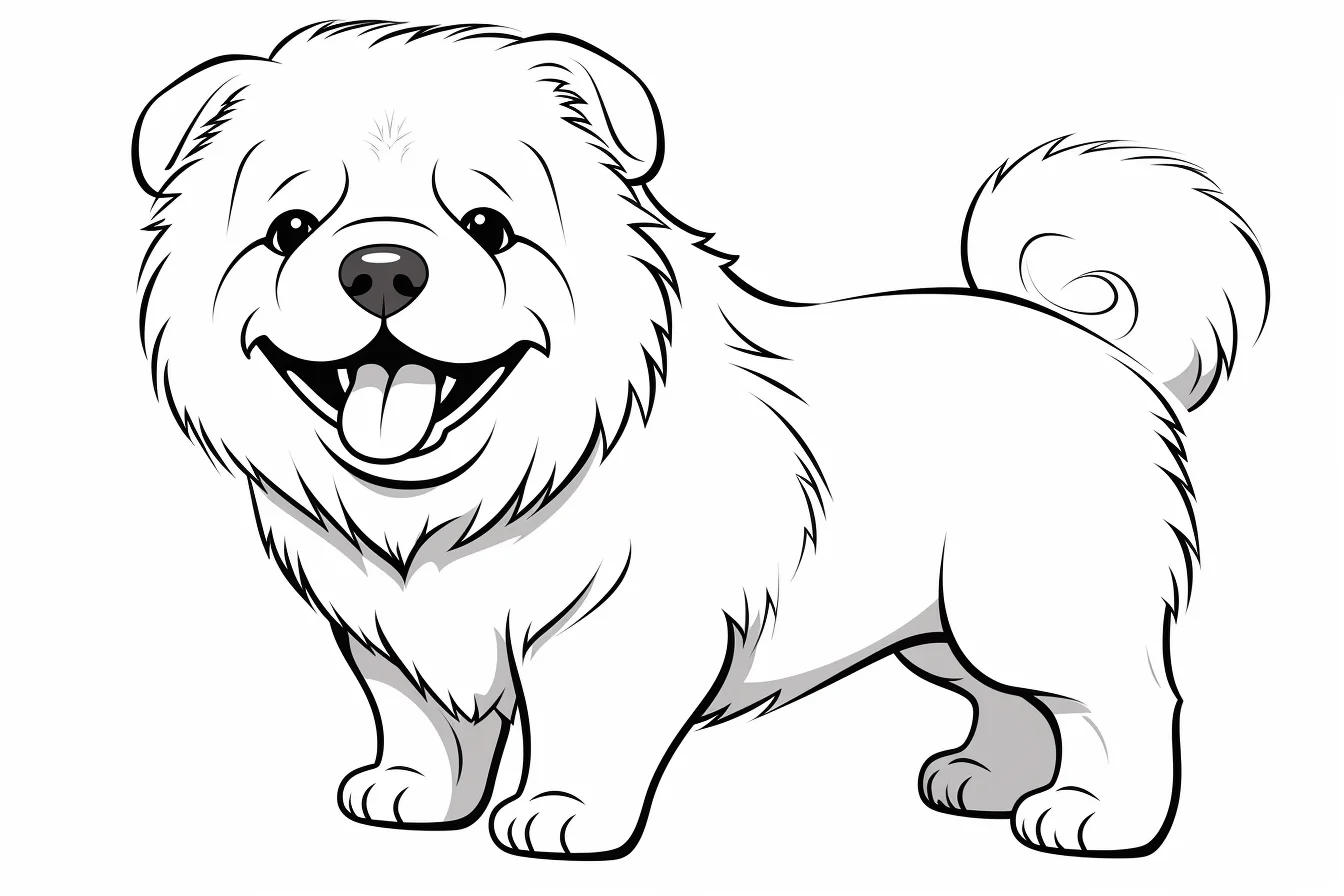
Chow Chow puppy coloring pages
Build the coat with soft layers rather than one solid fill. The fluffy neck and chest can be a little lighter than the back so the face stays separated from the mane-like fur.
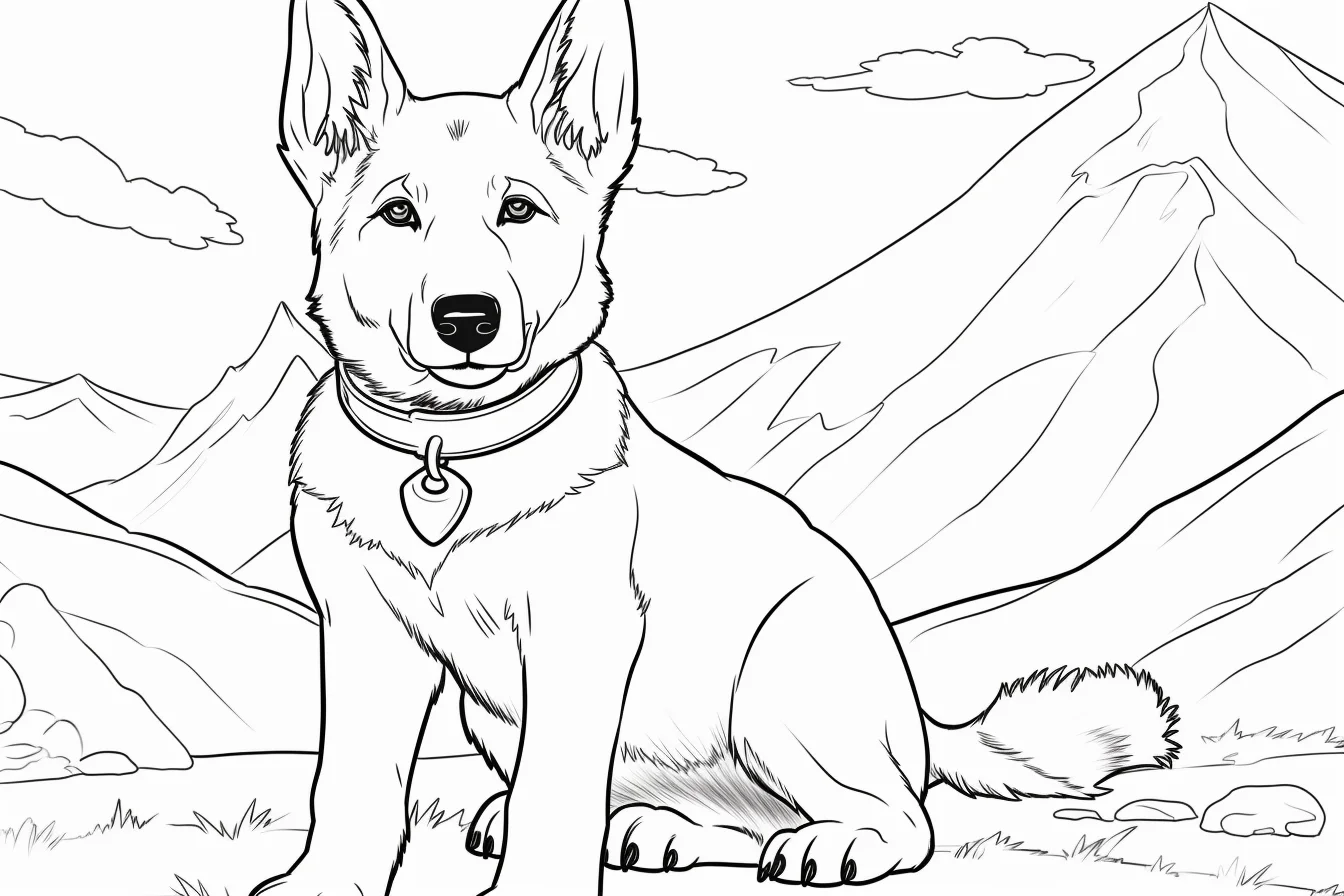
German Shepherd puppy coloring pages
Establish the lighter tan areas first, then add the darker saddle, muzzle and ear markings. Keeping a few clean light areas around the chest and cheeks stops a black-and-tan coat from becoming too heavy.
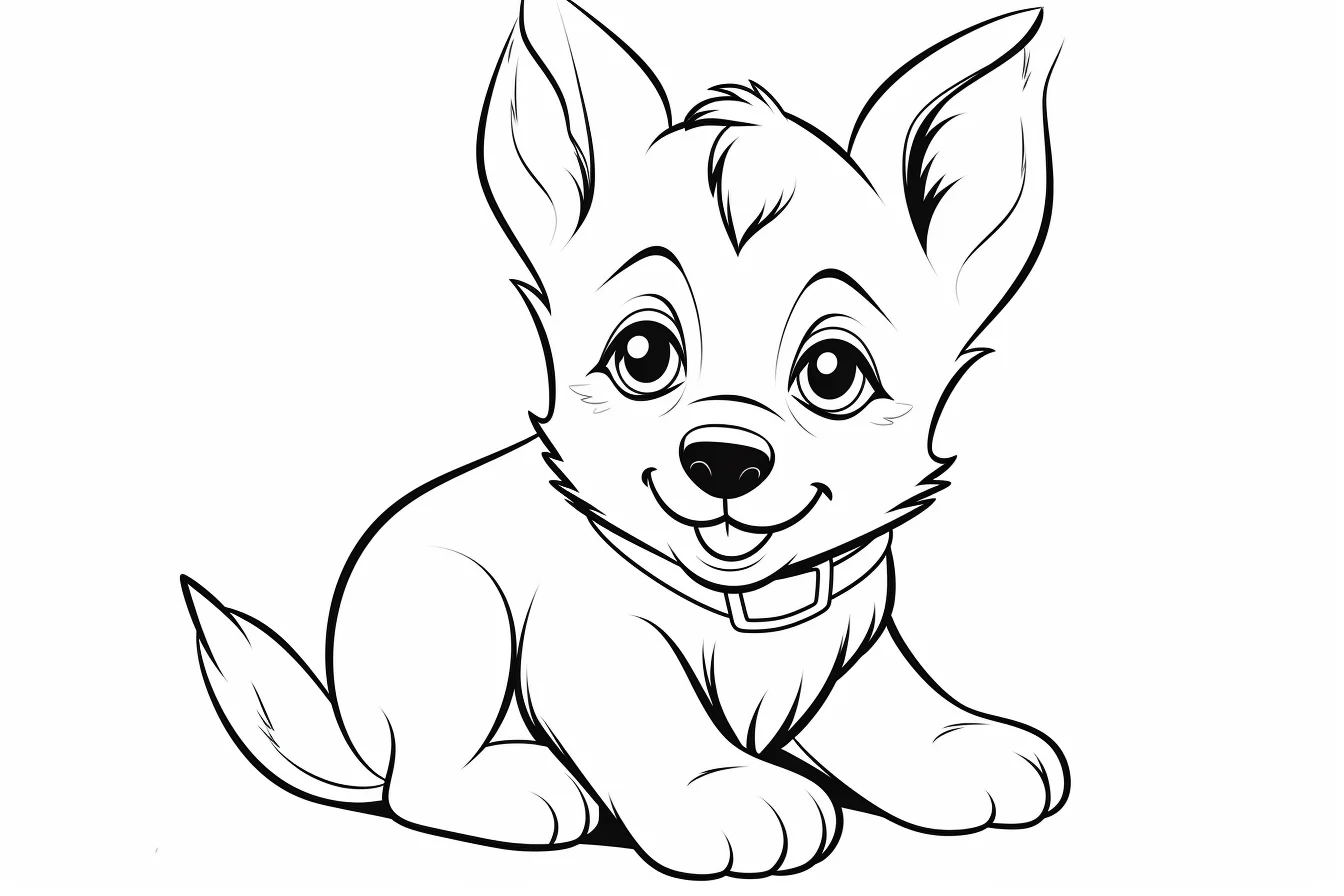
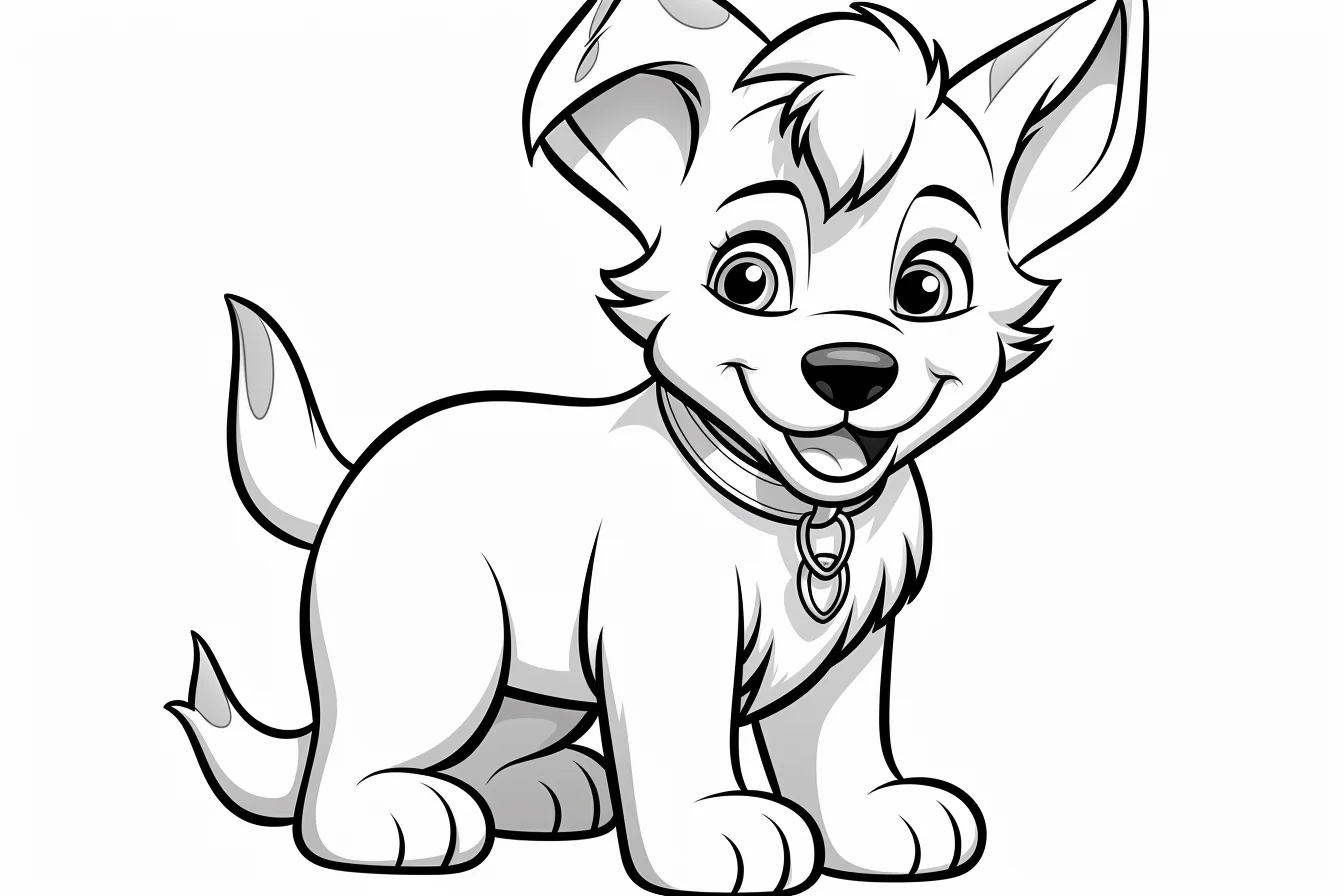
Husky puppy coloring page
Keep the face mask distinct from the lighter muzzle and forehead. Gray, black-and-white or brown-and-white all work; the important part is preserving the contrast around the eyes and cheeks.
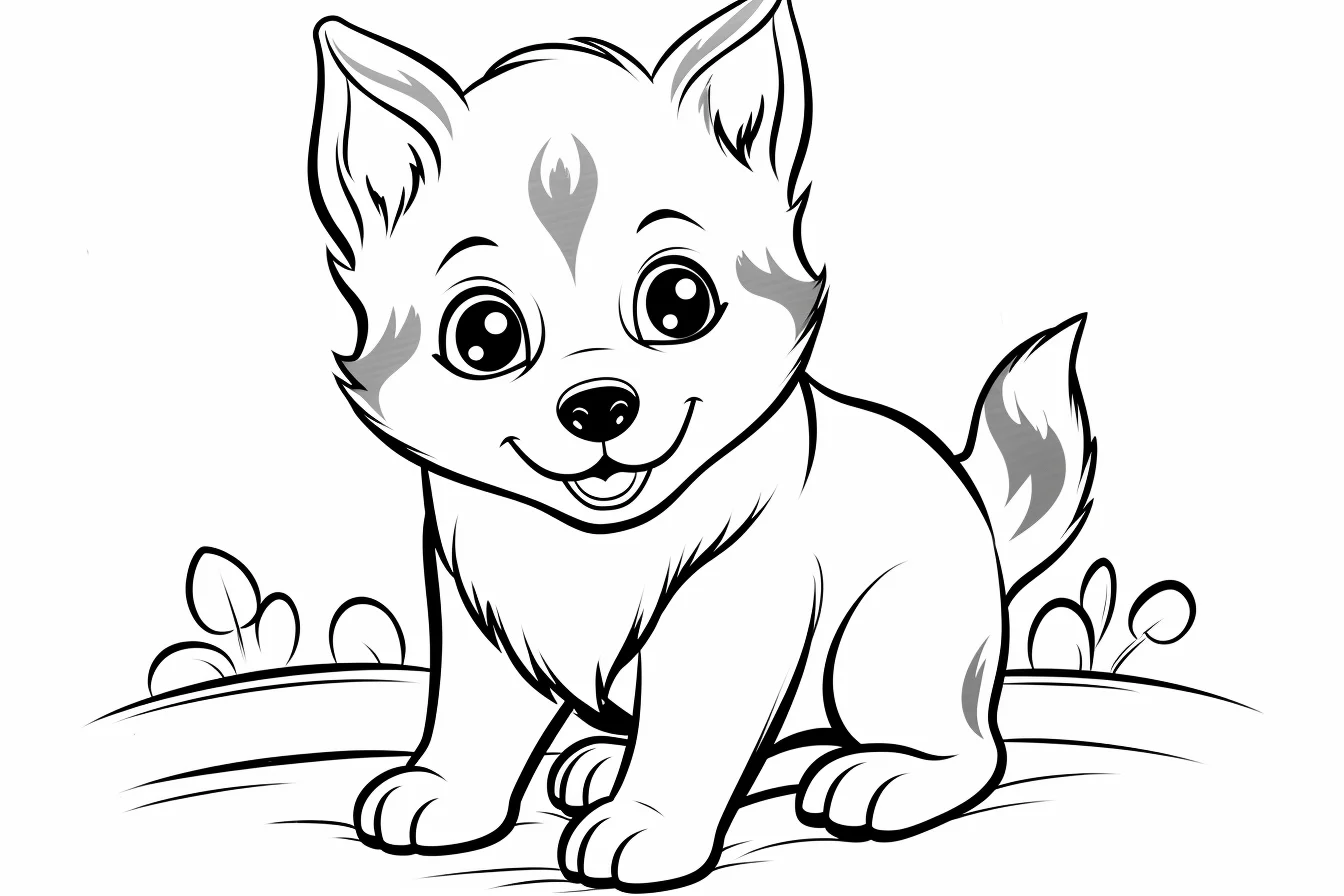
More Pomeranian puppy pages
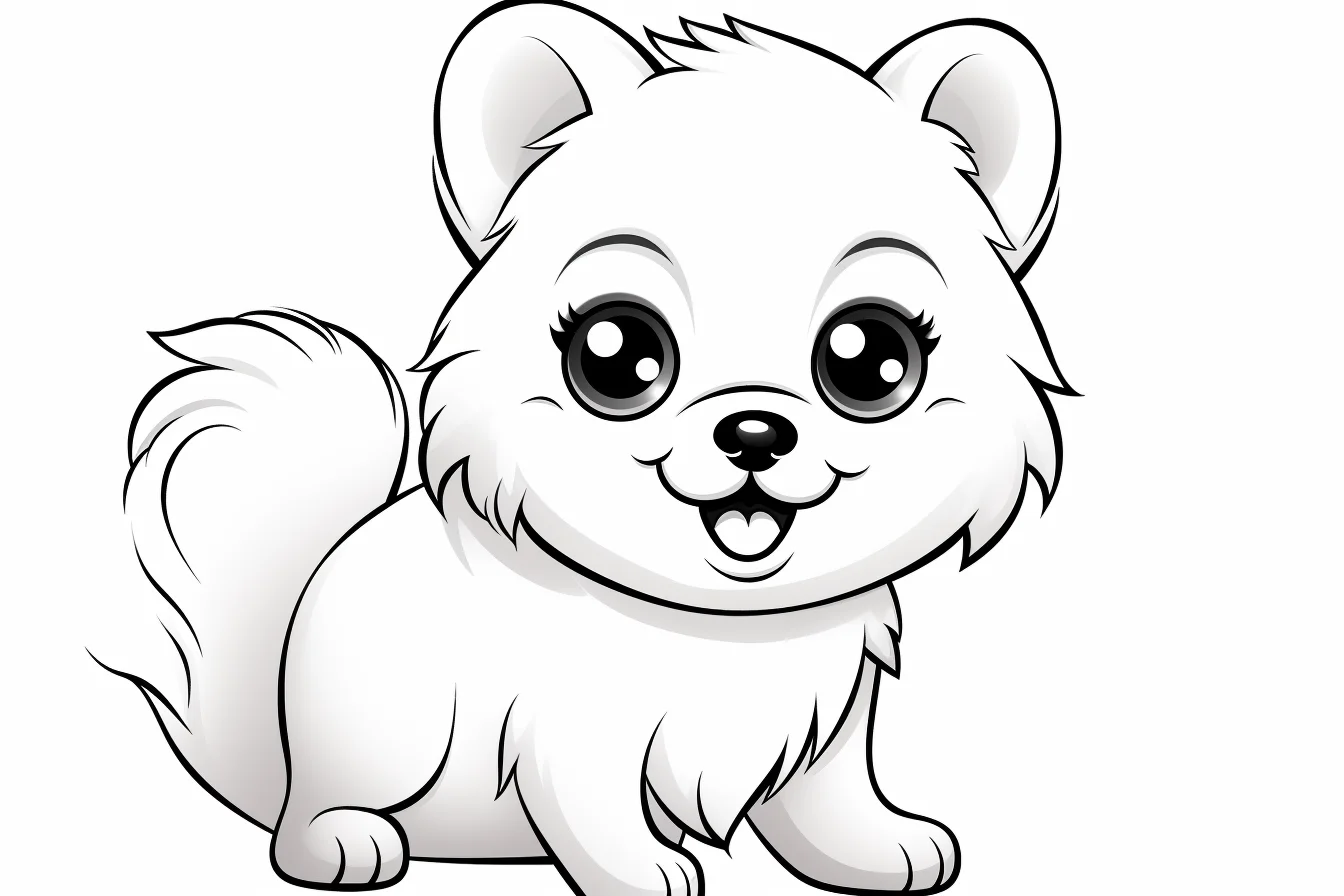
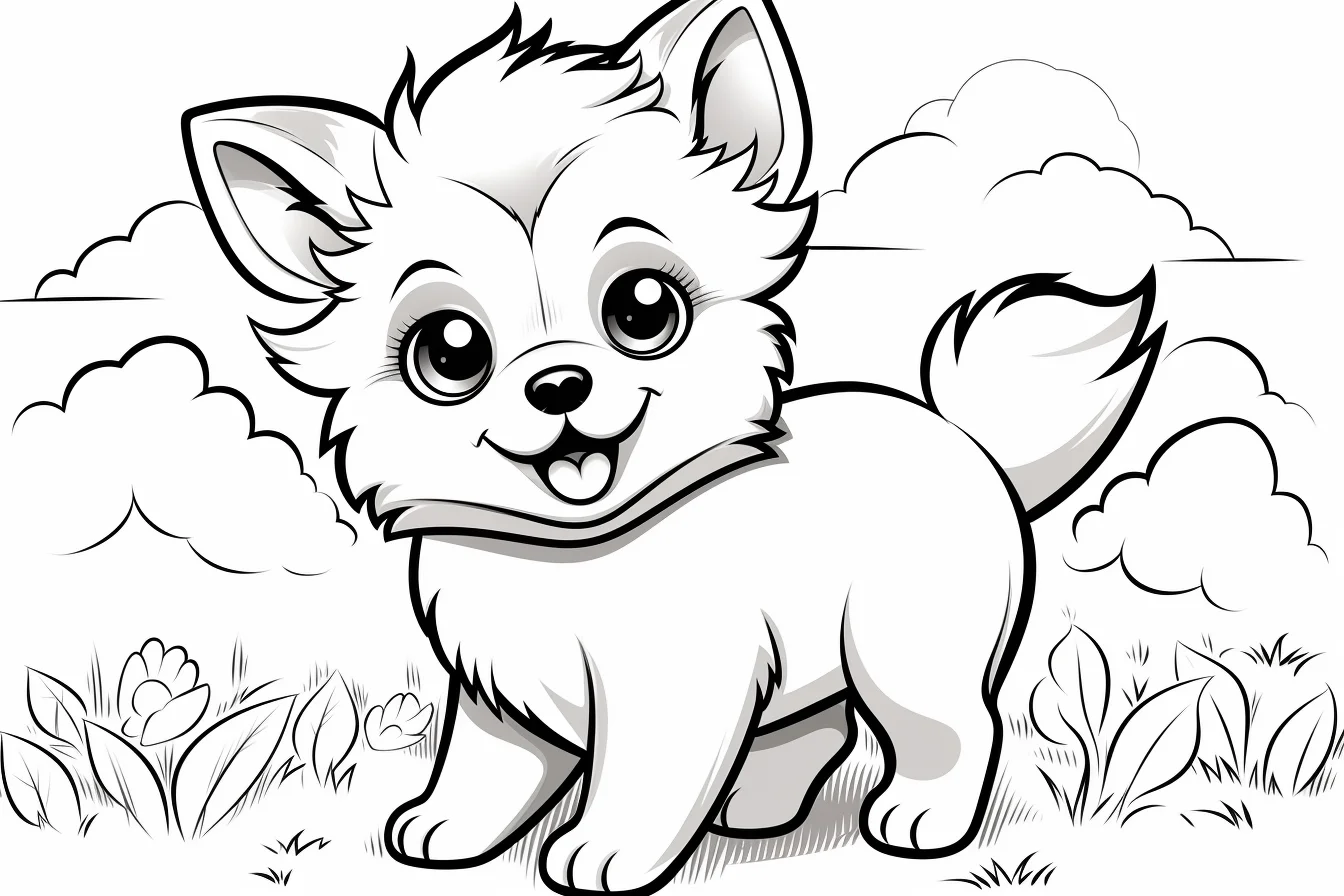
More French Bulldog puppy pages
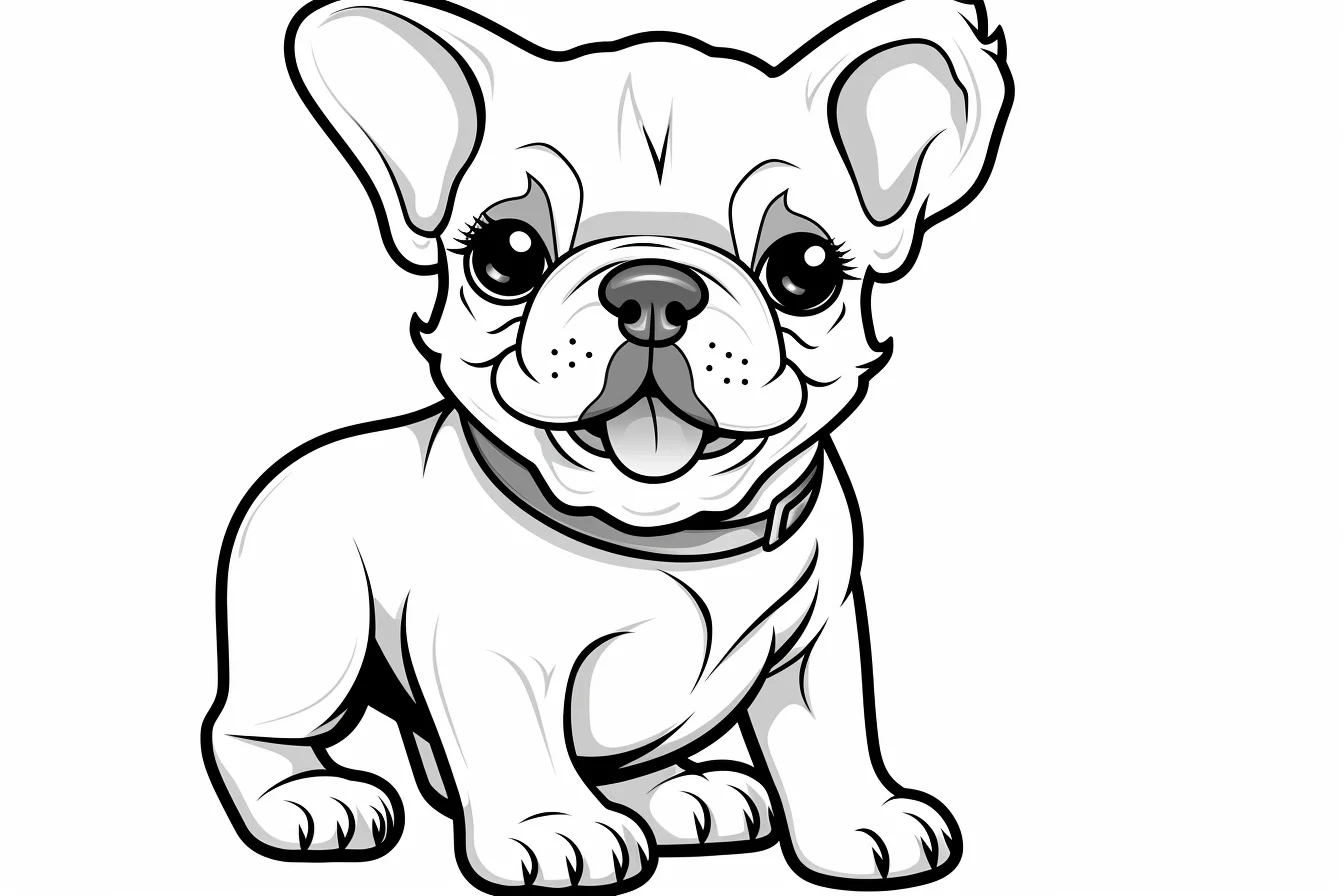
More mixed puppy printables
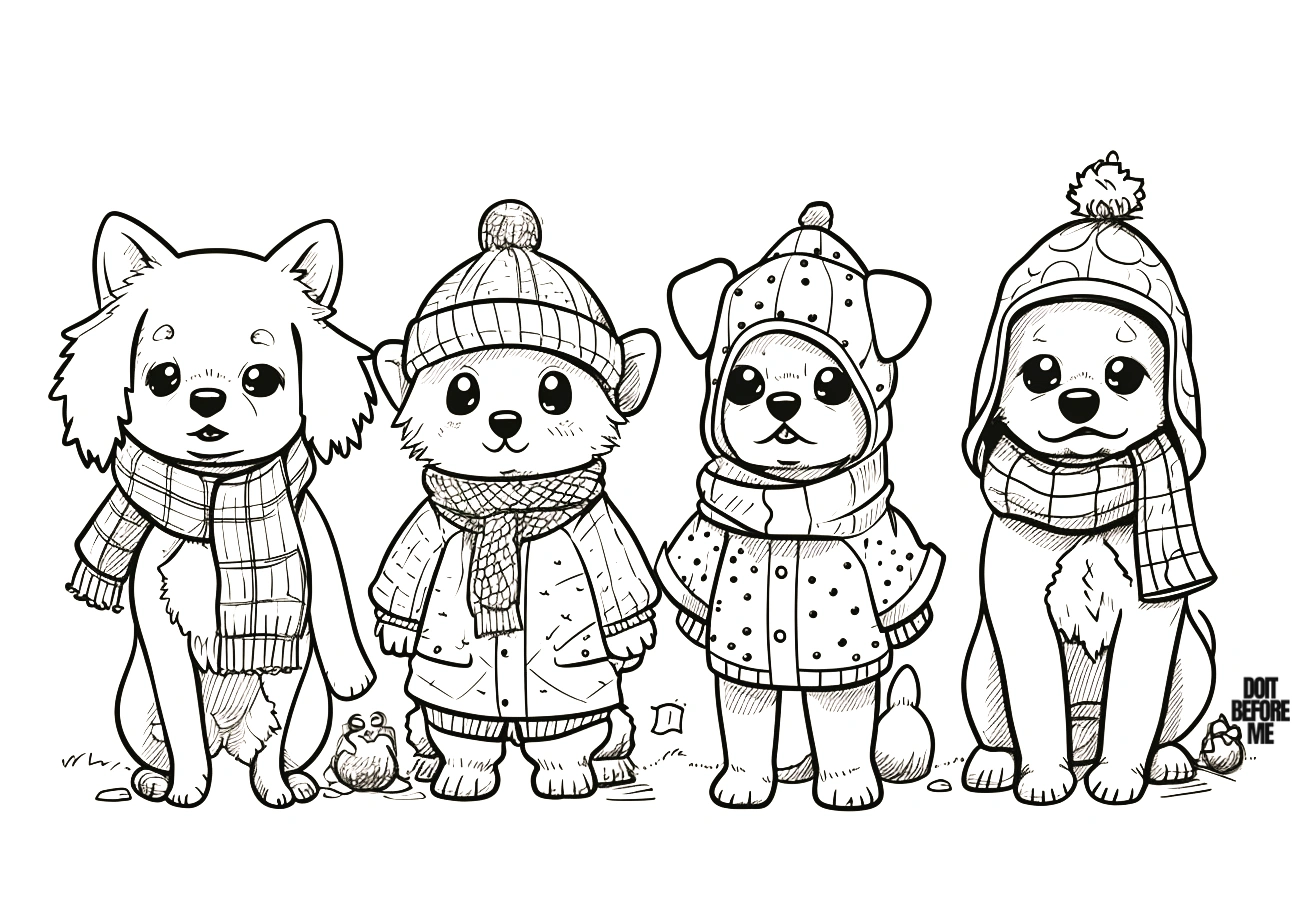
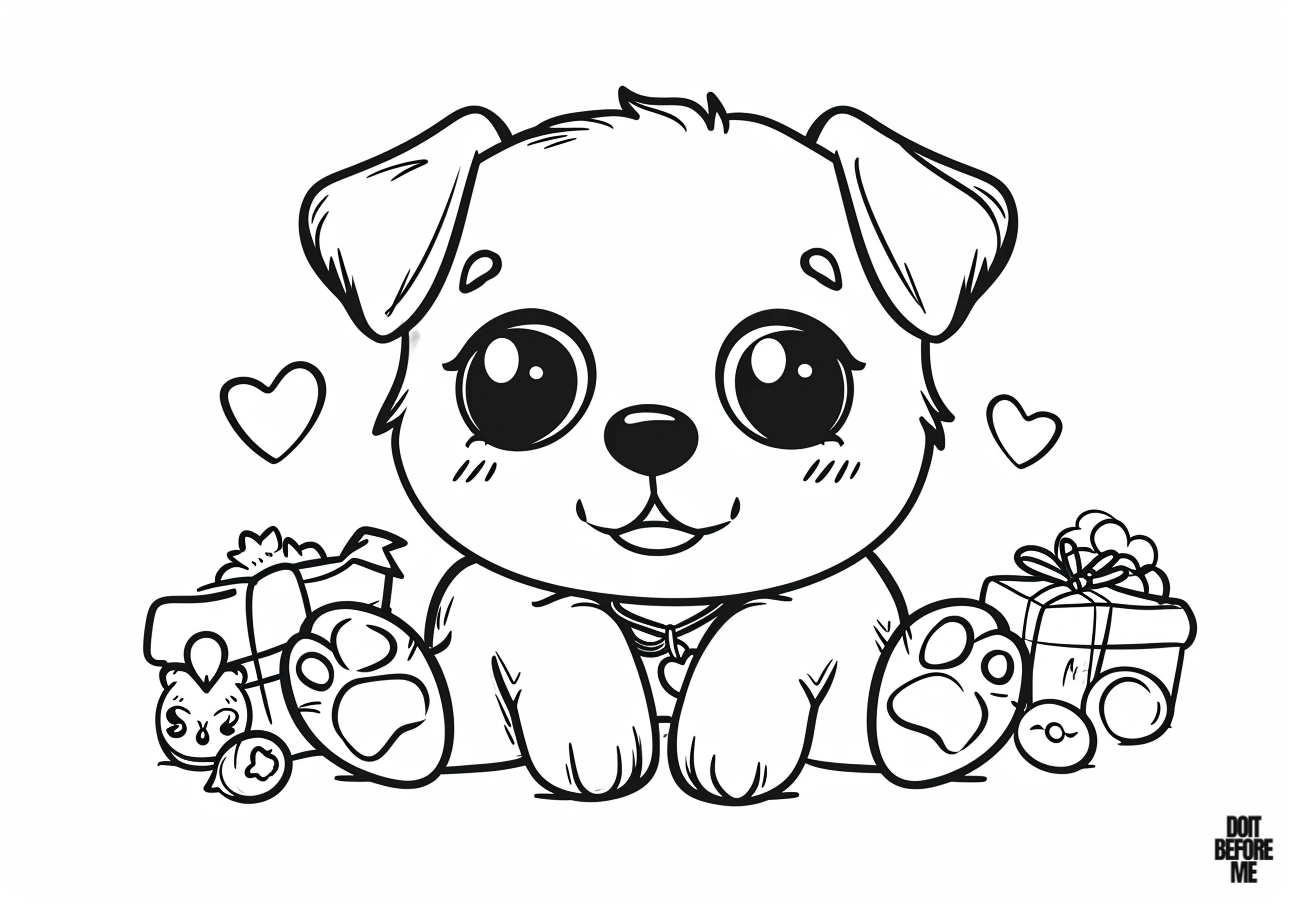
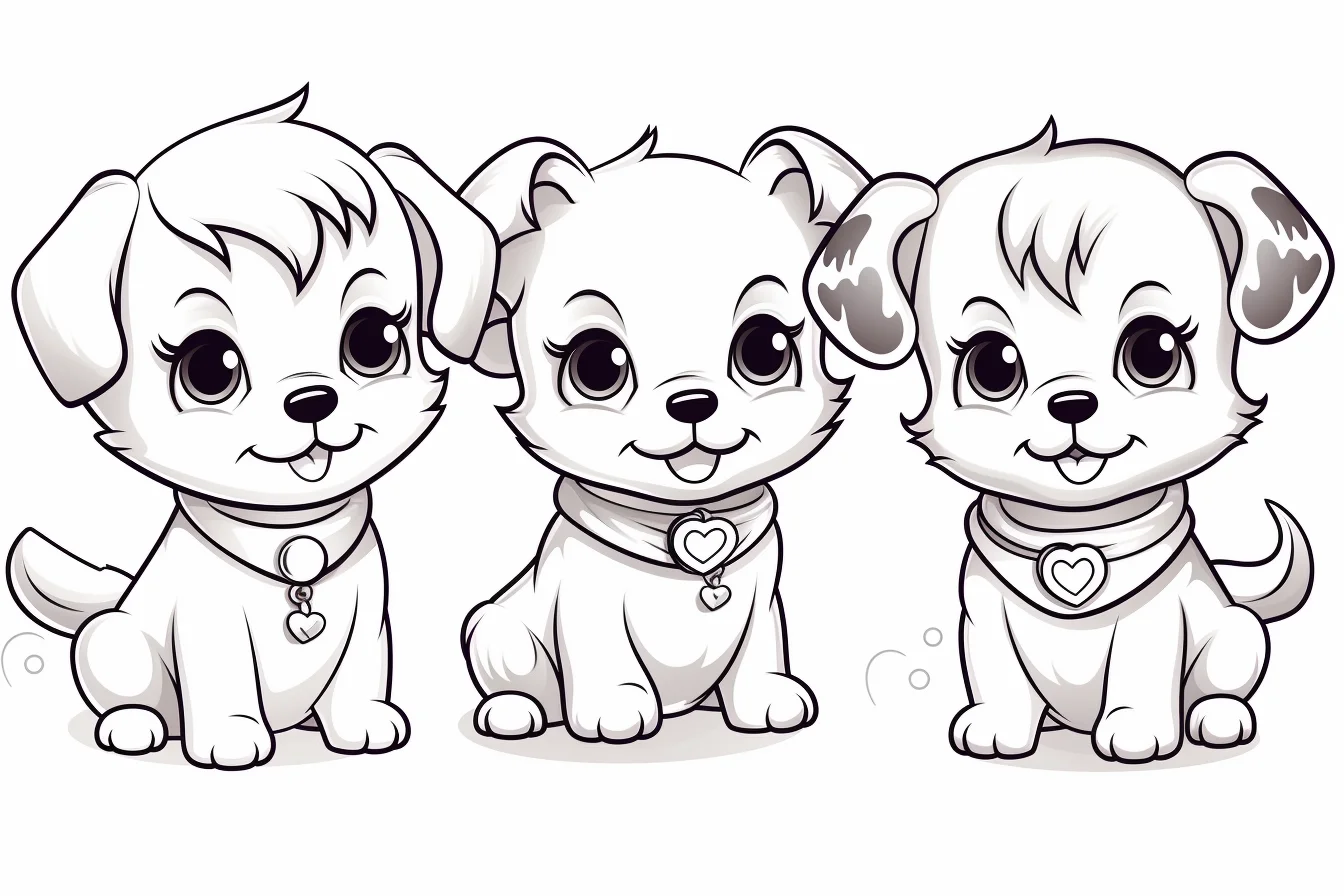
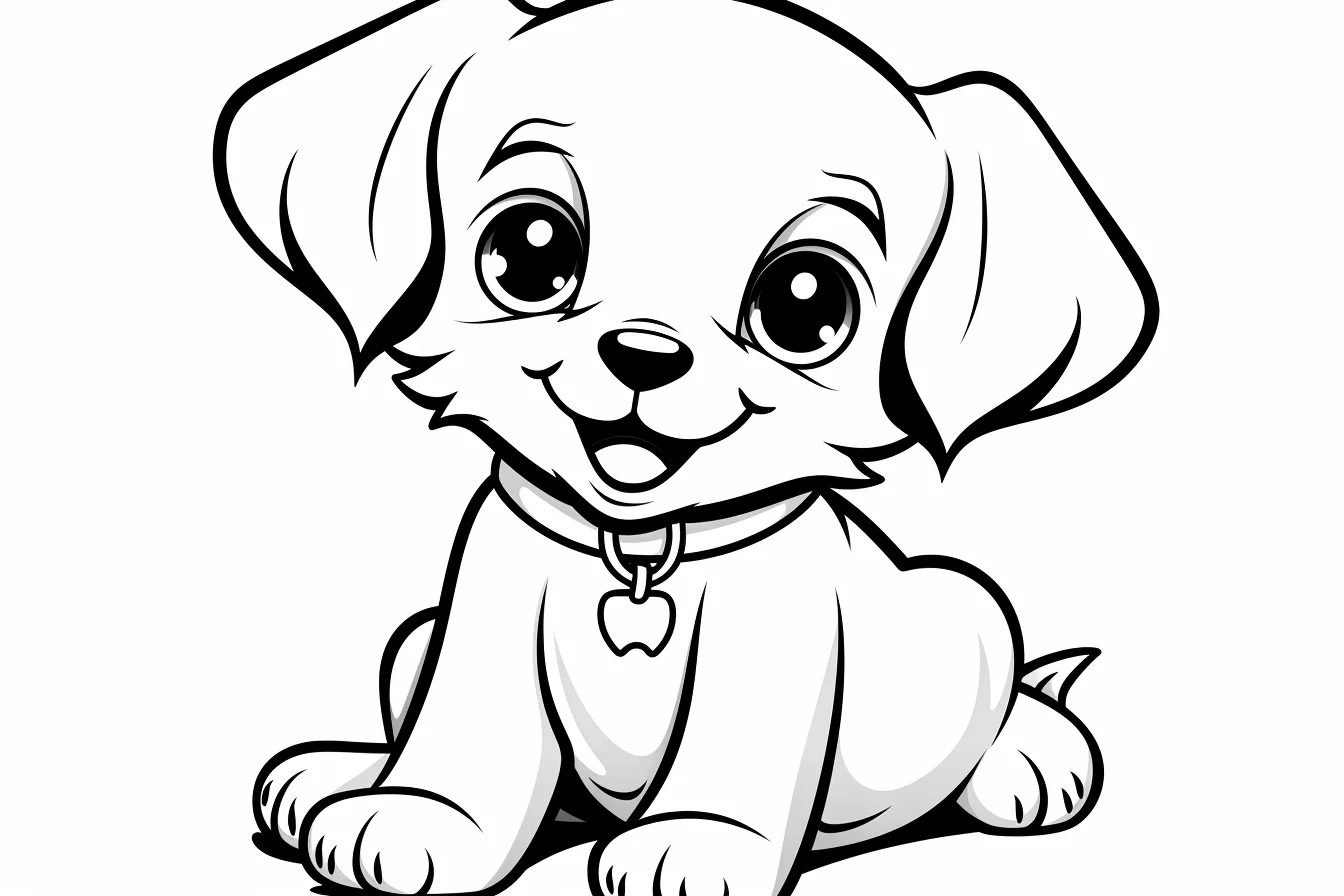
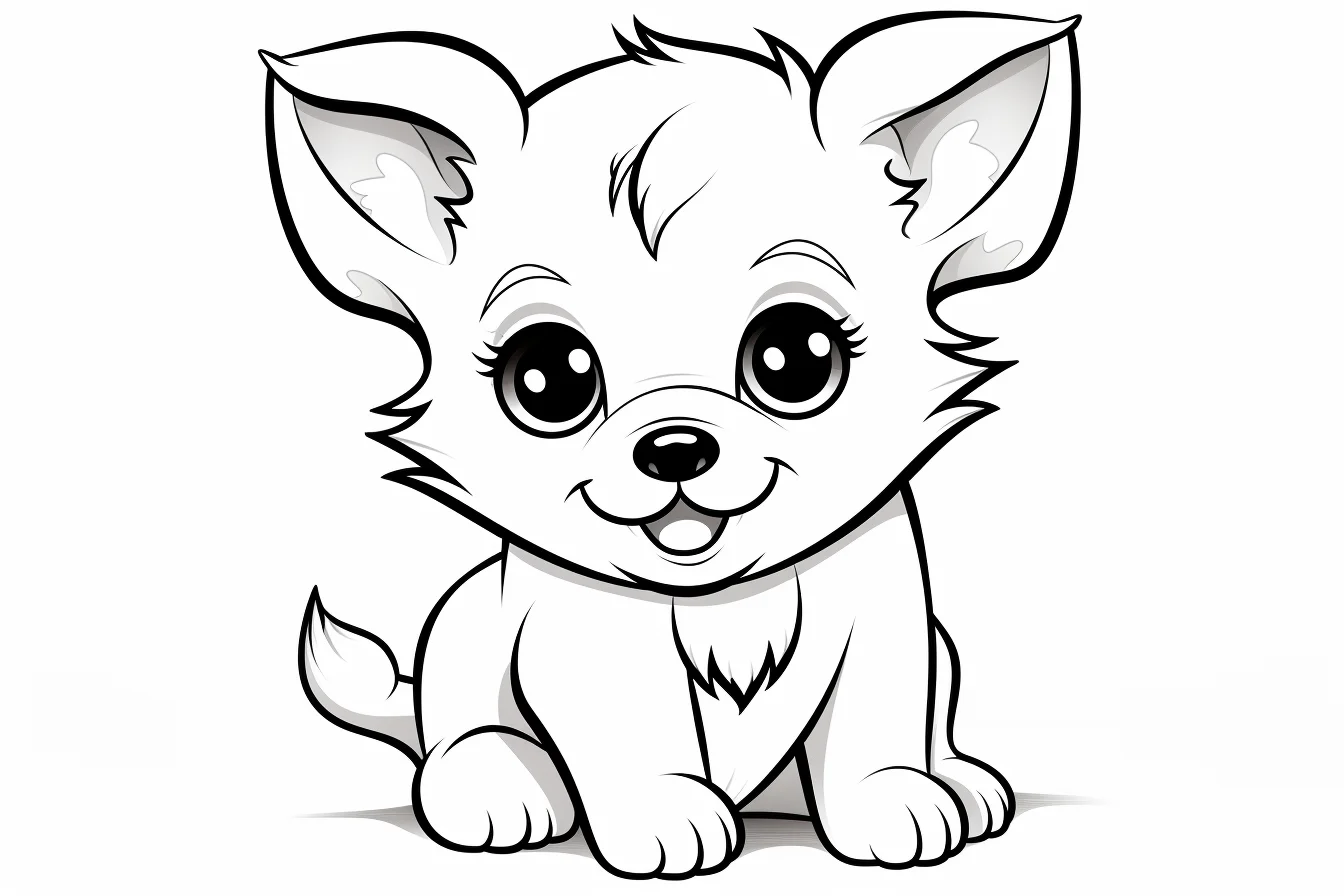
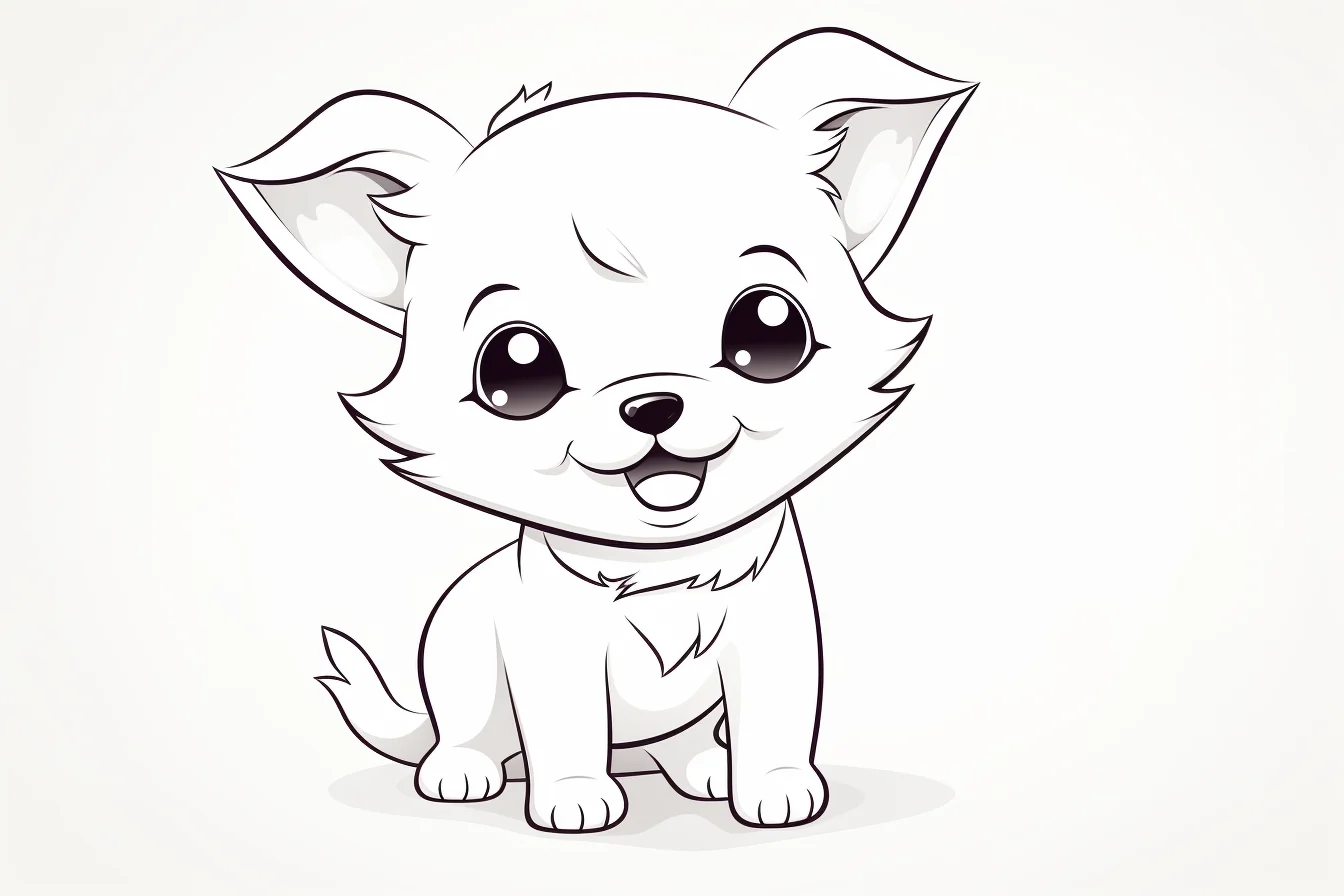
These last pages are intentionally kept outside the breed sections because the files do not identify a reliable breed. Use them for a general cute-puppy session, costumes or imaginative colors.
A five-minute coat test before you start
Before committing to a breed page, use a blank margin or scrap of the same paper to test three small swatches. Make one with flat, even pressure; one with two or three light layers; and one with short strokes following the direction fur would grow. Pick the swatch that matches the breed. A French Bulldog usually needs the flatter treatment, while a Pomeranian or Chow Chow benefits from visible layered strokes. For a Golden Retriever or Cavalier, combine a light base with a few directional strokes around the ears, chest and tail.
Then test the darkest coat color beside the color you plan to use for the eyes and nose. If those features disappear, lighten the surrounding muzzle or reserve a narrow strip of paper-white highlight. This is especially useful on Huskies and German Shepherds, where dark facial markings can swallow the expression if they are filled too heavily at the start.
Fix common puppy-coloring problems
| What looks wrong | Why it happens | Try this |
|---|---|---|
| Fluffy fur looks like one solid block | The coat was filled with uniform pressure | Layer lighter directional strokes and leave tiny breaks of paper between some strokes around the chest, ears and tail. |
| Short fur looks scratchy | Too many individual hair marks were added | Use smoother, broader coverage and save a few short strokes for edges or folds. |
| The eyes disappear into a dark face | Dark coat and facial features have the same value | Lighten the muzzle or eye surrounds and keep a small highlight in each eye. |
| A patterned coat turns muddy | The darkest markings were added before the light areas were planned | Map the blaze, muzzle, chest and socks first; build dark markings around them afterward. |
| The puppy no longer reads clearly as its breed | Decorative colors are overpowering the defining markings | Keep the characteristic mask, saddle, blaze or ear contrast clear even when using fantasy colors. |
| Flowers or costumes compete with the dog | Background details have equal saturation | Use the strongest contrast on the face and coat; repeat softer versions of those colors in accessories. |
Questions about coloring puppy breeds
Do the coat colors have to be realistic?
No. Natural colors help when you want the breed to be recognizable, but these are coloring pages, not identification tests. Keep the main breed features—ears, muzzle, coat pattern or face mask—clear and use any palette you enjoy.
Which breeds are easiest for younger kids?
Short-coated puppies and the mixed simple pages are usually easiest because they have larger areas and less fur texture. Fluffy Pomeranians and detailed flower scenes take more patience.
Should I use crayons or colored pencils?
Crayons work well on the simpler puppy pages. Colored pencils are better for layered fur, small facial markings and breed-specific coat patterns.

