
If your child loves dogs, Golden Retrievers are an easy subject because the same collection can work for a five-minute coloring break or a much slower pencil session. Instead of leaving the 22 images in upload order, this gallery is arranged so the numbering tells you what you are getting.
The first pages are simple single puppies. After that come the sleeping and cozy scenes, then the hats, hearts and accessories. The busiest pages are at the end. You can start at Sheet 1 with a younger child and simply stop when the pages begin to look too involved.
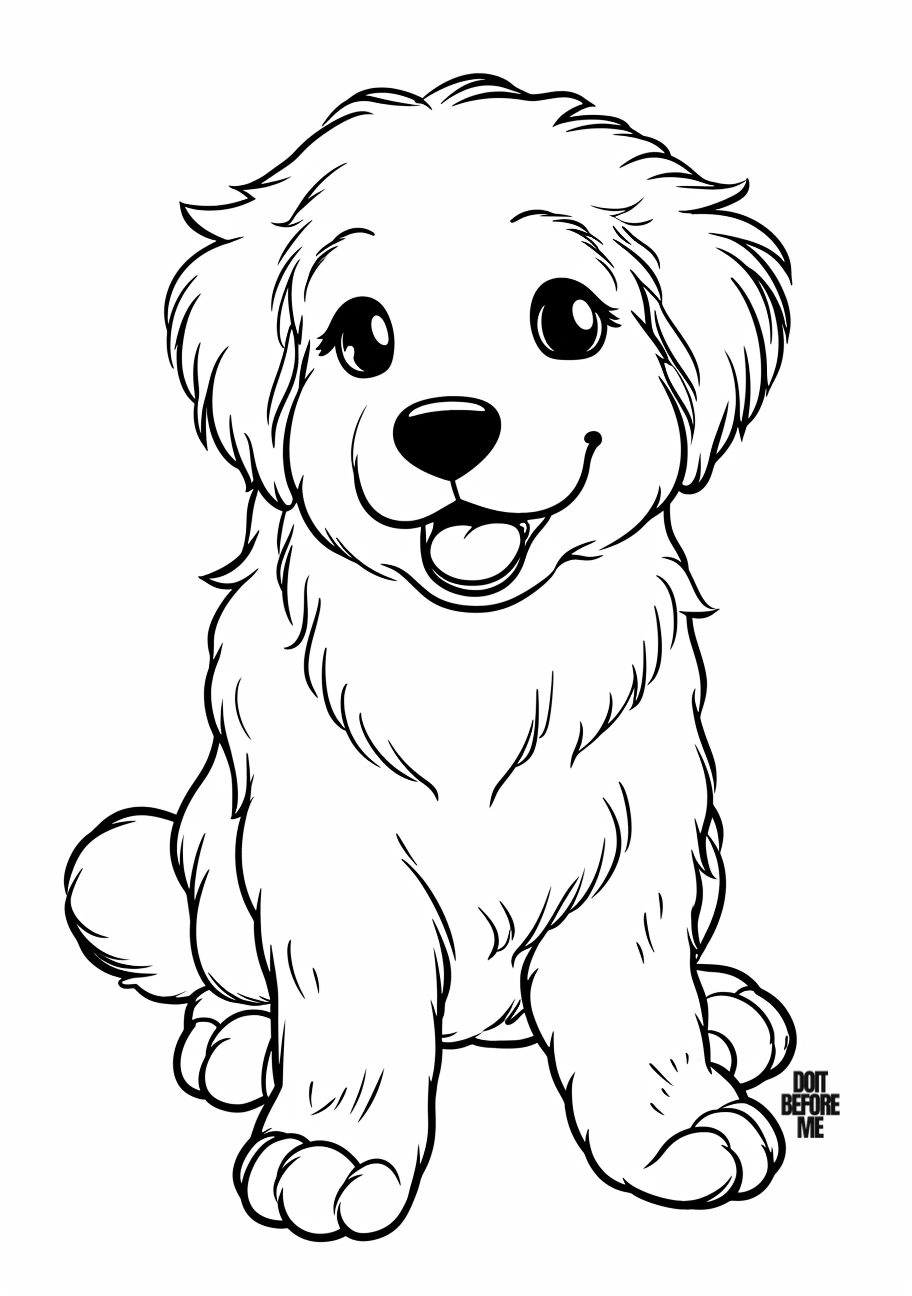
Open full-size Golden Retriever coloring sheet 1
Choose the kind of Golden Retriever page you want
| If you want… | Go to | Good for |
|---|---|---|
| A quick, easy puppy | Sheets 1–5 | Younger kids and shorter coloring sessions. |
| Sleeping and cozy puppies | Sheets 6–10 | Soft palettes and calm scenes. |
| Hats, hearts and accessories | Sheets 11–16 | Kids who like choosing more colors. |
| Busier or more detailed scenes | Sheets 17–22 | Older kids, pencils and longer sessions. |
Do a 90-second Golden Retriever coat test first
Before coloring the puppy, use a spare strip of the same paper and the pencils or crayons you plan to use. Make three small cream-to-gold swatches: one with very light pressure, one with normal pressure, and one with two or three layered passes. Keep the lightest swatch for the muzzle and chest, use the middle value for most of the body, and reserve the darkest value for small shadow areas under the ears, belly and paws.
Then put a tiny dark-brown or black mark beside the middle-gold swatch. If the dark mark seems to swallow the gold, your eye, nose and mouth details can do the same on the finished puppy. Lighten the surrounding coat rather than pressing harder on the facial features. For very pale puppies, leave a strip of untouched white paper beside the cream swatch so you can see whether your highlights will actually remain visible.
Quick check: hold the test at arm’s length and squint. You should still see three coat values. If they merge into one yellow patch, increase the difference between the light and shadow swatches before starting the page.
How to color a Golden Retriever coat without making it flat
- Start with cream or pale yellow. Cover most of the coat lightly.
- Add a deeper gold. Use it around the ears, top of the back and tail.
- Keep the chest and muzzle lighter. This helps the face stay clear.
- Add one darker brown sparingly. A little under the ears, paws or body gives the puppy more shape.
For cartoon puppies, you can ignore realistic coat colors entirely and let the accessories carry bright pinks, blues, greens or purples. For more dog printables, see our dog coloring pages, Pug puppy coloring pages and Toy Poodle coloring pages.
Three-page practice plan for better puppy coloring
- Sheet 1: learn clean coverage. Use one light coat color and concentrate on staying inside the larger shapes. This is the best warm-up for crayons or broad pencils.
- Sheet 6: practice soft shadows. Color the sleeping puppy lightly first, then add a second layer beneath the ears, chin and body. The goal is depth without drawing dark outlines around every patch of fur.
- Sheet 20: build fur direction. With a sharpened colored pencil, use short strokes that follow the body: downward on the chest, outward on the cheeks and along the tail. Leave some pale paper showing instead of filling every area at maximum pressure.
Fix common Golden Retriever coloring problems
| If the page looks… | Try this |
|---|---|
| Flat and uniformly yellow | Keep the muzzle and chest pale, then deepen the ears, back and underside by one or two values. |
| Striped rather than furry | Shorten your pencil strokes and change their direction with the body instead of shading the whole dog diagonally. |
| Muddy around the eyes | Leave a narrow light buffer around the eye before adding darker gold or brown nearby. |
| Too busy when there are hearts or balloons | Limit accessories to two bright colors and let the warm golden coat remain the focal point. |
| Patchy with crayons | Use overlapping small circles with light pressure, then make a second pass only where you want shadow. |
| Bleeding with markers | Print on heavier paper, test the marker on a spare edge, and color up to the line rather than repeatedly tracing over it. |
How to save and print these coloring pages
- Choose a design from the gallery below.
- Open the full-size coloring sheet using the link beneath the image.
- Use fit-to-page in print preview so ears, paws and balloons are not cut off.
- Regular printer paper is fine for crayons and pencils; use heavier paper for markers.
Easy Golden Retriever puppy pages — Sheets 1–5
Start here for younger kids or a quick coloring session. These pages keep the puppy large and readable, with enough white space that crayons or broad pencils still work comfortably.
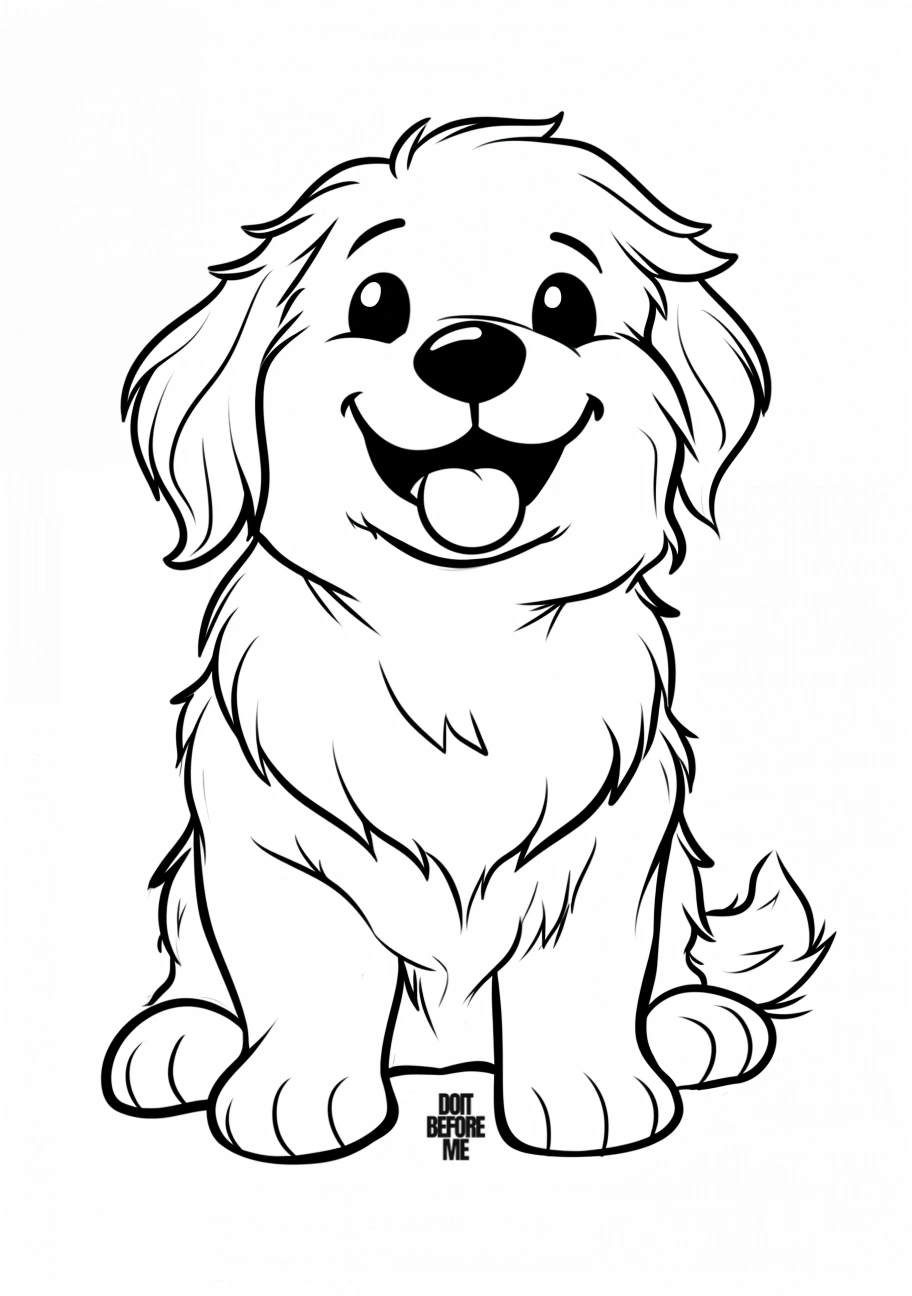
Open full-size Golden Retriever coloring sheet 2
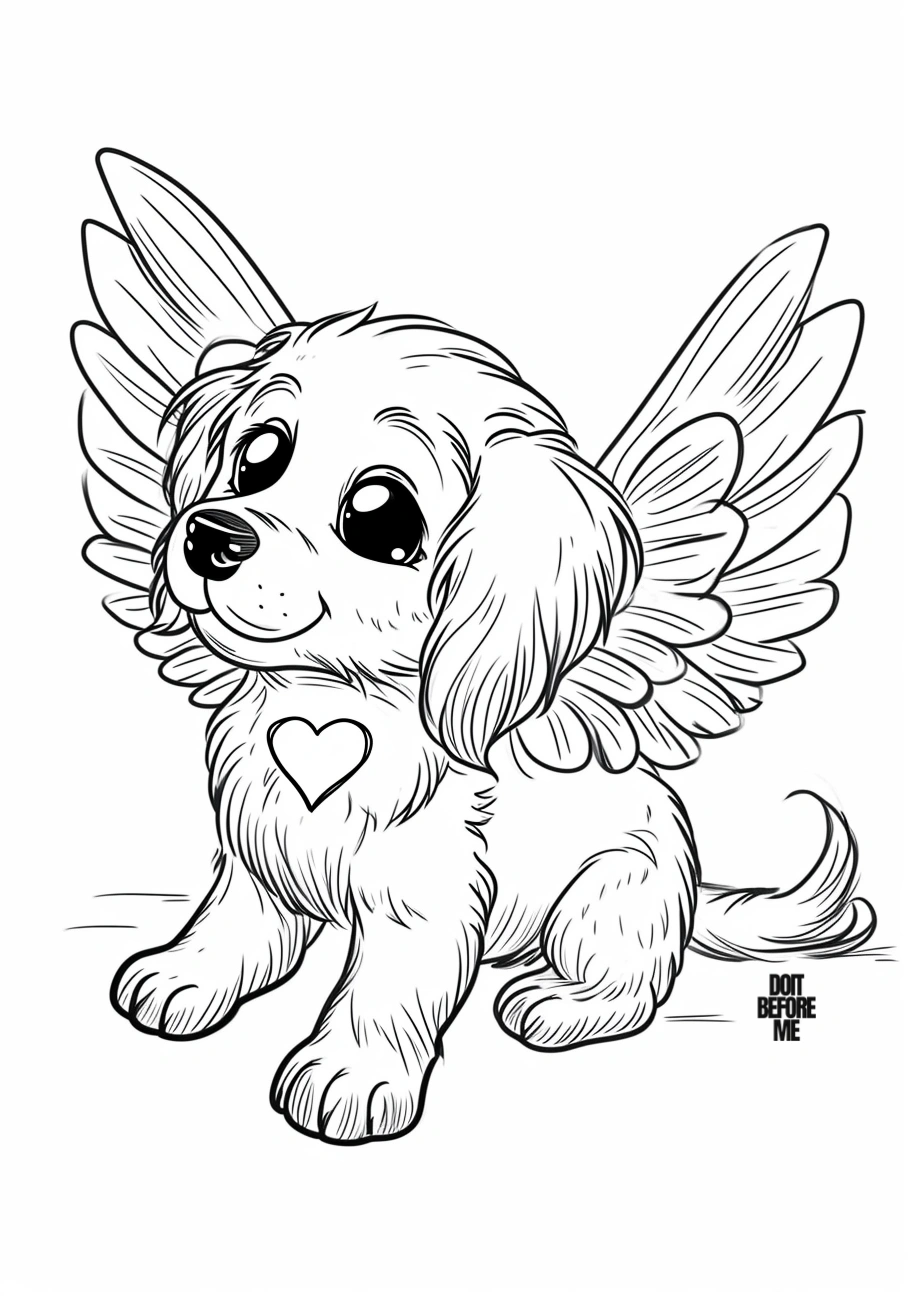
Open full-size Golden Retriever coloring sheet 3
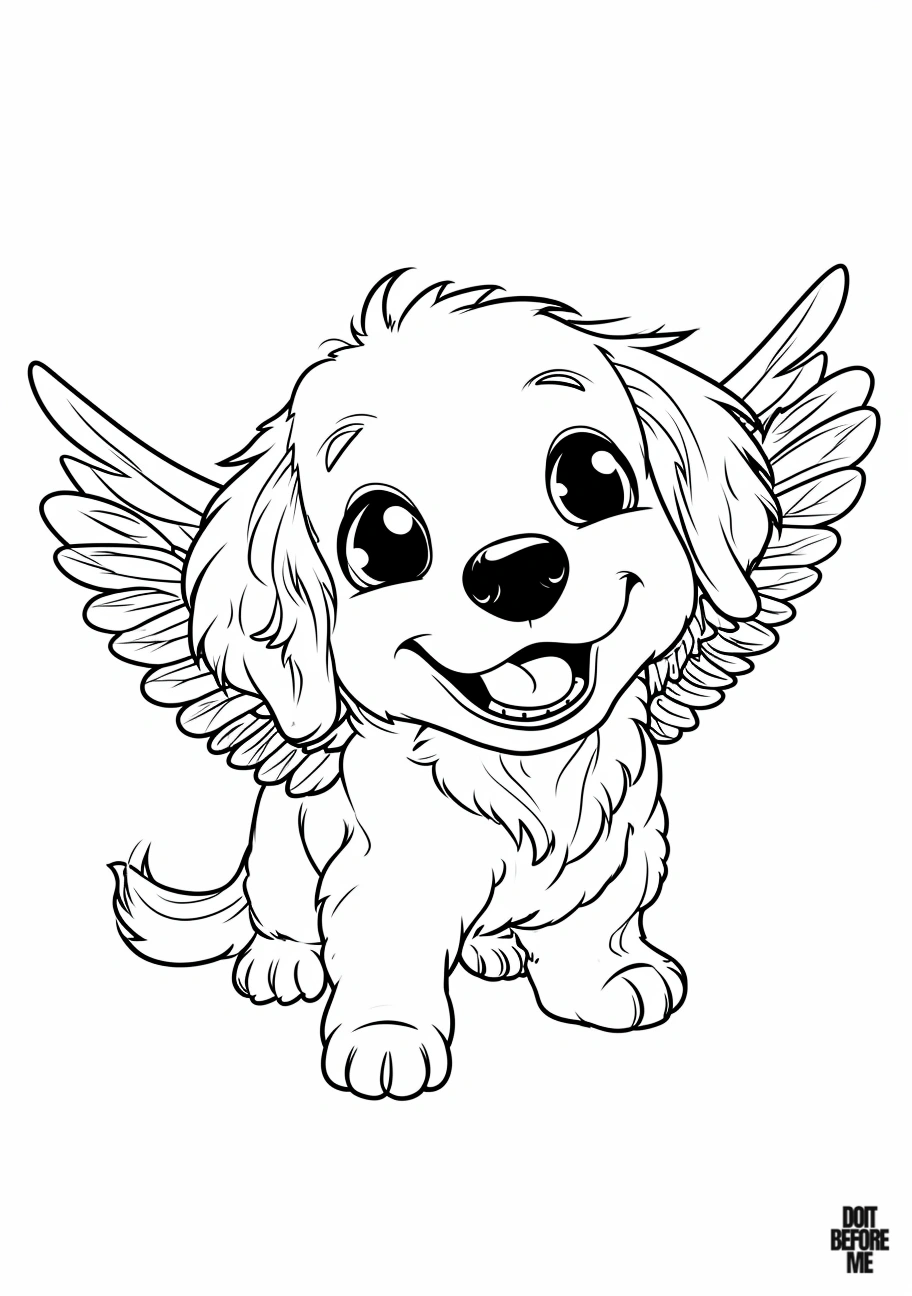
Open full-size Golden Retriever coloring sheet 4
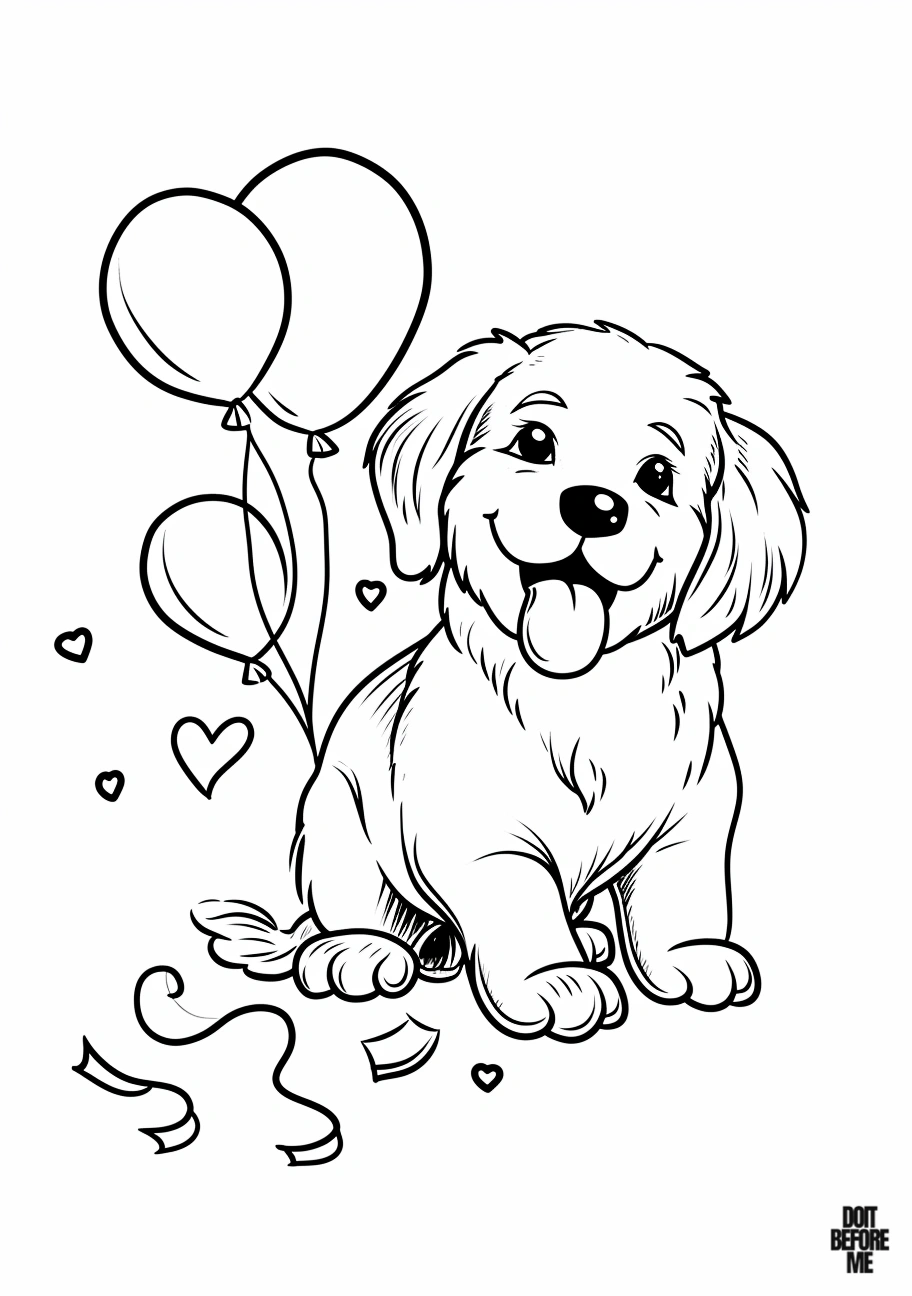
Open full-size Golden Retriever coloring sheet 5
Sleeping and cozy Golden Retriever pages — Sheets 6–10
These are the softer scenes: sleeping puppies, cuddled groups and a parent-and-puppy moment. Cream, honey and light brown work well here, and the dogs do not all need to be exactly the same shade.
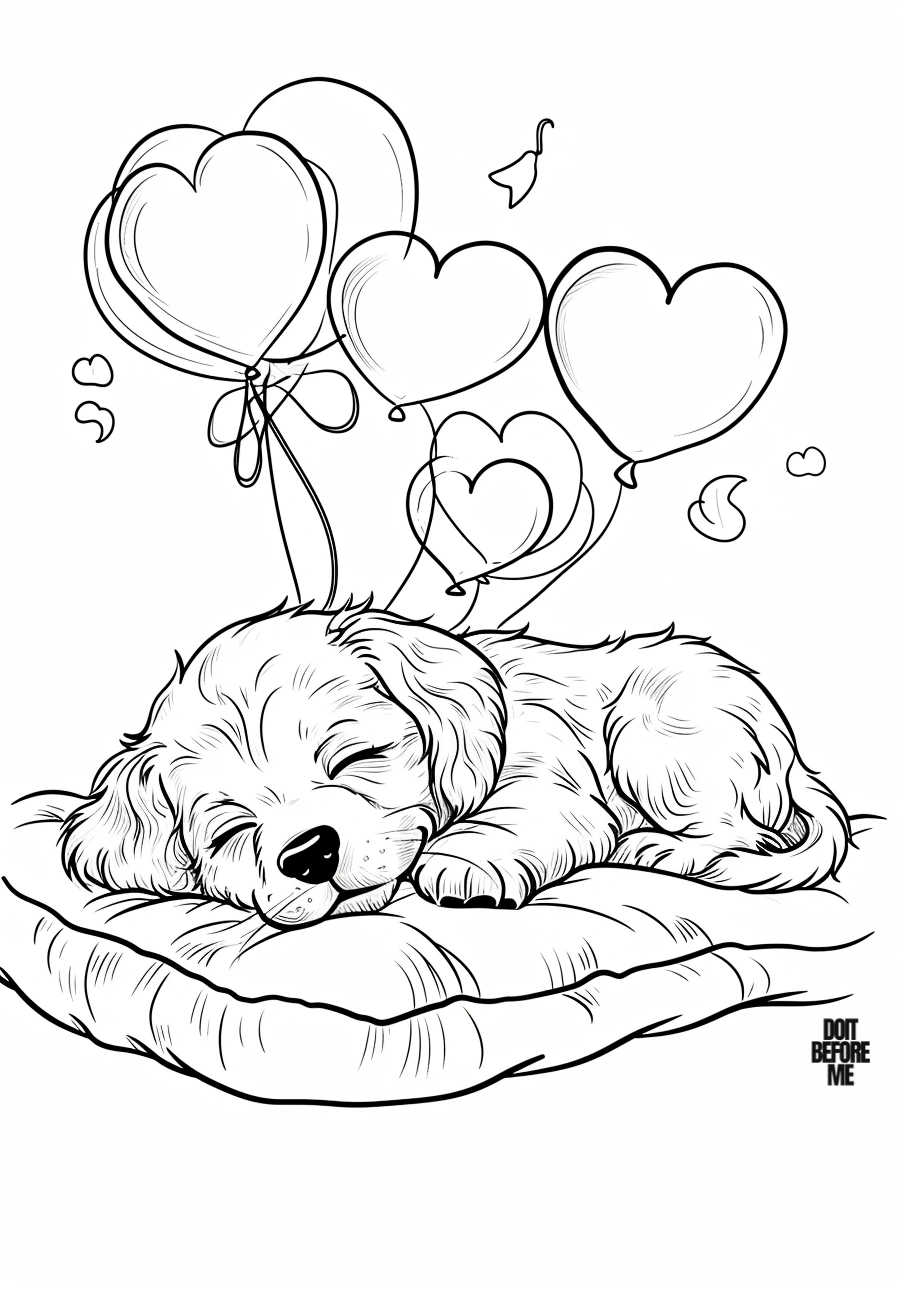
Open full-size Golden Retriever coloring sheet 6
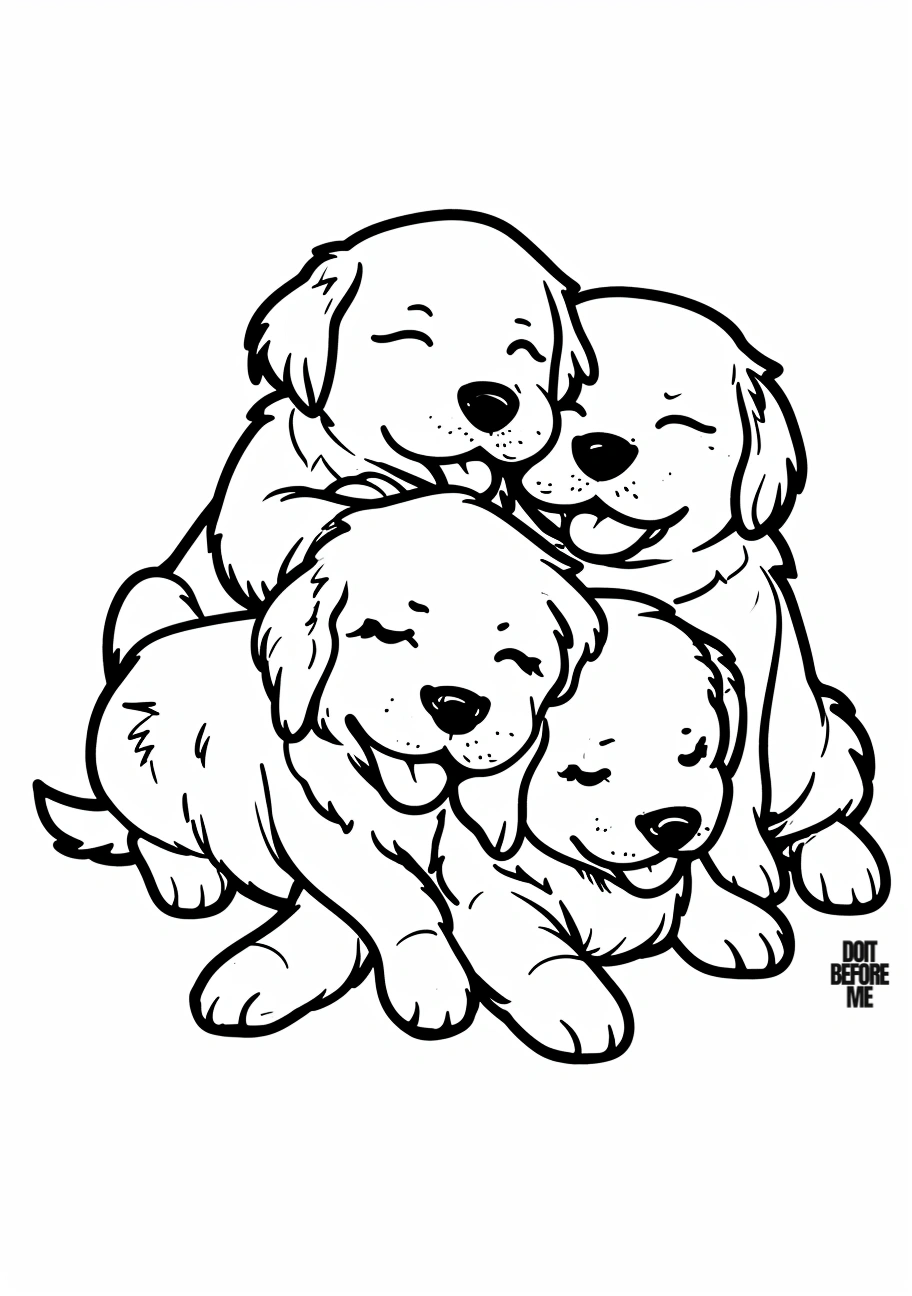
Open full-size Golden Retriever coloring sheet 7
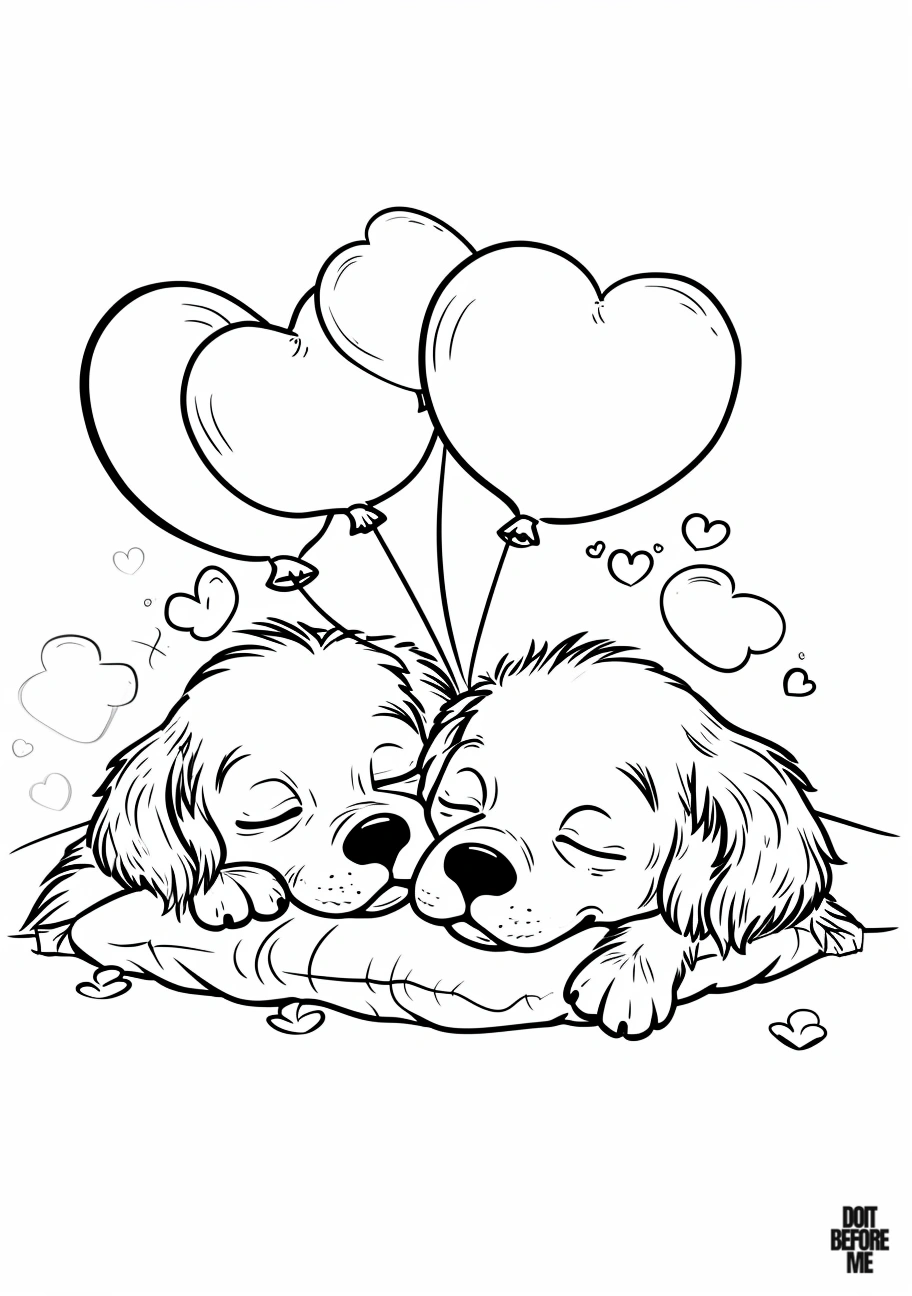
Open full-size Golden Retriever coloring sheet 8
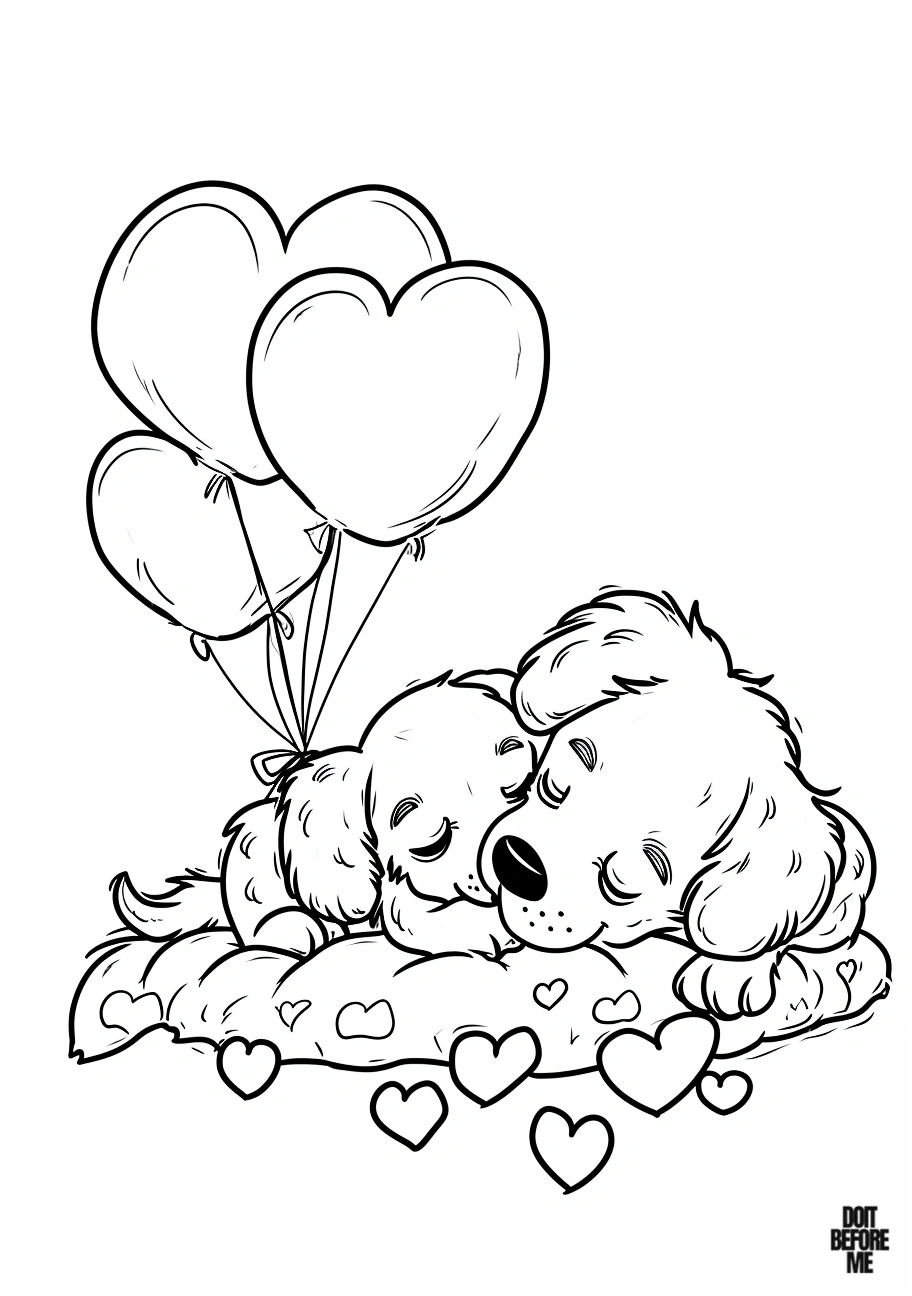
Open full-size Golden Retriever coloring sheet 9
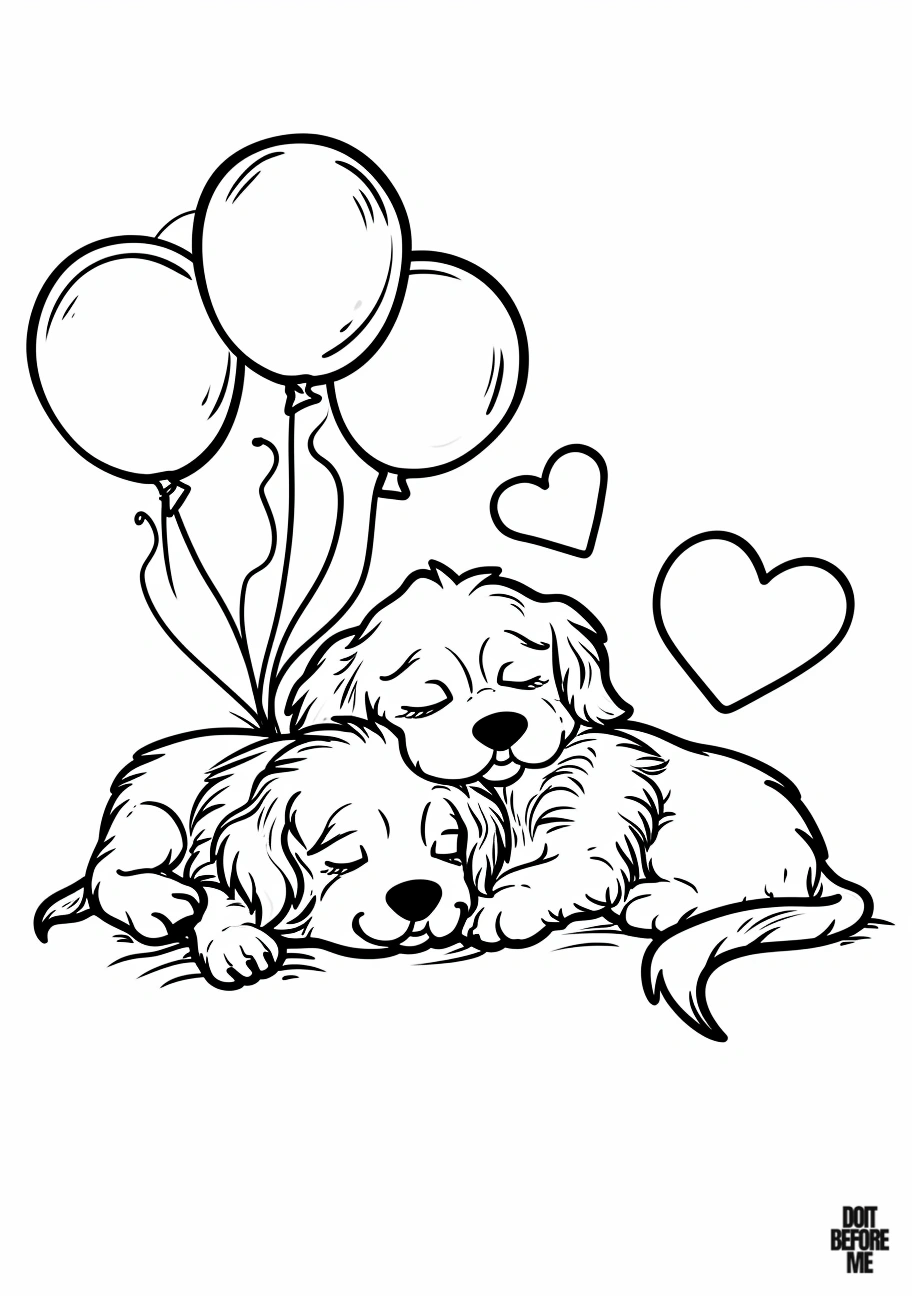
Open full-size Golden Retriever coloring sheet 10
Golden Retrievers with hats, hearts and accessories — Sheets 11–16
This group gives you more color choices without making the fur much harder. Finish the dog first, then use the balloons, hats, scarf, flowers or bow tie to add stronger colors.
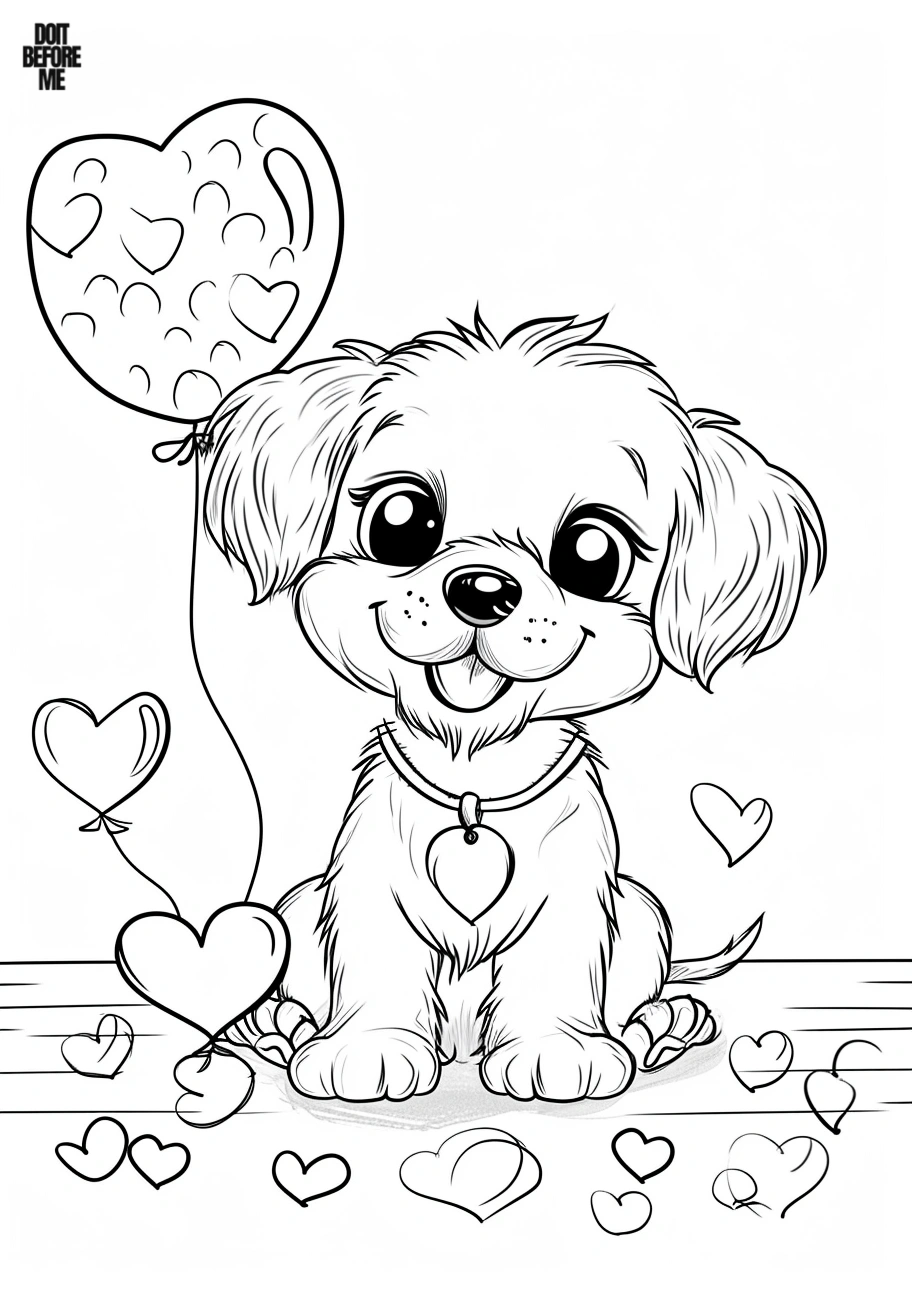
Open full-size Golden Retriever coloring sheet 11
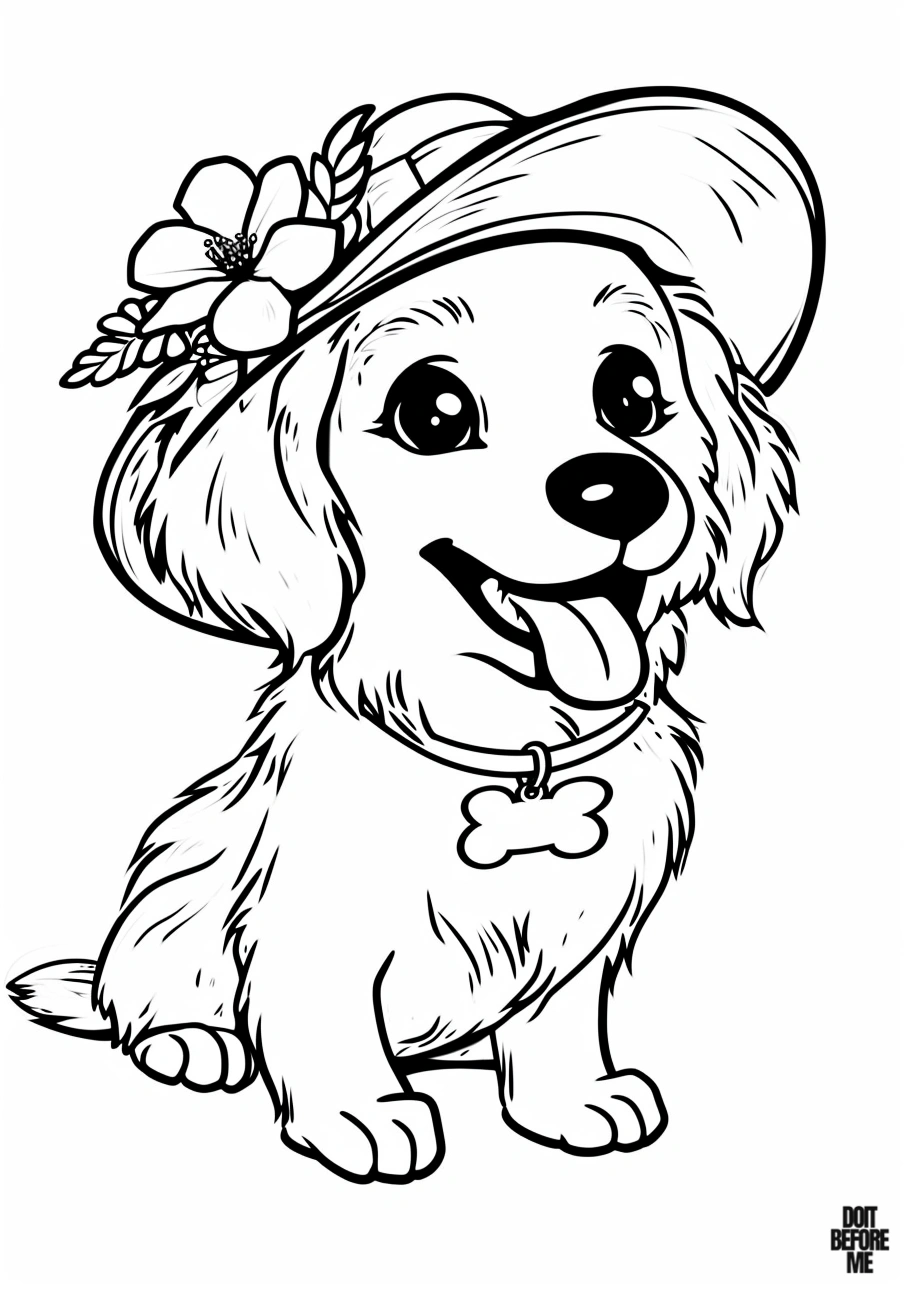
Open full-size Golden Retriever coloring sheet 12
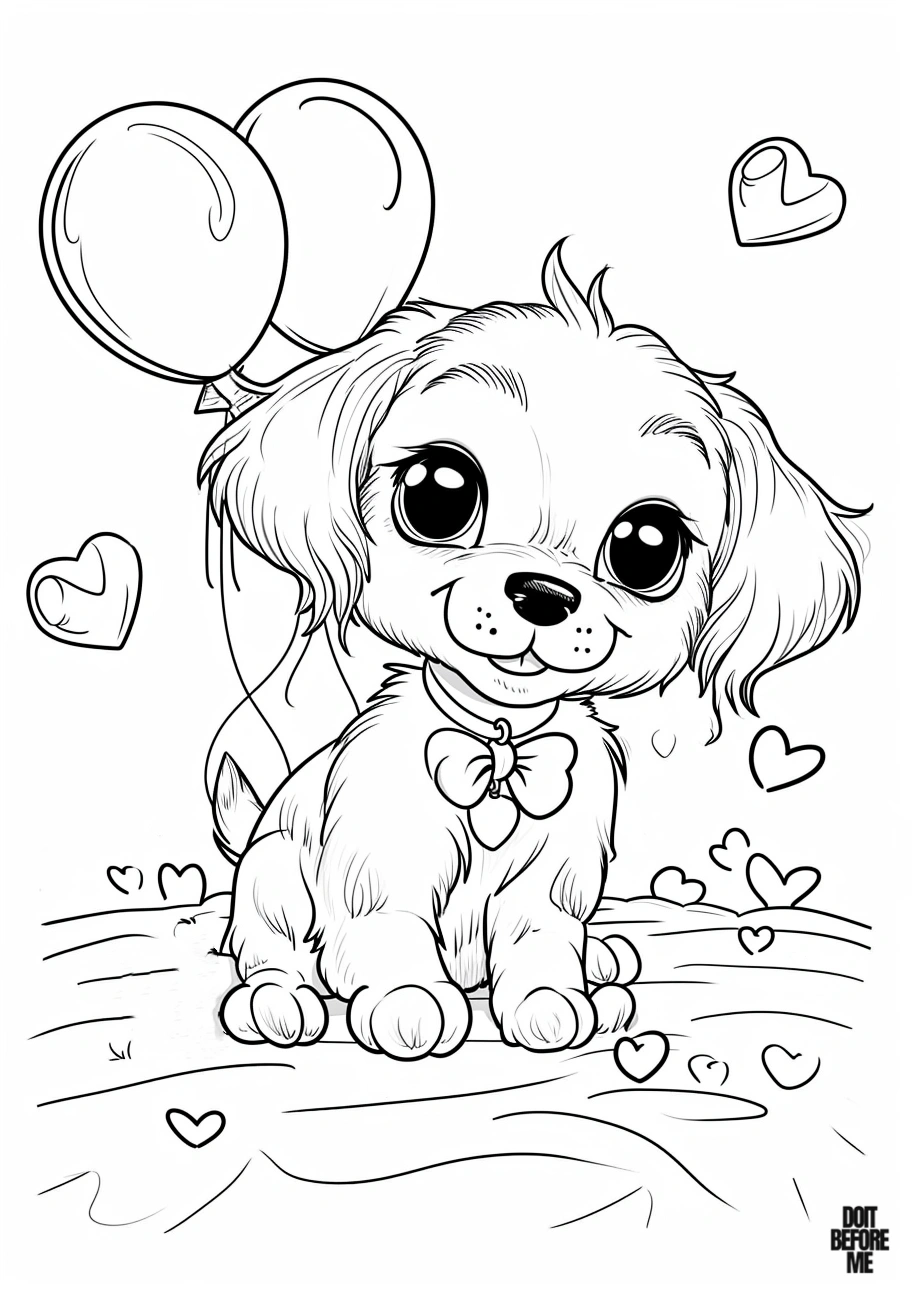
Open full-size Golden Retriever coloring sheet 13
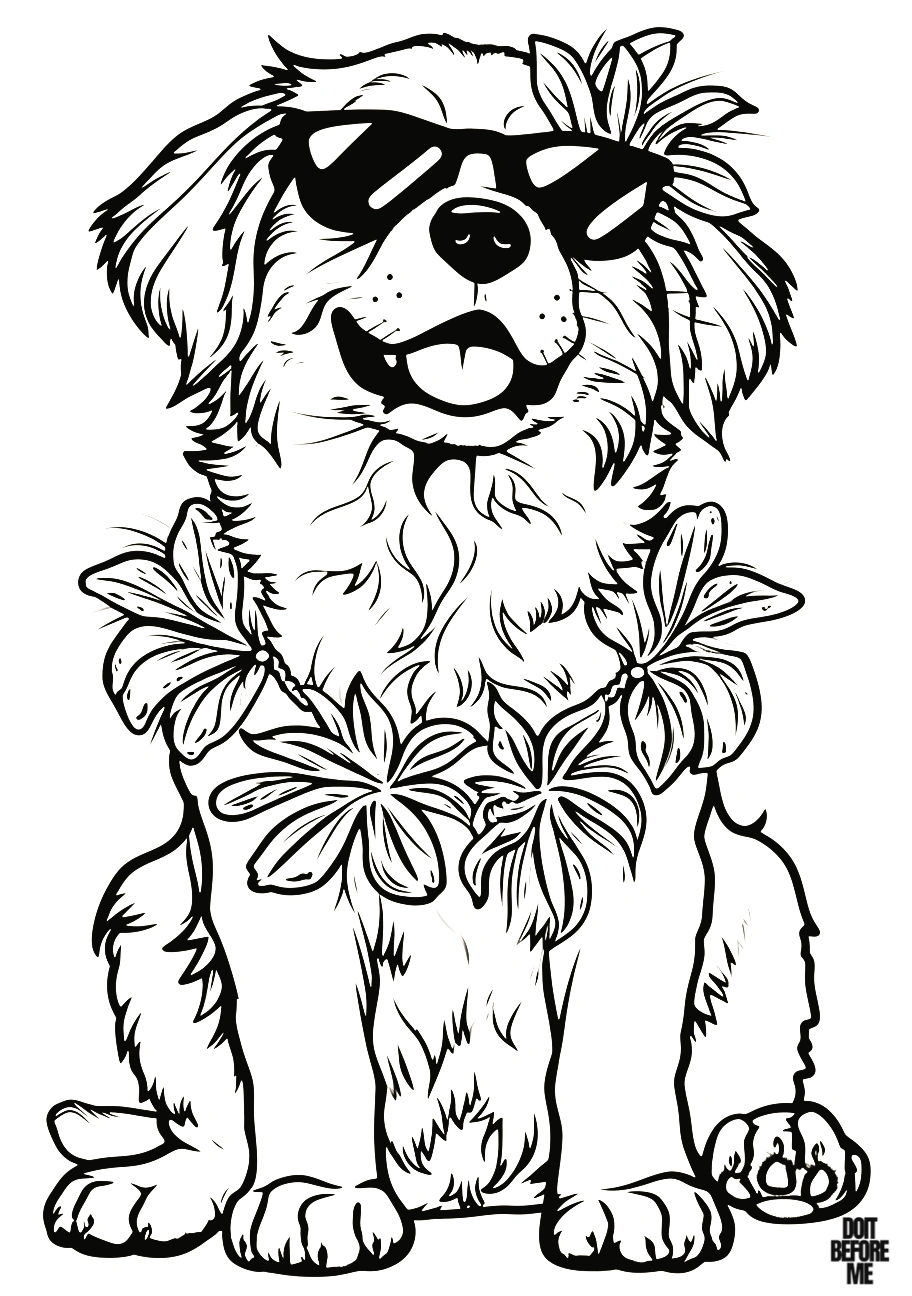
Open full-size Golden Retriever coloring sheet 14
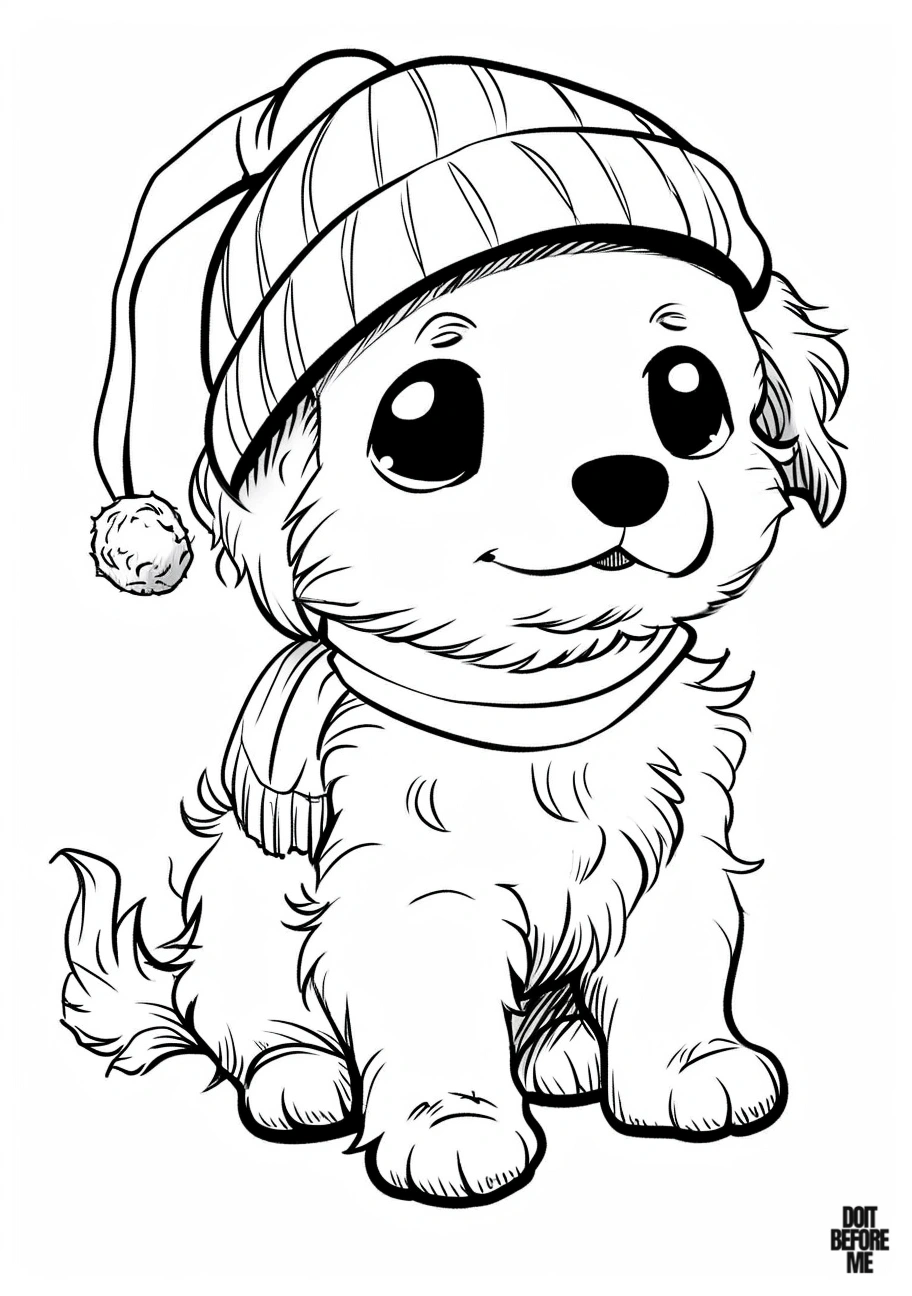
Open full-size Golden Retriever coloring sheet 15
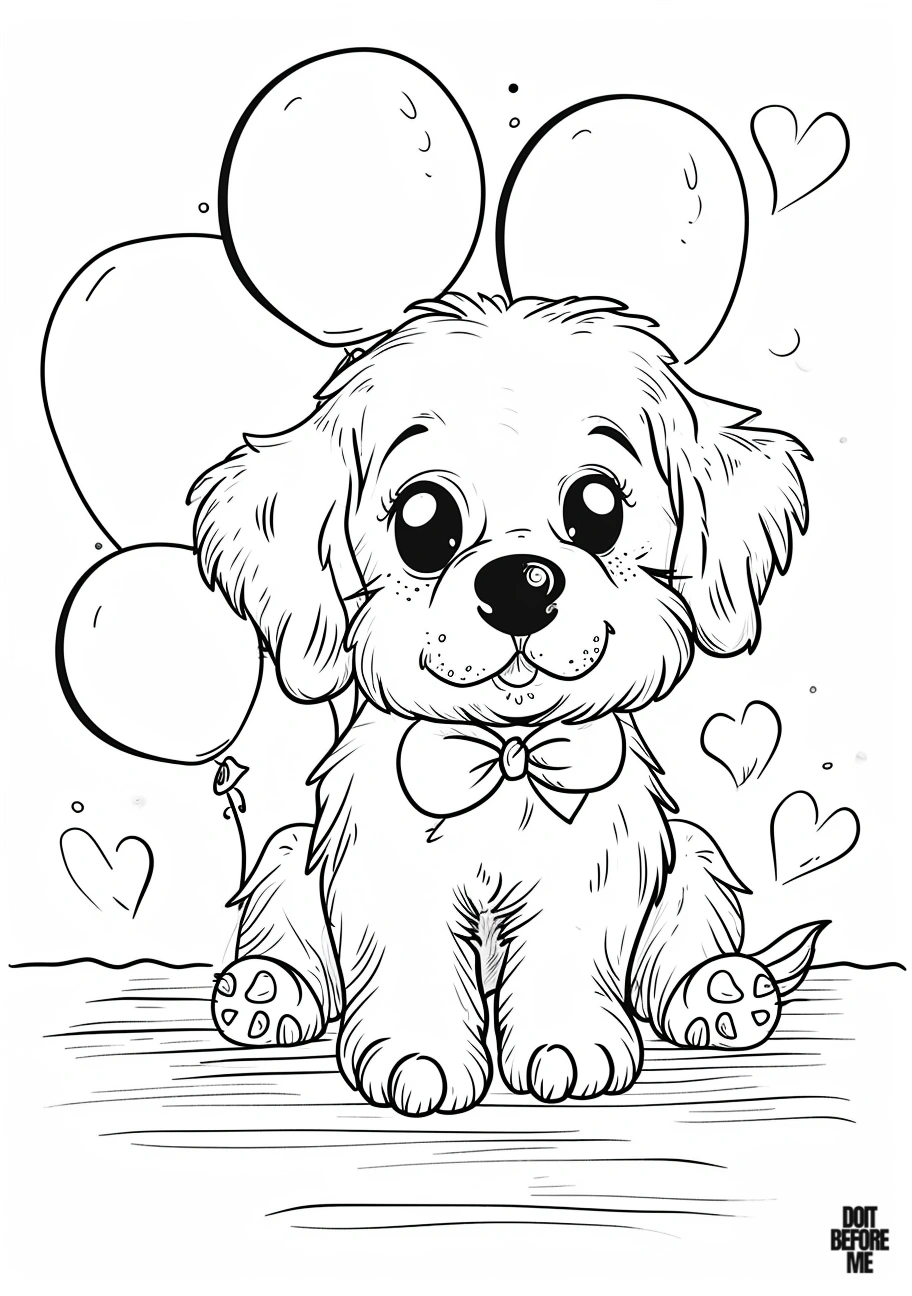
Open full-size Golden Retriever coloring sheet 16
Busier and more detailed Golden Retriever scenes — Sheets 17–22
The last six pages have more going on: several puppies, children with dogs, or more detailed line work. These are better when someone wants a longer session rather than one quick puppy portrait.
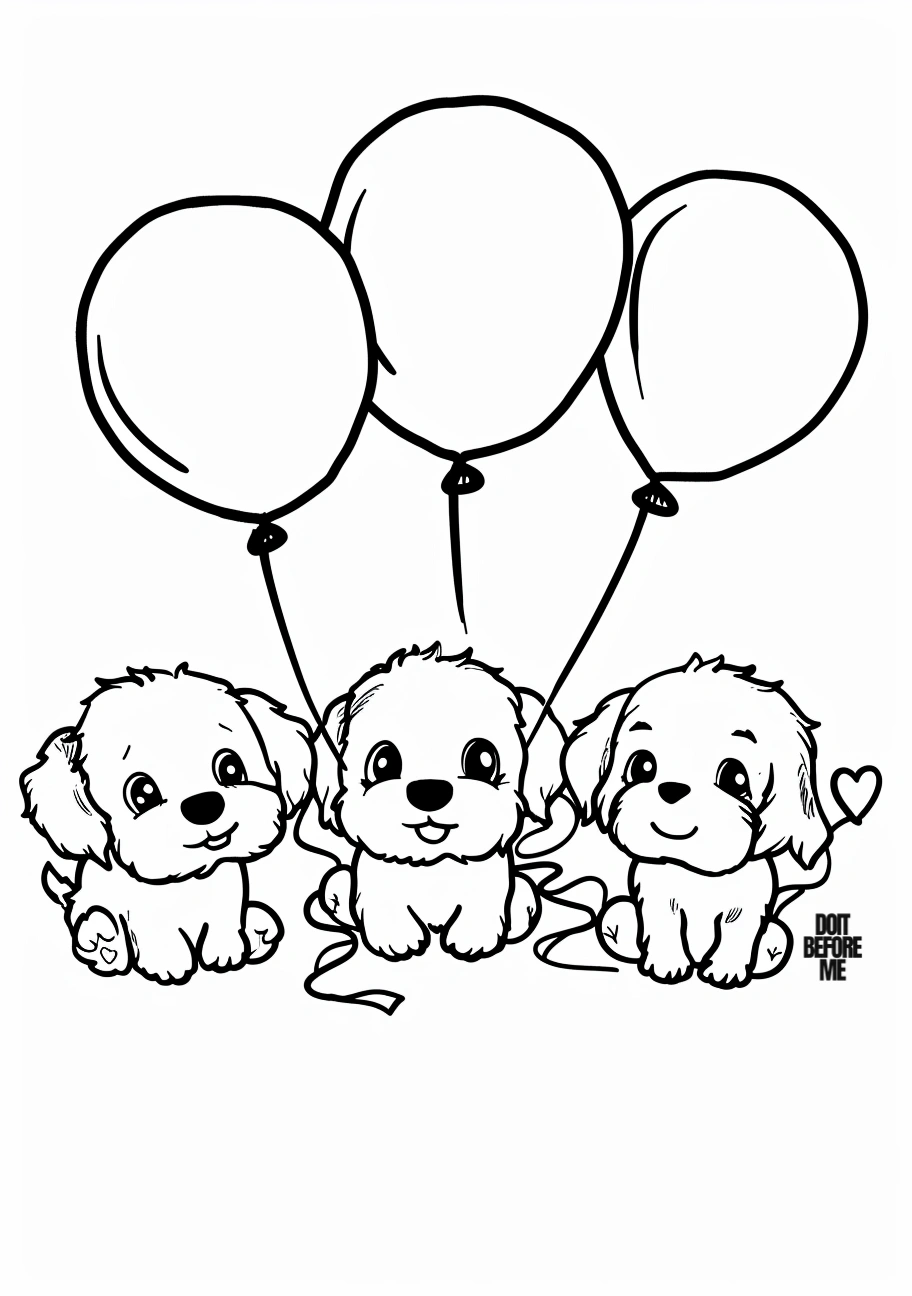
Open full-size Golden Retriever coloring sheet 17
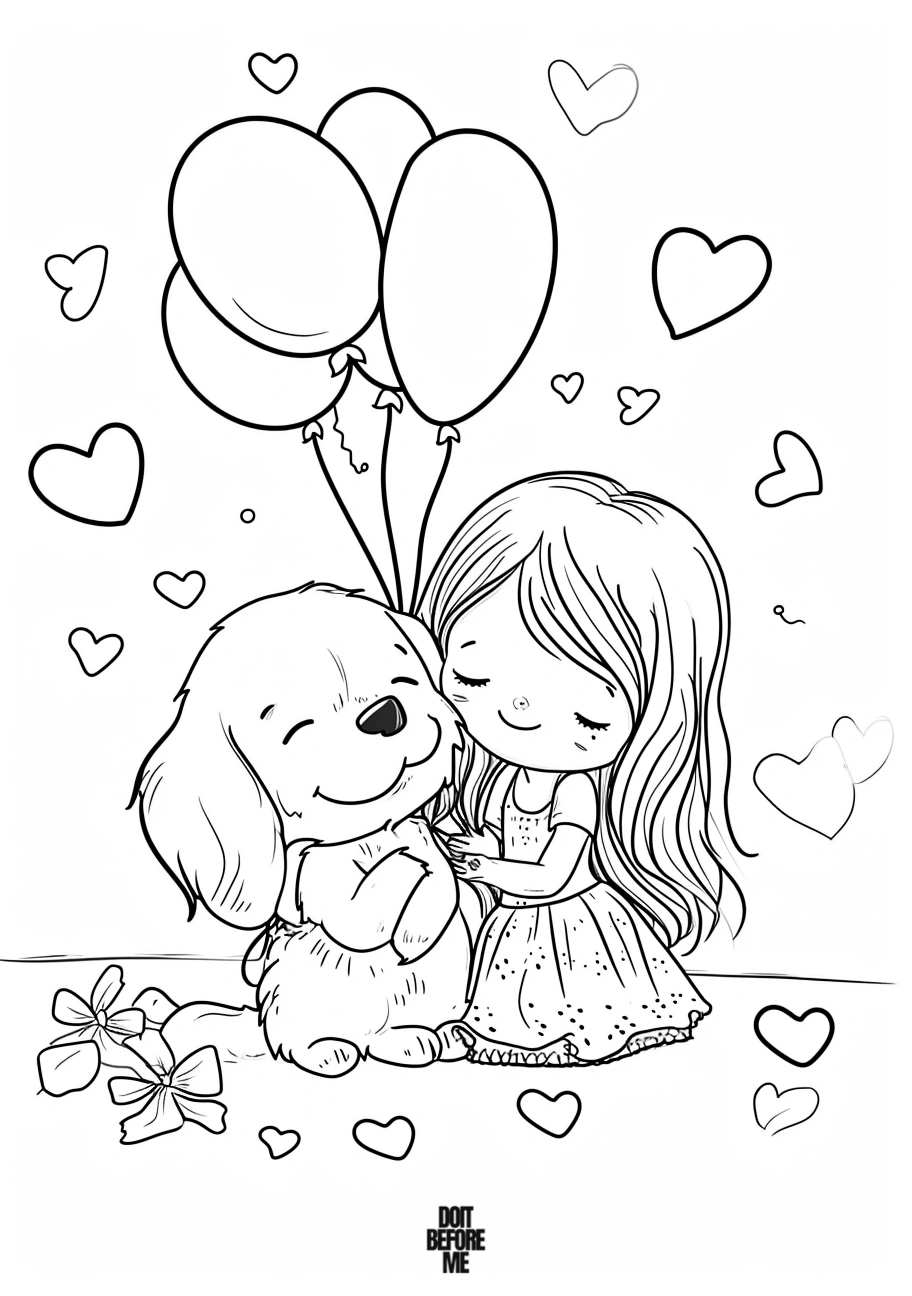
Open full-size Golden Retriever coloring sheet 18
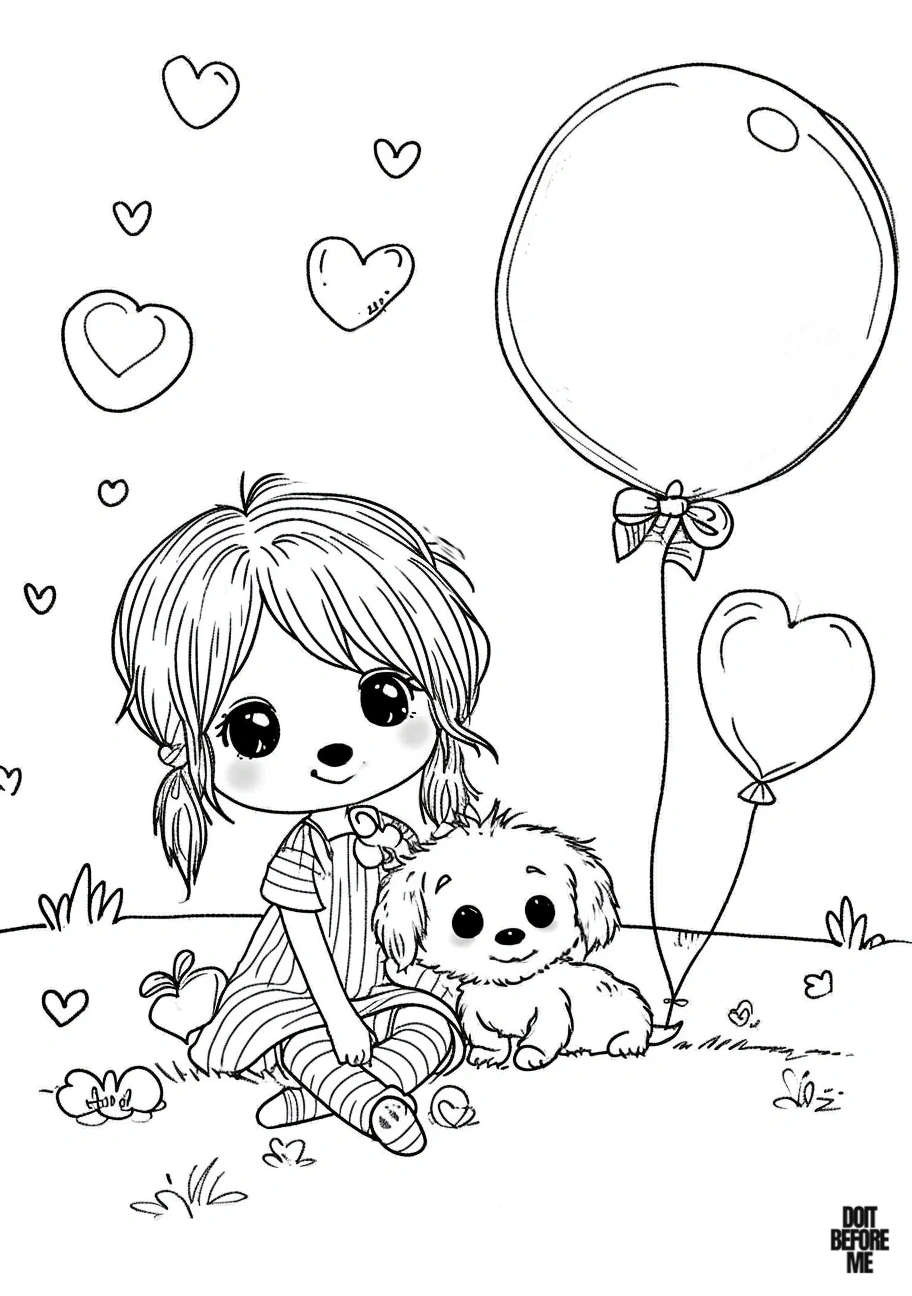
Open full-size Golden Retriever coloring sheet 19
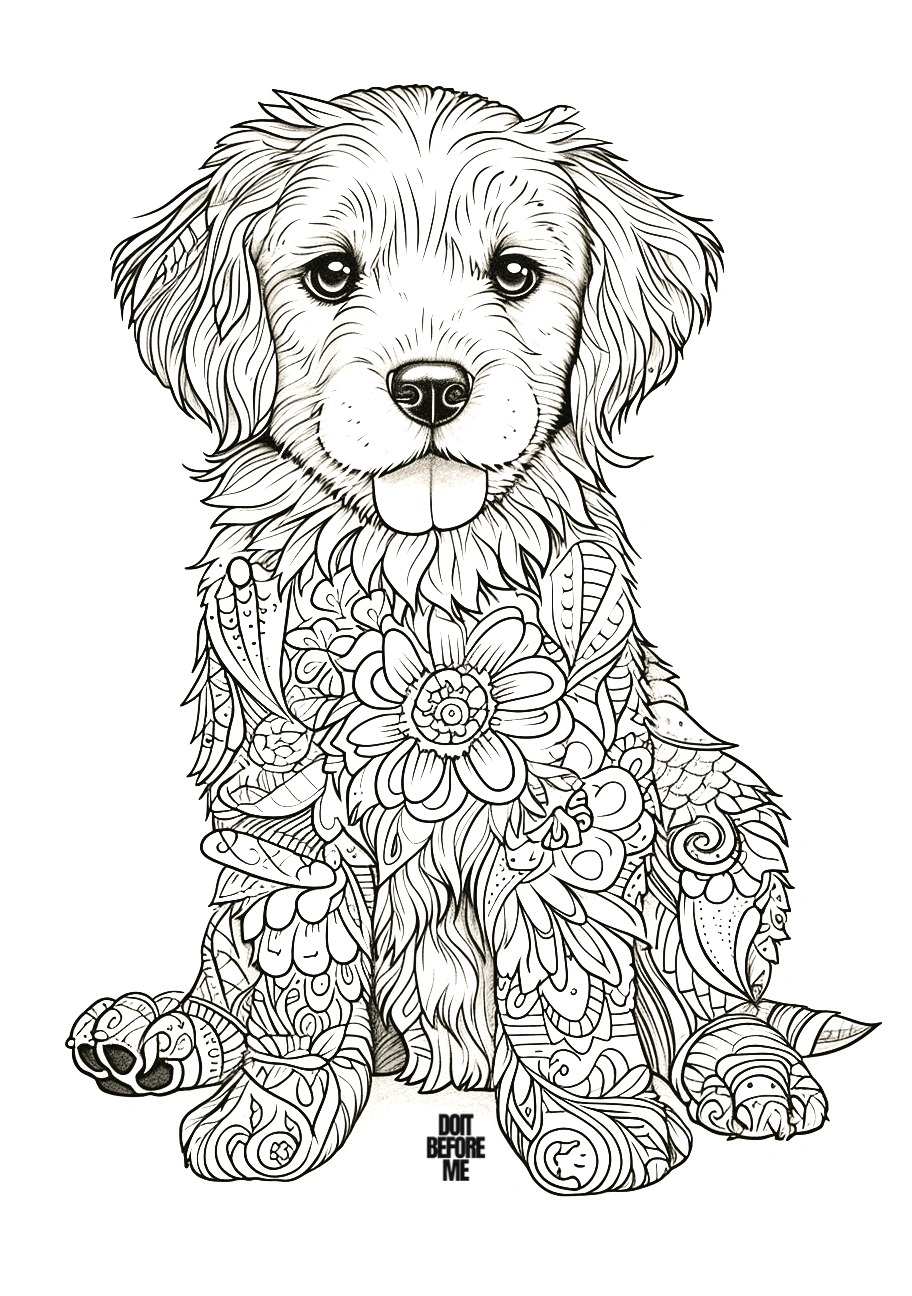
Open full-size Golden Retriever coloring sheet 20
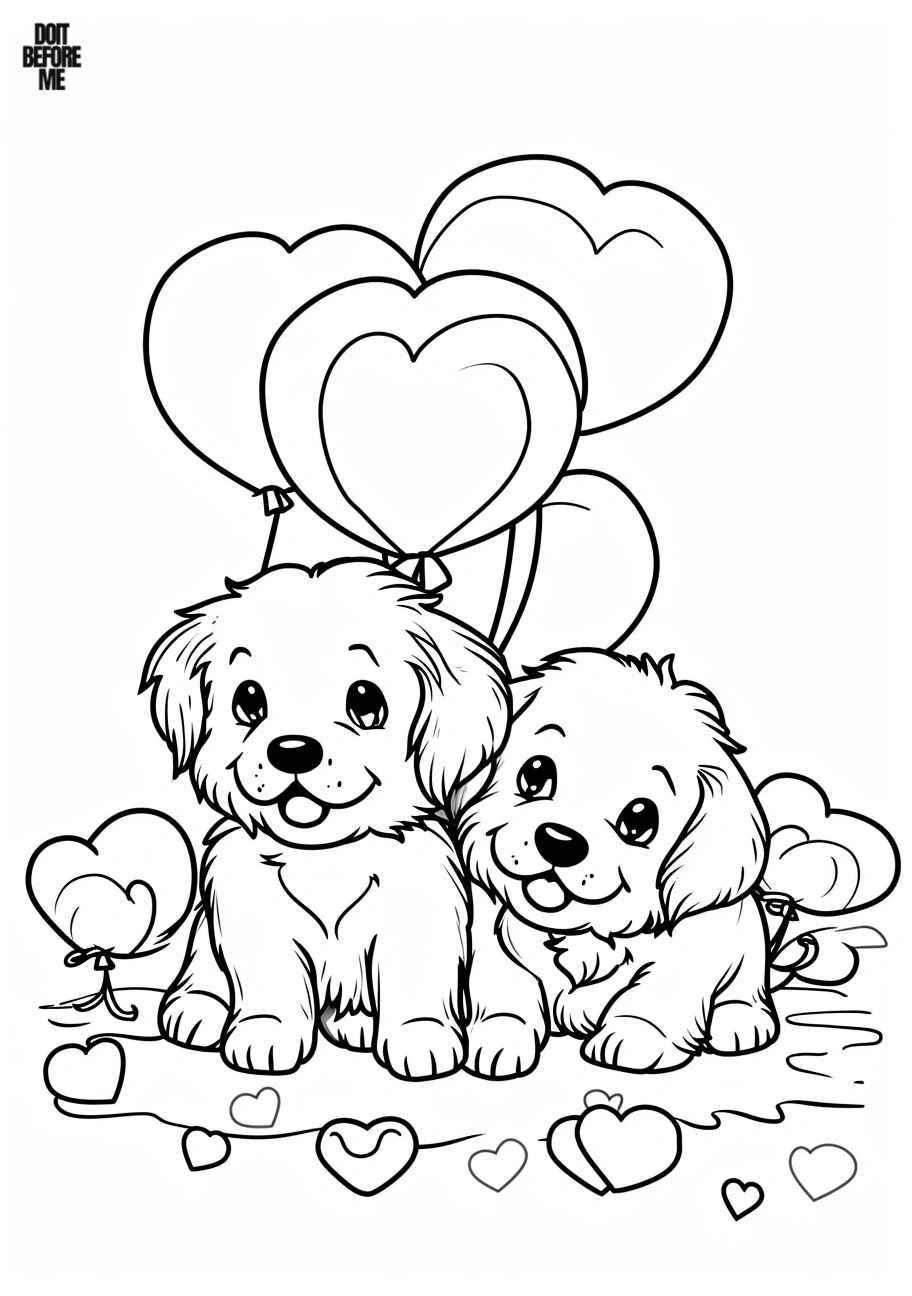
Open full-size Golden Retriever coloring sheet 21
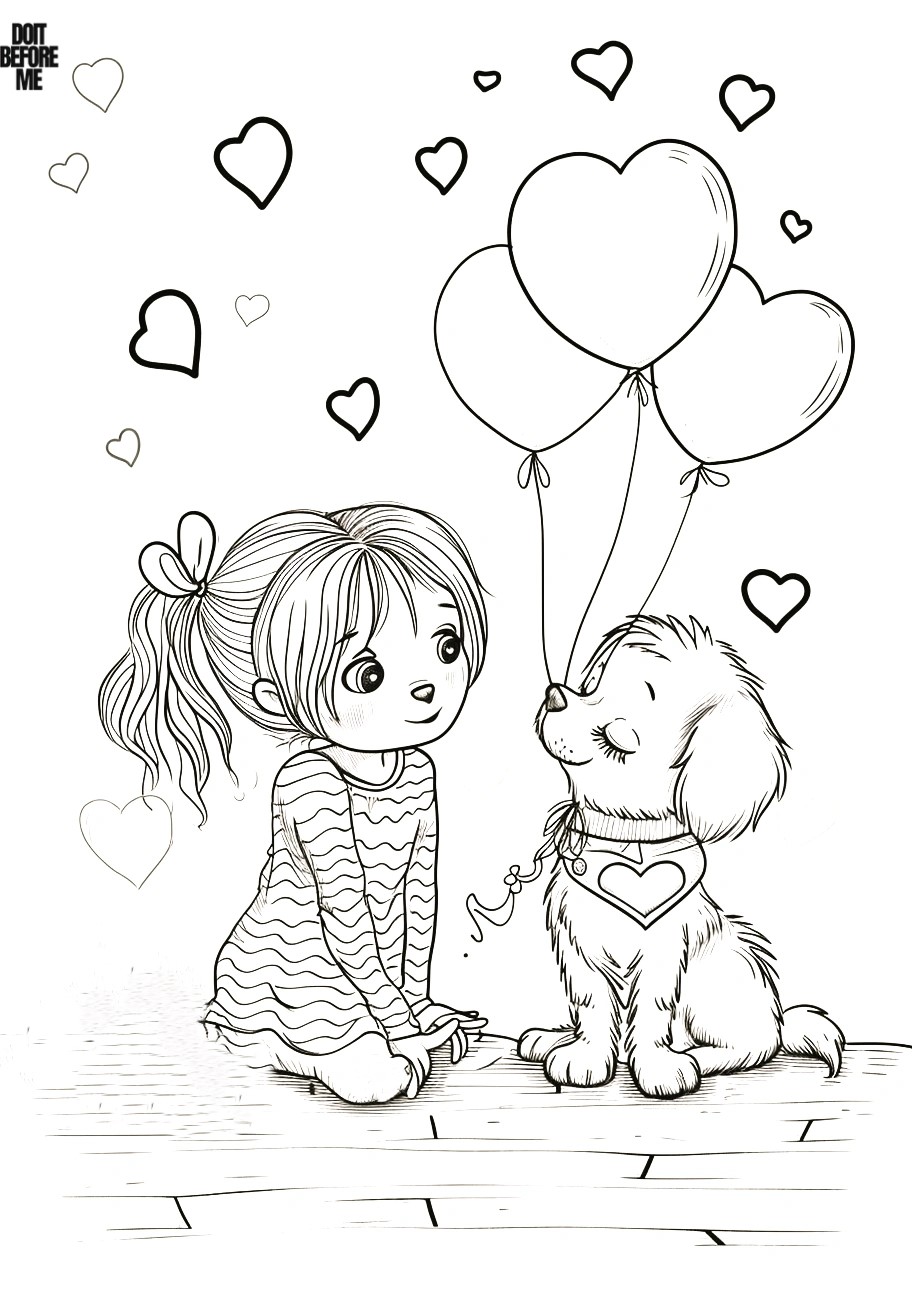
Open full-size Golden Retriever coloring sheet 22
Easy ways to use the finished puppy pages
- Make a pet wall. Print three different puppies and hang them together as a small set.
- Create a birthday card. A puppy with balloons or hearts works especially well for this.
- Invent a name and story. Ask the child to name the puppy and write one sentence about what it is doing.
Golden Retriever coloring questions
Which pages are easiest for preschoolers?
Sheets 1–5 are the easiest starting point. They keep the puppy large, the background light and the number of small sections under control.
What colors make a Golden Retriever look realistic?
Use cream or pale yellow as the base, then add light gold and a little golden brown around the ears, back, paws and tail. Keeping the chest and muzzle lighter usually makes the face easier to read.
Which pages are best if a child likes hearts, hats and balloons?
Sheets 11–16. The puppy stays easy to recognize, but the accessories give them more freedom to choose bright colors.
Which pages take the longest to color?
Sheets 17–22 are the better choice for a longer session because there are more characters, more background elements or denser line work.

