
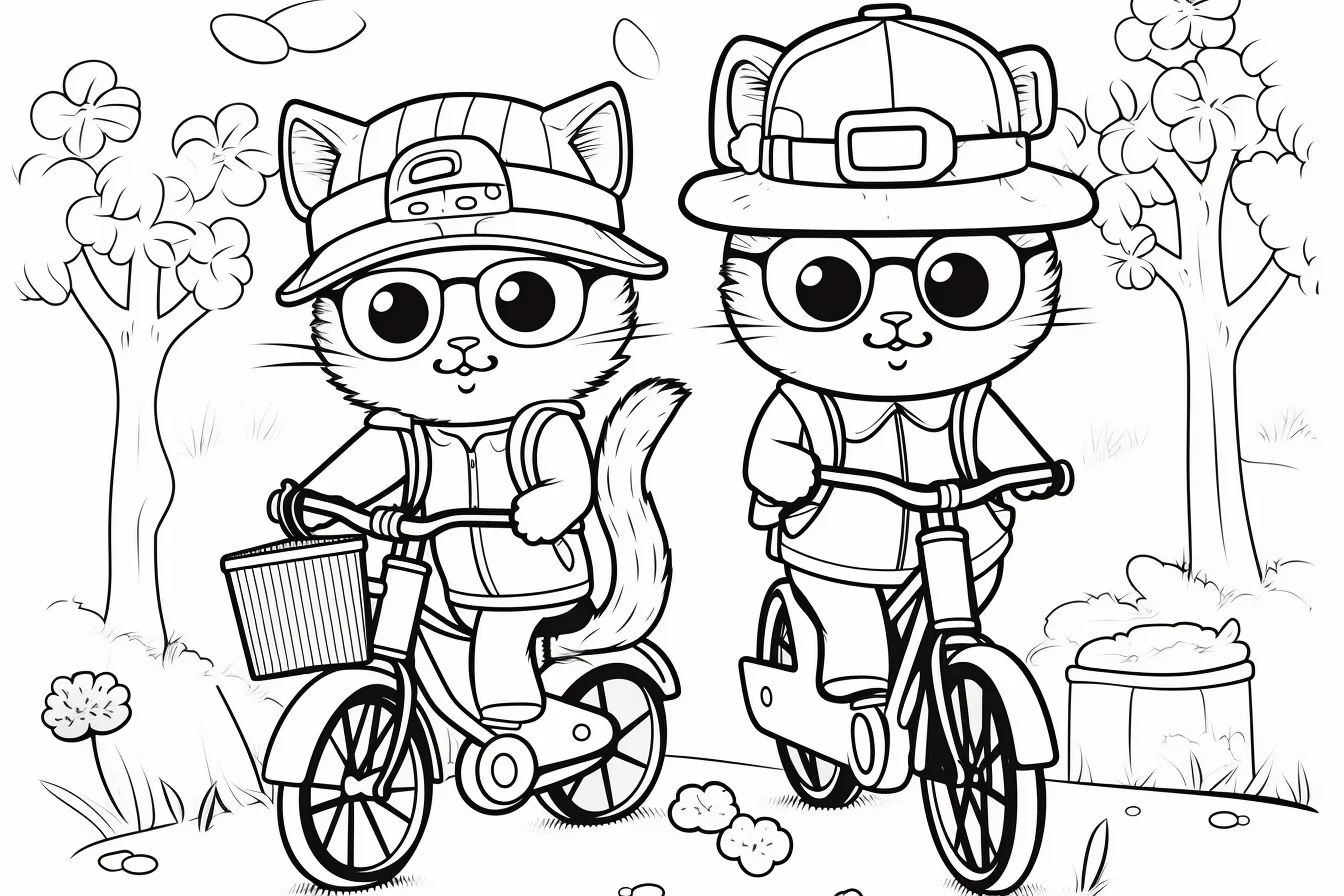
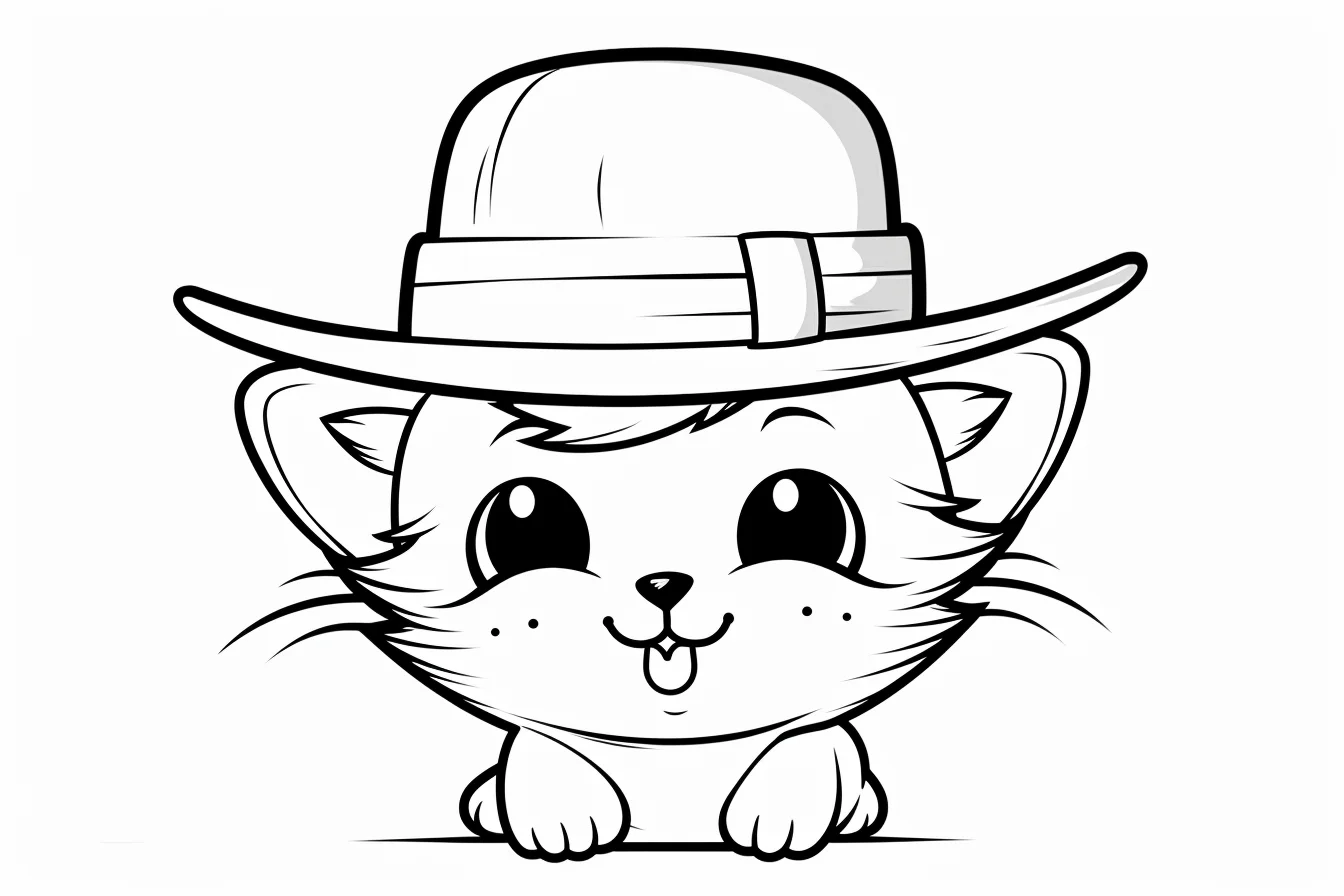
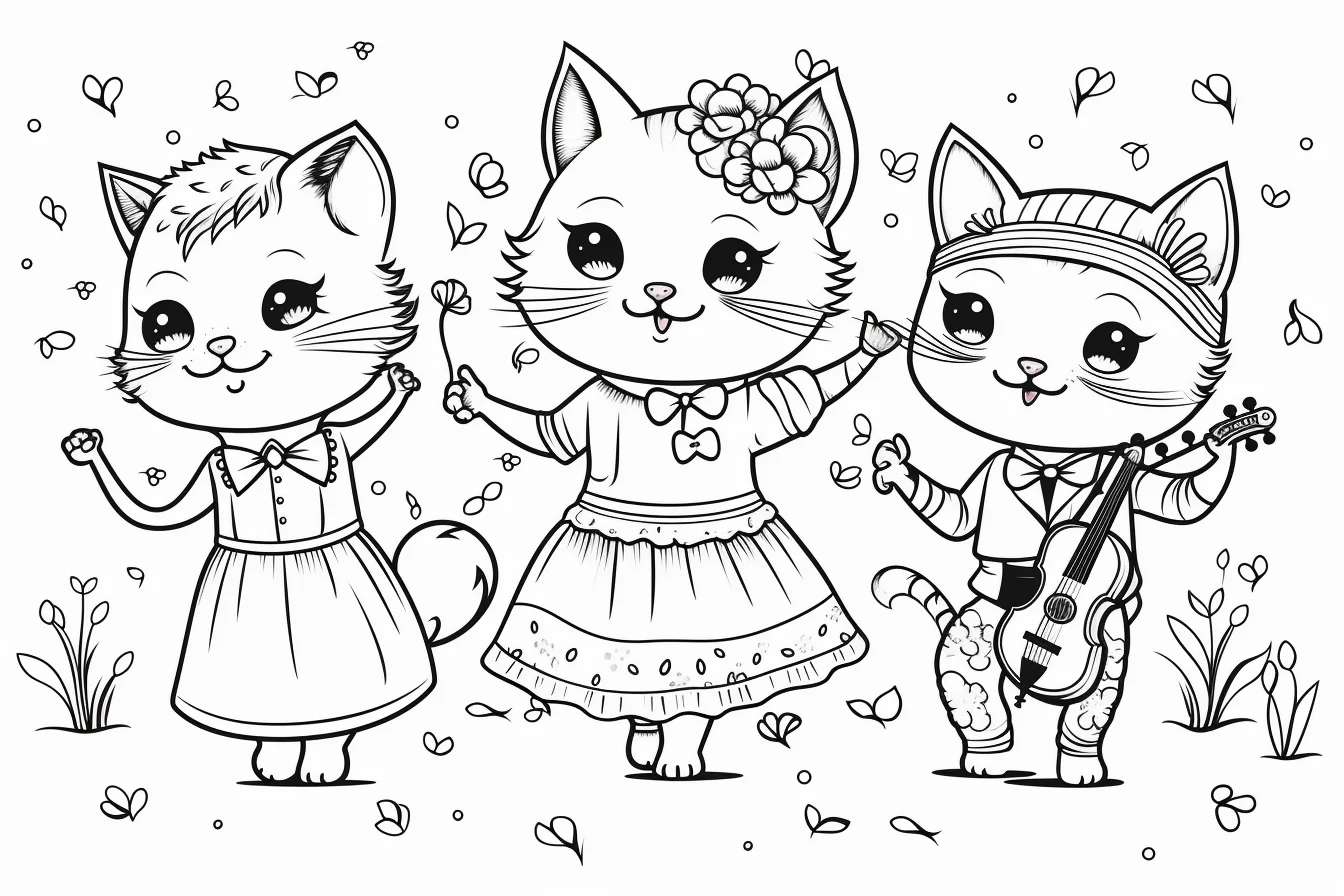
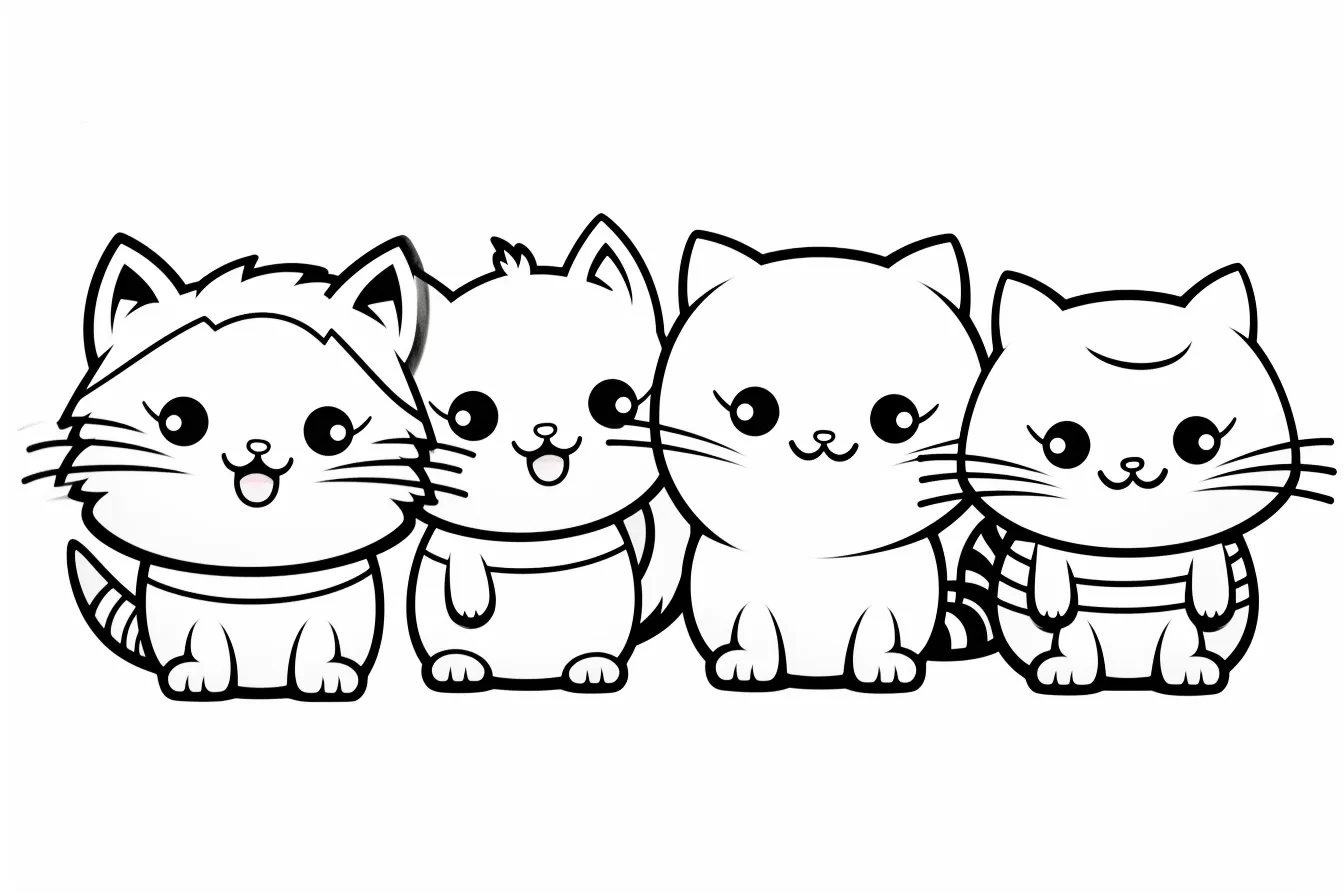
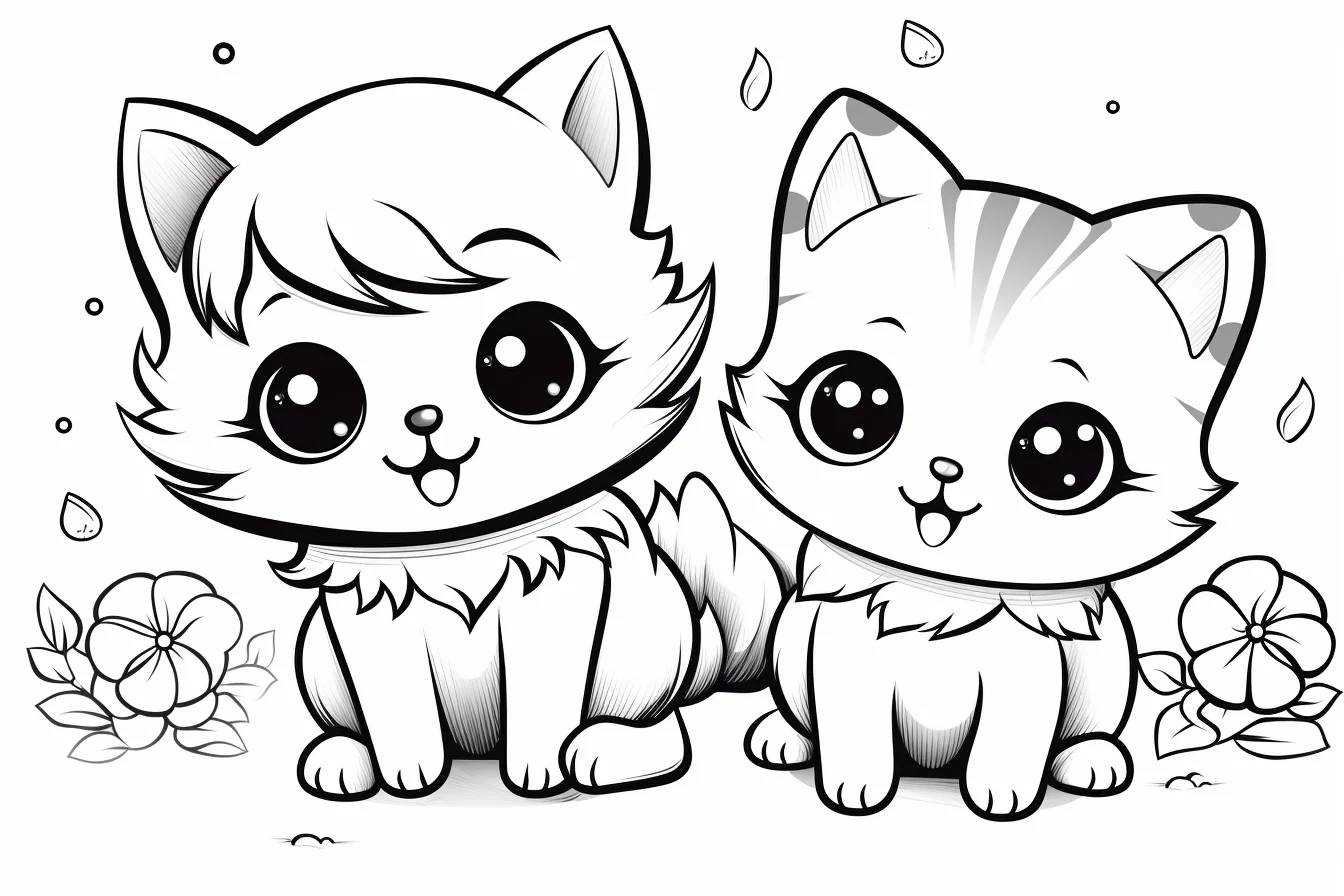
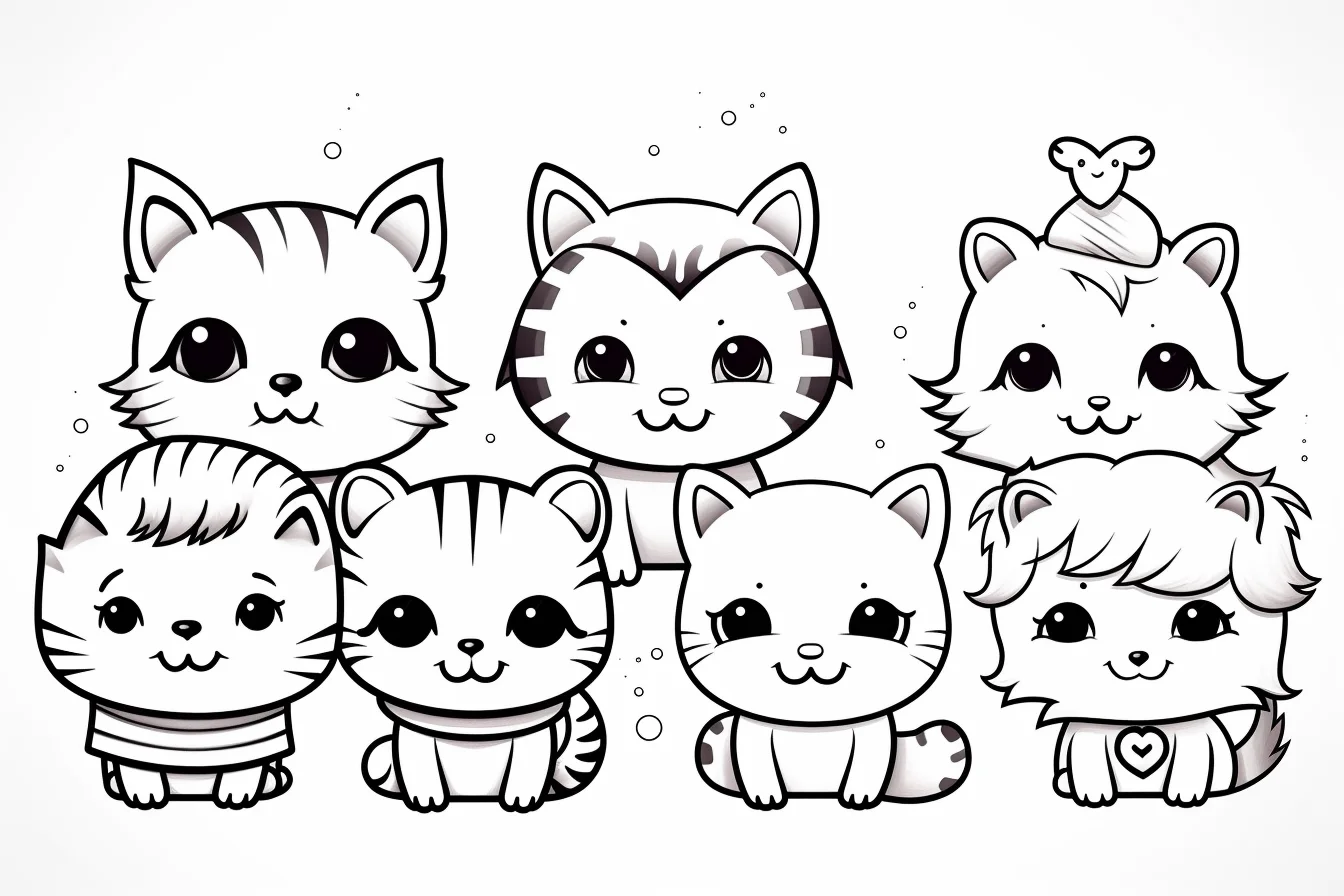
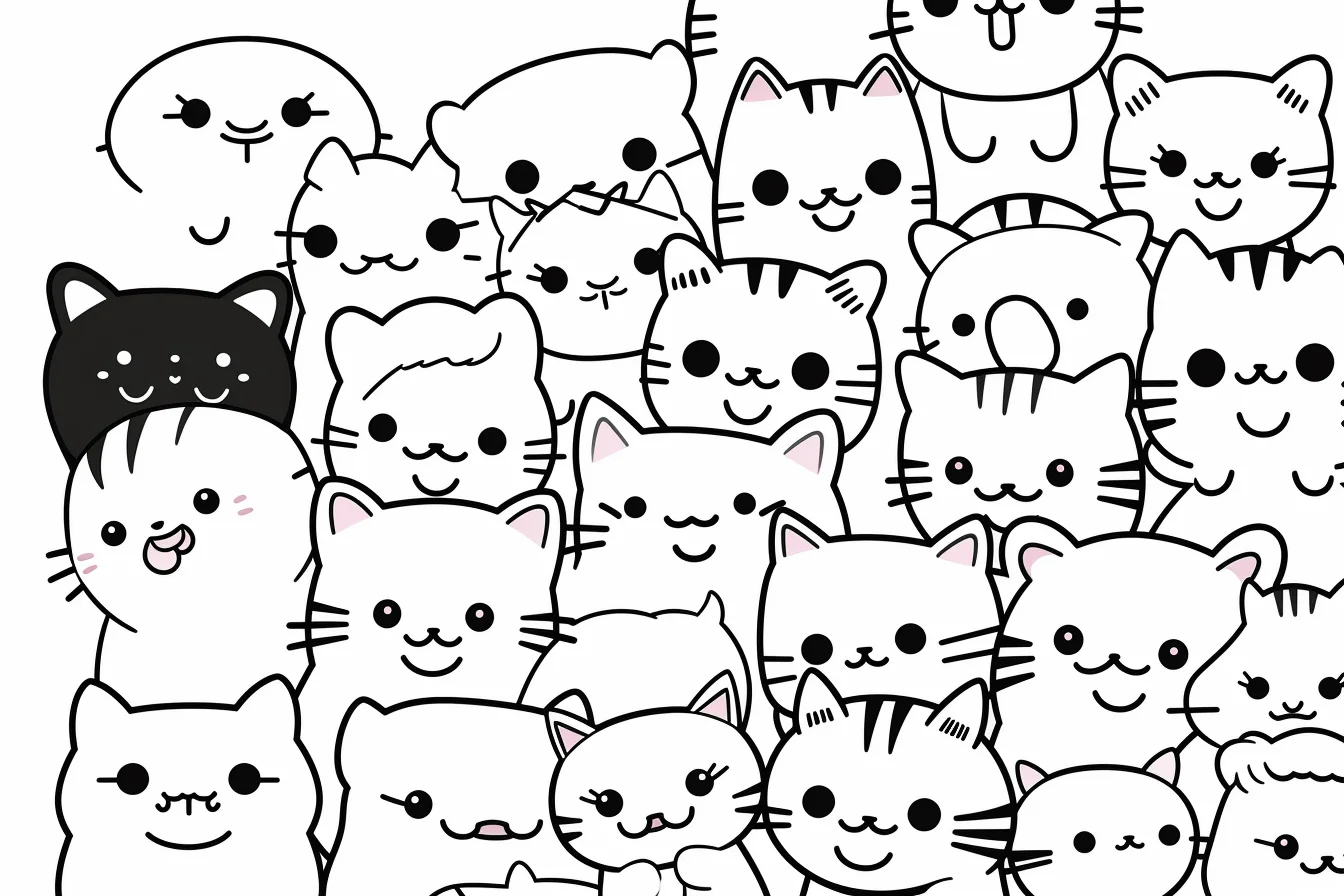
This is a supplementary gallery of 23 cute cat coloring sheets. The designs are mostly wide, simple illustrations with a mix of kawaii faces and kid-friendly cat scenes. If you have already browsed our main cat collections and want more options, this is the archive to check next.
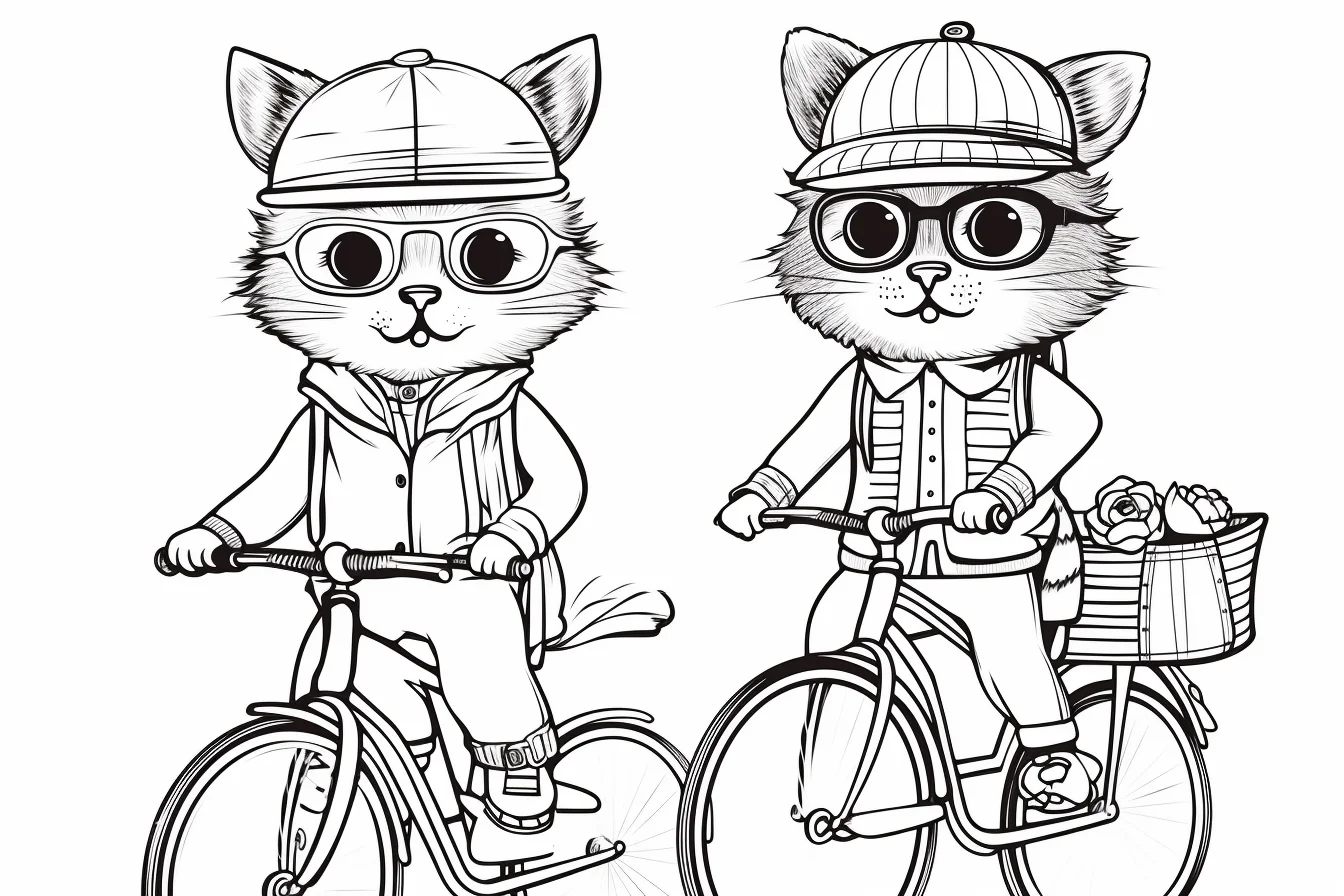
Use a 90-second coat map before coloring the whole cat
On a spare corner of the print or a scrap of the same paper, test three versions of one coat color: very light pressure, normal pressure and the darkest layer your pencil or crayon can make cleanly. Then look at the cat and assign those three values before filling anything: light for the forehead and upper back, middle for most of the coat, and dark only where forms overlap—under the chin, behind a front leg, beneath the belly or at the base of the tail.
If the cat still looks flat after those three values, do not add more colors yet. Check the edges first. A darker patch should curve with the body rather than sit like a sticker, and tabby stripes should change direction as they cross the chest, legs or tail. If the face starts disappearing, erase or lighten markings nearest the eyes and muzzle; the face needs less texture than the flank.
- For crayons: make the light value with one loose pass and build the middle value gradually instead of pressing hard immediately.
- For colored pencils: keep the point sharper for eyes, whisker roots and narrow stripes, but use the side of the lead for broad coat areas.
- For younger children: skip shading and choose only a body color plus one darker color for ears, tail or patches. A clean two-color cat is a complete result.
Before moving to the background, hold the page at arm’s length. You should notice the eyes and overall cat shape before individual stripes or scenery. If you notice the background first, keep its colors lighter or less saturated than the cat.
Before you print
- For younger kids: choose a page with one large cat and fewer small details.
- For colored pencils: pick a design with more fur, facial or background detail.
- For wide images: use landscape orientation and “fit to page” in your print settings.
Looking for a more focused set? Start with our 15 mixed cat coloring pages, the decorated cats with flowers and accessories, or the landscape cat collection.
23 additional cat coloring sheets
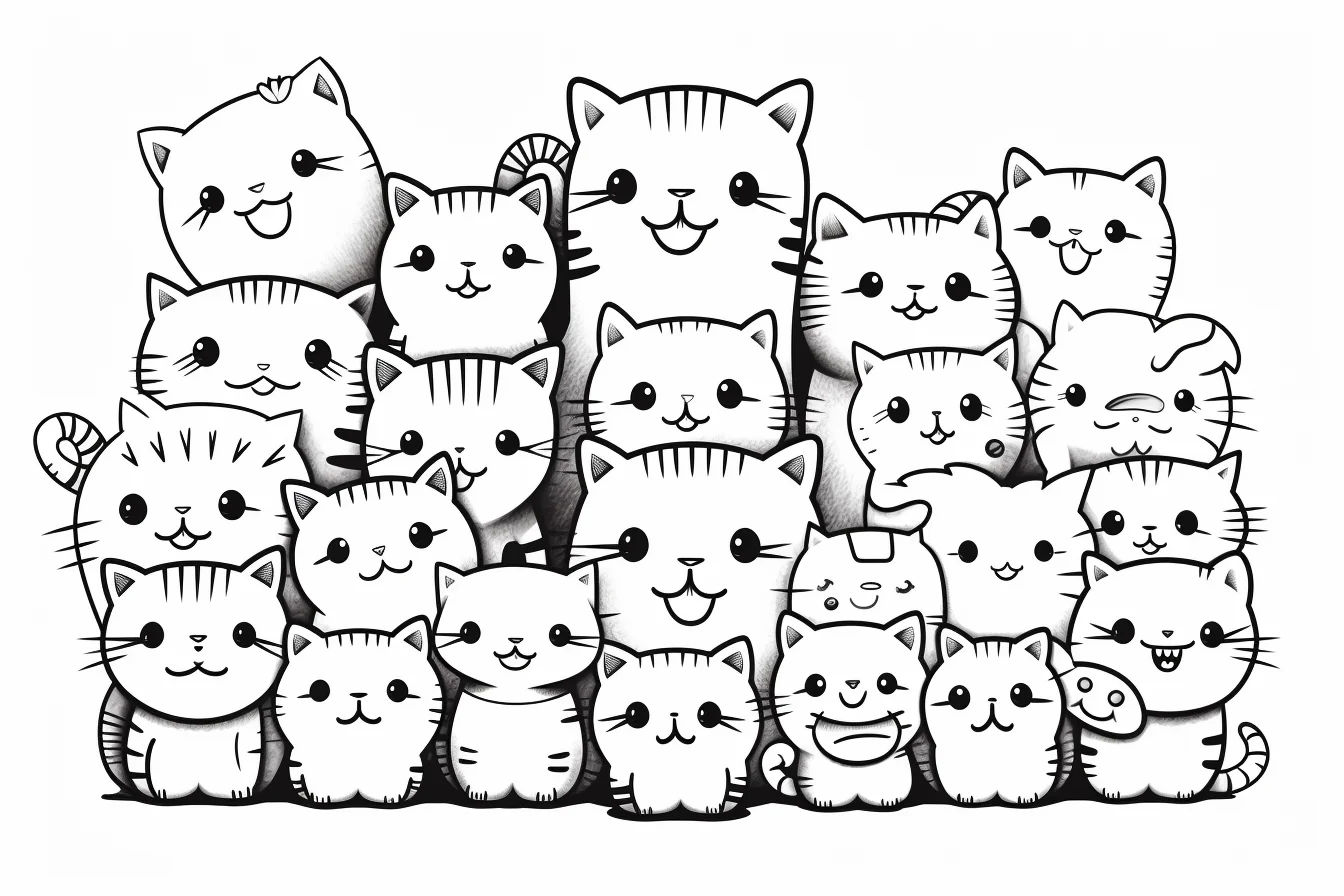
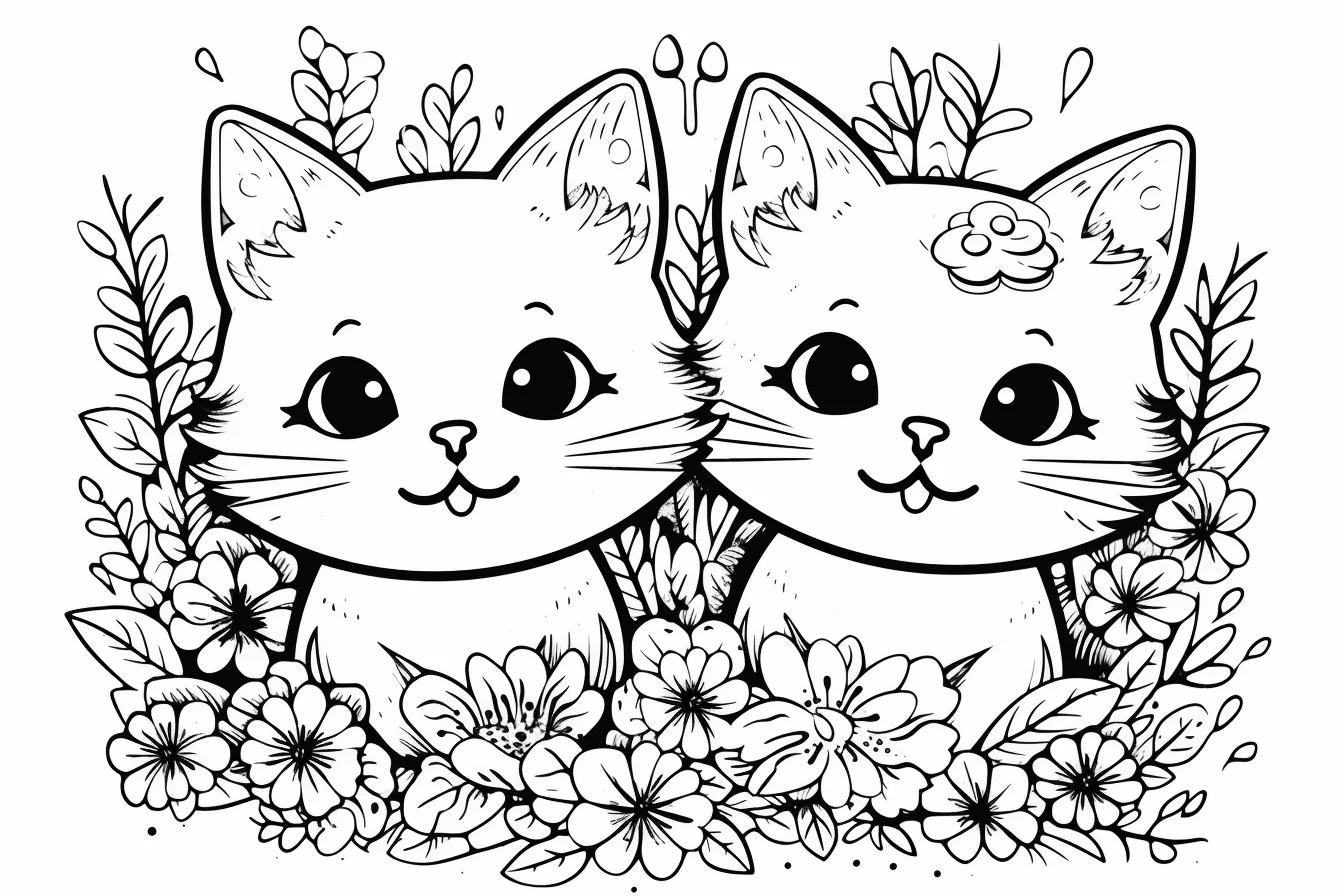
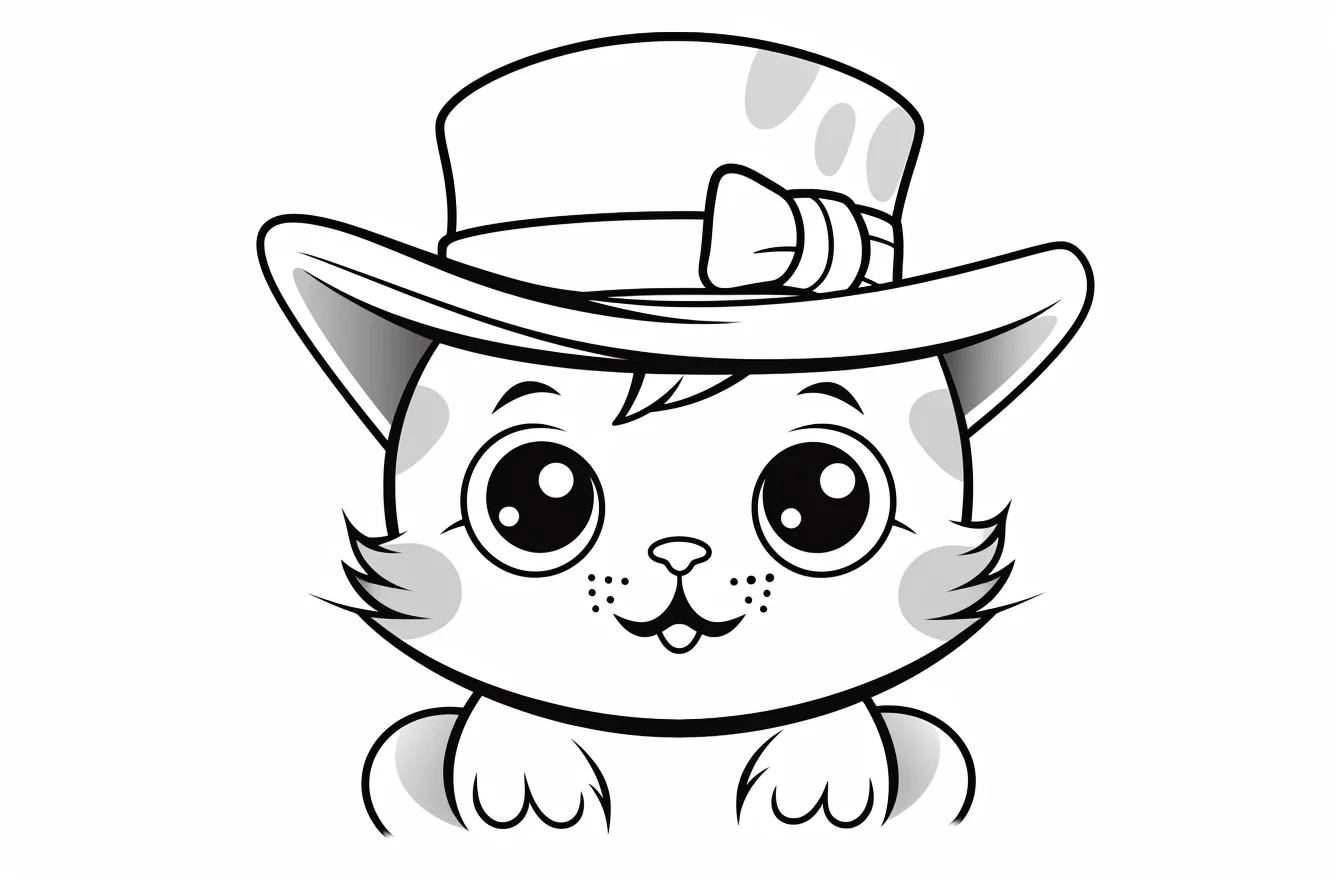
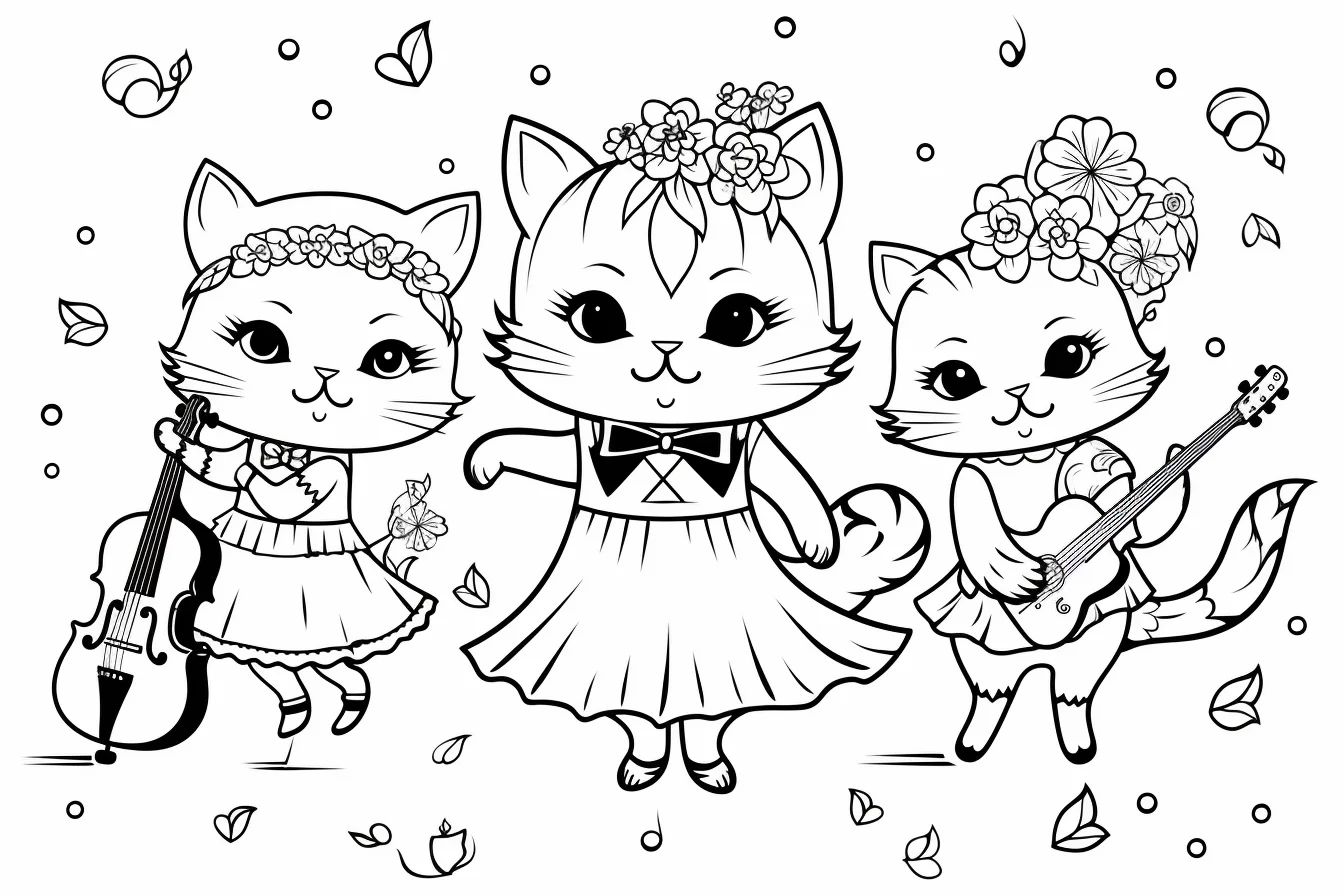
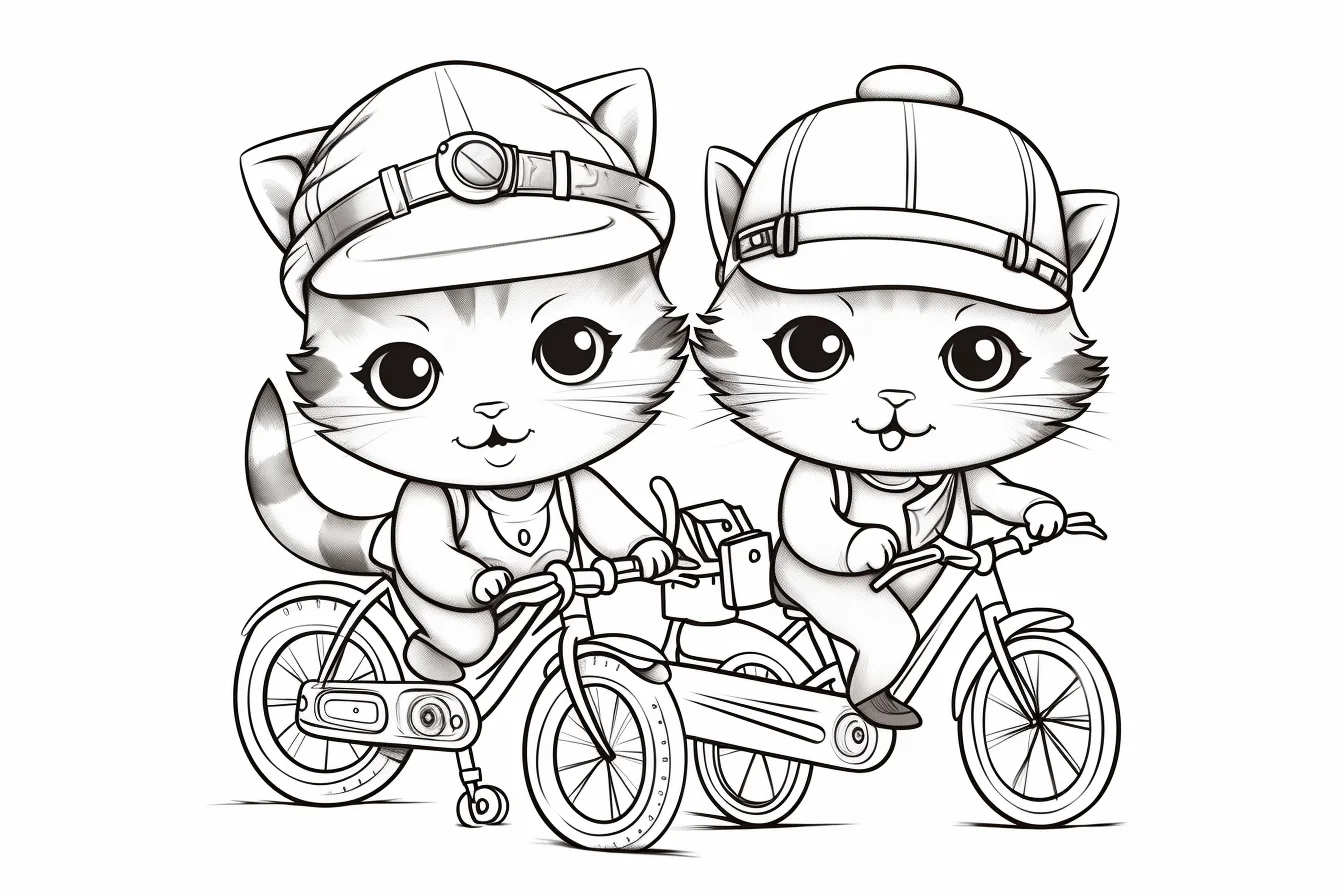
Use this archive for quick, uncomplicated cat pages
The first group is best treated as a general-purpose set: choose the image with the largest cat shape and least surrounding detail when you want a short activity. Because the metadata here is less specific than on the newer cat collections, I would choose by visible complexity rather than assuming one sheet is a particular breed or scene.
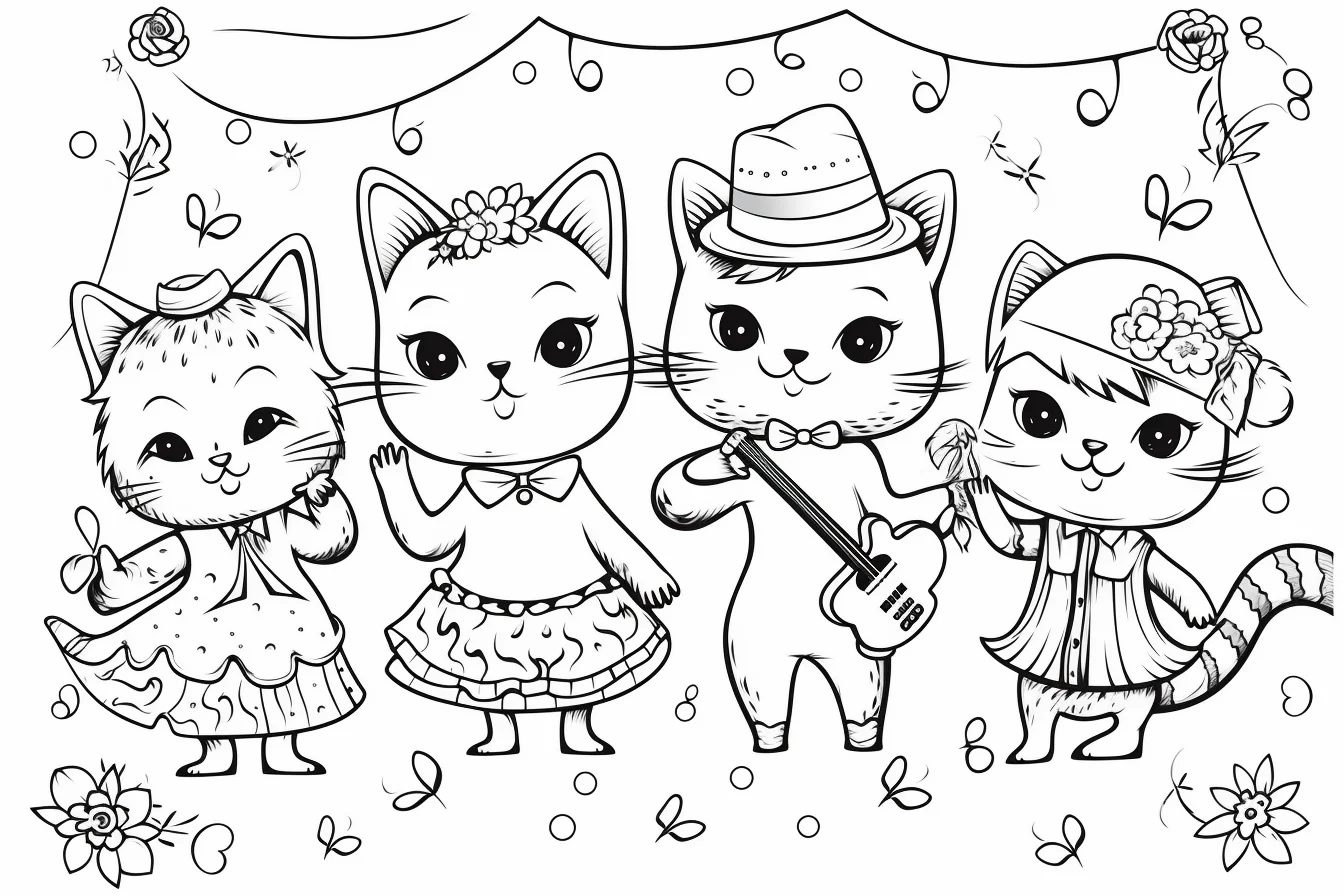
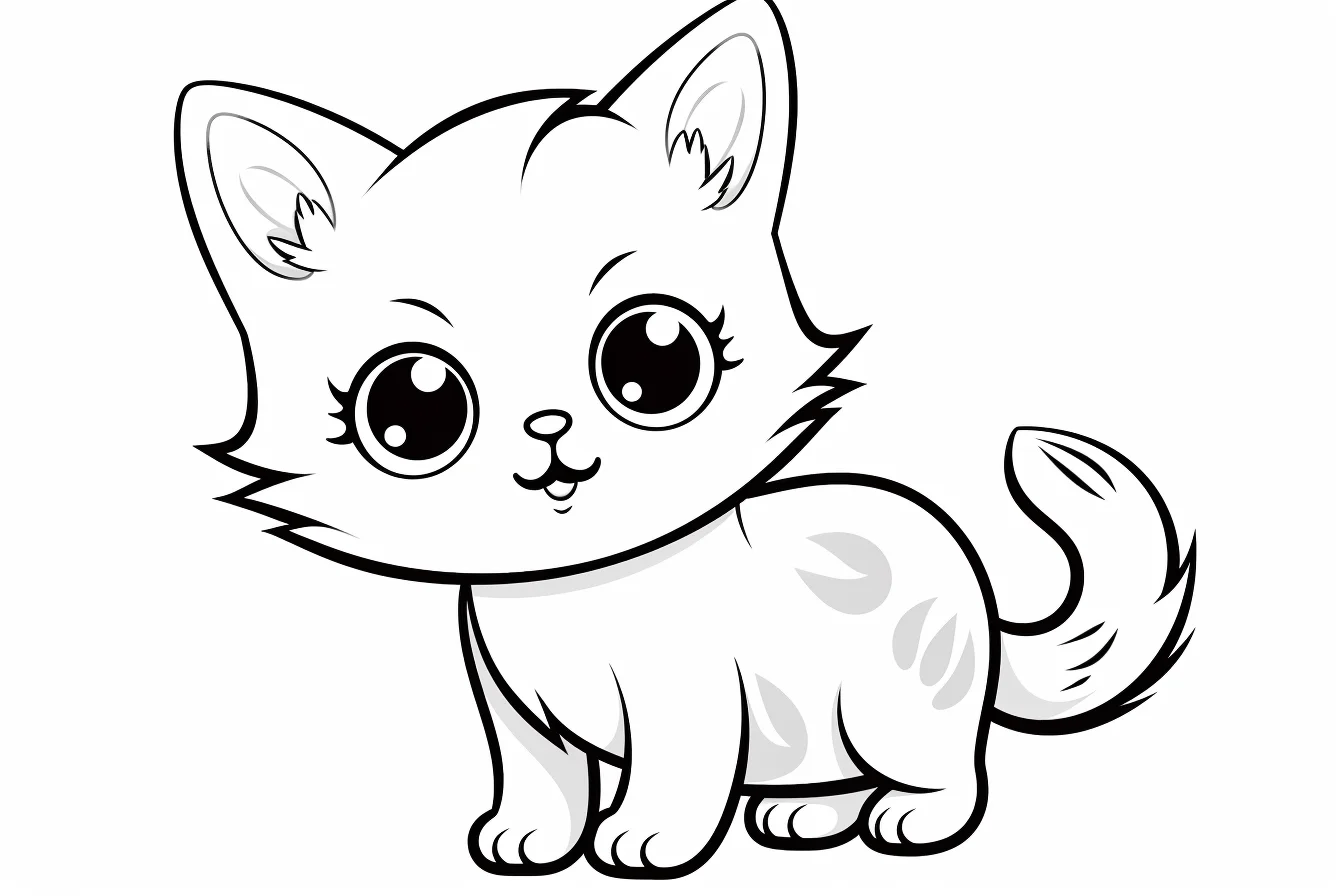
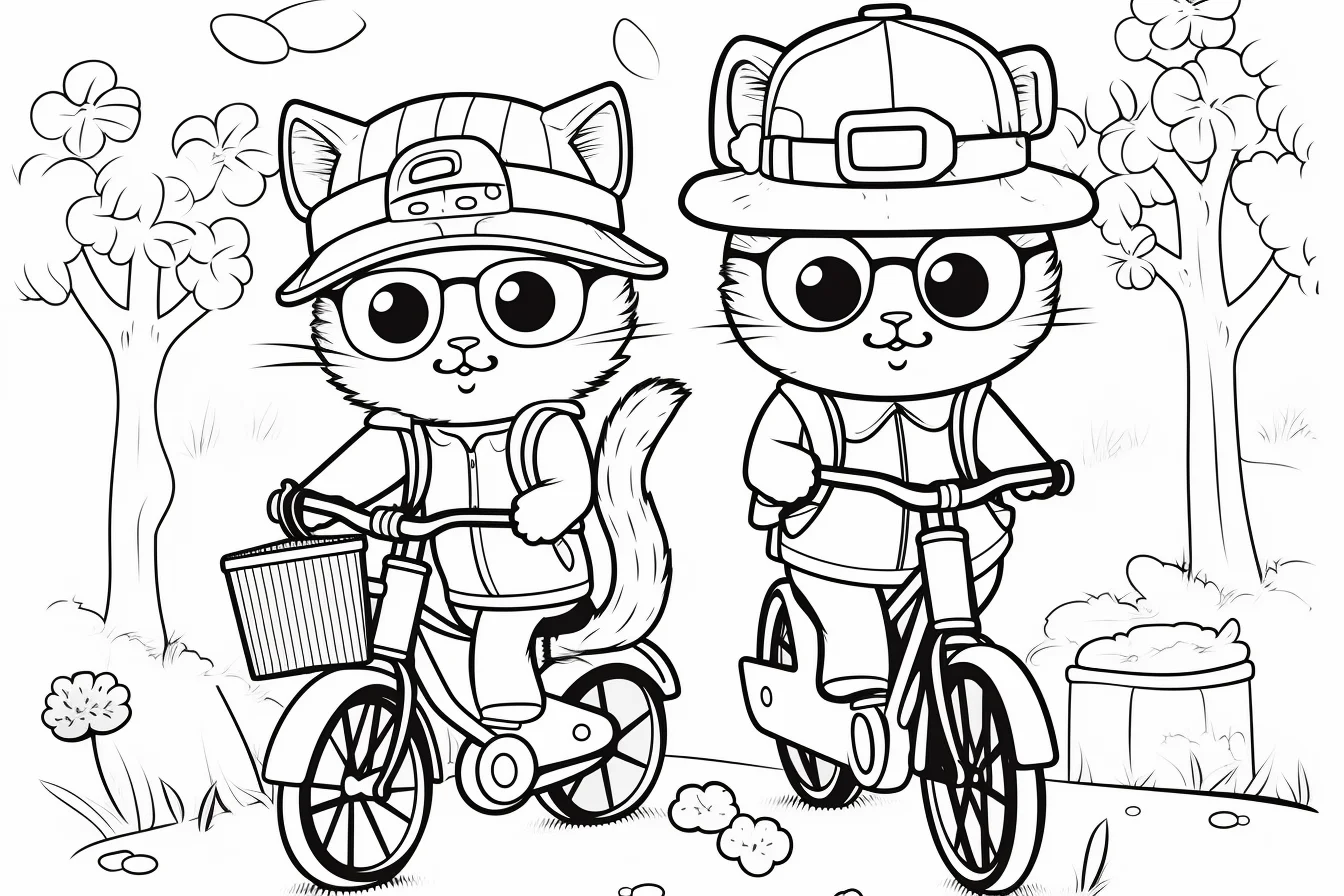
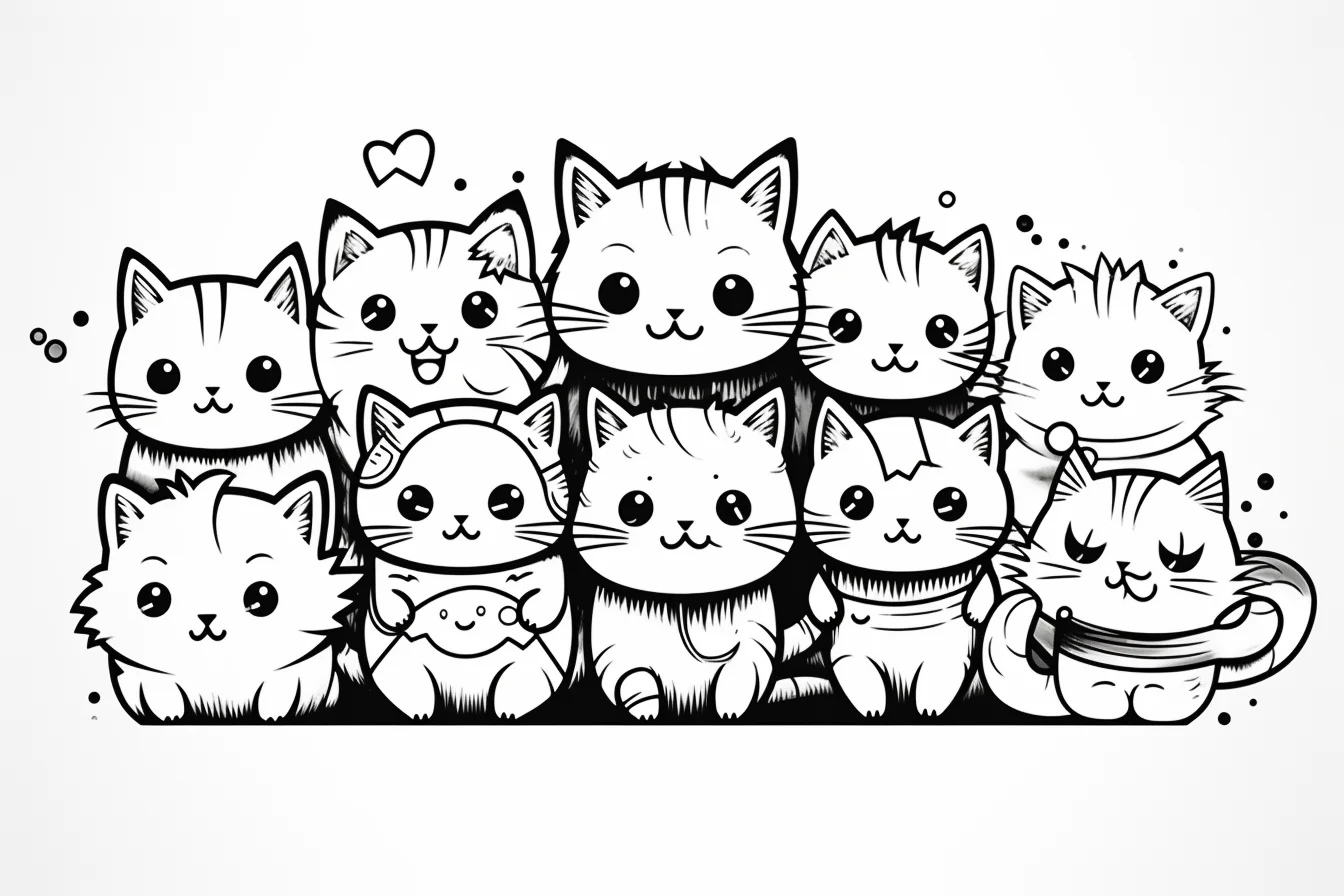
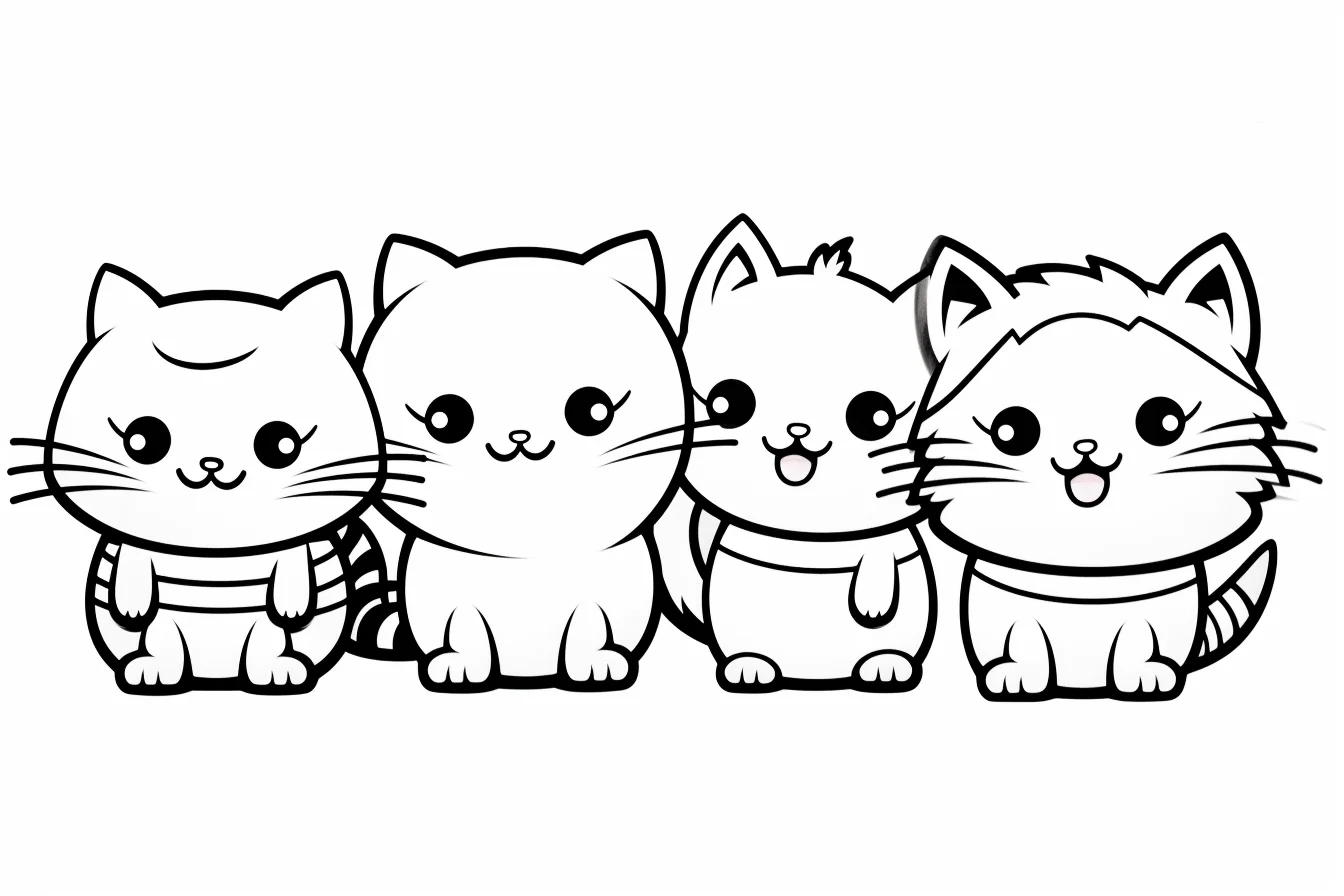
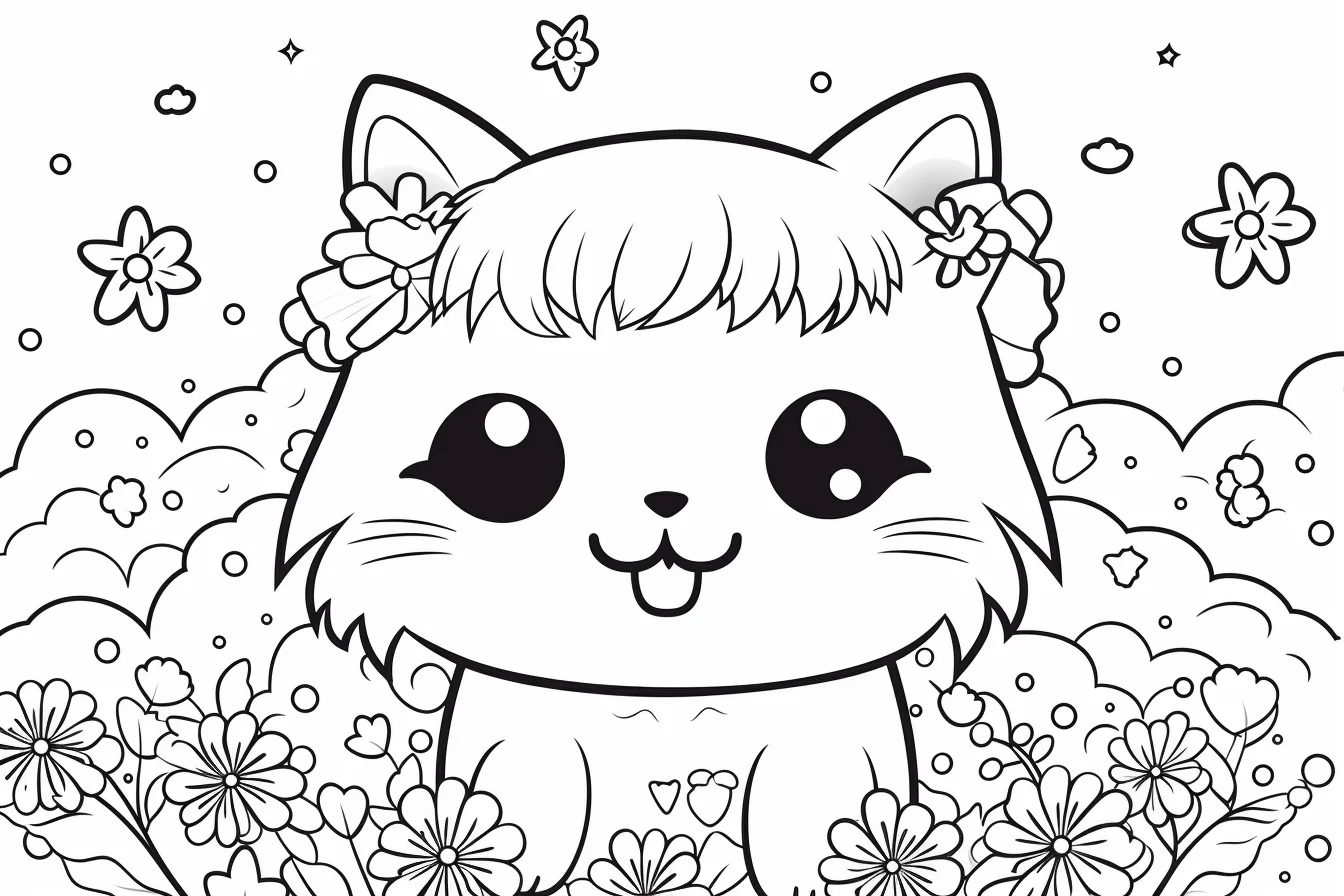
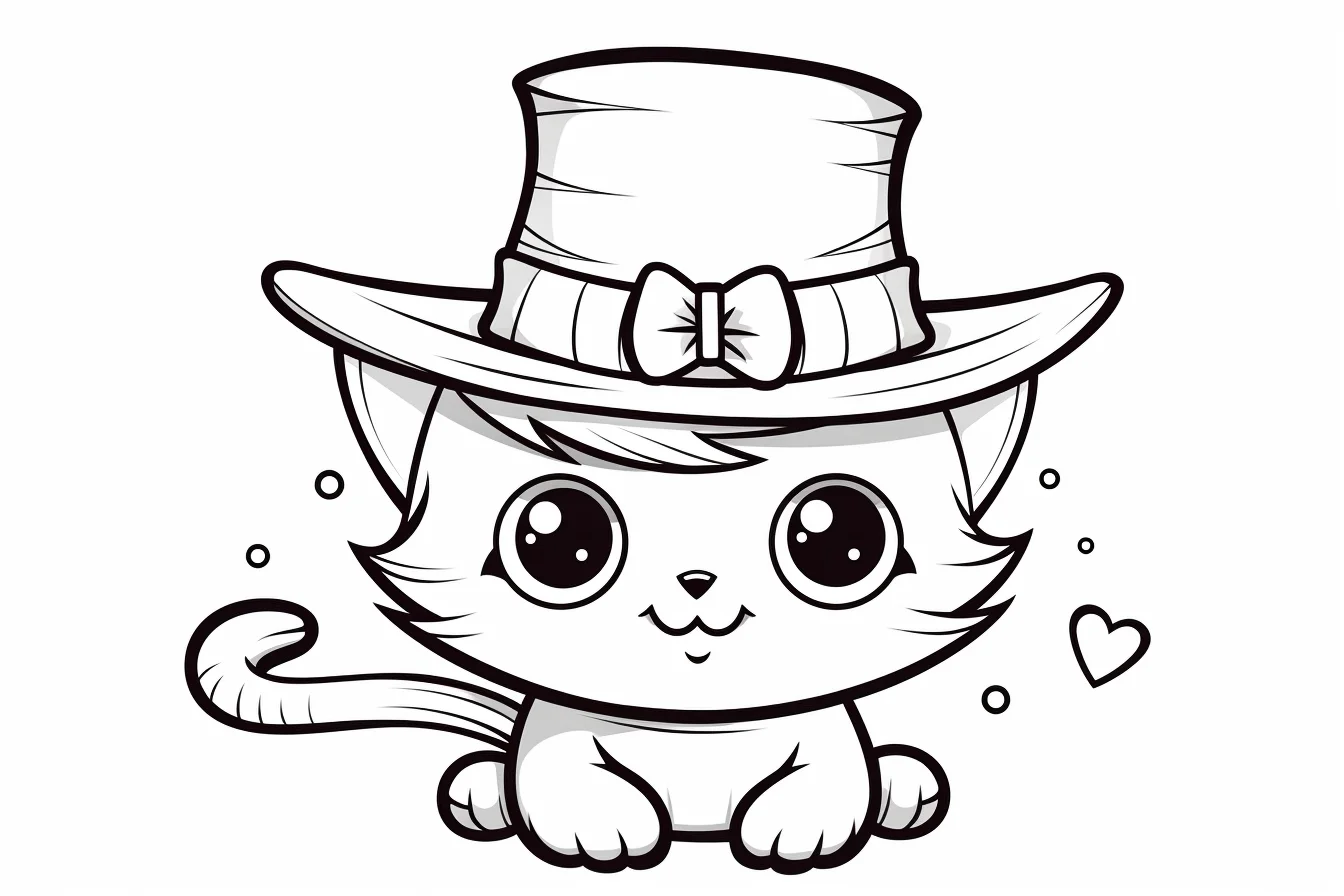
Kawaii cats can use completely invented colors
The sheets labeled kawaii are a good place to ignore realistic coat colors. Pink, lavender, mint or blue work just as well as tabby brown or gray. Keep the eyes and face high-contrast, then use softer colors on the body or background so the expression remains the part you notice first.
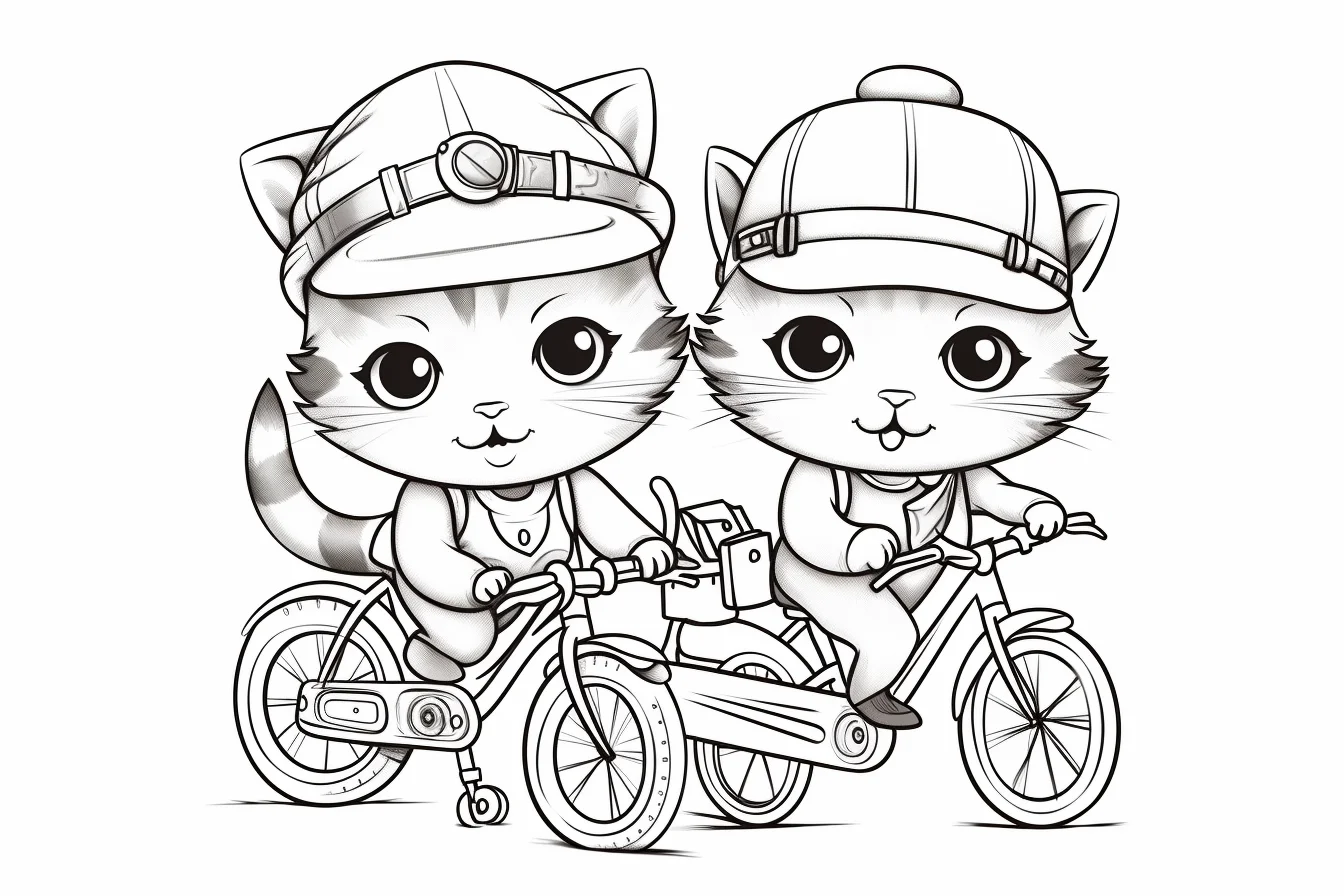
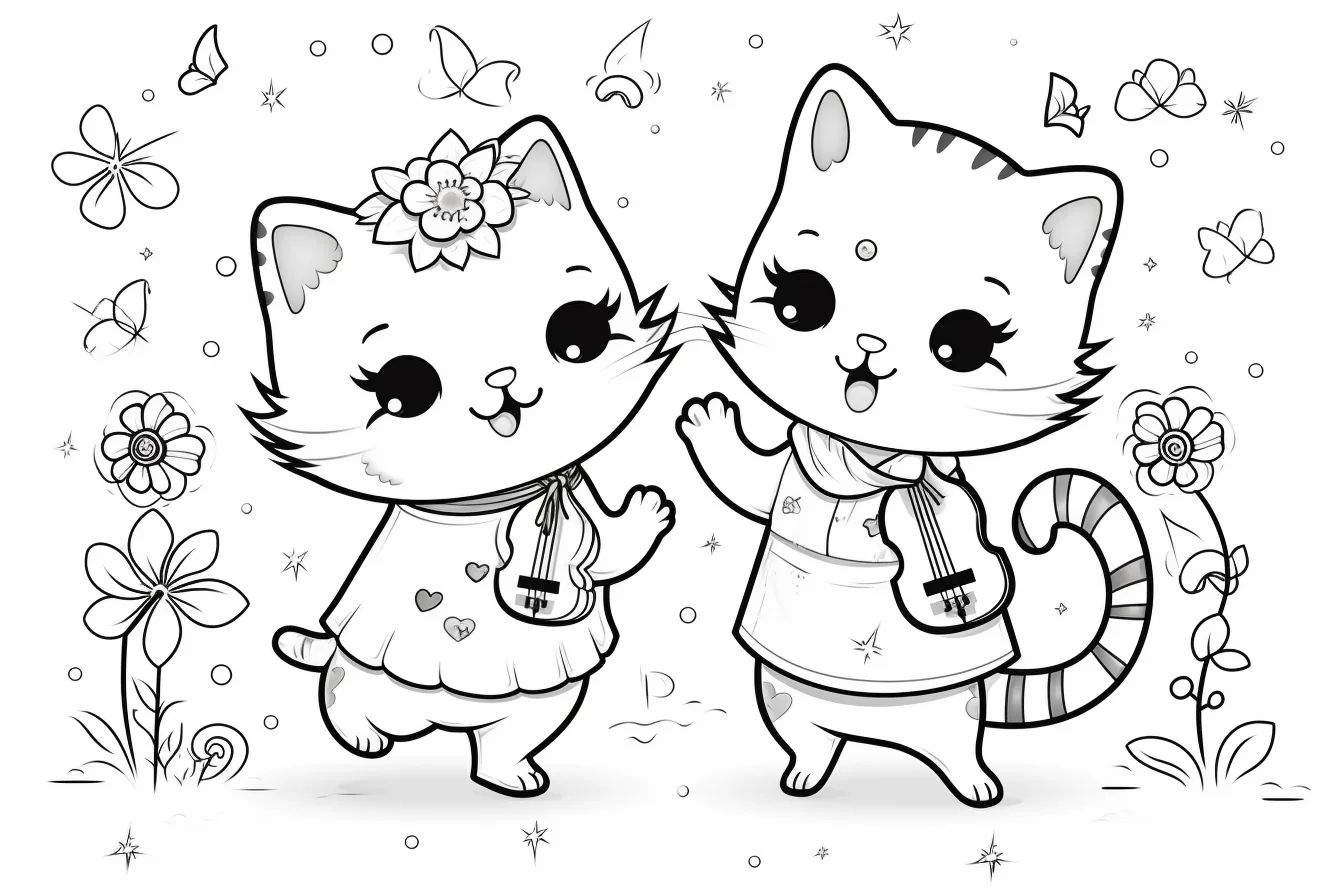
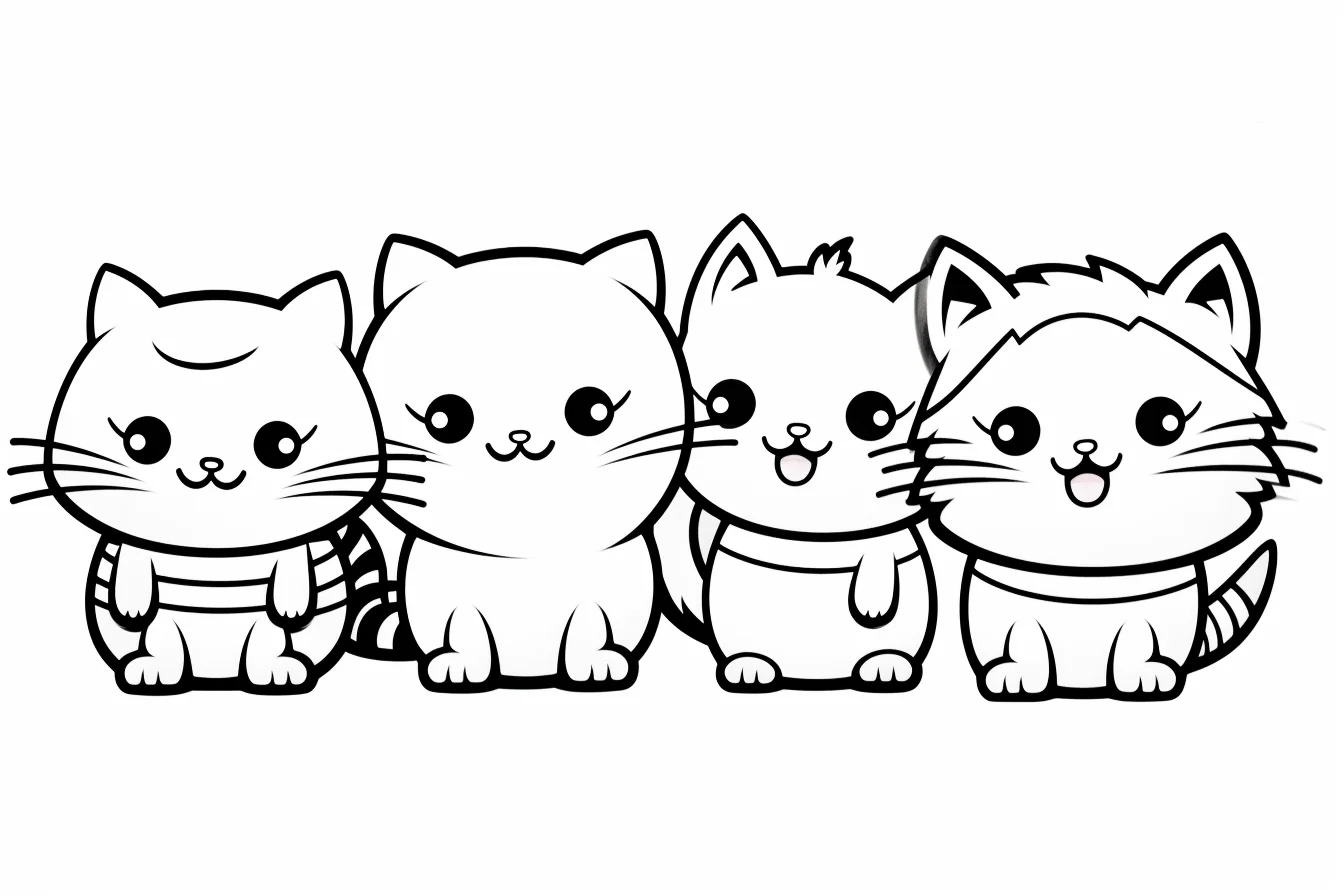
When to use another cat collection instead
Use this page when you simply want more cute cat options. If you want a deliberate easy-to-realistic progression, the main cat collection is more useful. If flowers, hats and decorative accessories are the attraction, use the decorated cat gallery. For realistic fur and shading practice, the realistic kitten pages are the better fit.
Turn three cat pages into a simple coloring progression
If you are using several sheets from this archive, do not start with the busiest one. A short progression makes it easier to see what is actually improving.
- Page one: clean fills. Pick a cat with large open areas. Try to fill the body evenly and stop at the outline without worrying about fur texture.
- Page two: add one pattern. Choose a second cat and add only one coat feature—tabby stripes, patches, darker ears or a contrasting tail. Keeping the pattern limited prevents the face from disappearing into detail.
- Page three: add depth. On a more detailed sheet, use a lighter and darker version of the same coat color. Keep the forehead, nose bridge and upper back lighter; place the darker tone beneath the chin, around overlapping legs and under the body.
Using related colors across all three pages is useful because the difficulty comes from control and shading rather than from choosing a completely new palette every time.
Make a simple cat look furry without drawing hundreds of hairs
Start with a light base layer. Add short strokes only where the form changes: around the cheeks, chest, elbows, tail and outer silhouette. Let most of the body remain relatively smooth. If every part receives the same number of fur strokes, the texture becomes busy and the cat can look flatter rather than softer.
Stroke direction matters more than stroke count. On the face, move outward from the nose and eyes. On the chest, let strokes fall downward. Along the tail, follow its curve. For a fluffy cat, extend a few small strokes toward the outline instead of tracing the entire edge with a dark line.
Quick fixes when a cat coloring page is not working
| Problem | What to change |
|---|---|
| The face is hard to read | Keep the area around the eyes and mouth simpler. Use your darkest accents for pupils, the nose and only a few nearby markings. |
| White fur looks unfinished | Leave most of it white, but add pale gray, cream or another very light tone beneath the chin, inside the ears and where legs overlap. |
| Black fur hides the line art | Use dark gray as the main fill and reserve true black for the deepest shadows. Leaving narrow lighter areas helps preserve the drawing. |
| Stripes look pasted on | Curve them around the body instead of drawing straight parallel bars. Make some stripes shorter or softer near the belly and legs. |
| The background competes with the cat | Reduce contrast behind the face and body. A quieter background usually makes the cat the focal point again. |
| Markers leave streaks in large areas | Work in smaller adjoining sections while the ink is still wet, or use colored pencil for broad coat areas where gradual layering is easier. |
Four easy cat color schemes
- Warm tabby: tan body, medium brown stripes, cream chest and belly, green or amber eyes.
- Tuxedo: dark gray or black back and head with a white chest, muzzle and paws; add one bright eye color for contrast.
- Soft pastel: pale lavender, blush pink or mint body with a slightly darker version of the same color for ears, tail and shadows.
- Calico-inspired: mostly white with a limited number of orange and dark patches. Place the patches first, then decide whether the remaining white areas need light shading.
These are starting points, not rules. The kawaii sheets in particular work well with invented coat colors.
Questions about these extra cat coloring pages
Which pages are easiest for younger children?
Choose by the drawing itself rather than the filename: look for one large cat, thick clear boundaries and fewer tiny background shapes. Crayons or broad colored pencils are usually easier to control on those larger sections.
How can I color a white cat without leaving the page blank?
Keep the paper as the main white and add only light shadows. Pale gray, beige, blue-gray or lavender beneath the chin and body can define the form while the cat still reads as white.
Do cats need realistic coat colors?
No. Realistic colors are useful when practicing fur and light, but these are coloring sheets rather than identification drawings. A blue, pink or multicolored cat can work perfectly well; keeping the face readable and the palette controlled matters more.
How do I keep the eyes from looking flat?
Use a darker rim or pupil and leave a tiny uncolored highlight if the drawing gives you enough room. Keep the iris lighter than the pupil so the two shapes do not merge.

