
This is the compact puppy collection: 20 printable sheets covering Chow Chows, French Bulldogs, Pomeranians, Dachshunds, Pitbull puppies, one Bernese Mountain Dog and a few kawaii/general puppy designs. If you want a much larger breed-by-breed browse, use the 41-page puppy breed collection. Stay here when you want a smaller set that is faster to scan.
Choose a puppy by breed
| Breed or style | Sheets |
|---|---|
| Chow Chow | 1–3 |
| French Bulldog | 4–5 |
| Pomeranian | 6–8 |
| Dachshund / sausage dog | 9–13 |
| Pitbull puppy | 14–15 |
| Bernese Mountain Dog | 16 |
| Kawaii and general puppies | 17–20 |
Use the coat pattern to separate the face
Whatever the breed, keep the muzzle, chest or eyebrow markings a little lighter than the main coat. That makes the eyes and expression easier to read. On fluffy breeds such as Chow Chows and Pomeranians, use short pencil strokes around the outer coat rather than filling every fur line individually. On short-haired breeds, broad smooth areas usually look cleaner.
A simple puppy-coloring order
- Choose the main coat color.
- Leave the muzzle, chest and light markings open.
- Add ears, paws and darker coat patches.
- Color collars, bows or props next.
- Finish the background last.
Printing
These sheets are landscape-oriented. Click any image to open the original full-size file, then use “Fit to page” on A4 or US Letter paper. Crayons suit the simpler puppies; colored pencils are better for fluffy coats and breed markings. For focused breed pages, try the toy poodles, golden retrievers or pugs.
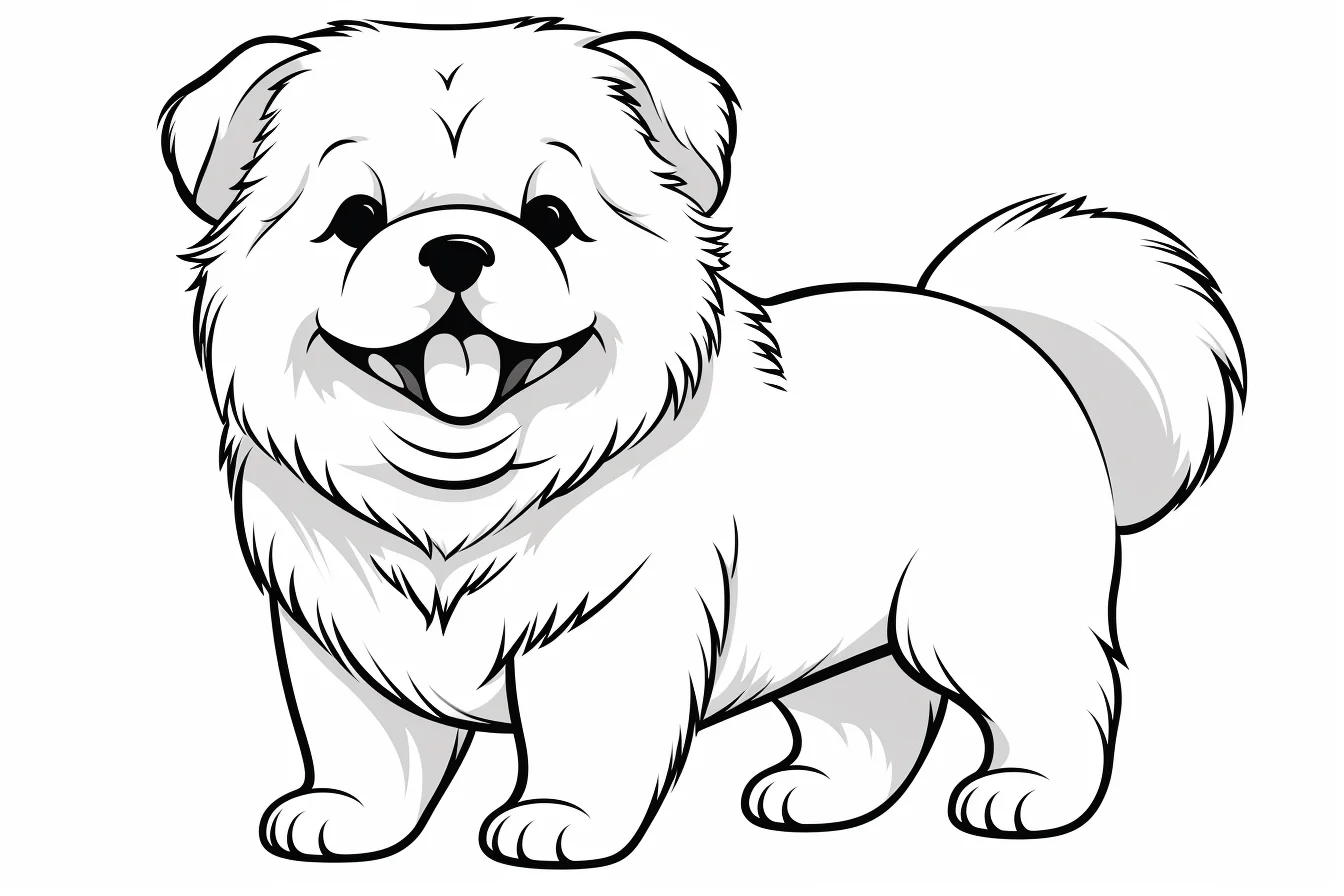
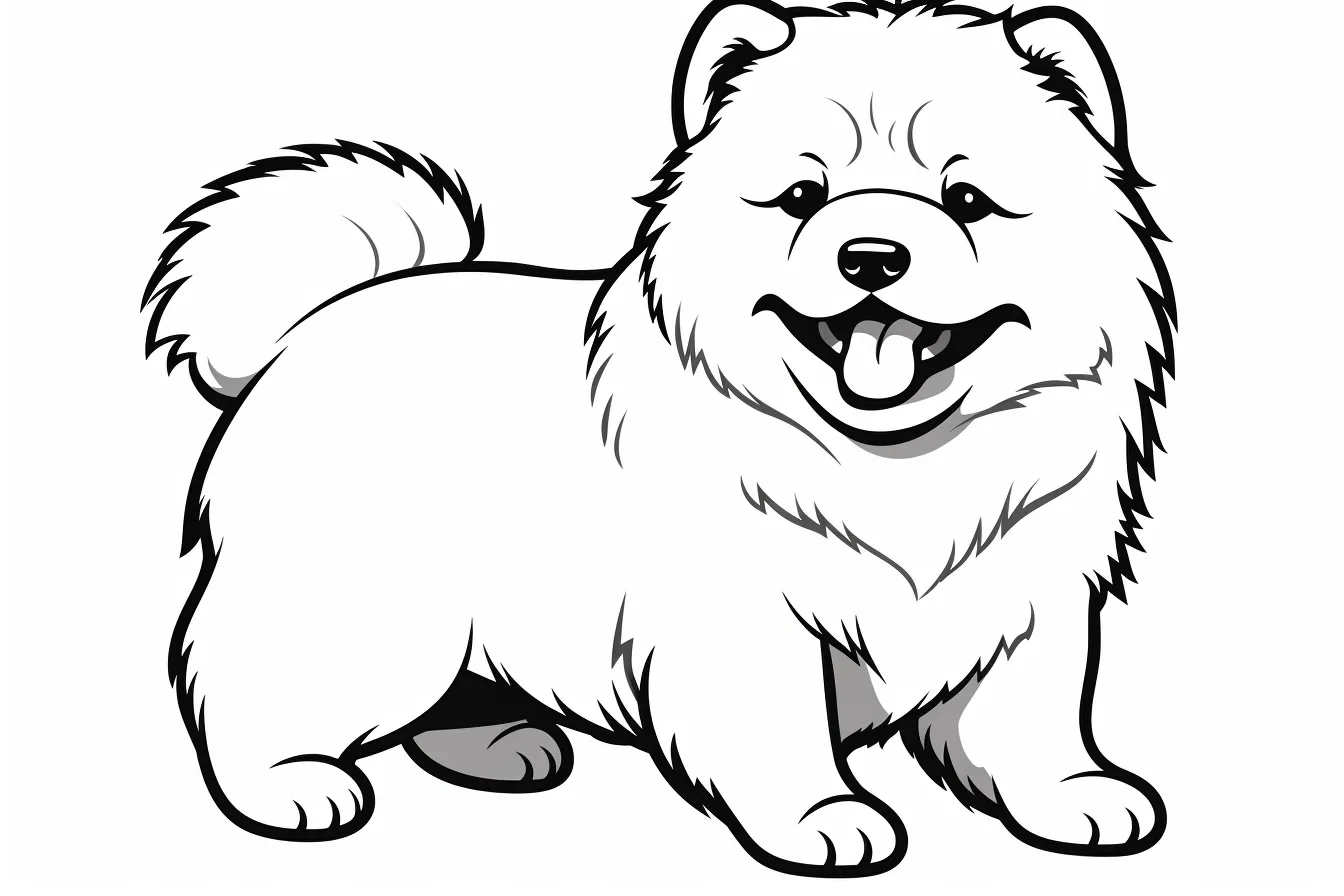
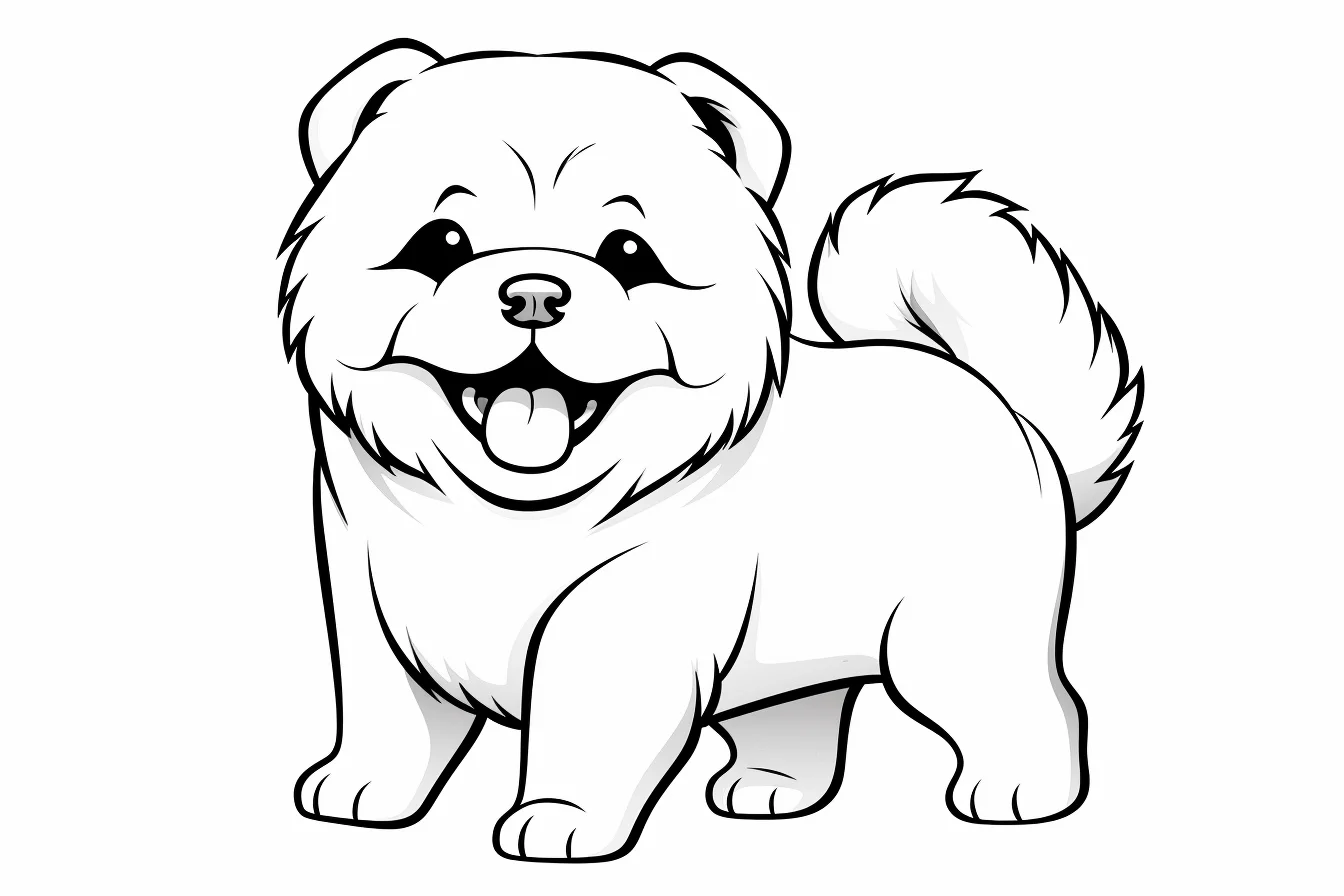
Chow Chow puppies — Sheets 1–3
Chow Chows benefit from layered fur. Keep the muzzle lighter, use a medium coat color over most of the body and add darker pencil strokes only around the outer fluff, ears and legs.
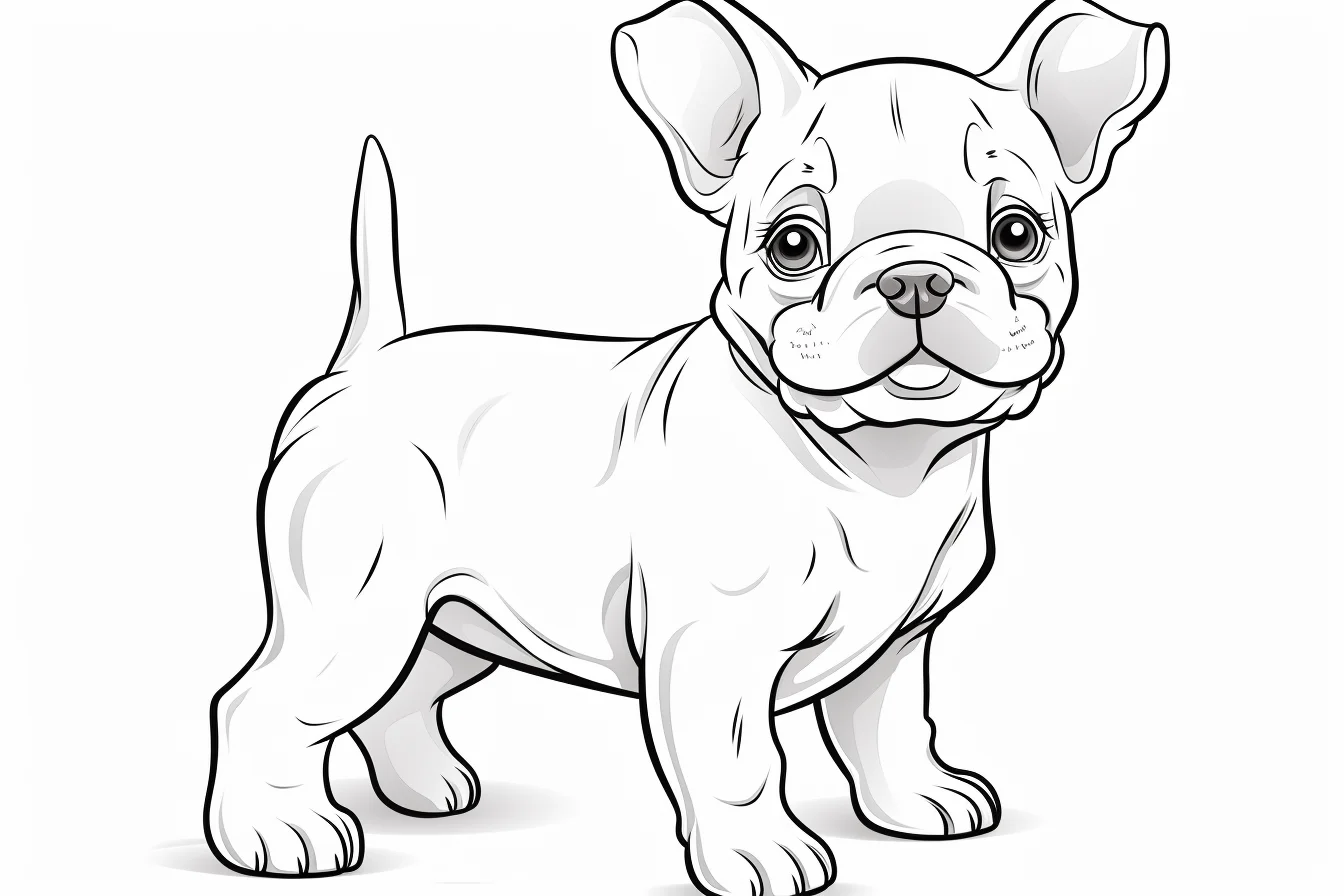
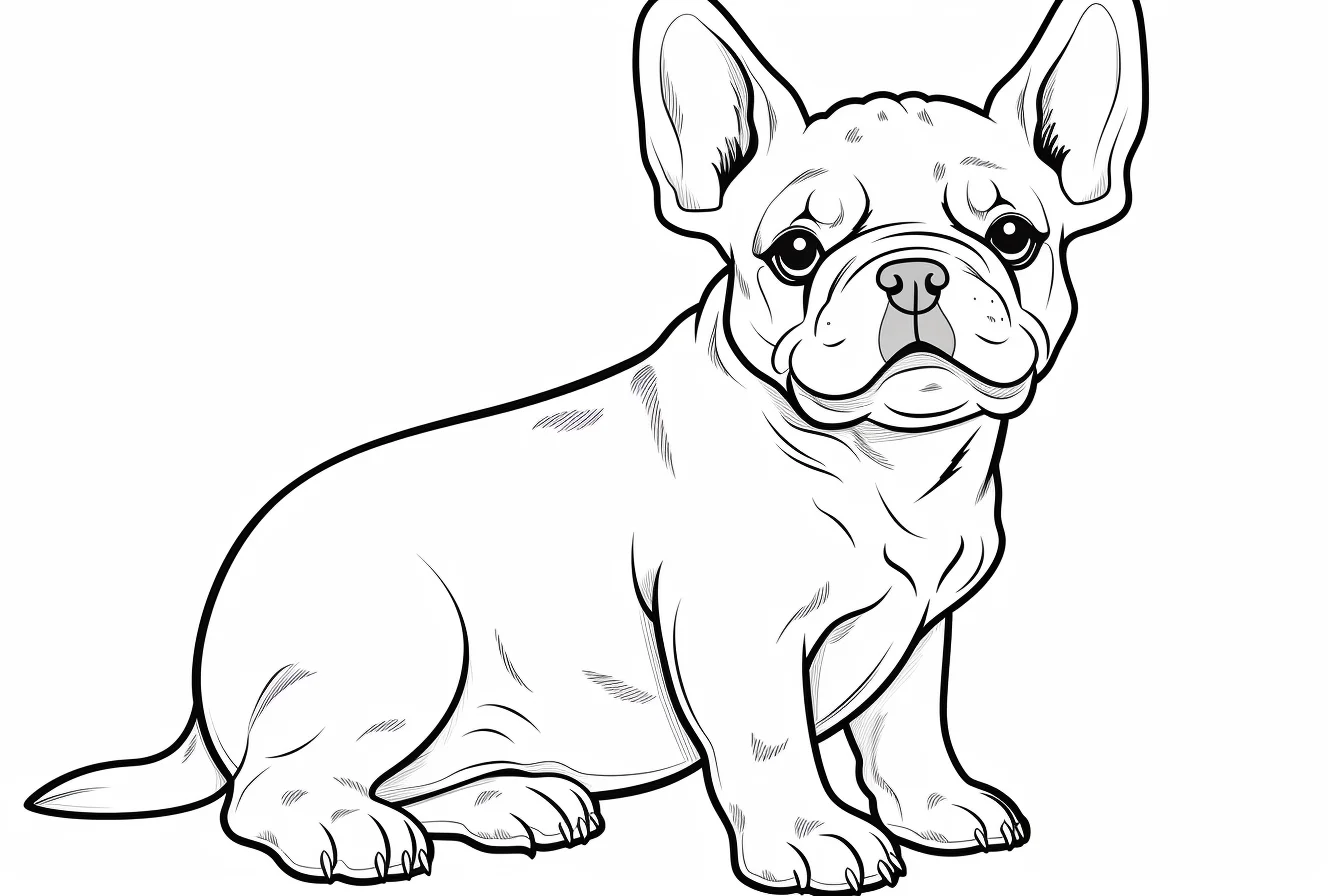
French Bulldog puppies — Sheets 4–5
Use the ears and facial mask to create contrast. Cream, fawn, brindle, gray or black-and-white all work, but leave the muzzle slightly lighter so the short face stays readable.
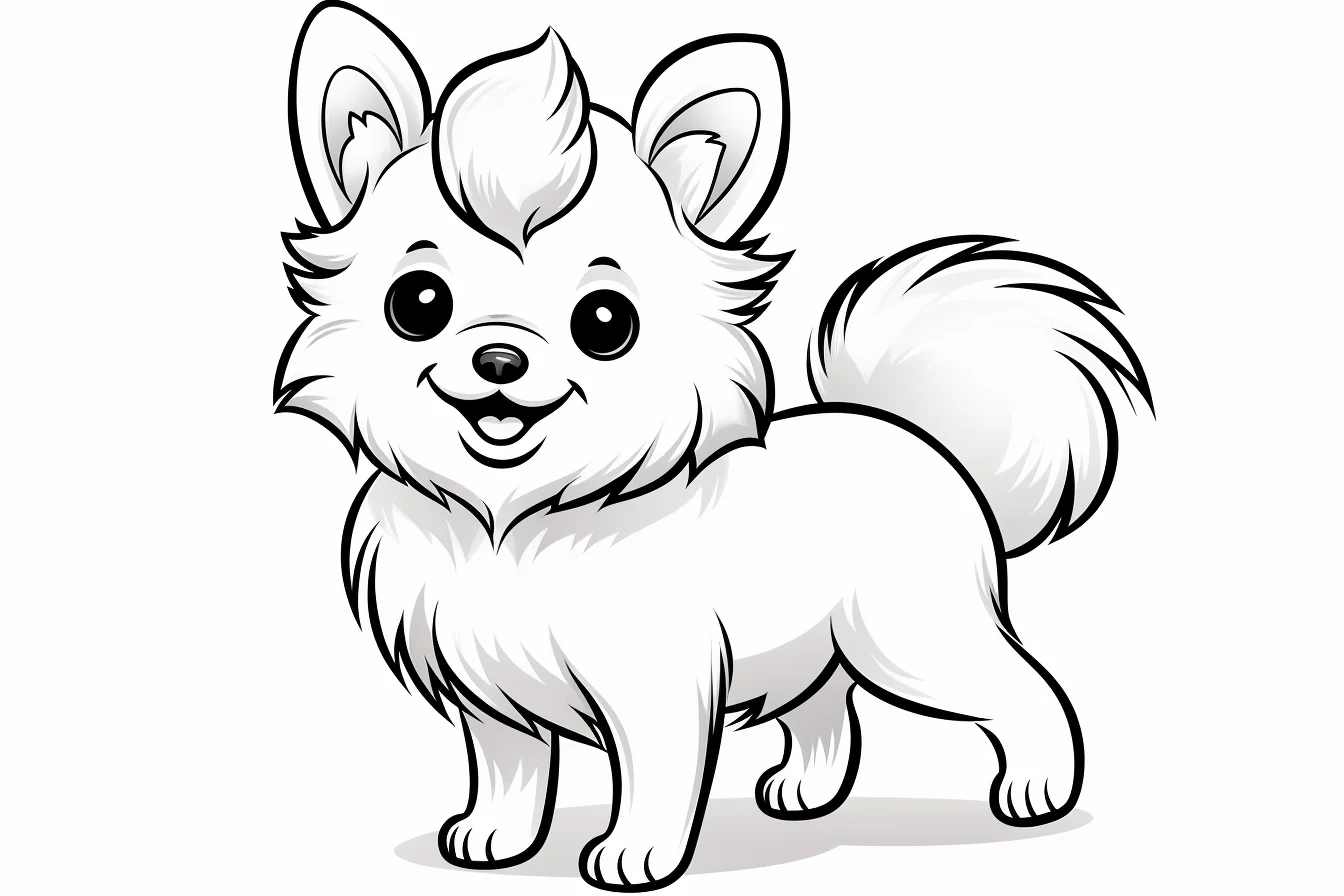
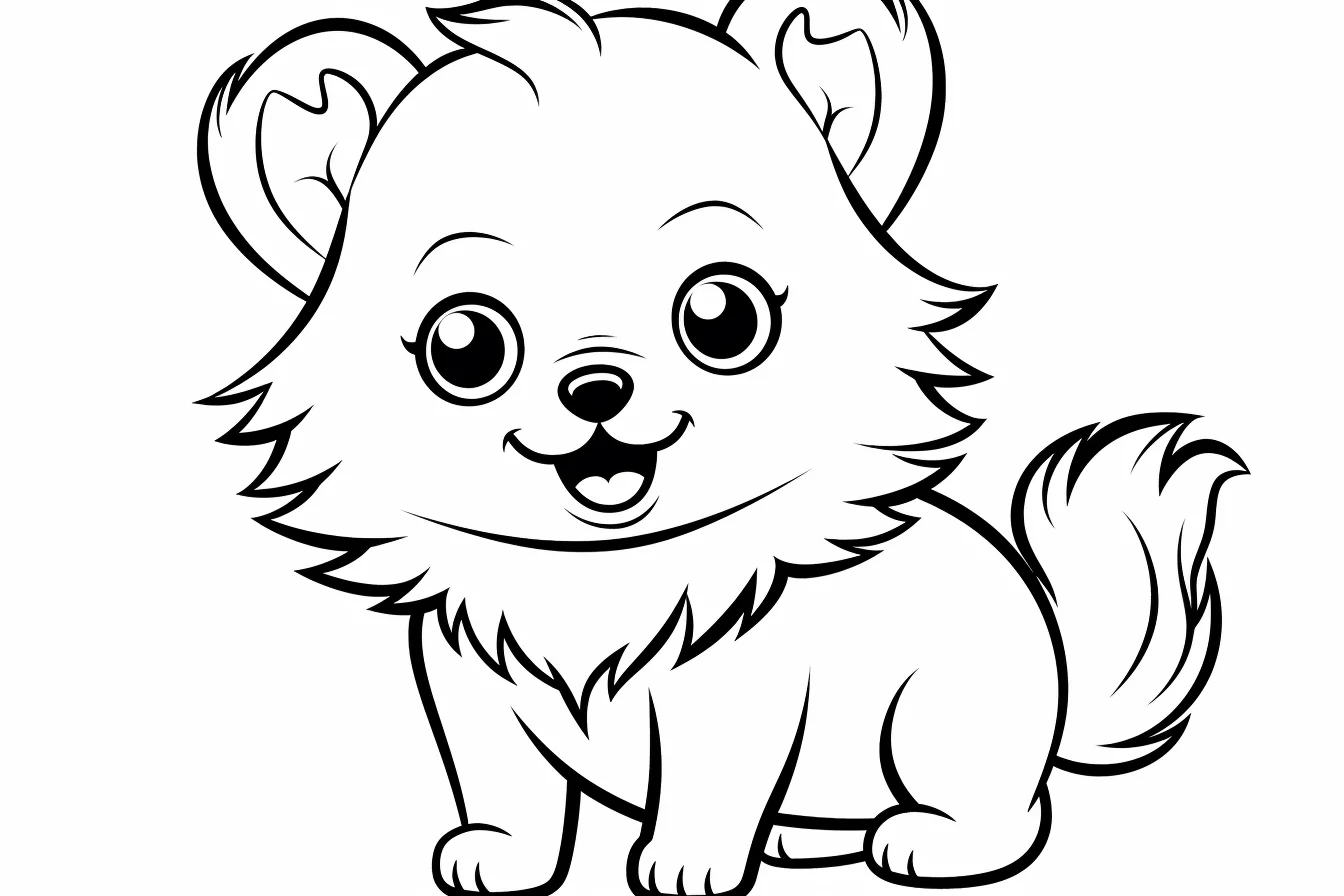
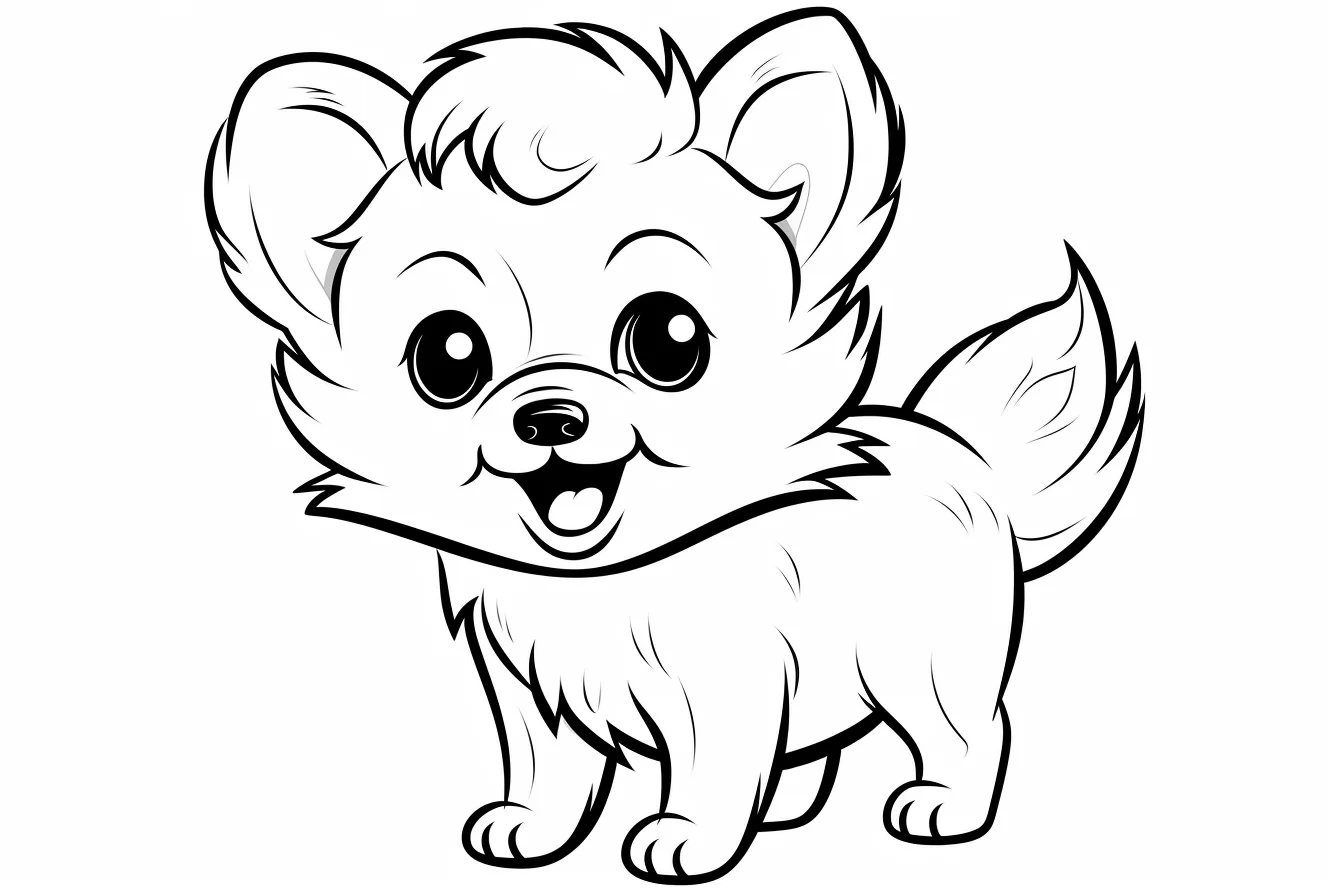
Pomeranian puppies — Sheets 6–8
For fluffy coats, avoid outlining every strand. Lay down cream, orange, tan or gray first, then use short darker strokes around the chest ruff, tail and outer body.
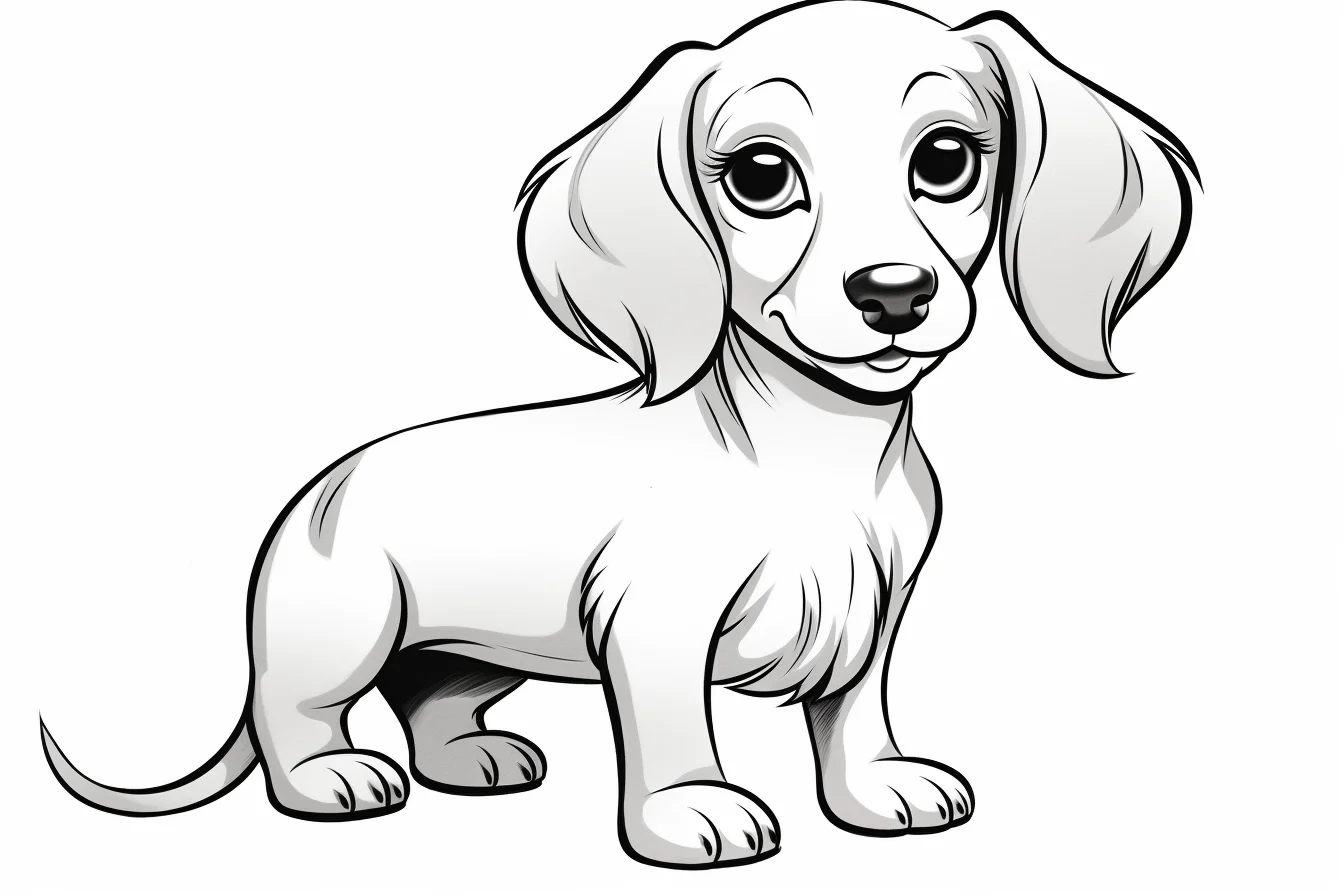
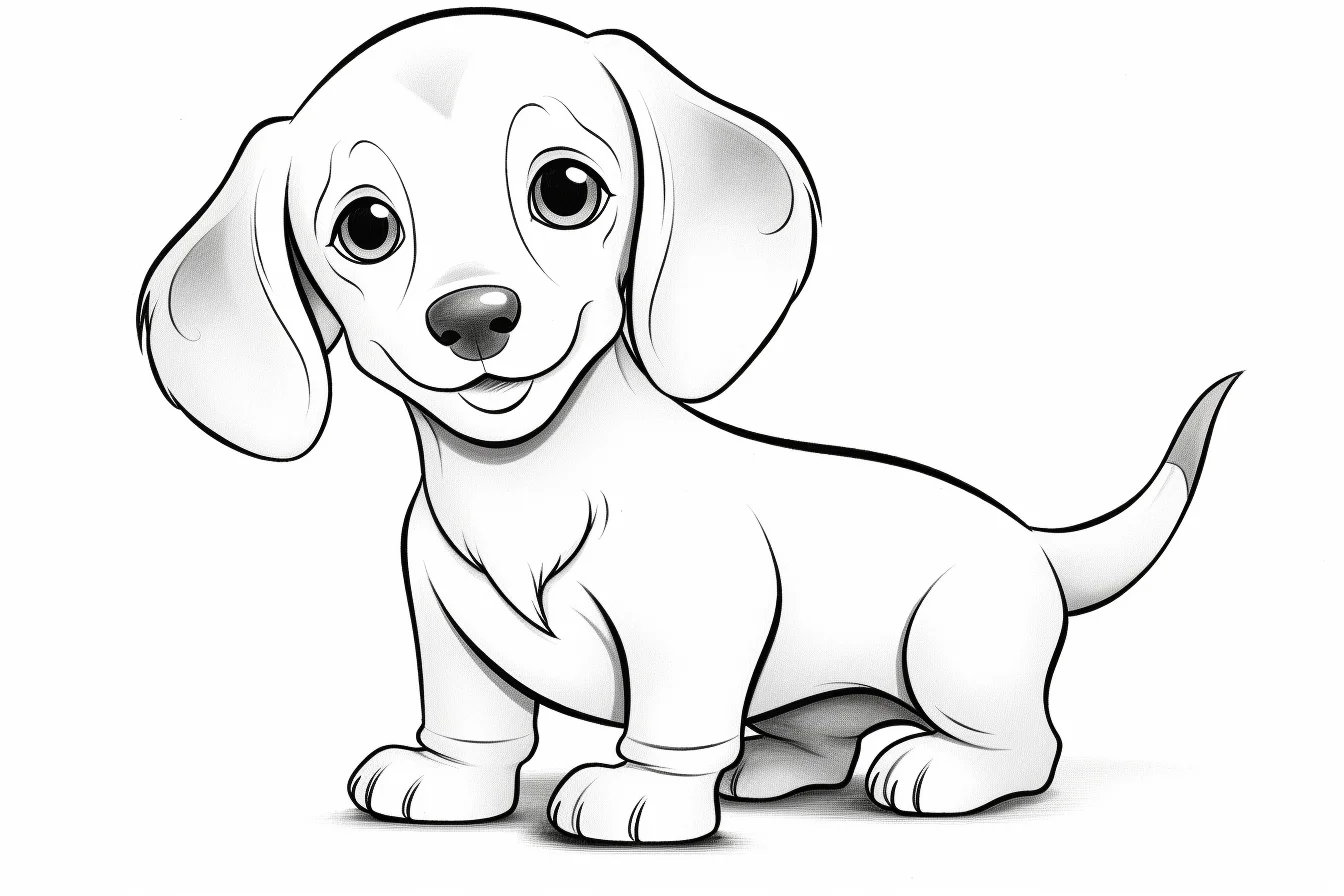
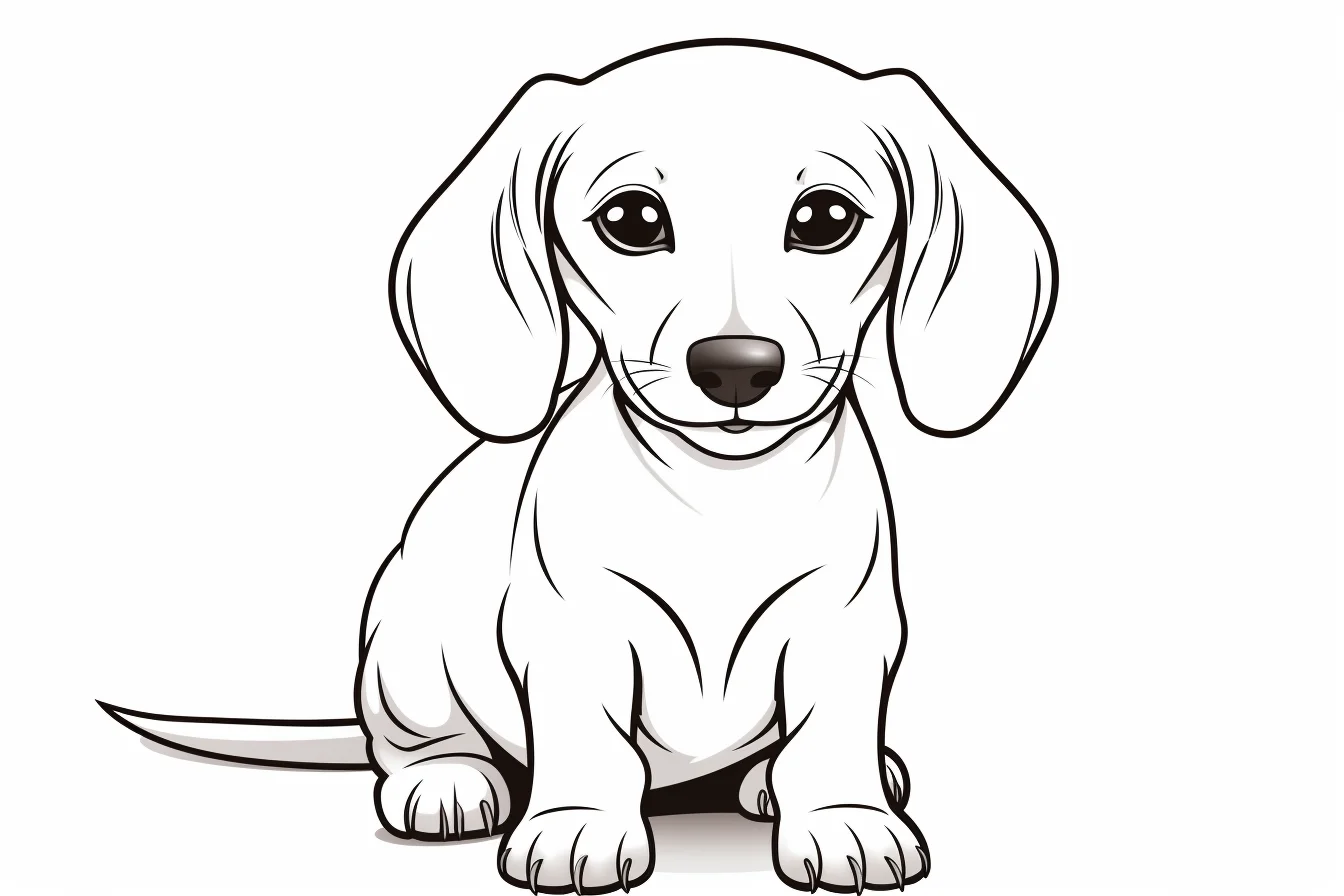
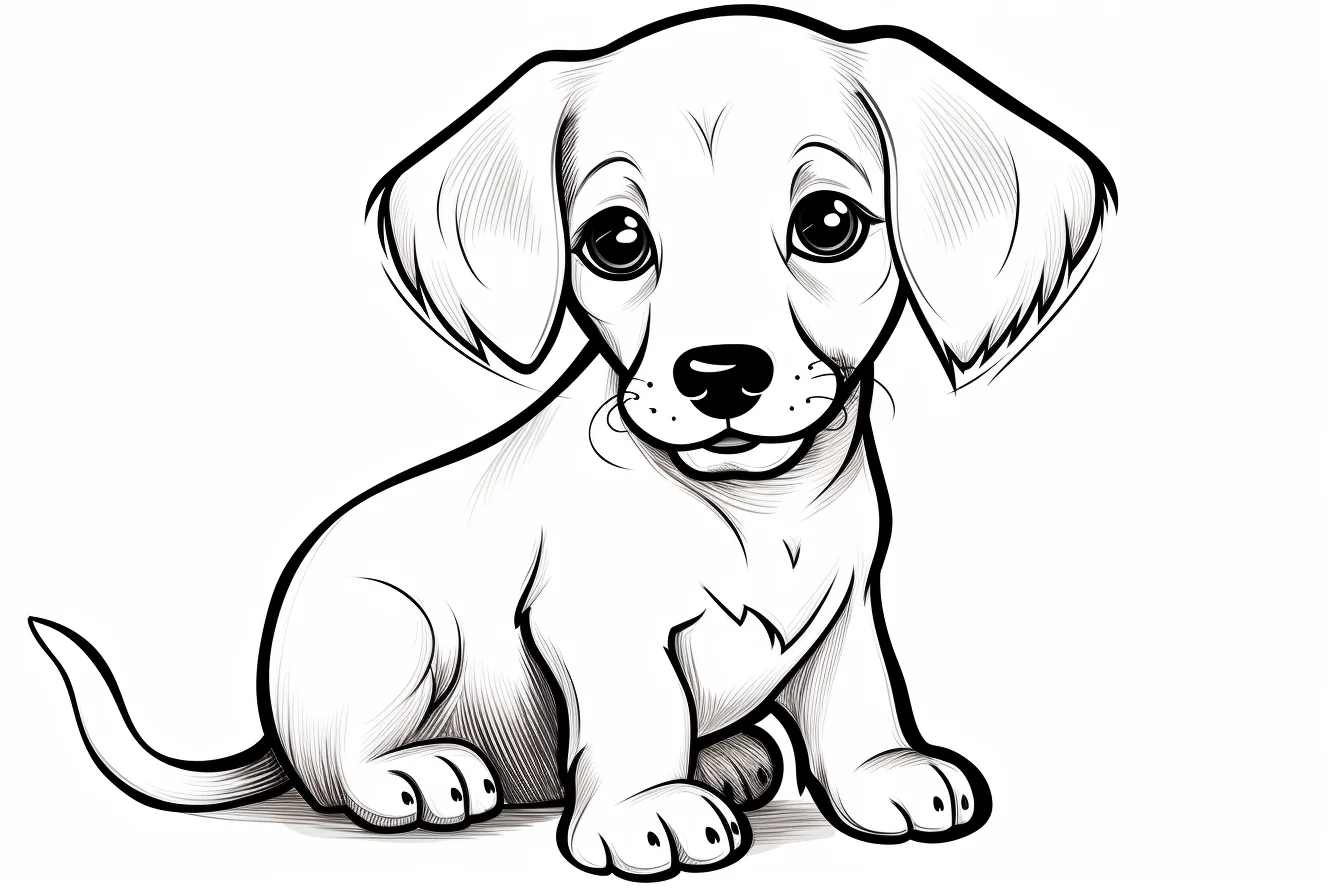
Dachshund puppies — Sheets 9–13
The long body and ears do most of the visual work here. Use one main coat color, then add a lighter muzzle/chest or darker ears and back rather than overcomplicating the pattern.
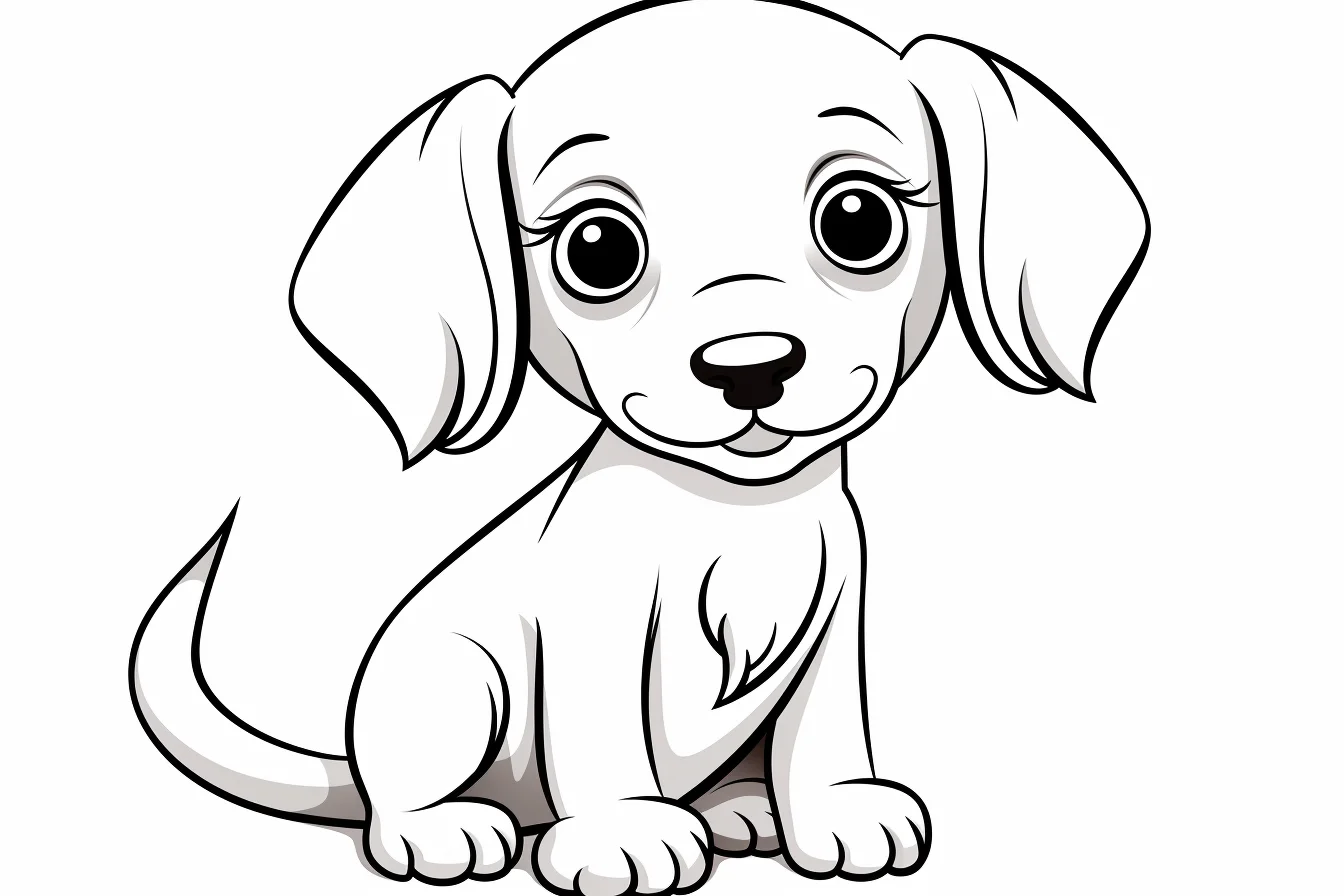
Pitbull puppies — Sheets 14–15
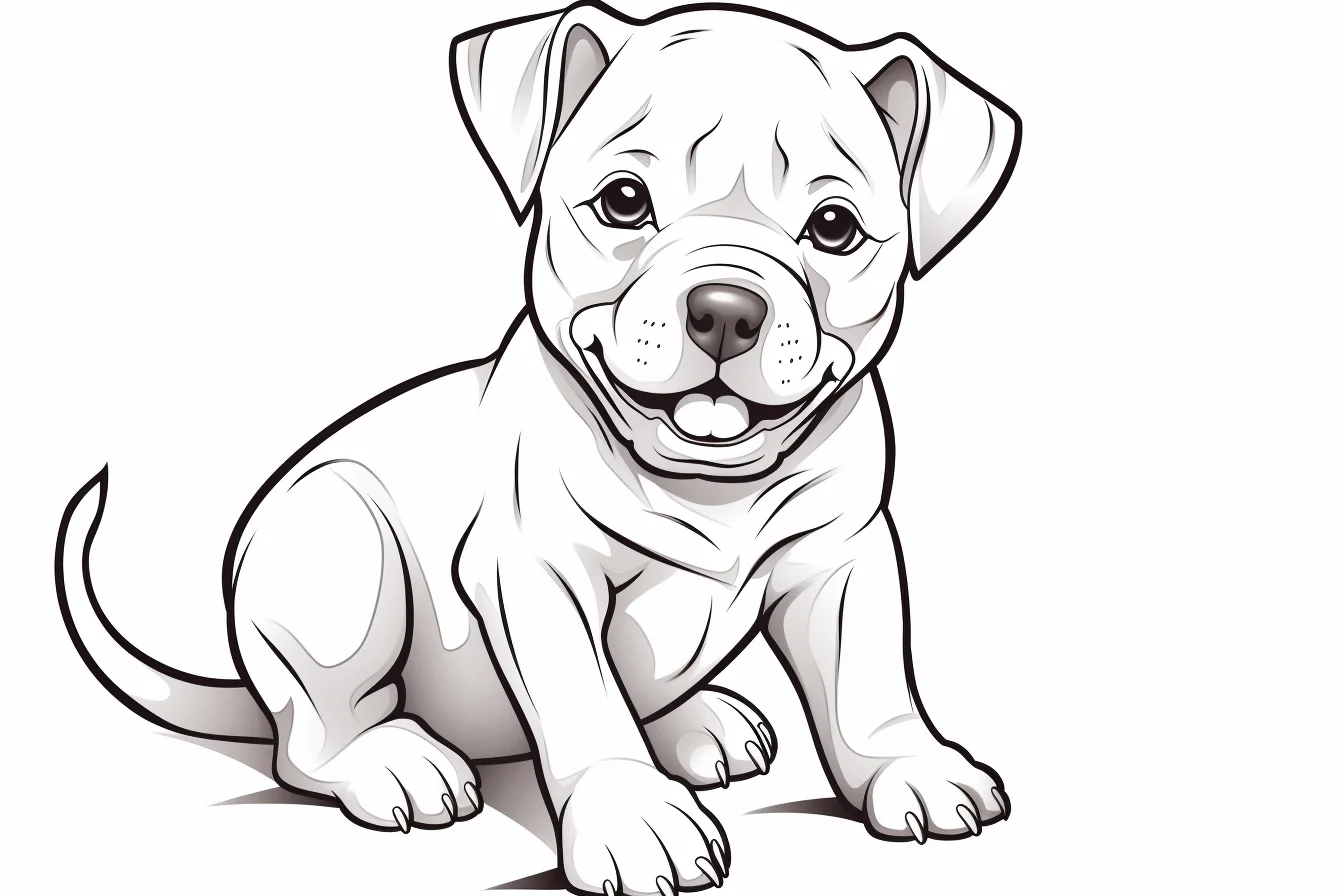
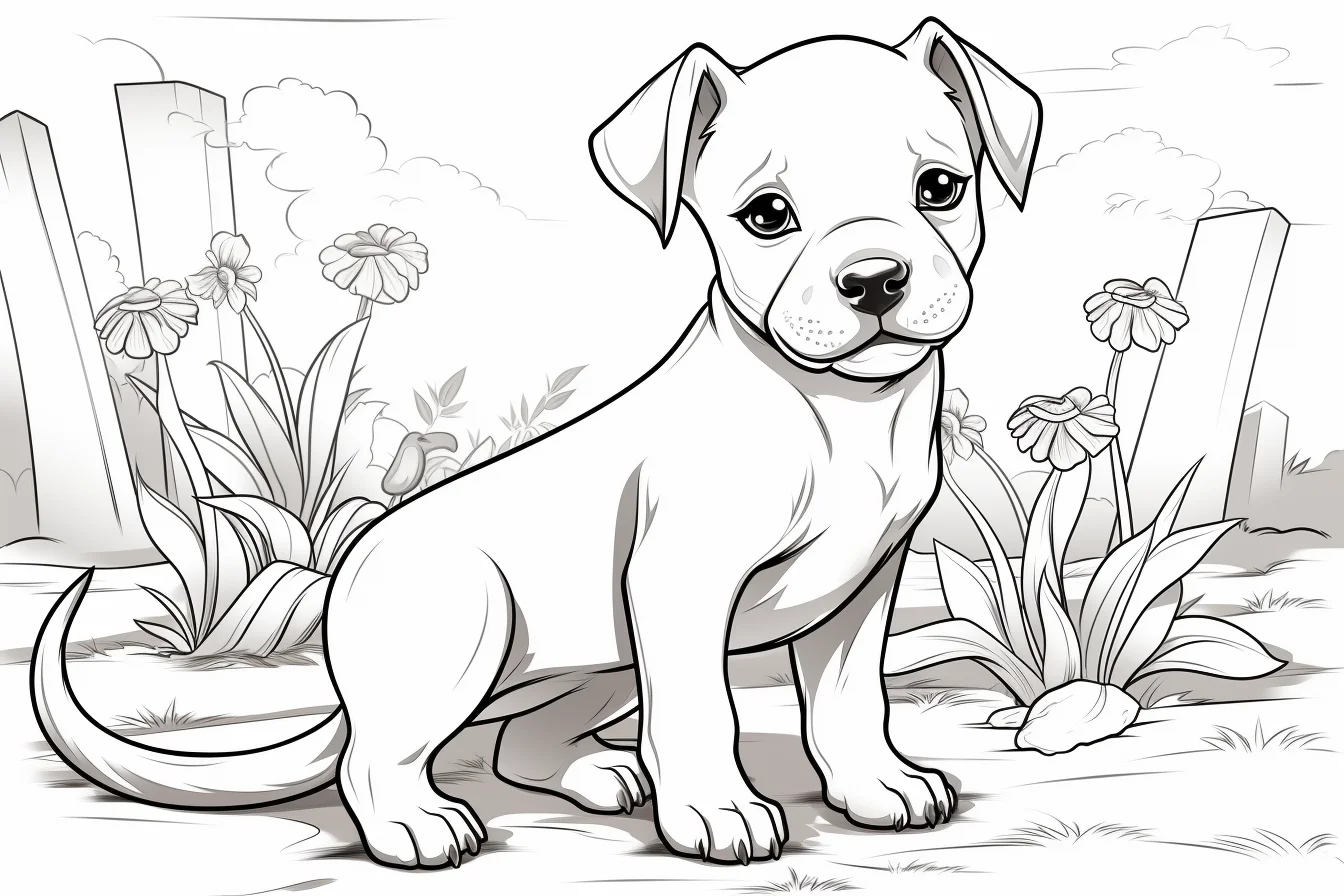
Short coats look cleaner with broad smooth color. Keep the muzzle and chest lighter, then use darker patches only where the drawing supports them.
Bernese Mountain Dog — Sheet 16
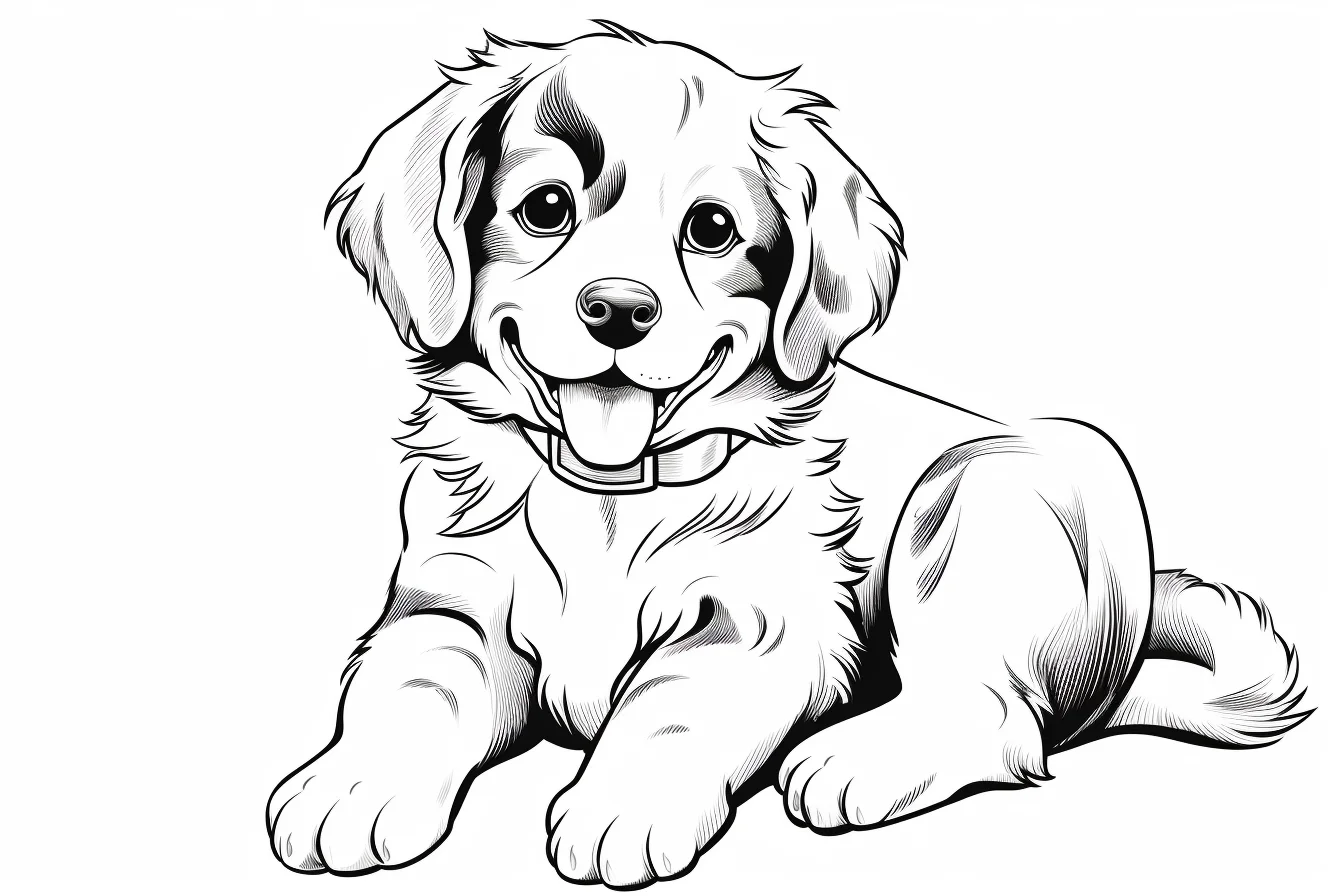
This breed is naturally useful for three-color practice: black as the main coat, rust/tan accents and white on the chest, muzzle or face. Leave the white areas clean before adding the dark coat.
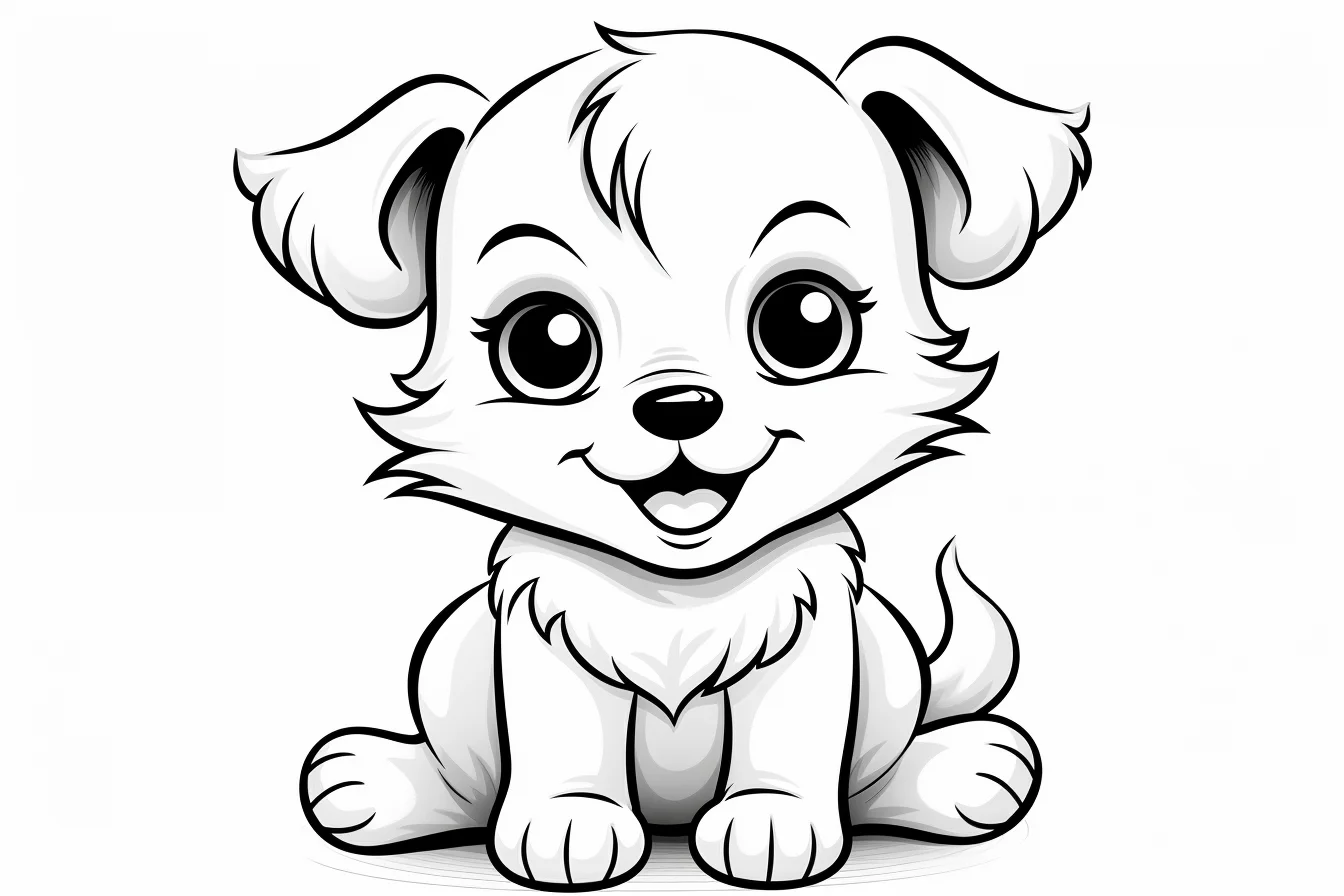
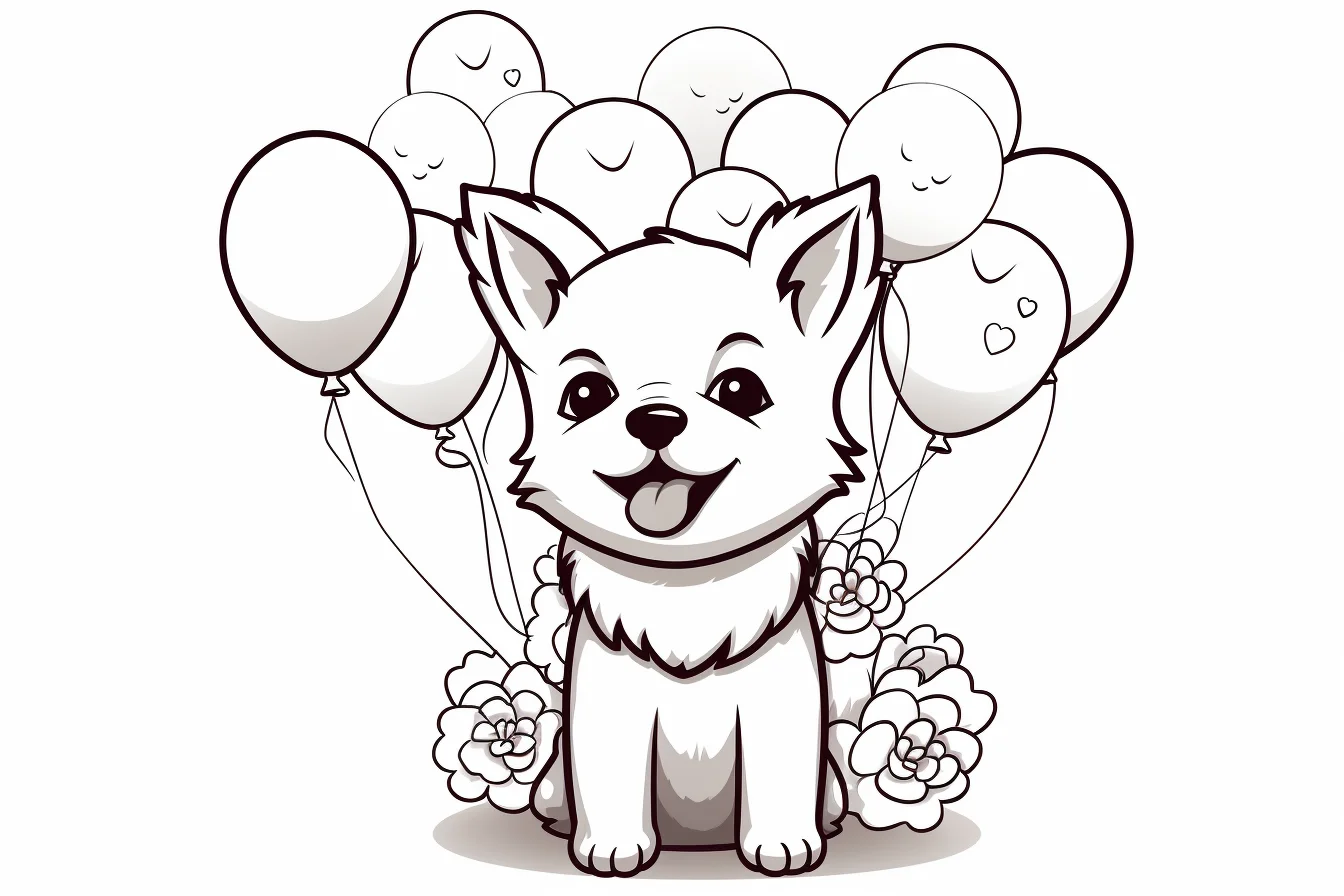
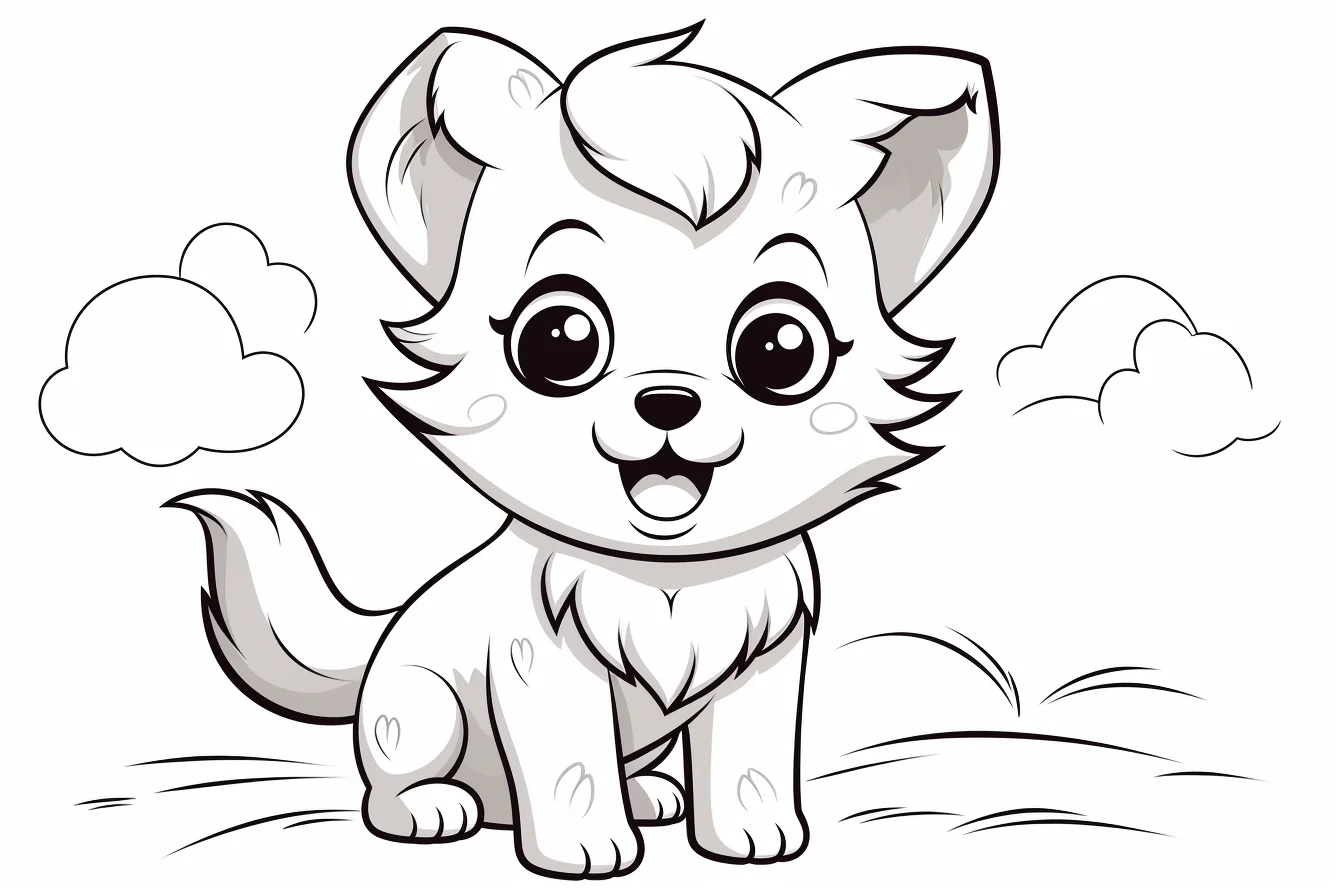
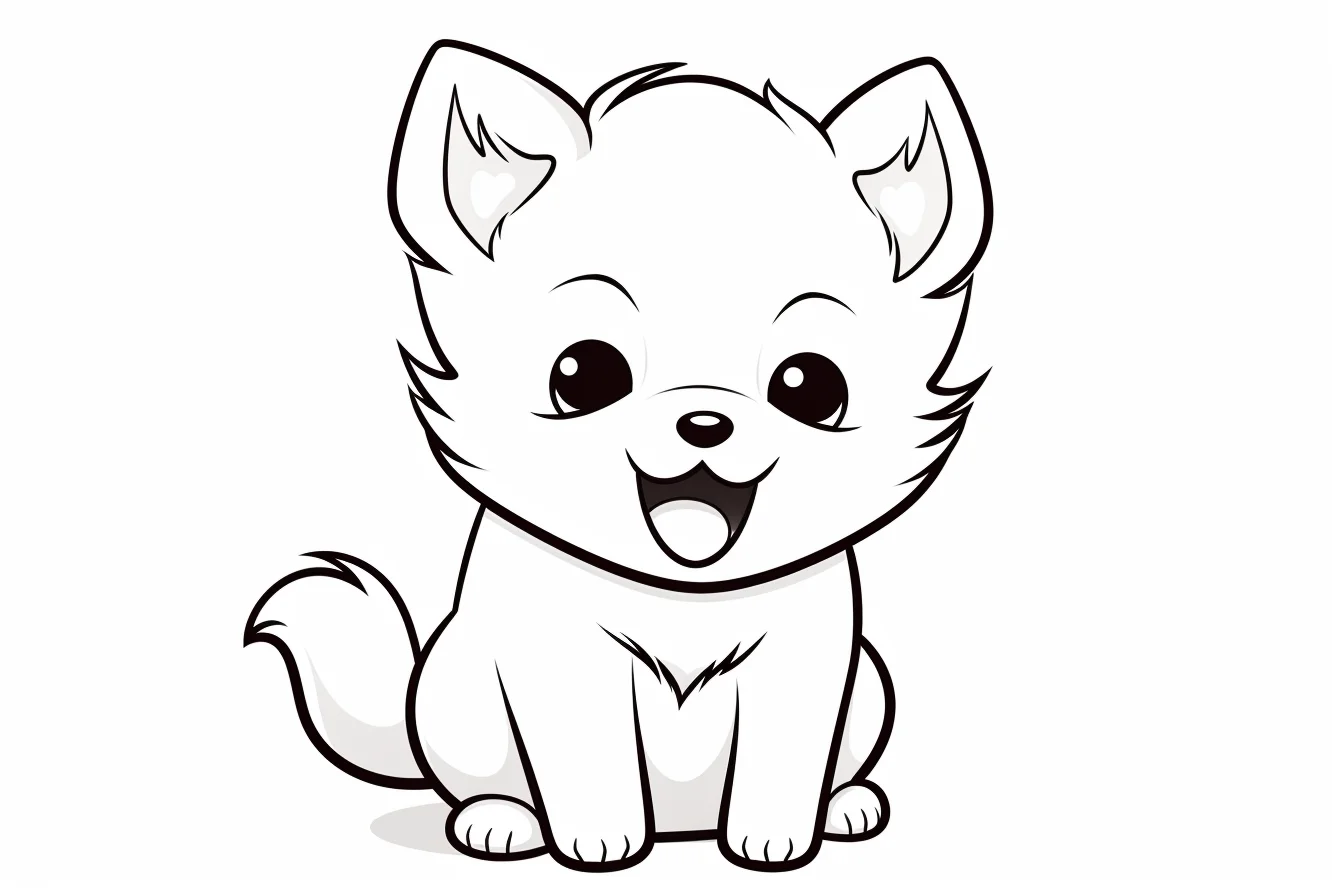
Kawaii and general puppies — Sheets 17–20
These last pages are less breed-specific, so there is no reason to chase realistic coat colors. Keep the face clear, pick one or two main coat colors and use brighter accents on collars or small details.
Quick puppy-coloring questions
Which pages are easiest?
Sheets 17–20 are the least breed-dependent and work well for imaginative coloring. Among the breed pages, choose whichever drawing has the largest open coat areas.
Do I need realistic dog colors?
No. Natural coat references are useful on the breed pages, but the kawaii set works just as well with fantasy colors.
What tool is best for fluffy puppies?
Colored pencils. Use a light base layer first, then short darker strokes around the outer fur instead of filling every hair line separately.

