
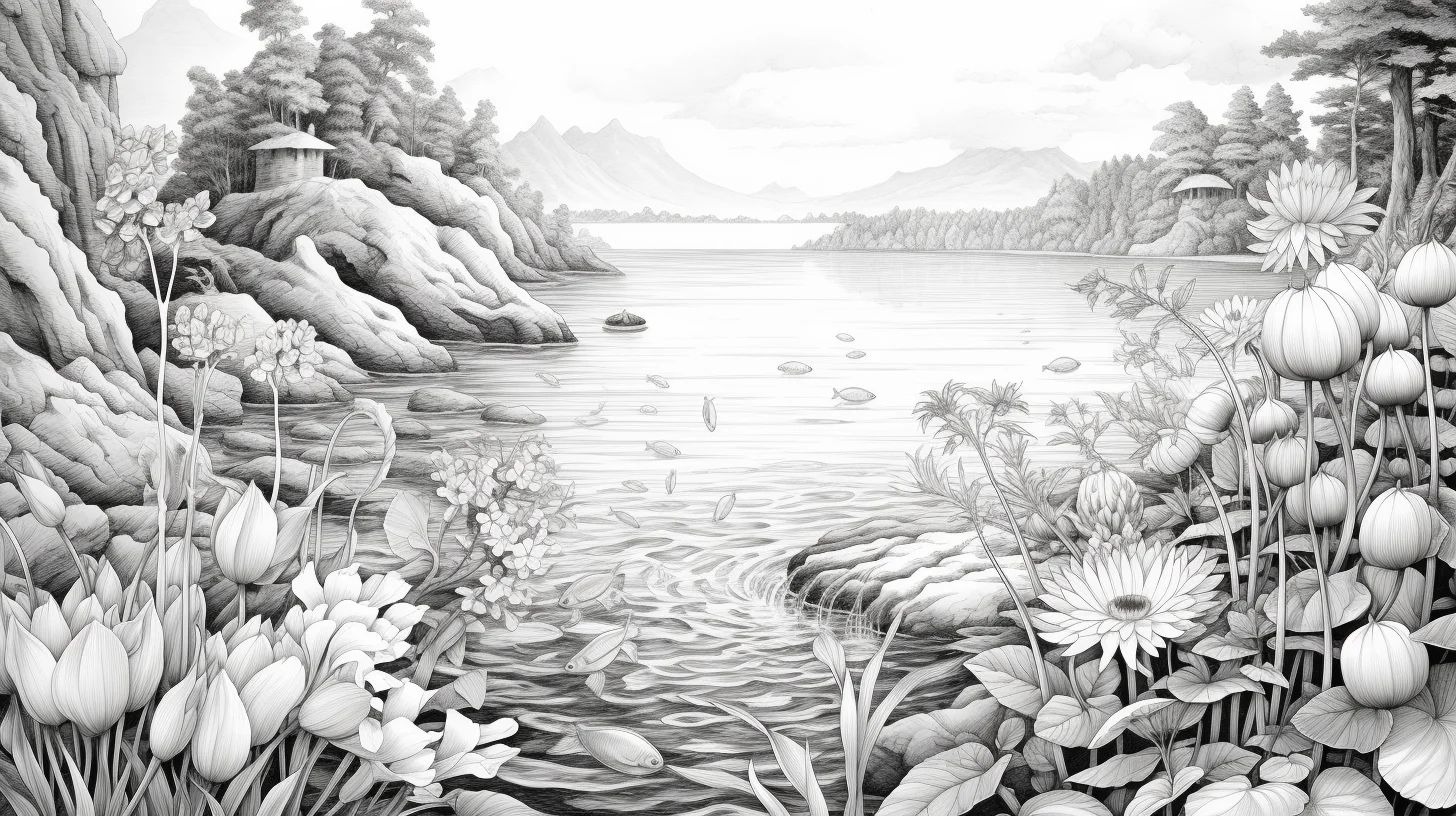
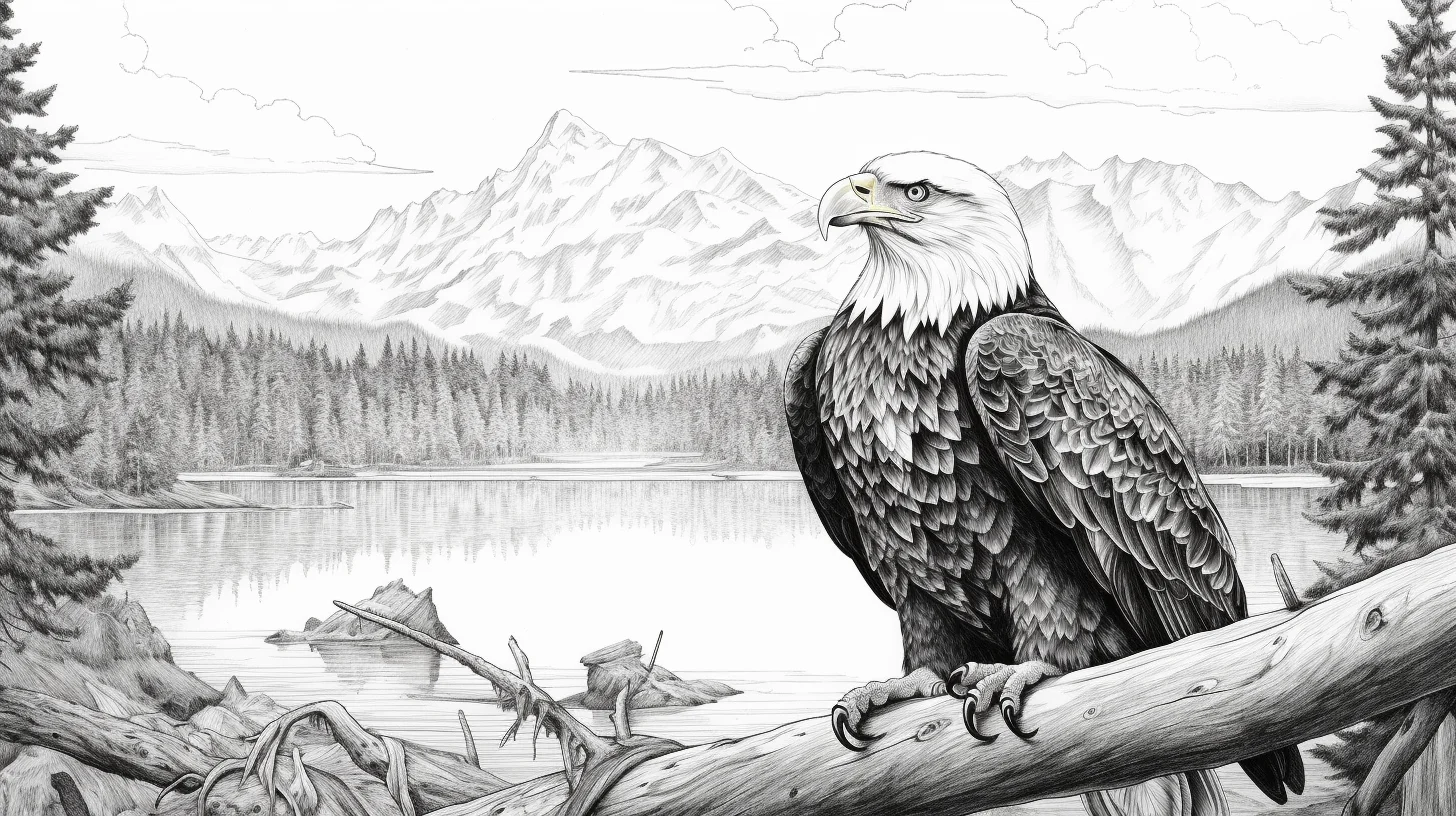
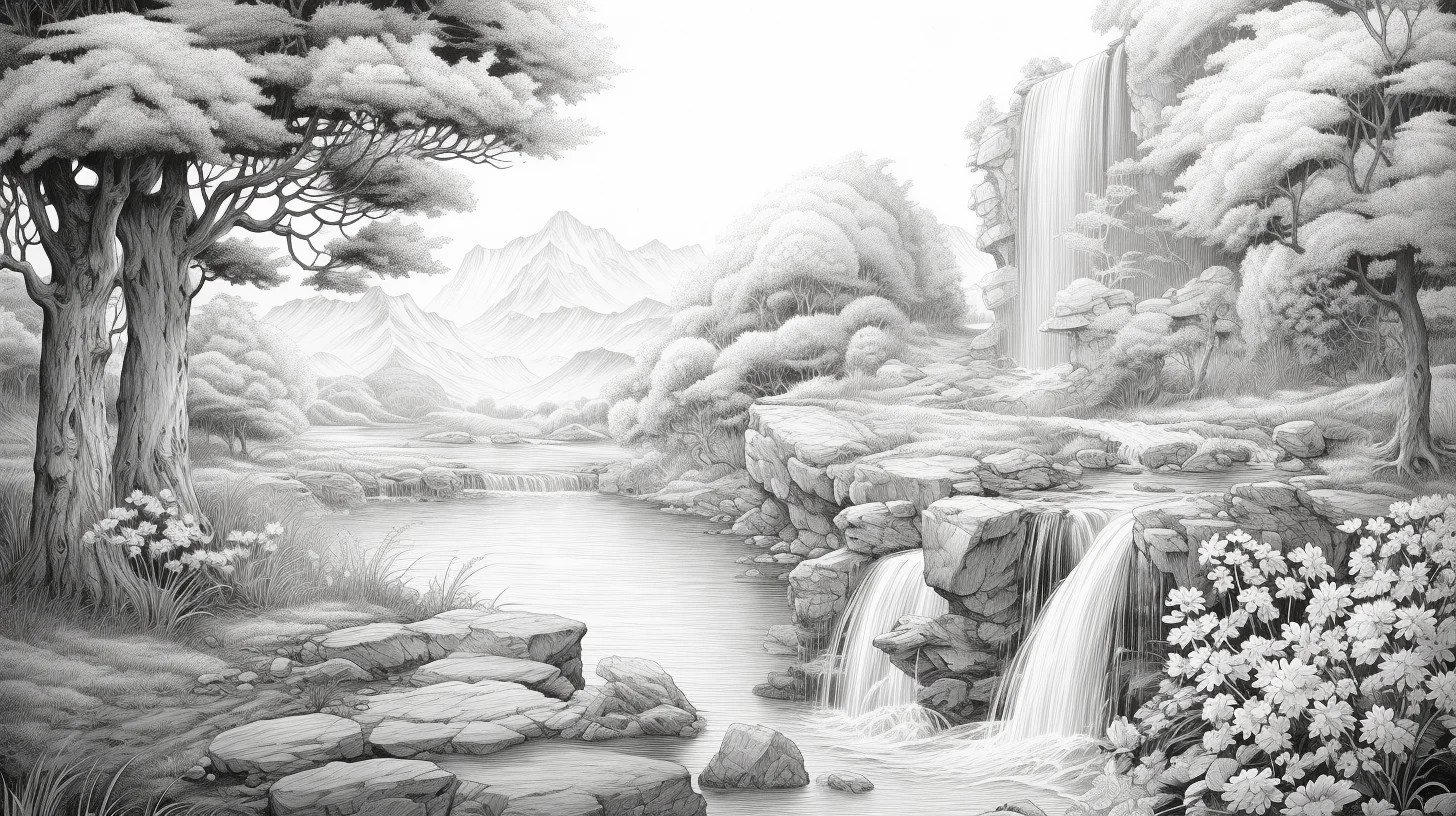
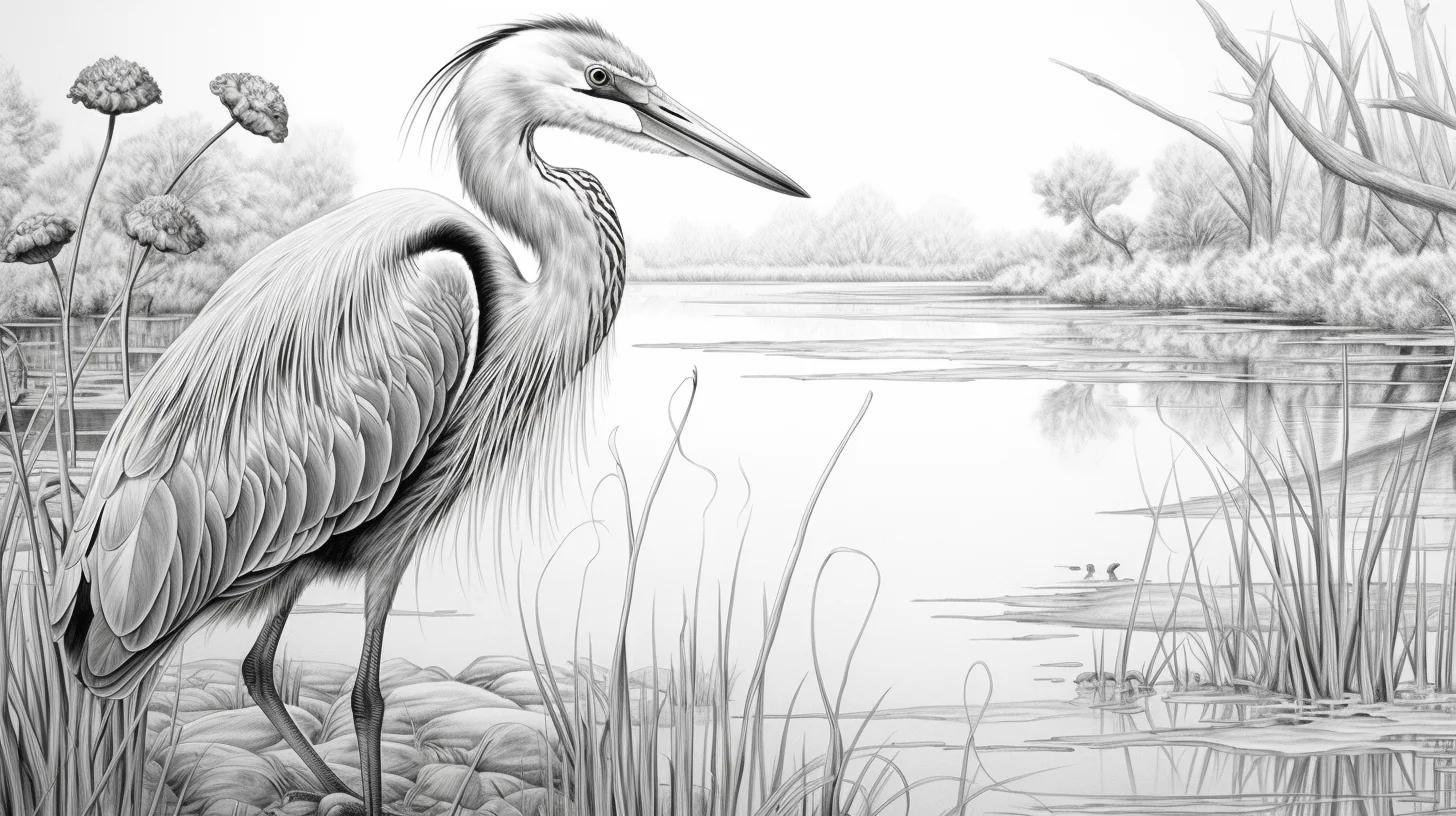
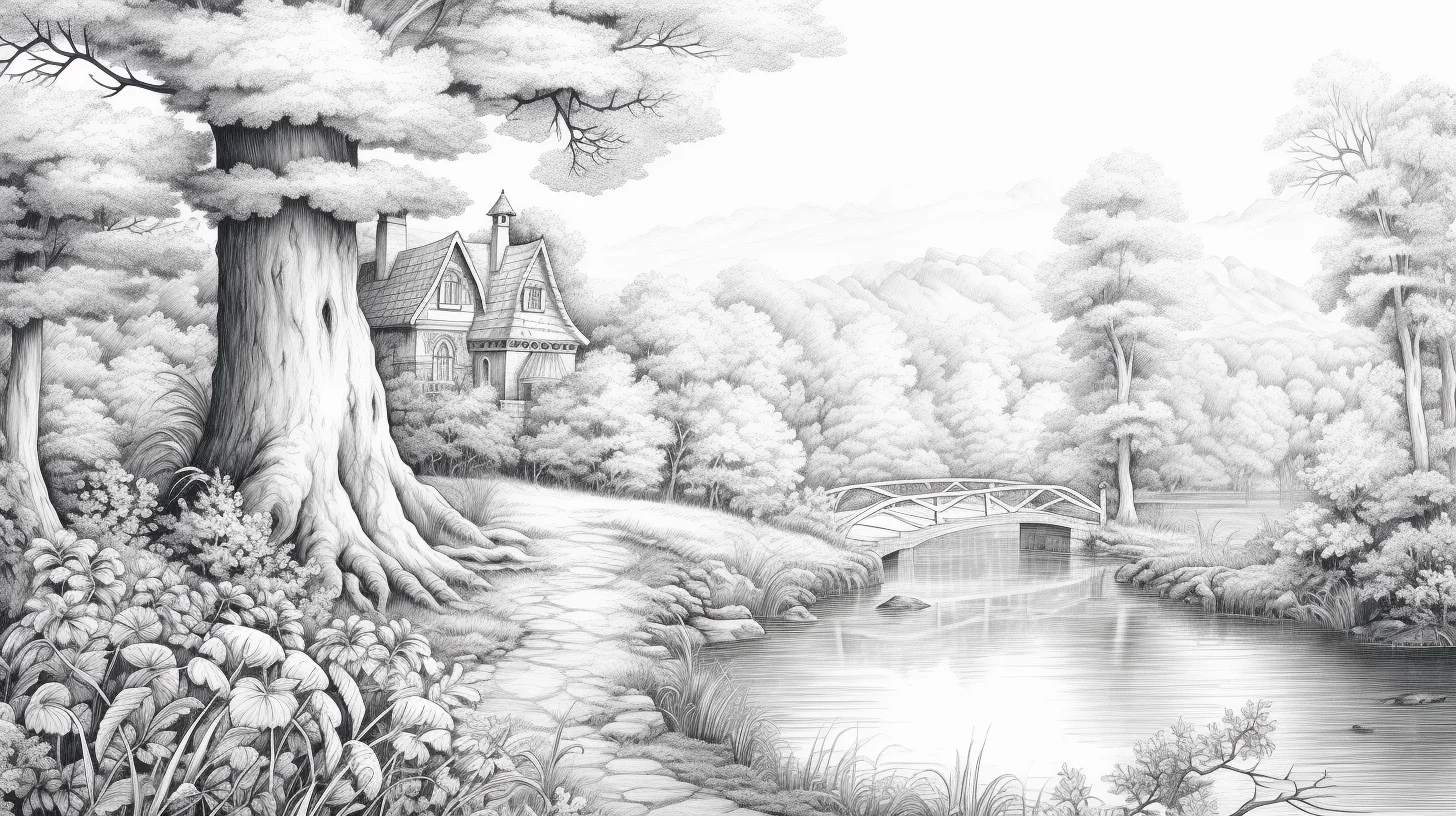
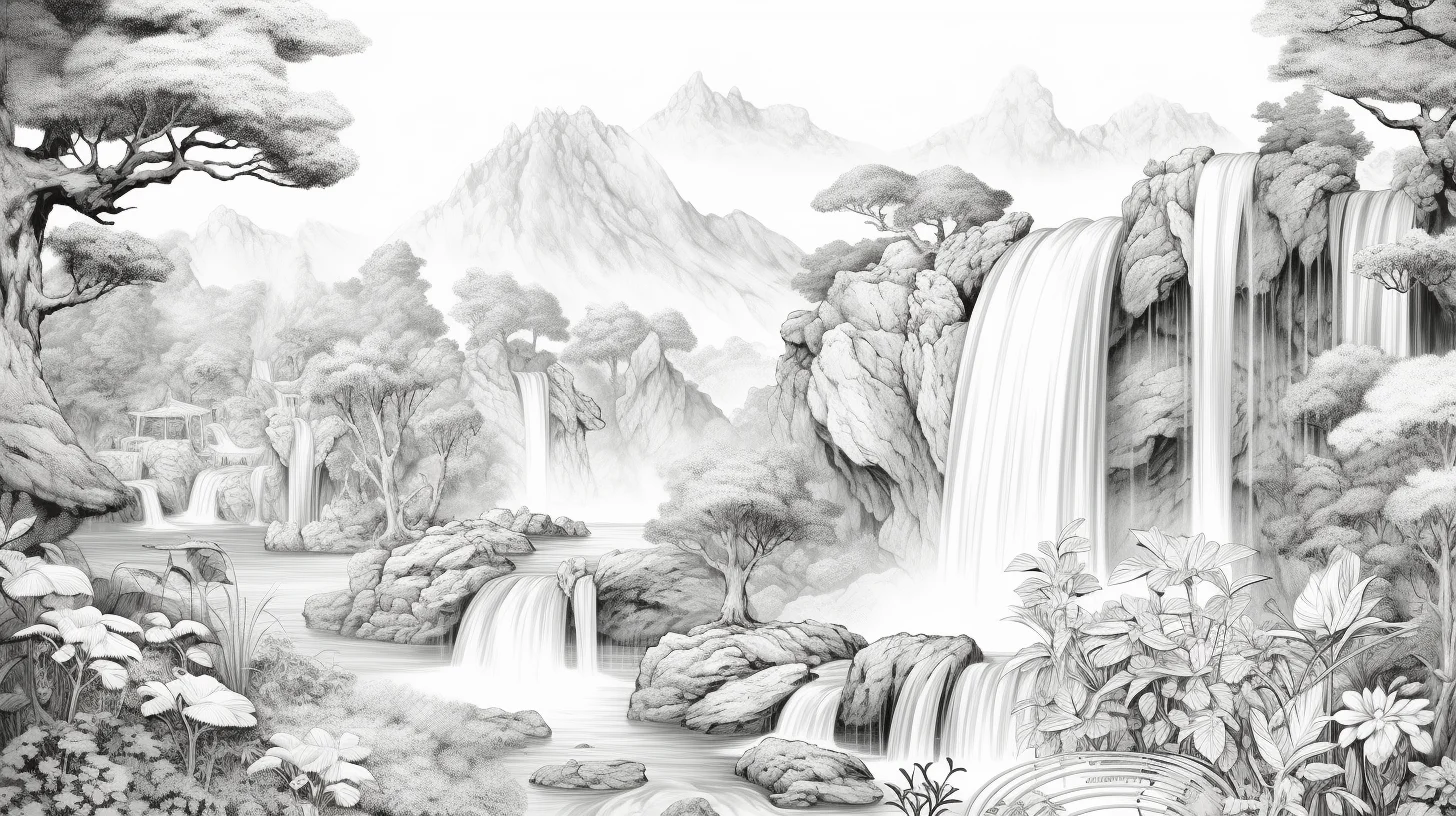
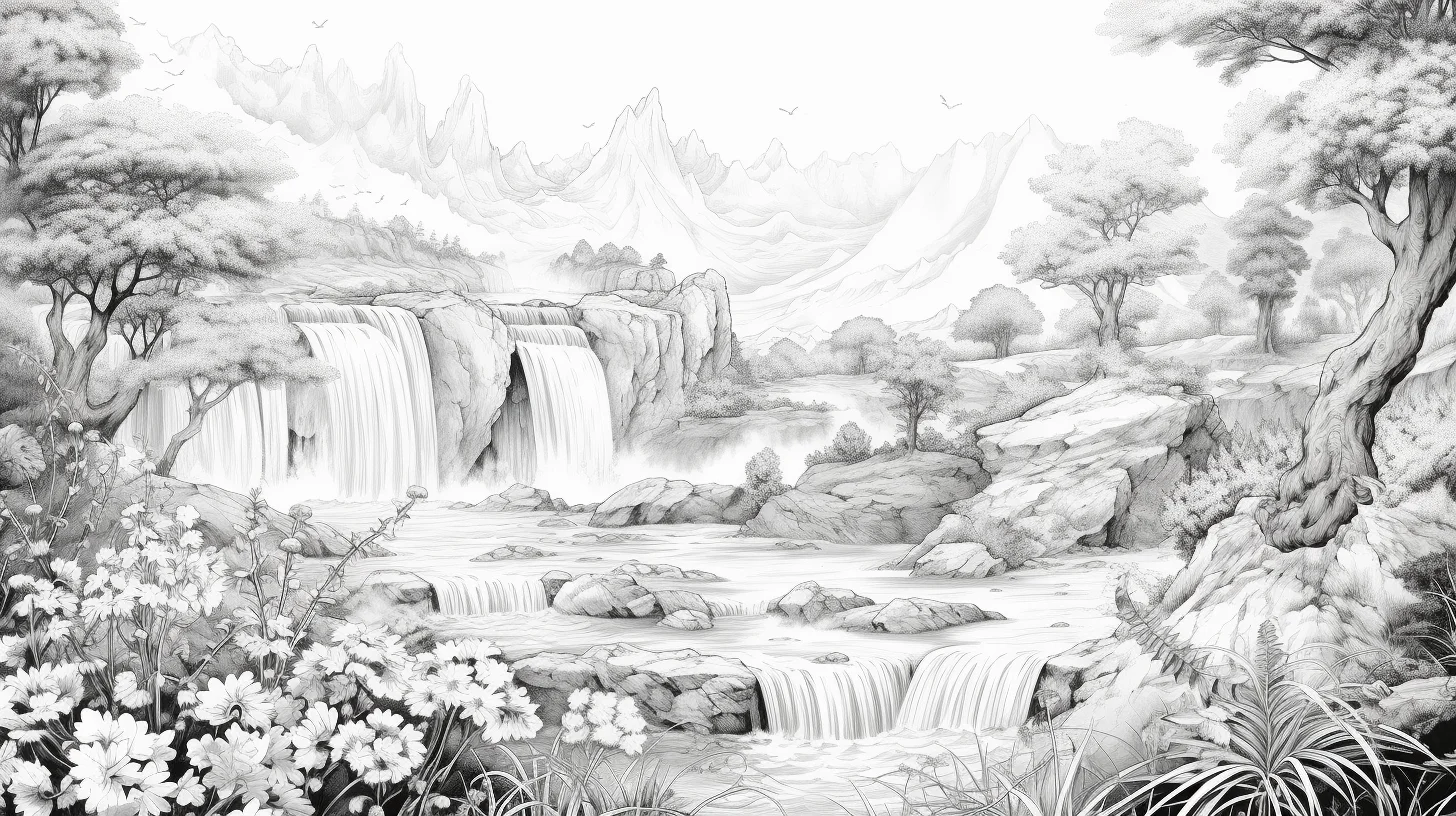
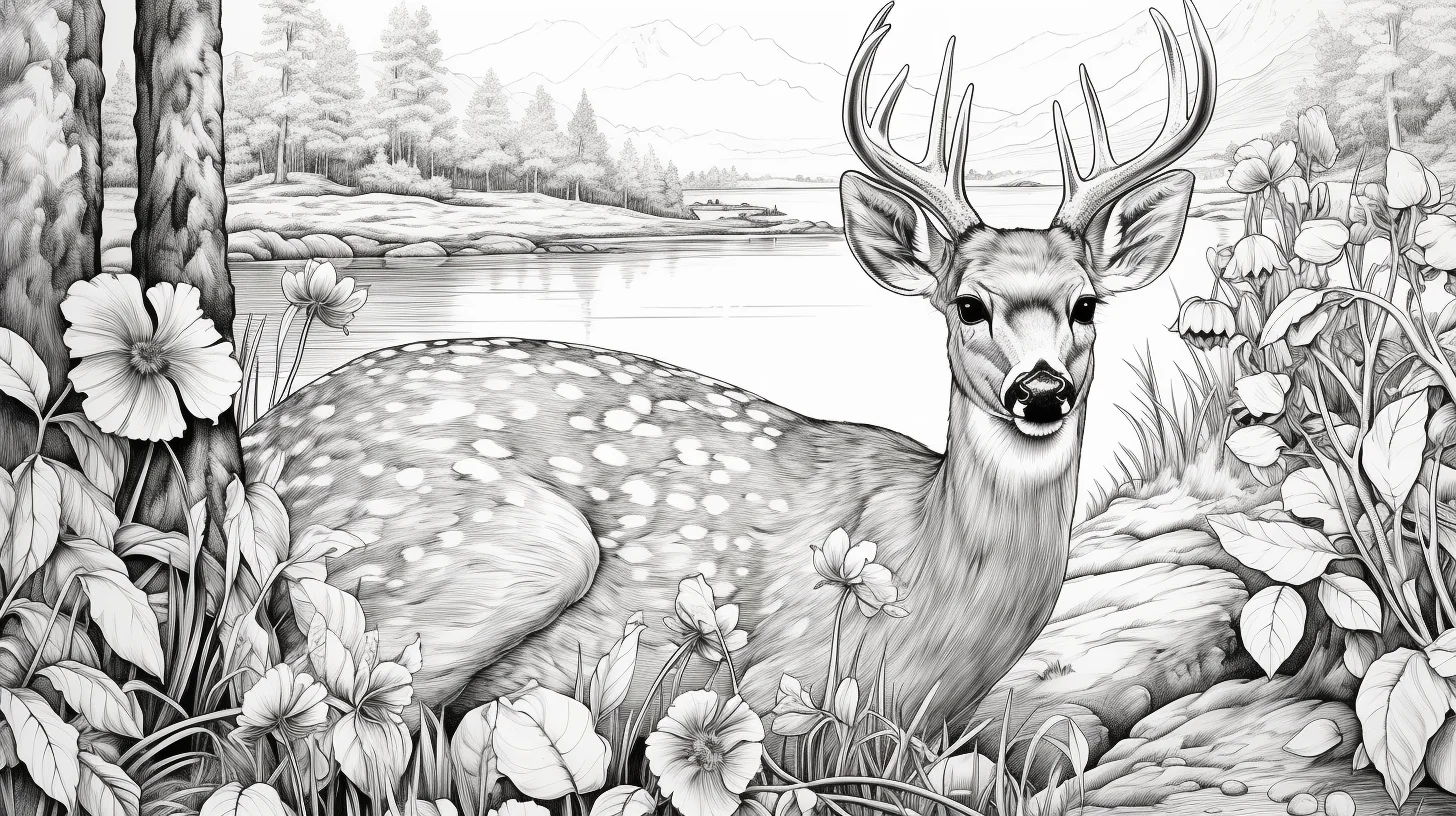
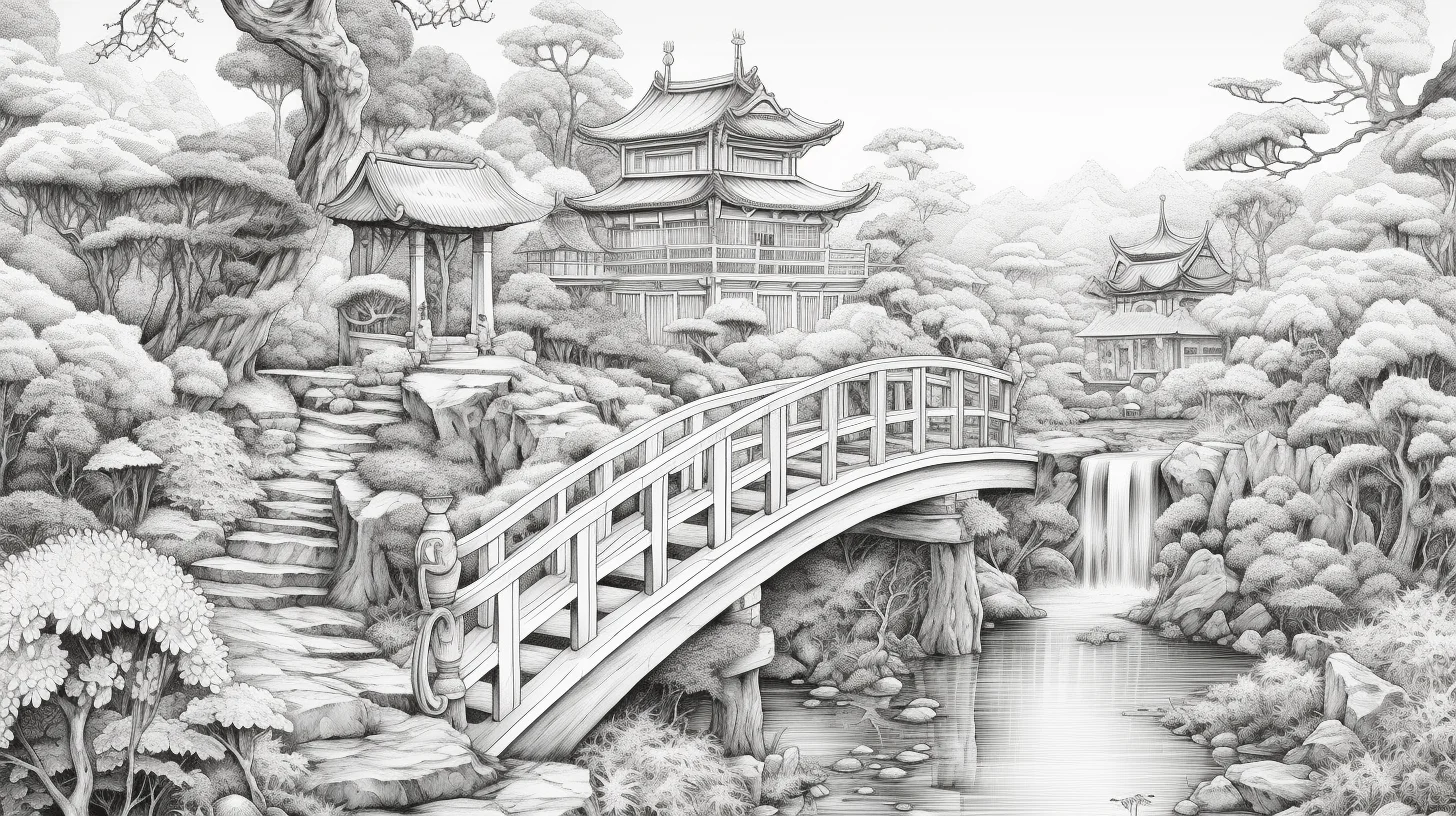
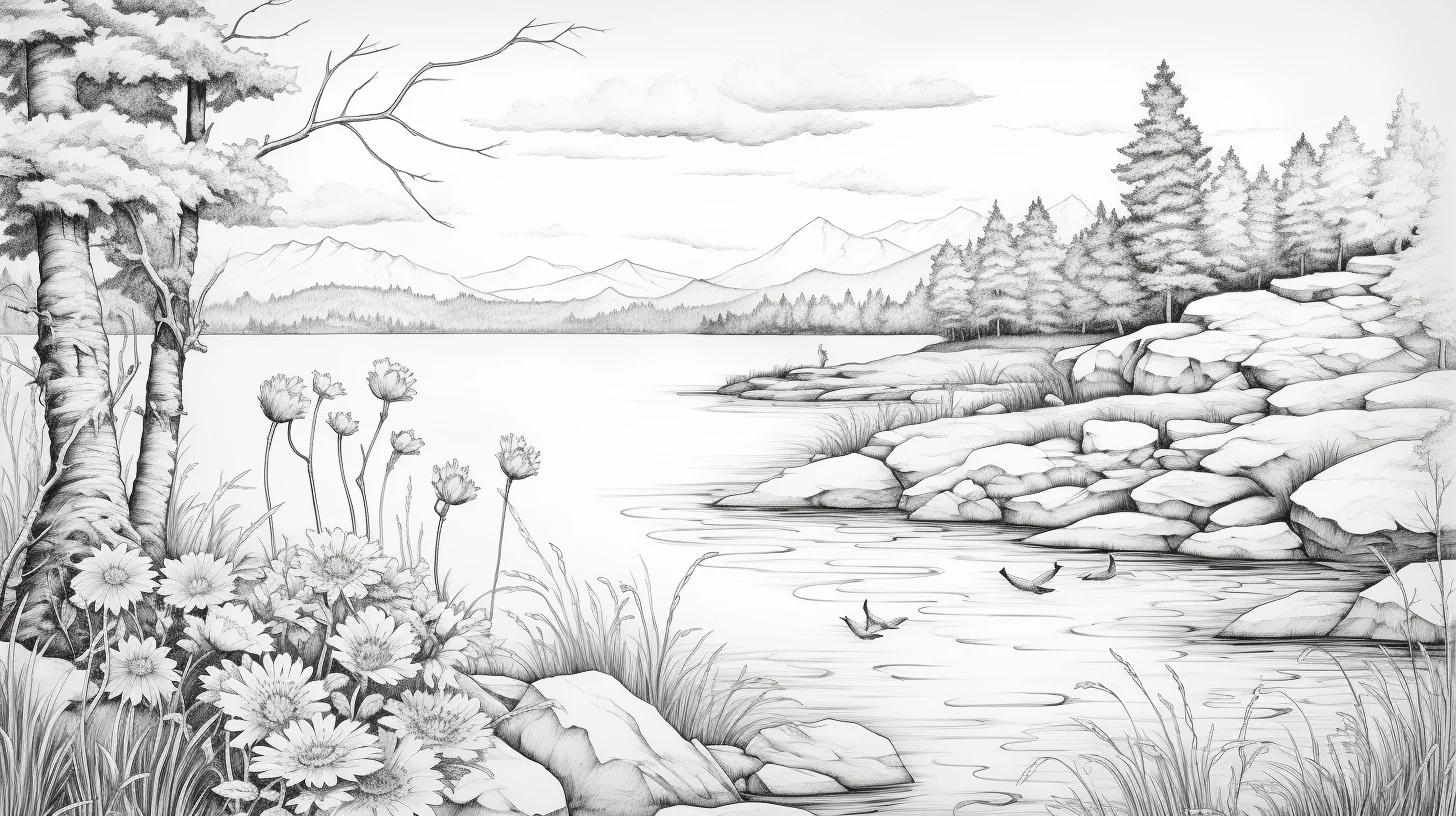
These 38 printable nature scenes range from open mountains and water to wildlife, woodland and densely layered landscapes. The most useful way to choose one is by visual density: broad sky and water shapes suit a shorter session, while overlapping trees, animals and foreground plants reward slower pencil work.
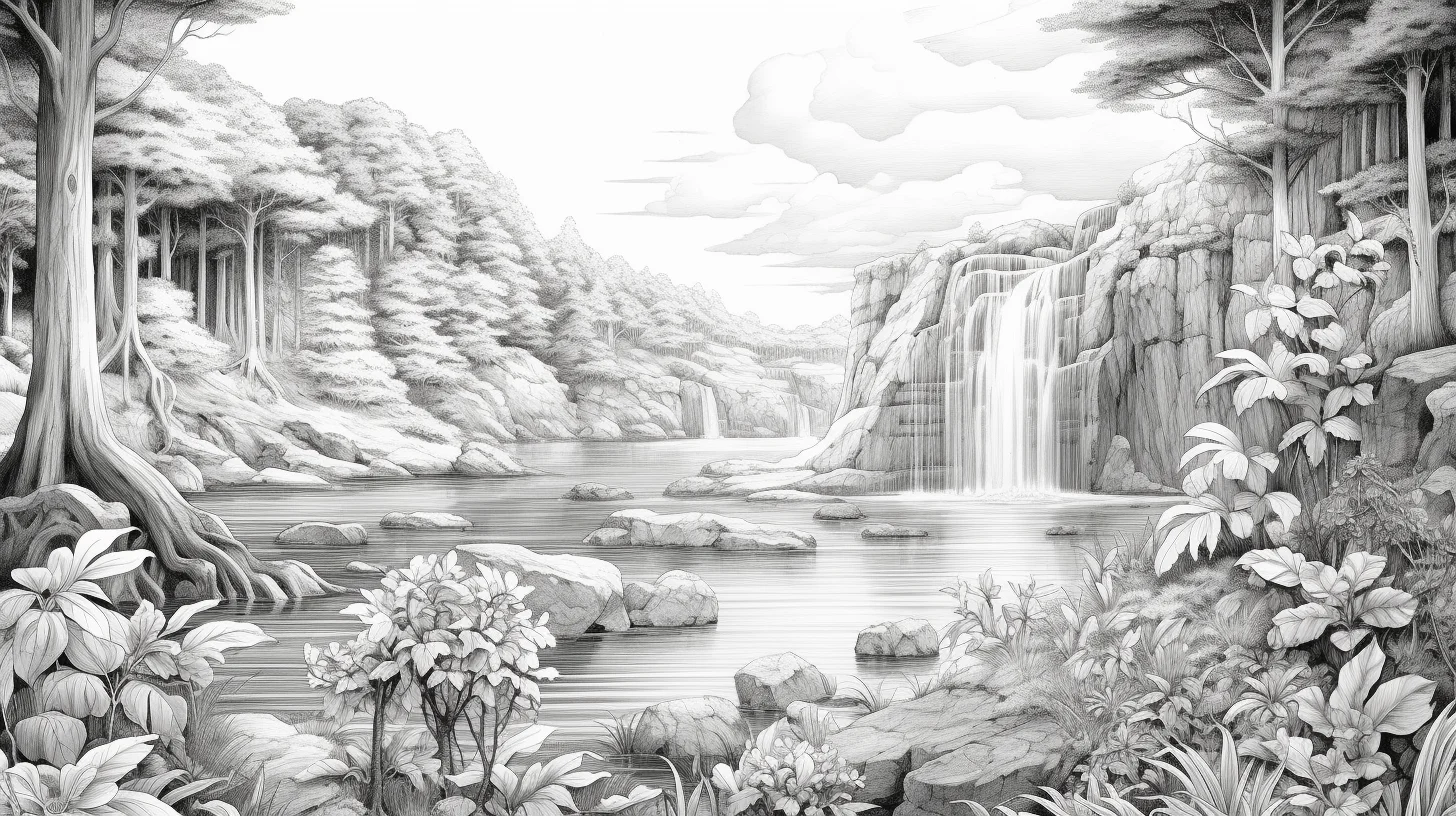
Choose a page by the kind of session you want
Do not judge difficulty only by the number of objects. A mountain scene with large sky shapes can be relaxing even when it looks dramatic, while a page packed with leaves, feathers and overlapping branches takes much longer. For a quick session, choose open water, meadow, sky or broad mountain shapes. For slower coloring, choose layered woodland, detailed animals or scenes with many small foreground plants.
Do this 60-second value check before you start
- Squint at the page. Identify the three biggest depth zones: background, middle ground and foreground. If you cannot separate them yet, decide which objects belong to each zone before choosing colors.
- Make three pencil swatches. With one pencil, produce a light, medium and dark patch using pressure alone. If the three patches look almost identical, add a second pencil rather than pressing hard enough to damage the paper.
- Choose one focal area. Pick the animal, nearest tree, cabin, flowers or other feature you want noticed first. Reserve your sharpest dark-light contrast for that area.
- Check your tool against the smallest spaces. If a marker nib or crayon is wider than tiny leaves, feathers or branch gaps, use it for sky, water and broad land shapes and switch to pencil for the fine areas.
This check prevents the most common failure on detailed nature pages: coloring every object carefully but giving every plane the same visual weight. If the scene already reads in three layers before the small details are finished, the rest of the page becomes much easier to control.
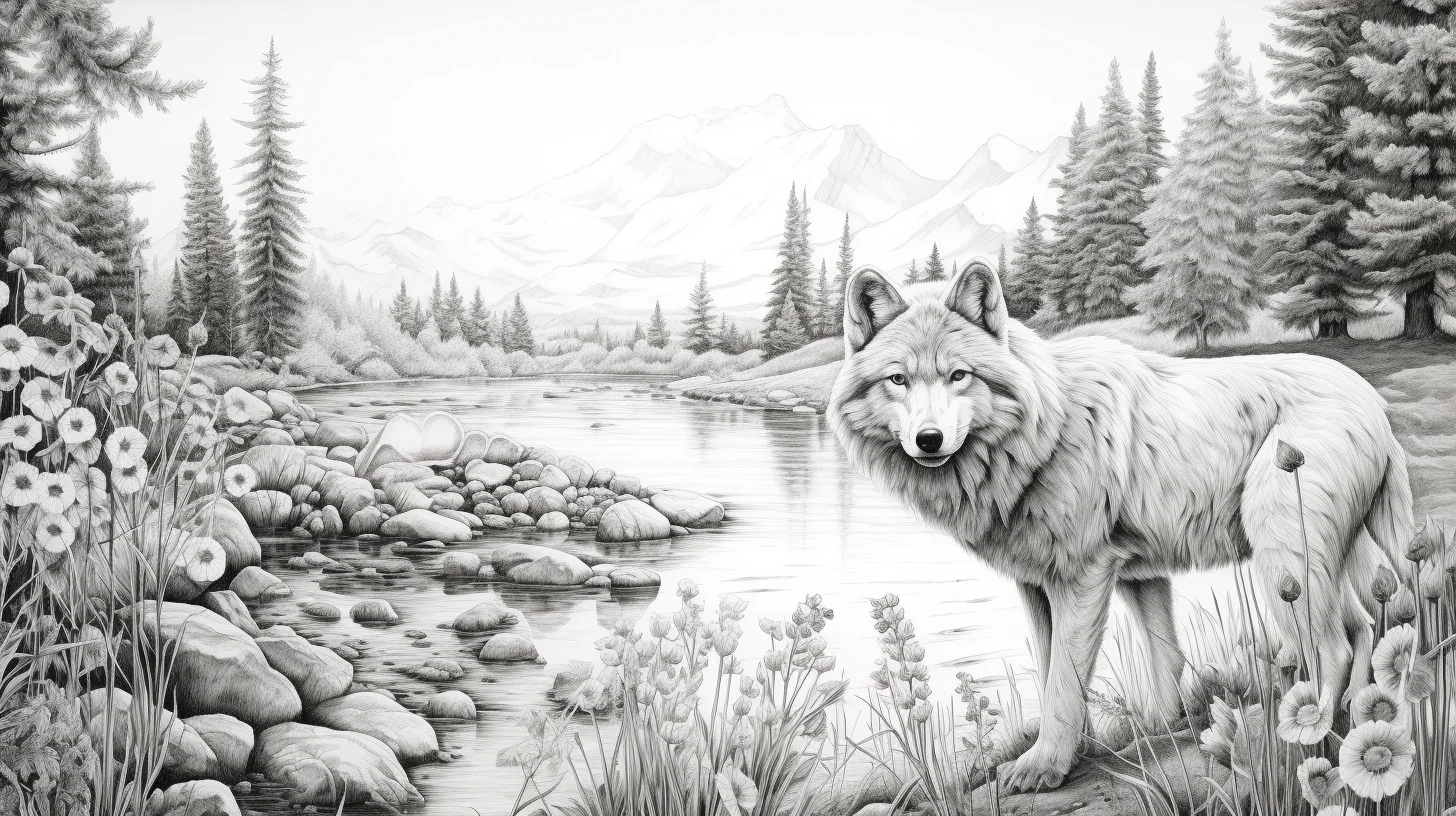
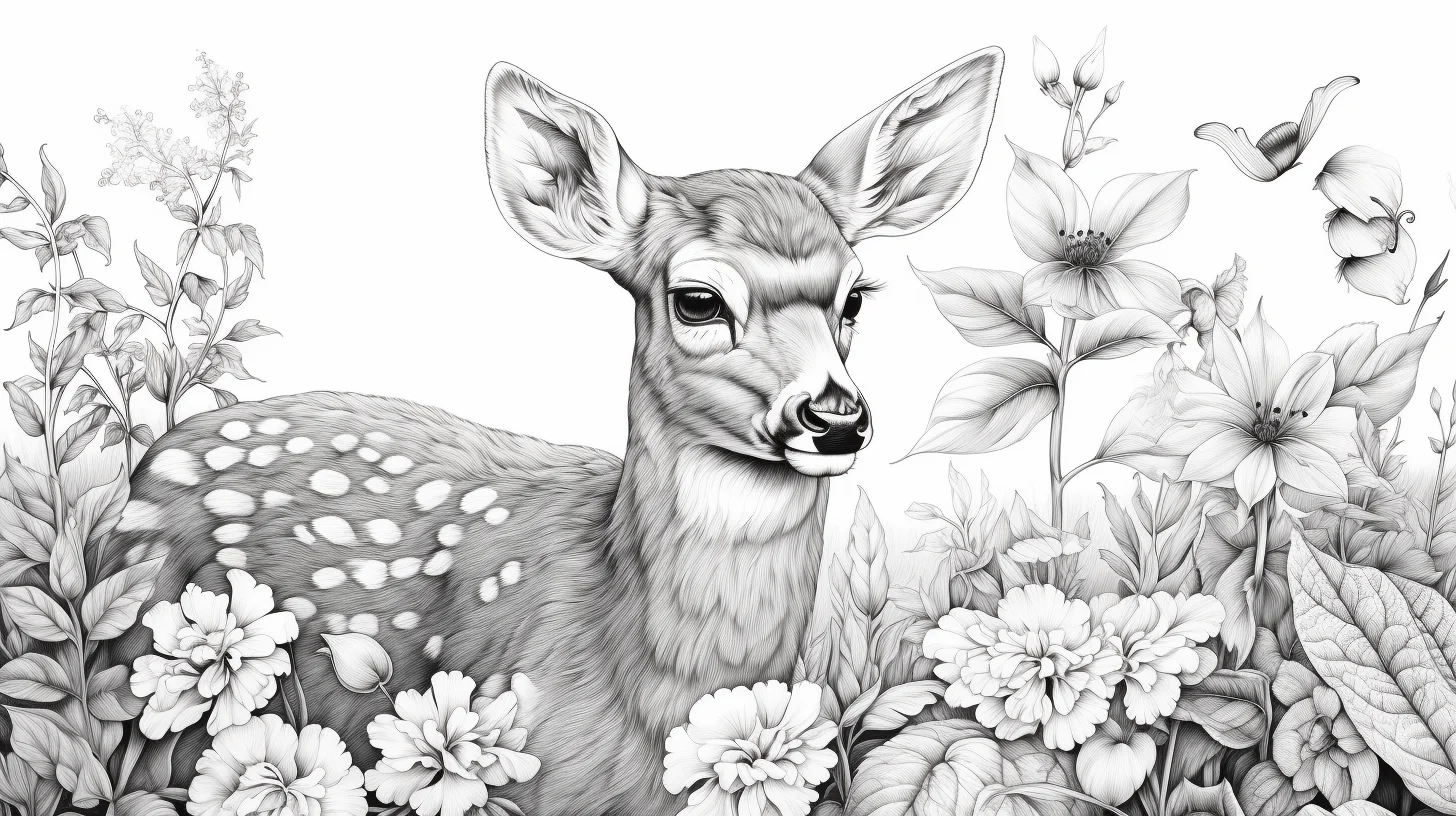
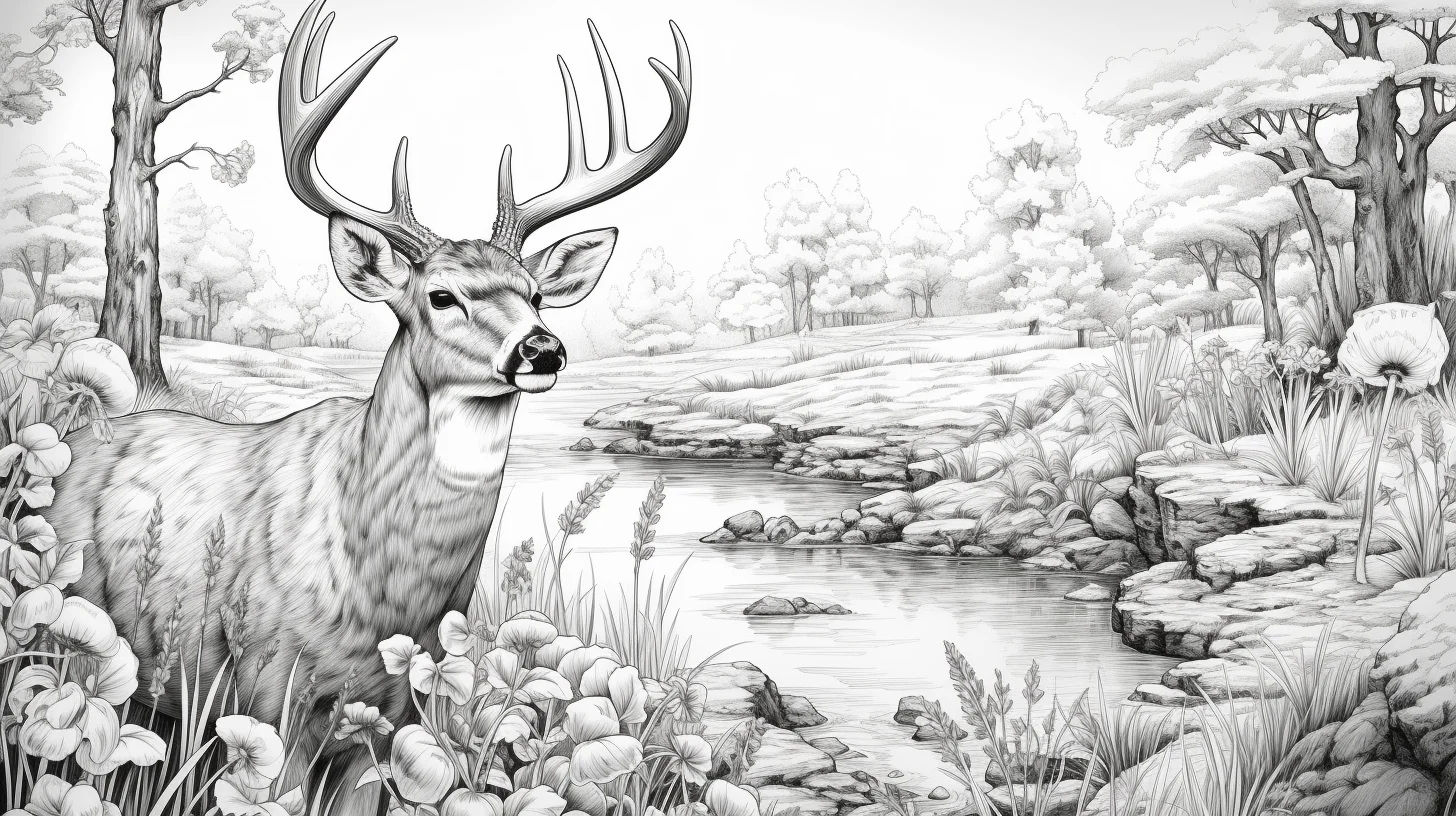
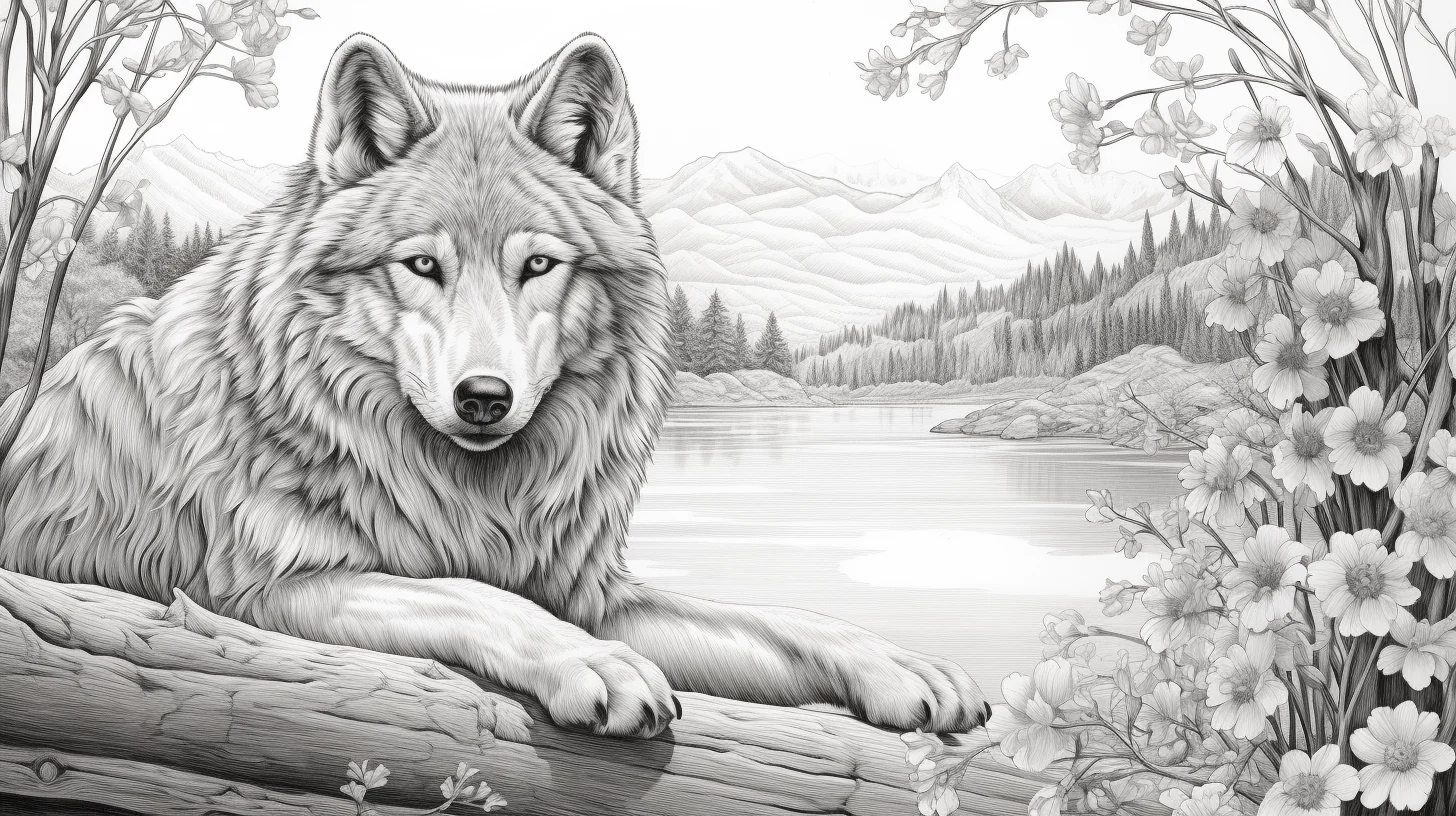
Open the full-size image before printing and use A4 or Letter paper with “fit to page.” For more animal-focused pages, see the wolf coloring pages, deer coloring pages and the wider animal collection.
Color a landscape from back to front
Landscape pages become easier when you treat them as layers instead of dozens of separate objects. Work from the farthest plane toward the viewer:
- Sky and atmosphere: establish the lightest large area first.
- Distant land: keep far hills and mountains quieter and slightly lower in contrast.
- Middle ground: add clearer greens, browns or rock colors without using your darkest values yet.
- Foreground: reserve the strongest contrast, darkest accents and sharpest color changes for nearby trees, rocks, grasses or animals.
This simple value hierarchy creates depth even if you do not blend colors. If every layer is equally dark and saturated, the landscape tends to flatten.
Three nature palettes that stay coherent
- Fresh woodland: yellow-green, leaf green, deep green, warm brown and a restrained blue.
- Late-summer landscape: olive, ochre, rust, muted blue and dark brown.
- Cool mountain scene: blue-gray, slate blue, pine green, violet-gray and a small warm accent.
You do not need to match nature literally. Limiting the palette often makes a complicated page look more deliberate than using a different color for every leaf, rock and flower.
Colored pencil, marker or crayon?
Colored pencils are the easiest choice for these pages because pressure can be built gradually and colors can be layered. Markers are faster and more graphic, but print on thicker paper and place scrap paper underneath because ink can bleed through. Crayons suit the pages with larger open shapes; very intricate foliage can feel cramped with a broad crayon tip.
A simple depth exercise
Pick one page with a clear foreground, middle ground and background. Color the whole scene using only five pencils. Make the background the lightest, the middle ground medium, and the foreground darkest. Do not add extra colors until those three depth levels read clearly from arm’s length. This is a useful way to practice landscape depth without needing advanced shading.
38 free printable nature scene coloring pages
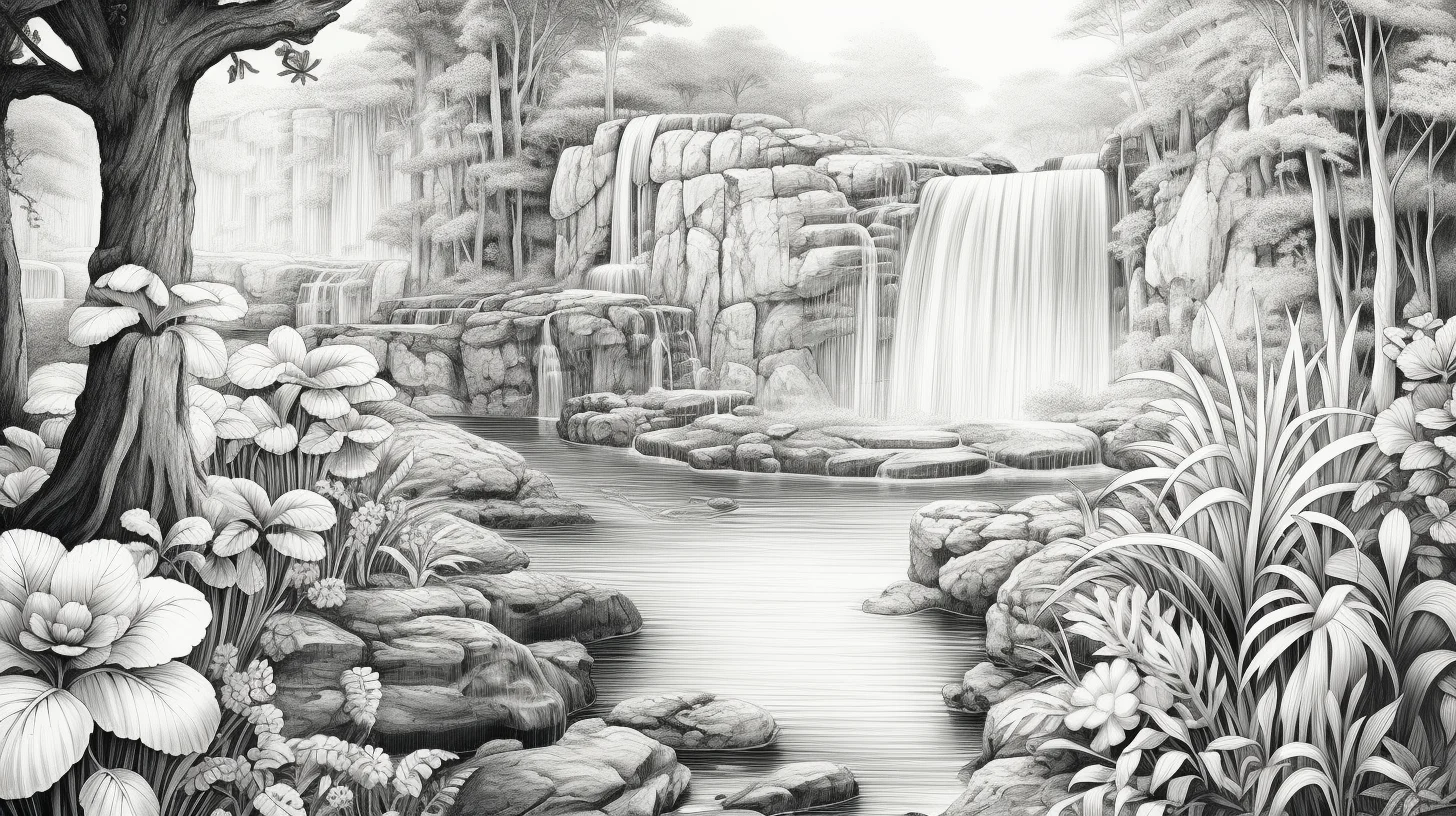
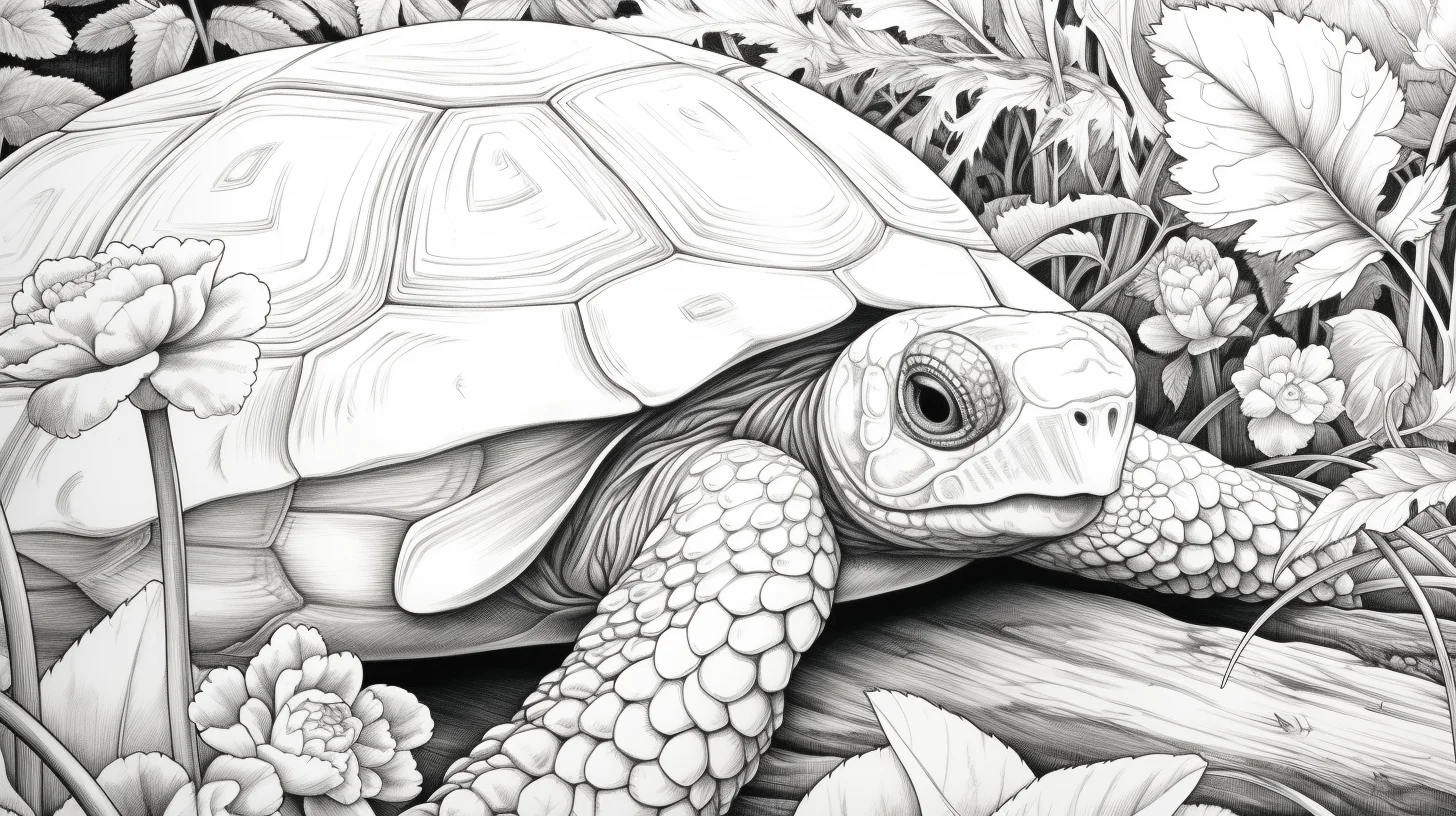
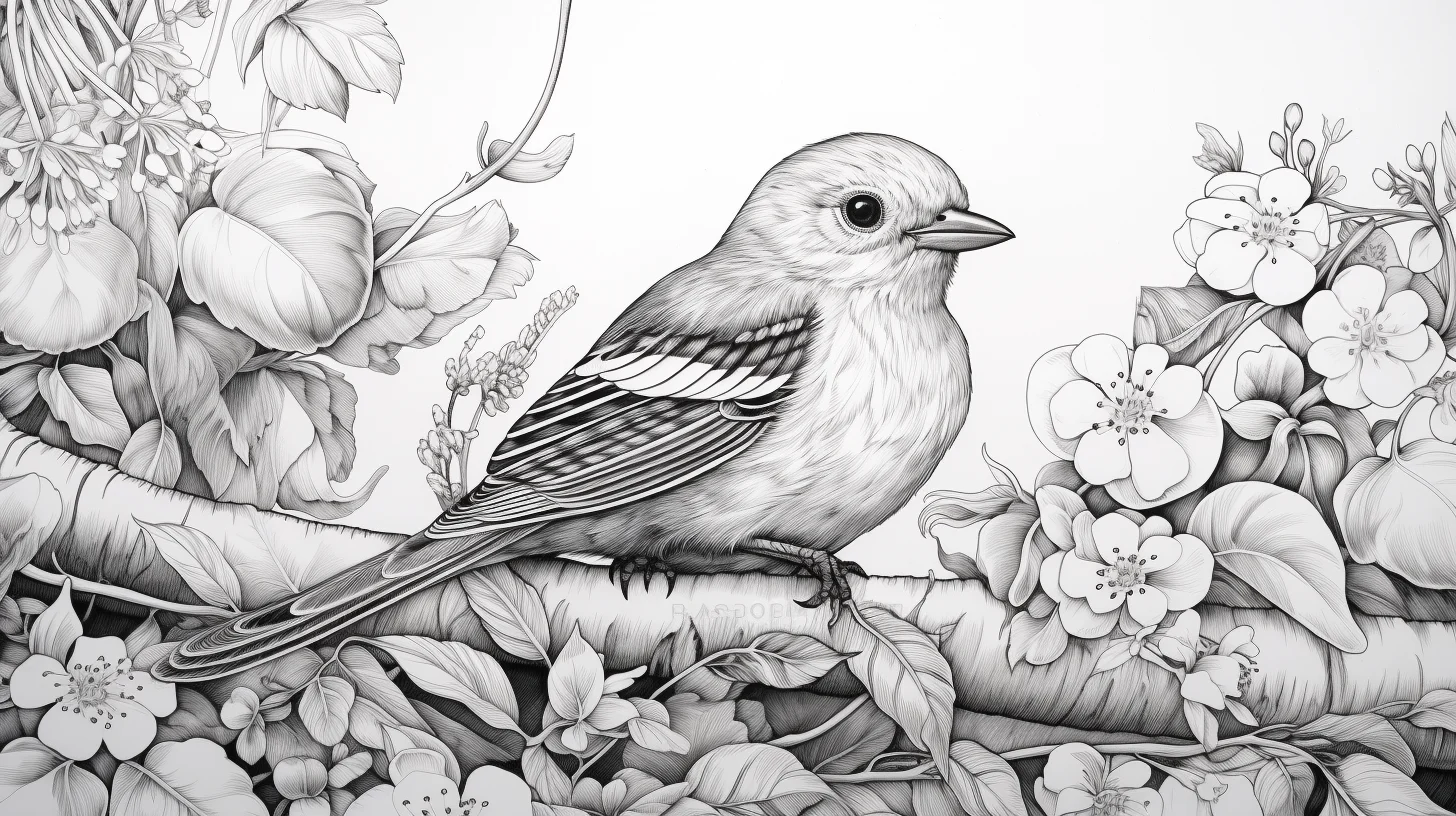
How to download and print: choose a design below, open the image at full size, then save it to your device and print it on A4 or US Letter paper using “fit to page.” For the cleanest result, print the full-size file rather than a screenshot. These pages are free to use for personal coloring and practice.
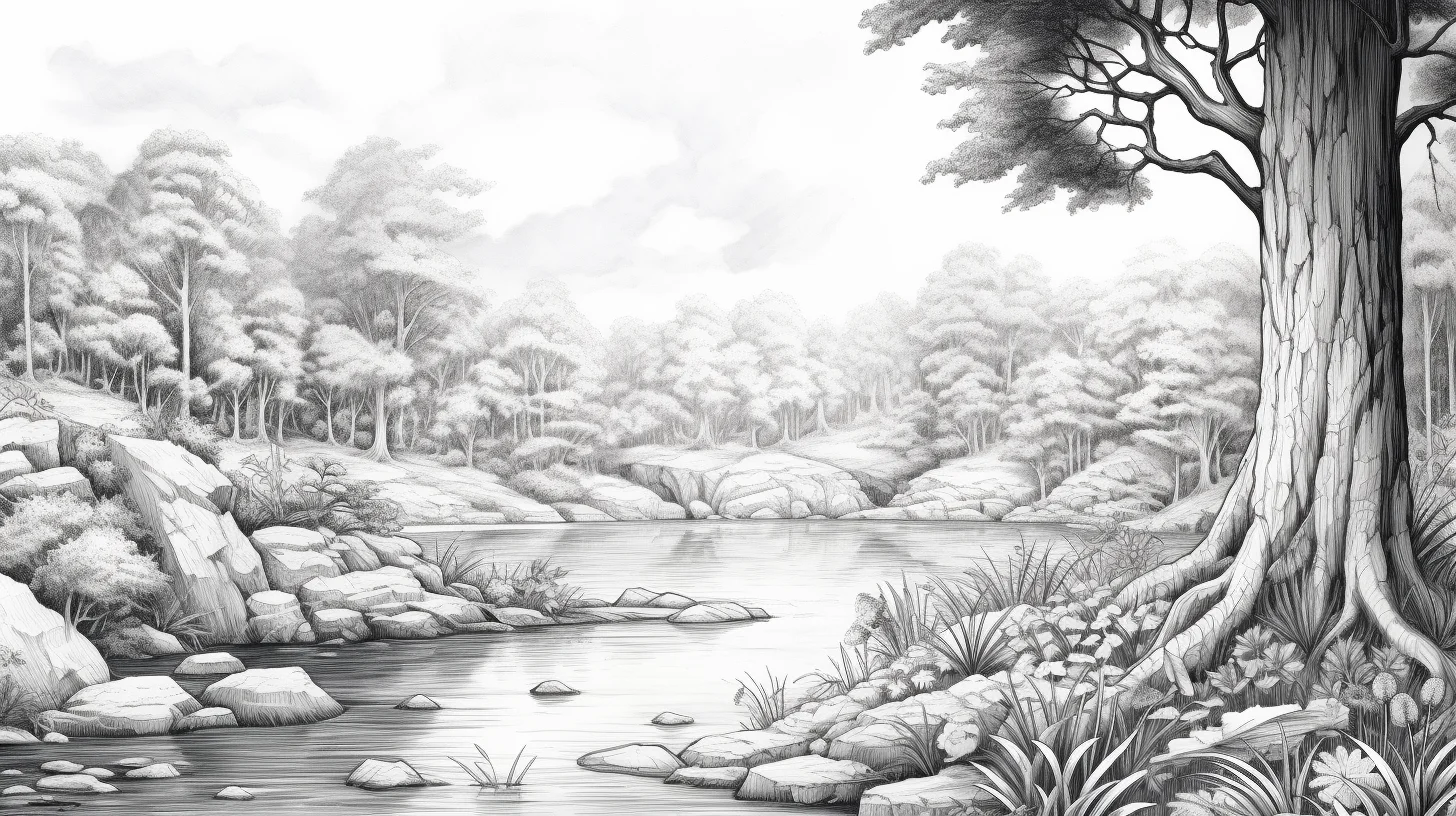
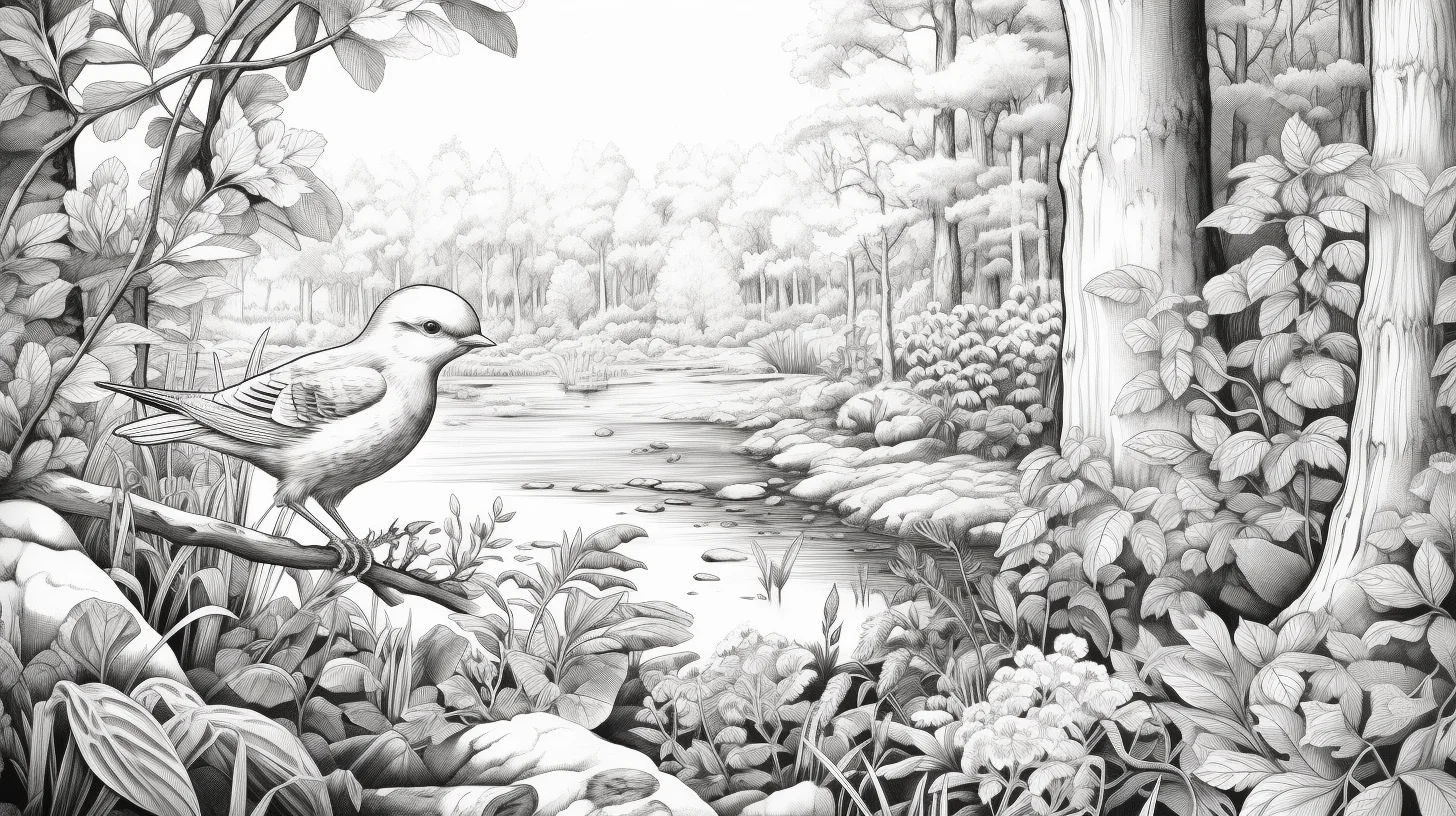
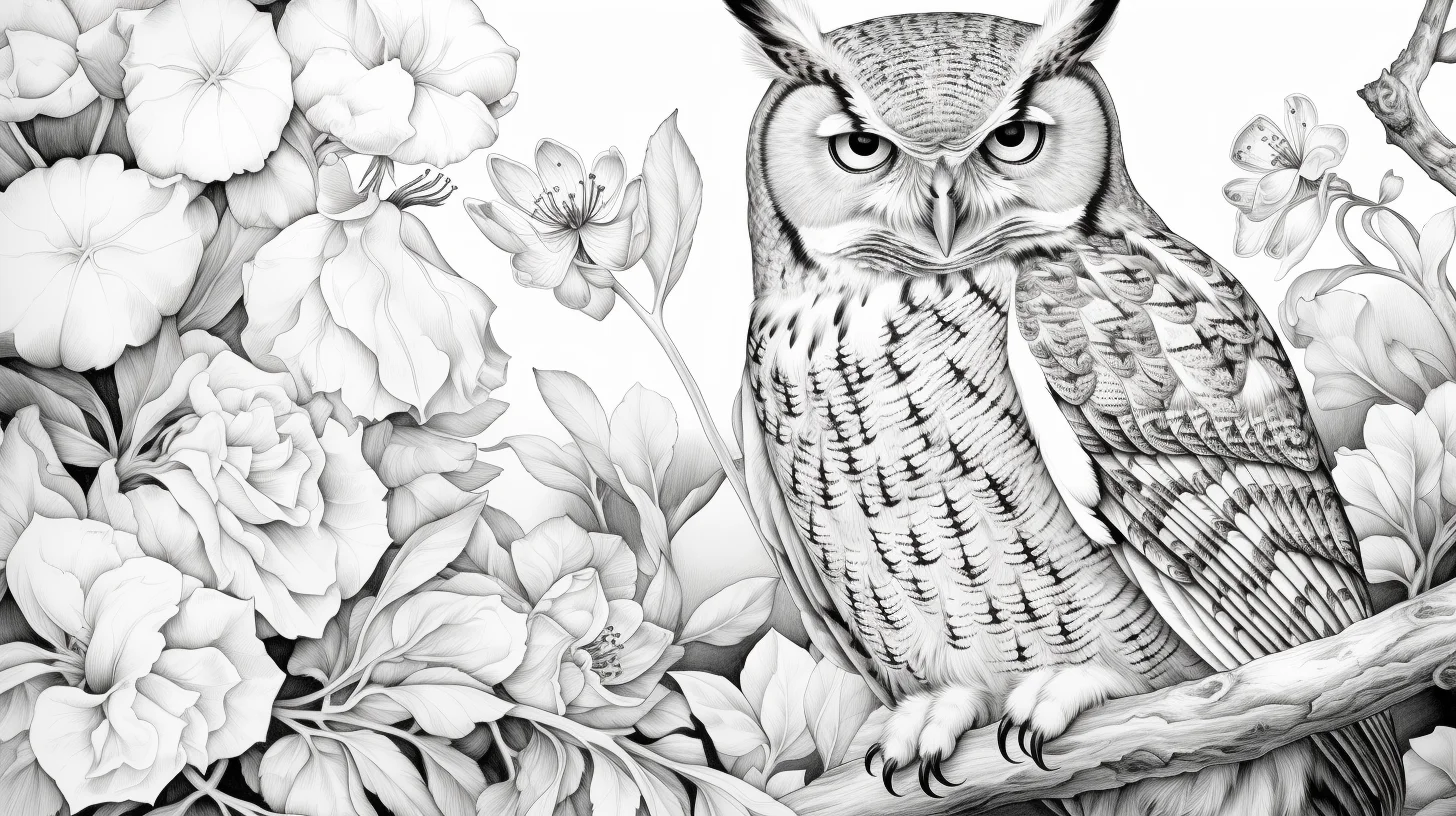
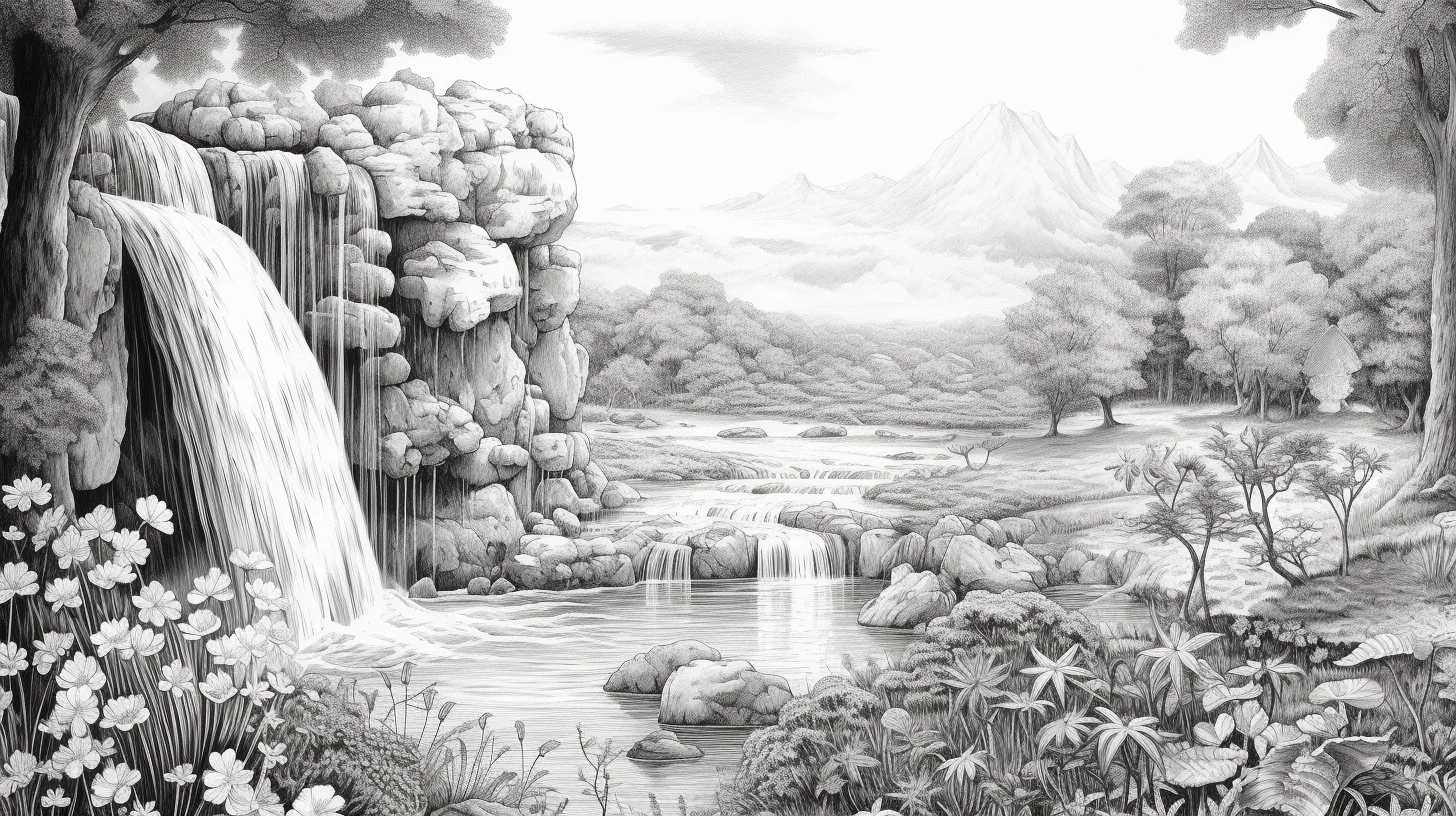
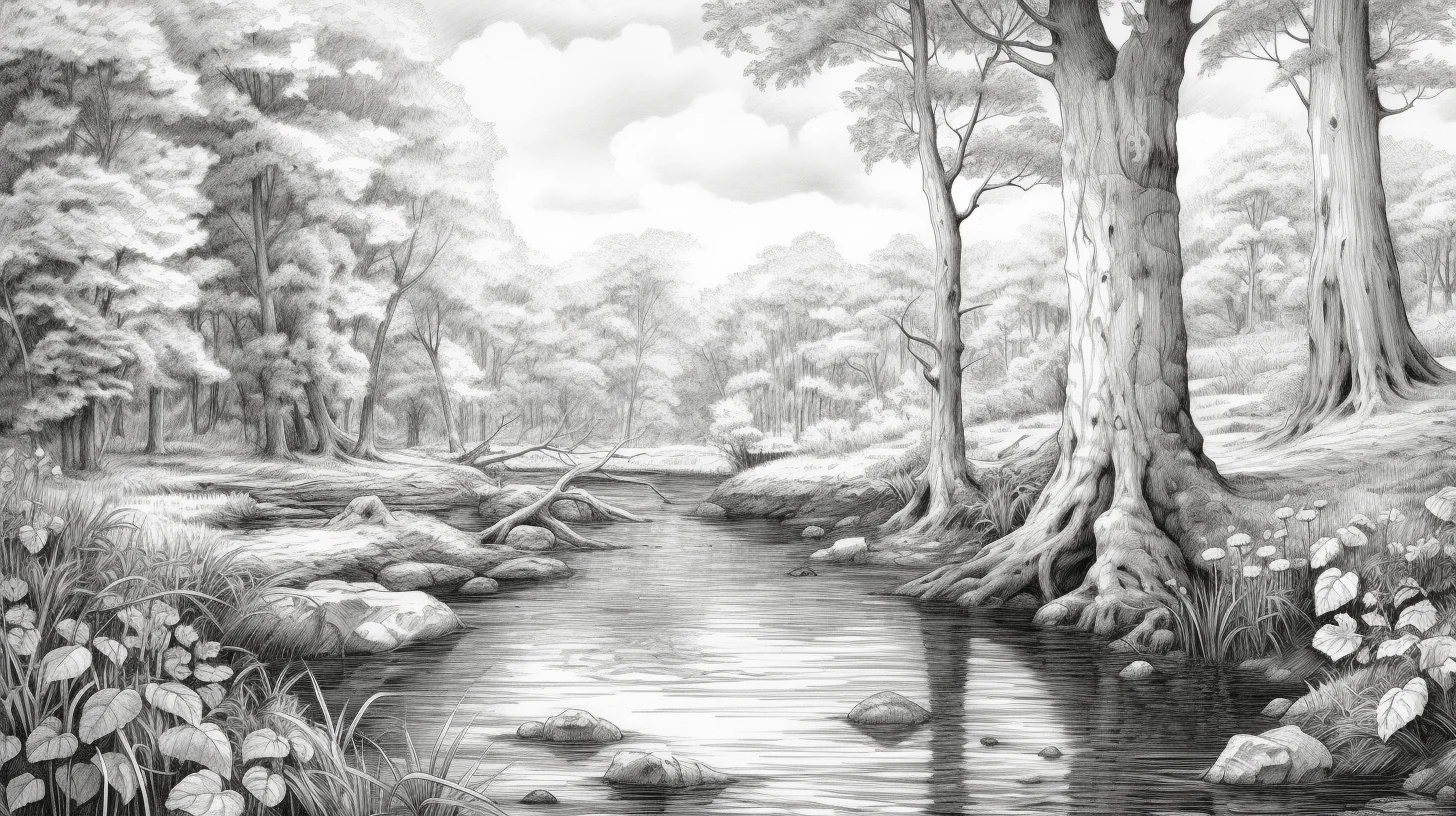
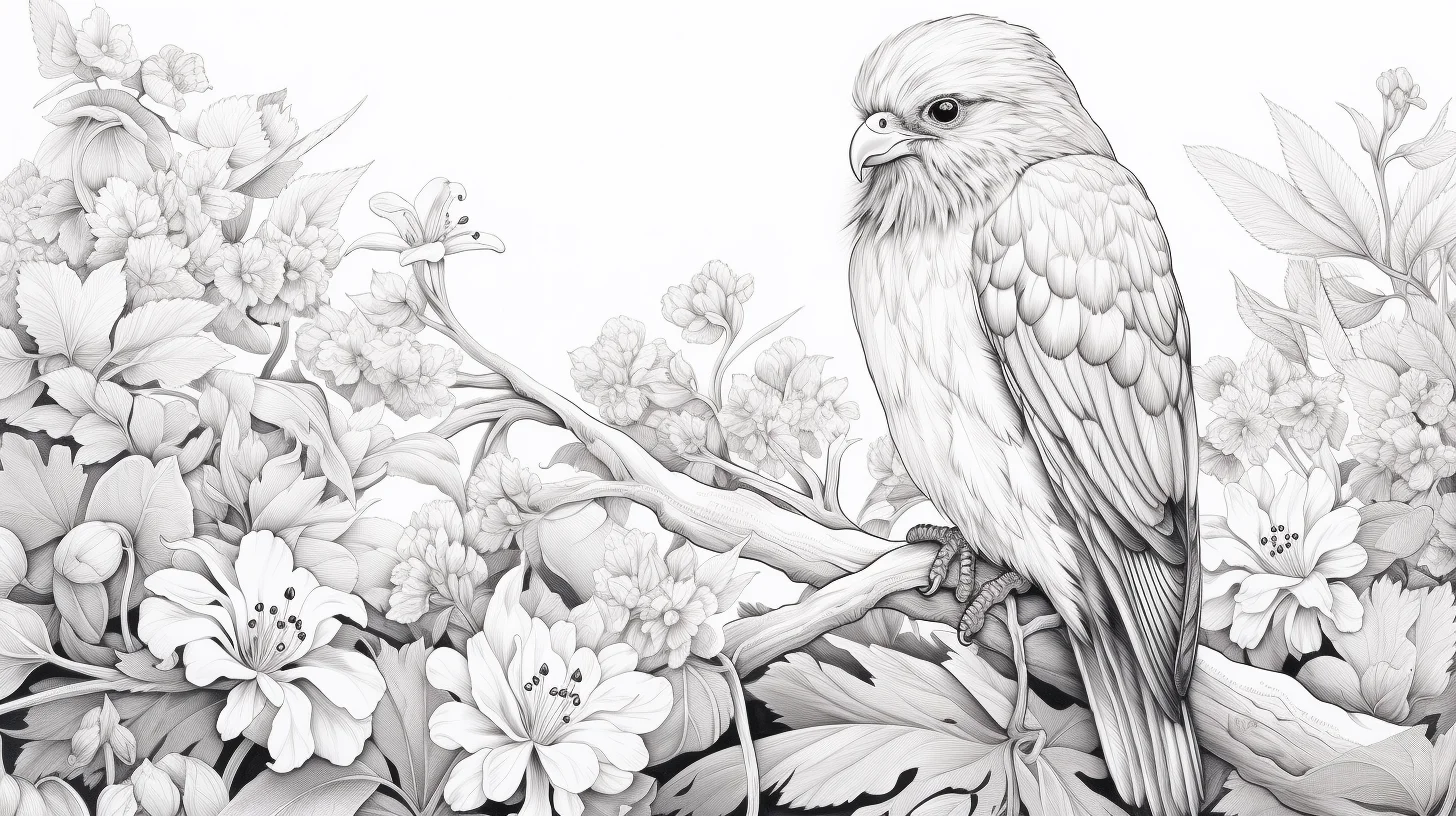
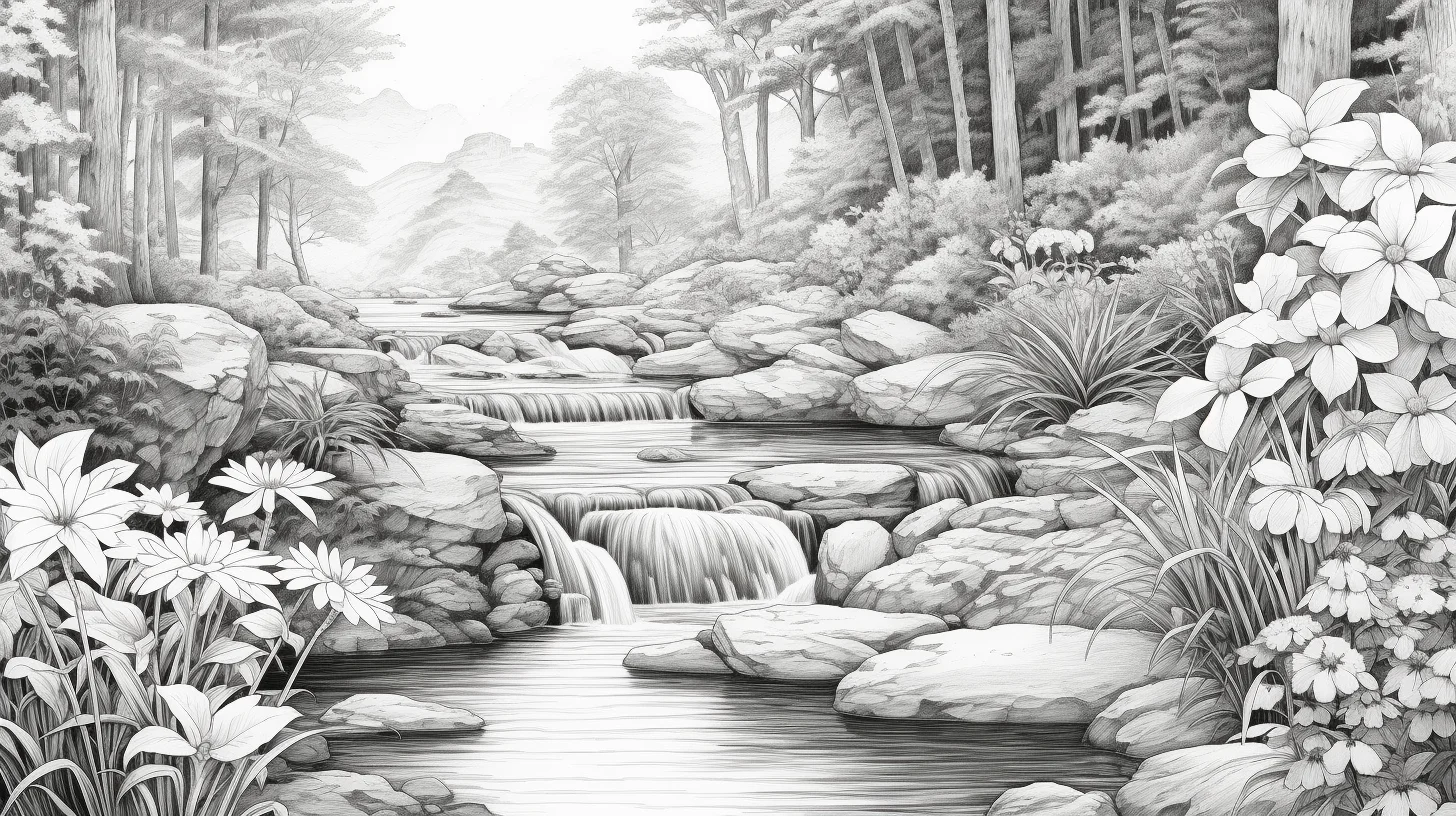
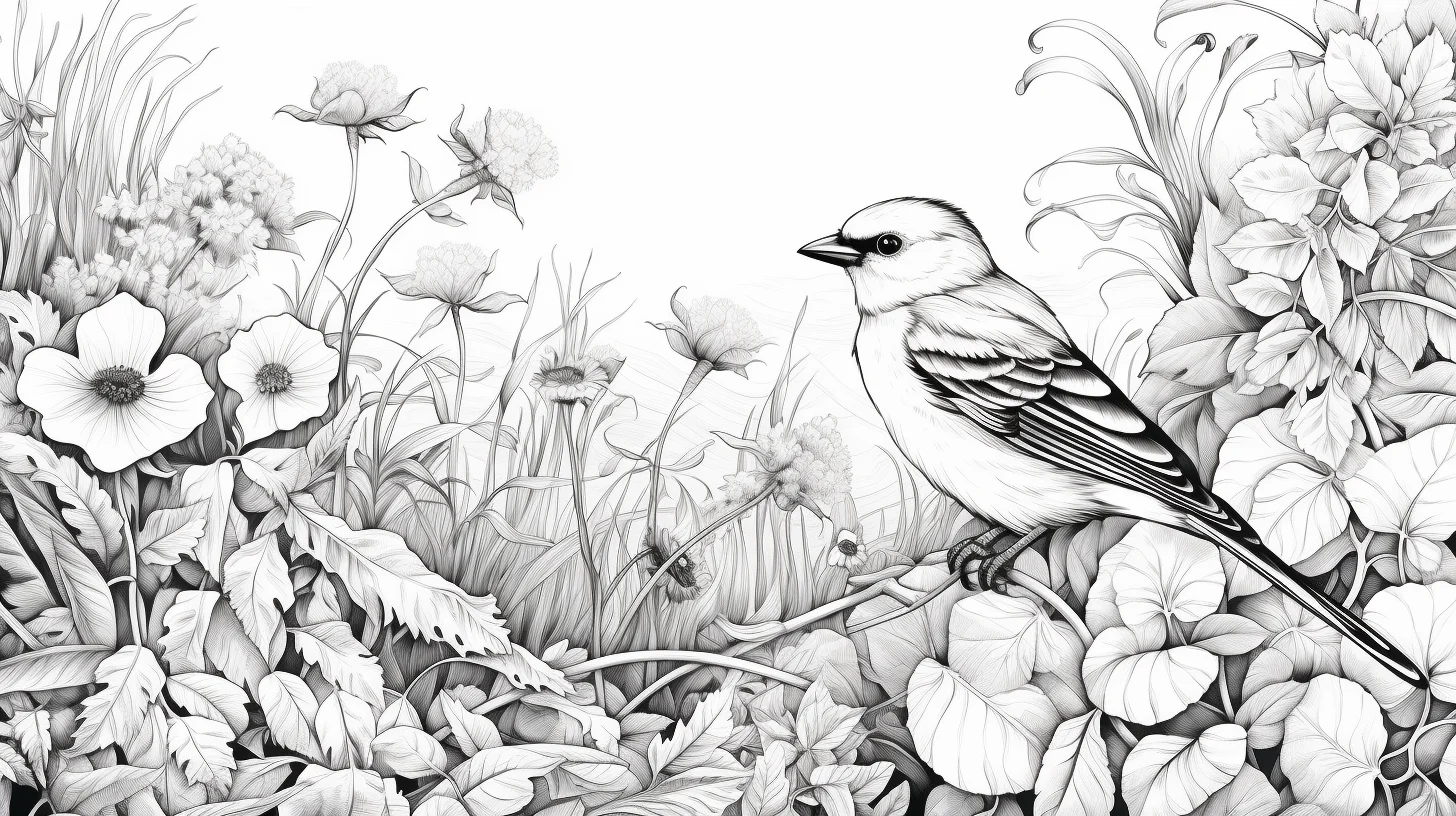
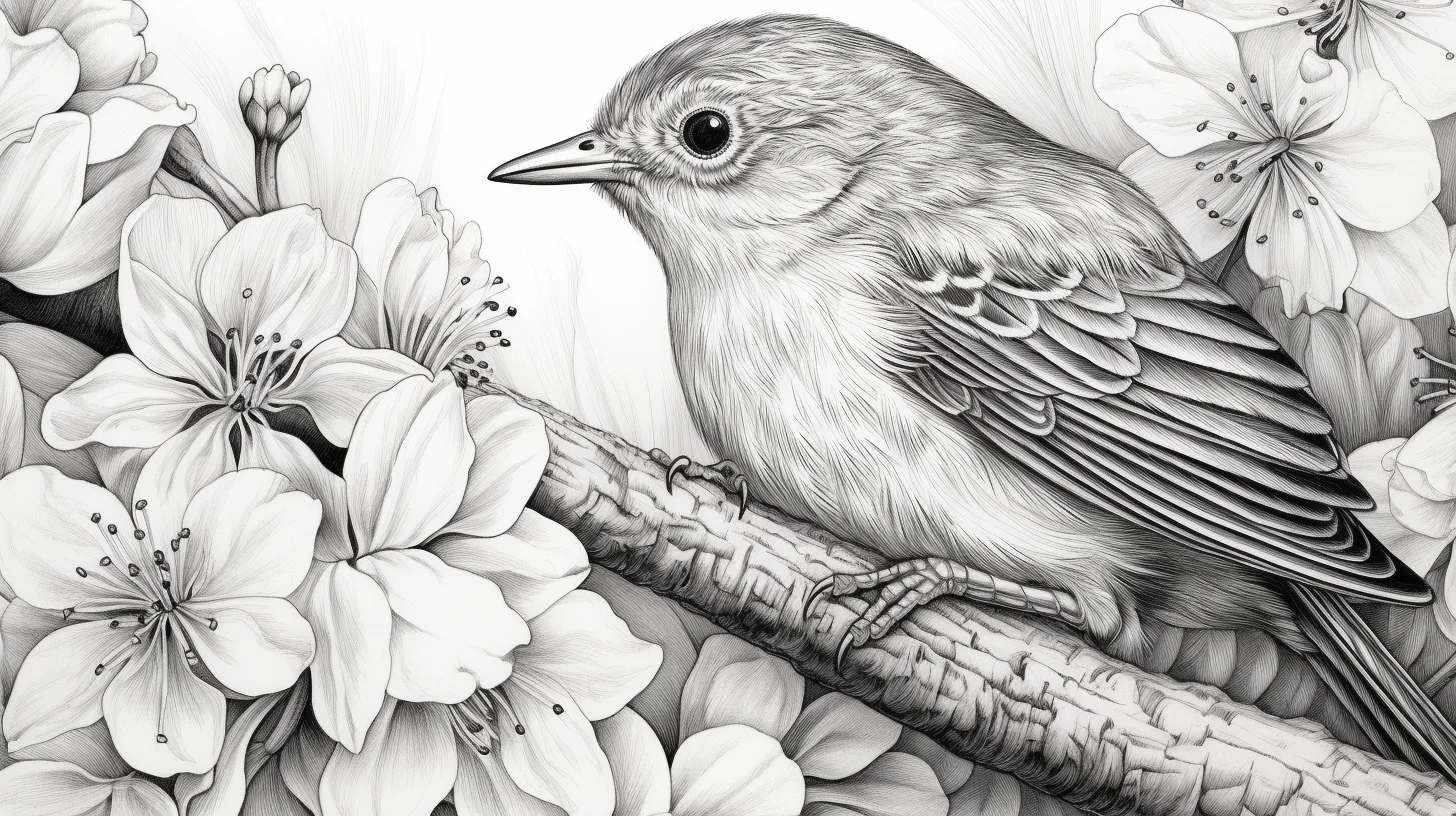
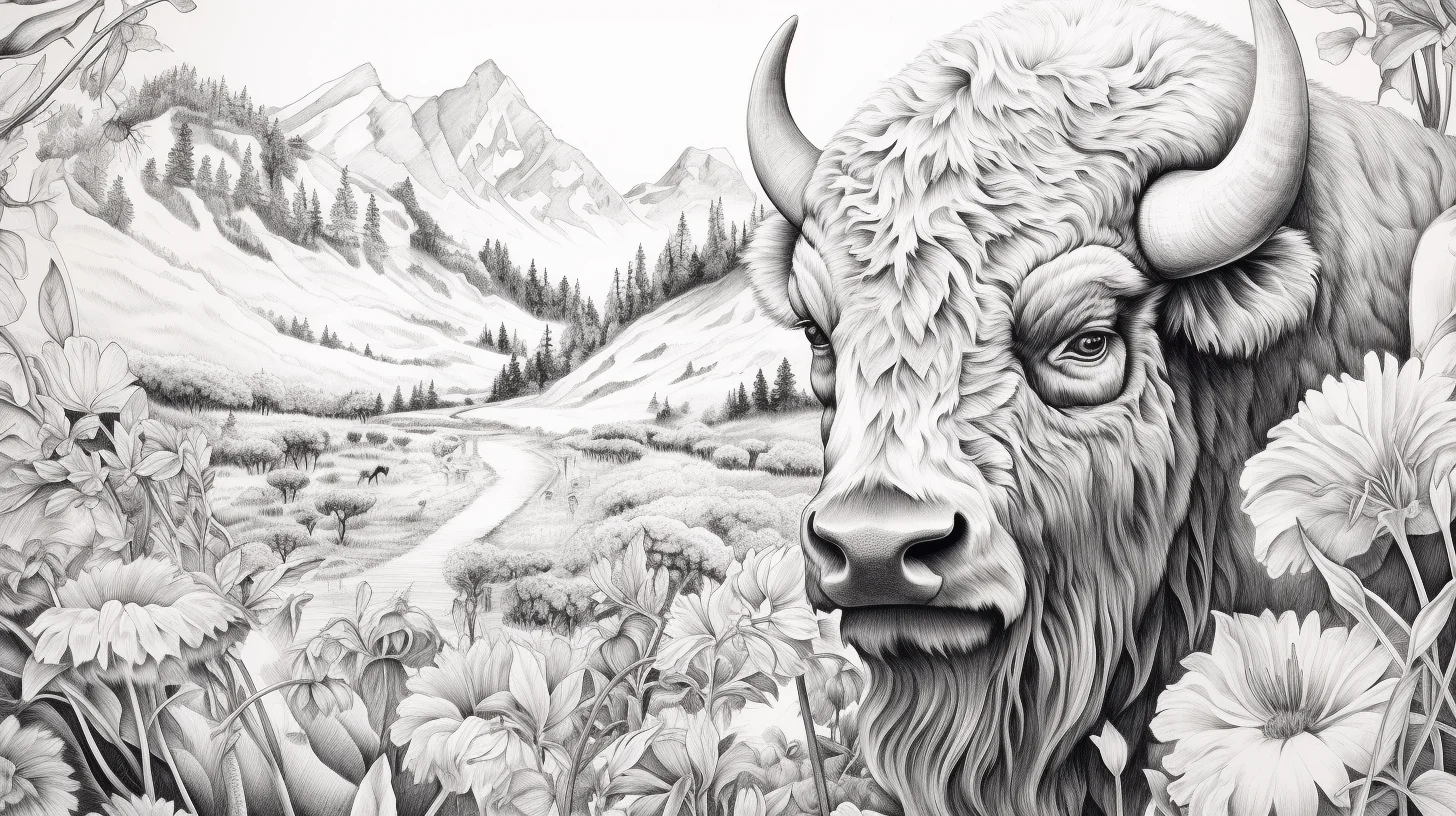
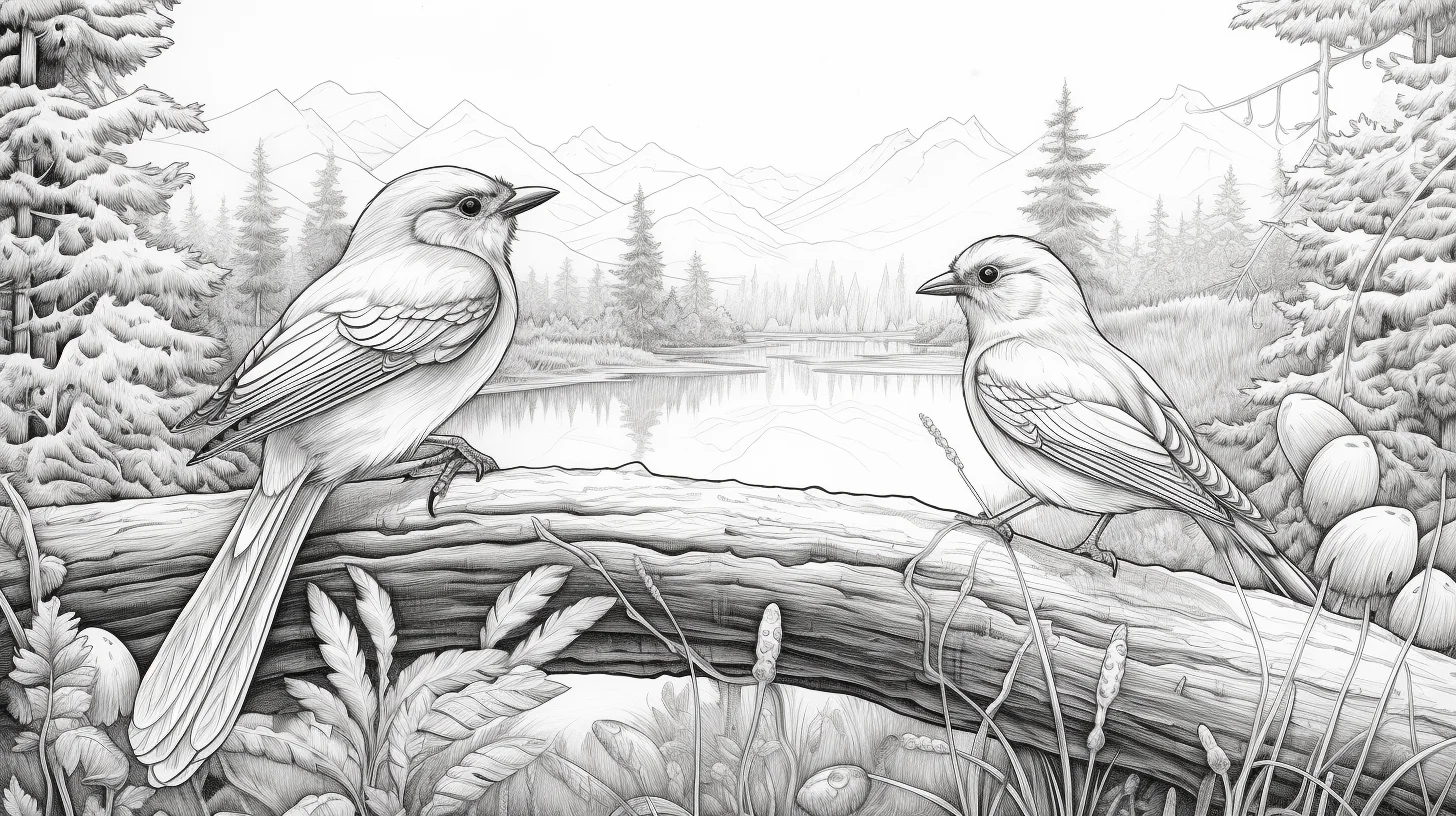
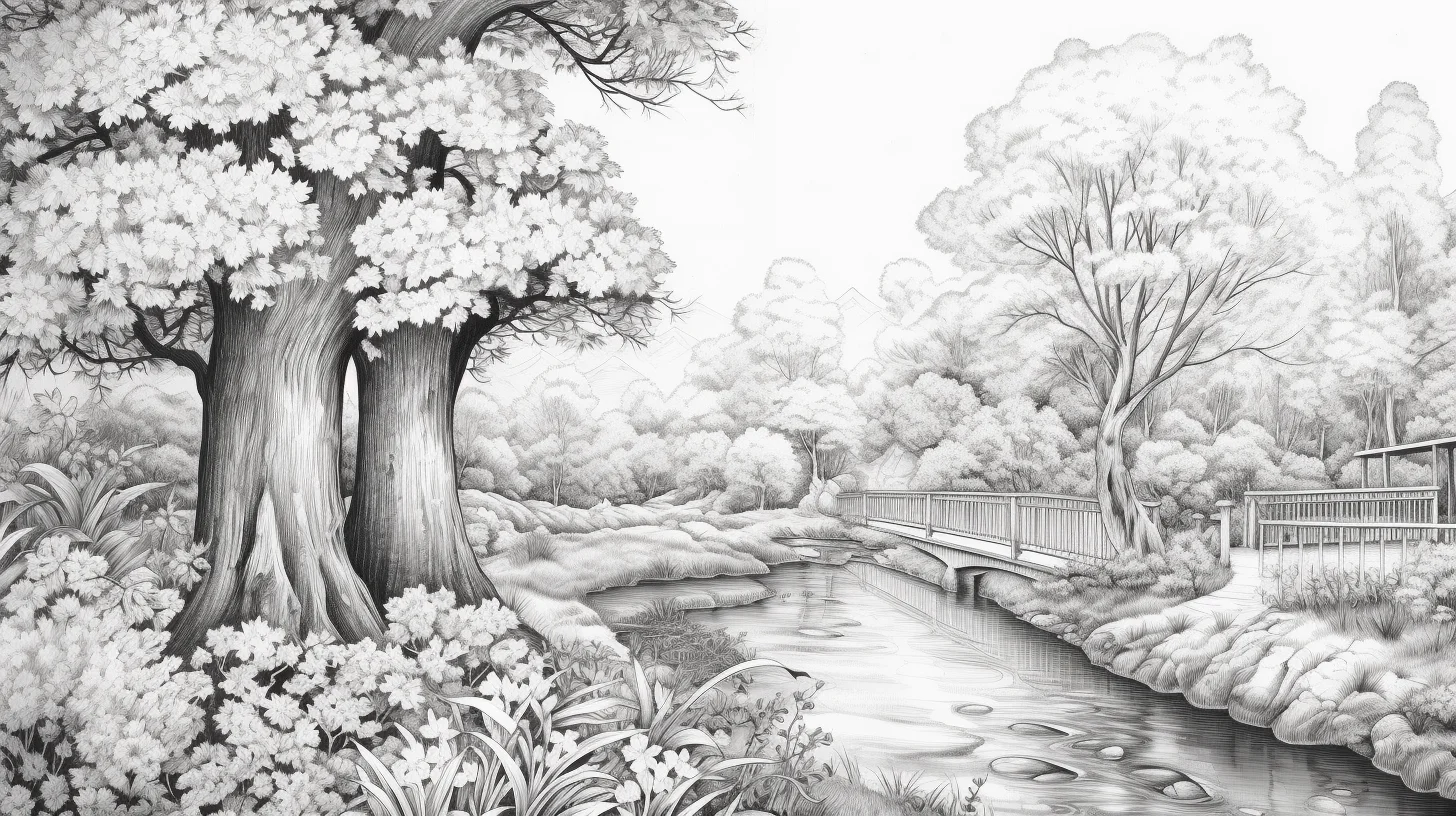
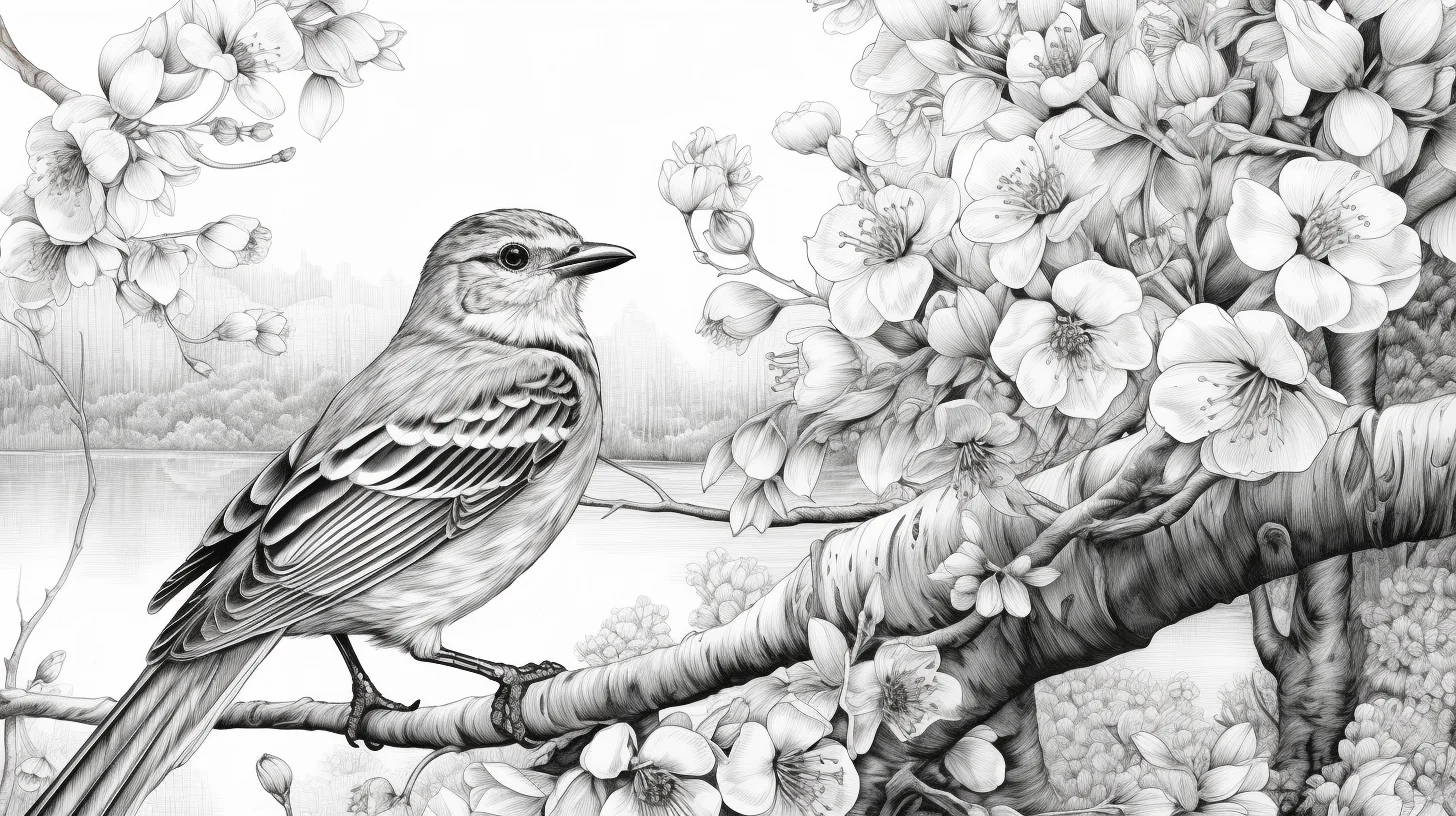
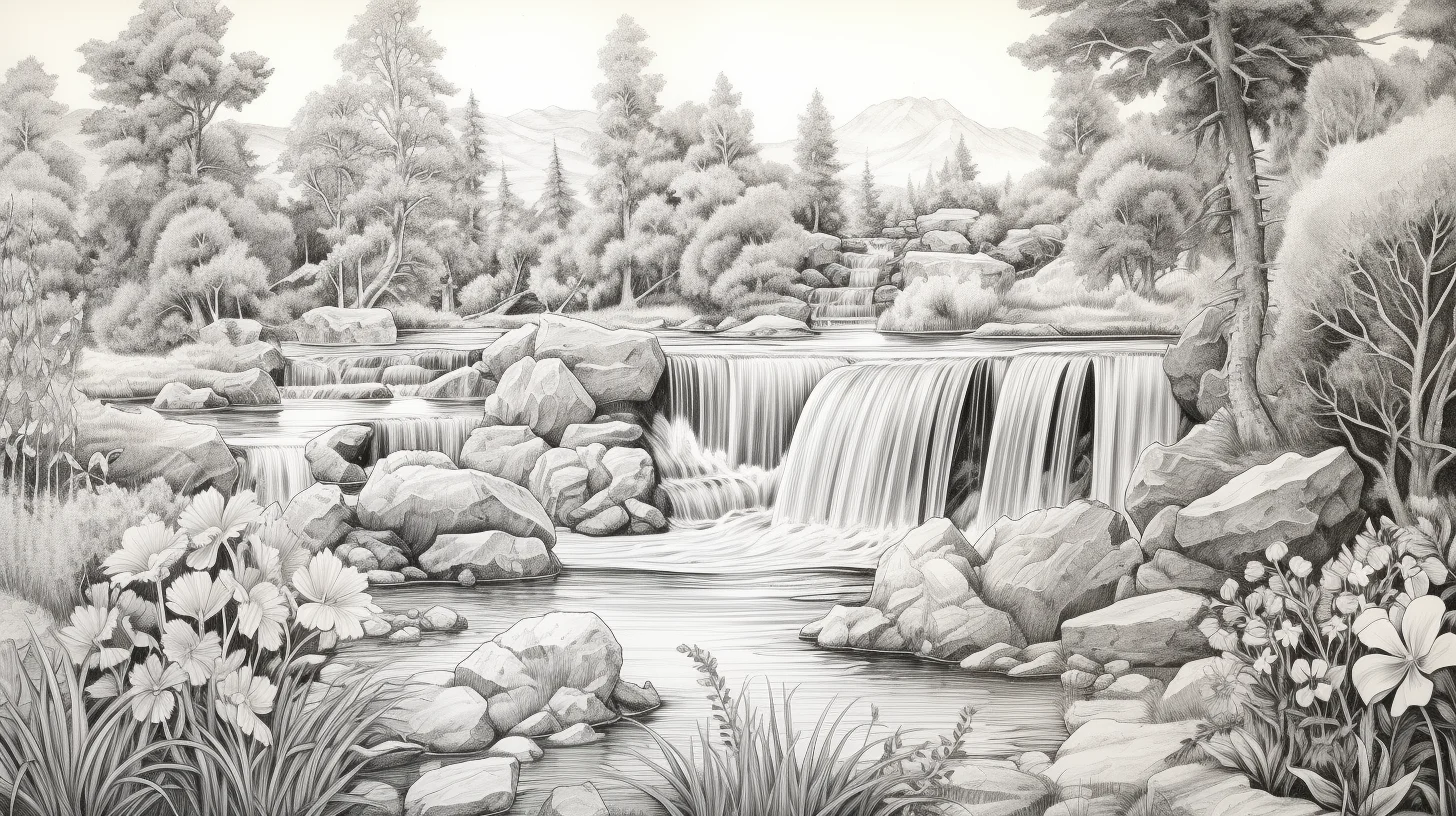
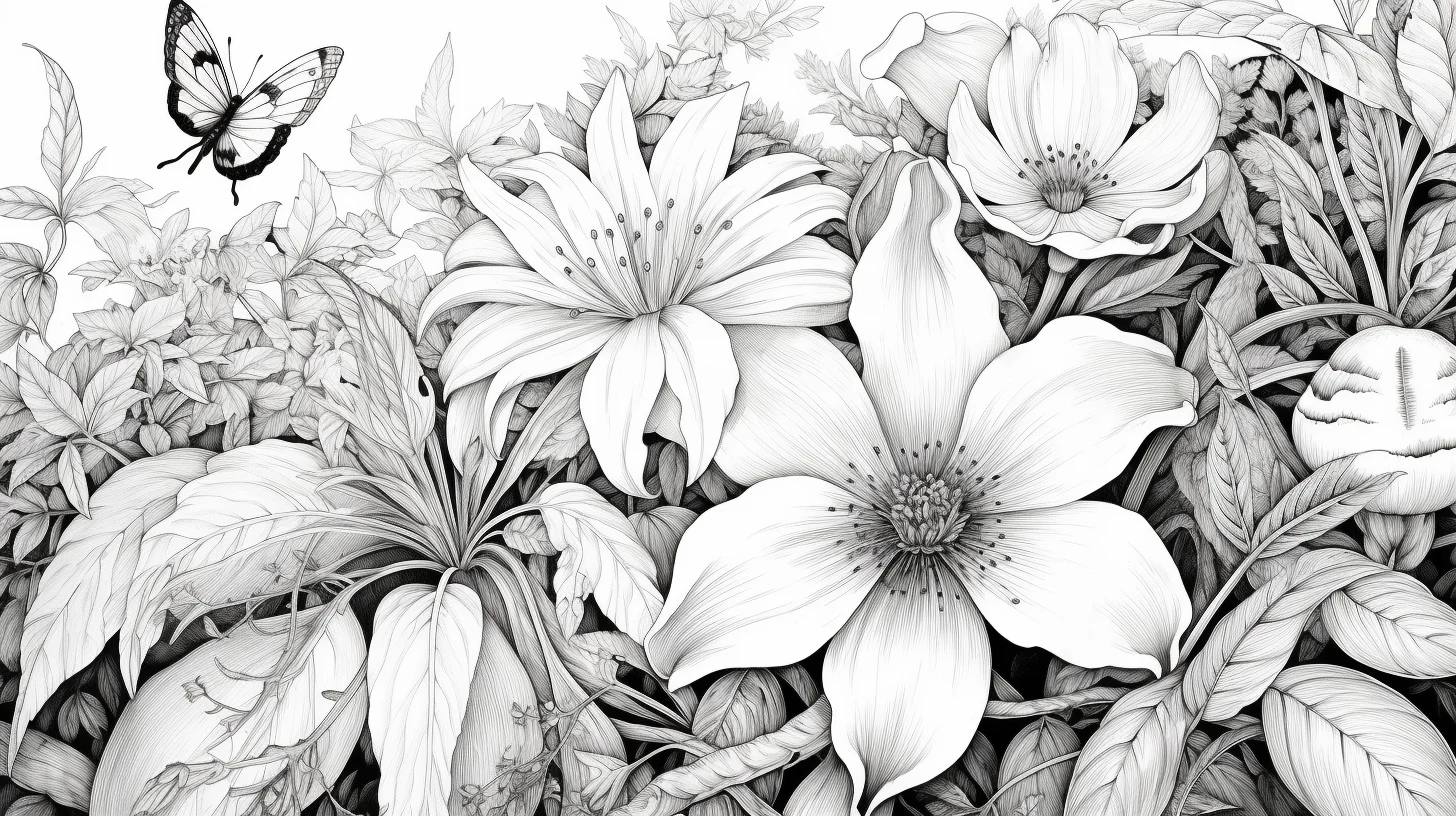
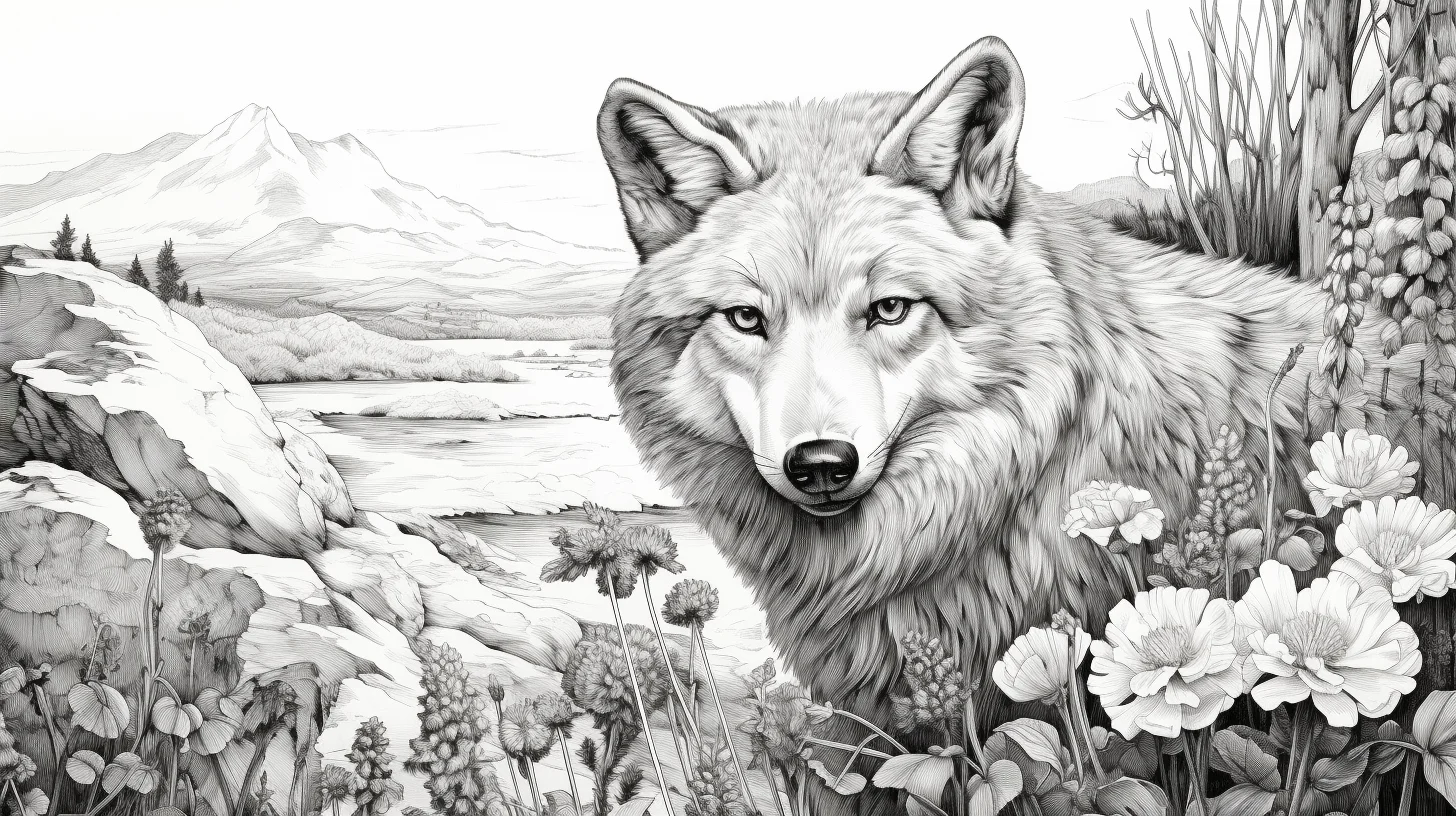
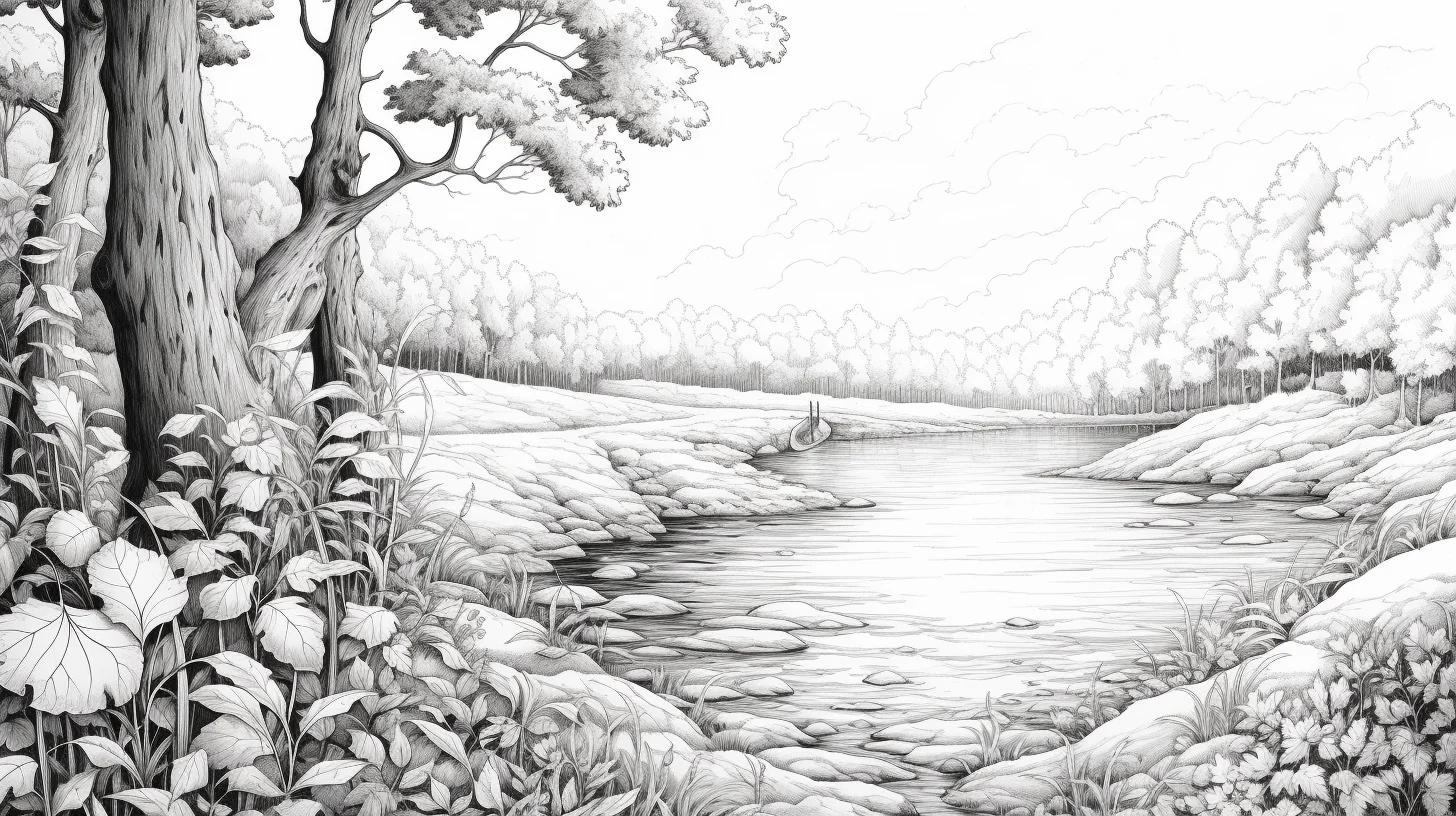
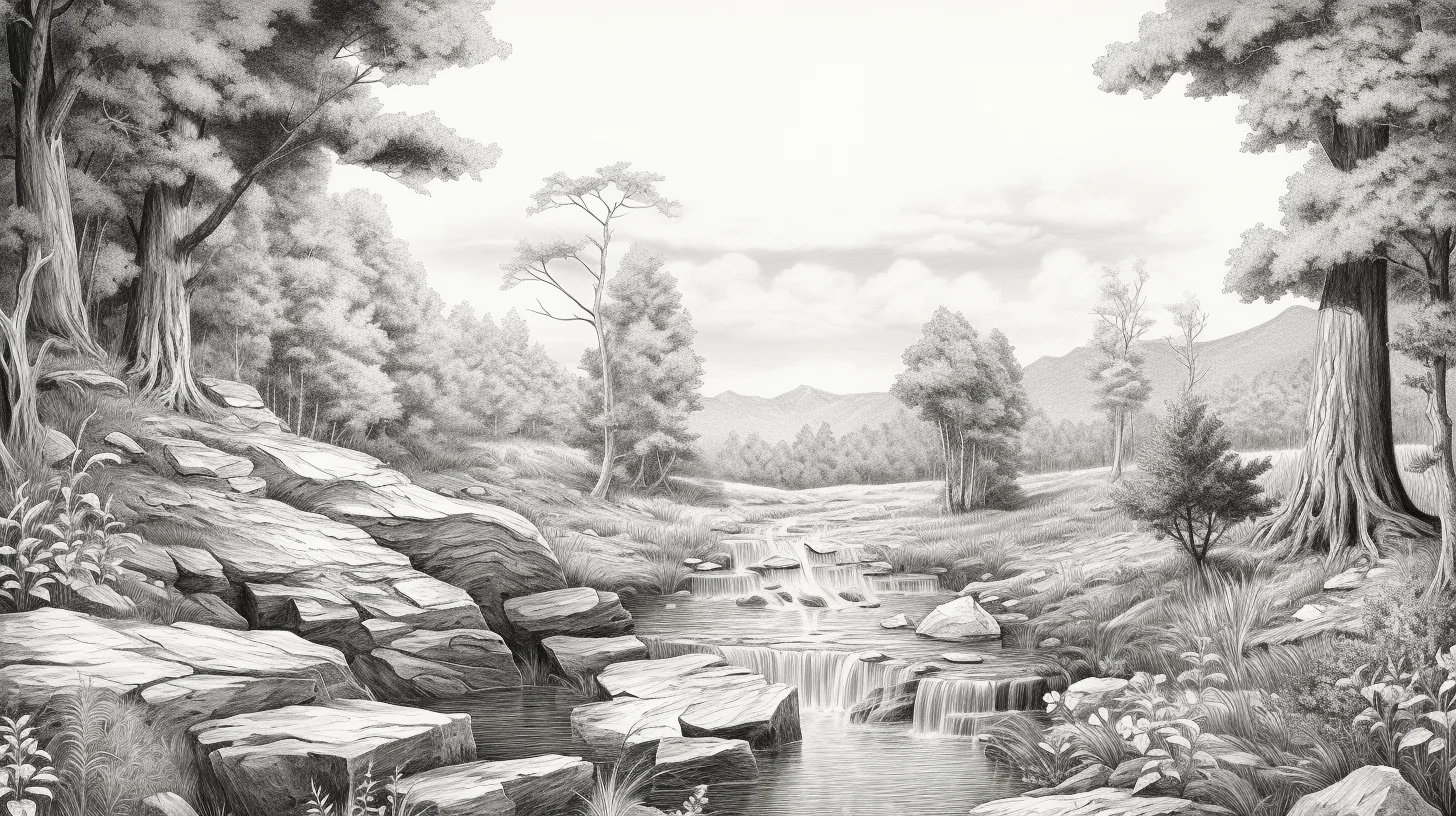
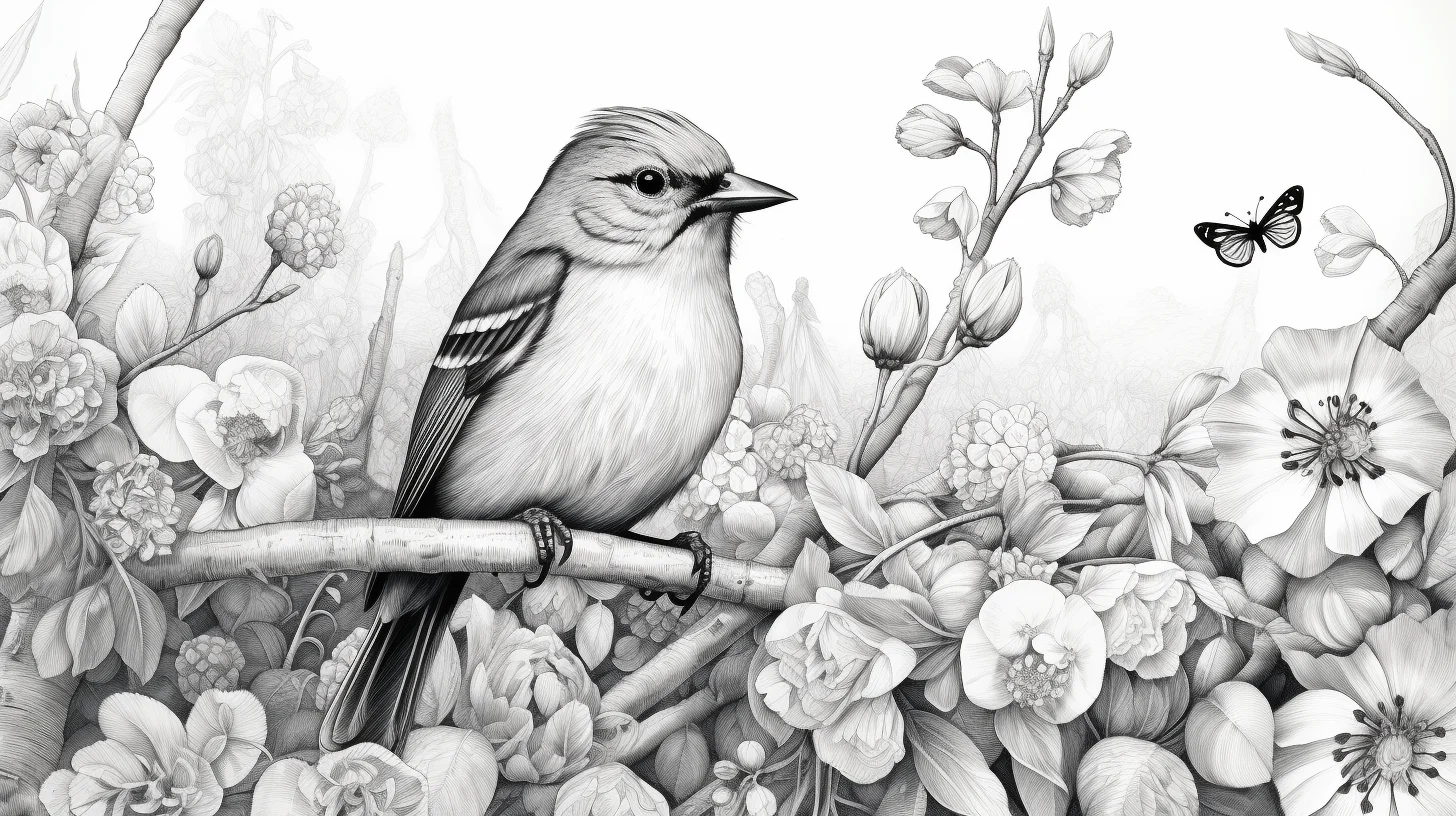
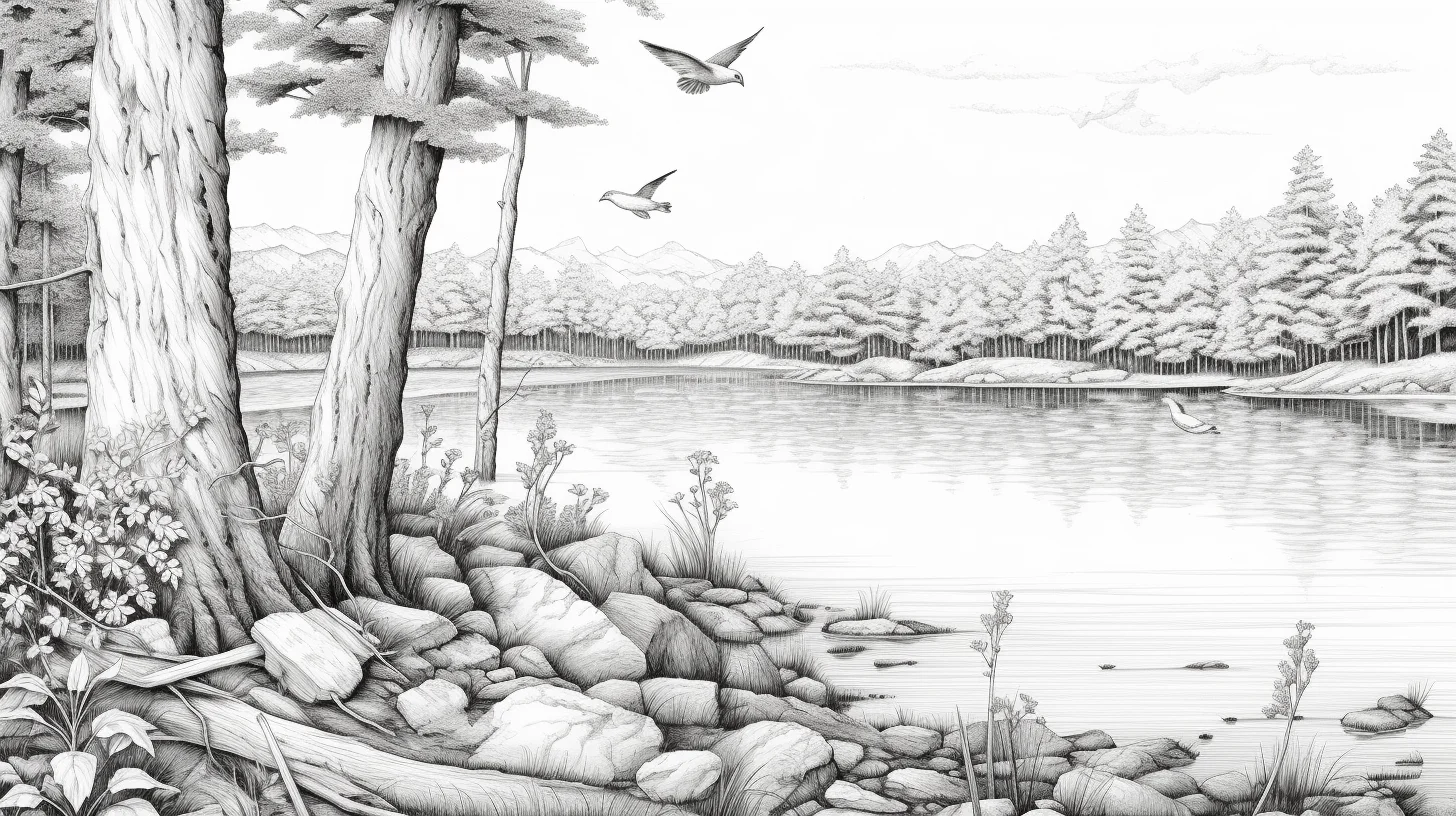
How to keep greens from becoming monotonous
Nature pages can contain dozens of leaves without needing dozens of green pencils. Start with two or three greens, then change the surrounding color: add yellow or ochre to sunlit foliage, blue or gray to distant foliage, and brown to shadowed vegetation. The scene stays related while individual areas remain distinguishable.
Another useful rule is to avoid outlining every green shape with your darkest green. Save the deepest value for overlaps, the bases of plants and a few foreground accents. That prevents the entire page from becoming equally heavy.
Coloring water, sky and mountains without overworking them
Large quiet areas are useful breathing space. A sky does not need to be filled with hard strokes from edge to edge. Use lighter pressure and let some paper remain visible. For water, repeat a few horizontal color changes rather than shading it like a solid wall. For distant mountains, reduce contrast and detail; atmospheric depth usually looks more convincing when the farthest ridge is quieter than the nearest tree.
Diagnose a landscape before adding more color
| If the page looks… | Check this first | Try this |
|---|---|---|
| Flat | Are distant and foreground values equally dark? | Soften the farthest layer and reserve your darkest accents for the foreground. |
| Too green | Are you solving every foliage change with another green? | Keep two or three greens and shift them with ochre, blue-gray or brown. |
| Busy everywhere | Does every area have the same amount of texture? | Leave sky, water or distant land quieter so detailed foreground shapes have somewhere to stand out. |
| Muddy around an animal | Is the animal the same value as the scenery directly behind it? | Lighten or darken the narrow background area around its silhouette instead of tracing it with a heavy outline. |
| Striped in the sky | Are pencil strokes hard and widely spaced? | Use overlapping light passes with a broad side-of-pencil stroke, changing direction between layers. |
| Blotchy with marker | Are you repeatedly coloring over partly dried edges? | Fill one small region at a time while adjoining strokes are still wet, and use heavier paper for the next print. |
A three-page practice sequence
- Start with an open scene. Use only five colors and make the background, middle ground and foreground read as three different value levels.
- Move to a wildlife scene. Keep the animal readable by controlling the value immediately behind its outline rather than darkening every contour.
- Finish with dense woodland. Limit yourself to three greens, then create variety by changing pressure and mixing small amounts of yellow, blue-gray or brown into those same greens.
Check each finished page from arm’s length. If the main subject and depth layers are still clear at that distance, the value structure is working; adding more detail is optional rather than necessary.
Nature coloring questions
Which pages are best for a short coloring session?
Choose scenes with broad sky, water, meadow or mountain areas and fewer overlapping foreground details. They can still look complete without coloring dozens of tiny shapes.
Do realistic nature pages need realistic colors?
No. A limited autumn, dusk or cool-toned palette can work well even when it departs from the reference you imagine. Consistent color relationships matter more than literal accuracy.
What paper works best for colored pencils?
Ordinary printer paper works for light coloring, but slightly heavier matte paper tolerates layering and repeated pencil strokes better. Very glossy paper gives colored pencil less grip.
How can I make a finished landscape look deeper?
Compare the darkest darks in the background and foreground. If they are equally strong, soften some distant values. Depth often improves immediately when contrast increases toward the viewer.
If you want a shorter session, pick a scene with large areas of sky, water or meadow. For a longer one, choose a page with several overlapping foreground elements; those are where the back-to-front approach makes the biggest difference.

