
A sports-car coloring page works when the body still looks like one clean shape after you add color. The easiest way to lose that shape is to give the paint, glass, tires, wheels and shadows the same visual weight. These 39 sheets are arranged from simpler kid-friendly cars into classic and muscle styling, luxury/supercar-style pages, detailed designs and a final group of general printables.
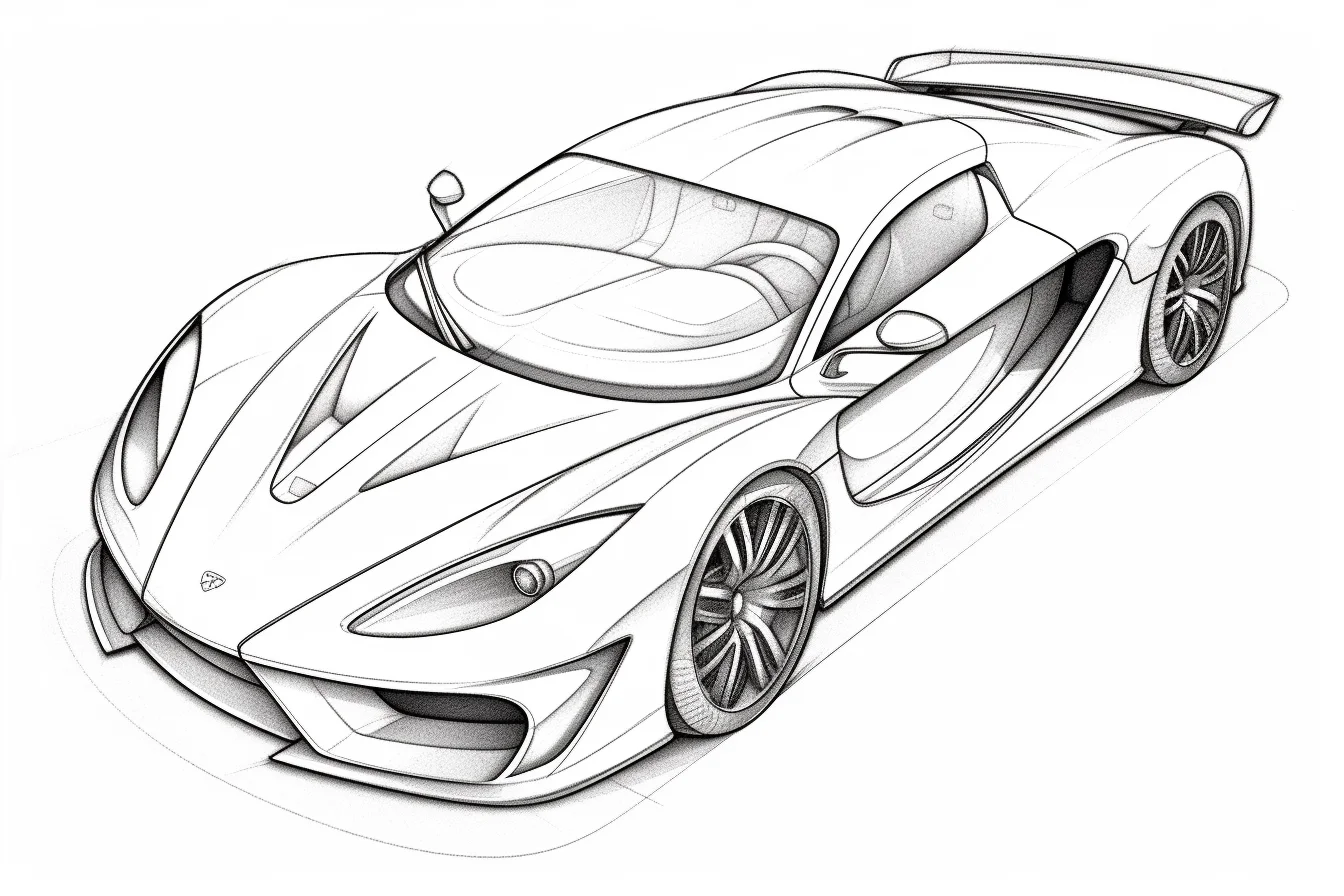
Choose a sports-car page
| If you want… | Start here |
|---|---|
| Easy or kid-friendly cars | Sheets 1–7 |
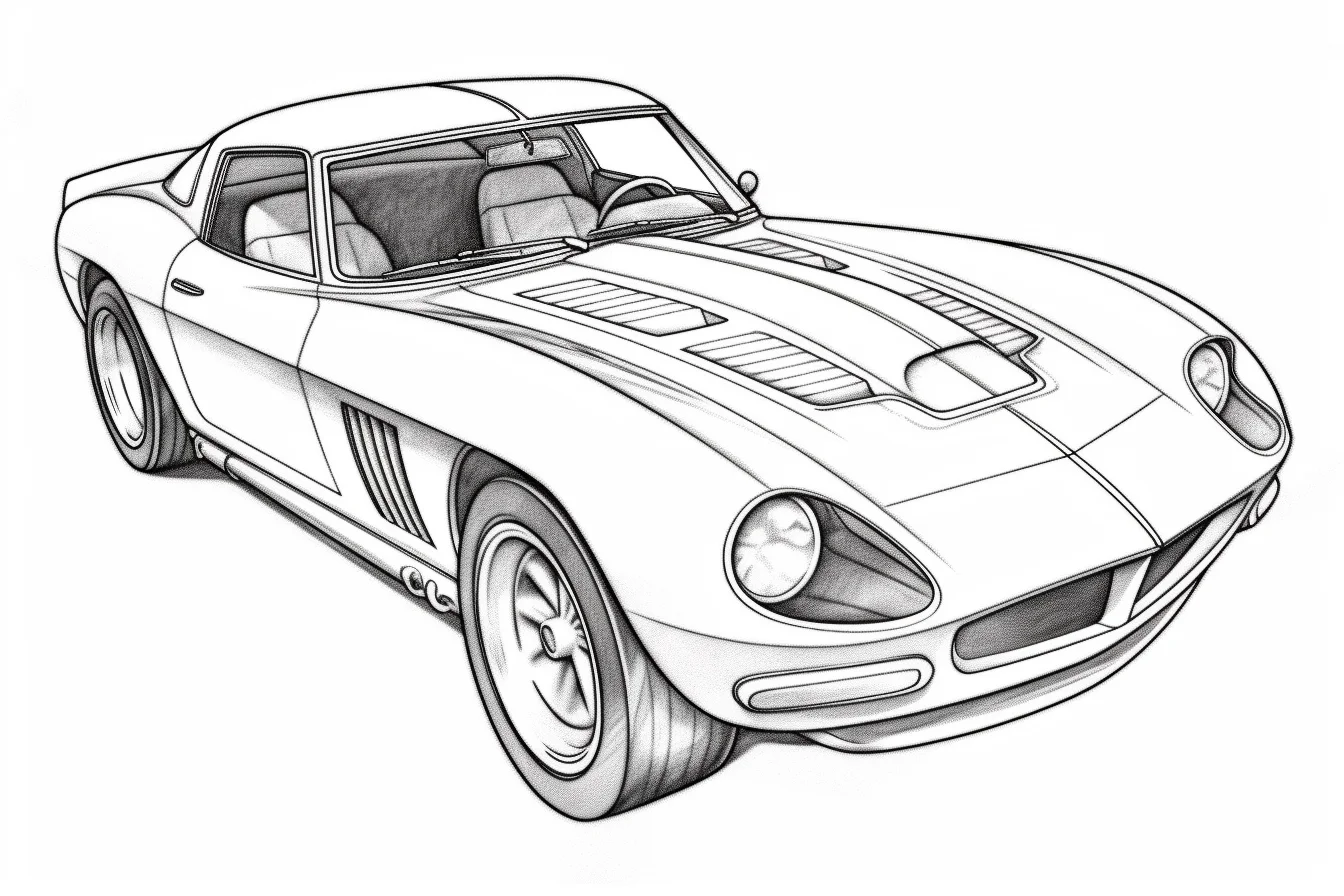
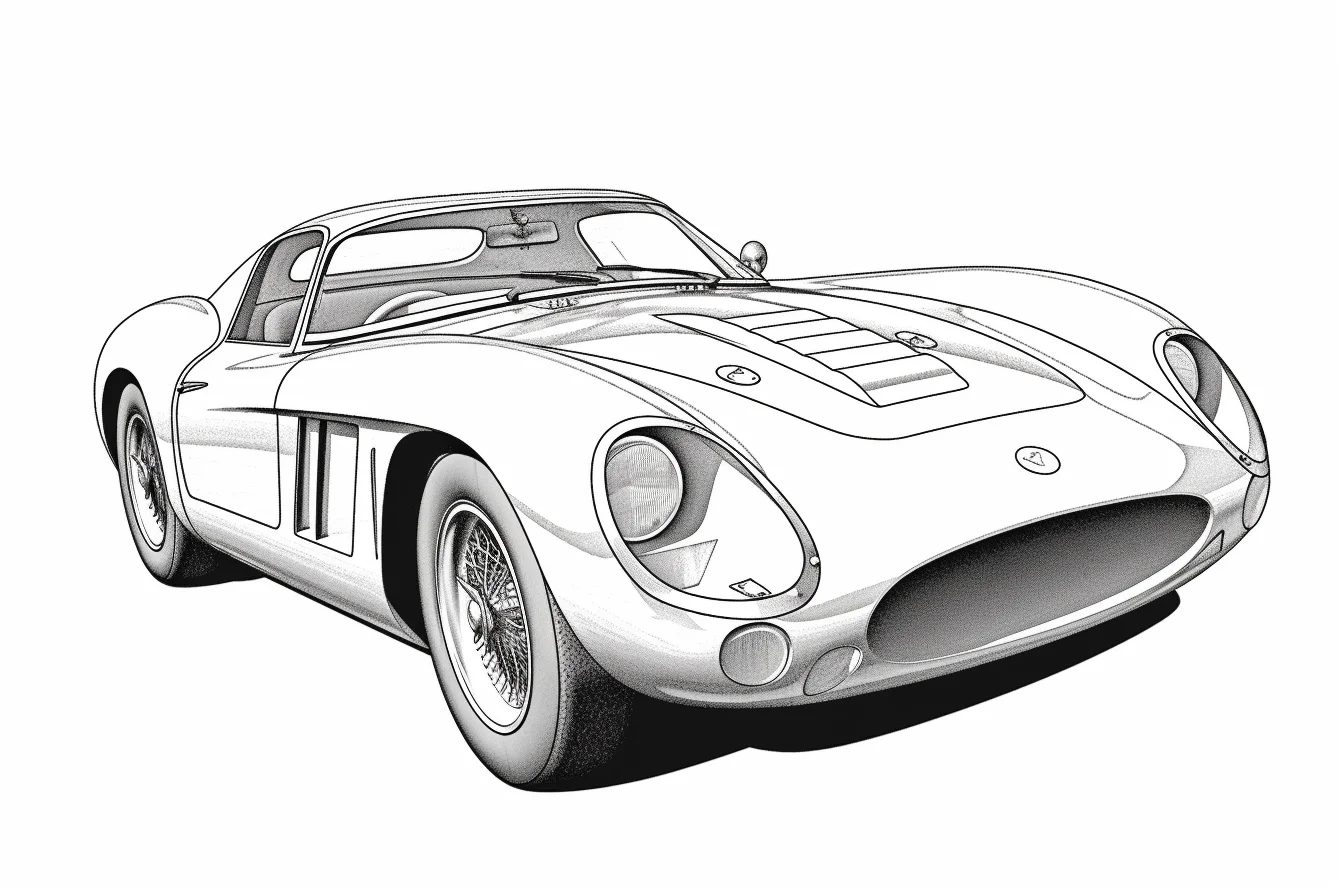
| Classic and muscle-car styling | Sheets 8–12 |
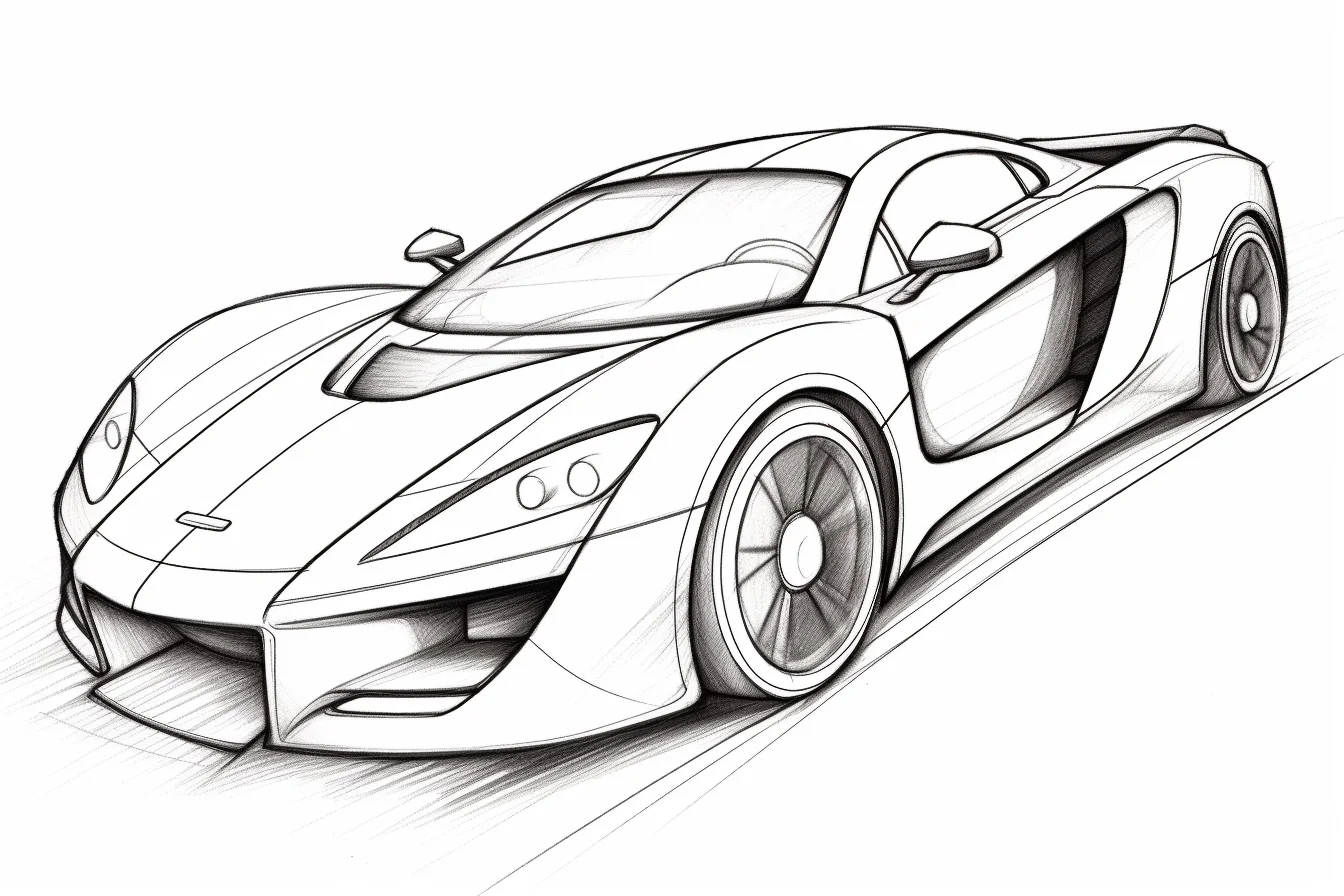
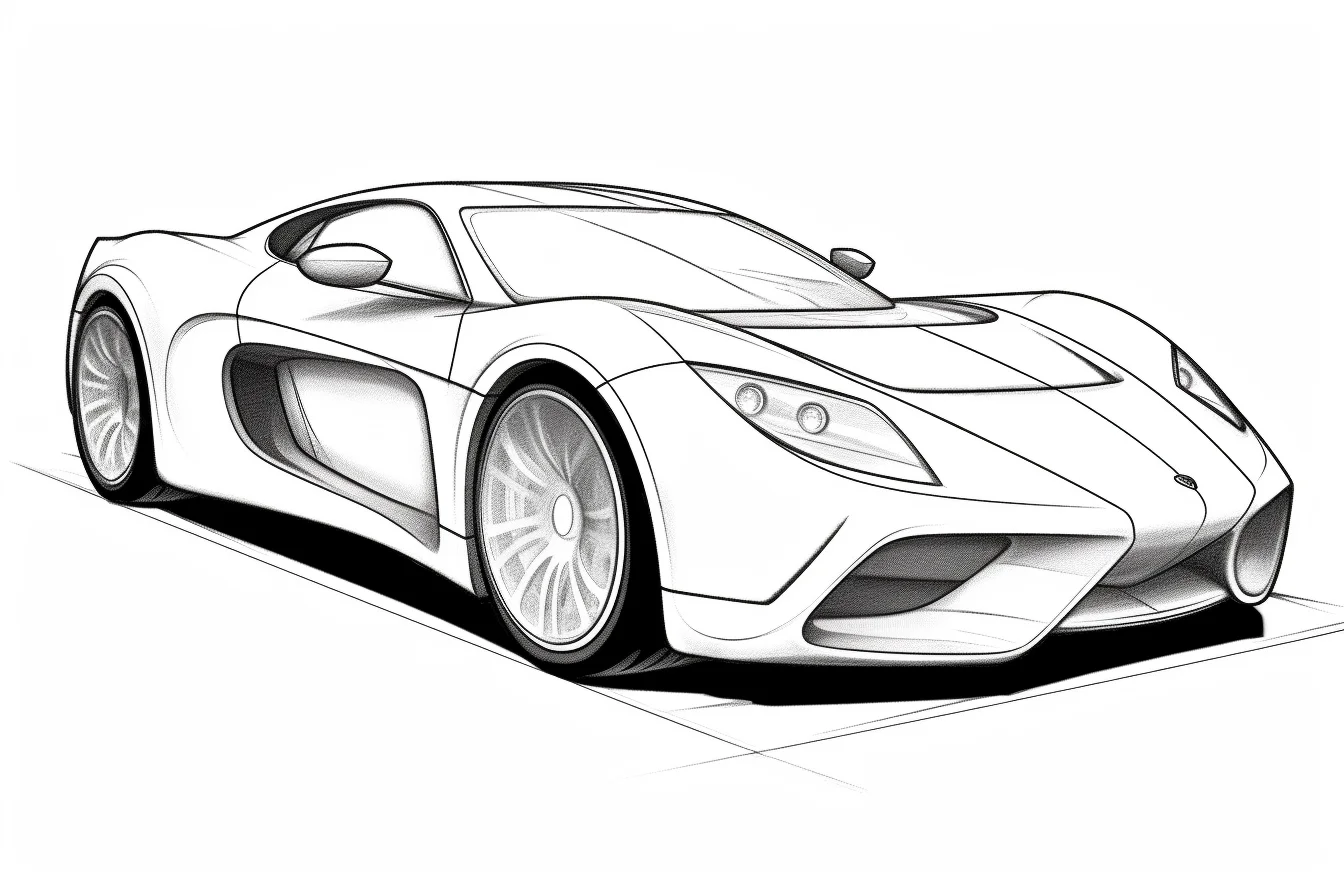
| Luxury and supercar-style designs | Sheets 13–21 |
| Detailed, realistic or adult pages | Sheets 22–25 |
| General sports-car printables | Sheets 26–39 |
Color the paint before the mechanical details
Start with the main body color and leave the windows, tires, lights and grille untouched. A narrow lighter strip along the hood, roof or shoulder line can suggest reflected light without trying to paint a full glossy reflection. Then darken the underside, wheel arches and lower bumpers slightly so the car feels planted rather than flat.
Windows usually look cleaner in blue-gray, charcoal or a very pale cool tone rather than the same color as the body. Keep the tires darkest, then make the wheel rims one step lighter so the spokes do not disappear. Headlights and taillights should stay relatively bright; they are small but useful points of contrast.
Test the paint before coloring the car
Use a scrap of the same paper you printed on and make three small swatches with your chosen body color: one with barely any pressure, one with normal pressure and one built up in two or three light layers. Put a dark tire-colored swatch beside them and leave a thin strip of bare paper through the middle swatch. From arm’s length, the body should still separate clearly from the tire, while the bare strip should read as reflected light rather than an accidental gap.
If the light and middle swatches look almost identical, your pencil is starting too hard; begin the actual car with less pressure so you still have room to deepen the doors and wheel arches. If the darkest body swatch is nearly as dark as the tire, stop one layer earlier on the paint. For a black or very dark car, reverse the exercise: let the paper or a pale gray pencil describe the reflections, and reserve the deepest black for tires, vents and the narrowest shadow areas.
A simple sports-car coloring order
- Lay down the main paint color with the lightest successful pressure from your test.
- Leave one or two lighter highlight strips on the body.
- Color the windows separately from the paint.
- Add tires, wheels, grille and vents.
- Finish with lights, ground shadow and any background details.
Practice glossy paint in three passes
If you want the car to look dimensional, do not start by pressing hard with the final color. On your first sheet, use one light, even layer across the body and keep the paper showing through. On the second pass, deepen the lower doors, wheel arches, underside of the bumpers and the side of the car facing away from your imagined light source. On the third pass, strengthen only the darkest body areas while preserving a clean pale band across the hood, roof or shoulder line. That light band is what makes a simple red, blue or yellow body begin to read as polished paint.
For colored pencils, build those passes with light pressure rather than trying to reach the final color immediately. With markers, use fewer passes: choose a lighter body color first, then a slightly darker compatible marker for the underside and recessed areas. Crayons work best on the easier sheets, where the larger panels leave room for broad strokes.
Make glass, rubber, metal and paint look different
A convincing car does not need complicated realism; it needs material separation. Treat the four main surfaces differently:
- Paint: use your strongest color, but preserve a lighter reflection strip.
- Glass: use cool gray or blue-gray and leave a pale patch or diagonal streak uncolored.
- Tires: use the darkest value on the page, especially where the tire meets the road.
- Wheel rims and trim: use medium gray rather than solid black so spokes, edges and highlights remain visible.
This value separation matters more than choosing a technically accurate car color. Even an imaginary purple supercar will look coherent if the windows, tires and metal parts have clearly different values.
Sports-car coloring diagnostics
| If the finished car looks… | Try this on the next sheet |
|---|---|
| Flat | Darken the underside and wheel arches while keeping the roof and hood lighter. |
| Like one solid block | Separate paint, glass, tires and rims into four different values. |
| Stripy | Use lighter pencil pressure and overlap each stroke instead of coloring in isolated bands. |
| Too dark | Reserve highlights before adding shadow; do not try to recover them at the end. |
| Busy around the wheels | Color the tire first, then pick out only the clearest rim shapes instead of darkening every small line. |
| As if it is floating | Add a soft ground shadow directly below the tires and chassis. |
A three-sheet practice route
- Sheet 1: choose one of the easy cars and concentrate only on clean boundaries between body paint, windows and tires.
- Sheet 8: use a classic-style car to practice medium-gray trim, darker wheel wells and a simple ground shadow.
- Sheet 22: move to a detailed car and practice gradual body shading while keeping vents, grille lines and wheel spokes readable.
Using three different sheets this way is more useful than trying every technique on one drawing. Each page gives you one extra problem to solve without turning the session into a rendering exercise.
Printing
All 39 sheets are landscape-oriented. Open the full-size image, use landscape mode and select “Fit to page” on A4 or US Letter paper. For track-focused designs, use the race car pages. For a broader vehicle mix, use the vehicle gallery; the police car pages are another focused set.
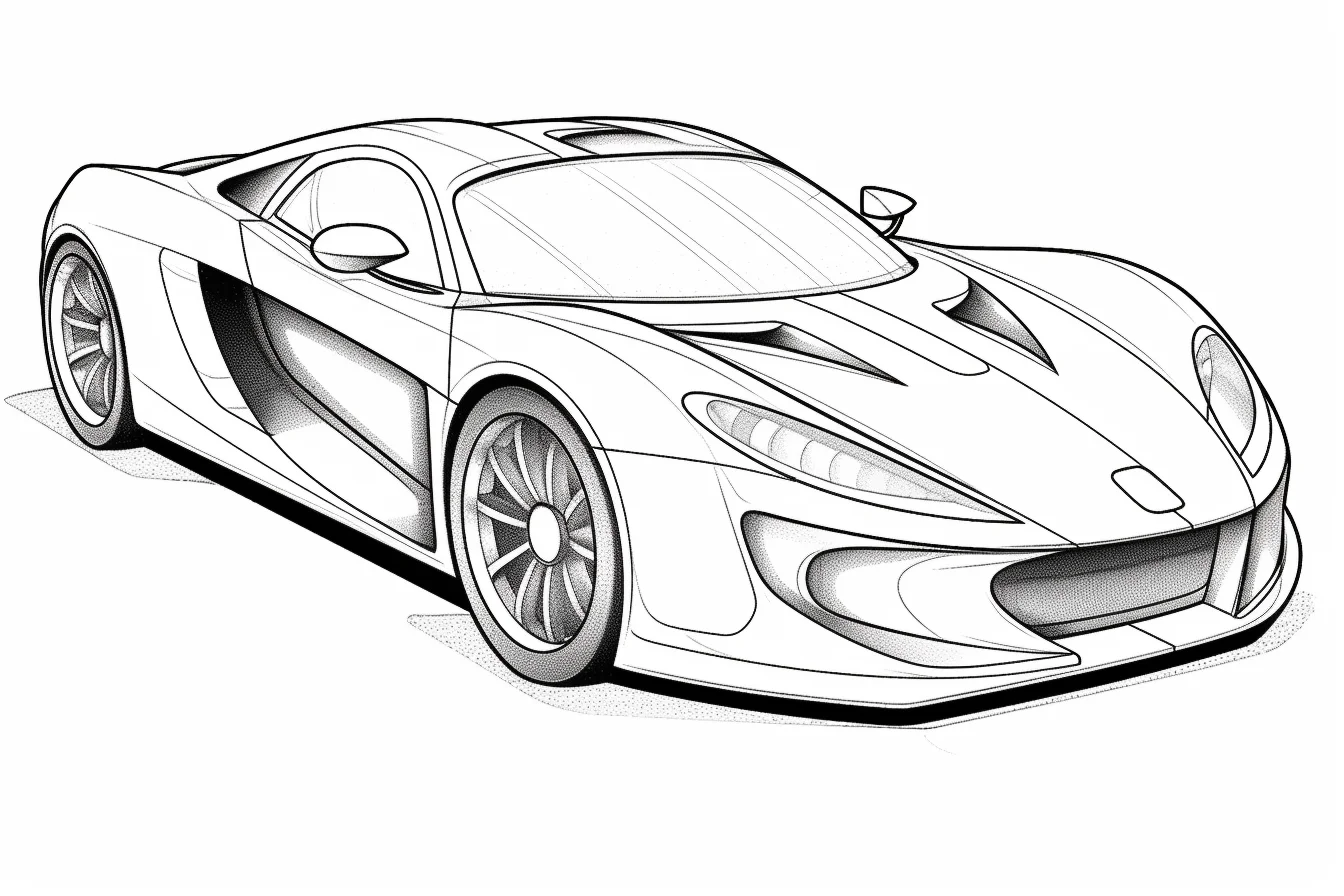
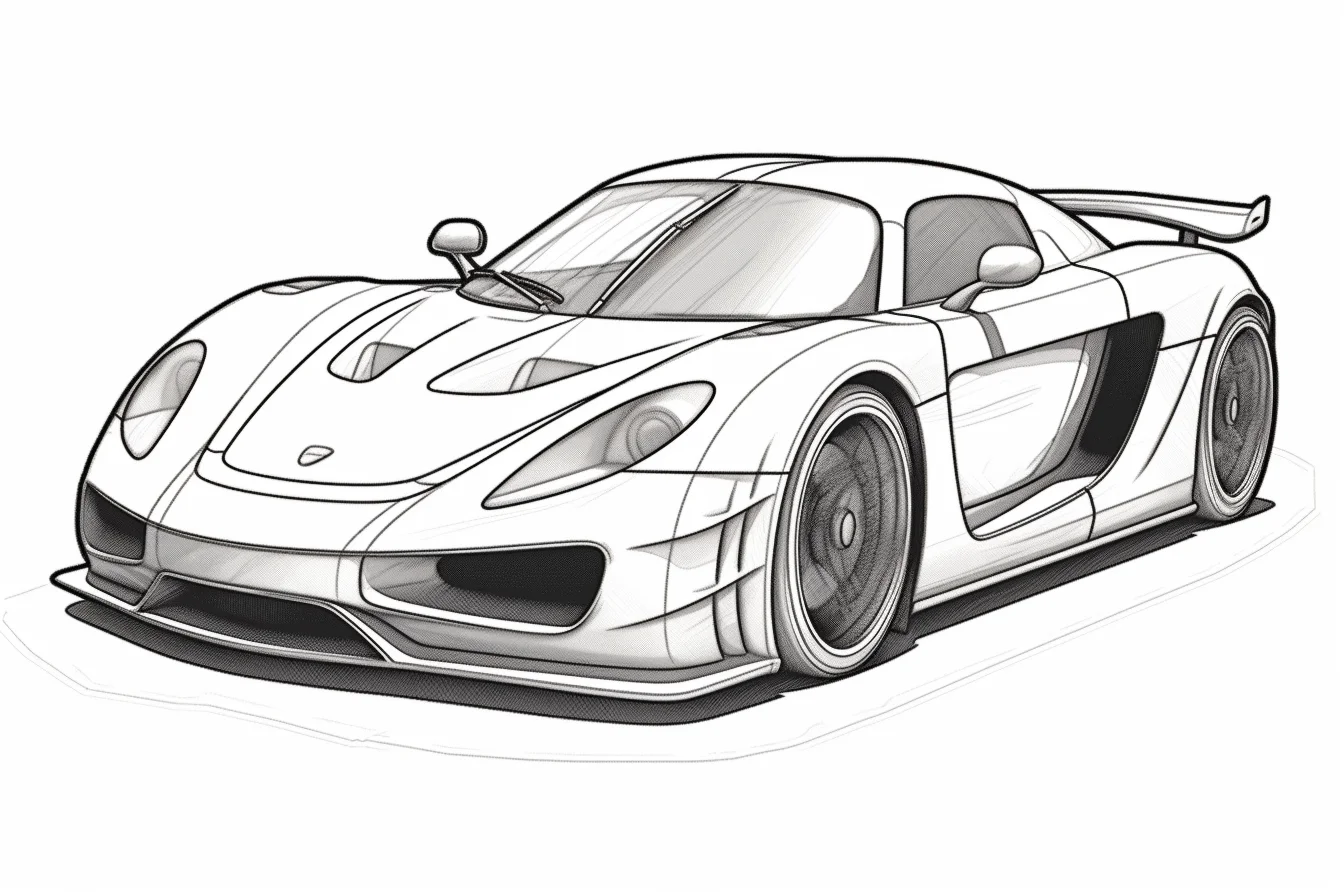
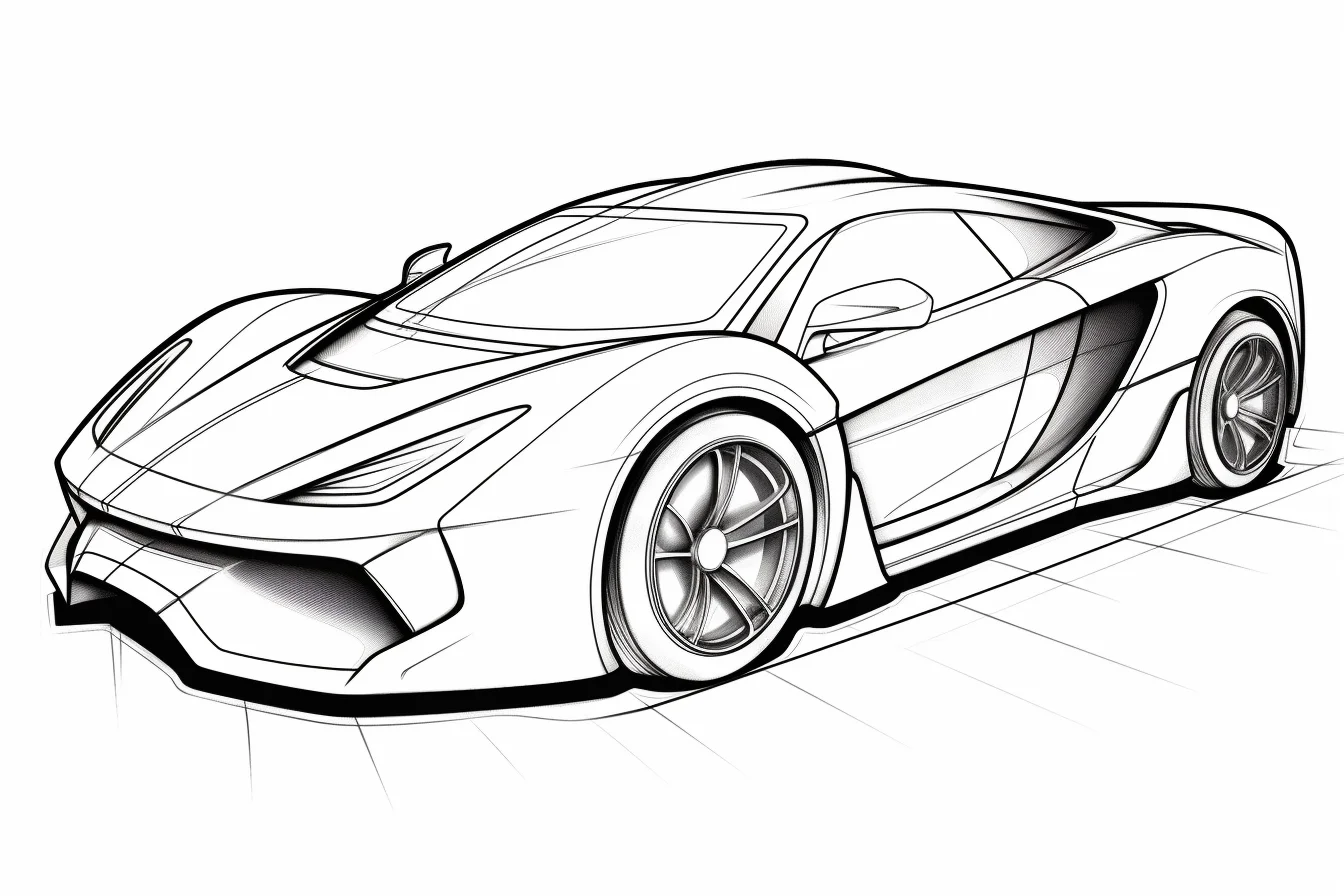
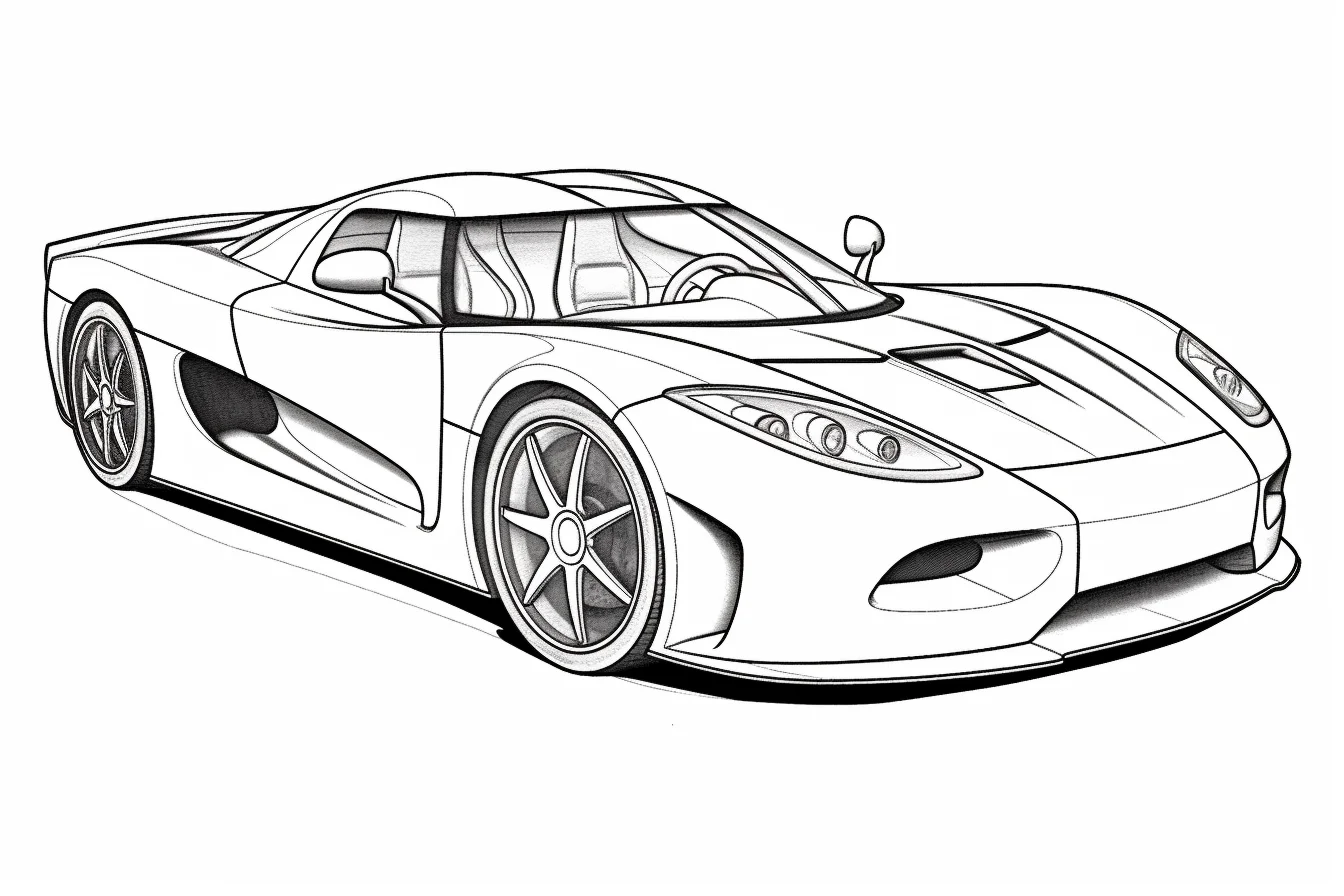
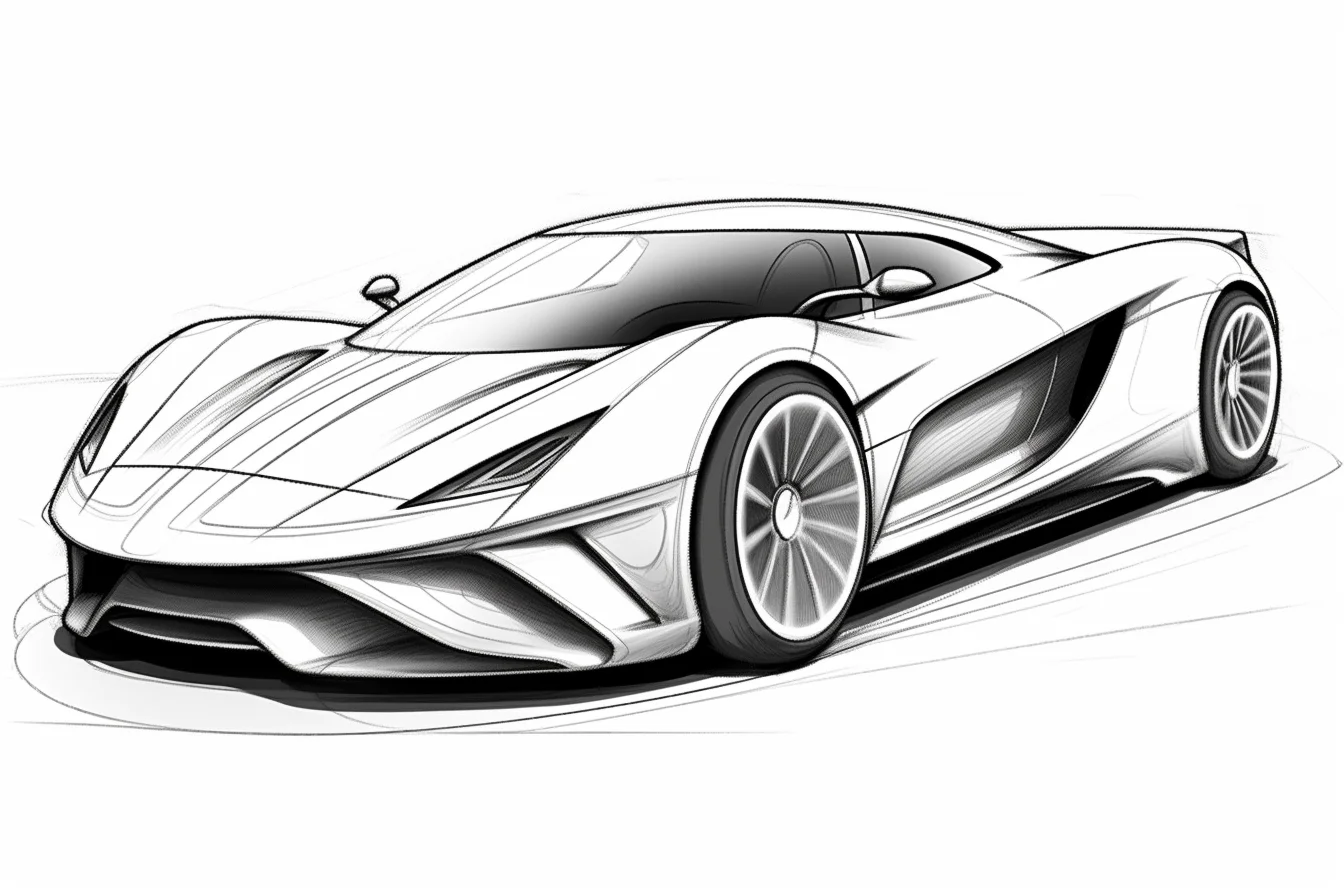
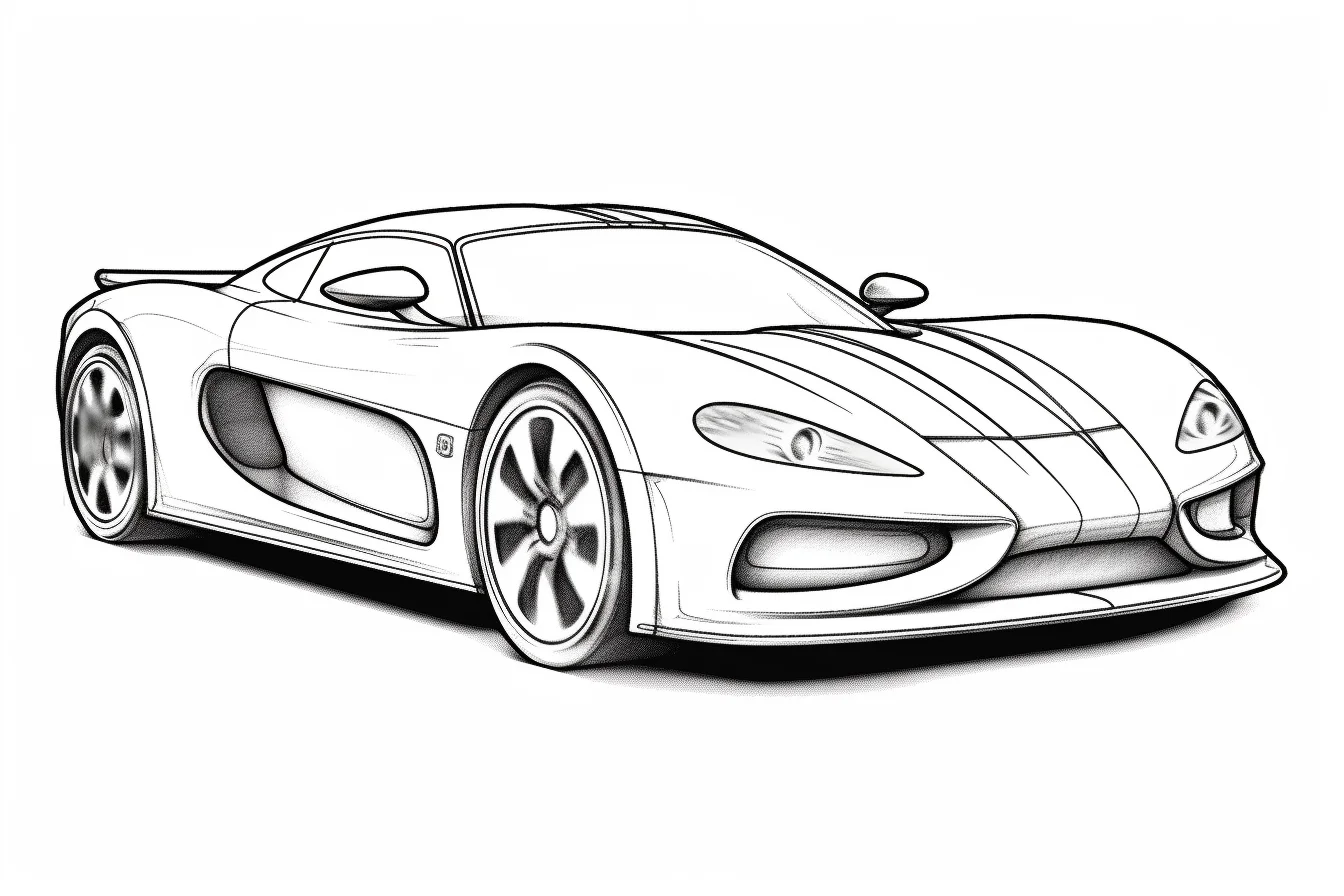
Easy sports cars — Sheets 1–7
These sheets have the broadest body panels and are the easiest place to practice one paint color, dark tires and simple glass.
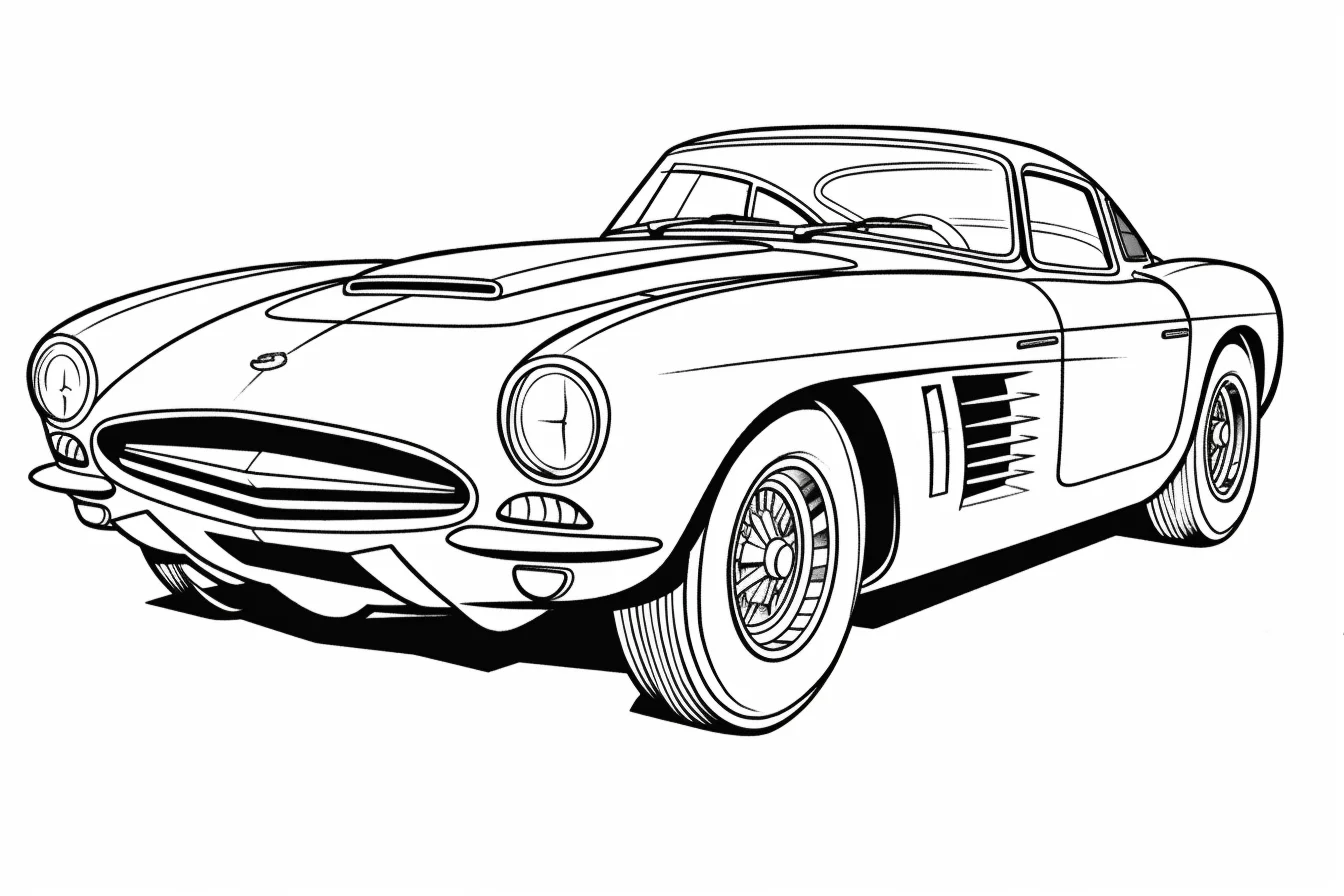
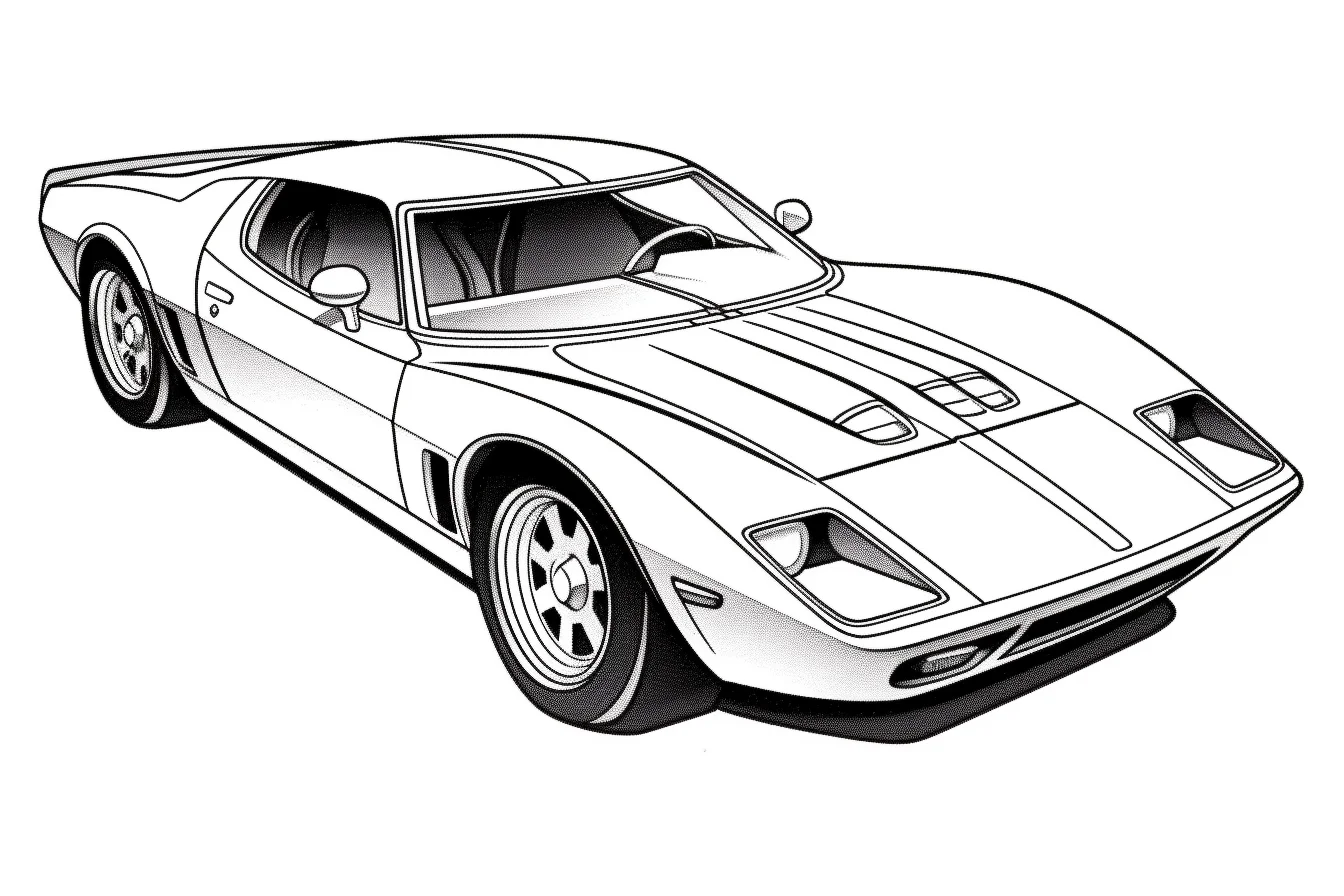
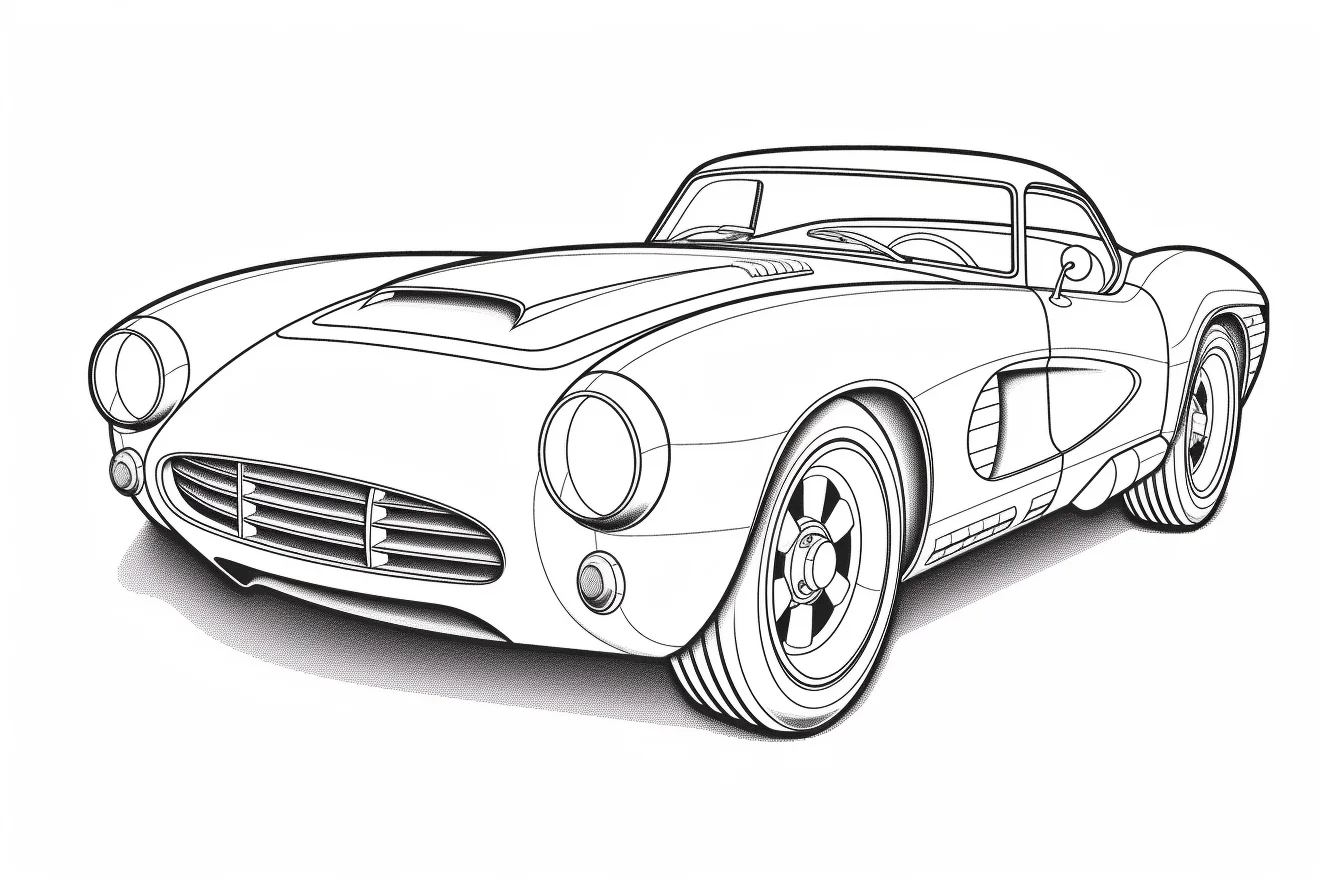
Classic and muscle-car styling — Sheets 8–12
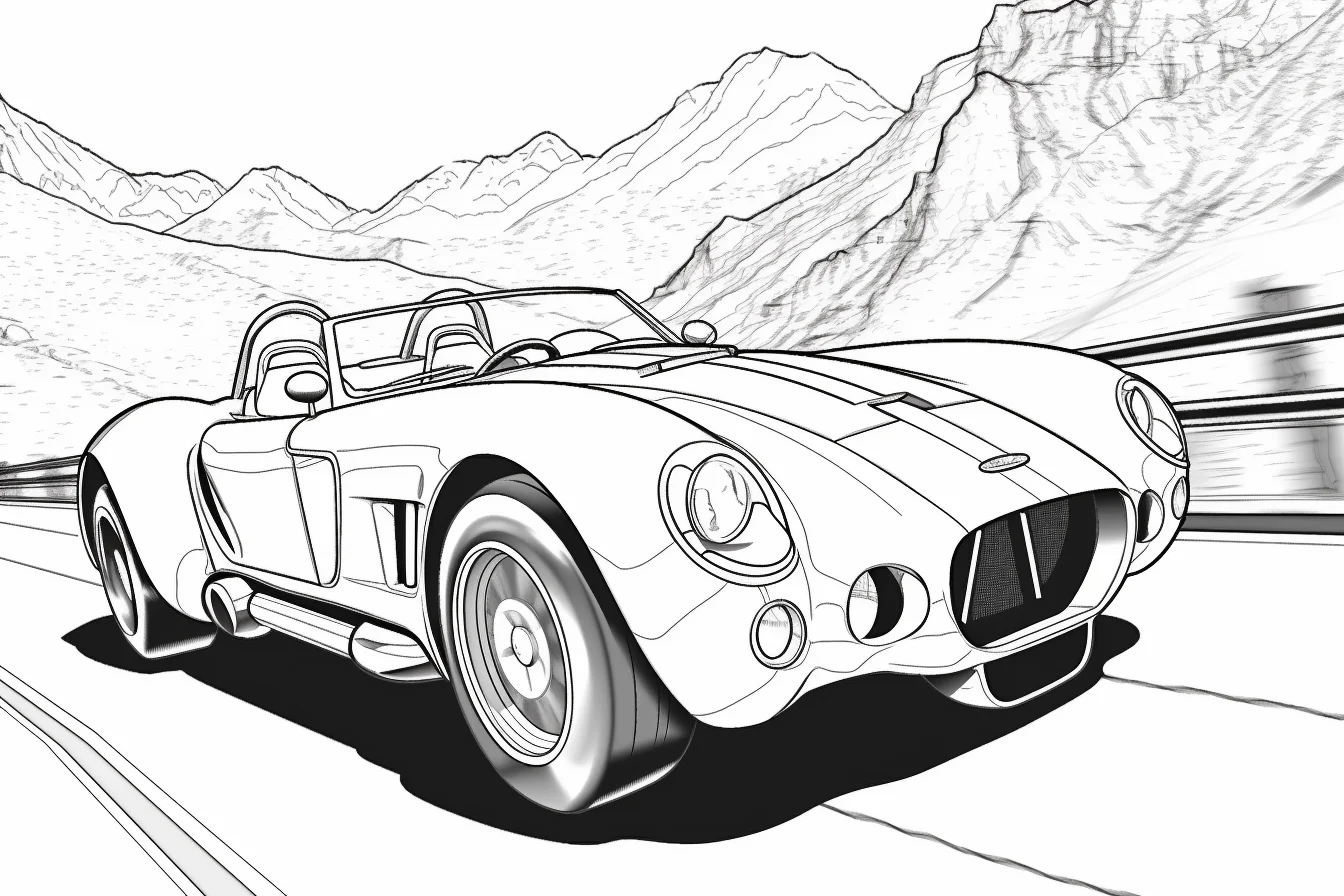
These pages are a good place for warmer paint colors, chrome-like gray accents and stronger shadow under the body. Keep the tires darker than the wheel rims so the wheel design remains visible.
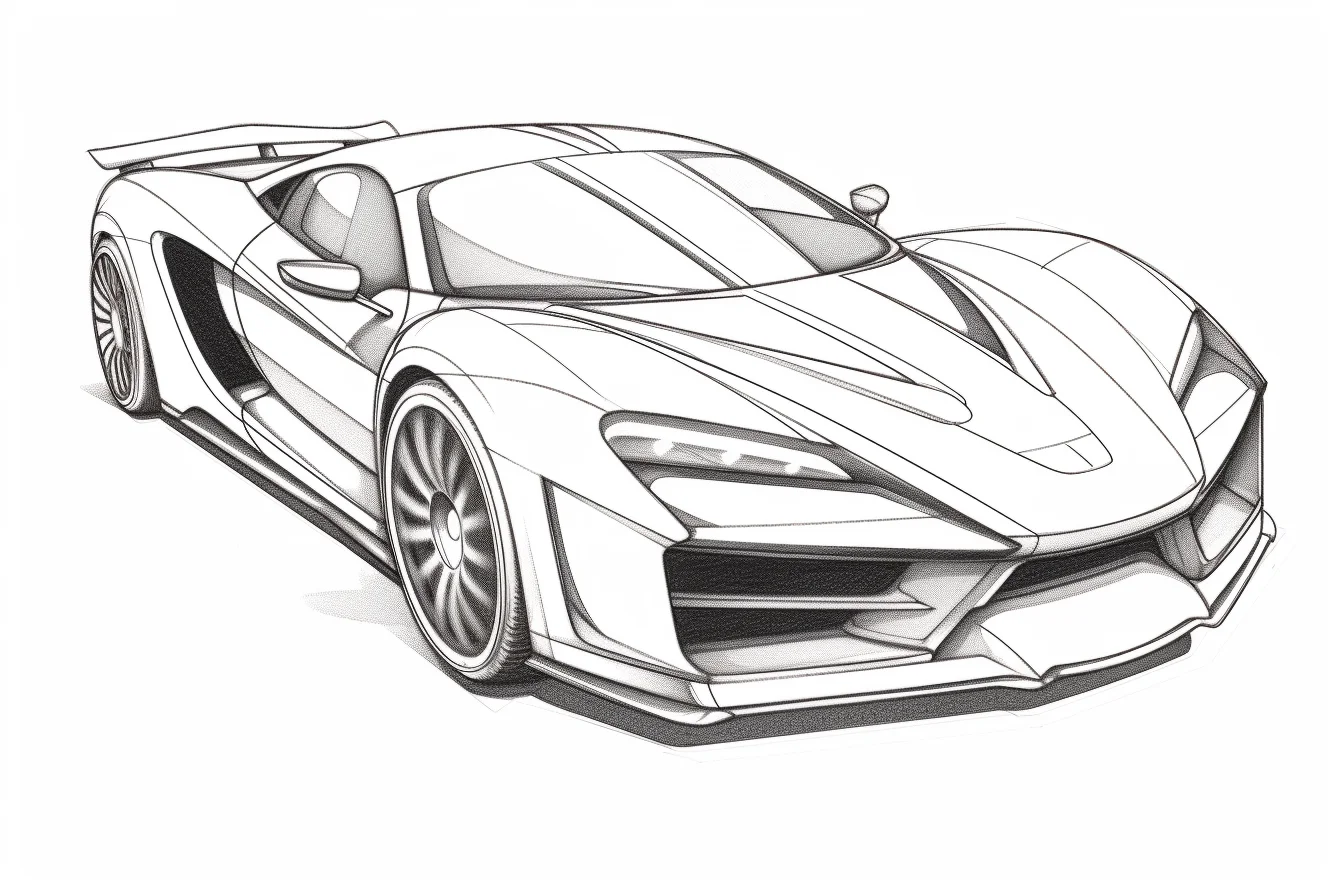
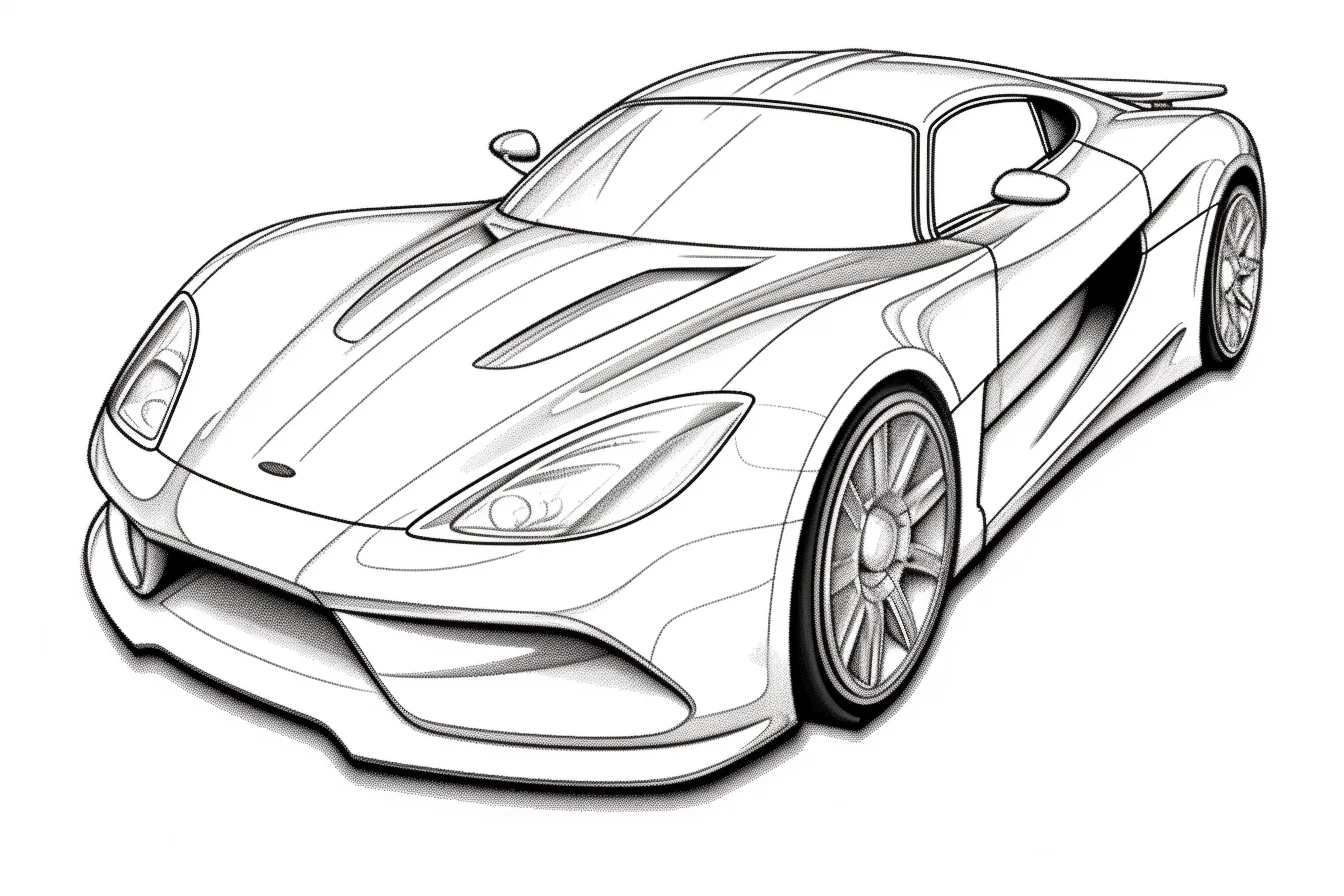
Luxury and supercar-style pages — Sheets 13–21
These shapes often have more vents, sharp body lines and wheel detail. Use a clean main paint color first, then treat grilles, glass and trim as separate materials.
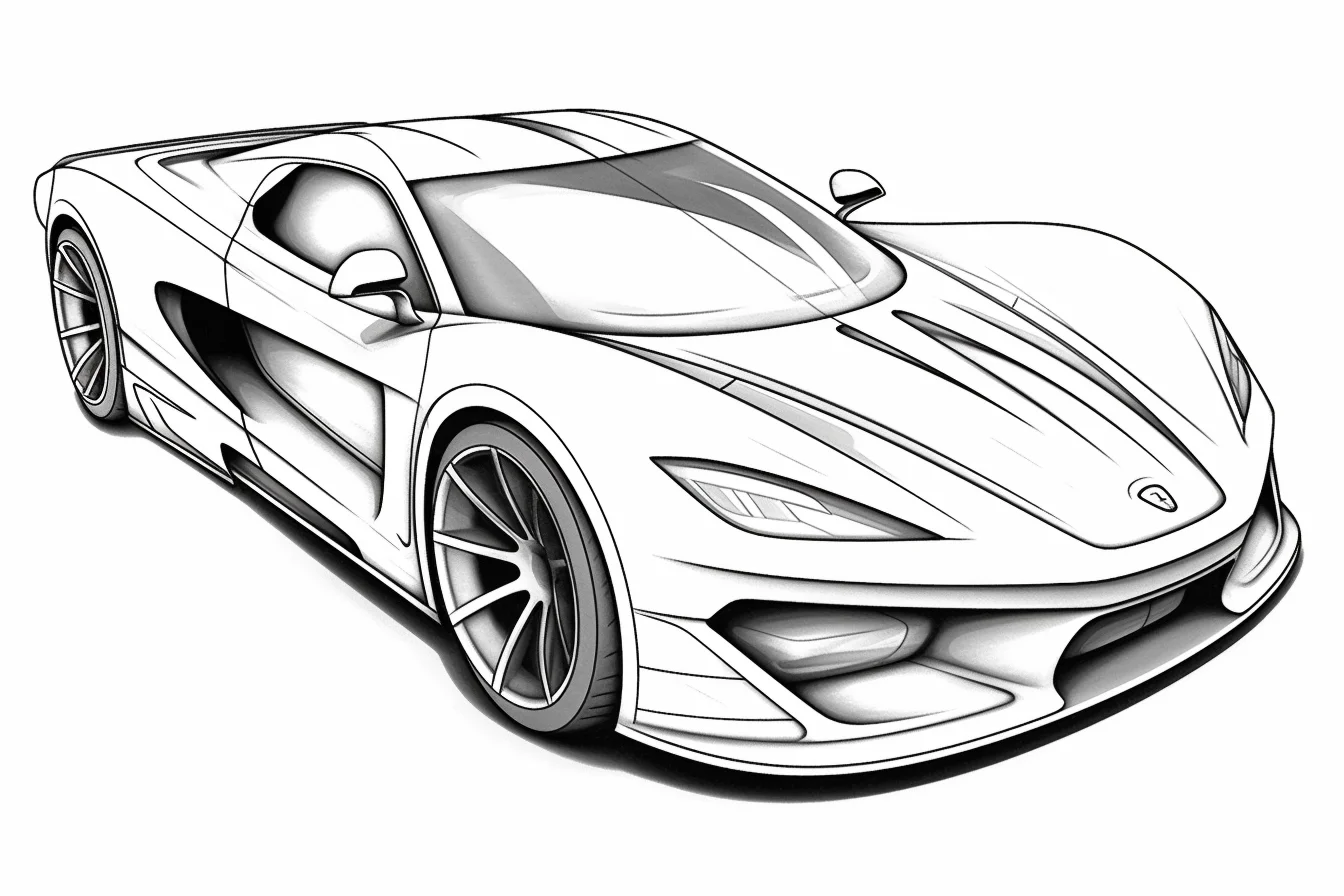
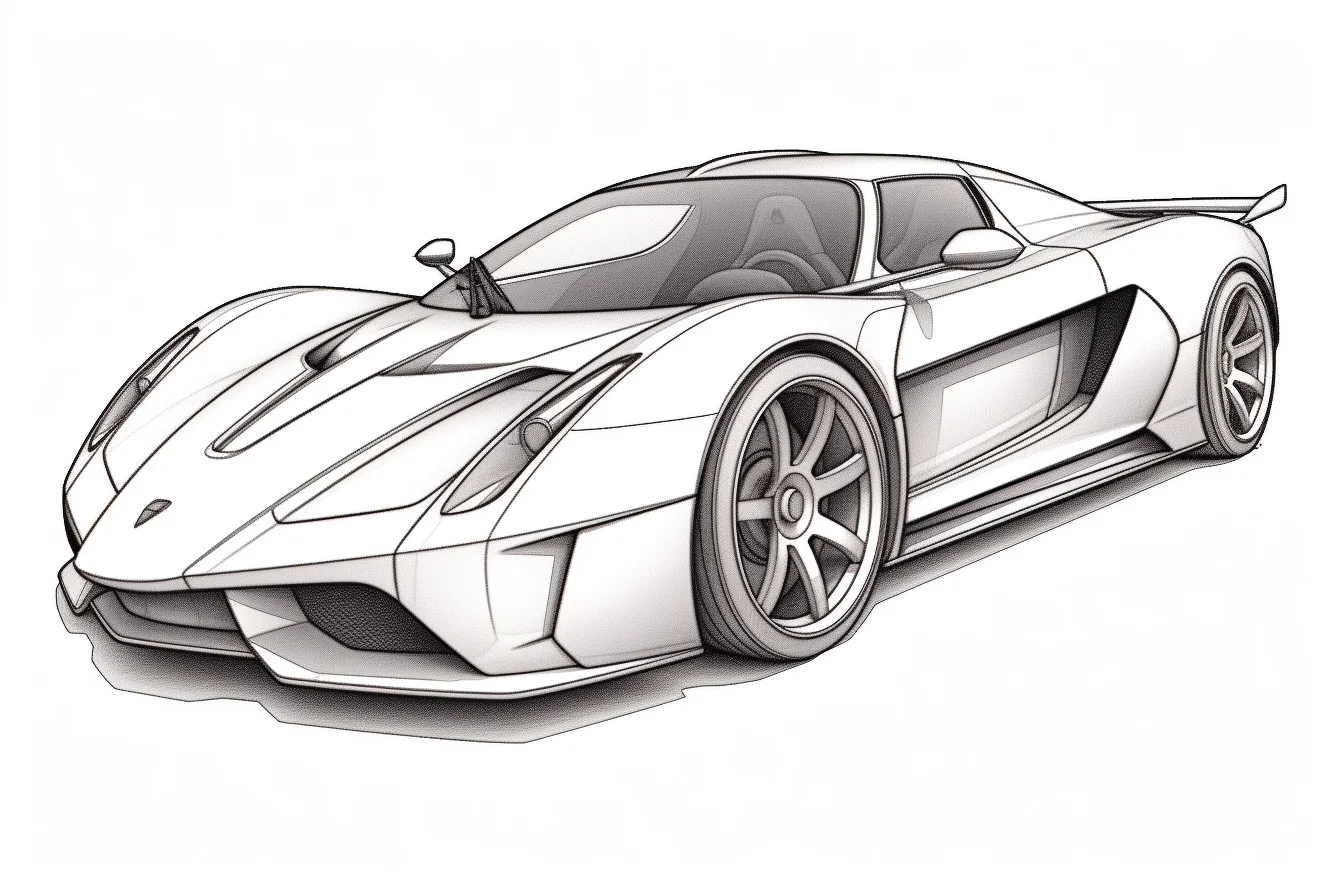
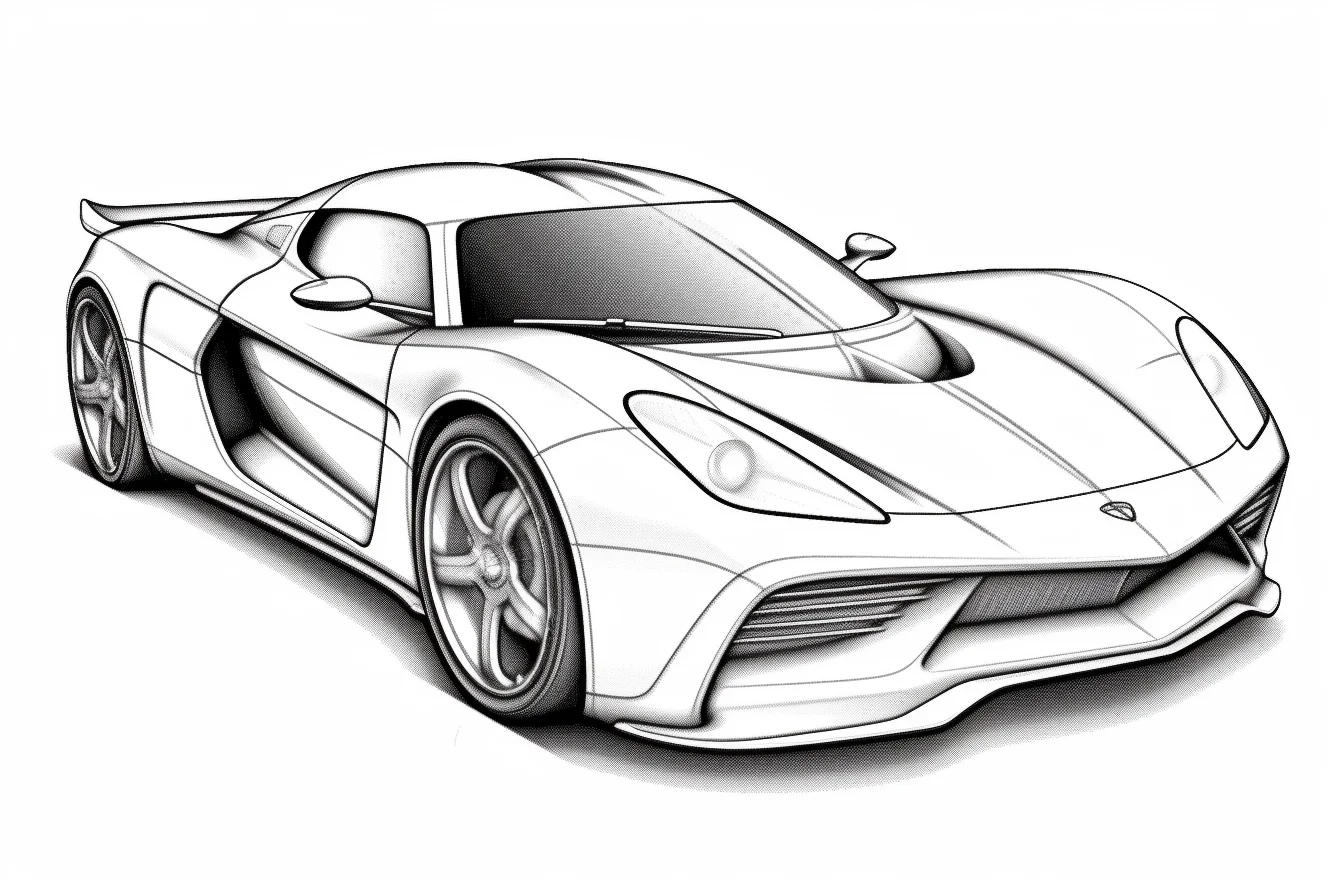
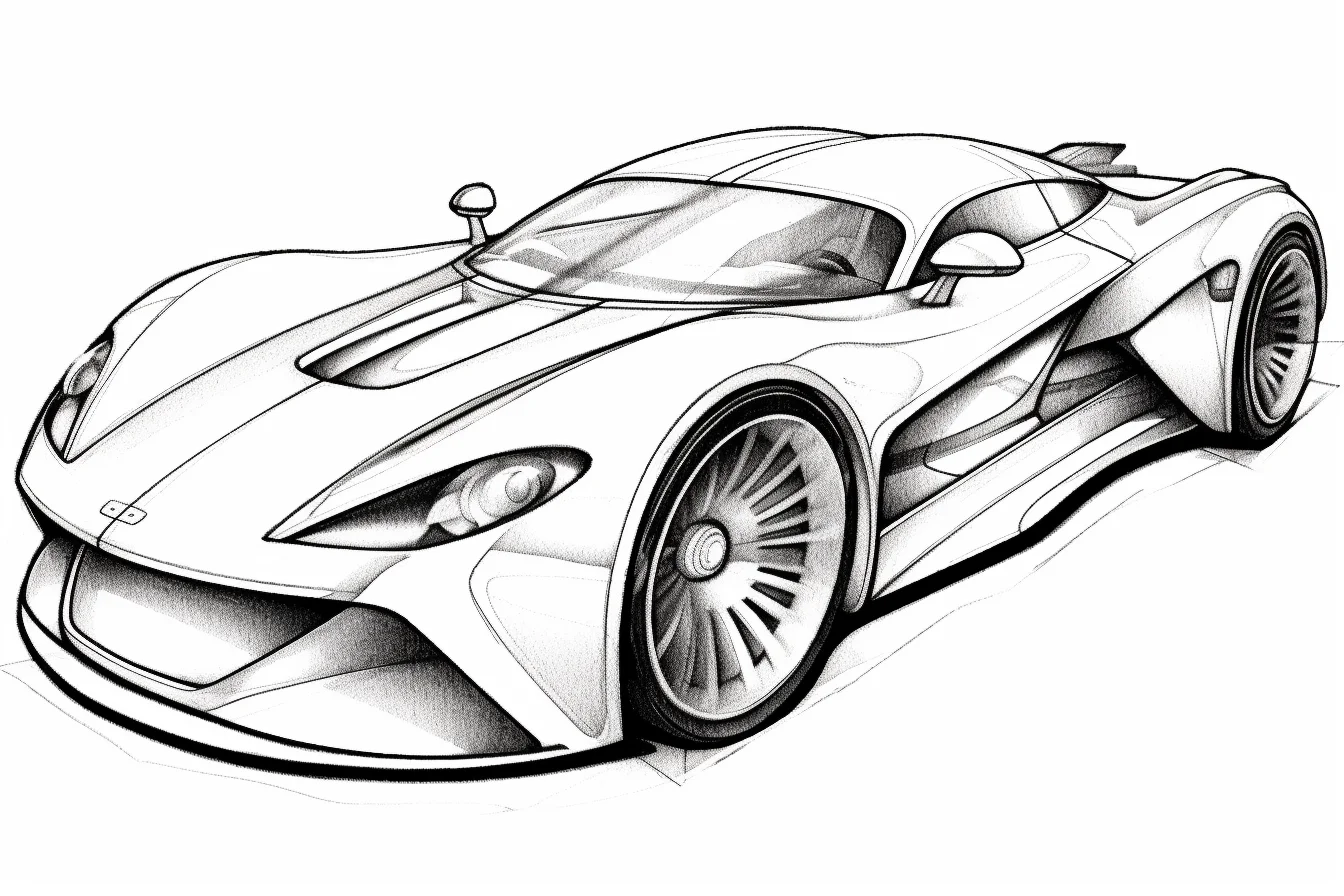
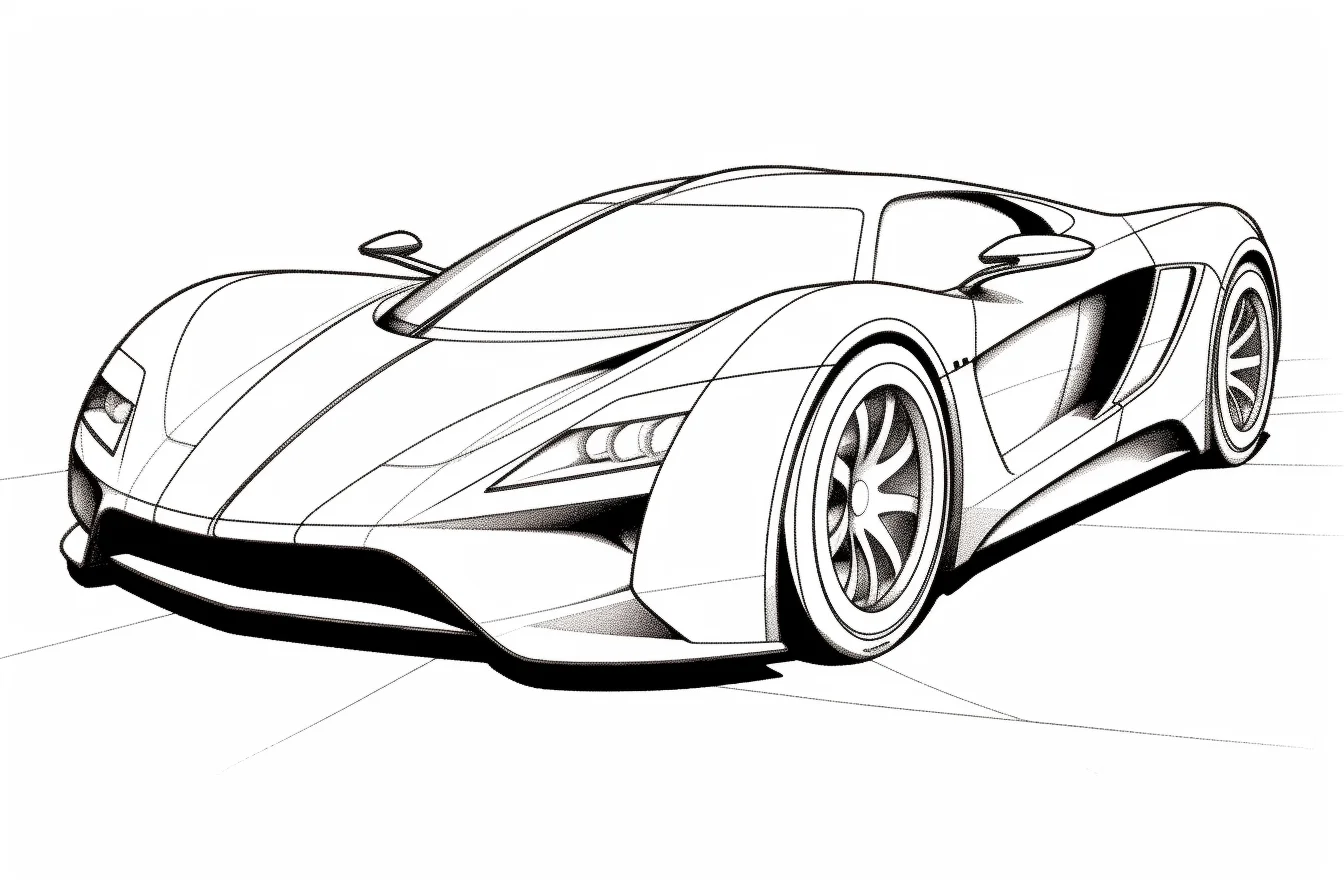
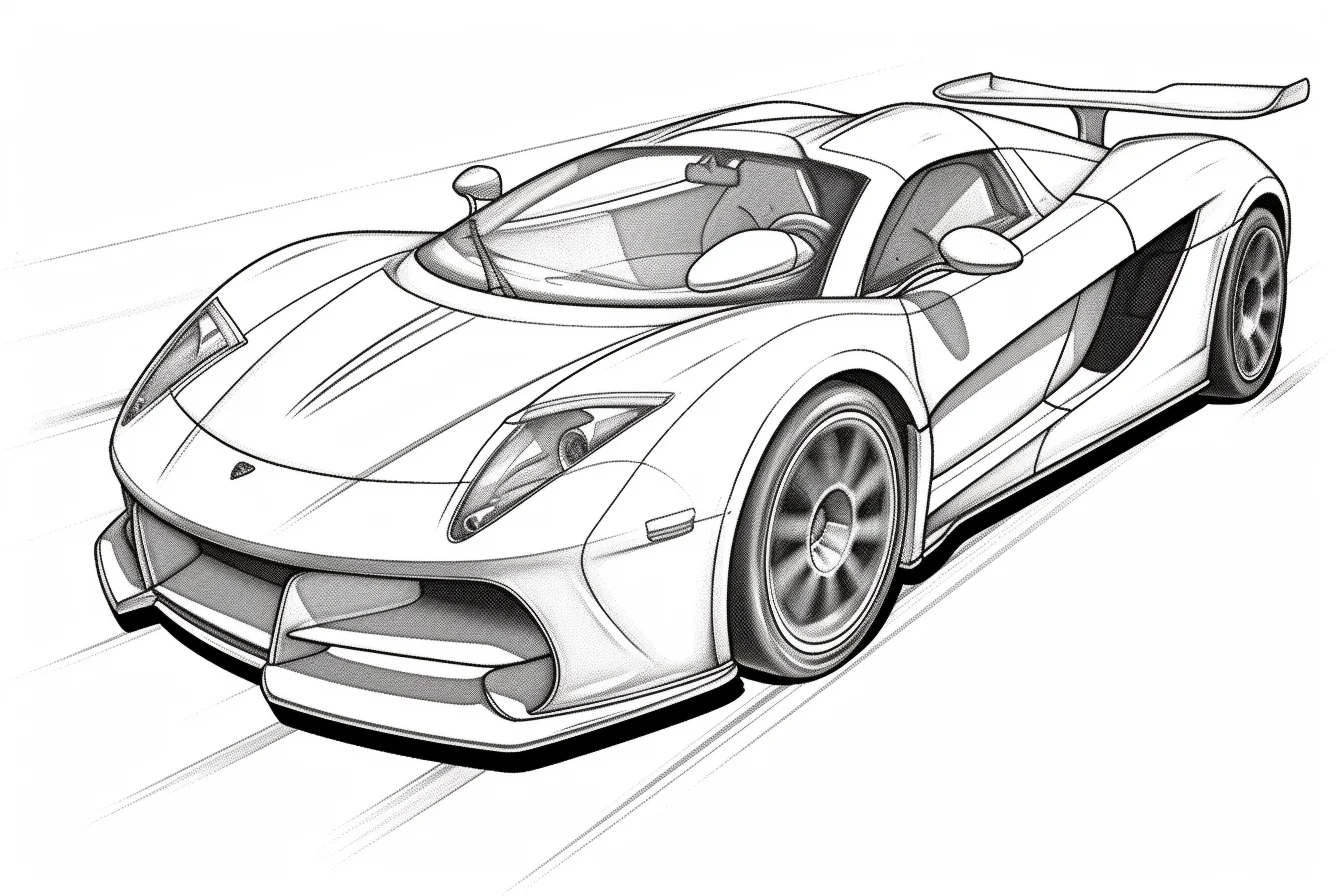
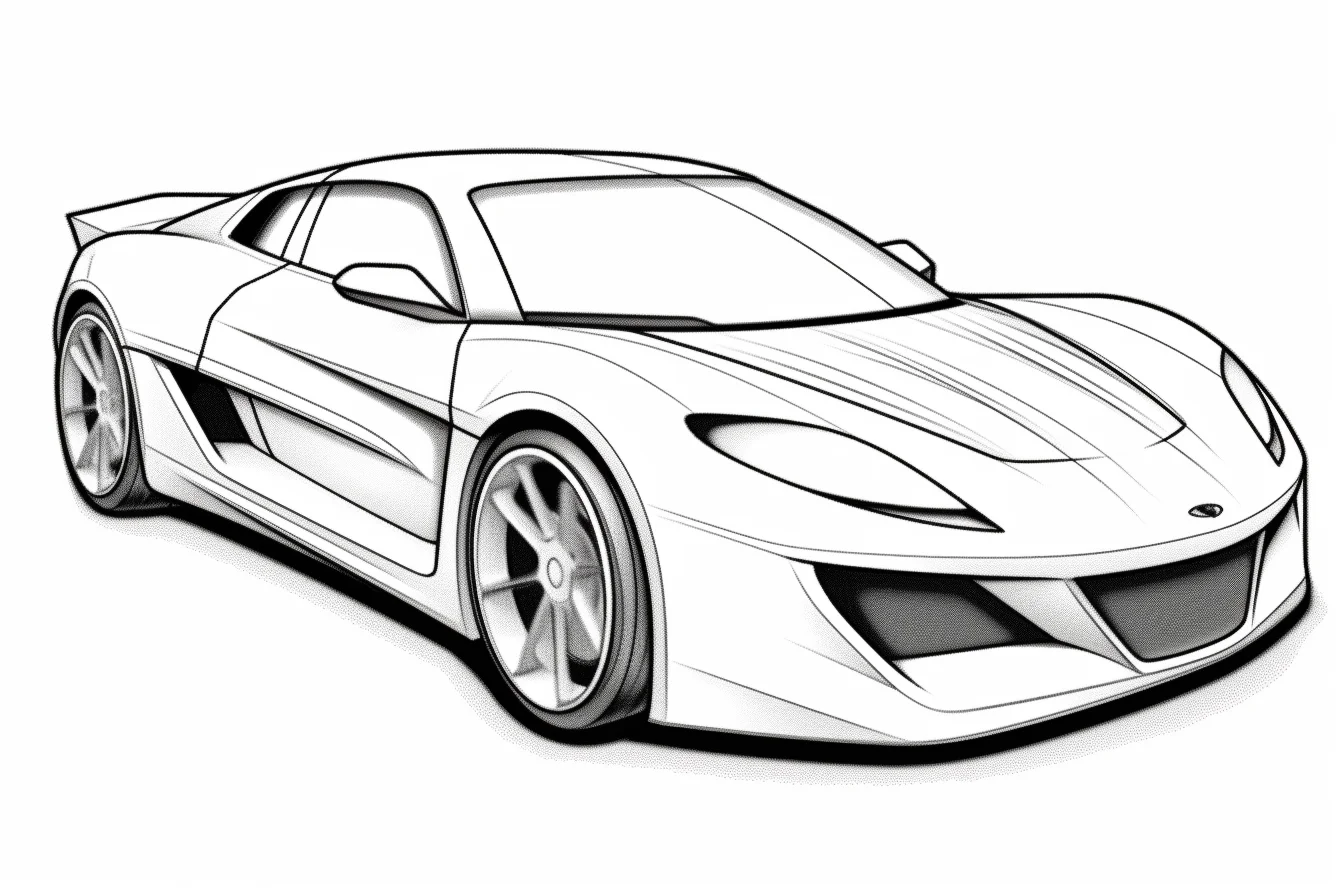
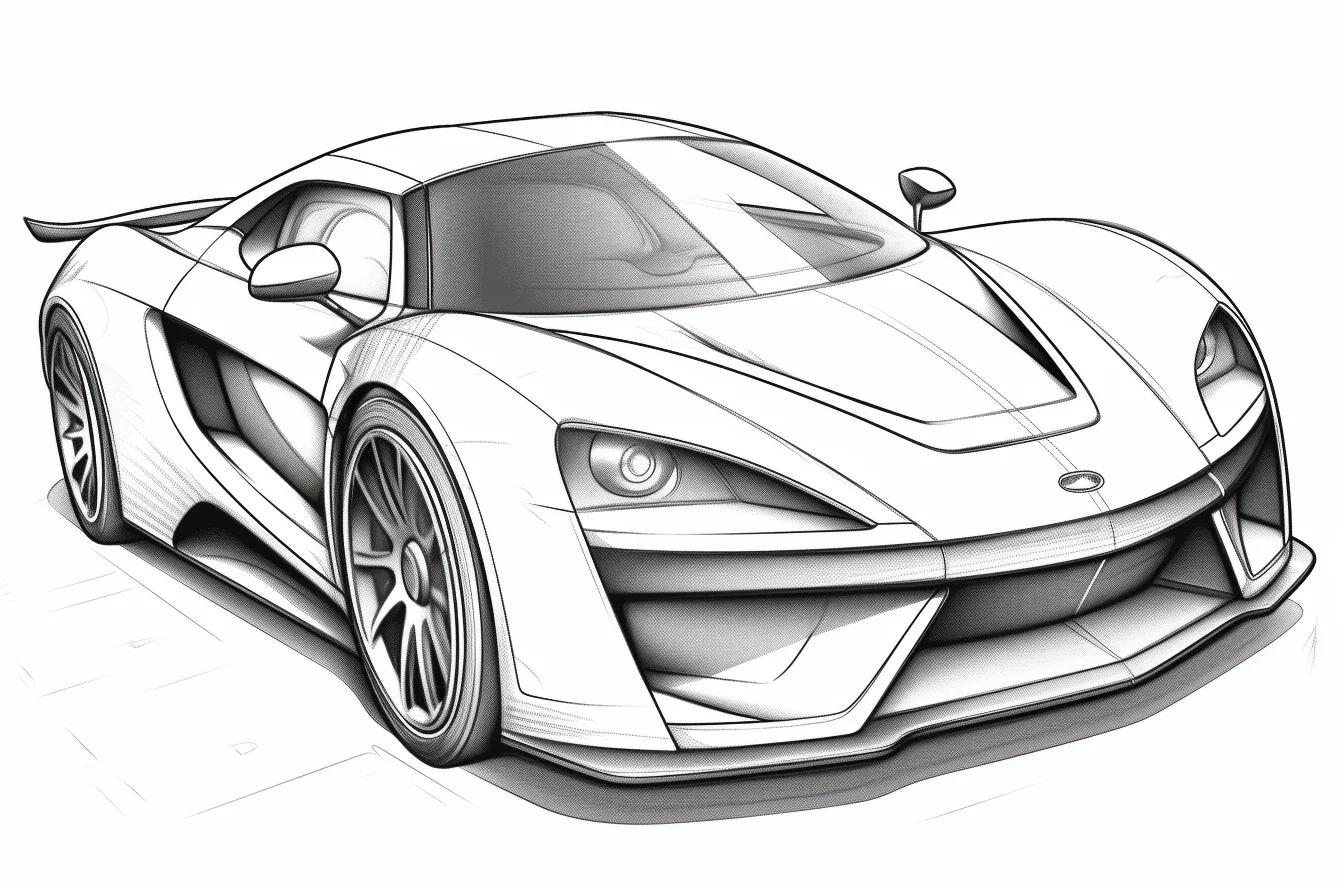
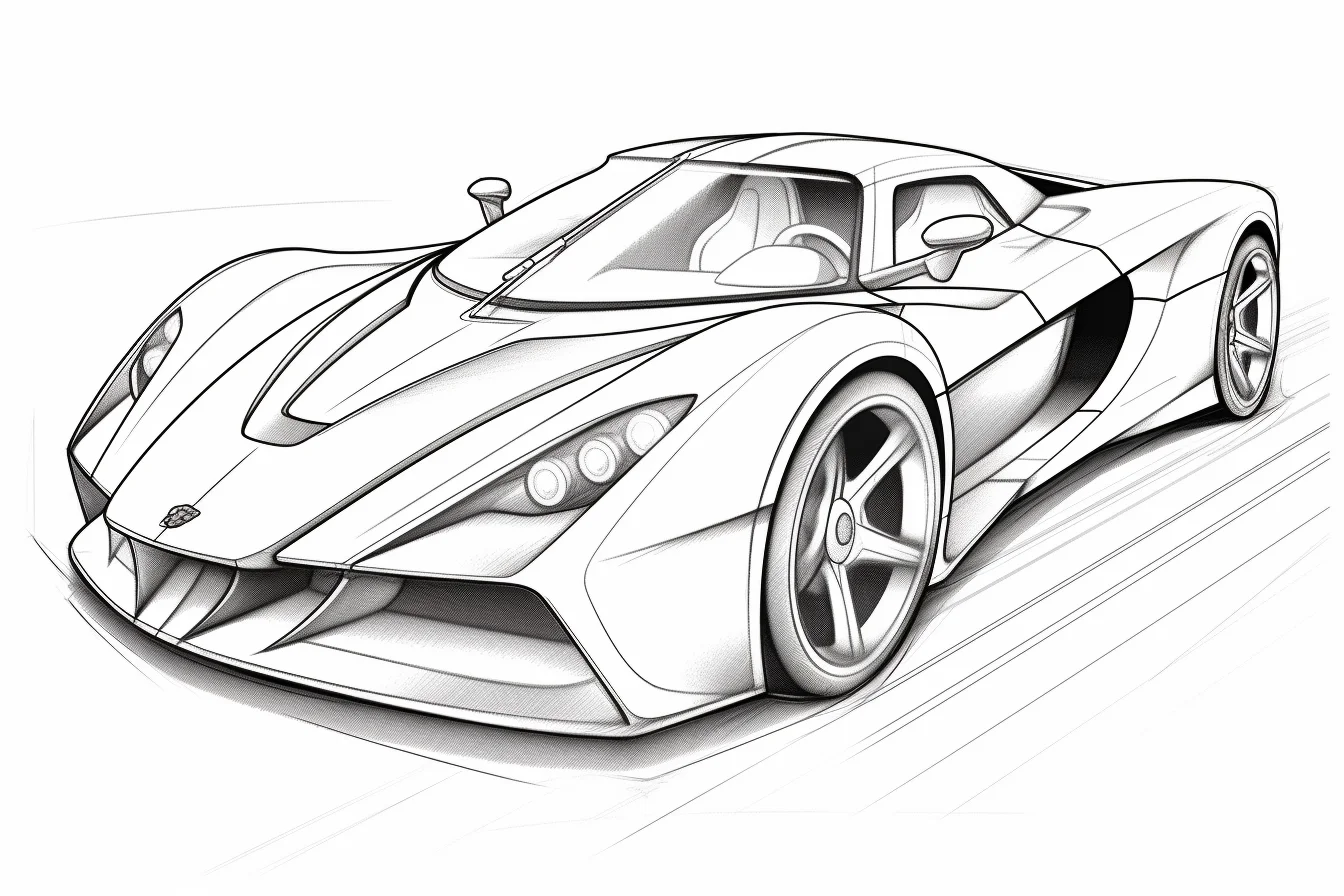
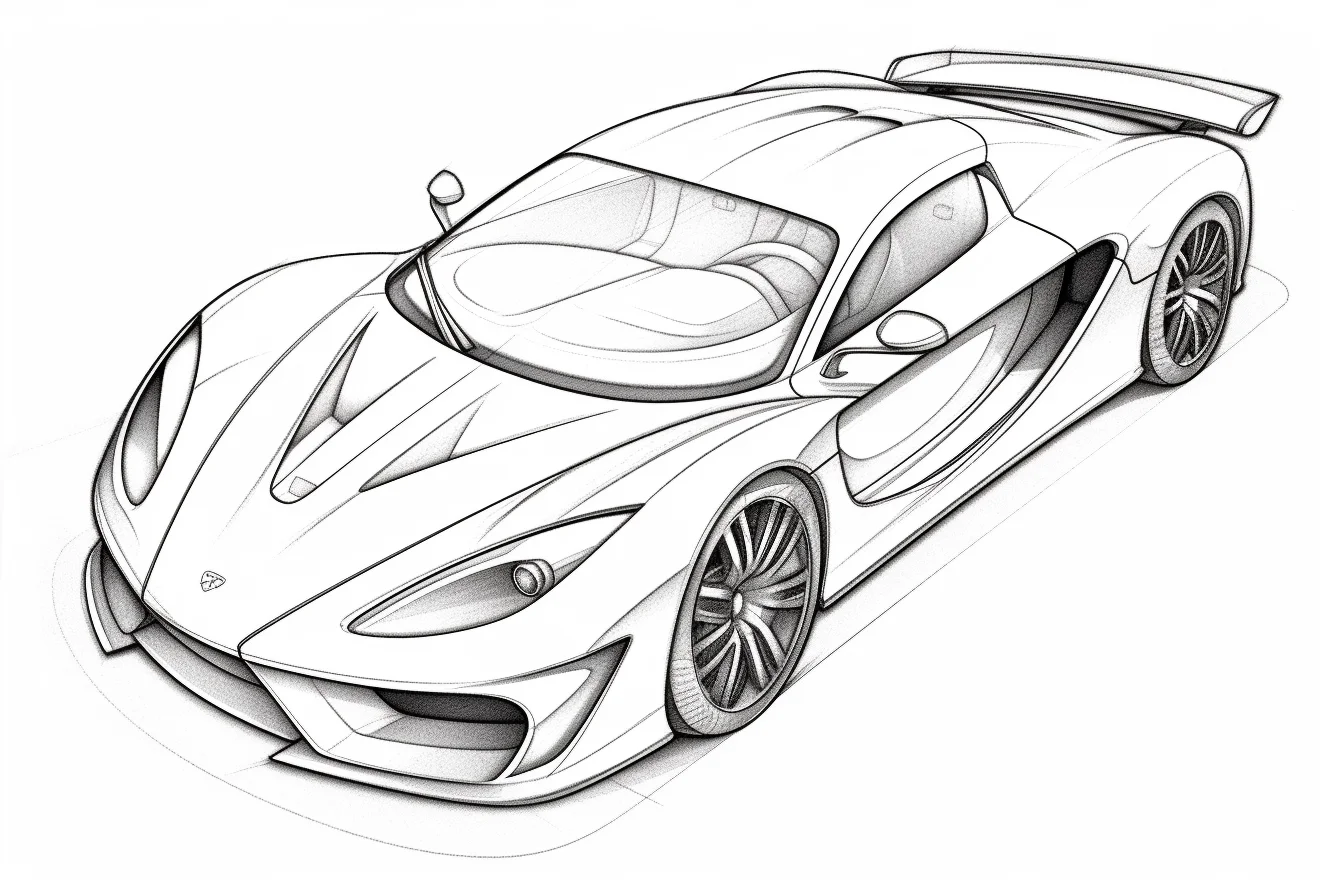
Detailed and realistic sports cars — Sheets 22–25
Use colored pencils here if you want smooth body shading without losing grille, spoke and vent lines. Keep the underside darker and the roof/hood slightly lighter to suggest curvature.
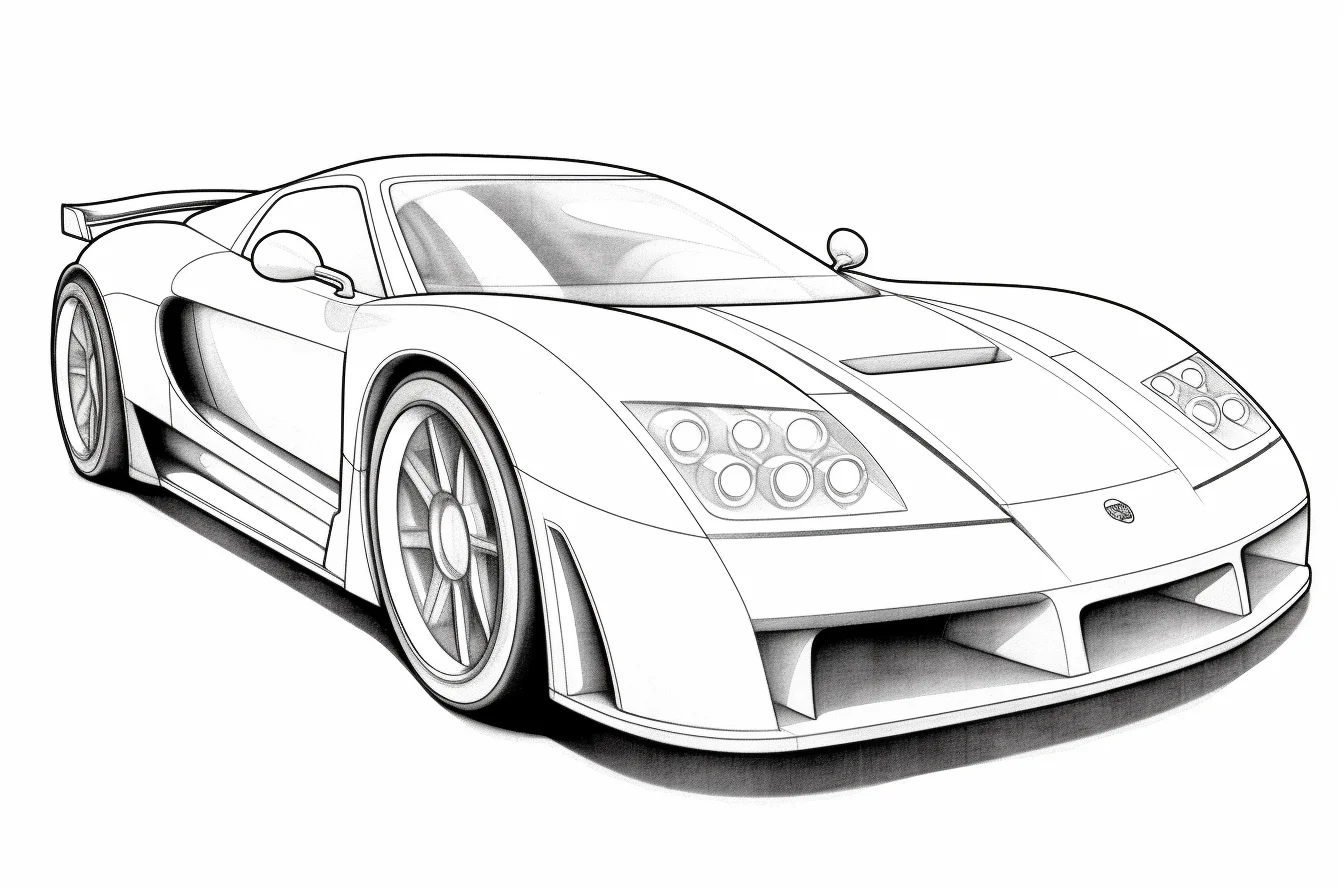
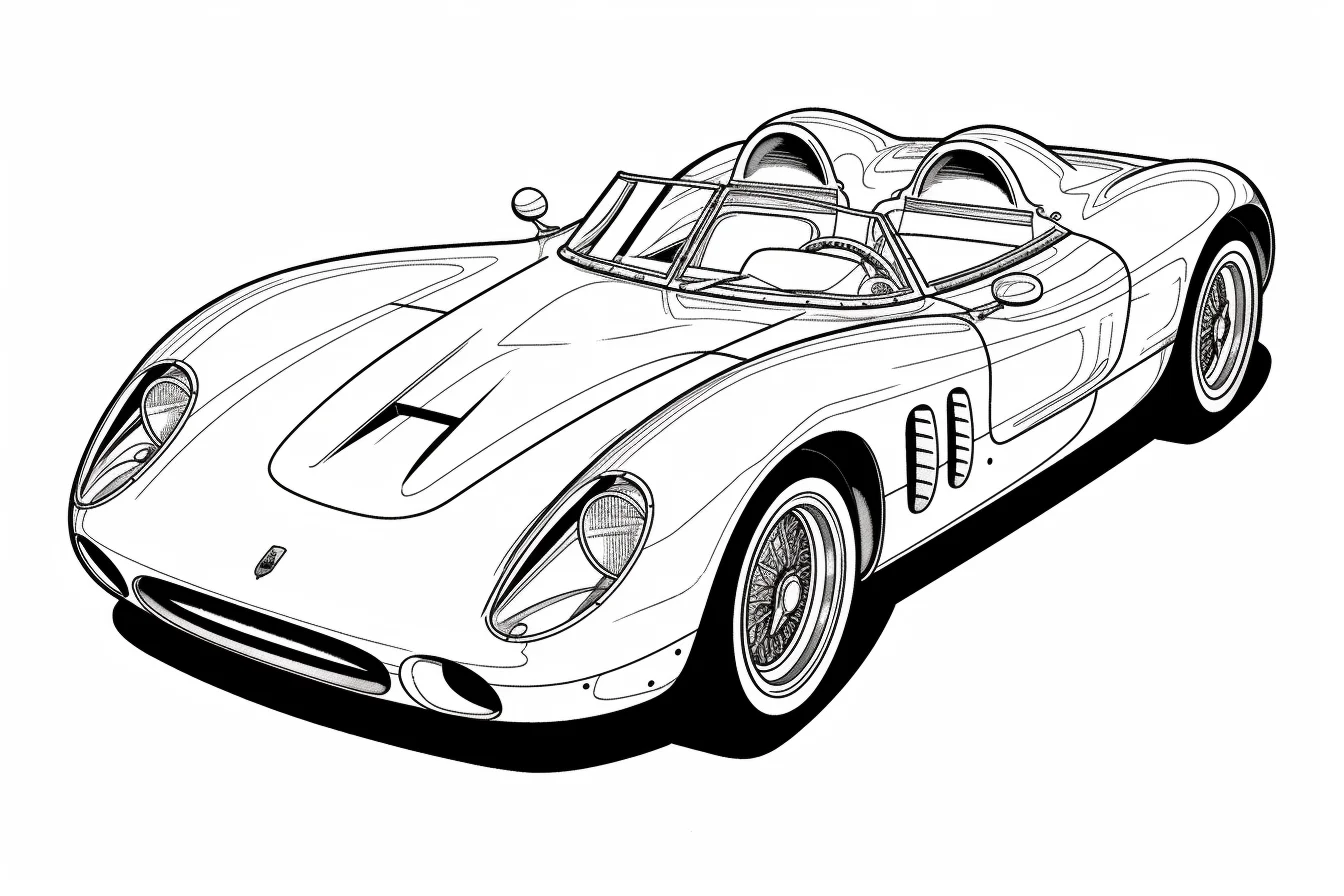
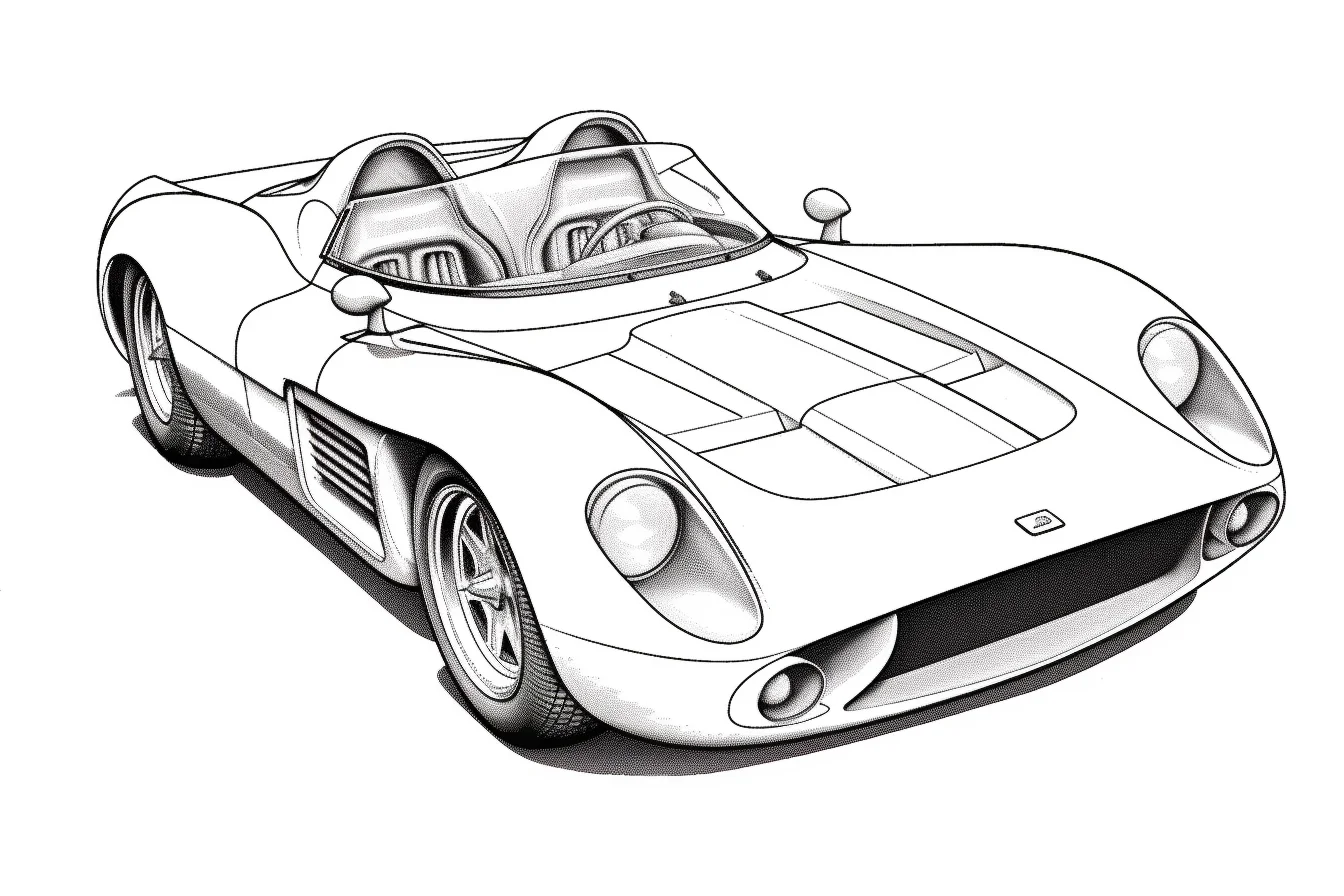
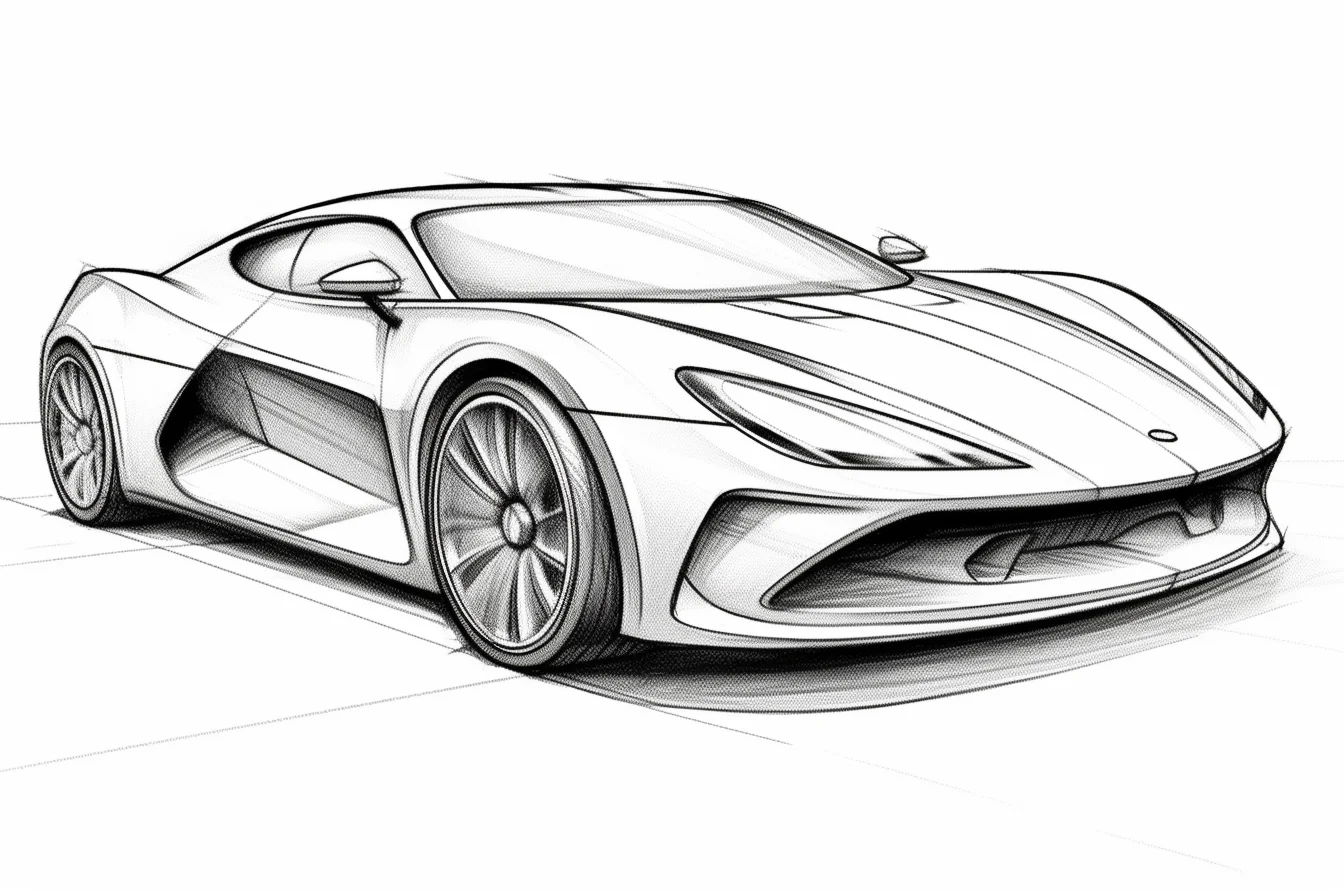
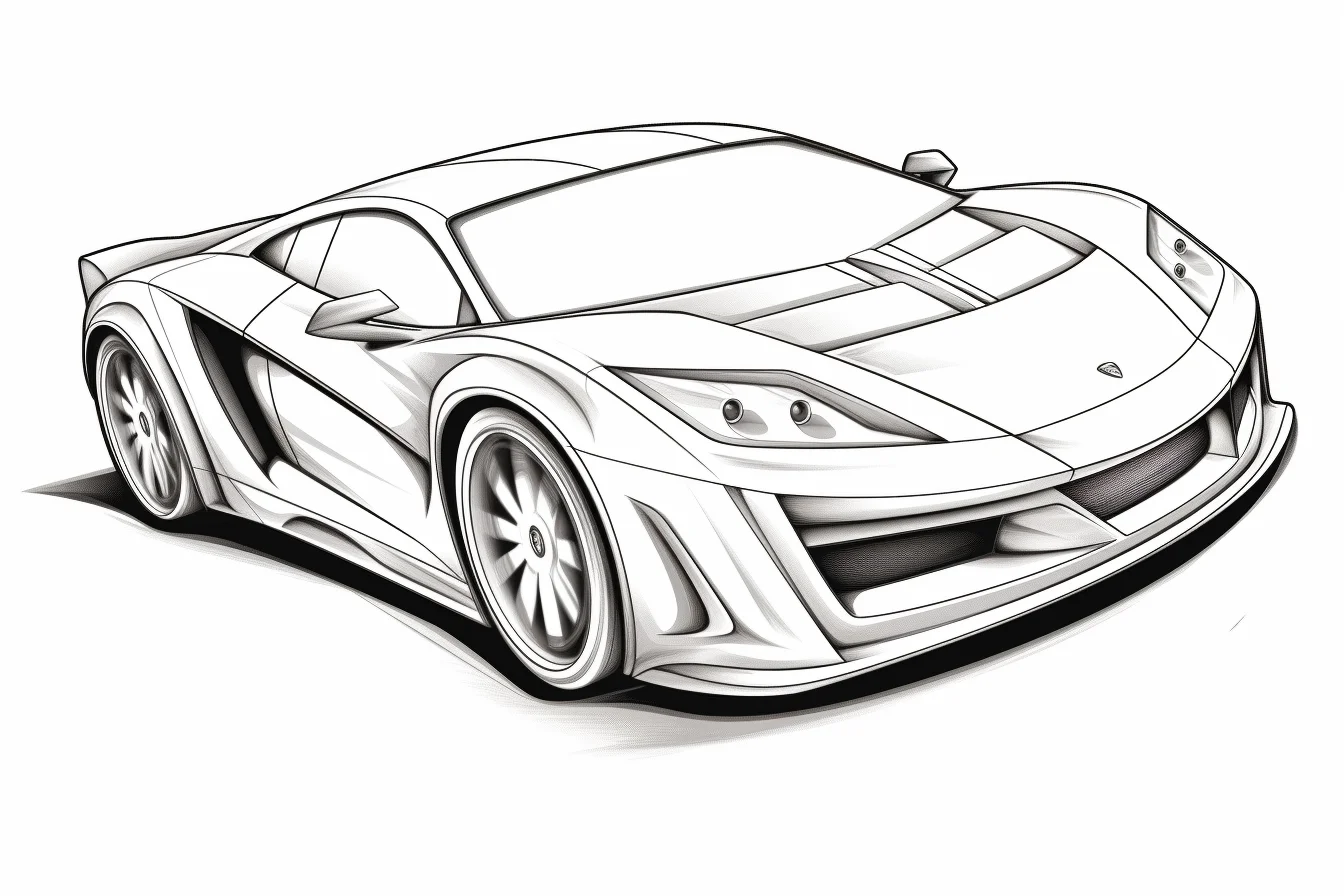
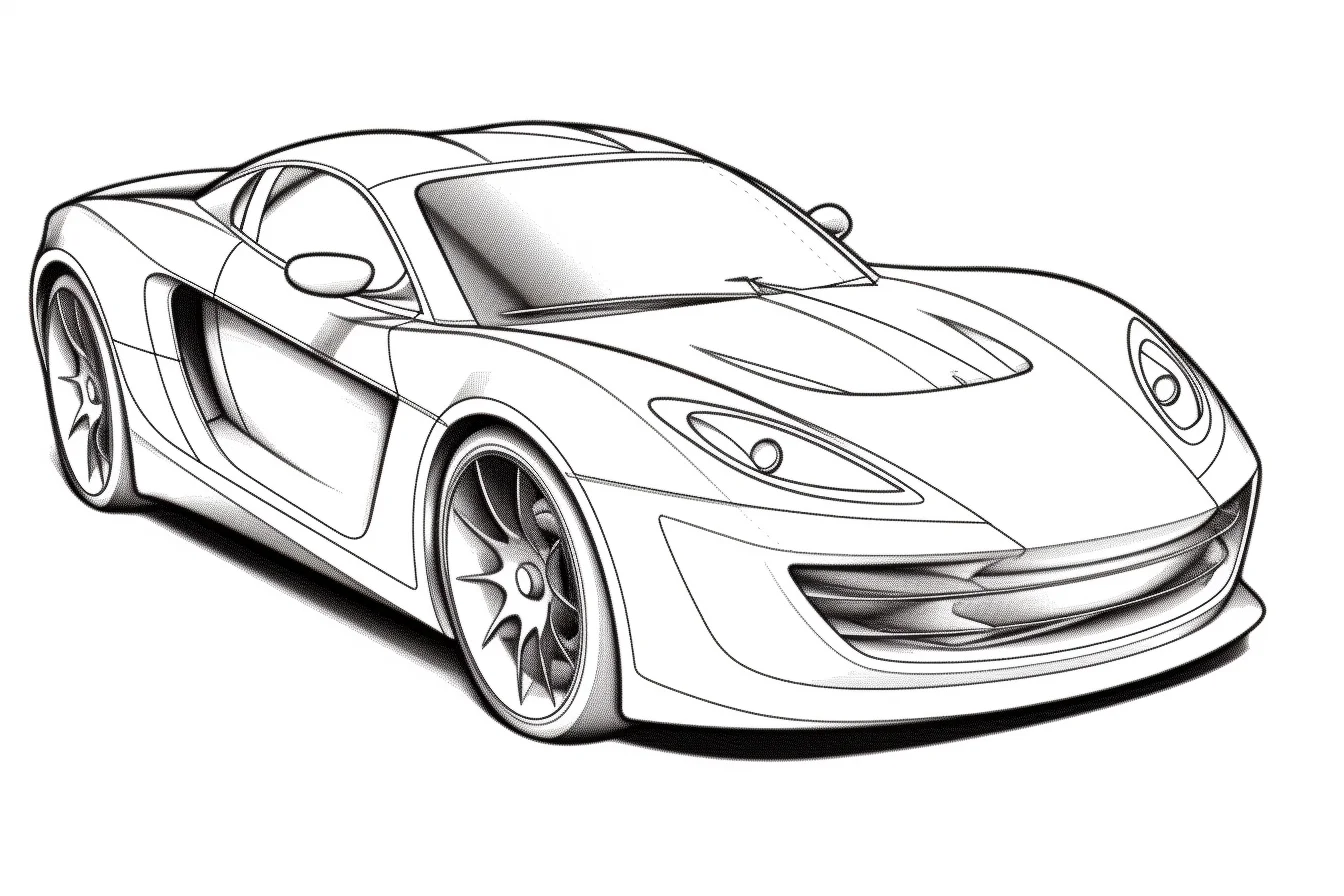
General sports-car printables — Sheets 26–39
The final group is the broad printable set. These work well when you simply want a sports-car outline without choosing by a narrower style first.
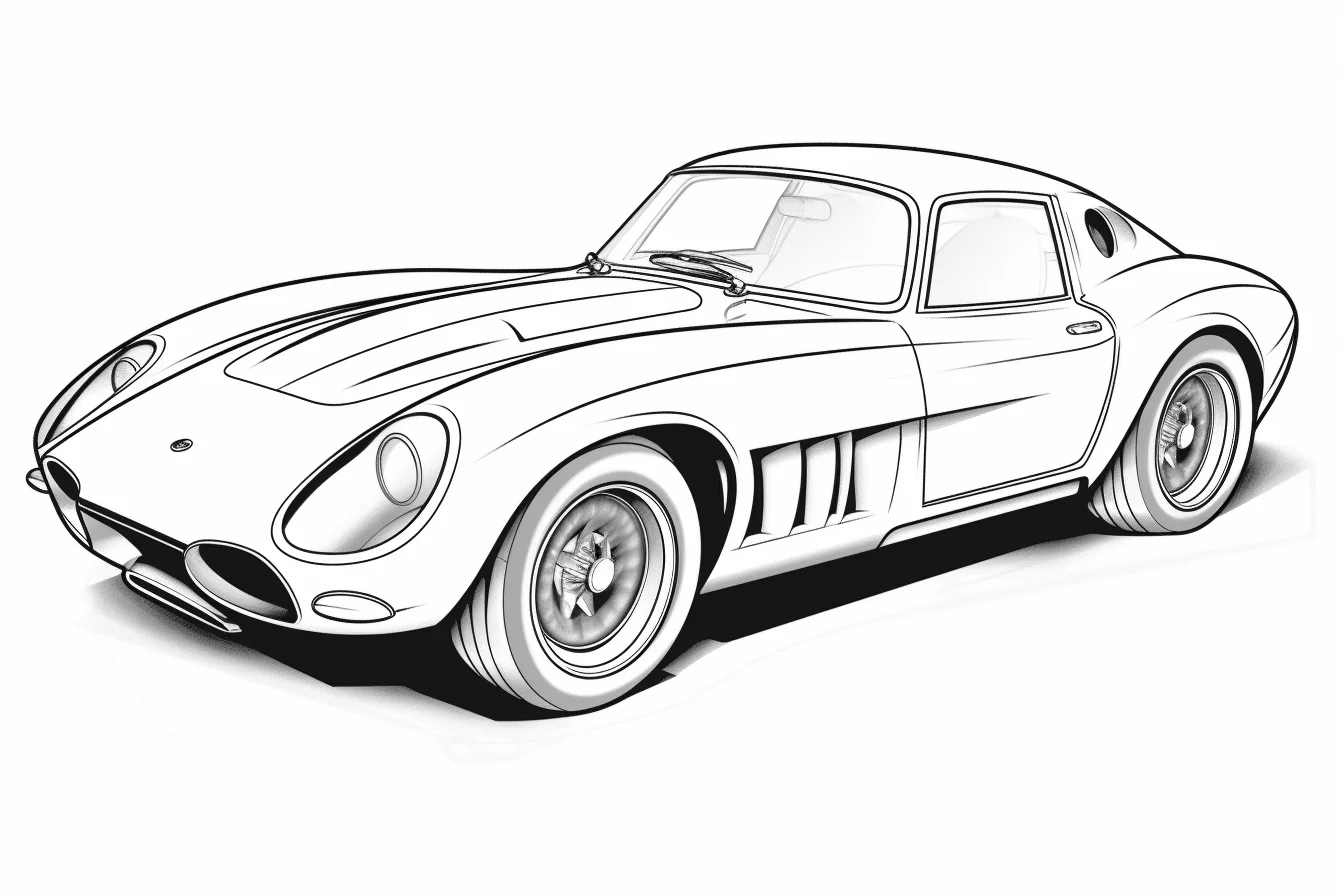
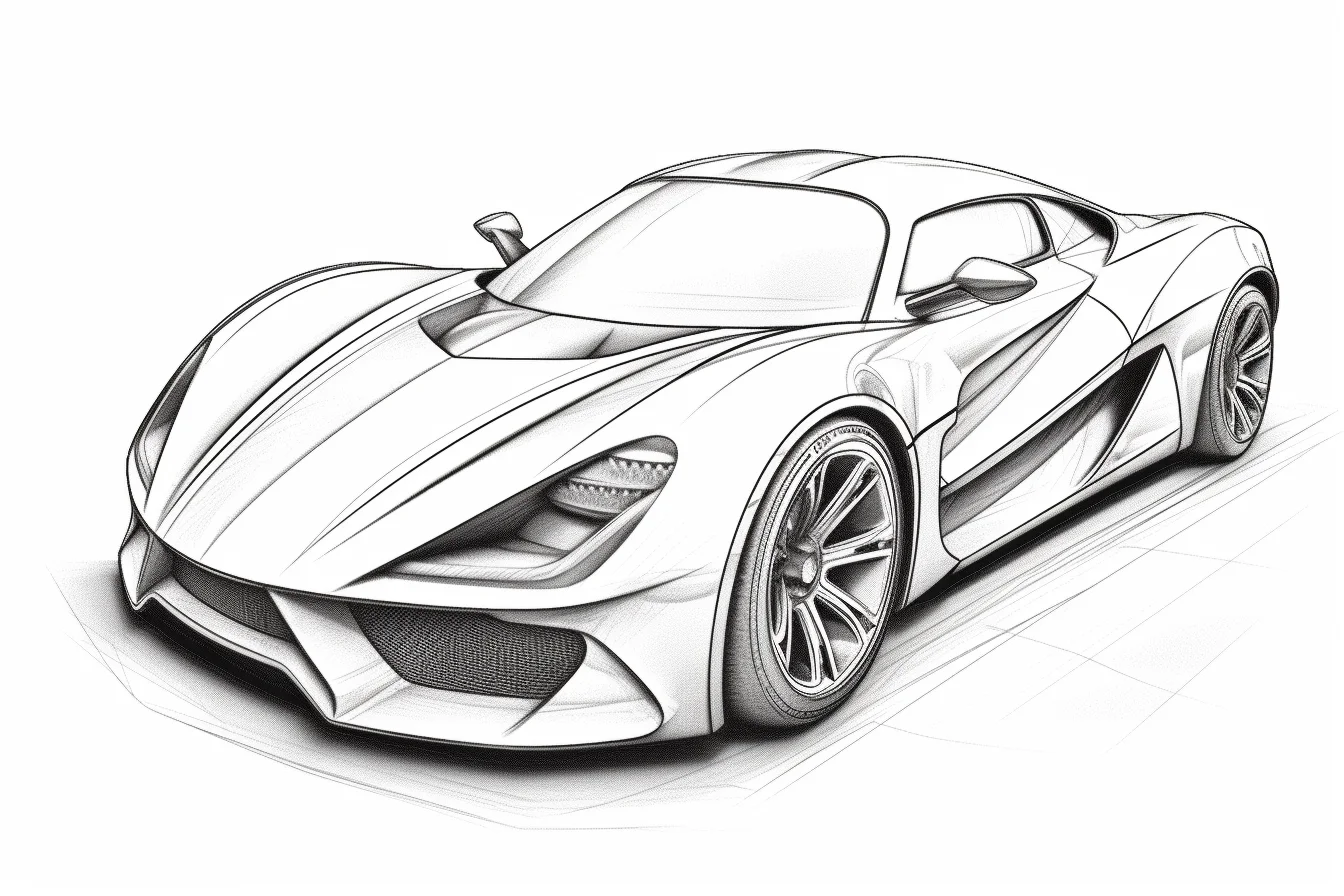
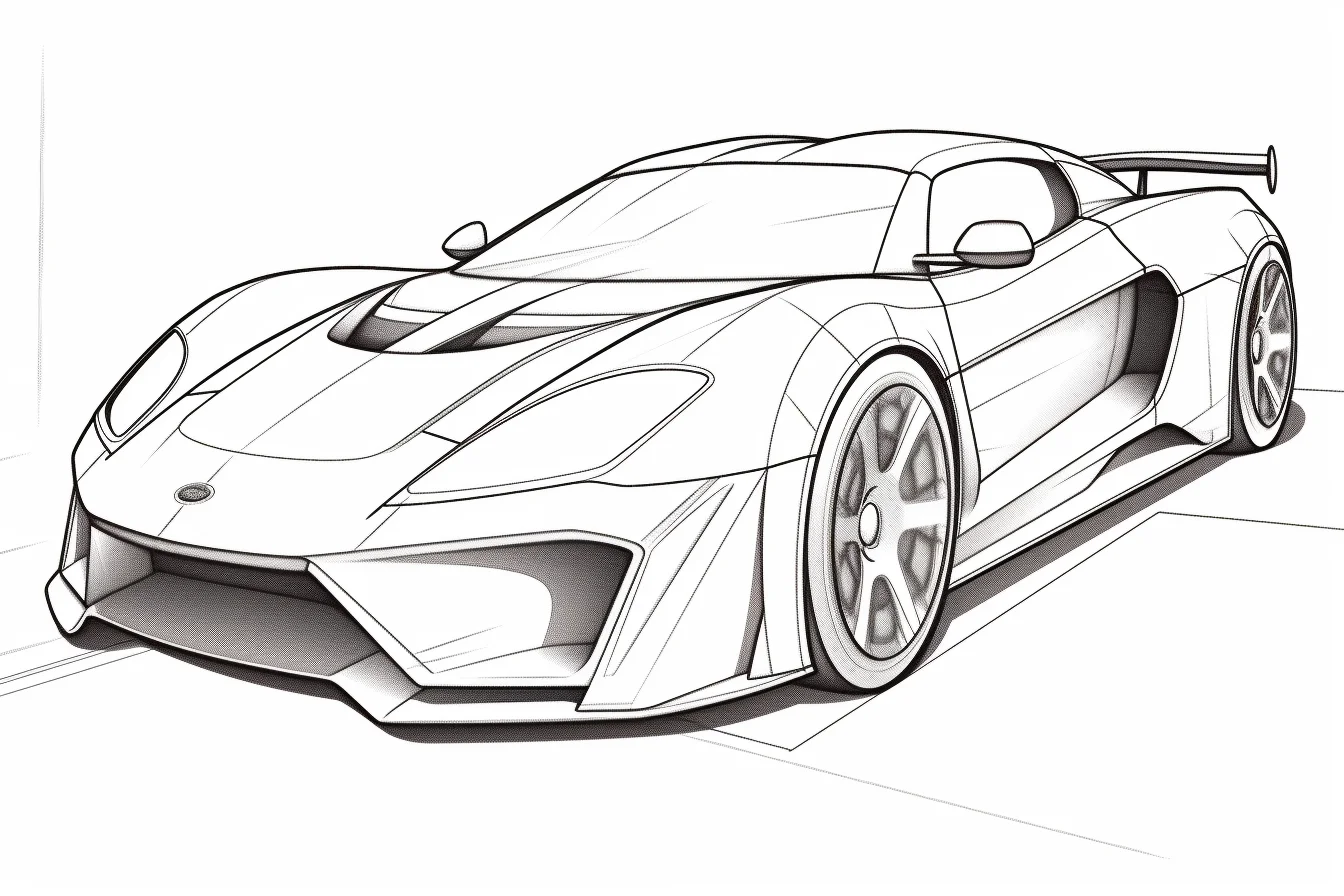
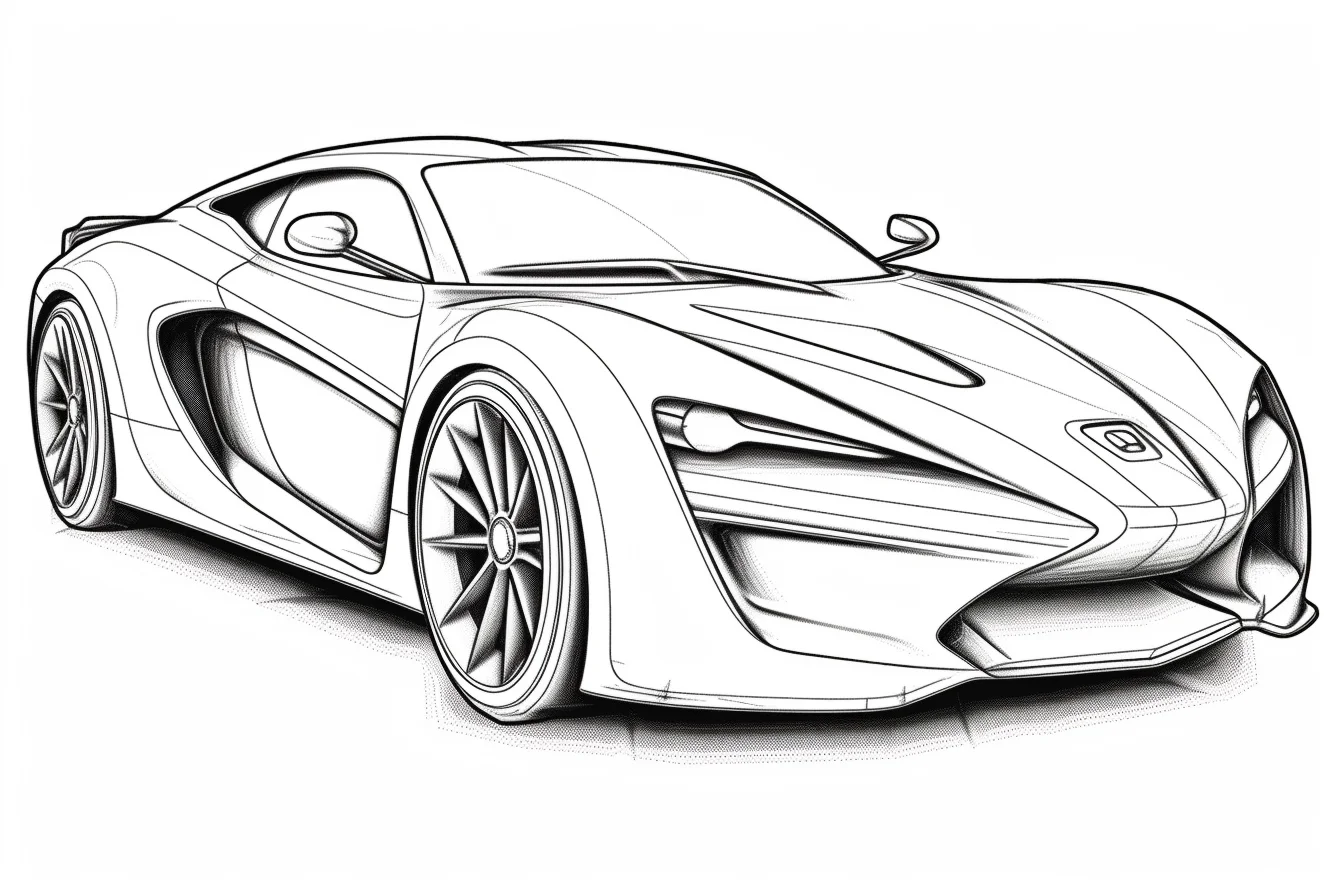
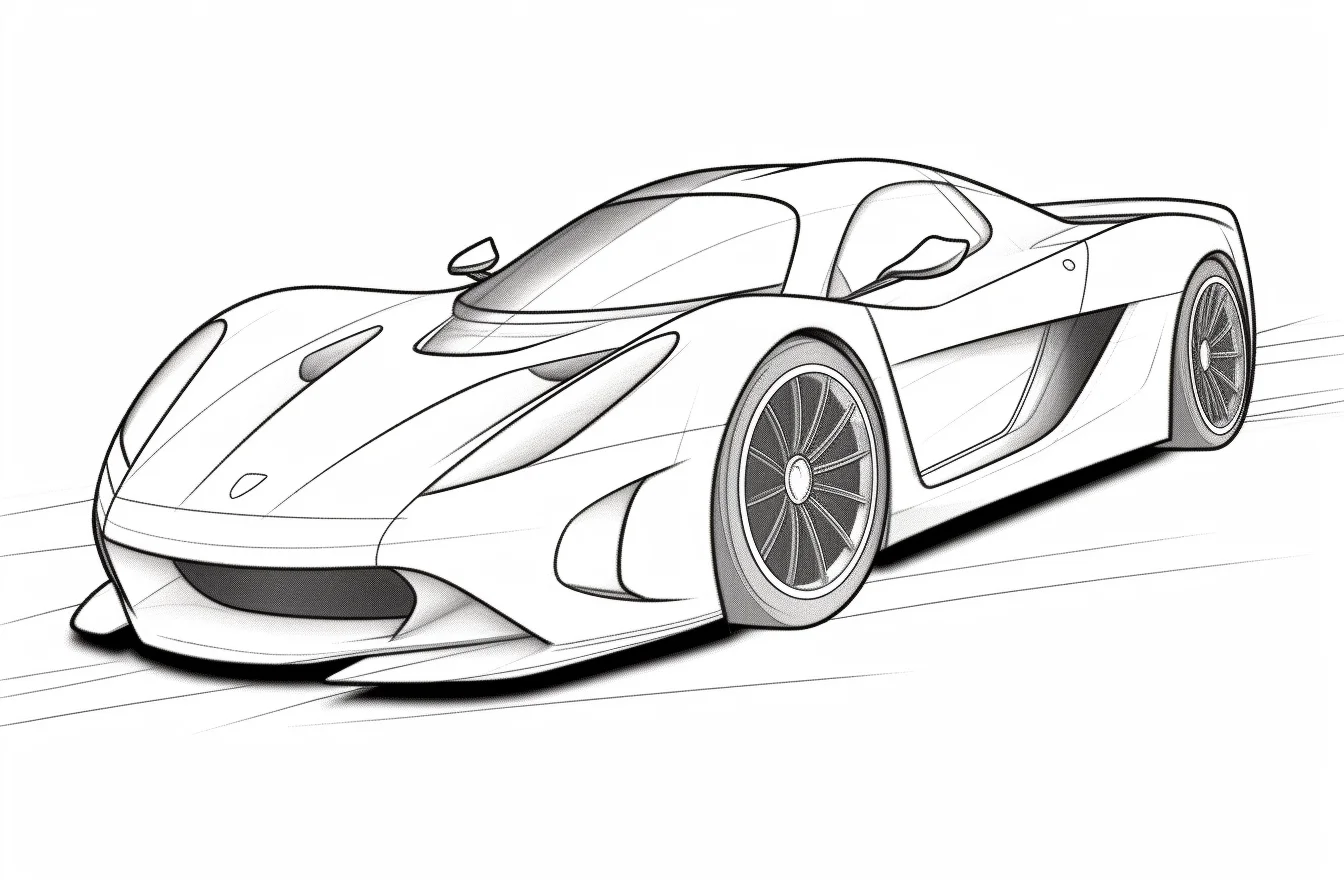
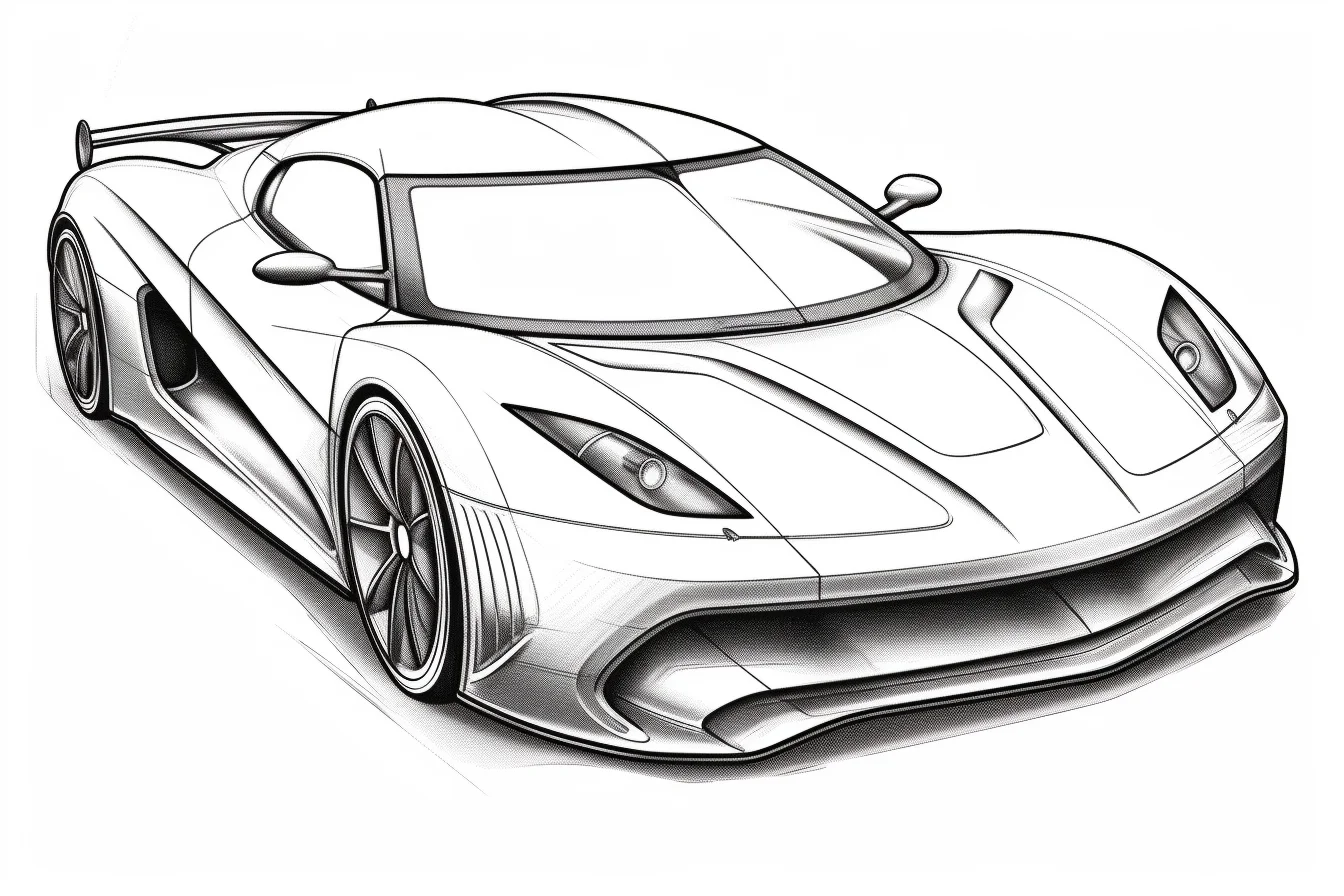
Quick sports-car questions
Which pages are easiest for kids?
Start with Sheets 1–7. They have the broadest body areas and make it easier to keep paint, windows and tires separate.
How can I make the paint look glossy?
Leave a narrow lighter strip along the hood, roof or upper side panel. A single clean highlight usually works better than trying to draw many reflections.
What colors should the windows be?
Blue-gray, charcoal or a very pale cool tone works well. Keeping the glass different from both the body paint and the black tires helps the whole car read more clearly.

