
If you want a baby dragon that is easy enough for a quick coloring session, start at the top. If you came for a sleeping dragon, a flying dragon, a dragon with glasses, or one with enough detail to spend an hour on, you can jump straight there instead. I have arranged all 33 pages by what they are actually like to color rather than by upload order.
Most of this collection is deliberately cute: round faces, oversized eyes, small horns and soft wings. There are a few more detailed fantasy pages near the end. If what you really want is a large fire-breathing dragon, a castle scene or an adult dragon with heavy scales, do not scroll through 33 baby dragons hoping one appears—use the portrait dragon collection or the realistic dragon pages instead.
Find the baby dragon you want
| If you want… | Go to | Good choice for |
|---|---|---|
| Very easy baby dragons | Sheets 1–7 | Crayons, quick coloring and larger shapes |
| Flying baby dragons | Sheets 8–9 | Wing color and simple shading |
| Sleeping dragons on clouds | Sheets 10–13 | Pastels, night skies and calmer pages |
| Dragons wearing glasses | Sheets 14–15 | Funny character pages |
| Chubby and kawaii dragons | Sheets 16–19 | Bright colors and big open shapes |
| Playful fantasy dragons | Sheets 20–28 | More personality and variety |
| More detailed or realistic dragons | Sheets 29–33 | Colored pencils and longer sessions |
A simple way to color a baby dragon
You do not need a complicated palette. The easiest way to keep a cute dragon readable is to give the body, wings and small features different jobs.
- Pick one main body color. Green, blue, lilac, pink, orange and red all work. There is no “correct” baby-dragon color.
- Choose one related darker shade. Use it under the belly, at the base of the tail, beneath the chin and where the wings meet the body.
- Keep the wings or belly lighter. That one contrast does more than coloring every scale differently.
- Save horns, claws and tiny details for later. Cream, pale gray or a darker version of the body color usually works better than adding another strong color everywhere.
- Finish the background last. Once the dragon is colored, it is much easier to decide how dark the sky, clouds, flowers or stars should be.
A few easy combinations: mint + teal + cream; lavender + plum + pale pink; coral + rust + cream; sky blue + navy + pale gray; or moss green + dark green + warm yellow. If the page starts to look busy, stop adding new colors and repeat one you have already used.
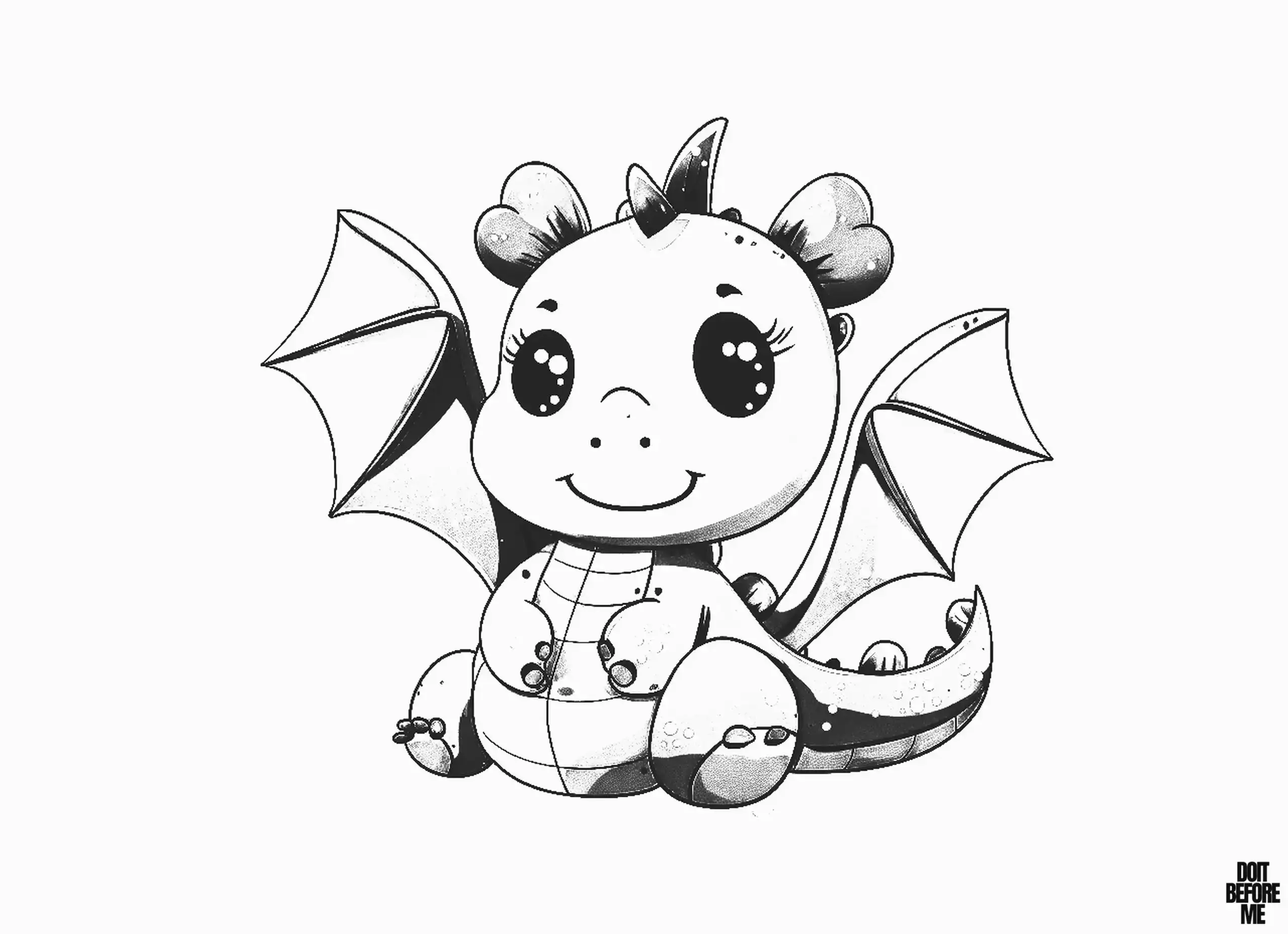
Printing shortcut: click or tap any dragon image below to open its original full-size file. Print that image—not the web page—and use Fit to page.
Easy baby dragon coloring pages — Sheets 1–7
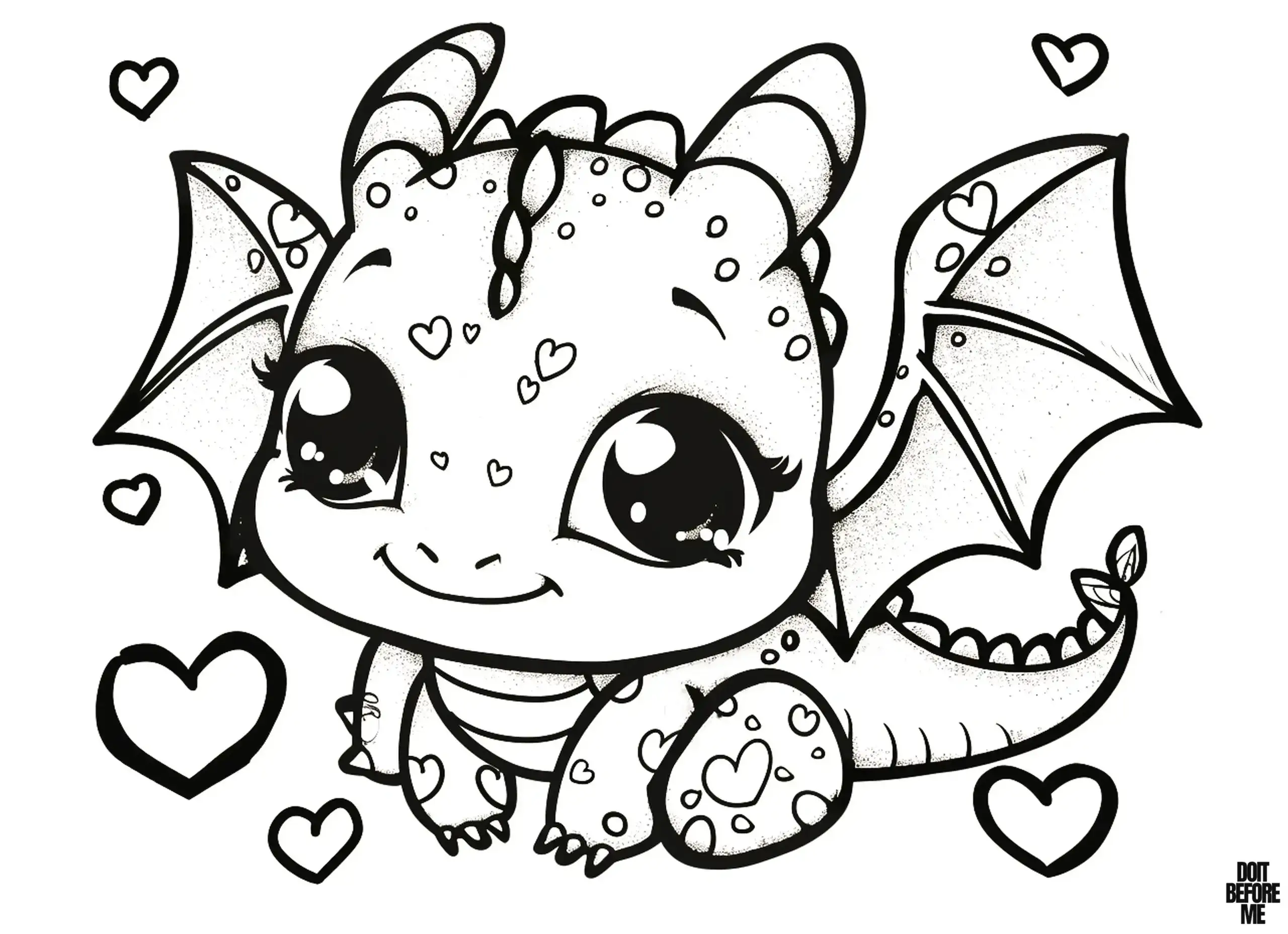
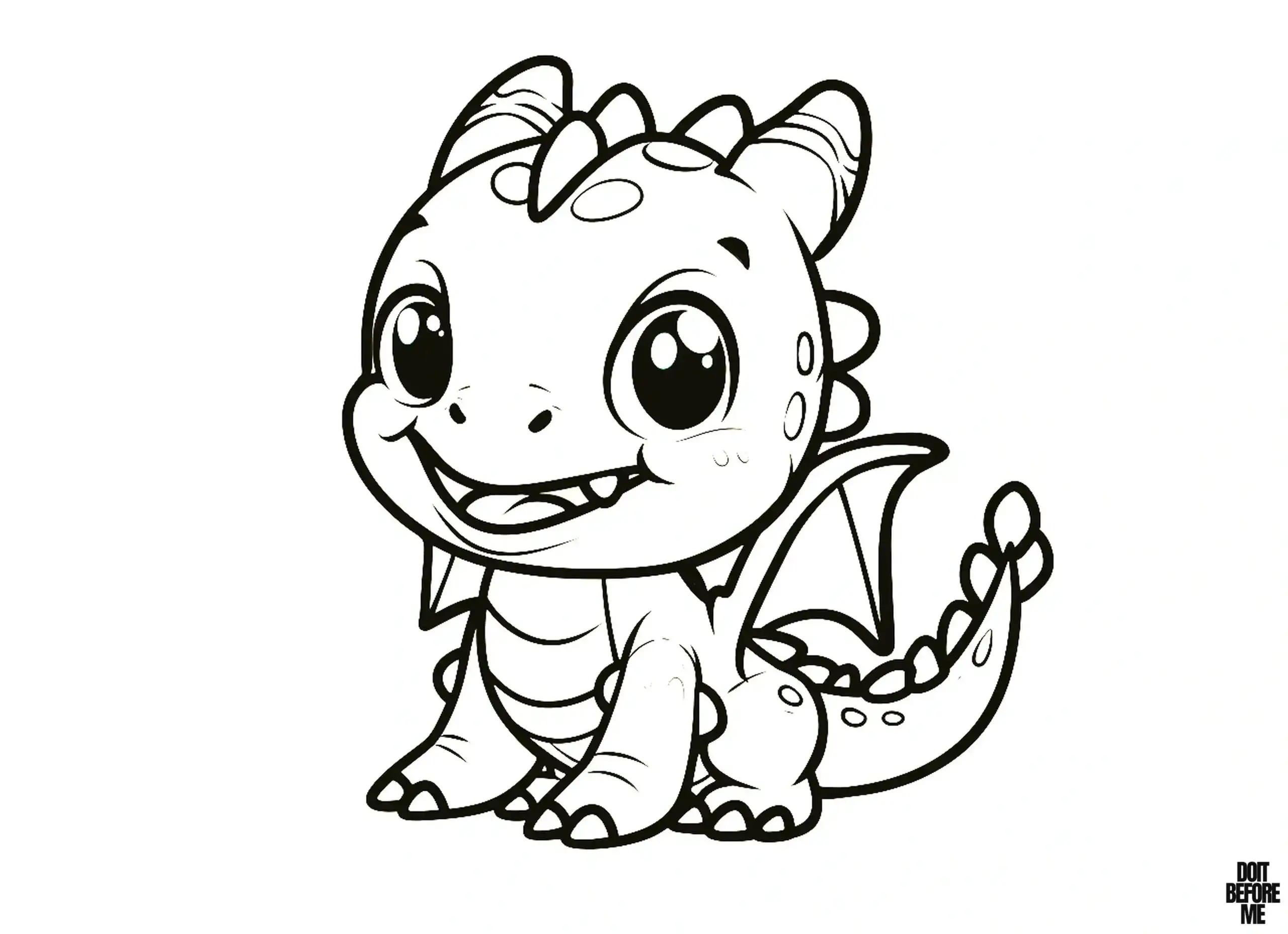
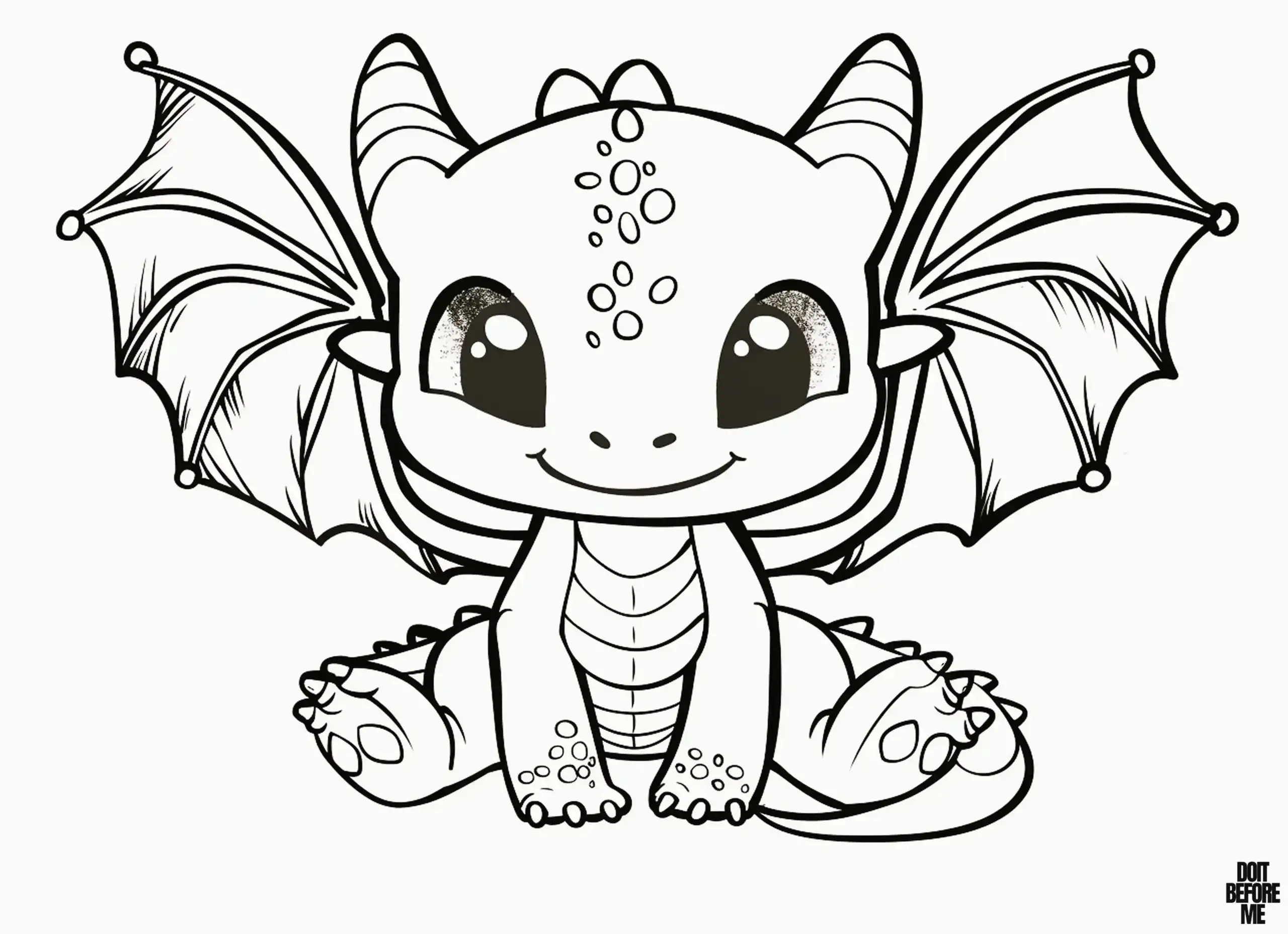
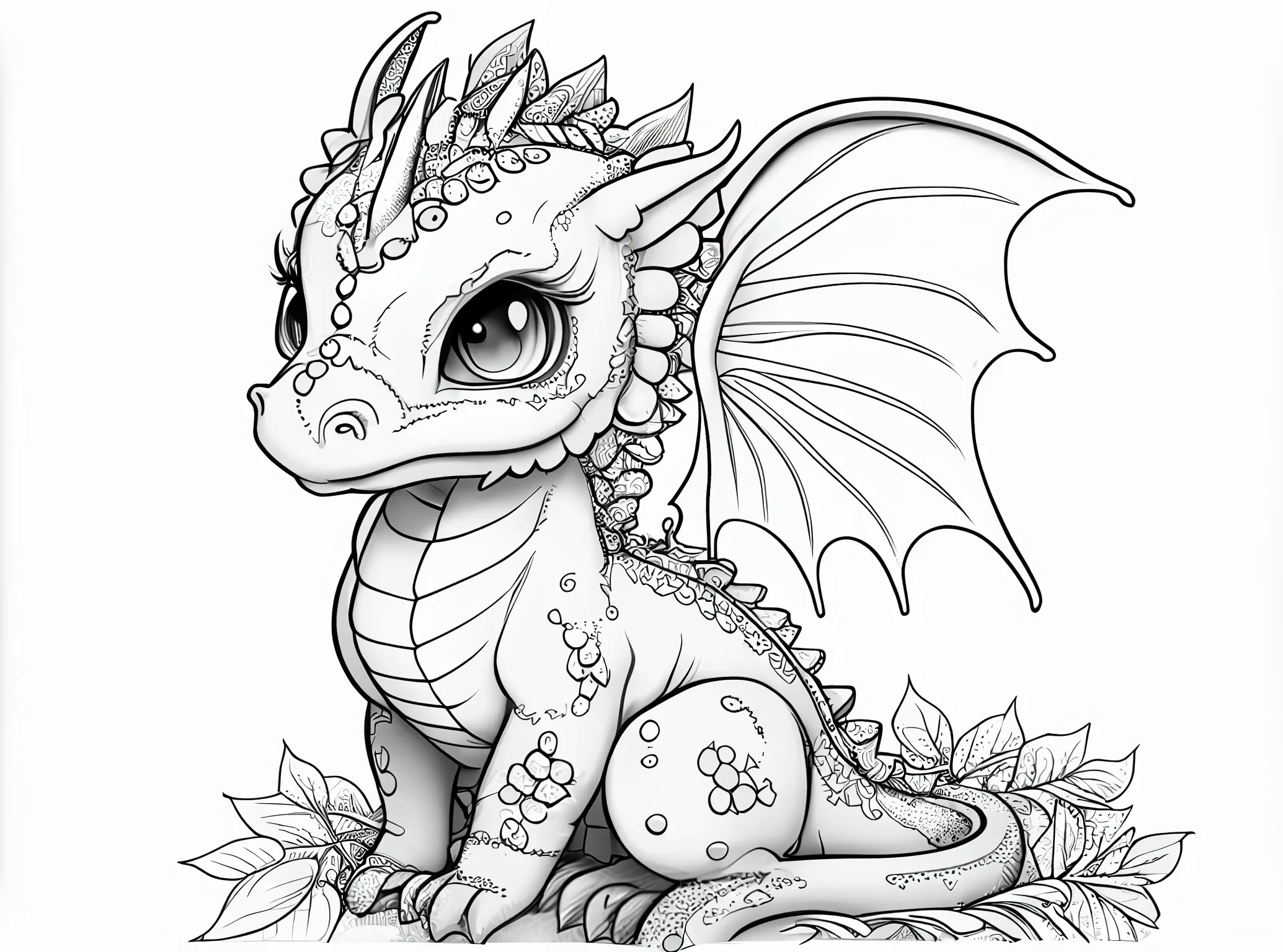
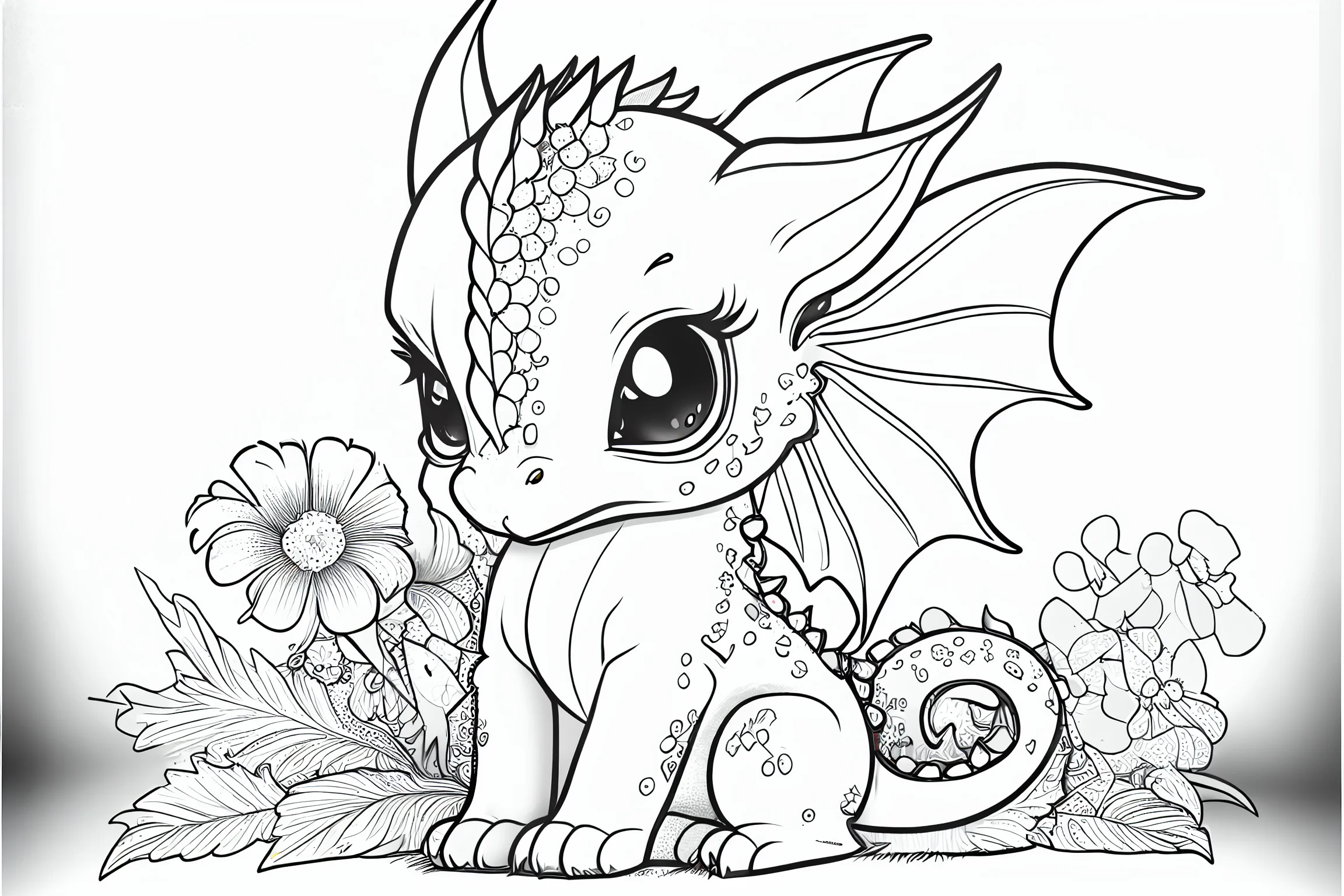
These are the best place to start if the person coloring wants a clear character, large shapes and very little visual clutter. Crayons and broad colored pencils work well here. A simple trick is to color the wings one shade lighter or darker than the body; even on the easiest page, that keeps the dragon from looking like one flat shape.
Flying baby dragon coloring pages — Sheets 8–9
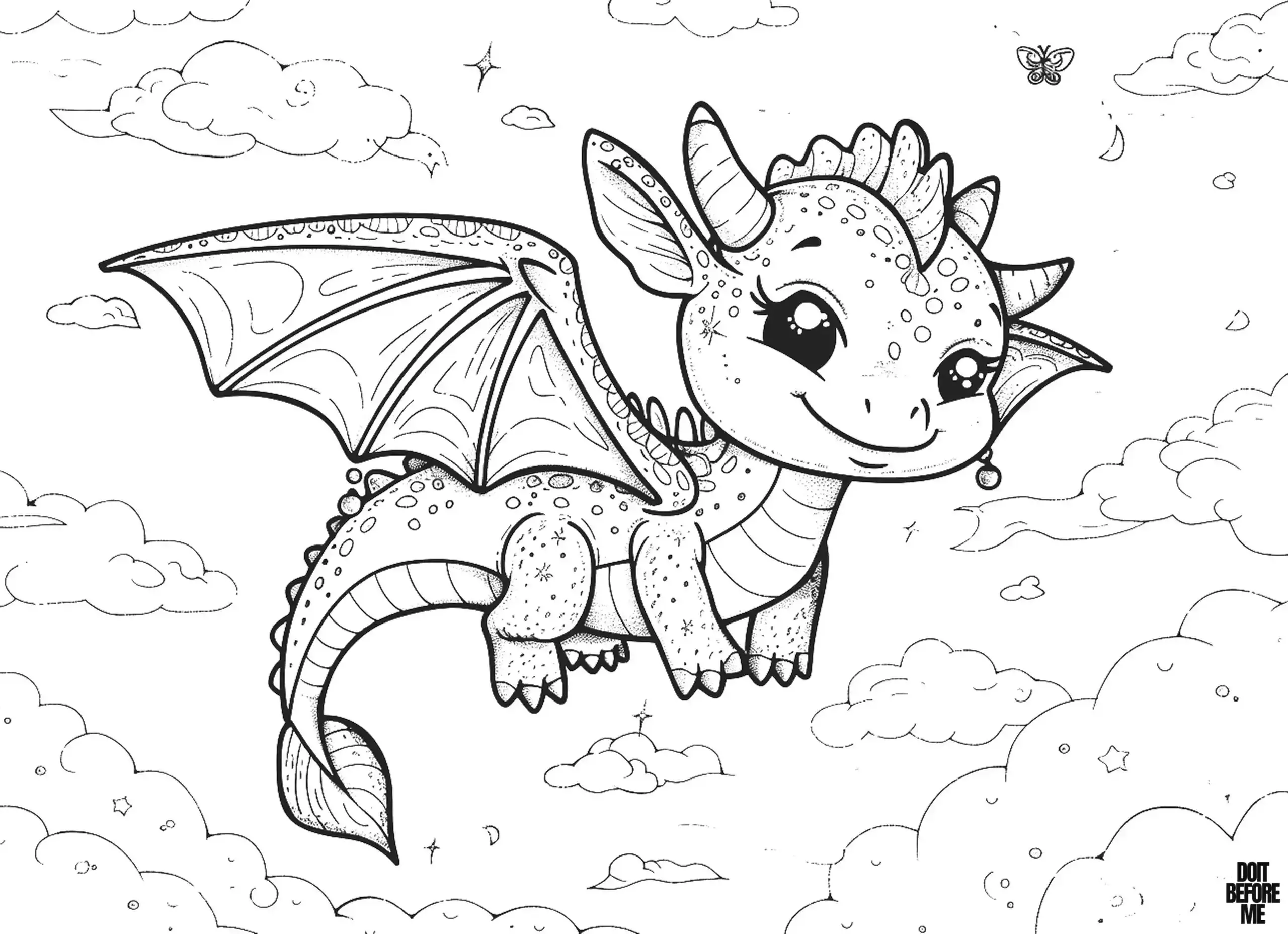
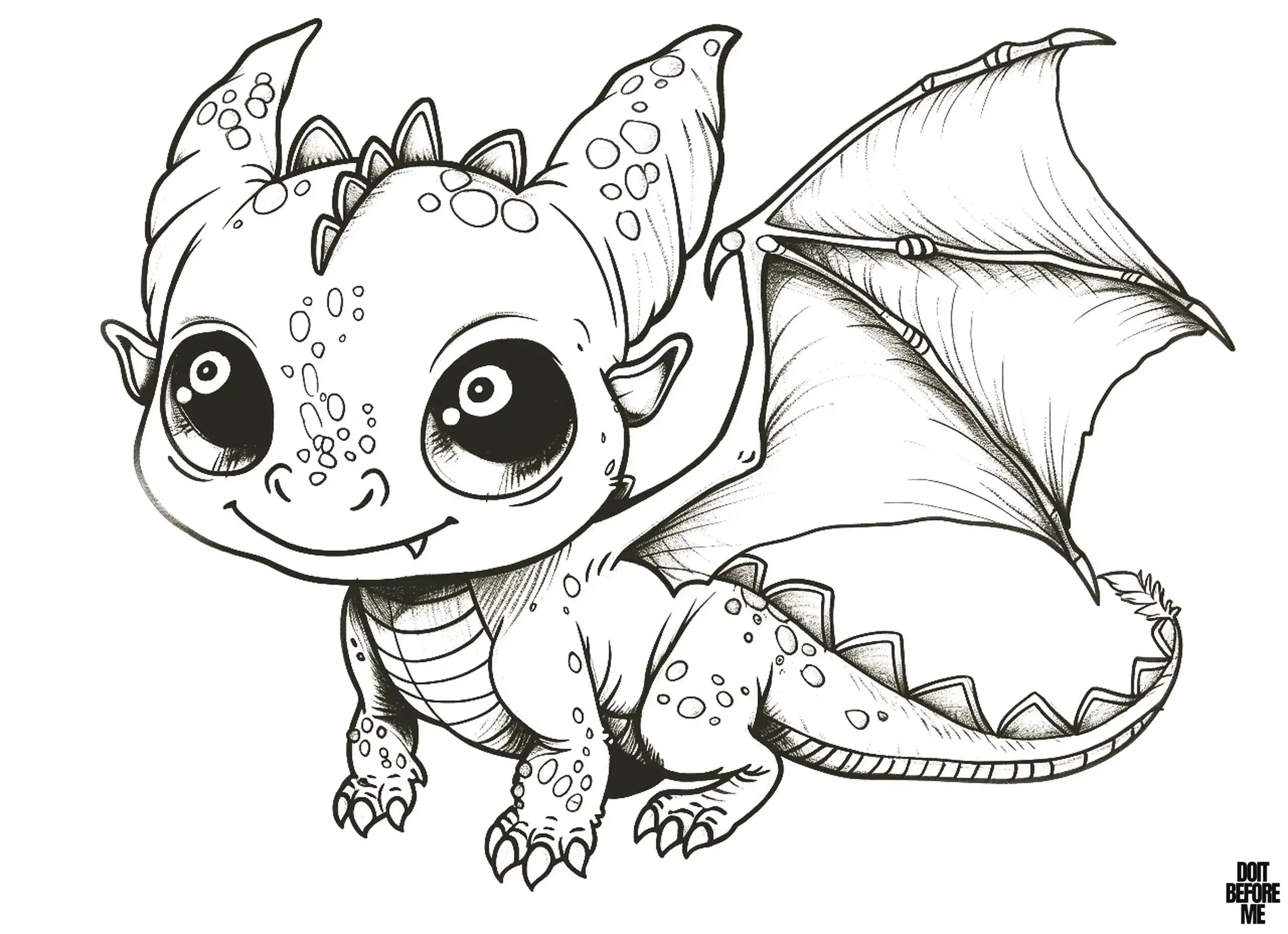
On a flying dragon, the wings matter more than extra background detail. Keep the wing membrane different from the body—lighter if the body is dark, darker if the body is pale. If you want a little depth without complicated shading, darken only the wing folds and the underside of the belly.
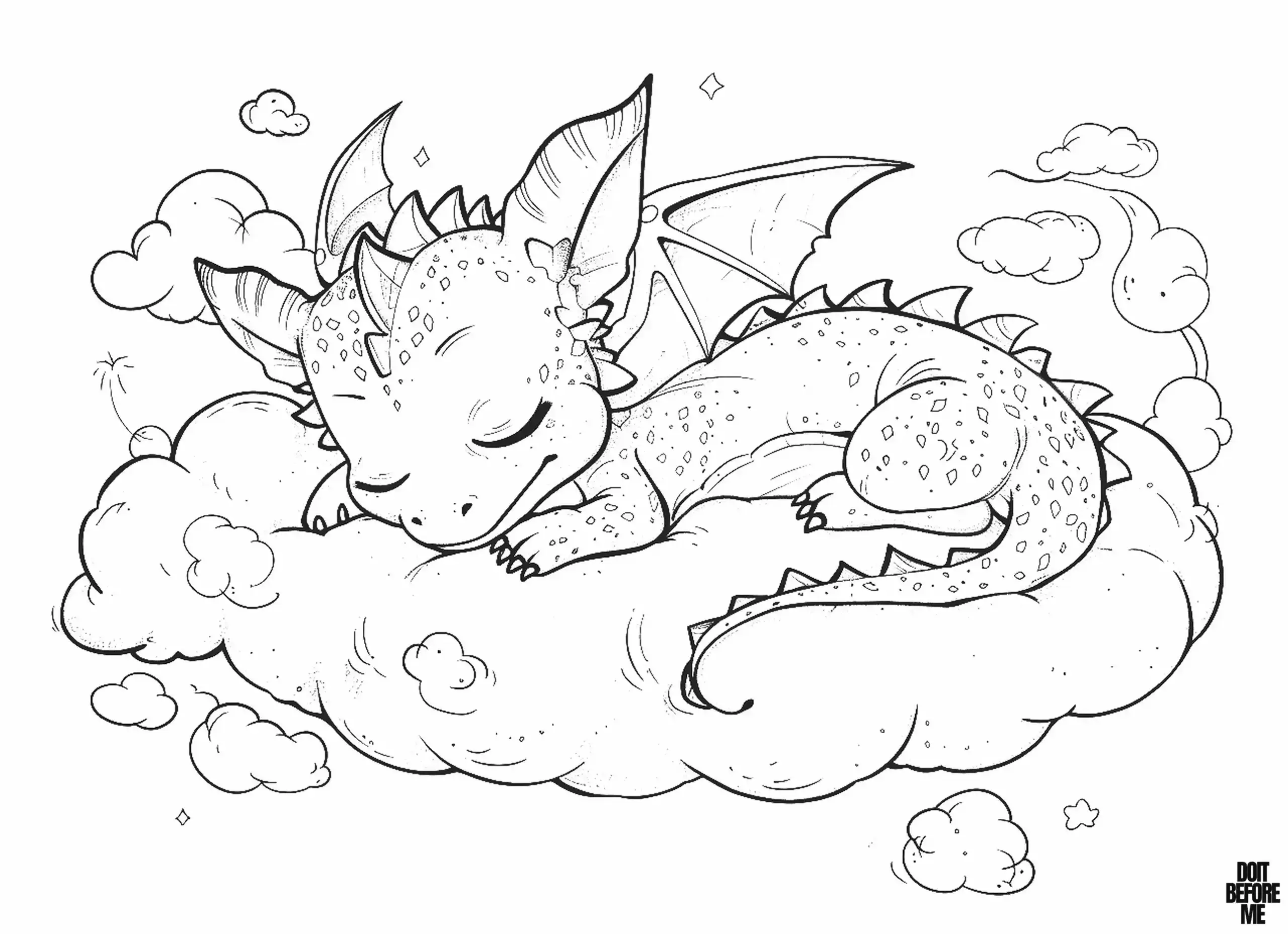
Sleeping baby dragons — Sheets 10–13
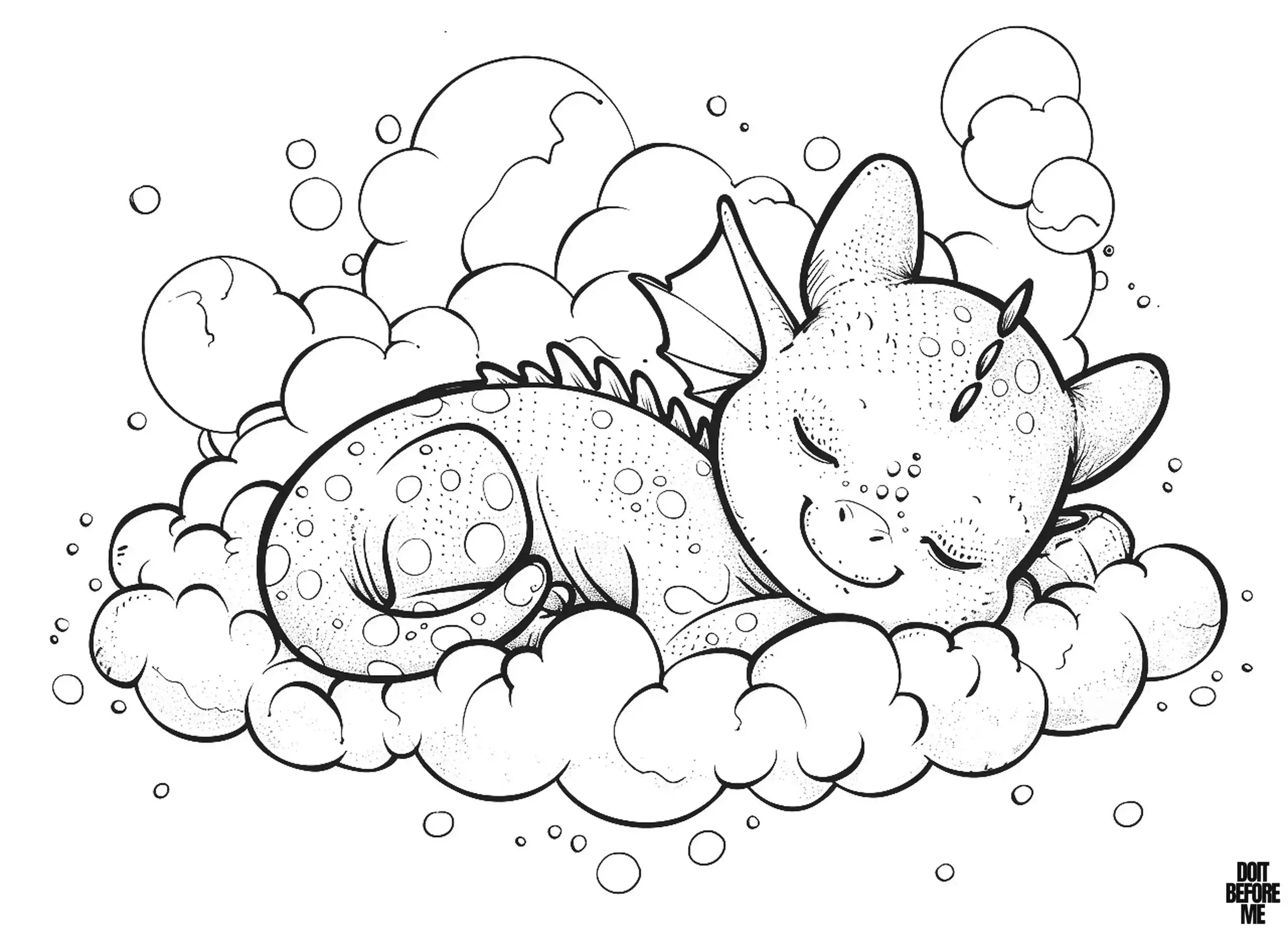
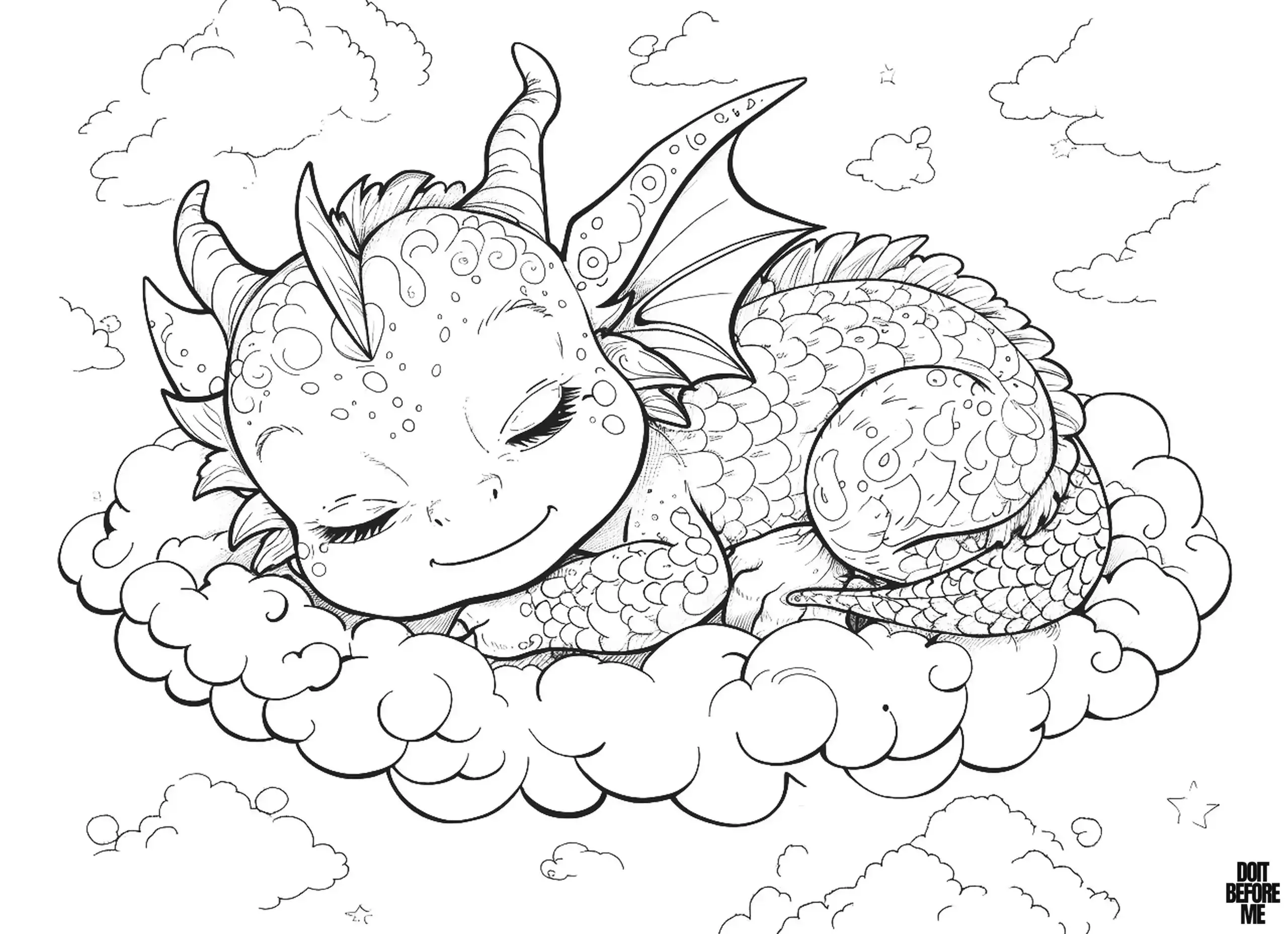
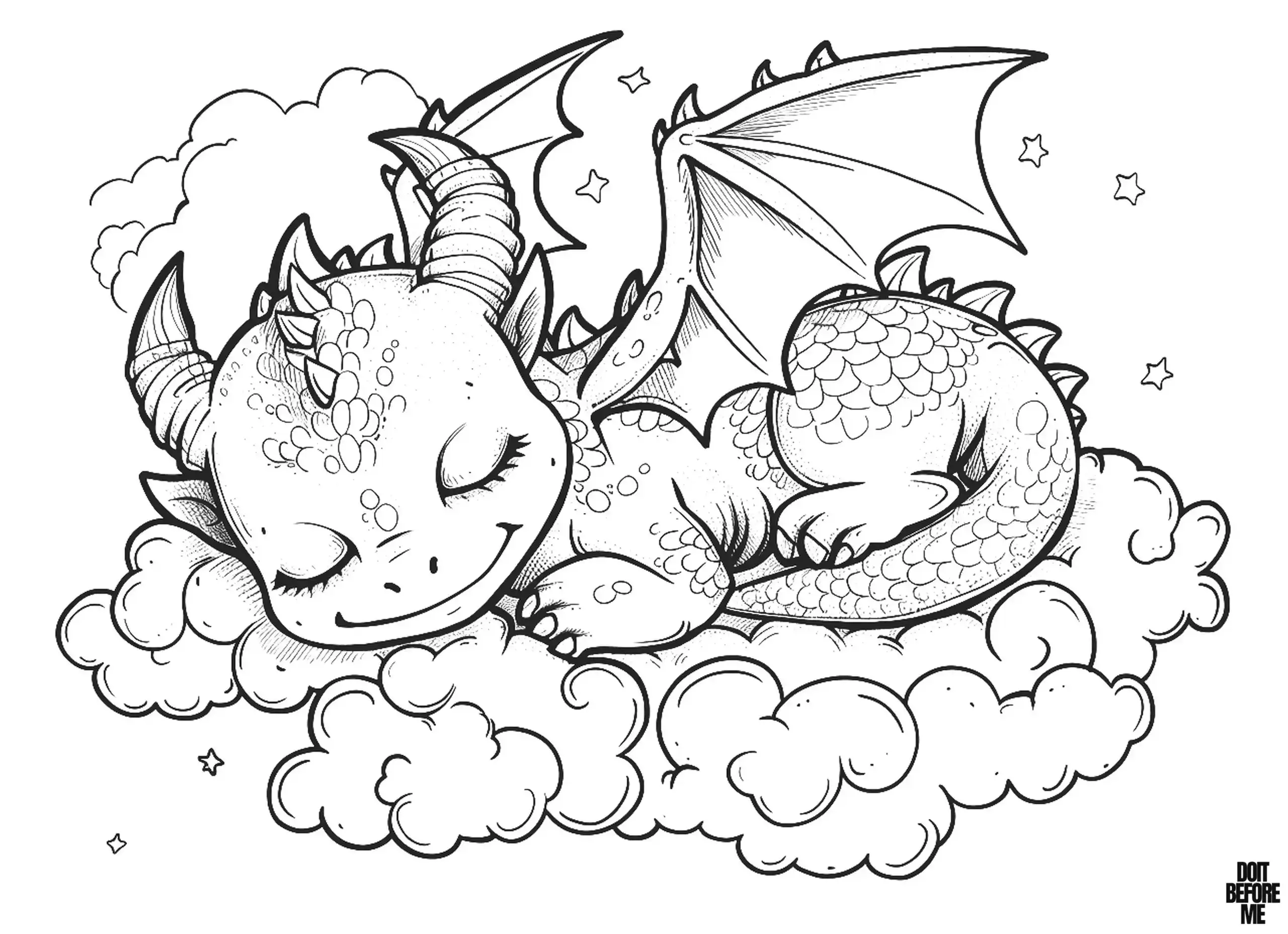
These are especially good if you want a softer page. Pastels work naturally, but a dark night palette can look just as good. Color the dragon first and keep most clouds pale; then use the sky to create contrast. If the dragon is light lavender, mint or blue, a deeper navy or violet background makes it stand out without needing heavy outlines.
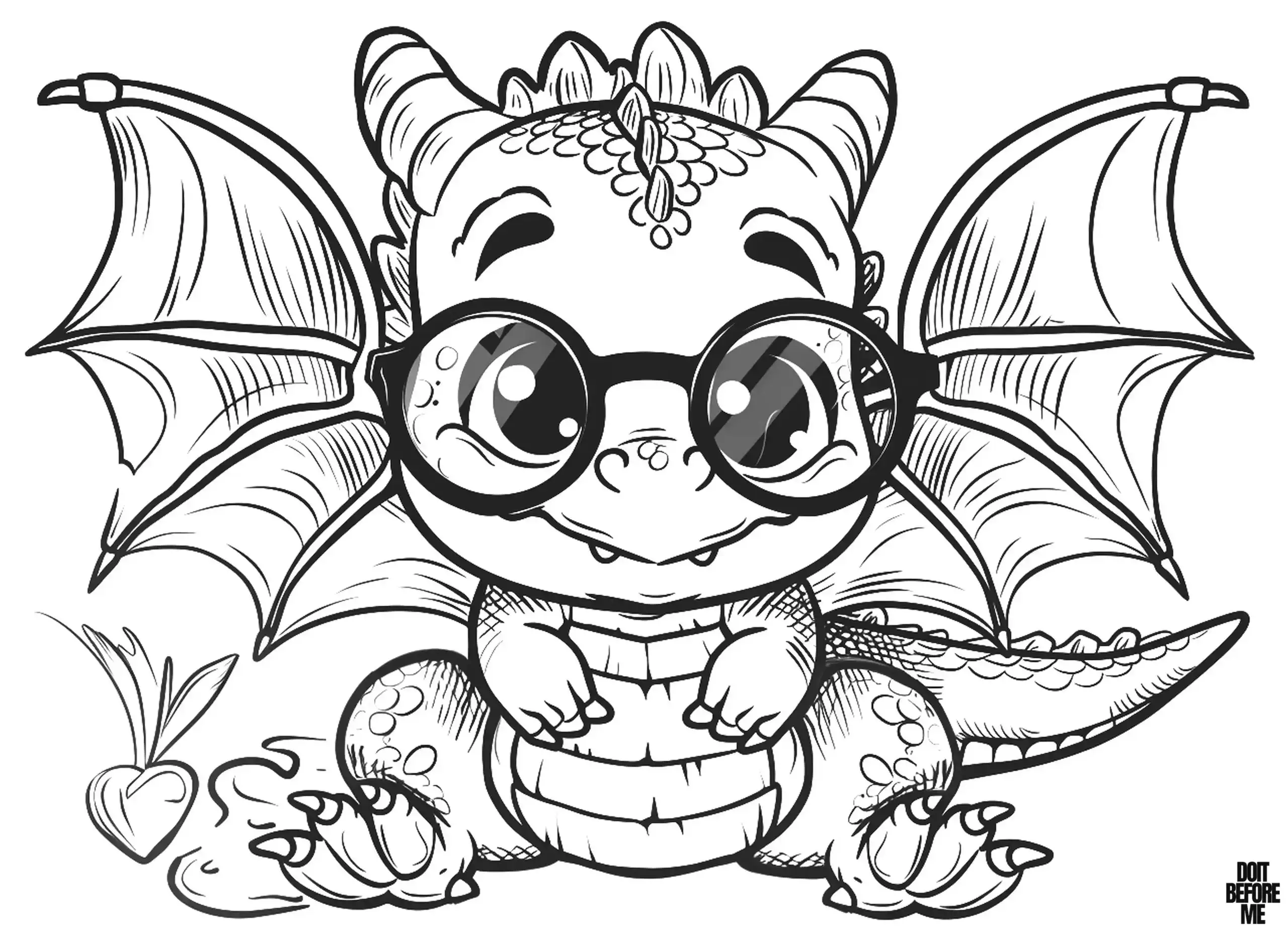
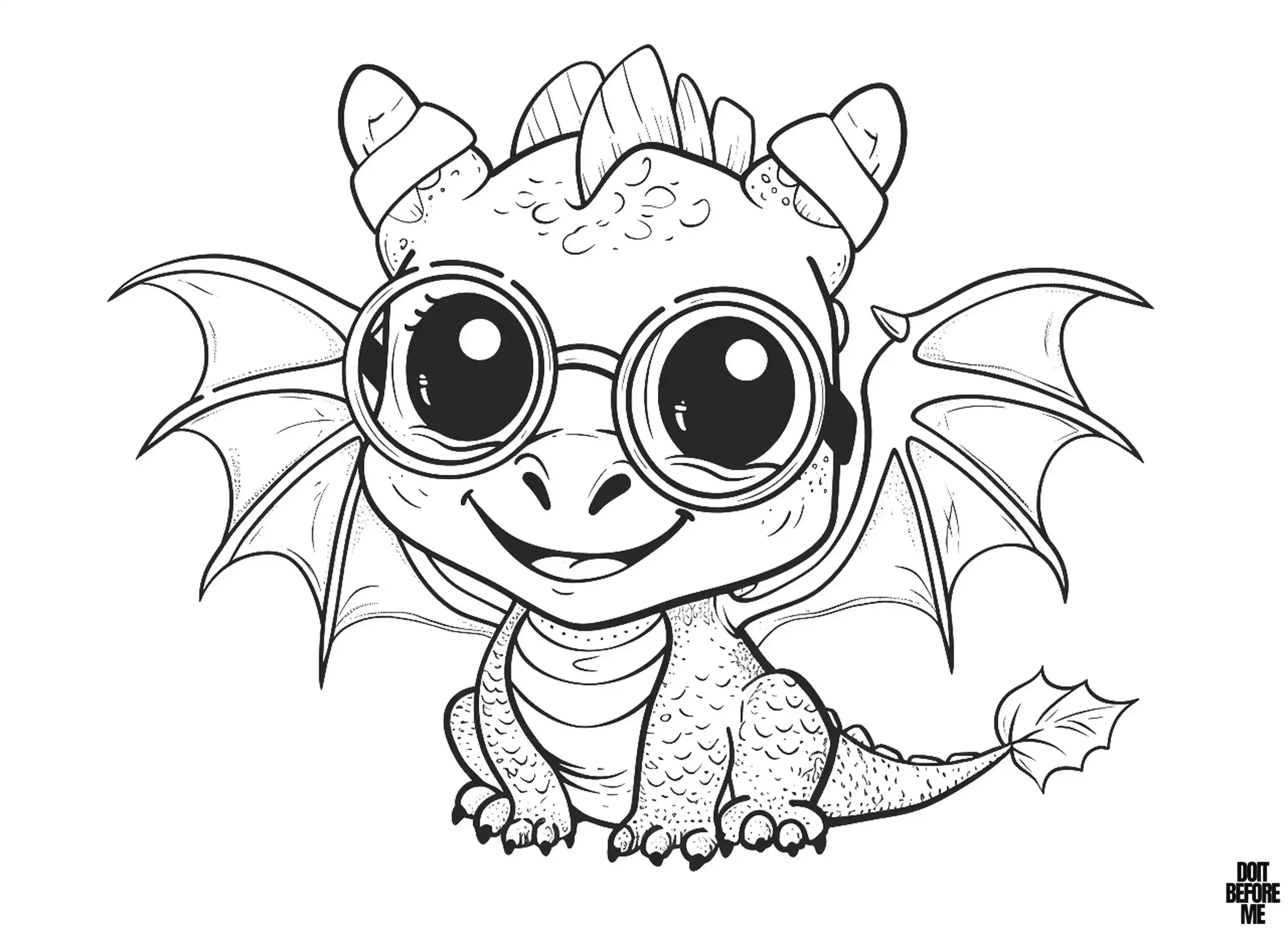
Baby dragons wearing glasses — Sheets 14–15
The eyes are the whole joke here, so do not bury them. Leave the lenses mostly white, then add only a pale blue or gray shadow along one edge if you want the glasses to look like glass. Strong color works better on the frames, wings or body than across the lenses.
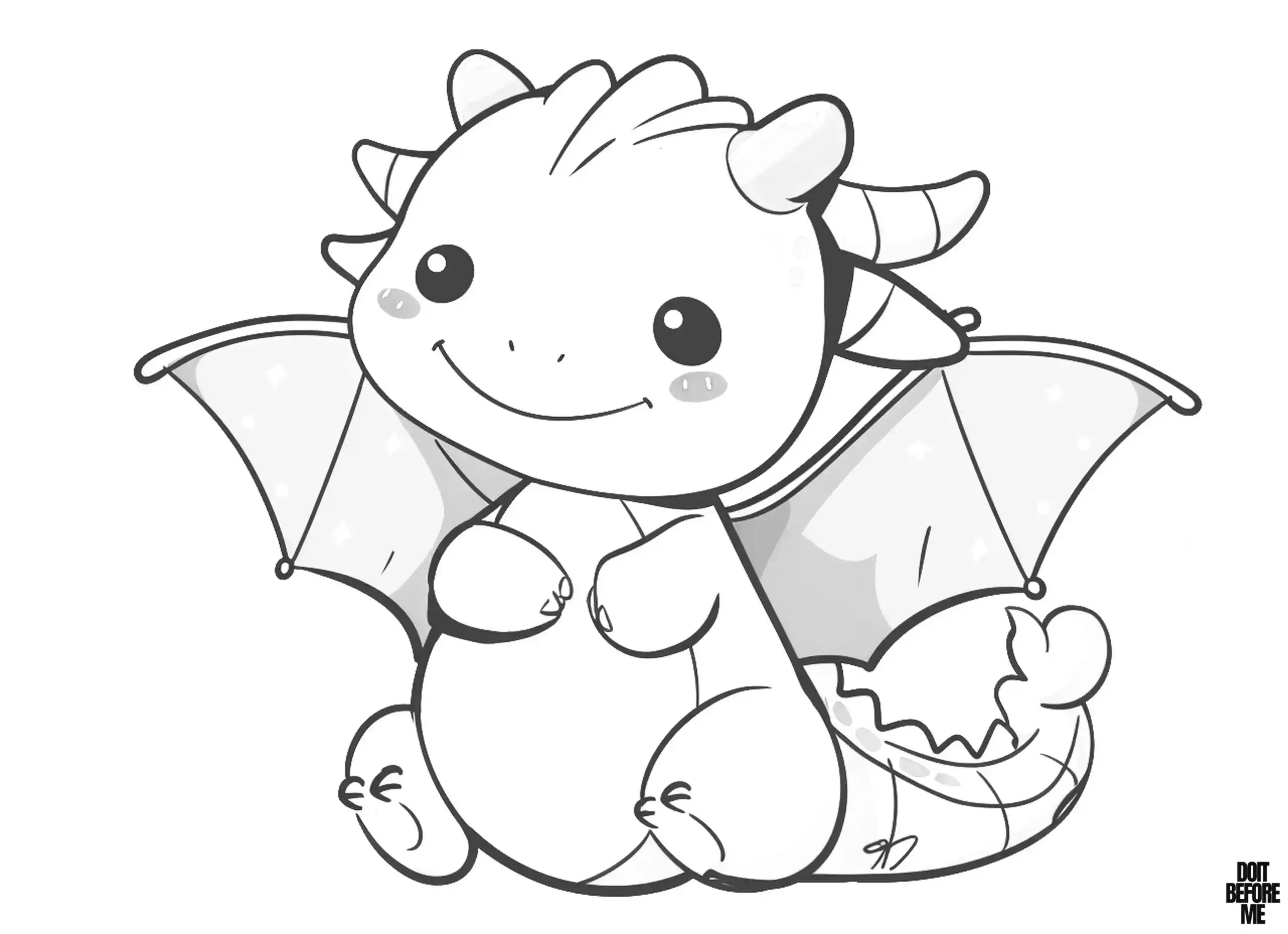
Chubby and kawaii baby dragons — Sheets 16–19
These pages can handle brighter color because the shapes are broad and simple. If you want the face to stay cute rather than busy, keep the snout and belly quieter than the wings, horns and tail. Two main colors plus one small accent is usually enough.
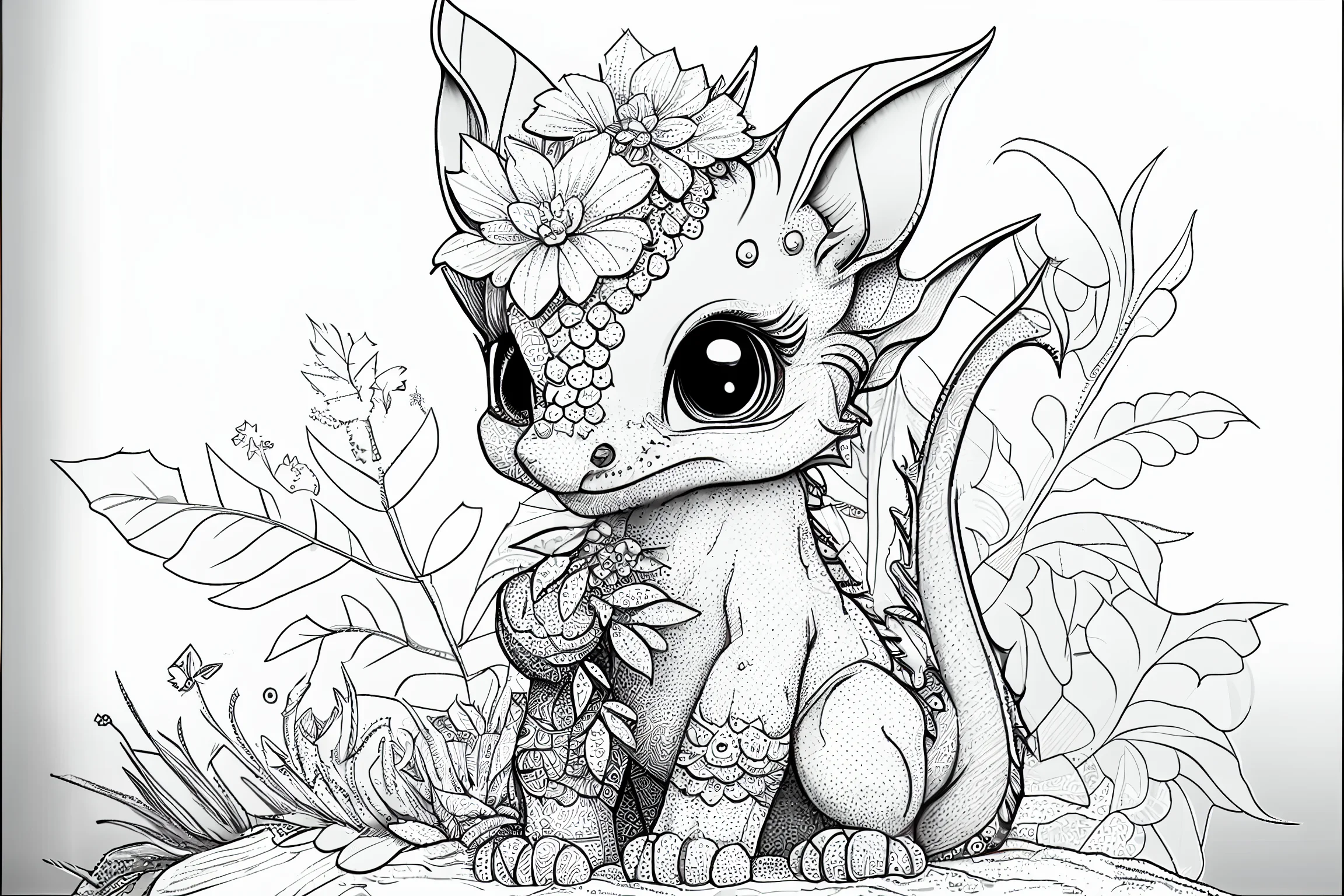
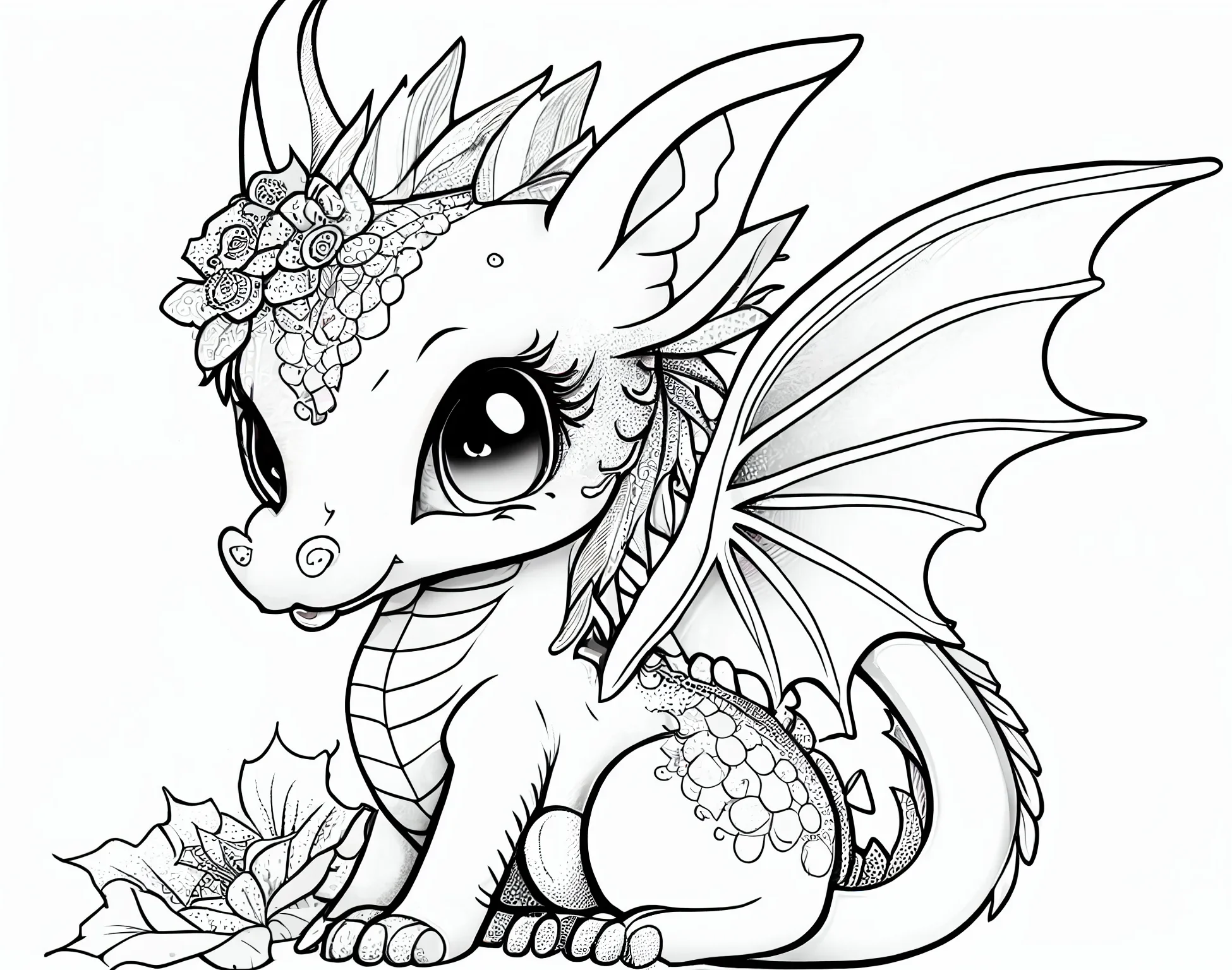
Playful and fantasy baby dragons — Sheets 20–28
This is the mixed middle of the collection: more personality, more props and a little more detail, but still very much baby dragons. These are good pages if the easiest designs feel too empty but the realistic ones feel like work. Let the dragon carry the strongest color and use the props or scenery as accents.
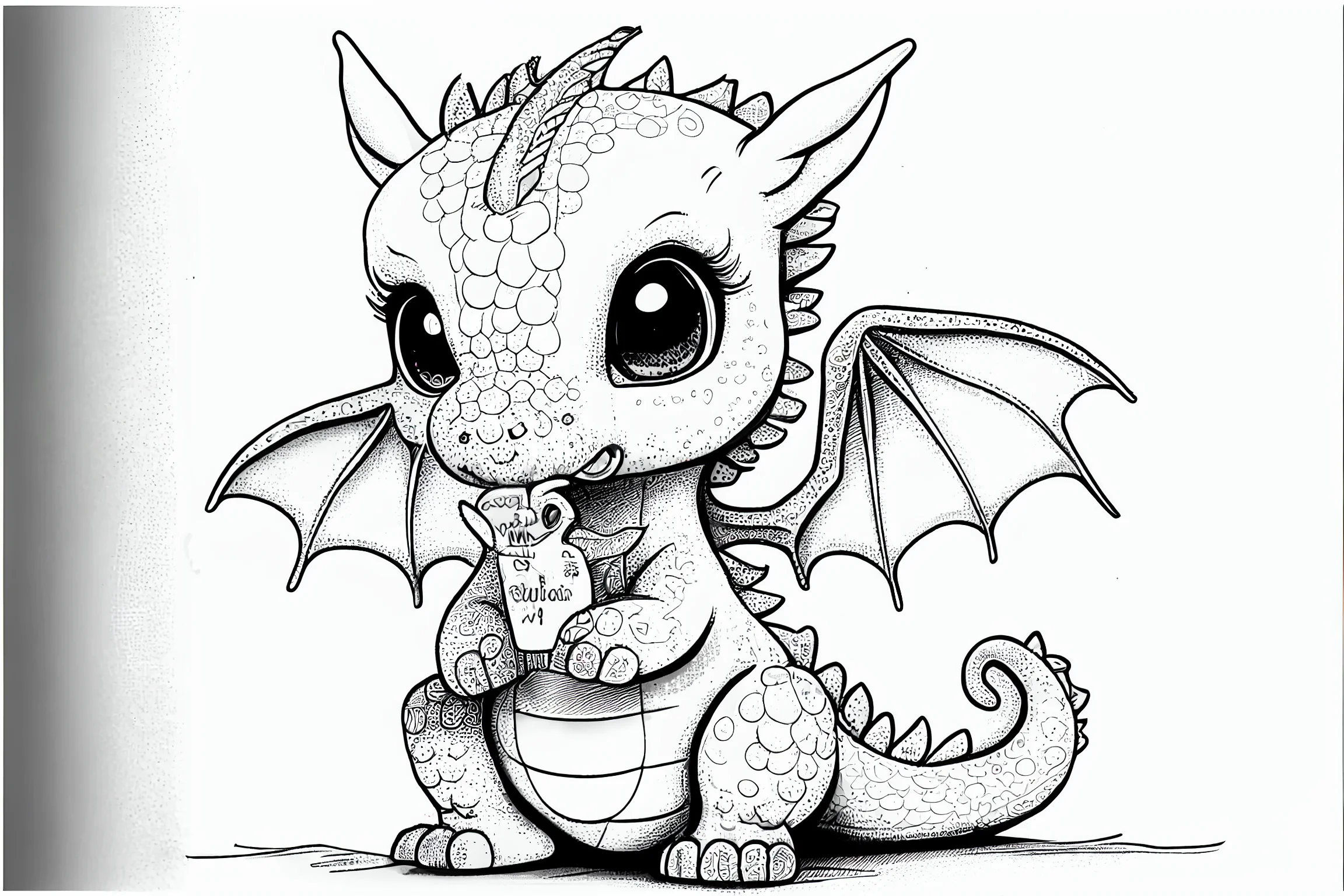
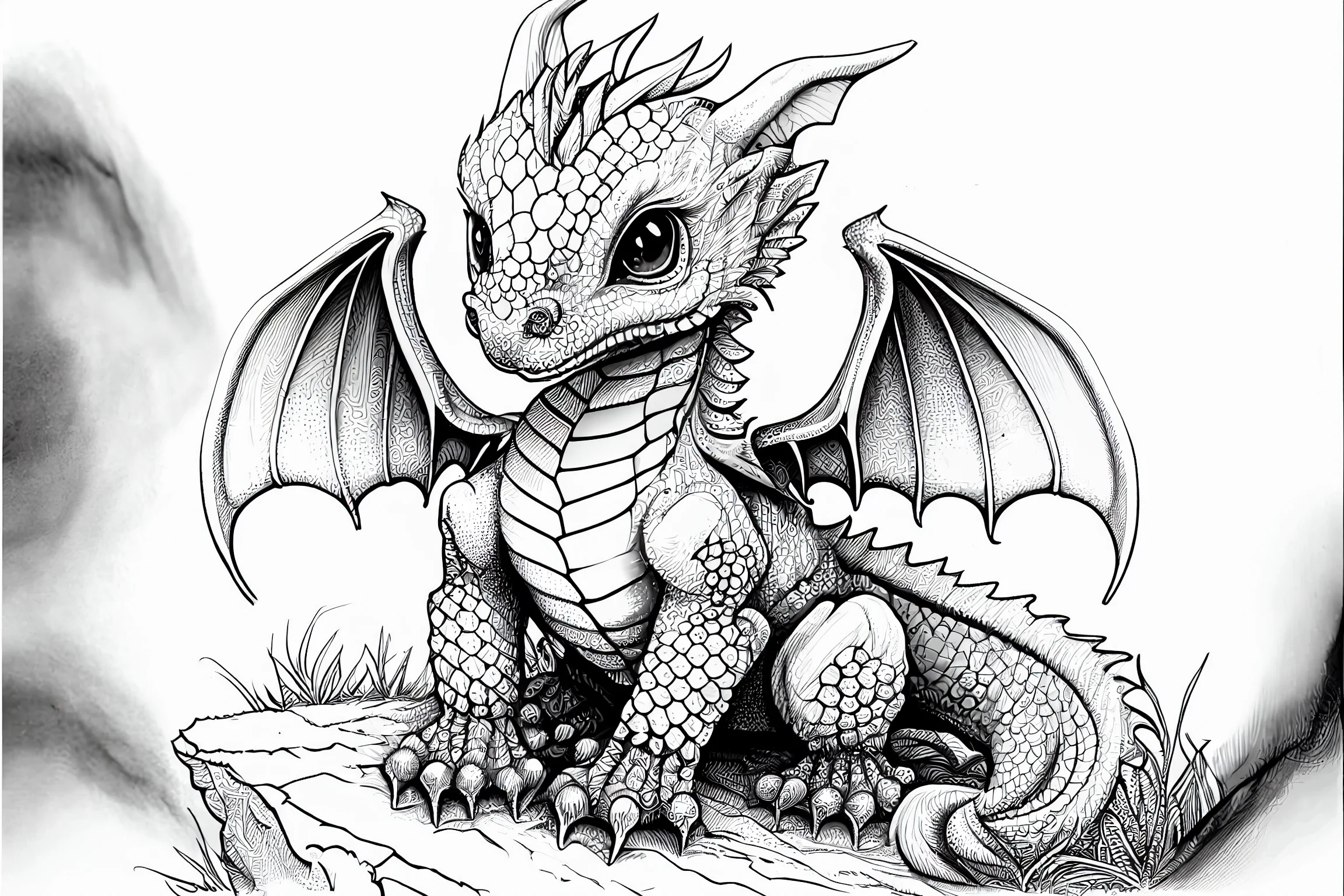
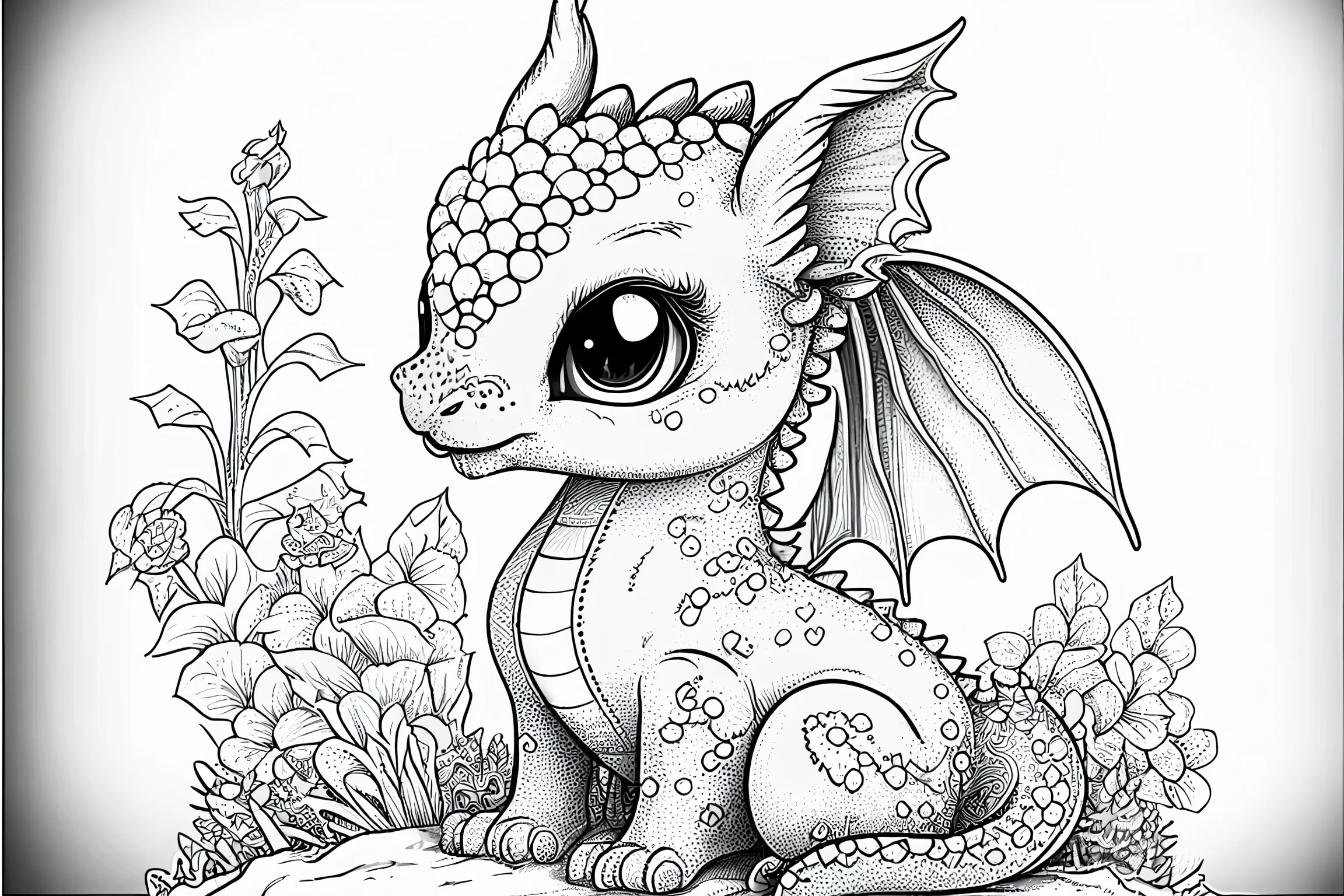
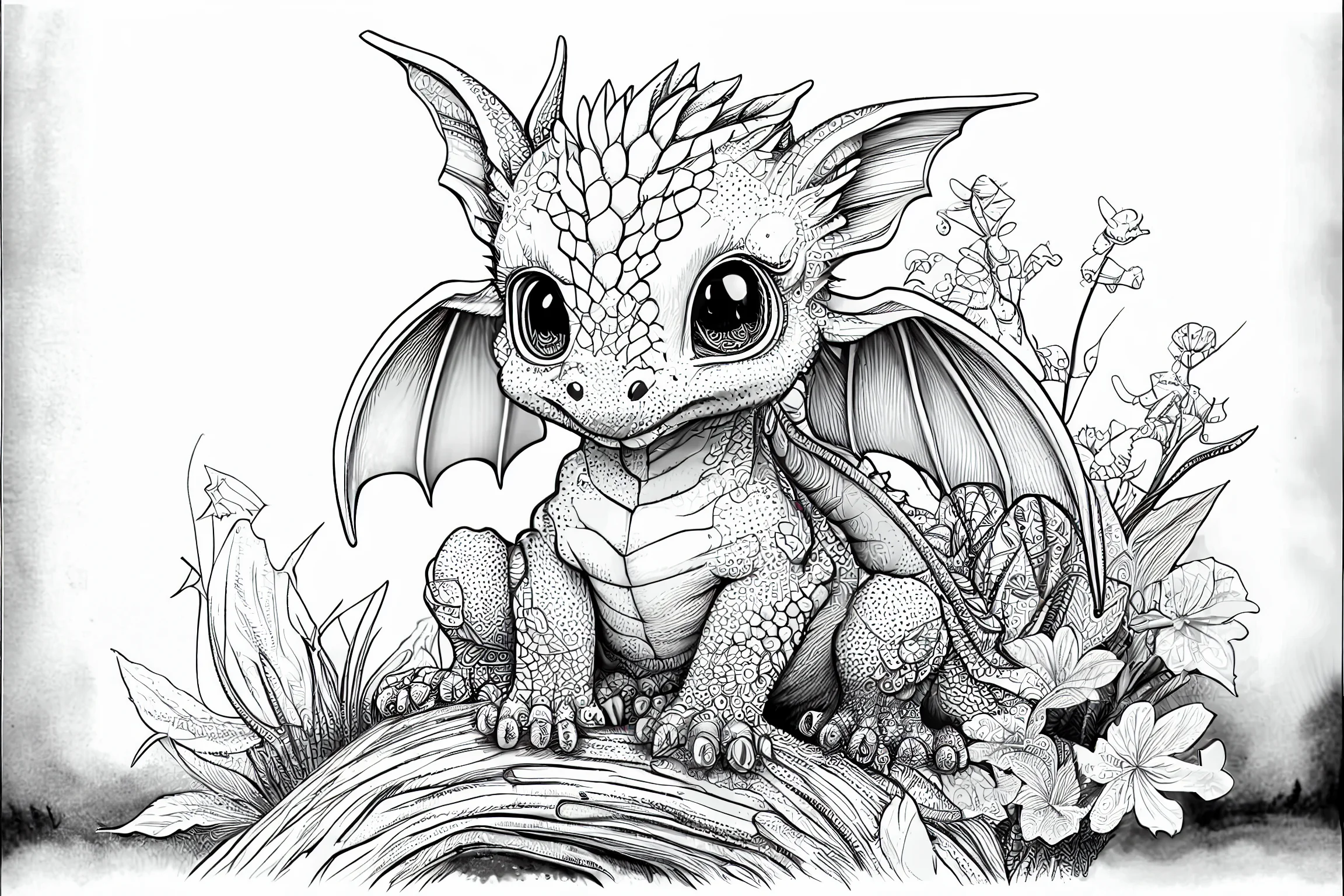
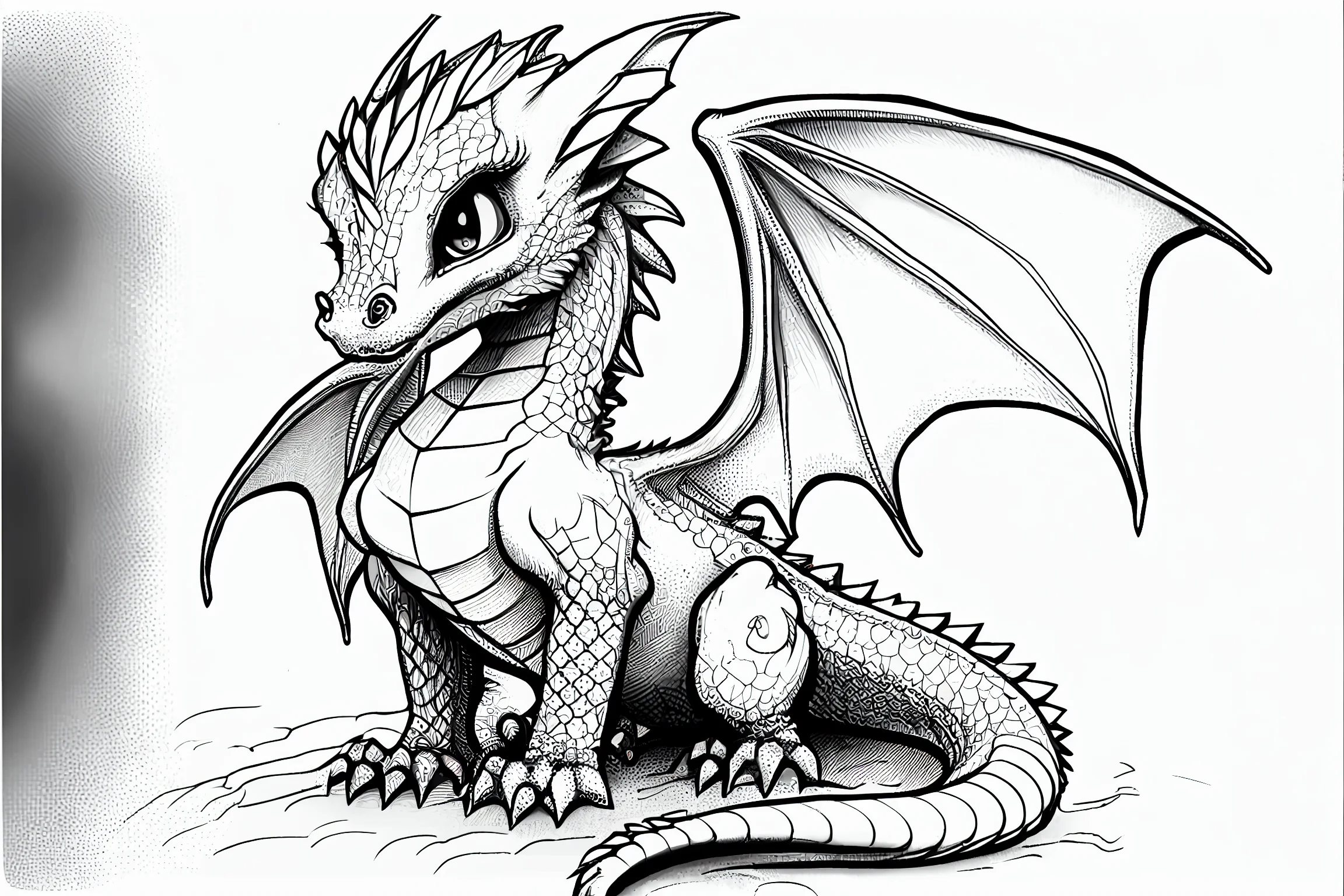
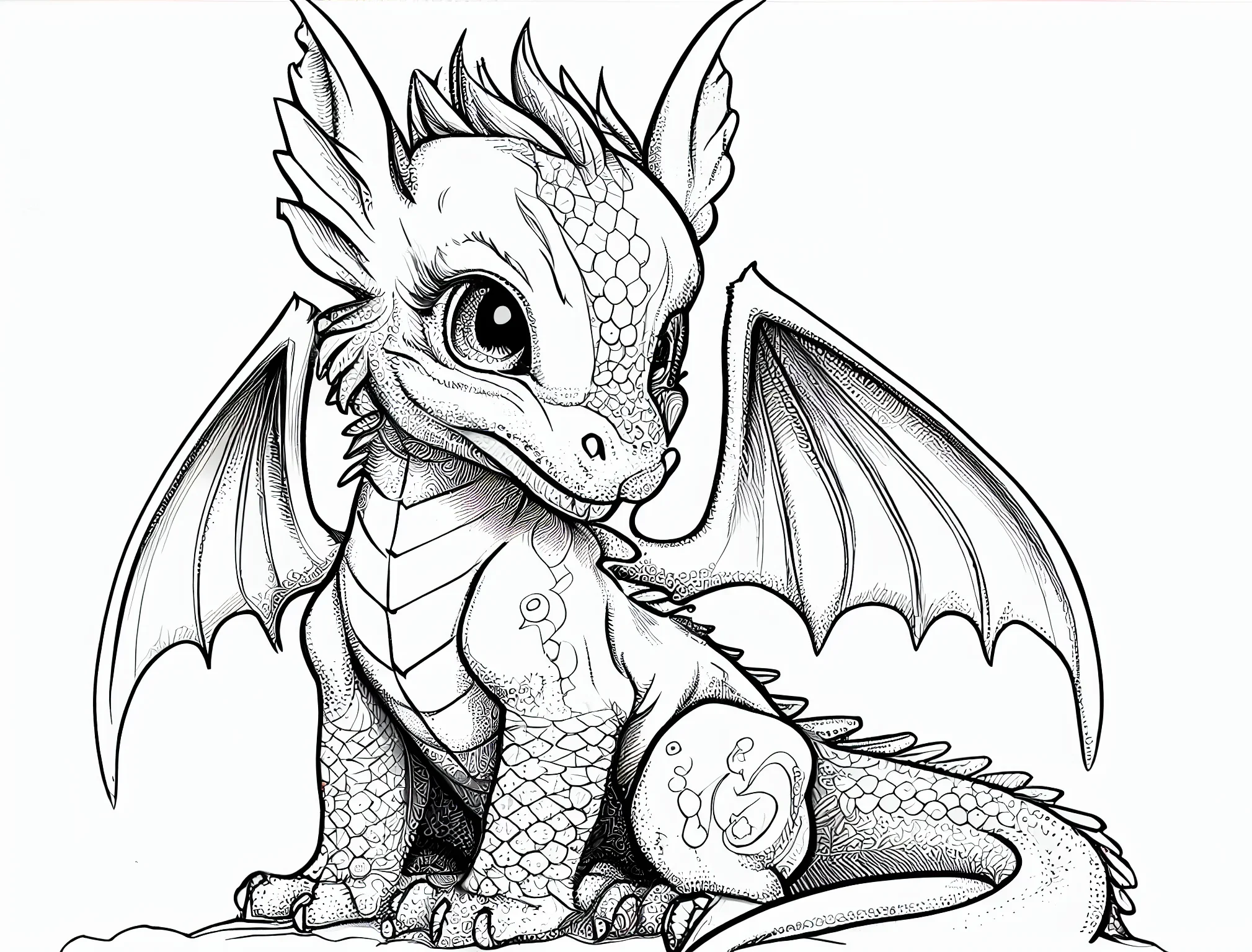
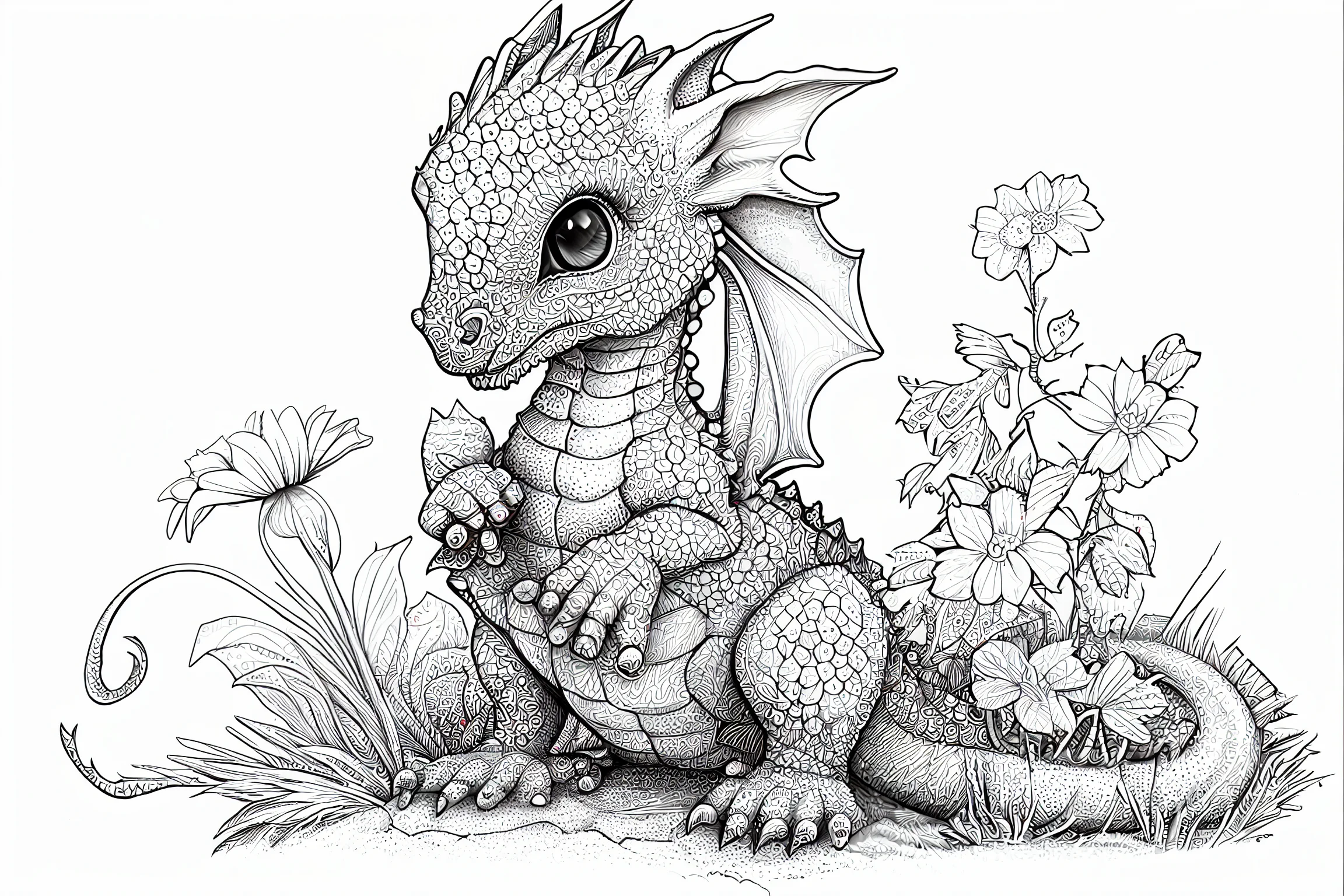
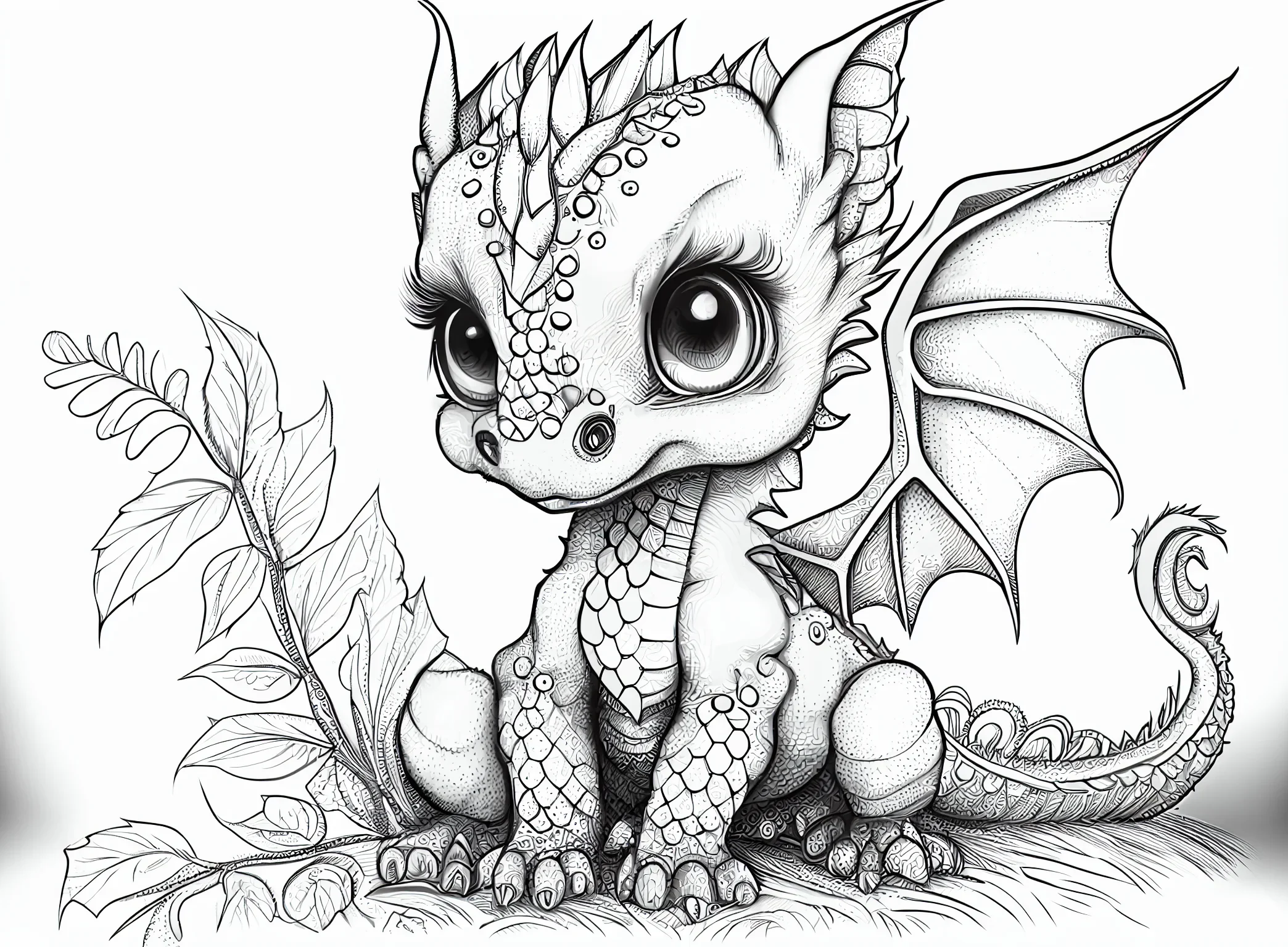
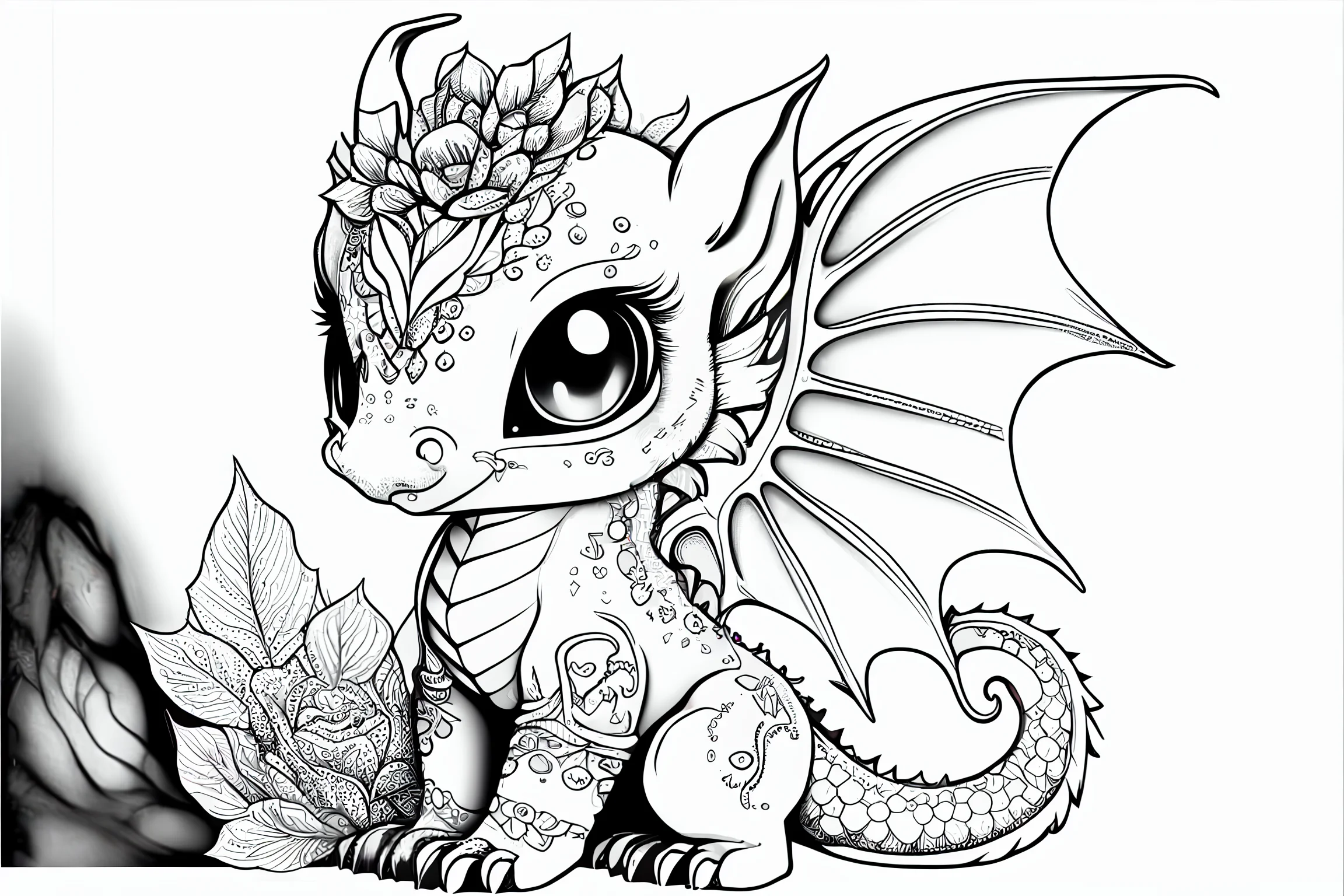
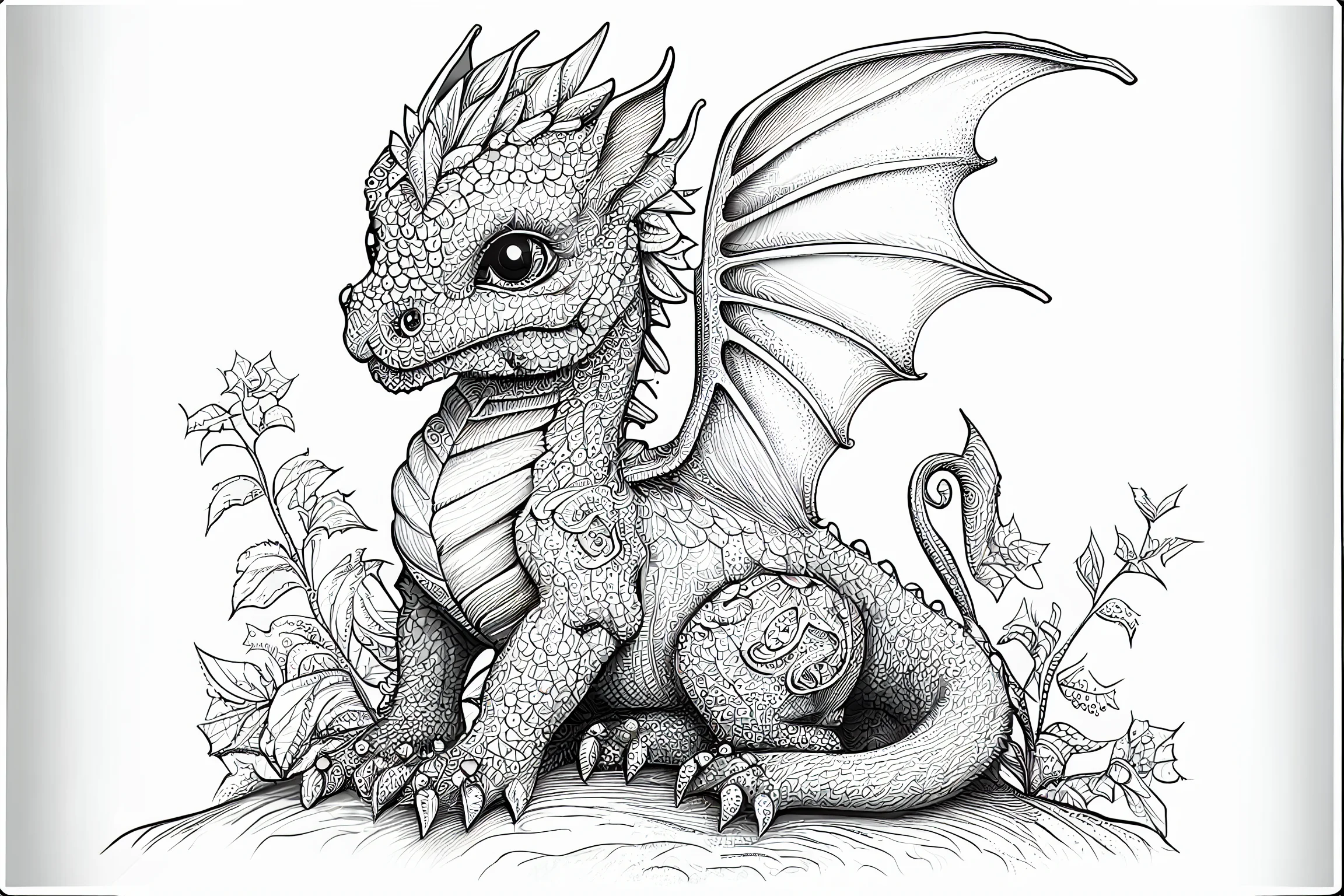
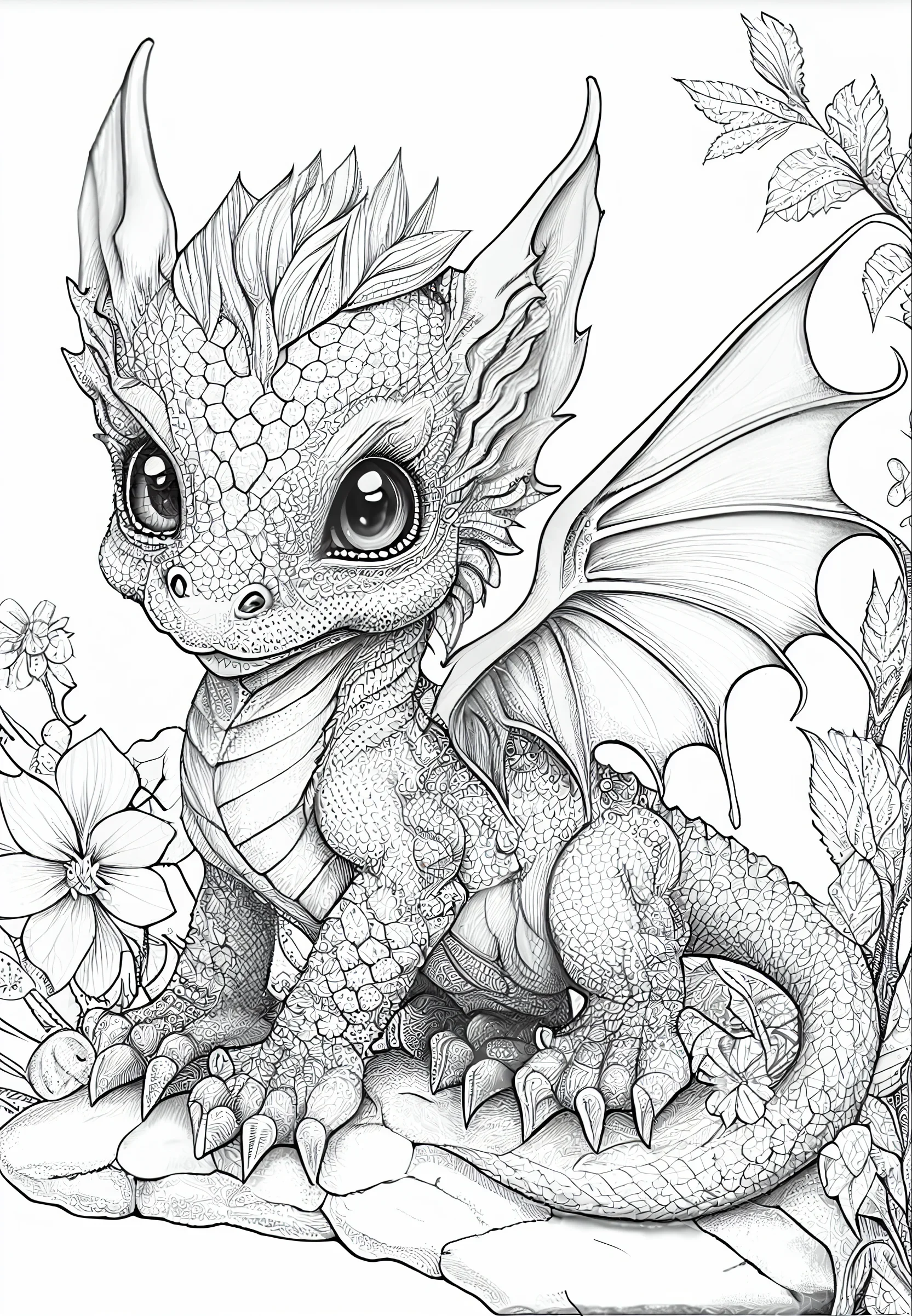
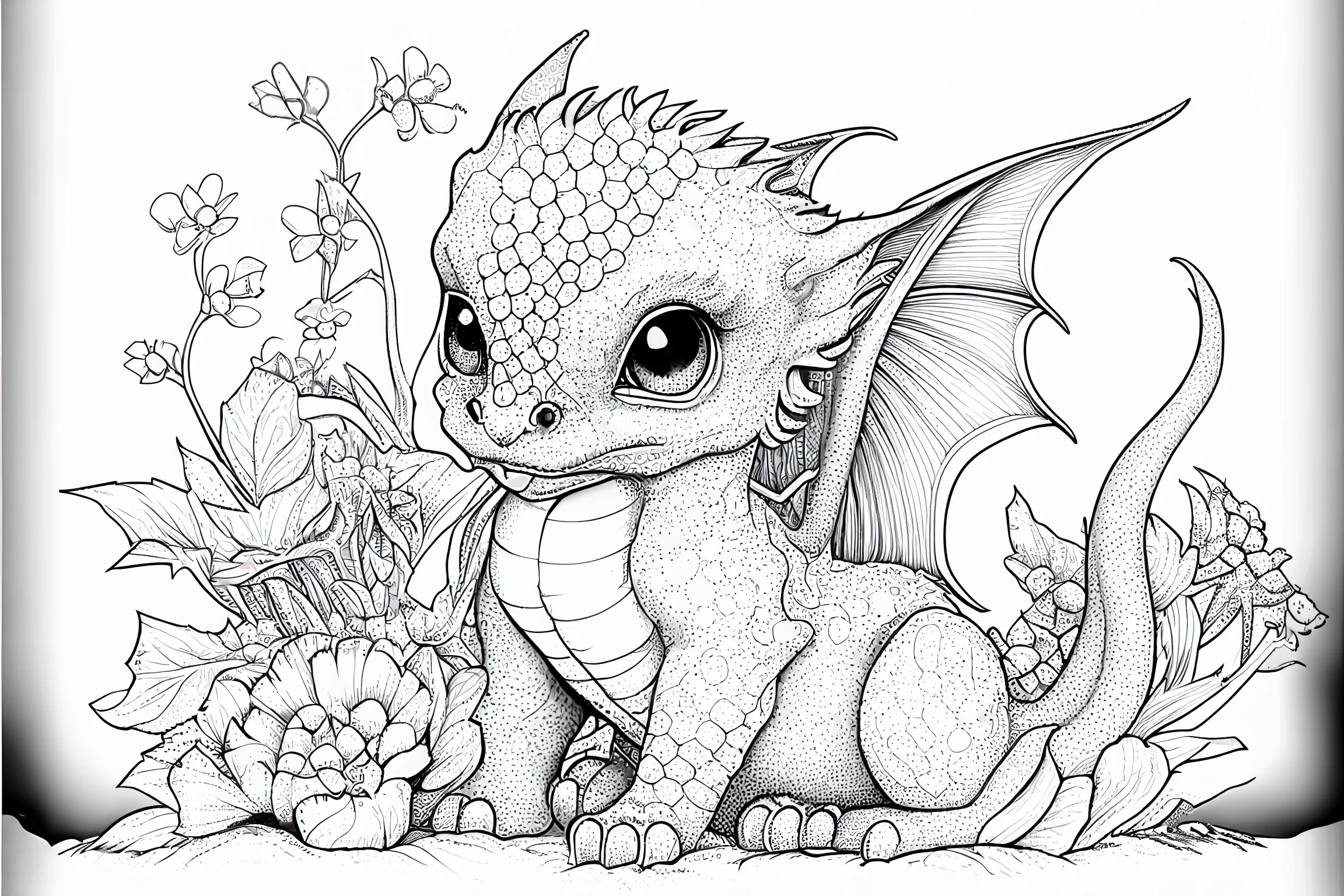
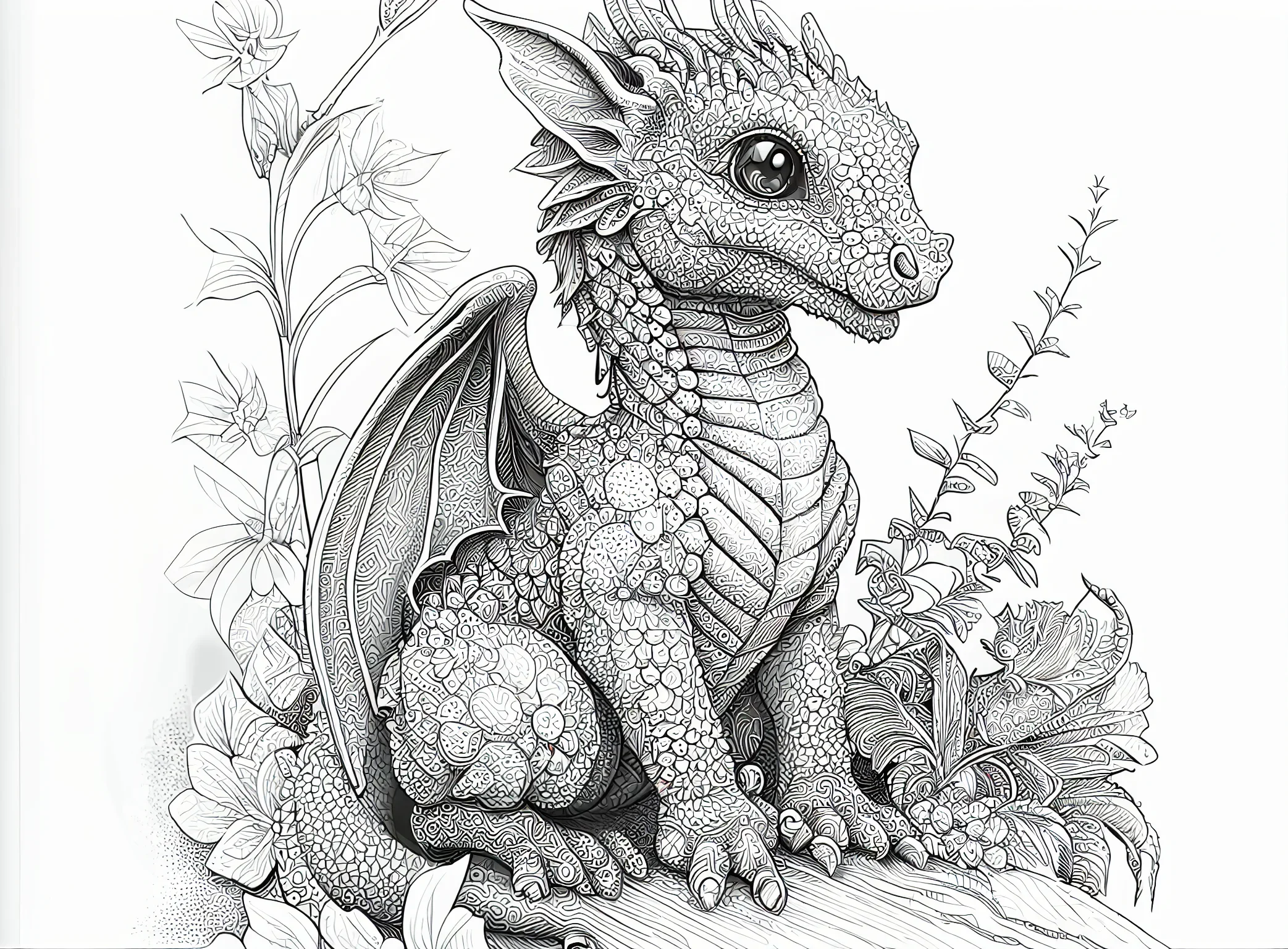
Detailed and realistic baby dragons — Sheets 29–33
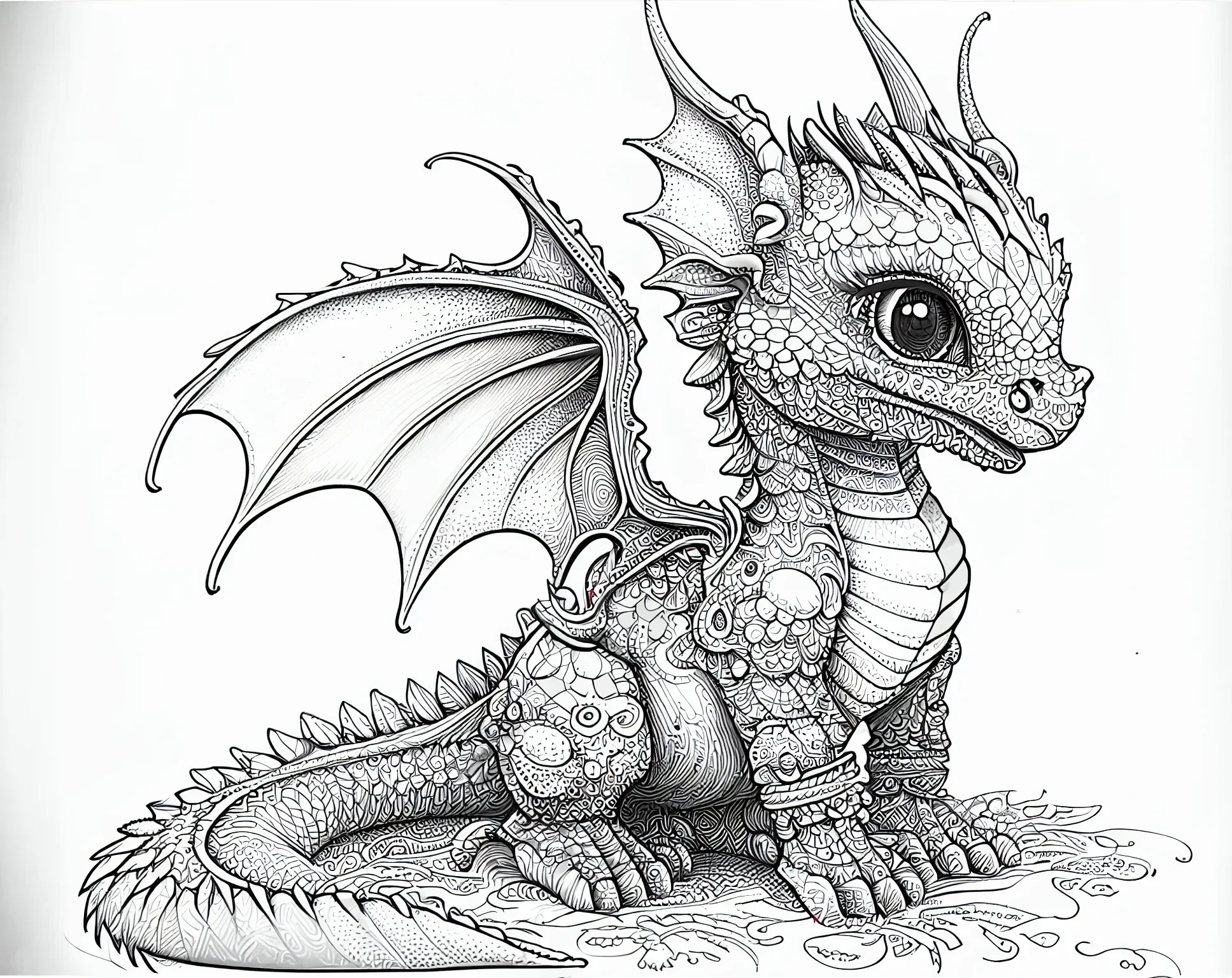
Use colored pencils here if you want to keep the smaller lines visible. Start with the largest body areas, then add darker color only where forms overlap: under the jaw, beneath the wings, around the legs and at the base of the tail. You do not need to trace every scale with a dark outline.

How to choose the right page for a child
Do not worry too much about an exact age label. Look at how the child colors. If they like finishing quickly and use crayons with a broad grip, choose Sheets 1–7. If they are already asking for wings, clouds and more things to color, move into the flying, sleeping or kawaii sections. If they enjoy pencils, shading and small shapes, the final five pages will give them more to work on.
A useful three-page pack is: one confidence page, one favorite page and one challenge page. For example, print Sheet 2, one sleeping dragon, and one detailed dragon. That gives a child choice without handing them a stack of 33 pages at once.
Printing these baby dragon pages
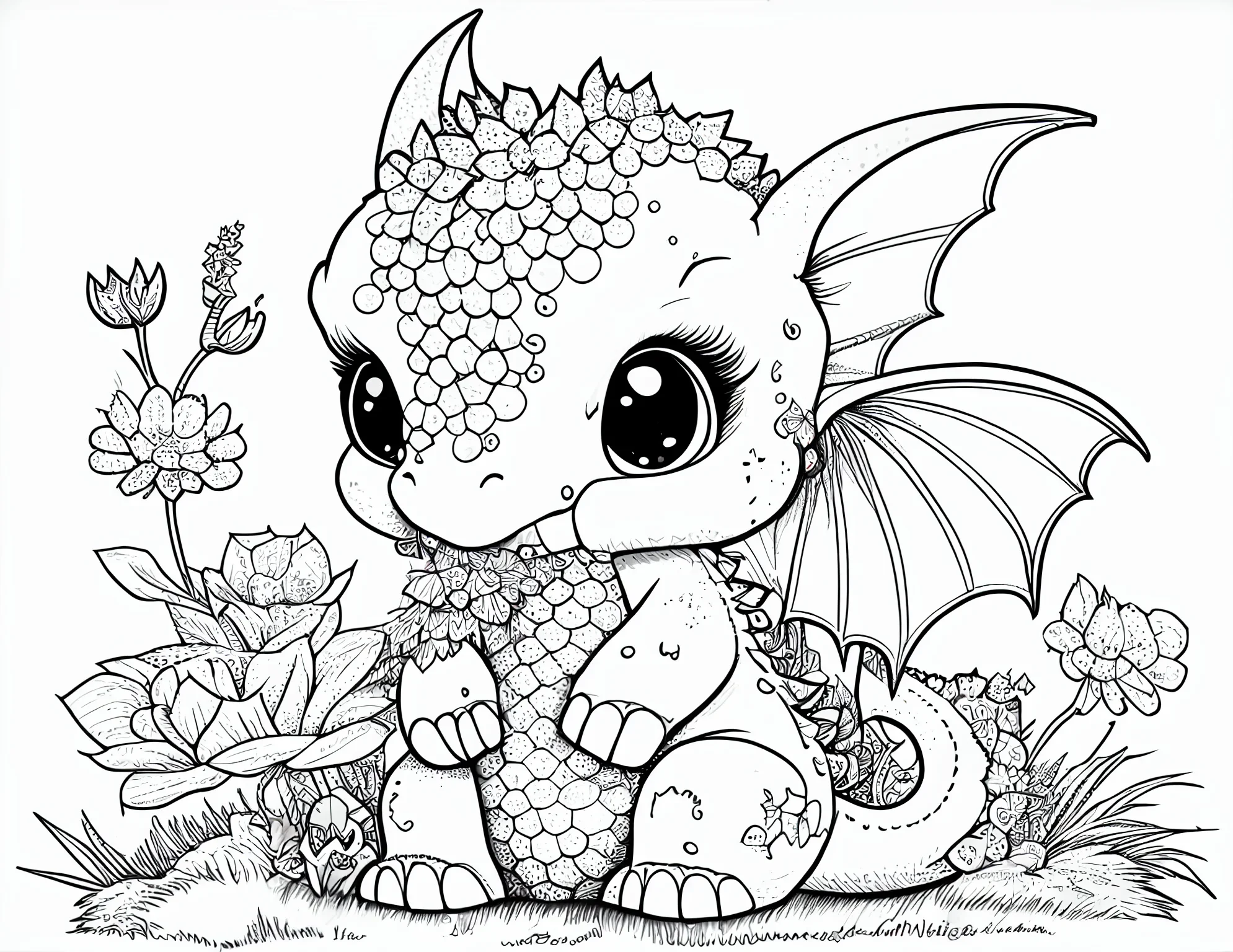
Click or tap any image to open the original full-size file. Most of the collection is landscape, while the flower-and-realistic page is portrait. Let the image determine the printer orientation rather than forcing every page into the same setting. A4 and US Letter both work well with Fit to page.
Regular printer paper is fine for crayons and pencils. If you plan to use markers, heavier paper is worth it if your printer accepts it, and a spare sheet underneath helps with bleed-through. The full printing walkthrough is in the coloring-page printing guide.
Baby dragon coloring questions
Which baby dragon pages are the easiest?
Start with Sheets 1–7. They have the cleanest shapes and the least surrounding detail.
Where are the sleeping baby dragons?
Sheets 10–13 are the sleeping-on-clouds group. They work especially well with pale dragons and darker night skies.
Which pages are best for older kids or adults?
Try Sheets 29–33. They have more line detail and are easier to control with colored pencils than broad crayons.
Do baby dragons have to be green?
No. Because the subject is imaginary, contrast matters more than realism. Pick a main color you like, then use a lighter or darker related shade for wings, belly and shadows.
Can I print these for a classroom or home activity?
These pages are available for personal coloring and printing. For reuse beyond ordinary personal use, check the site’s Terms of Use.
Where can I find fire-breathing or grown dragons?
Use the 26 portrait dragon coloring pages, the 20 landscape dragon pages, or the realistic dragon collection. If you prefer centered square artwork, there is also a 31-page square dragon collection.
If the dragons are the part you like most but you want something gentler next, the fairy coloring pages and easy princess pages sit in the same fantasy corner without repeating the same artwork.

