
This collection has 27 baby-shark coloring sheets with simple cartoon sharks, kawaii-style faces and easy full-page designs. Most of the pictures have large open areas, so they work well with crayons, colored pencils or washable markers.
To print one cleanly, open the image itself before printing rather than printing the whole web page. On a computer, right-click an image and open it in a new tab; on a phone or tablet, press and hold the image to save or open it. Then print the saved image on A4 or US Letter using “Fit to page.” If your printer crops the edges, our Print & Save Help explains the usual fixes.
This is the simpler, preschool-oriented baby-shark set. If you want the larger collection with additional underwater scenes and more detailed designs, use our 36 baby shark coloring pages. For different ocean subjects, try the sea animal coloring pages.
27 easy baby shark coloring sheets
For preschoolers, do not worry about realistic shark colors. Light blue, gray, teal, pink or even rainbow combinations are fine. The useful part is choosing a page with shapes large enough for the child’s current pencil or crayon control.
A simple way to make these pages easier is to color the shark body first and leave the belly lighter. Add the eyes, mouth and any smaller details last instead of switching constantly between tiny areas.
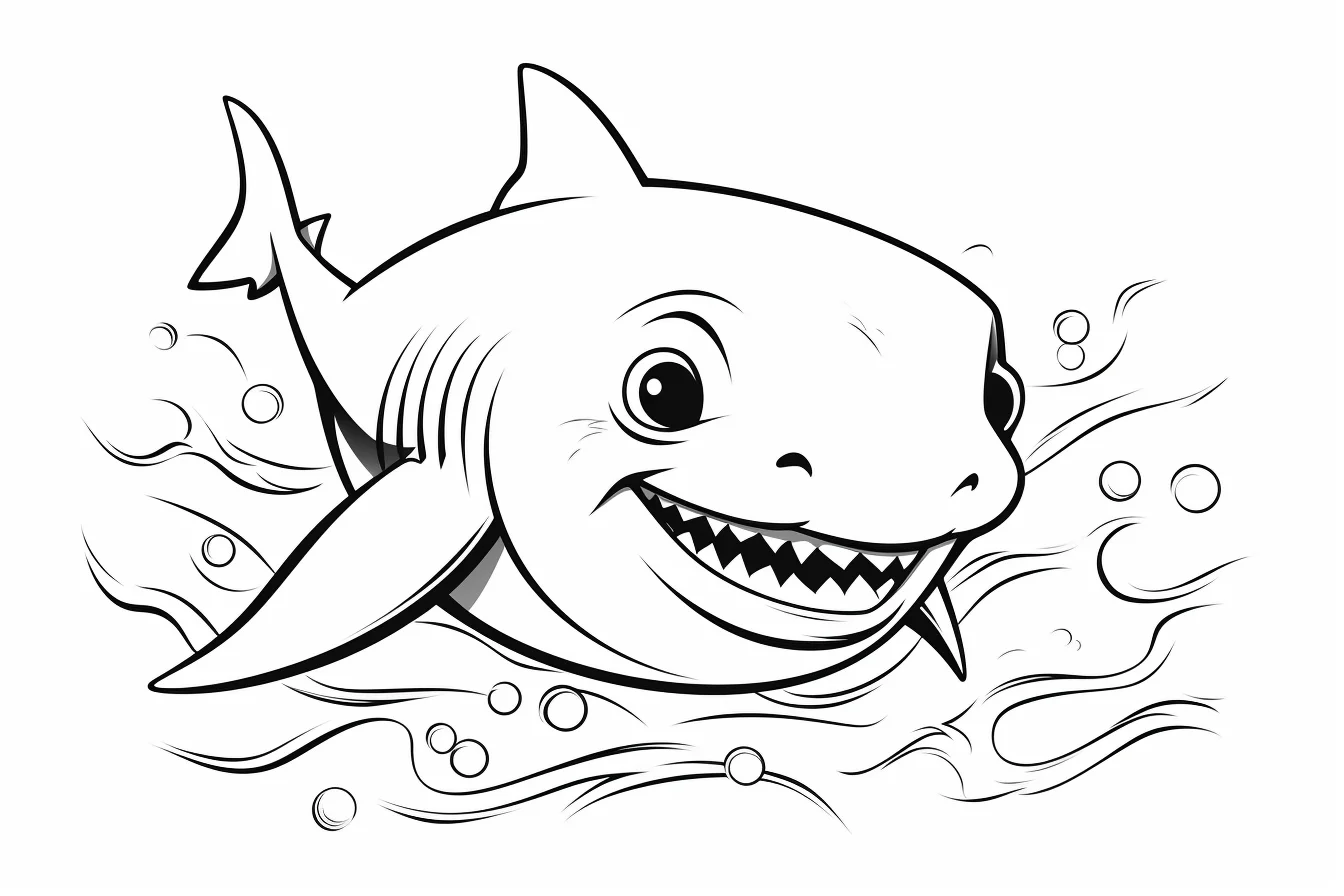
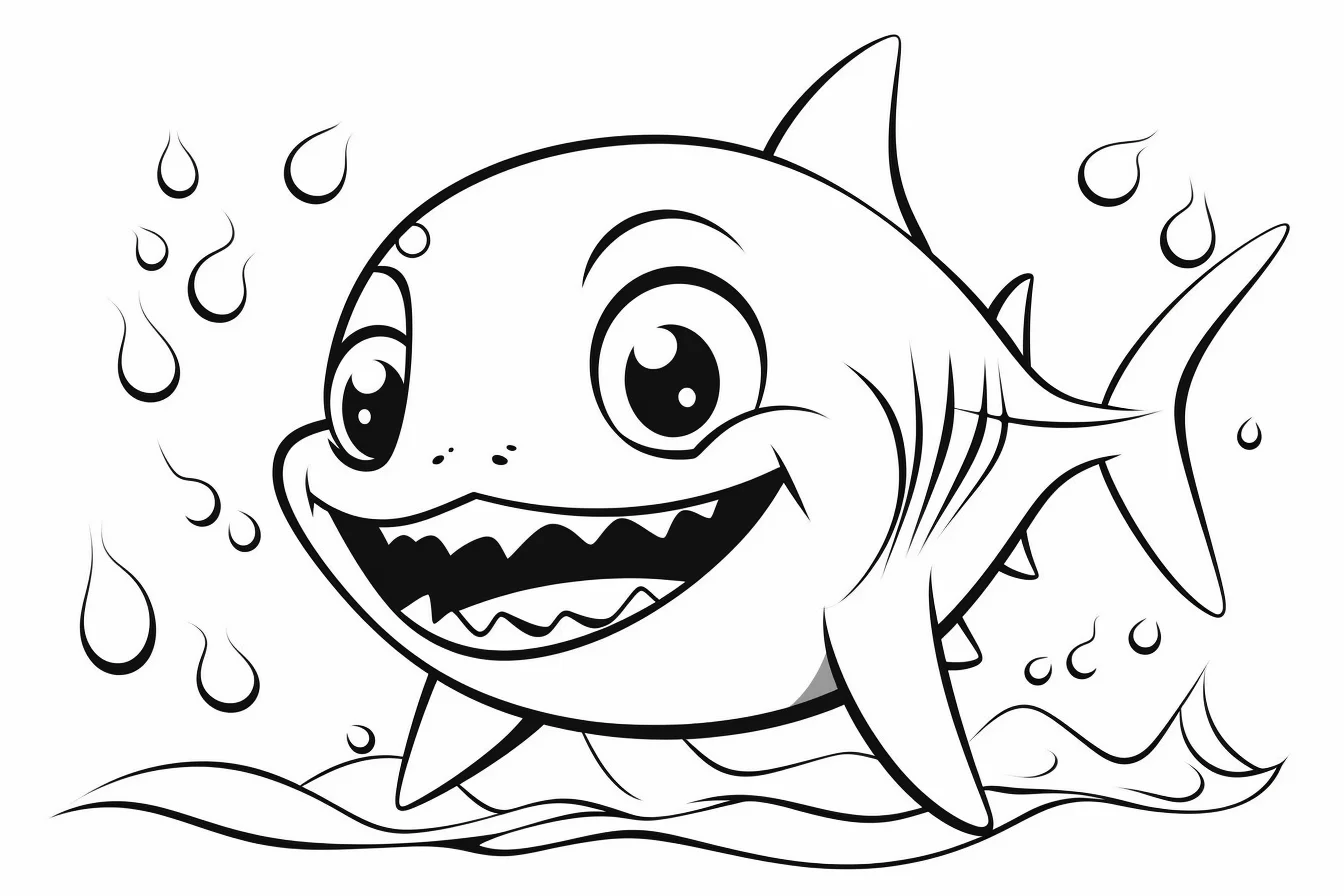
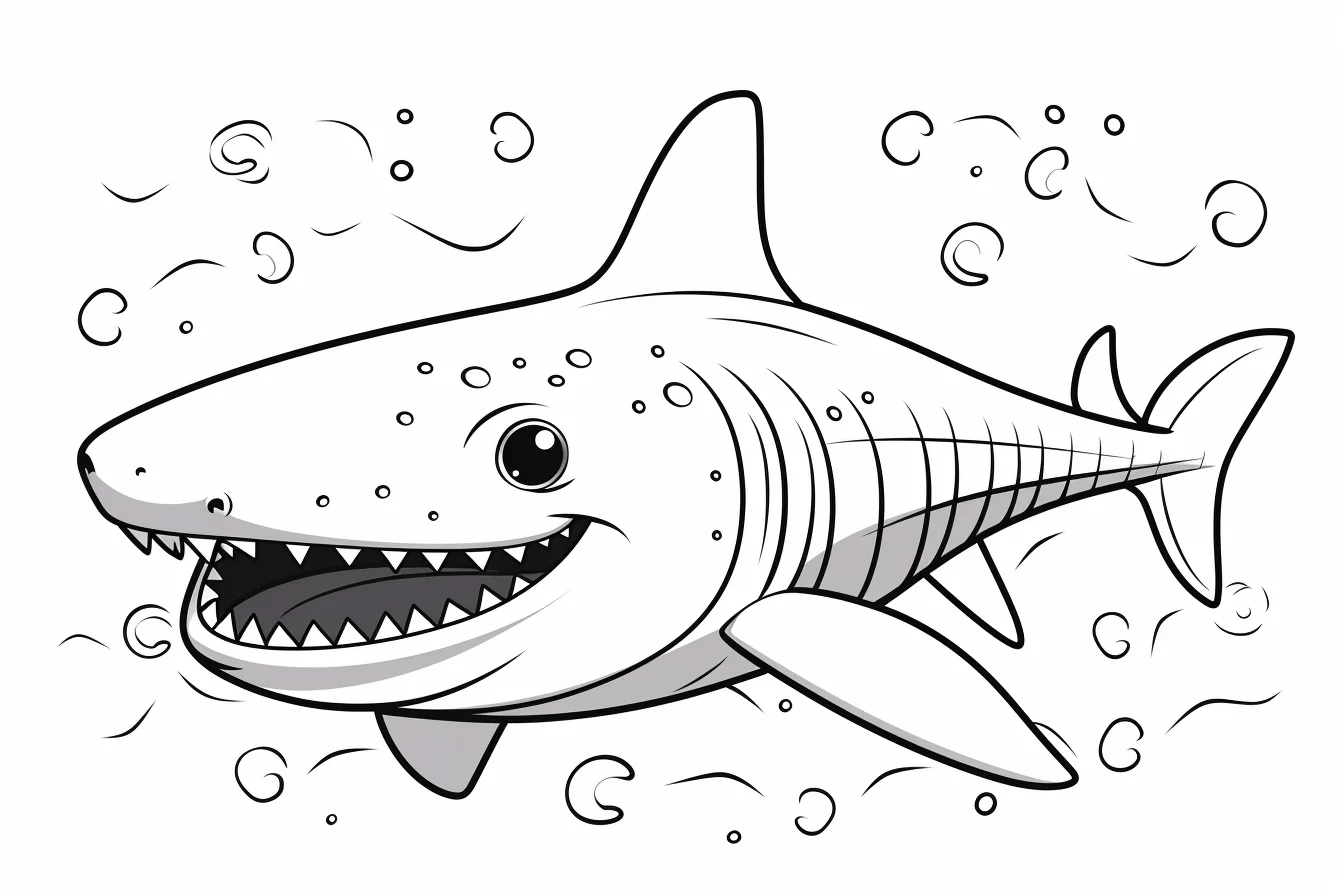
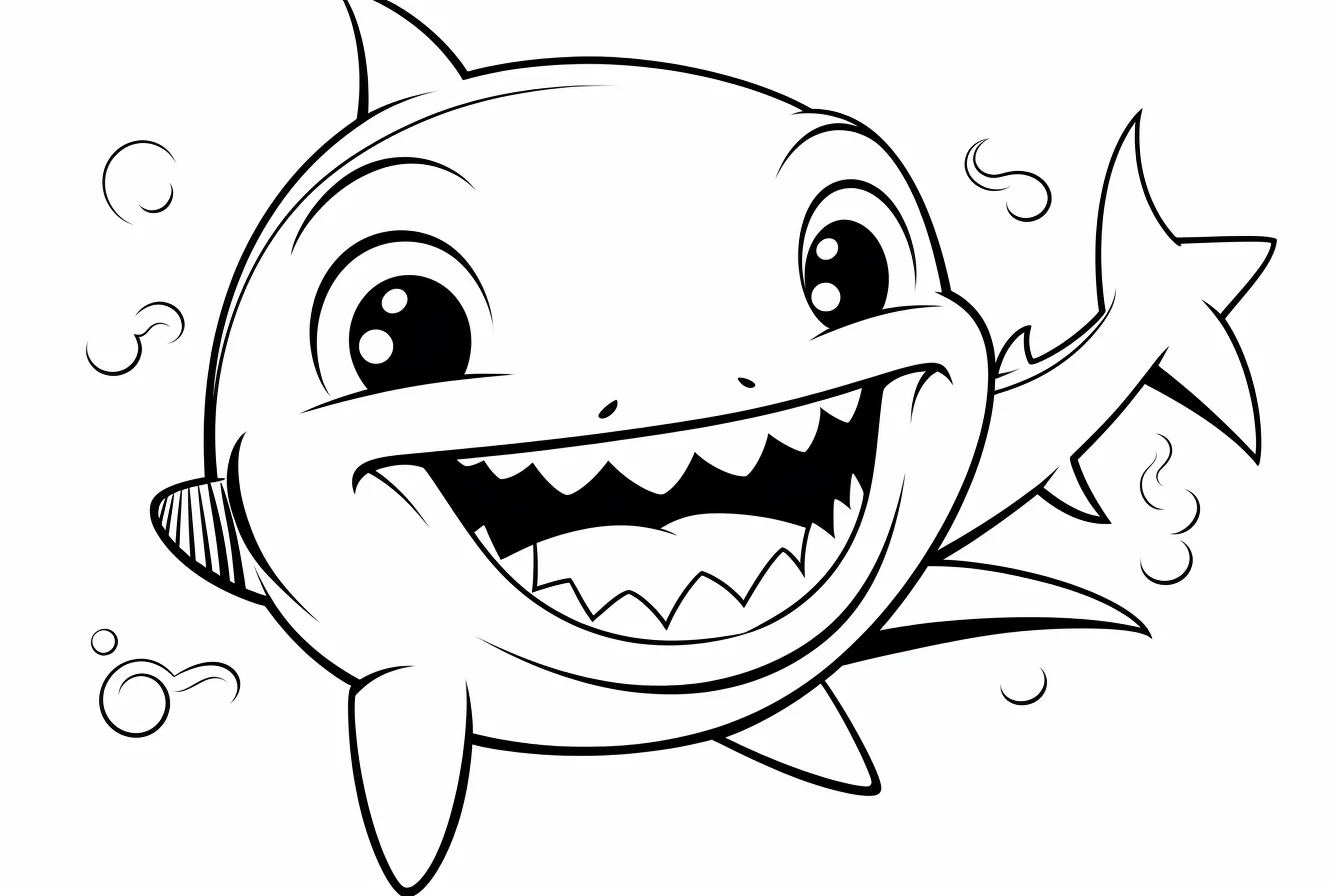
First four pages: these are good quick picks when you want a simple shark without turning the activity into a long project. Broad crayons or washable markers suit the larger shapes; colored pencils are not necessary unless the child prefers them.
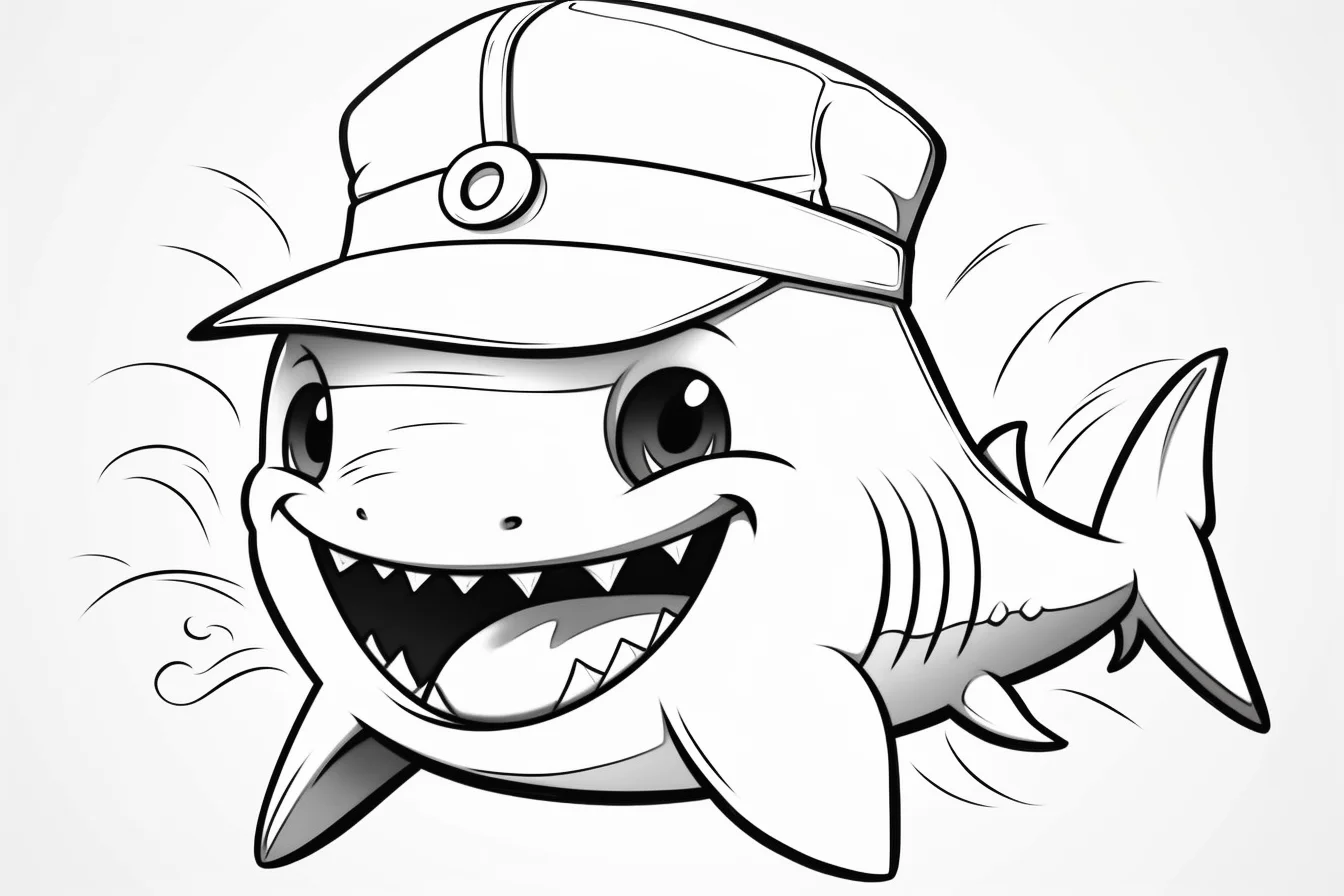
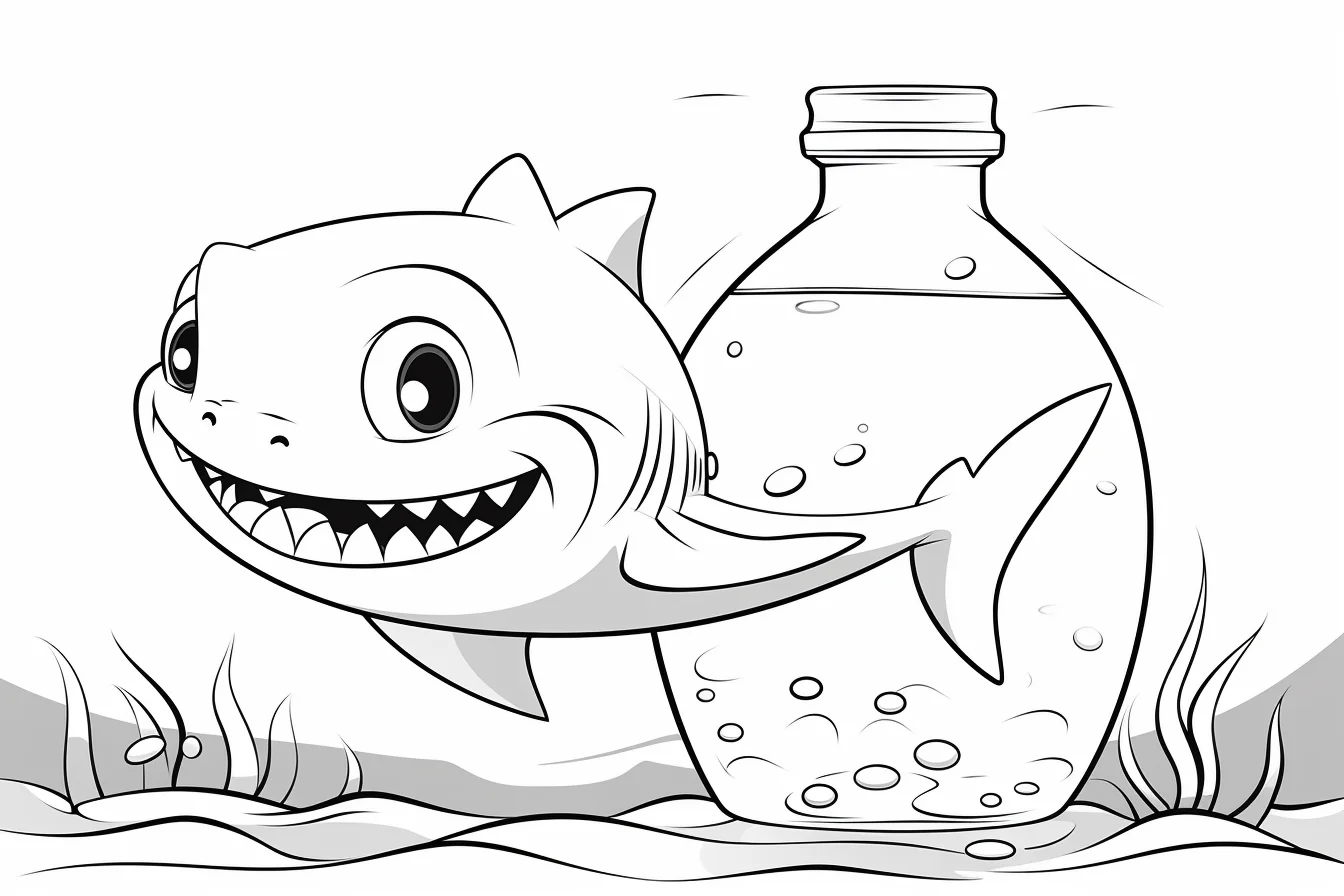
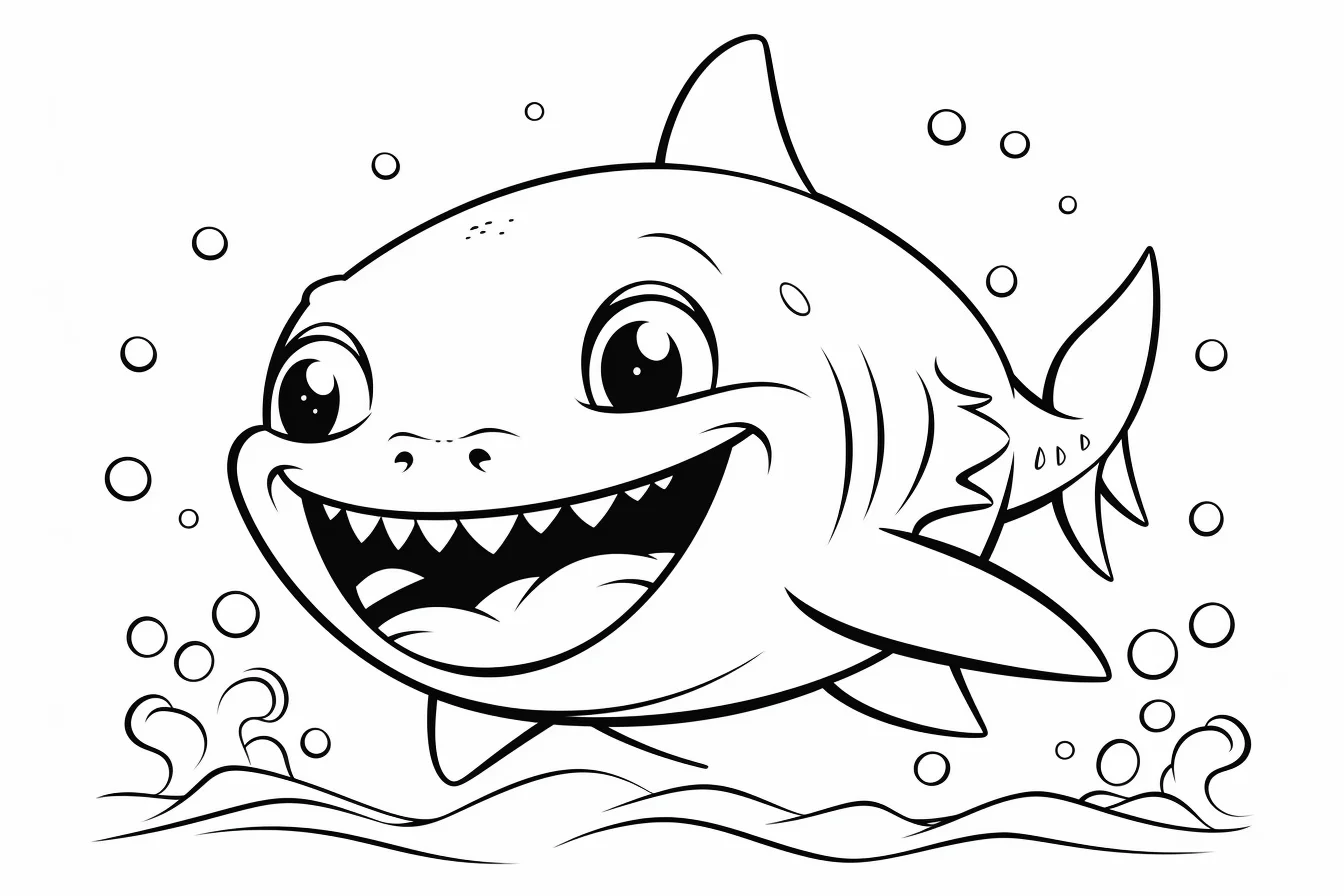
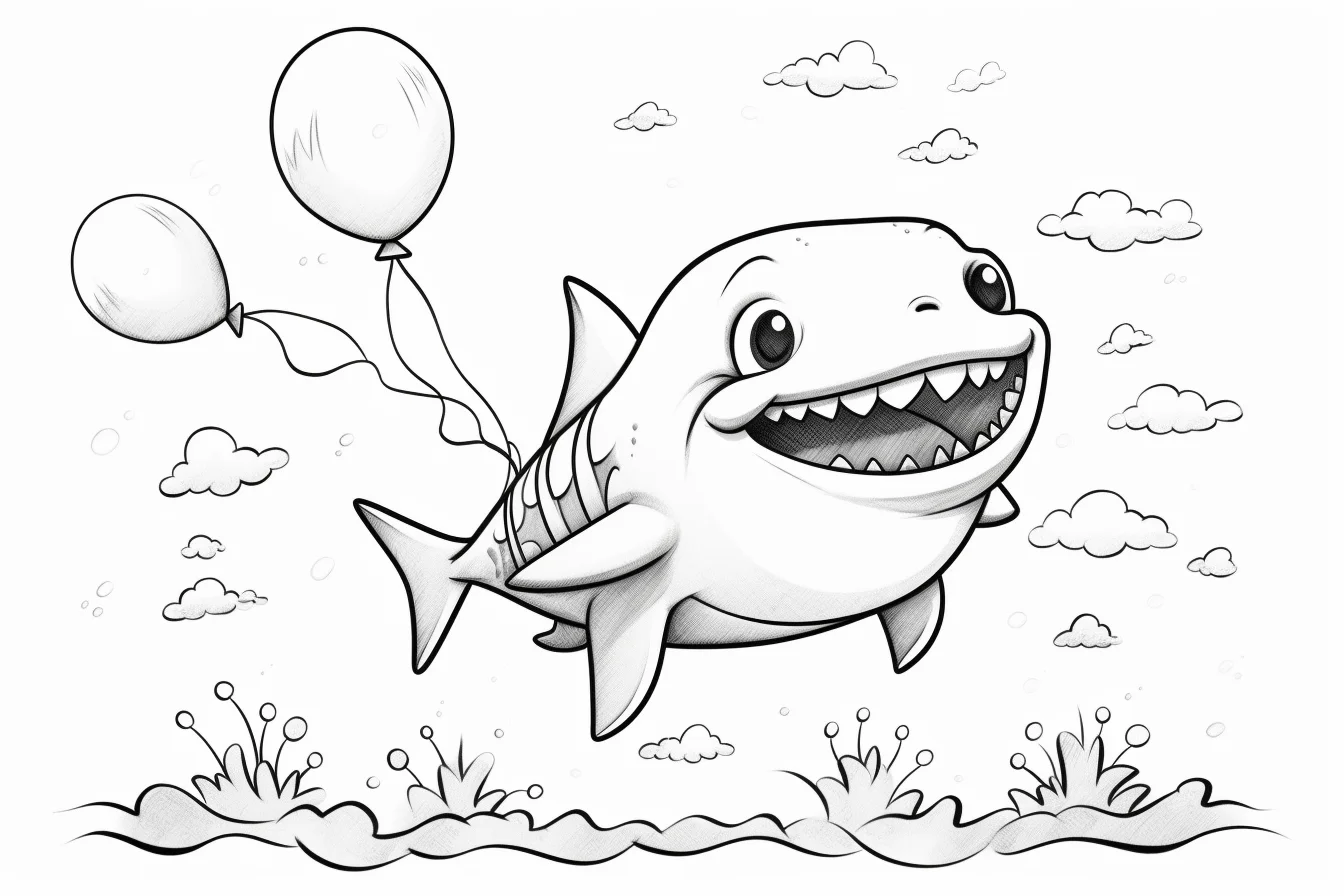
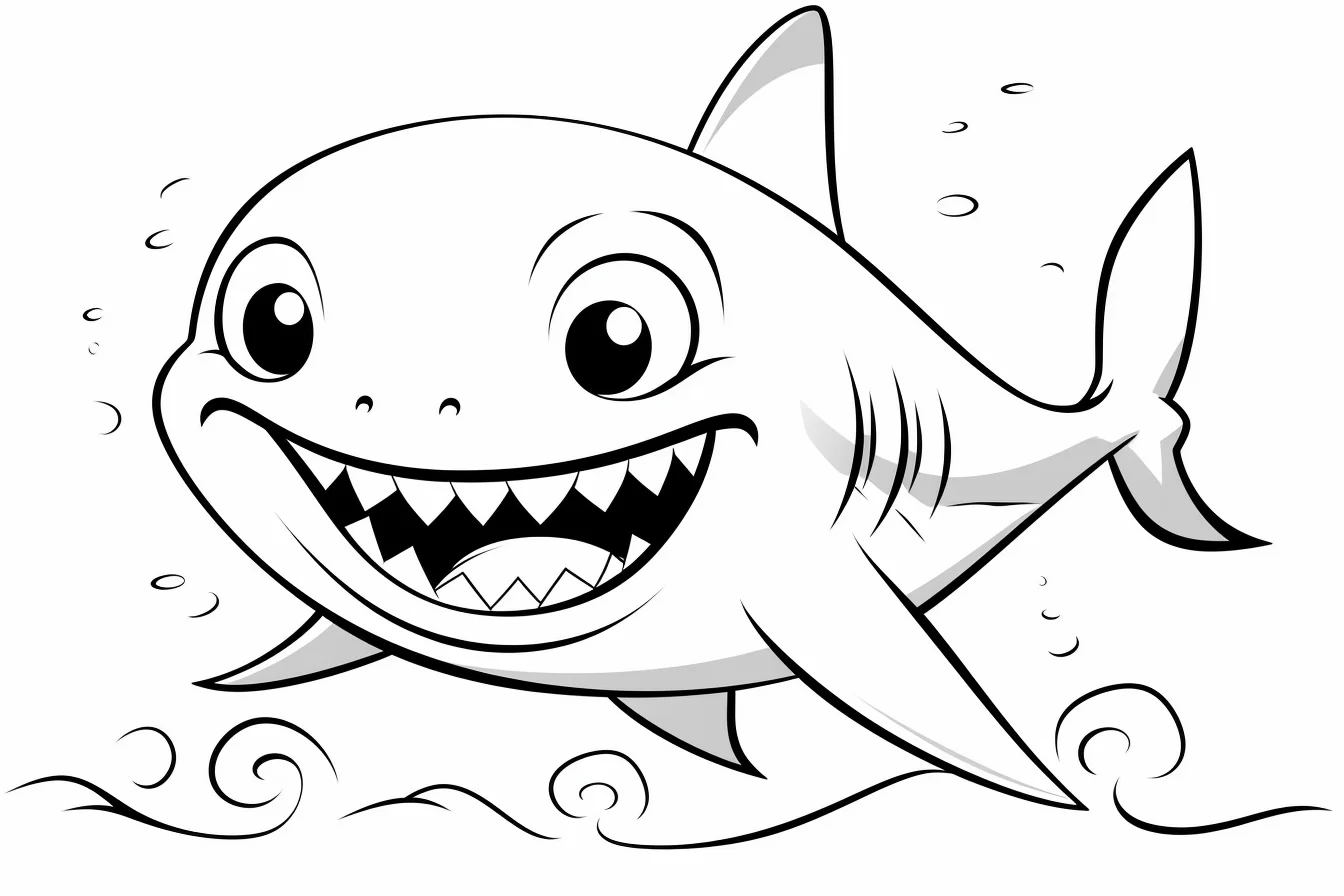
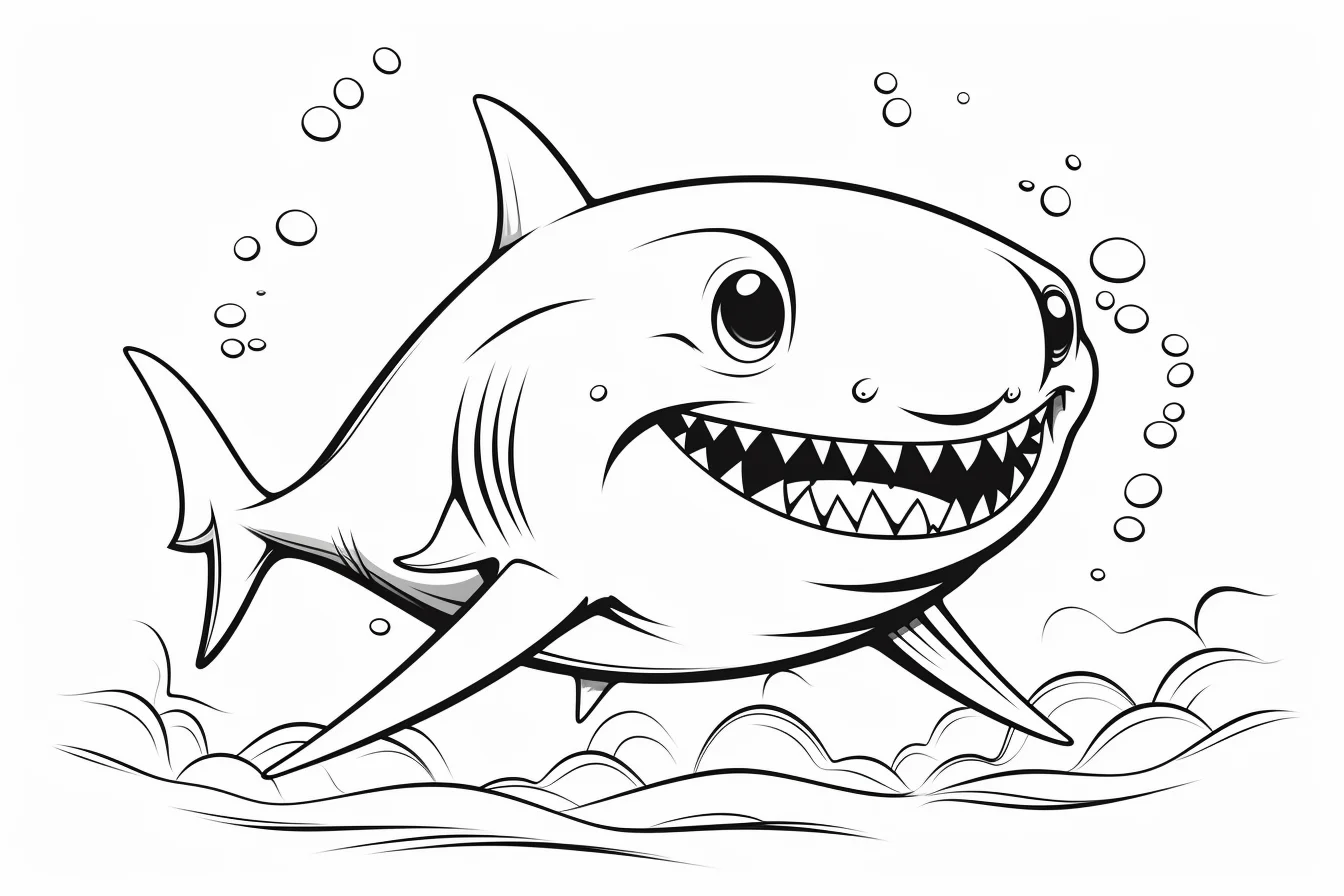
Keep the mouth simple: on cute shark pages, leaving the teeth mostly white and adding only a tiny gray shadow near the gums usually looks cleaner than coloring every tooth individually.
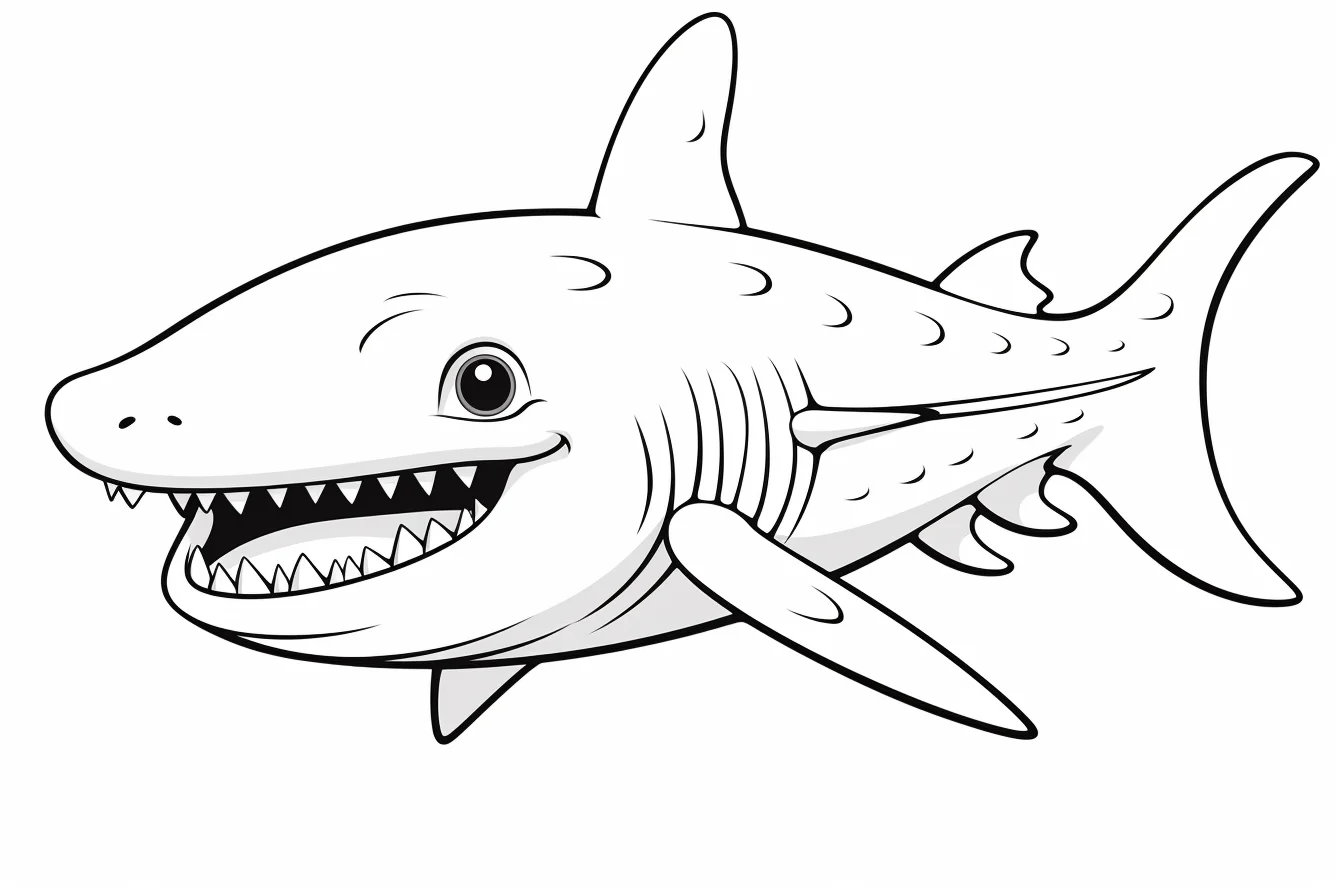
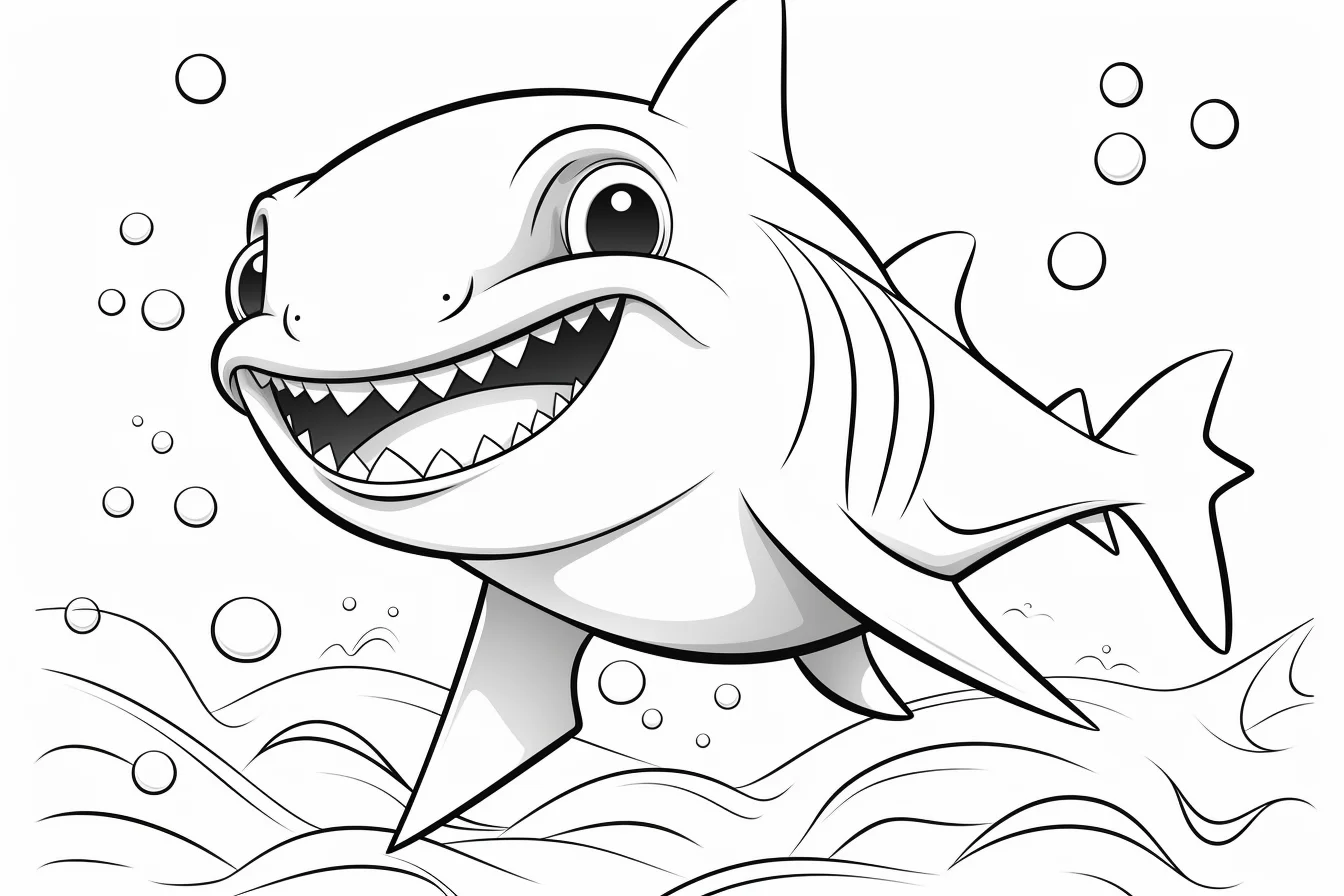
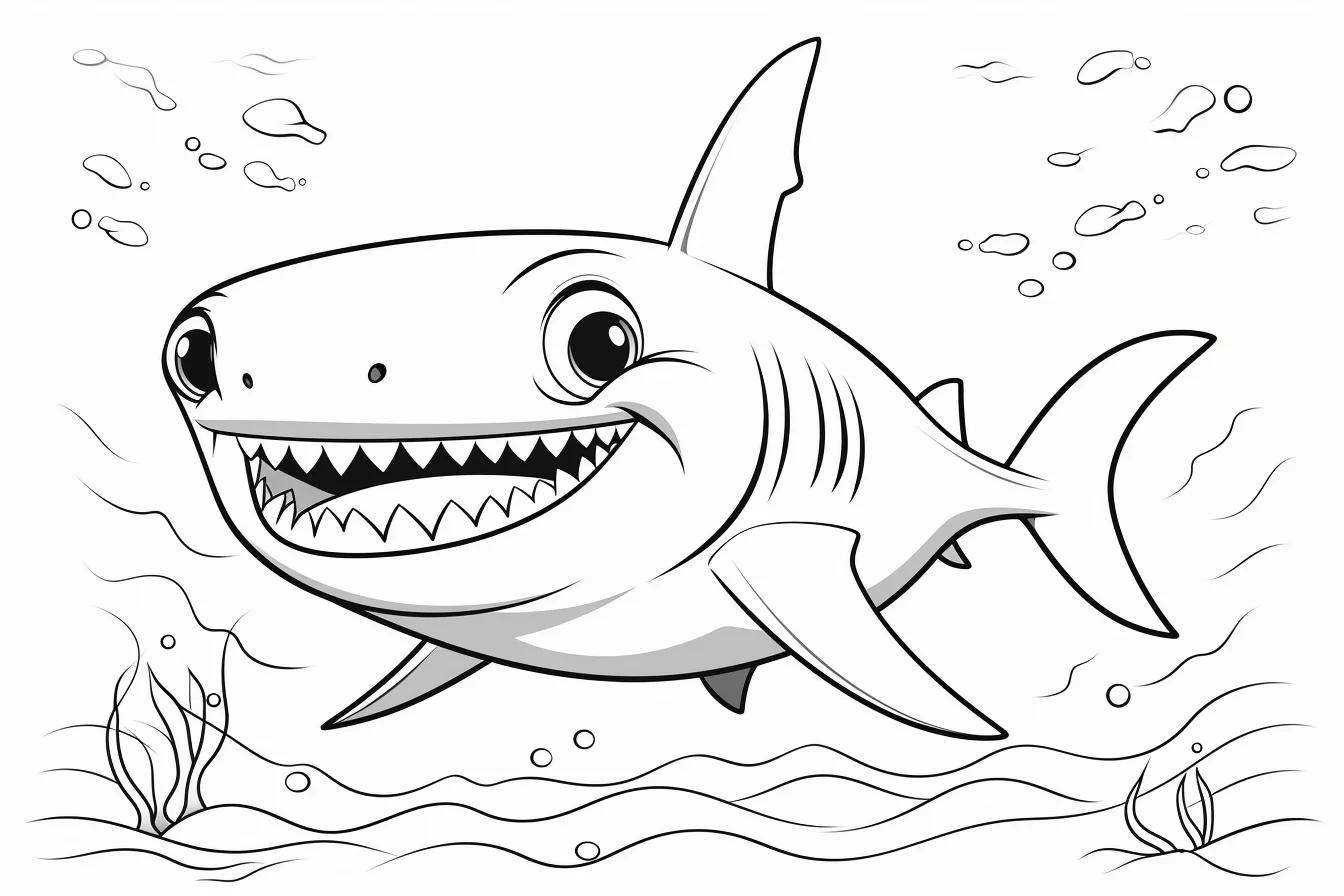
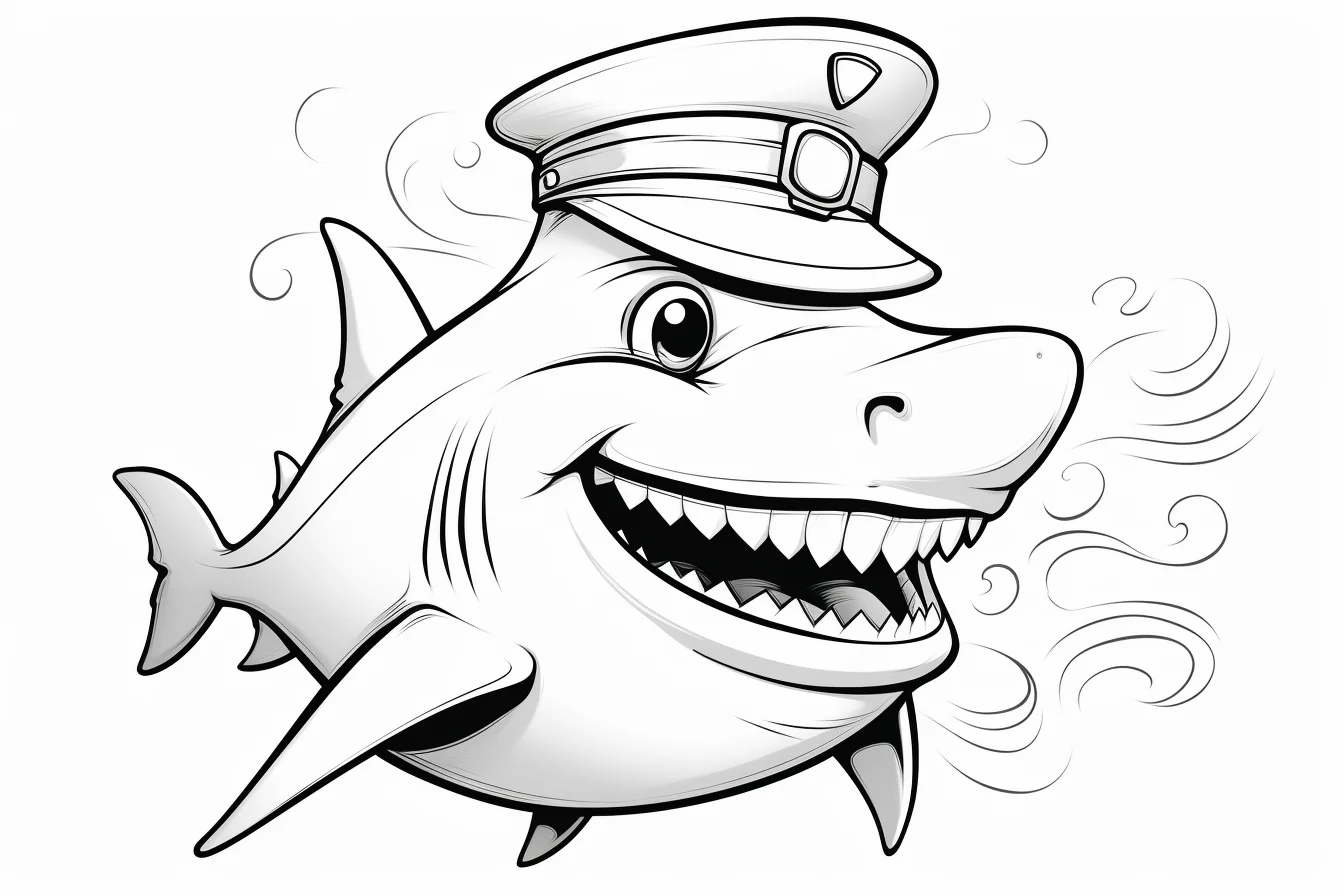
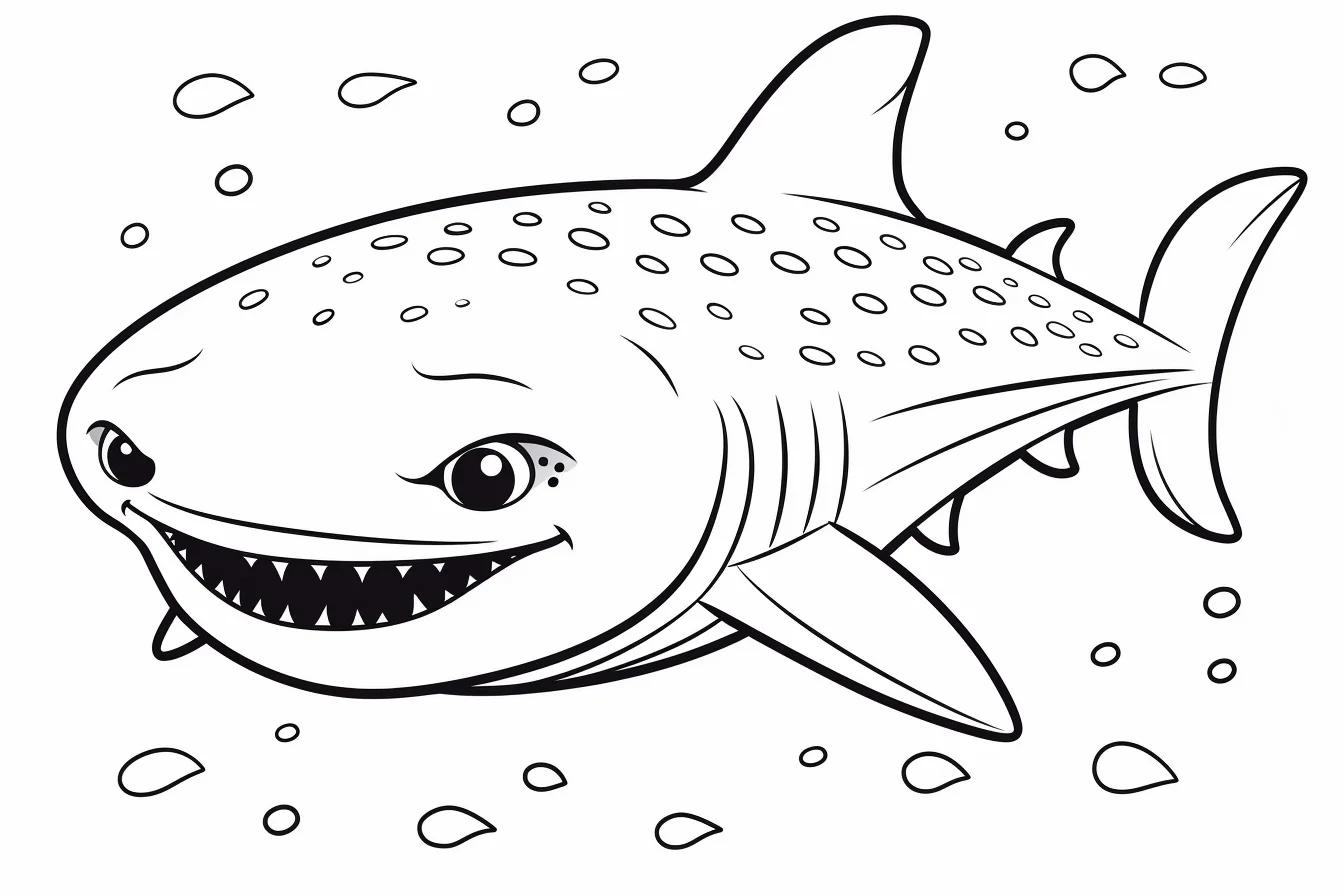
For a classroom or playdate: print two or three different sharks rather than giving every child the same page. Choice usually matters more than making everyone complete the same design, especially when attention spans vary.
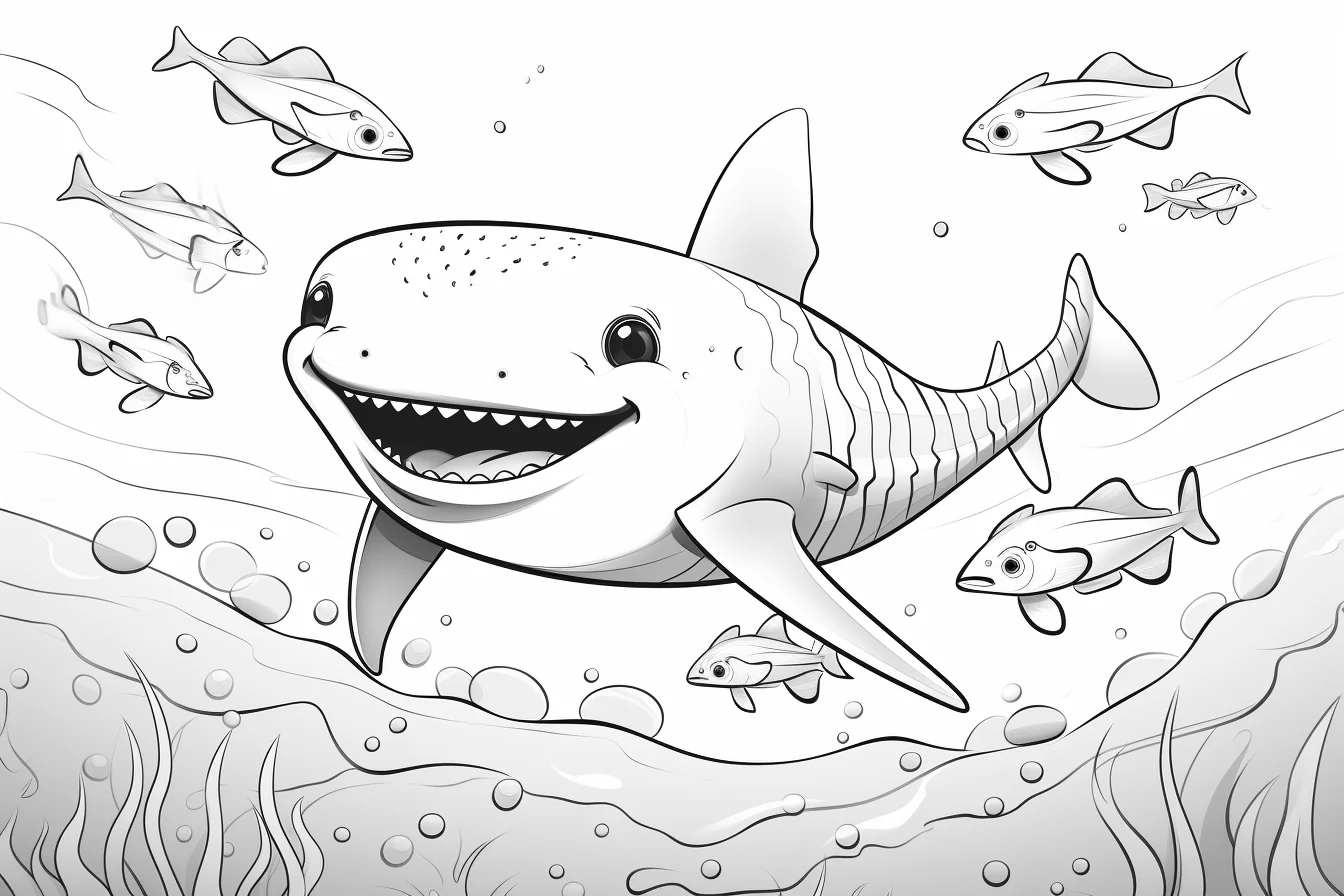
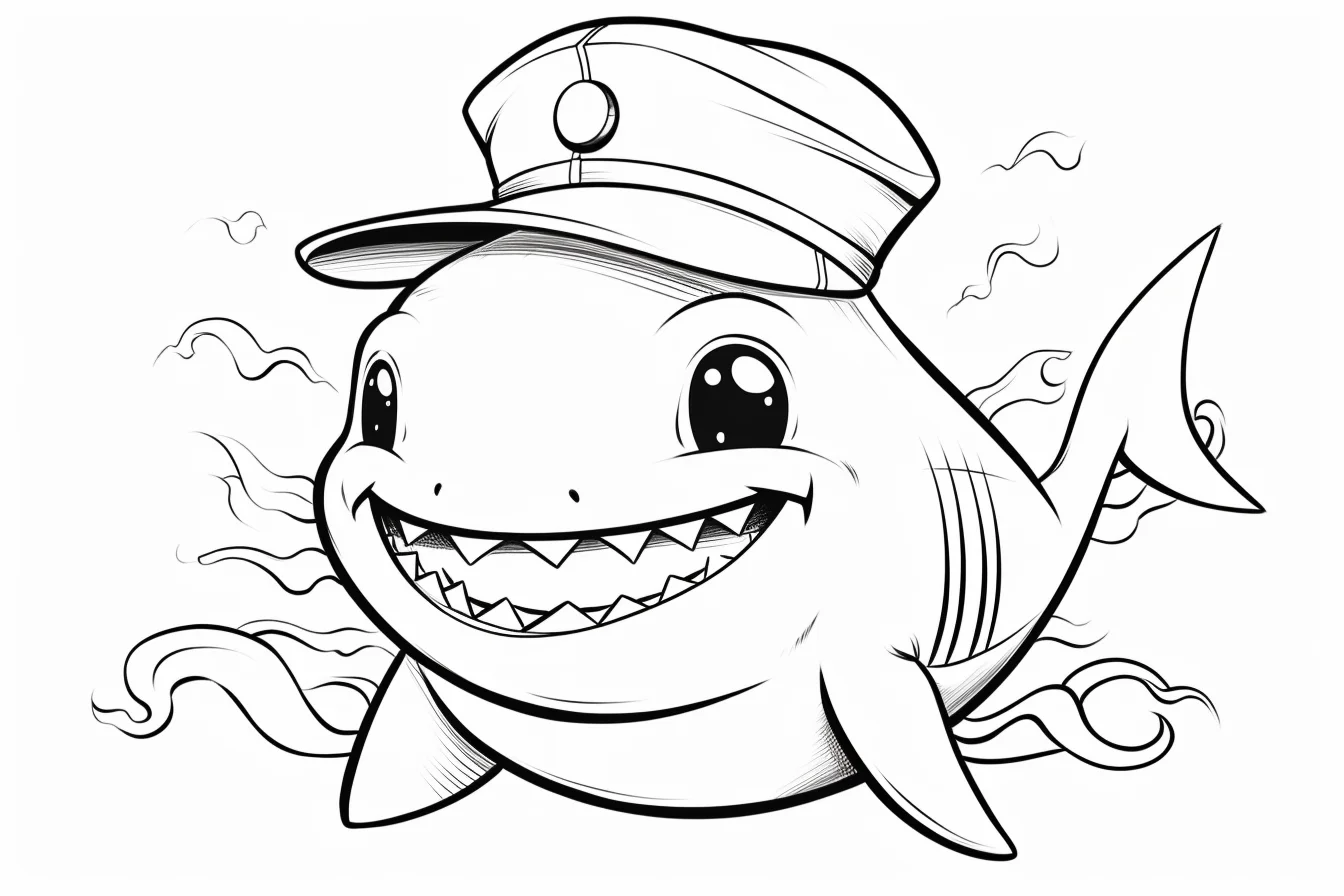
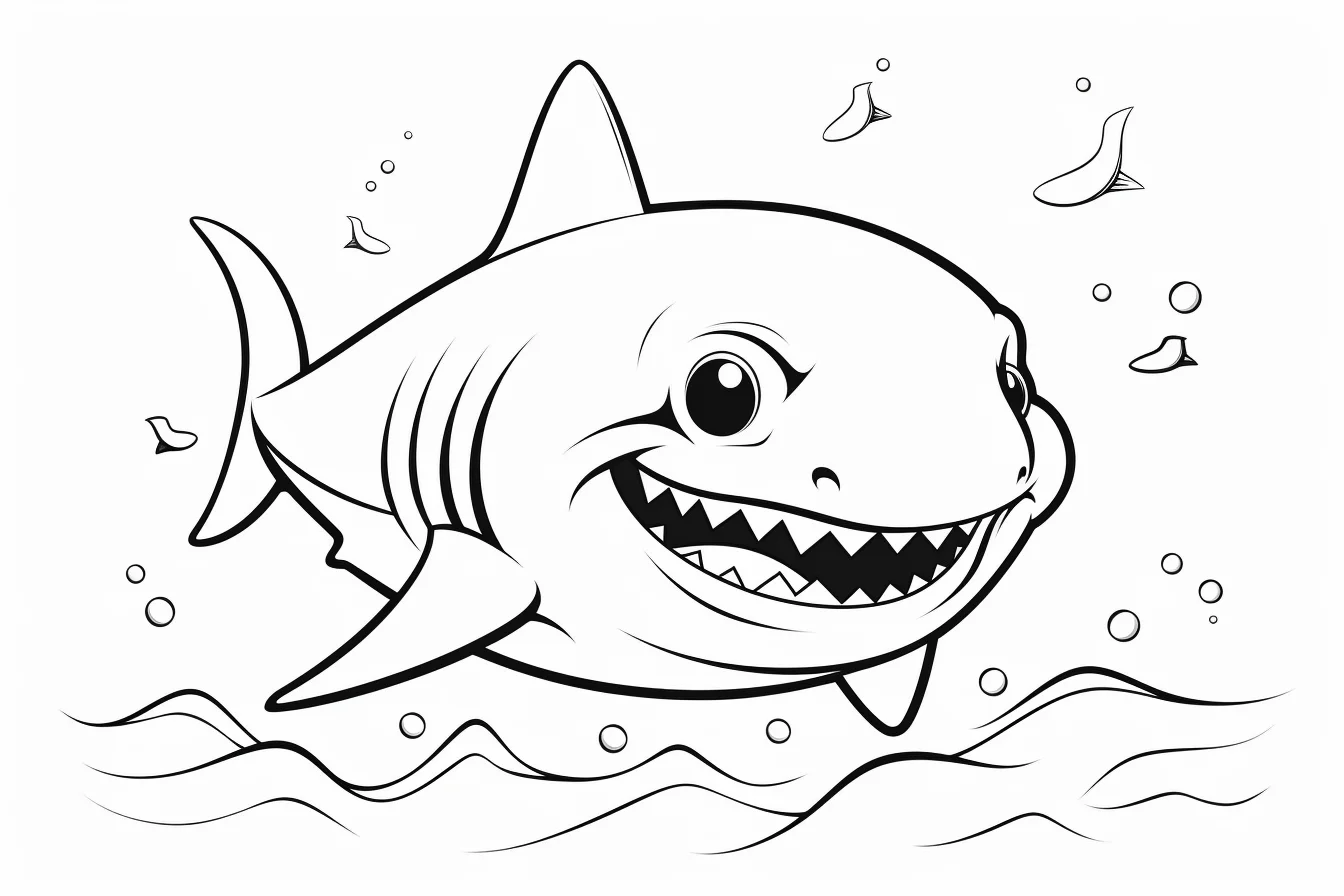
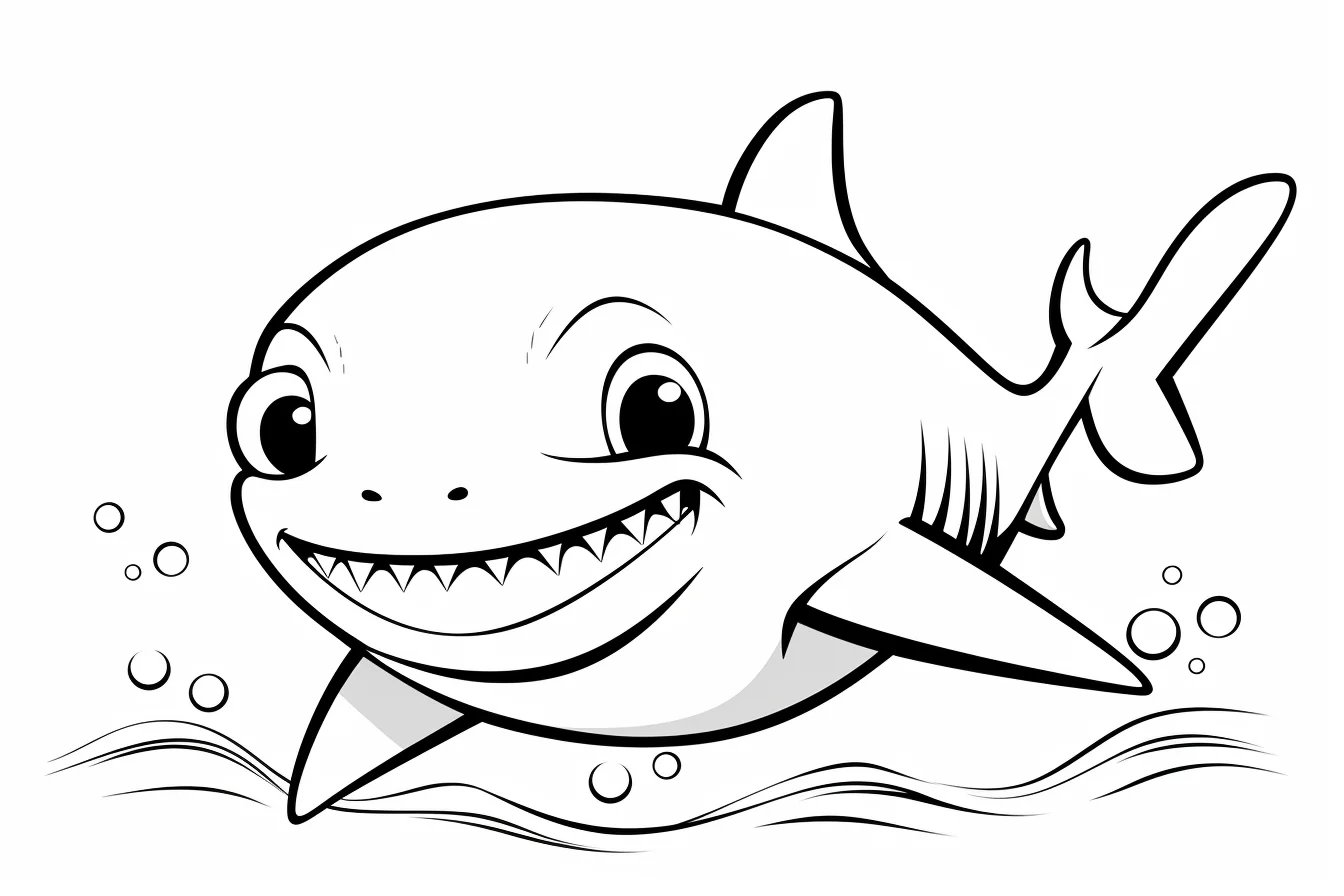
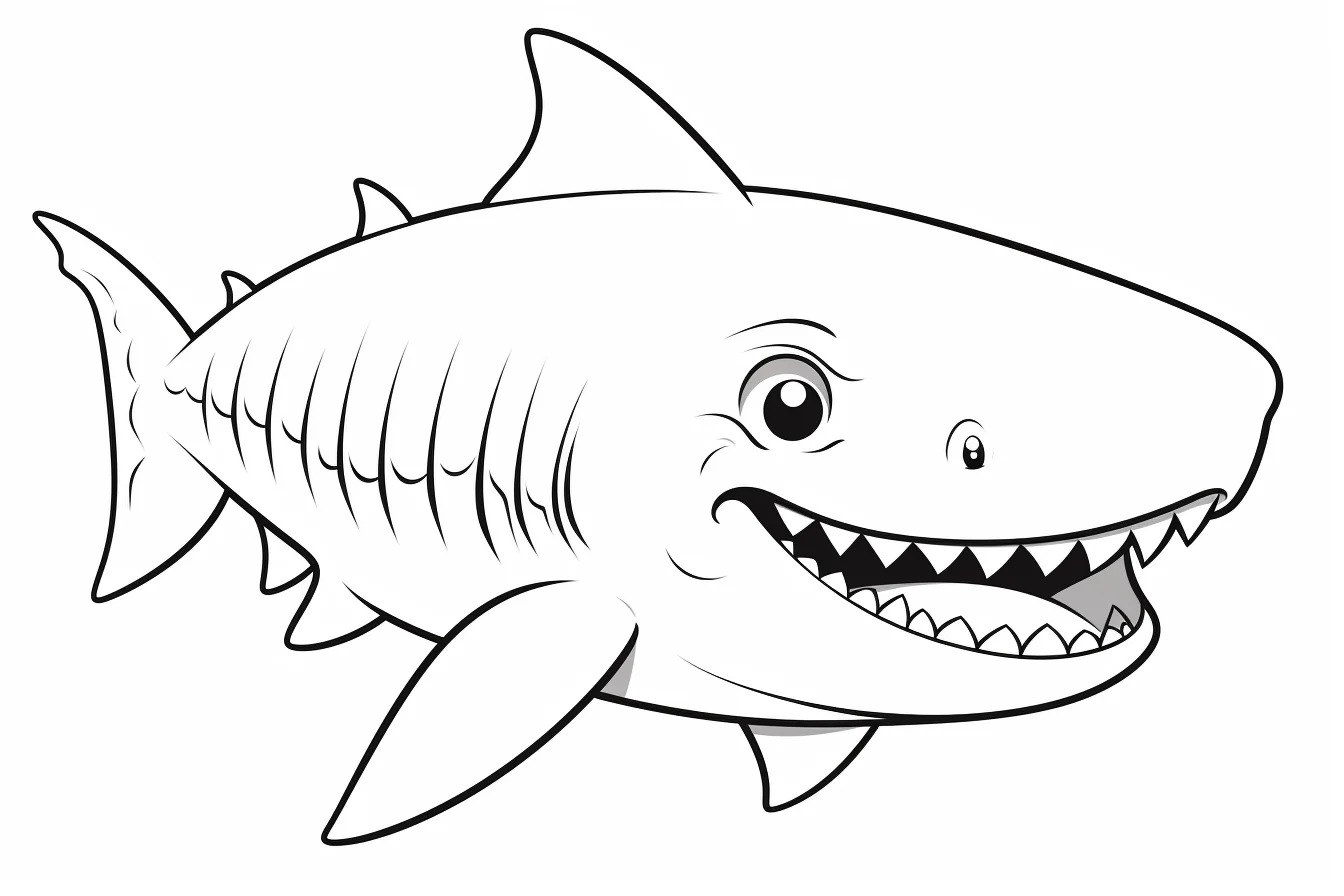
Use the background sparingly: if a child wants to add an ocean, a few blue waves, bubbles or seaweed are enough. Leaving some white space keeps the shark easy to see and prevents an otherwise simple page from becoming tiring.
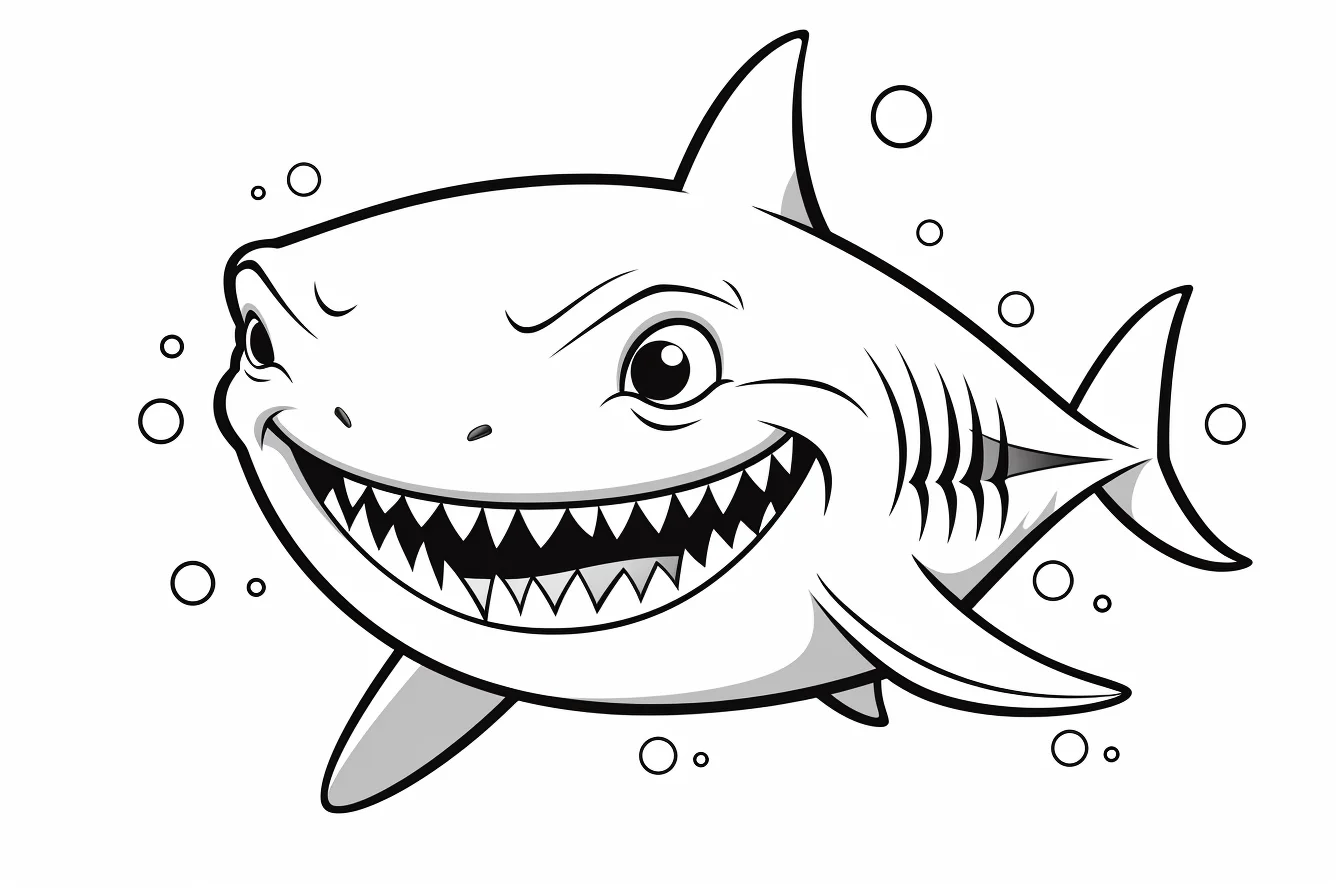
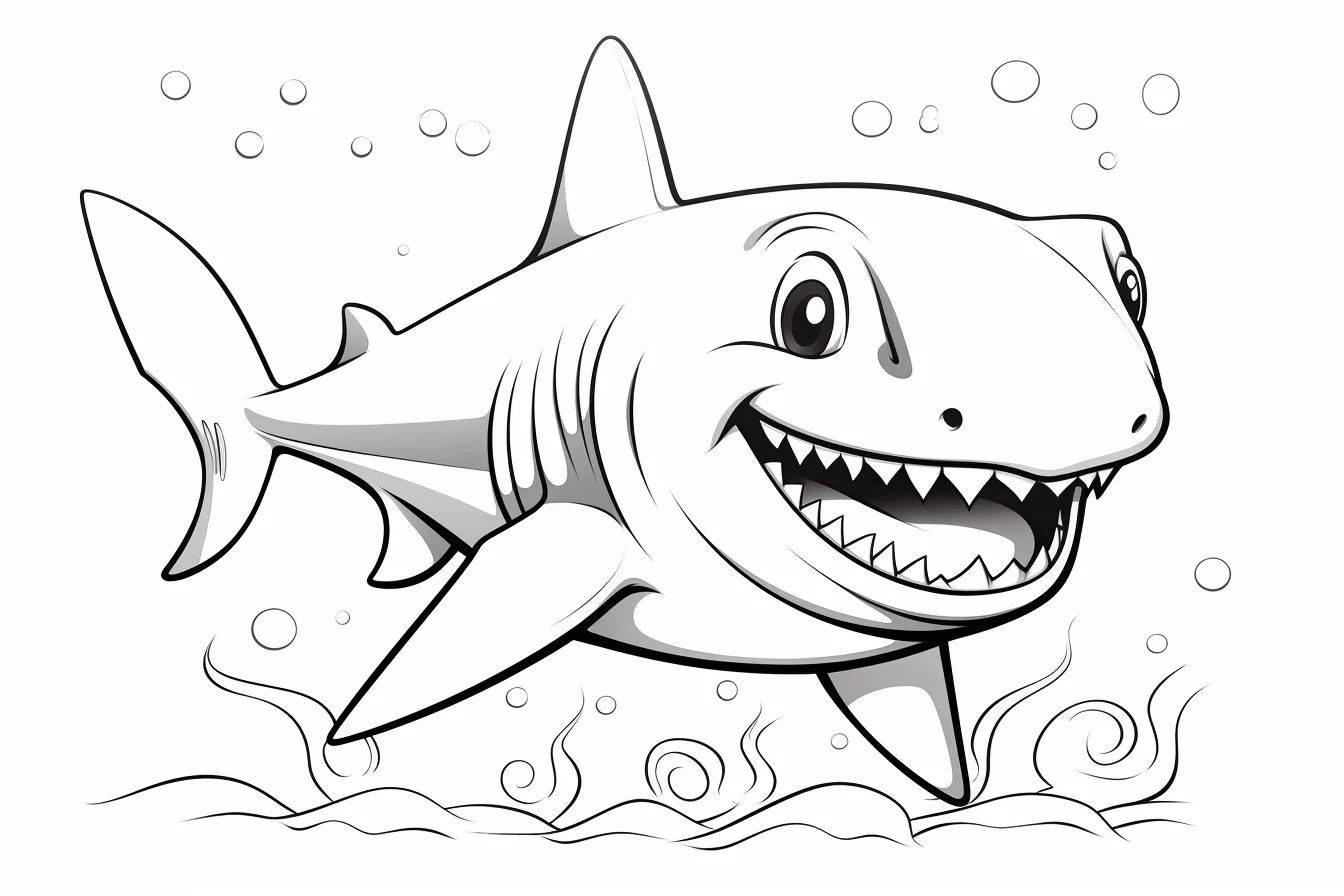
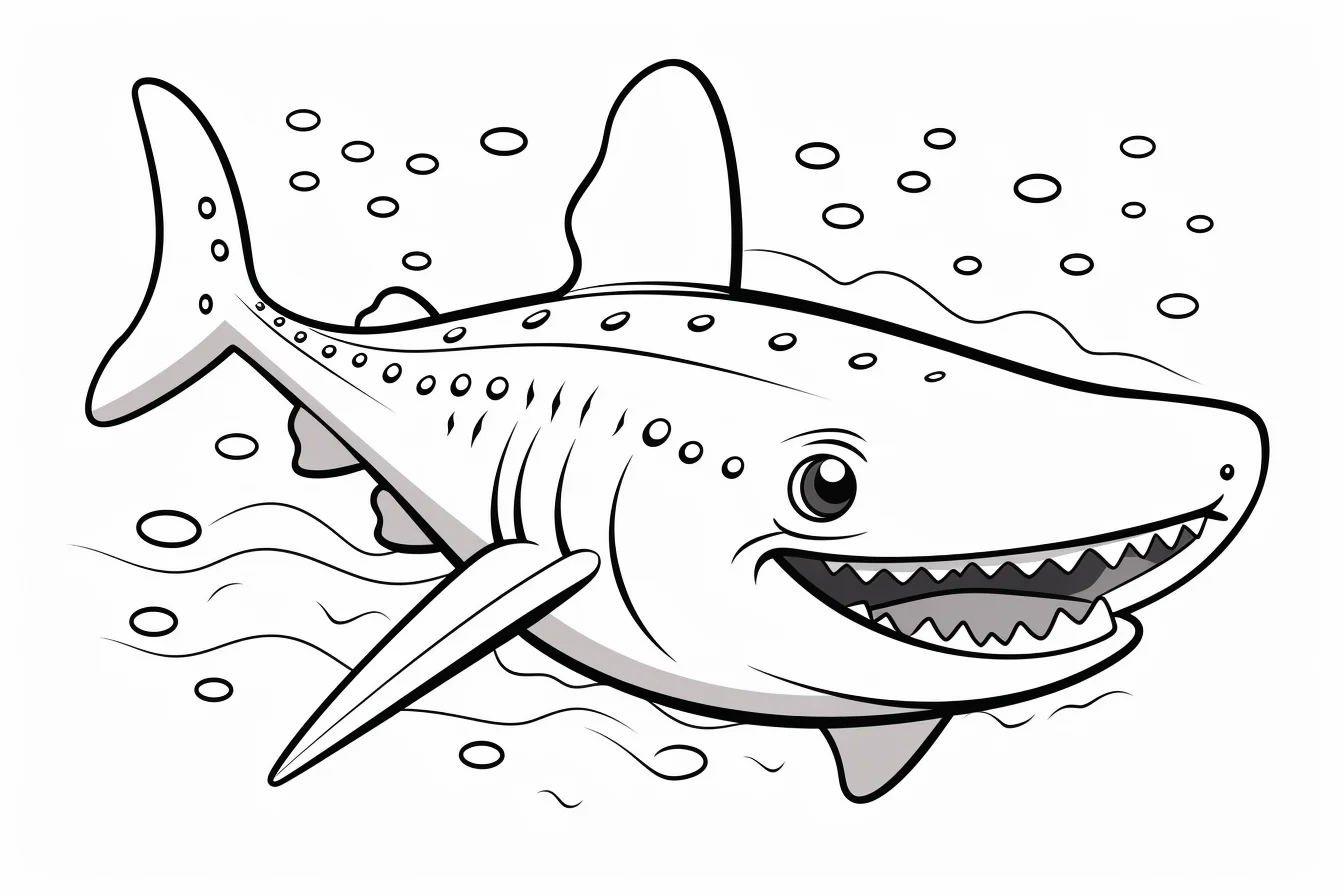
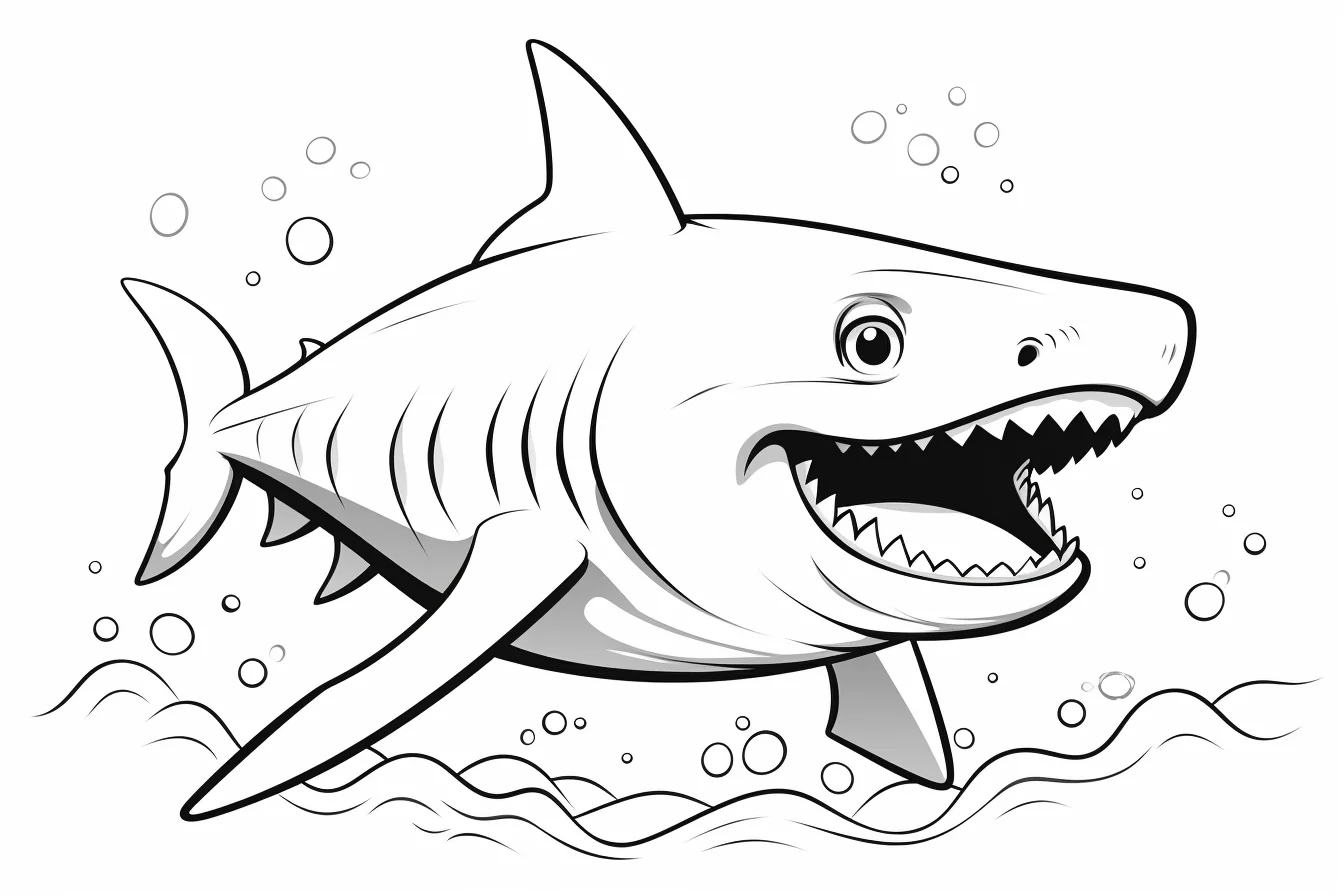
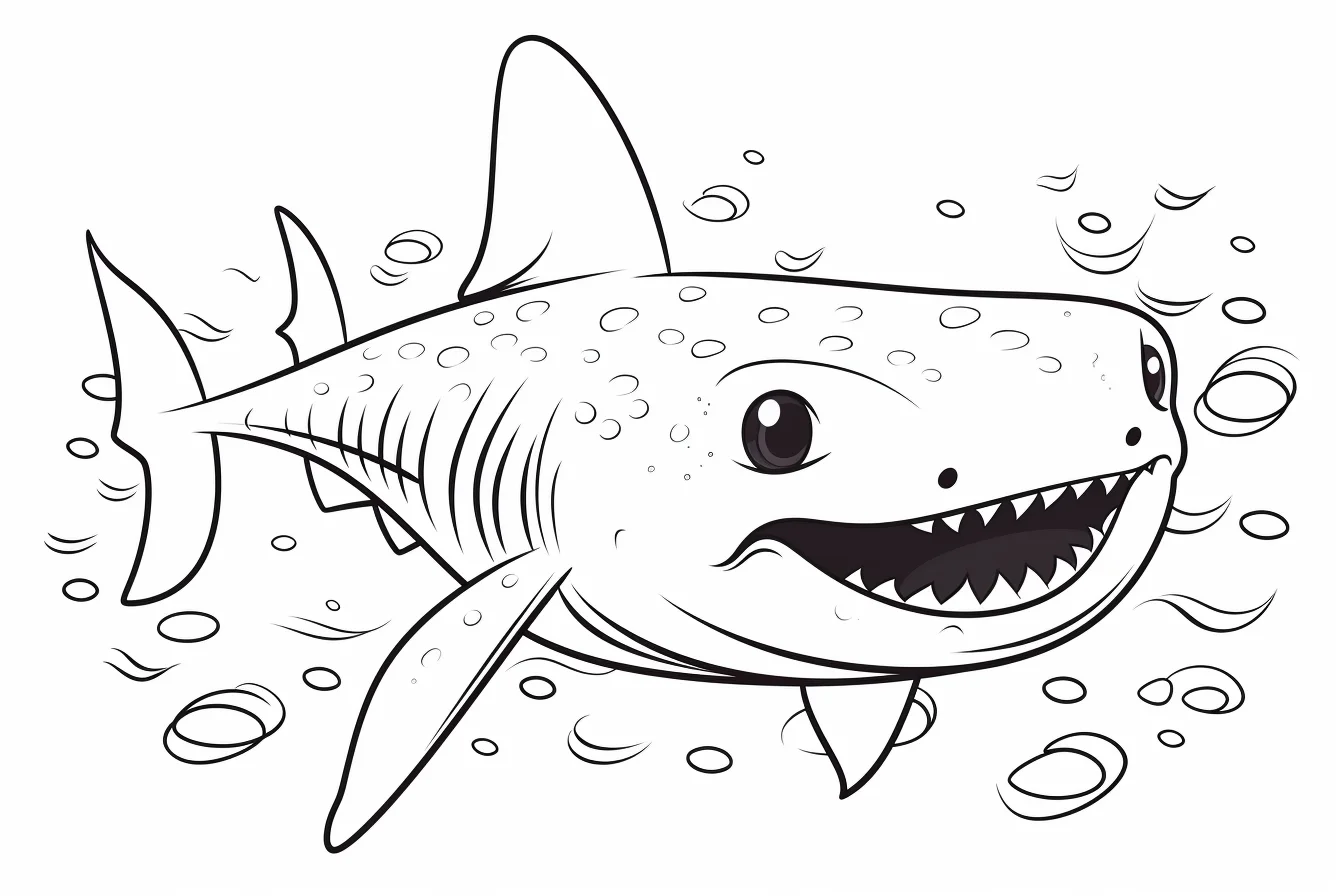
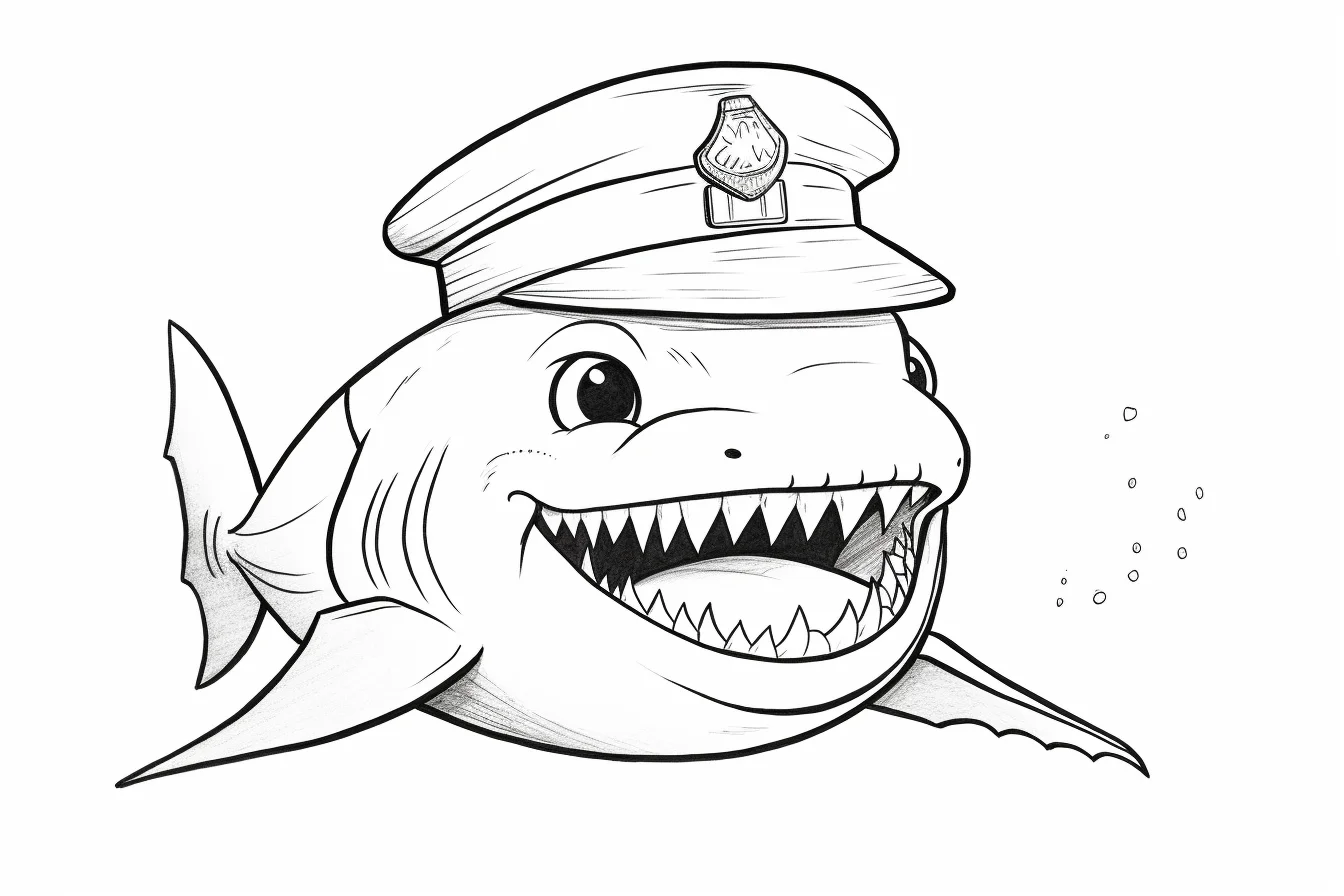
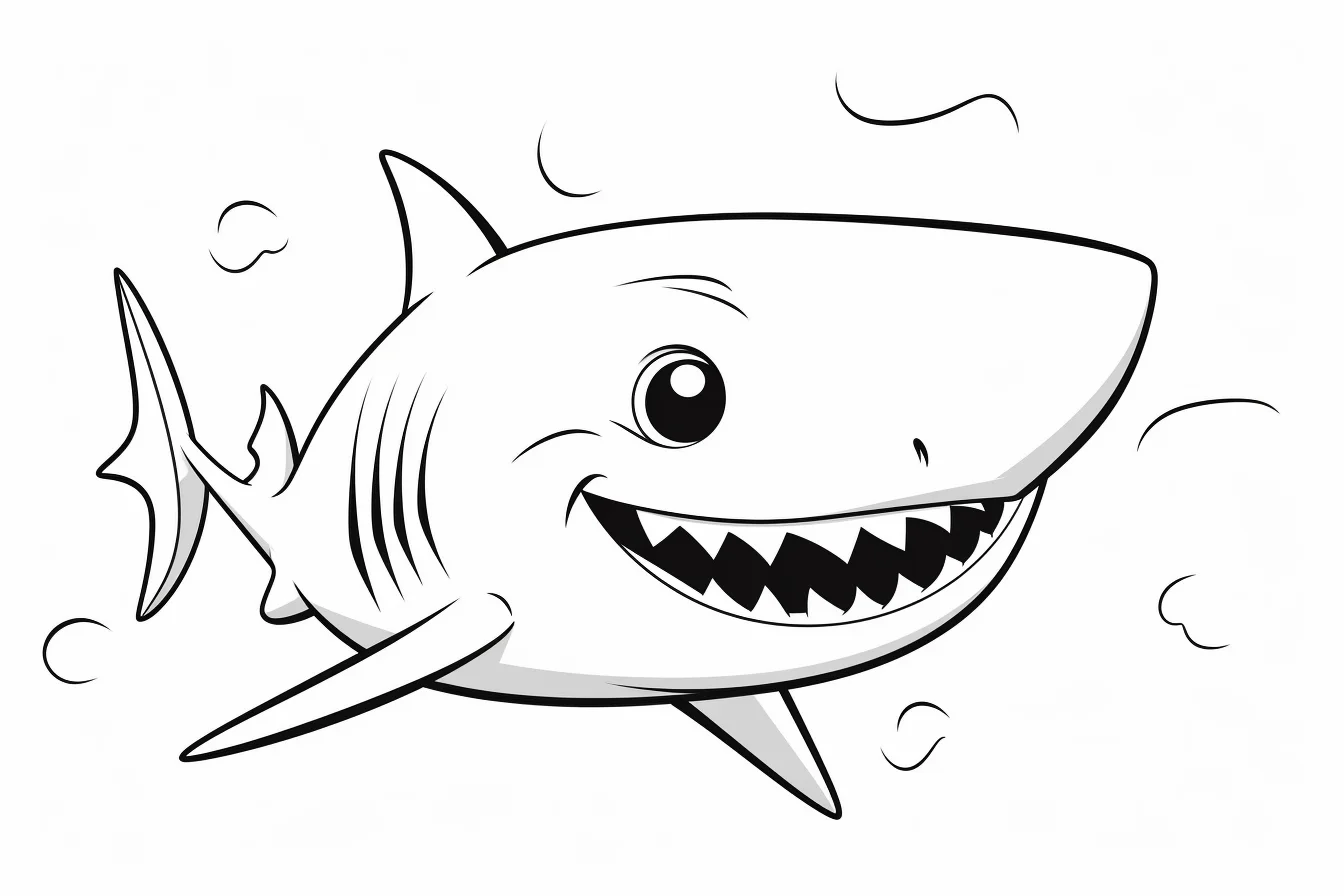
A three-page shark practice path
For preschoolers, progress is easier to see when the challenge changes one thing at a time. You do not need a formal lesson: pick three sheets from this gallery and use them on different days.
- Page 1 — big movements: choose one large shark with very little background. Use a chunky crayon and concentrate on filling the body without worrying about tiny white gaps.
- Page 2 — edge control: choose a shark with a clear belly, fins and face. Color the large body first, then slow down around the outline and smaller sections.
- Page 3 — simple decisions: choose a kawaii shark with bubbles or a few ocean details. Let the child decide which details to color and which to leave white.
If the third page causes frustration, go back to a simpler sheet. That is useful information about the current difficulty level, not a failed activity.
Match the tool to the child, not the picture
| Tool | Best for | Watch for |
|---|---|---|
| Chunky crayons | Large shark bodies and children still learning grip and pressure | Small eyes and narrow fins may be awkward |
| Regular crayons | Most of these simple pages | Pressing very hard can tire the hand |
| Washable markers | Bright flat color and children who dislike repeated scribbling | Ink can bleed through ordinary printer paper; place scrap paper underneath |
| Colored pencils | Children ready for smaller facial or ocean details | They require more pressure control than broad crayons |
When coloring gets frustrating
| What you notice | Try this next |
|---|---|
| The child keeps crossing the outline | Choose a shark with fewer, larger sections and use a broader crayon. Accuracy can come later. |
| They color for a minute and leave | Offer two pages and let them choose. A single-shark design is usually easier to finish than a scene. |
| They press so hard the hand tires | Demonstrate a lighter stroke on scrap paper, or switch to a washable marker that needs less pressure. |
| They only want one color | Let the shark be one color. Add a second choice only for the belly, bubbles or background. |
| They rush through every space | Ask them to finish just the shark first. Treat the background as optional rather than another task. |
| The page now feels too easy | Ask the child to add three bubbles, a wavy water line, seaweed or a small fish instead of immediately moving to a much denser printable. |
Turn a shark page into a short preschool activity
Coloring can carry a little language and observation practice without turning into a worksheet. While the child colors, ask concrete questions that have no single artistic answer: “Which fin is at the top?”, “Can you find the tail?”, “Should your shark swim near the surface or deep underwater?” or “What could we draw beside it?”
For counting practice, add a small number of repeated objects: three bubbles, two fish or four pieces of seaweed. For comparison, print two simple sharks and make one light and one dark, one spotted and one striped, or one daytime and one nighttime shark. The drawing remains the main activity; the prompt simply gives the child a reason to make a choice.
How much help should an adult give?
If the goal is pencil control and confidence, avoid correcting every mark outside the line. Help with the parts that genuinely block the activity—opening the image, choosing a manageable page, holding the paper still or identifying a tiny section—but leave color decisions and imperfect filling to the child.
A useful test is whether your help keeps the child coloring or turns the page into something you are completing for them. When a section is too small, it is usually better to leave it white or choose an easier sheet next time than to take over the crayon.
Baby shark coloring questions
Which page should a preschooler start with?
Choose one of the designs with a single large shark, a clear outline and little or no background. If the child finishes quickly and wants another page, move to a kawaii design with a few more small details rather than jumping straight to a busy underwater scene.
Do preschoolers need to stay inside the lines?
No. The outlines provide a useful boundary to aim for, but crossing them is normal while hand control develops. A page with larger spaces is more helpful than repeated reminders to be precise.
What colors should a baby shark be?
Any colors the child wants. Gray and blue can suggest a real shark, while pink, purple, green or rainbow combinations work just as well for these cartoon designs. For a simple two-color plan, use a darker back and a lighter belly.
How can I make the activity last longer without choosing a harder page?
Add one small challenge after the shark is finished: bubbles to count, a wavy water line, seaweed, a tiny fish or a simple pattern on the shark. This increases the activity gradually without replacing a comfortable page with a dense one.
Are markers okay for these printables?
Yes, especially washable markers on the larger shapes. Put scrap paper behind the printable because ordinary printer paper can allow wet ink to show through.
When the easy set is no longer challenging
If these large, simple designs have become effortless, move to the 36-page baby shark collection for more underwater detail or the general shark coloring pages for a broader range of shark designs. That keeps this collection focused on preschool-friendly simplicity rather than making the sheets themselves artificially harder.

