
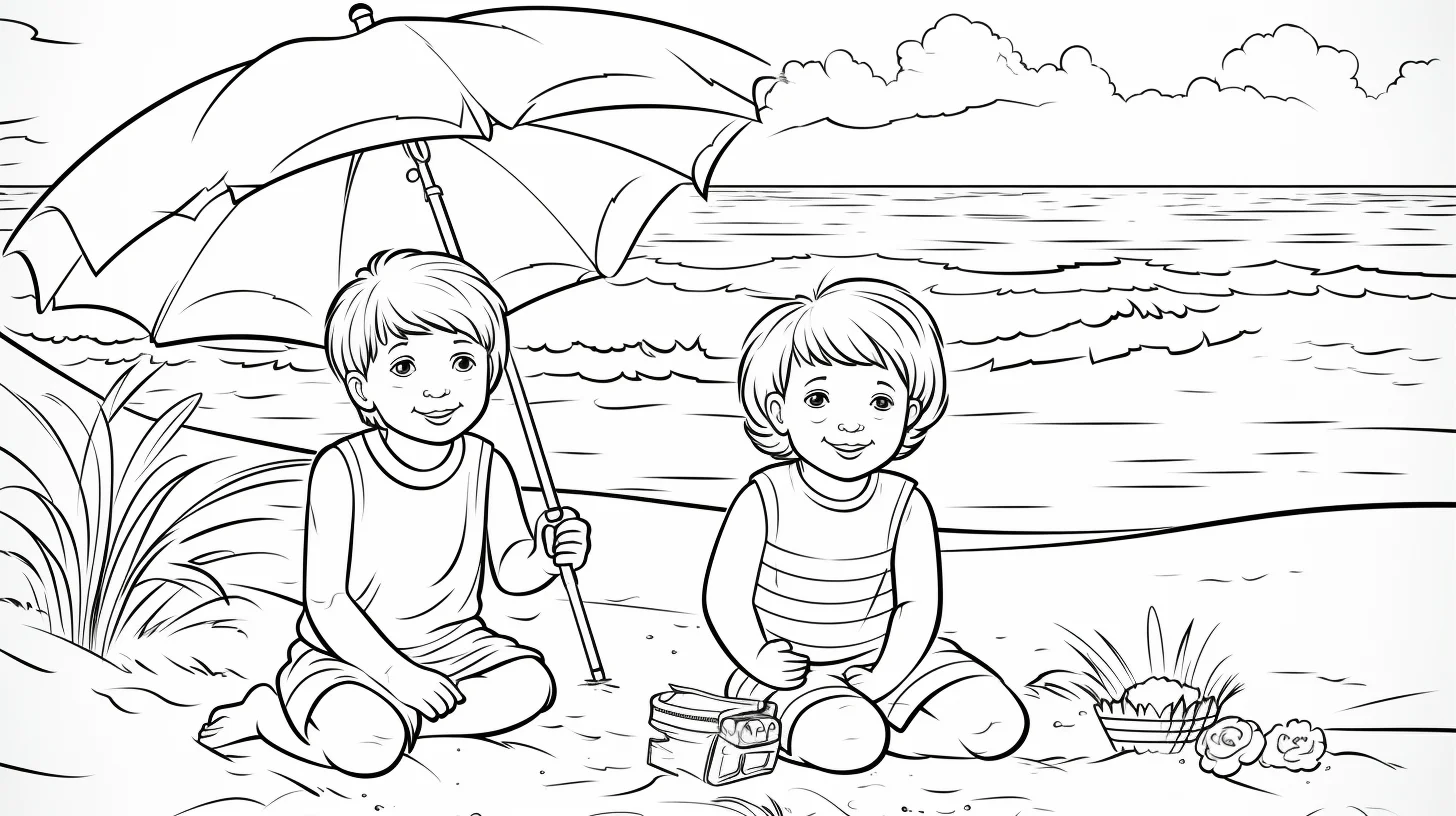
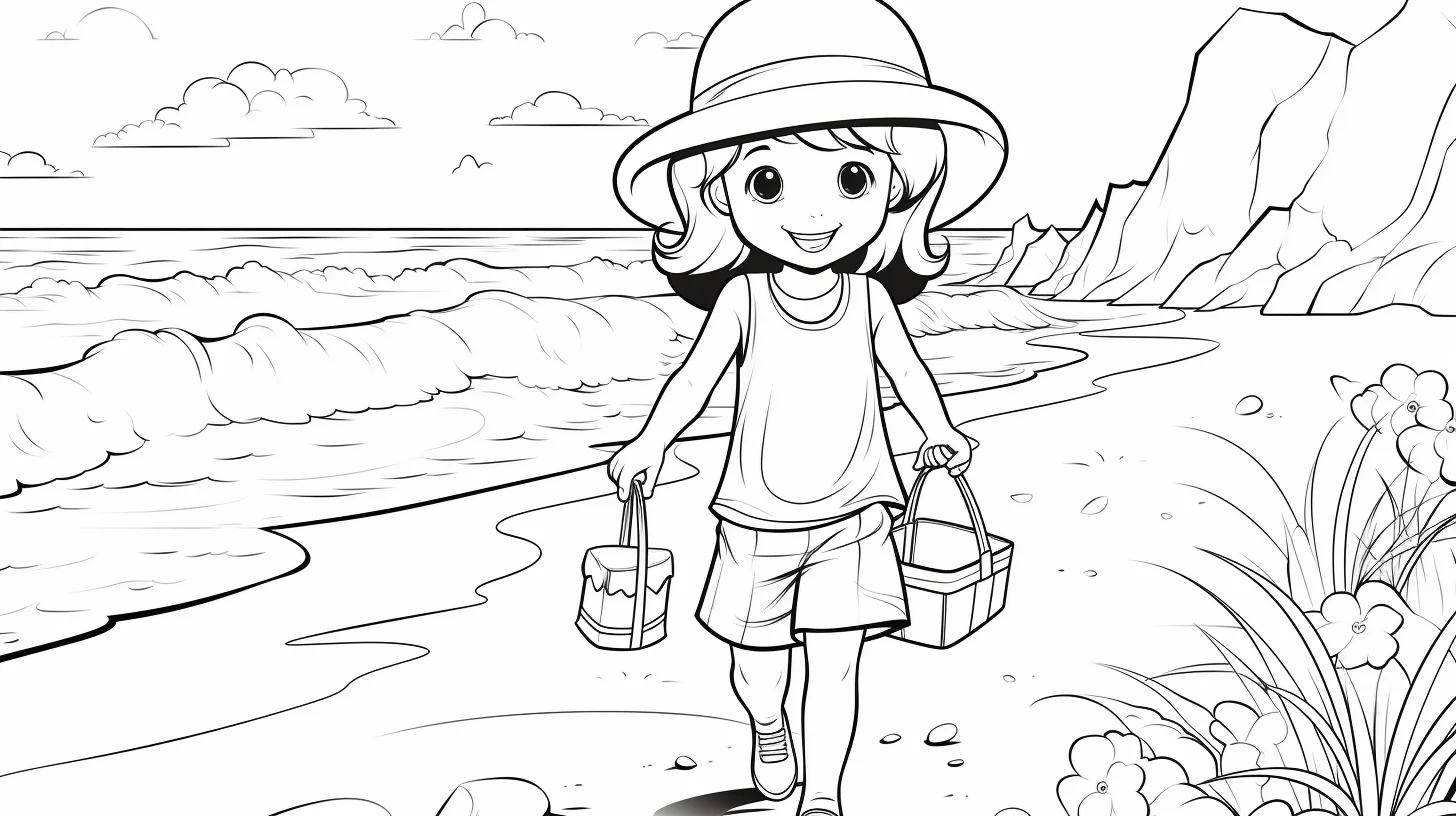
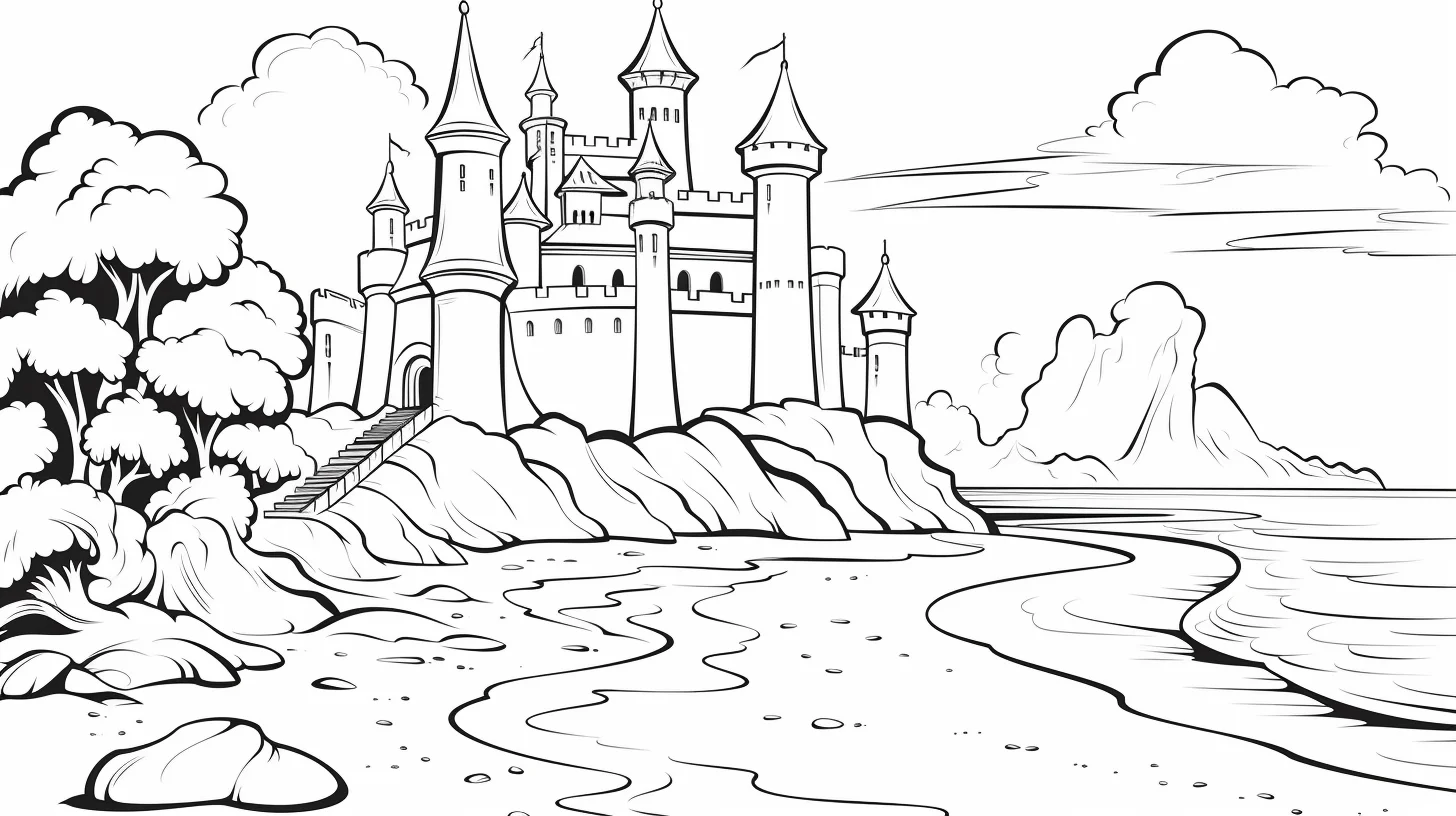
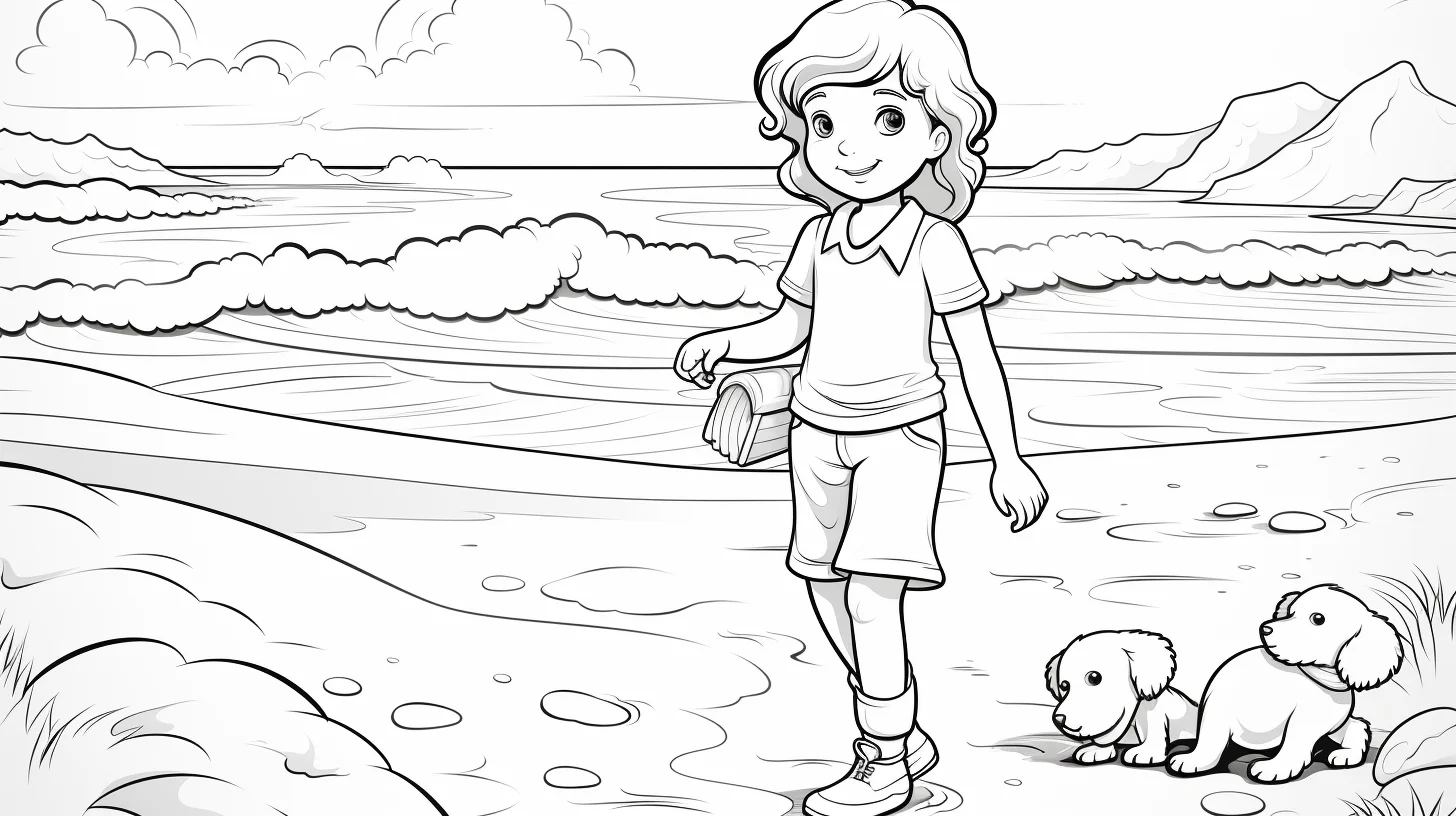
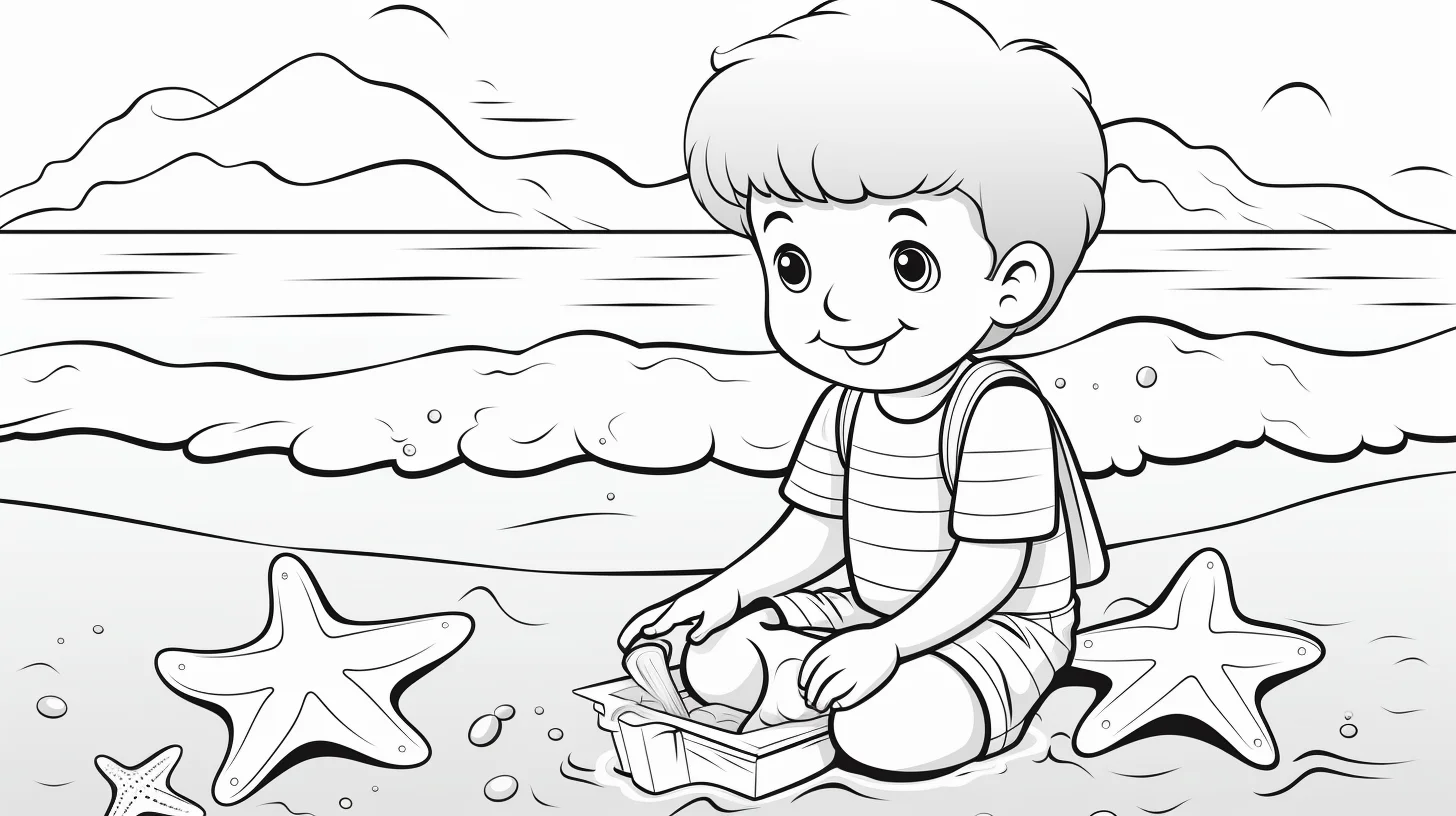
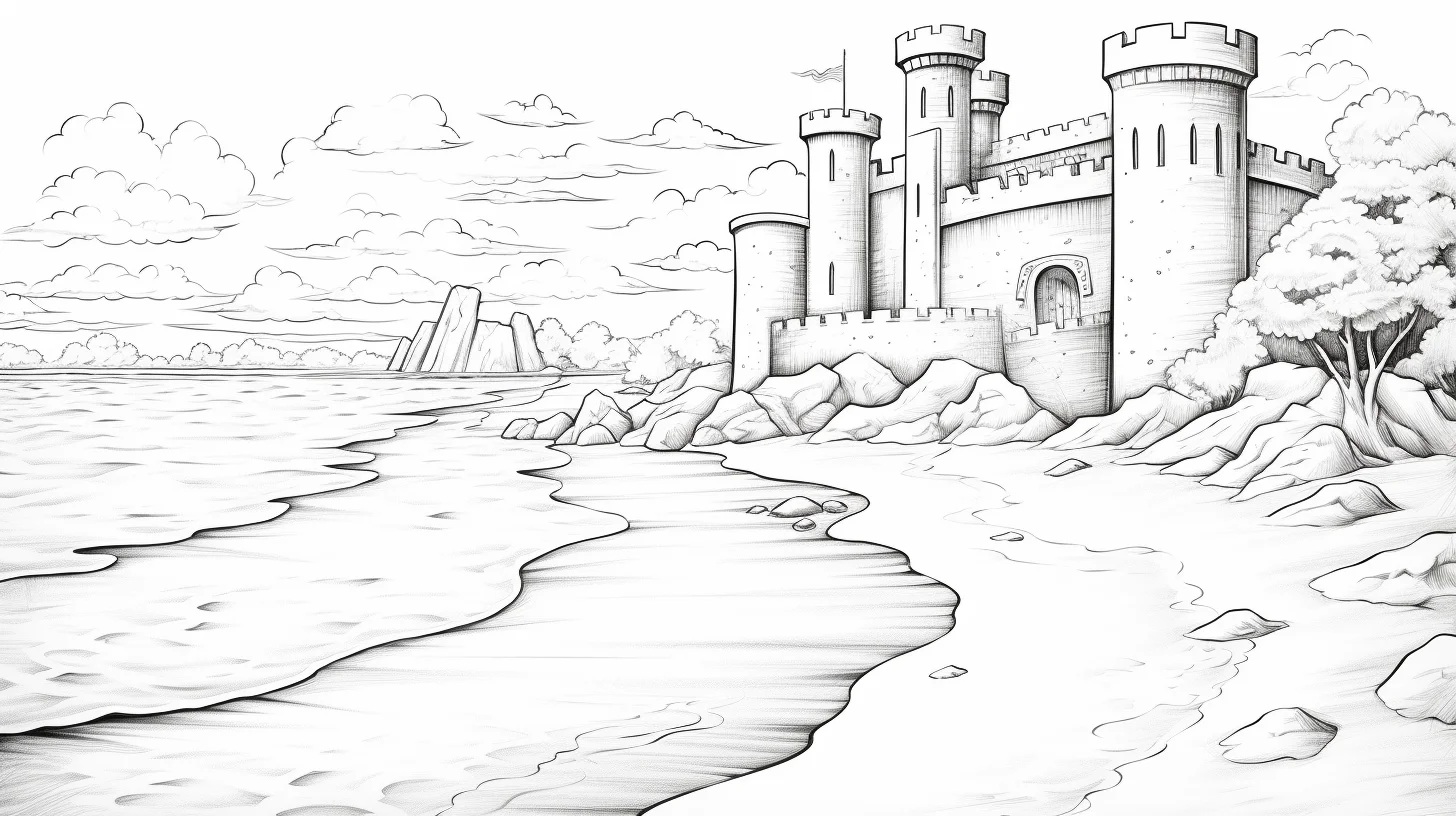
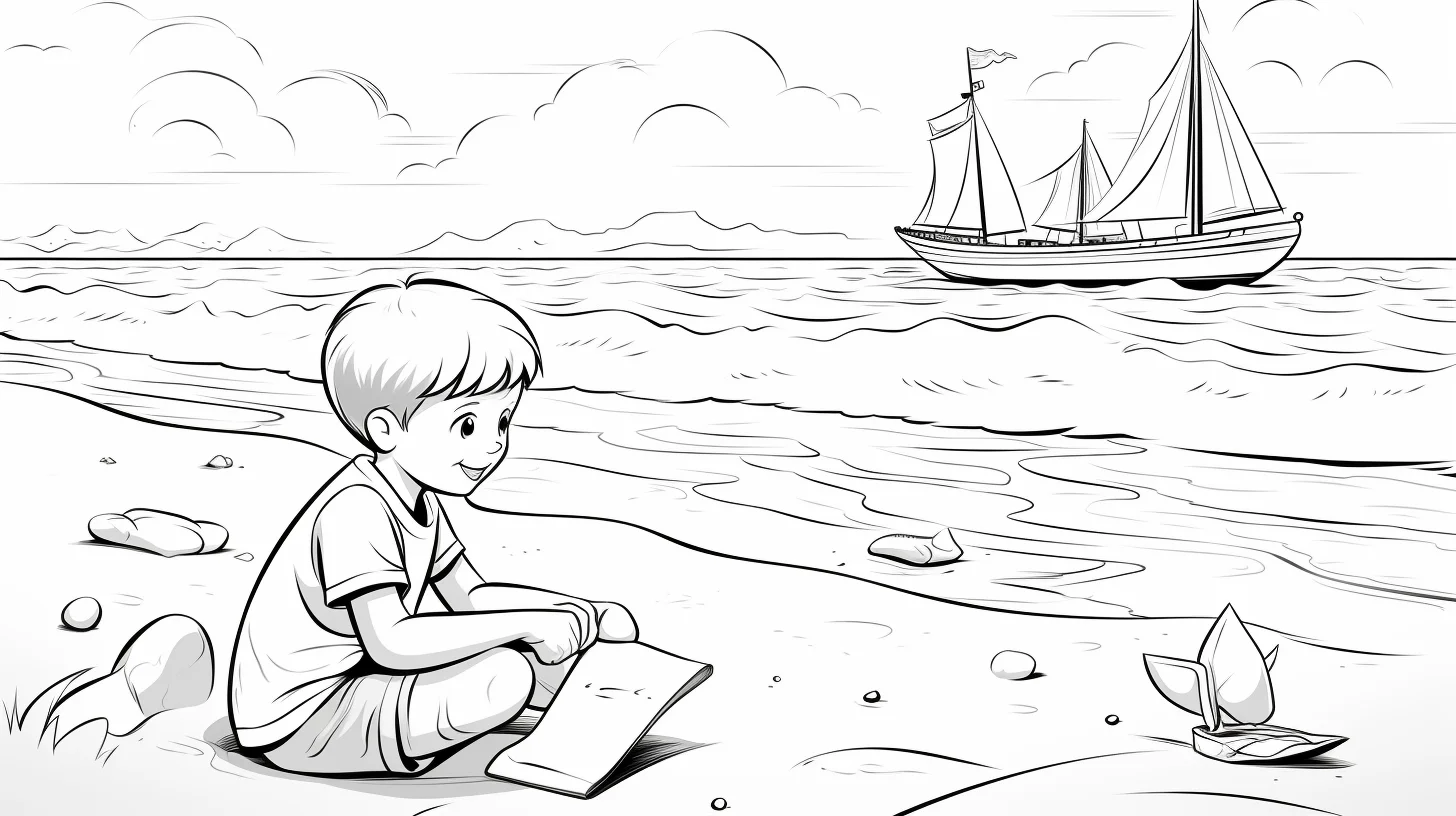
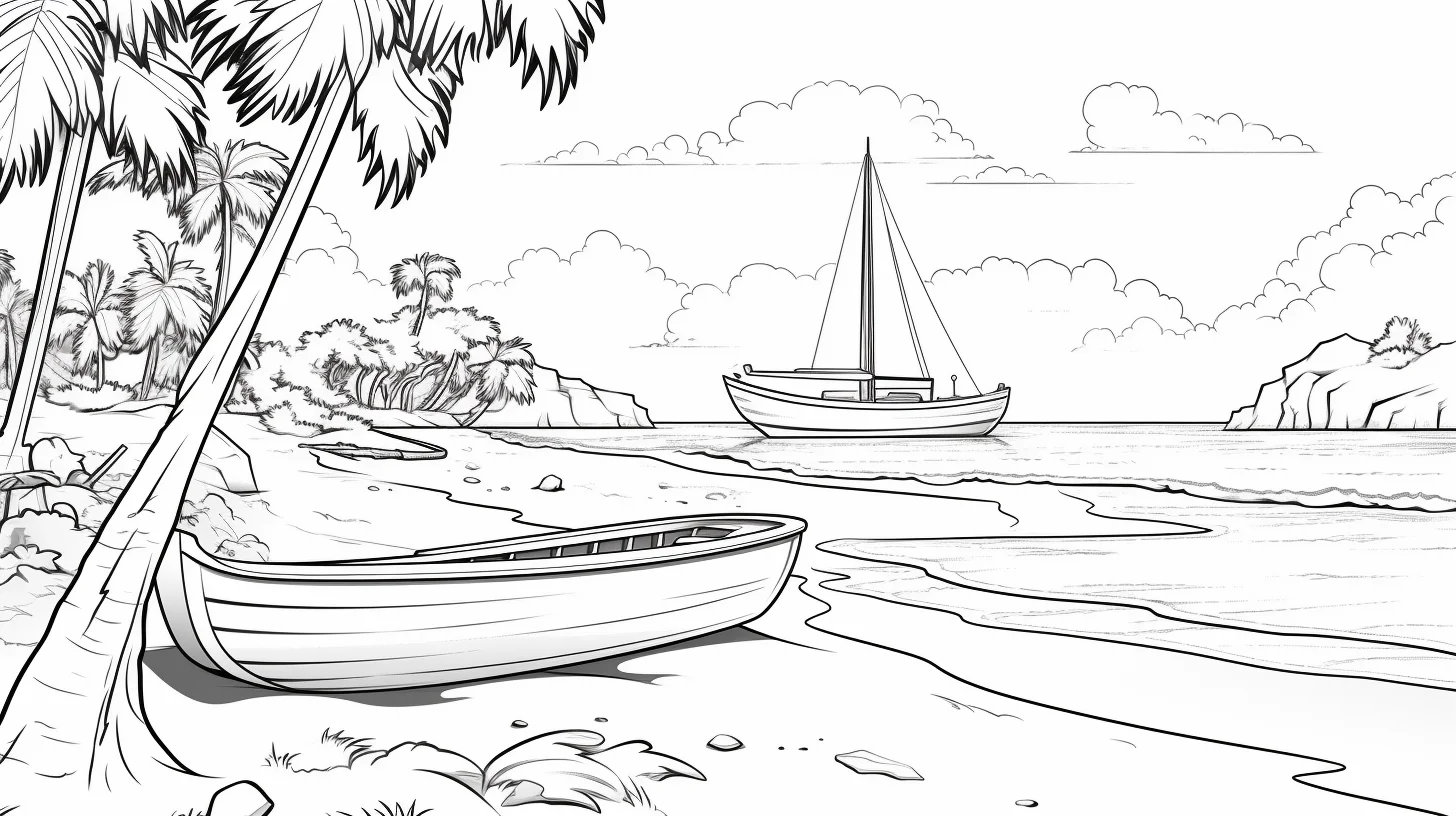
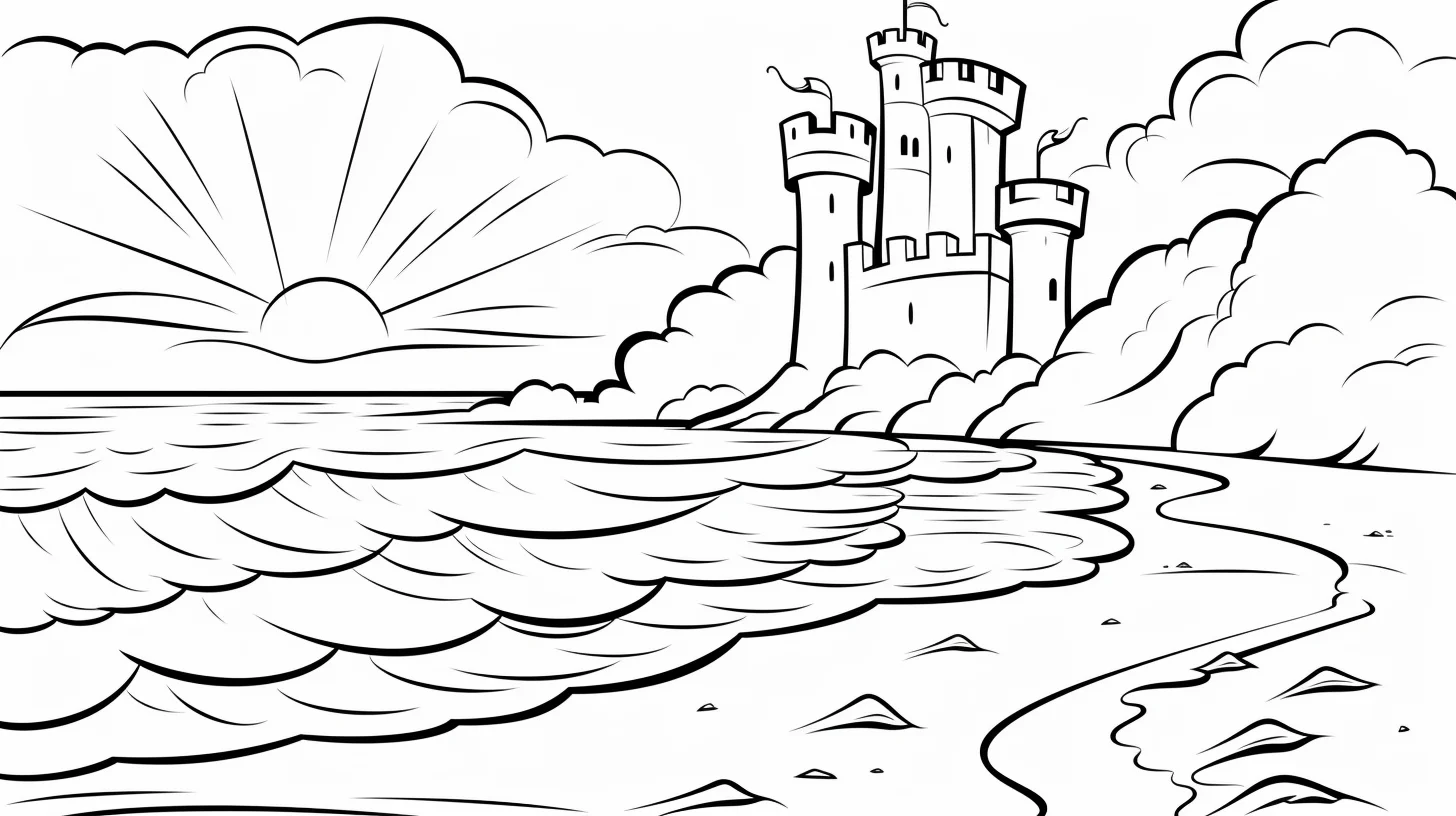
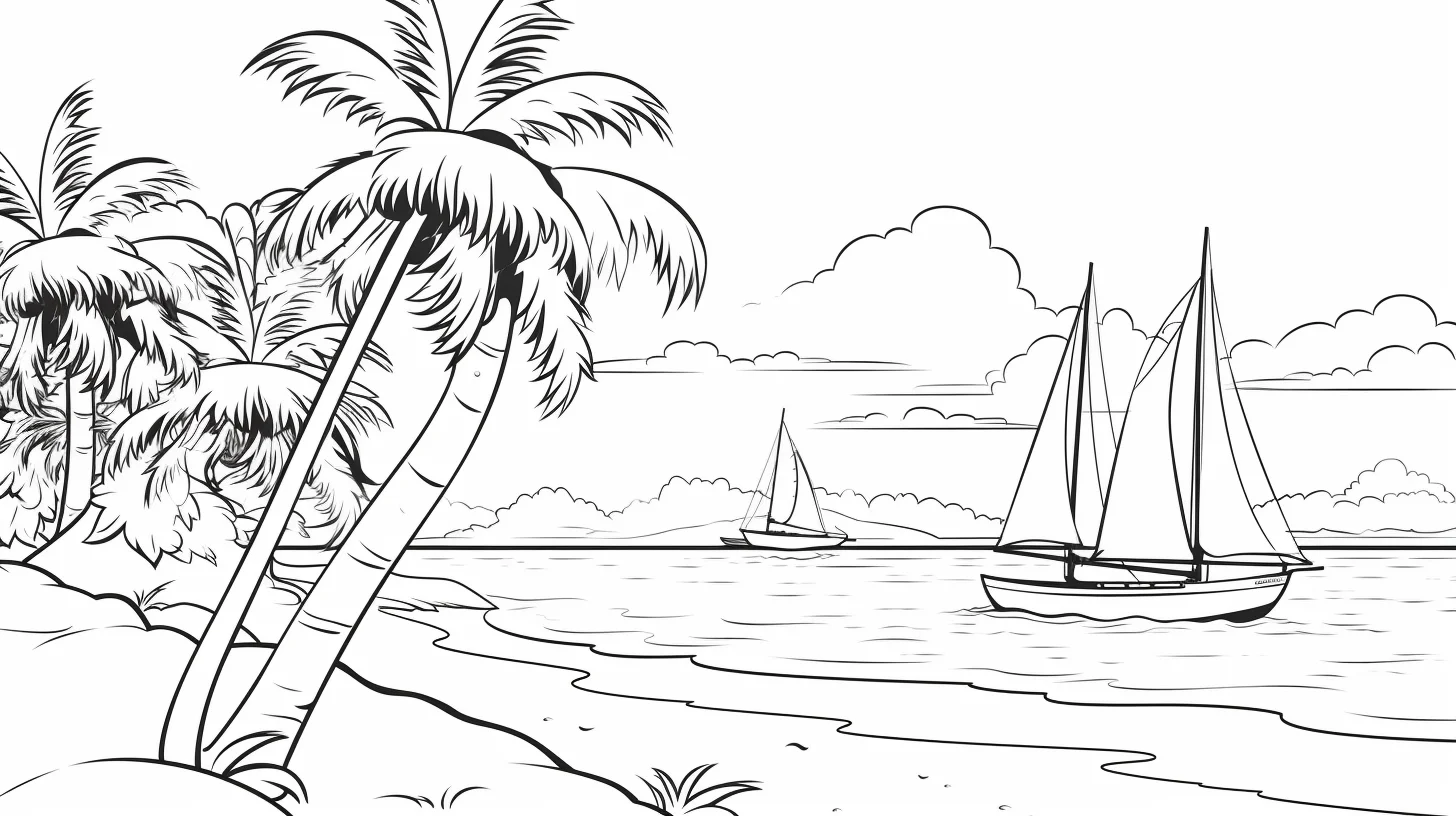
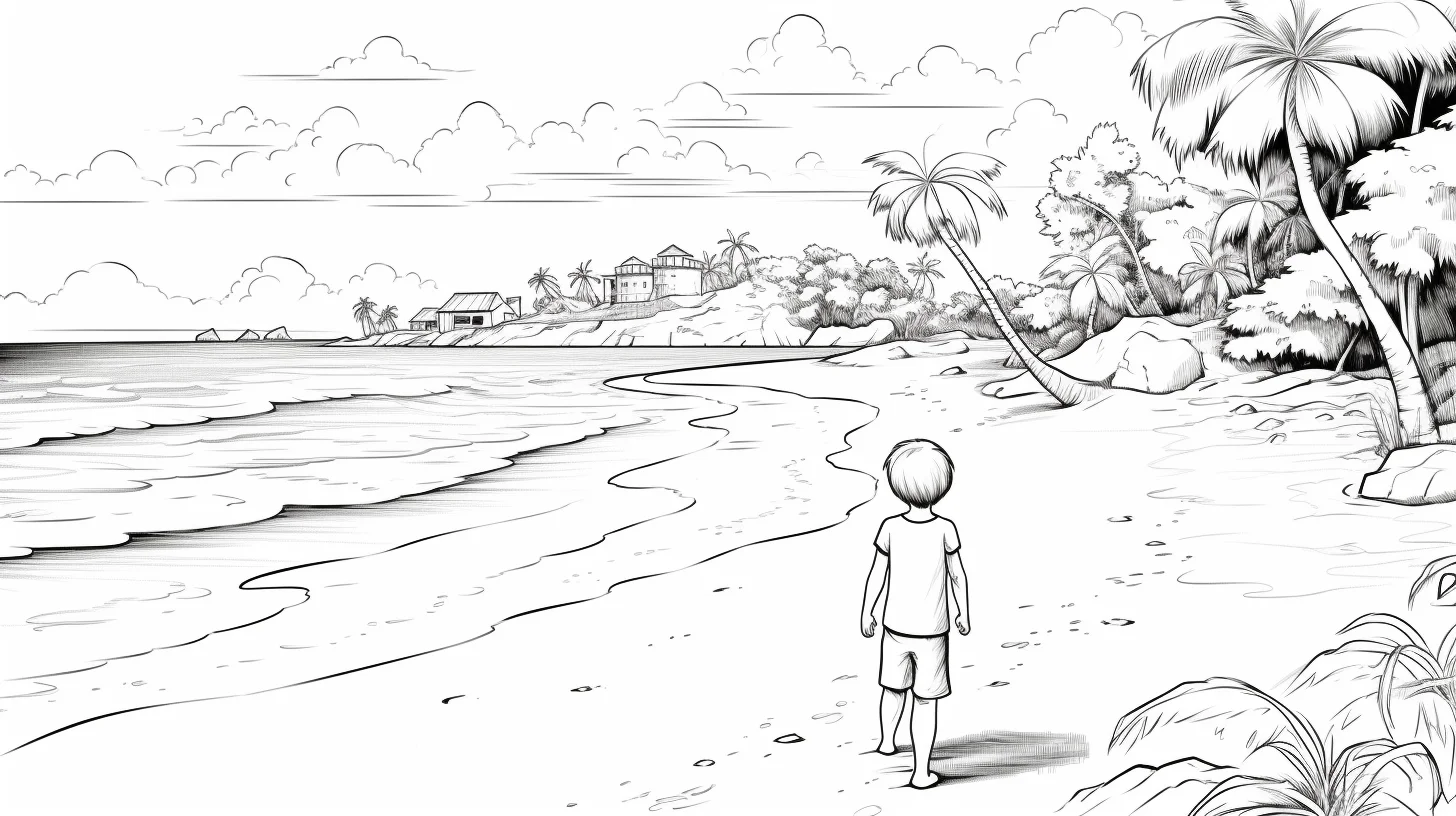
This collection has 24 wide-format summer coloring sheets for preschoolers and early learners. The gallery mixes beach scenes with simple summer subjects and uses broad, open areas that are easy to fill with crayons or washable markers.
Because these pages are landscape format, choose landscape orientation in the print dialog when the preview looks cramped. Use “Fit to page” so the edges stay inside the printable area.
If you prefer taller portrait-style beach scenes with more detail, use our beach coloring pages for kids.
24 easy summer coloring pages for preschoolers
Which pages are easiest?
Start with a sheet that has one large subject and very little background detail. Pages with several small objects or a full beach scene take longer and are easier with colored pencils. For a classroom or group activity, print a few different designs and let each child choose rather than giving everyone the same sheet.
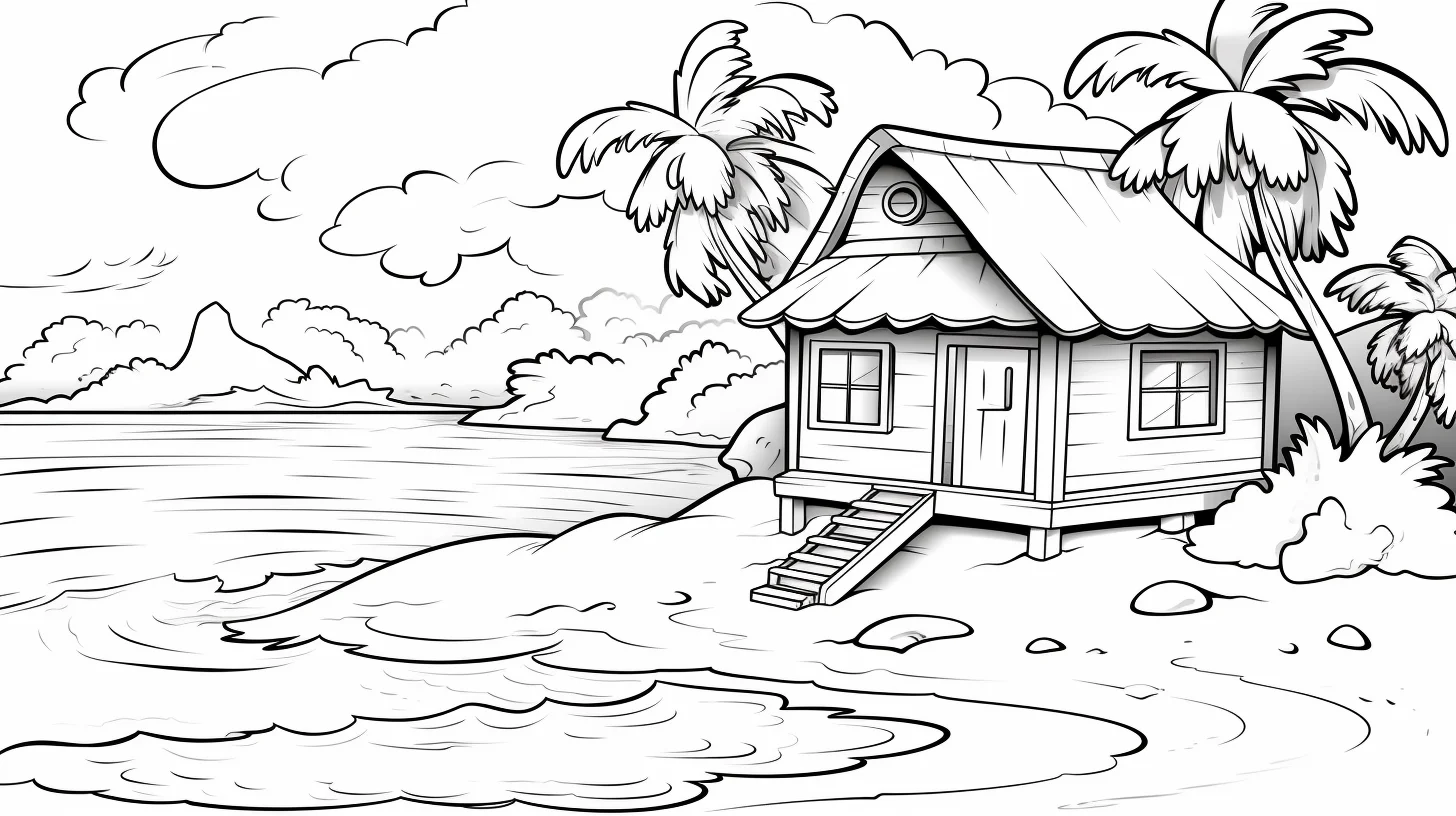
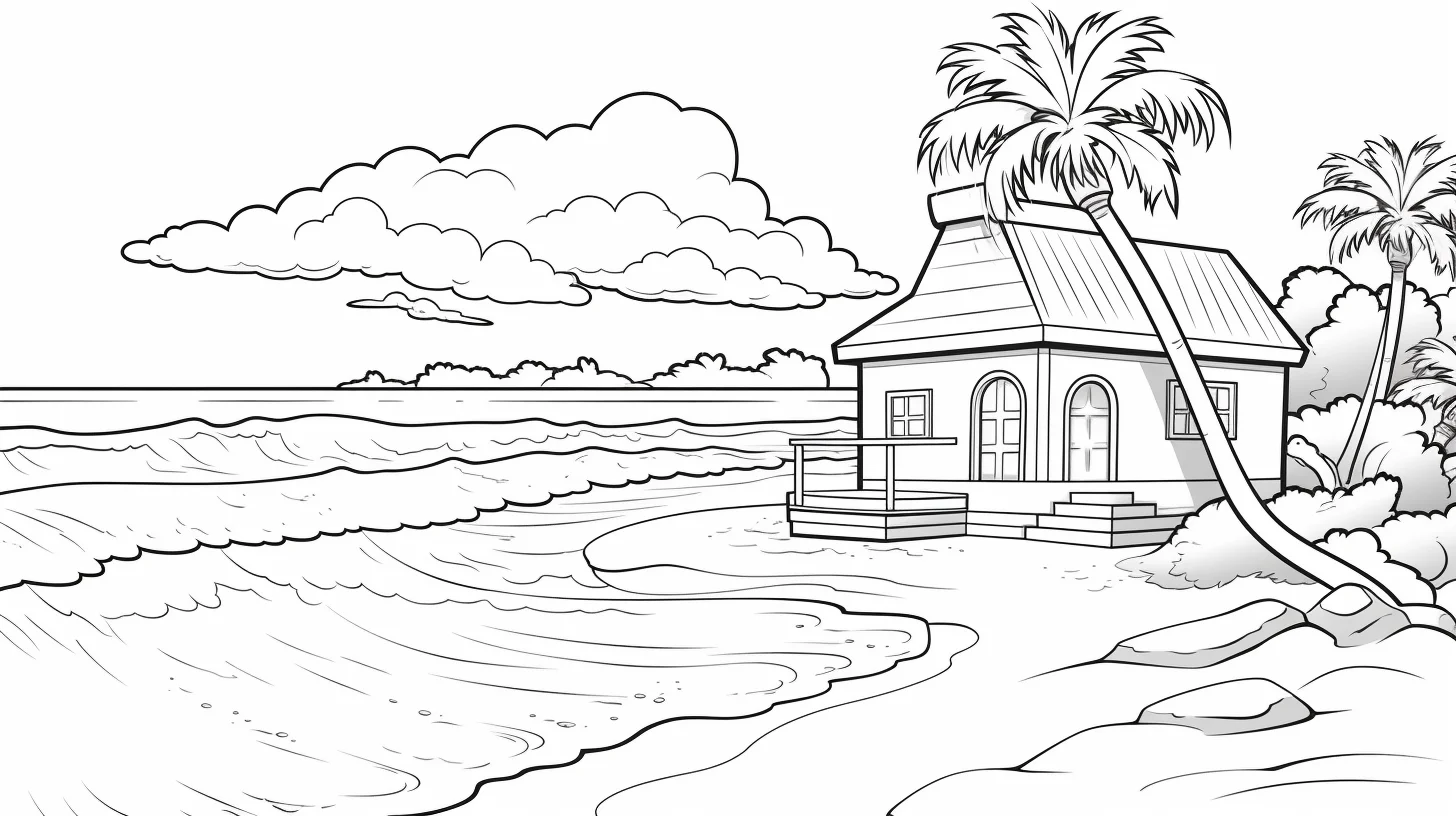
Use examples as inspiration, not as an answer key
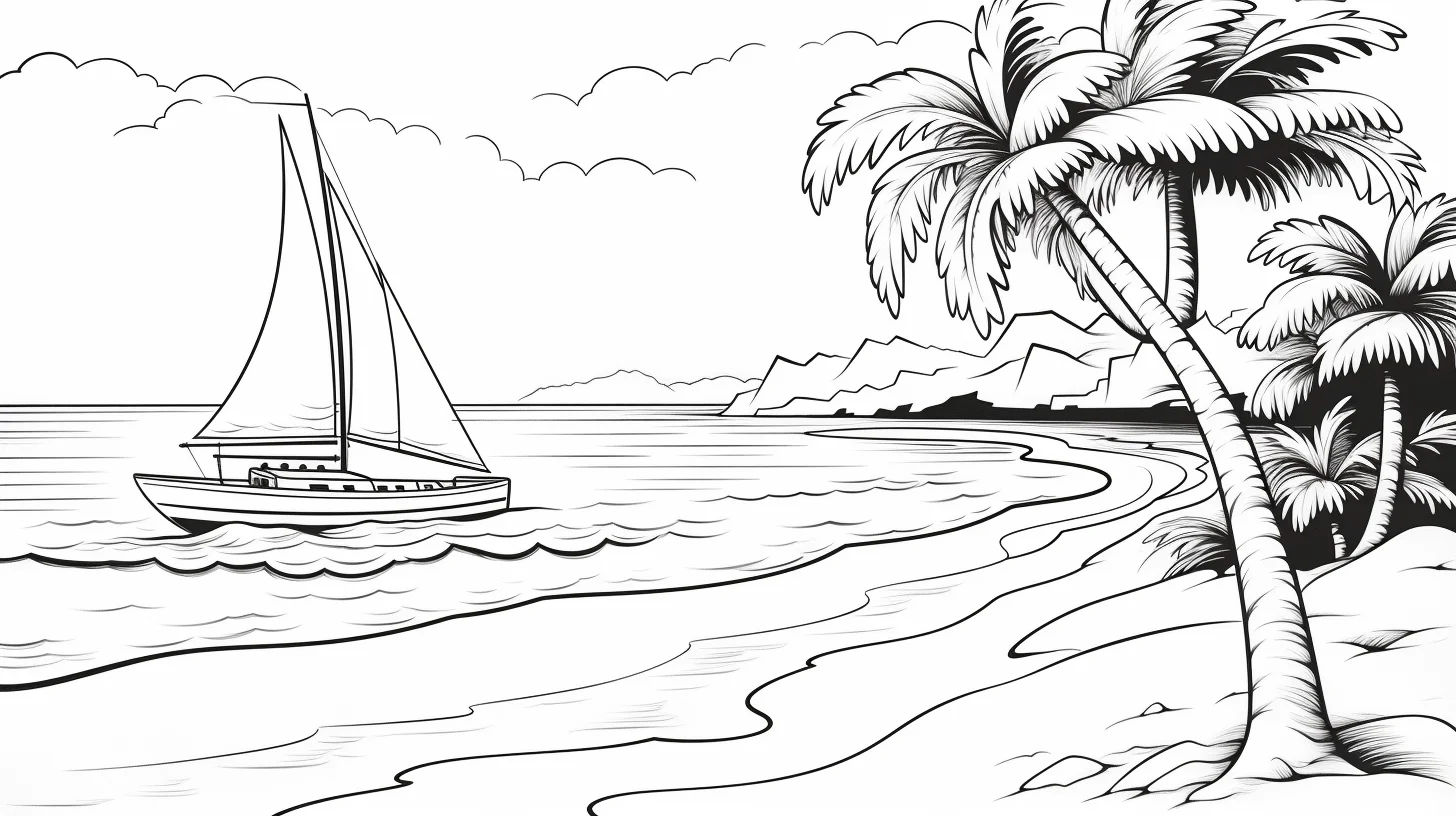
If a sheet includes or suggests a color example, let children copy it only if they want to. A summer page does not need “correct” colors. Giving a choice between realistic beach colors and invented pink, purple or rainbow versions keeps the activity creative instead of turning it into a matching exercise.
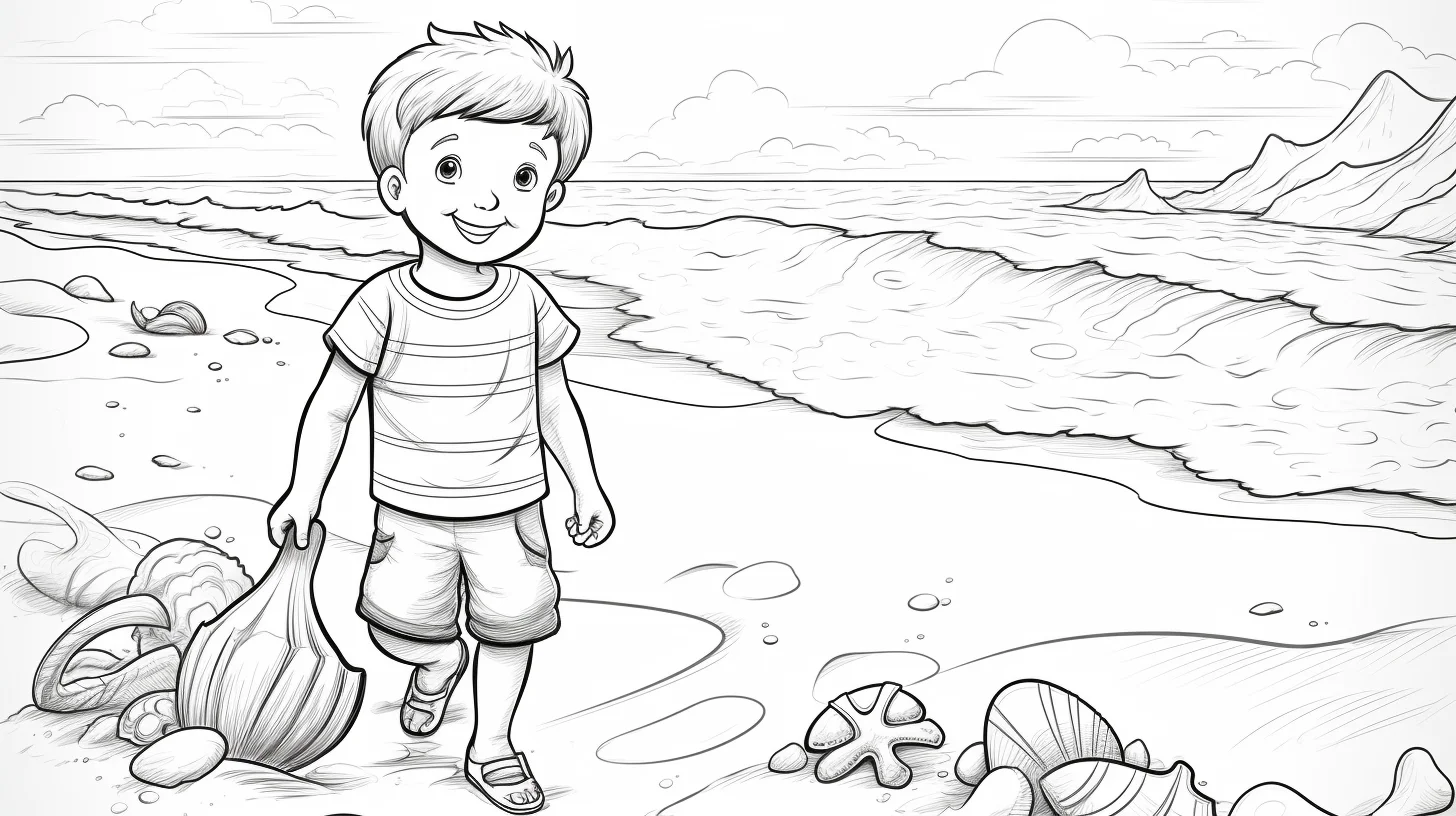
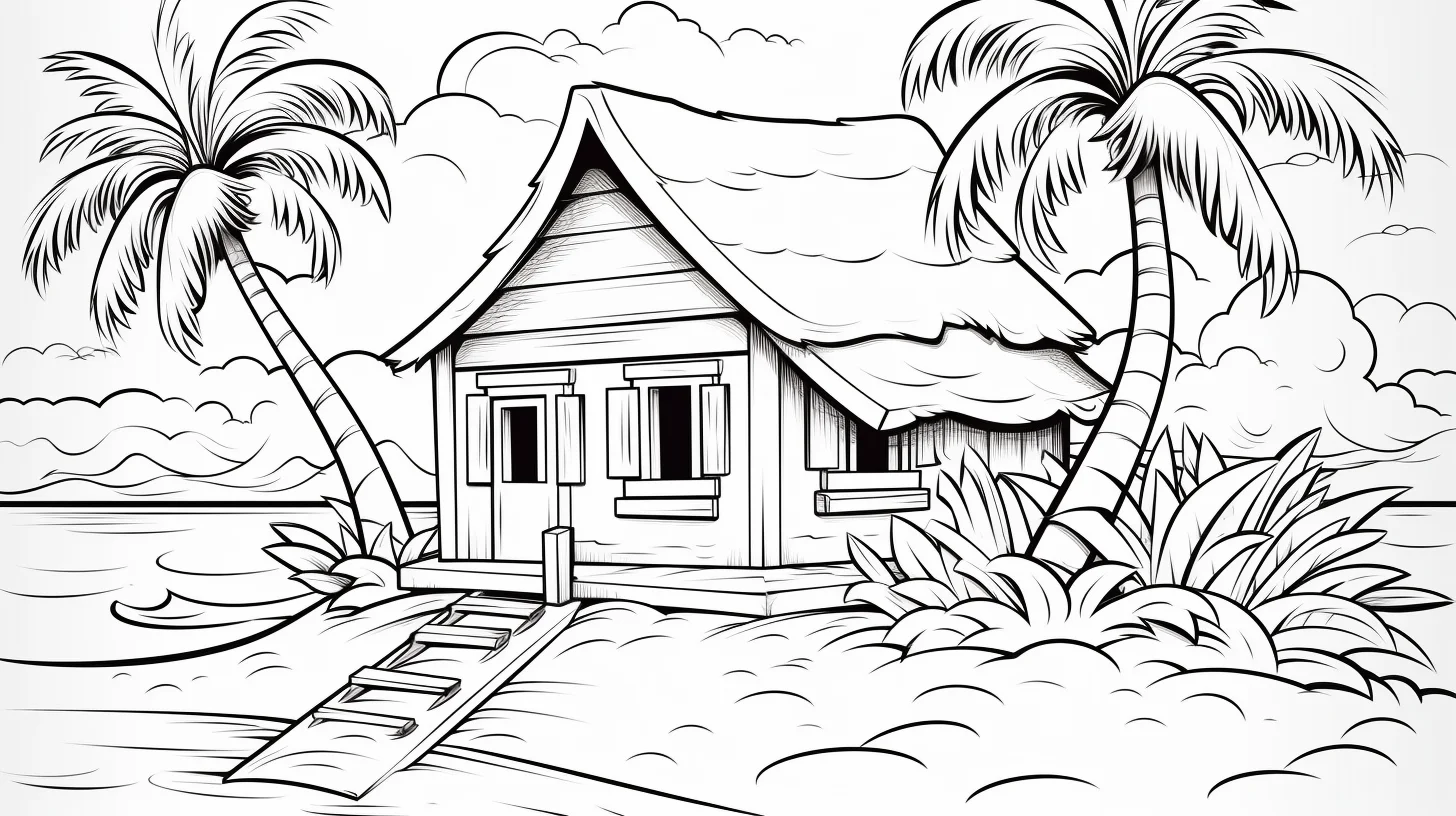
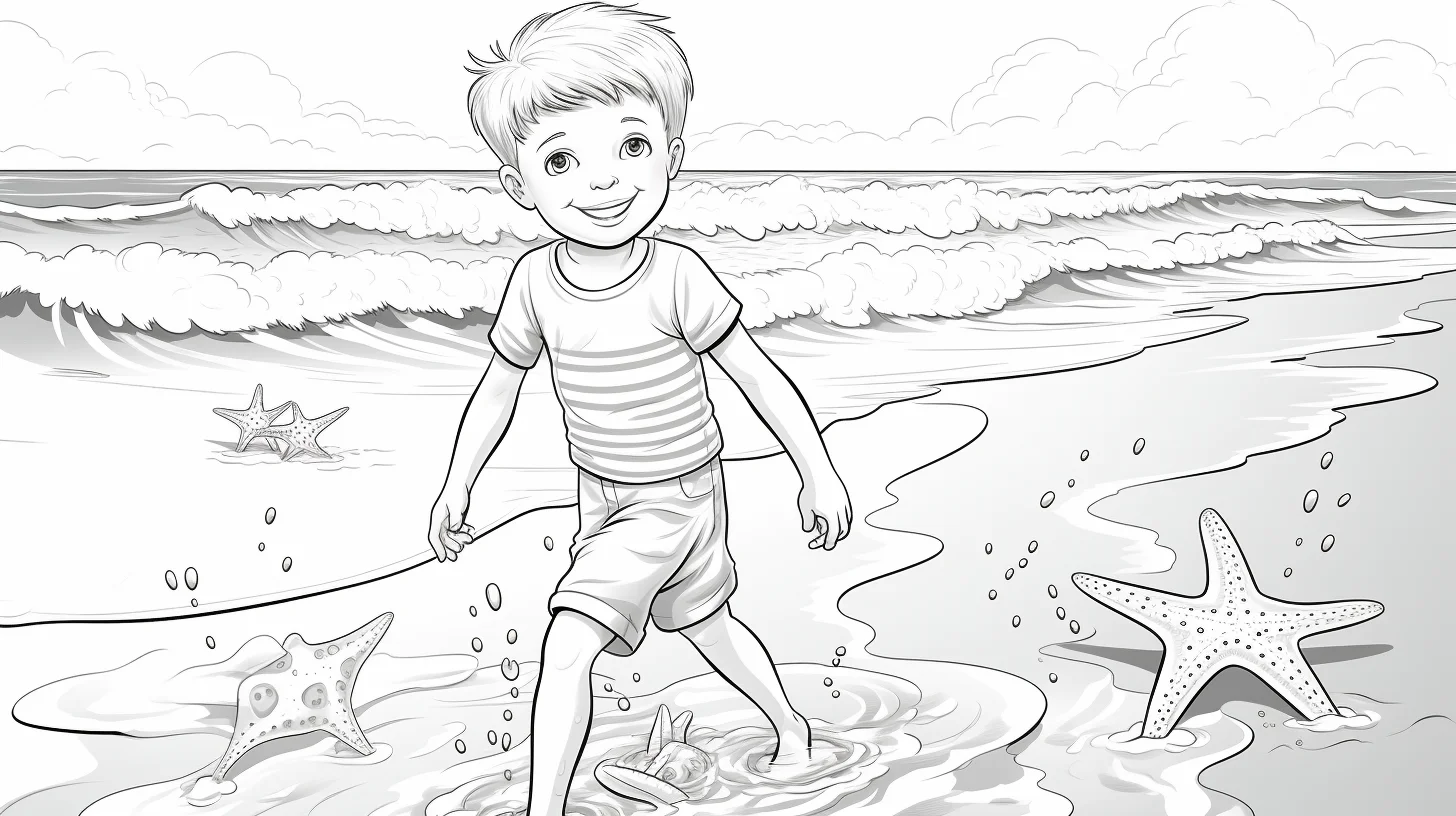
For preschool groups, make the choice easier
When printing for a class or playgroup, offer three or four visibly different sheets instead of putting all 24 options in front of everyone at once. One beach page, one simple summer page and one kawaii option gives enough choice without creating a long decision before the activity even starts.
Crayons are usually the simplest group tool because they dry instantly and do not bleed through ordinary printer paper. If you use washable markers, put scrap paper underneath each sheet.
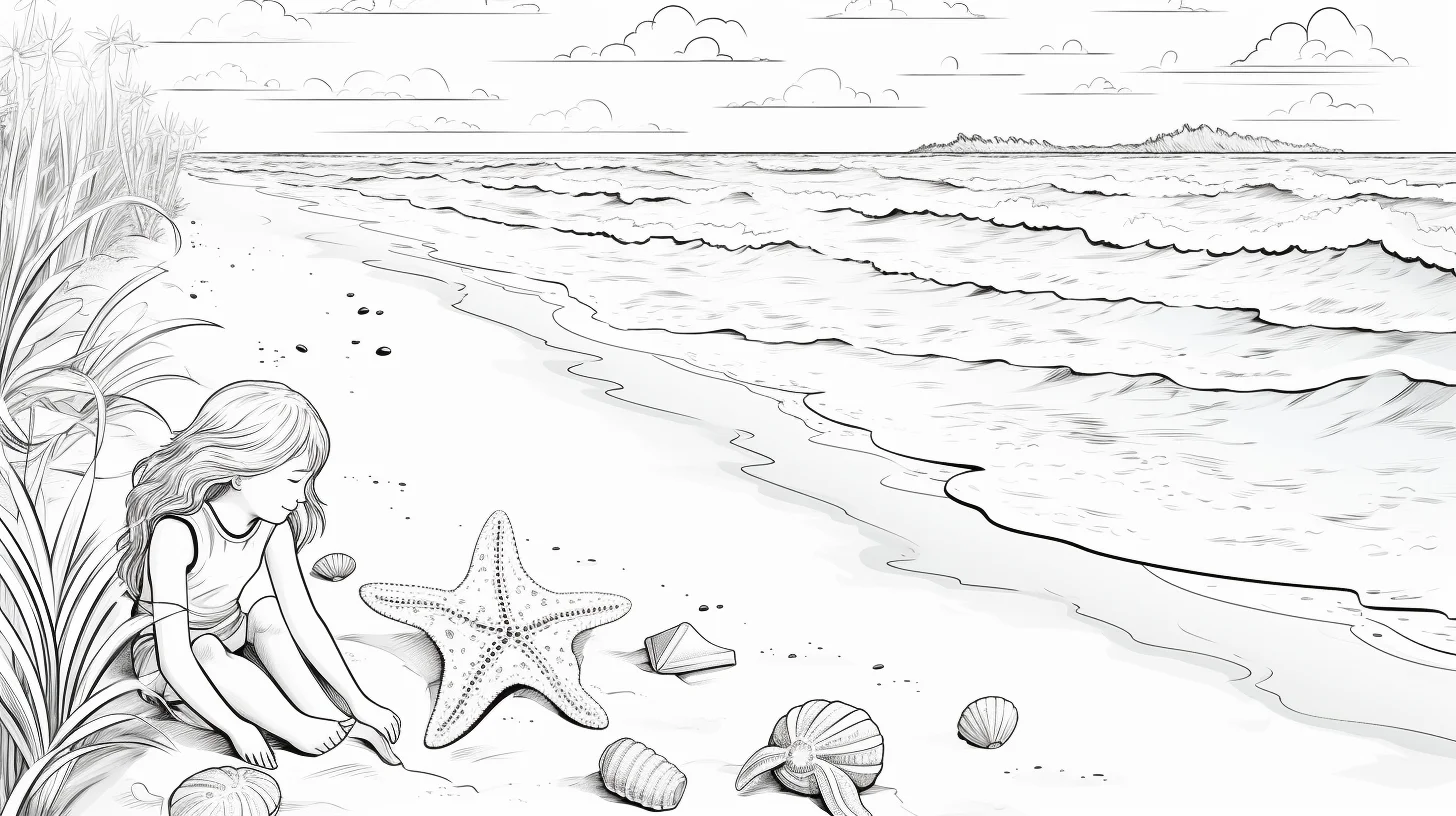
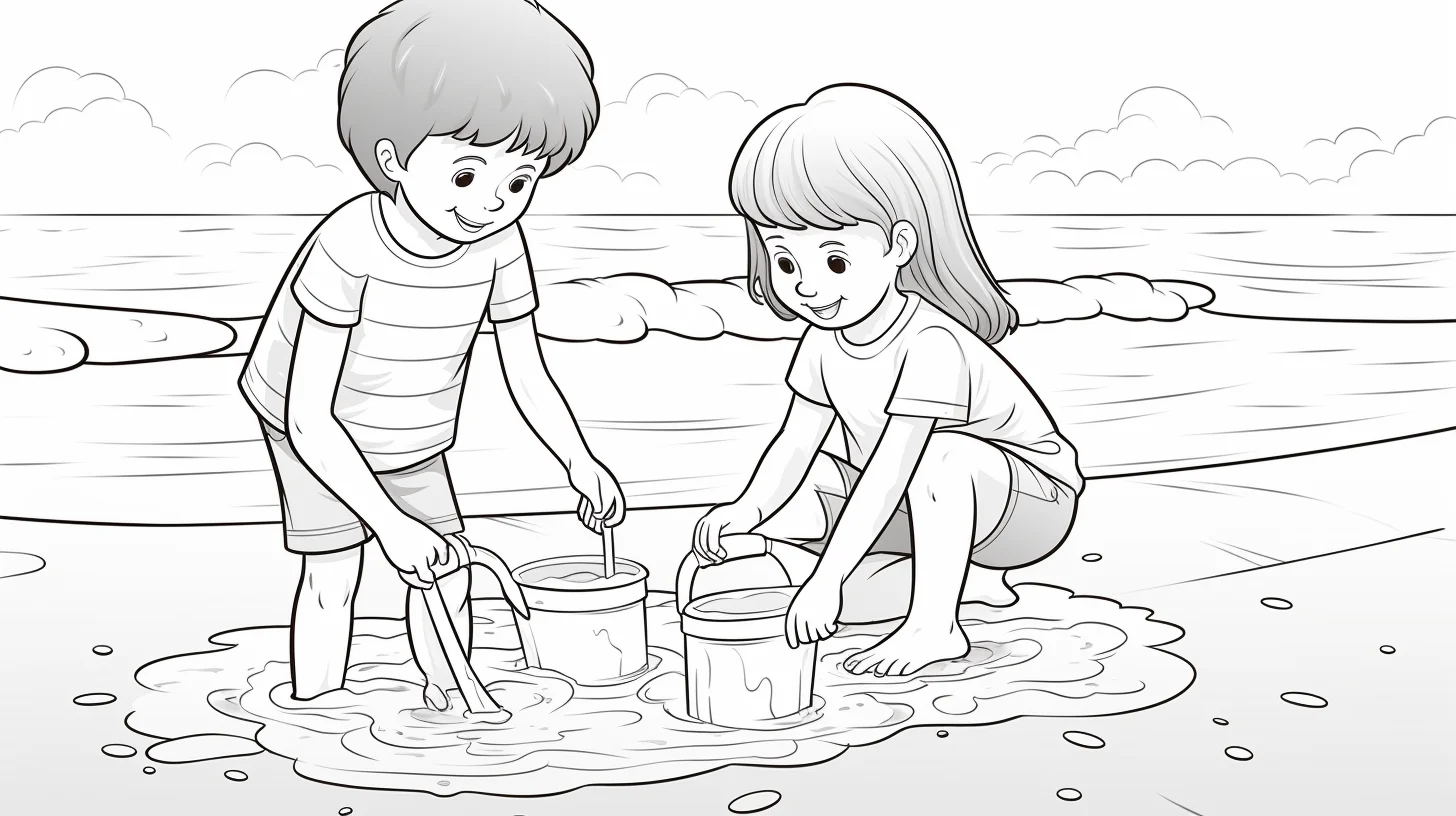
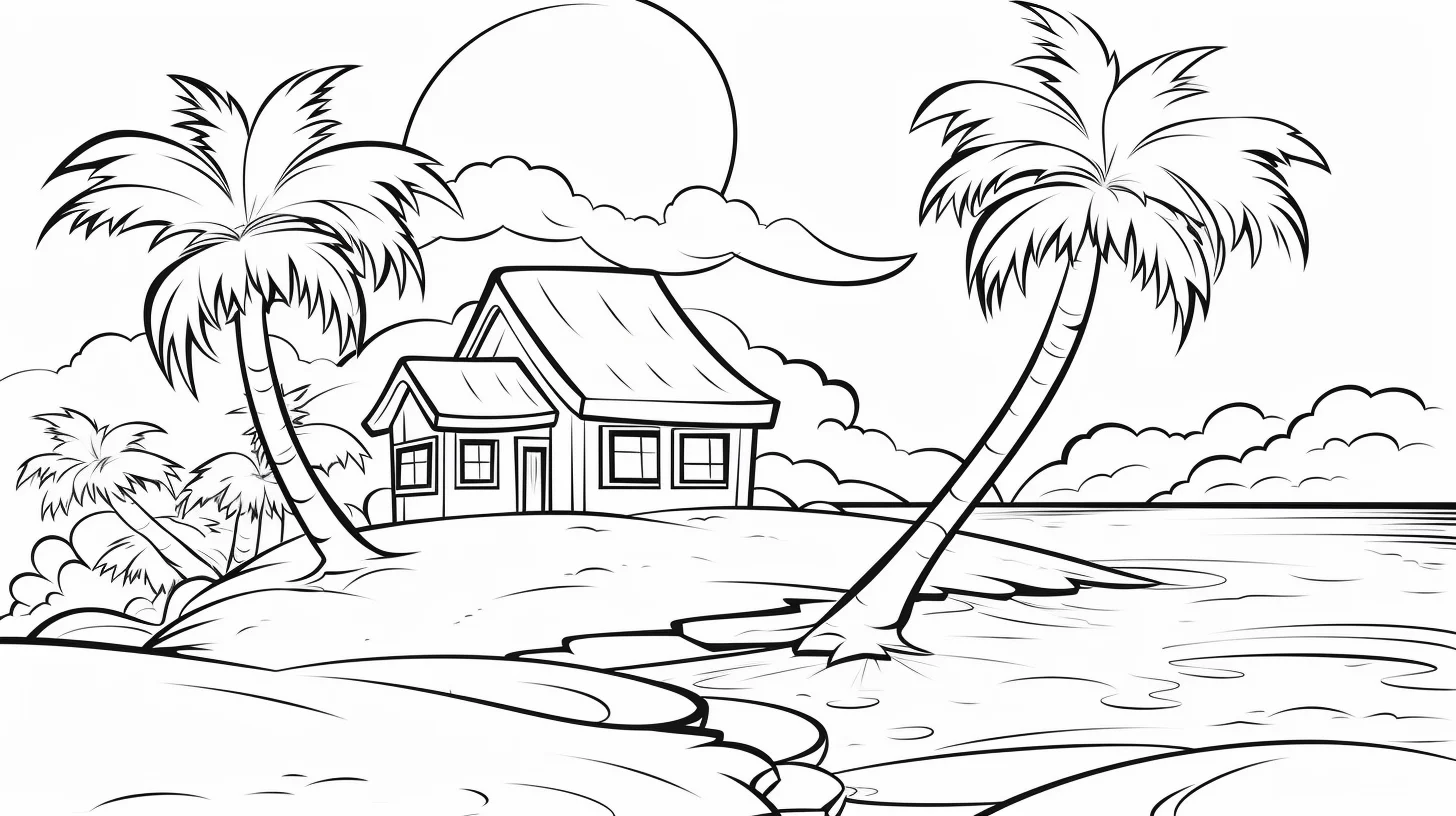
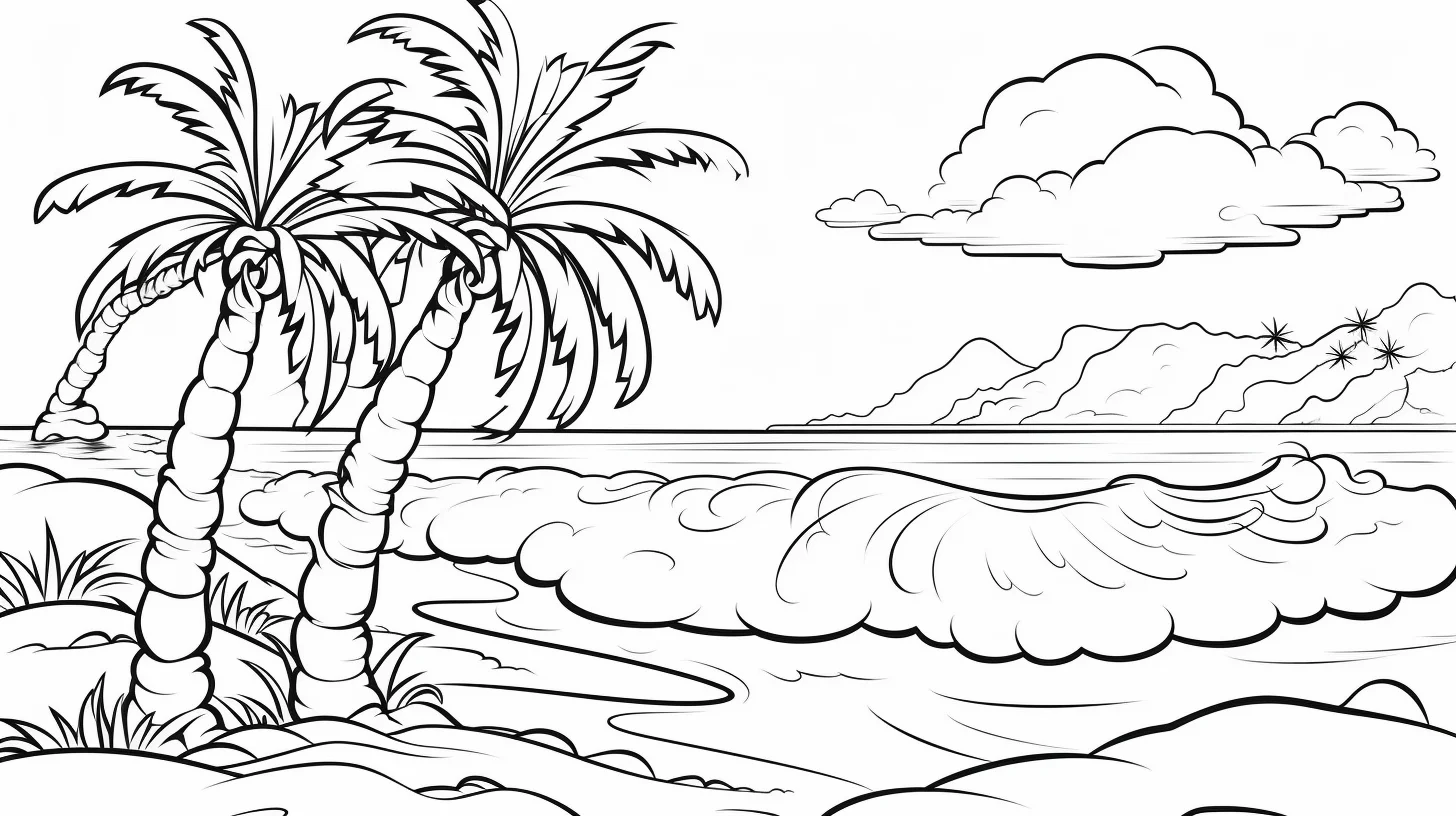
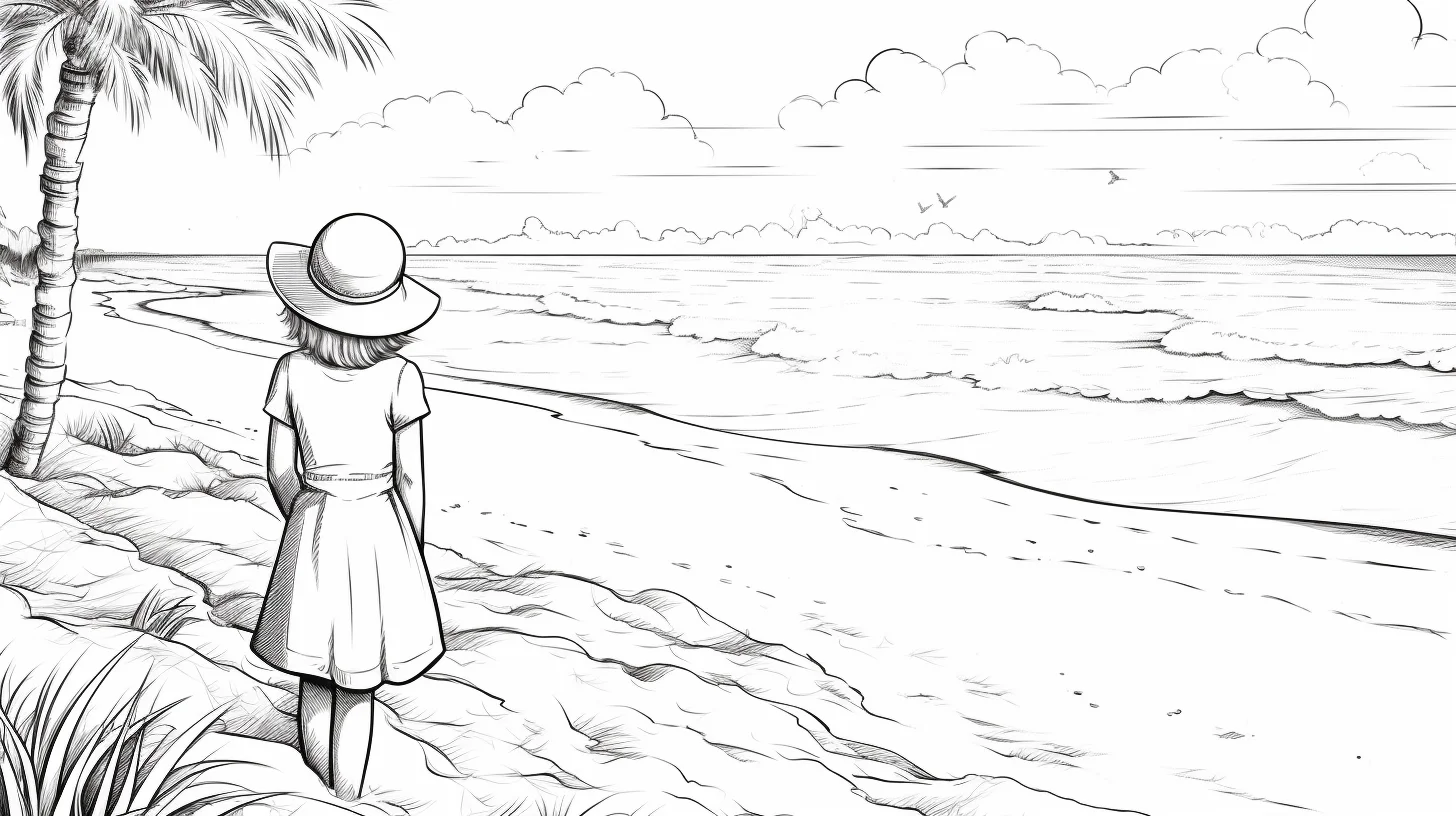
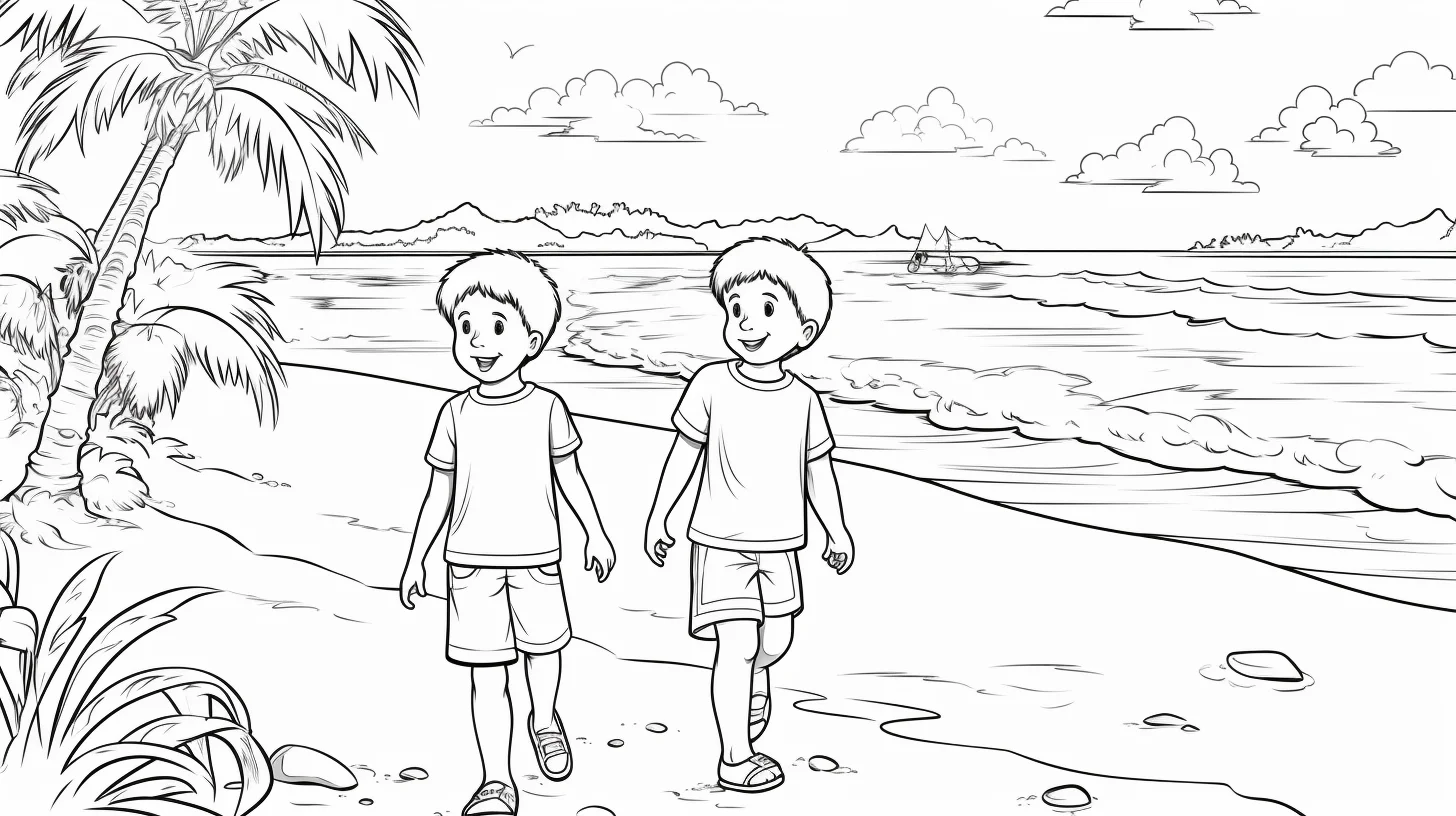
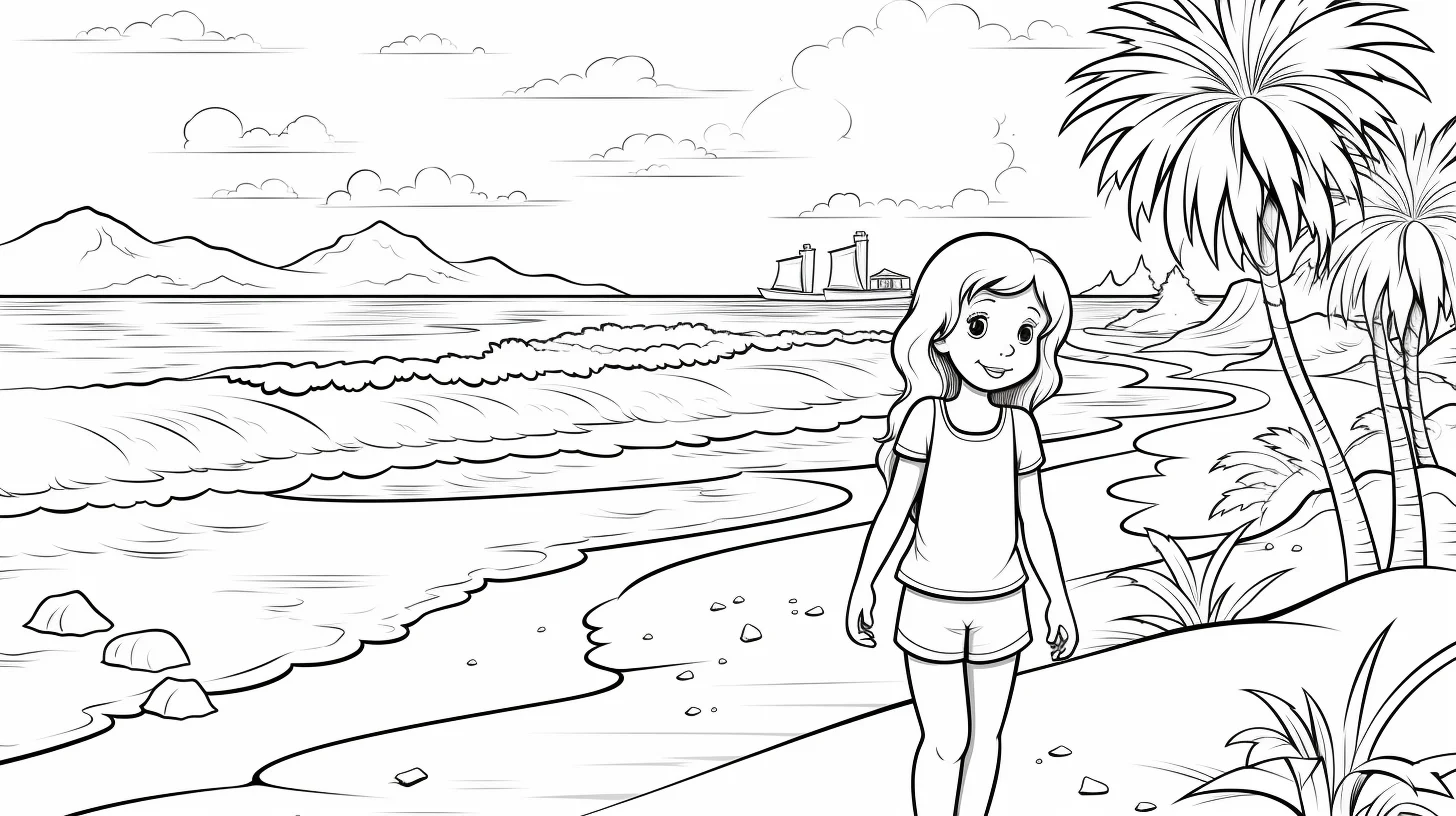
A simple three-page preschool progression
You can turn three of these sheets into a short fine-motor practice sequence without making the activity feel like a worksheet. Begin with a page that has one large subject, move to a design with several separate objects, and finish with a fuller beach scene. The goal is not perfect coloring; it is gradually asking the child to notice edges, switch colors deliberately and keep track of more than one part of a picture.
- Page 1 — big shapes: choose two or three crayons and practice filling the largest spaces. Encourage short strokes near the outline and freer strokes in the middle.
- Page 2 — color choices: use a page with several objects. Ask the child to choose a color before starting each object rather than changing colors every few strokes.
- Page 3 — simple scene: try a beach or summer scene with foreground and background elements. Color the largest subject first, then the smaller details.
If a child becomes frustrated, go back one step. A simpler page completed with confidence is more useful than a detailed page that turns into a struggle.
Match the coloring tool to the page
| Tool | Best for | Watch for |
|---|---|---|
| Jumbo crayons | Large open shapes and younger preschoolers | Too broad for tiny details |
| Regular crayons | Most pages in this collection | Light pressure may look patchy; a second layer helps |
| Washable markers | Bold, quick color on larger sections | Ink can bleed through ordinary printer paper |
| Colored pencils | Older preschoolers or pages with smaller objects | Require more pressure control and take longer to fill large spaces |
For a mixed-age group, putting crayons and pencils on separate parts of the table can also help children choose a tool that matches their confidence instead of assuming everyone needs the same material.
Common preschool coloring problems and useful fixes
| What you notice | Try this | Why it helps |
|---|---|---|
| The child rushes across the whole picture | Cover part of the page with scrap paper and reveal one area at a time. | A smaller visual field makes the task easier to organize. |
| They keep crossing the outline | Use a larger, simpler sheet and color a narrow strip just inside the edge first. | It gives the hand a visible boundary before filling the center. |
| They lose interest halfway through | Choose a page with fewer objects or color one section together. | Finishing a shorter task can be more satisfying than pushing through detail. |
| They press so hard the crayon breaks | Demonstrate a light first layer, then add a second layer for stronger color. | It separates color intensity from pressure. |
| They want every object the same color | Let them. On the next page, offer a two-color challenge rather than correcting them. | Color choice is creative; variety can be introduced without turning it into a right-or-wrong task. |
| The page feels too easy | Add a small challenge: a repeating border, a sky gradient, or three different shades of one color. | The same printable can practice a new skill without adding smaller outlines. |
Turn a summer page into a five-minute learning prompt
Coloring can support conversation without turning the page into a formal lesson. Pick just one prompt so the child can keep coloring while answering. On a beach picture, ask what they might pack for a hot day. On a scene with several objects, ask which one is biggest, smallest, nearest or farthest away. For color practice, ask the child to find two things they want to make the same color and one thing they want to make different.
For early storytelling, ask one open question after the page is partly colored: “What is happening here?” A one-sentence answer is enough. You can write the child’s sentence on the back and date it, turning an ordinary printable into a small record of both drawing and language development.
Make the activity easier without taking over
Preschool coloring does not need to look tidy to be successful. If the page is difficult, change the setup before correcting the child’s marks. Rotate the paper so an awkward edge is easier to reach, offer a thicker crayon, or choose a sheet with fewer enclosed spaces. If a hand seems tired, stop rather than insisting that every white area be filled.
For children who enjoy more structure, try a simple “edge first, middle second” routine: trace just inside one large shape with color, then fill its center. For children who prefer free coloring, skip the routine entirely. These pages work best as flexible practice, not as tests of whether a preschooler can stay perfectly inside a line.
Summer coloring questions
What makes a coloring page preschool-friendly?
Look for large recognizable subjects, generous spaces between outlines and limited tiny detail. A child’s current hand control matters more than a strict age label, so move to a simpler or harder sheet when needed.
Should preschoolers use crayons or markers?
Crayons are the easiest default because they do not bleed through paper and tolerate repeated strokes. Washable markers are useful for children who prefer bold color, but place scrap paper underneath the printable.
Do children need to stay inside the lines?
No. The outlines can provide a target for developing control, but crossing them is normal. If you want to practice precision, use a page with larger spaces rather than repeatedly correcting the child.
How long should a preschool coloring activity last?
Let interest set the length. One child may finish a simple sheet quickly while another returns to it later. Stopping when attention fades is usually more productive than requiring the whole page to be completed in one sitting.
Which summer collection should you use?
- This page: best for preschoolers, toddlers and early learners who need broad shapes and simple landscape sheets.
- Beach coloring pages for kids: better for children who want more beach-specific scenes and a little more detail.
- Summer beach pages for adults: better for smaller details and longer coloring sessions.
- General summer coloring collection: better when you want a mixed-age set rather than preschool-first pages.

