
These 14 realistic animal coloring pages are the detail-focused side of the animal library. The set includes lions, tigers, wolves, jaguars, owls, raccoons, goats, a rhino, a parrot and a lemur, with more natural proportions and more fur, feather and facial detail than the easier child-oriented galleries.
This is a better fit for older kids, teens and adults who enjoy layering color or working from a reference photo. If the goal is simply a quick page for crayons, start with the cute animal coloring pages instead.
Also, “realistic” here refers mainly to the animal itself—proportions, fur, feathers, markings and facial detail. If you want a full scene where trees, grass, water and the surroundings matter just as much as the animal, use the animal habitat coloring pages.
Choose the page by the kind of texture you want to practice
| Animal type | Useful coloring focus |
|---|---|
| Big cats | Short fur, facial shadows, stripes or spots |
| Wolves and raccoons | Layered fur with lighter and darker bands |
| Owls and parrots | Feather groups, contrast around the eyes, wing detail |
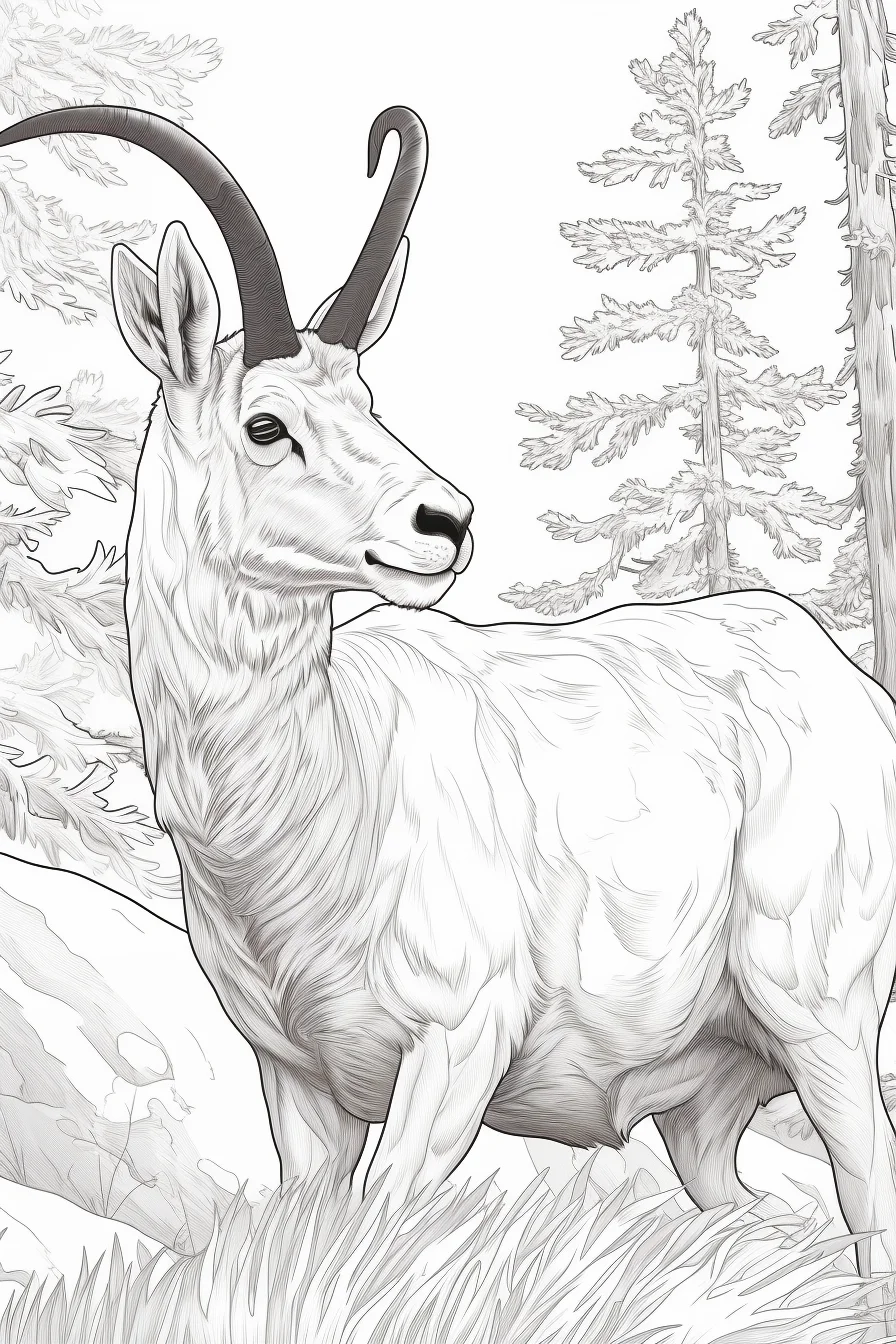
| Rhino and goat | Skin or hair texture, horns and stronger shadow shapes |
How to color realistic fur and feathers
- Start lighter than you think you need. A pale base layer gives you room to darken without flattening the drawing.
- Follow the direction of the texture. Short strokes work better for fur and feathers than coloring back and forth randomly.
- Add the darkest values last. Eyes, the underside of the chin, overlapping legs and deep feather gaps usually need the strongest contrast.
- Keep a few highlights. Leaving lighter areas on the forehead, nose, feathers or upper body makes the subject look less flat.
A reference photo helps if you want natural markings, but it is not required. Use it to understand where the dark and light areas fall rather than trying to copy every individual hair or feather.
Species-specific shortcuts
- Tigers: color the orange or tan base before adding dark stripes so the coat still has variation underneath.
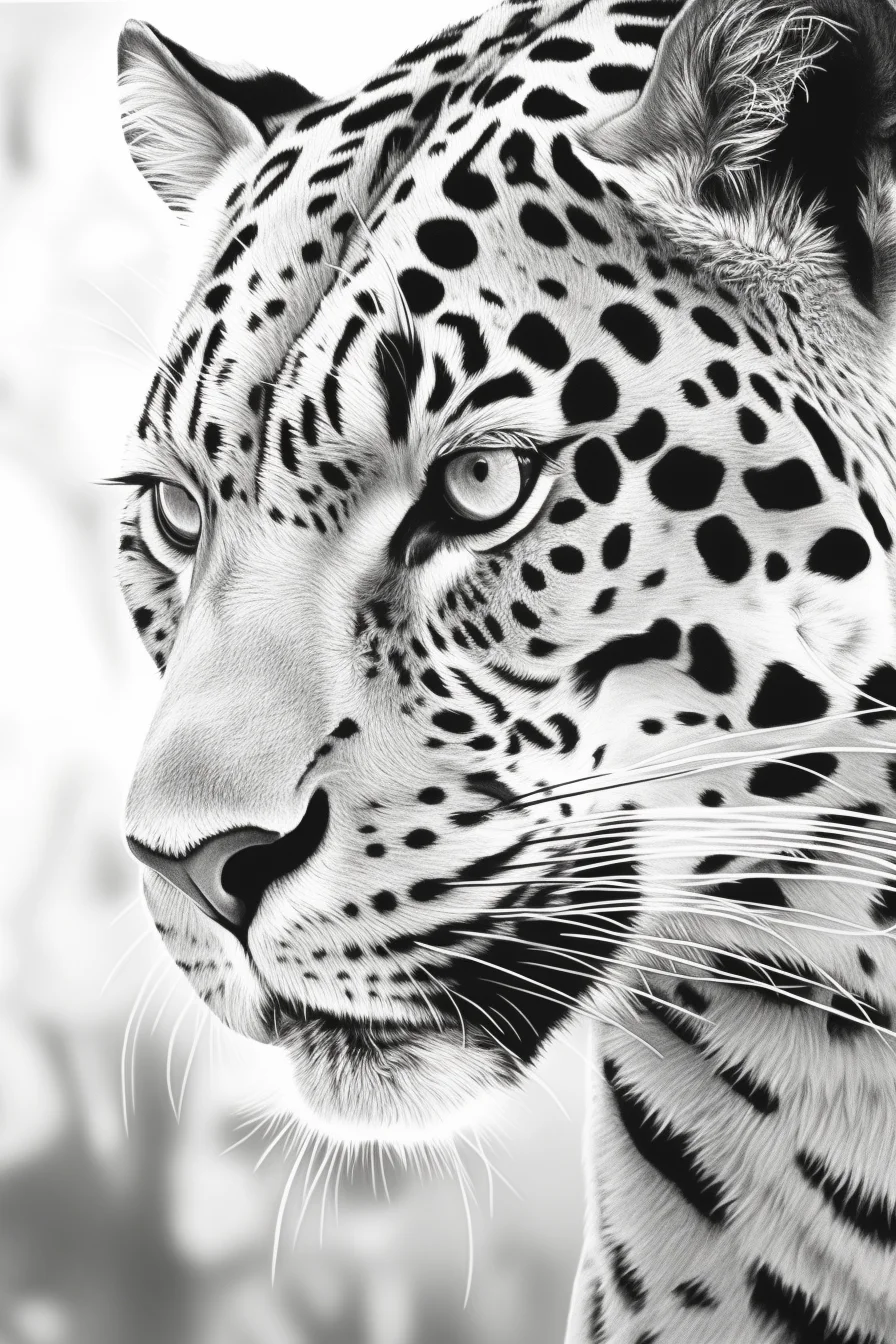
- Jaguars: treat the coat spots as a second layer, just as you would on our leopard coloring pages.
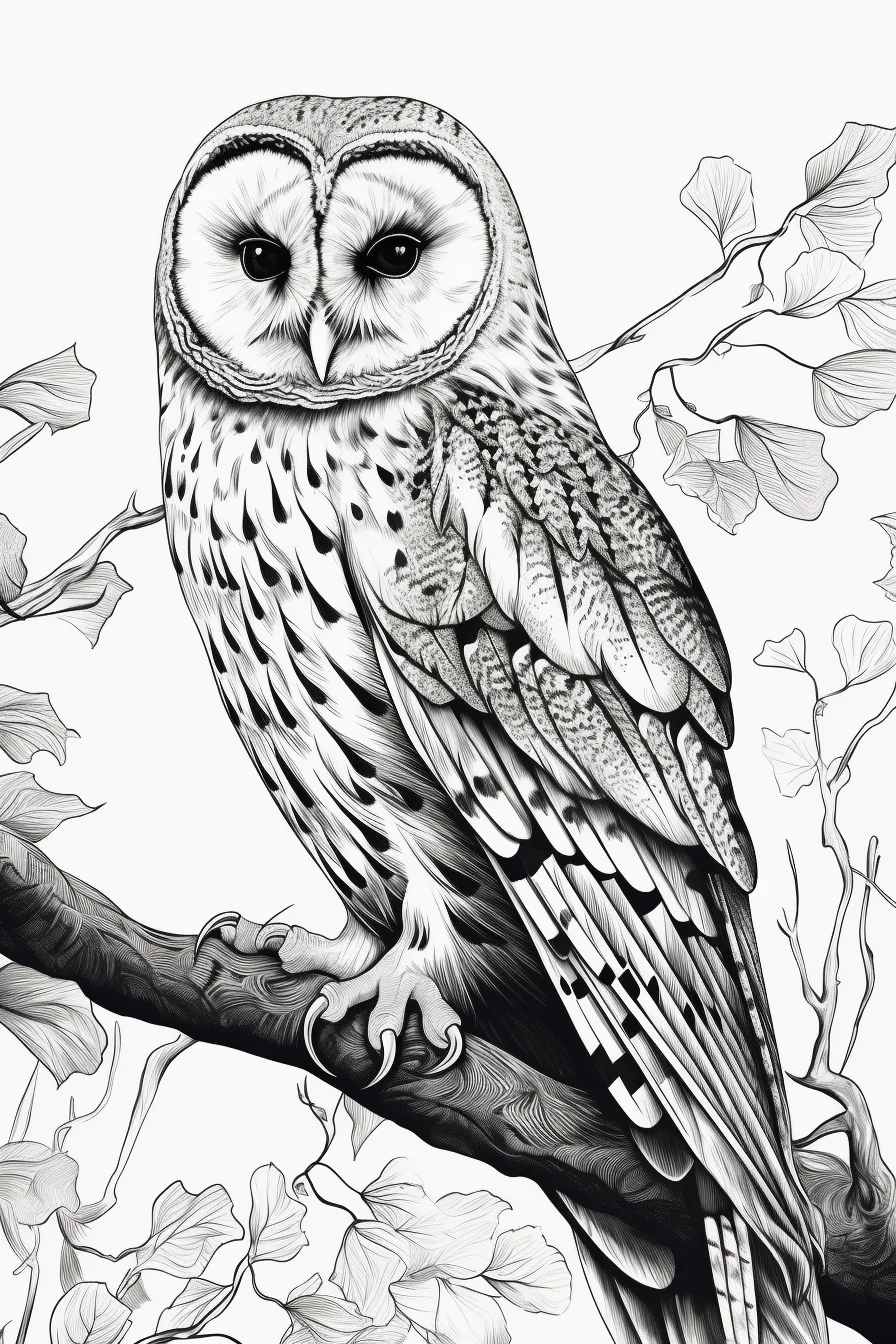
- Owls: group feathers into larger light and dark areas first instead of coloring every feather separately.
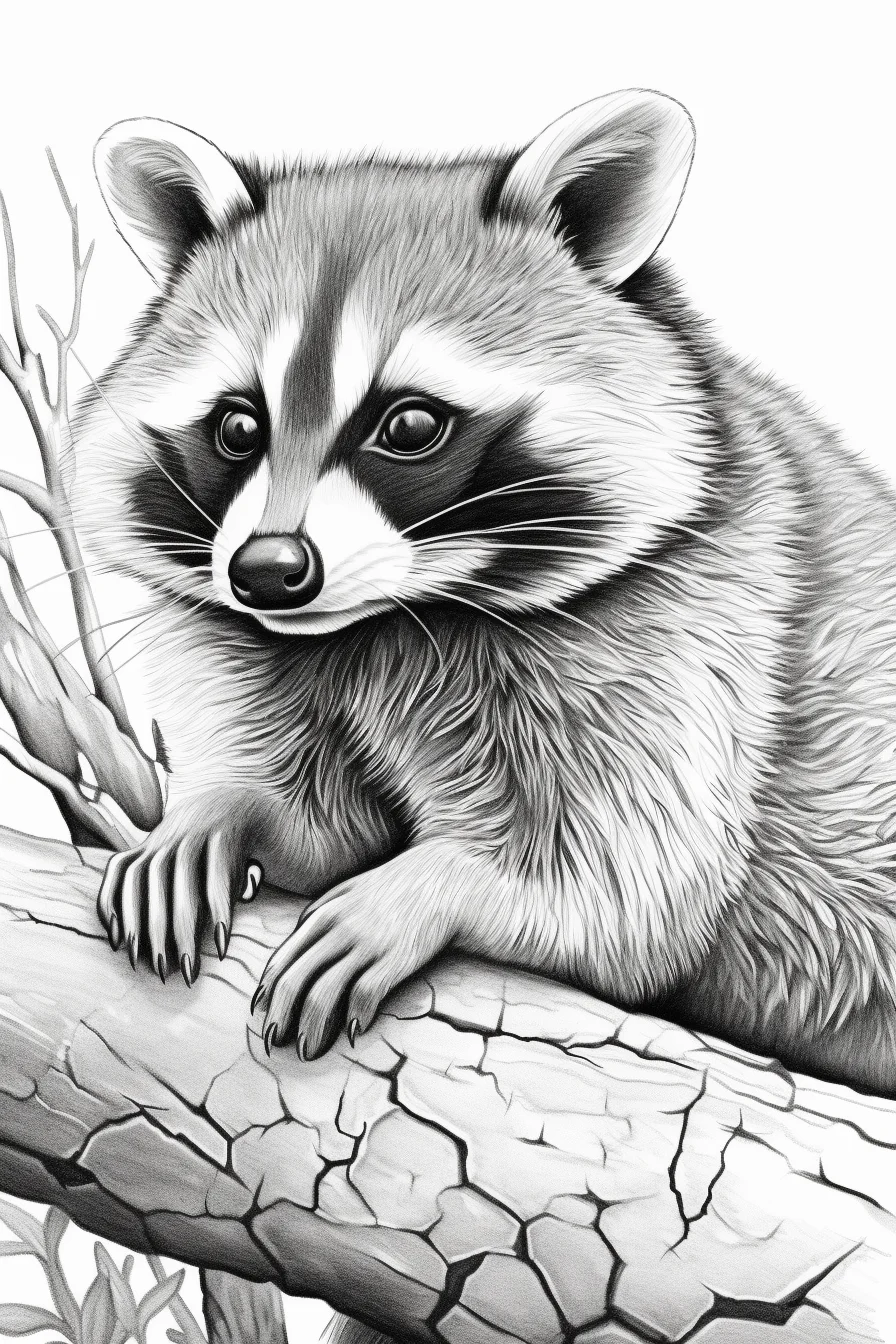
- Raccoons: keep the face mask and tail rings distinct, then soften the rest of the fur with gray or brown layers.
How to save and print
- Choose a wildlife design below.
- Save the full-size image to your phone, tablet or computer.
- Open it in your printing app, select A4 or US Letter paper and use “Fit to page.”
For more species-specific pages, try the baby rhino coloring pages or owl coloring pages.
14 realistic animal coloring sheets
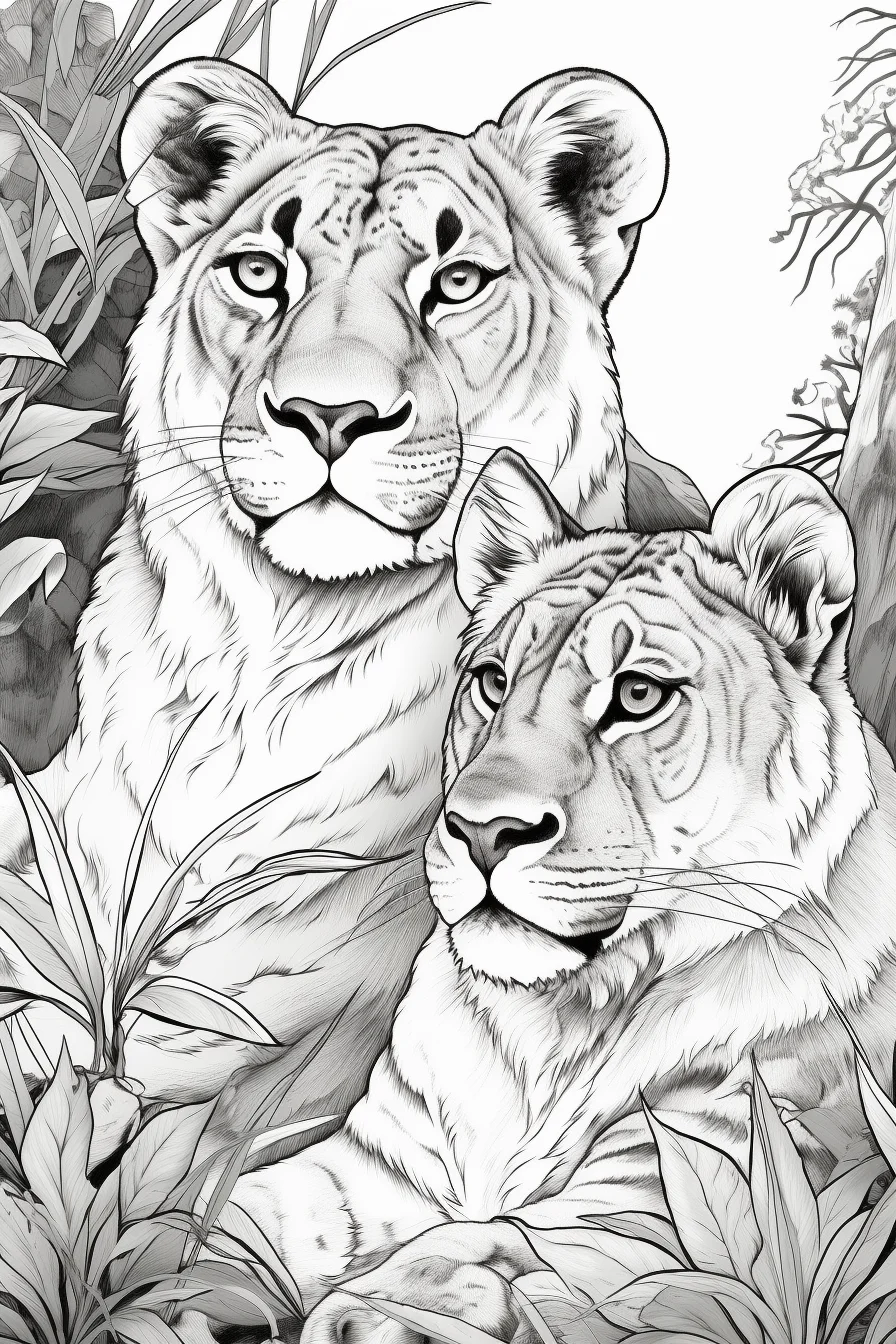
Open full-size lion coloring page
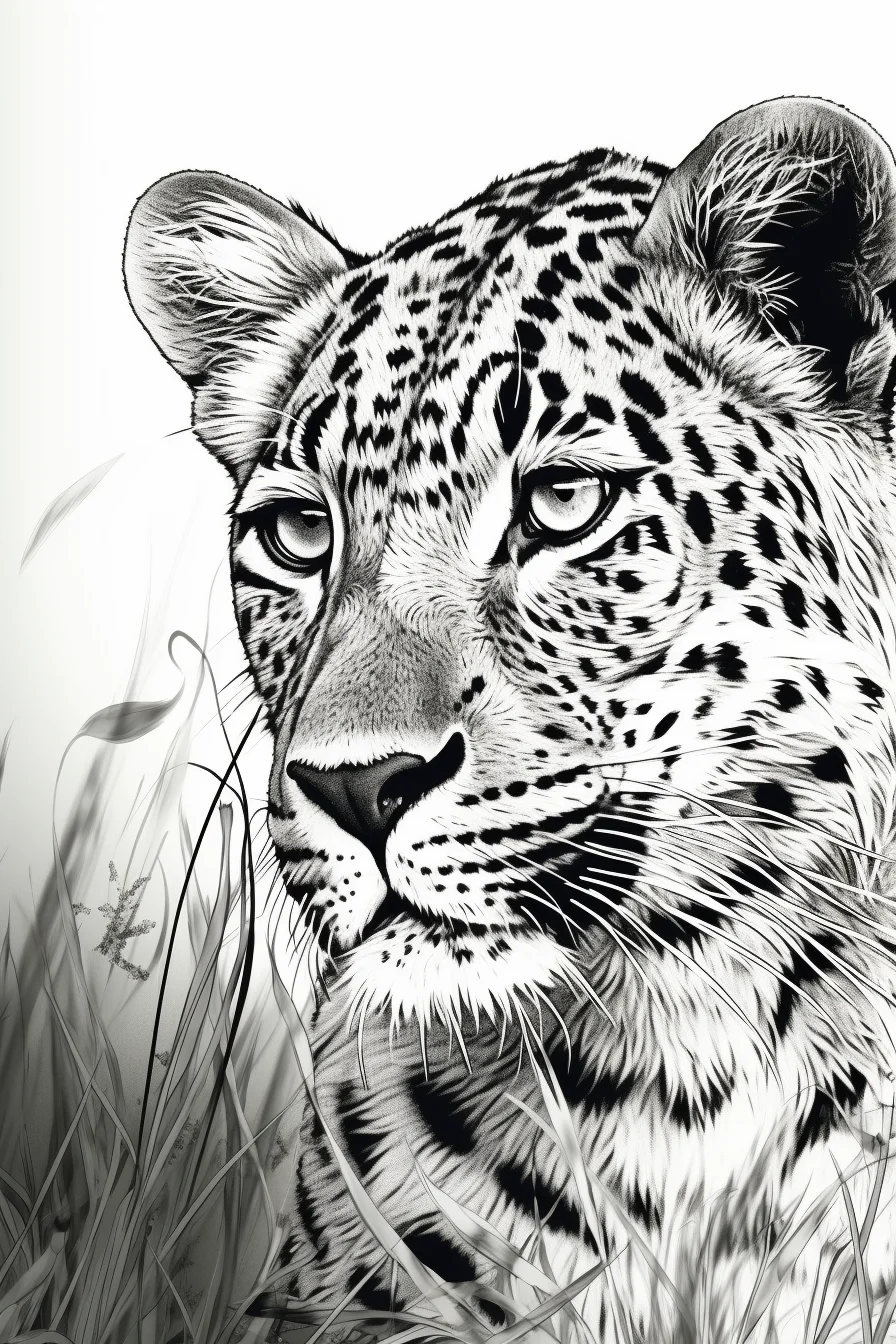
Open full-size jaguar coloring page
Lion and jaguar: use the big-cat pages to practice short fur and facial contrast. On the jaguar, lay down the golden or tan base before adding the darker spots; on the lion, keep the muzzle and area around the eyes a little lighter than the mane or outer face.
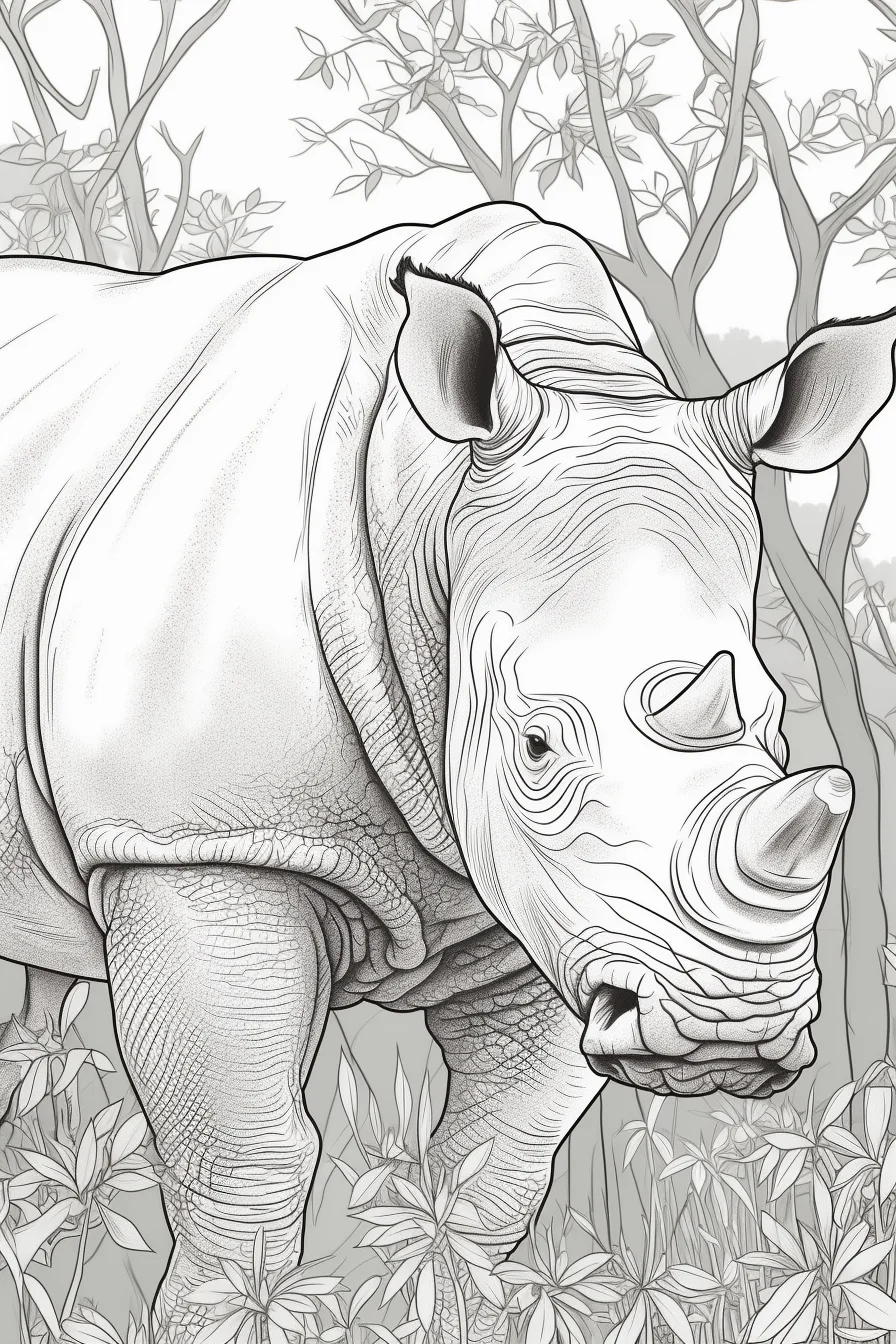
Open full-size rhino coloring page
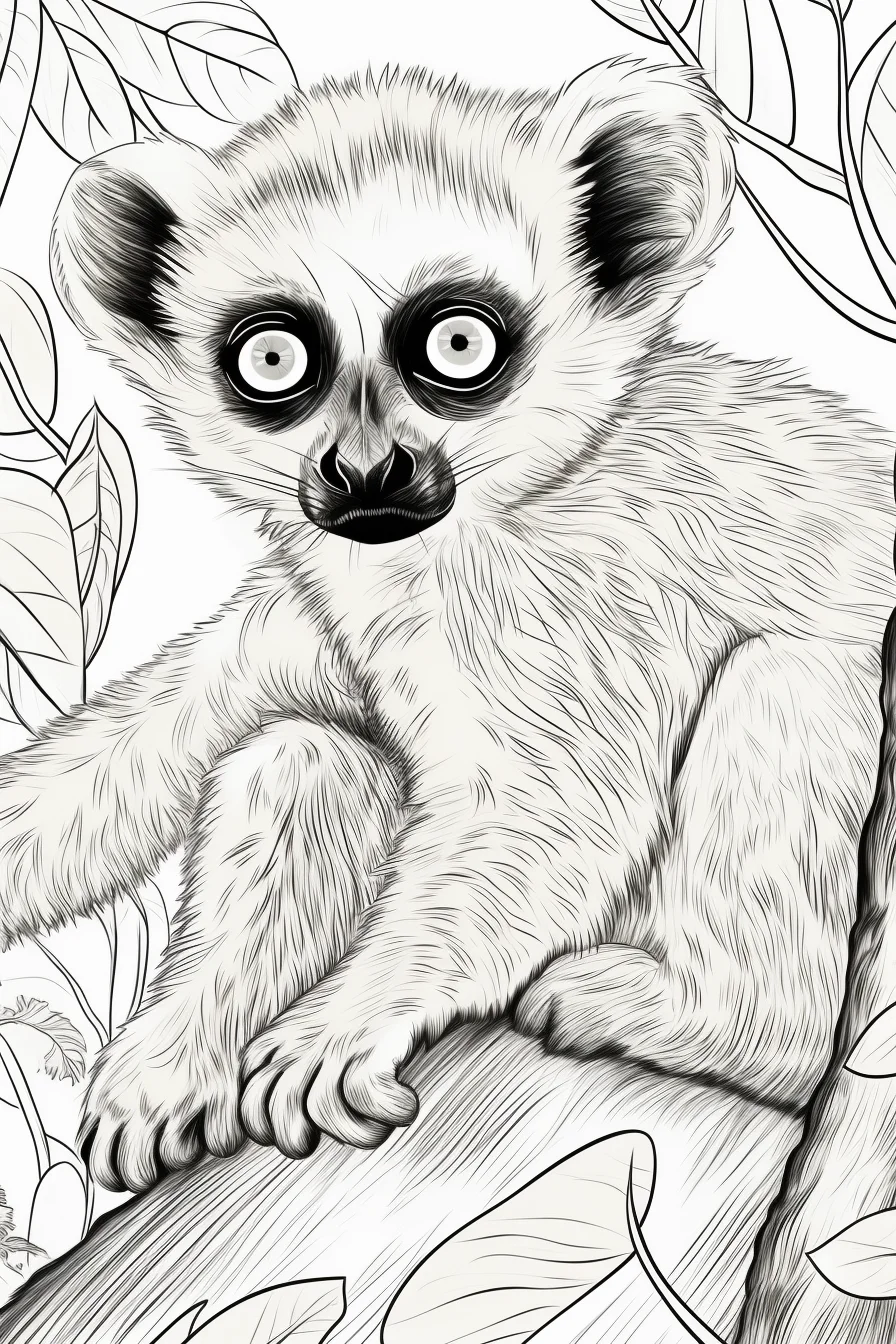
Open full-size lemur coloring page
Rhino and lemur: these two are useful for very different textures. Keep the rhino mostly in broad gray or brown layers with darker folds and underside shadows; for the lemur, use shorter strokes and stronger light-dark separation around the face and tail.
Open full-size owl coloring page
Owl: avoid treating every feather as a separate tiny object. Block in two or three larger light and dark zones first, then add a few sharper feather edges around the face and wings. That usually looks more natural and takes much less time.
Open full-size raccoon coloring page
Open full-size goat coloring page
Open full-size big-cat coloring page
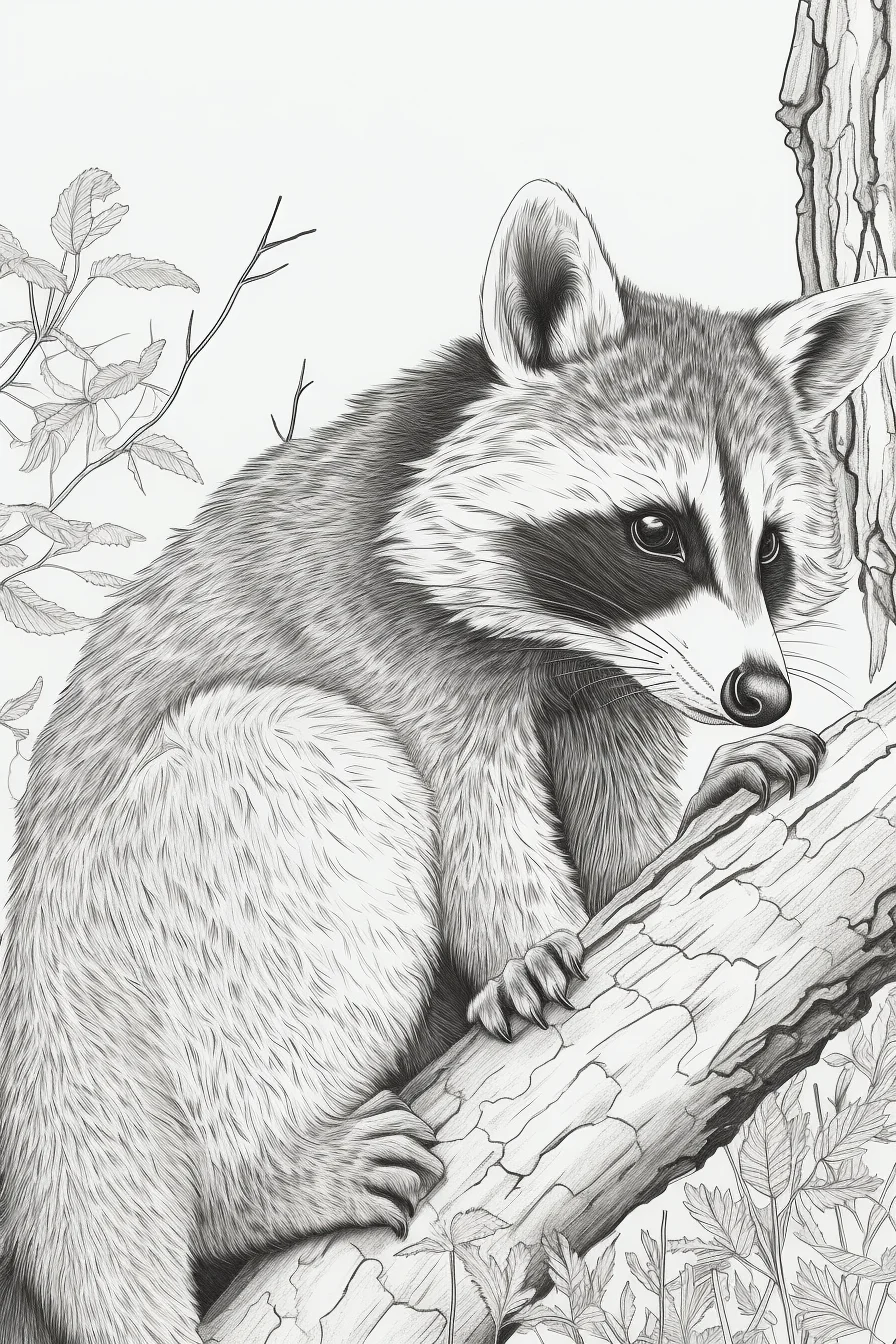
Open full-size raccoon coloring page 2
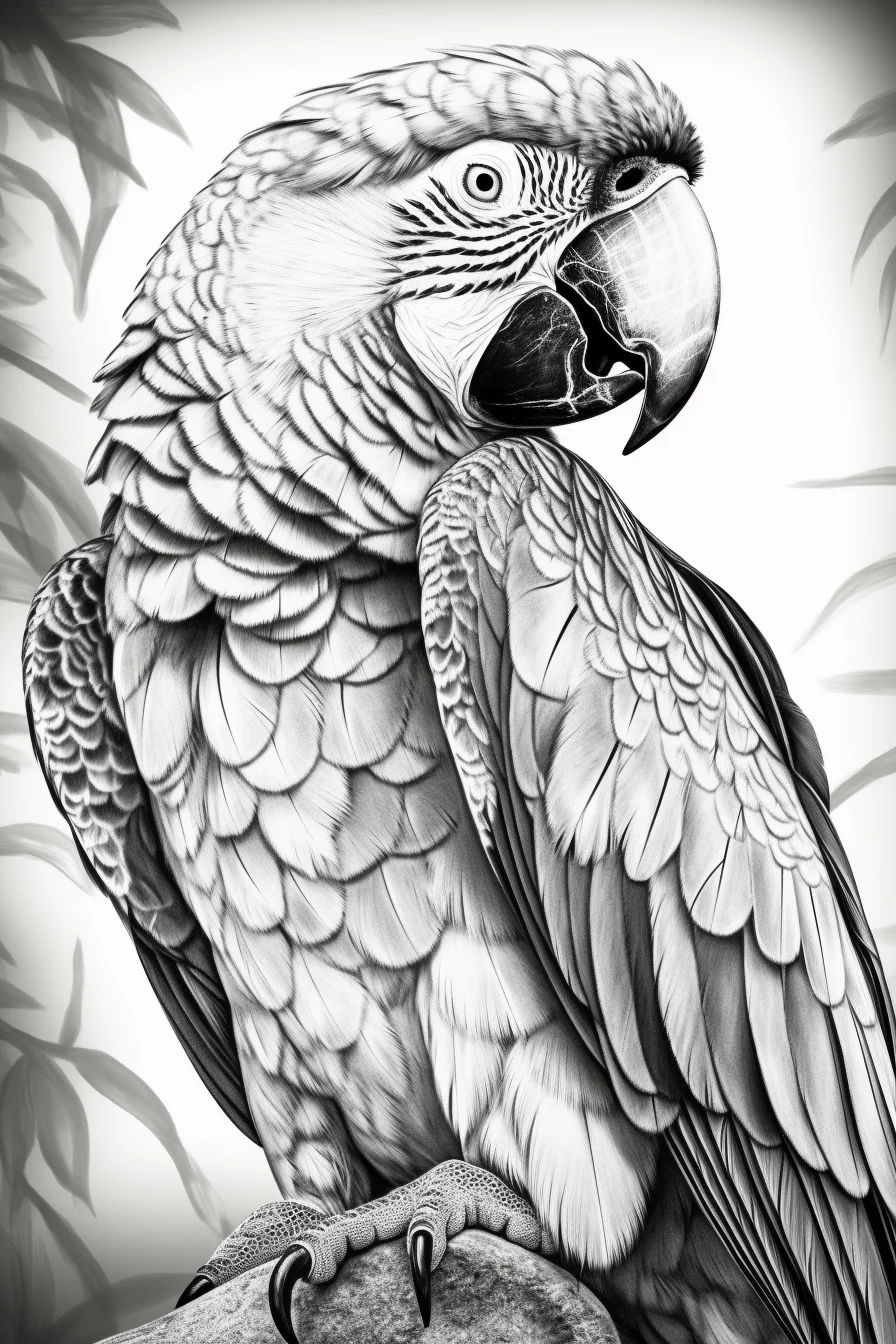
Open full-size parrot coloring page
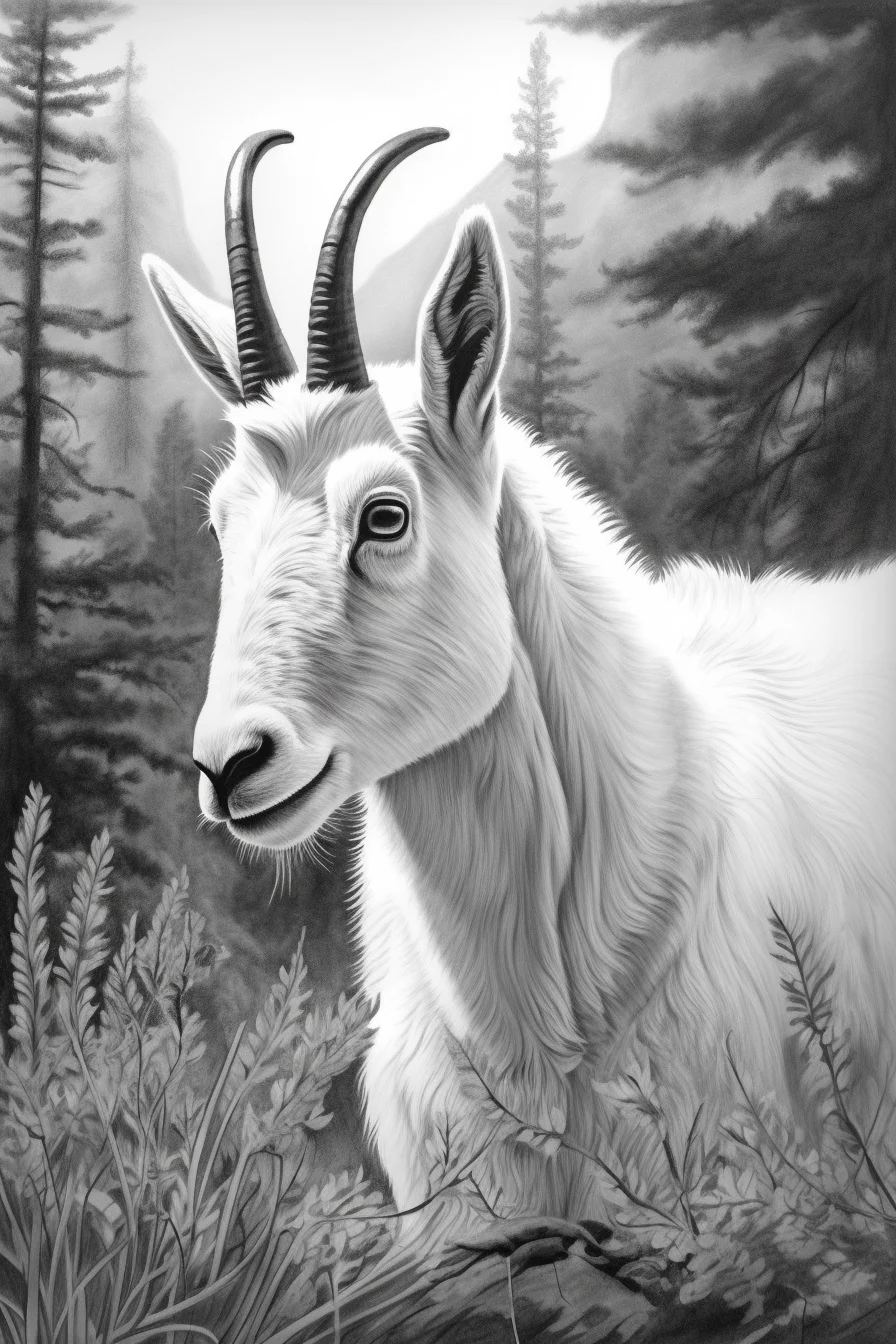
Open full-size goat coloring page 2
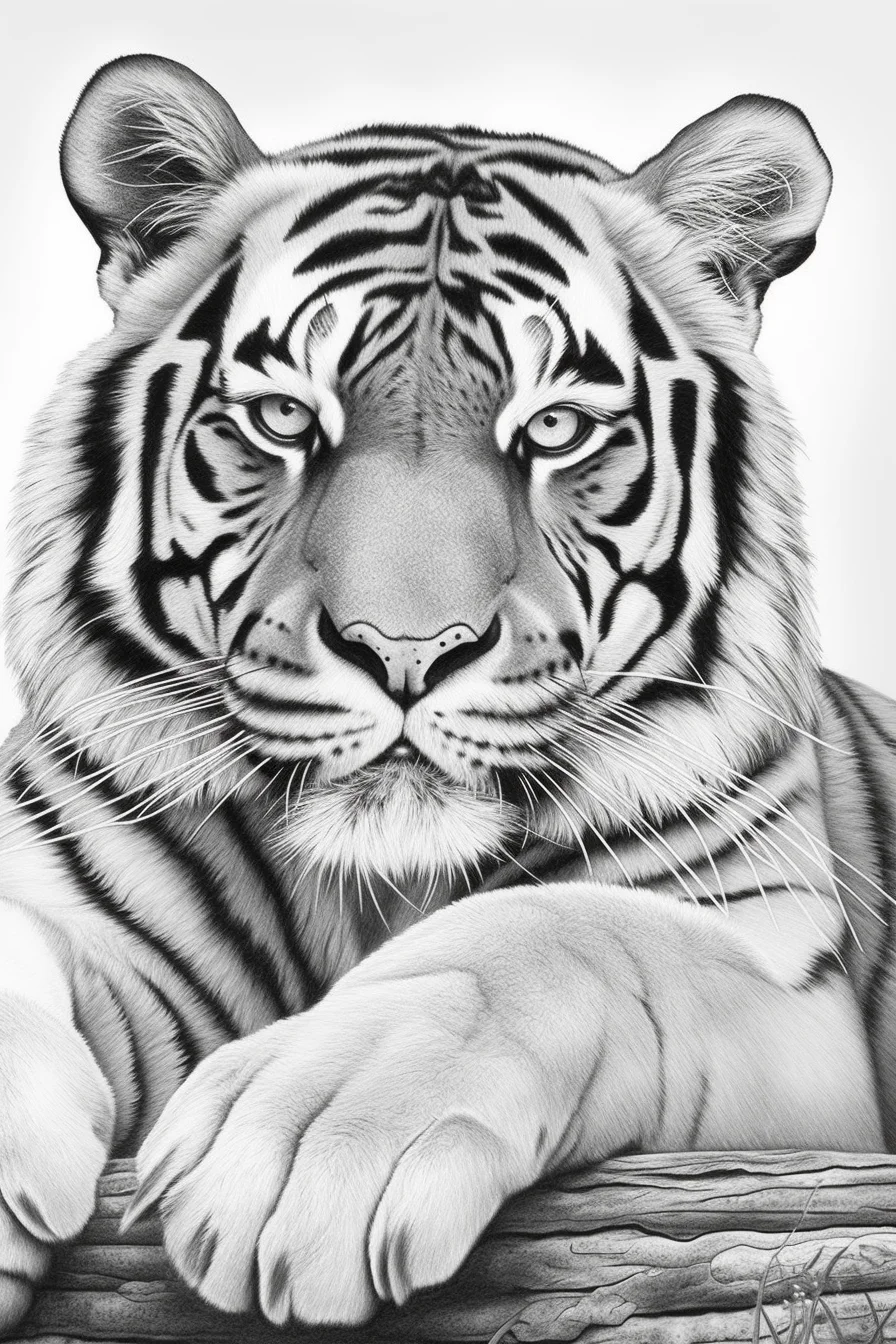
Open full-size tiger coloring page
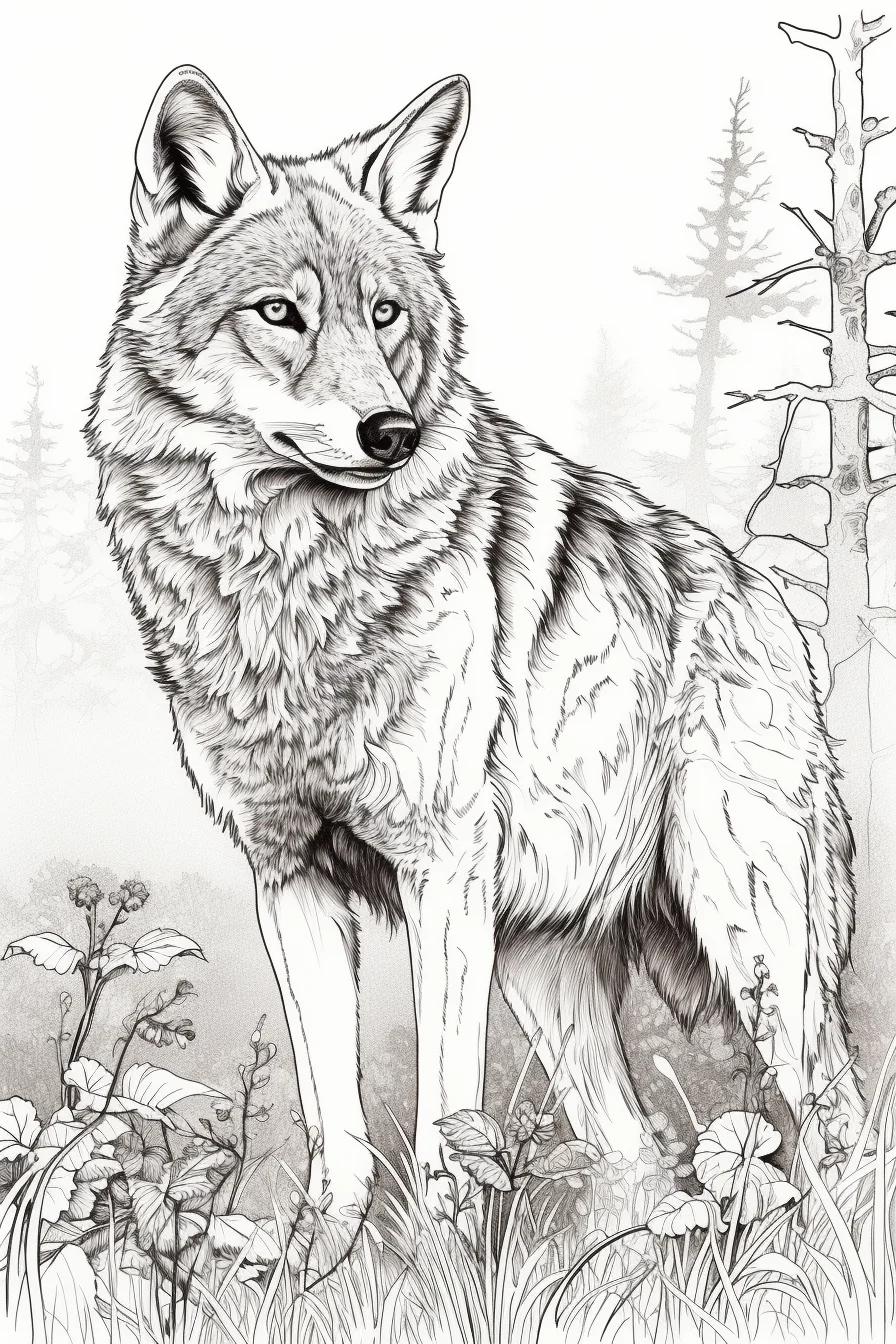
Open full-size wolf coloring page
Tiger and wolf: both benefit from layered pencil work, but for different reasons. On the tiger, keep the orange or tan base visible underneath the stripes. On the wolf, use several gray or brown values in the same fur area rather than outlining every strand individually.
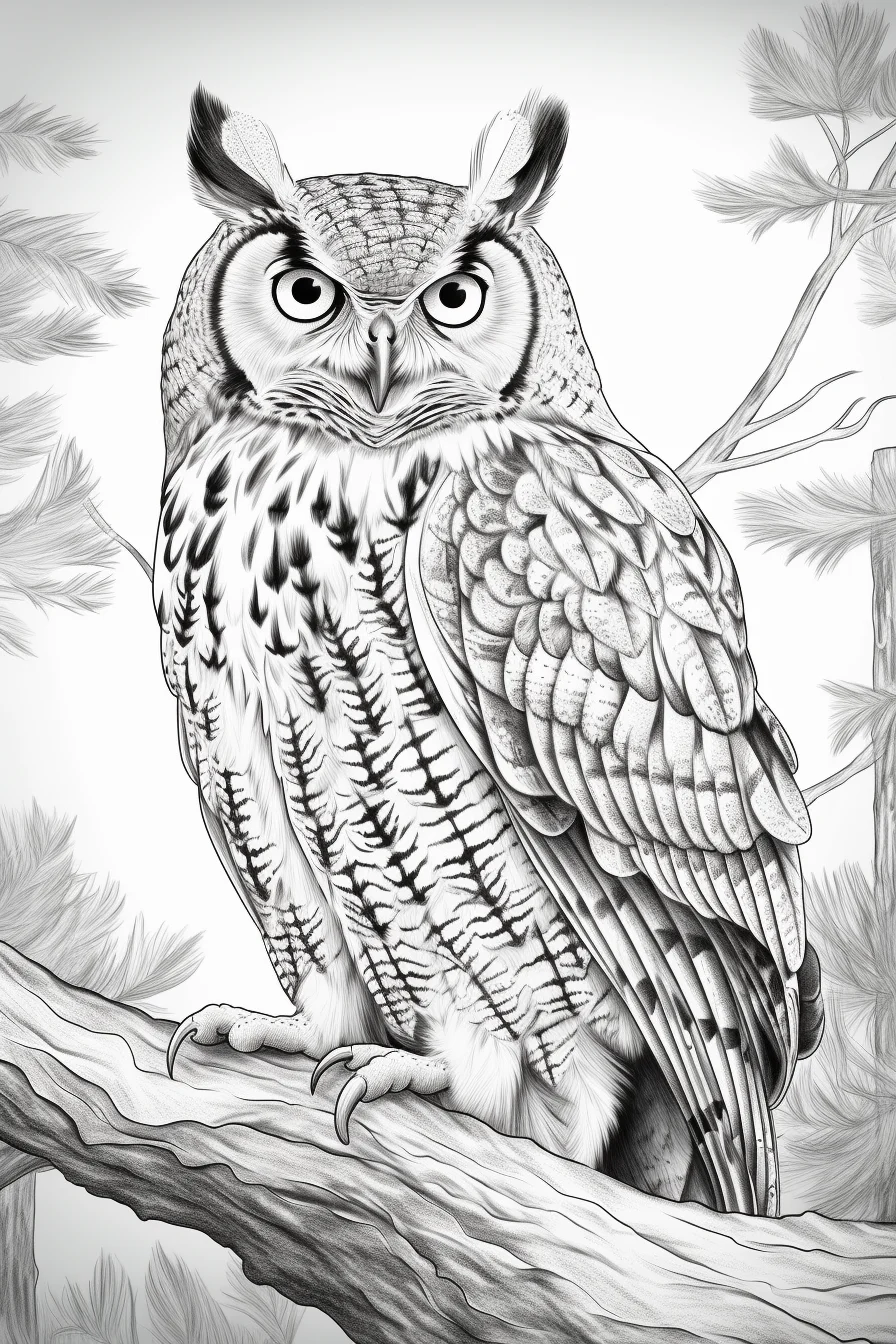
Open full-size owl coloring page 2
Realistic animal coloring questions
Do I need a reference photo?
No, but it helps if you care about markings or natural colors. Use the photo to understand where the light and dark areas fall; you do not need to copy every hair, feather or spot.
Which tool is best for realistic fur?
Colored pencils are the easiest starting point because you can build several light layers and change direction with the fur. Fine-tip markers are better for small accents than for the whole coat.
How do I stop a realistic page from looking flat?
Keep one side of the animal lighter and deepen the underside, overlaps and joints. Even a simple light-medium-dark value pattern creates more depth than adding lots of different colors.
Which page should I try next if I want a full wildlife scene?
Use the animal habitat coloring pages. If you want one species in more depth, try the owl pages, rhino pages or leopard pages.

