
Fifty sea turtle coloring pages, from very simple baby turtles to kawaii characters and more detailed adult turtles. If you want the quickest page, start at the top; if you want more shell detail, jump to the realistic group. Tap any image to open the full-size printable.
Jump to: easy & baby · cute & kawaii · detailed & realistic · more printables
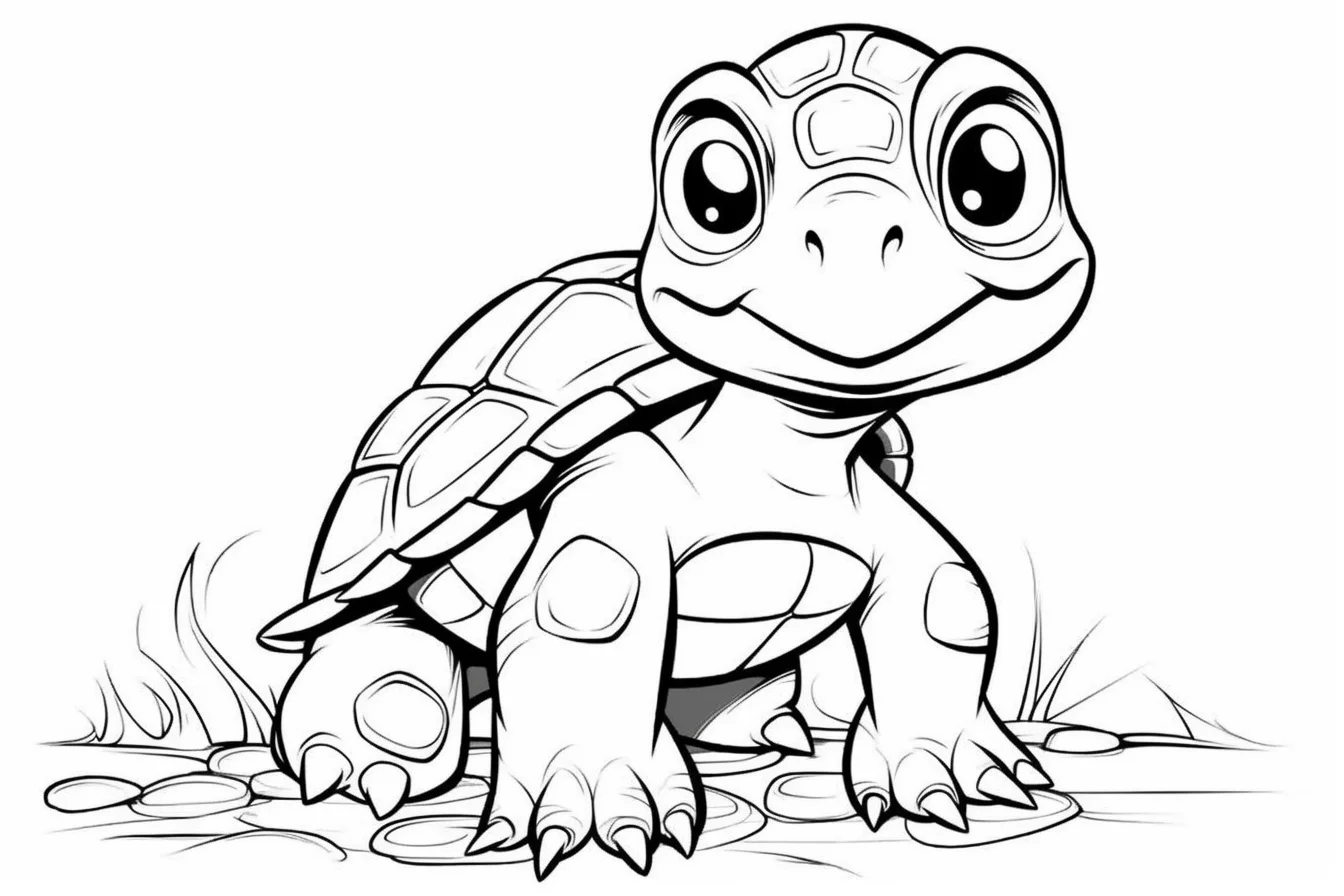
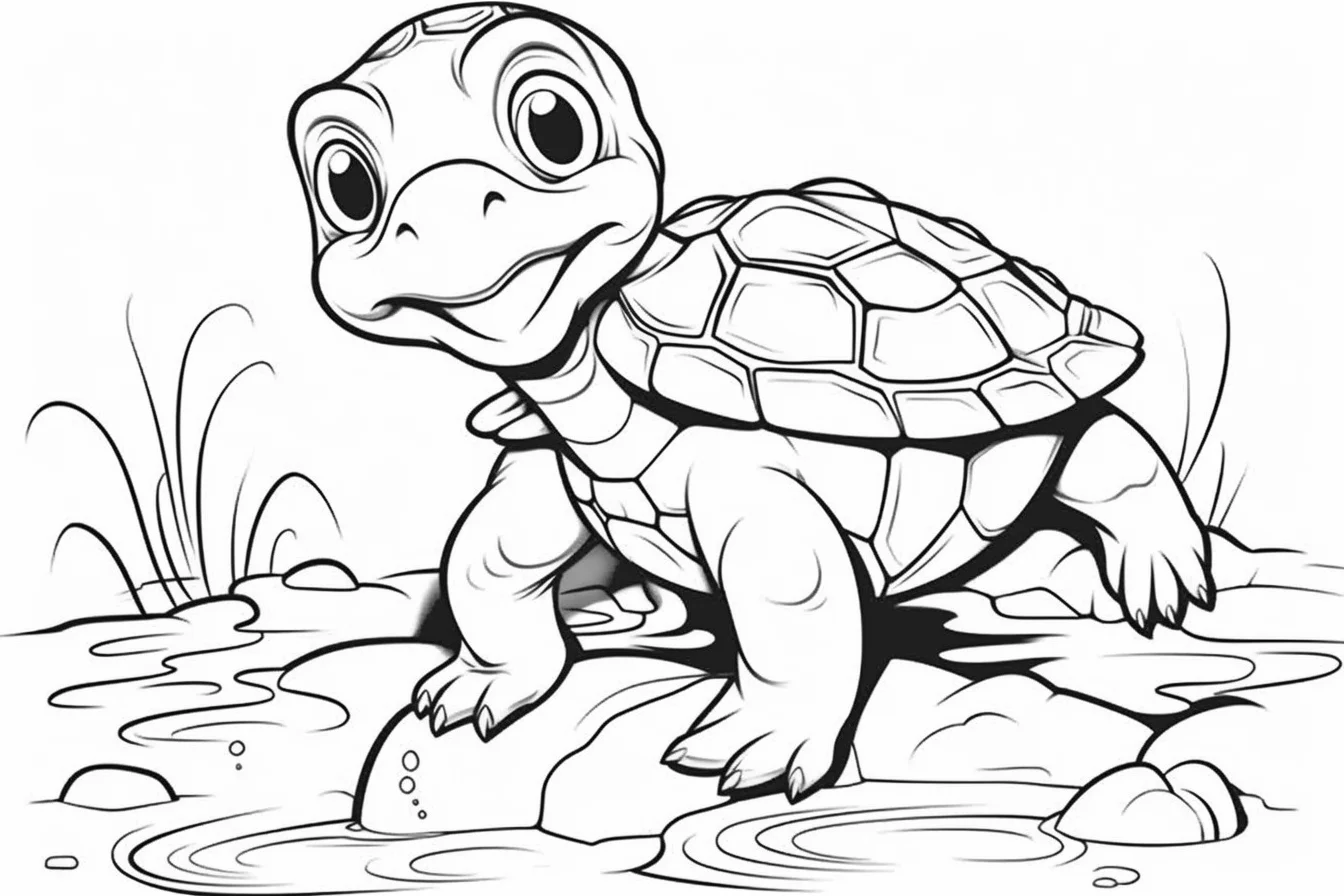
Easy and baby sea turtles — Sheets 1–10
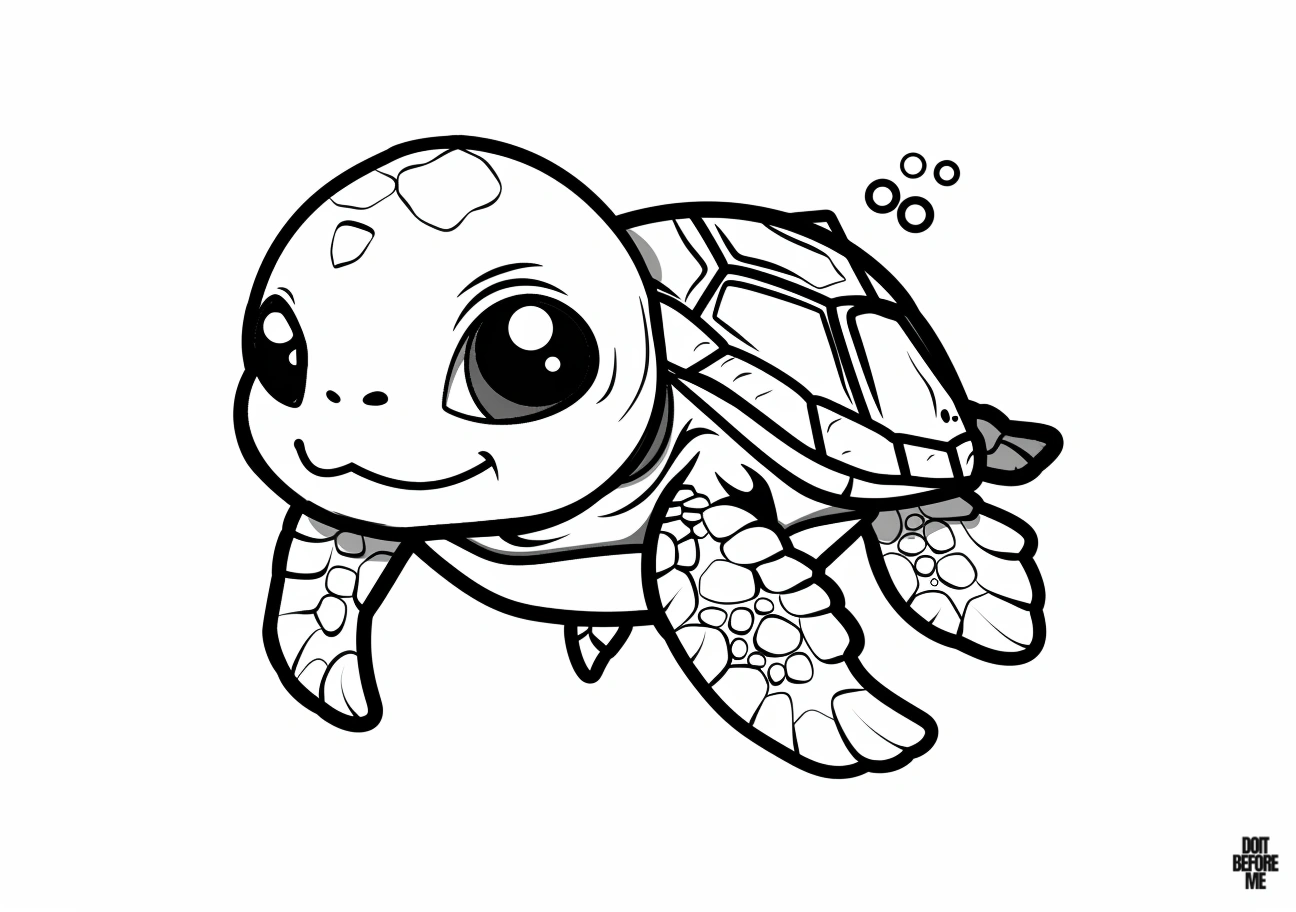
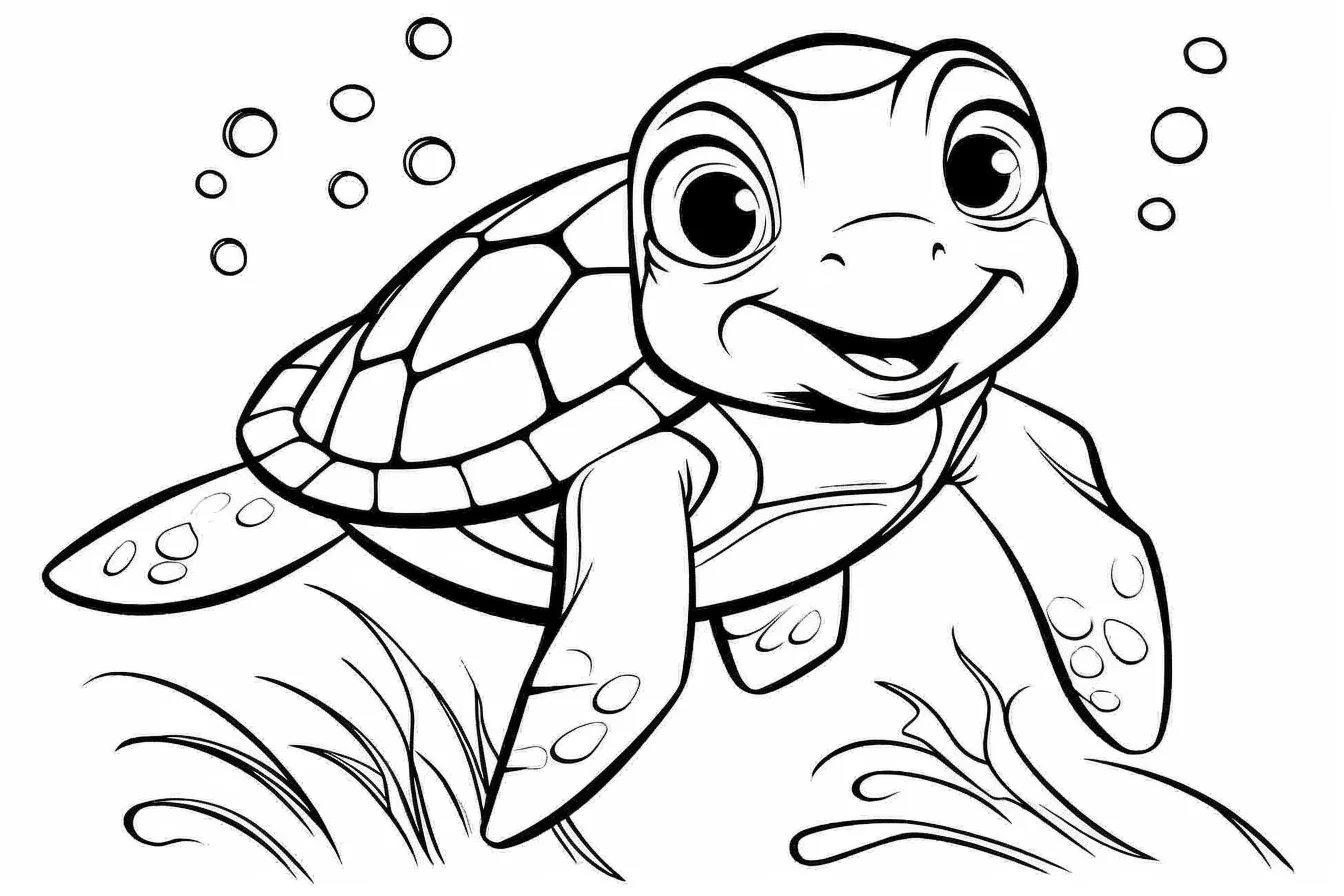
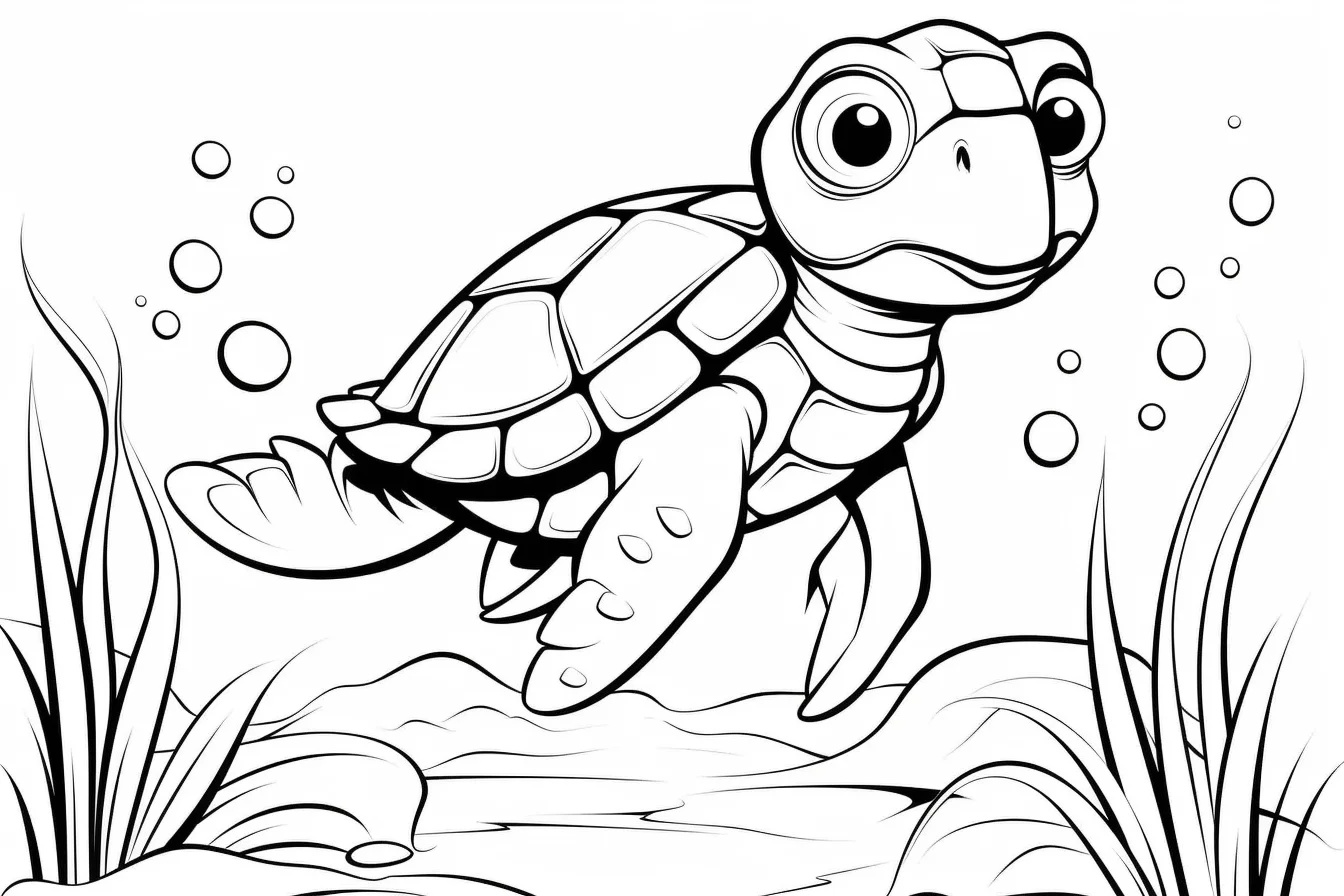
These first pages have the clearest shapes and the least visual clutter. They are the best place to start with crayons, broad markers, or a child who loses patience with tiny shell sections.
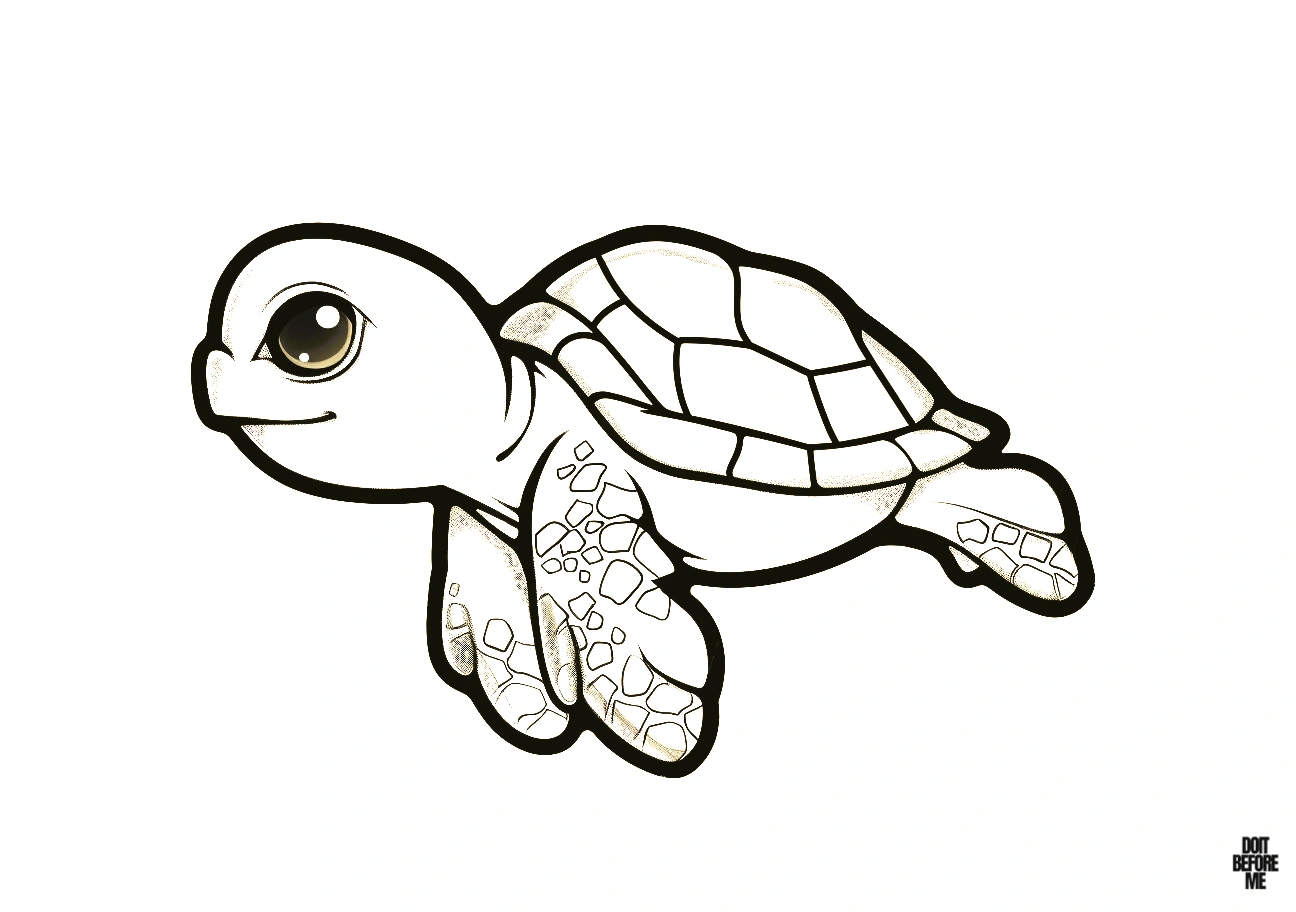
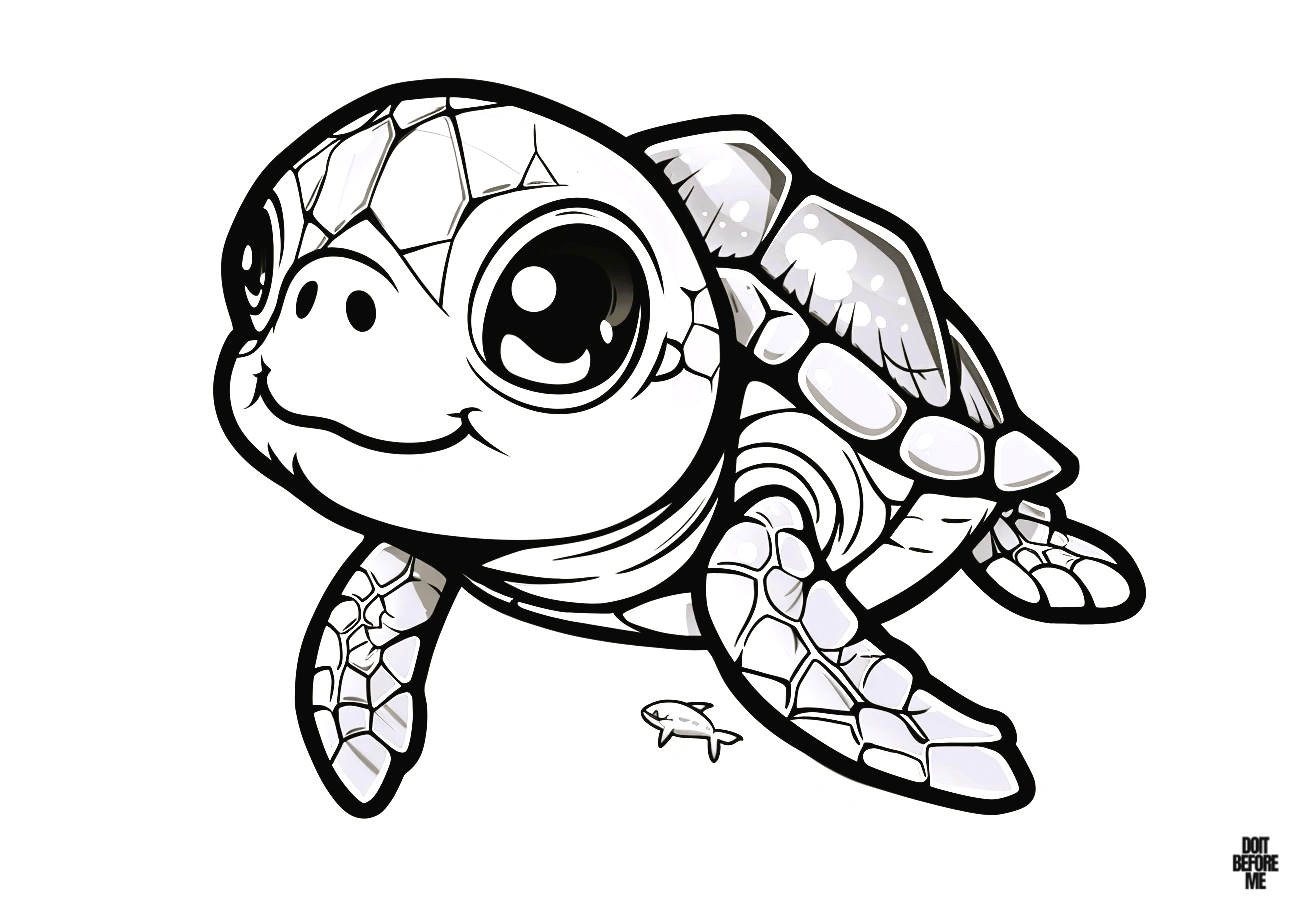
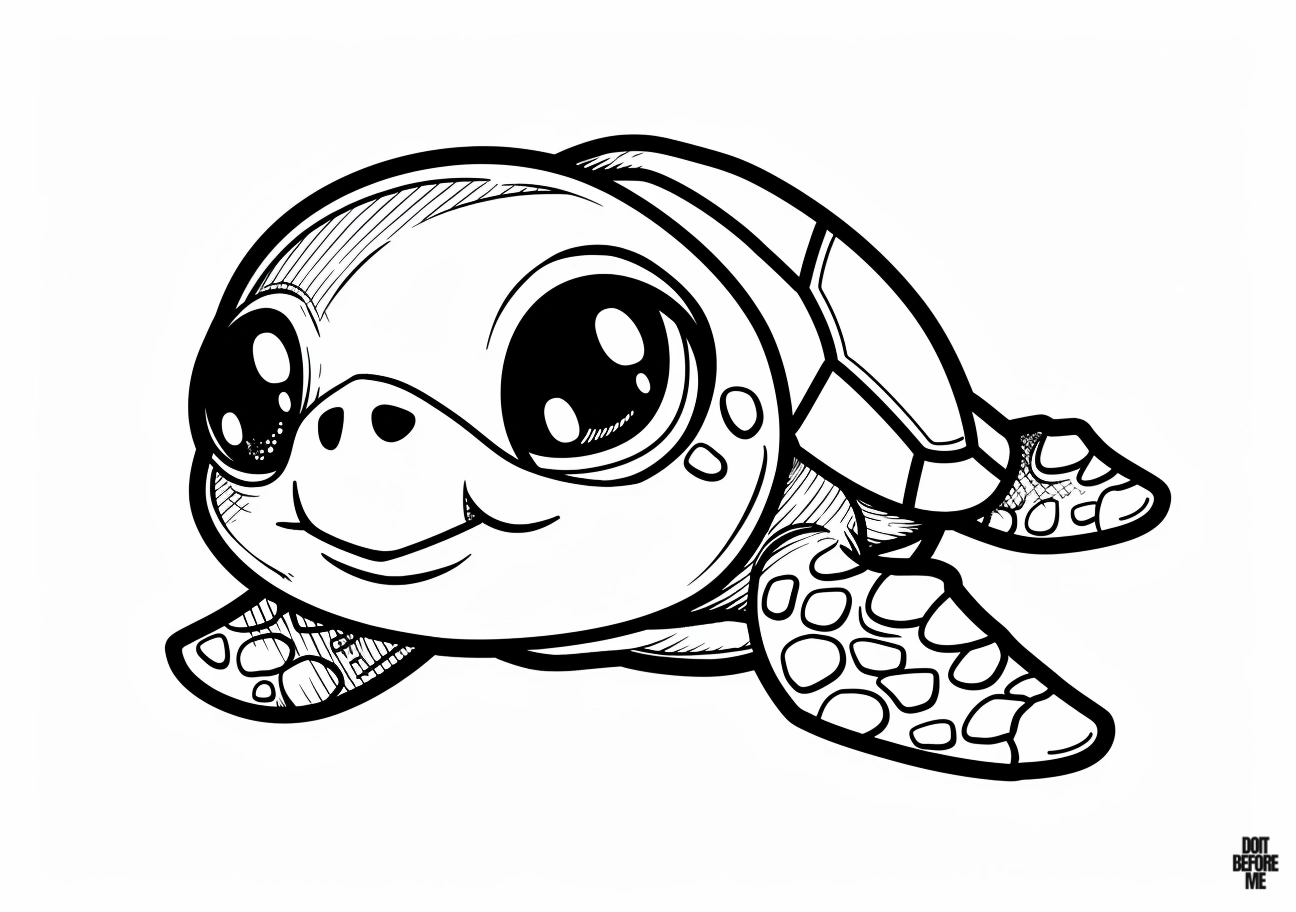
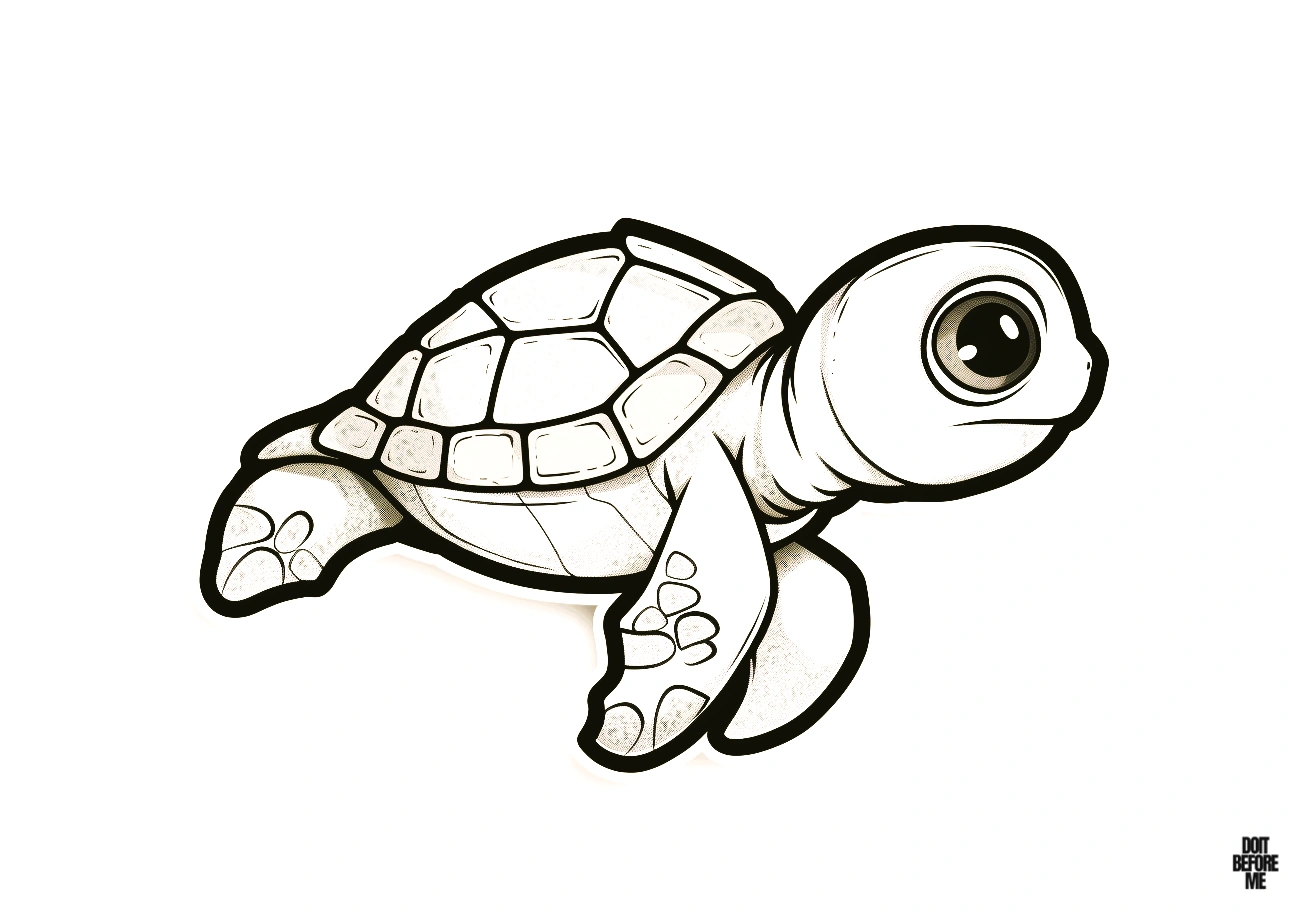
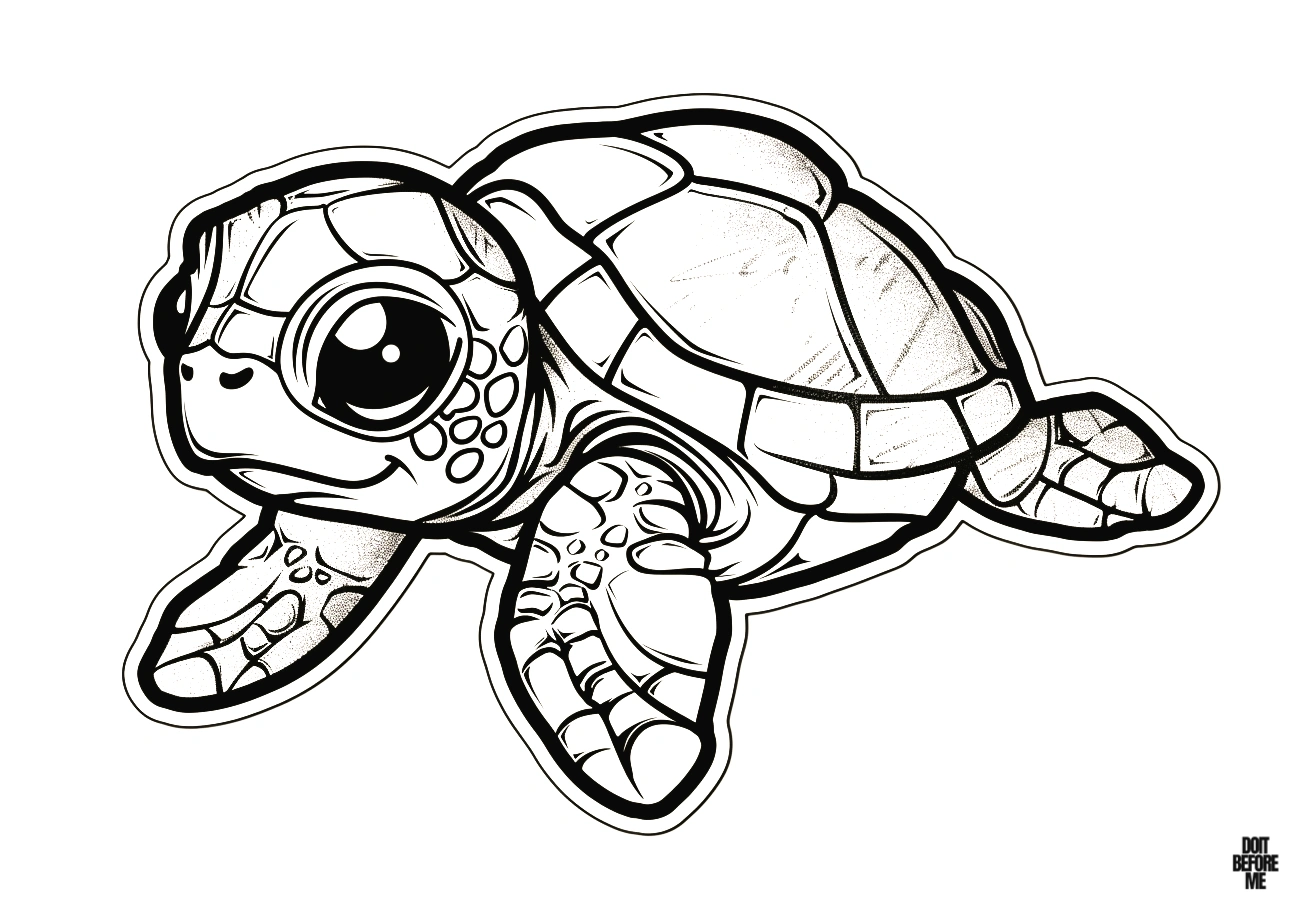
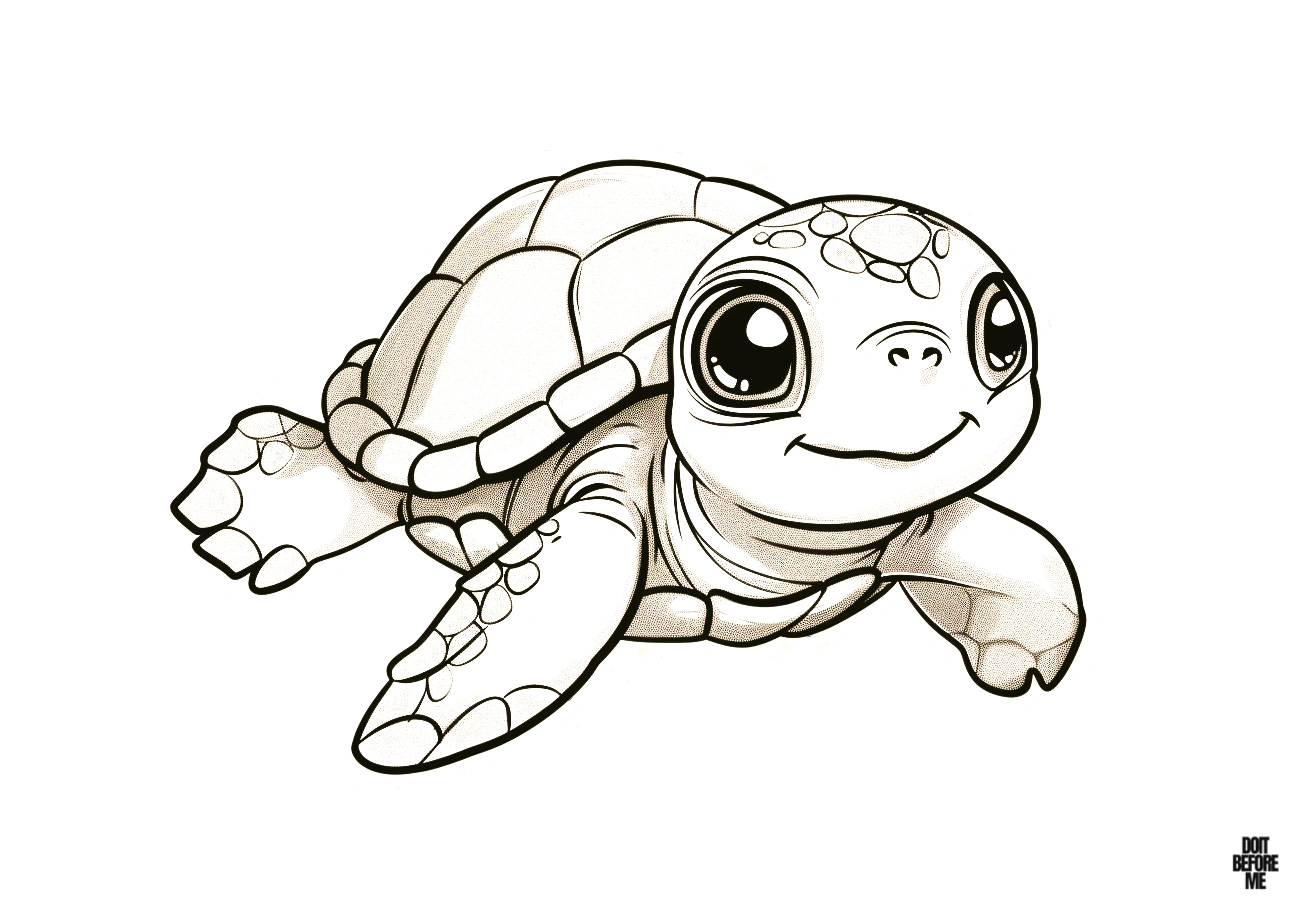
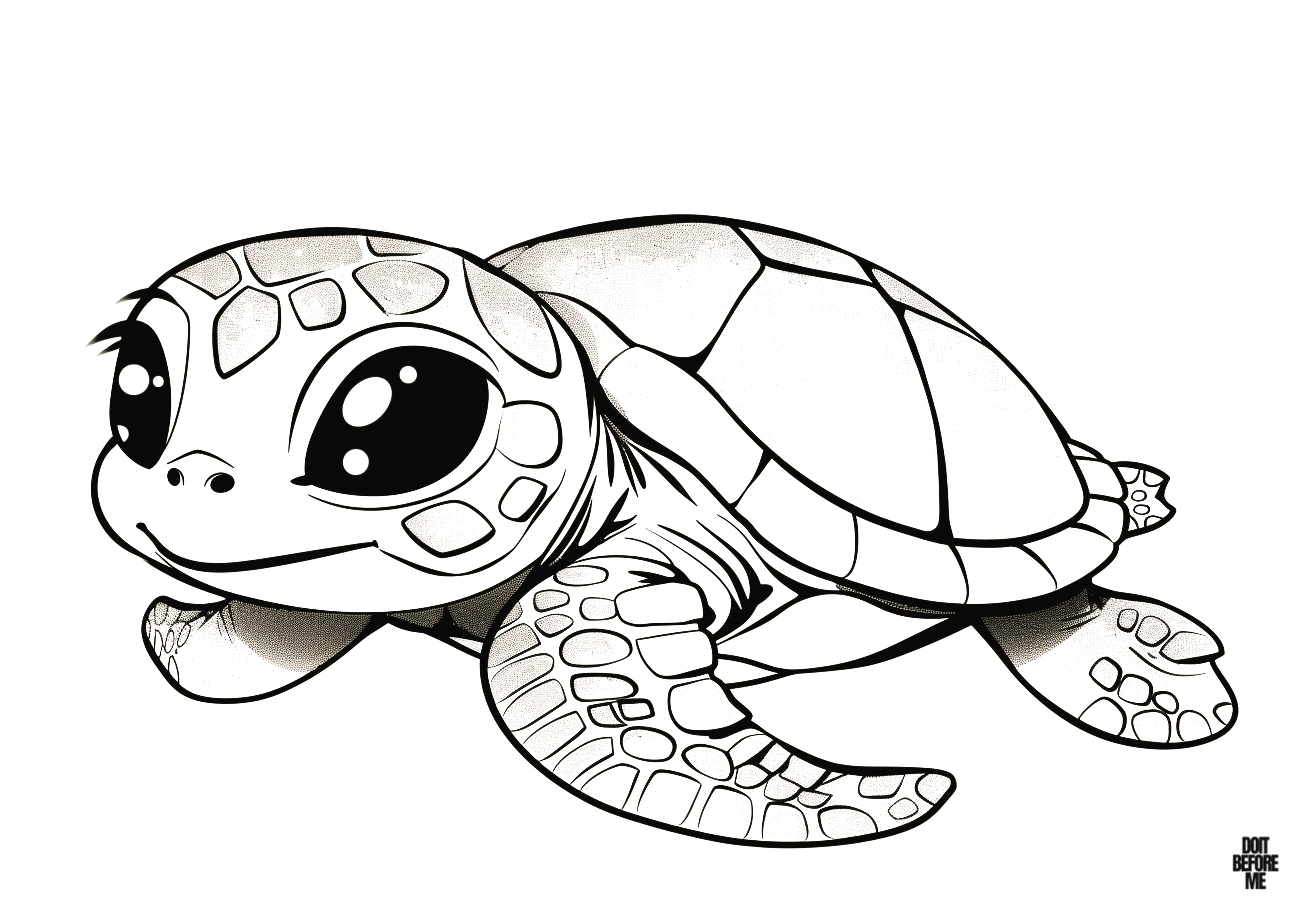
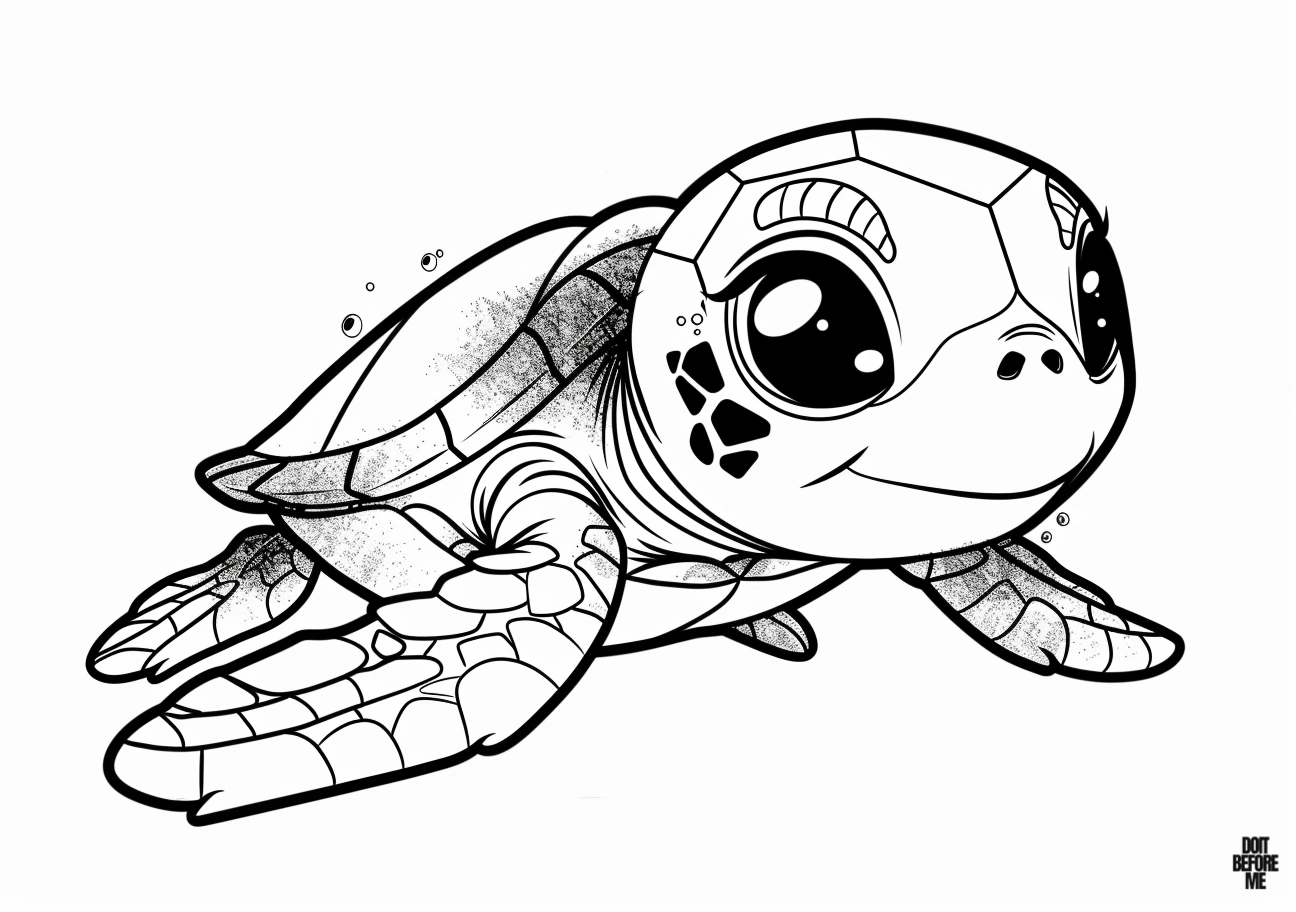

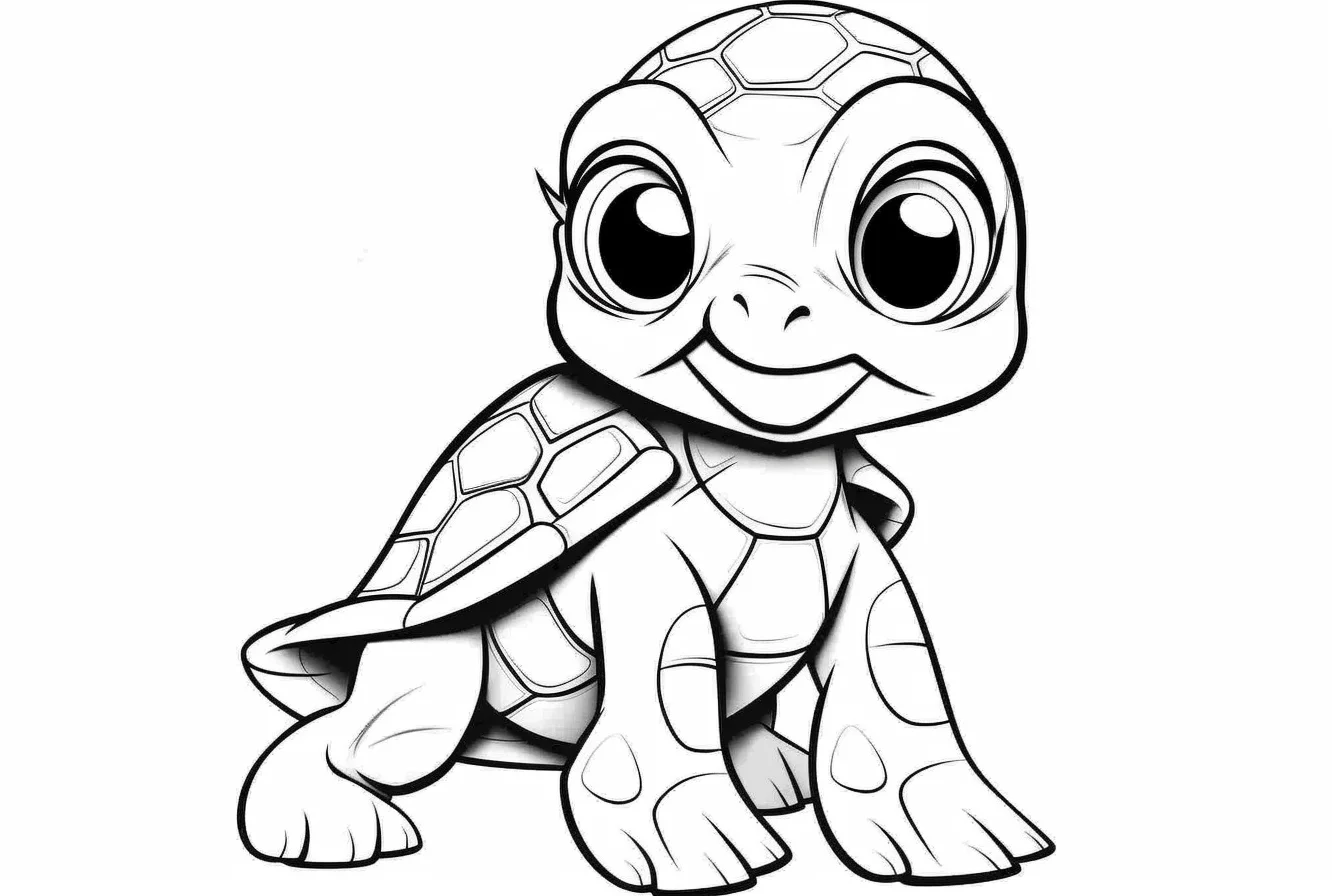
Cute and kawaii turtles — Sheets 11–29
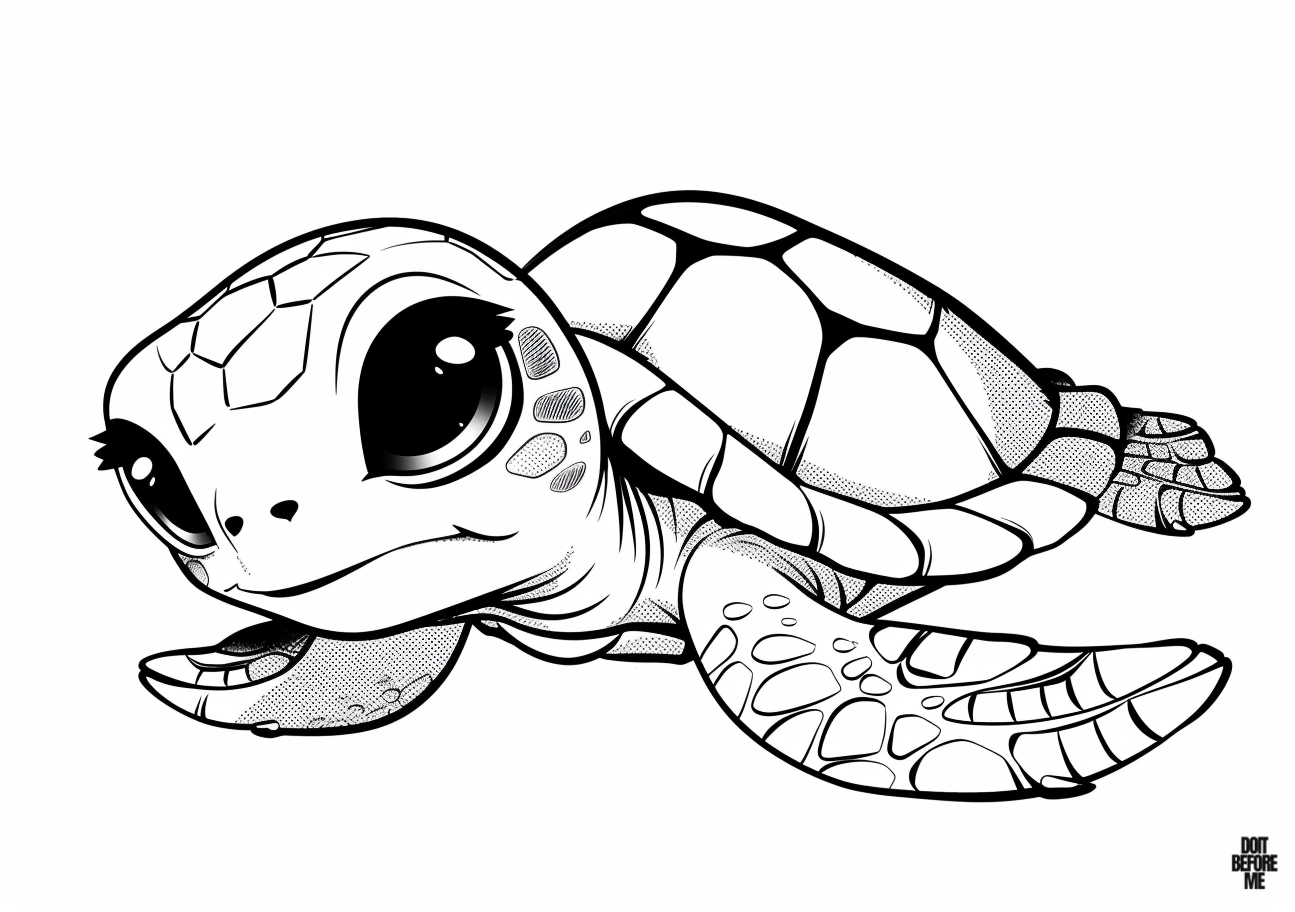
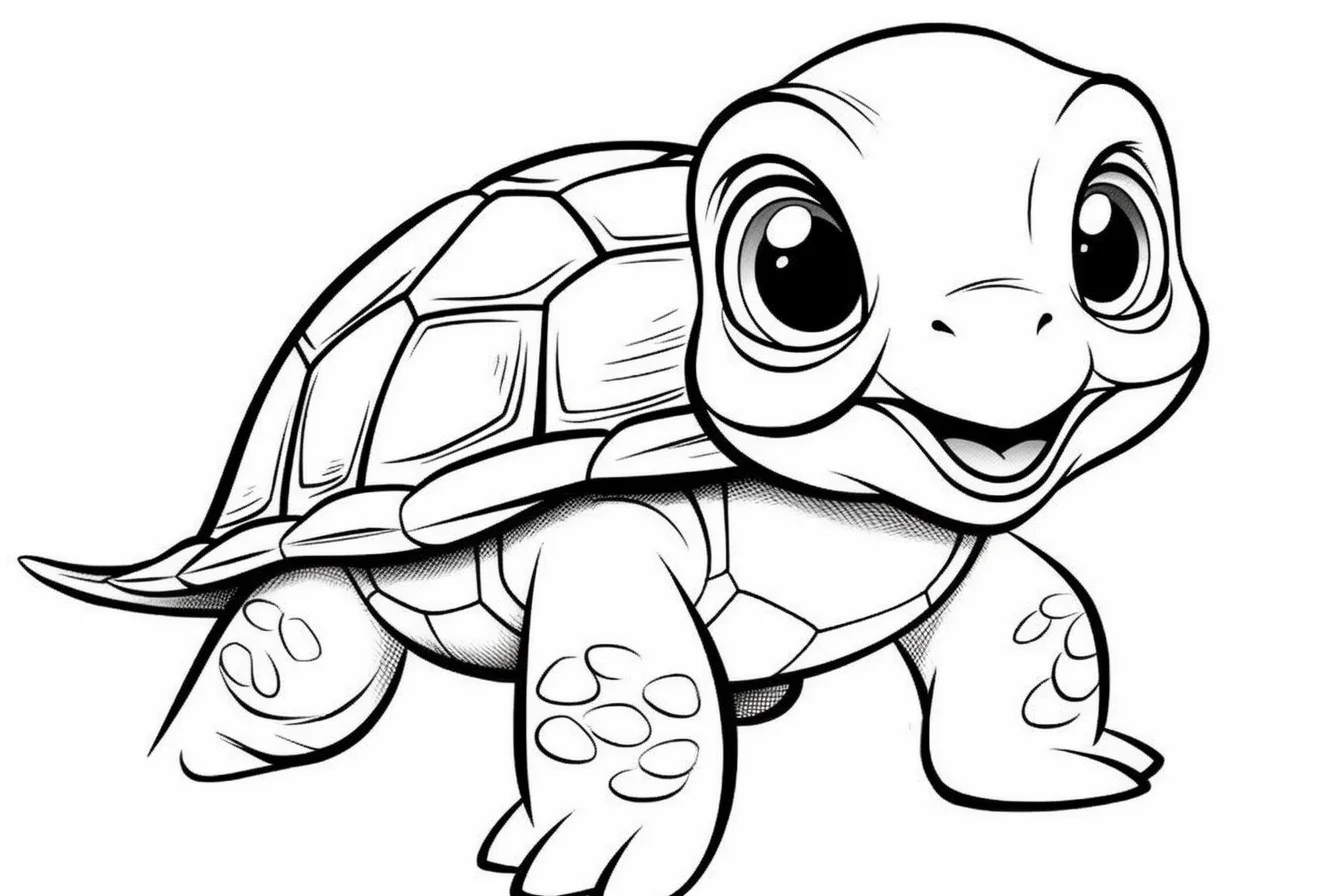
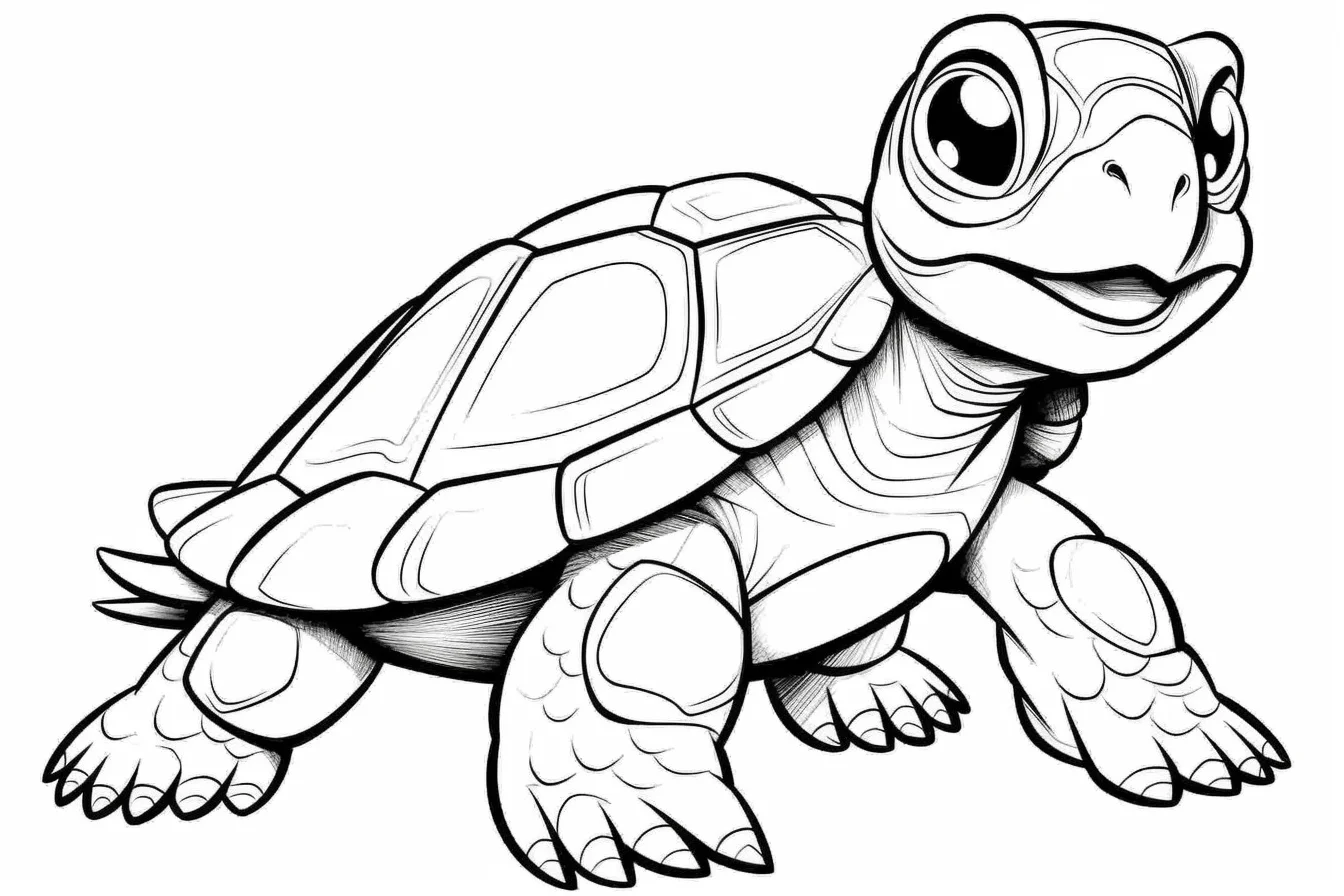
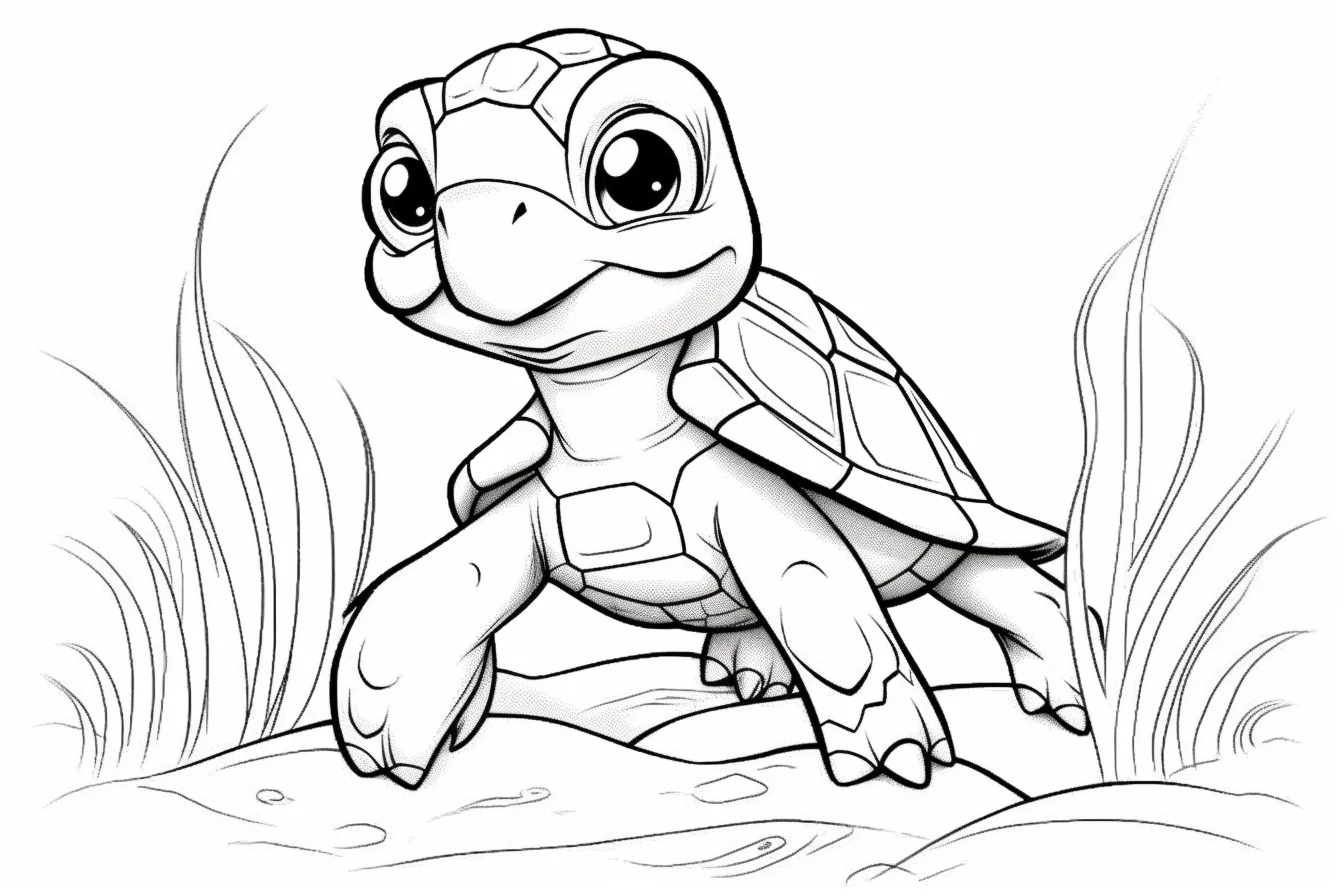
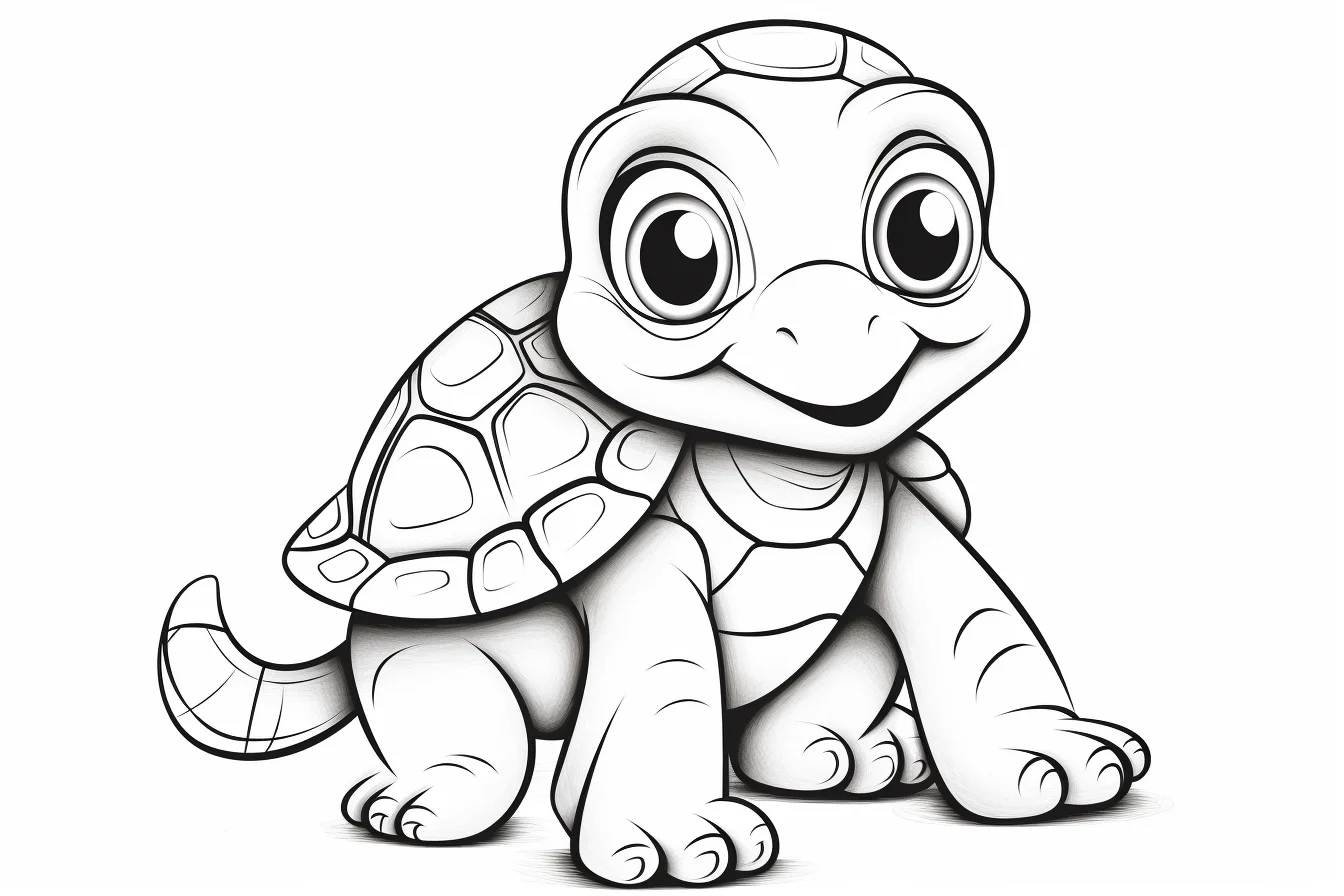
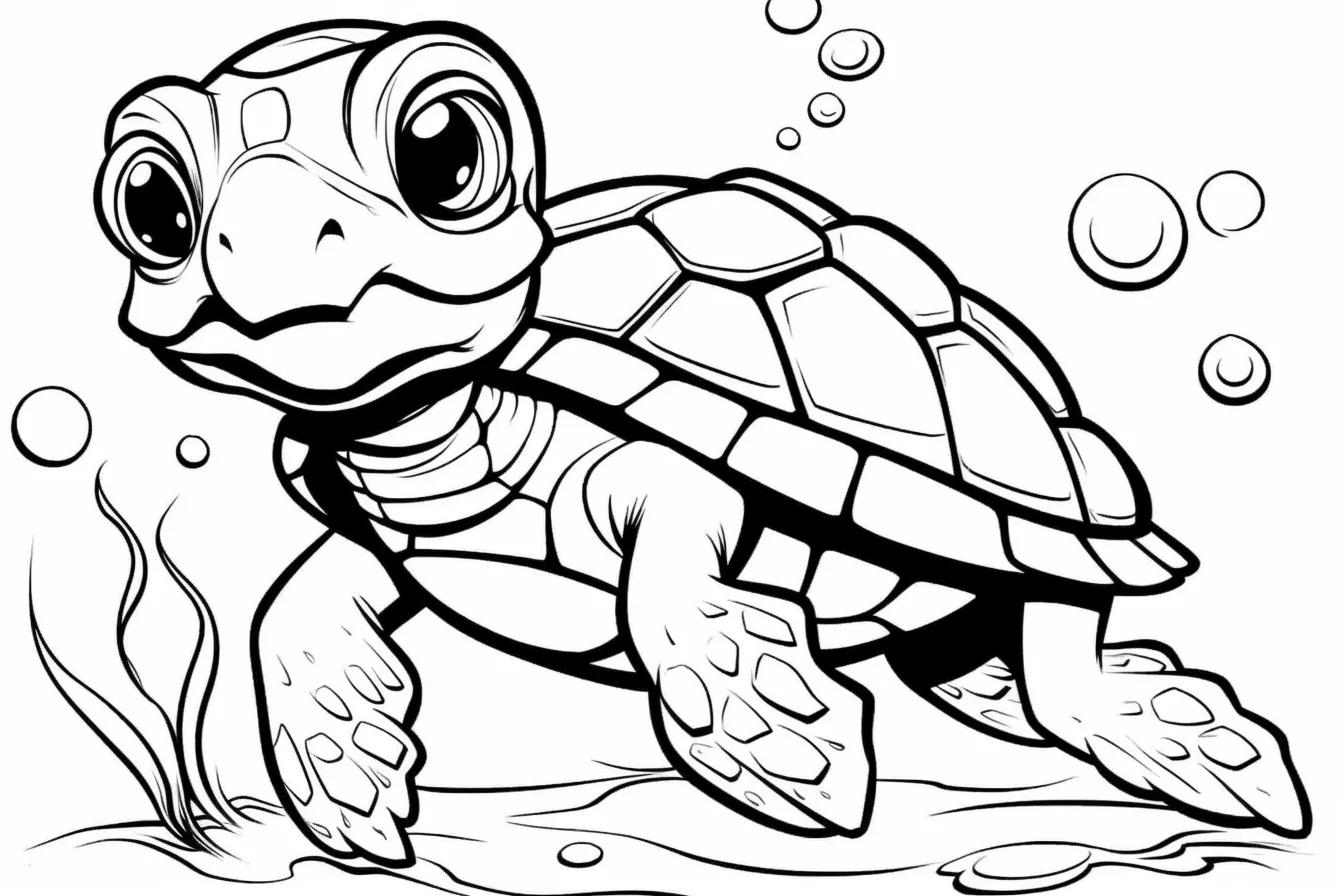
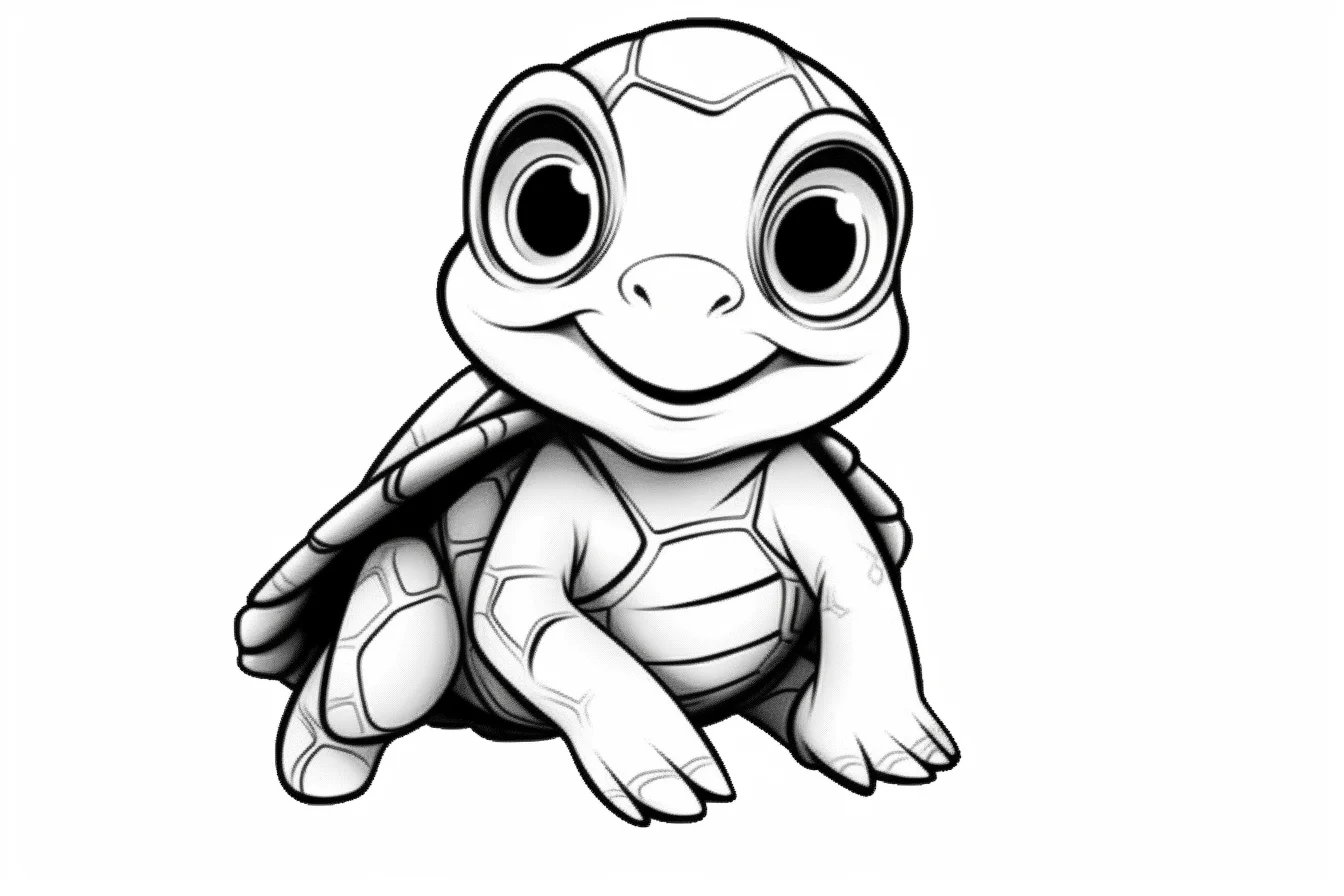
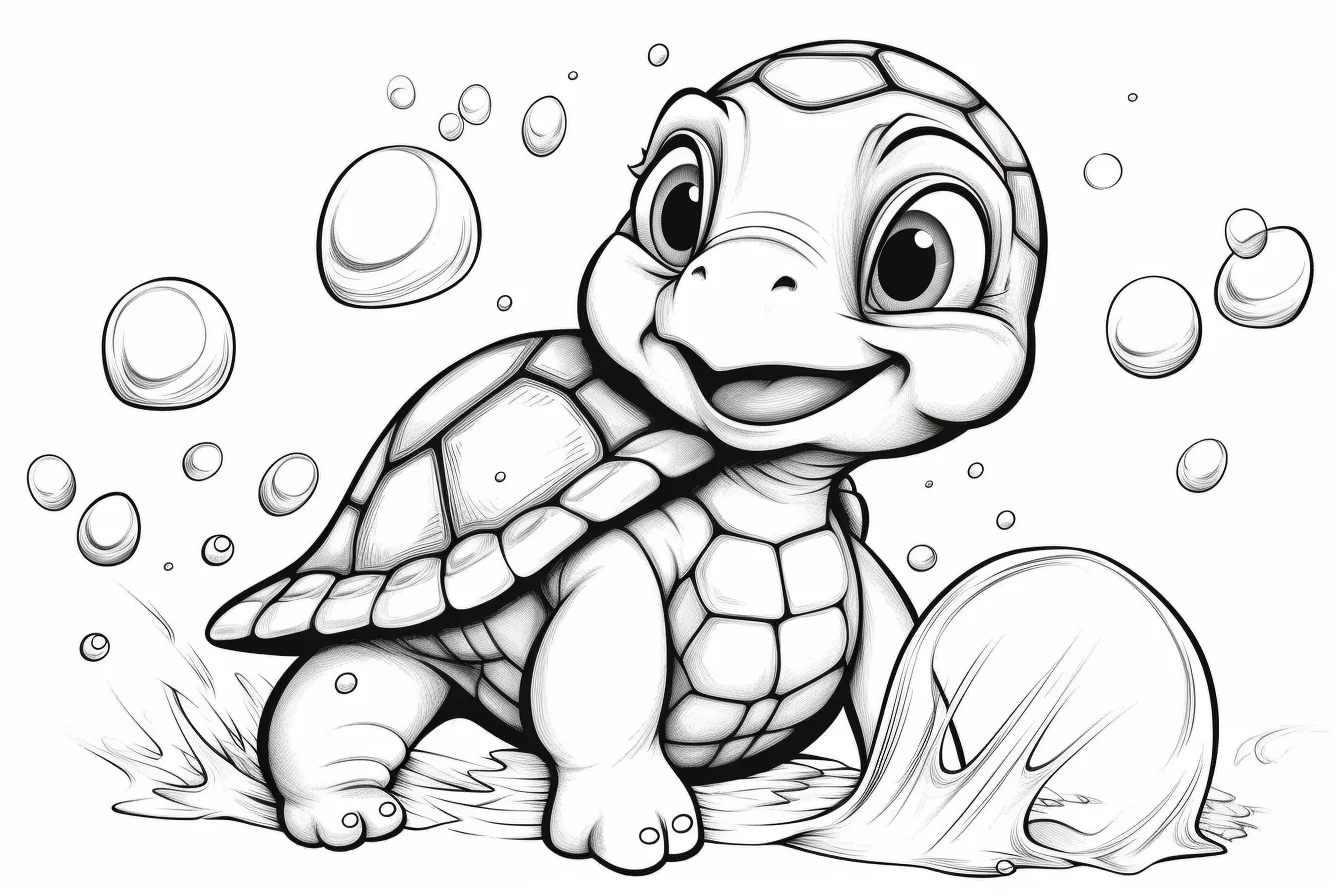
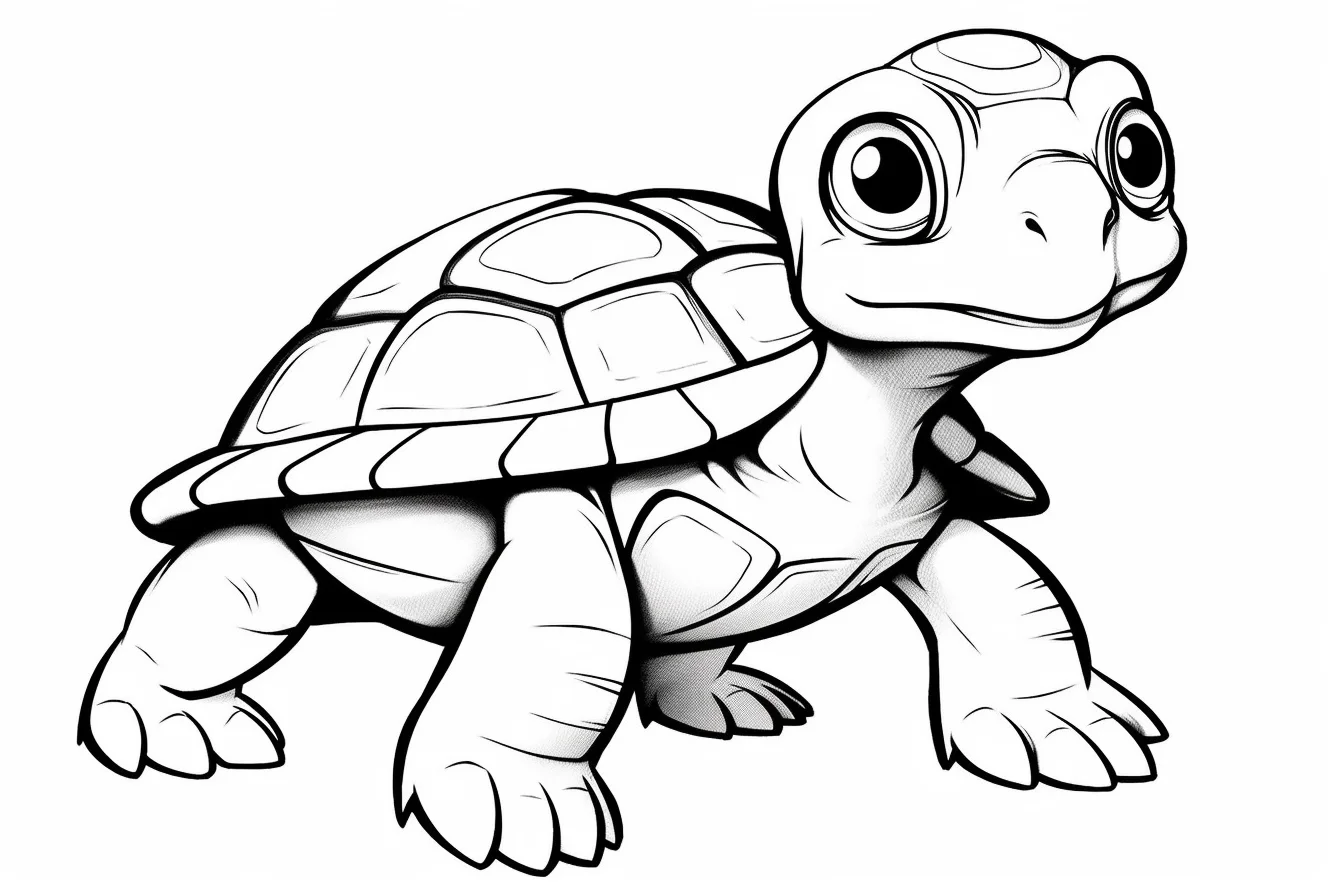
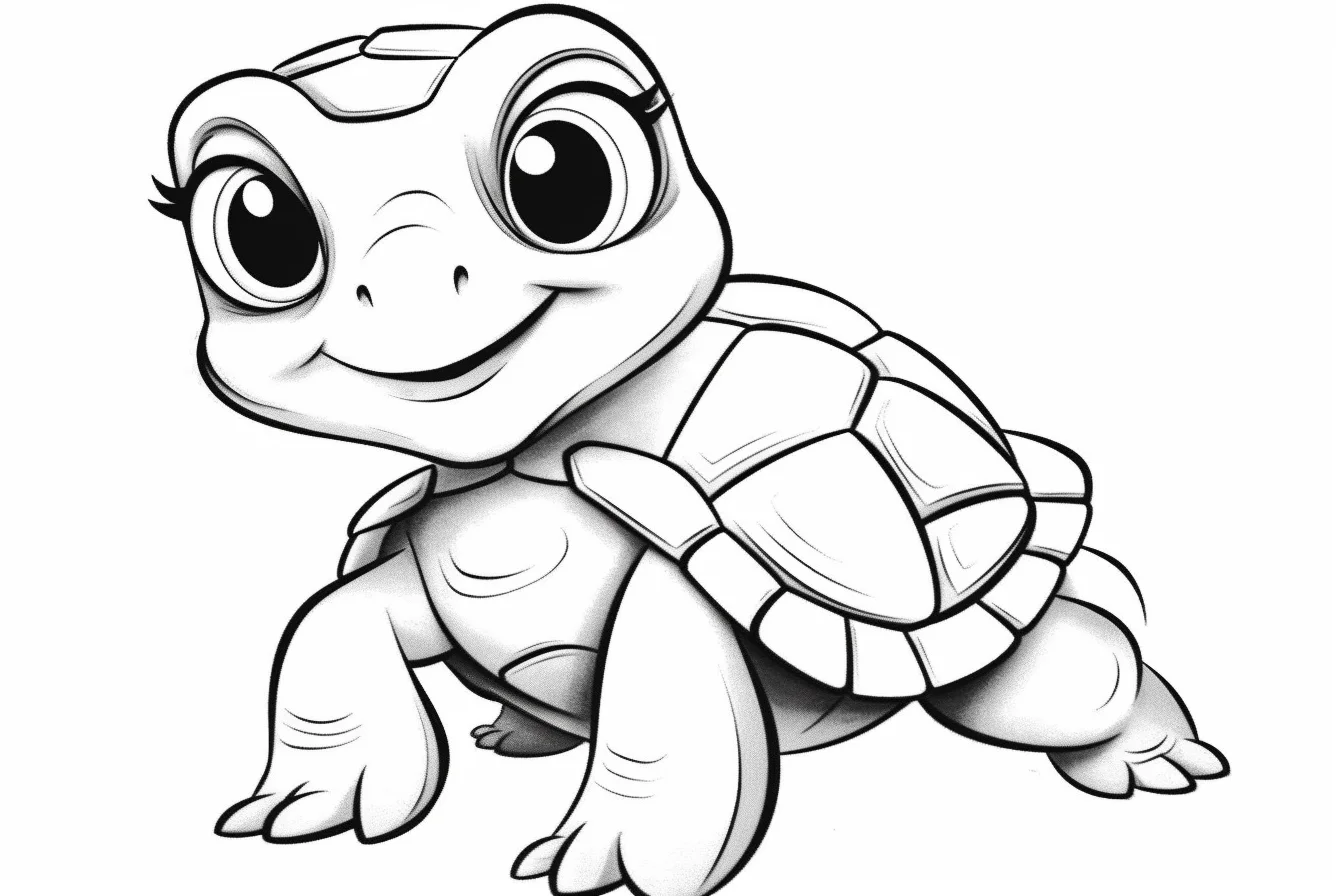

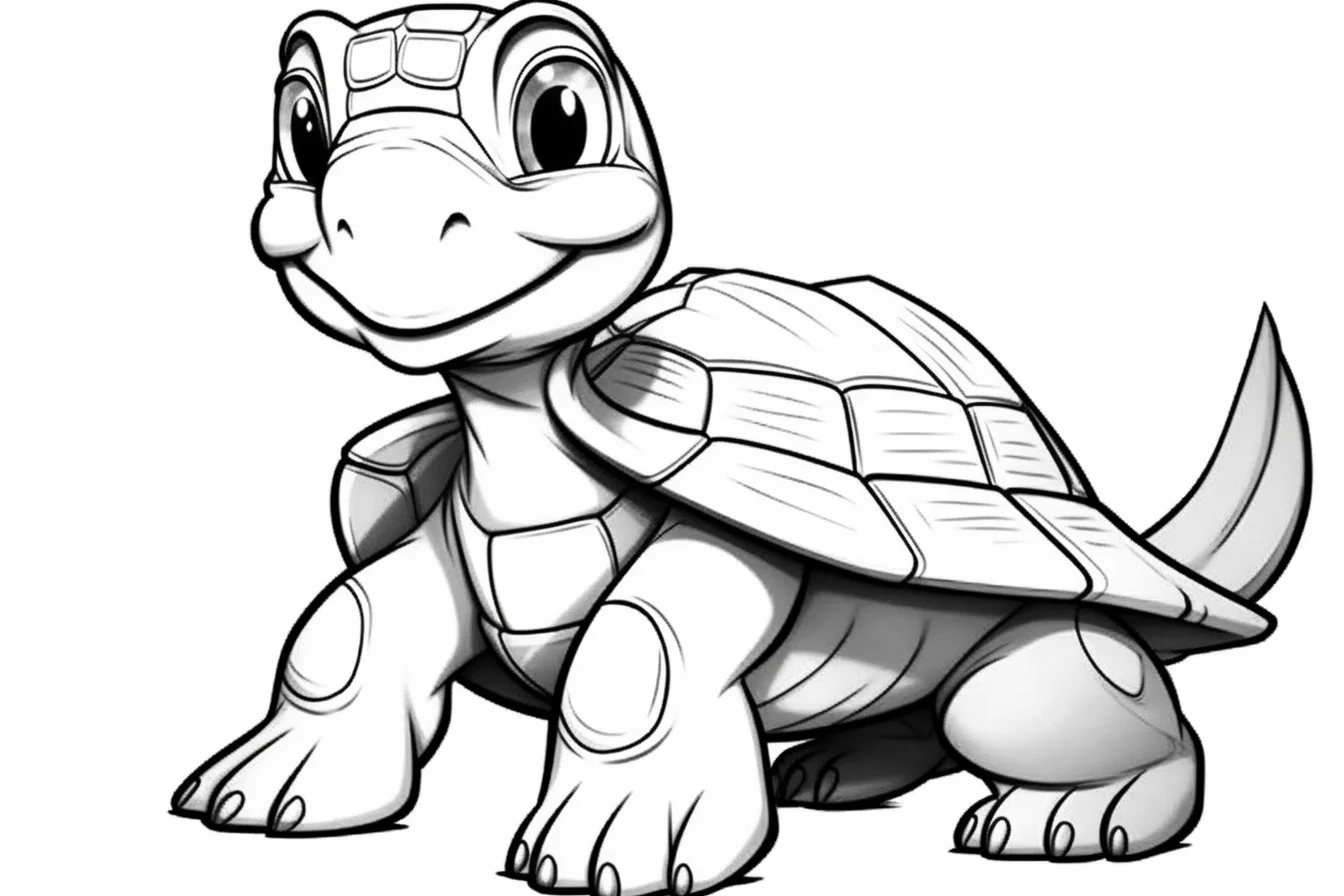
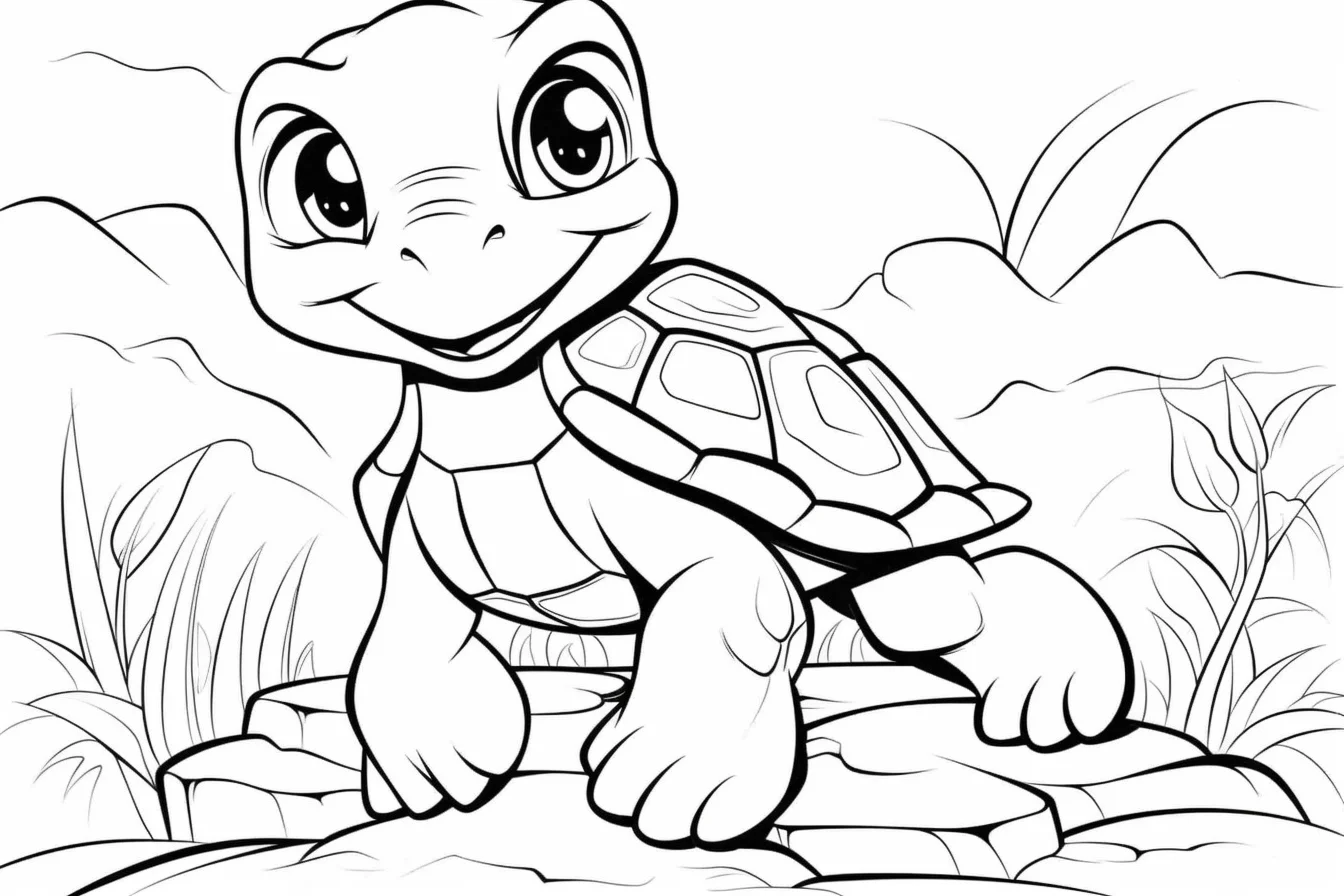
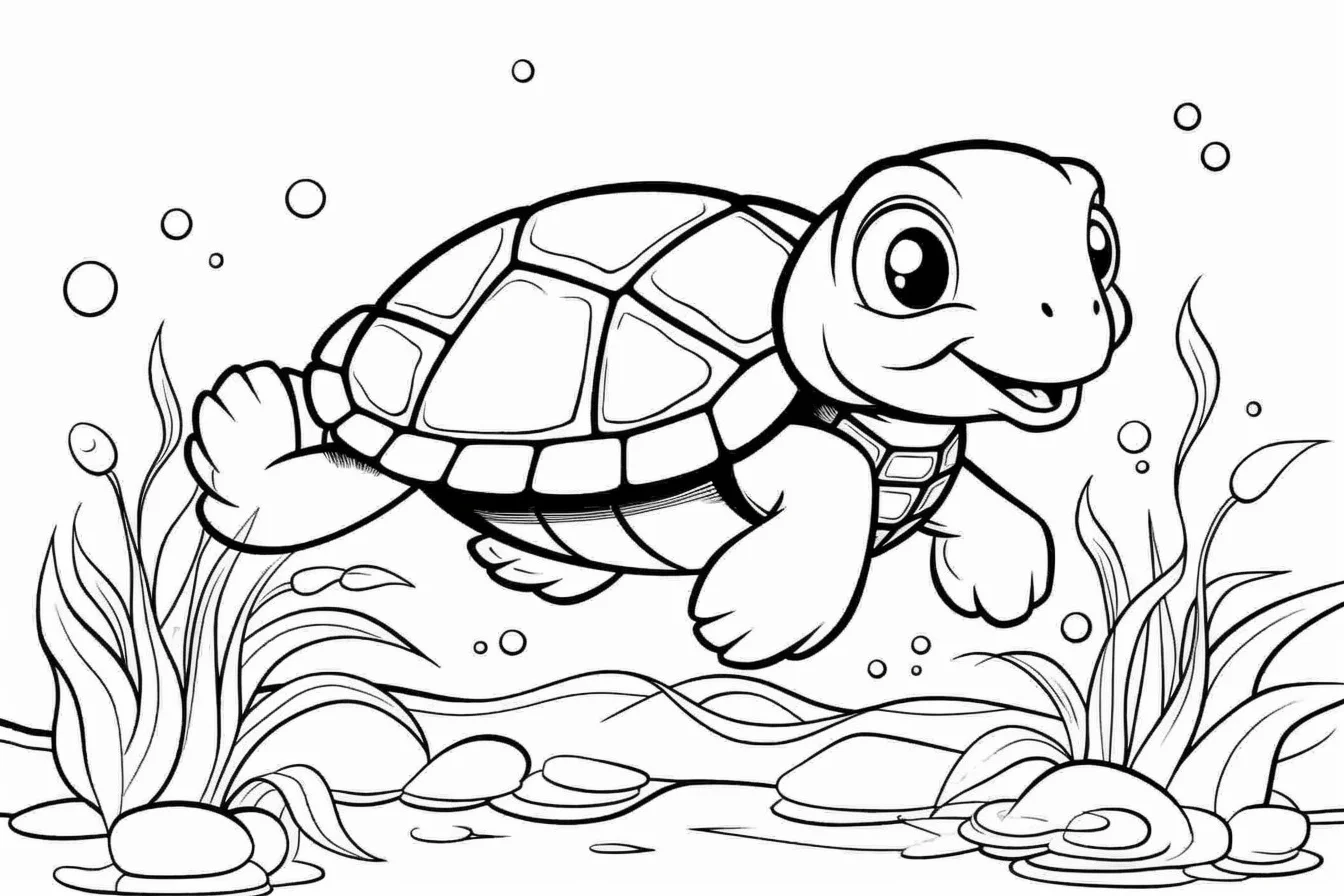
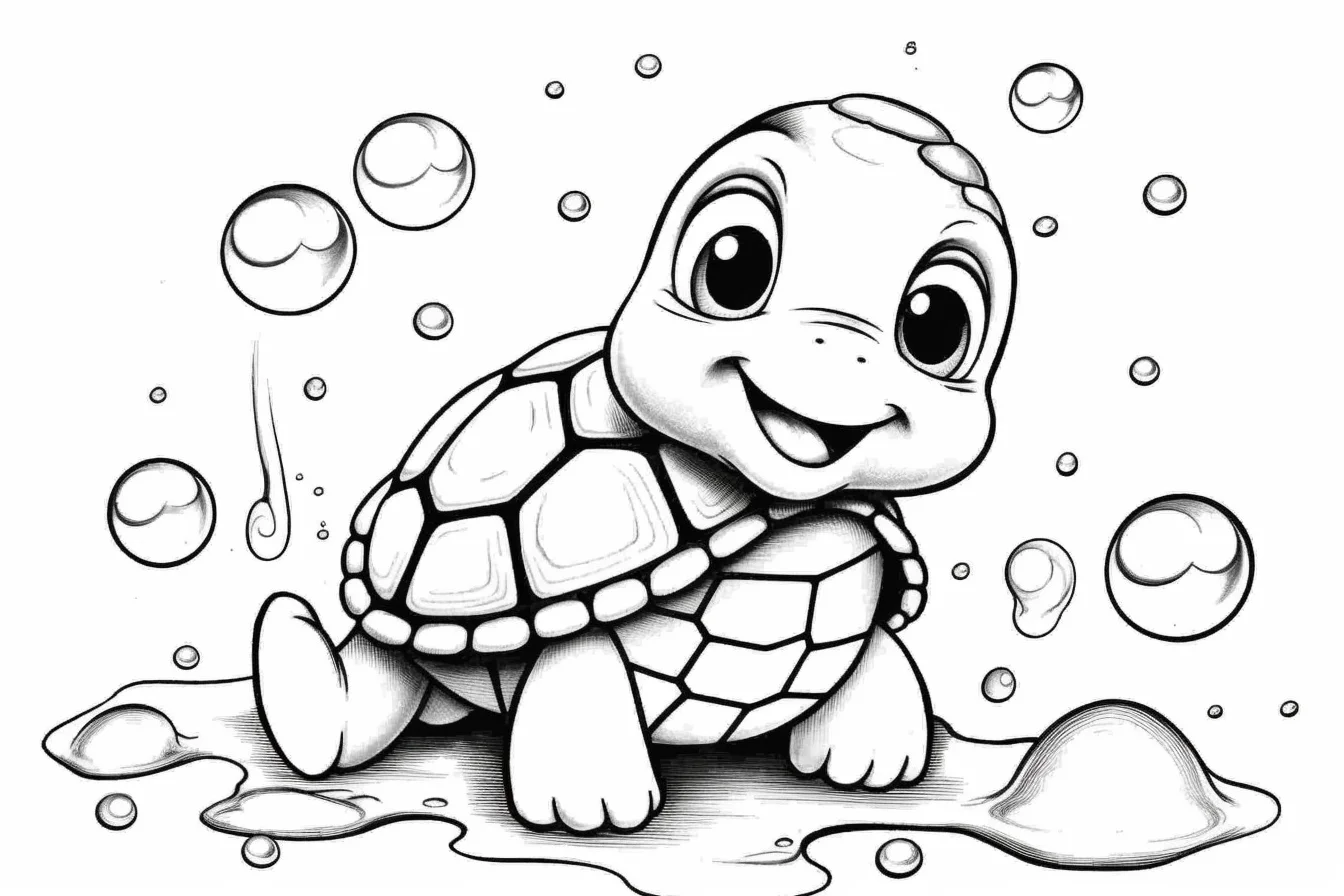
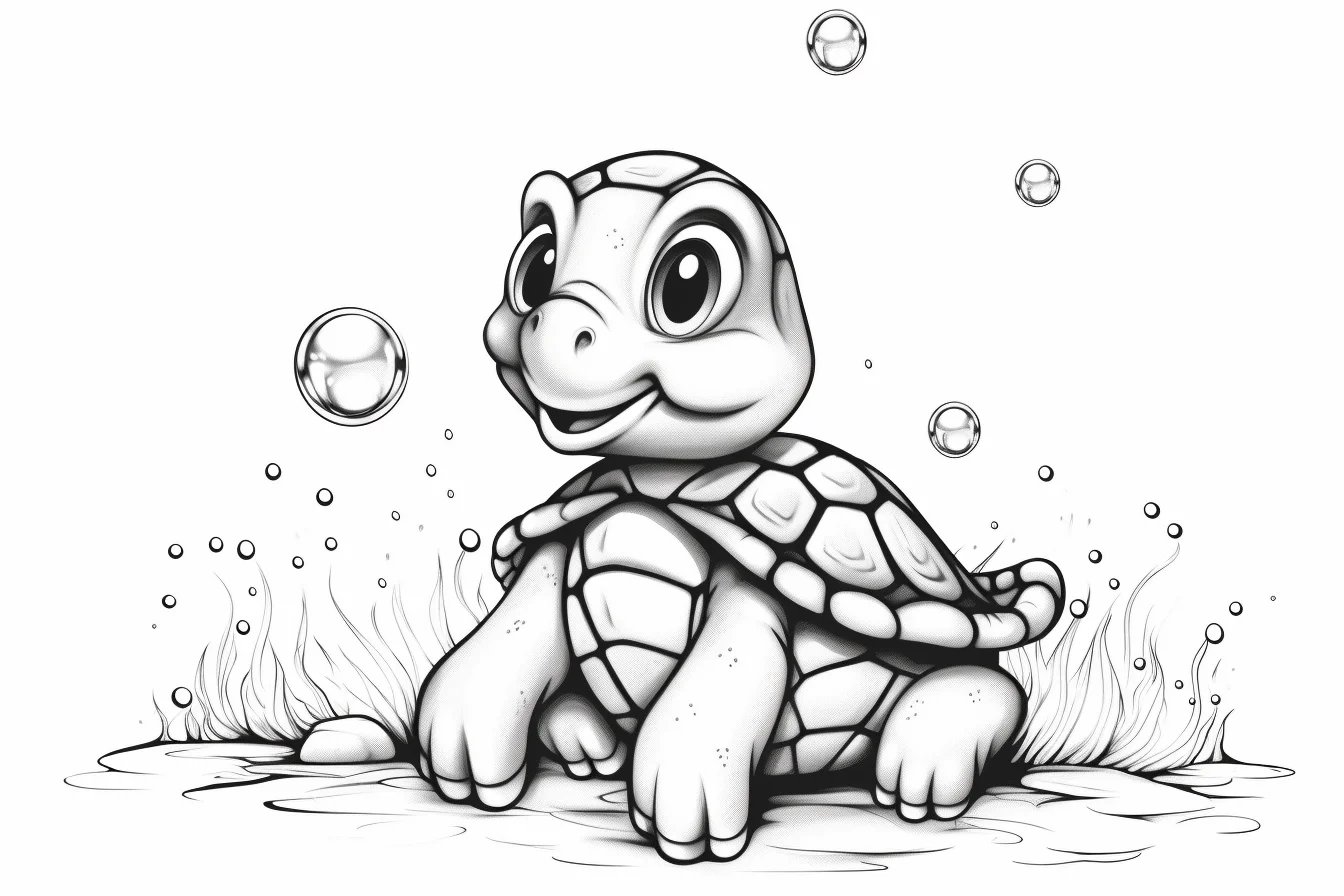
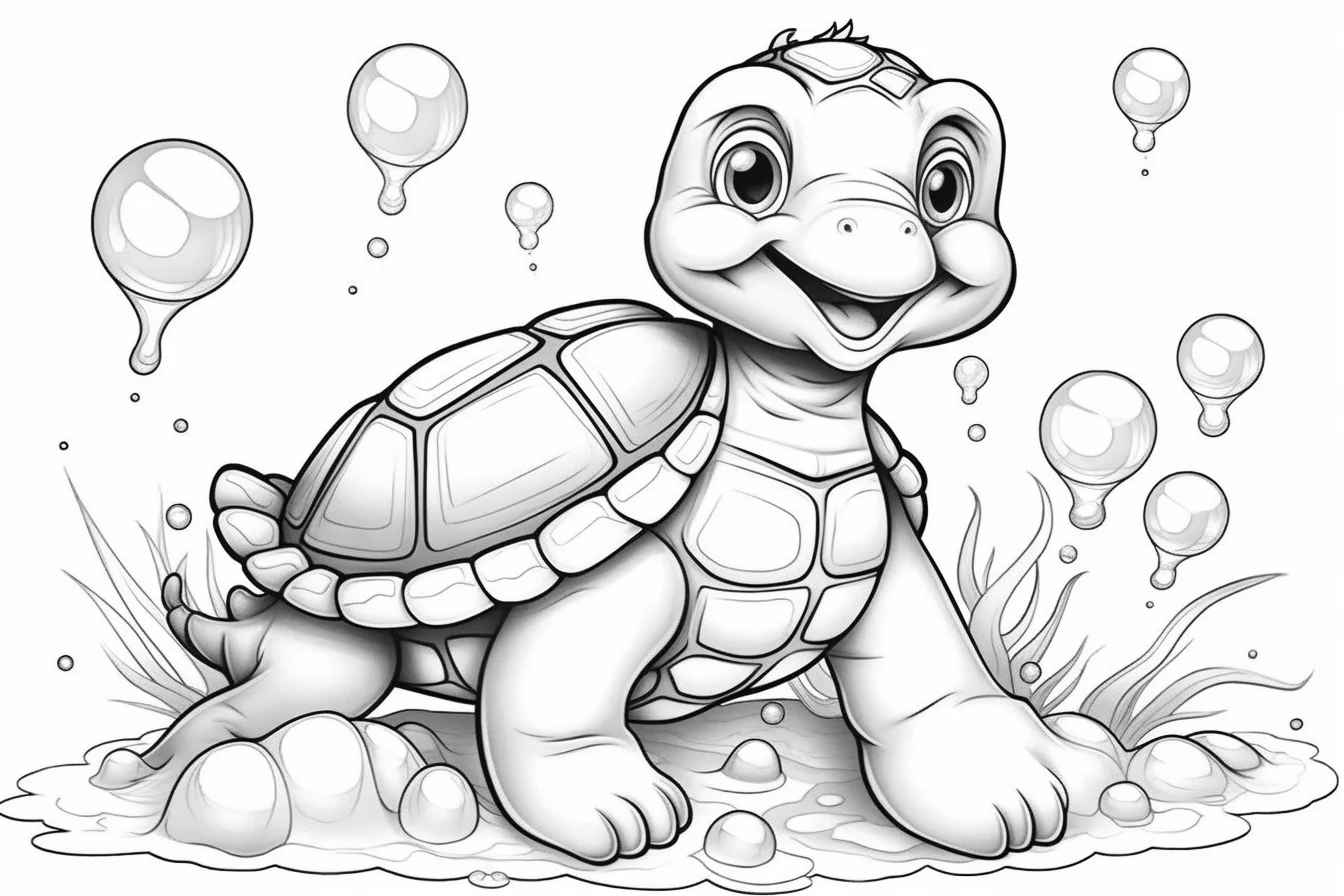
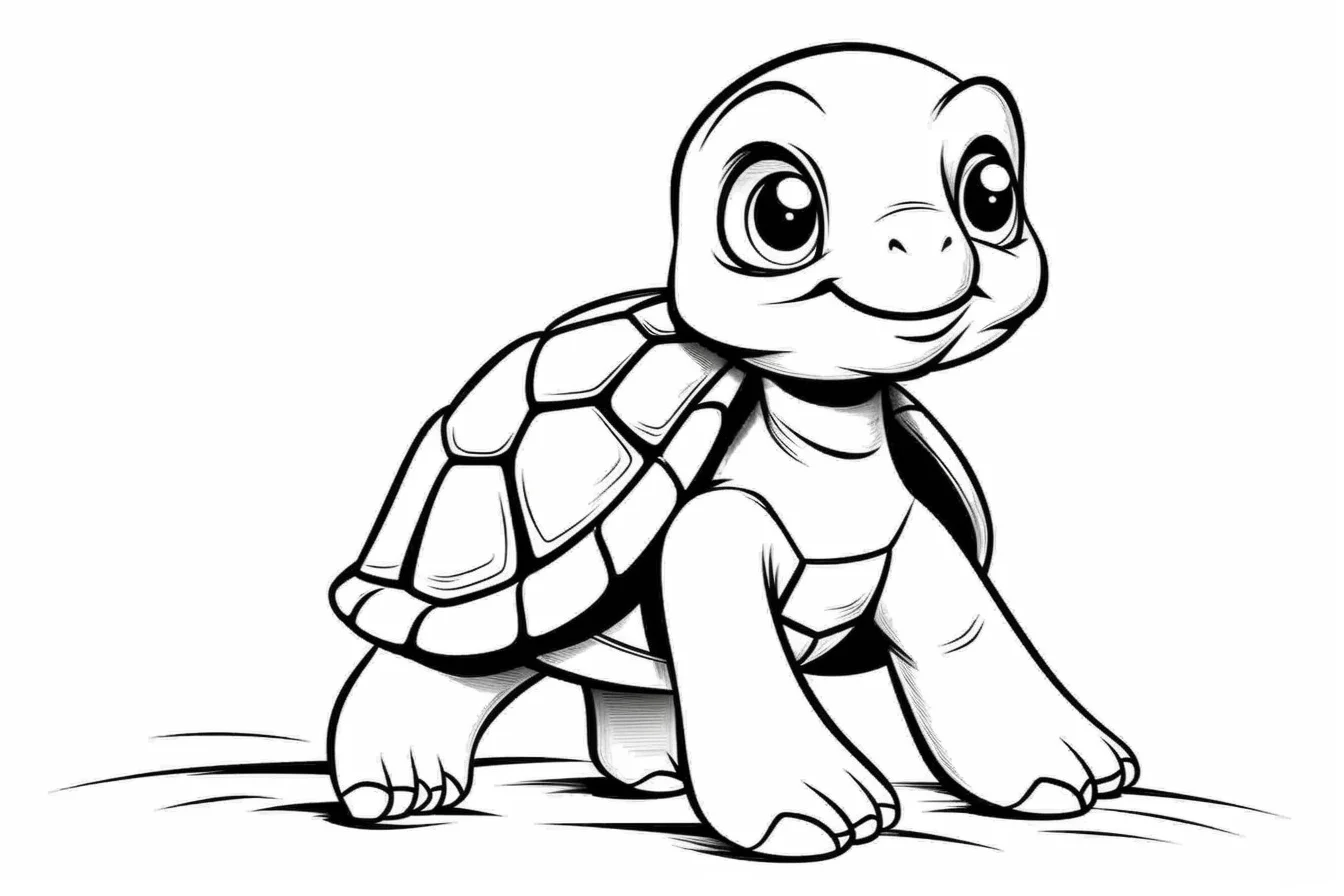
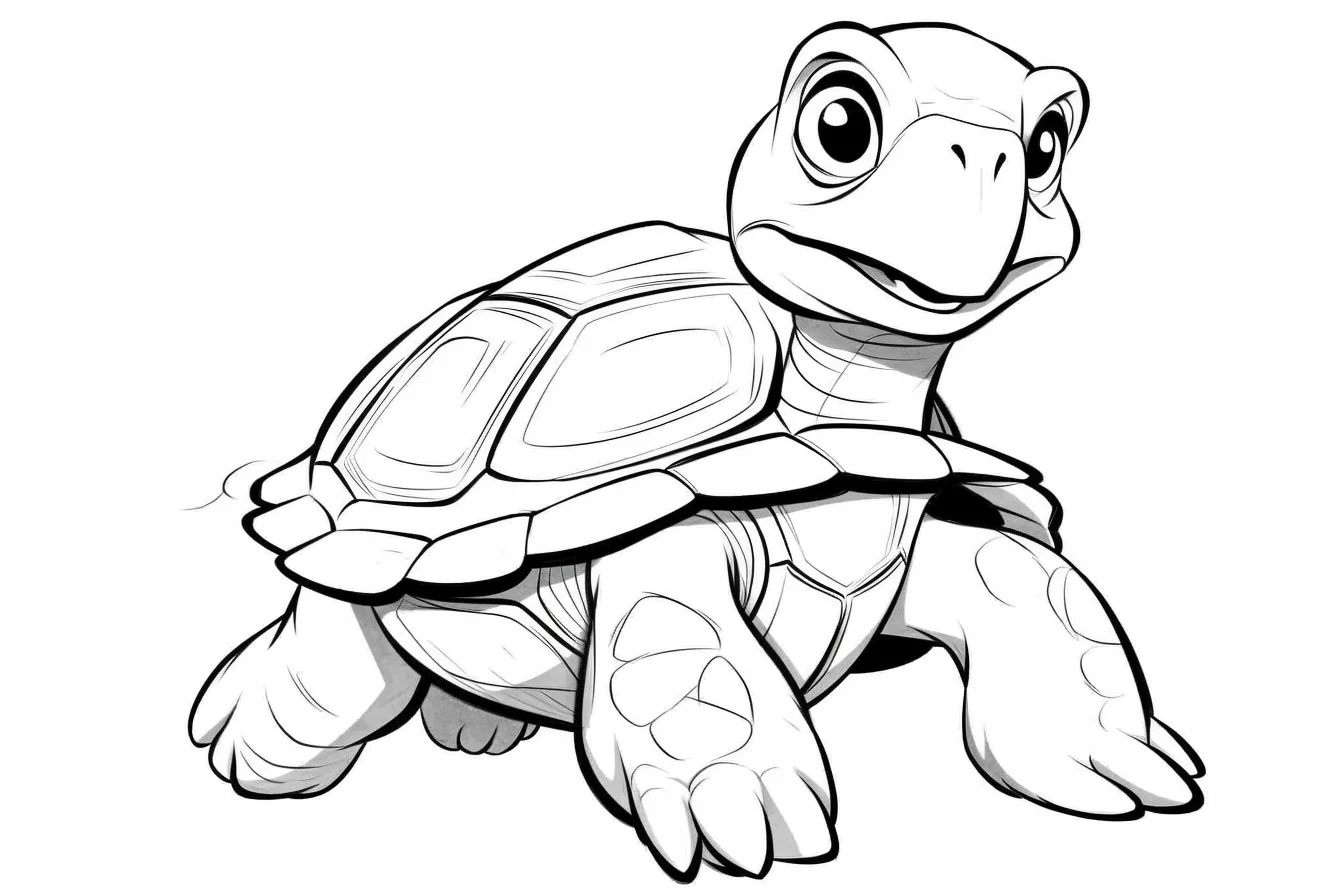
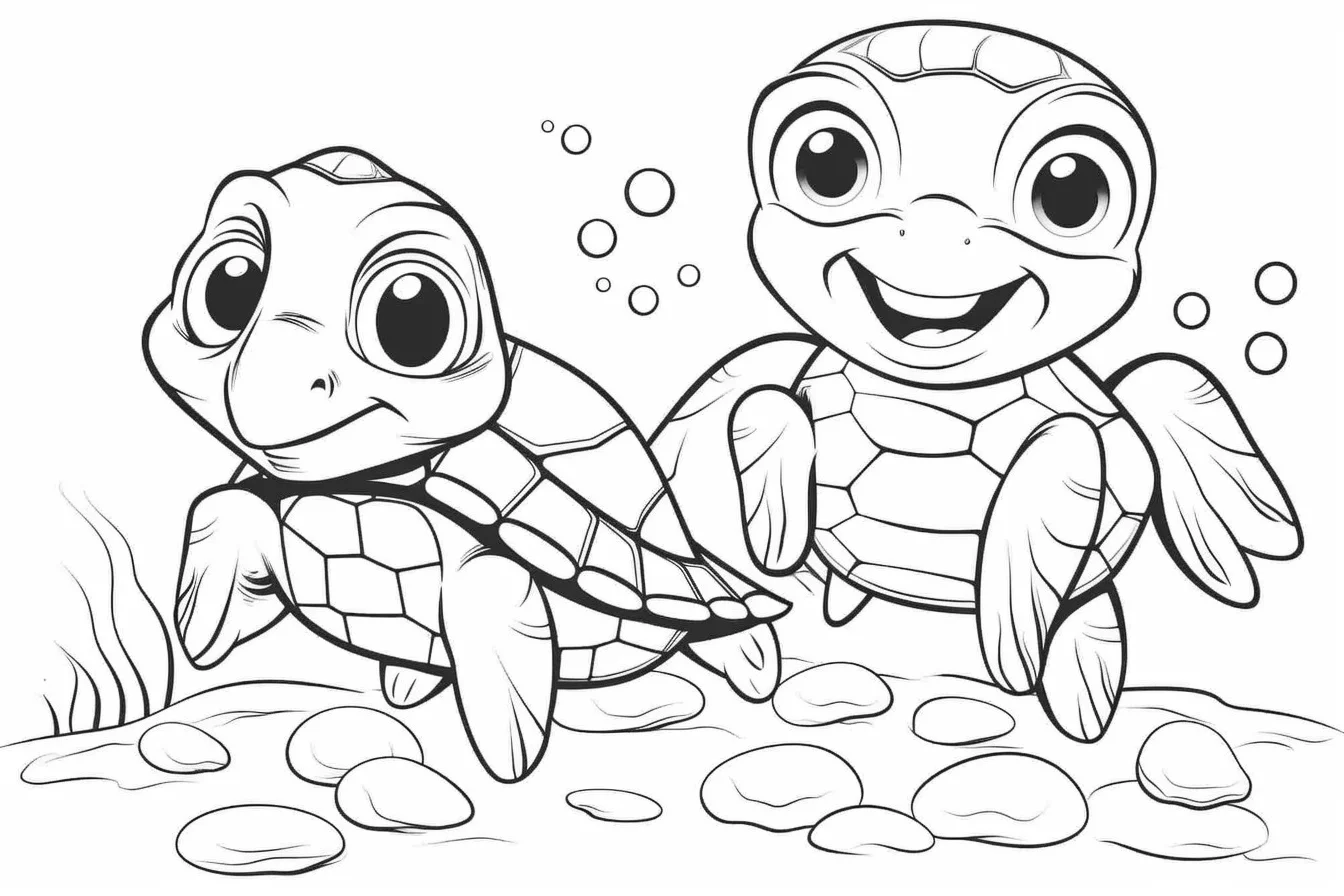
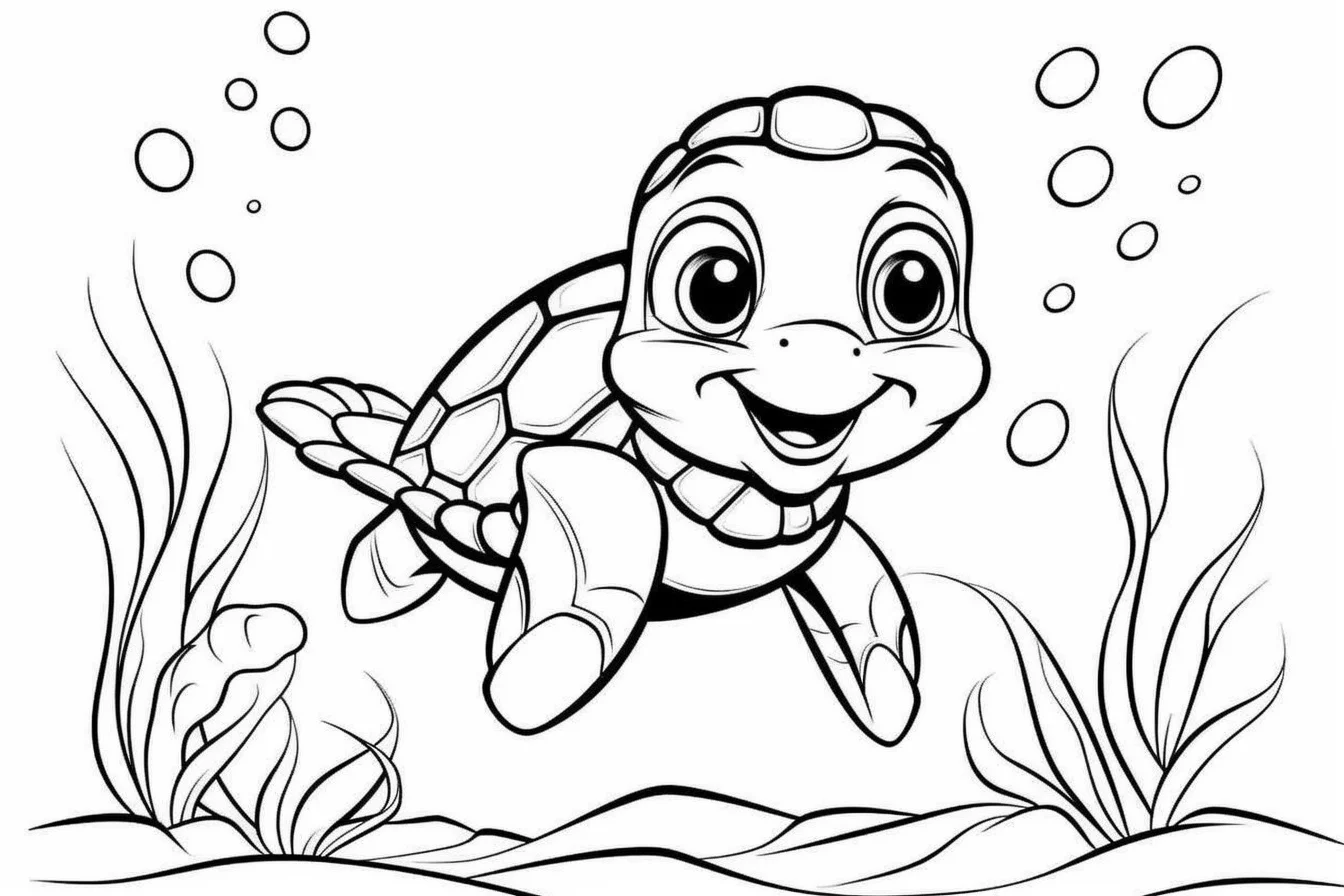
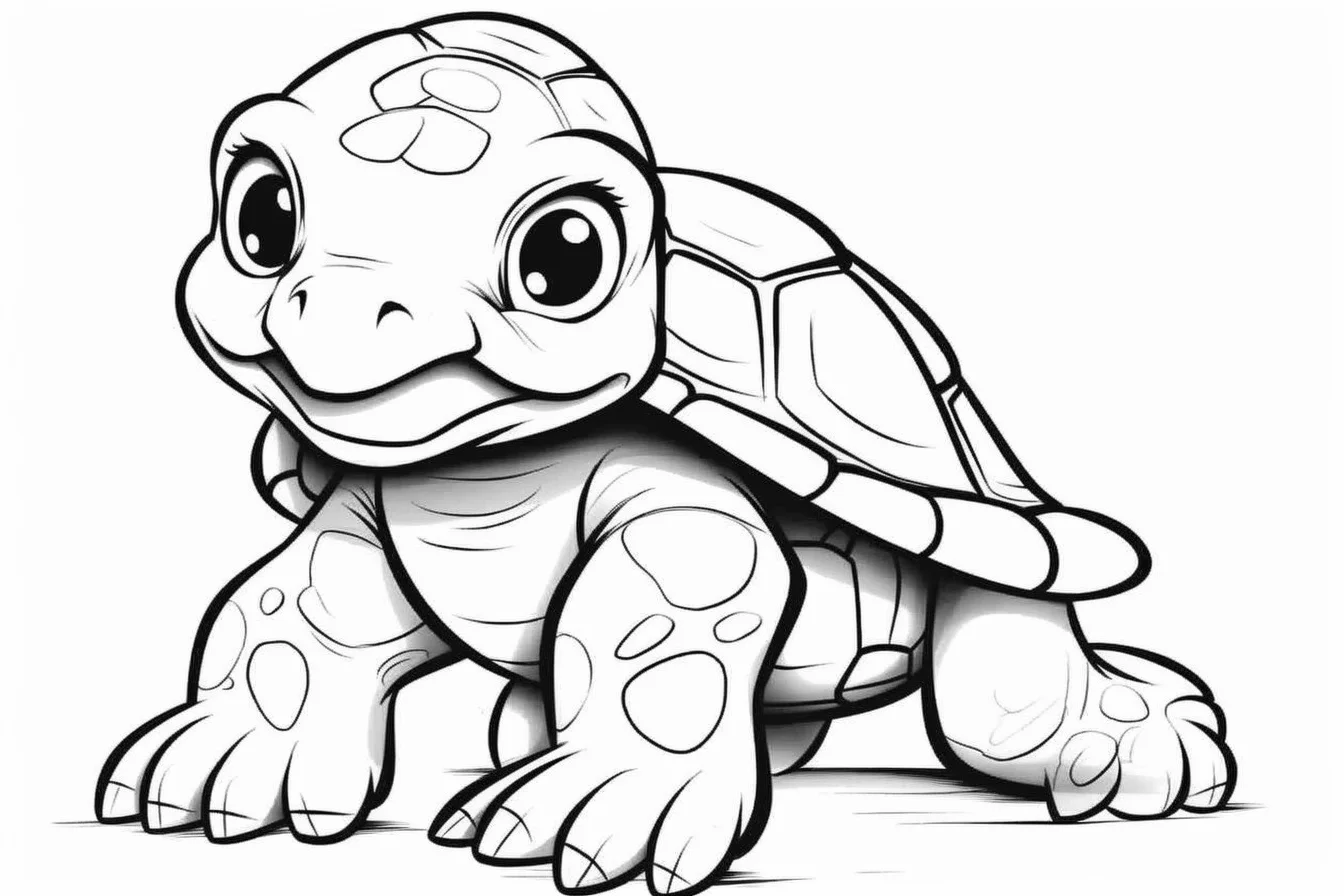
On the cute pages, the shell does not need a natural palette. One main shell color plus one contrasting accent is usually enough; too many tiny color changes can make the pattern busier than the turtle itself.
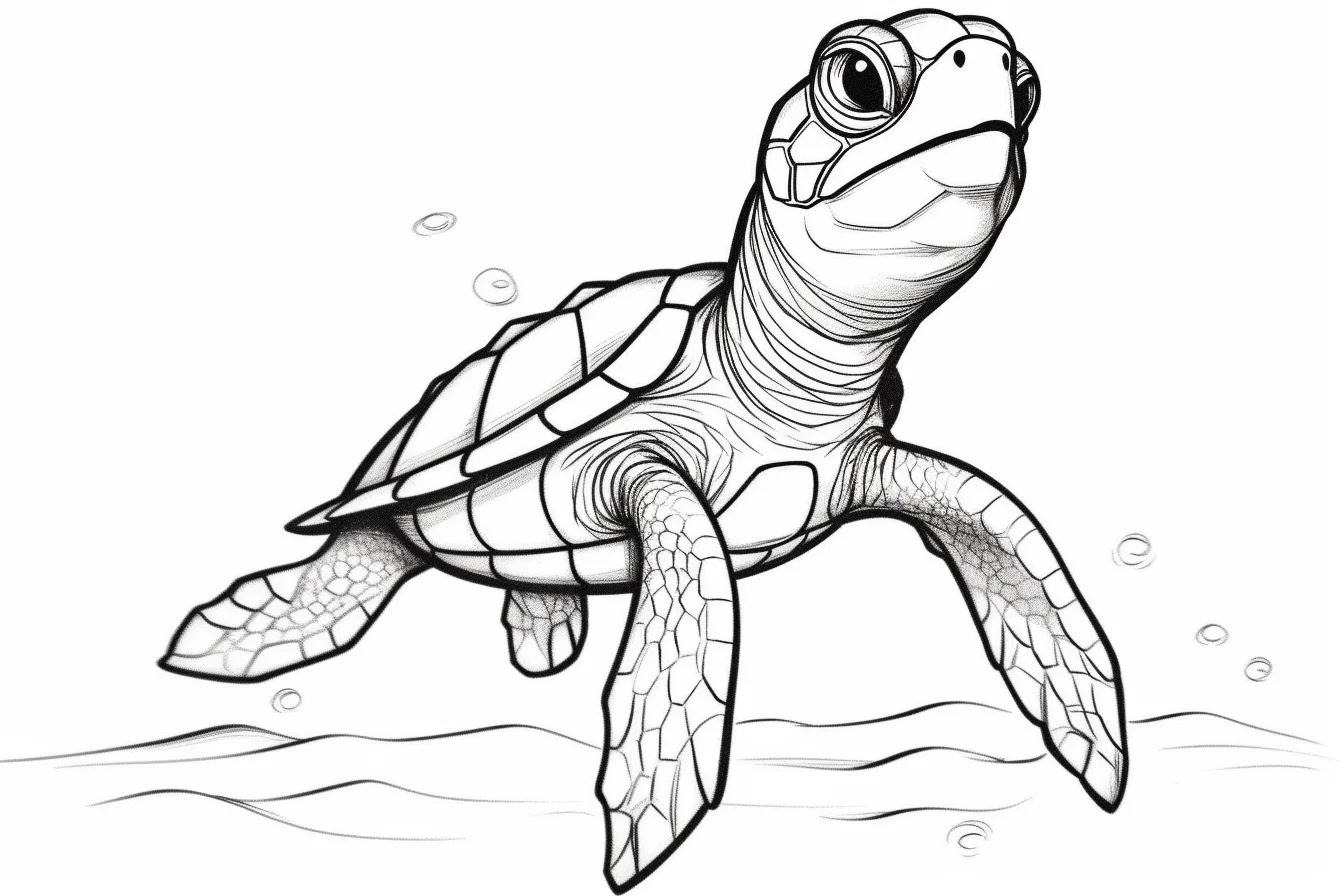
Detailed and realistic sea turtles — Sheets 30–34
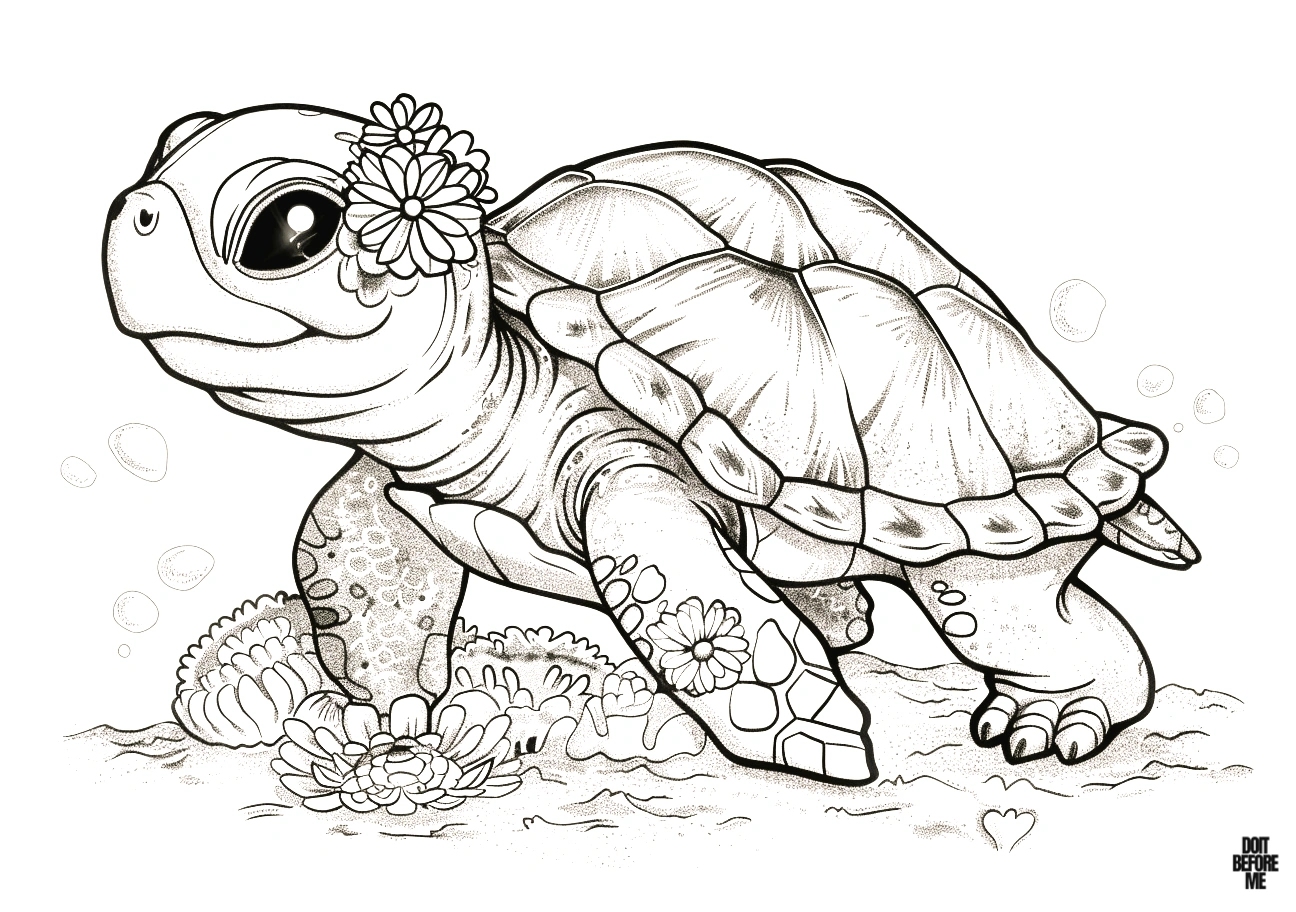
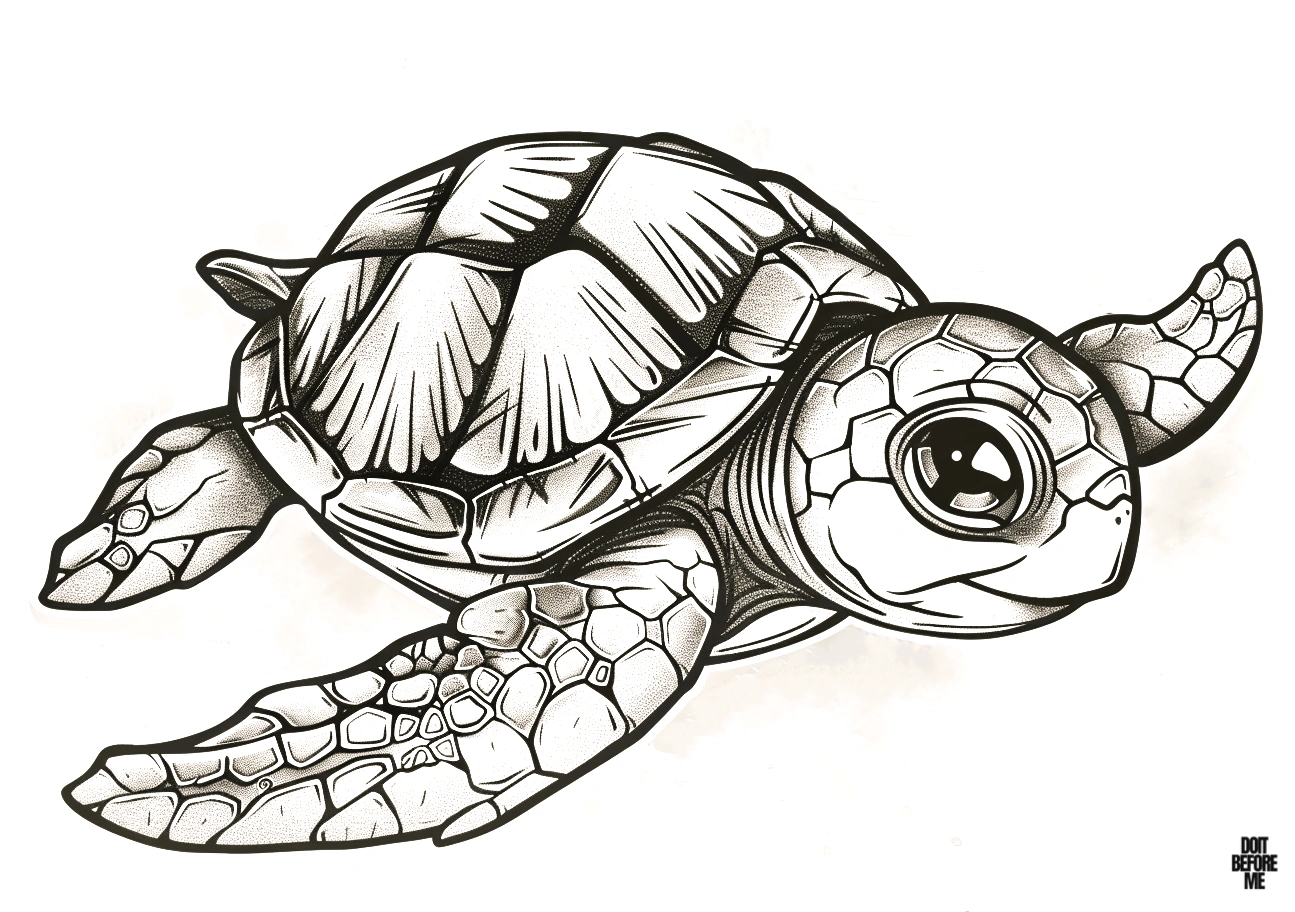
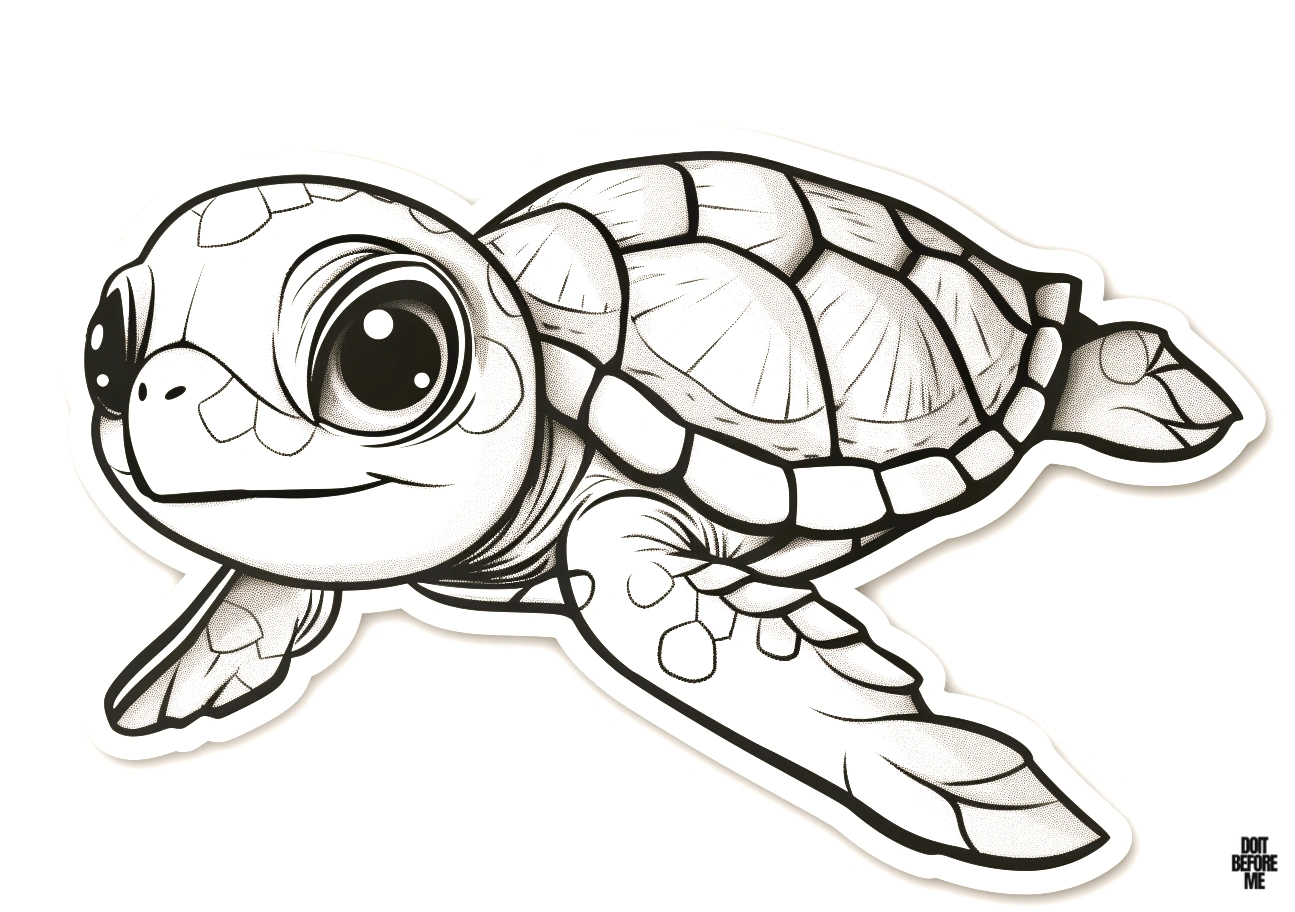
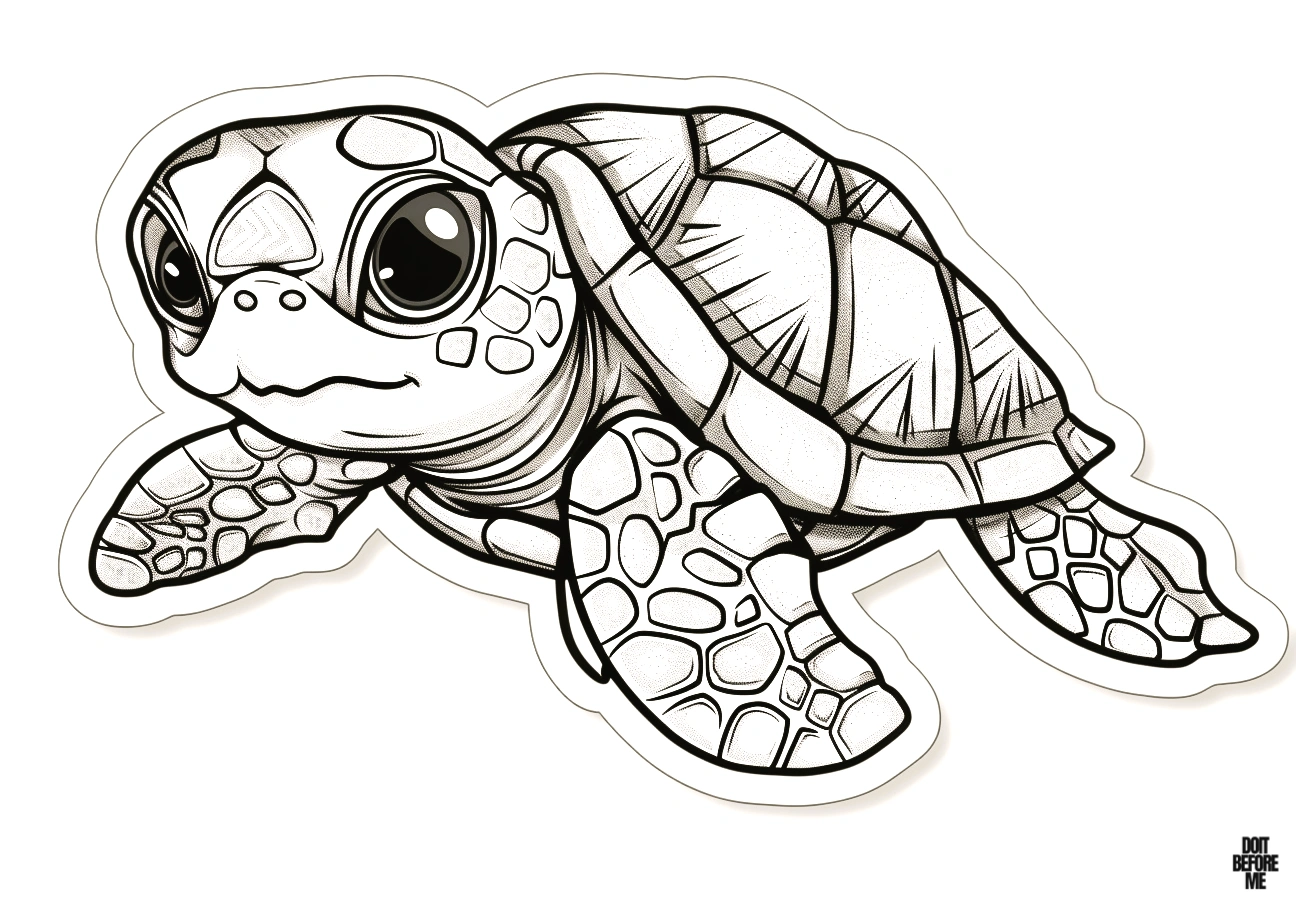
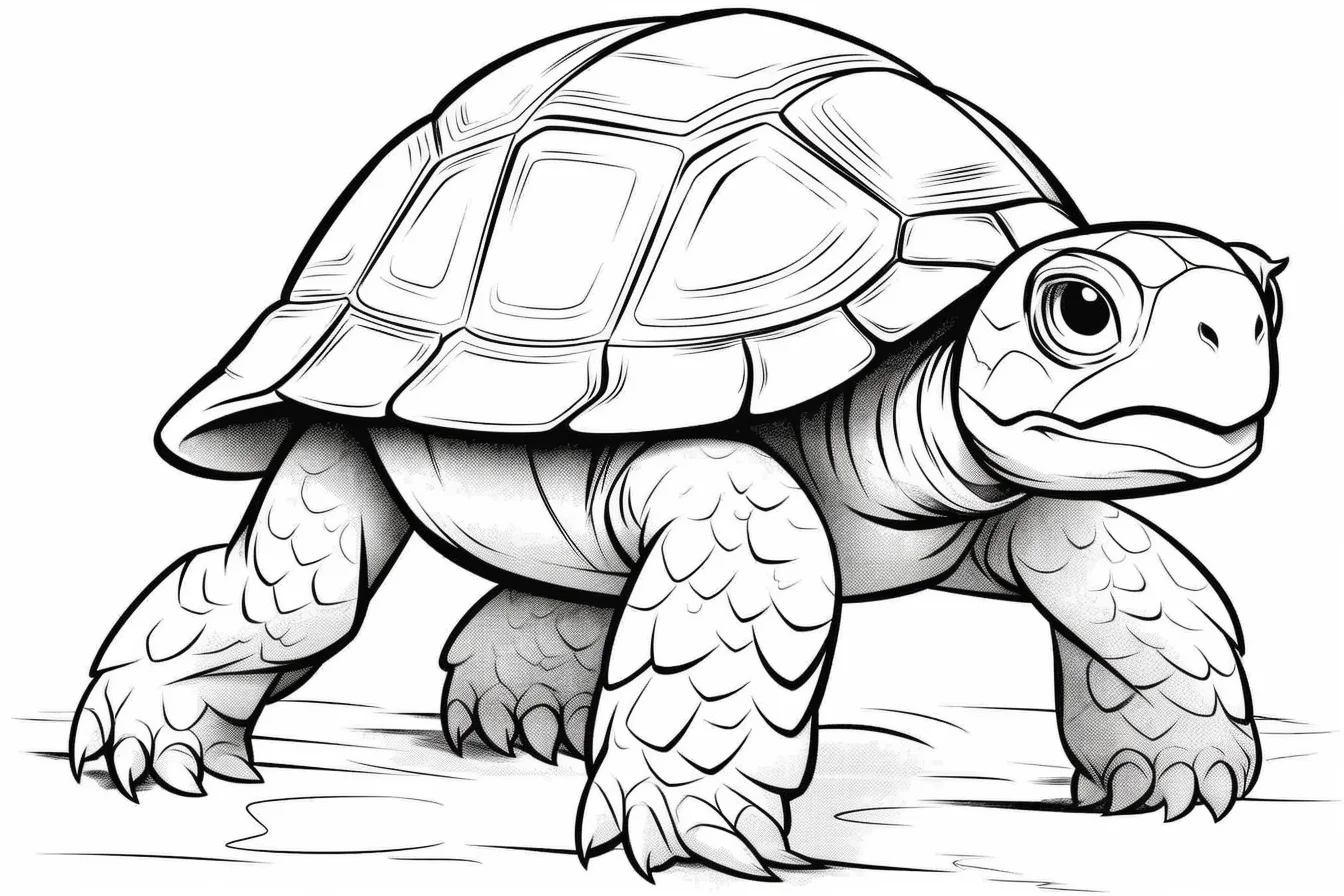
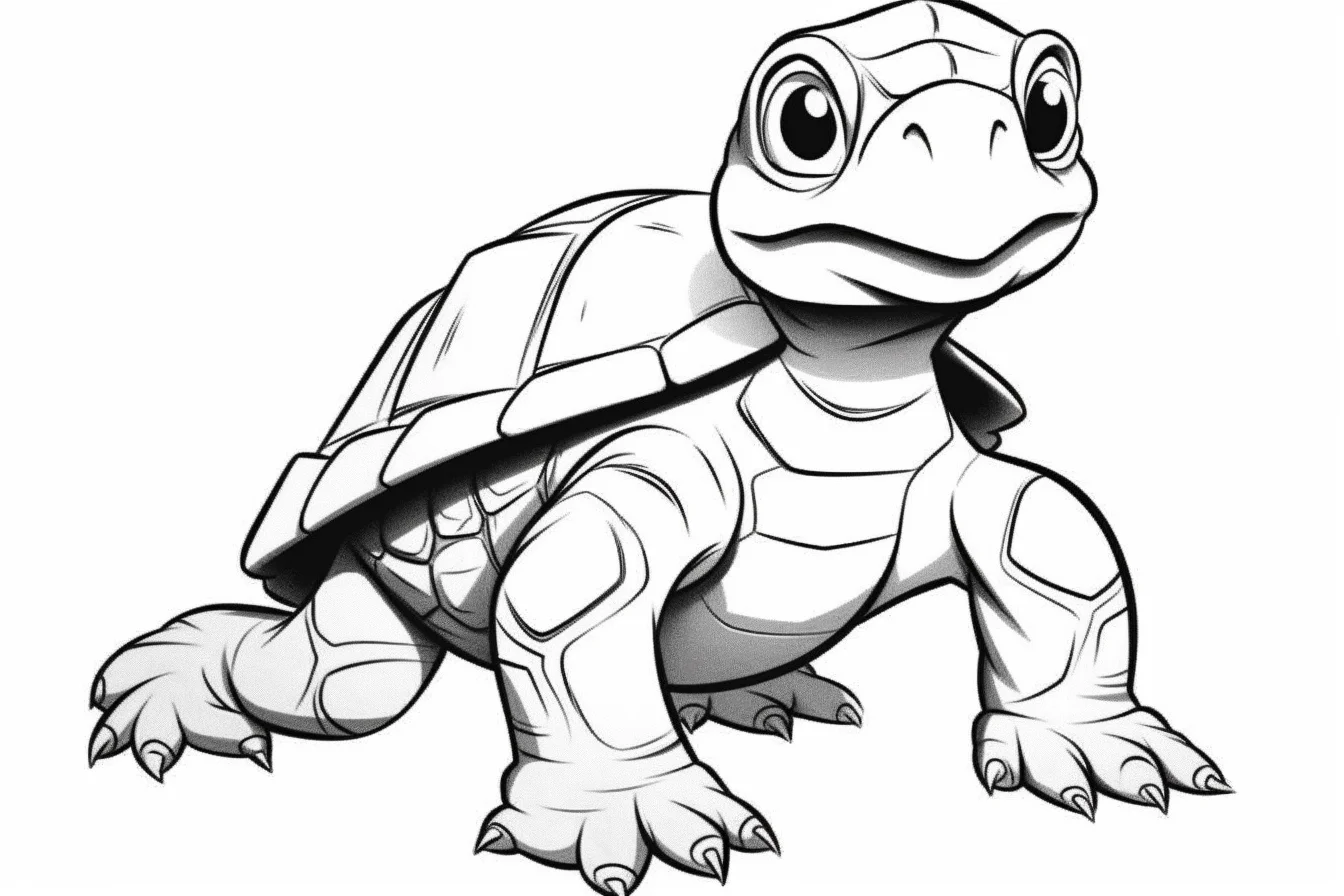
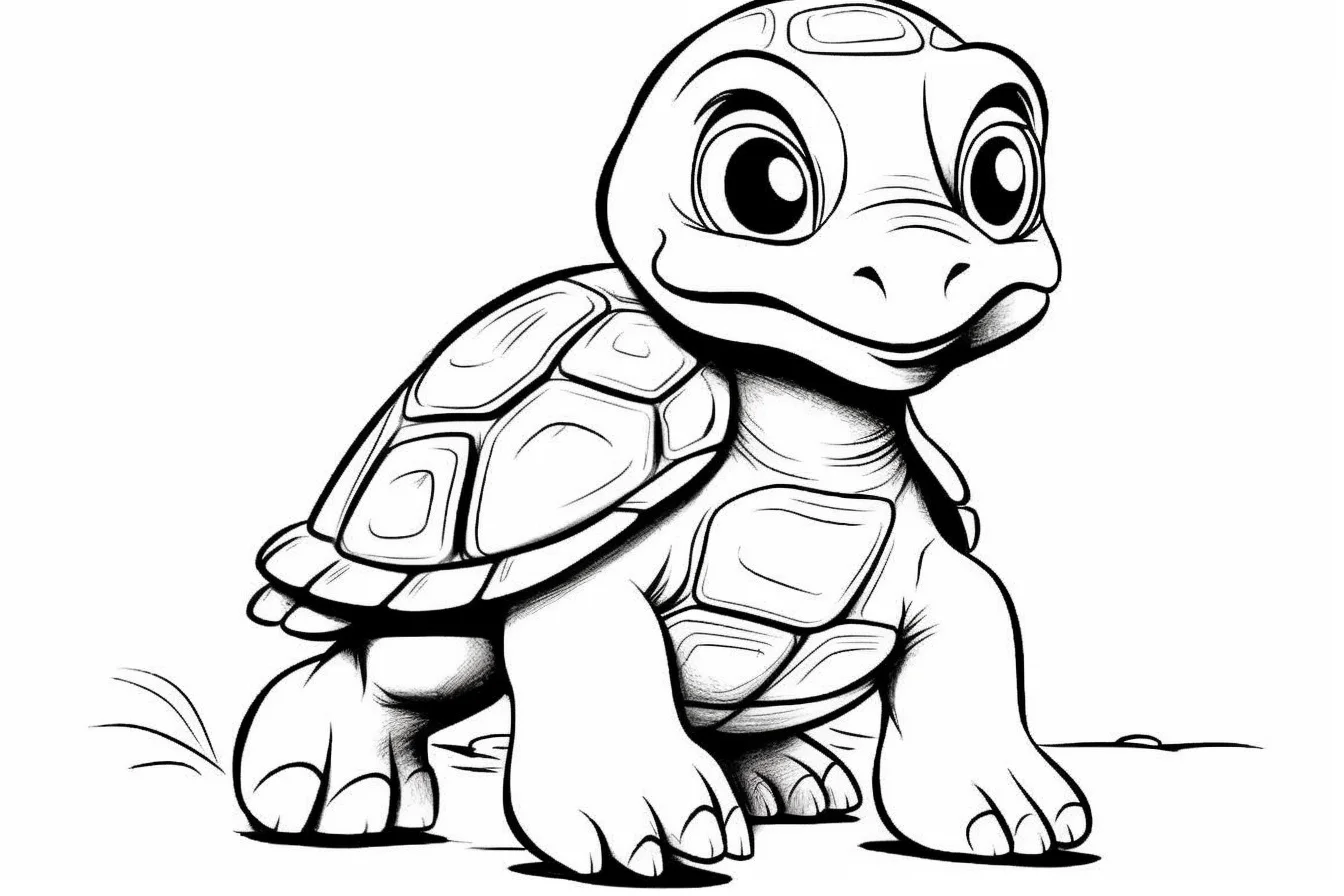
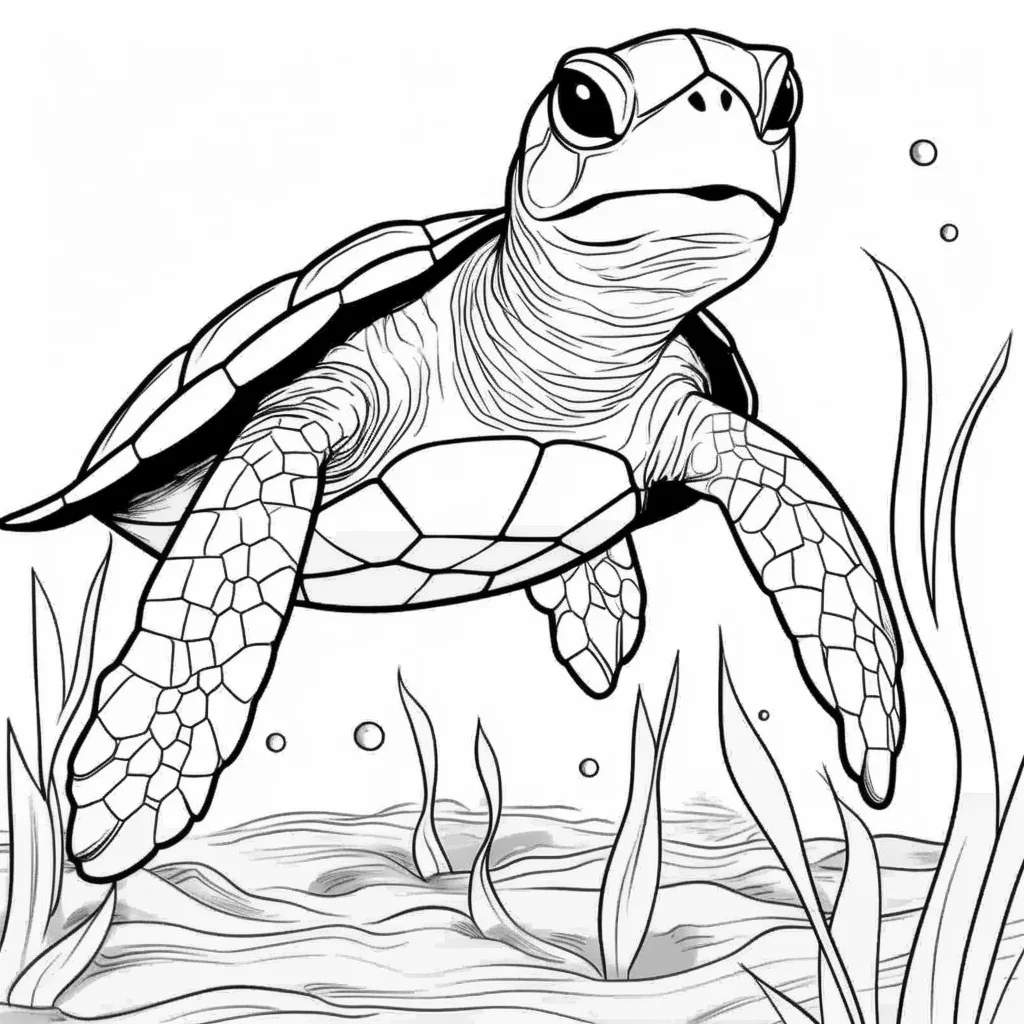
Colored pencils are useful here because they let you darken the edges of individual shell plates without filling every section at the same value. For a natural palette, olive, tan, muted green and brown work well, with lighter tones underneath the body.
More sea turtle printables — Sheets 35–50
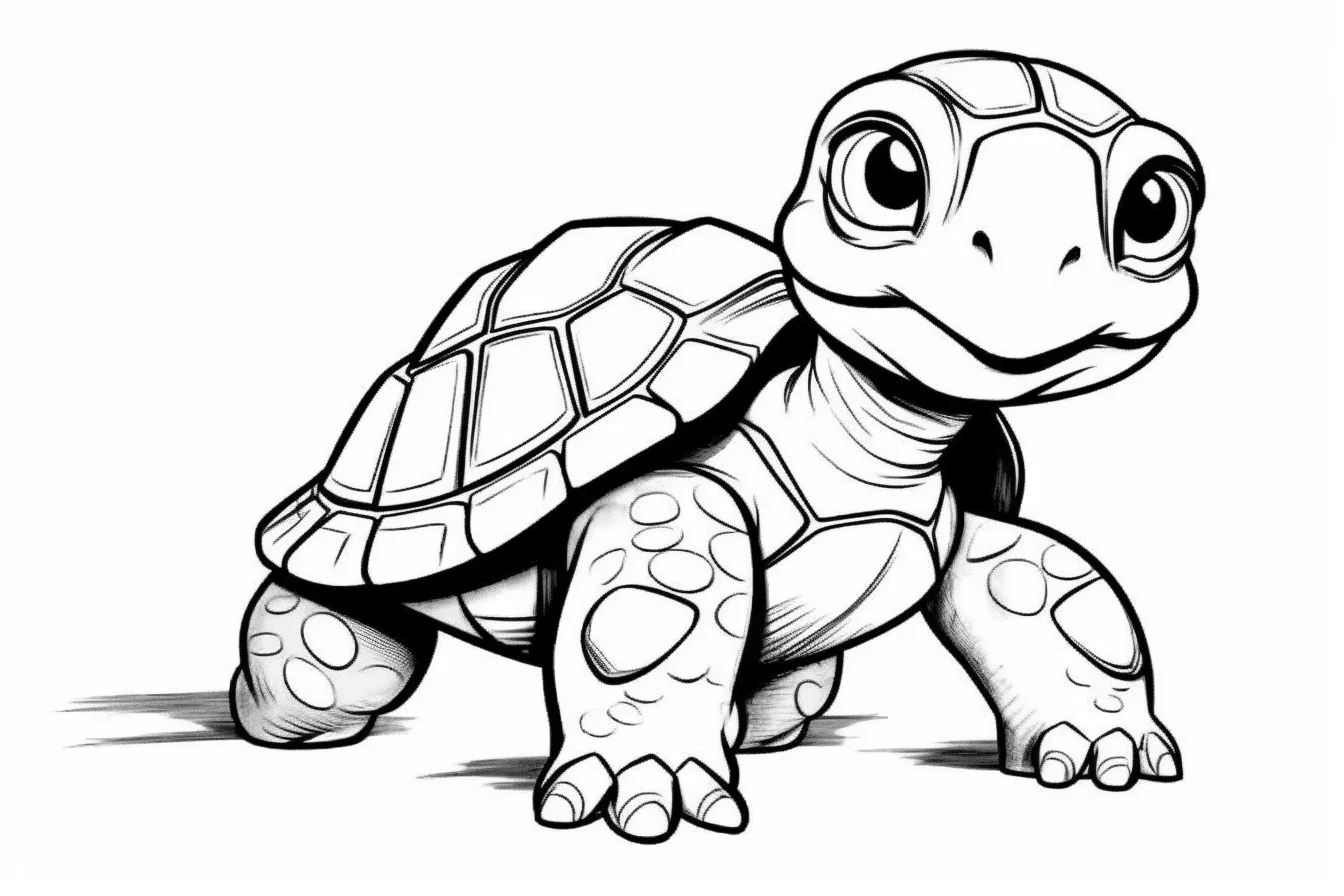
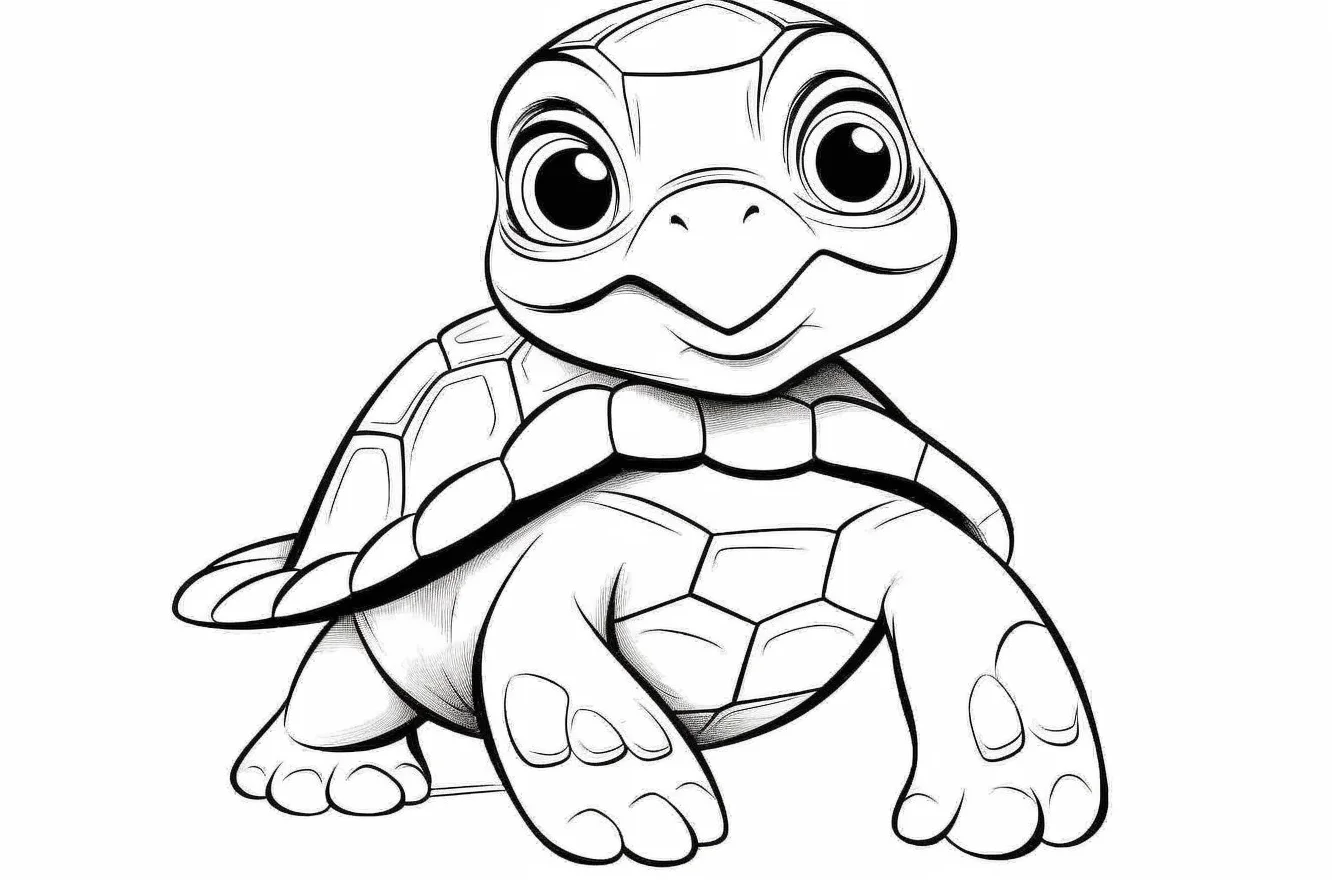

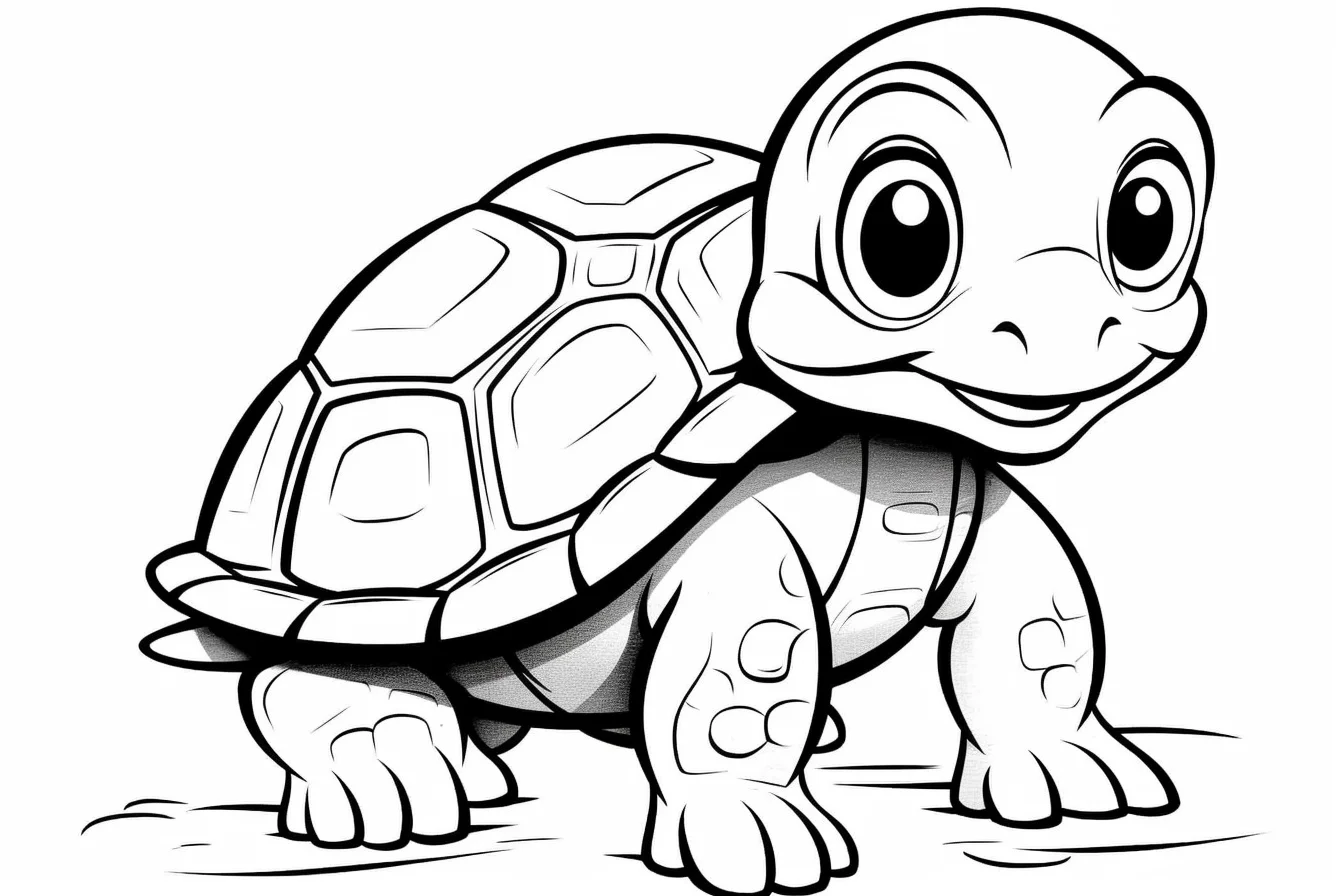
Choose a page without overthinking it
For a young child or a quick activity, use Sheets 1–10. For exaggerated faces and playful shells, browse 11–29. If you want the shell itself to be the main coloring challenge, use 30–34. The final group is useful when you simply want more sea turtle options without a fixed style.
If you only want three
Print Sheet 1 for the easiest start, Sheet 24 for a kawaii version, and Sheet 31 for a more realistic adult turtle. That gives you three noticeably different pages without scrolling through the full set again.
Keep the shell pattern readable
- Lay down one light base color across the main shell plates.
- Darken selected plate edges rather than outlining every section equally.
- Leave a few lighter areas on the upper shell so the pattern still has depth after you add the darker seams.
If the shell starts looking busy, stop adding colors before you add more detail. Two or three related greens, browns or blues usually read better than giving every plate a different color.
Printing and coloring
Open the image itself for the full-size file, then print on A4 or Letter paper with “Fit to page” if your printer clips the edges. Crayons and broad markers suit the simplest sheets; pencils give more control on shell plates and smaller details. Put a spare sheet underneath if your markers bleed.
For more ocean animals, browse the sea animal coloring pages. For a broader animal collection, use the easy animal coloring pages.

