
This gallery contains 31 fairy coloring sheets, from simple portrait-style fairies to flower scenes and more detailed designs. If you are printing for a younger child, start with a page that has one large fairy and plenty of open space. The busier floral and landscape designs work better when you want a longer coloring activity.
How to print these fairy coloring sheets
- Choose a design from the gallery below.
- Save the image to your device.
- Print with “fit to page” selected on A4 or US Letter paper so the edges are not cropped.
Colored pencils are useful for wings, flowers and small details; crayons are quicker on the simpler pages. For our newer kid-focused collection, see the easy fairy coloring pages.
What makes this 31-page set different?
This is the broad “fairy sheets” collection rather than a tightly curated kids’ set. It mixes portrait and landscape files, simple fairies, floral pages and designs labeled for adults. Use it when variety matters more than keeping every page at the same difficulty.
| If you want… | Look for… |
|---|---|
| A quick page | Simple, easy or preschool fairy sheets |
| More decorative coloring | Flower-fairy pages and wider landscape scenes |
| A slower session | Adult-oriented pages and designs with smaller detail |
| Easy printing | Portrait sheets when your printer is already set to portrait |
31 fairy coloring sheets
The fastest way to choose from a mixed gallery is to match the page to the skill you want to practice. For a first sheet, choose a fairy with large wings and an uncluttered background. Next, move to a floral design where you have to repeat colors without losing the main figure. Save the densest landscape or adult-oriented sheet for last, when you want to practice small shapes, layering and visual hierarchy.
A simple three-sheet practice route
- Control: color one simple portrait using only four or five colors. Aim for even coverage and clean edges rather than shading.
- Repetition: choose a flower-fairy sheet. Repeat the same two or three flower colors around the page so the composition stays connected.
- Depth: choose a detailed scene. Color the background more lightly, use medium values on clothing and plants, and reserve the strongest darks for the fairy’s hair, face-adjacent details and a few foreground shapes.
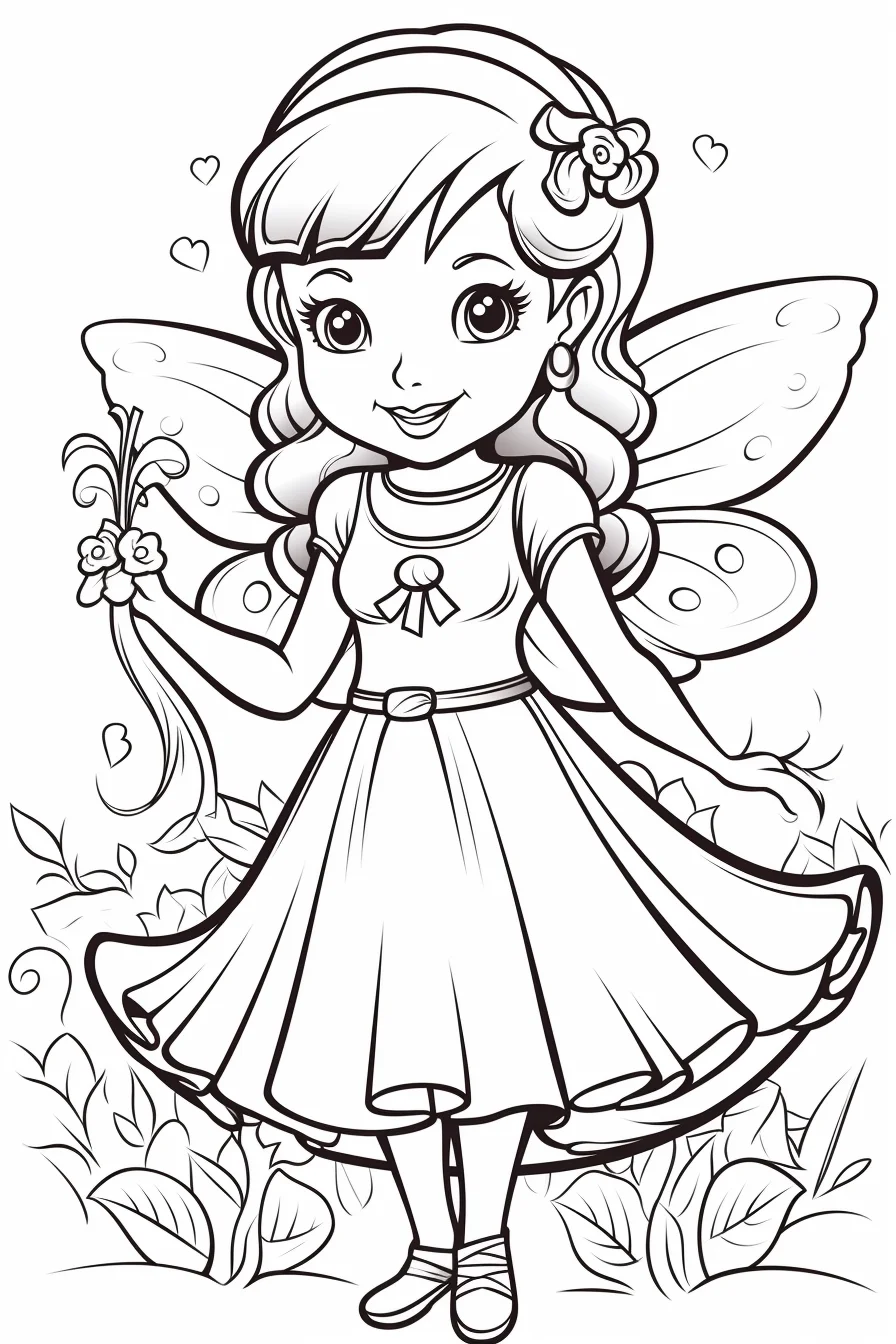
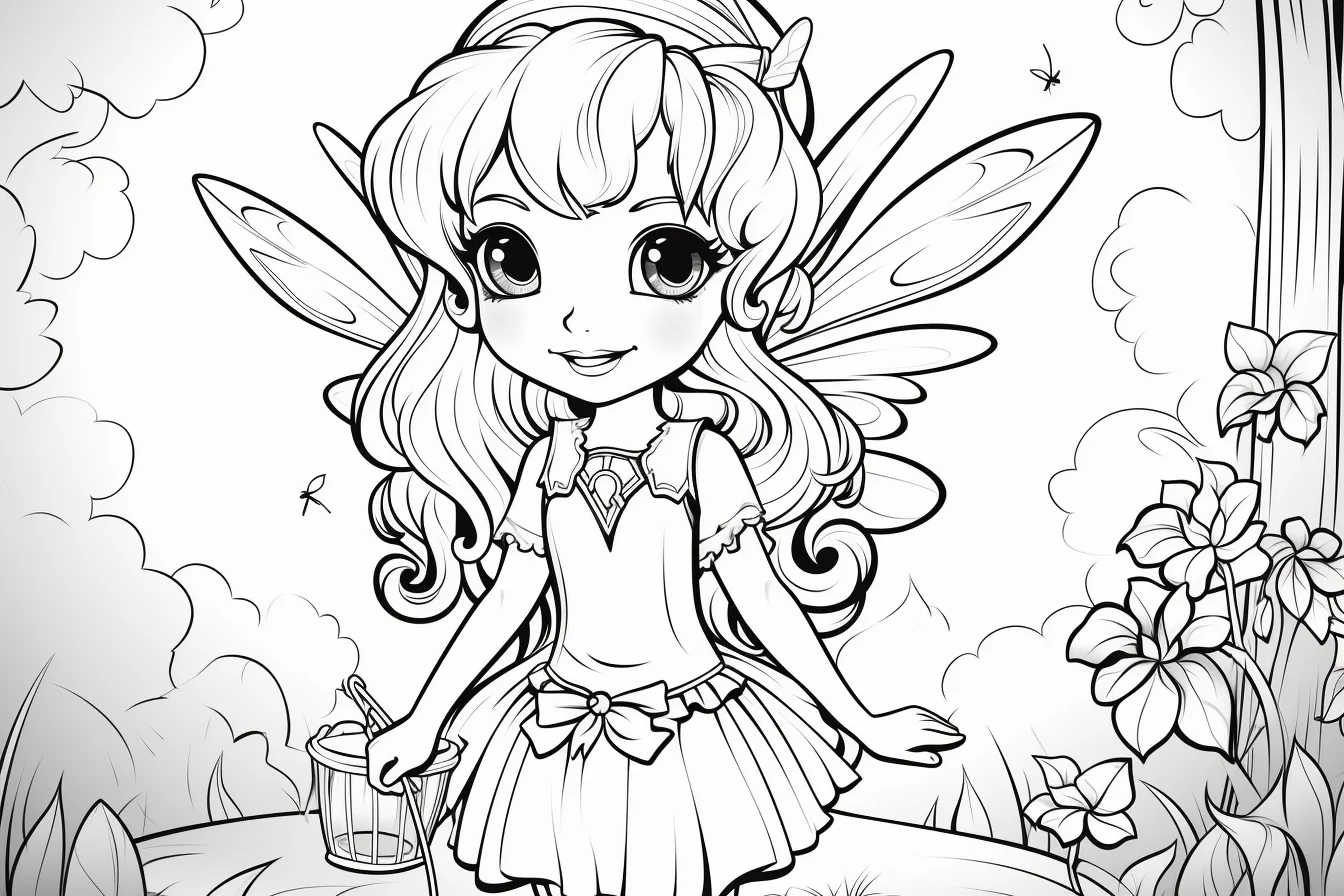
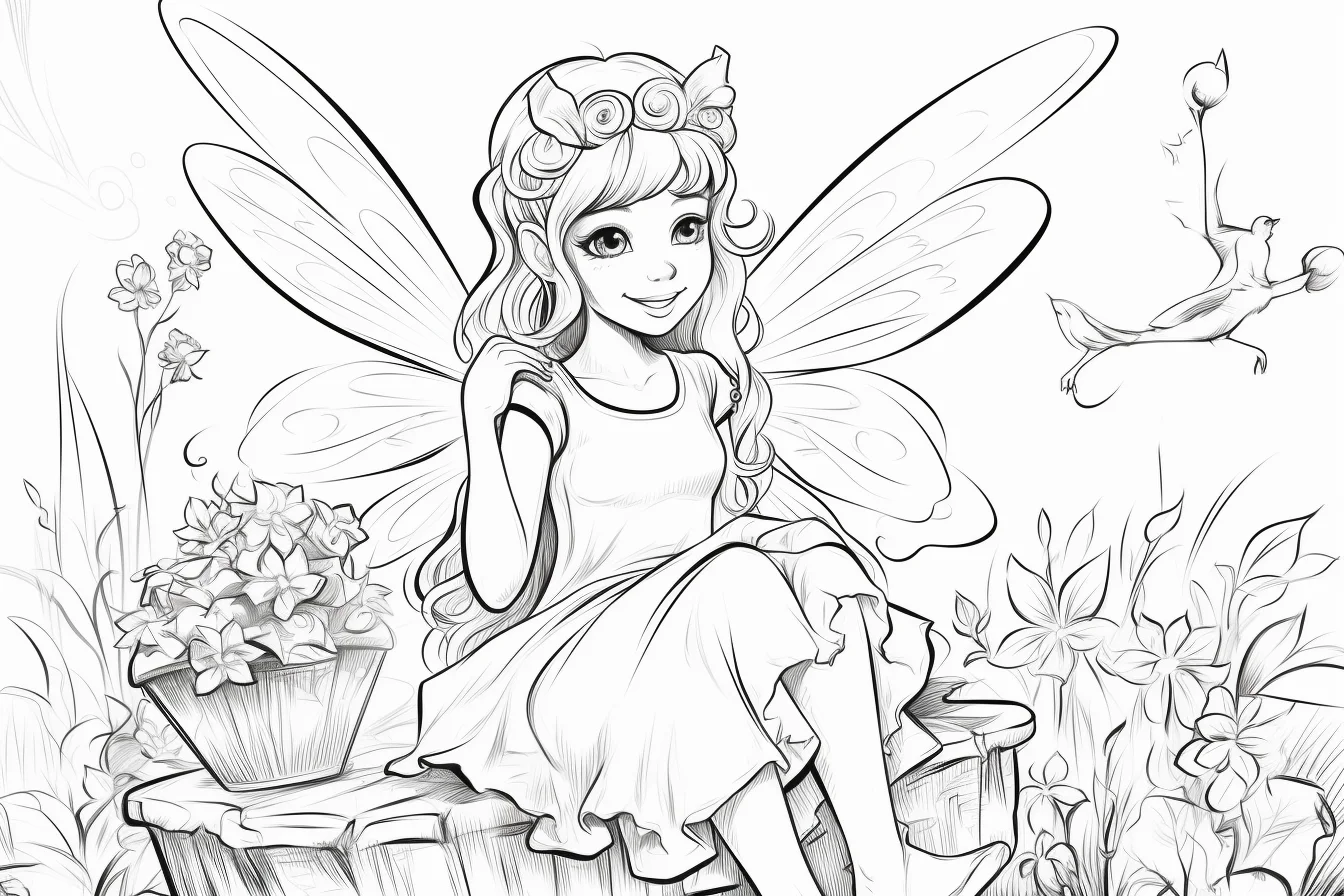
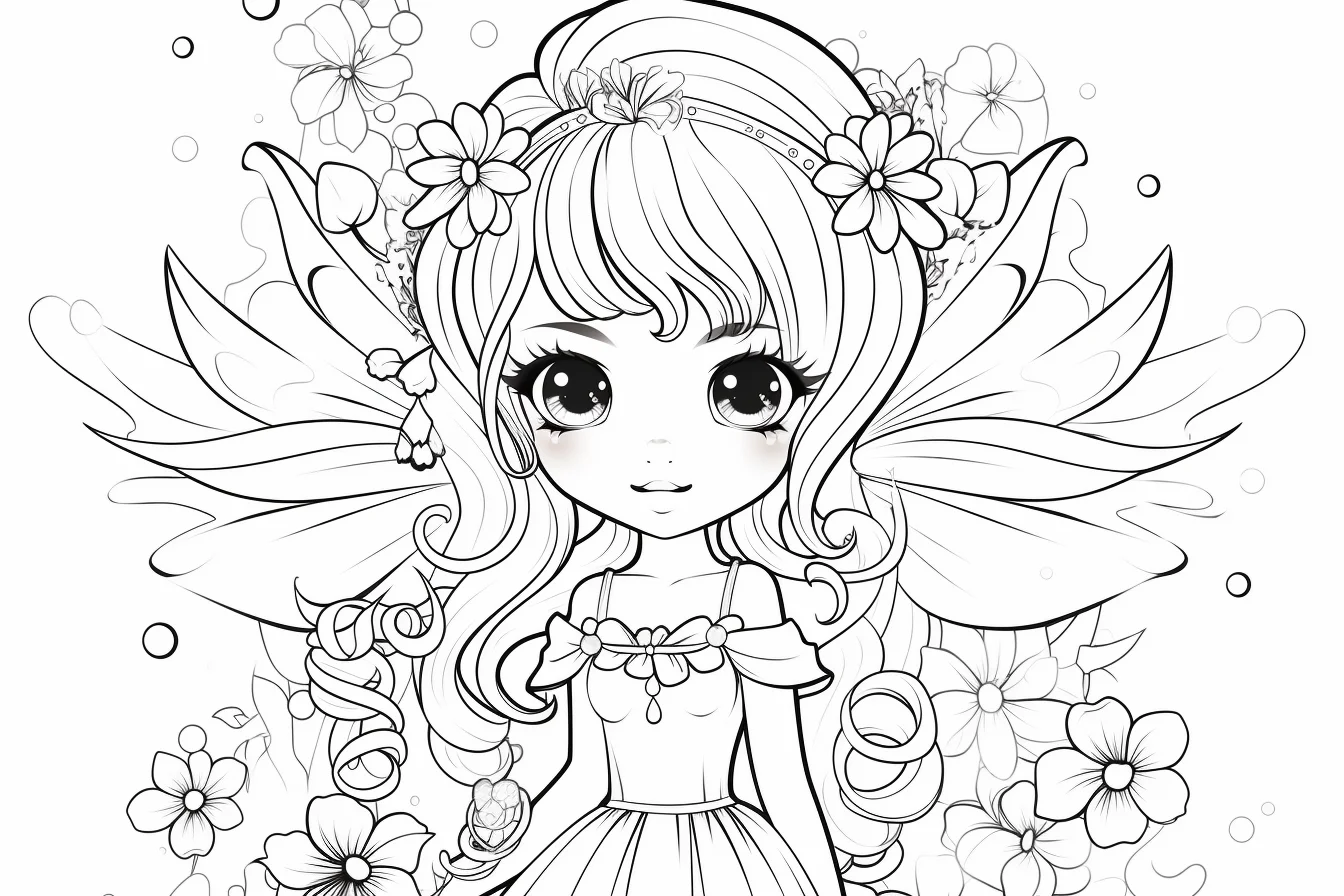
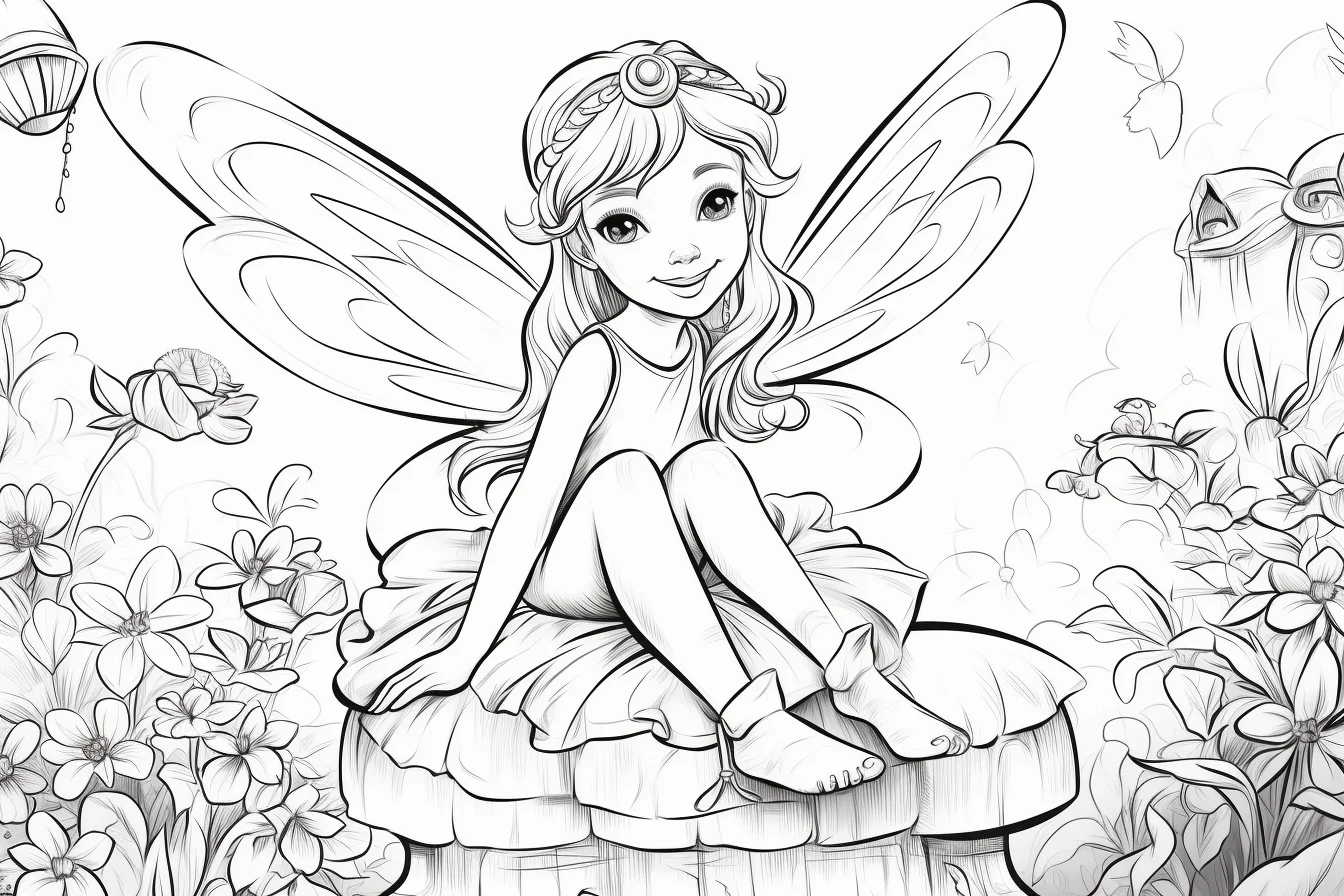
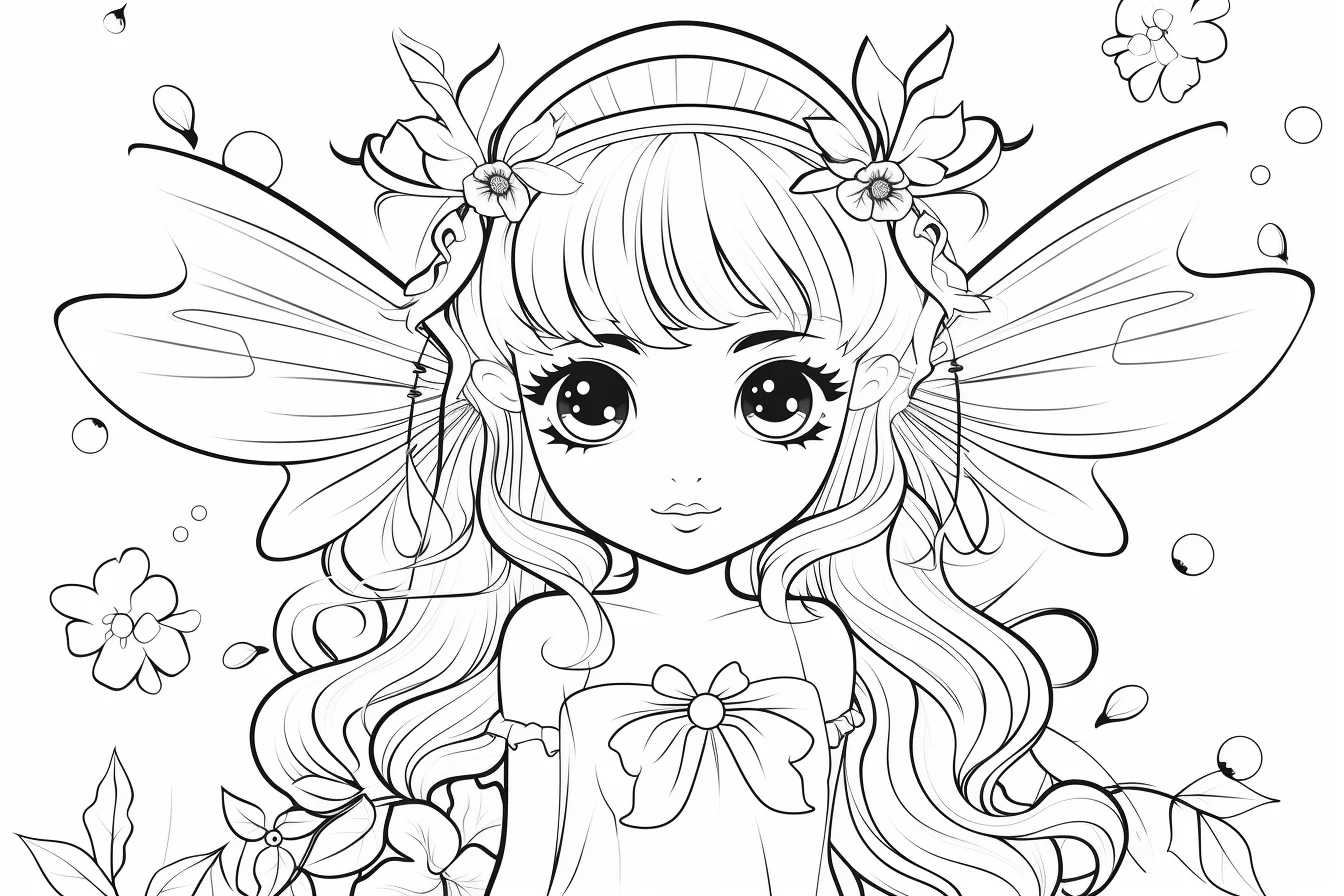
Start here if you want contrast rather than lots of tiny detail: the opening group moves from a simple portrait to floral and adult-labeled sheets. On the flower page, keep petals and wings in different color families so they do not merge together. On the simpler portrait, crayons or broad pencils are enough; the wider floral sheet benefits from a finer point.
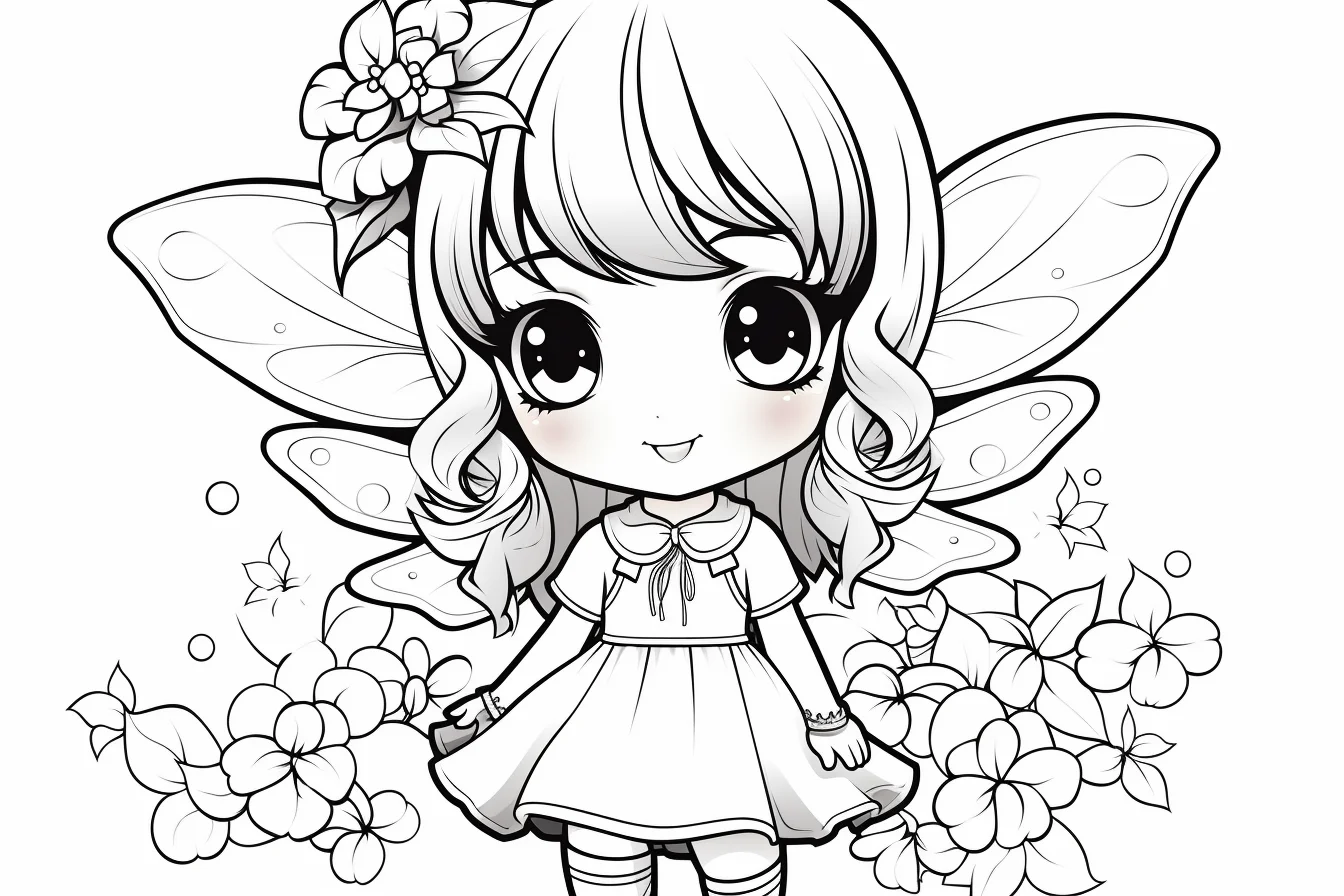
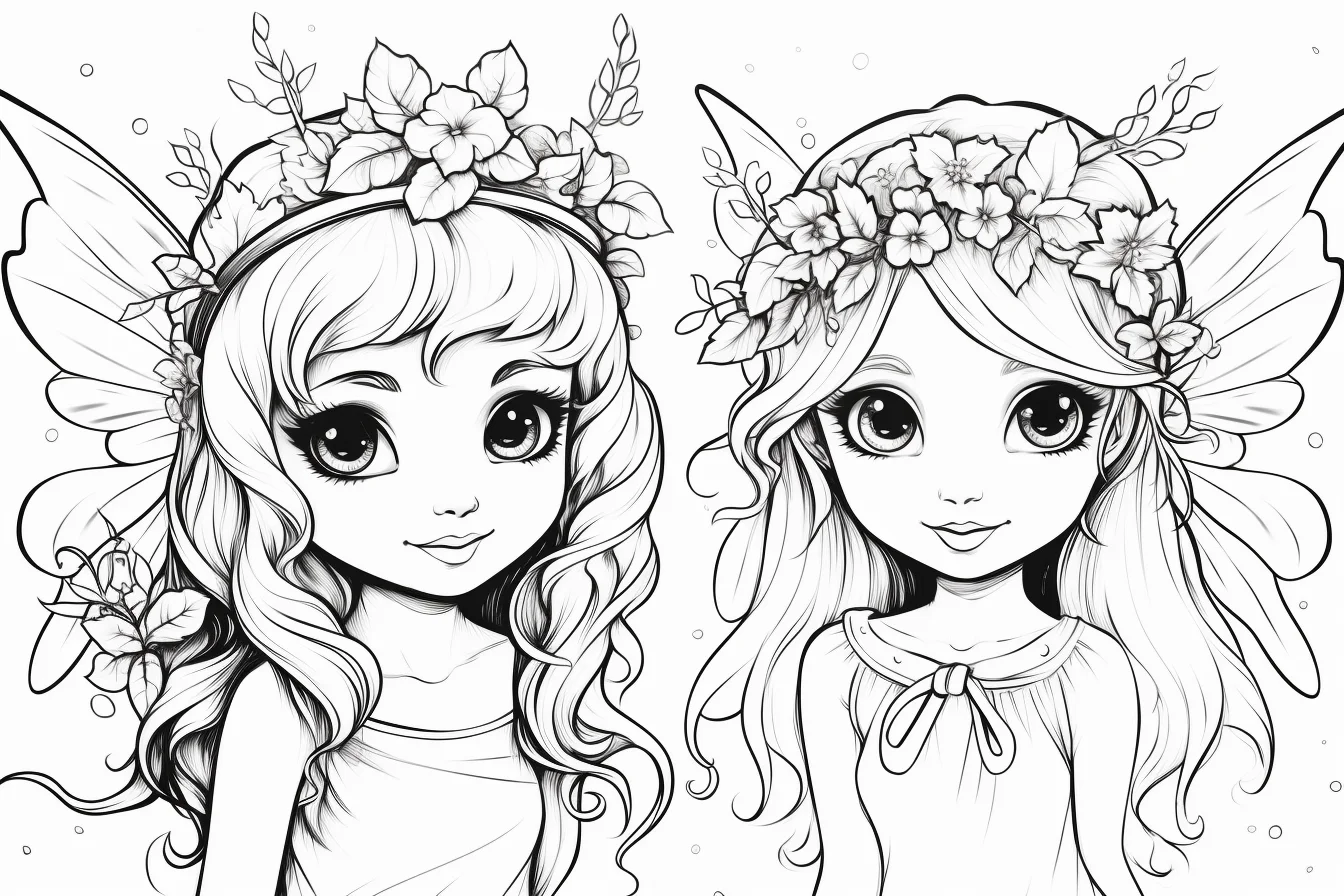
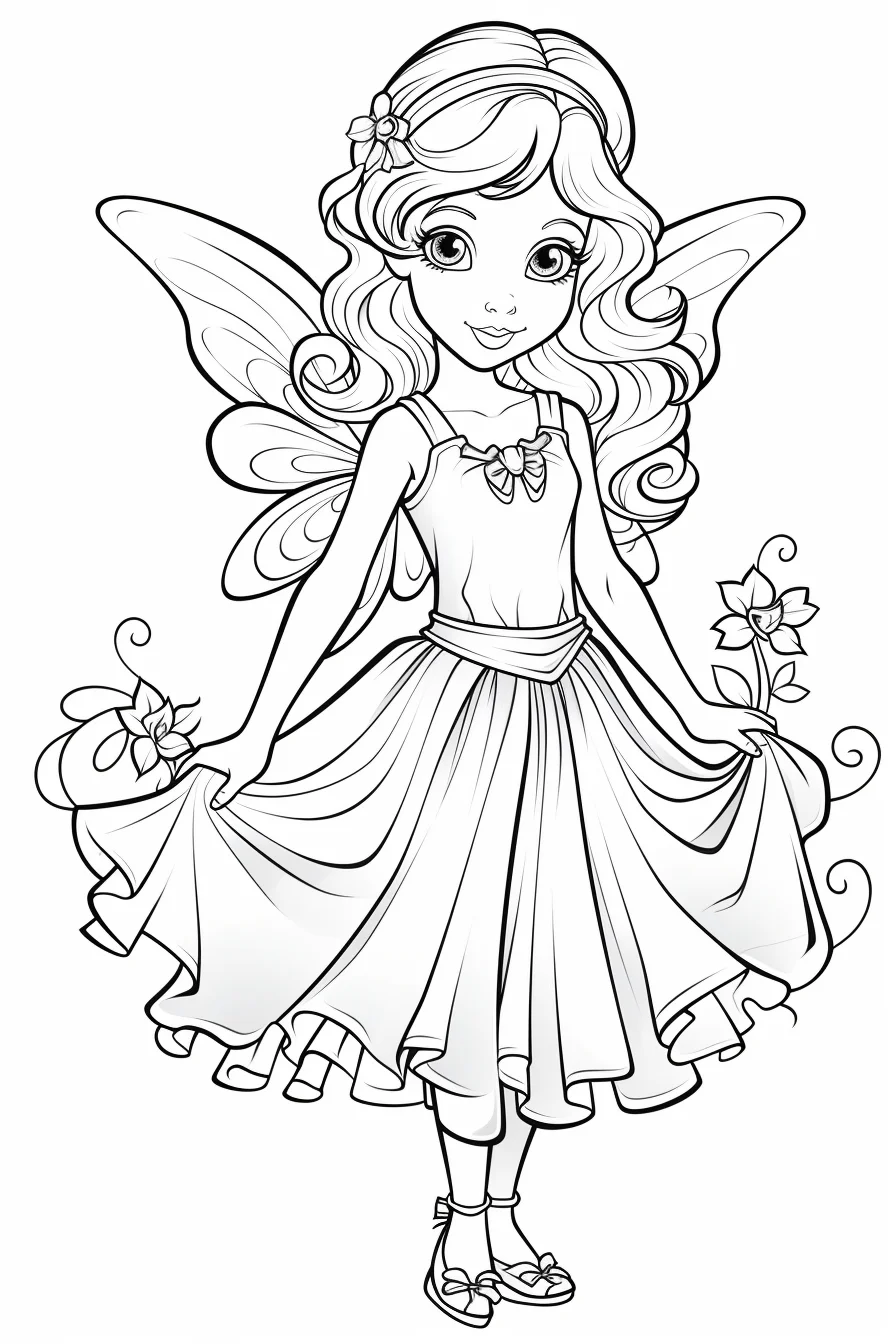
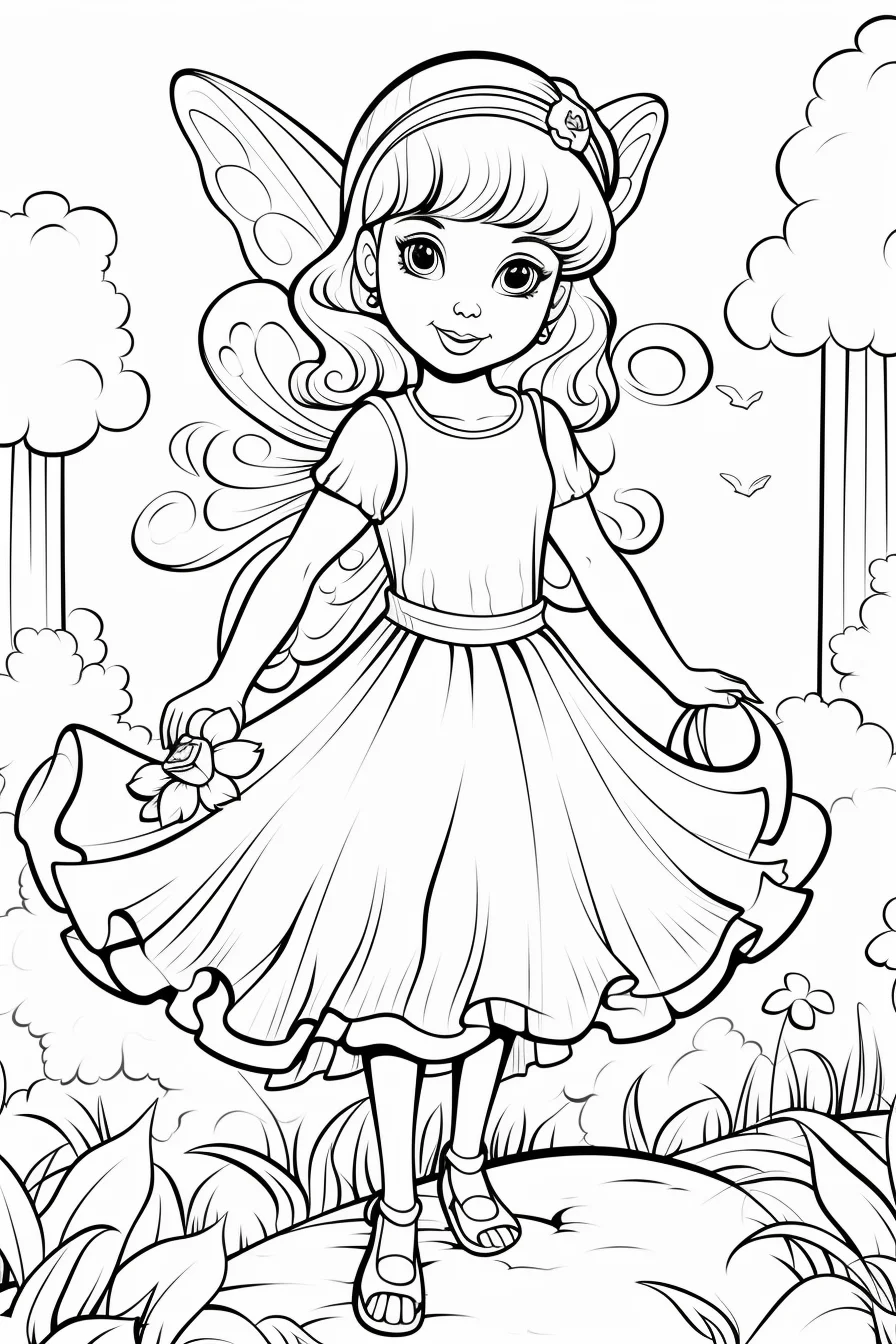
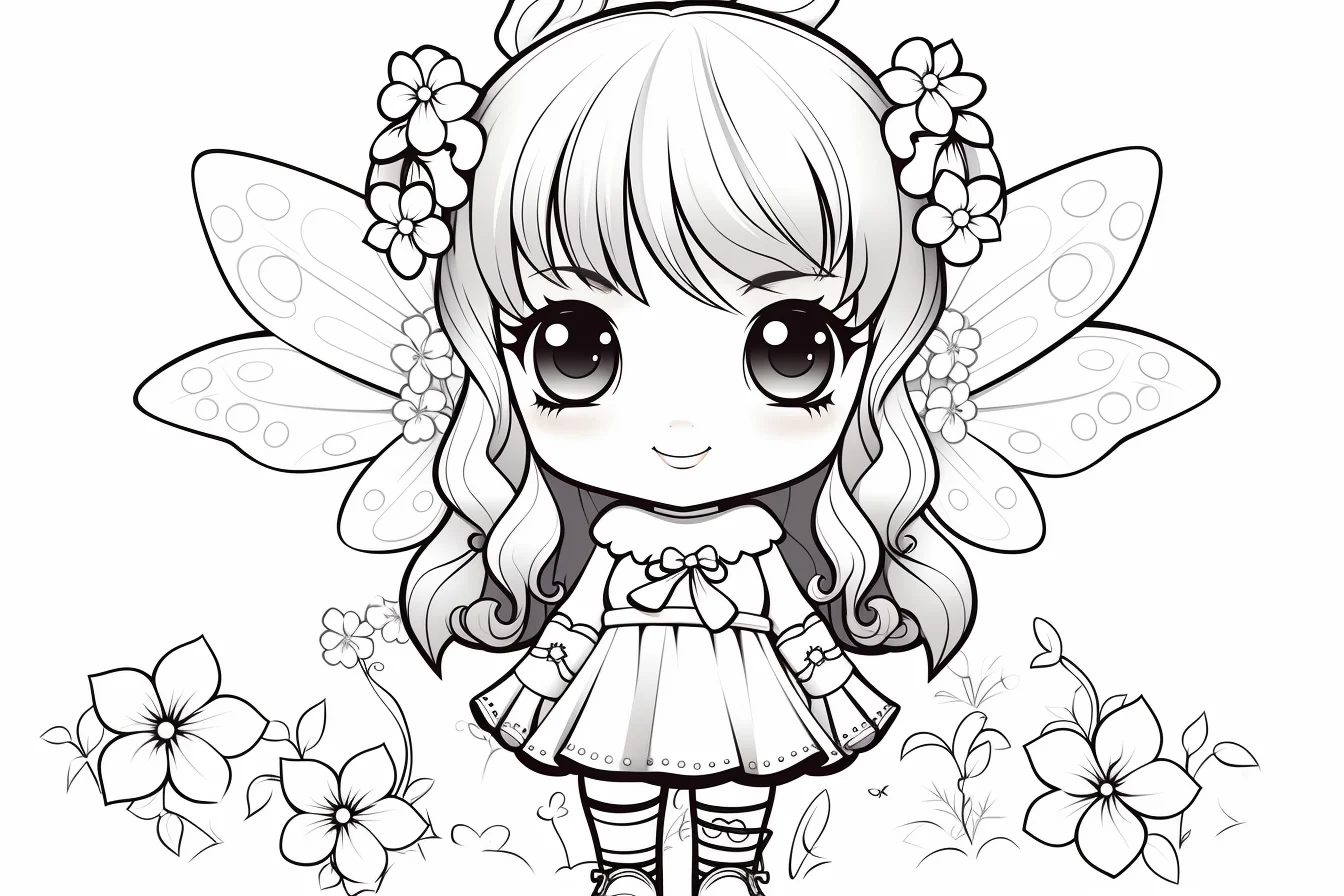
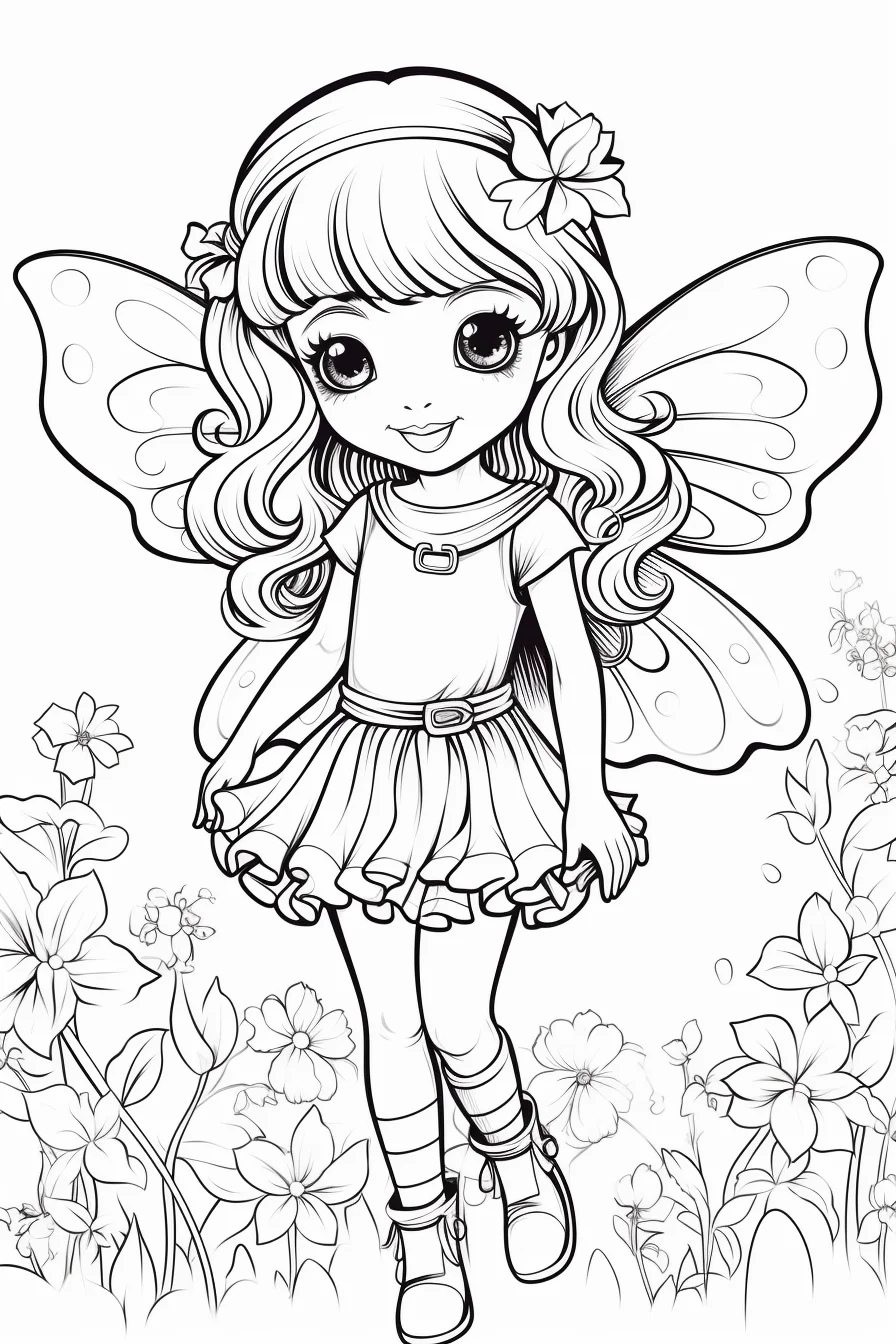
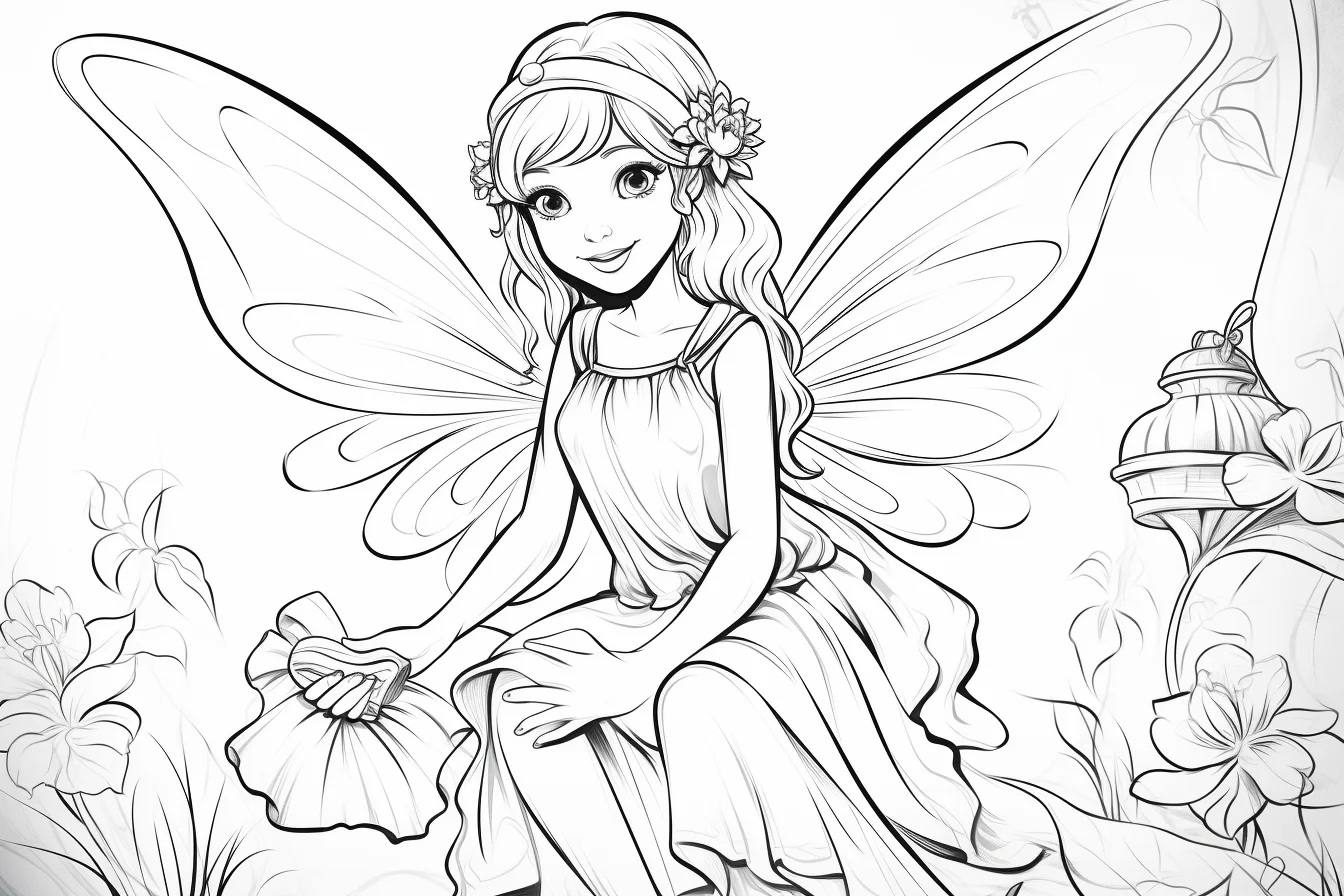
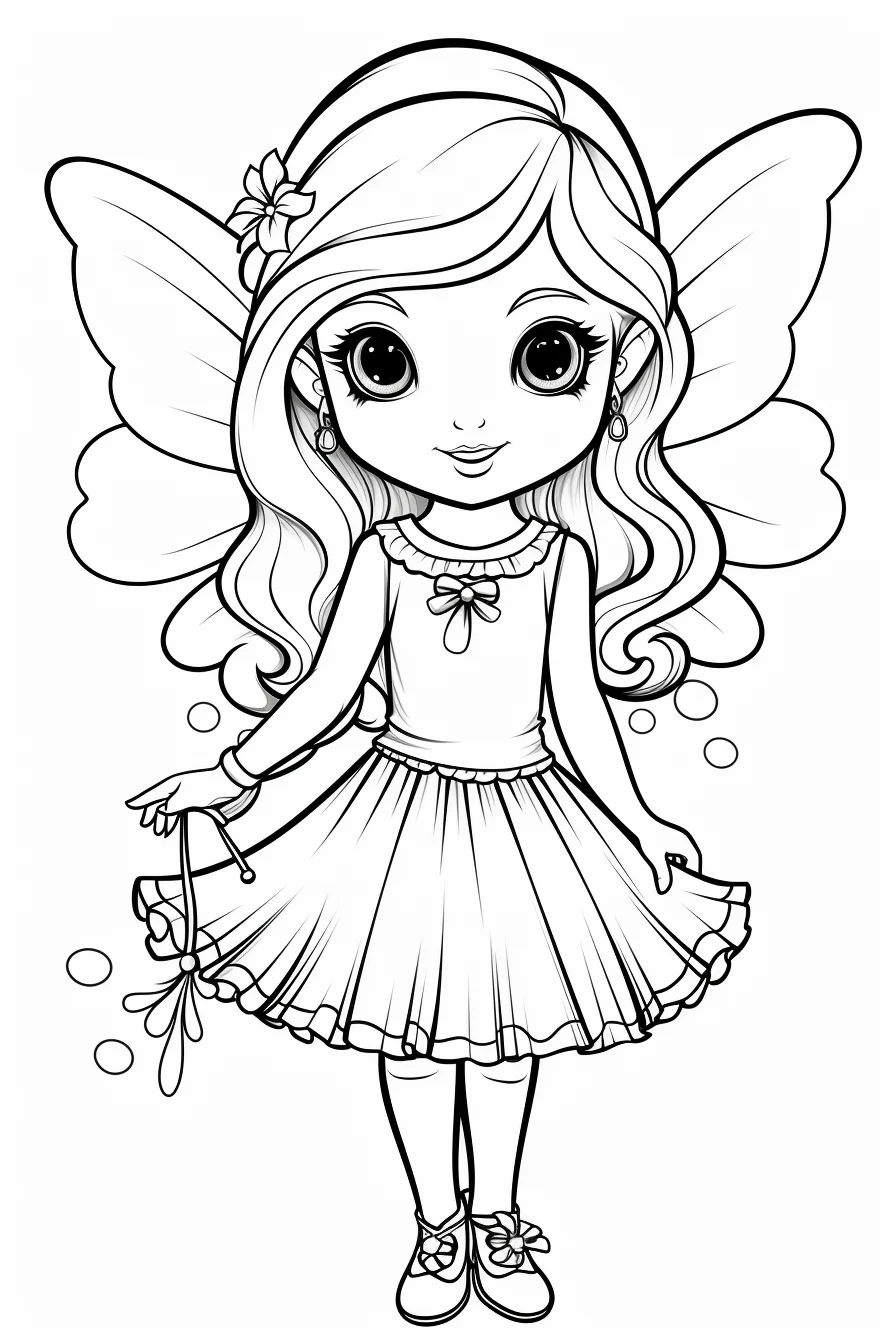
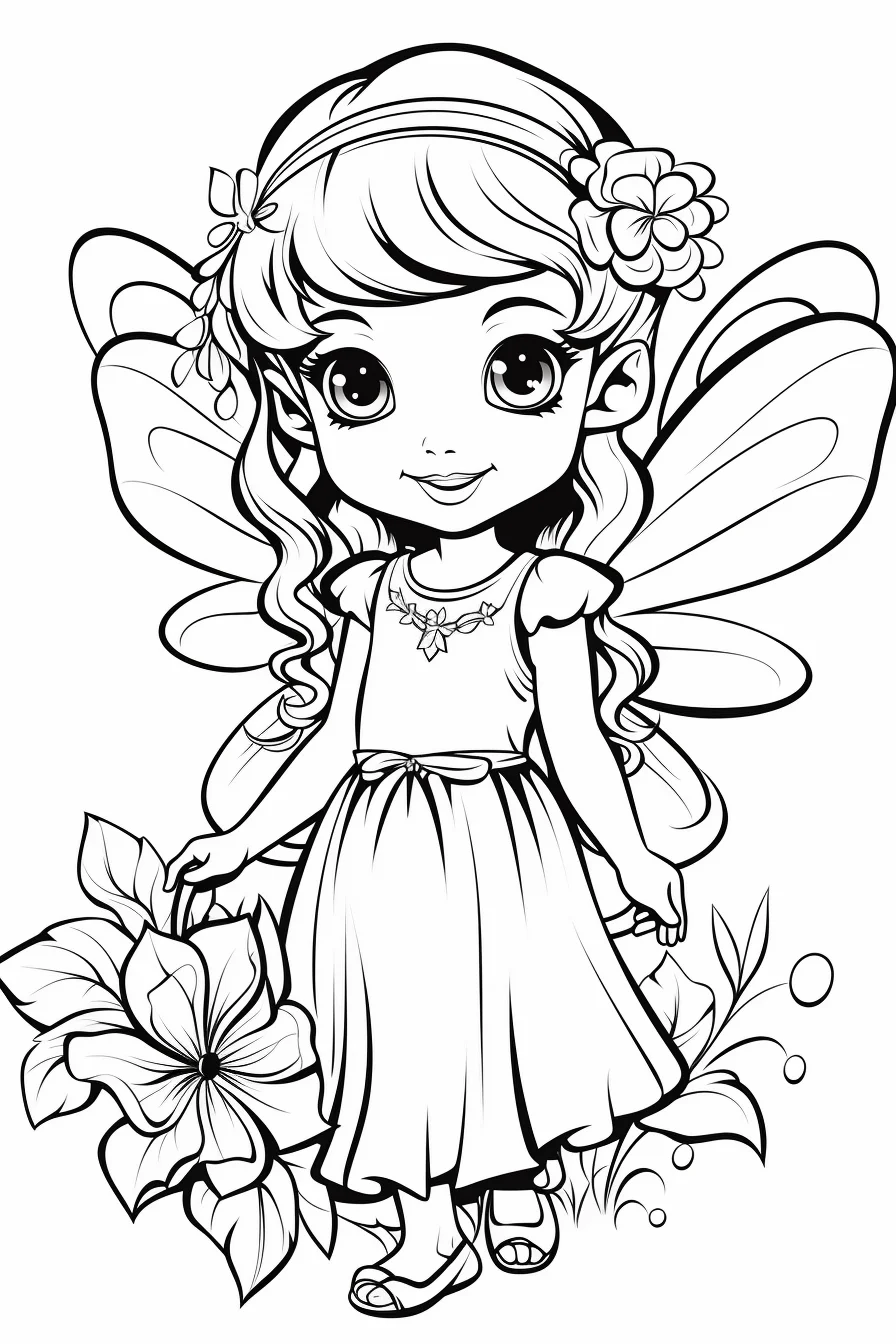
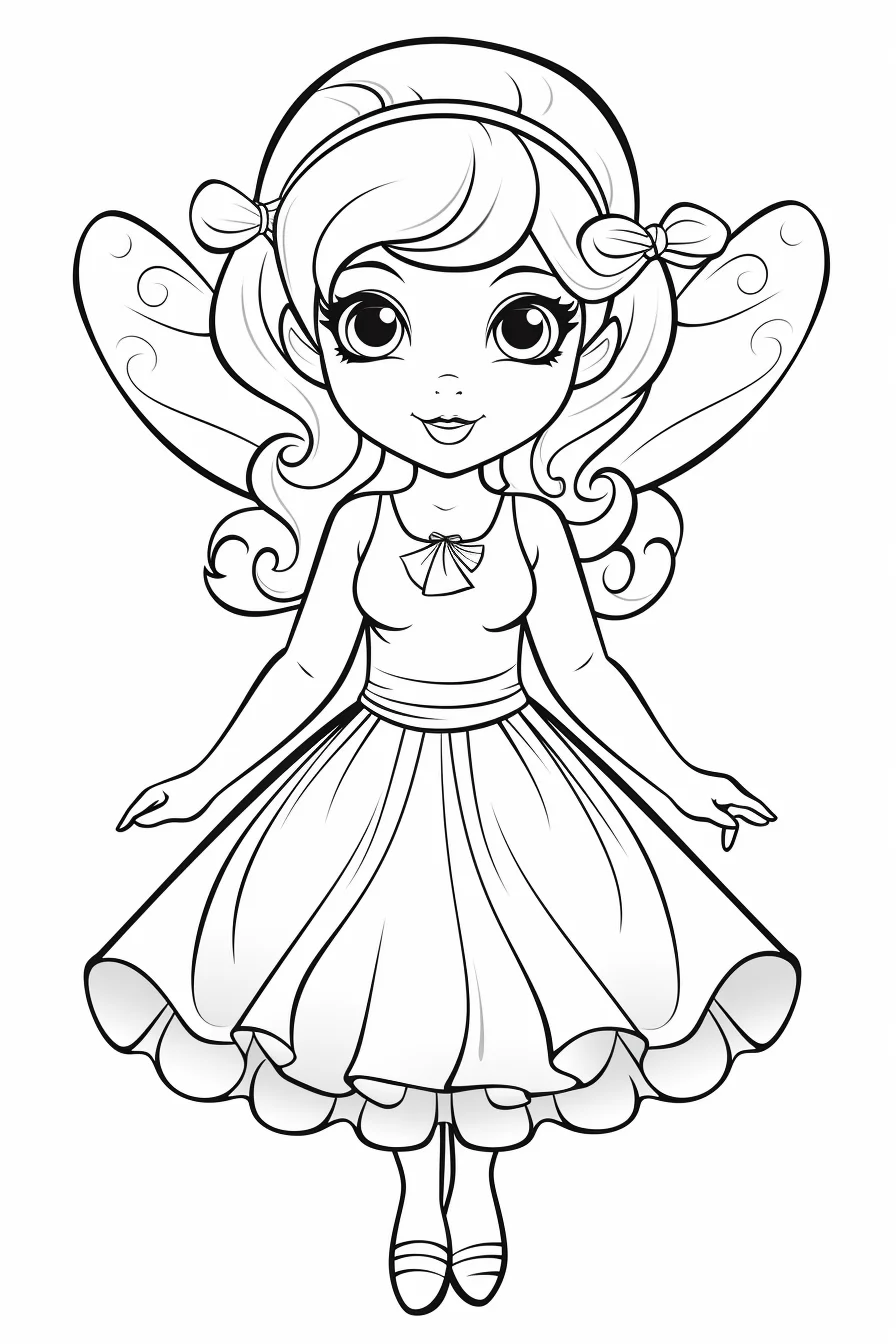
Portrait sheets are the easiest to print cleanly. These taller designs fit naturally on A4 or US Letter in portrait orientation. If you are using colored pencils, shade the wings lightly first and save the darkest tones for hair, outlines or clothing details so the fairy remains readable at a glance.
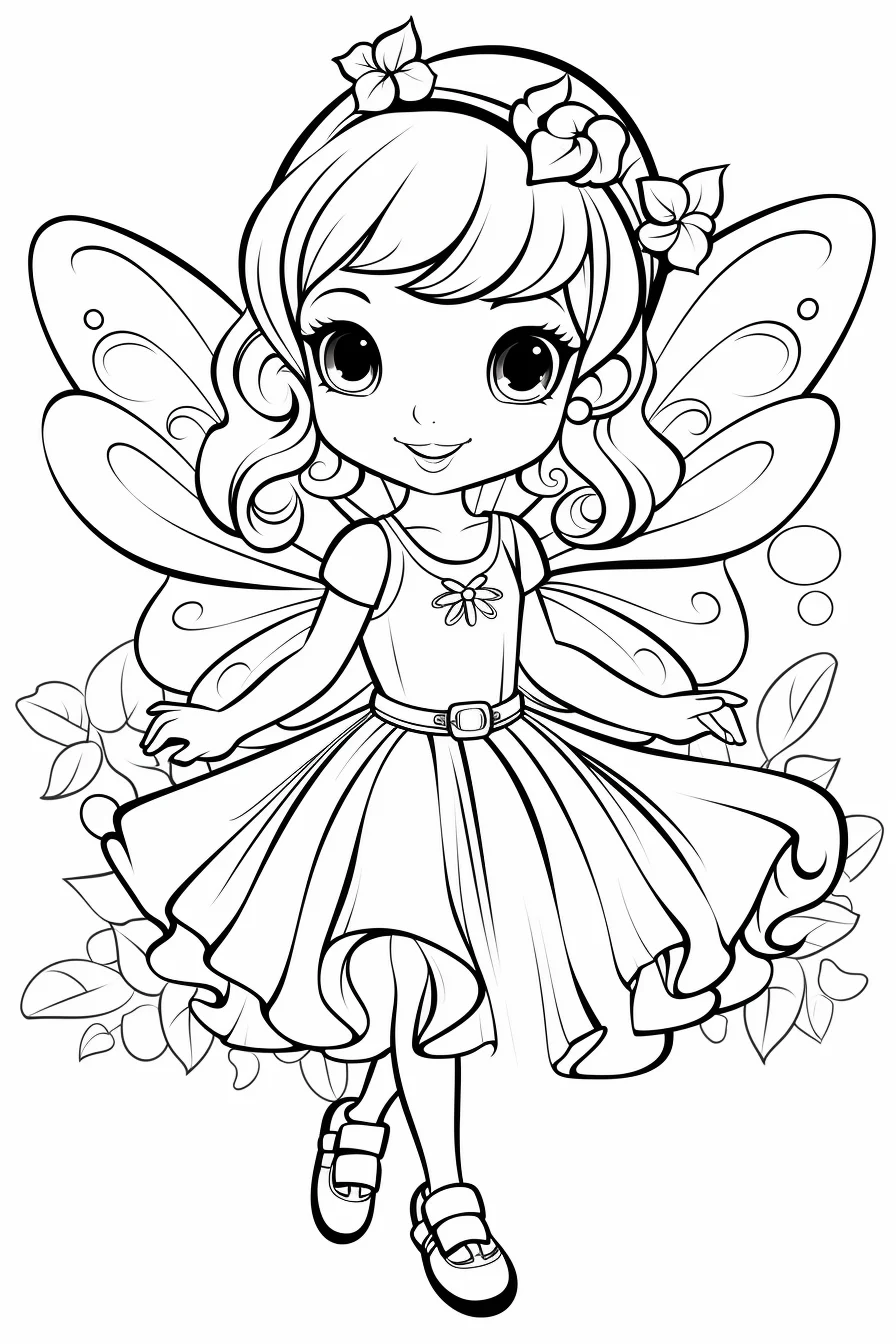
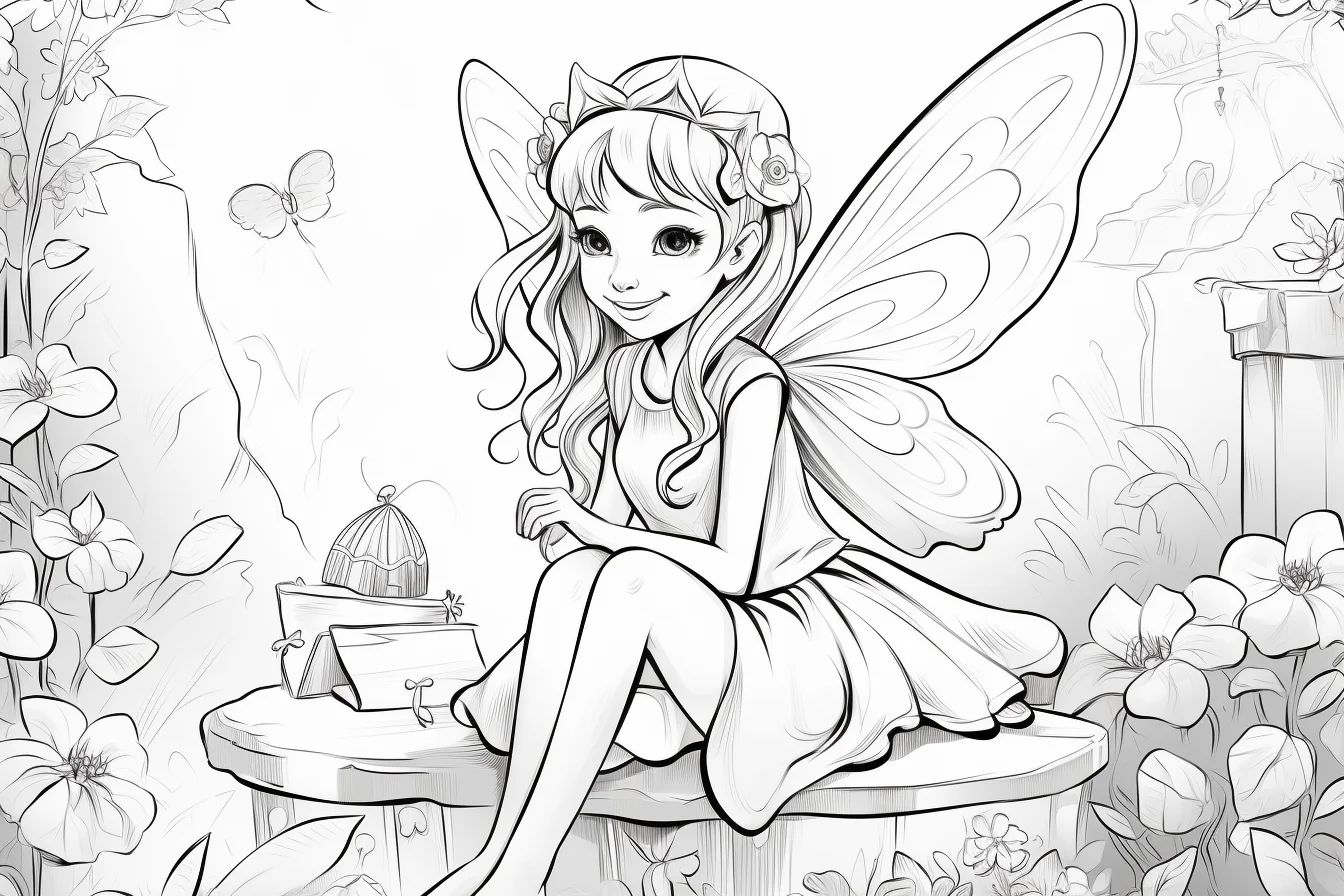
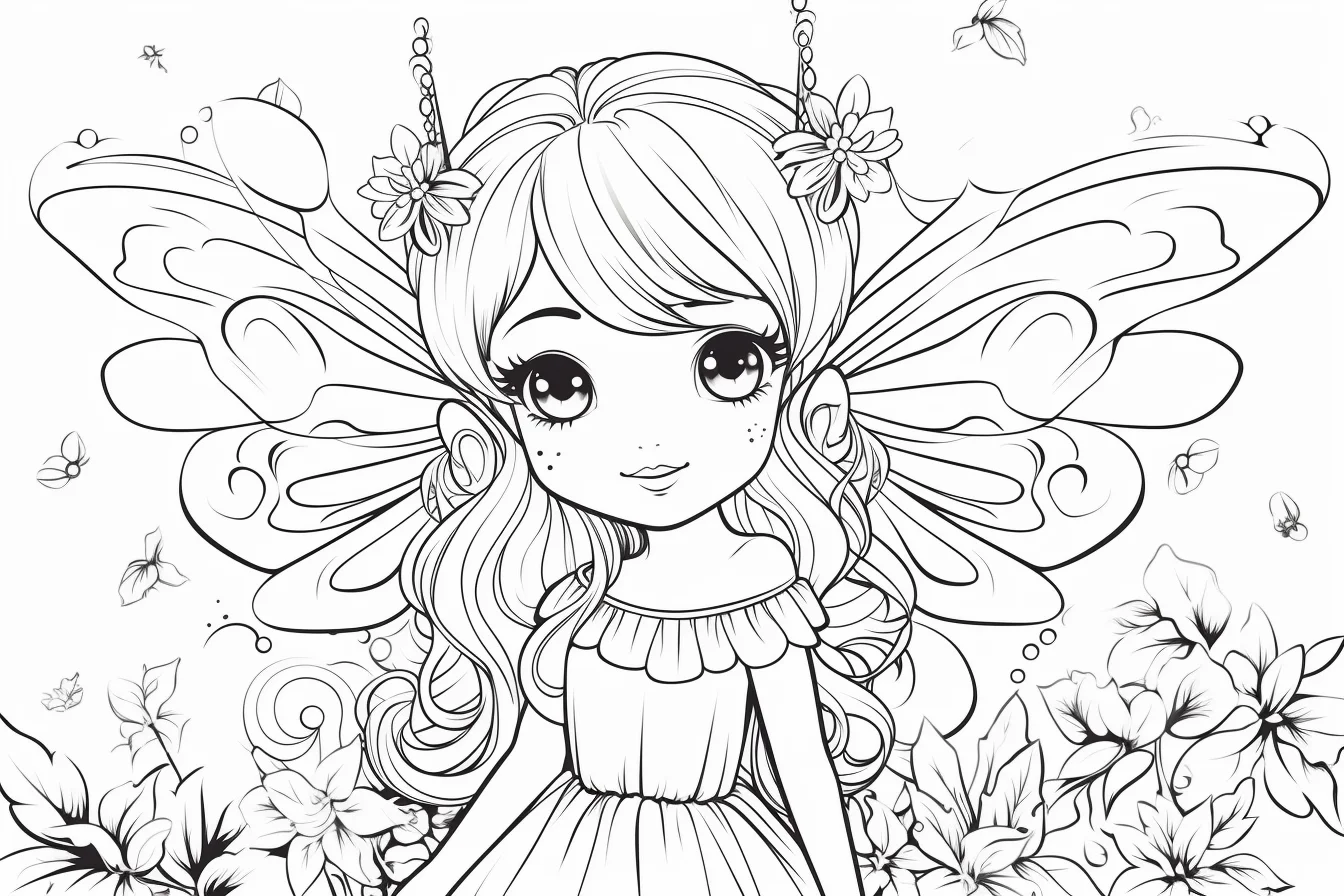
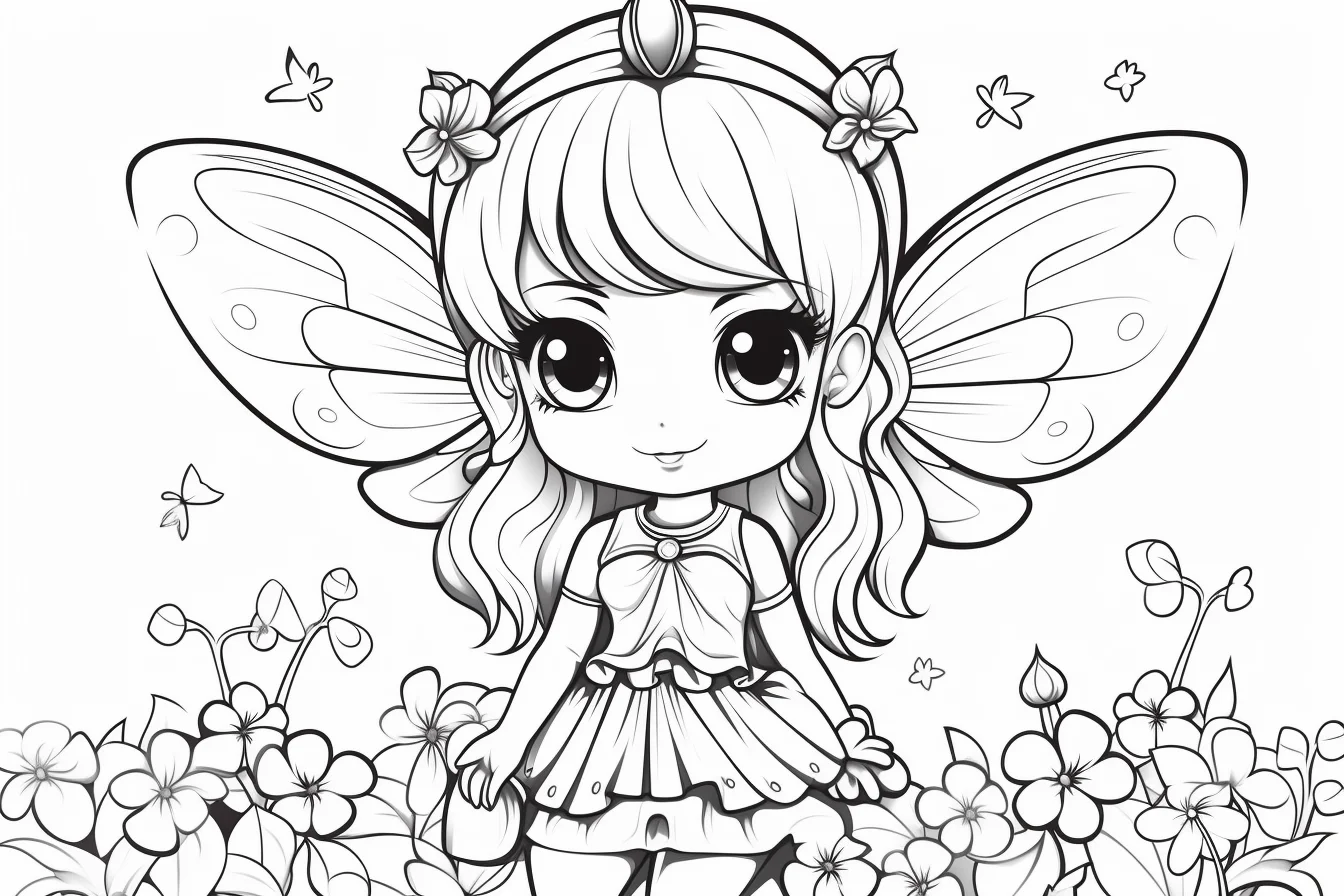
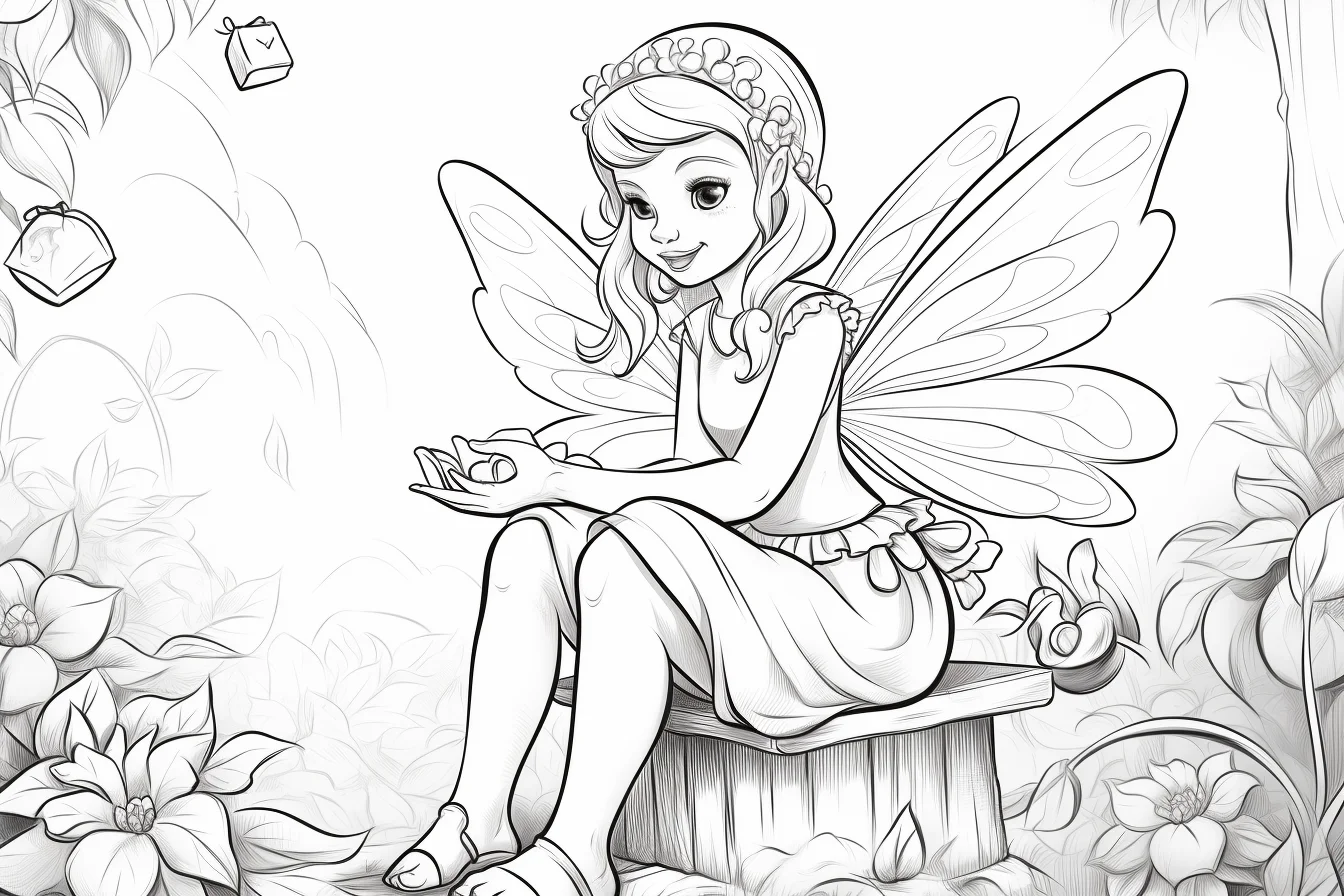
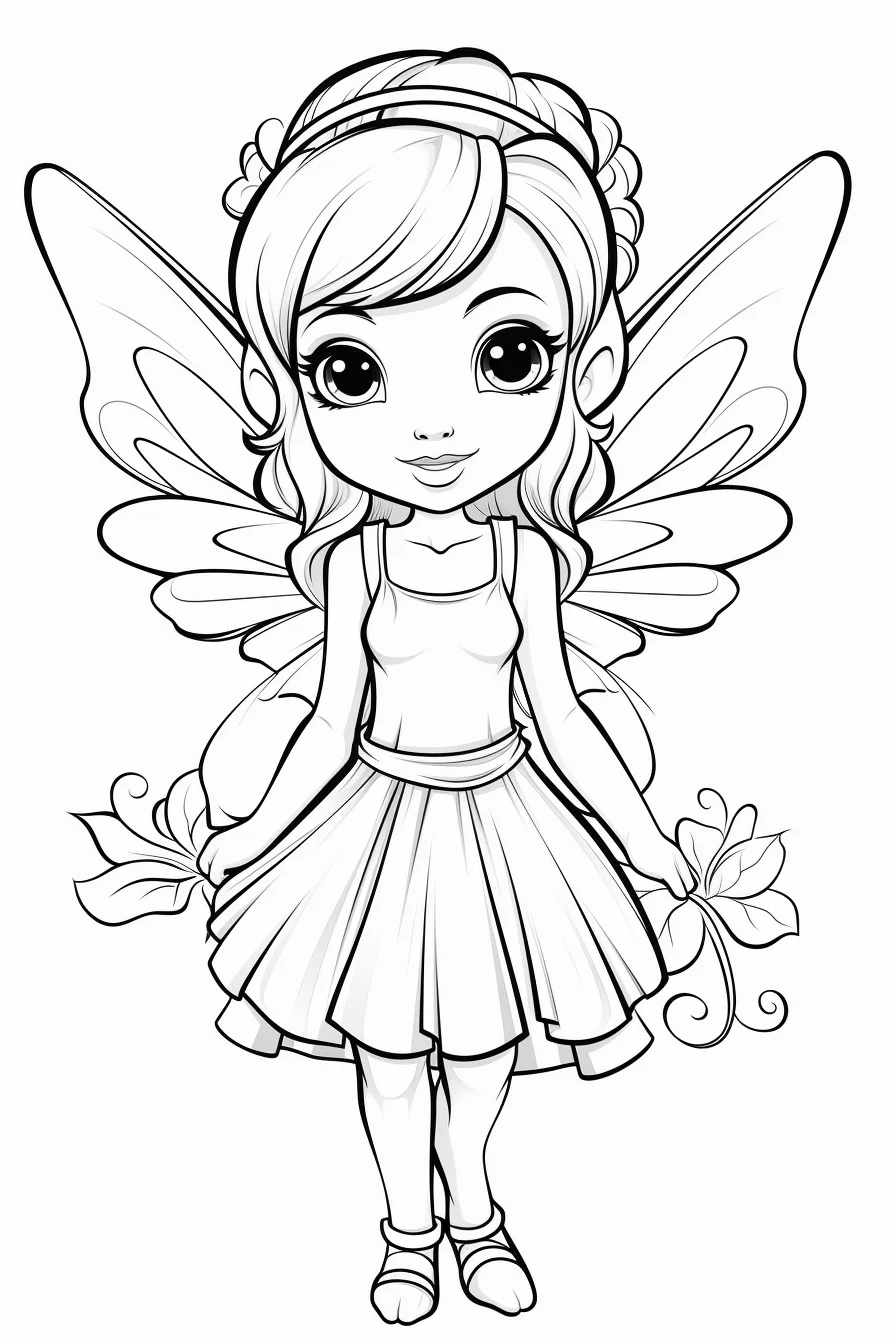
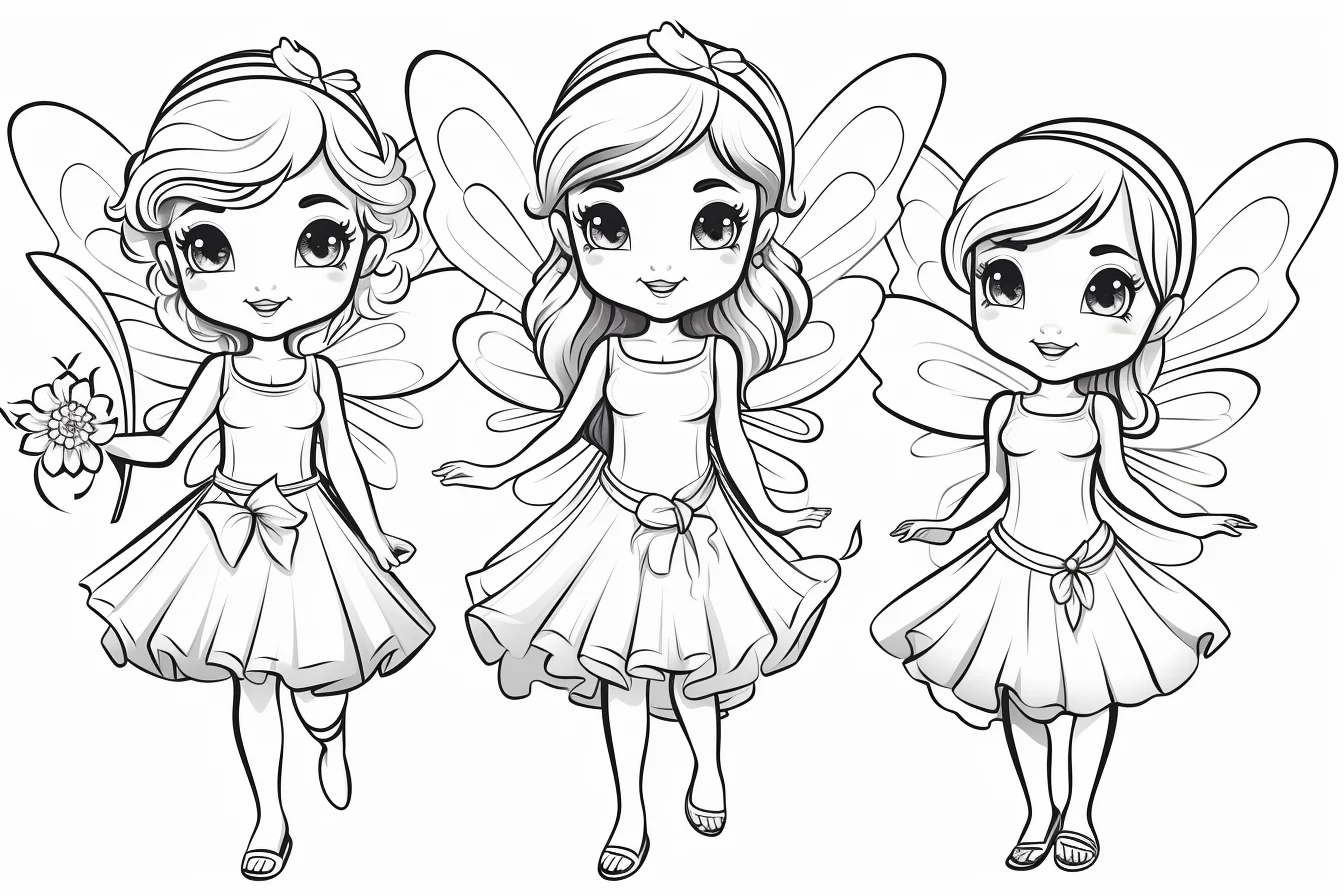
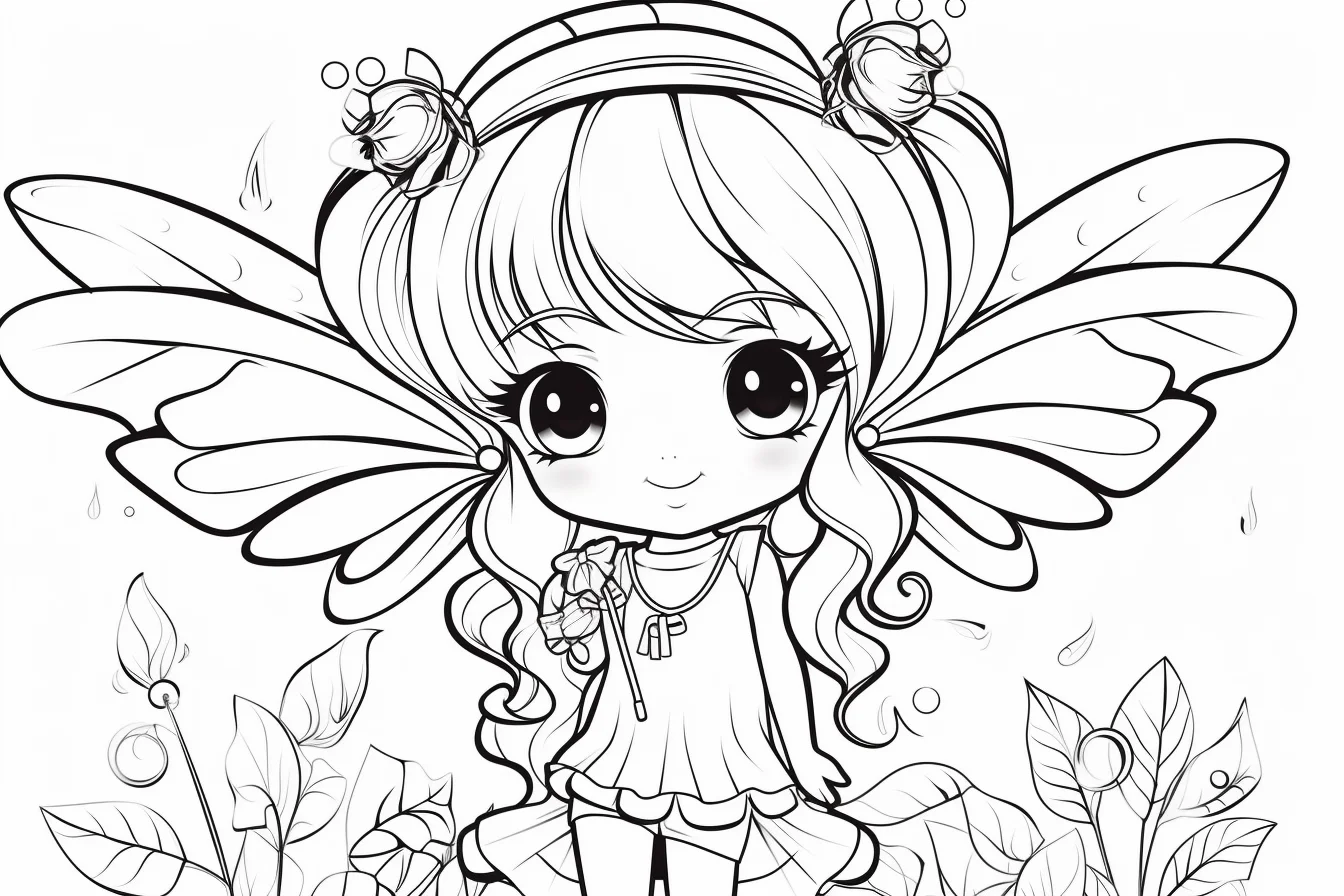
For younger children, this is the better part of the gallery. Look for the pages labeled preschool, kids or easy rather than assuming every fairy sheet has the same difficulty. Large wings and simple clothing are easier with crayons; smaller flowers and hair details are better once a child is comfortable controlling a pencil.
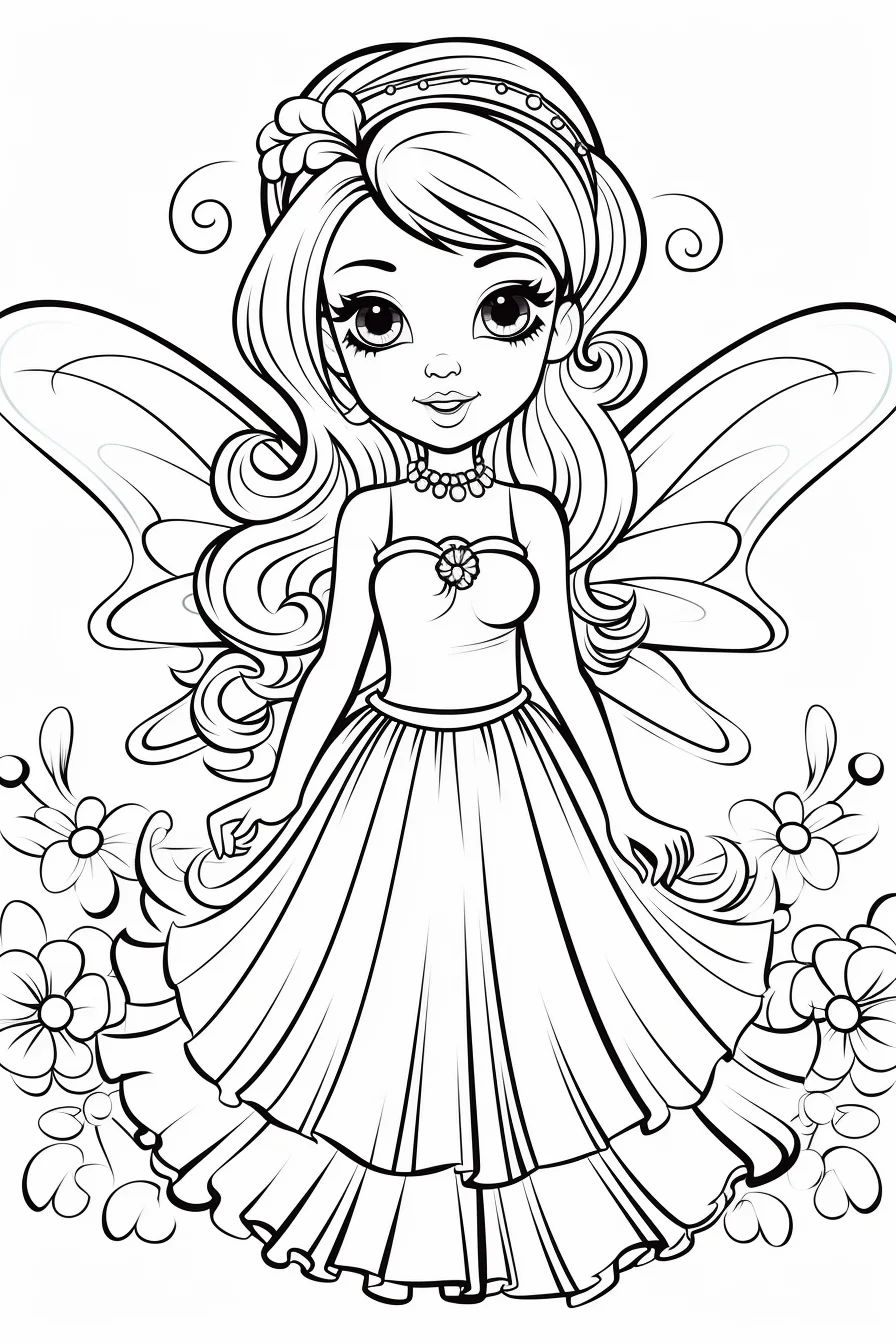
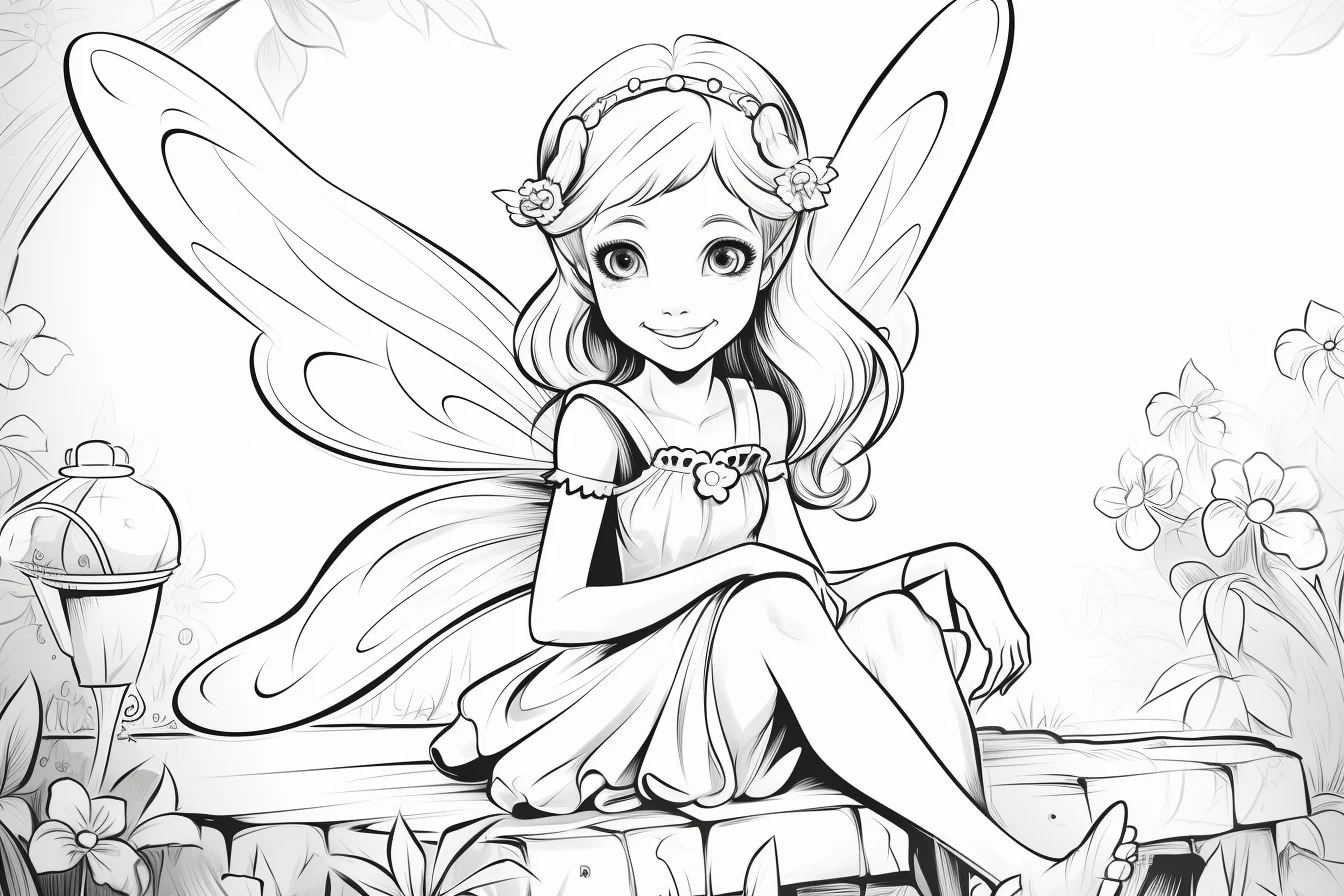
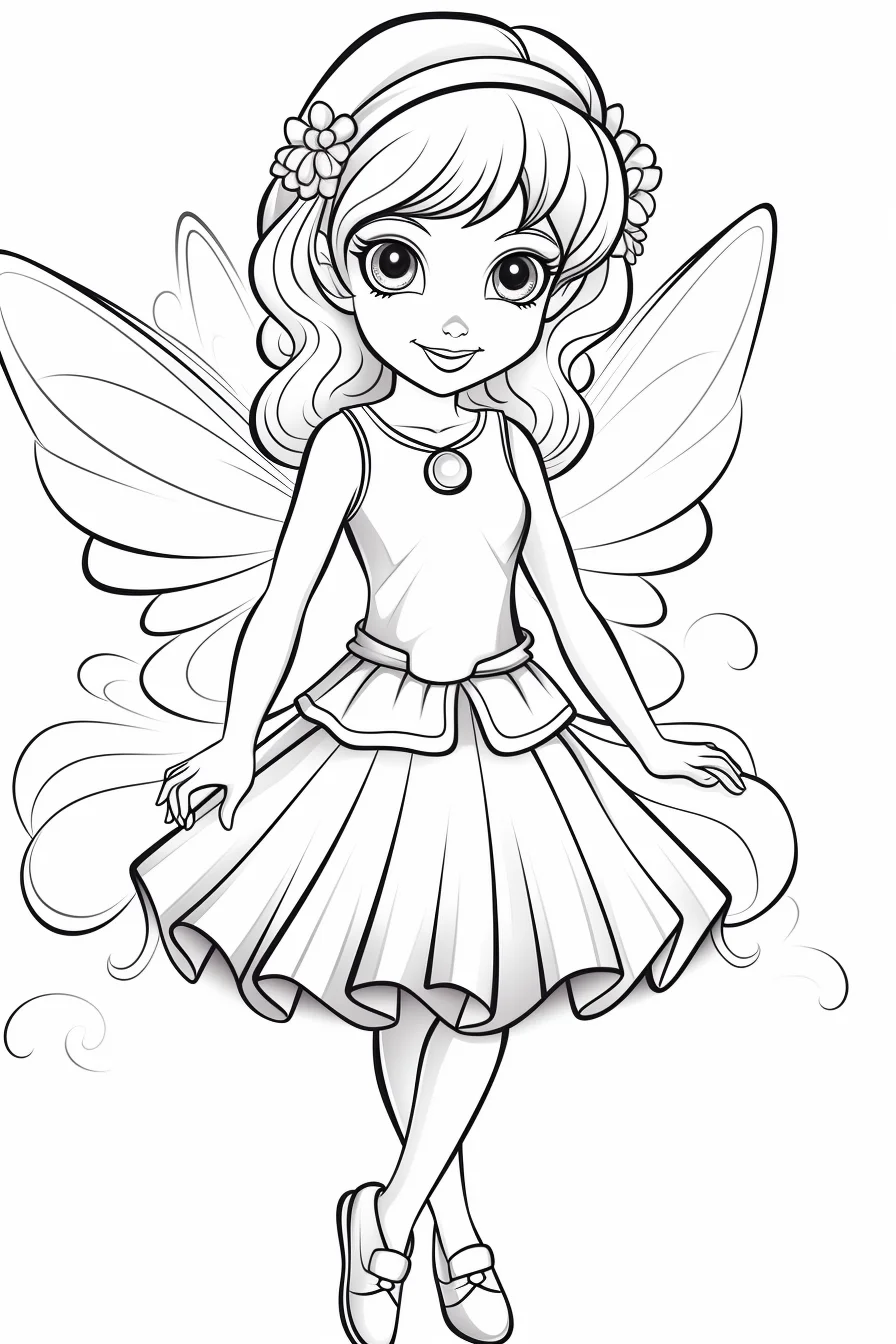
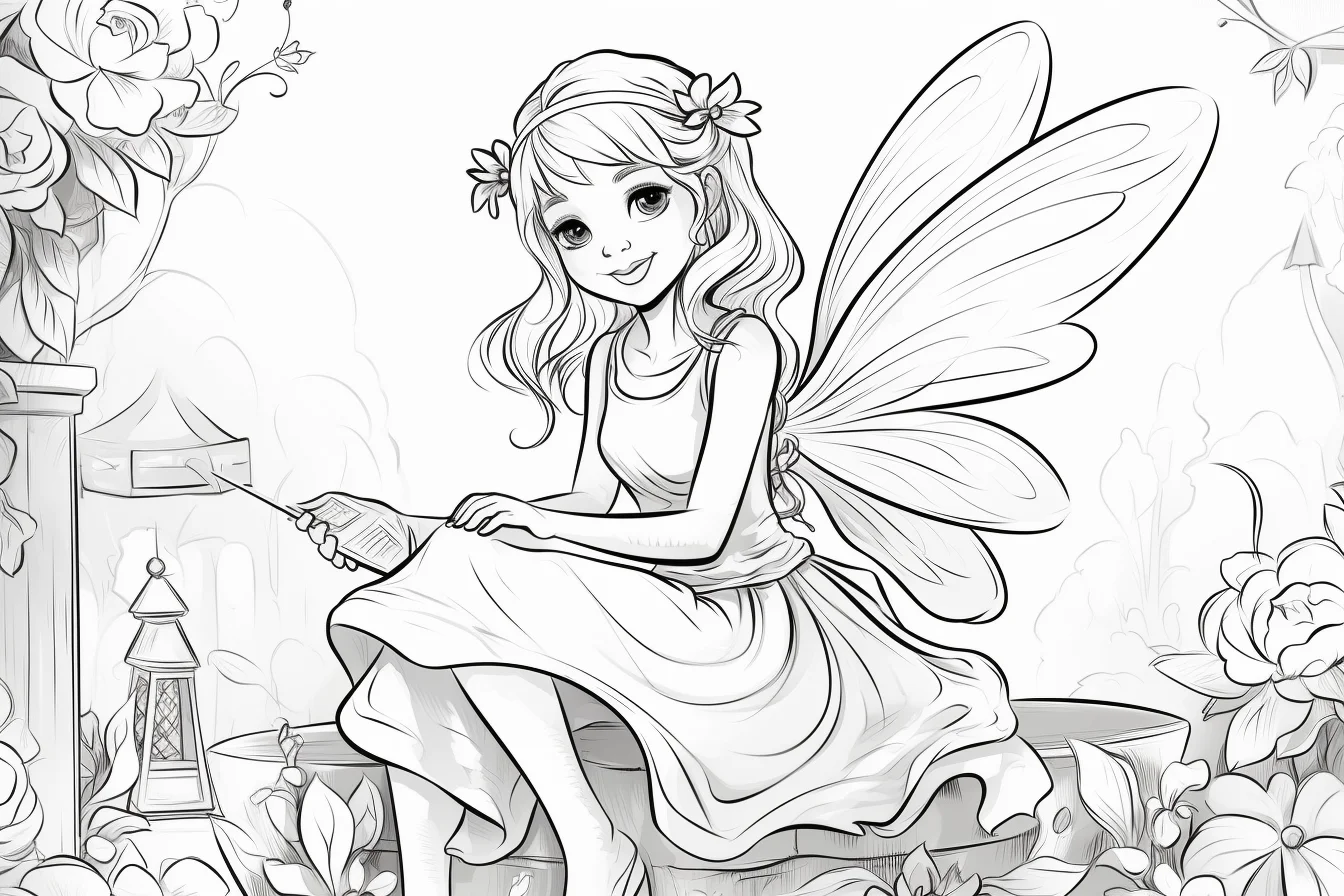
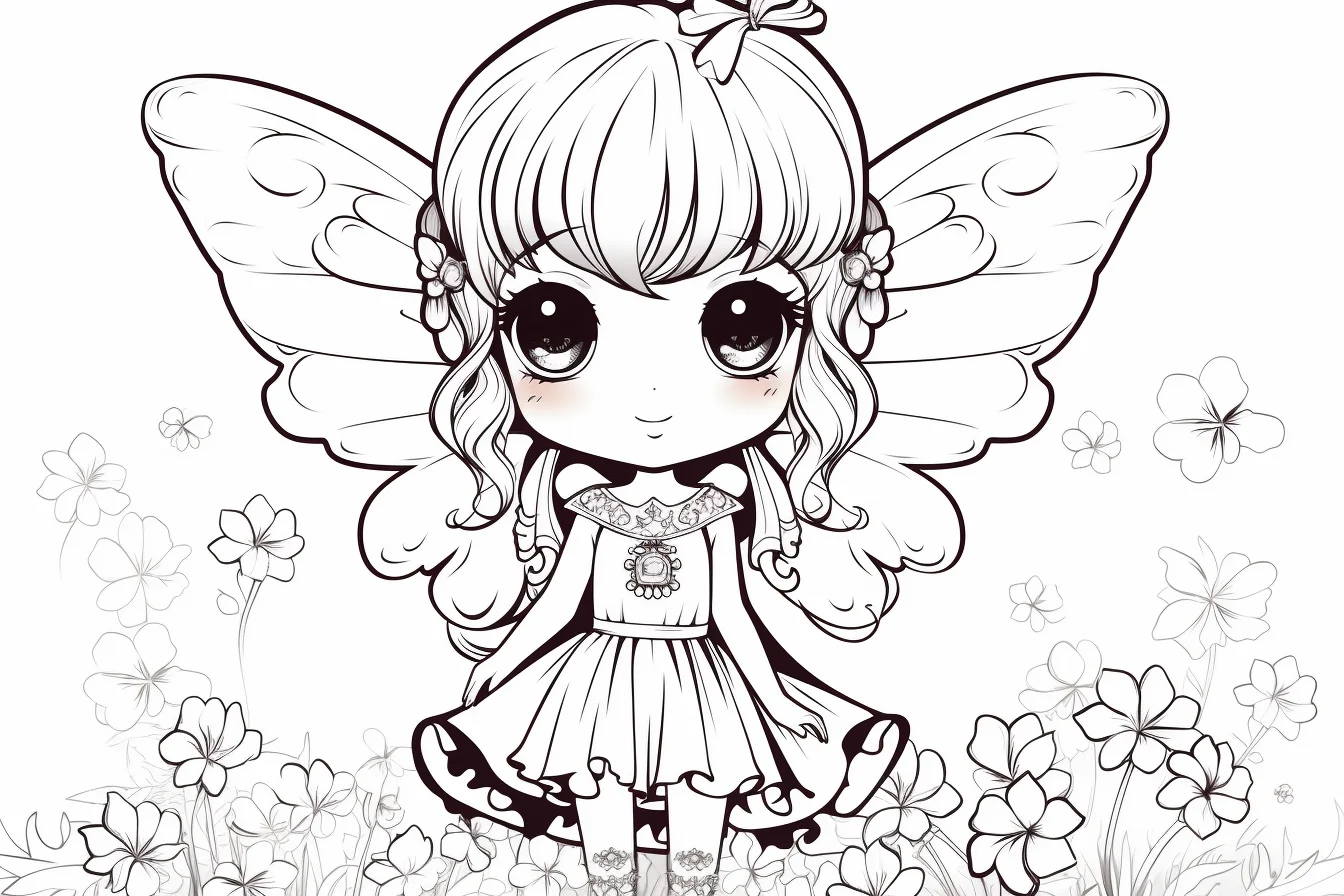
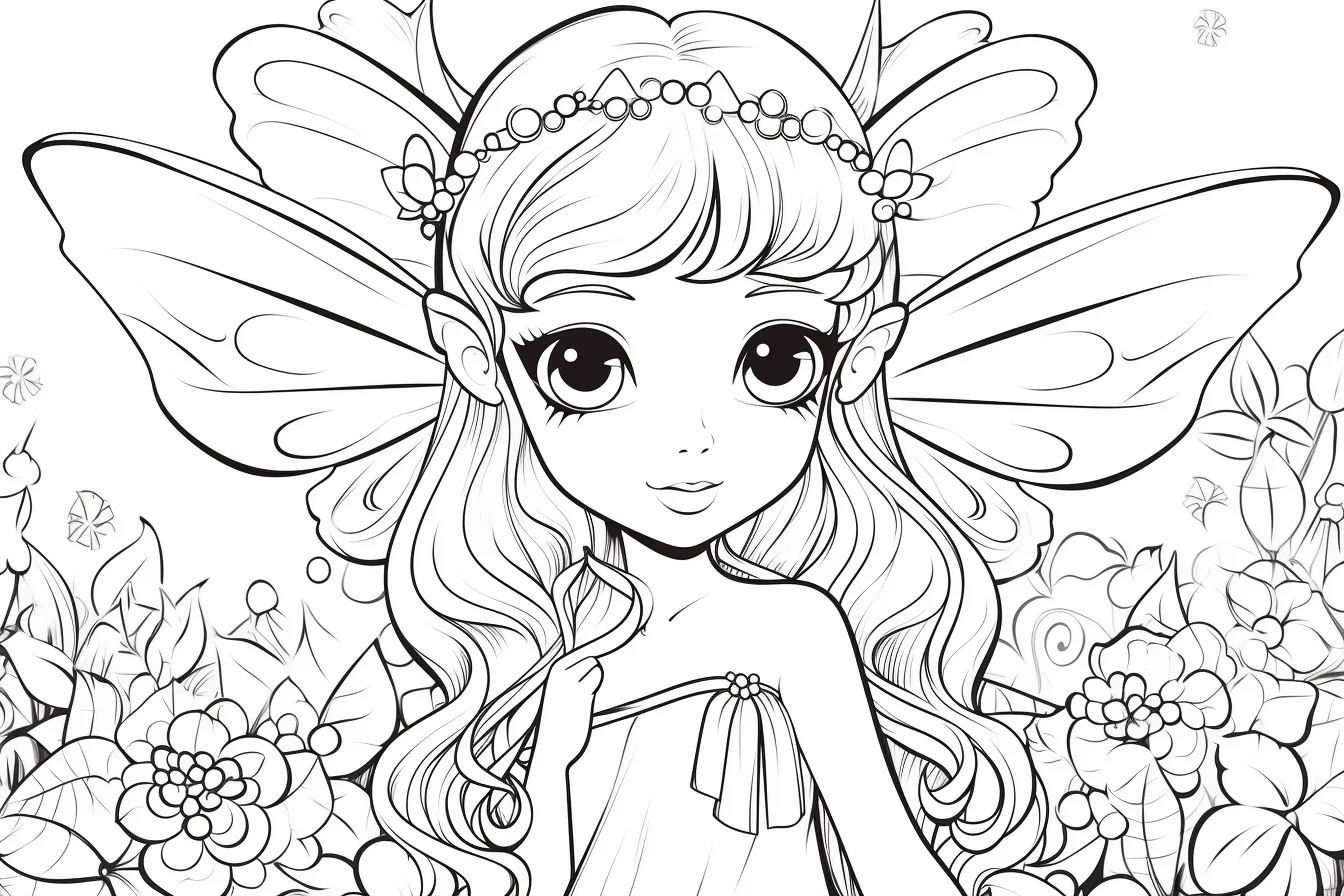
Flower-fairy pages benefit from a limited palette. Pick two or three flower colors, then repeat them in the wings or clothing instead of assigning a new color to every small shape. Repetition makes a busy sheet feel intentional and keeps the fairy from getting lost among the petals.
How to make fairy wings look light instead of flat
Wings usually look better when they are treated differently from clothing. Start with very light pressure and leave a few narrow areas of white paper untouched. Add a slightly darker version of the same color near the wing base, along the outer rim or beside internal wing lines. You do not need to shade every compartment. A few controlled value changes suggest transparency more convincingly than filling the entire wing with a dark, even color.
If you use markers, test them on scrap paper first and place a spare sheet underneath the printable. Markers cannot be lifted once they bleed across a narrow wing boundary, so work from the center of each shape toward the line. With colored pencils, use several light layers instead of pressing hard on the first pass.
Fix common problems while you color
| If the page looks… | Try this |
|---|---|
| Too busy | Stop introducing new colors. Repeat two existing colors in flowers, clothing or background details. |
| Flat | Add one darker value beneath hair, at clothing folds and where wings meet the body. |
| Muddy | Leave more white paper showing and avoid layering several unrelated dark colors over one another. |
| Fairy gets lost in flowers | Make the background lighter or less saturated than the fairy’s hair and clothing. |
| Wings look heavy | Lighten the centers and keep darker color mainly near edges, veins or the wing base. |
| Small details feel tiring | Color the large shapes first, then choose only a few small details to finish rather than treating every tiny shape equally. |
Four fairy palettes that are easy to keep consistent
- Woodland: moss green, olive, warm brown, muted yellow and cream.
- Moonlight: pale blue, lavender, cool gray, deep blue and a small amount of silver-gray.
- Flower garden: rose, peach, leaf green, soft yellow and warm brown.
- Storybook: turquoise, violet, pink, golden yellow and one dark neutral for contrast.
These are starting points, not rules. The useful constraint is limiting the palette. Five deliberate colors usually produce a more coherent detailed sheet than fifteen colors chosen one shape at a time.
Fairy coloring questions
Which sheets are easiest for younger children?
Choose designs with one large fairy, broad wings and relatively little background detail. A child who is still developing pencil control will usually get more satisfaction from finishing a simple page than struggling through dozens of tiny flowers.
Are crayons, pencils or markers better?
Crayons suit broad, simple shapes. Colored pencils give the most control on hair, flowers and narrow wing sections. Markers create strong, quick color but are less forgiving on small boundaries and can bleed through ordinary printer paper.
How can I color a detailed sheet without spending hours on it?
Decide what matters before you start. Fully color the fairy, repeat a limited palette through the main flowers or foreground objects, and leave minor background elements lighter or partly uncolored. A finished focal subject does not require every square centimeter of the page to receive equal attention.
What is a good exercise for practicing color choices?
Print two different sheets and use the same five-color palette on both. The exercise forces you to solve different shapes with the same colors and makes it easier to see how repetition creates harmony.
Before you choose another fairy set
Use this page when you want a large mixed gallery. Choose the 17 easy fairy pages when you want a smaller kid-focused set, or the 29-page fairy collection when flowers and princess-style fairies are the main attraction. Keeping those collections separate makes it easier to find the right level instead of scrolling through three nearly identical galleries.

