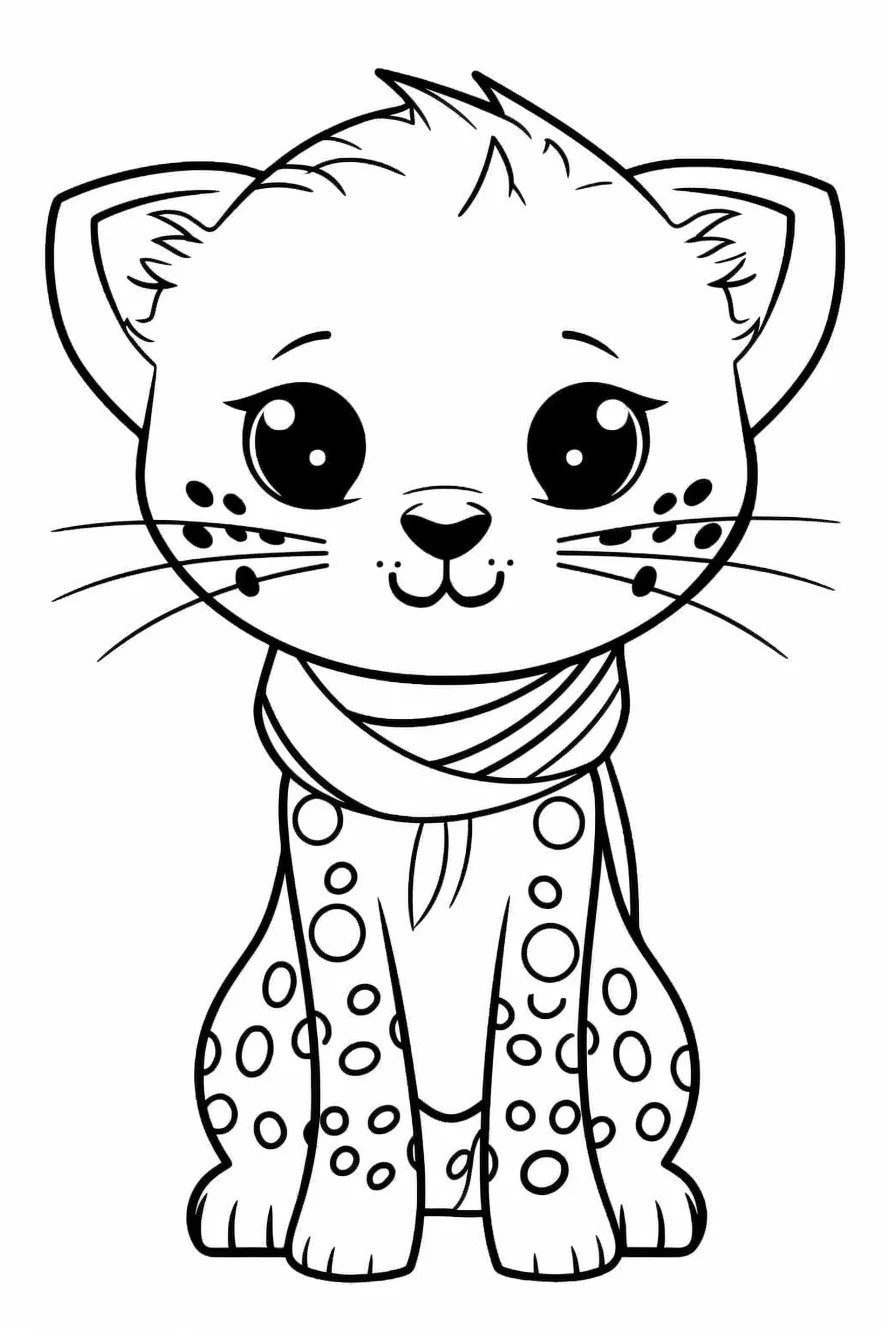
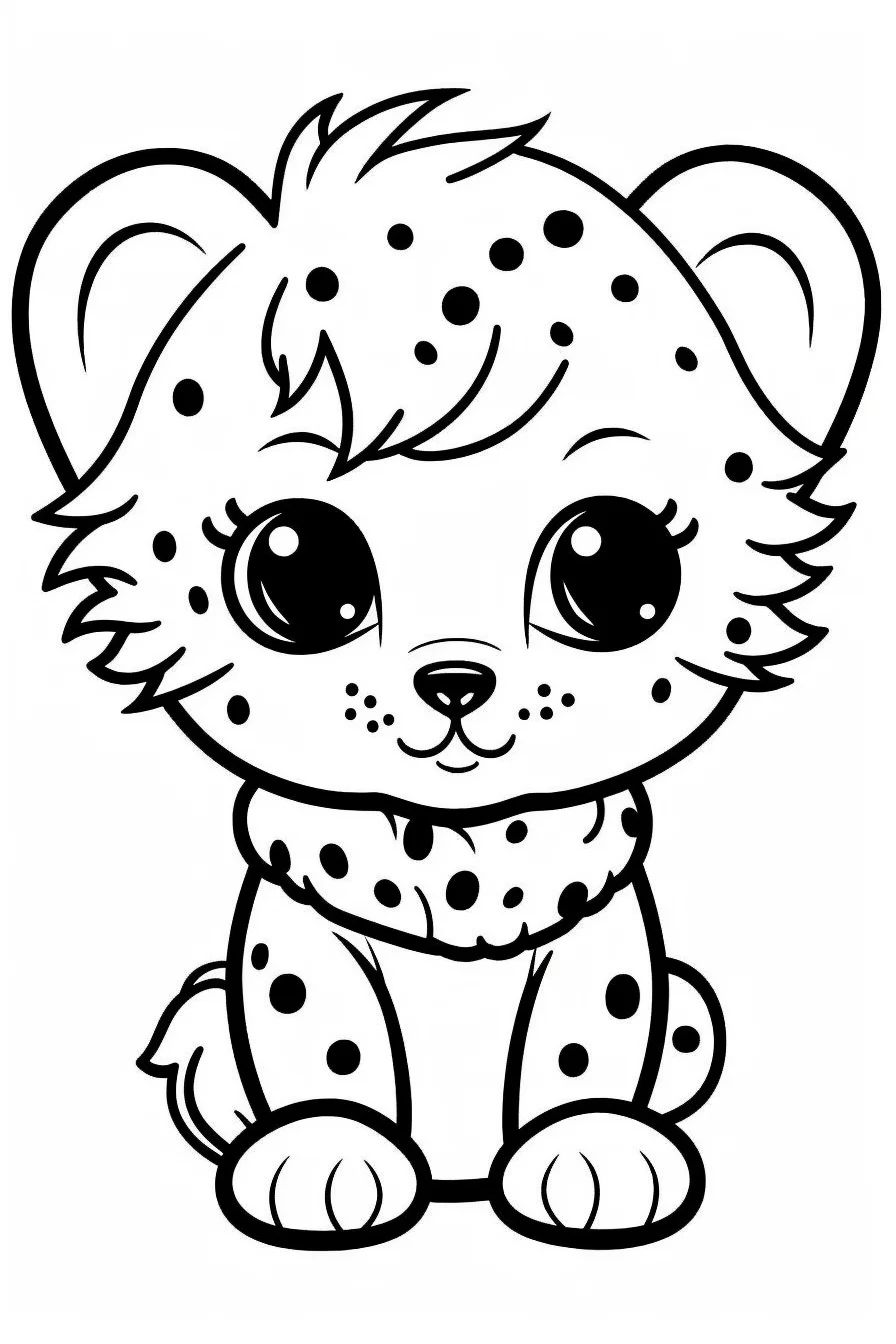
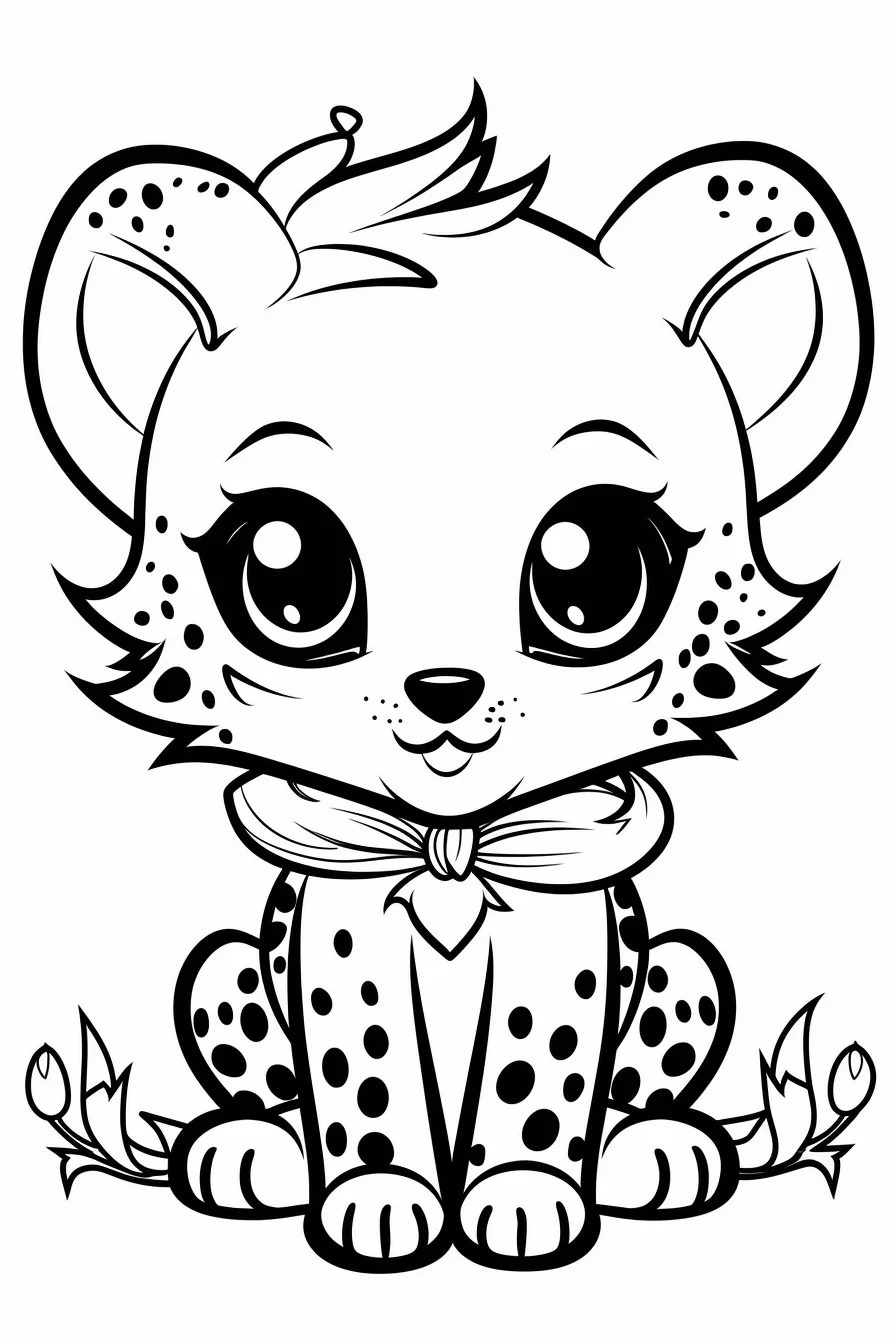
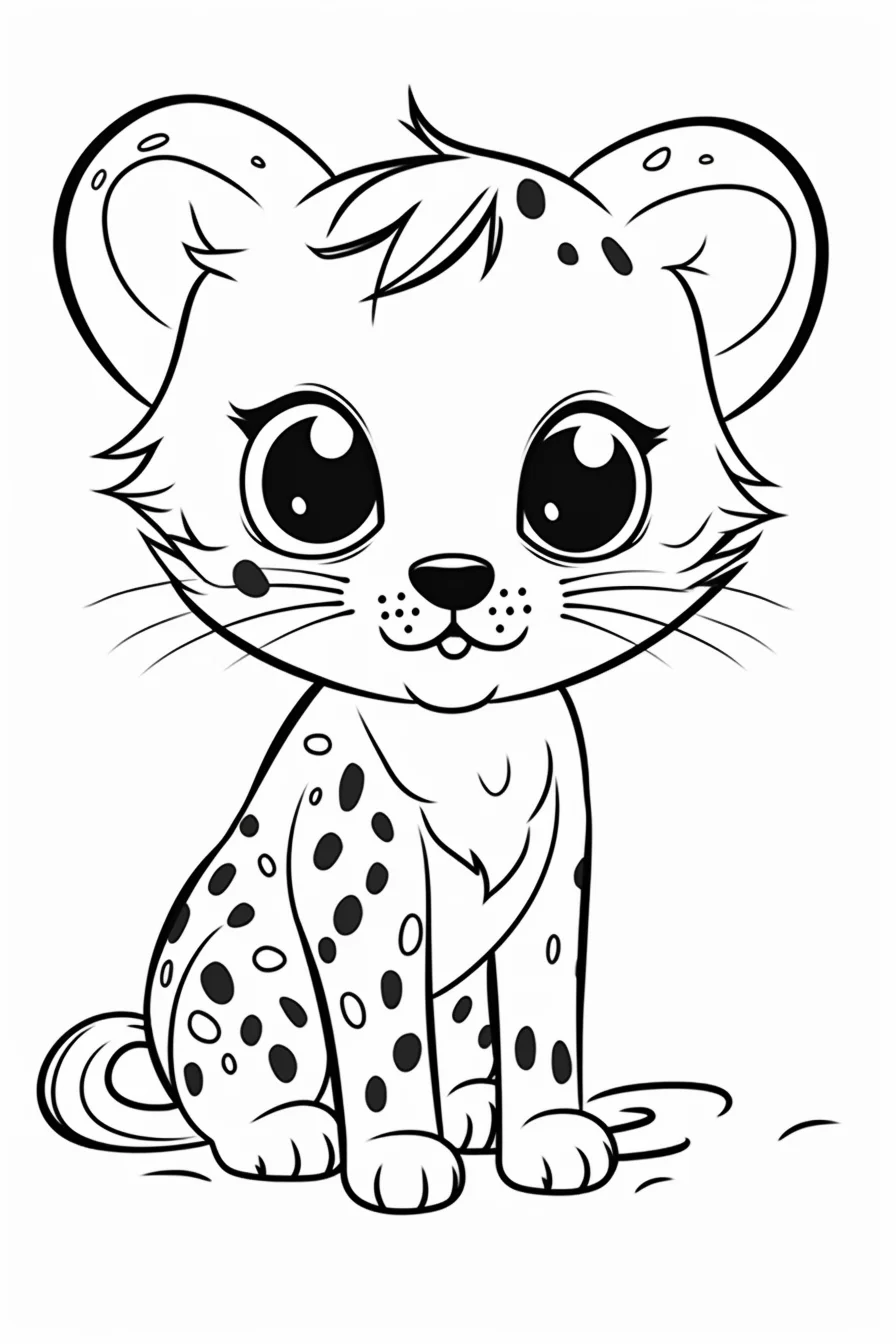
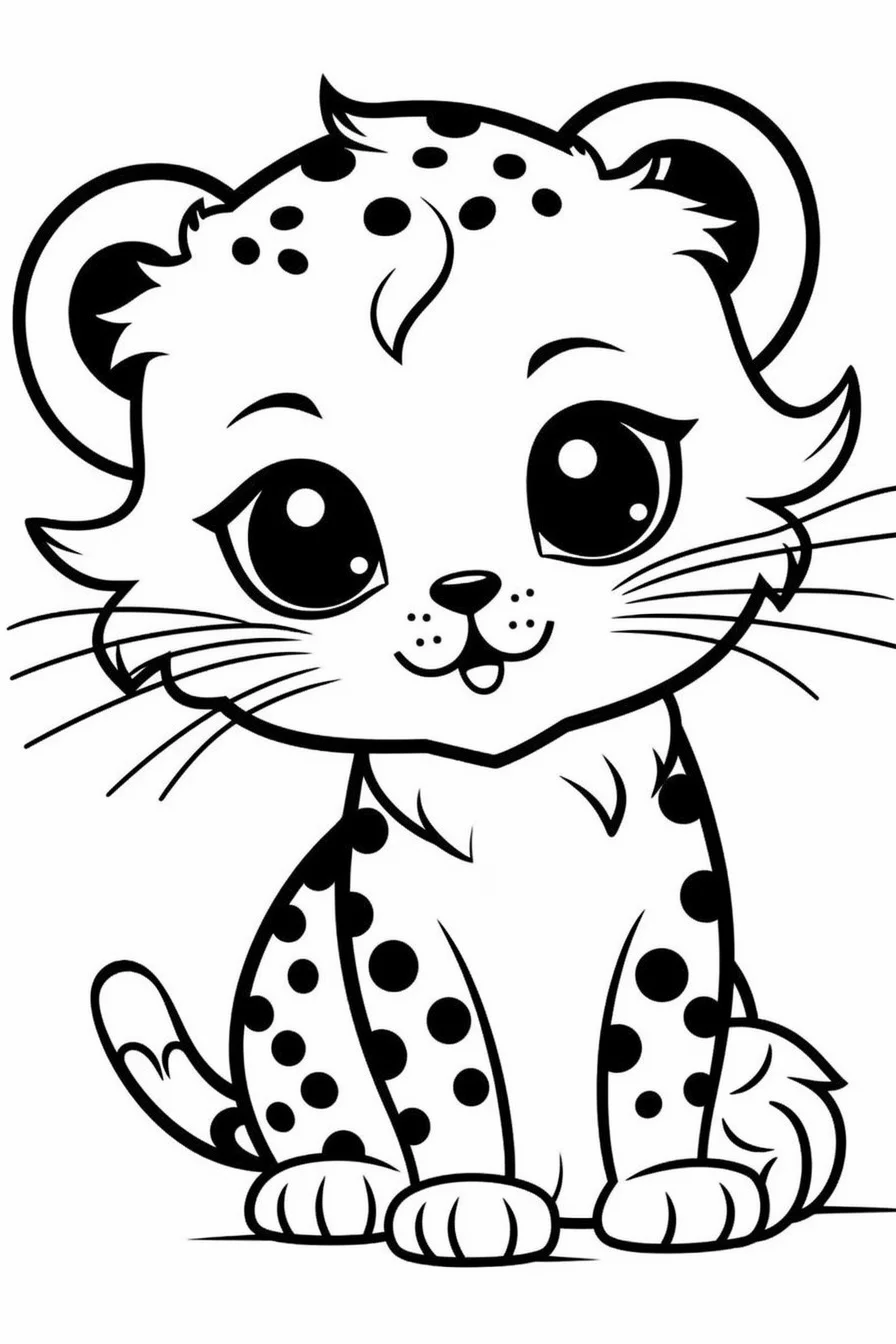
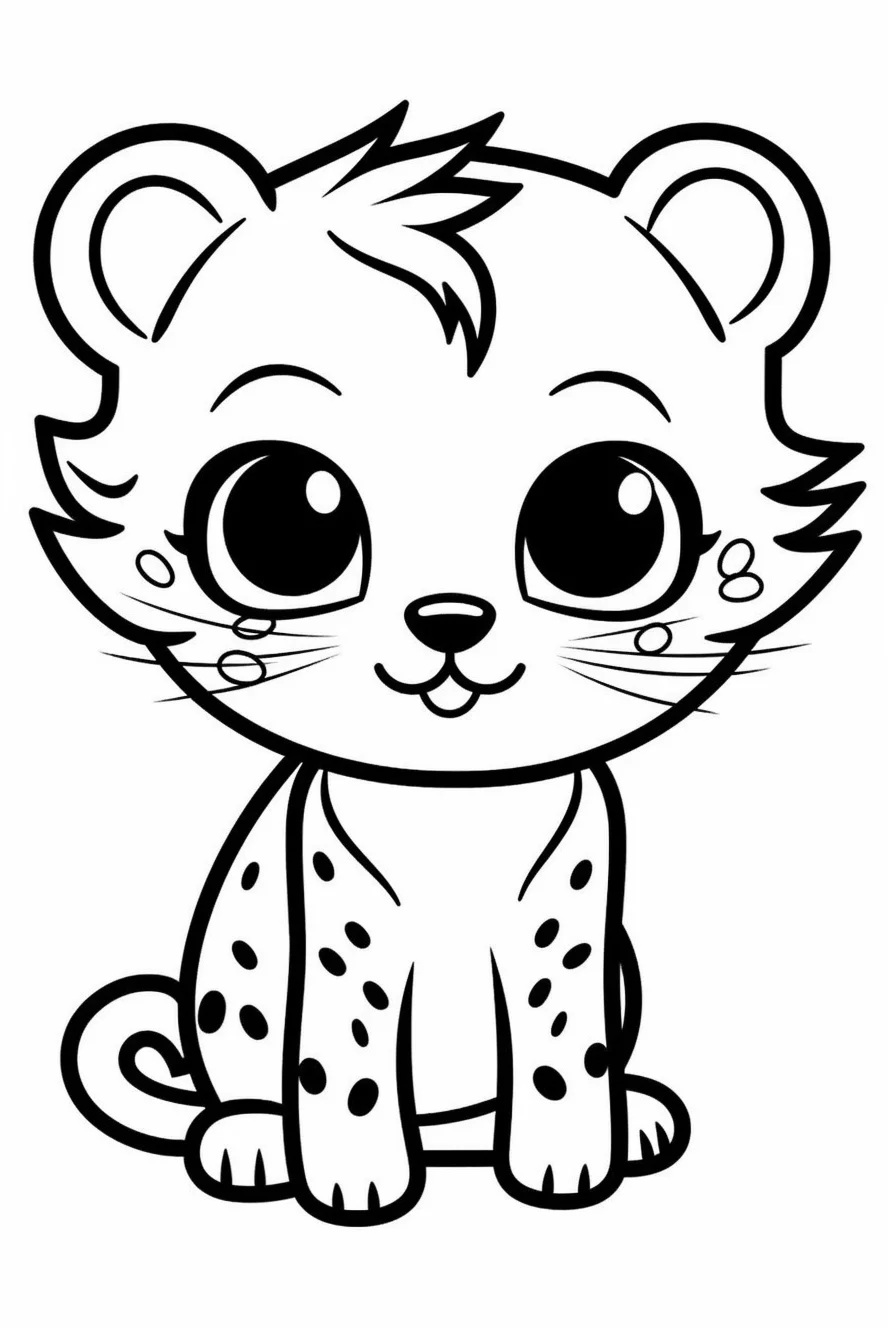
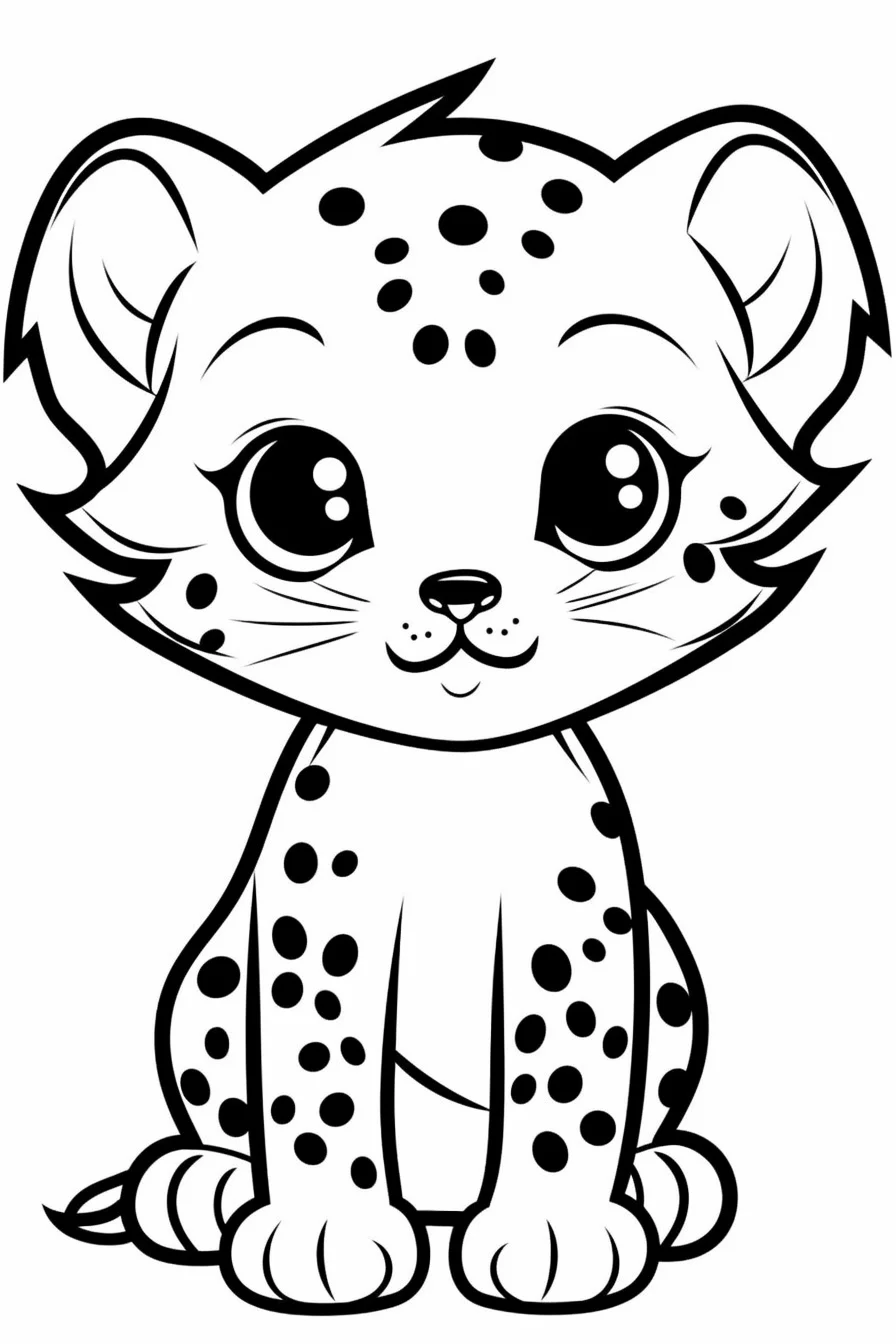
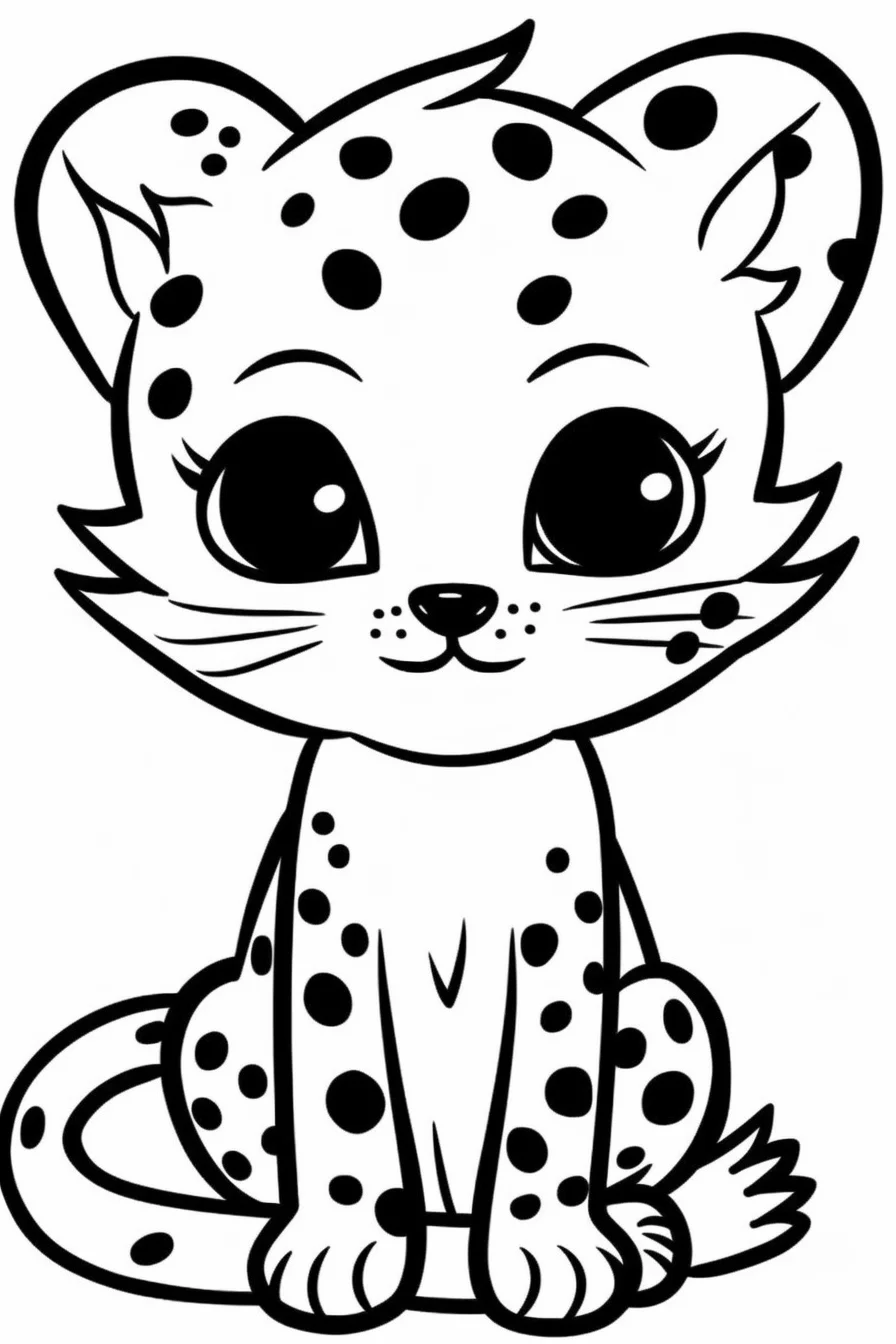
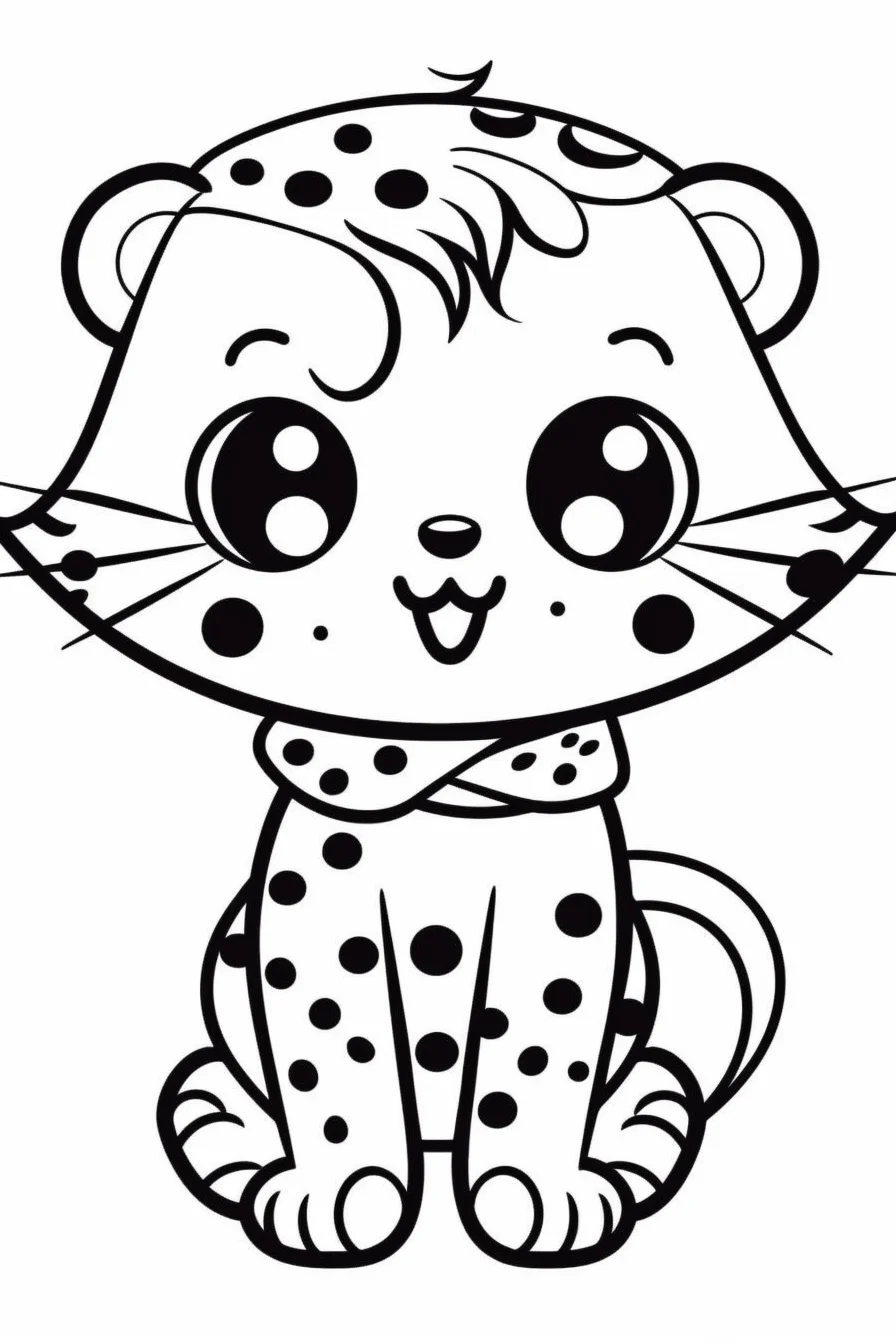
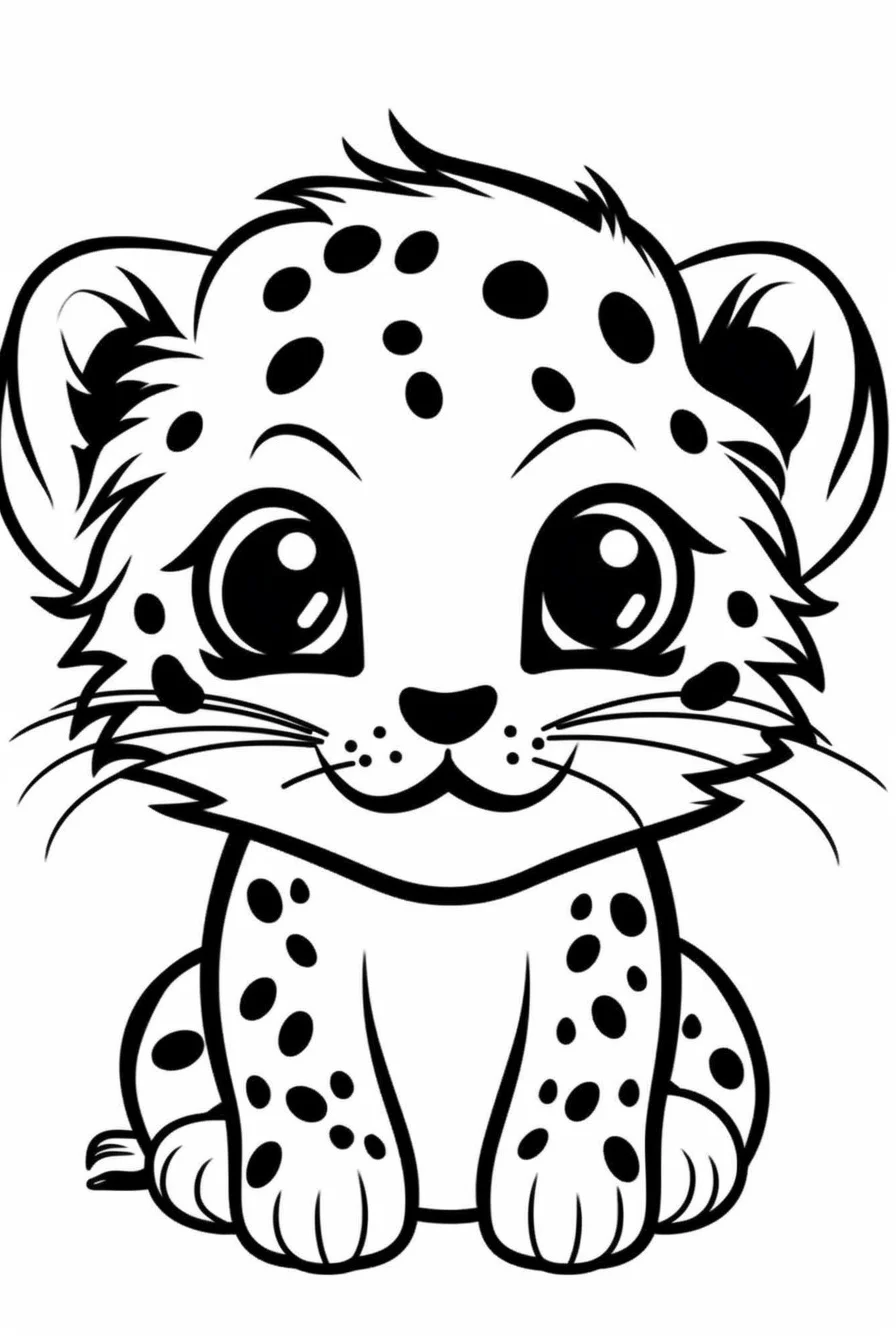
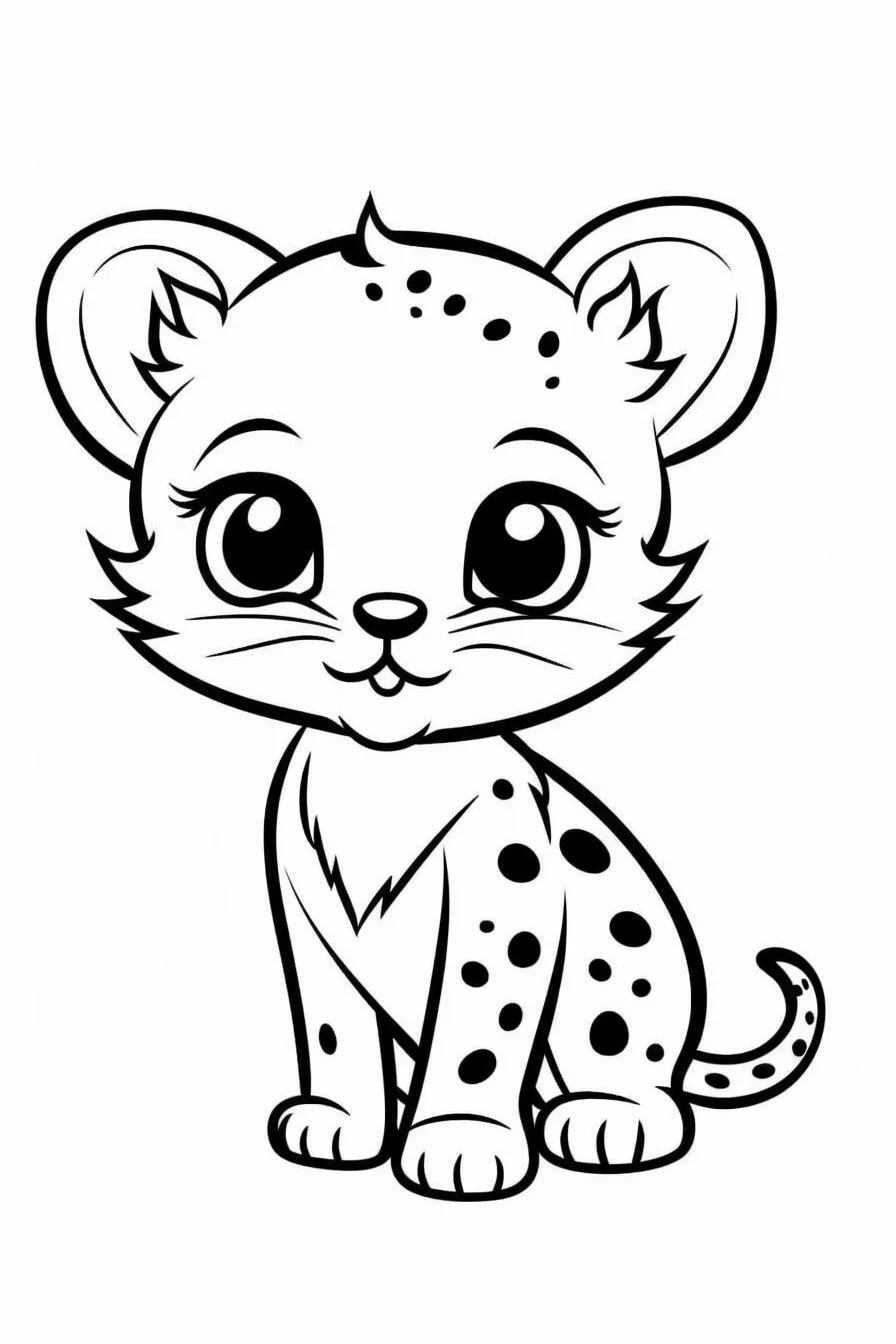
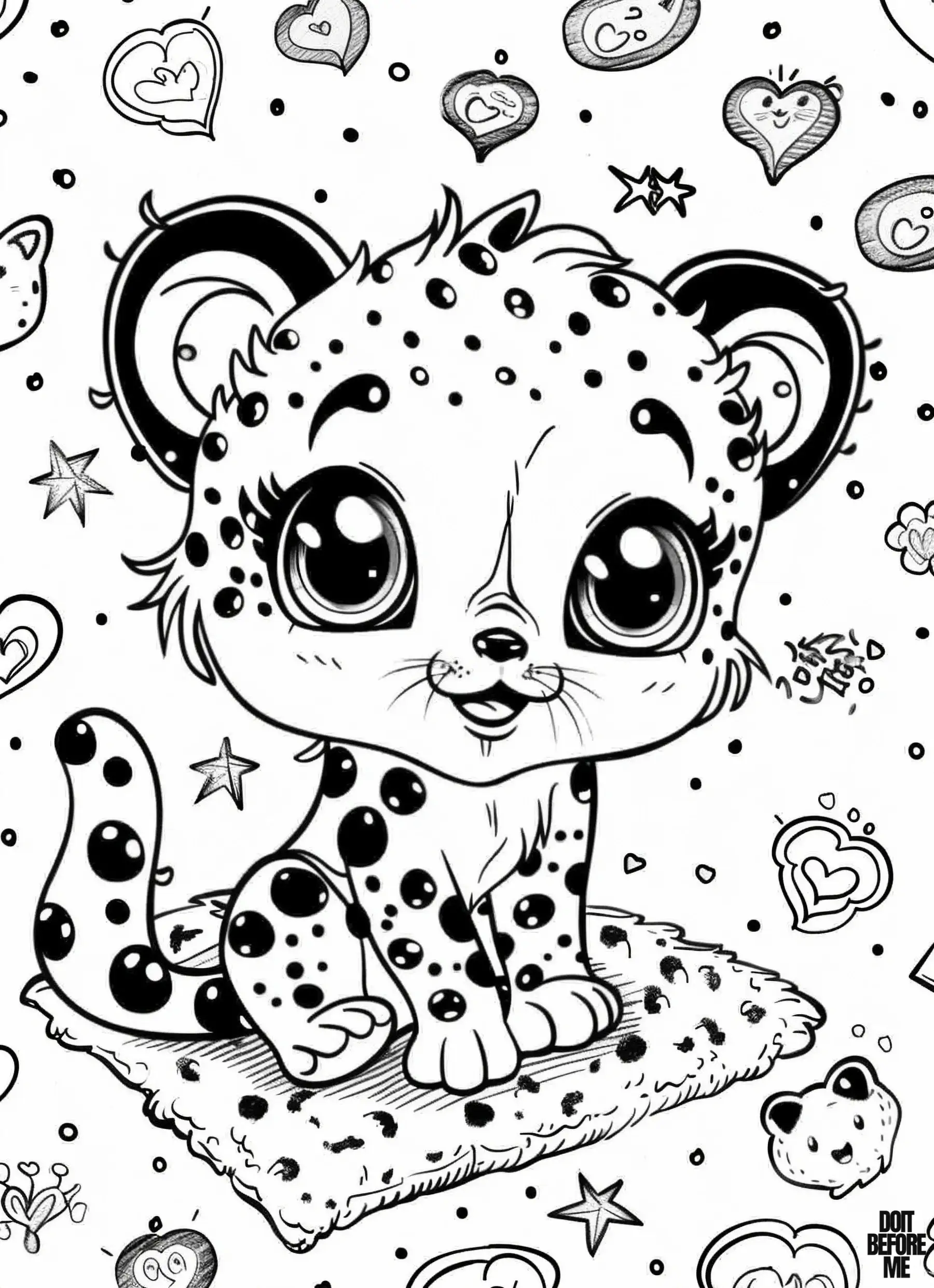
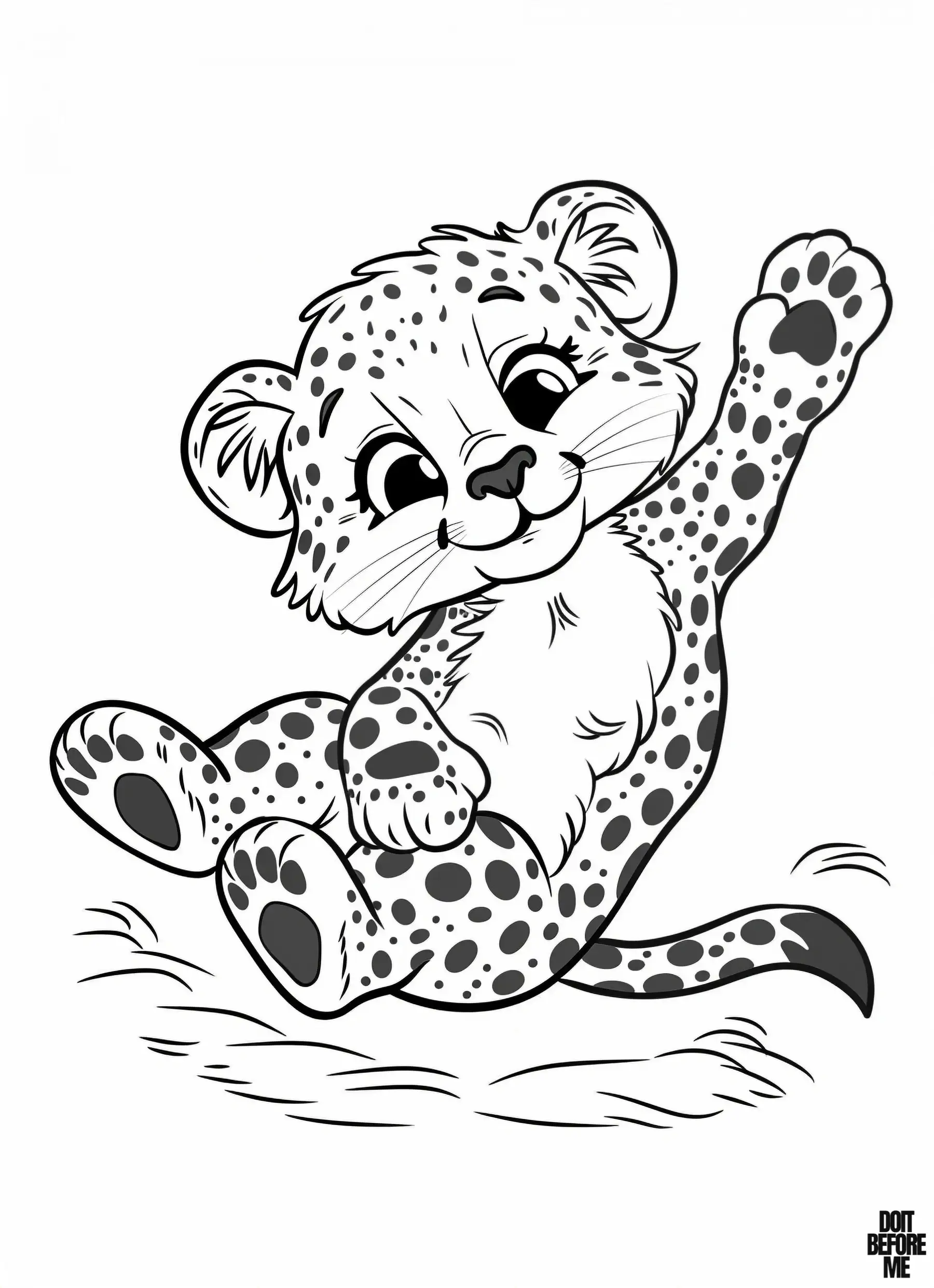
These 32 cheetah pages mix simple cubs with more playful designs: ice cream, crowns, space scenes, family-style poses and a few more realistic spotted cats. If you want a quick page, choose one with a single cub and a blank background. The busier scenes are better when you want more clothing, props or scenery to color.
For a natural cheetah look, start with pale tan or warm gold, then add the black spots after the body color is dry or fully shaded. Keeping the face and belly slightly lighter makes the spots easier to read. On the kawaii and space pages, there is no need to stay realistic—pastels and brighter colors work well.
Cheetah or leopard? If you want the realistic pages to read clearly as cheetahs, use solid dark spots rather than leopard-style rosettes and keep the dark “tear marks” running from the inner eyes toward the mouth. The Smithsonian’s cheetah guide is a useful visual reference. If rosettes are what you actually want to color, use our leopard coloring pages.
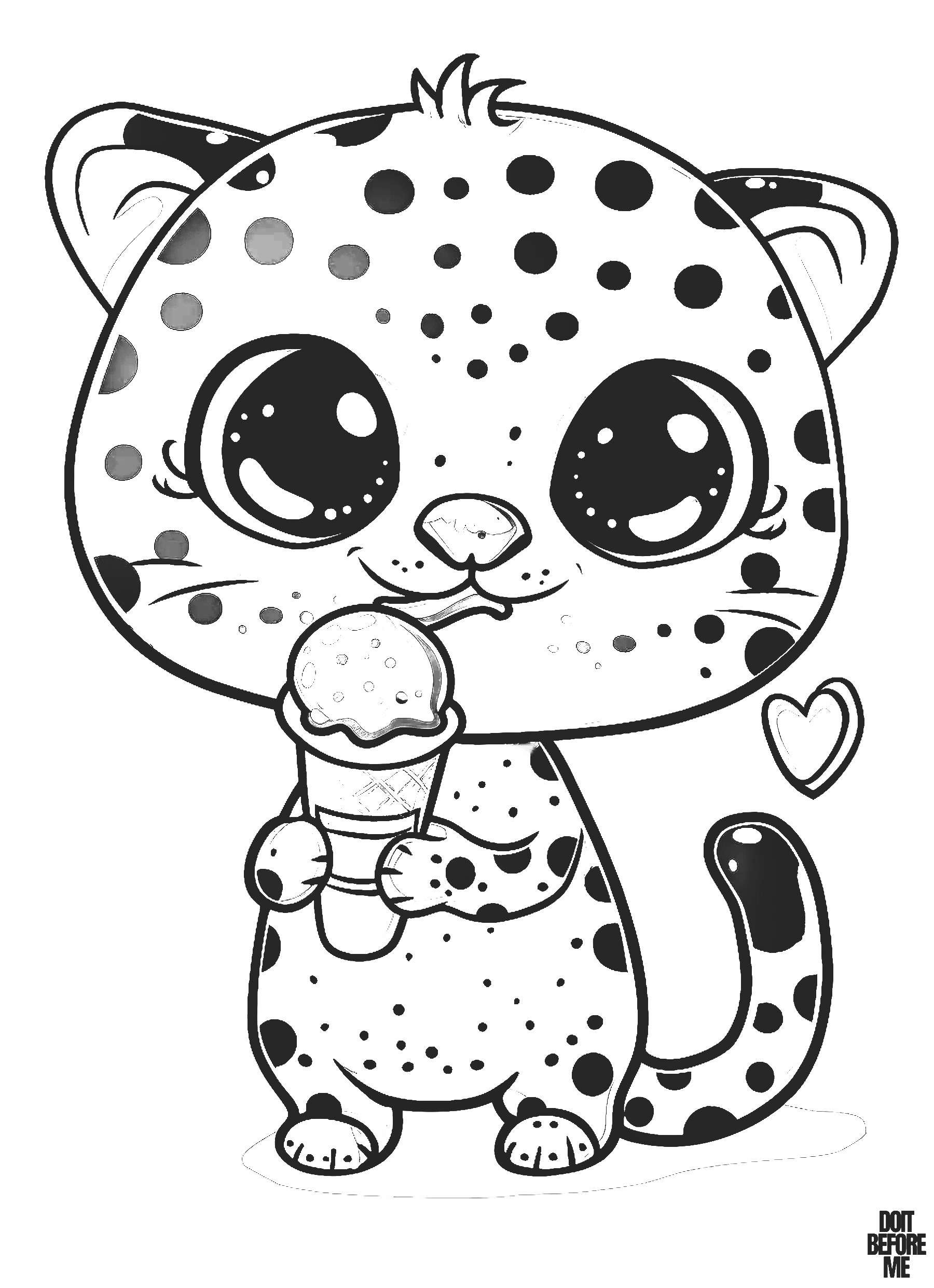
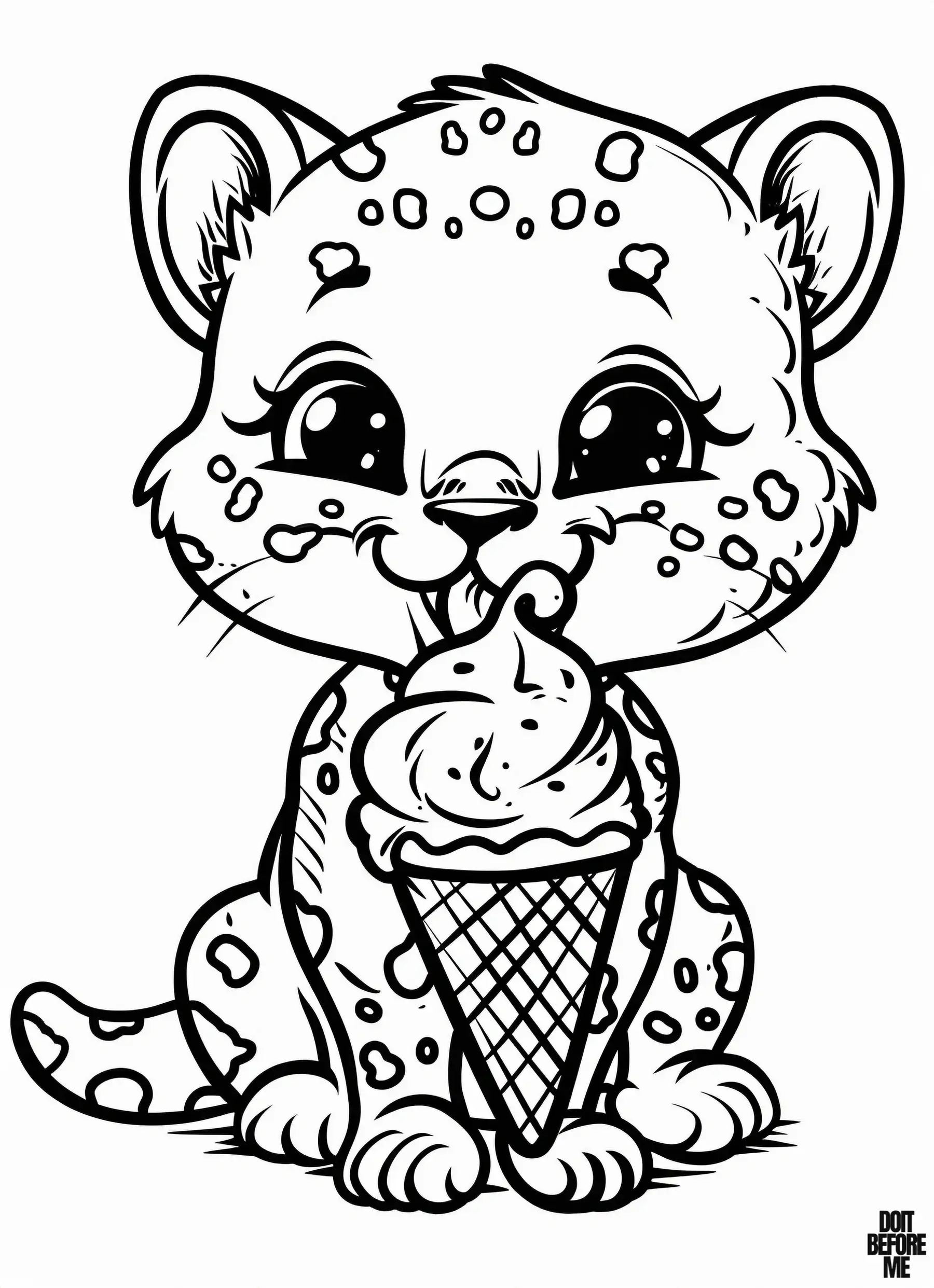
Cute Baby Cheetah Licking an Ice Cream Coloring Page
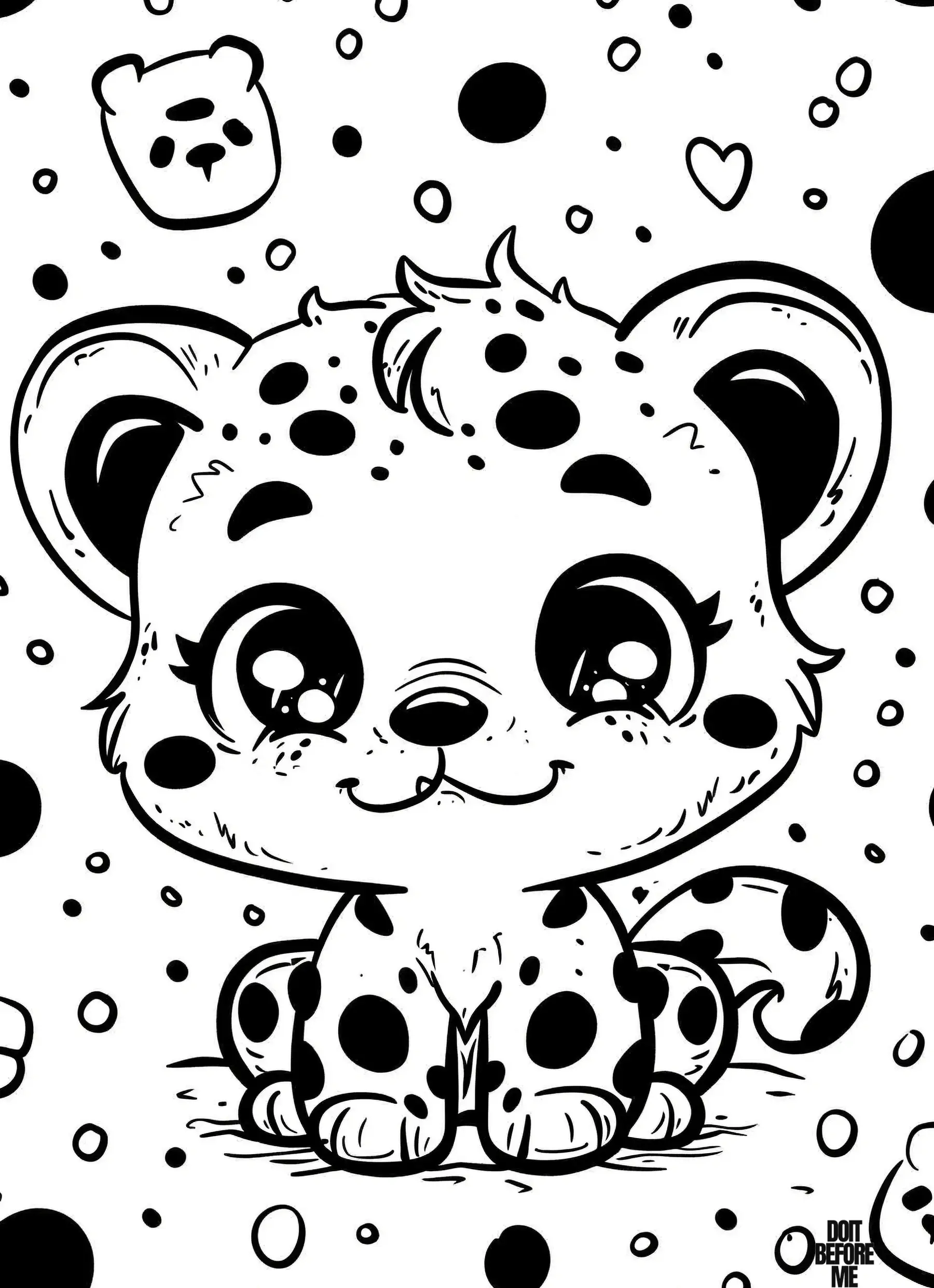
Cute Baby Cheetah Coloring Pages
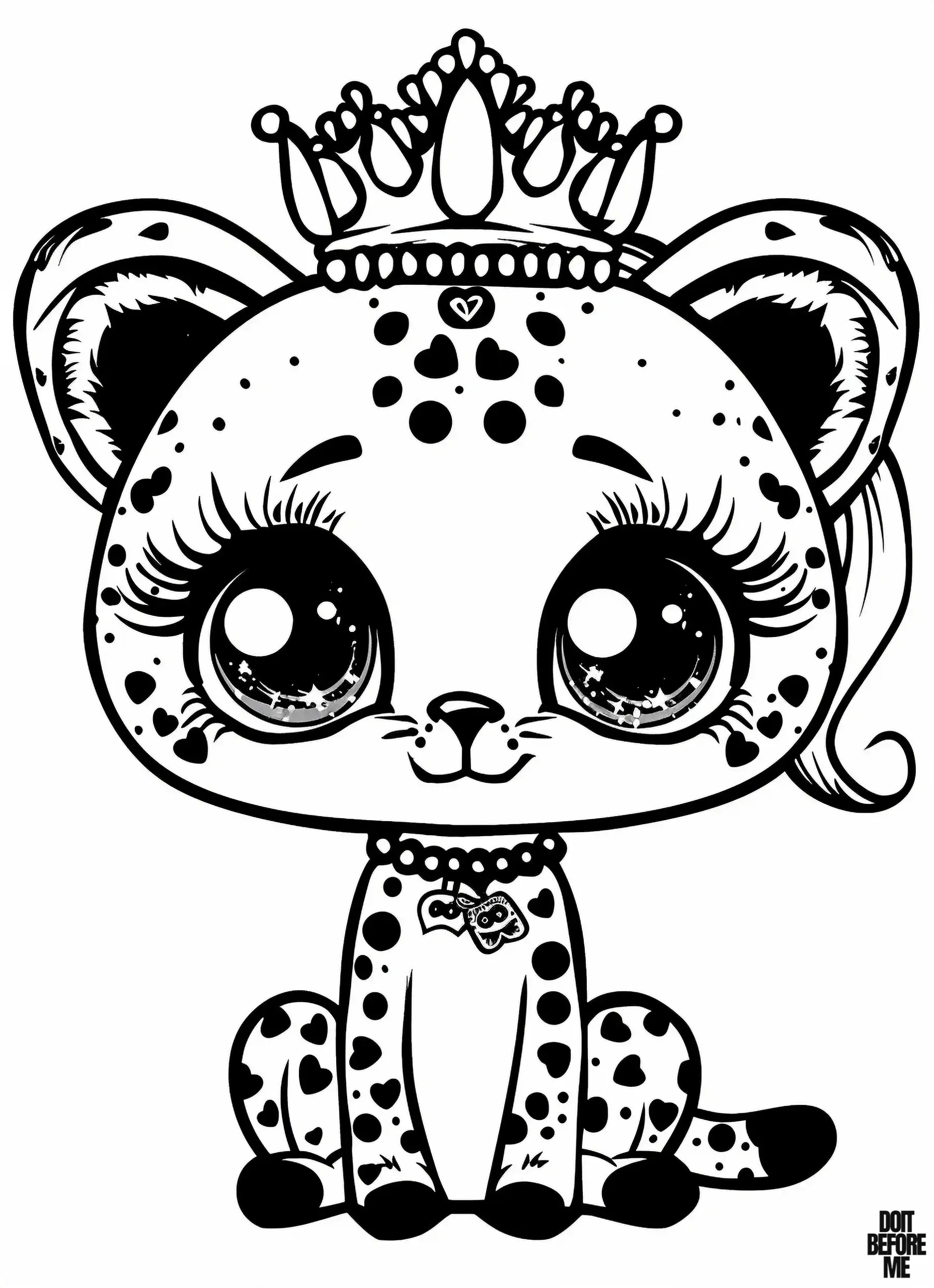
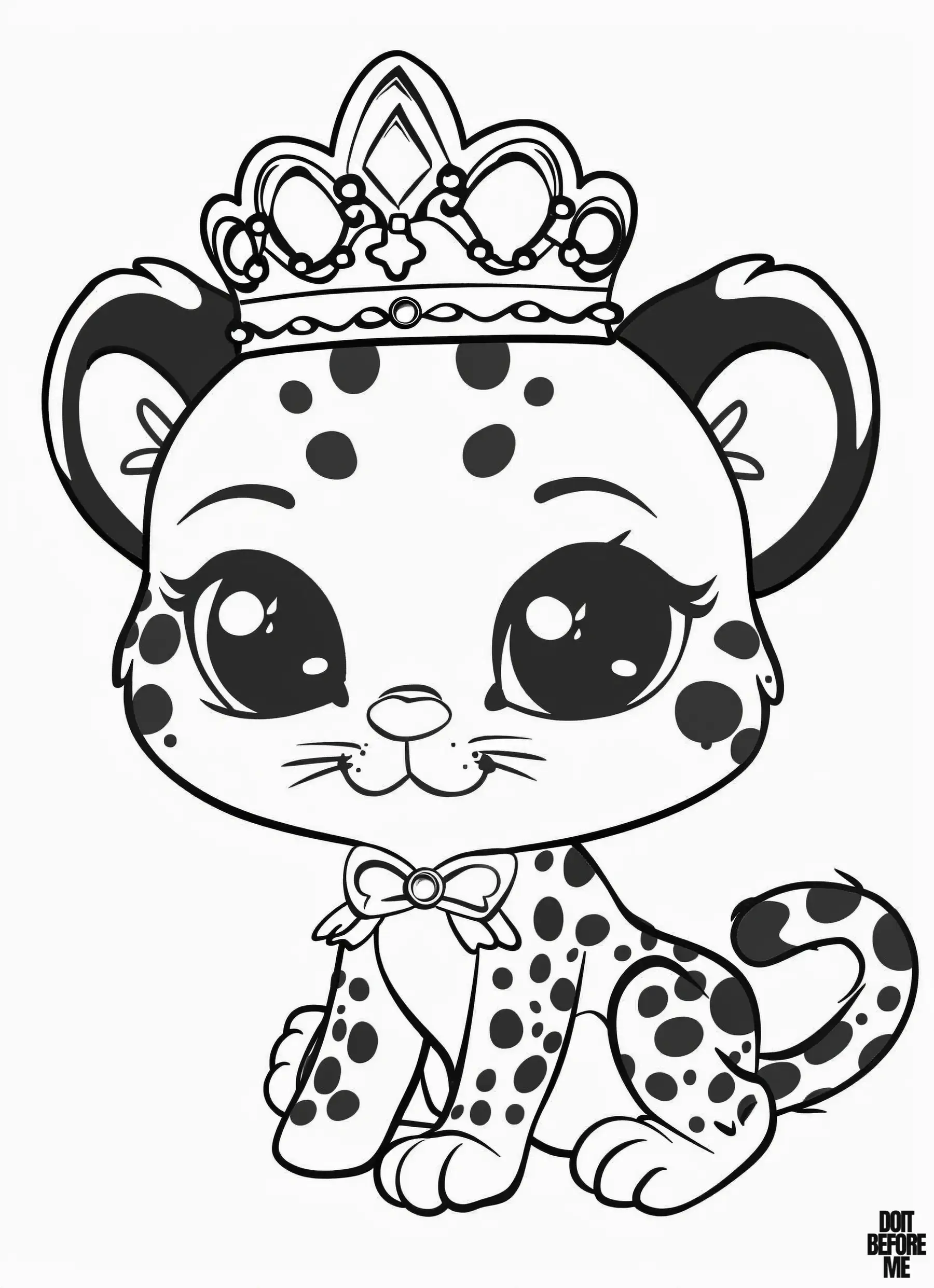
Cute Princess Cheetah Wearing a Tiara Coloring Page for Girls
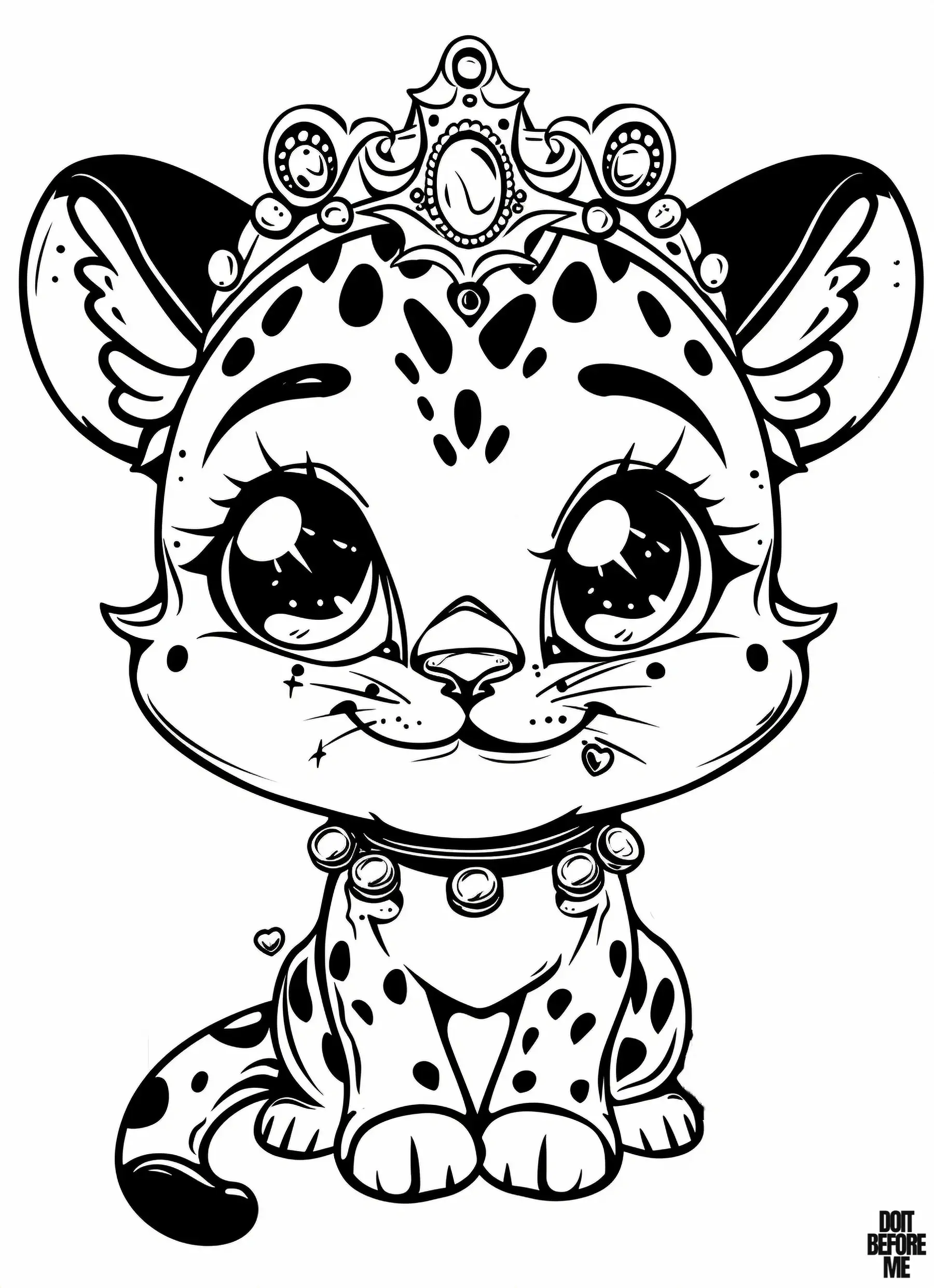
Food and princess pages: keep the cheetah itself to two or three main colors, then use the ice cream, crown, collar or hearts for brighter accents. That stops the spots from competing with every decorative detail on the page.
Pick a page by how much detail you want
- Easy: one cub, large shapes and little background detail.
- Character pages: crowns, food or costumes add smaller areas to color.
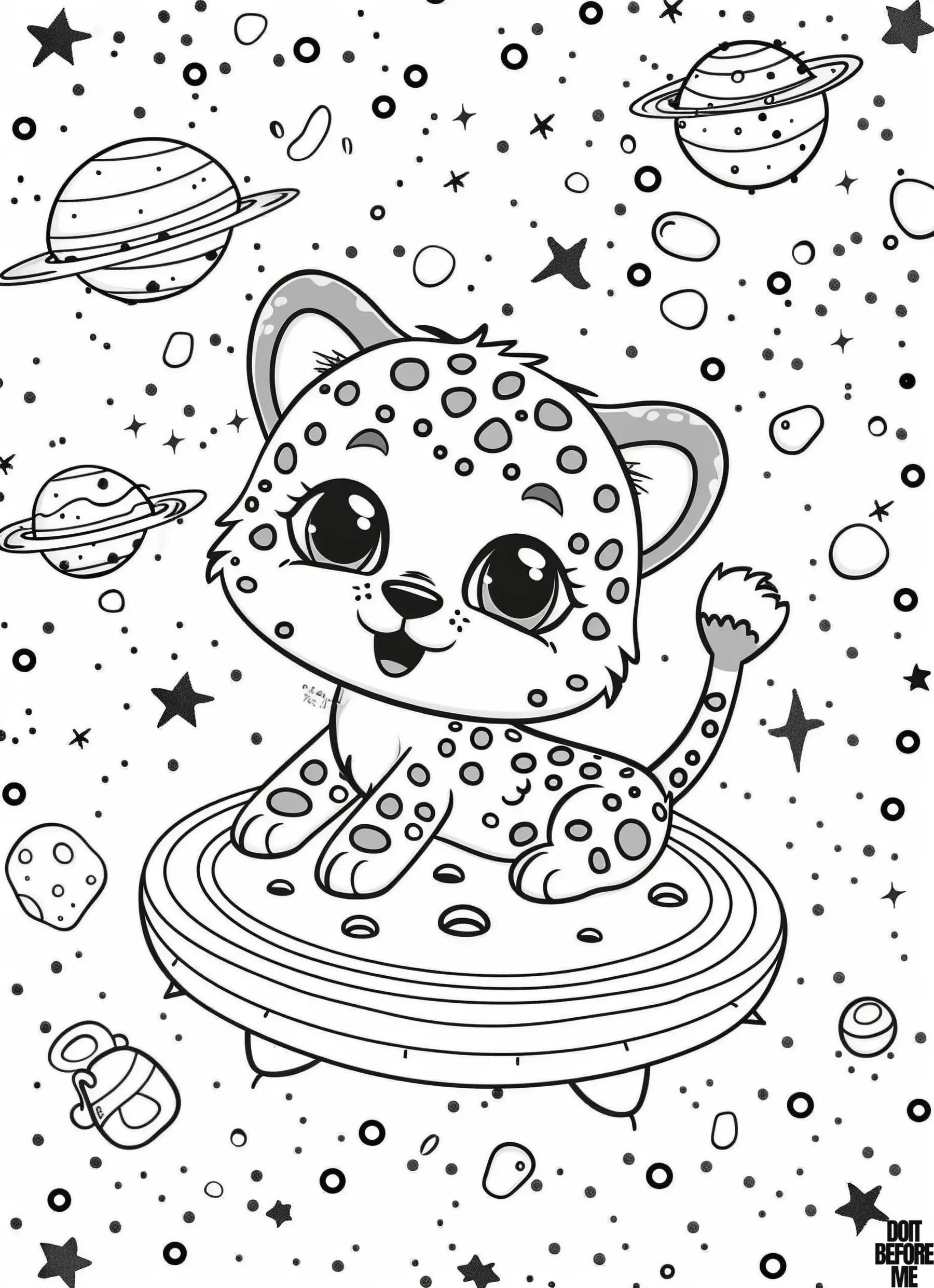
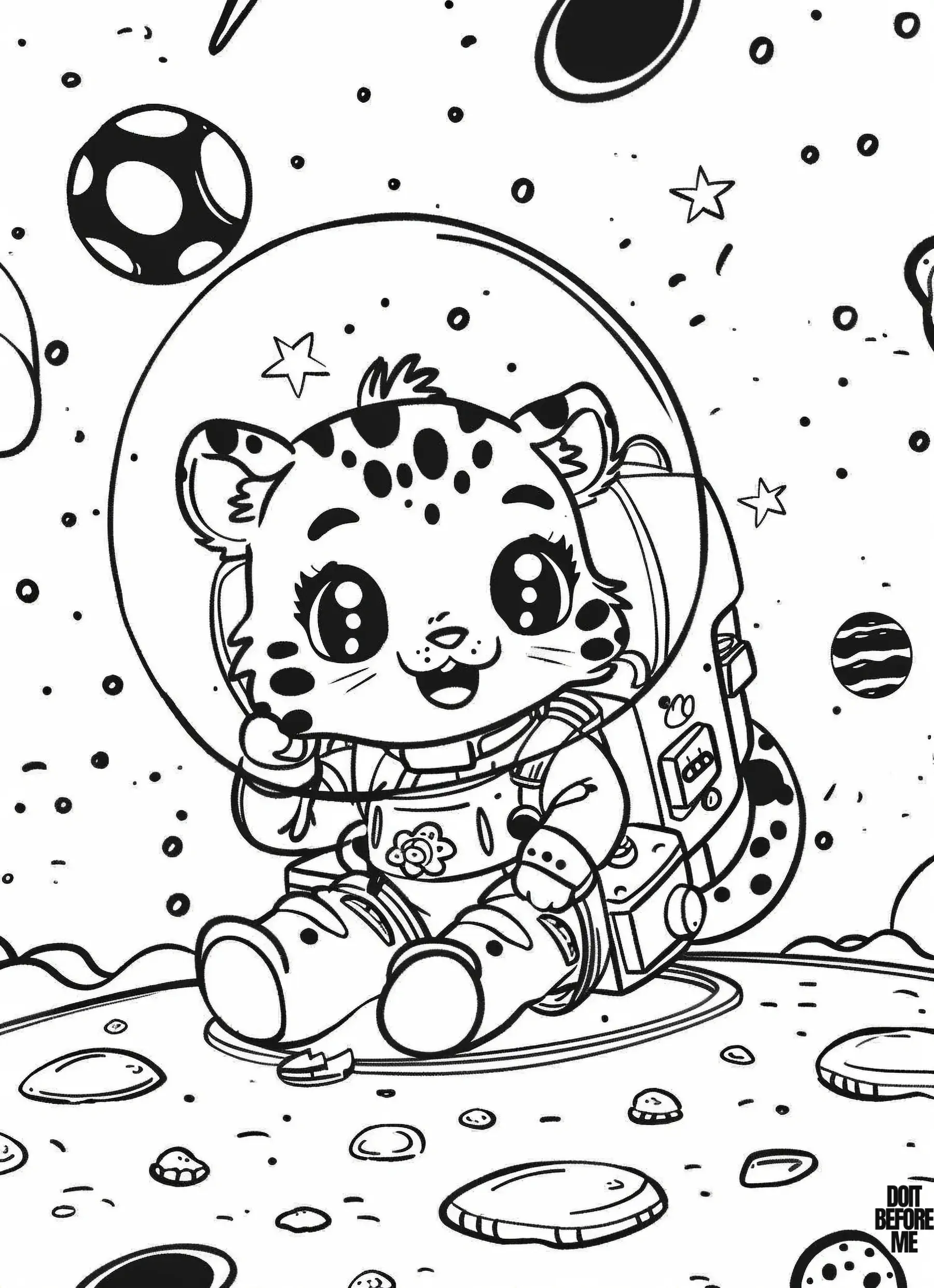
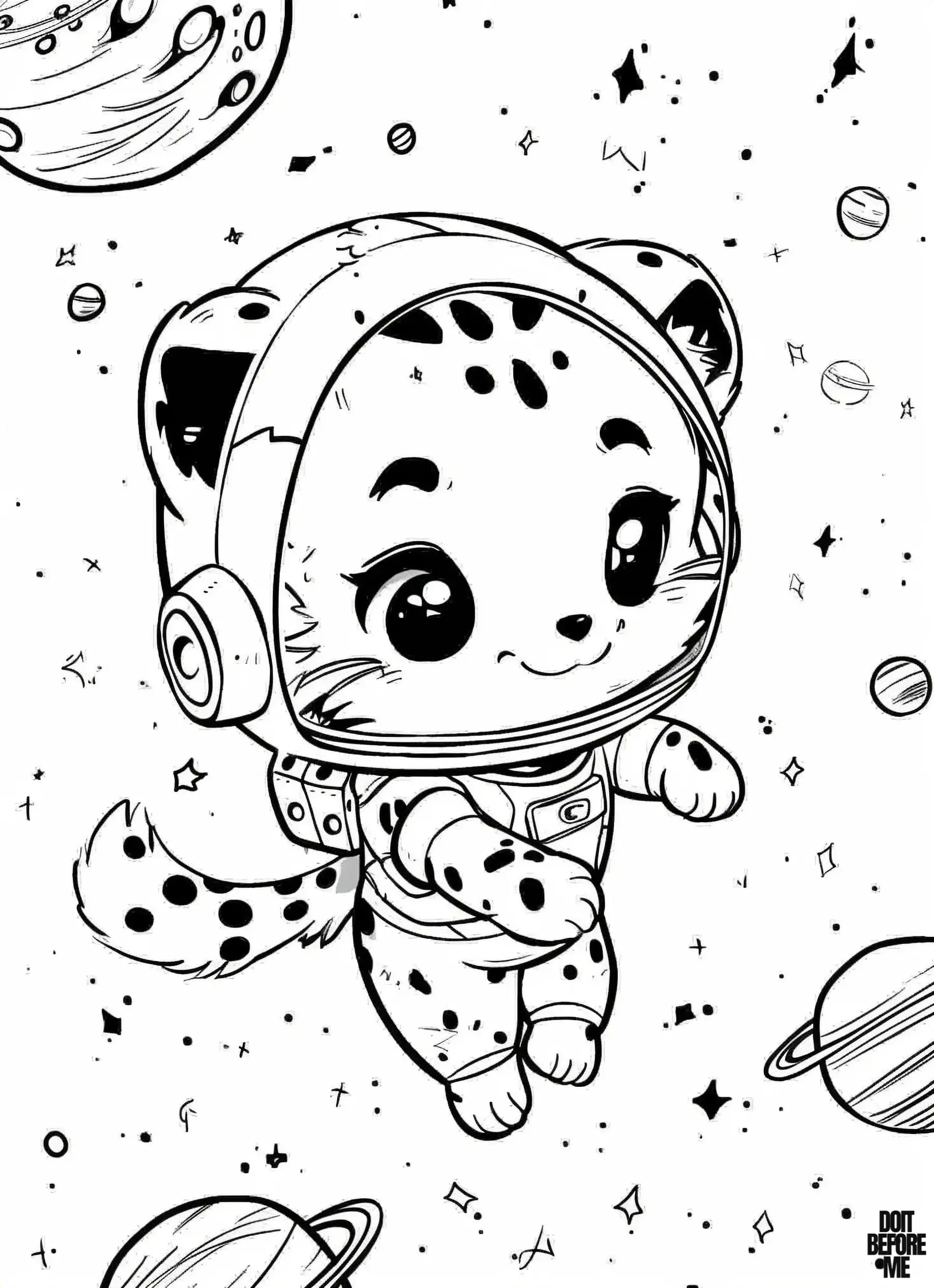
- Space scenes: use contrasting colors so the cheetah stands out from planets and stars.
- More realistic: colored pencils make it easier to build the coat gradually before adding spots.
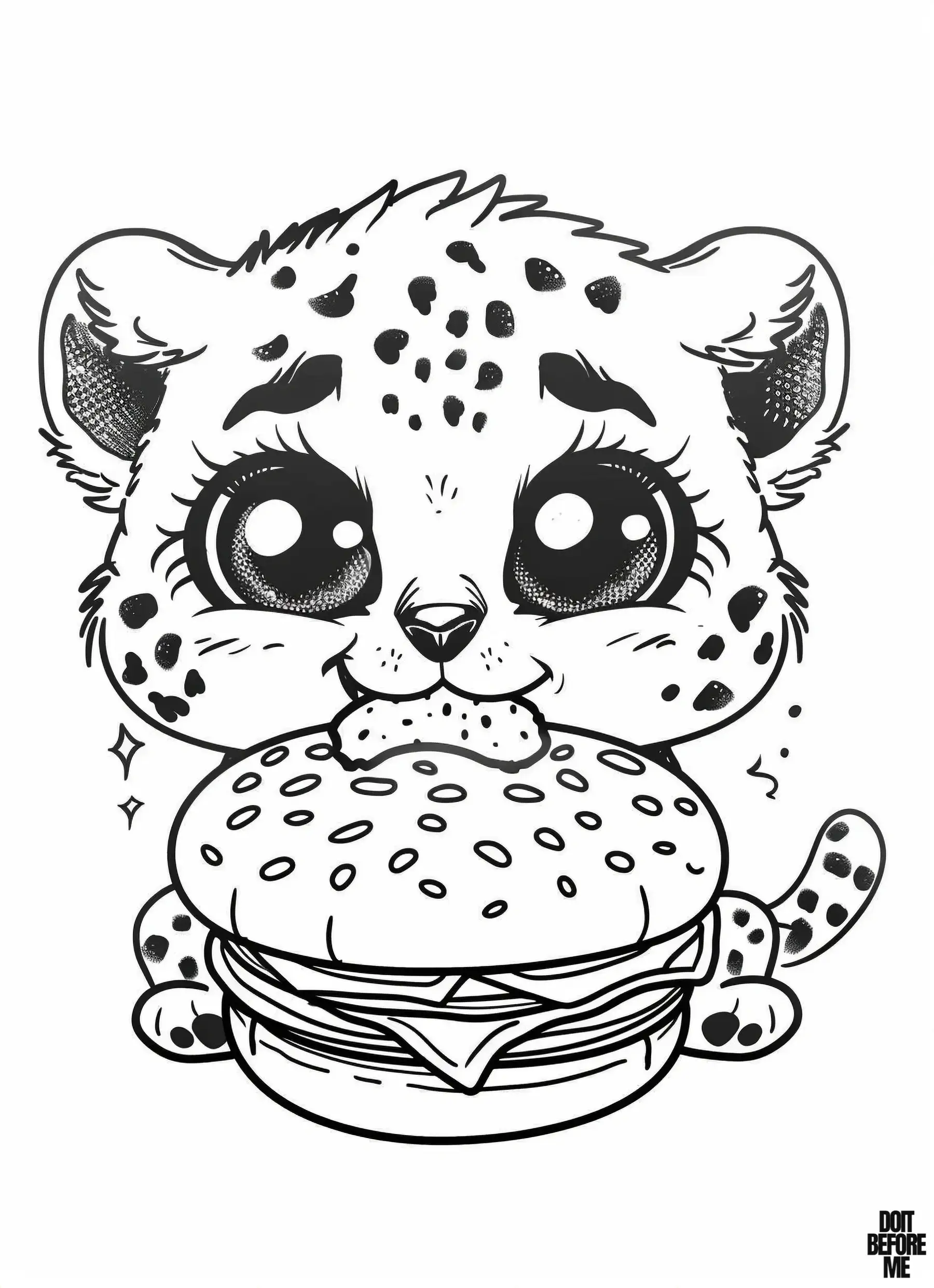
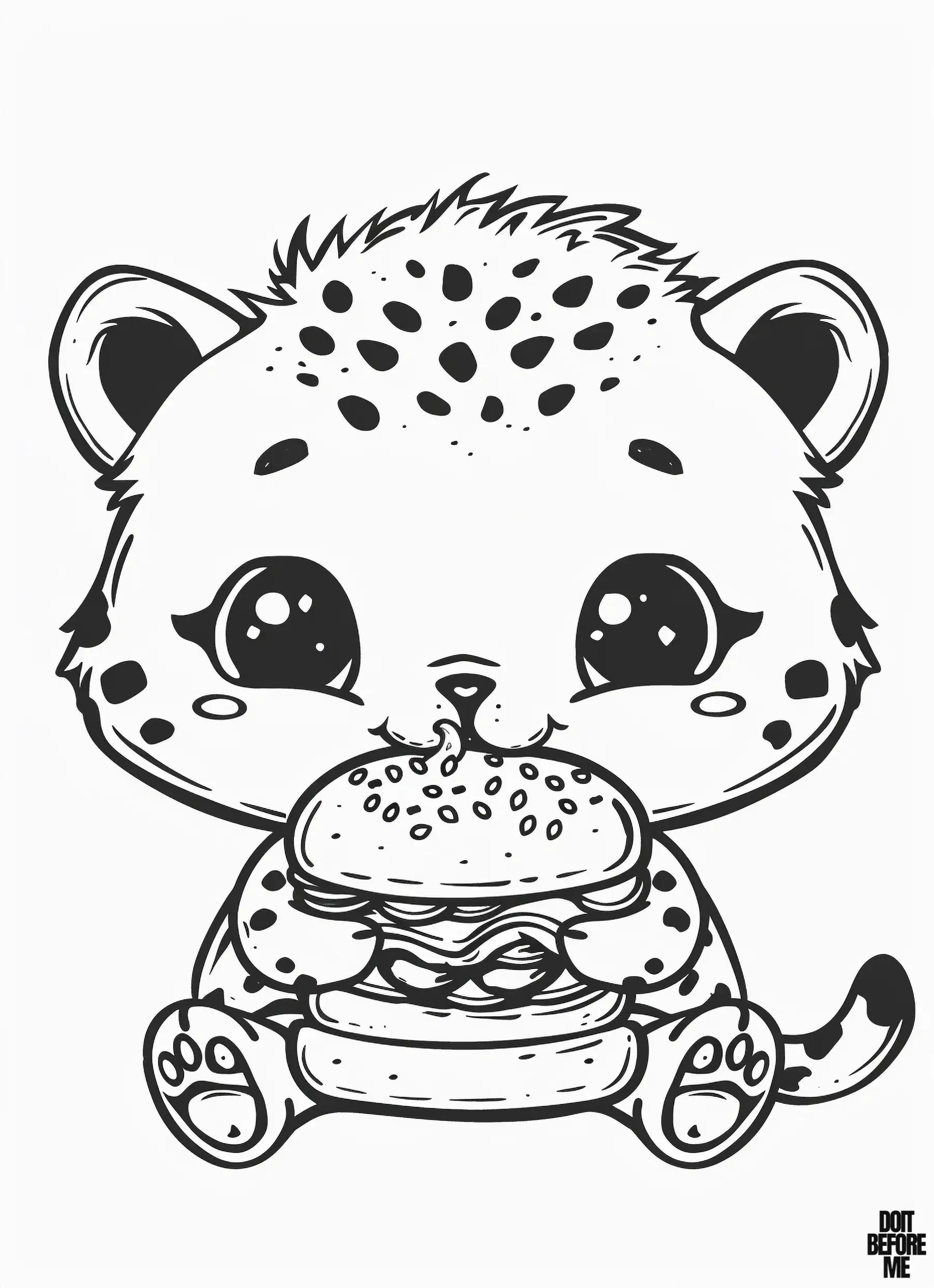
Baby Cheetah Eating a Hamburger Coloring Page
Baby Cheetah Traveling in Space Coloring Page for Kids
Astronaut Cheetah Coloring Page for Preschoolers
With markers, color the pale body areas before the black spots so dark ink does not bleed into the lighter coat. With pencils, build the tan base lightly and add spots last with firmer pressure.
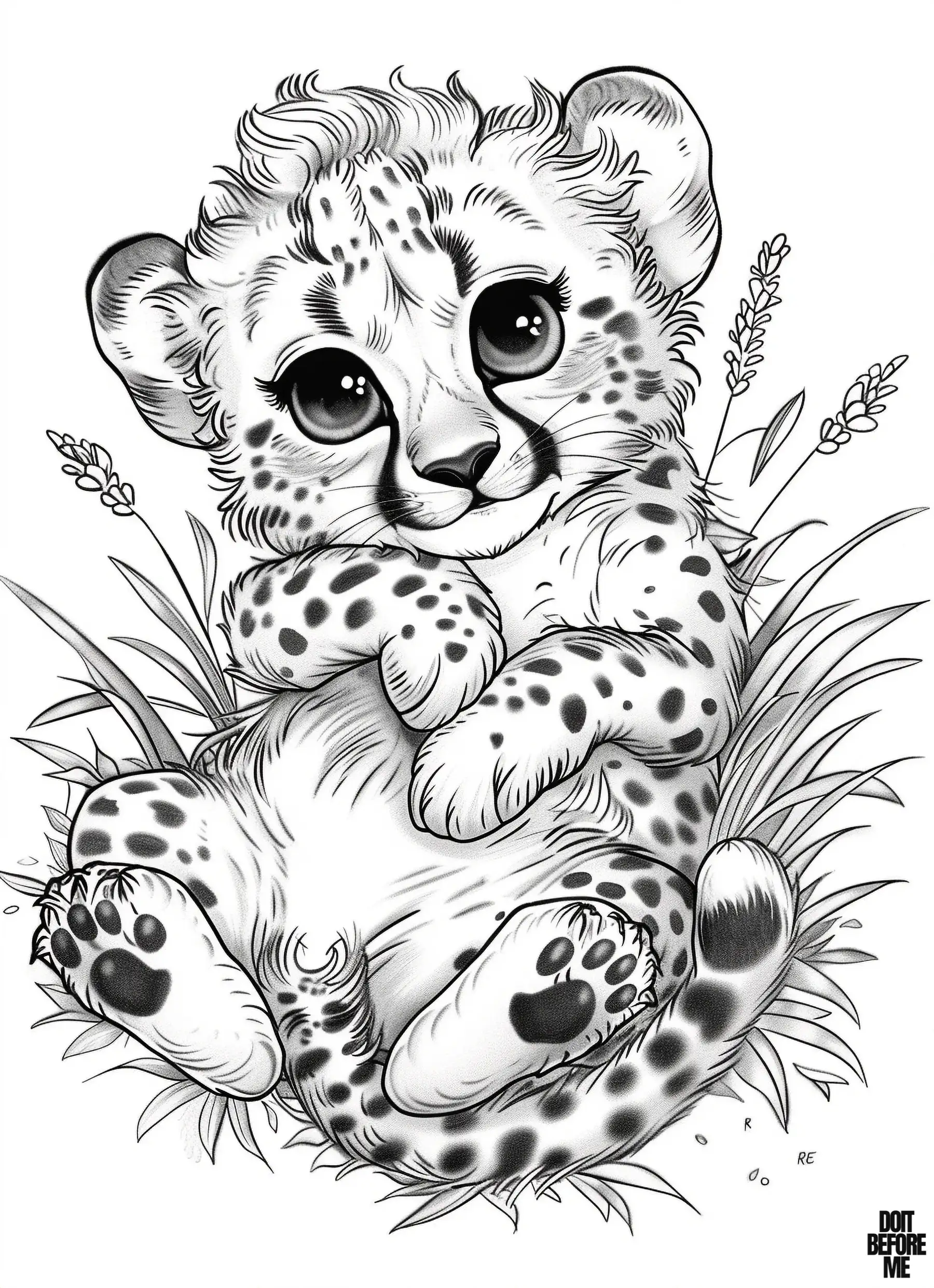
More realistic cub: make the body a soft tan first, keep the underside lighter, then place the solid spots over the finished base. A few darker grass strokes around the body are enough to separate the cub from the savanna without coloring every blade individually.
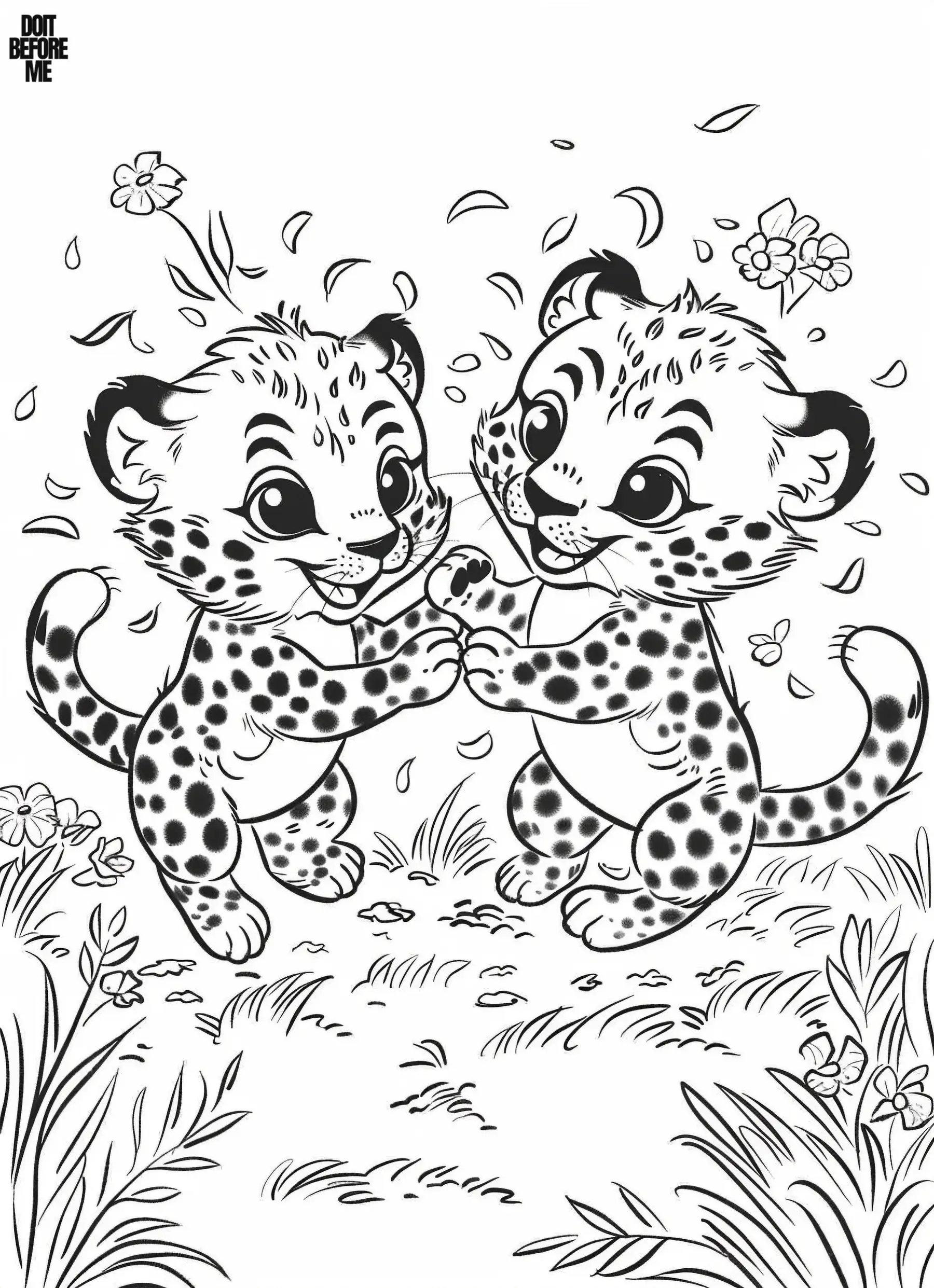
Two-cub scene: give the cubs slightly different tan values or spot darkness so their bodies do not merge visually where they overlap. Keep the flowers and grass quieter than the animals so the action stays the focal point.
Printing the cheetah pages
Open the full-size image before printing and use A4 or Letter paper with “fit to page.” If a page has a detailed background, printing at the highest quality setting will keep the small lines clearer. For more wildlife designs, browse our animal coloring pages or the lion and lion cub collection.
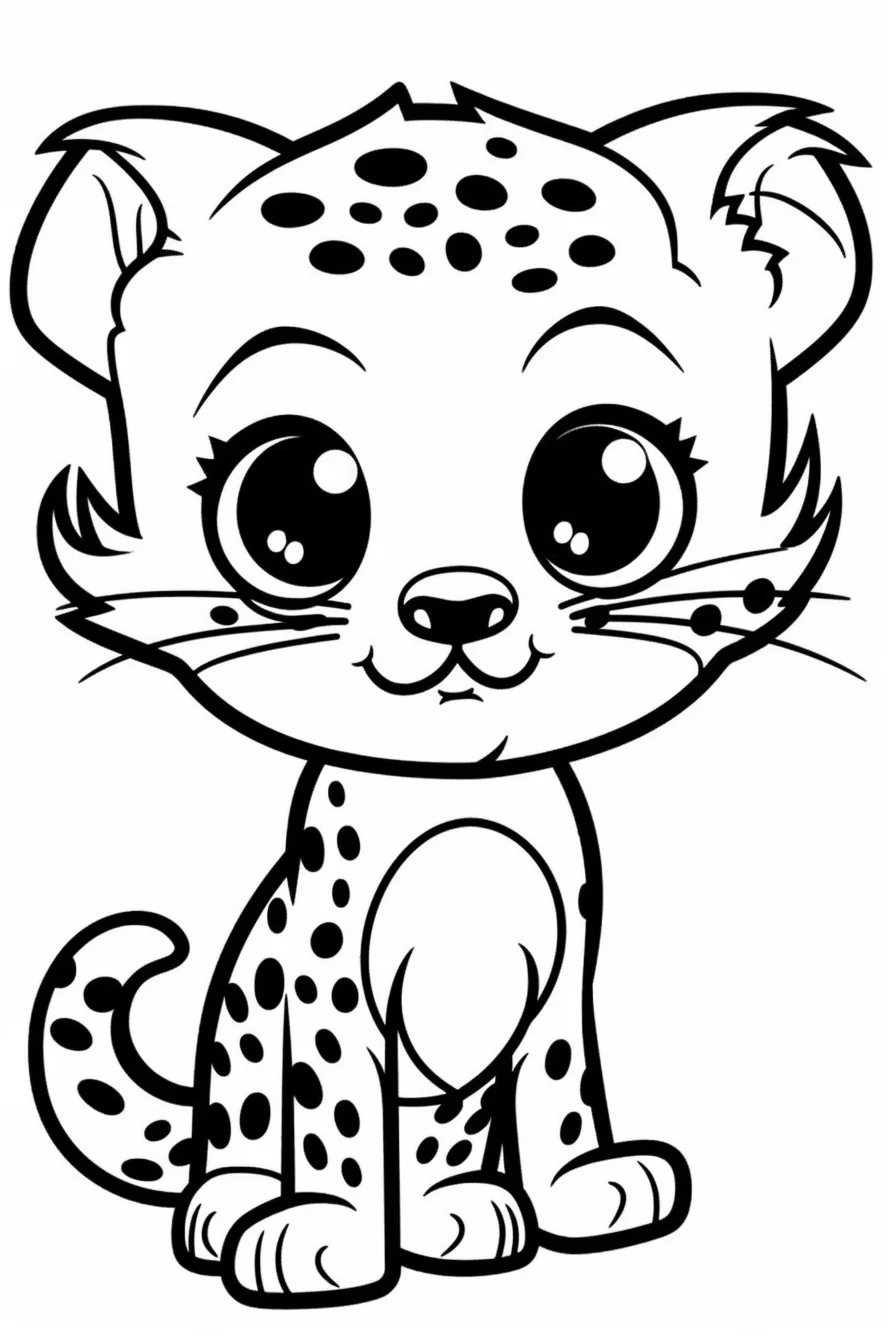
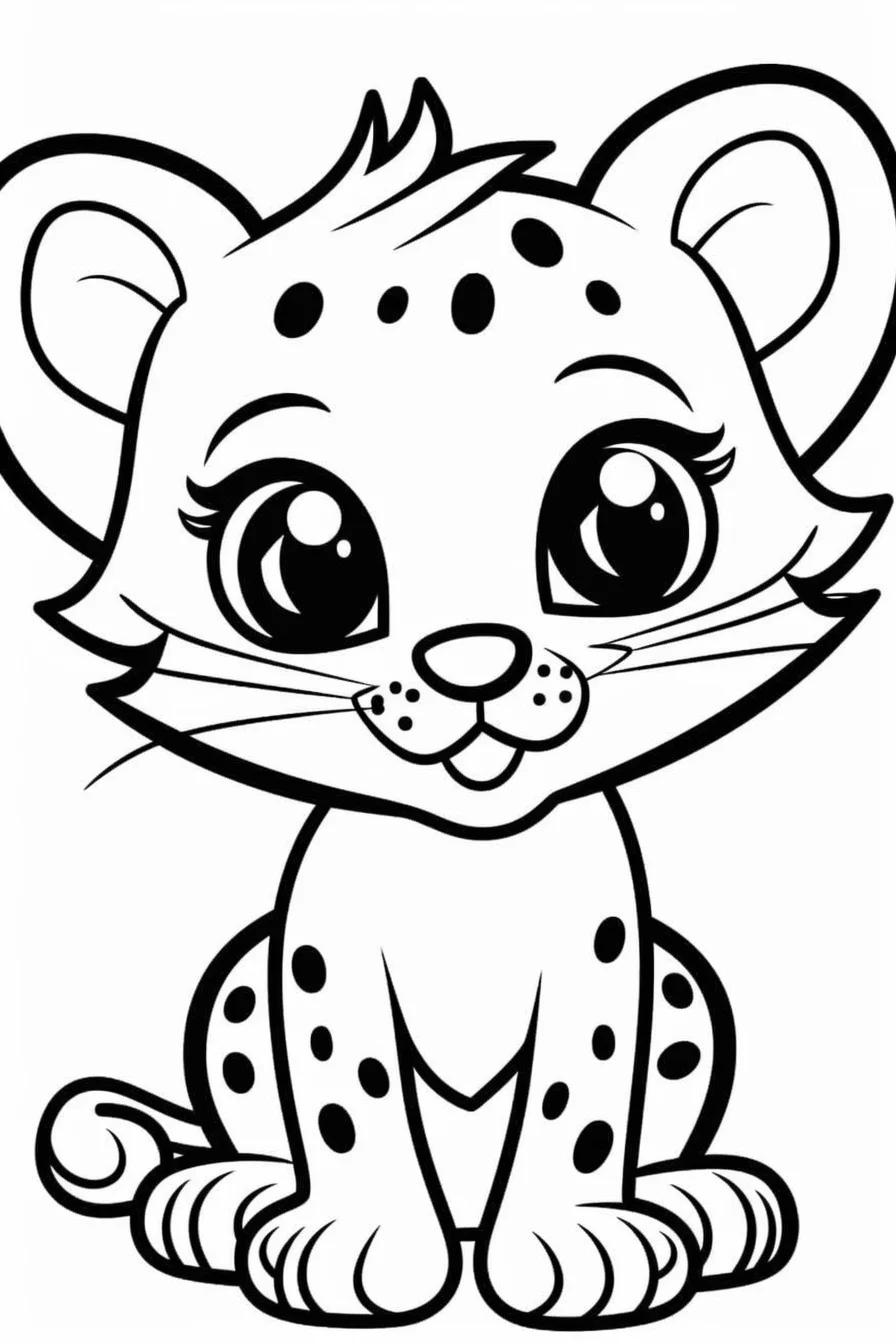
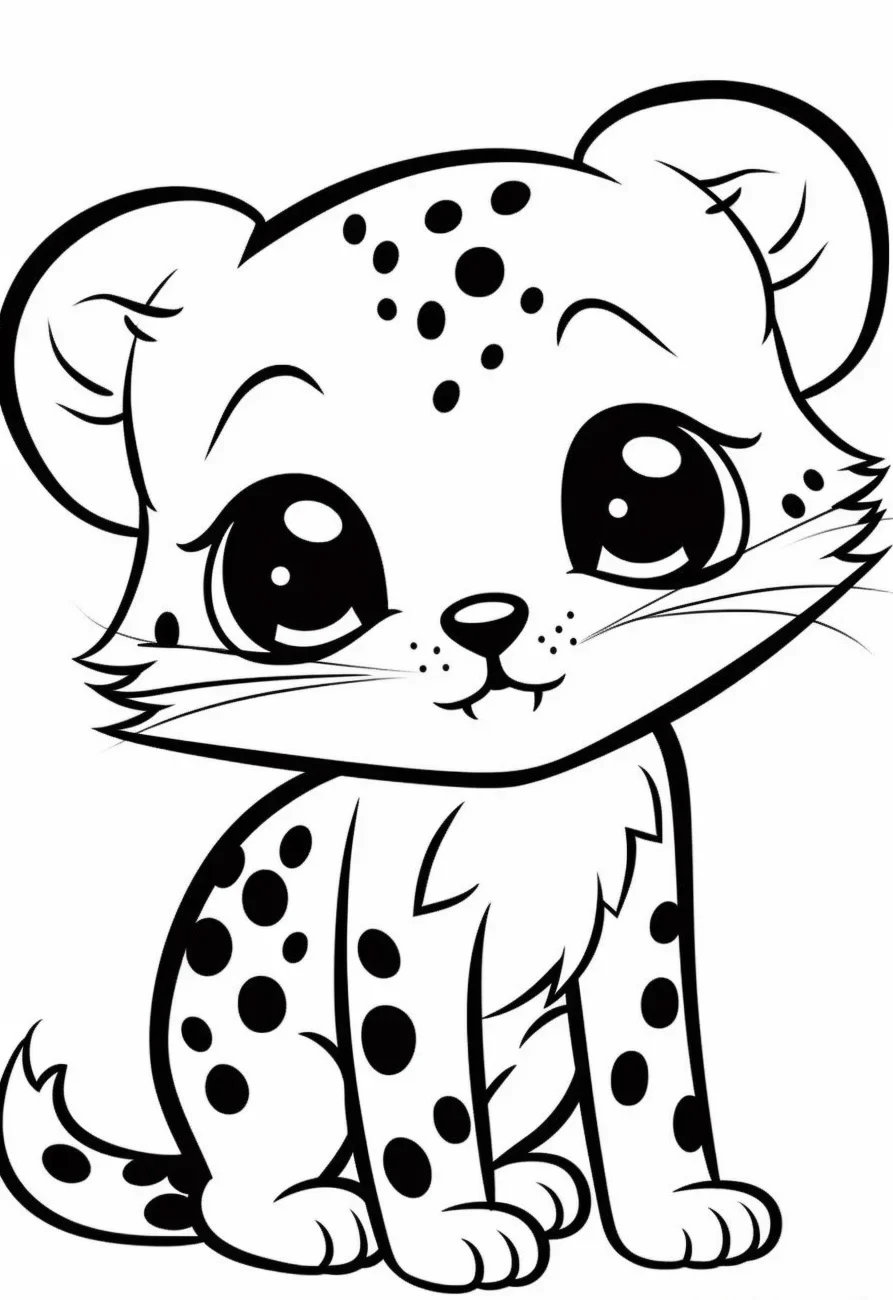
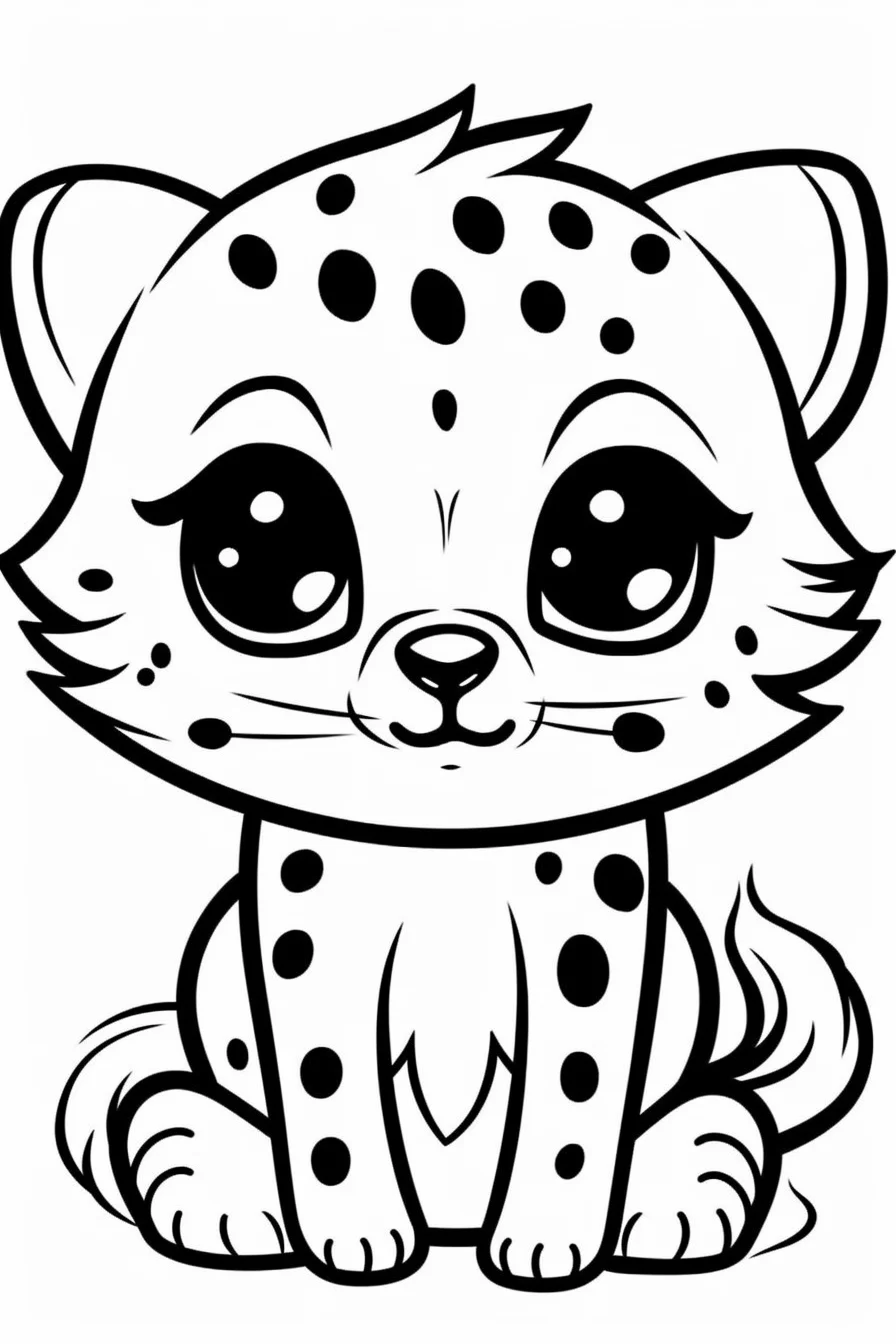
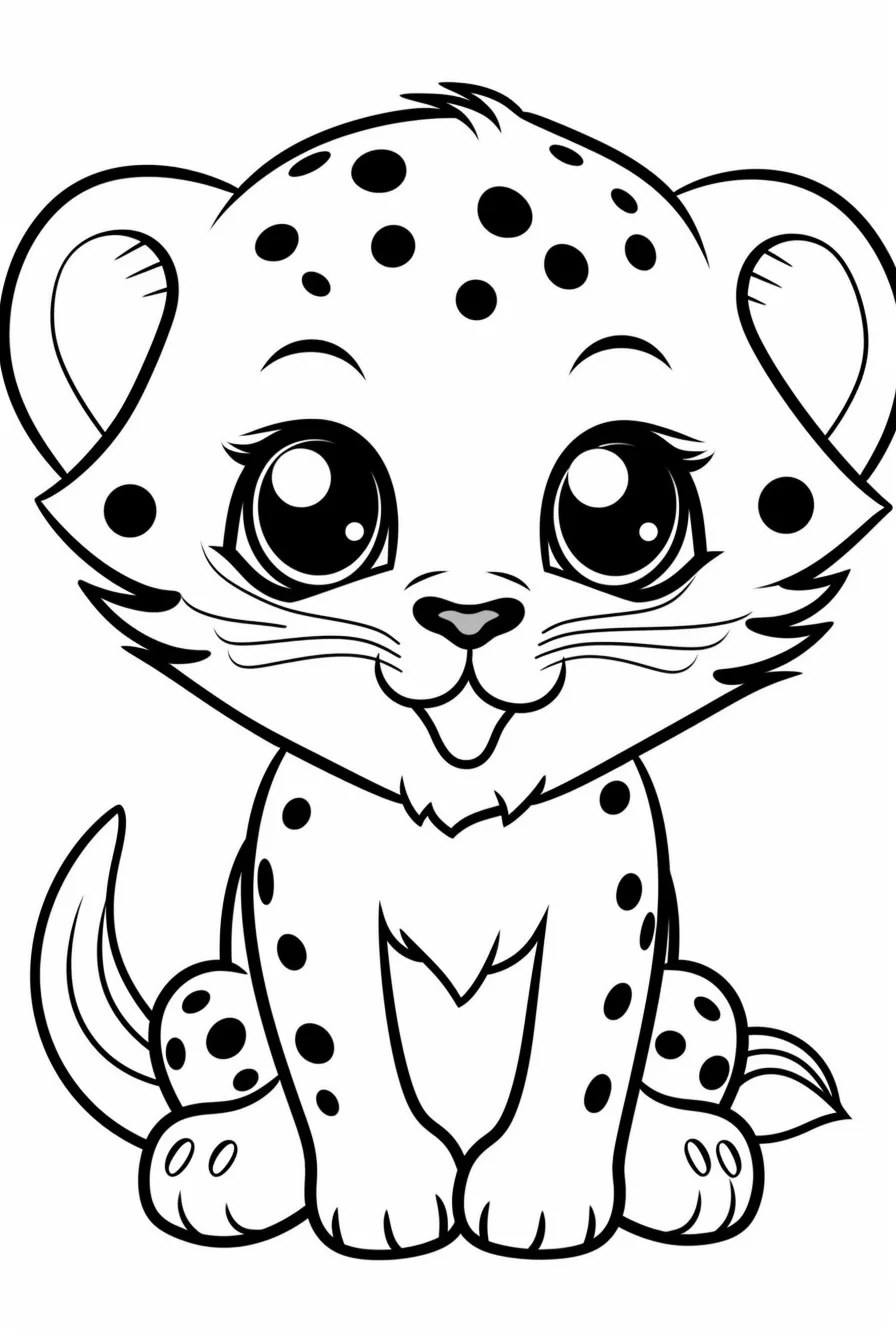
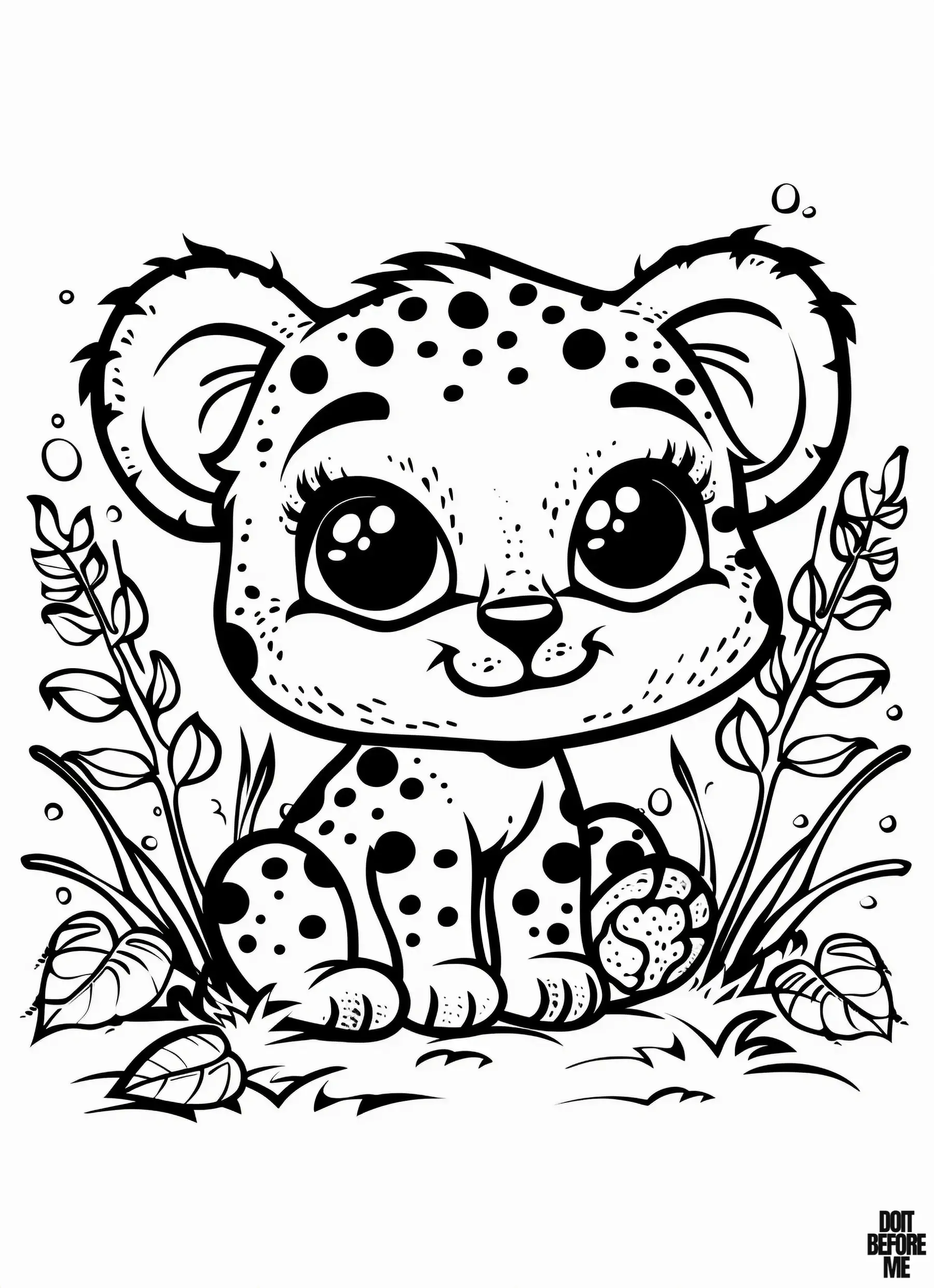
Simpler printable set: this second half is better when you want straightforward cub pages without elaborate props. Use crayons for the large coat areas, then switch to a darker pencil or marker for the spots once the base is finished.