
If you want to draw something but have no idea what, choose by time first. References 1–5 are the quickest; 6–11 are loose doodle-style ideas; 12–20 are better when you actually want to sit with a pencil for a while. Click or tap any image to open the full-size reference.
Jump to: 5–10 minute drawings · playful doodles · 20+ minute pencil sketches · stuck?
Want me to choose? Try Reference 2 for a quick start, Reference 7 for something playful, or Reference 18 for a longer pencil session.
5–10 minute drawing ideas — References 1–5
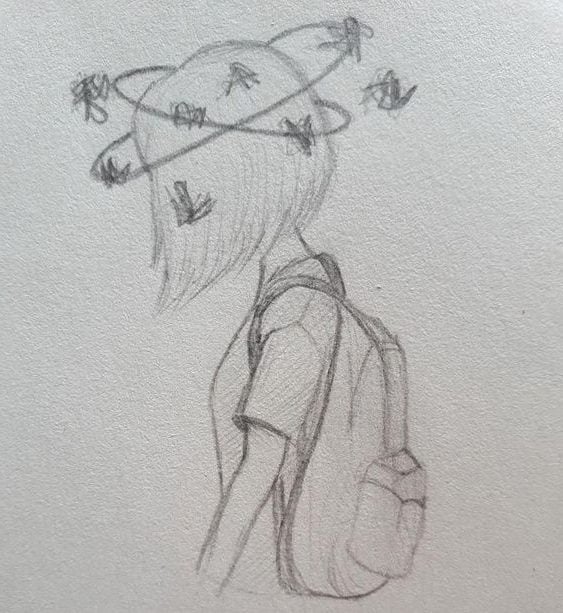
If you only have ten minutes, stay in this section. Copy the main shape first and ignore tiny details until the drawing already reads clearly.

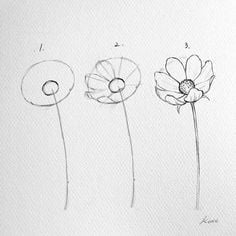
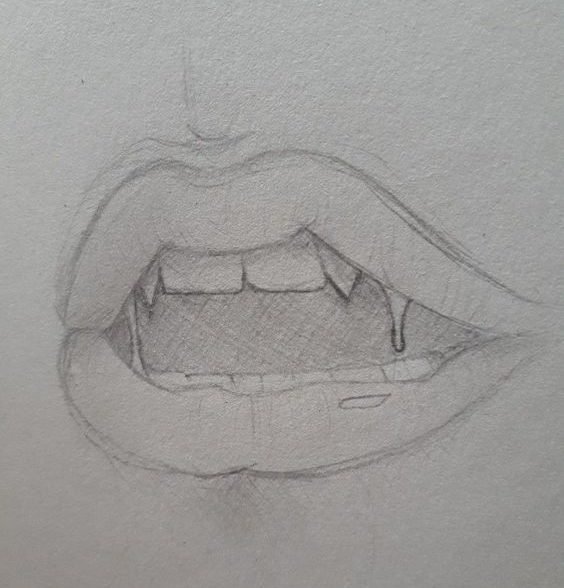
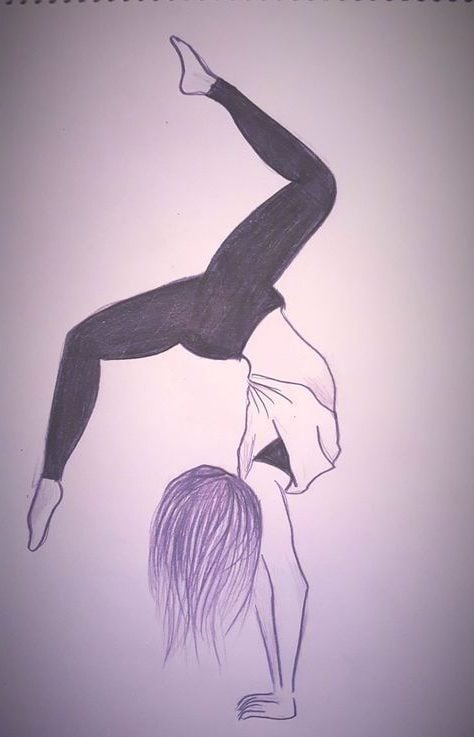
Playful doodles — References 6–11
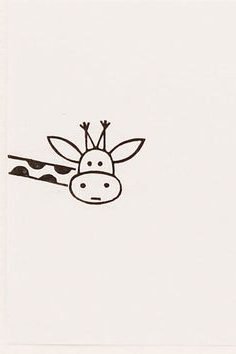
These are better when you want to loosen up rather than make a polished pencil drawing. Keep the shapes you like, but change one thing on purpose: the expression, the proportions, the line thickness, or the pose.
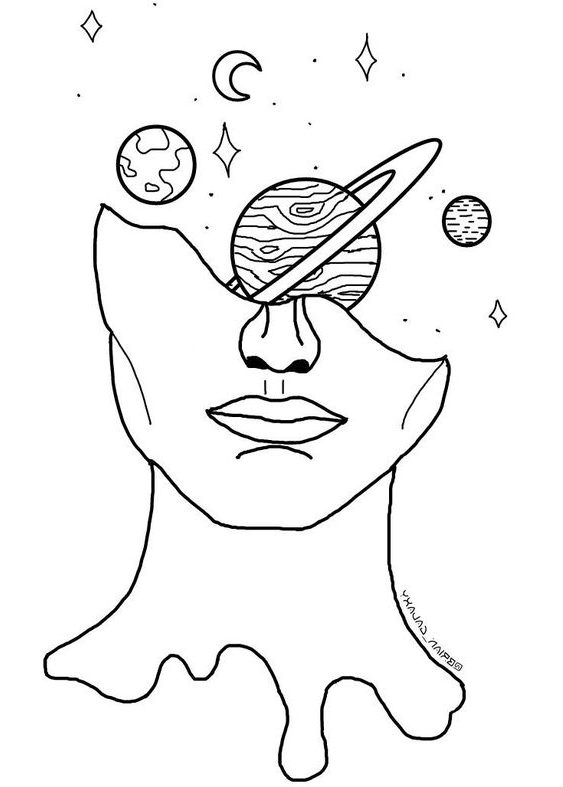
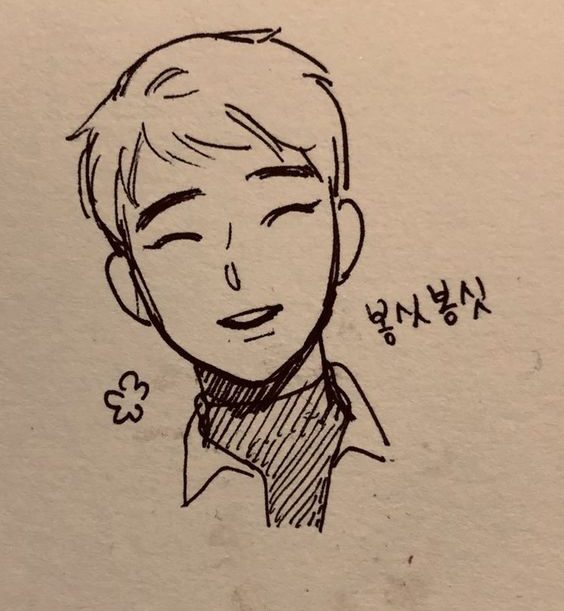
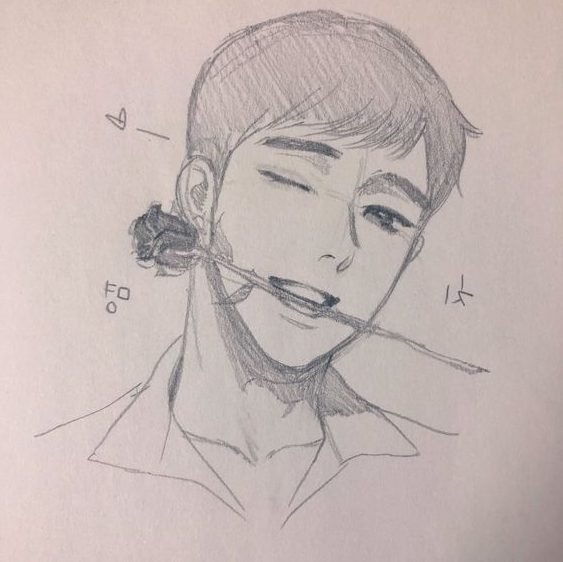
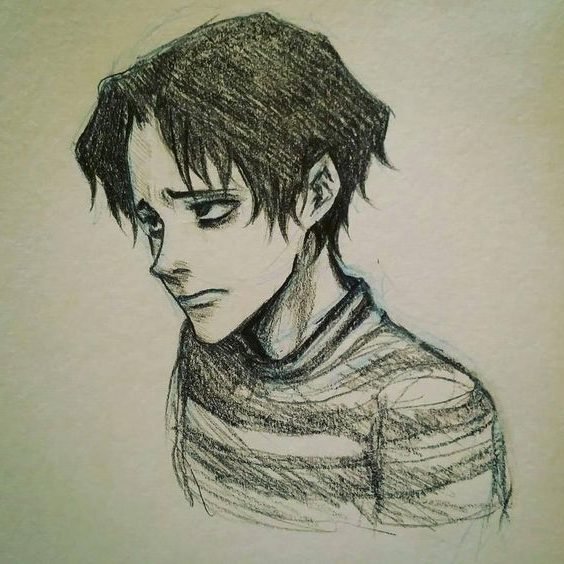
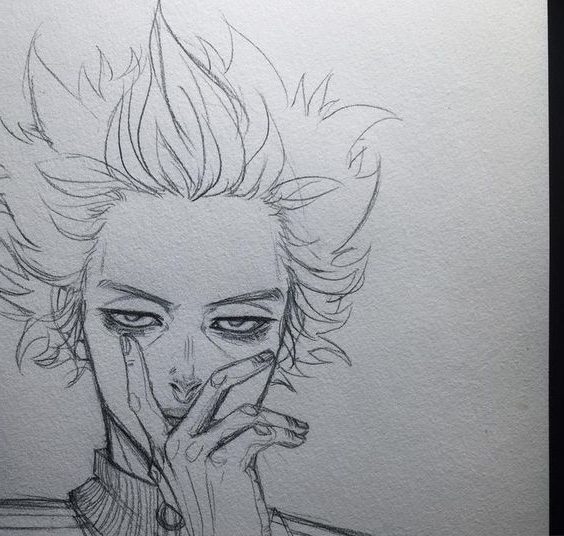
20+ minute pencil sketches — References 12–20
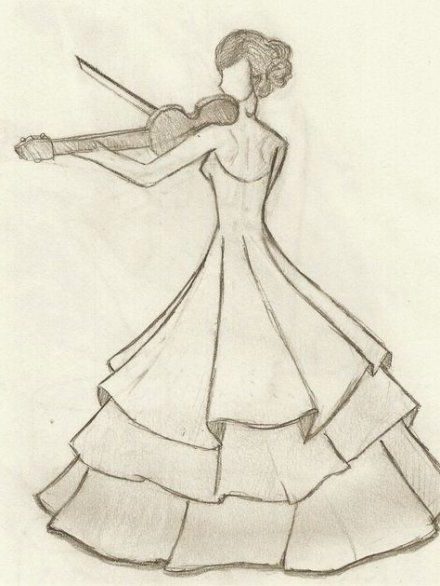
For these, do not start by shading. First get the silhouette and the biggest internal shapes in place. Once that works, reduce the reference to three values—light, middle, dark—and shade those larger masses before chasing texture.
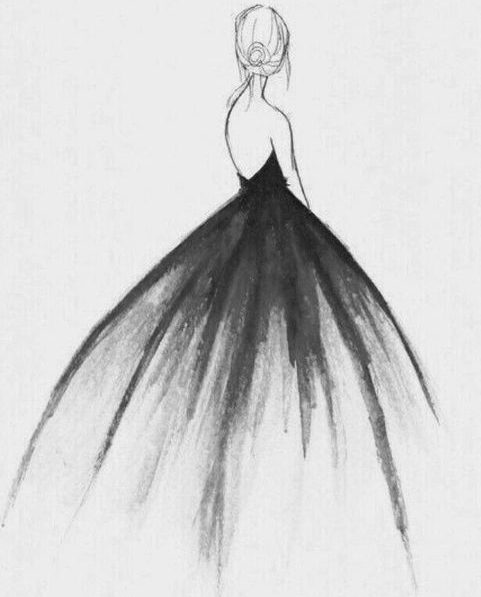
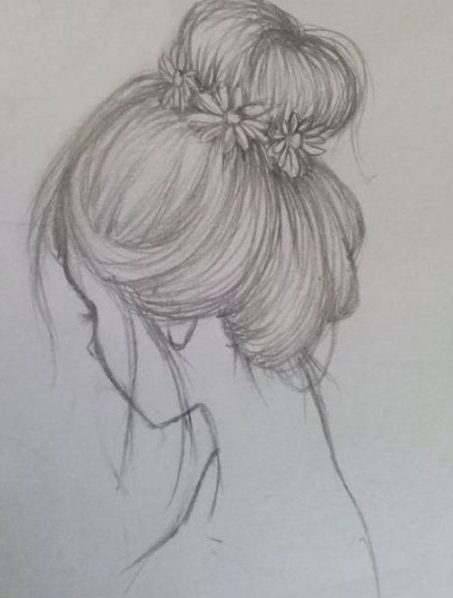
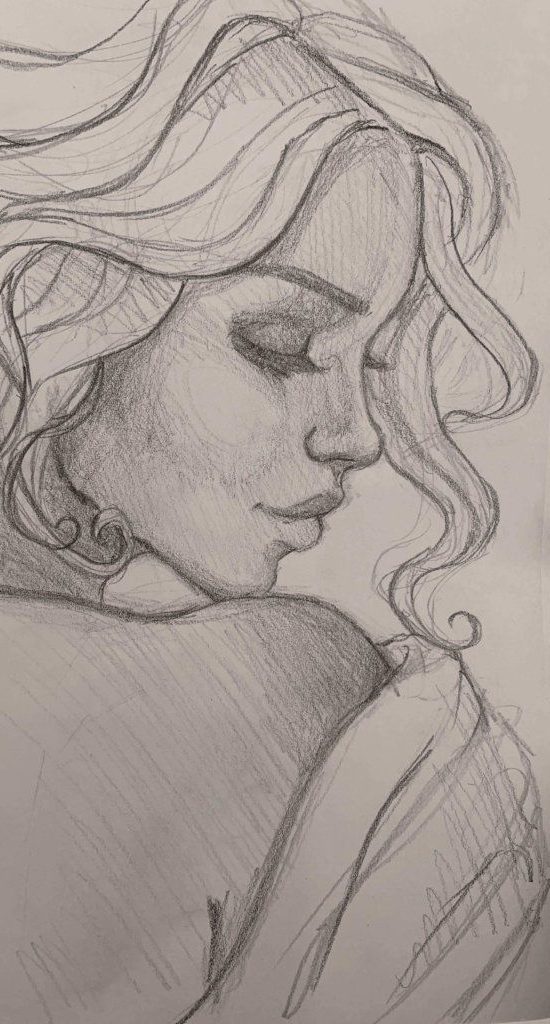
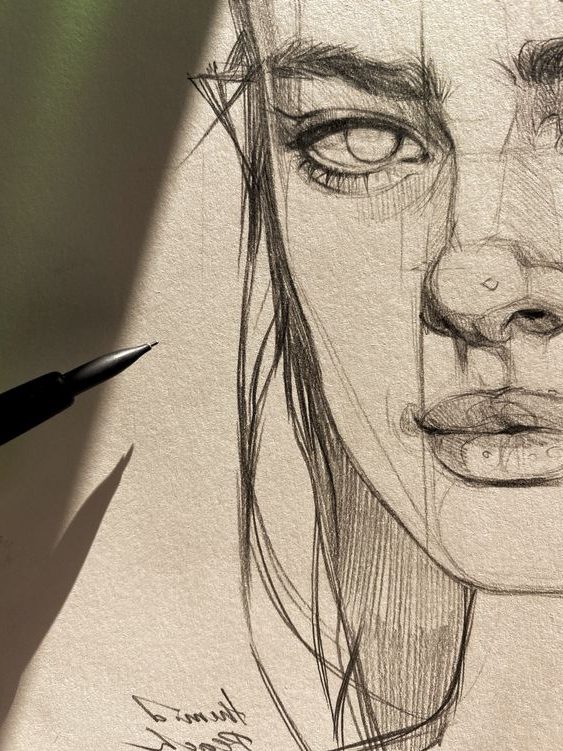
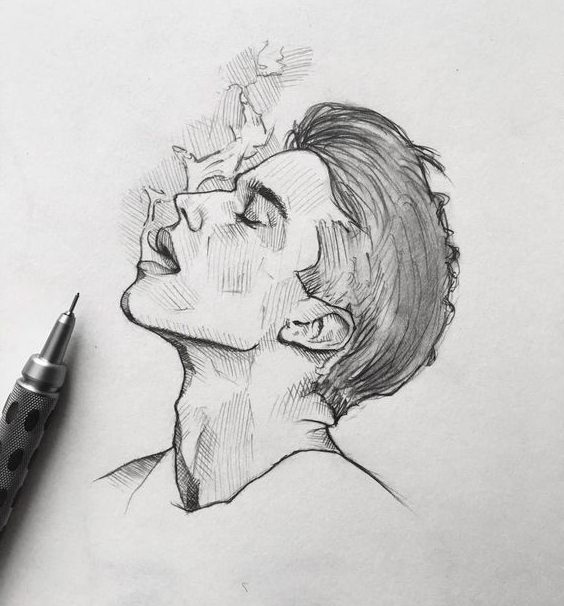
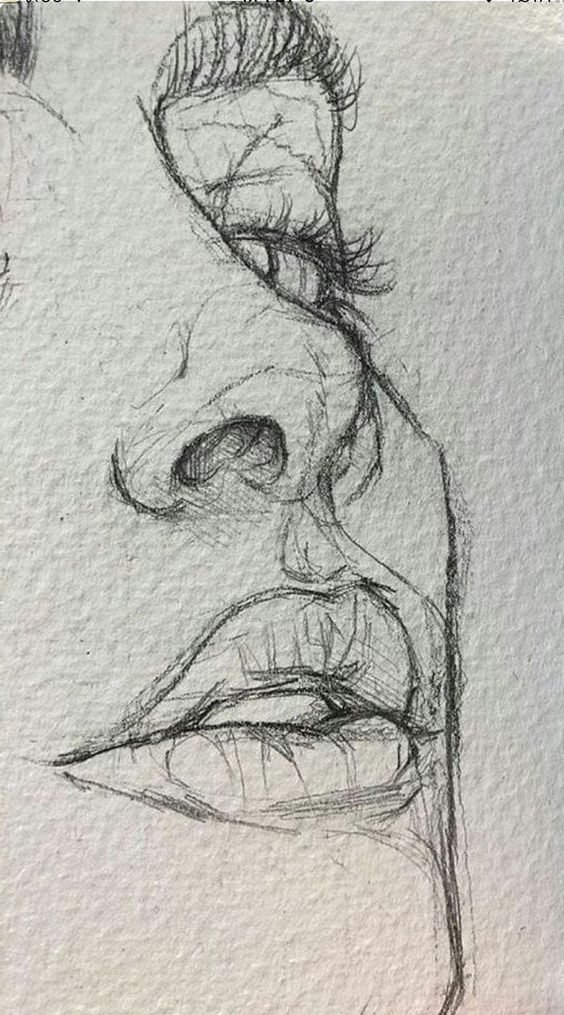
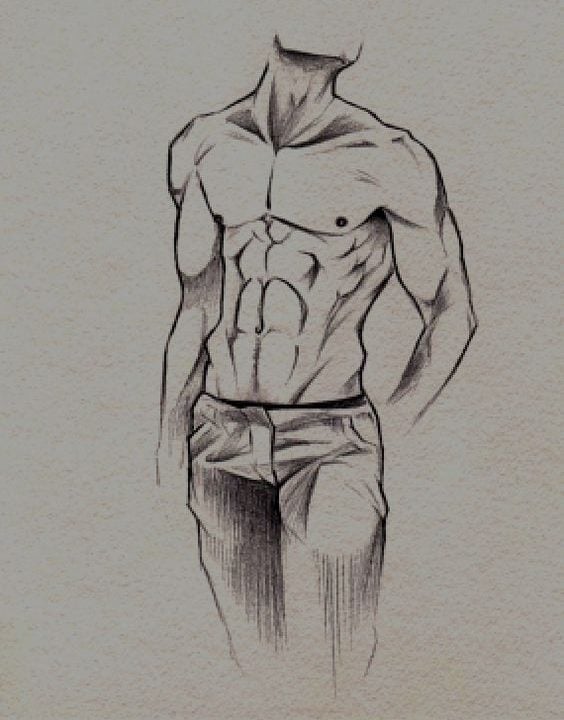
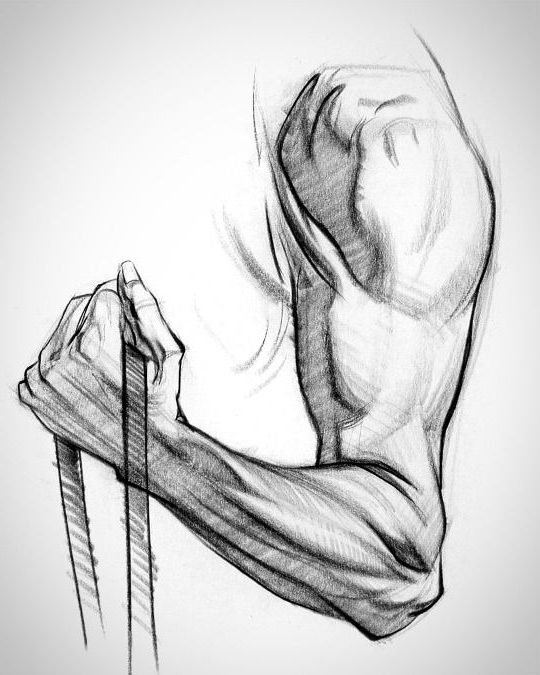
Keep one thing, change one thing
When a reference catches your eye, work out why. Maybe it is the silhouette, the expression, the dark-light pattern or just the way the lines move. Keep that part and change one other decision.
Crop it. Flip it. Exaggerate one shape. Drop the background. Use a marker instead of a pencil. You do not need to redesign everything; one deliberate change is enough to turn copying into actual practice.
If you are stuck, make the question smaller
“What should I draw?” is too big a question when the page is blank. Try one of these instead:
- Can I redraw this with half as many lines?
- Can I make the silhouette readable at thumbnail size?
- Can I turn this into a tiny doodle that takes five minutes?
- Can I use only three values: light, middle and dark?
- Can I draw the same idea with a marker instead of a pencil?
Once you have a small problem to solve, the drawing stops feeling like a test of whether you are “creative enough.”
A simple 10-minute sketch routine
- 2 minutes: block in the biggest shapes. No details.
- 3 minutes: clean the silhouette and fix proportions.
- 3 minutes: add only the details that make the idea recognizable.
- 2 minutes: choose one area for darker lines or shadow and stop.
If you like the result, draw it again more carefully. If you do not, you only spent ten minutes learning what you would change.
One rule: stop scrolling when something catches you
You do not need to compare all 20. If one reference makes you want to pick up the pencil, use it. The point of this page is to get you drawing, not to help you spend ten minutes choosing a five-minute sketch.
Use the page that matches what you actually want
If you want a broader list of subjects, go to easy things to draw when you are bored. If you want prompts that make you invent or alter an idea, use the creative drawing ideas. If you want a rule that forces you to simplify, try the one-line drawings. And if you want someone to walk you through the drawing instead of giving you references, use the beginner drawing tutorials.
Using these references
This is a legacy inspiration gallery, and the original creator or reuse licence is not documented for every image. Use the references for drawing practice and idea generation; do not assume the source artwork itself is cleared for commercial republication.
Easy drawing questions
Which references are quickest?
References 1–5. They make the most sense when you want to finish something small instead of settling into a longer pencil study.
Which section is best for casual doodling?
Use References 6–11. They are the section to pick when you care more about shape, expression and line style than careful shading.
Which references are better for pencil practice?
References 12–20. Start with the large shapes, then add the dark-light pattern before spending time on texture.
Do I need to copy the reference exactly?
No. Use it to get started. If your version changes the proportions, expression, crop or line style, that is usually more useful than forcing every mark to match.

