
Twenty lion drawing references, from cartoon faces and easy construction to roaring poses and realistic pencil studies. The mane matters, but it should sit on a believable skull, neck and chest rather than hiding weak construction. Click or tap any image to open the full-size reference.
Jump to: starter studies · full-body lions · realistic structure · faces & mane · pencil studies
Lion drawing starter studies — References 1–3
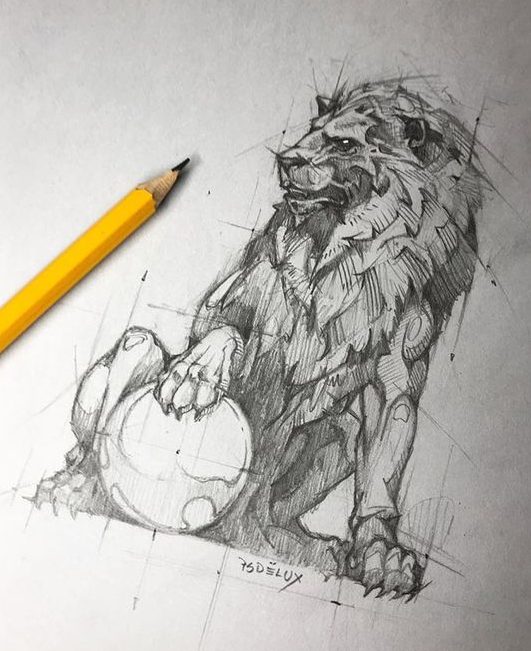
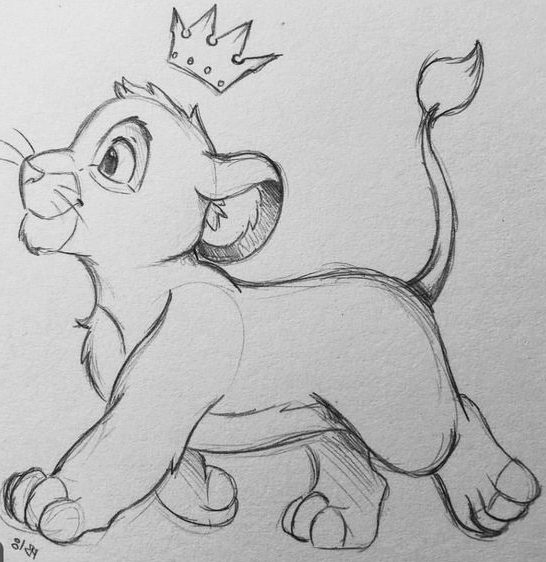
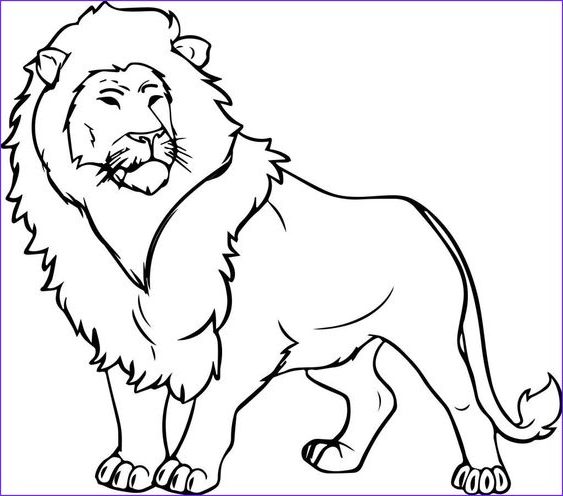
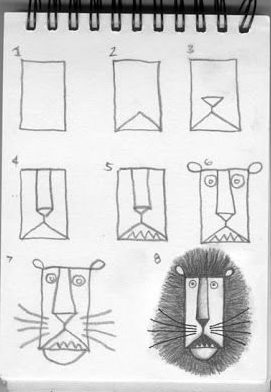
Use these first three to compare how much construction a lion needs before the mane and facial detail take over. The cartoon version can be simplified heavily; the more realistic study cannot.
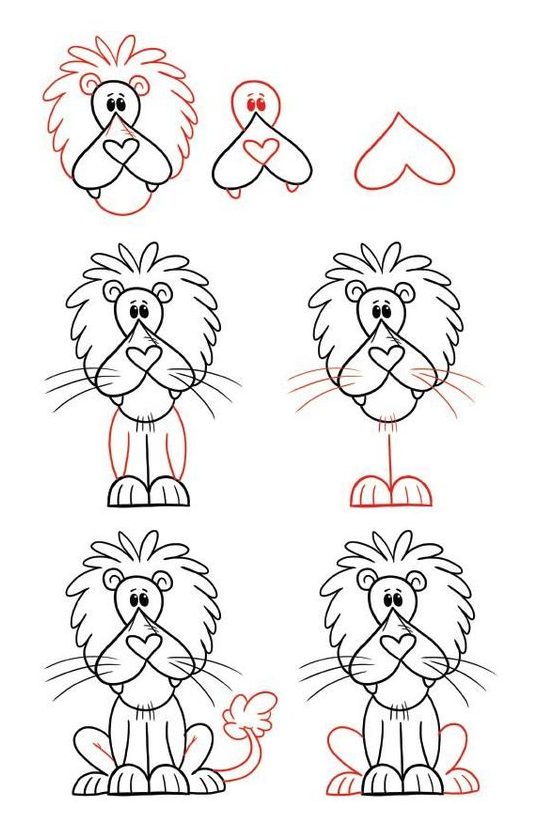
Full-body and simple lion studies — References 4–9
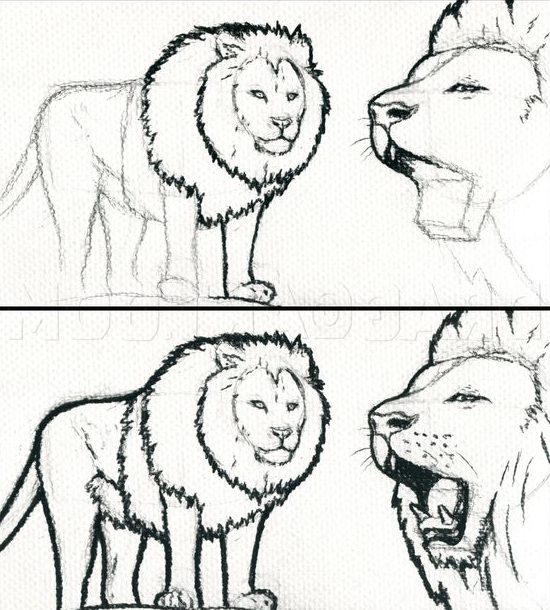
Place the chest and hip masses first, then connect them with the back and belly contours. Compare the length of the torso with the height of the legs before darkening any outline. If the pose looks stiff, adjust the spine and shoulder angle while the construction is still light.
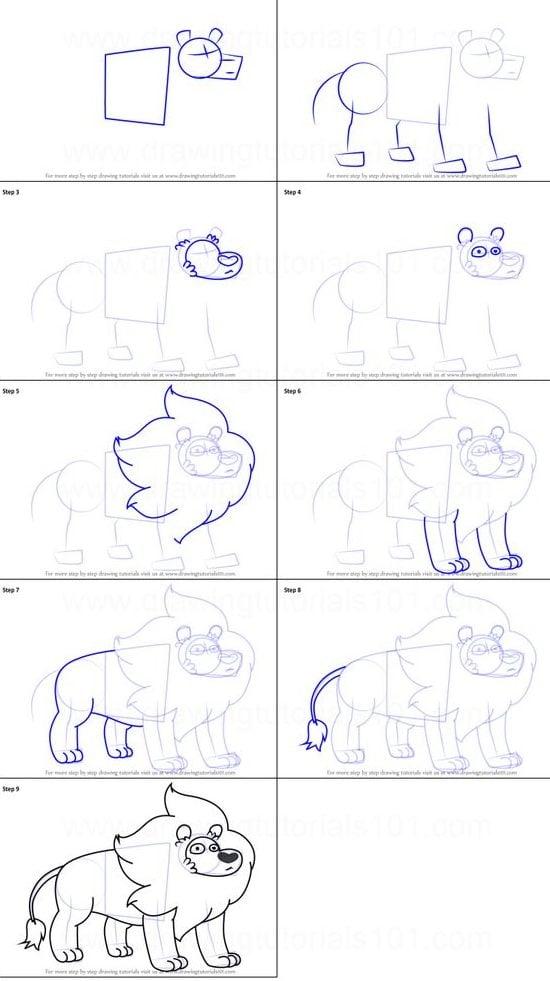
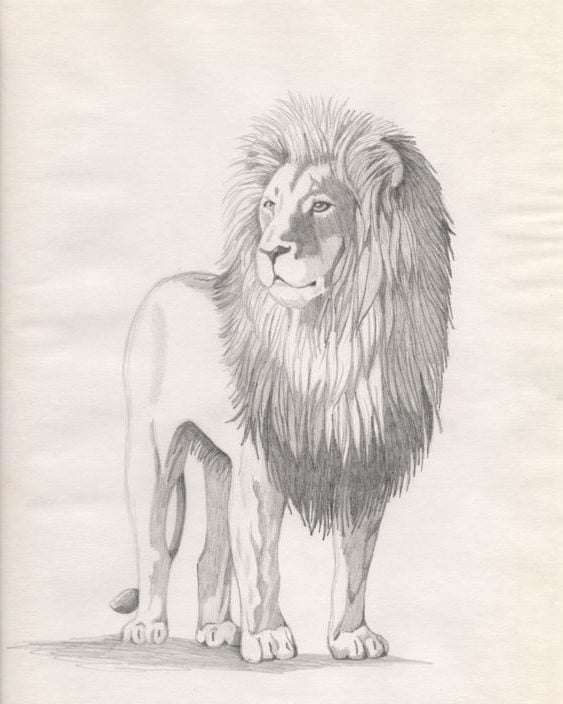
Use pencil pressure lightly during this stage so incorrect proportions are easy to revise.
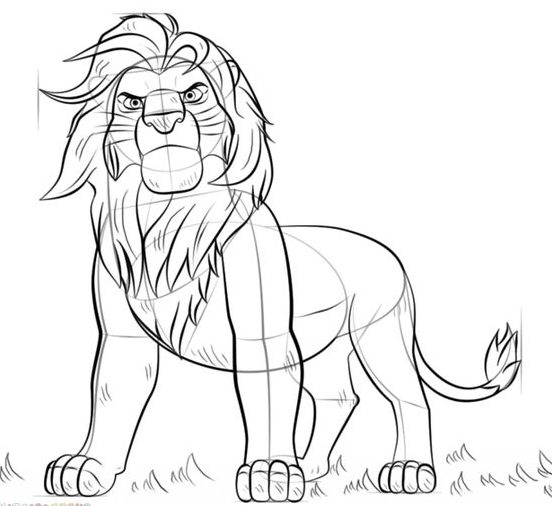
Realistic structure and paw placement — References 10–12
Think of each leg as a sequence of simple tapered forms. Mark the joints and paw placement before refining the outer contour. Pay attention to which legs overlap; not every limb needs the same amount of detail in a side or three-quarter pose.
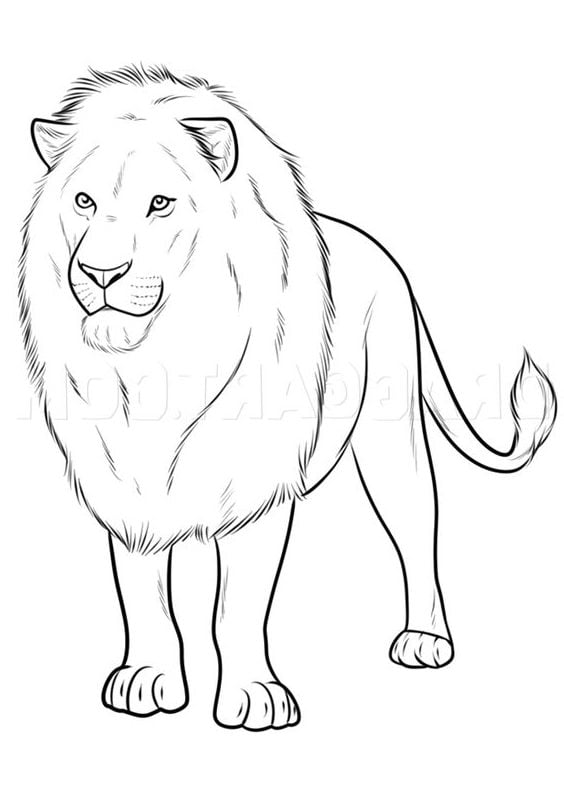
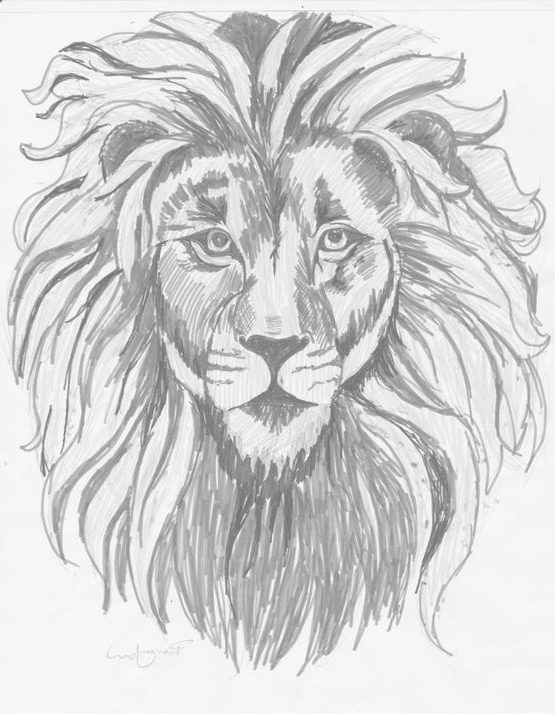
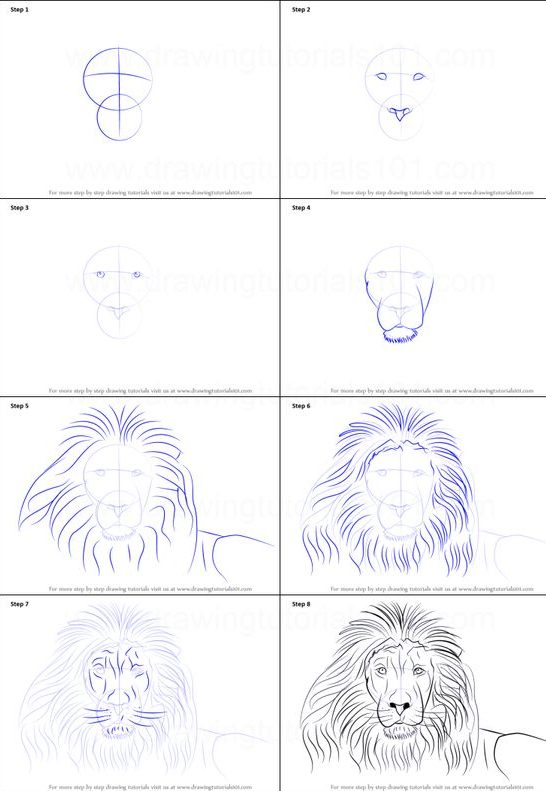
Lion faces and mane studies — References 13–15
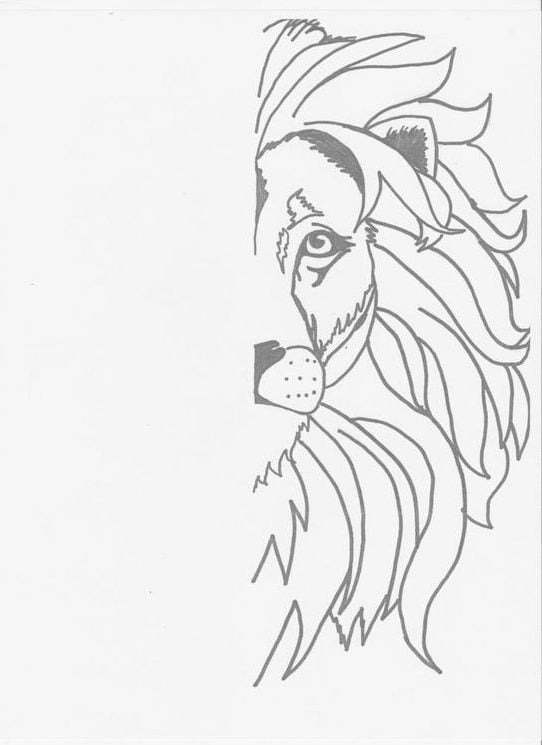
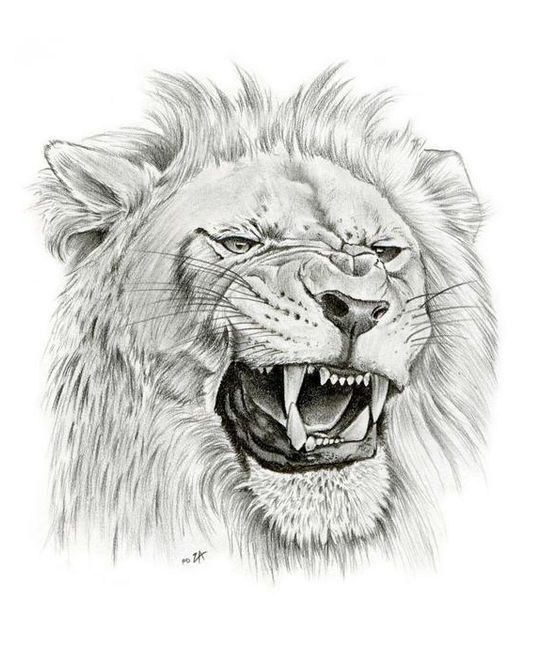
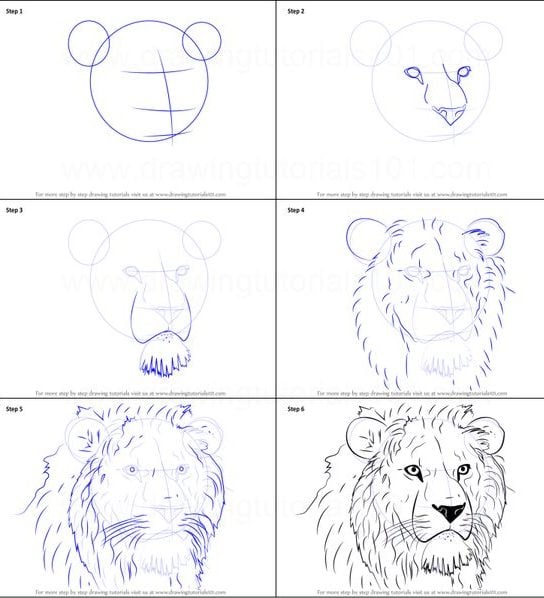
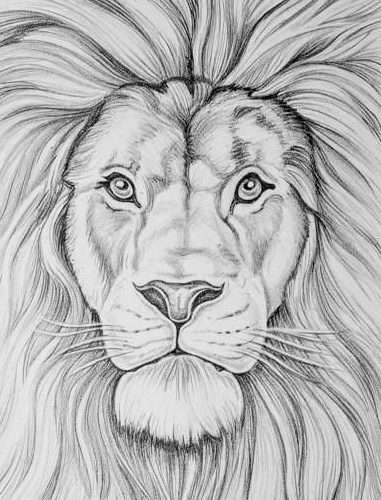
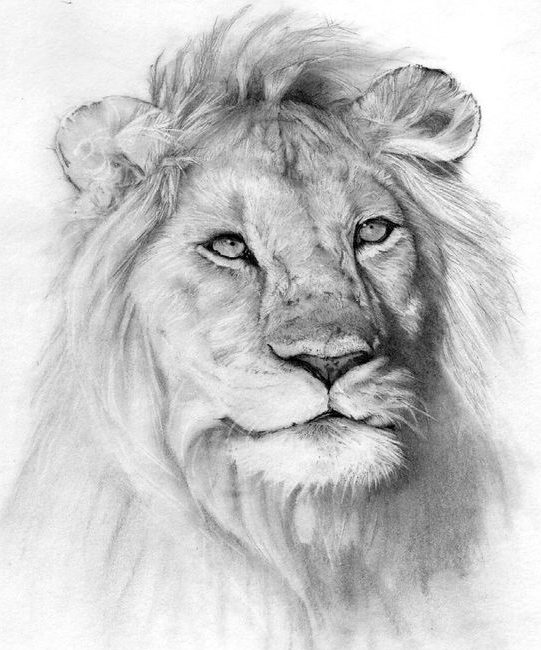
Center the muzzle and nose before placing the eyes. In a front-facing view, compare the eye spacing to the width of the muzzle; in angled poses, let the far side compress naturally. Build the mane around the skull and neck instead of drawing individual hairs from the beginning.
Pencil and finishing studies — References 16–20
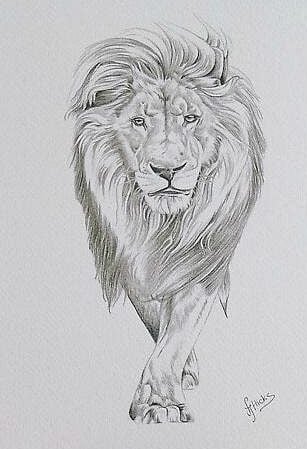
Erase or lighten construction lines after the proportions are settled. Darken the eyes, nose, mouth corners and the deepest mane shadows first. Use shorter directional strokes around the mane and softer shading across the face and body so the textures do not look identical.
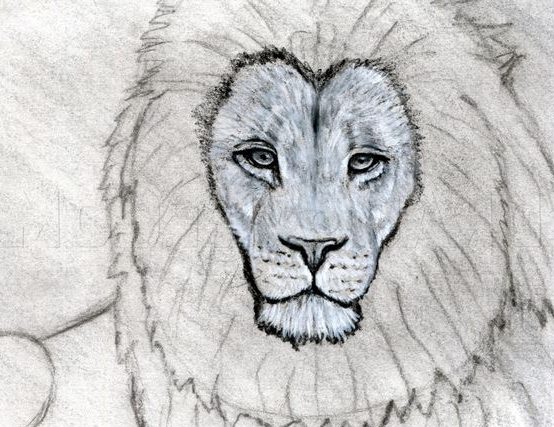
For a simplified face, reduce the mane to one clear outer shape and spend your attention on the nose, muzzle and eye placement. That matters more than adding another row of hair strokes.
Final two lion studies — References 19–20
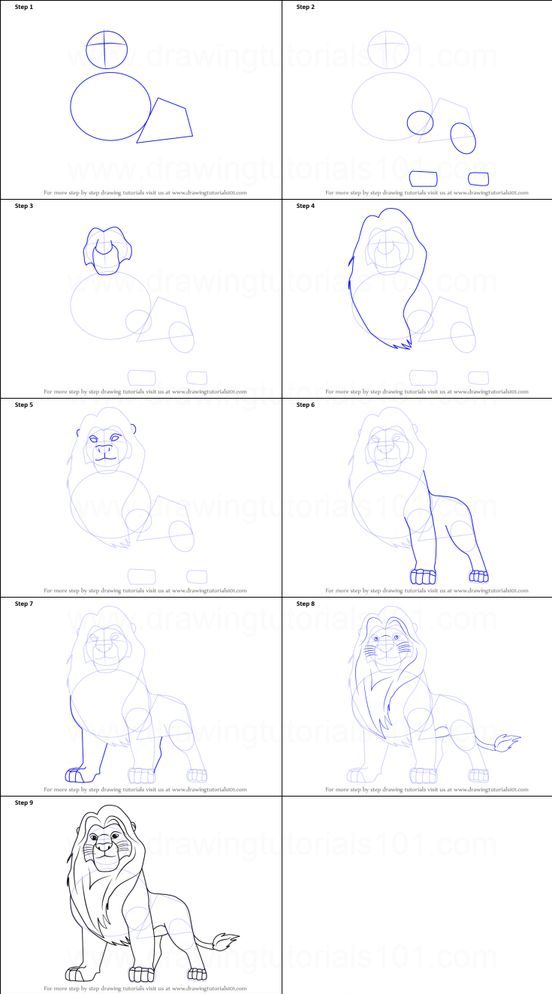
Before you call the drawing finished, check three things from a distance: does the chest feel heavy enough for the head, does the muzzle project instead of sitting flat on the face, and does the mane follow the skull and neck rather than forming an even circle around them?
For another large-animal study, continue with the realistic elephant drawing guide. For smaller feline construction, use the cat drawing tutorials.

