
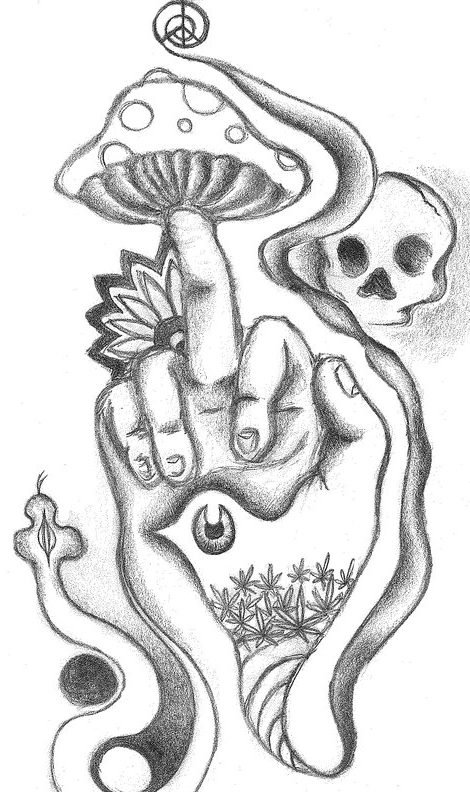
Easy Drawing Tutorials for Beginners
You can learn a lot from short drawing exercises without needing a complicated setup. This page collects beginner-friendly examples you can practice with pencil and paper, from hands and flowers to animals, objects and characters.
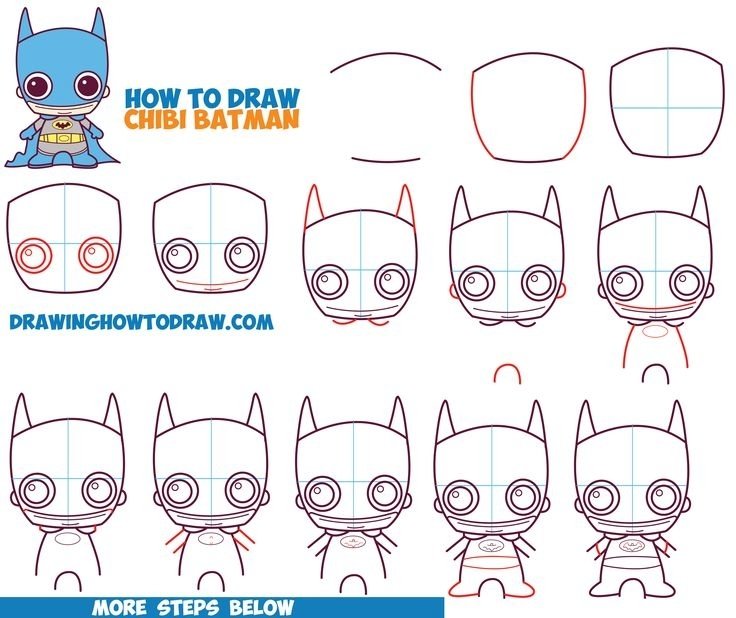
Reference-use note: this is a legacy tutorial collection assembled from many older drawing examples, including some recognizable fictional characters. The page does not document original creator or reuse rights for every image. Use the examples to study construction and sequence; do not assume that an image appearing here is licensed for republication, resale or use as commercial source art.
- Want quick prompts? Try 25 easy things to draw when bored.
- Want a subject-specific lesson? Use our easy cat drawing tutorials.
- Want character practice? Browse the anime drawing tutorials for beginners.
- Want a realistic study? Follow the step-by-step rose drawing guide.
If you are new to drawing, start with a simple pencil and a short practice session. Twenty focused minutes can be enough to complete one small exercise and compare it with your next attempt.
Cool Things to Draw Step by Step

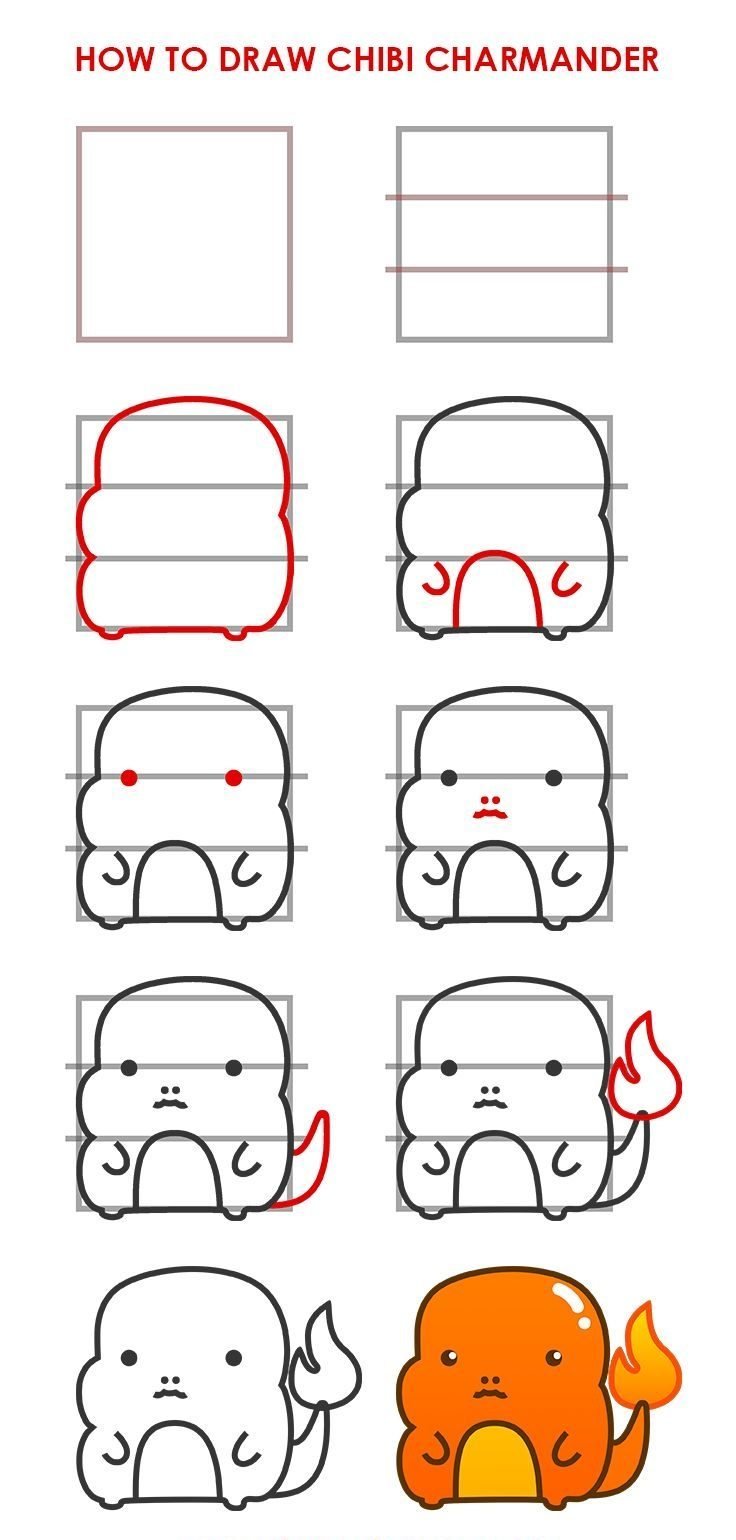
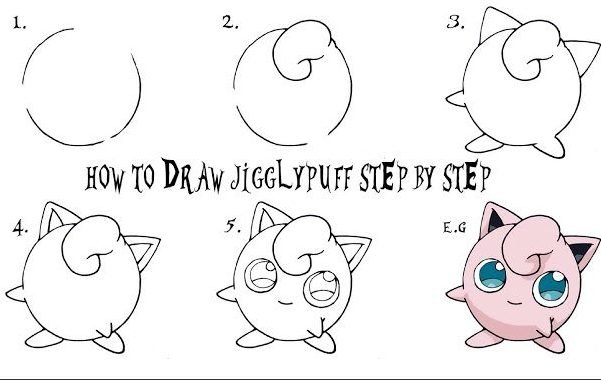
A blank page is easier to handle when the task is specific. Pick one tutorial and decide what you are practicing before you begin: hand proportions, a flower shape, a simple object, a character pose, or clean line control. Keep the first attempt small and light enough to correct.
Progress is easier to see when you repeat the same kind of exercise after a few days. Save the first version, redraw the subject later, and compare proportion, line confidence and simplification rather than asking whether the second drawing is simply “better.”
A short session is enough. Ten or twenty focused minutes on one problem usually teaches more than spending an hour polishing every line.
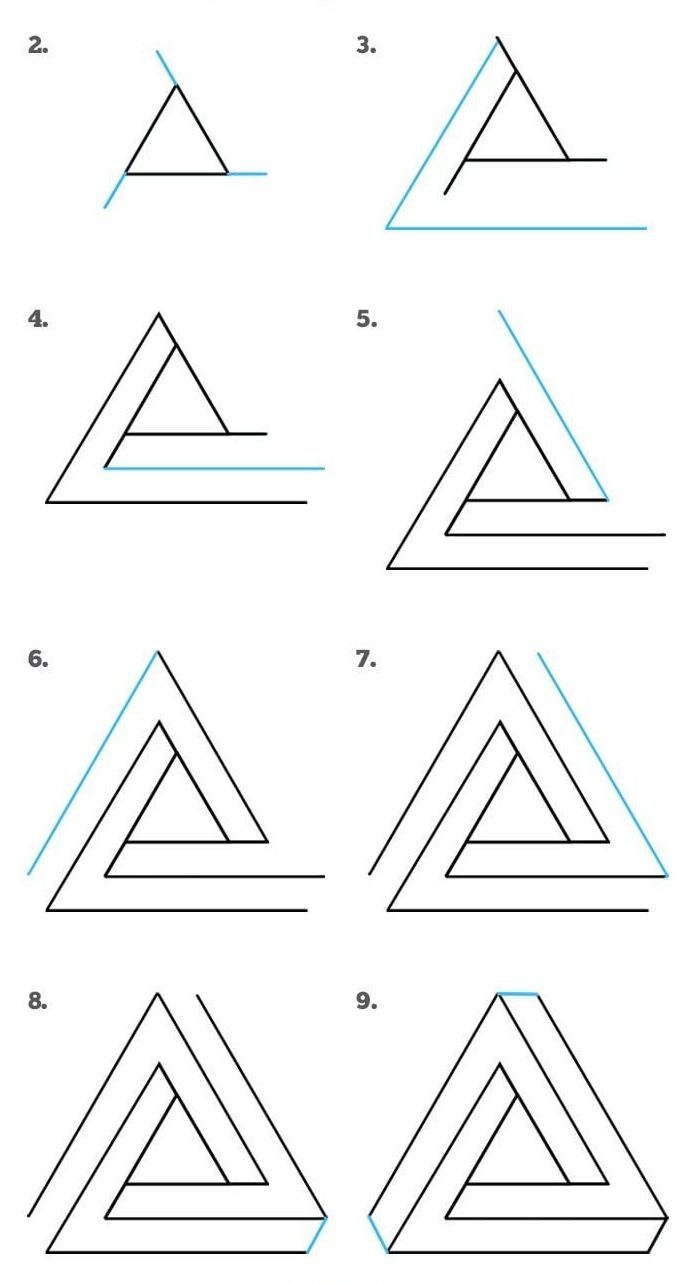
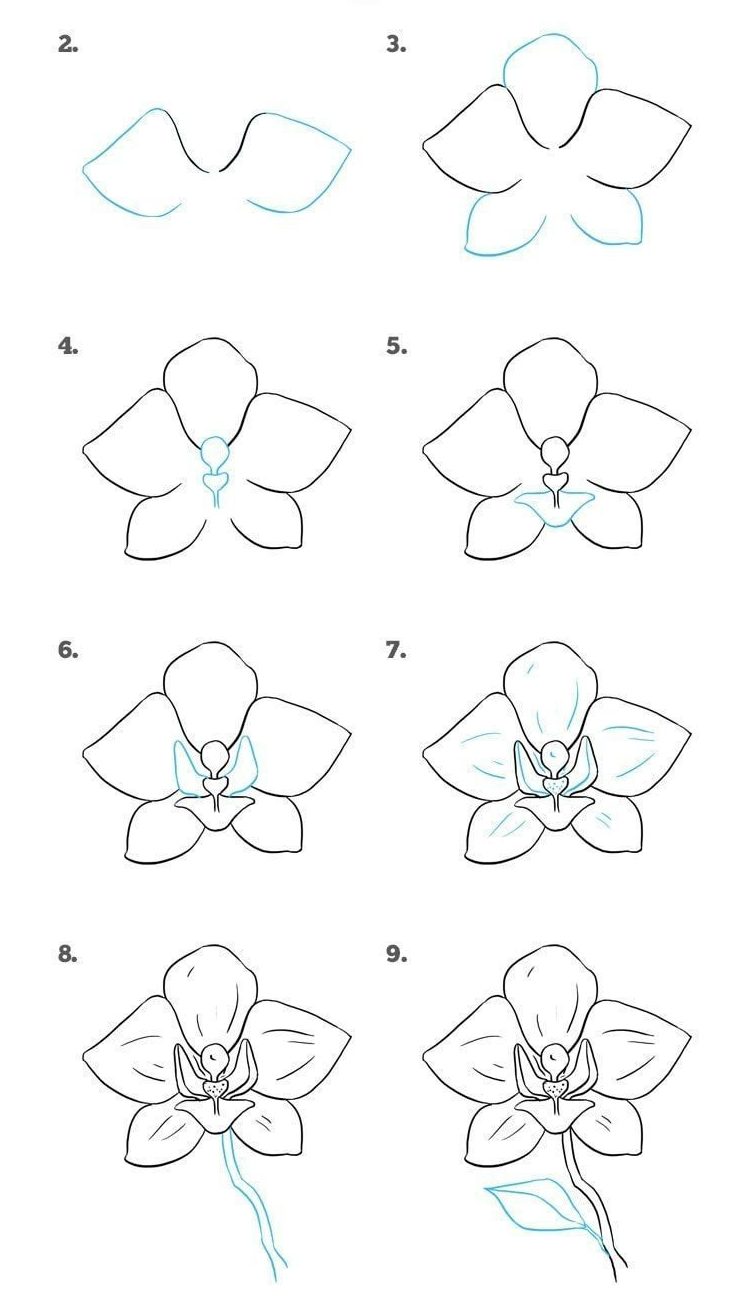
You do not need a fixed 30-day course to use these examples. A better baseline is one small drawing you can repeat later: a mug, your hand, a simple flower, or another object you can see clearly. Date the page, leave it alone, and redraw the same subject after several practice sessions.
When you compare the two versions, look for concrete changes: Are the angles closer? Do the shapes sit together more convincingly? Are you using fewer scratchy correction lines? That comparison is much more useful than judging the drawing as a success or failure.
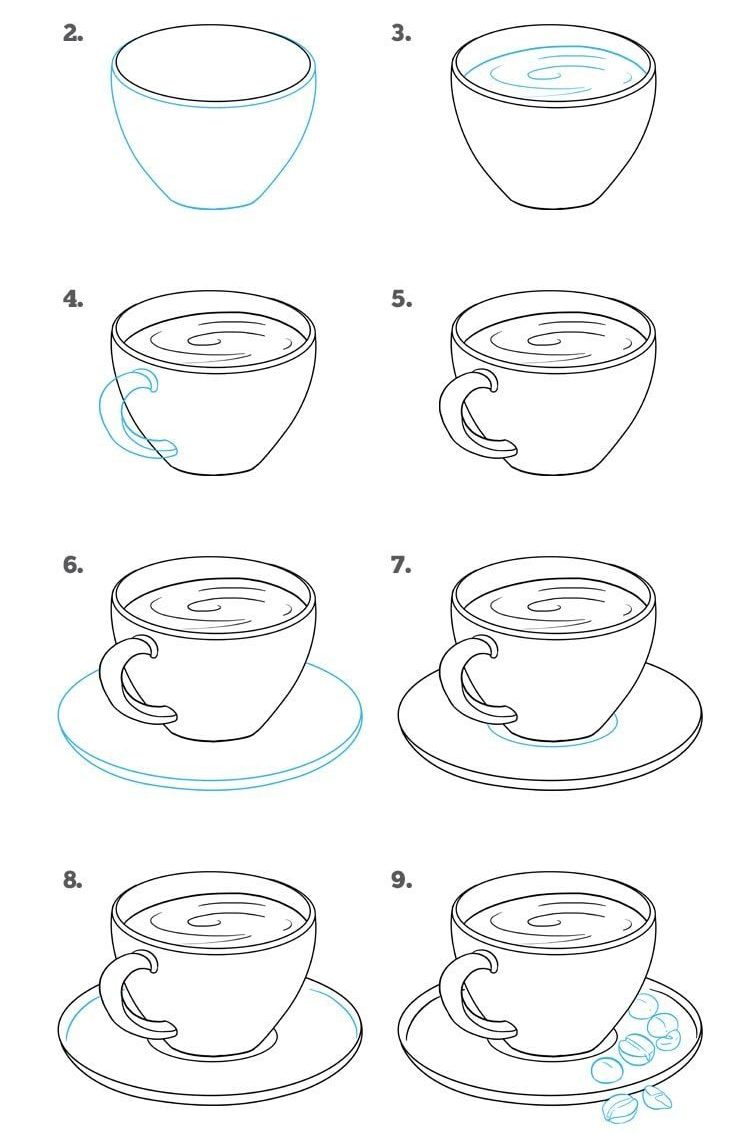
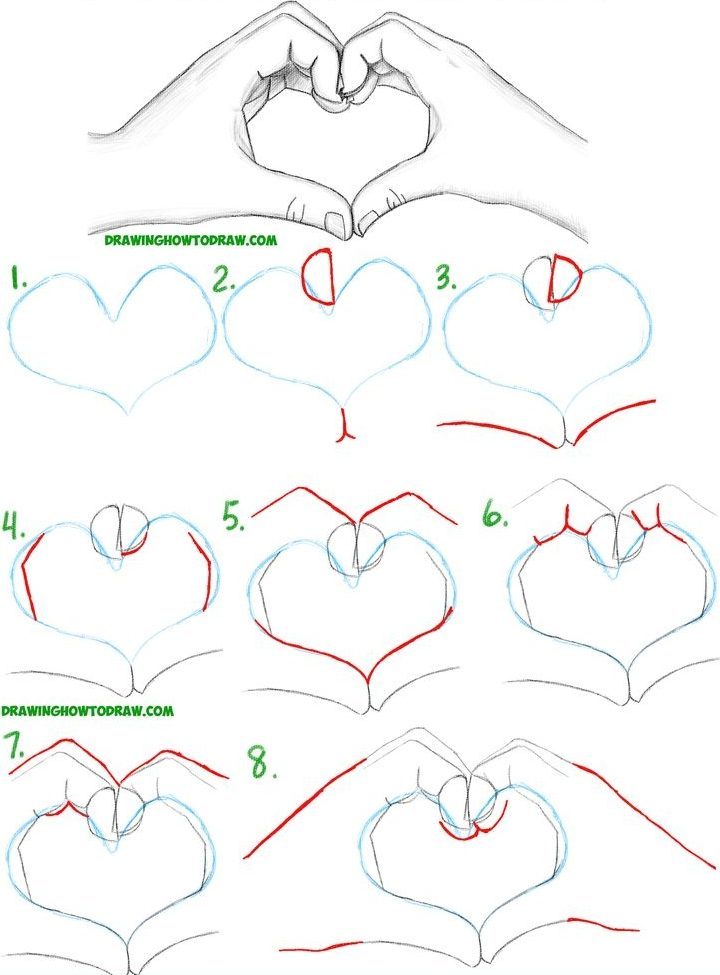
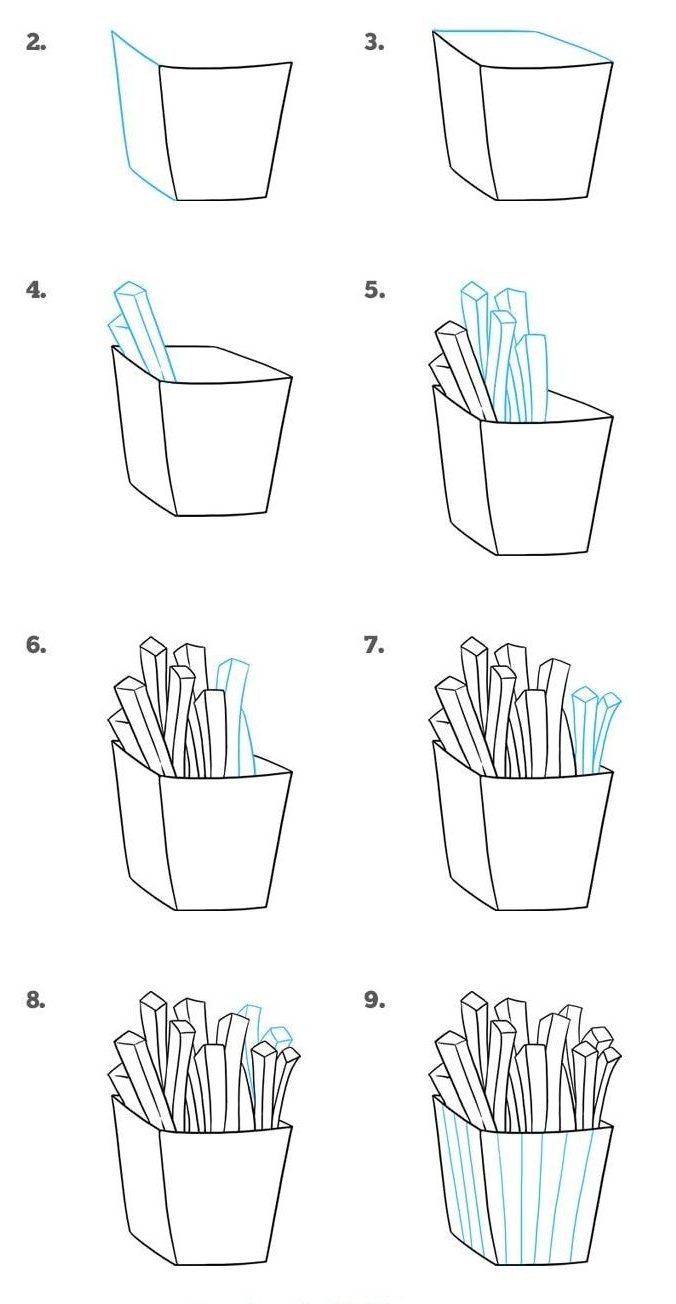
Compare different ways of solving the same drawing problem
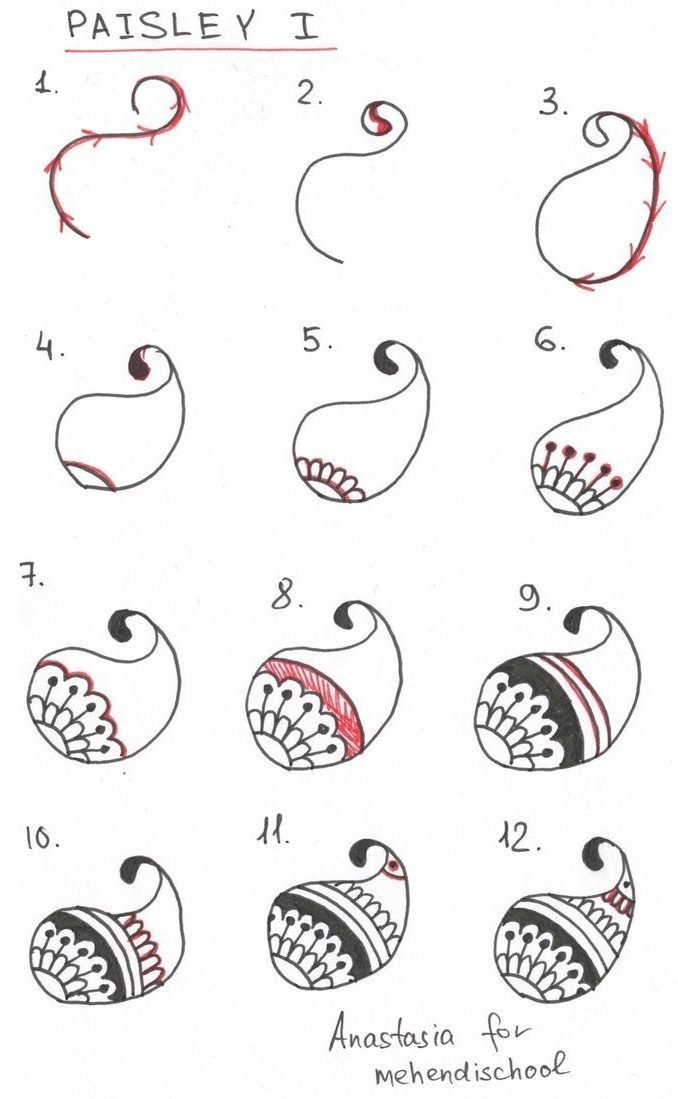
One tutorial may build a hand from boxes, another from a palm shape and finger lines. One flower lesson may start with the silhouette, another with the center and petal rhythm. Try more than one construction method and keep the one that makes the subject easiest for you to understand.
When a tutorial stops being useful, do not keep copying it mechanically. Return to a real object, a photo reference, or a second lesson and check what changes. The goal is to understand the form well enough that you can eventually draw it without tracing someone else’s steps.
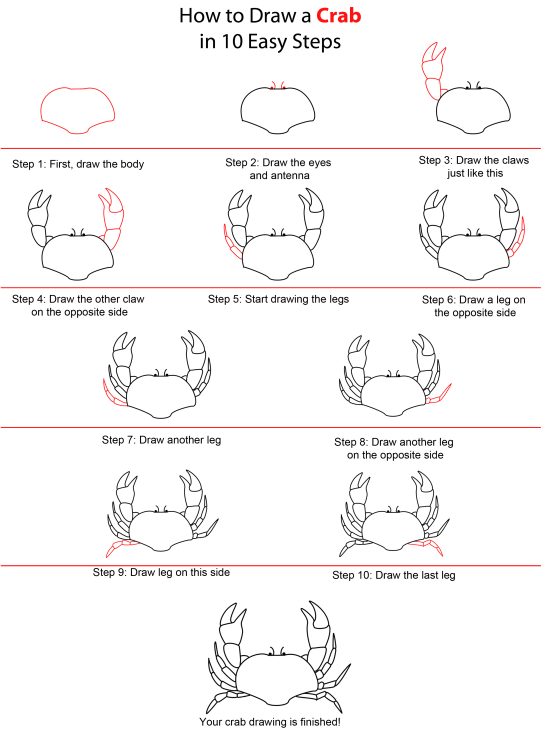
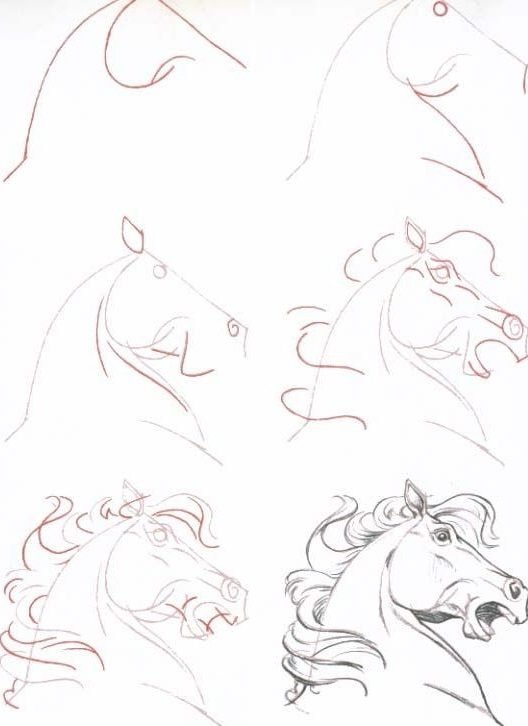
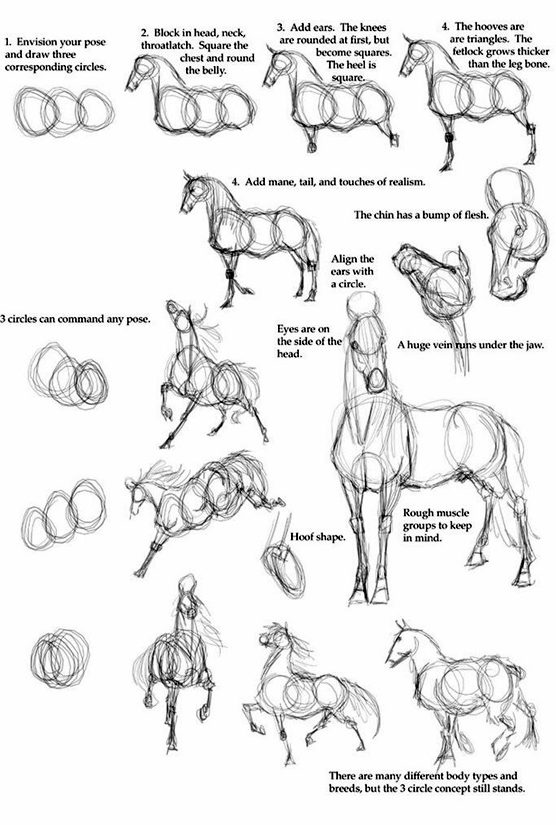
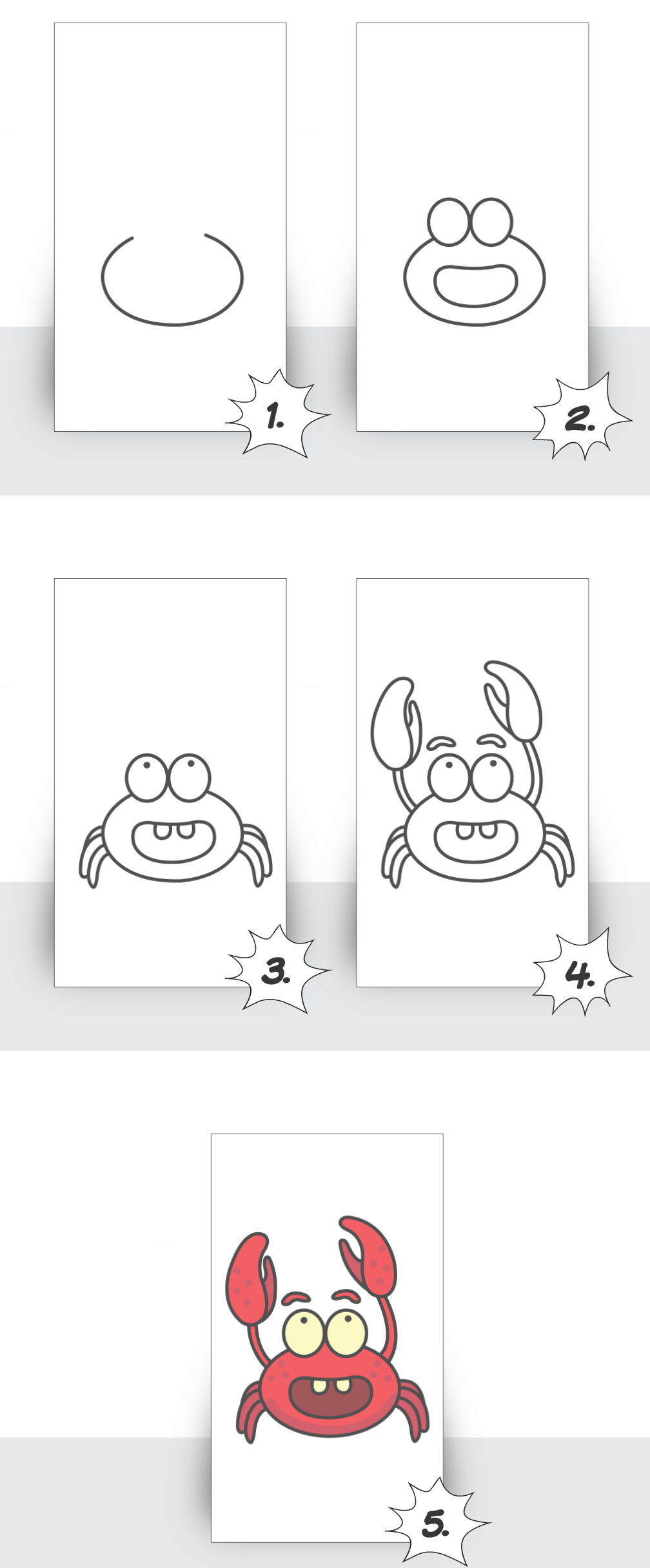
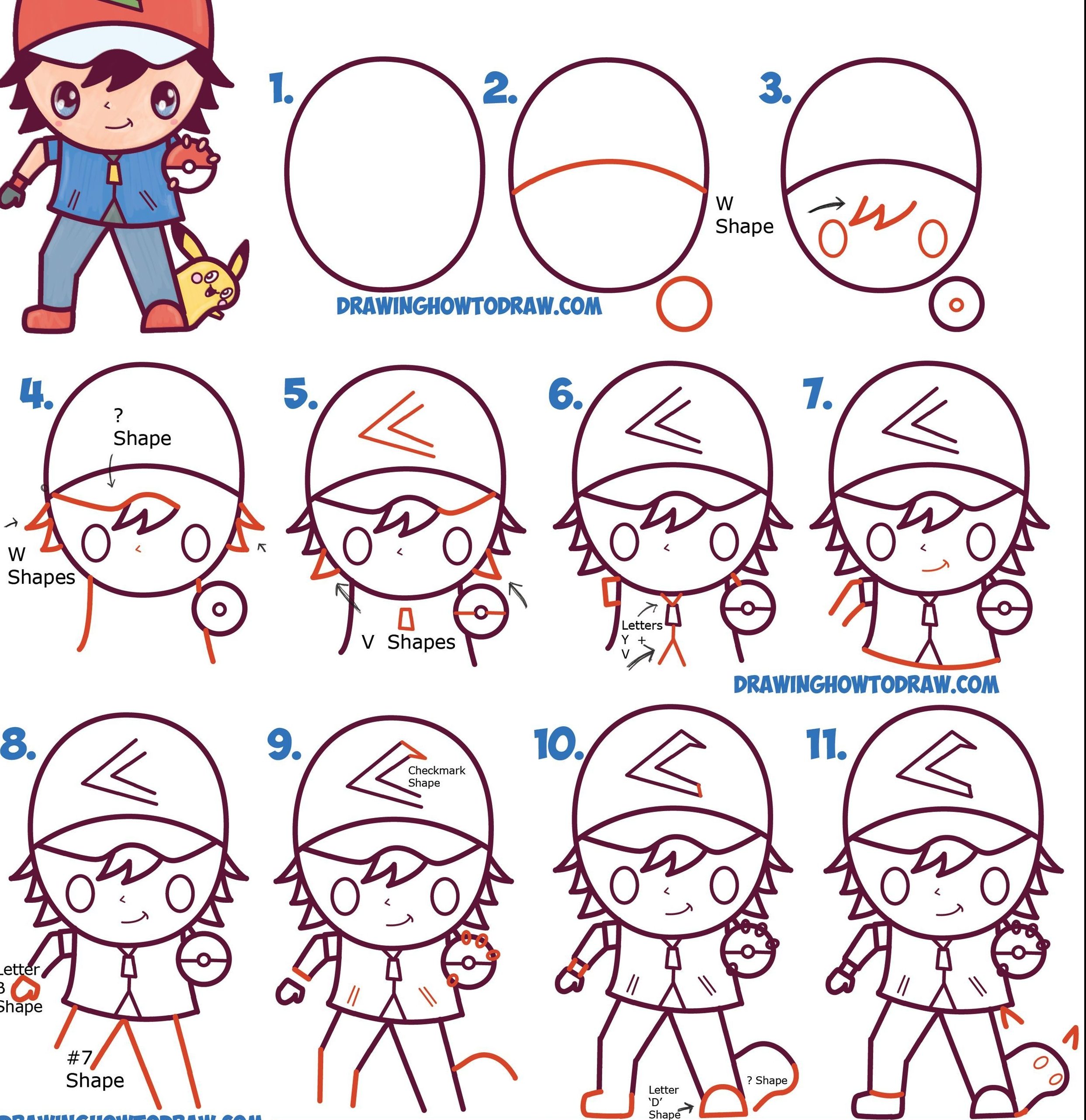
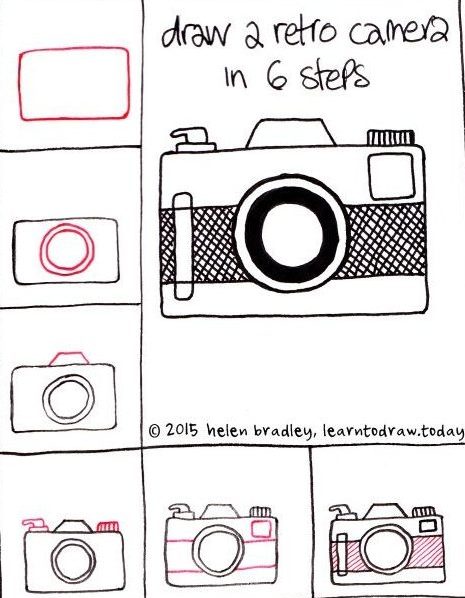
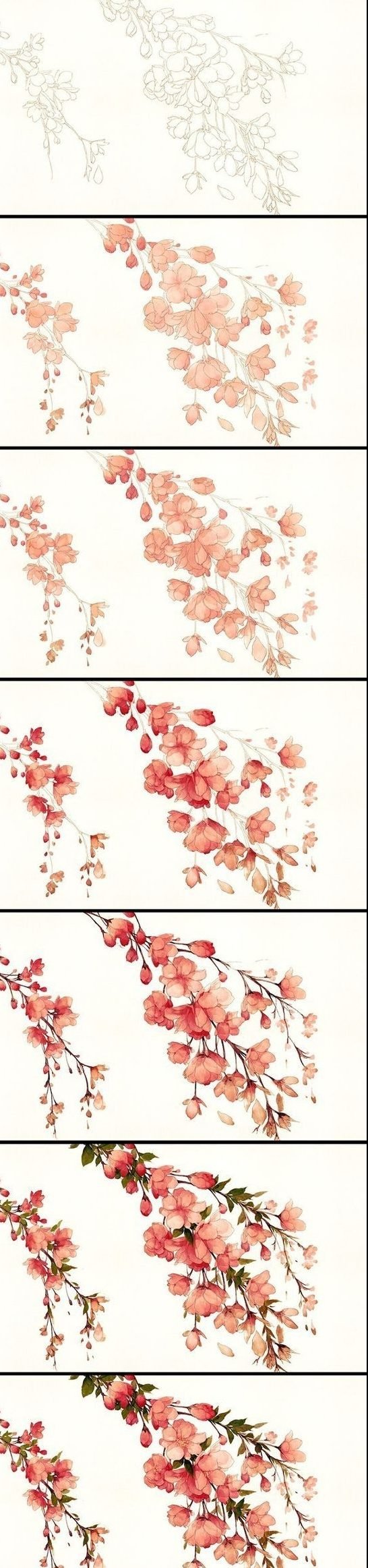


How to use step-by-step references well
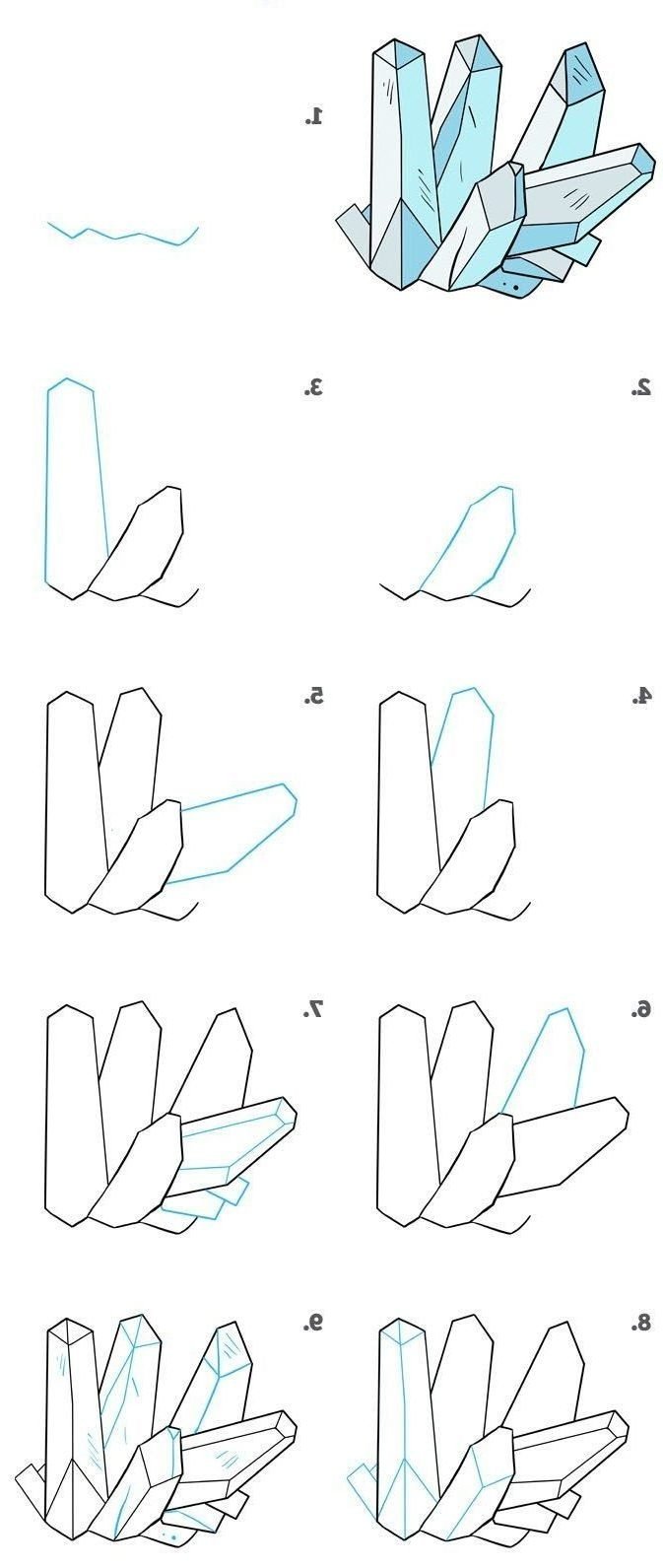
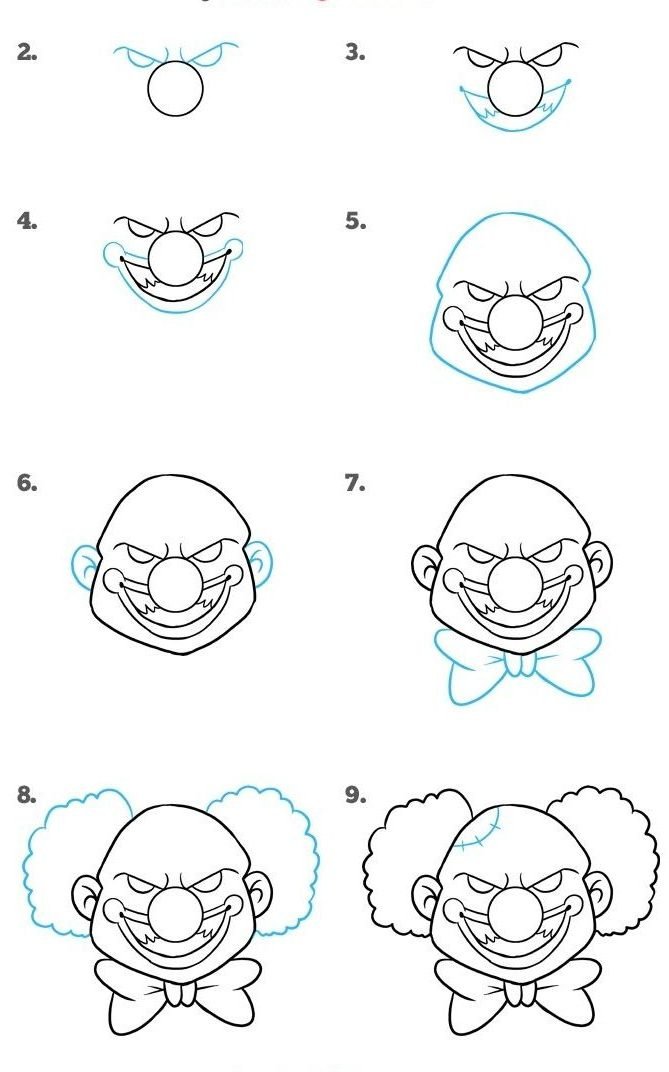
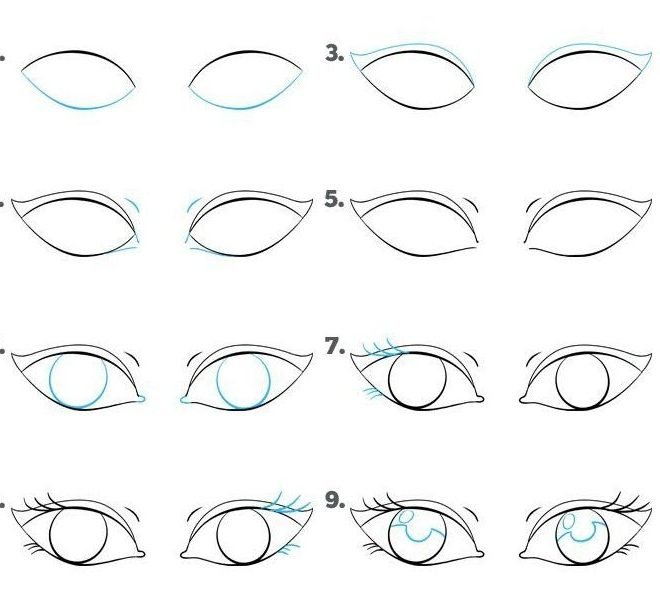
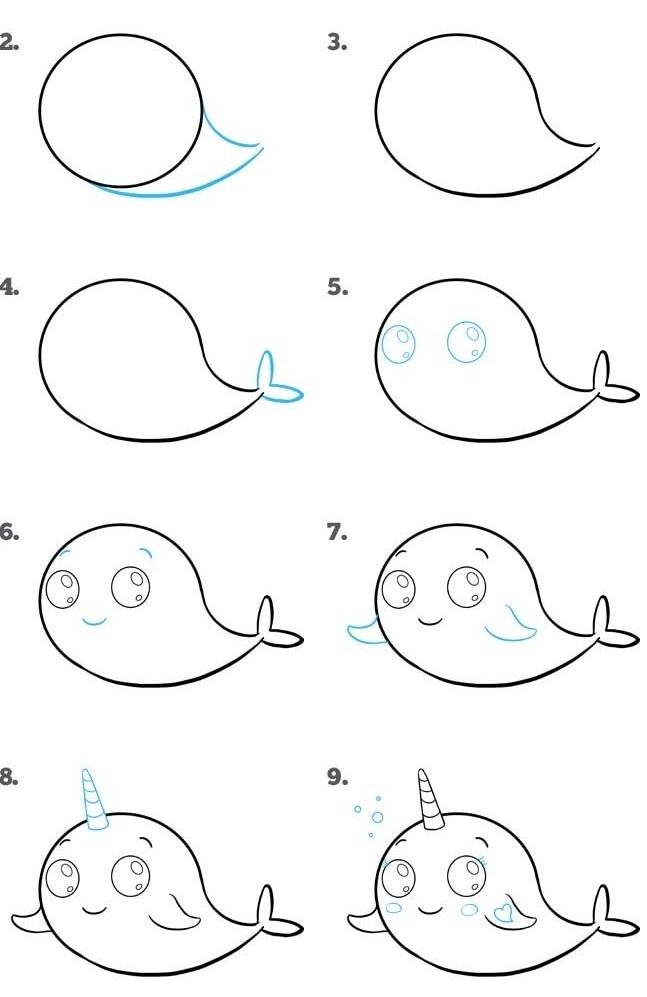
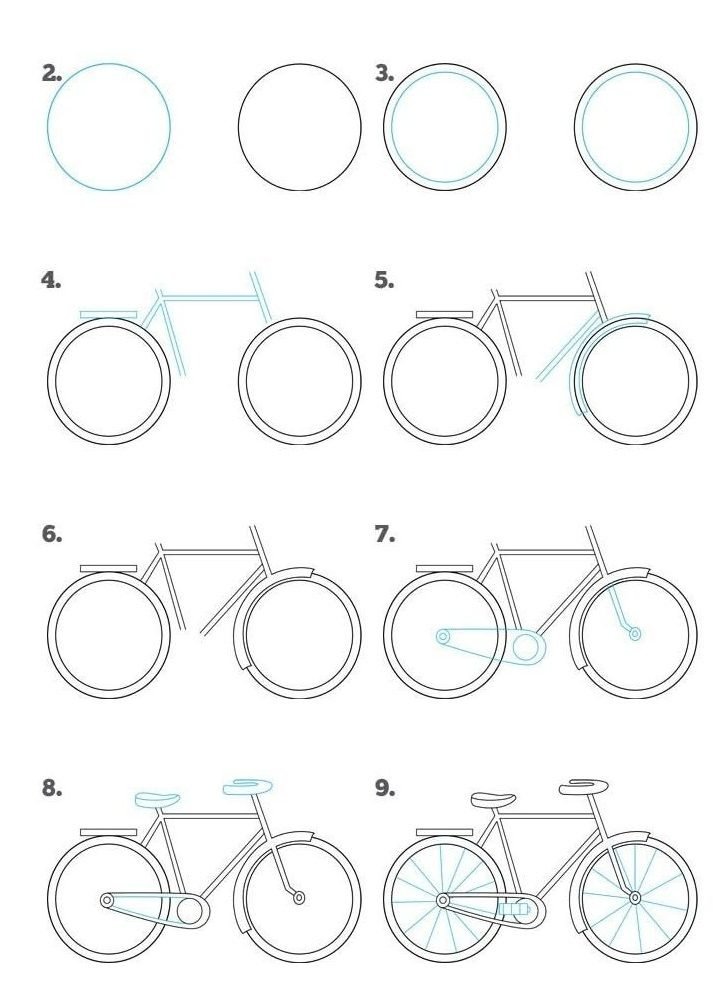
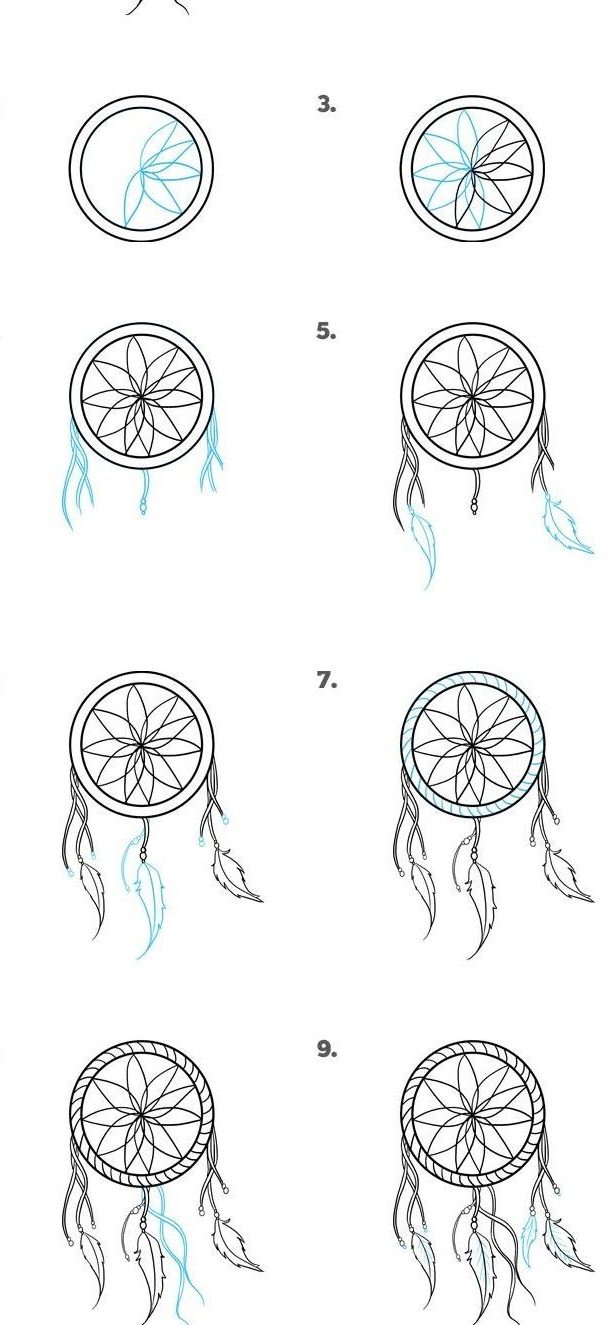
Do not treat every panel as something to copy perfectly. First identify what changed from one step to the next: a new shape, a corrected angle, an overlap, or a darker value. Recreate that change on your own page before moving forward. If your proportions drift, fix the large shapes before adding details.
Keep the tools simple at first
A regular HB or 2B pencil, an eraser and plain paper are enough for most of these exercises. Use lighter pressure for construction lines and darker pressure only after the main shapes are working. Extra pens, blending tools or specialty pencils can be useful later, but they do not solve proportion or observation problems.
When a static tutorial is not enough
Some subjects—hands, perspective, complex curves—are easier to understand when you can watch the order of the marks being made. In those cases, a video demonstration can help. Pause before each major step and try to predict what the artist will add next; that keeps the lesson active instead of turning it into passive watching.



Thanx
This have the steps for the one I wanted
wolf pls
I would like to share the drawings with my friends
These are not exactly what I understand what cool is
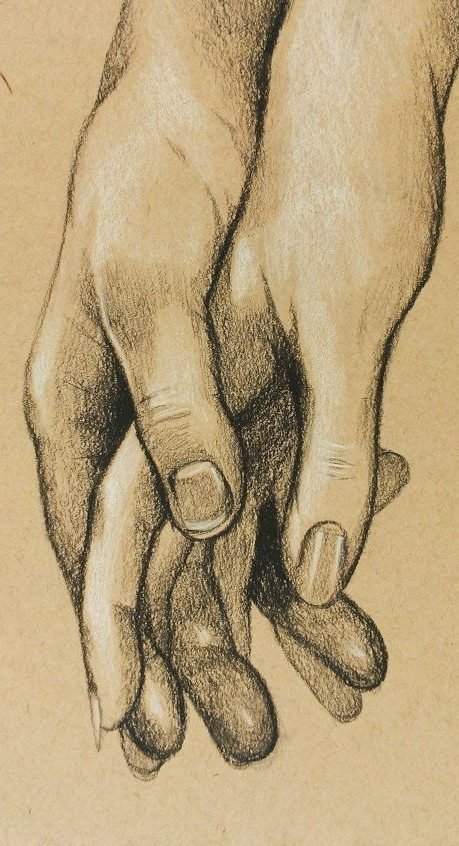
I tried the hand drawing so hard but the result is this:
dont give up hope
I have done a lot of them and they are turning out well
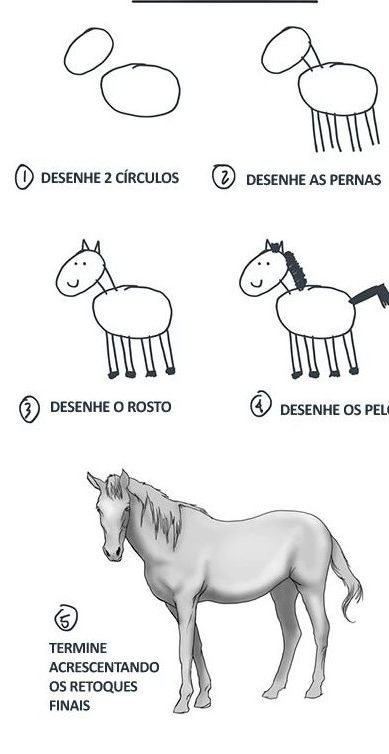
That was fun, thank you for these steps and for the horse one, really funny lol
I did a couple of them and some were hard like the impossible triangle and square but others were easier. I just got a new sketchbook for my birthday so I used a couple pages of it. Thanks.
i have dyslexia i cant draw anything i look for easy drawing but its not easy
Try the horse one, that one’s really easy. I’m dyslexic too btw.
Try the horse one. It’s really easy. Not the three circle one or the unicorn one. The cartoon looking one. I’m also dyslexic btw.
I think some of the drawings were hard but it was fun to try I drew some that ended REALLY good and some not so good but it is all a bit of fun really in my opinion the web sight is not bad and just a bit of fun.
Awesome thanks
These are all really fun and they are all turning out really well
The impossible triangle was AWESOME ?
This was great for getting back into drawing! Thank you!
could you do the one that you have the pic of? i would love to draw that. thank you!
this is amazing
Wow! That was a really helpful
Can u do a call of duty one