
This set contains 18 portrait-format puppy coloring pages. The gallery mixes recognizable breed-inspired designs—especially Huskies, Golden Retrievers and German Shepherds—with a few playful fantasy pages such as unicorn and princess puppies.
Choose the puppy style you want
- Breed-inspired: use the Husky, Golden Retriever or German Shepherd sheets when you want a more recognizable dog shape.
- Simple puppy pages: choose the designs with plain backgrounds and large open areas for a faster coloring session.
- Fantasy puppies: use the unicorn, princess and decorative pages when you want imaginative colors rather than realistic coat patterns.
These are tall portrait files, so print in portrait orientation with Fit to page. If you want a larger breed-focused library, use the 41 puppy pages by breed. For a general portrait puppy set without the breed/fantasy emphasis, see the 26 portrait puppy pages.
Coloring breed-inspired puppies
For recognizable breeds, work from the main coat pattern outward. Huskies often benefit from a light base with darker face and back markings; Golden Retriever pages look natural with layered cream, honey or warm gold; German Shepherd-style pages need clearer dark-and-light separation around the muzzle, back and ears.
Keep the nose and pupils among the darkest parts of the page. If every fur edge is outlined equally heavily, the coat can look flatter than it needs to.
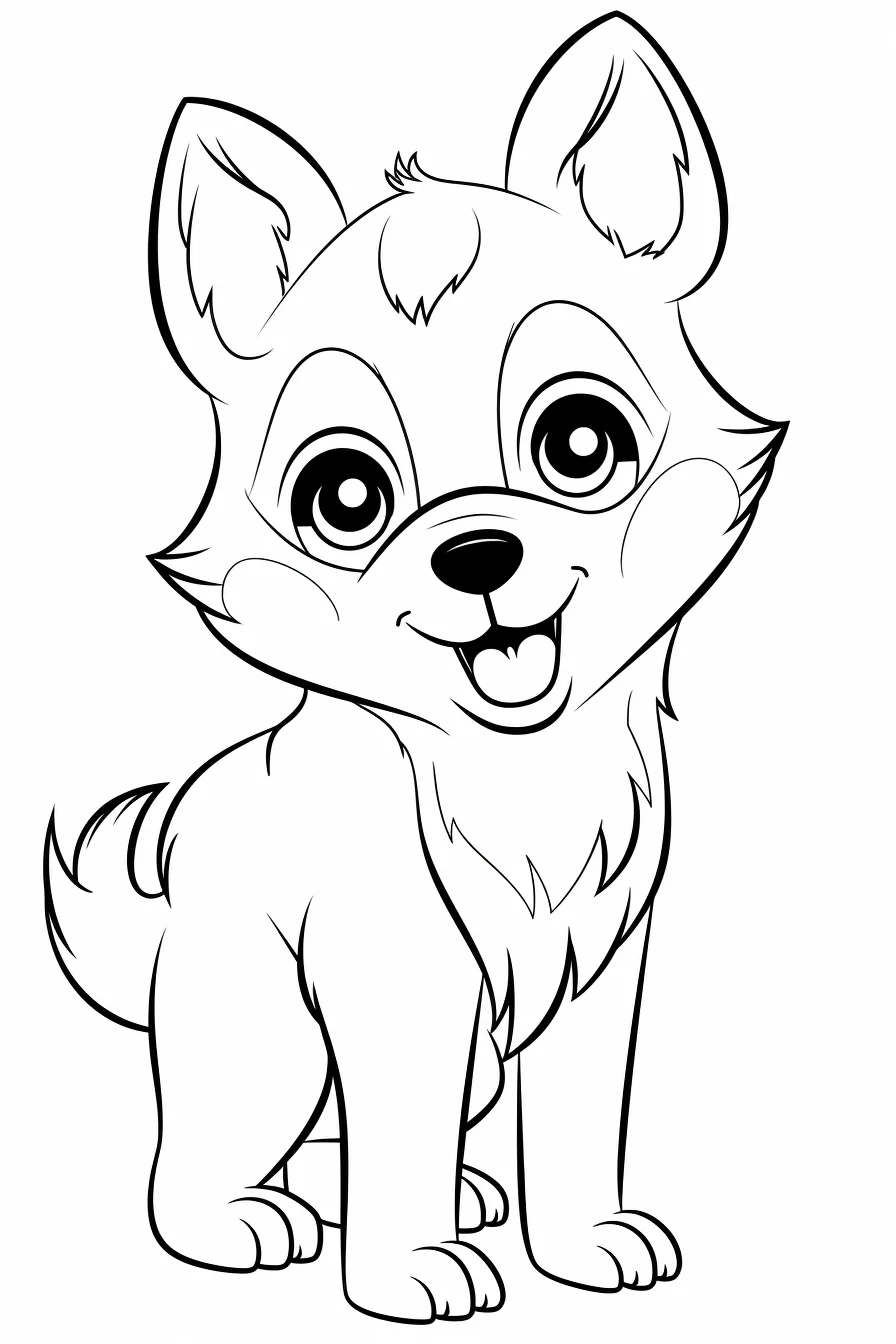
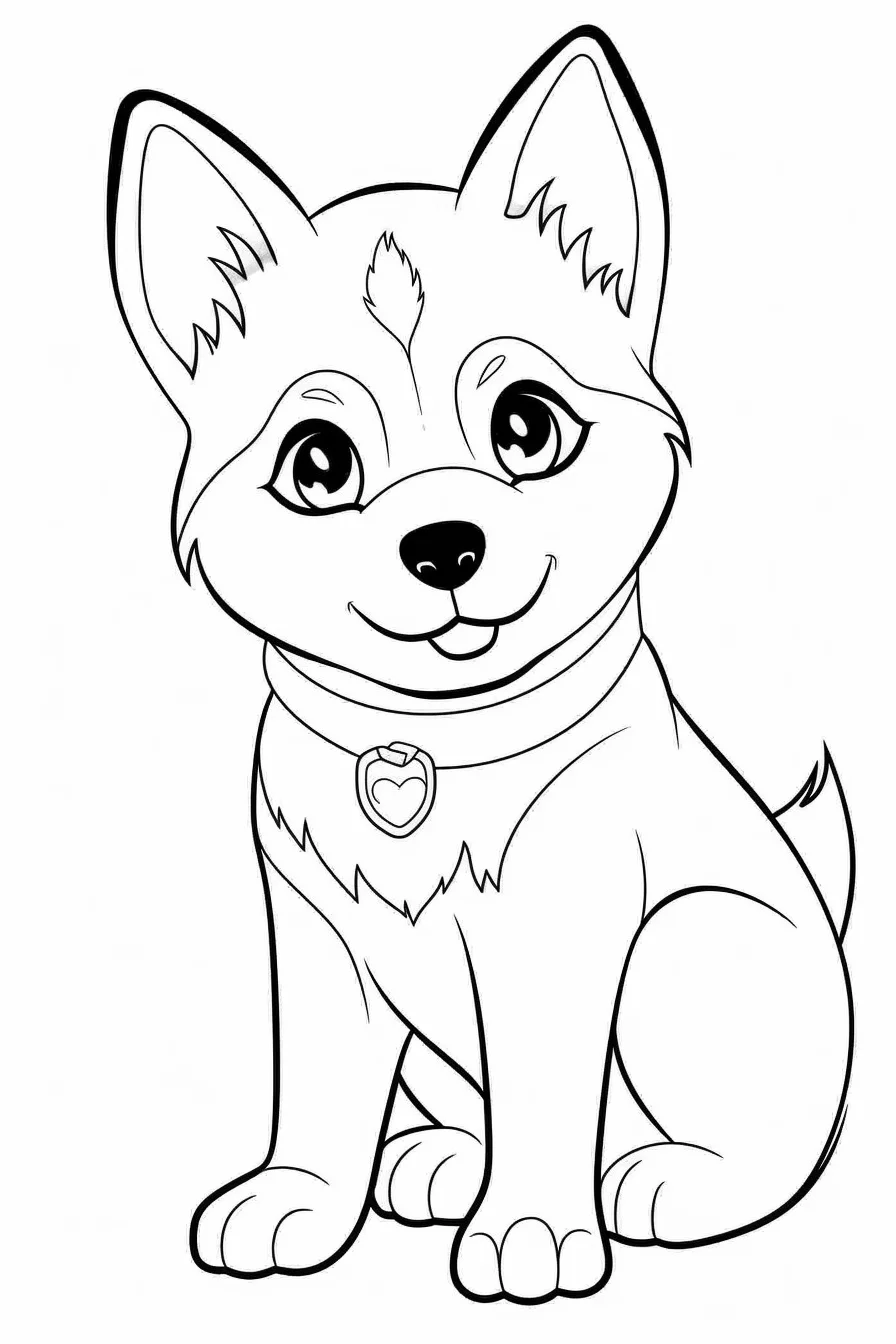
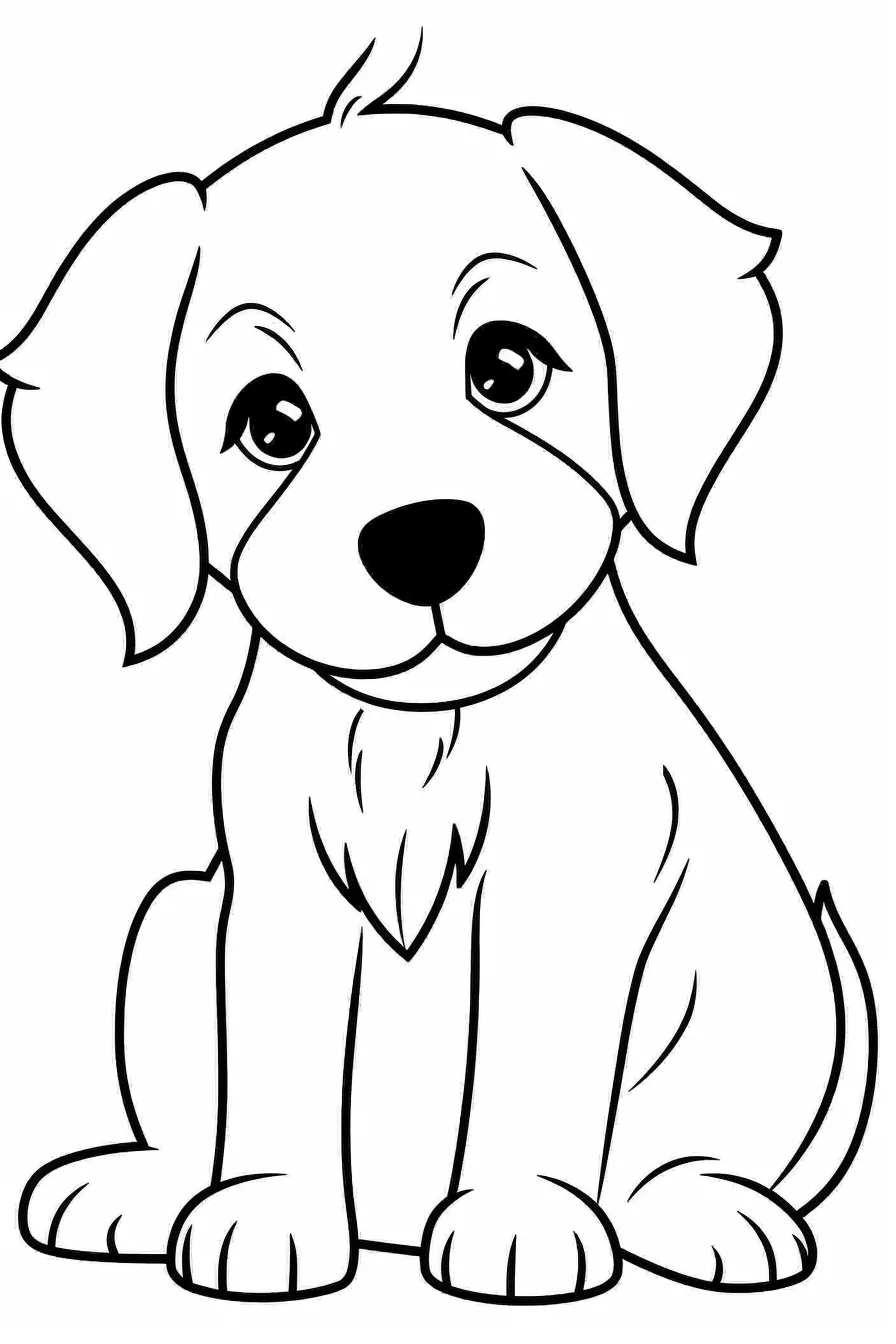
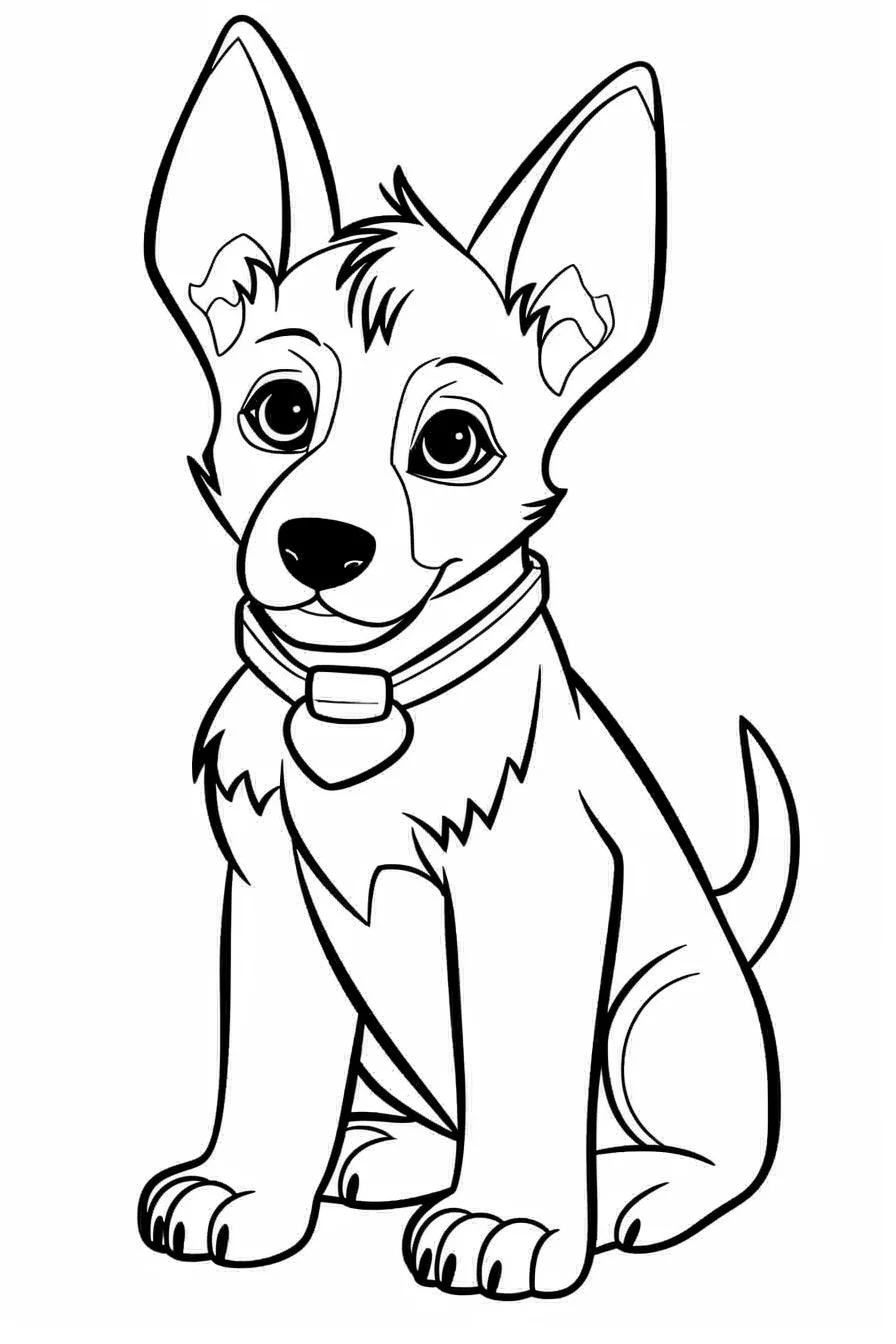
Breed-inspired first four: use reference-like colors if the breed recognition is part of the fun, but do not obsess over exact markings. A clean light/dark coat pattern reads better than trying to copy every hair.
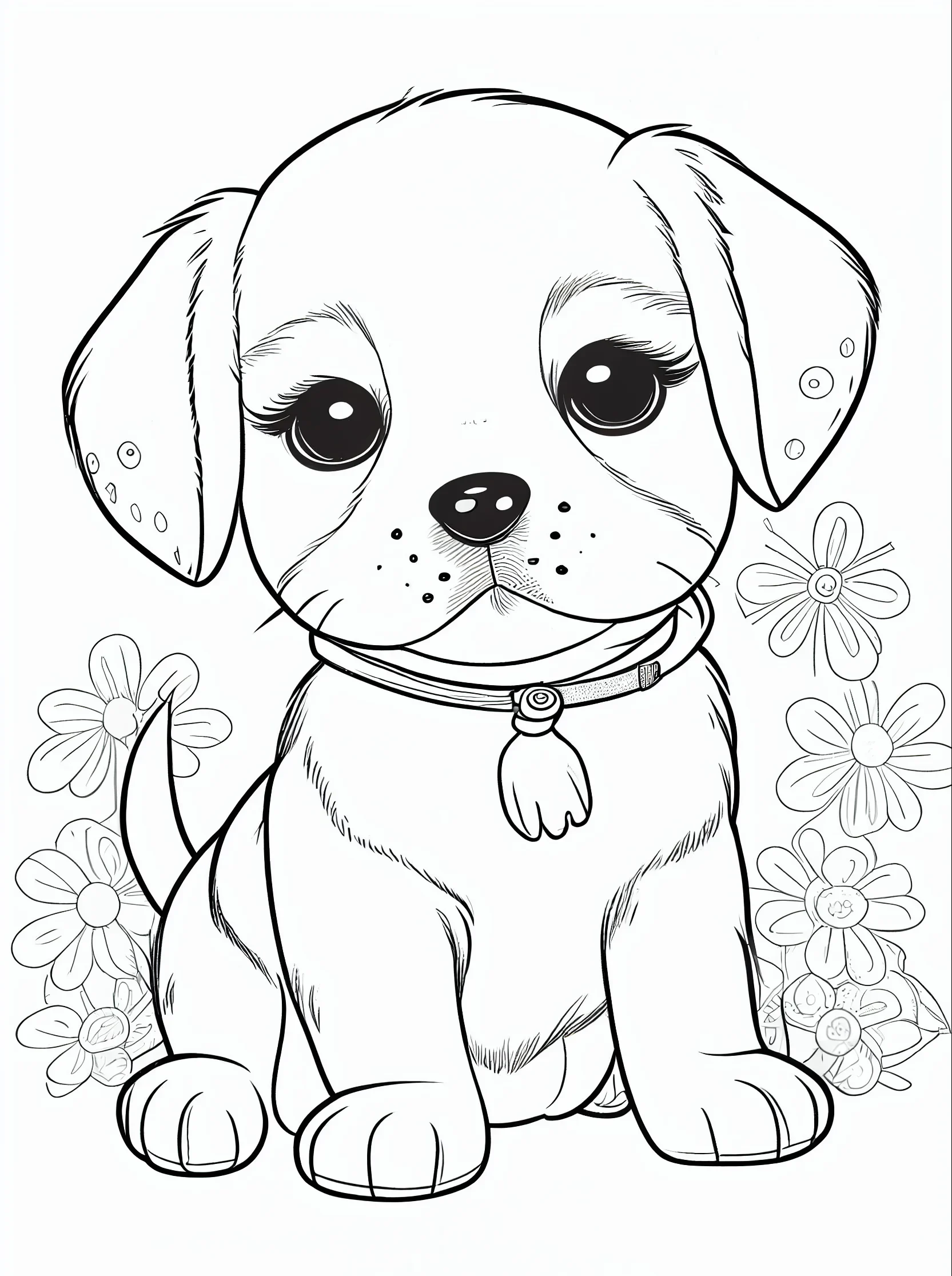
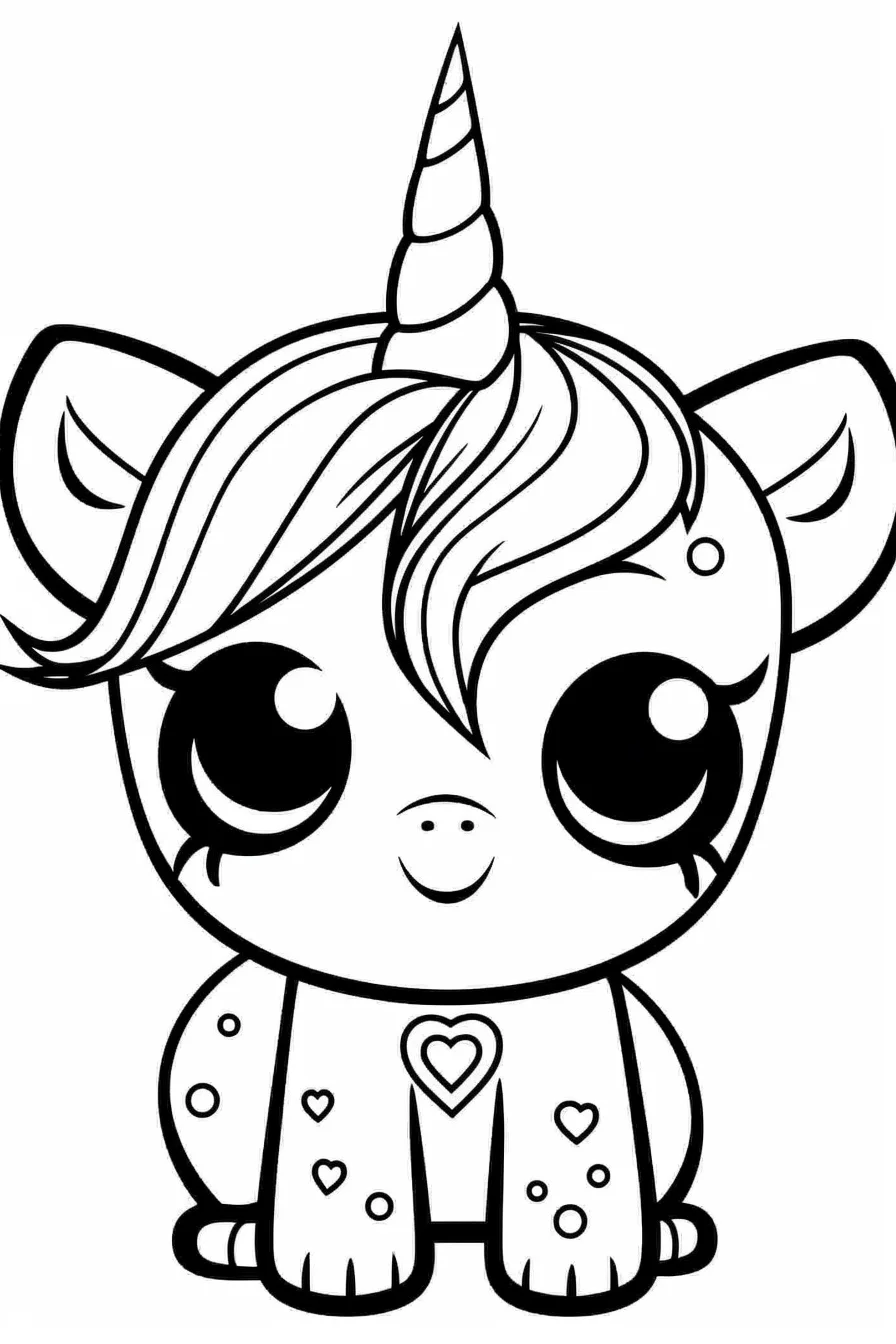
Unicorn puppy: this is the point where realistic dog colors stop mattering. Keep the puppy body relatively simple and use the fantasy feature for brighter pink, lavender, mint, blue or rainbow accents.
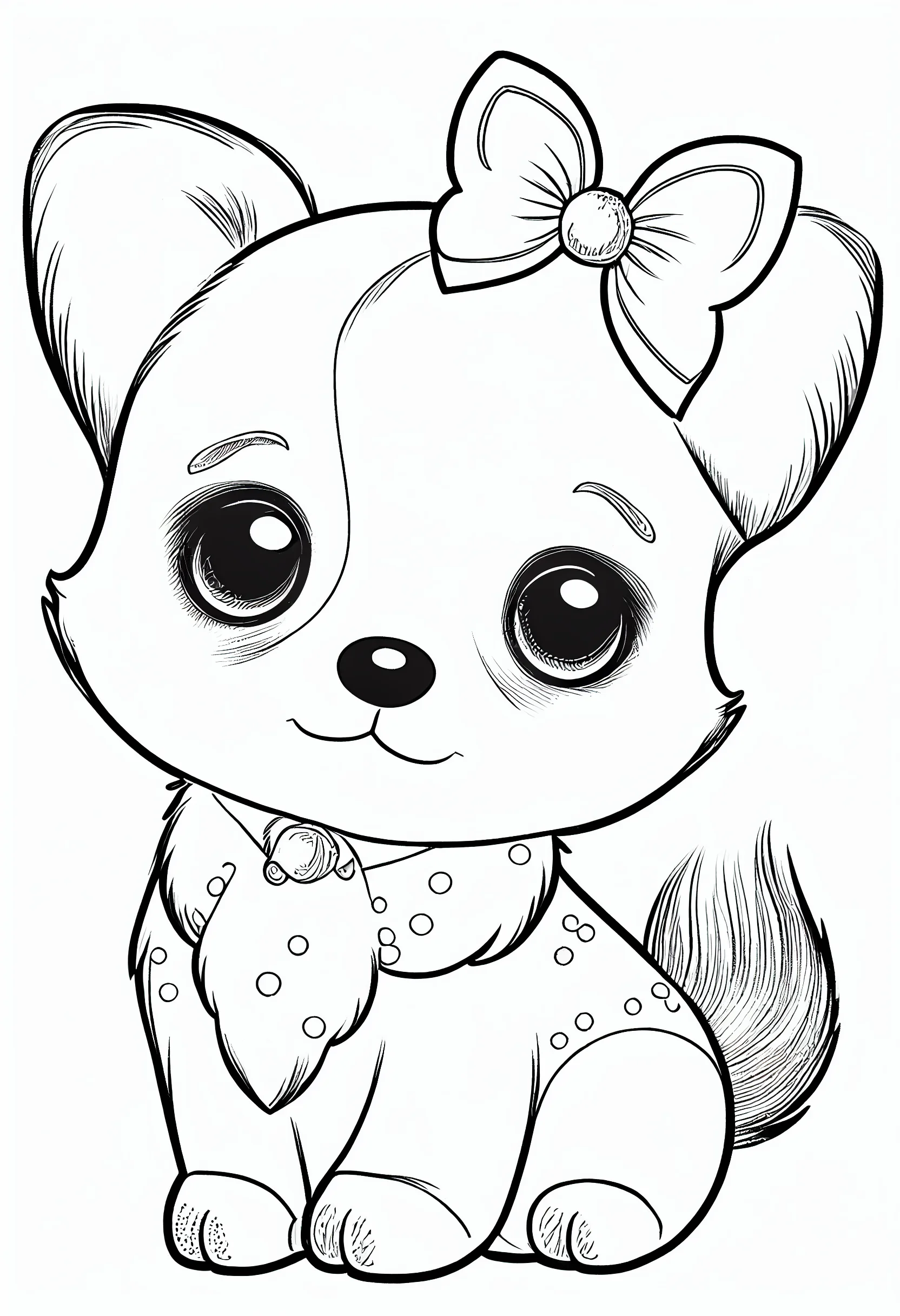
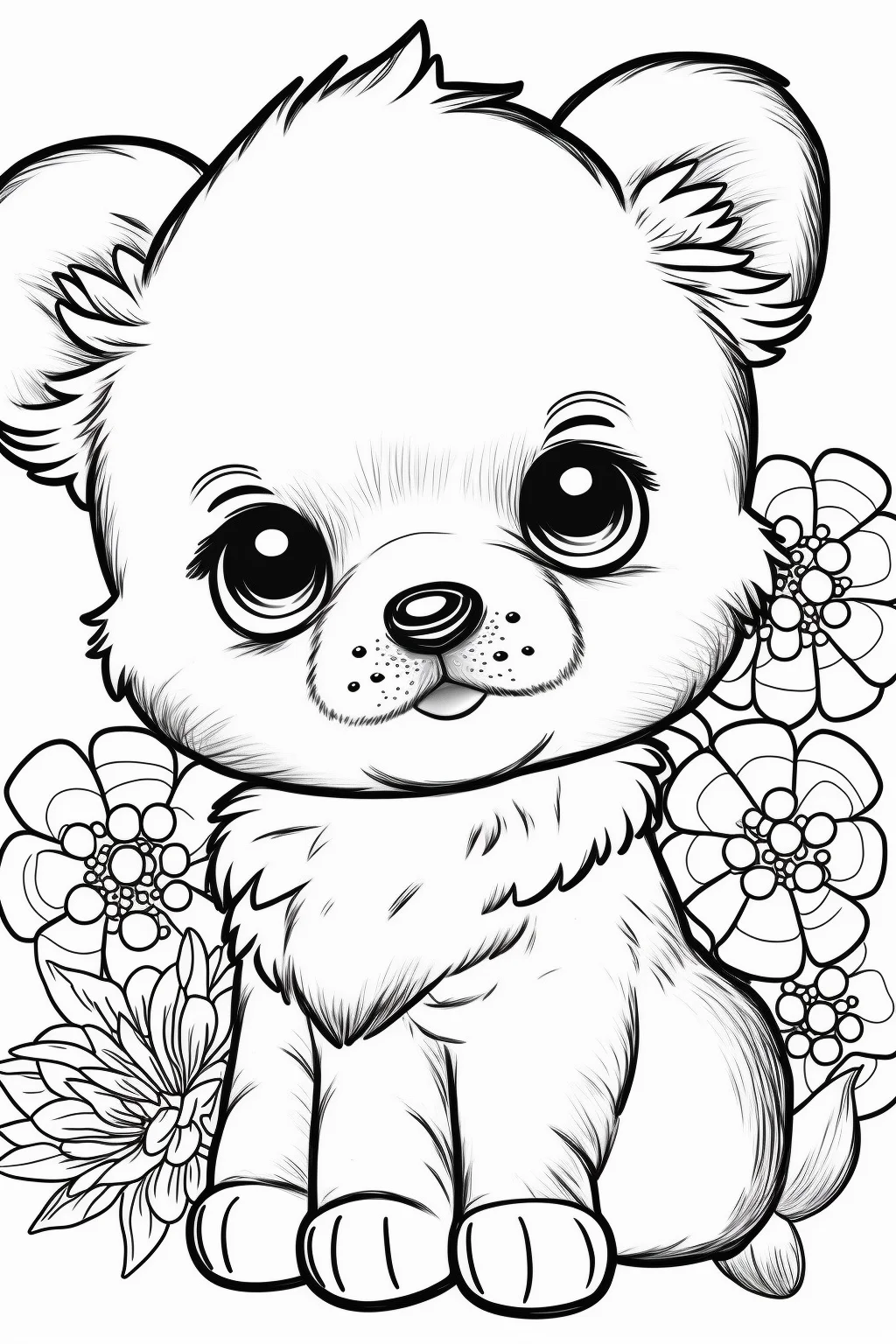
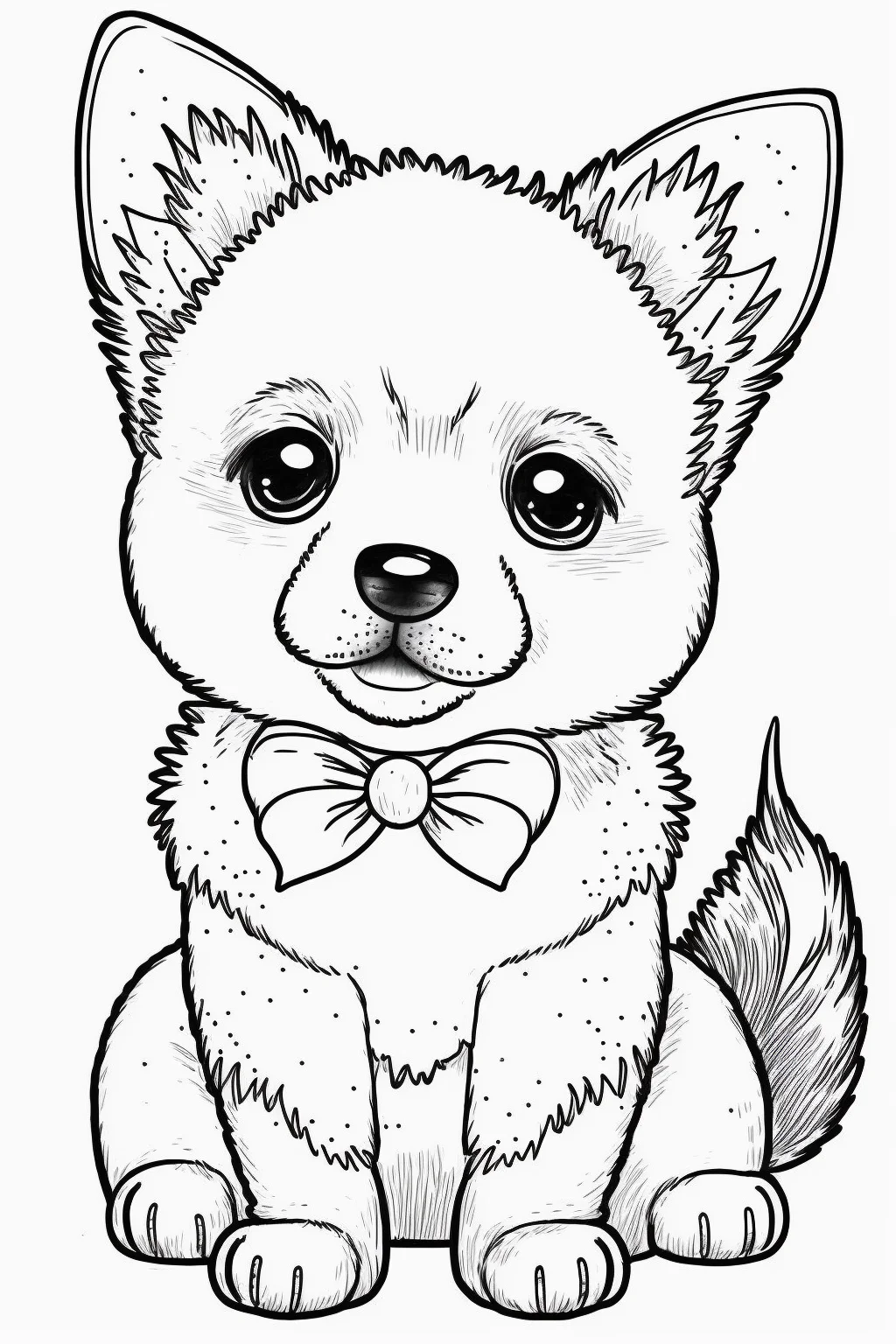
Wolf-pup outlier: this sheet is useful if you want a cooler coat palette. Layer gray, taupe or muted brown rather than one flat gray, and leave the muzzle and chest slightly lighter so the face remains distinct.
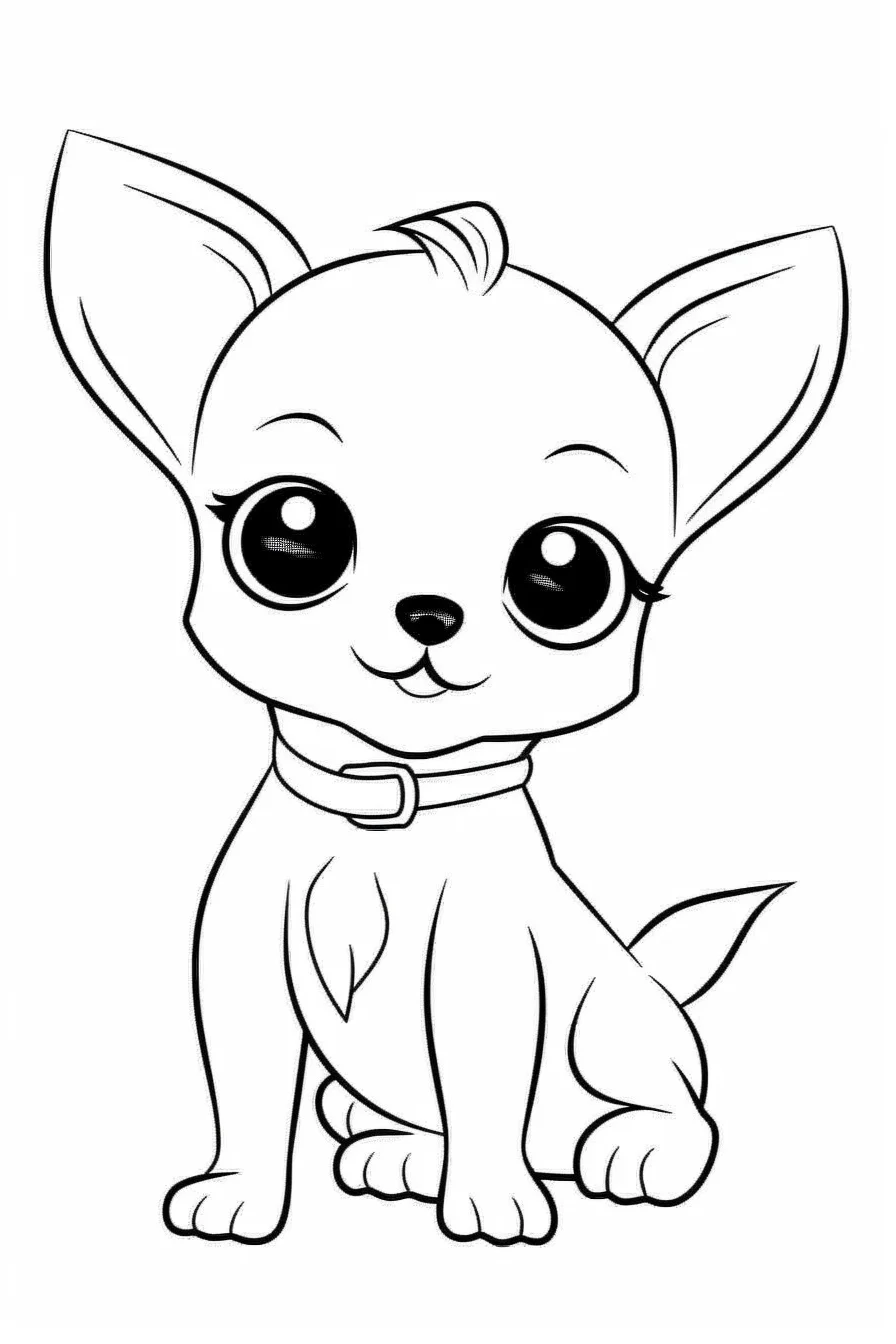
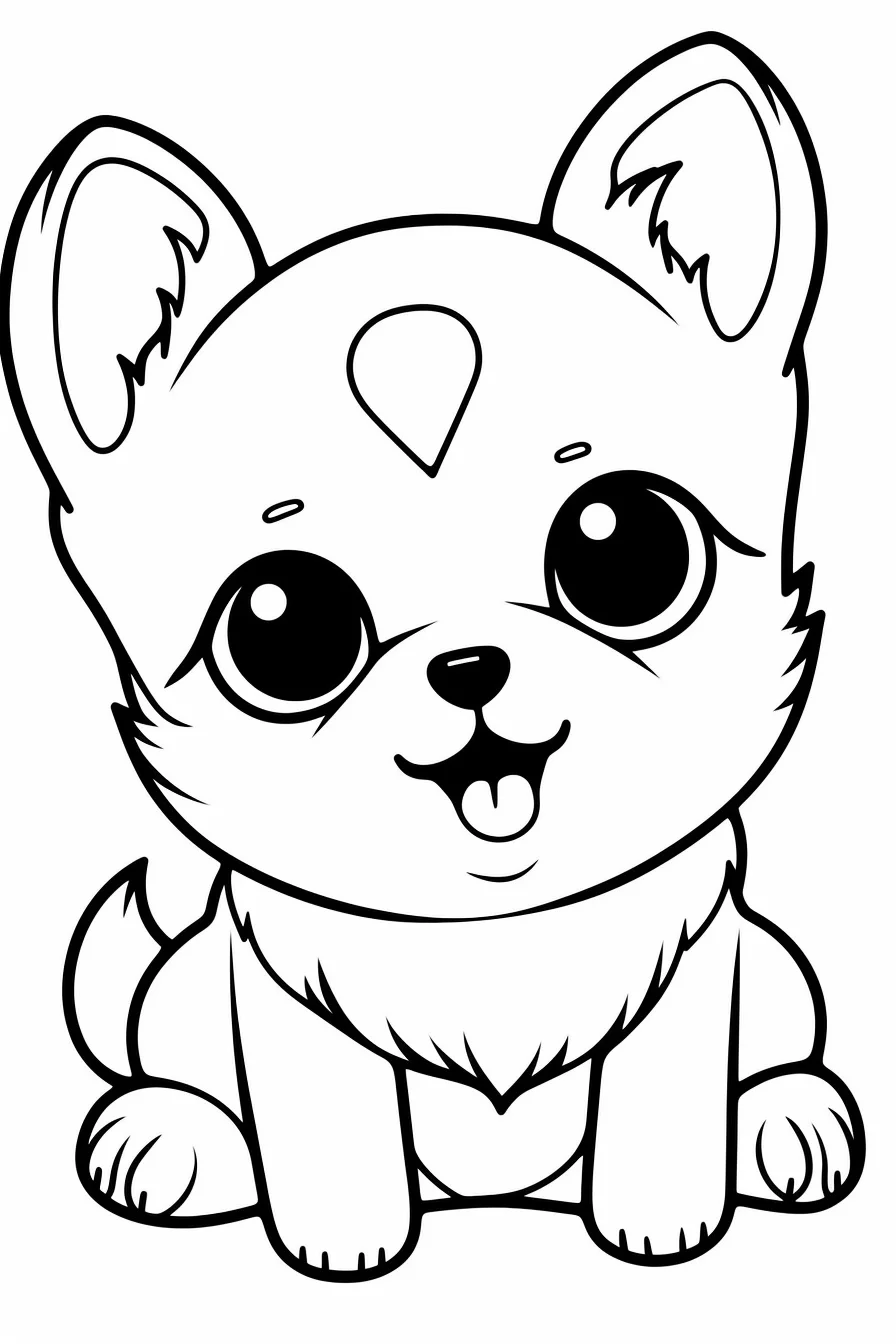
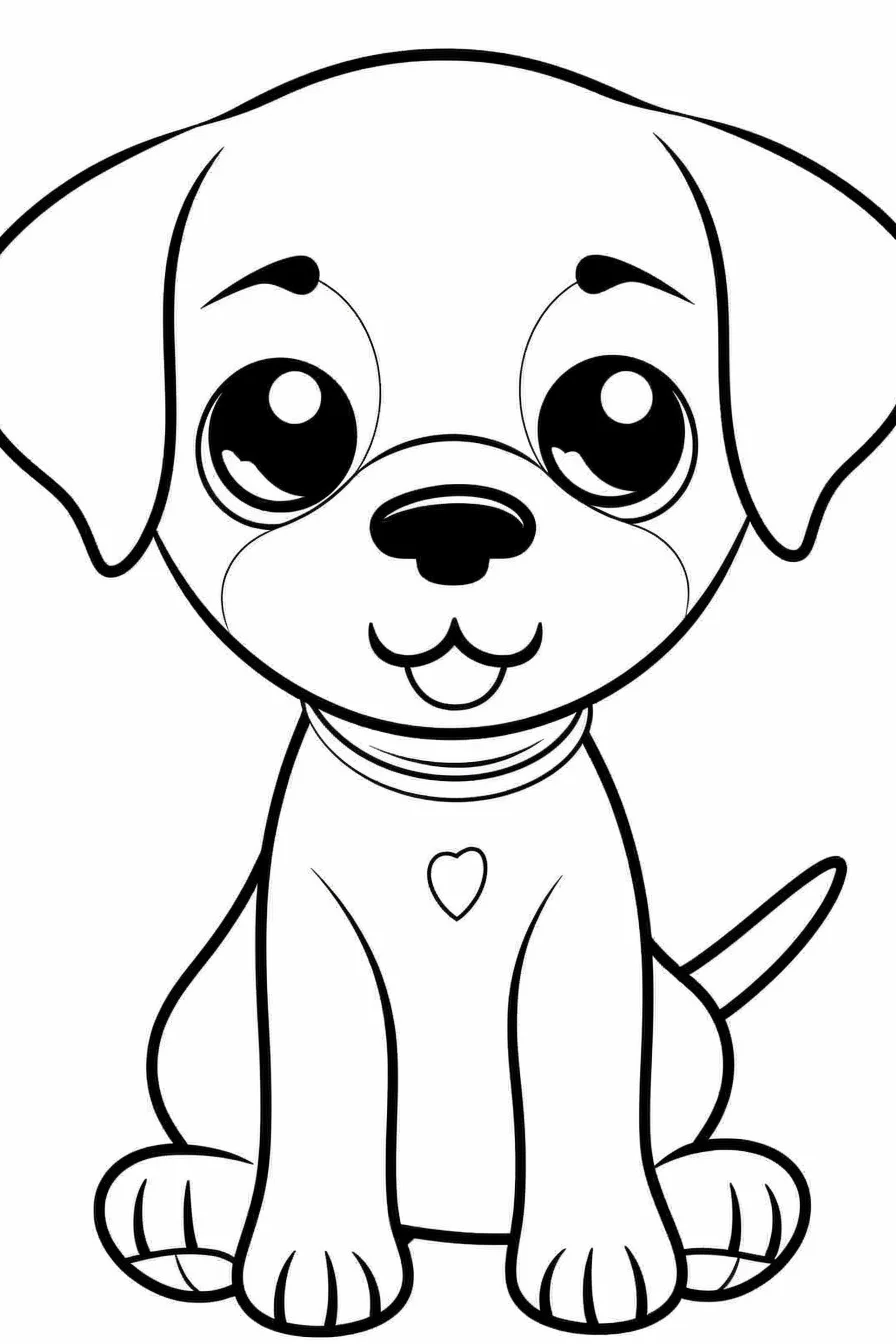
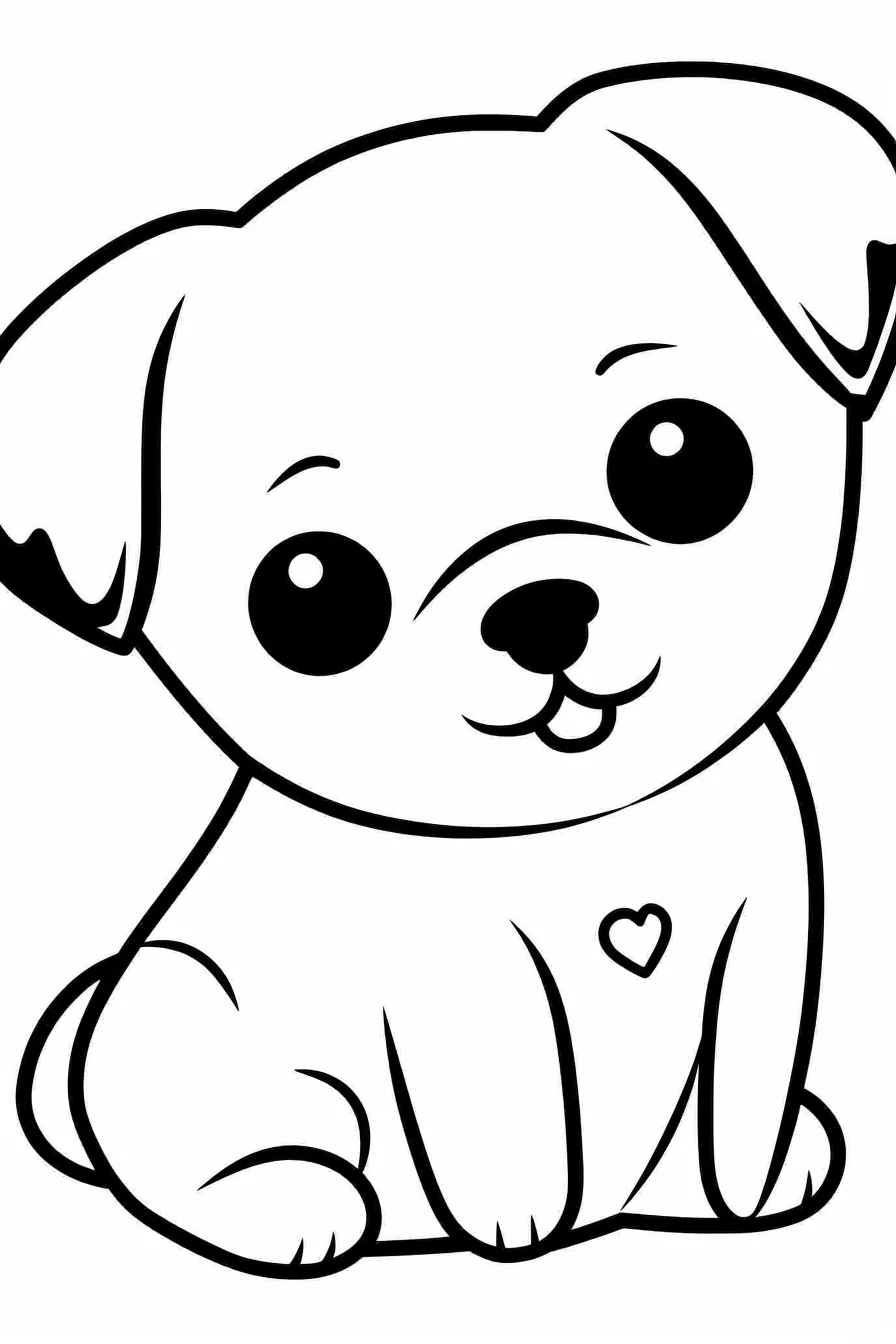
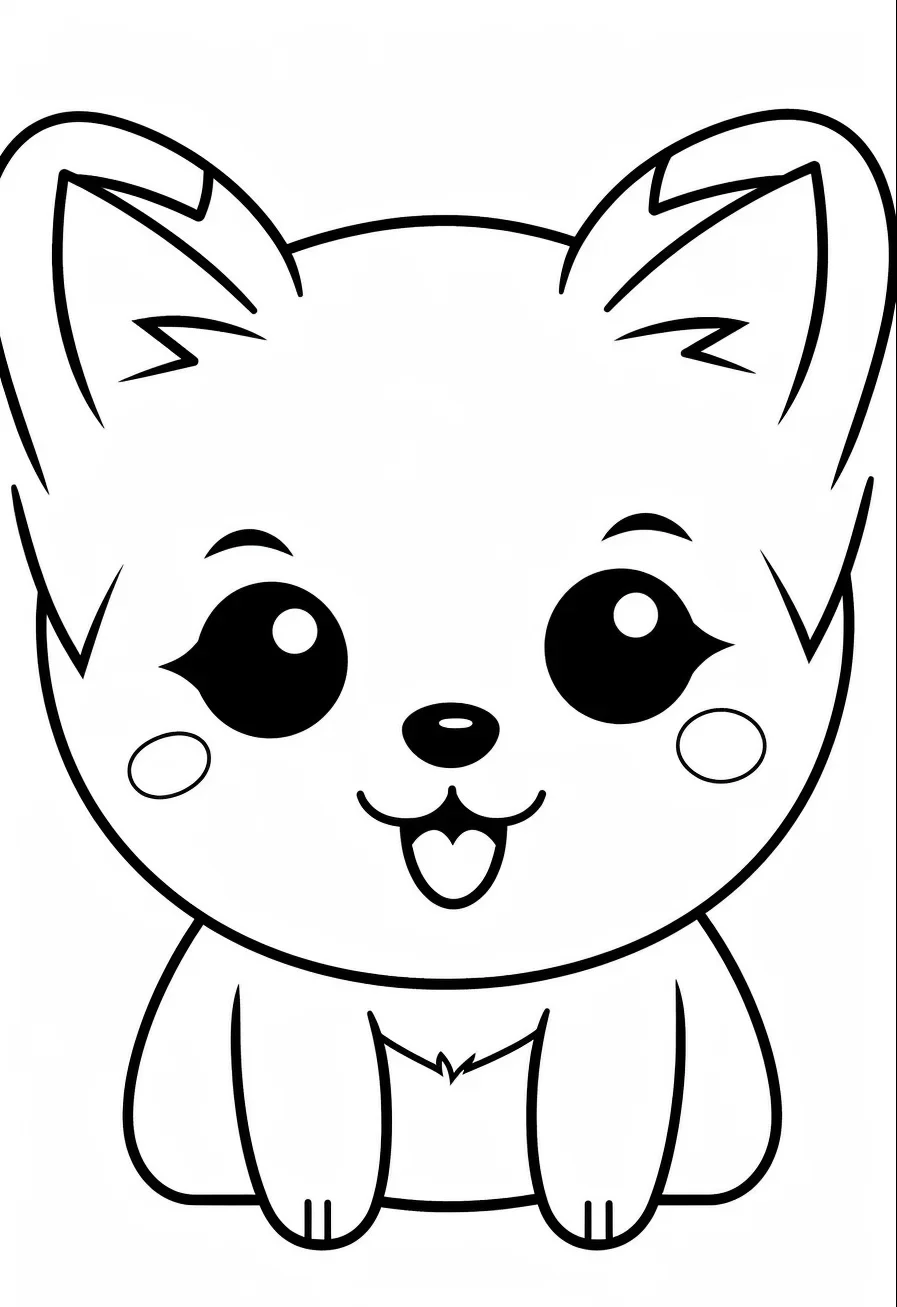
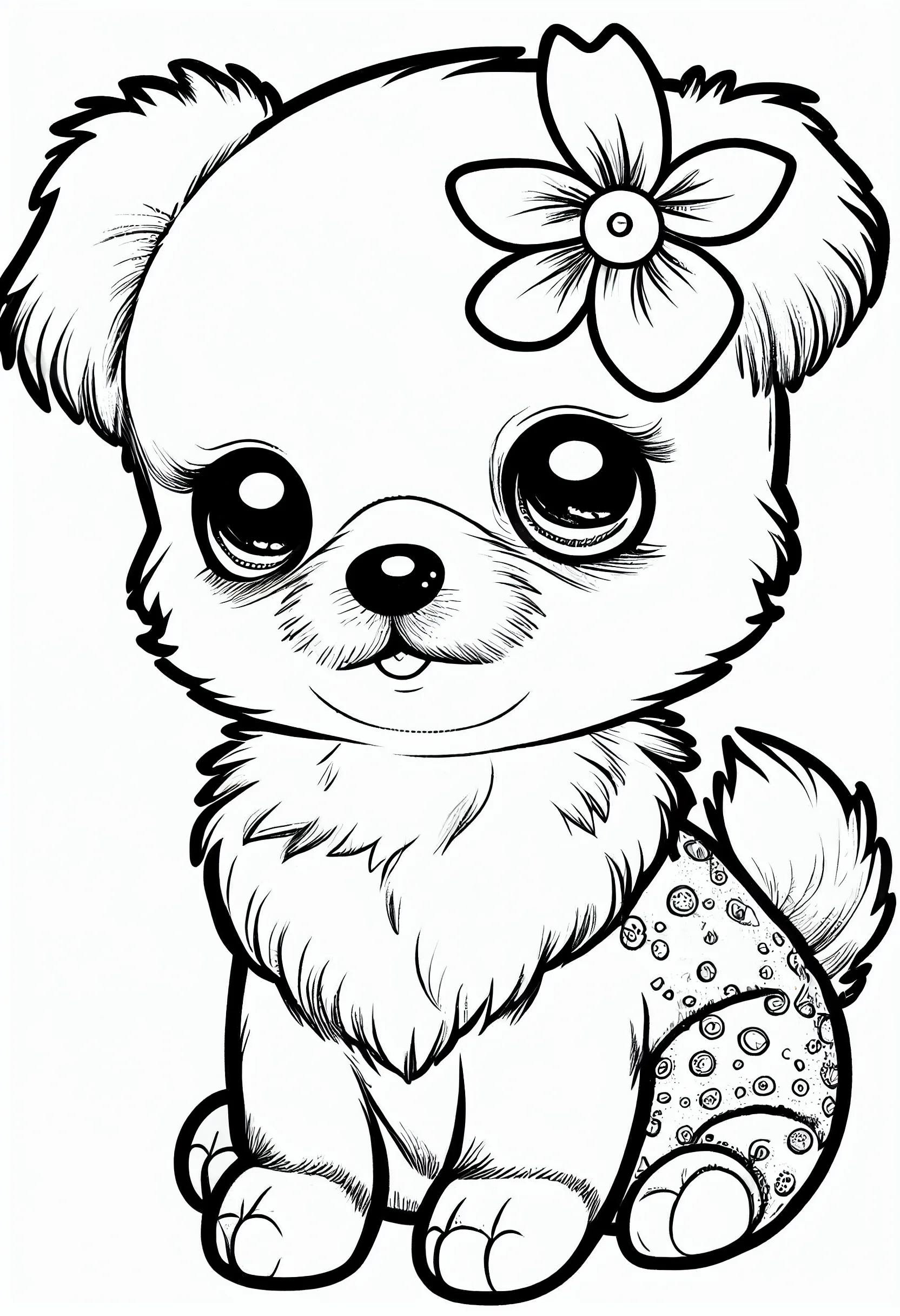
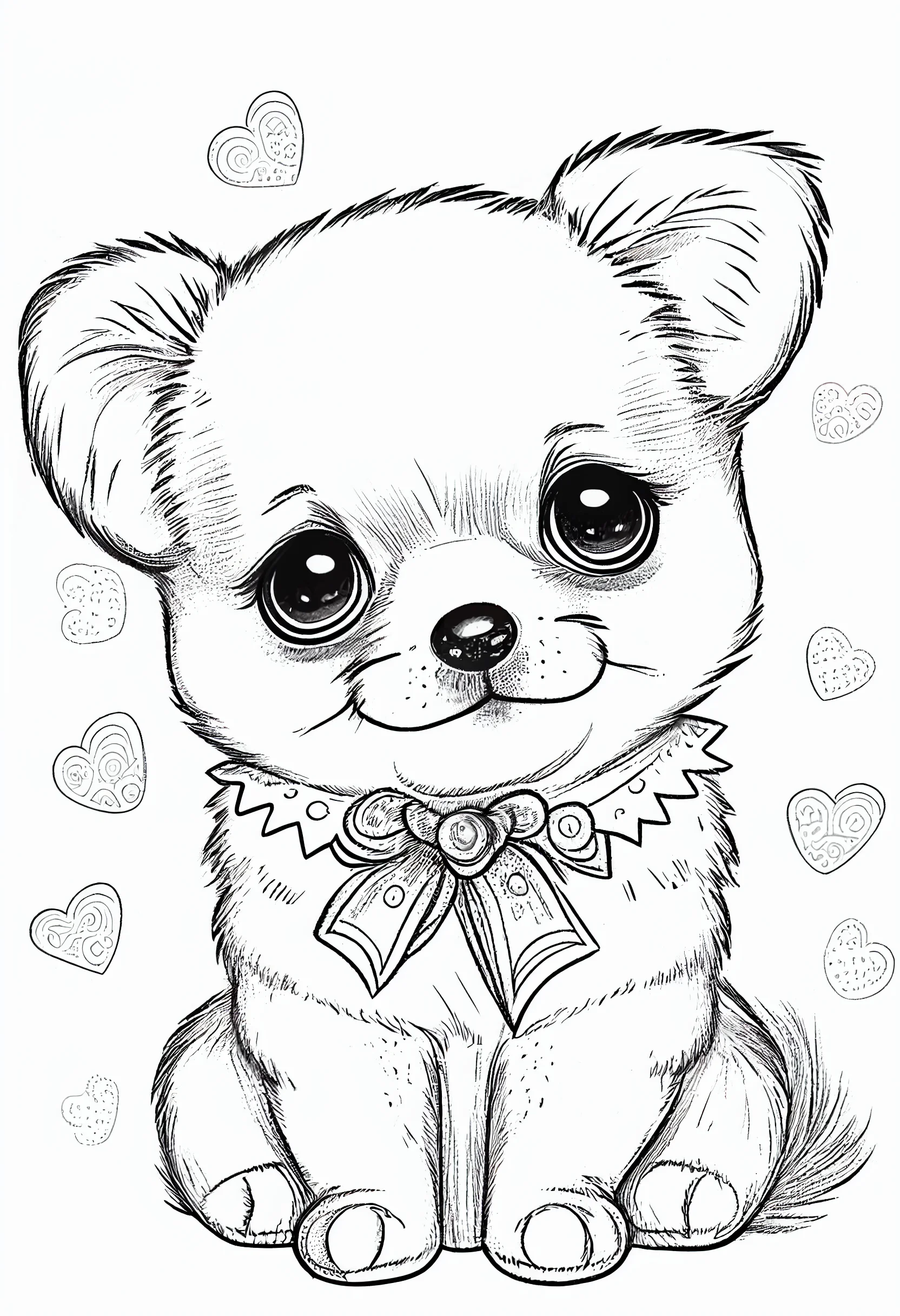
Easy puppy group: these simpler pages are better for crayons and shorter coloring sessions. Use one main fur color, a lighter muzzle or chest, and a darker nose and ears; that is enough contrast to make the puppy feel finished.
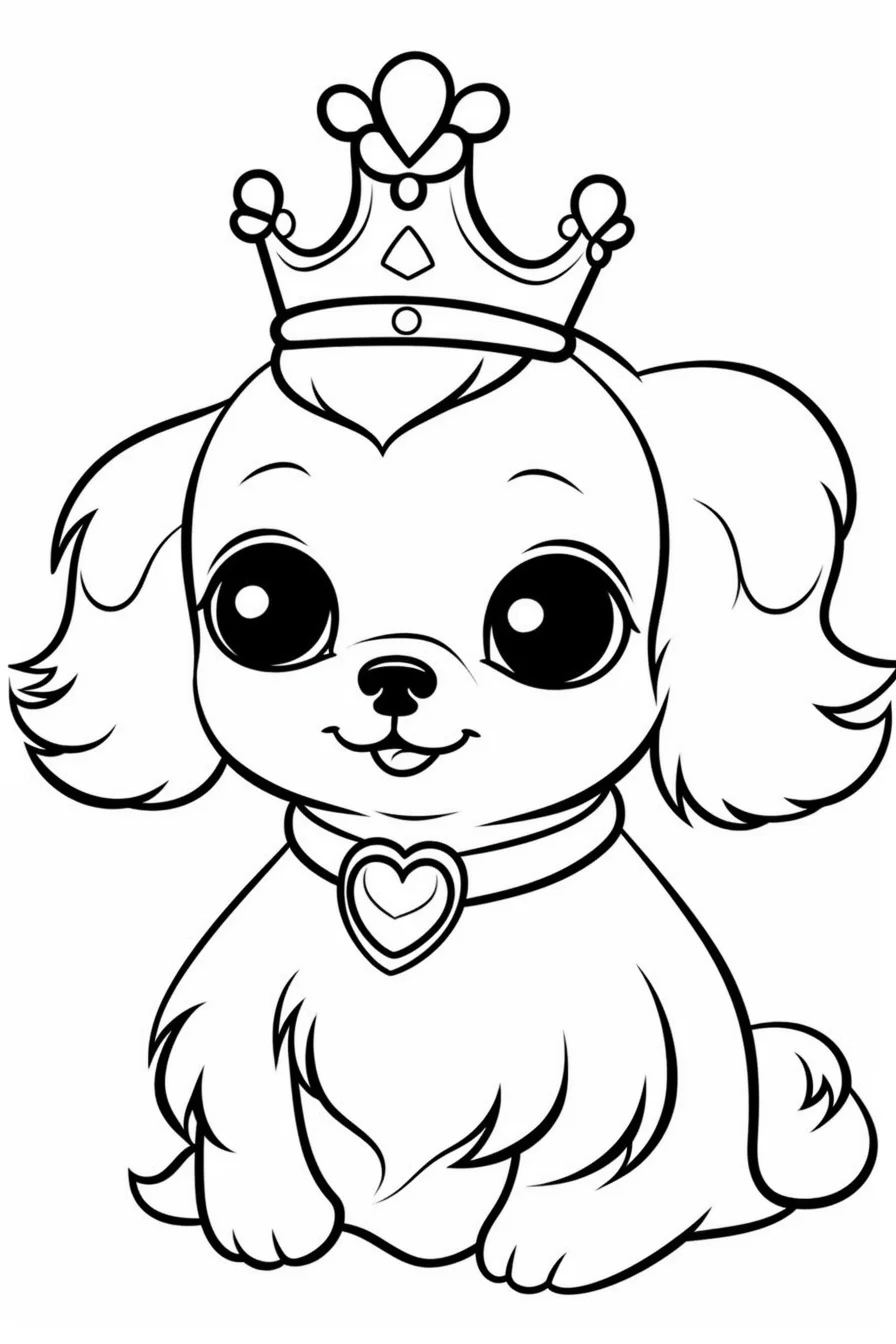
Princess puppy: pick the accessory colors before the fur. Gold, pink, purple or blue can make the fantasy details stand out while the puppy itself stays in a softer cream, tan or invented pastel shade.
Which puppy page should you print first?
If breed recognition matters, begin with the Husky, Golden Retriever or German Shepherd pages at the top. For a young child, use one of the easy puppy sheets in the middle. For imaginative coloring, the unicorn and princess puppies give you the most freedom with color.
For device-specific saving and printing help, use the full print guide.

