
These 16 animal coloring pages are meant to be easy, but “easy” is not just an age label. A page can look cute and still be frustrating if the paws, fur lines and facial details are too small for the tool a child is using.
The quickest way to choose is to ignore the animal for a second and look at the spaces. Big enclosed shapes, a clear face and very little background usually mean a short, satisfying page. Lots of tiny paws, tufts of fur or separate facial details turn the same activity into a longer one.
The 10-second test for an easy coloring page
| Look for… | Usually means… |
|---|---|
| One large animal and plenty of white space | Good for crayons and a first coloring page |
| A few ears, paws or face details | Good for preschool and kindergarten practice |
| Several small shapes or repeated fur lines | Better for a longer session or colored pencils |
Choose by how the child colors, not only by age
If a child colors with big arm movements, give them the page with the largest open spaces and a thick crayon. If they are already slowing down around eyes, ears and paws, a colored pencil gives them more control. If they enjoy tiny details and ask for “the harder one,” move up rather than keeping them on preschool-style pages just because of their age.
The opposite is true too. If a child stops halfway through a busy page, that does not mean they dislike coloring. The page may simply be asking for more fine control or patience than they wanted to use that day.
Crayons, pencils or markers?
- Crayons: easiest for large open areas and quick coloring.
- Colored pencils: useful when the drawing has smaller ears, paws, fur lines or facial details.
- Markers: give strong color quickly, but put a spare sheet underneath if you print on ordinary copy paper.
There is no need to keep the animals realistic. A purple fox or blue lion is completely fine. If you want the picture to stay easy to read, use one main body color and save brighter colors for ears, paws, noses or small details.
How to save and print
On a phone, touch and hold the image you want and save the full image rather than taking a screenshot. On a computer, open the image in a new tab or save the image file directly. Print in portrait orientation using “Fit to page.” If an edge is cut off or the printer adds an unexpected border, use our Print & Save Help.
16 easy animal coloring pages
Open the full-size file before printing. The numbered links below are there so you do not have to save a compressed page preview from the article.
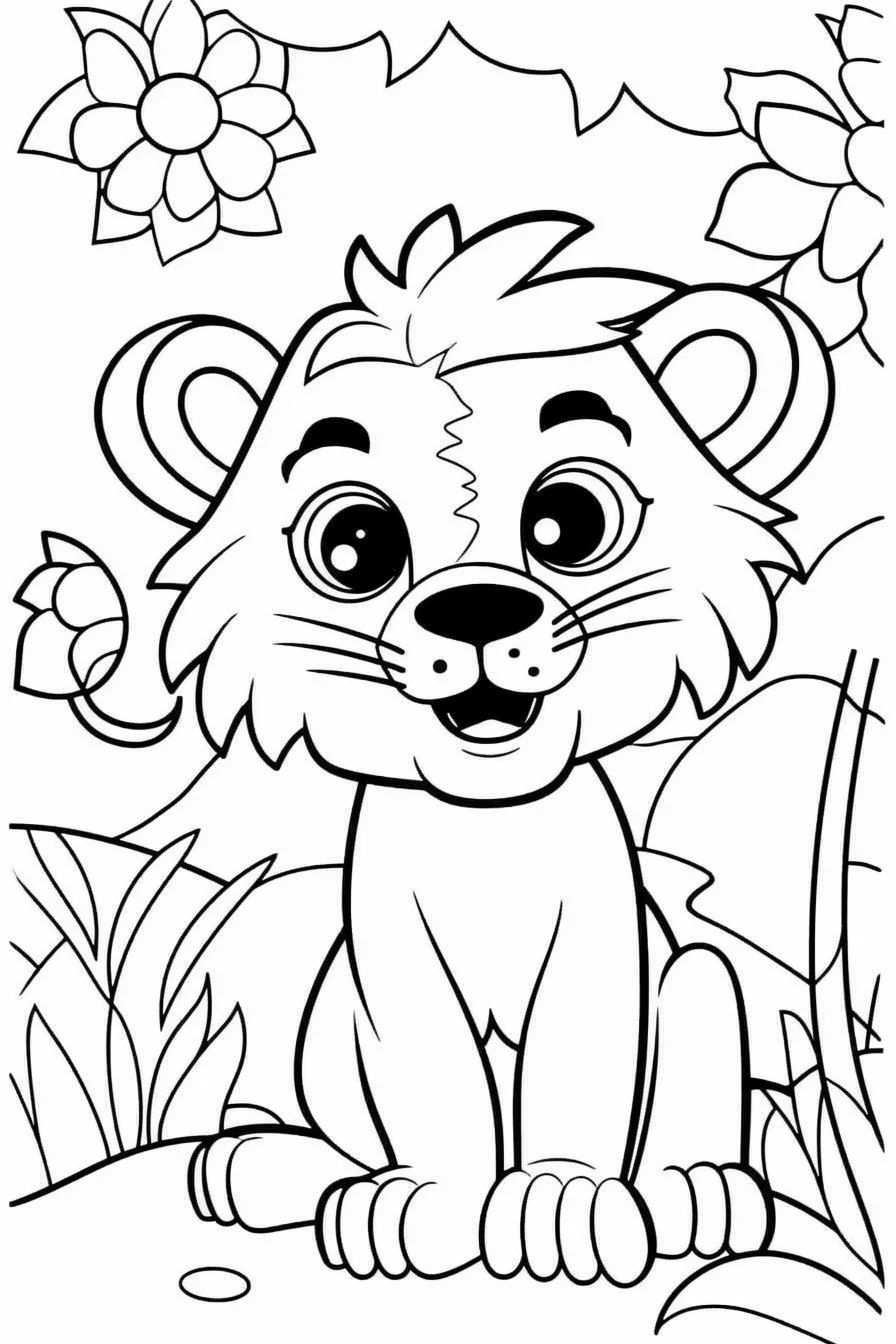
Open full-size easy animal coloring sheet 1
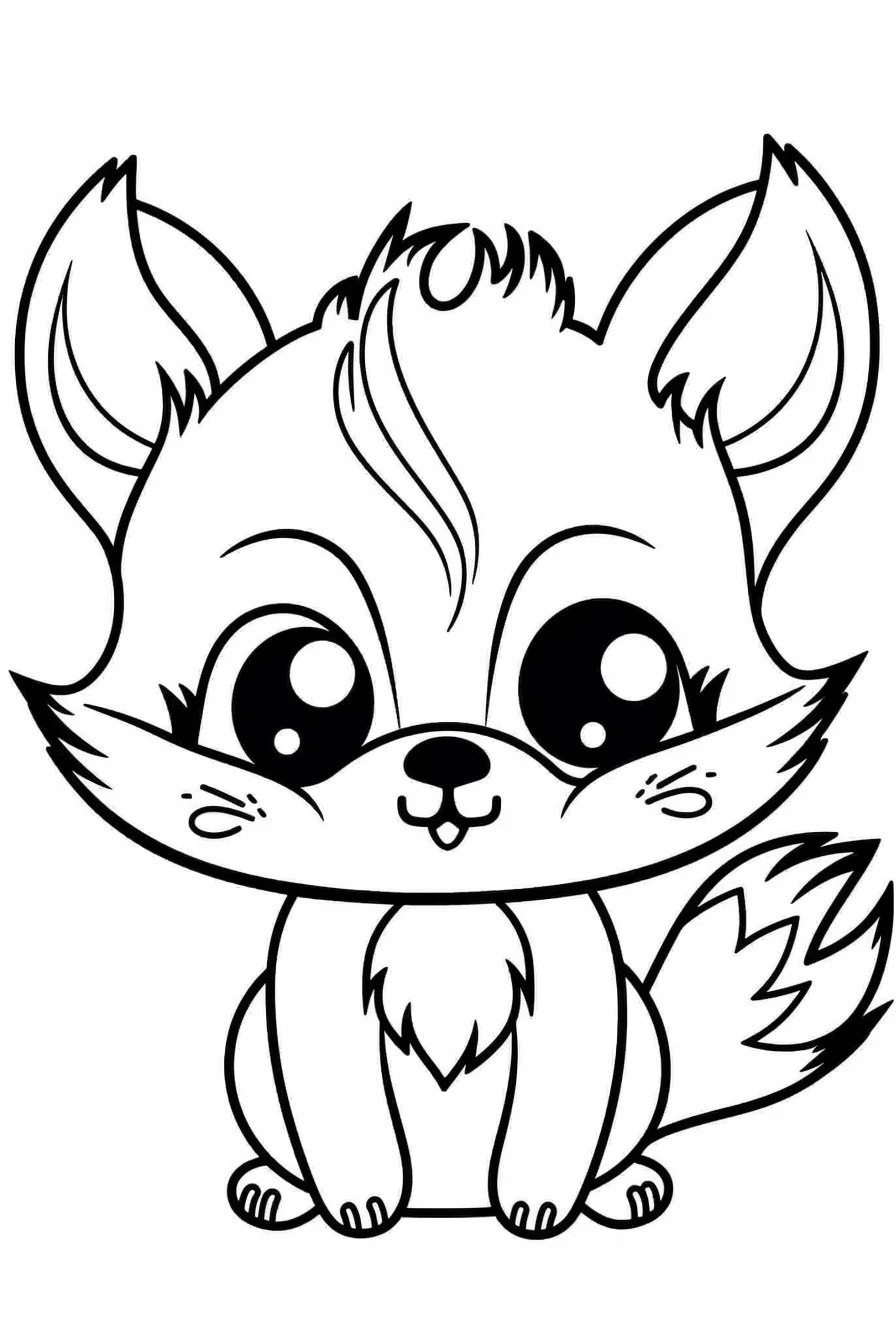
Open full-size easy animal coloring sheet 2
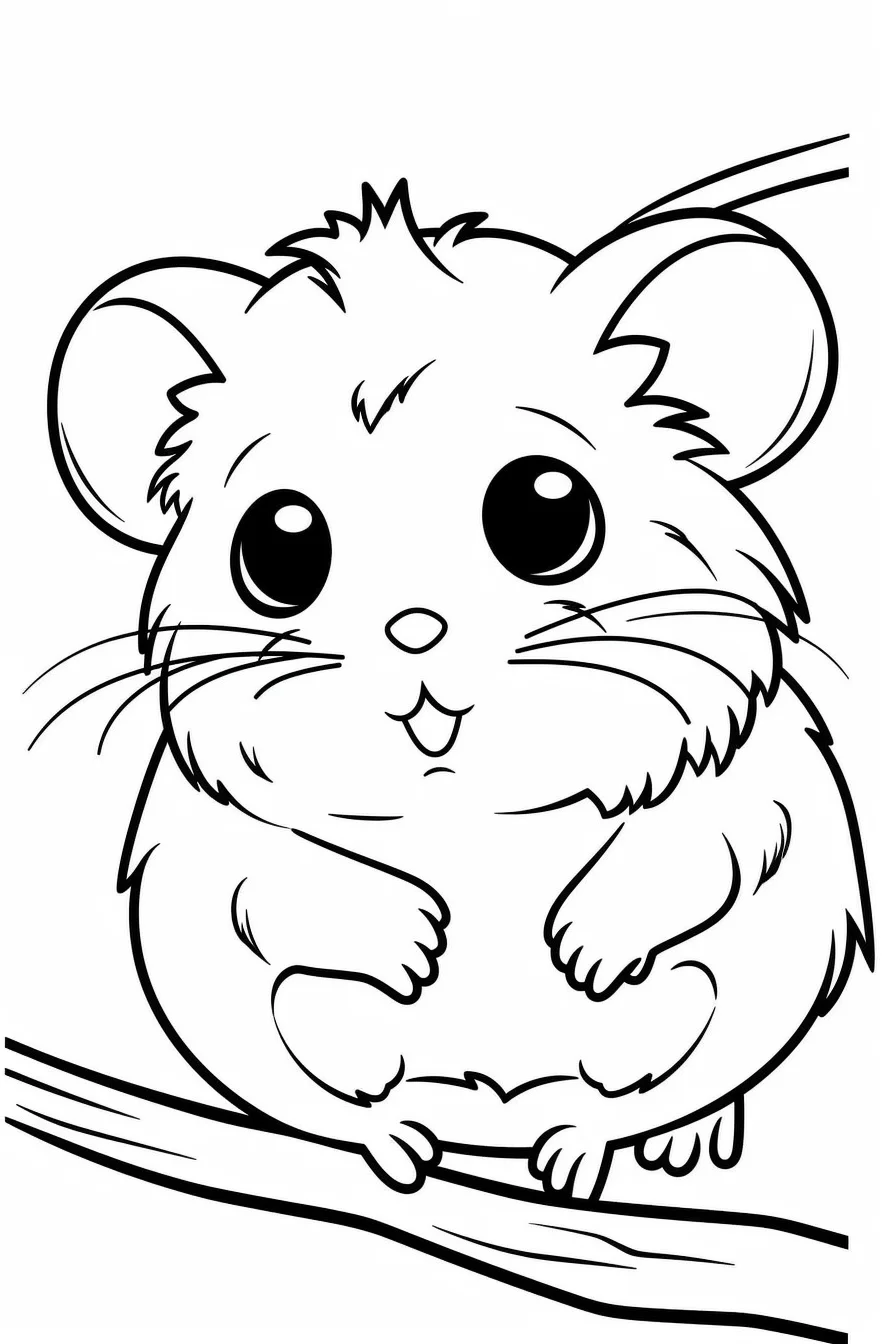
Open full-size easy animal coloring sheet 3
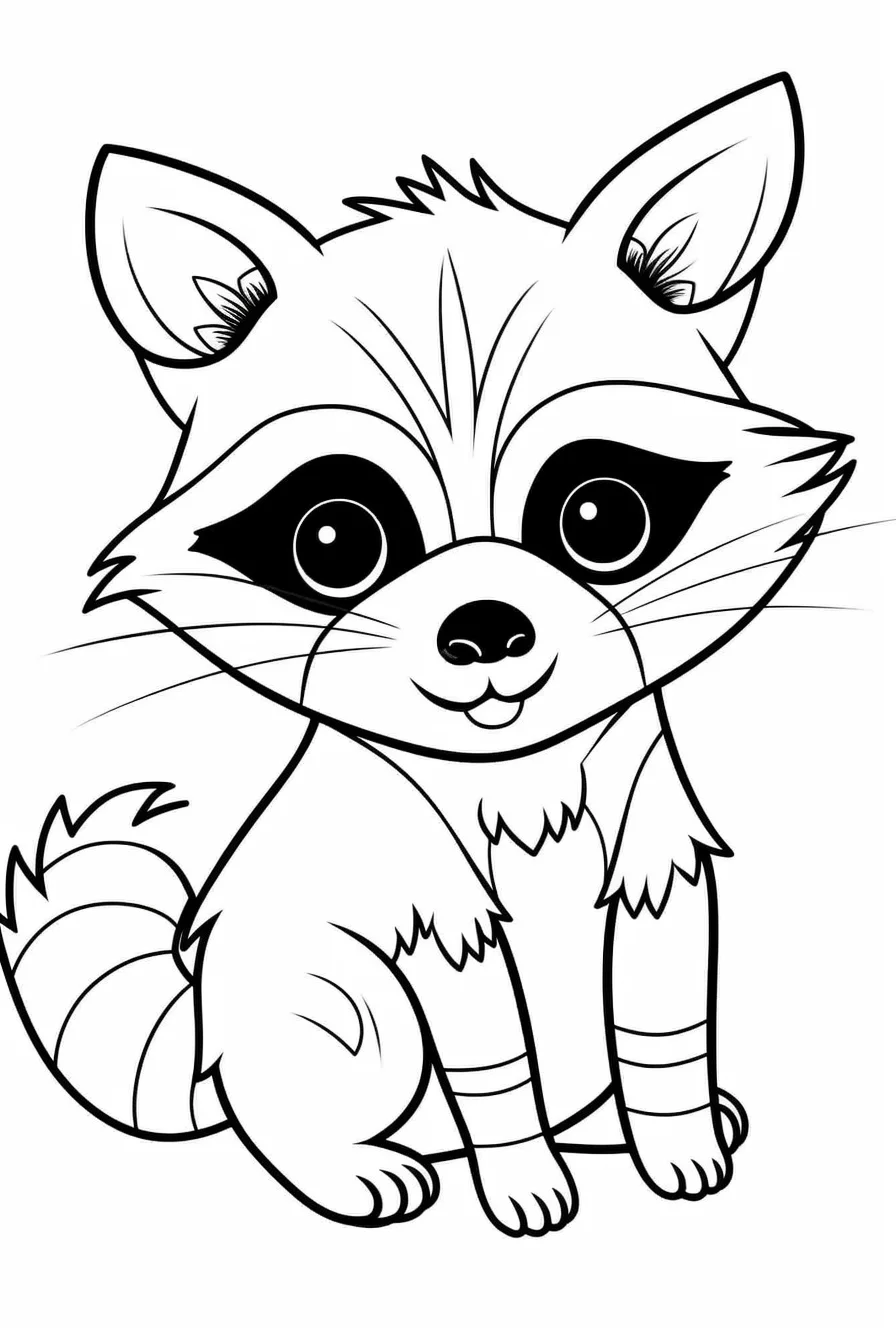
Open full-size easy animal coloring sheet 4
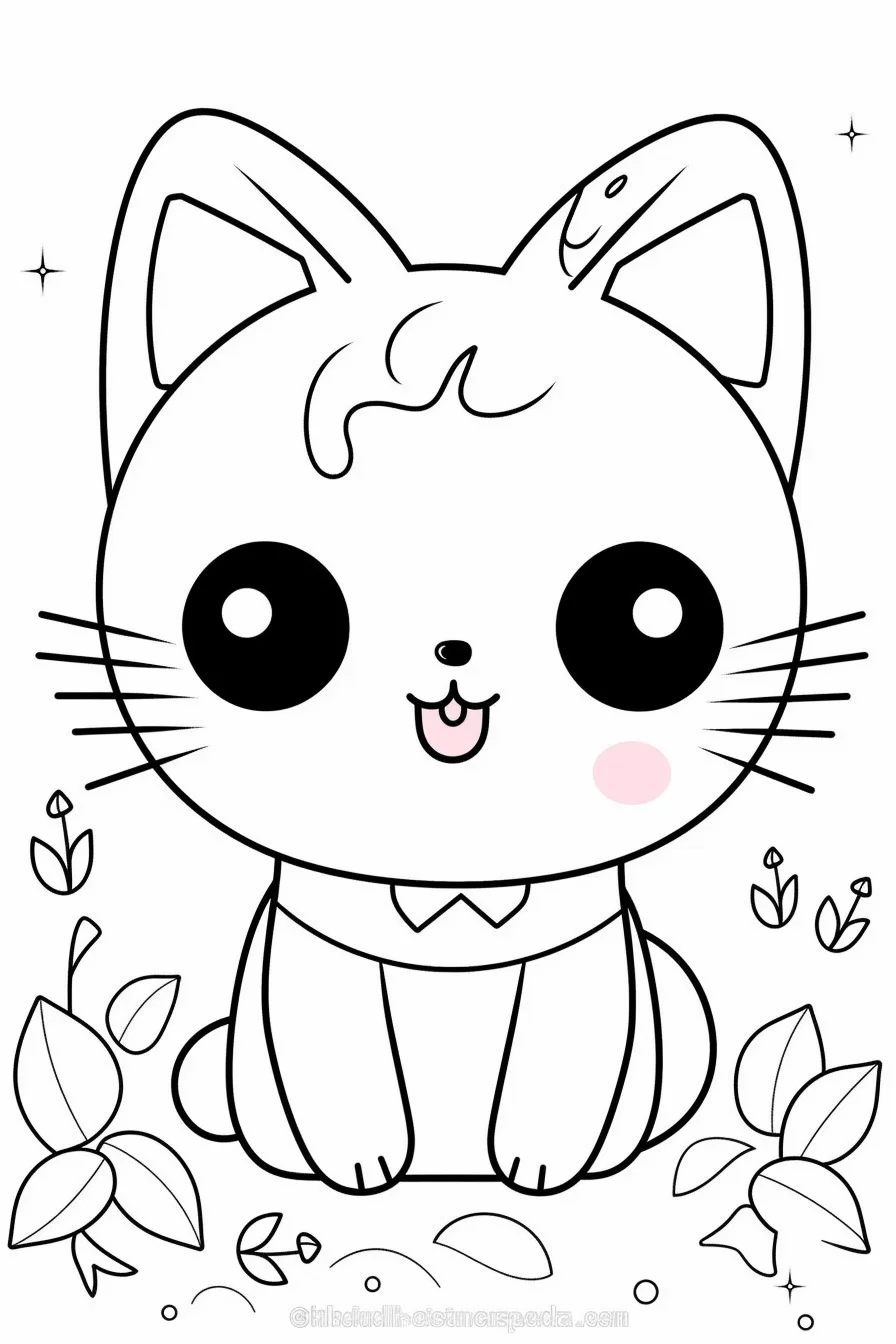
Open full-size easy animal coloring sheet 5
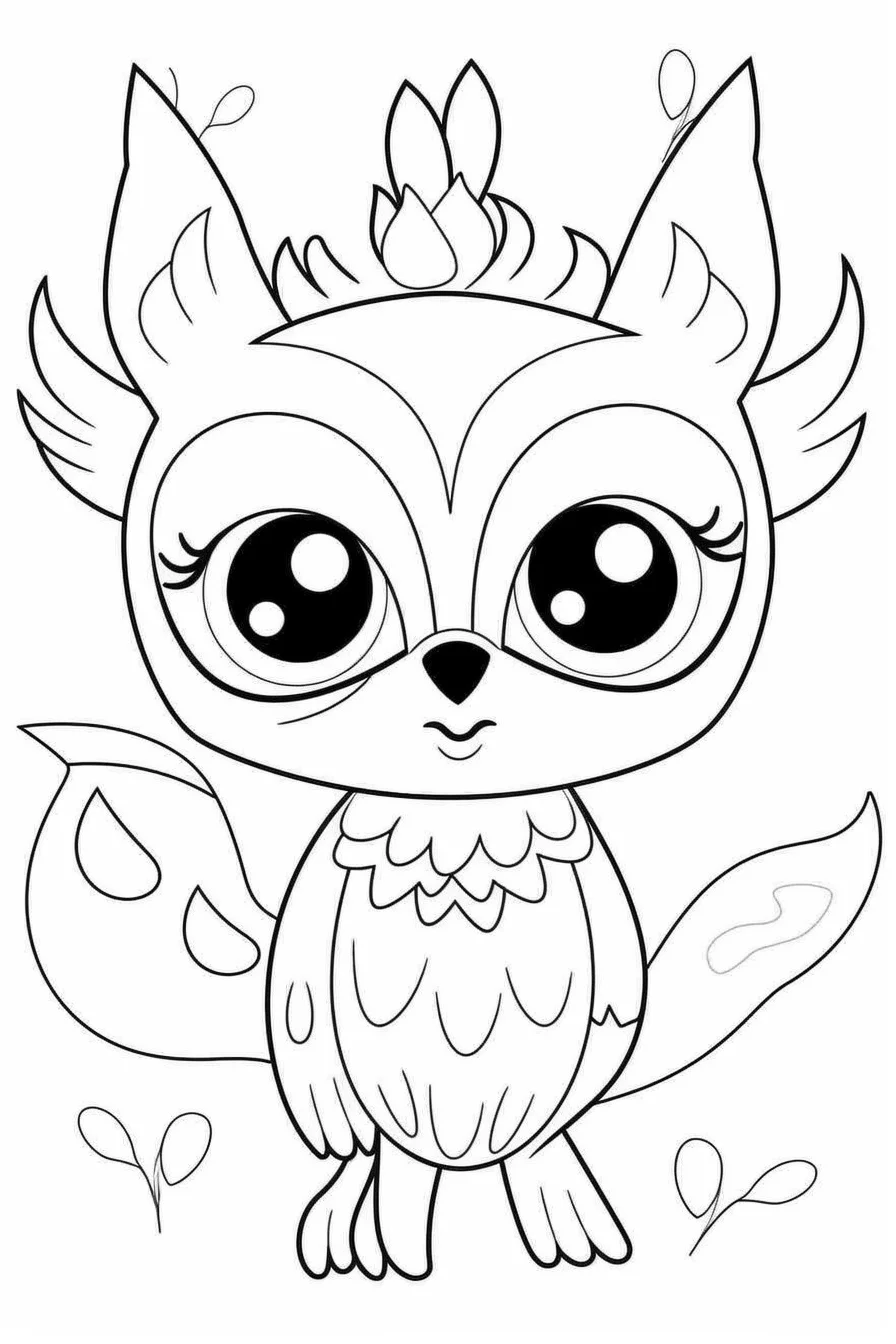
Open full-size easy animal coloring sheet 6
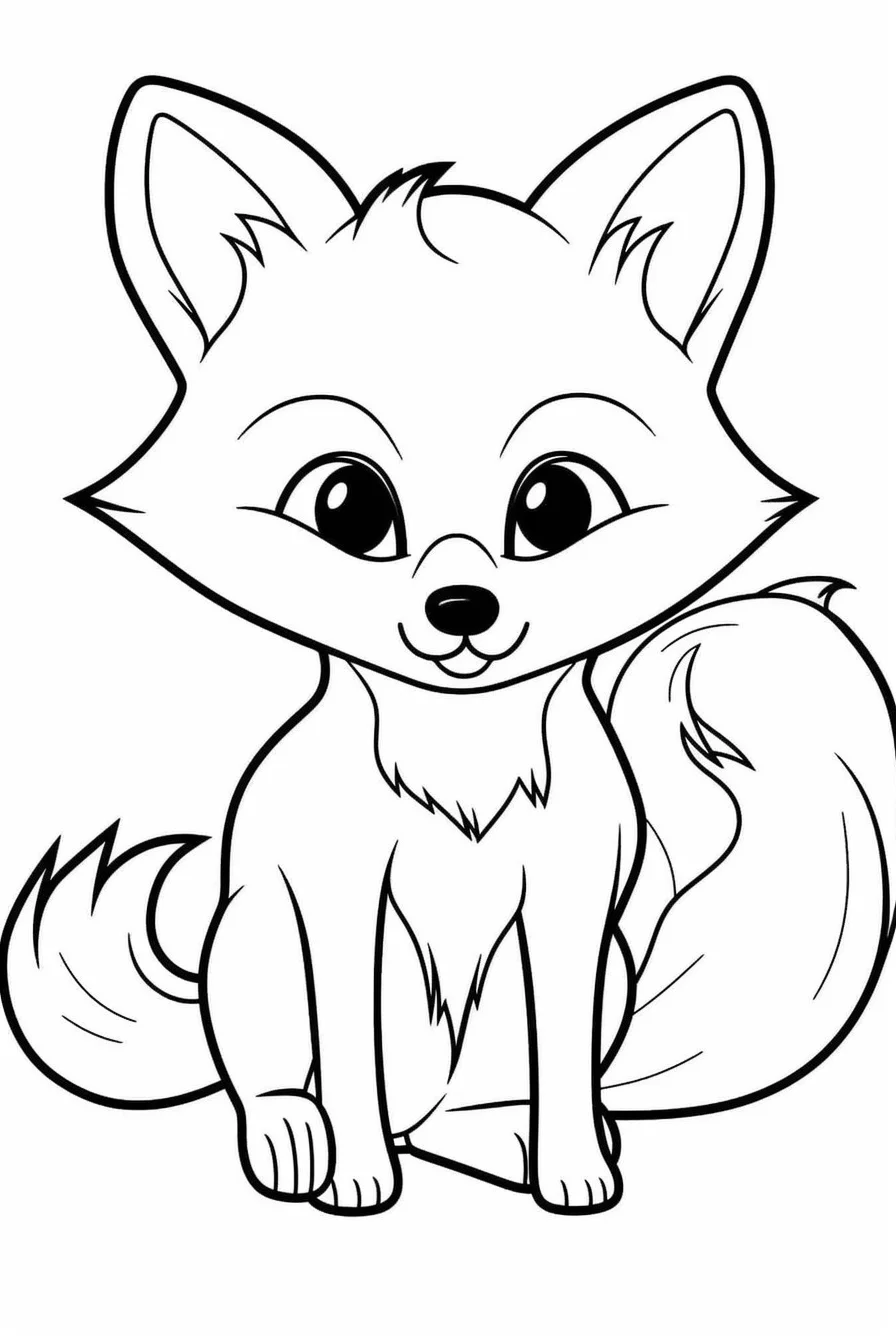
Open full-size easy animal coloring sheet 7
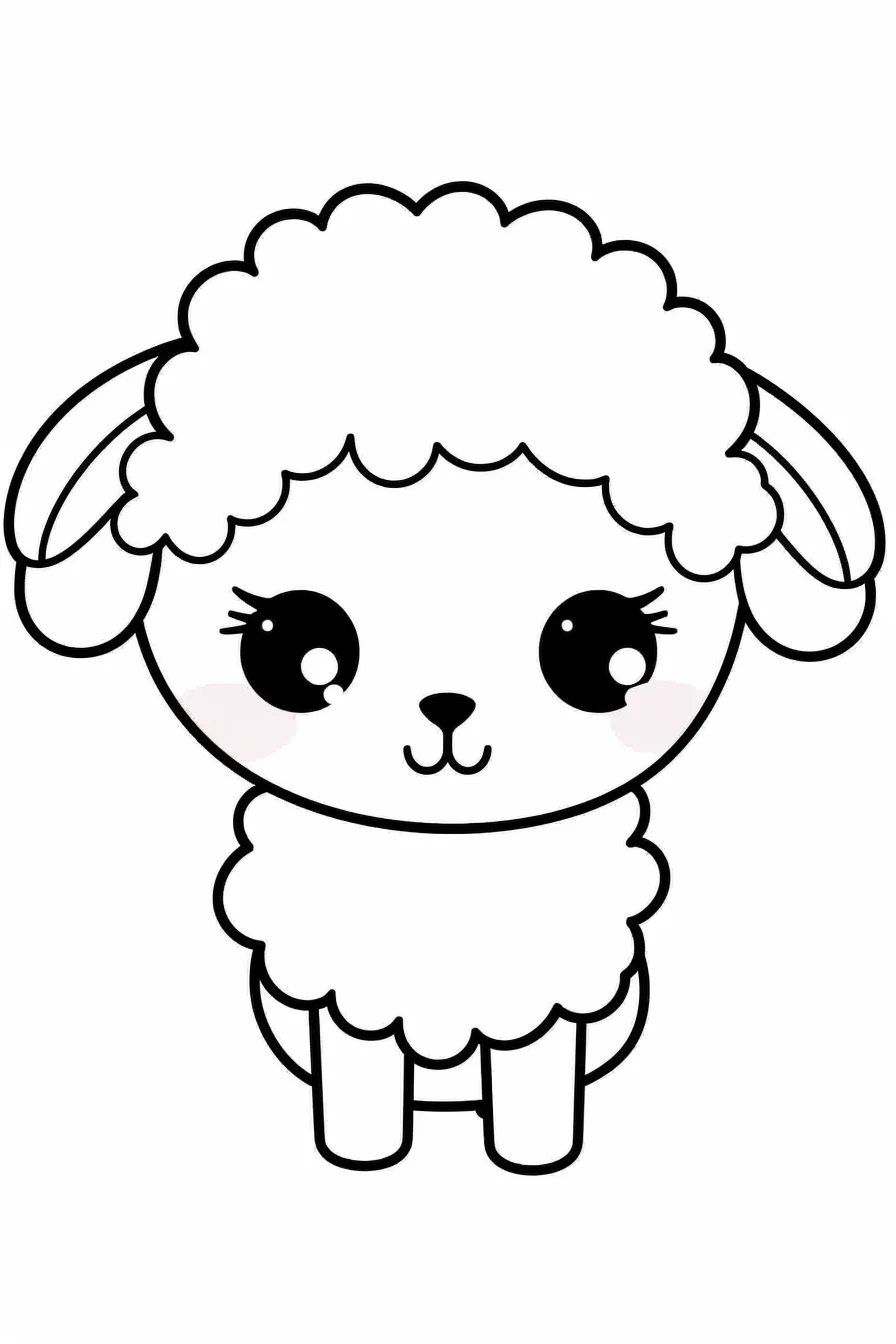
Open full-size easy animal coloring sheet 8
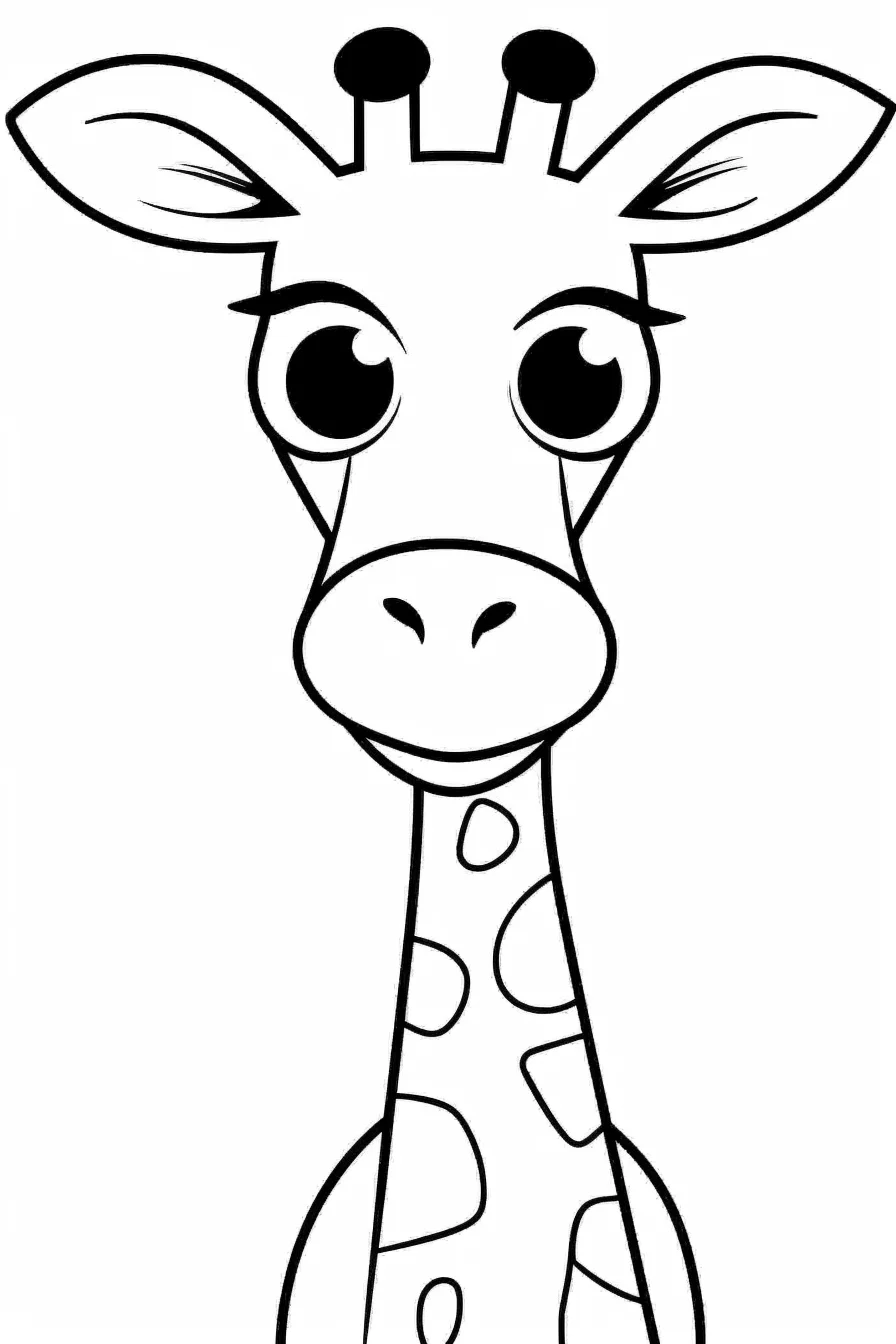
Open full-size easy animal coloring sheet 9
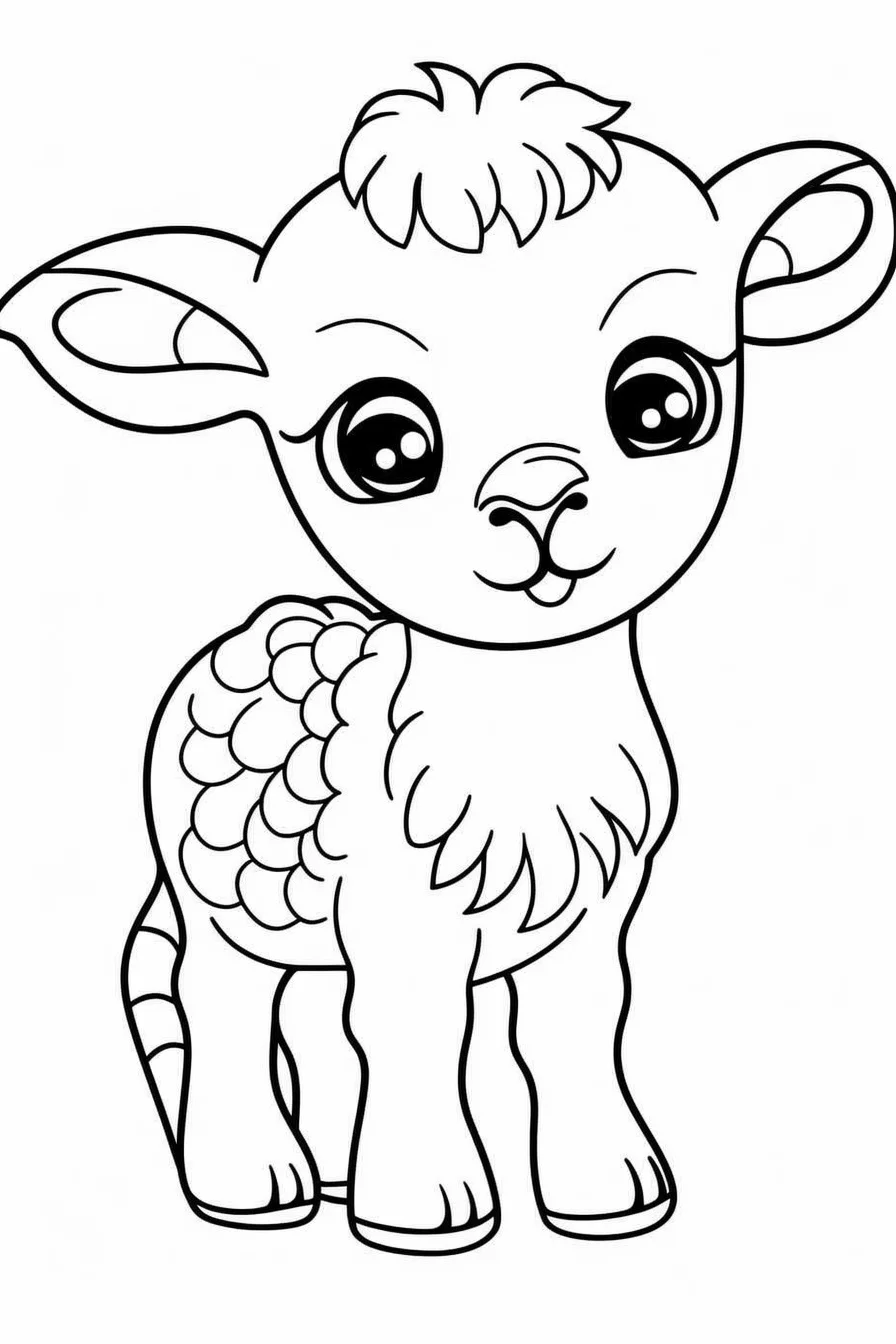
Open full-size easy animal coloring sheet 10
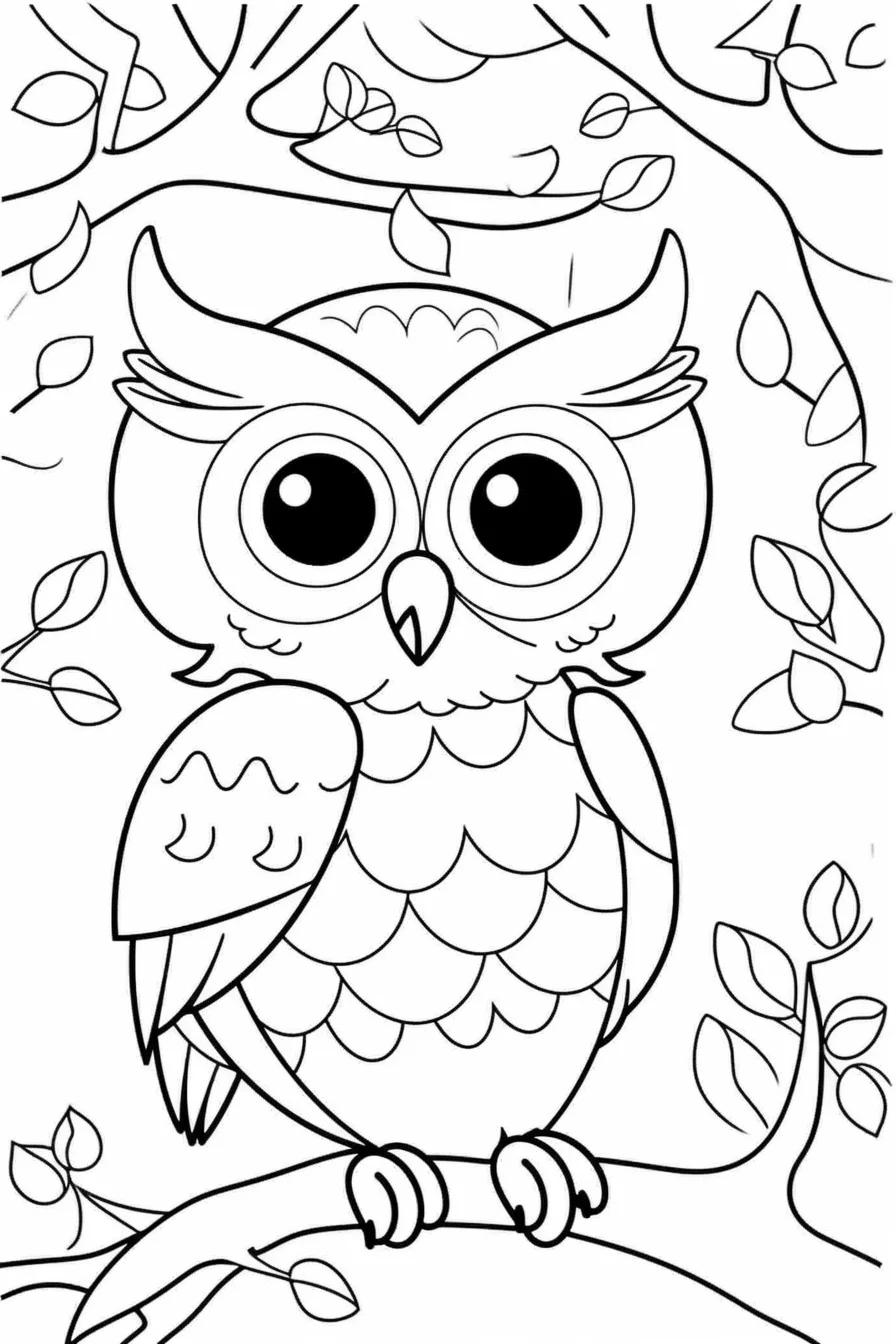
Open full-size easy animal coloring sheet 11
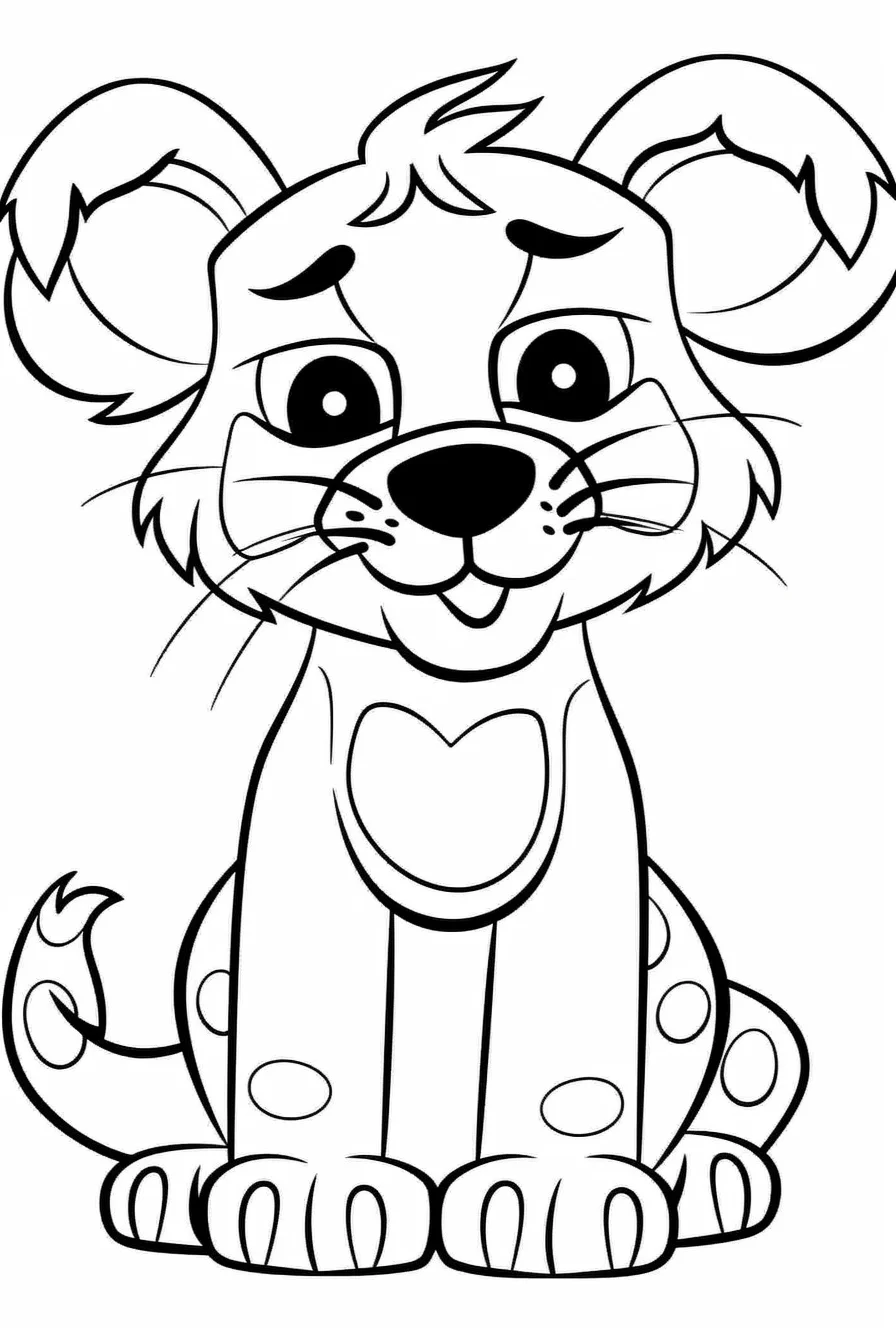
Open full-size easy animal coloring sheet 12
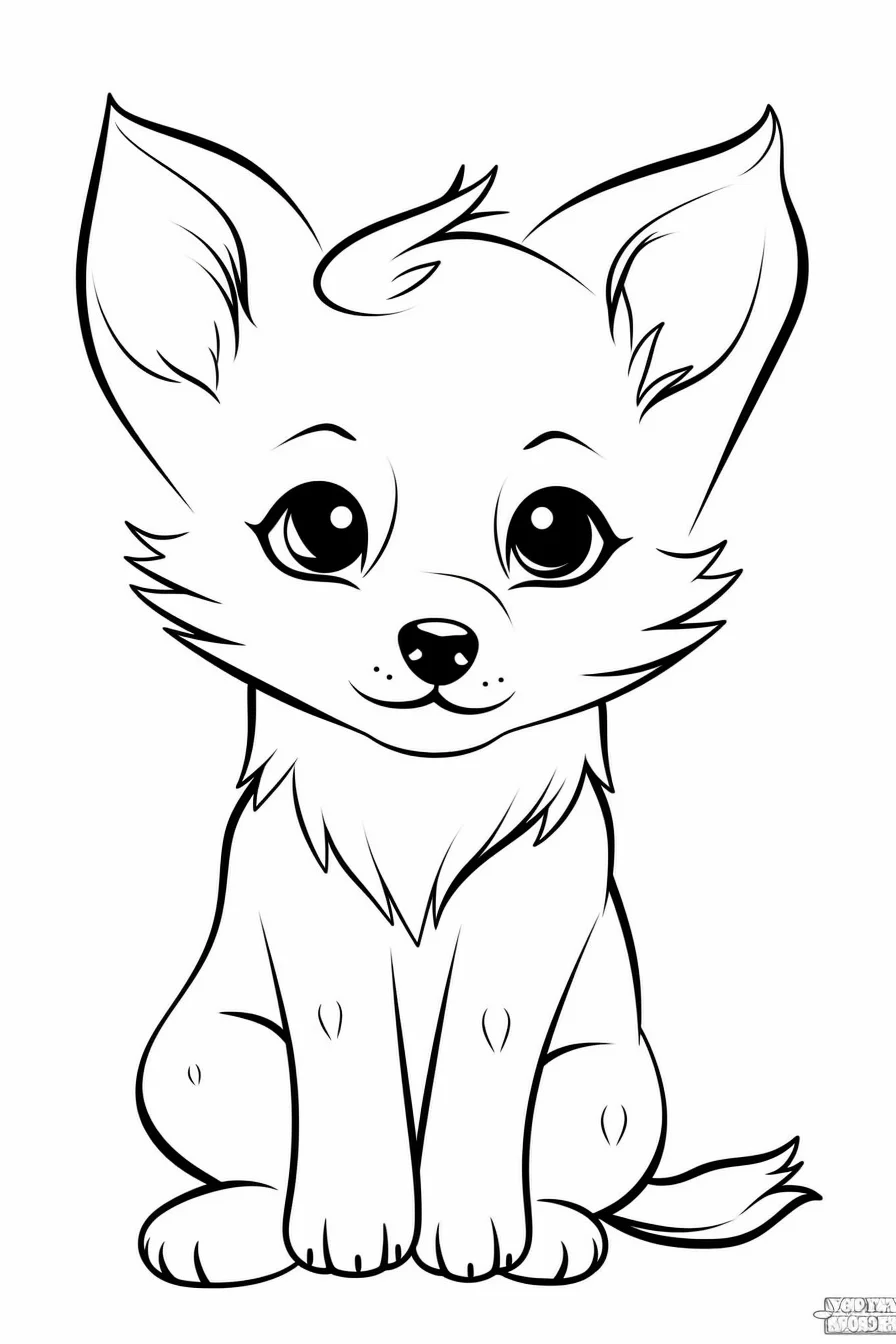
Open full-size easy animal coloring sheet 13
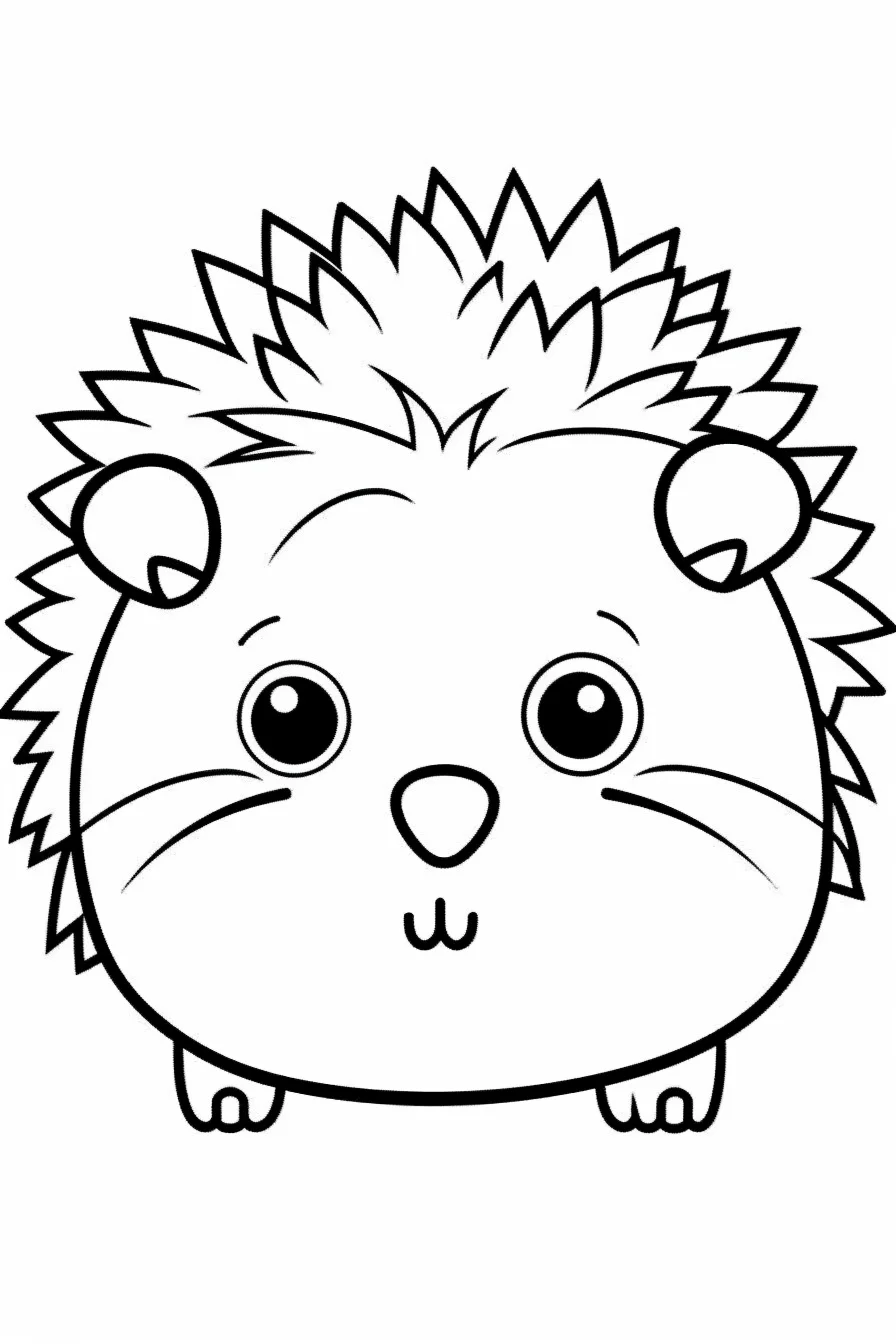
Open full-size easy animal coloring sheet 14
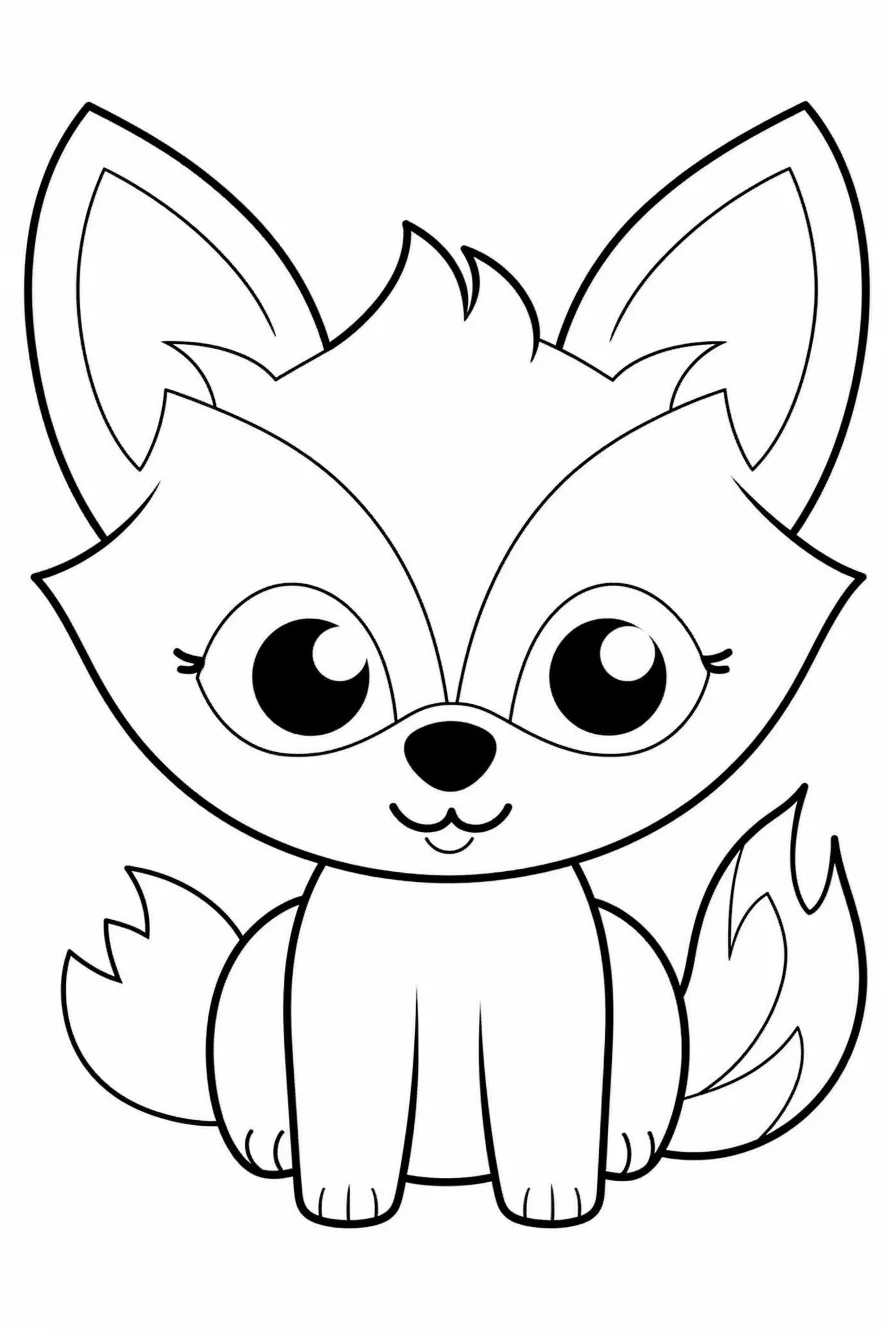
Open full-size easy animal coloring sheet 15
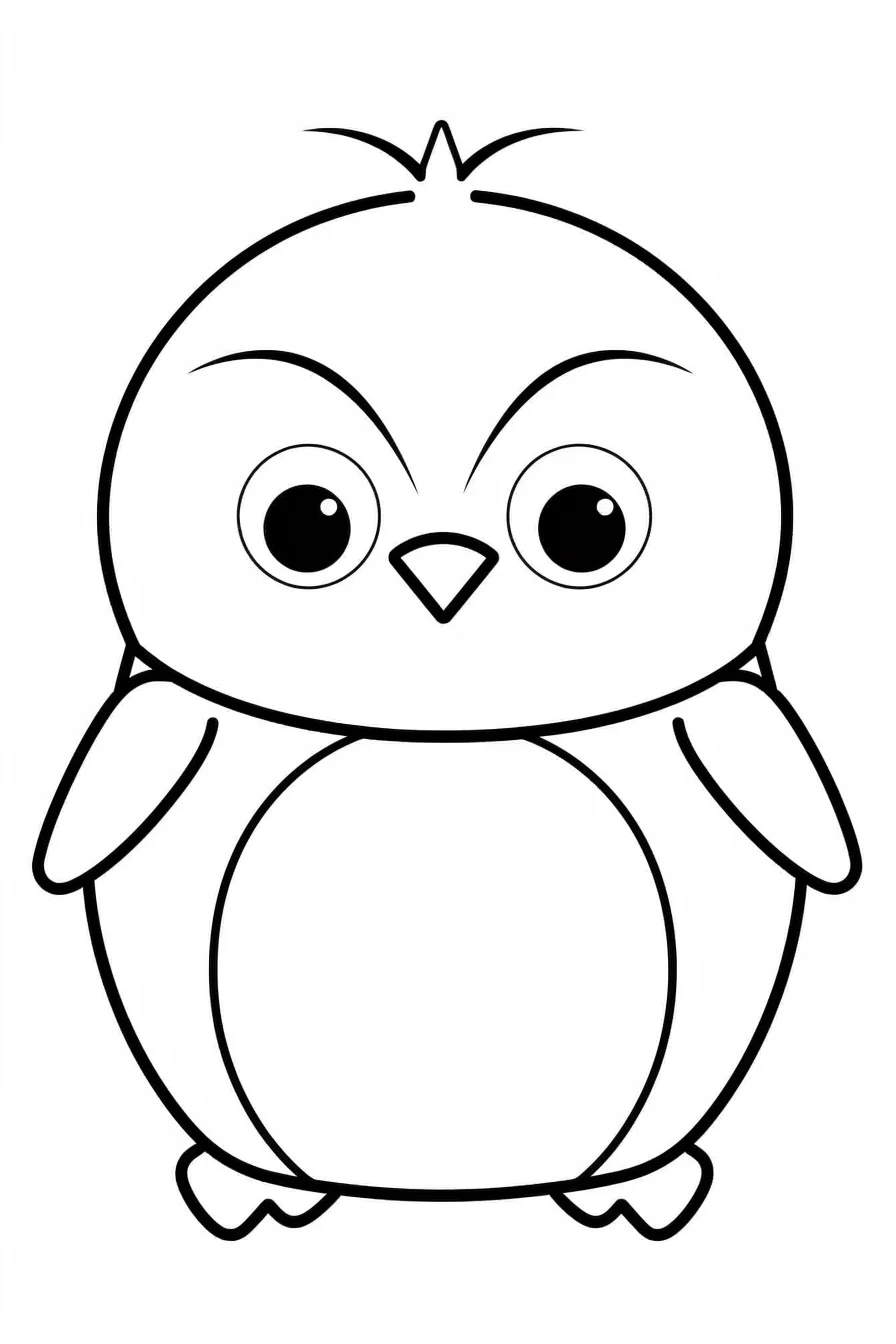
Open full-size easy animal coloring sheet 16
What to print after these easy animal pages
Once a child starts asking for a particular animal, a species-specific set is more useful than another mixed gallery. The baby bird pages move from simple birds into flowers and nests. The duck pages add family scenes and dressed-up characters. The baby rhino pages are useful for large body shapes and simple shading, while the Golden Retriever puppy pages are a good next step for children who want to work on soft fur.
Easy animal coloring questions
What should I print for a child who gets frustrated by coloring inside the lines?
Choose the page with the biggest enclosed areas and use a thick crayon. A large lion body or fox face is easier to control than a page full of tiny paws, fur tufts and background objects.
What if a page is too easy?
Do not necessarily switch to a completely different subject. Add one small challenge: two shades on the fur, a simple background, a pattern on one area, or a colored-pencil outline before filling the shape.
Do children need realistic animal colors?
No. Realistic colors can be useful if the child is interested in the animal itself, but a blue lion or purple fox does not make the coloring activity less valuable. For an easy page, keeping the palette simple matters more than keeping it realistic.
Where can I find harder animal pages?
Browse the realistic animal coloring pages if the goal is more anatomy and markings, or the broader animal coloring collection if you just want more species and difficulty levels.

