
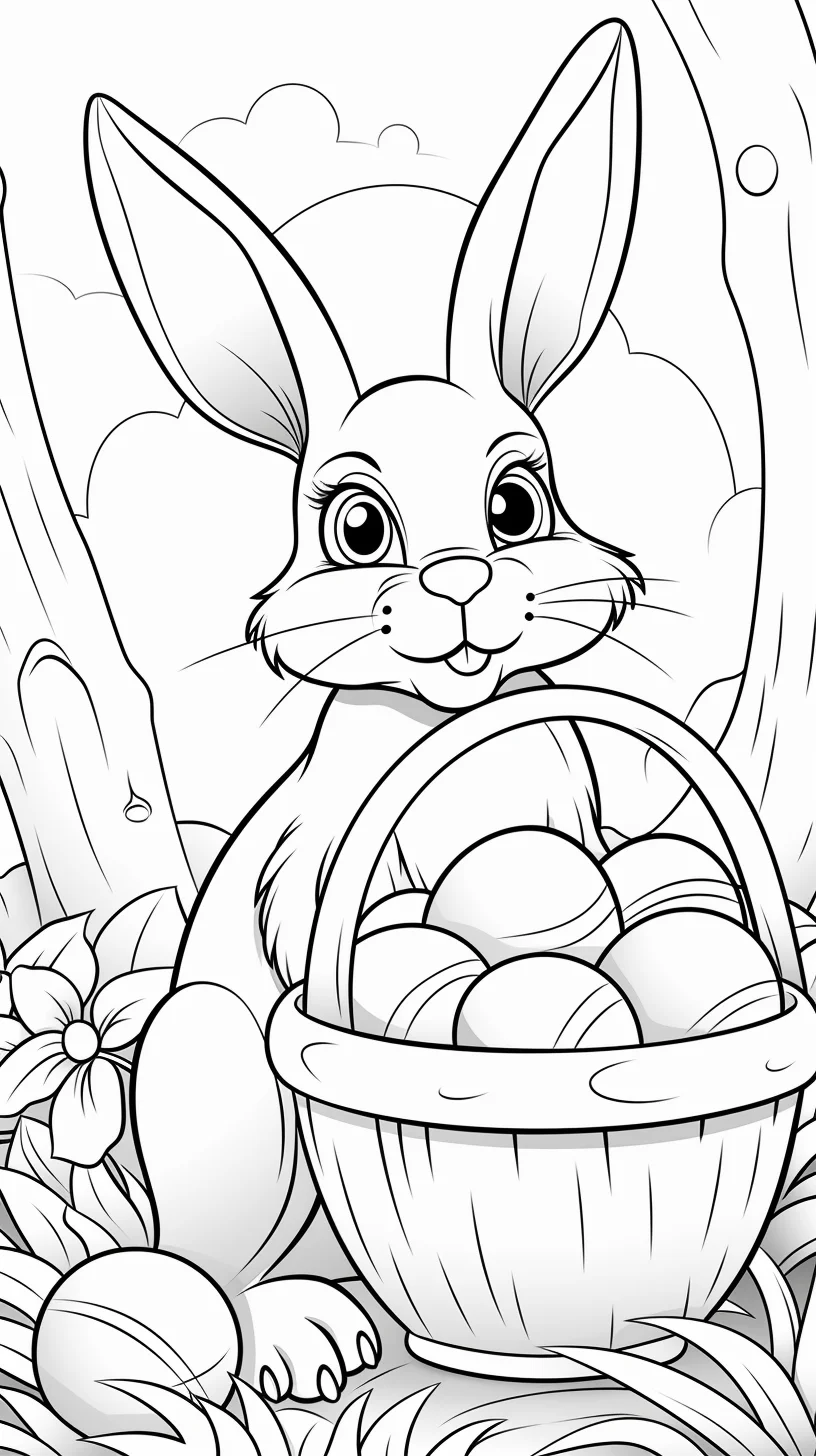
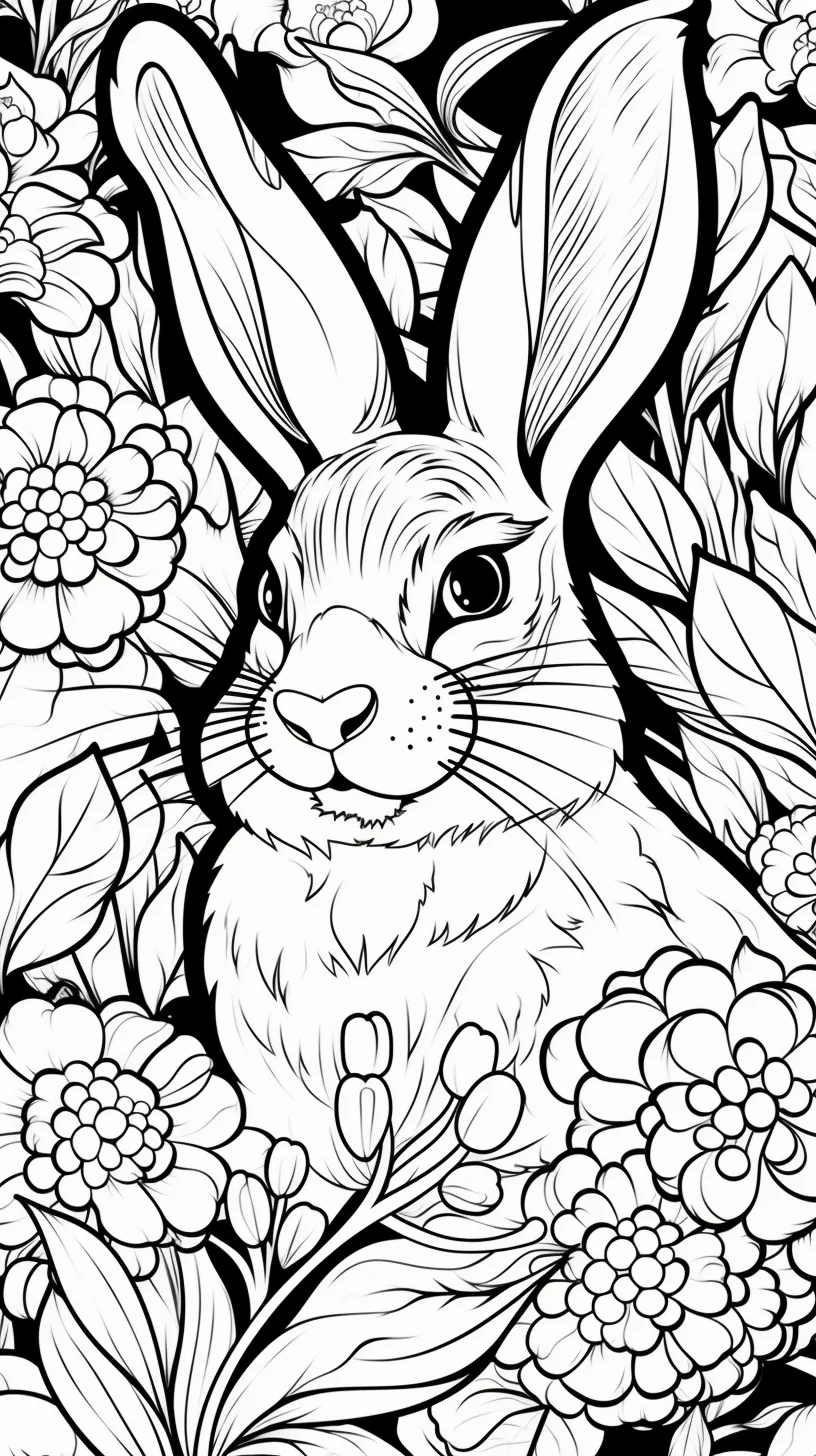
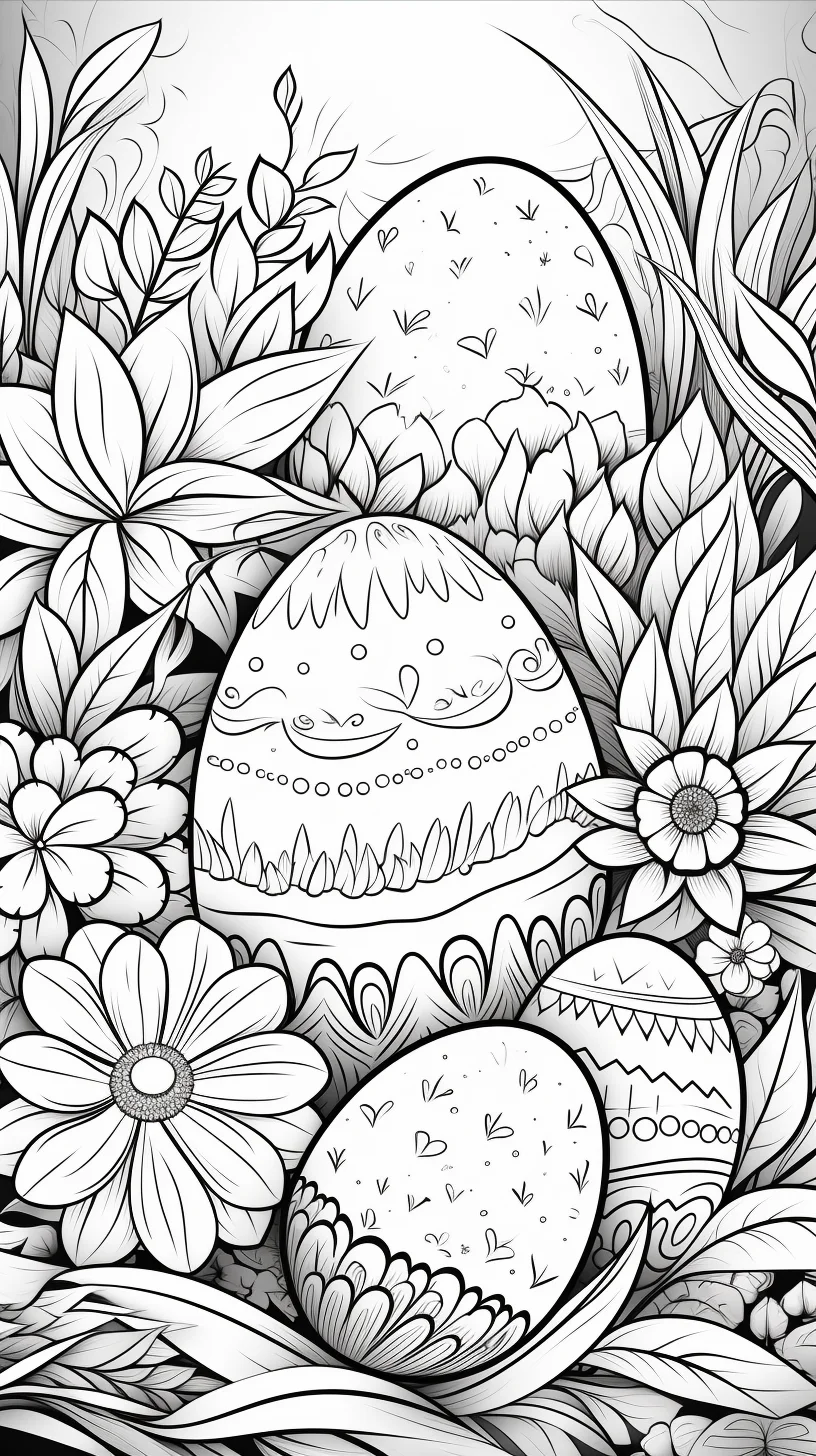
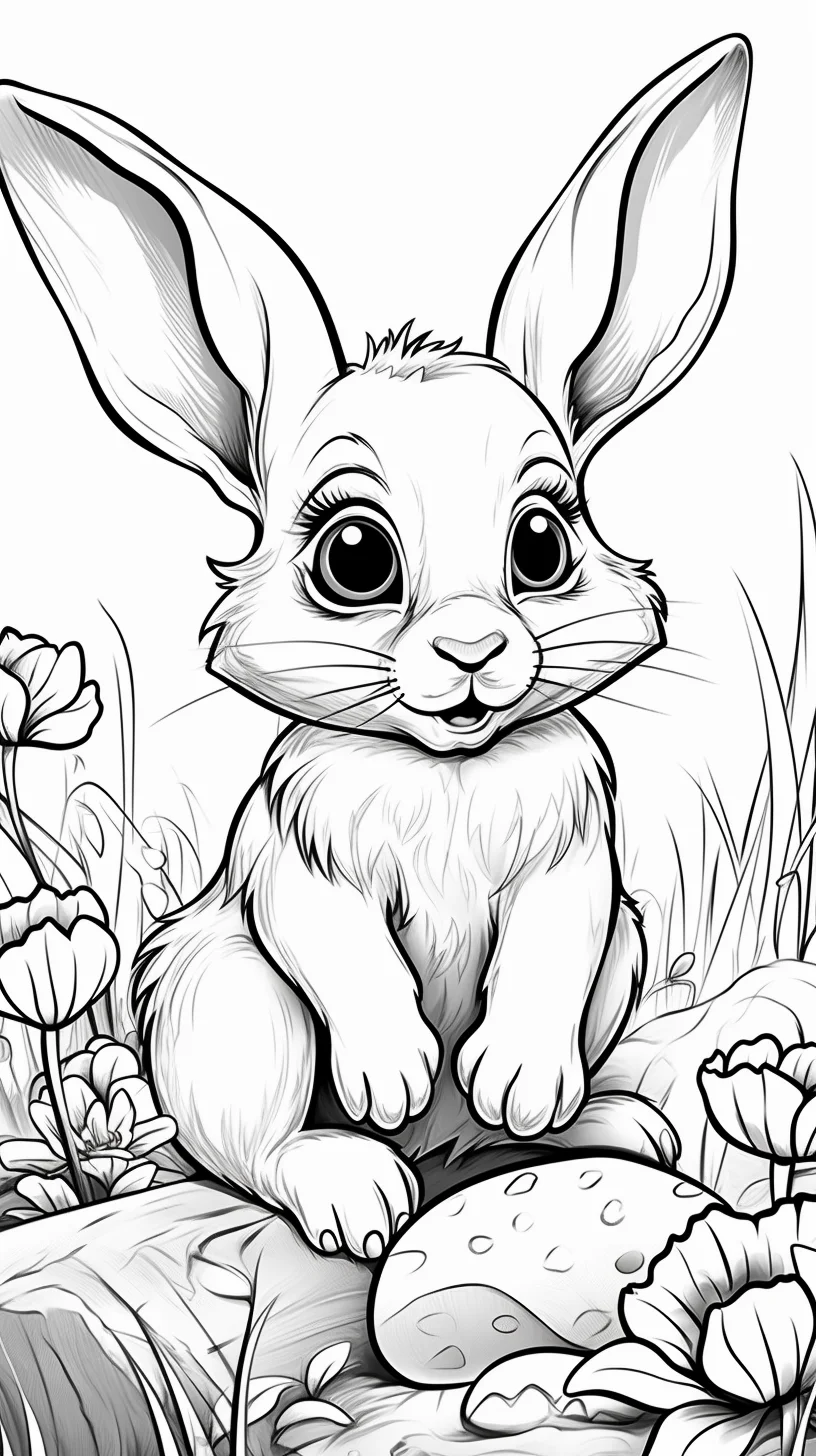
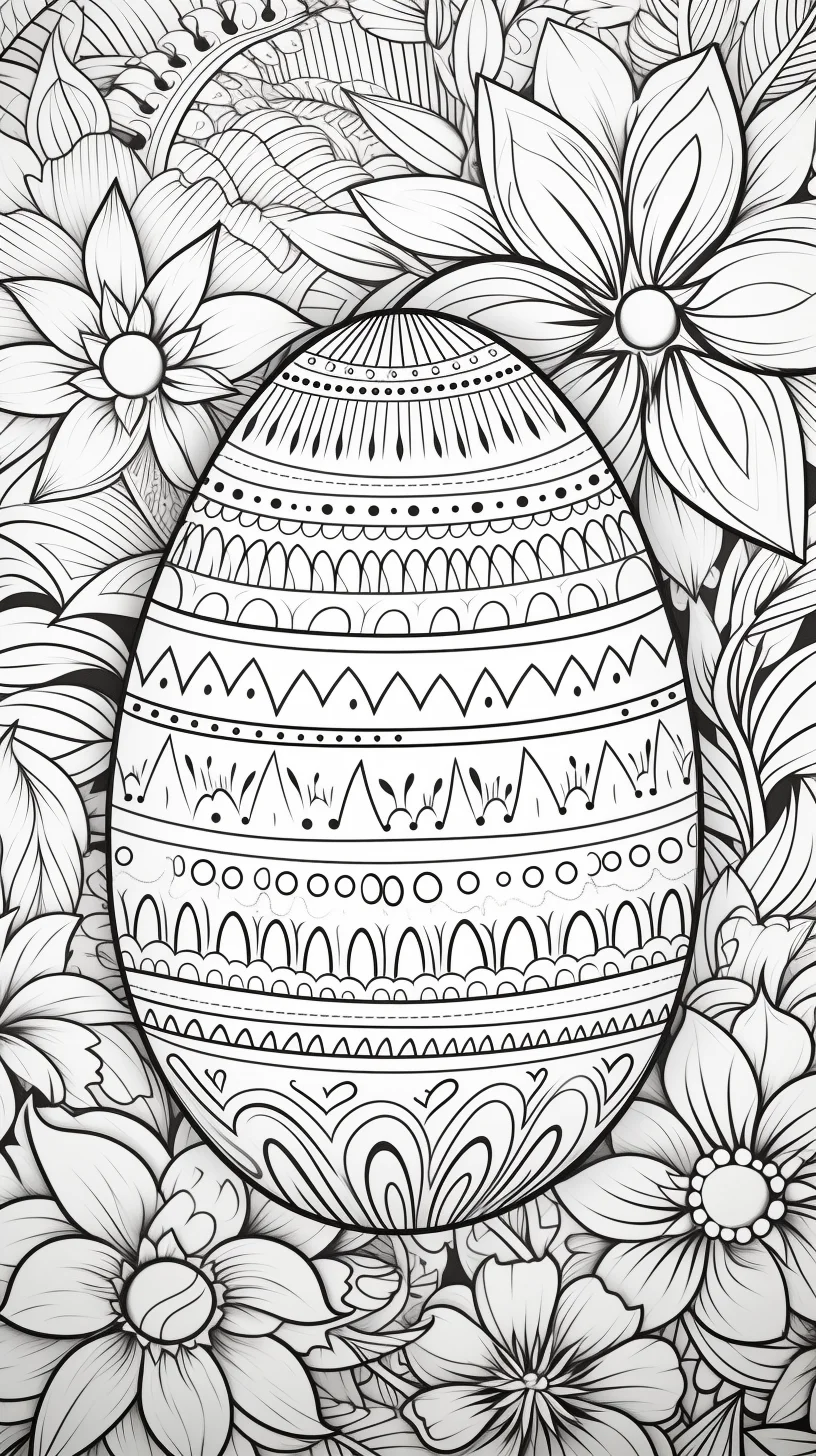
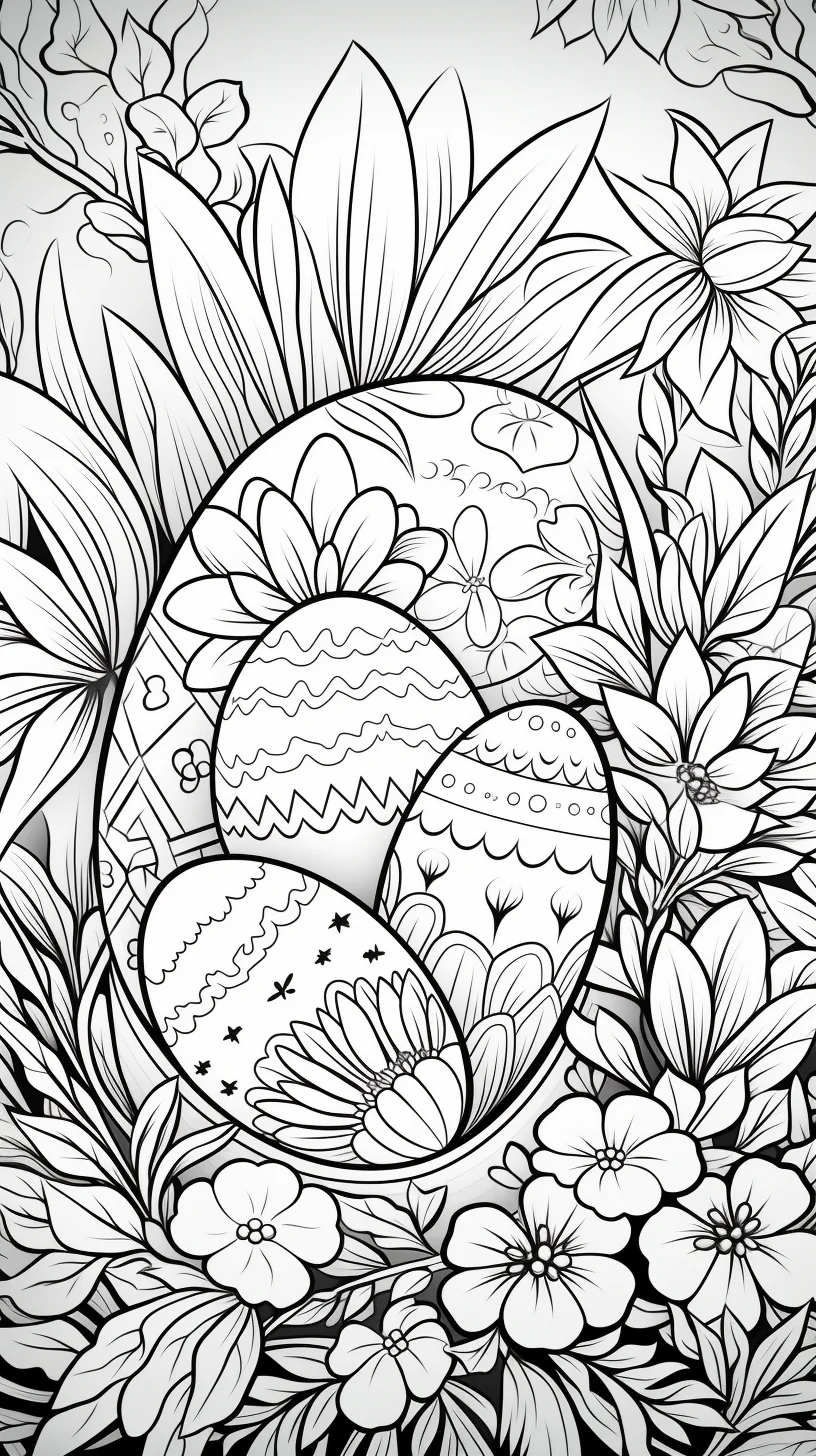
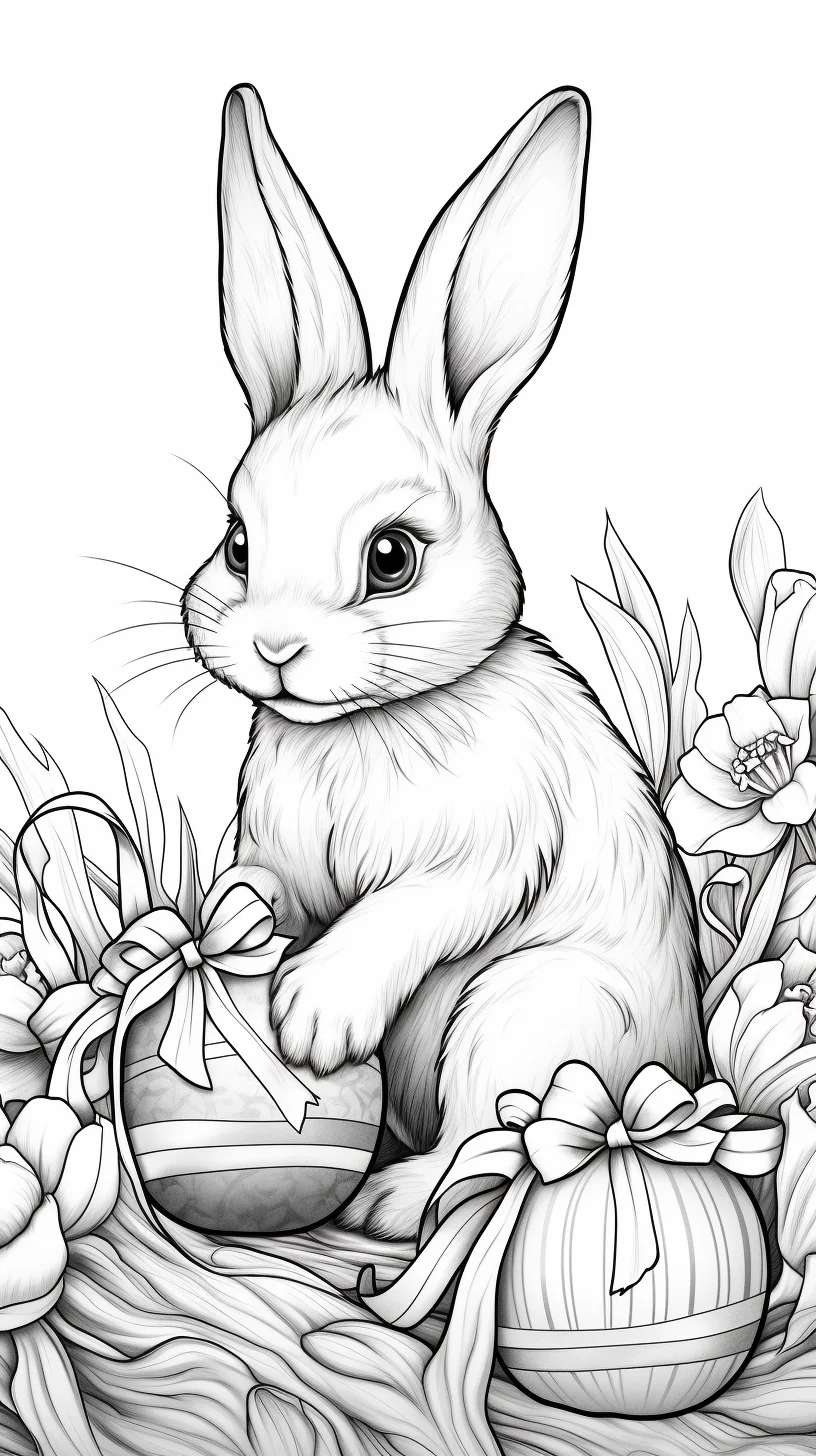
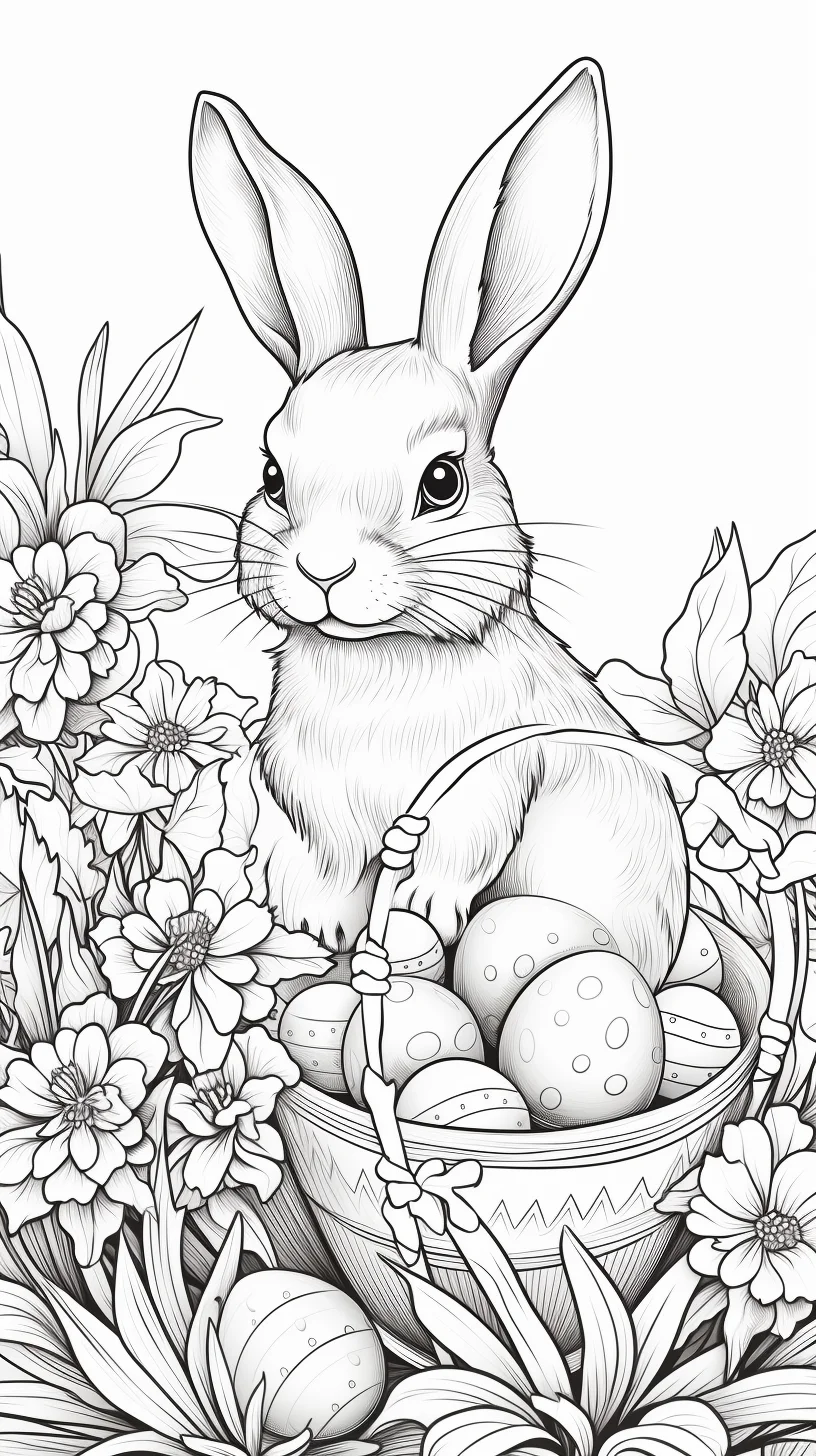
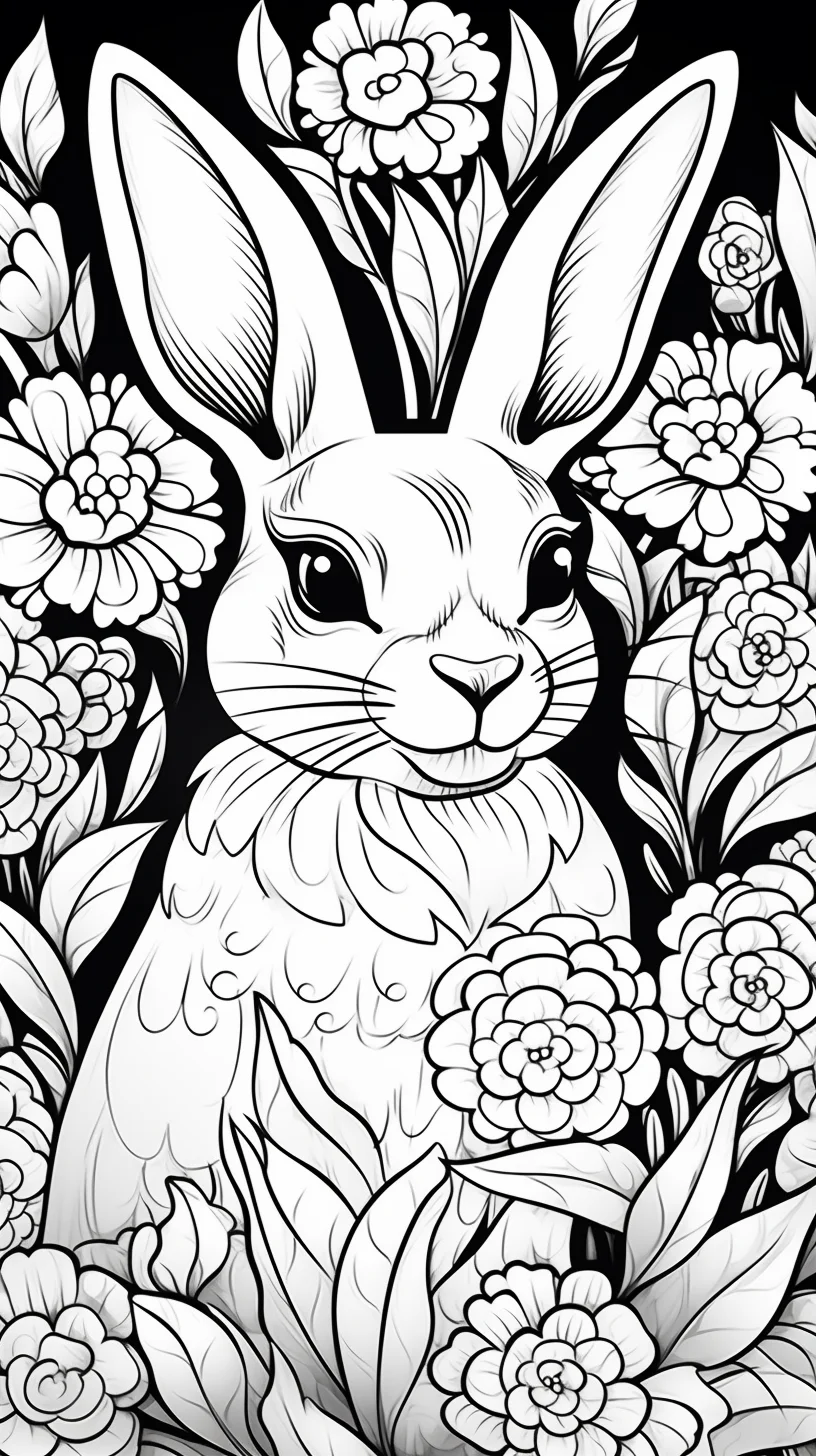
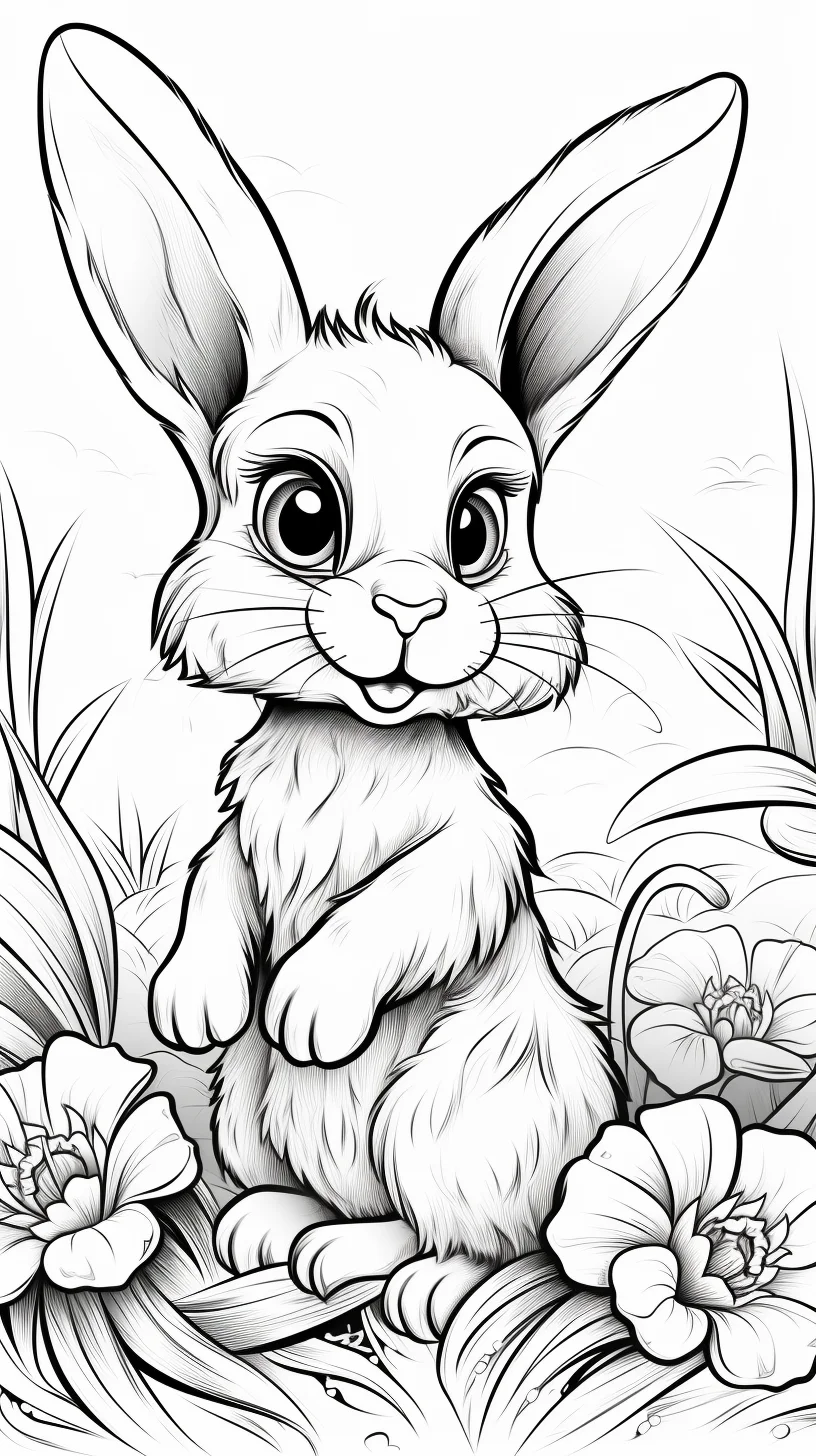
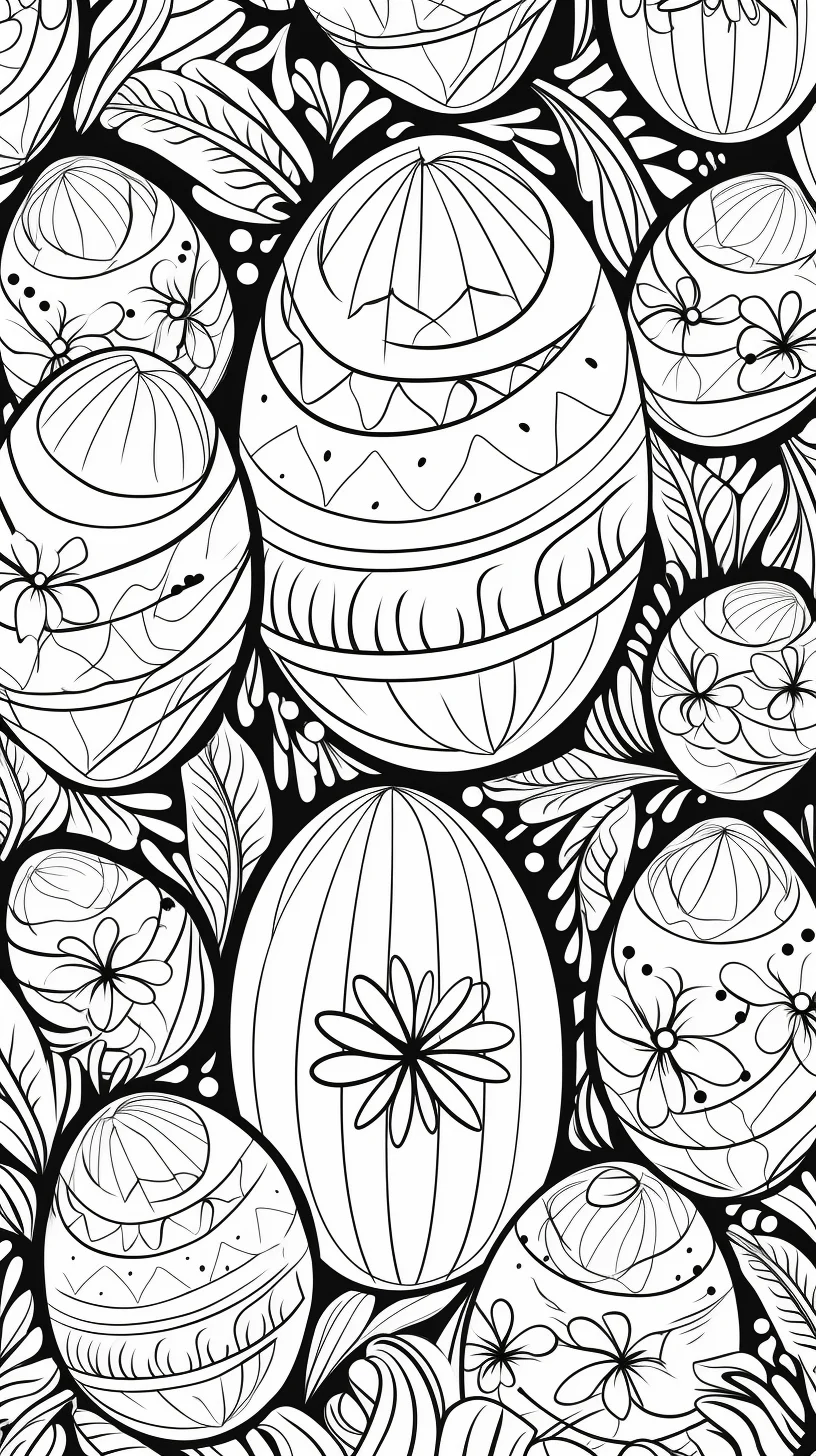
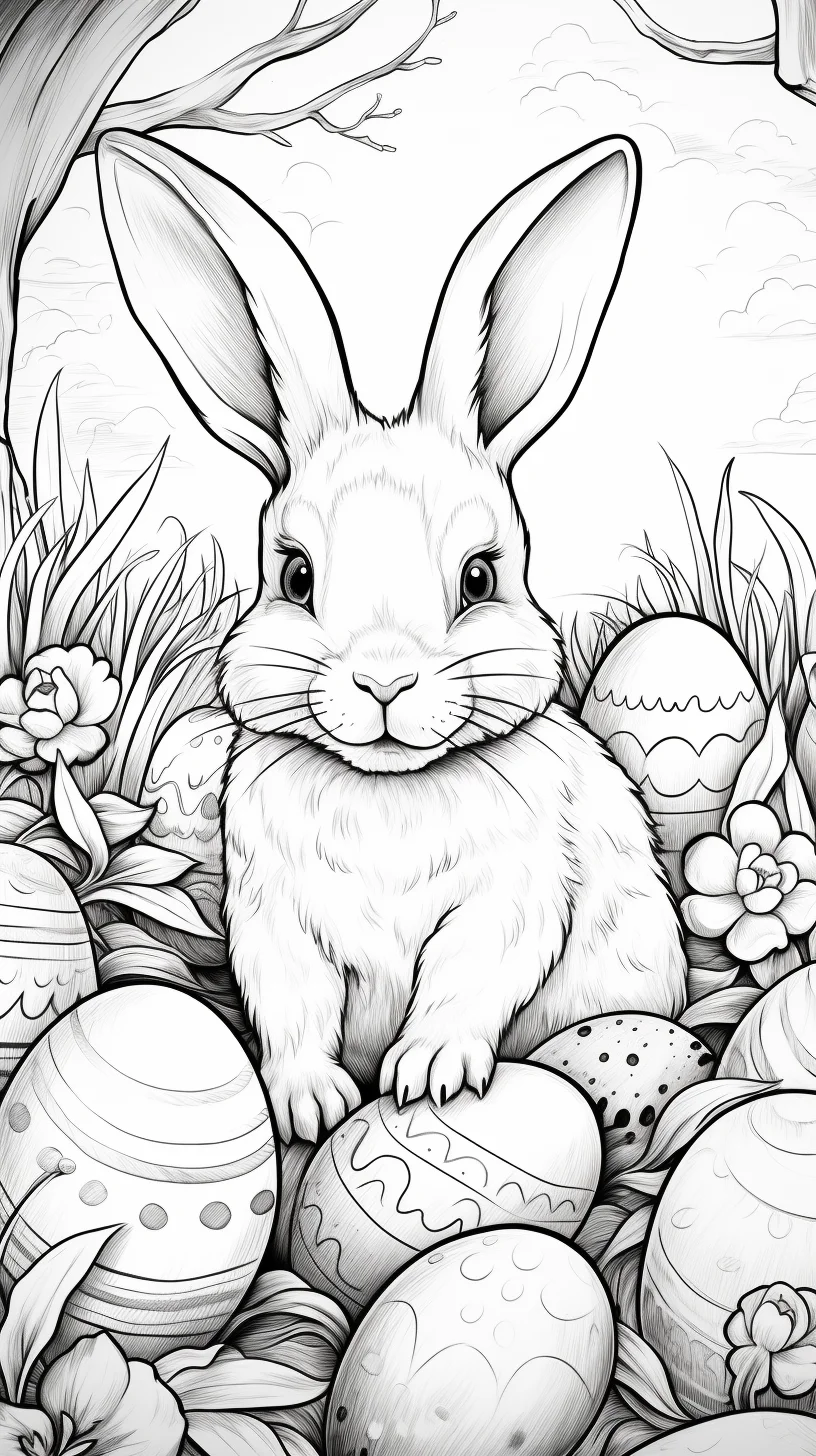
This set has 20 free Easter coloring pages built around the two subjects that are easiest to use in different ways: Easter eggs and bunnies. Click or tap a page to open the full-size image before printing. If you need a fast activity for younger children, start with a page that has large open shapes. If you want a longer project, choose an egg design that leaves room for patterns, color planning and extra decoration.
The first printable is directly below so you can start without reading a long introduction.
20 Easter coloring pages
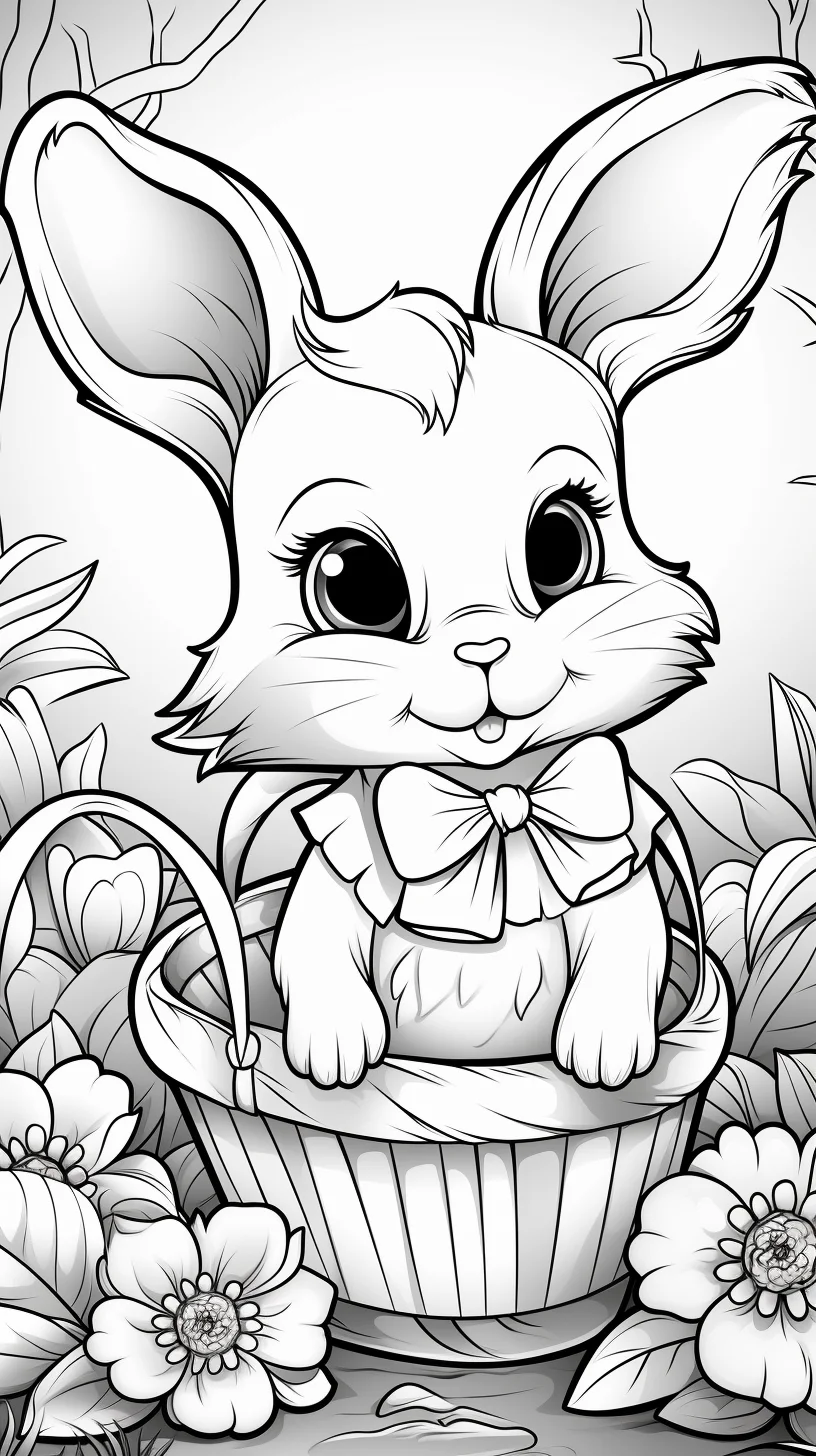
Do a 60-second Easter page test before you start
Do not judge difficulty by the number of objects alone. Look at the smallest space you actually need to color: the gap inside a bow, a narrow egg stripe, a flower center or the area around a bunny’s eyes. Put the tip of the crayon, pencil or marker over that space without coloring it. If the tip nearly fills the gap, choose a broader design or switch to a finer tool before you begin.
- Pick the focal point. Decide whether the bunny, egg or decorative pattern should be noticed first. Save your strongest contrast for that area.
- Test three colors together. Make three small swatches on scrap paper. If two look almost identical from arm’s length, replace one or plan to use it much lighter.
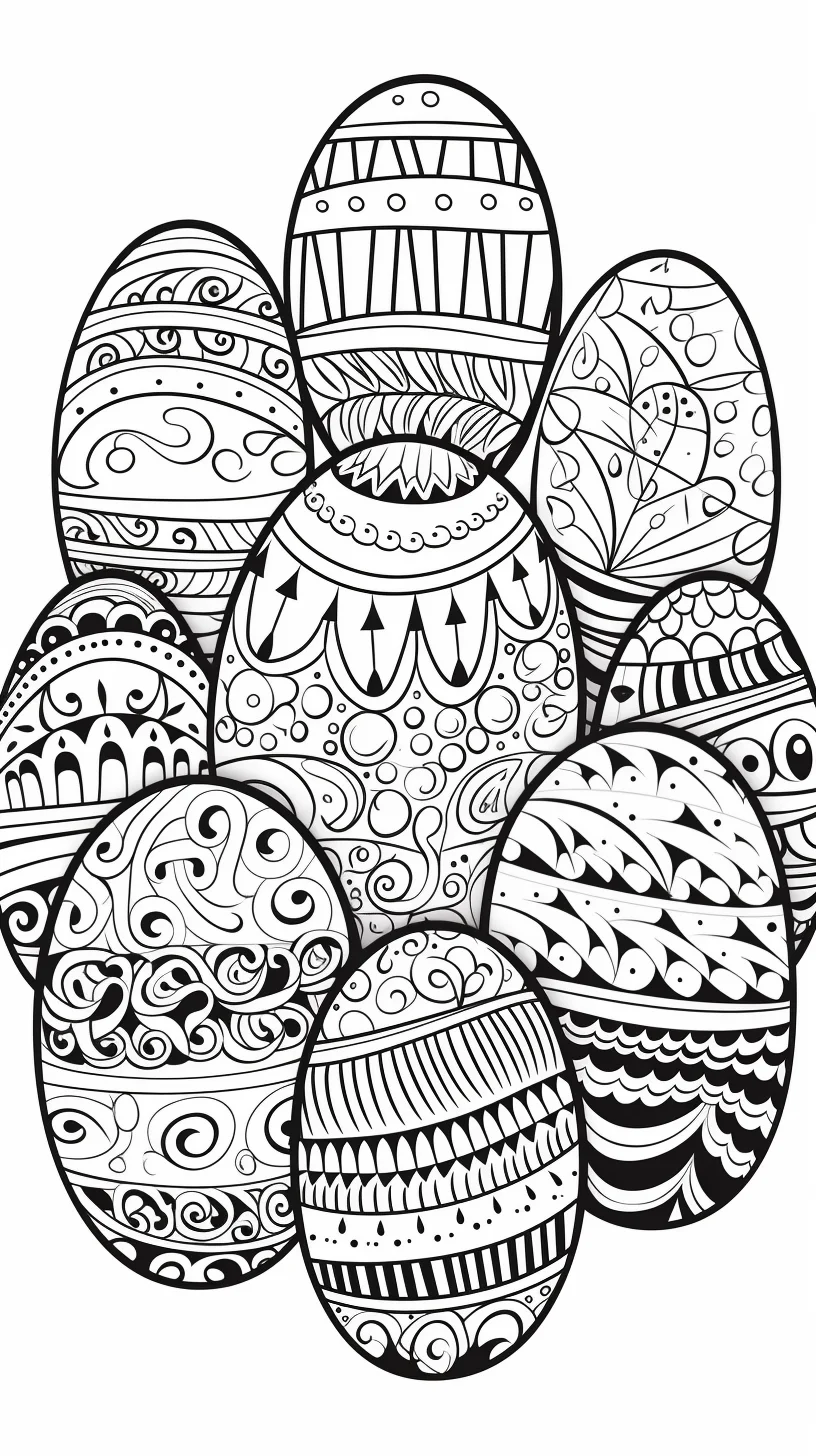
- Check the repeated shapes. On a patterned egg, choose a repeat rule before coloring—such as pink, yellow, blue, then repeat. This prevents the final bands from becoming random leftovers.
- Protect the tiny details. Leave eyes, whiskers, flower centers and narrow pattern lines untouched until the large fills are finished.
For a preschooler, simplify the same test to two decisions: choose one large-shape page and three colors. Skip shading and treat tiny decorations as optional. For an older child, keep the same page but add one challenge—smooth layering, a repeating egg pattern or light-and-shadow on the bunny—rather than trying to practice everything at once.
Use three pages as an Easter coloring practice set
If you want more than a one-off activity, use three different sheets and change only one skill at a time. First choose a simple bunny and practice smooth, even coverage without pressing hard. Next choose a decorated egg and limit yourself to three colors, repeating them in a planned order so the pattern stays readable. Finish with a busier bunny-and-egg scene: color the main subject first, then make the background lighter or less saturated so it does not compete for attention. This sequence moves from pencil control to pattern planning to composition without requiring special supplies.
Fix common Easter coloring problems
| If the page looks… | Try this |
|---|---|
| Patchy inside large eggs | Use light overlapping strokes in one direction for the first layer, then add a second layer at a different angle instead of pressing hard immediately. |
| Busy because every egg band is different | Repeat one motif or one color every second band. A little repetition gives the eye somewhere to rest. |
| Too pale to read clearly | Keep the pastel palette, but add one darker version of a chosen color around the focal egg, bow, eyes or flower centers. |
| Bunny looks flat | Keep the face and belly light, then add a slightly darker value under the ears, chin, paws and outer edge of the body. |
| Background overwhelms the bunny or egg | Reduce contrast behind the main subject: use lighter greens, blues or yellows and save the strongest color for the focal area. |
| Marker fill has visible bands | Work one enclosed shape at a time and overlap strokes while the previous stroke is still wet. Avoid repeatedly going back over half-dry areas. |
Choose an Easter page by how you want to use it
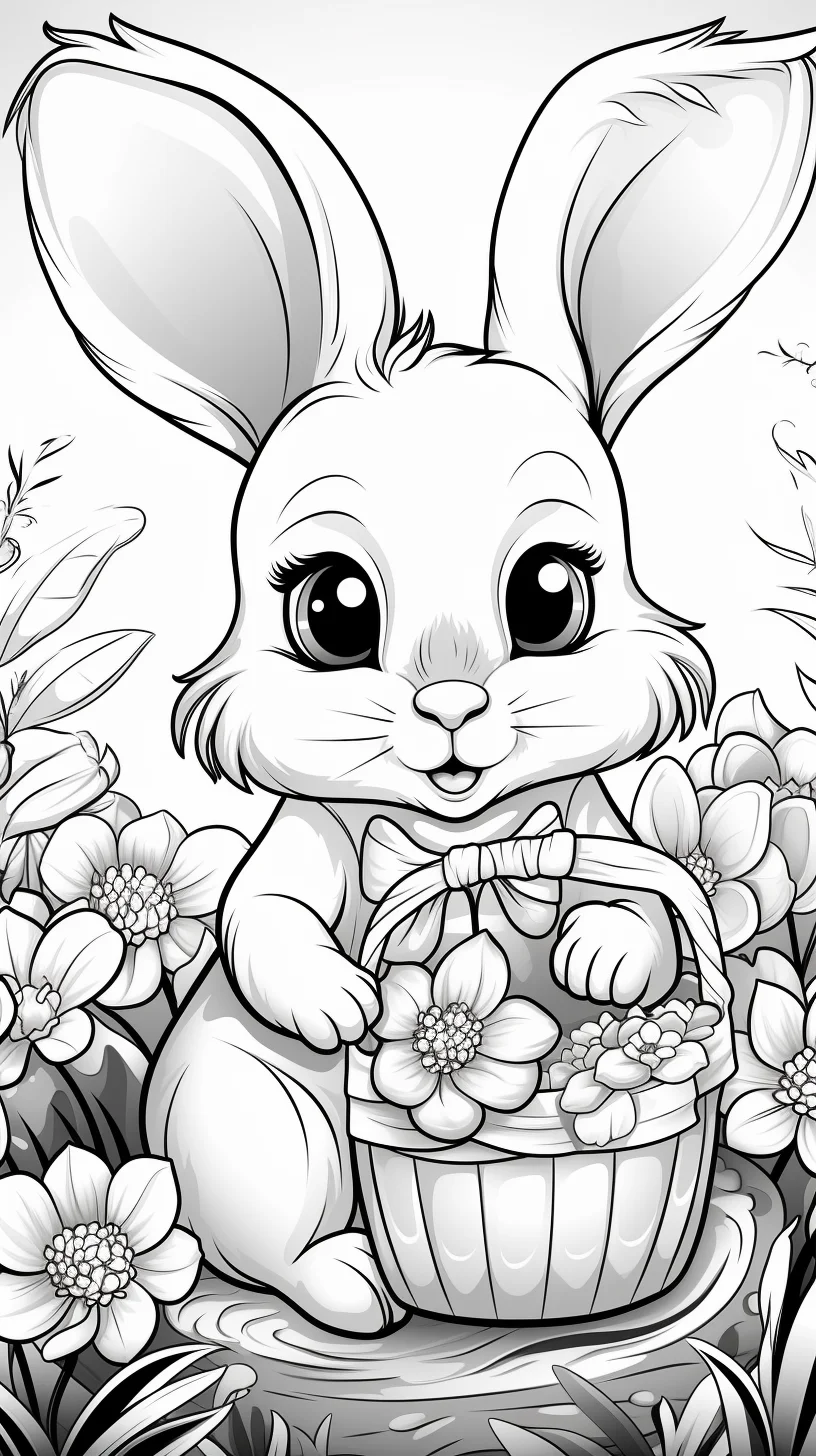
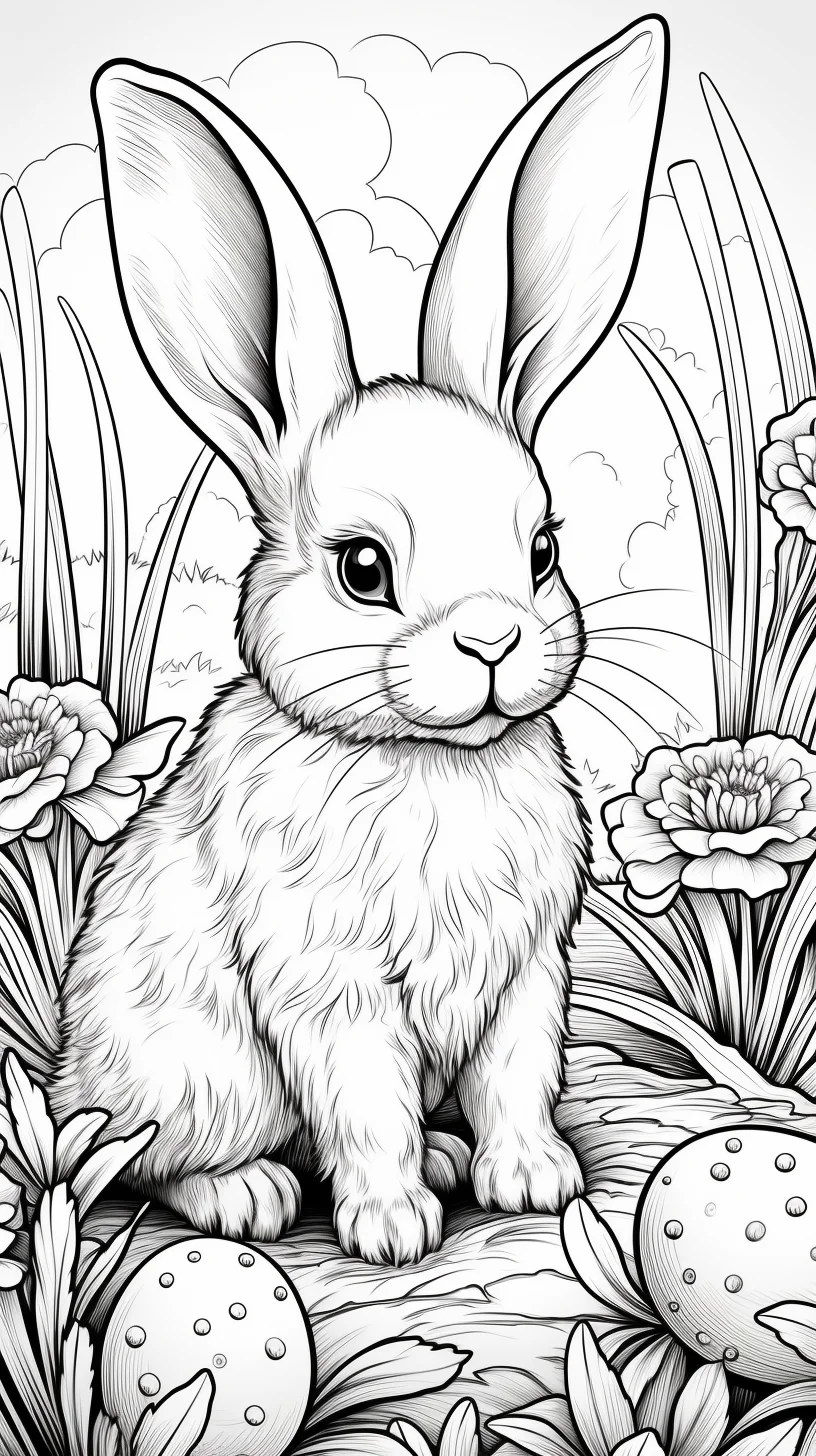
- Quick coloring: choose a bunny or egg with large open areas and use crayons or broad colored pencils.
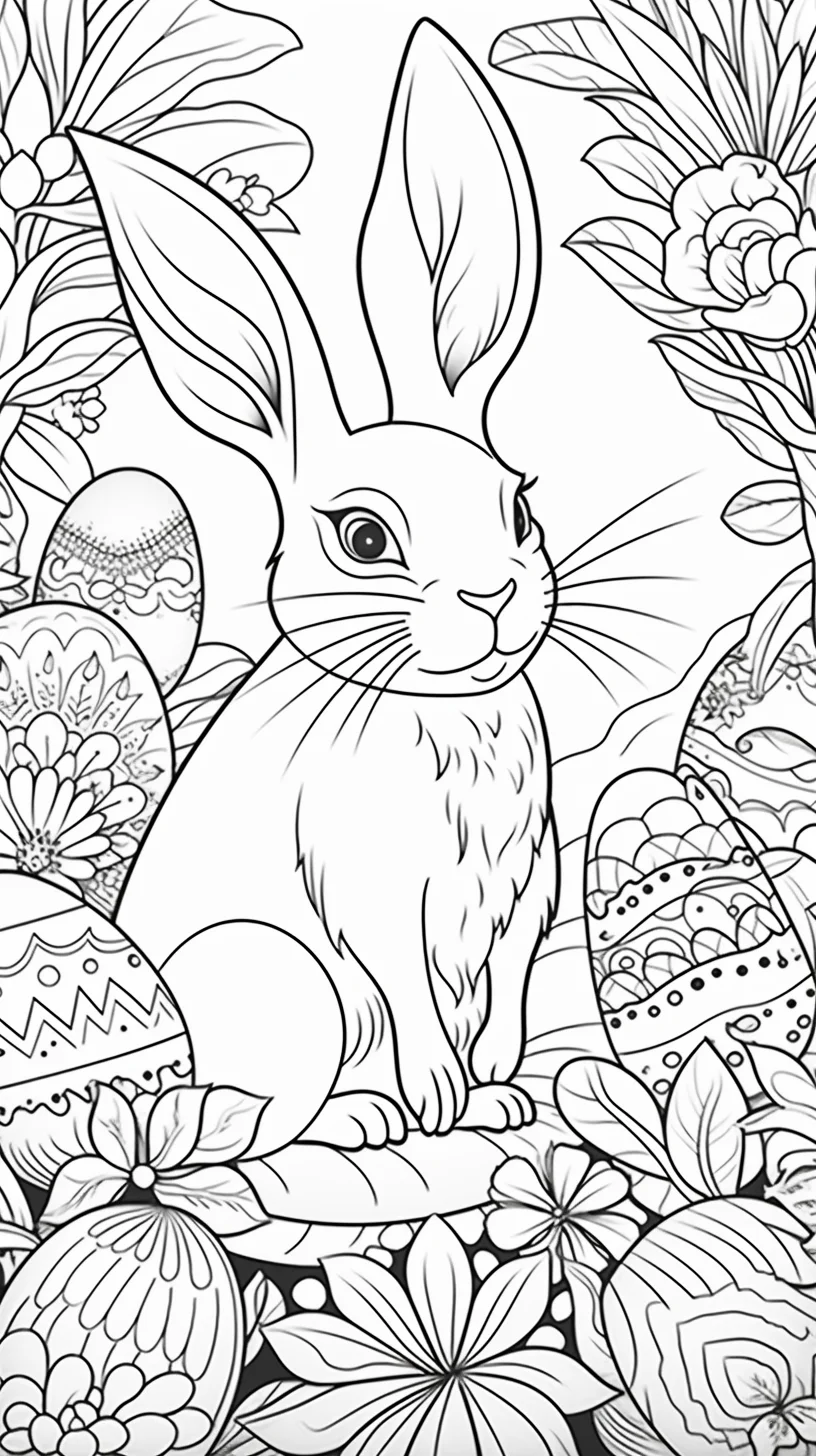
- Pattern practice: use a large egg and divide it into stripes, scallops, dots, checks or repeating spring shapes before coloring.
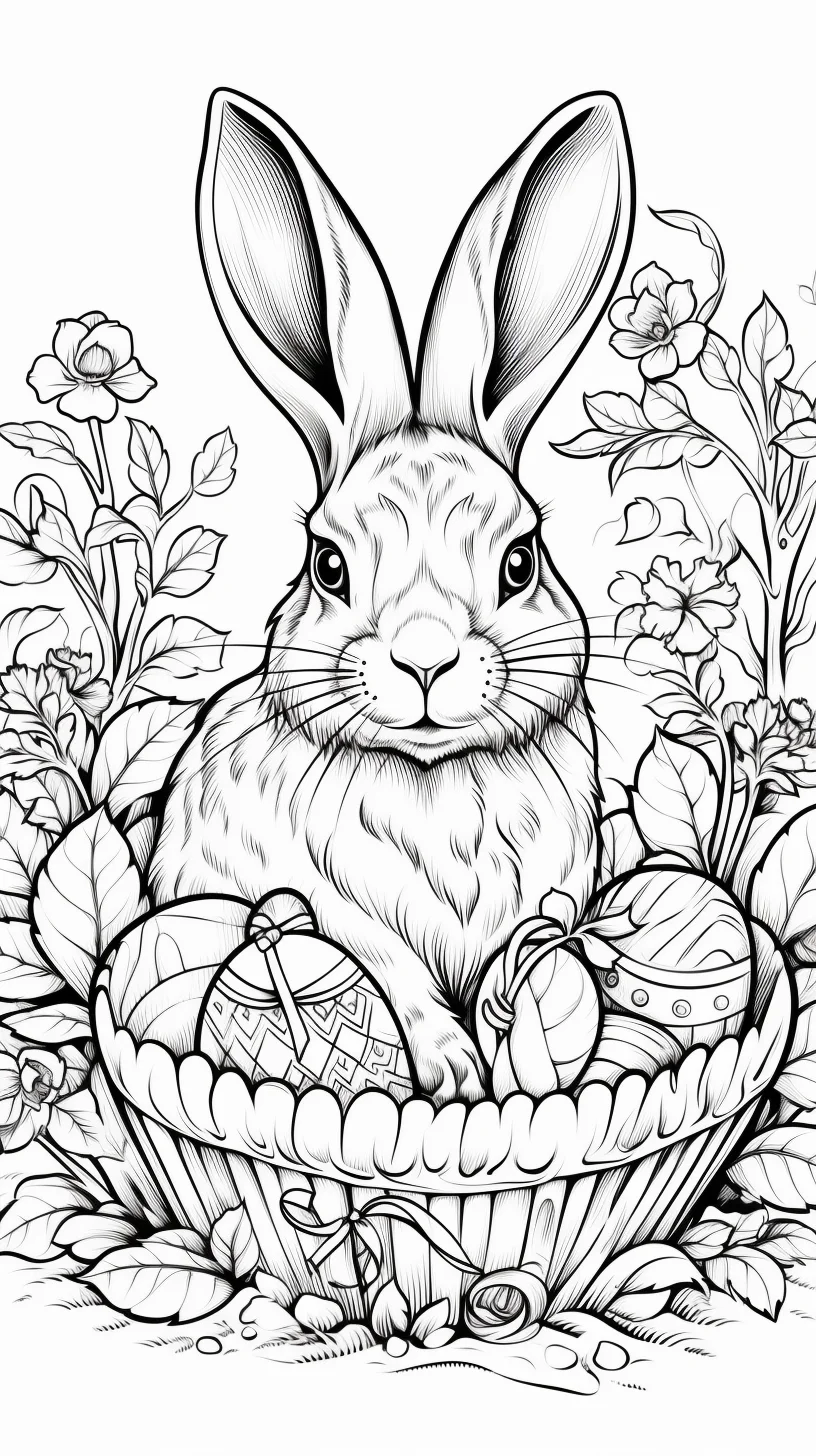
- Easter card: pick a page with open background space, color the main subject, then add a short message and trim or fold the finished sheet.
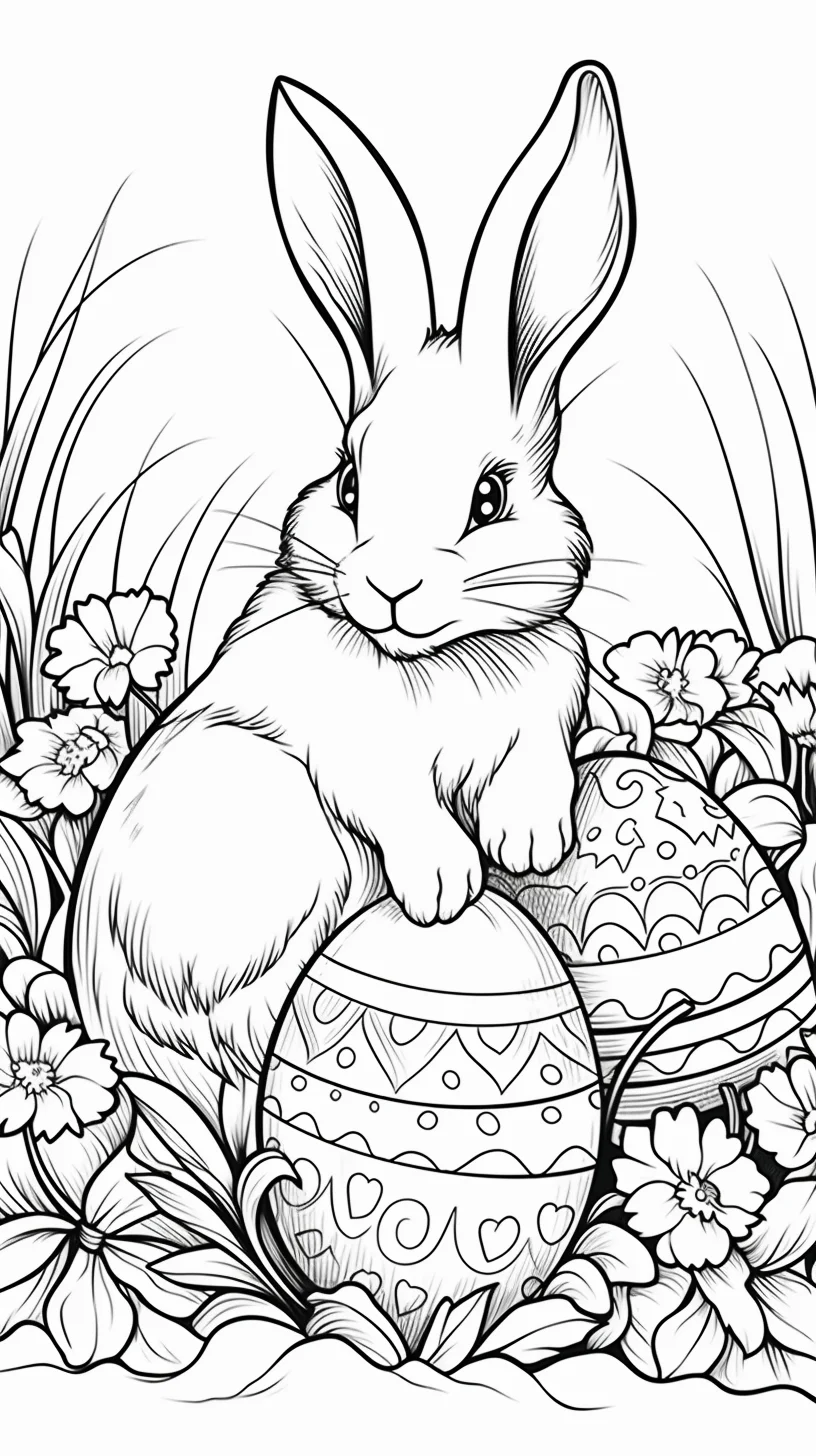
- Classroom choice: print several different designs rather than giving everyone the same page. Children can choose between a simple bunny, decorative egg or more detailed scene.
- Quiet-time project: use a more detailed page with colored pencils and work from large areas toward the smallest patterns.
Three Easter color palettes that are easy to control
You do not have to use every pastel in the box. A small palette usually makes patterned eggs look more deliberate because the same colors repeat across the design.
- Soft spring: pale yellow, pink and light blue. Leave some areas white so the page does not become visually crowded.
- Garden: green, yellow and purple. Use green mainly for leaves or background accents and let yellow or purple carry the egg pattern.
- Bright candy: coral, turquoise and violet. Repeat the three colors in a fixed order when an egg has several bands or motifs.
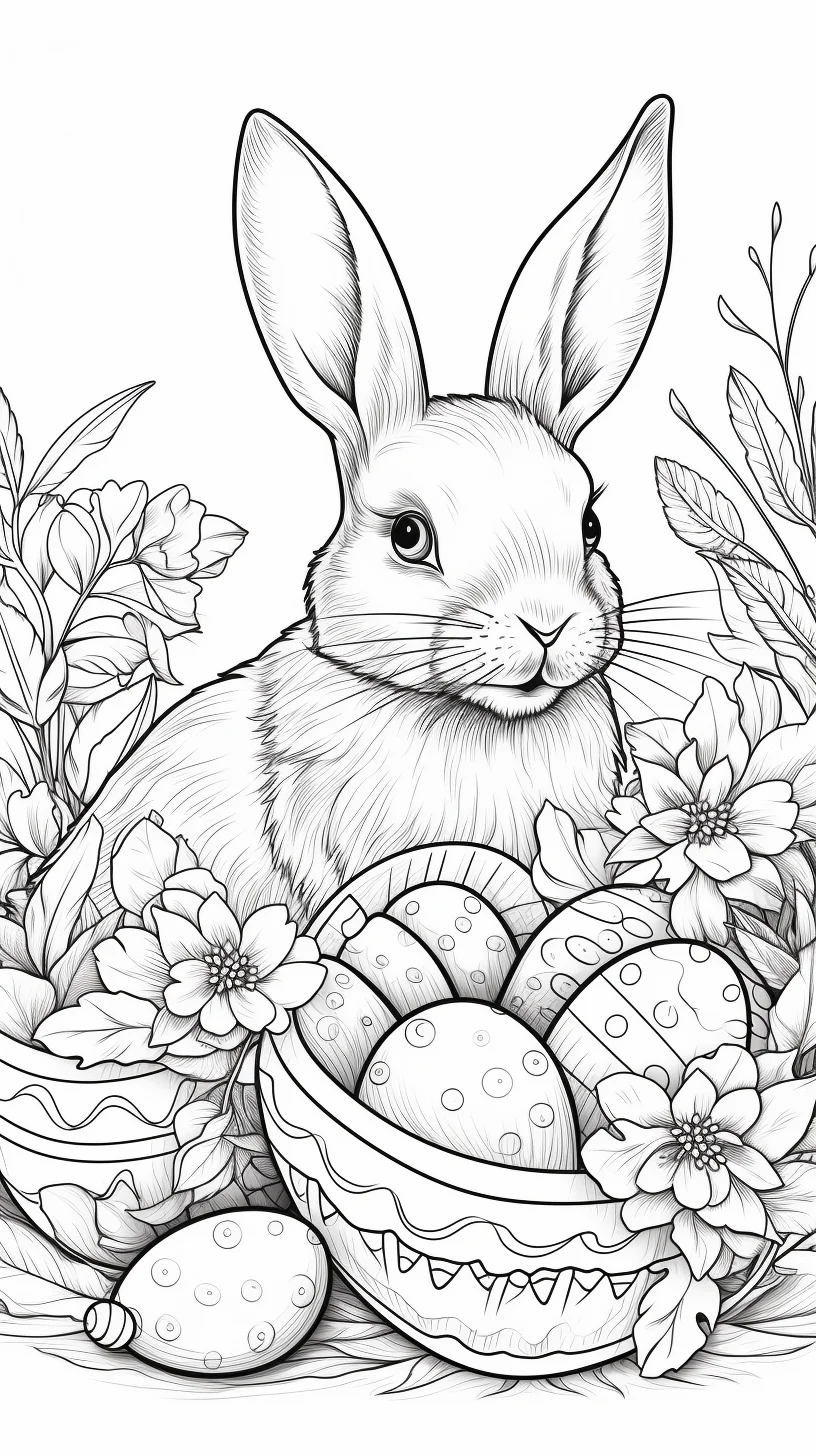
For a natural-looking bunny, start with cream, light brown or gray and reserve the brighter palette for eggs, flowers and background details. For a playful page, there is no need to keep the animal realistic.
How to design your own pattern inside a blank Easter egg
- Divide the egg first. Add three to five curved horizontal bands that follow the round form instead of drawing perfectly straight ruler lines.
- Give each band one pattern. Try dots, zigzags, tiny flowers, loops, triangles or alternating stripes.
- Repeat shapes consistently. A simple motif repeated cleanly usually looks better than a different decoration in every available gap.
- Choose colors after the pattern exists. This prevents color decisions from hiding a weak or confusing design.
- Leave one quiet area. Not every band needs dense decoration. An open stripe can make the detailed sections easier to see.
Crayons, colored pencils or markers?
Crayons are the easiest choice for large shapes and younger children. Colored pencils give more control on small egg patterns and make it easier to layer light and dark versions of the same color. Markers produce the strongest flat color, but print on slightly heavier paper and place scrap paper underneath because ink can bleed through ordinary printer paper.
Turn one printable into a simple Easter card
- Open the full-size page and print it smaller than full-page size if your print dialog allows it.
- Color the main bunny or egg before adding text so you know how much blank space remains.
- Add a short Easter greeting or the recipient’s name in the open area.
- Trim around the artwork or mount it onto folded cardstock.
- Use one or two colors from the drawing again on the card border so the finished piece feels connected.
A five-minute Easter activity for younger kids
For children who lose interest during a long coloring session, make the task smaller: choose one page, pick only three colors, and ask them to find three different places to repeat each color. The restriction turns the page into a simple matching and decision-making activity rather than a race to fill every white area. Stop when they are finished with the idea; the entire page does not have to be colored.
Printing tips
- Open the image first: use the full-size version rather than printing a small preview from the article page.
- Paper size: A4 and US Letter both work; choose “fit to page” or the equivalent option so edges are not cropped.
- For markers: use heavier paper when possible and put a spare sheet underneath.
- For cards: scale the image down before printing instead of coloring a full sheet and trying to shrink it afterward.
For more seasonal printables, continue with the bunny coloring pages or flower coloring pages. If printing is the part giving you trouble, use the site’s coloring-page printing guide.
Easter coloring page questions
Which Easter pages are easiest for preschoolers?
Start with designs that have one large bunny or egg and fewer small enclosed spaces. Large shapes are easier to fill with crayons and do not require precise pencil control.
How can older kids make an Easter egg page harder?
Add the pattern before adding color. Divide a blank egg into curved bands, assign a different repeating motif to each band, then limit the palette to three or four colors.
Can these pages be used for an Easter classroom activity?
Yes. Print a small selection of different designs so children can choose. For a structured activity, give everyone the same three-color limit or ask them to invent one repeating pattern of their own.
What is the best paper for Easter coloring pages?
Ordinary printer paper is fine for crayons and most colored pencils. For markers or a page that will become a card, slightly heavier paper is more durable and reduces bleed-through.

