
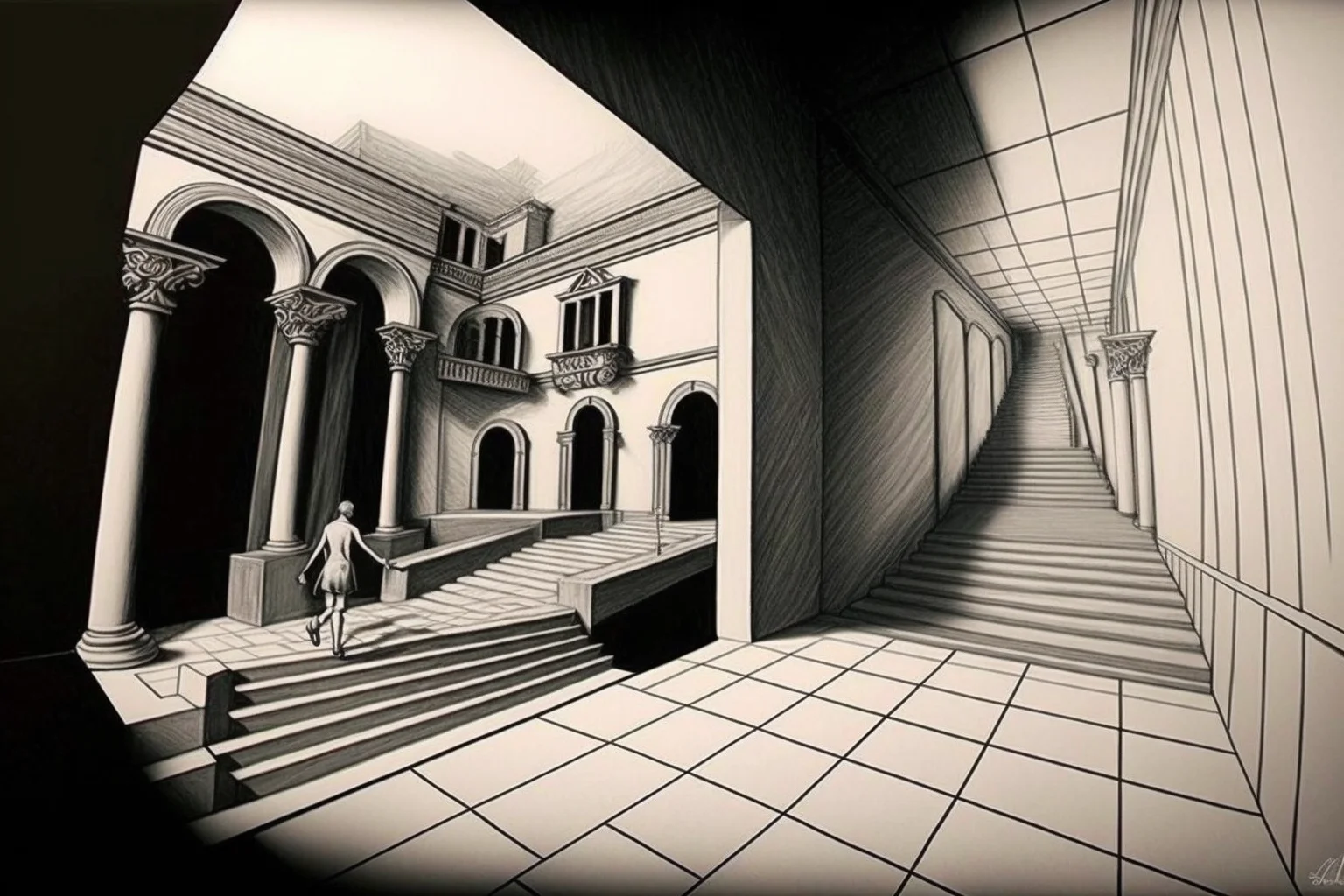
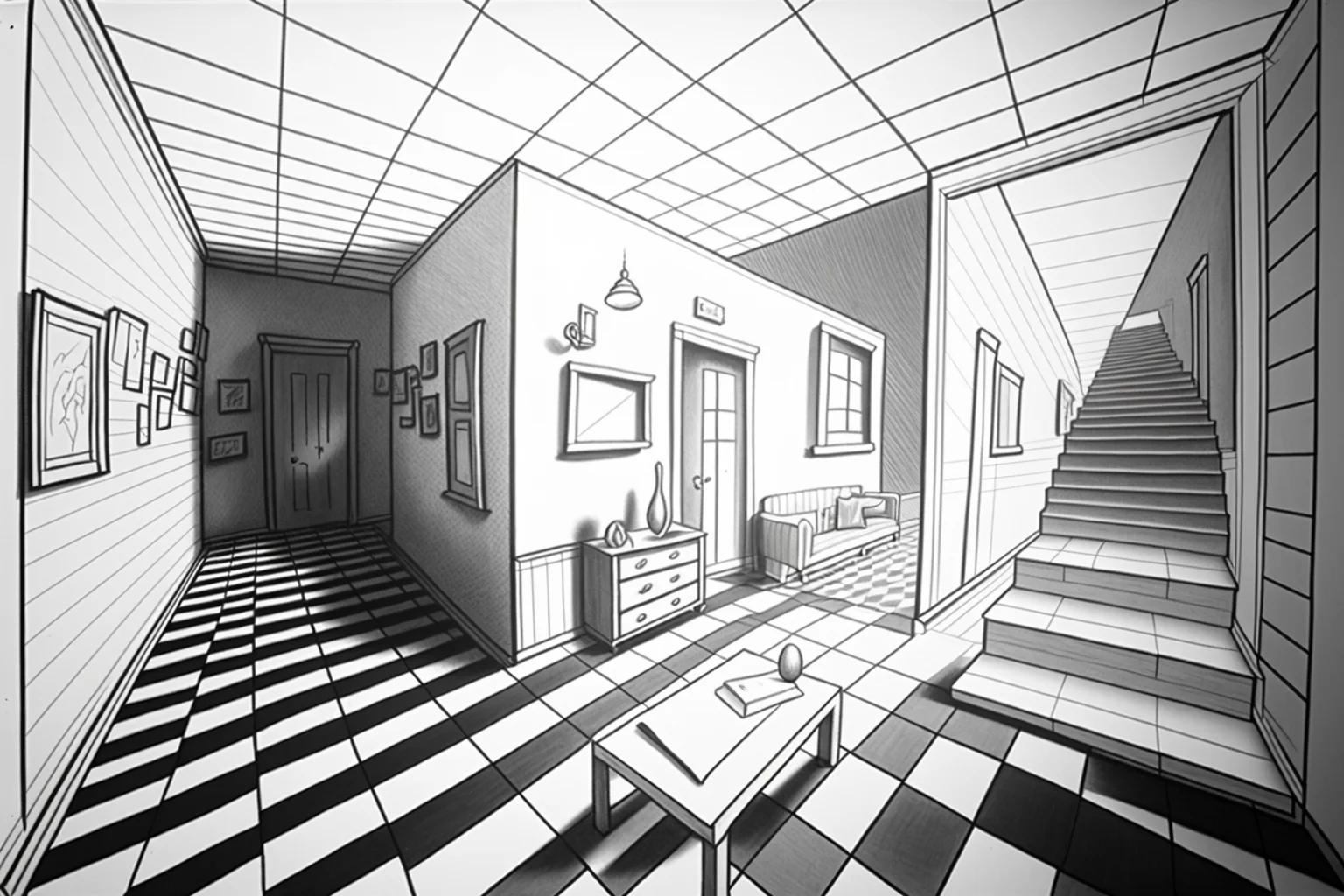
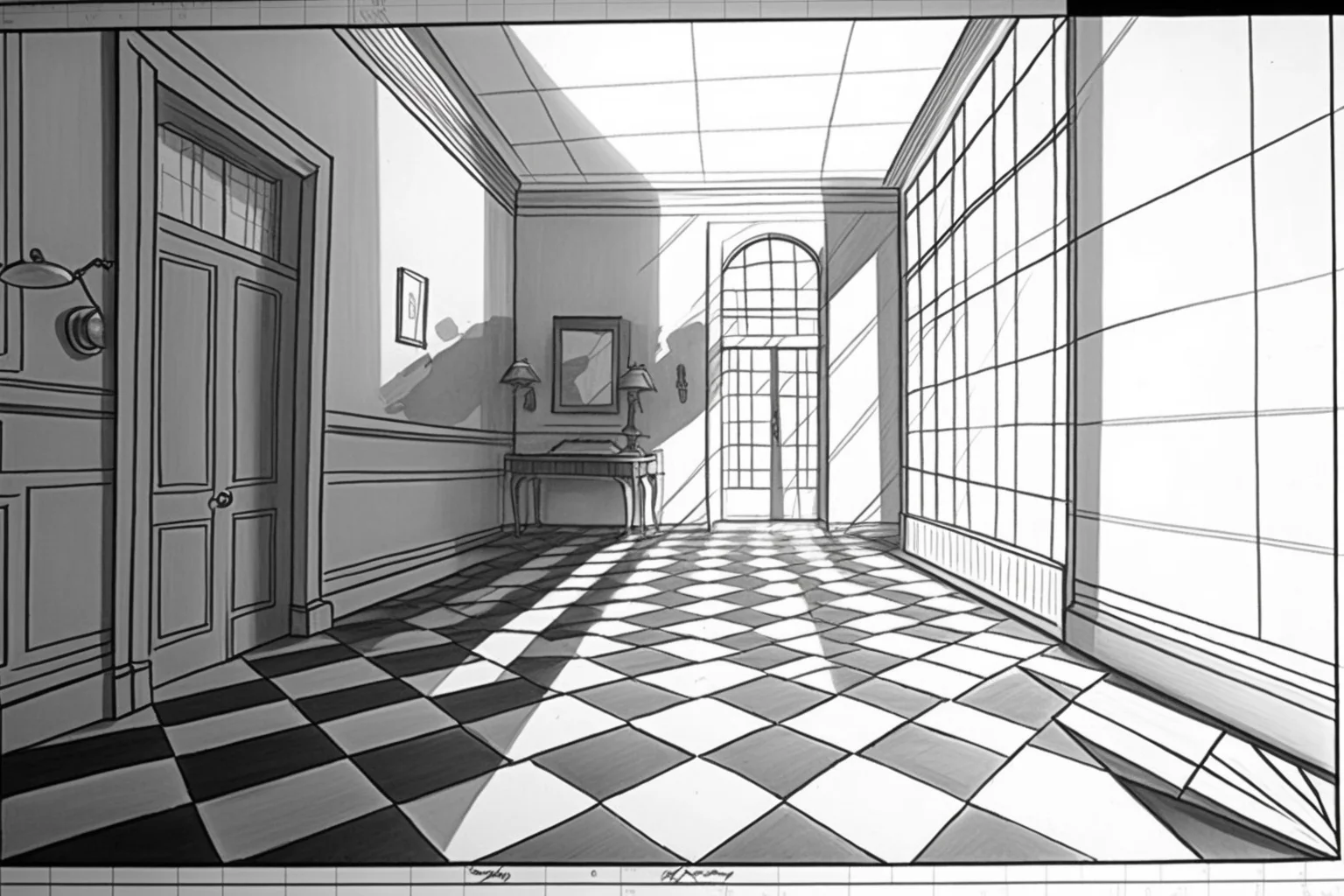
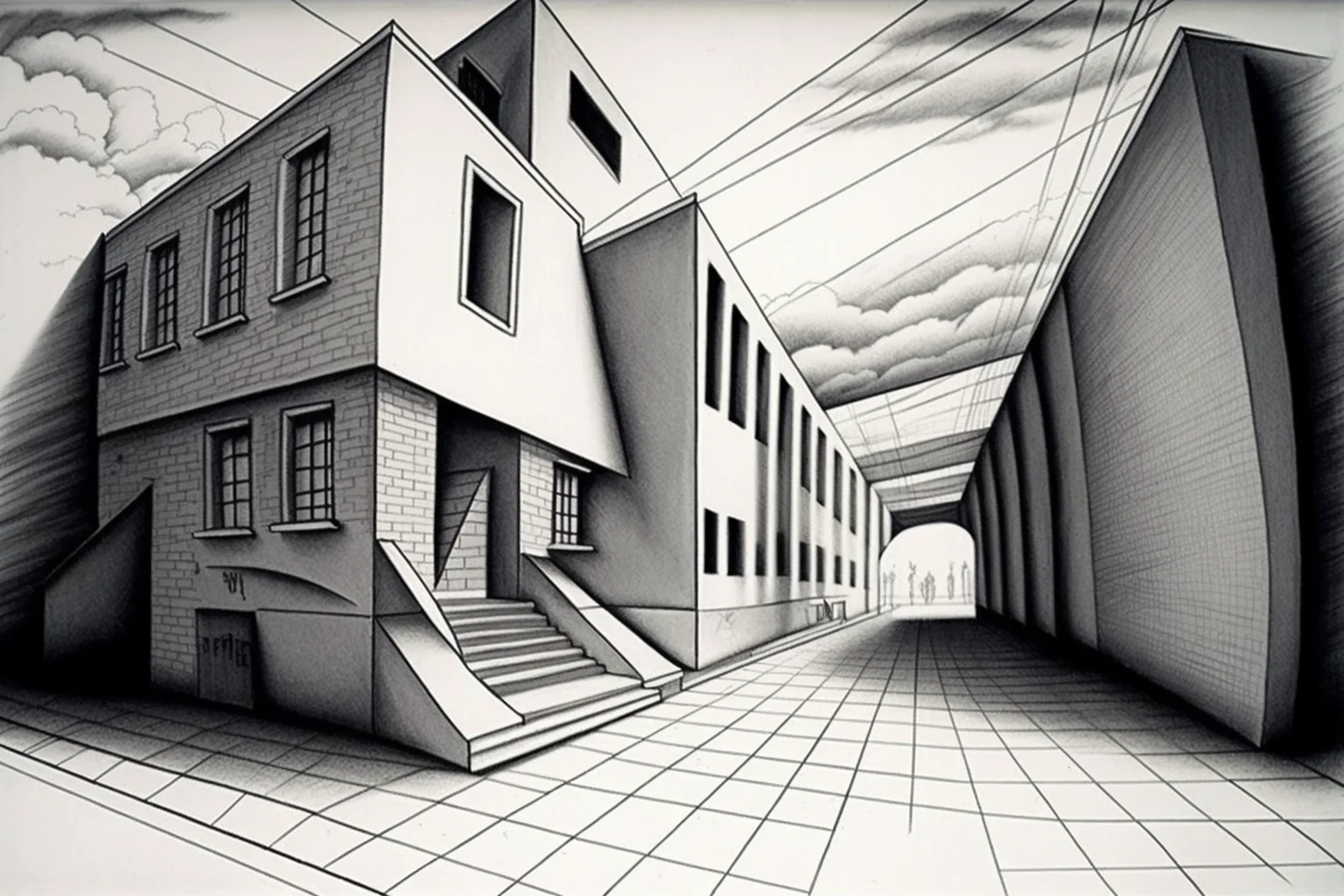
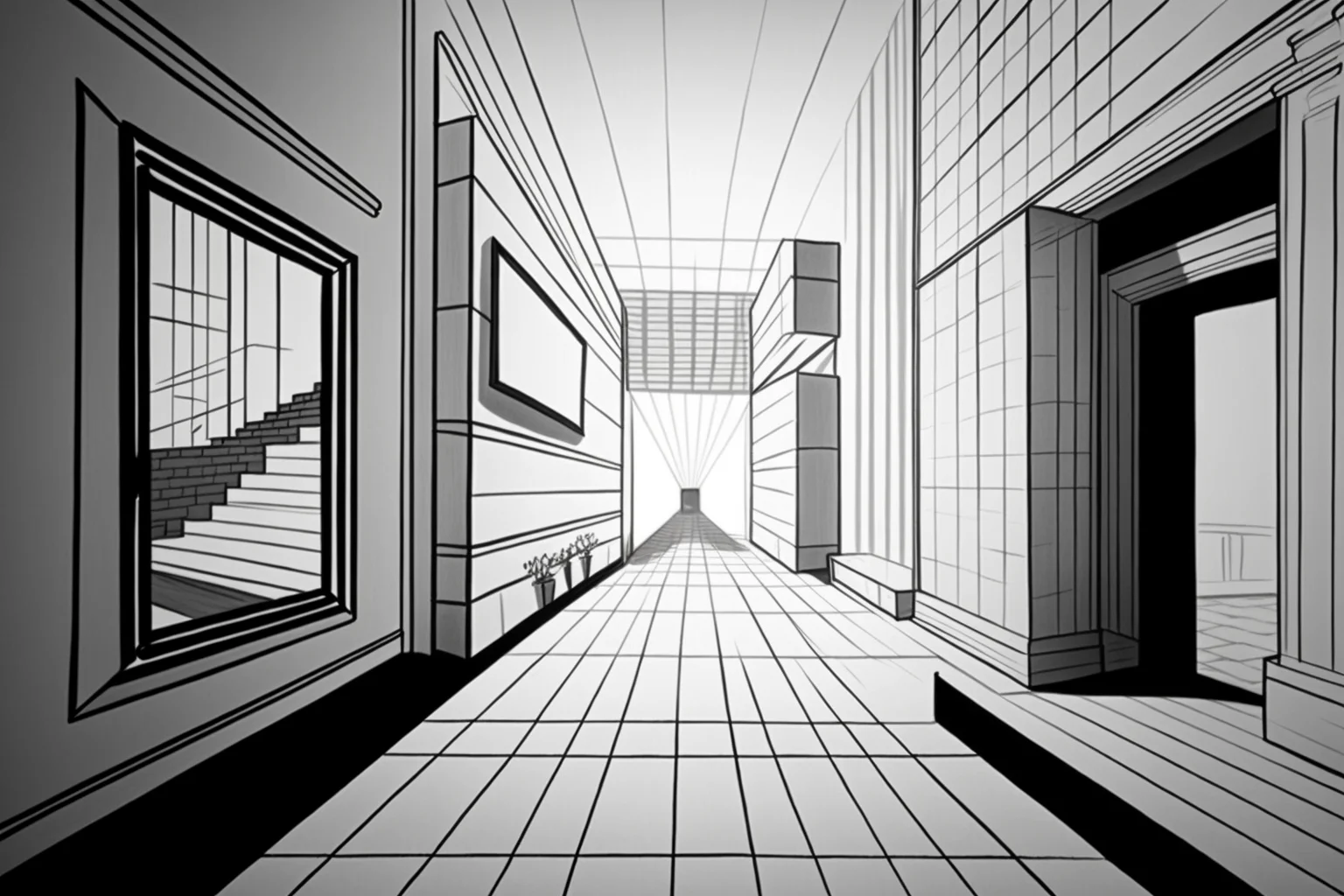
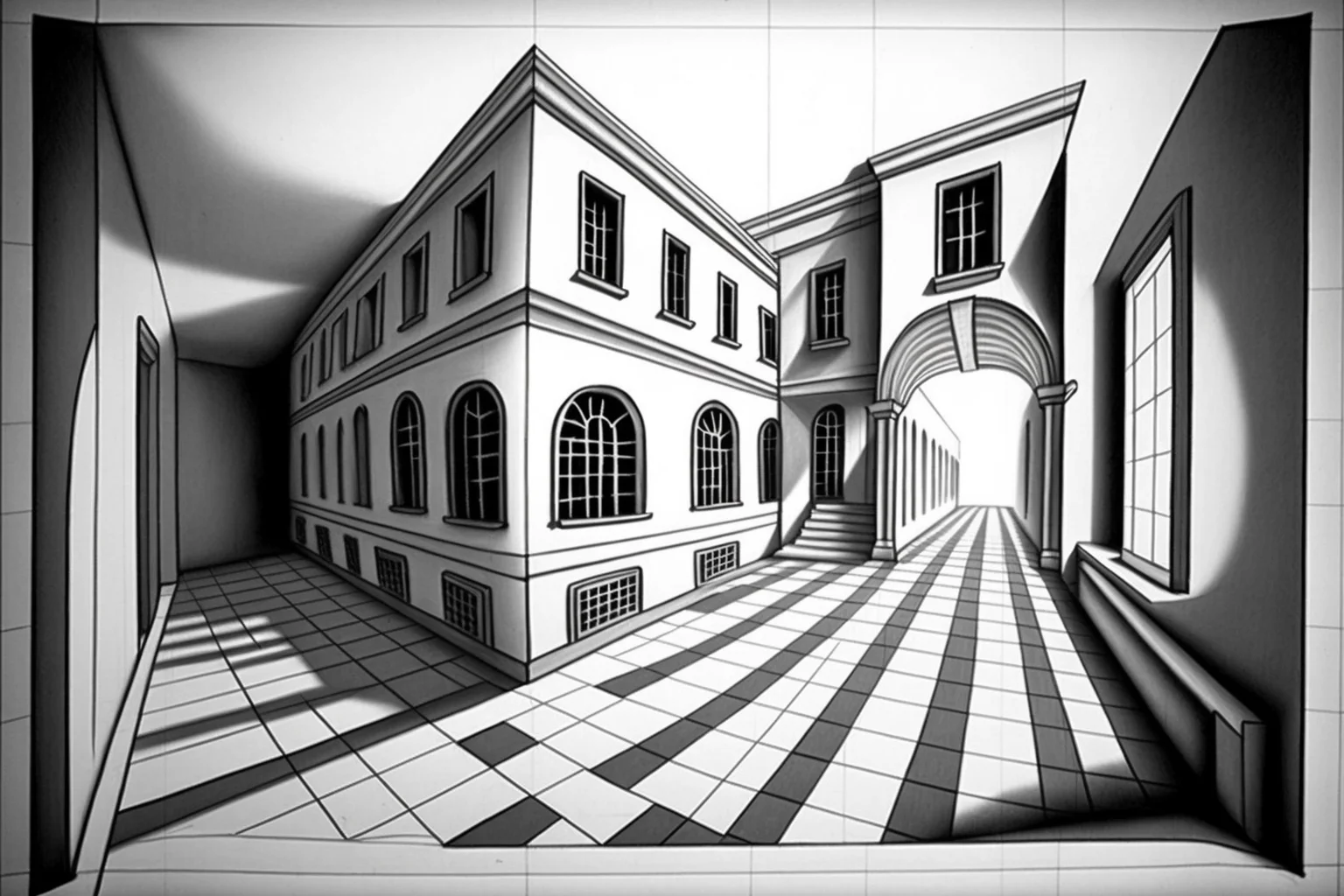
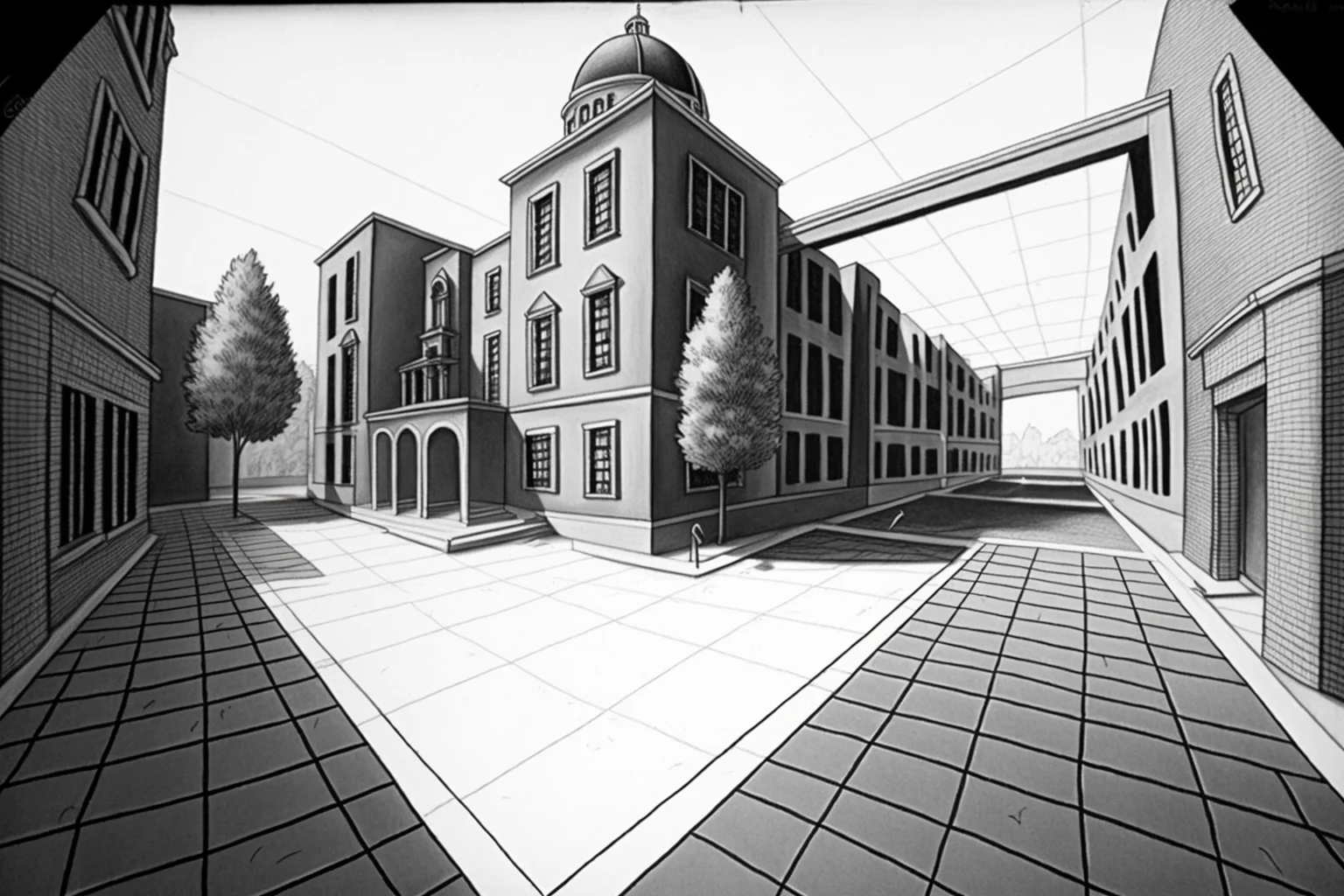
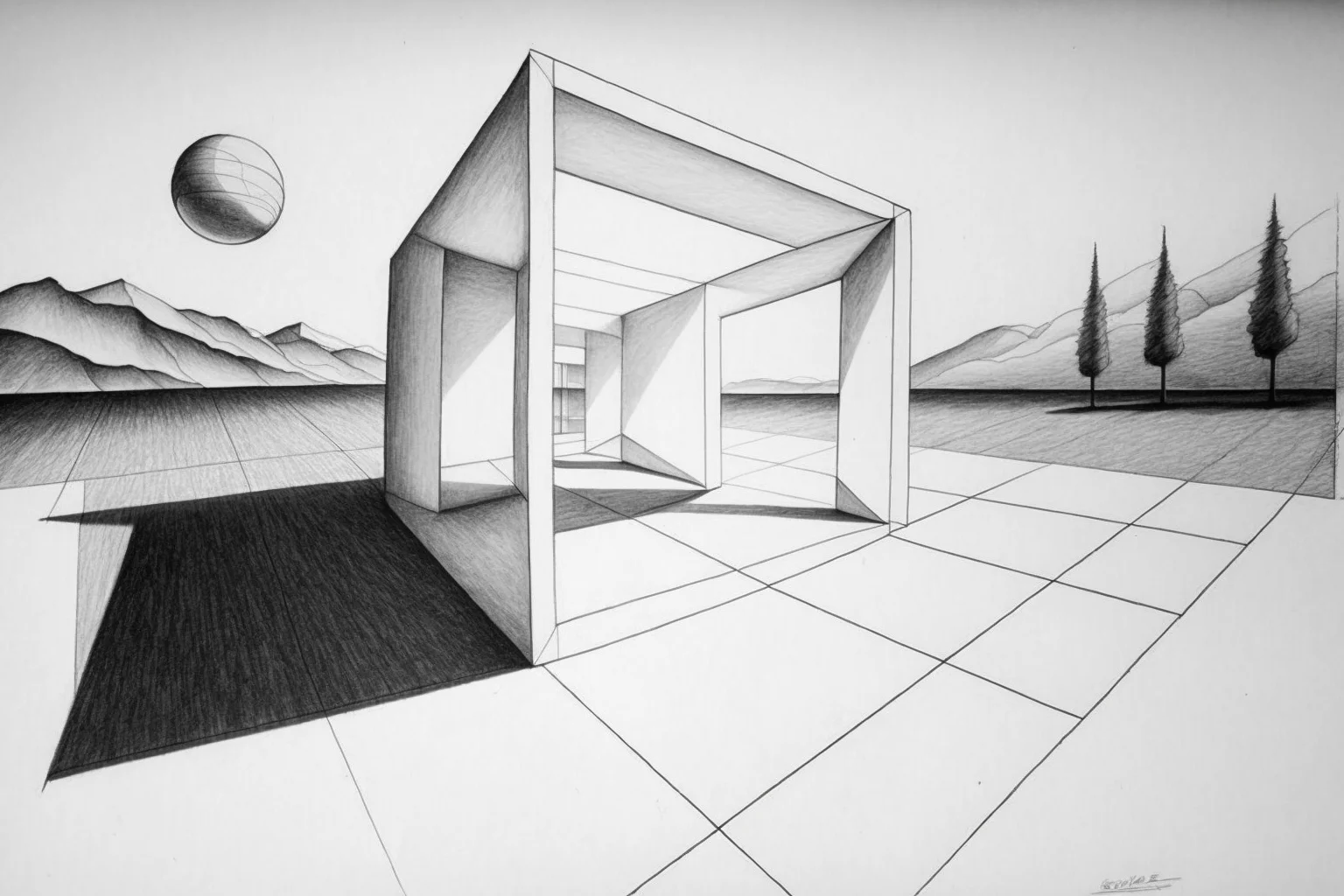
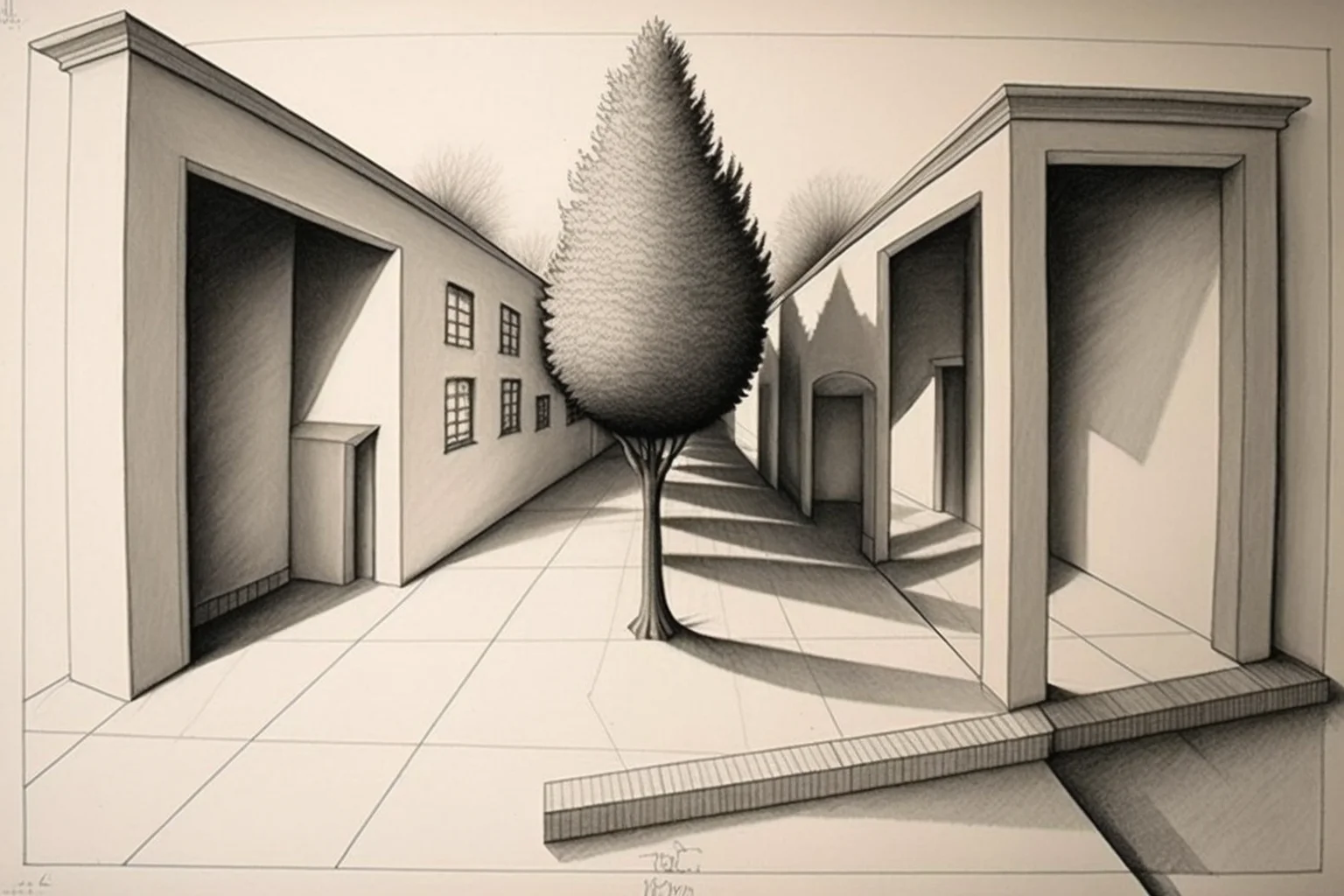
One-point perspective uses a single vanishing point to make rooms, streets, hallways and buildings appear to recede into depth. This collection contains 17 examples you can use as references for your own sketches, from simple beginner scenes to more detailed interiors and city views.
How to draw in one-point perspective
- Draw a horizon line.
- Place one vanishing point on that line.
- Draw the front face of your main object.
- Connect receding edges to the vanishing point with light guide lines.
- Add parallel vertical and horizontal edges, then erase extra guides.
Start with boxes, rooms or a straight road before attempting a complex city scene. For more drawing practice, see our easy drawing tutorials, easy things to draw and drawing ideas that look impressive.
17 one-point perspective examples
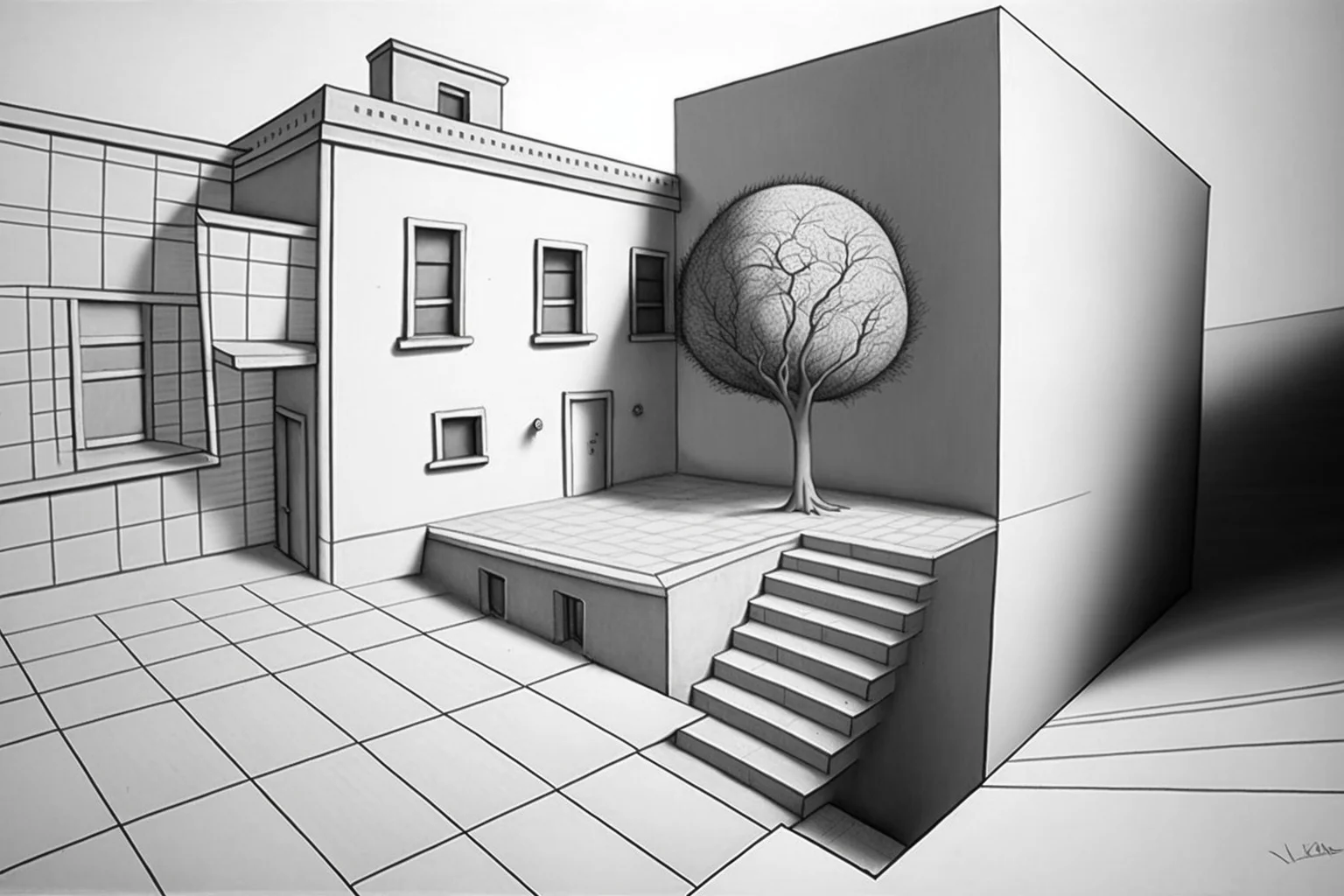
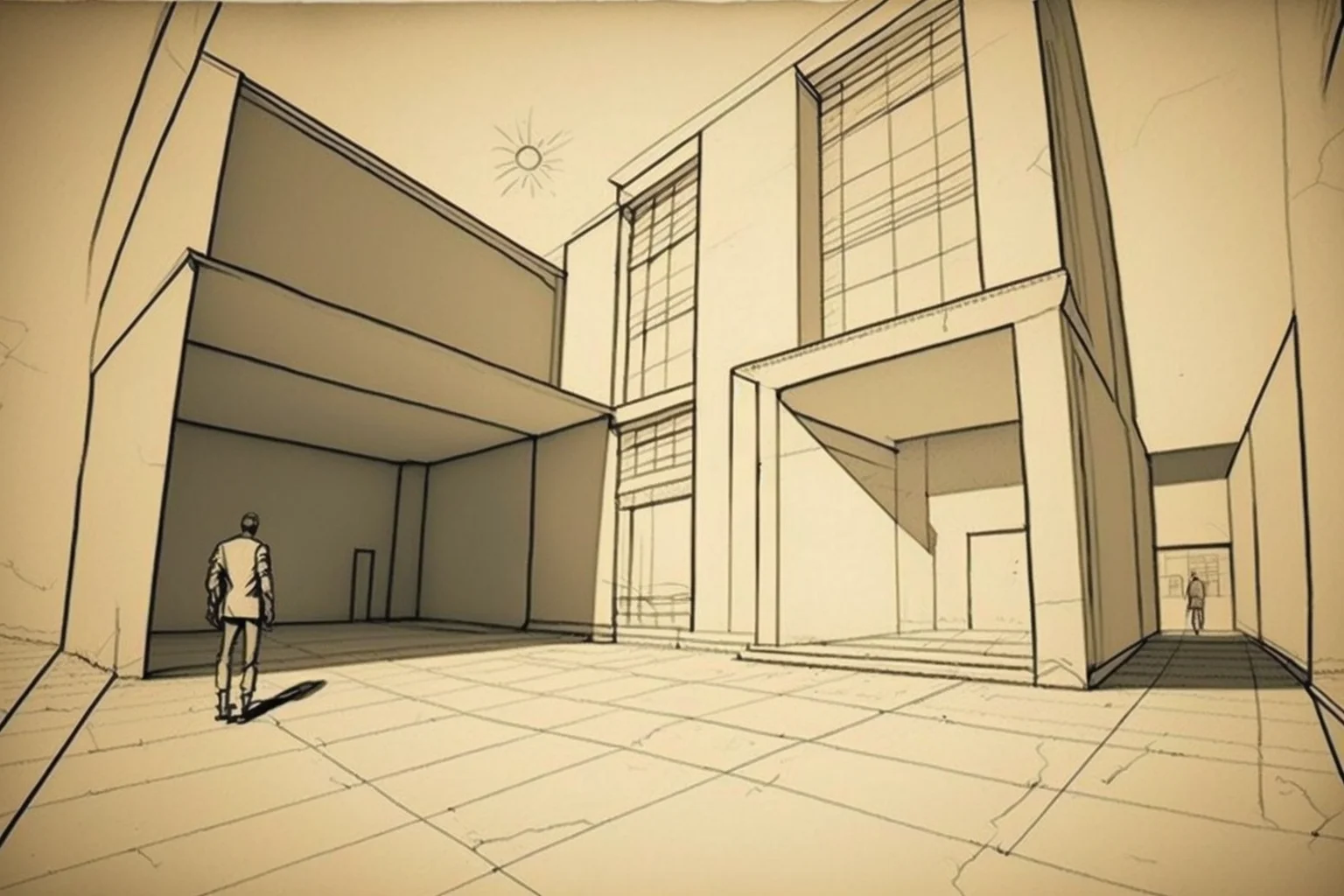
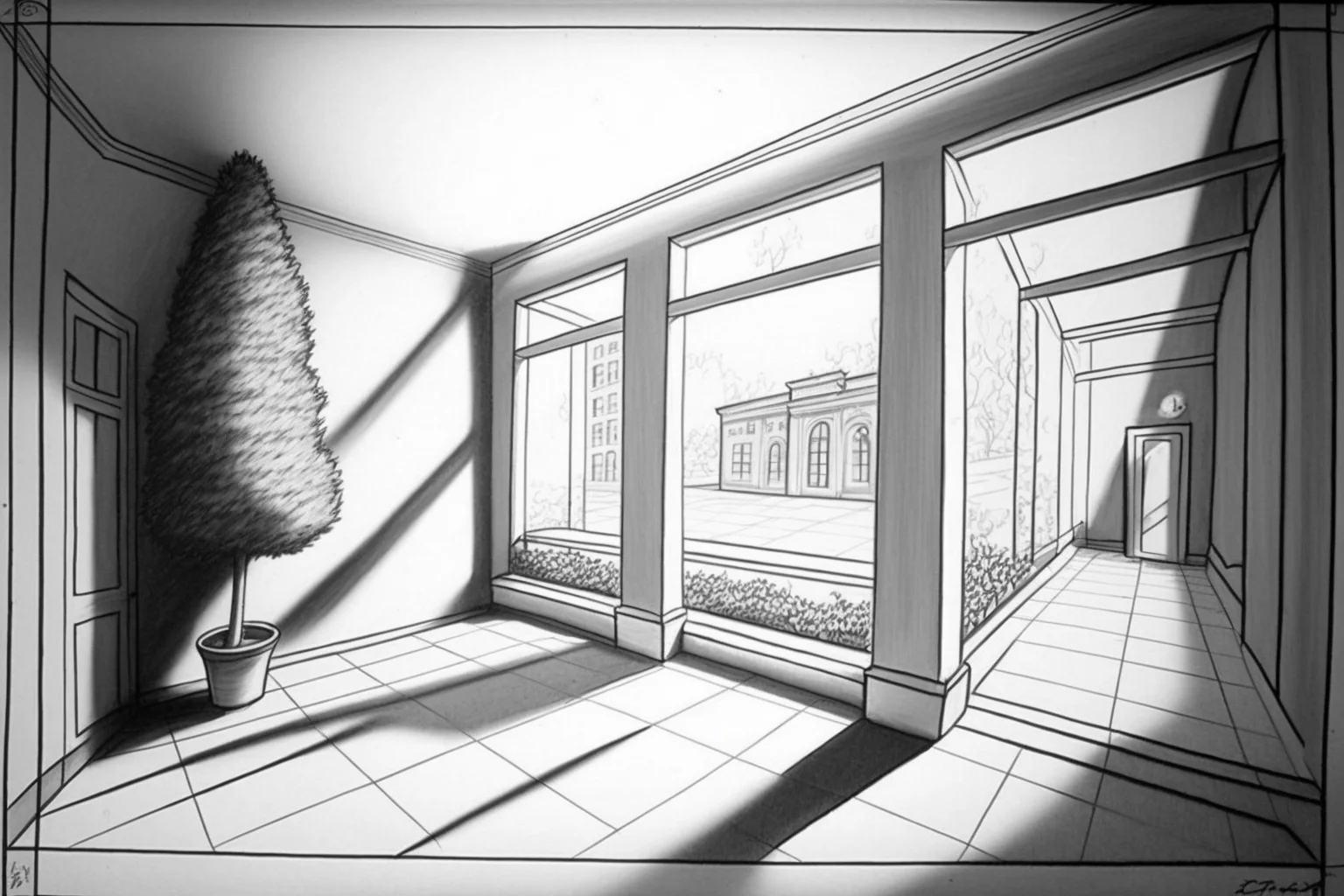
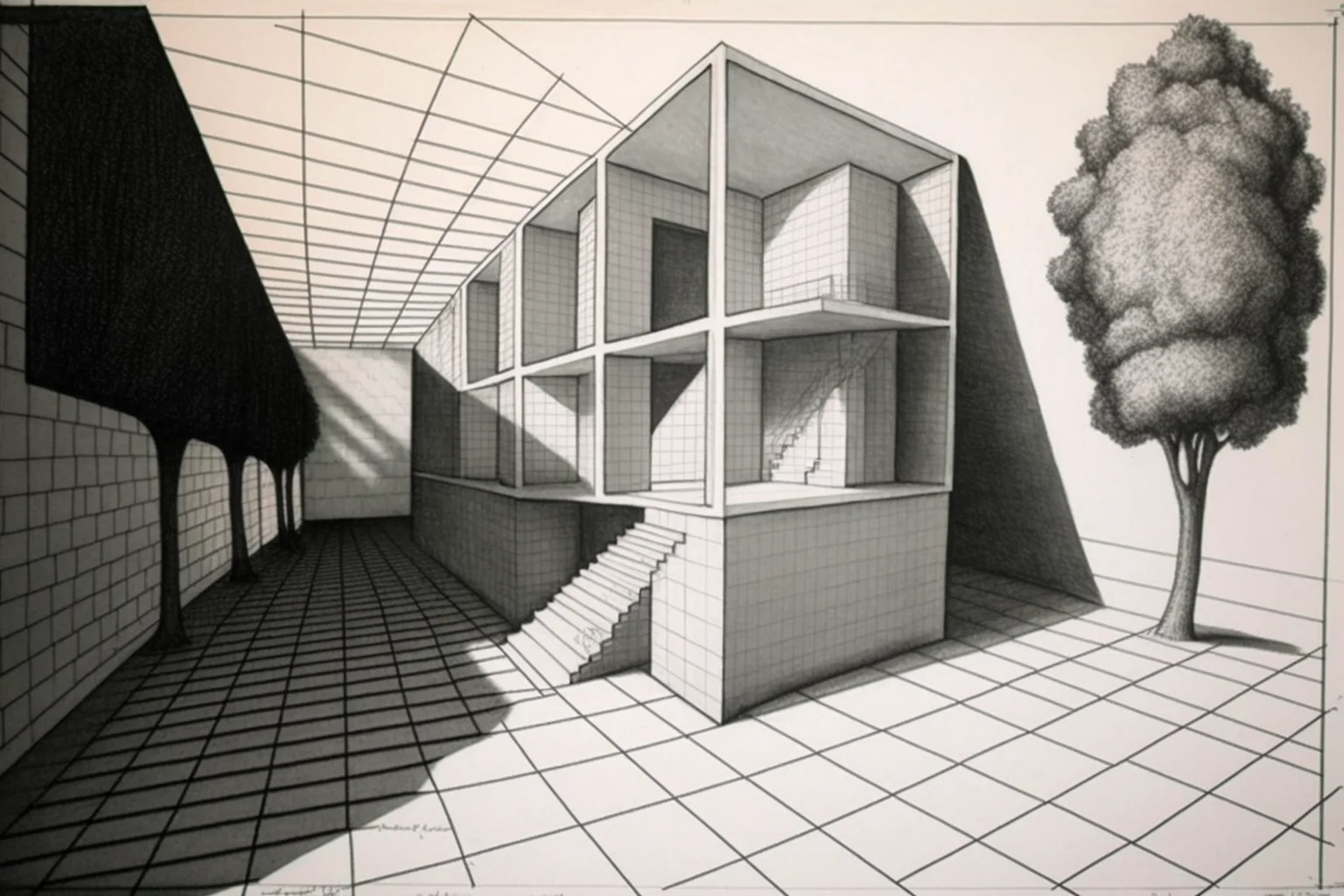
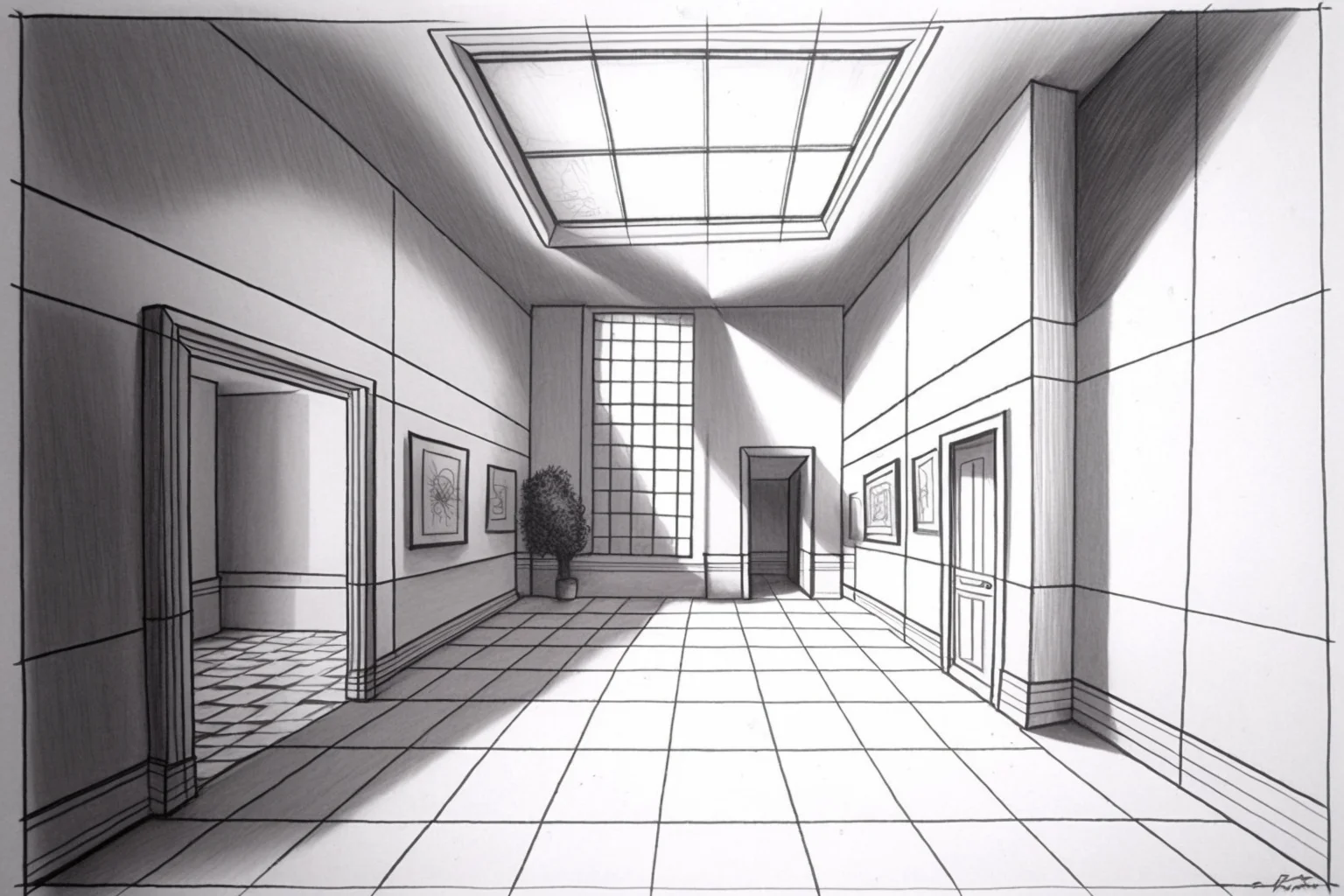
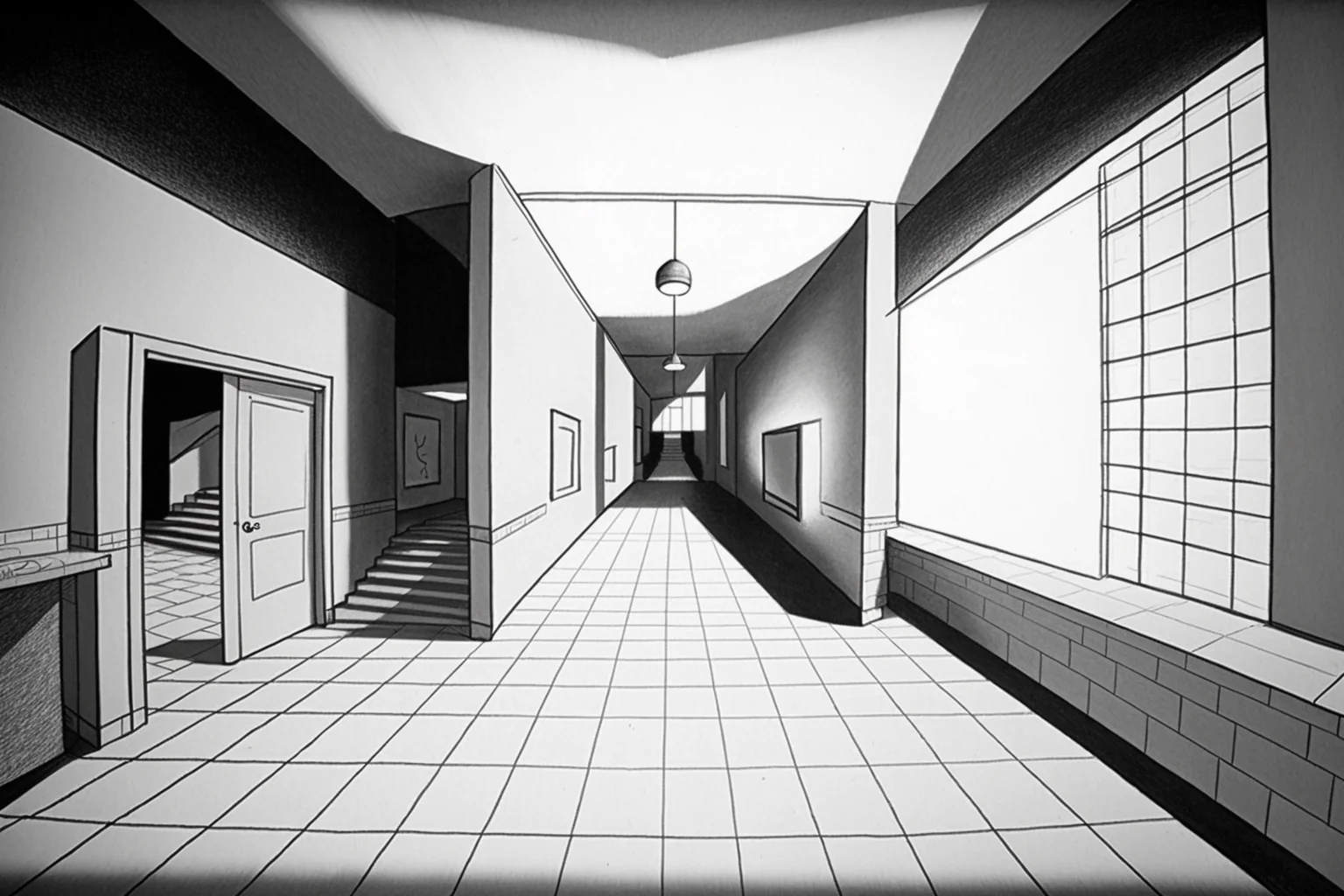
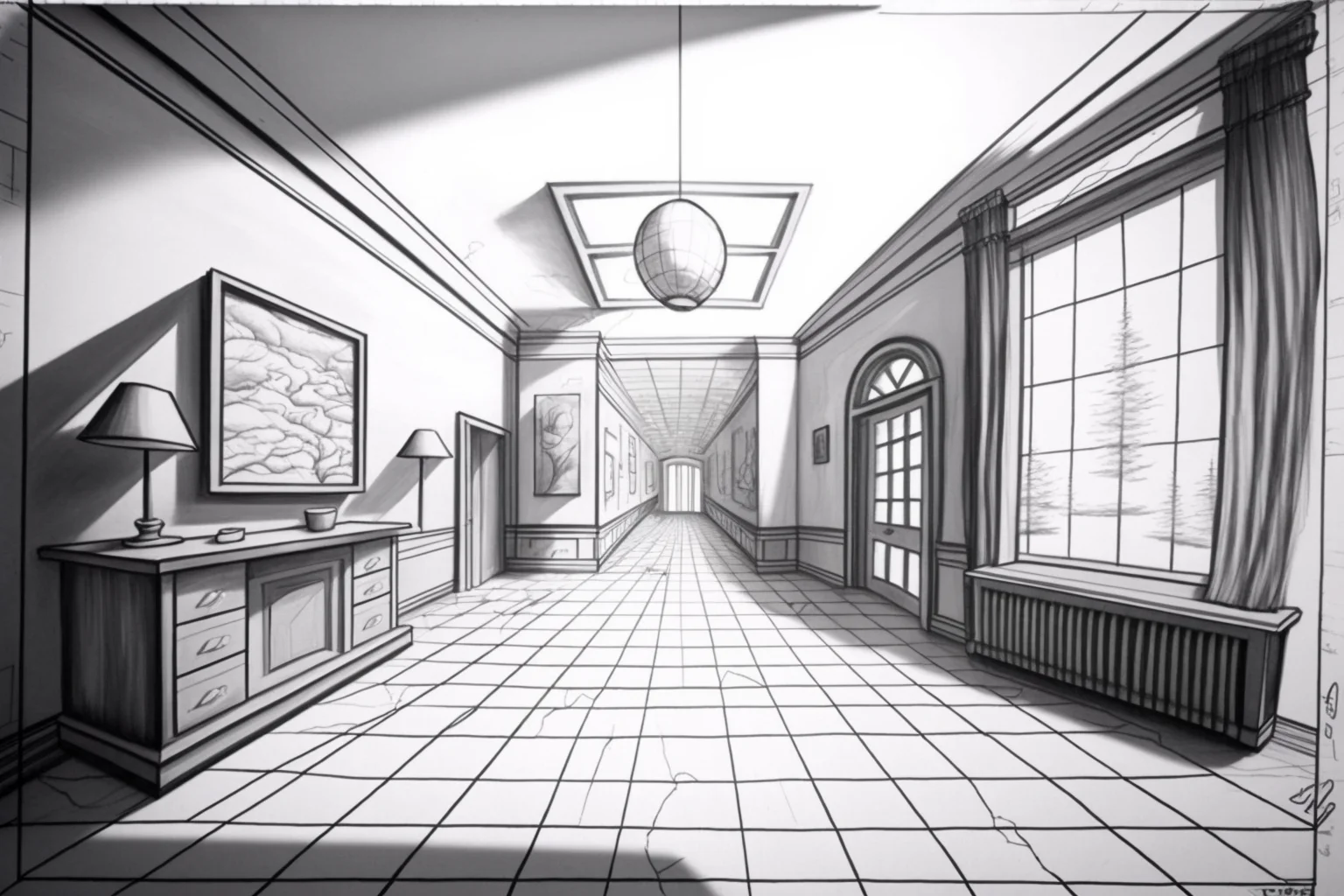
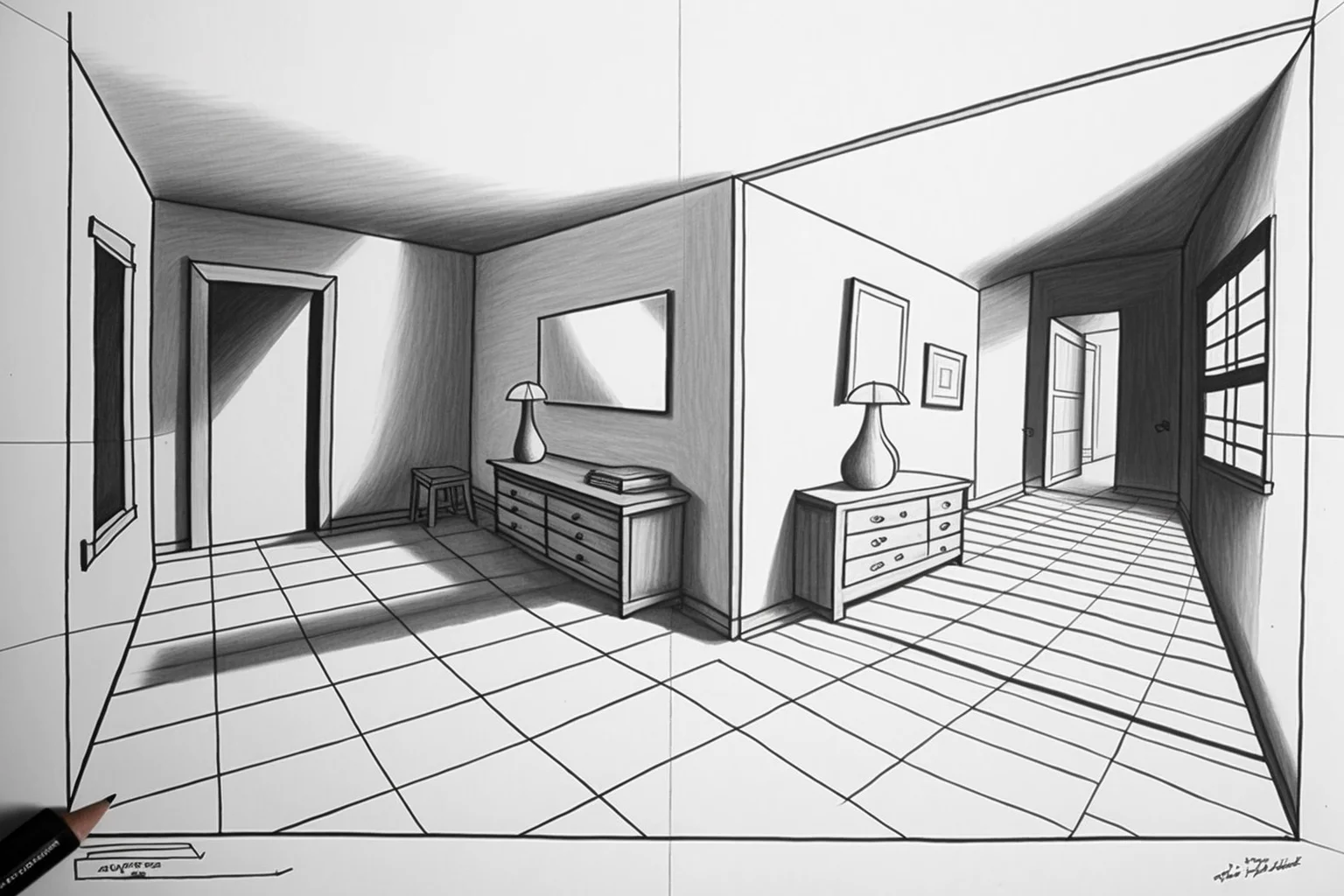
Common mistakes to avoid
- Do not use several vanishing points on a one-point exercise.
- Keep vertical edges vertical unless the scene intentionally tilts.
- Use light guide lines so they are easy to erase later.
- Make repeated objects smaller as they approach the vanishing point.
If a room or street feels distorted, check whether its receding edges actually meet at the same vanishing point. That single check fixes many beginner perspective problems.


Awesome! A like your perspective design in terms of shade and shadow, smoothness and graphics. you are professional 💯🔥
Though I think all of the examples are lovely, most of them are views based on two or even three vanishing points, and very few just rely on one.