
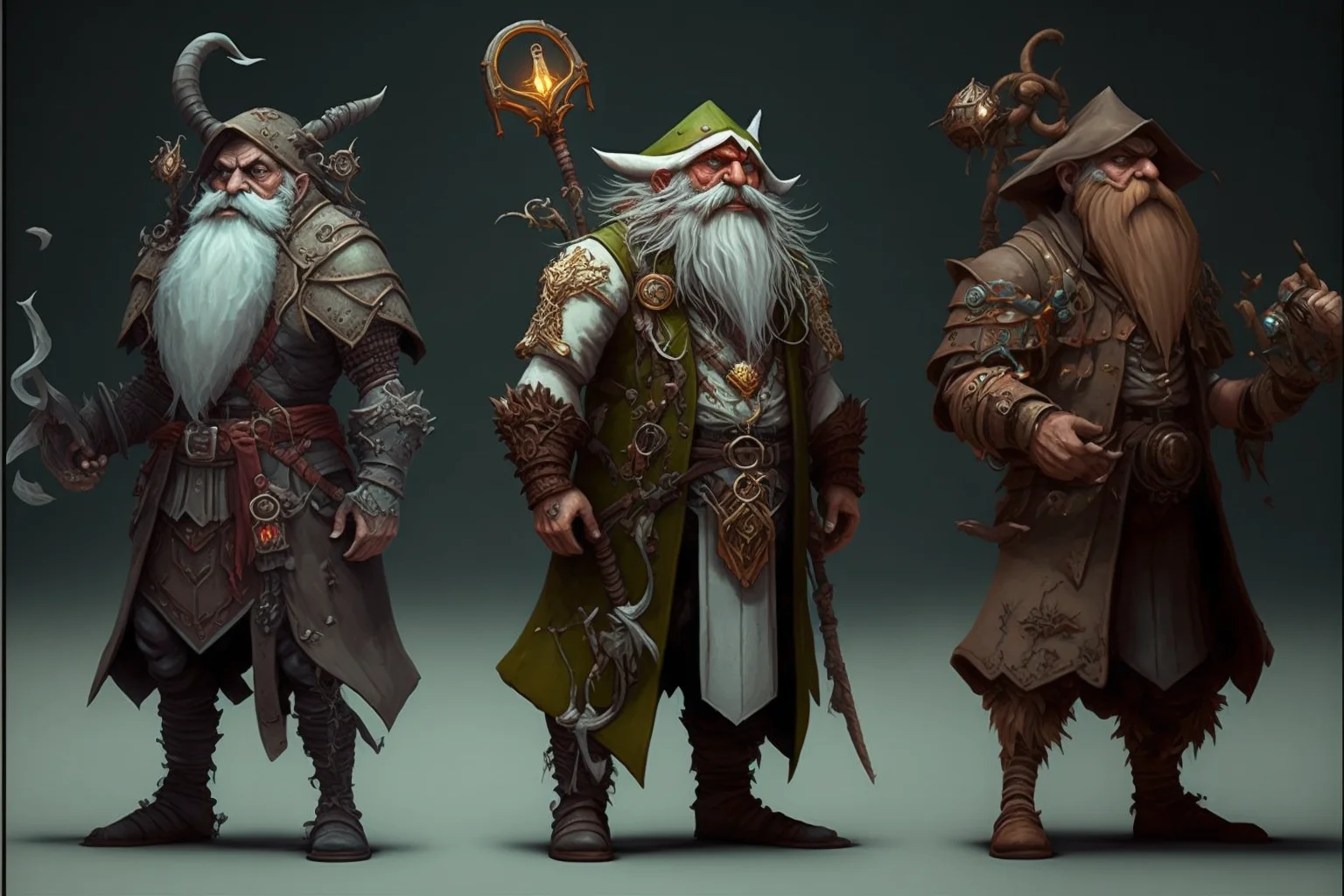
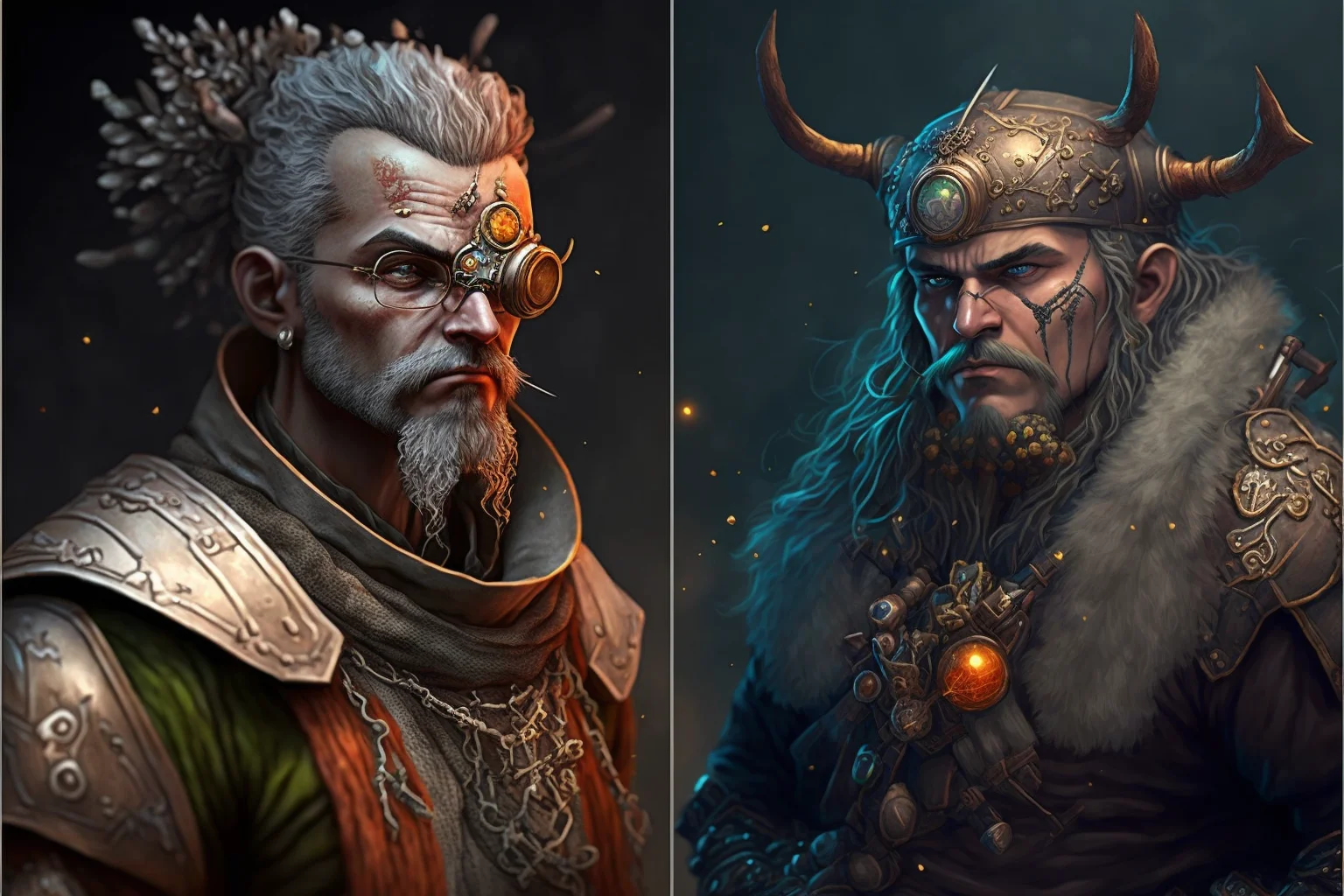
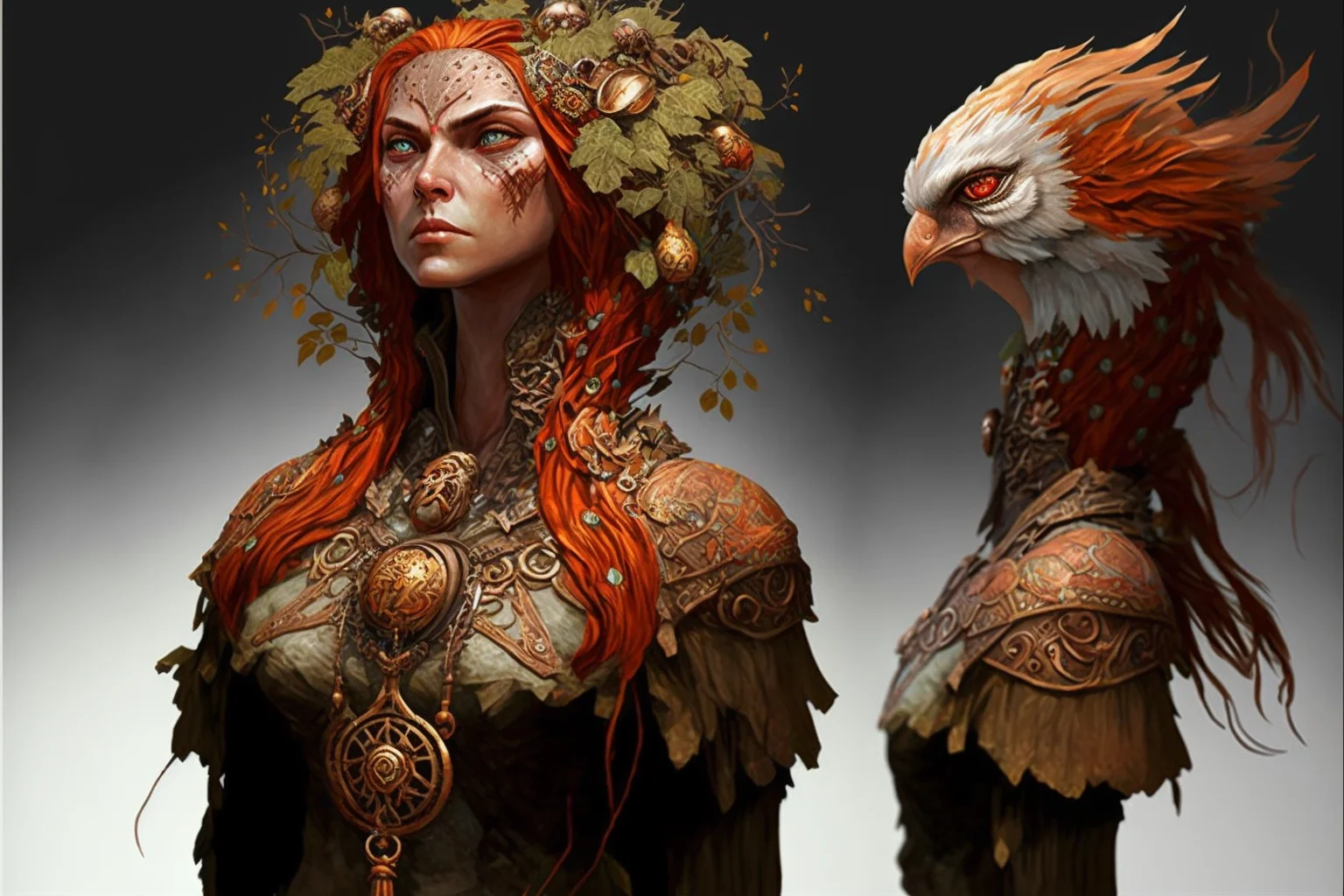
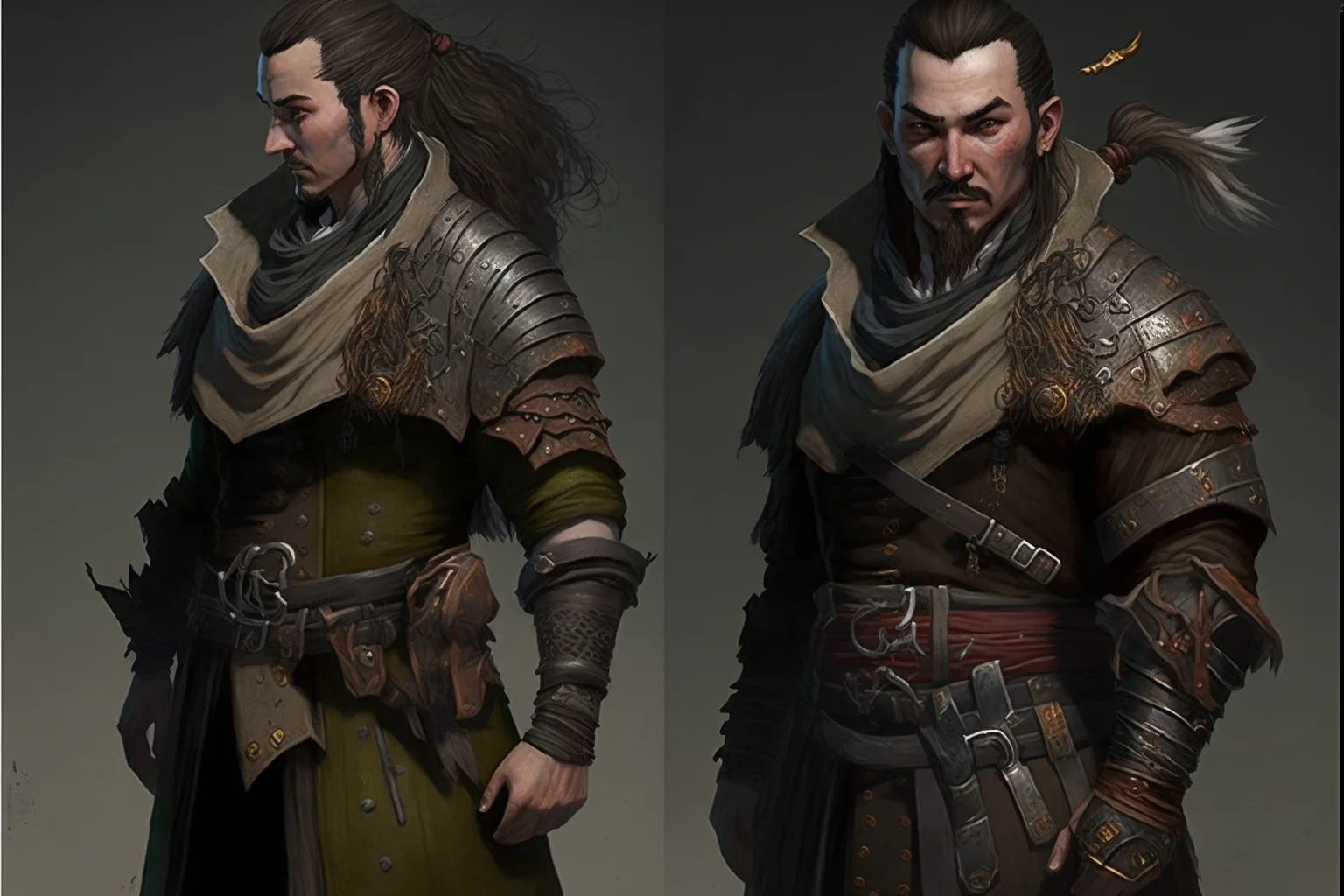
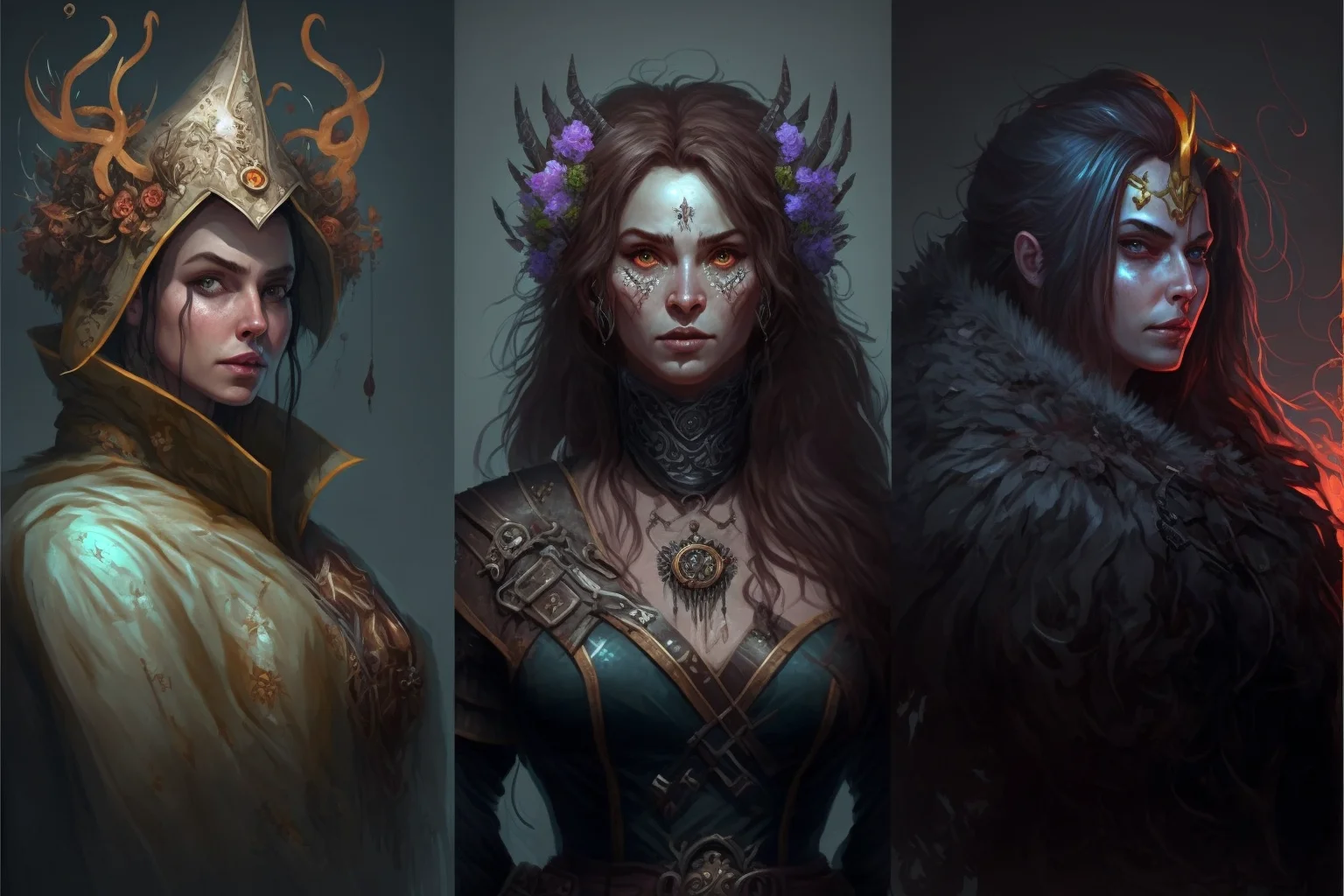
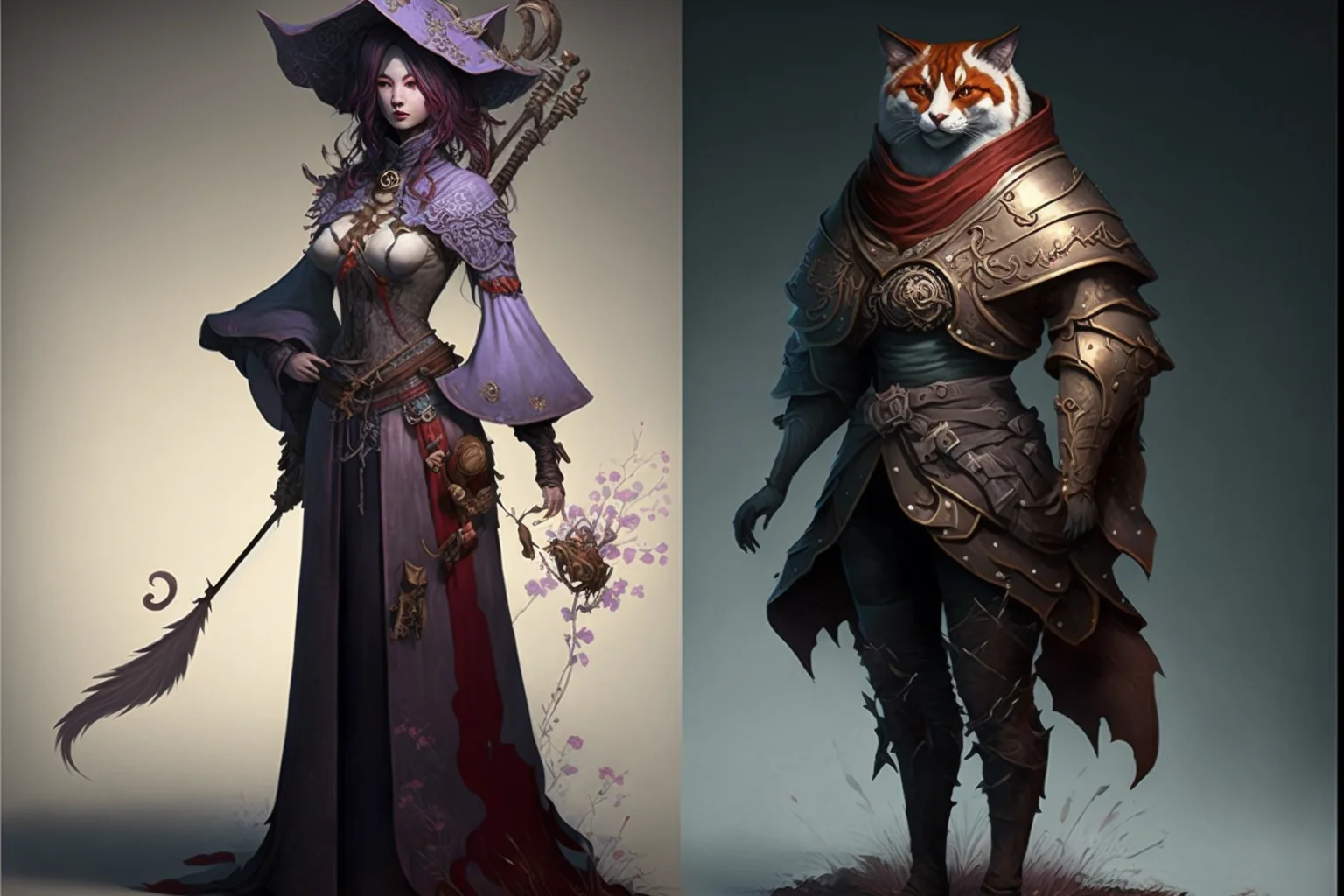
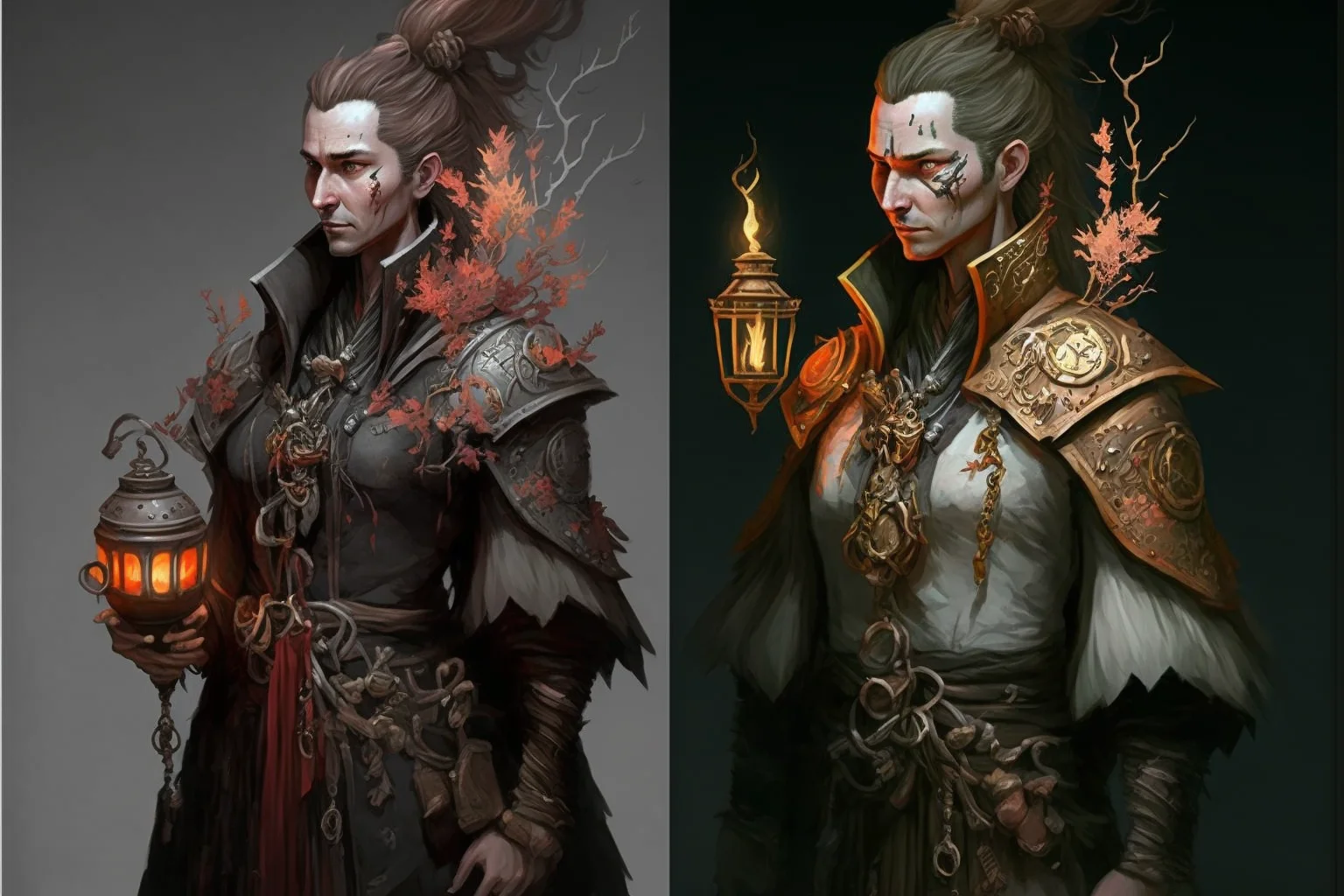
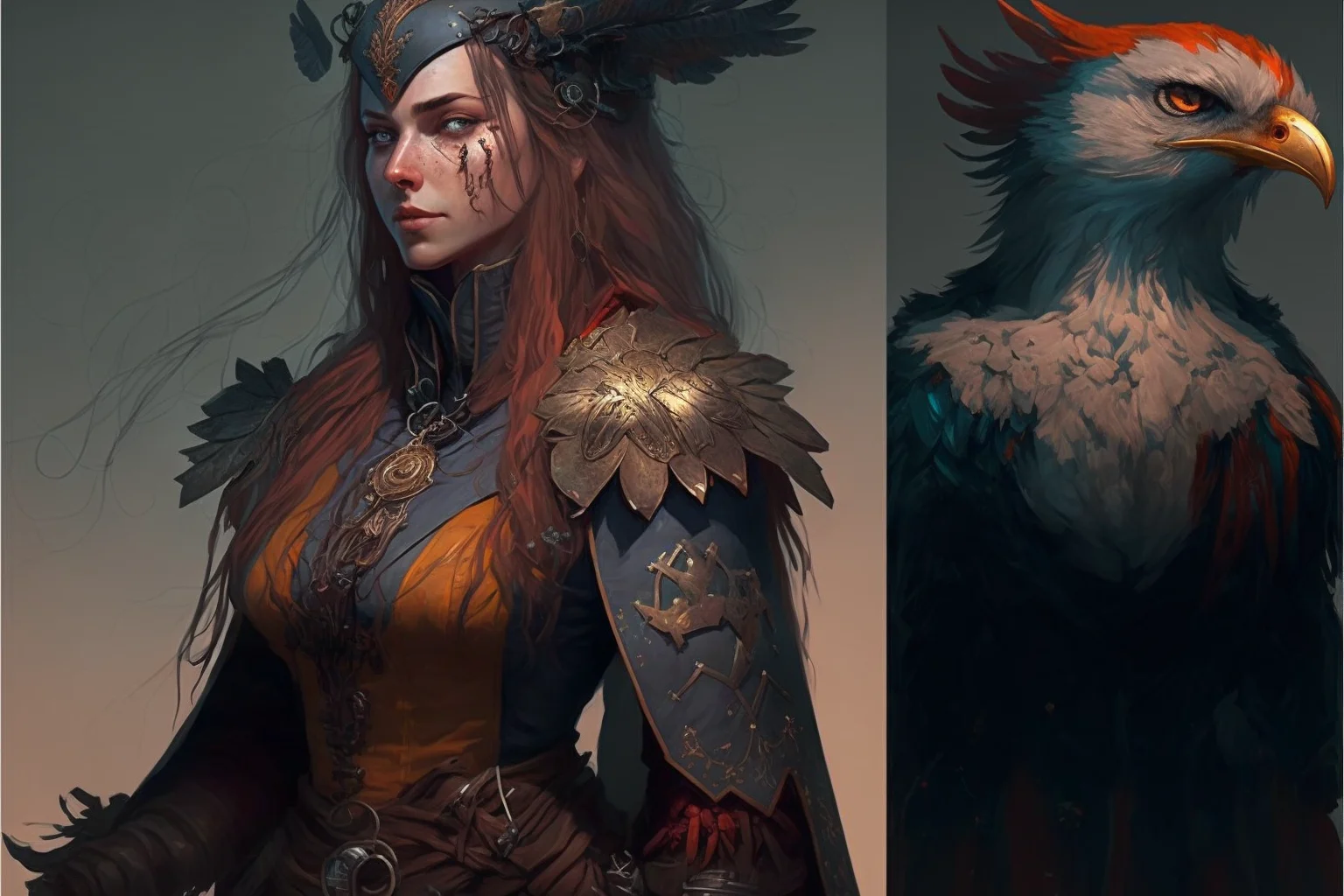
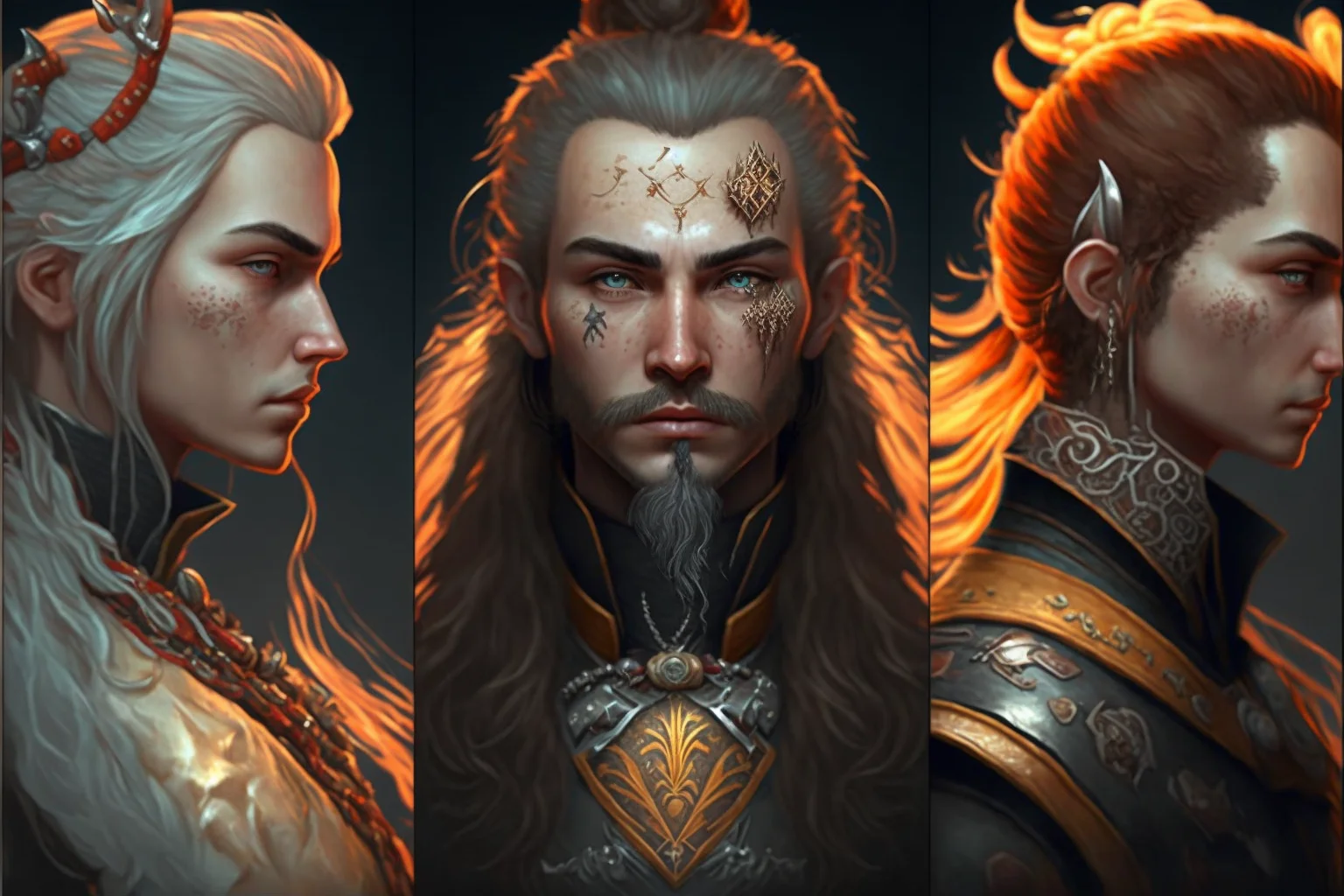
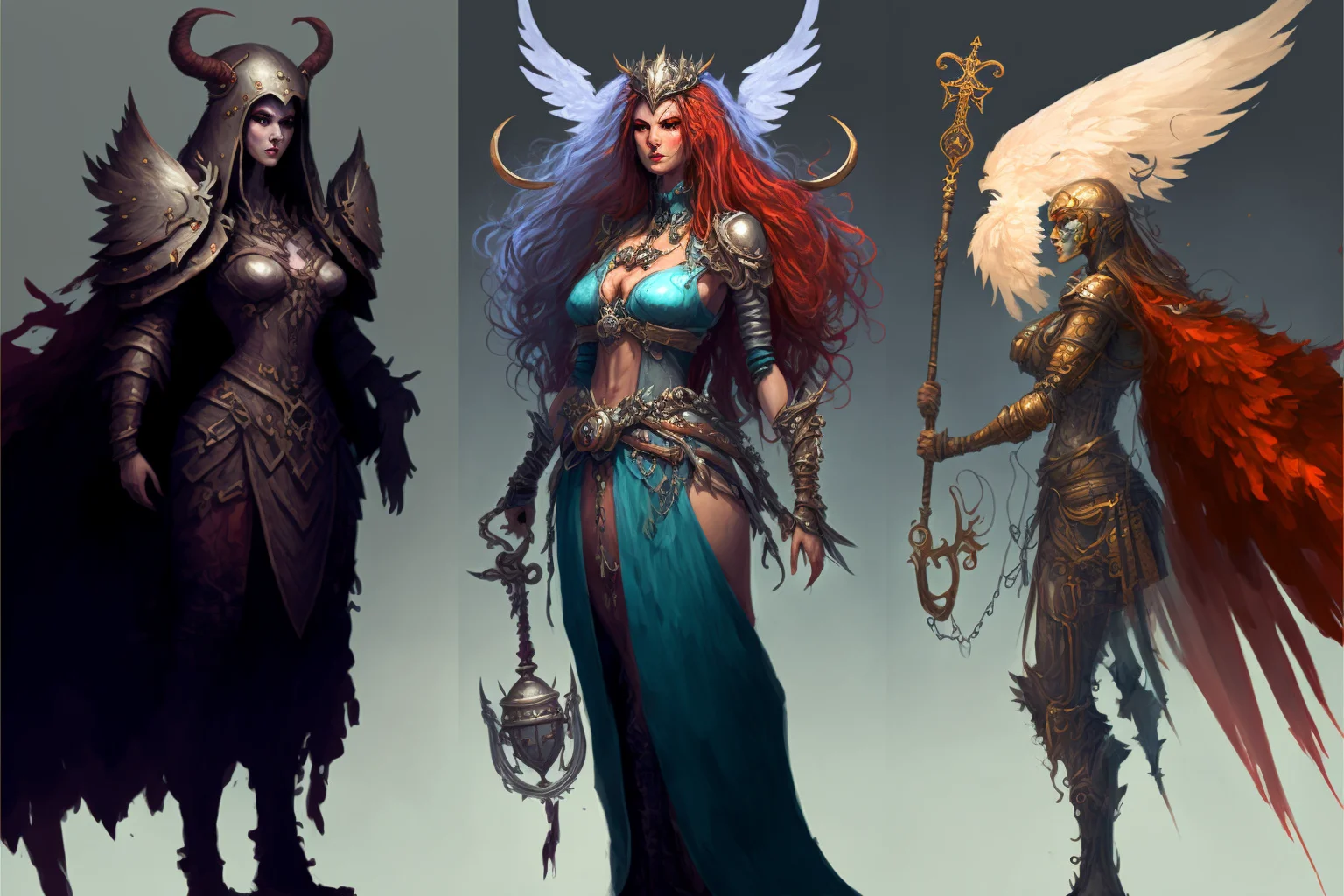
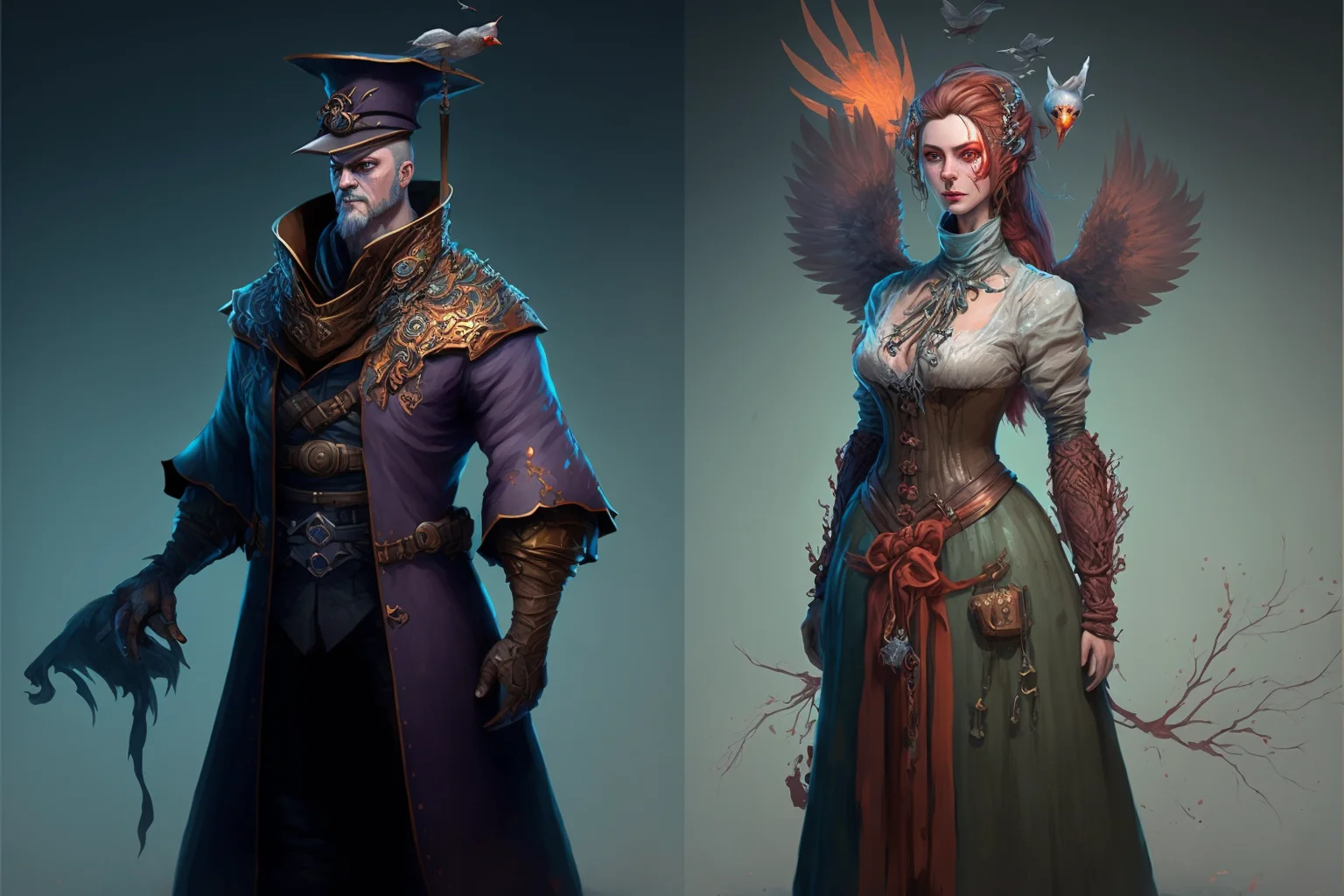
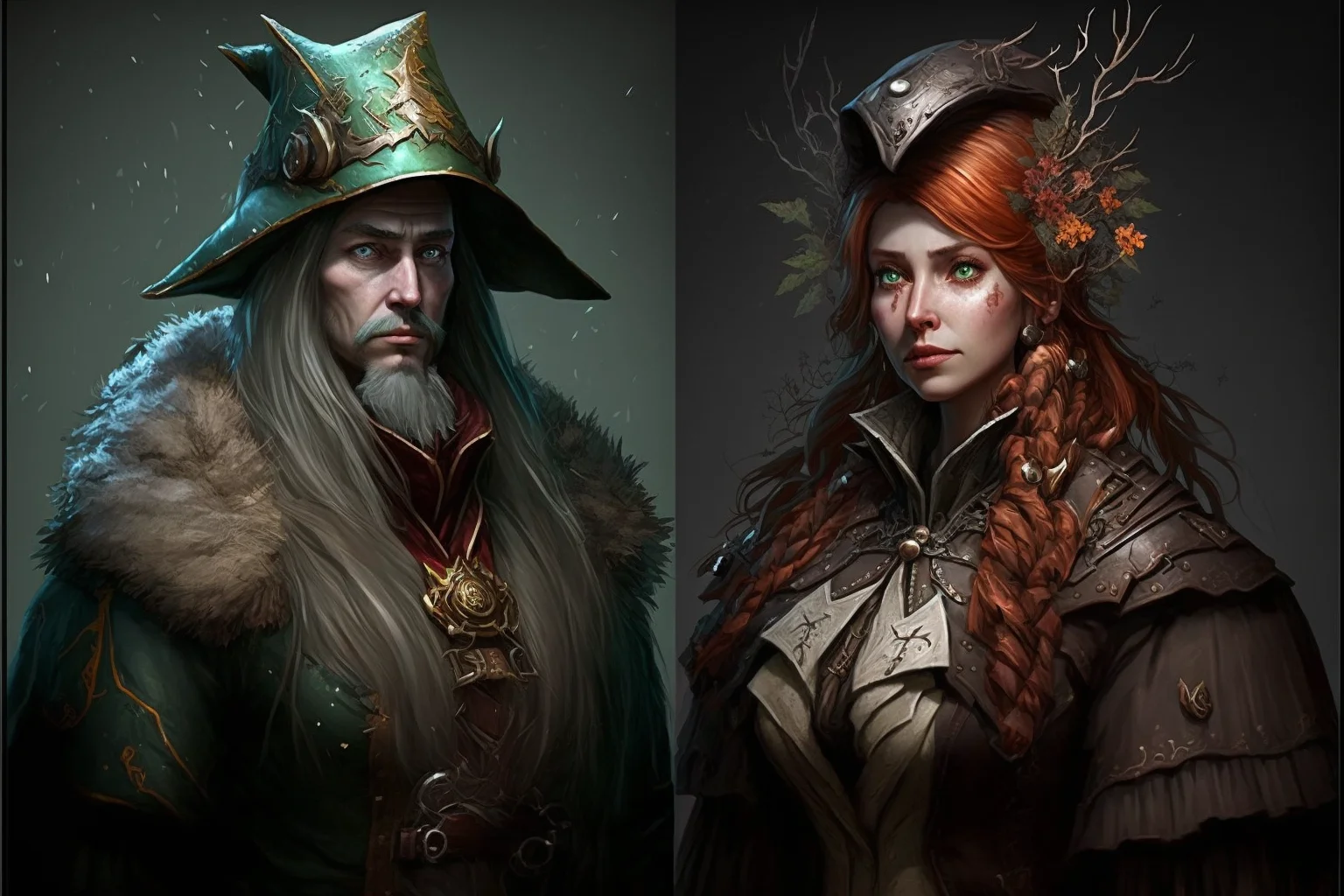
These 33 references are most useful when you study the design decisions behind the character instead of copying the costume piece by piece. Pick a role first—knight, mage, pirate, dwarf, noble or traveler—then ask what the silhouette, materials and props need to communicate before you add ornament.
How to use these character design references
- Choose a role first: knight, mage, pirate, noble, traveler or another archetype.
- Block out a readable silhouette before adding costume details.
- Use clothing, armor, weapons and props to communicate the character’s role.
- Vary shape language—rounder forms can feel softer, while sharper forms create a more aggressive silhouette.
- Finish with material details such as leather, metal, cloth, fur or decorative trim.
For more figure-design practice, see our figure drawing references, gesture drawing poses and easy drawing ideas.
Medieval fantasy character concept art
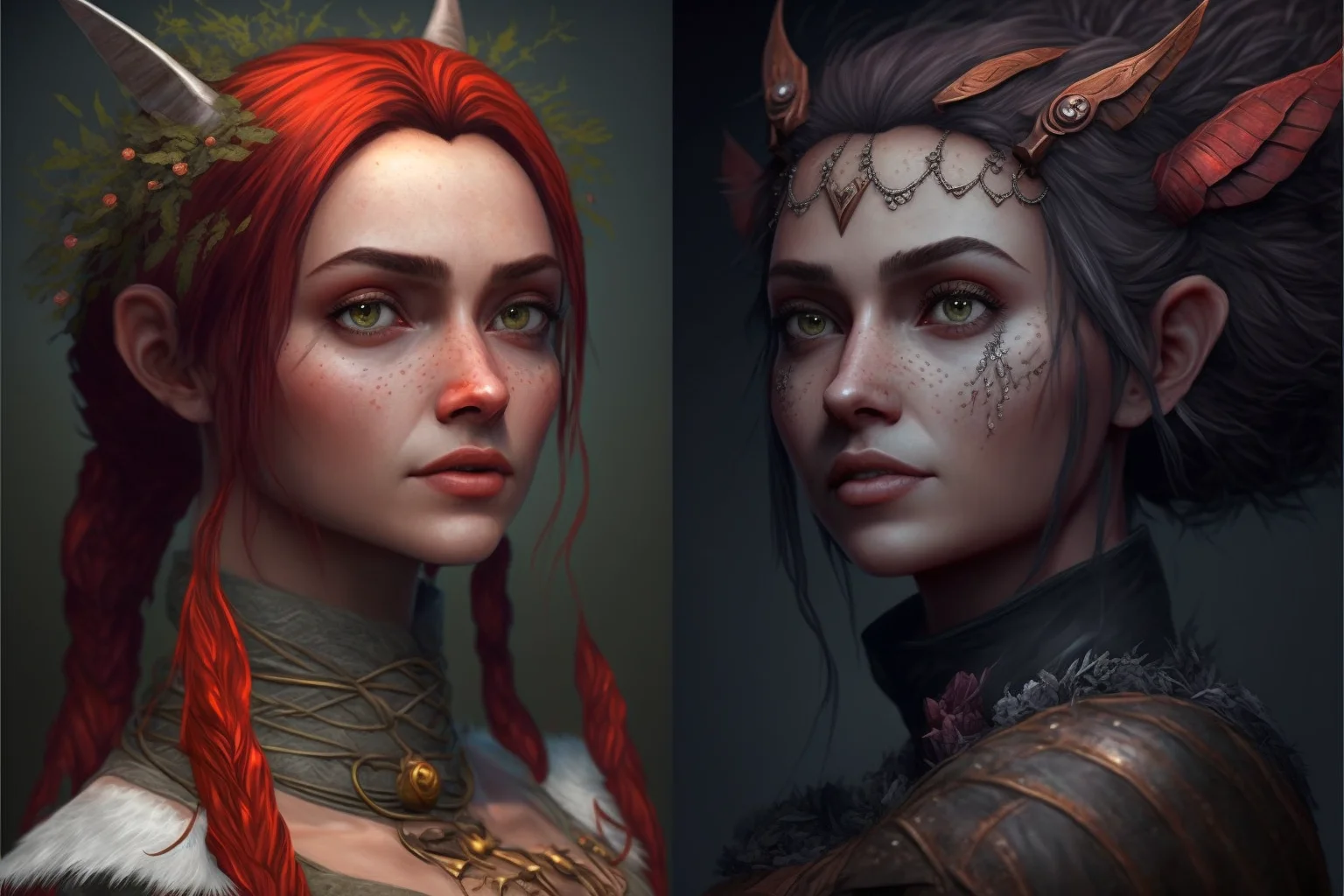
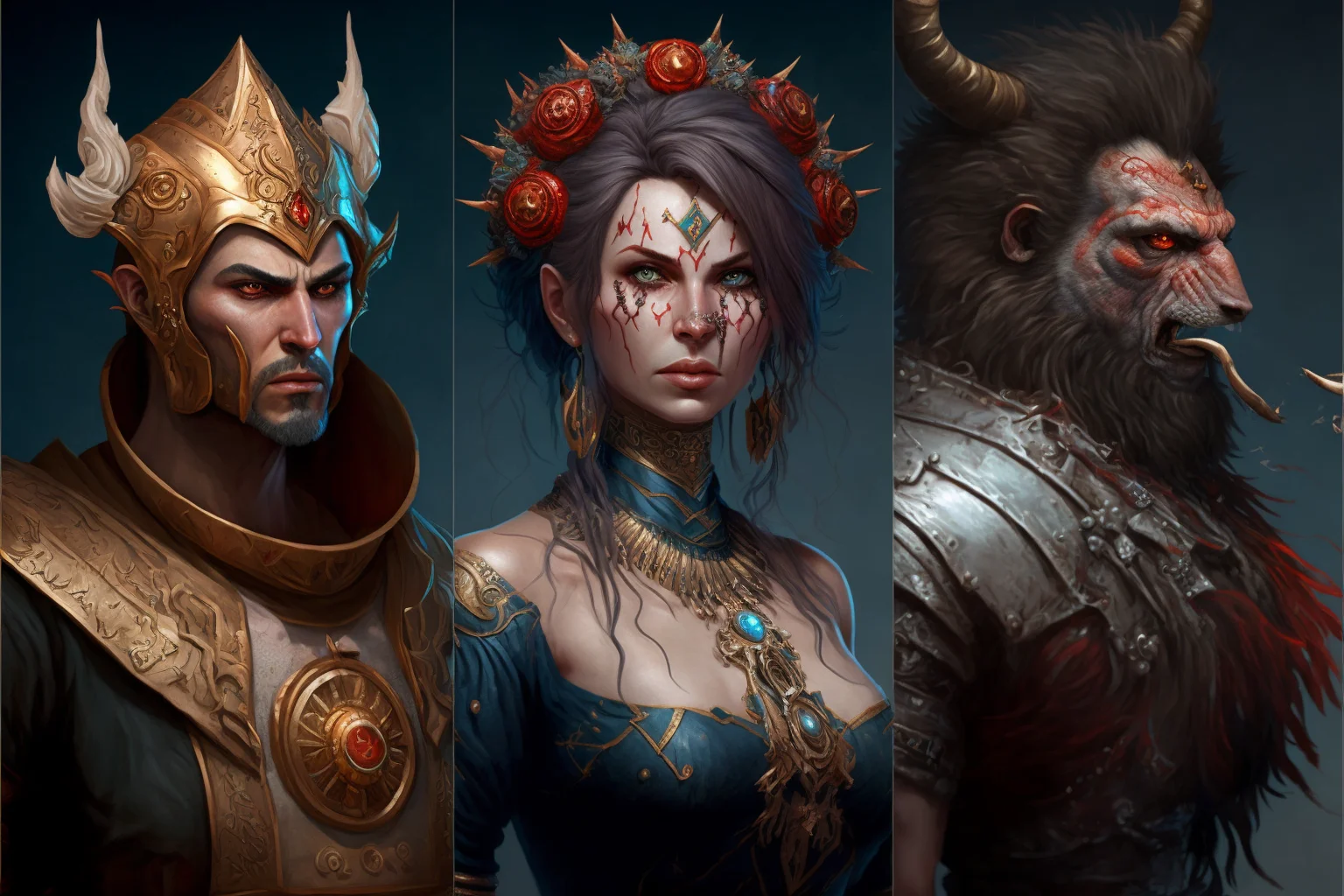
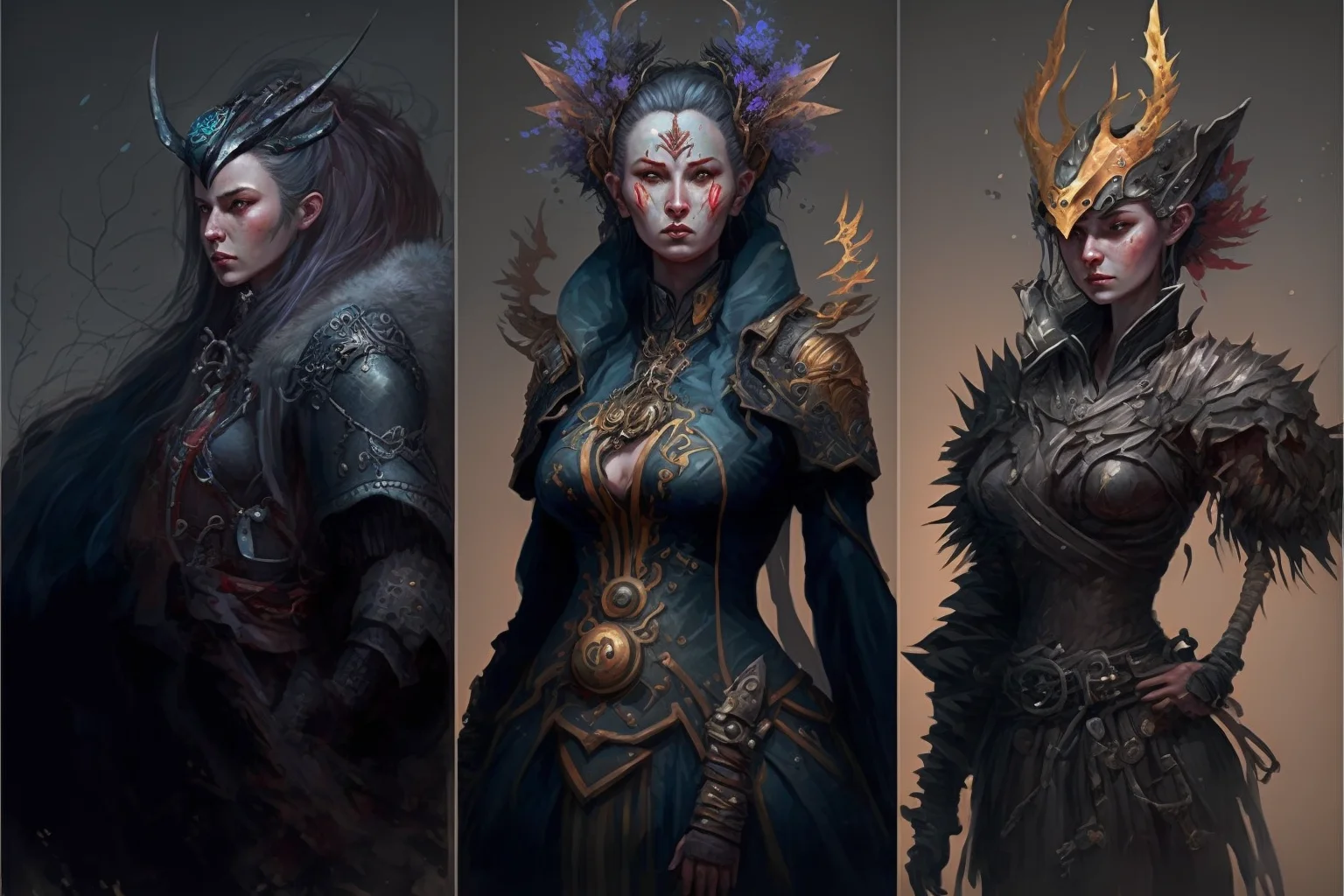

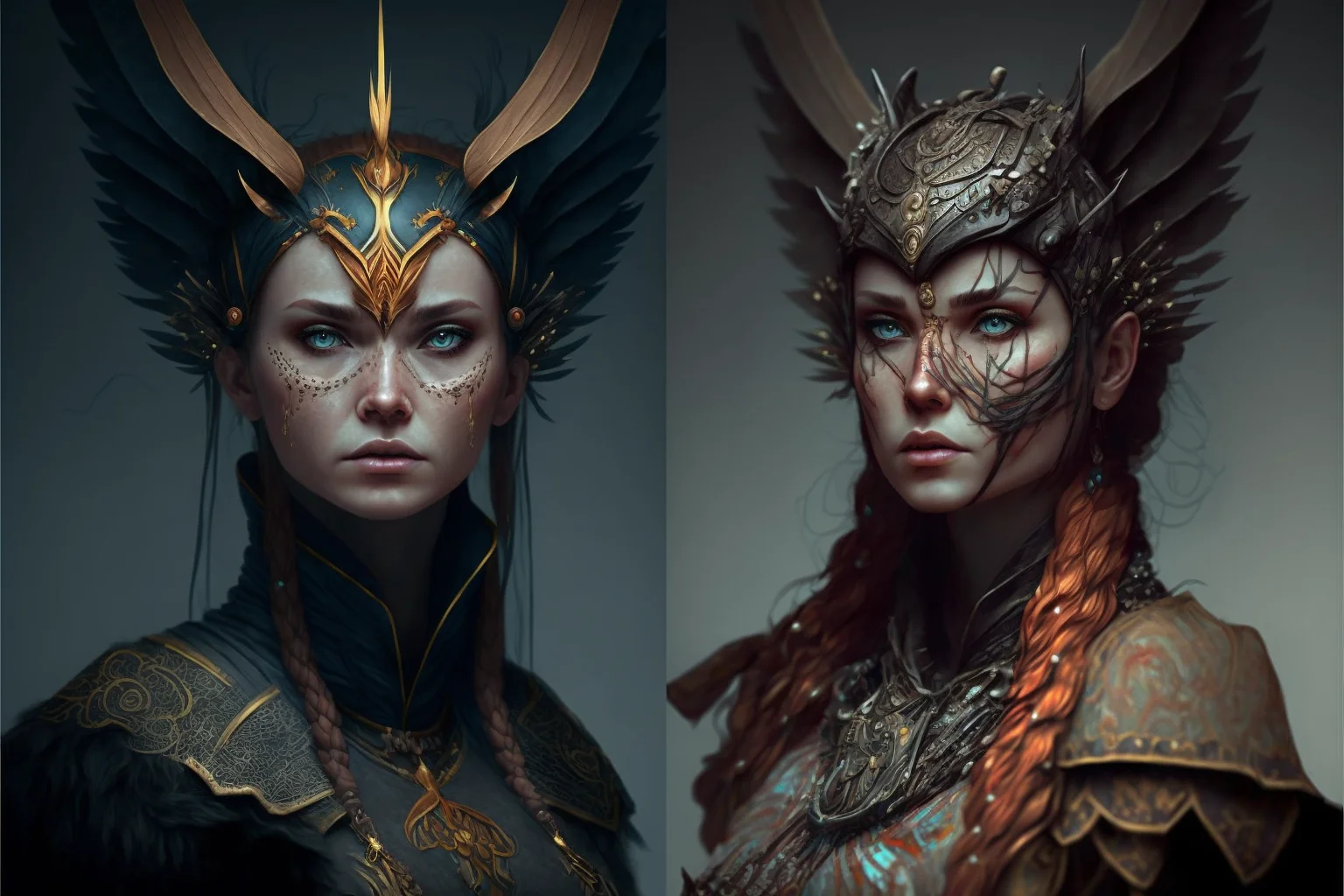



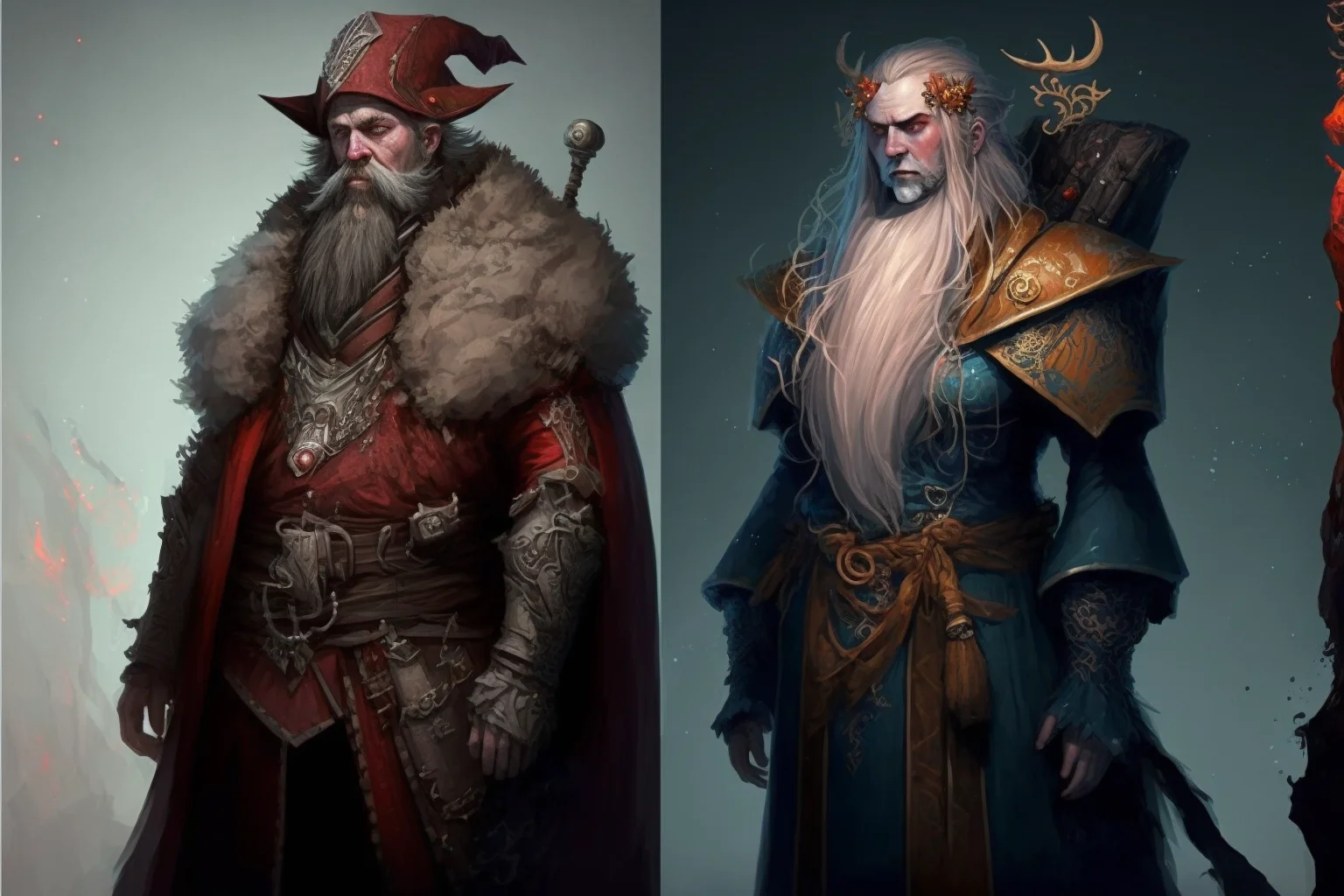
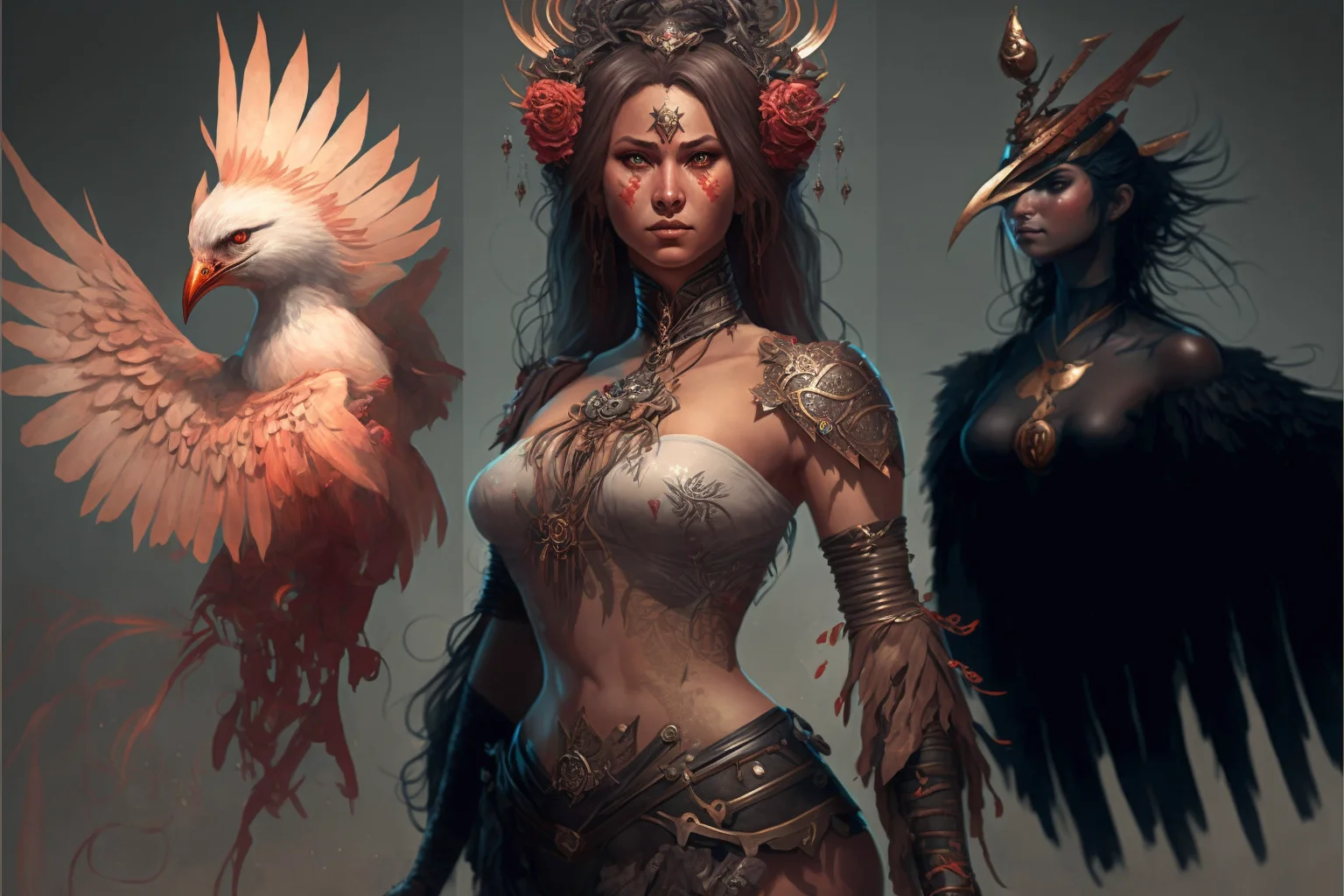
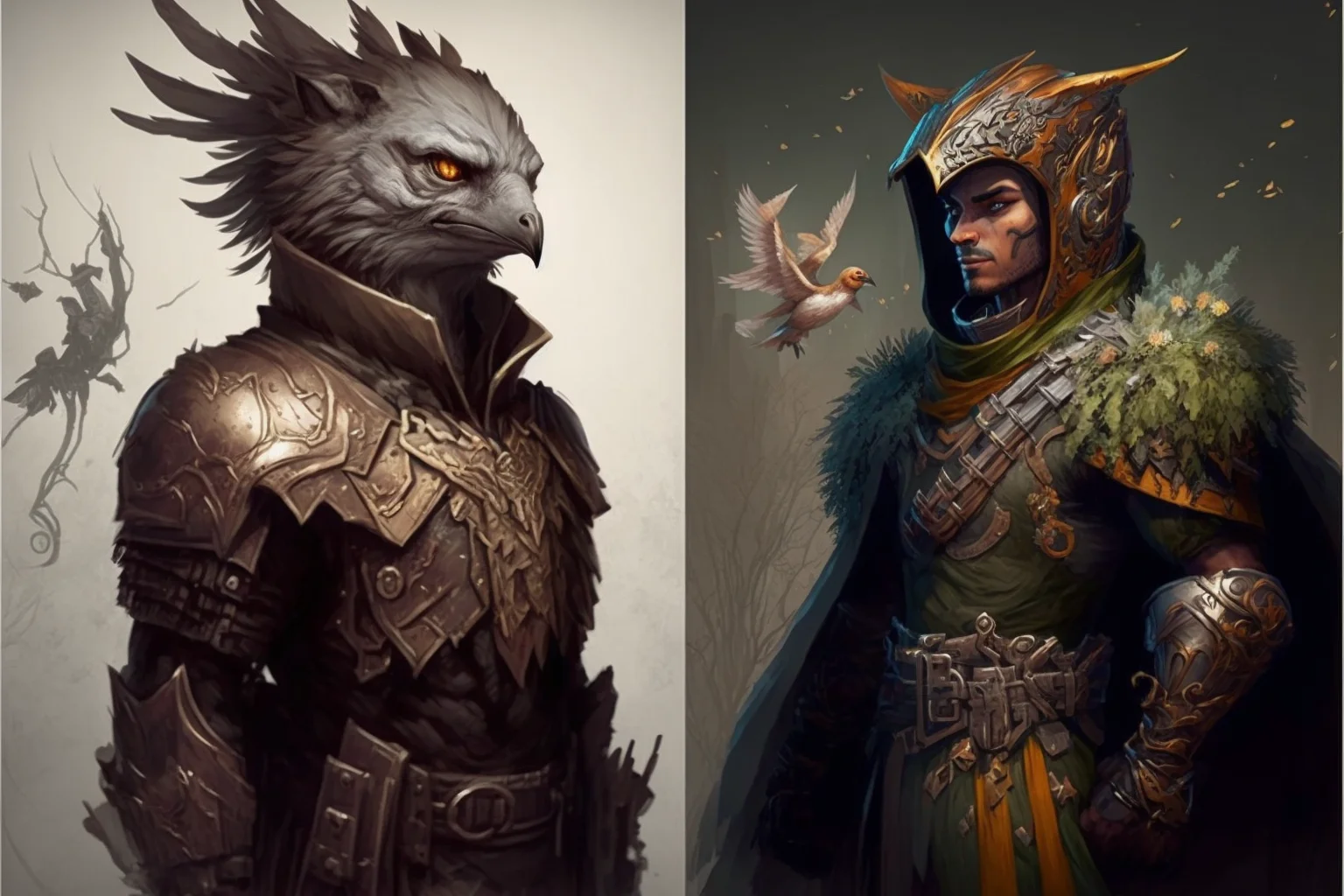

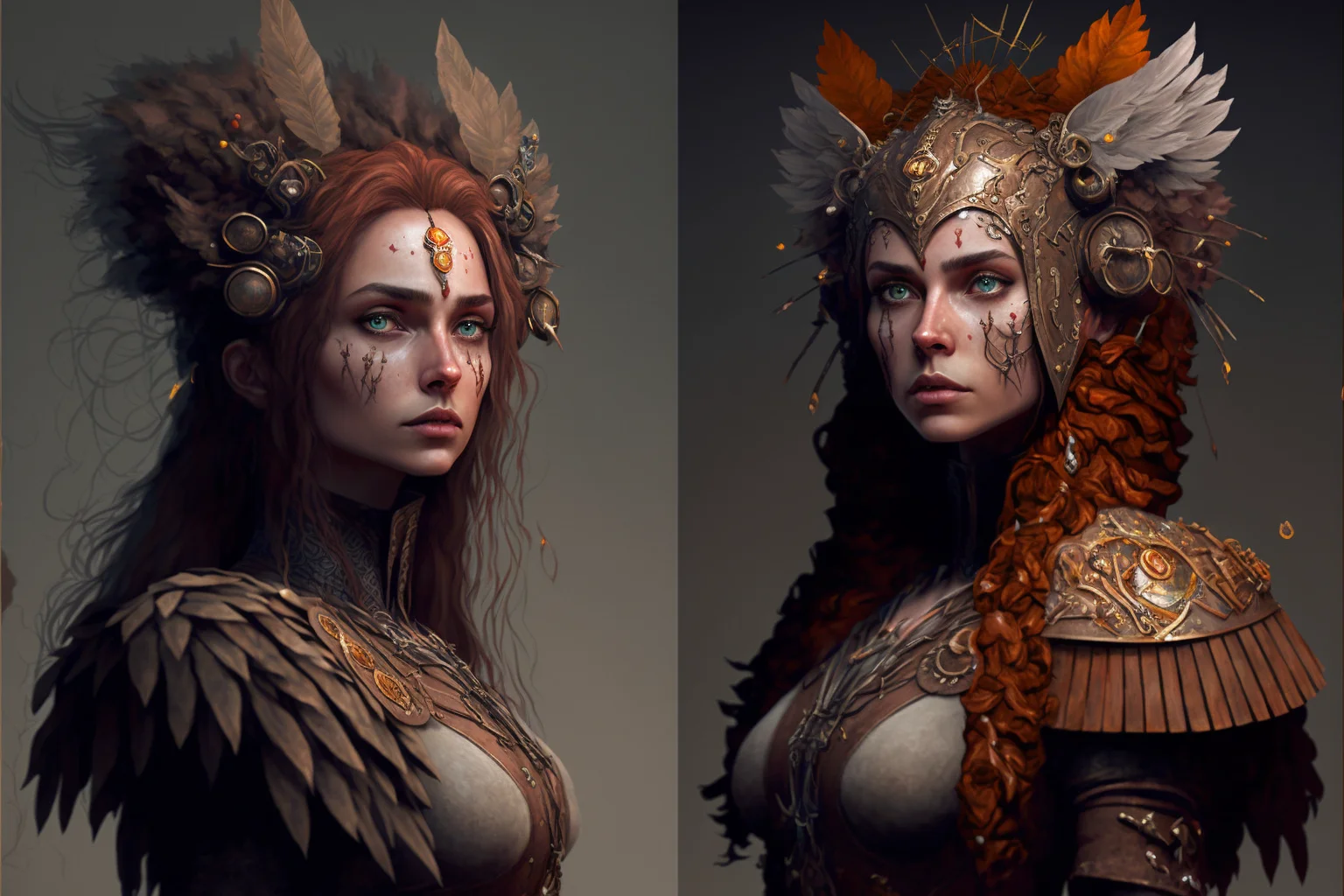

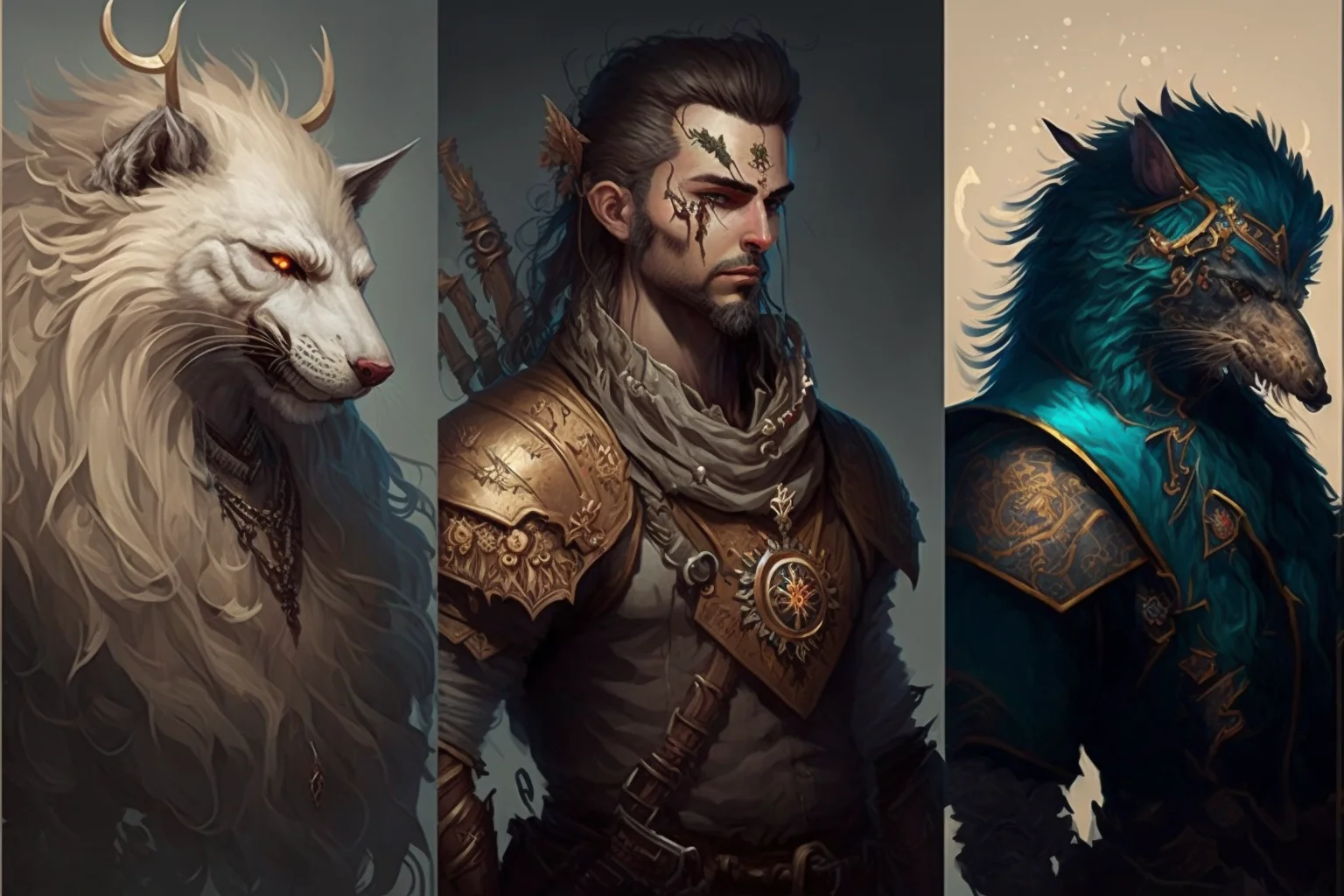
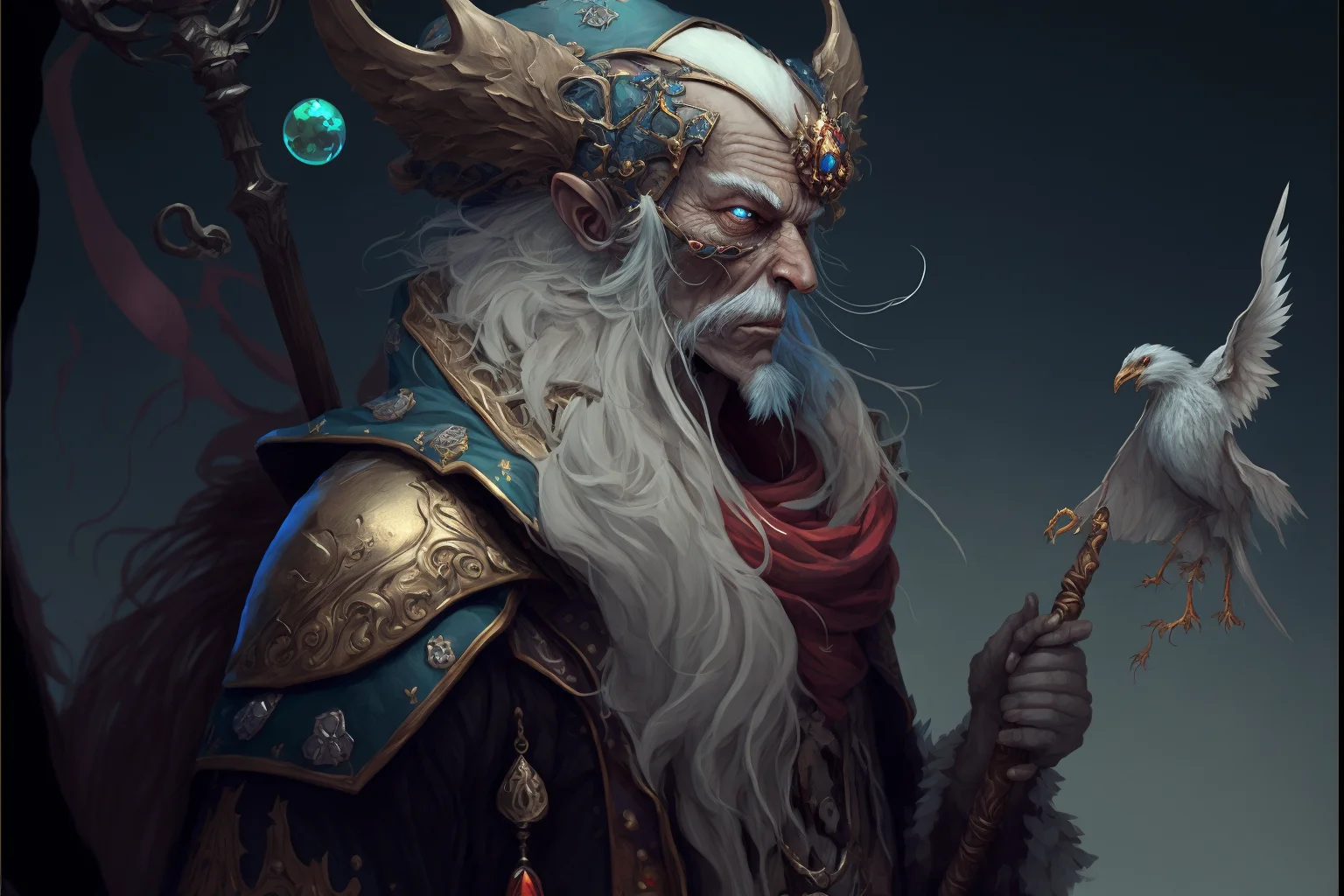

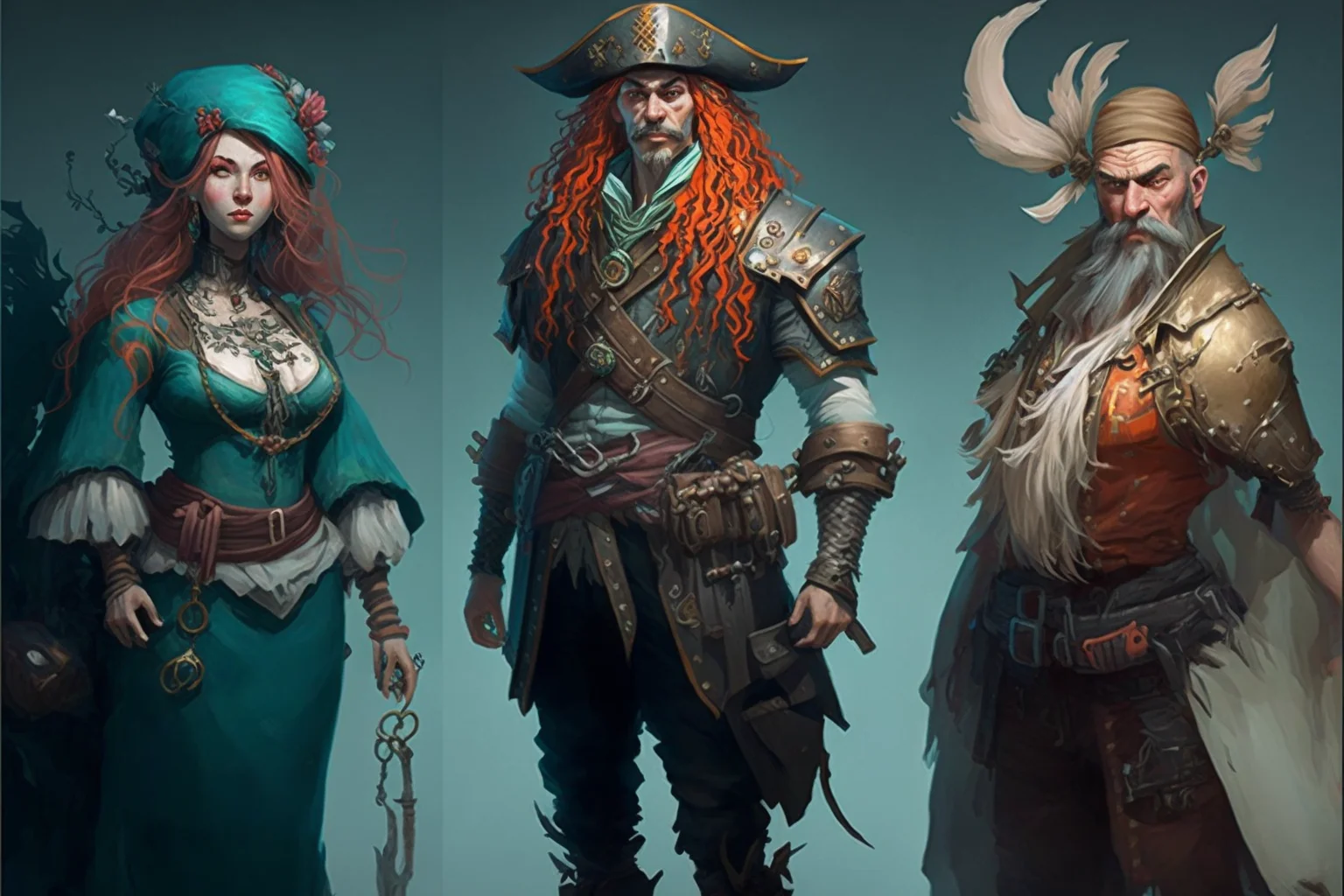
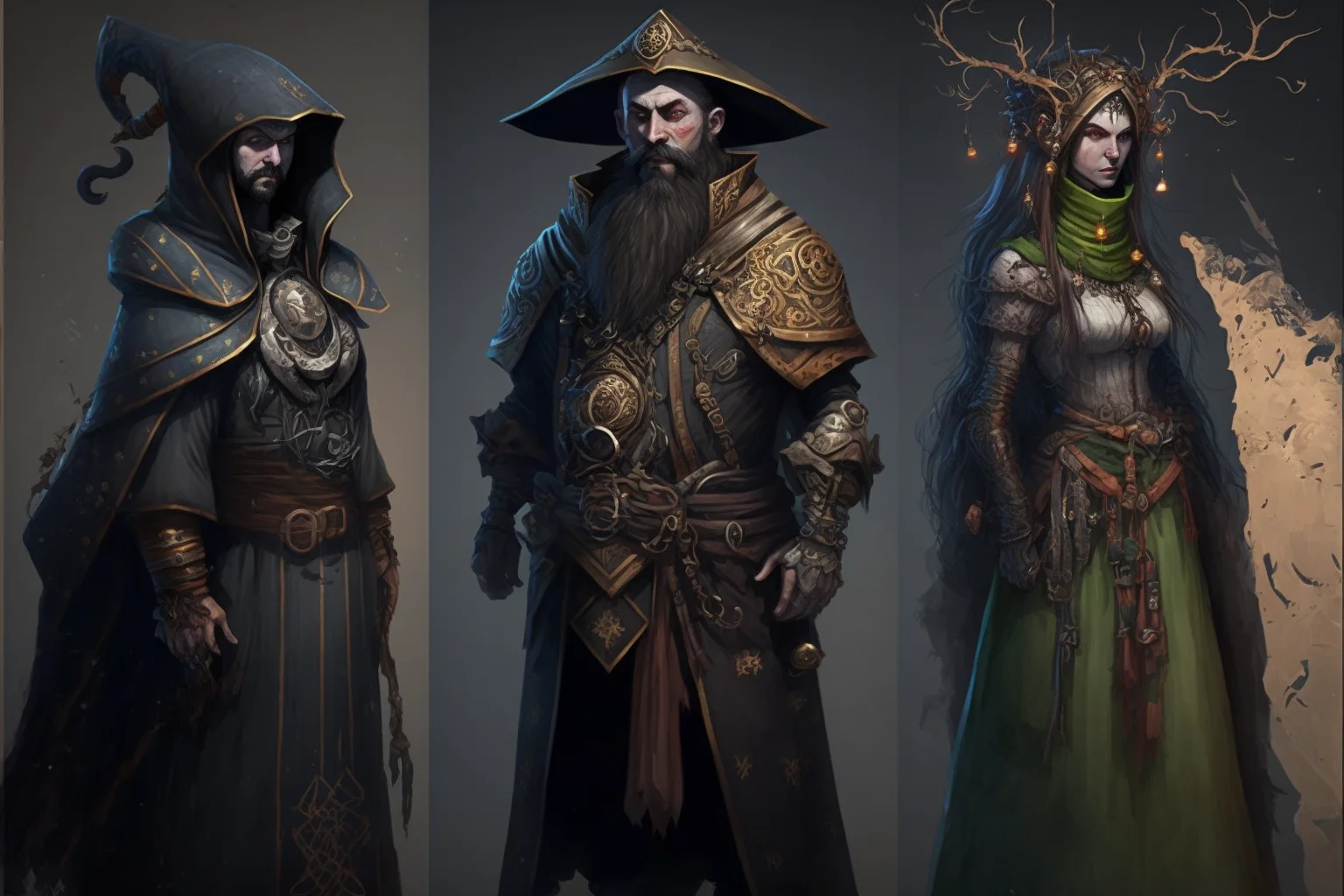
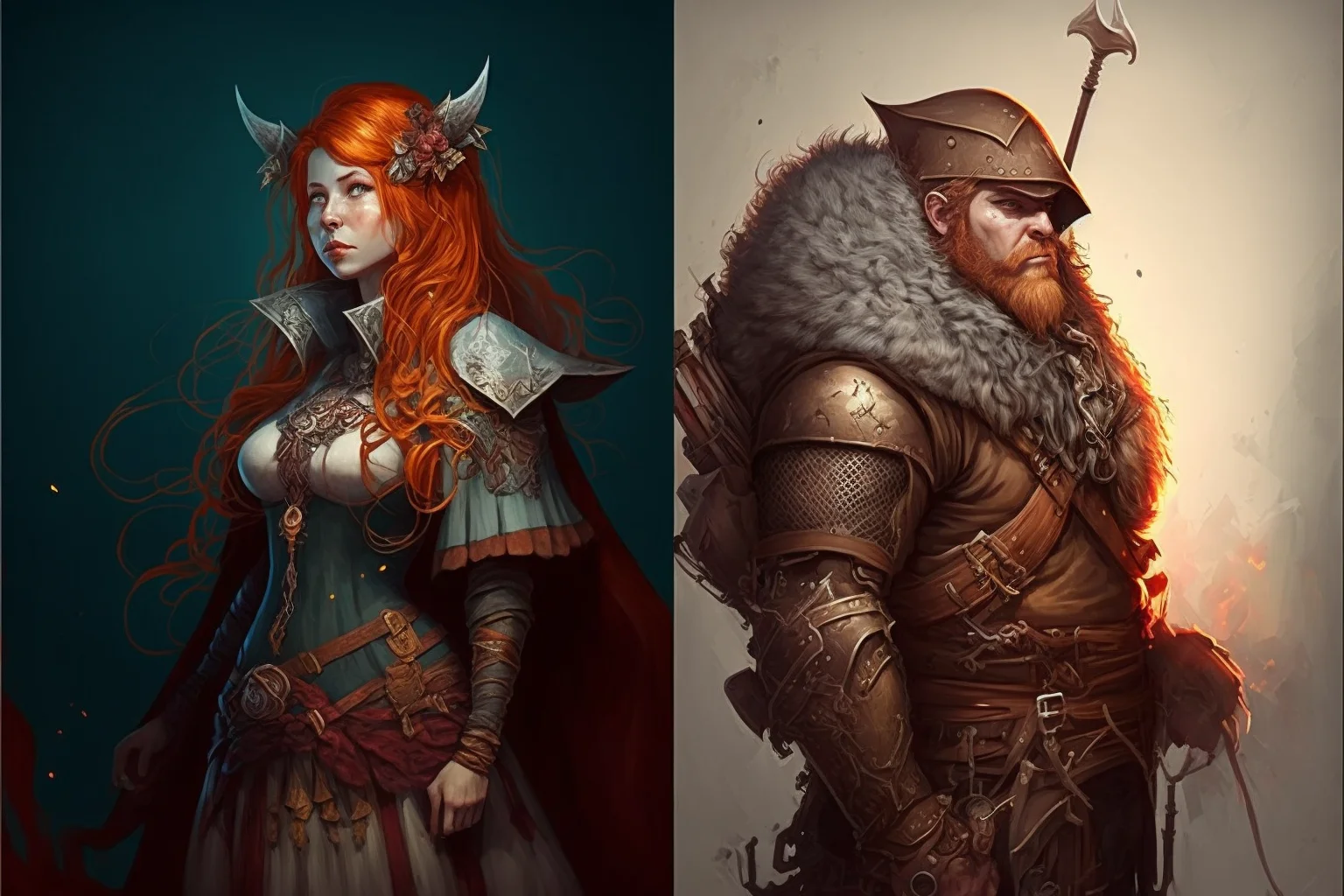
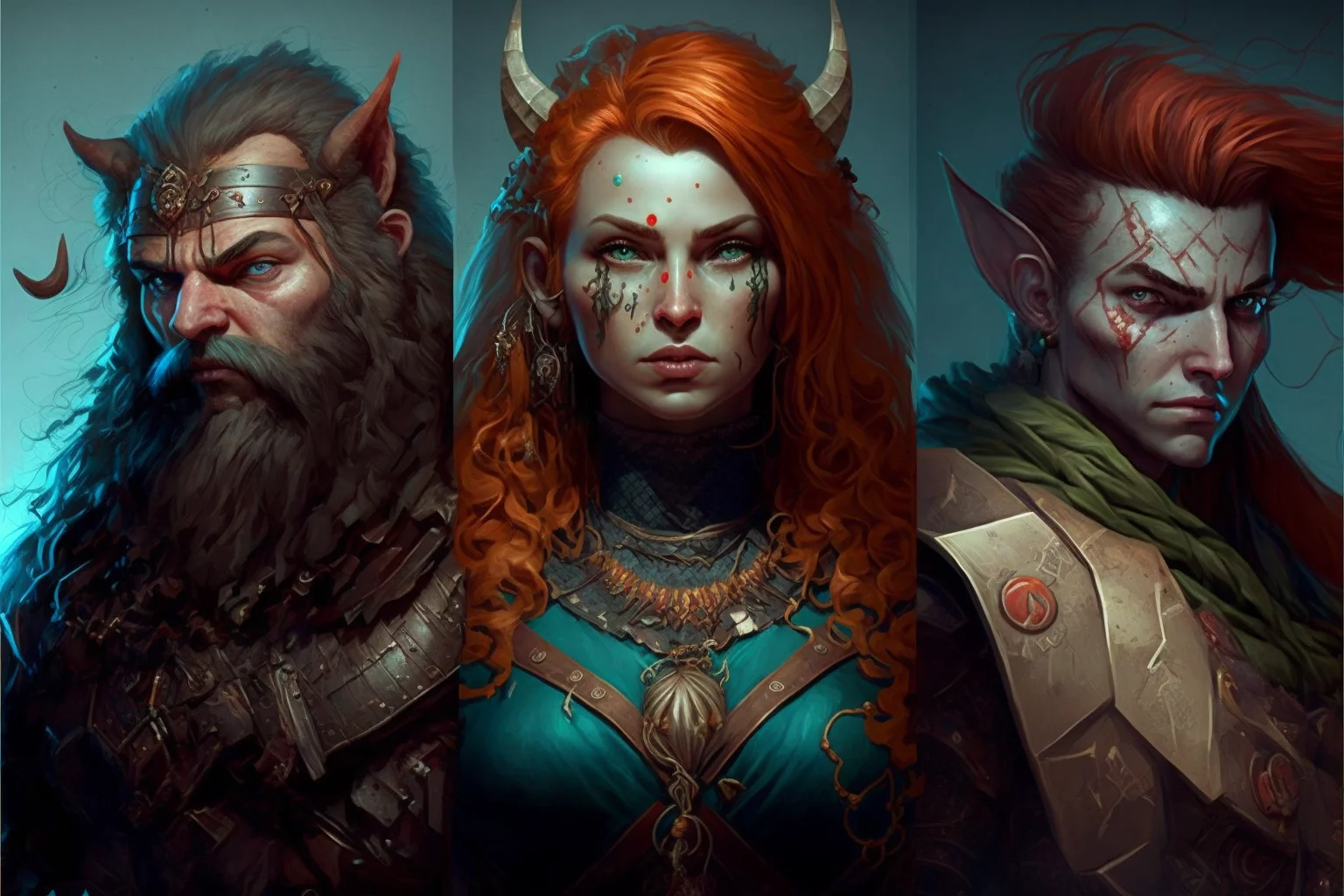
What to study in the references
- Silhouette: whether the character reads clearly before small details are added.
- Costume: how layers, armor and accessories support the setting.
- Props: weapons, staffs, bags and tools that suggest a role or profession.
- Shape language: repeated round, square or angular forms that make the design feel consistent.

