
This is the small, no-fuss version of our easy-coloring library: 15 printable pages for kids when you want to choose quickly and start coloring instead of scrolling through a huge gallery.
The set mixes simple subjects with a few seasonal and animal pages. For a younger child, look for one large subject and plenty of white space. If the page has more small shapes, switch from a thick crayon to a colored pencil rather than assuming the child needs a completely different activity.
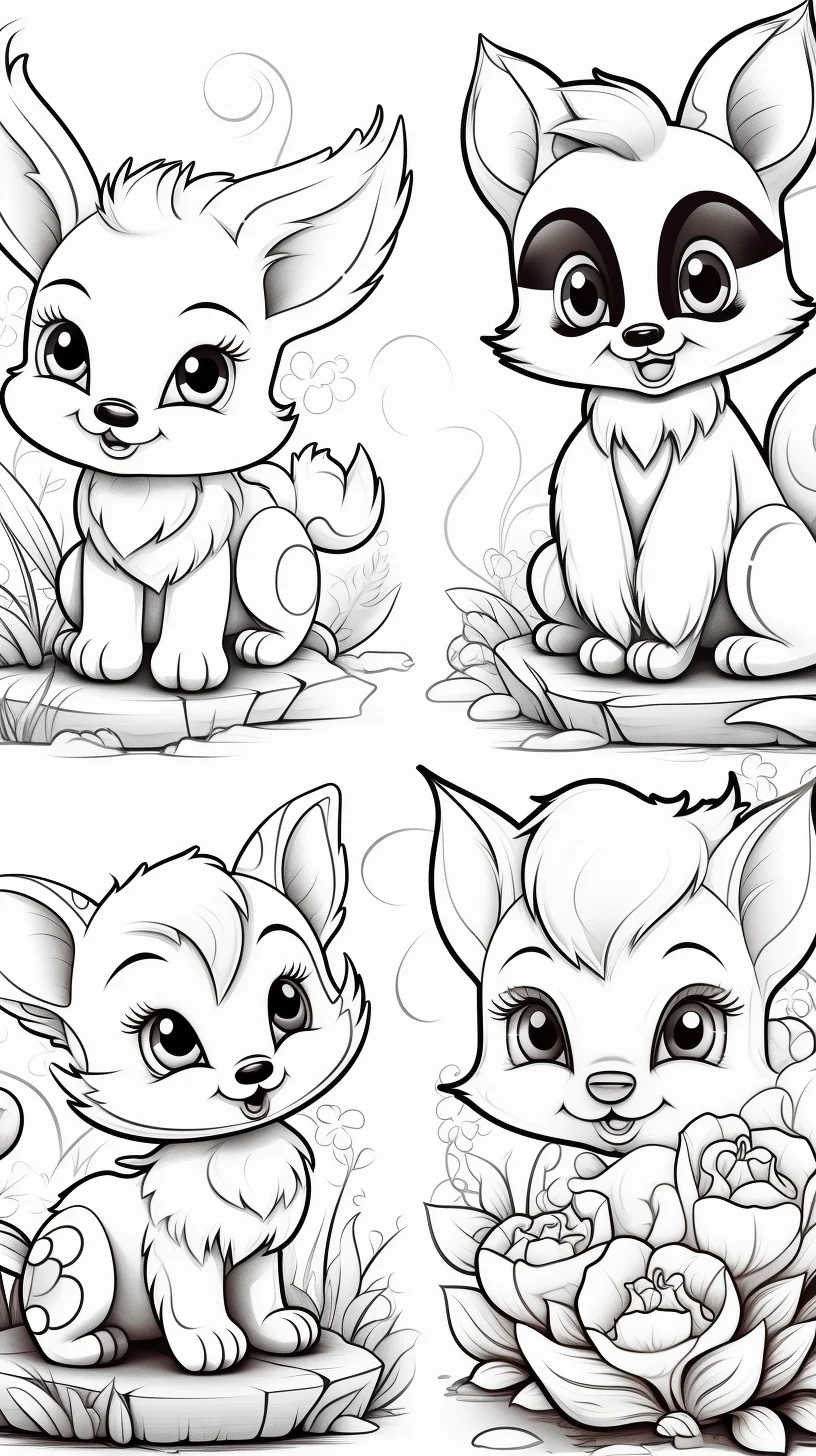
Open full-size easy coloring page 1
When this 15-page set is the right choice
| If you need… | Use this page? |
|---|---|
| A small set you can scan quickly | Yes — that is the point of this collection |
| Only preschool animal pages | No — use the easy animal collection |
| A much bigger mix of themes | No — use the 36-sheet kids collection |
| Simple coloring for adults or older beginners too | Use the 25 beginner coloring pages |
How to print these 15 sheets
- Choose one design below.
- Open the full-size image rather than printing the page preview.
- Print on A4 or US Letter paper and select “Fit to page.”
- Use ordinary copy paper for crayons and pencils; place a spare sheet underneath if you use markers.
If the printer cuts off the edges or scales the image strangely, use the Print & Save Help.
15 quick and easy coloring pages for kids
The first part of the gallery is a general mix. The seasonal pages are grouped together later, followed by the animal-focused designs at the end so the collection is easier to scan.
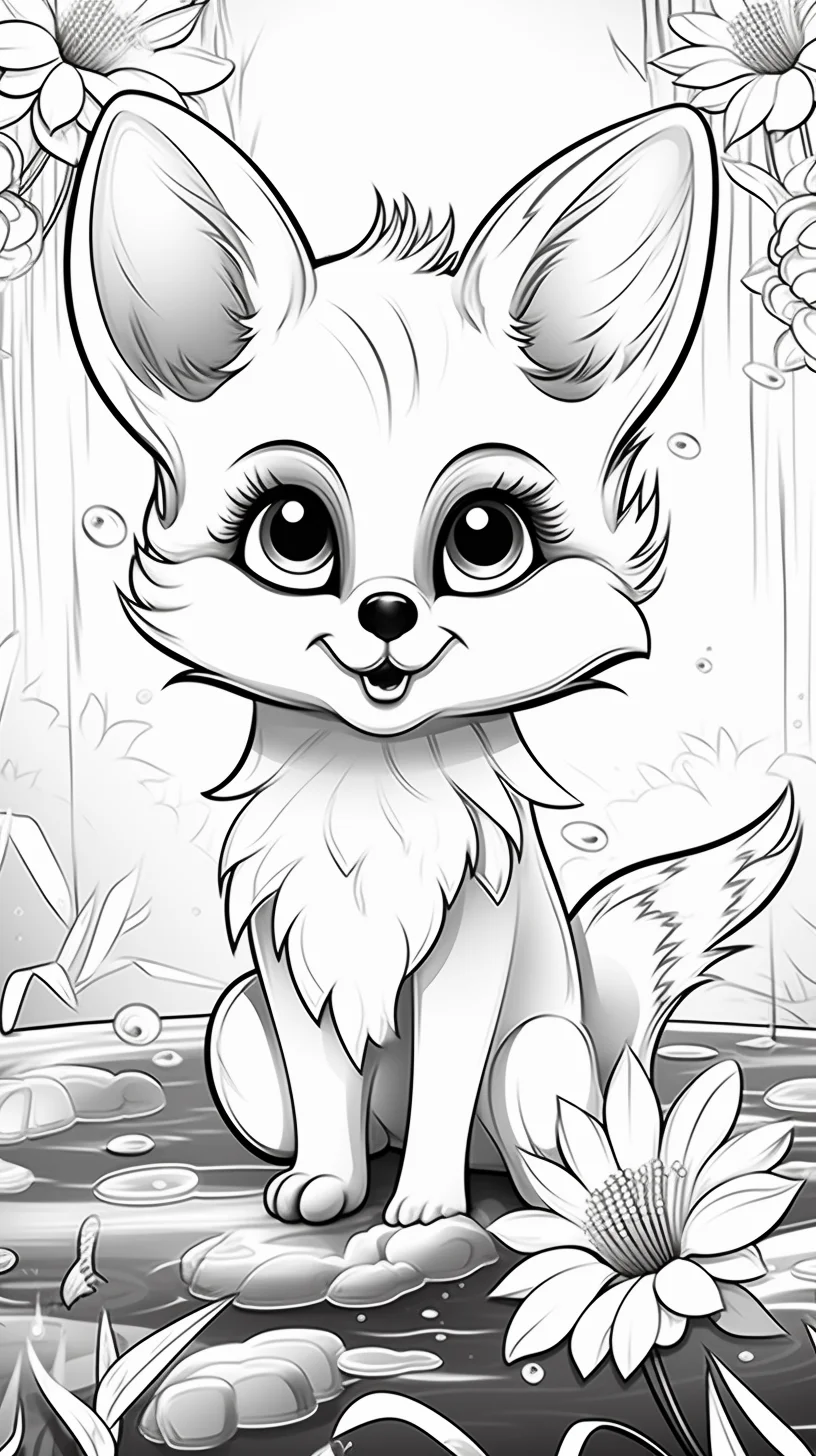
Open full-size easy coloring page 2
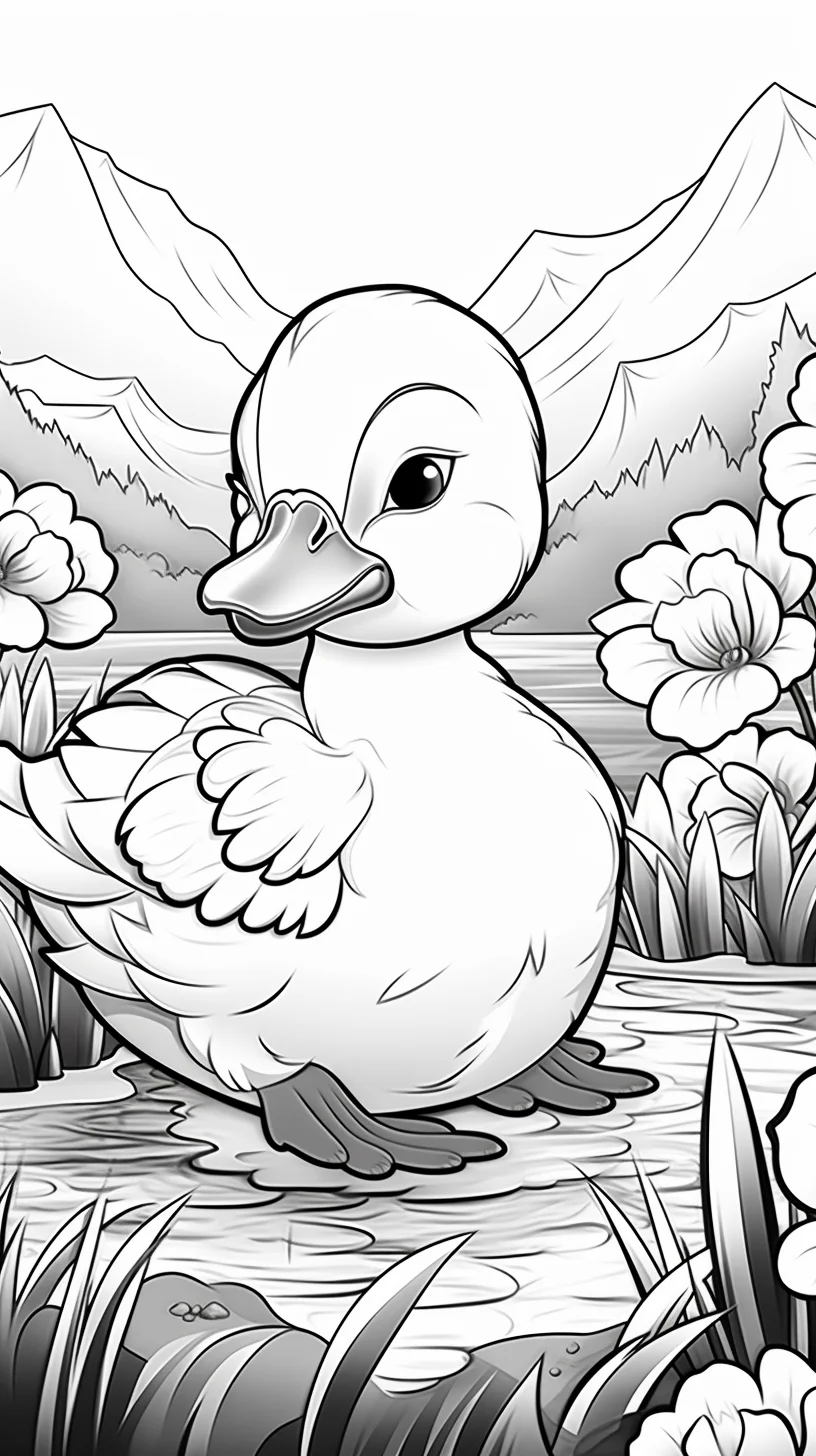
Open full-size easy coloring page 3
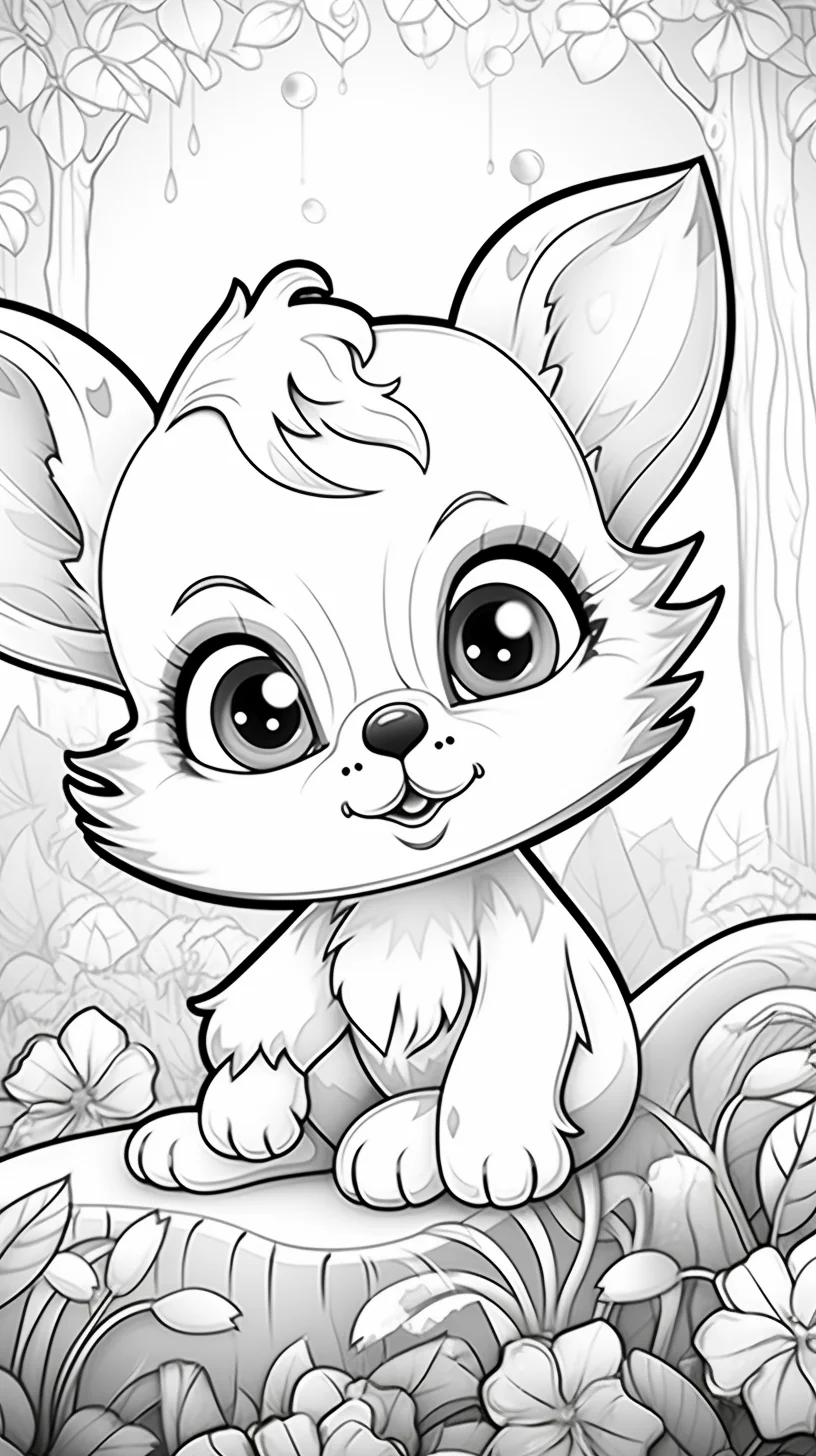
Open full-size easy coloring page 4
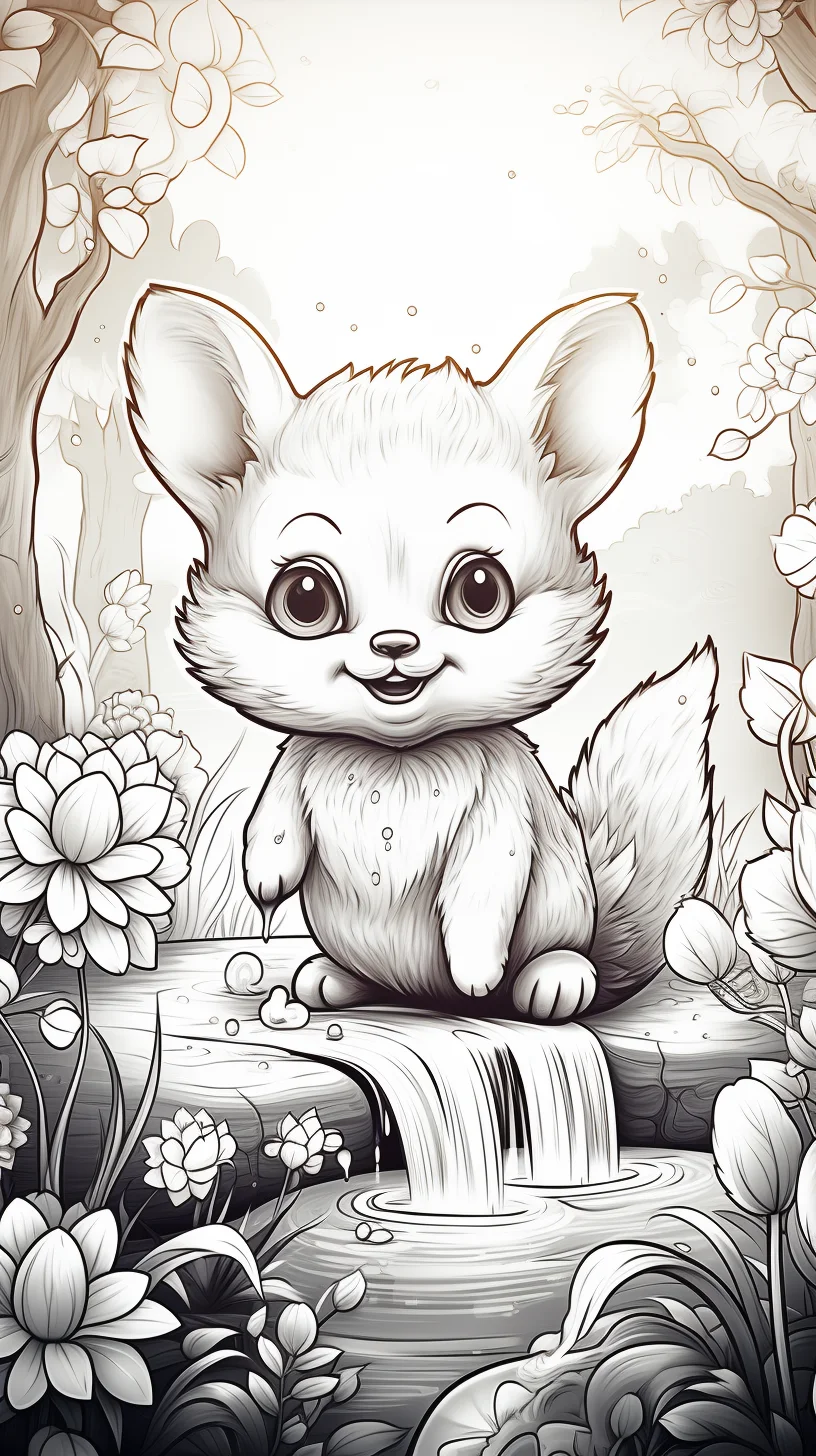
Open full-size easy coloring page 5
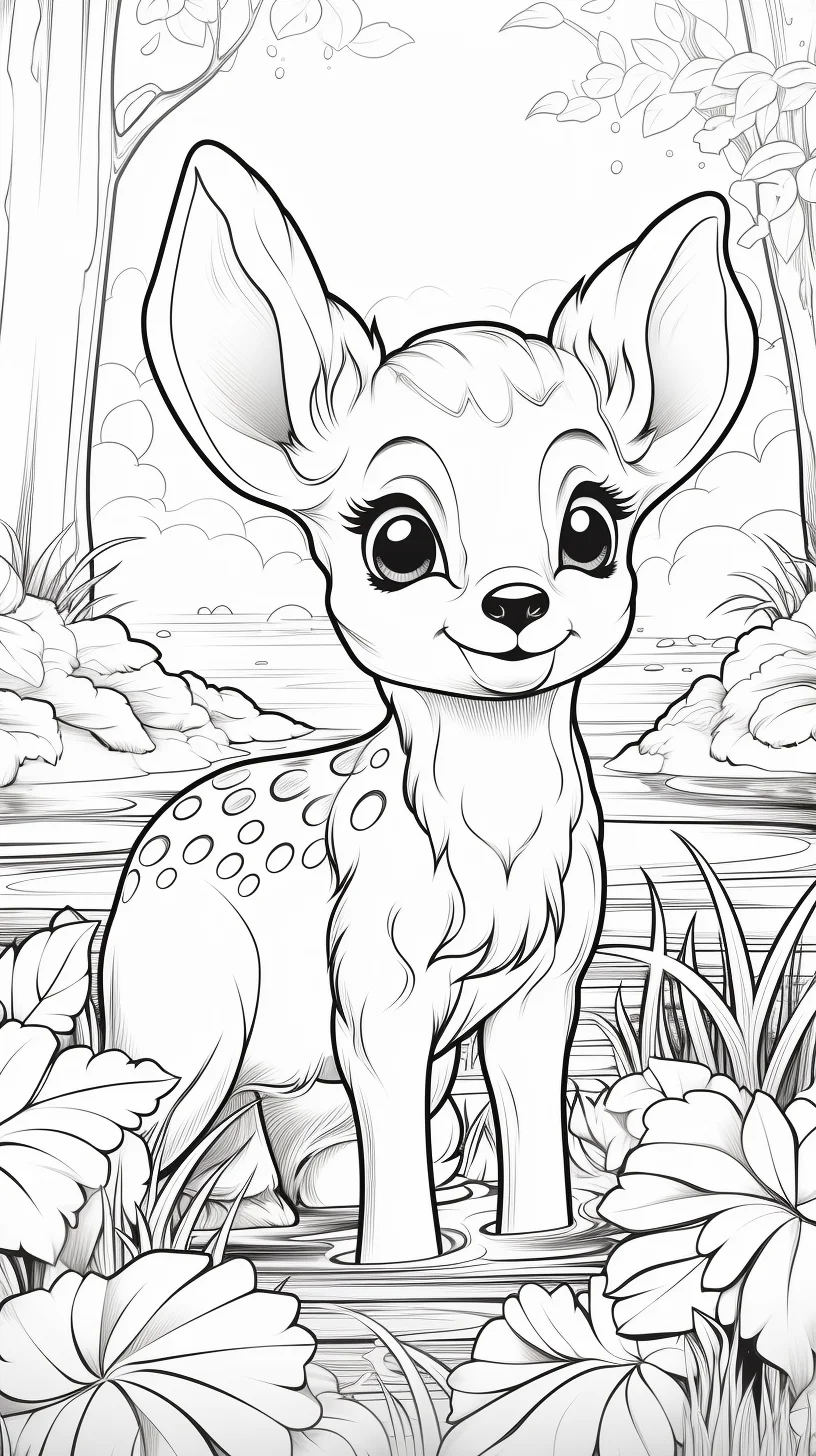
Open full-size easy coloring page 6
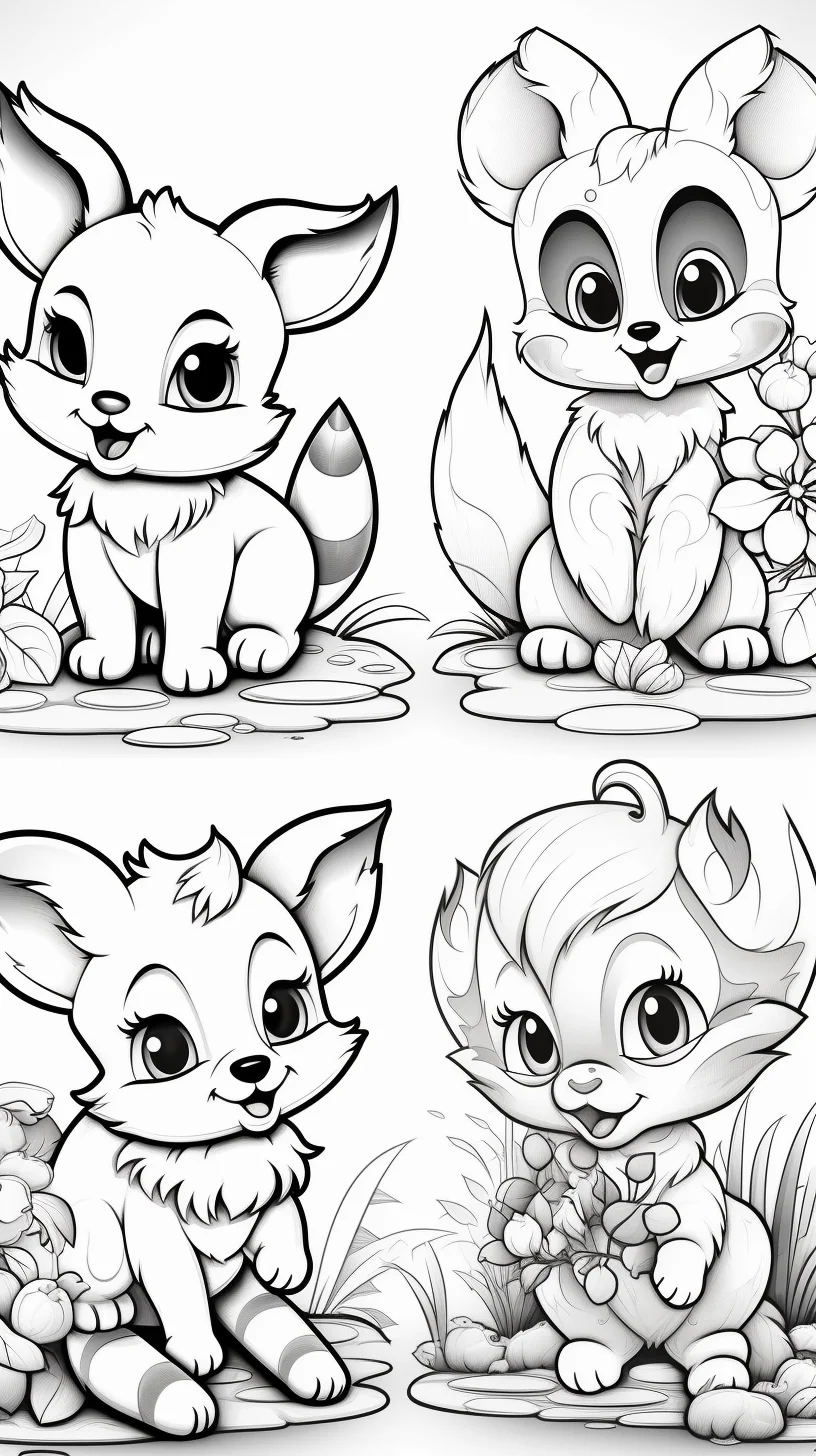
Open full-size easy coloring page 7
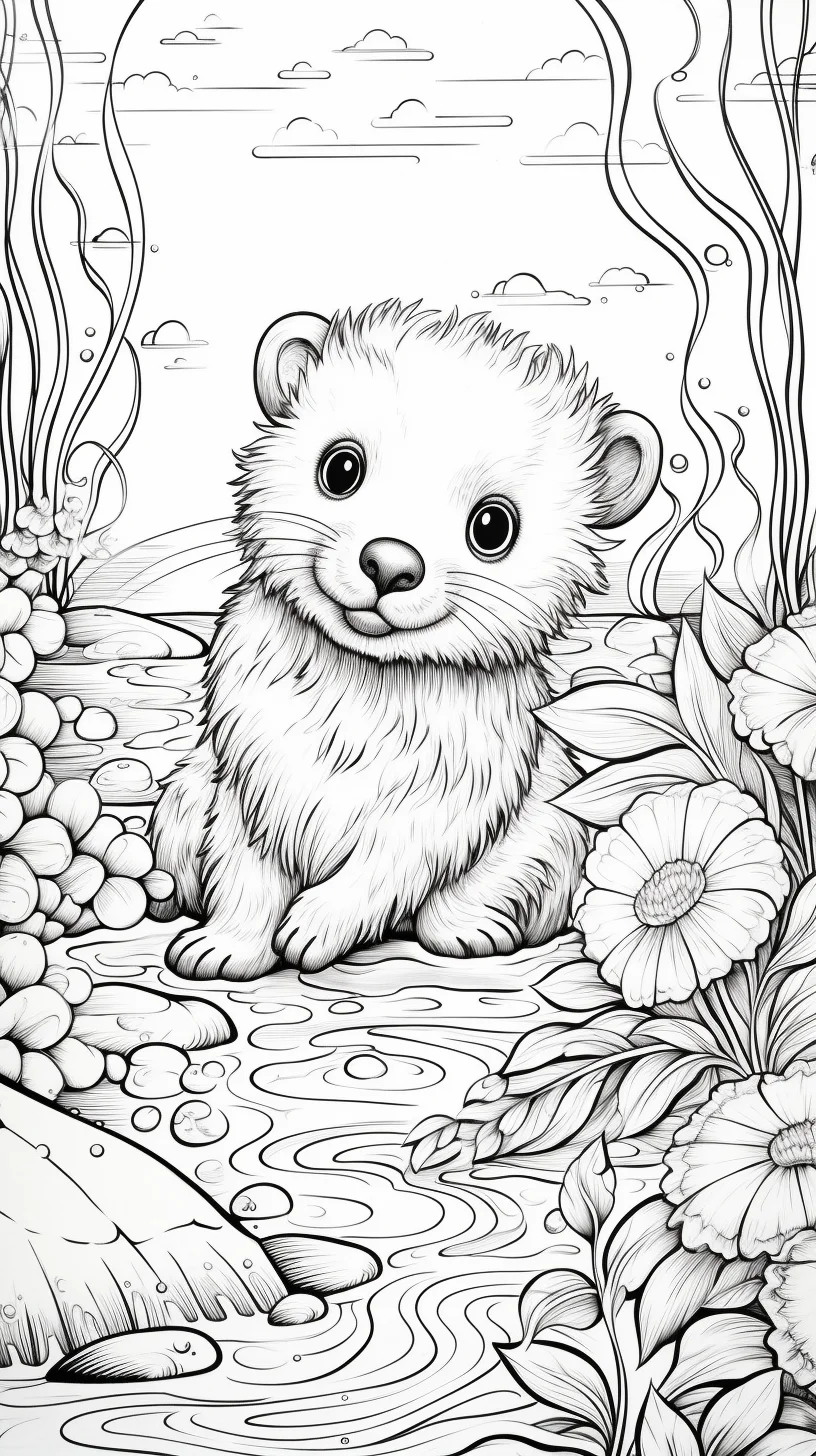
Open full-size easy coloring page 8
Spring and summer pages
If you want a page that feels seasonal without becoming complicated, start here. These are useful for a classroom table, a rainy afternoon or a quick activity tied to the time of year.
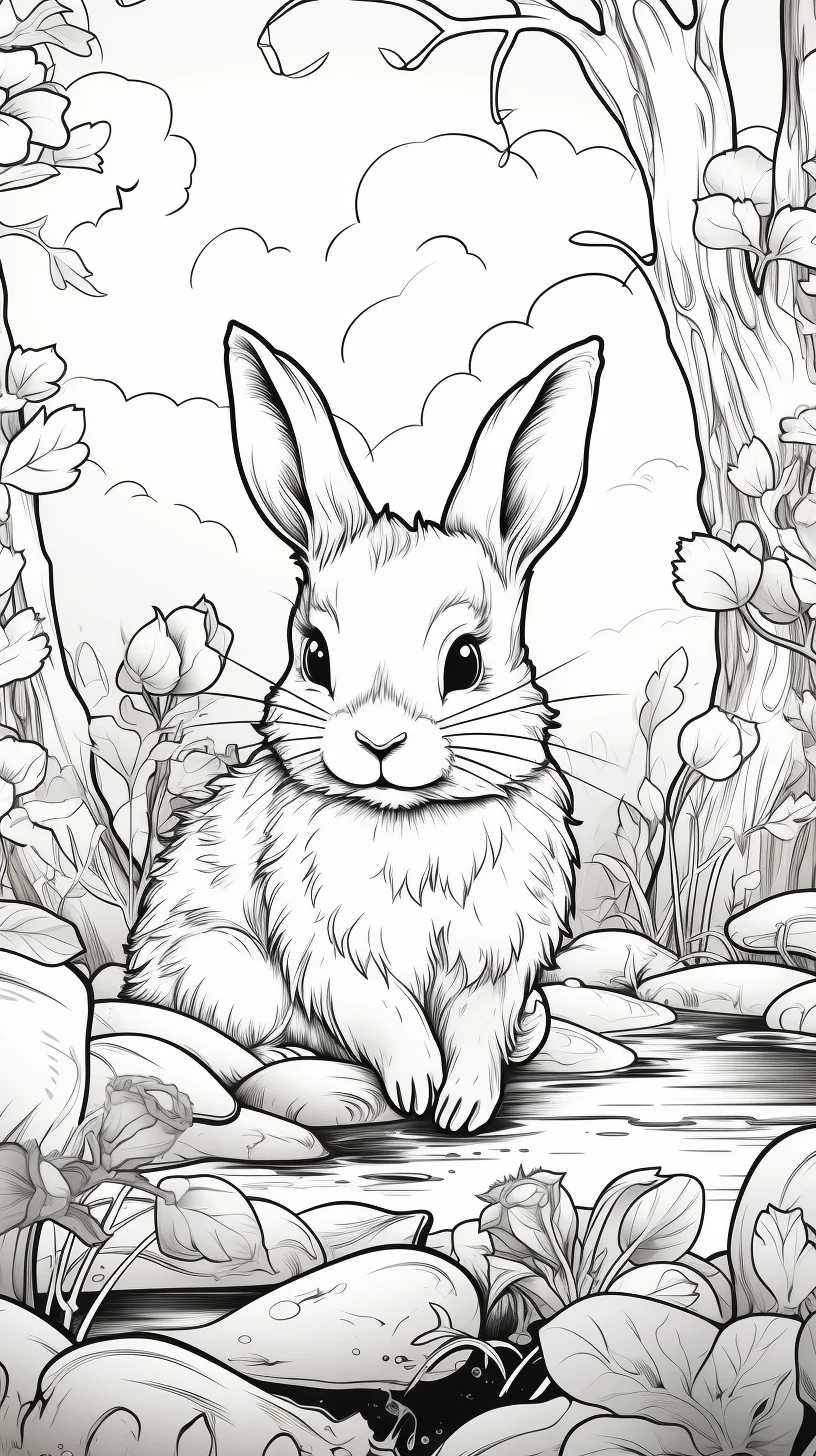
Open full-size easy coloring page 9
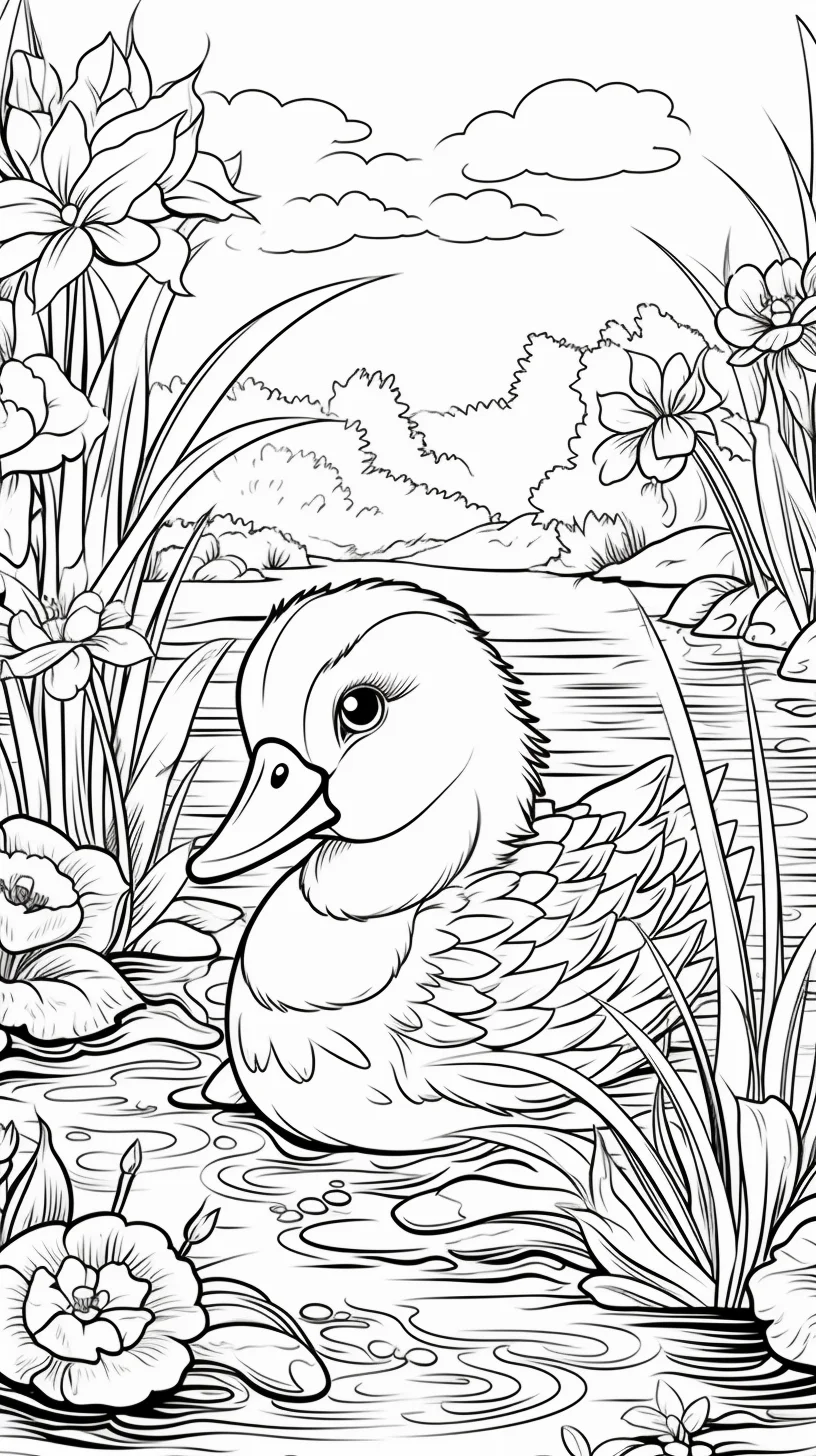
Open full-size easy coloring page 10
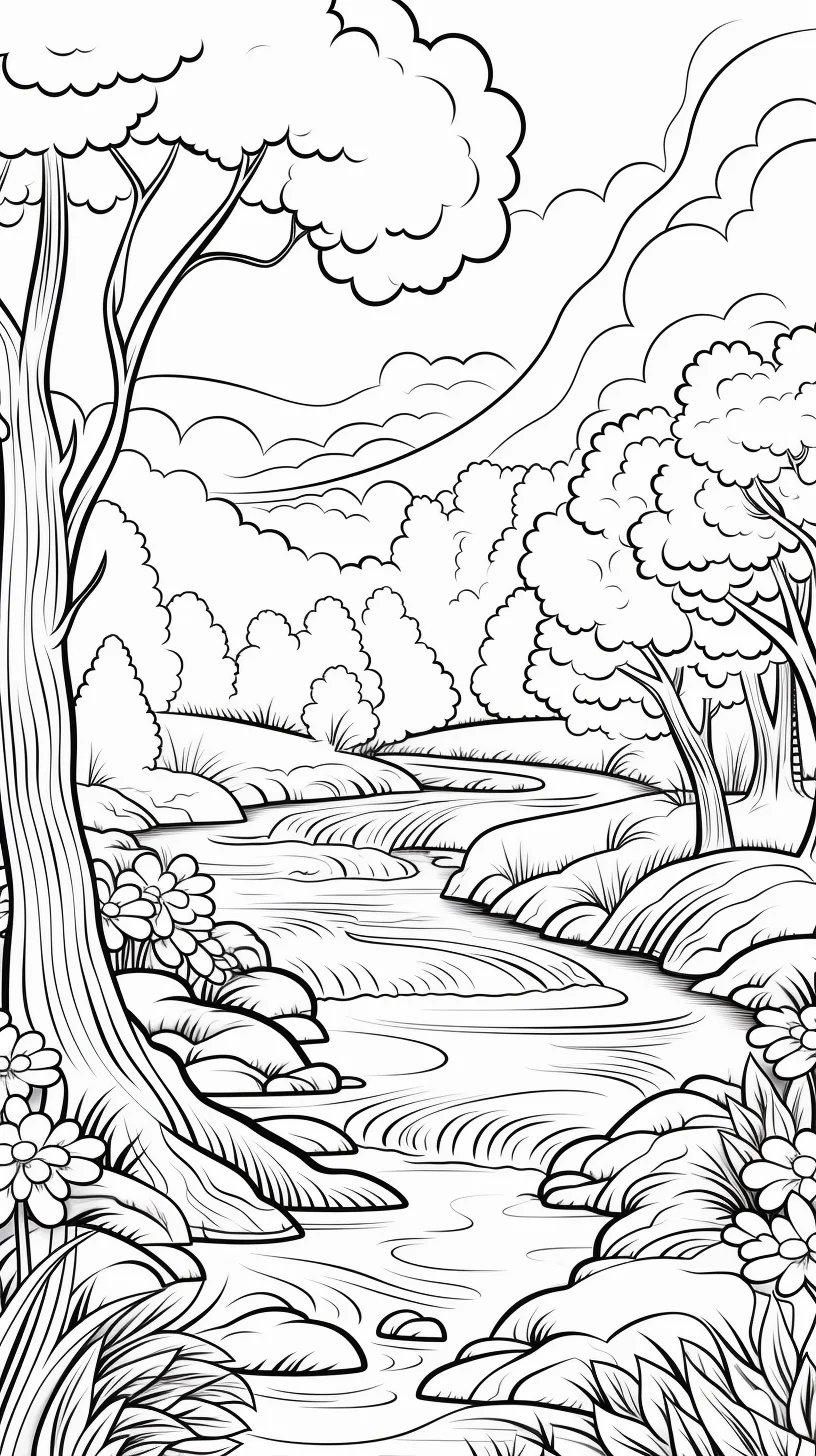
Open full-size easy coloring page 11
Animals and cute designs
The last group returns to animal and cute subjects. If one of these is the favorite, it is a good sign that the next activity should come from a focused animal gallery rather than another mixed page.
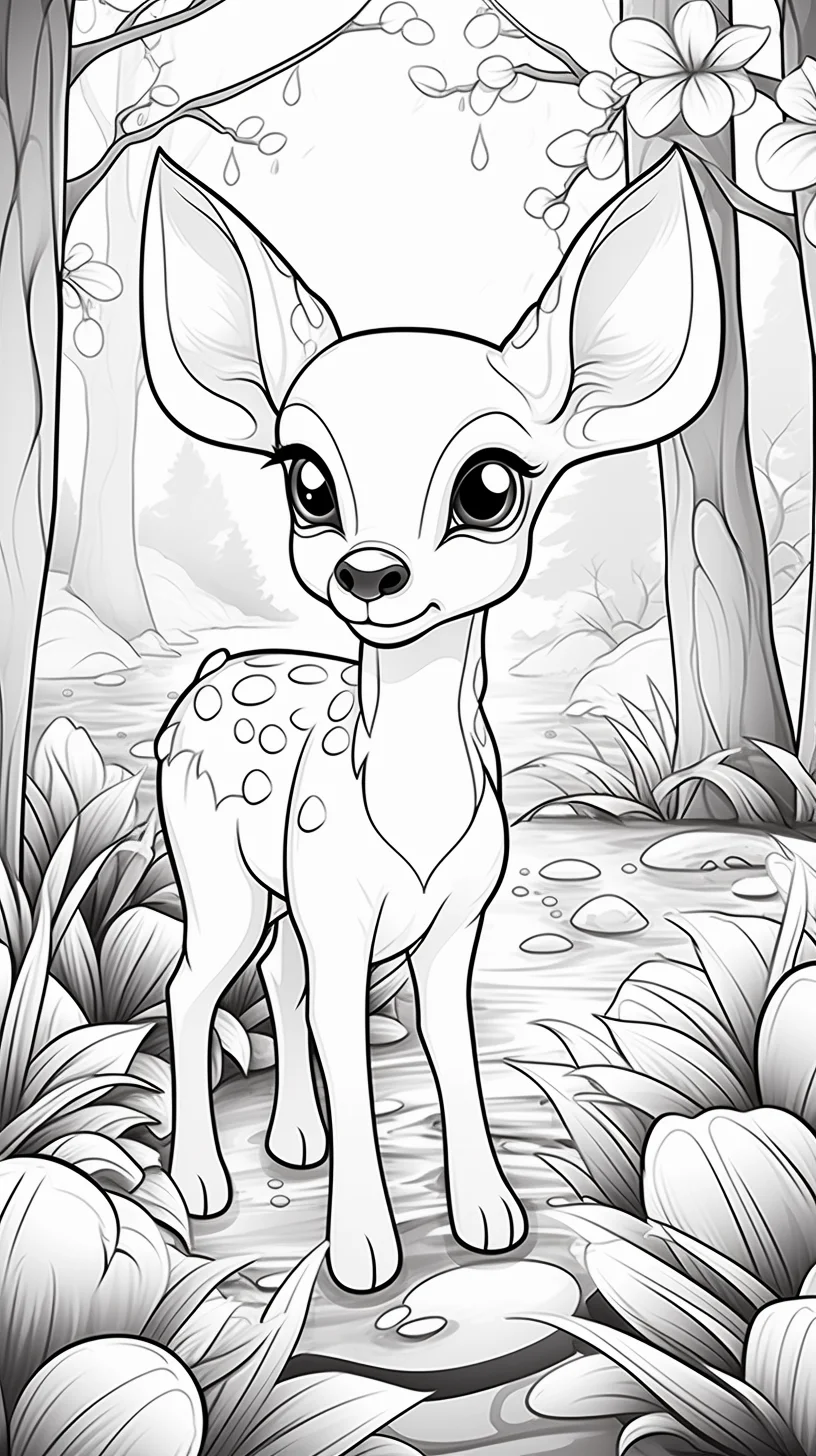
Open full-size easy coloring page 12
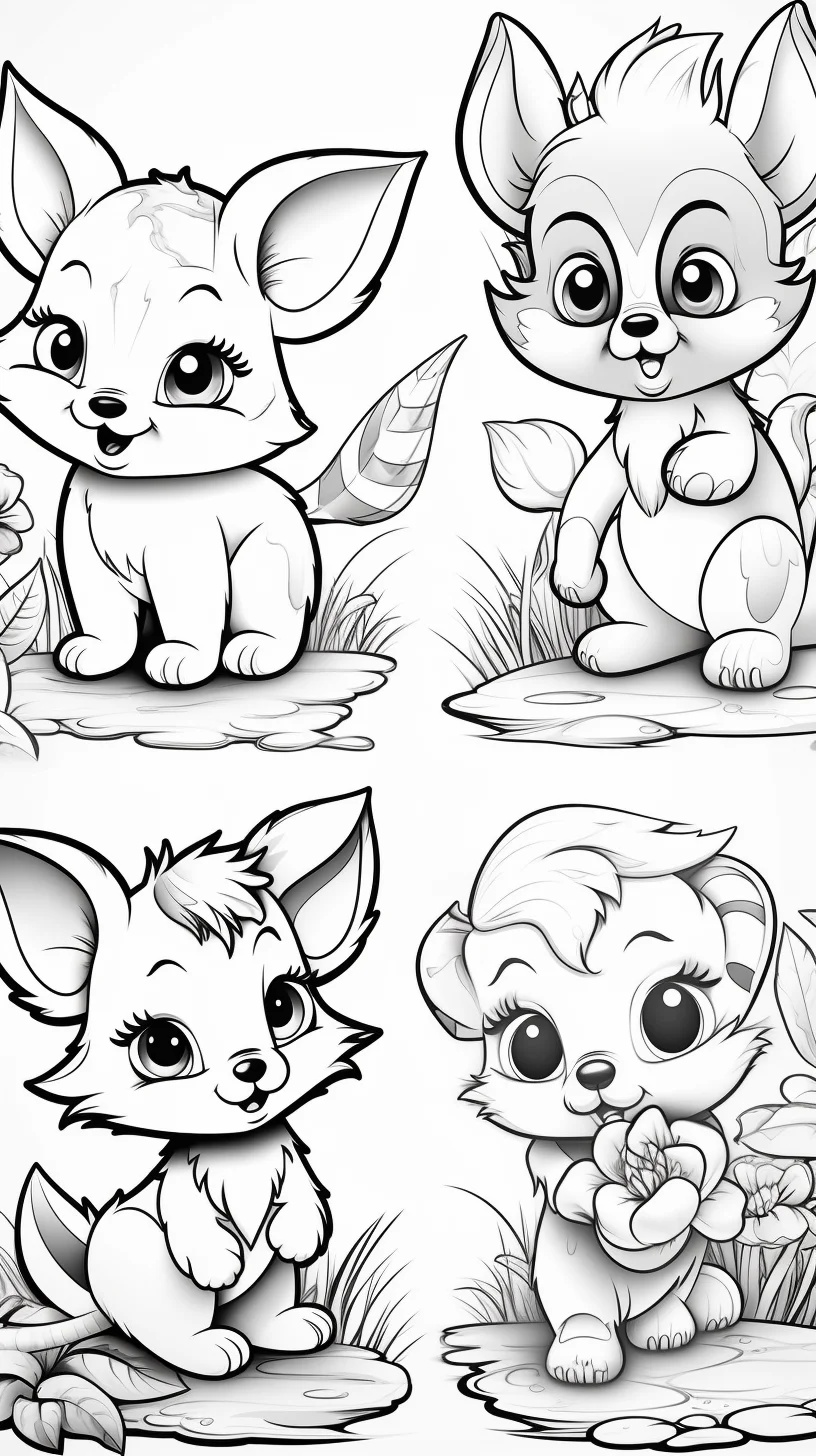
Open full-size easy coloring page 13
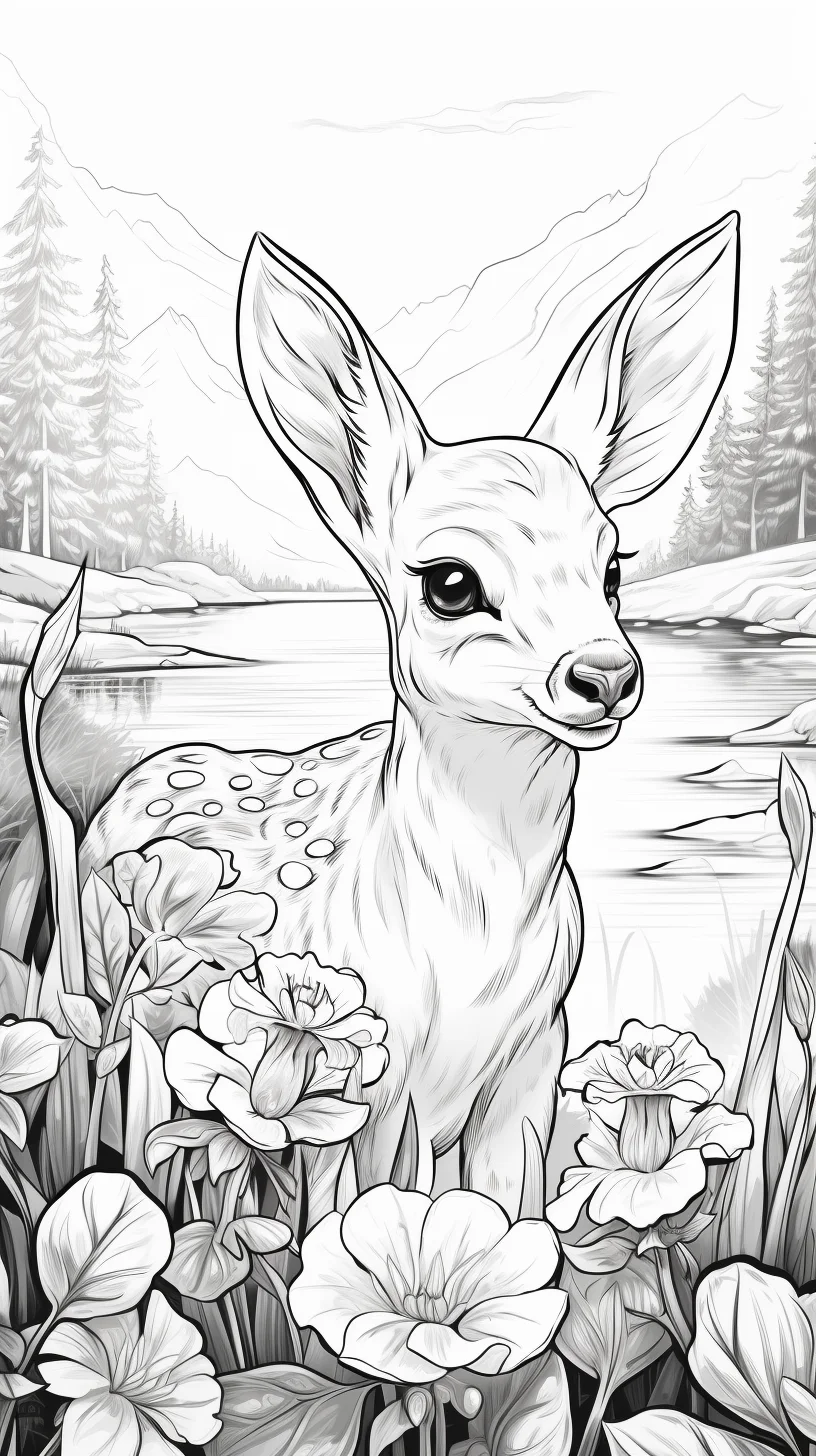
Open full-size easy coloring page 14
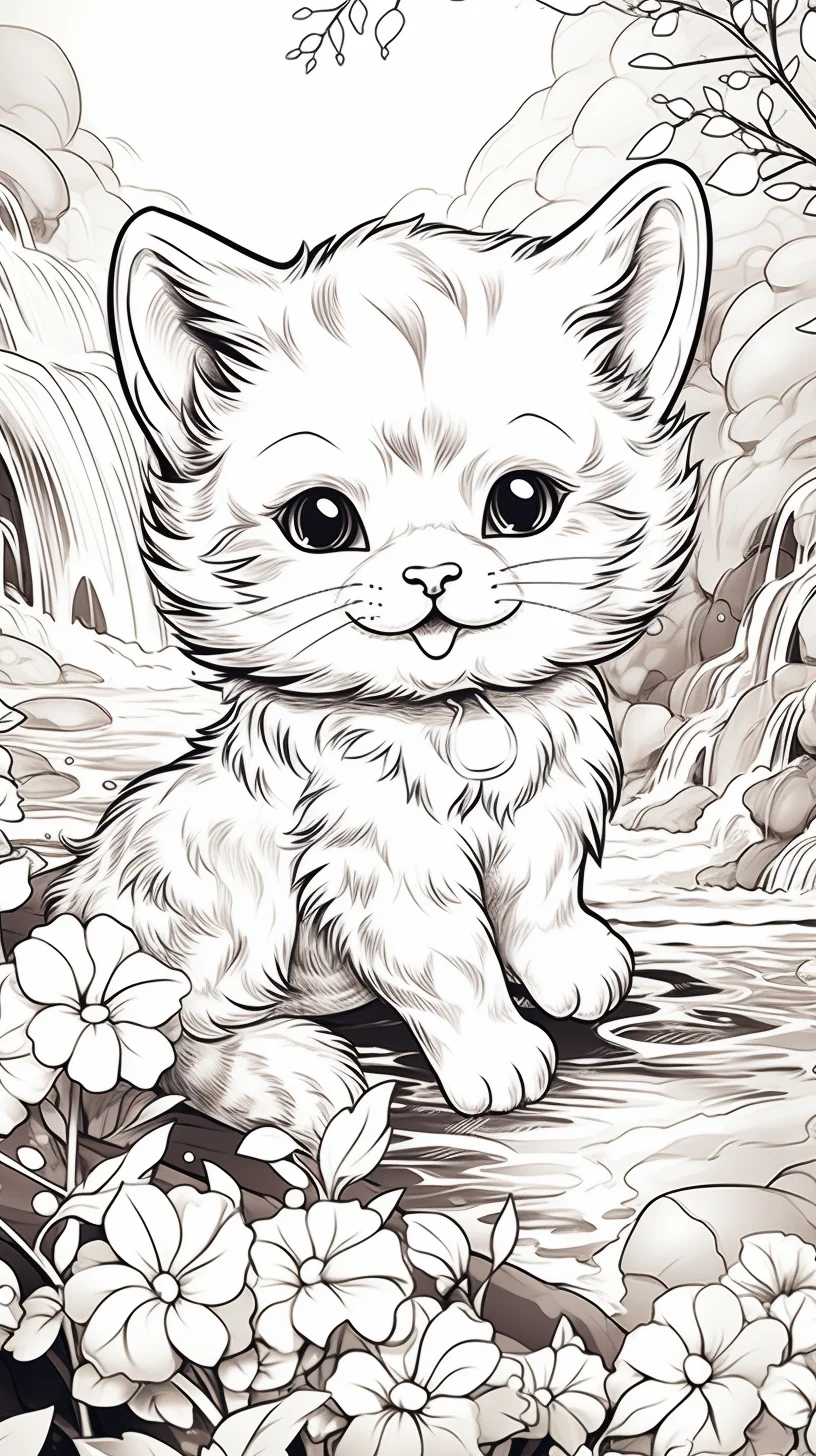
Open full-size easy coloring page 15
Do a 60-second control check before choosing the next page
Easy should mean manageable, not empty. Before printing several sheets, use one page as a quick test. Ask the child to color one large area, one edge and one small detail. Those three spots tell you more than an age label does.
- Large area: make five or six relaxed strokes with a crayon. If covering the space takes lots of tiny strokes, use a broader crayon or choose a sheet with a larger main subject.
- Edge: color a short section just inside an outline, then fill inward. If staying near the line takes all the concentration, do not add patterns or shading yet.
- Small detail: try one eye, leaf or decoration. If the crayon feels too blunt, offer a colored pencil only for that detail rather than replacing every tool.
- Look from arm’s length: the main subject should still be easy to recognize. If added colors and patterns make it harder to read, simplify the next area instead of adding more detail.
For preschoolers: skip shading completely. Pick two crayons, color the largest shape first, and leave tiny decorations white if they become tiring. The useful skill is controlled, enjoyable repetition—not completing every space.
If the child finishes quickly and asks for more, increase only one variable on the next sheet: smaller spaces, an extra color, or a simple pattern. Changing all three at once makes it hard to tell what actually raised the difficulty.
A three-page progression for pencil control
If you are using these sheets to build confidence rather than simply fill time, print three pages with gradually smaller spaces. The goal is not perfect coloring. Each page changes only one demand, so a child can notice improvement without suddenly facing a much busier picture.
- Page 1 — big shapes: use a crayon and concentrate on filling the main subject. Ignore the background.
- Page 2 — edges: choose a sheet with a few medium-size sections. Start each area by tracing just inside the outline with color, then fill the middle with broader strokes.
- Page 3 — small details: switch to a colored pencil for the smallest shapes while keeping a crayon for large areas. Learning to choose the right tool is part of the exercise.
A useful stopping rule is simple: end while the child is still interested. Finishing one carefully chosen part of a page can be better practice than rushing through every background detail.
Match the page to the child, not just the age
| What you notice | Try next | Why |
|---|---|---|
| Large areas are left patchy | Use a thicker crayon and a page with fewer sections | Less precision is required and the area fills faster |
| Color regularly crosses the outline | Choose a design with wider spaces; practice the border first | A clear edge gives the hand a simpler target |
| The child gets bored before finishing | Print a page with one dominant subject and leave the background optional | The activity reaches a satisfying stopping point sooner |
| The page seems too easy | Add a second color inside large shapes or choose a sheet with smaller details | Difficulty increases without abandoning a familiar format |
| Small sections are frustrating with crayons | Keep the crayon for large areas and add a colored pencil for details | The tool changes instead of unnecessarily changing the whole activity |
Three simple ways to make the same page more challenging
You do not always need a more complicated printable. A familiar easy page can become a new exercise by changing the task:
- Two-color challenge: complete the main subject using only two chosen colors. This encourages planning without adding fine detail.
- Light and dark: use a lighter version of a color in the center of a large shape and a darker version near one edge. This introduces pressure control with colored pencils.
- Pattern add-on: on a large blank area, add a few dots, stripes or small shapes in pencil before coloring. Keep the pattern sparse so the page remains easy.
For classroom or sibling use, printing the same sheet twice can be more instructive than printing two unrelated designs: children can compare how different color choices change the same picture without treating one result as the “correct” version.
How to keep a simple coloring page from becoming frustrating
Do not ask a child to finish every inch of the page. If they color the main subject and want to stop, that is enough. Backgrounds and small decorations can stay white. A page that ends at the right moment is more useful than one that turns into a chore.
If they keep going, let them choose the next color themselves. Matching colors is much less important here than keeping the activity easy enough that they still want another page later.
Quick questions
Which tool is easiest for younger kids?
Crayons are usually the least demanding because they cover larger areas quickly. Broad colored pencils are a good next step when the shapes get smaller.
Should I print all 15 pages?
No. Print two or three different-looking sheets and let the child choose. A smaller choice is often easier than handing over the whole collection at once.
What should I try next if these are too easy?
Move to the 36-sheet mixed kids collection or one of the subject-specific galleries, where backgrounds and smaller details give a longer coloring session.

