
“Easy” does not have to mean “for little kids.” Sometimes you simply want a coloring page with clear shapes, less visual clutter and fewer tiny sections to manage. This 25-sheet collection is for that kind of coloring: a mixed set of animals, seasonal designs and simple subjects that can work for children, adults, older beginners or anyone who would rather relax than wrestle with a dense page.
If you are choosing for a young child, there are more tightly focused collections elsewhere on the site. The 15 easy coloring pages for kids are the quicker kids-only option, while the preschool animal pages stay entirely with simple animals. The larger 36-sheet easy coloring collection for kids is the better choice when you want dinosaurs, food, animals, spaceships and castles in one place.
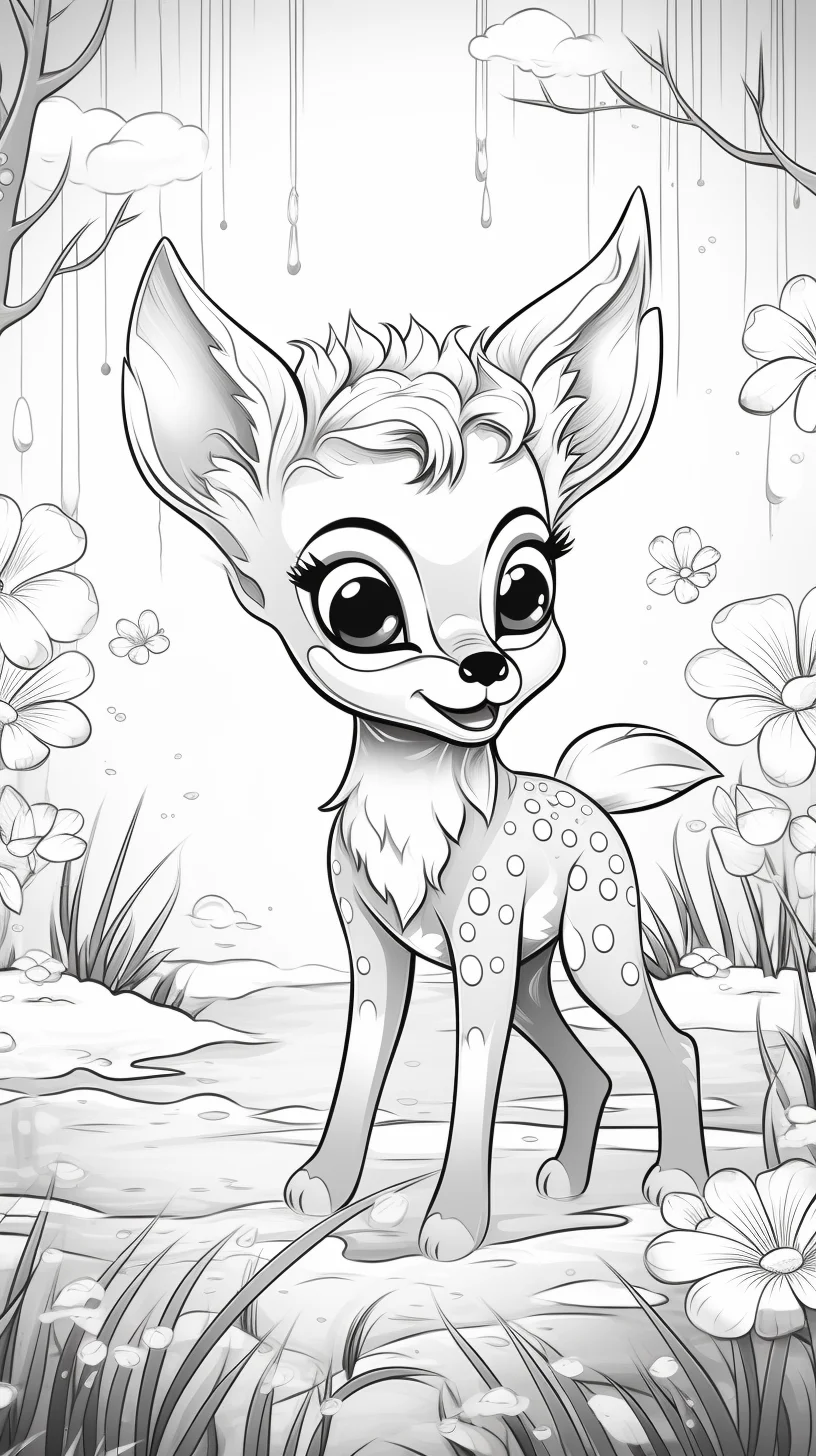
Try this page for 60 seconds before choosing the rest
Do not judge difficulty by how cute or sparse a drawing looks. Use the first sheet as a quick calibration page. Color one outside edge slowly, then fill one of the largest spaces at your normal speed. If you can do both without gripping the tool harder or repeatedly correcting the outline, the page is probably at a useful starting level.
- Check the smallest important space. Put the tip of your crayon, pencil or marker beside it. If the tip nearly fills the space, switch to a finer tool or choose a more open drawing.
- Test light and normal pressure. Make two small swatches on scrap paper. Beginners often press harder when they want stronger color; a second light layer usually gives better control and tires the hand less.
- Separate edge work from filling. Color a narrow strip just inside the outline first. Then use longer, faster strokes in the middle. This is much easier than trying to use the same careful motion across an entire large shape.
- Stop at the main subject once. Look at the page before touching the background. If it already feels finished, leave it there. Optional backgrounds are one of the best ways to control how long an easy page takes.
Useful progression: if this feels effortless, do not jump straight to intricate line art. Choose the next sheet with only one added challenge—smaller spaces, more sections, or more background detail. That makes it obvious which skill is improving.
What makes a coloring page beginner-friendly?
Look at the drawing before you look at the age label. A genuinely easy page usually has a clear main subject, open shapes and enough white space that you can tell where one part ends and another begins. A page can be cute and still be awkward for a beginner if it is packed with tiny decorations.
| If you prefer… | Look for… | Use… |
|---|---|---|
| The least effort | One large subject and a quiet background | Crayons or broad pencils |
| A little more control | Several medium-size sections | Colored pencils |
| Strong, flat color | Clear enclosed shapes | Markers on suitable paper |
| A longer but still easy page | More surrounding shapes without very fine linework | Pencils or mixed tools |
A 10-second test before you print
- Can you identify the main subject immediately?
- Are most spaces large enough for the tool you plan to use?
- Does the background feel optional rather than compulsory?
- Would the page still look finished if you stopped after coloring the main subject?
If the answer is yes to most of those, it is probably an easy page for you. That is a better test than assuming every beginner wants the same amount of detail.
Printing these beginner pages
Tap or click the image to open the original full-size file before saving or printing it. Most of the sheets are tall, so portrait orientation is the natural starting point. Use “Fit to page” in print preview rather than forcing the image to fill the paper edge to edge. If you run into cropping or scaling problems, the Print & Save Help walks through the common fixes.
25 easy coloring pages for beginners
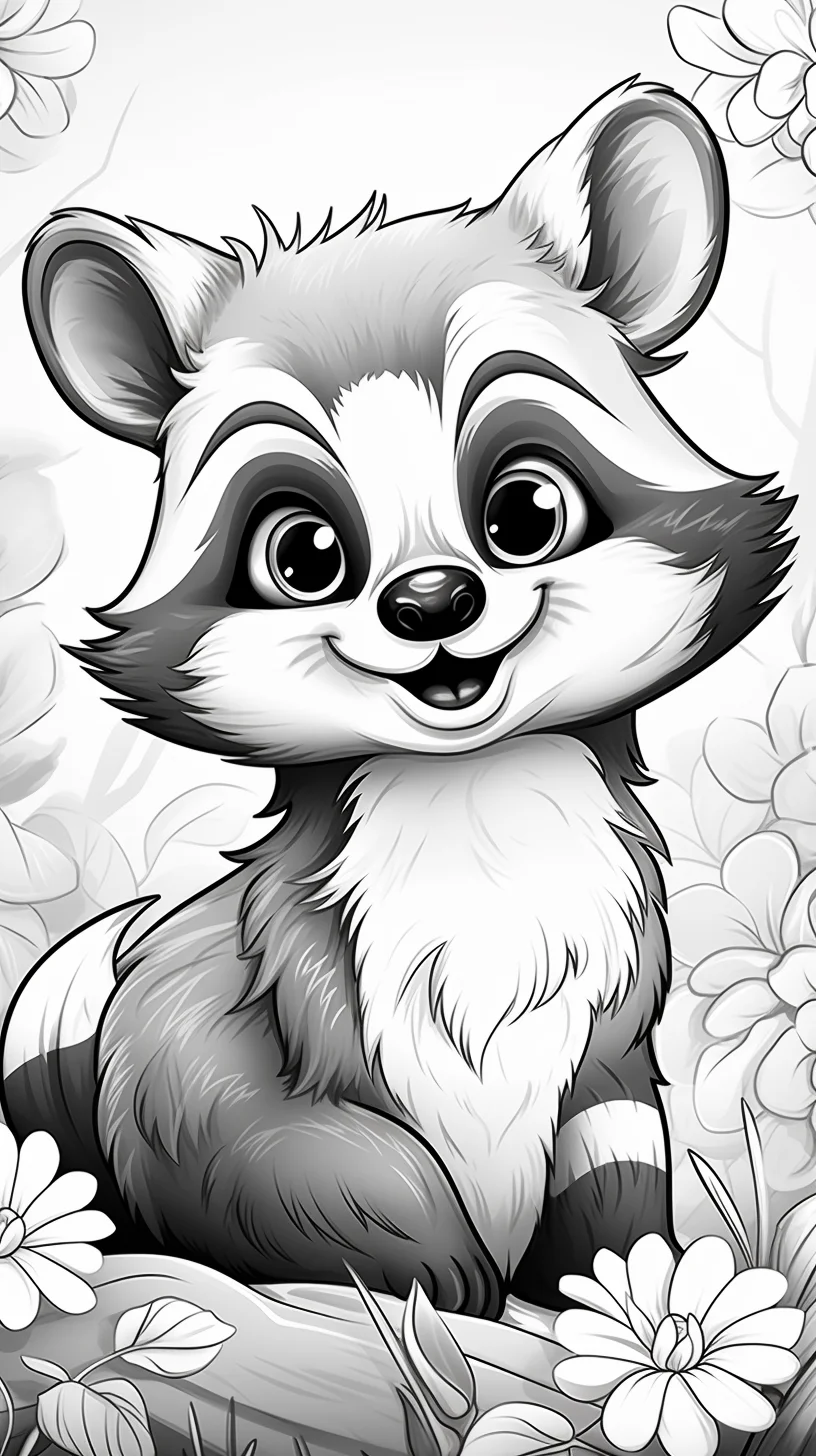
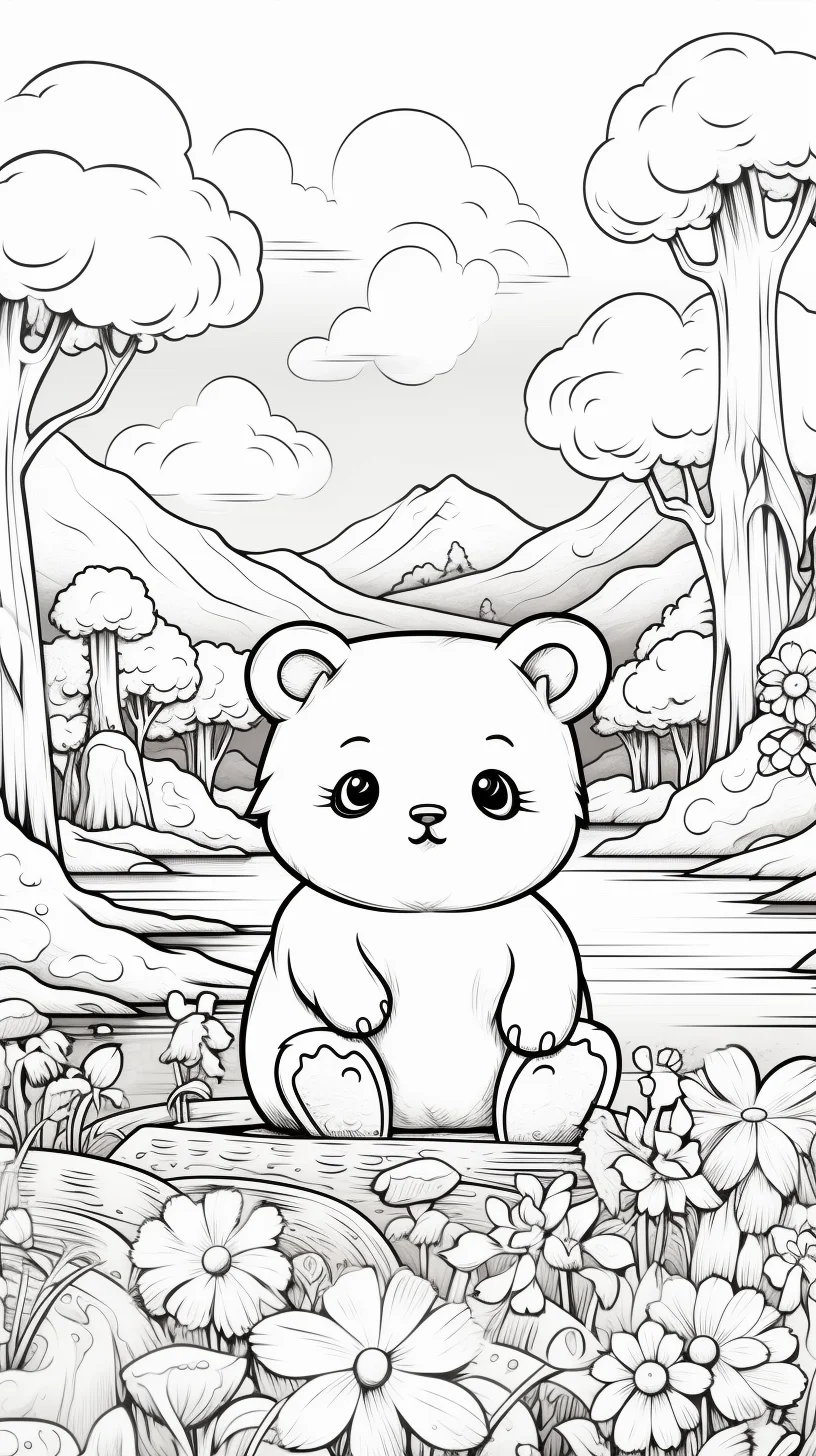
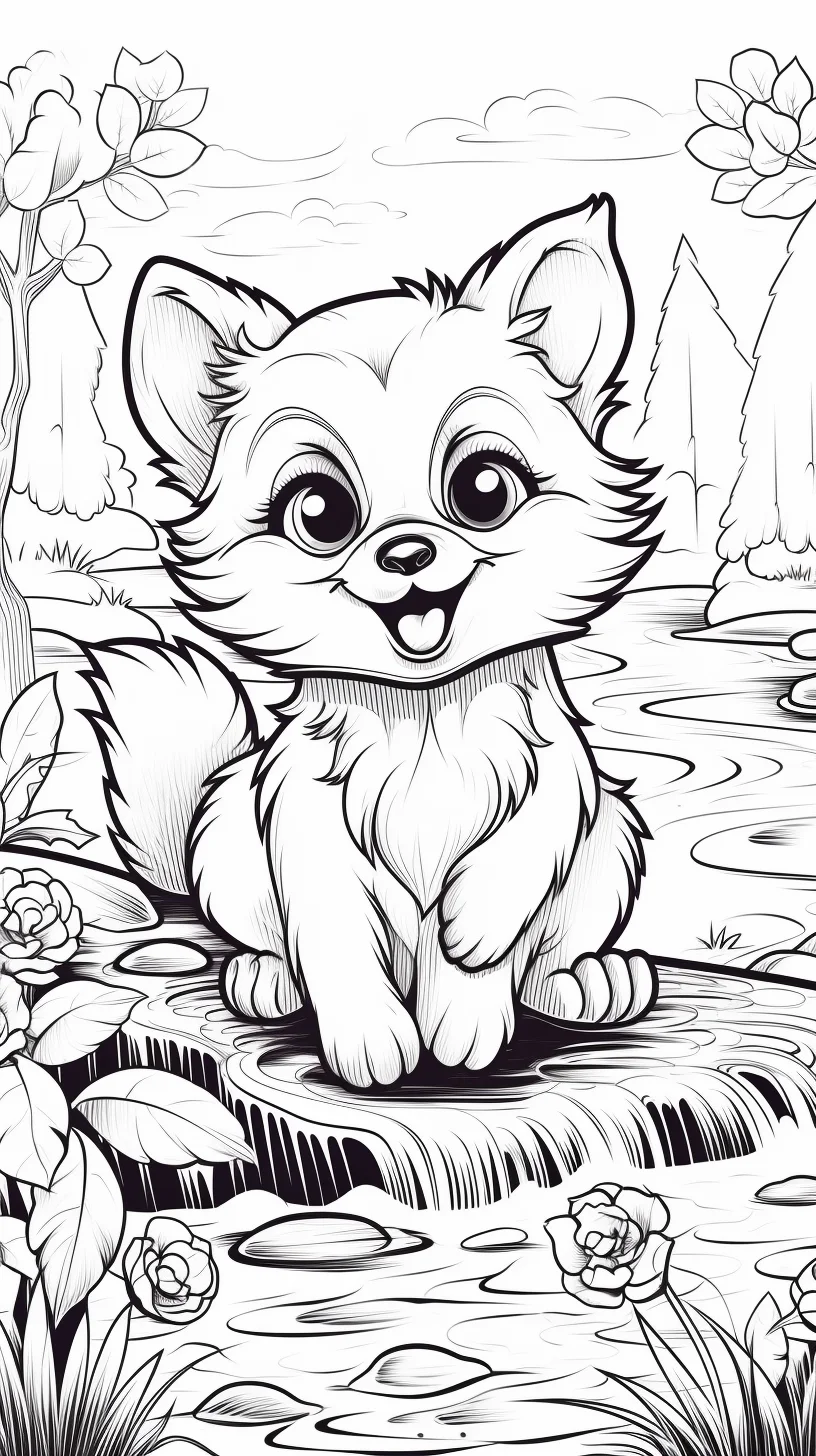
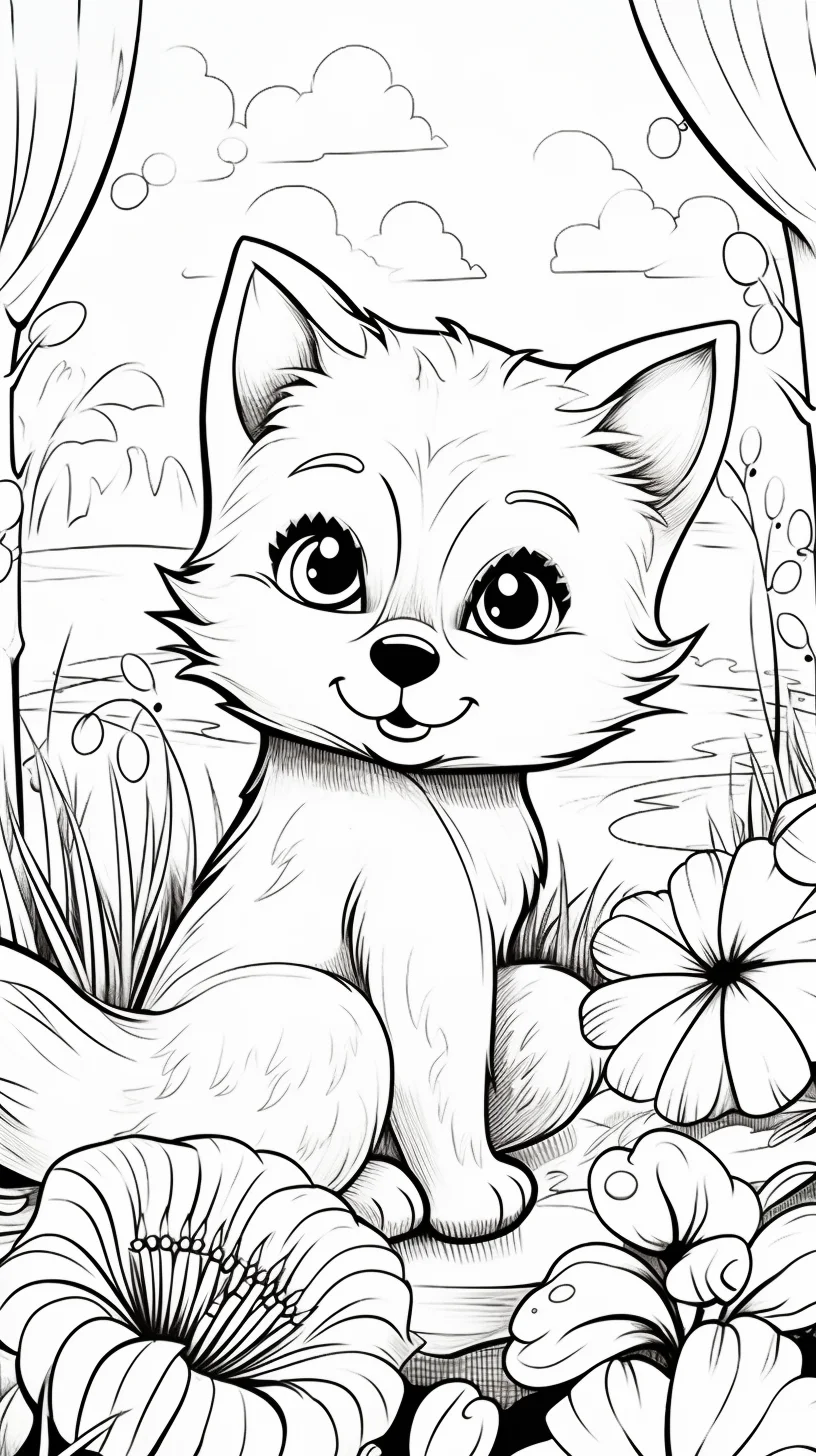
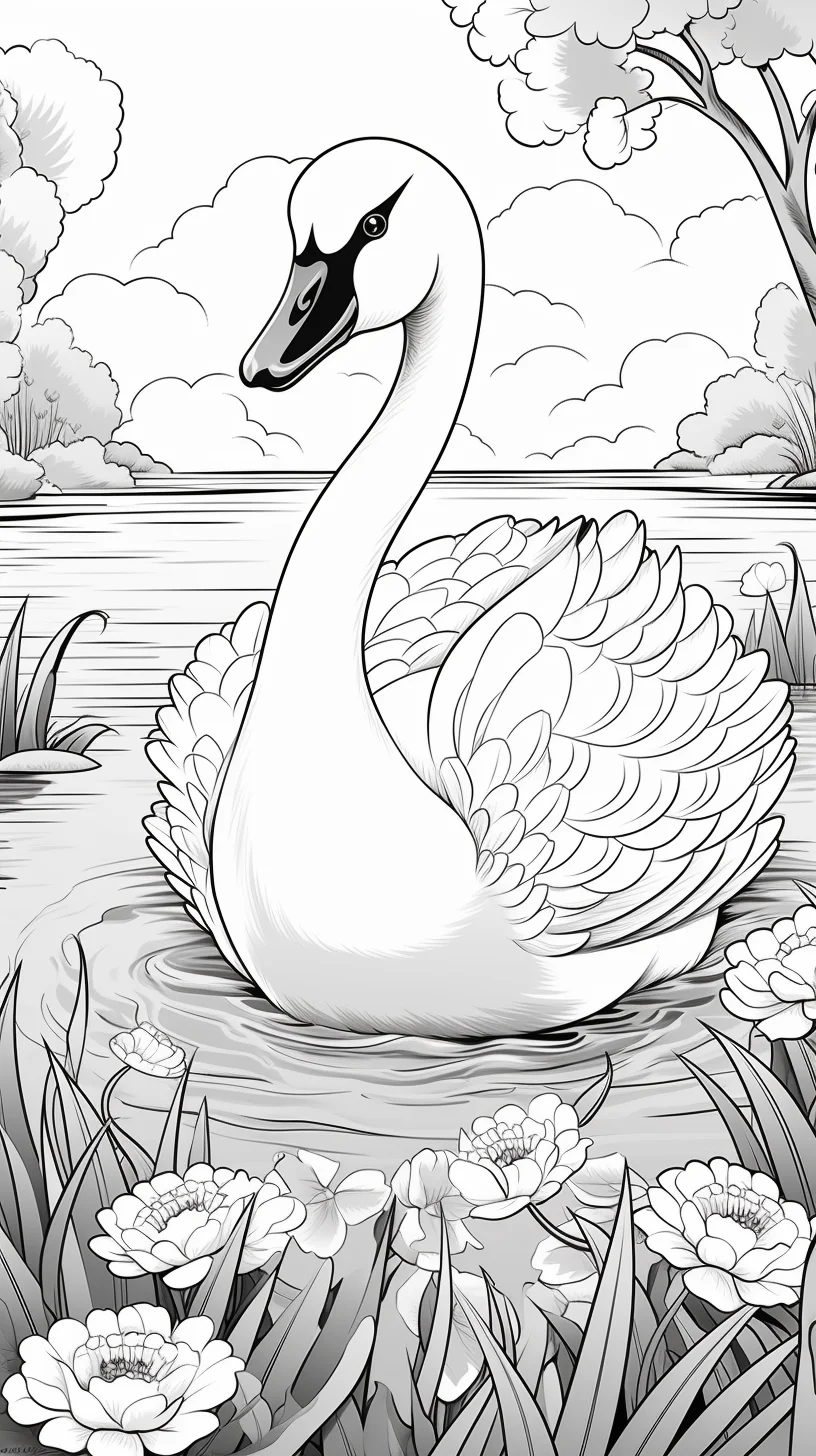
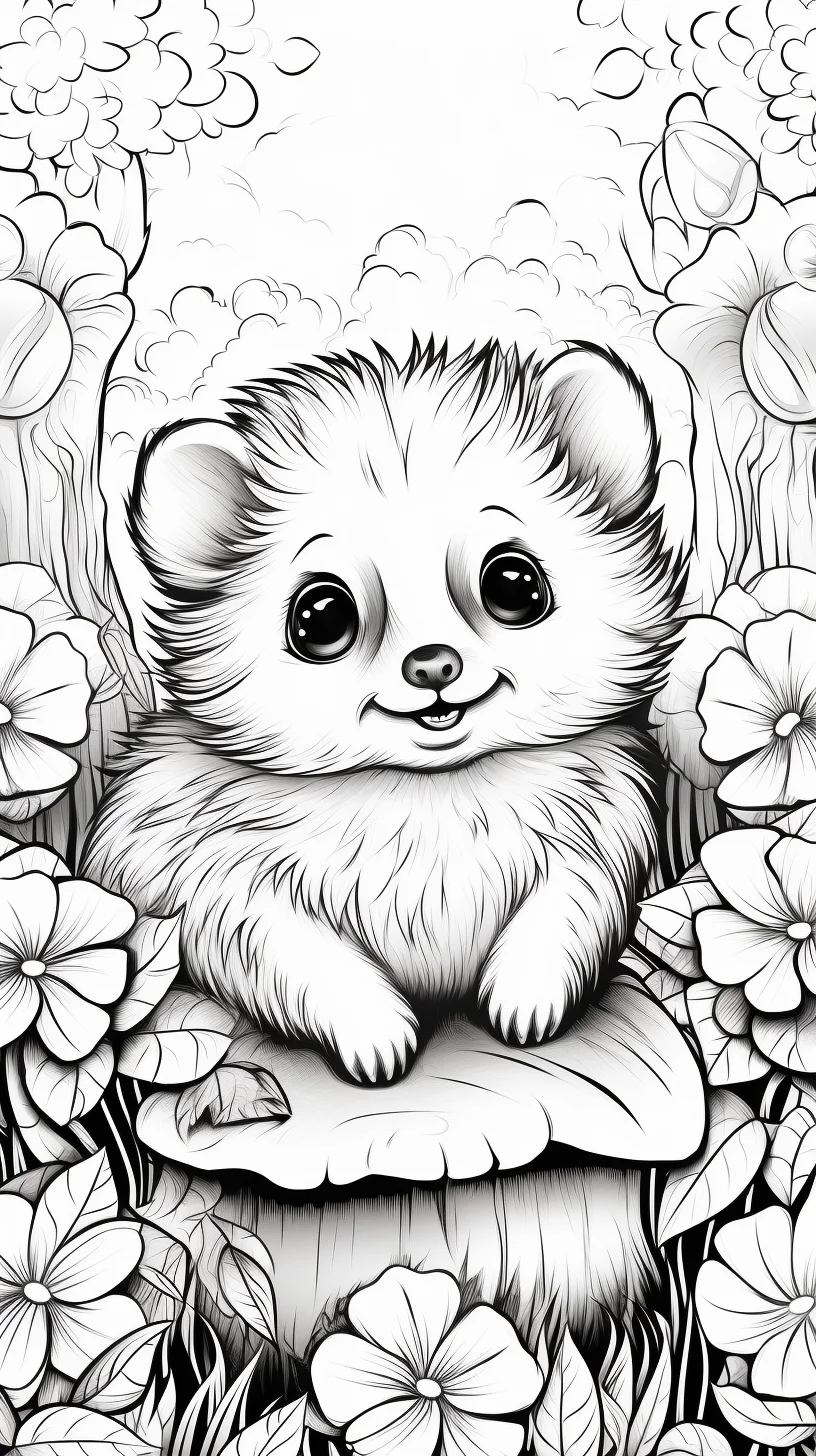
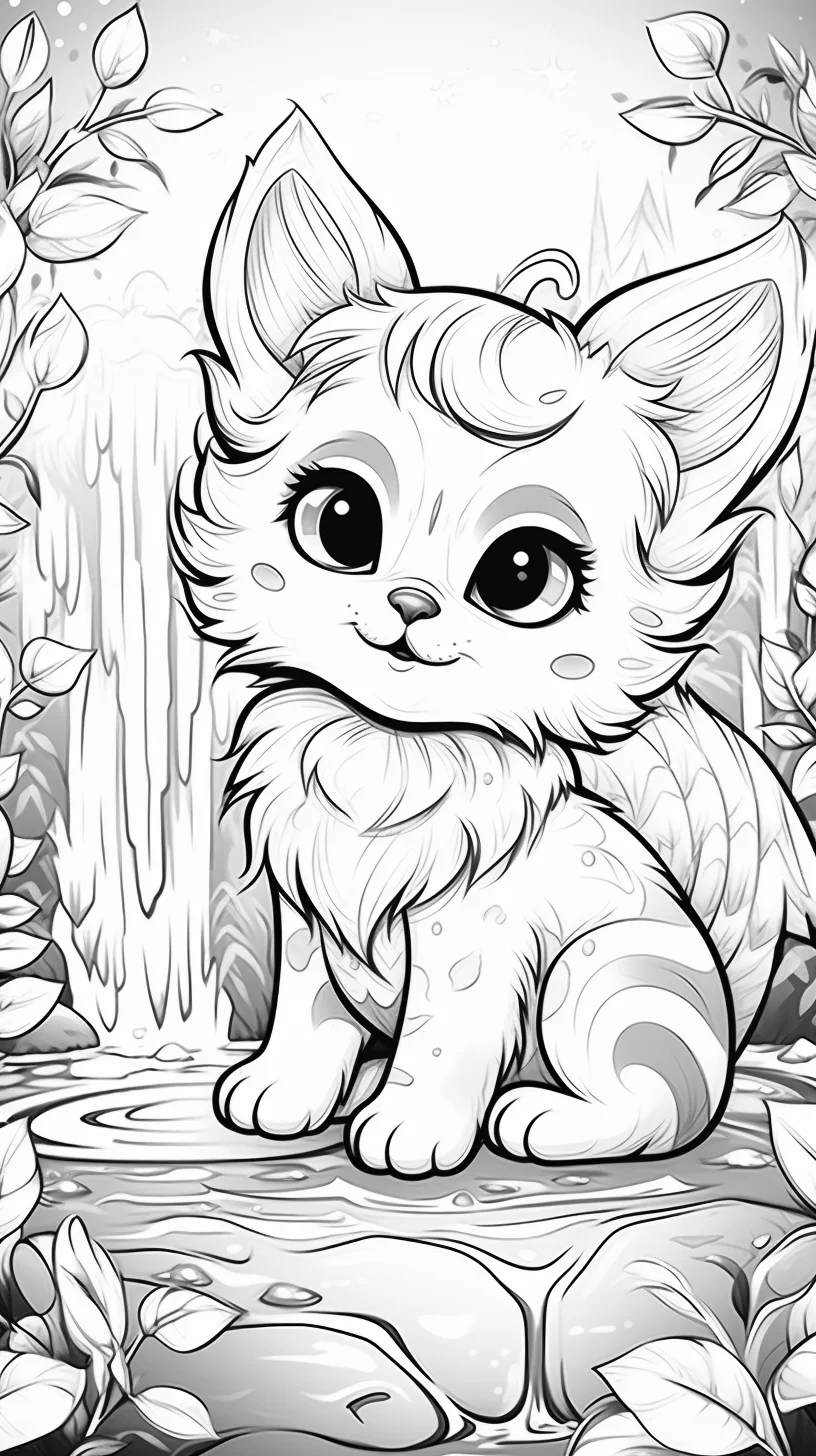
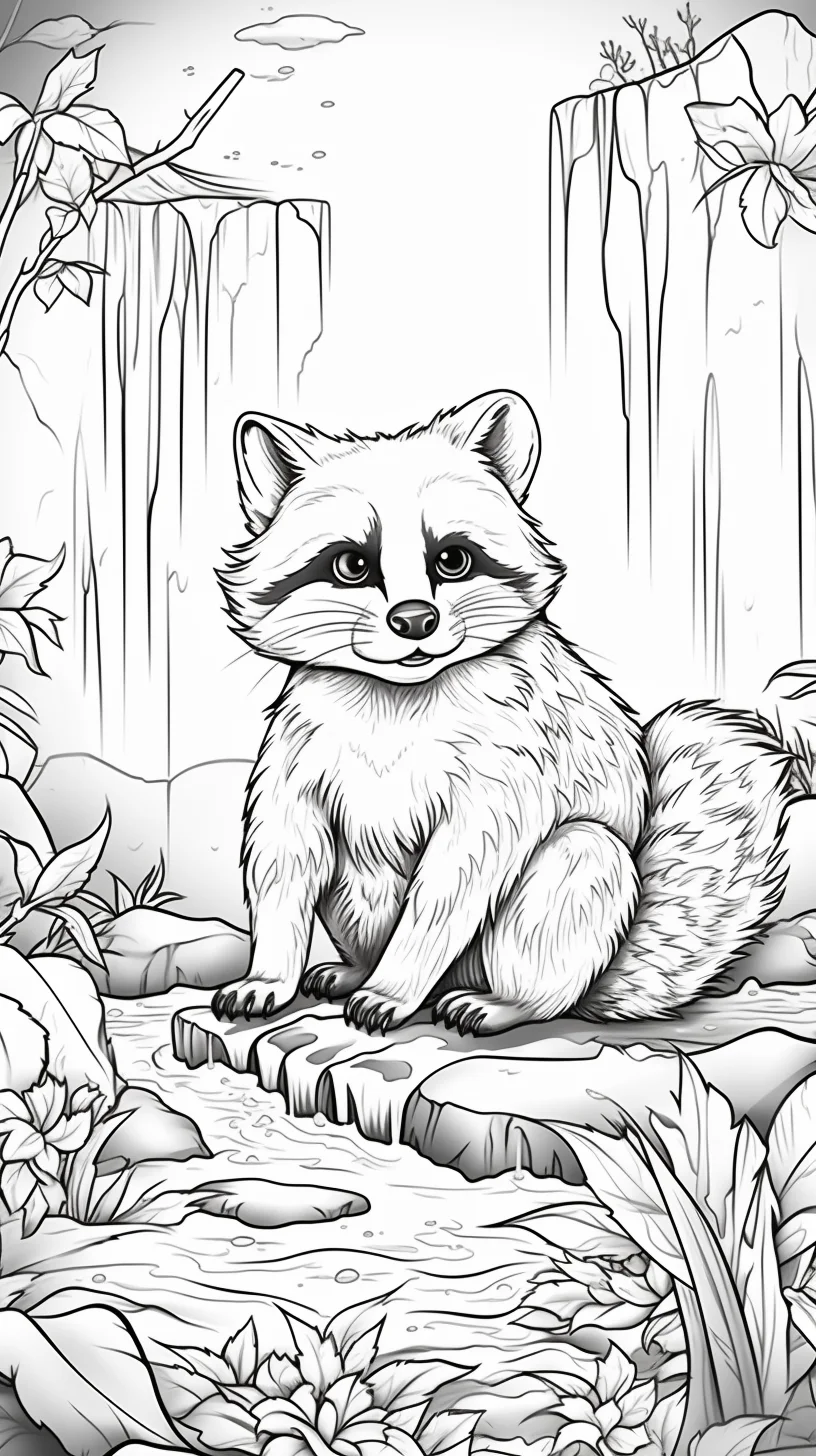
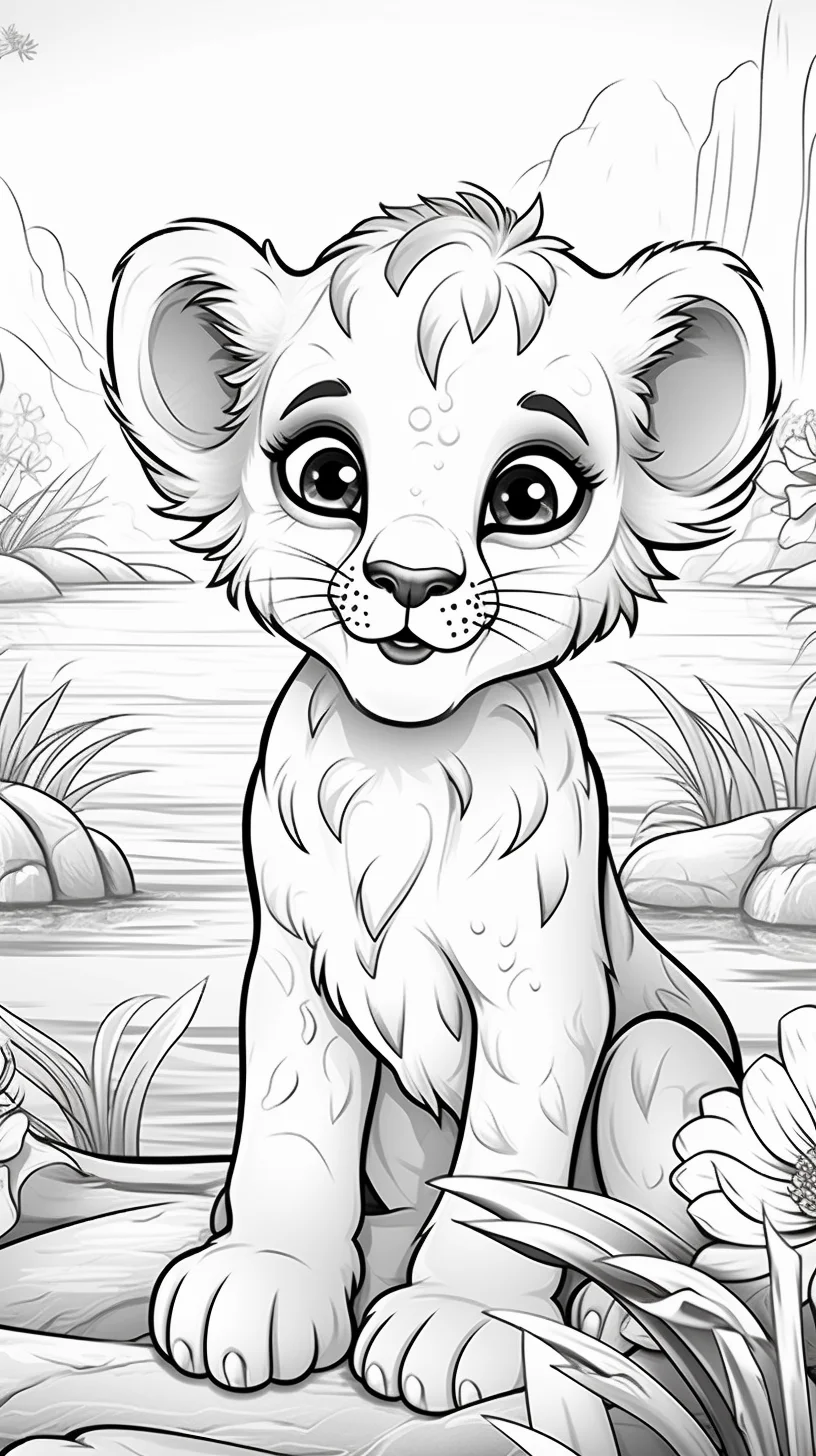
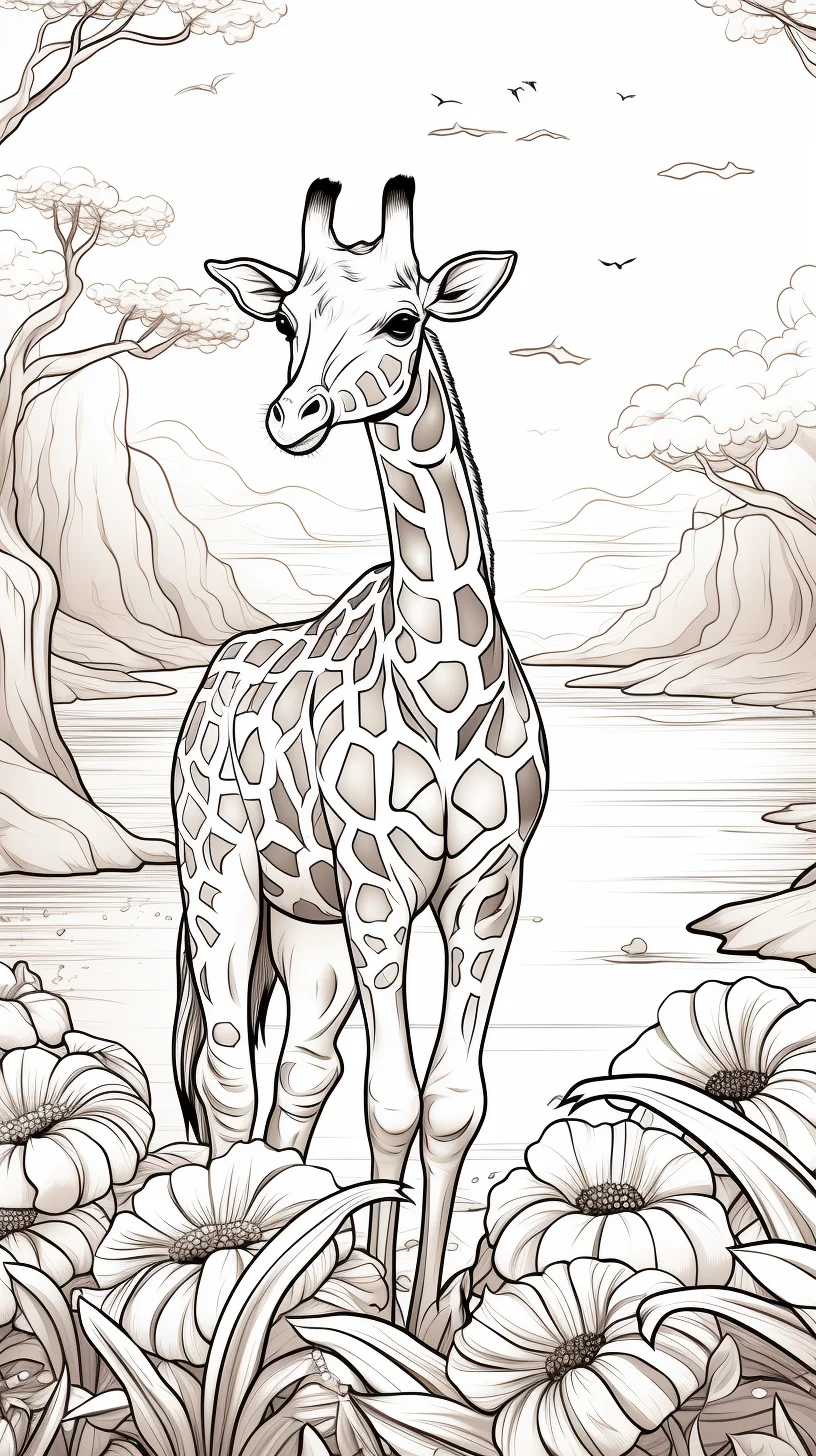
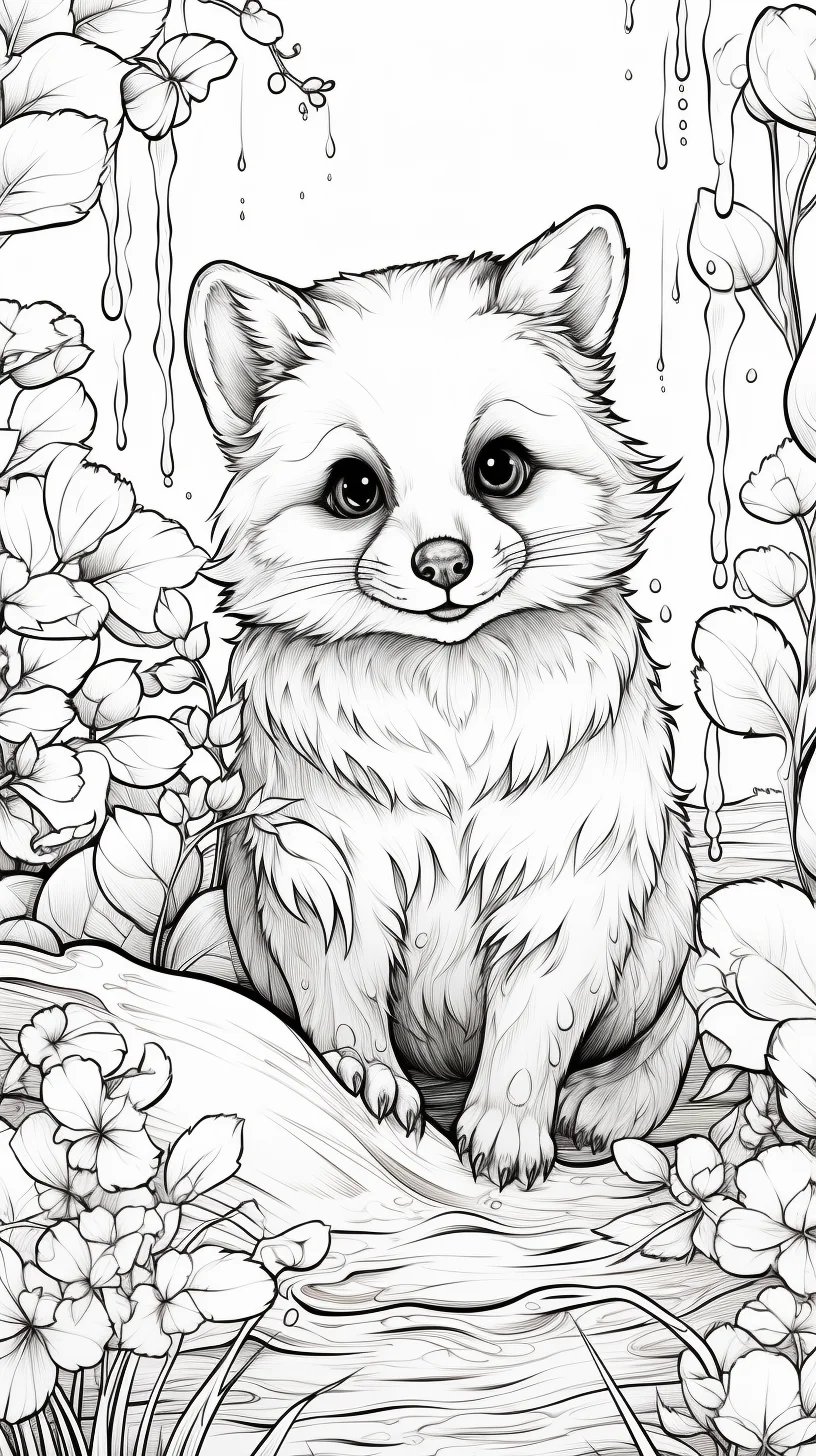
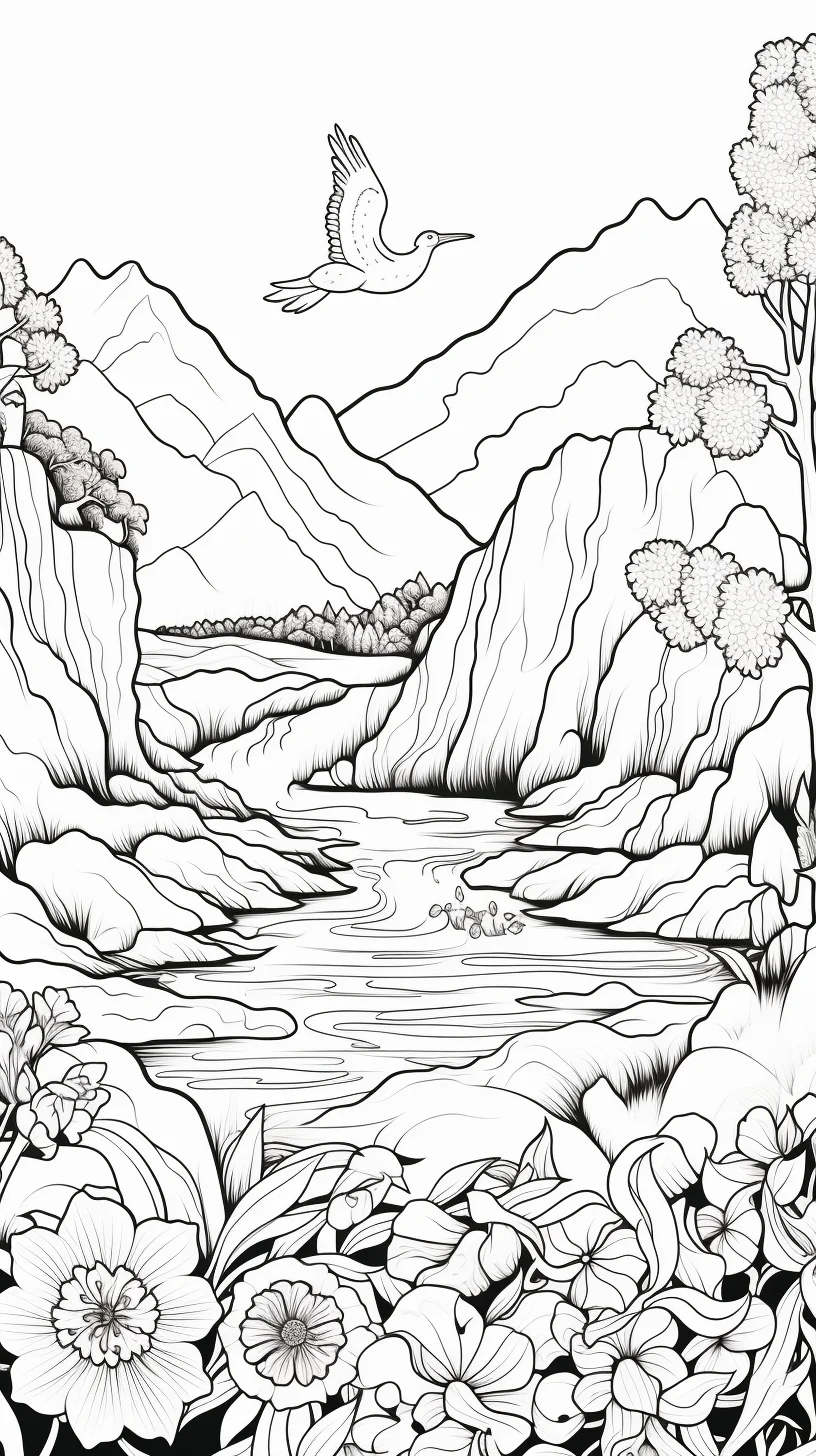
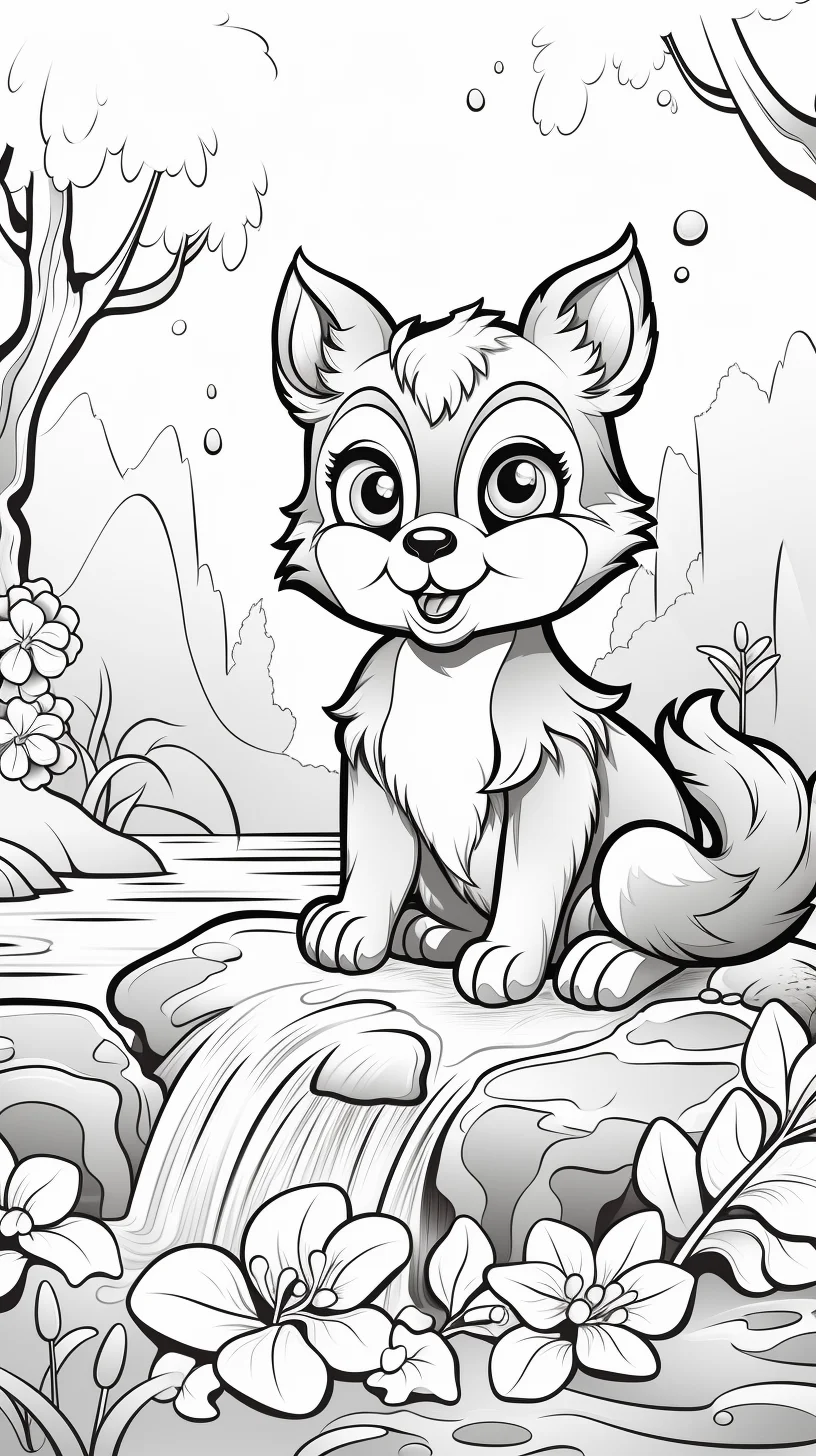
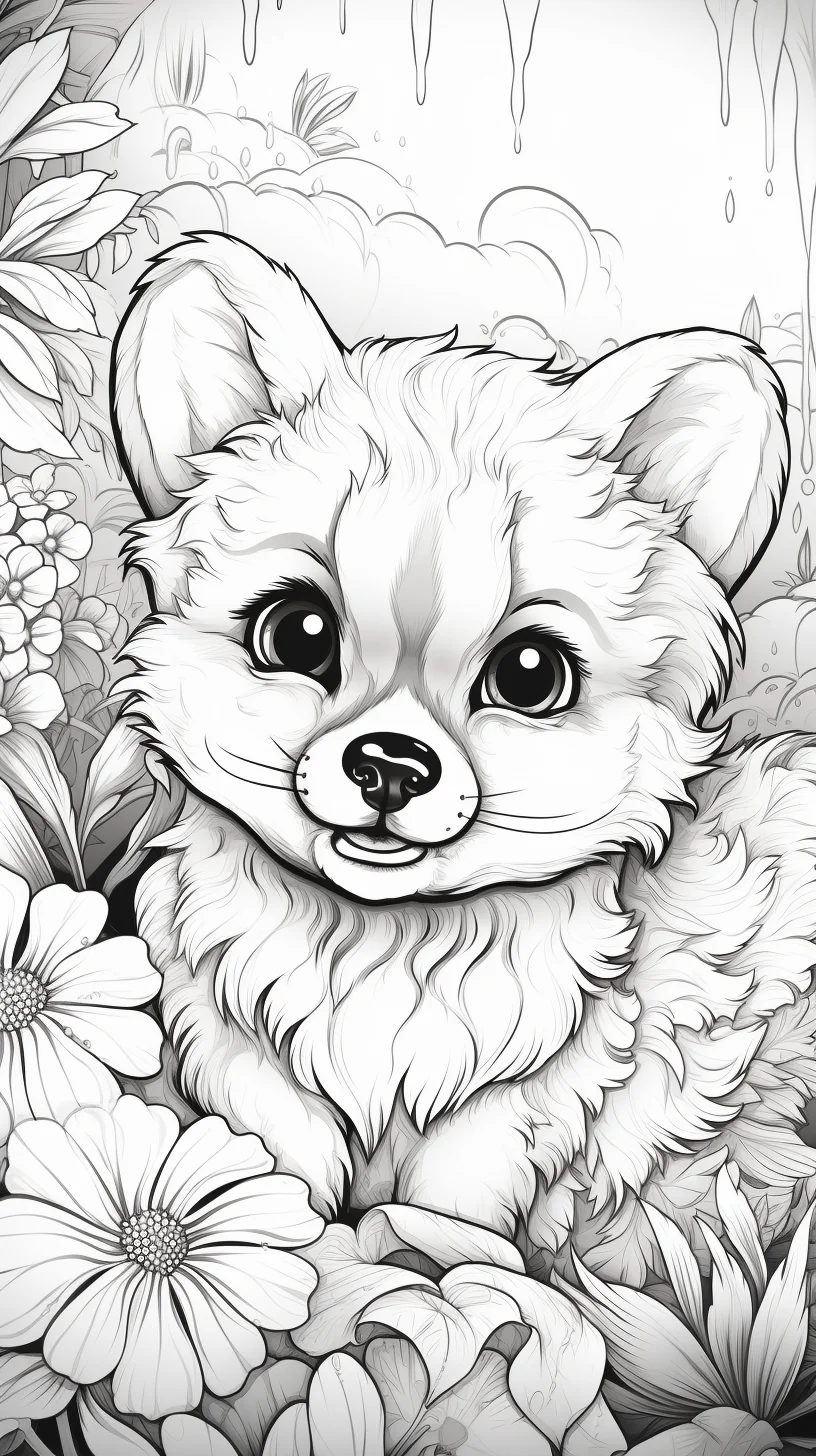
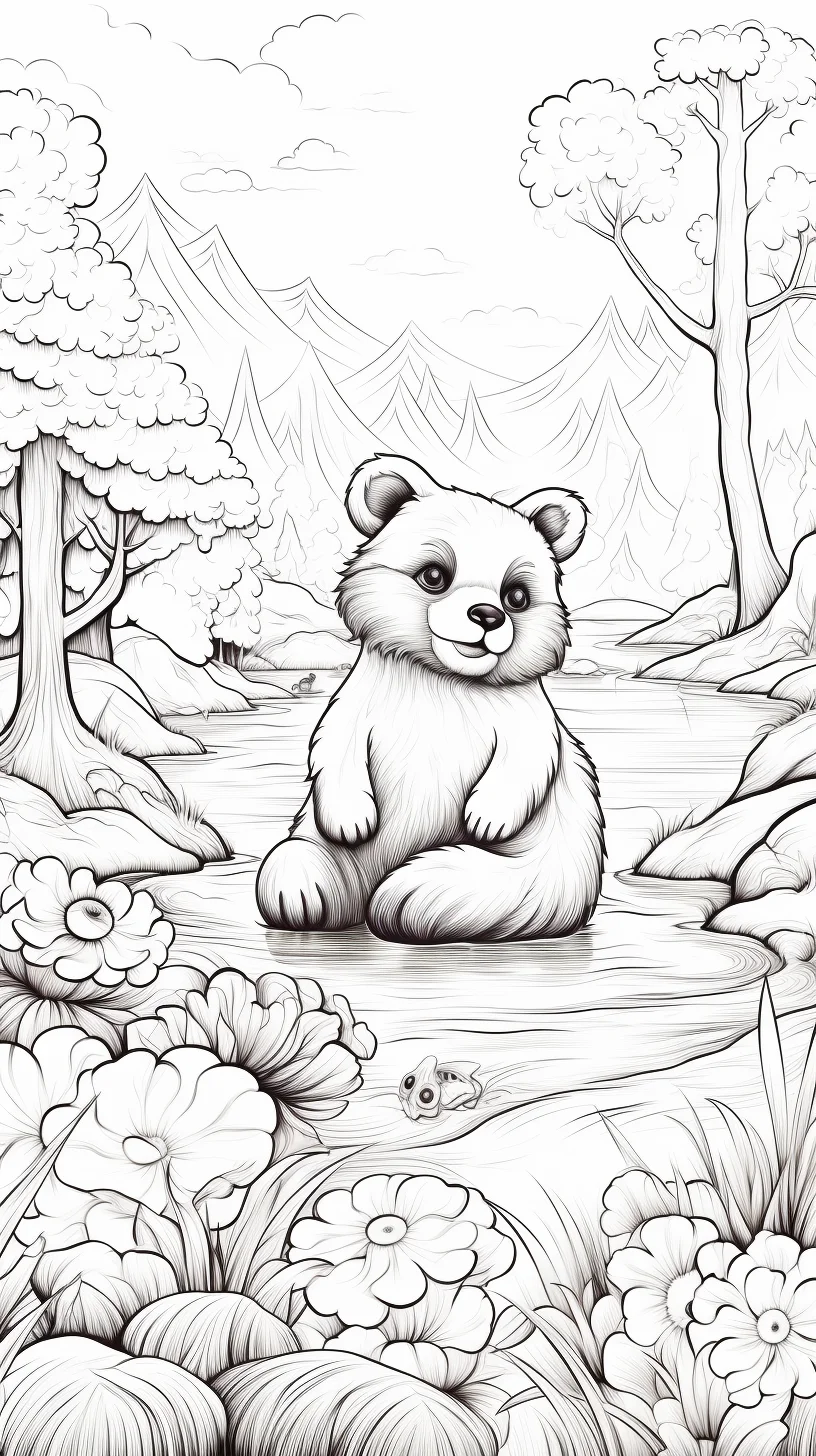
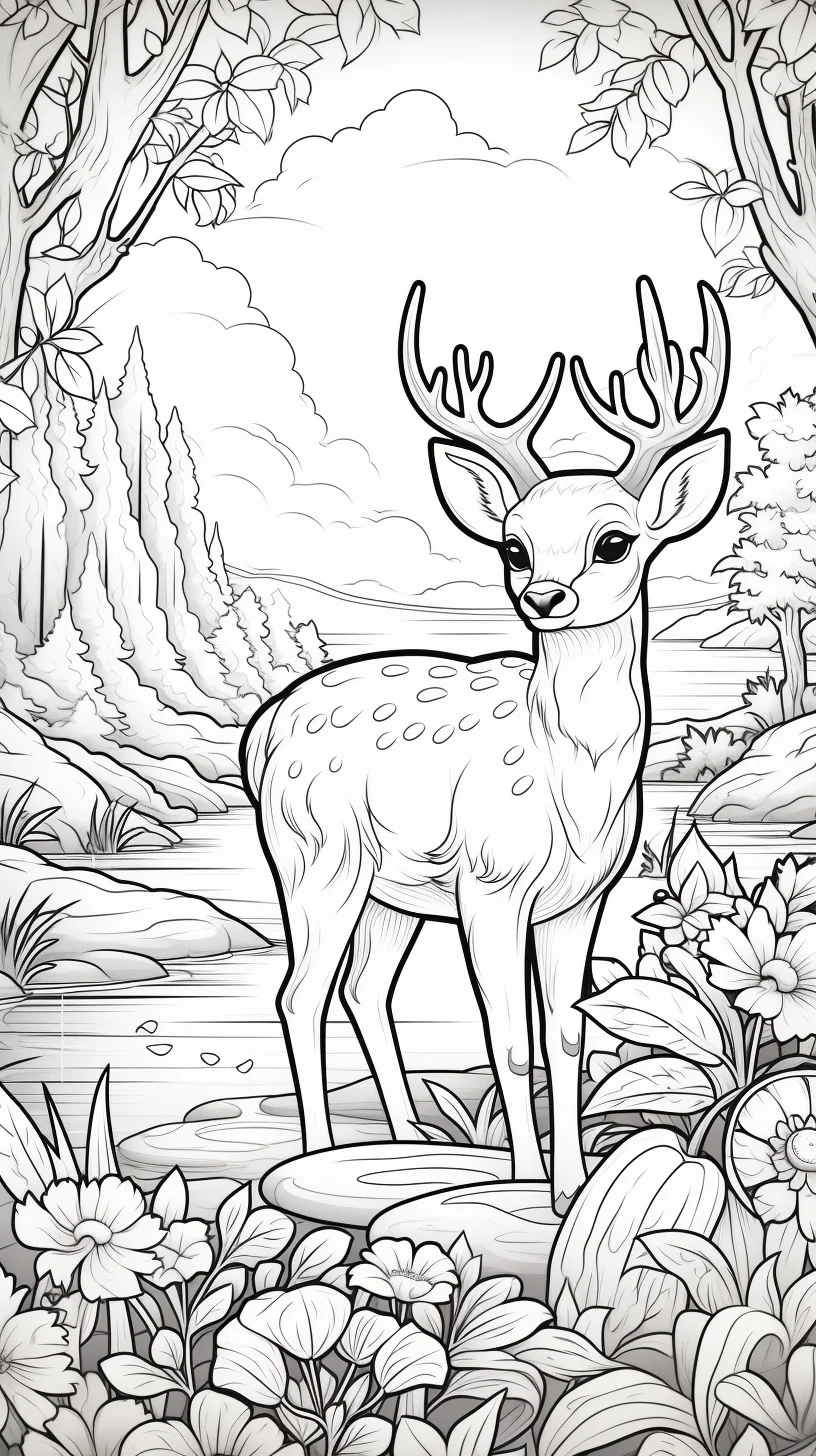
You do not need to print all 25. The first sheet above is part of this collection; continue below with the remaining 24. Pick two or three that feel comfortably simple, then move to a page with slightly more detail only if you want it. The point of a beginner collection is to remove friction, not create another challenge to complete.
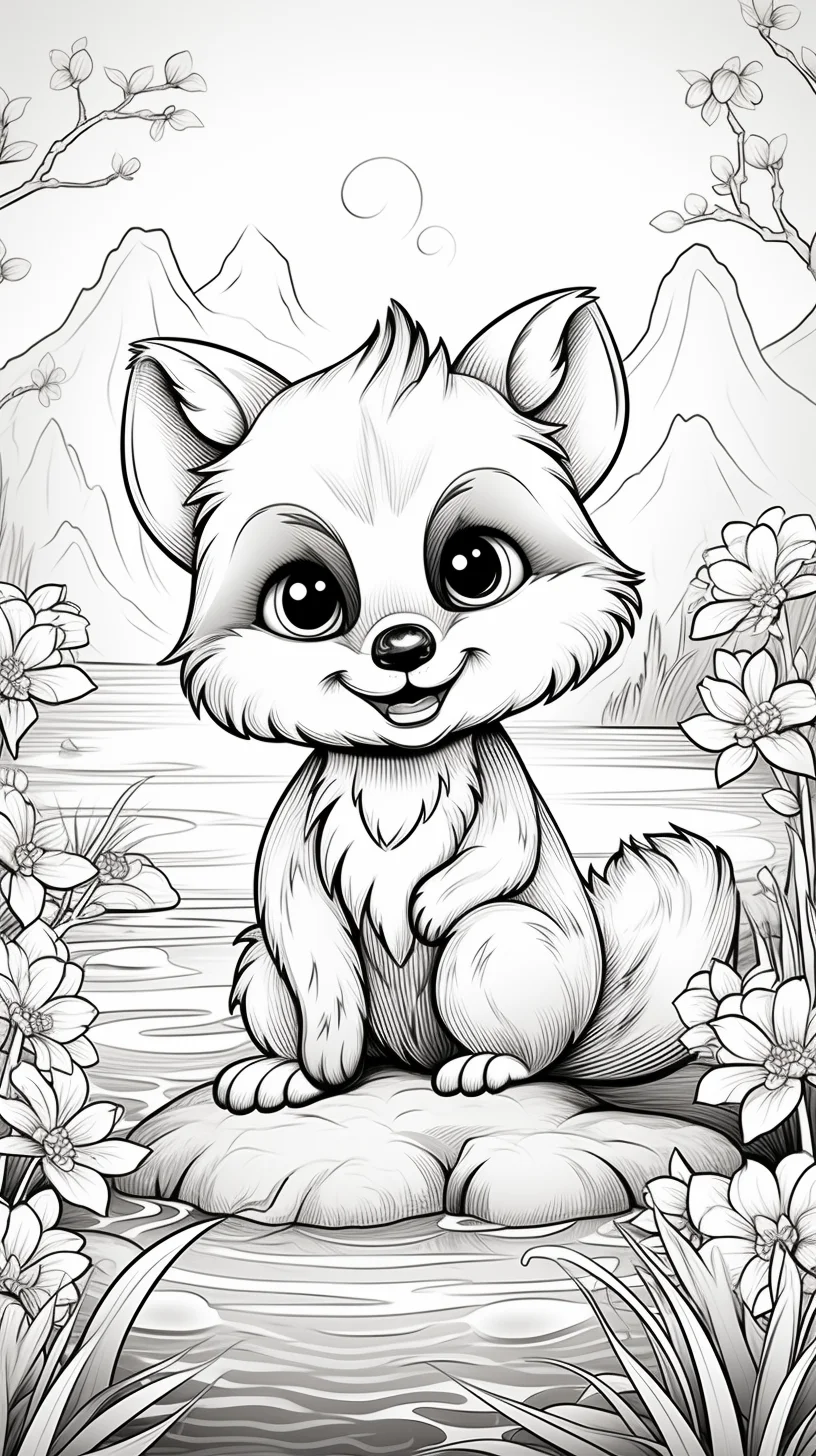
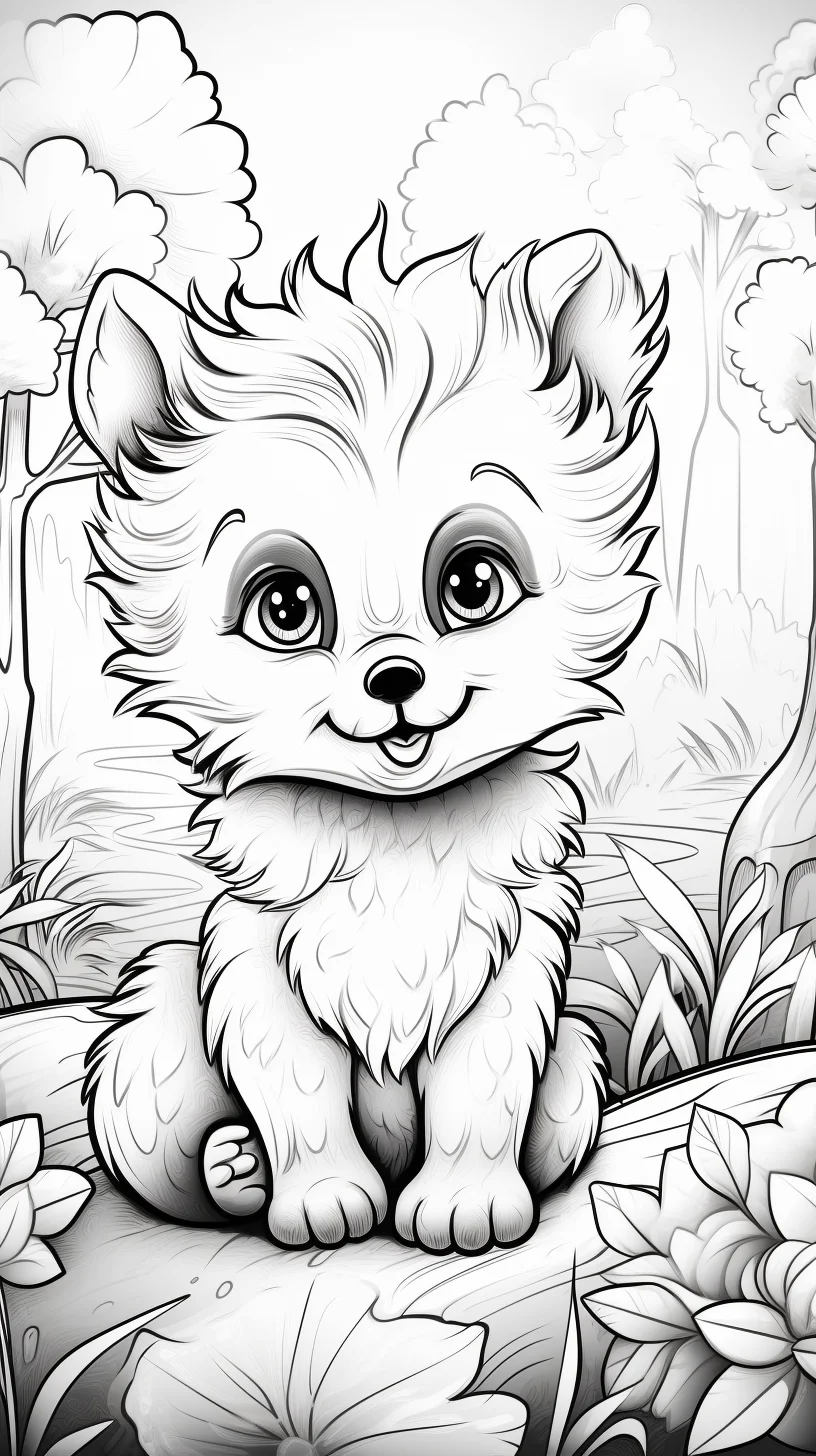
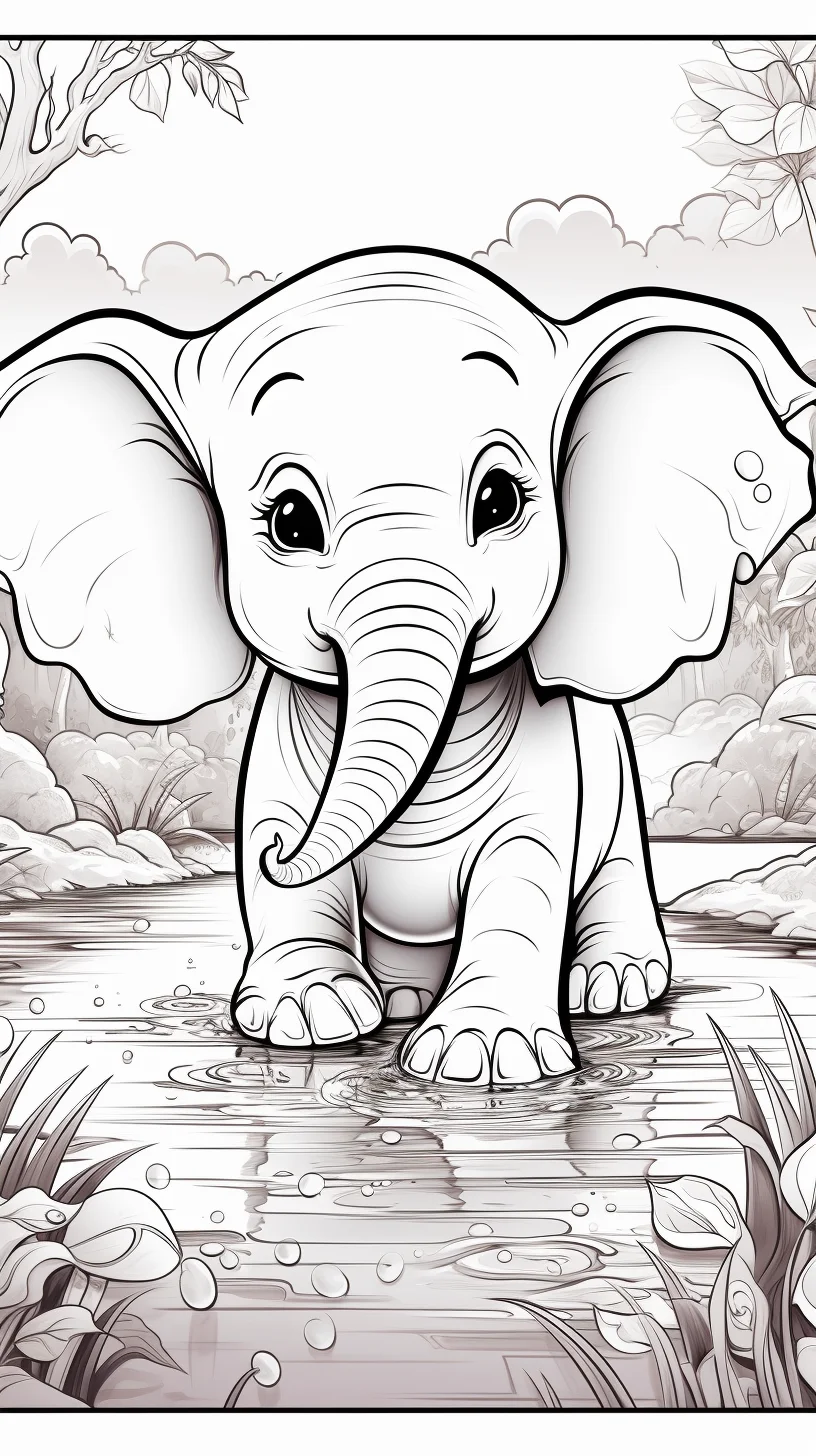
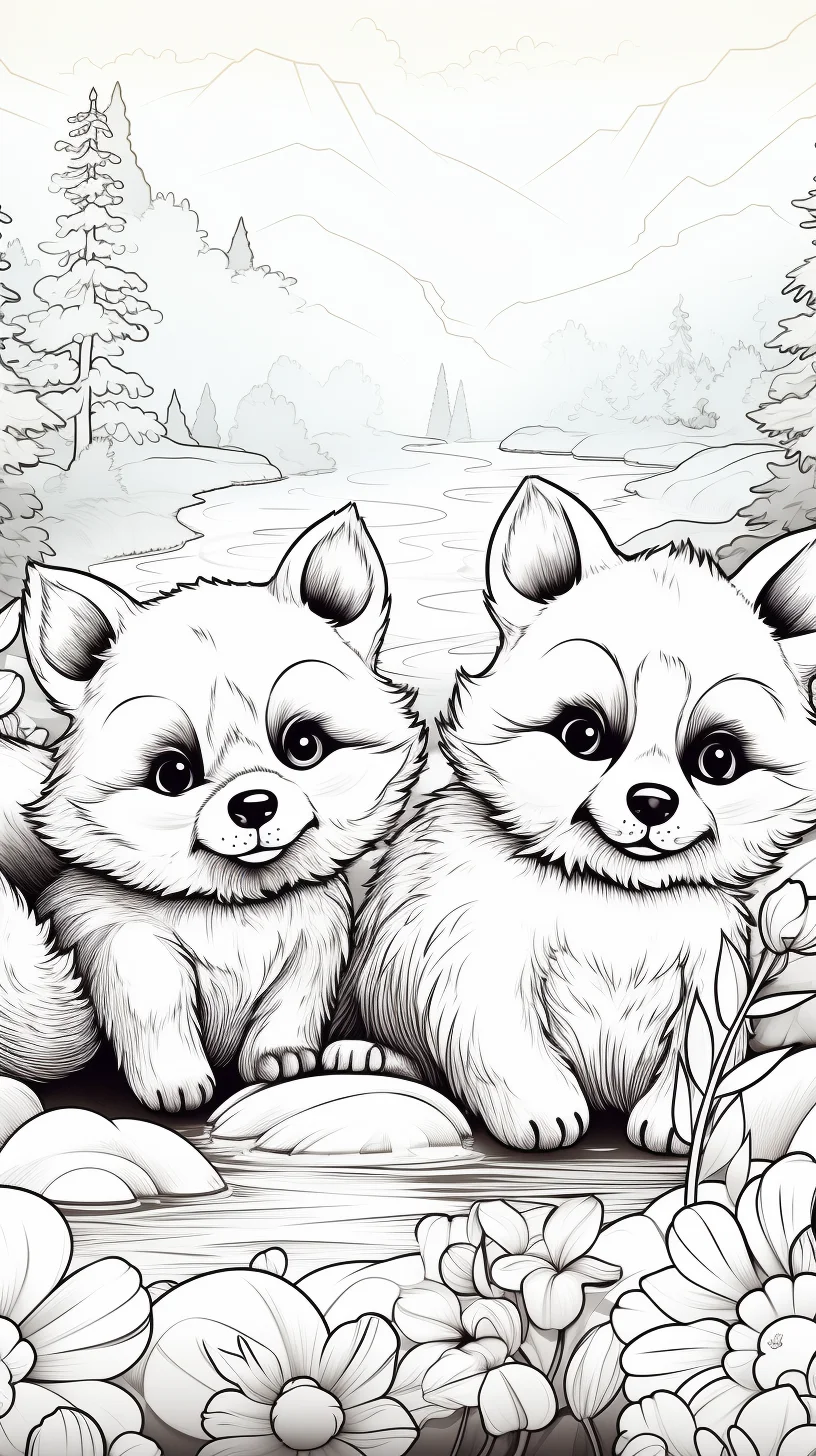
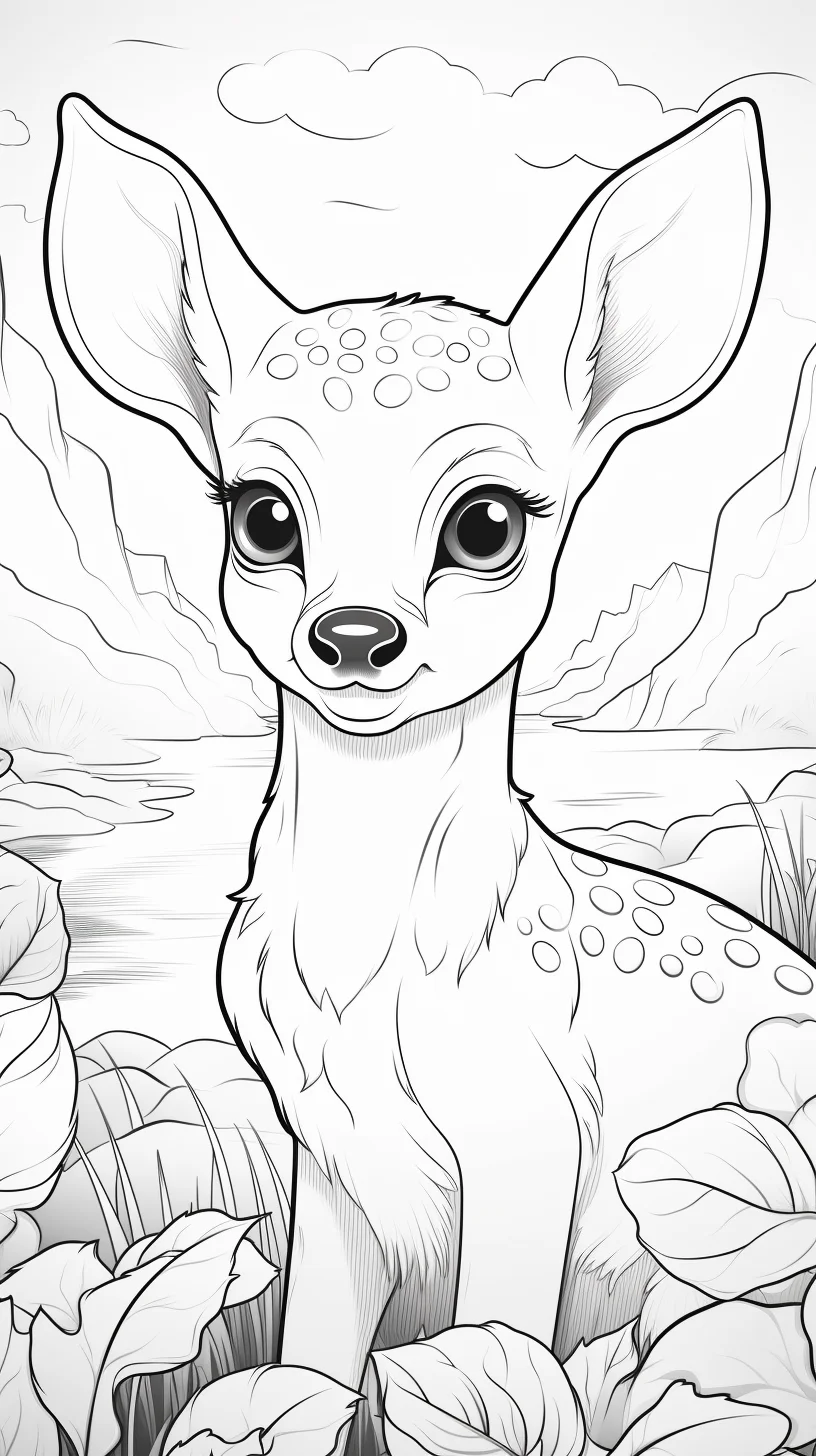
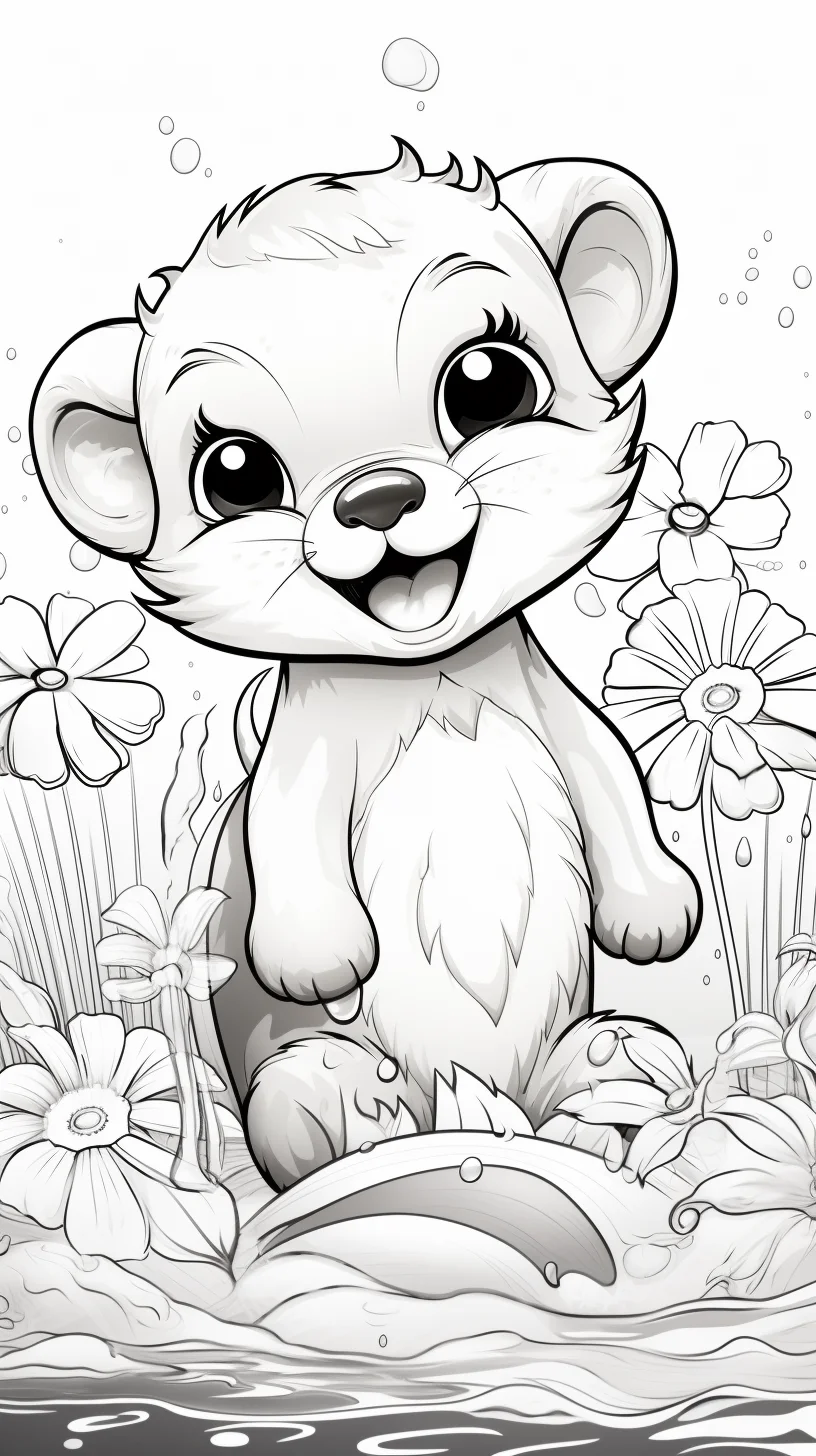
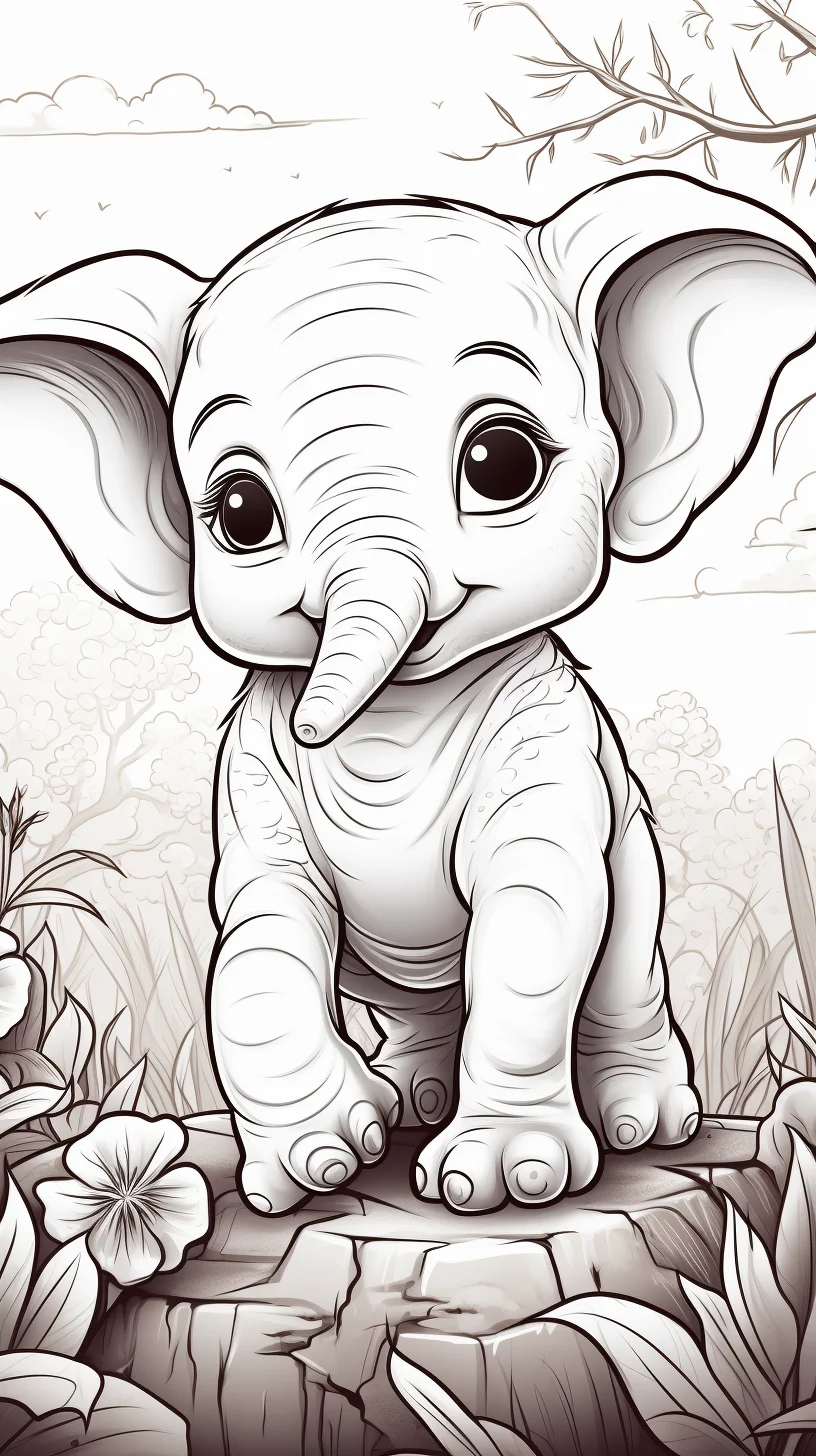
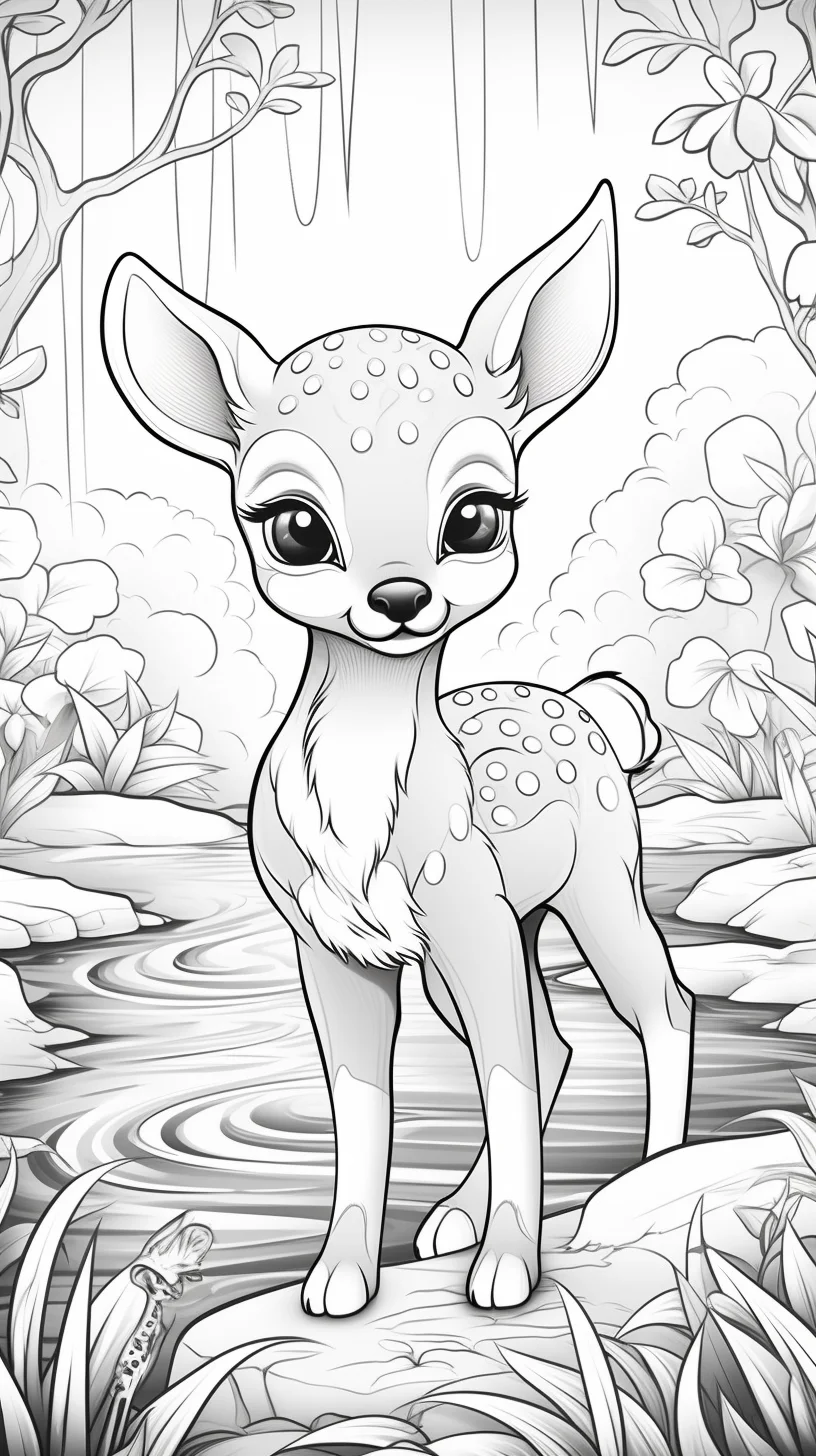
A three-page beginner practice method
If you want these sheets to build confidence rather than simply pass the time, use three pages in sequence. The first should have one large subject and very few internal divisions. On the second, choose a drawing with several medium-size sections. For the third, keep the outlines simple but pick a page with a little more background detail. That changes only one difficulty variable at a time.
- Page 1 — edge control: choose two or three colors and concentrate on slowing down near the outline. Fill the middle of each area with broader strokes.
- Page 2 — even coverage: use light overlapping strokes instead of pressing hard. Try to make large areas look consistent before adding a second layer.
- Page 3 — simple color planning: decide on a small palette before you start. Reuse the same colors in different parts of the page so the finished picture feels connected.
If page two suddenly feels frustrating, go back to a larger-space design rather than forcing the progression. A useful beginner page should make the next skill easier to notice, not hide it under extra detail.
Fix common beginner coloring problems
| What is happening? | Try this next | What it teaches |
|---|---|---|
| You keep crossing the outline | Trace a narrow band just inside the edge first, then fill the center. | Slower edge control without making the whole page tedious. |
| Large areas look patchy | Use lighter pressure and overlap strokes in the same general direction. | More even coverage and less paper damage. |
| Your hand gets tired quickly | Use a broader tool and color the main subject only. | A finished result without unnecessary repetition. |
| You cannot choose colors | Limit yourself to three colors plus one neutral. | Color decisions become manageable and repeatable. |
| The page feels too easy | Add one light shadow along the lower or side edge of each major shape. | Basic shading without needing a denser drawing. |
| The page feels overwhelming | Ignore the background and complete only the largest subject first. | Breaking a picture into optional stages. |
Choose the tool to match the size of the spaces
A common beginner mistake is choosing a page that looks easy but using a tool that is too broad for its smallest sections. Crayons are comfortable for large open shapes, but a sharp colored pencil gives more control around narrow details. Fine markers can handle small enclosed areas, although they are less forgiving because the color cannot be erased or softened easily.
Instead of asking which medium is “best,” look at the smallest important space on the page. If the tip fits comfortably without forcing you to work millimeter by millimeter, the tool is suitable. For mixed-size drawings, there is nothing wrong with using a crayon for the large background and a pencil for the face, paws, leaves or other smaller features.
How to make an easy page feel less childish
If you are an adult or older beginner, the drawing does not have to become more complicated for the finished page to feel more grown-up. Use a limited palette, leave deliberate white space, or shade one edge of each shape instead of filling everything evenly. A simple page with three well-chosen colors can look more considered than a detailed page with twenty colors competing for attention.
You can also print the same sheet twice. Color one version with flat, bold color and the second with a restricted palette or light shading. Repeating a simple drawing is often a better way to practice color choices than jumping immediately to a much denser design.
Easy coloring questions
Are these pages only for children?
No. This collection is intentionally broader than the kids-only galleries. The useful part is the lower visual complexity, not an age label.
What is the easiest tool for a complete beginner?
Crayons and broad colored pencils are forgiving on large areas. Colored pencils are the better next step when you want more control without the commitment of a marker.
Do markers work on ordinary printer paper?
They can, but some inks bleed through. Put a spare sheet underneath and test the marker near an edge first. If you plan to use markers regularly, slightly heavier paper is easier to work with.
Where should I go if these are still too detailed?
For a child, use the 15-sheet easy kids collection or the preschool animal coloring pages. If you want more variety rather than less detail, move to the 36-sheet mixed easy collection.

