
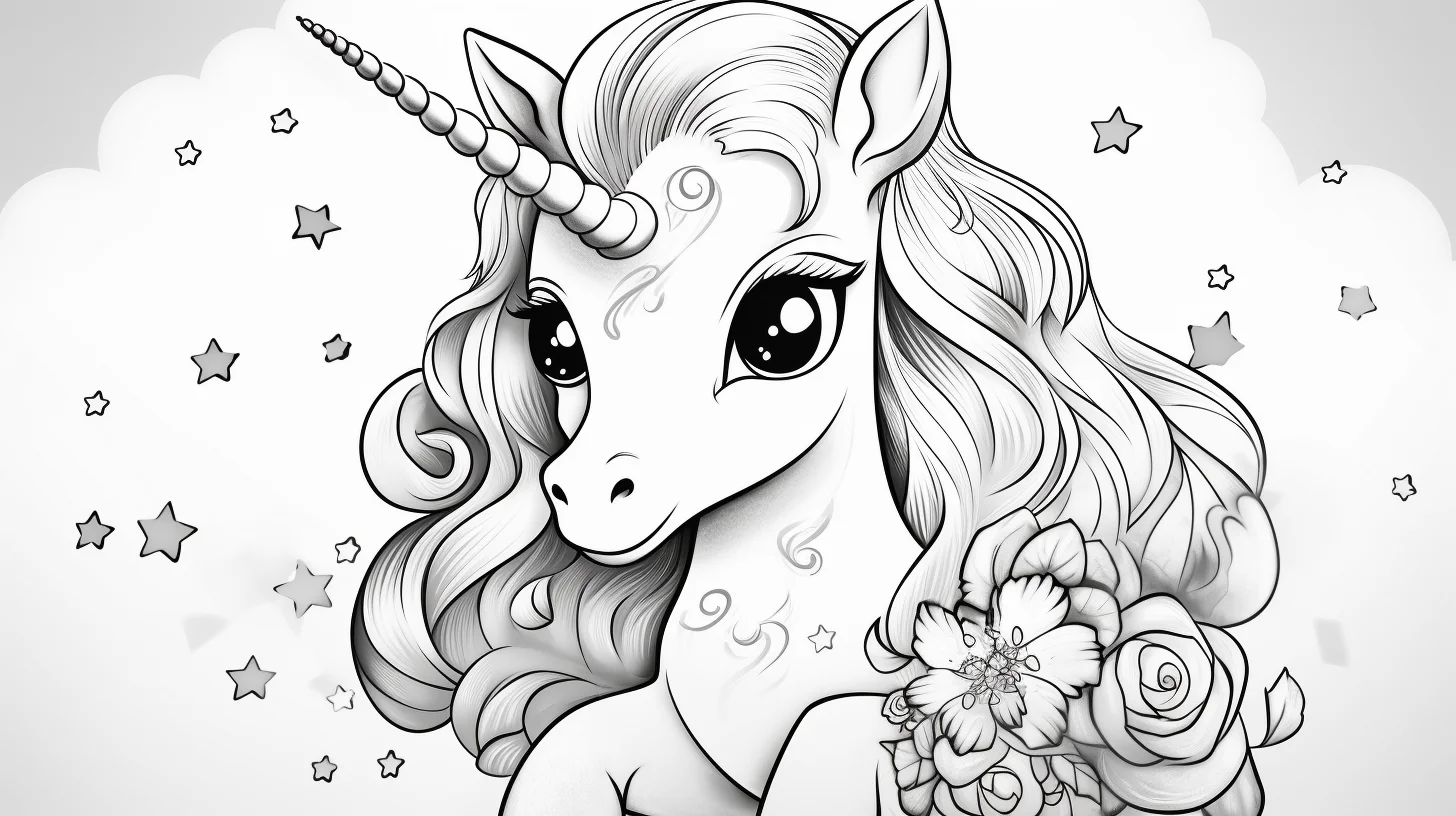
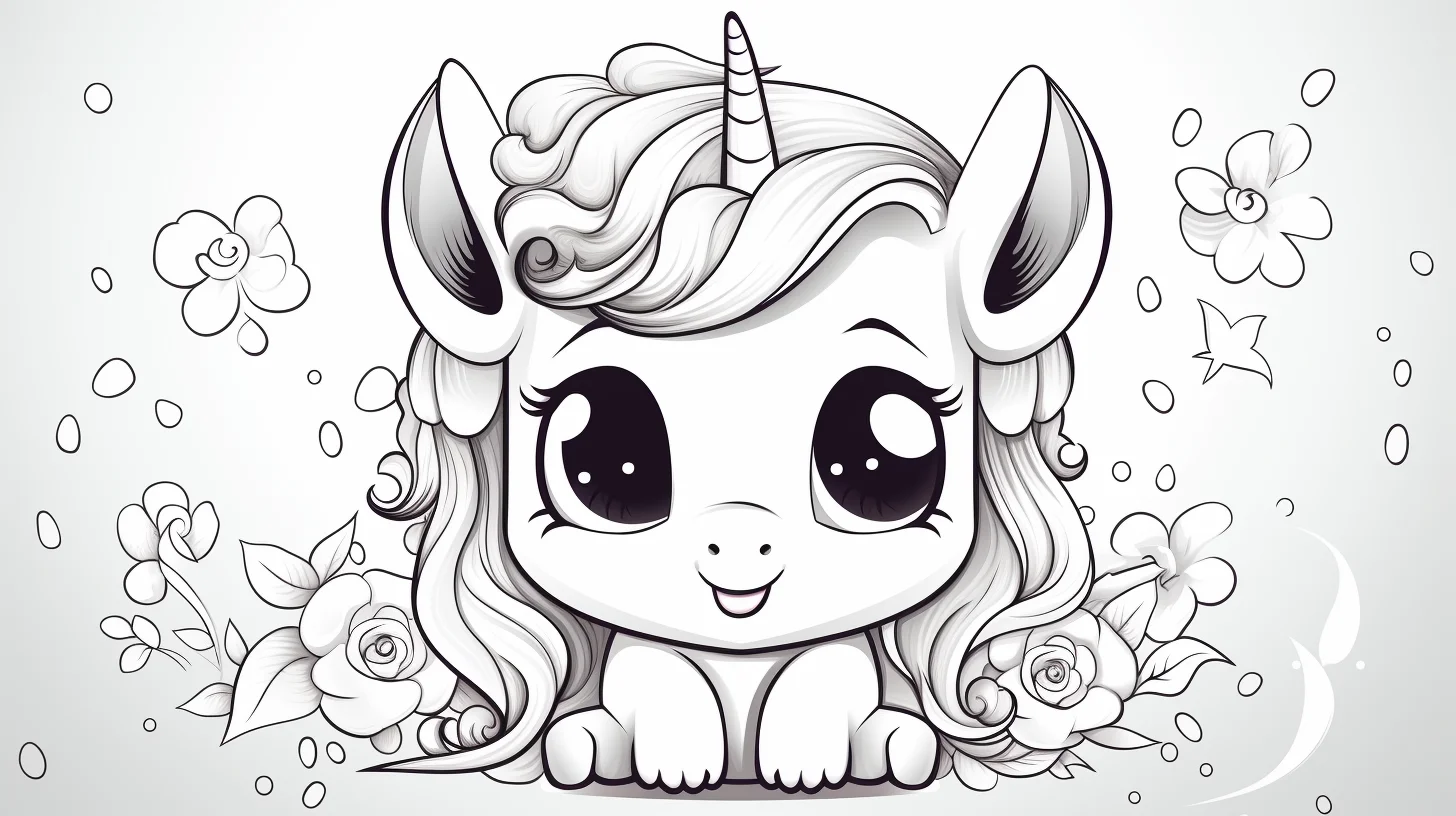
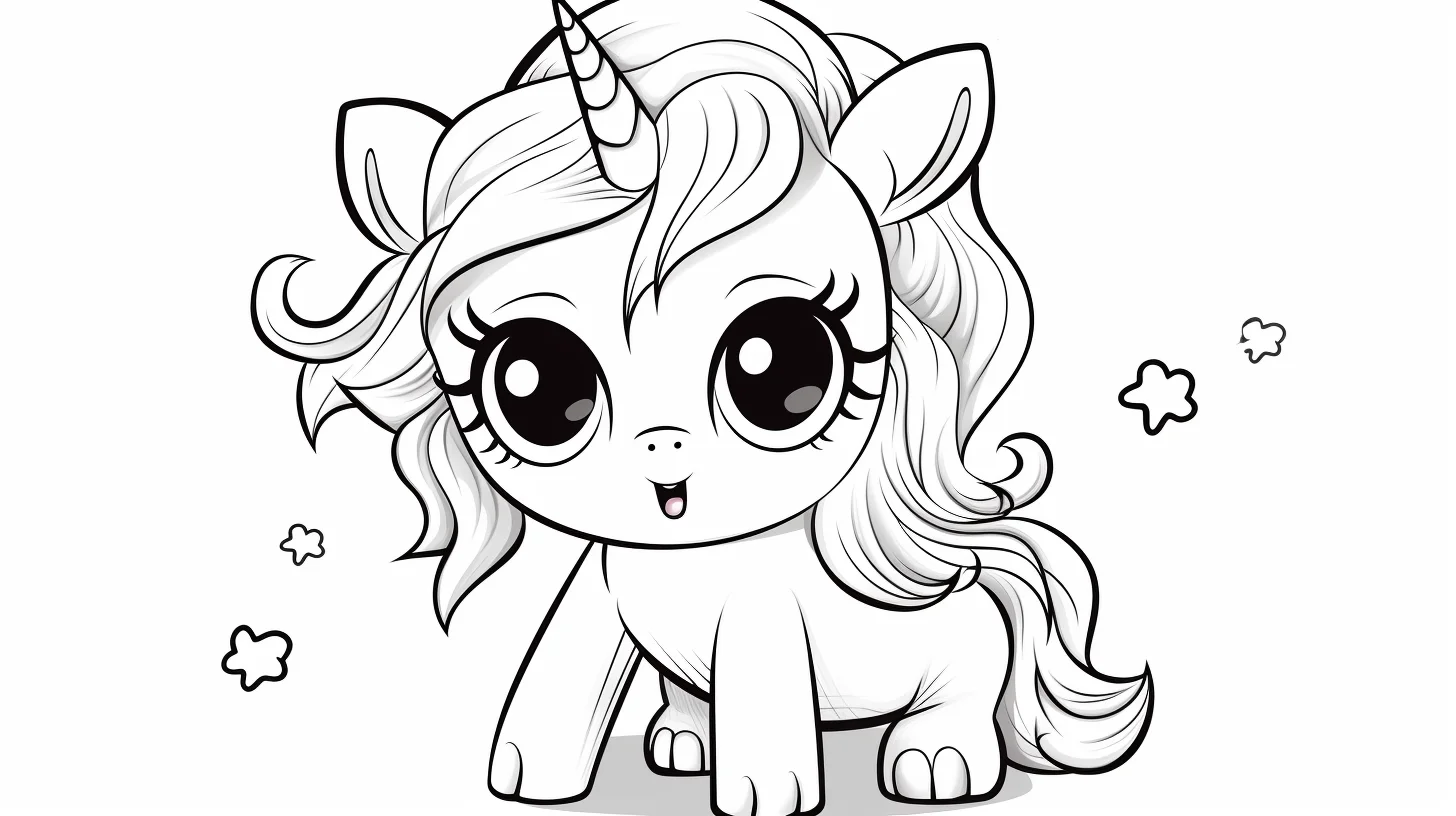
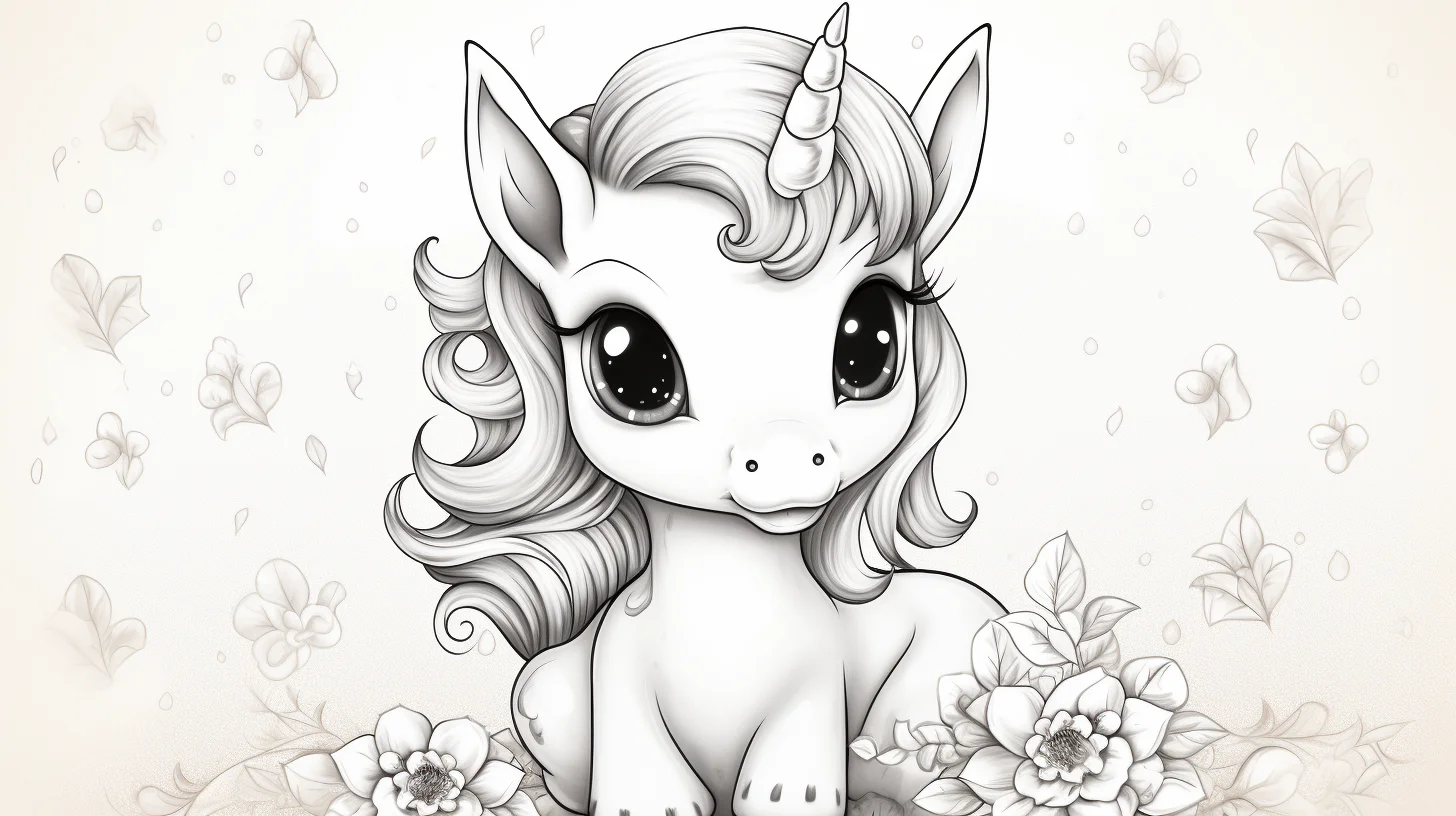
This is the easiest unicorn set on the site: 25 baby and child-friendly designs with large bodies, simple faces and much less background detail than the more advanced unicorn galleries. If you are printing for a preschooler, a younger child or anyone who wants a page they can finish without spending an hour on tiny sections, start here.

Start with a page like this when you want large, forgiving spaces. Click the image to open the full-size printable.
Which pages are easiest?
Look for a unicorn with a large body, a short mane and very little scenery around it. Those pages are much easier to control with crayons and broad markers. Designs with longer hair, small stars, flowers or extra background shapes take more patience even when the unicorn itself looks simple.
- Best for crayons: large baby unicorns with open body shapes.
- Best for markers: pages with thick, clear outlines and limited tiny detail.
- Best for colored pencils: designs with more mane, horn or hoof detail where a thinner point helps.
Simple color ideas for kids
There is no “correct” unicorn color. A white body with a rainbow mane is the obvious choice, but pastel pink, lavender, mint, blue or even a dark fantasy palette can work. If the page starts to feel too busy, keep the body one main color and use brighter colors only on the mane, tail and horn.
For a quick background, add a few clouds, stars, grass or a rainbow instead of trying to fill the entire page. That gives the finished picture more personality without turning a simple coloring sheet into a long project.
How to print these wide pages
Most images in this collection are landscape-oriented. Open the full-size image, save it, then print on A4 or US Letter paper using landscape orientation and “fit to page.” Check the preview before printing so the tail or horn is not clipped at the edge.
If you want more challenge after this set, try the unicorn pages arranged from easy to detailed. If you simply want more designs after finishing both sets, there is also an extra unicorn gallery.
25 baby and easy unicorn coloring pages
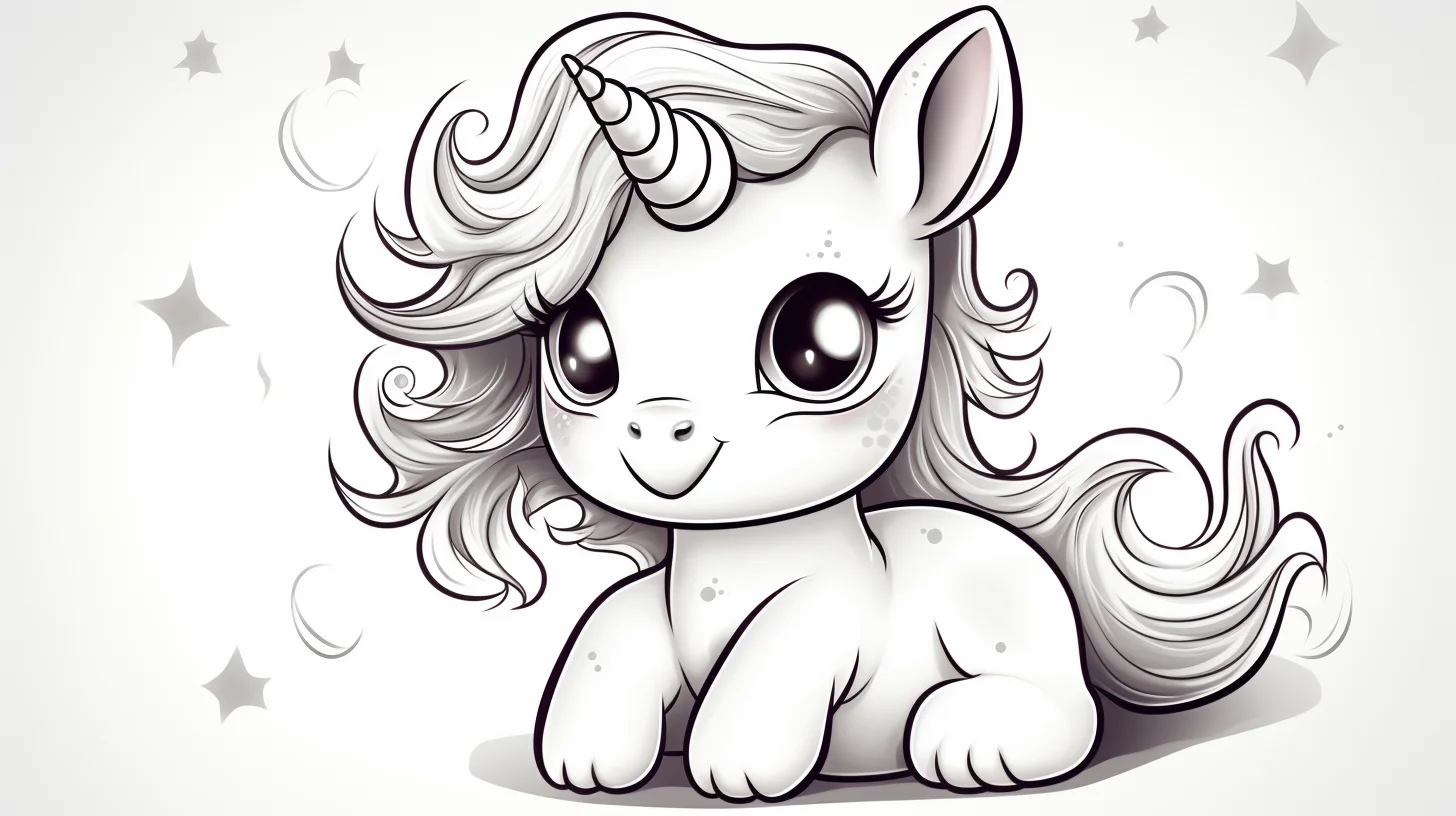
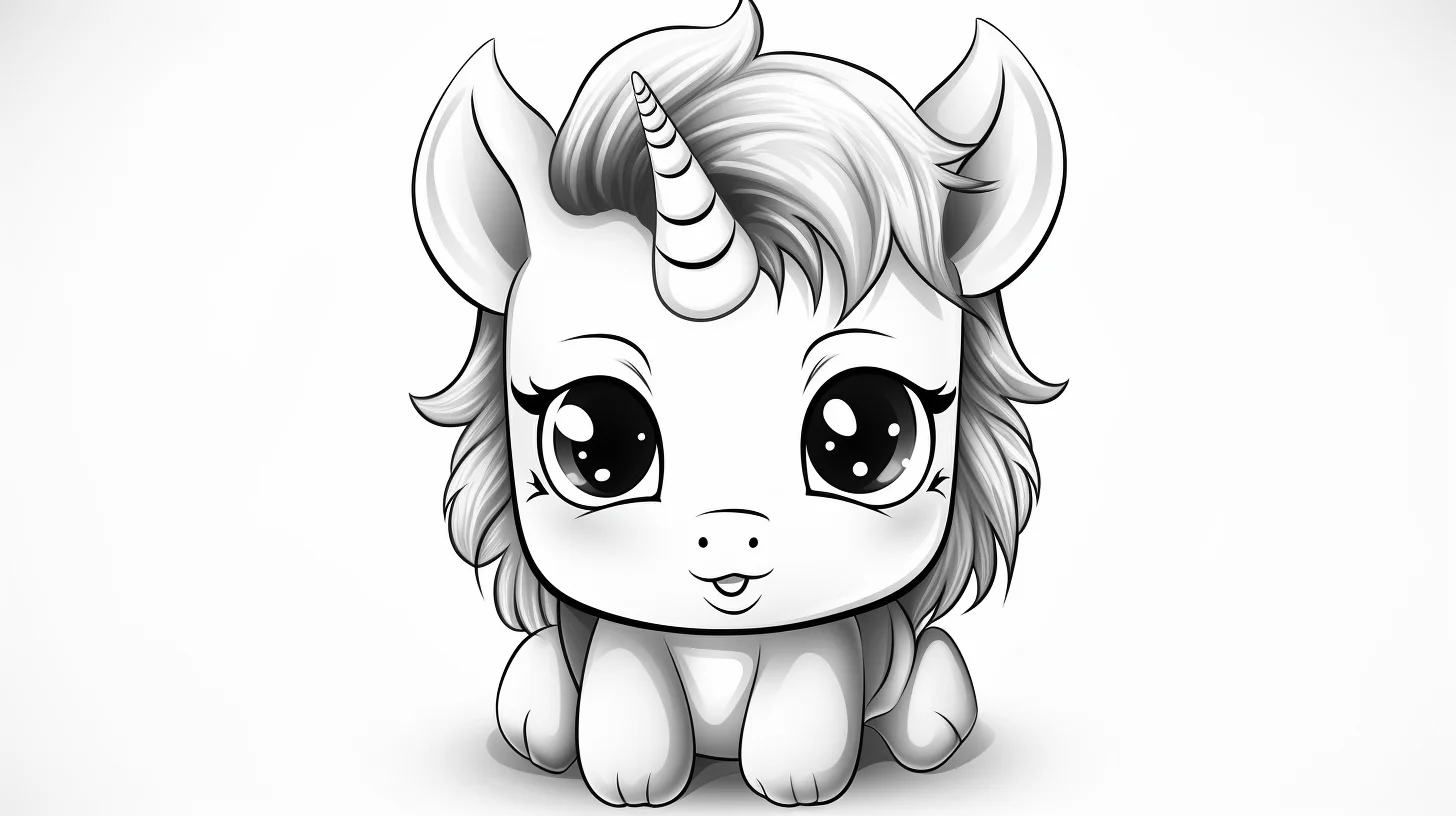
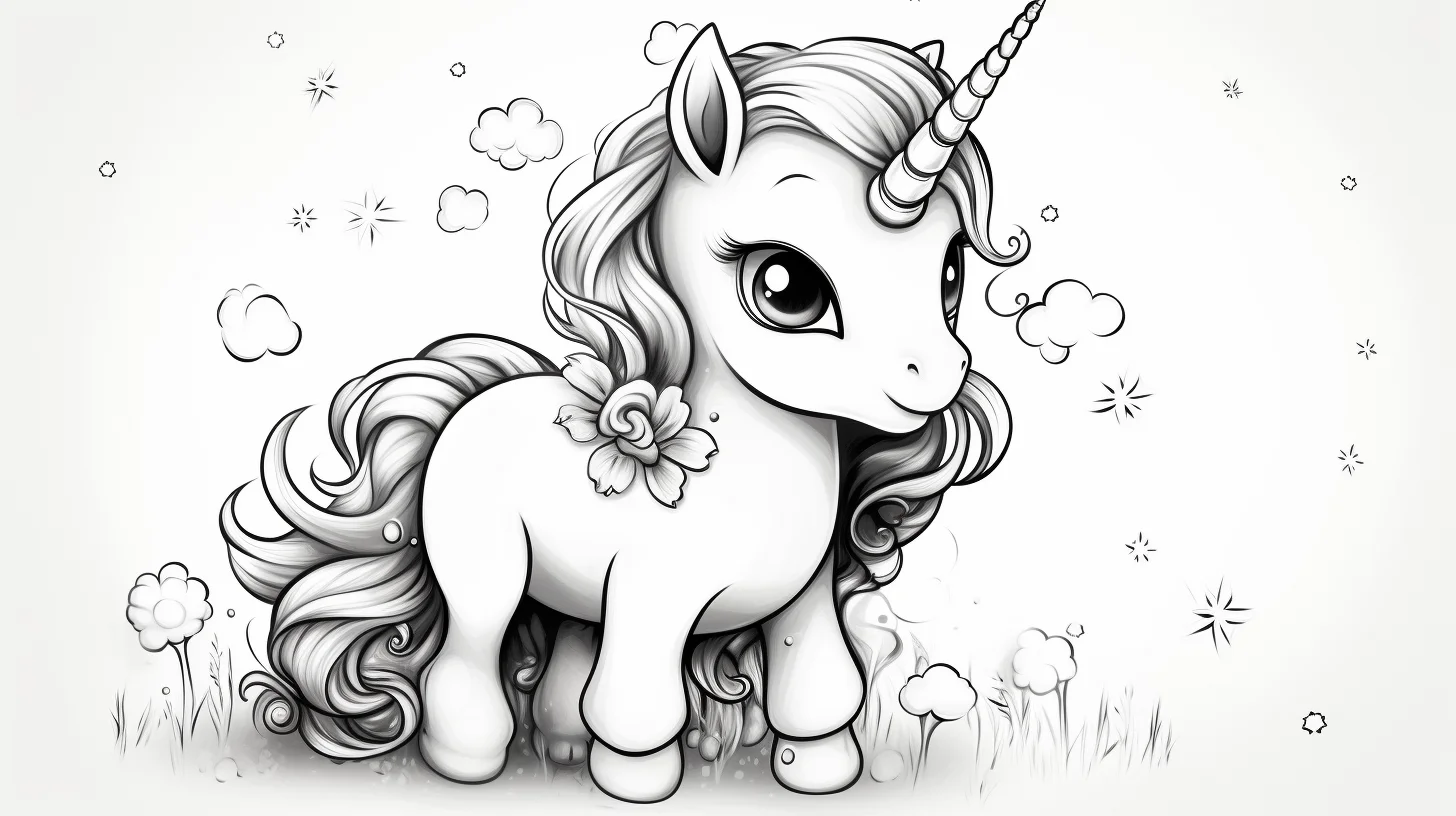
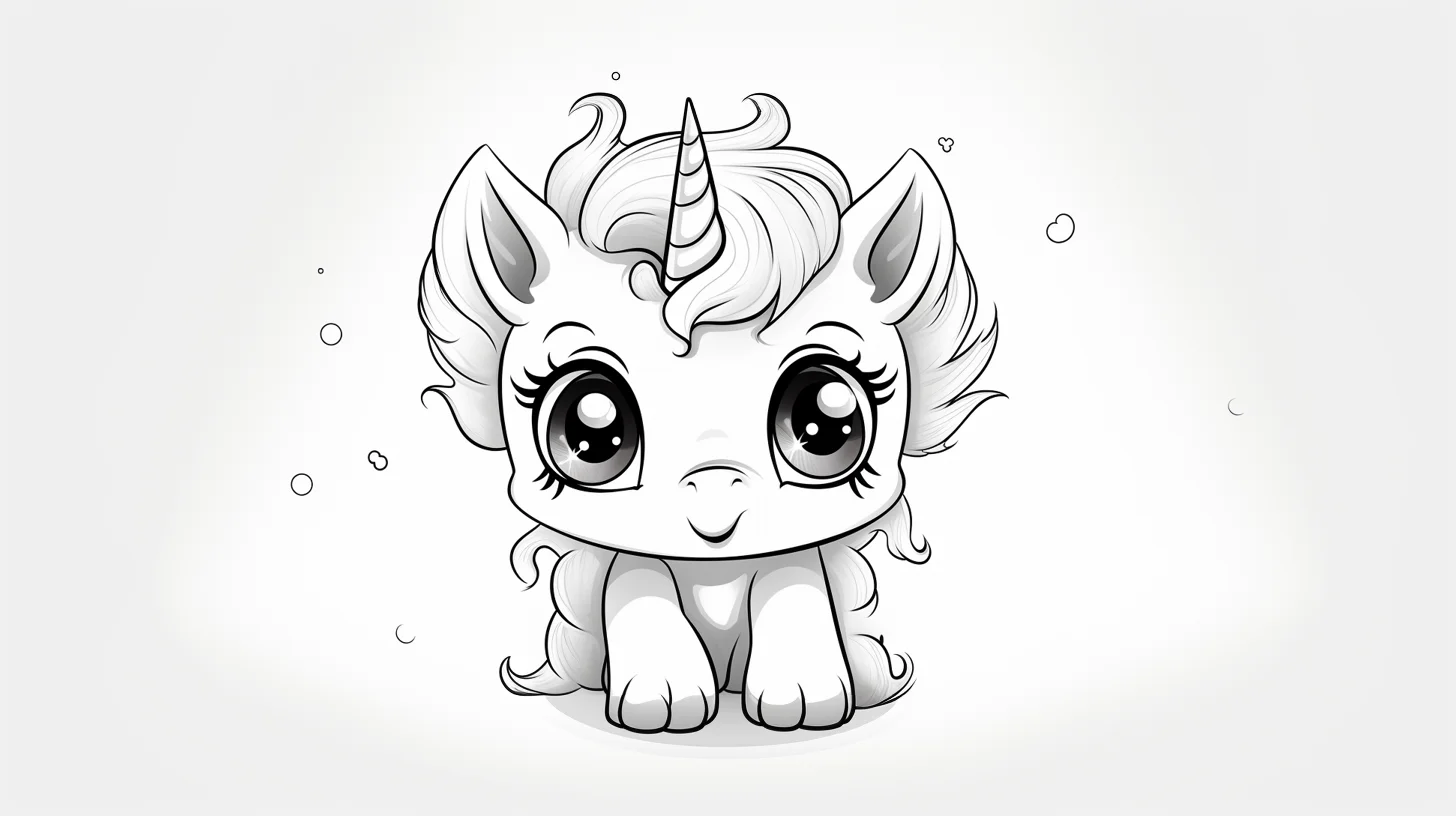

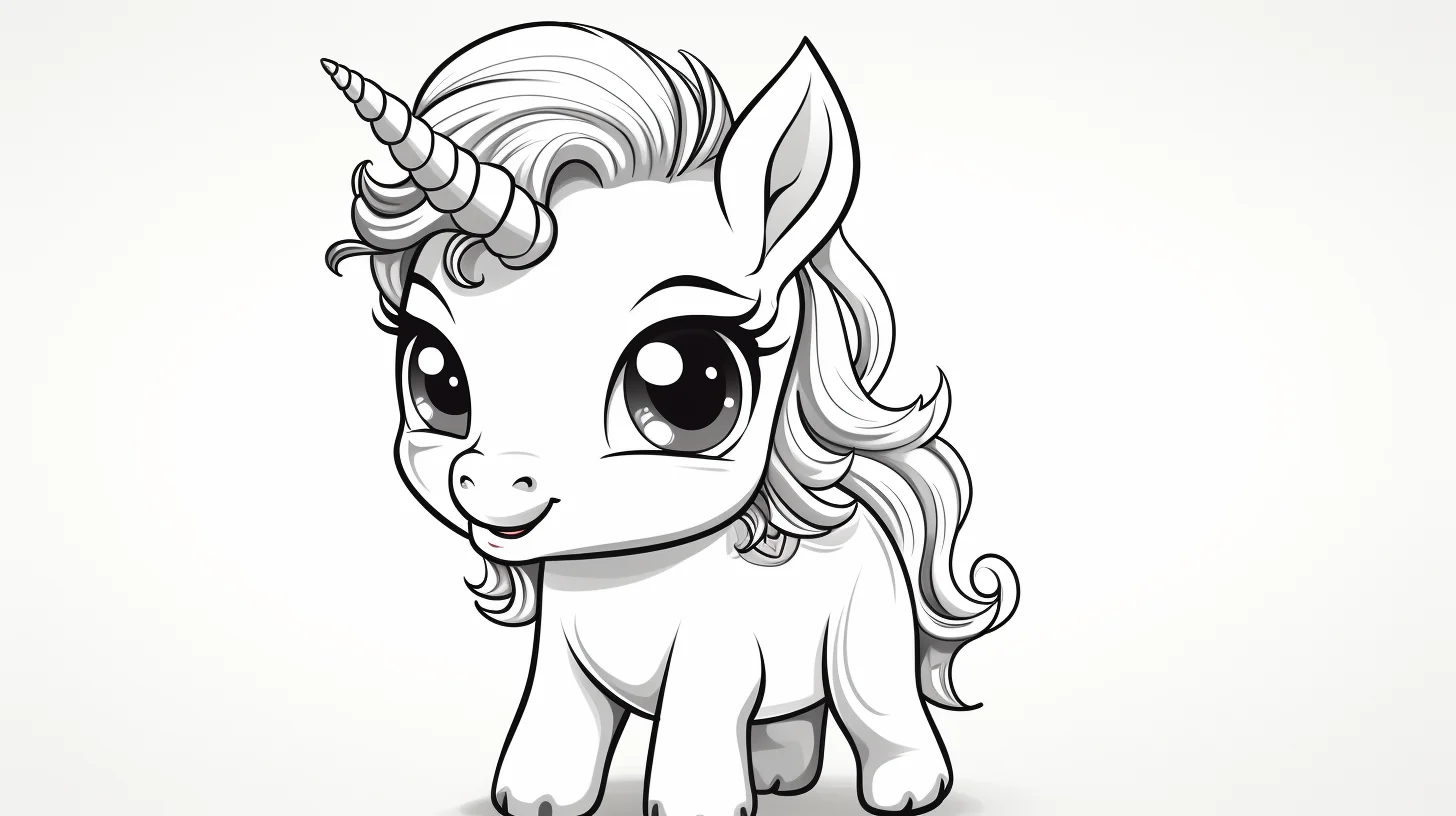
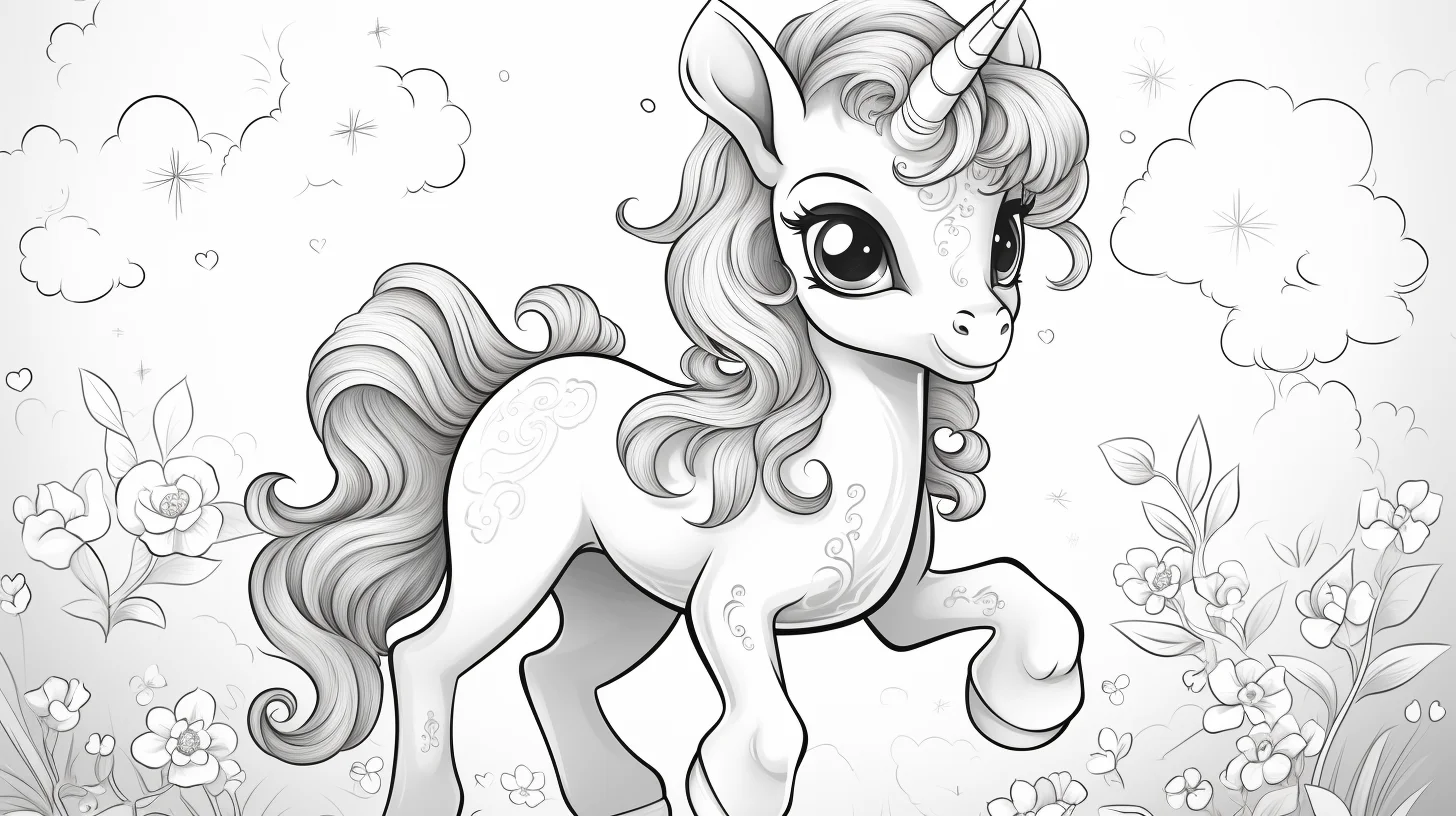


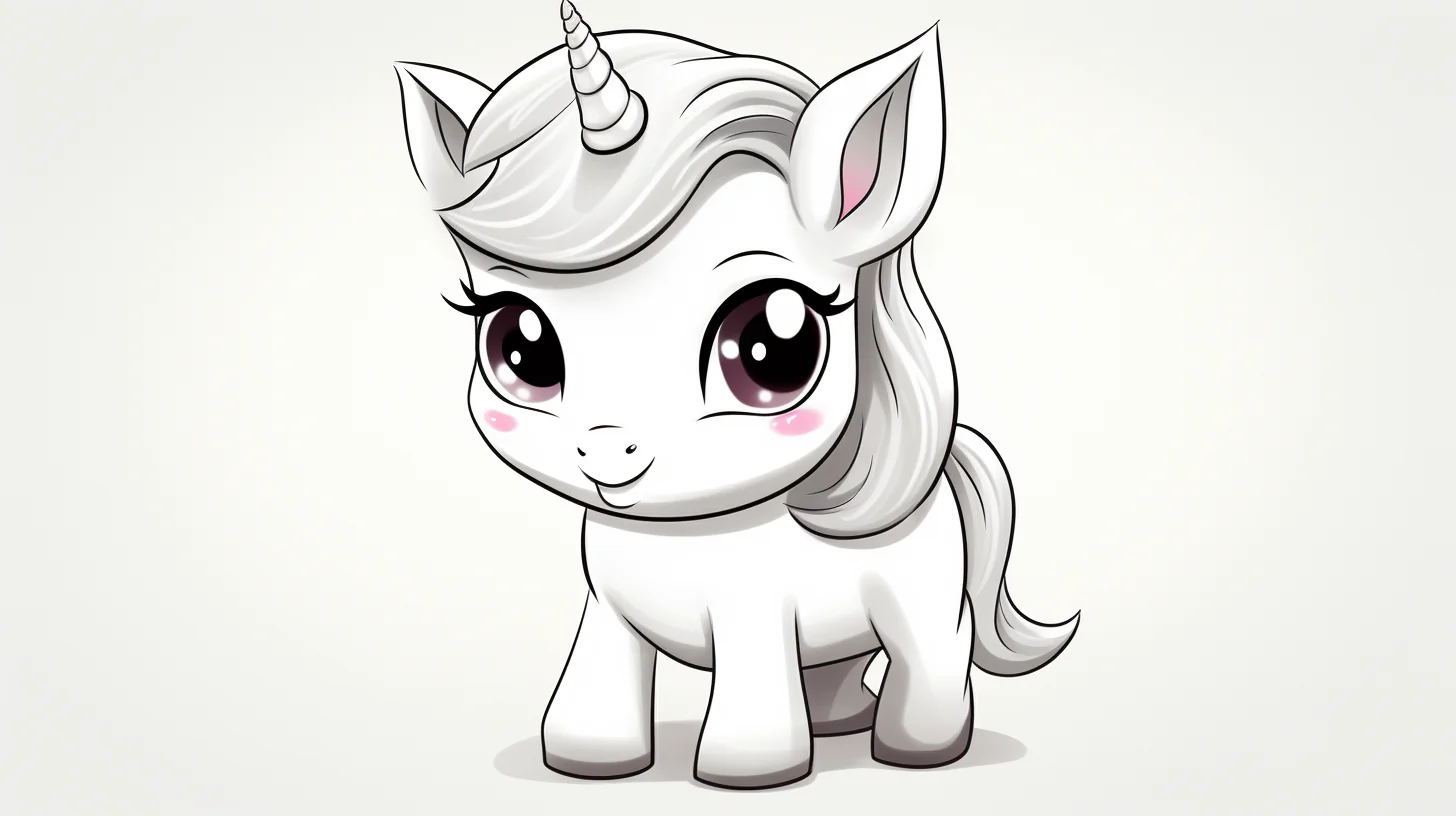
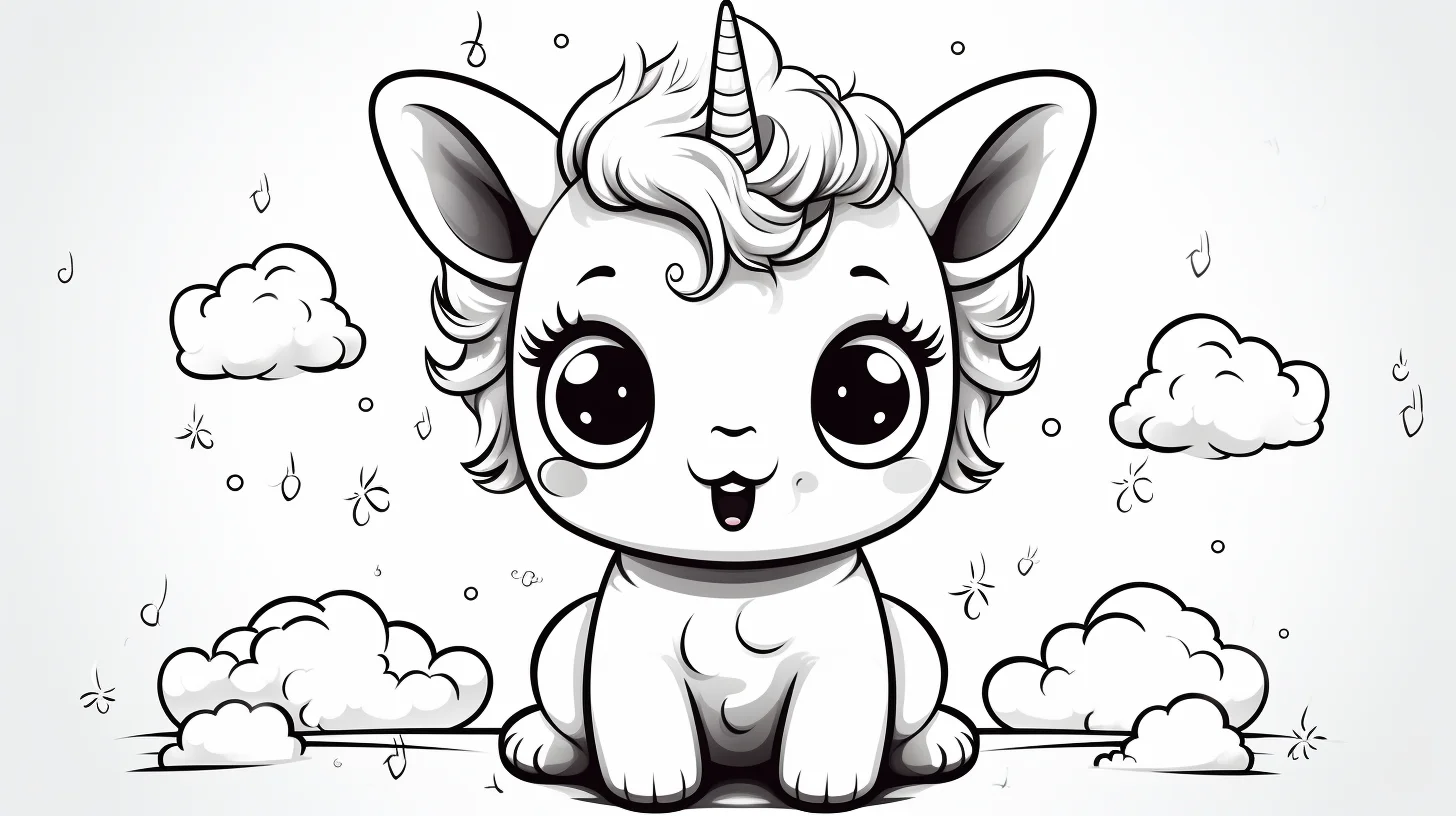


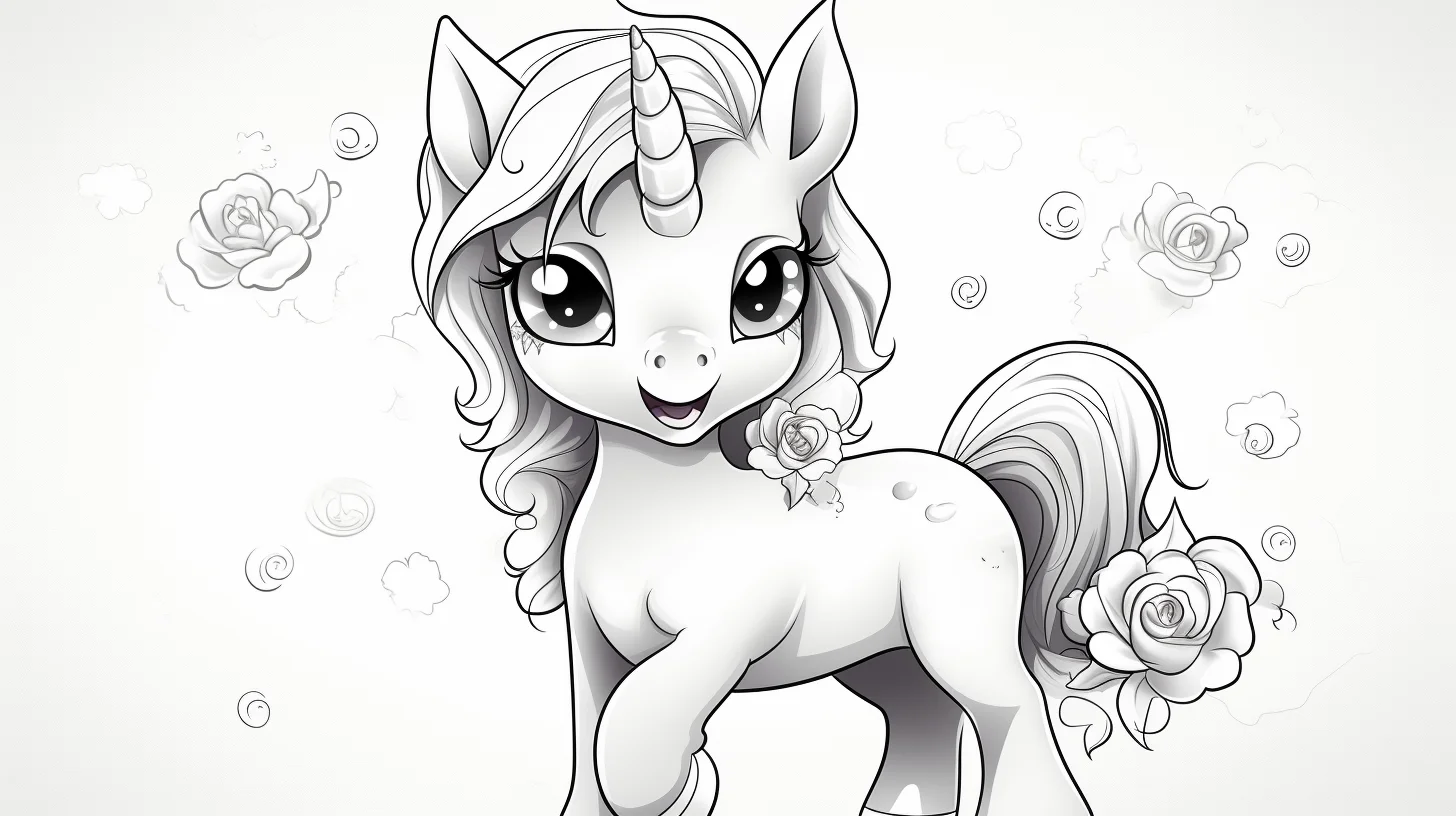

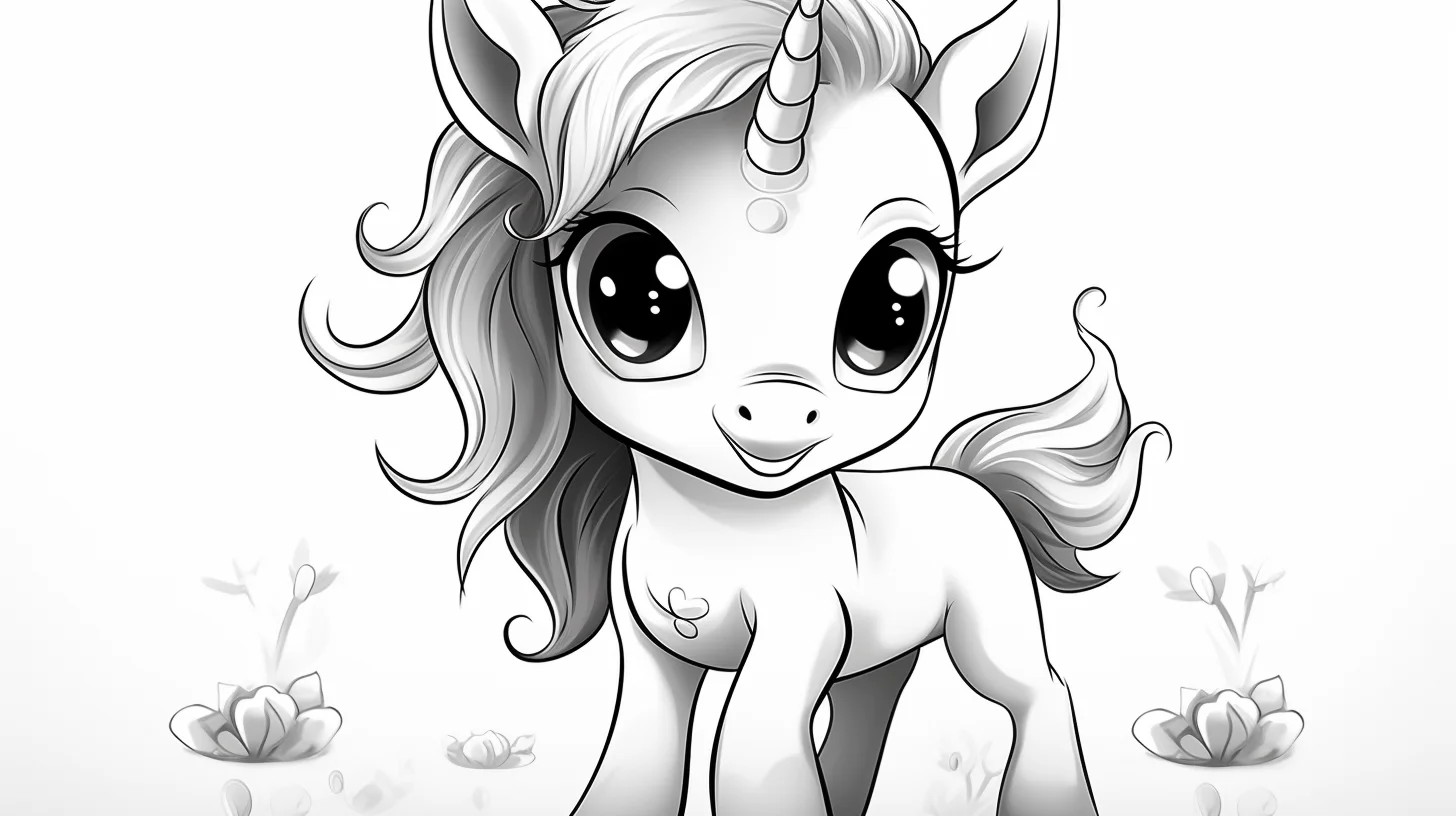
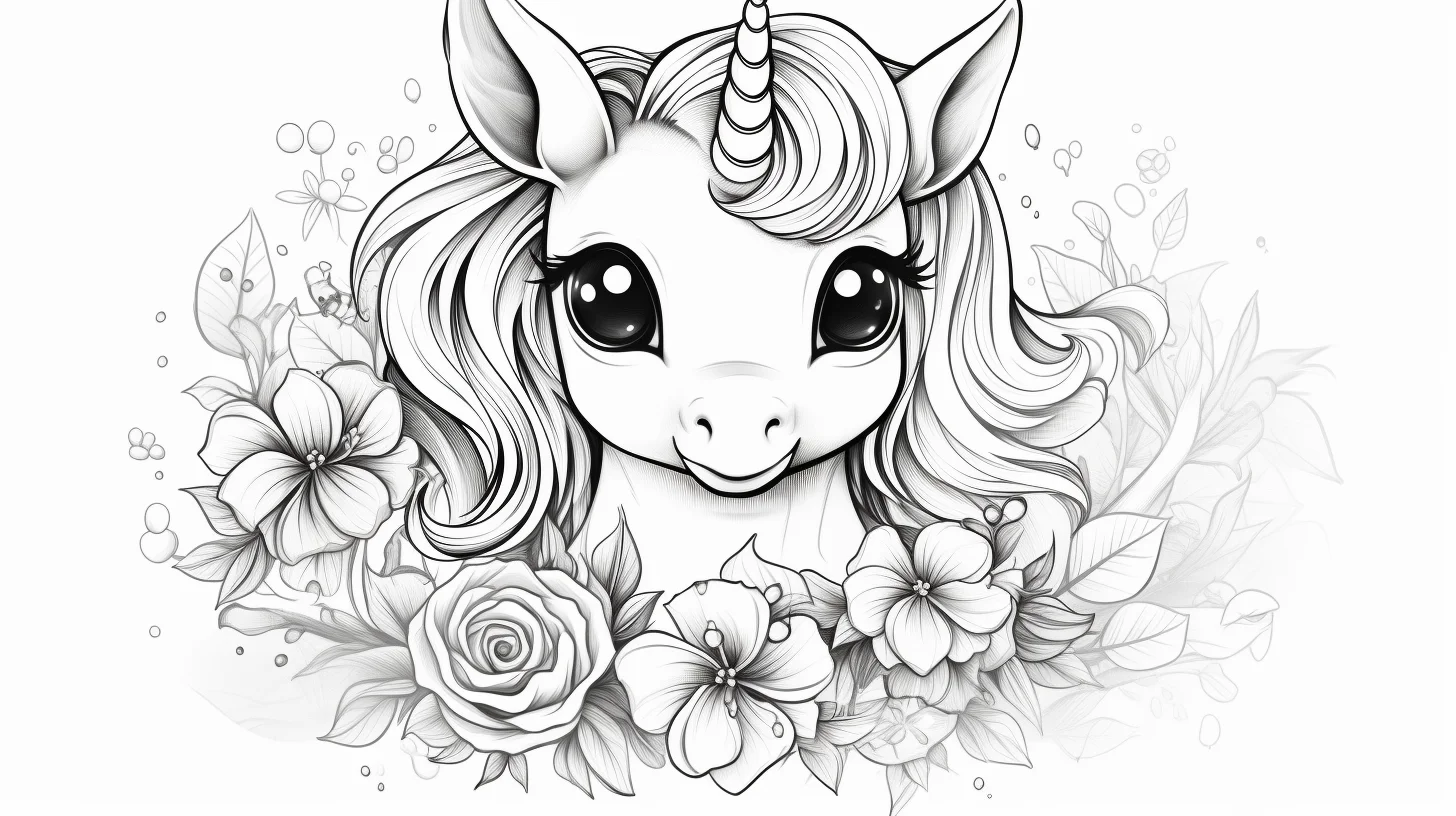
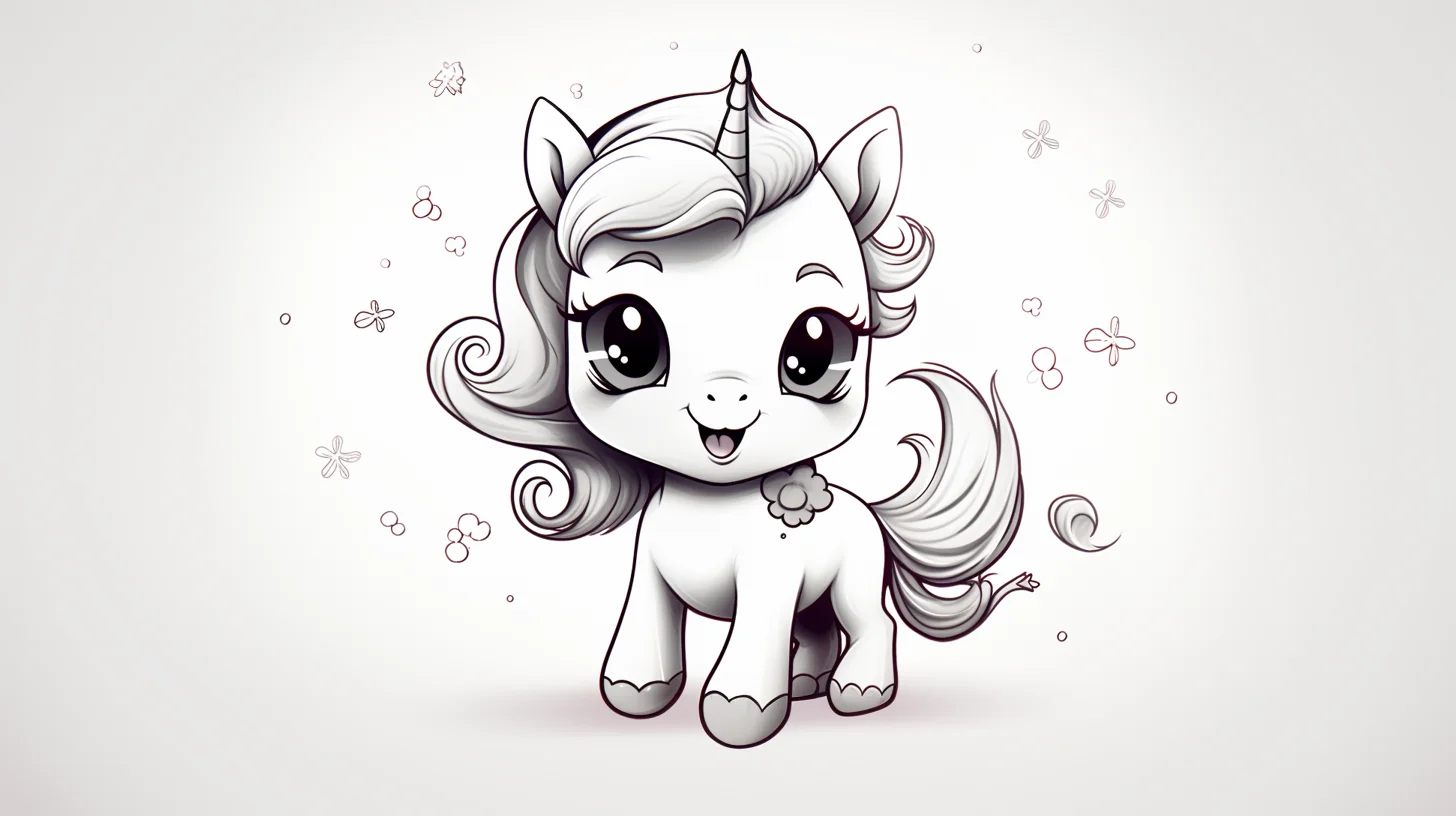
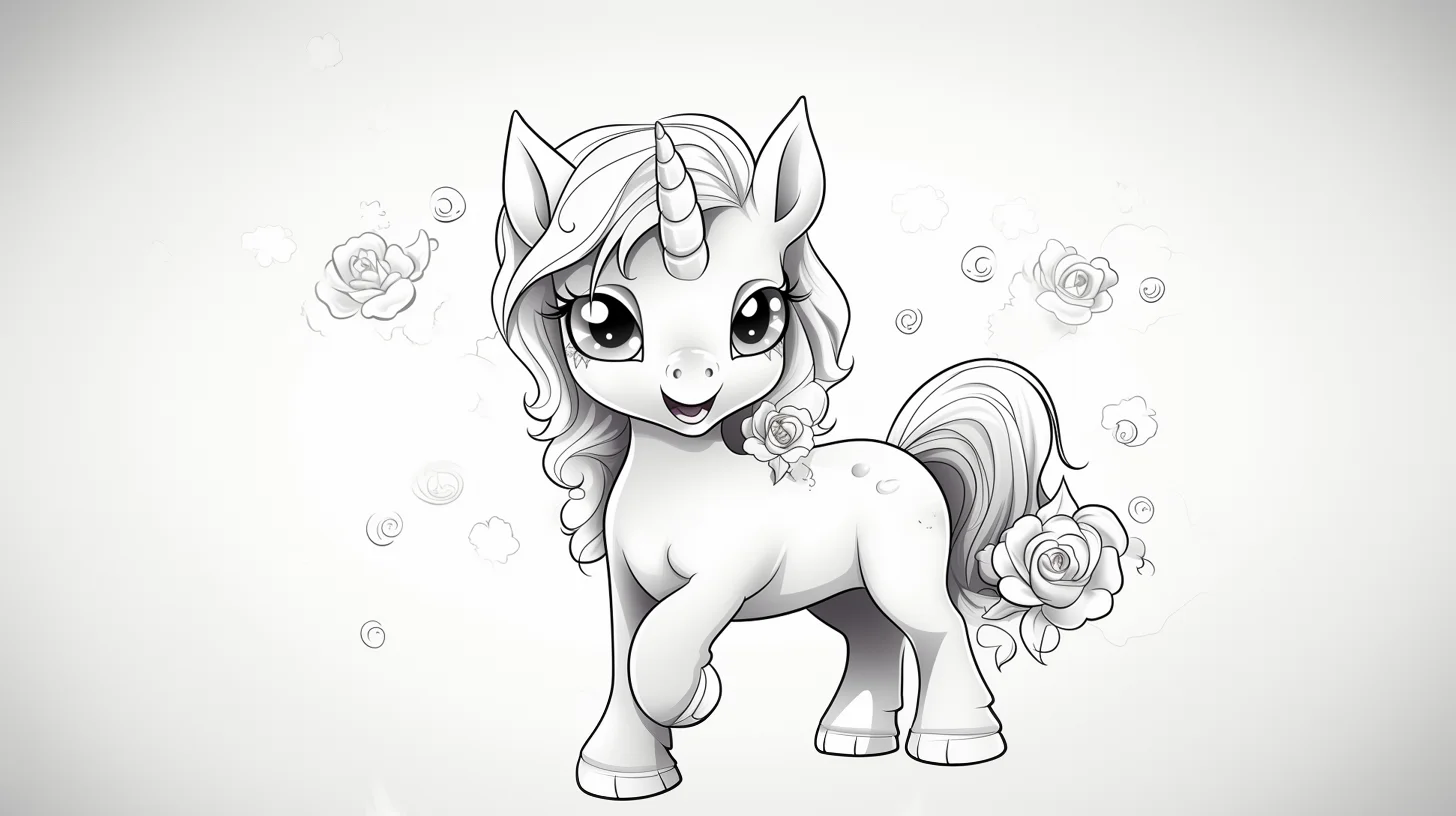
A simple way to choose a page without frustrating a beginner
For a first coloring session, ignore how cute the thumbnail looks and check the smallest spaces instead. A good beginner page has a large face and body, an open mane, and enough room around the horn and hooves for a crayon tip to move comfortably. If a child can point to most areas without covering them completely with a fingertip, the page is usually forgiving enough to start with.
| If you notice… | Choose… |
|---|---|
| Big movements and a loose crayon grip | Very open designs with one unicorn and almost no scenery |
| Better control but frequent trips over the outline | Large unicorns with a few stars, clouds or mane sections |
| Comfort with smaller shapes | Pages with longer manes, several decorations or more defined hooves and faces |
The goal is not to assign an age to each drawing. Hand control, patience and the tool being used matter more. A child who enjoys pencils may handle a narrower section comfortably while another child may prefer broad crayons and larger spaces.
A three-page confidence practice
- Page one: fill large spaces. Pick a very open baby unicorn. Use three or four colors and practice covering the body without worrying about shading.
- Page two: practice stopping at an edge. Choose a design with a little more mane or a few background shapes. Color slowly as the crayon approaches the outline rather than using the same stroke speed everywhere.
- Page three: add one small challenge. Try a page with stars, a longer tail or several mane sections. Keep the body simple so the extra detail does not turn into too many decisions at once.
This progression works better than insisting that every area be perfectly filled. The useful skill is noticing when a space becomes smaller and adjusting the movement to match it.
Easy coloring techniques that actually help
For large body areas, short overlapping strokes are easier to control than one long scribble across the page. Turn the paper when necessary; there is no advantage in forcing the hand into an awkward angle. Around the horn, eye and hooves, use the side of a sharpened crayon less and the tip more.
If a child wants a rainbow mane, divide the hair into sections before coloring instead of changing color randomly halfway through a strand. Two or three repeating colors are enough. A pale body also leaves room for a stronger mane and horn without making the picture visually crowded.
Colored pencils can be useful even on an easy page: use them for the eye, horn tip and narrow gaps, then switch back to crayons for the large body. Broad washable markers are fast and satisfying on open shapes, but test the paper first and place a spare sheet underneath.
Fix common beginner coloring problems
- The page feels too difficult after starting: leave the background blank and finish only the unicorn. A completed main character is still a finished coloring activity.
- Crayon keeps crossing the outline: slow down only near the edge, then use larger movements again in the center. Trying to color the entire area with tiny strokes is tiring.
- Too many colors make the picture messy: pick one body color, two mane colors and one accent for the horn, stars or hearts.
- Markers soak through: use a backing sheet or switch to crayons/pencils. “Thicker” printer paper helps, but some markers can still bleed.
- The child loses interest halfway through: choose one of the pages with less scenery next time, or split a page into two short sessions rather than treating completion as the objective.
Printing for easier coloring
These originals are wide, so landscape orientation normally gives the unicorn more usable space on A4 or US Letter paper. Click the image to open the full-size file, use “fit to page,” and inspect the preview before printing. Avoid shrinking the image unnecessarily: making the drawing smaller also makes every mane section, hoof and facial feature harder to color.
For crayons, ordinary copy paper is usually enough. For water-based markers, slightly heavier paper feels better and wrinkles less. If you need help with browser and printer settings, see our coloring-page printing guide.
Questions parents and teachers often have
Which unicorn page should I print first?
Start with one large unicorn, a short or open mane, and minimal scenery. Save the pages with many stars, flowers or narrow hair sections for later.
Are these only for preschoolers?
No. “Easy” describes the amount and size of detail, not who is allowed to enjoy the page. They also work for quick coloring breaks or anyone who prefers uncomplicated designs.
Should beginners use crayons or pencils?
Crayons are efficient for the largest shapes; pencils offer more control in narrow spaces. Using both on the same page is often easier than forcing one tool to do everything.
What should we try after these become easy?
Move to the unicorn coloring pages arranged from easy to detailed, where smaller sections and busier drawings provide a clearer next step. The extra unicorn gallery is better when you simply want more designs rather than a difficulty progression.

