
This 20-page unicorn set is for people who want a real spread of difficulty instead of only simple child-friendly designs. Some pages can be finished quickly with crayons; others have smaller mane sections, tighter line work and more background detail that make more sense with colored pencils and a little more time.
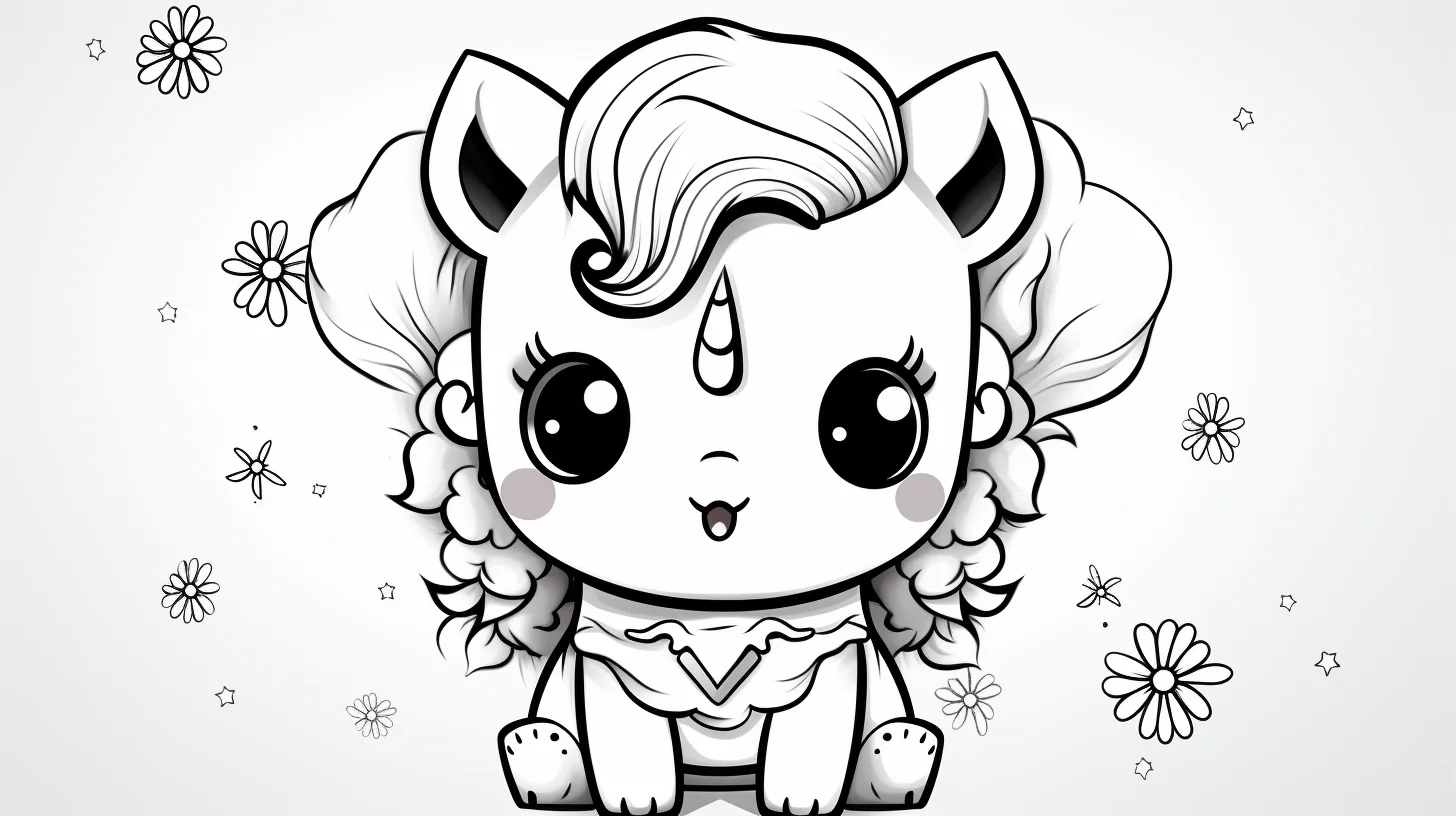
Choose by difficulty, not by thumbnail
| Level | What to look for | Good tools |
|---|---|---|
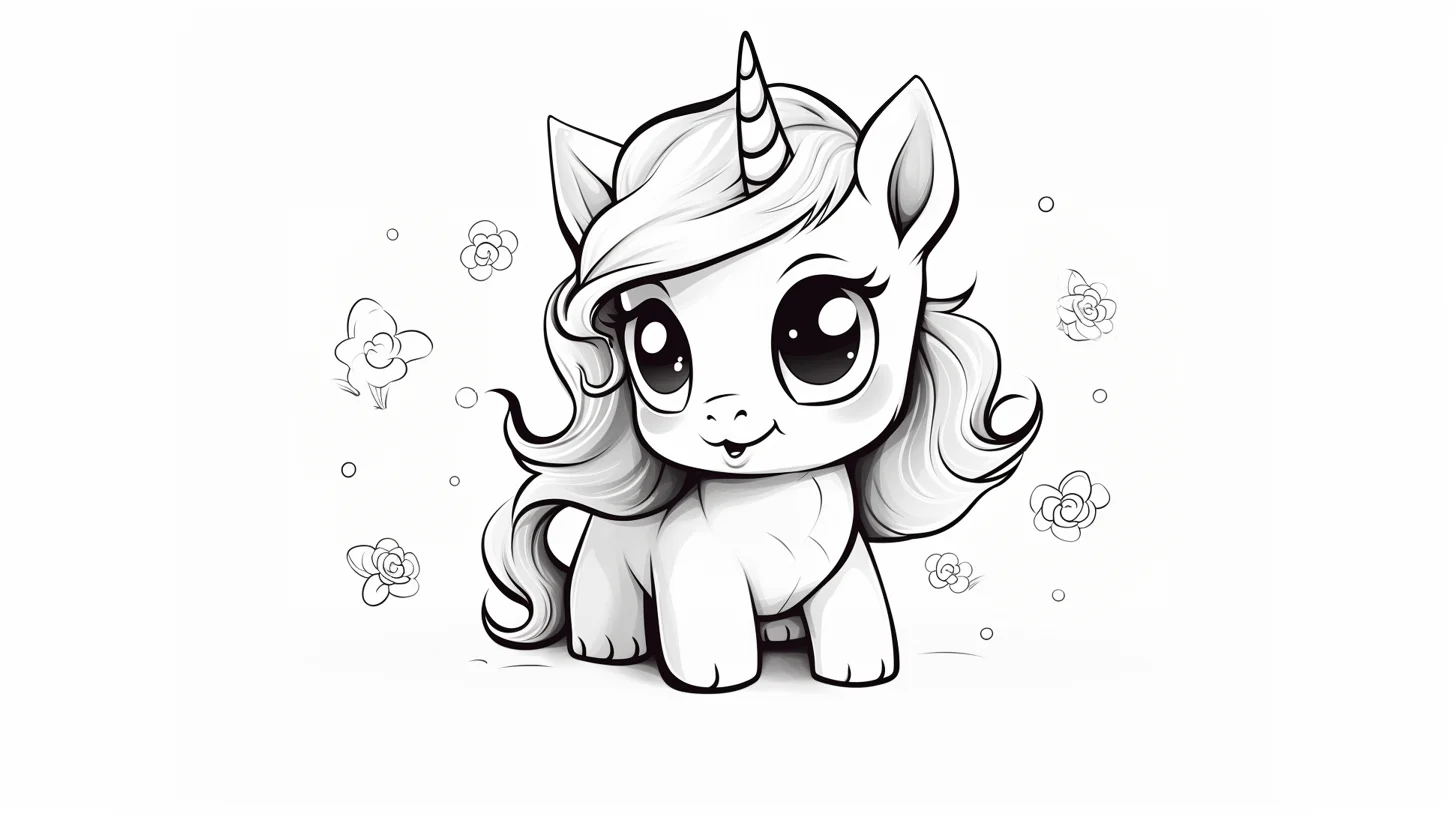
| Easy | Large unicorn shapes, fewer mane lines, little or no background | Crayons, broad markers |
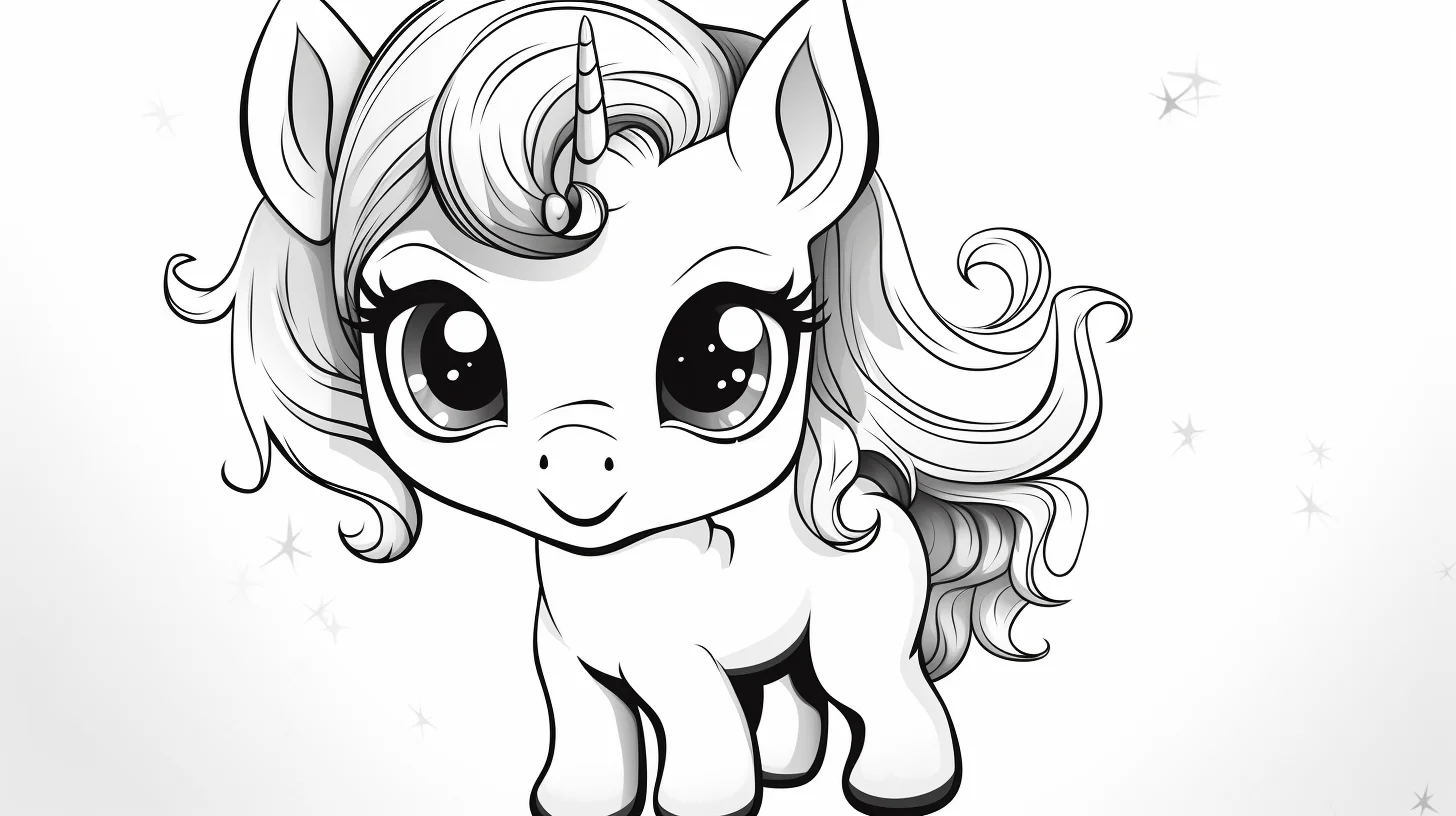
| Medium | More defined hair, horn and facial details | Markers, colored pencils |
| Detailed | Smaller sections, more line work and busier designs | Colored pencils, fine-tip markers |
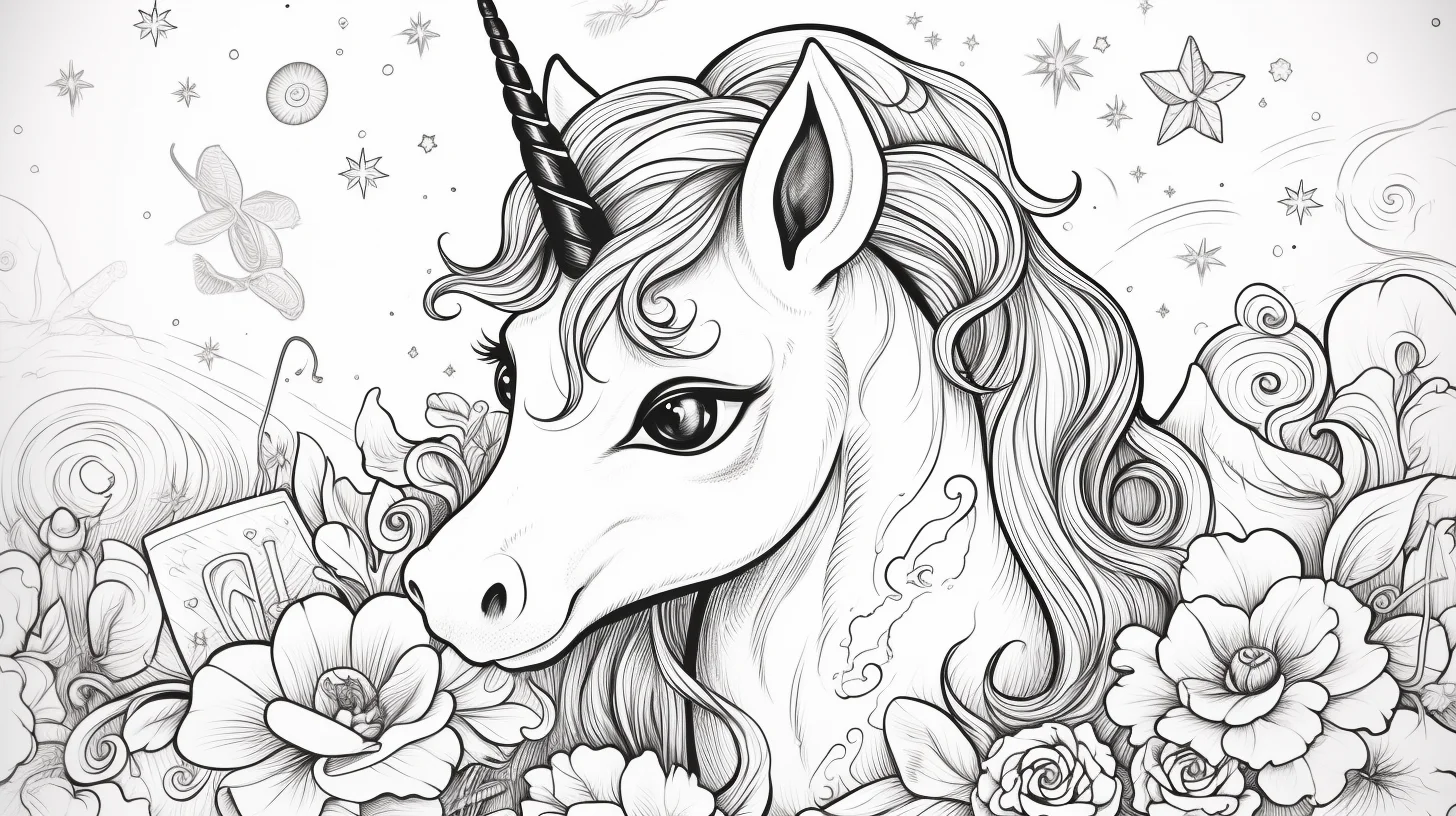
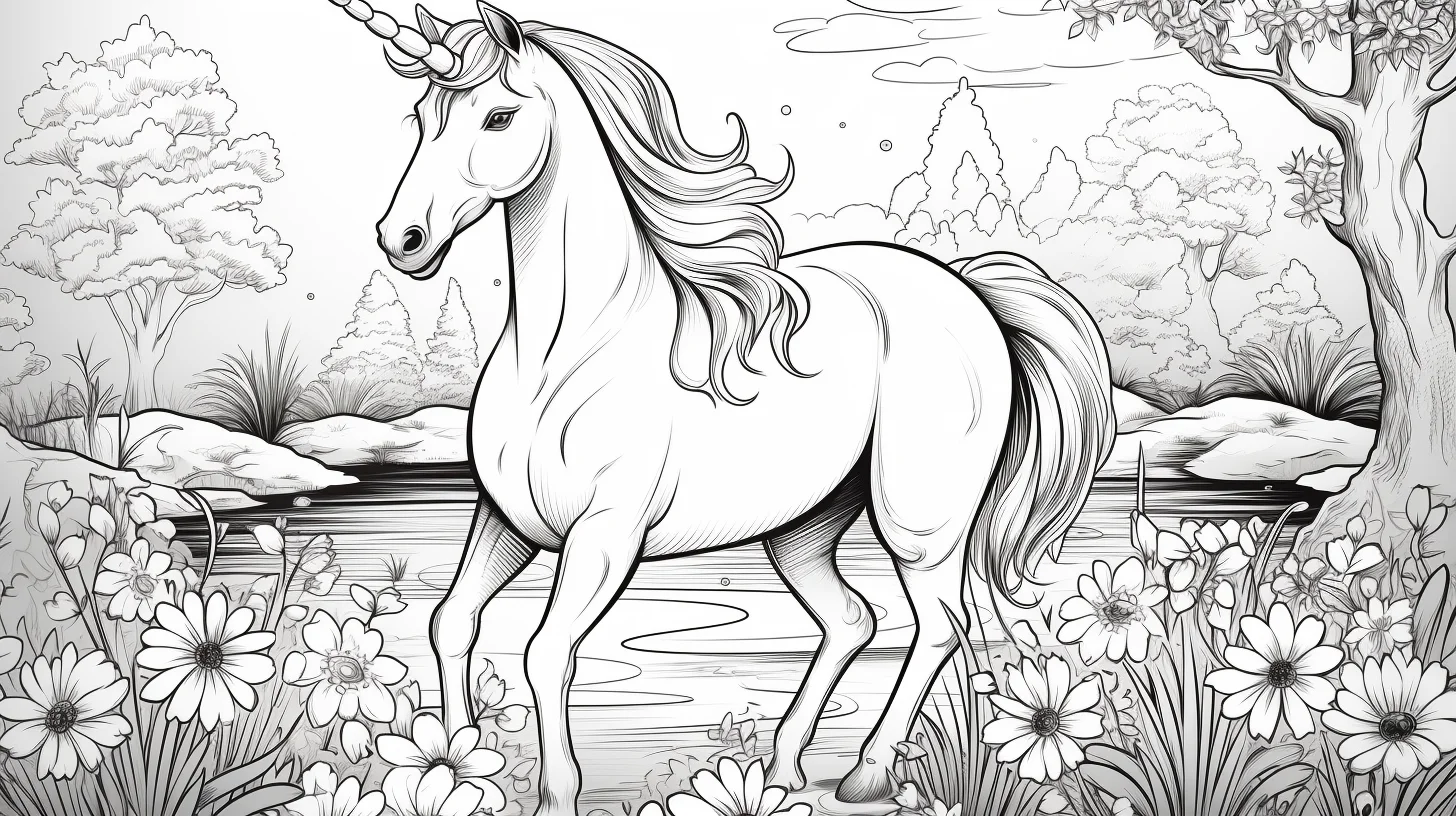
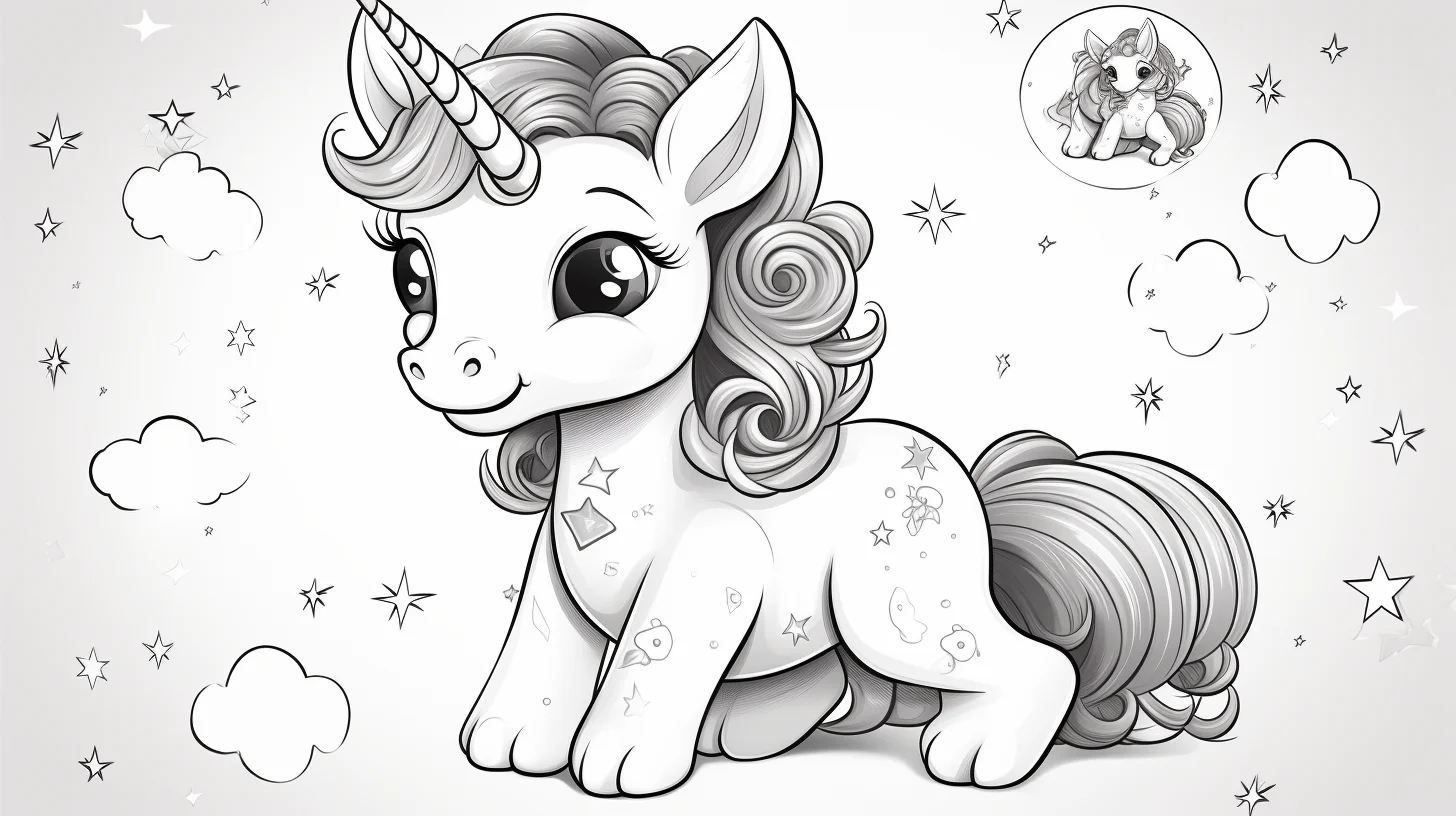
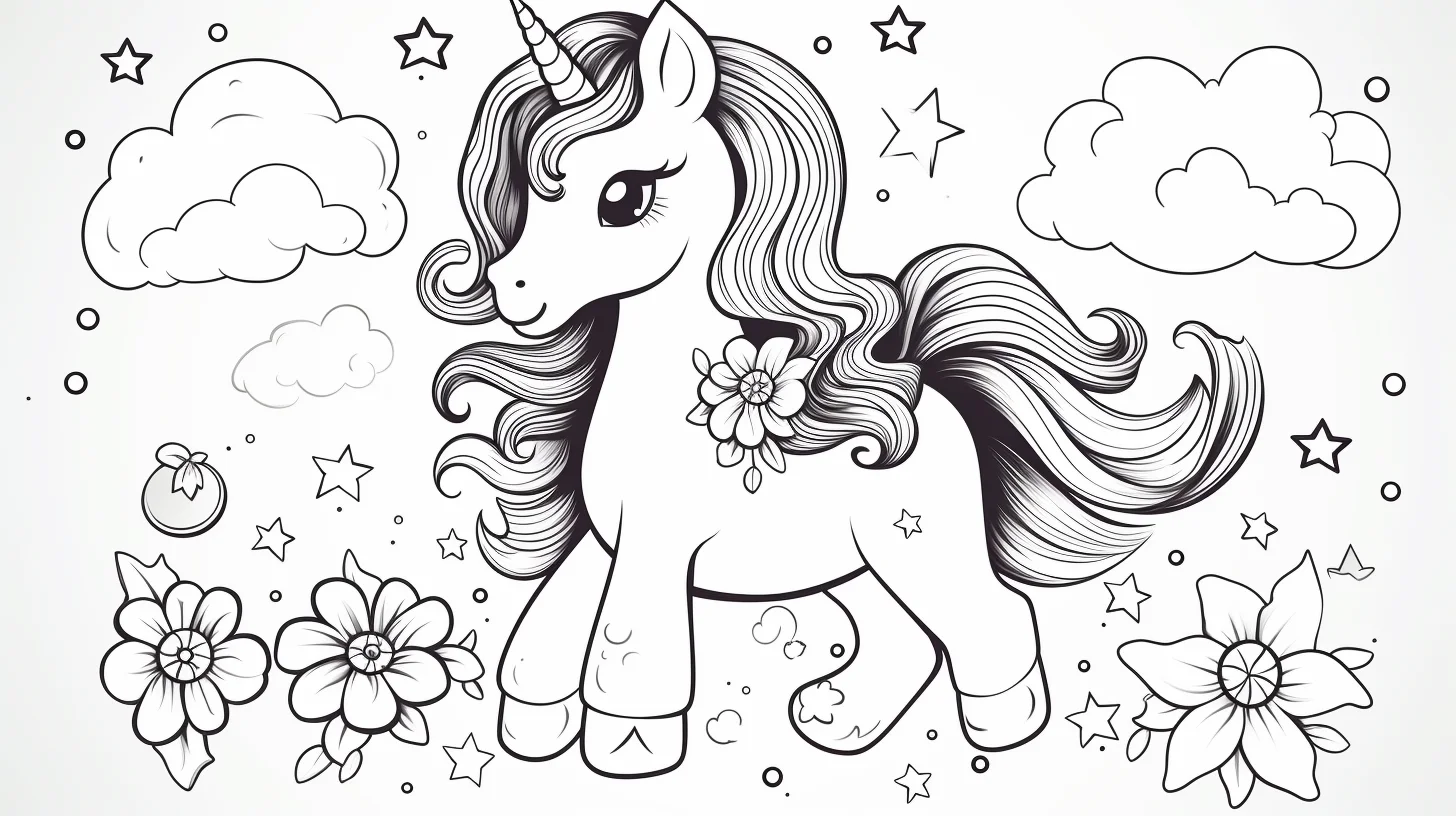
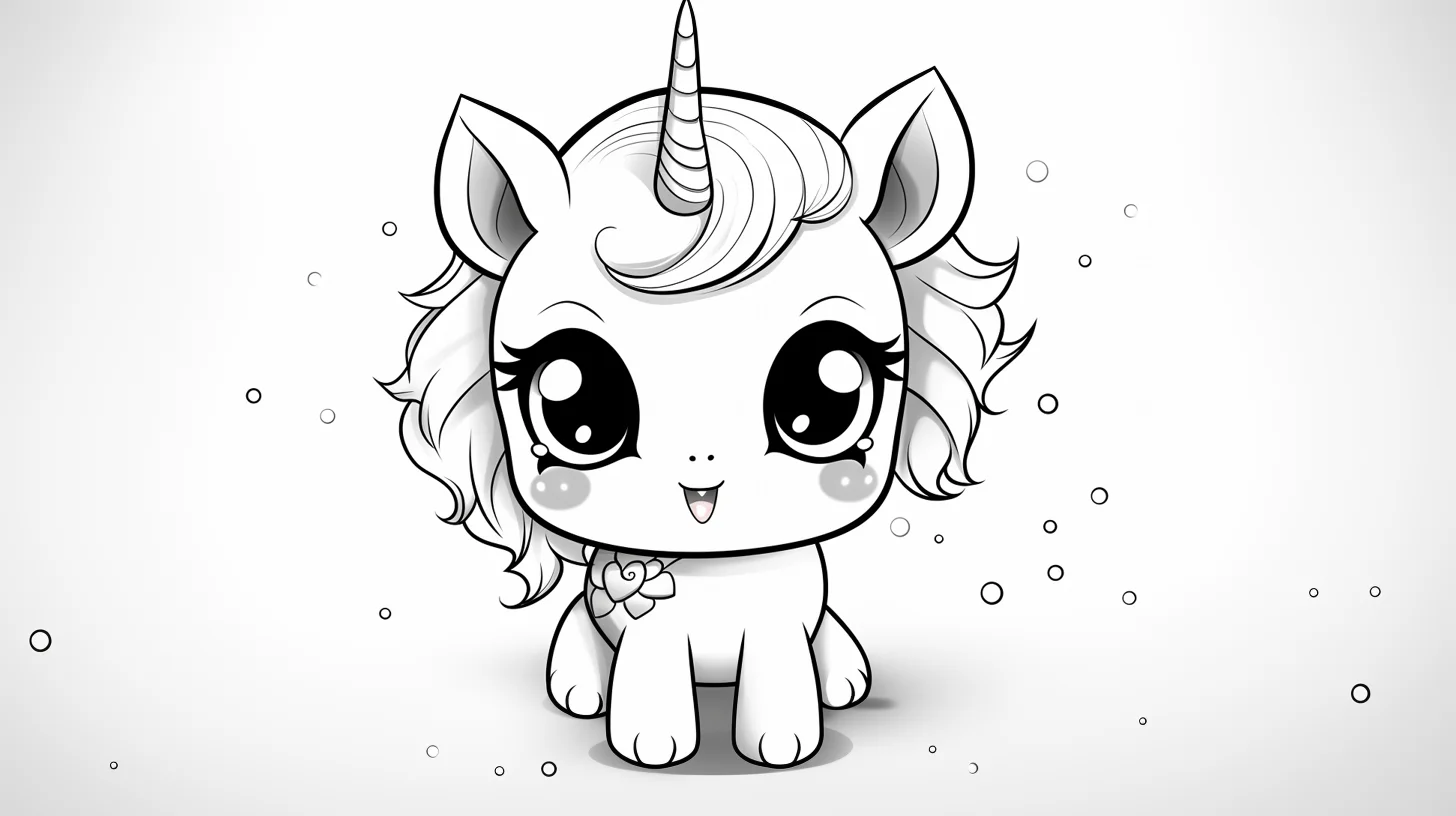
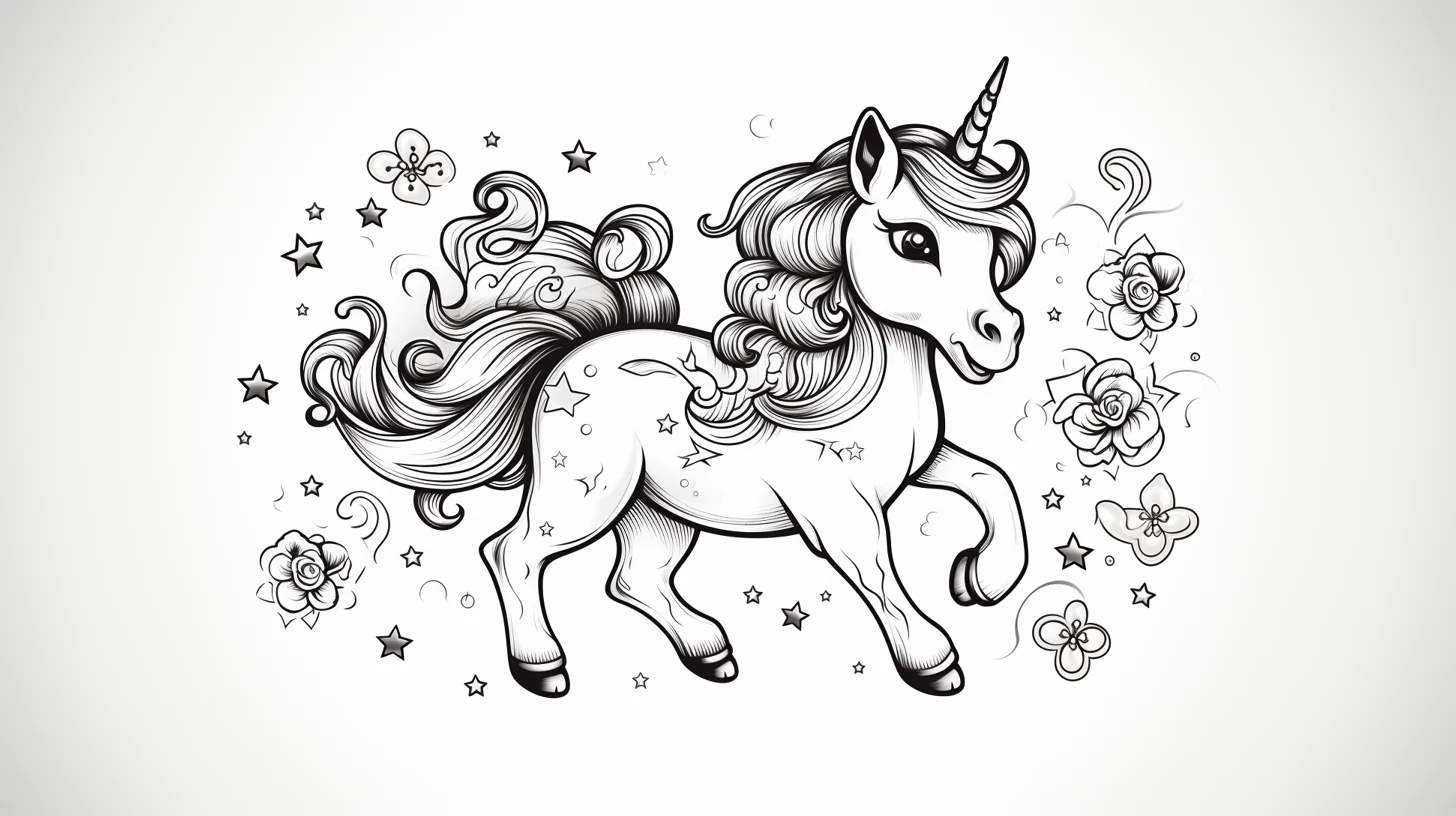
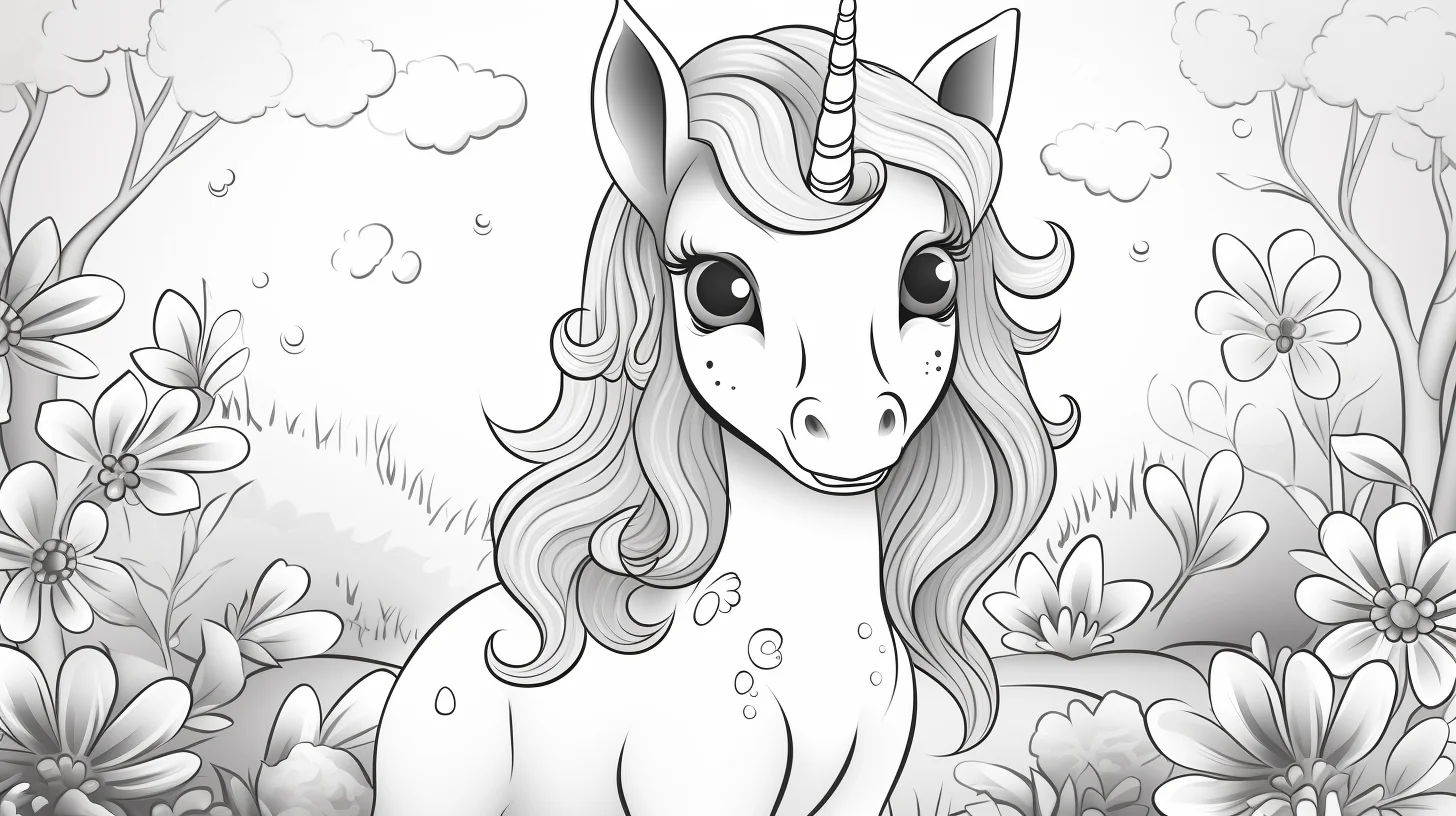
A thumbnail can make a detailed page look deceptively simple, so open the full-size image before choosing one for a younger child. If the mane is divided into many narrow sections or the background is filled with stars, flowers or decorative lines, it will take longer than a large single-character page.
Use color to separate the details
On the more detailed pages, avoid giving the mane, horn, wings or decorations nearly identical shades. A light body with a darker mane, or a pastel body with a stronger accent color on the horn and tail, makes the drawing easier to read. For gradients, start lightly and add pressure gradually rather than trying to create the darkest shade first.
Try this 90-second mane-and-horn test first
Before committing to a detailed sheet, use a scrap of the same paper to test the exact pencils or markers you plan to use. This catches the two problems that spoil these pages most often: a mane whose strands merge into one block and a horn that disappears against the forehead.
- Make three pressure swatches with one mane color. Use very light, medium and firm pressure. If the light and medium swatches look almost identical, choose a pencil that layers more gradually rather than pressing harder.
- Test two neighboring mane colors. Put them side by side, then look from arm’s length. If the boundary disappears, lighten one or darken the other. Narrow strands need more value separation than large open shapes.
- Protect the face. Keep the area immediately around the eye slightly quieter than the mane. A dark eye surrounded by equally dark hair loses its expression; leaving a lighter cheek or forehead patch restores the focal point.
- Check the horn against the body color. If both are pale, add a darker shade to alternating horn bands or along one edge rather than outlining the entire horn heavily.
Then glance at the test from arm’s length. You should notice the face first, the mane second and the small decorations last. If the stars, flowers or rainbow background grab attention before the unicorn, reduce their saturation or repeat a smaller background palette. This is especially useful on the detailed sheets because complexity comes from many competing edges, not simply from having more colors.
For younger colorists: skip the shading test. Pick one body color and two clearly different mane colors, alternate those colors through the larger hair sections, and leave the smallest decorations until the end. That keeps the same page manageable without turning it into a precision exercise.
Printing tips
These sheets are mostly wide, so landscape orientation usually gives the best use of A4 or US Letter paper. Select “fit to page” in the print dialog and check the preview before printing. For markers, put a spare sheet underneath or use heavier paper if you want to reduce bleed-through.
If you want only simple child-friendly designs, use our baby and easy unicorn coloring pages. If you have already looked through both main sets and just want more choices, use the extra unicorn coloring gallery.
20 unicorn coloring pages from easy to detailed
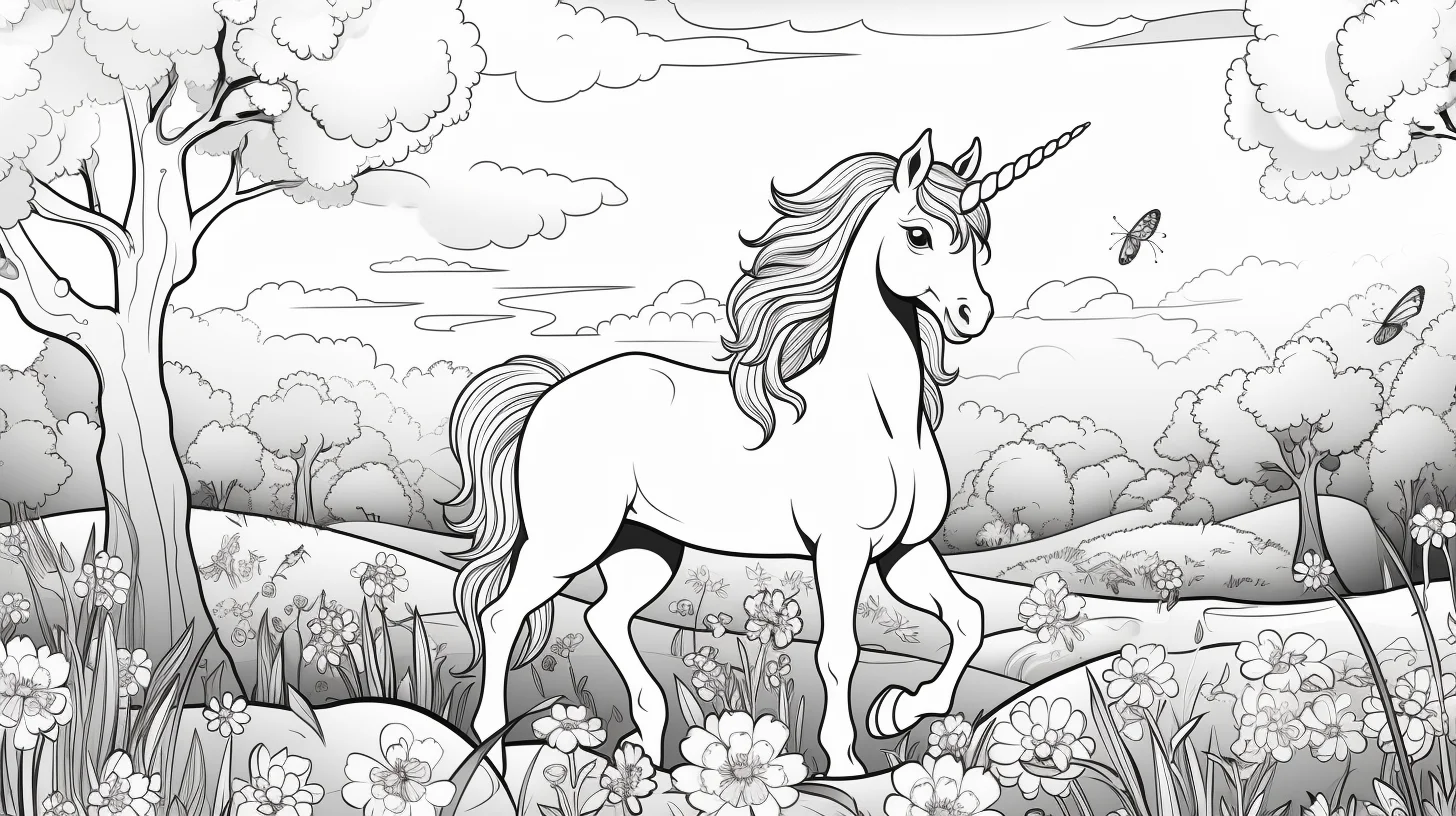
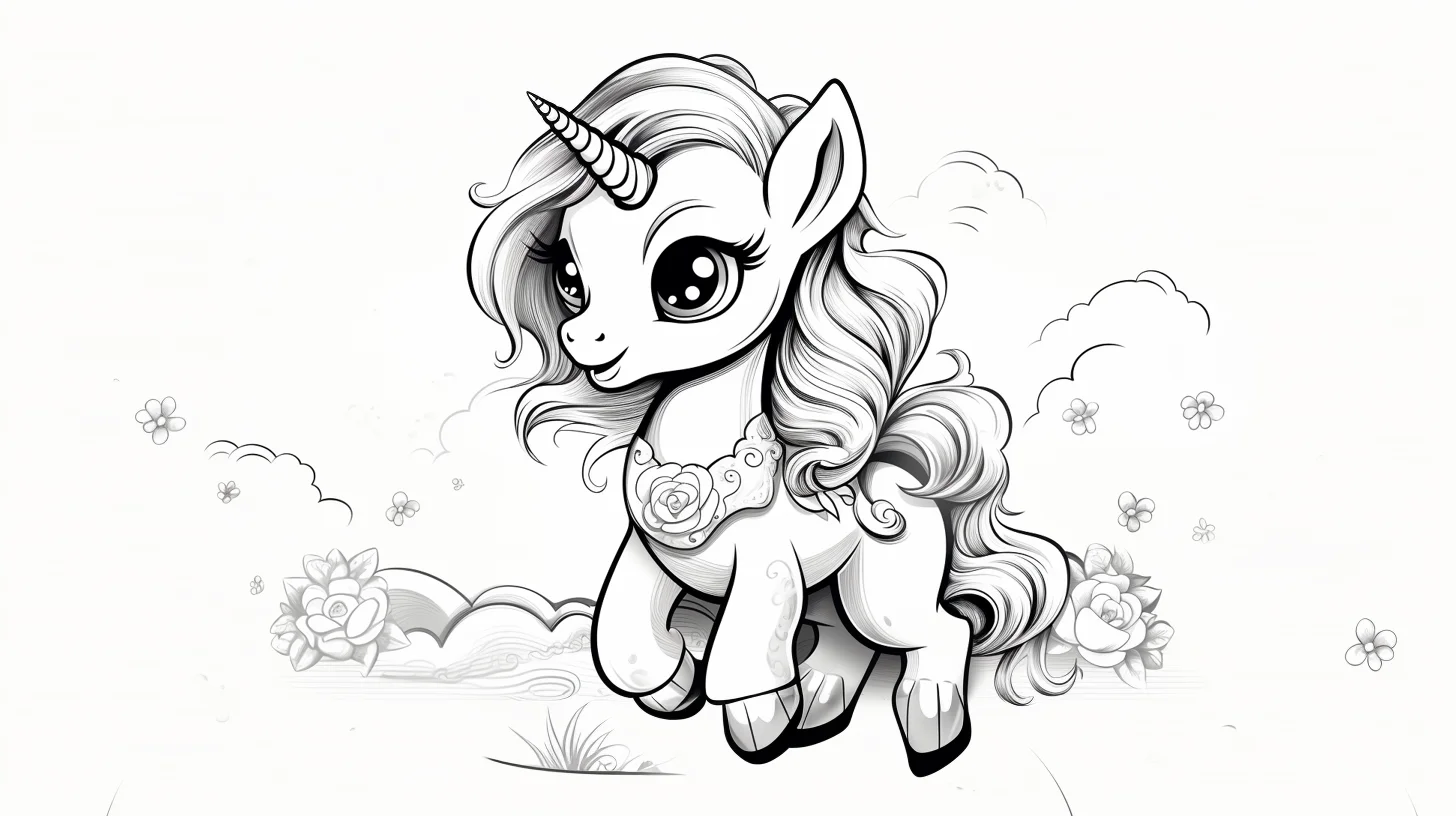
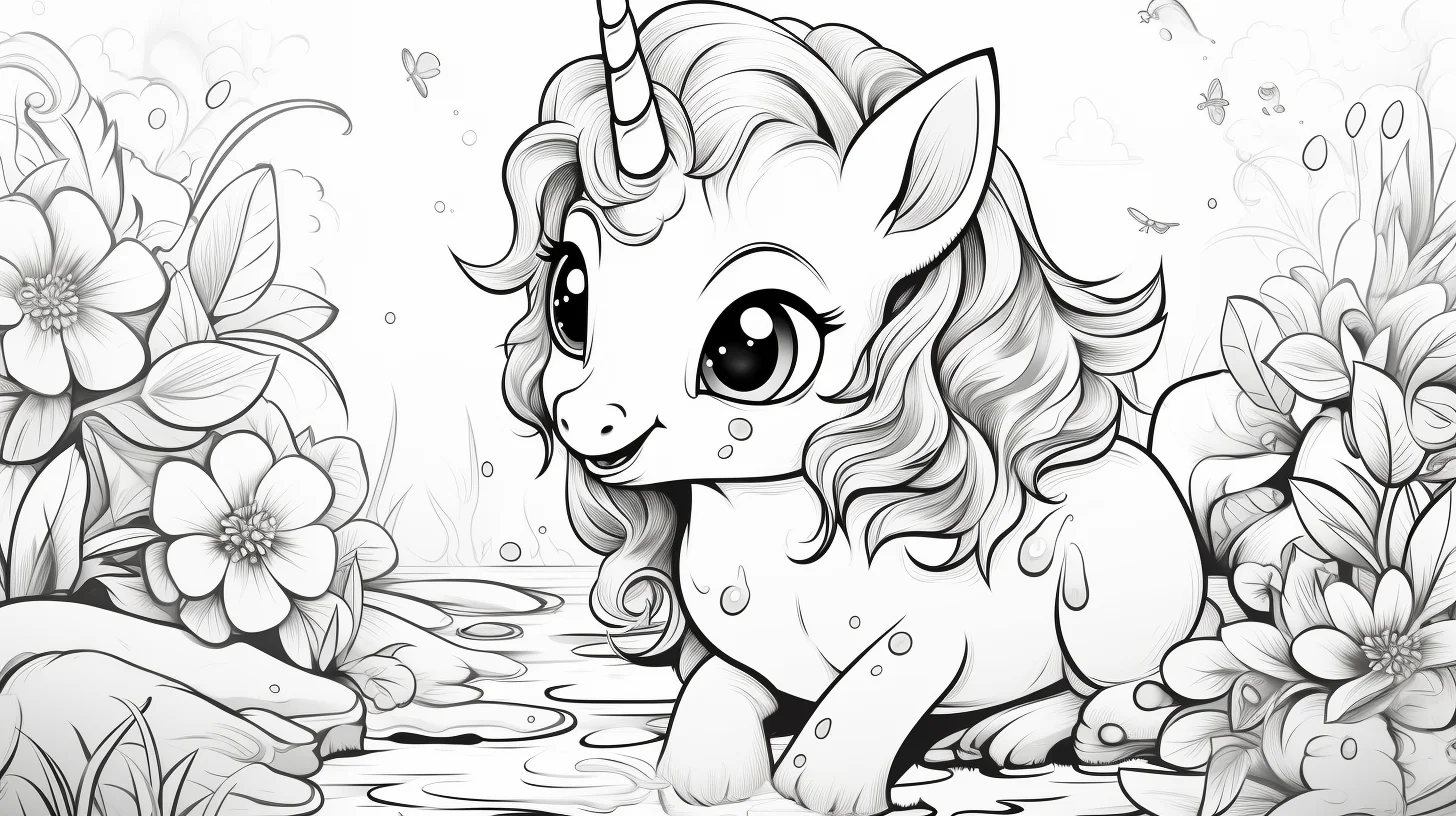
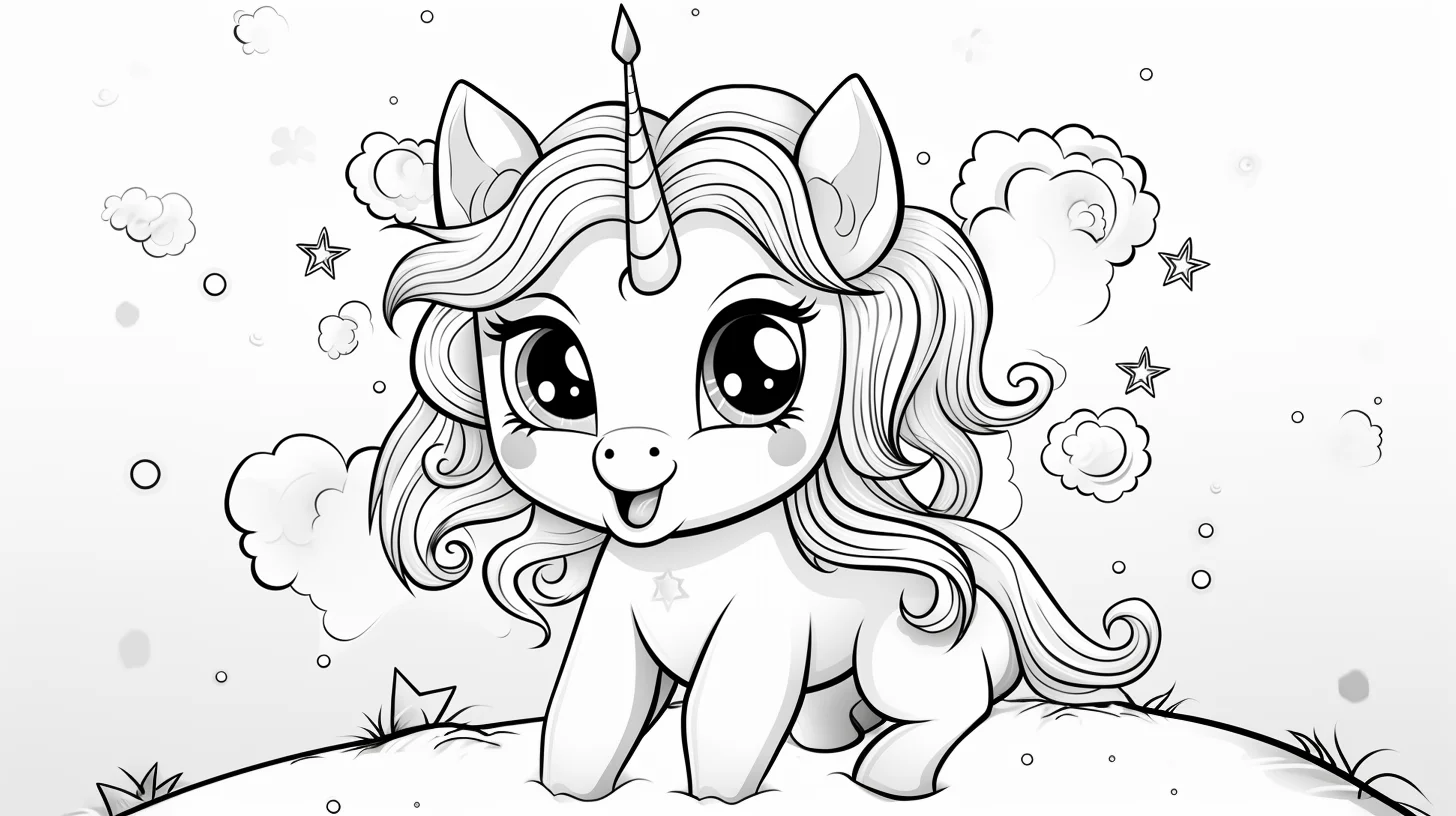
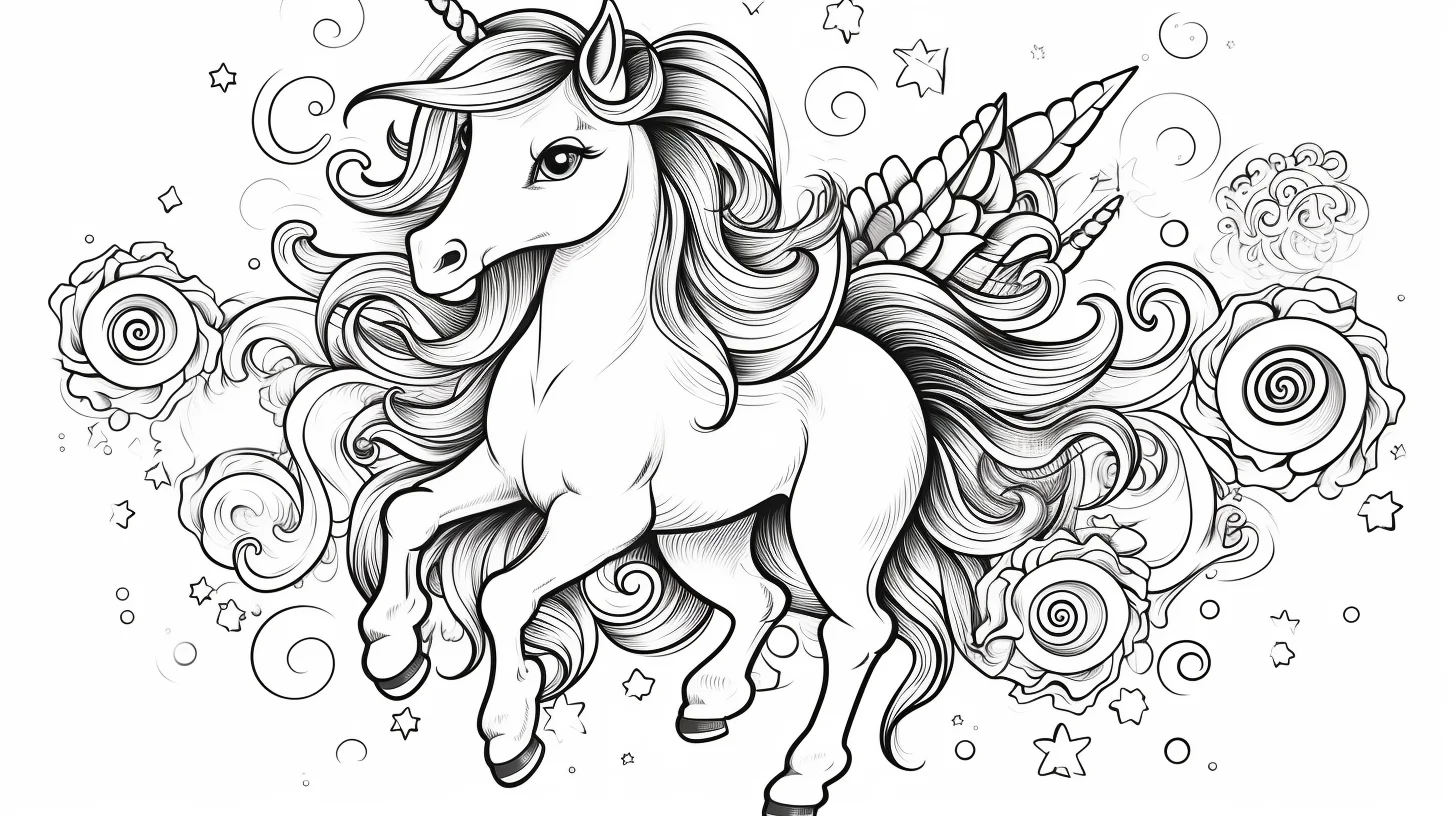
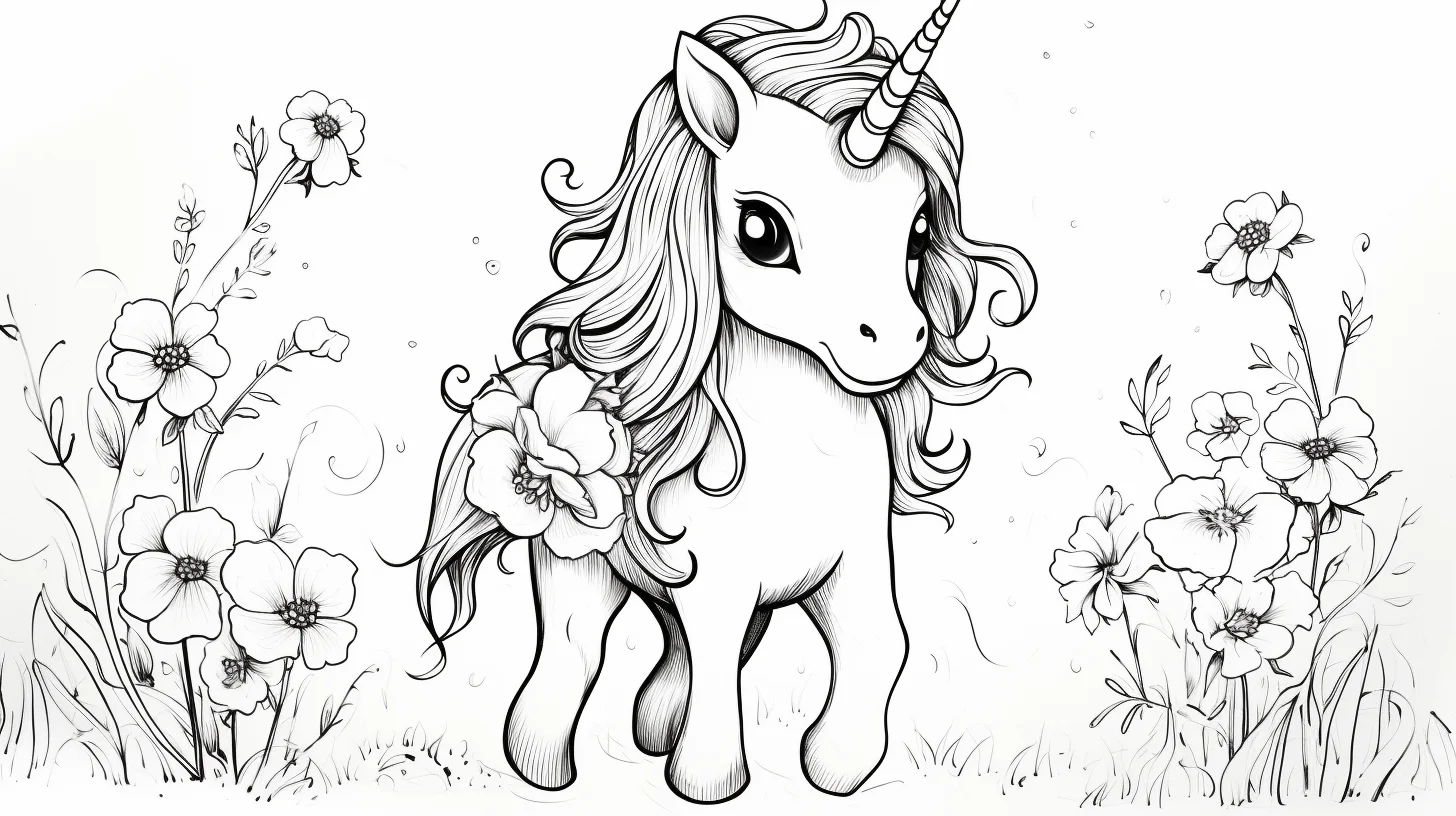
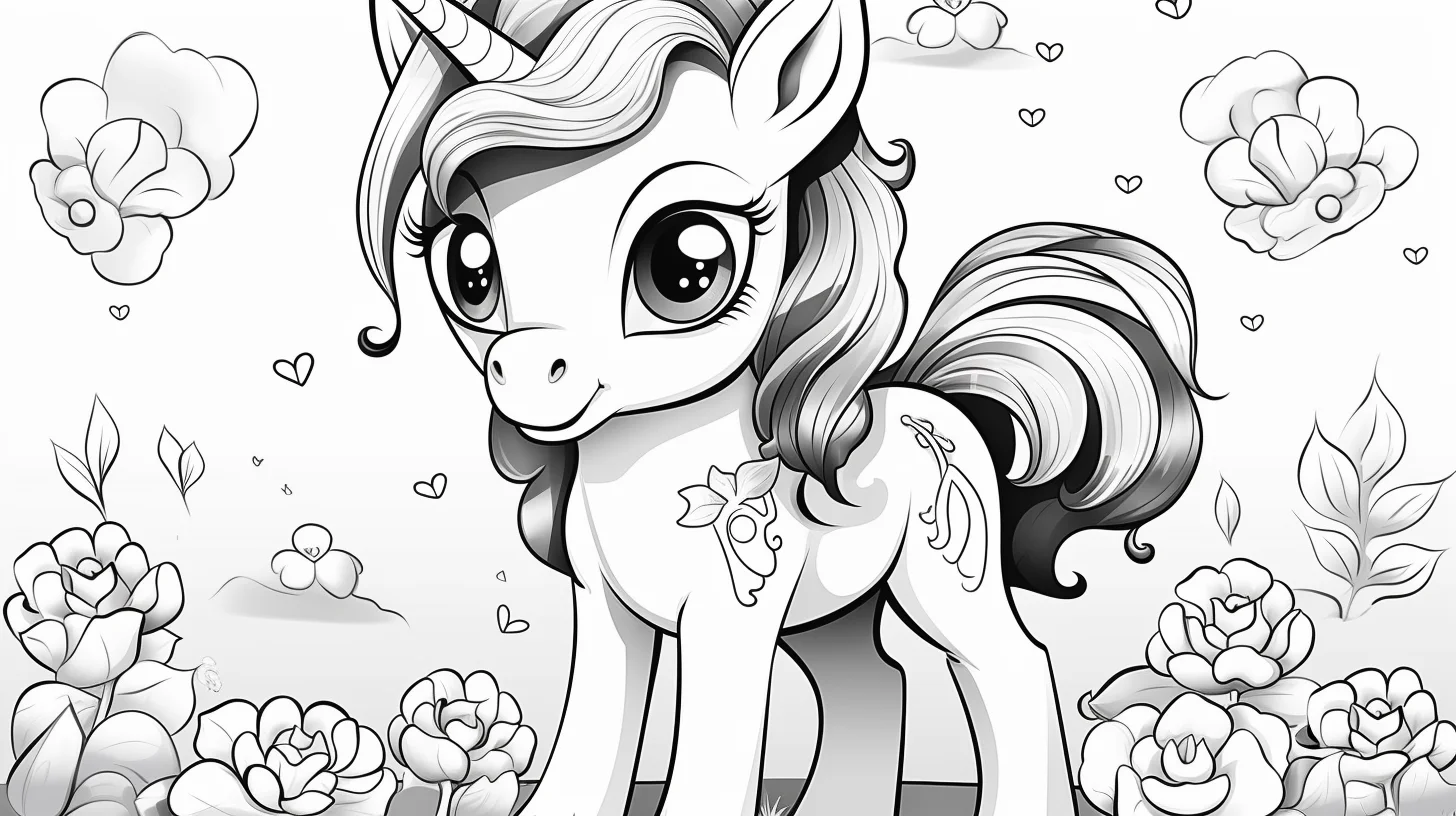
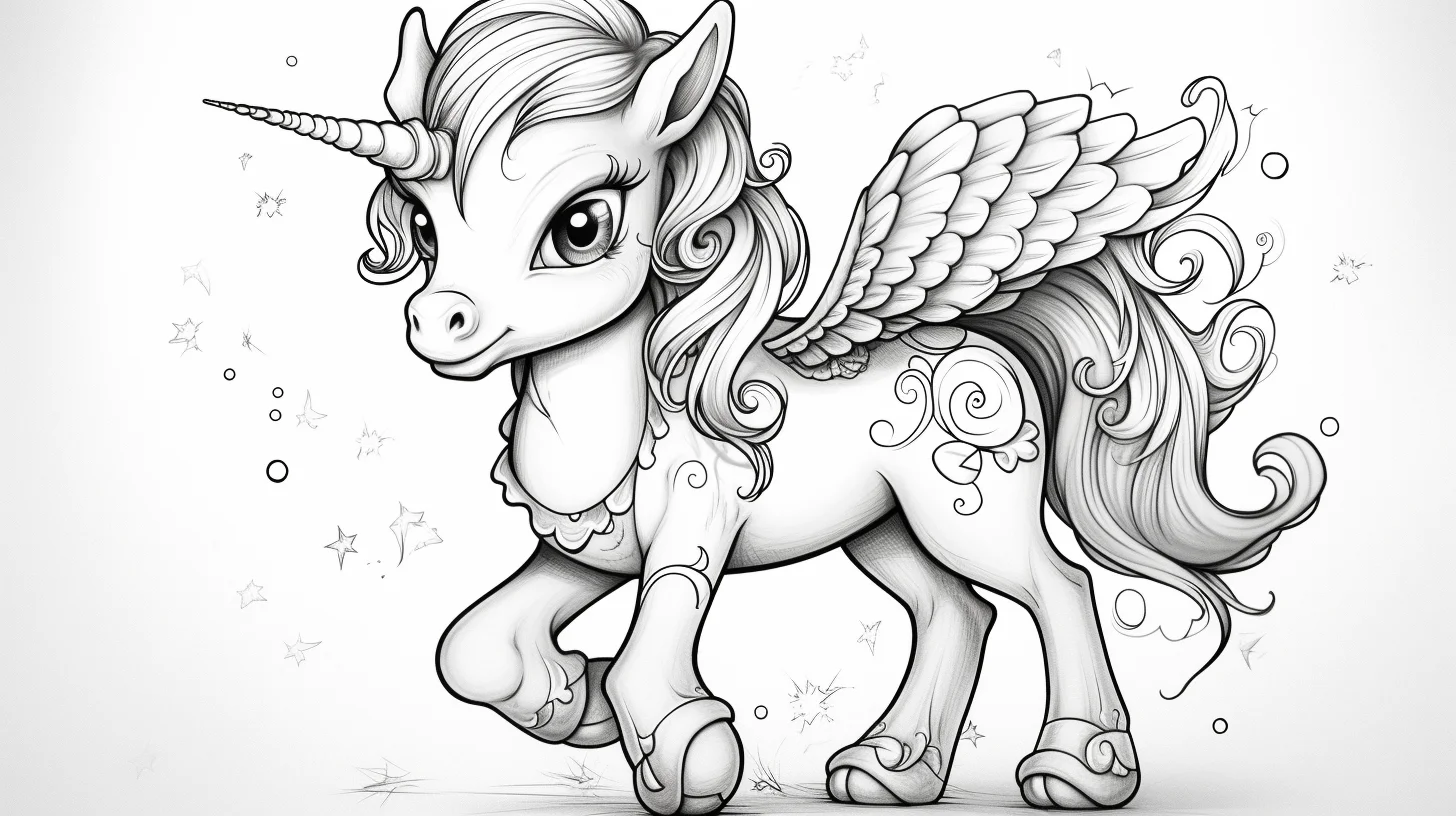
How to tell when a unicorn page is actually harder
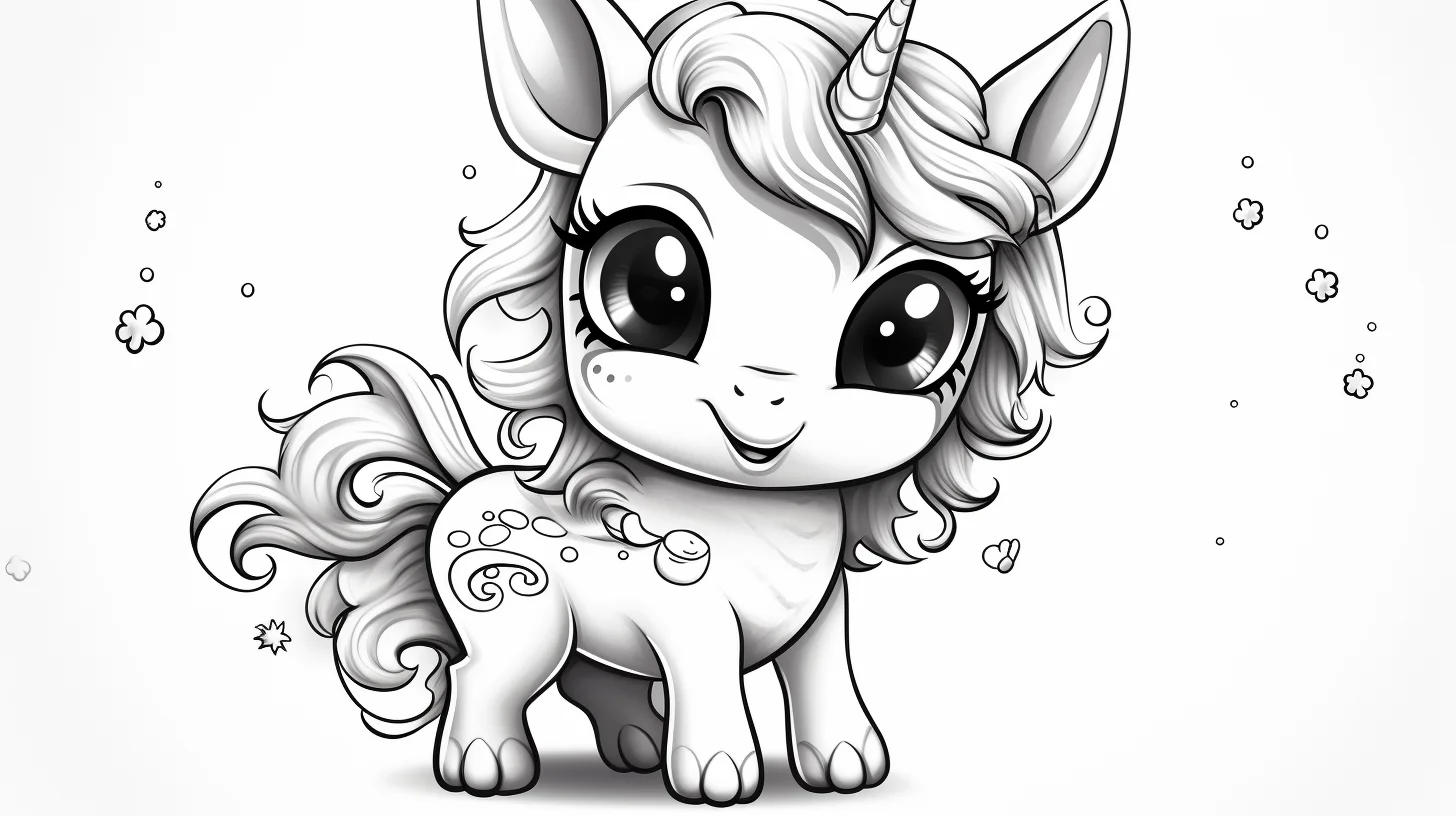
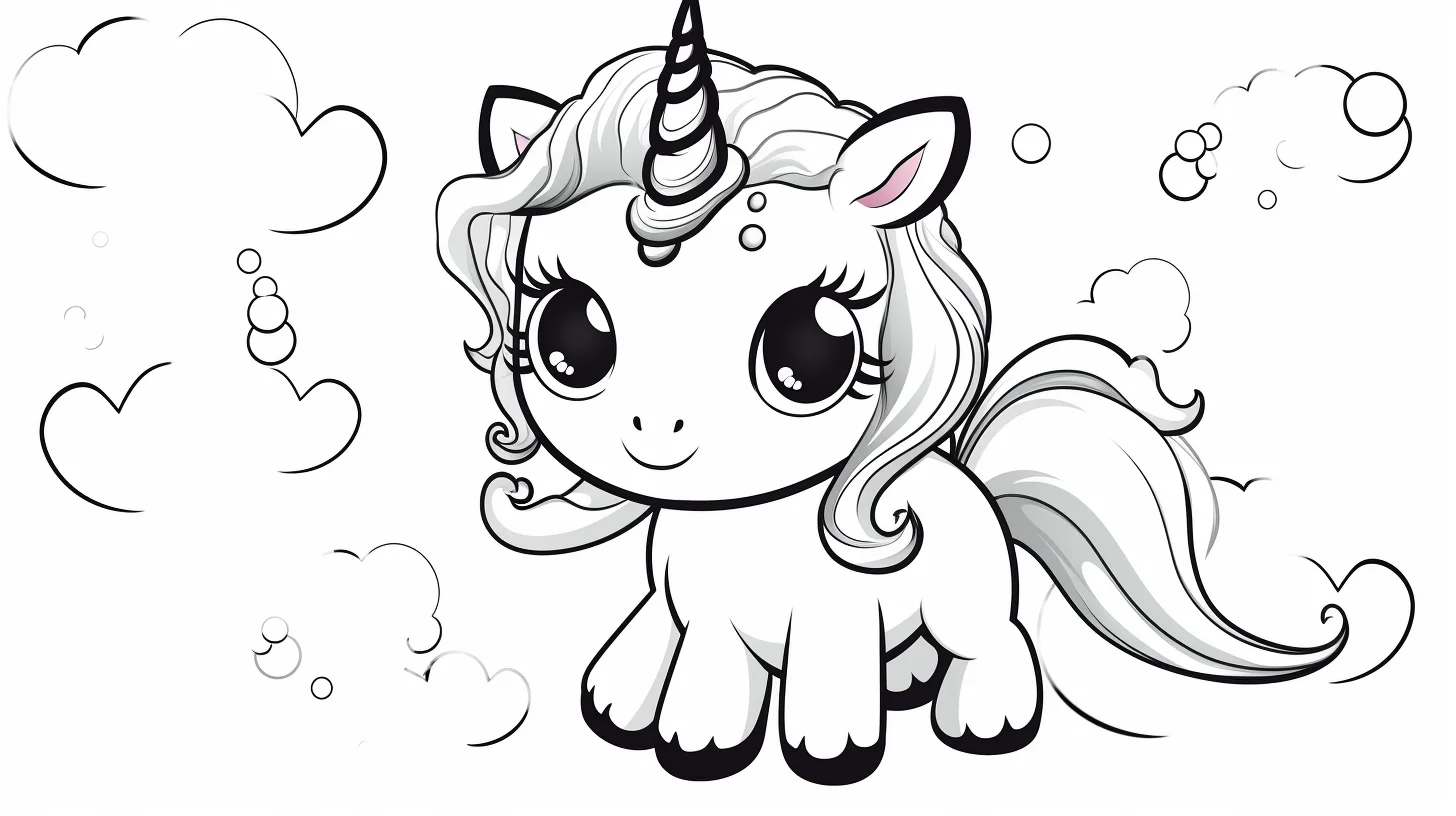
Difficulty is less about how “grown-up” a drawing looks and more about how much control the page asks from your hand. Look at the smallest enclosed spaces. A page with one large unicorn and a flowing mane can still be demanding if that mane is split into many narrow strands. Background stars, flowers and clouds also add decisions even when the main character is simple.
- Move up a level when you can fill the smaller sections without repeatedly crossing the outlines.
- Stay at the same level if you enjoy the page but still need to slow down around the face, horn or mane.
- Move down a level when coloring starts to feel like avoiding mistakes rather than choosing colors. Larger spaces make it easier to practice pressure and blending.
A three-page practice progression
- Start with large shapes. Pick one of the open designs and use only four or five colors. Concentrate on even coverage rather than shading.
- Add controlled variation. On a medium page, give the mane two related colors and make the roots or underside slightly darker. Keep the unicorn body simpler so the hair remains readable.
- Finish with detail. Choose a page with smaller sections or a busier background. Color the smallest areas first while your hand is fresh, then finish the larger body and background shapes.
Using three sheets this way makes the difference between “easy” and “detailed” measurable. You are practicing smaller targets, lighter pressure and more color decisions one step at a time instead of simply choosing a busier picture.
Techniques that work better as the details get smaller
Crayons are forgiving on the open pages because broad strokes cover large areas quickly. As sections narrow, colored pencils give you more control. Keep the pencil reasonably sharp and use several light passes instead of pressing hard on the first pass. For a mane, lay down the lighter color first, then add the darker shade near the roots, overlaps and underside of curls. Leave a narrow strip of the lighter color visible rather than blending every strand into one solid block.
For the horn, try alternating two shades from base to tip. On wings, keep the inner feather areas slightly darker than the outer edges. Busy backgrounds usually read better when they use fewer colors than the unicorn itself; otherwise every star, cloud and decoration competes for attention.
When a page is not turning out the way you expected
| Problem | Try this |
|---|---|
| Colors look muddy | Use fewer overlapping hues and leave one lighter shade visible between dark areas. |
| Marker crosses small outlines | Switch to pencil for the narrow mane, eye and horn sections, or use a fine-tip marker only there. |
| The detailed page feels visually busy | Keep the background to one small palette and reserve the strongest contrast for the unicorn. |
| Your hand gets tired | Color small sections for 10–15 minutes, then move to a larger area or stop. Detail work does not need to be finished in one sitting. |
| Edges disappear after coloring | Choose a lighter body color next to a dark mane, or a darker accent next to a pale body. |
Printing these wide unicorn sheets
The originals in this set are landscape images. Open the full-size image by clicking the printable, choose landscape orientation, then use “fit to page” rather than stretching the image manually. A4 and US Letter both work. Plain printer paper is fine for crayons and pencils; heavier paper is more comfortable for markers. If you use alcohol markers, place scrap paper underneath because heavier stock can still bleed.
Quick questions about the difficulty levels
Do I have to color the pages in order?
No. The progression is a practice tool, not a rule. Pick by the size of the spaces and amount of line work that feels comfortable today.
Which medium is best for the most detailed unicorn pages?
Colored pencils are the easiest all-purpose choice because they handle narrow sections and allow gradual shading. Fine-tip markers work well for crisp small accents but are less forgiving near tight outlines.
How can I make a detailed page easier?
Limit the palette before you begin. Choose one body color, two or three mane colors and one accent. Repeating those colors reduces the number of decisions without changing the drawing itself.
Where should I go if these are still too intricate?
Use the baby and easy unicorn coloring pages for larger, simpler shapes. If difficulty is not important and you simply want another batch to browse, the extra unicorn coloring gallery is the better next stop.

