
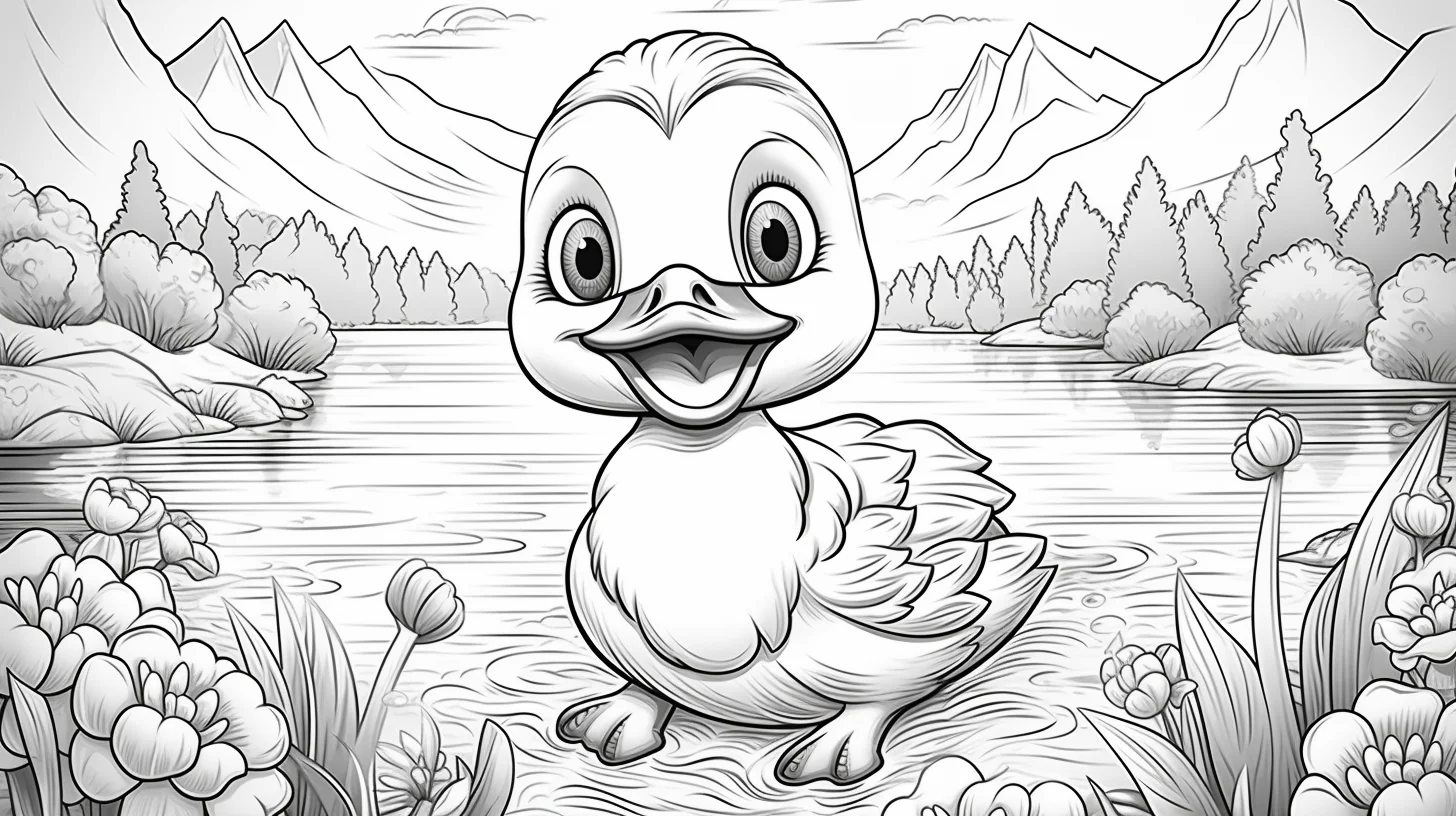
This collection is built around cute baby animals rather than one habitat or species. Rabbits, ducklings, foxes and other young-looking animals sit together here because the common thread is the softer style: rounder faces, smaller bodies and pages that feel playful rather than realistic.
That makes this a better choice when the child cares more about “a cute baby animal” than whether it belongs on a farm, in a forest or at a zoo. If the wildlife theme itself matters, use the baby wild animal collection instead. For a completely mixed farm/zoo/jungle browse, use the main animal coloring hub.
Pick the page by the kind of coloring session you want
| If you want… | Look for… | Best tool |
|---|---|---|
| A very quick page | One large baby animal and little background | Crayons |
| Soft, cute coloring | Round faces, open body shapes and a few small details | Crayons or pencils |
| More texture | Fur, scales, flowers or scenery | Colored pencils |
| A group activity | Several different species so each child can choose | Mixed tools |
A quick test for younger kids
Before printing, look at the page from a distance. If the animal is still obvious and most of the body is made from large open shapes, it is probably a good first choice. If your eye goes straight to tiny flowers, fur lines or background objects, save that page for a longer session.
Try this 90-second face-and-fur test before coloring the whole page
Baby-animal drawings can look simple but lose their expression quickly when the face, fur and background all receive the same pressure. Test your colors in one small area first. This is especially useful with colored pencils, where heavy early layers are difficult to lighten.
- Make three values with one body color: light pressure, normal pressure and a darker second layer. You need to see all three clearly on the paper you are actually using.
- Protect the face: keep the forehead, cheeks or muzzle mostly in the light value. Use the darkest value around the eyes, nose or mouth only after the body color is established. If the eyes disappear from arm’s length, the surrounding fur is too dark.
- Test one texture edge: add five or six short fur or feather strokes along a cheek, chest or tail. They should follow the body shape rather than form a fuzzy outline everywhere. If those few strokes already look busy, use texture only in shadow areas.
- Separate the animal from its setting: compare the body value with the grass, flowers or scenery touching it. If both are equally dark, lighten one side of that boundary instead of outlining the animal in black.
Quick diagnostic: put the page at arm’s length. You should notice the eyes and overall animal shape before individual fur marks or background decorations. If the background wins, reduce its pressure or saturation. If the face looks blank, strengthen only the smallest features rather than darkening the whole head.
For preschoolers, simplify the same idea: choose one body crayon and one accent crayon, leave the face relatively open, and use the accent for ears, beak, paws or one background object. The goal is clear shapes and confident coloring, not realistic shading.
Simple coloring ideas
Pastels work naturally with the softer drawings, but there is no reason to keep every animal realistic. A blue duckling or purple fox is fine. If you want the page to stay easy to read, keep the body in one main color and use brighter colors for small details such as ears, beaks, paws or background decorations.
For crayons, pick the pages with larger spaces. Colored pencils are better when the page has fur lines, small facial features or several background elements. If you use markers on ordinary copy paper, place a spare sheet underneath to catch bleed-through.
Save and print
Tap or click any coloring page below to open the original full-size file, save it to your device and print using “Fit to page.” Most of these files are wide, so landscape orientation usually gives the cleanest result. For phone instructions or cropping problems, see our Print & Save Help.
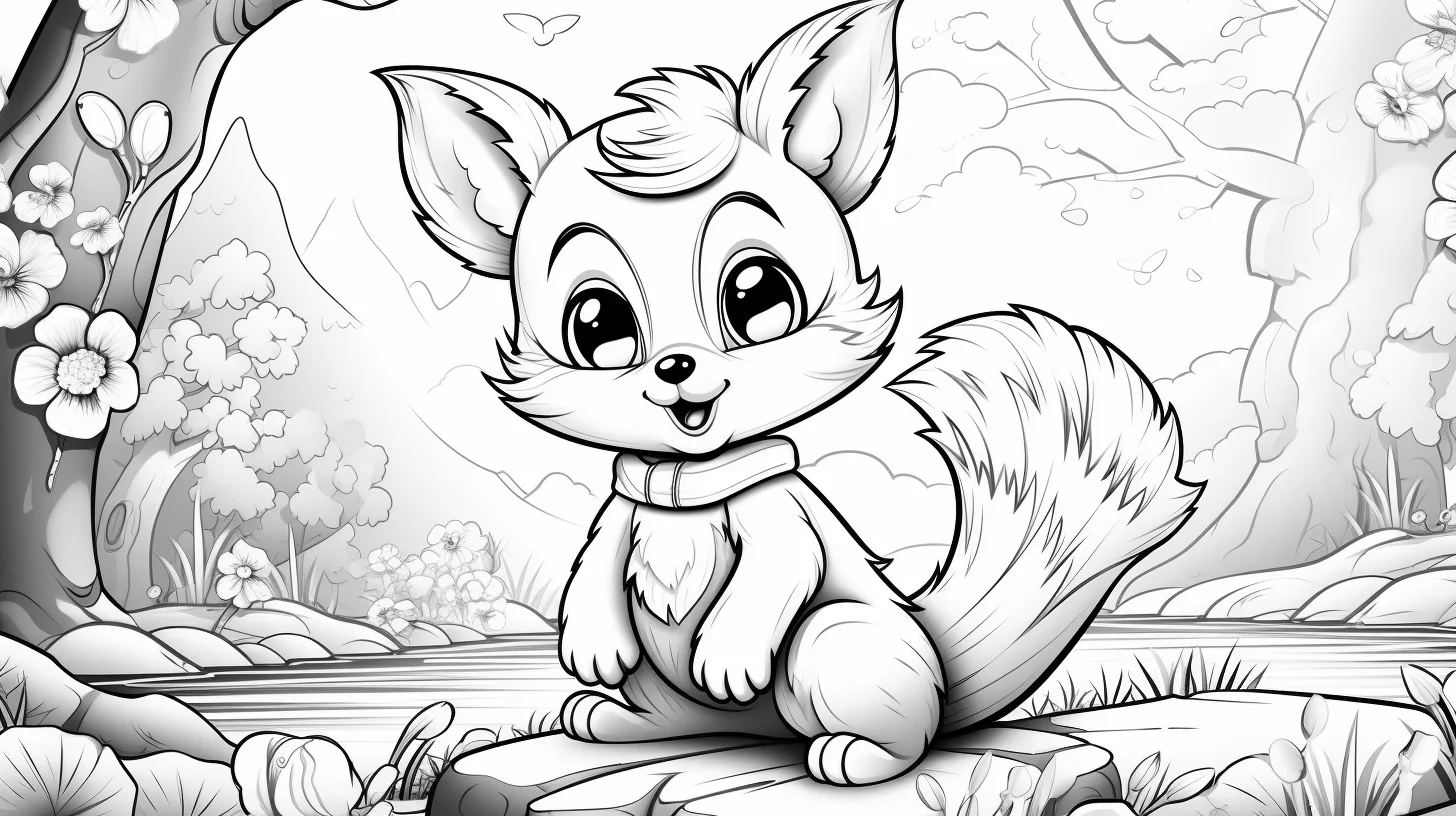
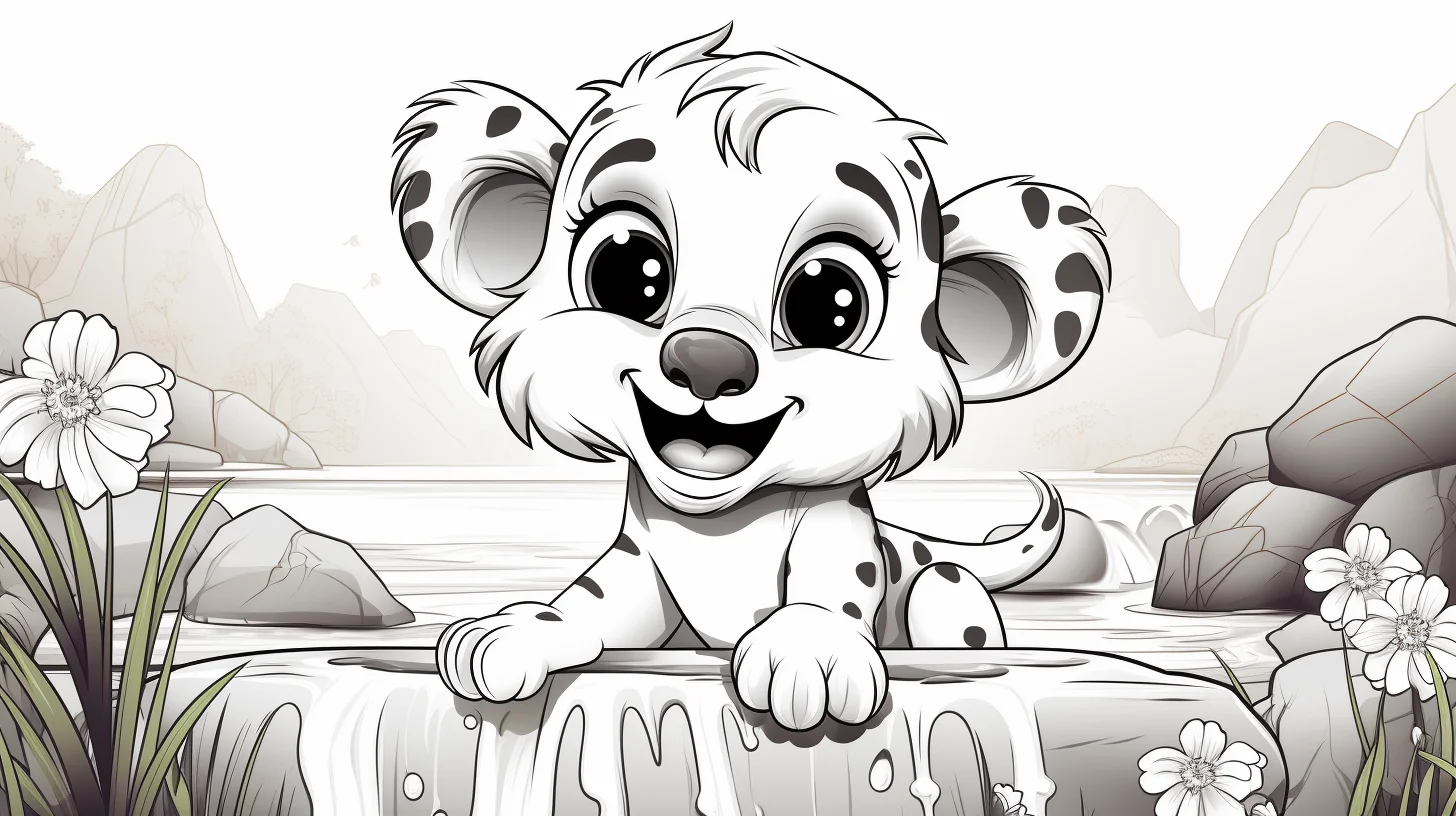
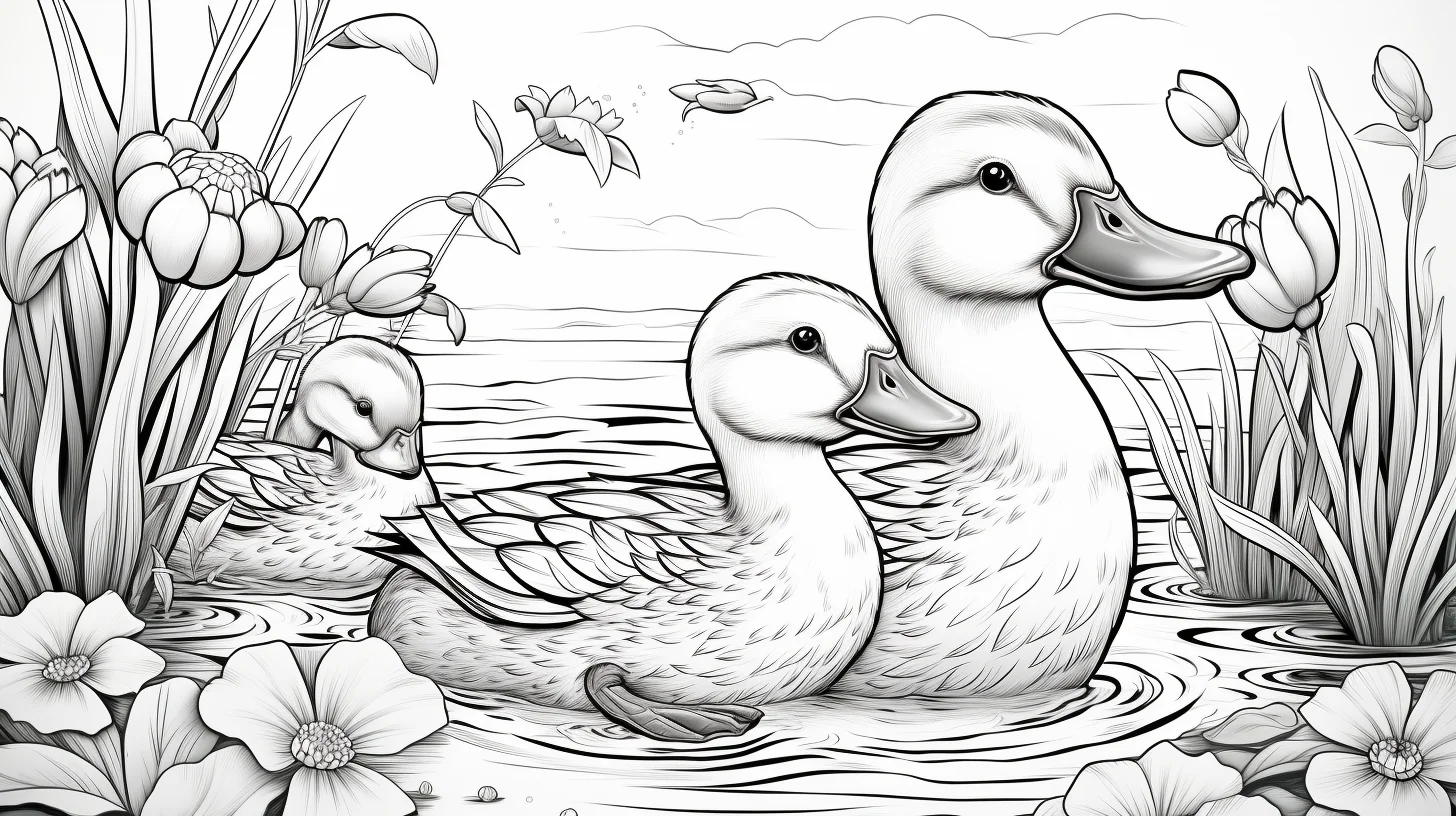
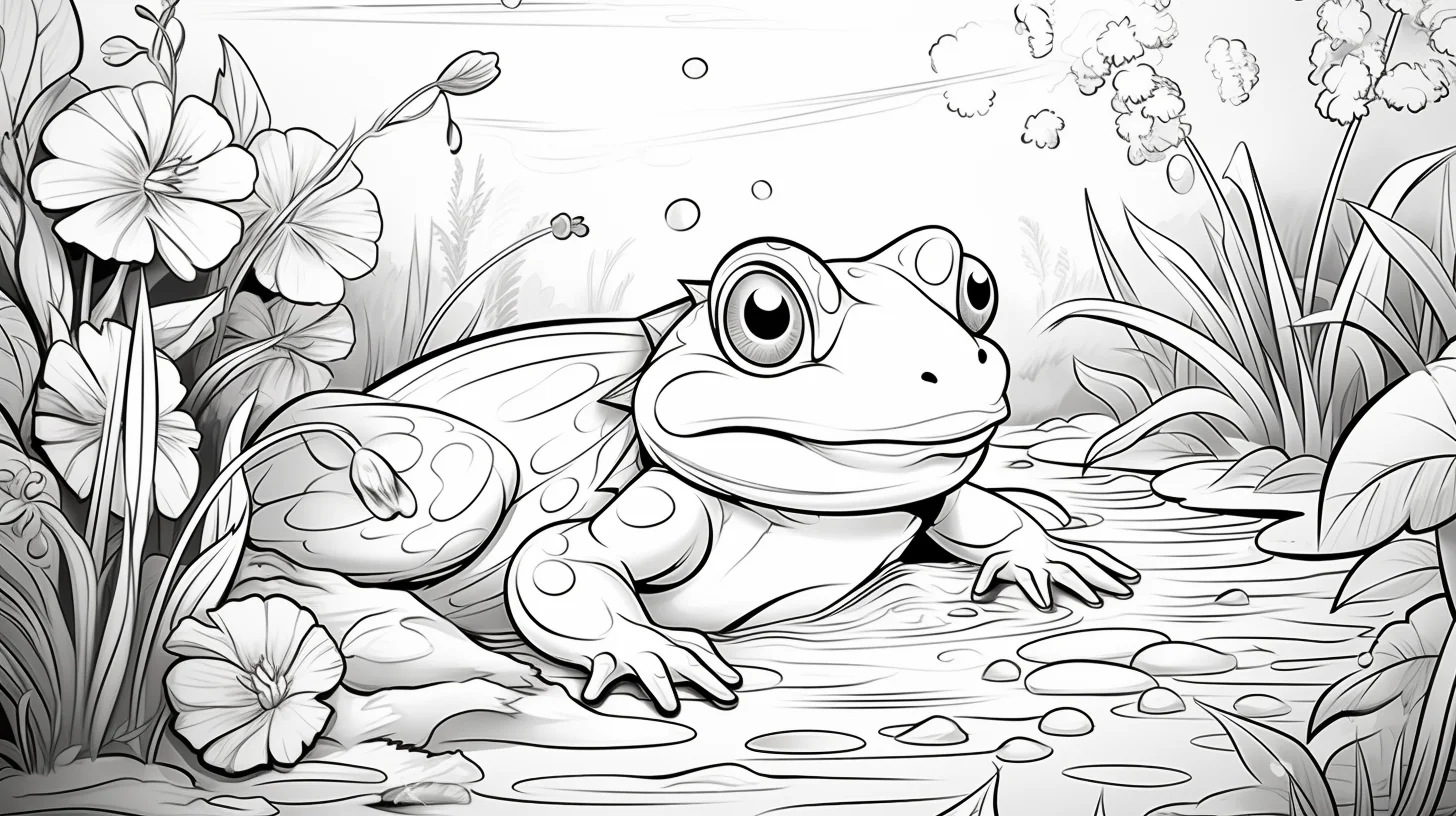
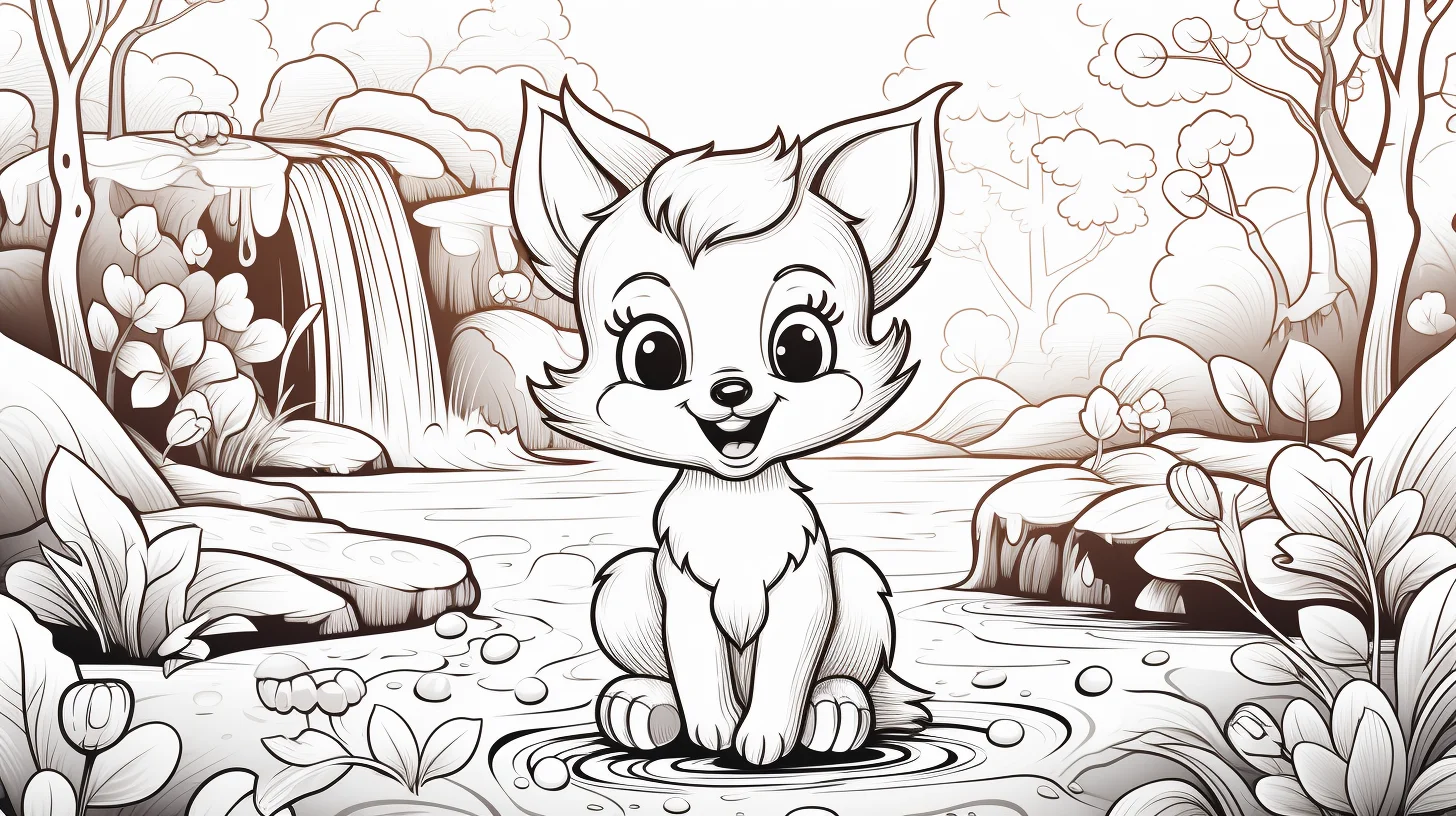
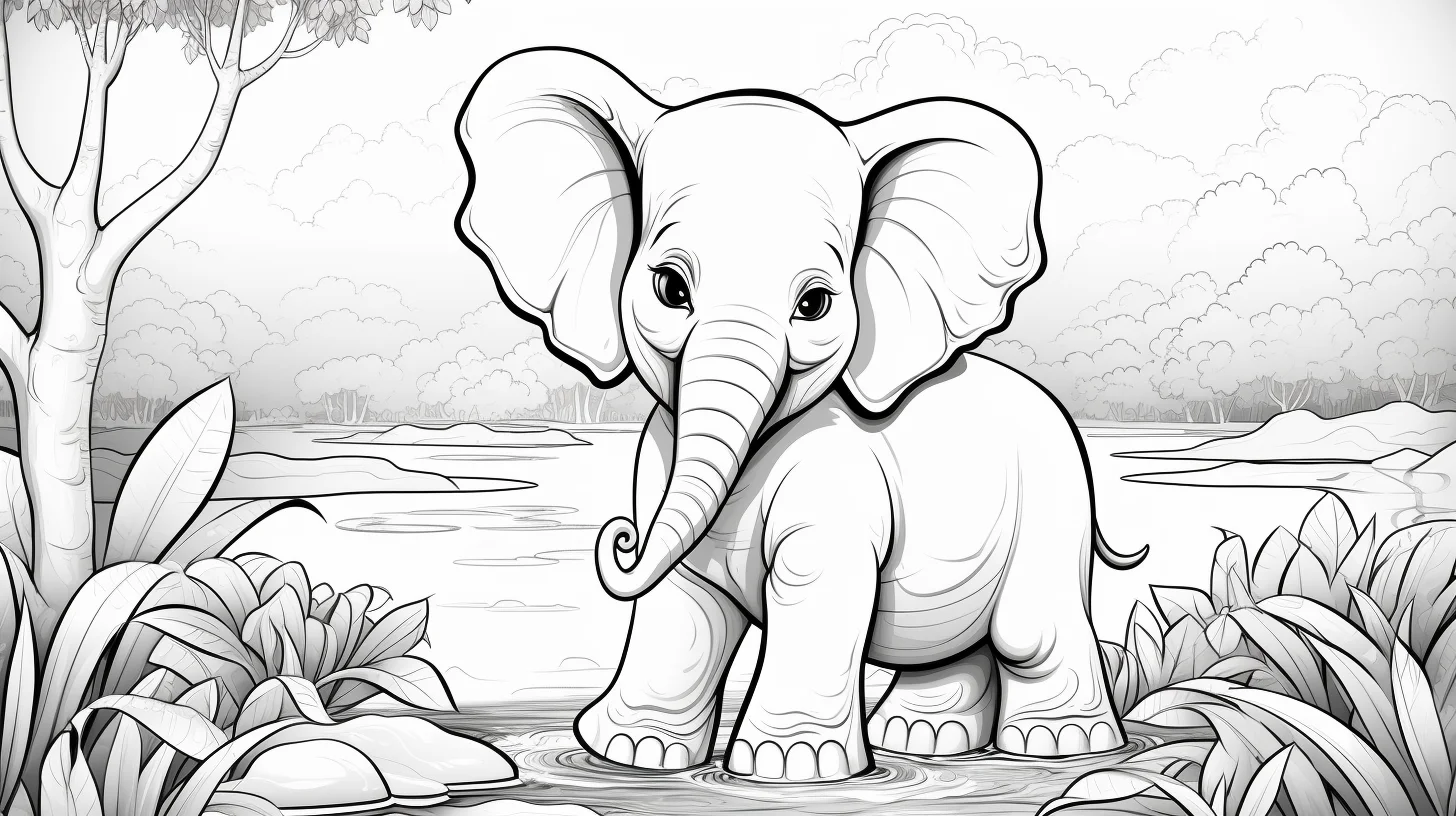
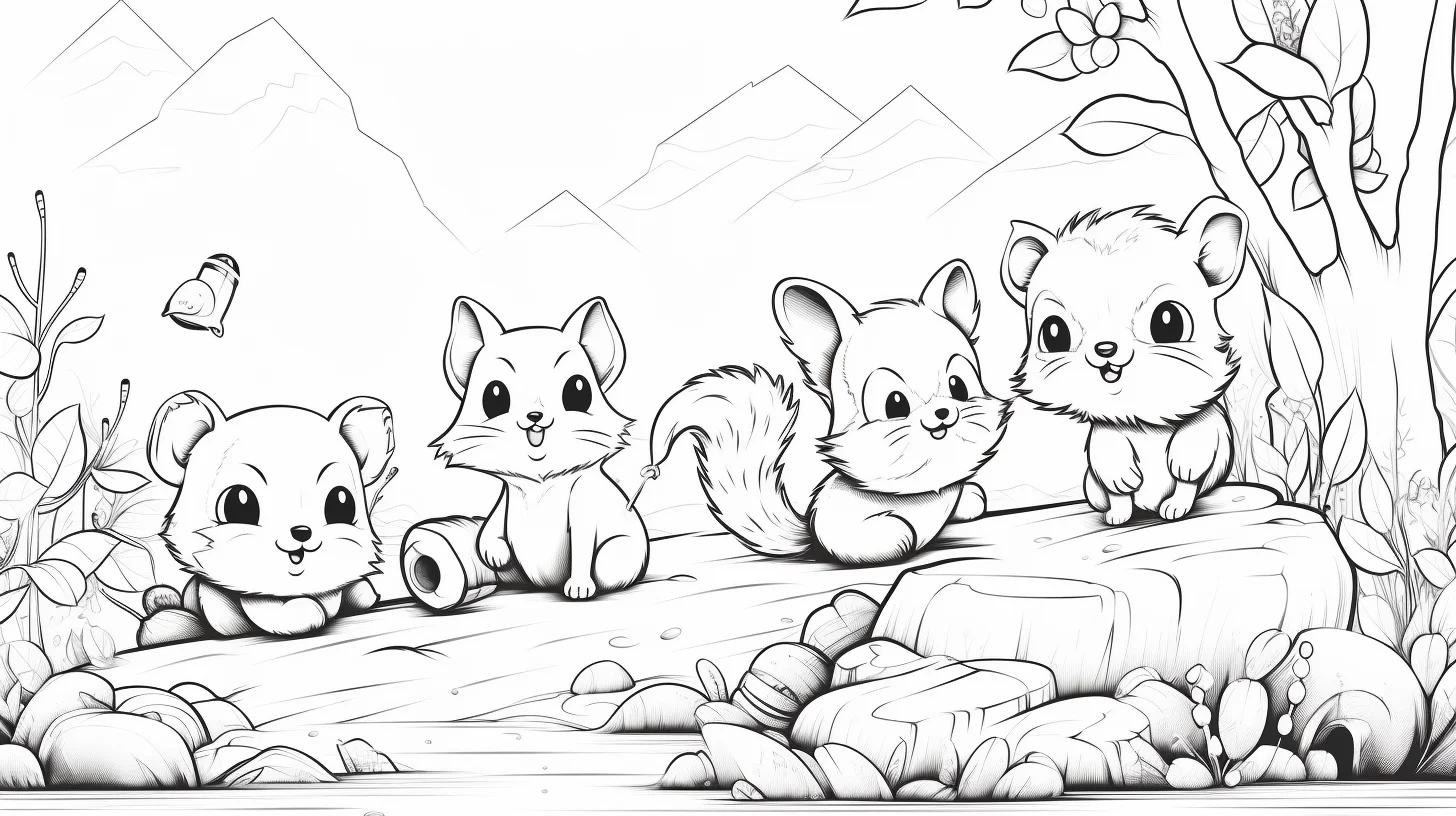
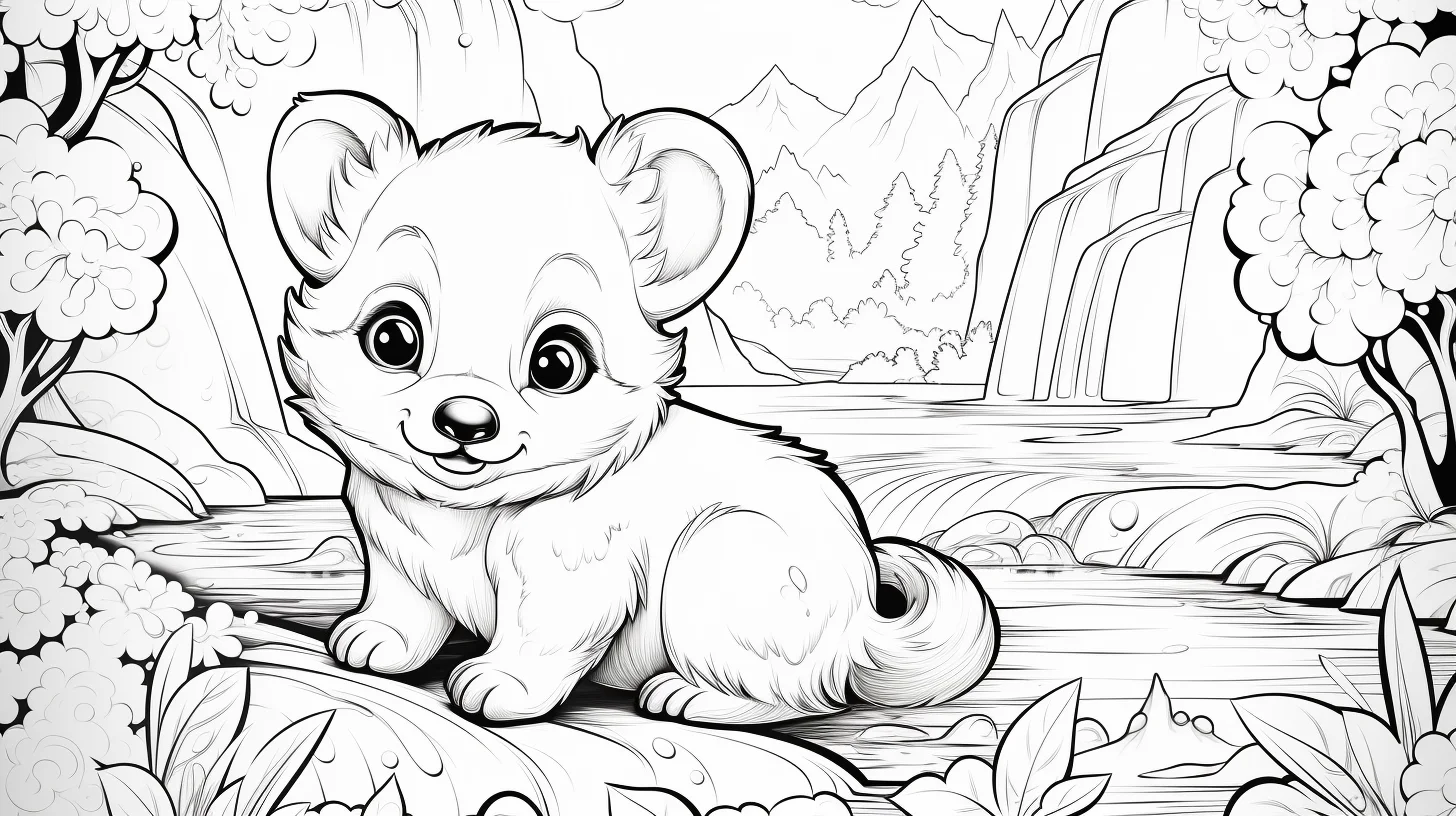
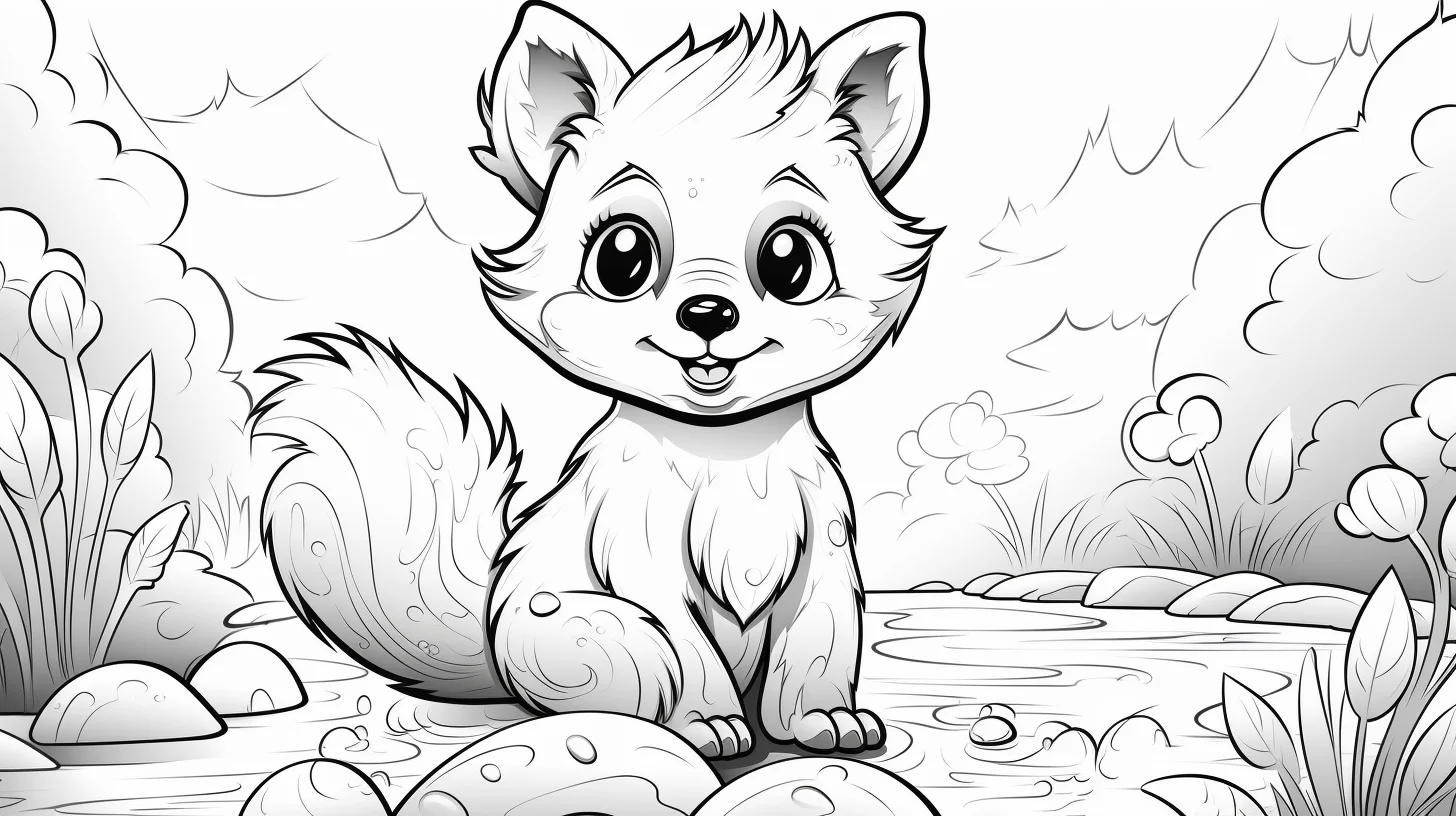
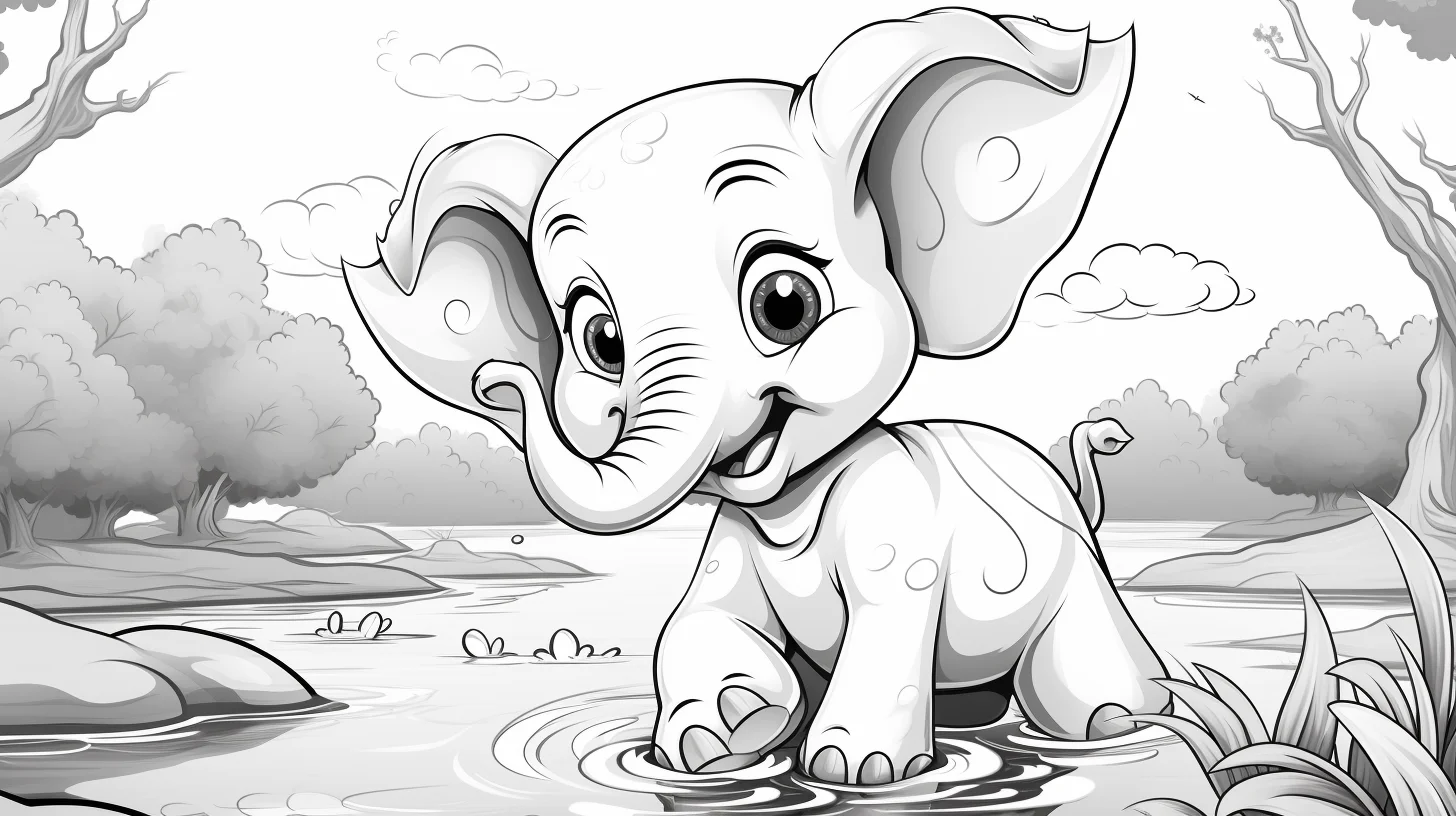
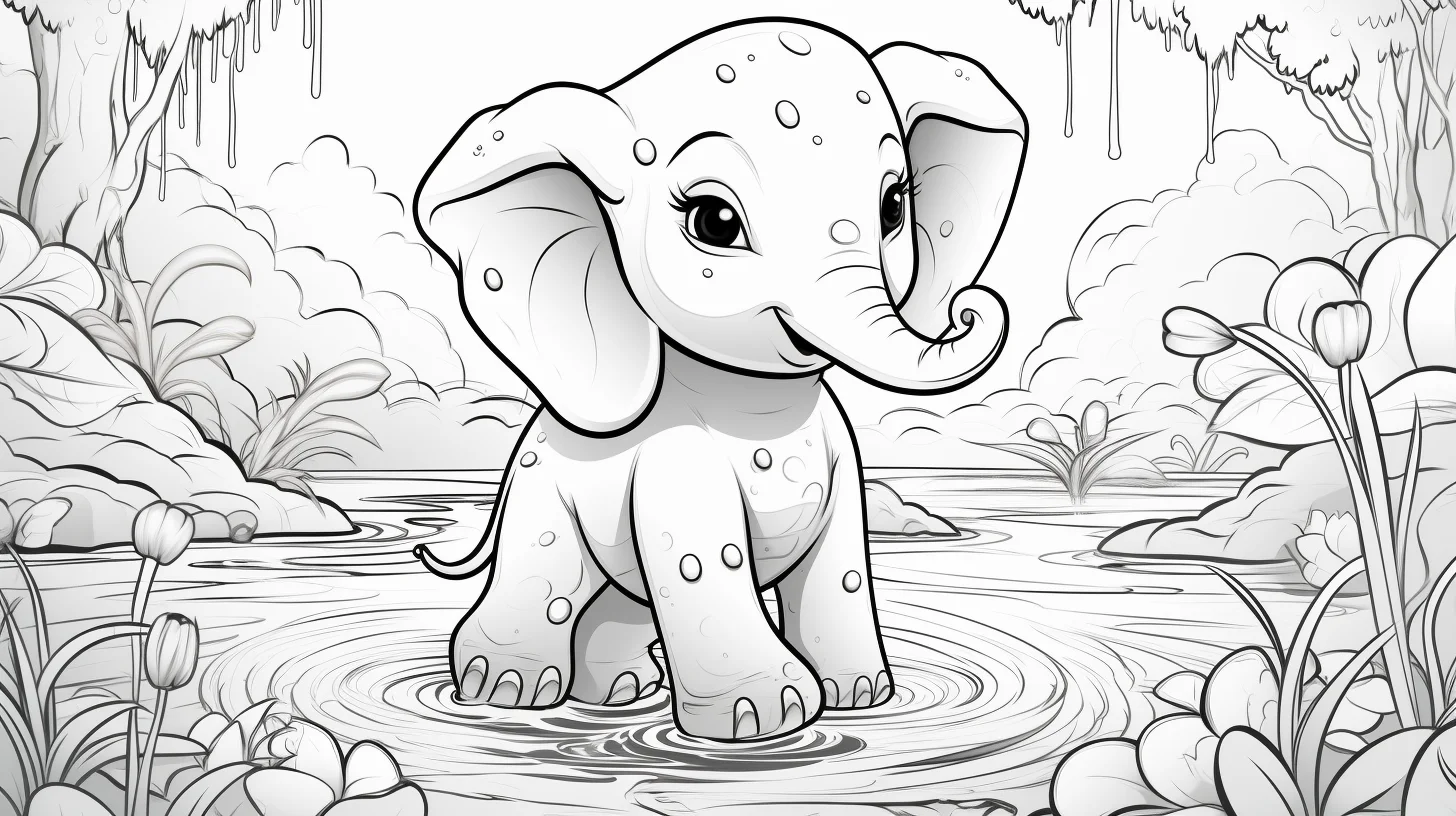
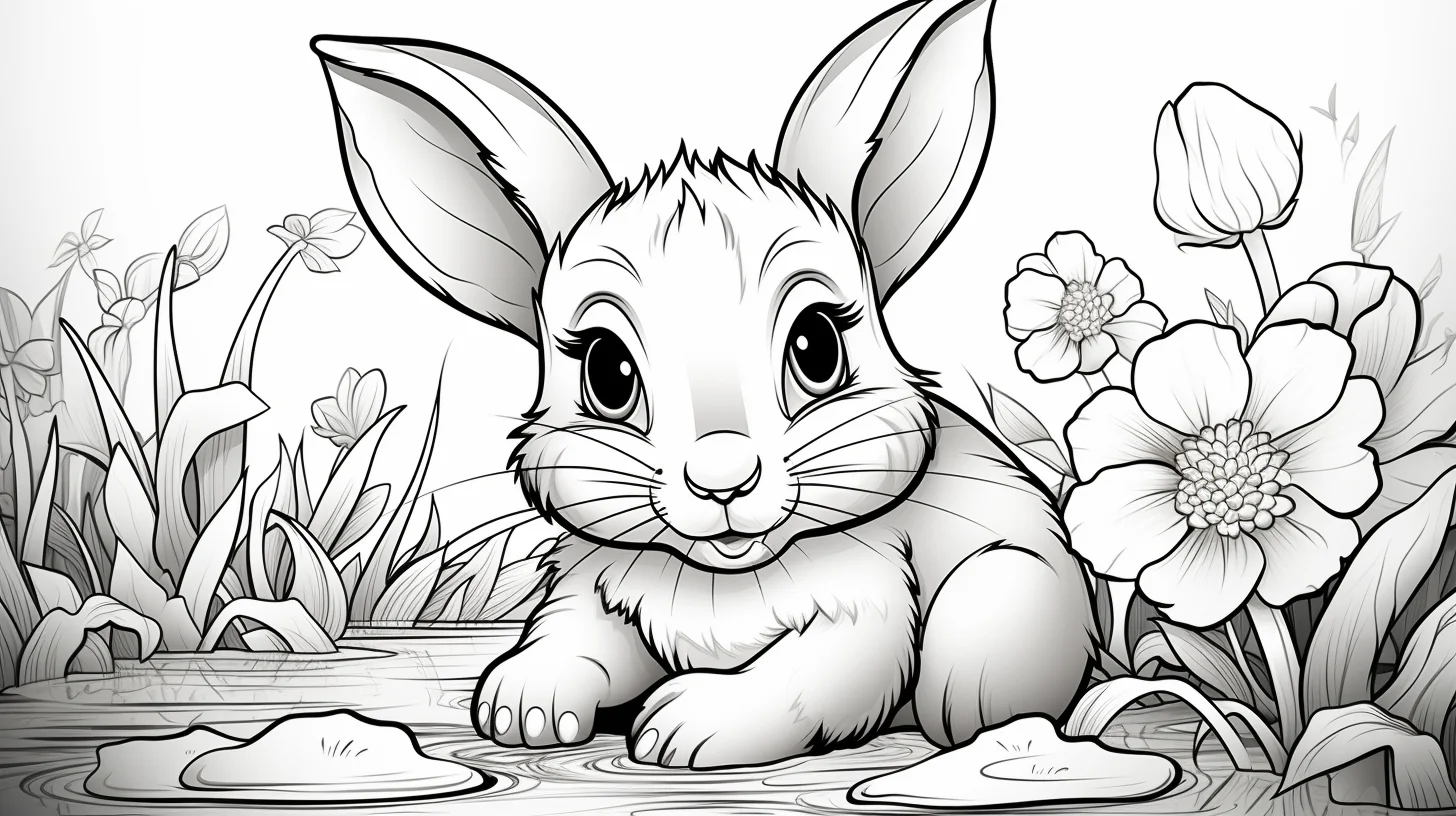
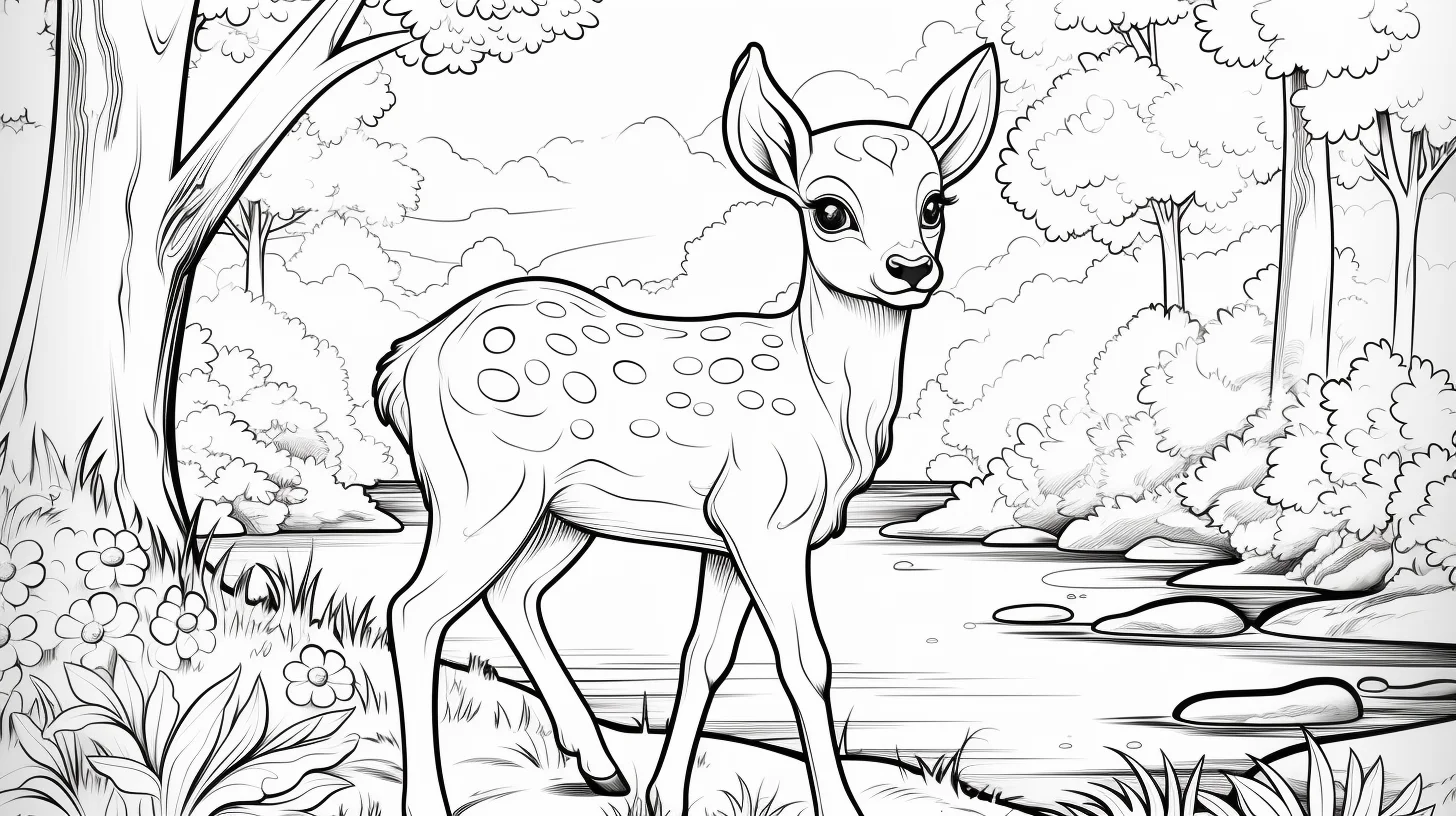
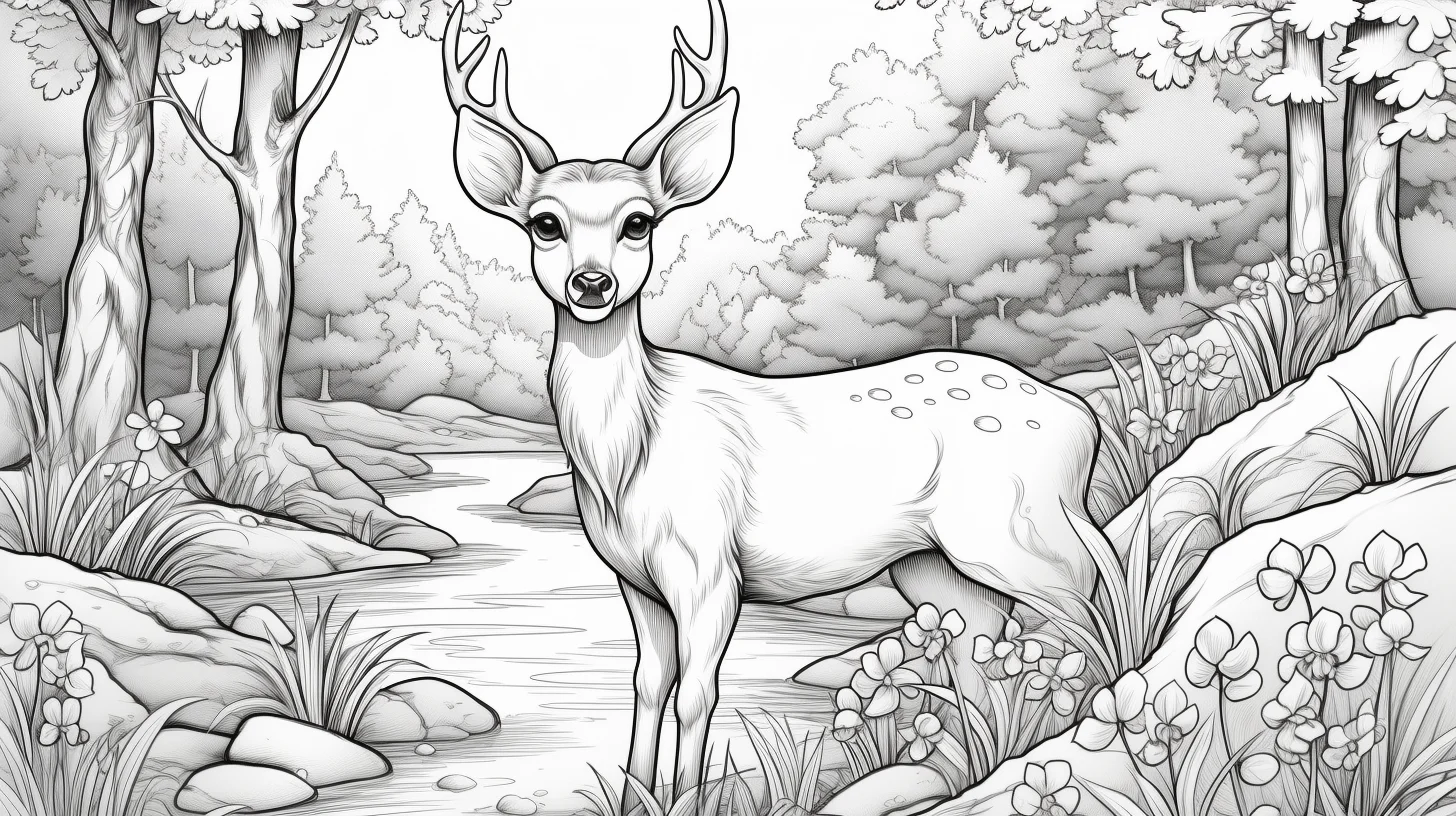
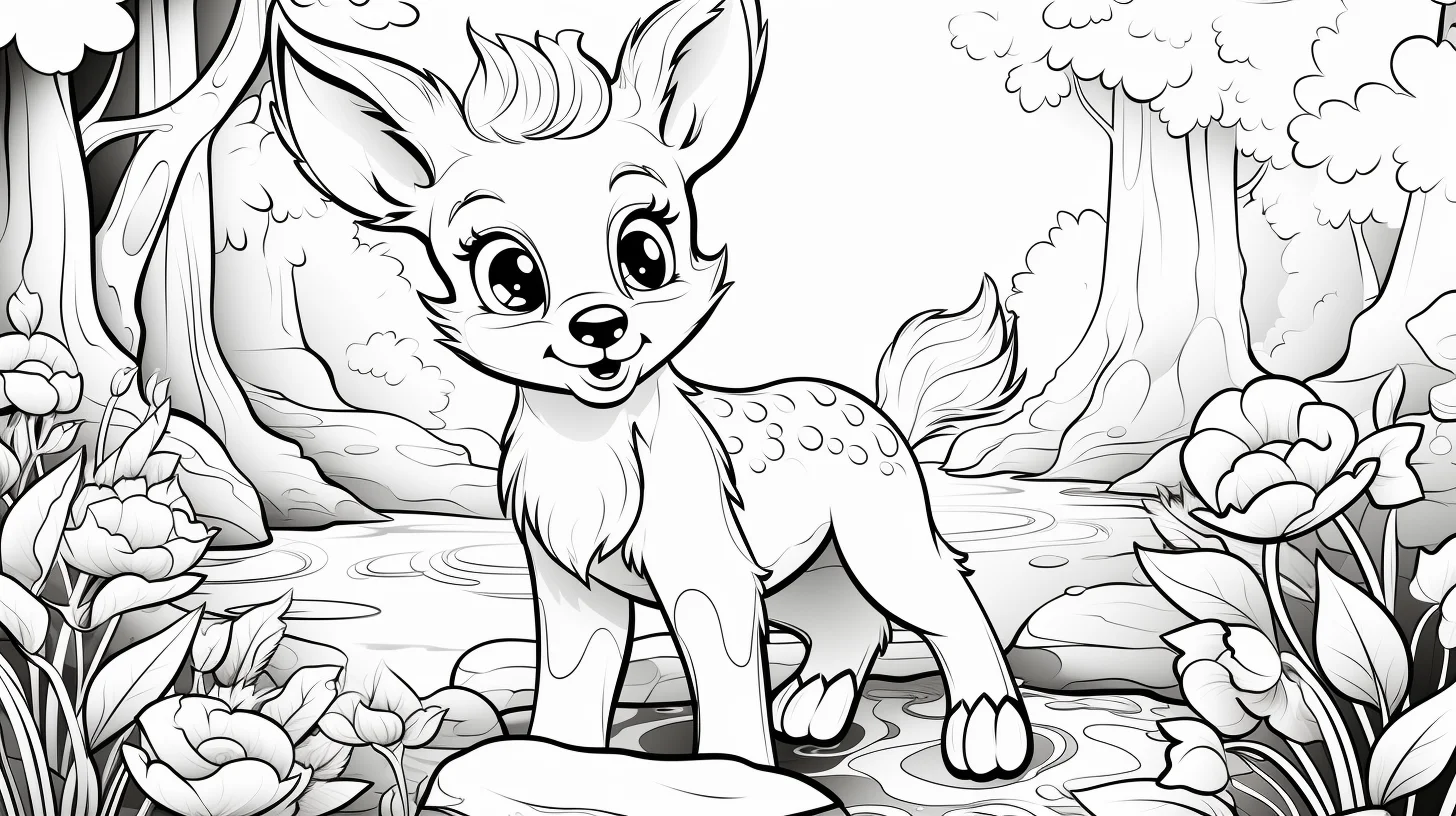
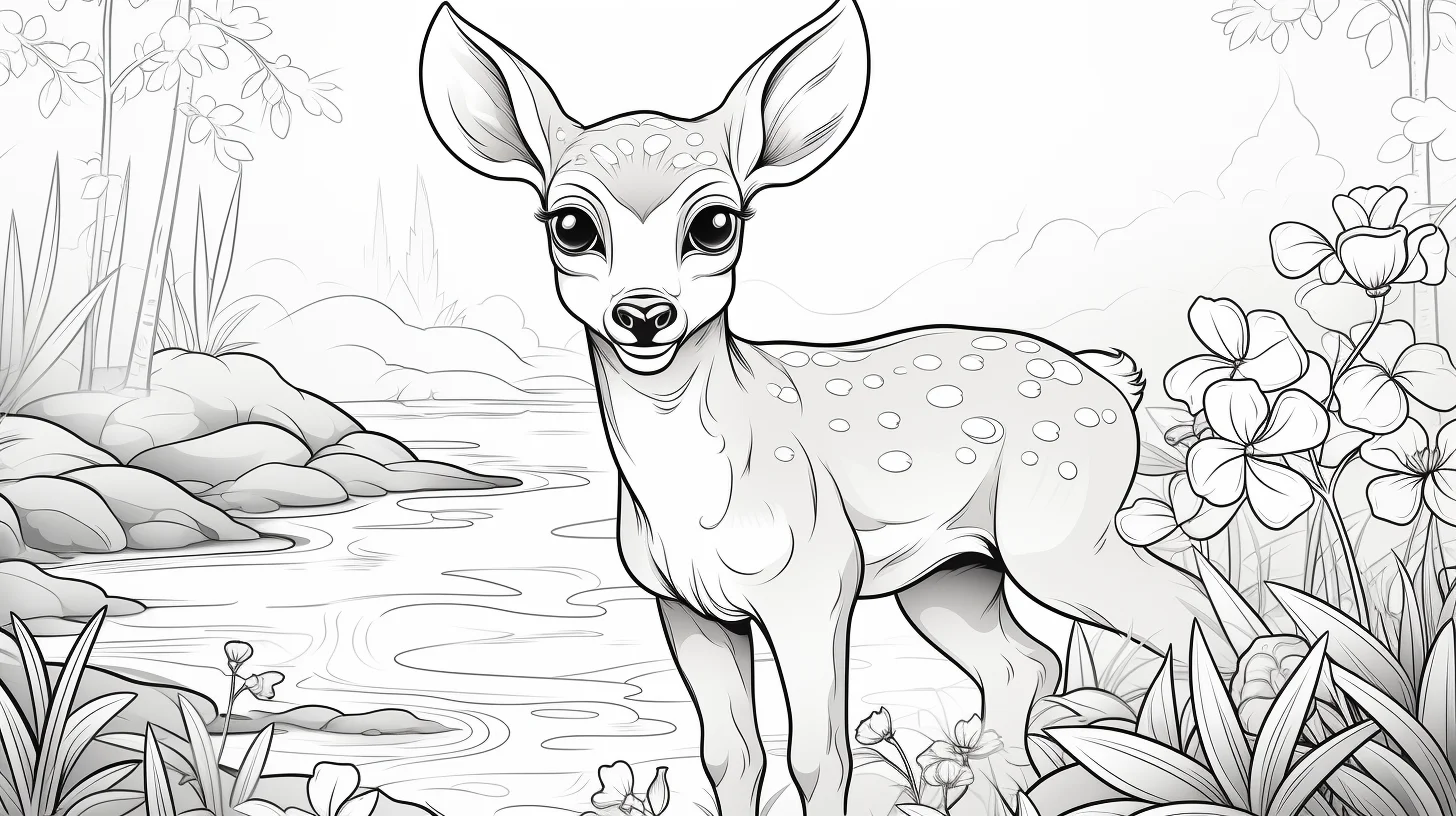
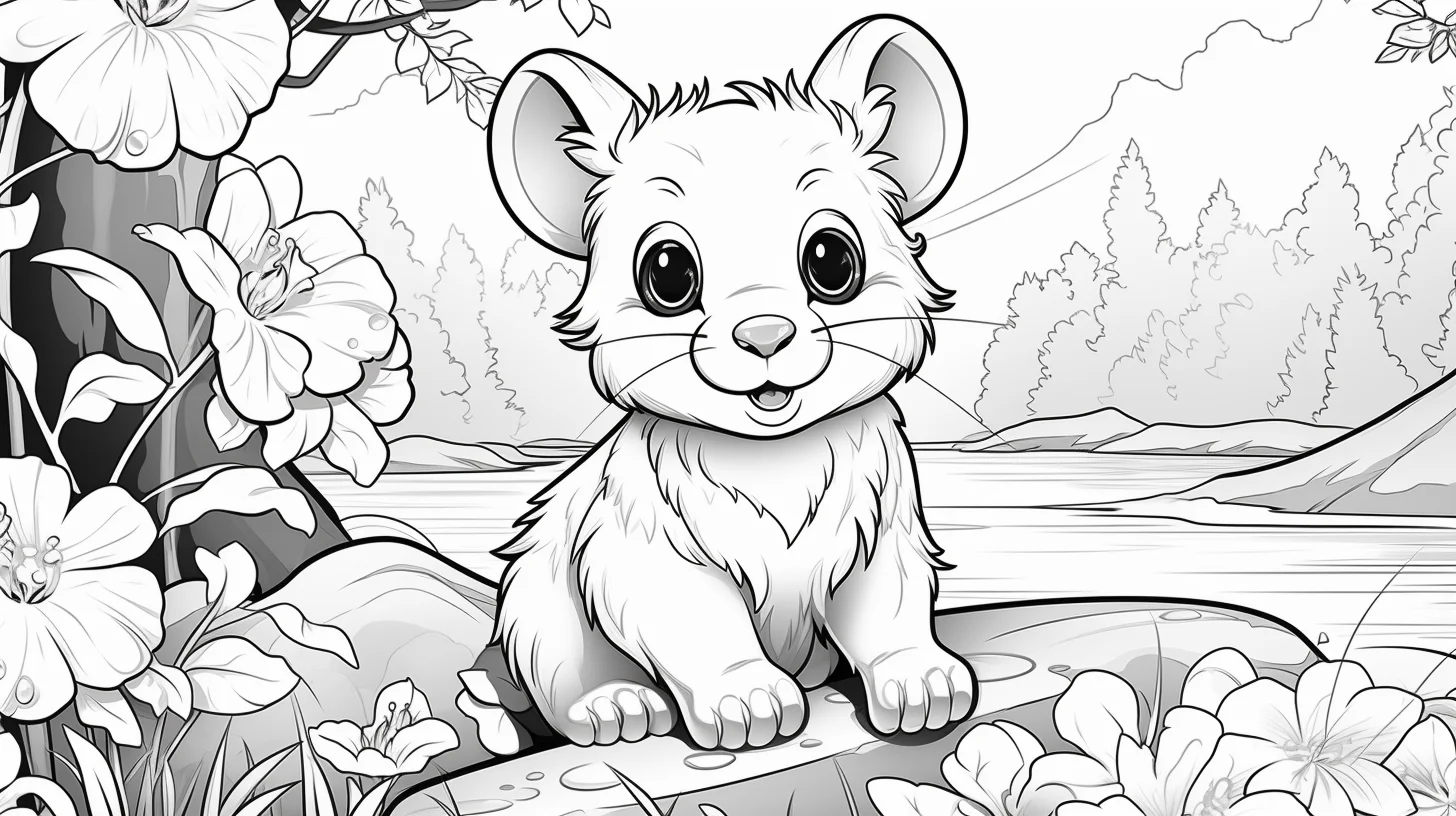
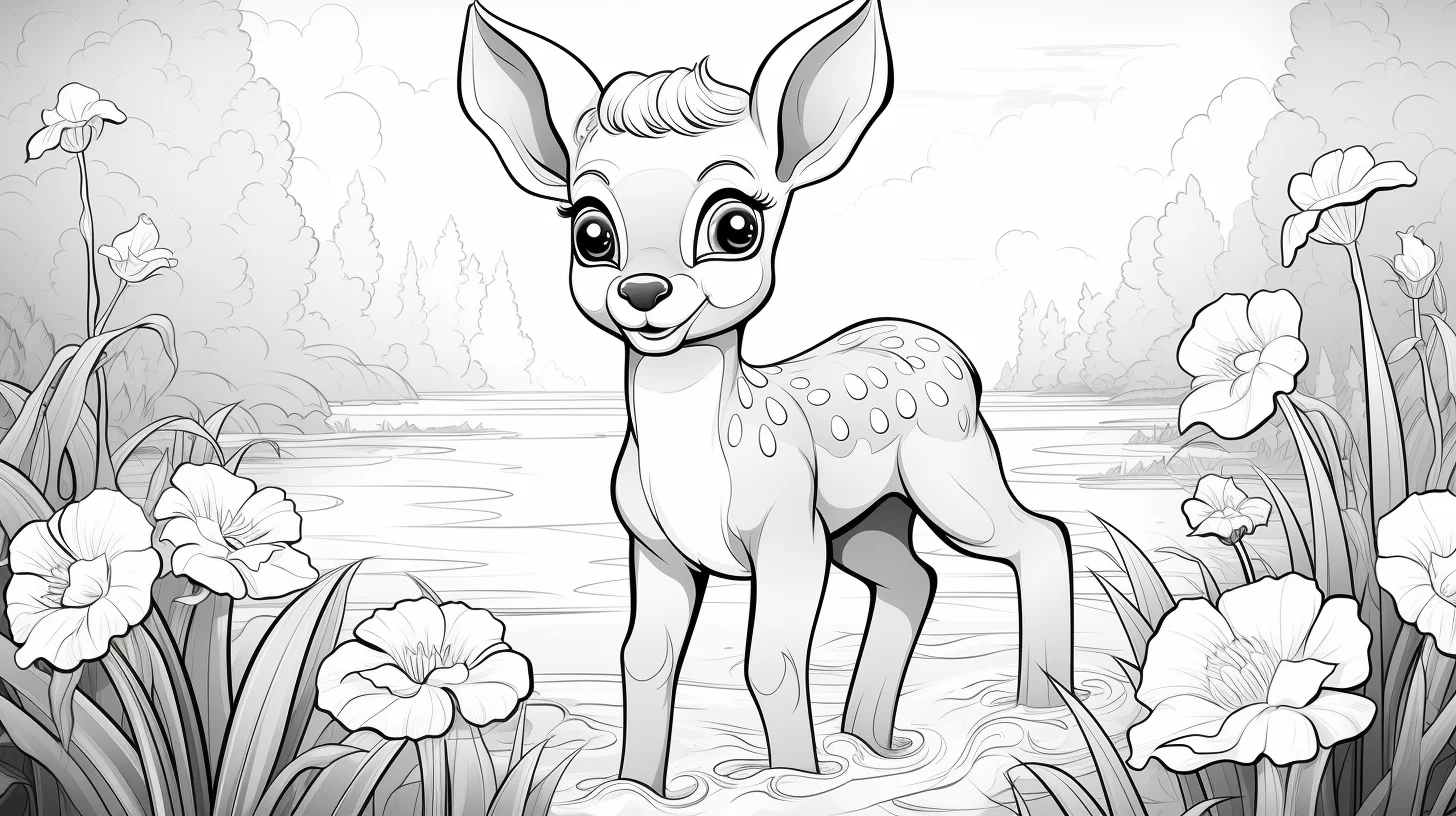
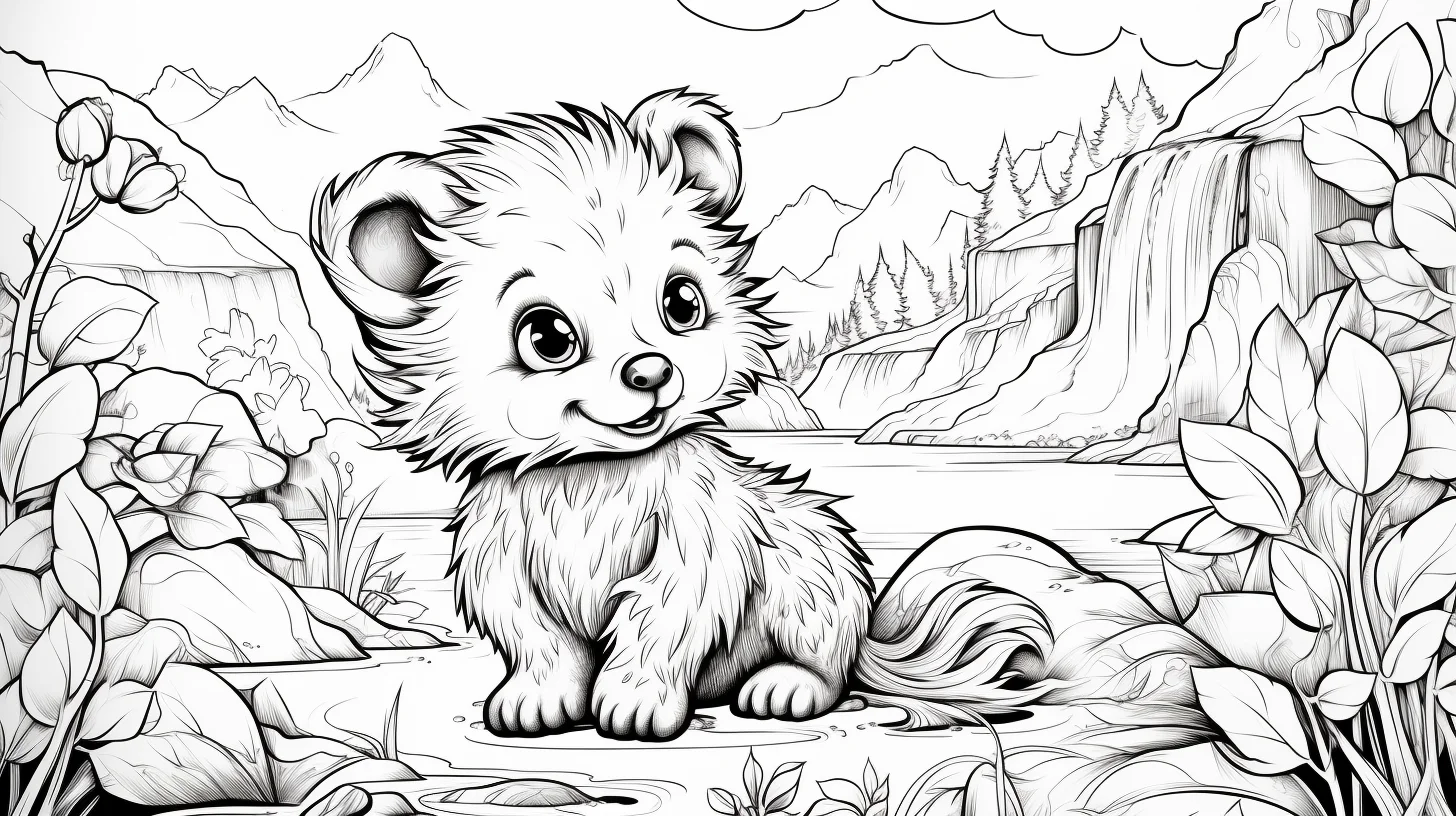
A three-page practice plan for cute baby animals
If a child wants to improve rather than simply finish more pages, use three different sheets from this gallery in sequence. Keep the sessions short and change only one challenge at a time.
- Page 1 — stay inside the large shapes: choose one animal with a quiet background. Use two or three crayons and concentrate on clean edges around ears, paws, beaks and tails.
- Page 2 — add simple texture: choose an animal with fur or feathers. Put down a light base color, then add a slightly darker version with short strokes that follow the direction of the body.
- Page 3 — separate animal from background: choose a page with flowers, grass or scenery. Keep the animal relatively simple and use a different value or color family behind it so the face remains easy to see.
Printing the first page again a week later can be more useful than moving immediately to a harder drawing. The child can compare edge control, pressure and color choices on exactly the same shapes.
How to color fur, feathers and small faces
On these softer baby-animal drawings, texture works best when it stays subtle. For fur, color the body lightly first and add a few darker strokes around the cheeks, chest, back and tail rather than filling the entire animal with individual hairs. For ducklings and other fluffy birds, use short curved strokes around the outside of the body while leaving the center smoother.
Save the darkest pencil or crayon for the smallest facial features. Eyes, nostrils and the line of the mouth need much less color than the body. If the face starts to look crowded, stop adding detail around the eyes and strengthen the body shadows instead.
Quick fixes when a page is not working
| Problem | Try this |
|---|---|
| The animal looks flat | Add one darker version of the body color beneath the chin, belly and overlapping legs. |
| Fur looks scribbled | Use fewer strokes and make them follow the direction the fur would grow instead of crossing randomly. |
| The face disappears | Keep the cheeks and forehead lighter, then use the darkest value only for the eyes, nose and mouth. |
| The background competes with the animal | Make either the animal or the background noticeably lighter. Do not give every object the same intensity. |
| Crayon coverage is patchy | Use light pressure first, overlap the strokes, then add a second layer instead of pressing hard immediately. |
| There are too many colors | Choose three main colors and repeat them in small background details rather than introducing a new color for every shape. |
Four easy palettes to reuse
- Woodland: warm brown, cream, rust, moss green and a small amount of yellow.
- Soft pastel: peach, pale pink, lavender, mint and light blue.
- Sunny farm: golden yellow, warm brown, grass green, sky blue and red accents.
- Three-color challenge: pick any three crayons and make lighter or darker versions by changing pressure instead of adding more colors.
The three-color challenge is especially useful for a group: everyone can color the same baby animal while producing a visibly different result without needing a large pencil set.
Baby animal coloring questions
Which pages are easiest for preschoolers?
Choose the sheets where one animal fills most of the page and the background stays quiet. Large heads, bodies and paws are much easier with crayons than pages built from lots of tiny fur or flower details.
Do baby animals need realistic colors?
No. Natural colors are useful if the child wants the animal to look familiar, but they are not required. A purple fox or blue duckling is still a perfectly good coloring page.
What if my child only wants one species?
Use a focused gallery instead of another mixed collection. Try the duck pages, lion cub pages, baby rhinos or baby elephants.
What if these pages are too easy?
Move to the animal habitat coloring pages or the realistic animal collection, where the backgrounds and anatomy give you more to work on.
More animal coloring pages
For another cute mixed set, browse the cute animal coloring pages. For the broadest farm/zoo/jungle mix, use the main animal coloring hub.

