
This is a compact 12-sheet puppy coloring collection with simple cartoon dogs, small puppies and easy dog designs. Most pages use large shapes and open backgrounds, so they work well with crayons, colored pencils or washable markers.
Choose the simplest pages if you want a quick activity; the sheets with more fur, facial detail or surrounding elements take a little longer. There is no need to use realistic coat colors—a blue or purple puppy works just as well if that is what the person coloring wants.
For more dog themes and larger collections, browse our Dog Coloring Pages. For printing help, see Print & Save Help.
Make an easy puppy page feel finished
- Start with the coat: fill the largest fur areas before the eyes, nose or small accessories.
- Use simple contrast: one main fur color, a lighter muzzle or chest and darker ears or nose is usually enough.
- Do not overwork the background: a little grass, a shadow or a few simple shapes can be enough.
- Let kids invent the coat: realistic breed colors are optional on these cartoon-style pages.
12 easy puppy coloring pages
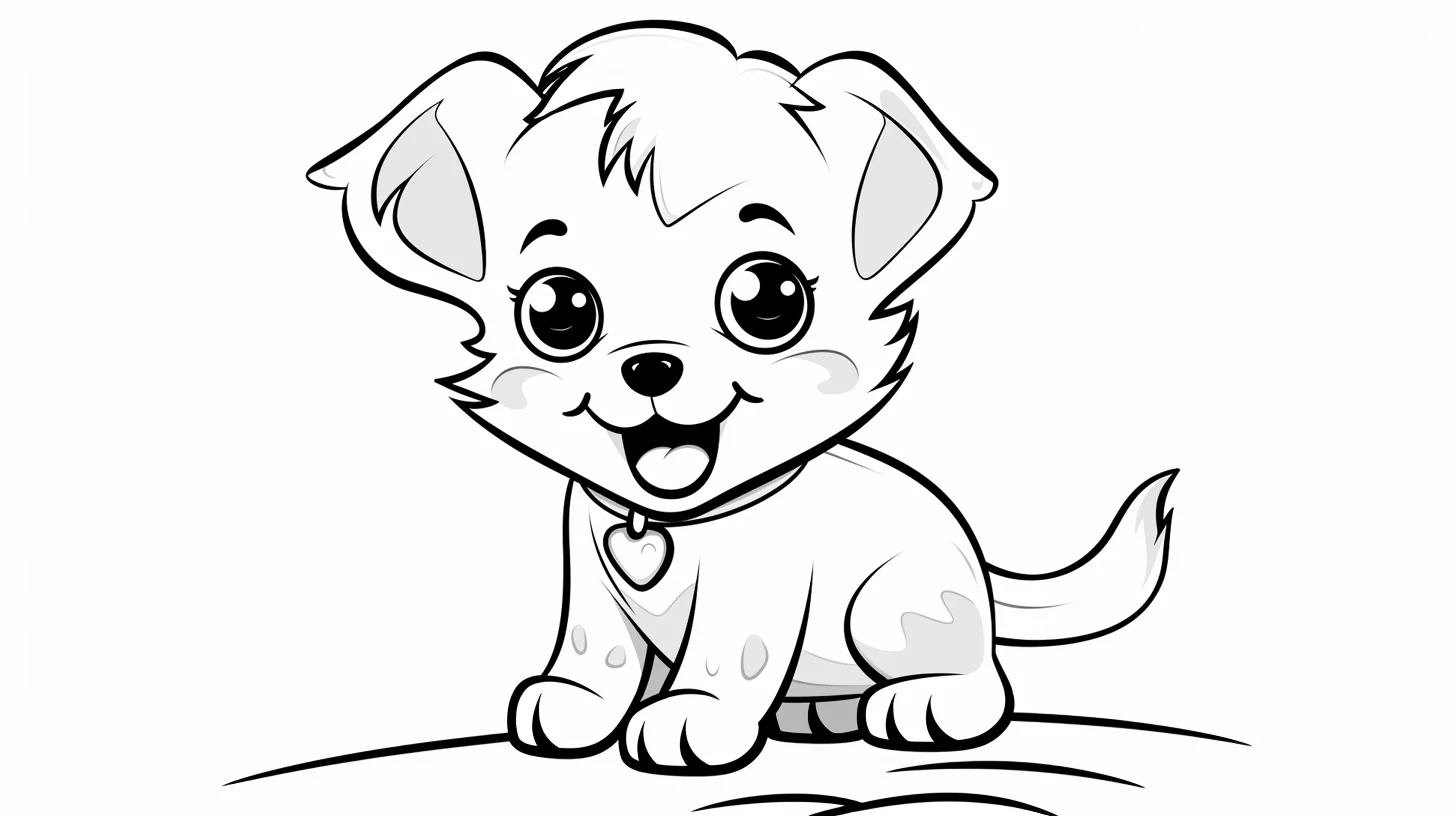
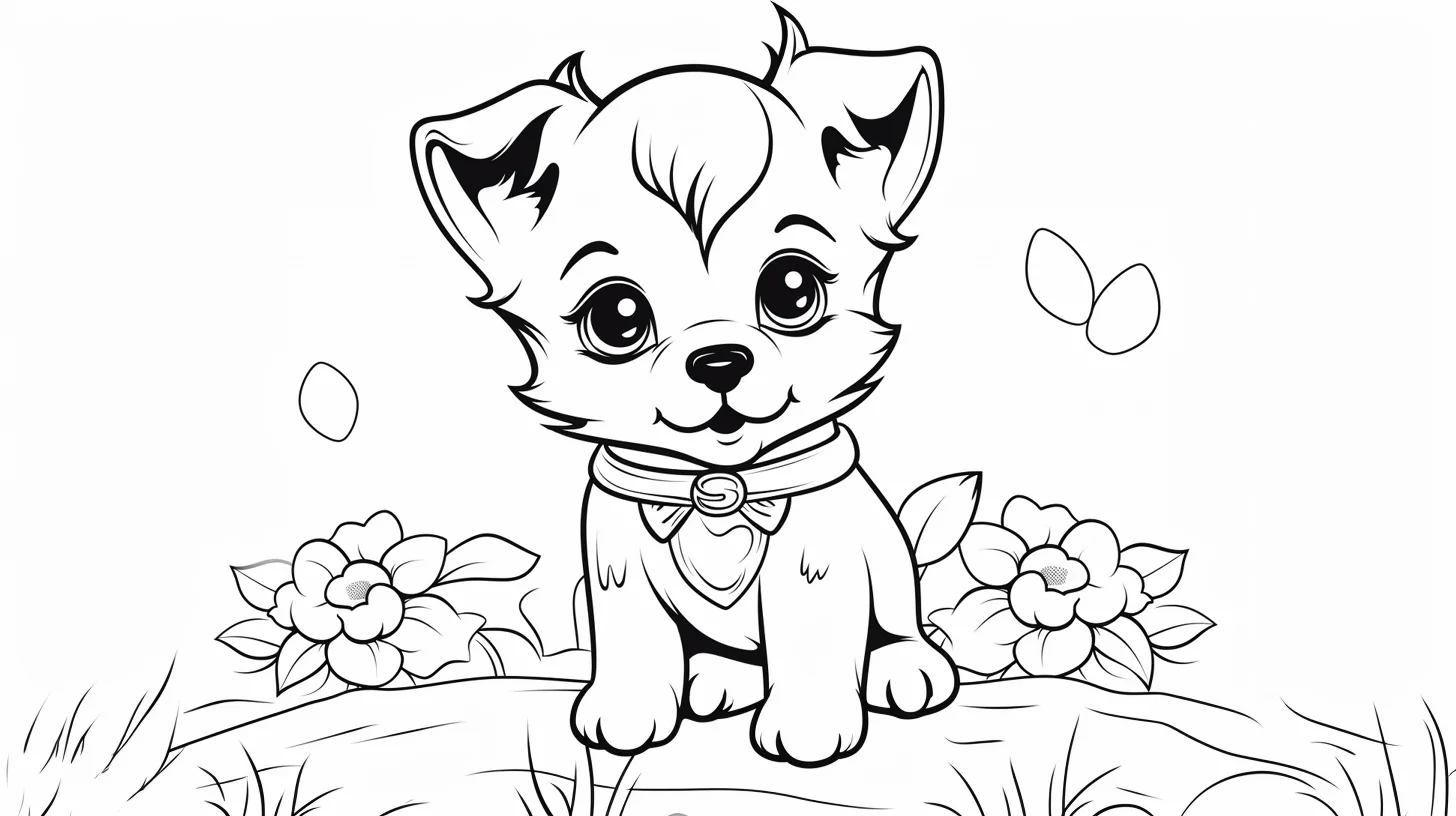
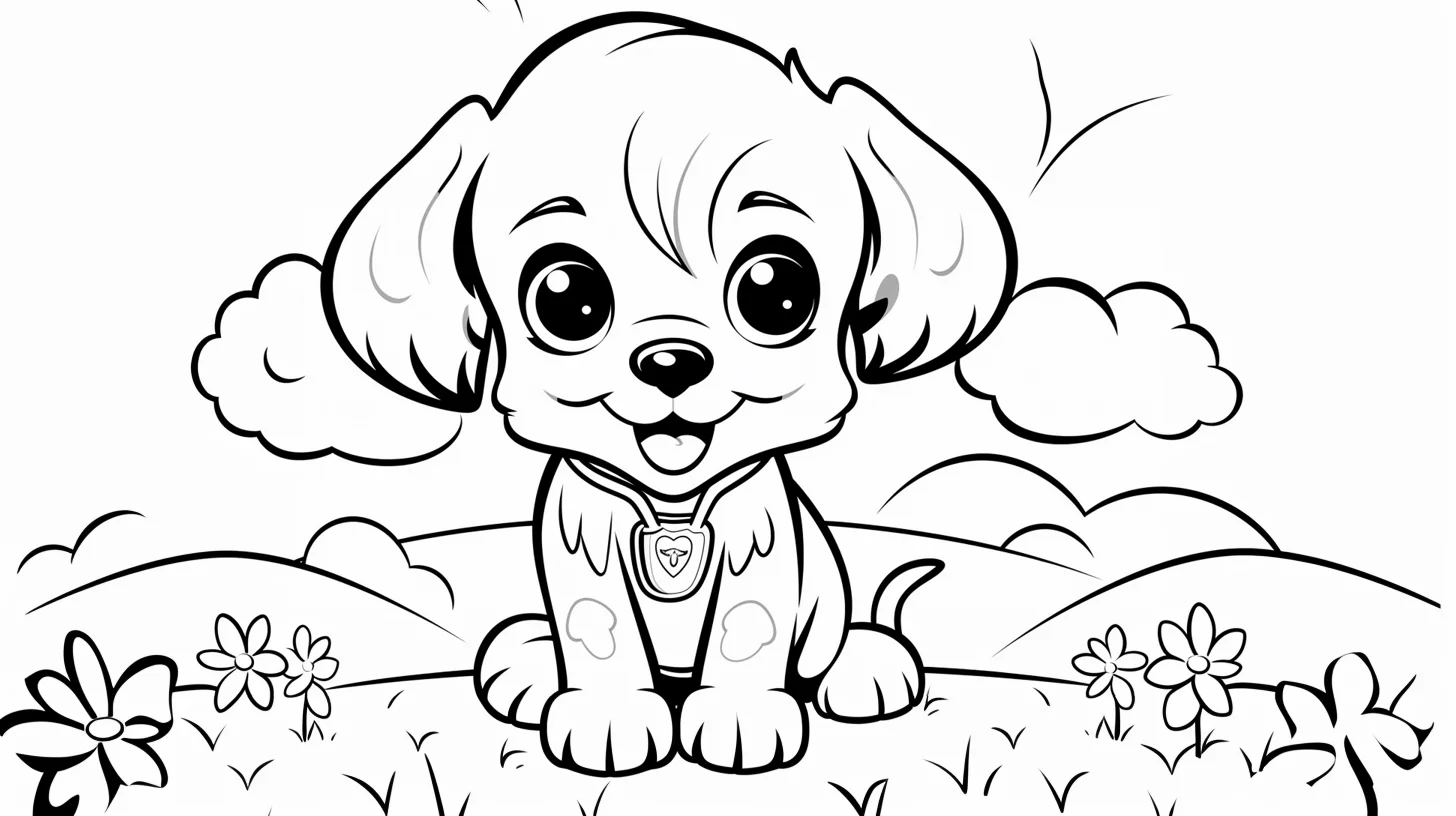
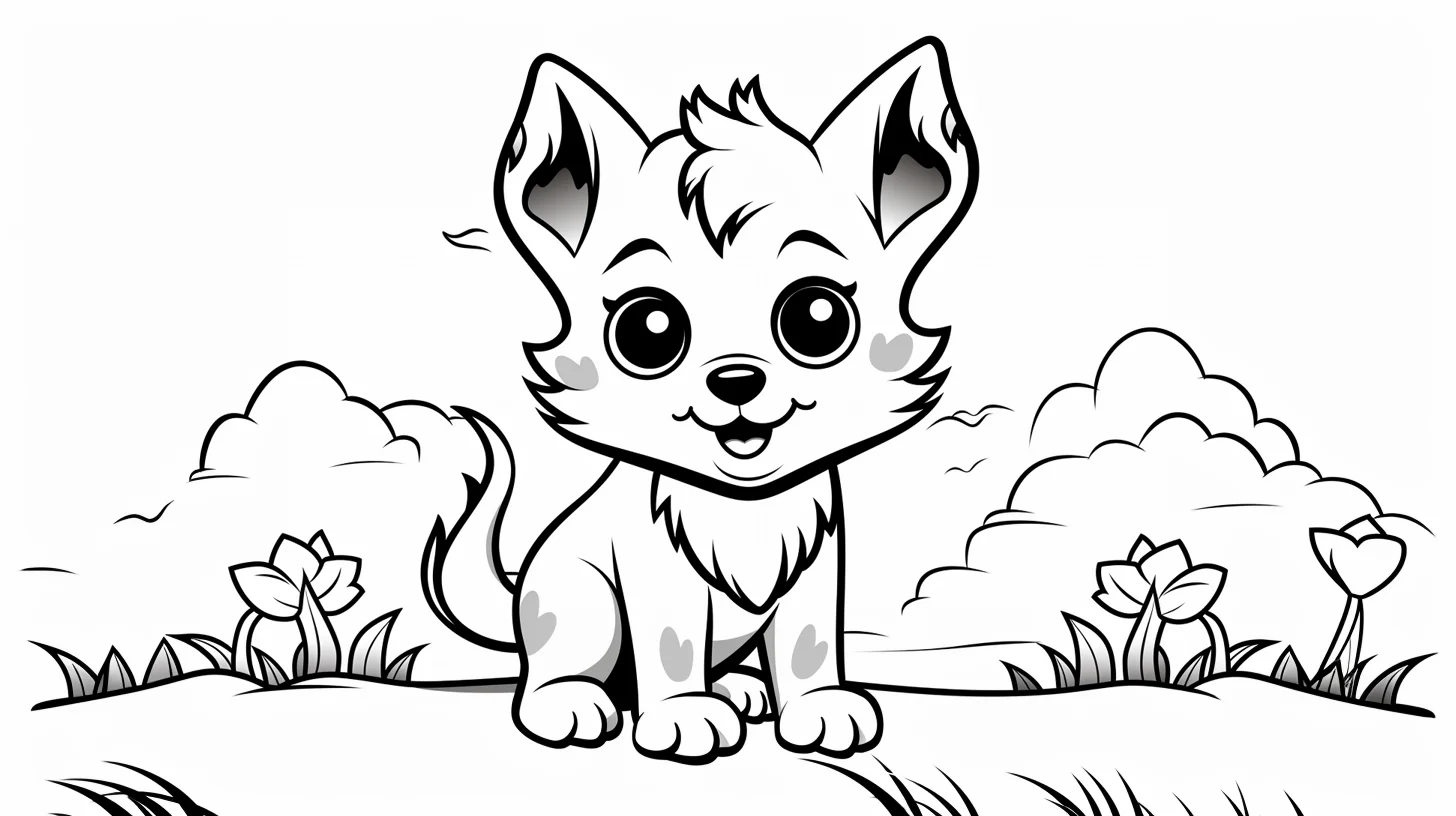
First four pages: these are the quickest choices in the set. Broad crayons or washable markers are ideal for the large shapes; save colored pencils for any face or fur detail that actually needs a smaller point.
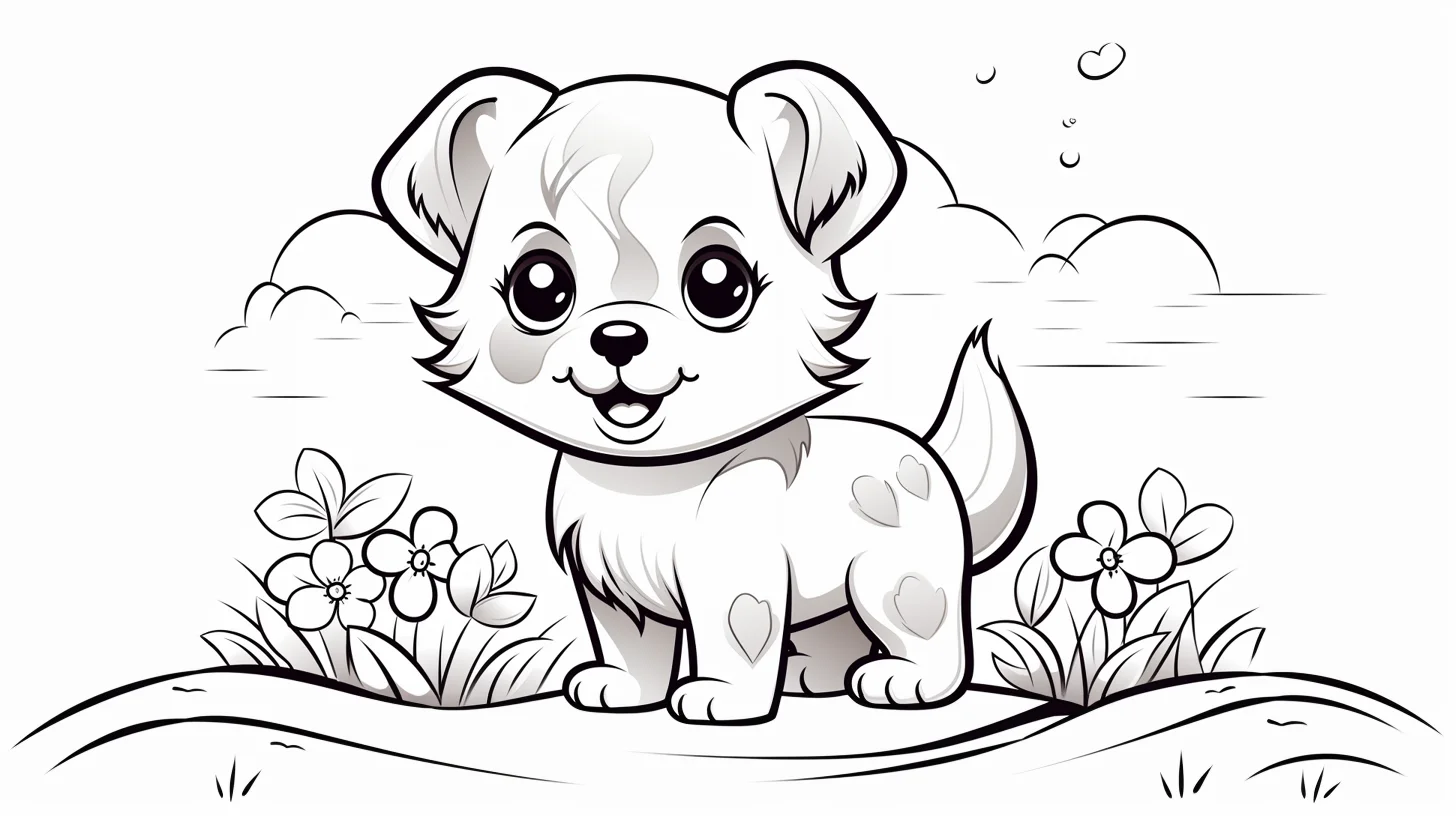
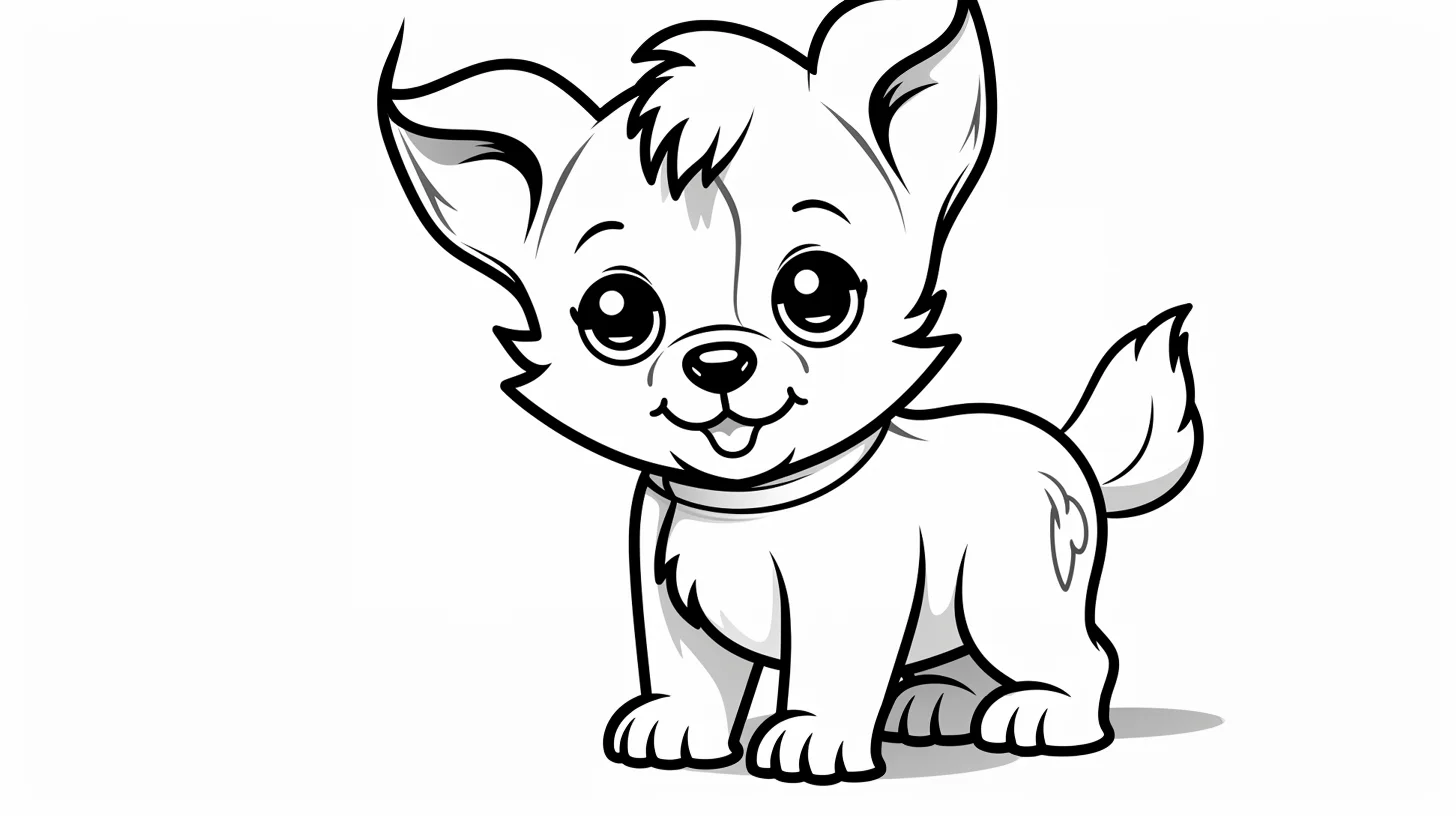
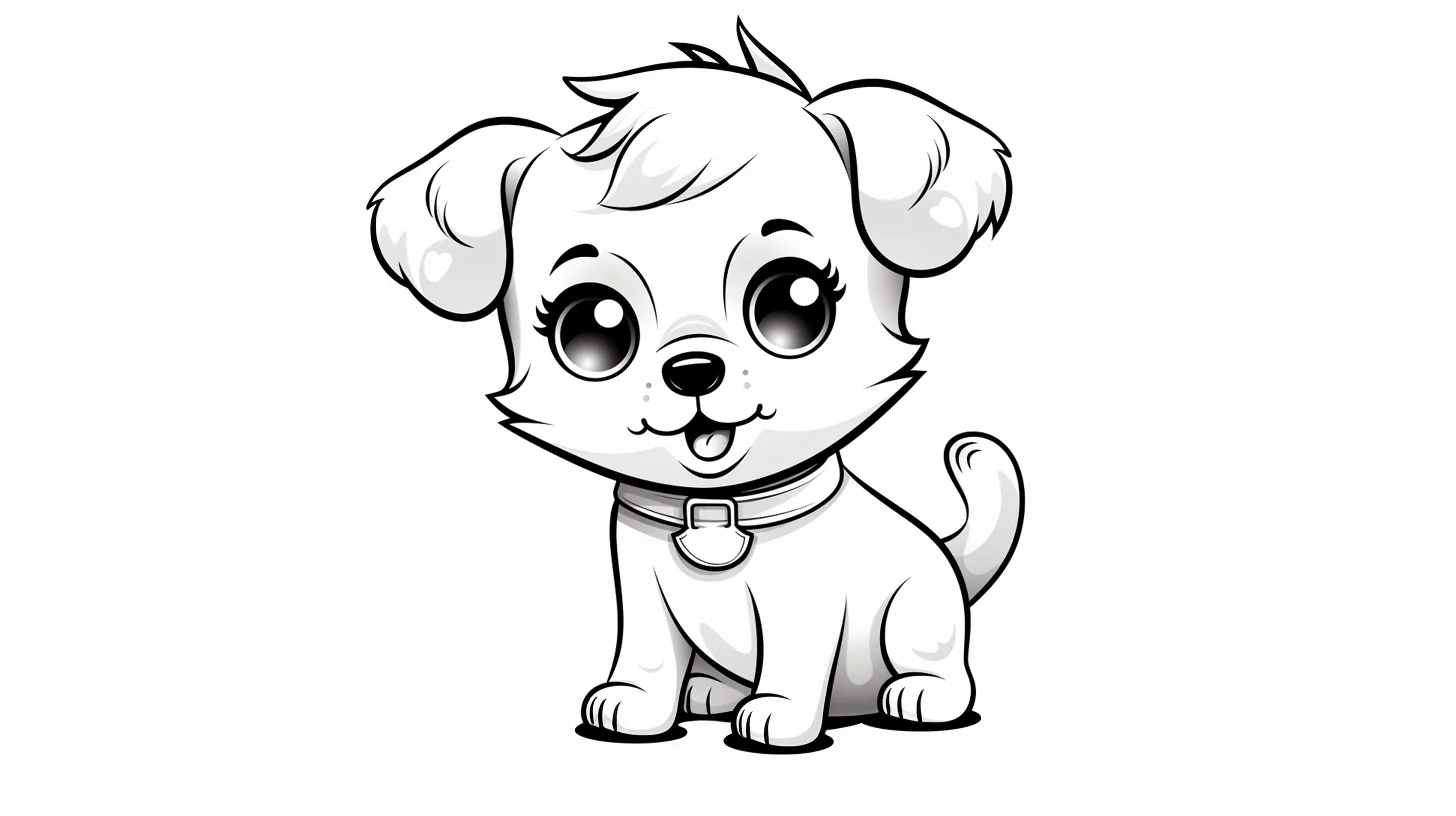
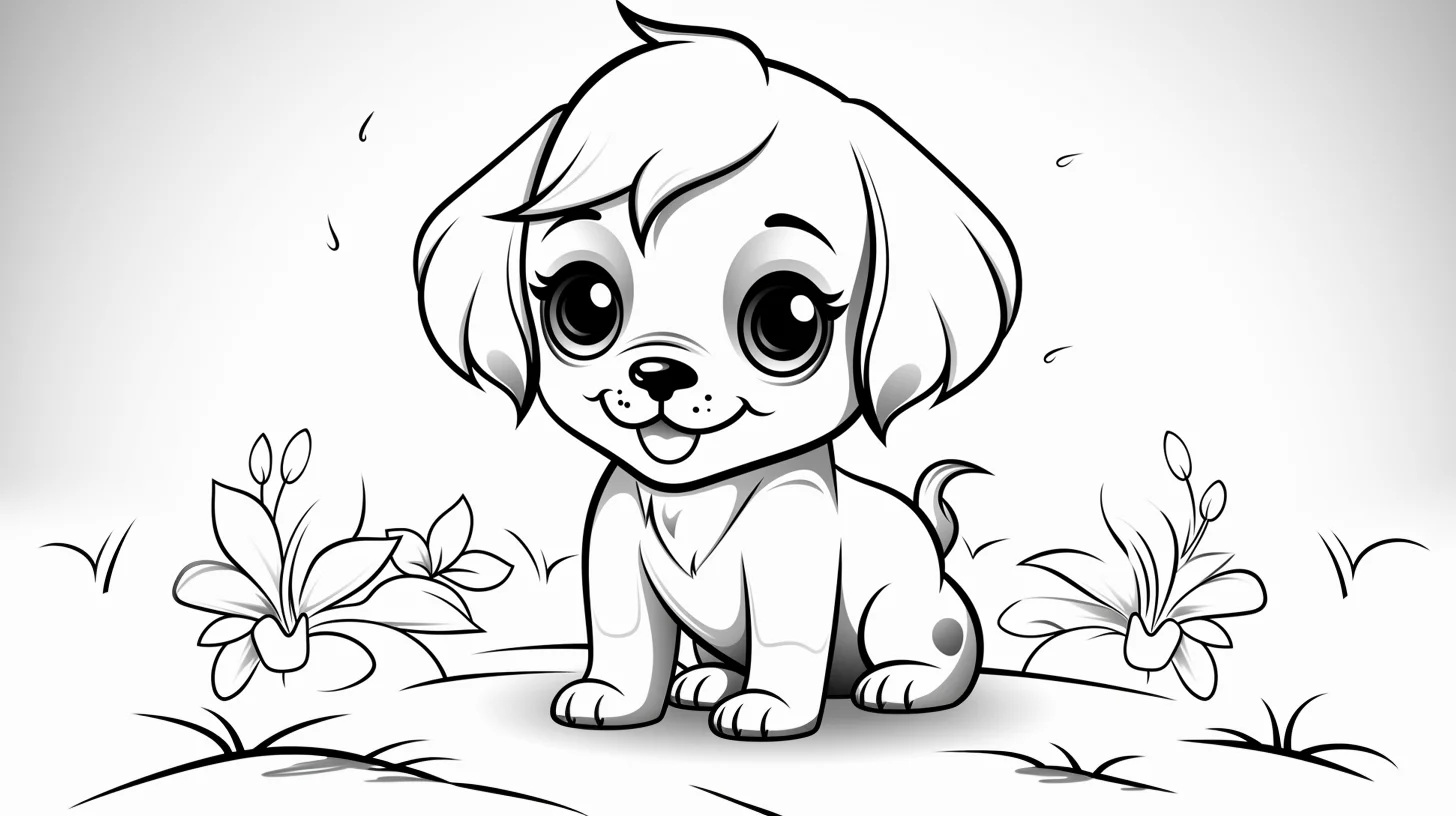
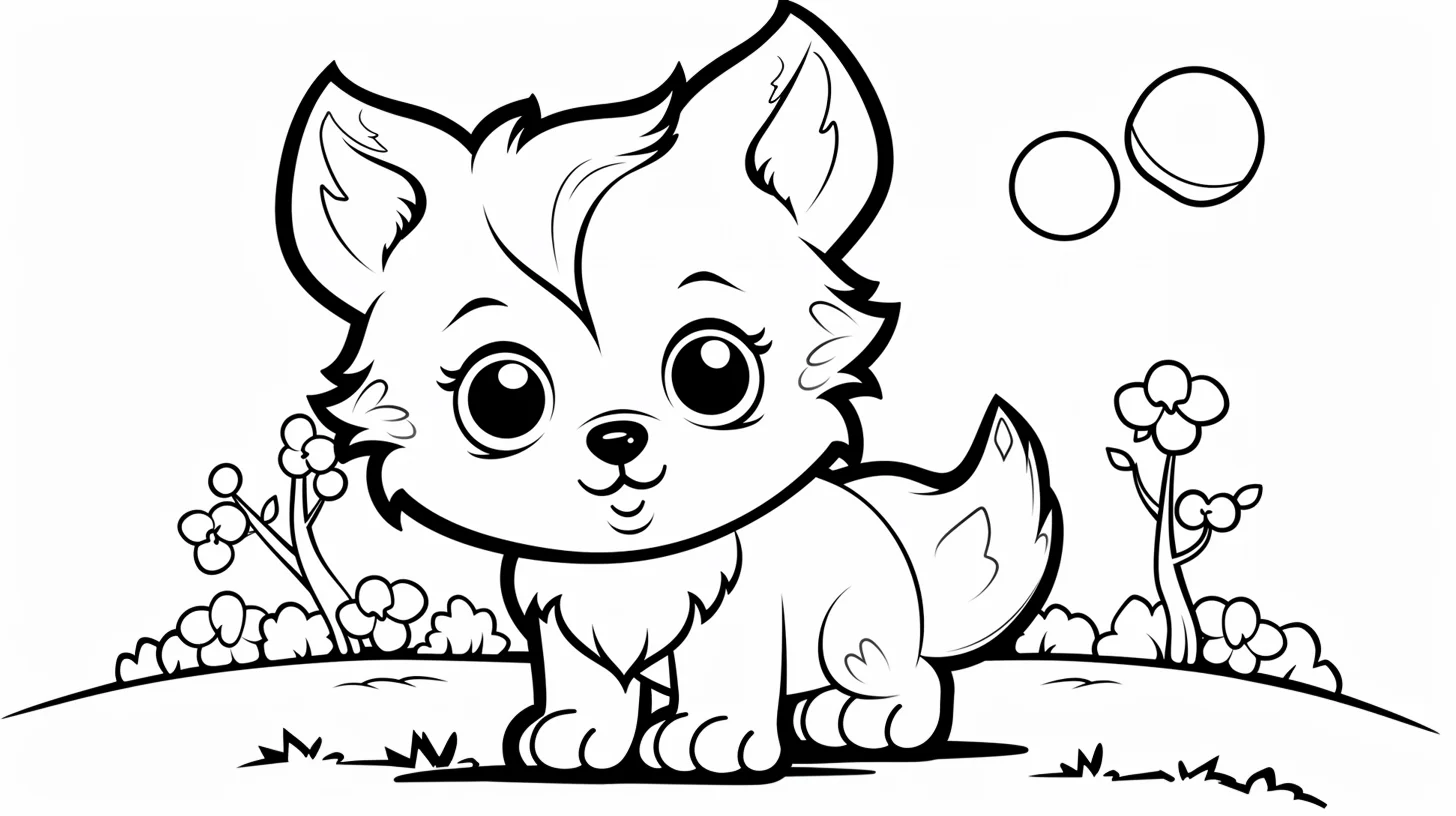
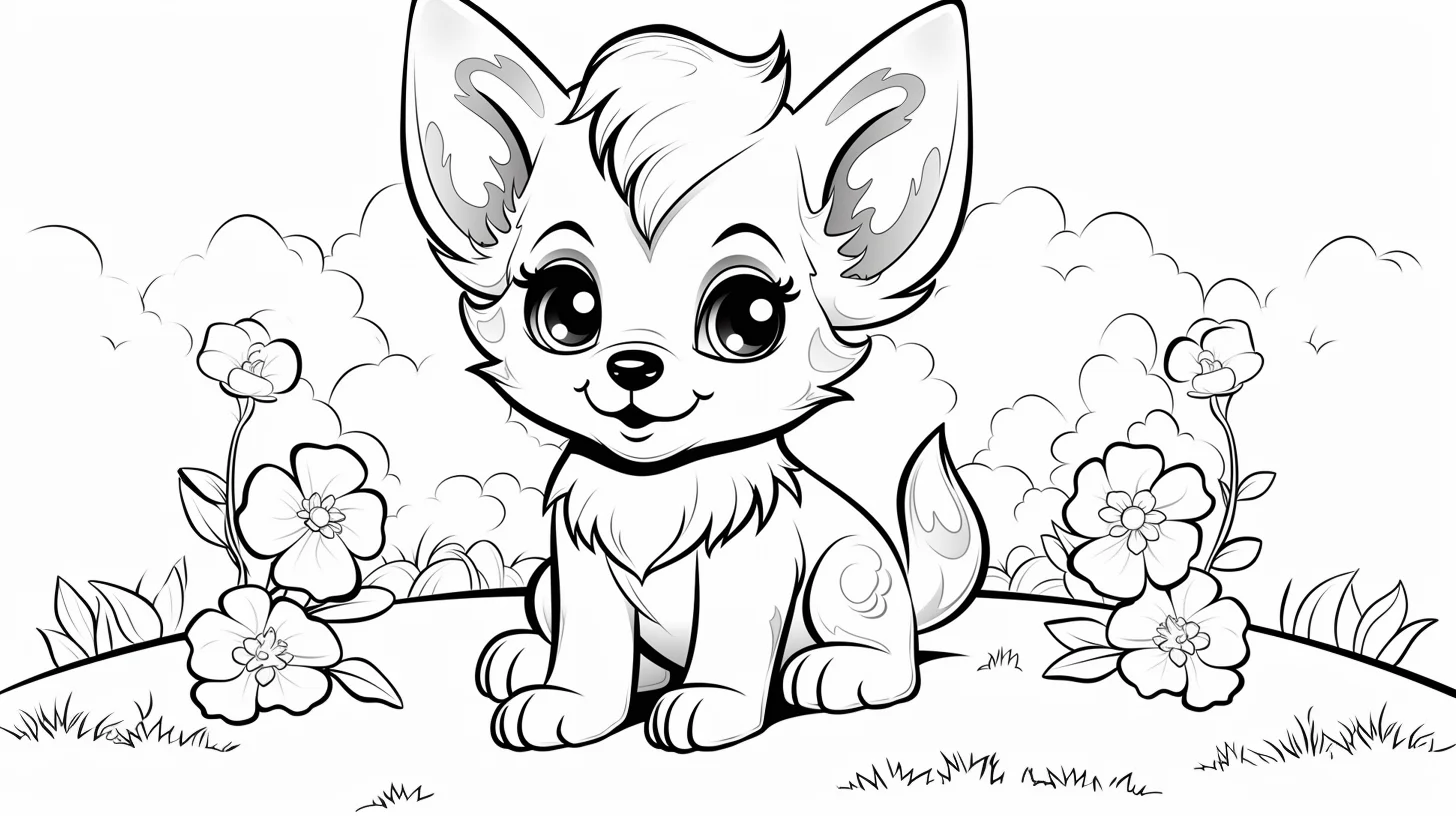
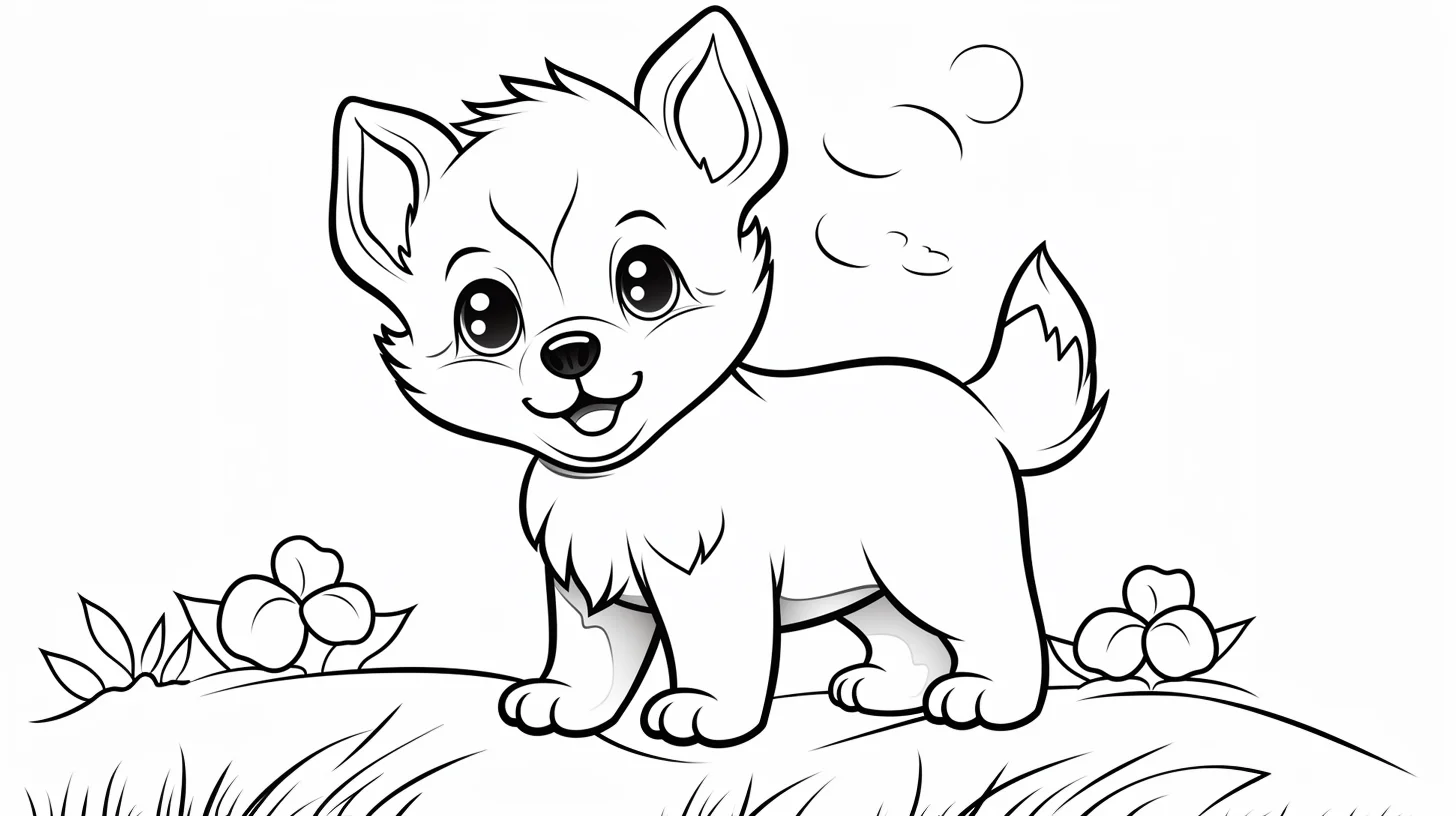
Cartoon dog: this is a good place to use a non-realistic coat. Keep the face light enough for the eyes and nose to stand out, then use the ears, collar or other small details for stronger accent colors.
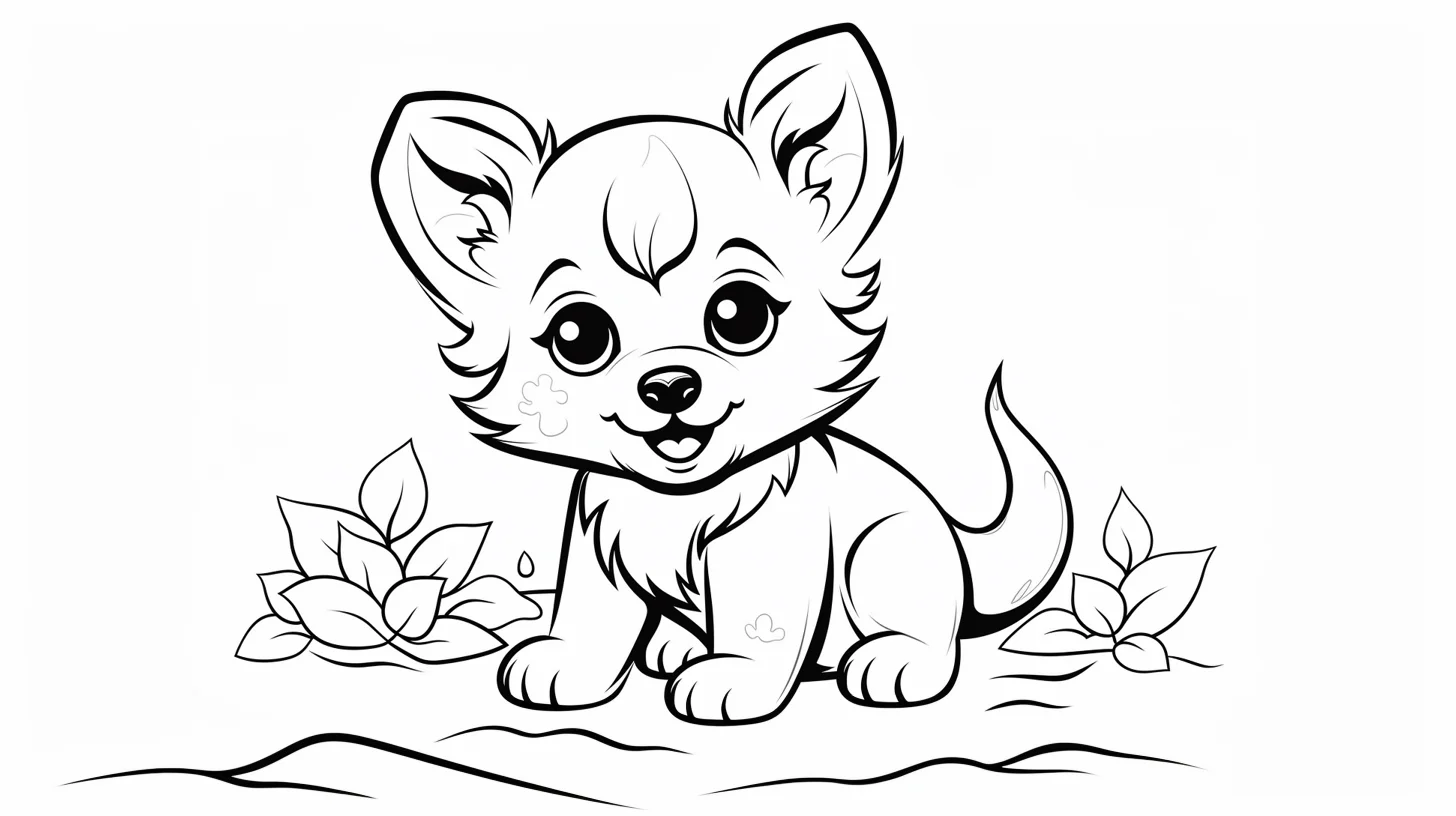
How to color an easy puppy without making it look flat
Simple puppy drawings have fewer lines, which means each color choice matters more. Instead of adding lots of detail, use three values: a main coat color, a lighter area and one darker accent. For a brown puppy, for example, use medium brown across most of the coat, leave the muzzle and chest cream, then make the ears or patches a deeper brown. The same method works with imaginary colors.
- Color the largest coat area first. Use light pressure with pencil or slow, overlapping strokes with crayon so the fill stays even.
- Separate the face. Keep the muzzle slightly lighter than the surrounding fur. This gives the eyes and nose room to read clearly.
- Add one darker zone. Ears, a patch, paws or the underside of the body are enough. Avoid outlining every fur edge in a dark color.
- Finish with tiny features. Color the eyes, nose, collar and other small shapes last so they stay crisp.
A three-page puppy coloring practice
If a child is learning to control crayons or pencils, do not start by asking for perfect coloring inside every line. Use three different sheets from this set and change the goal each time.
- Page 1 — smooth fill: choose a puppy with large open shapes. The only goal is to cover the coat without leaving large white gaps.
- Page 2 — two-tone coat: use one main color plus a lighter muzzle, belly or paws. This teaches visual separation without adding difficult detail.
- Page 3 — focal contrast: keep the coat fairly quiet and make the collar, bow, ears or another small feature noticeably stronger. The puppy should still be the first thing you notice.
This progression is more useful than simply choosing a harder drawing: the picture stays approachable while the coloring skill changes.
Easy puppy coloring problems and quick fixes
| Problem | Try this |
|---|---|
| The puppy looks flat | Keep the muzzle or chest lighter and make the ears, patches or underside one step darker. |
| Dark fur hides the face | Leave a lighter area immediately around the eyes or muzzle instead of filling the entire head with the darkest color. |
| Crayon looks patchy | Use overlapping circular strokes and build a second light layer rather than pressing hard immediately. |
| Marker shows streaks | Work one small area at a time and keep a wet edge; avoid repeatedly scrubbing over drying ink. |
| The page feels unfinished | Add a soft ground shadow beneath the paws, a little grass or two or three simple background marks. |
| Too many colors compete | Limit the puppy to two coat colors and reserve one brighter color for an accessory. |
Four simple puppy color palettes
- Golden puppy: honey-gold coat, cream muzzle and chest, warm brown ears and nose.
- Black-and-white: soft charcoal rather than solid black for most dark fur, white chest and paws, red or blue collar.
- Soft cartoon: pale peach coat, cream face and belly, dusty pink ears and collar.
- Fantasy puppy: lavender coat, pale blue muzzle and chest, deep purple ears and a yellow accessory.
For very young colorers, two or three colors are plenty. A limited palette makes the finished page look intentional and reduces the number of decisions they have to make.
Easy puppy coloring pages FAQ
Which pages are best for preschoolers?
Start with the sheets that have the largest puppy shapes, the fewest small markings and little or no background detail. Thick crayons or washable markers are easier to control than fine pencils on these pages.
Do puppies need realistic coat colors?
No. These are cartoon-style practice pages, so realistic breed coloring is optional. If the goal is learning control, contrast or color choice, an invented blue, pink or purple coat can work just as well.
How can I color a white puppy?
Leave most of the paper white and add only a small amount of pale gray, beige or blue-gray where forms turn away from the light: under the ears, beneath the chin, around a leg overlap and under the belly. Coloring every white area gray usually makes the coat look dirty rather than white.
How can I color a black puppy without losing the line art?
Use dark gray for most of the coat and save true black for the deepest areas, such as the nose, pupils and a few shadow zones. That keeps the printed outlines and facial features visible.
When to move to a more detailed puppy page
If these sheets feel too quick, try the 18 puppy pages with breed-inspired and fantasy designs or the 41-page puppy collection by breed. Those sets give you more fur markings, breed variety and smaller details to work with.

