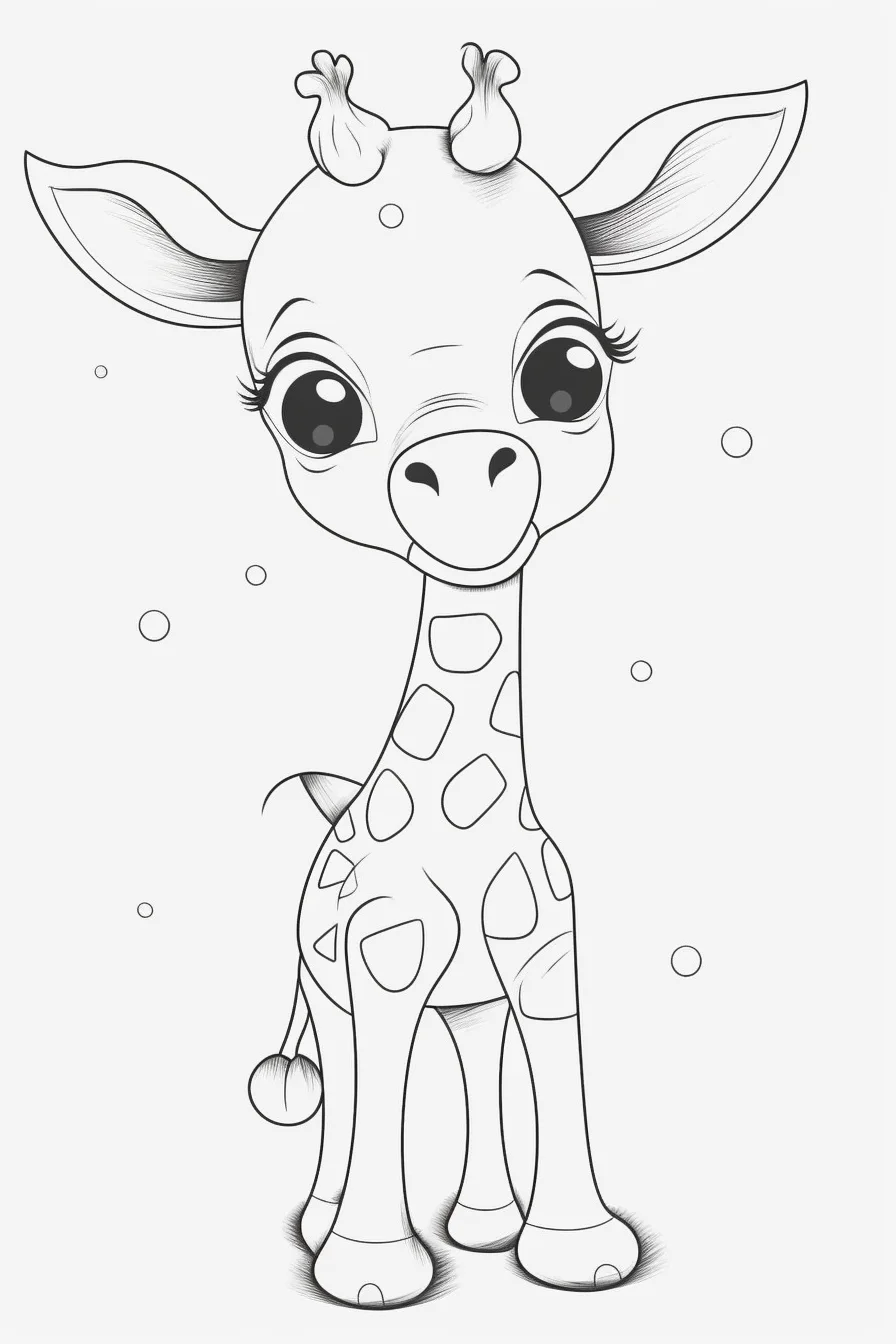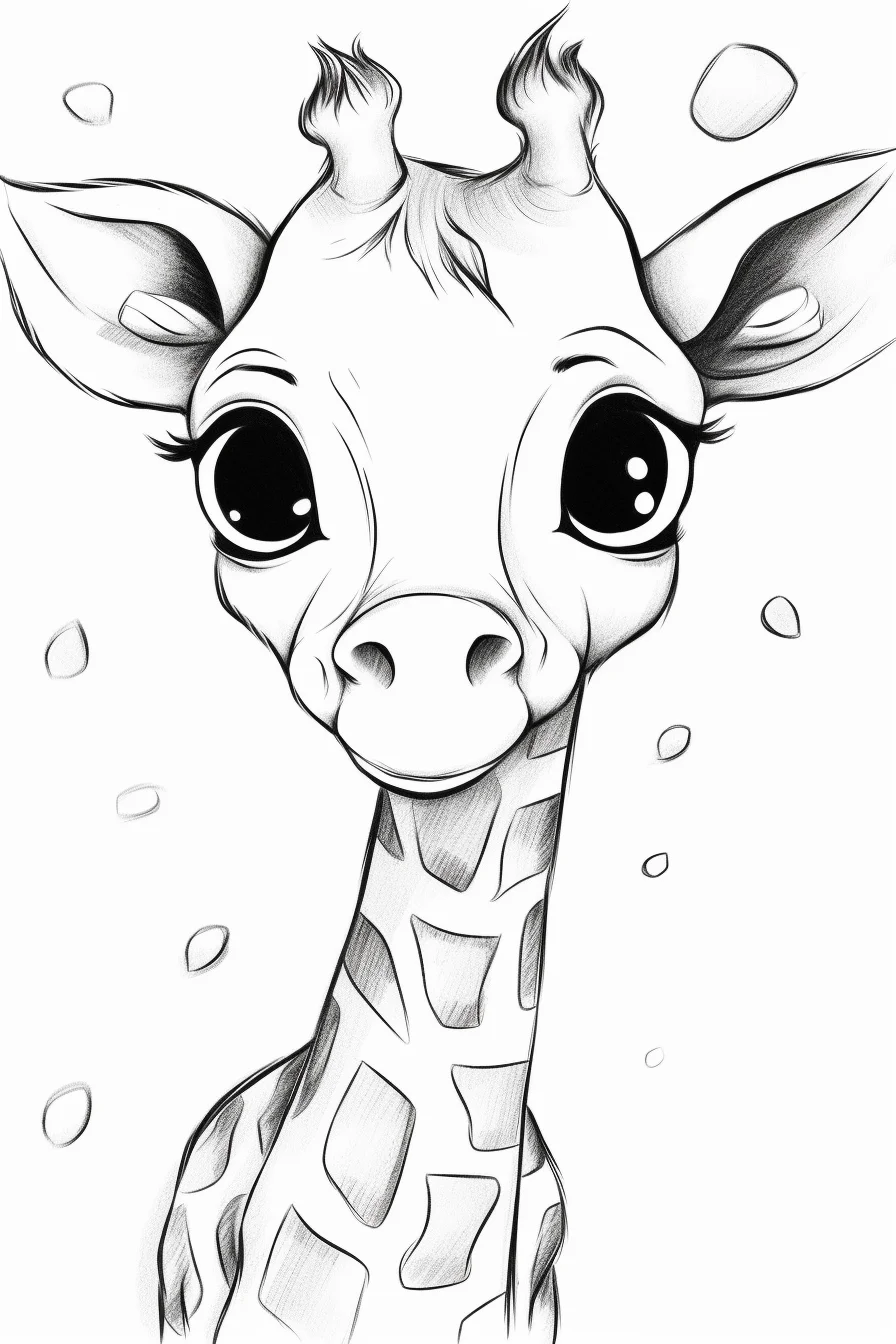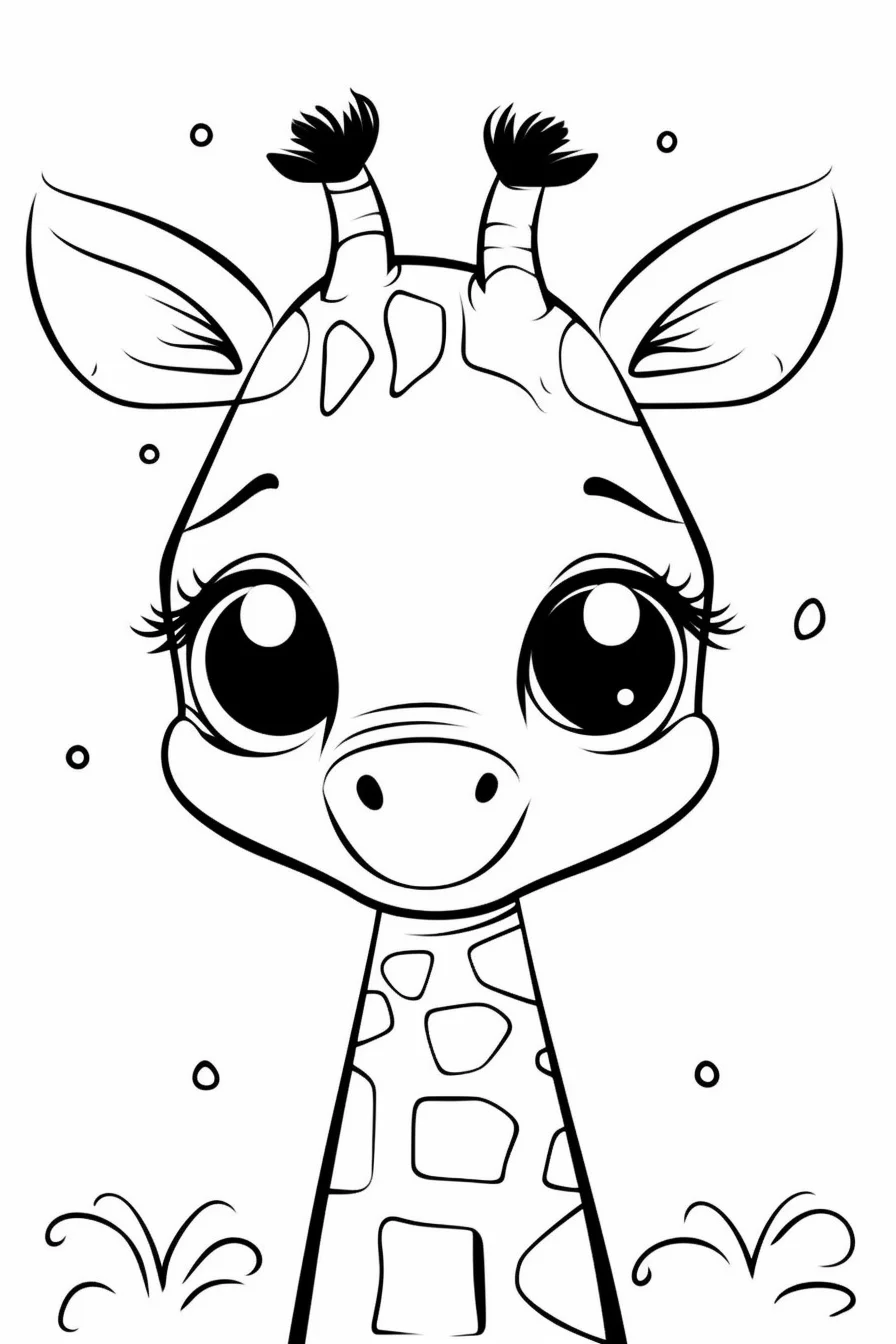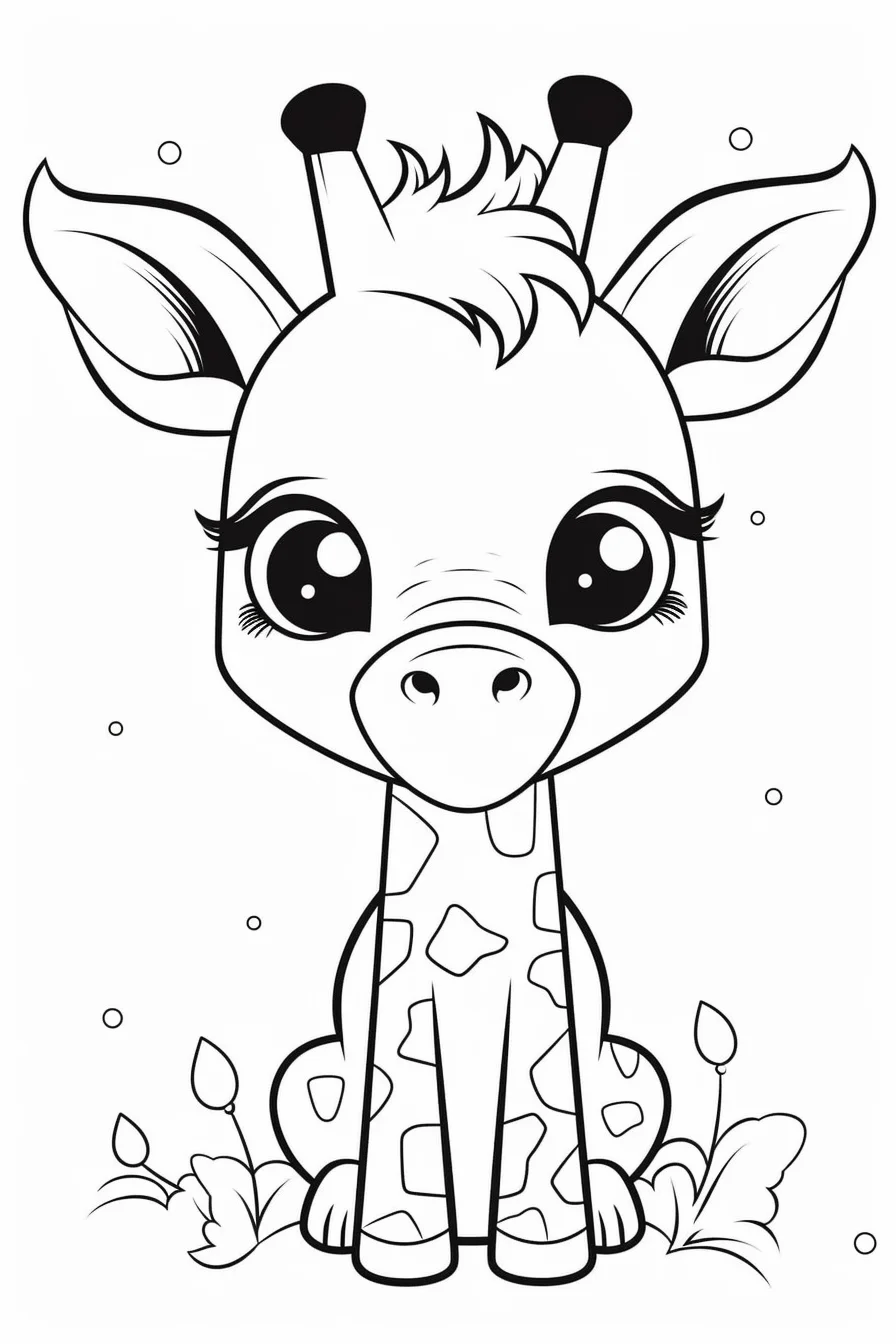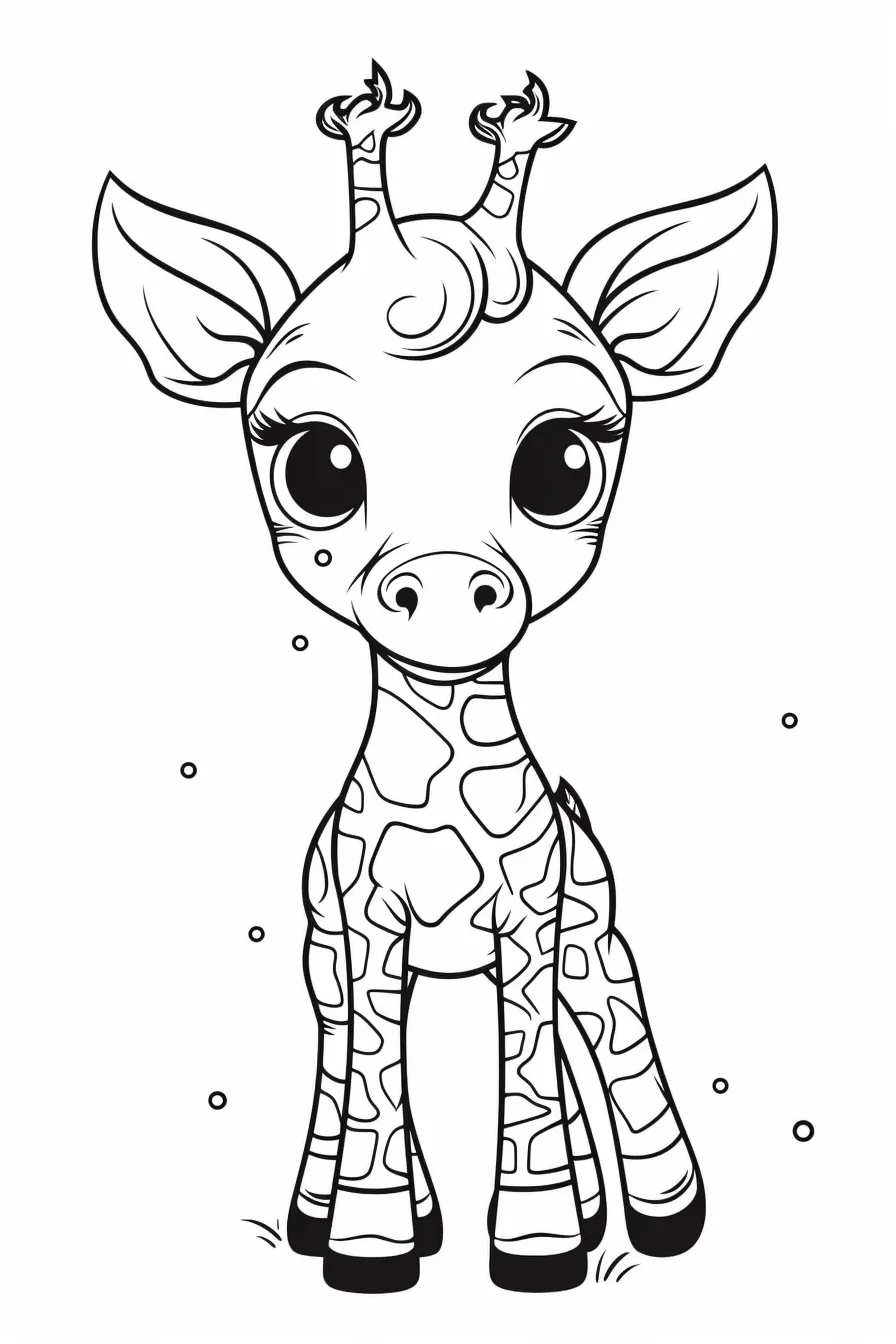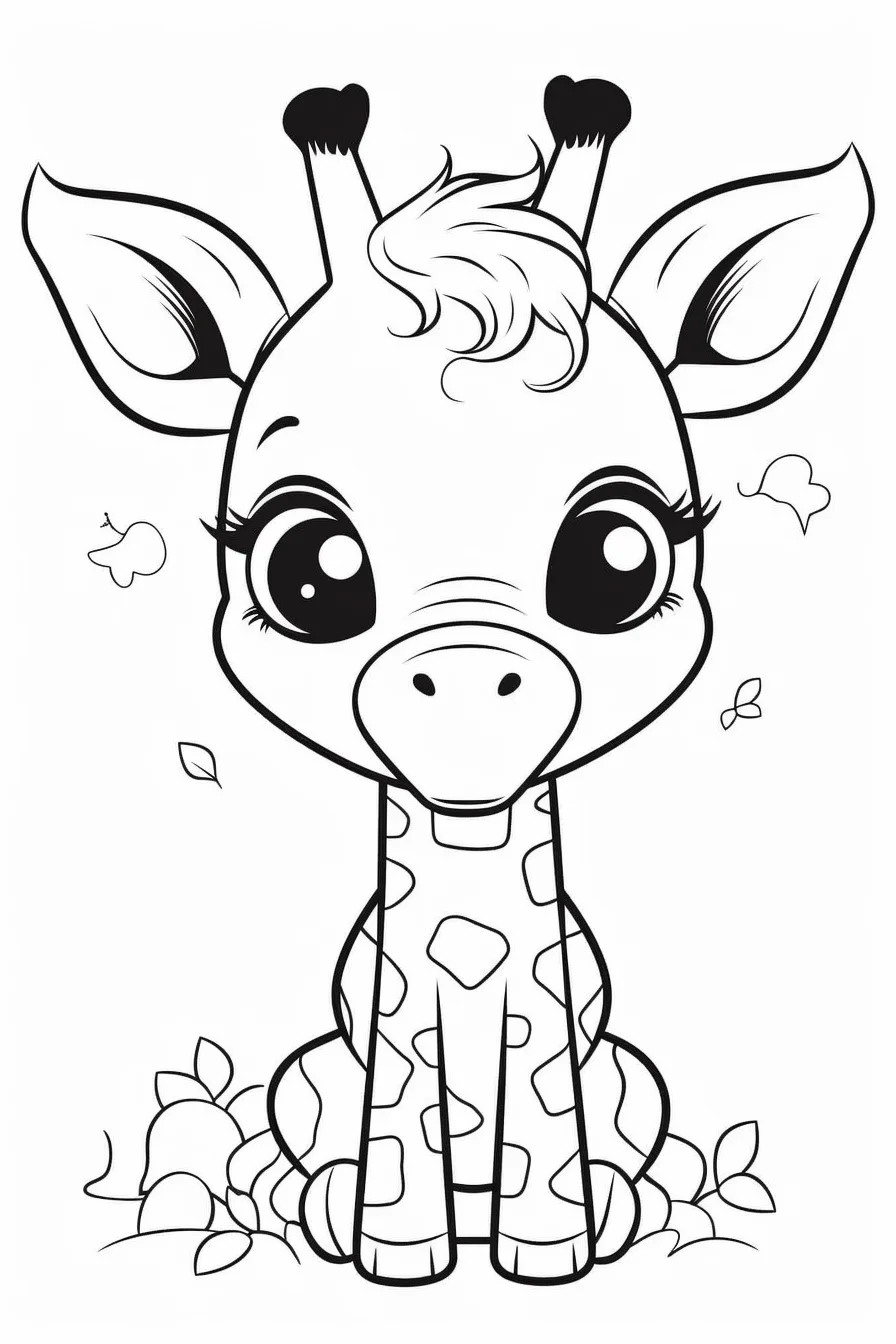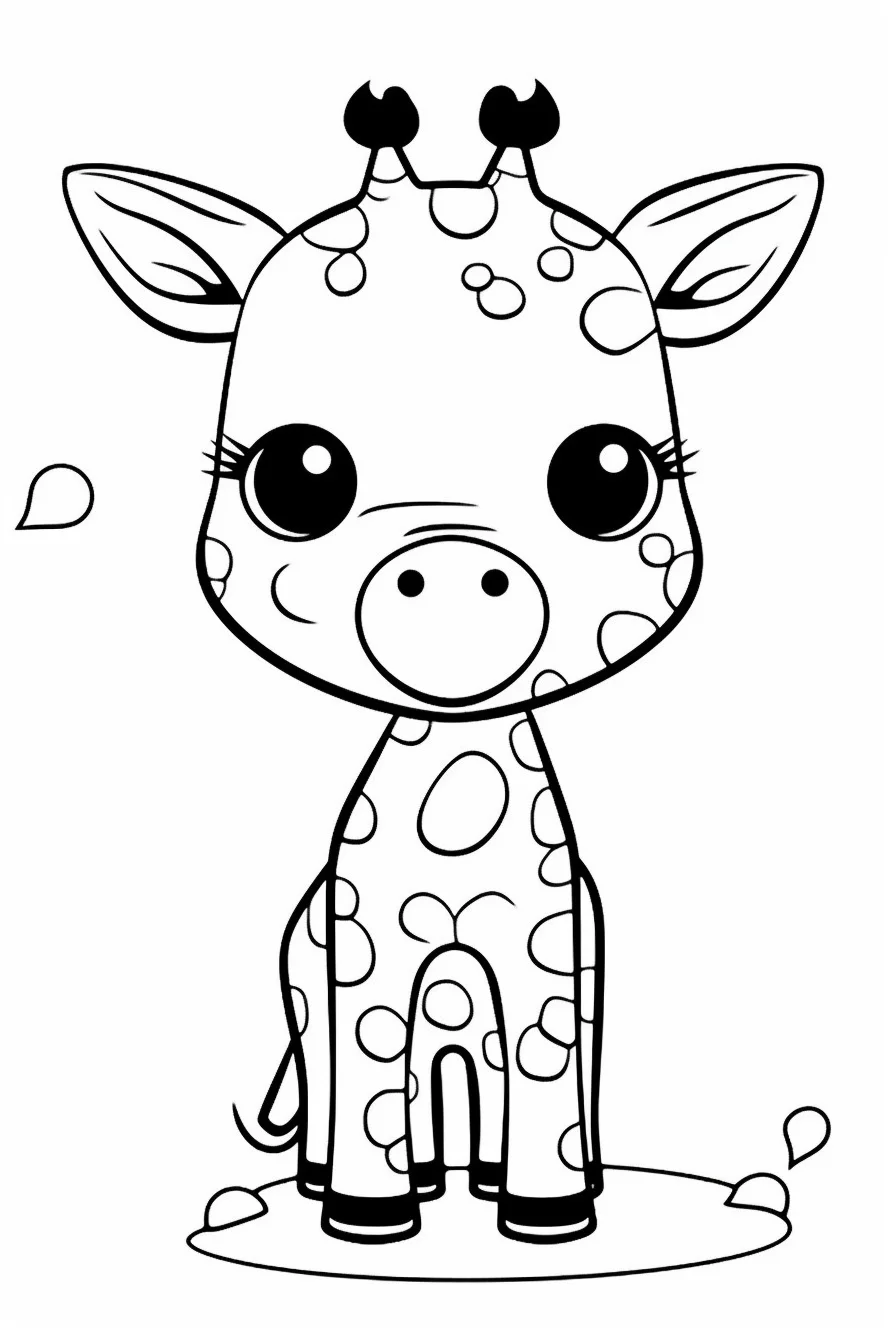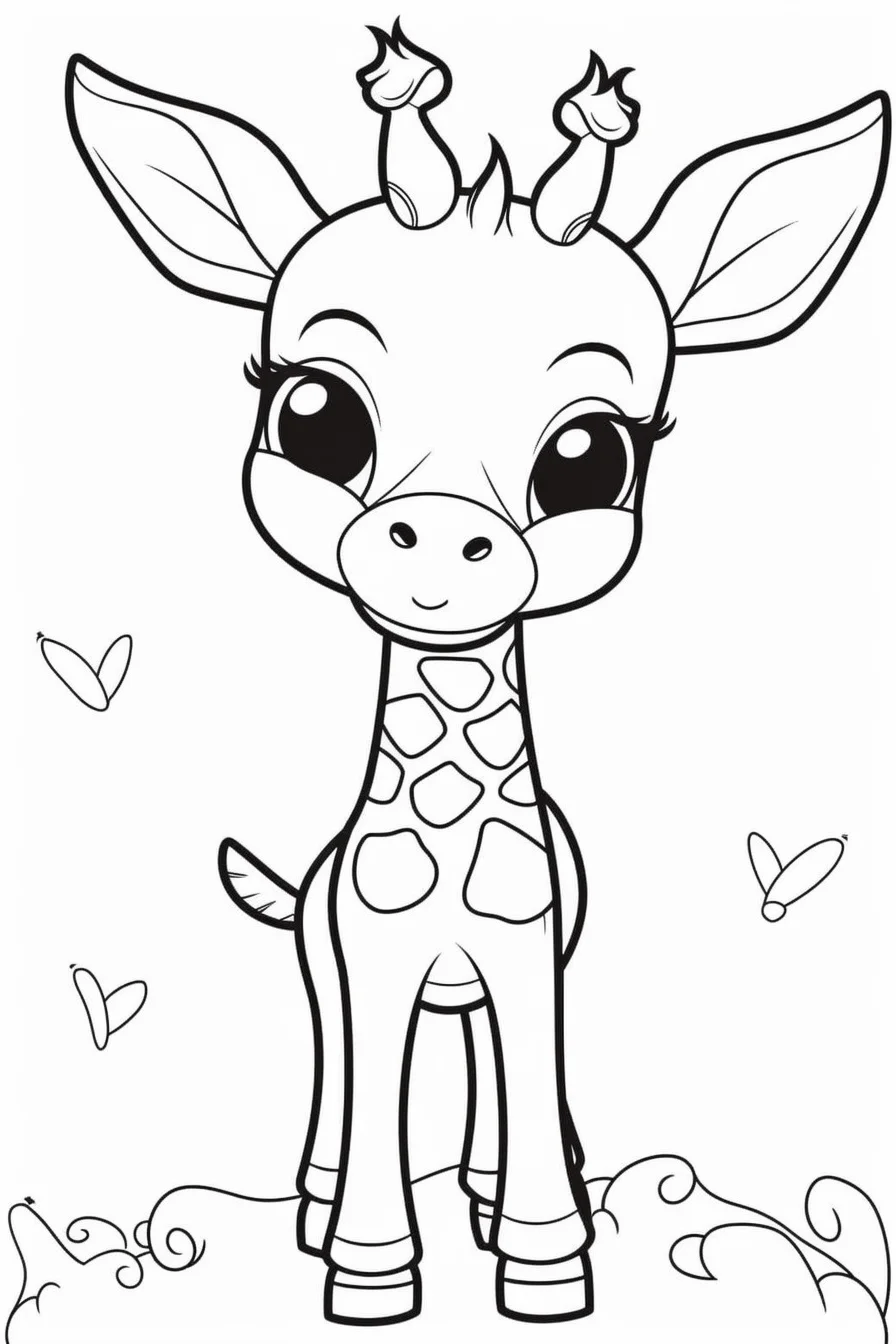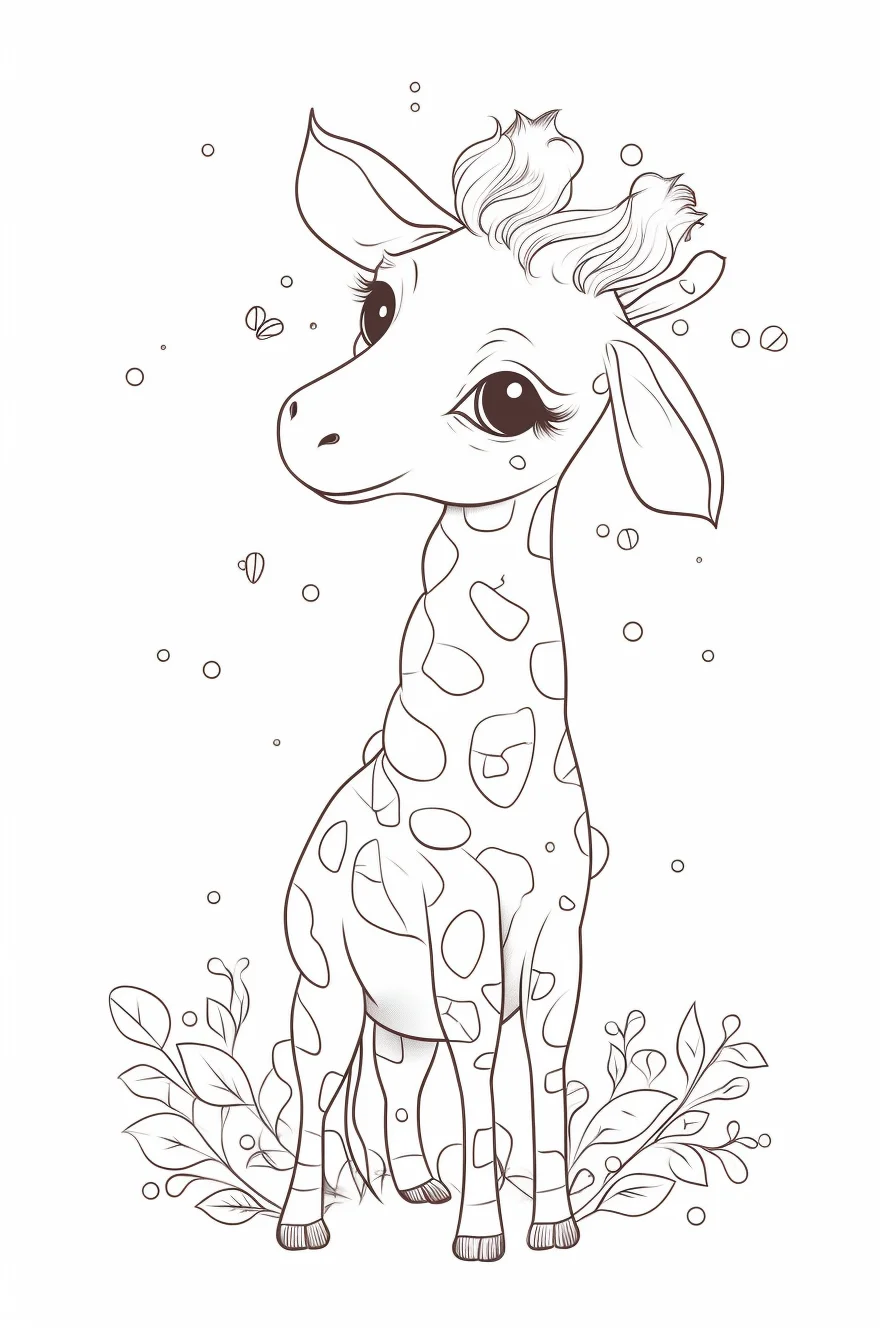
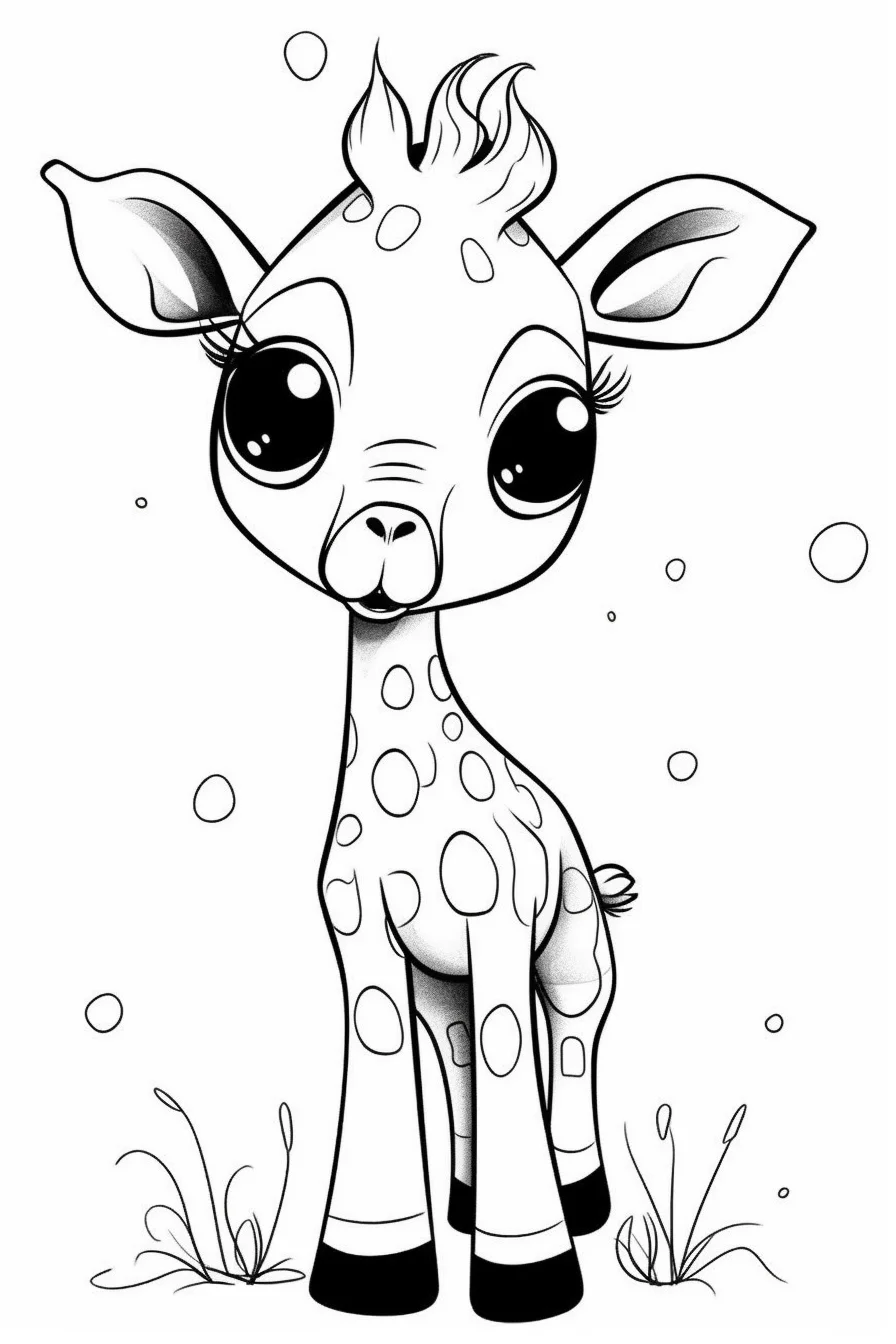
These 10 easy giraffe coloring pages are the simpler, younger-child side of our giraffe collection: baby giraffes, large shapes, friendly faces and outlines that work well with crayons or broad colored pencils. If a child is still learning to control a coloring tool, start here rather than choosing a page because it looks more realistic.
Pick the right giraffe page in 60 seconds
- Check the smallest space. Compare the crayon or pencil tip with the giraffe’s eyes, hooves and narrow spaces between spots. If the tool barely fits, choose a page with larger shapes.
- Count the visual jobs. A page with one giraffe and little scenery is easier than one with many small background objects, even if both drawings look cute.
- Test two browns first. On scrap paper, make one light golden-brown swatch for the coat and one darker brown for the patches. They should still look different from arm’s length.
- Protect the face. Color the eyes, muzzle and inner ears before filling nearby dark patches. This keeps the expression readable.
For preschoolers: skip shading completely. Use one light body color, one darker spot color and one bright background accent. Large, finished shapes are better practice than forcing a child through every tiny detail.
A simple order that prevents muddy giraffes
Start with the light coat rather than the spots. Use gentle pressure so the paper is not saturated. Add the darker patches next, then color the mane, hooves and facial features. Leave the background until last. This order makes it easier to see whether the animal already has enough contrast before adding more color.
- Coat: pale yellow, ochre, tan or a fantasy color.
- Patches: medium or dark brown, orange-brown or a darker version of the coat.
- Mane and hooves: usually darkest, but they do not need to be black.
- Background: keep it lighter or less saturated than the giraffe if you want the animal to stay dominant.
Three useful practice methods
1. Spot control
Choose one easy page and color only the patches first. Try to stop just before each outline instead of repeatedly tracing the border. On the next page, color the light coat first and compare which method gives cleaner edges. This turns two similar printables into a visible fine-motor exercise.
2. Long-neck strokes
The neck is a good place to practice consistent pencil direction. Use light strokes that follow the length of the neck, then add a second layer only where you want a little shadow. Random heavy scribbling can make a simple page look patchy; two light passes are easier to control.
3. Limited-palette challenge
Pick four colors before starting: two for the giraffe, one for plants or ground and one accent color. Reuse those colors instead of choosing a new pencil for every small shape. Younger colorists often get a clearer finished picture when the palette is decided first.
How to fix common giraffe-coloring problems
| Problem | Try this |
|---|---|
| The spots disappear into the coat | Make the coat lighter rather than pressing harder on every patch. |
| The face looks too dark | Keep patches lighter around the eyes and muzzle; reserve the darkest value for pupils, nostrils and a few accents. |
| Crayon keeps crossing small outlines | Move to a simpler sheet or use a narrower crayon/pencil for the face and hooves. |
| The page feels unfinished | Add one ground line, a pale sky or a few simple grass shapes instead of filling every blank area. |
| The child gets tired halfway through | Color the giraffe only. A blank background is not a failed page. |
Printing these easy giraffe pages
The artwork is portrait-format. Print on A4 or US Letter paper and choose “fit to page” or “fit to printable area” so the outer lines are not clipped. Ordinary copy paper works for crayons and pencils. If you use washable markers, place a spare sheet underneath or use slightly heavier matte paper.
For a classroom or repeated practice, print the same easy giraffe twice. On the first copy, use natural yellows and browns. On the second, let the child invent the colors. Keeping the drawing identical makes it easy to compare edge control, pressure and color planning without increasing the line-art difficulty.
Easy giraffe coloring questions
Which page should a preschooler start with?
Choose a giraffe with the largest enclosed spaces, fewest tiny patches and least background detail. Large shapes matter more than whether the drawing is labeled “cute” or “realistic.”
Do giraffes have to be yellow and brown?
No. Natural colors are useful for observation practice, but pink, blue, purple or rainbow patches are perfectly suitable for a coloring activity. The more important beginner skill is keeping enough contrast between the body and the patches.
Are crayons or colored pencils easier?
Broad crayons are comfortable for large body areas; colored pencils give more control around eyes, hooves and smaller patches. Using both on one page is often easier than forcing one tool to do every job.
More giraffe and animal coloring pages
This page is intentionally the easy, cute and preschool-friendly giraffe set. For a broader giraffe collection with a wider mix of designs, use our giraffe coloring pages for kids. If you want other beginner-friendly animals, browse our animal coloring pages.